FISCAL YEAR 2025
FISCAL YEAR 2025
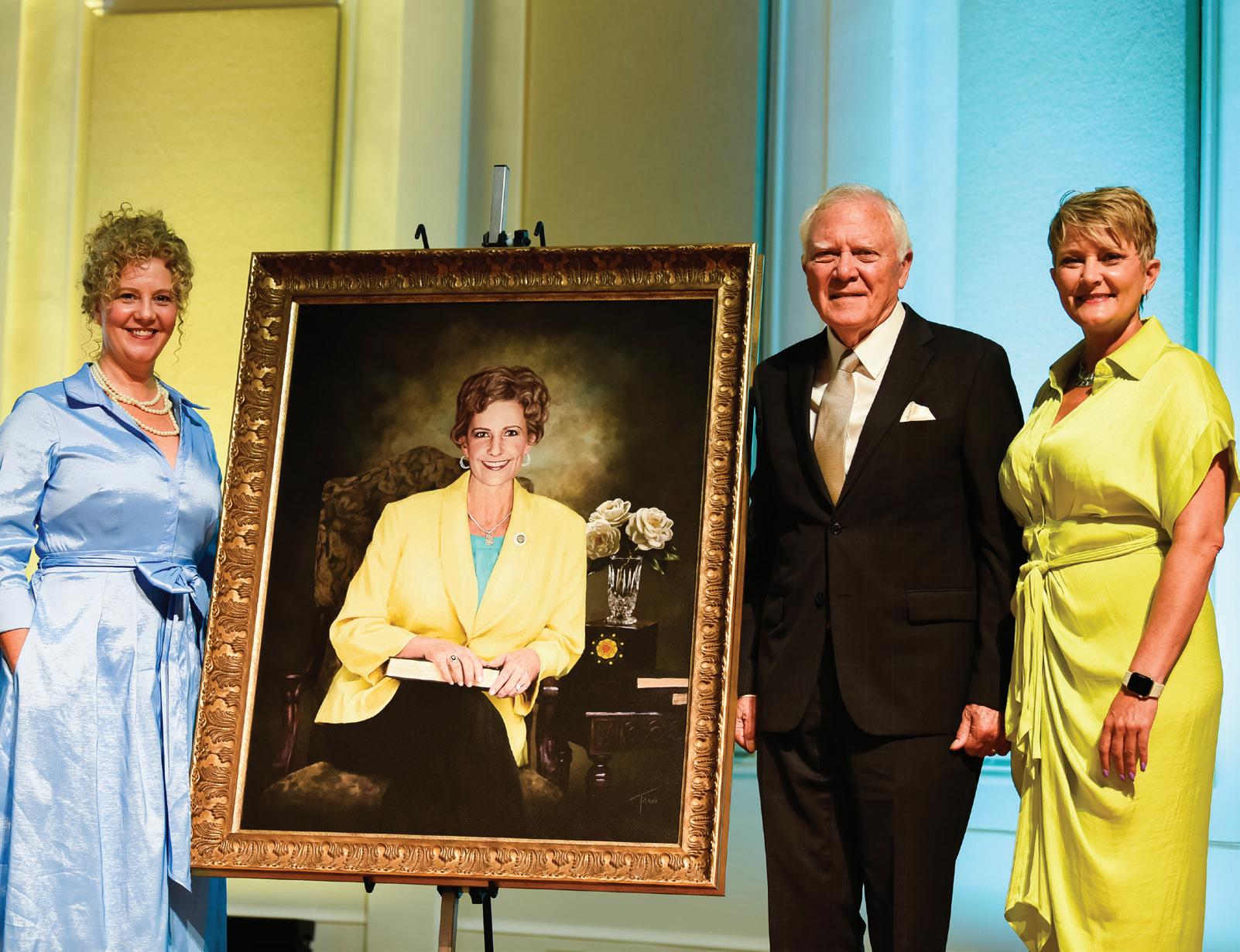
Dear Partners, Donors, and Friends, as the Deal Center continues to honor the legacy of Mrs. Sandra Dunagan Deal, I am proud to reflect on another transformative year for our organization.
Rounding out my second year as Executive Director, I have witnessed the remarkable growth of the Center’s impact—from advancing literacy policy and research at the state level to fostering innovation and implementation in communities across Georgia. Together, we are building a stronger foundation for early language and literacy so that every child in Georgia can flourish.
This year brought major milestones for Georgia’s literacy landscape. The passage of HB 307 strengthened the state’s focus on the science of reading and expanded supports for children at risk for dyslexia.
Georgia also made a significant investment in literacy coaching, and I am honored to serve on the new Literacy Coach Coordinating Committee, which has the potential to drive lasting, systemic change unlike we’ve seen in any other state.
Through this work and my ongoing role on the Georgia Council on Literacy, the Deal Center continues to help advance Georgia’s commitment to evidence-based practices and ensure every child has access to high-quality instruction and early learning experiences.
The Deal Center also led the state’s comprehensive review of universal reading screeners. Thanks to support from the
General Assembly, the top-ranked screener, Amira-ISIP is now provided to schools at no cost. This work, grounded in rigorous analysis and collaboration across agencies, will strengthen literacy instruction and early identification of reading challenges statewide.
Our research-practice partnership with Stilson Elementary School in Bulloch County continues to demonstrate how evidence-based instruction, when supported through coaching and implementation science, can meaningfully improve reading outcomes.
In addition, we launched a pilot reading clinic at Lakeview Primary that offers targeted support for striving readers while serving as a training laboratory for aspiring teacher candidates applying the science of reading in real-world settings.
We also continued to strengthen our Implementation Science Research and Community Coalition Grant programs, awarding funding to projects across Georgia that connect research, community partnerships, and professional learning. These initiatives, along with our professional development programs and the Governor’s Summit on Language and Literacy, continue to bridge the gap between research and practice, expanding access to effective strategies for educators, families, and communities.
As we look ahead, the Deal Center’s fiveyear strategic plan—and our shared vision of a Georgia where everyone has the tools
they need to support children on the path to literacy—guides our work. We are deepening partnerships, advancing research, and continuing to serve as a trusted resource for evidence-based literacy initiatives across the state.
Our progress is possible because of you— our partners, donors, and friends. Your collaboration and generosity fuel this important work. Together, we are carrying forward Mrs. Deal’s legacy and creating a brighter future for Georgia’s children.
With gratitude,
Dr.
Lindee
Morgan, Ph.D., CCC-SLP Executive Director
Literacy changes lives, and at the Deal Center, we’re working to turn this promise into practice. We are a statewide organization, established in 2017 by the state legislature and former Governor Deal in honor of his late wife, Sandra Dunagan Deal.
The Deal Center is Georgia’s hub for embedding evidence-based practices into early childhood systems through research and policy, professional development, and community outreach. On the campus of Georgia College & State University, we are centrally located and work alongside partners and collaborators throughout the state.
We are well positioned to achieve our vision of a Georgia where everyone has the tools to support children on the path to literacy.
The Deal Center is governed jointly by the University System of Georgia Board of Regents, Georgia College & State University, and a board appointed by the President of Georgia College.
Arianne Weldon, Chair
Get Georgia Reading Campaign
Martha Ann Todd, Vice Chair
Columbus Technical College
Carrie Deal
Georgia Lottery Corporation
Commissioner Amy M. Jacobs
Georgia Department of Early Care and Learning
Dr. Keisha R. Callins, M.D., M.P.H.
Mercer University School of Medicine
Lisa Kinnemore
Georgia Board of Education
Dr. Joanne Previts, Ph.D.
Georgia College & State University
Evan M. Bush
Georgia Public Library Service
Dr. Laura Lynch
University System of Georgia
Dr. Fran Dundore
Governor’s Office of Student Achievement
The Deal Center continues the legacy of Mrs. Deal through our charge to put Georgia’s children on the path to reading success.
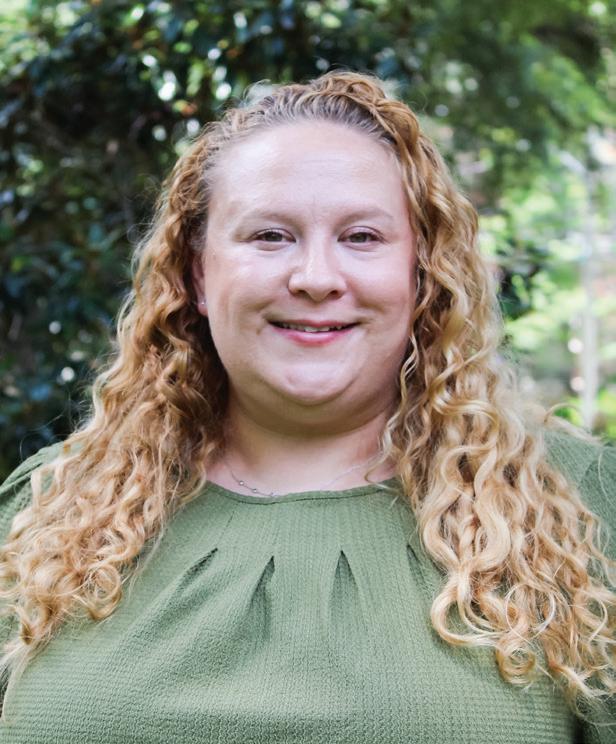
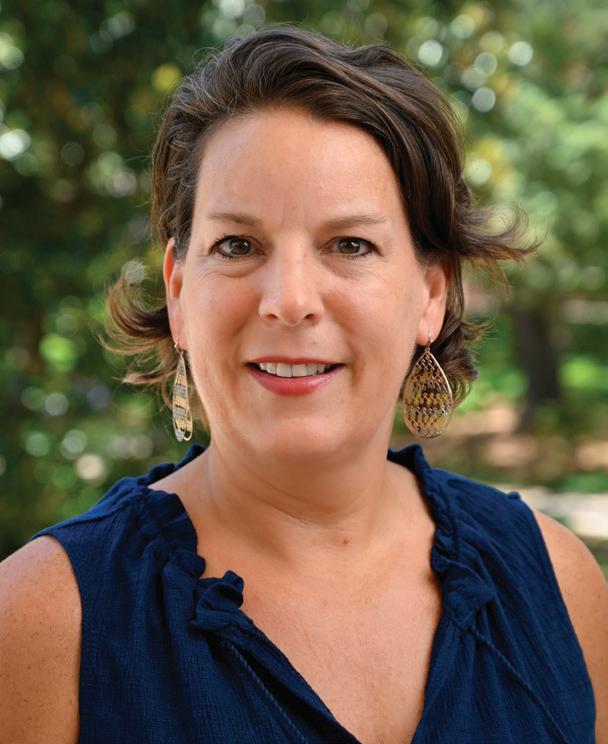
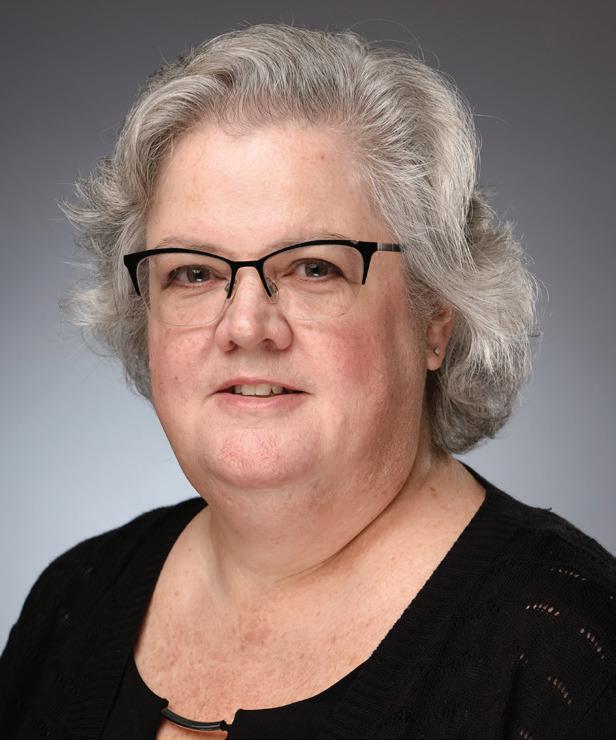

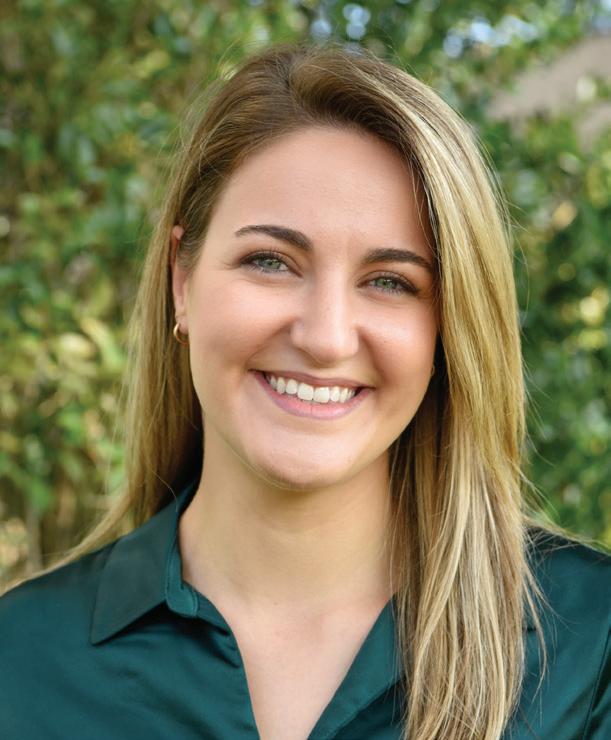
Professional Development Specialist

Program Assistant

Admin Office Manager
The Deal Center has a rigorous framework within which we pursue a Georgia where everyone has the tools to support children on the path to literacy.
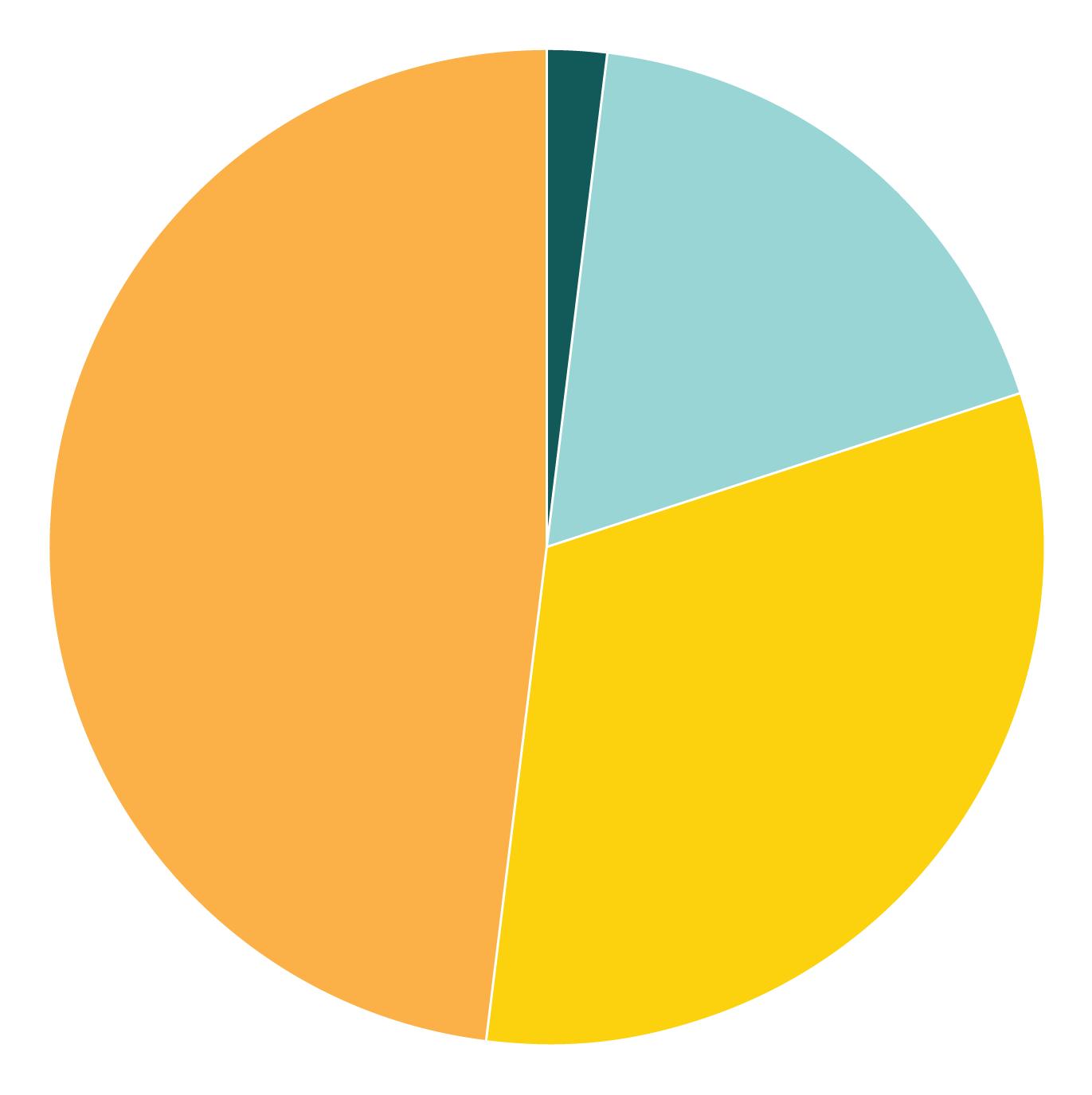
Our goals are based on GCSU’s Five Strategic Pillars, the foundation their Imagine 2030 strategic plan. The pillars (Innovate, Distinguish, Empower, Engage, and Advance) provide guidelines for staff and the Governing Board to consider when adopting new policies, evaluating current policies, and planning for future initiatives.

The Sandra Dunagan Deal Center for Early Language and Literacy is dedicated to advancing research in language and literacy practices throughout Georgia to ensure every child meets their potential.
We’re working toward a Georgia where everyone has the tools to suport children on the path to literacy. It takes all of us to build children’s brains and empower proficient literacy.
The Deal Center is at the core of funding, translating, and deploying evidence-based language and literacy practices to child-facing spaces in Georgia—giving everyone the tools to support children on the path to literacy.
4
INVESTIGATIONS FUNDED TO STUDY ADOPTION AND SCALING OF EVIDENCEBASED PRACTICES
$448 THOUSAND G R A N T S IN COMPETITIVE GRANTS AWARDED TO LITERACY ORGANIZATIONS
TOP-RANKED SCREENER RECOMMENDED BY THE DEAL CENTER AND APPROVED BY THE GEORGIA BOARD OF EDUCATION FOR STATEWIDE USE, FREE TO ALL SCHOOLS
$810,649 INVESTED IN RESEARCH & PROFESSIONAL DEVELOPMENT
136 CEUS/ GAPDS CREDITS ISSUED
343 LITERACY COACHES TRAINED 71% IN COMMUNITY COALITION GRANT APPLICATIONS INCREASE
14 PRESERVICE TEACHERS TRAINED IN STRUCTURED LITERACY AT GCSUBALDWIN COUNTY READING CLINIC
In Georgia, teachers receive training in the science of reading. However, simply knowing the components of the science of reading does not translate into daily instructional practice.
Research shows that short-term professional learning sessions are less likely to result in lasting changes. Instead, coaching offers real-time, contextualized feedback that is ongoing, reflective, and directly connected to classroom practice.
Targeted coaching helps teachers move from “knowing” the science of reading to effectively “doing” it in their daily instruction, an approach that leads to stronger literacy outcomes for students.
To examine the impact of literacy coaching, the Deal Center engaged Dr. Caitlin Dooley, Professor and Department Chair of Early Childhood and Elementary Education at Georgia State University.
The study explored how 35 elementary educators at Stilson Elementary School in Bulloch County developed their knowledge and practices related to the science of reading, while participating in literacy coaching focused on comprehensive reading instruction.
The study evaluated how coaching in structured literacy influenced student performance using the i-Ready Assessment, an adaptive diagnostic tool used in K–12 education to measure proficiency in reading and mathematics.
Data collection incorporated multiple sources to capture both teacher practice and student outcomes. Methods included classroom observations, written reflections and notes, teacher surveys, and interviews.
Student assessment data were collected on the i-Ready Assessment, an adaptive diagnostic tool used in K–12 education to measure proficiency in reading and mathematics. i-Ready scores for all kindergarten through third-grade students were collected at the beginning and end of the 2024-25 school year to evaluate growth in reading proficiency.
Data were collected throughout the 2024–25 school year and descriptively analyzed to better understand how literacy coaches and educators interpret and implement comprehensive reading instruction. The research team conducted a content analysis of the coaching reflections, applied thematic analysis to interviews, and reported an aggregate analysis of student outcomes.
Results of the study indicated that teachers transitioned from balanced
literacy to structured literacy, emphasizing explicit instruction and the use of decodable texts as foundational components of reading instruction.
This shift marked a move toward evidence-based practices that support systematic skill development in early readers. Literacy instruction also became more integrated across content areas. Teachers used read-alouds strategically to build vocabulary and background knowledge in subjects such as science and social studies, enhancing comprehension and promoting cross-disciplinary learning.
Educators began leveraging data from universal screeners and diagnostic assessments to inform targeted small-group interventions. These practices were aligned with Multi-Tiered Systems of Support (MTSS), ensuring that instruction was responsive to individual student needs and grounded in continuous progress monitoring.
i-Ready assessment data showed that the proportion of students achieving benchmark increased significantly from the beginning to the end of the school year, with the most dramatic gains in kindergarten and first grade.
As shown in the table, the percentage of kindergarten students achieving benchmark levels rose dramatically in every domain, with comprehension increasing from 21% to 92% and phonemic awareness from 31% to 87%.
Overall, the data suggest strong improvements in foundational literacy skills across the early grades, with the largest gains seen in kindergarten and first grade.
In the context of strong literacy coaching, not only did teachers make a strong shift toward using evidence-based practices in reading instruction and in using data to inform small-group interventions, but students also showed strong growth across grade levels on the iReady assessments.
These findings position literacy coaching as a strategic policy lever, highlighting its critical role in translating broad mandates into actionable classroom practices.
This research adds to the growing body of evidence supporting literacy coaching as a catalyst for literacy reform and offers practical guidance for scaling effective implementation strategies.
i-Ready Assessment Domains Students Achieving Benchmark (Fall ‘24) Students Achieving Benchmark (Spring ‘25) Kindergarten
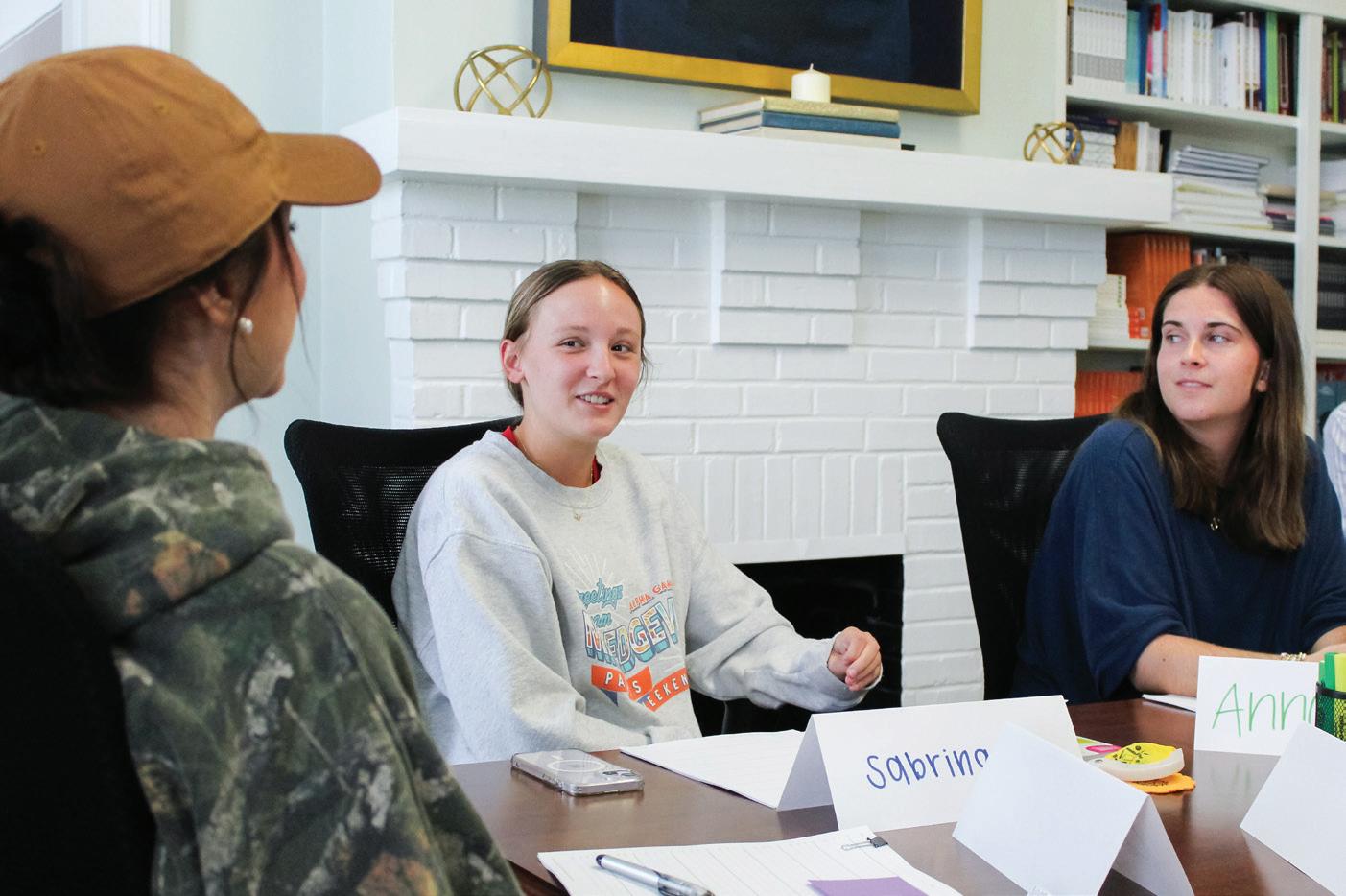
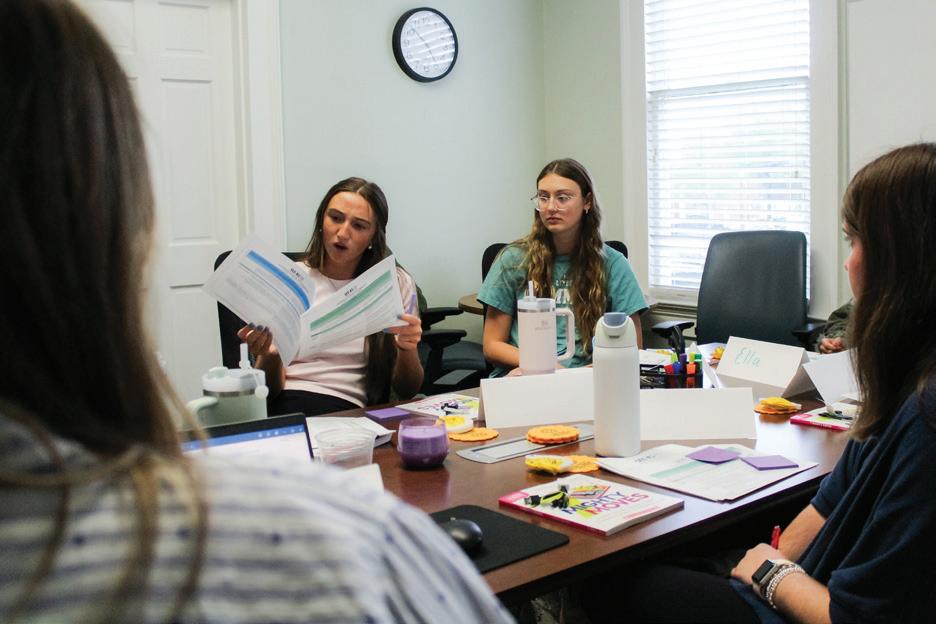
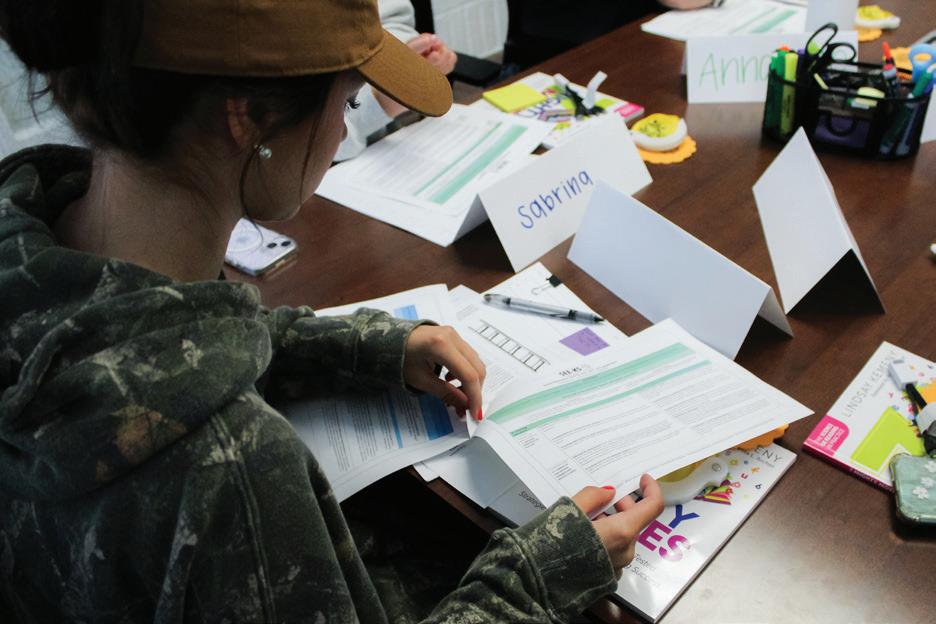
“I think it’s so important to have educated teachers in literacy because it’s the basis of everything else you learn,” said sophomore elementary education major Shelby Gowen. “You can’t really continue on and learn anything else unless you have that good basis.”
In an expansion of Deal Center programming, fourteen pre-cohort teacher candidates from Georgia College & State University delivered evidence-based reading instruction to 98 K-2 students enrolled in Lakeview Primary School’s afterschool tutoring program.
This ‘Reading Clinic’ is the Deal Center’s strategic approach to tackling reading difficulties by investing in comprehensive tutor training that emphasizes evidence-based practices: explicitly teaching decoding, encoding, handwriting and articulation. Trained tutors led groups of three to six striving readers through a scripted structured literacy lesson for two, half-hour sessions, four times per week.
Program evaluation data demonstrated substantial gains in tutor knowledge and instructional competencies. Specifically, tutors’ knowledge of structured literacy principles increased significantly from a pre-training mean of 1.83 to a post-training mean of 4.25 on a five-point Likert scale.
Implementation abilities exhibited parallel growth, advancing from 1.92 to 4.38. These gains reflect fundamental transformations in tutors’ pedagogical approaches to reading instruction.
Most notably, tutors demonstrated marked improvement in their understanding of the distinction between encoding and decoding processes and their ability to implement explicit instruction in these skills to facilitate orthographic mapping. Competency in this domain increased from 1.75 to 4.75, indicating achievement of mastery-level understanding of concepts that often challenge practicing educators.
The program’s impact can be attributed to its emphasis on training tutors in systematic explicit instruction protocols. This approach ensures that each instructional tutor-student interaction contributes incrementally to the development of reading proficiency.
This intervention model provides a replicable framework demonstrating how undergraduate students can be systematically prepared to deliver high-quality reading instruction, thereby serving as effective partners in addressing persistent literacy challenges.
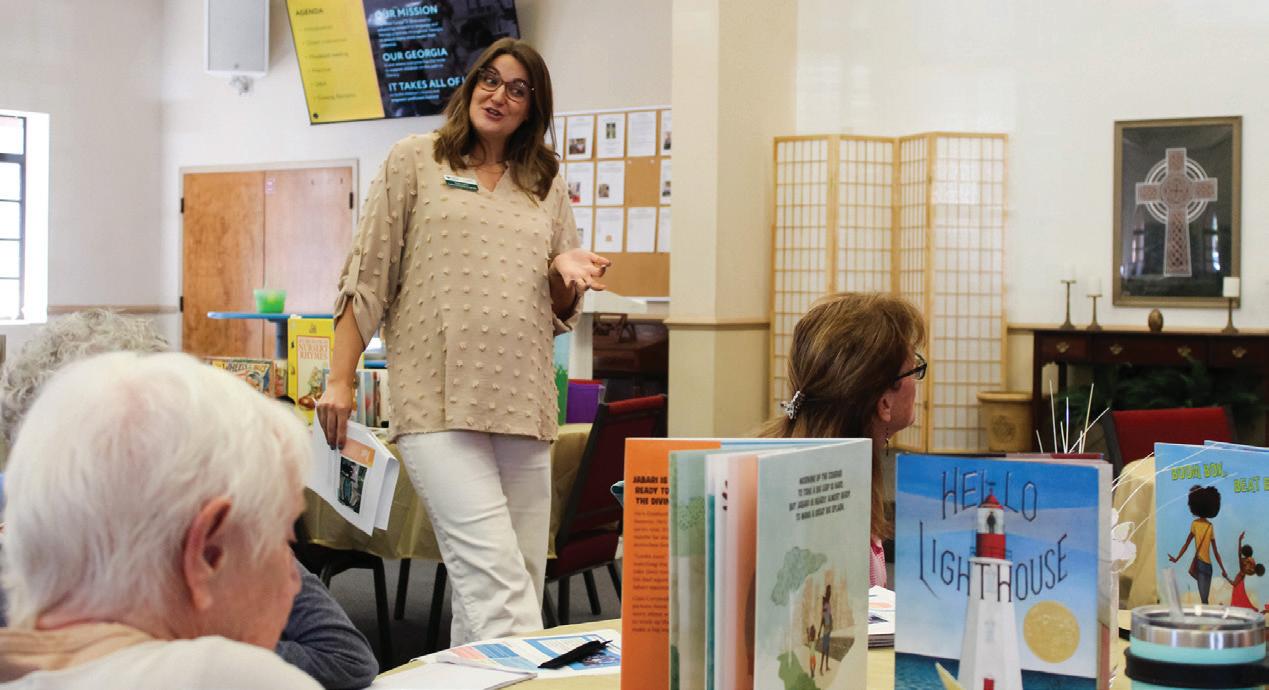
In fiscal year 2025, the Deal Center held two grant competitions, awarding $448,184 in grant funding.
We distributed funding to literacyfocused organizations across Georgia, supporting early language and literacy initiatives that directly impact children, families, and educators.
In addition, the Deal Center supported five researchers
who explored how evidencebased practices are adopted, implemented, sustained, and scaled within organizations serving children and families from birth through age 8.
We saw a 71% increase in the number of Community Coalition grant applications submitted to the Deal Center, reflecting both the growing demand for our support and our expanding statewide footprint.
Cobb Collaborative
The Basics Cobb County
Columbus Technical College
Dimon’s Dine & Discover: A Family Literacy Night
For the Love of Reading, Inc.
Get Upson Reading with The Basics
Get Comfortable
Scaling & Adapting the Get Comfortable Literacy Mentor Progam
Hart County Charter System Hart From the Start
Jefferson City Schools Center for Early Learning
A Time to Play - Growing, Learning & Exploring Together
Jefferson County Community Ships for Youth, Inc.
JC Early Language & Literacy Community Coalition Project
Macon County School System
Macon Literacy Strong: Building a Strong Start for a Solid Future
Piedmont Regional Public Library Jackson County Literacy Partnership
Sumter County School System SC Organizations United for Literacy
Tri-County Family Connection
Building a Strong Foundation: Fostering Early Language & Literacy Through Community Collaboration
United Way of Central Georgia Brainy Baby Basics
United Way of Hall County United We Read
United Way of Northwest Georgia
Building Stronger Foundations: The Dalton/Whitfield County Basics Initiative
We are responsible for promoting access to evidence-based resources through training, workshops, speaking events, community initiatives, and more. We compile and translate research to inform and share.
• Literacy Coach Network (LCN): In partnership with Dr. Nik Philmon of the Georgia Department of Education, we hosted over 343 literacy coaches across 5 virtual trainings.
• Virtual Learning: Knowledge-building sessions led by researchers were paired with strategy-building sessions led by practitioners for an eight part series designed to support attendees’ knowledge of the science of learning. The program issued 136 CEUs/GaPDS credits.
• Digital Resource Library: We have carefully curated over one hundred resources for families, caregivers, and educators to access and utilize in support of children’s language and literacy development
• Volunteer Reader Training: On-site training in shared story book reading was delivered to support local literacy initiatives in Columbus and Monroe, Georgia.
Warren County School Systems Jump Start to Literacy
Worth County Schools Reading is Worth It!
Georgia State University Research | Brennan Chandler Supporting Paraeducators in Enhancing Language & Literacy
Georgia Southern University | Sally Brown PAGES+ Literacy Initiative: Parents & Generations Engaging Through Stories & Language
University of Georgia | James L. Garrett
Prioritizing the Building Blocks for Co-Regulation & Lang. Development with Families of Hospitalized Newborns: Nurturing a Community of Practice for Home Visitors
Georgia State University | Jean Marie Farrow
Rethinking Practice-Based Learning Theory in the AI Era: A Structured Composing Tool to Enhance Early Literacy & Language Development
House Bill 538, the Georgia Early Literacy Act, was passed in 2023 to ensure every child in Georgia learns to read proficiently in the earliest grades. Lawmakers acted in response to troubling data showing that too many students were falling behind by third grade.
The law was designed to change how reading is taught, supported, and measured statewide. To advance this goal, the act requires the State Board of Education (SBOE) to approve a set of universal reading screeners.
Every public school must use these tools three times a year, from kindergarten through third grade, to survey student reading skills.
Approved screeners are required to meet the following criteria:
• Provide relevant information to target literacy instruction
• Measure foundational literacy skills
• Identify students with significant reading deficiencies
• Support ongoing progress monitoring
In July 2023, the Georgia SBOE approved 16 universal reading screeners.
At the request of the Georgia Council on Literacy, the Deal Center conducted an independent psychometric review to evaluate the strength of each approved screener. As a result of our review, three screeners on the list were ranked weak and were subsequently dropped by the SBOE.
In the 2024 legislative session, Senate Bill 464 revised the Georgia Early Literacy Act, refining how the state supports early literacy, especially in K–3 reading. The bill mandated that by May 15, 2025, the SBOE must approve up to five universal reading screeners, with one made available for use by all public schools and districts across Georgia free of charge.
In June 2024, The Deal Center was approved by the Executive Committee of the Georgia Council on Literacy to lead a new screener review and recommendation process.
The Deal Center convened the Literacy Screener Advisory Group, a highly qualified group of Georgians to carry out the work required by SB 464.
This group included current Georgia educators, professors with expertise in reading and dyslexia,
16 ORIGINAL SCREENERS 12 SCREENERS PASSED FIRST REVIEW
9 UNDERWENT FULL REVIEW
5 SCREENERS APPROVED
and Georgia literacy advocates and members of state professional organizations
The responsibilities of this group were to prepare review criteria, establish timelines and procedures for screener submission, conduct a Request for
Information (RFI) process for vendors to submit screeners for consideration, and to complete a review of submitted screeners.
The submitted screeners were reviewed thoroughly. Using a 5-point Likert scale, the group evaluated each tool across several dimensions:
• Constructs measured
• Technical adequacy
• Administrative quality
• Attention to linguistic diversity and cultural bias
• Usability and support
The screeners assessed a broad range of foundational literacy skills essential for early reading development. These included phonological awareness and phonemic awareness, which help children recognize and manipulate sounds in spoken language.
They also measured phonics, the ability to connect sounds with letters and patterns, along with fluency, which reflects accuracy, speed, and expression in reading. Beyond these, the screeners evaluated vocabulary knowledge and reading comprehension, ensuring students can both understand and use language effectively. Additional areas of focus included spelling and oral language, as well as the intersection of reading and writing, recognizing the close relationship between these literacy skills.
The screeners also evaluated characteristics commonly associated with dyslexia. These included soundsymbol recognition and alphabet knowledge, which reflect a student’s ability to connect letters with their corresponding sounds.
They measured decoding skills, or the capacity to read unfamiliar words by applying letter-sound rules, as well as encoding skills, which involve spelling and representing sounds in written form.
In addition, the screeners assessed rapid automatized naming (RAN), an important indicator of how quickly students can retrieve and verbalize familiar items. They also examined the accuracy of word reading and the efficiency of sight word recognition, both of which are critical for developing fluent reading.
The SBOE approved a list of five universal reading screeners Dec. 11, 2024, four of which were recommended by the Deal Center. The top-ranked screener, Amira ISIP, was subsequently selected to be provided to Georgia schools free of charge.
2024 LITERACY SCREENER ADVISORY GROUP
District 1: Maura Fegel, Camden
District 2: Nikki Sutton, Muscogee
District 3: Karen Barker, Coweta
District 4: LeAnne Cheatham, Carroll
District 5: Elizabeth Hogan, Fulton
District 6: Katye Carlson, Forsyth
District 7: Missy Purcell, Gwinnett
District 8: Holly Black, Dooly
District 9: Matthew Carter, Valdosta State University
District 10: Frances Blackburn, Habersham
District 11: Cara Lindsey, Commerce City
District 12: Rachel Greenlee, Jackson
District 13: Barry Waller, Toombs
District 14: K’Asha Davis, Douglas
District 15: Beth Herod, Gordon

Chairs:
Lindee Morgan, Sandra Dunagan Deal Center
Amy Denty, Georgia Department of Education
Jennifer Lindstrom, Georgia Department of Education
Ex-Officio Members:
Andri Pilgrim, Georgia Council on Literacy; Bremen City School System
Sarah Richards, Georgia Council on Literacy
Staff:
Joseph Wenke, Sandra Dunagan Deal Center
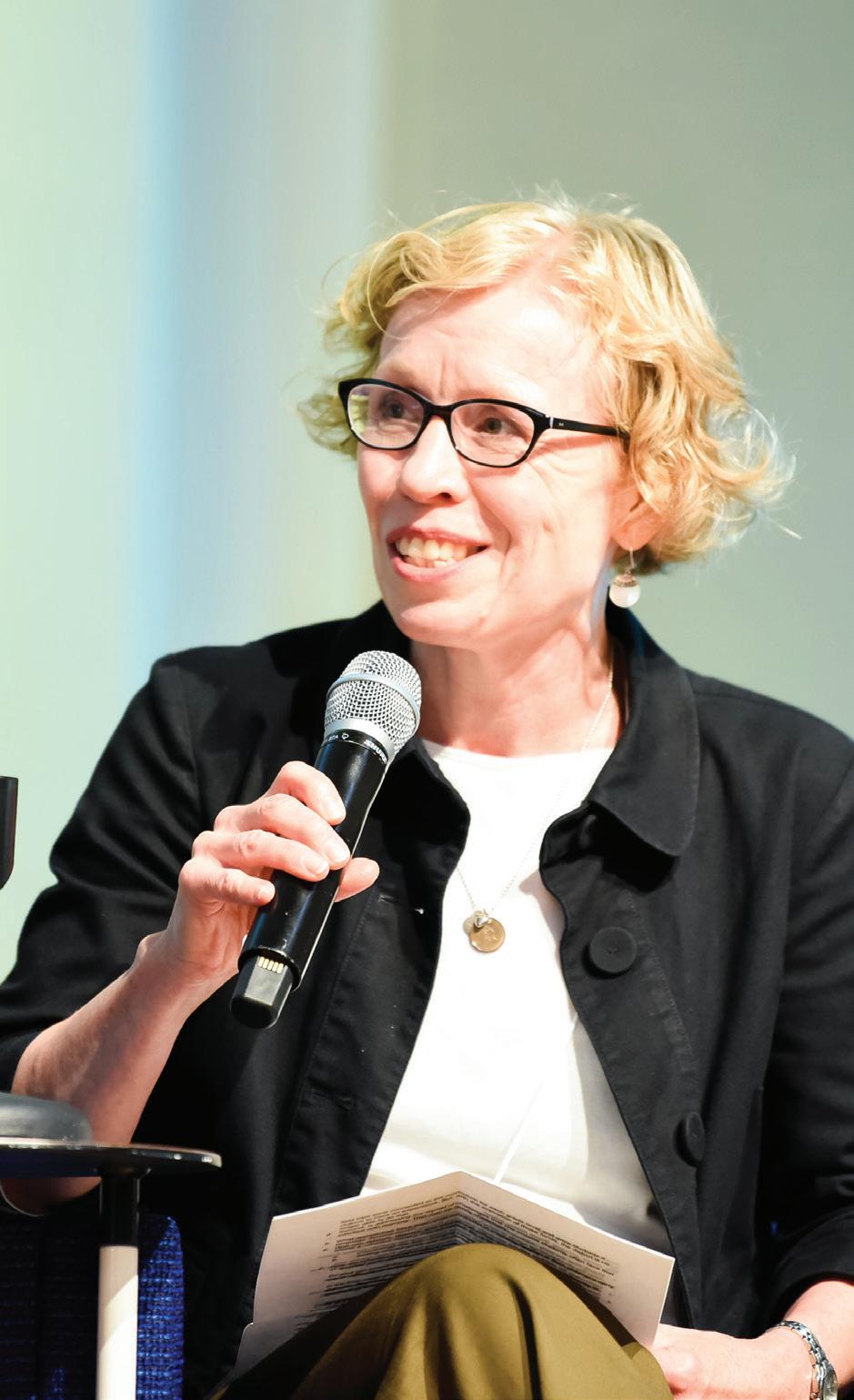
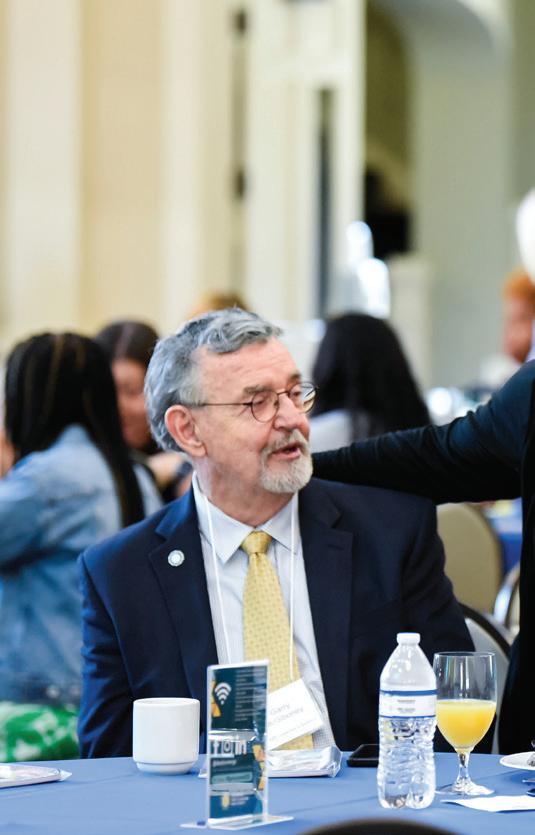
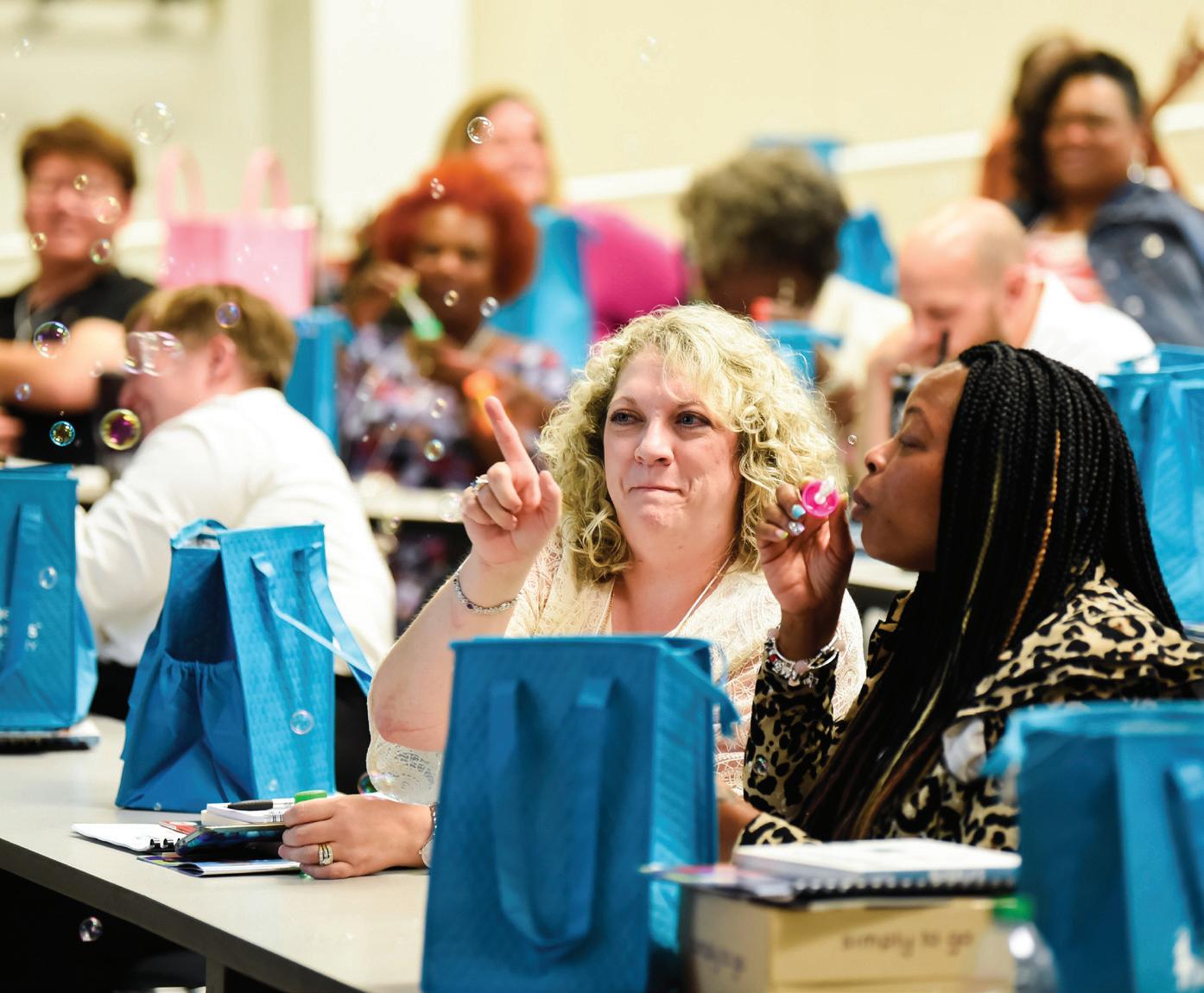
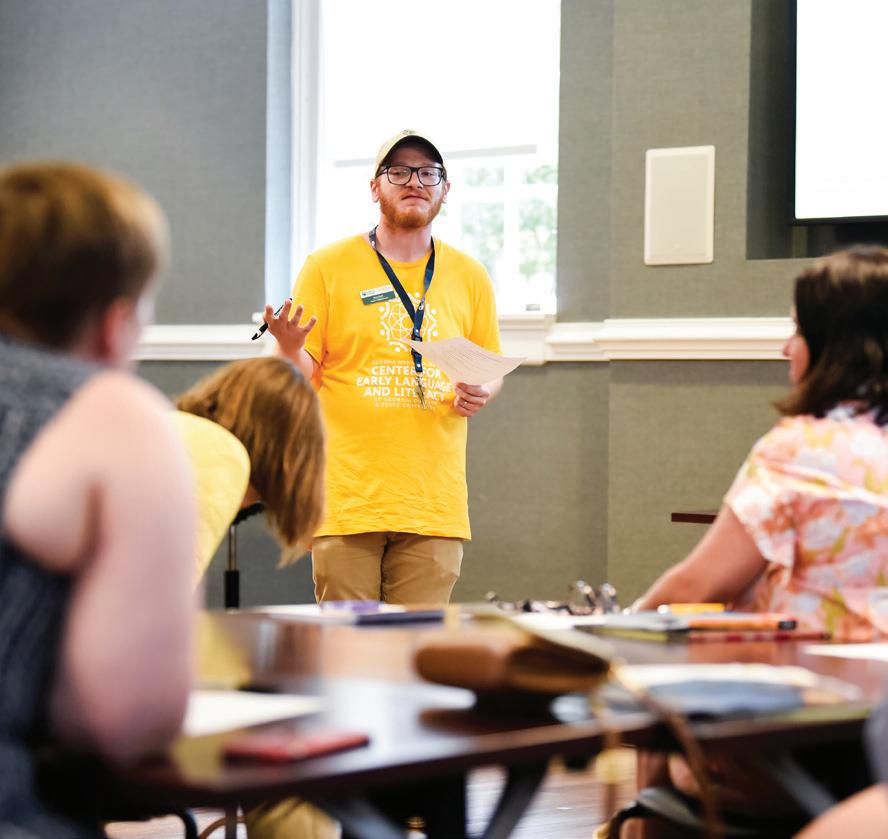
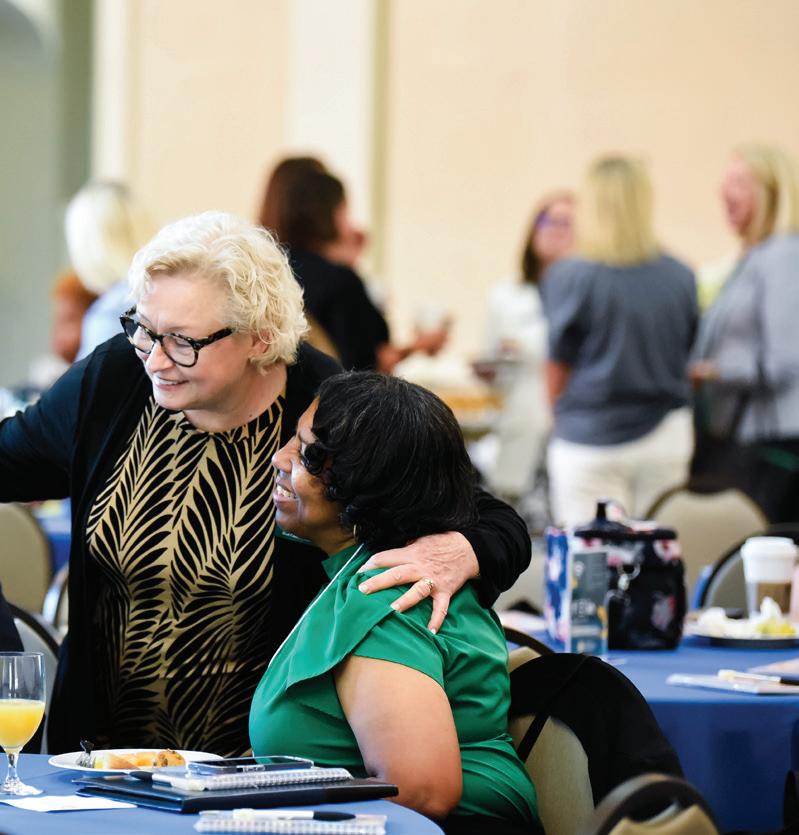
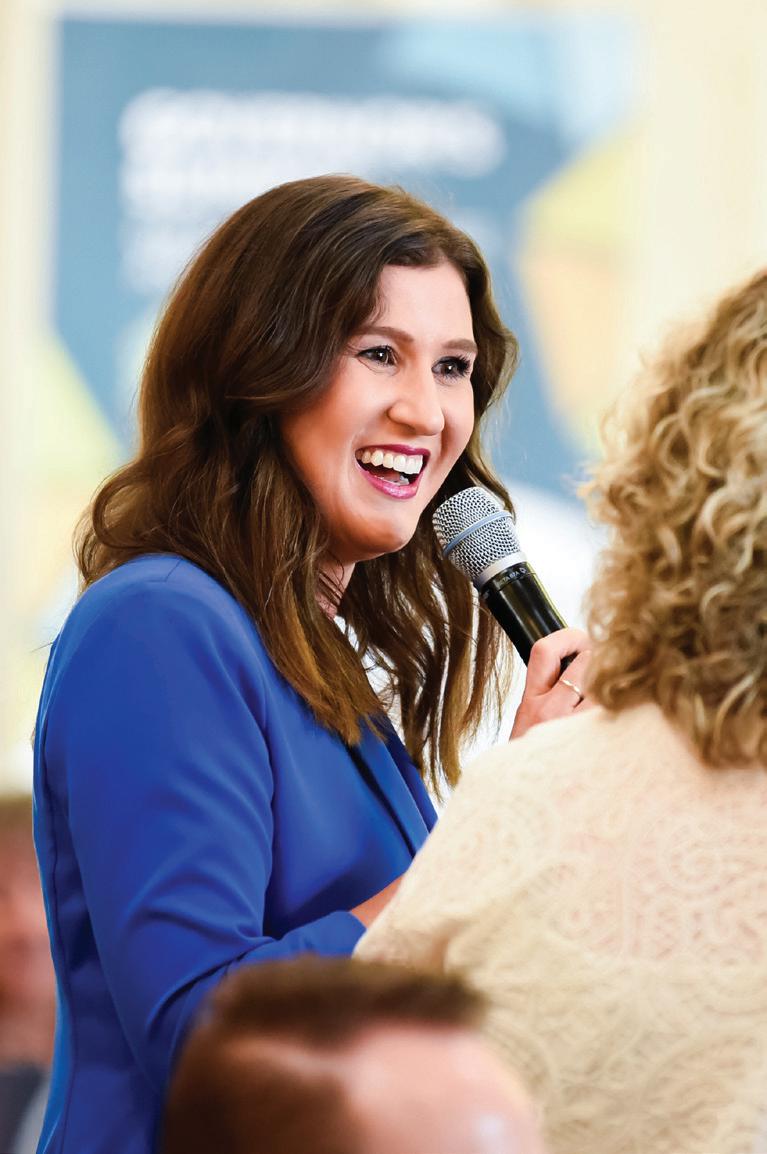
Each year, the Deal Center hosts the Governor’s Summit to bring together leading researchers, policymakers, and innovators from across the state to showcase current research, practice, and policy related to early language and literacy development from birth through age eight. The 2025 Summit highlighted how we can embrace the science of learning across the Brain-Building Network.
51% FIRST-TIME 47 COUNTIES REPRESENTED
GOVERNOR’S SUMMIT


$5,350 TICKET SALES
$3,020
$42,370 RAISED 20 SPONSORS
Our single largest fundraising event of the year, the Dinner with the Deal Center Fundraising Gala invites Summit attendees, changemakers, and legislators to have dinner with the Deal Family whilst contributing to the Deal Center. This year’s gala marked the first time we held a silent auction.
The Georgia Early Literacy and Dyslexia Act (House Bill 307), signed into law by Governor Kemp on April 28, 2025, is a legislative update to support early literacy efforts in Georgia.
HB 307 merged requirements of HB 538 Georgia Early Literacy Law and SB 48 Dyslexia Law to strengthen support for students who are significantly at risk of not achieving grade-level reading proficiency or who exhibit characteristics of dyslexia.
HB 307 mandates universal reading screeners for assessing reading proficiency, addresses the quality of literacy instructional materials, targeted tiered intervention plans for K-3 students in Georgia, professional learning in the science of reading, and teacher preparation through the Georgia Professional Standards Commission.
The Deal Center, responsible for translating and deploying evidence-based language and literacy practices to childfacing spaces across Georgia, will continue to provide statewide oversight and guidance for reading screeners. Specifically, our center, as outlined in HB 307, will engage in evaluative work and oversee a review of Georgia’s reading screeners every three years.
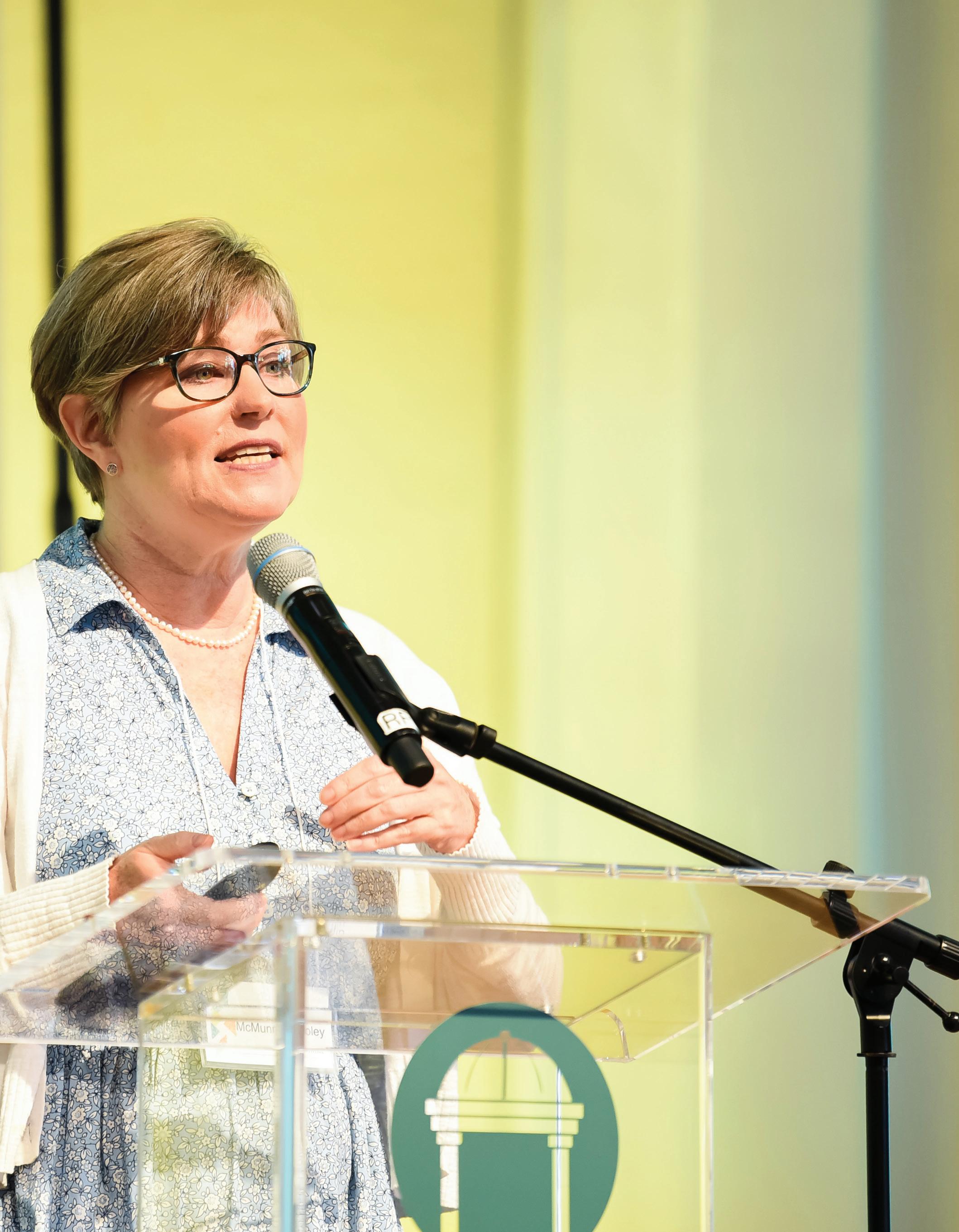
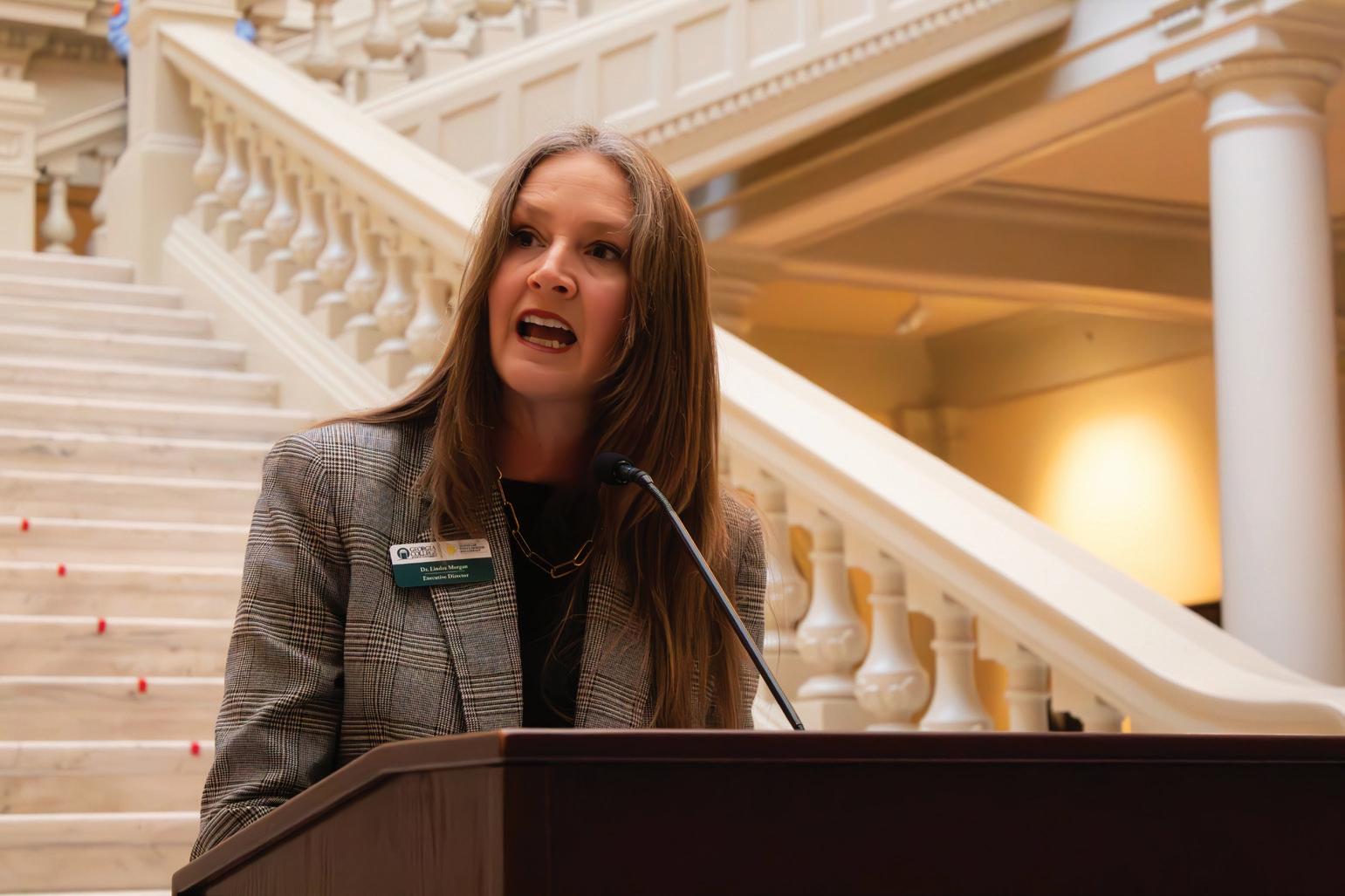
Dr. Morgan spoke alongside Former Governor Nathan Deal, Lieutenant Governor Burt Jones, and Speaker of the House of Representatives Jon Burns to honor Mrs. Deal, highlight literacy, and call on legislators to continue Sandra’s legacy at the capitol February 27.
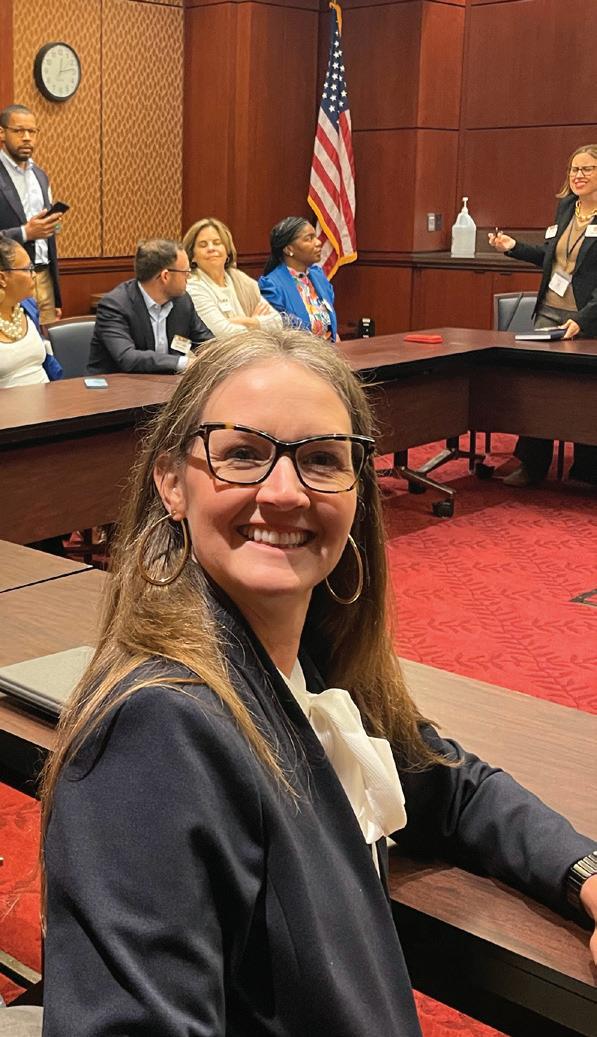
She also attended the 61st annual Washington Policy Seminar in DC as part of the Education Policy Fellowship Program by the Institute for Educational Leadership.
In rural south Georgia sits Cook County, a place with just over 17,000 people and 20.5% of households living in poverty.
38% of households in Cook County are below the ALICE threshold, meaning they earn more than the Federal Poverty Level, but less than the basic cost of living for the county.
“Simply put, families are really struggling to pay their bills and buy basic essentials,” said Zoe Myers, Executive Director of Cook County Family Connection. “Items like story books and learning materials become luxuries that they cannot afford.”
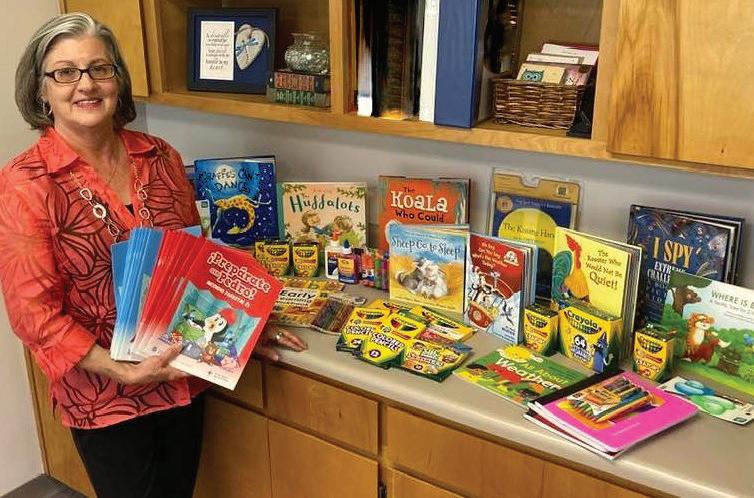
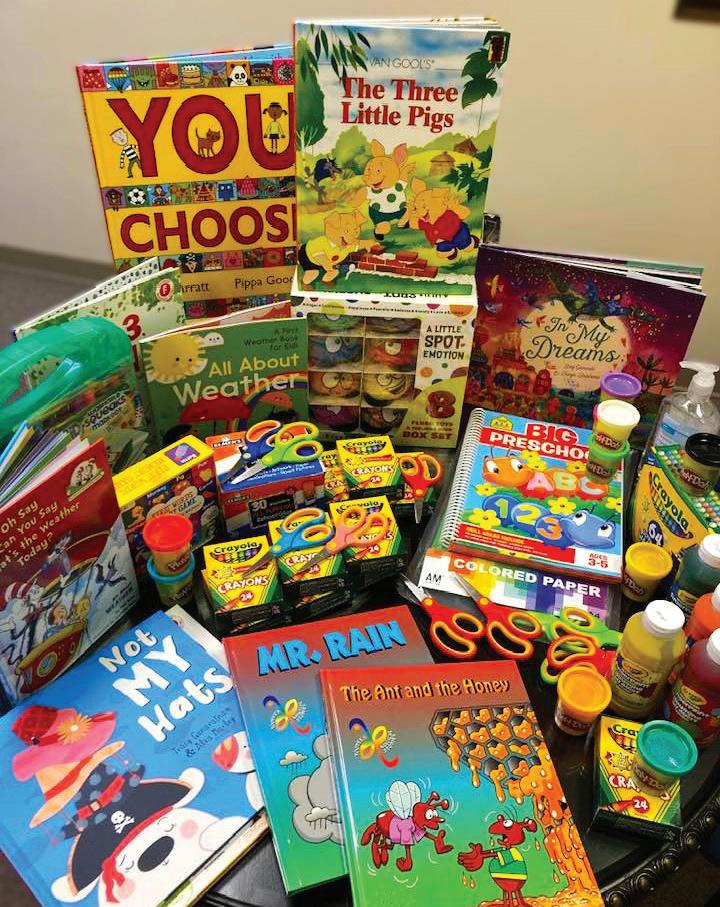
Cook County Family Connection is using grant funding to transform the future of their county. They make monthly deliveries providing educational materials, story books, and art supplies to local childcare and early education partners.
They also host or sponsor at least six literacy and art events each year. One of those events was a support group of mothers and grandmothers; Cook County Family Connection sponsored workshops to build capable kids by teaching caregivers how to incorporate reading into their children’s lives.
Zoe Myers with a regular delivery of story books and supplies ready to deploy.
“Ultimately what creates community transformation is moving toward systemic change and improving environments and policies,” Myers said. “We’re doing all the great work of getting people reading, getting children learning, but we’re wanting to see those long-term outcomes and results as well.”
Cook County is transforming as a result of their efforts, and children’s lives are changing. In 2018, 68% of children in the county were not attending preschool, which prepares children for kindergarten.
Six years spent promoting the importance of early, high-quality education shifted that number to only 24% not attending preschool in 2024.
“Our leaders understand the significance of having children in high quality education and we all know that families across our community can’t do this all by themselves,’ Myers said.
Cook County is working together to support children and families in their community. Even the Probation Department became an unlikely ally when they allowed those on probation to purchase
story books, school supplies, or literacy materials, in lieu of standard community service.
Cook County Family Connection takes a holistic approach to social determinants of health and offers aid related to opioid crisis prevention, storm preparation, and disaster work.
After collaborating in the county for 25 years, their network of partners is vast and includes pre-K providers, Head Start, childcare facilities, the public library, community members, their local Christian Academy, and more.
“We understand that the next generation are going to be the leaders, the business owners, the people who are making the community sustainable and advancing it into the future,” Myers said. “So, we want all of them to have the best opportunity that they can possibly have.”
Cook County Family Connection is a former recipient of the Deal Center’s Community Coalition Grant.
Supply delivery offered by Cook County Family Connection.
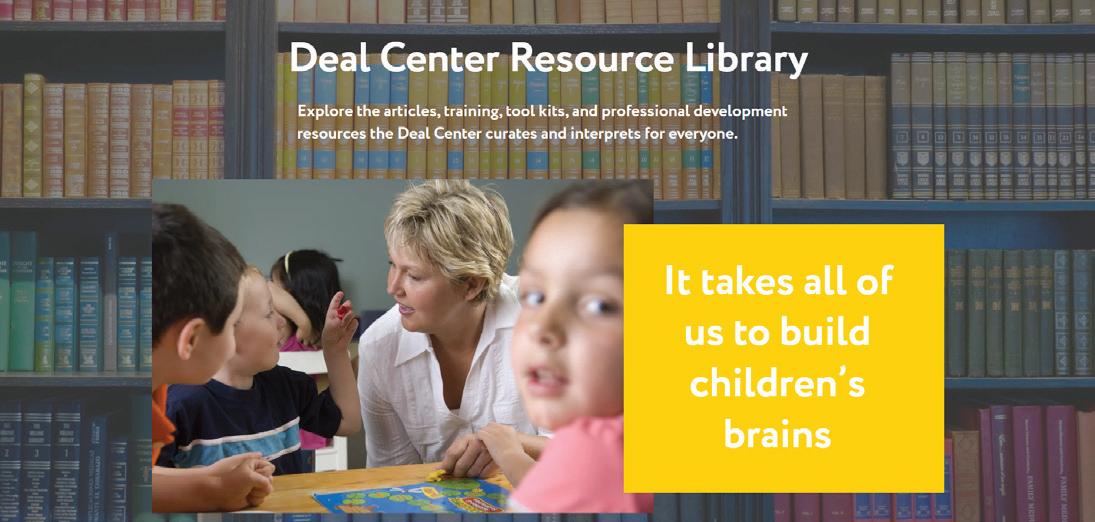
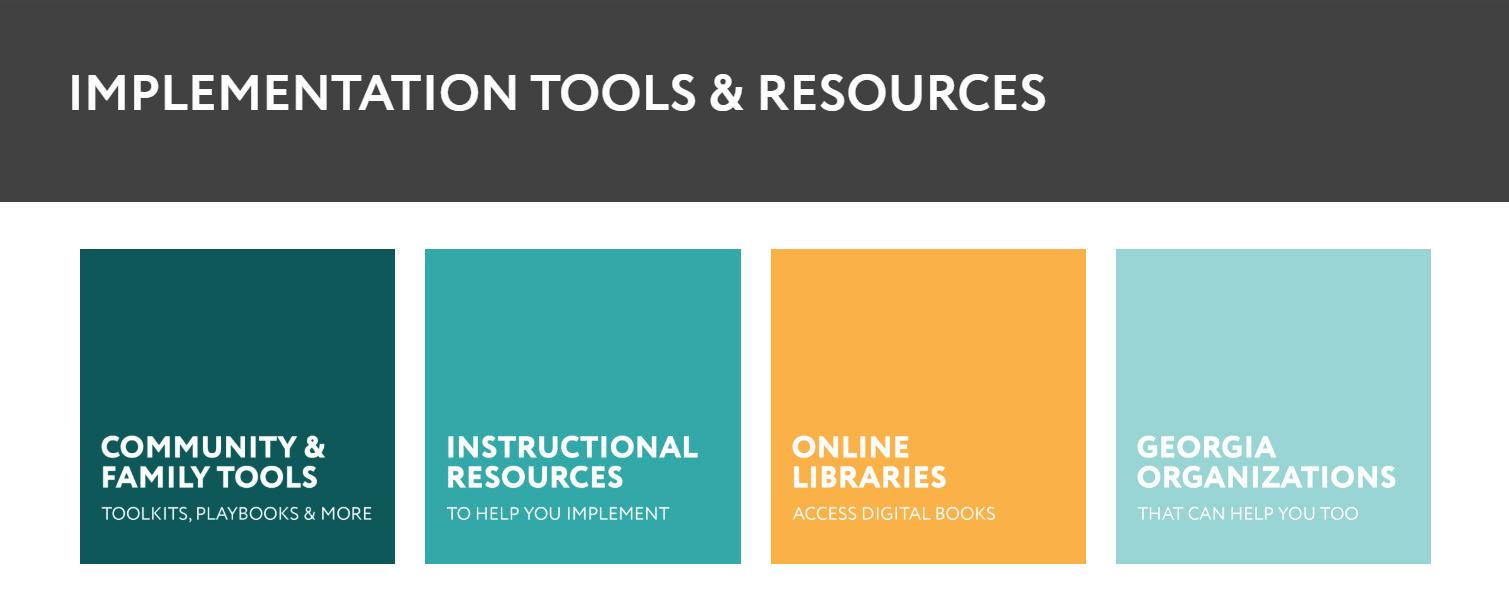
In fiscal year 2025, our Marketing Communication Manager spent time re-organizing and structuring our resource library, housed on the Deal Center website, accessible to all stakeholders.
Our resource library serves as a trusted hub for the latest research and evidence-based practices. It is designed to give our stakeholders confidence that they can always turn to us for reliable, up-to-date information.
By curating resources that focus on supporting young children from birth through age 8, we ensure that educators, families, and community partners have access to tools and knowledge that make a real difference. The materials emphasize language and literacy development—key building blocks for lifelong learning and success.
With our library, stakeholders can easily find the guidance and support they need to foster strong language and literacy skills during these critical early years.
During fiscal year 2025, the Deal Center elevated the delivery of the 2025 Governor’s Summit through the implementation of a conference app.
Using the CVENT platform, Deal Center staff enabled attendees to build their own personal schedules for the daytime summit, interact with other attendees, download session handouts, and receive timely updates of any changes to the schedule.
The conference app also expanded the fundraising capacity of the event by allowing attendees to make donations directly through the app and by allowing attendees to preview items being showcased in the silent auction. Developing and utilizing the conference app also gave the Deal Center the capacity to be more sustainable in the delivery of the summit by reducing the amount of printed material needed.
The CVENT platform has allowed the Deal Center to reinforce our commitment to leveraging technology in pursuit of excellence and seamless delivery to stakeholders during the Governor’s Summit.
As our team expanded, we remained committed to our pursuit of excellence by intentionally strengthening both our collaboration and cohesiveness. To support this growth, each member of the team completed an Emergenetics Profile—an assessment tool developed at Tulane University designed to help individuals gain deeper insights into their thought and behavior patterns.
The profile illuminated the unique ways each of us approaches problem-solving, communication, and decision-making. By understanding these differences, we developed a greater appreciation for the diverse strengths within our group.
Engaging in this exercise gave us a shared language for discussing our similarities and differences. More importantly, it created opportunities to leverage the full range of talents across our growing team.
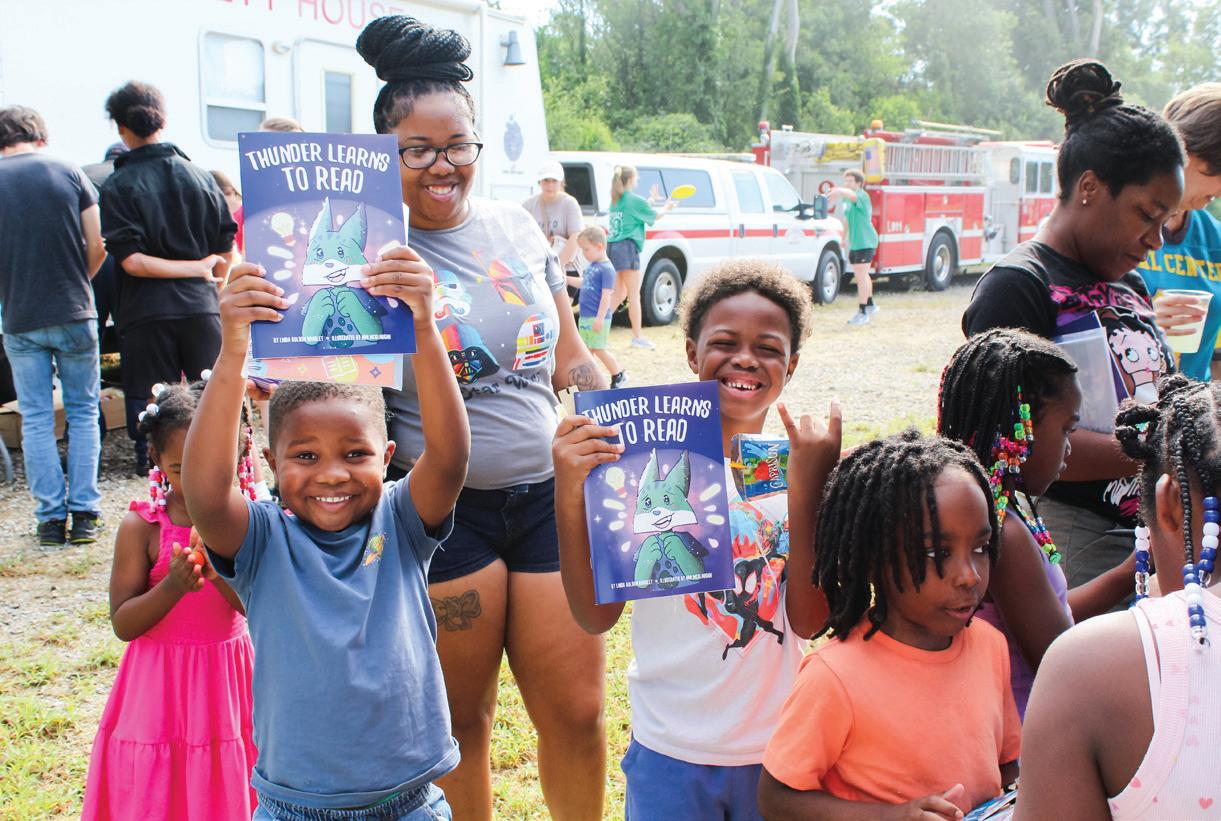
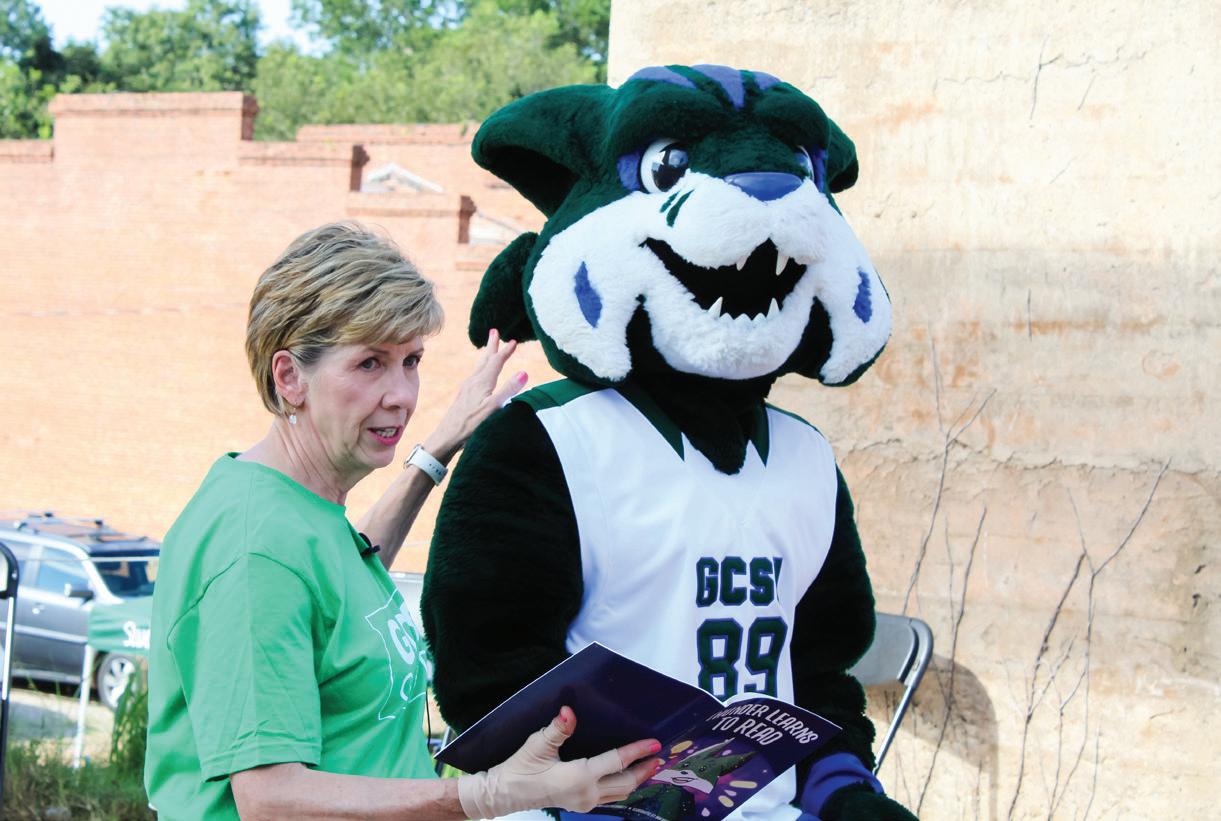
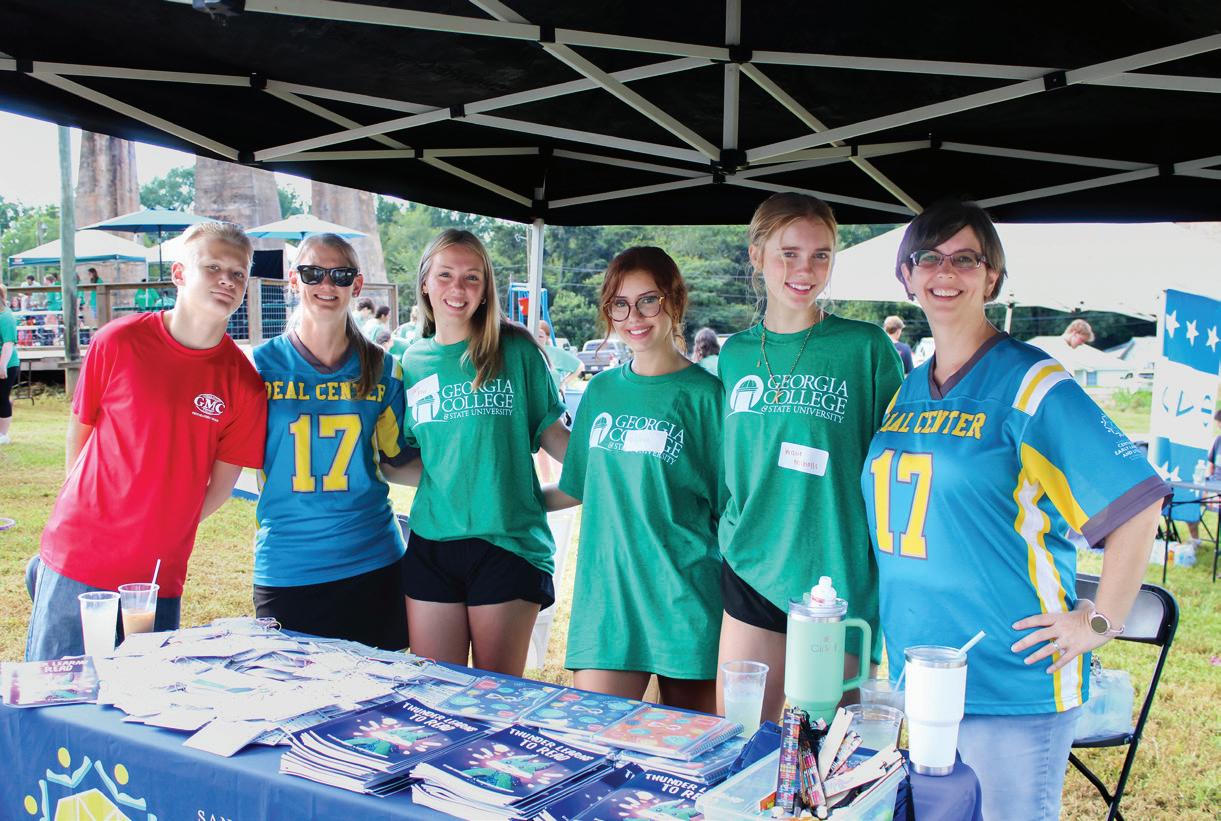
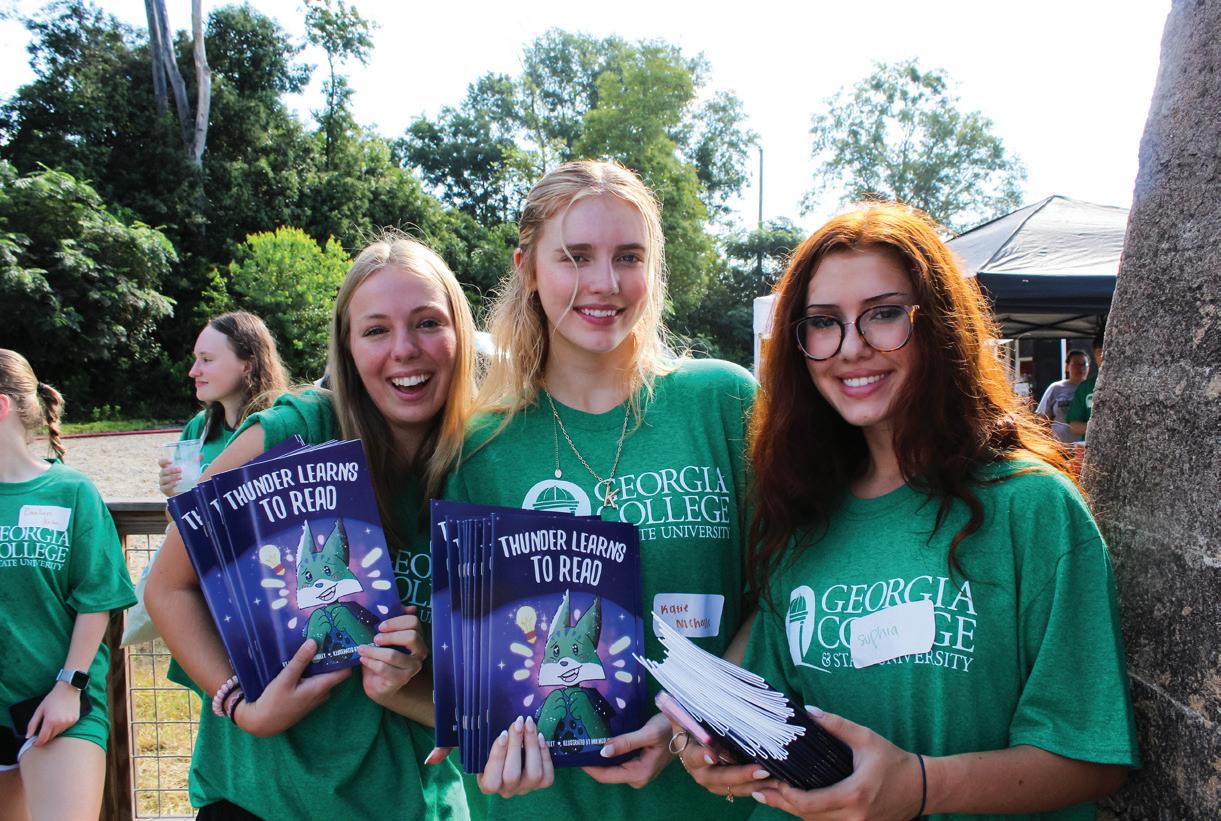
GCSU Gives Day is an annual event that introduces first-year students to volunteering and Milledgeville during Georgia College’s Week of Welcome.
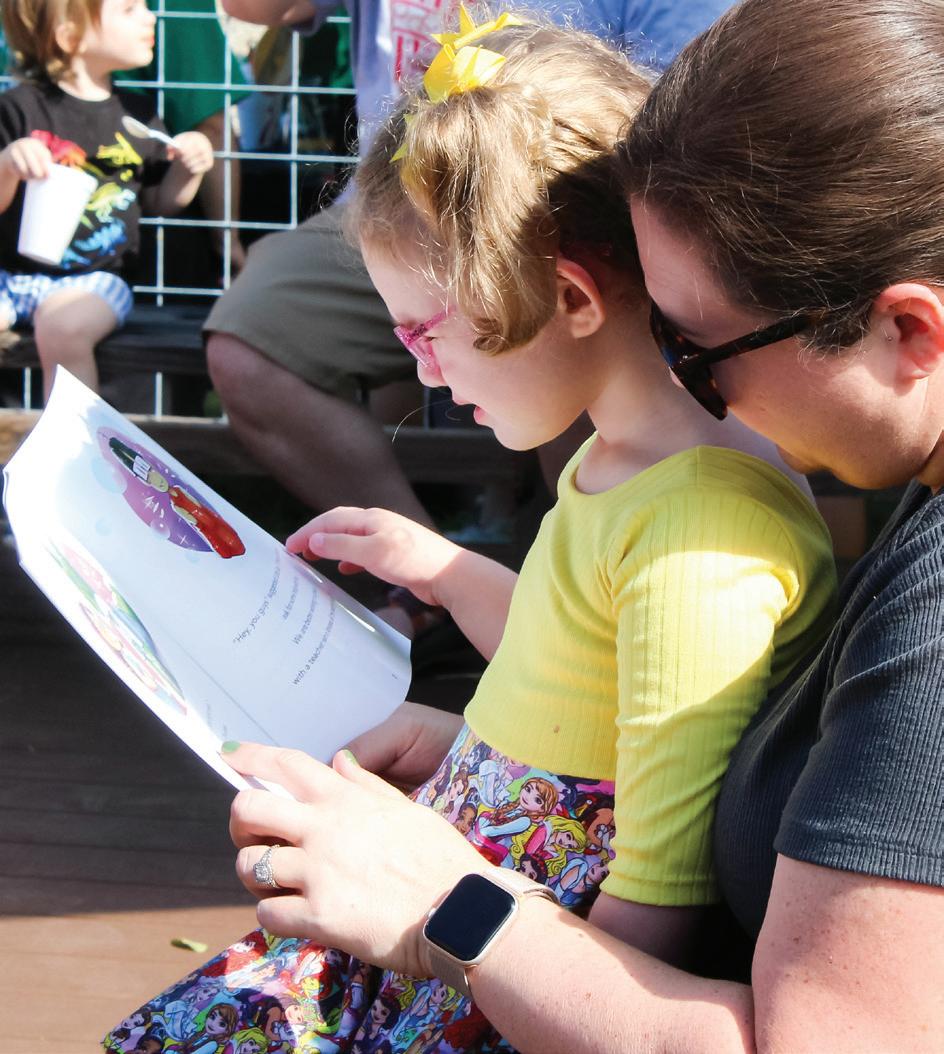
Students get up bright and early to help do chores on local farms, clean graves at the cemetary, or share the mobile Tale Trail at the Kids’ Block Party with the Deal Center.
Annual attendance at this event is one way in which the Deal Center offers service to Georgia College, and ties into our strategic goal of extending our reach outside of our organization. The Deal Center is happy to give back to the university which houses us.
Every fiscal year we have a new story to tell, new questions to guide children’s reading, and new tips to share with parents to help them give their children a language-rich environment.