Guiding you through Oi26’s essentials

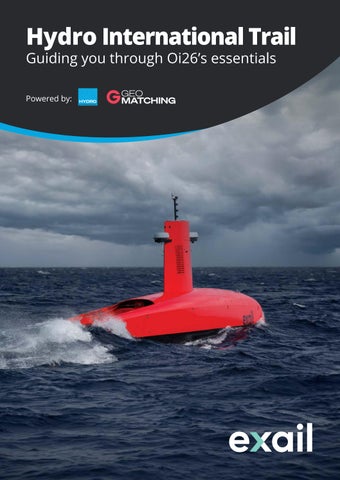
Guiding you through Oi26’s essentials
Oceanology
International remains one of those events I look forward to every time –not just because of its scale and international character, but also because of the observations it offers and the conversations it stimulates. Sometimes, the most meaningful insights come from informal exchanges at a booth, in a corridor or during a chance encounter between conference sessions.
By walking around the exhibition, I gain a topical snapshot of what companies have been doing. It’s not only about the systems and technologies on display, but also about the stories behind them. Where are suppliers directing their energy? Which questions are they trying to answer? Where do they still face challenges?
While the combination of observing and engaging with industry players is one thing that makes the event so worthwhile, the conference programme is another valuable aspect. Presentations provide context and depth about challenging projects from around the world, especially when they include open discussion of the various survey techniques and approaches. Those sessions often reveal how decisions are being made in the field, how teams are adapting to complex environments, and how new methods are gradually being integrated into established workflows.
At Oi26, I will be paying close attention to several themes in particular. One is how organizations are dealing with the implementation of S-100. Many have been preparing for this transition for some time, albeit in many different ways. I’m curious to hear how far various teams have
progressed, what practical hurdles they face, and also how the shift is influencing data management and operational routines.
Another topic on my radar is the broader use of aerial bathymetric Lidar. This technology has been evolving steadily, and I am interested to hear whether it is now being recognized and adopted more widely. Closely linked to this is the role of drones combined with Lidar as an additional survey method. Are these combinations becoming more firmly embedded in day-to-day working life, or are they still on the fringes, awaiting broader acceptance?
Additionally, I always try to watch at least a couple of Dockside Demonstrations. There is something very special about seeing equipment in action in real-world operational conditions. Moreover, I enjoy the unique atmosphere on the quayside – not to mention the fact that it’s a good excuse to step outside for some fresh air in between meetings.
Equally important for me is hearing other people’s opinions. What are they hoping to discover at Oceanology International? Which elements of the event add the most value to their visit or involvement? Which ideas or inspiration are they taking home with them? This is also an ideal opportunity to check whether the trends we, as the Hydro International team, identify (and write about throughout the year) resonate with professionals’ own experiences in practice.
Perhaps you yourself have suggestions for topics that we should dive into in the months ahead. So if you are attending Oi26, feel free to stop by the Hydro International booth (R131). We look forward to meeting you and exchanging thoughts!
Wim van Wegen head of content, Hydro International wim.van.wegen@geomares.nl
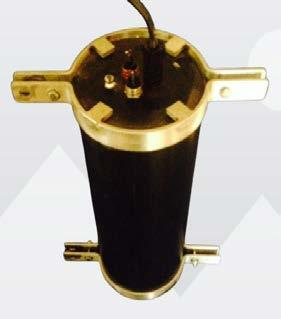
VLF Transducer
Bandwidths from 10Hz 1000HZ<
Acoustic Current Meters
Wave Heights & Stats
Tide w/solar power
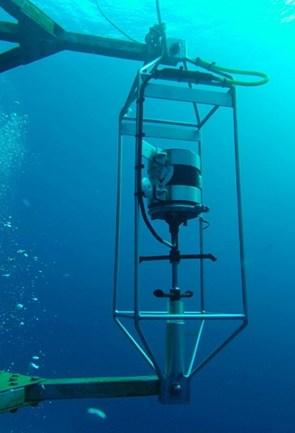


The AquaPulseTM Family of Acoustic systems are versatile subbottom sediment profiling sources, generating repeatable low frequency acoustic pulses for 2D &3D UHR surveys, and academic research. The output signal wavelets are precise and stable over millions of shots.
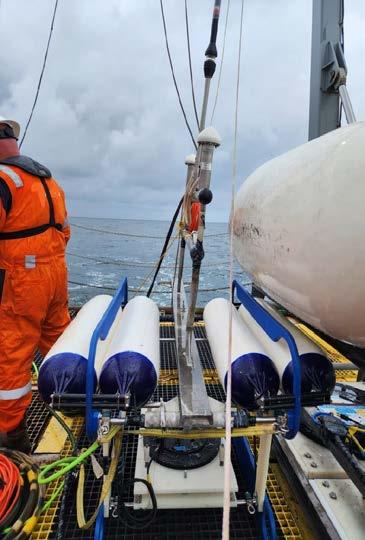
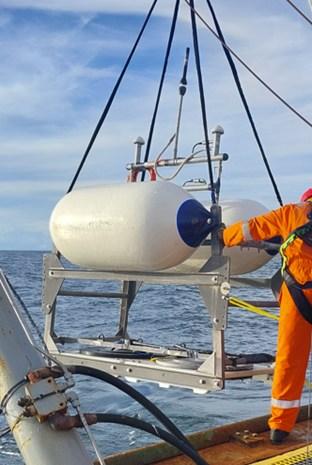
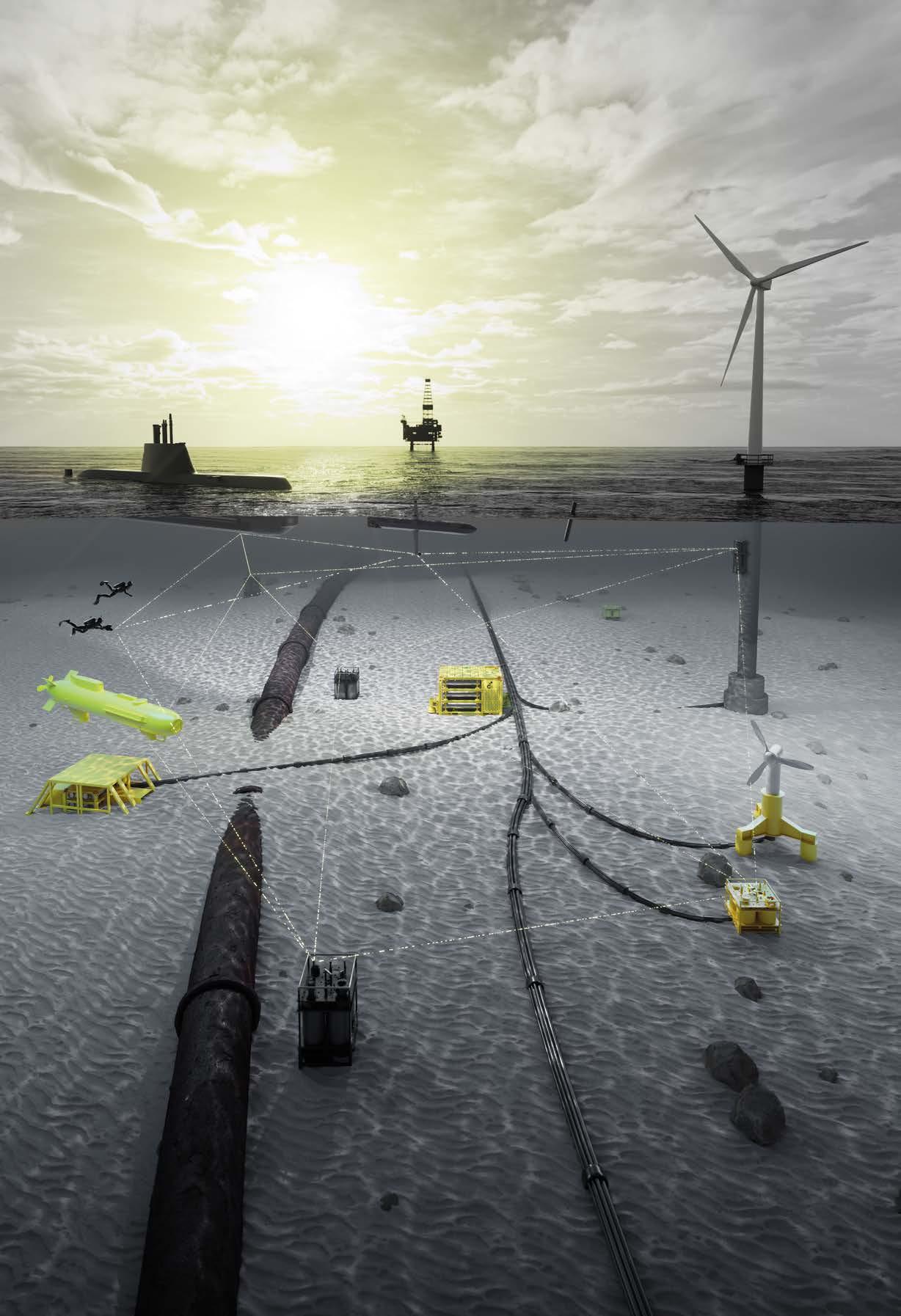
Operators of critical underwater infrastructure face rising pressure to ensure resilience, detect anomalies early and reduce vessel operations, according to Develogic. The company’s Modular Seafloor Lander platforms and other systems form the foundation of reliable, long‑duration underwater monitoring.
Which main development are you highlighting at Oi26, and which customer problem does it solve?
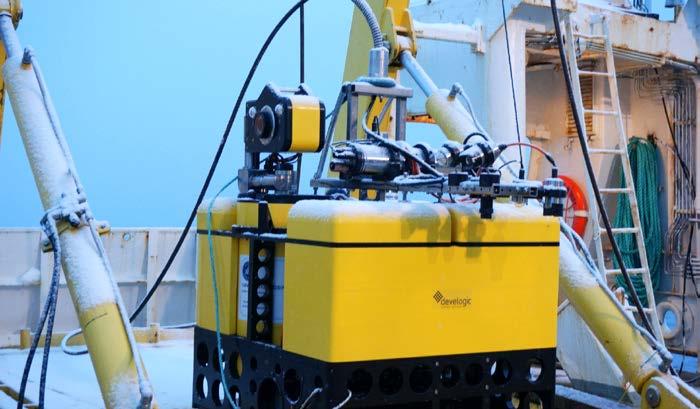
We are showcasing the latest generation of our Modular Seafloor Lander platforms, designed for long-term autonomous missions, cabled real-time monitoring and the creation of persistent underwater surveillance networks. With a compact footprint, low power demand and advanced communication capabilities, these landers link sensors, vehicles and additional nodes into a resilient subsea monitoring grid. This directly addresses a key challenge: ensuring continuous, reliable monitoring of critical underwater infrastructure while reducing vessel operations and improving situational awareness in demanding environments.
Which applications are currently driving the most demand for your products or services, and how has that changed compared to last year?
The strongest growth is in applications focused on protecting and continuously monitoring critical underwater infrastructure. Operators of subsea cables, pipelines, offshore energy assets and strategic installations face rising pressure to ensure resilience, detect anomalies early and reduce vessel operations. Our long-duration autonomous landers, cabled real-time options and networked communication capabilities directly address this need. Demand has clearly shifted from purely scientific long-term observations towards persistent surveillance solutions that connect stationary sensors, mobile platforms and multiple lander nodes.
What is behind that shift in applications?
Several factors are driving this shift. With expanding offshore wind, new interconnectors, subsea power and data cables and increasing offshore activity, operators of critical underwater
infrastructure face higher risks and have stronger expectations in terms of resilience and early warning capabilities. Geopolitical tensions further increase demand for autonomous, persistent surveillance. Meanwhile, vessel time is becoming more expensive and limited, pushing customers toward long-duration autonomous systems.
Advances in underwater communication now make distributed monitoring networks more feasible, with the strongest momentum coming from applications requiring security, reliability and continuous awareness.
How do you see the hydrographic sector evolving over the next two to three years, and where do you expect the biggest capability gaps to be?
Automation, AI-driven data processing and hybrid work-from-shore models are already reshaping operations, while offshore renewables, port expansions and the demand for near-real-time data are driving strong market growth. The industry is moving towards greater autonomy, denser data collection and more connected systems. Traditional survey campaigns are increasingly
complemented by continuous, autonomous monitoring, yet data volumes are rising faster than processing and integration capabilities. Reducing vessel use and operational costs is becoming essential. The trend clearly points towards permanent, autonomous and networked monitoring ecosystems.
What can Oi26 visitors expect at your booth, and why should they stop by?
We will be showcasing our Lander systems, SubMAReS acoustic recorders and a selection of additional products that form the foundation of reliable, long-duration underwater monitoring solutions. We specialize in lander technology, underwater communication and the development of tailored, turnkey sensor platforms designed to meet specific customer needs. Being part of the Gabler Group allows us to deliver solutions that advance and inspire the underwater world across many different applications. Our booth is the right place for anyone in research, offshore wind, oil & gas or defence.







What factors matter most when choosing a handheld 3D scanner ?
How do I set up an accurate survey in a GNSS-denied environment ?

Which sensor-drone combination is the best fit for coastal mapping ?

Available now on:
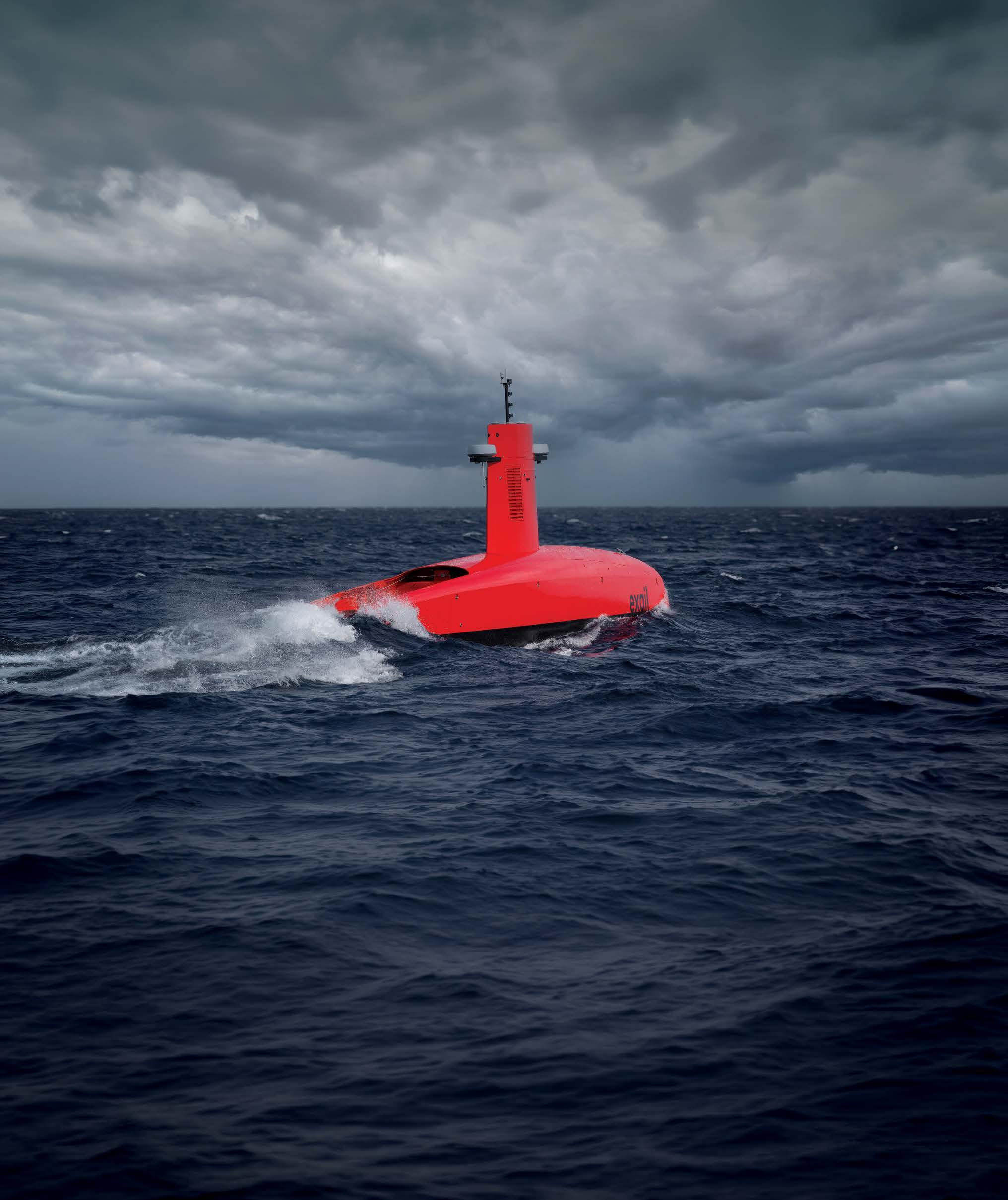
As hydrographic operations move into deeper, more complex environments, traditional methods are becoming economically unsustainable. In a quest for operational efficiency and cost reduction, the industry is pivoting towards autonomy and ultra high performance systems. Exail provides the full ecosystem to make this possible.
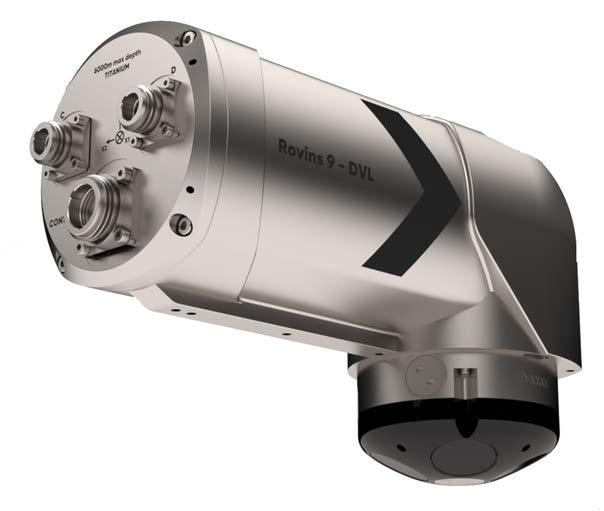
Exail’s all-in-one Rovins 9-DVL combines advanced INS and DVL technology into a single integrated solution. (Image courtesy: Exail)
Which main development are you highlighting at Oi26, and which customer problem does it solve?
We are highlighting our navigation resilience ecosystem designed for GNSS-denied environments in the offshore and civil maritime sectors. This solution integrates high-precision inertial navigation systems (INS) and attitude and heading reference systems (AHRS) with advanced acoustic positioning to provide absolute referencing relative to seabed beacons when satellite signals are obstructed. At its core, our Netans data distribution system ensures operational integrity by continuously monitoring and distributing validated navigation data to all onboard sub-systems. By delivering total resilience, we enable uninterrupted 24/7 operations in all sea states, significantly reducing risks and downtime for the global energy and subsea survey industries.
Which applications are currently driving the most demand for your products or services, and how has that changed compared to last year?
We are seeing a clear pivot toward ultrahigh-performance systems for increasingly complex offshore operations. At the heart of our solution are Exail’s very-high-performance INS. By coupling this inertial precision with our long baseline (LBL) and ultra-short baseline (USBL) acoustic positioning, we deliver a unique ecosystem capable of centimetrelevel accuracy. This is now the benchmark for the industry’s most critical missions, from large-scale construction to high-resolution exploration.
The primary drivers are operational efficiency and cost reduction. As operations move into deeper, more complex environments, traditional methods are becoming economically unsustainable. The industry is pivoting towards autonomy to solve this, and Exail provides the full ecosystem to make it possible. True efficiency comes from
integrating autonomous robotics, high-end positioning sensors and software suites for mission planning and post-processing. By automating the entire workflow – from preparation to final data delivery – we help clients maximize vessel utilization and significantly lower both capital expenditure (CapEx) and operating expenditure (OpEx).
How do you see the hydrographic sector evolving over the next two to three years, and where do you expect the biggest capability gaps to be?
The shift towards autonomy is already underway, and the next years will open the door to large-scale seabed mapping. In this context, the real evolution lies in the transition from a platform-centric to a data-centric model. Autonomy is only as valuable as the insights it produces; therefore, the next leap involves integrating real-time processing to deliver actionable data faster. However, the primary capability gap remains a shortage of skilled personnel to manage these autonomous workflows. The technology is ready; the priority now is to develop the human expertise needed to turn massive data streams into operational success.
What can Oi26 visitors expect at your booth, and why should they stop by?
We invite all maritime stakeholders to join us at booth E100 to discover our latest innovations and developments in autonomous robotics, ROVs, inertial navigation, and acoustic positioning and imagery sensors. Visitors can dive into our solutions through a full schedule of technical conferences and real-world case studies. Beyond the tech, we welcome visitors to our daily ‘happy hours’ to network in a convivial atmosphere.
The launch of the COAST Theatre as a dedicated conference track adds a new dimension to Oceanology International 2026, expanding the focus and reinforcing the importance of coastal resilience, infrastructure and engineering. By broadening its scope while maintaining its technical depth, Oceanology International continues to serve as a meeting point for professionals working across ocean engineering, science and technology. The 2026 programme underscores the sector’s shared priorities: advancing innovation, supporting sustainable development and strengthening collaboration across disciplines.
Oceanology International’s conference programme brings together leading voices, emerging technologies and the most pressing challenges shaping the future of ocean science and marine technology. With contributions from scientists, industry experts, policymakers and innovators from across the global ocean technology community, the event offers a comprehensive platform for knowledge exchange, collaboration and practical insight. Covering a wide range of themes – from marine robotics and autonomous systems to underwater imaging, environmental monitoring and sustainable oceanography – the programme is designed to support professionals seeking to strengthen their understanding of current developments and connect with peers across the sector.
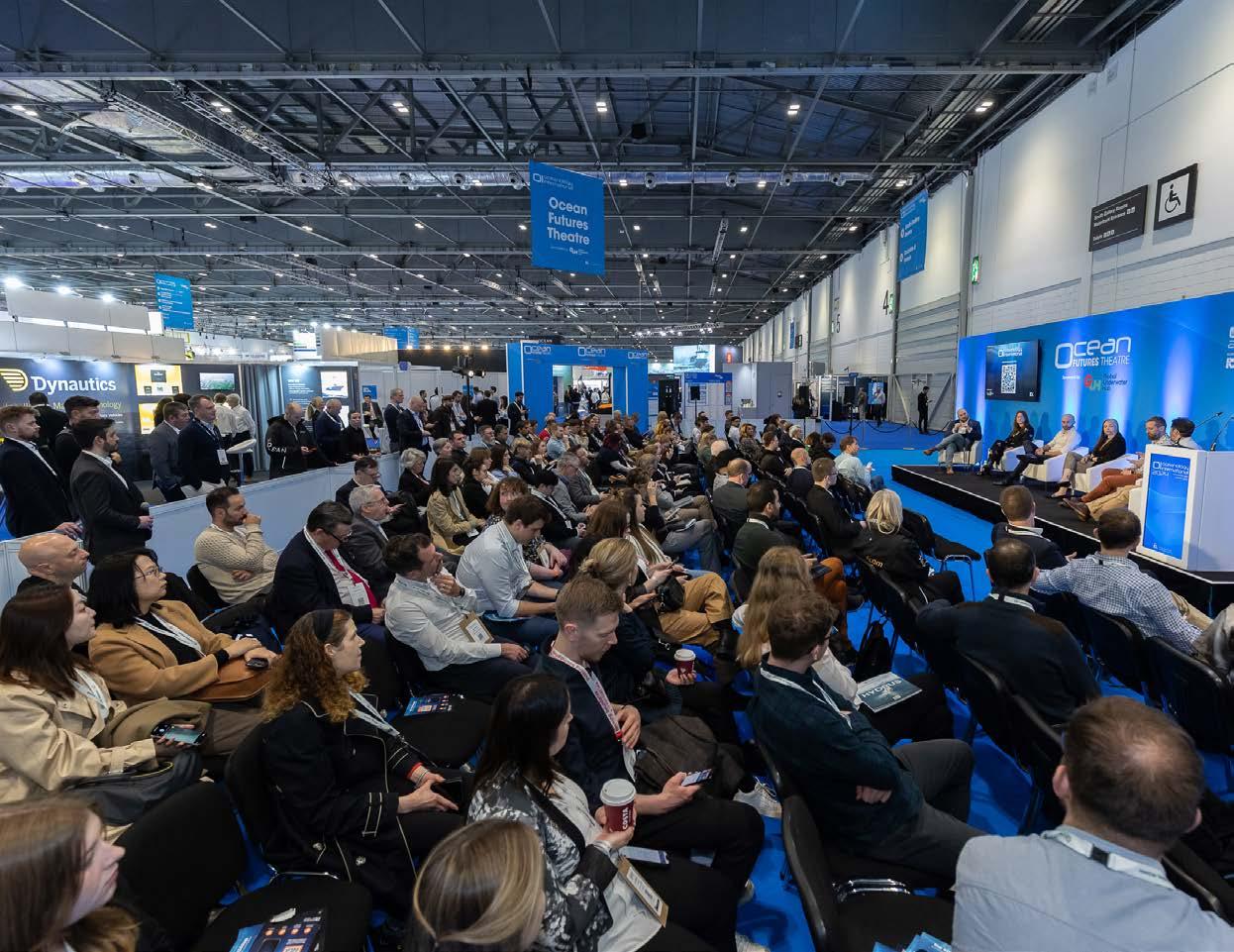
At the centre of the exhibition floor, the Ocean Futures Theatre will host thought leaders from industry, academia and government. Discussions will focus on how


emerging market developments and new ocean enterprise strategies are shaping future technology needs. The theatre is intended as a meeting point for forwardlooking dialogue on innovation, policy and implementation.
Alongside this, the Technical Sessions will provide in-depth presentations rooted in real-world applications. Delivered by and for industry professionals, these sessions will explore key operational areas including hydrography, ocean observation, site investigation and uncrewed vehicles. The emphasis lies on practical insight and technical depth, reflecting the realities of day-to-day work across the marine technology branch.
A new addition for 2026, the COAST Theatre introduces a dedicated conference track focused on innovation in coastal and shallow-water environments. The programme highlights topics such as coastal zone management, environmental protection in coastal waters, ports and terminals, and infrastructure protection. It will also cover developments in areas such as erosion control, sediment transport analysis, shoreline stabilization and climate adaptation.
Together, these themes reflect a growing recognition of the coastal zone as a critical interface between marine and land-based systems. By placing greater emphasis on
the coastal domain, this new track expands the scope of the event to address areas where technological development and operational demands are rapidly evolving. The initiative reinforces the importance of coastal resilience, engineering and infrastructure within the broader ocean technology landscape.
• Coastal Zone Management (Tuesday 10 March, 11:30-13:00)
This keynote and panel session opens the COAST Theatre programme. It will examine how advanced marine technologies, integrated data systems and spatial planning approaches are reshaping the management of coastal areas. The keynote will be delivered by Oscar Pyrgies, marine spatial planning manager at The Crown Estate, who will outline the organization’s strategic approach to managing the UK seabed. His presentation will focus on integrating environmental data, marine spatial planning and collaborative engagement to support offshore development while safeguarding natural capital. Subsequently, the expert panel will discuss integrated coastal zone management, highlighting cross-sector collaboration between government, industry and NGOs. The discussion will focus on how data-driven decision-making can support balanced, sustainable use of the seabed and nearshore waters.
• Ports and Terminals (Wednesday 11 March, 14:10-15:40)
This keynote and panel session explores how technological developments are influencing hydrographic surveying, navigation, digital twins and environmental monitoring in port environments. The discussion will centre on how port operators, service providers and innovators are adopting new tools and data frameworks to enhance efficiency, safety and environmental performance. Real-world experiences and practical implementation will form a key part of the session.
• Maritime Surveillance, Safety and Infrastructure Protection (Thursday 12 March, 12:20-13:50)
This session will start with a keynote, delivered by Andy Liddell, head of maritime uncrewed and offboard systems at the Royal Navy. He will address the growing importance of surveillance in protecting maritime infrastructure, including offshore energy assets and communication networks. This will be followed by a panel discussion examining how new generations of uncrewed platforms, data fusion and AI-driven systems are strengthening maritime domain awareness and supporting infrastructure protection in an era of rapid digital and operational change.


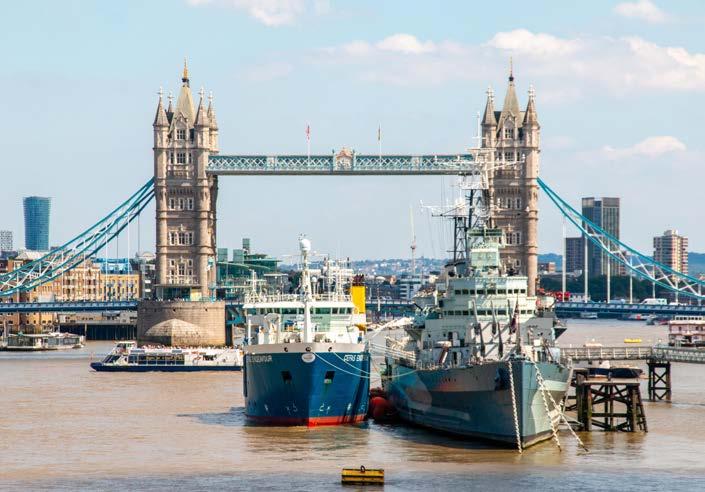
Potential future marine scientists from across London and elsewhere in the UK gained hands on experience of ocean research during visits to the UK government’s 74m sea going marine laboratory. The RV Cefas Endeavour was temporarily moored alongside HMS Belfast on the River Thames during the first two days of July last year, offering selected young people a unique opendoor experience. In a sector calling out for new talent, this was a wonderful way to inspire a younger audience – an initiative that certainly deserves to be repeated.
Over 80 schoolchildren and 60 university students explored the state-of-the-art RV Cefas Endeavour in London in July 2025, learning how marine scientists address critical ocean challenges including climate change, biodiversity loss and pollution. The visits, organized alongside the Future Ocean 25 conference taking place nearby, gave young people direct access to working scientists. The event also showcased career opportunities in a field crucial to a sustainable economy, improved environment, and health and well-being.
Smart buoys and sediment sampling Students engaged with researchers to discover how the Centre for Environment, Fisheries and Aquatic Science (Cefas) supports aquatic food security, clean energy, water health and nature recovery. They experienced research equipment first-hand, including smart buoys for data monitoring, underwater cameras and sediment sampling technology. They also learnt about marine litter monitoring, the use of artificial intelligence (AI) in remote electronic monitoring for fishery data collection, how
fish stock assessment data is gathered, the mapping of marine protected areas using sonar, and water quality surveys.
Recent studies show that aquatic sciences are among the least diverse university courses in the UK. The initiative forms part of Cefas’ ongoing commitment to increase that diversity by encouraging students from all backgrounds to pursue careers in this vital field.
Mr Obembe, a teacher from Little Ilford School, said: “It has been a really educational opportunity for students to be onboard the Cefas Endeavour and to meet real marine scientists. It’s especially good for our students to get insights into different career pathways, which I think is a game changer for them.”
Professor Grant Stentiford, Cefas chief scientist, commented: “The ocean plays a critical role in providing human societies with the essentials of life, but is facing challenges in how we manage it sustainably. Participants at the Future Ocean 25 event are all working to address these challenges. The opportunity for young people to come onboard a scientific research vessel and hear about some of this work will hopefully not only inspire the next generation of aquatic and marine scientists, but more broadly highlight just how important a healthy ocean is for our own health and prosperity.”
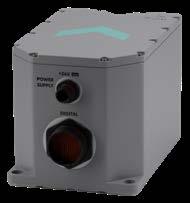
The Octans 9 sets a high standard in maritime operations, combining fibre-optic gyroscope (FOG) precision with robust GNSS resilience. Designed for navigation, dynamic positioning and stabilization of surface platforms, this sixth-generation survey-grade gyrocompass and motion sensor delivers high-precision heave (up to 5cm or 5%) with low latency. This is essential for the safety and efficiency of complex offshore tasks, such as wind turbine installation. With its plug-and-play architecture and export-free status, the Octans 9 offers a highperformance, flexible solution for global maritime operations.
Key features:
• Precision: 0.1° heading accuracy
• 5 cm / 5% heave accuracy with low latency
• Real-time data for offshore construction and complex tasks
• Plug-and-play design and extensive protocol support
• Low 12W power consumption in a compact footprint
• Export-free for unrestricted worldwide deployment
The Rovins 9-DVL is a compact, high-performance system that merges Exail’s advanced fibre-optic gyroscope (FOG) inertial navigation system (INS) with doppler velocity log (DVL) technology. By tightly coupling raw sensor data within a single housing, it provides subsea manufacturers and operators with unparalleled accuracy in position, velocity and attitude, even in the most challenging underwater environments. Designed for rapid deployment on remotely operated vehicles (ROVs), autonomous underwater vehicles (AUVs) and tow fishes, the Rovins 9-DVL eliminates the need for field calibration through its fast in-motion self-alignment. With its unique horizontal design and plug-and-play features, it is the ideal solution for companies seeking to maximize operational efficiency and reliability down to 6,000m.
Key features:
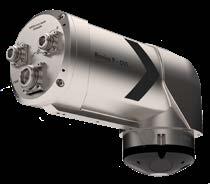
• 0.05° heading (RMS) and 0.02% TD position accuracy
• Real-time INS/DVL data fusion for superior stability
• In-motion self-alignment; no field calibration needed
• Low power consumption (<18W)
• Titanium housing rated for 6,000m
• Compact horizontal footprint with simplified cabling

WINGHEAD X is the latest addition to NORBIT’s advanced multibeam sonar family, delivering a flexible, ultra-highresolution solution for a wide range of survey applications. Built around a curved-array echosounder, it offers a highly adaptable, modular platform designed to meet specific operational needs. WINGHEAD X integrates seamlessly into diverse setups and maintains exceptional performance, even in demanding conditions with significant vessel motion. Designed to fit your mission, not the other way around.
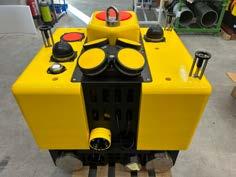
The Modular Seafloor Landers are designed for long-term autonomous deep-sea operations and can also be used for cabled real-time monitoring. They deliver reliable data for months to years and remain fully operational under extreme conditions. Their flexible, modular architecture – with a small footprint, low power consumption and advanced communication options – supports a wide range of sensors, making them ideal for environmental monitoring in research, offshore wind, oil & gas, and for the protection and surveillance of critical infrastructure. Proven worldwide in monitoring projects such as krill studies, the Lofoten-Vesterålen Observatory and deep-sea mining, they offer long-lasting performance based on true deep-sea expertise.
By Wim van Wegen, head of content, Hydro International
Getting away from the daily grind can be the perfect way to not only recharge one’s batteries, but also to rediscover one’s passion and appreciation for hydrography.
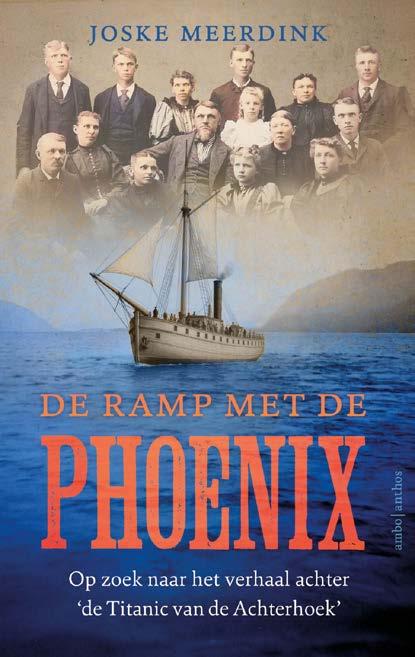
After weeks of seemingly non-stop obligations – in the daytime and evenings – I recently treated myself to a brief ‘escape’ in a cottage in the woods: no deadlines, no computer screens, no to-do lists, no thoughts of work… not even about Hydro International At least, that was the plan. One of the books I had taken with me for the weekend was De Ramp met de Phoenix by Dutch podcast maker and writer Joske Meerdink. She tells the true story of the tragedy of the Phoenix steamship on Lake Michigan in 1847. When fire broke out on the ship, nearly 200 people lost their lives and only 47 were rescued, despite being just a few miles off the coast of Sheboygan, Wisconsin, with the harbour in sight. Many of those on board were Dutch emigrants from Meerdink’s hometown in the east of the Netherlands, heading for a new life in America.
The book unfolds like a detective story as Meerdink tracks down descendants of the passengers, meets relatives of survivors and eventually visits Wisconsin in an attempt to locate the wreck of the Phoenix. About halfway through the book, my professional curiosity was sparked by the description of a dive to investigate a long, narrow object on the lakebed near the location of the disaster.
Years earlier, in 2014, the same object had been detected by an American shipwreck hunter called Steve Radovan. He is somewhat of a living legend in the upper Great Lakes, having located at least a dozen wrecks since the 1970s. When his sonar picked up the object, he lowered an underwater camera to take a look, but the footage was murky. He dismissed it as a log – which was a feasible conclusion, as Lake Michigan has a long history of timber transport.
In the book, Meerdink describes how she had found someone else – Tamara Thomsen, an archaeologist at the Wisconsin Historical Society and part of a diving team – willing
to investigate the suspected wreck site with her own eyes. The mysterious object turned out not to be a log at all, but rather the smokestack from the Phoenix. Thanks to Meerdink’s perseverance – combined with the database of Radovan, who had kept careful records of all his voyages – an evident trace of the doomed steamship was uncovered, more than 175 years after the tragedy.
At that point, I realized that my plans to take a complete break from work had quietly unravelled. Even during a weekend meant for rest, I found myself captivated by the very topics that regularly feature in Hydro International: shipwrecks, sonar, deliberate searches and accidental discoveries. Far
from feeling like I had failed in my attempt to get away from it all, however, I was instead reminded why such stories continue to fascinate me: my work is simply too interesting to ever feel routine. Moreover, despite the book being a true page-turner, reading it helped me to slow down and unwind.
My weekend in the woods brought the serenity I was looking for, while also rejuvenating my thirst for knowledge. And, ultimately, perhaps that’s the best kind of escape: taking a short break from everyday life to return with fresh energy and appreciation for the stories that are hidden beneath the surface.
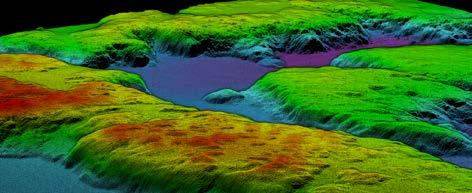
Besides its solutions for airborne bathymetric Lidar, which is increasingly being considered for specific feature-recognition tasks in complex situations, RIEGL is also highlighting its ground and boat based laser scanning survey capabilities in the context of hydrography at Oi26.
Which main development are you highlighting at Oi26, and which customer problem does it solve?
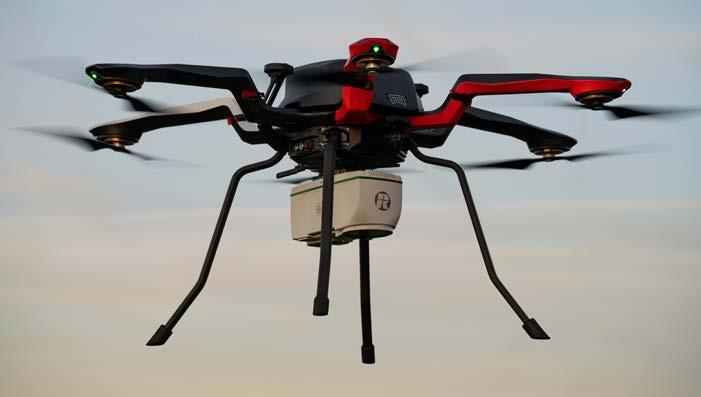
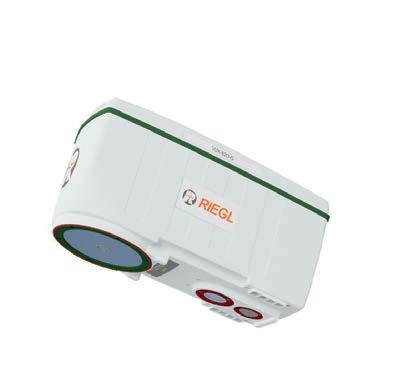
We are highlighting our latest topobathymetric airborne Lidar system, the VUX-820-G. This very compact system is especially apt for use on smaller uncrewed aerial vehicles (UAVs or ‘drones’), as the lightweight design enables compliance with payload weight restrictions. New features make the handling more user-friendly, like the facilitated mounting and the option for parametrization and status-message checking via the integrated touch screen. All in all, the new fully integrated system – including green wavelength laser scanner, RIEGL’s RiLOC-F inertial navigation system, an RGB camera and RIEGL’s proprietary software licences for generating georeferenced and refractioncorrected point clouds – allows high flexibility in use for service providers operating smaller UAVs, without compromising performance and quality of the acquired data.
Which applications are currently driving the most demand for your products or services, and how has that changed compared to last year?
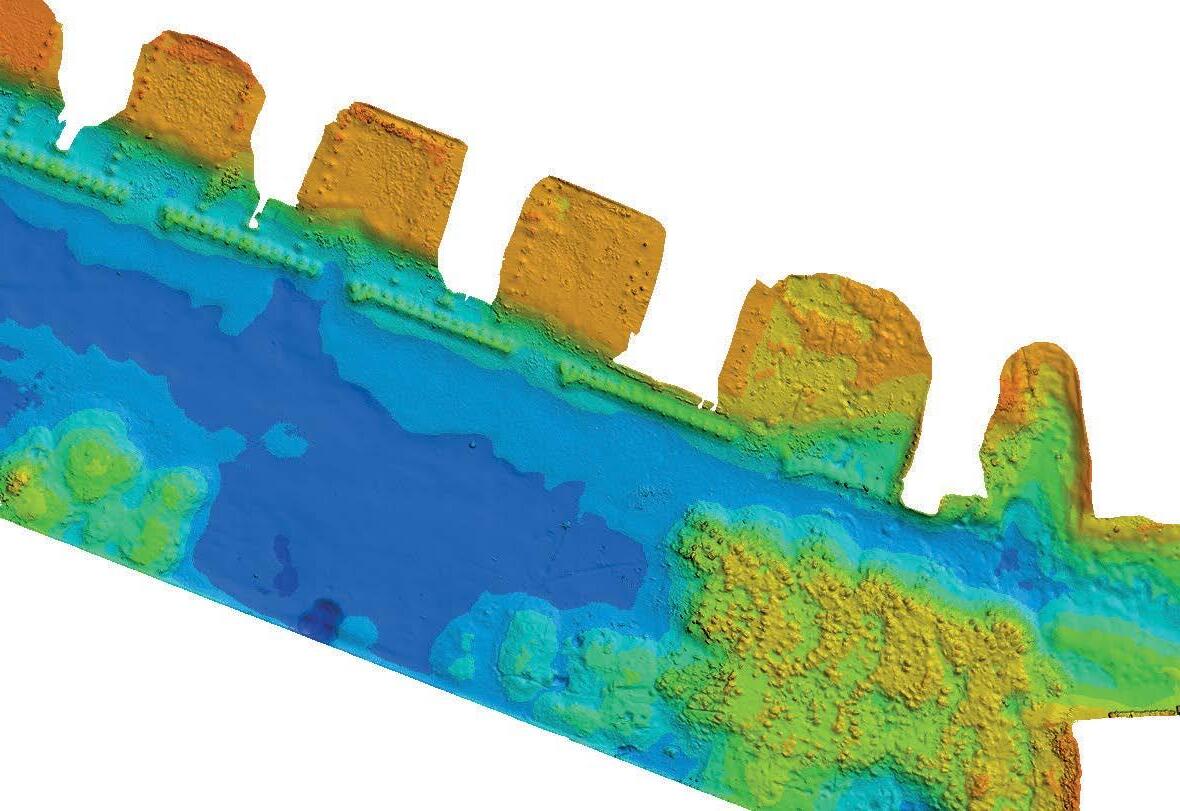
Apart from the classic tasks of measuring water depths and the seamless coverage of topography on land and under water, we are experiencing a diversification of tasks for airborne bathymetric Lidar. It is being considered for diverse feature-recognition tasks in complex situations, like harbour environments, change and growth monitoring of sediment, and marine habitats, and there is also a noticeable demand for defencerelated applications. Our compact system solutions can be integrated into various aircraft types and are well suited for providing such highly detailed data.
What is behind that shift in applications?
Homogenized regulation for civil drone operation enables facilitated use of smaller drones, meaning service providers need a suitable payload. There is evident urgency relating to climate change, and also defence applications in the current geopolitical context. To meet this increased demand and to handle large amounts of resulting data, we also have to provide new tools for streamlined and largely automated data processing, intelligent filtering and analysis.
How do you see the hydrographic sector evolving over the next two to three years, and where do you expect the biggest capability gaps to be?
In hydrography, as in other survey contexts, we expect further development of data fusion in order to maximize mission efficiency. This tendency can already be observed for larger systems where multiple sensors are directly integrated. For smaller
systems to be used on UAVs, one challenge is the availability of miniaturized yet highperforming sensors and reliable, stable yet lightweight system integration. But also, data fusion for datasets acquired from different methods and platforms is a topic that is addressed for providing complete and information-rich results. Data format homogenization and suitable analysis tools have to be established.
What can Oi26 visitors expect at your booth, and why should they stop by?
We are looking forward to showcasing the versatility of airborne Lidar, but also of ground- and boat-based laser scanning survey in the context of hydrography. We appreciate the feedback from and discussion with topo-bathymetric Lidar users as well as hydrographers, surveyors, academics and students who are considering Lidar technology for the first time as a new, maybe complementary, approach to their work.
The latest Hydro International industry survey paints a picture of a sector navigating growing data volumes, changing skill requirements and fast moving developments in automation, artificial intelligence (AI) and remote sensing. Organizations are working hard to secure certified professionals, keep up with evolving equipment and continue delivering reliable, high quality data amid increasing operational pressure. The result is a field in transition, adapting steadily, though not without its challenges.
The responses to the final question of the 2026 edition of the hydrographic industry survey – “Do you have any additional thoughts you would like to share about the current status of the hydrographic sector?” – reveal a picture of a field that is both progressing and under pressure. While individual comments differ in detail, the shared themes are remarkably consistent. In parallel with workforce and budgetary challenges, participants in the industry survey see a steady increase in the demand for hydrographic data. Offshore renewable energy developments, coastal defence, habitat monitoring, port maintenance, dredging operations and national seabed mapping projects all require reliable, highresolution datasets. Many respondents stress that hydrography plays a crucial role in safe navigation, marine planning and environmental understanding, and so responsibilities continue to expand rather than diminish.
This growing relevance brings opportunities for innovation and sector growth. Yet it also reinforces existing pressure points: more surveys, more analysis, more reporting and more integration with environmental data, all while organizations already operate at the limits of capacity.
Visibility, communication and the need for collaboration
A notable number of respondents comment on the sector’s limited visibility outside specialist circles. Hydrography remains
essential to national infrastructure and international maritime operations, yet is often underestimated by policymakers and funding bodies. That lack of visibility can influence budget decisions, public engagement and the field’s attractiveness to young professionals.
A sector with strong potential but clear points of tension
Despite the concerns raised, the overall tone is one of cautious optimism. The hydrographic sector remains dynamic, technically advanced and integral to a wide range of marine activities. Many respondents appreciate the opportunities for innovation, interdisciplinary work and long-term societal impact.
Key findings from the 2026 industry survey:
• Hybrid workflows – AI and autonomy will accelerate work, but skilled people remain essential
• Workforce capacity – shortages and evolving skill demands dominate nearly every response theme
• Uneven technological adoption –innovation outpaces organizational readiness
• Growing data volumes – processing, QA/QC, storage and delivery are under mounting strain
• Equipment costs – pressure is significant, especially for smaller and public organizations
This article highlights the final question from this year’s survey edition, presenting the key outcomes as a set of bullet points. The complete industry survey report can be accessed via this QR code.

• Emerging technologies – autonomy, AI, satellite-derived bathymetry (SDB) and Lidar take the lead, but integration is considered the true game changer
• Sector sentiment – progressive, pressured and conscious of the urgent need for investment and collaboration
• S-100 – although this is an important sector-wide development, it was rarely mentioned by respondents, suggesting that it is not currently among the most pressing issues they experience
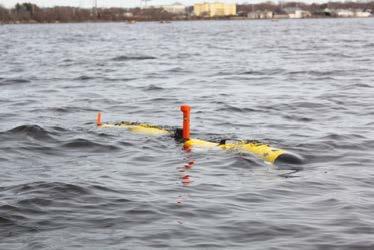
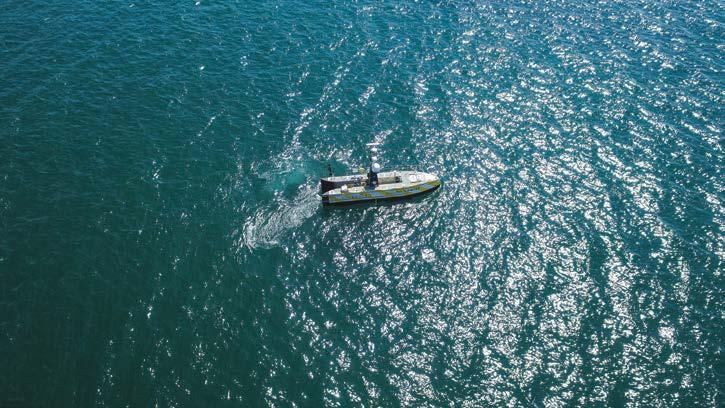
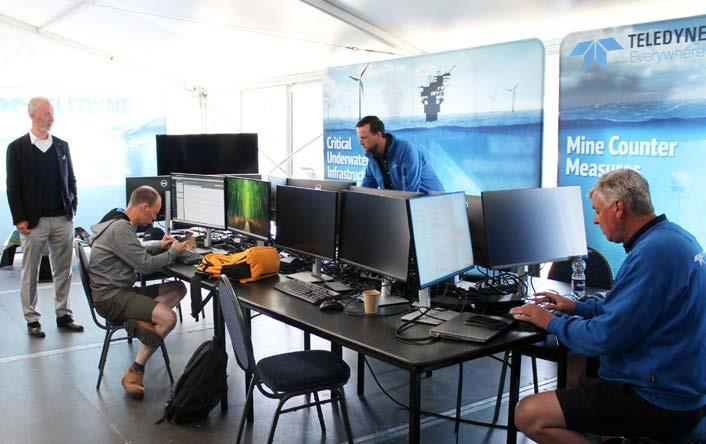
A dynamic line‑up of specialist workboats, autonomous vessels and cutting‑ edge software are bringing ocean technology to life during the Dockside Demonstrations at Oceanology International (Oi26). This year’s live feature hosts more than 20 companies conducting in‑water or on‑water product demonstrations, once again placing real‑world application at the heart of the event.
Held on the quayside of the historic Royal Victoria Dock outside Excel London, the Dockside Demonstrations are a cornerstone of Oceanology International. Complemented by the 450 exhibiting companies and indepth technical discussions taking place inside the venue, the demonstrations enable visitors to view innovative marine technology in action, step aboard the vessels, meet the crews and discuss the latest workboat systems. They also offer a great opportunity to gain insight into how advanced onboard systems integrate, perform and deliver mission-critical data in real time.
UK-designed workboats
Over 20 companies are participating in the Dockside Demonstrations at Oi26. Among this year’s highlights are two UKdesigned workboats that demonstrate the versatility, innovation and leading operational capabilities driving the ocean industry forward: the Solent Guardian and the MJM Enterprise. The Solent Guardian, Briggs Marine’s 19m coastal survey vessel, is built for hydrographic, geophysical and environmental surveys. With a 6.3m beam and shallow 1.5m draft, it provides unhindered access to nearshore and coastal areas. Onboard data feeds for depth, position and heading – combined with wet and dry laboratories and a robust moonpool-mounted survey pole – make her a comprehensive platform for real-time data collection and processing. An A-frame and HIAB crane enhance equipment handling, while accommodation for up to ten staff supports extended daily operations.
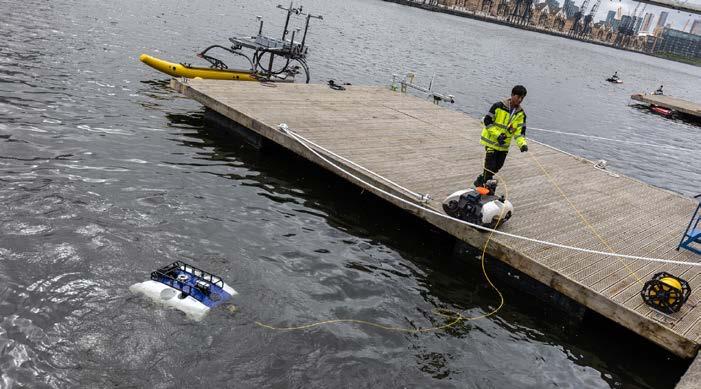
Held on the quayside of the historic Royal Victoria Dock outside Excel London, the Dockside Demonstrations are a cornerstone of Oceanology International. (Image courtesy: ASV Photography)
Meanwhile, the MJM Enterprise – a 26.7m multi-role workboat from Marshall Jakeman Marine Ltd – demonstrates exceptional flexibility for survey, remotely operated vehicle (ROV) and environmental campaigns. Her 5.2m-wide, 6T SWL A-frame with integrated winch and expanded towing width underlines her power and capability. A flexible deck mounting system, 1.2m moonpool and 38t/m crane further enhance her suitability for shallow geotechnical, ROV and environmental operations.
Another eye-catcher berthed at Oi26 is Kommandoren, an 1891 Baltic trader. The vessel has been restored by Hays Ships, owner and operator of a specialized fleet of survey and research vessels, after being
rescued from her former life as a gravel dredger. Serving a diverse range of clients across the offshore industry, Hays Ships has over 40 years of experience as a trusted vessel provider, combining proven operational knowledge with advanced vessel capabilities. Each vessel in its fleet is meticulously designed to meet client specifications, typically ranging from 50100m in length, and equipped with dynamic positioning (DP) systems and high-quality onboard accommodation.
Visitors to the Oi26 Dockside
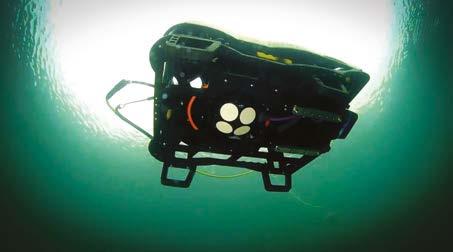
Demonstrations have the chance to experience the next generation of ROV technology thanks to Deep Trekker, one of the largest underwater robotics
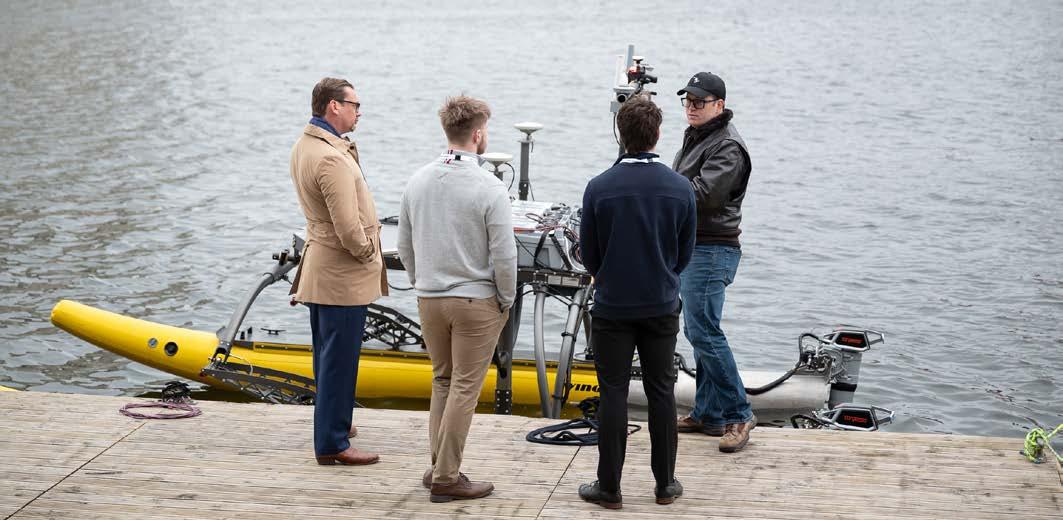
The Dockside Demonstrations provide a practical sense of how systems behave in real conditions, complementing what the specifications promise. (Image courtesy: ASV Photography)
manufacturers in the world. Besides watching live demos, visitors can engage in hands-on interaction and gain insights from the company’s engineers.
“The Dockside Demonstrations give operators the opportunity to evaluate performance in real-world conditions rather than relying solely on specifications,” says Cody Warner, vice presid ent
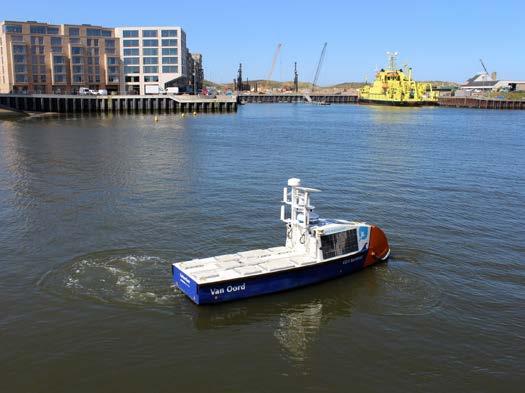
SatLab is demonstrating its latest USV multibeam solution, the HydroBoat 1200MB, which combines proven uncrewed vessel technology with the HydroBeam M2 multibeam echosounder (MBES). EvoLogics, Norbit AS, Teledyne Marine and Kongsberg Discovery are also demonstrating their solutions on the quayside.
No substitute for direct engagement
NEW
Airborne LiDAR System for Topo-Bathymetric Surveying
compact & powerful LiDAR scanner (> 2 Secchi depths) well-suited for use on UAVs (5.7 kg / 12.5 lbs) typical flight altitude 75 m AWL/AGL
RIEGL RiLOC-Finside IMU/GNSS system and 5 MPx camera fully integrated RIEGL software licenses for generating georeferenced and refraction-corrected point clouds included fully integrated package for smooth installation and operation www.riegl.com
Despite the differences in their scale and intent, the Dockside Demonstrations at Oceanology International and the SeaSEC Challenge Weeks both underline the same essential point: testing, trialling and demonstrating what the industry can deliver builds confidence, provides inspiration and drives innovation. Indeed, a number of cutting edge technologies showcased at the SeaSEC Challenge Weeks 2025 are already accelerating the development of practical solutions to support real world security needs by protecting undersea infrastructure.
Just as Oceanology International’s Dockside Demonstrations at the Royal Victoria Dock bring the event to life with live, on-water technology showcases – giving visitors the chance to see vehicle, imaging, sonar and instrumentation technologies in action outdoors and on the water – a far more serious and purpose-driven testing environment took shape in May last year at Campus@Sea in the Dutch city of The Hague. There, 12 consortia from across the survey sector joined forces with the Dutch Ministry of Defence at the Seabed Security Experimentation Centre (SeaSEC).
Securing critical underwater infrastructure
As part of the SeaSEC Challenge Weeks
2025, they conducted sea trials to examine how their technologies could contribute to securing critical underwater infrastructure in the North and Baltic Seas. The protection of vital submarine infrastructure for data traffic and energy supply is becoming more complex and urgent due to increasing threats arising from geopolitical tensions. Incidents such as the sabotage of the Nord Stream pipelines in 2022 have demonstrated the vulnerability of this infrastructure, underlining the urgent need for innovative security solutions.
SeaSEC was established in 2023 within the framework of the Northern Naval Capability Cooperation (NNCC) by defence ministries of six NATO countries bordering the North
and Baltic Seas. The centre stimulates and accelerates the development of technologies that can detect suspicious situations and strengthen the security of submarine infrastructure. An important aspect of this is the collaboration between armed forces, companies and knowledge institutions.
The SeaSEC Challenge Weeks initiative challenges industry players to prove their capabilities in protecting undersea infrastructure, driving rapid innovation in defence solutions. The 2025 edition once again offered a compelling showcase of cutting-edge technology at SeaSEC’s maritime testing grounds off the coast of Scheveningen. It also marked a milestone in SeaSEC’s still-young history, bringing together an unprecedented number of collaborating civil parties to test and demonstrate solutions.
“By demonstrating the products in practice, we show the Ministry of Defence directly what is possible now,” says Carine van Bentum, director at SeaSEC. “This helps the Ministry to quickly arrive at solutions, instead of launching a lengthy process involving extensive deliberation about the final design. Such a process can take years, and we simply don’t have that kind of time given the current and growing threat. We want to get the right solution in the water as soon as possible. With this practical approach, we bring together the military and civilian sides, which speeds up the entire process.”
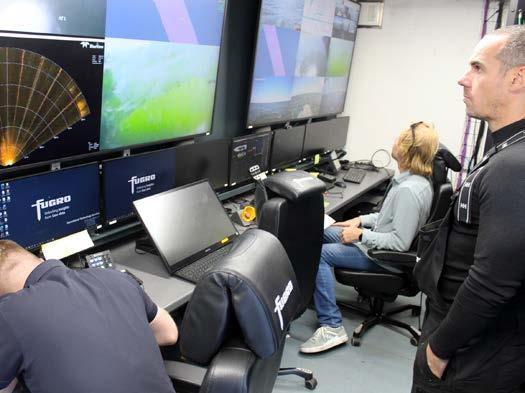
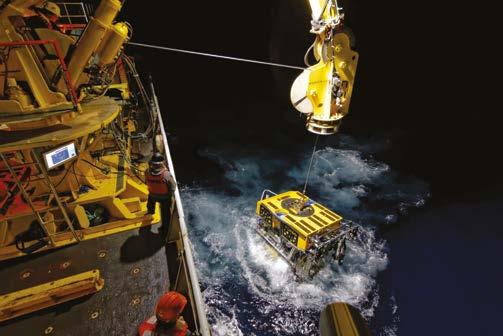
Fugro operated an on-site local operating centre (LOC), enabling the real-time streaming of video feeds and sensor data from its USV and eROV as they identified unknown objects on the seabed.
The demonstrations took place in a ten by ten nautical mile testing ground just off the coast near The Hague. The consortia were given three specific assignments:
1. Locate and track an autonomous underwater vehicle (AUV) within a designated area of 1km²
2. Locate and identify multiple suspicious objects placed on top of, near, half-buried near or under a designated section of pipeline within a time limit
3. Detect anomalies on a designated area of 1km² of seabed in shallow water
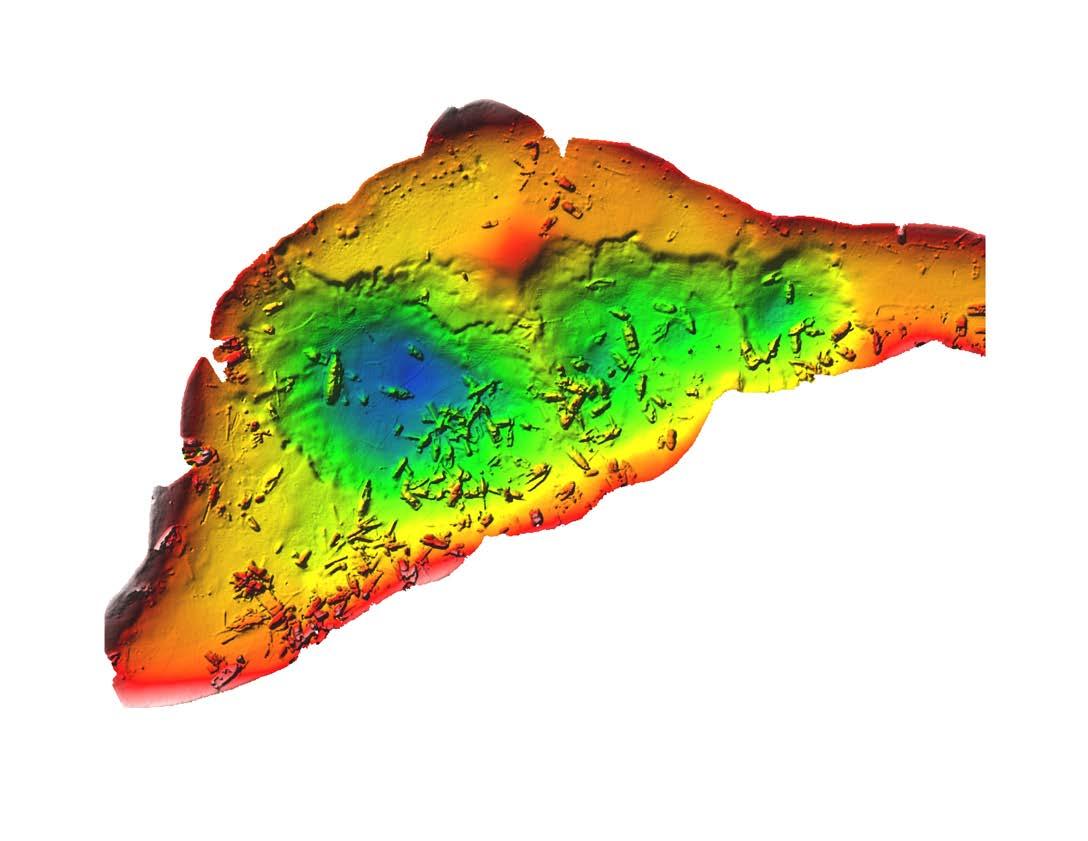
Van Bentum is enthusiastic about the results so far. “Some solu are actually ready to use – perhaps not exactly for the application we have in mind, but they also inspire us for other uses,” she comments. She specifically highlights a few high-potential technologies, i Teledyne’s Lidar system: “If you can actually see 30 metres dee in the North Sea with it, you significantly expand your perspect
solutions for your sensors and platforms!
compared to an underwater solution. The optical hydrophones from Optics11 that I’ve seen are also very promising.”
The goal of SeaSEC and the Challenge Weeks is to bring the Dutch Ministry of Defence and industry together. “I can already see some great connections being made,” says Van Bentum. She urges companies in the survey industry to continue reaching out to SeaSEC in The Hague to test their technology.
While the Dockside Demonstrations at Oceanology International offer an accessible, close-up look at technologies in action, initiatives such as the SeaSEC Challenge Weeks operate at a very different level, providing a focused and realistic environment in which capabilities are tested against real-world security needs. Yet, despite the difference in scale and intent, both settings underline the same essential point: testing, trialling and demonstrating what the industry can deliver remains highly valuable. It builds confidence, sharpens innovation and shows, in tangible ways, how technology can move from concept to practical application – whether on a busy exhibition dock or in a dedicated operational testbed supporting the protection of critical underwater infrastructure.

Dredging control solution for bucket, crane, cutter suction, excavator, and trailing suction hopper dredges.
Survey and map your shorelines and waters to deliver all types of hydrospatial data.

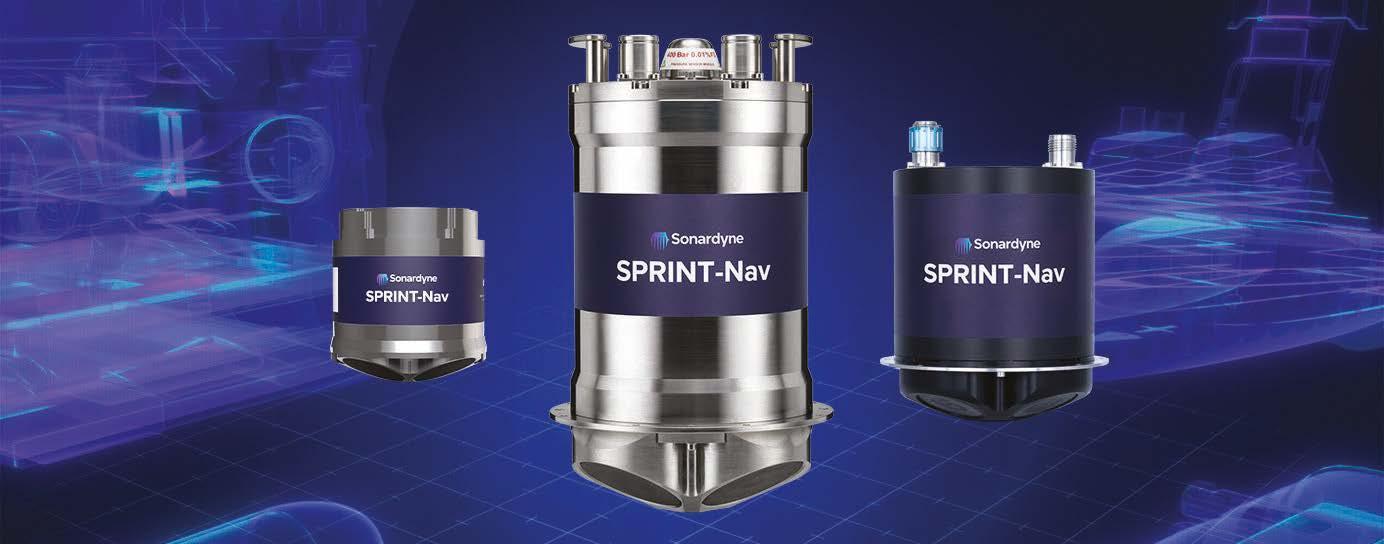
While the demand for reliable data grows across all water depths and sectors, the focus on protecting critical national infrastructure is driving the need to safeguard data integrity, according to Sonardyne. The company’s solutions support subsea navigation, positioning and underwater communications to strengthen operational capability.
Which main development are you highlighting at Oi26, and which customer problem does it solve?
Our latest development is Observer, our advanced technology for intelligent subsea asset monitoring. Highly versatile and configurable, Observer is designed to address a wide range of asset integrity challenges, from pipeline expansion and contraction to vortex-induced vibration. It’s straightforward to install, with up to ten-year monitoring and in-situ analysis capability. Thanks to in-built wireless communications, it also delivers insights on-demand. This supercharges proactive subsea asset integrity management, extends asset life and reduces operational risk and operating expenditure (OpEx). We have also recently introduced a new 1,000m depth-rated version of SPRINT-Nav U, further extending the capabilities of underwater robotic platforms across a range of markets.
Which applications are currently driving the most demand for your products or services, and how has that changed compared to last year?
There is increasing focus on protecting critical national infrastructure such as telecommunications and power cables. This drives the need for solutions that safeguard data integrity, putting subsea navigation, positioning and underwater communications at the centre of operational capability. In practice, this means integrating proven navigation solutions such as SPRINT-Nav onto survey vehicles, enabling rapid, increasingly low-logistics mobilization –often for unexploded ordnance (UXO) and suchlike. Observer delivers actionable intelligence that enables efficient, proactive integrity management of assets that are otherwise difficult to monitor and inspect.
What is behind that shift in applications?
The demand for reliable ocean data is growing across all water depths and sectors. From ocean science to defence or energy security, organizations need solutions that deliver insights efficiently. That means lower costs and more rapid deployments with lowlogistics platforms. Those that enable data to be gathered sustainably and with minimal operational overhead are increasingly in demand.
How do you see the hydrographic sector evolving over the next two to three years, and where do you expect the biggest capability gaps to be?
The growing amount of data that is gathered needs to be managed and useful to support timely and informed decision-making. This trend, and an increasing use of autonomy, is likely to drive a shift in where the intelligence is located. More will be found on the platforms people are using to gather data, so that the intelligence becomes an insight that can be acted on faster – including by the platform itself.
What can Oi26 visitors expect at your booth, and why should they stop by?
Visitors should first take a walk around the show to see our technologies being put to use! In the Dockside Demonstration area, BeeX is demonstrating its hovering autonomous underwater vehicle (HAUV)
A.IKANBILIS, with our SPRINT-Nav U onboard. Also dockside is Marine AI, who – in partnership with ZeroUSV – will be remotely operating a 12m uncrewed surface vehicle (USV) in Plymouth, UK, to showcase GNSSdenied navigation using our SPRINT-Nav Mini. Attendees should then come and visit our stand (F300) for a barista-brewed coffee and to chat about Observer and how we can make underwater work for them.
ELWAVE
SGS
SIDUS
We proudly present our premium members, the ambassadors of tomorrow's hydrography!
Will you be next?