LENNY Kravitz
THE formative YEARS
PHOTOGRAPHY BY DAVID HINDLEY
INTERVIEWS BY DAVID RITZ
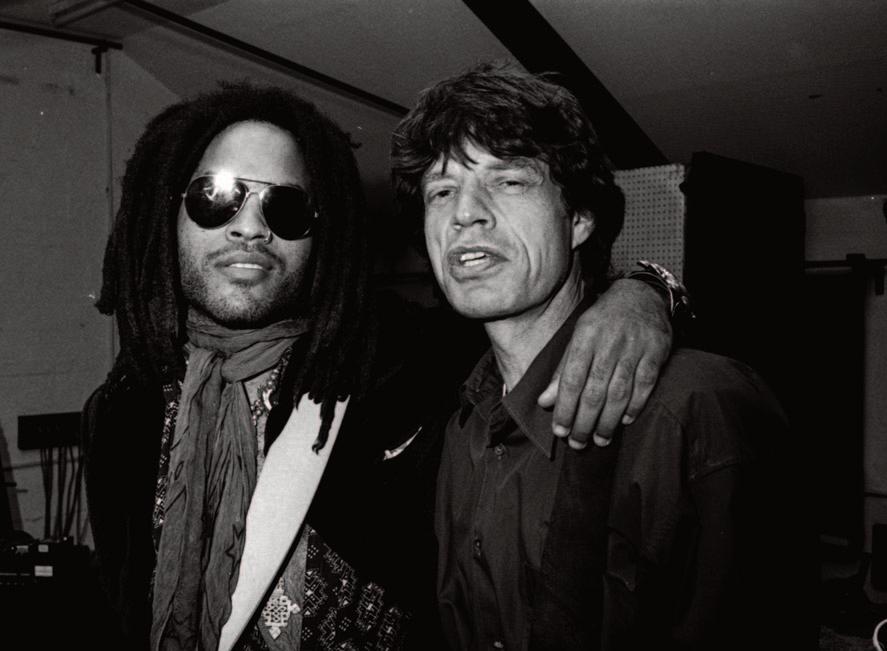

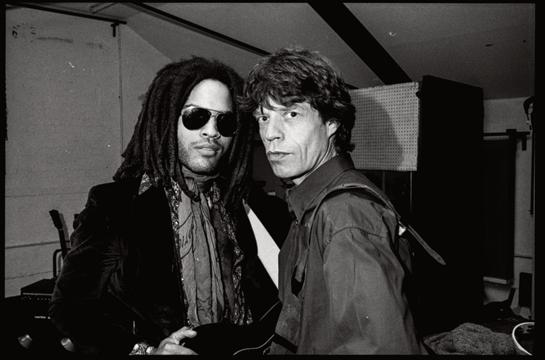
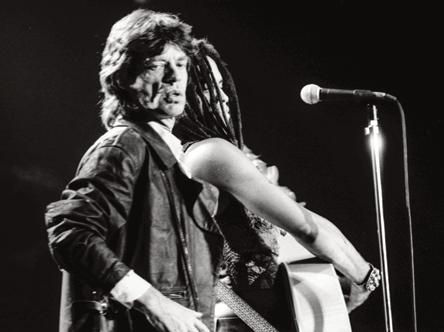
Lenny Kravitz and Miick Jagger at Karl Wallinger’s Studio
PHOTOGRAPHY BY DAVID HINDLEY
INTERVIEWS BY DAVID RITZ
I first heard of Lenny when I saw his video for ‘I Build This Garden for Us’ and I was intrigued by the retro yet modern quality of the song. So I listened to some more of his work and while we were both in Montreux, Switzerland, I managed to catch his live show.
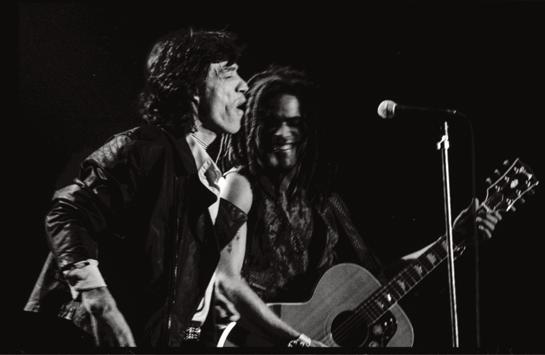
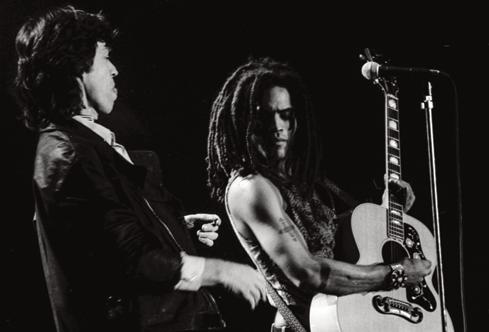
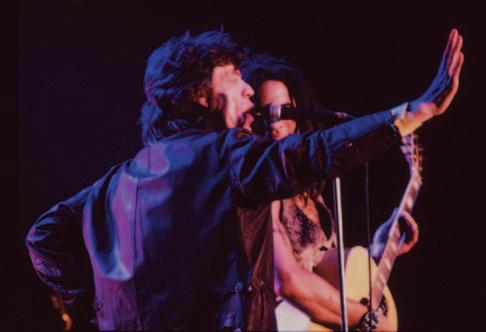
I thought to myself, why not go and do a duet with him on stage instead of just being a spectator? So we did the song ‘No Expectations’.
We became friends after that and wrote a song together called ‘God Gave Me Everything’, which is still a favourite of mine.
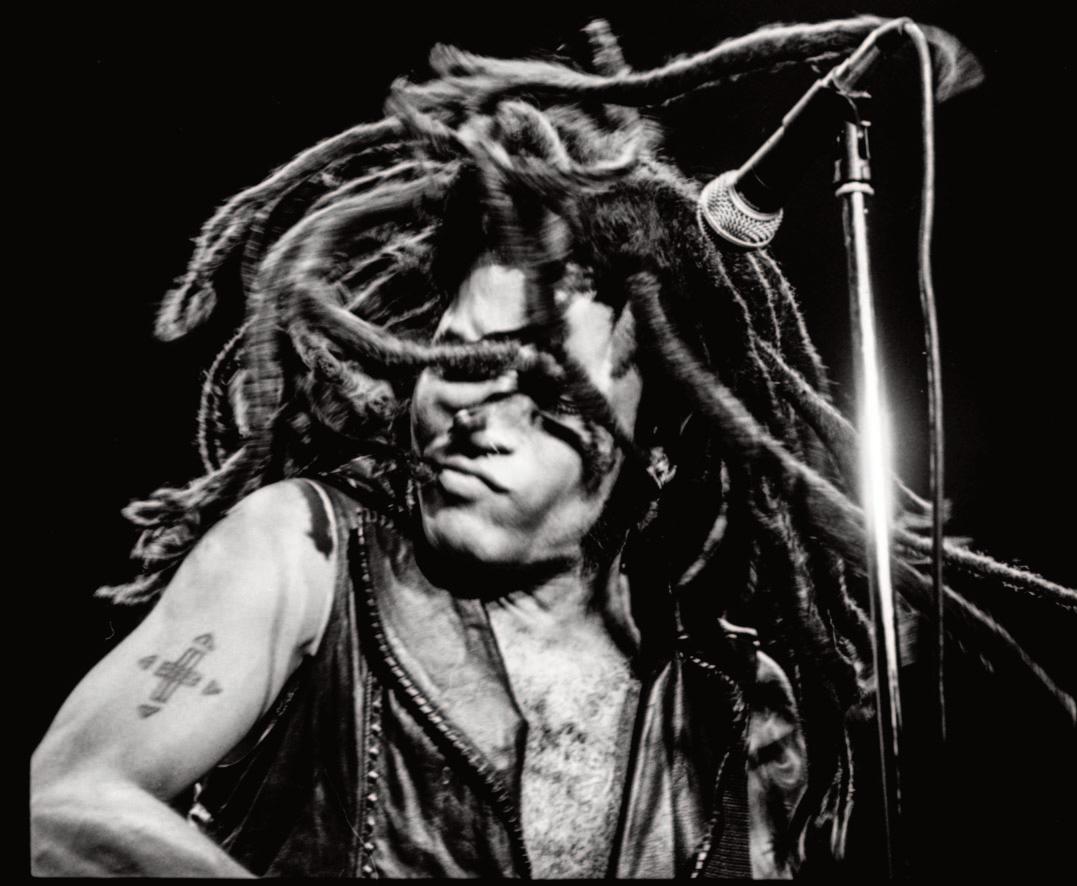
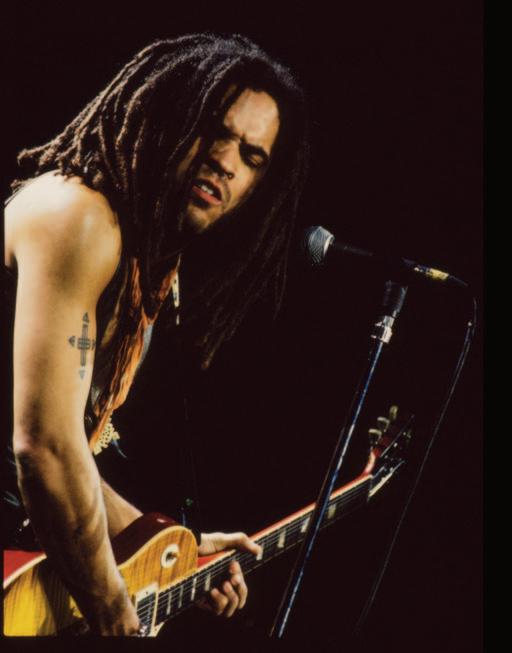
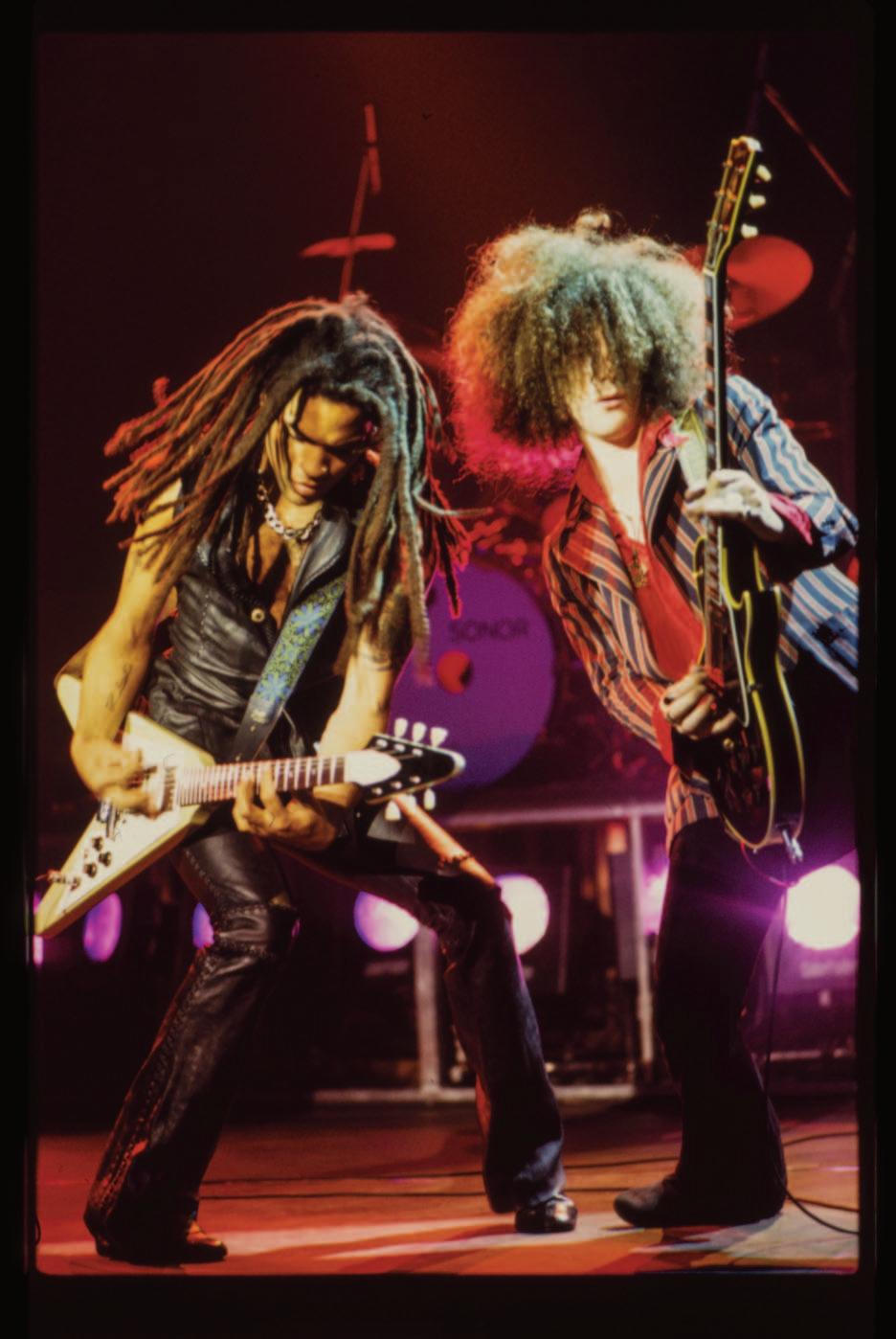
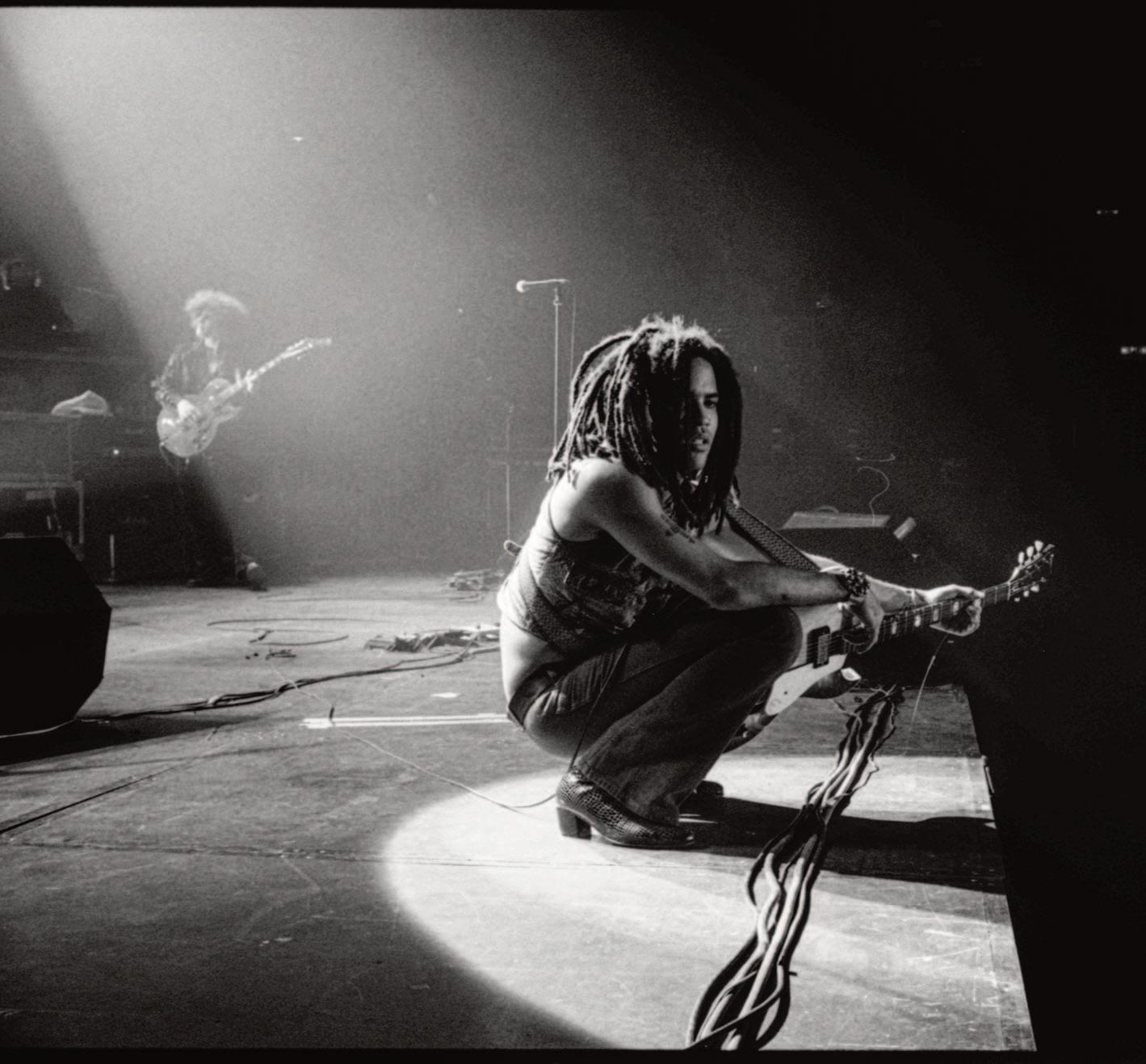
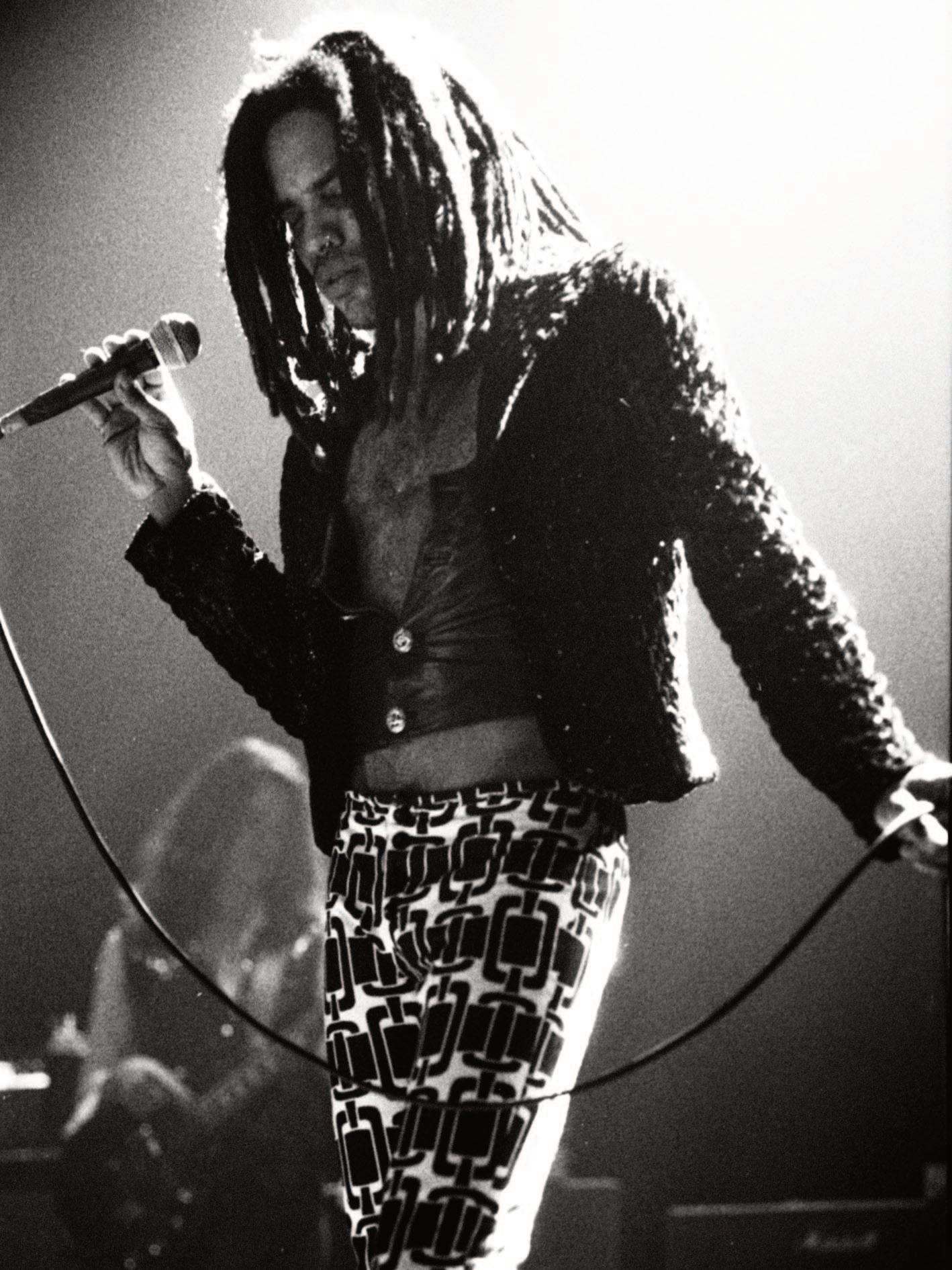
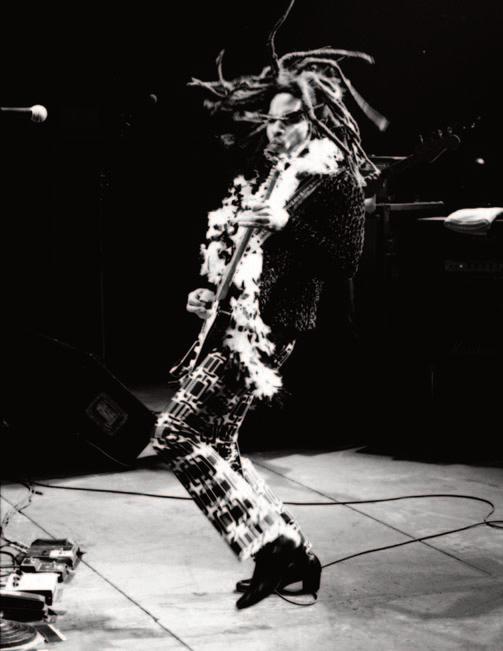
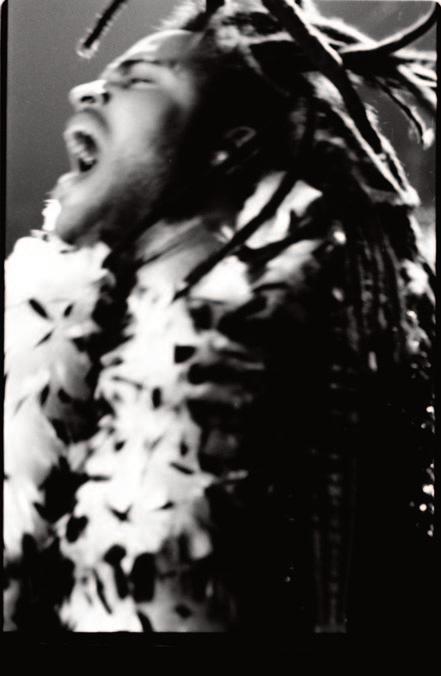
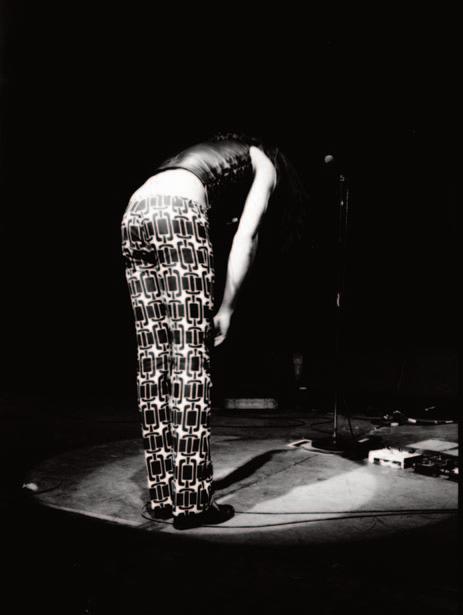
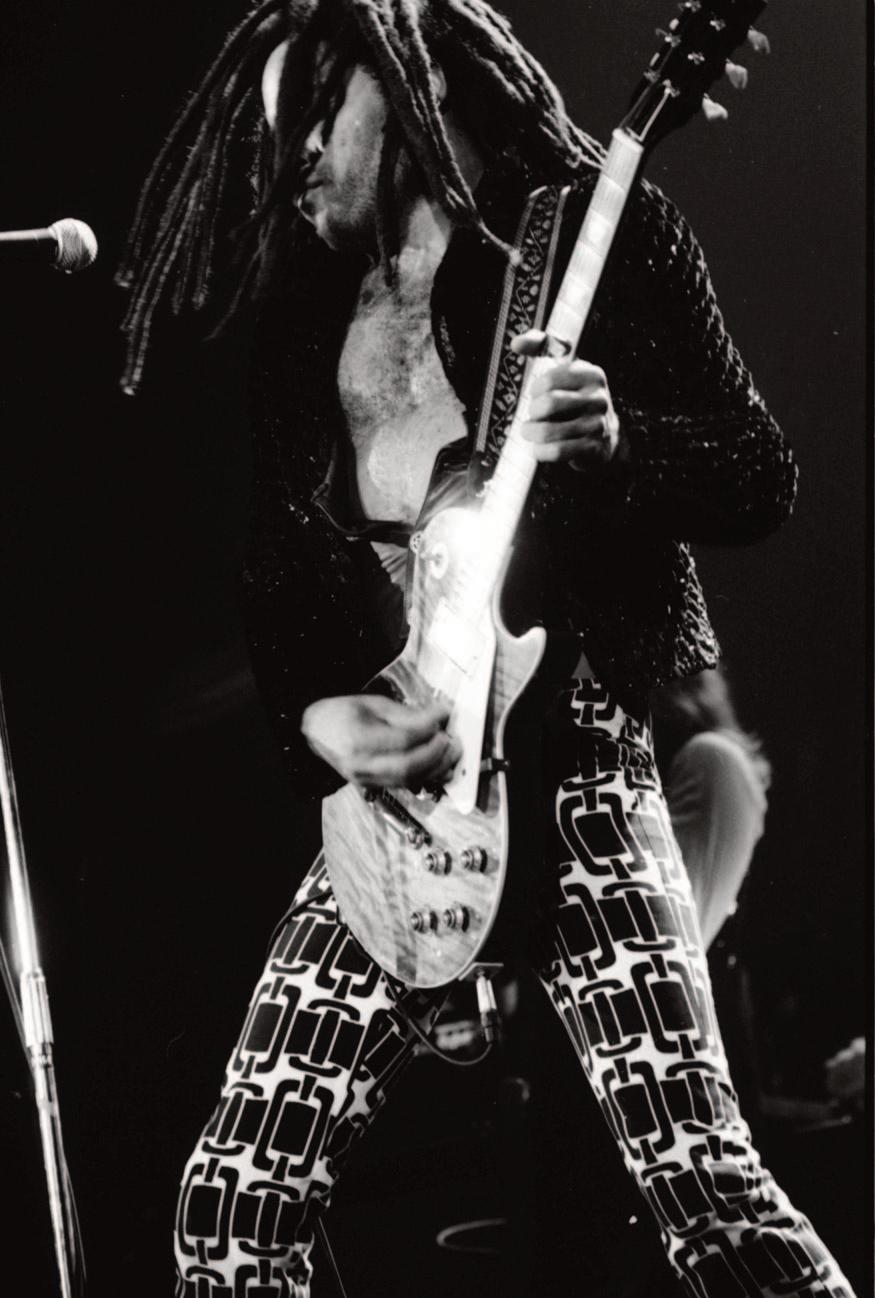
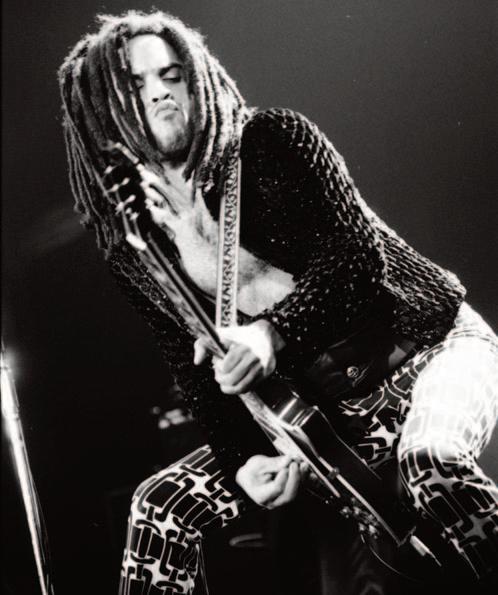
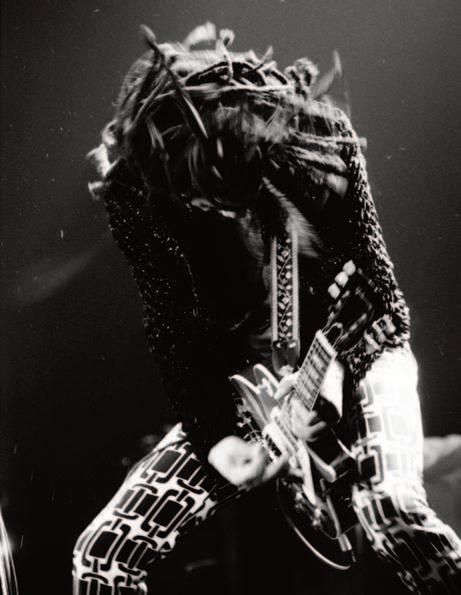
Lenny is a man of many talents and these beautiful pictures show him in his early years while he was experimenting with different styles and different looks.

David: This was a time before mobile phones, emails and social media.
The absence of those phenomena cleared the air. It was a matter of having a day sheet slipped under my hotel door and learning what my life would be like for the next 24 hours. Interviews at three. Sound check at five. Show at nine. Meetand-greet at eleven, and afterward wherever the night took us. It was all analogue, no checking the back of the camera to see if the magic was already there. No auto-focus. No immediate fix, no immediate self-gratification. It was all about taking a chance, living with doubt and the thrill of being on tour.
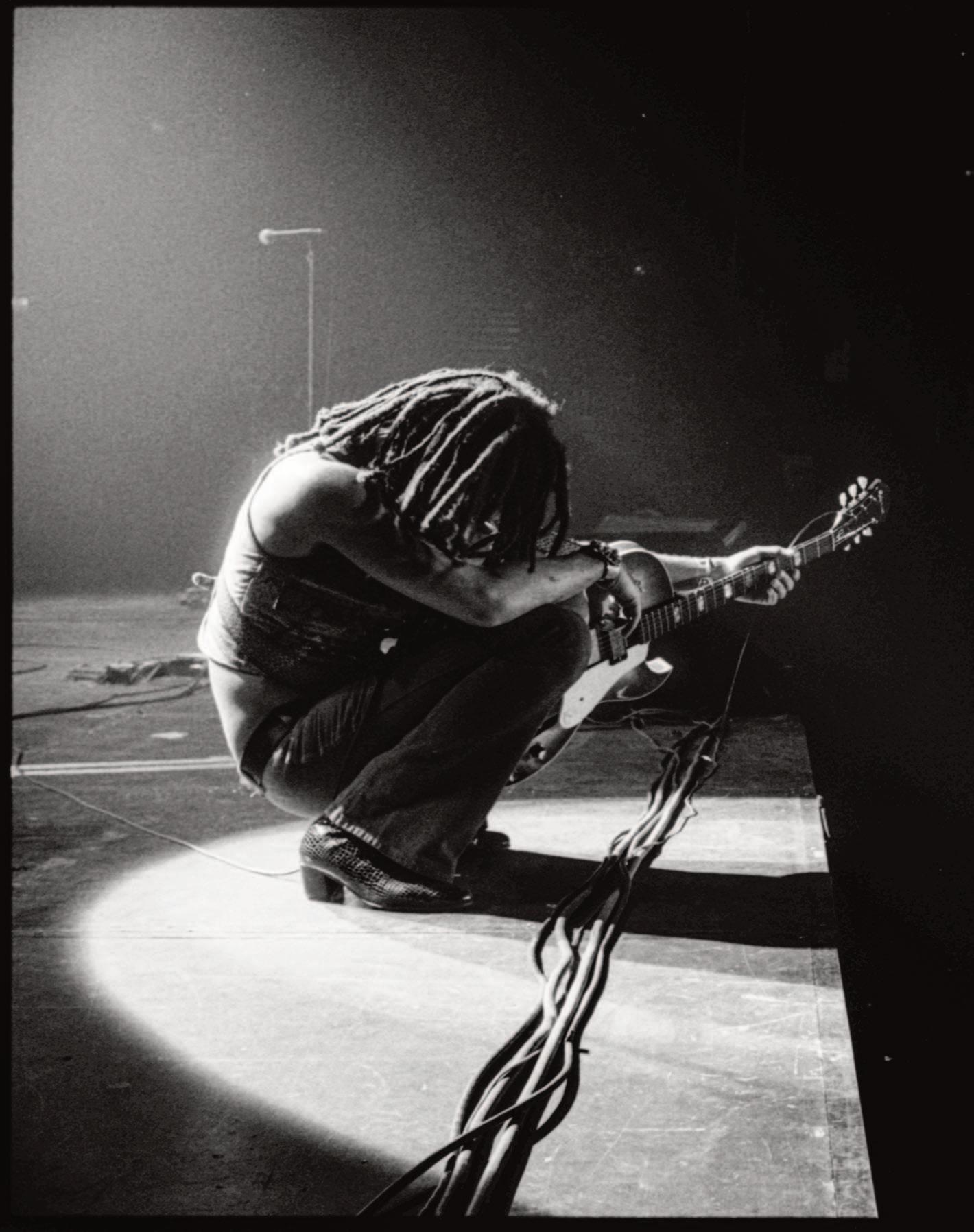

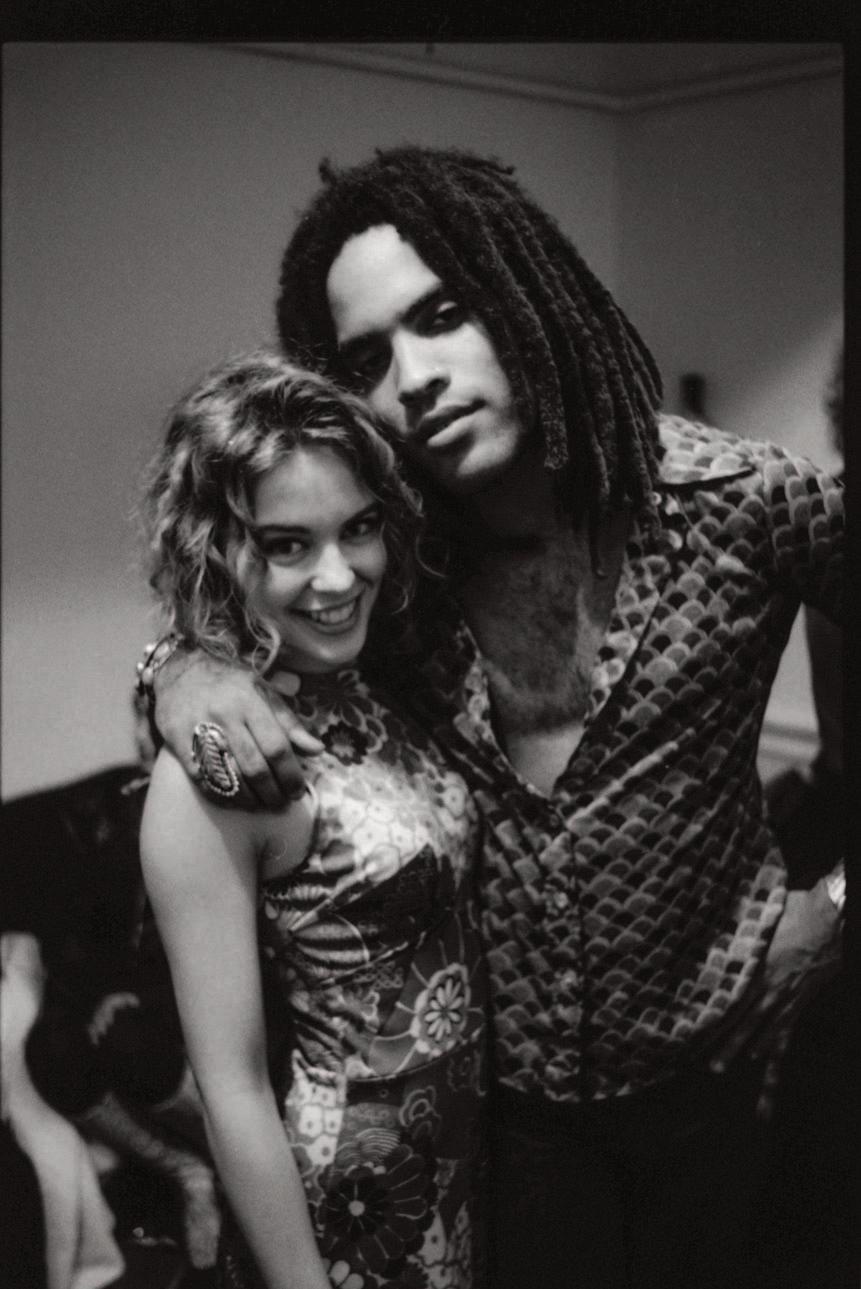
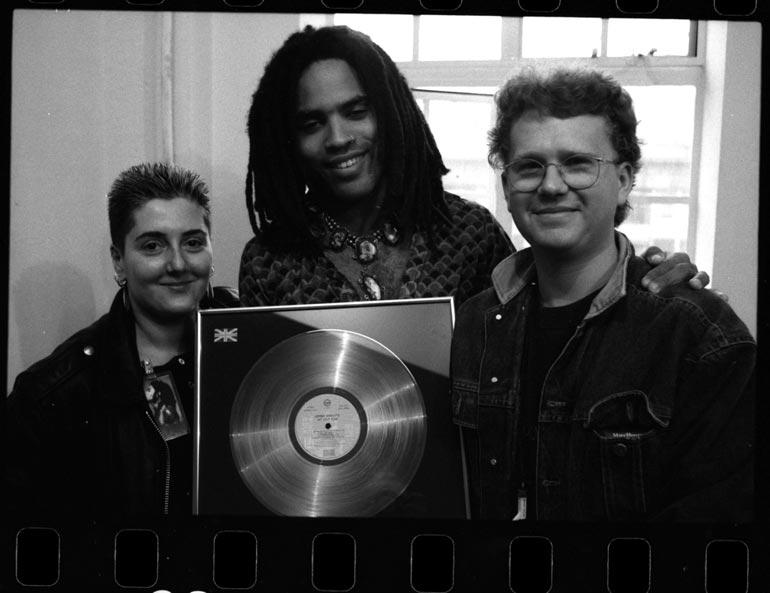

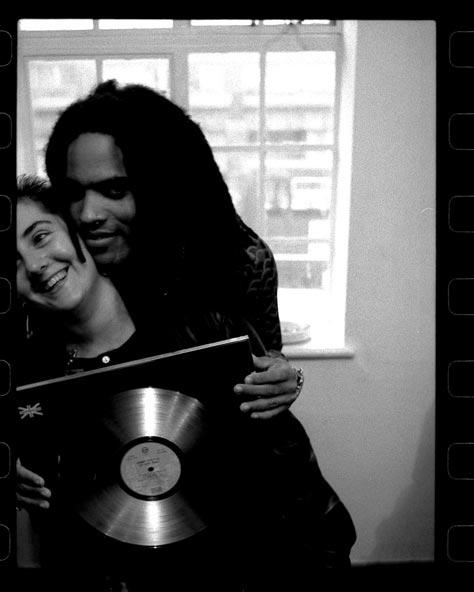

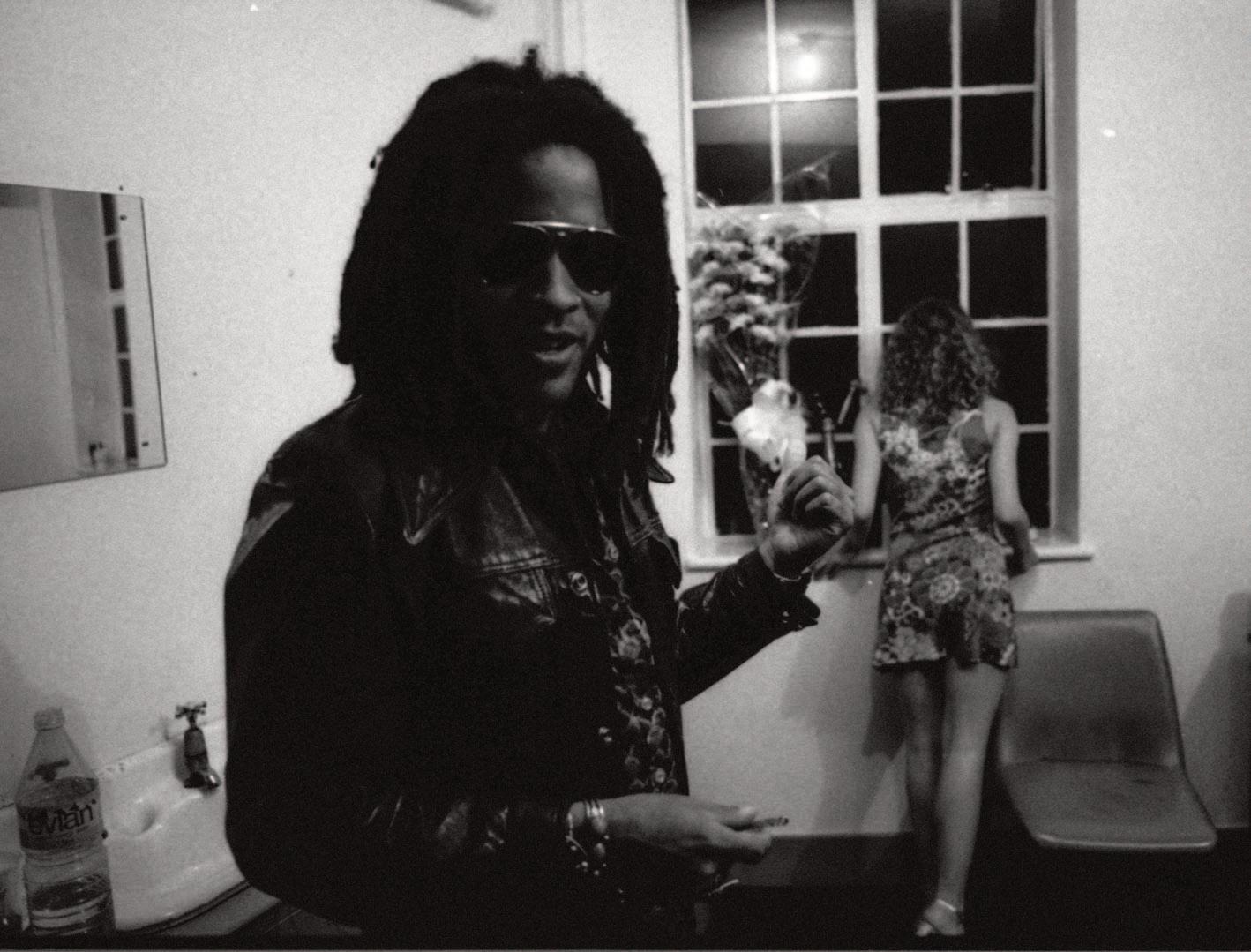
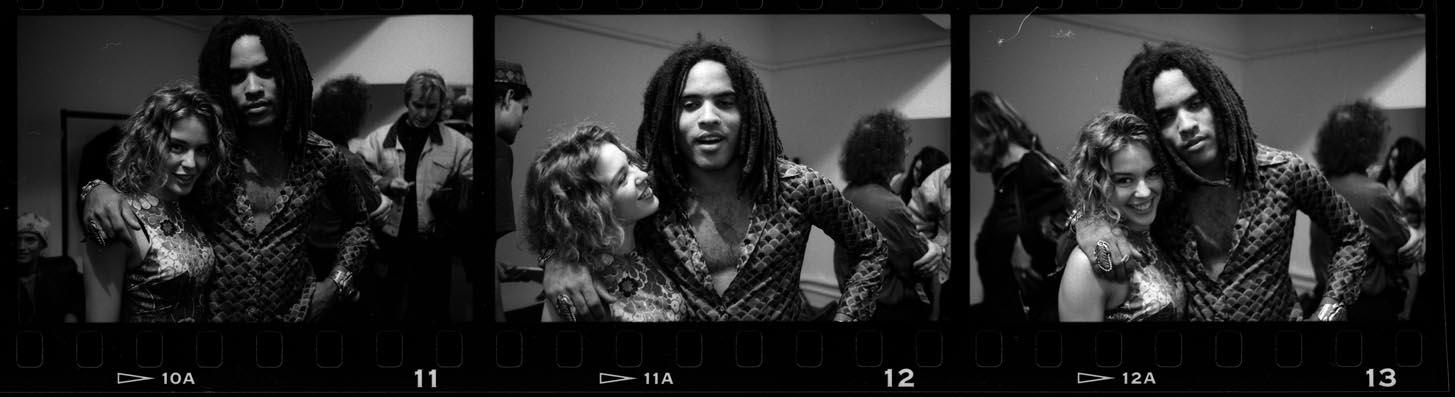

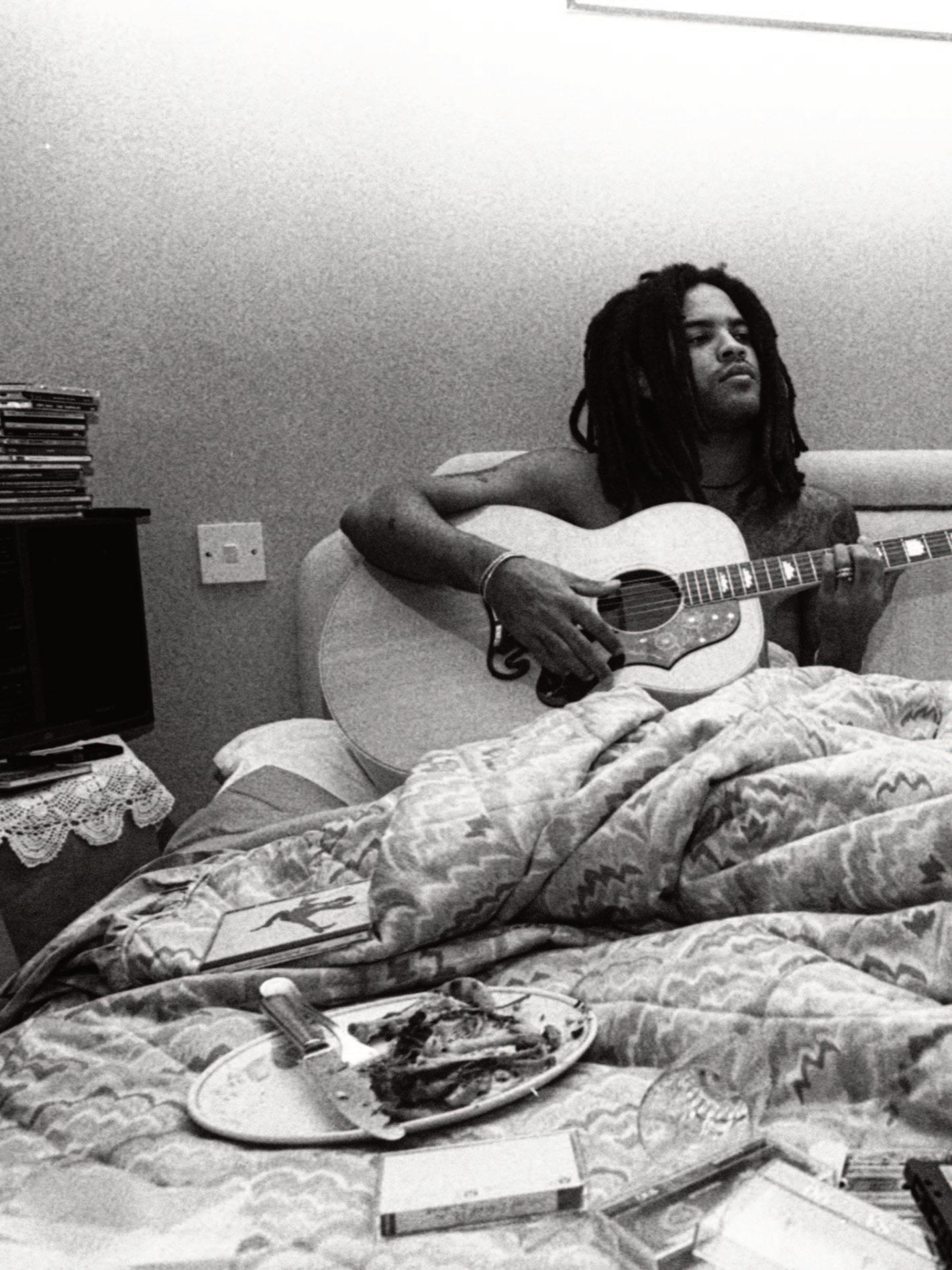

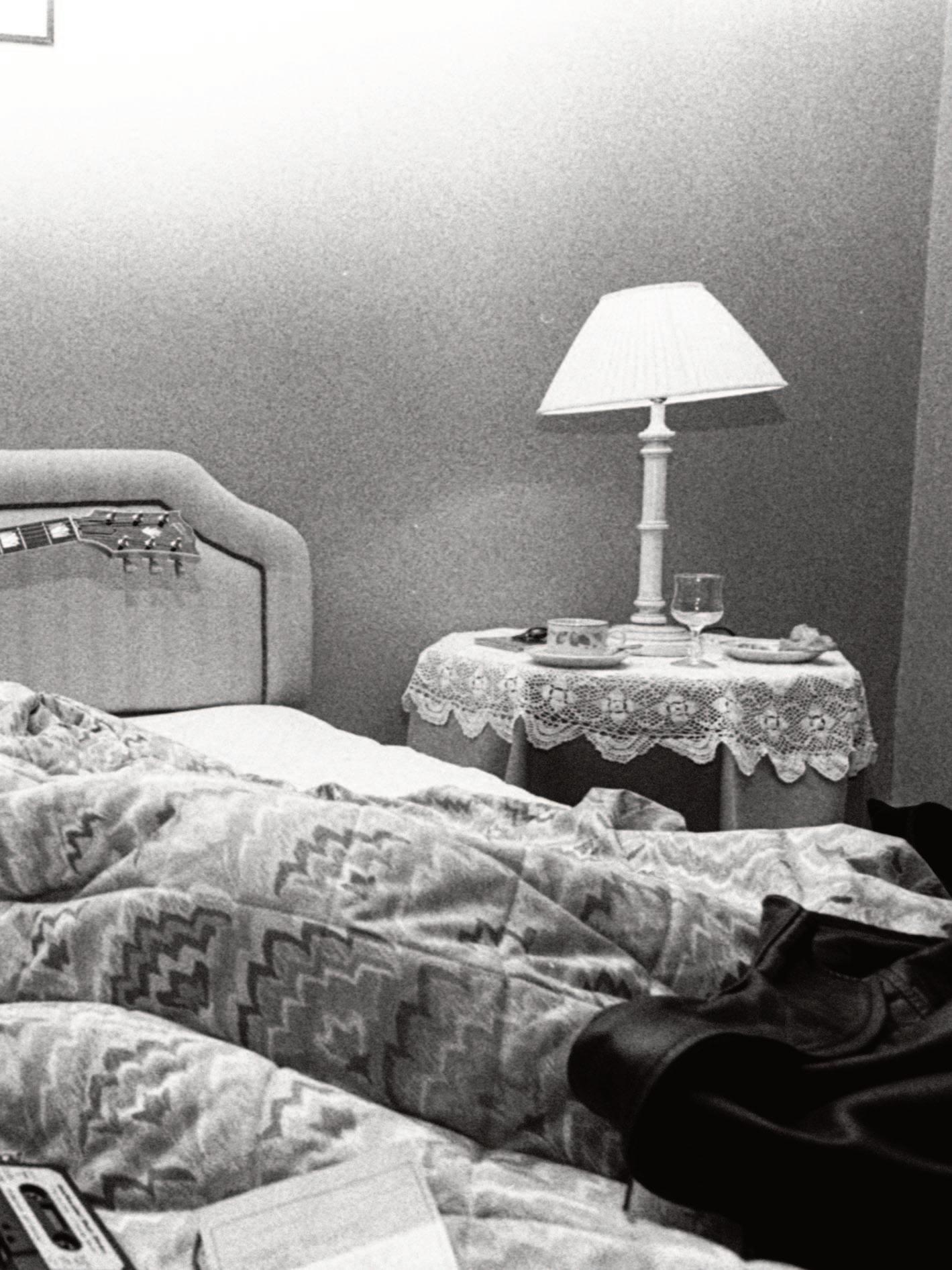
Lenny: Thanks to your subtle presence, I was not aware of the camera. That lack of awareness is what makes these pictures so special.
David: You expect rock stars to be self-conscious. That goes with the job. But you surprised me. The last thing in the world I’d hear from you would be, ‘Don’t shoot me from this angle’ or ‘Be sure and shoot me from that angle.’ Never did I get a single direction. And never did I feel any concern from you about a photo that might not show you in the best light. You didn’t care, and because you didn’t care I felt a freedom that allowed me to capture your freedom.
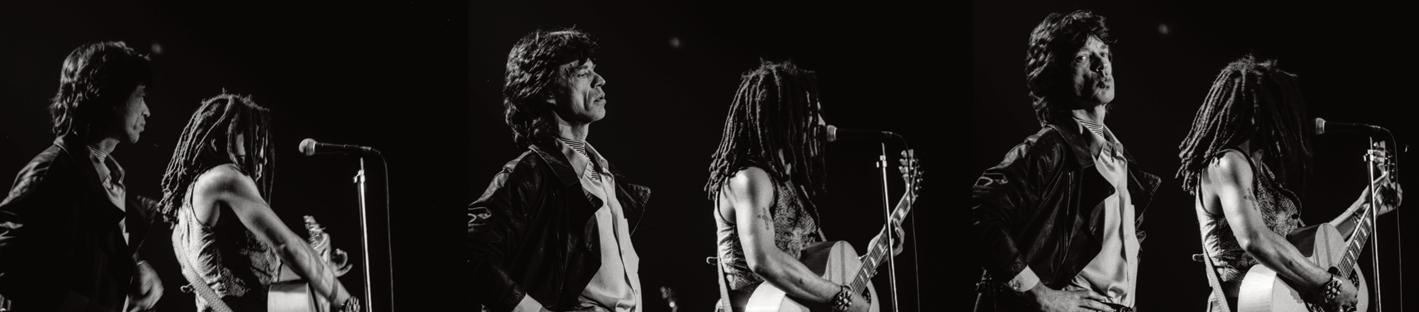
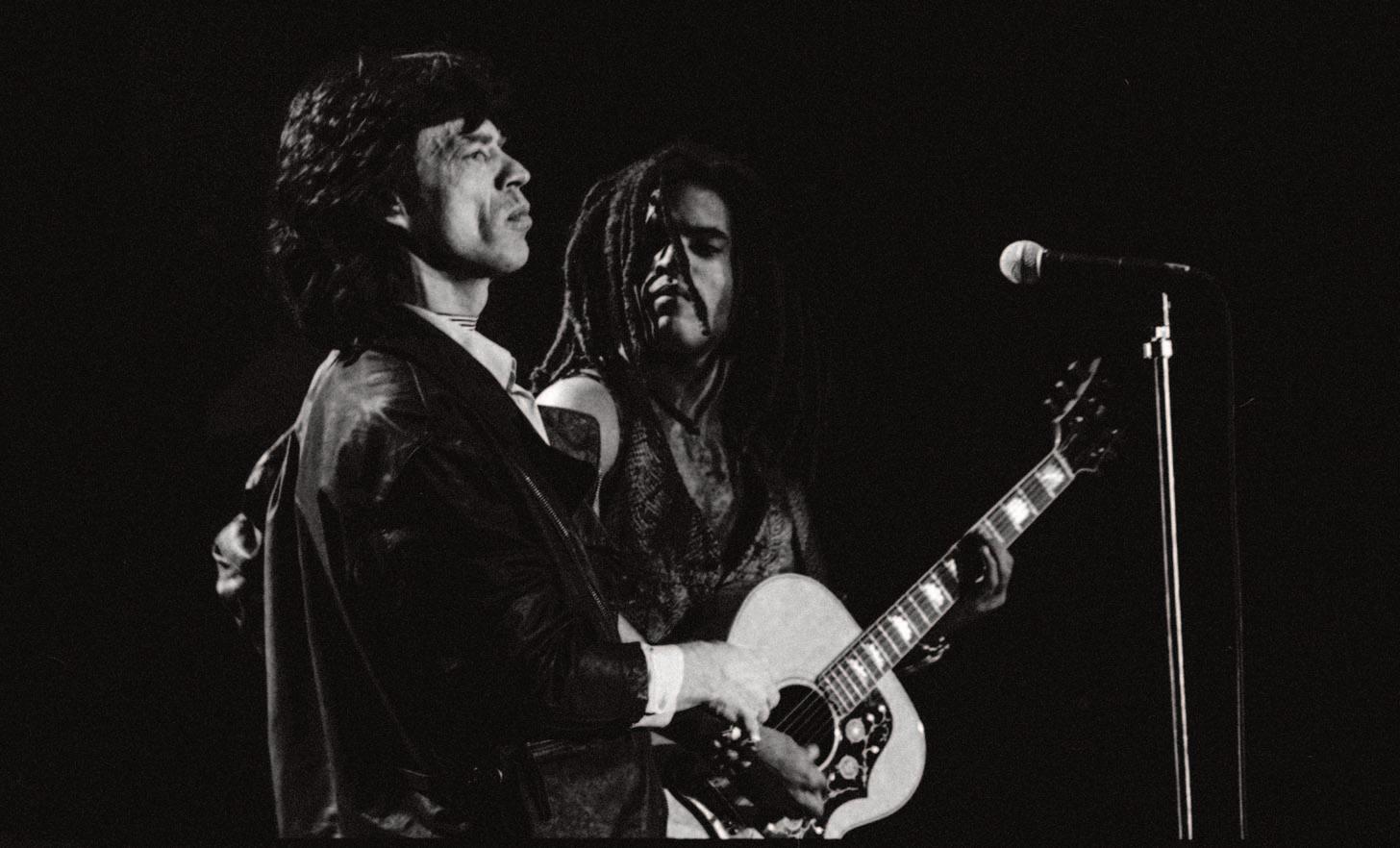

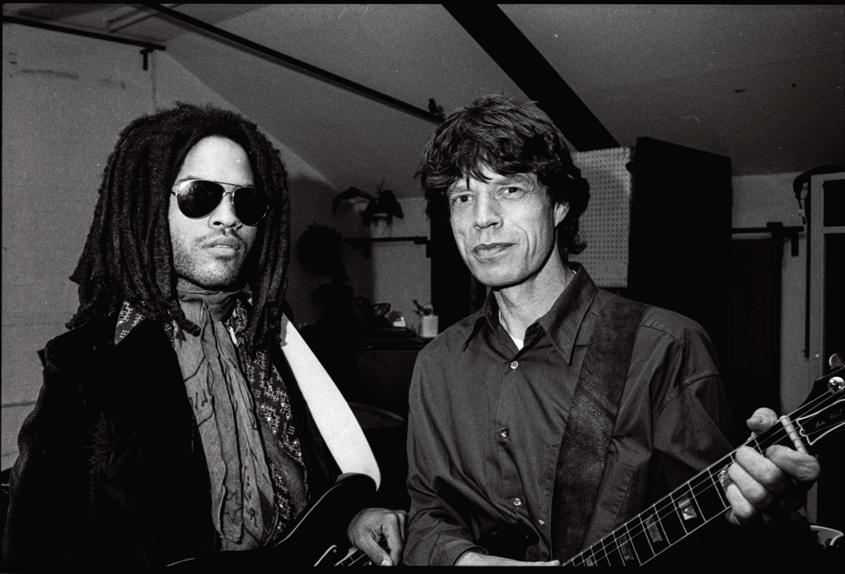

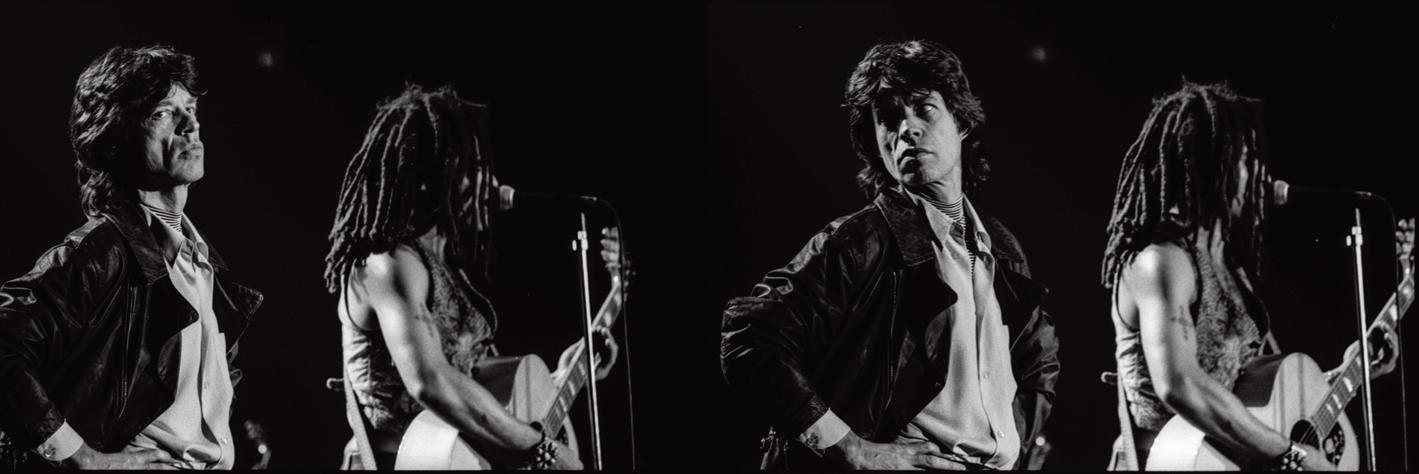
David: I was fascinated to watch you encounter major celebrities. Many of them sought you out because your music has created such a buzz.
That was certainly true of Jagger. I was able to capture that initial meeting. Unlike most people, you were not intimidated by stars. Surely that’s because, even as small child, you had always known celebrities. In fact, your mother was a celebrity. So there was no fawning. But there was respect. You were never aloof.
I remember you telling Jagger how deeply he had influenced you. For his part, Jagger was simply interested in going on stage and singing with you. It was a cool encounter.
Lenny: It happened in Geneva. Mick and I had a mutual friend, Julio Mario Santo Domingo, who brought him backstage before my show. Mick was cordial and casual and all about goodwill. Yet he didn’t say what was on his mind. Julio said it for him. ‘I think Mick wants to sing with you.’ I was shocked and surprised and thrilled. On records, I’d known this man all my life. But in person, I’d known him for ten minutes, but of course I wanted to sing with him and said so immediately. We worked up a simple version of ‘No Expectations.’ The crowd went crazy.


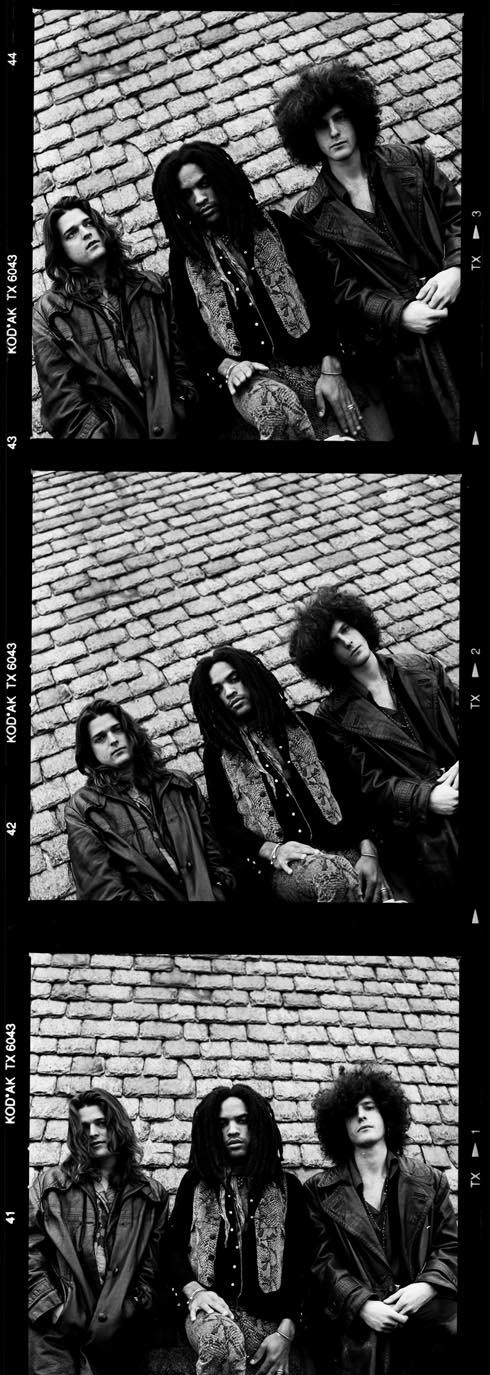
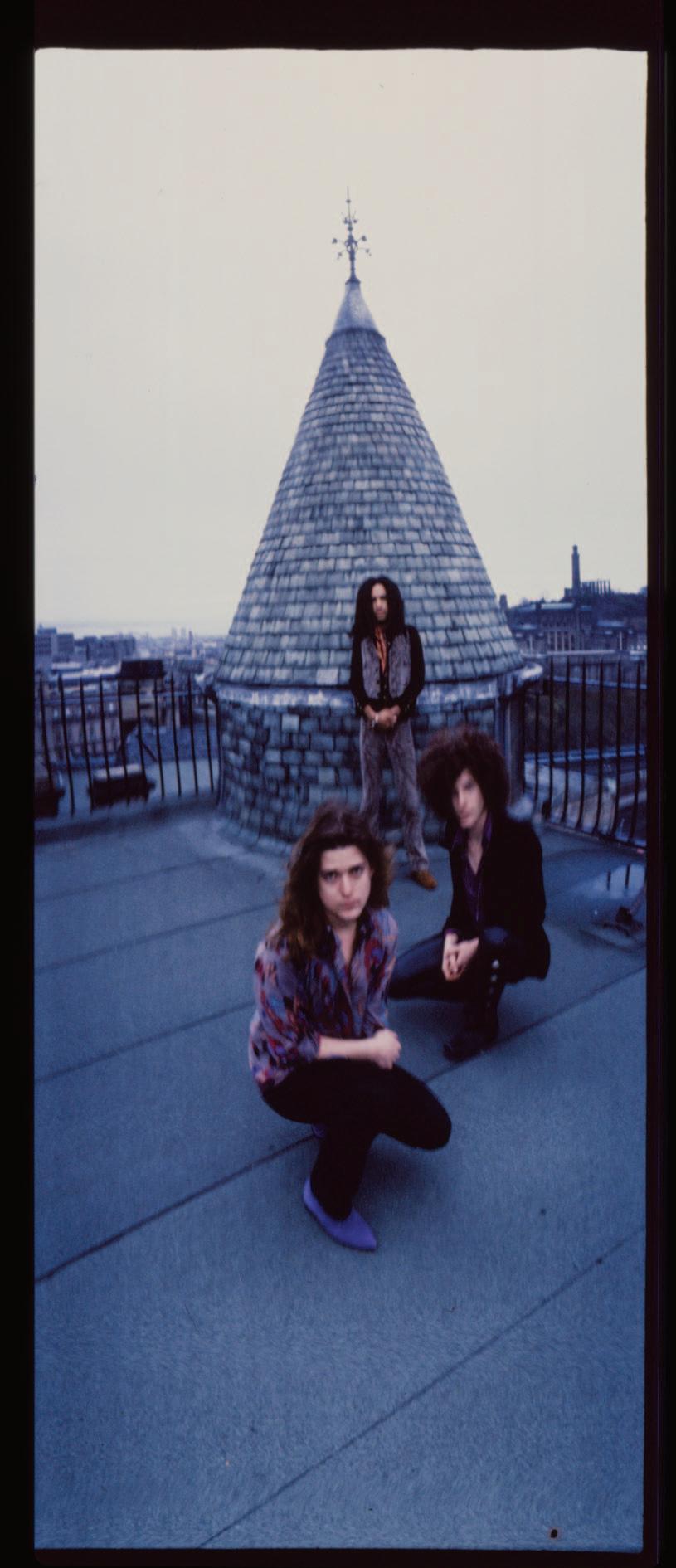
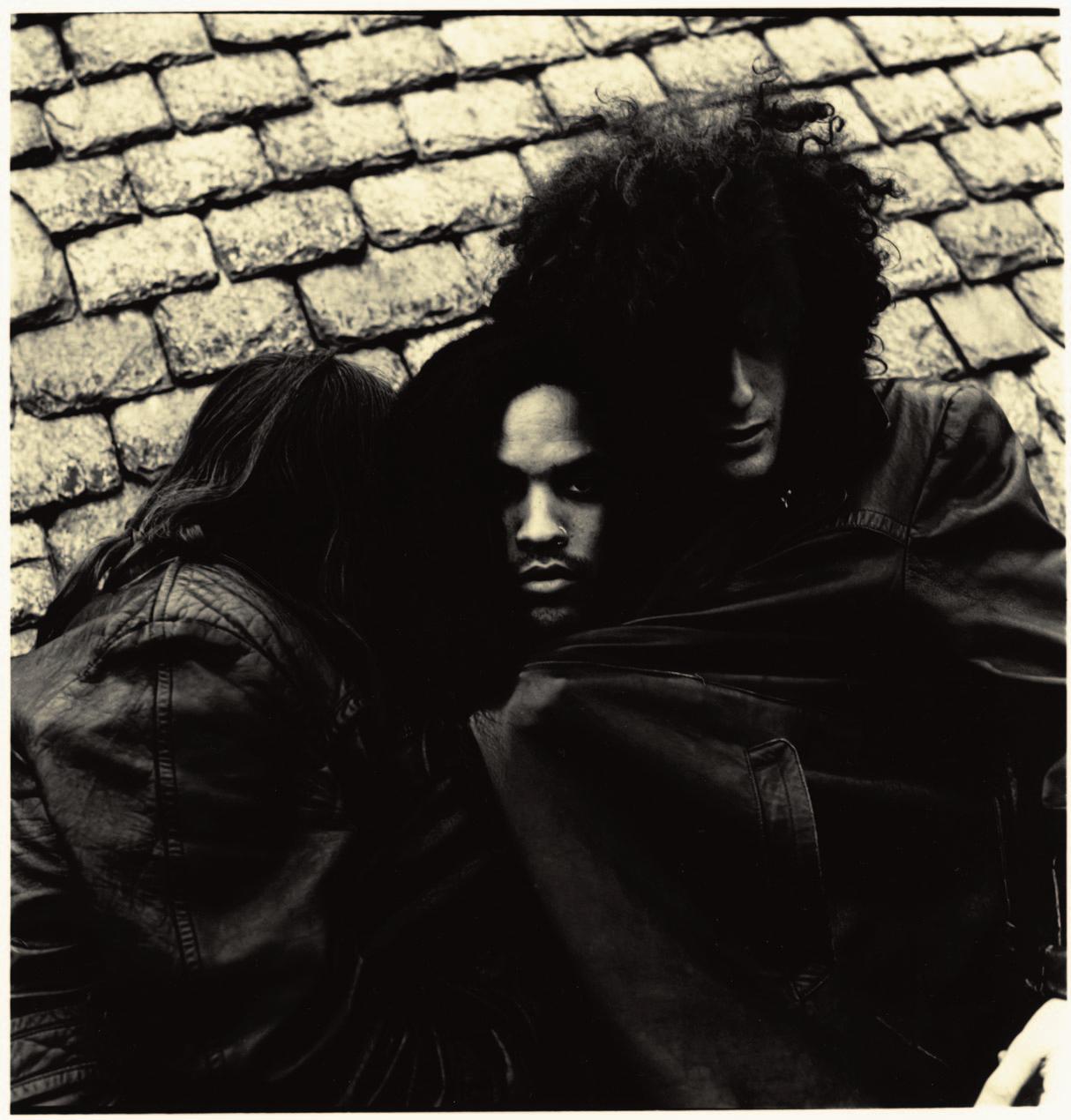
Lenny: Serendipity is a beautiful thing. You think everything’s great, and suddenly it’s even greater. That’s what happened with Tony Breit.
It was just a matter of me being in the right place at the right time. I’d gone to a club to hear music. Tony was on bass. Tony was tearing it up. Tony was ridiculously good. Afterwards, I didn’t hesitate for a single second.
‘You gotta play with us,’ I said.
He asked, ‘When?’
I said, ‘Tonight, tomorrow, immediately.’
A few days later, he was making the ‘Always on the Run’ video with us, the first single from Mama Said.
Breit was a wild child. We were all wild, but Breit had an extra element of wildness. As a bassist, he had a supercharged fluency that gave our flow extra fuel.
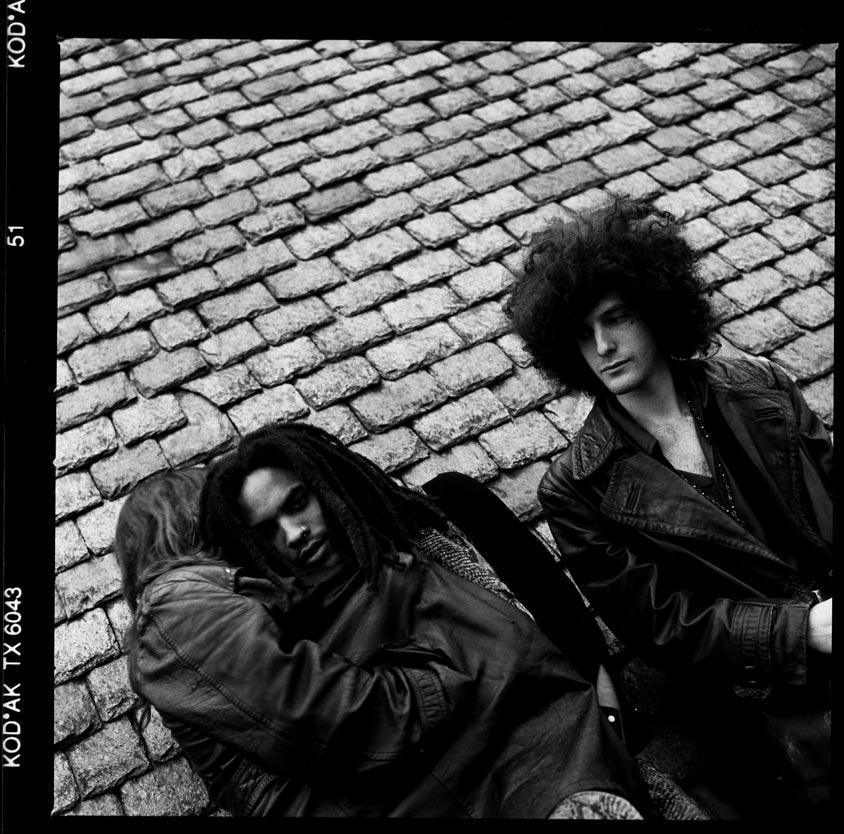
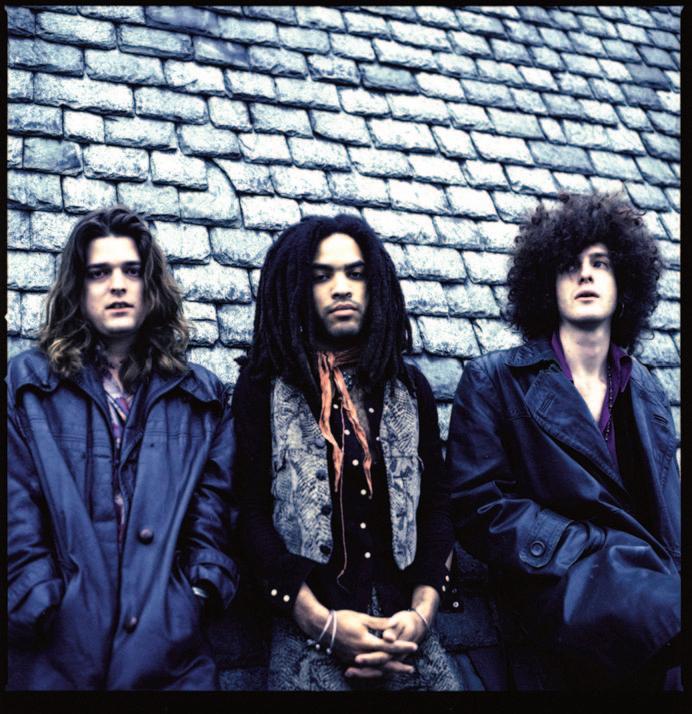
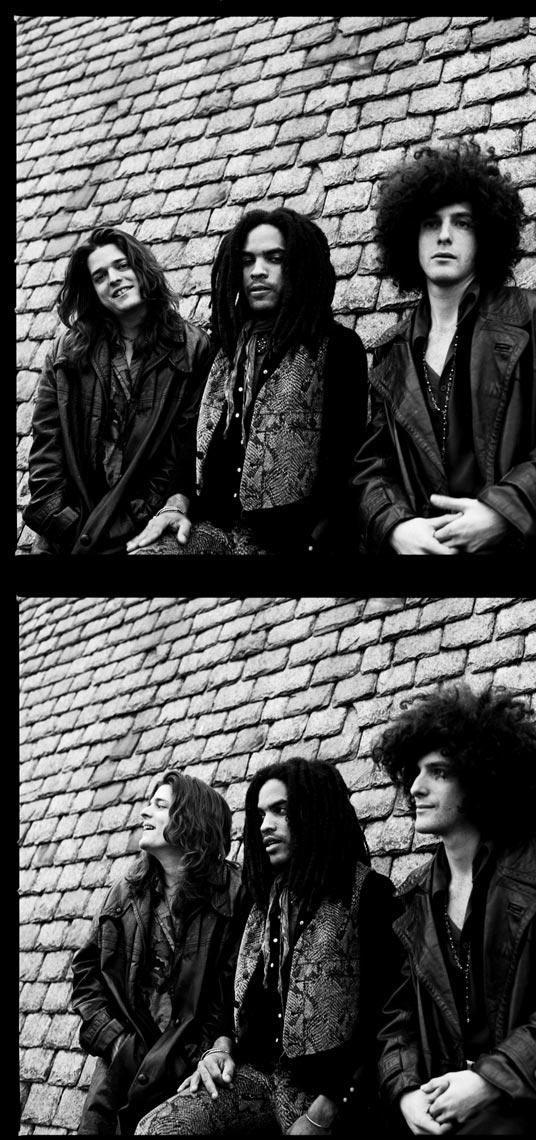

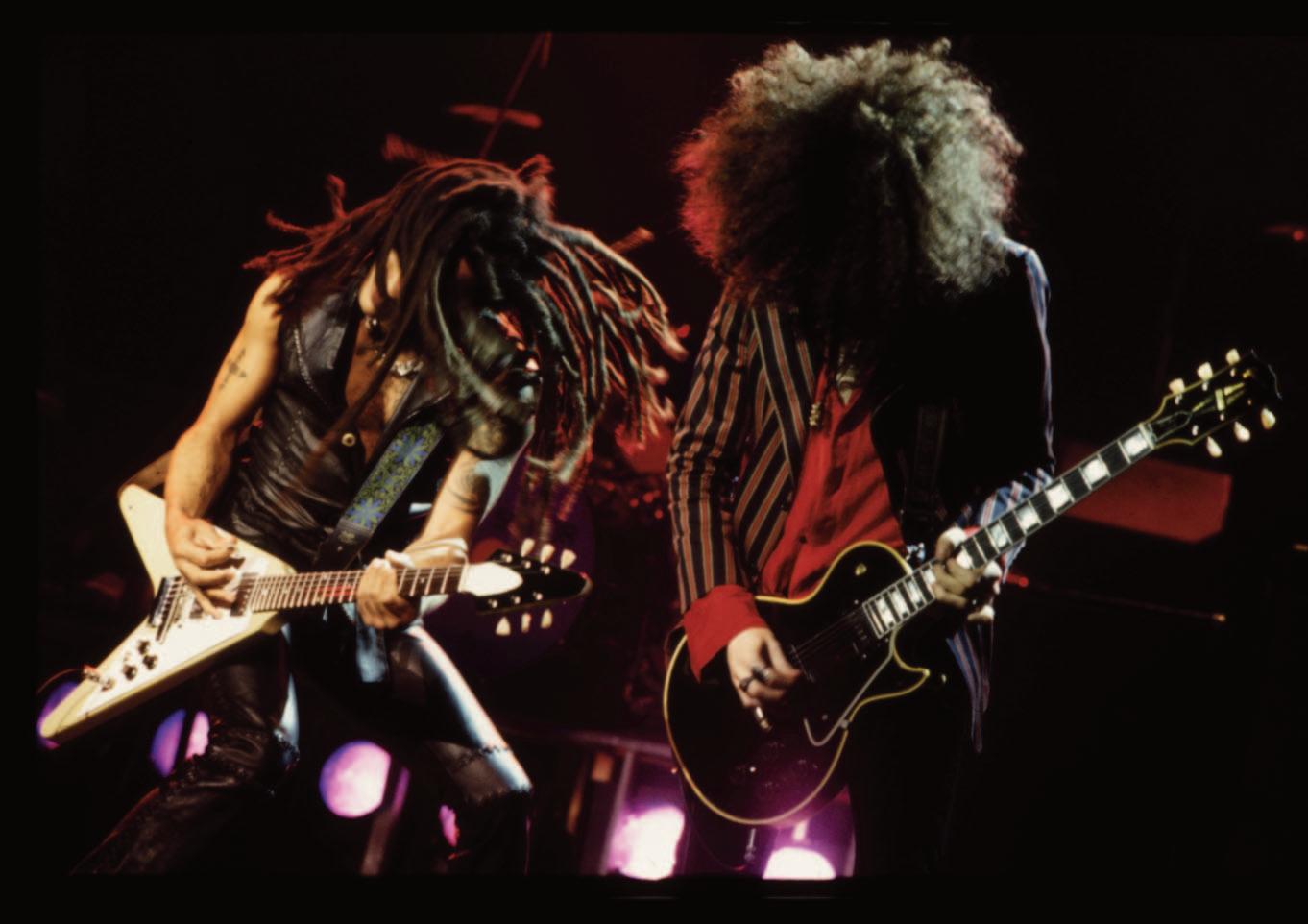

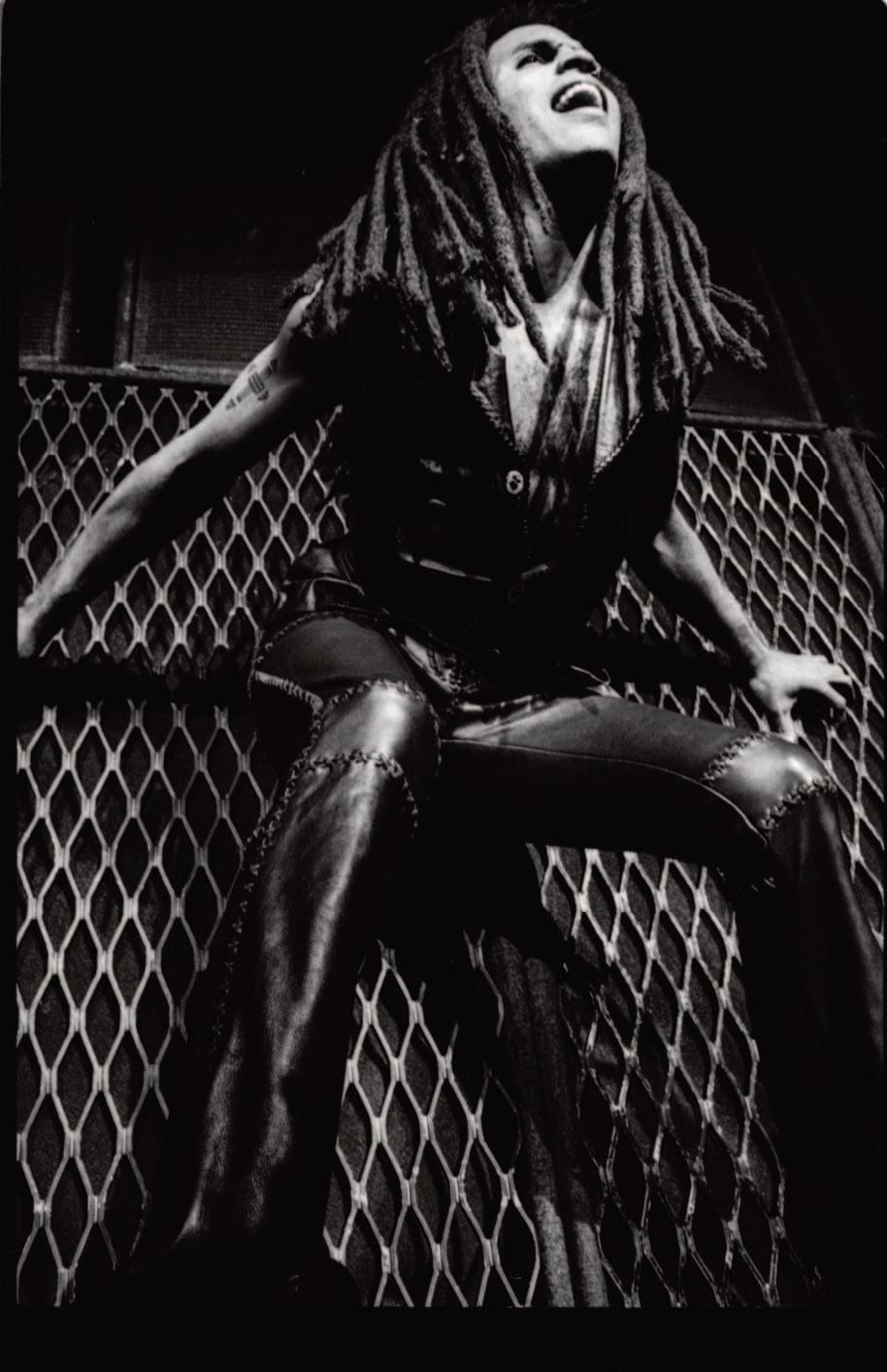
David: People talk about genres. Rock photography, for example, can be considered a genre. Rock concert photography is an even a more specific genre. Yet taking these images – and now reexamining them, re-living them – I don’t see them belonging to any genre.
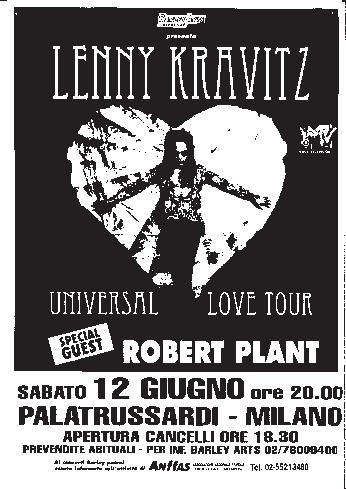
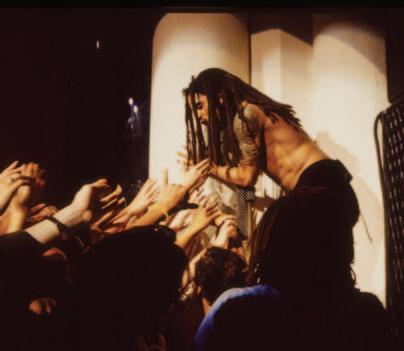
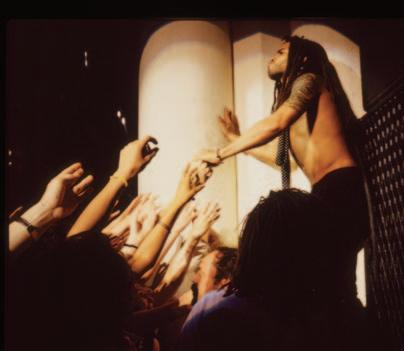
That’s because there was no style I was trying to emulate. I had no point of reference. Hold the camera steady or let it move it a bit. Get up close or shoot from afar. Catch the hands of the fans reaching out to the stage. Catch the goodwill in the dressing room – before the show, after the show, the posters advertising the show. Catch whatever you can. Don’t worry what you call it. Just catch it.


Lenny: The genre question will never go away because, for whatever reasons, people believe they need categories. Fortunately, I don’t have that need. If I did, I’d only confuse and stifle myself. Was there jazz in these early shows? Yes. I wanted to hear the horn players play their hearts out. Rock? Of course. Heavy metal? Bits and pieces. Funk? I can’t live without funk. Reggae? I’m a son of the Caribbean. Island music is in my blood. Blues? Blues gave birth to rock. No blues, no rock. How about flamenco? How about bossa nova? How about pop? The more styles of music you have in your palette, the more colours you can paint with.