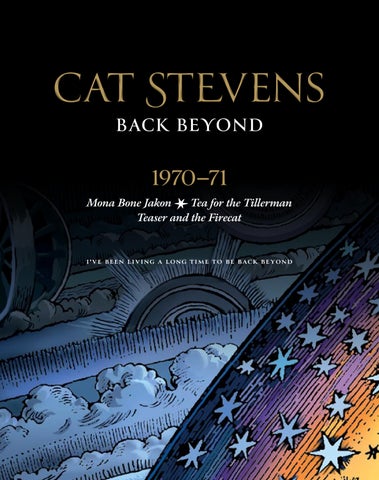
CAT ST EVENS BAC K BEYOND
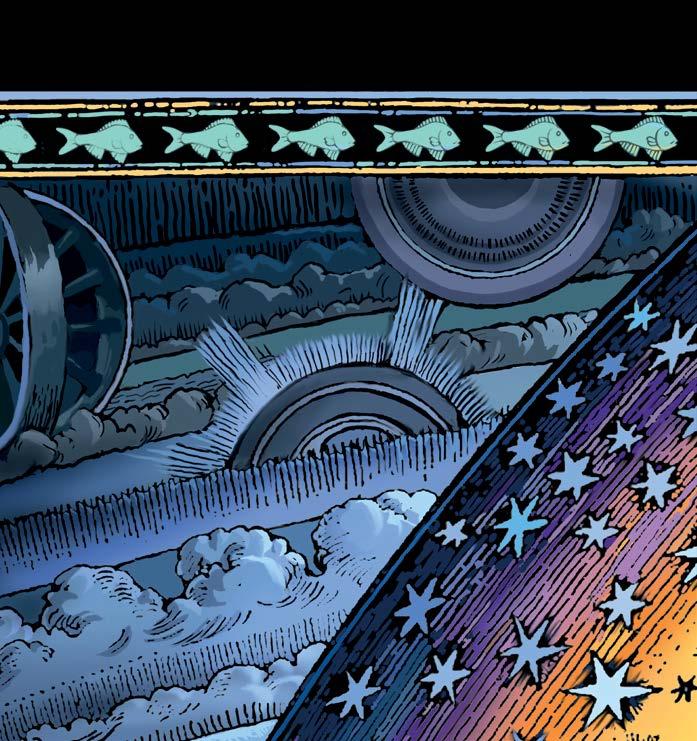
1970–71
Mona Bone Jakon Tea for the Tillerman Teaser and the Firecat
i ’ ve been living a long time to be back beyond
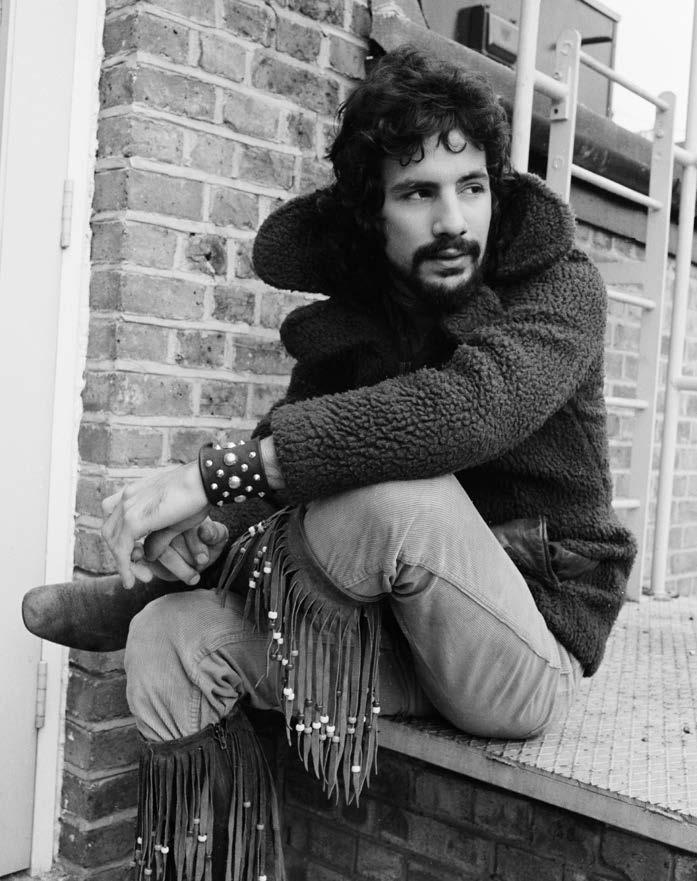
1970–71
Mona Bone Jakon Tea for the Tillerman Teaser and the Firecat
i ’ ve been living a long time to be back beyond
x 14
x 20”
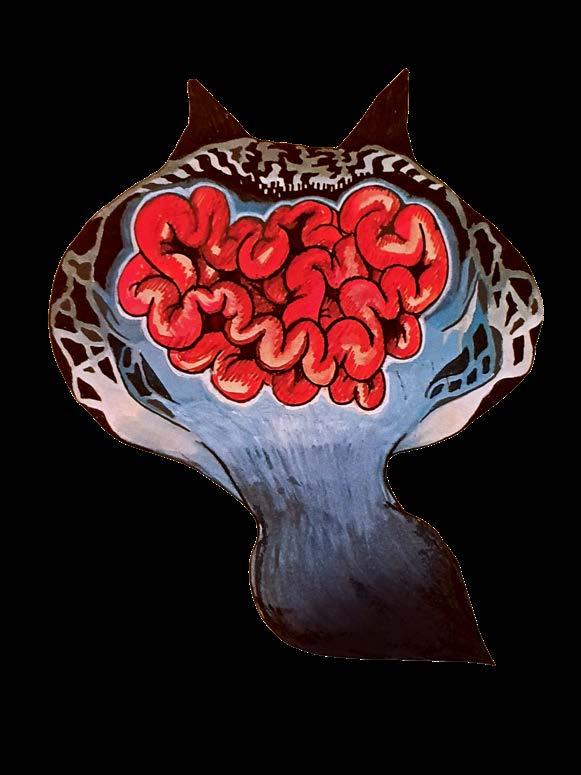
‘Art is an aesthetic crossroads, where cultures and civilisations freely mix peacefully without borders or passports. It is the currency we use to trade with each other the fruits of our beliefs and the mysterious beauty of our faith and eternal hopes.’
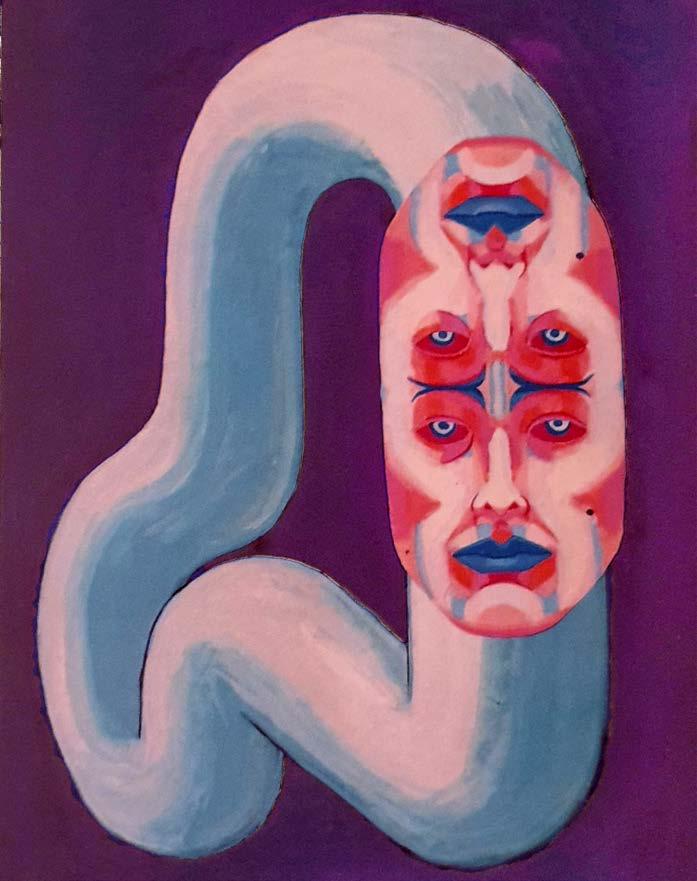
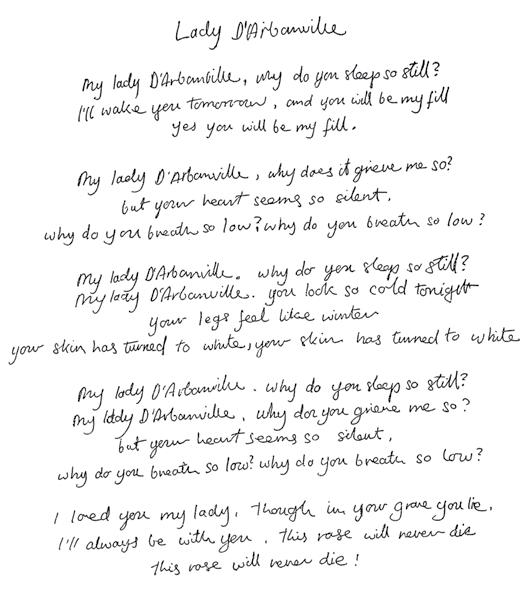
‘This was one of the unique songs that stood out, even lyrically. The name itself was intriguing. Not only that, but it was based on a real life story and it had a unique melody and arrangement.’
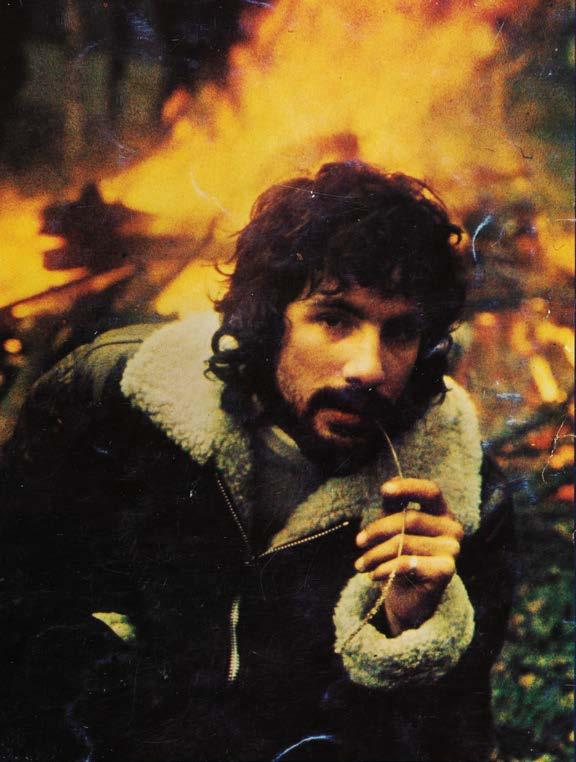
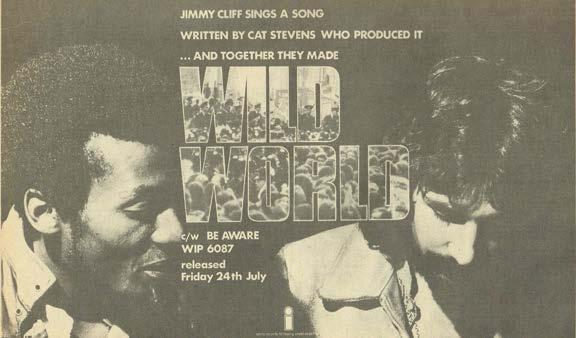
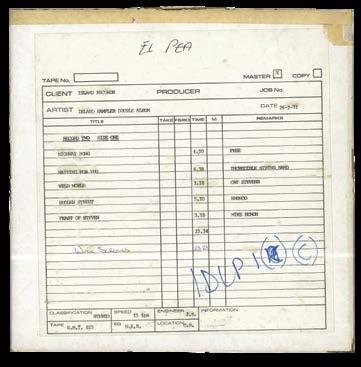
I think ‘Wild World’ can have different meanings for different people. I once heard David Attenborough say that he loves the planet and that we’ve got to make this world ‘wilder’, which I hadn’t thought of before, but it links nicely to the general theme of the album: going back to nature. It’s a very broad insight into what happens when somebody we love leaves. And that’s the story of life in a way.
At the time ‘Wild World’ was also a semiobituary to my love affair with Patti D’Arbanville. We’d had great times together, but I’d started recording and she was doing her modelling and we were both going in different directions. It was an ode to our parting, but also probably to myself because I was now entering a new phase of success, with my eyes open and watching out for dangers.
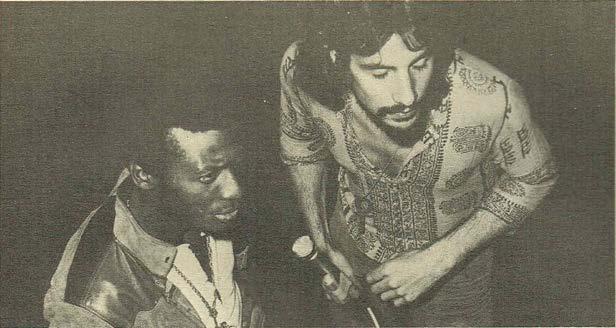
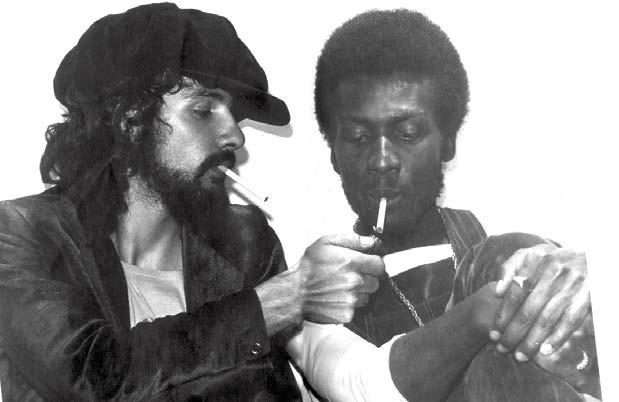
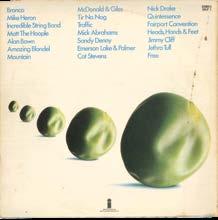
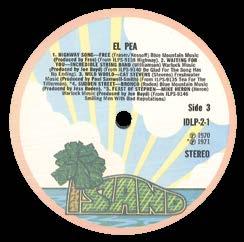
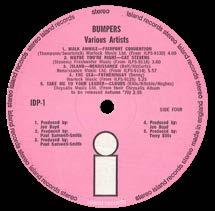
It was an era where albums were becoming more important and when everybody loved ‘Wild World’ and said, ‘This is a great single,’ I thought, ‘No, this is too commercial, versechorus-verse-chorus, and so on.’ I was not really looking to head off back into the hit single business again. So, I gave the song to Jimmy Cliff, who was on the same label as me. I produced it for him, and he had the hit. Then later, I released it myself due to the demand.
The remastered version on Tea For The Tillerman2 might damage everyone’s memory of that song. I could have taken the approach, ‘It’s so pristine and you’ve got to be so reverent to the original.’ But I thought, ‘No, let’s just have fun and do something new.’ I wanted to take the halo off.
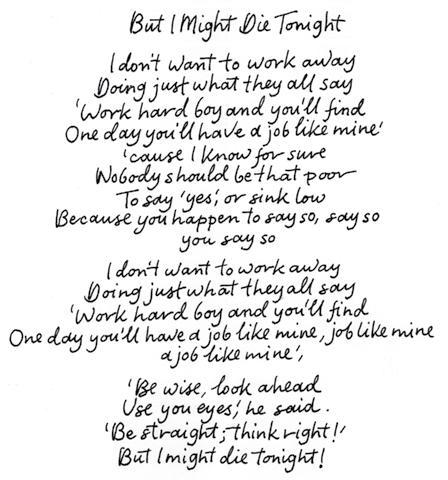
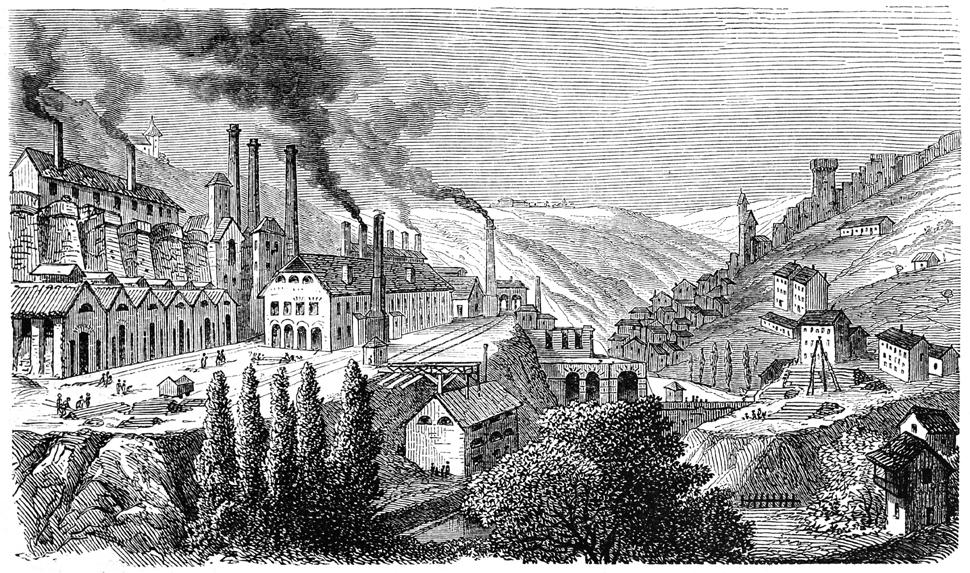
‘“But I Might Die Tonight” expresses my need to carve my own path in life.’
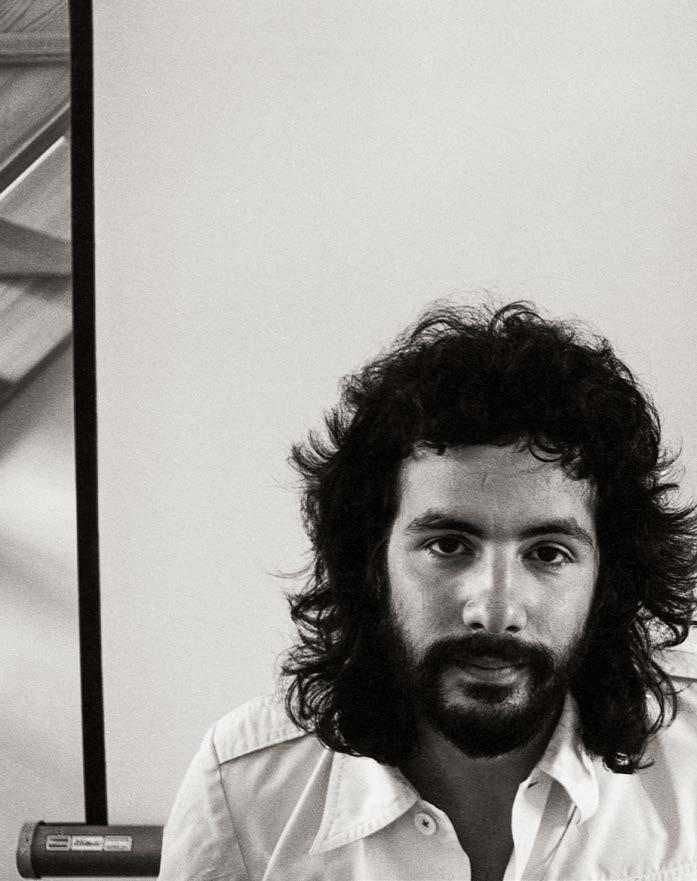
Inspiration for songs comes to me when I’m not thinking, when I’m absolutely flowing, and just being. I may write some lyrics down, but mostly I just get the melody, and the words follow. I write songs in different ways. It might start with a whistle or an old traditional record, listening and suddenly getting an idea. It can be talking or it can be just a word. To be a creator you must be able to make something breathe. What I’m doing is just taking something that is already there from whatever I see and remember. I use it and I send it out again – my way.