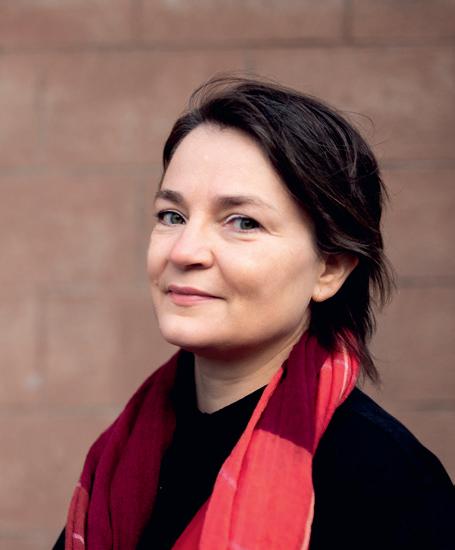
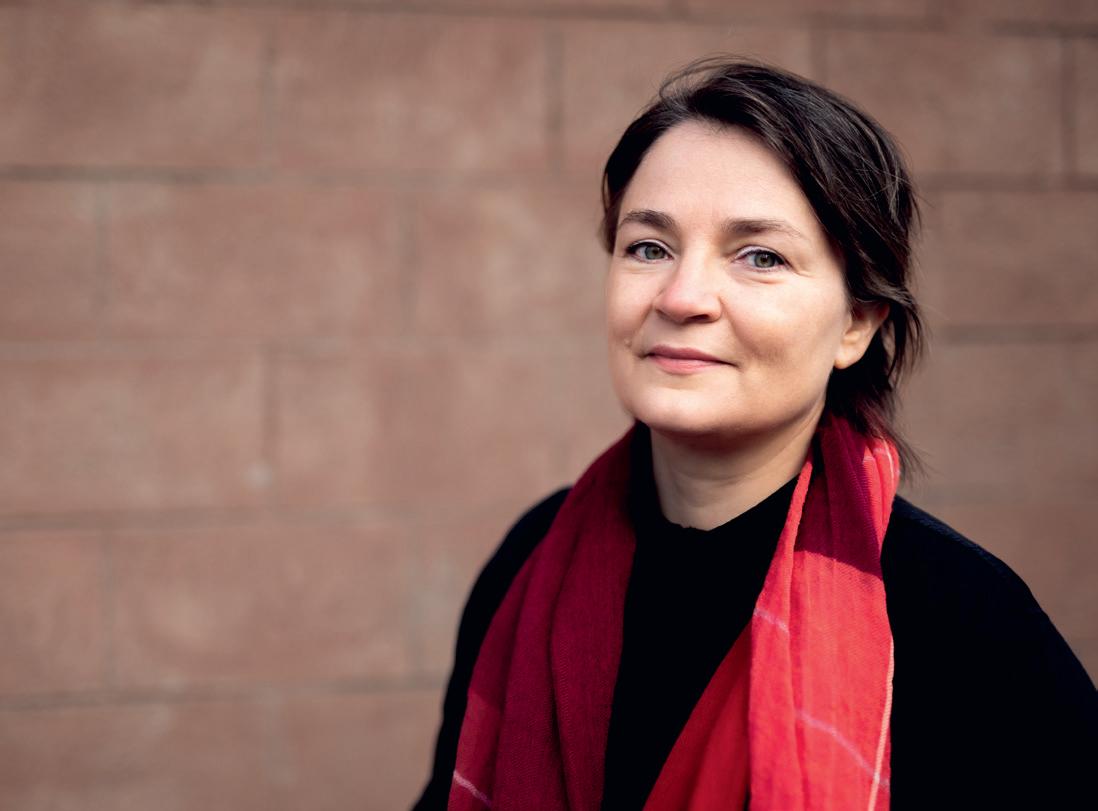
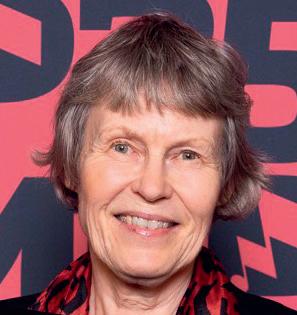
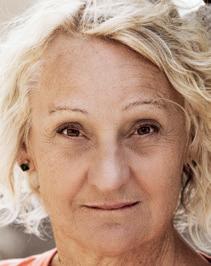
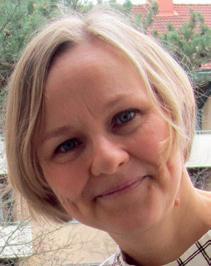
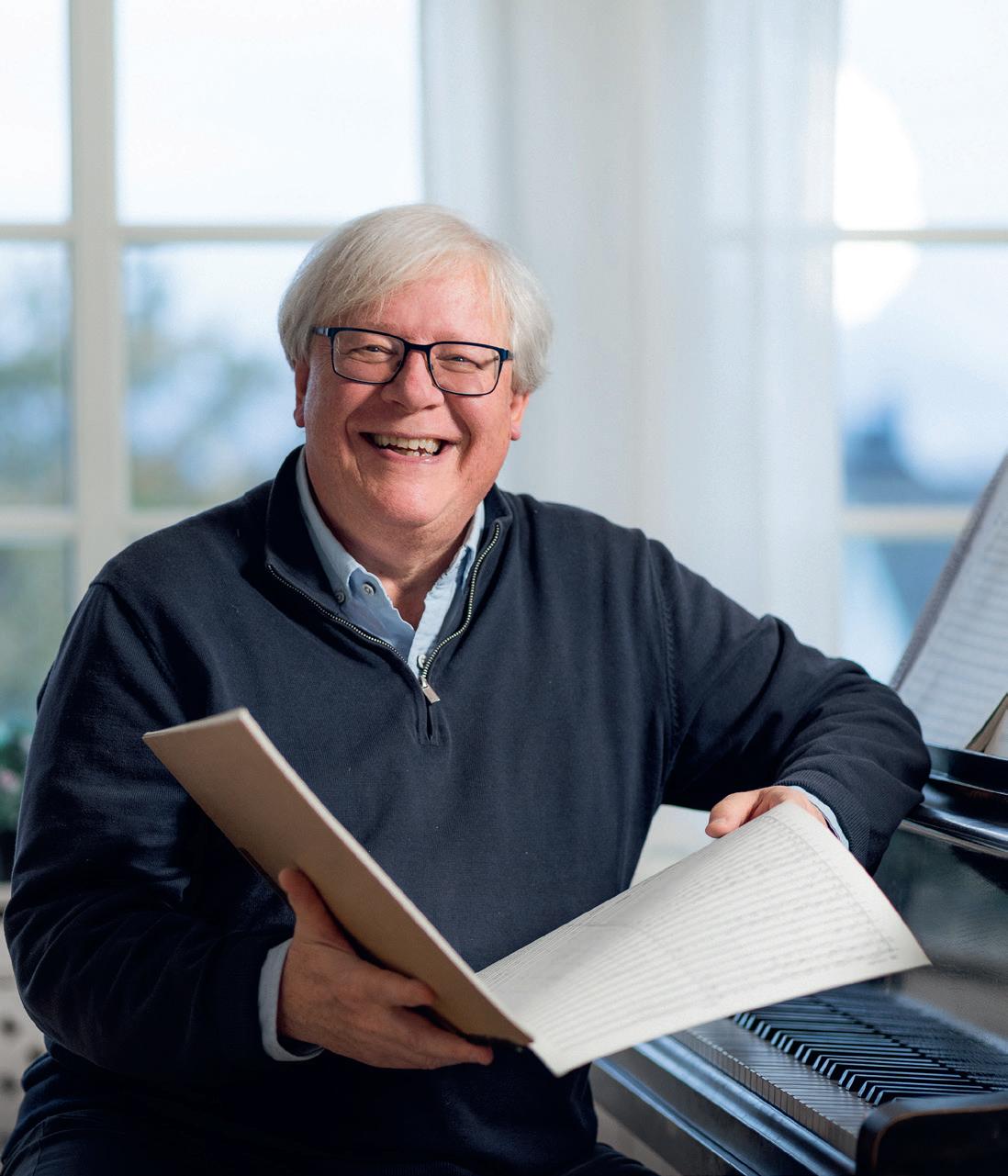
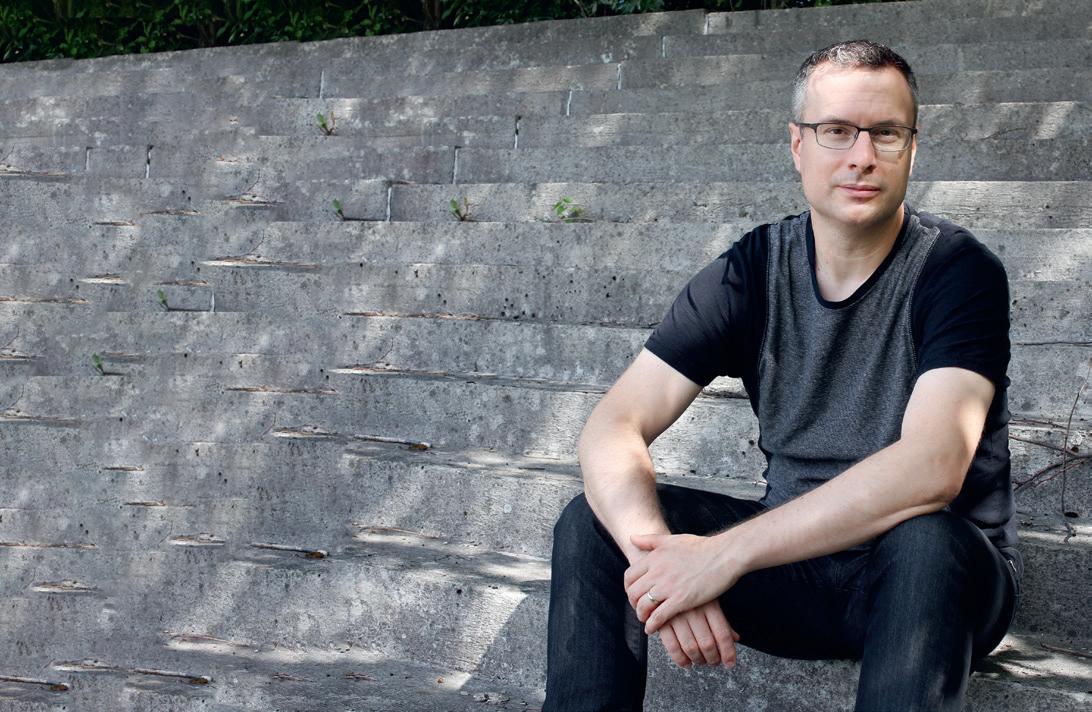
Fennica Gehrman has signed a publishing agreement with Helena Tulve (b. 1972), now established as one of Estonia’s leading composers. Works by her have been widely performed in international forums and commissioned by ensembles such as the Netherlands Chamber Choir, Munich Chamber Orchestra, Uppsala Chamber Orchestra, Gaudeamus Music Week, Bang on a Can, eatre of Voices and Helsinki Chamber Choir. Her commission for organ and cello in memory of Kaija Saariaho was recently heard at the Helsinki Music Centre. e publishing agreement covers the orchestral Signs and Signals , Wandr’ing Bark and Pulse, Ebb and Flow for bass ute and piano. Composed in 2024, the 12-minute Wandr’ing Bark was commissioned by the Estonian Festival Orchestra and Paavo Järvi, and its next performance will be by the Orchestre de Paris in February 2026.
Fennica acquires Uusinta’s catalogue
Fennica Gehrman has acquired the Uusinta Publishing Company’s catalogue as from 1 January 2026. It consists of some 200 works by contemporary Finnish composers such as Outi Tarkiainen, Sebastian Fagerlund, Ralf Gothóni and Osmo-Tapio Räihälä.
During its 25 years of existence, Uusinta (meaning “replay” and “newest”) created a valued and compact catalogue mainly of chamber works. Pedagogical music also played an important role alongside music of today and modern Finnish classics of the 20th century. Composer Lauri Toivio has been the primus motor of Uusinta and the editor and graphic designer of its publications.
Editors: Henna Salmela, Kristina Fryklöf
Translations: Susan Sinisalo, Robert Carroll and Jaakko Mäntyjärvi
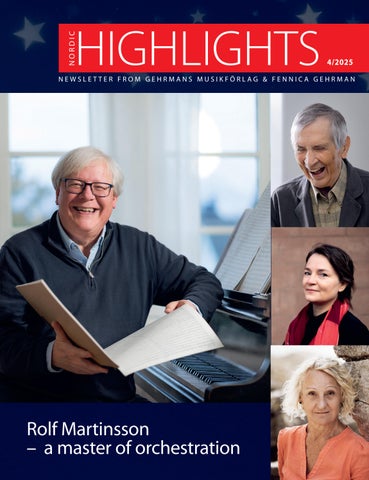
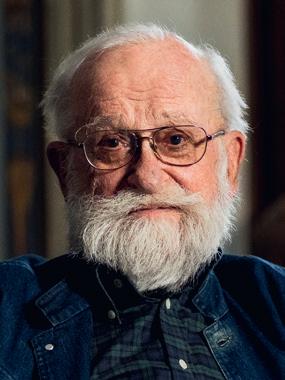
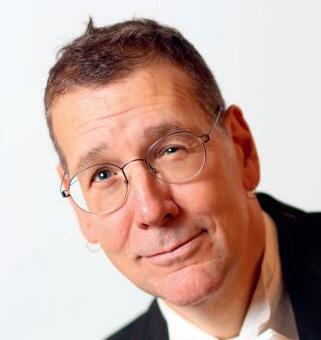
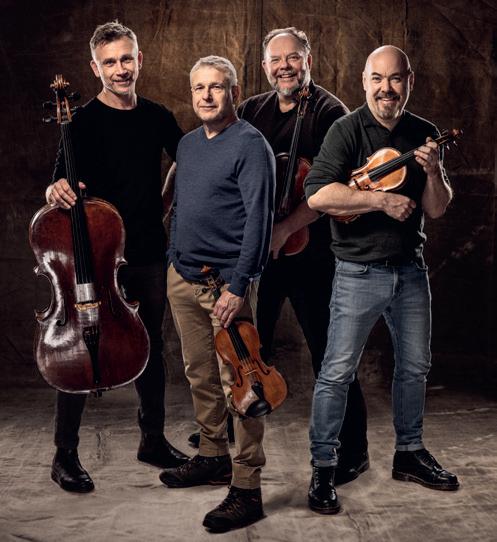
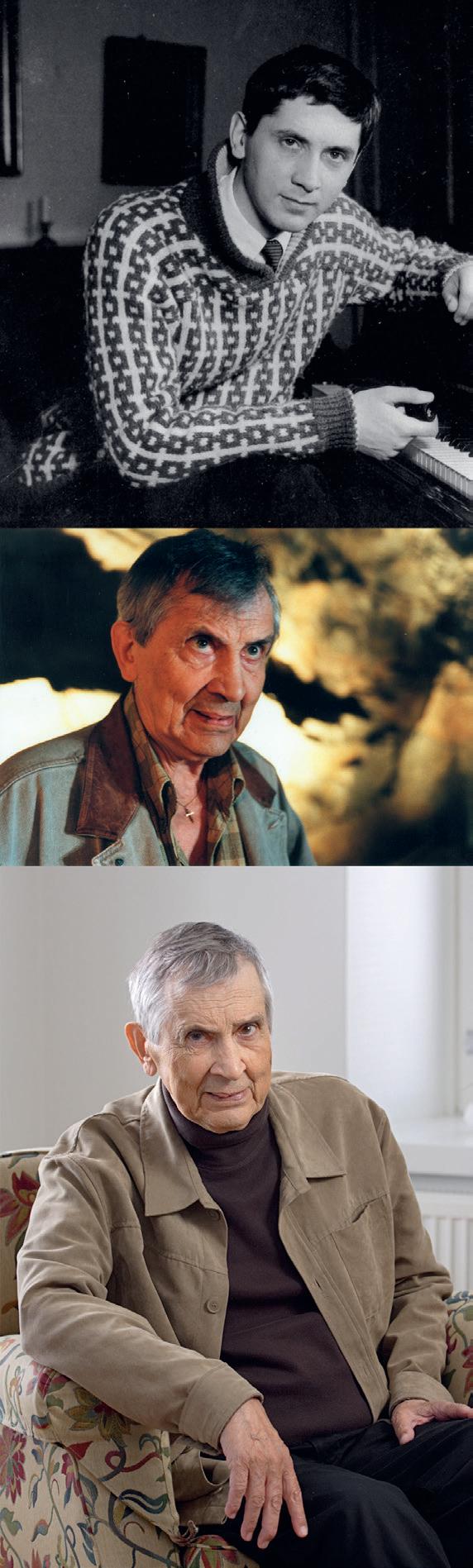
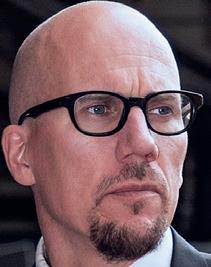
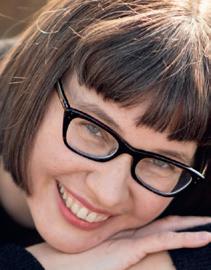
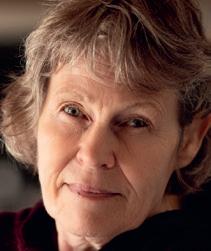
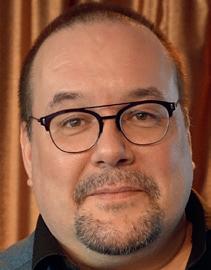
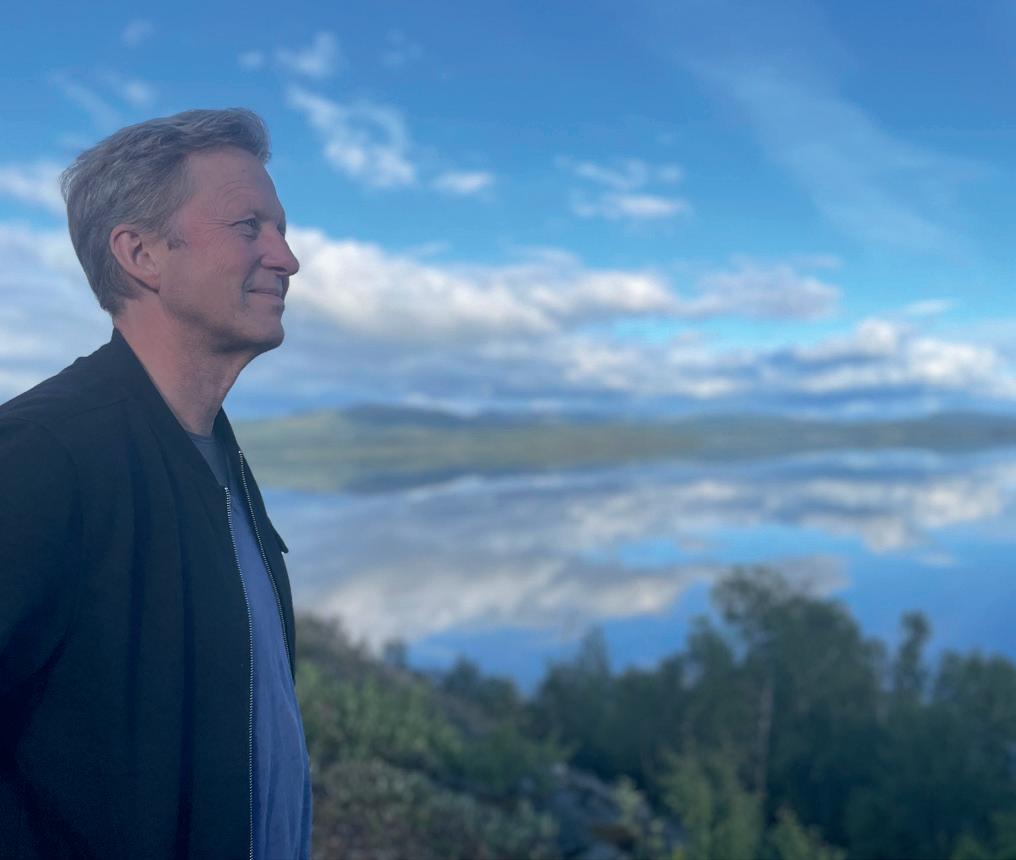
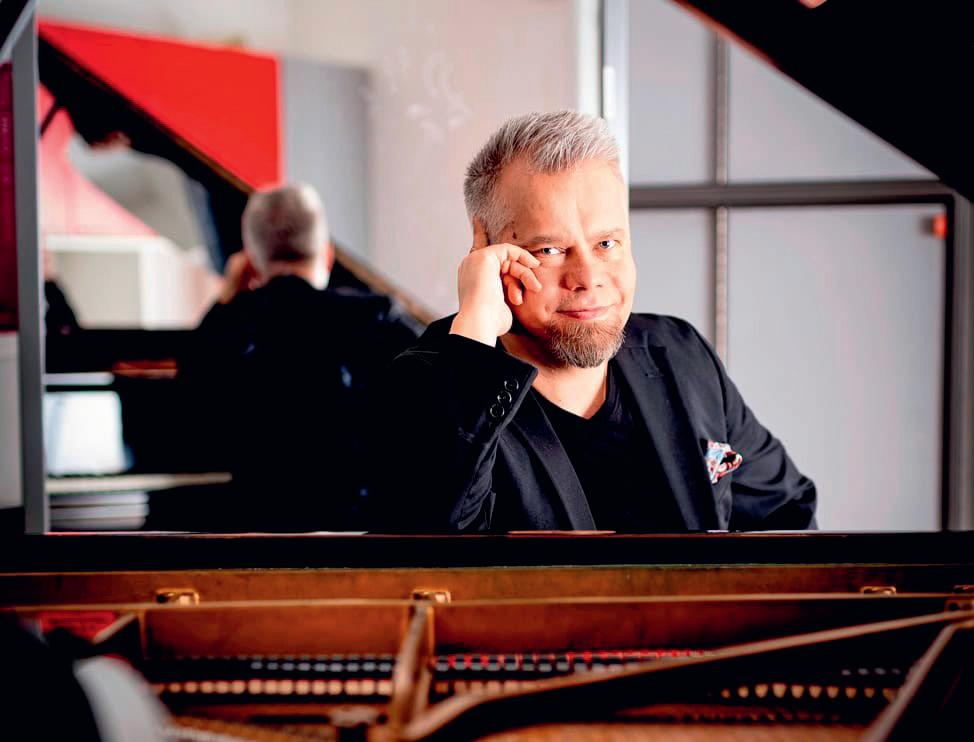
Cover photo: Rolf Martinsson (Josef Sjöblom), Einojuhani Rautavaara (Heikki Tuuli), Helena Tulve (Susanna Paabumets), Marie Samuelsson (Mats Bäcker)
Design: Tenhelp Oy
Click the links, sound and video symbols
ISSN 2000-2750 (Online)
New commission for Lara Poe
Lara Poe has been commissioned by the Naantali Music Festival and the Oulu and Lahti Symphony Orchestras to write a new work for orchestra. It will be performed at three venues and premiered in Oulu on Europe Day, 9 May 2026 (Oulu is the 2026 European Capital of Culture). Naantali will follow on 6 June and later Lahti.
Lara Poe is a young composer whose music has attracted exceptional international attention in the past few years. e Finnish RSO focused on her works in the 2024/25 season and her Songs from the Countryside was heard at the Proms in 2024.
Rhythm
& reverie with Juhani Nuorvala
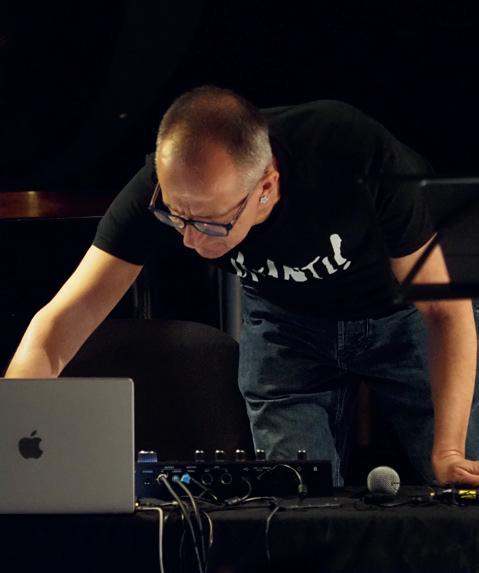
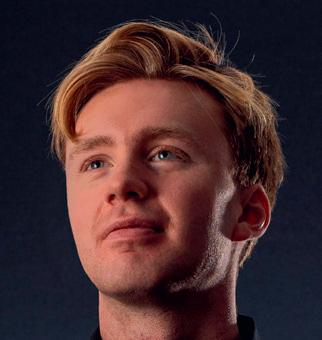
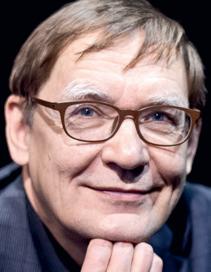
Juhani Nuorvala’s music has been presented at several occasions this year. e Time of Music festival in Viitasaari programmed his Concertino for saxophone and tape – a work which has become a veritable hit in its di erent variations for clarinet, trumpet, cello or kantele. In September, it was also heard at the Avanti! Club alongside other Nuorvala’s works, such as Ein Ballhaus in Berlin (a suite for viola and harp). is six-movement piece was premiered by Jussi Tuhkanen and Päivi Severeide in July. It is from the music written for Michael Baran’s stage play, and the last movement is based on the song ‘Das Modell’ by Kraftwerk. (See: Reviews).
New composer portraits on film Gehrmans will launch a series of video interviews on YouTube with numerous composers starting in January 2026. First on the list is 83-year-old Daniel Börtz with over 140 works in the Gehrmans catalogue, whose creative ow was awakened when at the age of eight he heard Mahler on the radio. Marie Samuelsson and Rolf Martinsson follow – one a sound enthusiast and the other a master of orchestration. Martinsson’s former student Benjamin Staern explains how tones appear to him as colours – and how the colours, in turn, give rise to tones. Other names on the list include Matthew Peterson, Emmy Lindström, Tobias Broström, Mats Larsson-Gothe and the 90-year-old piano pedagogue Åse Söderqvist-Spering, among many others.
Listening to Eternity – Haglund biography
Aram Yardumian’s book Listening to Eternity about composer Tommie Haglund has now been published in English by the Swedenborg Foundation in the USA. e book takes the reader on a journey through the life and creative process of one of Sweden’s most prominent composers. Haglund’s introspective and sophisticated music has moved audiences the world over. rough intimate conversations Yardumian sketches a vivid portrait of an artist whose music is deeply interwoven with his spiritual experiences and personal ordeals.
Daniel Börtz from the video portrait
Photo: Josef Sjöblom
Helena Tulve
Photo: Susanna Paabumets
Juhani Nuorvala
Photo: Robin Lindeberg
(Avanti!)
Awards to Nelson, Rehnqvist and Kauppi
e Royal Swedish Academy of Music’s Christ Johnson Prize 2025 was awarded to Daniel Nelson for Chaplin Songs (for soprano, mixed choir, and orchestra), praised for its perceptive setting of Charlie Chaplin’s speech from The Great Dictator, giving renewed force to its humanistic call for peace.
Karin Rehnqvist received the Art Music Prize of the Year for her Take the Milky Way, described as “a battle song about hope in which cosmic clusters, folk music features and timeless sonorities create their own musical galaxy”. Written for mixed choir, baroque orchestra, and “audience ad libitum”, the piece invites listeners to participate.
To mark its 75th anniversary, the Rosenborg Gehrmans Foundation for Swedish Music awarded a jubilee grant to the young composer Eskil Kauppi (b. 2001). After studies in Stockholm and Malmö, he has explored varied musical expression in close collaboration with leading soloists and ensembles. e Foundation highlights his strong sense of style, instrumentation, and interplay as promising signs for the future.
Emmy Lindström premiere
Emmy Lindström’s violin concerto November Night in Jakobstad will be premiered on 29 January 2026. e work is written for violinist Malin Broman on commission from the Nordic Chamber Orchestra and is based on events on a late and peculiar night in Jakobstad, when Lindström was composer-in-residence at the Rusk Festival in 2024. e Result is a musical thriller – as playful as it is suggestive.
Marie Samuelsson at 70
Wessman’s viola album in Paris
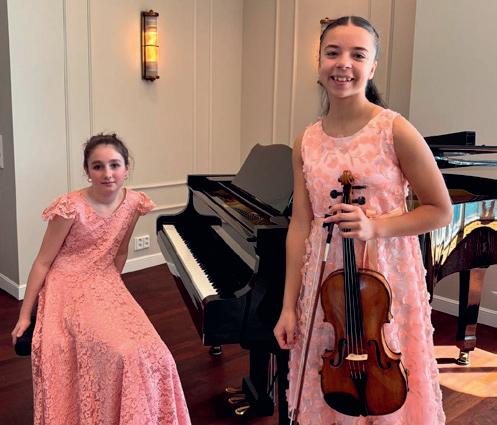
Young viola player Ellen Herler and her piano partner Ella Gardini will present music by Harri Wessman at the 50th international Viola Congress in January in Paris. Ellen’s Viola Album was chosen for the programme from an overwhelming number of proposals. e collection consists of nine pieces for viola and piano, intended for young musicians. In Paris the composer will introduce this uid and melodic music, highlighting its particular pedagogical features – unusual meters, glissandi, e ects, and harmonies not often found in standard teaching practice – while also providing context for the pieces.
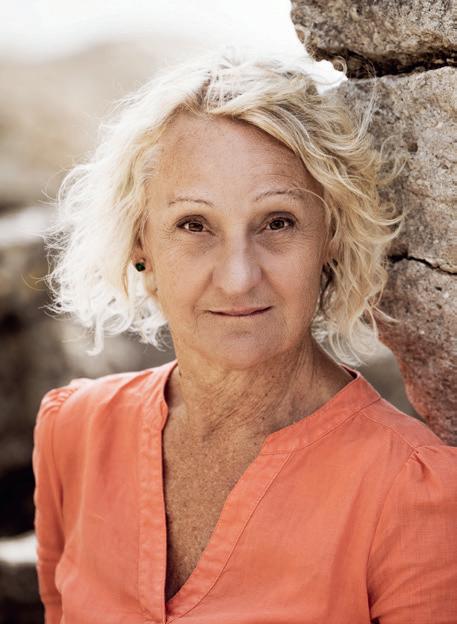
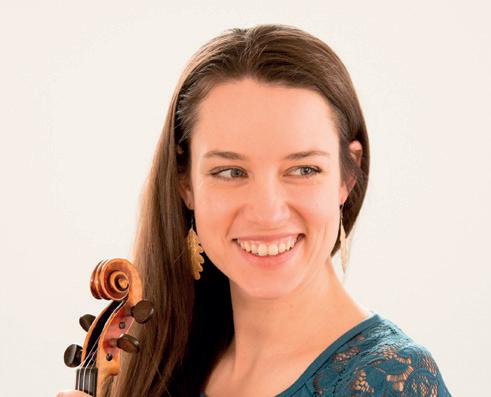
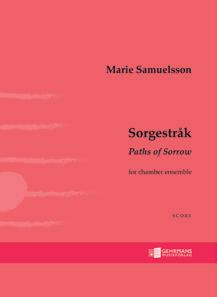
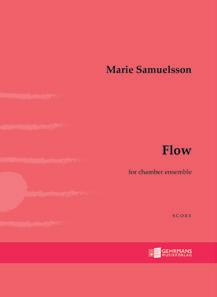
e multiple prize-winning composer Marie Samuelsson celebrates her 70th birthday on 15 February 2026. For more than four decades she has developed a consistent and bold artistry in which the music comprises chamber, choral, orchestral works and opera, sometimes featuring electroacoustic elements. Her works have been praised for their sensuality, innovative sonic beauty, and rhythmic energy. Her tone language assembles concrete sounds of nature, animals and the city in a musically adapted symbiosis with traditional instruments. Earlier this year she received the Rosenberg Prize “for an artistry that with its unique voice and sound fantasy has enriched the Swedish musical scene”. During this autumn ve of Samuelsson’s chamber works, spanning 25 years, have been published by Gehrmans. (See: New publications).
Award for Kalevi Aho disc
e disc of string quartets by Kalevi Aho has been awarded the prestigious Deutsche Schallplattenpreis 2025 as one of the best releases in the past year. e BIS-label disc features his rst three string quartets performed by the Stenhammar Quartet. Aho’s true inventiveness was given as one of the main reasons for the choice: “His colourful playfulness and clear command of form speak of a virtuosic craftsmanship and bind the performers together in a seamless entity. e result is a thoroughly intelligent and fresh token of love for the genre, and one with a Scandinavian-Nordic accent.” e awards are selected by 32 music critics and journalists from Germany, Austria and Switzerland, and cover a wide range of musical genres.
Photo: Lova Wallerö
Photo: Musikförläggarna
Emmy Lindström
Photo: Andreas Sander
Marie Samuelsson
Photo: Mats Bäcker
Stenhammar Quartet
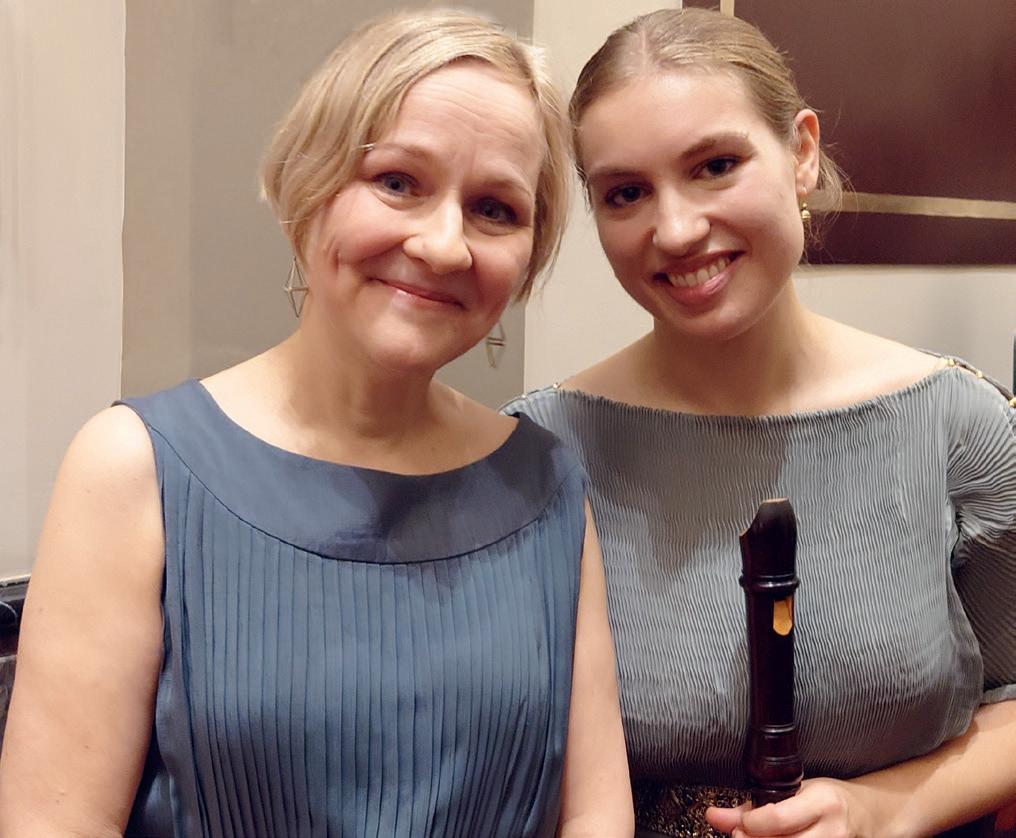
Ella Gardini and Ellen Herler
Photo: Michel Thomas
Einojuhani Rautavaara – always up to date
Autumn 2028 marks the centenary of the birth of composer Einojuhani Rautavaara. Leading up to this, Fennica Gehrman has revised the orchestral materials of Cantus arcticus, and new editions of the symphonies are on their way. Sinfonia Lahti is embarking on project recording his complete symphonies. All in all, there will be a surge of interest in Rautavaara’s music in 2028, with numerous concerts and events.
Einojuhani Rautavaara (1928–2016) became an internationally recognised composer in the late 1990s and has remained so ever since. His music is played on a daily basis all around the world, at concerts and on the radio. His all-time hit is Cantus arcticus, a uniquely original concerto for birds and orchestra.
Nearly all of Rautavaara’s music has been released on the Ondine label, but new interpretations and approaches are needed. e recording of his complete cycle of symphonies by Sinfonia Lahti and their Artist-in-Association, conductor Hannu Lintu, is a project of great interest. “Understanding the background manifests itself in a performer’s interpretations in one way or another,” says Lintu. “I would be doing the composer a disservice if I didn’t know what the music was based on and to whom it refers.”
What we have here is a promise of carefully considered new readings of Rautavaara’s symphonic and orchestral works.
Liberation from the restraints Rautavaara wrote eight symphonies. He underwent a major stylistic change in the mid-1980s, ditching strict systematic avant-gardism for a more Romantic look and feel. The Fifth Symphony (1986) re ects this change in his musical thinking. He no longer considered the symphony as a classical format that was required to have three or four movements. He once said: “When writing the Fifth Symphony, I began to think that there was more to it than just a pattern or a format. A symphony is a way of thinking, a context where there is no hurry to create musical drama. What I wanted to write was an extended continuum where you could just settle in.”
sociated from the real world and to transport the audience to parallel realities.
Going back further in time, Rautavaara’s début opera Kaivos ( e Mine) was written in a time of tense geopolitical relations and feels relevant even today. e story sheds light on the worldview of the then young composer: in the libretto, written by himself, he re ects on the interaction between individual and community and the problematic nature of freedom and choice.
Mystical and emotional charge
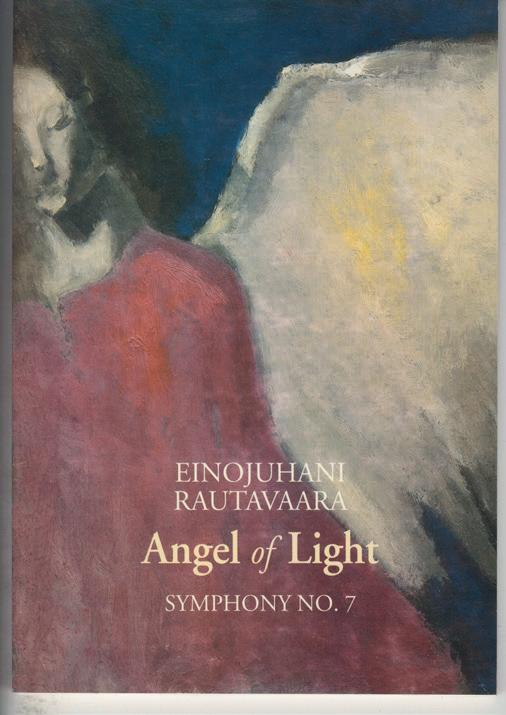
Rautavaara’s rst international hit was his Seventh Symphony, Angel of Light (1994). It carries a powerful mystical and emotional charge that prompted interest in his other works too. His Eighth Symphony, The Journey, which remained his last, was commissioned by the Philadelphia Orchestra. Here, the music proceeds into new territory in a meditation on human life that eventually ows into an eternal ocean.
Rautavaara’s output includes several ‘angel pieces’, but regrettably his angels are often misunderstood. “My angels are never those depicted by Raphael or other wonderful painters of altar-
is liberation from the restraints of the symphonic tradition is also apparent in Rautavaara’s Sixth Symphony, Vincentiana, conveyed by a synthesiser through a space spanning worlds both real and imaginary. e work is based on his opera Vincent (1987), a survey of the life of Vincent van Gogh one hundred years after his death, with all times present at once. A similar concept of time can be found in his magical opera Thomas. In the opera Auringon talo (House of the Sun), by contrast, time stands still.
Rautavaara’s way of processing time in his operas o ers potential for the staging to be dis-
Photo: Savonlinna Opera Festival
Photo: Heikki Tuuli
pieces,” he stressed. “My angels are powerful, masculine and erce, frightening and forceful.”
One of his nest works for choir and orchestra is On the Last Frontier (1997), based on a fantastic tale by Edgar Allan Poe featuring a sea voyage where realism is transformed into a mystical ritual. e orchestra is rich and colourful, with plenty of instrument solos, and although the story told by the choir is the heart of the work, the music transports the listener beyond words.
Exciting worlds in miniature Rautavaara wrote dozens of chamber music works, from solo pieces to works for chamber ensemble. ese span a hugely varying range of instrumentations yet all bear the distinctive original avour of his music. As early as in the piano suites Pelimannit (Fiddlers) and Ikonit (Icons), he demonstrated his capacity for creating exciting worlds in miniature. His Piano Sonata No. 2, The Fire Sermon, has entered the core solo piano repertoire. Of his later works we might mention the string quintet Les Cieux Inconnus, which transports the listener to a dimension where light and colour shift from dreamy to passionate.
In the 2000s, Rautavaara continued pursuing the path he had chosen back in the 1980s. e idiom in his orchestral works and concertos remained very much identi able, due partly to the fact that he recycled material from his earlier works – not as quotes but by developing the material further.
Rautavaara’s music merges the real world and imagined worlds, opening a portal to a parallel reality, an endless journey. e secret of his success is in his accessible idiom and his extensive output where every musician can nd something to perform. His music is available as sheet music and recordings worldwide. Fennica Gehrman has begun revising the orchestral materials for his works in the lead-up to his centenary in 2028, a valuable project that will cater to orchestras for decades to come.
IV Vuosisadan ääniä (Sounds of the Century) 1111/1220/perc/str 54331)
This is a cross-section of Finnish music throughout the ages. The movements can be performed in the manner of a promenade concert, with the audience passing through different musical spaces from the foyer to the concert hall. The first movement is based on a Piae cantiones melody, the second the style of Tulindberg. The third takes in quotations from Pacius, Kajanus and Sibelius and proceeds to the Jäger March. Passing through the worlds of Aarre Merikanto, Kaj Chydenius and Kokkonen, Aho arrives at a fantasia the end of which alludes to the hectic present day and its threats but finally remains openly expectant. Historical Scenes was premiered at the 200th anniversary celebrations of the Finnish Government in Turku Castle.
ANTTI AUVINEN
Digital Madrigal (2018) Dur: 25’ for video and orchestra: 2222-2200-02-0-str-keyb (for video).
Auvinen’s works are marked by explosive energy and often extreme effects. Video frequently plays a key role in his outof-the-ordinary compositions. He here combines orchestral timbres with manipulated films and video installations: fragments of archive and language-teaching films. The main visual elements are, however, the guitars and basses that are shot to pieces in the video. The sounds of these are dramatic and give the work an astonishing sense of ritual. At the core of all is an open underlying statement against violence.
CECILIA DAMSTRÖM
Earth Songs (2022) Dur: 27’ for violin and ensemble:1111-1000-percpno-1111-tape-video projections and light design
A violin concerto in seven movements in which every movement is a love song to various aspects of our planet and its fragile ecosystem. It is an homage to the ozonosphere, water, sun, soil, wind and forest – often evincing a duality between the power of nature and its vulnerability. The solo part is both rhythmically virtuosic and poetical. The acoustic ensemble is reinforced by pre-recorded sounds, as well as video projections by Marek Pluciennik that freely associate with the music. In the seventh and final movement, To Life, a further dimension is added when the musicians start to sing the text of Psalm 38 and the Agnus Dei of the Mass – a poignant reflection over how man affects the earth.
FREDRIK HÖGBERG
Baboon Concerto (2017) Dur: 20’ for bassoon and orchestra: 2222-2220-12-0str (also in version for bassoon and piano)
TIINA MYLLÄRINEN
Pinnan alla (Bubbling Under) (2023) Dur: ca 70’ for 4 singers and ensemble: vl, cl, tpt, perc, pf
Text: Henriikka Tavi (Fin, also available in German and English).
This exceptional and innovative work combines elements of opera, concert, spatial and conceptual art. At the centre of the script is the highly endangered freshwater seal species. Bubbling Under juxtaposes folk tales and seal-hunting accounts with contemporary environmental takes on the matter. This absorbing work does not teach or preach; instead, the listeners are immersed in the compelling story as they traverse through various acoustic spaces throughout the performance.
KARIN REHNQVIST
Puksånger – Lockrop (Timpanum Songs – Herding Calls) (1989) Dur: 20’ for two female voices and percussion
An innovative work in which ancient herding calls meet percussive energy. The piece is based on Swedish folk music and the distinctive sound of ‘kulning’– sharp, calling tunes from Nordic herding traditions that here has been placed within a modern art-music milieu. The singing uses Swedish, Finnish, and phonetic (non-semantic) texts. And the work gets humorous when the soloists jabber over each other with old Finnish proverbs about women. The contrast between the powerful vocal expressions and the rhythmical drive of the timpani creates an intense and ritually charged piece, one of Rehnqvist’s most significant.
MARIE SAMUELSSON
In the Wolf’s Eye (I vargens öga) (1997) Dur: 7’ for alto saxophone and tape
In the Wolf’s Eye is a suggestive work for saxophone and electroacoustics in which recorded wolf howls create a dramatic dialogue with the soloist. By adapting the cries of the wolves and weaving together their sounds with the saxophone’s expressive voice, Samuelsson creates an encounter between man and nature. The result is an explosive piece, permeated with atmosphere, where nature’s presence is an essential part of the musical narrative.
LOTTA WENNÄKOSKI
Ele (2022-23) Dur: 20’
Five gestic scenes for clarinet and string orchestra (55432)
An energetic and humorous work for bassoon and orchestra in 14 movements that emphasizes the instruments’ playful and virtuoso possibilities. Here the soloist acts both as musician and a story-telling baboon. Inspired by the baboon’s expressive movement patterns and sound world, Högberg weaves together rhythmical outbursts, unexpected timbres and theatrical features. The result is a concerto that combines musical drama and technical brilliance – a colourful portrait of both the bassoon and its “baboonish” alter ego.
A crazily entertaining piece of music, packed with content, fun and events. Ele has an ongoing choreography in which the soloist’s gestures and facial expressions are closely marked in the score and the orchestra also contributes to the visual aspect. Lauri Sallinen, who commissioned and premiered the piece, had his face made up to look like a clown in a pantomime and told an exciting, wordless musical tale with his clarinet and body. Towards the end, he played around with other instruments and even used his bowler hat as an aid to his clarinet.
Pekka Hako
Rautavaara playlist
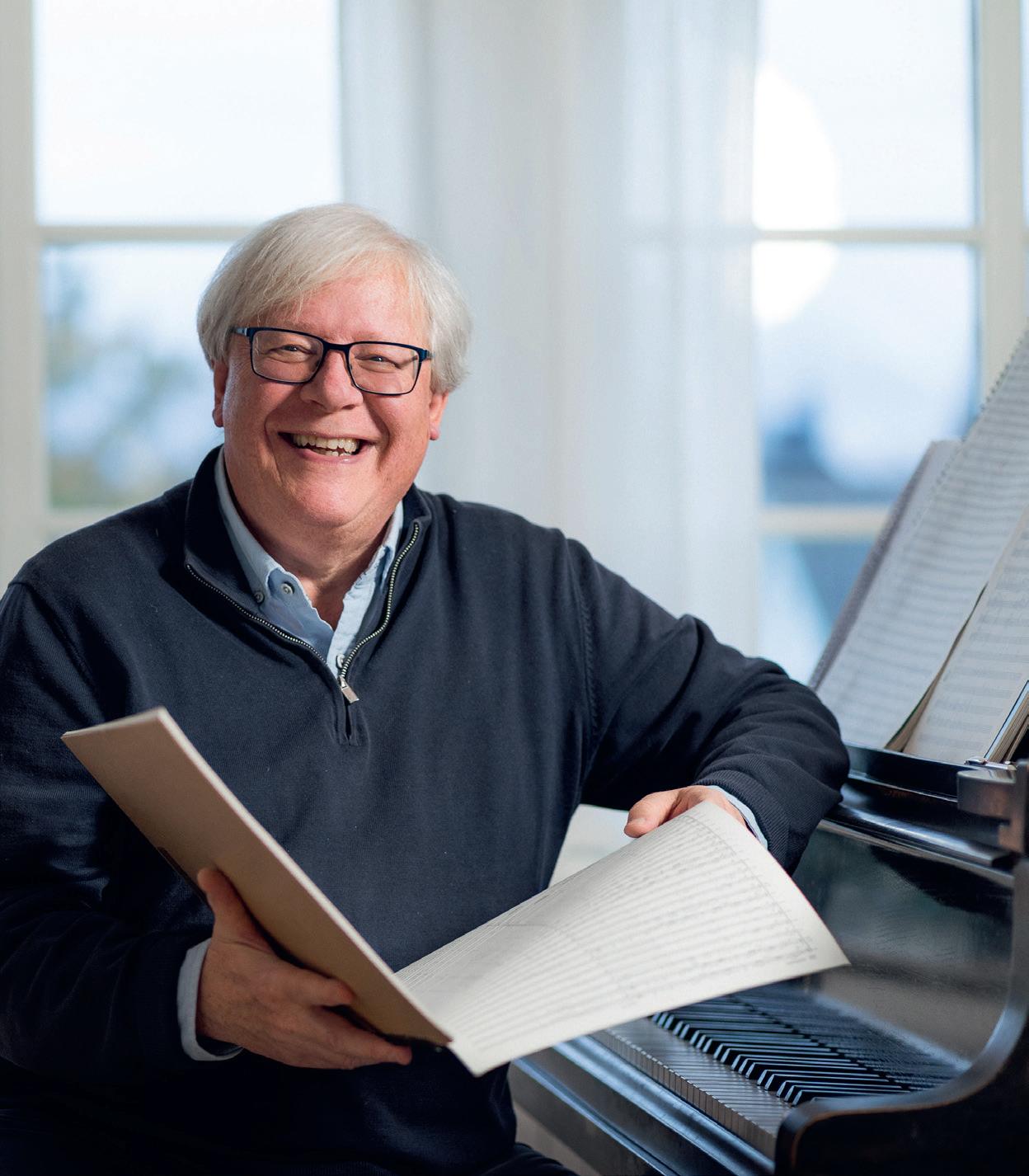
Rolf Martinsson – a master of orchestration
As Rolf Martinsson marks his 70th birthday, we look back on a career spanning four decades – an artistic journey defined by meticulous craftsmanship, powerful orchestral writing, and close collaborations with many of today’s leading musicians.
Iremember the rst time I heard an orchestral work by Rolf Martinsson and the lasting impression it made on me. It was in late spring 1983 when I went on a school trip with my high school class to a concert with the Malmö Symphony Orchestra. On the programme was his new piece Symphonic Poem. I had earlier heard a few of his works on the radio, but this orchestral piece was something entirely di erent. I was immediately captivated by its sonorous impact and great wealth of variation within the scope of a dense musical development. Just a few years later I began my studies in composition with Martinsson at the Malmö Academy of Music. During the subsequent years not only did I have the privilege to receive his instruction but also to follow Martinsson’s artistic development and how his extensive production started to take shape.
Early works
Josef Sjöblom
Martinsson’s early works from the 1980s and 1990s were often written for various chamber music combinations, at times with rather unusual instrumentations. What these works had in common was a certain sense of curiosity, the will to explore di erent musical possibilities, intonations and material. e general tone of the music betrays in uences from Impressionism, with distinct traces of Debussy and Ravel, and even from Arnold Schoenberg’s and Alban Berg’s worlds of expression. For Martinsson, the craft of composition has remained of vital importance ever since. It is the means by which to capture the artistic vision in the best way possible, and to clearly communicate it to musicians and audiences. Clarity in instrumentation and notation is of decisive importance for capturing musical ideas. Martinsson says that his major driving force is his relationship to the musicians. He is often praised by musicians who testify to how his cordial attitude results in his getting the maximum out of the instruments. “I know how pleased I am when it sounds the way I intended”, says Martinsson, and he adds, “It is now close to that ideal…” ere is no striving for calculated adaptation in this, according to him, “It is rather that I have my idea ready, it always comes rst, then I formulate it in the best possible way with notation and instrumentation”.
Mastery of orchestration
From the mid-1990s Martinsson’s main focus has been on orchestral music. Here his sound apparatus has broadened, but at the same time he has been faithful to his roots. His orchestral work Dreams, inspired by Akira Kurosawa’s lm, was a breakthrough in the large-scale format and led to several commissions, not least the trumpet concerto Bridge, composed for and dedicated to Håkan Hardenberger. It has become, not only one of Martinsson’s most performed works, but perhaps also one of the most frequently performed Swedish orchestral works internationally. In this work Martinsson’s interest in both the virtuosic treatment of the solo instrument and orchestral sonority reached a mature stage of development. Martinsson pos-
sesses a remarkable command of orchestration, characterized by profound craftsmanship as well as strong individuality and originality. He knows how to utilise the orchestra both in a chamber-musical and ethereal manner, with rened use of, e.g., harp and percussion, but also in a dynamic and forceful way. For instance, the nal minutes of the concerto are unrivalled in Swedish music when it comes to discharge of orchestral energy.
After his success with the trumpet concerto, many musicians queued up to get new solo concertos composed for themselves; among them, trombonist Christian Lindberg and clarinettist Martin Fröst. ese are tailor-made works to suit each artist’s personality. e most recent ex-
Photo:
ample is the horn concerto Soundscape – A Walk in Colours for Felix Klieser. e concertos have often also resulted in a series of solo pieces with a connection to the larger compositions.
A congenial partner
A particularly signi cant collaboration over the last decade has been with the soprano Lisa Larsson, for whom Rolf Martinsson has composed numerous works, from large scale song cycles, such as Ich denke dein, to chamber compositions. Vocal music was already early on vital for Martinsson, as he was an avid choir singer in his youth. ere are a number of choral and solo vocal works in his early production, but it was not until the collaboration with Lisa Larsson that his composing in this genre really took o . With her Martinsson found once again a congenial partner. According to Martinsson, the optimal cooperation between composer and soloist is based on openness, sensitivity, exibility and mutual respect, and this is just how he describes the relationship. “Lisa Larsson is a brilliant and devoted interpreter of my works”, says Martinsson, “and she has a keen musical intuition and a profound feeling for my tone language. Her curiosity and interest in creating continually new musical solutions have been a great source of inspiration for me”. eir work together also sparked Martinsson’s interest in sacred music, leading to the widely performed St. Luke Passion, now nearing a hundred performances since its premiere. He is currently preparing a major Requiem for soloists, choir, and orchestra, scheduled to premiere in Växjö in November 2026.
Since the spring of 2025 Martinsson has been professor emeritus at the Malmö Academy of Music. roughout his many years as a pedagogue, he has worked to convey the craft of composition to coming generations. He says that it is vital to be careful about formulating one’s idea; but also “to dare to write the music that one really wants, for this has long been a tough struggle for me. I will say that what you are thinking about now when you are 20 or 25, will to a large extent be what you think is right when you are 50, so why wait until then to a rm this. I believe there is a great deal of truth in that”, says Martinsson.
Norrlandsoperan SO/Simon Crawford Phillips 15.1. Umeå, Sweden
Fight – Union – Clinch (String Quartet No. 1) Marmen Quartet 13.3. Växjö, Sweden
EMMY LINDSTRÖM
November Night in Jakobstad – Violin Concerto No. 1 Nordic CO, sol. Malin Broman 29.1. Sundsvall, Sweden
CECILIA DAMSTRÖM
Ovllá (opera)
Libretto: Juho-Sire/Siri Broch Johansen Oulu Theatre, Oulu Sinfonia/Rumon Gamba and Aku Sorensen, dir. Heta Haanperä 16.1. Oulu, Finland
ANTTI AUVINEN
Ämminkäiset (Awelings)
A work for children based on Tuomas Kärkkäinen’s book Helsinki PO/Elisar Riddelin, script, dir. & narrator Cécile Orblin 31.1. Helsinki, Finland
January–March 2026
ALBERT SCHNELZER
A Soaring Flight
Swedish Army Band/Emil Eliasson 1.2. Stockholm, Sweden
MIKKO HEINIÖ
Domklang for organ and wind orchestra
Navy Band/Jarkko Aaltonen, sol. Markku Hietaharju 3.2. Turku, Finland (Katedraali Soi)
KARIN REHNQVIST
Färden till Arareko/The Way to Arareko (children’s opera)
Libretto: Mercedes Gómez Benet
Musik i Syd, sol. Kristine Nowlain, Emma Sventelius, Joseph Mossop, dir. Lisbeth Hagerman 7.2. Malmö, Sweden
MATS LARSSON GOTHE
Selma (opera)
NEW ALBUMS
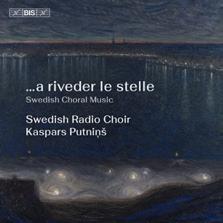
H. ALFVÉN, L. EDLUND, U. EMANUELSSON, I. LIDHOLM, J. SANDSTRÖM,
LJ. WERLE ETC.
Swedish Choral Music
Swedish Radio Choir/Kaspar Putninš BIS-2687 SACD (‘...a riveder le stelle’)
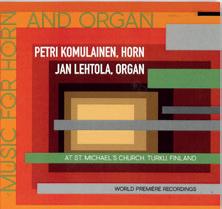
PAAVO HEININEN
Autumn Sonnet, Kohti syksyä
OLLI KORTEKANGAS
Grace (Sonatine)
JENNAH VAINIO
Unikeko (Sleepyhead)
Jan Lehtola, organ, Petri Komulainen, horn Pilfink JJVCD-271
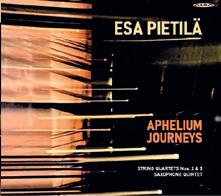
ESA PIETILÄ
Blazing Flames, Icons of Blue, Black & Sun (String Quartet No. 2), Valleys of Soliloquy (String Quartet No. 3)
Skatta String Quartet, Esa Pietilä, sax. Alba ABCD “Aphelium Journeys”
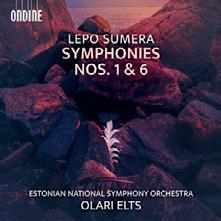
LEPO SUMERA
Symphonies Nos. 1 & 6
Estonian National Symphony Orchestra/Olari Elts Ondine ODE 1449-2
Libretto: Maria Sundqvist
Wermland Opera/David Björkman, dir. Kajsa Giertz 26.2. Karlstad, Sweden
LOTTA WENNÄKOSKI
Blended Notes for eight voices and piano trio
Soma Ensemble, Sitkovetsky Trio 13.3. Oulu, Finland (Oulu Music Festival)
Zelo
London PO/Robin Ticciati 25.3. London, UK
MATTHEW PETERSON
Symphony No. 2 – The Wanderers
Dalasinfoniettan, Swedish Radio Choir/Claire Levacher 21.3. Stockholm, Sweden
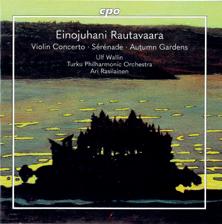
EINOJUHANI RAUTAVAARA
Violin Concerto, Sérenade, Autumn Gardens
Turku PO/Ari Rasilainen, sol. Ulf
Wallin cpo 555 559-2
JOONAS KOKKONEN
Pielavesi Suite
KAI NIEMINEN
The Smile of the Flamboyant Wings
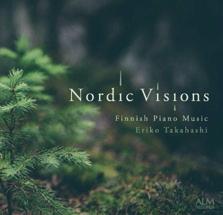
SELIM PALMGREN
Nocturnes in Three Scenes & other works
Eriko Takahashi, piano ALM Records 145 “Nordic Visions”
KAI NIEMINEN
Flute works: Hymnos, Nocturnal Mindscapes, Birds near the Lake, From Time…Moon…&Stars…
Johanna Suvenmetsä, fl, Erkki Palola, vl, Valerie Lassfolk, vla, Eija Huhtala-Krapu, vlc, Lily-Marlene Puusepp, hp Pillfink Records JJVCD270
ALBERT SCHNELZER
I Remember River Clear
BENJAMIN STAERN Day and Night
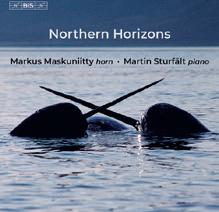
Markus Maskunitty, horn, Martin Sturfält, piano BIS SACD 2712 (‘Northern Horizons’)
REVIEWS
Nuorvala’s kaleidoscope of sound
One can only be epigrammatic when commenting on Nuorvala’s stunningly composed and manyformed sonic colours, rhythms, and sly commentary.
Finnish Music Quarterly Sept. 2025
The piece had the form of a six-movement suite and at least one waltz, one tango and one blues could be detected, all with a microtonal, surrealistic hue. The dreamy, introvert work was given a sensitive interpretation by Päivi Severeide and Jussi Tuhkanen. Hufvudstadsbladet 29.7.
Juhani Nuorvala: Ein Ballhaus in Berlin World premiere: Päivi Severeide, hp, Jussi Tuhkanen, vln, 26.7.2025 Järvenpää, Finland (Our Festival)
Composer who wants to get inside your head
Žibuoklė Martinaitytė writes multilayered music that she hopes will grant listeners the freedom to enter an altered state of mind… Listening to the composer’s slow-moving scores, with their intricately woven layers, your mind can play tricks on you… Time winds down to a glacial pace, harmonies flash in and out of focus, scraps of melody float amid oases of shimmering light or sink in dark shadows. NPR Music 4.8.
Žibuoklė Martinaitytė: Aletheia, Saudade& other works
One special feature of instrumental music is that it can often create images inside the listener. “The Autumn Diary” is an excellent example of that… the often meditative music creates, at least for me, a distinct November feeling…an afternoon light of mixed grey shades, rain that falls gently on mouldering leaves and an occasional heavy squall…the piece exudes an unmistakable melancholy. It is multifaceted yet cohesive and makes a beautifully fitting opening to the evening. Jönköpingsposten 10.11.
Mats Larsson Gothe: The Autumn Diary Jönköping Sinfonietta/Ewa Strusinska, 9.11.2025 Jönköping, Sweden
Imaginative and ravishingly played
Aho begins his concerto for alto flute and strings mysteriously, elegiacally, and lyrically before demanding virtuosity from the flute... Bezaly and the St. Michel Strings perform the concerto with incredible excitement. … It is a great, imaginative, and consistently structured concerto, played ravishingly.
The Moonlight Concerto is relatively calm, mysterious, exotic, and often enchantingly lyrical. The fifth movement, Canto, is unique in that it requires the violist to sing as well as play. A suspenseful and expressive performance makes this concert a special experience. pizzicato.lu 17.9.
Kalevi Aho: Concerto for Alto Flute and Strings, Double Concerto for Viola, Percussion and Orchestra (Moonlight Concerto)
CD: St. Michel Strings/Erkki Lasonpalo, Lahti SO/Anja Bihlmaier, sol. Sharon Bezaly, fl, Hiyoli Togawa, vla, Alexej Gerassimez, perc BIS SACD 2626
Auvinen, Kallio & Enter Gong
Antti Auvinen doesn’t seem to be afraid of challenges. The most interesting part of the piece is where it should be: in Mika Kallio’s way of finding timbres and rhythmic elements from his gong while maintaining the free and improvisational tone in his playing. Savon Sanomat 21.11.
Antti Auvinen: Enter Gong (Percussion Concerto) World premiere: Kuopio CO/Jukka Untamala, sol. Mika Kallio, 20.11.2025 Kuopio, Finland
Powerful, flowing and romantic
Lyytikäinen has written sonorous, deep-seated music, flowing streams of notes and opportunities for the pianist to demonstrate his skill… The piece has a Slavonic wistfulness in places, and instilled in the structurally robust flow are a feeling of release and the courage to speak out. The finale raises the pianist into a heroic world, and Marin accepts the challenge with every ounce of his virtuosity. Savon Sanomat 3.10.
Pasi Lyytikäinen: Piano Concerto ”Romantic” World premiere: Kuopio CO/Christian Karlsen, sol. Risto-Matti Marin, 2.10.2025 Kuopio, Finland
Mats Larsson Gothe
Photo: Maria Gothe
Pasi Lyytikäinen
Photo: Miika Kainu
Photo: Ari-Matti Huotari
Damström’s superb Tundo! Tundo! Is an absolutely superb composition… Damström knows how to contrast a vivid, fervent harmonic language with forceful outbursts that extend all the way to the limits of existence… Hope and despair fought a continuous battle – in a manner that, under John Storgård’s direction, was convincing, deeply moving and palpably direct. Tundo! fulfilled music’s most sacred mission: it spoke of that for which there are no words. Turun Sanomat 21.11.
Cecilia Damström: Tundo! Turku PO/John Storgårds, 20.11.2025 Turku, Finland
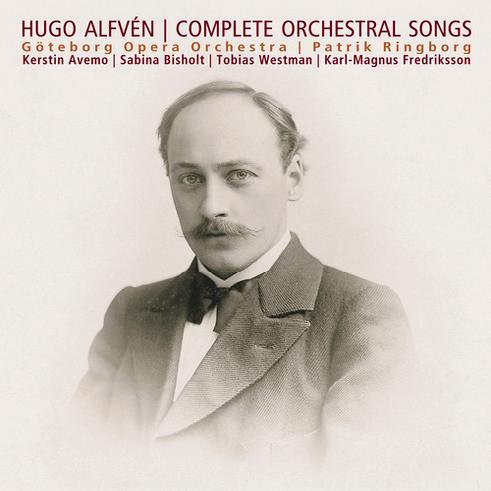
Lovely songs by Alfvén
The tune Limu, limu, lima from the mountain farms in Dalarna alternates with The Forest Sleeps (Skogen sover) and I Long for You (Jag längtar dig). Among the best known in this song series is Saa tag mitt hjerte (So Take My Heart), a late work by Alfvén… All in all, a lovely collection of poetry set to music from another century. Opus #133 October 2025
Hugo Alfvén: Complete Orchestral Songs
CD: Göteborg Opera Orchestra/Patrik Ringborg, sol. Kerstin Avemo, Sabina Bisholt, Tobias Westman, Karl-Magnus Fredriksson (dB Productions DBCD 218)
Powerful choral work on our relationship with nature
This ten-movement work with a text by Robert Macfarlane grabs attention as much for its timeliness as for its range of expression, and its communicativeness is deep and layered. It intertwines global events with the local and the personal in ways that get to the heart of its subject matter both poetically and analytically... The culmination comes in the rapt enchantment of “Axis Mundi,” which reaches past faith to the sacral beyond. The devotional and the ecstatic meet in a way perhaps only possible in choral music. Rondo 21.11.
Matthew Whittall: The World Tree for mixed choir
World premiere: Helsinki Chamber Choir/ Nils Schweckendiek, 18.11.2025 Helsinki, Finland
Captivating Wennäkoski concerto
The absolute highlight of the evening was Lotta Wennäkoski’s Vents et Lyres… Horsch often literally enters into dialogue with the orchestra, a delightful spectacle. At times frenetic, exciting and spectacular, at others calming and soothing, but always with spirit, narrating the structure of this concerto with complete clarity and logic – a unique achievement in a world premiere. De Nieuwe Muze 16.10.
Wennäkoski’s concerto fits the bill perfectly, challenging audience and soloist alike as a vast array of sound effects (often echoed in the orchestral parts) flew all around: multiphonics, jazzy ‘wah-wahs’, harsh staccato tonguing effects on the tenor, and didgeridoo-like sounds… to name a few. The very warm response from the hall will perhaps ensure the fate of this valuable and technically challenging addition to the recorder canon. The Spidy Editor 19.10.
Lotta Wennäkoski: Vents et lyres (Recorder Concerto)
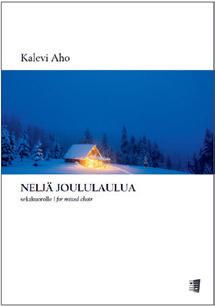
Neljä joululaulua (Four Christmas Songs) for mixed choir
Texts: Pia Perkiö, Mika Valtari, Viktor Rydberg, Valter Juva (Fin) Keskellä arjen uurastuksen - Joulun uni - Käy valkeus yli maan - Tonttu FG 9790550180154
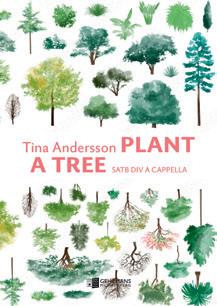
TINA ANDERSSON Plant a Tree for mixed choir
Text: Lucy Larcom (Eng) GE 13768
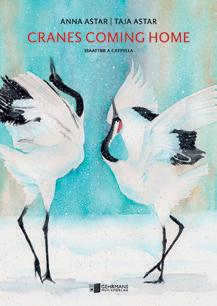
TAJA ASTAR
Cranes Coming Home for mixed choir
Text: Anna Astar (Eng) GE 14833
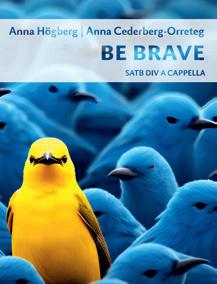
ANNA CEDERBERGORRETEG
Be Brave for mixed choir
Text: Anna Högberg (Eng) GE 14683
PAAVO HEININEN
Jouluconcertino (Christmas Concertino) for voice and piano
Text: Lassi Nummi (Fin)
Pakkanen - Hiljaisuus - Valo FG 9790550180185
ANNAKARIN KLOCKAR
Bara så for mixed choir
Text: Cecilia Wilhelmsson (Swe) GE 14834
JUHA T. KOSKINEN
Katoaminen for mixed choir
Text: Reetta Pekkanen (Fin) FG 9790550119963
TIMOJUHANI KYLLÖNEN
Kolme laulua Eino Leinon runoihin (Eino Leino Suite) for mixed choir