SYLVIA SYLVIA SYLVIA
02.04 – 03.08.2026
Recipient of the Edgerton Foundation New Play Award. Major support for this world premiere production provided by the Edgerton Foundation New Play Production Fund.
THANK YOU
Geffen Playhouse Education & Community Engagement programs are made possible, in part, by grants from Dwight Stuart Youth Fund and U.S. Bank Foundation
Geffen Playhouse’s High School Partnership Program is made possible, in part, by grants from The Rosalinde and Arthur Gilbert Foundation, The Kenneth T. and Eileen L. Norris Foundation and the California Arts Council- a state agency.

This guide is to be used for educational purposes only. Certain materials are included under the fair use exemption of the U.S. Copyright Law.
STUDY GUIDE COMPILED BY
Brian Allman
COVER PHOTO BY
Corey Olsen
DESIGN BY
Mark Chaitin
ADDITIONAL MAERTIALS BY
Aja Houston, Tiffany Oglesby, Gerry Tonella, Steph Clark & Oshri Hakak
EXECUTIVE STAFF & EDUCATION & COMMUNITY ENGAGEMENT STAFF
Tarell Alvin McCraney — Artistic Director
Gil Cates Jr. — Executive Director / CEO
Amy Levinson — Associate Artistic Director
Brian Allman — Director of Education & Community Engagement
Mark J. Chaitin — Manager of Education & Community Engagement
Aja Houston — Education Associate & Lead Teaching Artist
GEFFEN PLAYHOUSE TEACHING ARTISTS
Sean Michael Boozer, Paris Crayton III, Sidney Edwards, Margot Fitzsimmons, Erròn Jay, BJ Lange, Tiffany Oglesby, Marta Portillo, Tara Ricasa, Ashley Robinson, Gerry Tonella
ACCESSIBILITY
AT GEFFEN PLAYHOUSE
The theater has wheelchair and scooter-accessible locations where patrons can remain in their wheelchairs or transfer to theater seats.
OPEN CAPTION PERFORMANCE
An LED sign will display the text of the play in sync with the live performance. Saturday,February 21, 2026 - 3:00 pm

AUDIO DESCRIBED PERFORMANCE
Patrons who are blind or low-vision may listen to an audio describer give live, verbal descriptions of actions, costumes, scenery, and other visual elements of the production. Patrons who wish to listen to the audio description can pick up a listening device from the concierge in the lobby.
Sunday, February 22, 2026 - 2:00 pm

ASL INTERPRETED PERFORMANCE
An ASL interpreter will be present in the house left.
Sunday, March 1, 2026 - 2:00 pm


STREETS AND HOUSES IN BEACON HILL, BOSTON, USA
PHOTO BY MARK ZHU

SCENIC DESIGNER STUDIO BENT
LIGHTING DESIGNER LAP CHI CHU
ASSOCIATE DIRECTOR SARAH SHOWICH
PRODUCTION STAGE MANAGER LIZ BROHM HANRAHAN

SYLVIA SYLVIA SYLVIA
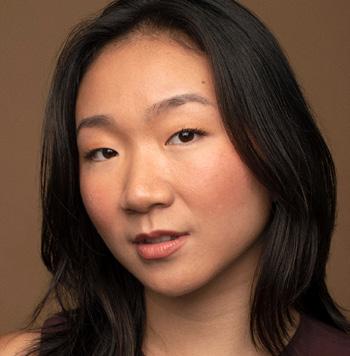
WRITTEN BY BETH HYLAND
DIRECTED BY JO BONNEY
DIALECT COACH PAUL WAGAR
ASSISTANT STAGE MANAGER JULIET PARK
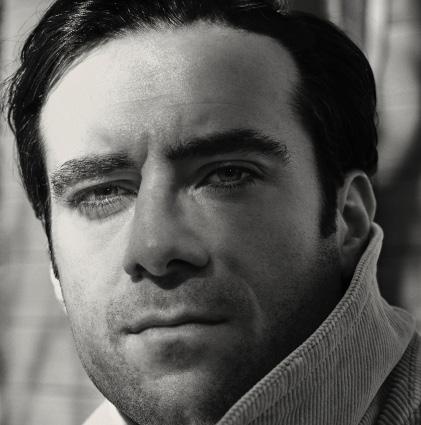
CAST


COSTUME DESIGNER SAMANTHA C. JONES
ORIGINAL MUSIC & SOUND DESIGN BY LINDSAY JONES
DRAMATURG OLIVIA O’CONNOR
CASTING DIRECTOR PHYLLIS SCHURINGA, CSA


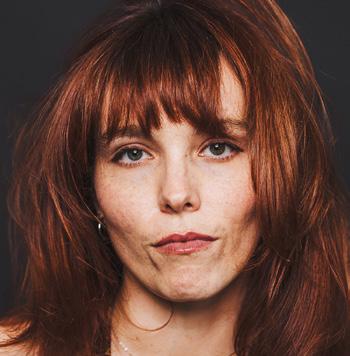
ABOUT THE PLAY
OVERVIEW: Sally, a once-celebrated novelist grappling with writer’s block and overshadowed by her husband Theo’s rising literary fame, seeks solace and inspiration in the iconic Boston apartment once inhabited by Sylvia Plath and Ted Hughes. But when eerie encounters begin to blur the line between inspiration and madness, Sally is forced to question what’s real, what’s imagined, and what her art may truly cost her. A darkly funny, gripping world premiere from rising playwright Beth Hyland, this tragicomic thriller explores creativity, obsession, and our ghosts that refuse to be ignored.
S E TTING/TIME: Sylvia and Ted’s apartment in Beacon Hill, Boston, MA, 1958 and The Present .
RUNNING TIME: 1 hour and 45 minutes, no intermission.
AGE RECOMMENDATION: 12+
WARNINGS: High-Pitched Sound Effects • Fog Effects
CONTENT ADVISORY: This production contains profanity and sexual content that may be triggering to some viewers, and discussions of miscarriage, depression, and suicide.
If you or someone you know is in crisis or thinking about self-harm or suicide, there is help available. Call or text 988 for the 988 Suicide & Crisis Lifeline.
ARTISTIC BIOGRAPHIES
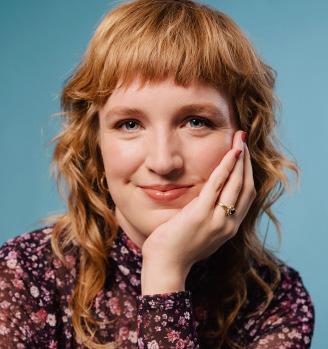
BETH HYLAND Playwright (she/her) Beth Hyland is a playwright and screenwriter. Her plays and musicals, which include SYLVIA SYLVIA SYLVIA, Fires, Ohio, Baby Shower Katie, Anna K., Cancelina, Seagulls, and Clearing, have been produced and developed at Manhattan Theatre Club, Primary Stages, Williamstown Theatre Festival, Goodman Theatre, Portland Center Stage, Round House Theatre, The Hearth, and others. Her play SYLVIA SYLVIA SYLVIA won the 2025 Edgerton Foundation New Play Award and the 2024 Weissberger Prize; her play Fires, Ohio won the 2025 Alliance/Kendeda Graduate Playwriting Award and will receive its world premiere at the Alliance Theatre in March. She currently holds commissions with Geffen Playhouse, Manhattan Theatre Club/Sloan, La Jolla Playhouse, Steppenwolf Theatre Company, and Williamstown Theatre Festival. She is a two-time recipient of The Kennedy Center American College Theater Festival’s Mark Twain Prize for Comic Playwriting and has been nominated for the Susan Smith Blackburn Prize, the Barrie and Bernice Stavis Playwright Award, and the Laurents / Hatcher Foundation Award. M.F.A. UC San Diego. Representation: Jamie Kaye-Phillips, Paradigm Talent Agency; Benjamin Blake and Anthony Ippolito, Heroes and Villains Entertainment. www.bethhyland.com
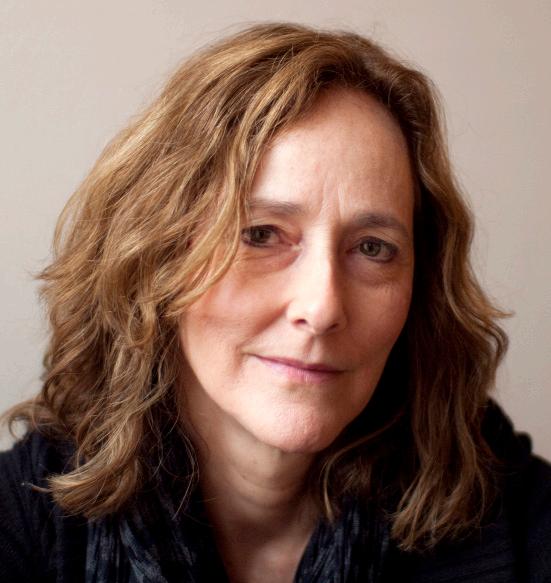
JO BONNEY Director (she/her)
Jo Bonney has directed the premieres of plays by Alan Ball, Hilary Bettis, Eric Bogosian, Eleanor Burgess, Hammaad Chaudry, Culture Clash, Eve Ensler, Jessica Goldberg, Isaac Gomez, Danny Hoch, Patricia Ione Lloyd, Neil LaBute, Warren Leight, Martyna Majok, Lynn Nottage, Dan O’Brien, Dael Orlandersmith, Suzan-Lori Parks, Darci Picoult, John Pollono, Will Power, David Rabe, José Rivera, Abby Rosebrock, Seth Zvi Rosenfeld, Alexis Scheer, Christopher Shinn, Diana Son, John Turturro & Ariel Levy, Universes, Naomi Wallace, and Michael Weller. Plus plays by Caryl Churchill, Nilo Cruz, Anna Deavere Smith, Charles Fuller, Lisa Loomer, Paul Lucas, Carey Perloff, and Lanford Wilson. Tony Award nomination for Cost of Living, two Obie Awards for Sustained Excellence of Direction, Lucille Lortel Awards for Best Musical and Best Revival, Drama Desk nomination for Direction of By the Way, Meet Vera Stark, AUDELCO Award for Father Comes Home from the Wars (Parts 1, 2 & 3), Drama League and Outer Critics Circle Award nominations, Off-Broadway Alliance and Lilly Awards. Editor of Extreme Exposure: An Anthology of Solo Performance Texts from the Twentieth Century (TCG).
THEMES & TOPICS

SS Y N O P S S I S I S O P N Y
BY GERARDO TONELLA, GEFFEN PLAYHOUSE TEACHING ARTIST
*SPOILER WARNING! This synopsis is for comprehension and contains plot points for the play, SYLVIA SYLVIA SYLVIA.
TIME / SETTING: Sylvia Plath and Ted Hughe’s apartment in Beacon Hill, Boston, MA. 1958 and The Present
STORY: In 1958, Sylvia Plath and her husband Ted Hughes sit in their Beacon Hill apartment, contemplating their differing writing careers and the promise of their future together. In the present day, Sally and Theo, also writers, occupy the same apartment, as Sally works on a piece about Sylvia Plath. While Ted shares exciting career news, Sally grapples with her own stalled writing.
This changes when Sally is visited by a mysterious apparition: Sylvia Plath herself. Is she a ghost, or a reflection of Sally’s own mind? Amidst the shock and excitement, Sally opens up to her about the slump she is experiencing, due to the grief over the child she miscarried.
Back in 1958, after a radio interview, a pregnant Sylvia confronts Ted about his flirting with someone at the station. Sylvia realizes how trapped she feels in their apartment and the extent of Ted’s control over her. As Sally’s conversations with Sylvia continue in the present, Sylvia shows her just how similar Theo and Ted are in their attitudes toward their wives and careers. Matters grow more complicated when a new ghost appears—Ted—who confronts Sally about her longing for more from her partner. Inspired by her conversations with Sylvia and Ted, Sally breaks through her writer’s block and enters a fevered creative release.
Her writing flows in ways it never has before… but insomnia sets in, she neglects the apartment, and her messages to her agent spiral into erratic fragments. This alarms Theo, who upon coming home from a work trip, begs her to pause her writing and take care of herself. However, when Sally insists on keeping going, she unintentionally uncovers a devastating secret her husband has been hiding from her. Tensions escalate, and the lines between imagination and reality disappear, leaving Sally isolated in a place while perhaps closer to the truth, also dangerously close to the edge.

SCAN THE QR CODE TO THE RIGHT to read about Sylvia Plath used a number of different typewriters during her lifetime. The typewriter to the left is Olivetti Lettera 22 used in the 1950s. The Hermes 3000 typewriter (mint green, 1959 model) is well-documented as her main machine for when she wrote The Bell Jar (1963).

SCAN THE QR CODE BELOW to read “It’s going to get even harder to write (or at least type) like Sylvia Plath” by Liz Mineo from The Harvard Gazette, about how Cambridge Typewriter, one of few shops left to buy, repair vintage machines, prepares to close doors after more than half a century.




SINOPSIS
POR GERARDO TONELLA, GEFFEN PLAYHOUSE TEACHING ARTIST
¡ALERTA DE SPOILER! La sinopsis se utiliza para la comprensión y contiene puntos clav de la trama de la obra SYLVIA SYLVIA SYLVIA
LA AMBIENTACIÓN: El apartamento de Sylvia Plath y Ted Hughes en Beacon Hill, Boston, MA. 1958 y la actualidad.
LA TRAMA: En 1958, Sylvia Plath y su esposo Ted Hughes se encuentran en su departamento de Beacon Hill, contemplando sus diferentes carreras como autores y la promesa de su futuro juntos. En el presente, Sally y Theo, también autores, viven en el mismo departamento, mientras Sally trabaja en una pieza sobre Sylvia Plath. Si bien Ted comparte una noticia emocionante sobre su carrera, Sally batalla con su escritura estancada.
Esto cambia cuando Sally es visitada por una aparición misteriosa: la mismísima Sylvia Plath. ¿Es un fantasma, o un reflejo en la mente de Sally? Entre la emoción y el impacto, Sally se abre y le confiesa de la depresión en la que se encuentra debido al duelo de la perdida de su embarazo.
De vuelta en 1958, después de una entrevista de radio, Sylvia, embarazada, confronta a Ted sobre su coqueteo con una mujer en la estación. Sylvia se da cuenta de que tan atrapada se siente en su departamento y del control que Ted ejerce sobre ella. Mientras las conversaciones entre Sally y Sylvia continuan en el presente, Sylvia le demuestra que tan similares son Theo y Ted en cuanto a sus actitudes con sus esposas y carreras. La situación se complica aún más cuando aparece un nuevo fantasma - Ted - quién confronta a Sally sobre sus ansias por querer algo más en su marido. Inspirada por sus conversaciones con Sylvia y Ted, Sally logra romper su bloqueo de escritura y entra en un estado de liberación creativa.
La escritura fluye como nunca lo había hecho antes… pero sufre de insomnia, descuida el departamento, y envía mensajes a su agente erráticos y fragmentados. Esto alarma a Theo, quien al regresar de un viaje laboral, le ruega que pare de escribir y tenga cuidado consigo misma. Sin embargo, cuando Sally insiste en seguir, descubre sin querer un secreto devastador que su marido le ha estado ocultando. Las tensiones crecen, y las lineas entre la imaginación y la realidad comienzan a desaparecer, dejando a Sally sola en un lugar


SCAN THE QR CODE TO THE LEFT
to see a list of 12 Literary Podcasts for Writers and Readers from ElectricLit. com. If you’re interested in developing your own writing, listen to authors, poets, and book enthusiasts as they keep you company and teach you a thing or two!

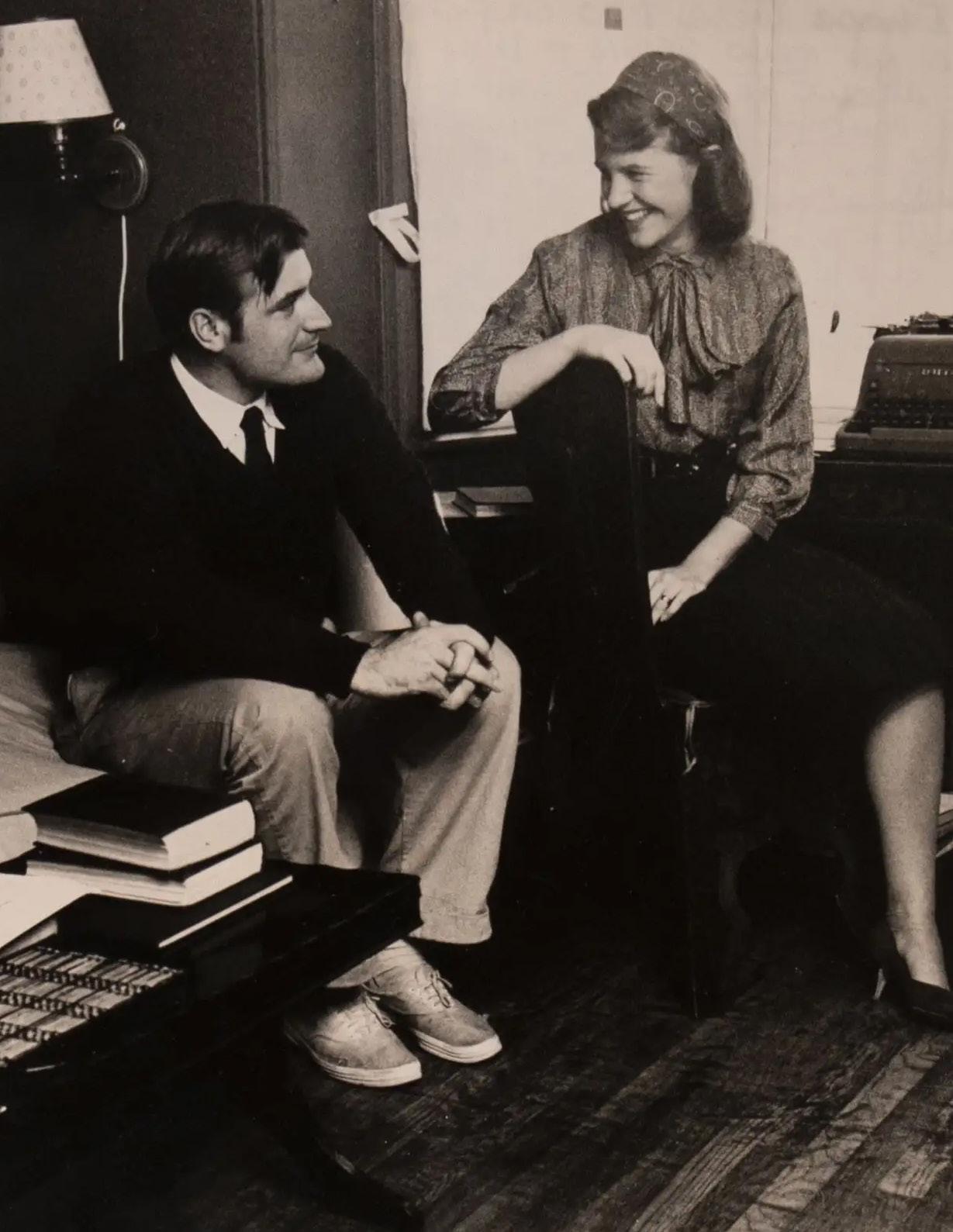
THE END IN THE BEGINNING: ON SYLVIA & TED
BY OLIVIA O’CONNOR, DRAMATURG FOR SYLVIA SYLVIA SYLVIA
SCAN THE QR CODE TO read an article from Olivia O’Connor, Geffen Literary Manager and Dramaturg of SYLVIA SYLVIA SYLVIA about the dynamic relationship of Sylvia Plath and Ted Hughes.
Read this and more articles from Geffen Productions visit geffenplayhouse.org/blog.
SYLVIA PLATH AND TED HUGHES AT HOME IN 1958. PHOTOGRAPH BY JAMES COYNE / BLACK STAR.
ACTIVITY: NO LETTER loVe
Sylvia Plath and Ted Hughes’s love letters, particularly from 1956, reveal a passionate, intense, and deeply literary relationship, filled with poetic admiration, longing, and collaboration. These correspondences show the early, ecstatic, and supportive phase of their marriage. The letters often included critiques and discussions on improving their poems, indicating a, deeply intertwined creative partnership.
The couple had been married for just four months and these are passionate love letters, full of optimism and unabashed literary ambition, revealing the deep and close collaboration between the two young writers. Many of those letters written in 1956 were sold at Sotheby’s auction in 2021 by Sylvia and Ted’s daughter Freida Hughes.
ACTIVITY TIME: Up to 30 minutes. It is common to share feelings of love, joy, and desire for others through a poem, note, or letter. In the activity below, construct a love letter to a special person. Write out a ½ page or full-page love letter to a spouse or partner, a pet, or even an object you couldn’t live without. You can also create two fictional characters and craft two love letters between those characters.
To exercise your writing skills, how can you find a way to express “LOVE” without using the actual word “L-O-V-E”? Use the vocab list below to explore all the different ways to express affection. Be creative with your use of similes and metaphors to convey the message without using the literal word.
SIMILE: a figure of speech that compares two distinct things by using a connective word such as “like” or “as.” Examples: “Does it dry up / like a raisin in the sun?” —Langston Hughes, “Her spirit flies like a bird breaking from its cage”, “Grief howls like a wolf under a lonely moon”.
METAPHOR: A metaphor is a figure of speech that compares two different things by stating that one is the other, highlighting similarities for emphasis or symbolism Examples: “All the world’s a stage, and all the men and women merely players. They have their exits and their entrances, and one man in his time plays many parts.” —William Shakespeare, As You Like It, “Their bedroom is a pigsty.” , “The caterpillar is a prisoner to the streets that conceived it.” — Kendrick Lamar
Longing Heart Desire Passion Flame Touch Whisper Dream Yearning Tenderness Beloved Embrace Devotion Forever Soul Beauty Ache Radiance Union Sweetness Blossom Hope Wonder Ecstacy Darling Magic Cherish Amour Trust Affection Fondness Infatuation Lust Flame Paramour Valentine Chosen Tesoro Lover Betrothed
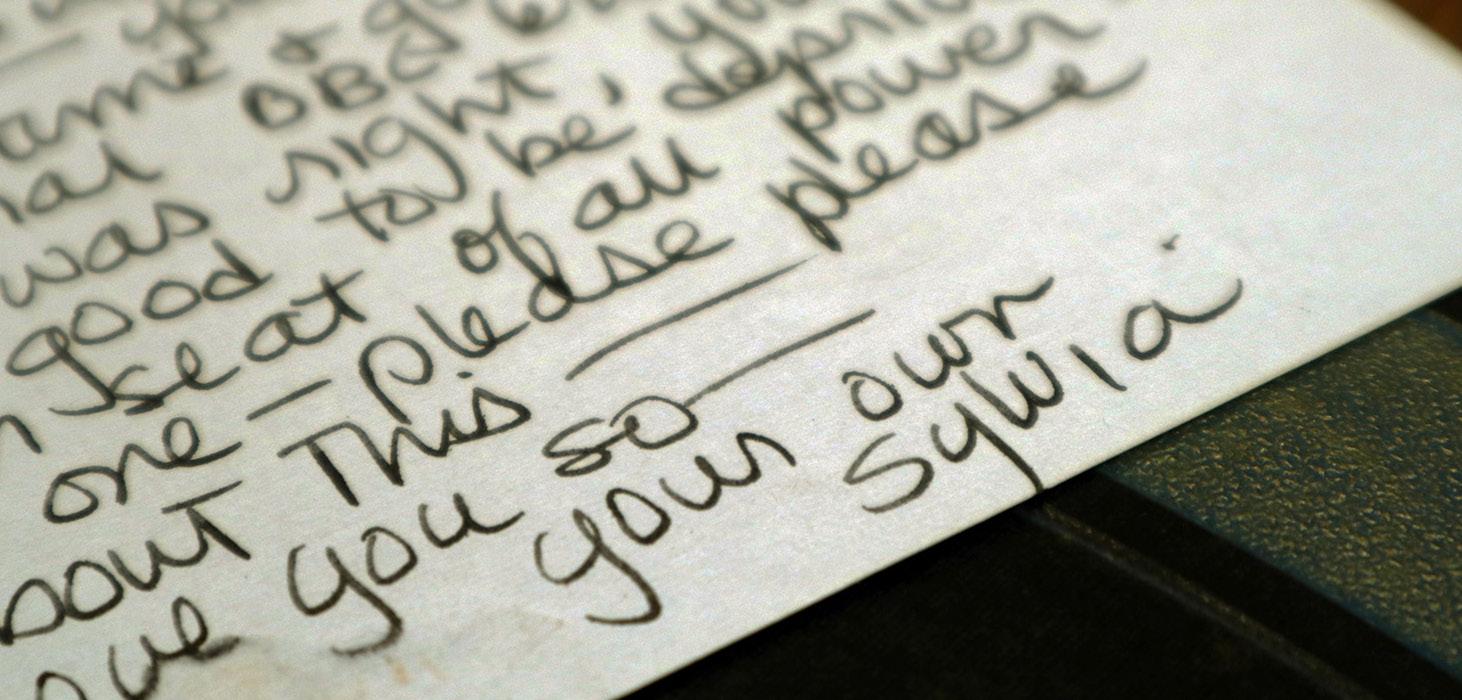

SYLVIA PLATH THE JOURNALS OF
BY TIFFANY OGLESBY, GEFFEN PLAYHOUSE TEACHING ARTIST
“And by the way, everything in life is writeable about if you have the outgoing guts to do it, and the imagination to improvise. The worst enemy to creativity is self-doubt.” - Sylvia Plath
Sylvia Path’s published journal entries share just as much weight and importance as her notable poems. Her first known recorded journal entry was on January 1, 1944 at the age of 11 and continued on until her death in February 1963. It is within these intimate pages that Sylvia shared her deepest thoughts about her mental struggles, spirituality and the supernatural, her creative process as a poet, as well as her tumultuous and fiery relationship with her husband Ted Hughes. Plath’s confessionalism-style of poetry was surely influenced by the admissions within her own personal writing.
THE IMPORTANCE OF JOURNALING
Journaling can be viewed as an emotional catharsis with the ability to enhance mental clarity and inner processing. It can also boost mindfulness, encourage personal growth, plus break away from a nonstop cycle of obsessive thinking. Journaling can include:
• Expressive Writing - accessing the writer’s innermost feelings and thoughts; focusing on the emotional experience rather than events, people, or objects.
• Gratitude Writing - a focus on the positive aspects of life through capturing situations, events, and interactions for which we are grateful.
• Spiritual Storytelling - to help you explore your faith, purpose, and spiritual growth through narrative.
JOURNALING PROMPTS
Take a moment to assess these questions. Choose the ones that resonate deeply with you. Answer freely and without any restriction or judgment. Reflect on your answers and take note of the feelings that may arise. Feel free to share these questions with a partner.
What is a story from your life that represents the essence of who you are right now?
What does your “spiritual hero” look like, and what is their story?
What are you grateful for today?
Tell the story of a scar, and what it taught you.
What is one small way the Universe made itself known to you today?
What is a story about a time you had to forgive someone (or yourself)?
What is my earliest memory of feeling connected to something greater?
What does a perfectly aligned life look like, and what is one step you can take toward it?


SCAN THE QR CODE TO THE RIGHT for excerpts from the The Journals of Sylvia Plath 1950-1962 from the

SCAN THE QR CODE TO THE RIGHT to hear Sylvia Plath Read 18 Poems From Her Final Collection, Ariel, in a 1962 recording from OpenCulture.com.


PLEASE DON’T LET ME STOP THINKING AND START BLINDLY ACCEPTING! I WANT TO TASTE AND GLORY IN EACH DAY, AND NEVER BE AFRAID TO EXPERIENCE PAIN; AND NEVER SHUT UP IN A NUMB CORE OF NON-FEELING, OR STOP QUESTIONING AND CRITICIZING LIFE AND TAKE THE EASY WAY OUT. TO LEARN AND THINK; TO THINK AND LIVE; TO LIVE AND LEARN: THIS ALWAYS, WITH NEW INSIGHT, NEW UNDERSTANDING, AND NEW LOVE.
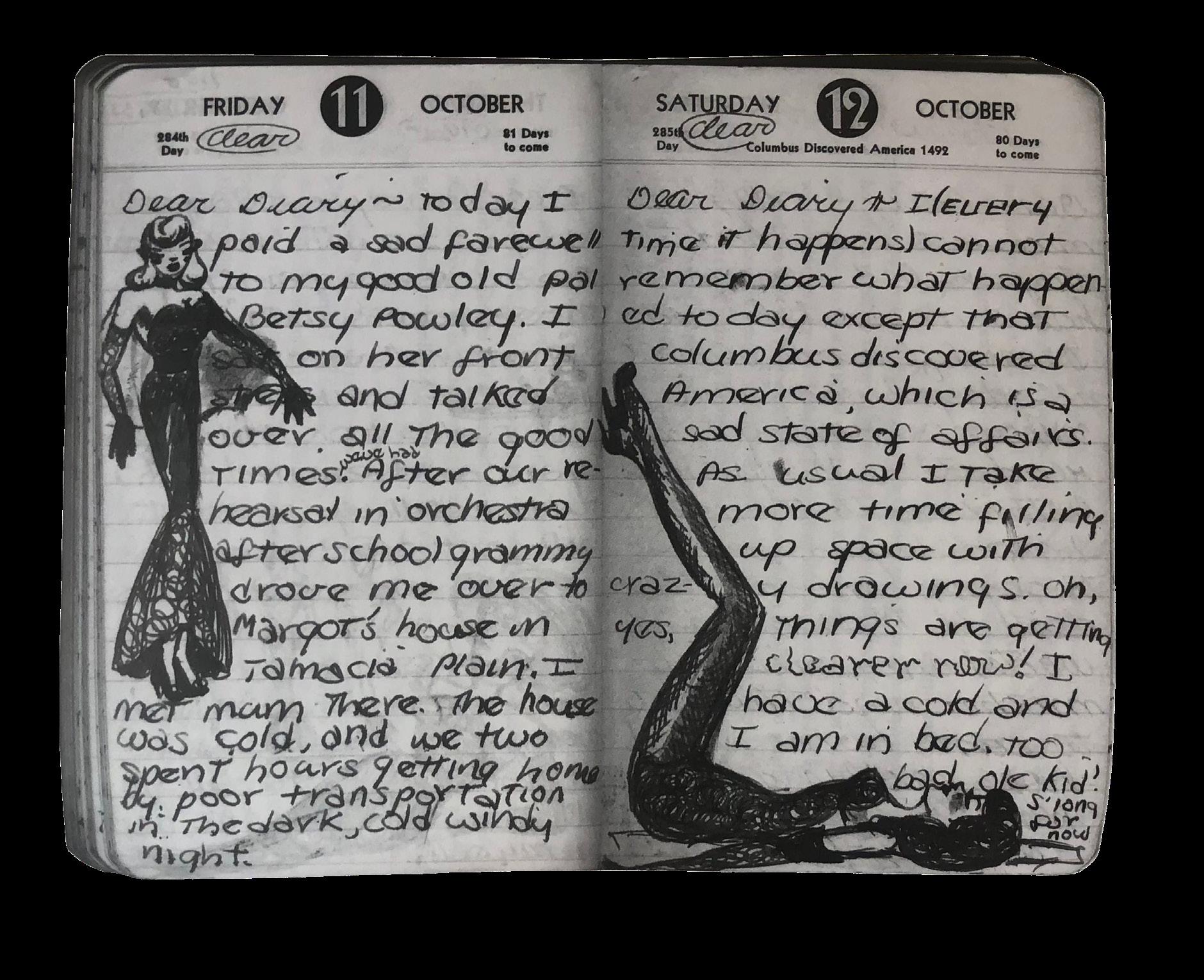


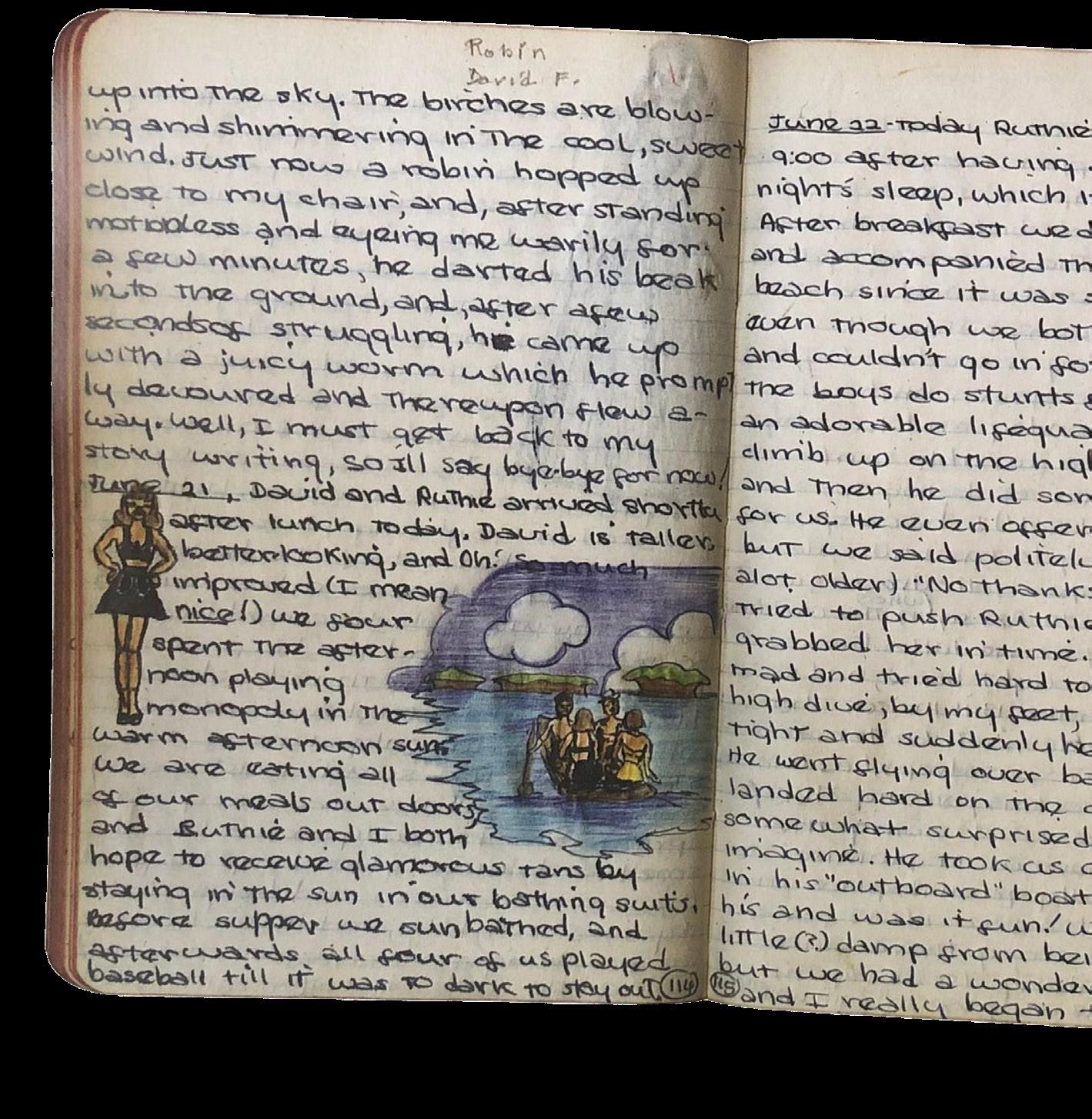
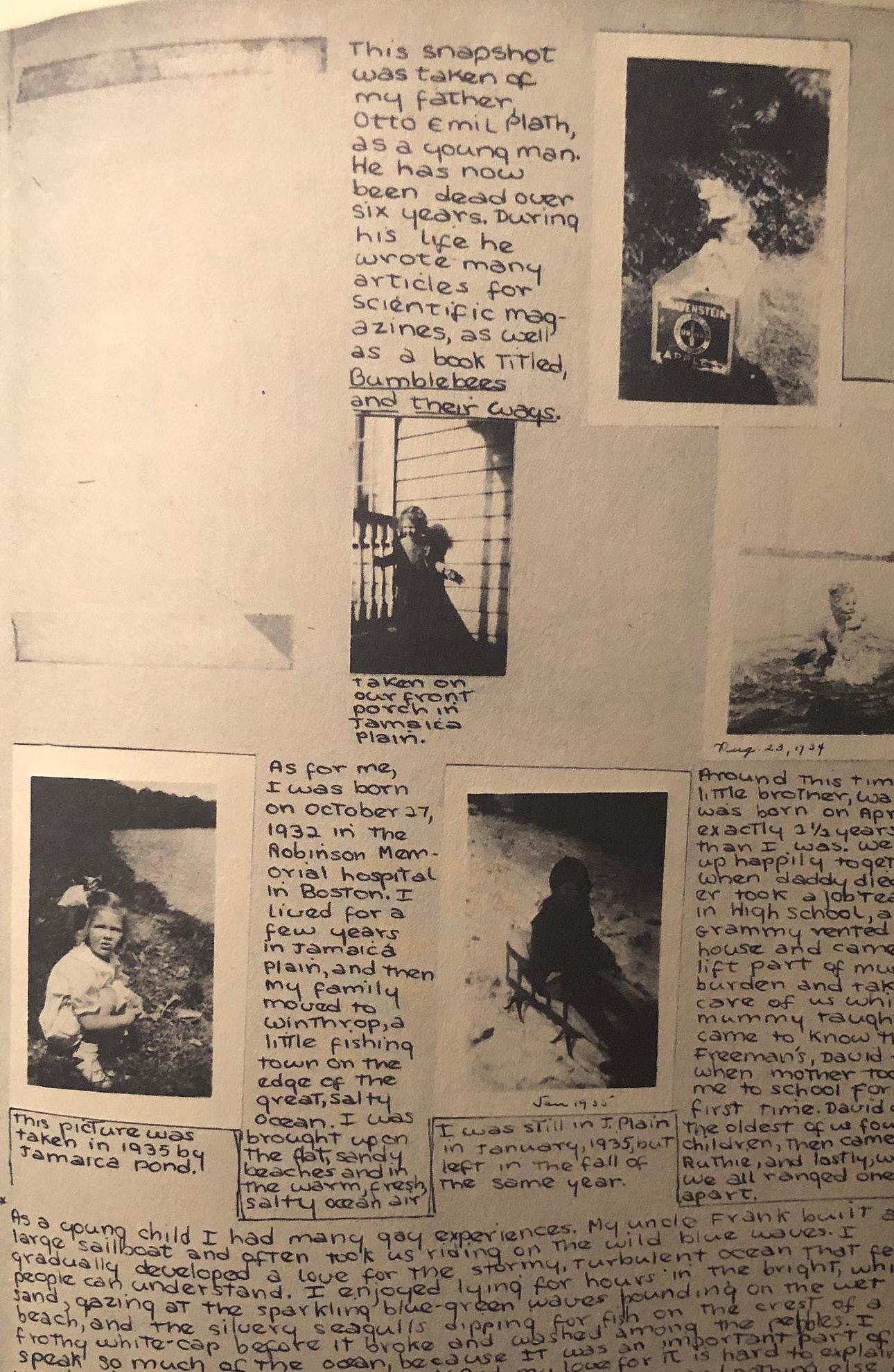
JOURNALS OF SYLVIA PLATH 1947-1963 PHOTOS FROM HTTPS:// JILLIANHESS. SUBSTACK.COM
–SYLVIA PLATH
STINGS
BY SYLVIA PLATH
Bare-handed, I hand the combs.

The man in white smiles, bare-handed, Our cheesecloth gauntlets neat and sweet, The throats of our wrists brave lilies.
He and I
Have a thousand clean cells between us,
Eight combs of yellow cups, And the hive itself a teacup, White with pink flowers on it, With excessive love I enameled it
Thinking ‘Sweetness, sweetness.’
Brood cells gray as the fossils of shells
Terrify me, they seem so old.
What am I buying, wormy mahogany?
Is there any queen at all in it?
If there is, she is old,
Her wings torn shawls, her long body
Rubbed of its plush ——
Poor and bare and unqueenly and even shameful.
I stand in a column
Of winged, unmiraculous women, Honey-drudgers.
I am no drudge
Though for years I have eaten dust
And dried plates with my dense hair.

And seen my strangeness evaporate, Blue dew from dangerous skin. Will they hate me,
These women who only scurry, Whose news is the open cherry, the open clover?
It is almost over.
I am in control.
Here is my honey-machine, It will work without thinking, Opening, in spring, like an industrious virgin

To scour the creaming crests
As the moon, for its ivory powders, scours the sea. A third person is watching.
He has nothing to do with the bee-seller or with me. Now he is gone
In eight great bounds, a great scapegoat. Here is his slipper, here is another, And here the square of white linen
He wore instead of a hat.
He was sweet,
The sweat of his efforts a rain
Tugging the world to fruit.
The bees found him out, Molding onto his lips like lies, Complicating his features.

They thought death was worth it, but I Have a self to recover, a queen. Is she dead, is she sleeping?
Where has she been, With her lion-red body, her wings of glass?
Now she is flying
More terrible than she ever was, red
Scar in the sky, red comet
Over the engine that killed her ——
The mausoleum, the wax house.



ACTIVITY: BLUE RABBITS,GREEN BABIES, YELLOW GRAPES
BY BRIAN ALLMAN, GEFFEN PLAYHOUSE DIRECTOR OF EDUCATION
Artists have the ability to evoke different feelings and emotions in their audiences just by the colors that they use. Sylvia Plath used sharp, surprising color imagery in many of her works. In her poem “Stings”, Plath associates different colors to various objects, including: Yellow Cups, Pink Flowers, Brood Cells Gray, Blue Dew, Ivory Powders, White Linen, Lion-Red Body, Red Scar, Red Comet. Plath actually uses the color red in nineteen of her poems in Ariel — a series published posthumously in 1965, two years after her death.
SCAN THE QR CODE BELOW to read about the symbolism of colors in art from the Milan
ACTIVITY TIME: Up to 30 minutes. Scan the QR Code to the right to read about color symbolism. Choose 5 bold colors and 5 everyday objects, and write them below. Next, decide on a topic that you will write about; family; school; work; vacation; or justice, etc. Then, on a blank page or in your journal, write a short poem (10-20 lines) using at least three unexpected color-object pairings, Plath-style, from your lists below. Example: “a yellow silence,” “blue footsteps,” “pink streets”.


Title of your poem:

SCAN THE QR CODE TO THE RIGHT to hear Sylvia Plath Read 18 Poems From Her Final Collection, Ariel, in a 1962 recording from OpenCulture.com.


SCAN THE QR CODE TO THE RIGHT to visit an Instagram post and hear Sylvia Plath talk about Sylvia Plath talks about poetry; her favourite sounds and how a poem should be read from an interview in 1958.
BONUS ACTIVITY: Read Sylvia’s poem “Stings” on the opposite page or choose one of her other poems on Poetry Foundation: https://www.poetryfoundation.org/poets/sylvia-plath . Either solo, in pairs, small groups or a large group discussion, read the poem aloud and begin to analyze the poem using “RAPPER”: Rhyme, Attitude, Pictures, Patterns, Experiences, Reflection ( described below ).


Rhyme: Discuss patterned rhyme schemes or the absence thereof. Why has the poet chosen to rhyme or not? Attitude: Identify the poet’s attitude or tone toward the subject matter. How is this conveyed through language? Pictures: Visualize the imagery. What do you see, smell, hear, taste or feel? Patterns: Delve into the beat, flow, and meter (or stress pattern). How do these contribute to the poem’s meaning and effect? Experiences: Relate the poem to the poet’s life or historical context. What might the poet’s experiences bring to the texts? Reflection: Relate the poem to your own life or current context. How does the poem connect to yourself, another text, or the world? What feelings does the poem evoke in you as the reader?
Art Institute.
THE MELANCHOLIC LIFE & QUESTIONABLE DEATH OF
BY BRIAN ALLMAN, GEFFEN PLAYHOUSE DIRECTOR OF EDUCATION
Sylvia Plath was born on October 27th, 1932, in Boston Massachusetts. She was the oldest daughter of a German immigrant Professor of Biology, Otto, and one of his students. Otto Plath died when Sylvia was just eight years old, a traumatic event that influenced her later writings, and even inspiring pieces like “Daddy”, which René Ostberg states, “‘Daddy’ in particular became a hallmark of confessional poetry, which is characterized by poems that are self-revelatory and often deeply personal, written from the perspective of ‘I’ (the author), rather than an omniscient or unidentified speaker or a persona.” (Ostberg, 2019).
Plath published her first poem at the age of eight. She sold her first poem while in high school. On a scholarship, she attended college and continued her writing, while also dealing with American Womanhood in the 1950s. Plath both met and married Ted Hughes, in 1956. Over the next few years, both Plath & Hughes would write, teach, and publish. In 1960 her first collection of poems appeared as The Colossus . In January of 1963, Plath’s most famous work, and only novel, The Bell Jar , was published under the pseudonym Victoria Lucas. As Anna Lapp put it: “Anonymity disguises information. For authors, disguised or changed names shrouds their circumstance and background. Pseudonyms, or pen names, have been famously used to disguise one’s identity. The word’s origin — pseudṓnymon — means “false name”. The nom de plume allows authors to conduct themselves without judgment attached to their name. Due to an author’s sex, personal livelihood, privacy, or a combination of the three, the pen name achieves agency through its protection.” (Lapp, 2015).
Although Plath never had an opportunity to enjoy the fruits of her success, her audience’s reactions, or how her work helped galvanize 2nd Wave Feminists to take ac -
claim that Sylvia Plath did not end her own life in February of 1963, but rather, was the victim of domestic violence under the hands of Ted Hughes. Some have openly accused Hughes of murder. In the seventies and early eighties, Hughes was harassed during poetry readings, even threatened to be killed. When Ted Hughes had “Sylvia Plath Hughes” carved into her gravestone, the ‘Hughes’ was repeatedly chipped away by others who opposed the association. Even today, the tombstone is vandalized. (Pickles, 2021).
When investigators look at motives in violent crimes, three of the most common reasons are: Extreme Stress, Emotional Turmoil, and Psychological Distress. (Simplyforensic, 2023). In the case of Sylvia Plath and Ted Hughes, all were present: he was involved with another woman, and Slyvia’s attempt to end the marriage with Ted would have created significant financial consequences for him. ( Did Ted Hughes Kill Sylvia Plath? , 2024).
There was also a documented pattern of violence. In 2017, previously unseen letters were uncovered, claiming that Hughes abused Plath and beat her just two days before her miscarriage. (Pickles, 2021) During their relationship, Hughes had physically assaulted Plath. (Edmund, 2025). Criminal profilers often flag these types of actions as a serious predictor of future lethal behavior. ( Did Ted Hughes Kill Sylvia Plath? , 2024).
I WAIT AND ACHE. I THINK I HAVE BEEN HEALING. THERE IS A GREAT DEAL ELSE TO DO. MY HANDS CAN STITCH LACE NEATLY ON TO THIS MATERIAL. MY HUSBAND CAN TURN AND TURN THE PAGES OF A BOOK. AND SO WE ARE AT HOME TOGETHER, AFTER HOURS. IT IS ONLY TIME THAT WEIGHS UPON OUR HANDS. IT IS ONLY TIME, AND THAT IS NOT MATERIAL.
-SYLVIA PLATH, “ THREE WOMEN: A POEM FOR THREE VOICES ”
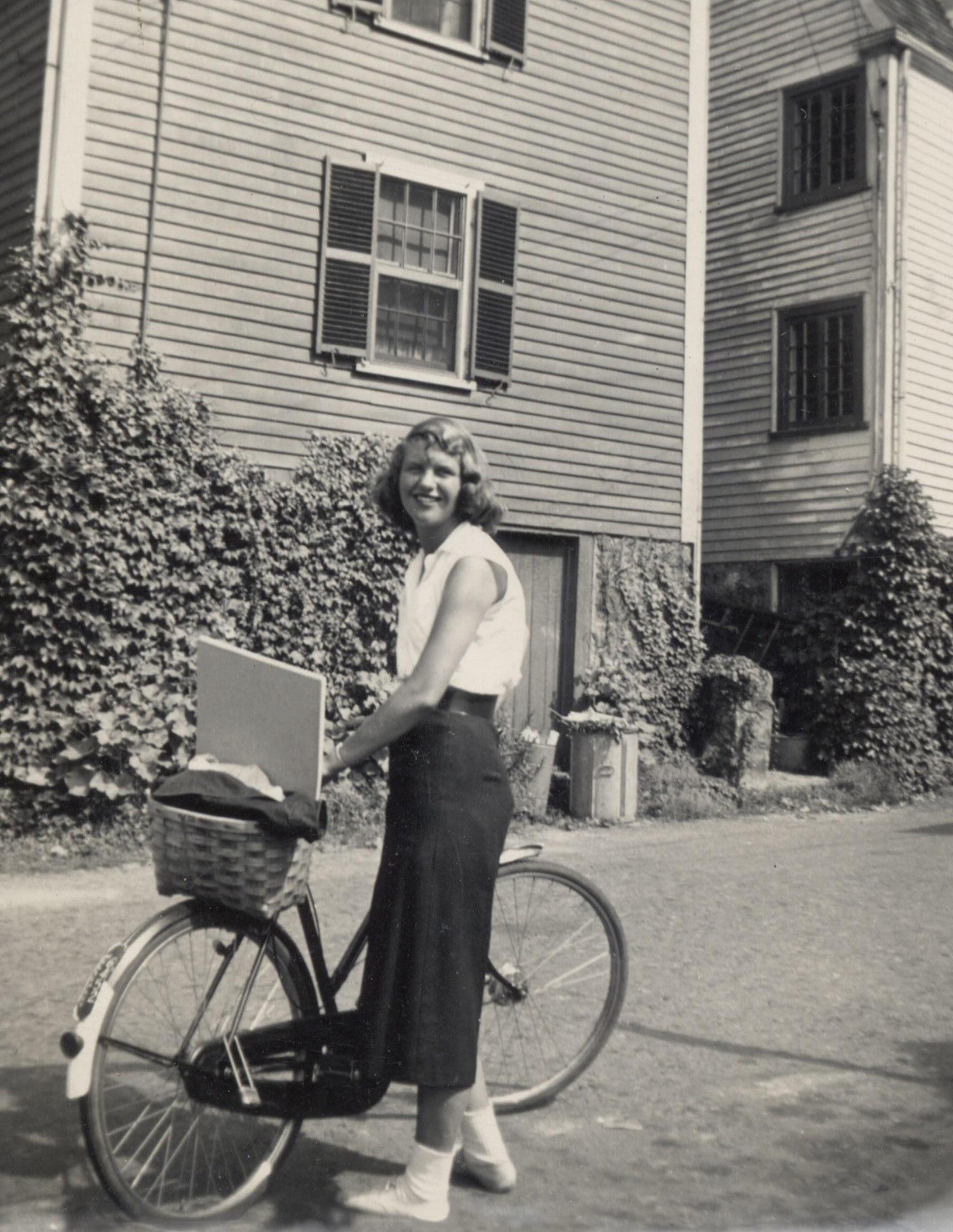
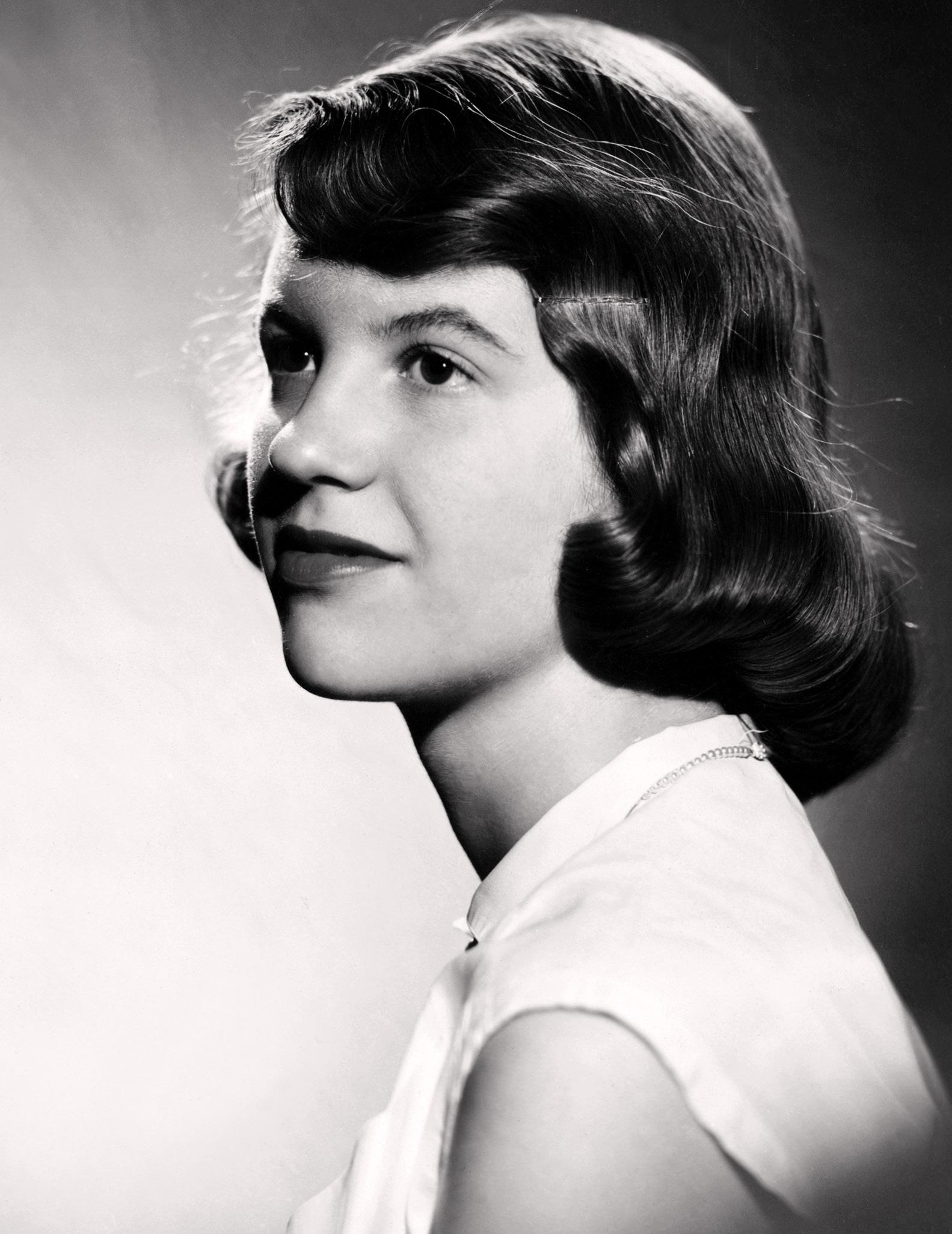
STUDIO PHOTOGRAPH OF SYLVIA PLATH (WITH BROWN HAIR), BY WARREN KAY VANTINE, 1954 MORTIMER RARE BOOK COLLECTION, SMITH COLLEGE, NORTHAMPTON, MASSACHUSETTS. ©ESTATE OF SYLVIA PLATH
When investigators hit a dead end in their case, they often turn to forensic psychologists to analyze the clues and build a psychological portrait of the offender. These profiles shed light on the individual’s mindset, motives, and likely behavior patterns. By outlining these traits, psychologists can help police anticipate what the person might do next and focus their search more effectively. ( Simplyforensic , 2023).
The woman Ted Hughes became involved with after before Sylvia’s death, Assia Wevill, also died in an oddly similar manner. She also apparently killed herself by consuming sleeping pills and placing her head in a gas oven. Unlike Sylvia, Assia took the life of her and Ted’s child. In a letter to her physician, Assia expressed fear that Ted might even be trying to kill her. ( Farr , 2007).
There were other disturbing signs as well. In Sylvia’s Unabridged Journals, she describes finding an injured bird during a walk. She had hoped to heal it, but when its condition worsened, Sylvia claims Ted ended its life by putting it in a box and killing it with gas. ( Did Ted Hughes Kill Sylvia Plath? , 2024).
THEMES & TOPICS “ ”
There were also some claims that Sylvia had been preparing to leave Ted. Statistics show that the majority of women killed by abusive partners are murdered during the period when they attempt to separate. Of the estimated 4,970 female victims of murder and nonnegligent manslaughter in 2021, data reported by law enforcement agencies indicate that 34% were killed by an intimate partner. ( Smith , 2022)
Thinking about the possibility that Sylvia was killed by her husband Ted Hughes — and that he faced no consequences — is deeply unsettling to many. Unfortunately, concepts like domestic violence and forensic sciences were not as understood or as accepted, as they are today. With time, we may learn the truth about what happened so long ago between Ted Hughes and Slyvia Plath. Ultimately, it’s Plath’s writing that continues to resonate, inspire, and be taught in American high schools.
SCAN THE QR CODE TO THE RIGHT TO READ “UNSEEN SYLVIA PLATH LETTERS CLAIM DOMESTIC ABUSE BY TED HUGHES” PUBLISHED BY THEGUARDIAN.COM IN 2017.

WORDS MATTER
Learning how to talk about suicide in a hopeful, respectful way has an impact. The topic of suicide should be approached with care and compassion. Whether we are engaging in a dialogue, talking to someone with lived experience or writing about the issue in a professional setting, being mindful of our language. As our knowledge and understanding of suicide evolves, the way we talk about it must evolve as well.
To help you be more conscious of your own language SCAN THE QR CODE TO THE RIGHT TO READ A GUIDE FROM THE CENTER FOR ADDICTION AND MENTAL HEALTH. this guide will show you how to avoid reinforcing the stigma that prevents people from seeking help when they need it most.

For example, we can start by how we refer to suicide itself. When discussing Sylvia Plath we can refrain from saying “Sylvia Plath committed suicide” and instead use “Sylva died by suicide” or “Sylvia lost her life to suicide.”
The unfortunate reality is that many stigmatizing phrases and ways of talking about suicide have been ingrained into our vocabulary. Using neutral phrasing like “died by suicide” helps strip away the shame/blame element, and works towards a more compassionate and understanding dialogue.
If you or someone you know is in crisis or thinking about self-harm or suicide, there is help available. Call or text 988 for the 988 Suicide & Crisis Lifeline.
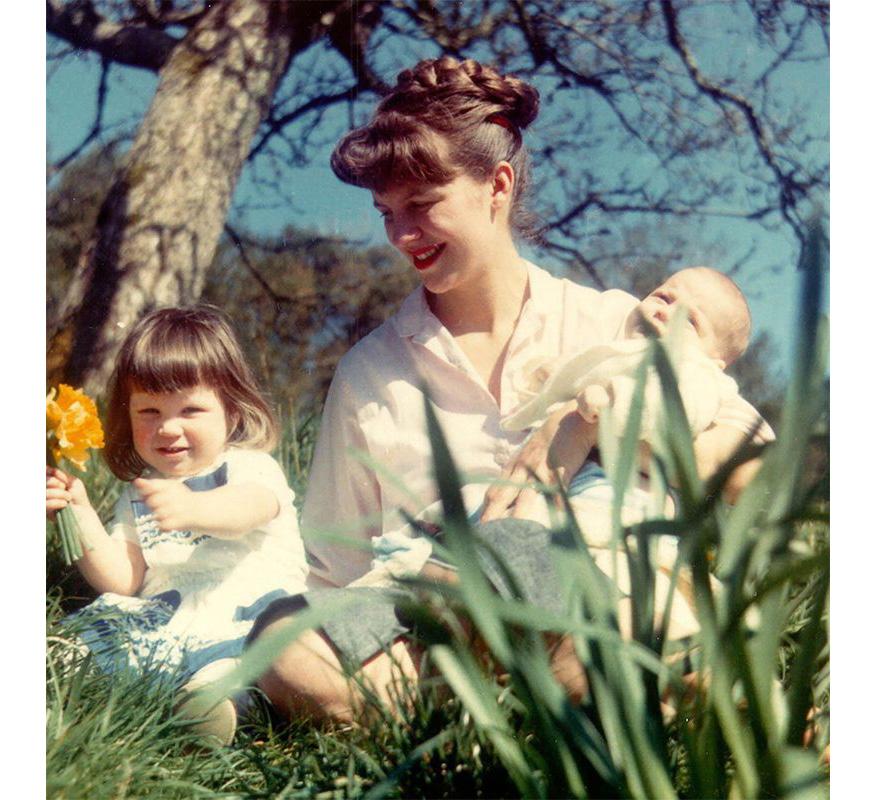
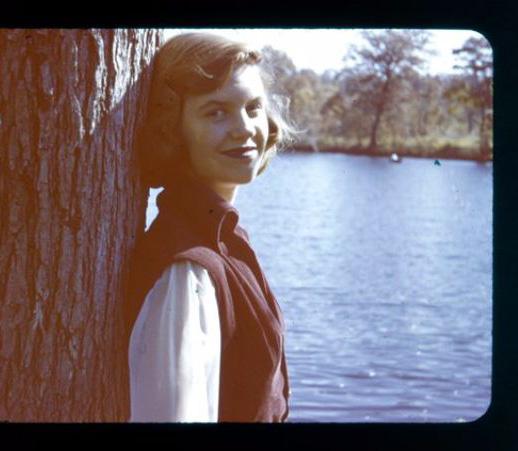
TOP PHOTO: YLVIA PLATH WITH FRIEDA AND NICHOLAS, COURT GREEN, BY SIV ARB, APRIL 1962 COURTESY WRITER PICTURES LTD.,BOTTOM PHOTO: SYLVIA PLATH IN 1953.
IN THE REHEARSAL ROOM...
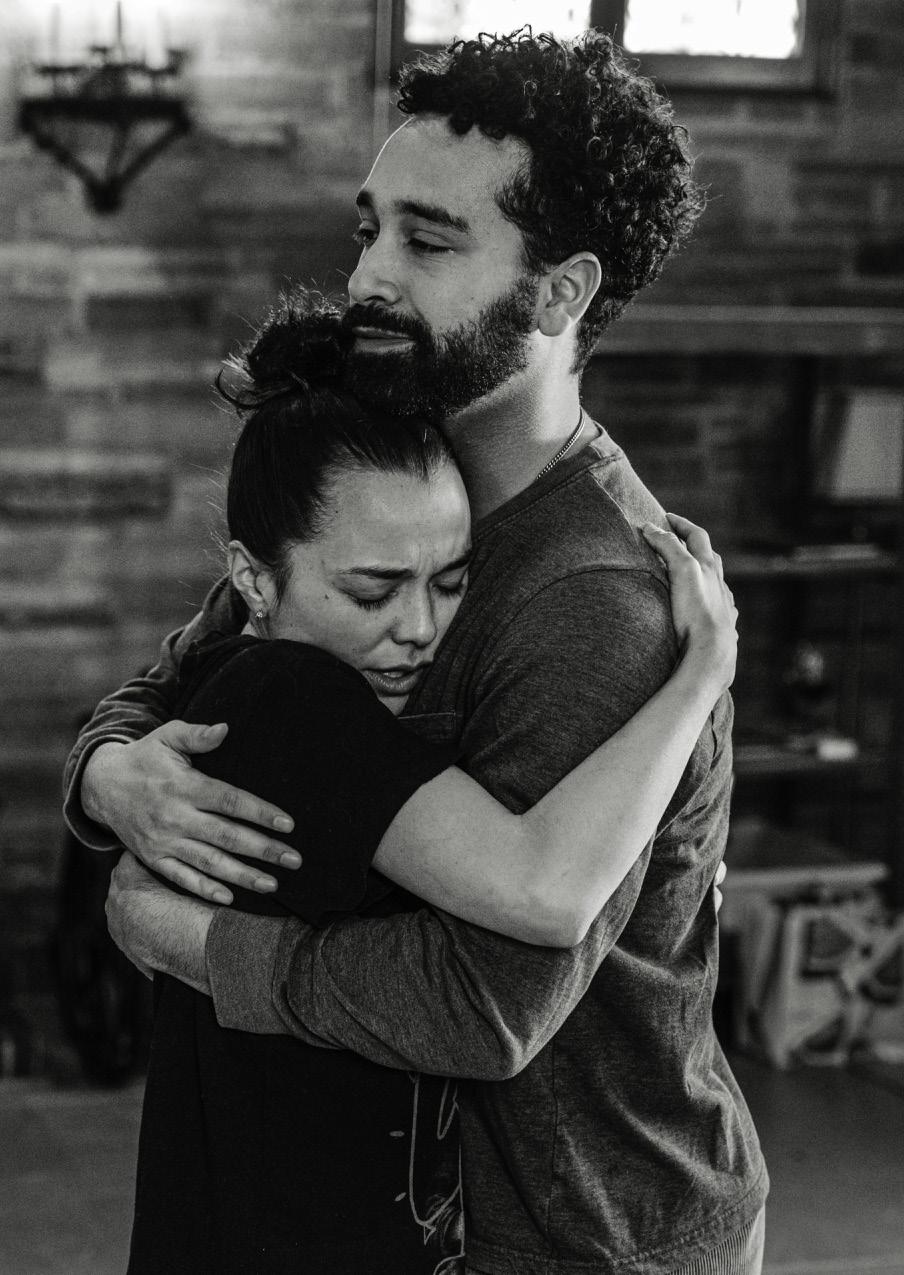
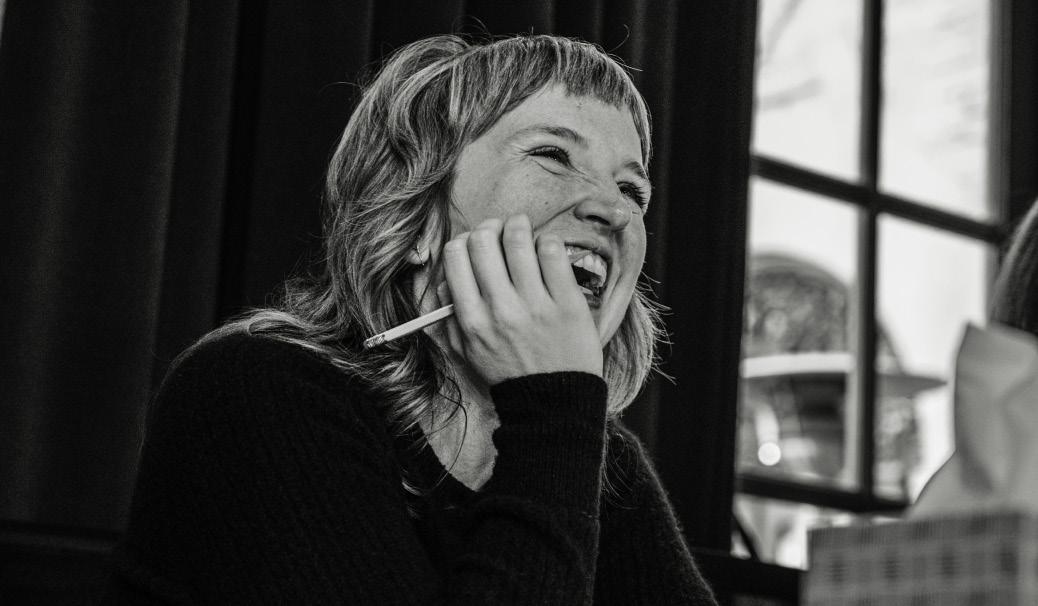
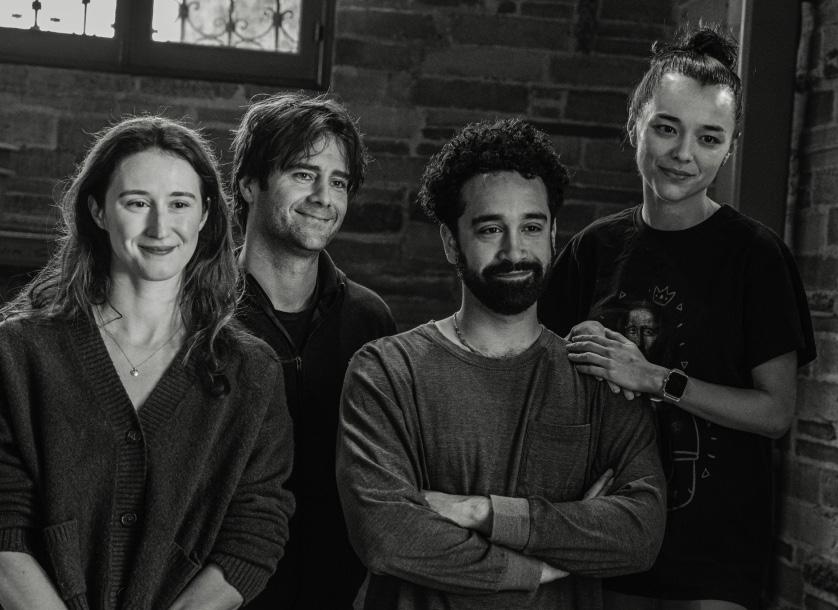

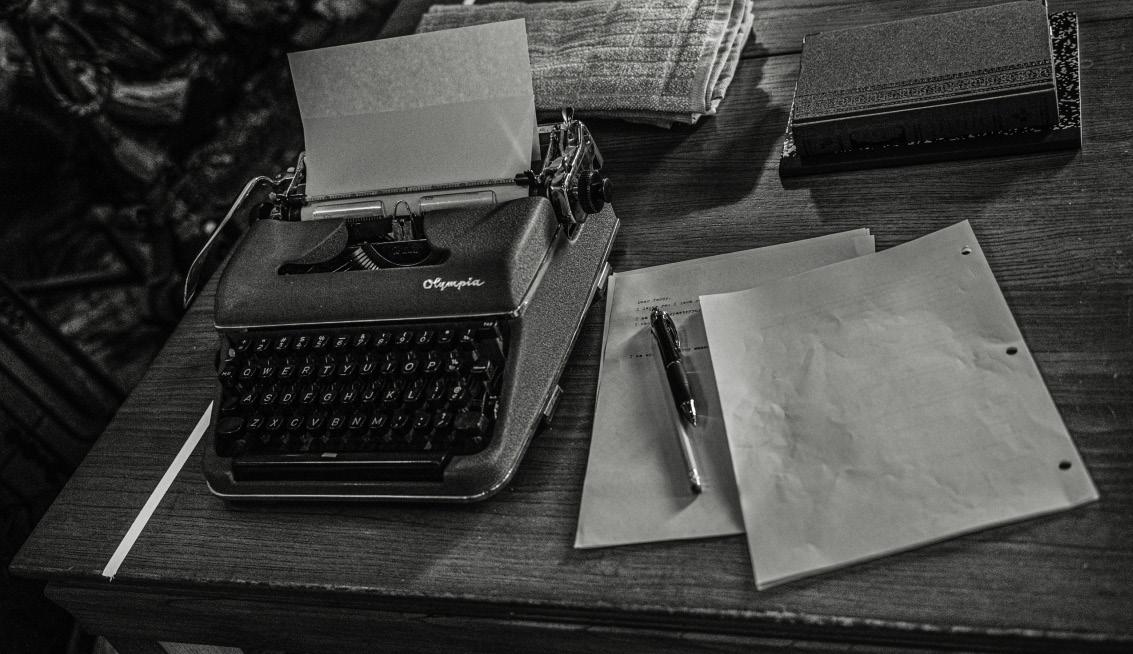
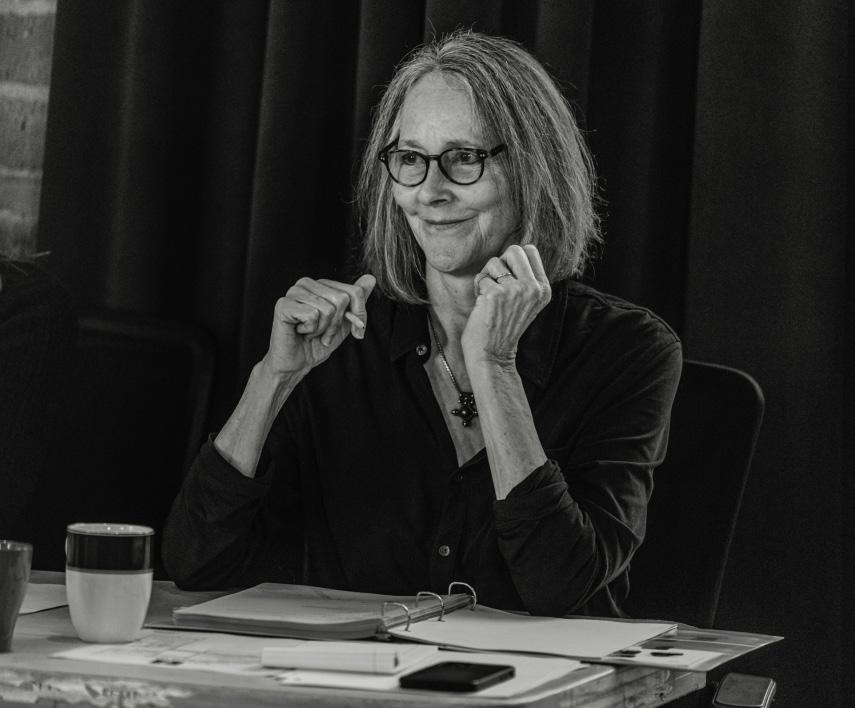
SYLVIA SYLVIA SYLVIA REHEARSAL PHOTOS- (CLOCKWISE )- L-R: MIDORI FRANCIS AND NOAH KEYISHIAN; A L-R: MARIANNA GAILUS, CILLIAN O’SULLIVAN, NOAH KEYISHIAN AND MIDORI FRANCIS; L-R: MARIANNA GAILUS AND CILLIAN O’SULLIVAN; DIRECTOR JO BONNEY; VARIOUS PROPS, PLAYWRIGHT BETH HYLAND PHOTOS BY JEFF LORCH.

THE MYTH OF THE
MAD ARTIST
GROUNDING THE CORRELATION BETWEEN MENTAL HEALTH AND ARTISTS
BY AJA HOUSTON, GEFFEN
The Myth of the “Mad” Artist and their creative genius traces back to the ancient Romans and Greeks. Philosopher Socrates’ view on mental health disorders and the artist was that it “is the channel by which we receive the greatest blessings.” Influential artists such as Van Gogh, Robin Williams, Virginia Woolf, and, of course, Sylvia Plath have often been romanticized in popular culture today, reinforcing the idea that a creator’s deeply personal work and creative genius are inherently tied to their tragic deaths.
These artists become heralded mythic figures in society who had to suffer for their art. However, the normalization of this cultural narrative can be harmful and only perpetuates the stigma surrounding mental health conditions.
In Beth Hyland’s new play SYLVIA SYLVIA SYLVIA , novelist Sally researches the famed writer Sylvia Plath, in search of creative inspiration from the poet’s life and work, her own experiences with mental health begin to parallel Plath’s as she grasps for greatness in her own work.
Hyland prompts the audience to engage in a more nuanced, thoughtful conversation about the interrelationship between mental health and the artist, putting aside reductive cultural and societal ideas about the matter. One that centers those individuals affected by mental health conditions.
Yes, there is some scientific truth to the myth. Research studies, such as Professor Kay Renfield, a psychiatrist and person with bipolar disorder, collated in her article for the Scientific American, confirm that artists and writers are up to 20 times more likely to suffer from bipolar disorder and 10 times more likely to suffer from unipolar or clinical depression. All of these conditions are strongly associated with suicide.
However, other scientific studies show there is no indication that having a mood disorder enhances one’s artistic ability. In fact, USC neuroscientist Antonio Damasio believes that “...although the experience of suffering that is a hallmark of mood disorders may well stimulate creative endeavors, especially in the arts…Major forms of psychopathology are rarely compatible with major creativity.”
So it raises the question of whether an artist must suffer mentally to create innovative work. Robert M. Bilder, the director of UCLA’s Big C Project, a 2019 study which investigated whether psychopathology is more common in artists whose rare talents have earned international renown, such as Plath, thinks that, “...the right question is, what is the nature of the relationship between creativity and emotional and psychological adjustment and well-being? Because I think it’s important to understand that both of these things occur on a spectrum.”
Failing to consider this spectrum reduces artists like Plath to generalized representations of mental illness, who are only defined by their tragic ends, which erases the complexity of their personhood and lived experience.
There are lived experiences in which creative expression can also help people process and explore the challenging emotions associated with their conditions. Plath believed writing was a necessity for her well-being, a sentiment echoed by Sally in the play. “I am good. This always happens. If I’m writing, everything is fine. - Sally, SYLVIA SYLVIA SYLVIA.
GETTING AWAY FROM GENERALITY
Mental health encompasses a wide and varied range of experiences and conditions, each manifesting differently across individuals. Therefore, discussions of mental health conditions should be specific and not reduced to a generalized category of mental illness. According to the NIH (National Library of Medicine) A mental illness can be defined as “a health condition that changes a person’s thinking, feelings, or behavior (or all three) and that causes the person distress and difficulty in functioning. Each illness alters a person’s thoughts, feelings, and/or behaviors in distinct ways.”
It is not possible to formally diagnose Plath more than sixty years after her death, particularly given that she lived in an era marked by experimental and frequently misapplied mental health treatments, disproportionately administered to women.
“
I HAVE BEEN, AND AM, BATTLING DEPRESSION. IT IS AS IF MY LIFE WERE MAGICALLY RUN BY TWO ELECTRIC CURRENTS: JOYOUS POSITIVE AND DESPAIRING NEGATIVE, WHICH EVER IS RUNNING AT THE MOMENT DOMINATES MY LIFE, FLOODS IT.
– SYLVIA PLATH IN HER JOURNAL, JUNE 20, 1958
However, descriptions of her mental health in her journals and other writings share similarities with Bipolar I disorder. The condition is marked by periods of intense highs, which can manifest in manic episodes, euphoria, and productivity. These are followed by immense lows, which can result in feelings of hopelessness, paralysis, and exhaustion. Although Sally’s diagnosis is never explicitly stated in the play, she also exhibits Bipolar I characteristics throughout.
THE LAYERED IDENTITY AND LIFE OF AN ARTIST
For both Plath and Sally being an artists are part of their identity, not merely a career. Their mental health conditions are also a part of their identity, and the sometimes unstable lifestyle of an artist can both negatively and positively affect their conditions.
Through Sally and her husband, a writer as well, Hyland deftly depicts the modern challenges of being a working artist. We witness the implicit competition between the couple, the emotional toll of reviewers’ professional criticism, high expectations for productivity, financial instability, and societal pressures.
“
I’VE GOTTEN NOWHERE WITH MY WRITING, I’M A NOBODYAND THIS IS GOING TO SWALLOW ME UP, I’LL JUST BE ANOTHER HOUSEWIFE PUSHING SHOPPING CARTS AND CHEWING MY CUD AS I LIE AWAKE AT NIGHT.
– SYLVIA, SYLVIA SYLVIA SYLVIA
The central societal pressure that Hyland unpacks in her play is the importance and prioritization of motherhood. In the 1950s, women’s artistic pursuits were dismissed as trivial when compared to the expected demands of homemaking and motherhood. Plath feared that these priorities would crowd out her artistic ambitions, an apprehension shared by Sally in 2026. It is the grappling with these issues that influences their work.
Amy Rosenthal, L.C.S.W., clinical director at Creatives Care, a nonprofit organization in New York City that provides free services to help artists access mental health care, asserts that the artist’s work matters in treatment. She states that, “It often defines their life structure and choices, with significant implications for their living arrangements and relationships, and many artists use their personal and life experiences to inform the types of artistic work they do.
THE VALUE OF CREATIVITY AND MENTAL HEALTH
In our conversation about the interrelationship between mental health and creativity, let us explore the ways each adds value to the other. Creatives Care clinical director, Amy Rosenthal, L.C.S.W., holds that it’s “more productive to focus on the value that creative engagement can bring to support our mental health.”
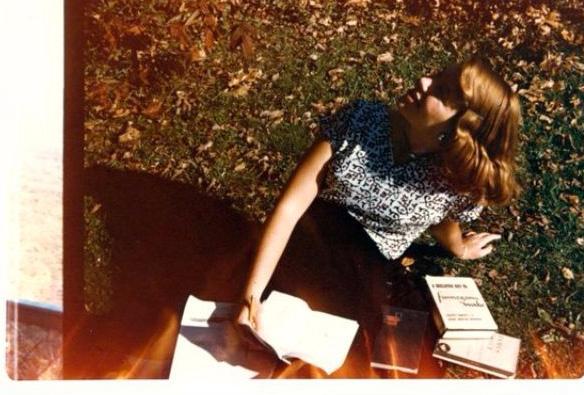
This idea is supported by a 2024 study published on the Frontiers of Public Health website that explored the self-perceived relationships between experiences of creativity and mental illness, seeking to understand the meanings behind these connections.
In the study, in-depth interviews were conducted with twenty-four professional and semi-professional artists with self-reported experience with mental illness. The lofty notion of artist inspiration was discussed with the participants, most of whom didn’t perceive it as anexceptional or special quality. It is more something that comes from a “natural tendency to constantly process information and actively make connections.” Most of the study’s participants mentioned that although their illness comes with involuntary and threatening experiences, they do not see it as solely negative. The art they create can, in fact, help them learn to respond to and understand their struggles and ultimately their mental illness is “something that can add value.”
Suffering is not a prerequisite for creating innovative art or art as a whole. There are artists who engage in art in a healthy way, using it to support their mental health. It is helpful to dispel the stigma by seeking to understand rather than judging or assuming based on limited knowledge.
“ I THINK IT’S HEALING TO ACCESS DIFFERENT WAYS OF THINKING TO UNDERSTAND OUR WORLD AND THE WORLD OF OTHERS.
I THINK THERE IS A BIDIRECTIONAL RELATIONSHIP, WHERE OUR EMOTIONAL EXPERIENCE CAN SHAPE OUR CREATIVE THINKING AND OUR CREATIVE THINKING CAN ALSO SHAPE OUR EMOTIONAL EXPERIENCE.”
– KENDRA
KNUDSE N, FOUNDER OF THE CREATIVEMINDS PROJECT IN PARTNERSHIP, UCLA
All content within this article is provided for general information only, and should not be treated as a substitute for the medical advice of your own doctor or any other health care professional. The Geffen Playhou se is not responsible or liable for any diagnosis made by a user based on the content of this site. Always consult your own medical professi onal if you're in any way concerned about your health.


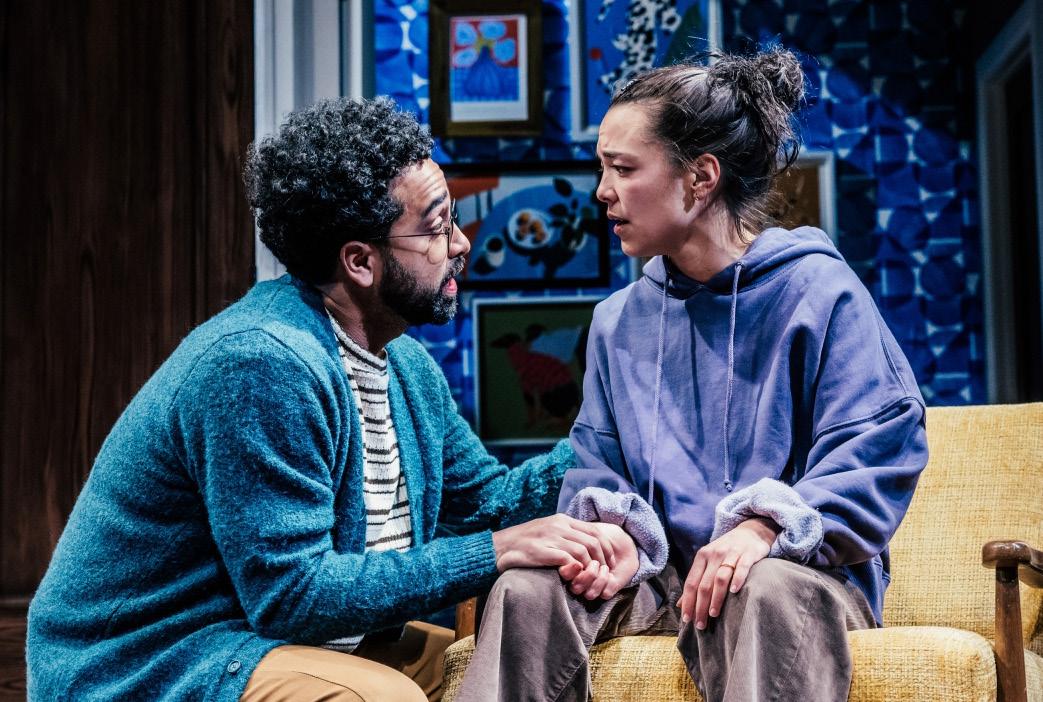
L-R: NOAH KEYISHIAN & MIDORI FRANCIS AS THEO & SALLY IN SYLVIA SLVIA SYLVIA PHOTO BY JEFF LORCH.

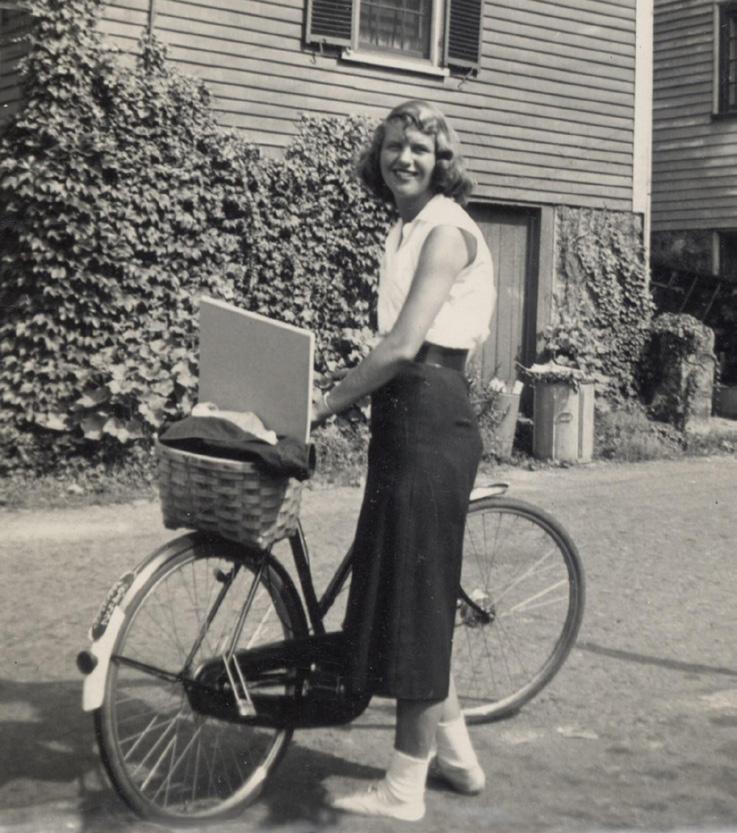
... LOOK AT SYLVIA! PEOPLE PROJECT SO MUCH SHIT ON HER. THEY SEE HER PICTURE AND THEY KNOW SHE DIED AND THEY ASSUME SHE WAS LIKE THIS MOPEY GLAMAZON ICE QUEEN AND SHE WASN’T, AT ALL! SHE WAS SO FUNNY. BUT WHEN I SAY THAT, PEOPLE ACT LIKE I’M INSANE.
– SALLY, SYLVIA SYLVIA SYLVIA
SCAN THE QR CODE TO THE RIGHT TO READ “THE WHIMSICAL, CHAMELEON-LIKE FIGURE BEHIND THE MYTH OF SYLVIA PLATH” FROM SMITHSONIANMAG. COM WHERE WRITER MEILAN SOLLY DISCUSSES SYLVIA’S HUMOROUS & WHIMSICAL SIDE.

SCAN THE QR CODE TO THE RIGHT to see 25 questions to explore mental health. You can use these questions to connect with students and better understand how they are doing mentally and emotionally. A mental health check-in is a simple way to both build relationships with your students and to take some time to talk to them about their mental wellness. Remember that these can be vulnerable questions and offer that answering these questions is voluntary and anyone can choose to not share.

SCAN THE QR CODE TO THE LEFT TO WATCH “THE INTERSECTION OF MENTAL HEALTH & THE ARTS“ FROM DECONSTRUCTING STIGMA WITH LESLIE CHIHULY, PRESIDENT AND CHIEF EXECUTIVE OFFICER TO REDUCE THE STIGMA OF MENTAL HEALTH.
SCAN THE QR CODE TO THE LEFT TO READ “MADNESS IN A HISTORICAL PERSPECTIVE” FROM THE NATIONAL LIBRARY OF MEDICINE . SOMEONE BEING “MAD” IS AN UNOFFICIAL, NOT TECHNICAL, AND ANTIQUATED TERM TO REFER TO PSYCHOSIS OR MENTAL ILLNESS. STEMMING FROM THE EARLY 1900S.

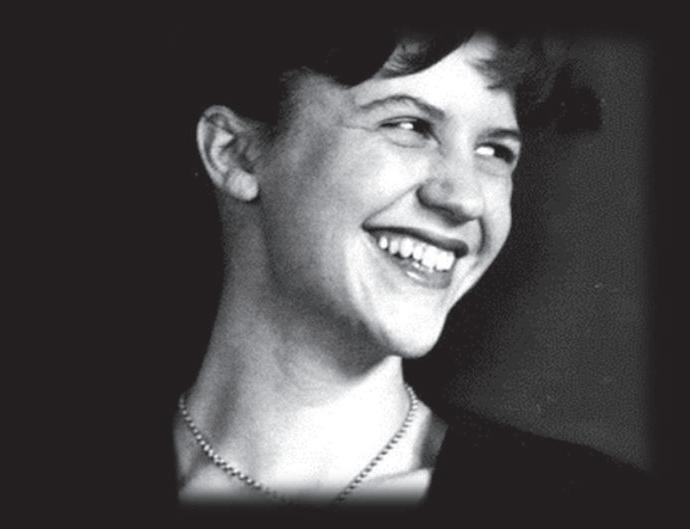
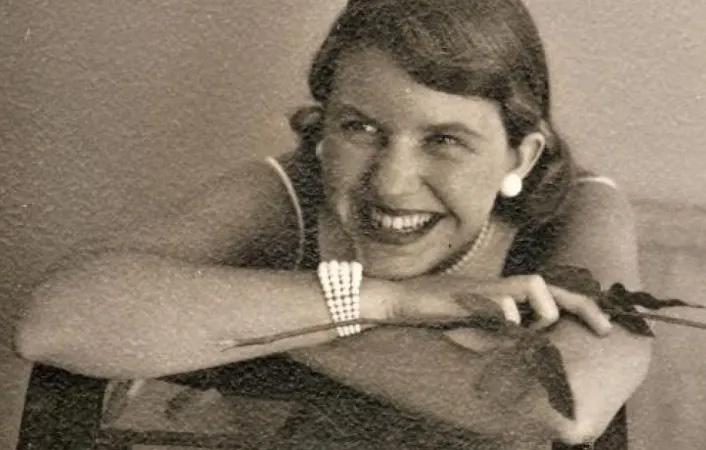


SCAN THE QR CODE TO THE LEFT TO WATCH THE BBC DOCUMENTARY “SYLVIA PLATH: INSIDE THE BELL JAR”, BRINGING TO LIFE THAT ‘QUEER SULTRY SUMMER’ OF 1953, “SYLVIA PLATH: INSIDE THE BELL JAR” IS THE FIRST
FILM TO UNRAVEL THE STORY BEHIND HER SEMINAL NOVEL, THE BEL JAR . THE FICTIONAL STORY CAPTURES THE STRUGGLES OF AN AMBITIOUS YOUNG WOMAN’S ATTEMPTS TO DEAL WITH THE CONSTRAINTS OF 1950S AMERICA. AS THE BRIGHT LIGHTS OF NEW YORK DIM, HER THOUGHTS TURN TO DEPRESSION AND ATTEMPTED SUICIDE.
THE DOCIMENTARY FILM WEAVES THE AUTOBIOGRAPHIC NARRATIVE OF THE BOOK WITH THE TESTIMONY OF HER FRIENDS AND HER DAUGHTER, FRIEDA HUGHES, SOME SPEAKING FOR THE FIRST TIME.

SEE A LIST OF 20 SONGS INSPIRED BY SYLVIA PLATH (A MIXTAPE) FROM MUSICFORANTS.COM.
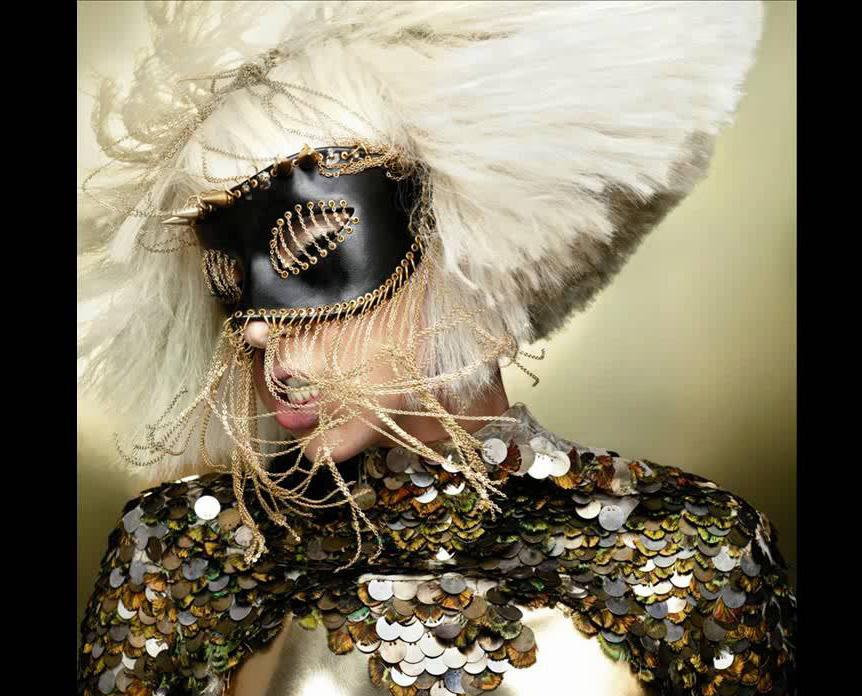
SCAN THE QR CODE BELOW TO WATCH LADY GAGA PERFORM “DANCE IN THE DARK” (LIVE THE MAYHEM BALL AT ACCOR ARENA, PARIS 22/11/2025) ON YOUTUBE. THE SONG REFERENCES PLATH ALONG WITH OTHER ARTISTS SUCH AS MARILYN MONROE, JUDY GARLAND, PRINCESS DIANA, AND OTHER ARTISTS.



POST-SHOW DISCUSSION QUESTIONS
Depending on the time available and your participants’ interests, guide them to respond to the suggested questions below. Encourage everyone to participate, and respect differing opinions. Individuals can share their thoughts with a partner, in a small group, as part of a bigger group discussion, or as written responses.
• What are some images and moments from the production that stood out or resonated with you? What was meaningful, stimulating, surprising, evocative, memorable, interesting, exciting, striking, touching, challenging, compelling, delightful, different, or unique?
• Overall, how did you feel while watching this show? Engaged? Amused? Inspired? Provoked?
Uncomfortable? What made you feel this way?
• Did you identify or empathize with any of the characters in the play? If so, which character(s) and when? If not, why not? Which characters remind you of someone in your life? How familiar are you with Sylvia Plath, Ted Hughes, or other famous and influential poets?
• How did the actors’ performances influence your understanding or experience of the story??
• Which artists inspire you? If you could meet an artist(living or dead), who would you want to talk to and why? What would you ask them?
• How do you feel about Theo using personal things from his marriage as material for his writing? Pick two people to defend both sides of the argument, debate style. Read “Two Writers Fell in Love, Married, Then Divorced. Who Gets the Story?” by Hannah Pittard for the New York Times: https://tinyurl. com/3scwt3c5 for further discussion.
• Describe the design elements from the show: set, props, costumes, music. Be specific as possible: what did you see, hear, feel and experience? How do these design elements inform the storytelling and how do they make you feel as an audience member?
• The play is set in the same place but in two different periods. What was similar or different in the way the play portrayed 1958 and present day? If you were to write a play, what location would you choose about the same place seen from two different perspectives?
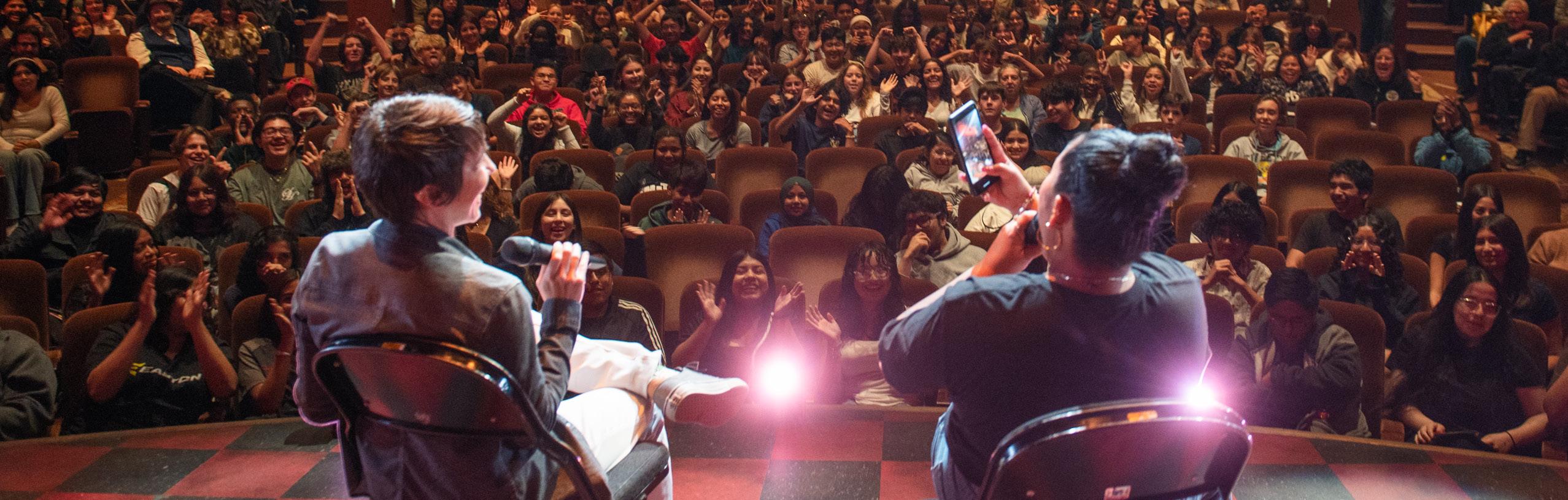
TARA RICASA AND SARA PORKALOB AND STUDENTS AT THE STUDENT MATINEE OF DRAGON LADY AT GEFFEN PLAYHOUSE PHOTO BY ISAAK BERLINER
ADDITIONAL RESOURCES
BAKE SYLVIA PLATH’S “DAMN-GOOD” LEMON MERINGUE PIE and more with these recipes from The Paris Review https://www.theparisreview.org/blog/2018/01/05/cooking-sylvia-plath/
BUILD YOUR MINDFULNESS PRACTICE and watch this inspirational look at the benefits of mindfulness from PBS featuring leading experts at https://tinyurl.com/42s9hdyj.
CALL the National Drug Hotline at 1-844-289-0879 if you or a family member needs help.
CHECK OUT 12 Graphic Novels for Young Adults about Mental Health from Edutopia at https://tinyurl. com/4acjjzej.
DISCOVER more about Sylvia Plath at faber.co.uk https://tinyurl.com/4bj289de
EXPLORE The Ultimate List of the Best Writing Podcasts from SheWrites.com at https://tinyurl.com/ yt9y9bx3
FIND more information about Ted Hughes at https://tinyurl.com/58b33tj7
IMMERSE yourself in poetry at www.poetryfoundation.org
LEARN about different types of Poetic forms at https://tinyurl.com/4pwf3efd
LISTEN TO the recording to hear Sylvia & Ted talk about their relationship at https://tinyurl.com/v6588kvt
TEXT or CALL “988” nationwide to connect directly to the Suicide & Crisis Lifeline.
UNCOVER the mysteries of the “Ouija Board: The Mysterious Origins of a Cultural Obsession“ on YouTube from The Smithsonian Magazine at https://www.youtube.com/watch?v=F_zwRPZJyio
LEARN MORE ABOUT A CAREER IN THE ARTS
SCAN this QR code to watch videos from American Theatre Wing’s Masterclass series on different jobs in American Theater. Stage Managers, Wig Makers, Scenic Designers, Front of House staff, Marketing Directors and many other people work behind the scenes to bring a show to life! If you are interested in a career in the arts and work behind the scenes, learn more here. #theater #jobs #alifeinthearts #getintotheatre #americantheatrewing #career #behindthescenes
IF YOU LIKE THIS PLAY...
“
NO
MAN EVER STEPS IN THE SAME RIVER TWICE, FOR IT’S NOT THE SAME RIVER AND HE’S NOT THE SAME MAN.
HERACLITUS, GREEK PHILOSPHER, CIRCA 500 BCE
–
BY BRIAN ALLMAN, DIRECTOR OF EDUCATION & COMMUNITY ENGAGEMENT
The ancient Greek philosopher Heraclitus (circa 500 BCE) once wrote, “ No man ever steps in the same river twice, for it’s not the same river and he’s not the same man. ” This may seem like a simple concept to grasp, but it reminds us that change is an unavoidable part of life. Heraclitus uses the image of a river to show that everything in life is always in motion. Even if a river looks stationary, the water is constantly flowing. When someone steps into it again, they are not touching the same water as before. And just as importantly, the person stepping into the river has changed too. Time, experience, and growth have altered who they are, even in small ways. This idea connects closely to American writer Thomas Wolfe’s famous novel, You Can’t Go Home Again (Coincidentally, also published posthumously similarly to Plath’s Ariel ). Wolfe wasn’t saying that returning home is impossible, but that it will never feel the same or be the same. The place may look familiar, but the people, the atmosphere, and most importantly – you – have changed.
Both Heraclitus and Wolfe remind us that time reshapes everything. Trying to return to the past exactly as it was, can lead to disappointment, but it can also teach us something valuable. Growth means accepting that change is a major part of life. Instead of trying to capture what once was and who we may have been, we can learn to understand who we’ve become, and how the world continues to move forward, around us.
In SYLVIA SYLVIA SYLVIA , we see an apartment in the Beacon Hill neighborhood of Boston that was once rented by Sylvia Plath and Ted Hughes, in 1958, and then we find Sally & Theo in the same apartment – now an AirBnB – in present day.
Below are a few examples of films, books, TV shows, and plays that are set in the same location, but in two (or more) different time periods. Visit your local library to check out these stories! www.lapl.org/branches
BOOKS
One Hundred Years of Solitude by Gabriel García Márquez (1967)- Magical Realism, multi-generational story of the Buendía Family, set in the fictional town of Macondo, Colombia.
Cloud Atlas by David Mitchell (2004)- Six interconnected tales, each written in a unique style and told from a differing perspective, all echo and impact each other, from 1850s to a dystopian future
The Hours by Michael Cunningham (1998)- A tribute to Virgina Woolf’s 1925 work, Mrs. Dalloway, the nonlinear narrative is told through the perspective of three women, living in the 1920’s, 1950’s, & 2000’s.
Beloved by Toni Morrison (1987)- Morrison weaves a complex non-linear narrative structure, which continuously shifts between different time periods, blurring the boundaries between past and present. to tell a haunting and powerful story of slavery, trauma, and the search for identity. Narrative structure in Toni Morrison’s Beloved, characterized by its non-linear timeline, multiple perspectives, and fragmented storytelling, serves as a vehicle to explore the enduring legacy of slavery on both personal and collective levels. it meanders, with flashbacks and storytelling, through forty years, from the birth of Sethe in 1835 to the close of the novel in 1875. Most of the novel, however, takes place in 1873
TV SHOWS
This Is Us (2016-2022)- Explores multiple generations of families, often shifting between past & present Pittsburgh.
It: Welcome to Derry (2025)- A supernatural horror series exploring the lives of multiple characters, over the course of a century, existing in the fictional world of Derry, Maine.
THEMES & TOPICS
Mad Men (2007-2015)- A period drama, set in the 1960’s, looks nostalgically back at New York City and advertising companies, over the decade the reader of the importance of names and language.
FILMS
Past Lives (Dir. Celine Song, 2023)- A romantic drama taking place over 24 years, beginning in the present year of 2023, and then flashing back to 1999 onward, follows two childhood friends while they contemplate the nature of their relationship as they grow apart.
Groundhog Day (Dir. Harold Ramis, 1993)- A romantic fantasy about a man living the same day, in the same town, over the course of decades.
The Fountain (Dir. Darren Aronofsky, 2006)- A romantic sci-fi fantasy of three storylines of lovers bonded by love across space and time.
Here (Dir. Robert Zemeckis, 2024)- A nonlinear film using a locked-down or “static shot” technique where the story covers a single plot of land and its inhabitants, from the distant past to the 21st century.
The Lake House (Dir. Alejandro Agresti, 2006)- A fantasy romance about an architect living in 2004, and a doctor living in 2006, who meet via letters left in the mailbox of a lake house where they both lived at separate points in time.
PLAYS
Clybourne Park by Bruce Norris (2010)- Portrays fictional events set during and after Lorraine Hansberry’s A Raisin in the Sun, in the 1950’s & 2000’s in the same house.
Klüb, by Mitch Watson (1992)- An existential farce about a group of performers trapped backstage at a theater; a cross between No Exit, Six Characters in Search of an Author, and Waiting for Godot.
Constellations by Nick Payne (2012)- Different versions of the same relationship unfold in the same physical space, exploring how time and choice reshape meaning.
Sweat by Lynn Nottage (2015)- Taking place in a fictional bar in Pennsyl vania, time shifts show the same characters interacting at different times in history.
Time and the Conways by J. B. Priestley (1937)- A three-act period piece, showing a family with three sisters, over the course of 19 years, in the same house.
SOURCE: Wolfe, T. (2020). You can’t go home again. Otbebookpublishing.
RECOMMENDED READING: ON SYLVIA PLATH
COMPILED BY OLIVIA O’CONNOR, GEFFEN PLAYHOUSE LITERARY MANAGER AND DRAMATURG FOR SYLVIA

Sylvia Plath, Ariel: The Restored Edition
Sylvia Plath, Ariel
Sylvia Plath, The Colossus and Other Poems
Sylvia Plath, The Bell Jar
Sylvia Plath, Ed. Karen V. Kukil, The Unabridged Journals of Sylvia Plath
Ted Hughes, The Hawk in the Rain
Ted Hughes, Lupercal
Ted Hughes, Birthday Letters
Heather Clark, Red Comet
Jonathan Bate, Ted Hughes: The Unauthorised Life
Janet Malcolm, The Silent Woman
Emily Van Duyne, Loving Sylvia Plath
Diane Middlebrook, Her Husband: Ted Hughes & Sylvia Plath – A Marriage

Eric Maisel, PhD, The Van Gogh Blues
Robert Graves, The White Goddess
SYLVIA SYLVIA
POINT COUNTERPOINT
BY BRIAN ALLMAN, GEFFEN PLAYHOUSE DIRECTOR OF EDUCATION
In scene five of Beth Hyland’s SYLVIA SYLVIA SYLVIA, the characters Sally and her husband Theo are in the midst of a discussion on the merits of Sylvia Plath’s sustainability as a celebrated writer. Sally, an avid Sylvia Stan, puts forth the idea that it was Plath’s suicide that kept her well-known and read by the public. Theo theorizes that it’s Sylvia’s sex appeal that sustains her famous status in pop culture.
During their continued exchange Sally states, “Men literally think that women are incapable of making a joke.” (Hyland, 2024). They reference a 2007 Vanity Fair article by (in)famous author, debater, and journalist, Christopher Hitchens. Hitchins spends a lot of ink in the article espousing sexist ideals, asking unnecessary
questions like, “ Why are women, who have the whole male world at their mercy, not funny? ” and “ Why are men, taken on average and as a whole, funnier than women? ” (Hitchens, 2007). He continues to use outdated sexist, misogynistic, racist, and ableist tropes to try to make the point, “ Wit, after all, is the unfailing symptom of intelligence. ” (Hitchens, 2007).
In opposition to Christopher Hitchen’s outdated view, we offer a counterpoint from Los Angeles-based comedian, Steph Clark:
My name is Steph Clark. I’m a millennial LA based stand-up comedian, creator of Funny Girl Events, and fan of Lifetime movies. We produce standup comedy shows at cool places. I also have a passion for helping nonprofits.
The highest grossing comedy film, co-written and directed by Greta Gerwig, is Barbie, which topped 1.5 billion worldwide. The film, Bridesmaids, with a hilarious female lead cast -- written by Kristen Wiig and Annie Mumolo -- earned $288 million worldwide. Stand-up comedians like Nikki Glaser, Iliza Shlesinger & Katherine Ryan, have been selling out arenas worldwide. The proof is in the numbers, and we all are sick and tired of the cliché question, Are women funny? Because not only are women funny, we’re dominating -- from comedy films to arenas.
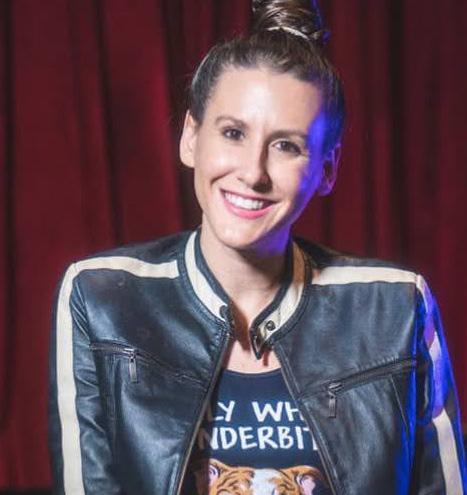
In 2014, I started my company, Funny Girl Events, to not only create a platform for myself as a newer stand-up comedian, but to share the stage with other women. It’s no secret that comedy clubs’ lineups are widely male acts. And sometimes that has to do with both men and women being in positions of power, and choosing to not prioritize women’s acts. That’s why I think my company, which focuses on female stand-ups, has experienced rapid success and growth.
I constantly see women friend groups, and LGBTQ+ organizations make efforts to support women lead movies, and stand-up shows. I also think there are tons of men that do find women funny. I see them at our shows, and they’re complimentary and enthusiastic.
There has never been a better time to be a woman in entertainment. My business consistently sells out shows at wineries, breweries, restaurants, and pop-up venues because we have built a strong reputation of leaning towards women heavy line-ups, as well as diverse, LGBTQ+, and multi-generational acts.
So yes, women are funny. We’re also successful, so catch up to the times, and go support women in stand-up.
Check out these female comedians you can see live in Los Angeles : ALYCIA COOPER, JACKIE KASHIAN, LAURIE KILMARTIN, DANA EAGLE, WENDY LIEBMAN, SHAWN PELOFSKY, AUDREY STEWART, JESSICA MICHELLE SINGLETON, KIMBERLY CLARK
AUDIENCE’S THE ROLE
What is your important role as an audience member?
Seeing live theater is different from going to a movie theater, watching something at home on your TV, or attending a live sporting event or concert. You are an important part of the experience- just as much as the performers on stage!
What are some things we should keep in mind to ensure that we, other attendees, and the performers have a great experience?
THE THREE R’S
Please be RESPECTFUL!
• Respect the space, the work, and one another.
• Silence phones and put them away during the show.
• Unwrapping candy or cough drops before play begins.
• Respect the artists by not taking pictures or videos during the peformance.
Please be RESPONSIBLE!
• Arrive early to the theater! It can be disruptive to enter the theater after the show has already started, and you will miss some great moments and important parts of the story!
• Remain seated until the end of the show (unless it is a true emergency).
• Eating or drinking before or after the show, or during intermissions.
• Please visit the restroom before or after the show, or during intermissions.
Please be RESPONSIVE!
• Respond genuinely! For example, if you find something amusing, funny, feel free to laugh and react.
U SE OF SOCIAL MEDIA
We appreciate you sharing your Geffen Playhouse experience via social media, and kindly request that you do not do so inside the theater, where the use of electronic devices is prohibited.
We recommend that you post your responses and thoughts in the lobby after the performance, and invite you to tag @GeffenPlayhouse and use #GeffenPlayhouse to share your experience and to continue the conversation with us online.


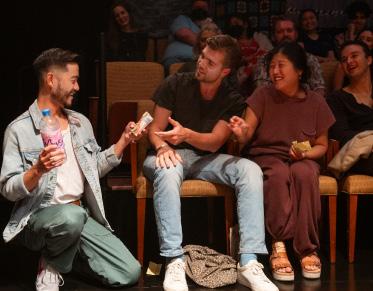

LAUSD STUDENTS AT THE STUDENT MATINEE OF THE LEGEND OF GEORGIA MCBRIDE. PHOTO BY JEFF LORCH
DANIEL K. ISSAC AND AUDIENCE AT EVERY BRILLIANT THING. PHOTO BY ISAAK BERLINER
LAUSD STUDENTS AT THE STUDENT MATINEE OF THE LEGEND OF GEORGIA MCBRIDE. PHOTO BY JEFF LORCH
L–R: GEFFEN PLAYHOUSE ARTISTIC DIRECTOR TARELL ALVIN MCCRANEY, ANGELA LEWIS, AKILAH A. WALKER, KIMBERLY SCOTT AND ASIA MARTIN DURING A TALKBACK FOR A STUDENT MATINEE OF BLACK CYPRESS BAYOU PHOTO BY ISAAK BERLINER.

NATIONAL ALLIANCE ON MENTAL ILLNESS NAMI-LA COMMUNITY SPOTLIGHT
NAMI Westside Los Angeles (NAMI WLA) plays a vital role in suicide prevention and community-based mental health support by offering free, evidence-based programs for individuals experiencing severe mental health challenges and for the families who love and care for them. Grounded in lived experience, NAMI WLA’s work is especially impactful for people navigating suicidal ideation, psychosis, trauma, and complex mental health conditions, as well as for women and caregivers who are often disproportionately affected.
At the heart of NAMI WLA’s suicide-prevention efforts are its peer-led education and support programs, which reduce isolation and help individuals recognize that recovery and stability are possible. The Peer-to-Peer program offers a structured, compassionate space for adults living with mental health conditions—including mood disorders, psychosis, and trauma-related illnesses—to build coping skills, understand warning signs, and strengthen hope during periods of distress. Participants learn practical tools for managing symptoms and navigating crises while connecting with others who understand their lived reality.
For families and loved ones, NAMI WLA provides critical education and emotional support that can be lifesaving. The Family-to-Family program equips parents, partners, and caregivers with knowledge about mental illness, suicide risk, and effective communication during crises. Families learn how to respond to suicidal ideation, psychotic episodes, and hospitalization with greater confidence, compassion, and resilience. These programs help families move from fear and confusion toward understanding and proactive support.
NAMI WLA also recognizes the unique mental health needs of women, including the impact of trauma, caregiving stress, mood disorders, and life transitions.

Through peer support groups and educational offerings, women find spaces where their experiences are validated and where stigma is replaced with connection. Many participants report that these groups are their first opportunity to speak openly about suicidal thoughts, postpartum struggles, or long-term mental health challenges without judgment.
In addition, NAMI WLA offers one-on-one resource navigation, helping individuals and families identify crisis services, treatment options, and ongoing support during moments of acute need. Community education programs such as Ending the Silence further strengthen suicide-prevention efforts by increasing awareness, early intervention, and help-seeking behaviors.
Through empathy, education, and peer connection, NAMI Westside Los Angeles helps individuals survive crises, supports families through uncertainty, and fosters hope for long-term mental wellness.
SCAN THE QR CODE BELOW to visit https://namiwla.org/ or Call 310-889-7200 to learn more, find support, or help and donate!

PHOTO CREDIT:
SOURCES FOR “THE MELANCHOLIC LIFE AND MYSTERIOUS DEATH OF SYLVIA PLATH” P. 16-18:
: Chiasson, D. (2018, October 29). Sylvia Plath’s last letters. The New Yorker. https://www.newyorker.com/magazine/2018/11/05/sylvia-plaths-last-letters
Daddy | poem by Plath. (n.d.). Encyclopedia Britannica. https://www.britannica.com/topic/Daddy-poem-by-Plath
Did Ted Hughes kill Sylvia Plath? (2024, February 22). Medium. https://medium.com/@gwen.with.a.pen/did-tedhughes-kill-sylvia-plath-9627280a5103
Farr, S. (2007, March 2). “Lover of unreason” | The mercurial life, death of a Ted Hughes conquest. The Seattle Times. https://www.seattletimes.com/entertainment/books/loverof-unreason-the-mercurial-life-death-of-a-ted-hughes-conquest/
Lapp, A. (2015). The Victorian pseudonym and female agency. https://kb.osu.edu/server/api/core/bitstreams/257a7be46283-5375-b07d-af88b58b6154/content
Marsh, N. (2019). The Bell Jar | Summary, characters, legacy, & facts. Encyclopedia Britannica. https://www.britannica.com/ topic/The-Bell-Jar
Ostberg, R. (2019). Sylvia Plath | Biography, poems, books, & facts. Encyclopedia Britannica. https://www.britannica.com/ biography/Sylvia-Plath
Pickles, C. (2021, June 27). The famous poet’s grave in a remote Yorkshire village that people travel from miles around to deface. Yorkshire Live. https://www.examinerlive.co.uk/ news/west-yorkshire-news/famous-poets-grave-remote-yorkshire-20895921
Simplyforensic. (2023, June 25). Forensic psychology: Unraveling the mind behind violent crimes. Simplyforensic. https://simplyforensic.com/forensic-psychology-unraveling-the-mind-behind-violent-crimes/
Smith, E. L. (2022, December). Female murder victims and victim-offender relationship, 2021. Bureau of Justice Statistics. https://bjs.ojp.gov/female-murder-victims-and-victim-offender-relationship-2021
SOURCES FOR “THE MYTH OF THE MAD ARTIST” P. 21-22:
Elaine Woo. “The Link Between Creativity and Mental Illness” Getty.edu, 11 May 2023, https://www.getty.edu/news/the-link-between-creativity-and-mental-illness/
Terri D’Arrigo. “Sketching a Portrait of Artists’ Mental Health” Psychiatric News, Volume 60, Number 7, 30 June 2025 https:// doi.org/10.1176/appi.pn.2025.07.7.3
Daisy Fancourt. “Why the mad artistic genius trope doesn’t stand up to scientific scrutiny.” TheConversation.com 12 January 2026 https://theconversation.com/why-themad-artistic-genius-trope-doesnt-stand-upto-scientific-scrutiny-272841
Shelley H Carson. “Creativity and Psychopathology: A Shared Vulnerability Model,” Sage Journals, 11 March 2011, pp 144-153 https:// doi.org/10.1177/070674371105600304
Nadra Nittle. “The Surprising Connection Between Depression and Creativity Is the ‘tortured artist’ stereotype a myth, or is there a connection?” verywellmind.com, 19 May 2025 https://www.verywellmind.com/ the-link-between-depression-and-creativity-5094193

Wanna see more theater? Sign up for the TeenTix LA Pass at LA.TEENTIX.ORG/SIGN-UP

A program for anyone ages 13–19! Once you’re registered, you’ll get access to $5 tickets at over 40 arts organizations, including Geffen Playhouse, Pasadena Playhouse, and Center Theatre Group, and many more. Check out the full list of TeenTix-eligible events at la.teentix.org/calendar!


Christa L. Taylor. Sage Journals, Volume 12, Issue 6, 21 December 2017 https://journals.sagepub.com/doi/10.1177/1745691617699653
Claudia Hammond. “The puzzling way that writing heals the body” BBC.com, 2 June 2017 https://www.bbc.com/future/article/20170601-can-writing-about-pain-make-you-heal-faster
Deborah Stone. “Why creative people are more prone to depression (from the archives).” artshub. com, 8 October 2020 https://www.artshub.com.au/news/features/20x20-why-creative-people-are-more-prone-to-depression-261229-2368732/
Frontiers in Public Health. “Self-perceived relations between artistic creativity and mental illness: a study into lived experiences” frontiersin.org, 10 June 2024 https://doi.org/10.3389/ fpubh.2024.1353757
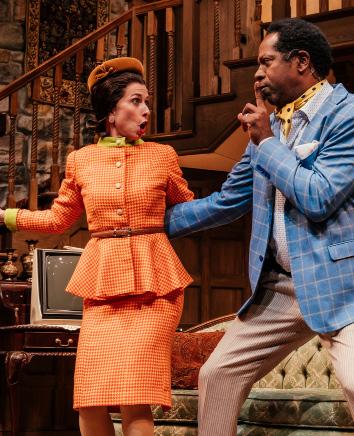
PHOTOS: TOP, L–R: BILLY EUGENE JONES, MATTHEW ELIJAH WEBB, CHRIS HERBIE HOLLAND, FAT HAM PHOTO BYJEFF LORCH MIDDLE, L–R: AUDREY FRANCIS & JAMES VINCENT MEREDITH IN NOISES OFF. PHOTO BYJEFF LORCH
BOTTOM, CLOCKWISE: MARCEL SPEARS, MATTHEW ELIJAH WEBB, CHRIS HERBIE HOLLAND AND LAUSD STUDENTS AT THE STUDENT MATINEE OF FAT HAM. PHOTO BY JEFF LORCH
