






















LIMITED COPYRIGHT
Materials, written, graphic, or otherwise that are contained within the SH&G magazine are protected by copyright law. No part of written text or graphics in this magazine may be reproduced or transmitted in any form or by any means including electronic or mechanical or otherwise, including by photocopying, recording, fax transmission, or using any storage and retrieval systems without the permission of SH&G. No content in this magazine may be distributed for any commercial purpose whatsoever.


Any and all trademarks carried within the Survival Homes and Gardens magazine are the property of their respective owners.
© Copyright 2022 Survival Homes and Gardens. All Rights Reserved. Magazine and Website Disclaimer located in Website Disclaimer.
MORE INFORMATION
EXPERT CONTRIBUTORS
HAKIM ISLER
(aka The Black MacGyver) is the nation’s premier, professional African-American survival expert. He is most notably recognized for his appearances on Discovery Channel’s Naked & Afraid, Naked & AfraId XL and FOX’s Kicking & Screaming. A man of many skills, Hakim is a decorated combat war veteran, Ninja fifth degree black belt, certified close-protection specialist and professional self-defense & combat weapons instructor. A business owner, published author, motivational speaker, TV host/ personality and inventor – holding several patents and trademarks – Hakim is constantly pushing the limits of achievement.
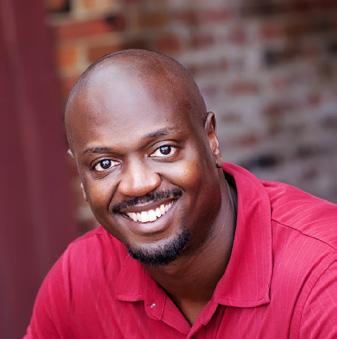
RAYMOND MHOR
Raymond Mhor is The Kilted Prepper. He is an author, blogger, and internet influencer who has been in the survival arena for over 20 years. Ray has eight books, multiple television appearances, and many radio/ podcast interviews to his credit.
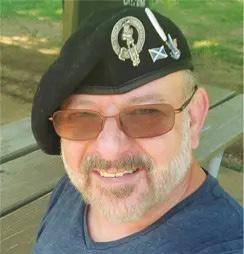
Ray’s motto is ...“Real Prepping for Real People –None of the Hollywood Stuff.”
He currently lives in the Blue Ridge Mountains of Virginia with his wife Cynthia, their daughter and their three dogs. The Mhor family enjoys the homesteading and preparedness lifestyle.
 author, the books,
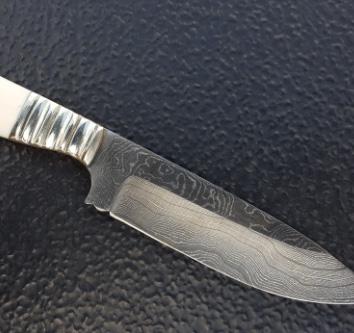
According to Worsham, “ Damascus isn’t just about looks,” and “not all damascus is created equal.” He urges buyers to “make sure you’re buying quality damascus and not something with mystery metal in it.”
Commenting on the traits of good damascus, Worsham said, “It tends to be very flexible compared to many homogenous alloys. Typically, a dull damascus knife will outperform a dull homogenous alloy knife.” That homogeneous alloy Worsham spoke of refers to a material the same throughout, contrasting the layered nature of damascus.
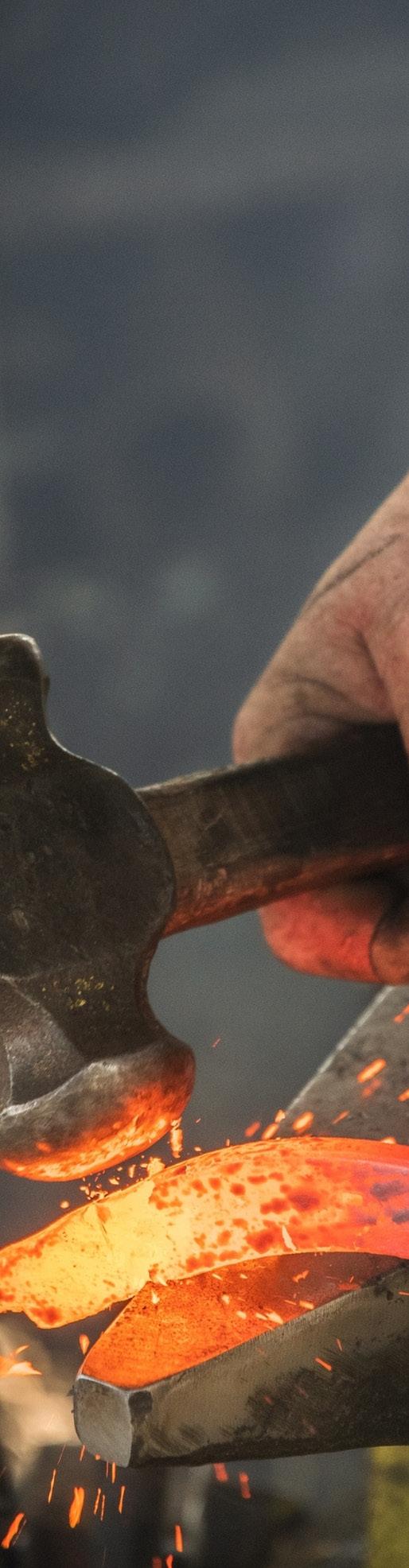
The steel Edwards was making used power hammers, giant pneumatic machines some of which weigh over 50 tons, that have a striking force of more than 3000 lbs. Some of these colossal machines are nearing 100 years old and are still being used today. Of the machine dates in the shop, a few are estimated having been made between 1918 with the oldest, to the more recent ones being dated back to 1920. Edwards Steel closed for many years, then in 1985 it reopened as Alabama Damascus, and has since remained the top commercial producer title of damascus steel in the country. They are located in Jacksonville, Alabama.
So, what does it take to make some of the world’s greatest steel blades? Put simply by an old knife-smith employed at Alabama Damascus, Virgil Jones, “It’s plywood. No. Basically what it is, you have two different types (or more) of steel, and you forge weld them together.” However, there is much more to the process than that. First, they start with several similar sized pieces of steel, of various types, welded together at the ends and then to a large carbon steel beam that has been chemically softened overnight in lime.
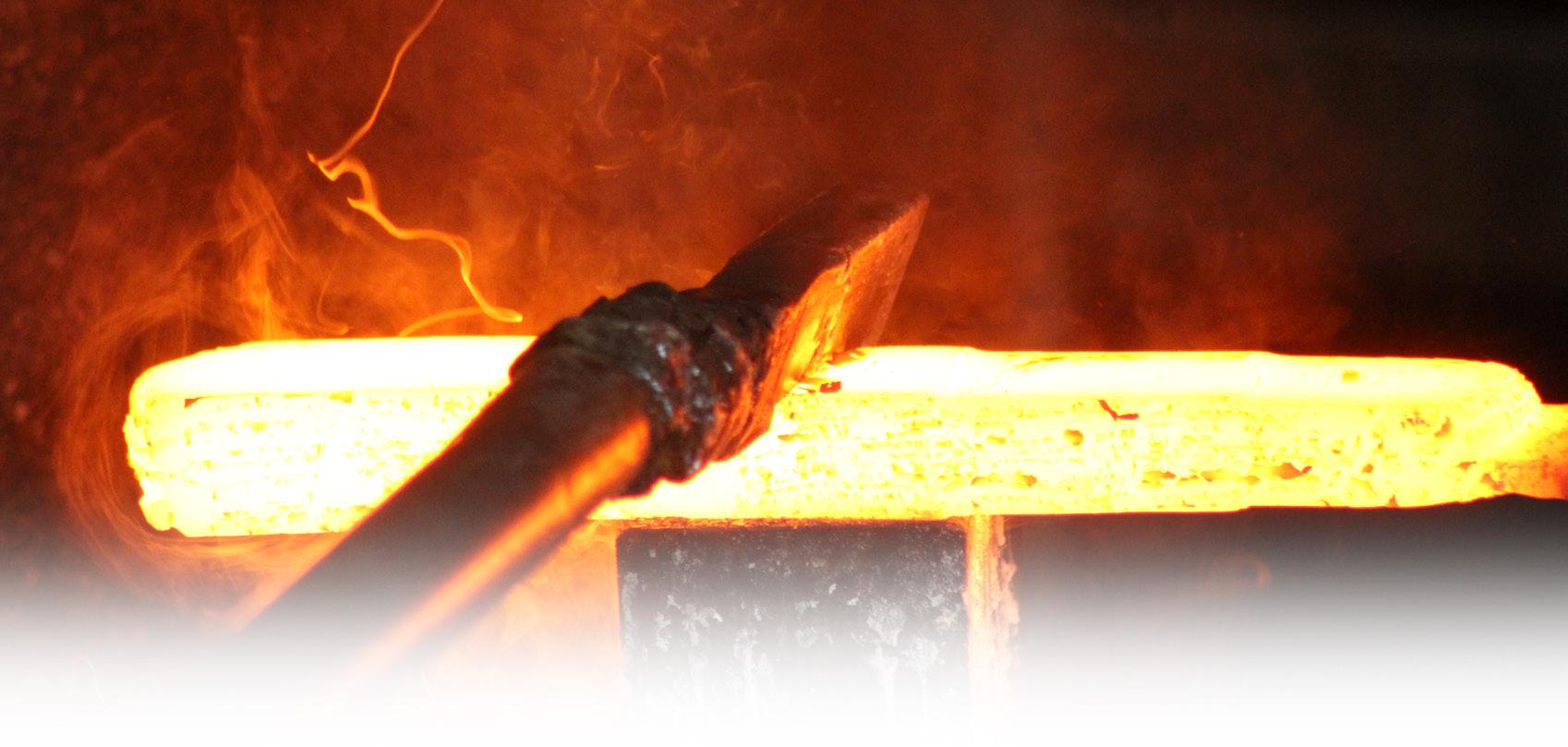
This beam will become the handle that the smiths will later use to maneuver and turn the steel and with which they will utilize, in conjunction with the power hammer, to shape and fold the steel. These layered pieces are the first of what will become a billet. These billets are then slowly preheated, in a propane forge, to around 1700 degrees, hot enough for the steel to act like a very hard putty.
At this point, the steel is carried over to the power hammer, where a team of two smiths toil like clockwork. Clockwork, if the parts of that clock were just narrowly missing each other by only a few inches and were carrying molten pieces of steel over 1500 degrees.
The smiths put the heated billets onto the hammer and press down on a foot pad, causing the tremendous machine to tick, or rather smash, at about 15 times the force of a sledgehammer. This force, and the combined heat, is so great that it causes the layers of steel to instantly fuse together, in a process called forge-welding.
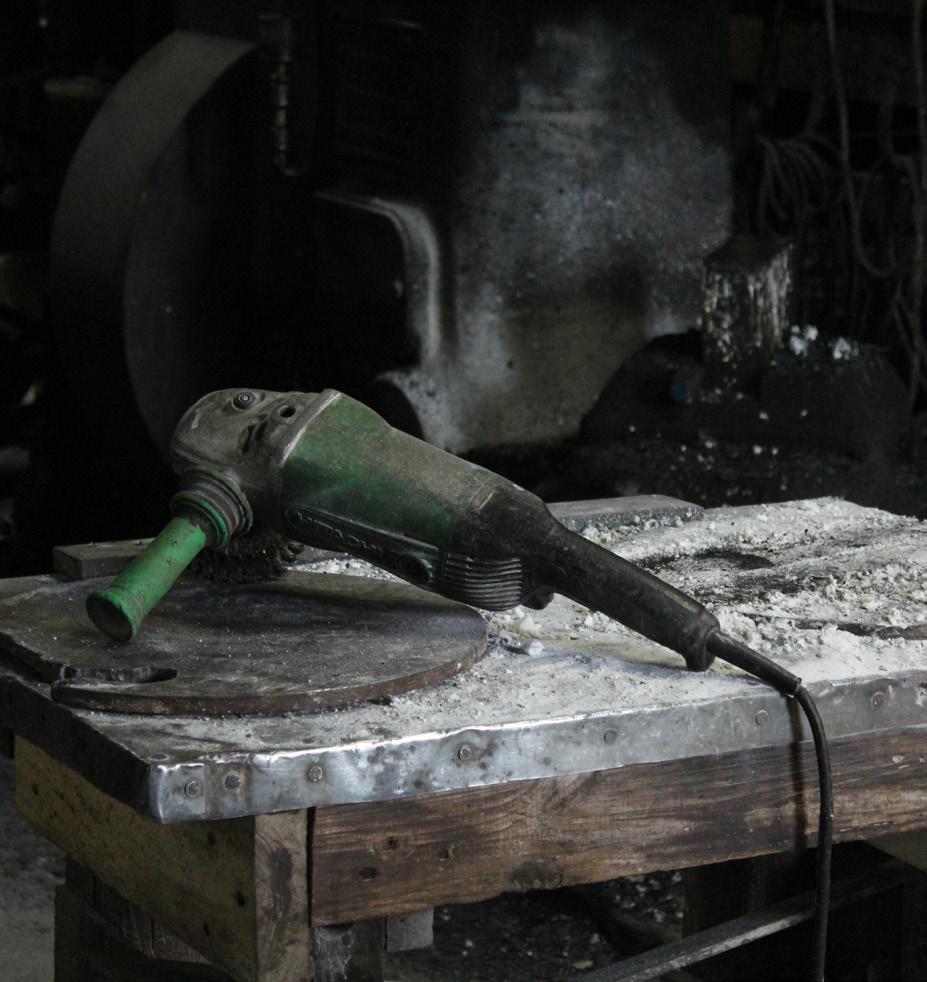
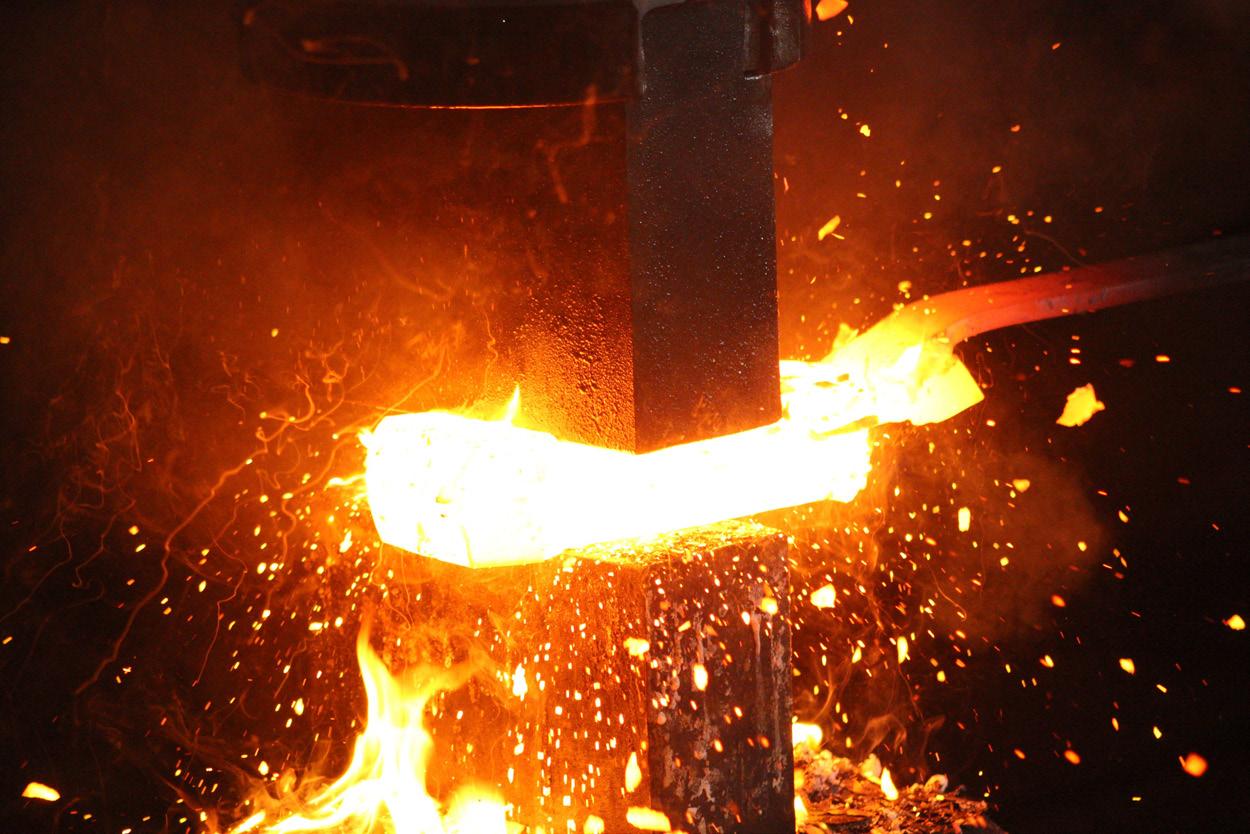 Photo by John Dowd: A knife smith establishes the grind angle into the already heat treated and tempered knife.
Photo by John Dowd: A power hammer crushes steel at over 15 times the force of a single sledge hammer.
Photo by John Dowd: This grinder waits lonely for a smith getting ready to start work for the day.
Photo by John Dowd: A knife smith establishes the grind angle into the already heat treated and tempered knife.
Photo by John Dowd: A power hammer crushes steel at over 15 times the force of a single sledge hammer.
Photo by John Dowd: This grinder waits lonely for a smith getting ready to start work for the day.
by John Dowd: Billets on display at Alabama Damascus, showcasing the various patterns they can create.
Photo
Photo by John Dowd: A propane forge heating billets to be worked and folded with a power hammer.
Three weeks without food, three days without water, three seconds without hope. Under extreme conditions this is how long humans can survive without these essential components. Hope is a mindset and arguably one of the most precious survival resources available. It can be defined as a combination of optimism and realism and may best be understood by way of the “Stockdale Paradox.”
The name refers to Admiral Jim Stockdale, who was the highest-ranking United States military officer in the “Hanoi Hilton” during the Vietnam War. During his eight-year imprisonment from 1965 to 1973, Stockdale was tortured, starved, stripped of his rights, had no set release date, and no certainty as to whether he would survive to see his family again. When asked in an interview, “who were the ones who didn’t make it?” His response was, “The optimists.” Hope doesn’t replace preparation and hard work. Relying on false hope and the utilization of denial as a coping strategy is dangerous. Through his experience, Stockdale determined that a survivor “must maintain unwavering faith that you can and will prevail in the end, regardless of the difficulties, and at the same time, have the discipline to confront the most brutal facts of your current reality, whatever they might be” as written in Jim Collins’ bestselling book, Good to Great.
A survivor is adaptable and resilient. They possess a keen ability to see the big picture while focusing on small and obtainable goals towards progress; refusing to be discouraged by setbacks. A survivor will do whatever necessary to overcome any challenge; they don’t know quit. Simultaneously, a survivor is acutely aware of the reality they face, if they are lost, they recognize and accept that they
are lost. If they are injured, they accept that they are injured. Acceptance of reality prompts action necessary for survival.
Maintaining hope in a survival situation can quite literally be the difference between life and death. “Give-up-itis” is a term that was coined by medical officers during the Korean War. They described it as a condition where a person develops extreme apathy, gives up hope, relinquishes the will to live and dies, despite the lack of an obvious physical cause. This concept is described in more detail in the article Give-up-itis: when people just give up and die by John Leach, a Visiting Senior Research Fellow at the University of Portsmouth. The medical officers witnessed some of the prisoners within just a few weeks, begin to refuse food and become mute and unresponsive before they “turned their faces to the wall” and died. The result of losing hope or surrendering to give-upitis is psychogenic death or, in other words, literally thinking oneself to death. Our minds have profound capabilities to control our bodies, understanding the mind-body connection and our instinctual stress responses is one of the best ways to prepare for and increase chances of survival.
When humans experience stress or encounter danger, our sympathetic nervous system, or what I call our primitive brain, takes control. The amygdala is considered the center of the brains defense system. As advanced as us humans feel we are, when it comes down to it, we are just animals. When we sense danger, our response is primal. In a survival situation the amygdala signals our body to prepare for fight, flight, or freeze. In doing so, physiological
and hormonal changes happen involuntarily. Our blood pressure and heart rate increase to supply more oxygen to our major muscle groups, pain perception lowers, hearing sharpens and vision narrows by almost 70%, according to Psychology of Survival by Robert B. Kauffman.
Cortisol released from the adrenal gland interferes with the capacity for complex reasoning and problem solving. These changes make us intensely aware of danger while inhibiting the mind from taking the time to access long term memory. This makes it possible to react in an instant. This is one reason why practicing a skill until it becomes muscle memory can be hugely beneficial in stressful situations. This primal response to stress is key to survival, however, after a traumatic incident or under situations of consistent stress, the bodies nervous system can get stuck in panic mode or in a chronic state of fight or flight. If stuck in this state, the survivor will have a more difficult time with problem solving and the use of logic and reasoning, making it difficult to maintain a positive mental attitude, plan, prepare and take action. One way to combat this is to strengthen the parasympathetic nervous system.
The parasympathetic nervous system is the opposite of the sympathetic nervous system. It is designed to calm the body down after a stressful situation or remain calm when faced with danger. The Vagus Nerve is the longest cranial nerve found only in mammals. It connects the brain stem to the rest of the body. A healthy Vagus Nerve means calmer responses to stress and increased resilience. As stated above, a survivor’s ability to pull through trauma and bounce back from failure or disappointment is critical. It doesn’t take the biggest, strongest, or most skilled survivor to overcome the most extreme and dire circumstances, it takes true grit and the mastery of psychological strength.
Outlined here are some suggestions to help strengthen the survival mindset and increase resilience and mental fortitude. These are tools that will not only help you in your everyday life, but, in the case of an extreme emergency or survival situation, could determine the outcome for better or worse.
Preparation - Knowledge of the environments, terrain, natural resources, threats, shelter building, fire craft,
 Photo by Tntk
food and water procurement, etc. are all extremely beneficial skills for a survivor’s toolkit. Practicing the skills to muscle memory will assist the survivor in responding appropriately when the fight/flight response is engaged. Remember, knowledge is beneficial, but application is best. Continuously find ways to challenge your skills and mindset. Pursue activities in your daily life that push you outside of your comfort zone and present the risk of failure. The goal is to experience failure, disappointment and stress as often as possible in a safe and controlled environment. Exposure training in therapy is a leading intervention in overcoming anxiety and phobias, guiding individuals on how to better control their stress response. In military SERE (Survival, Evasion, Resistance and Escape) programs, students are exposed to the discomforts of wilderness survival, simulated capture and resistance, simulated downed aircrafts and under water egress. These scenarios are designed to test their knowledge, apply their skills and train their brains to respond appropriately to intense and dangerous situations. Virtual exposure therapy is being utilized by the Navy Seals to train for combat in studies for prevention of post-traumatic stress disorder. All of this training is designed to prepare and strengthen the survival mindset and increase one’s ability to bounce back quickly. There are other opportunities to help manage and strengthen the
stress response is through meditation, yoga and martial arts. All of these activities help one practice mindfulness of the mind-body connection, strengthen the Vagus Nerve and develop the skills to regulate the nervous system and increase resilience from trauma/stress.
Planning - Develop courses of action and determine what you need in order to execute them. Supplies, currency, logistics, medical, communication etc. Be constantly conscious of what could go wrong and whether you are prepared to handle it appropriately. Have a plan as well as a contingency plan. When the situation changes, have a well thought out strategy of where to go, how to meet needs, mentally cope and more. Remember, it is better to have a plan and not need it, then need a plan and not have it. Keep your head on a swivel, pay attention to detail and continue to assess danger and plan accordingly. The benefits of planning are that it provides the survivor with direction, confidence, stability and reinforces the positive mental attitude and the will to survive.
Execution - When you experience conflict or disappointment in everyday life, how high does your stress meter get? If you find yourself losing your cool often, staying upset, or ruminating on the negative, you may not do as well in a survival situation as you
Photo by Bethany Bowater
might think. When failures, setbacks, or disappointing events happen, I encourage you to notice what is happening with regard to that mindbody connection. First, do a body scan. Start from the top of your head and notice everything that is happening within your body. Is your face hot/ flushed? Is your jaw tight? Is your heart beating faster? Is your stomach in a knot? What is happening to your body temperature, knees, fingers and toes? Pausing and practicing this mindfulness technique will begin to calm the nervous system down. Another way to strengthen your Vagus Nerve is through diaphragmatic breathing exercises.
Here is an example of how to engage in a diaphragmatic breathing, from an article by Theodora Blanchfield, AMFT, a marriage and family therapist trainee as well as a mental health writer.
How to do diaphragmatic breathing (deep breathing)
1. Begin with one hand over the heart and one hand over the belly.
2. Breathe in through your nose and let the air fill your belly. Keep your hands on your heart and belly and observe how the one on your belly moves while the one on your heart should stay the same.
3. Draw your navel in towards your spine as you exhale as if you were blowing out birthday candles.
4. Feel as the hand on your belly slides down to its original position.
5. Repeat this three to five times to start, noting how you feel after each time.
Next do a mind scan. What is your self-talk like? Do you speak to yourself with compassion, understanding and encouragement or do you call yourself names and have self-defeating thoughts? Many people struggle with cognitive distortions, or thoughts that are extremely unhelpful and selfdeprecating. Here is a list of just a few:
Polarized thinking: “All or nothing” or black and white thinking patterns, inability to acknowledge that two things can be true at once.
Overgeneralization: Focusing on a negative event and making conclusions based on that single piece of negative evidence.
Catastrophizing: When a thought is over-exaggerated or diminished. Instantly believing the worst-case scenario will happen with little evidence to support the thought. Or minimization of the positives.
Control Fallacies: Control fallacies can go two ways. An individual either feels responsible for everything and holds all the control or blame when things don’t go right, or the individual believes they have no control over anything that occurs in their life.
Heaven’s Reward Fallacy: The belief that good things will happen to good people or that one will be rewarded based on how hard they work. This cognitive distortion will leave its believers constantly disappointed, frustrated and even resentful.
How many of these cognitive distortions do you fall prey to in everyday life? Our thoughts have an impact on our behaviors as well as our feelings and mood. The moment negative thoughts, self-doubt, or cognitive distortions enter your mind it is important to quickly reverse it into a more adaptive and helpful thought. For example, change “I won’t ever get this fire started” to “I didn’t get this fire started this time, let me come back to it and try again.” Assess how well you handled that stressful situation and decide how you can adapt and do better next time.
Adaptation - Constantly analyzing and monitoring your reactions and making necessary changes to be more successful. Heighten your awareness of how you respond to stress. Maybe log it in a journal. Take note of what happens in your body and practice different techniques to find which ones works best for you. Reassess early and often during your preparation, planning and execution to see where you need to improve and then tackle it.
Understanding the psychology of survival and developing a stout survival mindset is an invaluable resource for anyone who finds themselves in an extreme or dangerous situation. It has been consistently proven that no matter the size, age, physical strength or skillset a person possesses, if the individual loses hope and the will to survive, their chances diminish greatly. The human mind is profound in its ability push through and overcome the most austere circumstances. The body’s natural defense system is nothing short of a real-life superpower. Understanding the mind/body connection and working to become a psychological juggernaut takes practice and consistency. The tools and techniques discussed within this article to develop a healthy nervous system will increase resiliency and improve the overall mental health of those who practice them. Whether we find ourselves in the elements, battling mother nature or surviving a world that is growing more uncertain every day, a survivor will never discount the importance of mental fortitude and developing the survival mindset in all that they do.

I f society as a whole were suddenly faced with a famine, doomsday, or a survival situation what could we eat from our environments? How would people who generally have plenty of food available deal with a catastrophic event that leaves their restaurants and grocery stores empty and their money worthless?
First, the fish from the local ponds, lakes and rivers would become severely depleted in no time. Then the local wildlife would be devastated by hunters leaving barely enough to prevent extinctions of local species.
What then? Insects? Yes! There are lots of insect species that can be edible to humans but there are choice edible insects and then there are barely-food edible insects. It can be difficult to gather, dig up, and swat to collect enough for a decent meal. Add to that the reluctance of Americans and many people in general to consume anything that isn’t normal sustenance to them and for many it would be an act of desperation they would have to be forced into.
However, according to Lenka Kouřimská and Anna Adámková with the Czech University of Life Sciences Prague, in their article Nutritional and sensory quality of edible insects, “Nowadays human insect-eating is traditionally practiced in 113 countries around the world. Over 2000 insect species are known to be edible. Globally, the most frequently consumed species are beetles, caterpillars, bees, wasps and ants. They are followed by grasshoppers, locusts and crickets, cicadas, leafhoppers and bugs, termites, dragonflies, flies and other species.”
With anywhere between 20% - 76% protein for every amount of dry matter of insects consumed, it is hard to get around the fact that eating insects should be an integral part of any solid plan for a famine scenario.
Certain bugs like crickets and grasshoppers are especially high in protein per ounce. In fact, today crickets are farmed and used to produce both cricket powder and cricket flour. According to Preston Hartwick’s article Can You Eat Crickets? All You Need to Know on Healthline.com, “Studies show that cricket protein powder contains about 65.5% protein and adult crickets provide 13.2–20.3 grams of protein per 100-gram serving.” Comparing that to beef which has only seven grams, or 26%, and chicken which contains only eight grams, or around 30% per that same serving size, it is easy to see the benefits of eating bugs.
Photo by Laura ParentiThere are many caveats to eating insects that can help keep a survivor healthy. Survivalists generally exclude flies because of the nasty stuff they consume and diseases they might carry. They also warn against any otherwise edible species if brightly colored like Lubber grasshoppers.

When considering insects to eat, color, smell, and what they consume are major points of concern for a survivor. Bright colors in the natural world usually signal poison, especially with insects and arachnids. Mykel Hawke, Retired U. S. Army Special Forces officer and survival television personality, often uses the saying, “If it’s Bright, it ain’t right, but if it’s bland, it’s likely grand.” It is safer to restrict one’s diet, unless with knowledge otherwise, to dull earth tones. Many bugs that may be poisonous also excrete certain substances that can result in a bad or “chemical” smell. As for what they eat, it is usually a good idea to avoid eating insects that feast on rotting flesh and excrement. However, Hawke adds that “maggots are a very good food source if stir fried or boiled.” This cooking is done to help kill any bacteria or parasites
that may be carried and is a good practice to fall into when eating most things from the wild.
As stated before, the only big issue is collecting enough insects to supplement an individual, or even a group of people. In large fields, crickets and grasshoppers are both often very prevalent in the summer across the United States and many parts of the world. Carrying a butterfly net, or even a smalldiameter-hole fishing net and swinging it about the grass can help speed up the collection process. Getting youth to do what they do naturally and encouraging them to keep the bugs they catch can supplement the group’s haul further. Hawke added the anecdote, “I have eaten buckets of bugs, called flying termites, in Africa. They tend to come in swarms, and everything stops, including military training for every man, woman and child to harvest the bugs that cover the entire village inches deep. They consider it a time to feast and celebrate.”
Many ground grubs and worms are edible, and rotten wood grubs are as well, though the latter
Photo by Daboost

While Hawke was serving in Thailand as a Special Forces Officer, he was served numerous plates of various insects. They were stir fried, seasoned and he promises that were quite tasty. They were considered a delicacy, so the Thai enlisted were not served any. However, when Hawke shared his with the Thai Sergeant assigned to him, the Sergeant devoured it like a kid eating candy!
Aside from edibility, there are some other uses for insects practiced around the world. In South and Central America, the cochineal (cochinilla in Spanish) is a variety of scale bug that infests prickly pear cacti. The insects are harvested, dried, and then subsequently used as a natural die. The dye is very effective and was produced through the 16th and into the 18th century as a food dye. The color these insects produce is a rusty faded maroon color, which appears in many native clothing and body painting in Latin America even today.
In some modern and ancient hospitals, maggots
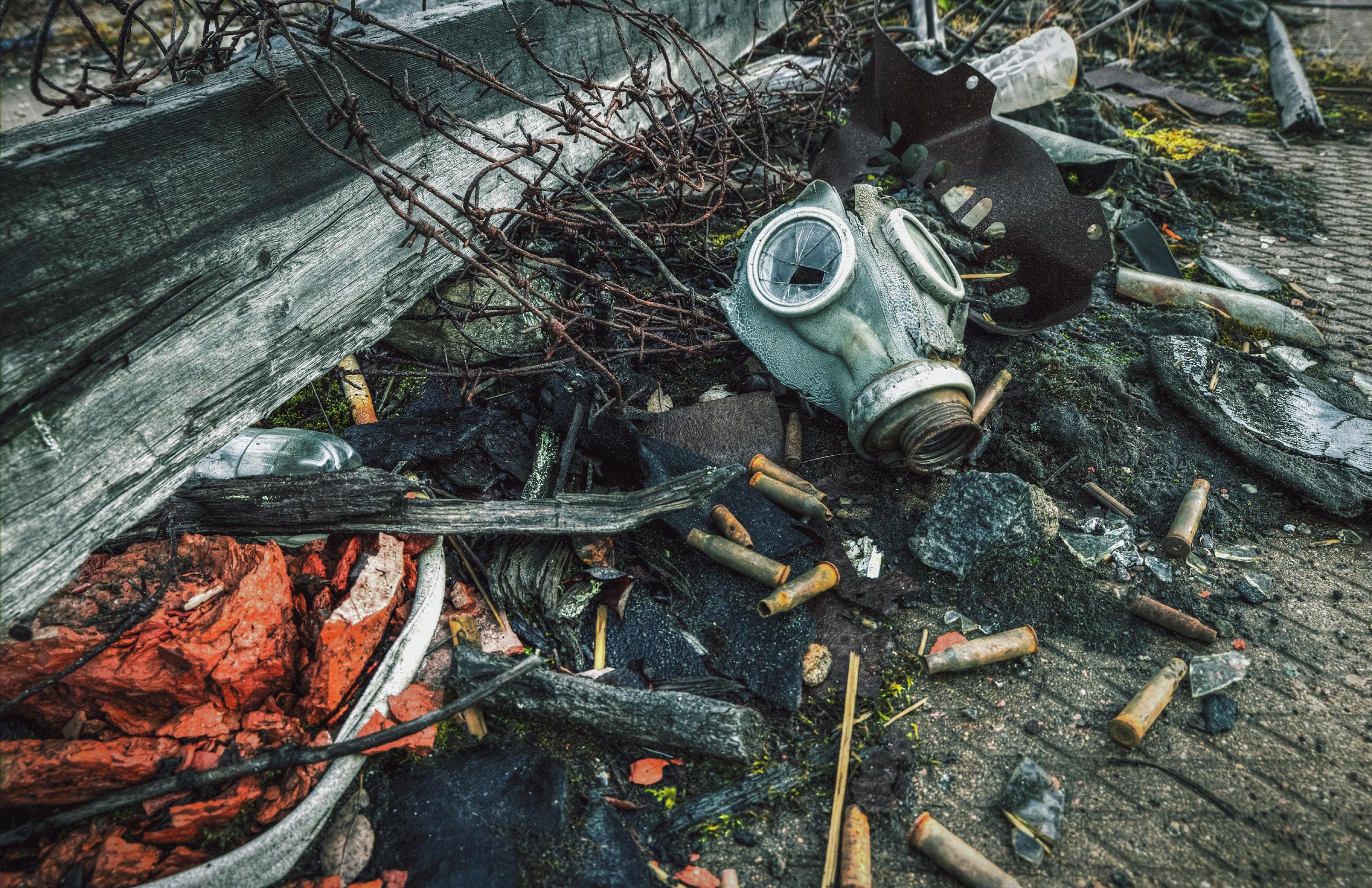
were often employed to eat dying flesh from serious wounds. They would excrete a compound that numbs the skin and breaks down dying flesh, leaving healthy living flesh alone. As long as maggots are watched and removed at the correct times, as well as contained in the area meant to be treated, they effectively speed up the healing process. There are similar medical uses across history and into today for leaches, though today doctors mainly rely on the excretions of leach mouths with help prevent blood clots.
Whatever the use, bugs are innately tied to survival across history. This ties into man’s ability to use everything around him to effect survival. Consuming bugs is just another tool to add to the brain box for survival, and can be an important fall back, or food supplement, for any survival plan. And in reality, if you close your eyes and imagine really hard, those bugs may actually start to taste like chicken. Maybe.
Maps give a display of the land, with representations of direction, altitude, landscape, and landmarks. The only problem with maps is that they are very little help in travel when one does not know where he or she is on it. Using some deduction and a vantage point, one can surmise their position on a map in the wild. The use of landmarks, combined with pictorials displayed on maps, can give an idea of position, and then direction.
Common sense can play a huge role. For example, if one knows they are lost somewhere near a river, then if the map shows a river to the west, one can conclude (knowing where the river is from one’s own location and on what general side of it one is on based on direction of flow, location of other land marks, etc.) that if they face the direction of the river from their position, then north is to their right. If on the other side of that river is civilization, then that is the direction to travel.
There are several types of maps one could encounter in a survival situation, depending on the location. The most useful of these include sea navigation charts and topographic maps. All maps and chats have a few simple components. The legend, which is a box at one of the corners of a map that will display symbols and their meanings, is a big part of understanding a map. This will tell the user of things like buildings, streams, railroad tracks, landmarks, and more. There is also the face, where the title and
often the map’s scale can be found.
On many maps, including navigational charts, there are vertical and horizontal lines that run north/ south and east/west. These lines help determine exact position on a map, chart, or GPS. The horizontal lines (left to right, east/west) are the latitude lines. The vertical lines (up to down, north/south) are the longitude lines. Lines of latitude describe how far north or south one is from the equator (the middle line of the earth, where the earth rotates around the sun). Longitudinal lines describe how far east and west one is from the prime meridian (an invisible line drawn around the globe cutting it vertically between the poles; the opposite cut from the equator, both of which together cut the earth into four parts). These two measurements will appear on a map with the latitude written out first, and work like a grid on the surface of the earth. For example, and object is sitting at 50°N, 69°W. This means that the object being located is 50 degrees north of the equator, and almost 70 degrees to the west of the prime meridian. It begins to get more complicated, as not all things fall in those spaces. These degrees are then further boiled down into minutes and seconds (easy to remember, as there 60 minutes in a degree and 60 seconds in a minute). This means that most GPS coordinates will look something more like: 10°24’12.5”N, 70°14’15.2”W. What this basically translates into is 10 degrees, 24 minutes, and 12.5 seconds north of the equator and 70 degrees, 14 minutes, and 15.5 seconds west of the prime
meridian. For the curious, this is a random location in a northern Venezuelan mountain range.
Navigation charts will display land masses, sea depths, and even tides. There are a lot of other bits of information that can be displayed, however, for the quick and dirty reading of a navigation chart, those three things are the most important. There can be contour lines that determine depth, but there will also be a series of numeral values all over the chart. These numbers explain the depth measurements, or soundings, of the water in various places. The chart user must read the map face to learn the scale and the measurement for the number’s meanings. This will often be in large print and will read something like: SOUNDINGS IN FATHOMS AND FEET. Most charts today in the U.S. today are measured with soundings in meters, but charts made before the early 1990s were mostly in fathoms and feet. Generally, they are a two-digit code, with the first number in fathoms and the second in feet. For example, one may see a sounding of 64. This would be six fathoms and four feet (fathoms are equivalent to about six feet). If the chart is in meters, then a meter can be divided by 0.3 to find the depth in feet. On navigation charts, tides
and their directions can often be displayed by arrows.
Finding position on a navigational chart can be far more difficult than on a topographic map. On the later, one must only triangulate their position with two or three landmarks on the map, such as a mountain and a lake. This may not bring an exact set of coordinates, but it will allow a survivor to generally use a map and find his or her way around an area. On the ocean, with no reference for position but the stars at night, navigation becomes extremely challenging. The simplest way, without tools, is to find one’s latitude. This is done by determining how far the north celestial pole (the north star) is above the horizon. Traditionally, this was done by looking through a tool known as a sextant. Since it is unlikely that a survivor is carrying one of these around, the human arm will work in a pinch. To find latitude, one must outstretch his or her fists and place them one after the other, stacking between the north celestial pole (north star) and the horizon. Each fist length measures about ten degrees of latitude from the equator. This same trick can be done on the southern hemisphere by finding the southern celestial pole
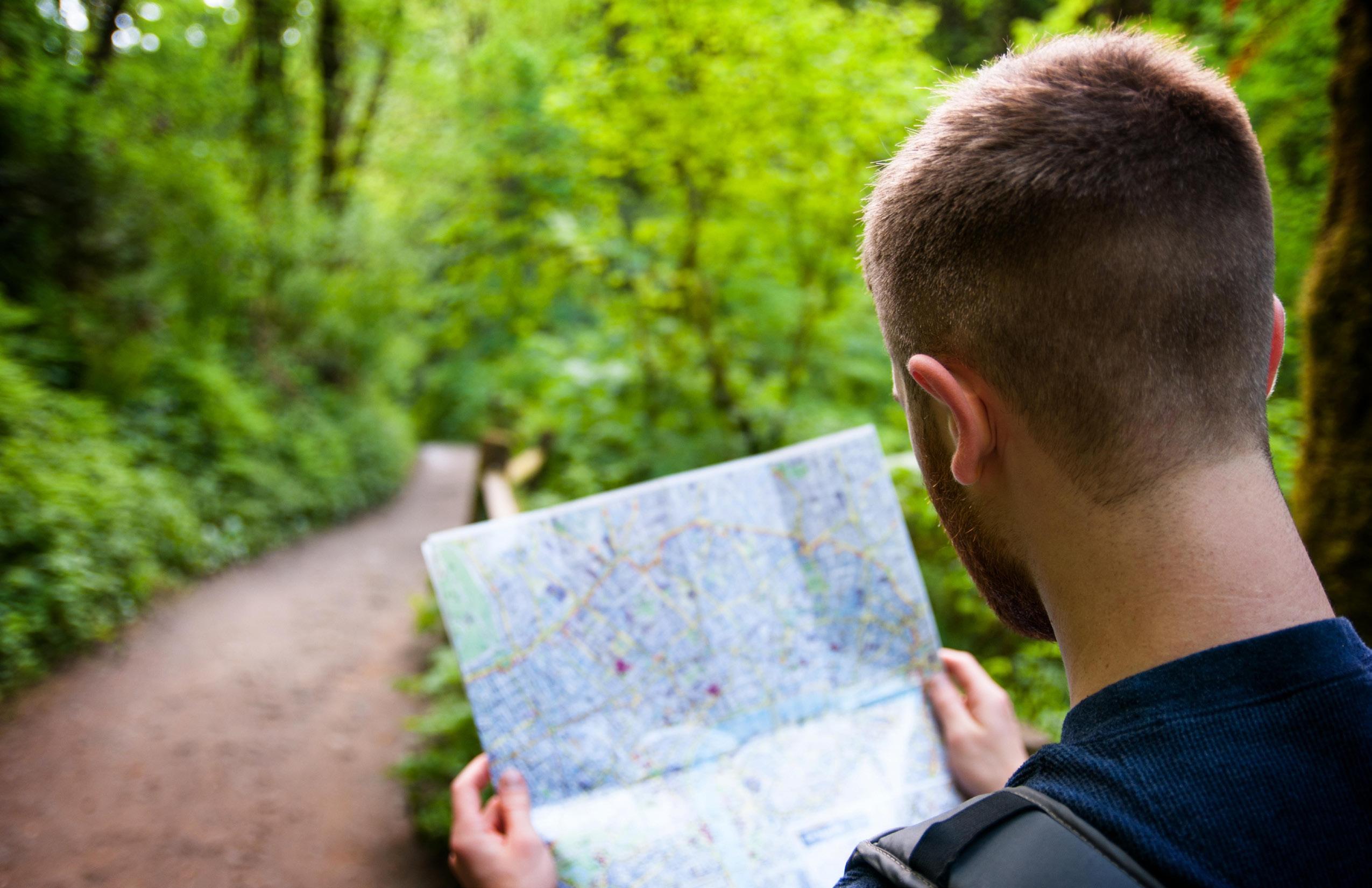 Photo by Richellgen
(finding both celestial poles is described later in the section Using the stars). Longitude is far harder to determine accurately using only the stars.
The topographic map is like a navigation chart, but on land. These maps will display things like water sources, topography (hence the name), and prominent landmarks. The most obvious features on this type of map are the contour lines that snake about the surface. These will run mostly parallel with other lines and will display altitude. The basic idea is, the further the lines are apart from each other, the more gradual the rise in elevation, and vice versa. This means, that if there is a collection of lines very close together, one can rightly assume a steeper pitch. Displayed along these lines will be numbers that can mean measurements of either feet or meters (most U.S. topo maps are in measurements of feet above sea level). Again, like the navigational charts, the map face or legend will explain. Towns or high points can usually be found displayed on these maps as well.
Finding direction is generally, the easiest piece of information one can acquire. Usually, direction is
defined by the four cardinal directions, north, south, east, and west. North points towards the north pole (top of the globe/ earth) and south to the south pole (bottom of the globe/earth), relatively. East and west refer to the directions around the planet. If one is looking directly north from their position, then east is the direction immediately to the right of that person and west is immediately to his or her left. There are different types of north, such as true north and magnetic north, however, in survival these details do not matter. Finding any north will work with a map well enough for a survivor’s purposes.
The compass is one of the most universal tools for orientation. A compass will determine magnetic north, as the red arrow on the compass will be drawn northward, and its opposite pole towards the south. If one does not possess a compass, there are ways to make one expediently. The best way is to collect a metal needle, a magnet, a small piece of buoyant material, and a small container for water. First, one should take the magnet and run it up the needle rapidly. This should be done in one direction, preferably towards the point, and as many as a dozen times. This will temporarily, and mildly, magnetically
Photo by Joshua Woronieckicharge the needle. Next, the person should take the needle and poke it through a cork, piece of wood, or anything small that will float in water. The needle should be pierced all the way through the material, with the eye side and point side both sticking evenly out of the object, balancing on the center of the floating material. Next, a bottle cap, bowl, or shell must be filled with liquid. The floating needle can then be placed into the water and let to rest. After a few minutes, the needle should come to rest pointing north. It may help to spin the needle to loosen it up and get it to rest properly. If this is done, it must be done several times in order to confirm a correct reading. Taking the magnet near the new compass and spinning it around should draw the north end of the needle towards the magnet. This will check which end points where.
To use the compass and a map in conjunction, the basic simplified technique is as follows: The first task to using both is to “set the map.” This involves getting the map to orient north and match the environment. The map should be laid as flat as
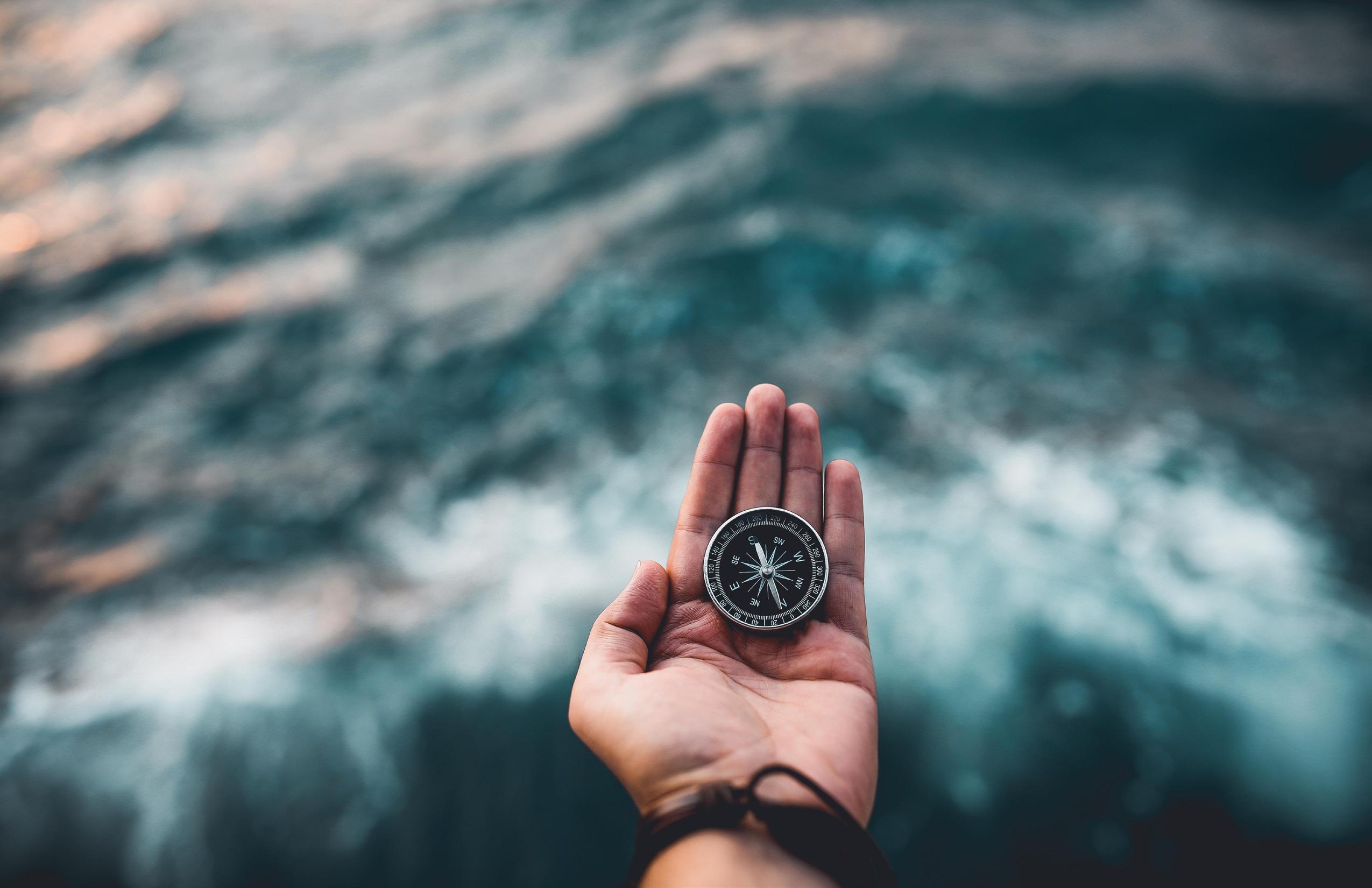
possible, and the compass set anywhere on it. An orienteering compass works the best. Next, the map and compass must be rotated until the needle pointing north lines up with the north-south lines on the map, lining everything up with north. This should be done in an environment with easily seen natural features which can help establish location on the map. If the survivor takes the map to a high point, he or she can triangulate, as mentioned before, his or her location. Once a single feature is identified on both a map and in reality, they can begin to work out their position that way. This process would start with the survivor making their way to that point, as they would then know at least they are somewhere relative to that feature.
If a person has that orienteering compass, this next step is easier. In many environments, a good easy to see starting point can make a big difference. This can be a river, a mesa, a ridgeline, etc. This following technique can also allow a person to move from one point of interest to another, without getting further lost. It is called following a bearing.
Photo by Bayram GurzogluTo set a bearing, or a direction, the orienteer should take the compass and map, once set, and look towards the target location. Taking the compass, keeping its north orientation, the orienteer must then look out, towards that object or location again. A mark should be made on the compass (or, in the case of the orienteering compass, the directional arrow that moves independently of the north arrow turned) to indicate that direction. Both should indicate or point to the object or location. Now, if the user walks in a relatively straight route, and considering that the location or object is a big target, the orienteer can always pull that compass out, point it north, and see which relative direction they should move to find that place or object as its location will be indicated by that mark or independent arrow. This is true, even if the object cannot be seen, which is often the case if the object was only found by moving to a higher plain in order to see said object. A survivor can then mark a line on their map, indicating their rough rout of travel, and find how far they have come if there are corresponding features on the map the person can find in reality. New more accurate readings should be taken often the closer one gets to said target location. Using this last technique in conjunction with a map, a person can find their relative or, with practice, exact location on the map. To get that relative location, using the compass to find the directions to three or more different points and measuring the space between them, can get the user in the ballpark.
Another technique for finding a bearing without a compass employs the ability to find north by any other means, and some creativity; drawing on paper, carving on wood, or fashioning a circular device out of stone or grass. The basic principle is the same as with the compass, however, north must be manually marked on or in the compassing object, and then the direction towards the landmark should be marked, and the two types of marks must be discernable. This technique will require the user to find north again upon every use of the expedient compass. When the north line is lined up with the northerly direction, it will again display the direction towards the landmark, regardless of if the landmark is visible. A common way to use this without-a-compasstechnique is to check orientation at night, with the stars, and to draw a line in the dirt or sand to show the way for the traveler the next morning.
Hunting for sustenance is a key part of survival. Being able to put large amounts of food on the table is a skill older than man himself. Though man has the capability of hunting anything, there are powerful lessons that can be taken from hunting the fastest land animal in the Americas: the American Pronghorn.
Pronghorn antelope are likely one of America’s most iconic animals. Found nowhere else in the world, and truly unlike any other animal, the American pronghorn has found its way into the natural mythology of the west. West goers chasing their piece of manifest destiny dubbed them the ghosts of the prairie, as did the natives who had lived beside them since the dawn of the last ice age. They are the second fastest land animal in the world, which has given them another name to honor that special trait. Speed goats, as some call them, have numerous features that make them an incredible challenge to hunt.
 Photo by John Dowd
With supernatural senses, and speed derived likely from a predator long extinct, American antelope can bring forth the hunt of a lifetime.
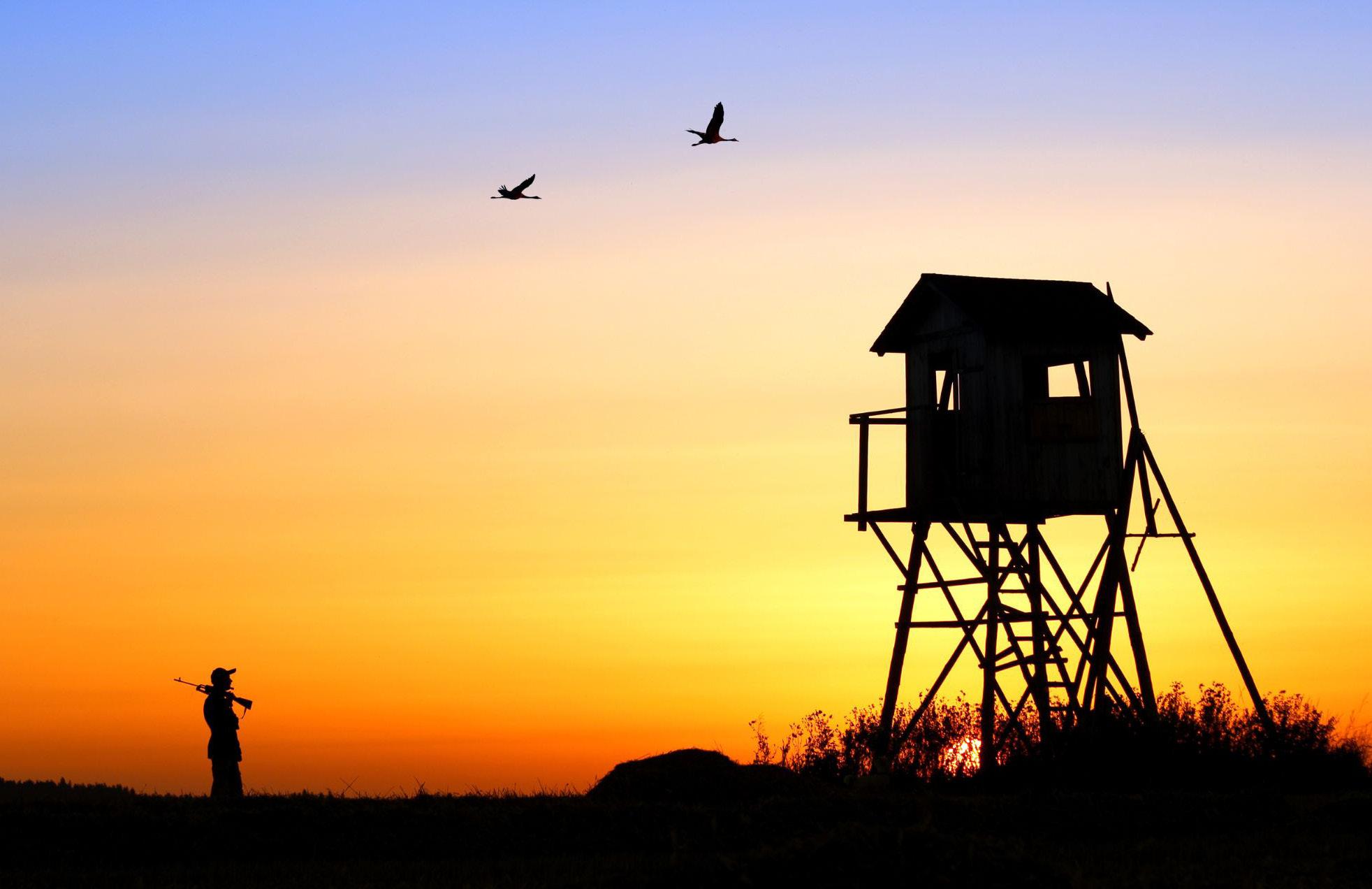
These creatures inhabit the western great plains, which is an extremely hostile stage in which to commence the hunt. Dry and desolate, full of sharp things and no water, those who may find themselves in need of food in an extreme situation, or want to test their hunting ability, may need to turn no further than the speed goat. To hunt them, the practitioner may find themselves trudging through dense deep mud, crawling through low growing cactus and doing so all often without even a measly tuft of sagebrush behind which to hide.
Photo by John Dowd
Photo by NaffNaff
For many, one of the best places to hunt pronghorn is none other than eastern Montana. A landscape of rolling plains, stark contrasting mesas, and rocky spines that ode back to time long forgotten like the great creatures that may have once died there. There is indeed an ancient feel that the hunting of antelope seems to bring out in those that wish to tackle these incredible animals in this extraordinary space. Of the many places to go in the state, the 700 units of eastern Montana offer a wide variety of environments, and a plethora of pronghorn. These units stretch from just under the Missouri breaks, south to the Wyoming boarder, and east to the boarders of both Dakotas.
The area is a patchwork of private, public and state land that can be daunting at first, but with a little preplanning, and possibly a few calls to landowners for permission, getting out to hunt can be easy and rewarding. Of the three options, most people with take the public BLM rout. Though this can mean very little contact with locals, it is also what many other hunters will be doing. This can mean some of the better areas will become crowded, which ruins the point of a plains style hunt, where the vast landscape and empty openness is the major draw. Many hunters will drive the roads and highways along these stretches and, once they see antelope off in the distance, will get out and engage in a short pursuit. For these spaces, as with much of the good hunting in the world, the solution for a devoted hunter is to hike back further, and over rougher terrain. It can be the only way to beat out the majority of less persistent hunters.
For those who are looking for state land, the story remains the same, as persistence and patience to get out further than the competition makes the difference. However, for those looking for the best hunt speed goat can provide, they should look to private landowners in combination with other property stretches. Most landowners consider the pronghorn either a nuisance at worst, or a distraction at best. Few are keen to prevent hunters from entering to pursue any of the number of game in that country. Breaking through timidity, a few simple calls and possibly a bottle of good scotch whiskey, can be all that is needed to
Photo by John Dowd
break into relatively unspoiled ground. Be kind to the owner, respectful of his operations and conditions, coordinate times if there are other hunters seeking access, and the hunt can be yours.
Once access is granted, one way or another pronghorn offer several unique challenges. However, if understood, these quirks can be made into assets. Antelope not only possess incredible speed, but seemingly supernatural senses. They can see well over a mile even on dusky days and have a sense of smell that rivals a bloodhound’s. This olfactory ability yields from their greatly expanded nasal cavity which allows pronghorn to draw in vast amounts of oxygen to fuel their quick-fire muscles. That increased surface area allows them to perceive smells on the wind that even the least frisky elk could miss. Once they pick up on a scent, they become extremely nervous and agitated. When this happens, the white hair on their rump stands on end, like the tail of a while tail. This signals to other pronghorn to be on the lookout. They also release a
hormone that the other animals can smell, furthering that warning. If they feel as though danger is in any way imminent, it is little effort for a pronghorn to turn 60 seconds into a mile and disappear into the land.
This is another of their incredible abilities, to read the land. They seem to know which grottos to run into and how to leave them, while wily hunters follow them into spaces that seem to have no escape, only to be left peering through dust left miles behind the goats. This is what earned them the moniker of ghosts in the old west.
As always in hunting, be aware of the wind, and bring a breeze indicator, such as a feather or fine flower in a puff bottle. Staying upwind is essential in a spot and stalk scenario. The greatest advantage to the hunter of antelope, however, is mastering the land. With the keen ability of ghosts to disappear, learning the habits of these animals can help plan the stalk to prevent their escape. Pronghorn tend to do a few predictable things.
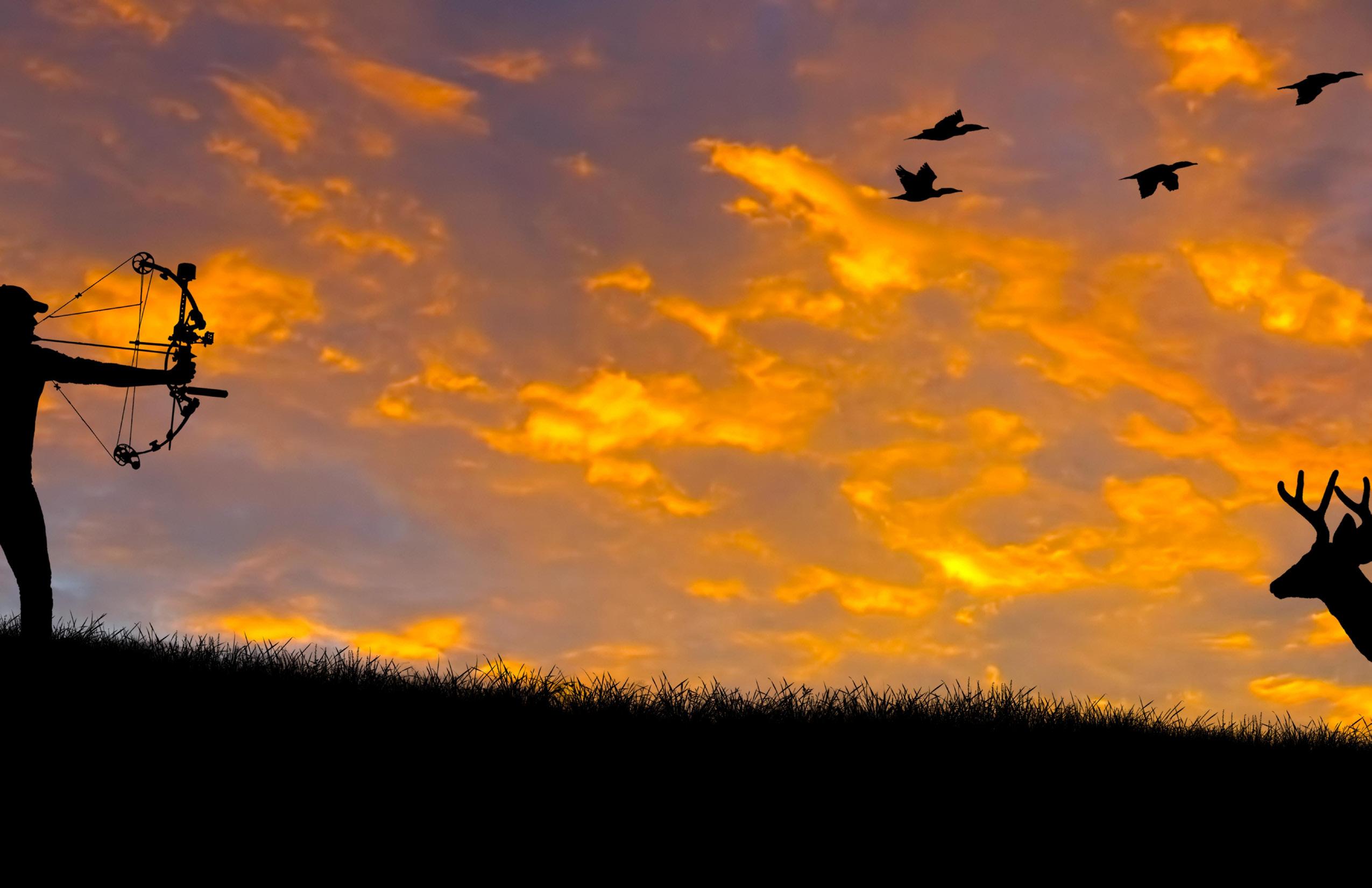
First, they move as schools of fish do. When they run across the landscape, they can easily be mistaken for fish being chased by a predator. This also means that, as fish do, when they find an opening in a fence, they will all use the same one. As they bunch up and wait their turn, this can be a chance for a clean shot or to get close. As pronghorn are poor jumpers, a hole or space at the bottom is really their only fair chance to get through. Otherwise, they will follow along a fence line predictably.
Second, pronghorn tend to circle their perceived threat first, before escaping. This may be to confuse or throw off a predator but is very predictable. They will circle a crescent along the side and then fall out quickly away from danger one by one. At the point where they again wait their turn, they will stop for a few seconds and look at the threat, standing perfectly for a broadside shot.
Thirdly, antelope will often try to first pinpoint their threat. If they smell, but are unsure, there is still a chance. Employing the understanding of land, and getting high above a pronghorn, a hunter can purposefully signal the antelope when moderately close to investigate.
With speed, smell and mind, pronghorn can seem overwhelmingly difficult to get within even 500 yards of. This is where knowhow and cunning can change the game. Pronghorn are easily aware of their surroundings, but on the other side of the coin are very curious. If they are unsure if that which they have sensed is friendly, they will investigate. This is where being very purposeful can go a long way. Carry a white handkerchief onto the edge of a rise overlooking pronghorn, or that which they can see peeking out from in a cut in the land. Lay low and waive the cloth, allowing the speed goats to do the work. They will take notice and move in slowly to investigate. This can be done to such great success that they can be brought within mere feet of a well-hidden hunter. That eliminates the need to do the chasing, because a pronghorn’s speed is unmatchable.
Using altitude to one’s advantage, a hunter can keep themselves hidden more easily behind a crest. Putting all of these ins and outs together, pronghorn
hunting can be done successfully and to great enjoyment. The final questions are what weapons to use, and what other equipment to carry.
To answer these, it must be understood that pronghorn are again built light and for speed, so a large bore gun is not the ticket to bring one down. Often it is suggested that a mild shooting moderate caliber be used. .243 or most other derivatives of the .308 Winchester are often the perfect choice. Flat shooting, and with some ability to juke wind, are important aspects for longer shots at speed goat. As a rule, the average shot taken will be at 300 yards and over, but with the afore mentioned tips and tricks, a goat can be brought far closer. Even at sub 300 yards, a good pair of binoculars, 10x42 or better, are suggested. The better the binos are, the further one can pick out the light bodies of pronghorn against the vast blank canvas of the prairie. Good nocks are also invaluable for picking apart the landscape and planning a good stalk.
Fortunately, pronghorn are not an early hunt, as the animals will be active at all times of day, except at the hottest points when they seem to bed down. Aside from time, the last piece of advice is to be prepared for the eastern Montana dust. The prairie’s “gumbo” is well known and feared, especially for trapping vehicles right after rainy periods. In times of dry, that same dust can be even more maddening, seeping through clothes and into everything. However, like the west goers of the past, the plains hunter traveling to eastern Montana for pronghorn need only bring a hardiness of spirit, a trusted rifle and possibly a white handkerchief around their neck.
Whether for food, fame or fight, pronghorn are sure to deliver. Considered by many the tastiest game meat around, antelope of the great American plains is an important hunting game of choice.
I t may be impossible to figure out who made the first duck call, but we do know that in 1870 Elam Fisher was issued the first duck call patent for his tongue-pincher style call. Apparently, the name was pretty accurate, and the call did pinch your tongue when you used it. Records say that this call sounded more like diving ducks than mallards. I found a few of these vintage calls selling online for over $800 to collectors. In my research, I found out Fisher lived in my home city of Detroit. You might not think of Detroit as a duck hunting paradise, but even today places like Lake Eerie, the Detroit River and the surrounding waterways offer great waterfowl hunting. I grew up hunting in the Pointe Mouillee game area. Likely this was the same area Fisher was hunting back then. Sadly, he didn’t go on to see his idea grow as he passed away shortly after the patent was issued.
In 1885 David Fuller was awarded a goose call patent. In 1905 Phillip S. Olt received a patent for his adjustable-tone duck call. As time went on, duck call culture began to look at duck calling like playing a musical instrument. Competitions became popular and complicated cadences were rewarded with trophies and prizes. The only problem was,
Photo by Ryan Parks (Producer): Kyle Green with a mixed bag of puddle ducks hunting in Washington State.
these calls were to entertain humans, not sound like ducks. This is what prompted Phil Robertson to create his first Duck Commander call in 1973. He felt that duck calls were not being made to sound like actual ducks in the wild, and it turned out the marketplace agreed with him. He went on to have a very successful company. A&E produced 11 seasons of the hit show Duck Dynasty to document the life of Phil Robertson’s family and the Duck Commander company.
Now let’s break down some basic points that should be understood since buying a duck call can be intimidating. Most stores won’t let you just “give
it a try,” especially with Covid-19 turning the world upside down. Some of them are a couple hundred dollars and some of them are fifteen. What is the difference? Normally, the initial price difference will come from the material the call is made from. Wood, polycarbonate and acrylic are the three main choices. Wood is often chosen by hunters in close hunting situations, such as small ponds. Wood calls are often quieter and a fan favorite of the old timers. Polycarbonate is often your budget friendly material. It takes less work to maintain than acrylic and wood. In my experience this material works just fine but seems to be impacted by long term moisture after a few hours of calling more than the other two
Photo by Aaron Beadle (Director): Kyle Green blowing the PH-2 polycarb duck call hunting mallards in his home state of Michigan.
In a survival emergency, some of the very first moves to make are to find a proper location for camp, build a shelter and make a fire as soon as possible. As many already know, the ferro rod takes some practice to master and a certain level of precision to successfully utilize. When combined with things like high-stress, adrenaline, tunnelvision, impending darkness and possible illness or injury (which commonly occurs in a wilderness emergency or are the cause of the emergency in and of themselves), jumping right to the ferro rod can create some problems. To add the cherry on top, with the possibility of hypothermia (the main and early symptoms of which include shivering and loss of fine motor function), unless you keep a striker with your rod, you are now fiddling around with a sharp knife. Under these conditions, that could result in adding a severe hemorrhaging incident to the equation.
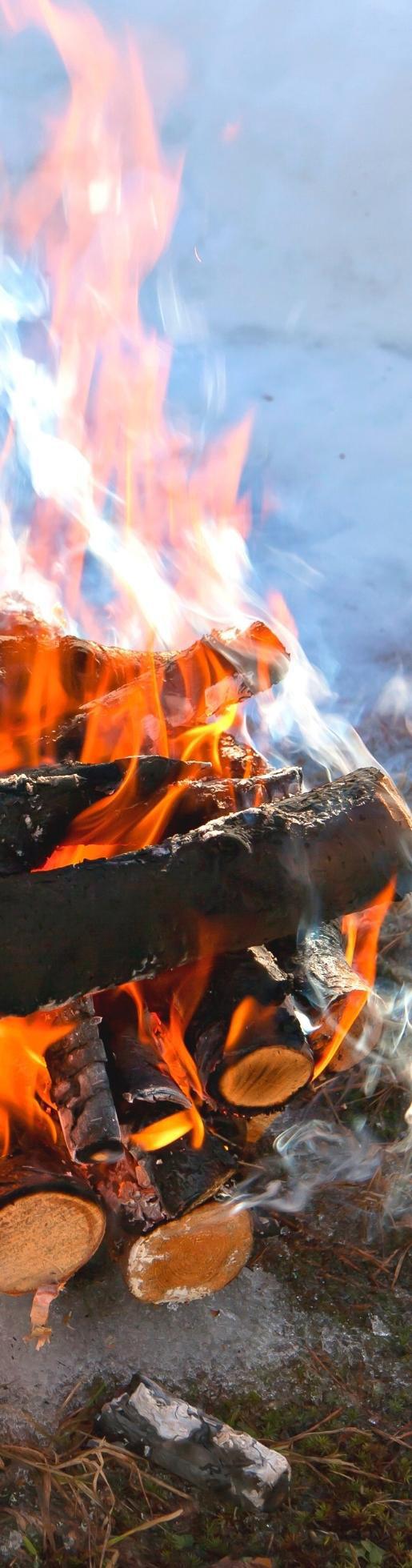
In these situations, the survivor must get warm immediately by making a fire quickly, easily and safely. Now, I recommend also packing a lighter. However, some fine motor function issues can arise here as well, and lighters can also become useless if wet. This is why waterproofing kits and gear are important as well. Here is where the high-quality waterproof storm match comes in.
I personally recommend the UCO Titan Stormproof Match. I am in no way endorsed by or affiliated with the company, but
of all the matches I have tested, these are the only ones that I have never seen fail. They are incredibly easy to strike with little dexterity and no matter how hard you blow on them or how long you submerge them, they do not go out until all of the accelerant is burned off. They also come in a waterproof canister, with a spare striker wrapped in plastic and are larger than the standard size UCO match. This greater size helps mitigate the previously mentioned loss of fine motor function due to things such as hypothermia, high stress or sausage fingers, the latter of which being a condition I was born with. Add a quality accelerant, like a WetFire cube or some other viable option and you will have a raging fire in no time, provided that you have collected the required fuels to build it and keep it going. Collecting fuels is a task that should be completed ahead of time, which even further emphasizes the need to have tools to get fire started quickly and safely.
One might ask, “But Patrick, what if I run out of matches?” To that I say: In a survival situation, if one can help it, ideally a survival campfire should never be allowed to go out completely, even if it just a pile of hot embers. If it does go out and you have no more matches, this is where having redundancies (i.e. lighters, ferro rods) are important. In this case, ferro rods make a great backup.
So, should you carry a ferro rod and a lighter? Certainly.
Relying on a ferrocerium rod, even the extra-large one pictured, to start an emergency fire can lead to dexterity issues as well as safety hazards.
Photo
 Photo by Schulzie
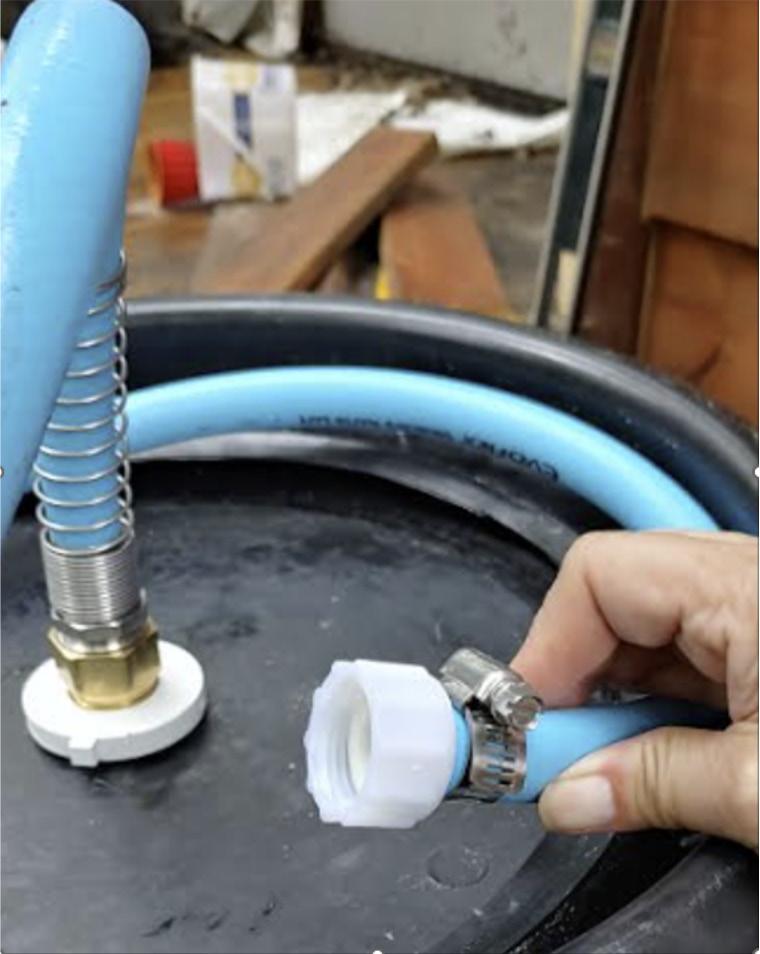
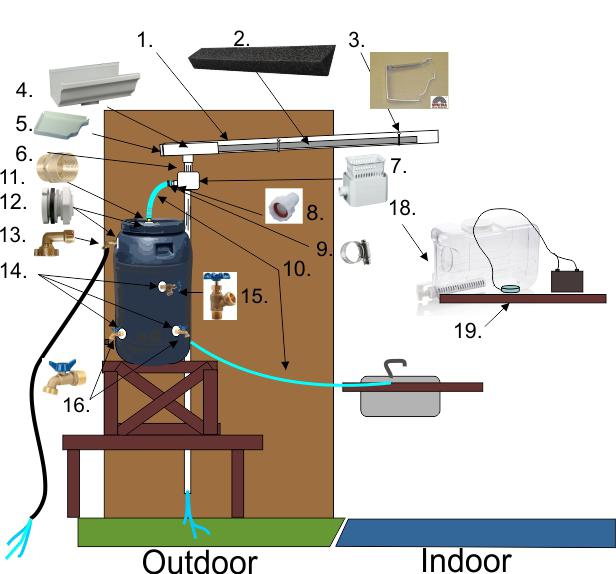 Graphic for off grid rainwater harvest project.
Photo by Maridav
Graphic for off grid rainwater harvest project.
Photo by Maridav
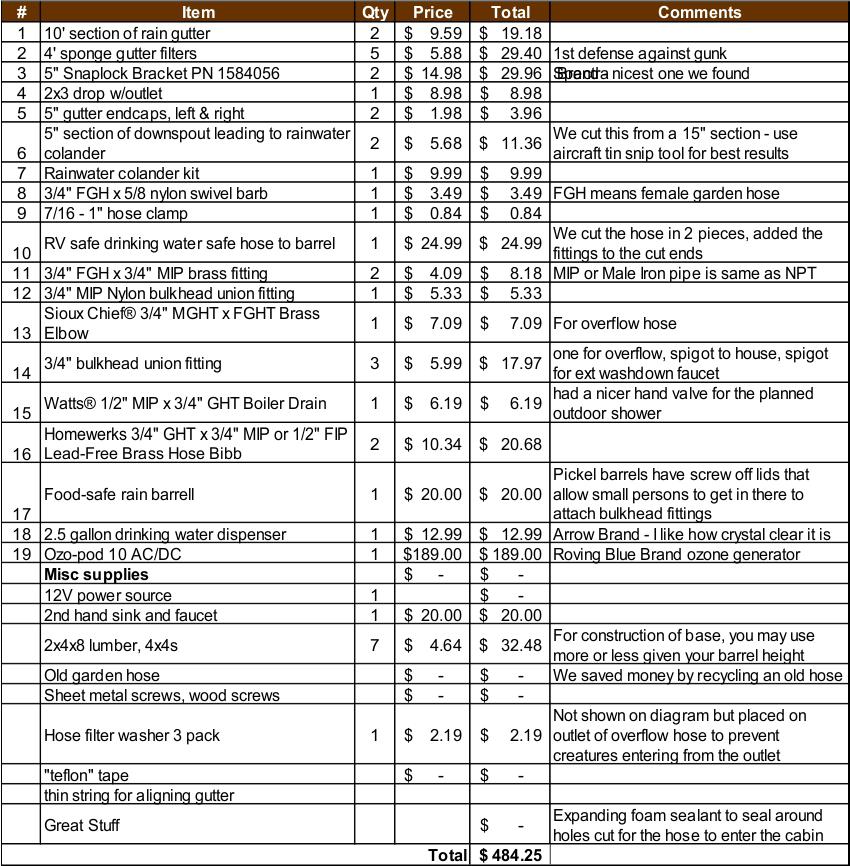 Graphic for off grid rainwater harvest project.
Photo by Yana Demyer Aerial view of cabin.
Graphic for off grid rainwater harvest project.
Photo by Yana Demyer Aerial view of cabin.
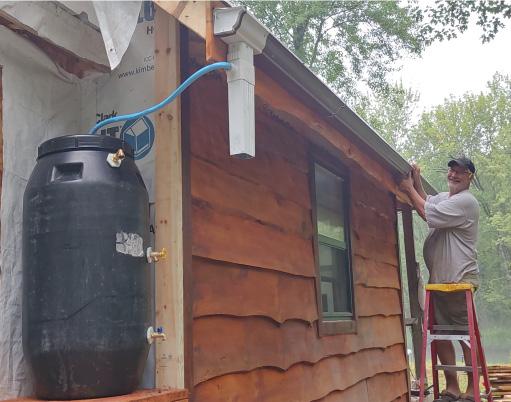
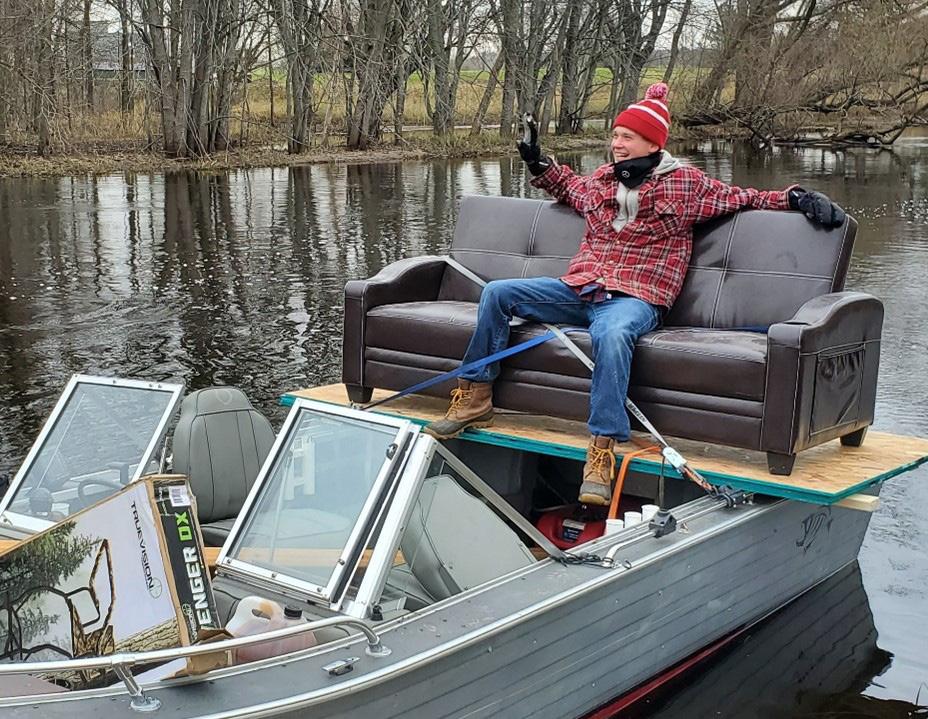
 Photo by Yana Demyer Rainwater capture 1 Our son, Spencer, enjoying his perch on the couch we floated it down to the cabin.
Photo by Timltv
Photo by Yana Demyer Rainwater capture 1 Our son, Spencer, enjoying his perch on the couch we floated it down to the cabin.
Photo by Timltv
 Photo by Prot Tachapanit
 Photo by David Pereiras
 Photo
Photo

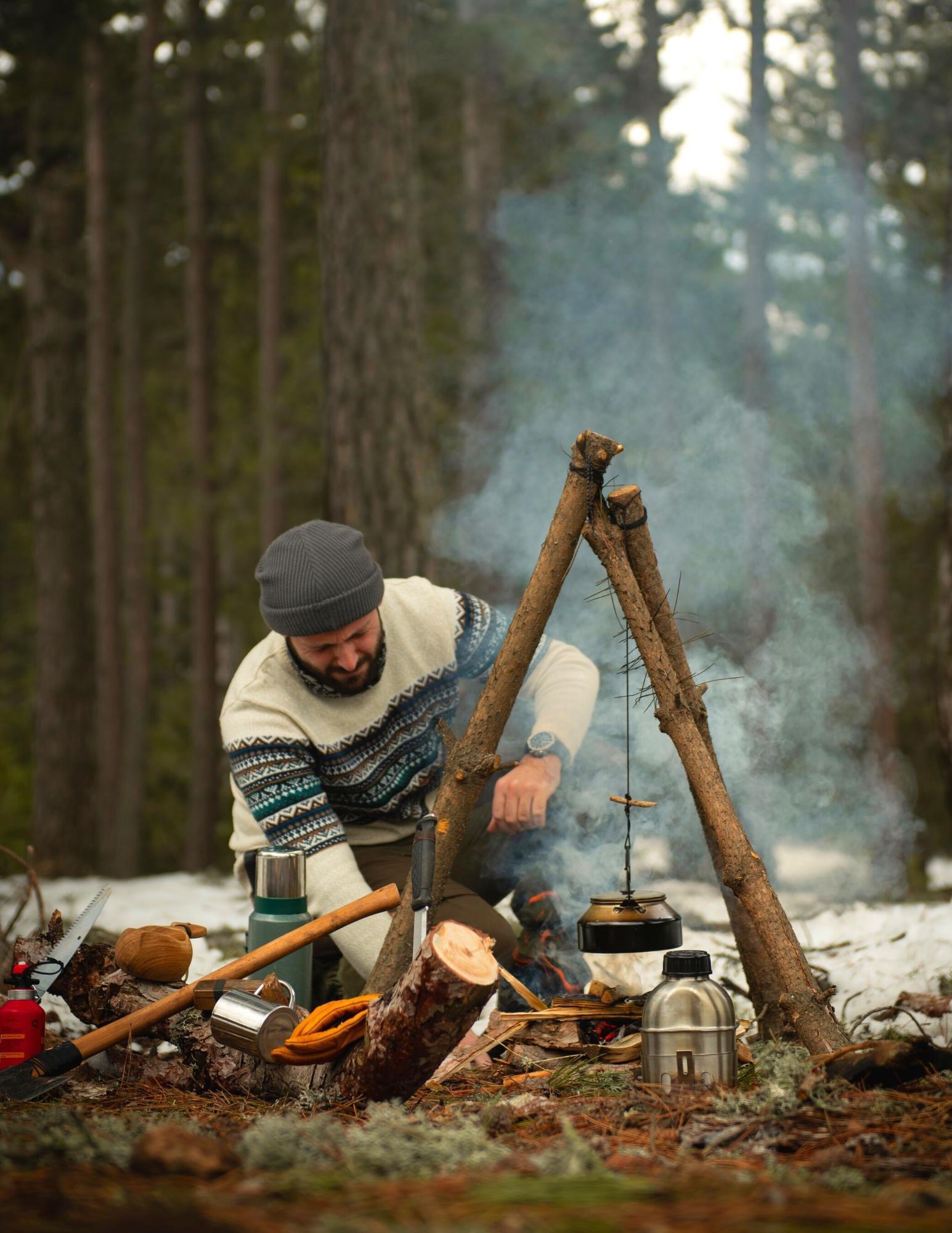 Photo by Emre Ceylan
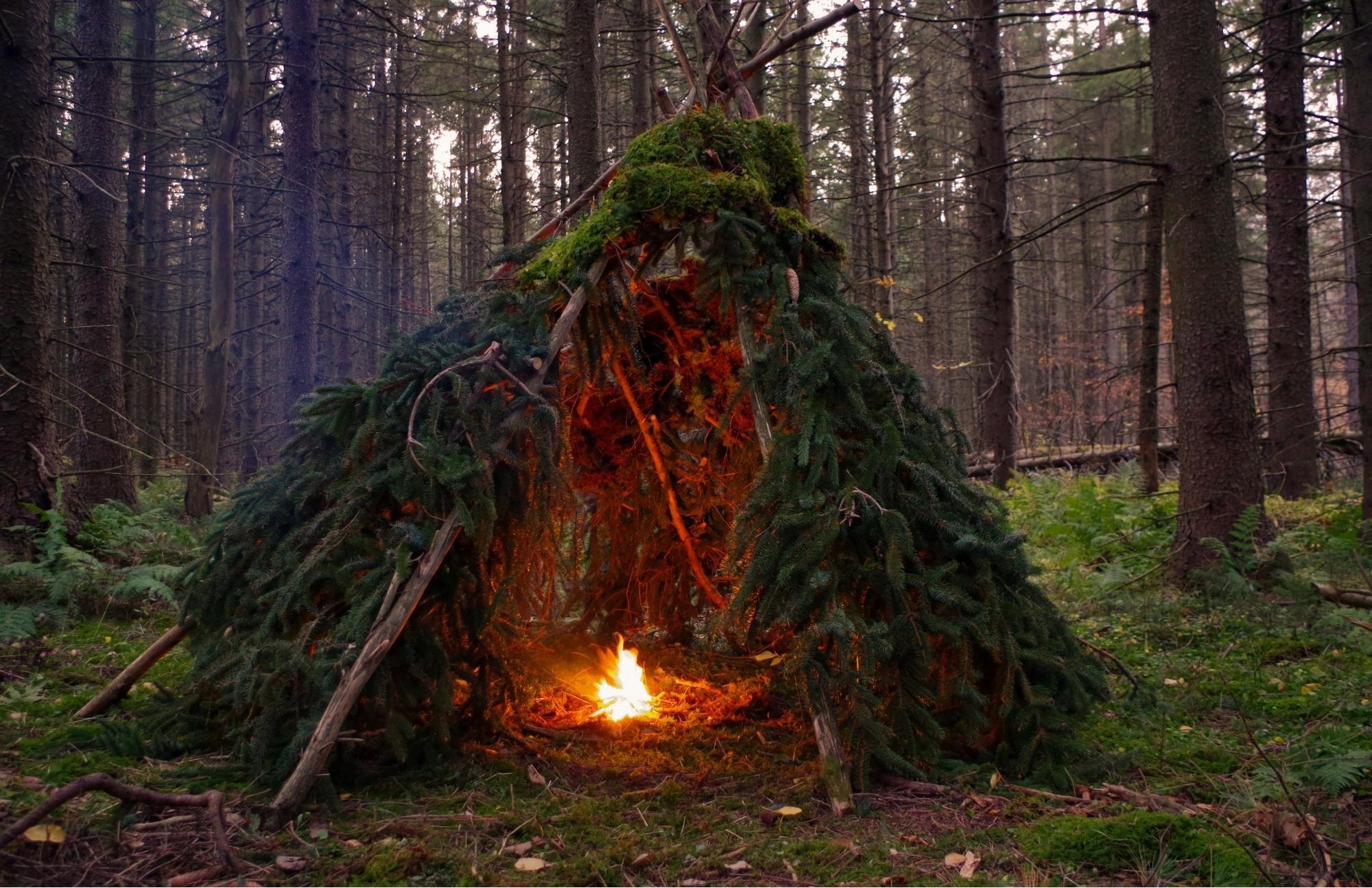
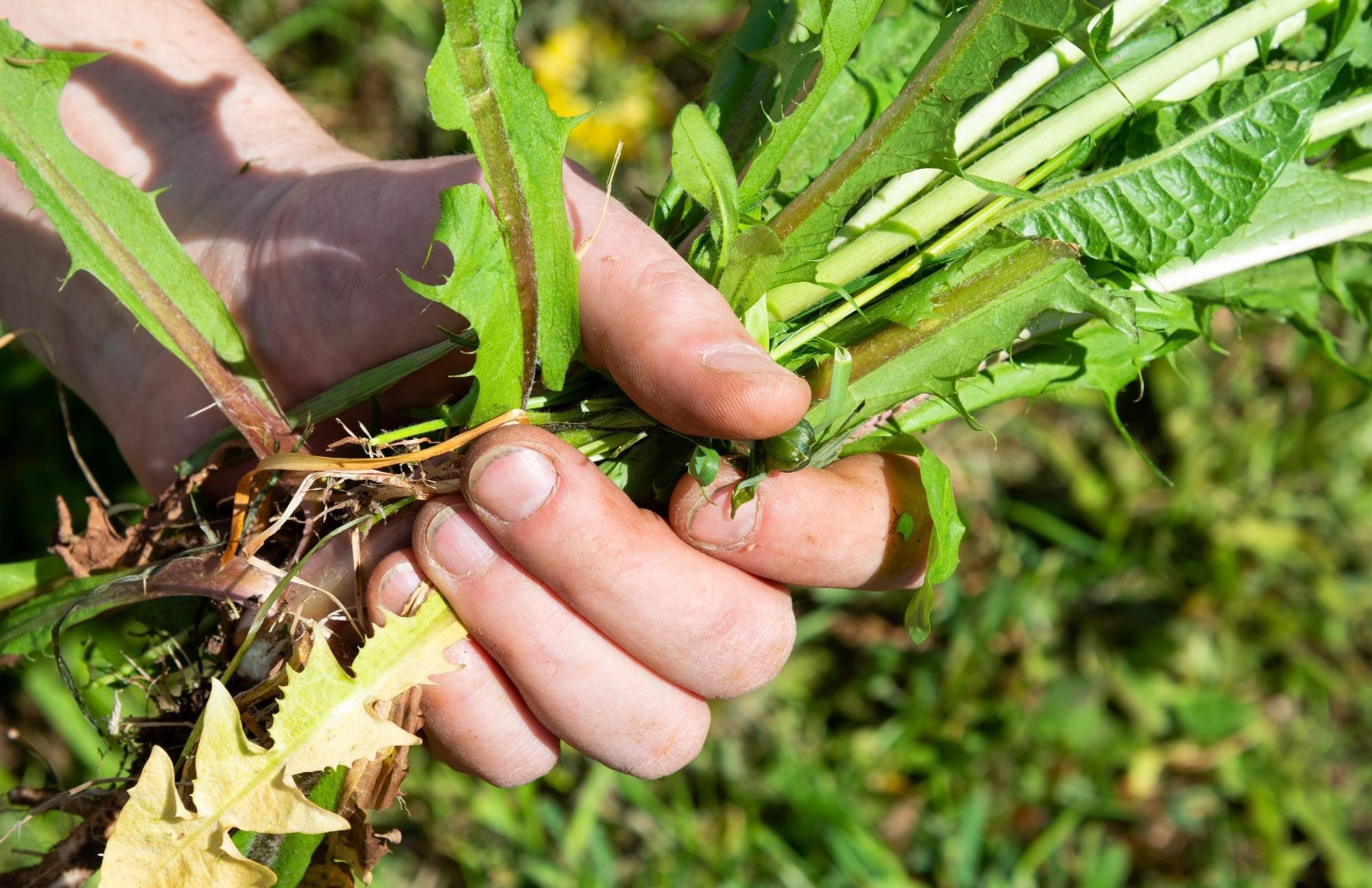
 Photo by Sanghwan Kim

 Photo by Sanghwan Kim