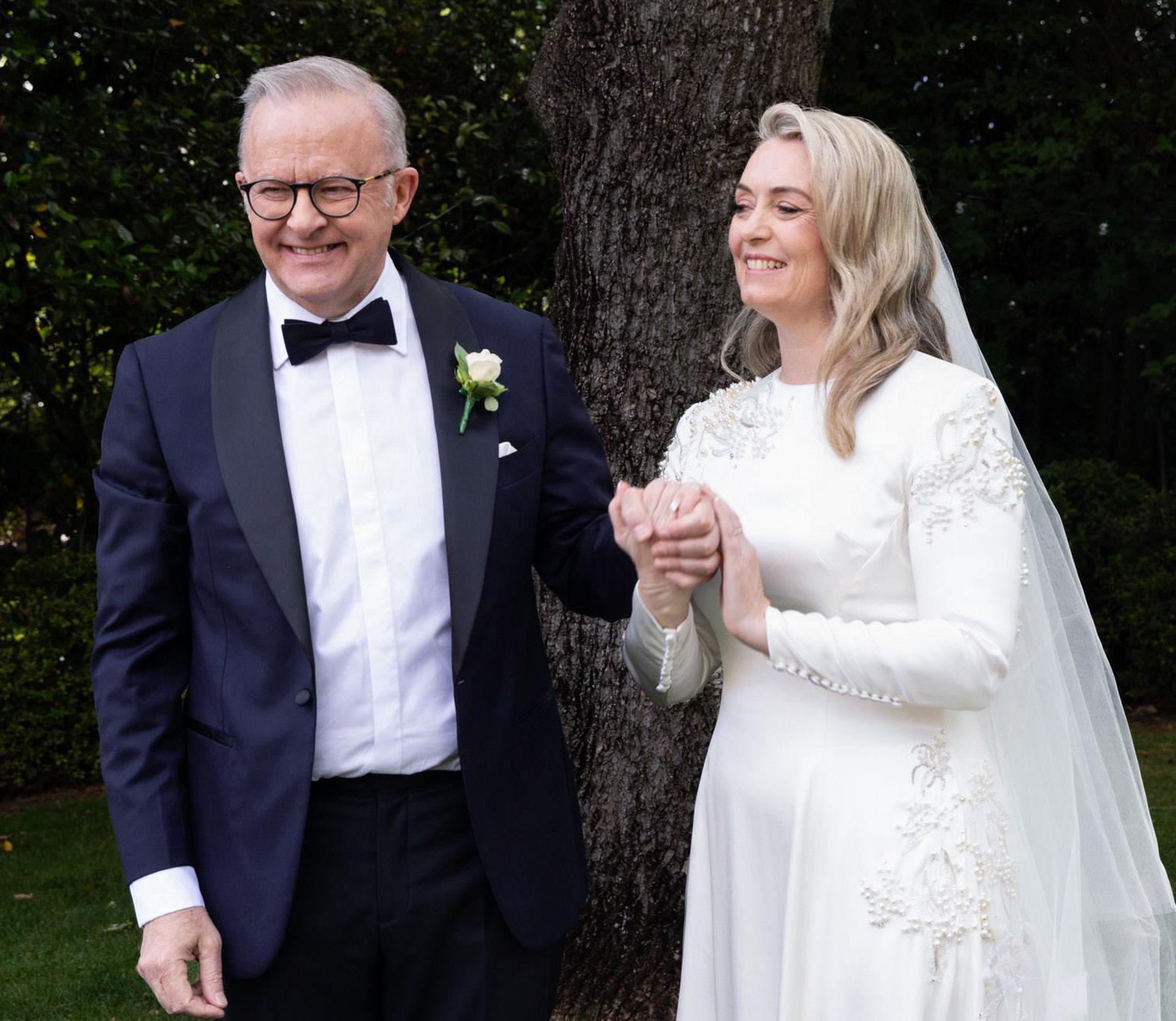
PM Modi Sends Warm Wishes as Albanese Makes History With Wedding at The Lodge
Anthony Albanese becomes the first Australian Prime Minister to marry while in office; global leaders extend congratulations.
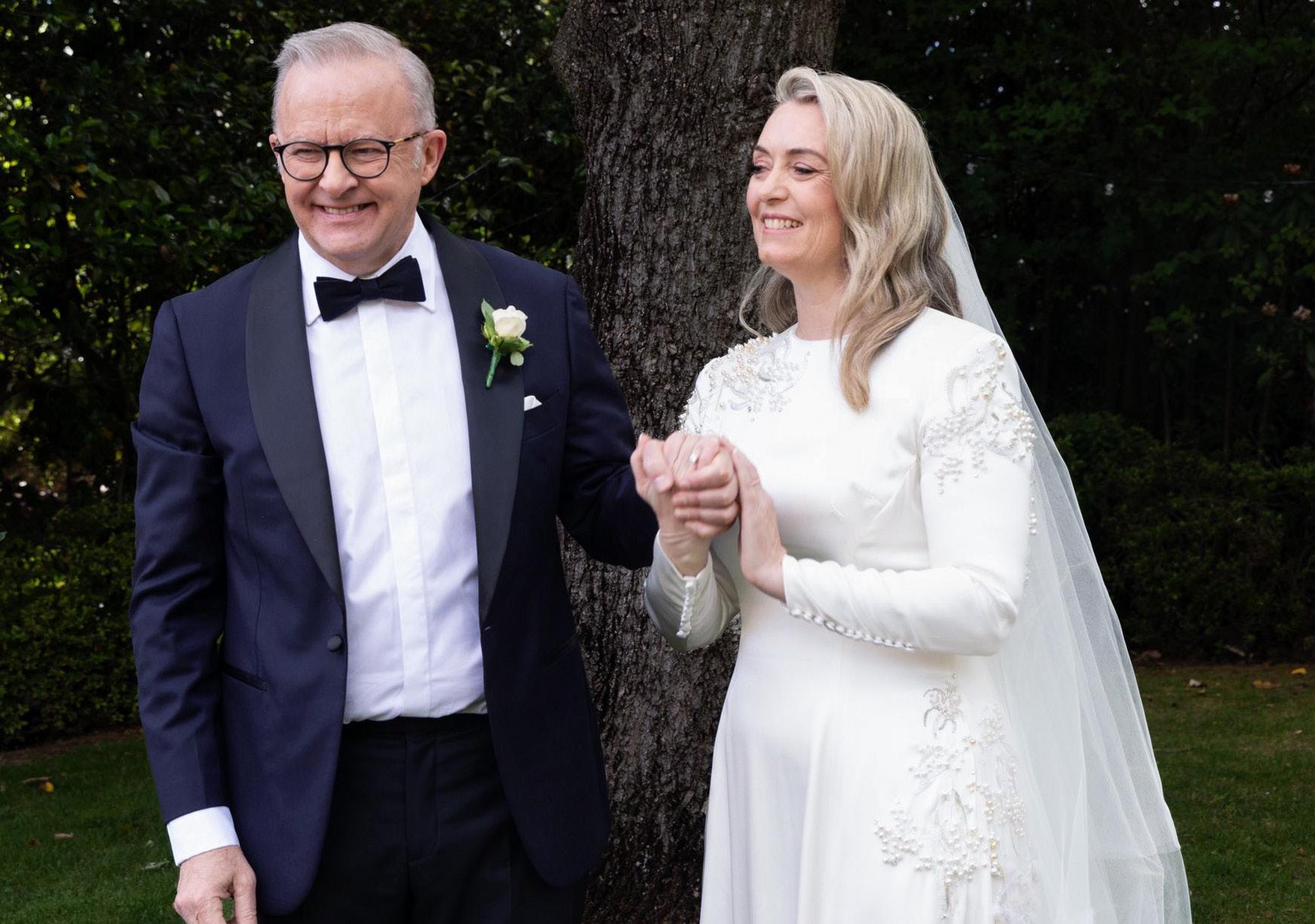
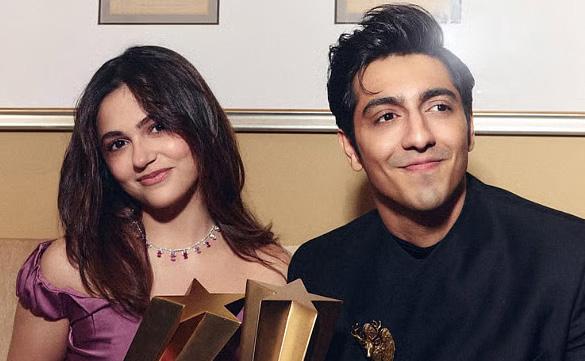
NEW DELHI/CANBERRA, Nov 29: Australian Prime Minister Anthony Albanese created a historic moment on Saturday, marrying his long-time partner Jodie Haydon in an intimate ceremony at The Lodge in Canberra—making him the first Australian PM to wed while in office.
The news quickly drew warm wishes from across the world, including a heartfelt message from Prime Minister Narendra Modi, who shares a close working relationship with the Australian leader.
“Congratulations to my good friend, PM Anthony Albanese and Ms. Jodie Haydon on their wedding. Wishing them a happy married life,” PM Modi posted on X, offering one of the first international greetings following the announcement.
Albanese and Haydon, who have been public partners for several years, said they were “delighted to share our love and commitment to spending our future lives together, in front of our family and closest friends.” The couple released a short celebratory video on X, captioned simply: “Married.”
A
Ceremony Marked by Bipartisan Warmth
The private wedding was attended by a cross-section of Australia’s political leadership, including senior ministers Penny Wong, Mark Butler, Katy Gallagher, Don Farrell, Tony Burke, Richard Marles, Jim Chalmers, Tim Ayres, and Jenny McAllister. New South Wales MPs John Graham and Jo Haylen were also present.
In a rare moment of bipartisan unity, Opposition Leader Sussan Ley extended her
congratulations. “I wish them every happiness as they continue building their lives together,” she said.
A Milestone in a Transformative Political Year
The wedding caps a landmark year for Albanese, who earlier led the Labour Party to a historic landslide victory, securing a record 94 seats in the lower house. Throughout his political rise, Haydon has been a steady and visible presence, accompanying him during the 2022 federal campaign and major public events.
Albanese has often spoken affectionately about Haydon’s role in his life. On election night, he publicly thanked her, saying:
“You make me so happy… you have my heart, I love you, and I look forward to living our lives together.”
A New Chapter for the First Couple
This is the second marriage for the Australian Prime Minister. His previous 19year marriage to former NSW politician Carmel Tebbutt ended in 2019.
Saturday’s ceremony marks a personal milestone that now becomes part of Australia’s political history—a leader stepping into a new phase of life while steering the nation.
As messages pour in from across the country and the world, PM Modi’s warm greeting underscores the deepening India–Australia friendship, anchored not just in diplomacy and trade, but in genuine personal respect between leaders.
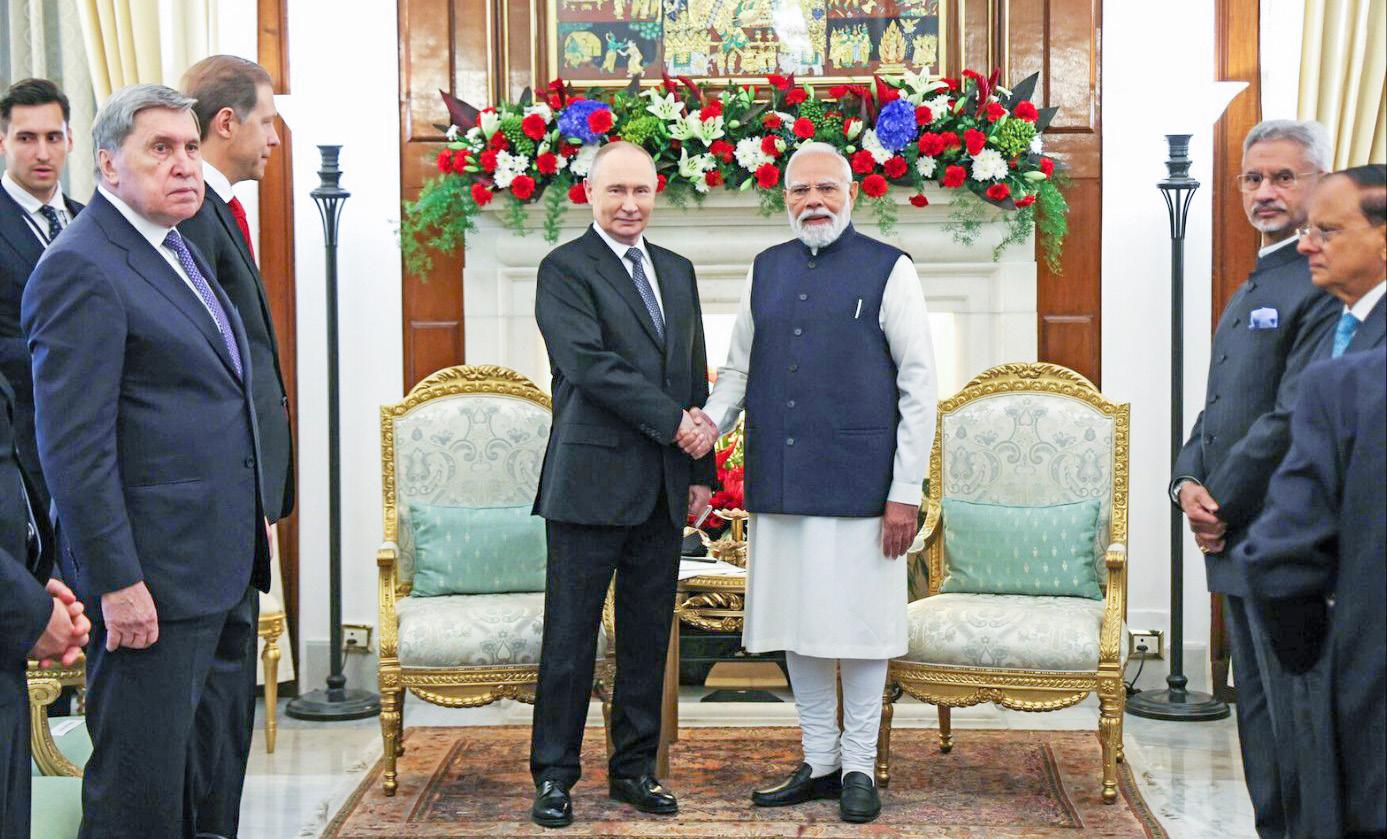
Putin’s India Visit: New Chapter for an Evolving Strategic Partnership
Delhi summit charts path toward broader trade, energy and defence cooperation — even as geopolitical pressures mount
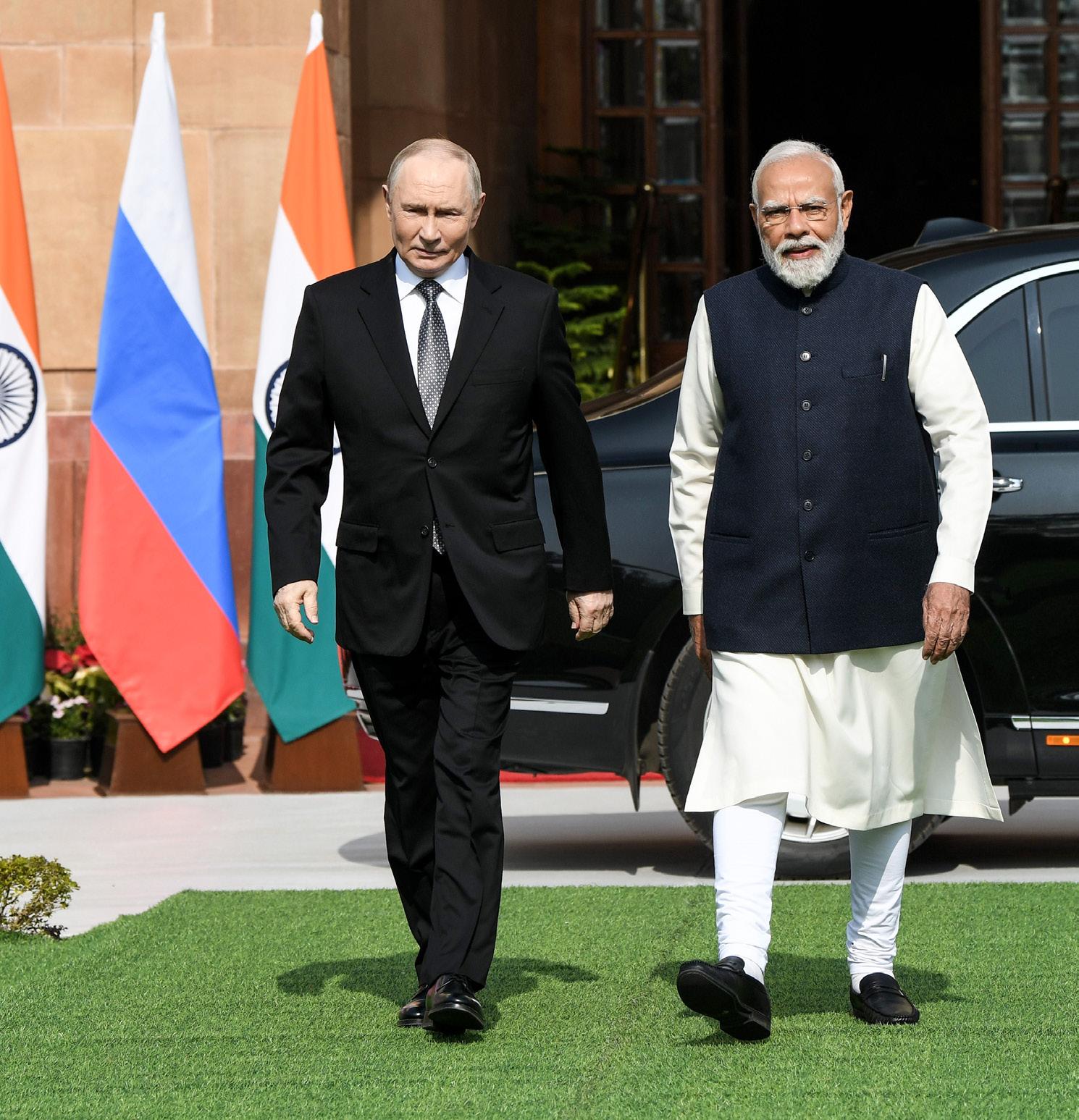
NEW DELHI, Dec 5: Russian President Vladimir Putin concluded a two-day state visit to India on December 5, 2025, marking a significant moment in the decades-long partnership between Moscow and New Delhi. The summit with Narendra Modi laid out ambitious plans to recast bilateral ties for a changing global landscape.
Trade and Economics: A $100 Billion Roadmap
At the heart of the visit was an agreement to deepen economic cooperation — not just in traditional sectors, but across shipping, fertilizers, energy, technology and labour mobility. The two sides unveiled a strategic economic cooperation programme aimed at boosting bilateral trade from roughly USD 69 billion (2024–25) to USD 100 billion by 2030.
Beyond oil, discussions spanned fertilisers, manufacturing, clean energy, critical minerals, pharmaceuticals and hightech collaboration. Indian businesses were encouraged to “Make in India” under this renewed partnership.
Energy and Nuclear Cooperation: Commitments Amid Pressure
Perhaps the most politically charged outcome: Putin reaffirmed Russia’s commitment to supplying India with uninterrupted fuel — oil, gas, and coal — even in the face of pressure from the United States.
On the civil-nuclear front, both countries committed to advancing joint projects including the expansion of the existing Kudankulam Nuclear Power Plant and exploring future collaboration in small modular reactors and floating nuclear plants — part of India’s long-term clean energy and capacity goals.
Defence, Technology & Maritime Links: Diversification of Strategic Ties
While defence remains a foundational element, this visit signalled a shift: from largely weapons-centric deals to a broader focus on joint research, co-development, local manufacturing and high-tech collaboration. The two nations agreed to expand cooperation in areas such as space, AI, quantum computing, telecommunications, and defence manufacturing — marking a strategic pivot for the partnership.
On maritime cooperation, the leaders discussed strengthening shipping and logistics ties, including polar-water shipping training, revitalising corridors, and exploring a revamped marine-transport network that could ease connectivity between India, Russia and Europe — an important move in global logistics realignment.
People,
Mobility,
Soft Power: More Than Just High-Stakes Diplomacy
A flurry of MoUs signed during the visit underscore a drive to deepen people-topeople and cultural links: labour-mobility pacts, cooperation in health and food safety, academic and research collaborations, and tourism facilitation including easier e-visas for Russian nationals.
These steps suggest that the partnership is being reimagined as a comprehensive, multidimensional alliance — spanning energy, defence, trade, technology, education, labour and culture. As one editorial aptly summarised, “the economy is the new lynchpin” of the Indo-Russian relationship.
Diplomacy Amid Tensions: A Delicate Balancing Act
The visit comes at a time when Russia faces global isolation due to its ongoing war in Ukraine, and India is under growing pressure from the West, particularly the United States, over its energy ties with Moscow. Yet, both leaders used the summit to reaffirm their independent foreign-policy choices. Putin stressed that trade and cooperation would not be “affected by fleeting political swings,” underlining Russia’s commitment to India even amid sanctions.
For India, the deal underscores a continued commitment to strategic autonomy — protecting its energy security and longstanding partnerships, while gradually diversifying ties beyond defence and energy.
Why This Visit Matters — and What It
Signals for the Future
This summit goes beyond pageantry or symbolic diplomacy. It marks a clear turning point: the traditional India–Russia bond — forged in defence and Cold Warera geopolitics — is being retooled for the 21st century. The new roadmap seeks to transform bilateral ties into a diversified, resilient, and future-ready alliance spanning energy, trade, technology, maritime connectivity, and human mobility.
As global geopolitics shifts and alliances are tested, the Modi–Putin meeting signals that New Delhi and Moscow aim to chart their own course — underscoring that strategic partnerships can evolve without losing their core foundation of trust and mutual interest.
(G’day India & Agencies)
Adult Time for Violent Crime Is Now Law
MELBOURNE, Dec 4: Children aged 14 and above will face serious consequences for violent crimes under the Allan Labor Government’s Adult Time for Violent Crime laws which have just passed Parliament.
Under the new laws, children committing violent crimes – like invading someone’s home or injuring someone with a machete in a sickening act of violence – will face adult sentences in adult courts.
That means courts will treat these children like adults, so jail is more likely, and sentences can be longer.
The Government will further increase the maximum jail sentence for aggravated home invasion and aggravated carjacking. For anyone 14 and over sentenced in the County Court, these offences will carry a maximum life sentence through Adult Time for Violent Crime.
The following crimes will be subject to
Adult Time for Violent Crime:
• Aggravated home invasion
• Home invasion
• Intentionally causing injury in circumstances of gross violence (includes machete crime)
• Recklessly causing injury in circumstances of gross violence (includes machete crime)
• Aggravated carjacking
• Carjacking
• Aggravated burglary (serious and repeated)
• Armed robbery (serious and repeated)
The first five crimes will be removed from the jurisdiction of the Children’s Court, and the matter will face full trial and sentencing in the County Court. Carjacking will also be heard in the County Court by default unless there are substantial and compelling reasons
for a matter to stay in the Children’s Court and be excluded from the regime.
Legislative guidance will confirm that aggravated burglary and armed robbery offences should be heard in the County Court if they are serious and repeated.
The Government will provide more resources to the County Court, including new judges, to fast-track hearings for these offenders.
Children, specifically aged 14, may be tried and sentenced in the Children’s Court, and excluded from Adult Time for Violent Crime, in substantial and compelling circumstances (e.g. if they have a cognitive disability).
The Bill also toughens the carjacking offence – expanding it to capture conduct where a person steals a car with a child under the age of 10 inside.
It will be an offence whether or not the person accused of the crime used force against any person, or whether they knew a child was in the vehicle. The principle will be clear: if there’s a child inside, it’s carjacking.
Knife crime has torn too many families and communities apart. The Bill also introduces a new stand-alone offence to apply when an accused person uses a knife in committing specific indictable offences.
Offenders charged with this new offence could face up to three years in jail on top of other charges.
The changes in the Bill will begin to take effect immediately after royal assent and will be fully implemented by the end of February.
(MEDIA RELEASE)
Making It Easier to Give the Gift of Life in Victoria
tabled the Government’s response to the Parliamentary Inquiry into increasing the number of registered organ and tissue donors – outlining support for the report’s 41 recommendations.
The response outlines support for 17 of the Inquiry’s recommendations in full, with a further 24 supported either in principle or in part to boost Victoria’s registered donation numbers.
The Labor Government will take immediate action to expand donor registration pathways including updating Victoria’s driver licence system to prompt and direct people to sign up to the Australian Organ Donor Register.
Links to the registration website will also be added across several Service Victoria cards, including for those applying for a digital driver’s licence, by mid-2026. This is in addition to the recent launch of a dedicated information page on the Service Victoria app and website to connect users directly to DonateLife’s registration website.
The Government will also boost community awareness in areas where there
are low donor rates and support specialist staff to facilitate compassionate and culturally appropriate conversations with Victorians.
In Victoria, the number of deceased organ donors, and lives saved, was the highest in the nation in 2024 – reflecting the generosity of Victorians and their families and the dedication of specialist staff who facilitate compassionate conversations to save and transform lives across the community.
However, in the past three years, the proportion of Victorians registered as donors has decreased, with the state’s registration rate on the Australian Organ Donor Registry now lower than the national average –reaffirming the need for urgent action to increase numbers.
The Government’s response is part of ongoing work to improve donation and transplantation outcomes, which includes the Organ and Tissue Authority Strategy 202227.
Victorians can sign up to become an organ and tissue donor by visiting donatelife. gov.au/register-donor-today.
MELBOURNE, Dec 4: The Allan Labor Government will make it easier for Victorians to register as organ and tissue donors –because every registration can save a life. Minister for Health Mary-Anne Thomas
Raising Responsible Kids: How a Simple Container Return Became a Family Tradition
Victoria’s Container Deposit Scheme (CDS Vic) is not only helping clean up the environment — it is also inspiring everyday lessons in responsibility, community and cultural heritage for families like Sonia’s in Melbourne’s western suburbs.
For nearly two years, Sonia and her two boys, aged 6 and 8, have turned container returning into a weekly ritual. But for Sonia, recycling is far from new.
“Back in India, my family would separate our containers before they were collected,” she says. “We’ve seen the effects of pollution and waste. We know future generations will suffer because of it, so doing our part is important.”
What began as a practical habit has grown into something much deeper — a powerful teaching moment for her children. On their walks, the boys eagerly scan the ground for discarded drink containers.
“They rush up to me saying, ‘Mummy,
Mummy, look, I’ve found another one we can recycle!’” Sonia laughs. Each bottle or can they find goes straight into the family’s collection, ready to be counted and returned.
It’s a game, a bonding activity, and a doorway into Sonia’s cultural values. She teaches her sons about Dasvandh — a Sikh
practice of giving 10 per cent of one’s earnings to the community. The boys now donate the money they receive from returning containers to their local Gurudwara.
“It’s something my parents taught me, and now my kids are learning it too,” Sonia says. “Returning containers helps them understand the importance of giving back.”
The process has also become a fun way for the brothers to learn maths, teamwork and patience.
“My older son helps his younger brother — they sort the cans, count them together and race to see who collects the most. Watching them load the containers onto the conveyor belt is the highlight.”
For Sonia, recycling is now woven into family life: a three-part practice of protecting nature, supporting community and nurturing spiritual values.
“When you recycle, you help protect the planet,” she says. “Seeing my kids do it on their own made me realise — I’m raising good boys.”
To learn more and find your nearest refund point, visit cdsvic.org.au.
MELBOURNE, Dec 2: The Allan Labor Government is introducing new laws to help families reunite safely and make sure children can grow up in secure, stable homes.
Minister for Children Lizzie Blandthorn announced the introduction of the Children, Youth and Families (Supporting Stable and Strong Families) Bill 2025, which makes every Minister, Department and the Chief Commissioner of Police jointly responsible for improving outcomes for at risk children, young people and families.
Reforms To Keep Children Safe and Families Strong
Modelled on Scotland’s successful Corporate Parenting approach, the Scheme ensures supporting at risk children and families is no longer the responsibility of child protection alone. Every portfolio will play a role – whether it’s education, health, housing or community safety – so families get the right help when they need it.
For children in care, care leavers under 25 and families working towards reunification, the Scheme will deliver more coordinated support across Government, from schools to health services and housing agencies.
The Bill complements the Labor Government’s Children, Youth and Families Amendment (Stability) Bill 2025 introduced in October which creates more opportunities for families to safely reconnect.
The Stability Bill removes time limits on Family Reunification Orders, giving the Children’s Court the flexibility to provide
families with more time to make the changes needed for their children to return home –when it’s safe and in the child’s best interests.
The Stability Bill delivers on Recommendation 25 of the Yoorrook for Justice report by the Yoorrook Justice Commission.
In response to the Parliamentary Inquiry into Historical Forced Adoption, the Stability Bill also restricts adoption on child protection grounds – unless a family has voluntarily offered a child for adoption. This reflects longstanding practice that adoption is not actively pursued by child protection.
Every child deserves a safe and stable home – and every family deserves the chance to come back together when it’s safe. These reforms make that possible, giving children the stability and connection they need to thrive.
Direct Delta Flights Touch Down In Melbourne
MELBOURNE, Dec 5: In another boost for Victoria’s visitor economy, the first direct Delta Air Lines flight from Los Angeles to Melbourne has touched down - opening a gateway for more visitors to experience Victoria’s world-class events, hospitality and attractions, thanks to support from the Allan Labor Government.
Minister for Industry and Advanced Manufacturing Colin Brooks joined Melbourne Airport CEO Lorie Argus to welcome the Airbus A350-900. There will be three flights per week, arriving and departing Melbourne on Wednesdays, Fridays and Sundays.
The service will provide an extra 86,000 seats between Victoria and the United States, with travellers able to connect to more than 40 airports in the US and Latin America from LAX.
The deal was made possible through the Labor Government’s $7 million Industry Partnership Program – a key initiative of the Economic Growth Statement that enables government and industry to co-invest to grow Victoria’s visitor economy.
It will also improve trade ties and provide new opportunities for exporters, with producers now able to access more reliable and direct access to one of the world’s biggest consumer markets.
The Delta service will offer four cabin classes and greater capacity on one of the world’s most in-demand long-haul corridors.
With Victoria preparing to make history as the first state to host an NFL Regular Season game, the new Delta connection also provides the perfect link for American fans travelling to Australia’s sporting capital.
Victoria welcomed more than 200,000 visitors from the United States in the year ending June 2025, spending more than 1.9 million nights across the state.
The US is Victoria’s fifth-largest international visitor market, contributing $385 million in visitor spending.
(MEDIA RELEASE)
Biggest Ever Grants for Emergency Services Volunteers
MELBOURNE, Nov 26: Victoria’s hardworking emergency services volunteers will receive more trucks, equipment and modern facilities to help keep communities safe – thanks to the Allan Labor Government’s Volunteer Emergency Services Equipment Program (VESEP).
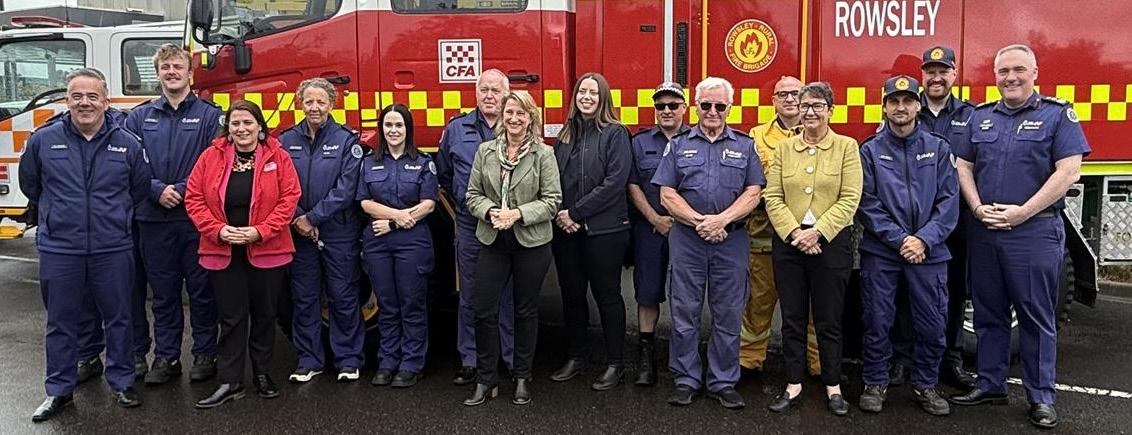
Minister for Emergency Services Vicki Ward announced the recipients of this year’s VESEP grants while visiting District 15 Headquarters Brigade in Wendouree, which will receive $104,000 for a new breathing apparatus support vehicle.
This year’s round delivers more than $30 million in grants – the largest ever – across the Country Fire Authority (CFA), Victoria State Emergency Service (VICSES), Life Saving Victoria, Volunteer Marine Search and Rescue and other emergency service organisations.
Funding for this round includes almost $20 million for more than 40 vehicles, more than $5 million to update 15 facilities and more than $1 million for operational equipment across the state.
Some of this year’s recipients include Wingeel Fire Brigade in Colac Otway Shire, receiving $210,000 to extend its training and
meeting room facilities and Amphitheatre Fire Brigade in Pyrenees Shire which received $150,000 for a new Big Fill unit.
VESEP is an annual grant program that helps Victorian emergency services volunteer groups purchase essential equipment or make facility improvements so that they can strengthen and support their vital work.
Groups can apply for a grant of up to $250,000 – a $100,000 increase from the previous maximum – with the Government contributing $2 for every $1 raised by the local volunteer group.
Thanks to the Emergency Services and
Volunteers Fund, VESEP funding will be doubled over the next four years with an additional $62 million invested to support volunteers. Every dollar raised through the Fund goes directly to emergency and disaster recovery services.
Over the past decade, the Labor Government has invested more than $168 million in VESEP grants, ensuring volunteers have the resources they need to protect Victorians.
A full list of this year’s VESEP grants is available at emv.vic.gov.au/vesep.
Brisbane 2032 unveils official Games vision: Believe. Belong. Become.
BRISBANE, Dec 3: Brisbane 2032 revealed its official vision: "Believe Belong Become Brisbane 2032" and laid down the ambition which will drive the Olympic and Paralympic Games hosted by Australia seven years later.
Announced at a launch event in Brisbane, the vision outlines how the Games aim to inspire communities, strengthen national pride and deliver long-lasting benefits for Queensland and Australia, both on the road to 2032 and far beyond.
Unveiling the vision, Andrew Liveris, President of the Brisbane 2032 Organising Committee, highlighted the significance of the five-word statement and its role in shaping the future of the Games.
"Our Games vision has significant symbolism behind it, with the genesis of each word acting as our north star towards the delivery of our Games in 2032 and an exciting era beyond," he said, as quoted by an International Olympic Committee (IOC) press release.
"I want to thank communities across Queensland and Australia for their input into the development of a Games vision and commitments that typify who we are and what we represent," he added.
The Chair of the International Olympic Committee (IOC)'s Coordination Commission for Brisbane 2032, Mikaela Cojuangco Jaworski, also welcomed this new approach. "The vision is bold and reflects the warmth and dynamism of Queenslanders as they prepare to welcome the world to their Games," she said. "It has been a privilege for me and the entire Coordination Commission to participate in this impressive and widereaching consultation," she added.
*What does the Brisbane 2032 vision represent?
-Believe - belief in the power of sport and the Australian spirit, which together unlock limitless potential, grit and heart to go further than ever imagined.
-Belong - a vision in which everyone is
welcome at the Games, with every person celebrated, creating a playing field that is fair and fun.
-Become - a moment of opportunity for Brisbane, Queensland and Australia, harnessing the magic of the Games to become stronger and move into an exciting new era.
*Key commitments of Brisbane 2032's official vision:
-Getting active in sport - encouraging more people to move more often.-Rolling out the welcome mat to the world - Australian warmth will be on full display.-Making access easy for everyone, everywhere - inclusivity is central
to the Games.-Embracing the environment as a natural strength - the land, the seas and wildlife.-Seizing the significant economic opportunity ahead - benefits extend across communities.-Appreciating the rich history and vibrant modern culture of Australia - its heritage and contemporary achievements are to be celebrated and shared.
*Values
The vision reinforces belonging, striving for one's personal best and admiration for others - values that will guide the Olympic and Paralympic Games experience.
The vision is the result of a broad engagement process led by Brisbane 2032, with more than 6,000 Australians contributing, from a range of ages, locations, genders, cultures and communities. More than 1,300 ideas were gathered across workshops, meetings and consultation sessions.
The launch of the vision represents another milestone on the road to 2032. Planning is continuing to accelerate across Queensland and Australia, with the Olympic Games scheduled for July 23 to August 8, 2032, followed by the Paralympic Games from August 24 to September 5.
Brisbane 2032 will now continue developing the detailed strategies and programmes that will bring the vision to lifeensuring the Games unite, excite and inspire communities while showcasing the very best of Australia to the world.
CANBERRA, Nov 25: The Australian government announced an almost 40 per cent funding boost for the national domestic, family and sexual violence support service in response to growing demand for support services.
Minister for Social Services Tanya Plibersek, Minister for Women Katy Gallagher, and Assistant Minister for the Prevention of Family Violence Ged Kearney announced an additional 41.8 million Australian dollars (about 27.03 million US dollars) in funding to expand the capacity of
1800RESPECT, which offers free information, counselling and support to Australians impacted by domestic, family or sexual violence, reports Xinhua news agency.
This brings the funding for 1800RESPECT to 146.8 million Australian dollars until June 30, 2027.
Since its inception in 2010, 1800RESPECT has seen contacts with the service increase by over 3,000 per cent. In the 12 months to June 2025, the service received more than 342,000 calls, video calls, online chats and texts, and demand
is expected to continue to grow as more Australians recognise the signs of violence and seek support.
The ministers said in a joint statement that the additional funding will help ensure 1800RESPECT can continue providing trauma-informed, accessible support for people experiencing family, domestic and sexual violence.
The announcement of the funding was made to coincide with the United Nations' International Day for the Elimination of Violence Against Women, they added.
According to the Australian Institute of Health and Welfare, one in six Australian women and one in 18 men have experienced physical or sexual violence by a current or former cohabiting romantic partner since the age of 15.
Family and domestic violence incidents accounted for 55 per cent of all recorded assaults in Australia in 2023, and 43 per cent of recorded murders were related to family and domestic violence.
Trump awarded inaugural FIFA Peace Prize at 2026 World Cup draw ceremony
WASHINGTON DC, Dec 6: US President Donald Trump has been given the inaugural FIFA Peace Prize at the 2026 World Cup draw in Washington. FIFA President Gianni Infantino awarded Trump moments before teams were assigned their tournament groups.
FIFA unveiled the new prize last month, describing it as an honour meant "to reward individuals who have taken exceptional and extraordinary actions for peace and, by doing
so, have united people across the world."
President Trump, in his brief speech, called the award "one of the great honours of my life."
"This is truly one of the great honours of my life, and beyond awards, we saved millions and millions of lives," Trump said. He also reiterated his claim of ending many wars, including mediating a ceasefire between India and Pakistan in May this year. India, however, has consistently denied any third-party involvement.
"The Democratic Republic of the Congo, as an example, over 10 million people killed, and it was heading for another 10 million very quickly...India-Pakistan, so many different wars that we're able to end, in some cases, a little bit before they started, just right before they started. It was going to be late, but we got them done," he added.
FIFA President Infantino, presenting the honour to Trump, said it is "a beautiful medal for you that you can wear everywhere you want to go" and a certificate recognising POTUS's "exceptional and extraordinary actions to promote peace."
The FIFA Peace Prize comes as a consolation to President Donald Trump, who missed out on the Nobel Peace Prize earlier this year, despite his repeated push for the award, emphasising his foreign policy achievements.
Trump's repeated claim for credit for the ceasefire came months after India carried out Operation Sindoor in May 2025, in retaliation for the Pahalgam terror attack in April that killed 26 people. India, however, has consistently denied any third-party involvement, while Pakistan has publicly credited Trump for helping to broker the ceasefire during the May conflict.
The award to Trump has irked football fans worldwide, who see the honour as "politically motivated," arguing that sports shouldn't be involved in politics.
The World Cup will begin on June 11, 2026, with a clash between co-hosts Mexico and Canada. The US is also a co-host for the 2026 World Cup.
"I had always dreamed
of India being host for Commonwealth Games": Indian Olympic Association President PT Usha
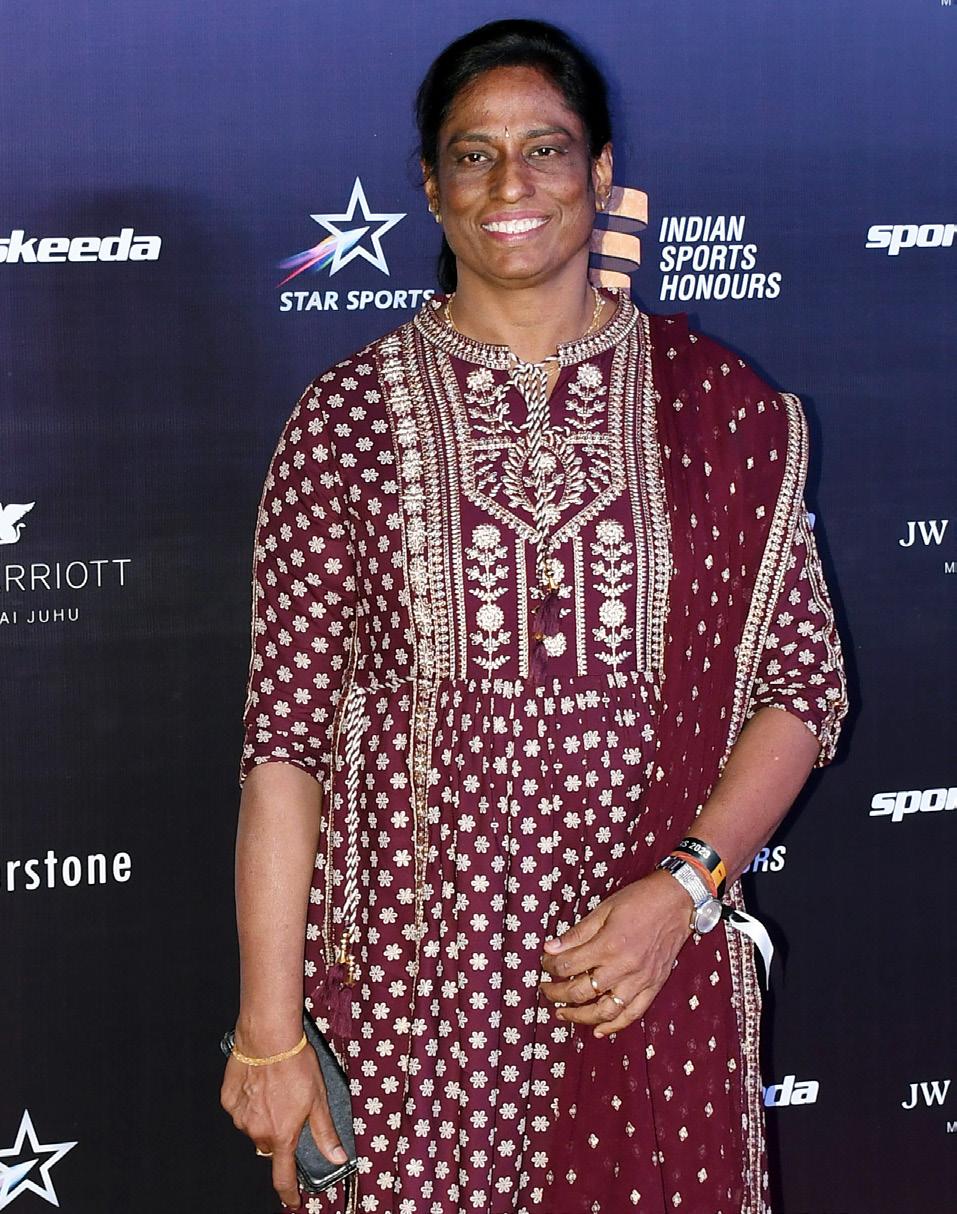
NEW DELHI, Nov 27: Indian Olympic Association (IOA) President PT Usha expressed her enthusiasm about India securing the hosting rights for the 2030 Commonwealth Games (CWG) in Ahmedabad. The 2030 CWG will mark the centenary of the Commonwealth Games and is expected to boost India's bid for hosting the 2036 Olympics.
IOA confirmed that Commonwealth Sport awarded the 2030 Centenary CWG hosting rights to Ahmedabad, as the competition will mark 100 years since the first Commonwealth Games held in 1930 in Hamilton, Canada.
"As an athlete and as IOA President, I had always dreamed of India being the host for the Commonwealth Games. Under the able leadership of our Hon PM Modiji, India has bagged the hosting rights of CWG 2030! #TogetherWeDream and together we say- Bharat ki Mezbani, Har Dil ki Zubani," IOA President PT Usha wrote in an X post.
The world's most populous nation will stage the landmark edition of the Games as delegates of the 74 Commonwealth member nations and territories ratified India's bid at the Commonwealth Sport General
Assembly in Glasgow.
Earlier, Tokyo 2020 Olympian Maana Patel expressed pride that Ahmedabad is set to host the 2030 Commonwealth Games, saying, 'I am feeling very proud as the city where I was brought up is going to host the international tournament,' and believes it will be a learning experience for everyone.
"I am feeling very proud as the city where I was brought up and from where my swimming journey started, that city is going to host the international tournament. This will be a learning experience for everyone, " Maana Patel said.
India presented a compelling vision for the 2030 Games, centred in the Gujarat city of Ahmedabad, which will build on foundations laid by Glasgow 2026, enabling India to celebrate the centenary in style.
The first Commonwealth Games were held in 1930 in Hamilton, Canada. Australia topped the medal table at the most recent Games, staged in Birmingham, England, in 2022, with the rest of the top five made up of England, Canada, India and New Zealand.
Getting married in Australia
Before you get married in Australia
Before you get married, you need to complete a notice of intended marriage (NOIM) form. You have to submit this form to an authorised marriage celebrant in Australia at least 1 month (but not more than 18 months) before the date of your wedding.
Please ask your authorised marriage celebrant if you need help with completing the notice of intended marriage form. You can complete it if you are overseas and plan to get married in Australia. The form has to be witnessed by an authorised person.
If there is less than 1 month until your wedding, talk to your authorised marriage celebrant. You may be able to get married if a prescribed authority approves the shortening of notice period. Reasons for getting married in less than 1 month include following:
• employment-related or travel commitments
• wedding or celebration arrangements
• medical reasons
• legal proceedings
• error in giving notice.
Your authorised marriage celebrant will also need the following documents:
• evidence of your date and place of birth (birth certificate or passport)
• proof of identity (driver's licence or passport)
• proof that a previous marriage has ended
• to meet separately and in person with each party to a marriage.
If you have further questions, you may contact me on 0425 853 086 or navee64@gmail.com
Misleading Artificial Intelligence in Legal matters
BY GURPAL SINGH
‘Generative’ AI is ‘a machine-learning model that is trained to create new data, rather than making a prediction about a specific dataset. The system learns to generate more objects that look like the date it was trained on. Platforms like Chat GTP are powered by ‘large language models’ that teach the platform to create realistic looking output. The write a story that reads like it was written by someone of extremely high calibre and pen a song that sounds like written by Mariah Careh, but it wasn’t. The machine, interestingly, is not competent to perform the legal research as it doesn’t access legal databases like Westlaw or LexisNexis, draft and input a query, review and analyse each of the results, determine as to what results are on the point, and then compose an accurate, citation which is mandatory for legal professionals to understand the correct citation format to ensure communication of sources and legal authorities.
The machine models have given hope to the litigants that they can run their cases without involving the lawyers who obviously costs money. It is important that we have an understanding of the horrible results for legal professionals who were callous enough to ignore this intrinsic obligation and present the matter to the court, essentially misleading and assuming that they won’t be caught.
In the context of legal research, the risks of using AI are now well known. Such tools apparently, produce coherent and plausible response to prompts, but those coherent and plausible responses may turn out to be entirely incorrect. Such responses may make those coherent and plausible responses may turn out to be entirely incorrect. They may make confident assertions that are simply untrue. They may cite sources that do not exist. They may purport to quote passages from a genuine source that do not appear in that source.
In every jurisdiction, the overarching obligation of the legal professionals requires them to certify their claims, defences, and other legal contentions are warranted by existing law and the factual contentions have evidentiary basis and support.
Trust is the currency of our profession, and we need technology which protects that trust imposed by law on the legal professionals. However, general-purpose
large language models are probabilistic and not deterministic; designed to sound plausible without there being a necessity to be factual accurate. For a highly regulated professional, relying on such machine models without rigorous verification is a liability.
In a recent full court appeal case before the Family Court heard in Melbourne and delivery of Judgment in Sydney, the practitioners embarrassed the court by listing the citations as ‘authorities’ for various propositions which could not be located and there were no such authorities for the propositions contended. The court curiously asked the barrister if they deployed the artificial intelligence in preparation of the written documents filed in the appeal. Indeed so, was the response with a confirmation that AI was deployed to assist in the preparation of the Notice of Appeal and Summary of Argument.
Shocking! Isn’t it. For the duty rests on lawyers who use artificial intelligence to conduct research themselves or rely on the work of others who have done so. This is no different from the responsibility of a lawyer who relies on the work of a trainee solicitor or
There are serious implications for the administration of public confidence in the justice system, if the artificial intelligence is misused. In those circumstances, practical and effective measures must now be taken by those within the legal profession with individual leadership responsibilities and by those with the responsibility for regulating the provision of legal services. Legal professionals have specific ethical obligations to ensure that all written material placed before the court is accurate.
The full court referred three practitioners including two barristers one of whom is a Kings counsel to regulatory body for disciplinary action. A Canadian court in similar situation directed the lawyers to refund the cost of the litigant. A USA court held the practitioner guilty of criminal contempt. Kindly refrain from jumping to AI and form the conclusions based on such research. Kindly seek a considered legal advice and it does comes with a cost. Such cost is not avoidable.
a pupil barrister on the information obtained from an internet search.
From Banker to Actor: Satinder Chawla’s Unexpected Second Act
A Melbourne migrant’s inspiring leap from corporate life to cinematic passion.
Some lives unfold not in a straight line but through bold reinventions. Satinder Chawla’s journey spans several chapters—banker, entrepreneur, volunteer, athlete, and actor— each shaped by discipline, service, and an unwavering desire to keep growing.
Born in Sagar, Madhya Pradesh, to Sardar Balwant Singh Chawla and Sardarni Preetam Kaur, Satinder was raised with strong values and a love for learning. After completing his schooling at Kendriya Vidyalaya, he joined Punjab and Sind Bank in 1976. His career progressed steadily, and by 1985 he was posted to Chandigarh, where he continued rising through the ranks.
After 25 years of service, Satinder made a surprising decision—he opted for voluntary retirement under the BRS scheme. At that time, he was the youngest officer in his bank to take the step. “My seniors were shocked,” he recalls. “They felt it was my time to rise further. But I felt it was time for a new beginning.”
That new beginning arrived in the form of entrepreneurship. His wife Jaswinder had been running a small uniform and boutique business from home. Satinder joined her post-retirement, and together they expanded it significantly—from supplying six schools to nine and adding seven corporate clients.
They also became the first in Punjab to introduce judo uniforms. “We walked into a completely different field and proved ourselves again,” he says with satisfaction.
Family shaped the couple’s next major transition. With one son working in Delhi and another pursuing studies in Australia, Satinder and Jaswinder decided it was time to reunite the family. In 2011, they migrated to Melbourne on a contributory parent visa. “When we landed, we looked around and said, ‘What a beautiful country,’” he remembers. “Clean, peaceful, welcoming—it felt right immediately.”
In Melbourne, Satinder continued his lifelong habit of service. He volunteered at Melbourne Airport and later worked at the duty-free shop, receiving commendations for both roles. A former badminton player who had competed at state and national levels, he also co-founded the Landmark Community Sports Club to encourage local sporting participation.
But destiny had yet another chapter waiting. In 2015, director Puneet Gulati offered Satinder a role, introducing him to the world of acting. Soon after, he appeared in Gurmeet Saran’s short film The Hidden Truth, marking the start of a prolific new career. A Punjabi feature film, Big Daddy, followed. Since then, Satinder has acted in nine feature films, two telefilms, and more than 170 short films, receiving recognition at festivals including Virasat.
Acting, he says, is not just work but passion—shaped by role models like Amitabh Bachchan, Amrish Puri, and Anupam Kher. His dream role is to portray an army officer, a tribute to the career he once wished to pursue but could not. “My mother feared for my safety,” he says. “Now I hope to fulfil that dream on screen.”
For aspiring actors, his advice is grounded in experience: passion, discipline, hard work, and humility.
Surrounded by his wife, two sons, grandchildren, and great-grandchildren, Satinder considers himself blessed. What moves him most is when people still approach him saying, “Uncle, you helped me years ago.”
His guiding principle remains unchanged: live with purpose and give quietly. “My father always said, if you give with your right hand, your left should not know. That’s how I want to be remembered.”
- Tonee Sethi
A Life Built on Heart, Hard Work, and Home
From her early days in India to a thriving life in Melbourne, Monica Kilam’s story is one of perseverance, purpose, and the enduring power of family and community
When Monica Kilam opens her door, it is often to unannounced visitors, easy laughter, and the aroma of a meal big enough for whoever happens to walk in. A natural host and lifelong people’s person, she finds happiness in full tables and shared stories. “For me, joy is having family and friends close, making sure no one leaves hungry, and knowing my loved ones are only a call away,” she says.
Monica’s story began in India, where she
and her husband lived for four years after marriage before deciding to study abroad. The plan was temporary, but Australia had other ideas. While her husband pursued higher studies, Monica realised she could work as a student spouse and soon secured a role with Siemens. That opportunity proved pivotal. “I already had my Master’s degree, and once I started working and forming friendships here, I realised how much I loved the environment and the people,” she recalls. Encouraged
by friends, the couple applied for permanent residency “on a whim.” Six months later, they were Australians in the making.
More than twenty-six years have passed since then. Monica and her husband raised two sons in Melbourne while building full-time careers. Today, she works as an IT consultant and co-runs Aquila Events, an event management venture known for weddings, expos, and community functions.
Outside work, Monica finds freedom in the outdoors, especially long walks and short hikes with her local walking group. “Australia gives you opportunities,” she says. “There is respect for weekends, for personal time. It allows you to balance work, home, and passion.”
Her values, however, are rooted deeply in her family in India. Monica draws inspiration from three influential elders—her Nanaji, Mamaji, and Maasi—whose lives modelled resilience, generosity, and quiet leadership. Her grandfather built an empire from humble beginnings, always helping those less privileged. Her uncle taught her the importance of focus and staying away from negativity. Her aunt’s home was famously welcoming; no one ever left unfed. “They shaped who I am,” Monica says. “Their example of giving and caring is something I try to live by every day.”
As a mother, she believes in guidance rather than pressure. “I never forced my children into anything,” she explains. “At home, values were lived, not preached. Children learn most from what they see.” She has always encouraged her sons to stay true to themselves: self-respect, she believes, is the foundation of strong friendships.
Monica remains thoughtful about issues affecting society, particularly aged care. Having worked across sectors, she has seen the gaps firsthand. “Some centres look fine on the outside, but what matters is how people are treated,” she says. “Elders want family. Charity begins at home. And if you can, spend time in aged care or palliative care centres— even a conversation can make a difference.”
Looking ahead, she hopes her sons carry forward the values she and her husband modelled. As for herself, she dreams of trekking to Everest Base Camp one day—her personal Everest. “It is about challenging myself, standing in a place I have always admired.”
In many ways, Monica’s story is a blend of continents and cultures, anchored in community, compassion, and contribution. “If everyone chips in a little, we build a happier society,” she reflects. “That is how I try to live.”
- Tonee Sethi
The Rhythm of Resilience
From
global stages to Melbourne’s classrooms, Sanchita Abrol redefines success as service through art
When Sanchita Abrol speaks of Kathak, she speaks of a life shaped by rhythm, discipline, and devotion. An accomplished Indian classical dancer, choreographer, teacher, and creative arts therapist, she has spent nearly a decade in Australia championing South Asian art forms while carving out a distinctive space for cultural expression and wellbeing.
Born in India with family roots in Jammu and Kashmir, Sanchita grew up in a home where music was woven into daily life. Her father, a paediatric oncologist, filled the house with melodies, while her mother
ensured both daughters were immersed in classical music and dance. Sanchita began with Odissi before discovering Kathak, and by age five she was already committed to the art form.
Her defining moment came the day she watched Padma Shri Guru Shovana Narayan perform. Determined to train under her, Sanchita travelled daily to Delhi—a demanding routine for a young girl, but one her parents encouraged wholeheartedly. She later joined the maestro’s repertory, performing across India and internationally and gaining exposure that shaped her artistic
foundations.
In 2014, Sanchita moved to Melbourne to pursue a Master’s in Public Policy at the University of Melbourne. She was drawn to the program’s academic depth and global perspective. Melbourne itself, with its multicultural vibrancy, quickly felt like home. She embraced the city’s diversity, the friendships she formed, and the intellectual space to debate policy, politics, and cultural identity. Her only ongoing complaint— Melbourne’s unpredictable weather.
Her academic path expanded over time, leading to three Master’s degrees, including one in Creative Arts Therapy. This interdisciplinary lens helped her establish Katha Prana, a South Asian centre dedicated to advancing traditional art forms as tools for mental health and emotional wellbeing. For Sanchita, dance is not only performance; it is therapy, heritage, and community-building.
Her artistic milestones span continents: performances in Europe, Africa, Sri Lanka, and Australia, and appearances on iconic Indian stages including Kala Ghoda and the Banaras Hindu University festival.
In Melbourne, she has collaborated with musicians and dancers across cultures, from merging Kathak with live harp to blending it with Carnatic vocals. She also curates the Melbourne Kathak Festival, now a recognised platform for local and international talent.
Among her many performances, one holds special meaning. Soon after becoming a mother, she reinterpreted her Guru’s iconic piece Chand, infusing it with the vulnerability and emotional depth of new motherhood. The work resonated deeply with audiences and opened important conversations about postnatal depression within South Asian communities.
Sanchita’s vision of success is rooted in preservation and purpose: maintaining the purity of Kathak, nurturing future generations of dancers, and ensuring South Asian art forms find recognition within global creative arts therapy frameworks. Her commitment extends into social impact, offering free therapeutic support to victims of domestic violence and modern slavery.
Spiritually anchored in Krishna and supported by her Guru and family, Sanchita balances her many roles with quiet determination. Her aspirations include deeper research into the Natya Shastra and creating inclusive Australian stages for specially abled artists.
For her, happiness lies in Rasa—that rare moment of transcendence where artist and audience connect as one. It is the state she strives to create, whether through dance, therapy, or community engagement.
- Tonee Sethi
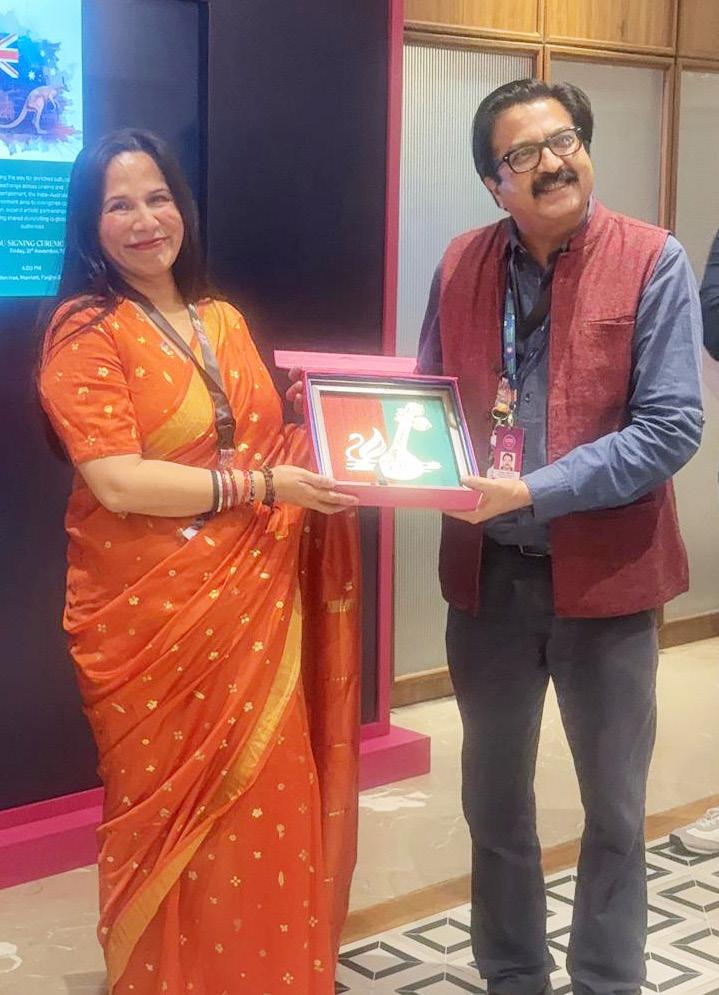
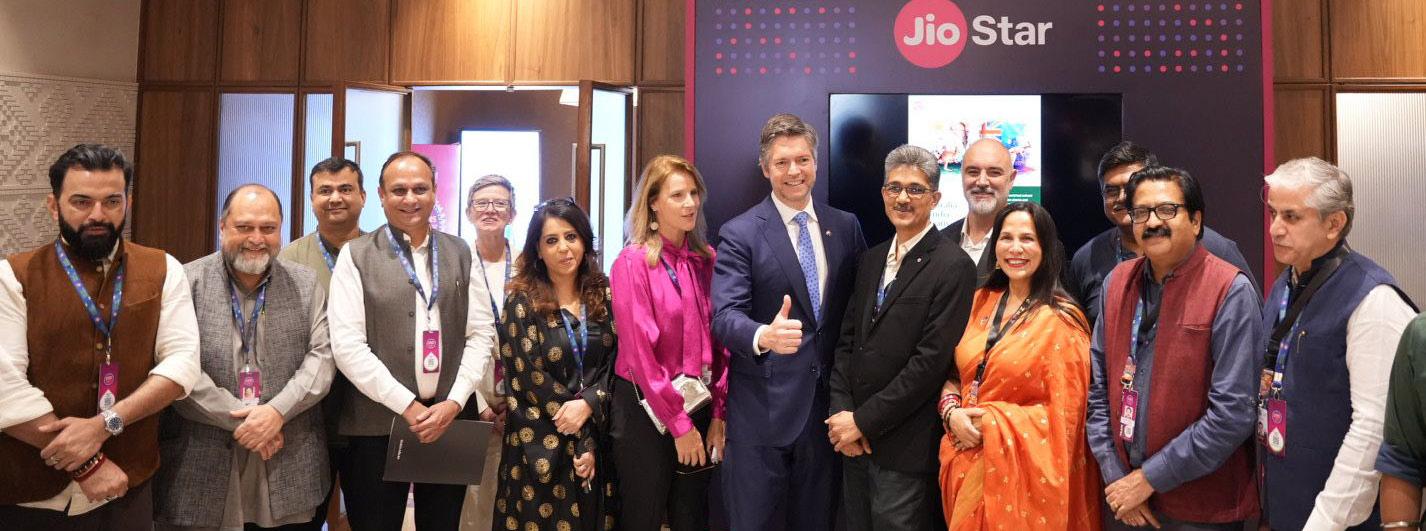
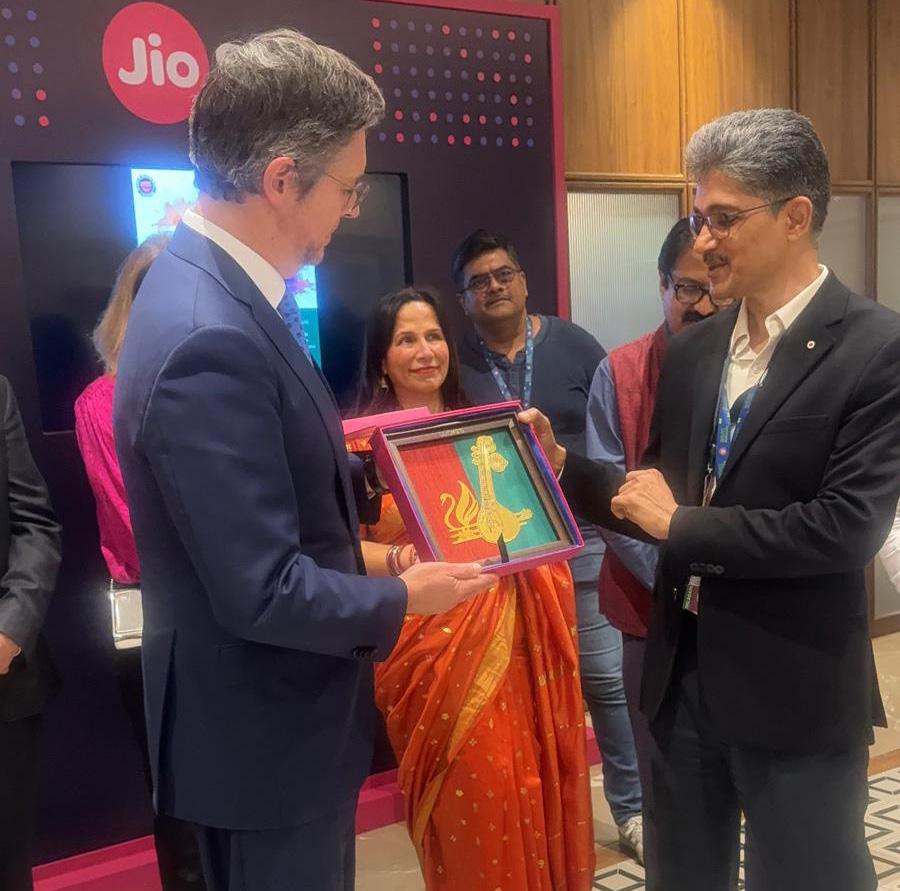
India and Australia Sign Landmark Film Alliances at IFFI Goa
Three major MOUs spark a new era of cross-border storytelling, education, and cinematic collaboration.
As the sun dipped behind the coconutlined skyline of Panjim, the red carpet at the 56th International Film Festival of India (IFFI) shimmered with a rare fusion of stardust and diplomacy. Actors, filmmakers, and global screen leaders converged on Goa—not just to celebrate cinema, but to rewrite the script of India–Australia creative relations.
Front and centre was Australian icon Rachel Griffiths, dazzling at the 4K restored screening of Muriel’s Wedding, alongside acclaimed director Garth Davis of Lion fame. Yet their presence marked more than nostalgia. It signalled a new chapter—one where storytelling stretches beyond borders, strengthened by three historic memoranda of understanding signed between leading Australian and Indian institutions.
The Indian Film Festival of Melbourne (IFFM) led the Australian charge, guiding a powerhouse delegation of filmmakers, producers, animators, and creatives. Melbourne’s Lord Mayor, Councillor Nick Reece, added political heft to the moment. For IFFI—India’s cinematic jewel running from 20 to 28 November—this was no ordinary year.
A Cinematic Alliance Like Never Before
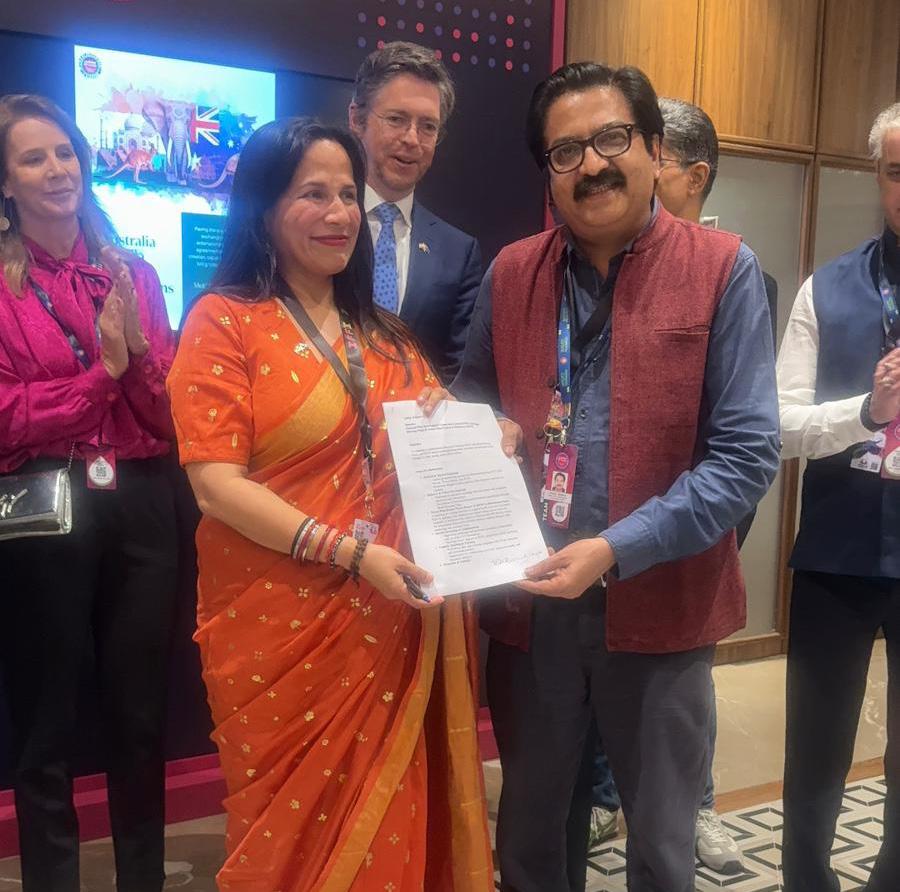
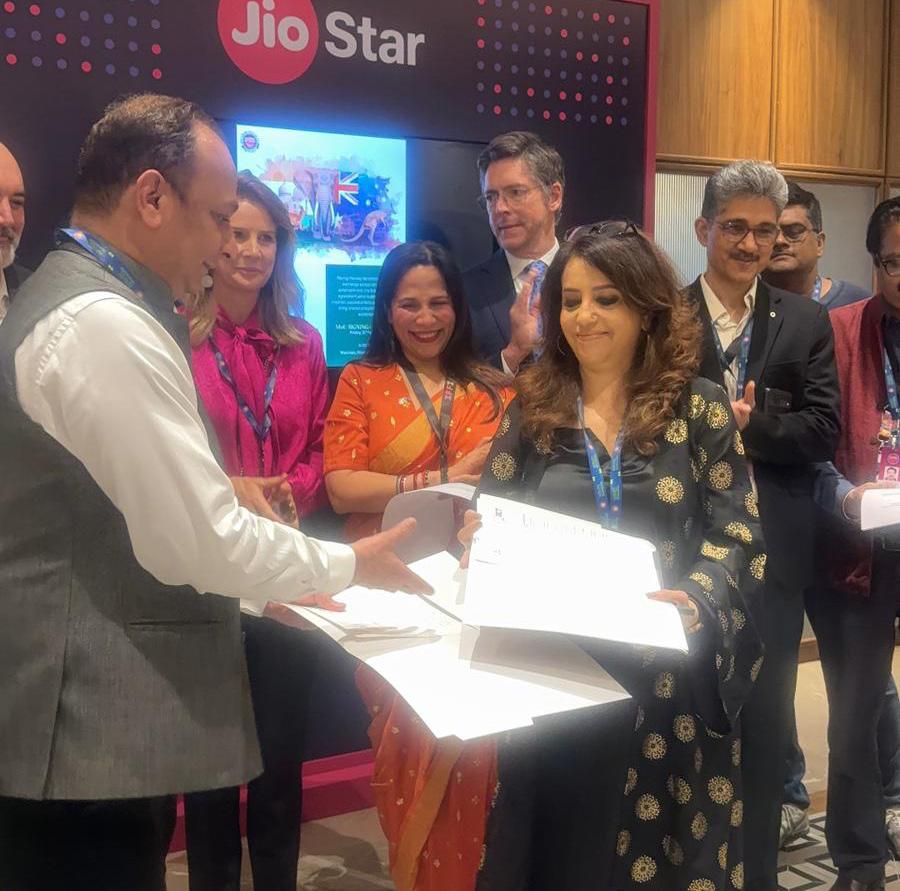
In a ceremony brimming with symbolic weight, IFFM, Mind Blowing Films, NFDC, FTII, IICT, PVR INOX, and Deakin University cemented a trio of partnerships aimed at transforming how the two nations collaborate on screen.
The NFDC–IFFI–IFFM agreement is perhaps the most ambitious: a robust framework spanning festival exchange, talent development, shared programming, and a pioneering CoDistribution Fund designed to give South Asian films stronger reach across India and Australia.
The education-focused MOU between Deakin University, FTII, and IICT promises to reshape the future of film training. With curriculum collaboration, faculty exchange, and advanced workshops, it brings India’s and Australia’s next generation of filmmakers into a shared creative classroom.
And then came the showstopper: a distribution pact between PVR INOX—India’s largest cinema chain—and Mind Blowing Films, ensuring Australian films finally gain a stable theatrical footprint across one of the most influential movie markets in the world.
A Vision Shared Across Borders
The excitement was palpable.
“These partnerships launch a new era of Indo–Australian screen collaboration,” said IFFM Director Mitu Bhowmick Lange, whose efforts have been instrumental in bringing these alliances to life.
Deakin University’s Ravneet Pawha called it a “heightened phase of cross-cultural knowledge engagement,” while Victoria’s Creative Industries Minister Colin Brooks said the agreements will “boost careers now and prepare the next generation for global collaboration”.
Even audiences found themselves part of the story. “More Australians than ever are embracing Indian cinema,” noted Melbourne’s Lord Mayor Nick Reece, reaffirming the cultural bridge between the two nations.
A Curtain Rises on the Future
As the deals were signed and cameras flashed, a deeper truth settled over the festival: cinema had once again proven its power to build relationships, amplify cultures, and carve new pathways between people and nations.
At IFFI Goa, the lights didn’t just shine on stars—they illuminated the beginning of an Indo–Australian creative renaissance.
G’day India & Agencies
5 WAYS TO STAY TRUE TO YOUR WEIGHT LOSS JOURNEY
In today’s fast-paced world, where the demands of modern life take precedence over physical and mental health needs, it is crucial to emphasise the significance of prioritising a healthy lifestyle.
However, the journey towards a healthier life poses a challenge for millions of individuals worldwide, largely due to concerns related to weight and obesity. The issue of obesity is undoubtedly multifaceted, with genetic and lifestyle factors contributing to its complexity.
The key to effectively addressing this challenge lies in adopting a positive, resolute approach and embracing a determined mindset.
In the pursuit of a healthier life, it’s crucial to shift focus from short-term solutions and instead concentrate on achieving and sustaining long-term weight loss and improved fitness.
The World Health Organization (WHO) reports that obesity rates have been steadily increasing, leading to various health issues such as heart disease, diabetes, and certain types of cancer.
With one of the world’s fastest-rising obesity rates, India is fighting a constant health crisis. Moreover, the COVID-19 pandemic has also highlighted the vulnerability of individuals with obesity to severe outcomes.
According to estimates, India has 135 million obese people. A report published by the World Obesity Federation earlier this year highlights that the obesity risk in Indian women will rise to 13 percent, and in men to 8 percent by 2035.
These statistics underscore the importance of addressing obesity as a public health issue and the need for individuals to take control of their weight and health.
A few ways which can help you to stay fit and lose weight are as below:
Creating sustainable habits is the foundation for long-term success in weight management. Instead of chasing quick fixes, it is important that you prioritise health-conscious routines.
Begin by adopting a balanced diet, incorporating regular physical activity, and mastering stress management. Keep in mind, that consistency is the secret to maintaining a healthy weight. Gradual lifestyle changes pave the way for lasting results.
Incorporating a healthy diet is crucial for managing weight effectively. Incorporating a well-balanced diet while avoiding processed foods and sugary drinks is vital for weight
maintenance. Essential minerals such as Zinc and Iron are crucial for antibody production and a strong immune system.
For those struggling to maintain a nutritious diet due to a busy lifestyle, convenient on-the-go supplements like Vestige Veslim Shake can be a practical solution.
Veslim Shakes are designed to aid weight management by keeping individuals feeling full and reducing junk food cravings. They come in flavours like mango and vanilla, ensuring taste without compromising on nutrition.
Prioritising adequate sleep is another crucial aspect of a successful weight-loss journey. Quality sleep plays a significant role in regulating hormones that control appetite and metabolism.
Aim for 7-9 hours of restful sleep each night to support your weight management efforts. Poor sleep can lead to increased cravings for unhealthy foods and hinder your ability to make healthy choices during the day.
Maintaining an active lifestyle is essential for successful weight management. Incorporating enjoyable activities such as walking, cycling, swimming, or dancing to burn calories, where consistency in routine takes precedence over intensity is always helpful. To stay motivated, reach out to friends, family, or professionals. One might also want to explore joining a weight loss group or consulting with a nutritionist or personal trainer.
Keeping a journal can be a powerful tool for tracking progress and staying accountable. One can use a variety of health monitoring apps to track daily food intake, exercise habits, and physical and mental wellness.
This can help identify patterns, triggers for overeating, and areas where adjustments are needed. Parallelly, it also serves as a source of motivation when you can see the positive changes you’ve made over time.
Attaining your weight loss goals is more akin to a marathon, not a sprint, marked by steady and gradual advancement.
Patience, consistency, and maintaining a positive mindset are the essential factors to achieving sustained success on this journey towards enhanced health.
(IANSlife)
10 FACTS ABOUT ANTIBIOTIC OVERUSE
Antibiotics revolutionised the field of medicine, saving countless lives by combating bacterial infections. However, there is one thing that has emerged as a cause of major concern. Their misuse and overuse presents a looming threat: antibiotic resistance.
What is Antibiotic Resistance?
Antibiotic resistance happens when bacteria evolve to withstand the effects of antibiotics, which makes these medications ineffective. This phenomenon is a global threat that is the consequence of overuse and misuse of antibiotics. Resistant infections are harder to treat, leading to prolonged illnesses, increased healthcare costs, and, in some cases, higher mortality rates.
This article delves into 10 crucial facts about antibiotic overuse that need attention. Each point in this article highlights the urgent need for responsible antibiotic use. Agricultural practices, incomplete courses, and the global implications of resistance highlight the interconnected nature of this issue. Understanding these facts is essential for fostering a collective commitment to preserving the efficacy of antibiotics and safeguarding public health.
Antibiotics Are Not Always the Answer: It is important to understand that antibiotics are effective against bacterial infections, not viral ones. Overuse of antibiotics for viral illnesses, like the common cold or flu, contributes to antibiotic resistance. Therefore, their excessive use to treat viral infections must be prevented.
Antibiotic Resistance is a Growing Threat: Not many people are aware, but the phenomenon of antibiotic resistance is a growing threat. Overusing antibiotics leads to the development of bacteria that is resistant, thus reducing the effects of antibiotics and making infections harder to treat. This global issue poses a significant threat to public health.
Incomplete Courses Contribute to Resistance: One of the most important things that contributes to antibiotic resistance is not completing the antibiotic course. Not finishing a prescribed antibiotic course can leave surviving bacteria more resistant. It’s therefore crucial to complete the full course as directed by a healthcare professional.
Agricultural Practices Contribute to Antibiotic Resistance: Surprisingly, agricultural practices are also contributing to antibiotic resistance. This is because antibiotics are often used in agriculture for promoting animal growth. This contributes to the spread of resistant strains, affecting both animals as well as humans.
Emergence of Superbugs: Resistant bacteria, or “superbugs,” are evolving
rapidly evolving. This is due to the overuse of antibiotics. Some strains are resistant to multiple antibiotics, complicating the treatment options.
Possibility of Secondary Infections
Arising: Weakened by broad-spectrum antibiotics, the body becomes susceptible to secondary infections like Clostridium difficile (C. diff), resulting in severe complications.
Individual Actions Matter: Each person’s responsible use of antibiotics can collectively contribute in combating resistance. Avoid self-prescribing and only take antibiotics when they are prescribed by a qualified healthcare professional.
Global Collaboration is Important: Addressing the grave concern of antibiotic resistance requires a global effort. Cooperation between healthcare providers, researchers, policymakers, and the public is crucial for effective solutions.
Existence of Research and Development Gaps: The need of the hour is new
antibiotics and alternative treatments. However, due to financial challenges, pharmaceutical companies may be hesitant to invest in research for new antimicrobial agents.
Education is the Key: Raising awareness and educating people about antibiotic overuse and resistance is essential. Education campaigns can empower individuals to make informed decisions, and eventually reducing the unnecessary antibiotic use. This can significantly help in reducing antibiotic resistance.
To sum up, understanding antibiotic resistance and the impact of antibiotic overuse is necessary for safeguarding our health and the effectiveness of these crucial medications. By adopting responsible practices, supporting research, and fostering global collaboration, we can deal with the challenges posed by antibiotic resistance.
By Dr. Namita Jaggi
AGODA’S 2026 TRAVEL TRENDS REVEAL INDIA’S NEW ERA OF ‘INWARD WANDERLUST’
Digital travel platform Agoda has published its 2026 Travel Outlook Report , spotlighting five key trends and insights that will define the next year of travel across Asia. Agoda’s findings reveal that Asian travellers are increasingly drawn to local adventures and hidden gems at home, while food is rapidly emerging as a major motivator for travel across Asia.
Derived from a survey of Asian travellers as part of Agoda’s 2026 Travel Outlook Report, the data also reveals that travellers are keen on maximizing value, ensuring every travel dollar is well spent. Travel habits are shifting towards shorter, frequent trips with family, alongside the rise of new trends like micro travel. Against this backdrop, AI has also emerged as a new digital travel companion to help with inspiration and planning.
In India, Agoda’s report spotlights a powerful shift toward “inward wanderlust,” as more Indian travellers turn their attention to hidden gems, cultural richness, and meaningful experiences within their own borders.
“While frictionless travel continues to fuel outbound ambitions, it’s clear that domestic exploration remains firmly on the minds of Indian travellers. Every corner of the country has something novel and exciting to offer, and this renewed curiosity is shaping a more meaningful and more intentional era of travel. This shift is supported by the rise of AI tools that make planning easier and more personalized than ever. India’s travellers are not just exploring more but they are exploring with deeper intention,” said Gaurav Malik, Country Director for the Indian Subcontinent and Indian Ocean Islands at Agoda.
Agoda’s top five trends defining travel in India in 2026
4Home is where the adventure beginsDomestic exploration accelerates
If 2026 has a travel anthem for India, it is the renewed call to explore the cultural richness within one’s own country. The popularity of domestic travel continues to rise, with more than a third of Indian travellers (35%) planning to explore more within the country than internationally, an increase from 25% last year.
While Indians still enjoy balancing both domestic and international adventures, with 51% planning to do so equally, the growing allure of India’s lesser-known destinations is unmistakable. Unique cultural experiences, lower costs, and fewer crowds rank as the top three reasons Indians prefer secondary destinations over traditional hotspots.
4Indian travellers follow their passionsRelaxation, Adventure, and Culture lead the way
Indians are embracing bolder, more meaningful ways to travel. Their top three motivations for taking a trip in 2026 are relaxation (67%), outdoor adventure and activities (28%), and cultural exploration (26%). Notably, Indian travellers are also across Asia to embark on spiritual or religious journeys, highlighting a growing desire for reflection, connection, and purpose-driven travel experiences.
4Smart spending and planning shapes travel choices
Value remains a key priority for Indian travellers in 2026. Nearly half (47%) plan to spend INR 5000 or less per night on accommodation, underscoring a strong preference for budgetsmart stays. Additionally, if visa restrictions were not a factor when planning travel, Indians’ global ambitions would rise even further, with 84% saying they would travel more often and 91% saying they would be open to exploring new destinations, the highest among their Asian peers.
4Shorter, meaningful getaways with loved ones
For most Indian travellers, 2026 will bring trips that balance convenience with connection. The average trip is expected to last between 4-7 days, ideally spent with family (40%) or with a spouse or partner (34%). These shorter breaks allow travellers to enjoy fulfilling experiences without lengthy time away from work or routine responsibilities, reinforcing the trend toward frequent but compact getaways.
4AI emerges as India’s trusted travel co-pilot
Indians are among Asia’s most enthusiastic adopters of AI in travel. 68% say they are likely to use AI to plan their next trip. 53% say they trust AI-generated information, compared to just 12% who express distrust. Indian travellers are looking to AI for help at every stage of their journey from crafting personalized itineraries to discovering local attractions and enabling seamless translations, cementing AI’s role as a dependable digital travel companion.
Those making travel plans for 2026 can enjoy Agoda’s offerings of over 6 million holiday properties, more than 130,000 flight routes, and over 300,000 activities, all easily combined in a single booking. Discover the best deals on Agoda’s mobile app and visit Agoda.com for more information.
Agoda surveyed 3,353 respondents from nine markets in Asia (India, Indonesia, Japan, Malaysia, Philippines, South Korea, Taiwan, Thailand, Vietnam). The survey was conducted in October 2025.
Agoda, a digital travel platform, helps anyone see the world for less with its great value deals on a global network of 6 million hotels and holiday properties worldwide, plus flights, activities, and more. Agoda.com and the Agoda mobile app are available in 39 languages and supported by 24/7 customer support.
Headquartered in Singapore, Agoda is part of Booking Holdings (Nasdaq: BKNG) and employs more than 7,000 staff in 27 markets, dedicated to leveraging best-in-class technology to make travel even easier.
For more information, visit www.agoda.com .
SIX WAYS TO KEEP YOUR EYES PROTECTED
Scorching heat in summer can hinder your vision if left unprotected. During the peak hours of the day, particularly, when your eyes are exposed to direct sunlight, this can cause several eye problems. The existing burden of eye diseases globally is enormous with approximately 2.2 billion individuals having a near or distance vision impairment, out of which, almost half of the cases could have been prevented if minimal preventive measures like adhering to protective gear, while stepping out in the sun among others were taken timely.
During summers, not only does your skin need to be safeguarded from UV rays, but it’s also equally important to take precautions to protect your eyes and keep them healthy. From using eye drops to covering your eyes with UVprotected sunglasses, these simple yet effective tips will help you keep your eyes healthy and happy all summer long. Here are some best practices that may help save your sight during summers:
Ensure that eyes remain hydrated: Yes, hydration is the key. During the summer season, dry eyes is a common phenomenon. Even strong winds wrapped with increasing heat during summers can cause serious dehydration and irritation in the eyes, often resulting in dry eyes condition. Hence, an adequate amount of fluid that can assist your body in producing protective tears is essential. Drinking alcohol and caffeine can have an adverse effect on the body, so the less the better.
Choose the right pair of shades to avoid conditions like photokeratitis: The harmful Ultraviolet radiation (UVR) can cause photokeratitis or photo conjunctivitis, a condition also known as snow blindness. Continuous exposure to UVR, especially to UVB rays that has a shorter wavelength can lead to cataract development, pterygium, etc. Therefore, choosing the right shades is imperative for the protection of eyes.
Protect your eyes during swimming: Chlorine that is mostly found in swimming pools can have an adverse effect on your eyes. This is why it is advisable for you to wear swimming goggles to protect your eyes from the swelling, burning, and itching owing to chlorine exposure.
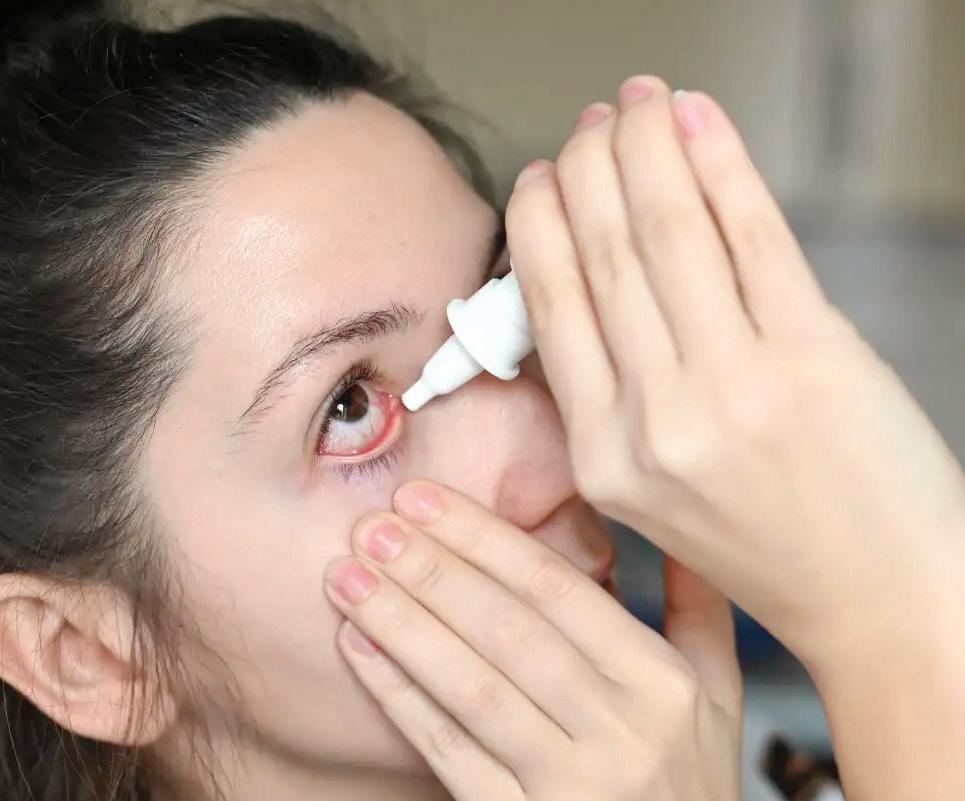
Keep eyes hydrated with eye drops: Not only your skin, but your eyes also need a generous amount of moisturisation through artificial tear drops. With long exposure to blue rays generated from electronic devices, artificial tear drops have become imperative to modern eye care. With the rising pollution levels and soaring degree, it is obvious to feel dehydrated during summers. This serious dehydration makes it harder for the body to produce tears, leading to dry eye symptoms and other vision problems. Along with prescribed artificial tears, it is
imperative to drink plenty of water, which reverses negative effects of dehydration.
Do not rub your eyes: Maintaining hand hygiene is imperative for eye health. It is a common practice to rub our eyes with our hands, which can cause eye infection. By washing your hands thoroughly, you can protect your eyes from most communicable diseases, including conjunctivitis. Especially, in cases like eye surgery such as LASIK, cataract surgery, or glaucoma shunt surgery, the eyes are more susceptible to infection. It’s best to wash your hands before treating your eyes. Avoid rubbing them altogether.
Sleep well and refresh your eyes: Last but
not the least, it is imperative to get a good night’s sleep. This will provide your eyes with adequate rest. Your eyes perform a wide range of tasks throughout the day and need rest. It is highly recommended to keep the eyes replenished with a proper sleep schedule.
By following these simple yet effective tips, you can keep your eyes healthy all summer long and protect the eyes from prolonged effects of sun rays. With these expertrecommended eye care tips, you can enjoy your summer activities, while keeping your eyes protected. And yes, don’t forget to go for eye check-ups at regular intervals.
By Dr. Rishi Raj Borah
READ ALOUD WITH NEWBORNS, YOUNG KIDS FOR LIFELONG BENEFITS
A team of US researchers encouraged parents and caregivers to read aloud with their newborns and young children as an opportunity to foster loving, nurturing relationships during a critical time of brain development.
The American Academy of Paediatrics recommended that paediatricians support families with guidance and books at wellchild visits, according to an updated policy statement, marking the first update in AAP recommendations since 2014.
Given the extraordinary amount of research in this area, an accompanying new technical report reviewed the evidence for shared reading as a way to strengthen and nurture relationships, stimulate brain circuitry and create early attachments.
“Reading together with young children weaves joyful language and rich interactive moments into the fabric of daily life,” said Perri Klass, MD, FAAP, lead author of both statements.
“As a paediatrician and parent, I suggest making books your bedtime routine, using them to connect and wind down after a busy day, and generally building them into life with a young child. It will strengthen the bonds that hold you together, and build your child’s developing brain,” Klass added in the statement published in the journal Paediatrics online.
Policy statements and technical reports created by AAP are written by medical experts,
reflect the latest evidence in the field, and go through several rounds of peer review before being approved by the AAP Board of Directors and published in Paediatrics.
“Turning the pages of a high-quality, print book filled with colourful pictures and rich, expressive language are best,” said Dipesh Navsaria, a co-author of the technical report and chair of the Council on Early Childhood.
While touchscreens and other electronic devices may be popular, they are typically passive or solitary experiences for children and do not offer the same benefits of interactivity and relationship-building, said Navsaria.
The American Academy of Paediatrics recommended that paediatricians should
encourage shared reading beginning at birth and continuing at least through kindergarten, including, when possible, in the neonatal intensive care unit (NICU).
They should develop skills to discuss with parents’ strategies for mutually joyful and developmentally appropriate reading activities and encourage meaningful, language-rich engagement with books, pictures, and the written word, and model techniques to prompt reciprocal, responsive, positive experiences.
“Research tells us that reading proficiency by third grade is a significant predictor of high school graduation and career success,” said Klass.
(IANS)
SOCIAL MEDIA IMPACT ON SLEEP PATTERNS
Concerns regarding the influence of social media platforms on youth mental health led the US Surgeon General to suggest a warning label for them. The Surgeon General’s Advisory on Social Media and Youth Mental Health highlighted potential links between social media use and poor sleep quality in youth. Given these issues, what particular measures should teenagers and parents take to enhance sleep?
A new national study, published in the Journal of Adolescent Health, offers insights into screen habits linked with better sleep.
“Ensuring adolescents get enough sleep is vital, as it supports their physical and mental growth and development,” says lead author Jason Nagata, MD, associate professor of paediatrics at the University of California, San Francisco. “Our research found that leaving notifications on, even in silent mode, leads to less sleep compared to turning the phone off completely or keeping it outside the bedroom.”
Tips include: Keep screens outside of the bedroom. Having a TV set or internetconnected device in the bedroom was associated with shorter sleep duration. Turn off the phone. Leaving the phone ringer on
or turning notifications to silent or vibrate was associated with less sleep compared to turning the phone off entirely. Leaving the phone ringer on was associated with a 25% higher risk of sleep disturbance compared to turning it off. 16.2% of adolescents reported having a phone call, text message, or e-mail wake them up after trying to go to sleep in the past week.
Don’t use social media or other electronic devices before going to sleep. Using social media, chatting on the internet, playing video games, browsing the internet, and watching or streaming movies, videos, or TV shows while in bed before sleeping were all associated with less sleep.
If you wake up during the night, don’t use your phone or engage with social media. One fifth of adolescents reported that they used their phone or other device after waking up during the night in the past week. This was associated with less sleep overnight.
The researchers analysed data from 9,398 preteens aged 11-12 who are part of the Adolescent Brain Cognitive Development Study, the largest long-term study of brain development and child health in the United States. Data were collected from 2018-2024.
The adolescents and their parents answered questions about their sleep habits and youth were asked about their screen and social media use at bedtime. A quarter of preteens had sleep disturbance. 16.2% reported being woken up by phone calls, text messages, or emails while sleeping at least once in the past week. Furthermore, 19.3% reported using their phone or another device if they woke up overnight.
“Adolescents can be extremely sensitive to phone notifications, often waking up instantly when they hear their phone,” said Nagata. “Even if a phone is on silent or vibrate, adolescents may still check it overnight. Once they start reading or responding to messages, they can become more alert and activated.”
“Adolescent development is a challenging time for many given the social pressures and physical, psychological, and emotional changes that occur,” said co-author, Kyle T. Ganson, PhD, assistant professor at the University of Toronto’s Factor-Inwentash Faculty of Social Work. “Understanding this process and being present to support youth in their social media use is crucial.
HEALTH
HOW YOUR BODY SHAPE KEEPS YOUR BRAIN YOUNG
Scientists discovered that more muscle and less hidden abdominal fat are linked to a younger biological brain age.
Deep visceral fat appeared to accelerate brain ageing, while muscle mass offered a protective effect. Researchers report that people who have more muscle and a lower visceral fat-to-muscle ratio tend to show signs of a younger biological brain age.
This conclusion comes from a study that will be presented next week at the annual meeting of the Radiological Society of North America (RSNA). Visceral fat refers to the fat stored deep in the abdomen around key internal organs.
“Healthier bodies with more muscle mass and less hidden belly fat are more likely to have healthier, youthful brains. Better brain health, in turn, lowers the risk for future brain diseases, such as Alzheimer’s.” said senior study author Cyrus Raji, M.D., Ph.D., associate professor of radiology and neurology in the Department of Radiology at Mallinckrodt Institute of Radiology at Washington University School of Medicine in St. Louis, Missouri.
How MRI Measures Brain Age and Body Composition
Brain age is an estimate of how old the brain appears biologically, based on its structure as seen through MRI. Body MRI can track muscle mass, which serves as a marker for efforts to reduce frailty and strengthen overall health.
Estimated brain age from structural scans may also shed light on risk factors for Alzheimer’s disease, including muscle loss.
“While it is commonly known that chronological ageing translates to loss of muscle mass and increased hidden belly fat, this work shows that these health measures relate to brain ageing itself,” Dr Raji said.
“It shows muscle and fat mass quantified in the body are key reflectors of brain health, as tracked with brain ageing,” added Dr Raji
Study Details: Imaging, AI Analysis, and Participant Profile
The study evaluated 1,164 healthy adults (52% women) across four research sites using whole-body MRI.
Participants had a mean chronological age of 55.17 years. Imaging included T1weighted MRI sequences, which highlight fat as bright and fluid as dark, providing a clear view of muscle, fat, and brain tissue.
An artificial intelligence (AI) algorithm measured total normalised muscle volume, visceral fat (hidden belly fat), subcutaneous fat (fat under the skin) and predicted brain age.
The data indicated that individuals with a higher visceral fat to muscle ratio had a higher predicted brain age. Subcutaneous fat showed no meaningful association with how old the brain appeared.
“The participants with more muscle tended to have younger-looking brains, while those with more hidden belly fat relative to their muscle had older-looking brains,” Dr Raji said.
“The fat just under the skin wasn’t related to brain ageing. In short, more muscle and a lower visceral fat-to-muscle ratio were linked to a younger brain,” added Dr Raji.
Implications for Health, Prevention, and Future Interventions
Dr Raji explained that focusing on building muscle and reducing visceral fat are realistic and actionable goals.
Whole-body MRI and AI-based brain age estimates can offer clear benchmarks for programs designed to lower visceral fat while maintaining or increasing muscle.
He also noted that the results highlight the close connection between physical health and brain health.
“This research has validated widely held hypotheses about the association between body composition biomarkers and brain health and provides a foundation for those biomarkers to be
included in future trials of various metabolic interventions and treatments,” he said.
What the Findings Mean for GLP-1 Weight Loss Drugs
Commonly prescribed glucagon-like peptide-1 (GLP-1) weight loss medications, including Ozempic, are effective at reducing body fat but may also contribute to muscle loss.
Dr Raji suggested that the study’s findings could help guide the development of next-generation therapies. These future treatments may aim to reduce visceral fat more than subcutaneous fat while protecting muscle mass.
“Losing fat -- especially visceral fat -- while preserving muscle volume would have the best benefit on brain ageing and brain health based on insights from our work,” he said.
“Thus, our study can inform future treatments by promoting research that quantifies MRI of body fat, muscle and brain age, which can help determine the optimal dosing regimens for GLP-1s to achieve the best outcomes in body and brain health,” added Dr Raji.
INDIAN SCIENTISTS
TAP AI FOR PERSONALISED CANCER THERAPY
Scientists at the S N Bose National Centre for Basic Sciences introduced an artificial intelligence (AI) framework that could change how we understand and treat cancer, and also pave the way for personalised therapies, the Ministry of Science and Technology said.
The framework, developed in collaboration with Ashoka University, gives a new lens to look at cancer -- not by its size or spread alone, but by its molecular personality.
“Cancer is not just a disease of growing tumours -- it is powered by a set of hidden biological programmes called the hallmarks of cancer. These hallmarks explain how healthy cells turn malignant: how they spread, evade the immune system, and resist treatment,” the Ministry said.
While for decades, doctors have relied on staging systems like TNM, which describe the size and spread of tumours, they often miss the deeper molecular story. For example, why two patients with the “same” cancer stage can have very different outcomes.
The new AI framework titled OncoMark can read the molecular “mind” of cancer and predict its behaviour, the Ministry said.
The team at SN Bose, led by Dr. Shubhasis Haldar and Dr. Debayan Gupta, used OncoMark to
analyse 3.1 million single cells across 14 cancer types.
S N Bose is an autonomous institute of the Department of Science and Technology (DST).
The research team created synthetic “pseudobiopsies” that represent hallmark-driven tumour states.
This huge dataset allowed the AI to learn how hallmarks like metastasis, immune evasion, and genomic instability work together to fuel tumour growth and therapy resistance.
“OncoMark achieved over 99 per cent accuracy in internal testing and remained above 96 per cent across five independent cohorts. It was validated on 20,000 real-world patient samples from eight major datasets, showing broad applicability. For the first time, scientists could actually visualise how hallmark activity rises with advancing cancer stage,” the Ministry said.
The new framework, published in the Nature journal Communications Biology, reveals which hallmarks are active in a patient’s tumour. This can direct doctors toward drugs that directly target those processes.
It can also help identify aggressive cancers that might look less harmful under standard staging, supporting earlier intervention, the Ministry said.
(IANS)
Health tip:
Does the noise of drills at the dentist’s make you run for life? You are not alone. The noise of dental drills cutting deep into your teeth is so scary people often avoid going to the dentist because of it. But what suffers the most from this dislike is your dental health. And you cannot compromise your dental health.
To solve this issue, we, at Healthy Smiles Dental Group have introduced noise cancellation headphones at our clinic. Our principal dentist, Dr Ved Berani, says, “Noise cancellation headphones are becoming very popular these days. You can see hordes of people syncing to their favourite rhythms without disturbing others. So, we thought, why not use them for dentistry and provide comfort to our patients suffering from dental anxiety due to dental drilling noise. And it is working just fine. We treat many of our patients while they are using these headphones. Our greatest joy comes when we see them smiling carefree.”
Noise cancellation headphones have positively comforted anxious dental patients.
Let us learn more about how these noise cancellation headphones prove beneficial to the patients:
1. Music can uplift your mood faster
As we all know this proven fact, music is one of the best remedies when it comes to uplifting spirits. No matter how stressed a person is, good music can soothe all the lines on the forehead. When it comes to dental patients who are anxious about their dental treatment, we use the same concept. Our Healthy Smiles clinic provides Spotify streaming in all rooms. You need to select your favourite genre and tune in while we operate on your teeth. Patients have had a great experience with noise cancellation headphones.
Sleeping on your back makes it easy for your head, neck, and spine to maintain a neutral position
Besides tasting good cucumbers are a perfect remedy for swollen and diseased gums
How Can Noise Cancellation Headphones Help You Get Good Teeth?
2. It works to distract you from worries
Patients suffering from dental anxiety have all kinds of worries and troubling thoughts about a dental procedure. But when we explain the whole dental process in advance, it helps them feel in control of their surroundings with the knowledge of the proceedings in advance. And the noise cancellation headphones add to this comfort. They distract the patients from whatever that is left of the worries. Patients can relax throughout the whole dental procedure.
3. You can also watch a show of your choice on our screen
These noise cancellation headphones can also be synced with a TV screen on the ceiling. You can watch a TV show while our dentists work on your teeth. When the patients are relaxed, our dentists can also concentrate more on the treatment.
The aim behind using noise cancellation headphones for dentistry is to provide patients with a comfortable dental care experience. Our dentists enthusiastically work towards providing the best dental treatments using state-of-the-art technology so that you can leave all your anxieties behind and walk out with a confident smile.
Do not neglect to look after your teeth and oral health because a lot of health issues can stem from oral health conditions. Contact us today to make use of this new method of cancelling out the drill noise and pay your teeth all the attention they need.
Genetic Clues Reveal Why Women Face Oral Cancer Deadlier Risk
Indian scientists have discovered oral cancer-causing driver gene mutations in women patients of southern India. India carries one of the world’s heaviest burdens of oral cancer with alarmingly high rates witnessed among women in certain regions, especially in southern and northeast India, due to the widespread habit of chewing tobacco-infused betel quid, gutka, and related products.
While the disease is widely studied in men, oral cancer in women has often remained under the radar.
A team of researchers from the Jawaharlal Nehru Centre for Advanced Scientific Research (JNCASR), Bengaluru and the BRIC-National Institute of Biomedical Genomics (NIBMG), Kalyani, in collaboration with clinicians from Sri Devraj Urs Academy of Higher Education and Research (SDUAHER), Kolar, has conducted a female-centric study on oral cancer in India with a unique tobacco chewing habit.
This study, led by Prof Tapas K Kundu, JNCASR, Bengaluru, aimed to understand what makes cancers in women unique, how the disease manifests and progresses in female patients and how we can treat them better.
This investigation, published in the Clinical and Translational Medicine Journal, was specifically designed to uncover the biological underpinnings of the disproportionately aggressive, highly recurrent, and lifethreatening forms of oral cancer that affect Indian women.
Using cutting-edge whole-exome sequencing, the researchers identified ten key
genes with significant mutations in the female oral cancer cohort from Kolar, Karnataka (SDUAHER).
Although two of the major genes, CASP8 and TP53, were found to be highly mutated in these patients, CASP8 appears to be the driver mutation (cancer-causing), which is quite different from previously studied mutations in oral cancer patients (largely men).
Despite the limited cohort size (N=38), the findings suggest that co-occurring TP53 and CASP8 mutations confer a markedly aggressive and lethal phenotype in oral cancer.
These observations warrant further investigation, and the team is now focused on delineating the molecular mechanisms underlying oncogenesis driven by this novel driver mutation in the context of TP53 alterations for the next phase of the research.
The team also used artificial intelligence (deep learning) to digitally analyse tumour tissues.
This revealed two distinct groups of female patients, each with a different immune response in their tumours. This insight is crucial because it suggests that some patients might respond better to certain treatments based on their tumour profile.
This groundbreaking study sets a new benchmark in cancer research.
It not only highlights the urgent need to include more women patients in biomedical research but also provides a roadmap for personalised medicine in tackling oral cancer--a disease that has claimed many lives in India.
However, these findings need to be further confirmed in a larger number of patients.
How Early Infections Raise Asthma Risk
An international team of scientists has found compelling evidence that early-infancy infection with respiratory syncytial virus (RSV) significantly increases the risk of developing childhood asthma.The risk is especially higher in children with a family history of allergy or asthma. The study, published in the Science Immunology journal, suggests that protecting newborns against RSV could substantially reduce asthma cases later in life.
“Childhood asthma is a complex disease with many contributing factors,” said Prof. Bart Lambrecht from VIB (the Flanders Institute for Biotechnology) and Ghent University in Belgium. “We found that early-life RSV infection and genetic allergy risk interact in a very specific way that pushes the immune system toward asthma. The encouraging news is that this process can be prevented,” Lambrecht added.
The team, including researchers from Denmark, combined population-wide health registry data from all Danish children and their parents with controlled laboratory experiments. They found that early viral
infection and inherited allergy risk amplify one another. Infants who experience severe RSV infections in the first months of life show an increased likelihood of immune cells overreacting to common allergens, such as house dust mites.
This effect is dramatically intensified when asthma or allergy runs in the family, as allergen-specific antibodies passed from parents to the newborn further heighten sensitivity. Importantly, the team found that
when newborns were protected from RSV in experimental models, these harmful immune shifts did not occur -- and asthma development was prevented.
“With RSV prevention now becoming widely accessible, we have an opportunity to improve long-term respiratory health, not just prevent RSV hospitalisations,” said Prof. Hamida Hammad (VIB-UGent). “This is not just a laboratory insight. It’s a message that should help parents choose RSV prevention with confidence,” Hammad added. Maternal vaccination during the third trimester of pregnancy and passive immunisation of newborns with long-acting antibodies are being introduced in many countries. Yet despite their strong ability to prevent RSV hospitalisations, uptake remains inconsistent.
“This is a moment where policy, science, and paediatricians can come together,” Lambrecht said. “If preventing RSV infection also reduces asthma risk, the benefits for families and health systems could be enormous.
Why high-intensity exercise can help you recover faster from stroke RSV in Babies:
While the importance of exercise in stroke rehabilitation cannot be overstated, experts on Saturday affirmed that short bursts of high-intensity interval training (HIIT) could be more effective than continuous moderate physical exercise.
When a stroke occurs, blood flow to the brain is disrupted, leading to damage that can impact physical and cognitive functions. Exercise plays a crucial role in the rehabilitation process by promoting neuroplasticity, where the brain reorganises itself to recover lost functions.
HIIT involves repeated one-minute bursts of intense exercise followed by short recovery periods. Use of a stationary bike, treadmill, bodyweight, kettlebell, dumbbells, or jumping rope are some examples of HIIT workouts.
“HIIT represents a paradigm shift in rehabilitation, particularly for stroke recovery,” Dr Vikram Huded, HOD and Director and Clinical Lead, Interventional Neurology, Narayana Health City, said.
“Unlike traditional continuous moderate exercise, HIIT enhances cardiovascular health more efficiently by pushing the body to adapt to short, intense bursts of
activity,” added Dr Raghvendra Ramdasi, Consultant Neurosurgeon, Jaslok Hospital, Mumbai.
Several studies have shown that exercising after a stroke offers several health benefits, including reduced risk of stroke recurrence and boosted overall recovery.
Recent research, published in the journal Stroke, showed that one-minute bursts of high-intensity interval training over 19 minutes were more effective than traditional moderate exercise for improving the body’s aerobic fitness after a stroke.
Evidence suggests that HIIT can
accelerate cardiovascular recovery and improve overall physical endurance more effectively than conventional methods.
Ramdasi says the method not only boosts heart and lung capacity but also improves circulation, which is vital for brain recovery.
However, HIIT may not be suitable for everyone, said the experts.
“Patients with severe cardiovascular conditions or those who are not yet physically stable post-stroke should avoid this form of exercise until they have regained a certain level of baseline fitness,” Huded said.
Ramdasi said patients who have regained some mobility and are medically stable benefit most from HIIT.
The experts also urged stroke patients to perform “any exercise regimen, particularly HIIT, according to an individual’s abilities and under supervision of an expert to avoid potential risks”
They also advised to begin with lower intensity and gradually increase as tolerance improves. (IANS)
(IANS)
AHAAN PANDAY, ANEET PADDA WIN GEN Z ICON AWARD
Ahaan Panday and Aneet Padda, who won the hearts of the audience with their performance in the romantic drama ‘Saiyaara’, directed by Mohit Suri, have won big at the CNN-News18 Indian of the Year 2025. The ‘Saiyaara’ stars won the GenZ Icon awards.
Expressing gratitude to everyone who helped him throughout his journey, Ahaan noted, “I think any artist has dreamed of coming on a stage and accepting their first award...” “I think any artist has dreamed of coming on a stage and accepting their first award,” he said.
He added, “I’ve practised in front of my bathroom mirror many times, at least 300 to 400 times. But I didn’t expect the possibility of me being completely and utterly speechless on such a big stage.” Directed by Mohit Suri and produced by Yash Raj Films CEO Akshay Widhani, ‘Saiyaara’ marks Ahaan Panday’s acting debut. At the same time, Aneet Padda, who has previously appeared in ‘Salaam Venky’ and ‘Big Girls Don’t Cry’, plays her first lead role in a film.
The film, which stars newcomers Ahaan Panday
and Aneet Padda, follows the love story of a singer and a lyricist, Krish and Vaani, whose emotional journey has left many viewers both smiling and in tears. The film has been
widely appreciated for its emotional depth, performances, and soulful music.’”
JAYA BACHCHAN SLAMS PAPARAZZI CULTURE
Jaya Bachchan, who has often made headlines for her not-too-cool interactions with paparazzi, took a dig at what she calls the increasingly intrusive ‘pap culture’. In a recent conversation at the We The Women Asia event in Mumbai, the veteran actress described today’s paparazzi scene as “strange” and questioned the ethics and professionalism behind it.
Speaking about how she differentiates between the media and paparazzi, Jaya said she has great respect for journalism but shares a “zero” relationship with the paparazzi. Explaining the contrast, she said her relationship with the media is “fantastic” because she considers herself a “product of the media”, but when it comes to paparazzi, the equation is very different.
“Who are these people? Are they trained to represent the people of this country? You call them media? I come from the media. My father was a journalist. I have immense respect for such people.”
She went on to lash out at the paparazzi’s role and credibility, describing them as people who believe that simply having a phone gives them
authority. Adding how “strange” she finds their behaviour, Jaya shared.
The actress didn’t hold back and went on to slam the way paparazzi make loud verbal comments while clicking photos. “The kind of comments they pass...What kind of people are these? Kahan se aate hain? Kis tarah ka education hai? Kya background hai? (Where do these people come from? What kind of education do they have? What background
do they have?) They will represent us? Just because they can get through YouTube or whatever social media.”
Reacting to being labelled one of the most hated celebrities online, Jaya insisted she remains unfazed. She said, “I don’t give a damn... You hate me; it’s your opinion. My opinion is I dislike you immensely because you think you are a chuha (rat) who gets into somebody’s house with a mobile camera.”
Jaya also took a dig at young actors who allegedly inform paparazzi of their whereabouts to gain attention. Calling the practice “embarrassing”, she said, “Agar aapko apna photo nikalne ke liye airport pe camera bulana pade, to phir kya tarah ka celebrity ho aap? (If you need to call a camera at the airport to get your photo taken, then what kind of a celebrity are you?)”
Jaya Bachchan has often been spotted showing her displeasure toward paparazzi behaviour. Time and again, the actress has been seen warning or schooling photographers at public events’”
“I DON’T GET INSECURE”: AISHWARYA RAI BACHCHAN
Bollywood actor Aishwarya Rai Bachchan impressed the audience with her graceful presence at the Red Sea Film Festival 2025. She candidly spoke about the choices she has made throughout her long-standing career, noting that “insecurity has never been the driving force” behind them.
Rai Bachchan, who began her film career with Mani Ratnam’s ‘Iruvar’ after winning Miss World 1994, said she has always approached her projects with clarity and conviction rather than fear of judgment.
“I don’t get insecure. That’s a real aspect of who I am,” Aishwarya said during a conversation at the Red Sea Film Festival 2025. “Insecurity has never been the driving force, which a lot of voices around can try and get into your head and sometimes propel choices. That is something that has never been me. That’s clarity in all my career choices, unknowingly but now in retrospect, I display from the beginning”, she added.
Aishwarya also revisited her decision to take on Rituparno Ghosh’s ‘Chokher Bali’ after the grandeur of ‘Devdas’, despite expectations of another large-scale project. “I did Choker Bali after reaching a crescendo with Devdas with Ritupurno Ghosh. I was like, wow, what a beautiful story. That’s the movie I want to do...”
Rai Bachchan said her approach also extends to social media, where she maintains a minimal and deliberate presence. Reflecting on her limited online activity, she said, “So evidently, to those who have visited my one and only social media engagement platform, it’s almost been quite shy, like and basic... I’m quite a quiet rebel there. And I was like, no, I’m certainly not going to follow the expected... I kind of wanted to set an example, but make a statement of telling people to liberate yourself from fooling yourself into believing that this is
what you need to feel validated,” as per the outlet.
Rai Bachchan also spoke about how winning Miss World at 21 shaped her global perspective.
“Being a part of the Miss World contest was incidental ... I didn’t perceive it as a beauty pageant or a title. I interestingly looked upon it as an opportunity to possibly represent the Indian woman internationally... “It amazed me how less informed a large part of the world was about Indian people, or the Indian woman at the time and where we were as a people,” she said. “Some of the questions still seem so archaic, even to the extent of inquiries about the education system, about the geography of the country, about whether it was still a world with tigers and snake charmers,” she said during the conversation.
Bollywood diva Aishwarya Rai Bachchan set the internet on fire with her stunning pictures from the ongoing Red Sea Film Festival in Saudi Arabia. The ‘Devdas’ star arrived at the festival wearing a stunning black dress. A while ago, she took to Instagram and treated her fans to her ravishing pictures. Aishwarya donned a simple black gown with a striking emerald-green pendant. She styled her hair in soft curls with a side part, a refreshing change from her usual straight, middle-parted look.” (ANI)
“50 YEARS IN CINEMA FELT LIKE 10-15 YEARS”: RAJINIKANTH SHARES AN EMOTIONAL
Cinema icon Rajinikanth received a lifetime achievement award at the closing ceremony of the 56th International Film Festival of India (IFFI) in Goa, marking 50 years of his illustrious career in the film industry.
The 74-year-old actor was welcomed with a standing ovation as he took the stage to accept the honour and also reflected on his journey, which he said felt far shorter than it sounds. Calling the milestone emotional and deeply meaningful, Rajinikanth said his “five decades in cinema” felt like they passed in just a few years.
In an emotional moment, he shared that he would choose the same life again if given the chance, saying that “50 years of acting in cinema felt like 10 or 15 years... If there are 100 more janams (lives), I would like to be born as an actor and Rajinikanth.”
Earlier during the festival, Rajinikanth’s recent film ‘Lal Salaam’ was screened for attendees. Directed by Aishwarya Rajinikanth, the screening
SPEECH
saw the filmmaker expressing her happiness and pride over the film’s premiere at the globally recognised festival.
Released in 2024, Lal Salaam is a Tamil-language sports action drama produced by Allirajah Subaskaran under the Lyca Productions banner.
The 56th edition of IFFI, which concluded on November 28, brought together filmmakers, artists, and
industry professionals from across the world and highlighted major achievements in both Indian and world cinema.
The festival also honoured the centenary year of several legendary names, including Guru Dutt, Raj Khosla, Ritwik Ghatak, P. Bhanumathi, Bhupen Hazarika, and Salil Chowdhury, with restored screenings of their most influential works.”
SHAHID KAPOOR REVEALS HIS CAREER SECRET
Actor Shahid Kapoor opened up about how his instinct has been a driving force both in his personal and professional life.
Speaking during a session of IFP 15, Shahid was asked how an artist like him protects his instinct. Reacting to this, Shahid revealed that instinct is something that comes from inside and cannot be put into words.
He added that there are times when the commercial aspect of things or the monetary aspect, or the practical or the realistic or the sensible aspect of things starts to dictate the narrative, and that is when a rebellion comes from inside saying “no”.
Shahid revealed that he has always been a person who believes in carving his own path.
“I feel that I’ve always been the kind of person who would, if everybody’s going right, I’ll say, let’s just go left. And many times, it’s not good. Sometimes it’s like, arre yaar, right hi dekhta (I should have gone right). But that’s where the adventure
is, you know, that’s where the challenge is, that’s where originality is, that’s where risk is.”
The ‘Kaminey’ actor added that even in his career, whenever he has attempted to
play it safe, he has not received the desired results.
“And you know, like high risk, high return. And my career has been full of that. Whenever I’ve played safe, it’s somehow not given me the result that when I have been experimental has, it might not necessarily just be about numbers,” he explained.
Shahid further said that while box office numbers are temporary, the impact one leaves as an artist is what makes him truly memorable.
“You know, because numbers will come and go, but what you build is a reputation, what you build is, I think, respect, what you build is a deep-set appreciation. I think those are things that I know are, you know, we live in a very, very different time today, and everything’s just boom, boom, in, out, in, out. But it’s those deeper impressions that you leave with the audience, because of which they support you when you make mistakes,” the actor added.
(IANS)
MADHURI DIXIT ON ISSUE OF PAY GAP IN
Bollywood actor Madhuri Dixit addressed the issue of pay disparity in the film industry, noting that the challenge extends beyond movies and is prevalent across professions. She emphasised that the fight for fair compensation is ongoing and that the struggle for equal pay continues to be a significant concern across all fields.
Madhuri, who has shared screen space with leading Bollywood stars such as Shah
Rukh Khan, Salman Khan, Aamir Khan, Anil Kapoor and Sanjay Dutt, reflected on whether she had ever needed to assert herself for equal pay during her peak years. She said the imbalance has been universal for women, regardless of the sector they work in.
“In any field, even in corporate businesses or anywhere, there’s always a pay parity,” she explained, noting that the problem is not new, “Everybody is
BOLLYWOOD
struggling for that and everybody is trying to state the fact that women should be paid more, not more than the actor, but at least somewhere, you know, where it’s balanced.”
Her remarks echo a broader industrywide discussion, led in recent years by several leading actresses, including Bhumi Pednekar, Kriti Sanon, Deepika Padukone, Priyanka Chopra and others, who have spoken openly about pay gaps and structural inequities.
Priyanka Chopra, in particular, has earlier discussed the deeper cultural roots of pay inequality, noting that male insecurity can also play a part. “I have some incredible men in my life who are not insecure of my success, but I also have men in my life who are very insecure of my success. So, I think that men have enjoyed the freedom and the pride of being the breadwinners or the leaders of the family... it’s threatening to their territory when a woman does that or if a woman is more successful or a man is staying at home and a woman is going out to work...”
On the work front, Madhuri is gearing up for the release of her next project, the thriller-drama series Mrs Deshpande, directed by Nagesh Kukunoor. The series marks her return to OTT and features her in a complex, layered role adapted from the French thriller La Mante. (IANS)
END OF AN ERA:
‘He-Man’ of Bollywood Dharmendra passes away at 89, leaves timeless legacy
The ‘He-Man’ of Bollywood, Dharmendra, who worked in over 300 films and created an everlasting impact with his acting skills, handsome looks, and distinctive roles, left for a heavenly abode at the age of 89 on Monday 24th November. The news comes just weeks ahead of his 90th birthday on December 8. Dharmendra is survived by his first wife, Prakash Kaur; his second wife, actress Hema Malini; and six children, including sons Sunny Deol and Bobby Deol, and daughters Vijeta and Ajeita from his first marriage, as well as daughters Esha Deol and Ahana Deol from his second marriage.
Born Dharmendra Kewal Krishan Deol on December 8, 1935, in the village of Nasrali in Punjab’s Ludhiana district, his father, Kewal Kishan Singh Deol, was a school headmaster. His love for movies took him to Mumbai, and he made his film debut with the 1960s romantic drama ‘Dil Bhi Tera Hum Bhi Tere’, directed by Arjun Hingorani. Though the film flopped, it opened doors to a world of his dreams. However, he got his first commercial success in 1961 with Ramesh Saigal’s ‘Shola Aur Shabnam’. He followed it with hits, such as Mohan Kumar’s ‘Anpadh’ (1962) and Bimal Roy’s ‘Bandini’ (1963), which won the National Film Award for Best Feature Film in Hindi. In 1965, he had another major success in Ram Maheshwari’s romantic drama ‘Kaajal’, also starring Meena Kumari, Raaj Kumar and Padmini in the lead roles. In 1966, Dharmendra reunited with Meena Kumari for O. P. Ralhan’s ‘Phool Aur Patthar’. The film topped the box office chart in 1966, becoming a major blockbuster and making him a saleable star.
He became the heartthrob of the 60s, and during this decade, he paired with legends like Nutan, Mala Sinha, Saira Banu, Vyjayanthimala, Meena Kumari, and Suchitra Sen, delivering romantic hits. Dharmendra’s romantic hero image in the 1960s and early 1970s was characterised by his dashing good looks, charming smile, and soulful eyes, which captivated audiences across India. His romantic roles in films like ‘Aayee Milan Ki Bela’, ‘Ankhen’, ‘Neela Aakash’, ‘Aya Sawan Jhoom Ke’, ‘Dil Ne Phir Yaad Kiya’, ‘Mohabbat Zindagi Hai’, ‘Pyar Hi Pyar’, and ‘Mamta’ showcased his versatility as a leading man, effortlessly conveying yearning and tenderness. Throughout the years, Dharmendra’s filmography grew to include iconic blockbusters such as ‘Sholay’, ‘Raja Jani’, ‘Seeta Aur Geeta, ‘Kahani Kismat Ki’, ‘Yaadon Ki Baraat’, ‘Charas’, ‘Azaad’, and ‘Dillagi’, showcasing his incredible range and versatility as an actor. It was his charismatic presence, rugged good looks and unforgettable action-packed roles that solidified his status as
an action icon.
As one of the greatest action stars of the 1970s and 1980s, Dharmendra delivered unforgettable performances in films such as ‘Dharam Veer’, ‘Gundagardi’, ‘Loafer, Jugnu, and, of course, the iconic Sholay. His acting in this phase blended emotional nuance, physicality, and comic timing, proving his versatility, which was far beyond a single genre. In 1973, he delivered eight hits, and in 1987, Dharmendra delivered seven consecutive hits and nine successful movies in a single year. His contributions to Indian cinema were acknowledged with the Filmfare Lifetime Achievement Award in 1997 and the Padma Bhushan in 2012.
Dharmendra’s heroic sheen dimmed in the 1990s. From 1990 to 1992, his successful films included ‘Naakabandi’ (1990), ‘Veeru Dada’ (1990),’Humse Na Takrana’ (1990), ‘Kohraam’ (1991) and ‘Tahalka’ (1992). In the mid-1990s, he worked in ‘Policewala Gunda’ (1995) and ‘Mafia’ (1996), but his other releases, including ‘Maidan-E-Jung’ (1995) and ‘Return of Jewel Thief’ (1996), proved to be box office failures. He gracefully shifted to supporting and character roles, bringing his trademark humility and wit to every frame. His film in this role was Sohail Khan’s romantic comedy ‘Pyaar Kiya To Darna Kya’ (1998), co-starring Salman Khan, Kajol, and Arbaaz Khan. The veteran star also worked in films such as ‘Kaise Kahoon Ke... Pyaar Hai’ (2003) and ‘Kis Kis Ki Kismat’ (2004), both of which were box office failures.
After this, he took a brief hiatus and returned with three films in 2007. These were - Anurag Basu’s drama film ‘Life in a... Metro’, Anil Sharma’s sports drama ‘Apne’ and Sriram Raghavan’s neo-noir thriller ‘Johnny Gaddaar’. Both ‘Life in a... Metro’ and ‘Apne’ proved to be critical and commercial successes. In 2023, he surprised everyone with his stellar performance in Karan Johar’s directorial ‘Rocky Aur Rani Kii Prem Kahaani’. With his role, he literally proved that age is just a number. A muchdiscussed highlight from the film was his kiss with co-star Shabana Azmi, a moment that many hailed as a tender, progressive portrayal of love in later years, and one that took audiences pleasantly by surprise. Even Dharmendra acknowledged the much-hyped scene. In a previous interview, the veteran star humorously recalled a conversation he had with co-star
Ranveer Singh, saying, “Maine Ranveer ko bola, Ranveer, Rocky aur Rani ki prem kahani me, tune to bohot kisses ki hain, or meri ek hi kiss ne hila dala logo ko.”
Dharmendra’s footprint stretches beyond the silver screen. He was a Member of Parliament from Bikaner (2004-2009), a judge on the reality show “India’s Got Talent” (2011), and has appeared in historical series ‘Taj: Divided by Blood’. He was also seen in Shahid Kapoor and Kriti Sanon’s romantic comedy ‘Teri Baaton Mein Aisa Uljha Jiya’, which reminded a new generation of his effortless charm. His upcoming project includes ‘Ikkis’. He also produced landmark films under Vijayta Films. ‘Betaab’ (1983) launched son Sunny Deol, and ‘Ghayal’ (1990) won seven Filmfare Awards, including Best Film.
Dharmendra continued to defy time, staying dedicated to his fitness routine. He inspired his admirers by sharing glimpses of his regular exercise routine. He posted videos and reels from the gym, showing himself working out gracefully in a pool. His nostalgic posts and reels on Instagram fetched thousands of likes from fans. Not just in his professional journey, but even in his personal life, he has always remained in the spotlight. He had always shared a deeply affectionate bond with his family, especially with his children. Sunny, Bobby and Esha, in particular, have carried his cinematic legacy with grace and pride. They often acknowledge that whatever they are today is because of him. Dharmendra will always be considered the epitome of romance, action, reinvention and grace for centuries.
bon appétit
Did you know:
Mushroom contains riboflavin. Eat mushrooms to maintain a healthy red blood cell count in your body
BENEFITS OF FENUGREEK SEEDS FOR HAIR
Beautiful and healthy hair is a desire shared by many. While there are numerous hair care products available, natural remedies can often be equally effective and gentler on your hair. One such natural remedy that has gained popularity is fenugreek seeds. Known for their potent properties, fenugreek seeds offer a range of benefits for hair health. In this article, we will explore the various advantages of fenugreek seeds for hair and learn how to use them effectively for luscious locks.
Fenugreek, scientifically known as Trigonella foenum-graecum, is a versatile herb native to the Mediterranean region and South Asia. It has been used for centuries in traditional medicine and culinary practices. Fenugreek seeds are rich in essential nutrients, including proteins, vitamins, minerals, and antioxidants. These seeds also contain compounds such as flavonoids, alkaloids, and saponins, which contribute to their beneficial effects on hair.
Benefits of fenugreek seeds for hair
Promotes Hair Growth Fenugreek seeds are known to stimulate hair growth by nourishing the hair follicles and increasing blood circulation to the scalp. The proteins present in fenugreek seeds strengthen the hair shaft, reducing hair fall and promoting the growth of new, healthy strands.
Conditions and Moisturizes Fenugreek seeds possess excellent conditioning properties that help in reducing dryness and frizz. Regular use of fenugreek seeds as a hair mask or rinse can make your hair soft, smooth, and manageable. They also provide hydration to the scalp, preventing flakiness and itching.
Prevents Hair Loss Fenugreek seeds contain hormone-regulating compounds that may help in preventing hair loss caused by hormonal imbalances. Additionally, the seeds have antimicrobial properties that protect the scalp from infections, reducing the risk of hair loss due to scalp conditions.
Controls Dandruff The antifungal and antibacterial properties of fenugreek seeds make them an effective remedy for dandruff. Regular application of fenugreek seed paste or oil can help reduce scalp inflammation, itching, and flaking associated with dandruff.
How to use it for hair
Fenugreek Seed Hair Mask
Soak fenugreek seeds overnight and grind them into a smooth paste.
Add a tablespoon of coconut oil or yogurt to the paste for added nourishment.
Apply the paste to your scalp and hair, focusing on the roots.
Leave it on for about 30 minutes to an hour and then rinse thoroughly with lukewarm water.
Fenugreek Seed Hair Rinse
Boil two tablespoons of fenugreek seeds in two cups of water for 10-15 minutes. Allow the mixture to cool, strain it, and use the fenugreek-infused water as a final rinse after shampooing.
Gently massage the scalp while pouring the fenugreek rinse over your hair. Leave it on for a few minutes and then rinse with water.
Fenugreek Seed Oil
Heat a tablespoon of fenugreek seeds in a carrier oil like coconut oil or olive oil. Let the seeds infuse the oil for a few minutes until they turn slightly brown.
Allow the oil to cool, strain it, and store it in a clean container.
Massage the fenugreek seed oil onto your scalp and hair, leave it on for an hour or overnight, and then shampoo as usual.
Fenugreek seeds are a natural remedy packed with incredible benefits for hair health. From promoting hair growth and preventing hair loss to conditioning and controlling dandruff, fenugreek seeds offer a holistic approach to hair care.
Incorporating fenugreek seeds into your hair care routine through masks, rinses, or oil treatments can lead to stronger, healthier, and more lustrous locks. Embrace the power of nature and give fenugreek seeds a try to transform your hair naturally.
By Dr. Blossom Kochhar
ANJEER IS ASTONISHINGLY A PUNCH OF BLESSING!
Have you ever tried something so good it feels like a gift from nature? Anjeer also known as dried figs aren’t just delicious, but they are like a powerhouse for your health.
According to Dr. Rohini Patil, MBBS & Nutritionist, who specialises in the field of diet and nutrition, with over 8 years of experience says, “Anjeer stands as a veritable punch of blessings, presenting a number of fitness advantages that embody digestion, coronary heart fitness, bone electricity, blood sugar management, weight control, and more. Its nutritional richness is attributed to a harmonious interplay of antioxidants, nutritional fiber, nutrients, and minerals, each contributing to the holistic proper-being of the frame. As you incorporate Anjeer into your weight-reduction plan, relishing its herbal sweetness and versatility, you are embracing a whole spectrum of blessings that nature has bestowed upon us. So, move in advance and take pleasure in the goodness of Anjeer-it is a flavorful adventure toward the finest fitness and vitality.”
Let’s look at what Anjeer has to offer in terms of health benefits:
Makes your digestion easier: One of the unique properties of figs is their essential dietary fibre content. Fibre is key to regular bowel movements, prevents constipation, and helps promote healthy digestion by maintaining gut health. The soluble fiber in grapes binds to waste products and helps to pass well through the intestine. This quality can be attributed to the large amount of leaves present in it, which helps to make it easier to absorb the blisters.
Acts as an antioxidant: Fig is a powerful antioxidant that works tirelessly to combat oxidative stress and neutralise harmful free radicals in the body. These antioxidants include polyphenols such as quercetin, catechins, and anthocyanins, which have reduced the risk of chronic diseases such as heart disease and certain cancers These compounds not only protect cells from destruction but also contribute to the generation of all energy.
Protects your heart health: The heart health benefits of figs are further enhanced by an amazing variety of heart-friendly nutrients. Plenty of potassium, an electrolyte needed to maintain normal blood pressure. In addition, the presence of magnesium and dietary fiber supports cardiovascular wellness by increasing the health of blood vessels and helping to regulate blood pressure.
Improves bone fitness and balances minerals: Anjeer performs a vital position in supporting skeletal electricity and bone fitness. This is attributed to the presence of calcium, phosphorus, and magnesiumminerals that are critical to bone formation and preservation. These minerals paintings synergistically decorate bone density and mitigate the hazard of bone-related issues, together with osteoporosis.
Manages blood sugar degrees: Despite their candy taste, Anjeer has a notably low glycemic index, making them appropriate for individuals looking to manage their blood sugar tiers. The presence of nutritional fiber helps sluggish down the absorption of sugars, stopping fast spikes and crashes in blood sugar. This element is particularly treasured for people with diabetes or those aiming to control their sugar consumption.
Weight Management: Figs can be a valuable ally for those looking to maintain a healthy weight. The dietary fiber in them helps to feel full, prevents excessive hunger, and prevents overeating. Plus, they are naturally low in calories, making them a satisfying yet guilt-free snack.
Boost skin health: The benefits of figs extend to skin health, thanks to their many nutrients. The presence of vitamins A and E along with antioxidants fights oxidative stress, supports collagen production, reduces the appearance of fine lines and wrinkles, and promotes healthy skin. The active compounds in figs work perfectly to enhance the skin’s natural glow.
Acts as a natural bronchodilator: Figs contain many compounds with bronchodilator properties, which can be beneficial for respiratory problems Along with quercetin and beta-carotene these compounds are associated with improved lung function, they provide relief for conditions like asthma.
Boost the immune system: The nutrients in figs help to strengthen the immune system. Vitamins such as vitamin C and minerals such as zinc play an important role in strengthening the immune system, protecting the body from infection, and helping healing. The combination of these nutrients sets strengthen the body’s defence system.
Source of Essential Micronutrients:
Beyond its spotlight nutrients, Anjeer includes a range of essential vitamins and minerals that assist normal fitness. These include vitamin K, which is essential for blood clotting and bone fitness, in addition to B nutrients like B6 and folate, which are worried about electricity metabolism and cell features.
(IANSlife)
Eat to Beat Inflammation:
8 Foods to Reduce Pain and Boost Health
BY DEEVYA GUPTA
Spice Up Your Health: 8 AntiInflammatory Foods to Try
As Australians, we're lucky to have access to a diverse range of fresh produce and spices. But did you know that incorporating certain foods into your diet can help reduce inflammation and boost your overall health?
Chronic inflammation is a major contributor to conditions like arthritis, heart disease, and diabetes - all of which are prevalent in Australian Indians. The good news is that
The Power of Indian Spices
Indian cuisine is renowned for its bold flavours and aromas, but did you know that many of these spices have anti-inflammatory properties? Turmeric, ginger, and cinnamon are just a few examples of the many spices that can help combat inflammation. These spices have been used for centuries in traditional Indian medicine to treat a range of health conditions.
The Anti-Inflammatory Eight
1. Nuts and Seeds: Almonds, walnuts, and chia seeds are rich in omega-3 fatty acids, magnesium, and vitamin E. Try adding them to your breakfast cereal or yogurt.
2. Extra-Virgin Olive Oil: Use it as a finishing oil for your curries or as a base for salad dressings. Olive oil reduces inflammation and improves heart health.
simple dietary changes can make a big difference. By incorporating anti-inflammatory foods into your diet, you can reduce your risk of chronic diseases and improve your overall well-being.
3. Cinnamon: Add a pinch to your chai or oatmeal for a warm, comforting flavour. Cinnamon has antibacterial and antifungal properties.
4. Ginger: Fresh or dried, ginger is a natural anti-inflammatory. Try adding it to your stir-fries or steeping it in hot water for a soothing tea.
5. Turmeric (Haldi): This golden spice is a staple in Indian cuisine, and for good reason. Curcumin, a compound in turmeric, reduces inflammation and improves heart health.
6. Black Pepper: Black pepper enhances turmeric absorption and aids digestion. Add it to your meals for an extra kick.
7. Fatty Fish: Salmon, sardines, and mackerel are rich in omega-3 fatty acids, which reduce inflammation and support heart health.
8. Whole Foods: Focus on whole,
unprocessed foods like fruits, vegetables, and whole grains. Aim for at least 5 servings a day.
Tips for Incorporating These Foods
Start your day with a warm bowl of oatmeal topped with nuts and seeds.
Add turmeric and ginger to your curries and stir-fries.
Use olive oil as a finishing oil for your meals.
Snack on fresh fruits and vegetables. Incorporate fatty fish into your diet at least twice a week.
Try new recipes that feature these ingredients, such as a turmeric and ginger stir-fry or a salad with olive oil and nuts. By incorporating these anti-inflammatory foods into your diet, you'll be taking a proactive step towards reducing inflammation and improving your overall health. So go ahead, spice up your meals and reap the benefits! Your body (and taste buds) will thank you.
Please note this advice is of a general nature. If you have any concerns or queries you should get tailored advice from an Accredited Practicing Dietitian and always consult with your General Practitioner before making any changes. Our dietitians are here to help.
PaPflet Hara Masala
(Pomfret fish cooked with fresh green herb paste)
Pomfret fish is an important food sources for humans. It is widely available in the Asian countries, there’s no reason why we can’t enjoy it here in Melbourne! Pomfret is healthy and wonderfully tender when steamed, baked in the oven, fried or cooked in a curry. Pomfret Fry is a mouth watering fish recipe.
INGREDIENTS
2 Pomfret (medium sized)
Salt and pepper
½ tsp turmeric powder
Juice of half a lemon
1 tbsp garlic paste
1 tbsp ginger paste
1 tbsp red chilli paste
2 tbsp fresh mint paste
2 tbsp fresh coriander paste
1 cup rice flour
2 tbsp olive oil
Oil – to cook
METHOD
1. Clean fish and make slits on either side.
2. Marinate the fish with salt, pepper, turmeric powder and lemon juice. Set aside for 15 mins.
3. In a bowl, mix all the remaining ingredients, except the rice flour, to make a thick paste.
4. Generously apply the paste on both sides of the fish and set aside for 30 minutes or more.
5. Coat the fish with a thin layer of rice flour on each side.(optional)
6. In a pan, heat enough oil to pan fry or deep fry the fish, according to preference. Fry the fish until golden brown.
7. Serve hot with Tadka Dal and Basmati rice or Chappati.
SERVES: Serves four people.
GARNISH: With lemon wedges and onion rings.
TIP: Have your fish pre-cut down the centre for better taste.
EATING SAMOSA, BURGER
WHEN STRESSED OUT CAN FUEL ANXIETY
Eating junk food like a samosa or burger when feeling stressed out can actually elevate anxiety levels, researchers said.
When under stress, people tend to turn to highcalorie food for solace.
The study by researchers at University of Colorado at Boulder found that in animals, a high-fat diet disrupts resident gut bacteria, alters behaviour and influences brain chemicals in ways that increase anxiety.
Lead author Christopher Lowry, a professor of integrative physiology at CU Boulder, said that to think that just a high-fat diet could alter expression of these genes in the brain is extraordinary.
“The high-fat group essentially had the molecular signature of a high anxiety state in their brain,” Lowry added in the study published in the journal Biological Research.
Throughout the study, the researchers assessed the animals’ microbiome, or gut bacteria. When compared to the control group, the group eating a high-fat diet gained weight. But the animals also showed significantly less diversity of gut
bacteria.
The high-fat diet group also showed higher expression of three genes involved in production and signalling of the neurotransmitter serotonin, which is associated with stress and anxiety.
While serotonin is often called a “feel-good brain chemical,” certain subsets of serotonin neurons can, when activated, prompt anxiety-like responses in animals.
Lowry suspects that an unhealthy microbiome compromises the gut lining, enabling bacteria to slip into the body’s circulation and communicate with the brain via the vagal nerve, a pathway from the gastrointestinal tract to the brain.
“If you think about human evolution, it makes sense,” Lowry said.
“We are hard-wired to really notice things that make us sick so we can avoid those things in the future.”
Not all fats are bad, and healthy fats like those found in fish, olive oil, nuts and seeds can be anti-inflammatory and good for the brain, said researchers.
BY
recipe from the private collection
MANJIT SETHI
Mesha (Aries)
A month during which not only are the prospects for your career advancement nonexistent, but if you are not careful you could well come several rungs on the ladder from your present station. There is a distinct possibility that some of you would be inclined to operate outside the law for quick profits. Should this come about, the consequences can only be disastrous.
Best days: 3, 12, 30
Lucky Colour: Red, Orange, Cream
Simha (Leo)
A month that will see you performing at your peak and achieving extremely satisfactory results. You will be endowed with the instinct of a hunter, and will zero in into your targets with single-minded efficiency. Success would naturally follow. The time may be particularly unhelpful for those in the transport industry.
Best days: 5,3
Lucky Colour: White & Orange
Dhanu (Sagittarius)
The combination of stars facing you this month are not favorable inclined towards your financial prospects. Your normal self-confidence would not be there to bolster your efforts this month, and also missing would be the ability to take the initiative, bringing all progress to a halt. Under the circumstances, most of you would have no choice but to be patient and persevere with their efforts.
Best days: 9, 18
Lucky Colour: Red, Blue
Vrishabh (Taurus)
There would also be a storage of any worthwhile opportunities. In fact, the climate will be totally unfavourable for investment and the launching of any new ventures. Any such plans should be shelved till a more opportune moment. The set of circumstances ahead does not augur too well for your financial prospects and you would do well to maintain a low profile.
Best days: 9, 18, 27
Lucky Colour: Green, Blue
Kanya (Virgo)
An excellent month, during which you would have very profitable opportunities to make money. Travel would be profitable, and would probably generate small quick gains for you as would other ventures with this mind of possibilities. Look forward to some substantial gains through one or more women in your life, friends, relatives, or any kind of associates.
Best days: 3, 12
Lucky Colour: Orange, Green
Makara (Capricorn)
Most of you would have a way of handling your juniors or workers in a manner that will enable you to derive the optimum benefit from their services. This could be an important gain from which you would profit a great deal. Further, there are chances that you would also benefit substantially by a favour or service done to you by some old gentleman.
By D. Narayan (Tantracharya) M: 0425 660 220
Mithuna (Gemini)
A month full of opportunities for financial advancement, which you will make use of and further derive a good deal of satisfaction from your efforts. Writers, poets and artists should go through a extremely satisfying spell of creative effort, that would not only bring substantial financial rewards but also satisfaction at the creative output.
Best days: 2, 7, 9
Lucky Colour: Red, White, Yellow
Tula (Libra)
This month you should have several useful opportunities for advancing your financial prospects. Several opportunities are likely to come your way, which would bring you quick gains. These are not likely to be huge profits but would be middle sized gains. Those engaged in any segment of the transport industry would especially stand to gain.
Best days: 9, 18
Lucky Colour: Red, Blue
Kumbha (Aquarius)
Some of you would have a way of handling your juniors or workers in a manner, that will enable you to derive the optimum benefit from their services. You could gain a great deal financially from this. The climate would also remain congenial for making investments and launching any new projects. Any such plans should be boldly put into motion.
Karkat (Cancer)
A month that has little cheer for your financial prospects, since the stars are not in an obliging mood. Any litigation or dispute that you might be involved in would quite probably be decided against you. This could result in a loss; therefore, you should strive to get the decision postponed to a later and more favorable time.
Best days: 9, 18
Lucky Colour: Red, Blue
Vrishchik (Scorpio)
A somewhat trying period ahead of you in so far as your financial prospects are concerned, and the stars are not likely to be very helpful. There would be less self-confidence and courage, which would make you incapable of much initiative. This would be reflected in all your efforts, which will get nowhere near success.
Best days: 1, 3, 4
Lucky Colour: Red, Orange
Meen (Pisces)
There is also the possibility that some of you would be influenced by a mean streak that would goad you on to severely exploit your juniors, workers or simply people below you in the social strata. This would be met by stiff resistance and could easily turn into an extremely unpleasant situation from which it might not be easy to extricate yourself.
Why do peanuts float in a regular coke & sink in a diet coke? Go ahead & try it!
I used to eat a lot of natural foods until I learned that most people die of natural causes.
Can you cry under water? How important does a person have to be before they are considered assassinated instead of just murdered?
Once you're in heaven, do you get stuck wearing the clothes you were buried in for eternity?
What disease did cured ham actually have?
How is it that we put man on the moon before we figured out it would be a good idea to put wheels on luggage? Why is it that people say they "slept like a baby" when babies wake up like every two hours?
If a deaf person has to go to court, is it still called a hearing?
Why do people pay to go up tall buildings & then put money in binoculars to look at things on the ground? Why do doctors leave the room while you change? They're going to see you naked anyway.
Why do toasters always have a setting that burns the toast to a horrible crisp, which no decent human being would eat?
If the professor on Gilligan's Island can make a radio out of a coconut, why can’t he fix a hole in a boat?
If corn oil is made from corn, & vegetable oil is made from vegetables, what is baby oil made from?
If electricity comes from electrons, does morality come from morons?
Did you ever notice that when you blow in a dog's face, he gets mad at you, but when you take him for a car ride, he sticks his head out the window?