


Page
Page
Page
Page 42 Food & Wine
Page 44 Index



Page
Page
Page
Page 42 Food & Wine
Page 44 Index
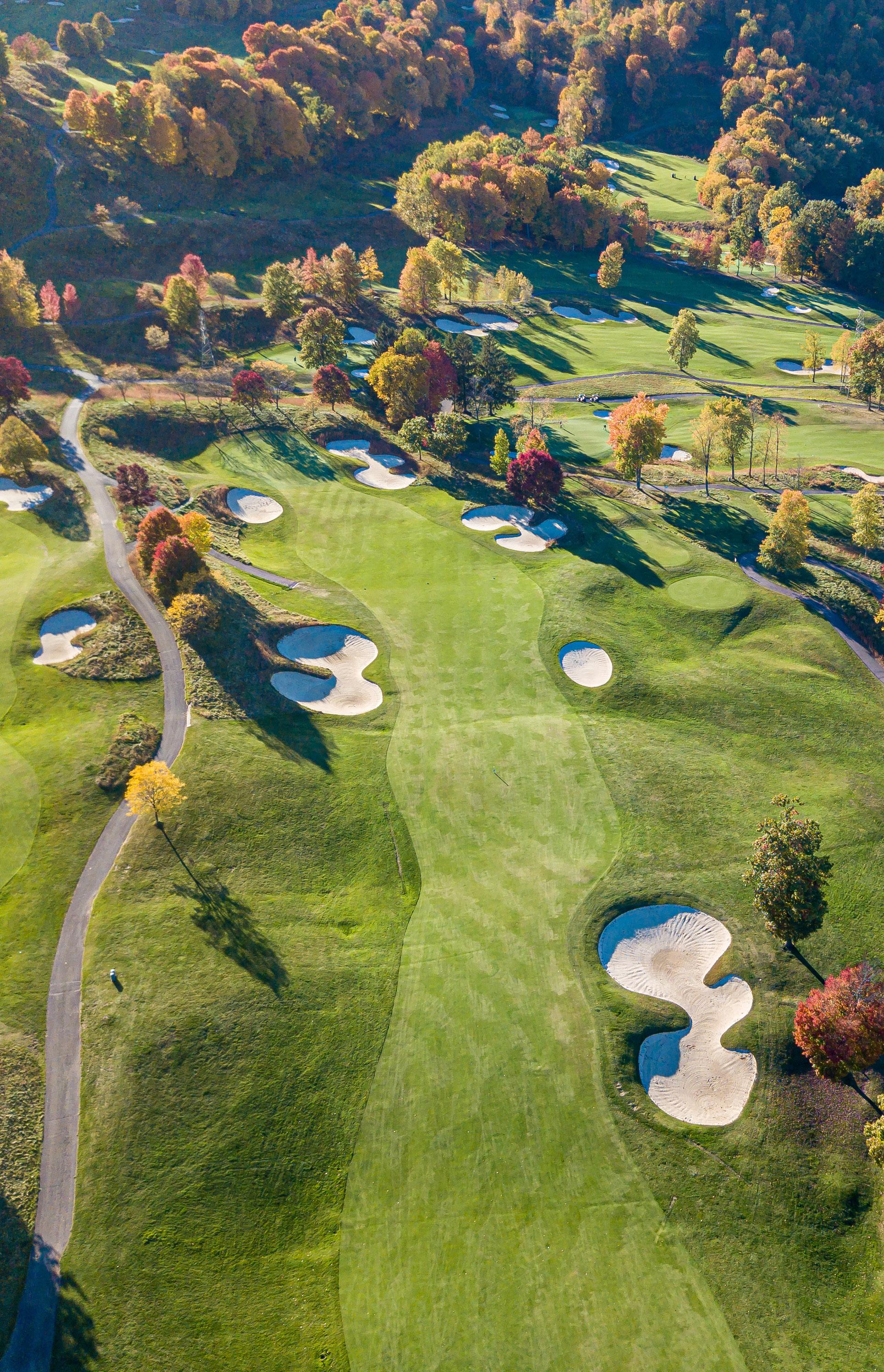
Golf is a sport that requires a unique combination of strength, flexibility, balance, and endurance. While many people view golf as a low-impact sport, the repeated swinging motion and long hours on the course can lead to strain and injuries. Incorporating a well-rounded fitness regimen can significantly enhance a golfer’s performance, reduce the risk of injuries, and improve overall longevity in the sport. Here are some of the best exercises for golfers to build strength, flexibility, and stability.
1. Core Strengthening Exercises
A strong core is essential for generating power and maintaining balance during a golf swing. Core exercises help improve rotational strength, which is crucial for an efficient swing.
• Planks: Strengthen the entire core, including the abdominals and lower back, enhancing stability during swings.
• Russian Twists: Engage the obliques and improve rotational flexibility.
• Medicine Ball Rotational Throws: Simulate the motion of a golf swing and build explosive power.
2 . Flexibility and Mobility Drills
Flexibility is vital for achieving a full range of motion in the golf swing, which translates into better performance and reduced risk of injury.
• Torso Rotations: Improve spinal mobility, allowing for a greater backswing and follow-through.
• Hip Flexor Stretches: Help increase mobility in the hips, enabling a more fluid and powerful swing.
• Shoulder Stretching: Prevents stiffness and enhances the ability to maintain an optimal swing plane.
The legs and glutes provide stability and power in the golf swing. Strengthening the lower body helps
golfers maintain balance and generate force.
• Squats: Improve lower body strength and stability, essential for a powerful downswing.
• Lunges: Enhance leg strength and flexibility, improving weight transfer during a swing.
• Calf Raises: Strengthen the calves, which help maintain stability during long rounds.
A golfer’s upper body, including the shoulders, arms, and back, plays a crucial role in the swing.
• Push-ups: Build upper body strength, particularly in the shoulders and arms.
• Dumbbell Shoulder Press: Strengthens the deltoid muscles, which help control the swing.
• Pull-ups: Enhance back and shoulder strength, improving posture and endurance.
5. Balance and Coordination Exercises
Balance is essential for maintaining control throughout the golf swing. These exercises improve coordination and stability.
• Single-Leg Deadlifts: Improve balance and strengthen the hamstrings and lower back.
• Bosu Ball Squats: Challenge stability and strengthen leg muscles.
• Yoga and Tai Chi: Enhance body awareness, flexibility, and balance.
Incorporating these exercises into a regular fitness routine can significantly improve a golfer’s game by increasing power, flexibility, and balance. A strong, mobile, and well-conditioned body helps golfers achieve better swings, reduce the risk of injuries, and enjoy a longer and more successful golfing experience. Whether a beginner or a professional, every golfer can benefit from a structured exercise regimen tailored to their specific needs.

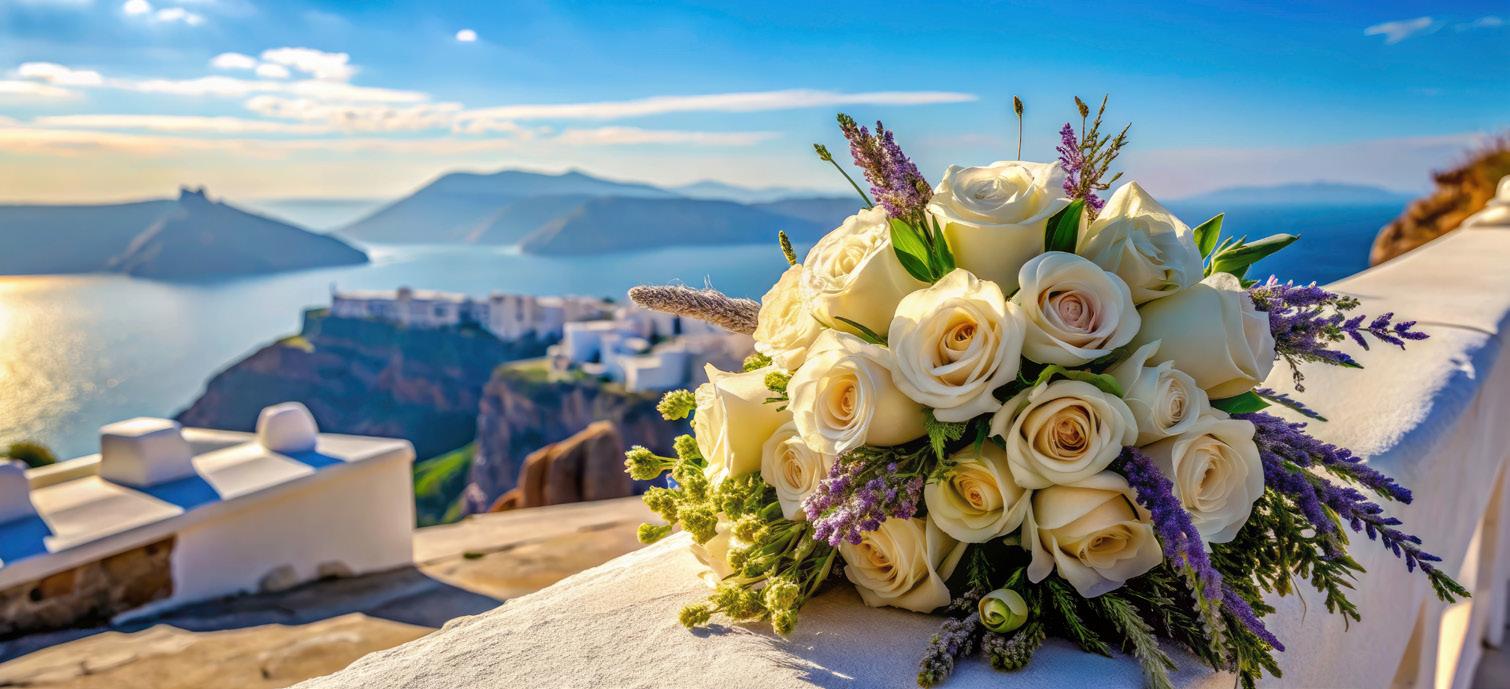
Destination weddings have become an increasingly popular choice for couples seeking a unique and memorable way to celebrate their special day. Unlike traditional weddings, which are typically held in the couple’s hometown or place of residence, destination weddings take place in a location far from home, often in an exotic or picturesque setting. Whether it's a sandy beach, a historic European city, or a serene countryside estate, destination weddings offer a blend of romance, adventure, and exclusivity that makes them truly special.
One of the primary benefits of a destination wedding is the opportunity for an intimate and personalized celebration. Since these weddings often involve a smaller guest list, couples can spend quality time with their loved ones in a relaxed and picturesque environment. This also allows for more meaningful interactions and creates a close-knit atmosphere that is sometimes missing in large, traditional weddings.
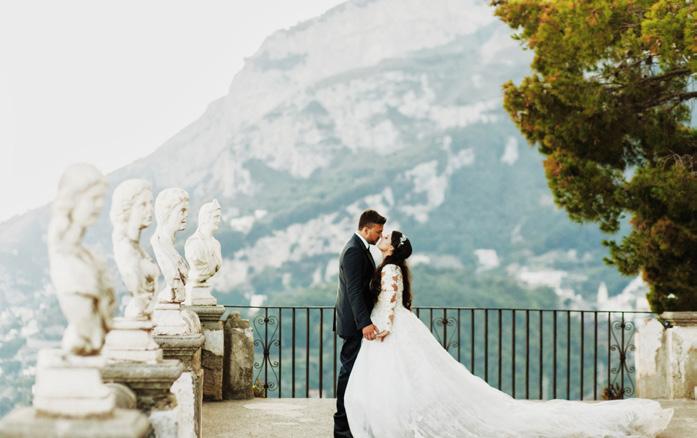
Additionally, destination weddings double as a vacation for both the couple and their guests. Many destinations offer all-inclusive wedding packages, covering everything from venue arrangements to catering, photography, and entertainment. This simplifies the planning process and reduces the stress often associated with organizing a wedding.
Another significant advantage is the breathtaking backdrop that many destinations provide. Whether exchanging vows on a tropical beach, in a rustic vineyard, or at a historic castle, the setting itself enhances the overall aesthetic and creates a magical ambiance. Such locations also offer
stunning photography opportunities, ensuring that the couple has beautiful memories captured for a lifetime.
Despite the many advantages, destination weddings also come with certain challenges. One of the biggest concerns is the cost, as travel expenses for the couple and guests can add up quickly. While destination weddings can sometimes be more affordable than large traditional weddings, they may still require a significant budget, especially if they are held in luxury locations.
Another challenge is the logistics involved. Planning a wedding from afar requires careful coordination with local vendors, understanding legal marriage requirements in a foreign country, and ensuring that guests have the necessary travel documents. Unexpected weather conditions or travel disruptions can also pose challenges that couples must be prepared for.
Additionally, not all invited guests may be able to attend due to financial constraints or personal commitments. This can be disappointing for couples who wish to celebrate with a larger group of family and friends. However, many couples opt for a separate reception upon returning home to include those who could not attend the main event.
Several destinations around the world have gained popularity for hosting weddings. Some of the most soughtafter locations include:
• Hawaii, USA: Known for its pristine beaches, lush landscapes, and stunning sunsets, Hawaii remains a favorite choice for tropical weddings.
• Tuscany, Italy: With its charming vineyards, rolling hills, and historic villas, Tuscany offers a romantic and timeless setting.
• Bali, Indonesia: A paradise known for its exotic culture, beautiful beaches, and luxurious resorts, Bali provides a dreamlike atmosphere for weddings.
• Santorini, Greece: Famous for its white-washed buildings, breathtaking cliffs, and stunning views of the Aegean Sea, Santorini is an ideal location for a picturesque wedding.
• The Caribbean: Islands such as Jamaica, the Bahamas, and the Dominican Republic offer all-inclusive wedding packages and stunning beachside venues.
Destination weddings provide an exciting and intimate way for couples to celebrate their love in a unique setting. While they come with their own set of challenges, careful planning can help overcome these obstacles, making the experience smooth and enjoyable. The opportunity to combine a wedding with a vacation, enjoy breathtaking scenery, and create lifelong memories with close family and friends makes destination weddings an appealing choice for many modern couples. Whether on a tropical island, in a historic city, or amidst nature’s beauty, a destination wedding is a truly unforgettable experience.
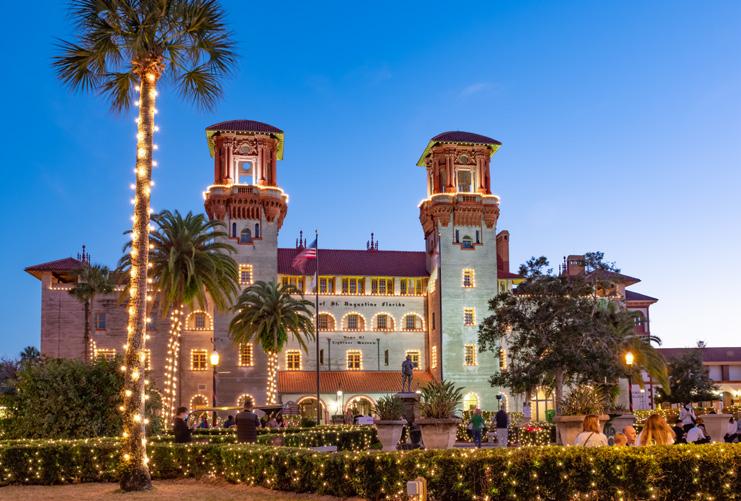
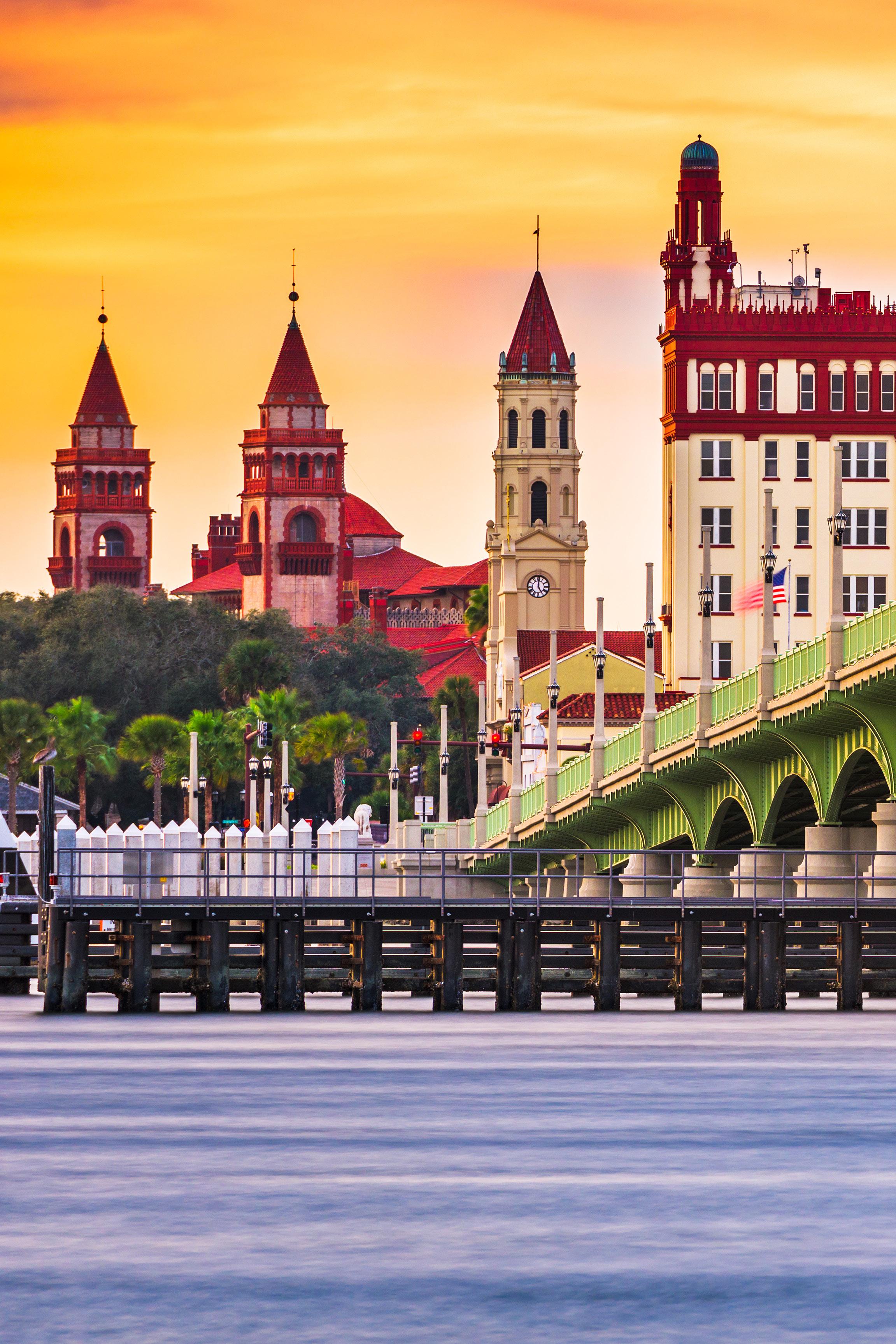
Discover St. Augustine Through the Seasons: Year-Round Activities in America’s Oldest City
St. Augustine, Florida, known as the nation's oldest continuously inhabited city, offers an enchanting blend of history, coastal beauty, and cultural charm all year long. Whether you're strolling down cobblestone streets in spring or marveling at twinkling holiday lights in winter, each season brings its own unique flavor to this historic gem.
Spring: Blooms, Beaches, and Outdoor Adventures
As the weather warms and flowers bloom, spring is a perfect time to explore St. Augustine’s lush gardens and coastal treasures.
• Anastasia State Park: Hike scenic trails, kayak through salt marshes, or relax on four miles of pristine beaches.
• Historic District Walking Tours: With comfortable temperatures, spring is ideal for walking tours. Explore landmarks like the Castillo de San Marcos and the Lightner Museum.
• St. Augustine Lighthouse & Maritime Museum: Climb the 219 steps for panoramic views framed by fresh greenery.
• Flowering Gardens: Visit the Washington Oaks Gardens State Park for vibrant azaleas, roses, and moss-draped oaks.
Summer: Sun, Sand, and Family Fun
Summer in St. Augustine brings sunshine, beach days, and lively festivals—perfect for families and sunseekers.
• St. Augustine Beach: Soak up the sun, swim, or try paddleboarding and surfing.
• Pirate & Treasure Museum: A hit with kids and history lovers alike, this museum offers interactive exhibits about the Golden Age of Piracy.
• Fountain of Youth Archaeological Park: Enjoy shaded paths and peacocks while learning about early explorers.
• Music and Food Festivals: Events like the St. Augustine Music Festival and free Concerts in the Plaza provide great entertainment under the stars. Fall: Festivals, Ghost Tours, and Cool Breezes
As summer heat fades, autumn brings crisp air, fewer crowds, and spooky seasonal flair.
• Ghost Tours: With Halloween in the air, take a lantern-lit ghost tour through haunted historic sites.
• St. Augustine Greek Festival: Celebrate with authentic food, dancing, and cultural displays.
• Scenic Cruises: Enjoy a sunset sail on Matanzas Bay with views of the city’s skyline.
• Lincolnville Festival: Explore this vibrant neighborhood’s African American heritage through music, food, and local art.
Winter: Lights, History, and Cozy Coastal Charm
Winter in St. Augustine is mild, festive, and magical, especially with one of the country’s most famous light displays.
• Nights of Lights (November–January): The entire city glows with millions of white lights— perfect for romantic carriage rides or evening strolls.
• Holiday Regatta of Lights: Watch festively decorated boats cruise through the bayfront.
• Historic Bed & Breakfast Tours: These festive tours offer a glimpse inside beautifully decorated historic homes.
• Shopping and Dining: Enjoy cozy cafés, unique boutiques, and holiday markets in the old town.
No Matter the Season, St. Augustine Delivers From spring wildflowers to winter lights, St. Augustine offers timeless charm and diverse activities throughout the year. Whether you're a history buff, beach lover, or foodie, this coastal city has something for everyone—every season of the year.



JAN 4 - 7
JAN 11 - 14

FEB 1 - 4
FEB 8 - 11
FEB 15 - 18
FEB 29MAR 3
MAR 7 - 10
MAR 7 - 10
MAR 14 - 17
The Sentry Plantation Course at Kapalua Kapalua, Maui, HI
Sony Open in Hawaii, Waialae Country Club Honolulu, HI
AT&T Pebble Beach Pro-Am, Pebble Beach Golf Links
Pebble Beach, CA
WM Phoenix Open, TPC Scottsdale (Stadium Course) Scottsdale, AZ
The Genesis Invitational, The Riviera Country Club Vallarta, MEX
The Classic in The Palm Beaches, PGA National Resort
Palm Beach Gardens, FL
Puerto Rico Open, Grand Reserve Golf Club Rio Grande, PUR
Arnold Palmer Invitational presented by Mastercard Orlando, FL
THE PLAYERS Championship, TPC Sawgrass (THE PLAYERS)
Ponte Vedra Beach, FL
MAR 21 - 24
MAR 28 - 31
APR 4 - 7
Valspar Championship, Innisbrook Resort (Copperhead Course)
Texas Children's Houston Open, Memorial Park Golf Course
Valero Texas Open , TPC San Antonio (Oaks Course)
Palm Harbor, FL
Houston, TX
San Antonio, TX
APR 11 - 14
Masters Tournament, Augusta National Golf Club Augusta, GA

APR 18 - 21 Corales Puntacana Championship Puntacana Resort & Club
Punta Cana, DOM
APR 18 - 21 RBC Heritage, Harbour Town Golf Links Hilton Head Island, SC
APR 25 - 28 Zurich Classic of New Orleans, TPC Louisiana Avondale, LA
MAY 2 - 5 THE CJ CUP Byron Nelson, TPC Craig Ranch McKinney, TX
MAY 9 - 12
MAY 9 - 12
MAY 16 - 19
MAY 23 - 26
MAY 30JUN 2 RBC Canadian Open Hamilton Golf & Country Club Hamilton, ON, CAN
JUN 6 - 9 The Memorial Tournament presented by Workday Dublin, OH
JUN 13 - 16
Open Pinehurst Resort & Country Club (Course No. 2) Village of Pinehurst, NC
JUN 20 - 23 Travelers Championship, TPC River Highlands Cromwell, CT
JUN 27 - 30 Rocket Mortgage Classic , Detroit Golf Club
MI

JUL 4 - 7
JUL 11 - 14
JUL 18 - 21
John Deere Classic, TPC Deere Run Silvis, IL
JUL 18 - 21
JUL 25 - 28
AUG 1 - 4
AUG 8 - 11
AUG 15 - 18
AUG 22 - 25
AUG 29SEP 1
Genesis Scottish Open, The Renaissance Club North Berwick, SCO
Barracuda Championship Tahoe Mountain Club Truckee, CA
The Open Championship, Royal Troon Troon, South Ayrshire, SCO
3M Open, TPC Twin Cities Blaine, MN
Olympic Men's Golf Competition, Le Golf National Paris, FRA
Wyndham Championship, Sedgefield Country Club
Greensboro, NC
FedEx St. Jude Championship, TPC Southwind Memphis, TN
BMW Championship, Castle Pines Golf Club Castle Rock, CO
TOUR Championship, East Lake Golf Club Atlanta, GA

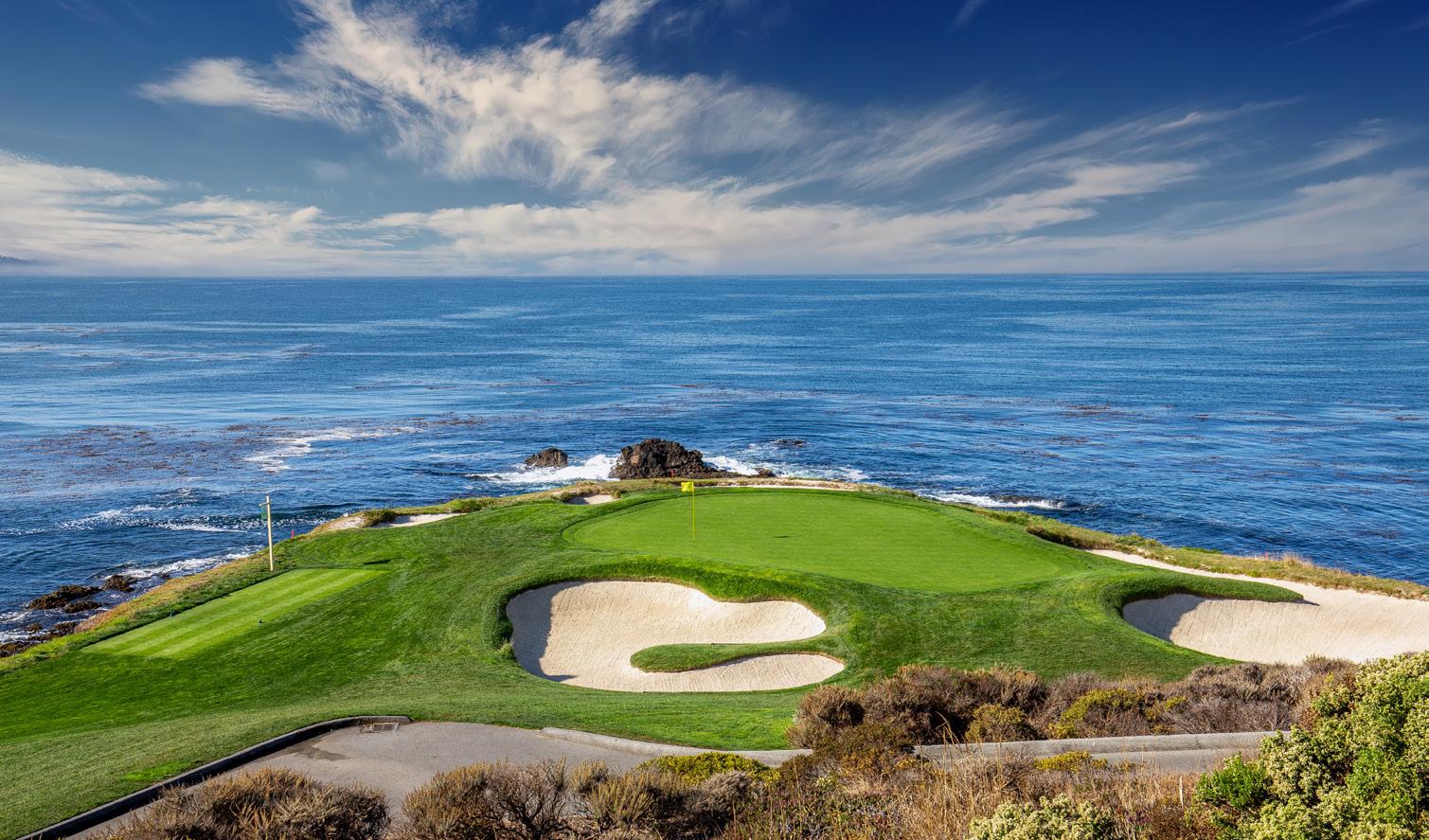
Here are some of the best golf resorts in the United States, known for their top-tier courses, luxury accommodations, and excellent amenities:
1. Pebble Beach Resorts (California)
• Home to the legendary Pebble Beach Golf Links, often ranked as the best public course in the U.S.
• Stunning coastal views along the Monterey Peninsula.
• Features multiple world-class courses, including Spyglass Hill and The Links at Spanish Bay.
2. Bandon Dunes Golf Resort (Oregon)
• A true golfer’s paradise with five championship courses along the Oregon coast.
• Designed for walking-only play, enhancing the traditional links experience.
• Consistently ranked among the top golf resorts in the world.
3. Kiawah Island Golf Resort (South Carolina)
• Famous for The Ocean Course, which has hosted multiple PGA Championships.
• Stunning Atlantic Ocean views with a challenging yet beautiful layout.
• Other great courses include Osprey Point and Turtle Point.
4. Pinehurst Resort (North Carolina)
• Known as the "Cradle of American Golf," with Pinehurst No. 2 being a U.S. Open host.
• Offers nine courses in total, each with its own character.
• A historic golf destination with world-class spa and dining options.
5. The American Club (Wisconsin)
• Features Whistling Straits, a former PGA Championship and Ryder Cup host.
• Offers stunning views of Lake Michigan and challenging linksstyle play.
• The resort’s Blackwolf Run courses provide additional toptier golfing options.
6. Sea Island Resort (Georgia)
• Features three championship courses: Seaside, Plantation, and Retreat.
• A regular stop on the PGA Tour (RSM Classic).
• Luxury accommodations, spa, and private beach access.
7. Streamsong Resort (Florida)
• Home to three acclaimed courses: Red, Blue, and Black— designed by renowned architects.

• A unique inland links experience in Florida with stunning natural landscapes.
• A secluded and luxurious resort with excellent dining and spa services.
8. The Greenbrier (West Virginia)
• Home to The Old White TPC, a former PGA Tour course.
• Historic luxury resort with spa, casino, and outdoor activities beyond golf.
• Offers multiple courses, including The Greenbrier and The Meadows.
9. Four Seasons Resort Hualālai (Hawaii)
• Features Hualālai Golf Course, designed by Jack Nicklaus.
• Stunning Hawaiian scenery with oceanfront holes.
• A top-tier luxury resort with world-class service and amenities.
10. Reynolds Lake Oconee (Georgia)
• Offers six championship courses, including Great Waters (designed by Jack Nicklaus).
• A luxurious lakeside retreat with top-notch golf and outdoor activities.
• Private and exclusive feel with excellent accommodations.

A recession brings economic uncertainty, job losses, and market instability, making financial security a top priority. During such times, individuals must adopt smart financial strategies to protect their wealth, ensure stability, and minimize risks. By focusing on emergency savings, reducing debt, diversifying income, and making prudent investments, one can navigate economic downturns with greater confidence.
One of the most important steps in financial security during a recession is maintaining an emergency fund. Experts recommend saving three to six months’ worth of living expenses in a liquid and easily accessible account. This cushion helps individuals cover essential costs, such as rent, food, and medical expenses, in case of job loss or unexpected financial hard-
ships. A well-funded emergency reserve can prevent the need to rely on credit cards or loans, which may carry high-interest rates during economic downturns.
Debt can be a significant burden during a recession, especially if income becomes unstable. High-interest debt, such as credit card balances or personal loans, should be a priority for repayment. (paying off small debts first) or the avalanche method (focusing on high-interest debts) can help reduce financial strain. Additionally, cutting unnecessary expenses— such as dining out, subscriptions, or luxury purchases—can free up funds for essentials and savings.
Relying on a single source of income can be risky during economic downturns. Diversifying income through side gigs, freelancing,
part-time jobs, or passive income sources (such as dividends or rental income) can provide financial stability. Investing in skills that are in demand, such as digital marketing, programming, or consulting, can also improve job security and create new earning opportunities.
Market volatility during a recession can be challenging for investors. While panic-selling is a common reaction, it is often better to stay invested in a well-diversified portfolio. Long-term investors may consider defensive stocks (such as utilities and consumer staples), bonds, or dividend-paying companies that tend to perform better during economic downturns. Additionally, having a balanced mix of assets can help mitigate risk and protect capital.
Economic uncertainty often leads
to an increase in scams and highrisk investment opportunities that promise unrealistic returns. Individuals should be cautious of pyramid schemes, fraudulent get-rich-quick opportunities, and unregulated financial products. Conducting thorough research and consulting financial advisors can help avoid potential losses.
Keeping finances safe during a recession requires careful planning, discipline, and adaptability. By building an emergency fund, reducing debt, diversifying income, making smart investments, and avoiding financial scams, individuals can protect their financial health and navigate economic downturns successfully. While recessions are challenging, proactive financial management can help individuals emerge stronger and more resilient.




Here are some top golf tips from the pros to help Improve your game:
1. Master Your Grip
• Tiger Woods emphasizes a neutral grip— neither too strong nor too weak—so you can control the clubface better.
• Check that your left hand (for right-handed golfers) shows two knuckles when gripping the club.
2. Improve Your Stance and Posture
• Jack Nicklaus always advised keeping a relaxed but athletic stance with feet shoulderwidth apart.
• Maintain a slight knee bend and keep your back straight to ensure a smooth swing.
3. Focus on a Smooth Swing Tempo
• Rory McIlroy suggests not swinging too hard. A balanced, rhythmic swing leads to better contact and accuracy.
• Think "low and slow" on the takeaway to prevent rushing your downswing.
4. Perfect Your Short Game
• Phil Mickelson practices different wedge shots daily to maintain touch around the greens.
• Keep your hands ahead of the ball when chipping to ensure crisp contact.
5. Align Properly Before Every Shot
• Jordan Spieth uses intermediate targets (like a blade of grass a few feet ahead) to help align shots correctly.
• Set your clubface first, then align your feet and body parallel to the target.
6. Read the Greens Carefully
• Tiger Woods looks at the green from multiple angles to gauge the slope and grain direction before putting.
• Try practicing with your eyes closed to develop better feel for distance control.
• Brooks Koepka and Dustin Johnson focus on staying calm under pressure—don’t dwell on bad shots.
• Visualize the perfect shot before taking it to build confidence.
Practice with Purpose
• Justin Thomas breaks his practice sessions into segments (driving, irons, short game, putting) to maximize improvement.
• Use alignment sticks and drills to reinforce consistency.

JAN

JAN 25-28 LPGA Drive On Championship Bradenton, FL
FEB 22-25
FEB
MAR 3
MAR 7-10
MAR
MAR
APR 3-7
APR 18-21
APR
MAY 9-12 Cognizant Founders Cup Clifton, NJ
MAY 16-19
MAY 30JUNE 2 U.S. Women’s Open Lancaster, PA

JUN 7-9
ShopRite LPGA Classic presented by Acer Galloway, NJ
JUN 13-16 Meijer LPGA Classic for Simply Give Grand Rapids, MI
JUN 20-23
KPMG Women’s PGA Championship Sammamish, WA
JUN 27-30 Dow Great Lakes Bay Invitational Midland, MI
JUL 11-14 Amundi Evian Championship Evian-les-Bains, France
JUL 18-21 Dana Open Sylvania, OH
JUL 25-28
CPKC Women’s Open Calgary, Alberta, Canada
AUG 1-4 Portland Classic Portland, OR
AUG 8-11
2024 Paris Olympics Paris, France
AUG 15-18 Women’s Scottish Open TBD, Scotland
AUG 22-25
AIG Women’s Open St Andrews, Fife, Scotland
AUG 20-SEP 1 FM Global Championship Norton, MA
SEPT 13-15 Solheim Cup Gainesville, VA


Getting healthier doesn’t have to be overwhelming! Here are some simple and easy ways to improve your health:
1. Eat More Whole Foods
• Add more fruits, veggies, nuts, and whole grains to your meals.
• Swap processed snacks for healthier options like yogurt, nuts, or fresh fruit.
2. Drink More Water
• Aim for at least 8 glasses a day.
• Carry a reusable water bottle to remind yourself to stay hydrated.
3. Move More
• Take short walks during breaks.
• Stretch or do light exercises while watching TV.
• Try standing instead of sitting for long periods.
4. Get Enough Sleep
• Aim for 7–9 hours of quality sleep each night.
• Create a relaxing bedtime routine and limit screen time before bed.
5. Manage Stress
• Practice deep breathing, meditation, or journaling.
• Spend time outdoors or engage in hobbies you enjoy.

6. Reduce Sugar and Processed Foods
• Cut back on sugary drinks and snacks.
• Choose home-cooked meals over fast food when possible.
7. Practice Mindful Eating
• Eat slowly and enjoy your meals.
• Listen to your body’s hunger and fullness cues.
8. Stay Socially Connected
• Spend time with loved ones and maintain a strong support system.
• Engage in community activities or social hobbies.
9. Limit Alcohol and Smoking
• Reduce alcohol intake and avoid smoking to protect your health.
• Seek support if you need help quitting.
10. Take Care of Your Mental Health
• Seek help when needed, whether from a friend, therapist, or counselor.
• Practice gratitude and focus on the positive aspects of life.

JAN 1 Tata Open Maharashtra Pune, India

JAN 8
JAN 8
JAN 15
Adelaide International Adelaide, Australia
Asb Classic Auckland, New Zealand
Australian Open Melbourne, Australia
JAN 29 Open Sud De France-Montpellier Montpellier, France
FEB 5
Córdoba Open Córdoba, Spain
FEB 5 Dallas Open Dallas, Texas
FEB 5
FEB 12
FEB 12
FEB 12
Open 13 Provence Marseille, France
Abn Amro Open Rotterdam, Netherlands
Argentina Open Buenos Aires, Argentina
Delray Beach Open
Delray Beach, Florida
FEB 19 Rio Open Presented By Claro Rio De Janeiro, Brazil
FEB 19 Qatar Exxonmobil Open Doha, Qatar


FEB 19
FEB 26
Abierto De Tenis Mifel Los Cabos, Mexico
Abierto Mexicano Telcel Presentado Por Hsbc Acapulco, Mexico
FEB 26 Dubai Duty Free Tennis Championships Dubai, India
FEB 26 Movistar Chile Open Santiago, Chile
MAR 10 Bnp Paribas Open Indian Wells, California
MAR 20 Miami Open Presented By Itaú Miami, Florida
APR 1 Millennium Estoril Open Estoril, Portugal
APR 1
Grand Prix Hassan Ii Marrakech, Morocco
APR 1 Fayez Sarofim & Co. U.s. Men’s Clay Court Championship Houston, Texas
APR 7 Rolex Monte-Carlo Masters Monte-Carlo, Monaco
APR 15 Barcelona Open Banc Sabadell Barcelona, Spain
APR 15 Bmw Open By American Express Munich, Germany
APR 21 Mutua Madrid Open Madrid, Spain

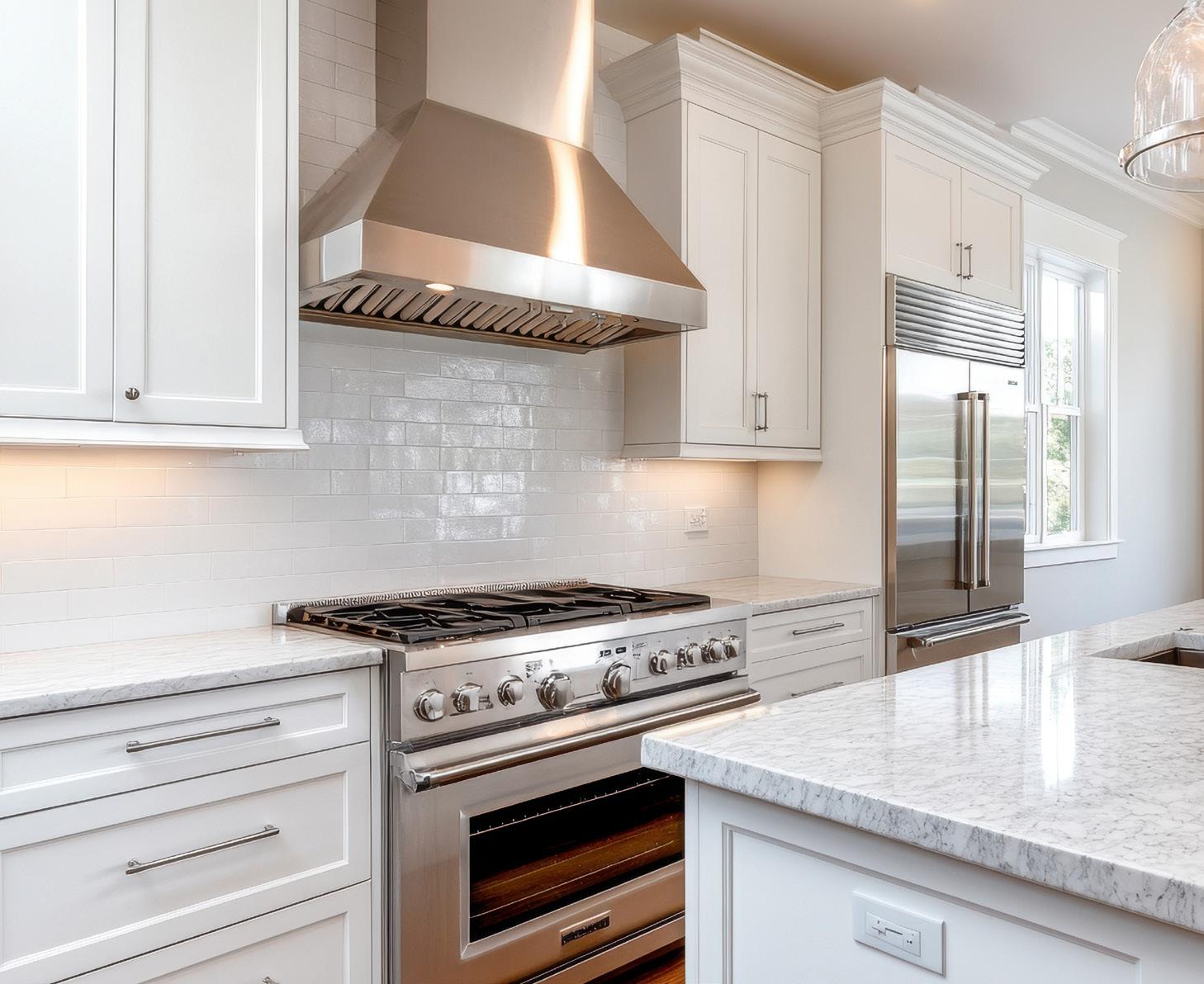
When it comes to selecting the perfect countertop or surface material for your kitchen or bathroom, Quartz, Granite, and Quartzite often top the list. Each has its own unique properties, pros and cons, and best-use scenarios. Let’s break down how these three materials compare in key categories.
• Quartz
Quartz countertops are engineered stone surfaces. They’re made from around 90–95% natural quartz crystals, mixed with resins and pigments to form a durable slab. The result is a highly customizable, non-porous surface.
• Granite
Granite is a natural igneous rock, formed from the slow crystallization of magma beneath the Earth’s surface. It contains a mix of quartz, feldspar, and other minerals, making every slab unique.
• Quartzite
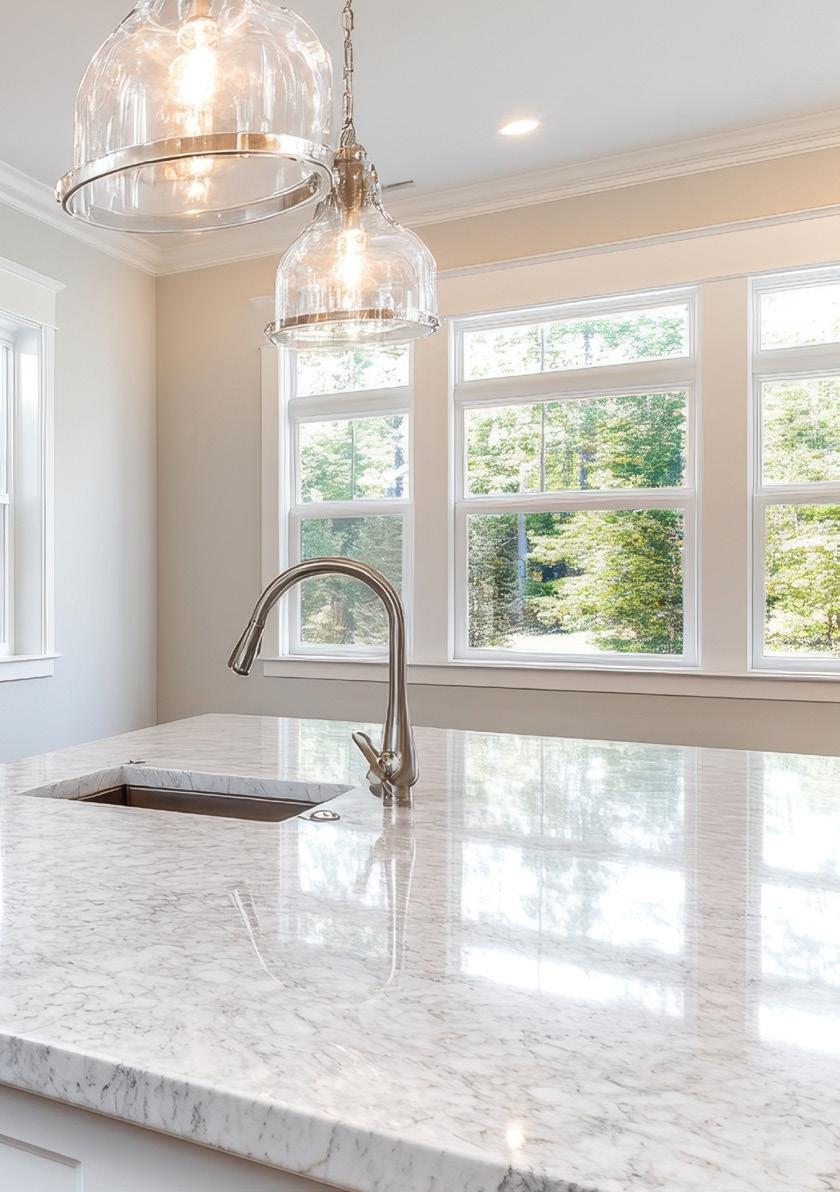
Quartzite is a natural metamorphic rock formed when sandstone is subjected to intense heat and pressure. It is primarily composed of quartz and is often confused with marble due to its veining, but it's much harder.
• Quartz
Since it’s engineered, quartz comes in a wide variety of colors and patterns, including styles that mimic natural stone like marble or granite. Its look is consistent from slab to slab.
• Granite
Granite offers a natural, one-of-a-kind look. Patterns and colors vary based on the quarry. No two slabs are exactly alike, which adds character.
• Quartzite
Quartzite typically comes in lighter colors with delicate veining. It resembles marble but has more durability. While more limited in range than quartz, its natural elegance is highly sought after.

• Quartz
Quartz is very durable and resistant to scratches, stains, and heat. However, the resins used can discolor under UV exposure, so it's not ideal for outdoor use.
• Granite
Granite is extremely hard and heat resistant, but it's porous, so it can stain if not sealed properly. It can also chip if heavy items are dropped on it.
• Quartzite
Quartzite is harder than granite and very resistant to scratching and heat. Like granite, it’s porous and must be sealed regularly to prevent staining.
• Quartz
Very low maintenance. It doesn’t require sealing, and routine cleaning with mild soap and water is sufficient.
• Granite
Needs periodic sealing (usually once a year). Daily cleaning is simple, but acidic cleaners should be avoided.
• Quartzite
Requires regular sealing similar to granite. It’s easy to clean but needs care to maintain its natural beauty.
• Quartz
$$ – Moderately expensive, typically $50–$120 per square foot installed. Price can vary based on brand and pattern.
• Granite
$$ – Similar quartz, ranging from $40–$100+ per square foot, depending on rarity and origin.
• Quartzite
$$$ – Usually more expensive, from $70–$150+ per square foot installed. It’s pricier due to mining difficulty and limited availability.
• Quartz: Ideal for indoor kitchens, bathrooms, and laundry rooms where uniform appearance and low maintenance are priorities.
• Granite: Great for kitchens and outdoor spaces thanks to its natural durability and resistance to high heat.
• Quartzite: Perfect for high-traffic kitchens where a natural, marble-like aesthetic and superior strength are desired.
• Choosing between Quartz, Granite, and Quartzite ultimately depends on your design goals, budget, and lifestyle needs. If you value ease of maintenance and consistency, quartz is your best bet. For a truly unique natural surface, granite shines. And if you want marble-like beauty with incredible strength, quartzite is the luxury choice.
JAN 15-30 Mitsubishi Electric Championship at Hualalai (Saturday finish) Ka’upulehu-Kona, HI
FEB 12-18 Chubb Classic Naples. FL
FEB 19-24 Trophy Hassan II Rabat. Morocco

MAR 4-10
MAR 18-24
MAR
APR 15-21 Invited
APR 22-28
APR 29MAY 5
MAY 6-12
MAY
MAY 27JUNE 2
JUNE 3-9

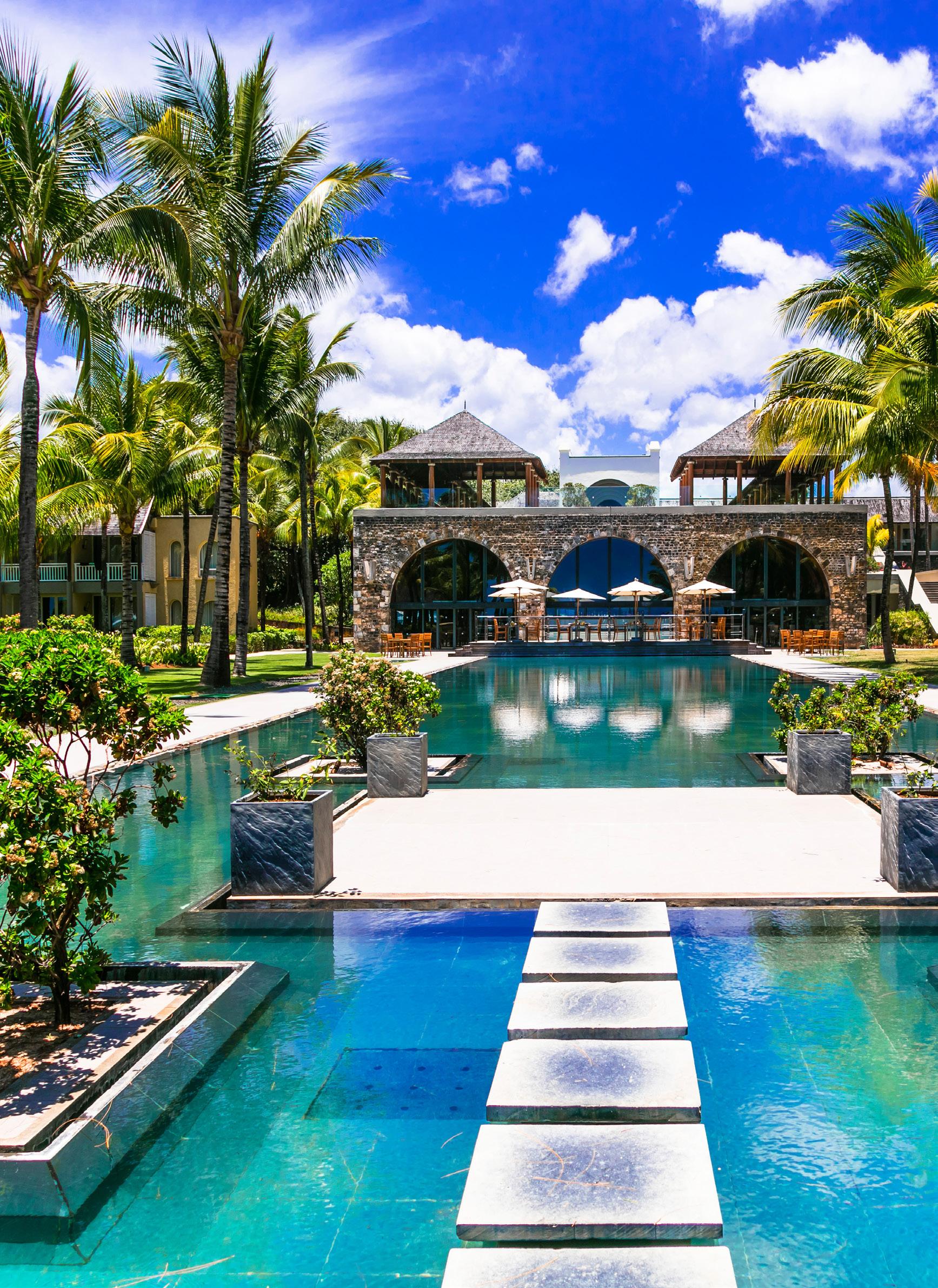
If you were captivated by HBO’s The White Lotus, with its intoxicating blend of high-end hospitality, stunning scenery, and underlying drama, you may be looking for resorts that exude a similar atmosphere. Here are some luxurious properties around the world that embody the show’s aesthetic and allure.
As the actual filming location of The White Lotus Season 1, this resort is the most authentic experience for fans. Nestled along the pristine beaches of Wailea, the Four Seasons offers opulent suites, infinity pools, and impeccable service. Expect a blend of tropical paradise and discreet
luxury with a touch of exclusivity.
Amanpuri – Phuket, Thailand
Amanpuri, part of the renowned Aman Resorts, offers unparalleled seclusion and sophistication. Located on a private peninsula in Phuket, it features pavilion-style villas, an iconic infinity pool overlooking the Andaman Sea, and a wellness-centered approach that attracts elite travelers.
Perched dramatically on the cliffs of the Amalfi Coast, Il San Pietro di Positano is the perfect mix of Mediterranean charm and fivestar luxury. With its private beach, Michelin-starred dining, and breathtaking sea views, it’s easy to imagine a White Lotus-style storyline unfolding here.
One&Only Palmilla –Los Cabos, Mexico
Set on the stunning coast of Baja California, One&Only Palmilla is a favorite among celebrities and discerning travelers. With its Spanish colonial architecture, world-class golf course, and indulgent spa, this resort offers the perfect mix of indulgence
and exclusivity.
For those seeking something more remote yet just as luxurious, Six Senses Zighy Bay is an oasis of tranquility in the Middle East. This resort features cliffside villas with private pools, a dramatic arrival by paragliding (if you dare), and a commitment to sustainable luxury.
The Maldives is synonymous with ultra-luxury, and Cheval Blanc Randheli epitomizes this. With overwater villas, crystal-clear lagoons, and personalized service, this resort is a playground for the ultra-wealthy, embodying the extravagant escape seen in The White Lotus.
These resorts, much like The White Lotus, cater to those seeking an immersive and indulgent travel experience. Whether it’s the allure of a tropical paradise, a Mediterranean retreat, or an exclusive desert hideaway, these destinations capture the essence of opulence and intrigue— minus the TV drama (hopefully).

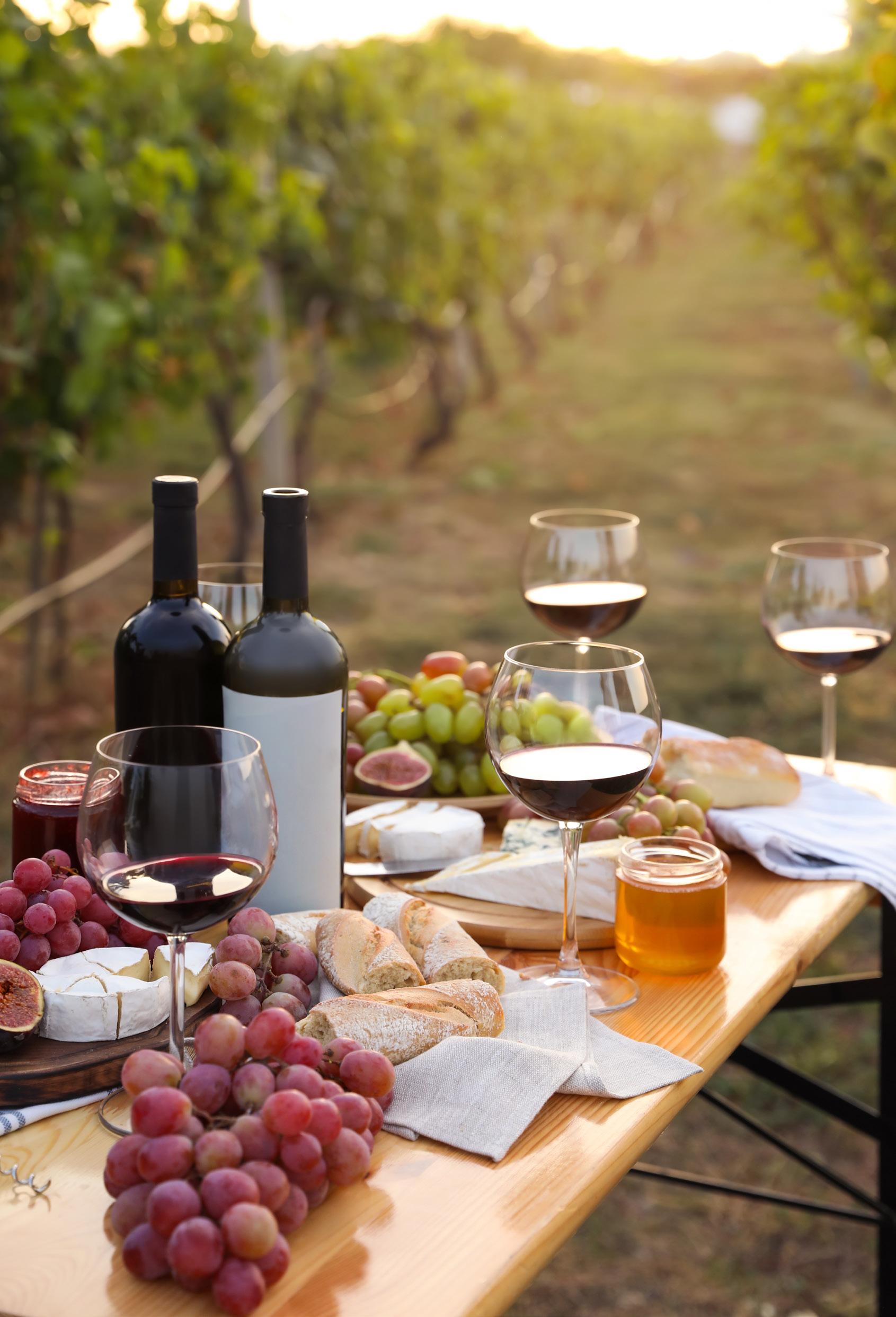
Wine is one of the oldest and most beloved beverages in human history, deeply intertwined with culture, tradition, and geography. Across the world, different regions have developed unique winemaking techniques, grape varieties, and styles that reflect their local climates and histories. From the rolling vineyards of France to the sun-kissed valleys of Argentina, wine tells the story of its origins. Let's explore some of the most renowned wineproducing regions and their distinct contributions to the global wine industry.
France: The Birthplace of Fine Wine France has long been considered the heart of the global wine industry, producing some of the finest wines in history. Bordeaux, Burgundy, and Champagne are among its most famous regions. Bordeaux is known for its bold red blends of Cabernet Sauvignon and Merlot, while Burgundy produces elegant Pinot Noir and Chardonnay wines. Champagne, synonymous with celebration, is crafted using the traditional méthode champenoise, resulting in its signature bubbles. French wines are heavily regulated, ensuring high quality and strong regional identities.
Italy: A Legacy of Diversity Italy rivals France in both quality and variety, boasting over 400 officially recognized grape varieties. The country’s wine regions span from the northern foothills of Piedmont, where Barolo and Barbaresco wines are made from Nebbiolo grapes, to the sun-drenched vineyards of Sicily, known for Nero d’Avola and Marsala. Tuscany, home to Chianti and Brunello di Montalcino, is particularly famous for its Sangiovese-based wines, which pair beautifully with Italian cuisine.
Spain: The Home of Tempranillo and Sherry Spain has a rich winemaking history, producing robust reds and unique fortified wines. Rioja is the most well-known Spanish wine region, specializing in Tempranillo-based wines aged in oak barrels. Ribera del Duero also produces high-quality reds with a strong aging potential. In the south, Jerez is home to Sherry, a fortified wine ranging from dry to sweet that has been enjoyed for centuries. Spain’s diverse climate allows for a wide range of wine styles, from fresh Albariño in Galicia to powerful Priorat reds in Catalonia.
United States: New World Innovation The United States, particularly California, has made a name for itself in the global wine market. Napa Valley and Sonoma County produce world-class Cabernet Sauvignon, Chardonnay, and Pinot Noir, often rivaling their European counterparts. The Pacific Northwest, including Oregon and Washington, has also gained recognition for its cool-climate Pinot Noir and Riesling wines. American winemakers are known for their innovation, blending traditional techniques with modern advancements to create expressive and high-quality wines.
Argentina and Chile: South America's Wine Powerhouses Argentina and Chile have emerged as major players in the global wine industry. Argentina is celebrated for its Malbec, particularly from the highaltitude vineyards of Mendoza, where the grapes develop intense flavors and deep colors. Chile, with its diverse geography, produces outstanding Cabernet Sauvignon, Carmenère, and Sauvignon Blanc. The country's unique terroirs, including the Maipo and Colchagua Valleys, contribute to the complexity and balance of its wines.
Australia and New Zealand: Excellence from the Southern Hemisphere Australia is renowned for its Shiraz, particularly from the Barossa Valley, where rich, bold flavors dominate. The country also excels in Chardonnay and Riesling production. Meanwhile, New Zealand has gained worldwide recognition for its Sauvignon Blanc from Marlborough, characterized by its vibrant acidity and tropical fruit notes. New Zealand also produces exceptional Pinot Noir, particularly from the Central Otago region.
Conclusion Wine is a universal language of taste and tradition, shaped by geography, climate, and human craftsmanship. Each country brings its own character and legacy to winemaking, offering a diverse and fascinating selection of flavors to explore. Whether one prefers a classic Bordeaux, a bold Malbec, or a crisp Sauvignon Blanc, the world of wine offers something for every palate and occasion. By understanding the unique contributions of different wine regions, we gain a deeper appreciation for this ancient and everevolving art.