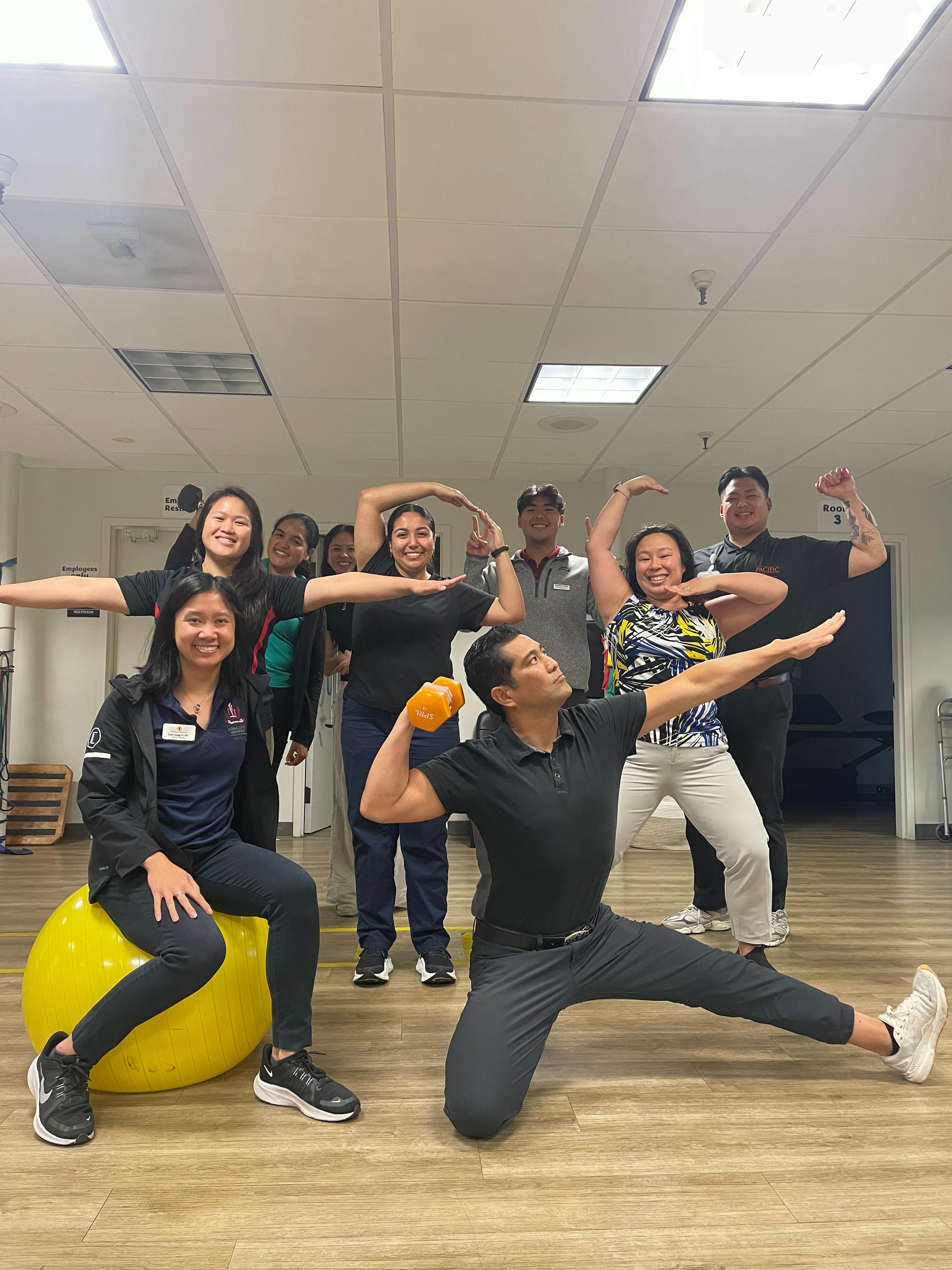


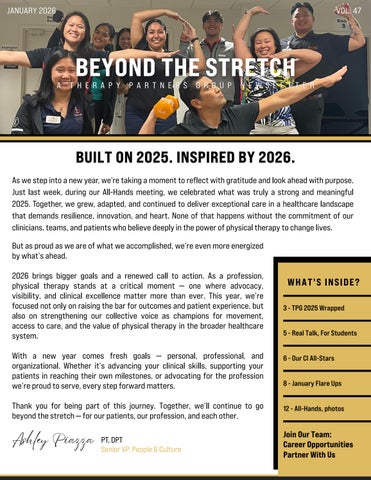
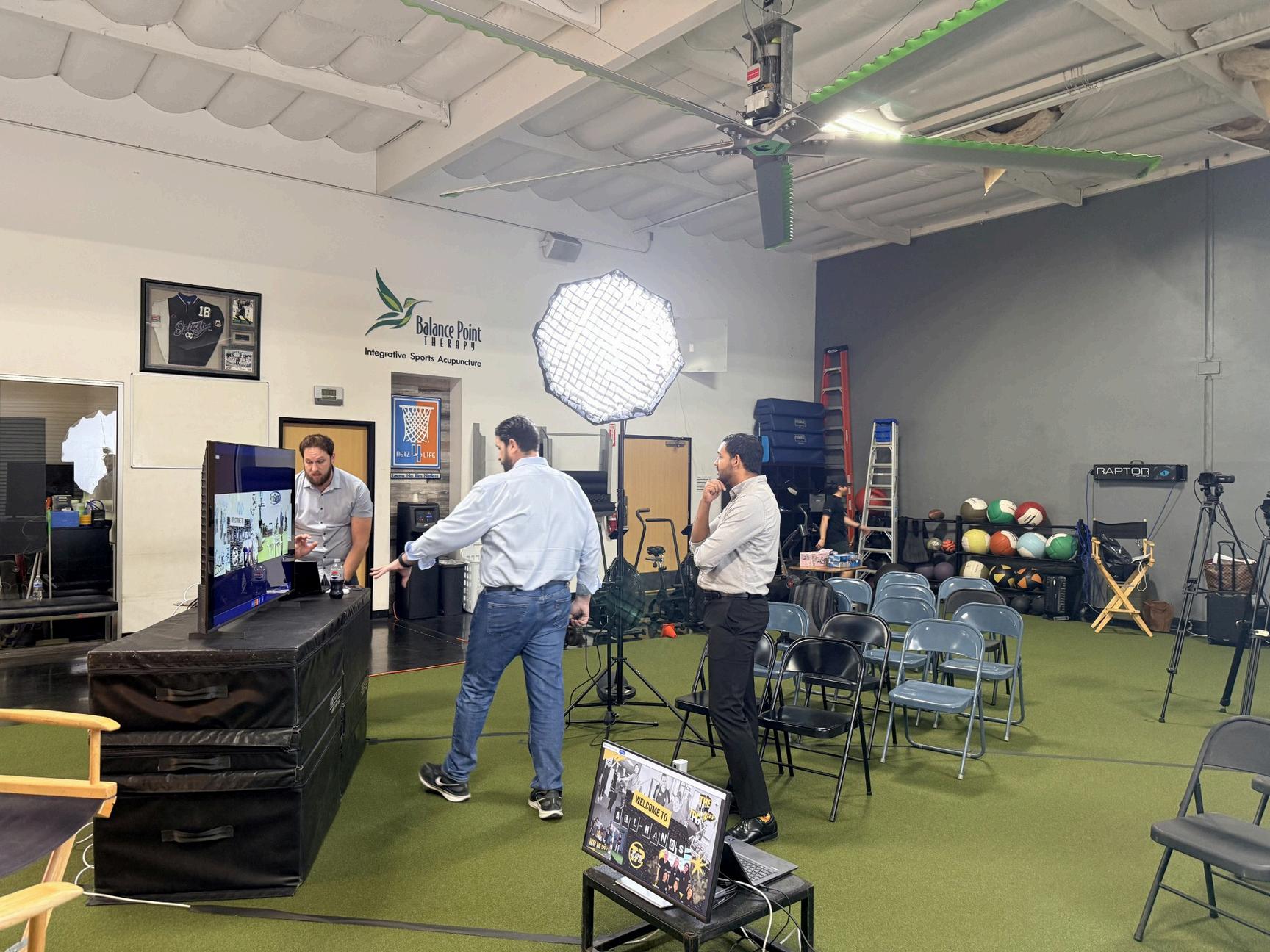
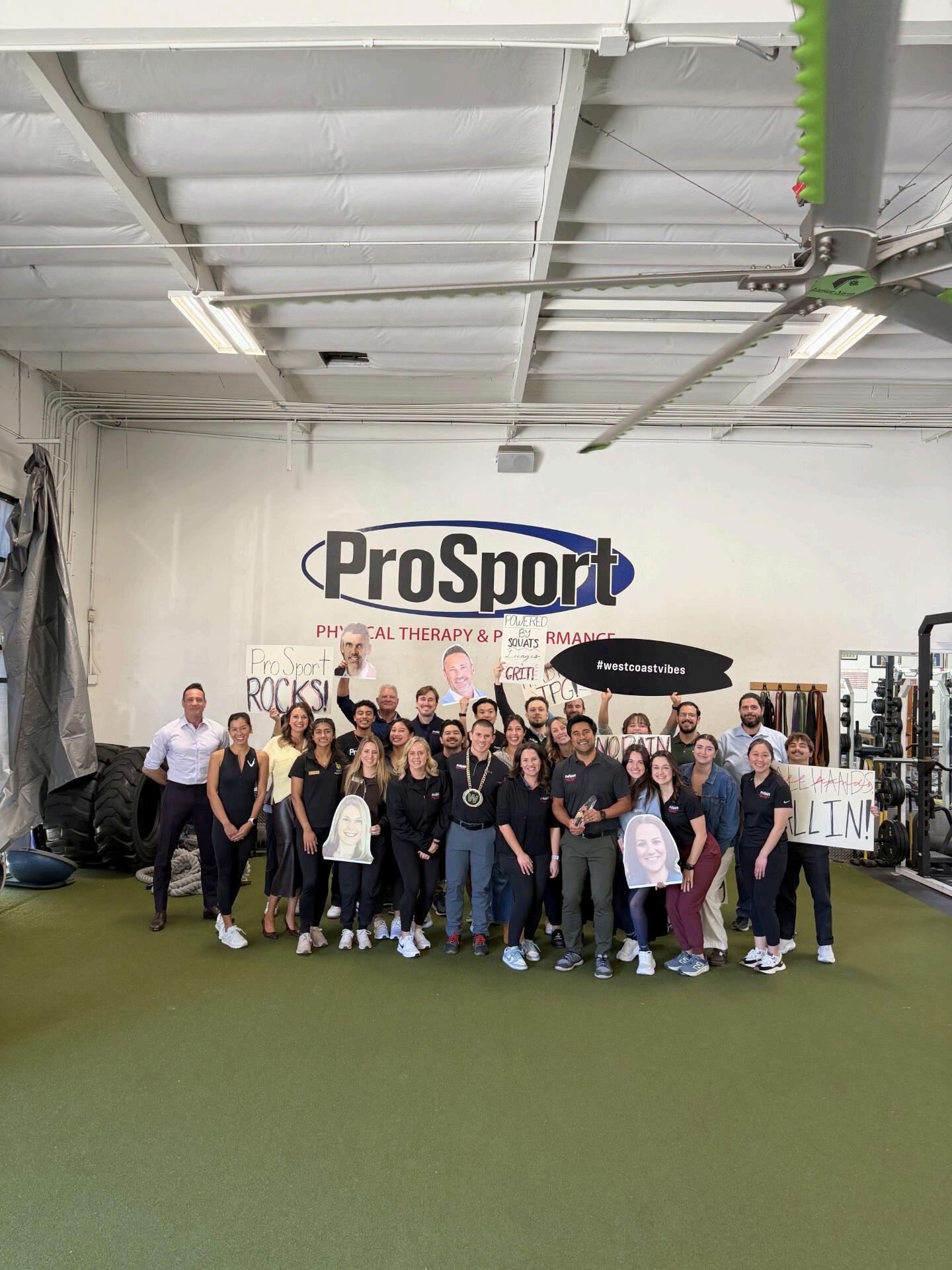
As we step into a new year, we’re taking a moment to reflect with gratitude and look ahead with purpose. Just last week, during our All-Hands meeting, we celebrated what was truly a strong and meaningful 2025. Together, we grew, adapted, and continued to deliver exceptional care in a healthcare landscape that demands resilience, innovation, and heart. None of that happens without the commitment of our clinicians, teams, and patients who believe deeply in the power of physical therapy to change lives
But as proud as we are of what we accomplished, we’re even more energized by what’s ahead.
2026 brings bigger goals and a renewed call to action. As a profession, physical therapy stands at a critical moment one where advocacy, visibility, and clinical excellence matter more than ever. This year, we’re focused not only on raising the bar for outcomes and patient experience, but also on strengthening our collective voice as champions for movement, access to care, and the value of physical therapy in the broader healthcare system.
With a new year comes fresh goals personal, professional, and organizational Whether it’s advancing your clinical skills, supporting your patients in reaching their own milestones, or advocating for the profession we’re proud to serve, every step forward matters.
Thank you for being part of this journey. Together, we’ll continue to go beyond the stretch for our patients, our profession, and each other.

Ashley Piazza PT, DPT Senior VP, People & Culture

Each year, we present five TPG Awards during our All-Hands meeting. These outstanding distinctions recognize performance, growth, and teammates living the TPG Way. We’re deeply thankful for the hard work and commitment behind these results.




CORPORATE


GROWTH %


Awards for those who turn hard work, heart, and growth into unforgettable impact.



THE APTA, ALONG WITH TPG, IS STRONGLY OPPOSED TO THE CATEGORIZATION OF THE DOCTOR OF PHYSICAL THERAPY DEGREE AS A GRADUATE DEGREE, NOT A PROFESSIONAL DEGREE.


Send Your Message In Under :30 Seconds


Scan this QR code to send a letter to your members of Congress!
The U.S. Department of Education is working to update the federal student loan regulations, including which professions would be included in the professional degree category. Historically, physical therapy and dozens of other licensed providers have been considered to be included in this definition.
At the last meeting of the U.S. Department of Education’s RISE Committee, a proposed definition for professional degree programs was adopted, WHICH, if enacted, could cause serious, long-term damage to the health care workforce. The proposed definition excludes dozens of professions, including physical therapy.


USE THIS LINK TO THE APTA REGULATORY ACTION CENTER, WHERE YOU CAN
FIND A FORM LETTER AND DIRECT LINK FOR CONTACTING YOUR MEMBERS OF CONGRESS TO URGE THEM TO INTERVENE AND ENSURE THAT PHYSICAL THERAPY IS INCLUDED IN THE BROAD RANGE OF HEALTH CARE PROFESSIONS THAT HISTORICALLY ARE CONSIDERED PROFESSIONAL DEGREES.


Every year, I meet new graduates who feel like they should already have everything figured out Let me reassure you, you do not. And that is okay.
First, you do not have to know everything to be a great clinician. What matters most early in your career is being curious, reflective, and open to learning. Confidence is built through experience, not perfection.
Second, ask questions early and often. The strongest clinicians I know are the ones who collaborate, seek feedback, and use their team as a resource. That is not weakness. That is how strong clinical judgement develops.
Finally, your first job should grow you, not just pay you. Salary matters, but so does mentorship, onboarding, and access to continuing education The right environment can shape not only your skills, but also how long and how happily you stay in this profession.
At Therapy Partners Group, we believe clinicians are developed, not just hired. That is why we invest in structured onboarding, mentorship, and learning pathways, so you are supported while you build confidence and competence.
If you are starting your career this year, give yourself permission to learn. You are exactly where you are supposed to be.

JENNIFER ALLEN, PT, DPT
CHIEF CLINICAL OFFICER, THERAPY PARTNERS GROUP



TPG is a family of outpatient physical therapy brands dedicated to advancing clinical education and excellence. We partner with universities to provide meaningful learning opportunities, mentorship, and hands-on experiences that prepare the next generation of therapy professionals to thrive. Through collaboration, teamwork, and a commitment to high-quality patient care, we help students bridge the gap between the classroom and clinical practice.
20+ 20+ 20+ 20+


















Many clinicians notice an increase in symptom flare ups in January, including spine pain, shoulder irritation, knee symptoms, and tendon complaints. Even in warmer regions like Southern California and Arizona, where weather is not a major barrier to activity, seasonal changes in routine still affect how well patients recover between visits
After the holidays, patients often have disrupted sleep, higher stress, and changes in daily movement patterns. Some may also be returning to exercise after a break or increasing activity quickly with New Year fitness goals. When recovery capacity is reduced, tissues and the nervous system can become more sensitive to load, even if the exercises themselves are appropriate.
Sleep plays a major role in how well patients tolerate and adapt to rehab Tissue repair, neuromuscular recovery, and learning new movement patterns all depend on good sleep quality If sleep is poor, patients may feel more sore after sessions and may struggle with carryover from visit to visit This does not mean they are regressing, but it does mean their system may need more time to adapt
For newer clinicians, this can be a helpful reminder that flare ups are not always a sign that the program is wrong. Instead of removing all challenging exercises, consider adjusting total workload first. This may include reducing total sets, spacing out harder days, or extending warm up and movement prep before higher demand tasks.
January is also a good time to reinforce patient education
Helping patients understand that short term symptom changes are normal and do not mean harm can improve confidence and reduce fear of movement
Progress in outpatient orthopedics is rarely linear Learning to balance appropriate loading with realistic recovery is a key clinical skill, and seasonal fluctuations provide a valuable opportunity to practice that decision making.












FORMAL RESIDENCY PROGRAM


Formal Residency Program
15-month ABPTRFE-accredited
Residency Program
Available in Arizona & California
Qualify to sit for APTA's Specialization
Certification examination
NEW GRADUATE SUCCESS PROGRAM
Staff Clinician

12-month structured program
Monthly Interactive Journal Clubs
Monthly Special Topic Didactic
Training
Online Modules

(1+ years of experience))

Career Growth Your Way
Choose Your Path
Clinical Instructor
New Grad Success Mentor
TPGU Faculty
Sports, Pelvic Health, Geriatrics, Orthopedics, Hand Therapy, Neurology, & Pediatrics
Knowledge Tracks in specific curriculum 12 months to complete a program
75% pass rate of all courses & completion of program requirements
Case study write-up & presentation
Anyone in an Advanced Clinical Program will be included in the Formal Residency Live Virtual Modules
The Emerging Leaders Program is designed for clinicians beginning their leadership journey. It focuses on developing foundational leadership skills, communication, and effective team management.
The Clinical Leadership Program is specifically tailored for clinic directors within TPG. This program enhances leadership abilities, clinical expertise, and operational management skills.


A L LH A N D S