INTUITIVE ® Plant Science Complex: Breaking Ground on the Future
Page 6
Boynton Oak: Conservation In Practice
Page 18
When Garden Plants Go Wild
Page 22
Spring 2026
Our Mission
The Garden exists to connect people to plants to support a healthier quality of life for the region.
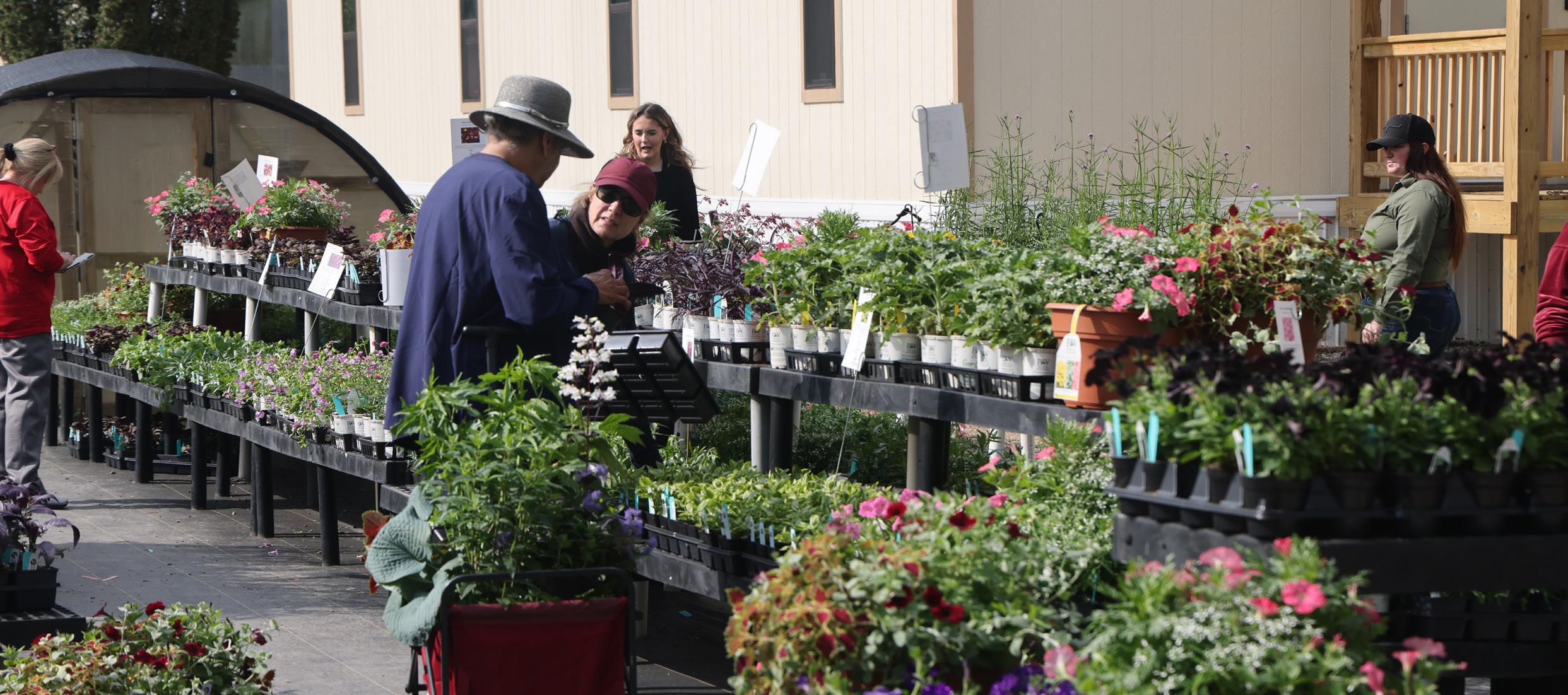
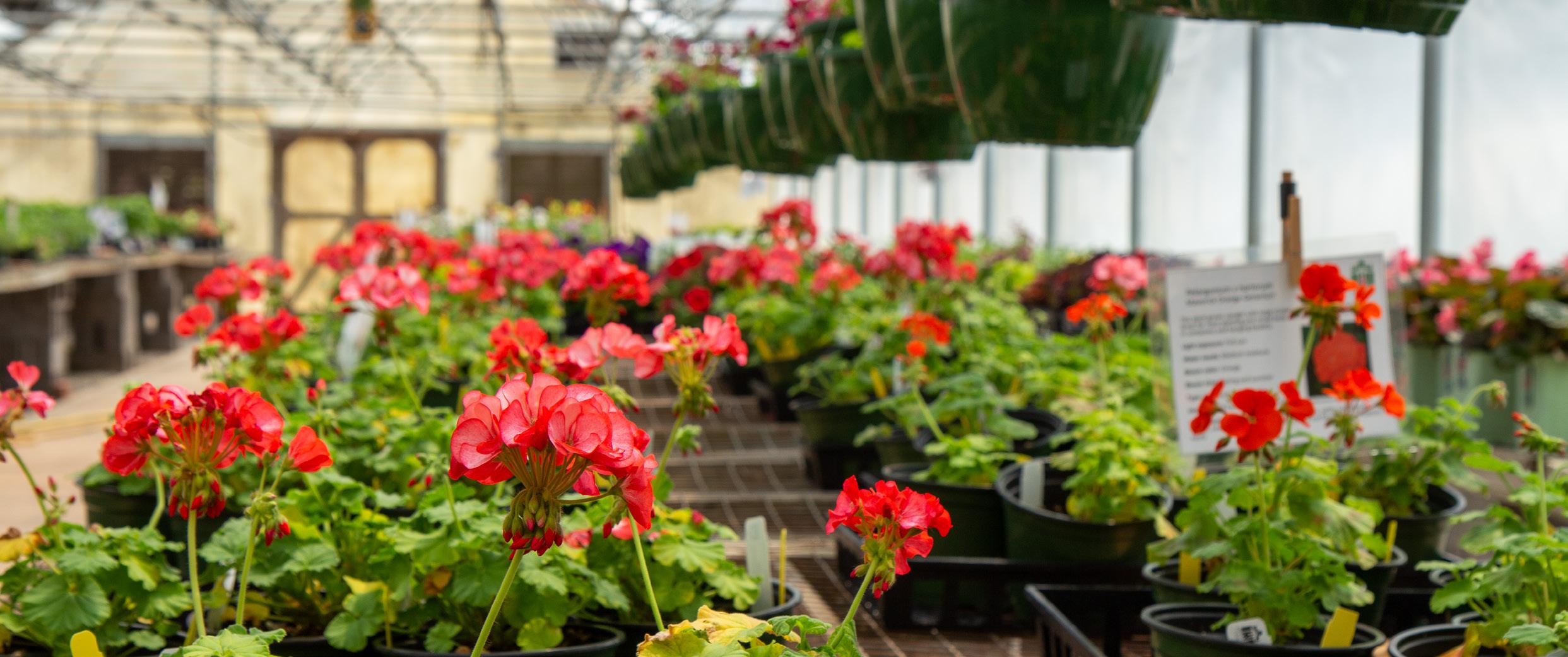
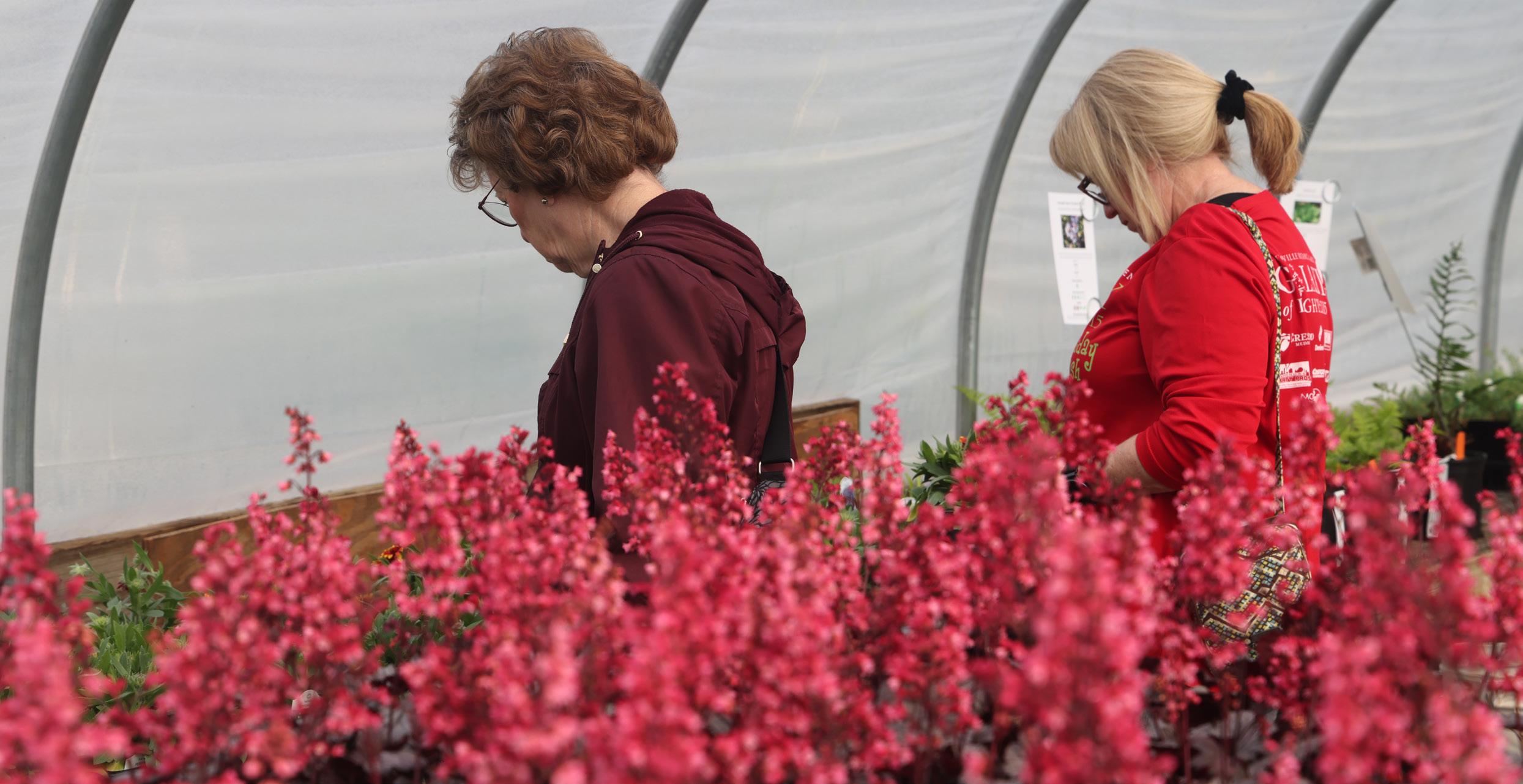
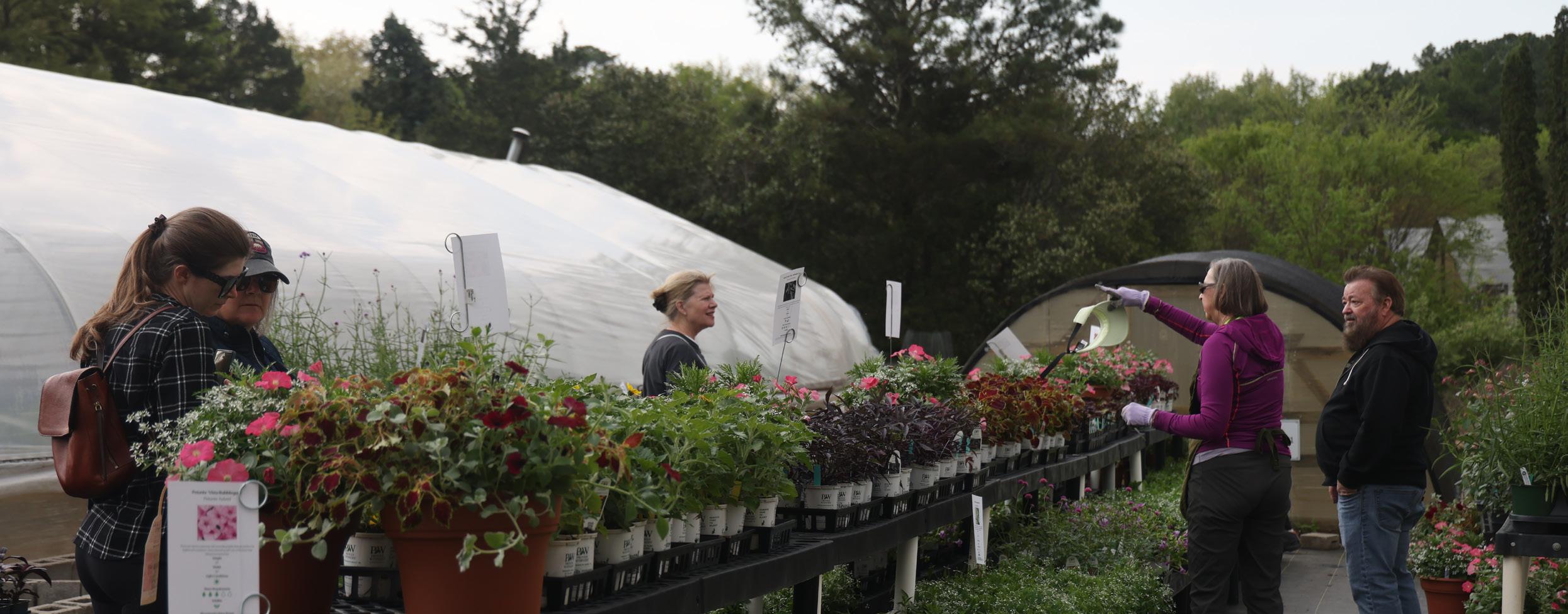
PlantSpringSale
Members-Only Preview Sale
Public
Greetings from the CEO
Hello Everyone!
Spring has returned to the Garden, bringing with it a renewed sense of growth and curiosity. Across the Garden, blooms emerge and the landscape reminds us of nature’s ability to inspire. We invite you to slow down and enjoy all the signs of the season coming to life around you.
This spring, the Garden continues to grow not only in beauty, but in mission. From conservation-focused spaces that blend art, memory, and meaning, every corner of the Garden reflects our commitment to stewardship and community. Whether you are visiting for a peaceful stroll or an engaging program, there is something new to discover with every visit.
In this issue of Garden Columns, we explore topics that extend beyond our garden gates. Learn how invasive plants impact local ecosystems and what you can do at home to protect local landscapes. Discover how art and memorial spaces foster deeper connections, and learn more about our ongoing conservation work with the Boynton Oak. We’re also excited to share a look at the INTUITIVE® Plant Science Complex, a major step forward as we break ground on a facility that will support research, education, and the future of horticulture at Huntsville Botanical Garden.
Spring is a season filled with possibility, seen in everything from newly planted beds to long-term projects that will benefit generations to come. We hope this issue inspires you to engage with the Garden in meaningful ways and feel connected to the natural world around you.
We look forward to welcoming you this spring and sharing all that is growing this season.
2026 Board of Directors
Michelle Stark Board Chair
Brittney Shonk Vice Chair
Drew Davenport
Treasurer
Sherrie Hodges
Assistant Treasurer
Kristina Hendrix
Secretary
Lindsay Rice
Immediate Past Board Chair
Tracy Barrett
Hal Brewer
Kohler Damson
Melanie Forbes
Camillia King-Stanley
Michael Kirkpatrick
Angie McCarter
Riley Parker
Will Pylant
Kaitlynn Roark
John Mark Russell
U’Meeka Smith
Julie Stephens
Sara Beth Wilcox
Jennifer Wu
Sue Wagner CEO, Huntsville Botanical Garden
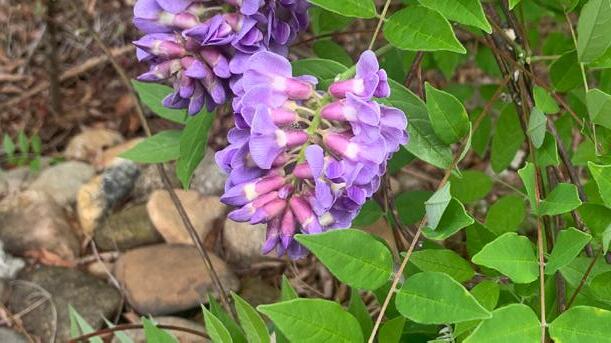
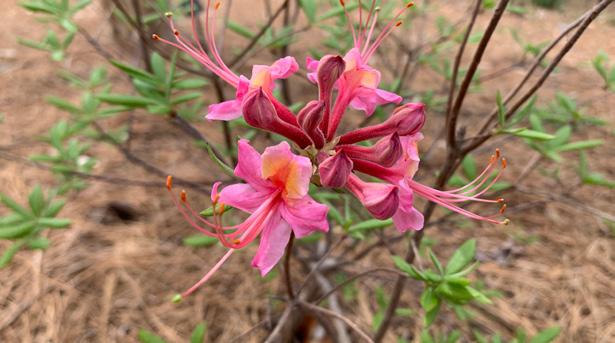
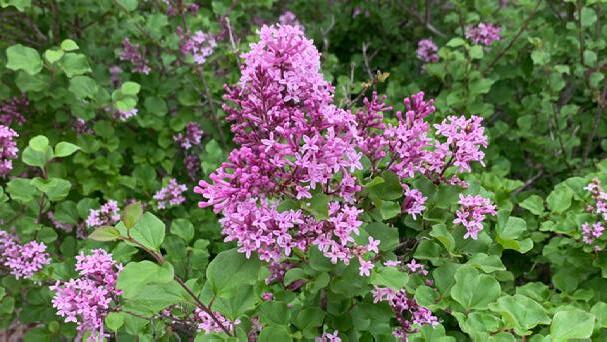
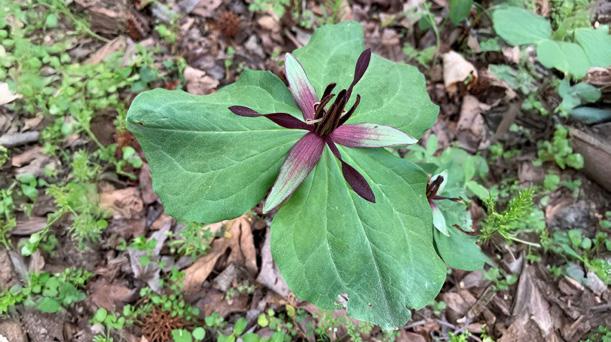
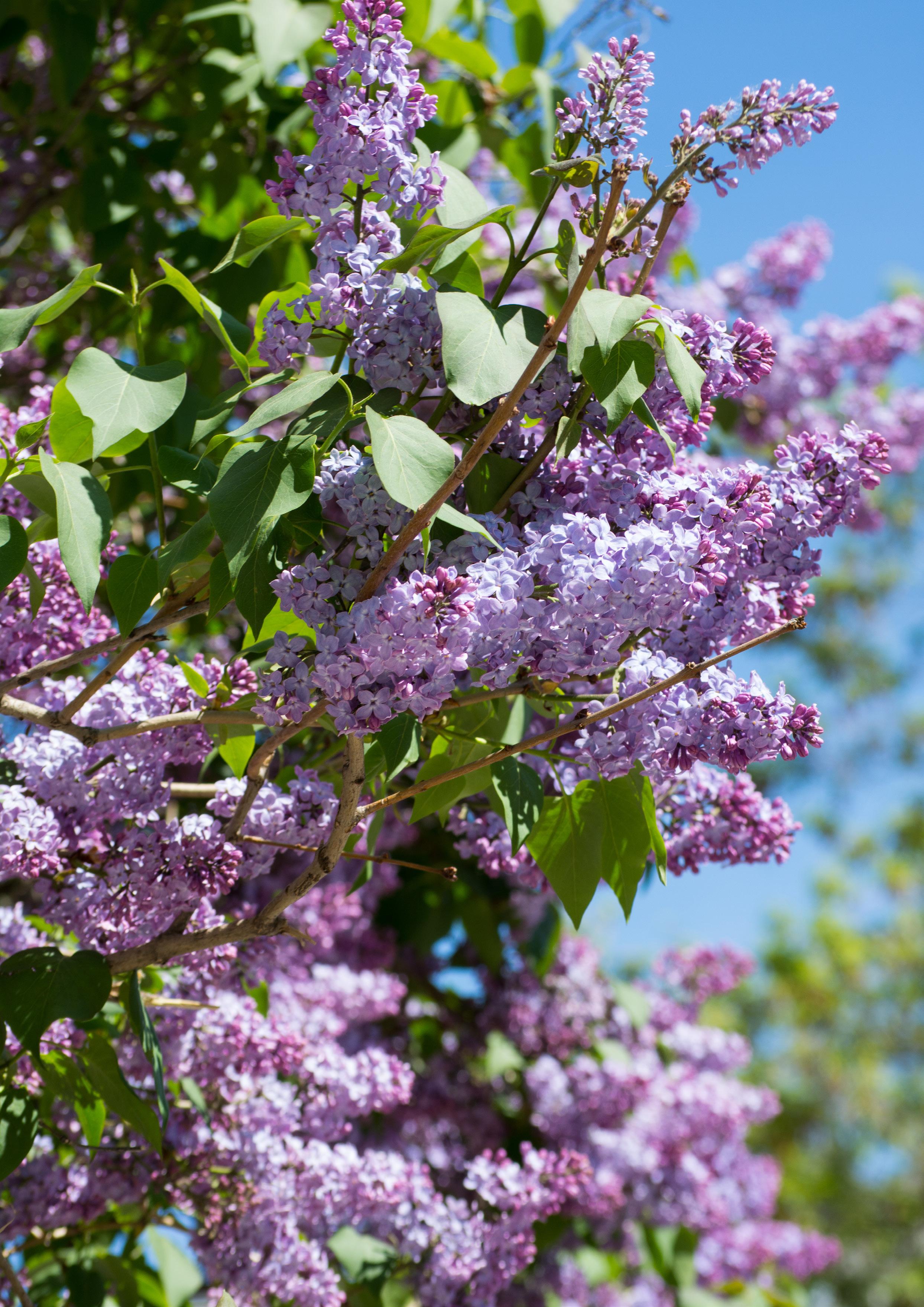
American Wisteria Wisteria frutescens
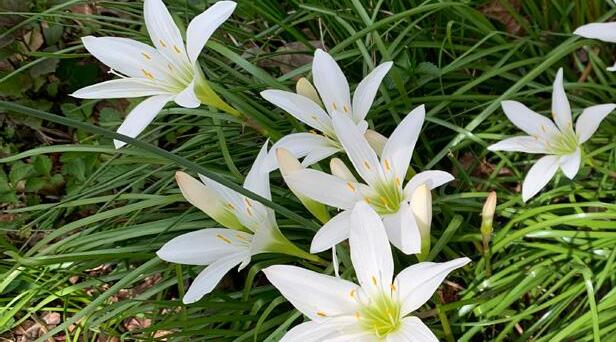
Atamasco Lily Zephyranthesatamasco
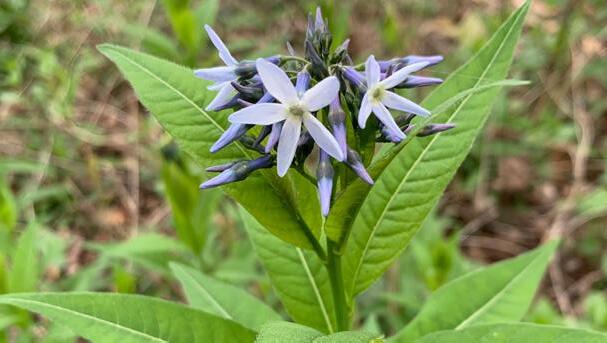
Blue Star Amsonia tabernaemontana
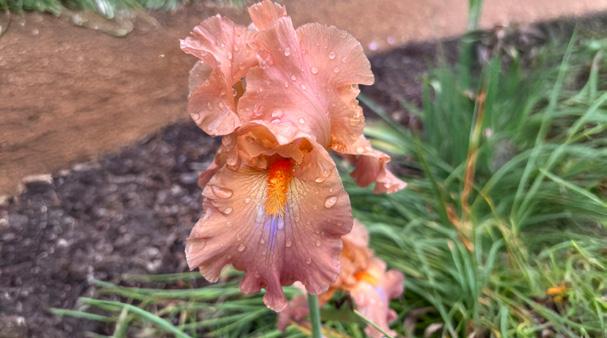
Harvey
Tall Bearded Iris
Program Calendar
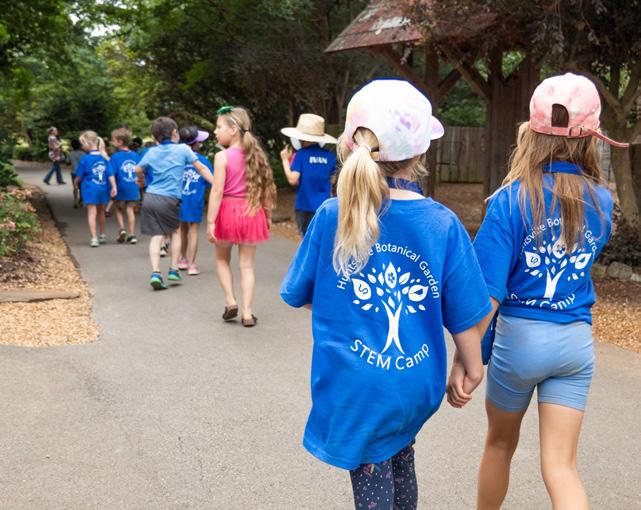
This spring, Huntsville Botanical Garden invites you to sprout, grow, and bloom alongside the season. Discover hands-on workshops, learning programs, STEM camps, and special events thoughtfully curated to celebrate joyful discovery, creativity, and meaningful connections with plants and nature. From engaging classes to family-friendly experiences, there’s something for everyone to enjoy throughout springtime in the Garden.
MARCH
March 6-8
March 20
April 25
March 19
March 22
May 10
May 1, 8, 15, 22, 29
▲ Arbor Day Races
▲ Mom & Me Tea
▲ Golden Hour
▲ Vernal Equinox Concert
▲ Bunny Hops Tea
▲ Canstruction™ Competition
▲ Raptor Shows
HUNTSVILLE BOTANICAL GARDEN PLANT SCIENCE COMPLEX
Breaking Ground on the Future INTUITIVE ® Plant Science Complex
Hunstville, Alabama
December 22, 2025
BySueWagner, Chief ExecutiveOfficer and TracyCook, Senior Director of Plant Science andConservation
Shovels meet soil. It is a simple act, but a powerful one.
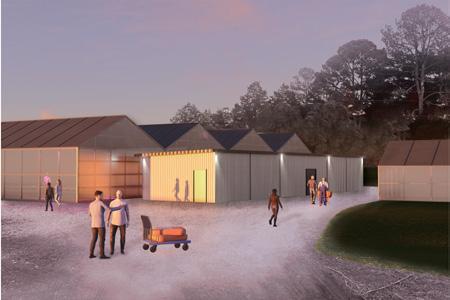
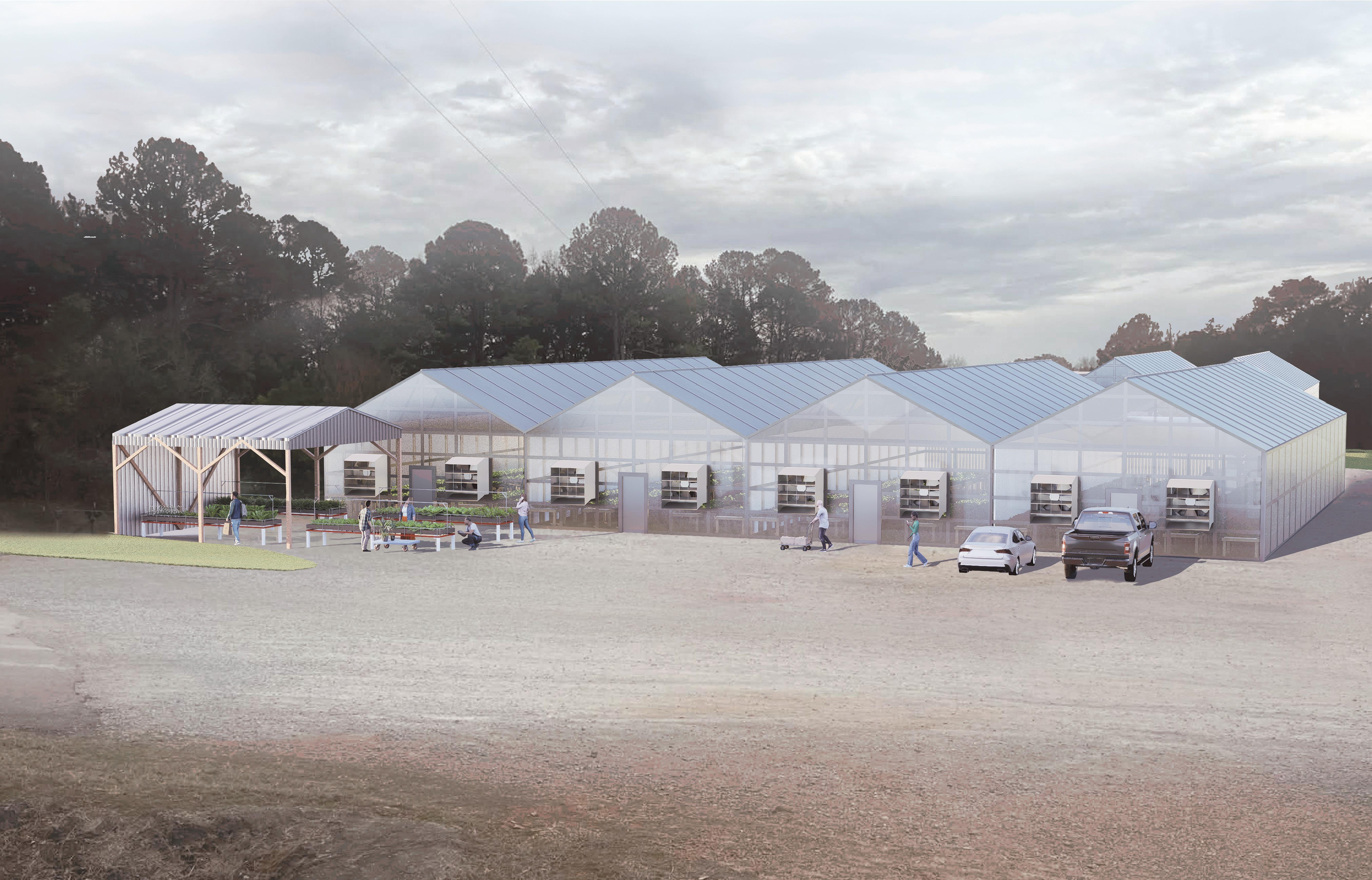
At Huntsville Botanical Garden, this moment marks more than the start of construction. It signals the beginning of a new chapter in how the Garden advances plant science, conservation, education, and community engagement. The INTUITIVE® Plant Science Complex (IPSC) is taking shape as a forwardlooking investment—one designed to support discovery, strengthen partnerships, and prepare the Garden to meet the challenges of a rapidly changing world.
This groundbreaking represents a commitment not only to plants, but to people, knowledge, and the future of our region.
What the INTUITIVE® Plant Science Complex Includes
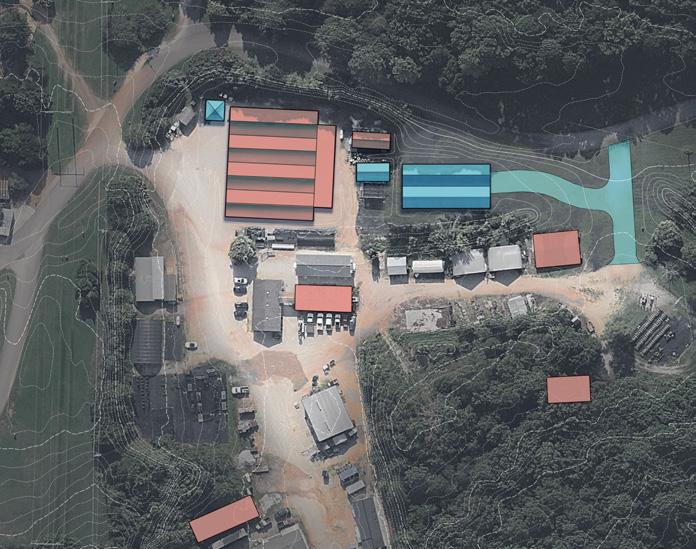
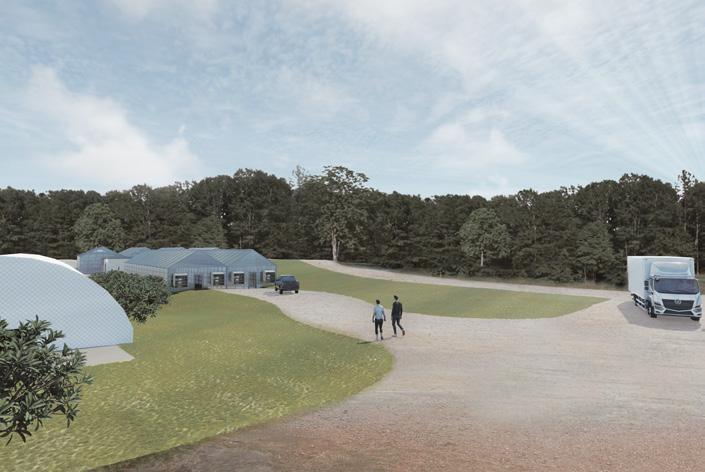
The IPSC expands and modernizes the Garden’s existing “back-of-house” horticulture and conservation areas. These are spaces where much of the Garden’s most impactful work already occurs, largely out of public view.
The new and improved facilities include:
Modern greenhouses designed for conservation propagation, research trials, and safeguarding rare plants
Dedicated workspaces for plant science, data collection, and applied research
Expanded nursery areas that support living collections, restoration projects, and plant evaluations
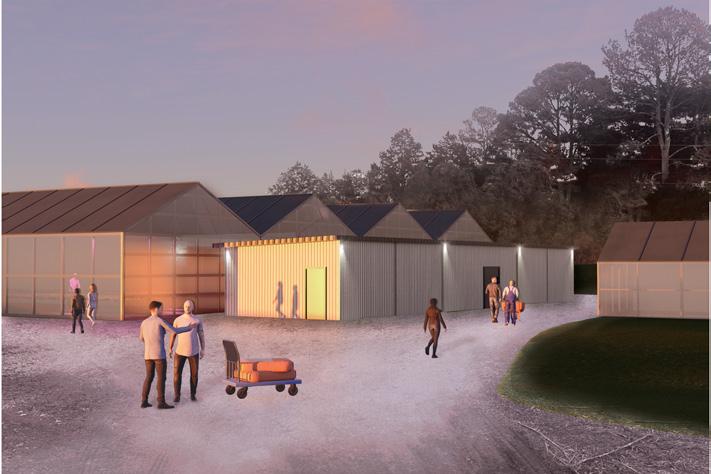
Flexible instructional and training spaces for students, interns, staff, and partners
Together, these elements significantly increase the Garden’s capacity to grow, study, and protect plants.
The complex improves workflow, safety, and efficiency while allowing staff and collaborators to work at a scale that matches the urgency of today’s conservation needs.
Why This Investment Matters Now
The IPSC responds directly to the challenges plants— and communities—are facing today.
Climate change alters growing conditions and stresses ecosystems. Development and land-use changes fragment habitats. Invasive species spread quickly. Biodiversity loss accelerates, particularly in regions like North Alabama that are rich in unique and endemic plants.
The Garden’s conservation and plant science work addresses these challenges through three interconnected approaches: collections, research, and outreach. The IPSC strengthens all three.
The facility supports the safeguarding of rare plants that cannot be stored in traditional seed banks. It enables research that improves how plants are propagated, restored, and managed. It also provides a platform for education that helps people understand why plants matter and how they can be part of the solution.
Equally important, the complex serves as a training ground. Students, early-career professionals, and emerging scientists gain hands-on experience in horticulture, conservation science, and applied research—skills that are increasingly critical for environmental careers.
Immediate and Long-Term Impact
In the near term, the IPSC expands what the Garden can do right now. Improved infrastructure allows staff and partners to conduct more trials, care for more safeguarding collections, increase the offereing of native plant options in plant sales, and respond more quickly to conservation needs.
In the long term, the impact grows even wider.
The complex supports research that informs real-world conservation decisions, from which plants to prioritize to how restoration efforts are designed. It strengthens partnerships with universities, land trusts, public agencies, and conservation organizations by providing a shared space for collaboration.
The broader community benefits as well. Knowledge developed in the IPSC feeds into workshops, extension-style programs, and public education efforts. Homeowners, land managers, educators, and municipalities gain access to science-based guidance on native plants, sustainable landscapes, and ecosystem health.
These outcomes create ripple effects—environmental, educational, and economic—that extend well beyond the Garden’s boundaries.
What Visitors Will See and Experience
While much of the work happens behind the scenes, visitors will notice meaningful changes across the Garden.
As the IPSC comes online, guests will see new and healthier plants integrated into Garden displays—many of them native, uncommon, or specially selected for resilience. Interpretation and programs increasingly connect what visitors see on the paths with the science happening behind them.
New opportunities emerge for:
Guided tours that highlight conservation and research
Hands-on workshops and demonstrations
Educational programs for students and families
Deeper engagement with the Garden’s mission
The public experience evolves from observation to connection—helping visitors understand not just what is growing, but why it matters.
A Facility Built for Tomorrow
The IPSC is built with the future in mind.
It is a place where research adapts to changing conditions, where partnerships expand the Garden’s reach, and where knowledge grows alongside plants. It is designed to be flexible, resilient, and responsive— qualities that mirror the ecosystems the Garden works to protect.Most of all, it reflects a belief that investing in plant science is an investment in community well-being, environmental health, and shared responsibility.
Breaking ground is only the beginning. What grows next—ideas, collaborations, solutions—will shape Huntsville Botanical Garden and the region it serves for generations to come.
by the Garden
Seasonal guidance for garden, table, home, and gifting—rooted in nature and inspired by spring.
In The Garden
Spring tasks and timely guidance for a healthy home garden
In The Garden
Spring tasks and timely guidance for a healthy
Spring gardening is about steady progress—preparing now for the growth to come. In March, begin waking up the garden by mowing warmseason grasses, applying pre-emergent to control weeds, planting coolseason annuals, and enriching beds with organic matter. This is also the time to fertilize roses and shrubs and start summer vegetables indoors.
As temperatures warm through April and May, lawns move into active growth, flower beds fill with warm-season annuals, and vegetables can be planted outdoors after the last frost. Mulching, regular feeding, and monitoring for pests help maintain healthy gardens as spring gives way to summer, while cool-season crops are harvested and replaced with heat-loving plants.
Our gardening experts have created a year-round, month-by-month checklist to help you cultivate a happy, healthy, and naturally delightful home garden. Visit hsvbg.org/learn/plant-science/ to explore it in full.
bytheGarden
At
The Table
Recipes, traditions, and hands-on ways to gather with the season
Naturally Dyed Easter Eggs
A simple, plant-based way to color eggs is by using natural materials found right in your kitchen and garden. Naturally dyed eggs reflect the season they’re made in—soft, earthy, and beautifully unpredictable. Color develops slowly, shaped by time, temperature, and the plants themselves. No two eggs will look the same, and that’s exactly the point.
Yield
Make 6 dyed eggs
What You’ll Need
For the eggs
Active time
About 10 minutes
• 6 hard-boiled white or brown eggs, cooled and at room temperature
• Distilled white vinegar
• Neutral oil (such as vegetable or grapeseed), for finishing
For the dye bath
(Use one plant material per batch, per 2 cups of water)
Red beets, shredded – for pinks and deep maroons
• Red onion skins – for lavenders and reds
• Yellow onion skins – for oranges and rust tones
• Ground turmeric – for warm yellows
• Purple cabbage, chopped – for blues and greens
• Blueberries – for soft blues
• Dried hibiscus flowers – for indigo and lavender shades Equipment
• Small saucepan with lid
Fine-mesh strainer
• Heatproof bowl or second saucepan
• Bowl or container deep enough to submerge eggs
• Paper towels
Garden Notes
Dyeing time 15–30 minutes (plus chilling time)
Method
1. Make the dye.
Combine 2 cups of water with your chosen plant material in a small saucepan. Bring to a gentle boil, then reduce heat, cover, and simmer until the liquid becomes a shade darker than your intended result— usually 15 to 30 minutes.
2. Cool and strain.
Remove the dye from heat and allow it to cool completely. Strain out the solids, pressing gently to release as much color as possible. Compost the plant material.
3. Prepare the dye bath.
Measure the strained liquid. Stir in 1 tablespoon of distilled white vinegar for each cup of dye. This helps the color adhere to the eggshell.
4. Submerge the eggs.
Place the eggs in a bowl or container and carefully pour the cooled dye over them, ensuring they are fully submerged.
5. Let time do the work.
Refrigerate the eggs for several hours or overnight, checking periodically until the color deepens to your liking. For richer tones, remove, dry, and repeat the soak.
6. Finish and store.
Once dyed, remove the eggs and dry thoroughly. Rub each egg lightly with a drop of neutral oil and polish with a paper towel to bring out the color’s depth. Refrigerate until ready to use.
Color will continue to shift slightly as eggs dry and are exposed to air. Results vary depending on dye strength, egg color, and soaking time—embrace the variation. Using more plant material creates deeper, more saturated tones. Eggs dyed this way are completely safe to eat when properly refrigerated. Naturally dyed eggs are as much about the process as the result. Set them out on the table, allowing the colors to tell a story of time, plants, and patience.
At Home
A place set for spring, welcoming the season indoors
Spring doesn’t arrive all at once. It comes in gestures— longer afternoons, green tips on branches, the first flowers brave enough to open. Welcoming the season doesn’t require a formal celebration. It begins by making space for it.
Start with the table.
Choose a place where natural light gathers during the day. Morning light feels hopeful; late afternoon light feels generous. Lay down a simple cloth or runner in a neutral tone. This isn’t about decorating—it’s about creating a surface where the season can land, one that invites hands, materials, and time. Bring the outdoors in, just as it is. Clip a few flowering branches or early greens from the garden or yard. If blooms are scarce, use bare sticks or budding twigs; they speak to the same idea of renewal and patience. Arrange them loosely in jars, pitchers, or vessels already on hand. Spring doesn’t need symmetry—it needs room.
Now add something to work with.
Naturally dyed Easter eggs—featured on the facing page—belong here, not just as decoration, but as part of the experience. Set out hard-boiled eggs, small bowls of plant-based dyes, and simple tools such as spoons, towels, and scraps of fabric or leaves for patterning. Onion skins, red cabbage, turmeric, and beets produce colors that mirror the garden itself—soft, earthy, and never quite the same twice.
The process creates an immediate connection to nature’s rhythms. Water deepens in color as plants release their pigments. Time does the rest. Lifting an egg from the dye is a lesson in patience, chemistry, and surprise all at once. It’s part science lesson, part tradition, and entirely rooted in observation.
Let the table evolve as the day goes on.
Eggs dry in their imperfect shades. Petals fall. Branches shift as the light changes. This isn’t a table to preserve— it’s one to use. Children instinctively understand this, moving between curiosity and creativity without instruction. Adults often follow their lead, slowing down without realizing it.
To set a place for spring:
Use what’s growing now, not what’s perfect.
Let color come from natural materials.
Allow the gathering to unfold slowly.
The result isn’t a finished look—it’s a shared moment. This feature was originally created to mark seasonal shifts, and spring may be the most meaningful one to acknowledge. It reminds us that renewal happens through small, repeated acts: bringing nature inside, paying attention, and making space for learning to happen naturally.
A place set for spring doesn’t need an invitation list. It’s for anyone ready to notice what’s returning—and to welcome it, hands open, to the table.
bytheGarden
From The Garden
Naturally Delightful Gifts and Mementos from The Chrysalis
▲ Celebrate the first anniversary of Mama Zelda and the unveiling of the Mother Earth Troll Garden with exclusive merchandise that honors imagination, nature, and connection. Thoughtfully and sustainably designed, and only available at The Chrysalis.
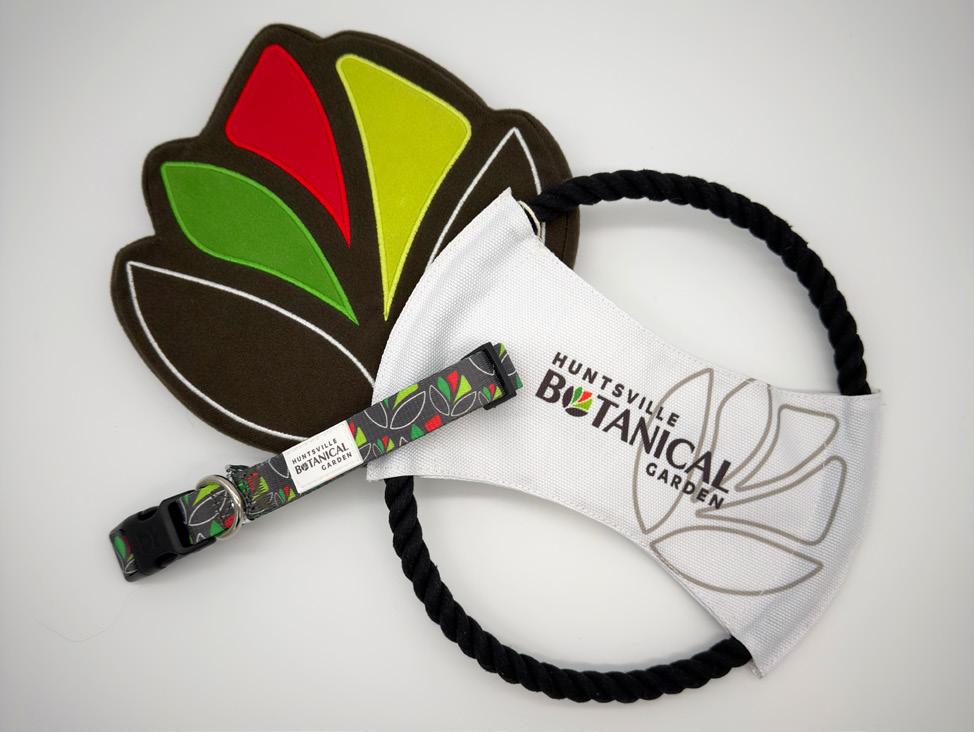
▲ For Garden lovers and their best friends. Our newest HBG-branded dog toys and gear let your four-legged companions join in the fun. Playful, practical, and gardeninspired, these goodies celebrate the joy of outdoor adventures shared together.
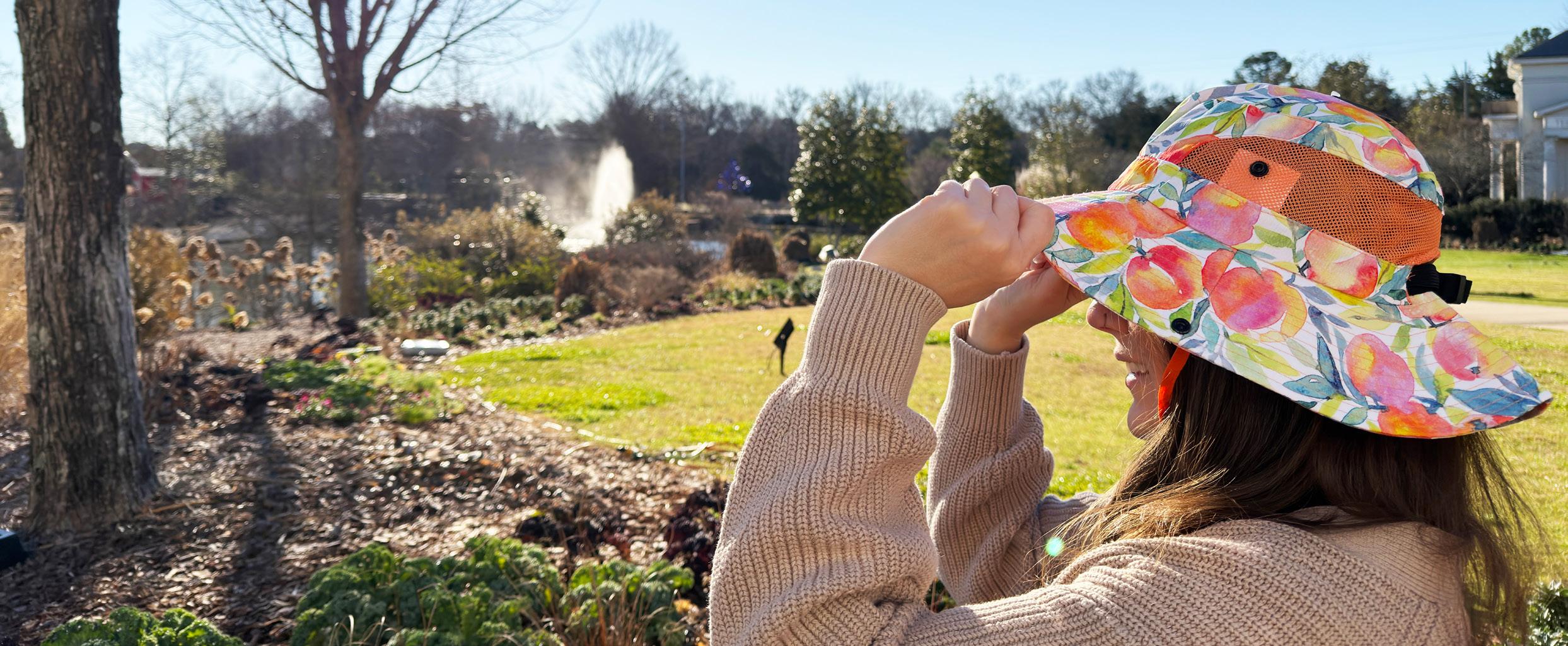
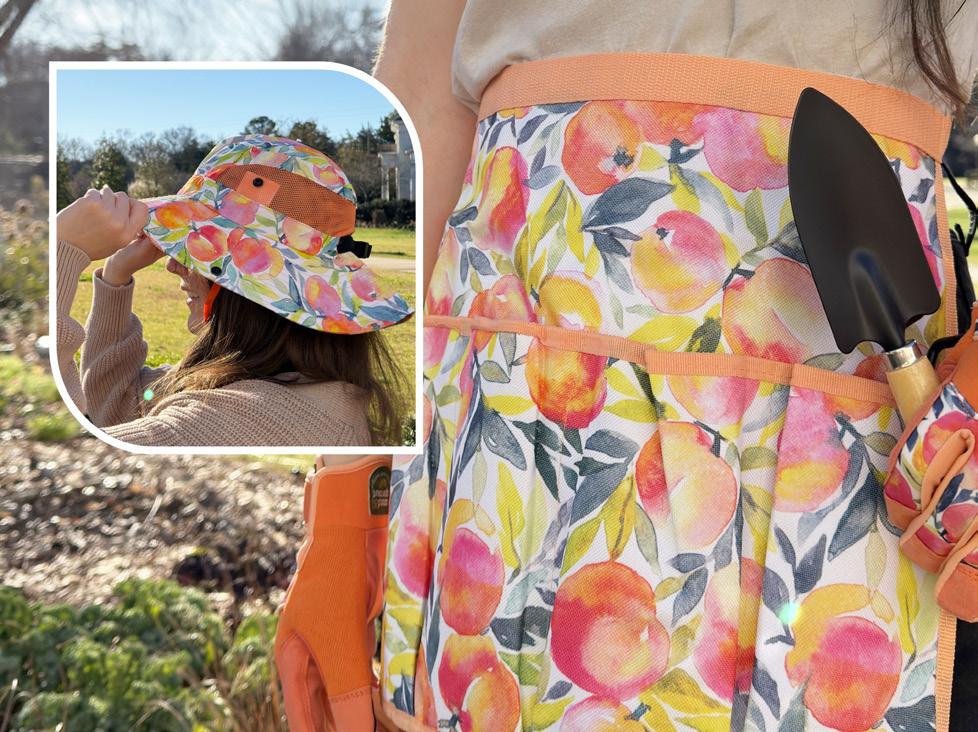
▲ From a beautifully designed apron with gardening spade and rake to comfortable gardening gloves and a classic sun hat, these Seed & Sprout essentials make spring planting a pleasure. Gear up, dig in, and let spring bloom.
▲ Spring invites reflection, and Bruno Visconti journals and pens are made for capturing it all—budding blooms, birdsong, and moments of quiet discovery. Beautifully crafted and a natural fit for nature journaling, these pieces inspire creativity wherever the garden leads you.
Boynton
Oak
ByVâniaPereira,PhD,CuratorofLivingCollections and KatrinaMitchell, Conservation Horticulturist
Conservation In Practice
A young oak stands newly planted at Huntsville Botanical Garden (HBG). It’s small in size, but its story runs deep. This oak represents decades of history, years of scientific care, and a living promise: conservation is not an abstract idea. It is something you can see growing on the ground.
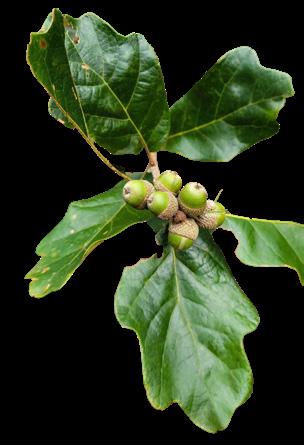
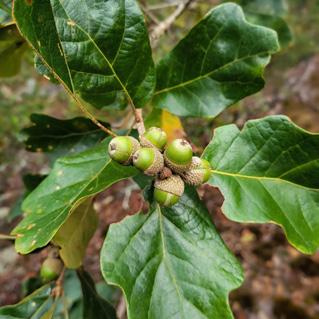
This famous oak is Quercus boyntonii, known as the Boynton oak or Alabama sand post oak. It is a rare tree endemic to Alabama, meaning that it exists in the wild only in our state, eight counties in central Alabama to be exact. It survives only in specialized sandstone habitats
and faces several threats, such as pressure from invasive species, extreme weather, and land-use developments. With an estimated 1,200 individuals remaining in the wild, the Boynton oak ranks among the most imperiled oaks in the United States.
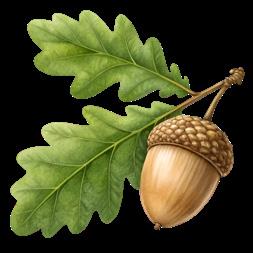
The rarity of these oaks, together with oak species acting as an anchor to many ecosystems, gives every surviving tree and every acorn found an extraordinary value!
Conservation in Action
In 2020, Huntsville Botanical Garden joined the Donald E. Davis Arboretum at Auburn University and many other institutions under the Global Conservation Consortium for Oaks and the International Oak Society, to launch a coordinated conservation action project. The goal is simple and ambitious: understand the Boynton oak better and secure its future.
This work reflects an integrated conservation strategy, with in situ and ex situ strategies. In situ conservation focuses on plants in their natural habitat, monitoring populations and protecting what remains. Ex situ conservation complements that work by bringing acorns into cultivation, where they are grown, safeguarded in living collections, and prepared for future restoration efforts.
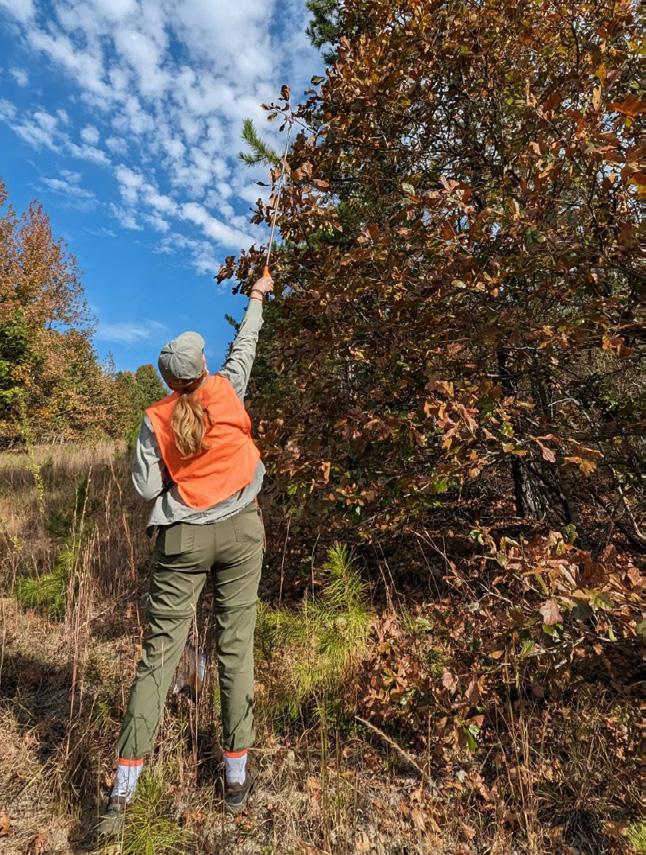
Our efforts start in the field where our teams locate and monitor wild populations, track plant health and acorn production, and carefully collect the acorns to preserve genetic diversity.
While protecting natural habitat remains the most effective conservation tool, growing threats make ex situ efforts essential. Cultivating genetically diverse plants provides a safety net should wild populations disappear. This practice also strengthens the species’ ability to persist through environmental change since greater genetic diversity in collections means the greater the chance that we capture traits that aid in the species’ adaptibility.
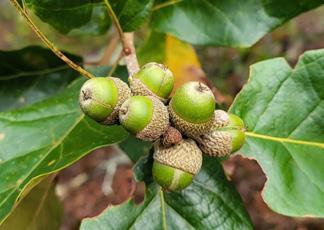
Acorns collected from wild populations are grown at the Garden’s nursery and greenhouse facilities or shared with other institutions through a strategy known as metacollections, a term describing a collection of collections held at multiple institutions. Instead of housing all plants in one location, partner institutions such as The Morton Arboretum and Chicago Botanic Garden grow and study the species simultaneously, as conservation strategies are always based on community efforts!
This approach reduces risk, expands genetic representation, allows institutions to test propagation methods, and
share results. Some partners also conduct advanced research, including micropropagation and cryopreservation—tools that may play a critical role in long-term oak conservation.
A Milestone in the Garden
Today, that collaborative work becomes visible. Four Boynton oaks, grown from wild-collected acorns started in 2023, now take root in HBG’s permanent living collections. These young trees were grown for a little over two years in the Garden’s
greenhouse and nursery complex. Though still small, they carry deep ecological and cultural history. Each step—from acorn collection to cultivation and planting—follows science-based standards designed to protect genetic integrity and ensure long-term success.
“Acorns collected from wild populations are grown at the Garden’s nursery and greenhouse facilities or shared with other institutions through a strategy known as metacollections, which is a term to describe a collection of collections held at multiple institutions.“
– Vânia Pereira
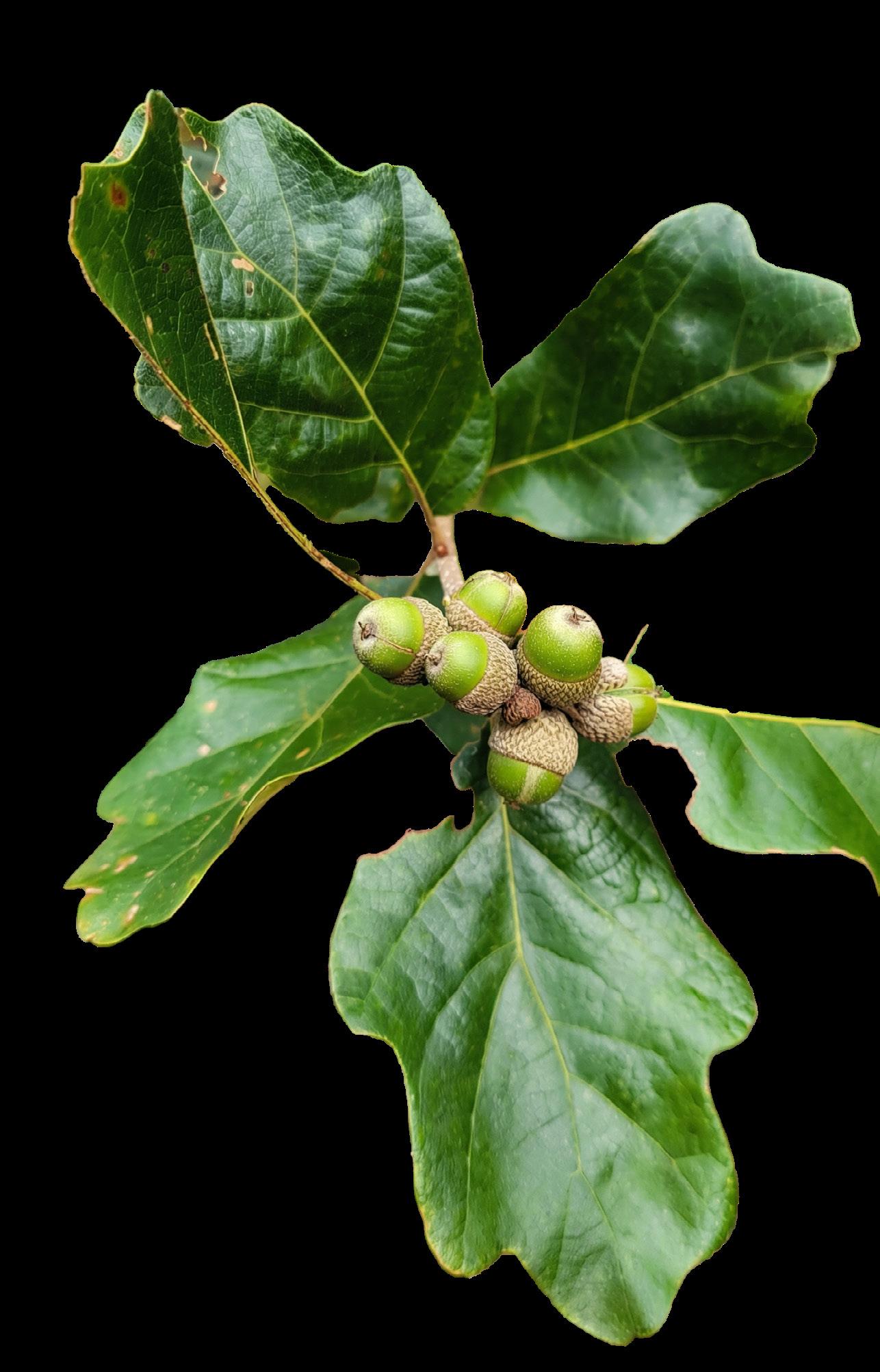
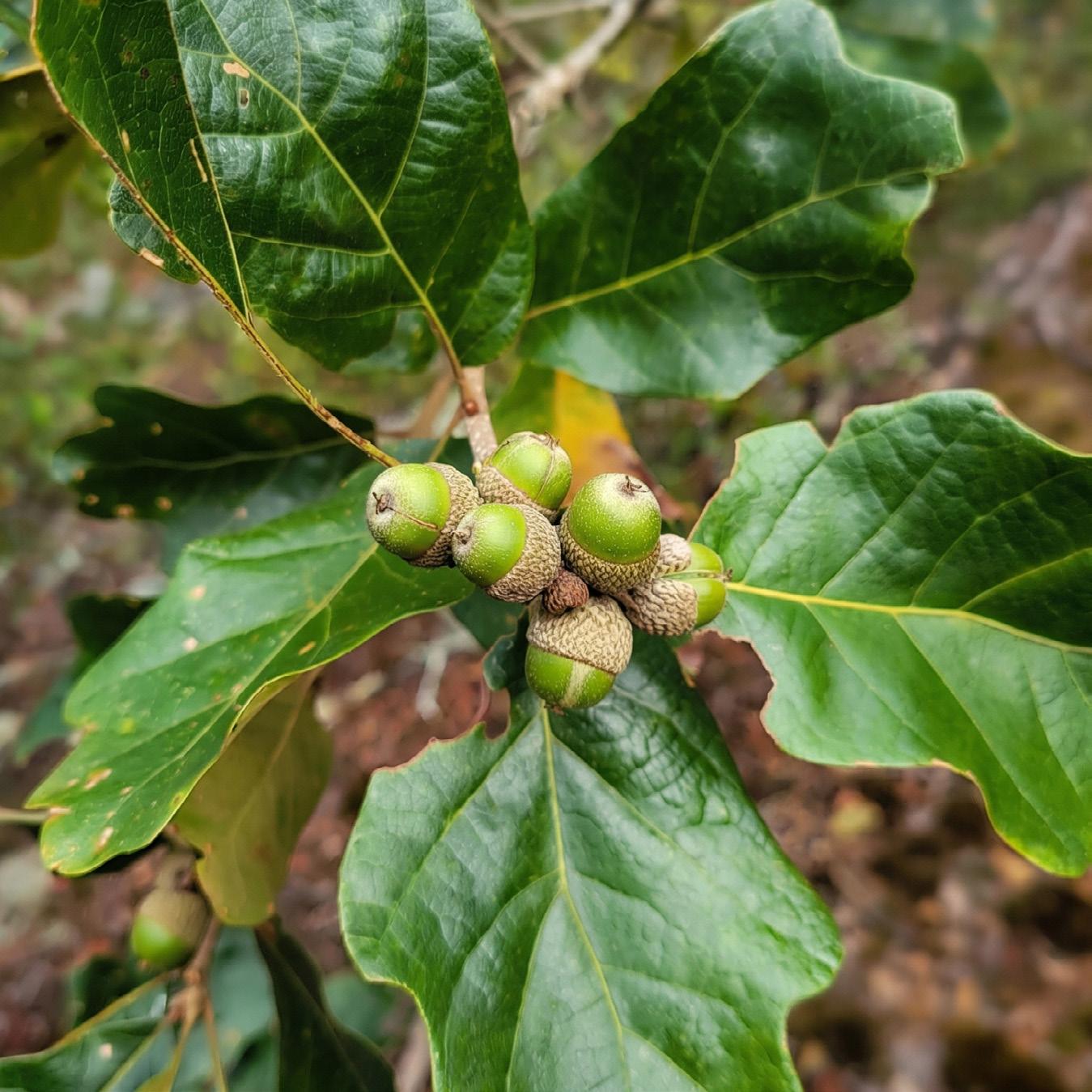
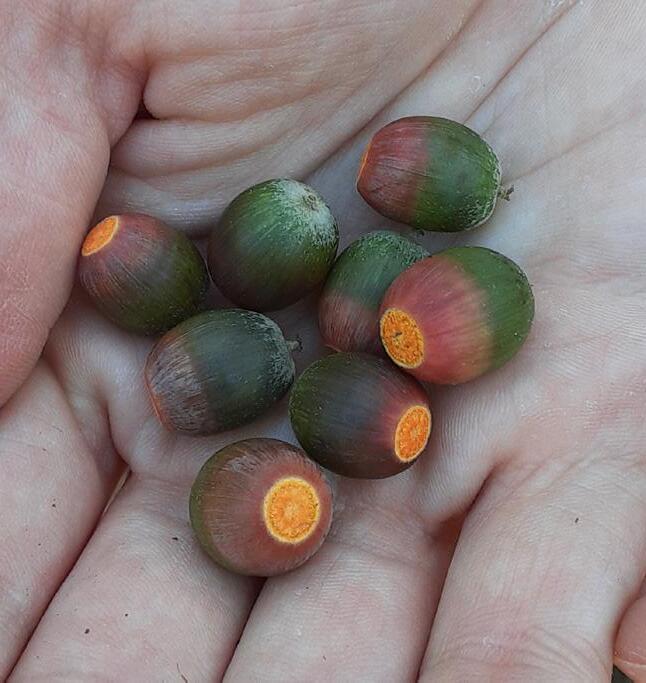
“Qboy” Acorns
Planting the Boynton oak shows how conservation principles translate into practice. Careful site selection, soil preparation, spacing, and ongoing care help the trees establish and thrive. Using local genetics strengthens habitat resilience and preserves Alabama’s ecological identity.
For visitors, these trees offer something rare: a chance to see conservation happening in real time. Boynton oak acorns cannot be stored long-term, making living collections essential. By planting them in the Garden, we fulfill our mission to conserve Alabama’s
native plants while providing education, interpretation and connection. Bringing rare species into view builds awareness, and awareness builds support.
Growing Together
Community involvement remains central to this work; the future of the Boynton oak depends not only on how it is planted, but on how it is collectively cared for . The Boynton oak sparks conversations about native plants, placebased conservation, and shared responsibility. Conservation is not a single act; it is an ongoing process shaped by collaboration.
Did You Know? Fun facts about Boynton oak
There are many ways to support this work, including raising awareness and supporting programs like ours that have a direct impact.
As these oaks take root, the message becomes clear: history inspires protection, protection enables propagation, propagation leads to planting, and planting builds stewardship. The Boynton oak reminds us that conservation is dynamic, always growing, adapting and enduring through science, place, and people working together.
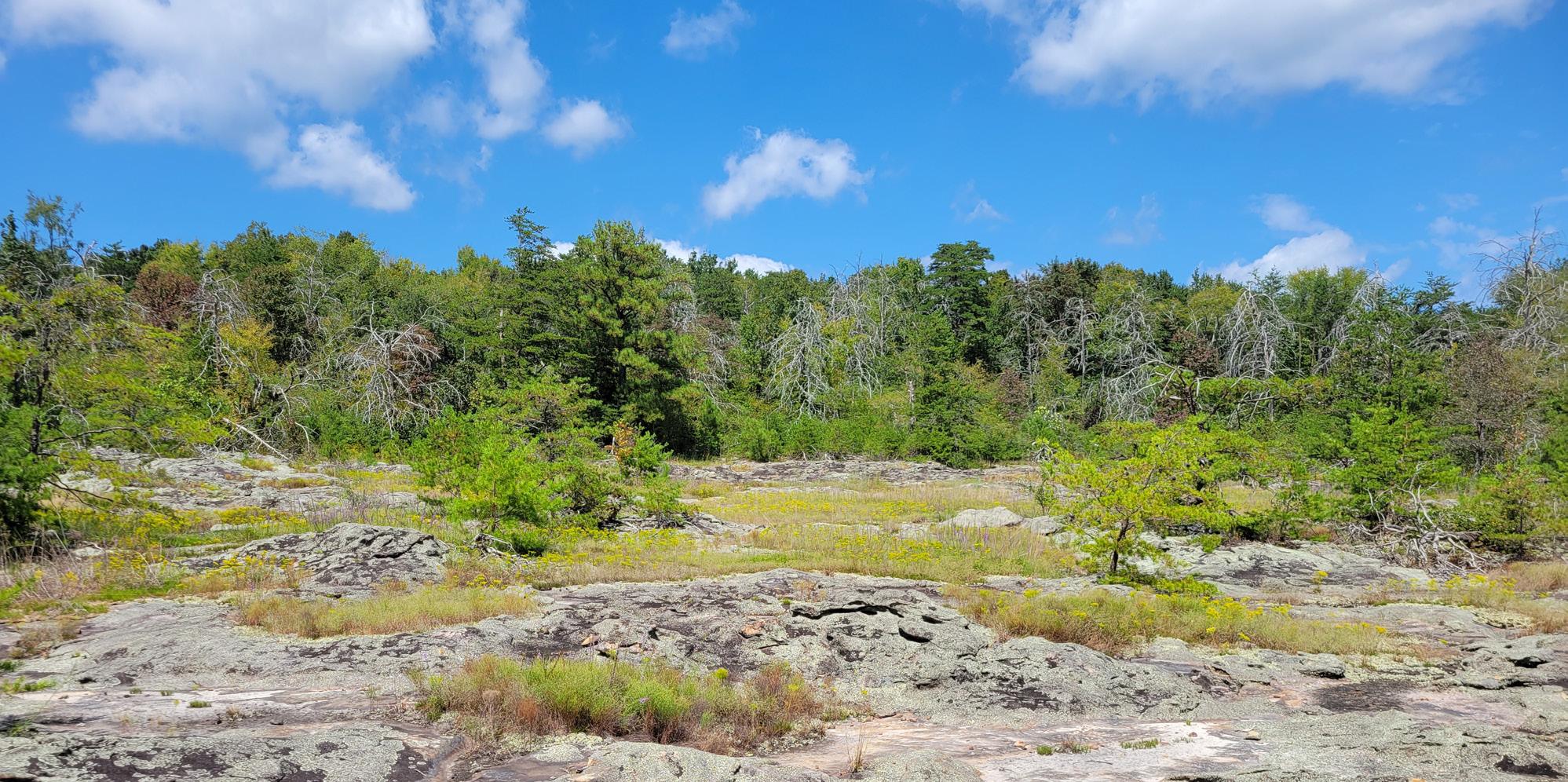
Habitat: Boynton oak grows on sandstone outcrops within forests dominated by pine, oak, and hickory trees.
Size: It typically reaches just 15–20 feet tall, which is very small for an oak tree.
Growth habit: This adaptable oak can grow as a tree, shrub, or even a groundcover. It often forms patches of clones by spreading through rhizomes—underground horizontal stems that produce new shoots.
Conservation status: Boynton oak is ranked No. 4 among U.S. oak species of conservation concern, making it one of the rarest oaks in the country.
“Qboy” sandstone glade
Give Mom the Garden
This Mother’s Day, give a gift that grows all year long. A membership to Huntsville Botanical Garden is more than access—it’s an invitation to slow down, wander, learn, and return again and again through every season.
Gift memberships are available year-round and offer moments of beauty, connection, and renewal—whether Mom loves spring blooms, peaceful walks, butterflies, or simply time spent outdoors.
Give her the Garden this Mother’s Day—and let it keep giving long after the day has passed.
Visit hsvbg.org/membership to learn more. Use code MDAY26 for $10 off all memberships. Redeem online or in-person May 1 – 10, 2026.
Celebrate One Year with Mama Zelda!
Since welcoming guests to the Mother Earth Troll Garden in April 2025, Mama Zelda by artist Thomas Dambo has quietly watched over the landscape, becoming a beloved presence at the Garden.
This spring marks her first birthday— an invitation to wander the winding paths, notice her seasonal transformation, and experience the magic of this immersive natural wonder up close.
THANK YOU Corporate Partners!
The Corporate Partners Program is designed to strengthen the relationship between Huntsville Botanical Garden and the corporate community in the region. Through the annual support of Corporate Partners, the Garden can provide first-class programs that allow Garden guests to connect to plants and gain a deeper understanding of the role they play in their own environment.
Gold
y International Motors
Silver
y Blue Cross and Blue Shield of Alabama
y Cepeda Systems & Software Analysis
Bronze
y Ashford Advisors - Shane Stromei
y Barrios Technologies
y Biscuit Belly
y Blue Origin
y Buckeye Turf Solutions
y Cadence Bank
y CFD Research
y Grimaldi’s
y Huntsville Utilities
y LG Electronics
y Huntsville Hospital
y Signalink
y Window World
y Japan-America Society of Alabama
y Leidos
y Manning & Napier
y MTSi
y Nothing But Noodles
y Osteria LuCa
y PeopleTec
y Prohibition
y Redstone Federal Credit Union
y Schoel Engineering
y Starfish Holdings
y Teledyne Brown
y Turner Construction
y Urban Cookhouse
y Van Valkenburgh & Wilkinson REALTORS®
y Vulcan Materials
When Garden Plants Go Wild
How Invasive Plants Harm Our Local Landscapes and How You Can Help at Home
ByMikeShelton,NaturalAreasSupervisor
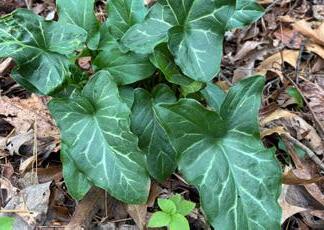
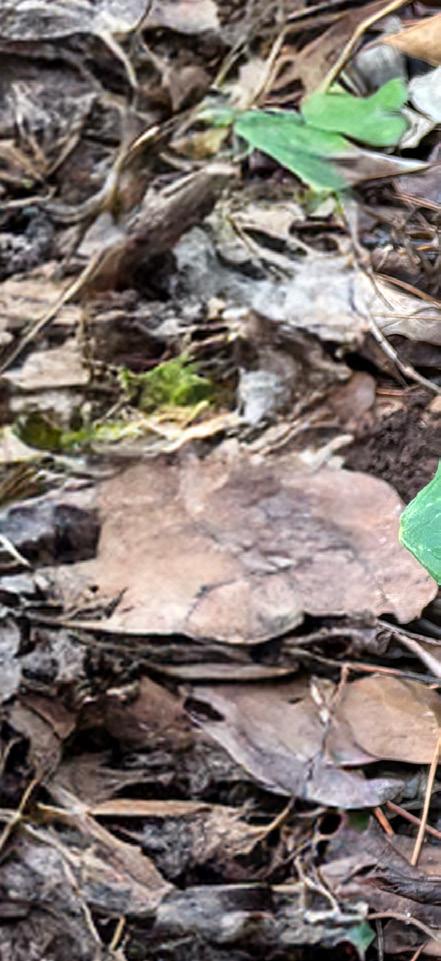
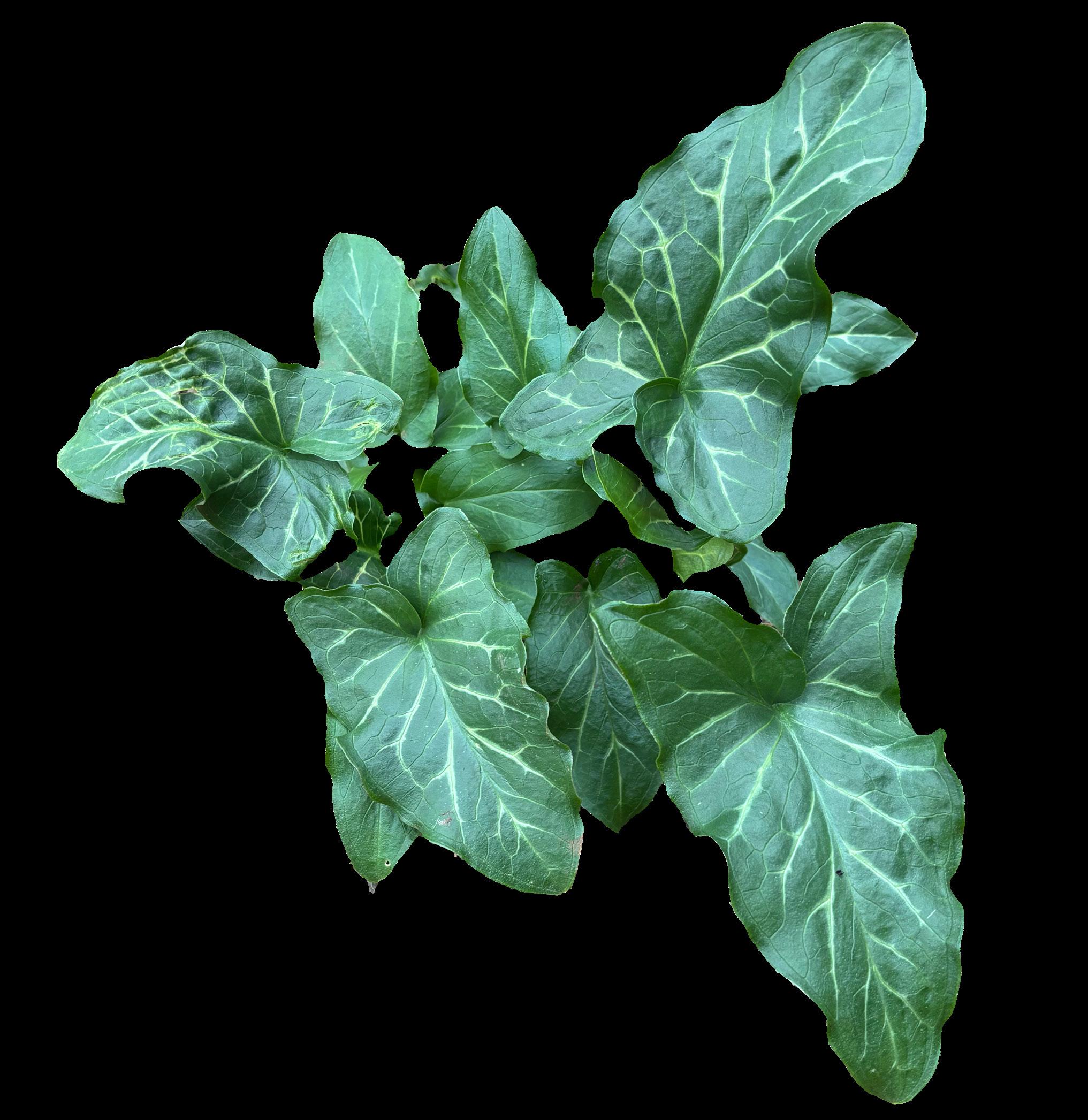
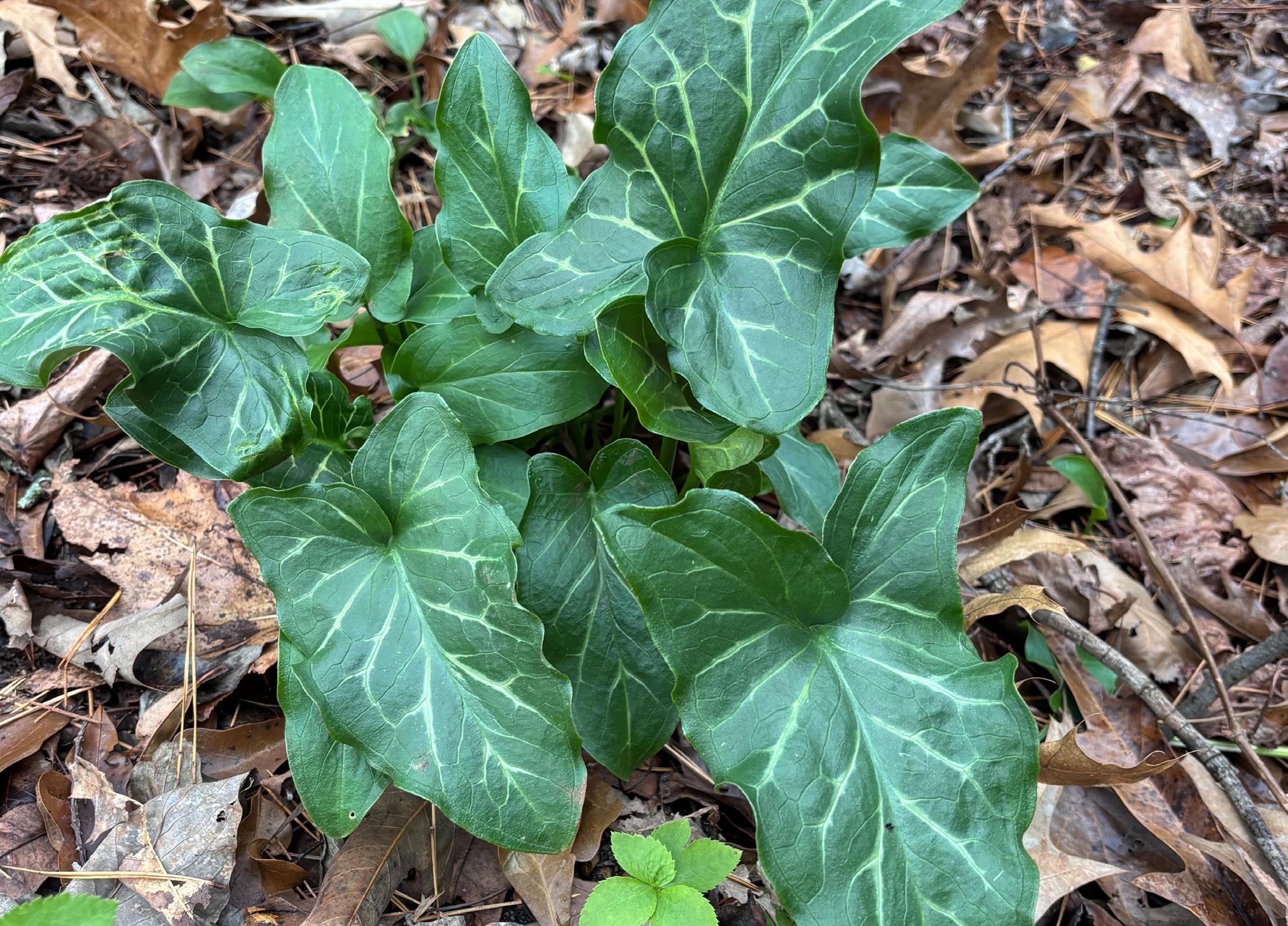
Several years ago, a homeowner wanted a groundcover that would stay green and colorful during winter. They ordered a plant online and planted it in their yard. At first, it looked great. Then something strange happened. New plants started showing up in places where they were never planted. One plant became many. The plant may be Italian arum (Arum italicum), a species known to spread quickly. It is considered invasive in several western states, though not currently classified as invasive in Alabama.
Stories like this happen often, and they can cause serious problems for nature and for people.
What Is an Invasive Plant?
An invasive plant is a non-native species that establishes itself outside of cultivation and causes harm to natural habitats, agricultural systems, or managed landscapes. The term “non-native” refers to plants that originate outside North America. The word “exotic” is often used interchangeably. While many non-native plants remain well behaved in gardens, invasive plants spread aggressively and disrupt existing ecosystems.
Invasive plants often thrive because they are no longer limited by the insects, diseases, and environmental pressures that control them in their native regions. Without these natural checks, growth accelerates, allowing invasive species to outcompete native vegetation.
Why Invasive Plants Spread So Easily
Invasive plants are highly effective at surviving and spreading. Many tolerate a wide range of conditions, including sun and shade, wet and dry soils, and both clay and sandy substrates. They readily take advantage of disturbed environments such as construction sites, clear-cut areas, roadsides, and forest openings created by fallen trees.
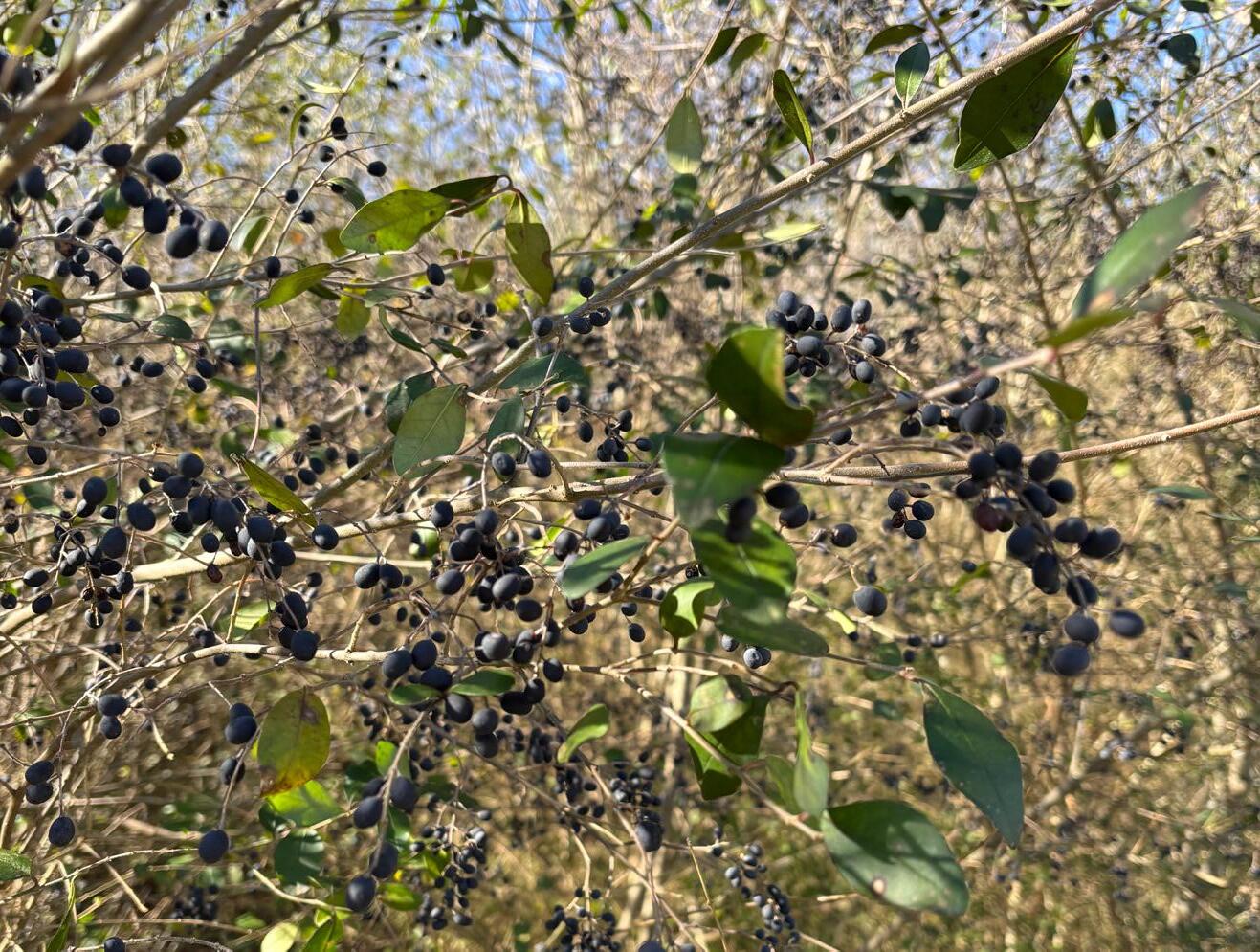
Reproductive strategies further contribute to their success. Many invasive species produce large quantities of seeds that are spread by birds, wildlife, wind, or water. Chinese privet (Ligustrum sinense), for example, grows in dense clusters
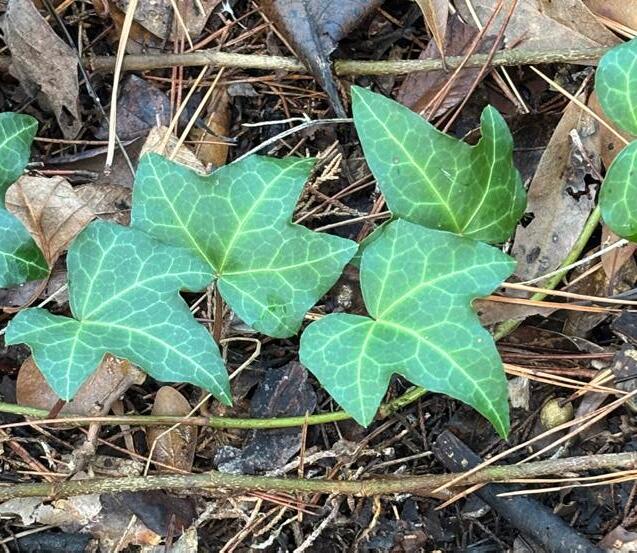
and produces abundant fruit that birds disperse widely. Other species spread without seeds. English ivy (Hedera helix) roots where stems contact the soil, while some invasive plants expand through underground root systems that generate new shoots.
Ecological Impacts on Native Landscapes
Invasive plants often form dense stands that crowd out native plants. Native species typically require specific soil conditions, moisture levels, or light availability. In contrast, invasive plants are less selective and grow rapidly, limiting space and sunlight for native seedlings.
As native plant communities decline, broader ecological effects follow. Many insects, birds, and other wildlife evolve alongside native plants and depend on them for food, shelter, and reproduction. When native plants disappear, wildlife diversity declines as well. Reduced biodiversity weakens ecosystems, making them less resilient to pests, disease, and environmental change.
Economic and Social Costs
Invasive plants also impose significant economic costs. Homeowners spend time and money removing invasive species from their landscapes. Farmers and foresters experience losses when invasive plants reduce crop yields or forest productivity. Communities and land managers invest substantial resources controlling invasive species along roads, parks, and natural areas. Nationwide, these costs reach billions of dollars annually.
Chinese privet (Ligustrum sinense)
English ivy (Hedera helix)
Why Invasive Plants Remain Available for Sale
Education plays a critical role in preventing the spread of invasive plants. Lists of invasive species are maintained by federal and state agencies, but regulations vary widely. A plant considered invasive in one state may still be sold legally in another.
A 2021 study conducted by the University of Massachusetts Amherst finds that inconsistent regulations contribute to the continued sale of invasive plants in both retail stores and online marketplaces.
These inconsistencies make enforcement difficult and increase the importance of informed consumers. Learning about plants before purchasing them helps reduce unintentional introductions into the landscape.
Who Is Working to Address the Problem?
Universities, industry partners, and government agencies collaborate to identify, prevent, and manage invasive plant species. Organizations such as the Center for Invasive Species and Ecosystem Health, the North American Invasive Species Management Association, and the Alabama Invasive Plants Council share research, educational materials, and management strategies.
Citizen science programs also play an important role. Platforms such as iNaturalist and Wild Spotters allow individuals to report invasive plants they encounter.
These observations provide valuable data that help scientists track the spread of invasive species and support early detection and rapid response efforts.
“Invasive plants often thrive because they are no longer limited by the insects, diseases, and environmental pressures that control them in their native regions. Without these natural checks, growth accelerates, allowing invasive species to outcompete native vegetation.”
– Mike Shelton
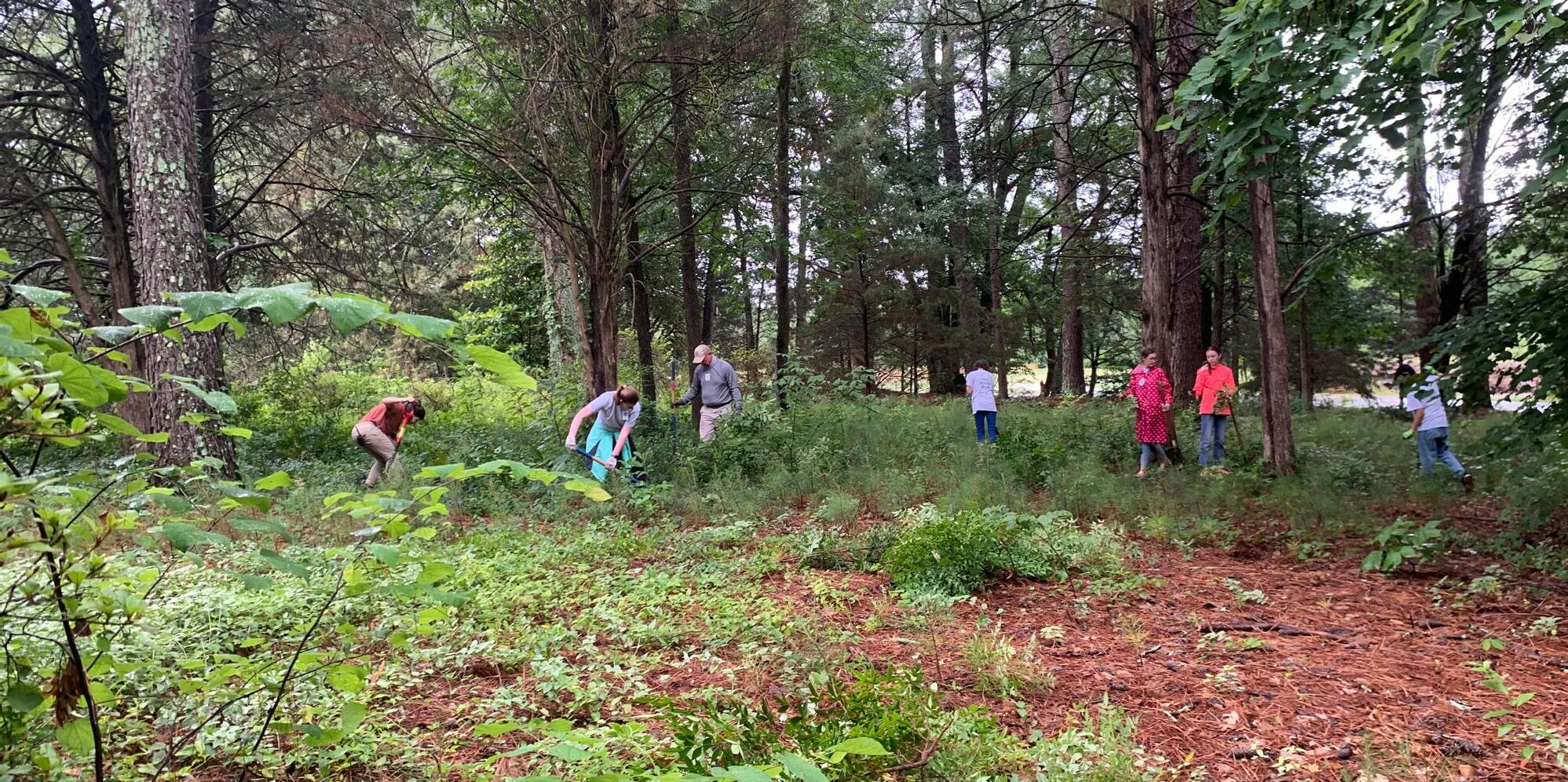
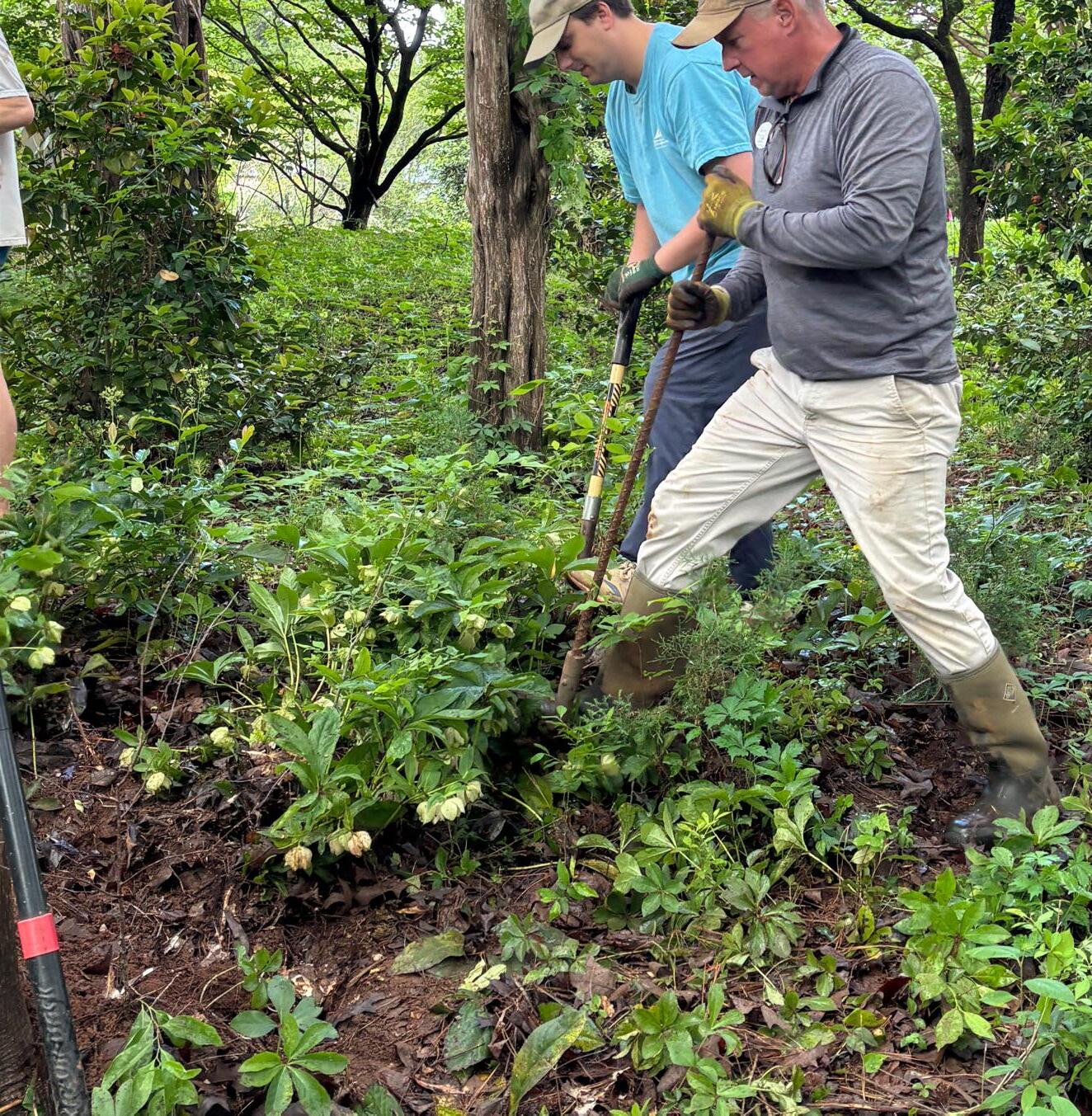
Youth volunteers removing invasives on a garden trail
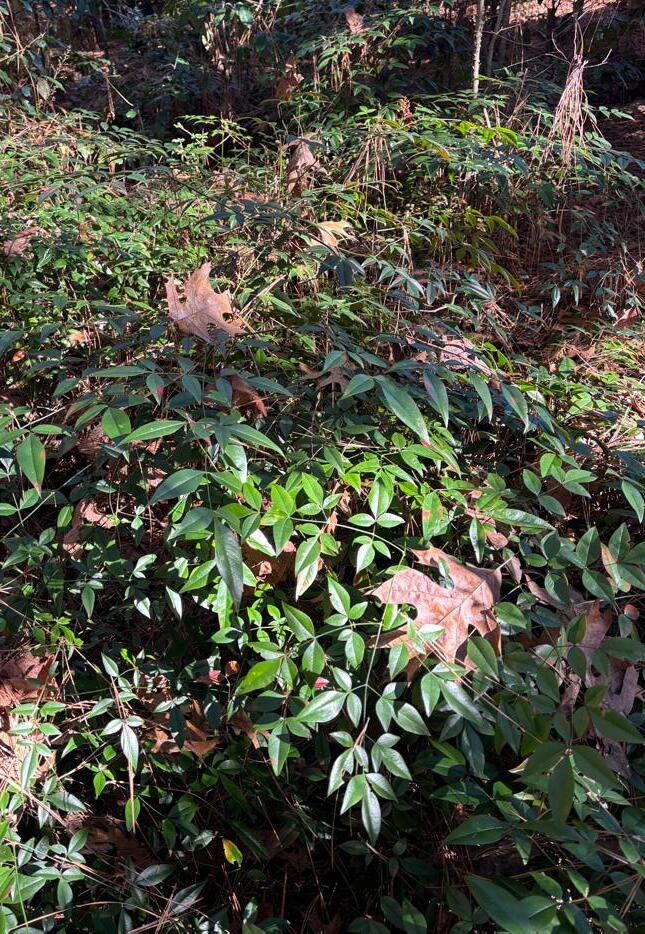
Sacred bamboo (Nandina domestica)
What Homeowners Can Do
Homeowners can successfully manage invasive plants in residential landscapes. Accurate identification is the first step. Extension services provide reliable print and online resources to help gardeners recognize invasive species and understand appropriate control methods.
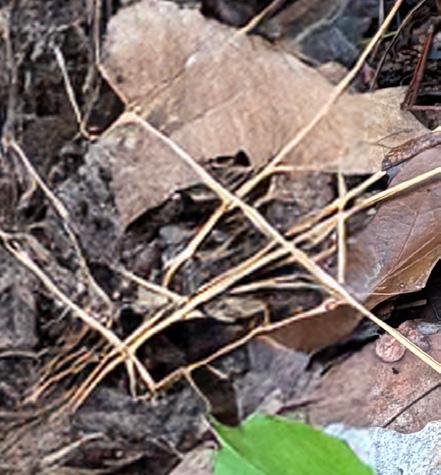
For small infestations, hand pulling or digging is often effective. Removing all roots, stems, and underground structures is essential, as even small fragments can lead to regrowth. Timing matters. Removing plants before they flower or produce fruit reduces the risk of spread. Any flowers or fruit should be removed and disposed of carefully.
After removal, invasive plant material should be bagged and placed in household trash. Composting is not recommended, as many invasive species survive and spread through compost piles. When chemical control is necessary, homeowners should follow all label instructions carefully. Application timing, weather conditions, and proper product selection help protect non-target plants and pollinators.
Preventing Future Invasions
Preventing invasive plants is more effective than removing them after establishment. Regular weeding, the use of mulch, and planting noninvasive alternatives help reduce opportunities for invasion. Native plants are especially valuable.
They support wildlife, contribute to ecosystem health, and often require less maintenance once established.
Local nurseries frequently carry native plants, particularly when consumer demand increases.
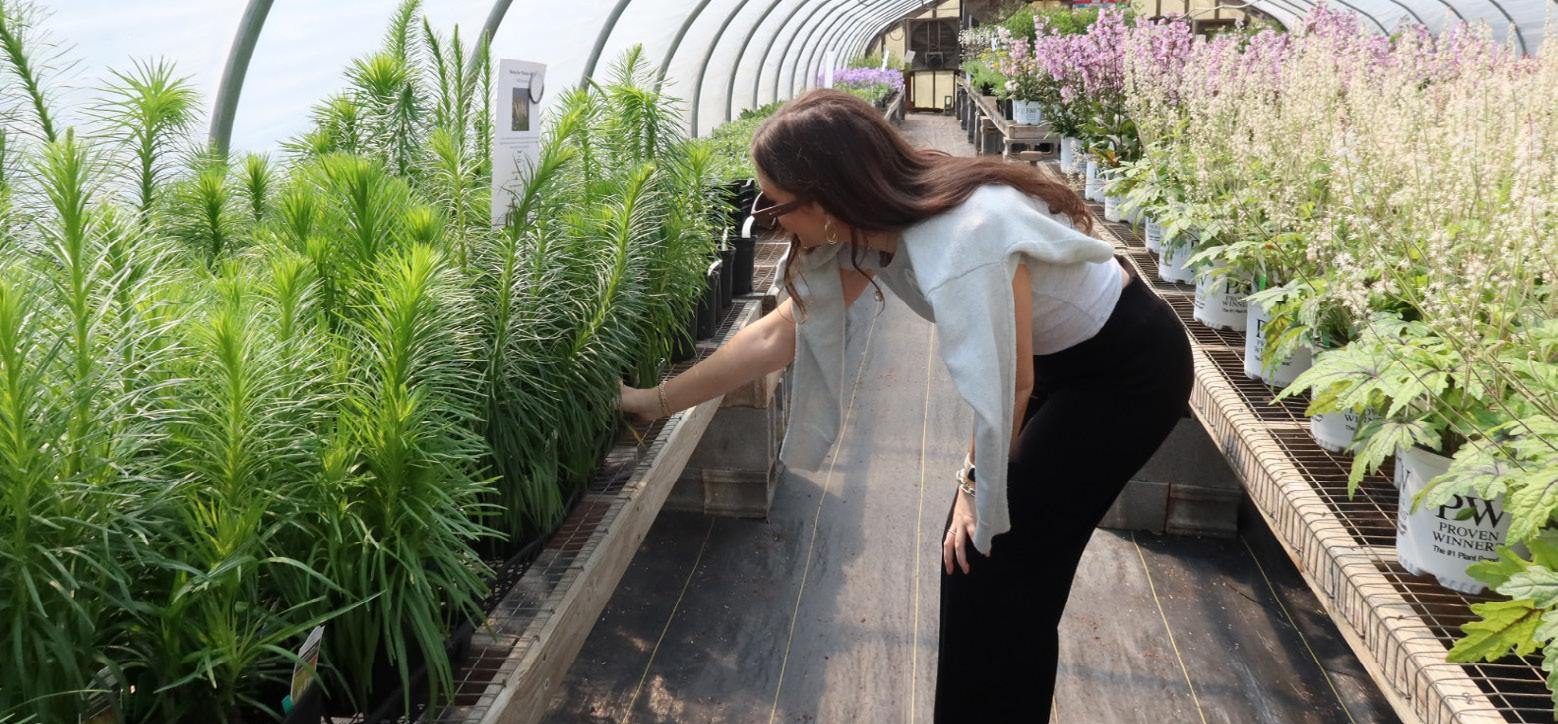
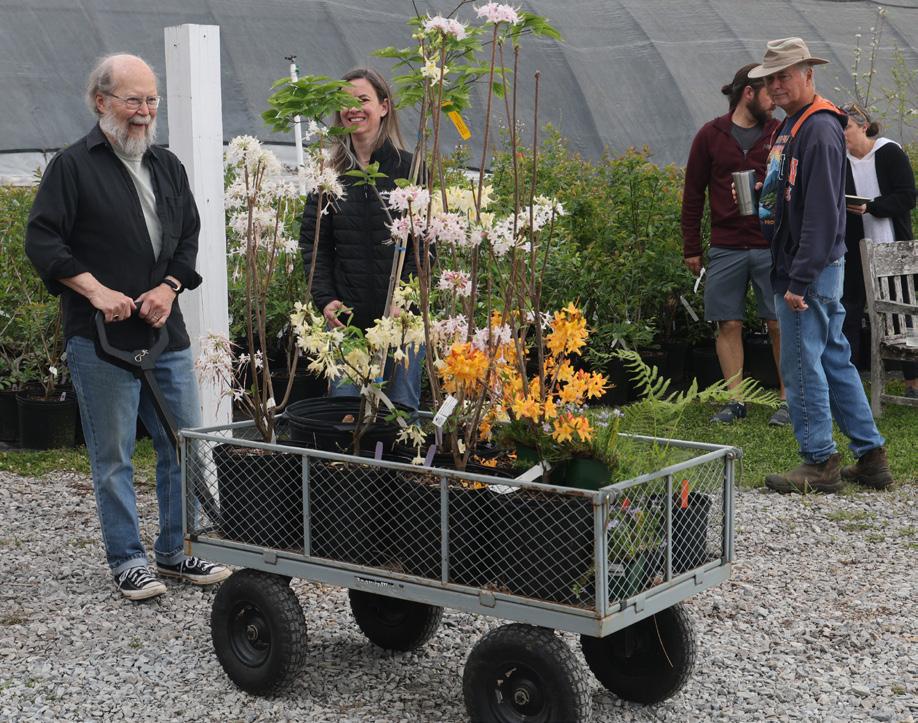
Huntsville Botanical Garden offers a wide selection of native plants during spring and fall plant sales, and Master Gardener plant sales provide additional options. Supporting local vendors that prioritize native plants strengthens regional landscapes.
Getting Involved
Adding native plants to home landscapes benefits wildlife and improves resistance to invasive species. Learning to identify invasive plants enables early intervention. Volunteering at invasive plant removal events at Huntsville
“For small infestations, hand pulling or digging is often effective.“
– Mike Shelton
Botanical Garden or nearby conserved lands provides hands-on opportunities to protect natural areas.
Participation in citizen science projects allows individual observations to contribute to scientific research and land management decisions. Collective efforts—from homeowners to organizations—help reduce the spread of invasive plants and protect the long-term health of local ecosystems. Small actions, taken together, create meaningful change. Digging
More Than Plants A Memorial Presence in the Garden
ByAnnetteAlexander, VP of InstitutionalAdvancement
Each year, individuals and families choose to honor the memory of a loved one through a memorial or commemorative gift to Huntsville Botanical Garden. Over time, these heartfelt tributes grow into thousands of individual remembrances woven throughout the landscape. Together, they tell a powerful story—one of love, remembrance, healing, and hope.
The Garden is deeply grateful to those who choose to remember someone special in this way. These gifts do far more than recognize lives well lived. They support daily operations and long-term care, helping ensure Huntsville Botanical Garden remains a place of beauty, reflection, and restoration for all who walk its paths.
Living Tributes That Grow With Time
Memorials throughout the Garden take many forms, allowing families to select a tribute that feels personal and meaningful. Engraved bricks, named trees, benches, flower beds, and special programs each offer a way to honor a life while becoming part of the Garden’s living story. Unlike static memorials, these tributes change with the seasons, growing and evolving alongside the landscape itself.
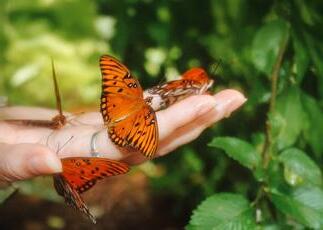
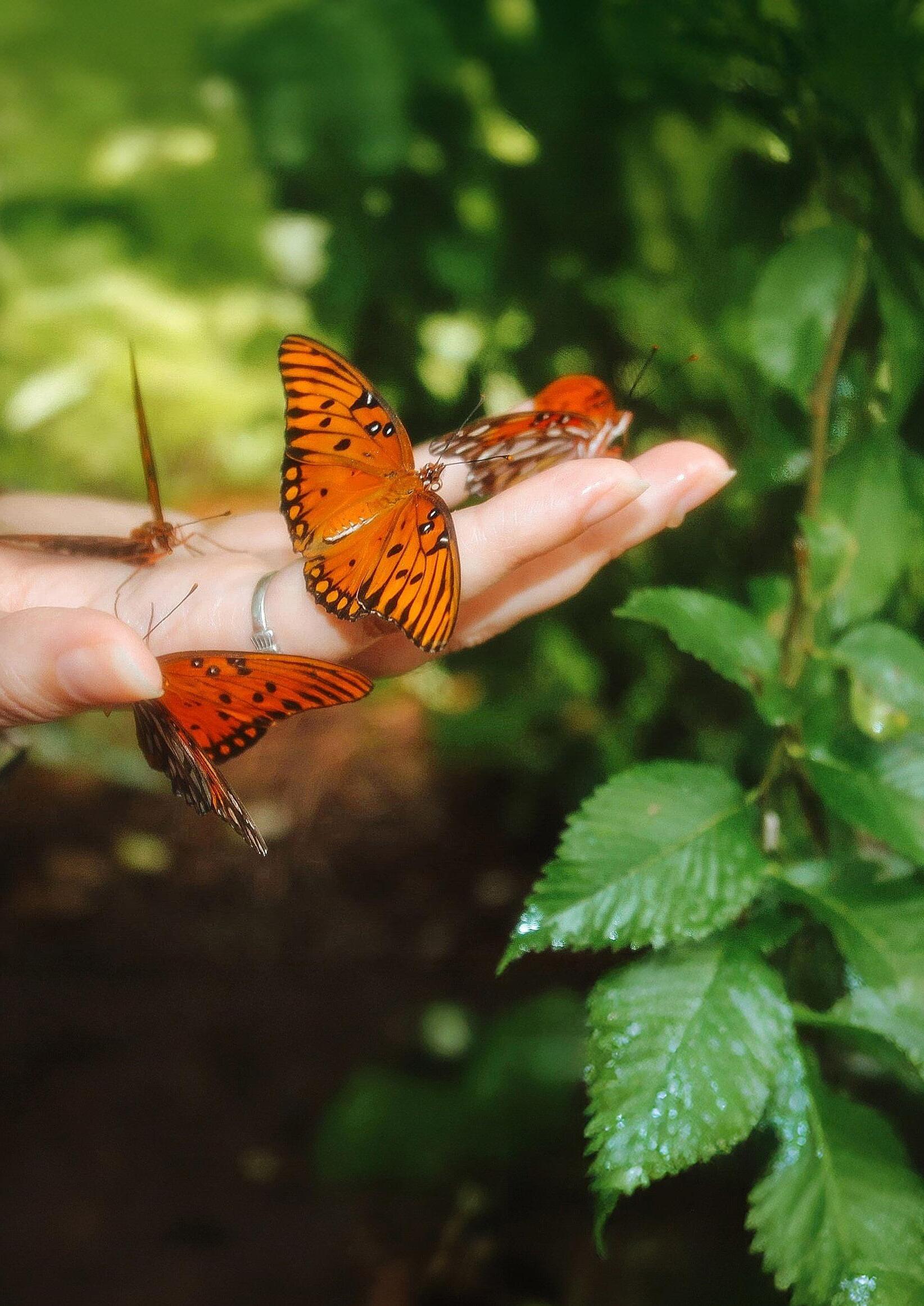
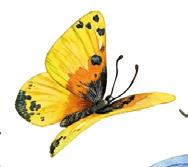
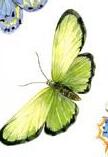
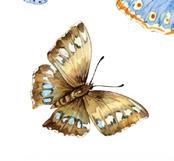
One of the most beloved options is the Butterfly Tribute Program, a symbolic and deeply moving way to honor a person’s memory. Donors may designate the recipient of a butterfly watercolor print created exclusively for Huntsville Botanical Garden by artist Susan Goodman. The gift also supports the seasonal population of native butterflies in the John and Tine Purdy Butterfly House. As butterflies emerge, flutter, and thrive, they serve as poignant reminders of transformation, renewal, and the delicate beauty of life.
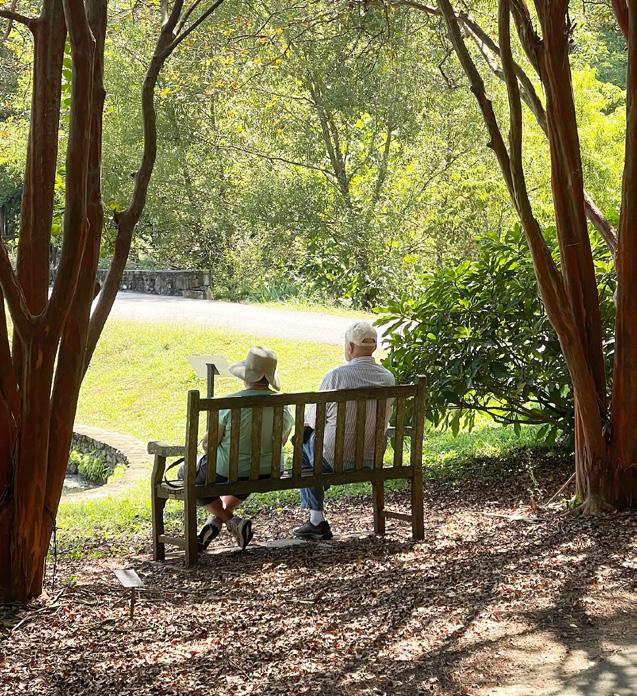
Benches placed throughout the Garden create spaces for rest, contemplation, and remembrance. For many families, these benches become sacred places. One donor reported regularly visiting the bench dedicated in memory of her late husband. Sitting quietly amid the Garden’s beauty, she reflects, feels his presence, and finds peace. Stories like hers illustrate that memorials here are not static objects; they are living connections that continue to nurture the heart.
Some individuals extend this idea of remembrance even further through legacy gifts. These planned gifts reflect a person’s lifelong values and ensure that their love for the Garden continues well into the future, supporting its mission for generations to come.
Why Families Choose the Garden
The Garden’s Advancement team works closely with families throughout the year to help identify meaningful locations and tribute options. Many choose sites connected to cherished memories—a favorite walking path, a quiet garden corner, or a place where their loved one volunteered, laughed, or lingered.
For some, the Garden is a place their loved one holds dear through years of volunteering or frequent visits. For others, it becomes a source of comfort during times of loss. The Garden offers an environment that is uplifting and restorative, providing solace without solemnity.
Trees are also frequently chosen as memorials. With deep roots and enduring presence, they represent strength, growth, and continuity. Over time, memorial trees provide shade, habitat, and beauty for countless visitors. As years pass, these trees continue to grow—just as memories do— offering living connections across generations.
The decision to create a memorial at Huntsville Botanical Garden is deeply personal.
There is also a sense of hope found here. Each spring brings renewal—buds forming, colors returning, and life awakening once more. This natural rhythm of growth and rebirth offers reassurance that beauty continues, even after loss.
“For some, the Garden is a place their loved one holds dear through years of volunteering or frequent visits. For others, it becomes a source of comfort during times of loss.”
– AnnetteAlexander
The Garden quietly reminds visitors that endings are also beginnings.Huntsville Botanical Garden means many things to many people. It is a place of learning, celebration, and reflection. It ties the community together through shared experiences, marking milestones and honoring lives that shape our collective story.
Spaces for Solitude and Reflection
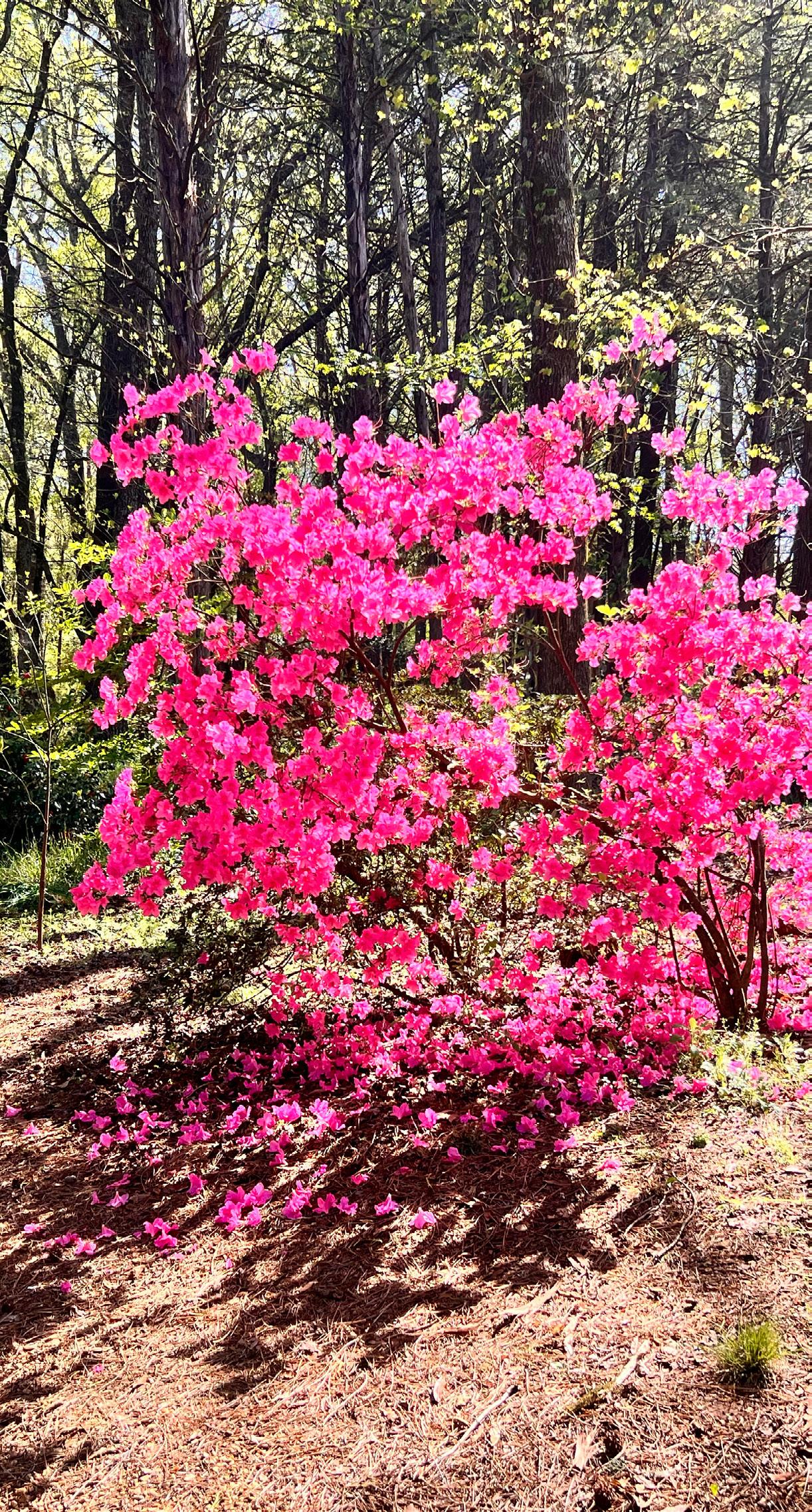
Within the Garden, visitors find peaceful refuge in quieter areas designed for contemplation. The Fern Glade, the Bush Azalea Trail, and the Matthews Trail offer moments of calm away from daily noise. The Garden of Hope, surrounded by trees and shrubs and centered around a gentle stream, is designed to refresh the spirit. Benches and prayer benches invite visitors to pause, reflect, or pray.
These spaces demonstrate why botanical gardens serve
as meaningful settings for memorials. They provide a natural, serene environment that emphasizes life, growth, and continuity. Memorials here become living legacies— supporting conservation efforts while offering comfort to families and visitors alike.
Healing Through Nature
Nature possesses a unique ability to soothe and restore. The calming atmosphere of the Garden eases grief and offers a gentle space for remembrance. The sounds of flowing water, birdsong, and rustling leaves provide sensory comfort and grounding during difficult moments.
Visiting a memorial or spending time nearby allows grief to be expressed in a constructive and meaningful way. These quiet moments foster healing, purpose, and peace. Memorials at Huntsville Botanical Garden are truly more than plants.
They are expressions of love, remembrance, and hope—places where memories are honored, hearts are comforted, and legacies continue to grow.
Those considering a meaningful way to honor a loved one or celebrate a life well lived are invited to explore memorial opportunities at Huntsville Botanical Garden. The Garden’s team is honored to help families find a tribute that reflects their story while supporting a place they cherish. Together, love, remembrance, and beauty continue to flourish here for years to come.
Visit hsvbg.org/get-involved/donate-memorials/ to learn more.
Where Every Celebration Blooms
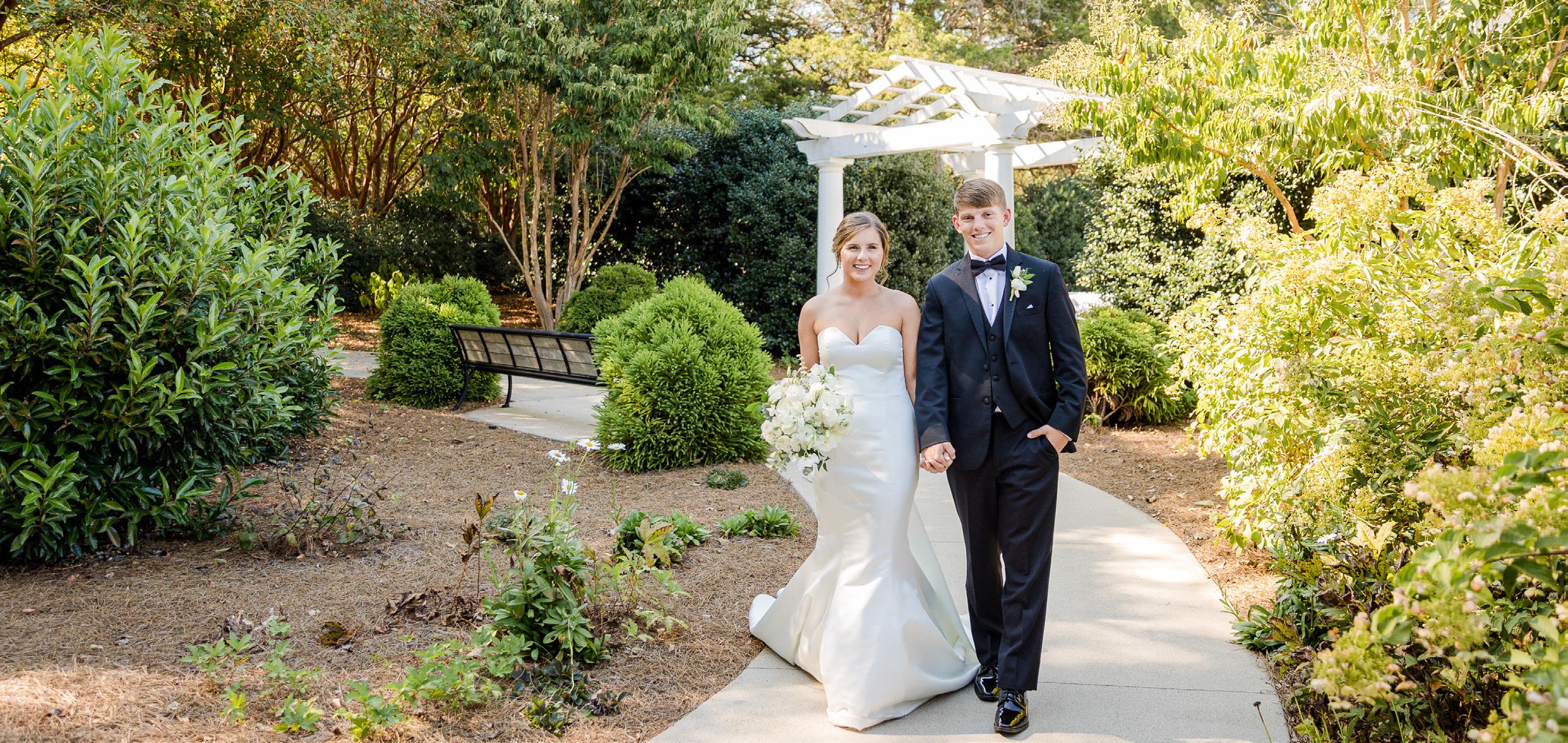
Say “I do,” gather, and celebrate in the heart of the Garden where natural beauty meets thoughtful design. Our one-of-a-kind venues offer an effortlessly elegant setting for weddings, receptions, corporate events, and milestone moments, surrounded by manicured landscapes and vibrant blooms.
Signature Wedding & Event Venues
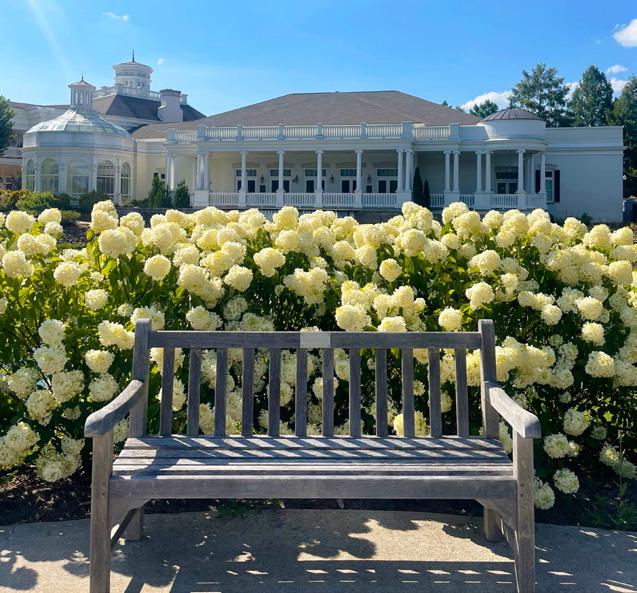
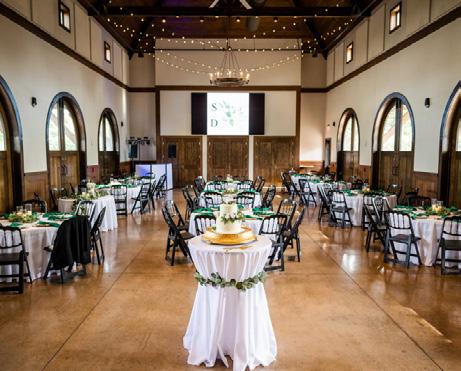
Celebration Garden & Grand Hall
An intimate garden ceremony space flowing seamlessly into the Grand Hall for a complete wedding experience.
Grand Hall Capacity: 350 seated | 208 seated with dance floor | 400 standing
• Includes veranda, full bride & groom suites, optional Conservatory, private library, dedicated restrooms, private entrance, and coat closet
Carriage House
Warm cathedral wood tones and twinkling lights create a charming, inviting atmosphere.
The Celebration Garden has been newly refreshed with a stamped stone aisle, designed to protect lush greenery while creating a polished, photogenic pathway—ensuring every step, every photo, and every moment is unforgettable.
Whether you’re planning an intimate ceremony, a grand reception, or a corporate celebration, your event unfolds in a naturally delightful space designed to inspire beauty, connection, and lasting memories.
“Huntsville Botanical Garden offers residents of all ages a welcoming place to learn, explore, and connect. As a city that encourages people to plant your roots, we are proud to support a destination where families can grow together while experiencing the natural beauty that defines our region.”
Mayor Ranae Bartlett City of Madison,
Alabama
Host Your Next Event at Huntsville Botanical Garden!
Celebrate your special moments surrounded by breathtaking gardens and natural beauty. Whether you’re planning a wedding, party, or corporate gathering, our versatile spaces offer the perfect setting to make your event truly unforgettable.
Reserve your date today at rentals@hsvbg.org!
Like what you read?
We want to hear from you! Scan the QR code to take our survey.