2026
November 12-14
2027
April 8-10
November 11-13
2028
April 6-8
November 9-11
All meetings scheduled at the Sonesta Hotel
White Plains, New York

America’s Think Tank for Mental Health www.ourgap.org
2026
November 12-14
2027
April 8-10
November 11-13
2028
April 6-8
November 9-11
All meetings scheduled at the Sonesta Hotel
White Plains, New York
America’s Think Tank for Mental Health www.ourgap.org
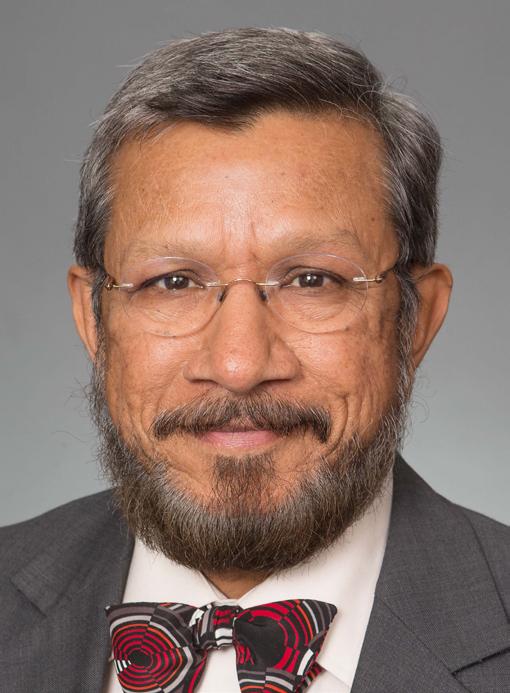
As the Group for the Advancement of Psychiatry approaches its eightieth anniversary, we find ourselves at a meaningful juncture—one that invites both thoughtful reflection and renewed commitment to our purpose. Since its founding in 1946, GAP has distinguished itself as one of the most forward-looking and intellectually independent voices in American psychiatry. Defined by a steadfast commitment to scientific inquiry, social responsibility, and principled analysis, our organization’s history is not merely a measure of longevity but a testament to sustained engagement with the most urgent clinical and societal challenges of each era.
GAP OFFICERS:
President
Sy A. Saeed, M.D. saeeds@ecu.edu
President-Elect
Gail E. Robinson, M.D. gail.robinson@utoronto.ca
Treasurer
David A. Sasso, M.D. david.sasso@gmail.com
Secretary
Katherine Kennedy, M.D. katherine.kennedy@yale.edu
Past President
Robert P. Roca, M.D. rroca2@jhmi.edu
GAP’s origins lie in a small but visionary group of young psychiatrists returning from the profound disruptions of World War II. They shared a conviction that psychiatry must extend beyond the clinical space to confront the broader structural and social forces shaping mental health. Their early work—addressing issues such as desegregation, the development of community mental health systems, and ethical standards in practice— broke new ground at a time when many of these topics were overlooked or avoided. This founding ethos—an insistence that psychiatry engage honestly and courageously with the realities of the world—has remained the defining thread throughout GAP’s eight decades of work.
Over the years, GAP has provided a steady and critical voice during periods of major transformation within both society and the field of psychiatry. From the civil rights movement and the complexities of deinstitutionalization to the emergence of family systems theory and evolving perspectives on substance use and human sexuality, GAP committees have consistently delivered thoughtful, independent analyses that have shaped professional and public discourse alike. In many respects, GAP has served as a conscience for the field—willing to raise difficult questions and explore them with intellectual rigor, humility, and clarity.
In recent years, this tradition has been tested by a series of unprecedented global and societal disruptions. Yet throughout these challenges, GAP has demonstrated remarkable (continued...)
adaptability and resilience. Despite the lasting impacts of the COVID-19 pandemic and a period marked by heightened sociopolitical uncertainty, our committees have continued their work with dedication, our governance structures have remained strong, and our intellectual contributions have not faltered.
The swift transition to virtual and hybrid meeting formats—initially a response to necessity—has evolved into a lasting strength. These innovations have expanded access, deepened engagement, and modernized our collaborative practices, ensuring that GAP continues to thrive as a vibrant intellectual community in an ever-changing environment. Among the most significant achievements of this period is the full endowment of all fourteen GAP Fellowships. This milestone represents far more than financial stability; it is a powerful investment in the future of the organization. Our Fellows bring fresh perspectives, diverse experiences, and a spirit of intellectual boldness that reflects the vision of our founders. The Fellowship program now stands at the center of GAP’s long-term strategy, ensuring a strong and dynamic pipeline of leadership that will sustain the organization’s relevance, vitality, and impact for generations to come.
Our mission remains clear and urgent: to advance psychiatric thought, to confront complex social issues, and to produce rigorous committee products that inform and guide the field. These commitments carry particular weight in today’s context, marked by political polarization, economic instability, growing public mental health needs, and the lingering effects of the pandemic. At the same time, rapid technological change, the psychological dimensions of climate-related stress, and shifts in how individuals connect, work, and access care present new and evolving challenges.
These are precisely the kinds of multifaceted issues that call for the interdisciplinary, ethically grounded perspective that GAP was created to provide.
Our committees continue to meet these challenges with the depth, scholarship, and seriousness they demand. Their work—anchored in clinical expertise and enriched by attention to social context—remains one of GAP’s greatest strengths. As we look to the future, it is essential that we continue to support, elevate, and disseminate this work, ensuring that GAP remains a trusted and influential source of insight in a rapidly transforming world.
As we enter our ninth decade, our responsibility is not simply to honor our past but to carry forward the principles that have defined us. Intellectual rigor, social awareness, and the courage to engage difficult and often controversial issues in the service of the public good must continue to guide our efforts. We must remain attentive to emerging societal forces, responsive to the evolving needs of our communities, and steadfast in our commitment to thoughtful, humane, and forwardthinking psychiatry.
I extend my deepest gratitude to every member, committee chair, Fellow, and donor whose dedication and generosity sustain this organization. GAP has always been, at its core, a community of volunteers united by a shared belief: that psychiatry can and must contribute to a more just and humane society. That belief continues to guide us, providing both direction and inspiration as we move forward.
Eighty years on, GAP is not simply enduring—it is evolving. Together, we will continue to advance the thoughtful, principled, and socially engaged psychiatry envisioned by those who founded this remarkable organization, ensuring that their legacy remains a living force for progress in the years ahead.
Sy A. Saeed, MD, President
The Planning, Marketing, and Communications Committee is seeking nominations for two important positions: The Dear Abby Plenary Speaker and the next Distinguished Guest.
The Dear Abby Award is given every two years, with the next award slated for April 2027. The awardee presents at the Plenary on Friday night of the meeting, which would be April 9, 2027. The purpose of this notice is to solicit nominations now to be considered at the GAP meeting in November.
The GAP Dear Abby Award was established in 2014 to honor Pauline and Jeanne Phillips and the longtime association between Dear Abby and GAP. The Dear Abby Award is given to an individual or organization that has contributed to innovation in mental health and the advancement of psychiatry. The contribution could be in patient care, research, public awareness, or advocacy, but will be in keeping with GAP’s mission of working on the interface between psychiatry and society, and Dear Abby’s mission of spreading education and awareness of mental health issues.
This award is now given every other year in April. GAP Committees recommend awardees to the Planning, Communications, and Marketing Committee, which selects the awardee. GAP pays travel, hotel, and a $1,000 honorarium.
Prior awardees are: Judge Steve Leifman (2015), Richard Kogan (2016), Caitlin Ryan (2018), David Kaczynski (2019), Mieram Bendat (2021), and Jonathan Metzl (2024).
This is a new program funded primarily by the Cotswold Foundation of Villanova, Pennsylvania. The program selects a distinguished person from an entirely different field to attends our meetings and cross-fertilize ideas.
The fund supports the guest in attending four or more GAP meetings and meeting with various committees. A new guest should be selected every other year. Please consider people from different fields, such as other areas of health care, government, the military, the clergy, business, and any other field that would help our think tank think broadly.
The first guests have been a couple, George and Elin Abercrombie. They have applied business acumen to help develop public service programs. Mr. Abercrombie is the retired CEO of a major pharmaceutical company, and Mrs. Abercrombie has been an activist studying accessibility to treatment. Their first two meetings at GAP have gone well.
Friends,

I just wanted to thank everyone for their interest in MindWork Group at our Spring meeting. We are proud of the little corner we have carved out in a challenging treatment landscape where psychiatrists can be at the center of care, leading teams, running groups, providing individual therapy, and delivering TMS and psychopharmacology.
With 25 hours of treatment per week and nearby supportive housing, we are a great community-based option for people needing more intensive treatment or stepping down from inpatient or residential care. We also offer a 2-week intensive assessment where people meet with multiple doctors and our entire treatment team, get psychological testing, and an internal medicine evaluation. This is a great option when there is diagnostic uncertainty, but also when people need intensive treatment but aren’t ready to commit to more than two weeks.
To discuss potential referrals, please email me at tfranklin@mindworkgroup.com or call/text 443 613-2698.
Thanks for your support, Thomas Franklin, MD
Hello to all. We missed those who couldn’t make it and hope to see you all at the Fall Meeting. We have two new members on our Committee, Dr. Greg Bunt and Dr. Arun Prasad.
We also had 2 other invitees who attended and hopefully will join. Greg, Collins, and I had a great meeting and discussion about next steps.
As you know, our institution is public-facing, and we do what we do by engaging the public through different modalities, including social media. In that vein, Gregg and I recorded a live Substack under Doctor’s in Dialogue–a GAP Substack–talking about Recovery and what does that even mean today. It will be edited, beautified, and uploaded.
There were several interesting attendees, including the APA CEO, Marketa Wills, with whom I had dinner and a long conversation about a wide range of topics. Also had dinner with Adrian Preda, Editor of Psychiatric News, with whom we would like to collaborate on publishing an article, likely on decriminalization, behavioral addiction, or cannabis as medicine, in that order of interest.
I also had a conversation with the Directors of the Fellowship—have to follow up on that—about the possibility of attaching a Fellow to our Committee.
Present: Dan Becker, Stephan Carlson, Gordon Harper (visiting), Liwei Hua (virtually), Jean Wittenberg.
The following is a description of discussions that occurred across the 3 half-days of committee meetings and at other times during the conference.
This discussion was led by Stephan Carlson, who has developed impressive expertise with a number of sophisticated large language models. They have the capacity to organize information in many different ways that can be very useful to this committee.
Possible applications of AI for the Committee on Adolescence:
1. Improving our website page, appearance, and content.
2. Emphasize that we are a think tank focusing on adolescent mental health.
3. Creating presentations with strong video and audio content for inclusion on the website

We are developing a paper comparing and analyzing issues of health inequities in Canada and the US. There is no question that inequities exist in both countries, although comparisons may be difficult because factors associated with healthcare and health promotion differ significantly. The paper has significant strengths.
We continue to make progress on this paper, led by Liwei Huang, from the perspective of resilience development and its failure in the context of suicidality. Discussion showed great interest in the approach.
Led by Dan Becker, we are exploring how stigma associated with a diagnosis of Borderline Personality Disorder leads to underdiagnosis, which in turn may impact the provision of optimal treatment.
We have organized a research group in Toronto with co-PIs Professor Carmen Logie, Canada Research Chair in Global Health Equity and Social Justice with Marginalized Populations in the Factor-Inwentash Faculty of Social Work at the University of Toronto, and Jean Wittenberg of GAP. We are seeking responses from young mothers, or women who were young mothers, describing their experiences with healthcare for themselves and their children. Jeanne Phillips, author of Dear Abby and a distinguished guest and supporter of GAP, is collaborating with us by inserting an invitation to respond in the Dear Abby column. We will conduct a qualitative analysis of responses.
We continue to seek possible collaboration with the Climate Committee at GAP. We began to discuss whether there might be a project looking at how adolescent skepticism could be seen as a healthy developmental force to combat climate change and support environmental protection.
We are also exploring possible collaboration with the Child Psychiatry Committee.
Due to the overlap of the AAGP and GAP meetings this year, only Bob Roca and Helen Kyomen were present at the Spring 2026 GAP Committee on Aging meeting.
All members and guests were remembered, and their ongoing contributions were appreciated. Despite the limited attendance, a meaningful interchange occurred, during which experiences and insights were shared that, I believe, deepened the process and meaning underlying our committee’s work.
We discussed the book “Healthy Aging in Psychiatry: Enhancing Brain Health and Emotional Well-Being,” which our committee is writing with colleagues, and reviewed the status and progress of the individual chapters.
We also discussed the development of the paper, “Humane Intelligence in Geropsychiatric Care: Relational Artificial Intelligence, Clinical Wisdom, and the Moral Grid Operational Index,” which was printed in the American Journal of Geriatric Psychiatry this month, April 2026. General sessions addressing AI in older adult healthcare and the framework of Humane Intelligence are being presented at the 2026 AAGP and APA annual meetings. As a reminder, Chip Reynolds, Editor of the American Journal of Geriatric Psychiatry, encouraged us to mention the journal whenever we refer to the paper.
In addition, even before these presentations, Springer had expressed interest in a potential book on AI and Healthy Brain Aging. Of course, our current priority is to complete the present book, but I would welcome any thoughts about this possible future project.
Although we missed our full committee gathering at this GAP meeting, there were, in some ways, blessings in disguise. The circumstances made it necessary for me to meet and speak with others throughout the meeting. A few of those conversations felt especially meaningful and relevant to our broader mission.
I met a kind colleague who shared that he was traveling to Poland the following day to meet with 40 Ukrainian ministers who had been serving people deeply affected by the war. He showed me his phone, which contained numerous attack warning notifications. The people there live with fear, but also with great resilience and belief in themselves, their lives, and their families. He also showed me photos of parts of the country that remained intact. The architecture was classic, and the landscape was beautiful. The ability to appreciate such beauty, even amid the possibility of destruction, conveyed a quiet, enduring strength of spirit.
I also spoke with another thoughtful colleague who described growing up in a country where the divide between those with resources and those without was very wide. He said his father had taught him that when a person rises, they must concurrently help lift those who are less fortunate. If the more fortunate wait for others to seek help, the divide may widen to the point that meaningful connections become far more difficult. He also reflected on the importance of rising above narrow constraints in order to broaden one’s vision and capacity to help. In his view, the threads connecting applied science, psychology, philosophy, neuroscience, and spirituality are essential to integration and development.
He also spoke about geriatric psychiatry. In psychiatry more broadly, concepts such as truly individualized care, preventive and palliative approaches, including aspects of deprescribing, and the incorporation of both pharmacologic and nonpharmacologic approaches are often discussed and taught. In geriatric psychiatry, however, the stakes are so high that we must implement these principles, not merely study or discuss them.
I also met Joanne Ahola, who contributed to the Lancet article about the Peruvian dissident who was tortured and imprisoned but ultimately vindicated through the human rights work of psychiatrists and lawyers. That article had been circulated through the GAP listserv. Joanne shared that the vindicated individual chose to remain in Peru in order to help her people. I asked Joanne to lead a plenary session on this experience
and also asked Jack Drescher to consider it for a future plenary.
These are only a few brief examples of interactions with GAP members from other committees. I remain grateful to belong to an organization of thoughtful and erudite people who act with warmth and heart to make a difference. It is a remarkable experience to be in the same room with so many such individuals and to speak with them frankly, as fellow human beings—mere mortals on this shared journey of life.
Present: Dorothy Stubbe, Eunice Yuen, Gabrielle Shapiro, Bud Vana, Susan Daily, Jonathan Dowben (virtually)
Fellow: Melissa Peace
Guests: Cathryn Galanter, Jessica Sandoval, Emma Banasiak
1. Revisiting the “Good Enough Mother” in the Digital Age, to be submitted to World Psychiatry, to be completed in two months. Targeted at practicing psychiatrists and psychiatry residents.
2. Navigating the Digital Landscape: Perspectives from Child and Adolescent Psychiatrists Across Asia is to be completed in two months and submitted to WPA News, targeted at practicing psychiatrists.
3. Navigating Regulation and Policy on Youth Digital Use. A cross-national qualitative interview series to be completed in six months and targeted to practicing psychiatrists. This will be submitted to World Psychiatry.
4. Applying Erickson’s Psychosocial Stages of Development to Youth Sports: Key Lessons for Parents and Families is due in two weeks and is intended for the general public. This will be a Psychology Today blog.
5. Medication Prior Authorizations and Their Impact on Mental Health Provider Practices: Looking at the Evidence on Task Burden, Need, and Other Practice Implications. The first draft is in preparation and is expected to be completed within 3-4 months, targeted at practicing psychiatrists and psychiatry residents. This will be submitted to NEJM Catalyst. We will be collaborating with the GAP Systems Innovation & Transformation Committee.
6. New considerations of school avoidance: What do parents need to know? This project will be completed in 3-4 months and submitted to Psychology Today.
Invitation of new GAP Members. We have invited two guests to commit to regular membership: to provide an update and review of the submitted manuscripts, and to discuss new project topics.
BETWEEN-MEETING PLANS:
Start working on the projects listed above.
FOCUS FOR NEXT MEETING:
Updates on ongoing projects.
WAYS MEMBERS CAN HELP:
Contribute to the ongoing and newly-discussed projects.
The College Health Committee met asynchronously on April 17. We communicated via email and text to decide on future directions. Brunhild Kring announced her retirement from GAP, and we have decided that Ryan Flanagan and Ludmila De Faria will co-chair the committee.
Ludmila authored a blog post addressing the need for systemic change in colleges to tackle the mental health crisis among students. The piece is undergoing internal revision by the committee before submission to the Editorial Board for review and feedback.
Ludmila also proposed a collaboration with the Committee on Adolescents and the Committee on Technology. This aligns with GAP leadership’s desire to promote inter-committee collaboration.
Present: Doctors Viswanathan, Pinkhasov, Quraishi
Virtual: Doctor Sales
Guest: Doctors Becker, Hallo, Landinez (NP)
BEHAVIORAL EMERGENCY IN GENERAL HOSPITAL EVIDENCE-BASED MANAGEMENT ALGORITHM MANUSCRIPT TYPE
Systematic literature review article, first draft mostly completed.
The anticipated audience: practicing psychiatrists, psychiatry residents, psychologists/other mental health professionals
The Committee would like the manuscript to be published in The Journal of Nervous and Mental Disease or Journal of the Academy of C-L Psychiatr y.
WAYS THE PUBLICATIONS BOARD CAN HELP: Late-stage guidance during manuscript production and submission.
1. Review of different sections of the manuscript and literature reviews related to Delirium, Mania, Substance Use/Withdrawal, Psychosis (incl. Parkinson’s), Broset/PAS Tools, De-escalation/ Safety, Ethical issues. Whether to have more than one paper focusing on specific disorders, such as delirium.
2. Begin work on a manuscript on a viewpoint article on lifestyle interventions by CLPsychiatrists, for Journal of the Academy of C-L Psychiatry. Start work in June 2026.
3. Blog in Psychology Today—Role of C-L Psychiatry in medical-surgical patients. Start work in June 2026.
4. Resume work on a manuscript on the refusal of lifesaving medical treatment motivated by suicidal ideation, for the Journal of the American Academy of Psychiatry and the Law in June 2026.
BETWEEN-MEETING PLANS:
Monthly virtual meetings or regular email communications to make progress
FOCUS FOR NEXT MEETING:
Discuss the full near-final draft of three manuscripts and a blog. Discuss other ideas for publication.
Present: Fung, Lu, Becker, Erickson, Lewis-Fernandez Via Zoom: Aggarwal Ittleson Consultant via Zoom: Gomez-Carrillo
A. CURRENT MINDFULNESS-BASED PSYCHOTHERAPIES AND THEIR RELATIONSHIP TO ORIGINAL MEDITATION-BASED PRACTICES IN ASIA
First draft in preparation. To be completed by March 2027 to be submitted to a psychotherapy journal.
B. HOW TO BEST SERVE A DIVERSE URBAN COMMUNITY? COMPARISON OF THE ROLES OF ETHNIC-FOCUSED MENTAL HEALTH CLINICS AND CULTURALLY SENSITIVE GENERAL MENTAL HEALTH PRACTICES
Topic under discussion with a completion date unclear.
C. VALUES- AND RELATIONSHIP-BASED CULTURAL FORMULATION APPROACH
The first draft will be mostly completed by September 2026 and submitted to a cultural mental health journal.
D. ROLE OF CULTURE AND SOCIAL DETERMINANTS OF MENTAL HEALTH IN THE FUTURE DSM
To be completed by November 2026 for submission to a general psychiatric journal
E. HOW TO INTEGRATE SOCIAL DETERMINANTS OF HEALTH IN PSYCHIATRIC DIAGNOSIS.
A cluster approach with responding to the review process, to be completed by November 2026, and to be submitted to Psychiatric Services.
WORK ACCOMPLISHED:
We discussed all 5 products.
A. The first project was initiated by GAP Fellow Sasini Bentota, who had discussed it with Francis Lu, her mentor, before the meeting. We started outlining the paper’s content.
B. The second project stems from a situation in the home city of one of our members that raises important theoretical questions about the role of each type of service within the range of implementation strategies available to a large, diverse urban center. We discussed the general implementation strategies available to a large, diverse, urban center. We continue to discuss the focus of the piece, given the evolving politics of the condition.
C. The third project, a revised draft of the article, outlined the next steps to complete the first draft.
D. In the fourth project, we discussed the activities of APA communities working on the DSM (current and future) and planned a paper responding to current approaches to addressing social determinants of health and cultural factors in the DSM’s future. We will discuss the topic with DSM leadership and start preparing the first draft.
E. For the fifth project, we discussed the reviewers’ comments and decided to revise the paper for resubmission to a different journal. The first author will work on the revision for the next meeting.
We will meet again virtually in July 2026 to discuss the projects, particularly A, C, D, and E.
Sasini will start writing the first draft of the page with Francis’s help.
Kenneth will continue to work on the draft of the paper.
Roberto will write the first draft of the paper. Blake will review the piece for Psychiatric Services.
FOCUS FOR NEXT MEETING:
Discuss all 5 products, especially A, C, D, and E.
Complete a full first draft of C. Write a first draft of D. Revise E.
WAYS MEMBERS CAN HELP: References would be helpful.
I would summarize the work as centering on continued interpersonal engagement with the committee members; the introduction of a possible additional venue for disseminating the Disaster Mental Health knowledge base through Communities of Practice with TUFH.org; and a discussion of a possible committee statement.
Present: Shelby, Nkechi, and Sophie ( via Zoom) for the Gap meeting.
Updating the Committee on Women’s Mental Health
Our committee discussed new fundraising ideas and reviewed the success of the Distinguished Guest Program.
Present: Miguel Alampay, Ted Fallon, Karen Gennaro, Karen Greenberg, Randy Howe, Michelle Hume, Mansoor Malik, Robert Nesheim, Madeline Teisberg, Jon van Loon Fellow: Pablo Romano
Guests: George Abercrombie, RPh, MBA, Distinguished Guest, Former CEO Roche & Adjunct Professor, Fuqua School of Business, Duke University; Consideration of medical ethics with respect to the pharmaceutical industry
THE LATEST DATA ON MEDICAL AID IN DYING IN THE US AND WHAT IT TELLS US
Anticipated date of completion: Summer 2026 to be in
The Journal of Clinical Ethics
Anticipated audience: practicing psychiatrists, psychiatry residents, training directors, psychologists, and other mental health professionals and policy makers.
RESILIENCE AFTER MORAL INJURY: A SCOPING REVIEW OF COPING MECHANISMS AND PATHWAYS TO MORAL REPAIR.
The first draft is mostly complete, and subsequent drafts are underway for completion in 2026. This will be targeted to practicing psychiatrists, psychiatry residents, training directors, psychologists/other mental health professionals, the general public, and members of the Military.
MANUSCRIPT TO BE SUBMITTED:
JAMA/NEJM, Ethics literature, Psych literature, Military literature, Psychology Today, and lay press.
WAYS THE PUBLICATION BOARD CAN HELP:
Review our draft when we submit it.
WORK ACCOMPLISHED:
Review “Resilience After Moral Injury: A Scoping Review of Coping Mechanisms and Pathways to Moral Repair”
Review May APA Annual Meeting presentation, “The Most Recent US Data on Medical Aid in Dying (MAID): Vulnerability, Protection, Access and Justice”
NEW PROJECTS:
• Ethical challenges and progress in pharmaceutical industry practices: balancing business needs with patient care and social responsibility
• Plan for Substack Doc-to-Doc with expert on AI in mental health treatment, Dr. John Touros
• When (if ever) is it appropriate to violate HIPAA, mandated-reporter, and/or state licensing regulations in the best interest of the patient (and family)?
BETWEEN-MEETING PLANS:
• Revise draft of “Moral Injury” article; Committee to continue review.
• Prepare different versions of the “Moral Injury” article for professional literature and lay press.
• Collaborate with George Abercrombie on medical ethics and the pharmaceutical industry.
• Prepare short patient vignettes illustrating the tensions between following regulations vs. carrying out best practices in clinical decision-making.
• Connect with Kevin Simon, MD, Boston’s first Chief Behavioral Health Officer, on regulations vs. best practices.
• Reach out to John Touros and prepare an interview for Substack.
• Finalize presentation on Medical Aid in Dying for APA Annual Meeting on May 19, 2026
• Dr. Mansoor Malik to receive Chester Pierce Award and deliver award lecture at APA Annual Meeting in San Francisco on May 18, 2026
• Regular virtual collaboration among Committee members on projects above.
FOCUS FOR NEXT MEETING:
Finalize “Moral Injury” article and move forward on New Projects listed above.
WAYS MEMBERS CAN HELP:
Hoping to have George Abercrombie join us again in November.
Members attending: Jacob M. Appel, Peter Ash, Susan Hatters-Friedman, Rick Frierson, Deborah GiorgiGuarnieri, Ryan Hall, Beesh Jain, Phillip Resnick, Fellow: Jinit Desai (virtual)
PROJECTS—MULTIPLE TITLES
Project Information: A series of articles on bias in forensic psychiatry.
Anticipated date of completion: Fall 2026-Spring 2027
Status: Several articles submitted for publication. Others are under development.
Anticipated audience: Practicing psychiatrists, psychiatry residents, other mental health professionals
WORK ACCOMPLISHED:
The Committee reviewed several articles for submission.
BETWEEN-MEETING PLANS: Committee members will complete their articles.
FOCUS FOR NEXT MEETING:
During the next meeting (Fall 2026), the committee will review the final drafts of articles.
Guest: Adrian Preda, Editor in Chief of Psych News, SUBSTACK
• Opportunity to do a Doctors in Dialogue on Saturday; will plan to coordinate today.
• Dr. Drescher mentioned growing his following, with the opportunity to gain paid subscribers.
• Could encourage this as a venue for consistent posts from committees
• Discussion that there is some confusion about Blog vs. Substack, given that there are some written blog Substacks, but we are just focusing on Doctors in Dialogue.
• Dr. Preda noted that you can either have everything on a centralized site or use many different platforms.
Dr. Drescher noted the challenge of limited knowledge about GAP and the difficulty of growing presence.
• Provides information for posting across Instagram
• Per Amy Franklin, there is an opportunity to make Doctors in Dialogue a podcast.
• Have an editor for YouTube.
Also, posting short videos on social media to drive engagement.
• Have done 2 so far that are uploaded, and they have gone well.
• Have a budget for 6 total podcasts.
• Open to all topics for future presentations.
• Dr. Preda noted that they have an ongoing podcast initiative, though there was a question about the outreach of video vs. audio.
• Dr. Saltz noted the American Psychoanalytic Association Podcast, which has also recently moved to video and ultimately cross-posted on YouTube.
• Amy Franklin notes it has been successful so far, and she has the opportunity to see the statistics and who has then gone to the GAP website through embedded links.
• Submissions are slowing down.
• The most recent blog got around 1000 hits.
• Ok to have blog posts from a non-GAP member if in coordination with a GAP member.
• Reinforce that this is an opportunity to promote published works to better communicate to the broader world.
• Dr. Preda noted an opportunity to expand the Psychiatry News blog, potentially in collaboration with GAP.
• Dr. Drescher noted the possibility of reposting/ reusing blog posts.
• Amy Franklin noted that it could be useful to have a roster of people to present on the news.
• Noted that many people have been media trained already through GAP
• Dr. Drescher notes that APA has extensive media training, but GAP does not.
Notes that rapid availability is key to involvement
• Amy Franklin noted that there are many evergreen topics that may not be as time-sensitive
• Great opportunity for proliferating the GAP name
• Dr. Saltz mentioned staying on X.com to ensure expert opinion is still widely expressed online.
• Discussion with Dr. Saltz and Dr. Drescher about Dr. Daniel Knoepflmacher from Cornell joining our committee
• Previously involved in script writing in his former life, as well as working as a training director.
• Dr. Saltz did media training with him and the residents.
• Currently a member of the psychotherapy committee, Dr. Drescher noted that there is no issue with changing committees with committee approval.
• Discussion of some committees floundering, others growing/evolving.
• The Education Committee, for instance, could not maintain membership.
• Dr. Drescher plays a role in providing first aid to struggling committees.
• Dr. Bernstein described this year’s panel on young leaders.
• Dr. Smalls-Mantey noted there are questions about skills taught/not taught in training, what makes a good leader, should national organizations formalize
training and development during training, what does effective leadership look like, balancing compassion/ advocacy with administrative realities, essential skills for the future, leadership myths, advice for others, etc.
• Dr. Simon, Dr. Smalls-Mantey, and Dr. Talley will present their perspectives.
• Dr. Preda noted could do a special report on leadership in psychiatry in Psych News.
• Dr. Saltz notes that there has been poor advocacy in psychiatry in the past and a need for fulfillment.
Noted that there have been times when her institution has told her to leave out her institutional affiliation, Dr. Freedman has had similar experiences.
• The Goldwater Rule leads people not to speak out publicly against leadership.
• Dr. Freedman noted that some in the media are asking for mental health practitioners to speak out.
• Dr. Ungar noted that some institutional prohibitions have gotten in the way of speaking out.
• Dr. Ungar noted that there is sometimes a balance between the blowback from speaking out and the moral injury of staying silent.
• No plenary planning is necessary for the upcoming meeting, but we will also be able to have some influence on the Dear Abby Plenary.
• Discussion of whether things might change in terms of the fellows’ plenary if we change to alternating groups of 10 fellows
• Potential options for an alternative project other than plenary for fellows
• Dear Abby, Plenary includes a $1000 plenary and is broadly about the intersection between mental health and the larger world.
• The most recent Dear Abby presenter, the brother of the Unabomber, was a very moving speaker.
• Discussion of social media, difficulty separating from our phones, and struggles with work/life balance.
• There is a Twitter account, but it is not being used regularly.
• Amy Franklin does not have access to LinkedIn to log in.
• No current Instagram
• Discussed the need for a social media manager; funding earmarked for this would be helpful.
• When new GAP posts/publications come up, Dr. Drescher posts on personal and professional Facebook pages, shares with many groups, and shares more broadly on his social media.
• Amy Franklin noted links to share on social media through emails, but GAP members have not been taking advantage of this and posting.
• Dr. Chevinsky raised updates from fellows, a potential AI topic for fellows’ plenary.
• He also mentioned that fellows might be more in support of creating their own projects rather than necessarily doing a plenary.
• Dr. Drescher mentioned that this plenary was not always a fellow role and could likely return to the Media Committee planning these sessions.
• Per Dr. Saltz, the media is very interested in the intersection of AI and psychiatry.
• Discussion about relationships between individuals and chatbots, potential erotic chatbot projects
• Dr. Bernstein raised a question about trusting the media, given AI concerns.
• Dr. Saltz raised many concerns about the use of AI, including excessive validation and the inability to assess the safety of AI-generated comments.
• Dr. Preda noted that guardrails for AI can make it feel more artificial, but can still be safe and useful.
• Dr. Preda noted that a monograph could be helpful, given APA’s high turnover, and suggested that a venue such as GAP might be better suited to tackle this problem, which could be supported by the APA Foundation.
• Dr. Bernstein noted that task forces could tackle this, but the national staff is the real backbone of the organization.
• Dr. Drescher notes that APA used to publish GAP monographs, but stopped because they did not sell well.
• Dr. Drescher noted that prior funding by another outside group for the LGBTQ+ group could mimic the APA Foundation’s involvement.
• Could utilize the writing staff from APA in collaboration with GAP
• Dr. Preda notes that Psych News has also lost profitability and believes that collaboration with GAP could be a means to achieve mutual profitability.
• Dr. Preda noted that Special Reports in Psych News would be a great place for the committee to publish.
• Dr. Drescher notes this would require board consultation.
• Psych News is a newspaper that used to be published twice a month and was then changed to monthly, which works poorly for a tabloid.
Plan to become a magazine as of January of next year, will feature more long-form content, and will come out every other month.
Will also have shorter articles posted online in keeping with the prior news focus
Will be mailed out along with the journal
Prior discussion about whether to opt out of the Green Journal or the magazine, but leadership opposed cutting off this benefit
Five members total in terms of the editing team running Psych News
They also accept outside contributions, which now make up around 30% of the content.
Review around 20 articles per week.
• Discussed the option for a dedicated online blog/ option vs an ongoing column
Dr. Preda noted that Psych News would be happy to host regular blog posts.
Dr. Drescher discussed concerns about leaving Psychology Today, given the platform’s size for disseminating information.
Dr. Drescher noted an opportunity to cross-post evergreen topics.
• Dr. Preda suggested that we could use fellows for blog posts, for the resident corner.
Discussed potential conflict with blog posts on Psychology Today
• Discussed different audiences potentially, concern that Psych News might be more geared to psychiatrists, whereas Psychology Today is for a lay audience
Dr. Preda discussed international visibility and the possibility of expanding to laypeople as well as psychiatrists.
• A question came up about cross-posting and whether that would be allowed from Psychology Today, though Psych News would allow it.
• It could be a place for a perspective on a Psychology Today blog post that already exists.
Guests: Adrian Preda, Steven Sharfstein, Daniel Knoepflmacher
• Discussed the cost of membership being over $1000, and that it may be beneficial to have a decreased cost for younger members to keep up membership
• Dr. Saltz mentioned the Mental Health Liaison Group, which works on liaising with organizations about bills going through Congress to get folks to sign on
You need to pay a certain amount to be a part of this collective
• Dr. Saltz mentioned a potential benefit of listing what you get for your $1000 membership
Dr. Chevinsky mentioned concerns about not having a clear understanding of what the vision of this organization is and the reason for membership here
Opportunities to publish/write
Dr. Preda noted that it is all about networking for him, and he does not want the brand to be diluted, the quality of members
Dr. Freedman mentioned the longitudinal connection to people over time, which is what he finds valuable
Dr. Friedman noted that the small size of this group is an asset
Dr. Drescher noted that it is a country club, and it is a $3000 investment in your professional development
Dr. Saltz mentioned it is a think tank that is exclusive and requires an invitation
Dr. Smalls-Mantey mentioned similar thoughts about exclusivity and being a think tank
Dr. Freedman mentioned that a lot of the benefit and growth is in the small groups RECRUITMENT
• Dr. Drescher mentioned that we could make talking points about the benefits of being here for recruitment
Dr. Preda mentioned concerns about expanding too widely
Dr. Drescher mentioned this is mostly committee work, could continue to keep the small group feel and expand/split off groups
There are around 200 members, not all come to every meeting
Dr. Drescher noted he is not too concerned about getting too big, as it has never happened before
• Dr. Preda asked about the distinction from the American College of Psychiatry, which is also similarly exclusive and requires LORs from members
Noted niche of accreditation and PRITE
They lose money on the conference, but have a lot of money saved up, and have around $8-million in their coffers
They also offer more prestige, certificates, etc.
1. Supreme Court Justice Jackson
2. Athlete speaker, via Dr. Mena Mirhom
3. Dr. Elyn Saks
4. Dr. Suzanne Vogel-Scibilia
5. Dr. Milissa Kaufman
6. David Sedaris
7. Glenn Close
8. Andrew Solomon
9. Temple Grandin
10. Jennifer Lewis
11. Jane Pauley
12. Howie Mandell
13. Kay Jamison
14. Vivek Murthy
15. Alister Martin
16. Richie Torres
17. April Simpkins
18. Dr. Judith Joseph
• Dr. Sharfstein highlighted the importance of the Media Committee’s recommendations.
• Kiki Kennedy recommended Supreme Court Justice Jackson, who recently gave grand rounds at Yale.
• Discussed the possibility of having a book to sell if they present
Dr. Freedman mentioned that the book signing would be a draw for members.
• Date is April 9, 2027
• Dr. Smalls-Mantey noted that an athlete presentation could be interesting, such as through her connection with Dr. Mena Mirhom, who may be able to suggest some athletes to present
• Dr. Preda mentioned Dr. Elyn Saks as a possibility. Dr. Saltz notes having a possible connection to get in touch.
— Has done a lot of work in patient rights in mental health, given her own history of schizophrenia, in remission on clozapine
• Dr. Drescher recommended Dr. Suzanne Vogel-Scibilia.
History of bipolar disorder and work with NAMI
• Dr. Preda recommended Dr. Milissa Kaufman, MD, PhD, at McLean.
A psychiatrist diagnosed with DID, with experience with DID, and working with trauma patients.
• David Sedaris also speaks about his own struggles with OCD.
• Glenn Close speaks about her sister and mental health.
• Andrew Solomon is known to Dr. Saltz and Dr. Drescher.
• Temple Grandin is also a great speaker about ASD.
• Jennifer Lewis, an actress with bipolar disorder
• Kay Jamison could be reached by someone at Johns Hopkins who has previously given grand rounds.
Psychologist with bipolar disorder
• Alister Martin (Commissioner of Health - New York City Department of Health and Mental Hygiene)
• Richie Torres (congressman)
• April Simpkins (mother of Miss America, who died by suicide) has become an advocate.
• Dr. Judith Joseph (runs a lab for pharmaceutical trials, first trial on high-functioning depression, wrote a book on this topic)
DANIEL KNOEPFLMACHER:
• Has been more recently interfacing with the media as part of his work at Cornell
• Noted potential interest in joining the media committee, discussed that he would need permission from his chair (Kiki Kennedy) to join this committee.
MEETING LOCATIONS
• Discussed concerns with switching to an alternative location
• Mentioned Baltimore as a potential alternative
• General agreement with remaining at the current venue with slightly increased cost
DOCTORS IN DIALOGUE
• Dr. Drescher discussed potential doctors in dialogue about challenges in addiction with recovery and how it is defined.
• Dr. Saltz noted that it is unclear who is leading the charge on mental health policy and that there are concerns about the current direction in this country.
Committee: Psychiatry and Religion
Members Attending: Margaret Bishop-Baier, MD, Brian Fallon, MD, Salman Majeed, MD, Joseph Merlino, MD (via Zoom), Jenifer Nields, MD (via Zoom), Michael Norko, MD, MAR (chair), James Phillips, MD
Guest: Mary Lynn Dell, MD, DMin, MHA
1. FAITH COMMUNITIES AND THE WELL-BEING OF LGBTQ YOUTH
(Publication on the importance of faith communities in efforts to reduce suicide and other negative mental health outcomes for LGBTQ youth
Project leader: Dr. Norko continued...
The Second Edition of the booklet is now available for free download on the GAP home page. 1,000 copies of the 2nd Edition have been printed and are available from the GAP Office and from Dr. Norko. Also now posted on the GAP website is a Toolkit for faith communities to use, consisting of a fact sheet, a PowerPoint presentation, a short introductory video (13 minutes), a facilitator’s guide, and a flyer template.
WORK ACCOMPLISHED:
The group reviewed the booklet’s marketing and uptake.
BETWEEN-MEETING PLANS:
The booklet may need to be updated in the future as new data becomes available. The current booklet will be promoted to ADPRT and the ACAP Religion Committee. Mike will also contact Jeanne Phillips to ask if she would inform her readers about its availability.
2. DEAR ABBY, RELIGION-SPIRITUALITY AND MENTAL HEALTH SURVEY
Project Leaders: Dr. Saunders, Dr. Norko, Dr. Dell
FAST TRACK:
Journal articles. Potential journals: J Sci Study Religion, J Rel &Health, and JNMD
Anticipated audience: practicing psychiatrists, psychiatry residents, training directors, psychologists & other MHPs
WORK ACCOMPLISHED:
Reviewed the status of the project. We continue to focus on two papers that do not require additional funding:
1) Description of people who identify as spiritual but not religious (SBNR), but also say they are affiliated with a religious tradition in terms of religious practice and beliefs (Dr. Norko is the lead on this paper; he will work on this manuscript now that the LGBTQ Youth WellBeing Toolkit is completed). The September 2025 PEW report & Many Religious Nones; Around the World Hold Spiritual Beliefs; will be considered in this manuscript.
2) Religion-spirituality and mental health, comparing respondents who identify as religious but not spiritual, SBNR, both religious and spiritual, and neither religious nor spiritual (Dr. Saunders is the lead. A Data Use Agreement between Yale and Columbia was finalized in June 2025, so the data can be analyzed at Columbia).
The plan is to begin with a qualitative analysis of individuals who identified as SBNR and reported belonging to an SBNR community. We will explore free-text responses to subjects’ descriptions of those communities and compare mental health outcomes for SBNR subjects who did and did not report belonging to an SBNR community. Psychiatry & Religion Report April 2026 –5/1/26. Later possible papers include: spiritualreligious practice during COVID, and LGBTQ+ and mental health/religion-spirituality. Dr. Saunders has also been in contact with the Union Presbyterian Seminary in Virginia; they are interested in funding a project on child spirituality that would involve contacting individuals from the original study who agreed to be contacted.
BETWEEN-MEETING PLANS:
First draft of paper #1 by November 2026. Paper #2 will await Dr. Saunders’ return to the committee.
3. BIOGRAPHICAL ESSAYS ON MENTAL HEALTH ATTRIBUTES OF MAJOR RELIGIOUS FIGURES:
Project Leader: Dr. Phillips
FAST TRACK:
A series of journal articles
Potential journals: JNMD
WORK ACCOMPLISHED:
Dr. Phillips continues his interest in St. Teresa of Avila and the boundary between religious mystical experience and psychosis.
BETWEEN-MEETING PLANS:
Dr. Phillips to draft St. Teresa manuscript before next meeting.
4.PASTORAL INTERVENTION IN DYNAMICALLYORIENTED THERAPY
Project Leader: Dr. Nields
FAST TRACK:
A moving description of the challenges a patient from years ago faced.
Potential journals: Psychodynamic Psychotherapy
continued...
WORK ACCOMPLISHED:
The manuscript was published by Psychodynamic Psychotherapy in December 2025, entitled “A Portrait and Reflections on Illness, Mourning, Holding and the Music of the Consulting Room. Dr. Merlino wrote a commentary/editorial about Dr. Nields’ manuscript, also published in the December issue. Unfortunately, these manuscripts were not approved by the Publication Board and thus were published without the GAP imprimatur.
BETWEEN-MEETING PLANS:
No further work.
5. KING SAUL AND PTSD
Project Leader: Dr. Stone
FAST TRACK:
An analysis of whether there are merits to diagnosing King Saul.
Potential journals: TBD
WORK ACCOMPLISHED:
Dr. Stone was unable to attend.
BETWEEN-MEETING PLANS:
Dr. Stone to follow up with Dr. Kudler to discuss possible collaboration on the PTSD aspects of this project. (This historical example may have merit in use with veterans returning home from war; for example, the work of eternalsoldier.org.)
6. “LIVING IN FEAR”/“WE HAVE TO TALK”
Project Leader: Dr. Majeed, joined by Drs. Stone and Merlino
FAST TRACK:
Originally written as an OpEd piece about anti-Muslim attitudes/behaviors/violence
Anticipated audience: general
Potential journals: “Doctors in Dialogue” Substack; Psychology Today blog
WORK ACCOMPLISHED:
Discussed the Substack podcast led by Amy Franklin and Jack Drescher. The members of our group are even more interested in pursuing this topic, given recent world events. They will pursue a podcast recording with Amy on the topic of islamophobia and antisemitism.
This idea has been discussed preliminarily with Amy Franklin, who was also interested.
BETWEEN-MEETING PLANS:
Dr. Majeed to arrange a date/time with Amy Franklin for recording.
7. MENTAL HEALTH OF CLERGY
Project Leader: Dr. Merlino
FAST TRACK:
Journal article
Anticipated audience: practicing psychiatrists, other MHPs, clergy
Potential journals: TBD
Dr. Merlino is interested in recent developments in the mental health needs of clergy. He has discussed with his Bishop creating an anonymous survey in REDCap or Qualtrics to encourage more open responses and to provide data for a paper on the subject. The survey has not yet been developed, but the Bishop is open to our committee’s help in analyzing the results and developing a potential action plan. Dr. Merlino is a member of the Critical Clergy Needs Committee of the Diocese and its subcommittee on Mental Health Wellness, where he will continue to discuss this project and his recent work in migrant ministry.
WORK ACCOMPLISHED:
No survey has been developed yet. A $500 stipend is being given to clergy for well-being; some data are being collected on how these funds are used, which might lead to a publication.
BETWEEN-MEETING PLANS:
Dr. Merlino to continue discussions of the survey, stipend use, and mental health needs of the migrant community.
8. MINISTRY TO PEOPLE WITH CHRONIC PAIN AND ILLNESS
Project Leader: Dr. Fallon, Dr. Nields
WORK ACCOMPLISHED:
Dr. Fallon and Dr. Nields reported on their ongoing monthly meetings with a local parish group as part of
the Peace in the Storm Project, a ministry devoted to people experiencing chronic pain and illness, founded by Maureen Pratt, MFA, MTS.
They are experimenting with different formats for conducting the group sessions. Dr. Fallon is working with Maureen Pratt to further develop this ministry, with consideration for expansion into university settings and special outreach to those with mental illness. As part of this, he is assisting with a grant application to the Lilly Foundation to support the work.
BETWEEN-MEETING PLANS:
Drs. Fallon and Nields to consider possible projects arising from this ministry and its potential expansion.
9. EXISTENTIAL SUFFERING AND ASSISTED SUICIDE
Shoba Sreenivasan, PhD, of the Keck School of Medicine, USC, is interested in this topic and has contacted Dr. Norko to explore a collaboration on the religious/spiritual dimensions of the topic. We met with her in January 2026 via Zoom to explore possible avenues the work can take. Dr. Sreenivasan will join the group in November 2026 as an Ittleson Consultant.
WORK ACCOMPLISHED:
We discussed exploring how major faith traditions address death, suffering, the meaning of life, guilt, quality of life, hope, and the afterlife. Shortly after the meeting, Dr. Sreenivasan forwarded a draft outline of one potential paper on grappling with unknown unknowns and existential suffering. She also suggested two other potential papers: the way religions consider (or proscribe) suicide*; the role of psychiatrists (less so psychologists) in introducing the spiritual dimension in assisted suicide assessments/or even dialogue with patients.
BETWEEN-MEETING PLANS:
Mike will share this information with the group. We will plan a summer Zoom meeting to discuss further, so we can have more focused discussions at the November meeting in person. We may also pursue collaboration with the GAP Committee on Aging in future discussions. *Our committee published an article on religion and suicide in 2016.
We noted a recent article by Antonio Spadaro, “Influence Is No Longer Enough—Religion in the age of algorithms (https://www.commonwealmagazine. org/technology-algorithms-faith-leo-benedictfrancis-spadaro). Dr. Dell shared a recent article, “The Parasocial Power of AI” (https://www.christiancentury. org/features/parasocial-power-ai).
There are parallels to use and misuse in psychiatry and religion/spirituality. It could be used in theological education, by religious leaders in activities like sermon prep, and in helping congregations inform and plan community outreach. Another idea is to research how major faith traditions are thinking about AI currently and in its future roles.
We plan to discuss this topic further in future meetings, perhaps involving the GAP Technology Committee.
Project Leader: Dr. Merlino
Work accomplished during meeting: As part of his clerical preparation, Dr. Merlino has become interested in the overlap between mental health and the rite of exorcism, as well as the protocols used by the diocese to evaluate individuals seeking or proposed for exorcism. His diocese has ordered the Rite of Exorcism, but has not yet received it. He is beginning to research the topic and is seeking further suggestions for books/articles.
Dr. Merlino is to continue to explore this topic.
Zoom meeting over the summer, as in #10 above. Other updates as noted above.
Present: Adler, Berlant, Brunette, Edwards, Erlich, Talley
Zoom: Dixon, First, Kozloff Fellow: Danielo Cohrs
DIAGNOSTIC HUMILITY IN PSYCHIATRY
Final draft near completion, to be completed in May 2026.
The article will be submitted to Psychiatric Services. A speedy Publications Board would be helpful.
WORK ACCOMPLISHED:
1. Completed a two-year project with our GAP Fellow as lead author of our manuscript: Diagnostic Humility in Psychiatry.
2. Began brainstorming our next potential project: What does the social-cultural shift in young people seeking SSDI represent, using the explanation of individuals with the diagnosis of autism pursuing disability?
We had every committee member present, but Kevin Kennedy and David Mintz joined via Zoom.
After completing our last paper on the therapeutic relationship and psychopharmacology (which received Pub Board approval and was submitted for publication), we began our new project examining GLP-1’s impact on MH. We spent most of the meeting brainstorming and outlining. We are planning a Zoom meeting for August to discuss progress.
We had no guests and are hoping to get a Fellow next cycle, as we are beginning a new project.
Guests attending: Elin Abercrombie Via Zoom: Consultant: Meiram Bendat, JD, PhD
WE ARE WORKING ON SEVERAL WRITING PROJECTS ACROSS A RANGE OF TOPICS THAT MAY BE APPLICABLE TO A VARIETY OF AUDIENCES.
Anticipated date of completion: We hope to have at least one or two articles published by our next meeting in November.
Anticipated audience: practicing psychiatrists, training directors, psychologists/other mental health professionals, general public, and early career psychiatrists
Where would the Committee like the manuscript to be published: Psychiatric News, Psychology Today, Psychiatric Times
Following a wide-ranging discussion about the current state of the world, we discussed our serious concerns about the implications of Chiles v. Salazar and the broader public’s perceptions of psychotherapy, including a recent Psychiatric Times article by Dr. Kennedy. Then Dr. Plakun led a discussion of a proposed psychotherapy selection algorithm and its potential applications in clinical care. Attorney Meiram Bendat also provided an update on developments in mental health parity and related policy issues. The Committee devoted significant time to brainstorming future projects and strategies to support members’ scholarly and public-facing writing, including opportunities through Psychology Today, the GAP Blog, Psychiatric News, and other venues. Members also discussed networking and community-building initiatives, including the upcoming APA Psychotherapy Caucus and GAP Committee on Psychotherapy networking event and dinner at the APA Annual Meeting in San Francisco. The meeting concluded with planning next steps and identifying priorities for future committee activities. Also, during the afternoon, we welcomed one of GAP’s Distinguished Guests, Elin Abercrombie, who joined our discussion.
• In-person Networking event at APA on 5-17-2025 in San Francisco – in coordination with the APA Psychotherapy Caucus
• Dinner Meeting at APA in San Francisco for those CoP members in attendance
• Online meeting June 17th
• Online meeting in September, date TBD
• Smaller workgroup meetings as needed for various writing projects
We meet virtually in between meetings, usually 3 to 4 times a year. Since April 2023, we have met virtually as a full group 11 times. Project subgroups have met more frequently.
Follow up on current efforts and writing projects.
Present: K. Ashley, H. Cummings, R. Moster
1. Recruitment for new members
2. Review of GAP Survey Results—tabulation of basic demographic results, N=92
a. Next steps with this data
b. Plans to assess qualitative data
c. Discussion of presentation of data to GAP
3. Discussion of GAP collecting basic demographic information on the website. Many organizations collect information with the application/ renewal process
Present: Wes Sowers, Deepika Sastry, Julie Ranz, Nubia Lluberes, Rob Gadomski, Hunter McQuistion, Ken Thompson, Anna Skiandos, Mardoche Sidor, Donovan Wong
The meeting began, as usual, with personal updates from each member present before moving into the business portion of the meeting.
We began by discussing a hybrid medical director model, with particular attention to supervision of telepsychiatry and its implementation. Donovan presented his idea to write about hybrid medical director roles that combine in-person and virtual components, receiving feedback on potential publication venues and research approaches. He presented a document describing the model he is currently using and sought guidance on structuring and marketing this approach.
Participants discussed the challenges and benefits of virtual versus in-person leadership. The group explored how a hybrid model might affect team building, community relationships, and the medical director’s role in different patient populations, particularly those served by programs like ACT (assertive community treatment).
The group discussed a potential tool for housing unhoused individuals, with debate over whether to create something for policymakers or service providers. Rob shared details about a New York County Psych Society advocacy committee working on a statement regarding mental health responses to community violence. The conversation ended with a discussion of adapting the LOCUS tool for housing needs and considering team-based approaches to patient care pathways. The group agreed to consider this project and the hybrid model in the future, with plans to potentially have subgroups meet separately to advance specific initiatives.
Wes suggested that the committee reconsider our Workforce project idea, which had been temporarily continued...
shelved due to our Call to Action statement. Ken mentioned using a “project management pathway” approach to the workforce, i.e., using “levels of teams” rather than “levels of care” as an innovative way to incorporate multiple disciplines within psychiatry.
We had a virtual visit from Dr. Iyer Veeraraghavan, a child psychiatrist, who presented his research project on medication prior authorizations and sought guidance from the committee on potential gaps in the field and specific challenges in child mental health. The committee discussed the scope of the project and offered to review relevant materials from their previous work, including a 2020 book on value in healthcare, to provide additional insights.
The team discussed revisions to a document about psychiatry and authoritarianism. They reviewed several sections, including one on promoting autonomy, collaboration, and belonging in communities. Key decisions included removing specific political references and timeframes to make the content more timeless, focusing on actions rather than explanations, and condensing certain paragraphs. The group agreed to emphasize psychiatrists’ role in promoting public communication and collective action to support community health and safety. They also discussed the importance of collaborating with other professions and advocacy organizations to advocate for political change. The team planned to make final edits to streamline the document’s language and focus on actionable behaviors rather than philosophical justifications. Specifically, the group discussed content aimed at encouraging voting and civic participation among patients with psychiatric illnesses. They identified the need to revise language that could be perceived as dismissive of patients’ capabilities, focusing instead on systemic barriers and stigma that prevent voting. The discussion included considerations about how to frame the challenges patients face, including potential disaffiliation from voting systems due to socioeconomic factors and stigma. The group also worked on refining
language around psychiatrists’ role in advocacy, discussing how to balance individual and collective action while avoiding overly prescriptive language about what all psychiatrists must do. They explored ways to navigate the tension between maintaining therapeutic neutrality and recognizing when silence becomes problematic, particularly in challenging sociopolitical climates.
Revise the document on the Hybrid Medical Director Model, incorporating the group’s input and share with Group: Donovan
Revise/update the Call to Action to reflect recent changes and language use that will capture the dynamic nature of current circumstances. Deepika, Hunter
Revise action items, focusing on actions rather than explanations and justifications. Each action item will be limited to 3-4 sentences. All authors chedule two virtual meetings prior to the next in-person meeting in November.
Members attending: Victor Buwalda*, Alexis Chavez*, Steven Hyler, Aida Mihajlovic*, Ujjwal Ramtekkar*, Manish Sapra, Sy Saeed, Rajvee Vora *Attending virtually by Zoom
Fellow attending: Kaitlin Hanss
The Committee on Technology and Psychiatry (TAP) met to advance its scholarly portfolio, assess emerging developments in artificial intelligence (AI) and digital mental health, and define strategic priorities to guide ethical, clinically grounded integration of technology into psychiatric practice.
Paper for the Journal of Nervous and Mental Diseases. anticipated submission in June 2026. A systematic
review focusing on large language models (LLMs) and NLP has narrowed the scope from >13,000 screened articles to 15 high-quality studies. Early findings indicate heavy reliance on clinical vignettes rather than realworld patient data.
AI AND SOCIAL JUSTICE
Topic chosen for this paper but still under discussion, in collaboration with Social Justice committee.
PSYCHIATRIC TIMES SPECIAL THEME ISSUE ON USING TECHNOLOGY IN MENTAL HEALTH
A special issue is in development featuring 9 invited articles (AI, digital therapeutics, VR, telepsychiatry, social media, clinical decision support, ethics/legal issues, etc.) A few manuscripts have been completed; remaining contributions are in progress.
BOOK PROJECT:
BRIDGING GAPS WITH TELEPSYCHIATRY: ENHANCING ACCESS AND QUALITY
More than 90% of the sixteen chapters has been completed and reviewed by the publication board. All chapters are complete except one addressing rural populations; contingency planning is underway. Book manuscript due to APPI no later than October 15, 2026. The project is on target for this deadline.
Anticipated audience: Practicing psychiatrists, psychiatry residents, training directors, psychologists, and other mental health professionals.
Ways the Publications Board can help: Peer review and feedback.
STRATEGIC DISCUSSIONS AND INSIGHTS
AI IN CLINICAL PRACTICE AND PRESCRIBING
• The committee examined real-world deployment of AI-assisted medication refill systems (e.g., Utah), noting regulatory guardrails and required human oversight.
• Members expressed concern regarding patient safety, liability, continuity of care, and business models that prioritize scale and revenue over clinical quality.
• The group emphasized that AI adoption must be clinician-led, evidence-based, and aligned with ethical standards—learning from past challenges in HER implementation.
REGULATORY AND LIABILITY CONSIDERATIONS
• Liability for AI-enabled care spans clinicians, health systems, and technology companies; frameworks remain underdeveloped.
• Members underscored the need to understand FDA approval thresholds for digital therapeutics and AIenabled devices.
1. External Engagement
• Invite representatives from both successful and unsuccessful digital mental health start-ups to discuss FDA approval, reimbursement, and sustainability challenges.
• Invite FDA experts to educate TAP on regulatory review processes and evidentiary standards for AI and digital tools.
2. Education and Influence
• Develop a proposal for a half-day technologyfocused CME convening at a future GAP meeting, with potential industry support and crosscommittee participation.
• Position TAP as an early convener shaping standards and best practices rather than reaching to external regulation or litigation.
3. Consumer Guidance
• Prioritize creation of consumer-facing guidelines for evaluating and safely using digital mental health tools, especially generative AI applications, chatbots, wellness apps, and self-organizing patient communities.
• Explore collaboration with consumer and professional organizations (e.g., NAMI, MHA, APA, related groups).
• Committee membership will remain at the current size.
• The Committee Chair requests nominations for a Co-Chair to support leadership continuity and expanded scope of work.
TAP is well-positioned to move beyond traditional scholarship toward thought leadership and policy influence, with a focus on AI, digital therapeutics, and consumer protection. The committee’s priorities emphasize ethical implementation, clinician oversight, and practical guidance in a rapidly evolving technological landscape.
We invite and welcome collaboration with other committees, especially on topics our committee has described in this report.
The Committee on Work & Organizations focused on the following objectives:
• Confirming that a book-length publication is the most suitable form for our next publication. The American Psychiatric Press is the most likely publisher for the work, and a good working relationship with the publisher has been established.
• Clarifying that while the Impact of AI on the workplace will be a major theme of this upcoming work, the content of the work will not exclusively focus on AI.
• Confirming that the appointment of a Project Manager (who is not necessarily a committee member) will best facilitate the work process. The process for identifying a project manager was decided upon.
• The specific subjects about which individual committee members will write were further clarified.