The information presented in this book on police officer shootings is intended for informational purposes only. While every effort has been made to ensure the accuracy and reliability of the content provided, readers are advised to exercise their own judgment and discretion when interpreting material.
The views, opinions, and analyses expressed in this book belong solely to the authors and contributors and do not necessarily reflect the official policy or position of any organization, institution, or individual mentioned herein.
Readers should be aware that the topic of police officer shootings can be sensitive and complex, with multifaceted legal, social, and ethical considerations.The incidents and case studies discussed in this book are based on available information at the time of writing and may be subject to interpretation or revision as new evidence emerges.
Furthermore, this book does not constitute legal advice, and readers should consult qualified legal professionals or experts in law enforcement practices for guidance on specific legal matters or situations.
The authors, publishers, and distributors of this book disclaim any liability for any loss, injury, or damage incurred directly or indirectly from the use of application of the information contained herein. Readers are encouraged to verify the accuracy and relevance of the information provided and to engage in further research or consultation as needed.
By accessing and reading this book, readers acknowledge and accept the terms of this disclaimer.
Authors allow the use of excerpts if used within quotations and acknowledgment of the proper reference source.
Published: January 2025.
Acknowledgments
We extend our heartfelt gratitude to the dedicated law enforcement officers who have devoted their lives to public service. Special thanks to Sheriff Ed Gonzalez and former Chief Deputy Mike Lee of the Harris County (TX) Sheriff's Office (HCSO) for their technical support and for the innovative work the HCSO has done in serving individuals with mental health challenges.
We also appreciate Pexels, Unsplash, Stock Adobe, and the HCSO for providing the images featured in this book. Our sincere thanks go to John Cantu, Joe Fenninger, and former Chief Deputy Mike Lee for their valuable reviews and suggestions, and to Frank Webb for his expertise in desktop publishing.
Lastly, we are deeply thankful to our wives and families for their patience and unwavering support throughout the development and preparation of this material.
Author Profiles
Served more than 42 years with the Houston Police Department working his way up the ranks to the position of ExecutiveAssistant Chief prior to retiring in 2016. During his career, he served as a police officer in addition to a variety of key leadership, supervisory, and management positions, including Director of the Training Division, Inspector General for the city of Houston, Assistant Chief over the Internal Affairs operation, Executive Assistant Chief responsible at different times for Patrol, Investigative, and Support Services Operations and as Acting Chief of Police on numerous occasions. He earned a Ph.D. in Criminal Justice Administration from Sam Houston State University. He can be contacted at mrmso@yahoo.com.
TerryA.
Bratton
Spent 39 years with the Houston Police Department (HPD), retiring in 2015. During his career, he served as a Police Officer and Senior Police Officer in Patrol Operations and the Training Division. Recognized as an expert in use of force and officer-involved shootings in State and Federal court, he has conducted extensive training for local, county, state, and federal personnel in these areas and in tactical decision-making. He is a Chaplain with the National Billy Graham Law Enforcement Rapid ResponseTeam, a member of the Houston Police Department and Houston Police Officer Union Peer Counseling Teams, and a volunteer chaplain with the HPD. He holds a Bachelor of Science Degree in Political Science from the University of Houston. Contact:Terry.Bratton@ccffh.net.
Frank honorably retired from the Houston Police Department (HPD) after 36 years of service, during which he played a key role in developing and implementing HPD’s Crisis Intervention Team (CIT) program. He is recognized as a state and national leader in CIT training and was selected by the Law Enforcement Management Institute of Texas (LEMIT) at Sam Houston State University to teach a state-mandated 16-hour CITclass to all Texas police chiefs. Additionally, he served as the Discipline Chair for the Texas Commission on Law Enforcement’s committee that developed the original 24-hour CITmodule for the Basic Peace Officer Curriculum. Frank also served as HPD’s expert witness on mental health and has presented at various state and national conferences, including three International Association of Chiefs of Police conferences.
Frank currently serves as Project Manager at the Harris County Sheriff’s Office. He holds a Bachelor of Science in Technology and a Master of Education. Contact: fwebb53@comcast.net.
Timothy N. Oettmeier
Frank M. Webb
Preface
For decades, police shootings have been a persistent issue inAmerican society. In recent years, their visibility has increased due to advancements in video technology, a more probing media landscape, and citizens who have vocalized their dissatisfaction with how these incidents have been handled by law enforcement.
In this book, we refrain from passing judgment on specific controversial police shooting incidents. We cannot, however, ignore the moments when we've shaken our heads in disbelief, pondering how such tragedies could occur. Each case is unique, making it challenging to pinpoint definitive answers.
Despite the differences among cases, common threads run through each incident, influencing outcomes.We have endeavored to identify and explore these commonalities, shedding light on the multitude of perspectives, issues, and challenges associated with officer-involved shootings.
This book does not serve as a manual or a panacea. Rather, it offers insights intended to either validate existing police protocols or stimulate necessary adjustments.As such, our approach is both descriptive and prescriptive
The primary audience for this material is law enforcement personnel of all ranks, including chiefs of police and sheriffs. We have incorporated significant academic research pertinent to police work, including discussions on police bias.Additionally, this book provides ample material for community activists and may be of interest to legal professionals involved in police performance lawsuits.
While our collective experience in law enforcement formulates the contents of this book, our perspective is not exclusively pro-police.As such, we draw upon our knowledge and expertise to address internal issues and often pose critical questions to highlight issues in need of attention.
Insights from our years of service are gleaned throughout this publication. Despite the abundance of articles and research on police shootings and their underlying causes, we believe this publication fills an important void. It brings together many critical issues in one comprehensive volume that may not cover all aspects exhaustively, but does offer sincere and straightforward effort.
Fatal shootings by police in the United States by year
Source: Levin, Sam (2024). “2023 saw record killings by U.S. police.” The Guardian, News, U.S. Policing.
“
Source: Fuller, Doris A., H. Richard Lamb, Michael Biasotti, and John Snook (2015). “Overlooked in the Undercounted: The Role of Mental Illness in Fatal Law Enforcement Encounters.” The Treatment Advocacy Center, December. By the most conservative estimates, at least 1 in 4 fatal law enforcement encounters involves an individual with serious mental illness. When data have been rigorously collected and analyzed, findings indicate as many as half of all law enforcement homicides ends the life of an individual with severe psychiatric disease.
Chapter One
Influential Elements in Police Work
Go to chapter
Chapter Two
Acknowledging Fear and It’s Consequences
Go to chapter
Chapter Three
Reducing Self-Imposed Vulnerability
Go to chapter
Chapter Four
The Challenge of Responding to NonCompliant Behavior
Go to chapter
Chapter Five
Individuals in Behavioral Crisis
Go to chapter
Chapter Six
The Issue of Necessity
Go to chapter
Chapter Seven
Implications Associated with the “Totality of Circumstances”
Go to chapter
Chapter Eight
Tactical Decision-Making Dynamics
Go to chapter
Chapter Nine
The Question of Police Racial Bias in Lethal Force Incidents
Go to chapter
Chapter Ten
What Can Be Learned From OfficerInvolved Shooting (OIS) Incidents
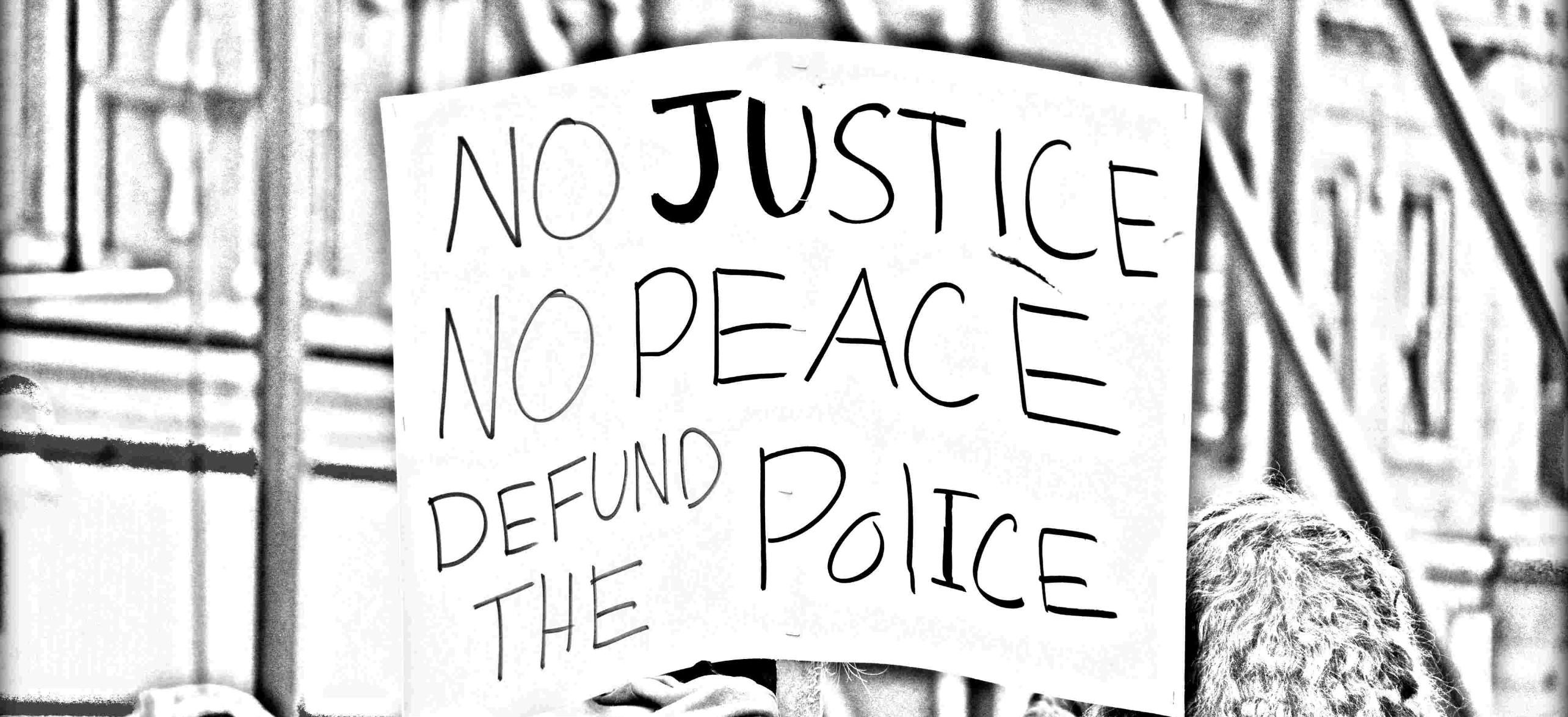
During the past several years, the police have been involved in an unprecedented number of controversial police shootings. How they have performed their responsibilities in handling these situations has come under intense, justifiable public scrutiny. Demands for eliminating/decreasing the police, eliminating qualified immunity coverage, enhancing disciplinary sentences, and defunding the police so funds can be redirected to other entities capable of effectively handling certain situations have been made by activists, academics, various organizations, and even some police executives.A
Even the very nature of police work has been subjected to intense scrutiny, most of it in response to concerns about how officers are handling certain aspects of their job, especially those incidents where use of force was used. Every day, thousands of police officers respond to various service requests. Any analysis of an agency's calls for service data would suggest that most of these requests are not life-threatening to the responding officer(s). In most instances, the police can repeatedly reach a peaceful outcome for all involved parties.
Some need to realize that every situation can be difficult and possibly dangerous, irrespective of the nature of a service request. It is the element of unpredictability that invokes fear and caution within officers. When coupled with the possibility that an officer may not be properly prepared to handle a given situation, one has the making of a very perilous outcome. Fortunately, in a majority of instances, the police can resolve encounters peacefully. For this, they deserve support and respect from the public.
There are those incidents, however, when a peaceful outcome was not achieved; in fact, just the
A In several states, there has been recent legislative action aimed at rolling back certain reforms implemented in recent years. Lawmakers argue that these changes require "fine-tuning," while others assert that the need for such actions is driven by a combination of rising crime rates and policy adjustments that have hindered law enforcement's ability to carry out certain aspects of their duties. For more information, refer to the article by Klemko, Robert et al., (2024), titled "Killings by police brought reforms. Fear of crime is unraveling them."
opposite occurred: someone was injured or killed. These incidents will continue to occur as officers fulfill their duty and obligation to protect citizens or themselves in a manner that may require the discharge of their firearms. Such eventualities enhance the public's right to know why this occurs and necessitate an accounting of behavior by all involved.
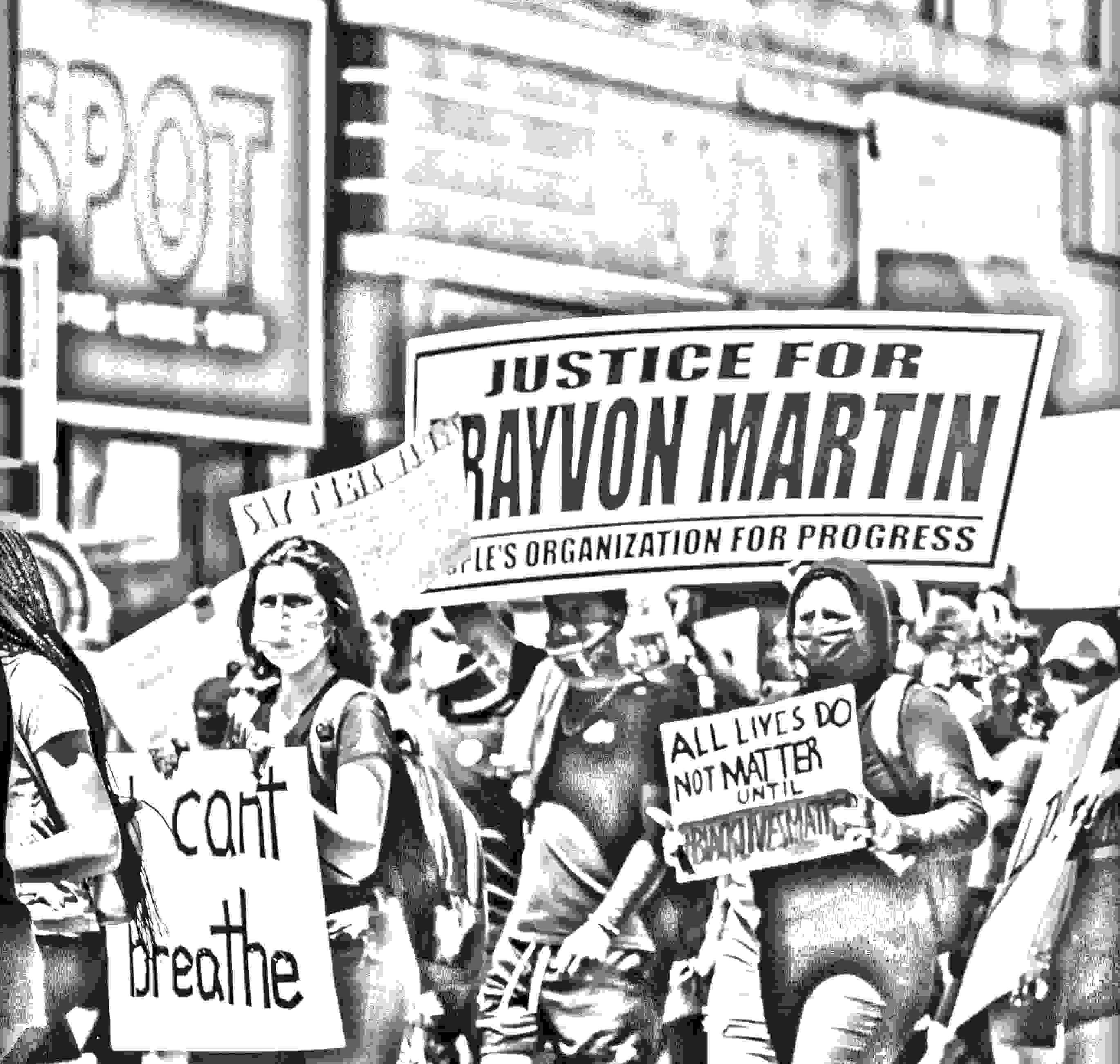
Although the general public supports most police performance, that support does not dismiss interest in those incidents where officer behavior comes under intense public scrutiny. For example, during the past few years, several shootings by and of the police have raised questions and sparked outrage, consternation, and levels of doubt and mistrust of police not seen in our country for several decades. This level of discourse is rooted in an alarming number of questionable shootings where it appears the action taken by the police was not necessary.
Not surprisingly, local community activists and concerned citizens alike have called for more transparency and independence over investigations aimed at police action. When considering the prevalence and use of cell phone cameras, body cameras, and private security cameras that have captured some events in real-time, it is no wonder some people have jumped to conclusions and loudly demanded immediate justice for victims. No one should question the need for each one of these unfortunate and sometimes appalling outcomes to be fully vetted. How this can best be achieved is open to debate.
Our concern is the focus of public discussion about what can be done to help prevent these circumstances from recurring. Removing the proverbial "rotten apple(s)" who used force unjustifiably may be sufficient in some instances. While necessary, this action detracts from recognizing how other variables add to the complexity of minimizing the inappropriate use of force. One should not dismiss other possible implications. For example, there are citizens who, for whatever reason, refuse to comply with officer directives. While there is mitigation for individuals who are under the influence of an intoxicant(s) or are individuals experiencing a mental health crisis, there are far too many instances of individuals ignoring officers' commands, leading to an escalation of fear for everyone.
Then, there is the issue of how one's emotions affect one's behavior when interacting with the police. Nor should we discount how past personal experiences (direct or indirect) affect citizens' opinions about the police. Stereotyping of police, however, is no different than by police – both perceptions contribute to making a situation worse than it needs to be. In all fairness to officers, while it is reasonable to expect them to harness emotional biases when handling a situation, citizens are not absolved from that responsibility either.
Those officers directly involved in a police shooting are typically committed workers who genuinely want to serve the public. They are not actively looking for trouble, but when serious trouble finds them, some officers find their response options too limited, leading to outcomes that no one finds desirable.As a result, the critical and highly legitimate question being asked by many is: "Why didn't they handle the incident differently?"
In such instances, the bulk of discussions that follow focus on why the shooting occurred and what is to be done with the officer who fired the shot(s). Equal attention, however, should be directed toward identifying factors that could help minimize these outcomes from occurring in the first place. Inherent within this premise is the need for officers to improve their mindset when handling dangerous incidents.
There is no easy formula that can prevent these incidents from occurring. Nor are we suggesting that astute police personnel throughout the United States are not already attempting to improve how dangerous incidents should be handled. That said, success in the field depends on how well police personnel respond to several critical issues, some of which have yet to receive adequate attention and have not sufficiently been included in the national discussion about police shootings in general. We aim to shed some light on those issues and what should be done about them.
Influential Elements in Police Work 01
The work performed by patrol officers can be described simply but is very difficult to accomplish. Why? – because officers are repeatedly interacting with people under different types, intensities, and causes of stress, and the effects of stress cause people to behave differently. These behavioral differences, coupled with various problems people find themselves a party to, place pressure on officers as they attempt to handle a given situation.
In general, officers quickly recognize a person’s anxiety, fear, or frustration. They can calmly interact with the individual to resolve their concern(s) effectively. Then again, there are those infrequent situations when officers respond to harmful and dangerous incidents, some resulting in an officer having to discharge their firearm.As much as one would hope this not to be true, officerinvolved shooting (OIS) incidents may never disappear from theAmerican landscape.
While we expect, even demand, officers handle these incidents carefully and safely, as possible, one must recognize several critical, influential elements affecting how a favorable outcome can be achieved:
1. Complexity of Work. Complexity of work should not just be described in terms of the nature of work demands; but more importantly, by how the police handle “diverse human behavior” embedded within these demands.
2. Complacency. The constant repetitiveness of responding to calls or conducting traffic stops creates a false sense of “routine work.” Officers become less attentive, failing to recognize situational conditions that could help or hinder how a given incident is handled. The “routinization of police work” is a mindset that can produce haphazard, ill-advised, or lackadaisical decisions, causing difficulties when interacting with people.
3. Lack of Predictability.The one constant in police work is the unpredictable nature of people’s behavior and how it affects an officer’s ability to handle an incident safely. The nature of a request for police assistance, the number of people present at the scene, the moods of people present, one’s willingness to compromise, and one’s mental acuity are examples of a few unpredictable variables that affect an officer’s decision-making ability.
4. Volatility. When people are in crisis, angry, or emotionally distraught, their behavior can quickly and unexpectedly intensify. They may lack the desire or ability to be reasonable. The number of people involved in these situations further compounds the ability to control adverse effects during these interactions. This occurs most frequently when officers respond to incidents such as unknown disturbances, family violence complaints, individuals experiencing a mental health crisis, or even when stopping someone for a traffic violation or criminal investigative purposes.
5. Danger. The adage – “police work is dangerous” has validity, but is less associated with call types, on-view incidents or self-initiated efforts and more aligned with abrupt or unforeseen actions by the people the police are interacting with. Although danger can appear unexpectedly, it does not necessitate officers treating every person like they are a threat, nor does it always require officers to be overly aggressive in how they behave toward people.
6. Time. Officers must minimize the pressure of how the perception of time influences their ability to handle an incident adequately. The perception that if a given incident is not resolved quickly, it will escalate into a more unmanageable situation is not always true. The control of a situation is not always predicated on the speed of a response. Officers must balance the element of time with the nature of the problem in question.
7. Compliance. Failure to comply can mean a person does not obey an officer’s legal directive.The expectation that people will comply can vary considerably. For example, a person in a mental health crisis may not even understand what it means to comply. Some people do not comply because they believe the directive is unreasonable given the situation, are experiencing stress, or are simply stubbornly resistant. Failure to achieve compliance often leads to an escalation between involved parties.
8. Perceptual Distortions. During an interaction, especially during a confrontation, perceptual errors can occur whereby one demonstrates an inability to fairly and reliably understand people or situations. This can be caused by a misinterpretation of behavioral cues by people and by officers. Such distortions can be inflamed by stress, fear, prejudice, or cognitive
disabilities. Officers must be enormously wise, patient, and understanding in response to distortions if they want to avoid escalating a situation.
9. Emotional Control. The inability to control one’s emotions complicates reaching compromises or resolutions. Anger, sadness, anxiety, and fear are a few powerful emotions a person and a police officer can display. Learning how to control one’s emotions is not always easy. Loss of emotional control can be temporary unless a chronic condition exists making it more constant. It is incredibly important officer’s control their emotions, to avoid reacting personally to a person’s taunts or displays of disrespect. Otherwise, they may find it difficult to make timely and practical decisions.
10.Vulnerability. Occurs when an officer(s) unintentionally or intentionally (self-imposed) exposes him/herself to danger in an attempt to quickly resolve a situation. In the process of doing so, the officer’s aggressiveness may cause the person of interest to act in such a way that an officer feels justified in using force. This has prompted questions regarding the necessity of an officer’s actions – had the officer acted differently, would the outcome have changed?
We readily admit this is an incomplete list and acknowledge the existence of other important elements. These ten, however, illustrate both independently or collectively, just how difficult it can be for an officer to perform his/her job.
These elements should not be construed as excuses for inappropriate or unnecessary officer behavior. Similarly, these factors cannot be eliminated from an officer’s work environment - they simply exist. If officers are unable or unwilling to recognize these situations, sound judgment and decision-making are effected. Regardless of the situation, but especially during an OIS incident, these deficiencies are counterproductive.
As you read through the following chapters, these elements and others are ingrained within our discussions. We offer no magic wands or easy solutions to minimize their effects on an officer’s behavior. Still, we do provide a more thorough understanding of how they contribute to the complexity of managing difficult situations.
Acknowledging Fear and It’s Consequences
There is no doubt violence exists in our society. Some may say today is more violent than ever before, ranging from randomly isolated attacks by a deranged person(s) (e.g., police ambushes, mass shootings in schools, churches, parks, supermarkets, and theaters, killing multiple family members, etc.) to well organized and armed gang activity to deadly terroristic activities. It is little wonder there is a prevalence by the general public to wonder what will come next and where!
Some level of fear will always be associated with police work; it will never be eliminated. The intensity of fear varies in accordance with what an officer does or is exposed to during the course of their work. Police interactions with people typically do not generate high intensity levels of fear for officers and we hope the same is true for the people they interact with.
Officers are reluctant to admit they are ever fearful in the performance of their job. Exceptions occur when an officer is involved in a shooting incident. They will justify their decision to shoot on the basis they were in fear of their lives, or the lives of others were in danger of being subjected to serious bodily harm or being killed.
The perception of fear can be in direct response to what an officer actually sees or the perception of what is seen, both of which are linked to behavior and/or a situation. Fear is often preceded by anxiety, which serves as a catalyst in helping an officer prepare for an upcoming event or action to
be taken while handling an incident.
Additional factors such as unpredictability and vulnerability can also emerge in these types of incidents. This potentially toxic mixture of anxiety, unpredictability and vulnerability make it exceedingly more difficult for officers to overcome the effects of fear on their decision-making abilities.
Effectively understanding this dynamic can place an officer in a more advantageous position of minimizing frustration, confusion, and mental paralysis, all of which can effect how well an officer manages a dangerous situation.
Reasonable vs. Unreasonable Fears
Fear is a natural, normal, and automatic emotional phenomenon experienced by people.1 It acts as a signal to the presence of danger, threats, or motivational conflict and triggers appropriate adaptive responses.2 Our body reacts to fear in two simultaneous ways. First, there is a physical reaction such as sweating, increased heart rates and high adrenaline levels that make us extremely alert.3 Second, it also causes a negative or positive emotional response that, according to Fritscher (2023), is highly personalized.4
It is a safe assumption most people have experienced some sort of fear during their lifetimes. This occurs in one of two ways: innately, or it is learned. An innate fear does not require any learning; in many respects it is instinctual. Humans have two innate fears - fear of falling and fear of loud sounds.5
Most fear is learned through various experiences. For example, one learns (i.e., via television, playing video games, word-of-mouth, or reading) how the use of a gun can injure or kill someone. If somebody is pointing a gun at you, your immediate reaction is anxiety and/or fear.You need not experience being shot to fear a gun (or being stabbed with a knife). Learned fear can be classified as reasonable or unreasonable. In police work, officers quickly learn what is commonly referred to as “reasonable fear” (See Table 2.1).
It is important to recognize that these reasonable fears are not always present in every incident the police handle.The probability of these incidents occurring depends largely on the nature of service demands emanating from an officer’s assigned geographic area or when an officer is prompted to self-initiate in response to what he/she has learned or seen.
Police officers can also be subjected to unreasonable fears (See Table 2.2, p. 17). According to McCarthy, unreasonable fear is any fear generated in an officer’s mind that has no direct correlation with the facts or the situation at hand.6 In other words, an officer perceives danger or harm where there is none. The perception of danger can, at times, be very difficult to determine, especially under adverse conditions effecting how well an officer can see the person in question. Although catalysts of unreasonable fear are varied, the ultimate worst-case response scenario is unauthorized use of force.
* McCarthy7
It is extremely difficult to discuss unreasonable fears because one assumes officers have such
Table 2.1: Types of Reasonable Fears *
Searching a dark building for an armed suspect (fear of the unknown)
Face-to-face
encounter with a violent mentally ill individual
Confrontation with several people who appear uncooperative and aggressive
High-speed pursuits
Foot pursuits during nighttime hours
Confrontation with a person much larger than the officer
Facing an armed suspect who is attempting to kill the officer
thoughts and yet, seldom, if ever, will an officer admit this to be true. Conceivably, an officer may view an admission of an unreasonable fear as a weakness. The downside of divulging this is an officer’s belief that his/her peers would distrust his/her ability to perform, especially when confronting a dangerous intervention.
Fear is different from anxiety both of which cause varying amounts of stress. “Anxiety is a diffuse, unpleasant, vague sense of apprehension. It is often a response to an imprecise or unknown threat such as the uneasiness you might feel when walking down a dark street alone.”8 Anxiety is an emotion that can precede fear, as it is a reaction to what could occur in the future. For example, one could be anxious about taking a test, giving a speech, or being stopped for a traffic offense by an officer. Officers could be anxious about responding to certain types of calls (i.e., family violence, unknown disturbances, etc.). Anxiety tends to be more vague and anticipatory - you are worried something bad will happen, but bad has not happened yet.9
The Amygdala Hijack
According to Sikora, fear affects your mind and triggers a strong physical reaction in your body. Once fear is recognized, your amygdala goes to work. This small organ is located at the brain's base. We all have two of them, one in each brain hemisphere.10
Racial Fear – of all the unreasonable fears, perhaps the most disturbing and potentially damaging one is racial fear, which suggests some of a person’s attitudes and actions are governed by beliefs associated with the color of one’s skin.
Table 2.2: Examples of Unreasonable Fears
Fear of Physical Harm – occurs when one believes he/she will be harmed but when circumstances are objectively evaluated there is no justification to feel threatened. The belief in one’s impending harm is totally inconsistent with the reality of the situation. If one realizes there is no justification to act as if the fear of physical harm was real, but acts otherwise, problems are sure to arise.
Fear of Doing Harm – can endanger an officer’s own life, the lives of fellow officers, and the public. Sometimes officers are legally justified to physically intervene in a situation to bring a violent incident to a safe conclusion for all parties. Officers who refuse to engage because they do not want to harm someone, even when the situation demands it be done, are a detriment to their fellow officers and to the public in general.A
Fear of Peer Disapproval - the police profession values peer opinion by virtue of the fact officers must depend upon each other in critical situations, during times of confusion and threat of physical harm and, yes, even death. This can cause some officers to lose sight of other priorities, such as law and truth, while becoming obsessed with peer approval.11 The desire for inclusion by peers by earning their respect creates pressure on an individual that can adversely affect one’s behavior.
Positional Fear – occurs when a person in a particular position fails to perform their duties as required. Failure to perform is directly linked to their fear – fear of failure, fear of criticism, both of which may cause delayed decision-making, or making a poor decision, or worse, a failure to act (which is a decision). They may deflect responsibility to others using the justification they have to attend to other responsibilities, which may have little to do with the actual situation. These men or women are inclined to hope the situation actually resolves itself without their involvement. Fear of performing one’s job is a dangerous phenomenon in police organizations and it often goes unnoticed until controversial encounters occur, like a use of force incident.B
Our brain contains two frontal lobes, both of which are part of the brain's cerebral cortex. This part of our brain regulates voluntary actions like reasoning, thinking, movement, decision-making, and planning. It is more rational than the amygdala, allowing you to evaluate emotions and then use your experiences and judgment to respond. Unlike the amygdala, these reactions are not automatic.12
When a person feels stress or senses a threat brought about by fear, anger, anxiety, or aggression, the amygdala releases hormones (adrenaline and cortisol) that prepare the body to fight or flee the danger. Once released, these hormones increase your blood pressure and heart rate. You start breathing faster. Sikora (2020) says your blood flow changes, moving from your heart to your arms and legs. Adrenaline causes your pupils to dilate, which improves your vision. Adrenaline also increases blood sugar levels to increase energy levels. These changes are positive because they
A Sometimes a legally justified and necessary OIS incident will cause an officer to feel remorse to the extent that going forward he/she will be reticent to engage in a physically dangerous incident to avoid inflicting harm to the instigator even if it is warranted.
B Officers are astute when it comes to recognizing strengths and weaknesses of their supervisor. The problem is, for obvious reasons, they are reluctant to bring this to their supervisor’s boss’s attention - as there is always the belief negative consequences exist for doing so. The frustration sets in when such supervisory behavior goes unnoticed or is not addressed. Sometimes all officers can do is either live with it, make comments to their union representative, or anonymously figure out a way to make his/her boss aware of what is going on.
also enhance your ability to fight or flee.
As these hormones are released, the frontal lobes process information about the threat to determine if it is real and what should be done in response. According to Holland (2023), the frontal lobes take control if the threat is mild or moderate, resulting in a more logical, thought-out reaction.
When the emotions of fear, anxiety, aggression, anger, or excitement become "unreasonably strong," or one becomes extremely fearful when it is not warranted, the amygdala overrides the frontal lobes and takes control. The ability to make good decisions or to think takes a back seat to emotional responses that can lead to sudden, illogical, inappropriate, or irrational decisionmaking. This debilitation is represented by the concept known as the "Amygdala Hijack," which was coined by psychologist Daniel Goleman in his book "Emotional Intelligence."13 Emotions strongly influence decision-making in highly fearful situations.
Fear Affects People Differently
The emotional response to fear is personalized to the individual. Since the biology of fear involves some of the same chemical responses to positive emotions, such as excitement and happiness, people can experience either positive or negative emotions to fear.Although the physical reaction for fear may be the same from one person to the next, some people will experience the intensity of fearful situations differently than others, which in turn causes them to act differently.14
For example, a person can experience perceptual distortions involving a sense of time, visual acuity, and auditory sensitivity.15 Some of these distortions are positive in nature. One can experience a sense of slow motion, or the ability to think and plan faster than normal in order to have more control over the situation. Visual distortions can result in experiencing tunnel vision that focuses on what is perceived to be the danger.Auditory distortions reflect a diminished ability to hear loud noises.
There are, however, equally alarming negative consequences associated with these distortions. Due to tunnel vision, an officer may not perceive details, such as peripheral threats.At a later point in time, an officer may be able to recall or describe only those aspects of the situation that he/she focused upon and, therefore, be an unreliable witness.
“An officer may not be able to give an accurate description of the time that transpired due to time distortion. Because of auditory distortion, he/she may not hear important details, such as how many shots were fired. It is important investigators realize perceptual distortions are normal and occur automatically and unconsciously under peak stress situations.”16
The bottom line is our body can sense danger and makes us feel fear. How fear affects your body and mind influences how well you react to those fears. Left unchecked, your concentration will be impaired causing your judgment to suffer, possibly resulting in drastically inappropriate decisions. If you are unable to reason clearly, an ability to improvise tactics and recall response options from your memory will be severely hampered. To counteract this effect, you must be able to concentrate
on recalling your tactical training protocols to help prevent or minimize your emotions from impairing your decision-making abilities.
There is no question some people fear the police. Reasons for this vary:
These are sufficient reasons to cause people to question the legitimacy of the police and to also minimize their trust in them.
Table 2.3: Reasons People Fear the Police
Disparate Treatment - via discriminatory behavior, harassment, verbal abuse
Physical brutality - via the use of batons, tasers, chemical spray, slapped, kicked, etc.
Deportation
False arrest or illegal detention
Death - via deadly force and/or inappropriate use of chokeholds
Belief that historical mistreatment continued unabated
Do most people harbor a fear of the police? No one really knows. We are, however, confident that when these types of threatening (acutal or perceived) acts occur, they are communicated by wordof-mouth, mass media, and especially social media. The intensity and proliferation of media stories, articles, and scholarly research increases with the frequency, seriousness, and types of abuses attributed to the police.C Such has been the situation in the United States, before but especially since the death of George Floyd.17 It does not help that before and after the Floyd incident, there have been many other high-profile incidents involving questionable police behavior.
We believe it is extraordinarily difficult, if not impossible to convince victims of police abuse to trust and respect the police. Why? When the prevalence of repeated acts of police abuse towards people, especially people of color, continues across our country, coupled with the perception of no accountability for the offending party(s), it leads to the belief that prejudicial treatment is persistent within police agencies. For those affected parties, it is easy to stereotype all police officers as racists, malcontents, and/or abusive. Unfortunately, the behavior of a few culprits leads to general and unfair typecasting.
C Understandably so, the electronic print media will always report police misconduct because it is important to know when, how, and why such behavior occurred. One could also posit the media may not believe it is equally important to provide a balance of stories reflecting the good things the police do.This perspective may not be as "newsworthy" but that should not discount the value of frequently demonstrating important positive accomplishments performed by the police.
What is not heard or seen sufficiently is all of the non-abusive, positive assistance officers provide to all segments of one’s respective community. This in no way should serve as an offset to policeinitiated misconduct, nor should it ever excuse such behavior. It is important to recognize all across this country police interactions occur millions upon millions of times with positive and favorable outcomes. One is just not exposed to it or may refuse to acknowledge its existence. Should this negate the harsh feelings some people have toward the police? As much as we would like this to happen, the probability of it occurring is low.
The emotion of fear is not something the police are willing to readily admit. There is a reluctance by the police to acknowledge fear. In his conversations with officers, Sierra-Arevalo states:
“I
know that they would never say they’re afraid. They would say that they are vigilant. They would say that they are prepared.And that’s the language that they use. In fact, they’ll even openly push back: ‘We’re not scared. We’re not training cops to be scared.’ ”18
Clearly, one could deduce from these comments officers are very reluctant to admit fear plays a part in their day-to-day activities, but for all practical purposes – fear does exist, within officers, more in some, less in others.D
One’s behavior becomes oriented to the repeated exposure of the fear causing stimuli – for the public, it’s the expectation, based on their belief, of how an officer will behave when interacting with them; for the police, it’s an expectation of how people will behave when interacting with them, especially under stressful circumstances.
As noted earlier, fear is an emotion that is provoked by a threat that is imagined (i.e., mental health consumer experiencing a crisis), perceived (i.e., I thought I saw a weapon), or is real (i.e., he pointed a gun at me). For the police, demands of an incident influence how well tactical decisions are made.
For the public and police, it is difficult to overcome “learned fear” in an environment where its existence is both unpredictable and intermittent, both of which impairs one’s ability to consistently distinguish rational fear from irrational fear.
Implications for Police
Afew critical observations regarding anxiety, fear, and decision-making are provided below:
D Veteran officers who have successfully handled several stressful incidents without incurring injuries to any participants have developed confidence in their abilities. This confidence can lessen one's fear of harm.
1. As an executive, are you confident the issue of fear has been adequately discussed outside the context of one using force, especially deadly force? Police personnel should be able to understand and discuss important aspects of fear since this emotion can influence one's ability to function under stressful conditions.
2. Fear that is not justified creates the same emotional reaction to a real perceived danger and can generate a negative response even though what is happening fails to justify the negative response. One's vulnerability, coupled with a rush to judgment decision, exacerbates how these situations eventually play out.
3. In use-of-force situations, fear might exist as a motivating factor, a debilitating factor, or an element that impels overreaction. Understanding fear is an essential part of growth, development, and the survival of deadly encounters.19
4. The issue of fear should be a segment in an agency’s training program. It is important personnel know how to prepare for its eventuality; and essential they know how to overcome its effects while handling highly stressful situations.
Police officers need not live in constant fear while performing their jobs. If anything, they must always maintain vigilance. Fear will emerge, sometimes expectedly, other times unexpectedly. Whenever possible, officers must avoid being controlled by the emotional behavior created by fear. When it occurs, or even in anticipation that it could occur (i.e. while responding to a call where
Reducing Self-Imposed Vulnerability
gunshots are being fired), officers must immediately focus on following their tactical decisionmaking protocols.
The concept of vulnerability within policing encompasses multiple perspectives. For instance, "vulnerable populations" refers to individuals or groups who, due to their age, identity, status, disability, or circumstances, are particularly susceptible to criminal victimization or face unique challenges in their interactions with the police.20 These segments of the population may not be able to care for themselves or protect themselves from harm or exploitation, such as the hearing impaired, individuals with mental illness, the physically handicapped, the elderly, the homeless, and victims of child abuse.21 According to Friedman
(2022), each population has distinct characteristics and challenges, often rendering standard police protocols ineffective, such as handcuffing an individual, issuing loud directives, or making aggressive movements.
O’Donnell (2020) offers another perspective suggesting that while vulnerability is usually associated with one being physically or emotionally wounded, “police vulnerability” can allow one to achieve a better-quality, longer-lasting career. Policing is:
…ultimately about helping people, doing the right thing, and providing stability in uncertain times. We accomplish these goals by building relationships with others. Being vulnerable allows us to connect with others and to build and maintain meaningful relationships every day.22
Learning to be vulnerable, according to O’Donnell means opening oneself up to judgements and opinions of others. This can be especially difficult for officers as they are often called to solve difficult and complex problems. This can result in officers realizing (but not necessarily admitting publicly) they can and do make mistakes.
To minimize making mistakes, officers must be willing to open themselves up (a willingness to be vulnerable) to doing new things or doing things differently. This occurs when collaboratively working with people, specialists (i.e., mental health), or colleagues. However, when an officer attempts to perform a new activity and it does not work out to well, he/she is vulnerable to criticism by affected personnel. This may be a reason why some police personnel are reluctant to alter their behavior – they are comfortable with what they perceive to be working – so why change?
Table 3.1: Harm to Police Can Stem From the Following
An escalating event
Self-imposed action taken by an officer
An unsuspecting spontaneous incident
An officer receiving insufficient information about a situation or suspect
An officer’s inaccurate perceptions of a person he/she is interacting with
A non-compliant person
The presence of deadly weapons
The police must be willing to adapt and adjust when vulnerability extends into the realm of officer safety. This perspective is associated with the probability of the police being harmed (See Table 3.1):
Police officers, by the very nature of their work, are continuously exposed to whatever befalls them while on or off duty. The desired outcome is for them to complete their tours of duty without experiencing any harmful effects on themselves or the people they serve. During the course of their careers, officers repeatedly conduct peaceful interactions, compromises and problem resolutions
with citizens.23 Despite this persistent trend, the one element that can literally throw a proverbial wrench into a successful resolution is the unpredictability of being physically harmed.
When these isolated situations occur, they can potentially cause havoc for officers. They can rely on their own past experiences, and/or knowledge of successes and failures of their colleagues to guide their decision-making towards an effective, non-threatening result. If an incident involves the presence of weapons, however, responding or reacting to that harm takes on a different connotation for officers.
First and foremost, despite one’s reluctance to admit such, when threatened by harm, anxiety and/or fear emerges within an officer’s mind. An officer’s vulnerability has a direct influence on his/her perception of fear; more specifically, the more vulnerable the officer becomes, the more fear intensifies. This intensification can disrupt the reasonableness of an officer’s cognitive decision-making ability.A Where this becomes problematic for officers is when they deliberately and needlessly insert themselves into a perceived dangerous situation without use of proper tactics, such as cover and concealment as a means of protection. Said differently, the officer makes an
Officers need to be cognizant of unnecessarily placing themselves in positions of vulnerability when advancing on a known or perceived threat to minimize danger by attempting to assert their control over someone.
emotionally driven decision to place him/herself in harm’s way. The consequences of this decision may or may not be made without considering the immediate consequences of their action; or without considering the use of alternative means to address the situation.
Time after time we find officers stating they were in fear for their life because they saw or thought they saw a person display a weapon in a threatening manner; grab for the officer’s weapon during a physical confrontation or make a suspicious movements leading an officer to believe a person was about to obtain or use a weapon. This type of behavior is particularly difficult for officers, especially at night when they have a more limited view of a person’s clothing or vehicle. This is more threatening whenever a person is non-responsive or acts irrationally to an officer’s directives.
Not knowing if a person is armed further complicates the situation. An officer’s proximity to a person they approach is a very important factor. Potentially volatile encounters between an officer and a person of interest, who may or may not be armed, can be influenced by that person’s perceived advantage or disadvantage in determining whether or not to attack an officer. Officers are not naïve to this issue; nor do they perceive every citizen encounter to be a potentially
A Some officers may not be able to overcome the effects of fear and either fail to engage or overreacted by using too much force than is necessary or needed. It is extraordinarily important to distinguish between “failing to engage” and “tactical disengagement or repositioning.” Failing to engage equates to avoiding involvement, whereas tactical disengagement or repositioning equates to a relevant, timely decision made by an officer who has already engaged in addressing the situation.
In other words, did the officer place him/herself in a situation where they felt the use of force, especially deadly force, was needed as a means of resolving a situation they contributed to creating?
dangerous one. It just makes good sense, however, not to put oneself in a disadvantageous position at any point in time.
What is often overlooked in the handling of a dangerous incident is what actions (or lack of) did an officer perform prior to deciding to use force or deadly force?
Examples illustrating vulnerability in policing
• Vehicular pursuits: involving high speeds over extended periods of time produce enormous adrenaline induced stress for all involved.
When a pursuit concludes, officers share a natural tendency to rush the now stopped vehicle
with the intent of bringing the driver under control. The moment officers make the decision to quickly approach the vehicle, however, they have increased their vulnerability to whoever is in the vehicle.
The driver (and passengers), who see officers quickly approaching the vehicle, may become fearful and behave inconsistently with officer directives.This behavior could be misinterpreted by officers resulting in the use of unnecessary force. This is a balancing act for officers. The
nature of the encounter will ultimately dictate how the vehicle is approached.
• Suspicious persons: when officers are called to investigate a person acting passively and strangely, the activity on first contact usually involves attempts to engage that person in conversation – an effort that can be either outright rejected or, at least, met with little cooperation. When non-compliance is coupled with lack of understanding why the person was acting suspiciously – it is usually enough to place the officer in a defensive mindset. If the person resists an officer’s verbal commands, acts in a physically imposing manner, or simply walks away from the encounter, the responding officer’s mind shifts away from initially seeking information to a defensive mindset based on the person’s perceived lack of compliance.
In this scenario it is important to note a person’s non-compliant behavior is not always a crime, and without additional provocation by the person or applicable information justifying an officer’s authority to make an arrest, it is doubtful further physically imposing action by an officer is justified. Still, some officers are relentless and insist on compliance to their directives. This persistence heightens the risk of a physical response by the suspect or the suspect fleeing from an officer. Both options potentially enhance an officer’s vulnerability.24
• Foot pursuits: especially those occurring at night when visibility is impaired – represent a third example of how vulnerability can influence police behavior. Officers may or may not know who the suspect they are pursuing is and reasons for pursuing vary from known criminal activity to nothing more than suspicious behavior to simply refusing to obey an officer’s directive.25
The difficulty associated with foot pursuits is the pursuing officer knows that at any moment he/she could be confronted by the person they were pursuing. When this occurs, the officer is immediately vulnerable and can become fearful if the person does not obey an officer’s instructions. The longer this impasse lasts, the officer will become hypersensitive to any “overt movement” made by the person, especially if this occurs when one’s vision is negatively influenced by insufficient lighting.26
• Traffic stops: it is not uncommon for officers to assert themselves during traffic stops involving a contentious or non-compliant citizen in order to control a situation before further escalation occurs. If the officer fails to successfully de-escalate the interaction, vulnerability and fear of harm emerges for both parties potentially causing behavior to spiral further out of control jeopardizing everyone’s safety.27
It is very important to repeat - officers do not need to be fearful of every situation they encounter.28 Nor do the majority of requests for service give an officer concern for their safety. Even though veteran officers are aware of this, they must always be vigilant.
Managing Time
Self-imposed vulnerability may be influenced by an officer's perception of time. Time becomes crucial when confronted with impending danger and the need to prevent the situation from escalating. Officers often feel a sense of urgency to resolve volatile situations quickly, although this is not always necessary. This urgency can intensify an already tense situation.
Officers need to discern when immediate action is required and when they can safely take additional time. Time should not always be viewed as an adversary; in many cases, it can be a beneficial tool. Rushing to judgment often leads to unexpected and undesirable consequences and should be avoided whenever possible.
We believe this is one of the primary reasons most officers successfully diffuse dangerous incidents; they know how to effectively manage time and their responses to a person’s behavior.
When appropriate, the preferred approach is for officers to slow down their processes and actions at a scene, which can facilitate better interaction. This interaction can yield information that helps officers assess alternative ways to handle a situation. Taking more time allows officers to verify their initial perceptions and minimizes the need to place themselves in risky, vulnerable positions unnecessarily.
Self-Efficacy
If a person knows in advance the effects of when fear and vulnerability interact, then it becomes imperative they learn how to refocus attention to their ability to respond to the danger. It has been postulated that one’s sense of self-efficacy plays an important role in how well one can refocus their attention.
According to Cherry (2023), self-efficacy refers to how well you feel about your ability to succeed in different situations. Success is dependent upon one’s capabilities to organize and execute action needed to manage a prospective situation.29 Solomon (1990) suggests the stronger one’s sense of efficacy, the less disabling the vulnerability awareness phase will be, the easier it will be to move to the [resolution] phase, grab hold of the [necessary] resources, and persevere. The resources Solomon is referring to is one’s training and knowledge about how and when to respond to the danger.30
How can this best be done? Solomon offers several suggestions to prepare oneself to properly handle a critical incident:
1. Learn survival and emergency tactics well.
2. Use mental rehearsal techniques.
3. Understand the psychological and physical effect of fear.
4. Acknowledge the reality of what can happen now.
5. Think about the will to survive now.
6. Utilize fear to become strong.
7. Have a mental library of past successes.31
It is important for officers to realize their vulnerability comes with the job. Being vulnerable does not automatically equate to being helpless. Nor can an officer always expect to control a situation. Most importantly, however, officers can control their response(s) to a given situation. It is always critical to apply the most appropriate response.
Vulnerability Associated with Police Ambushes
We cannot think of anything more despicable, atrocious, and cowardly than someone ambushing unsuspecting police officers. The 2016 incident in Dallas, Texas, comes to mind. It was the deadliest incident for law enforcement since the 9/11 attacks in New York City, resulting in the deaths of four Dallas police officers and one Dallas Area Rapid Transit officer, and injuring nine other police officers and two civilians.According to Dallas Police Chief David Brown, the suspect was upset with white people and expressed a desire to kill white officers.32
We included this scenario because it highlights the rare but severe consequences of being vulnerable to the unexpected. This incident, along with other surprise assaults on police officers, prompted the Federal Bureau of Investigation's Officer Safety Awareness Training Program to conduct a study in 2018.33 According to Harris, researchers reviewed information from 40 ambushes and unprovoked attacks and interviewed 33 officers and 30 offenders involved in those incidents. One key finding was the role "distractions" played in these attacks.34
Significant distractions included using a laptop, being preoccupied with managing a scene, inventorying a vehicle at the end of a shift, and dealing with extra-job distractions.35 This is worth noting because additional research found that offenders often aim to catch officers off-guard, making it easier to injure or kill them and minimizing the risk of retaliation.
36
Harris noted that nearly two-thirds (63.3%) of officers interviewed emphasized the importance of being aware of their surroundings. Almost half (45.5%) discussed the need to remain focused on the greater risk at hand and minimize distractions.
37
In several cases, officers admitted they could have taken precautionary measures to minimize the impact of the attacks had they better assessed their physical environment and recognized their tactical disadvantages. The research identified six preventive measures officers should use to remain alert and avoid distractions (See Table 3.2).
38
Table 3.2: How to Minimize Distractions
Seek a position that decreases an attack from a blind side Survey the location upon arrival and always pay attention
Ensure a scene is no longer active
Address any threats before containing and protecting the scene
Treat every person on a scene as a possible threat until proven otherwise
Adhere to training procedures
Incidents involving police ambushes should not lead officers to treat all citizens as potential threats. There is no need for police officers to adopt a "warrior mentality" based on the erroneous belief that citizens are always waiting to harm them.39
It is virtually impossible to make law enforcement completely safe, no matter how much effort is expended, nor can distractions be entirely eliminated. Sufficient management of distractions is one of the activities officers should incorporate into their work efforts.
When officers allow themselves to be controlled by a situation, they are likely to become vulnerable.This vulnerability and the ensuing fear can affect an officer's perceptions and adversely impact their tactical decision-making ability. Officers must seek to protect themselves first by minimizing their vulnerability, especially when handling dangerous incidents. Police leadership must enforce this mindset through viable policies, procedures, and realistic training protocols.
What Should an Executive Do?
1. Do you agree with the concept of "self-imposed vulnerability" and the potential trap it creates for officers? If not, is your position based on absolutes, or are there exceptions? Is there consistency among your Command Staff, management, and supervisors on this issue?
2. Consider discussing this issue with your officers and field supervisors. Doing so sends a powerful message that you care about their safety.
3. Do you need to modify language in your policies and/or training material to ensure clear communication of how personnel should avoid needlessly or recklessly exposing themselves to danger?
Addendum: What Officers Should Know About Traffic Stop Vulnerability
Officers conduct traffic stops for the following reasons (unless otherwise restricted within a given jurisdiction.):
Very simply, the first three items represent traffic enforcement reasons contrasted to stops for criminal investigative purposes. Lawfully enforcing traffic laws does not come without risks. The question associated with traffic stops is “just how dangerous are they?”
One can expect officers to acknowledge traffic stops are very risky and potentially dangerous. This mindset is based mostly on what they learned while progressing through recruit training. Once assigned to the field (as a patrol or traffic officer), one’s own experiences coupled with stories shared by other officers round out his/her ultimate opinion about the safety of conducting them.
In addition to one’s knowledge and experiences, relevant research is available to help officers anticipate what could happen so they could more effectively improve how they handle traffic stops. The value of this research is it serves to raise a simple question: “How prepared are you to handle what you may eventually encounter during a traffic stop?”
Rho, et al., (2023) conducted an analysis of body-worn camera footage revealing that stops resulting in escalation differ in terms of how officers initially conversed with the driver.They noted that as little as the first 45 words spoken by the officer could evoke anxiety, suspicion, and worry
about officer use of force for Black men.40 In their review of 577 stops of Black drivers, “officers are more likely to issue commands as their opening words and less likely to tell drivers the reason for being stopped.”41
Jordan Woods (2019) conducted a comprehensive and relevant study on traffic stops. From 20052014, Woods collected and reviewed 4,255 narratives from 221 Florida law enforcement agencies in which documented violence against officers occurred during some portion of a traffic stop. The narrative information came from pages of an incident report, arrest record, or probable-cause affidavit that included the officer’s narrative describing what happened. Woods review of narratives resulted in the identification of 3,715 total stops worthy of his analysis.
The significance of Woods’ effort was his creation of a comprehensive typology of when violence occurs against the police during traffic stops. Contrary to popular beliefs, a traffic stop is not one fluid event. It consists of multiple components, which Woods expressed as observable “contextual factors.” Woods was able to illustrate differences in the frequency of violence occurring during 2,911 traffic enforcement stops, and 804 criminal enforcement stops.
Woods’contextual factors for all stops are subdivided into four phases:
1. Attempting to Stop
2. Stopped – Prior to InvokingAuthority (i.e., giving directives to the person)
3. Stopped –After InvokingAuthority (i.e., how did the person respond to the directives)
4. Concluding the Stop
Drivers Who Refused to Stop (941 cases)
Violence occurred when attempting to apprehend drivers or passengers outside of the car.
After fleeing on foot, drivers and/or passengers assaulted officers to flee or physically resisted the officers to avoid arrest, detention, or incarceration.
Fleeing Drivers/Passengers (433 cases)
In two-thirds of these cases, drivers pulled over and drove away as officers approached or soon after officers made contact.
In one-third of these cases, drivers pulled over and drivers/passengers fled on foot as officers approached the vehicle or soon after officers made contact.
Within each phase,Woods identifies a scenario (i.e., driver refuses to stop) and describes a number of different behavioral responses a driver, passenger, or bystander has exhibited in that scenario.
Table 3.4 Phase One: Attempting to Stop
Table 3.5 Phase Two: Driver stopped but violence occurred prior to officer invoking authority (i.e., giving directives)
Impaired Divers/Passengers (428 cases)
In one-fourth of these cases violence occurred before drivers/passengers were searched.
In one-half of these cases violence occurred while drivers/passengers were being searched or apprehended.
In one-fourth of these cases violence occurred after drivers/passengers were already apprehended and placed into a patrol vehicle, tested at a DUI center, or while being processed at the police station or jail.
Divers/passengers who appeared intoxicated were often belligerent before assaulting officers. This behavior started after officers asked the intoxicated person(s) if they had been drinking, ordered them out to perform a sobriety test, or told them they were under arrest for driving under the influence.
Unprovoked Drivers/Passengers (132 cases)
Random violence occurred when:
• Driver/passenger exited vehicle and charged at officer.
• Driver/passenger hit the officer with an open car door.
• Driver realized the officer discovered he/she had no valid license, had outstanding warrants, or saw illegal drugs/paraphernalia in plain view.
• In a small number of cases the driver/ passenger brandished a gun or knife or shot at or cut the officer.
Driver/passenger exited their vehicle and assaulted the officer prior to fleeing the scene. This is different from situations where after an officer apprehended a fleeing driver/passenger violence occurred.
Table 3.6 Phase Three: Driver stopped and officer invoked authority (i.e., issued a directive) other than asking for basic information, requesting documentation, or conducting a records check
Resisting Driver/Passenger (861 cases)
The most common cases involved the driver/ passenger expressing frustration or disagreement, which escalated once the officer attempted to restrain or apprehend the person either for safety purposes, to prevent the ingestion of drugs, or to effect an arrest.
To a lesser extent, divers/passengers resisted a pat-down search, search of their vehicle, or when a police dog sniffed the vehicle. The request to conduct the pat-down or vehicle search resulted in the violent behavior.
To a lesser extent, involved drivers/passengers who resisted police authority include the following:
• Telling the driver to turn the car off
• Ordering the driver/passenger out of the car
• Grabbing the driver’s cell phone
• Reaching inside the vehicle
• Touching the driver/passenger
• When driver refused to sign the citation
Bystanders/Pedestrians (41 cases)
Involved family or community members attempting to defend the driver/passenger.
Officers dismissed or abruptly told bystanders to leave the scene or risk being arrested, at which time the situation escalated for the police.
Table 3.7 Phase Four: Stop Concluded - violence occurred after driver/ passenger were already apprehended
Apprehended Driver/Passenger (55 cases)
Driver/passenger already handcuffed assaulted the officer while being escorted to or placed into a patrol car.
Driver/passenger were already secured in the back seat of a patrol vehicle and either spat at officer(s) or kicked officer(s) while standing beside the patrol car.
Driver/passenger assaulted the officer at the police station, DUI center, or hospital.
The police collectively conduct millions upon millions of traffic stops each year. It may be the most frequent form of citizen contact police officers experience, exceeding the number of calls for service they handle. Of all police responsibilities, this activity places an officer at a very high risk of vulnerability, especially if performed during the nighttime. An approaching officer does not know how a citizen will react. Will he/she be compliant, resistant, in legal/illegal possession of a firearm, physically/mentally impaired, or a “normal” person unnerved by being stopped and knowing or not knowing the justification for the stop?
This can be further compounded by the location of the actual stop – on a freeway, a heavily traversed city street, a neighborhood street, or a less traveled country road.Additionally, an officer will not know if an intended stop will immediately turn into a vehicular pursuit, or if a driver will stop, exit the vehicle, and flee from the officer.
When being stopped, people may fear being victimized by the police. Conversely, police officers are equally concerned about interacting with an uncooperative individual or criminal who has no interest in being arrested (again).
As noted by Woods’ research, traffic stops contain levels of sophistication that have relevant implications for policing.Afew of those are identified below:
1. The amount of violence against the police during routine traffic stops occurs when the stops escalate after officers invoke their authority in a substantial way during the stop (for instance, ordering drivers or passengers out of cars, touching drivers or passengers, or searching them or their vehicles). In this regard, the exact things officers may do to protect their safety— which, critically, the dominant danger narrative suggests that they should do, and which may be perfectly legal and constitutional—may be the exact things that officers should not do.42
2. There are training implications regarding the manner in which recruits are taught to conduct traffic stops. The distinction between traffic and criminal enforcement stops coupled with
Woods typology scenarios has instructional relevance affecting a recruit’s behavior and actions while conducting these activities.
3. Officers need to recognize distinctions in a person’s behavior that is linked to the reason for being stopped and the manner in which the imposition of police authority is displayed.
4. Pretextual stops should not be considered traffic stops; they are criminal enforcement stops thereby necessitating a different awareness as to the potential behavior the driver/passenger may demonstrate.Woods’analyses of 804 criminal investigative stops revealed that 57% (463) of drivers refused to pull over, 14% (116) of the drivers/passengers fled immediately upon stopping their vehicle, and 19% (154) of them resisted after being stopped and the officer invoking his/her authority.
5. The most frequent threats of harm associated with traffic stops are a driver’s use of their feet, hands, or fists. That behavior is apt to follow what a person believes to be an unjustifiable exercise of authority by an officer. Knowing when and how to effectively exercise one’s authority is crucial to minimizing altercations with citizens.43
6. A supervisor’s responsibility must include knowing their respective officer’s work behavior. An officer’s aggressive personality might not bode well when confronted by a verbally resistant person, especially during the course of conducting a traffic stop.
When analyzing the Phase 2 – Unprovoked Driver/Passenger scenario, Woods noted the police typically use this scenario when training to illustrate how a seemingly innocuous traffic stop can result in random and unprovoked violence. This serves to instill within officers that any traffic stop can turn violent. This mindset also reinforces the “dominant danger” narrative critics claim is too pervasive in police training. This led Woods to acknowledge the following: 44
The dominant danger narra�ve surrounding “rou�ne” traffic stops facilitates a mindset of fear that can undermine the ability of police to develop effec�ve de-escala�on measures in the specific situa�on in which the findings suggest that most of this violence occurs.
This “danger ini�a�ve” may ins�gate avoidable and unnecessary conflicts during rou�ne traffic stops that undermine both officer and civilian safety.
The Challenge of Responding to Non-Compliant Behavior 04
One of the most difficult challenges for any police officer is encountering a non-compliant person(s). Compliance is the act of conforming, acquiescing, yielding, or obeying. An officer's success in maintaining order is linked to people complying with the law and lawful directives.An officer or a person can initiate these situations, and in each instance, reasons for non-compliant behavior can vary enormously. The spectrum can range from an average, rational person simply disagreeing with an officer to interactions with individuals with mental illness whose behavior toward an officer is influenced by their illness. In many instances, individuals with mental illness experiencing a crisis may not understand the concept of compliance and what precipitates it.
There is also the potential overlay of a person being wanted for a crime(s), who, depending on the severity of their situation, may look for opportunities to take advantage of an officer. A multitude of variables come into play when one decides not to cooperate with an officer.
Table 4.1: Fundamental Non-Compliant Behavioral Guidelines
Recognize differences between those who refuse to comply from those who do not understand what compliance is.
Ask yourself: “Is it worth asking the question that could cause the non-compliant behavior?” This is always a delicate balance.
When necessary, explain the situation and enforce the consequences of the person’s choice to comply or not.
When it is all said and done, absent the use of physical force, you cannot make anyone do anything. They must make the decision.
Perceived Behaviors of People
A person's impression or perception of another is primarily subjective and significantly absent valid and meaningful information. Several factors influence impressions officers form about a person, such as their physical characteristics, the context of the encounter, the physical surroundings where the encounter occurs, the mannerisms displayed by the person (e.g., subtle hand movements, tightening muscles [white knuckle grab of vehicle steering wheel],45 changes in breathing patterns),46 and an officer's own personal experiences, beliefs, and biases.
To further complicate matters, officers are influenced by the availability of time and the need or desire to find the most efficient way to resolve a problem. All of which is done in an environment where officers are constantly and rightfully so, concerned about everyone's safety. Officers can be quick to form opinions based on their interpretation of cues.
Specific cues suggest or imply a person's behavior may be volatile or completely unpredictable.A When an officer observes these cues, there is a natural tendency to align those cues with other characteristics and behaviors that may be linked to an officer's past experiences with similar situations. One expects an officer to be aware of a person's mannerisms, but what assurances do they have that an officer is interpreting those mannerisms accurately, free from bias they may not even know they have?
For example, if an officer interacts with what appears to be a bashful person; one cannot assume the individual will avoid engaging in conversation with the officer. If a person has a speech impediment it does not mean he/she is learning impaired. The old adage: "one should not judge a book by its cover" is applicable since first impressions can be terribly misleading.
Equally important is an officer's recognition that he/she exhibits behavioral cues that affect
A Examples commonly observed in stressful situations include, but are not limited to, a raised voice, high-pitched voice, rapid speech, pacing, excessive sweating, clenched fists, exaggerated hand gestures, erratic movements, fidgeting, aggressive posture, and trembling, among others.
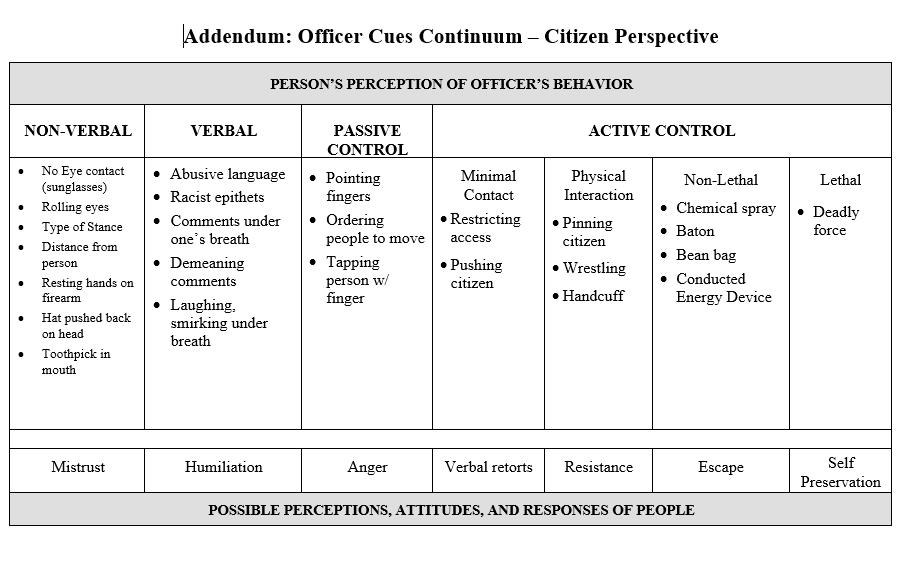
people's perceptions of them. Behavioral cue recognition is a shared responsibility, but officers should set the tone to ensure their behavior does not needlessly inflame a situation (See Addendum: “Officer Cues Continuum - Citizen Perspective” at the end of this chapter).
Another concern is when an officer interprets specific cues that results in associating a person with a particular type of group. Thinking about people regarding a group affiliation is known as stereotypical categorization. This concept was first brought to our attention by Gordon Allport. 47 Charles Stangor48 expresses a similar opinion.
Just as we categorize objects into different types, so we categorize people according to their social group memberships. Once we do so, we begin to respond to those people more as members of a social group than as individuals.
Irrespective of a conscious or unconscious affiliation, stereotypical categorization lends itself to bias. People must learn to be cognizant of this phenomenon, as prejudice affects how people interact with each other.
Classic illustrations of this occur when people affix stigmas (inaccurate stereotypes) to a person with mental illness49:
…they may be characterized as being more violent than the rest of society. A person with anxiety may be labeled cowardly rather than having an illness. People with depression may be told to "snap out of it." People living with schizophrenia are incorrectly described as having a split personality. These are all examples of stigma against people with mental illness.
Officers are taught to recognize certain types of behavior "before" they engage with an individual with mental illness because they know their perception of a situation is likely to be quite different from their own. Understanding these various behaviors has important value for officers. It not only serves to debunk stereotypic beliefs, but officers are more apt to be patient in determining how best to handle a situation.
It is essential to keep this discussion in its proper context. Officers must be adequately informed about the importance of recognizing and correctly interpreting behavioral cues affecting the nature of their encounter with a person. Many factors can influence an officer's interpretation of what he/she sees and hears. Knowing what those factors are and how they may affect an officer's decision(s) to act is crucial in helping keep everyone out of harm's way.
Reacting to Non-compliant Behavior
It is easy to conclude one of the most difficult challenges facing any police officer is an encounter with a non-compliant person. When these situations become emotionally charged there is no
telling how people will react. Fortunately, most encounters between a person and an officer do not result in an acrimonious debate about right and wrong. People typically ask the police for assistance or advice. Officers oblige, and people are usually satisfied, even if the advice is unexpected.
There are circumstances when conditions are, for various reasons, more volatile and stressful. When coupled with similar prior experiences, strong emotions (i.e., fear) can make interactions between an officer and a person risky and potentially dangerous. Even situations typically perceived as relatively “normal” can unexpectedly turn into a harmful encounter.
One concern for police executives to consider involves how well-prepared officers are to cope with people who display certain types of non-compliant behavior. This is especially important during situations defined as “critical incidents” (i.e., that leads to an officer-involved-shooting or the use of some other kind of force).
Part of an officer's preparation for these types of incidents requires them to be aware that noncompliant behavior can be displayed differently. For illustrative purposes, Wolf (2006) referenced resistance within a generic force continuum:50
1. Officer Presence – no resistance.
2. Verbal Resistance – person verbally refuses to comply.
3. Passive Resistance – person becomes a dead weight.
4. Active Physical Resistance – person attempts to avoid being arrested, pulls away, pushes away, or tries to escape.
5. Aggressive Assaultive Physical Resistance – person initiates an attack of the officer by wrestling or striking with a kick or a punch.
6. Aggravated Physical Resistance – a person's actions are likely to cause significant injury and / or death to an officer or other people; a person possesses a knife or firearm or uses a vehicle against the officer.
Any person can display these types of non-compliant behavior, or one person may display multiple levels of resistance, in unpredictable patterns, during an incident.
Resistance can also vary according to a person's demeanor—calmness, visibly upset, erratic, agitated, or highly agitated. Veteran officers can attest to different behavioral variations of people failing to comply with a request or directive. Motives for how a person behaves may vary, but this does not make it any less imposing and challenging for officers.
Once a person shows signs of becoming non-compliant, officers must be prepared to act accordingly.51 A fair question to ask is: “How prepared are officers to adjust their manner and method of response during these situations?” Even if officers are prepared, there is no guarantee
they will use these techniques at the appropriate time.52
Before answering this question, a little more insight into compliance is necessary. In Tom Tyler's work, he maintains (and we are paraphrasing) citizens generally comply for a couple of reasons. One is deterrence based on the notion that rewards will ensue (i.e., I will avoid injury by obeying the stop sign); or punishment will occur (i.e., I will avoid going to jail if I comply with the law).53
The other reason they comply is that it is consistent with their own personal ethics and values— they simply believe it is the right thing to do. They believe police authority is legitimate, so they will obey.They also have an inherent belief that the manner of obeying is consistent with their own sense of personal morality as to what is right and wrong.54
People will infer legitimacy on the police, in part, on the basis of how fairly they are treated.55 According to Tyler, fairness is linked to a citizen's perception as evidenced by:
1. Their side of the story has been heard (voice).
2. They were treated with dignity (respect).
3. The decision-making process was unbiased and trustworthy (neutrality).
4. Their understanding of the process in which decisions were made (understanding); and
5. The system players (officers) were interested in your situation to the extent the law allows (helpfulness).56
The significance of this insight lies with the approach officers take when interacting with people. For example. the Crisis Prevention Institute also provides some key verbal intervention tips for managing the non-compliant person:
1. “Maintain yourrationality. If you lose your cool, you will get into a power struggle, a no-win situation. The more frustrated and irrational you become, the more the non-compliant person's "button-pushing" game is succeeding.
2. Place responsibility where it belongs. Take the burden of responsibility off your shoulders and toss it back to the non-compliant individual. For example, when confronted by the statement, "I'd like to see you make me do it," let the individual know that you can't make him/her do anything. Rather, explain to him/her that he/she makes the choice. You are there only to issue the directive and outline and enforce the consequences.
3. Explain the directive. Often, we assume the individual knows why a directive is issued. At times, this is not the case. Give the person the benefit of the doubt and clarify why you are issuing the directive.
4. Set reasonable limits. Non-compliance is a limit-testing game. The individual being addressed by the officer is testing how far he/she can push their limits. If unreasonable limits
or consequences are issued, the affected person will know the officer cannot enforce them. The officer must choose his/her mandated consequences.
5. Be prepared to enforce your limits. If you impose limits, be prepared to enforce them. For example, if a non-compliant individual is in an unauthorized area and you give them the choice of walking out of the area with you or being removed from the room, you should be prepared to follow through. If the person sees that you are not going to enforce your limits, your chances for compliance are greatly diminished. You will also have a great deal of difficulty setting limits with the person in future interactions.
6. Don't stress about the negative. Limit setting does not have to take the form of a "you better or else" ultimatum. Every coin has two sides. Similarly, the individual's compliance has a positive consequence. You do not need to pass judgment. Be as objective as possible when explaining the choices."57
These six steps will in no way guarantee compliance. They are, however, helpful when attempting to manage the non-compliant person. Trying to maintain a calm, professional attitude helps minimize potential escalation, making the situation easier to handle. The critical aspect of the entire exchange is making the non-compliant person realize they are responsible for the consequences of their own decision.58
How easy is it for officers to adopt this type of protocol? It depends on which particular approach officers feel comfortable with. Officers are apt to use two primary interactive approaches: the traditional approach characterized by a firm, authoritative, and demanding demeanor; and the polar opposite – a de-escalation approach.59
Officers are accustomed to using an authoritative approach because they believe it is the best way to maintain control of any situation.They are used to issuing directives to people because, in many instances, people are looking for advice or want guidance. When there is the least bit of resistance, the officer’s natural response is to exert a little more pressure to comply.60
Counteracting this authoritative approach is difficult because it has proven over time to be a successful technique. Officers must learn and eventually believe a de-escalation approach does not mean the police are relinquishing control.According toWebb, "the use of de-escalation techniques produces a control paradox: by taking a less authoritative, less physical, less controlling approach we (the police) usually have more control and authority over the individual."61
Webb does not discount the fact there are times when the police have to be physical, loud, and outright authoritative. There is a proclivity for officers to always assert themselves as a means of maintaining control of a situation under certain conditions.B
B The initial indication of a potentially threatening escalation may prompt an officer to swiftly decide whether to: 1) continue the interaction; 2) assert control by taking direct charge of the individual; or 3) promptly create distance and/or seek cover in an attempt to regain control of the situation. This third option, where an officer disengages to reassess, challenges the notion that a confrontational approach is the sole means for maintaining physical control over a person, regardless of the circumstances. While it may be suitable in certain scenarios, it may not be appropriate in others.
Can officers be comfortable using de-escalation techniques in these situations, especially under extreme emotional stress and possible danger?C There is no easy answer to this question. It is extraordinarily important to recognize when an officer feels his/her life is in danger, quick, aggressive action is necessary so long as it comports with the law and agency policy.
The manner and techniques associated with de-escalation are consistent with Tyler's work and that of the Crisis Prevention Institute. We do not suggest that officers always pick one approach over the other. The key to success is ensuring officers know how to differentiate situations, use a proper response strategy, and avoid constantly using a singular approach to gain compliance.62
Even when officers can differentiate situations based on their awareness of a scene and the observed behavior of a person, time may dictate how a situation is handled. More often than not, time is an officer's ally, especially in a situation where it does not appear a threat is being made toward an officer. When permissible, officers should use their experience, judgment, and time to decide their next course of action. If a reasonable but irate person interacts with an officer who uses effective de-escalation techniques, odds favor reducing a person's desire to continue being noncompliant.
In circumstances where a situation quickly evolves and becomes potentially volatile to an officer, time is often not viewed as an ally. This is because officers believe the longer it takes to assume control, the higher the probability someone will be harmed (e.g., vehicular pursuits, foot pursuits, belief the suspect is armed or has quick access to a weapon). The quicker one assumes control, the better it will be for everyone. In many instances, this perspective has merit.
It is precisely at this point, however, when officers make decisions that place them in a very vulnerable position, which in turn affects how they perceive a given situation and decisions they make in response to that perception. They must rely on their ability to constantly assess and reassess all elements of a problem, making sure they avoid inadvertently placing themselves in a position that minimizes options they can use to resolve the situation effectively.
This is when it is most difficult for an officer to realistically determine if he/she can afford to slow down and use time to their advantage. Officers can only follow a general rule of thumb to make such a decision in every instance. We should allow them to practice how they would react to diverse scenarios.
In conclusion, situational awareness is a valuable skill that, when coupled with the effective use of de-escalation techniques, can contribute to keeping officers and the public safe. From a practical application perspective, this skill and these techniques must be more balanced and valued. When they have time, officers should use de-escalation techniques to prevent a situation from spiraling
C The perception or discovery of a weapon (depending on its nature) immediately triggers a "survival" mindset among officers, prompting swift and decisive action to neutralize the threat. However, this doesn't automatically justify the use of force or deadly force by officers, though there is minimal margin for error in such situations. Employing de-escalation techniques becomes crucial to prevent these scenarios whenever feasible. Once an individual refuses to comply with an officer's directives in such perilous circumstances, the likelihood of peaceful resolutions diminishes rapidly.
out of control or attempt to decrease tension in a situation that has already spun out of control.D
Adequate time must be spent educating and training officers to use various techniques effectively while participating in realistic vignettes. Otherwise, how confident can police executives be that their officers know how to use these tools to assess scene conditions, perceive one's behavior, and respond to non-compliant behavior?
What Should an Executive Do?
1. Successfully interacting with non-compliant people requires officers to be patient and effective communicators—who can interact with people exhibiting non-compliant behavior without allowing emotions to distort what is being said. This skill set must be included in one's recruit and in-service training curriculum.
2. Roll call supervisors must periodically remind officers of the importance of effective communicative skills to prevent misunderstandings. This can be reinforced by sharing actual incidents of how well an officer may have handled a particular situation by using effective communication skills.
3. Supervisors should periodically conduct follow-up visits (i.e., calls for service) with individuals their officers interacted with to determine how well the interaction went. This need only occur occasionally (unless an officer's behavior necessitates increased frequency). Some officers may take offense to this action (e.g., supervisors lack of trust in their abilities), but if handled properly, officers should respect this as a form of accountability.
D Some officers may inherently feel a sense of urgency in specific situations, where they believe it's necessary to exert pressure on individuals to prompt quick decision-making. From the officer's perspective, the decision seems straightforward: comply with instructions. However, for someone experiencing distress, emotional strain, fear of repercussions, distrust of law enforcement, or facing a crisis, the decision may not be as simple, and non-compliance could result.
This resistance intensifies the time pressure for an officer, potentially leading to more forceful actions. However, recognizing that not every situation demands an immediate resolution could help officers avoid escalating tensions unnecessarily.
Comments
1. Perception is an extremely important element that influences interaction between people and police officers. It is paramount officers realize the perception of professionalism and the treatment of people with dignity, integrity, and respect are critical to developing meaningful and lasting relationships with the people they serve (even during times when officers do not like, are offended by, or believe the person they are working with is not deserving of such treatment).
2. An officer's actions can, at times, lead to a self-fulfilling prophecy, with people responding negatively to his/her actions, leading to an escalating cycle of response-reaction. It should come as no surprise when an officer has the legal justification to use force and does so. There are times, however, when that officer, in reflecting back on the situation, felt the escalation could have been stopped well before it reached that level.
3. The purpose of this continuum is to demonstrate how officer behavior can serve as a catalyst affecting people's perceptions, attitudes, and responses to the officer during their interaction.
4. Officer behavioral cue categories are listed horizontally, beginning with "Non-verbal." Under each cue are examples of how an officer can behave. The bottom row of descriptors represents how people may perceive and/or react to the officer's behavior. As the officer's behavior intensifies, people's perceptions and reactions may intensify, too.
5. While the police tend to focus on a person’s cues as an attempt to gauge or predict their behavior, it is easy to forget people are doing the same thing to them.
Individuals in Behavioral Crisis 05
The issue of police shootings involving individuals with mental illness is one of the most pressing concerns in the criminal justice system. These incidents often stem from the inadequate training of police officers on handling mental health crises. Traditional law enforcement training is antithetical to responding to individuals in serious mental health crises, resulting in one of the most litigious and problematic issues facing law enforcement today. Individuals with mental health issues are disproportionately represented in police shooting statistics, highlighting systemic failures in mental health care and law enforcement practices. Many police officers lack the specialized training needed to de-escalate situations involving mental illness, leading to tragic outcomes. Calls for reforms include better training for officers, the implementation of crisis intervention teams, the development of non-law enforcement teams to respond to individuals with mental illness, and increased funding for mental health services.
Terms
Behavioral Crisis
A behavioral crisis refers to a situation where an individual experiences significant distress or behaviors that pose a risk to themselves or others. Such crises can result from mental health conditions, substance abuse, trauma, overwhelming stress, or environmental triggers. In these situations, individuals may exhibit behaviors such as agitation, aggression, self-harm, withdrawal, disorientation, or irrationality. Effective responses often involve mental health professionals, crisis intervention teams, or law enforcement officers trained in crisis intervention techniques. The primary goal is to provide immediate support and stabilization and facilitate access to appropriate resources and interventions to address the underlying issues contributing to the crisis.
Reference: SAMHSA National Guidelines for Behavioral Health Crisis Care. https://www.samhsa.gov/sites/default/ files/national-guidelines-for-behavioral-health-crisis-care-02242020.pdf
Crisis Intervention
Law enforcement crisis intervention involves specialized training and techniques to manage and de-escalate situations involving individuals in mental health crises, emphasizing active listening, empathy, communication, and conflict resolution. The primary goal is to minimize harm to the individual in crisis, officers, and bystanders. Key components include recognizing signs of mental illness or distress, employing deescalation techniques, and establishing rapport with individuals in crisis. Additionally, collaborating with mental health professionals and crisis intervention teams, assessing risk levels, and determining appropriate interventions are crucial. Officers also provide referrals to mental health services for ongoing support and treatment.
Typically refers to tactics to prevent, reduce, or manage behaviors associated with conflict. The purpose is to bring chaotic situations to as peaceful a resolution as possible. De-escalation includes communication, critical thinking, and incident resolution. Deescalation is a key concept in law enforcement crisis intervention training. Many of the situations involving law enforcement de-escalation involve individuals with mental illness.
Reference: “DE-ESCALATION: Guidelines for how to begin evaluating your agency’s de-escalation practices.” The International Association of Chiefs of Police, September 2020. https://www.theiacp.org/sites/default/files/ Research%20Center/Combined%20v3.pdf
Terms
Developmental Disabilities
Agroup of conditions due to an impairment in physical, learning, language, or behavior. These conditions begin during the child’s developmental period, may impact day-to-day functioning, and usually last throughout a person’s lifetime.
Developmental disabilities occur among all racial, ethnic, and socioeconomic groups. Recent estimates in the United States show that about 1 in 6, or about 17%, of children aged 3 through 17 years have one or more developmental disability.
Examples of developmental disabilities include ADHD, Autism Spectrum Disorder, Cerebral Palsy, hearing loss, Fragile X Syndrome, and Tourette Syndrome.
Also known as less lethal weapons, are tools used by law enforcement as alternatives to lethal force in situations where deadly force isn't warranted. These munitions aim to incapacitate, immobilize, or control individuals while minimizing the risk of fatal injury. Examples include:
1. Rubber bullets or projectiles: Non-lethal projectiles fired to incapacitate without causing lethal injuries.
2. Bean bag rounds: Fabric-filled bags fired from shotguns to subdue individuals at close range.
3. Tear gas or pepper spray: Chemical agents used to disperse crowds or incapacitate individuals by causing irritation.
4. Stun grenades or flashbangs: Devices that emit loud noise and bright light to disorient and distract.
5. Tasers or conducted electrical weapons (CEWs): Deliver electric shocks to temporarily incapacitate and allow restraint.
6. 40 mm launchers: Weapons for deploying various less lethal munitions in a controlled manner.
While designed to reduce fatalities, these munitions can still cause serious injury or death if misused. Their use should follow strict policies, procedures, and training to minimize harm.
Reference: Harris County (TX) Sheriff’s Office. https://hcsopolicy.com/policy/502-less-lethal-impact-restrainingdevices/
Mental Illness
Any mental illness (AMI) is defined as a mental, behavioral, or emotional disorder.AMI can vary in impact, ranging from no impairment to mild, moderate, and severe impairment. Serious mental illness (SMI) is defined as a mental, behavioral, or emotional disorder resulting in serious functional impairment, which substantially interferes with or limits one or more major life activities.
In 2021, there were an estimated 57.8 million adults aged 18 or older in the United Sates with AMI. This number represented 22.8% of all U.S. adults. In 2021, there were an estimated 14.1 million adults aged 18 or older in the United States with SMI. This number represented 5.5% of all U.S. adults.
Common types of mental illnesses include the following: anxiety disorders, depressive disorders, bipolar and related disorders, dissociative disorders, feeding and eating disorders, neurocognitive disorders, neurodevelopmental disorders, obsessivecompulsive disorders, personality disorders, schizophrenia spectrum and other psychotic disorders, sleep-wake disorders, substance-related and addictive disorders, and trauma-and stressor-related disorders.
Reference: National Institute of Mental Health. https://www.nimh.nih.gov/health/statistics/mental-illness
Difference Between Crisis Intervention And De-escalation
Law enforcement crisis intervention and de-escalation are closely related concepts that share common goals of resolving tense situations peacefully and safely. There are differences, however, between the two:
Scope and Focus
• Crisis intervention involves responding to individuals experiencing mental health crises, emotional distress, or behavioral disturbances. It often requires specialized training and techniques to address the unique needs and vulnerabilities of individuals in crisis.
• De-escalation, on the other hand, is a broader concept that applies to a wide range of situations beyond mental health crises. It involves techniques and strategies used by law enforcement officers to reduce the intensity of conflicts and prevent situations from escalating into violence or harm, regardless of the underlying cause.
Training and Techniques
• Law enforcement crisis intervention training typically includes specific instruction on recognizing signs of mental illness, communicating effectively with individuals in crisis, and collaborating with mental health professionals to provide appropriate support and resources.
• De-escalation training covers a broader skill set, including active listening, empathy, negotiation, and conflict resolution techniques. While crisis intervention may be a component of de-escalation training, de-escalation addresses a wider variety of scenarios and responses.
Target Population
• Crisis intervention primarily focuses on individuals experiencing mental health crises, trauma, or emotional distress. The goal is to provide immediate assistance, support, and referrals to appropriate mental health services.
• De-escalation techniques can be applied to interactions with individuals in various situations, including domestic disputes, barricaded suspects, traffic stops, public disturbances, and encounters with individuals under the influence of drugs or alcohol.
In summary, the concepts of law enforcement crisis intervention and de-escalation share common principles of conflict resolution and risk reduction. Crisis intervention though is a specialized approach tailored to individuals experiencing mental health crisis. De-escalation represents a broader set of skills applicable to a wide range of law enforcement interactions.
Deinstitutionalization
The deinstitutionalization of the mentally ill refers to the widespread closure of large psychiatric institutions and the shift towards community-based mental health care that began in the mid-20th century. While deinstitutionalization aimed to provide individuals with mental illness greater freedom and opportunities for integration into society, it also had unintended consequences that contributed to law enforcement's involvement with the mentally ill.
1. Lack of Community Support Services: In many cases, the closure of psychiatric institutions was not offset by the necessary expansion of community-based mental health services. As a result, individuals with mental illness were often released into communities without adequate support networks or access to treatment and housing.
2. Homelessness and Poverty: Many individuals with mental illness became homeless or lived in poverty due to the lack of community support services. Without stable housing or access to mental health care, they were more likely to come into contact with law enforcement through interactions related to loitering, public intoxication, or minor offenses.
3. Criminalization of Mental Illness: As community mental health services became overwhelmed and underfunded, law enforcement agencies increasingly became the default responders to mental health crises. Individuals experiencing psychiatric emergencies or exhibiting disruptive behavior were often brought to emergency rooms or jails rather than receiving appropriate mental health treatment.
4. InadequateTraining forLaw Enforcement: Law enforcement officers, who are typically not mental health professionals, were often ill-equipped to handle encounters with individuals experiencing mental health crises. Lack of training in de-escalation techniques and crisis intervention contributed to situations where force was used unnecessarily or where individuals with mental illness were misunderstood or mistreated.
Overall, the deinstitutionalization of the mentally ill without sufficient community support services led to the overrepresentation of individuals with mental illness in the criminal justice system and increased law enforcement involvement in managing mental health crises. This has underscored the need for collaboration between mental health providers, law enforcement agencies, and community stakeholders to develop effective crisis intervention strategies and support systems for individuals with mental illness.
Factors Contributing to Deinstitutionalization
The deinstitutionalization of individuals with mental illness in the United States was a process shaped by various social, political, and medical factors. Here are some key elements that contributed to this significant shift:
1. Introduction ofAntipsychotic Medication:A
• 1954, the FDA approved chlorpromazine, also known as Thorazine, marking a significant breakthrough in the treatment of mental illnesses like schizophrenia and bipolar disorder.
• Thorazine was effective in controlling psychosis and led to the belief that mental illness could be managed with medication rather than confinement in psychiatric hospitals.
2. Legislative Initiatives:
• 1963, President John F. Kennedy signed the Mental Retardation Facilities and Community Health Centers Construction Act, advocating for the establishment of community mental health centers.
• This legislation aimed to replace large, custodial mental institutions with community-based care, allowing patients to receive treatment while remaining integrated into their communities.
3. Expansion of Medicaid:
• 1965, the creation of Medicaid accelerated the shift from inpatient psychiatric care to outpatient treatment.
• Medicaid legislation stipulated that the federal government would not fund inpatient care, prompting states to discharge patients from state psychiatric facilities and transition to community-based services.
4. Public Perception and Media Influence:
• 1975, the film “One Flew Over the Cuckoo’s Nest” shed light on the negative conditions and treatment practices within some mental health asylums, sparking public outrage and calls for reform.
• The portrayal of inhumane conditions in some psychiatric hospitals, coupled with the rising costs of maintaining these facilities, fueled the movement to transition patients to community-based care.
5. Challenges and Limitations of Deinstitutionalization:
• Despite efforts to promote community-based care, the transition from psychiatric hospitals to community settings faced numerous challenges.
• Few community mental health centers were established, leading to a shortage of accessible
A López-Muñoz F, Alamo C, Cuenca E, Shen WW, Clervoy P, Rubio G. History of the discovery and clinical introduction of chlorpromazine. Ann Clin Psychiatry. 2005 Jul-Sep;17(3):113-35. doi: 10.1080/10401230591002002. PMID: 16433053. https:// pubmed.ncbi.nlm.nih.gov/16433053/
mental health services in many communities.
• Thorazine, once hailed as a miracle drug, proved to have serious side effects and was not effective for all symptoms of mental illness, highlighting the complexities of treatment.
• Individuals discharged from psychiatric hospitals often lacked social and job skills, contributing to poverty, homelessness, and involvement in quality-of-life crimes.
6. Impact of "Broken Windows" Policing:
• The adoption of "broken windows" policing in the 1980s targeted lower-level quality-oflife crimes, affecting individuals with mental illness.
• Erratic behavior and the commission of minor offenses by individuals with mental illness led to interactions with law enforcement.
In conclusion, the deinstitutionalization of individuals with mental illness was driven by a combination of medical advancements, legislative initiatives, and societal factors. While intended to promote community integration and improve mental health care, the process encountered significant obstacles and unintended consequences, underscoring the need for comprehensive support systems and resources for individuals with mental illness in the community.
Behavioral Crises
Behavioral crises encompass situations where an individual's safety and well-being are compromised by various behavioral health challenges, including mental illness, substance abuse, medical conditions, situational stress, and developmental disabilities. Such crises can arise when an individual perceives or experiences an event or situation as overwhelming, exceeding their current coping mechanisms and resources. In these instances, individuals may struggle to function normally and may pose a risk to themselves or others. Responding to individuals in behavioral crisis presents significant challenges for law enforcement officers, as these situations are often fraught with danger, complexity, and legal implications.
Individuals in behavioral crisis can be potentially dangerous due to heightened emotions such as anger, fear, or extreme excitement, which can impair rational thought and cognitive function, particularly in the prefrontal cortex of the brain.This emotionalstatemaybeexacerbatedbysevere mental illness or substance abuse, leading to hallucinations, delusions, and paranoia. Interacting with individuals experiencing such distress can be extremely challenging.
Before the development of Crisis Intervention Team (CIT) programs in 1988, law enforcement officers lacked specialized training in responding to mental health crises. The CIT program, initially established by the Memphis Police Department in collaboration with mental health providers and academic institutions, aimed to provide officers with the skills to safely and effectively respond to individuals in serious mental health crisis. While originally designed for mental health crises, CIT training has proven effective in various behavioral crisis scenarios,
including domestic violence incidents.
One of the primary objectives of CIT programs is to reduce fatal shootings involving individuals in crisis, many of whom are severely mentally ill and have not committed crimes. These incidents have led to legal challenges and negative perceptions of law enforcement. CIT training equips officers with knowledge about mental illness, substance abuse, and disabilities, emphasizing deescalation techniques over traditional authoritative approaches.
Traditional police tactics, which emphasize authority and physicality, are often counterproductive in behavioral crisis situations, potentially escalating conflicts and leading to the use of deadly force. Individuals in crisis may not perceive officers as authoritative figures and may respond aggressively due to hallucinations or delusions. De-escalation strategies taught in CITtraining aim to defuse tensions and ensure the safety of both officers and citizens, even in situations involving weapons.
In summary, crisis intervention training stands as a crucial tool for law enforcement agencies, enabling officers to effectively manage complex behavioral crisis scenarios and promote safer outcomes for everyone involved. Traditional police training approaches may inadvertently escalate situations involving individuals in behavioral crisis. In contrast, crisis intervention training offers strategies and concepts that diverge significantly from traditional methods, emphasizing de-escalation techniques tailored to address the unique challenges presented by behavioral health crises. By prioritizing empathy, communication, and non-confrontational tactics, crisis intervention training empowers officers to navigate such situations with greater sensitivity and effectiveness, ultimately fostering a safer environment for both individuals in crisis and law enforcement personnel.
The following tables highlight the significant differences in approach and methodology between traditional police practices and crisis intervention practices, emphasizing the importance of adopting strategies that prioritize de-escalation, empathy, and community-centered approaches in handling behavioral crisis situations.
“Approximately one fifth of all people killed by U.S. police officers in the line of duty since 2015 were suffering-or perceived to be suffering-from a mental health crisis. People diagnosed with severe mental illness are 16 times more likely to be killed by law enforcement.
Source: “How Chicago Is Tackling Police Violence and Mental Health at Once.” Time, https://time.com/6988584/us-police-violence-mental-health/
Impetus for Memphis’ Crisis Intervention Training Program
In September 1987, the Memphis Police Department encountered a tragic incident when responding to a 911 call involving a man with a history of mental illness who posed a threat to himself with a knife. Despite efforts to de-escalate the situation, the encounter ended in a fatal shooting by officers. The incident, compounded by racial tensions in Memphis and the racial disparity between the officers and the man involved, ignited significant community outrage and demands for a more effective approach to handling mental health crises.
In response to the community outcry, the Memphis Police Department collaborated with the Memphis Chapter of the National Alliance on Mental Illness (NAMI), local mental health providers, and academic institutions such as the University of Memphis and the University of Tennessee. Together, they developed the Crisis Intervention Team (CIT) Program, incorporating principles of crisis intervention and de-escalation training.
This program, known as the "Memphis Model," has since become a benchmark for crisis intervention training nationwide.Adopted by over 2,000 communities across 40 states, the Memphis Model has demonstrated its adaptability to diverse community needs, leading to variations tailored to specific local contexts. The initiative represents a concerted effort to equip law enforcement personnel with the skills and strategies necessary to address mental health crises effectively, thereby promoting safer outcomes for both individuals in crisis and law enforcement officers.
Reference: CIT History. http://www.gocit.org/crisis-intervention-team-history.html
Traditional Practices vs. Crisis Intervention Practices
1. Approach to Individuals in Crisis
Traditional Police Practices
Authoritarian and commanding
Focus on compliance through authority
Tends to escalate tensions
2. Response to Resistance
Traditional Police Practices
Reliance on physical force and restraint
Increased risk of injury to both officers and individuals
May exacerbate the situation
3. Engagement with Community
Reactive response to incidents
Limited interaction beyond enforcement
Focus on law enforcement and crime control
Practices
Empathetic and non-confrontational
Emphasis on de-escalation and rapportbuilding
Aims to reduce tension and promote cooperation
Emphasis on verbal de-escalation and minimizing physical intervention
Prioritizes safety and minimizing harm to all parties
Seeks to defuse tensions and establish trust
Proactive engagement and community involvement
Collaborative approach involving mental health professionals and community stakeholders
Focus on prevention, support, and addressing root causes
4. Voice
Traditional Police Practices Crisis Intervention Practices
Often command issued in a loud and authoritative tone
Intended to assert control and compliance
Uses a calm, soothing, and nonconfrontational tone of voice
Aimed at reducing anxiety and creating a sense of safety and reassurance
5. Use of Time
Traditional Police Practices Crisis Intervention Practices
Typically focused on quick resolution and control of the situation
Limited time for negotiation or dialogue
Emphasis on taking time to build rapport and trust with the individual
Patient approach to allow the person in crisis to express themselves and feel heard
6. Approach to Mental Health Calls
Traditional Police Practices
Crisis Intervention Practices
Often confrontational and authoritative Compassionate and supportive approach
Tends towards arrest or use of force
Limited consideration for underlying issues
Seeks to connect individuals with mental health resources and support services
Addresses root causes and provides longterm solutions
7. Training and Education
Traditional Police Practices
Emphasizes tactical skills and enforcement techniques
Limited emphasis on mental health
May lack understanding of mental health issues
Includes specialized training in deescalation, crisis intervention, and mental health awareness
Integrates psychological and behavioral health components into training curriculum
Promotes empathy, understanding, and sensitivity towards individuals in crisis
8. Focus on Resolution
Traditional Police Practices
Focus is on immediate control and enforcement
Emphasis on compliance and control
May lead to adversarial interactions
Focus is on de-escalation and connecting individuals to supportive services
Emphasis on collaboration, support, and problem-solving
Strives for positive outcomes and community trust
9. Demeanor
Authoritative and commanding Calm, empathetic, and non-threatening
May convey a sense of urgency or assertiveness
Projects openness, understanding, and willingness to listen
10. Appearance
Traditional Police Practices
Typically in uniform with visible weapons and equipment
May convey a sense of authority and control
11. Sudden Movements
Traditional Police Practices
Officers may react quickly to perceived threats or movements by the individual
Quick movements may be interpreted as aggressive and lead to escalation
12. Physical Contact
Traditional Police Practices
Physical contact may be used to restrain or control the individual, especially in volatile situations
Can escalate the situation and lead to resistance or aggression
Intervention Practices
May adopt a less intimidating appearance, such as removing tactical gear or wearing plain clothes
Seeks to minimize anything that may escalate the situation, including a softer appearance
Intervention Practices
Officers aim to minimize sudden movements to prevent escalating anxiety or fear in the individual
Encourages a calm and deliberate approach to movements to maintain trust and reduce tension
Minimizes physical contact unless necessary for safety reasons
Focuses on verbal communication and deescalation techniques to avoid physical confrontation
13. Use of Force Policies
Traditional Police Practices Crisis Intervention Practices
Relies on use of force continuum
Based on perceived threat level
May lead to excessive force
14. Commands
Traditional Police Practices
Direct and forceful commands issued to gain compliance and control of the situation
Emphasizes obedience and submission to authority
Prioritizes de-escalation and uses force as a last resort
Considers individual’s mental state and level of cooperation
Strives for proportionate response based on risk assessment
Crisis Intervention Practices
Employs clear and concise commands but in a supportive and non-threatening manner
Focuses on encouraging cooperation and collaboration rather than coercion
While crisis intervention seeks to minimize the need for force, officers must balance de-escalation with swift action to ensure the safety of all parties involved. Some individuals may be experiencing severe mental health episodes, substance-induced psychosis, or acute distress, making them unable or unwilling to respond to de-escalation efforts. Cognitive impairments or heightened emotions may prevent them from understanding or complying with officers’ attempts to calm the situation. When weapons or violent actions are involved, officers may need to act quickly with force to protect lives. The force must be proportional, reasonable, and in line with department policies.
The following scenarios further demonstrate the differences between traditional police practices and crisis intervention practices.
The subsequent scenarios and case studies depict the ongoing challenges linked to addressing individuals in behavioral health crises.
Scenario One
THE CALL
A male is pacing back and forth in his front yard, brandishing an eight-inch kitchen knife. The yard is fenced in with a four foot chain link fence. Neighbors are concerned.
TRADITIONAL RESPONSE
Two officers respond to the scene. Upon arrival, they draw their weapons and issue commands for the suspect to drop the knife. Despite repeated orders, the suspect continues pacing but does not make any overtly threatening gestures. Unsure of how to proceed, the officers request assistance from a supervisor.
CRISIS INTERVENTION TEAM (CIT) RESPONSE
Two Crisis Intervention Team (CIT) officers respond. One officer maintains a non-threatening posture, keeping his weapon holstered while his partner covers him. Both CIT officers stand a safe distance away while they carefully observe the situation, assessing the individual's behavior and mental state before taking action.
The officer who has his weapon holstered approaches the suspect calmly, introducing himself and initiating a dialogue aimed at understanding the suspect's perspective. Using active listening techniques, the officer acknowledges the suspect's concerns about protecting his home from potential intruders and addresses the auditory and visual hallucinations the suspect is experiencing. Through patient and empathetic communication, the officers build rapport with the suspect, eventually persuading him to put the knife down and accompany them voluntarily to a mental health facility for evaluation and support.
ANALYSIS AND INSIGHTS
The Crisis Intervention Team (CIT) officers emphasized de-escalation techniques by maintaining a safe distance, taking their time, and engaging in calm, respectful communication to encourage the individual to voluntarily put the knife down. This approach reduced tension, lowered the risk of injury, and prioritized resolving the situation peacefully.
In contrast, the non-CIT officers relied on traditional command-and-control tactics, such as shouting orders to immediately drop the knife. This can escalate the individual’s anxiety or agitation, increasing the likelihood of confrontation or use of force.
The CIT approach focused on understanding the person’s mental state and creating a safer outcome for all involved.
Scenario Two
THE CALL
A male is standing on the edge of a freeway overpass, threatening to jump.
TRADITIONAL RESPONSE
Upon arrival, an officer approaches the individual at close range, attempting to persuade him to step back from the edge by shouting commands. The individual, visibly despondent, expresses feelings of despair over personal struggles, including a recent divorce and concerns about his children. The officer repeatedly focuses on instructing the individual to step back, saying, "You don’t want to do this." Agitated, the man yells in response, "If I didn’t want to do this, I wouldn’t be here!" The interaction escalates, further deteriorating the situation.
CRISIS INTERVENTION TEAM (CIT) RESPONSE
A Crisis Intervention Team (CIT) officer arrives at the scene and maintains a safe distance from the individual, allowing for a more controlled and empathetic approach. The CIT officer introduces himself calmly and engages the individual in conversation, demonstrating genuine concern and attentiveness to the individual's emotions. By acknowledging the individual's struggles with divorce and concerns about his children, the officer establishes a foundation for understanding and support.
Redirecting the conversation towards the importance of life and family, the officer emphasizes the irreversible consequences of jumping and highlights the individual's role as a father, emphasizing the love he has for his children. Through active listening and empathetic communication, the CIT officer seeks to encourage the individual to reconsider his decision and explore alternative solutions to his problems. The officer successfully gets the person to step from the edge and into the officer’s patrol car.
ANALYSIS AND INSIGHTS
In the traditional response, the officer instinctively moved close to the individual and shouted commands to step back from the edge. While intended to assert control and ensure safety, this approach increased the individual’s stress and feelings of being cornered. The proximity and raised voice came across as confrontational and intimidating, exacerbating the person's emotional distress and raising the risk of impulsive actions. Statements like "You don’t want to do this" further agitated the individual, escalating the situation.
In contrast, the CIT officer maintained a safe distance, reducing pressure in an already volatile situation. Speaking in a calm, non-threatening tone, the officer introduced himself and began building trust and a sense of safety. By demonstrating empathy and concern—such as discussing how the individual’s actions could affect his children—the CIT officer shifted the focus from the immediate crisis to meaningful reasons for staying alive. This approach made the individual feel heard, valued, and more open to accepting help.
Scenario Three
THE CALL
Roderick lives in a group home. He has schizophrenia. He set his blanket on fire and engaged in a dispute with the group home manager. The manager called the police stating he wants Roderick removed from the property.
TRADITIONAL RESPONSE
Two officers respond and approach Roderick with an assertive demeanor, immediately questioning him about why he set his blanket on fire. Roderick appears visibly nervous, avoiding eye contact and looking off into the distance. Undeterred, the officers persist with questions about the incident and his argument with the group manager. Frustrated by Roderick’s lack of clear answers, the officers escalate their approach, threatening him with arrest.
CRISIS INTERVENTION TEAM (CIT) RESPONSE
Two Crisis Intervention Team (CIT) officers arrive on the scene and approach Roderick with calmness and empathy. Recognizing his visible distress and initial silence, the officers patiently engage him, observing his behavior and asking thoughtful questions. Noticing Roderick looking into the distance, they gently inquire about what he is seeing and hearing. When Roderick reveals he sees the devil, the officers respond with genuine concern, validating his feelings without judgment. By prioritizing de-escalation, building trust, and offering support, the CIT officers successfully persuade Roderick to accept help and undergo evaluation and treatment at a mental health facility.
ANALYSIS AND INSIGHTS
The non-CIT officers focus on the behavior itself—setting the blanket on fire—and approach the Roderick with assertiveness and a focus on gaining compliance and answers. This approach prioritizes control and accountability but can overlook signs of mental health distress. By threatening arrest, the officers escalate the situation, increasing Roderick’s nervousness and making him less likely to cooperate. Their failure to address the underlying mental health issues leaves the root cause of the behavior unaddressed, risking repeated incidents in the future.
The CIT officers prioritize de-escalation and the person’s mental well-being over the immediate behavior. By approaching with calmness and empathy, they create a sense of safety and trust. Actively listening, validating Roderick’s feelings, and acknowledging his hallucinations demonstrate understanding and respect, even if the hallucinations aren’t based in reality. This approach shifts the focus from blame or punishment to addressing Roderick’s mental health needs, fostering cooperation and reducing tension. Expressing concern for Roderick’s well-being rather than solely focusing on the act of burning the blanket helps defuse the situation and allows for appropriate mental health intervention.
Case Study: Porter Burks
BACKGROUND
Porter Burks, a 20-year-old resident of Detroit, Michigan, grappled with paranoid schizophrenia—a mental illness characterized by irrationality and impaired cognitive function. On October 2, 2022, during a psychotic episode, Burks found himself in the midst of a mental health crisis, rendering him unable to think clearly or make rational decisions—hallmarks of his condition.
INCIDENT
Burks' family sought assistance from law enforcement when he entered a psychotic state, brandishing a pocketknife. Responding to his brother's 911 call expressing concern for Burks' well-being, officers encountered him in the early hours of October 2. Despite standing in the street without posing an immediate threat, Burks faced a harrowing encounter with the police.
According to allegations in a subsequent lawsuit, officers instructed Burks—a confused and mentally exhausted individual— to disarm himself from a distance of 40 to 50 feet. Despite the absence of an imminent threat, officers initiated a plan to apprehend Burks. As Burks took a step forward with his hands raised in a non-threatening manner, members of the "highlytrained" DPD CIT De-Escalation Team opened fire.
Tragically, Burks, an African-American grappling with mental illness, fell victim to a barrage of 38 gunshots. The lawsuit highlighted Burks' diagnosis of paranoid schizophrenia, a condition known to induce psychosis, including hallucinations and auditory disturbances. During hospitalizations, Burks exhibited delusions, such as believing a squirrel inhabited his body, underscoring the severity of his mental health struggles.
The lawsuit revealed that on October 1, 2022, Burks' mother had contacted the police, seeking assistance in safely transporting her son to the hospital for treatment—a request not uncommon, given the Detroit Police Department's familiarity with Burks' mental health history.
LEGAL ACTION $50 MILLION
The family filed a $50M wrongful death lawsuit against the city of Detroit and five unnamed officers.
KEY ALLEGATIONS
GROSS NEGLIGENCE
ASSAULT AND BATTERY
VIOLATION OF THE AMERICANS WITH DISABILITIES ACT
Case Study: Takar Smith
OVERVIEW
The shooting of Takar Smith occurred on January 2, 2023 in Los Angeles, California involving officers from the Los Angeles Police Department. The incident sparked significant public scrutiny and debate surrounding police use of force, particularly in cases involving individuals experiencing mental health crises.
BACKGROUND
Takar Smith, a 45-year-old African American man, was experiencing a mental health crisis when law enforcement officers responded to a call for assistance. Smith was reportedly armed with knife and behaving erratically, prompting officers to perceive him as a threat to public safety.
INCIDENT
Upon arrival at the scene, officers attempted to de-escalate the situation and engage in crisis intervention techniques. However, the encounter escalated rapidly, leading to the use of lethal force against Smith. Multiple officers discharged their firearms, resulting in Smith sustaining fatal injuries.
INVESTIGATION AND AFTERMATH
Following the shooting, an investigation was launched to determine the circumstances surrounding the use of force and whether it was justified under departmental policies and state law. The incident sparked public outrage, with community members demanding transparency, accountability, and reforms to law enforcement practices.
KEY ISSUES
POLICE RESPONSE TO MENTAL HEALTH ISSUES
The case raises questions about the adequacy of police training and protocols for responding to individuals experiencing mental health crises.
ASSAULT AND BATTERY
The shooting prompts scrutiny of the decisionmaking process leading to the use of lethal force and whether less-lethal alternatives could have been employed.
TRANSPARENCY AND ACCOUNTABILITY
Community concerns regarding transparency in the investigation process and holding officers accountable for their actions are highlighted.
Case Study: Mikel Laney
McIntyre65
OVERVIEW
The shooting of Mikel Laney McIntyre occurred on May 8, 2017 in Sacramento County, involving officers from the Sacramento County Sheriff’s Office. The incident drew significant attention and scrutiny, sparking debates about police tactics, racial profiling, and the use of force against individuals experiencing mental health crises.
BACKGROUND
Mikel Laney McIntyre, a 32-year-old African American man, was involved in an encounter with law enforcement officers following reports of McIntyre choked his mother and tried to pull her out of a car after they had gone shopping. McIntyre was having a mental health crisis. McIntyre, who had a history of mental health issues, was unarmed at the time of the encounter.
INCIDENT
Law enforcement officers responded to the scene and encountered McIntyre who was reportedly behaving erratically and exhibiting signs of stress. The encounter escalated. While trying to run from deputies, McIntyre threw rocks at them, hitting one deputy in the head and causing an injury that required stitches. Officers deployed lethal force against McIntyre who was struck by seven bullets, six of them in his back.
SETTLEMENT
$1.7 MILLION
Sacramento County paid $1.7 million to settle a wrongful death lawsuit filed by the family.
KEY ISSUES
USE OF FORCE AGAINST INDIVIDUALS WITH MENTAL ILLNESS
The case raises concerns about the adequacy of law enforcement training and protocols for interacting with individuals experiencing mental health crises, particularly regarding de-escalation techniques and use of force guidelines.
RACIAL BIAS AND PROFILING
The shooting raises questions about the role of racial bias and profiling in law enforcement encounters, particularly in cases involving African American individuals..
COMMUNITY RELATIONS AND TRUST
The incident highlights the importance of building trust and fostering positive relations between law enforcement agencies and the communities they serve, particularly marginalized communities.
Q & A
Question: Is it necessary to use de-escalation techniques if the situation hasn't escalated yet?
Answer: De-escalation techniques are typically associated with volatile situations, but they can also be applied in cases of non-compliance without volatility. The key is to choose the appropriate approach to gain compliance and maintain control without exacerbating the situation.
Question: Are de-escalation techniques effective with individuals who are not experiencing a mental health crisis?
Answer: Yes, de-escalation techniques can be effective with various individuals, including those not in crisis. These techniques, such as respectful communication and patience, can help prevent situations from escalating further.
Question: Do de-escalation techniques always work?
Answer: While de-escalation techniques are not foolproof, they are successful in most cases. These techniques can be applied in various situations, including family disturbances, to maintain control and defuse tension.
Question: How do officers determine when to use de-escalation versus other strategies?
Answer: Officers often rely on their experience and judgment to decide when to employ deescalation techniques. If it is safe to do so, they may attempt de-escalation first, but the nature of the situation ultimately guides their approach.
Question: Should officers focus more on explaining their perspective to gain compliance?
Answer: Yes, emphasizing the explanation portion of interactions can enhance understanding and cooperation. Combining de-escalation techniques with compliance-gaining approaches can strengthen an officer's communication ability.
Question: How can officers improve their use of compliance-gaining strategies?
Answer: Officers can benefit from training emphasizing practical and forthright communication techniques. More time explaining and reasoning with individuals can lead to more positive outcomes.
Question: Are officers adapting to changing community expectations and behaviors?
Answer: There is a growing recognition of the importance of respectful communication and engagement. Officers are increasingly encouraged to treat individuals with dignity and to explain their actions rather than simply giving orders.
Question: What guiding principle should officers follow in their interactions?
Answer: The Golden Rule is paramount: treating others with the same respect and consideration that one would expect for themselves or their loved ones.
Q & A
Question: I have heard of a control paradox regarding de-escalation training. Can you explain what that is?
Answer: The control paradox in de-escalation training refers to the concept that law enforcement officers can gain more control over a situation or individual by adopting a less authoritarian and controlling approach. Traditionally, law enforcement training often emphasized assertive and commanding behaviors to maintain control in various situations. However, this approach can sometimes escalate tension and resistance, particularly when individuals feel intimidated or disrespected.
In contrast, de-escalation training focuses on techniques that prioritize communication, empathy, and rapport-building. Rather than resorting to commands or physical force, officers are trained to actively listen, validate emotions, and seek mutually beneficial resolutions. Officers can defuse potentially volatile situations by demonstrating respect and understanding and fostering cooperation from the individuals involved.
The paradox arises from the fact that officers can gain more influence and cooperation from those they encounter by relinquishing a certain degree of direct control. When individuals feel respected and heard, they are more likely to comply with requests and directives from law enforcement voluntarily. This approach reduces the likelihood of escalation, promotes positive community relations, and enhances overall safety for officers and civilians.
In essence, the control paradox underscores the effectiveness of de-escalation techniques in achieving desired outcomes without resorting to force or coercion. It highlights the power of communication and empathy in fostering cooperation and diffusing conflict, ultimately leading to more successful outcomes in law enforcement interactions.
Response Strategies
Crisis Intervention Teams
Crisis InterventionTeams (CIT), first developed in Memphis,TN, represent a transformative approach to law enforcement training focused on improving responses to individuals experiencing mental health crises. These programs provide comprehensive training to enhance officers' understanding of mental illness and equip them with the skills needed for effective and compassionate crisis response.
Key Features of Crisis Intervention Teams
Comprehensive Training: CIT programs offer extensive training beyond traditional policing methods, typically consisting of a 40-hour scenario-based curriculum. This training covers mental health disorders, crisis intervention techniques, de-escalation strategies, and community resources for mental health support.
Understanding Mental Illness: CIT training emphasizes understanding mental illness and its impact on individuals in crisis. Officers learn to recognize signs and symptoms of mental health disorders such as depression, anxiety, schizophrenia, and bipolar disorder, allowing them to approach crisis situations with greater sensitivity and awareness.
Scenario-Based Learning: CIT programs include scenario-based learning exercises, providing officers with practical experience in responding to various crisis situations. Through hands-on simulations, officers learn to assess risk levels, communicate effectively with individuals in crisis, and de-escalate tense encounters while prioritizing safety and well-being.
Collaboration with Community Resources: CIT programs promote collaboration between law enforcement agencies and community mental health providers. Officers are trained to connect individuals in crisis with appropriate community resources, such as crisis hotlines, mental health clinics, and support services, ensuring they receive ongoing care and assistance.
Promoting Positive Outcomes: By equipping officers with specialized training in crisis intervention and mental health awareness, CIT programs aim to promote positive outcomes for individuals experiencing mental health crises. Officers learn to approach situations with empathy, respect, and cultural sensitivity, fostering trust and cooperation with individuals in need of assistance.
In summary, CIT programs are a vital tool for law enforcement, providing officers with the necessary training to respond effectively to mental health crises. By promoting empathy, understanding, and collaboration with community resources, these programs help ensure better outcomes for individuals in crisis and contribute to overall public safety and community trust.
Crisis Call Diversion Programs
Crisis Call Diversion Programs offer a proactive approach to handling behavioral health emergencies by integrating behavioral health professionals into 911 dispatch centers. These professionals manage incoming behavioral health calls, aiming to divert unnecessary law enforcement responses.
Key Features of Crisis Call Diversion Programs
Behavioral Health Professionals in 911 Dispatch Centers: These programs station behavioral health professionals within dispatch centers. These experts possess specialized training in mental health crisis intervention, enabling them to effectively assess and respond to behavioral healthrelated calls.
Prevention of Law Enforcement Responses: The primary goal is to prevent law enforcement officers from being dispatched to behavioral health-related calls unless absolutely necessary. Behavioral health professionals triage and assess calls to reduce law enforcement involvement in situations where their presence may not lead to positive outcomes.
Efficient Handling of Behavioral Health Calls: Embedded behavioral health professionals are trained to handle a variety of crises, including suicidal ideation, substance abuse issues, and psychiatric emergencies. They use evidence-based crisis intervention techniques to de-escalate situations and provide appropriate support and resources.
Collaboration with Community Resources: These programs emphasize collaboration with community-based behavioral health resources and services. Behavioral health professionals in dispatch are well-connected to local mental health agencies, crisis intervention teams, and social service providers, facilitating timely referrals and linkages to ongoing care and support.
Benefits of Crisis Call Diversion Programs
• Reduced Overreliance on Law Enforcement
• Improved Outcomes for Individuals in Crisis
• Enhanced Community Safety
In summary, Crisis Call Diversion Programs are essential for effectively managing behavioral health emergencies. They ensure individuals receive the necessary support from trained professionals, reduce the burden on law enforcement, and enhance overall community safety.
Co-Responder Teams
In response to the growing recognition of the complex challenges posed by mental health crises, many law enforcement agencies have embraced the concept of Co-Responder Teams. These specialized teams represent a collaborative approach to crisis intervention, pairing CIT-trained officers with behavioral health professionals to provide targeted support to individuals in severe mental health distress.
Key Components of Co-Responder Teams
Specialized Training: Co-Responder Teams consist of law enforcement officers who have undergone Crisis Intervention Team (CIT) training, equipping them with the knowledge and skills to effectively respond to mental health crises. Additionally, these teams include behavioral health professionals with advanced training and experience in addressing mental health issues.
Focus on Mental Health Crises: Co-Responder Teams are specifically tasked with responding to calls involving individuals experiencing severe mental health crises. These crises may include situations such as suicidal ideation, psychotic episodes, severe anxiety, or other acute mental health emergencies.
Collaborative Approach: The collaboration between CIT-trained officers and behavioral health professionals allows for a holistic and compassionate response to mental health crises. Officers provide support in managing the immediate safety and security aspects of the situation, while clinicians offer expertise in assessing mental health needs, providing crisis intervention, and connecting individuals with appropriate resources and treatment options.
Master's-Level Licensed Clinicians: Co-Responder Teams often include master's-level licensed clinicians, such as social workers, psychologists, or psychiatric nurses. These clinicians bring a depth of knowledge and expertise in mental health assessment and intervention, enabling them to provide tailored support to individuals experiencing acute mental health challenges.
Community Engagement: Co-Responder Teams prioritize community engagement and collaboration with local mental health agencies, hospitals, and crisis intervention services. By forging partnerships with community stakeholders, these teams ensure seamless coordination of care and access to resources for individuals in crisis.
Benefits of Co-Responder Teams
• Enhanced Crisis Resolution
• Reduced Stigma
• Improved Resource Utilization
• Enhanced Officer Safety
As the landscape of law enforcement evolves to address the complex needs of individuals with behavioral health issues, Telehealth Programs are emerging as a valuable resource nationwide. These programs offer patrol officers convenient and cost-effective access to behavioral health professionals through computer tablets, such as iPads, revolutionizing the way mental health crises are managed in the field.
Key Features of Telehealth Programs
Accessibility: Telehealth Programs empower patrol officers with immediate access to behavioral health expertise regardless of their location. With a simple tap on their tablet, officers can connect with a licensed clinician who can provide real-time guidance and support during encounters with individuals experiencing behavioral health challenges.
Efficiency: By leveraging technology, Telehealth Programs streamline the process of accessing behavioral health resources in the field. Officers no longer need to wait for specialized units or mental health professionals to arrive on scene; instead, they can initiate a telehealth session promptly, enabling timely intervention and support for individuals in crisis.
Guidance and Assistance: Telehealth clinicians serve as valuable resources for patrol officers, offering guidance on de-escalation techniques, risk assessment, and crisis intervention strategies. Through telehealth consultations, officers can receive expert advice on managing complex behavioral health scenarios and connecting individuals with appropriate resources and support services.
Cost-Effectiveness: Telehealth Programs offer a cost-effective alternative to traditional crisis response models, reducing the need for expensive emergency room visits or unnecessary transportations. By leveraging existing technology and resources, law enforcement agencies can optimize their response to behavioral health crises while minimizing financial strain.
Enhanced Support:Telehealth Programs enhance the support network available to patrol officers, providing them with the tools and resources needed to navigate challenging encounters with empathy and professionalism. By fostering collaboration between law enforcement and behavioral health professionals, these programs promote holistic and compassionate care for individuals in crisis.
Chronic Programs
In many jurisdictions, law enforcement agencies grapple with the complexities of frequent interactions with individuals experiencing severe mental illness. These individuals require ongoing support and intervention to address their unique needs and mitigate the risk of crisis situations. To effectively address this challenge, some agencies have implemented Chronic Programs designed to monitor, stabilize, and support these individuals within the community.
Key Components of Chronic Programs
Identification and Monitoring: Chronic Programs begin with the identification of individuals within the community who have a history of frequent interactions with law enforcement due to mental health crises. Once identified, these individuals are closely monitored by specialized teams within the agency.
Stabilization and Support: The primary goal of Chronic Programs is to stabilize individuals with severe mental illness and provide them with the support they need to maintain stability and wellbeing. This may involve regular check-ins, referrals to mental health services, and assistance with accessing resources such as housing and medication.
Targeted Interventions: Chronic Programs focus on understanding the underlying causes of an individual's crisis episodes and implementing targeted interventions to address these issues. This may include addressing substance abuse, connecting individuals with mental health treatment, and providing support to address social and environmental factors contributing to their challenges.
Collaborative Approach: Effective Chronic Programs rely on collaboration between law enforcement agencies, mental health providers, social services, and community organizations. By working together, these stakeholders can coordinate care, share information, and provide comprehensive support to individuals with severe mental illness.
Preventative Measures: In addition to providing reactive support during crises, Chronic Programs also emphasize preventative measures aimed at reducing the frequency and severity of future crises. This may involve developing individualized crisis prevention plans, providing education and support to families and caregivers, and implementing proactive community-based interventions.
Mental Health Investigative Units
Mental Health Investigative Units serve as a cornerstone in the comprehensive approach to addressing mental health incidents within law enforcement agencies. These specialized units play a critical role in analyzing data, investigating incidents, and facilitating appropriate responses to individuals experiencing mental health crises.
Key Functions of Mental Health Investigative Units
DataAnalysis: Mental Health Investigative Units analyze data related to mental health incidents, including the frequency, nature, and outcomes of interactions between law enforcement officers and individuals with mental illness. By identifying trends and patterns, these units inform strategic decision-making and resource allocation within the agency.
Referrals and Coordination: Mental Health Investigative Units make referrals to relevant agencies and community resources to ensure individuals in crisis receive appropriate support and assistance.This may involve connecting individuals with mental health treatment providers, social services, housing assistance programs, and other support networks.
Investigation of Serious Offenses: In cases involving serious offenses or incidents related to mental health, Mental Health Investigative Units conduct thorough investigations to gather evidence, interview witnesses, and determine the appropriate course of action. This may involve collaborating with other law enforcement agencies, forensic experts, and mental health professionals to ensure a comprehensive and effective response.
Compilation of Data: Mental Health Investigative Units compile and maintain comprehensive data on mental health-related incidents, outcomes, and interventions. This data is invaluable for assessing the effectiveness of existing policies and practices, identifying areas for improvement, and reporting on key performance indicators to stakeholders and the public.
Significance of Mental Health Investigative Units
• Enhanced Response Coordination
• Informed Decision-Making
• ImprovedAccountability and Transparency
• Preventative Strategies
40mm Launchers
In law enforcement, the utilization of less-lethal options is crucial to minimizing the need for higher levels of force escalation and reducing the risk of serious injury or fatality during confrontational situations. One such tool that has gained prominence in recent years is the 40mm launcher.
Key Features of 40mm Launchers
Less-Lethal Capabilities: 40mm launchers are designed to provide law enforcement officers with a less-lethal means of overcoming resistance presented by subjects who are armed with impact weapons or edged weapons. By deploying less-lethal munitions, such as rubber baton rounds or bean bag rounds, officers can incapacitate or disarm individuals without resorting to deadly force.
Versatility: 40mm launchers offer versatility in addressing a wide range of scenarios where lesslethal force may be necessary. Whether dealing with individuals wielding impact weapons or displaying threatening behavior with edged weapons, officers can deploy 40mm launchers to effectively neutralize the threat and gain control of the situation.
Deployment Range: The deployment range of 40mm launchers is a key factor in their effectiveness. While the minimum deployment range is typically five feet, these launchers are capable of delivering less-lethal munitions accurately at distances of up to 120 feet. This extended range enables officers to engage with subjects from a safe distance, reducing the risk of physical harm to themselves and bystanders.
Immediate Response: In situations where individuals pose an imminent threat to themselves or others, 40mm launchers provide law enforcement officers with an immediate response option. By swiftly deploying less-lethal munitions, officers can minimize the escalation of violence.
Risk Mitigation: The use of 40mm launchers helps mitigate the risk of serious injury or fatality during confrontations involving armed individuals. By incapacitating subjects with non-lethal force, officers can resolve incidents with minimal harm to all parties involved, including the subjects themselves.
In summary, 40mm launchers serve as valuable tools for law enforcement agencies seeking to enhance their less-lethal options and minimize the need for lethal force escalation. With their versatility, extended deployment range, and potential to mitigate risk, these launchers play a pivotal role in promoting officer safety, protecting public welfare, and facilitating the peaceful resolution of confrontational situations. Through proper training, risk assessment, and communication strategies, law enforcement agencies can effectively integrate 40mm launchers into their use-of-force protocols while upholding principles of safety, accountability, and respect for human rights.
ICAT Training
In response to the evolving challenges faced by law enforcement officers in addressing crises involving individuals experiencing mental health or other crises, the Police Executive Research Forum (PERF) has developed an innovative training program known as Integrating Communication, Assessment, and Tactics (ICAT) Training.66 This evidence-based scenario training program offers law enforcement officers a cohesive approach to effectively manage a wide range of crisis situations.
Key Features of ICAT Training
Comprehensive Curriculum: ICAT Training is designed to equip law enforcement officers with the knowledge and skills needed to navigate complex crisis situations effectively. The curriculum integrates critical thinking, crisis intervention, communication, and tactical skills into a unified framework, providing officers with a holistic understanding of crisis response.
Evidence-Based Approach: Drawing upon research and best practices in the field of law enforcement, ICAT Training incorporates evidence-based strategies for de-escalation, conflict resolution, and risk assessment. By leveraging data-driven insights, officers are better equipped to make informed decisions and mitigate potential risks during crisis interventions.
Scenario-Based Learning: ICAT Training emphasizes hands-on, scenario-based learning experiences that simulate real-world crisis situations. Through immersive exercises and roleplaying scenarios, officers have the opportunity to apply their knowledge and skills in a controlled environment, fostering critical thinking and adaptive problem-solving abilities.
Focus on Communication: Effective communication lies at the heart of ICAT Training. Officers learn how to establish rapport, de-escalate tense situations, and engage with individuals in crisis with empathy and respect. By fostering positive interactions and building trust, officers can facilitate peaceful resolutions and minimize the need for physical intervention.
Targeted Intervention Strategies: ICAT Training equips officers with specialized intervention strategies tailored to the unique needs of individuals experiencing mental health or other crises. Officers learn how to recognize signs of distress, assess risk factors, and implement appropriate de-escalation techniques to ensure the safety and well-being of all parties involved.
Adaptability: Recognizing the dynamic nature of crisis situations, ICAT Training emphasizes the importance of adaptability and flexibility in response tactics. Officers are trained to assess evolving circumstances, adjust their approach accordingly, and prioritize the preservation of life and safety above all else.
Tactical Disengagement
Tactical disengagement refers to the strategic decision made by law enforcement officers to withdraw from a situation, delay contact, delay custody, or plan to make contact at a different time and under different circumstances. This approach is adopted when continued contact may pose an undue safety risk to the individual, the public, and/or agency members involved.
Law enforcement agencies nationwide are increasingly employing "disengagement" strategies that enable them to leave calls without directly confronting individuals in crisis. These tactics are typically employed when the individual is alone, does not present an immediate threat to others, and no crime is being committed. The following are examples of tactical disengagement.
San Francisco Police Department (CA) Case Study67
• Officers responded to a suicide call involving an elderly father reporting that his adult son, who suffers from mental illness, was threatening self-harm.
• Upon arrival, officers observed the son holding a knife and engaging in a heated argument with his father, refusing police entry.
• After safely removing the father from the premises, officers encountered an hours-long standoff with the son barricaded in his room.
• Instead of forcibly entering the bedroom, officers assessed the situation and consulted with a mental health clinician on-site.
• Based on their assessment, officers decided to withdraw from the scene, advising the father not to return home.
• The following day, officers successfully made contact with the son, persuading him to accept help and preventing a potential tragedy.
Fargo Police Department (ND) Incident68
• After a prolonged effort to communicate with an armed suicidal individual in a south Fargo apartment, Fargo police officers opted to disengage from the scene.
• Deputy Chief Todd Omundson emphasized that leaving the scene was deemed the most effective de-escalation strategy in this case.
• Officers consulted with the individual's family before deciding to withdraw, recognizing that the presence of law enforcement could exacerbate the crisis.
• Afollow-up visit was conducted by Fargo officers the following day to assess the situation and provide support to the individual and his family.
CAHOOTS
In a forward-thinking initiative, the City of Eugene, Oregon, pioneered an innovative community-based public safety system over three decades ago to address crises involving mental illness, homelessness, and addiction. Spearheaded by the White Bird Clinic, CAHOOTS69 (Crisis Assistance Helping Out On The Streets) was launched in 1989 as a groundbreaking community policing endeavor.
Key Elements of the CAHOOTS Model
The CAHOOTS program operates through the mobilization of two-person teams comprising a medic (a nurse, paramedic, or EMT) and a crisis worker with extensive training and expertise in mental health. These teams are equipped to handle a diverse array of mental health-related crises, including conflict resolution, welfare checks, substance abuse issues, suicide threats, and more. Utilizing trauma-informed de-escalation techniques and harm reduction strategies, CAHOOTS staff work towards non-violent resolutions in crisis situations.
Unlike law enforcement officers, CAHOOTS staff members do not carry weapons; instead, they rely on their training and experience as tools to navigate and resolve crisis scenarios. In addition to addressing mental health crises, CAHOOTS teams also address non-emergent medical issues, effectively reducing the need for costly ambulance transports and emergency room treatments.
Operational Framework
Calls for CAHOOTS assistance are channeled through Eugene's 911 Dispatch Center or the police non-emergency number. Dispatchers undergo specialized training to identify non-violent situations with behavioral health components, directing these calls to CAHOOTS teams for prompt response. Upon arrival, CAHOOTS teams conduct thorough assessments, providing immediate stabilization for urgent medical needs or psychological crises. They offer assessment, information, referral, advocacy, and, when necessary, transportation to further treatment options.
Conclusion
The CAHOOTS model exemplifies a paradigm shift in public safety, prioritizing compassion, and expertise in addressing complex social issues. By integrating mental health professionals into crisis response teams and promoting non-violent intervention strategies, CAHOOTS has emerged as a pioneering initiative with tangible benefits for communities.As our nation seeks to reimagine public safety, the CAHOOTS model stands as a beacon of innovation, offering a transformative approach to addressing the multifaceted challenges of mental health crises in society.
HART
The Holistic Assistance Response Team (HART) in Harris County, Texas, represents a pivotal addition to the emergency response infrastructure, serving as the fourth responder within the 911 dispatch center. In collaboration with law enforcement, EMTs, and fire departments, HART teams are dispatched to address nonviolent calls involving homeless individuals, welfare checks, social checks, and individuals struggling with substance use challenges. By deploying specialized teams, HART aims to relieve law enforcement of nonemergency calls and provide more appropriate assistance to those experiencing crises related to mental health, substance abuse, or homelessness.
Key Components of the HART Program
Initially conceived as a pilot program to respond to 750 calls, the HARTinitiative has far exceeded expectations, responding to over 1,500 calls and assisting approximately 1,000 individuals to date. The program acknowledges that simply responding to isolated crises is insufficient, prompting the integration of the HART program with the ACCESS initiative. ACCESS mobilizes a multidisciplinary team comprising frontline workers across various sectors, including mental health, healthcare, housing, education, vocational support, economic support, and food assistance. Together, these teams provide wraparound interventions aimed at addressing the root causes of crises and disrupting the cycle of recurring emergencies.
Operational Framework and Training
In the event of a mental health crisis, the 911 dispatch center dispatches HART teams equipped with specialized training in scene safety, trauma-informed care, cultural competency, and harm reduction. These teams consist of licensed EMTs with extensive crisis response experience, complemented by crisis intervention specialists with a specialization in mental health services. By leveraging the expertise of social workers, mental health clinicians, and EMTs, HART teams facilitate de-escalation and connect individuals in crisis with ACCESS care coordination teams. Through collaborative partnerships, comprehensive holistic strategies are developed to address mental health needs, housing instability, food insecurity, and other underlying issues contributing to crises.
Conclusion
The Holistic Assistance Response Team (HART) represents a pioneering approach to crisis intervention, prioritizing holistic support and multidisciplinary collaboration. By addressing the complex needs of individuals experiencing crises, HART aims to break the cycle of recurring emergencies and promote sustainable solutions for vulnerable populations. Through ongoing training and strategic partnerships, HART remains committed to providing compassionate and effective assistance to those in need, reshaping the landscape of crisis response and community well-being.
Refusing to Respond
The trend of law enforcement agencies refusing to respond to mental health calls reflects a growing recognition of the limitations of traditional policing in addressing mental health crises effectively. Rather than outright refusal, many agencies are shifting towards alternative responses that involve mental health professionals, crisis intervention teams, or community-based organizations.
Several factors contribute to this trend
Inadequate Training: Law enforcement officers often lack sufficient training in mental health crisis intervention. They may not have the skills or resources to de-escalate situations involving individuals experiencing mental health crises without resorting to force.
Risk of Escalation: Responses by armed officers to mental health crises can sometimes escalate tensions and increase the risk of harm to both the individual in crisis and the officers involved. Without proper training and understanding of mental health issues, officers may inadvertently exacerbate the situation.
Humanitarian Concerns: There is growing recognition of the need for a more compassionate and empathetic response to mental health crises. Placing individuals in distress in the hands of trained mental health professionals or crisis intervention teams can lead to more appropriate and supportive interventions.
Community Expectations: Communities are increasingly advocating for alternative responses to mental health crises that prioritize de-escalation, support, and access to mental health services over law enforcement intervention.
In response to these factors, some law enforcement agencies are adopting policies and protocols that divert mental health calls away from traditional police response. Instead, they are collaborating with mental health professionals, crisis intervention teams, and community organizations to provide more appropriate and effective support to individuals experiencing mental health crises.
These alternative responses aim to address the root causes of mental health crises, reduce the risk of harm, and promote better outcomes for individuals in distress while also relieving some of the burdens placed on law enforcement agencies to respond to situations for which they may not be adequately equipped.
Conclusion
In conclusion, the intersection of law enforcement crisis intervention and de-escalation with the deinstitutionalization of the mentally ill presents a complex and multifaceted challenge for both law enforcement agencies and mental health providers. As we have explored in this chapter, the closure of psychiatric institutions and the shift towards community-based mental health care have significantly impacted law enforcement's role in responding to individuals with mental illness.
Law enforcement agencies have implemented various strategies for responding to individuals in mental health crises, including crisis intervention training, specialized units, and collaboration with mental health professionals. These efforts aim to minimize the use of force, promote deescalation techniques, and connect individuals with appropriate mental health services.
Law enforcement alone cannot address the systemic issues underlying the criminalization of mental illness. Non-law enforcement programs and initiatives, such as crisis hotlines, mobile crisis teams, and mental health courts, play a crucial role in providing alternative responses to individuals in crisis.These programs emphasize early intervention, community-based support, and diversion from the criminal justice system, ultimately promoting recovery and reducing recidivism among individuals with mental illness.
Moving forward, it is imperative that law enforcement agencies continue to prioritize crisis intervention and de-escalation training, enhance collaboration with mental health providers, and advocate for increased funding and resources to support non-law enforcement programs. By working together with mental health stakeholders and community partners, we can develop comprehensive and compassionate responses to individuals with mental illness, ultimately promoting safety, wellness, and dignity for all members of our society.
Addendum: Update on Mental Health
In the past, mental health training for law enforcement was minimal, with little focus on identifying and responding to individuals in crisis. Increased awareness of the intersection between mental health and policing has prompted significant advancements.
Present Status:
1. Enhanced Training Initiatives: Many law enforcement agencies now offer specialized training programs tailored to mental health crisis intervention and de-escalation techniques. These programs aim to equip officers with the necessary skills to effectively handle encounters with individuals in crisis.
2. Collaborative Partnerships: Collaboration between law enforcement agencies, mental health professionals, and community organizations has become more common. This collaborative approach ensures officers have access to resources and support services for individuals in crisis.
3. Implementation of CIT Programs: Crisis Intervention Team (CIT) programs have gained popularity in various jurisdictions. These programs involve specialized training for officers to better understand mental illness, de-escalate crisis situations, and connect individuals with appropriate mental health services.
4. Focus on Trauma-Informed Policing: There is a growing acknowledgment of the impact of trauma on both officers and individuals they encounter. Training in trauma-informed policing helps officers approach interactions with empathy, sensitivity, and understanding.
5. Mental Health Courts: These are specialized judicial programs designed to address the intersection of mental health and the criminal justice system. These courts aim to divert individuals with mental health conditions away from traditional incarceration and toward treatment and rehabilitation. Judges, prosecutors, defense attorneys, mental health professionals, and case managers work together to create individualized plans. Participants are typically non-violent offenders diagnosed with a serious mental illness. Instead of punitive measures, the focus is on access to mental health services, therapy, medication management, and social support. Regular court check-ins and progress monitoring are required to ensure compliance with treatment plans. Participants are less likely to re-offend compared to those in traditional systems. Treatment and community support are often less costly than incarceration.
Future Outlook:
1. Expansion ofTraining Programs:The ongoing expansion and improvement of mental health training programs for law enforcement officers are expected. This includes continuous education on best practices, emerging trends, and evolving strategies for crisis intervention and de-escalation.
2. Integration of Technology: Advances in technology may enhance mental health training for police. Virtual reality simulations, online courses, and interactive training modules could offer valuable opportunities for skill development and scenario-based learning.
3. Community Engagement and Education: There is an increasing emphasis on engaging communities to raise awareness about mental health issues and foster collaboration between law enforcement and mental health stakeholders.
4. Research and Evaluation: Continuous research and evaluation of mental health training initiatives are crucial to identify effective strategies, assess outcomes, and guide future training practices.
In summary, the future of mental health training for police holds promise for further enhancements in officer preparedness, community relations, and the overall safety and well-being of individuals experiencing mental health crises. Sustained commitment to training, collaboration, and innovation will be pivotal in achieving these objectives.
The Issue of Necessity
What has become painfully evident over the past several years has been how actions taken by officers may have contributed to shootings that could have been avoided. Berman (2022) has noted that70:
Fatal shootings range from what experts describe as the unavoidable - including officers coming under fire - to a handful that prosecutors consider criminal. Most of those killed have been armed. Nearly every shooting has been ruled justified. But observers and experts contend many could have been averted with less-aggressive tactics.
While a number of questionable police shootings in the United States have been ruled compliant with state and federal criminal statutes, they have all been subjected to intense media and public scrutiny. This has led to asking legitimate questions of whether or not these shootings were necessary.
This is troubling for attorneys representing the affected city and police organization.They are leery because of the liability implications associated with a questionable police shooting incident. The preferred mindset is if an officer-involved shooting (OIS) is legally justifiable, then it was also necessary – end of story.
While this is a desired outcome, there are times when an OIS is legally justified, but police personnel wince and quietly wonder if the situation should have been handled differently!A
The implication is the incident should not have escalated into a shooting situation. Such a revelation has stunning and potentially severe consequences for all parties involved, especially when one attempts to affix liability to the acquisition of public tax dollars.This brings us full circle to why publicly employed legal officials are reluctant to want to pursue this line of thought.
While police officials may also be reticent to delve into this discussion, they accept their obligation to hold employees accountable for their actions, especially in the most trying situations. But even this process can be challenging to navigate when holding one to account for one's actions and
A The terms "lawful but awful," "awful but lawful," or "good versus bad" are all used to describe incidents that, while meeting legal justification, may have been approached differently. These phrases highlight situations where actions, though lawful, may have raised questions about their appropriateness or potential for alternative handling. This concept has been explored by Foody, Kathleen, in her article "Explainer: Questioning blurs meaning of 'lawful but awful'" published byAP News onApril 7, 2021. https:// apnews.com/article/death-of-george-floyd-george-floyd-cba9d3991675231122e2b68fbd5b4b00
behavior.
Legal Accountability
This effort seeks to determine if an officer's action(s) was in accordance with the law.This decision is typically made by prosecutors or a grand jury – although, in rare cases, it may involve members of a jury in a court of law. The attention at this level focuses on an officer's mindset and actions when the force in question, especially deadly force, was used.
Murder, as with other types of violent crime, requires the mindset and actions of the person to fit within the confines of the criminal statute governing that behavior. For example, in Texas, there are four types of criminal homicide: capital murder, murder, manslaughter, or criminally negligent homicide.71
The culpable mental states of a person who commits criminal homicide are any one or combination of the following: intentionally, knowingly, recklessly, or with criminal negligence. Charges for any one of the four types of homicide in Texas are in part dependent upon the individual's culpable mental state.
The shooting in Tulsa, Oklahoma, by Officer Betty Shelby is an example of a prosecutor believing the charge of Manslaughter, as opposed to Murder, is consistent with the behavior and mindset of the officer in question. Ex-officer Amber Guyger, however, was declared guilty of murder for fatally shooting a neighbor in his apartment located above hers. (See Cases in Point at the end of this chapter).
In making these decisions, prosecutors must equate elements of a statute to facts and circumstances of the situation in question, which makes an investigation of the incident extremely critical. Part of the confusion, angry protestations, and calls for reviews of the facts of the incident are attributed to the general public's lack of understanding of this legal requirement.
Of particular importance in cases involving police shootings are those facts surrounding the actual discharge of the officer's weapon. What was the officer's mindset; was the act of shooting justifiable within the parameters of State and Federal law, as well as within the terms of how the suspect was behaving the moment the officer's firearm was discharged; was the suspect armed; was there a belief he or she was armed; or did the suspect pose an immediate physical threat to the officer, or threatening a person with serious bodily injury and/or death, etc.? Not only does the public want answers to these questions, but citizens serving on a grand jury panel or as a jury member in a court of law will also. This information is an absolute must to determine blame for what one did.
Administrative Accountability
Administrative accountability attempts to determine if the officer's actions were compliant with department policies and procedures as opposed to reflecting perceived agency custom and practices.B These investigations are capable of determining if an officer’s actions were compliant with agency policies and thus “necessary as evidenced by one’s performance.” Despite being under the purview of a chief or sheriff, the focal point of administrative investigations seldom receive the attention it deserves.
The public should realize policy violations, in and of themselves, might not be violations of the law or one's civil rights. Violations of the law and one's civil rights, however, should always be policy and procedure violations. For this not to occur, there are serious flaws within an agency's system of accountability, which speaks directly to ineptitude on the part of an agency's leader and executive staff.
We readily admit there is room for serious discussion regarding who should be responsible for conducting investigations involving the use of deadly force. Not to minimize its importance, but we want to focus on clarifying the distinction between a justified shooting and one that may not be necessary.
There is a general inclination to believe that if the law justified an officer's actions, those actions must be consistent with policy and tactically correct. But the question is: "While a shooting may be legally justified, was it necessary?" Could other tactics have been used, or could policies or the training be unclear?
For policies and procedures to legitimately affect one's behavior, they must be effectively conveyed through practical and meaningful training regimens. Simply telling one what to do is insufficient, especially when handling volatile and dangerous situations.
The inability to effectively bridge the gap between the directives of a policy and what actuallyoccursoperationallymayresultinsubtle,unintendedadoptionofcustomsand practices that produce tragic results.
Errors in Judgment
Can officers make an error(s) in judgment prior to deciding to shoot a person? Is it possible an officer's actions leading up to a fatal encounter were not necessary and were outside the guidelines
B It's crucial to acknowledge that "policies and procedures" don't always align with "customs and practices." While there's an aspiration for alignment, customs and practices can encompass unofficial behaviors that reflect normative conduct defined by implicit norms and unwritten rules, which may not necessarily conform to established policies and procedures.
of policy and training? Was there time and information sufficient to warrant taking a different approach? Instead of escalating the situation by approaching a suspect too quickly with weapons drawn, could an officer de-escalate the matter from behind cover?
One must be sensitive to the manner in which an officer acts during these highly stressful encounters. We cannot continue to expect officer responses to be one-dimensional (i.e., always act aggressively), irrespective of the nature of the incident or person(s) involved.
When an officer confronts someone who is under extraordinary stress, that person will likely have a different perception of the situation than the officer. It is unlikely that the person will realize that any quick movement he or she makes could have disastrous consequences. For many reasons –fear, stubbornness, naivety, the influence of substances, mental impairment, or simple defiance –many people in distress decline to listen to, let alone cooperate with, an officer.
The convergence of these factors inhibits effective split-second decision-making, but they all speak to the issue of "necessity." Ashooting may be justifiable, but it may not have been necessary. Are there instances when a dangerous situation could have been resolved other than with deadly force? We would say for some recent high profile police shooting incidents in the United States the answer is “yes.”
We have already seen what happened nationwide in cities when citizens and activists believe such incidents could have been handled differently.72
It would behoove executives to begin thinking about what can be done to minimize this from occurring in their respective communities if they have not already done so.
What Should an Executive(s) Do?
1. Discuss with your legal staff what the liability ramifications are when a shooting incident is legally justified but could also have been avoided.
2. Discuss with your command staff what steps they would specifically take if a given shooting incident were found to be legally justifiable but improper tactics were used.
3. As the agency’s chief executive, think about how you would handle this type of situation - how would you explain it to the public?
Cases in Point
Betty Shelby Officer Involved Shooting
The police shooting of Terence Crutcher occurred on September 16, 2016, in Tulsa, Oklahoma. Terence Crutcher, an unarmed black man, was shot and killed by police officer Betty Shelby. The incident began when Crutcher's vehicle stalled on the road, and police responded to reports of an abandoned vehicle.
Upon arrival, officers encountered Crutcher, who was walking away from them with his hands raised. Video footage shows Crutcher walking towards his vehicle with his hands up before being shot by Officer Shelby. She claimed she believed he was reaching into his vehicle for a weapon. However, subsequent investigations revealed that Crutcher was unarmed and did not pose an immediate threat.
The shooting sparked outrage and protests, particularly from the African American community, who viewed it as another example of excessive force and racial bias in policing. Officer Shelby was charged with first-degree manslaughter but later acquitted in May 2017. The incident led to calls for police reform and increased scrutiny of police use of force, particularly against people of color.
Source: “Judge Grants Betty Shelby’s Request for Manslaughter Case Records to Be Expunged –She can legally say she was never prosecuted.” By Samantha Vicent, Tulsa World, October 25, 2017.
Amber Guyger Officer Involved Shooting
The police shooting of Botham Jean occurred on September 6, 2018, in Dallas, Texas. Botham Jean, a 26-yearold black man, was shot and killed in his own apartment by off-duty police officer Amber Guyger. Guyger, who lived in the same apartment complex as Jean, claimed she mistakenly entered his apartment, believing it was her own, and mistook him for an intruder.
According to Guyger's testimony, she entered Jean's apartment after completing her shift and found the door unlocked. She claimed she believed Jean was an intruder and shot him, fearing for her safety. However, evidence later suggested that Jean's door was actually ajar, and neighbors reported hearing a verbal exchange before the shooting.
The incident raised questions about police accountability, racial bias, and the use of deadly force. Guyger was initially charged with manslaughter but later indicted on a murder charge. During the trial, Guyger's defense argued that she acted out of fear, while prosecutors contended that she was negligent and used unreasonable force.
In October 2019, Guyger was convicted of murder and sentenced to ten years in prison. The case prompted discussions about the treatment of African Americans by law enforcement, the need for police reform, and the impact of implicit bias in policing.
ByEliott C. McLaughlinand Steve Almasy, CNN. CNN's Sheena Jones, Chuck Johnston, Ray Sanchez, Darran Simon and Ashley Killough contributed to this report. Updated 4:05 AM ET, Thu October 3, 2019
ImplicationsAssociated with the “Totality of Circumstances”
Ause-of-force policy and the determination of a legally justifiable police shooting must be based on federal and state laws and any applicable judicial rulings. Law enforcement agencies should make their use-of-force policy more restrictive than federal and state law, but they must still abide by judicial rulings. Valid and reliable law enforcement education and training procedures must consistently reinforce the policy.
It is unfathomable to think some police chiefs and sheriffs have insufficient policies or procedures governing this aspect of police work. While we would like to believe this is most unlikely, there is a higher probability these types of policies need improvement.73
The distinction between policies and procedures is crucial. Policies are designed to set forth fundamental guidelines and rules. Procedures represent instructions on how to perform specific tasks. When creating a viable use-of-force policy, the challenge is to incorporate procedures designed to control unrestrained discretion by requiring sufficient decision-making flexibility to address an evolving volatile situation and do so in a manner that is easily remembered and understood by involved police personnel.
Creating a “legally practical” use of force policy is complex. One must consider how the policy can easily be converted into action, which is directly correlated to appropriate procedural guidelines, which distinguish “what” to do with “how” it should be done. Equally as important is providing training to help personnel properly understand and apply expected protocols under the most difficult of situations. Otherwise, how else can one determine a policy’s actual value in directing an officer, supervisor, or manager’s behavior at these scenes? It’s one thing for police chiefs and sheriffs to claim they have a policy, but what good is it if employees who are expected to comply find it cumbersome or confusing?
Most agencies have written directives (policies) through a rules manual or an extensive set of general orders – the vernacular changes depending on the agency. Newly hired agency personnel are first exposed to this material in their initial recruit-training program. Executives expect these policies to be covered with more attention spent on certain ones (e.g., use of force, pursuits, sexual harassment, extra employment, etc.) to ensure they are correctly understood. The effectiveness of how well trainees learn this material merits attention.
But what happens once they graduate to a field assignment and new policies emerge or existing ones are modified? Executives do not always have the luxury of administering training opportunities to reinforce all policy adjustments. More personnel attending training equates to fewer personnel in the field. Thus, executives will rely on another method – informing employees via posting (or distributing) bulletins or circulars for each person to read, or by watching brief training videos. This can be accomplished during roll call sessions before releasing personnel to their assignments. Roll call sessions, however, are limited by time (i.e., to avoid overtime), which minimizes how much time can be devoted to discussing (highlighting) the policy while leaving room for questions and answers.
Personnel are expected to read or view the video and understand the material, which may be documented by having them sign off stipulating they have done so. But has the material been understood, or do personnel routinely sign off without worrying about potential consequences? During the available roll call time, what assurances do executives have supervisors can reliably and adequately answer questions about a new or modified policy? Is time spent with them before sharing the material with officers?
Despite what some municipal attorneys may say, is this a legitimate form of training, especially when significant policy modifications can directly affect the safety of citizens and officers alike? A Informing one what they should do is not the same as allowing one to learn via hands-on experiences. One can easily envision how inadequate time to discuss a critical policy can adversely affect compliance. Nowhere is this more important than when it comes to understanding the use of force policies. So, it begs the question of police executives: do their directives include understandable language describing practical guidelines governing the use of tactics in use-offorce situations?
Supreme Court Ruling: Graham v Connor,
490 U.S. 386 (1989)
Use of force policies must be consistent with the Supreme Court’s ruling in Graham v Connor (among other rulings).74 Any deviations from the fundamental stipulations within these rulings can jeopardize the policy's validity and subject one to litigation. That does not prohibit an officer, supervisor, or manager from raising legitimate questions about court-imposed guidelines.
AThis may or may not be a contentious issue in a police agency. Once one acknowledges receiving a newly issued or revised policy, accountability automatically affixes. It means the person will or has read the policy and understands it. When a situation arises that is governed by a particular policy or procedural protocol, there is a bonifide expectation the person will handle the incident properly. It should not come as a surprise that “rules manuals” are mandated reading sources as part of some agency’s’ promotional process.
The Graham v. Connor case focused on determining if officers’ use of force was considered reasonable in response to the behavior and actions of a person suspected of shoplifting. Of particular note was whether the officers’actions were “objectively reasonable” given the facts and circumstances confronting them without regard to their underlying intent or motivation.
Chief Justice Rehnquist stated the “test of reasonableness under the Fourth Amendment is incapable of precise definition or mechanical application.”75 Its practical application requires careful attention to 1) the facts and circumstances of each particular case (underline added), 2) the severity of the crime at issue, 3) whether the suspect poses an immediate threat to the safety of officers or others, and 4) whether the person is actively resisting arrest or attempting to evade arrest by flight.76
Furthermore, Rehnquist alluded to two cases (among many others) underlying his opinion: Terry v. Ohio77 and Tennessee v. Garner.78 In each of these cases, there were detailed discussions about the facts and circumstances surrounding each officer’s actions and whether those actions were sufficient to warrant the intrusion of one’s constitutional rights. Rehnquist, in referencing Tennessee v. Garner, specifically mentioned the following: (The question is “whether the totality of circumstances justifie[s] a particular sort of . . . seizure”).79
It would seem the elements alluded to by Rehnquist provide the basis of the “totality of circumstances” at any scene where an officer uses force. Understanding what the “totality of circumstances” means is crucial. The International Association of Chiefs of Police set forth the following description in their national consensus document.80
Chief Justice Rehnquist stated the reasonableness of any force used must be judged from the perspective of a reasonable officer on the scene rather than from the 20/20 vision of hindsight.81 In calculating reasonableness, one must embody allowance for the fact police officers are often forced to make split-second judgments – in circumstances that are tense, uncertain, and rapidly evolving – about the amount of force that is necessary in a particular situation.82
One can reasonably assert that when assessing an officer’s actions during a shooting incident, the totality of circumstances must be considered when an officer discharged his/her weapon (referencing back to the court’s “split-second” verbiage).
What is the Scope of the Totality of Circumstances?
This begs several questions. For example, Dwyer,83 in referencing Rehnquist’s citing of Bell v Wolfish (1979),84 asks:
…what constitutes a “totality of circumstances” analysis? Are the officer’s actions to be judged based on a few seconds prior to the moment the trigger is pulled or does the inquiry re-wind back further to events leading up to the necessity for the officer’s use of force? The latter focuses on officer “pre-seizure conduct” and contemplates whether there is an element of “officer-created jeopardy” involved.
Should this time (“re-wind back”) be included within the totality of circumstances, irrespective of when any force was used? Is it reasonable to assume one should examine the contributory value of the officer’s tactical decision-making and associated actions while he/she was handling the incident before having discharged one’s firearm? Could the officer commit a severe tactical error(s) that contributed to the need to discharge their weapon? Should these eventualities be considered when determining how well the officer paid careful attention to facts and circumstances surrounding a person posing an immediate threat to the officer or others? Who determines if there was adherence to or a disregard for training protocol governing these incidents? Who decides if supervision at the scene is appropriate?
The issue of determining the scope of the “totality of circumstances” represents has not gone unnoticed by several United States Circuit Court rulings. Vollman notes in her analysis that the Circuit Courts are split regarding the timeframe to determine the reasonableness of an officer’s actions when using force. The Fifth Circuit determined that only the moments immediately before the threat of force are relevant to the reasonableness inquiry.85
The Fifth Circuit Court explicitly disagrees with the Tenth Circuit Court, which has held the timeframe should sometimes be extended, including almost the entirety of an officer’s actions leading up to the threat of force, causing officers to use force themselves.86 Vollman notes: “The Tenth Circuit’s articulation of the timeframe has been coined the “state-created-need theory,” which highlights circumstances in which an officer’s reckless actions brought about the need to use force.87
The Fifth Circuit Court explicitly rejected the state-created-need theory, claiming the moment of the threat, not the manner of the officer’s arrival at that threat, is the relevant timeframe in assessing the reasonableness of the use of force. Vollman states the Fifth Circuit supports the Seventh, Eighth, and Fourth Circuits, whereas theTenth Circuit’s position is supported by the First
and Third Circuits. This is a contentious issue among the Circuit Courts.88
The California State Legislature and numerous state law enforcement agencies spent considerable time and effort grappling with this very same issue – that is, the definition of the totality of circumstances and how it aligns with objective reasonableness guidelines set forth by the Supreme Court (See California Governor Signs Assembly Bill inset).89 It remains to be seen what if any, effect this modification to the California state law has on actions taken by officers in handling incidents involving the use of force, especially deadly force. Nor will one be readily able to account for how many other States and/or law enforcement agencies will follow suit.
It has fallen upon an agency’s executive leadership in California and across the United States to grapple with these matters. Along with ensuring they have viable policies, they are investing heavily in upgrading their training programs in the hopes that, when appropriate, using alternative means of resolving an incident take precedence over the perceived need to use deadly force unless it is essential.
What Constitutes a “Reasonable Officer?”
One could contend another matter associated with Graham v. Connor needs attention: a clarification of what constitutes a “reasonable officer.” In delivering the opinion of the court, Chief Justice Rehnquist was quite clear in removing “20/20 hindsight” from the equation and focusing on the appropriateness of including the perspective of a “reasonable officer on the scene.”
This is potentially troublesome as one could debate who represents a “reasonable officer? Hoang (2022) suggests “that after decades of application, the reasonable officer standard not only has a lack of clarity on how it is analyzed, but the Supreme Court has mostly failed to guide what qualities characterize the hypothetical reasonable police officer.90
One perspective would suggest reasonableness is confined to “(an officer) who has faced the same situation, having the same training (underline added) and physical build, conditioning, etc., and would reasonably have made the same decision to use the force in the same manner.”91 The point of reference here is if the reasonable officer would have also discharged their firearm if he/she was in that specific moment (i.e., acknowledging the Supreme Court’s reference to “split-second” decision-making).
Zamoff (2020) contends the need for more specificity when determining if an officer acted reasonably:92
… in order to meaningfully determine whether a police officer accused of excessive force acted reasonably under the circumstances, courts must consider (1) the officer’s training and the extent to which he adhered to or deviated from that training during the incident in question, (2) the officer’s experience in the law enforcement profession, and (3) the extent to which the officer complied with or violated department rules applicable to his use of force under the circumstances.
“California Governor Signs Assembly Bill 392 Into Law, Mandating Standards for Use of Deadly Force”
James R. Touchstone, Esq.
California Peace Officers Association
September 3, 2019
Excerpts:
OnAugust 19, 2019, Governor Gavin Newsom signedAB 392 into law. Based on input from a variety of law enforcement associations and their legal counsel, the originalAB 392’s language was amended. These updates to California’s legal standard govern when force can be used, and how it is to be subsequently evaluated. This modification makes the state standard consistent with the federal standard of “objective reasonableness” as articulated in numerous United States Supreme Court and lower court rulings.
Of particular note within AB 392 is Section 835a, subdivision (a)(4) wherein the legislature declares: “That the decision by a peace officer to use force shall be evaluated from the perspective of a reasonable officer in the same situation, based on the totality of circumstances known to or perceived by the officer at the time, rather than with the benefit of hindsight, and that the totality of circumstances shall account for occasions when officers may be forced to make quick judgments about using force.”
Totality of Circumstances was defined as: “all facts known to the peace officer at the time, including the conduct of the officer and the subject leading up to the use of deadly force” (underline added).
This message also referenced Subdivision (e)(3) that effectively incorporates the holding of the Hayes v. County of San Diego [2] into state statutory law. This particular decision provides that an officer’s tactics and conduct leading up to the use of deadly force may be considered by a trier of fact in examining a state law negligence claim (underline added).
What about the possibility of one officer having better training than another? Should the reasonability of an officer’s actions allow for inter-departmental officer comparisons? Zamoff provides his opinion on this matter by stating:93
Without expressing an opinion on a “reasonably well-trained officer” approach, my proposal assumes that a reasonable officer on the scene had the same training and experience – and is subject to the same agency policies and procedures – as the defendant officers themselves. After all, it is unlikely that another officer from another jurisdiction with better training and more enlightened department policies and procedures would have been “on the scene” of the incident of alleged excessive force with the defendants. At a minimum, the use of force by an individual officer defendant should be consistent with what a reasonable officer with his training and experience –and subject to the same rules of engagement – would have done.
While one would expect officers within a department to have “similar” training histories, what if, in both cases, that training is deficient or there are subject-matter discrepancies regarding what type of training one has been exposed to? Can some officers have been subjected to different training (e.g., breadth and depth of tactical decision-making protocols, de-escalation techniques, communicative skills, etc.) than others? Could those officers, with more comprehensive subjectmatter training, have handled the situation differently? Both of these questions apply to intra and inter-department officer comparisons.
When making officer-to-officer comparisons by placing them both in a split-second decisionmaking incident (I had to shoot or else…), is it more prudent to determine if that moment in time could have been avoided using appropriate tactics? B Of course, the answer may still be no, but one should not simply ignore the possibility of an alternative outcome.
The belief that officers handle dangerous situations similarly is open to debate. Dangerous situations vary in terms of scope, complexity, and expediency. Officer reactions vary by experience and perceptions. To assume all officers have received appropriate training, understand that training, and can apply it responsively is a desirous outcome but must be assessed on a case-bycase basis. While Chief Justice Rehnquist’s declaration has become a standard to which laws and policies must adhere, the practical realities of doing so can be challenging.C
B Garrett and Stoughton (2017) present a comprehensive analysis critiquing the Fourth Amendment's "objective reasonableness" standard, arguing it inadequately safeguards life and offers insufficient guidance to law enforcement. They propose a force theory rooted in tactics research aimed at aligning law enforcement objectives with the protection of both officer and public lives. Advocating for a reorientation of Fourth Amendment doctrine, they emphasize grounding constitutional reasonableness in tactical considerations. They assert that Fourth Amendment reasonableness should adhere to objective standards of care rather than endorsing split-second decision-making. The authors assert that a well-trained officer is a reasonable officer, emphasizing the importance of instruction and detailed guidance on sound police tactics. They advocate for the integration of established best practices into Fourth Amendment jurisprudence.
C Zamoff (2020, p. 636) once again posits that if we acknowledge that police conduct is primarily influenced by training, experience, and agency regulations, then evidence of adherence to or deviation from these behavioral guidelines serves as a pertinent reference for assessing the perspective of a reasonable officer at the scene of an alleged excessive force incident. Even in cases lacking explicit training protocols or agency rules, determinations of excessive force are more credible and sustainable when the court explicitly seeks out such evidence before resorting to the speculative assessments of police reasonableness often seen in Section 1983 jurisprudence.
Training and Policy Implications
Opportunities for the police to receive excellent training and education aimed at helping them cope with non-compliant behavior and potentially (and realistically) volatile incidents have increased over time. But one must be careful in assuming “all” police personnel have received the same type of training. Our country contains thousands of law enforcement agencies and hundreds of thousands of police officers (of all ranks). Police executives must be careful with expectations regarding what their personnel can and should do and the speed with which both are done. Police executives must be highly aware of the type and quality of training their personnel receive.
When the handling of an incident is questionably mishandled by the police, resulting in injuries or death, there will be consequences—public outcries and demonstrations after a perceived or actual injustice place even more pressure on police leadership.D
No law enforcement official or local political representatives want aggressive unlawful protests within their jurisdictions. One need only look at how chiefs and sheriffs are committing their personnel to intensified de-escalation, communication, and tactical decision-making training in addition to improving specific policies – all signifying evidence of their desire to ensure citizenpolice interactions are handled as effectively as possible.E
While officers may bristle at being accountable for yet another policy, procedure, or revision to existing ones, the firm realization is they need practical, concise, and understandable guidance. Police executives must provide this support to help officers avoid exacerbating an incident. Discretionary judgment must be tempered by requiring officer compliance with procedures rooted in policies governed by basic safety principles. Officers must come to understand the purpose of such assistance.
The commission of any significant errors may have unnecessarily placed the officer and a person(s) in “harm’s way.” That does not mean an officer’s mistake-prone behavior caused a shooting to occur, but one cannot entirely rule out that scenario. The more prevalent conclusion officers must draw from the enforcement of a use-of-force policy is the need for them to recognize when they need to act accordingly by controlling the situation to the best of their ability. This helps an officer avoid needlessly risking his or her own life or bringing harm to another person.
The use of force does not in and of itself indicate any Constitutional or policy violation. A series of shootings do not in and of themselves indicate lousy policy or poor training. Both should be regularly reviewed, and various questions should be asked (especially after a shooting incident has
D Instances of controversial police shootings in various cities have sparked multifaceted responses: activists highlighting cases of police brutality, incompetence, and unchecked bias; peaceful public protests against injustices; scrutiny from local and national media regarding the lack of police accountability; and regrettably, in certain cities, outbreaks of violent and riotous demonstrations. These reactions collectively underscore a widespread demand for reform.
E The Police Executive Forum created the Integrated Communication and Tactics Training Program in 2017 and is currently being implemented by a number of police agencies throughout the Nation. See: www.policeforum.org/about-icat. Additionally, state law enforcement governing entities, (i.e.,Texas Commission on Law Enforcement –TCOLE) have established training modules to assist agencies in the development of their own courses in these areas.
occurred by agency personnel). A policy may be inadequate, or it may be fine, and the training may be insufficient. The character or behavior of an involved officer(s) may be an issue. Consequently, an officer-involved-shooting situation must be examined from multiple perspectives, including everything from policy and training (recruit, field training – do veteran officers undo what was learned and if so, why?) to supervision and, most importantly, the tactics or actions used by the suspect(s).
Generally speaking, if problems exist, they will not be solely attached to the sufficiency of an agency’s policy. Police executives seeking to remedy a persistent problem must look at the total picture rather than focusing on only one aspect. Just because an officer pulled the trigger does not automatically mean other factors contributing to what occurred or did not occur should be minimized or ignored.
Police chiefs and sheriffs must demonstrate efforts to strictly adhere to the concept that the use of deadly force is truly a last resort to protect life. This commitment cannot be mere lip service but should be reflected in policies, procedures, training, review processes, and disciplinary protocols. How they account for this action goes a long way toward validating this commitment.
What Should an Executive(s) Do?
1. Determine if gaps exist between what the use of force policy says, how that material is conveyed to employees, and if employees can clearly articulate how the policy is applied. Randomly ask officers from different shifts to describe how the agency’s use of force policy affects him/her while handling a dangerous incident – can they sufficiently articulate acceptable expectations?
2. Gather and review information to assist in developing/modifying use of force policies. There are many sources to select from, such as the Police Executive Research Forum, Campaign Zero, Commission on Accreditation for Law Enforcement Agencies, Americans for Effective Law Enforcement, Lexipol, other police agencies, etc. The purpose is to use these sources as a basis of comparison to determine if your policy can be strengthened.
3. You are not obligated to change your policies, but at the very least, be willing to review relevant policies after an employee has been involved in a shooting incident.
4. Discuss with your command staff how your existing use of force policy can be strengthened. Seek input from your local legal representative(s) and police union officials (if applicable). Also, seek input from the rank and file.F
F There is a natural tendency for officers to believe the executive staff (“the administration”) is not always forthcoming about intentions when seeking feedback about an officer-involved shooting incident. Hence, officers are reluctant to speak out. Executives are equally suspect when interacting with union officials, as they often perceive them as not always being objective when discussing these types of incidents. While this is not always true in either case, input from trustworthy rank and file personnel can add practical perspectives that are void of allegiances to a union(s) or the administration. This type of feedback should be sought out.
Tactical Decision-Making Dynamics
The “totality of circumstances” should become a critical part of an agency’s use of force policy. The concept depicts an important aspect of any patrol officer’s work efforts. The behavior and actions occurring prior to an incident careening out of control plays a pivotal role in determining a resolution. One wants to always prevent losing control of any situation. Despite the overwhelming number of annual police-citizen interactions, most are handled appropriately and peacefully.
Peaceful resolutions require varying degrees of effective decision-making to counteract factors complicating situations. Generational and cultural differences among and between the police and people involved in an incident can lead to misinterpretations of what is being said. The nature of the problem the police are called upon to resolve may exceed their ability to reach a successful resolution.
This can be further aggravated when information is either not available, not relevant, misunderstood, or miscommunicated. For example, communication from a dispatcher can affect decisions officers make. Being told a person possesses a weapon, when in reality he/she does not, can affect an arriving officer’s perception of a person’s movements at an incident. Officers tend to perceive information from a dispatcher as being reliable until they can verify otherwise – that assumes an officer will have time to verify, which is dependent upon the type of call they are responding to.
Despite these challenges, how is it that so many police/citizen interactions are handled without controversy? Success is based on one’s ability to: 1) manage situational interactions; 2) recognizing and managing external influences that affect situations; and 3) understand the consequences of their decisions before they are made. Each of these will be examined in more detail below.
Managing Situational Interactions94
The business of policing for patrol officers is servicing the public, which means they will be interacting with people under a variety of different conditions. Despite the nature of any given interaction, every situation can be viewed from three distinct perspectives:
1. Exchanging Information
This perspective is characterized when both parties are seeking information from one another and then using that information to inform one another, address issues/concerns, or to resolve problems of varying magnitudes. The willingness to initiate and experience legitimate
conversation in these situations is worthwhile because there is a minimal amount of stress associated with the contact.95
2. Incident Resolution
This perspective focuses on how officers identify reasons for disputes, develop alternative means of addressing a problem(s), and/or invoking a resolution to a problem(s). These situations will vary greatly from a disagreement between two people over a parking spot, homeless people pestering citizens, feuding neighbors, a domestic disturbance call or worse. When and where appropriate, citations may be issued, arrests invoked, referrals made to other agencies, or in the best of circumstances, a compromise is reached negating the need for legal interventions.
3. Resistance management
This perspective represents an intervention(s) on behalf of an officer to control a situation. Overcoming resistance becomes the overarching objective that guides an officer’s behavior in these types of situations. On the low and preferred end, managing resistance can involve verbal persuasion, compromise, and problem resolution, whereas once a situation has moved out of control, it can involve an officer’s use of force, nonlethal or deadly.
These three situational perspectives are not always mutually exclusive, they can easily flow in a linear fashion, or they could quickly escalate from serenity to dangerousness. At all times a principal concern of any officer is to prevent the emergence of or minimize resistance and bring control to the situation at hand.
Recognizing and Managing Extraneous Factors
All situational interactions are susceptible to influences that are often not within the full control of the officer. Still, these extraneous factors are apt to exert considerable influence over an officer’s decision-making and actions taken. Essentially, the external influences can be summarized into three critical areas:
1. Immediacy of threat – From the outset, an officer must assess safety threats to self or others. Obviously, the immediacy of threat not only increases pressure on officers such that they are less likely to recognize behavioral cues but also restricts the use of techniques such as active listening. It can also affect an officer’s decision to ask for a back-up unit(s) for added assurances. Indeed, until the fear of harm can be minimized or controlled, all other considerations will be of secondary importance.
2. Time frame to decision – Time frame to decision is an interesting criterion since the basis for its influence can be multifaceted. People, for example, may be under pressure to resolve a problem before family members arrive. Officers, meanwhile, may be feeling the pressure of other calls for service and be under directives to move quickly from one call to the next.
Impatience, intolerance, embarrassment of having the police come to one’s home, can each cause people at the scene to seek a swift, but not necessarily an effective resolution. When the potentials for misunderstandings exist, however, the more an officer can “slow things down,” the greater opportunity he or she will have to properly assess and understand the full context of the situation.
3. Non-Compliant Behavior – one is considered non-compliant if they fail or refuse to follow the instructions of an authority figure or conform to rules.Officers must be aware of the difference between “failure to comply” and “refusal to comply.”Ylvisaker states: “Failure to comply has many possible explanations (e.g., the person did not understand the instructions; forgot or did not know the rule; was simply slow to start complying). It does not imply any specific intention or motivation on the part of the person.96 In contrast, refusal to comply is behavior associated with resistance, especially to someone in authority.
Decision-making Consequences
Clearly, there are times when actions of officers can have consequences far beyond the scope of situation at hand. For example, videotapes of police conflicts have generated severe reactions in several communities across the country. Officers should be aware of the negative consequences that can be associated with their actions. In some situations, a quick – but poorly considered –solution or response may be worse than no response at all. Generally, the potential for negative consequences should be viewed from four distinct perspectives:
1. Failing to understand each other creates confusion and discomfort for the person and officer; however, there is no larger effect beyond the immediate context of the interaction.
2. By behaving unprofessionally, an officer’s response demonstrates to members of a community that he or she is insensitive to community needs. Dissatisfaction with a specific officer is a likely consequence of this type of interaction.
3. More intense problems arise when police action (or lack thereof) is perceived as being unresponsive to community needs. This perception is likely to create a confounding effect that influences the interpretation of other police/community interactions.
4. When consistent and continuous pre-existing sentiments of unfairness or unresponsiveness by the police to members of a particular group occur, it can cause a “tipping effect” resulting in a community crisis based on a lack of respect and trust in the police. A single officer’s actions can aggravate this situation and serve as the catalyst for community reactions – including rioting. At this point, the police department has collectively lost control.
Clearly, all officers have a responsibility to be aware of and understand these different consequences their behavior can advertently or inadvertently cause.
Learning From Successes and Failures
Interactions involving real or perceived harm or danger are apt to be more demanding and challenging. The manner in which these controversies are handled create learning opportunities. The question we must ask however, is do we focus on learning from the collective/individual successes, failures, or both?
Let’s focus on answering this question from the perspective of a patrol officer (even though what is to be presented has applicability to all ranks regardless of assignment). Not to minimize the importance of recruit or field training experiences, but once an officer is assigned to the field, at least four additional learning mediums occur via in-service training (IST) sessions, personal hands-on experiences, viewing a colleague’s performance, and listening to what colleagues say about an experience. All four, with varying degrees of concentration, provide opportunities for officers to learn about successes and failures associated with patrol work.
While there appears to be no definitive answer as to which is best, there are important observations patrol officers should value. Learning is affected by many factors. Among them are three interrelated impediments identified by Francesca and Pisano97 (See Table 8.1):
Table 8.1: Impediments to Learning
Fundamental Attribution Errors. This occurs when a person concludes their success is directly attributed to their own talents, such as decision-making or communicative skills. Little attention is paid toward other reasons that have or will affect the outcome.
Overconfidence Bias. When we succeed, our self-assurance increases. However, this can become a detriment when we believe we do not need to change anything because everything seems to work. Why try to improve something that already works?
The Failure-To-Ask-Why Syndrome. Avoiding questions that can identify contributory factors minimizes the acquisition of knowledge and fails to alter assumptions about how things work. Is it possible other factors are also contributing to one’s success? Yes, but you will not know if you do not ask why.
“To avoid the success-breeds-failure trap,” Francesca and Pisano claim, “one needs to understand how experience shapes learning. Learning is all about understanding why things happen and why some decisions lead to specific outcomes.”98 It is a continuous process of updating our knowledge base. It is important to understand what causes things to happen and that some decisions lead to certain outcomes. If we are averse to understanding this, then our successes could unexpectedly turn into failures. The nature of police work requires personnel to possess a learning mindset.
Does success mean it is not broken? Not necessarily. “The reality,” according to Francesca and Pisano, “is that while a success (or a string of successes) may mean you’re on the right track, you can’t assume this to be true.”99 It is important to learn why one succeeds. Understanding why things happen and why some decisions lead to certain outcomes is critical to achieving desired outcomes.
People can also learn from their own failures or from other people experiencing failure; but there are caveats. Jemielity (2019) has stated “people learned less from personal failure than from personal success. However, they learned just as much from others’ failures as from others’ successes. He concludes when failure is removed from the self, people tune in and learn from failure (by others).”100 From an officer’s perspective, this equates to a learning moment of not wanting to repeat a colleague’s error.
Atanasiu (2023) claims one learns best when failure is personally experienced as opposed to someone telling us what we should have done. Why? Because we are not comfortable changing our minds unless what we have been told confirms what we already know and dismiss what contradicts with what we know. Any knowledge outside the scope of what one already knows is rejected. This is known as confirmation bias. This self-confirming mindset prevents us from learning something new that might help us think or perform more effectively. Thus, according to Atanasiu: “Not only must we experience a situation ourselves, but, unfortunately, that situation must be painful (not literally) to teach us something.”101
As uncomfortable as this may seem,Atanasiu states “failure illuminates what we need to unlearn, what we need to learn instead, and what we need to do about it. And the most practical way of incorporating this into one’s mindset is by recognizing the following admissions: “before the failure, I thought (…), but then I realized that (…); and now I do (…).”102 The process of thinking through these realizations is a form of reflection (SeeAddendum #2: The Value of Reflection).
What is the importance of this discussion? At some point in time, we know patrol officers learn “what works” for them in terms of how they handle their calls, preliminary investigations, traffic stops, self-directed activities, and general interactions with people. One of their daily short-term objectives is to serve the public without experiencing any harm or danger to others and themselves. This leads to internalizing successes and avoiding failures.We have attempted to describe how one can best learn from their experiences.
It is important to learn from but not to repeat failures. It is also essential to replicate successes.This equates to a establishing a protocol from which officers learn how best to handle certain types of situations. If it works, keep doing it or so the mantra goes, but always be alert and open to improving one’s abilities – specifically the ability to establish tactical superiority in each and every incident they handle.
Tactical Superiority
Despite one’s amount and type of experience, patrol officers must, if they are not already doing so, be amenable to repeatedly make decisions, irrespective of the type of situational interaction they
are confronted with, that enhances their position of tactical superiority. By that, we mean officers perform activities that minimize exposure to or minimize the effects of harm and danger. This could occur based on the number of officers on a scene, or it could be unobtrusively achieved by actions taken by a single officer while handling a situation. This makes it easier to overcome the possibility of resistance with less or no force.103
Tactical superiority is directly aligned with an officer’s training in tactical decision-making which in turn effects an officer’s confidence in handling an incident. The use of the term “tactical” should not automatically be equated with military vernacular or with an aggressive “warrior mentality” (see Stoughton (2015).While often associated with operational endeavors of SpecializedWeapons and Tactics (SWAT) teams, tactics denote a multitude of actions officers should perform in accordance with the demands of a situation they encounter or create.
Determining which tactics to use is predicated on scene conditions, the presence of personnel at the scene, and the behavior of the person in question. This perspective rightfully conflicts with teaching personnel how to use a “continuum” or a “pre-designated use of force sequence response protocol” that prioritizes which tactics officers should use for a given situation. The problem with using a continuum, as the sole basis for training, is it does not account for the unpredictability of how these situations ebb and flow.
Use of Force Continuums
The primary challenge associated with training officers on “continuum options” is it assumes the force progression will increase in a linear fashion. Verbal arguments do not always give rise to physical encounters, which in turn do not necessarily result in using a non-deadly weapon before a deadly one. Altercations are unpredictable and an officer certainly cannot depend upon an irrational suspect to think logically during an emotional exchange. These situations are compounded when an officer confronts a person experiencing a mental health reaction of some sort. Officers must be more aware of decision-making tactics, inclusive of de-escalation techniques, and learn how to apply them based on the conditions of the situation and behavior of a suspect(s) at a scene. Continuums help officers align their response to a given situation, but officers must maintain a perspective of flexibility to counteract the unpredictability and quickness of a person’s actions.
The intent of tactical superiority is to create a deterrent effect, so an officer is in a position of influencing what occurs during an incident. It can also provide an officer a degree of protection depending on the circumstances encountered. It is in no way a foolproof means of bringing any scene to a successful closure, but used properly, it can increase the probability of bringing an
incident to a peaceful resolution. Knowing when to compensate for the uniqueness of situations and people is critical for establishing tactical superiority.
Focus on Tactical Decision-Making Opportunities
When one looks at many questionable police shootings, especially those of late, the tactical techniques frequently used by officers can reasonably be questioned, even those used in situations where a shooting was deemed justifiable. In our opinion, this should be one of the main areas of concern in any use of force situation, even more so when deadly force is used.As we stated earlier, the volume of potentially dangerous situations is not something the police can control. However, the manner in which they handle these situations is something they can reasonably attempt to manage. This requires directing more attention towards the use of proper tactical techniques and skills.
There are several important tactical skills officers should be using. It is important to note though that once any of these are used, officers should constantly be reassessing their situation before or as they are moving forward – and this could take only a matter of seconds (or longer depending on the nature of the situation) to be effective. The techniques and skills listed below are in no order of importance. Officers need not use them sequentially, nor do they represent an exhaustive list.
1. Informa�onAcquisi�on
It is very important officers acquire as much information from their dispatcher about the call they have just received. Officers assume this information is accurate and use it to help them prepare for the eventualities of a call. It may help an officer recall how a similar situation was previously handled, it may serve as an alert for danger or harm, it may be a repeat call handled previously by the officer or colleagues, etc.While in route, the officer should be mentally focused on being alert, controlling emotions, and being cautious.A
2. AssessingtheSitua�on(Situa�onalAwareness)
The ability of an officer to effectively assess and reassess the environment and people present at the scene. An officer’s perception is influenced by his/her ability to “recognize critical visual information, evaluate threat and regulate their own emotions.104
Visual information includes but is not limited to identifying the number and type of people present, peoples’ behavior, and recognizing the relevancy of distractions. This assessment process also includes paying attention to one’s emotional status as it can adversely affect decision-making. This skill set is crucial as it directly provides criteria affecting decisions on how to use all other tactics.
A Being cautious is not a precursor in assuming danger is present with every citizen interaction. Cautiousness extends to recognizing cues, listening attentively, communicating clearly, avoiding decision-making absolutes, and moving forward with an attitude of helping. Cautiousness is also associated with specific types of calls where the probability of danger, violence, or harm is a part of the situation the officer is about to encounter.
3. ApproachingaPerson
Constantly observing non-verbal behaviors and listening to a person is crucial to maintaining officer safety as it can govern officer interaction and determine risk probabilities while approaching. Caution is urged as the intensity of one’s focus can lead to tunnel vision. This impairment can cause an officer to not recognize other important factors at a scene, such as the availability of cover and concealment options.
The tried-and-true method of quickly confronting a person to assume control is not always the most advantageous tactic. It often results in increasing officer vulnerability. Learning how to require a person to approach an officer enhances officer safety and minimizes the need to use force. When requiring a person to approach it is helpful recognize the presence of non-verbal cues.B
There is no general rule of thumb on what distance one should maintain, but more distance can provide even the slimmest of time for the officer to decide how to react to aggressive behavior.
This does not negate the fact that at some point an officer may have to take a hands-on approach to bring a physically resistant person under control.C
4.
UseofAdequateCoverand/orConcealment
One of the most critical observations an officer can make during scene assessments is the availability of cover or concealment. Protection reduces vulnerability and provides officers time to observe, assess, and communicate. This tactic more so than others, is the cornerstone of establishing tactical superiority.
5. DeterminingtheNeedtoTac�callyReposi�on
This decision can amount to leaving a scene, delaying contact at a scene, delaying taking one into custody, or temporarily delay advancing toward a person. This type of decision is directly associated with risk and the need to minimize harm emanating from the situation. Knowing when to back off and reassess one’s situation before moving forward is an essential tactic for maintaining one’s safety.
As noted previously, situational interactions vary in scope and intensity. In recognizing this, officers must have and be willing to incorporate flexibility into their decisionmaking process. Tactical repositioning or disengagement should not always be associated with abandoning or disassociating oneself from the situation.
This is a very difficult concept for officers to embrace as they may be immersed in the belief that aggressively moving forward to assume control is how one eliminates danger. An officer should not always feel obligated to act aggressively to resolve a
B Examples of non-verbal cues include such things as: eye contact, proxemics (the use and perception of personal and interpersonal space), touching, gestures, facial expressions, and paralanguage (an individual’s communication style or approach to speaking). Failure to make direct eye contact can be a sign of suspiciousness, intimidation, shyness, or deference.
C With the advent of “conducted electronic devices,” officers are less inclined to use a “hands-on approach” to bring a physically resistant person under control. Officers should not use this device on a person who is solely verbally disobedient. Officers should be mindful these devices do not always work properly, so officers must be prepared to use alternative means to achieve control. See Gilbert (2019).
tense situation. Since situations are seldom predictable, officers must be comfortable in altering their tactics accordingly. Repositioning oneself demonstrates patience; it buys time for the officer and allows them to reconsider their options.
6. UseofTime
Managing time can keep officers from making emotionally driven decisions that may jeopardize the safety of themself and/or the person of interest. Time provides an opportunity for judgment and decisions to be based on information gleaned from observing the person. It also enhances officer safety by preventing officers from overreacting to a person’s behavior. The use of time goes hand in hand with repositioning oneself to reassess how the incident could be more effectively managed. Acquiring more time is also beneficial in securing help.
7. Commands/Direc�vestoIssue
Simply barking out orders at someone will not always bring about the desired effect. It surely will not be effective when communicating with a person experiencing a mental health crisis. Using the proper tone conveys a message the officer is in control of his/her emotions and is more apt to produce desired behavior. More attention needs to be focused on teaching officers how to communicate with non-compliant individuals.
8. UsingDe-escala�onProtocol
First and foremost, officers must be honest with themselves as to their ability to successfully de-escalate an incident. One must know their own limitations before venturing into a potentially volatile situation. De-escalation embraces several of the tactics, but also requires a behavioral mindset reflective of remaining calm; avoid overreacting; actively listen to the person(s); indicating a willingness to understand and help; allowing a person to ventilate; speaking simply and friendly; asking rather than ordering one to act; do not default to forcing action unless absolutely necessary; etc. Knowing when and how to use these skills is significantly related to maintaining tactical superiority (revisit Chapter 5 Individuals in Behavioral Crisis - if needed).
Officers must develop an ability to know when and how to use these techniques and skills. They are extraordinarily useful in helping officers maintain self-control and self-awareness, both of which enhance confidence and place an officer in a position of tactical superiority. Becoming fluent in their use will help prevent one from making emotionally driven poor decisions.
Bottom Line
The essential take-aways for this chapter are:
1. The relationship between a person and an officer is dependent upon the type of situational interaction environment they are both experiencing.
2. These situations can be influenced by external factors such a time, threat, and non-compliant behavior. Officers must be aware of the consequences of their decisions and ensuing actions during their interaction with people.
3. Officers must be willing to learn from their failures and successes and not just gloss over one incident to the next. This requires them to not fall victim to impediments that negatively affect what is to be learned. It also requires them to frequently reflect upon their behavior and activities and be willing, when appropriate, to admit adjustments should and must be made in how they behave and/or conduct their business.
4. Achieving tactical superiority is sine qua non (absolutely necessary) with every encounter.
5. There are a defined set of activities that collectively constitute tactical decision-making. We strongly believe tactical decision-making must occur with each and every contact made during one’s tour of duty. The extent to which each of these skill sets are used depends on the situation at hand. Irrespective of usage intensity, this protocol is what must become the routinization of police work.
While recruit and in-service training sessions are valuable, there are limitations in terms of what topics can be presented, how they are presented, and what will be remembered by those attending and participating. One of the preferred methods of retaining what one has been exposed to is through the process of proper repetition. The multitude of interactions officers have with people provides innumerable opportunities for repetitive utilization of those skills embedded in the tactical decision-making protocol.
This does not guarantee when officers respond to or are confronted with a dangerous encounter, they will always make the appropriate decisions. But they are far more inclined to repeat what they have learned to be successful through continuous applications.
The appropriate use of tactical decision-making is anchored in the belief that safety, above all else, is the ultimate outcome for the people and police whenever they interact, even if is under the most dangerous of circumstances (See Addendum #1: Commentary: Do Not Overlook the Importance of Tactical Decision Making).
What Should an Executive Do?
1. Is your Command Staff in agreement with using a tactical decision-making protocol? If not, discuss and seek clarification. If support is unquestionable, discuss what can be done to constantly support the performance of tactical decision-making.
2. Incorporate tactical decision-making material into your agency’s procedural protocol. State the purpose, describe the components, and encourage regular use. If this has already been achieved, what action is being taken to regularly remind sworn personnel of expectations associated with this protocol?
3. What assurances do you have your sergeants and lieutenants are not only aware of this protocol but have either observed officers using it or they have visited with officers via roll call sessions or individually to stress its importance? How often does this occur over the course of a year?
4. Take the time to visit with officers on each shift and ask them what the concept means to them. Do they see it as a part of their routine or do they believe it is more appropriately used by SWAT teams or other specialized units. Their response may tell you volumes about what they know, what they have learned (or forgot), and/or what their preferences and commitments are to keeping the public and themselves safe.
Addendum #1
Editorial Commentary: Do Not Overlook the Importance of Tactical Decision Making
This has been a troublesome time lately in our country, sparked by numerous questionable officerinvolved shootings. As despicable as some of these incidents were, the outpouring of peaceful protests is not unexpected or unwelcomed. We should be mindful however these protests may not be in response to a singular incident; but could be a result of similar incidents occurring within other communities throughout the country.
Not surprisingly, this has led to a larger concern regarding issues within the criminal justice system and maybe even more importantly the quality of the relationship between the police and the respective communities they serve. This is what makes the “defund policing” mantra so interesting.
Is it possible to develop a community-wide public safety plan benefitting not only citizens, but also bringing into focus a much needed and more narrowly defined scope of work for the police? Should we parse out the issue of “safety” and redefine it in terms of who, what and how services will be provided? This is not an issue of doing away with the police, but one of determining what is the best use of this resource. These questions are not unreasonable. They warrant discussion.
While this discussion offers hope for constructive improvements, it does not bring immediate relief to the most fundamental of all issues – what can be done now to improve how the police interact with citizens?
Most of those interactions are non-confrontational; and when comparing the number of contacts to the number of service complaints, one could claim most citizens are comfortable with their services. That is not to say all is well, but generally speaking, the police have community support, but they must repeatedly keep earning it.
Difficulty arises when officers are required to resolve quickly evolving and dangerously hostile
incidents. The manner in which these situations are handled has been and will continue to be a catalyst capable of reigniting community unrest. How many times have we heard from officers, if the person only had done what I told him/her to do, maybe this could have been avoided?
Not to minimize every citizen’s obligation to obey an officer’s lawful directives when involved in a tense situation, but the issue here is what could be done differently when handling future situations that may minimize the need to use force?
Telling an agitated, or confused, or disrespectful, or intoxicated, or incoherent person, or a person experiencing a mental health crisis what to do is not always going to work. It requires a different approach;sometimes itrequires intervention by differenttypes of specialists. Thepolice,however, are frequently the only option available, whether they are properly trained to handle the problem or not. Their ability to attain a successful conclusion in these unpredictable situations is dependent on how well an officer(s) professionally applies his or her tactical decision-making abilities.
Tactical decision-making requires competency in knowing how to approach different types of incidents, assessing the demands of an incident upon arrival, using time to help address the situation, minimizing one’s vulnerability to danger, being able to effectively communicate with a person, knowing when and how to de-escalate, knowing when to wait for assistance, and when necessary, knowing when and what type of proportionate force option should be used.
Officers who used deadly force will say they believed the suspect posed an immediate threat of death or serious bodily injury to him/her or another person. But one must ask, in how many of these controversial shooting incidents over the past several years was the outcome a foregone conclusion because the officer failed in their tactical decision-making.
Could the officer have conducted him/herself differently in these situations by exhausting all other alternatives before they used force, especially deadly force? The answer to this question depends in part on the behavior of the person in question and whether or not they were armed or if he/she was subjecting a person with serious bodily injury and/or death. Then again, was the officer in control of the situation or did the officer let his/her emotions cloud their judgment resulting in the situation controlling him/her?
Contrary to what may be taught in some police academies, not all dangerous encounters require officers to always “hold their ground,” or “force” the situation to a conclusion, which often happens only because officers make themselves vulnerable to the danger! Policing a community is not a military operation and officers need not treat citizens as if they are enemy combatants. Many officers already know this type of thinking leads to a bad outcome, so they use other mutually acceptable means to resolve confrontations with citizens.
The use of de-escalation/crisis intervention techniques, as an example, have been known in policing circles for years and has been (and continues to be) frequently used by officers. Police officials who say otherwise or have failed to ensure this is included in their training curricula should be ashamed of themselves and it certainly speaks to an accountability shortcoming.
Tactical decision-making is the lynch pin that converts policy content into acceptable action. Advocating the need for a national use of force policy may create the illusion of continuity among all police agencies but it offers no guarantee. As with any policy, especially complex ones, knowing the content of that policy is not the same as knowing how to apply the policy – some serious training needs to occur to make that happen and it needs to be consistently applied from recruit training to field training to mentoring and peer counseling. One must not discount the implications this has on recruiting and hiring. Inconsistencies cause confusion, which in turn leads to mistakes – and we have seen more than enough of those lately.
We believe officers are always willing to discuss and learn approaches that will keep all parties safe. We also believe there are a number of issues that exacerbate the learning process. Moreover, we question whether police chiefs and their executive staffs actually know what, how, and by whom such crucial subject matter is being handled in their agency and, for smaller agencies, by other training entities.
The manner in which these skills are applied or ignored has a direct bearing on the outcome of all use of force incidents handled by the police. And yet, this is receiving very little attention today, maybe because citizens are unaware of how important this part of police work really is.
We cannot emphasize enough the seeds of discourse and distrust of the police can often be traced back to how poorly decisions were made to resolve an incident where the use of force may or may not have been properly applied. Reasons for why this occurred must be accounted for and adjustments made. This is not to say focusing on tactical decision-making abilities is the cure to all the problems with policing, but it better be part of the package of reforms in need of attention. Otherwise, we may see this cycle repeat itself sooner than later.
Finally, when it comes to being accountable to the public on this matter, police executives must subject themselves to public scrutiny at the very least by answering these questions. First, how transparent is your agency when it comes to sharing information accounting for the use (and abuse) of force (what type of information should you be sharing)? Second, what policies specifically govern compliance with appropriate tactical decision-making? Lastly, even if an officer’s use of force is ruled legally justified but he/she did not comply with appropriate policies, what course of action will be taken? This is not a popular position to espouse, but when mistakes are made resulting in egregious outcomes, tough, but righteous decisions have to be made.
Addendum #2: The Value of Reflection
Wichert (2020) states: “Reflection illuminates your knowledge, assumptions, and worldviews, playing a crucial role in personal growth. It involves critically assessing past events, understanding lessons learned, and applying these insights to future situations. This process of reflection can lead to a profound understanding of oneself, fostering growth, resilience, and adaptability.105 Does reflection have a place in policing? We believe it does, maybe not to the extent advocated by those who understand the concept the best, but it has applications.
Officers involved in a shooting incident will re-live their experience, especially if someone was injured or killed. To the extent possible, they will repeatedly process what happen, as if attempting to assure and reassure themselves they made the right decisions to act. Processing this information can be emotionally difficult, which is why many agencies require officers to visit with a staff psychologist for assistance.
Not to be overlooked are officers who did not discharge their weapon but witnessed what occurred. They too could struggle with the outcome, especially if they believed the situation could have been handled differently. That is not to say what they witnessed was improper or illegal, but maybe the manner in which circumstances were interpreted could have resulted in a different outcome. It is not unusual for these officers to experience similar trauma from an incident their colleague(s) handled. They may not relive the experience as often as those who actually handled the incident, but that does not lessen the emotional impact they feel.
The challenge with reflection is admitting it has utility and then incorporating it into our busy lives (See inset below: The Challenge of Incorporating Reflection Into Our Daily Lives).106
Fortunately, reflection does not always require large amounts of dedicated time. It is a flexible thought process that can be used during one’s workday, while driving to and from work, or during after work hours.
Police personnel sometimes reflect on what has occurred or what they have done. This occurs when one reflects back on positive accomplishments, wishes for “do-overs,” and/or is thankful for “narrow misses,” which as luck would have it, worked out to everyone’s satisfaction.D
At the very least one should be willing to reflect upon what they did or did not do during the course of their workdays.
D Narrow misses might involve poor searches of a person’s clothing, avoiding an accident while in pursuit, helping prevent a fellow officer from getting hurt, etc. Of critical importance in these situations is recognizing two things – first, what caused one to experience a “close encounter?” and two, what did I learn from this particular situation? These are invaluable learning experiences.
The Challenge of Incorporating Reflection into Our Daily Lives
Ines Wichert
“Despite the well-documented benefits of personal reflection, integrating it into our daily lives can be quite challenging. One major hurdle is our busy schedules; in a fastpaced world where every minute is often packed with tasks, finding time for quiet contemplation can seem nearly impossible. This is compounded by the prevailing perception that constant action equates to productivity, making the act of pausing for reflection feel like an unaffordable luxury or even unproductive. Furthermore, reflection requires a level of introspection that can be uncomfortable, as it often involves confronting hard truths about (us) and our decisions. This discomfort can lead to avoidance of reflective practices.
Additionally, for many, reflection isn't a habitual practice, and without established routines or reminders, it's easy to neglect. There's also a common uncertainty about how to effectively engage in reflective practices, leading to attempts that don't yield meaningful insights and further discourage the practice.
Lastly, reflection can sometimes bring up overwhelming emotions, which can be daunting and deter people from engaging in this beneficial practice. Overcoming these challenges involves starting small, such as setting aside just a few minutes each day for reflection and incorporating it into existing routines to make it a more manageable and consistent practice.”
The Question of Police Racial Bias in Lethal Force Incidents
Officer-involved shootings (OIS) are one of the most critically examined incidents occurring in our society. Depending on one’s jurisdiction an officer’s decision to shoot a person can be examined by personnel from the following local, state, and federal entities: criminal investigations (i.e., Homicide), forensics, internal affairs, district attorney’s office – civil rights attorney’s (possibly federal civil rights prosecutors), district attorney’s office criminal investigators, legal counsel of officer involved, medical examiner’s office, and the agency’s media relation’s office.
Smaller agencies lacking sufficiently trained and experienced personnel will request assistance from an independent law enforcement agency possessing needed expertise, such as county sheriff’s office, a larger urban police agency; or said agency could be required to have a state criminal investigative entity conduct the investigation. These relationships can be governed by Memorandums of Understanding which outline the conditions under which a request would be made along with the ensuing protocols that will be followed.107 Some agencies may, by state mandate, require independent entities to be a part of or conduct the investigation into a shooting incident.
Each entity has a specific set of directives and responsibilities, most of which center on determining the legality of an officer’s actions, if civil rights were violated, and if agency policies/ procedures and/or state laws were broken.
Grand juries can be another entity responsible for reviewing OIS incidents. It depends on the protocol of the prosecutor’s office in determining if an OIS incident is presented to a grand jury. However, according to Ellis (2021), more jurisdictions are moving towards presenting OIS cases
to grand juries. This represents one method of maintaining transparency since grand jury’s consist of members of the public. Prosecutors are responsible for ensuring members are well-informed and that they (representing the State) remain impartial. Because of their lack of familiarity with the criminal investigative process, grand jury members will defer to the prosecutor’s experience, training, and status when learning and thinking about the elements within the investigation.
While this interaction is subject to criticism of prosecutorial bias, prosecutors have a responsibility to be objective or neutral as they challenge incorrect applications of the law and educate the grand jury regarding scope of its legal analysis.108
When addressing violations of criminal law, one would believe that shooting an unarmed citizen is clearly a violation of the law. Such is not always the case; as a person need not be armed to pose a serious threat to an officer’s life or the life of another, both of which can result in a legally justifiable shooting by an officer.
Public debate rages on as to which one of these entities should be most responsible for holding officers accountable when they shoot someone. Of particular interest to affected family members, friends, and the public at large are questions such as: Why do these incidents happen? Why did a police officer shoot an unarmed person, or shoot a young child, or even shooting someone living in their own home? How many times are the police going to shoot a person experiencing a mental health behavioral crisis – can’t the police do better than this? Why are Black citizens being killed at a disproportionate rate than White citizens?
Fear and Racial Bias
Is there an automatic fear of black men by the police? If black men fear police encounters, is it justifiable if some of them resist police directives or flee from an encounter with the police? Charles Ramsey, former Philadelphia police commissioner, said he understands the anxiety Black Americans feel during police stops. Running, he says is the absolute wrong thing to do. Why? Because it elevates the incident to another level. The police immediately think, why is this person running, was he/she involved in something I was unaware of?109
Ramsey, like many Americans, has had discussions with his family members regarding their behavior when stopped by the police. Such discussions within Black American families, with particular attention directed toward young Black teenagers, may be different from other non-Black families (See “The Talk” at: https://www.vox.com/2016/8/8/12401792/police-black-parents-thetalk). This can be attributed to real fear Black parents have about the propensity of their children being stopped by the police coupled with the possibility that any police encounter could have severe negative consequences for them.110 Parents fear how police officers will interpret behaviors and actions when stopping and/or interacting with their siblings.111
The issue of racial bias by the police has garnered significant public attention, particularly since the 2014 shooting of Michael Brown in Missouri. Racial bias, says Braswell, “refers to the primarily unconscious thoughts, preconceptions, or experiences that cause people to think and act
in prejudiced ways. These internalized beliefs cause otherwise rational people to behave in completely irrational ways.”112 Biases in general can affect one’s behavior in terms of hearing what you believe is important (selective hearing), paying attention only to information that confirms your beliefs (confirmation bias), or attributing characteristics of an individual member of a group to the whole group (attribution bias), to name a few.
Braswell offers up some interesting perspectives, noting that humans are:113
“…intensely irrational creatures, far more prone to making inferences and judgments based on preconceived notions or past experiences than objective data. That is one of the reasons it can be so hard to challenge racial bias with facts and figures. When you are forced to deal with someone’s racial bias and its impact on their behavior, it can be very tricky to rely on logical, factual reasoning.”
That is not to say racial bias cannot be recognized. The difficulty is connecting the bias to specific actions performed by a person.A
Since the Michael Brown incident, a tremendous amount of academic research has been conducted attempting to examine and determine if behavior and actions of police officers are racially oriented in situations where a decision to use lethal force on a person of color occurs.
The Question of Bias and Police Shootings
VerBruggen (2022), of the Manhattan Institute has written an extensive article focusing only on research on officer-involve-shooting (OIS) incidents and race. While his report focuses solely on the question of bias against African Americans, he is quick not to dismiss concerns about bias against other groups. He also does not downplay the existence of other kinds of bias connected to stops or arrests.
The focus of his paper is on the existence and extent of bias, specifically how further research and data collection could improve estimates of it. He does not offer any commentary on potential reforms to police lethal force policies in general.The research studies he examines have been conducted since 2015. This was due in part to the accumulation of nationwide data on the number of police killings – specifically from the Washington Post project designed to summarize every fatal shooting by police in the line of duty.114 In the meantime, the FBI’s National Use of Force Data Collection database is hamstrung by its voluntary nature resulting in a lack of sufficient
A Johnson et al., (2019), believe racial disparities are a necessary but not sufficient, requirement for the existence of racial biases, as there are many reasons why fatal shootings might vary across racial groups that are unrelated to bias on the behalf of police officers.
reporting by police agencies.B
The Question of Bias as it Pertains to Lethal Police Shootings
Robert VerBruggen (2022)
What do the basic numbers and five years of research reveal? These are the major findings:
• On-duty police fatally shoot about 1,000 people every year. This number and its racial breakdown have remained remarkably steady since 2015. The overallPost tally has ranged from a low of 958 in 2016, to a “record” of 1,055 in 2021. According to Iati et.al., (2022), it was difficult to identify any patterns distinguishable from random chance.
• Approximately a quarter of those killed are black. This is roughly double the black share of the overall population, but it is in line with—and sometimes below—many other “benchmarks” that one might use for comparison, such as the racial breakdowns of arrests, murders, and violent-crime offenders as reported by victims in surveys. (See Cesario, et al., 2018)
• Blacks are an even higher percentage ofunarmedcivilians shot and killed by police (34%), which is a potential sign of bias. However, not all shootings of unarmed civilians are unjustified, and it is difficult to objectively classify these cases in a more granular fashion. And contrary to the popular perceptions outlined above, confirmed fatal police shootings of unarmed African Americans number about 22 per year.
• More rigorous research into the question of whether police killings reflect racial bias is in its infancy, and it has been subject to intense debates over the appropriate methods. But existing studies are divided on the bias question. Many papers fail to find bias in lethal force, though one of the most careful studies in the literature—of an unnamed city with a high murder rate—does find that white cops discharge their guns several times as often as black cops when sent to 911 calls in heavily black neighborhoods.
VerBruggen’s major findings115 are detailed in the inset below.
He is quick to note there is no evidence to support extreme narratives in which there is a high frequency of police killing nonthreatening, unarmed, black men. He does acknowledge that research continues to identify some “detectable, smaller level of bias” in nationwide data. He is particularly concerned about how bias may be affected by different places. 116
Upon reviewing a vast number of research studies, VerBruggen offers up several pertinent suggestions. So as to avoid any misinterpretation of his observations, they are provided verbatim below:
B The Washington Post database is being compiled by journalists (it also includes a public tip system) and only includes incidents that occurred since its debut in 2015. The impetus for this project was to serve as a remedy to a large gap in the FBI’s federal data base on police shootings.According to the Washington Post, local police departments are not required to report these incidents to the federal government. See FBI video at: https://www.fbi.gov/video-repository/national-use-of-force-data-collection/view
1. No more simplistic benchmarking studies. Bias is not the only reason that the racial breakdown of those shot by police might differ from the racial breakdown of the general population. Crime rates and arrest rates can be helpful in trying to understand that. The simple act of comparing police-shooting odds or proportions to benchmarks such as crime rates has reached the end of its usefulness (italics added). There is not much left to be learned from such basic analyses, and questions about racial disparity need more nuanced designs, as many of the studies discussed (in VerBruggen’s article) already have.
2. Use data from individual departments to flesh out variation in shootings and fatalities. The U.S. is home to about 18,000 police agencies. Some of these are highly professional and well run; others are not, and areas of the country differ as to their level of racial tension and animosity as well. Police departments almost certainly differ as to the existence and extent of racial bias in the use of lethal force. (Again, they certainly vary in terms of how much they use lethal force in general—even after accounting for crime rates—and in terms of the overall black/white disparity in lethal force.) Since any reforms will need to be implemented at the level of individual departments, too, there is more to be gained in studying where the problems lie specifically, rather than hunting for traces of bias in nationwide numbers (Italics added).
3. Fill in the many remaining data gaps. Thanks to the Washington Post and others, basic questions about how many fatal police shootings occur each year, and where they happened, can be answered. These data sets lack many key details—including the race of the officers involved—and even less is known about situations where an officer uses lethal force, but the suspect does not die (Italics added). Governments should collect this information in a systematic fashion and make it available to the public.
When it comes to tallying fatal uses of force, some of the existing projects are on the right track, even if they are moving slowly.The NationalViolent Death Reporting System combines numerous sources, from medical examiner reports to law-enforcement documents, to ensure that violent deaths are classified correctly. Improvements to the Arrest-Related Deaths program bring media reports into the mix so that shootings are counted even if departments do not report them to the federal government.
When it comes to nonfatal incidents, the importance of good reporting by police departments specifically rises. If a shot misses, or if a wounded suspect does not go to a hospital, uses of lethal force might not be documented by public-health officials or discovered by the news media. These sources may also not be in a position to know details such as the race of the officer involved. Given the level of interest in racial bias, departments should record this information and make it available to the public in a timely fashion. States can require it, and the federal government should consider making funding available for the creation of a national lethal-force database that is far more comprehensive than the federal projects currently nearing completion. These data are easily worth the extra paperwork required.
Many researchers would also like better data on non-interactions between police and civilians.117 Think, for example, of data from surveillance or traffic cameras that could reveal the demographics of civilians who were near police without being stopped. Discretionary interactions can escalate into lethal force (which, at that later stage, may be legally justified or not), so bias at these earlier stages of the process could help drive disparities in lethal force, though the costs and benefits of collecting this information will vary from situation to situation.
4. Body-Worn Cameras. Cameras provide key information about what happened in any given shooting incident. The footage can be used to prosecute bad cops and exonerate good ones. In a 2018 report, the Police Executive Research Forum noted that, per the organization’s survey work, “more than one-third of American law enforcement agencies have already deployed BWCs [body-worn cameras] to some or all of their officers, and another 50% currently have plans to do so;”118 it further noted that more than 40% of agencies with cameras deployed them to all officers rather than just some.119 A BJS report drawing on data collected in 2016 found that about 50% of law-enforcement agencies had body cameras, though many had not fully deployed them.120
The need for more body cameras is obvious, and there should be policies to ensure that they are worn, as incidents unfold.Technological improvements can make the videos smoother and the cameras harder to dislodge. In addition to the practical effects of body cameras, which appear to be modest but positive, the footage is crucial to our understanding of how and why police killings occur.121 As it becomes more available, researchers should seek to include this footage in their studies of bias.
5. Study cases where lethal force was not intended As noted, many of the most controversial and unrest-provoking policing incidents have involved situations where officers did not discharge their guns, but instead, suspects died following other uses of force that often interacted with preexisting health issues. These cases are difficult to include in a database of police killings because it can be hard to sort out the precise role of officers’actions in the death. They deserve more separate attention of their own.”122
VerBruggen states there is more to be learned about fatal police shootings, particularly as it speaks to the subtle role for racial bias nationally and why disproportions in lethal force vary so much from place to place.
Because there appears to be little if any commonality to OIS incidents, there is no easy way to isolate the role racial bias plays in lethal shootings by the police. The types of deadly force situations an officer can be confronted with are numerous. As mentioned in previous chapters, these unpredictable situations can be influenced by intervening variables of immediacy of threat, time frame to decision and non-compliant behavior.
Not to minimize the importance of mitigating bias by all participants within any police interaction, but we believe the conversation must be expanded beyond the belief that racial bias is the primary
factor governing why OISs occur. Attention must include analyzing specific characteristics of OIS incidents, in particular, how responding officers handle themselves while managing the situation (if a situation allows for this to occur).
When confronted with danger are officers conscientious about their vulnerability? How attuned are officers to how a person will or is behaving (which could be influenced by bias)? Do officers independently fixate on the element of danger (i.e., a perceived or real weapon)? When focusing on the element of danger, do they issue commands/directives to minimize or reduce the danger? How well or how poorly officers act in these situations often contributes to the eventual outcome.
We believe that a data rich environment exists within police reports, but for various reasons has not been extensively examined. Furthermore, we believe it is possible to identify elements within an OIS incident that can assist in improving how these types of situations are handled. We will attempt to identify some of them in the next chapter, not just for the purposes of expanding research opportunities, but more importantly to identify variables officers must consider when trying to maintain the safety of all parties involved in the incident.
What Should an Executive Do?
1. Arrange periodic meetings with community leaders of color to discuss issues or concerns they may have regarding the agency or personnel. Establish mutual expectations about service expectations. Develop a framework for the release of information regarding incidents involving OISs. What suggestions do they have to improve relationships with officers who serve them?
Does your agency have standards and procedures for releasing information on OISs to the media and public?
2. Arrange opportunities for officers (not just those assigned to media relations, but those working the streets) to meet with community leaders from all races to discuss how relationships can be improved. The purpose of such meetings is not “to attack” or “to defend,” but to establish sincerity and trust through open communication that is beneficial to citizens and police alike.
3. Convey throughout the organization that how one interacts with the public is crucial element of establishing trust. For example, research has demonstrated what an officer says upon initiating contact with a person after being stopped on traffic has a significant effect on perceptions and behavior of those in the vehicle.123
4. If your agency deploys body-worn cameras, regularly conduct random reviews to monitor officer behavior. These reviews would be over and above viewing footage associated with a person’s complaint or a use of force incident. If, during the reviews, there are questions as to appropriateness, develop a response protocol. One must not underestimate the importance of training someone how to evaluate body worn camera footage!
Addendum #1: The Complexity of Implicit Bias
Most people are aware of their obvious biases even though they are not willing to admit it. Others may not realize (or are unwilling to admit) some aspect of their behavior is prejudicial until it is brought to their attention. This is known as an implicit bias.According to Fridell:
Social psychologists have shown that “implicit” or “unconscious” bias can impact what people perceive and do, even in people who consciously hold non-prejudiced attitudes. Implicit bias might lead the line officer to automatically perceive crime in the making when observing two young Hispanic males driving in an all-Caucasian neighborhood or lead a male officer to be “under-vigilant” with a female subject because he associates crime and violence with males. It may manifest among agency command staff who decide (without crime-relevant evidence) that the forthcoming gathering of African American college students bodes trouble, whereas the forthcoming gathering of white undergraduates does not.124
Unconscious biases are social stereotypes about certain groups of people that individuals are consciously unaware of. While explicit biases and prejudices are intentional and controllable, implicit biases are less so.125
Implicit bias is not restricted to police officers; it can be within anyone within the ranks of a police organization (or any person). It just so happens, that because officers are the ones who interact most frequently with citizens, it can at the very worst, lead to devastating consequences.
An implicit bias can often contradict our explicit beliefs and behaviors. Usually, it reflects a mixture of personal experience, exposure to attitudes while growing up, and our wider exposure to society and culture – including books we read, television we watch, the news [and music] we follow, and the extent of our emersion into social media via our cell phones.126
According to Worten (2020): “research has shown that police officers, like the general public, hold unconscious biases; however, no scientific evidence directly links officers implicit bias with enforcement disparities. To the contrary, the evidence – which is thin, suggests that officers practice-controlled responses even without implicit bias training.”127
Critics may argue the disproportionality of abuse towards people of color would suggest there is an abundance of sufficient evidence. But disproportionality does not equate to bias or prejudice. It may serve as a possible sign, but as current research has demonstrated thus far (as within this chapter), a direct correlation has yet to be established. This is due in part to the existence of too many other factors that contribute to the perception of unfavorable outcomes at the hands of the police.
For instance, when an officer confronts (e.g., is the officer behind cover or completely vulnerable) a person (e.g., after a foot or vehicle pursuit has concluded), not knowing if the person is armed (i.e., it is dark out or it is during daylight, vision of person is obscured or not obscured), the person
fails to comply (e.g., is inebriated or is experiencing a mental health crisis) with an officer’s repeated directives (e.g., put your hands up, keep your hands in your pockets, put your hands behind your head, drop the weapon) and/or the person makes a furtive gesture (e.g., reaches in pocket, reaches towards waist band, discards a weapon), is the officer’s behavior driven by implicit bias, the conditions of the situation, the behavior of the person, or all the above?
Can an officer’s perceptions or expectations of how a person will act in these types of situations be based on the fear (e.g., of harm to oneself or others) he/she associates with how a person of color will act or behave in these highly stressful situations? It is certainly possible, but it is difficult to believe this happens in every officer use of force incident .
Another unsettling observation is when peers are aware of a colleague’s verbal expression of prejudicial behavior but lack the fortitude to confront him/her about it. One is certainly entitled to their beliefs, but as a member of a law enforcement agency, there is no place for a public display of these prejudicial beliefs or the attitudes and actions they create.
It is extraordinarily difficult to associate an officer’s display of disrespect or various forms of mistreatment toward a person based on his/her racial fear. For example, in a use of force scenario, an officer’s actions may be based on what he/she believes the person of interest will do. A fair question to ask, is what are those beliefs the officer is acting upon? Where implicit bias comes into play is when the officer fails to realize his/her beliefs and/or actions were based on a bias they did not realize they had.
Addendum #2: Police Deployment and Treatment of People
Deployment of the police is not an easy task. There are a number of geographic factors taken into consideration, such as (but not limited to):
1. The volume and type of calls.
2. Response time implications by call types.
3. The type and frequency of crime (felony vs. misdemeanors).
4. One vs. two officer response availability, and
5. Availability of officer discretionary time, which accounts for frequency of traffic stops, selfinitiated officer activities, and directed (proactive) assignments.
The pre-eminent factor in many communities is response time – the ability to respond to calls in a reasonably expected time.Those portions of a community generating the most calls will invariably see more police in their respective neighborhoods (e.g., minority neighborhoods, lower socioeconomic neighborhoods, large multi-family residential neighborhoods).128 Conversely, if neighborhoods rarely call the police or experience few crimes, they are not apt to see the police for
various periods of time.
What people may be hesitant to acknowledge is calls and crime occur disproportionately within communities, irrespective of time. This has a direct bearing on where and how many police will be assigned.
While on its surface, this may seem inherently unfair, it is unlikely to change given the current mindset governing the availability of police resources and how services are being provided. According to Hoover (2014), “If we deployed the police absolutely proportionately across a jurisdiction, ignoring crime rates and demands for service, the quality of police service in minority neighborhoods would plummet, and criminal victimization would increase.”129 One would naturally assume, the public expects to see the police in their neighborhoods, especially if they believe there are sufficient reasons for them to be there.
This raises an important question, do people want to see the police in their neighborhoods? Between June 23 – July 6, 2020, a Gallup Panel survey sampled large samples of Black, Hispanic, White, and Asian Americans to measure their feelings about police presence and interaction. The samples were weighted to their correct proportions of the population.
Germane to this discussion, Gallup found that despite having an interaction with the police in the past year (2020) Black Americans’ preference for local police presence in their area was not negatively affected:
1. Seventy-nine percent of those who had an interaction with the police in the past 12 months say they want the police to spend more or the same amount of time in their neighborhood.
2. Eighty-two percent of those who have not had an interaction want the same or greater police presence.130
This strongly suggests Black Americans value police service. This exposure causes more anxiety for them versus what White or Hispanic Americans feel. The quality of police interaction is extremely important:
1. Forty-five percent of Black Americans who report not being treated with courtesy or respect by the police within the past 12 months want less of a police presence in their neighborhood. Meanwhile, 55% want the same or more police presence.
2. By contrast, just 13% of those who did feel they were treated respectfully want the police to spend less time in their neighborhood; 87% want them there as much or more often.131
In 2023, the Payne Center for Social Justice, used data from Gallup’s Center on Black Voices to analyze Black American’s perceptions of policing in their communities. “The results over a period of three years revealed seven in ten U. S. adults (89%) report they are confident in
their local police. BlackAmericans (56%) remain less confident than WhiteAmericans (74%) and HispanicAmericans (64%).”132
This may have a significant effect on how BlackAmericans feel about receiving fair and respectful treatment by the police.
1. BlackAmericans’perceptions that their local police treat people like them fairly, which dipped slightly to 54% in 2022, has recovered this year to 61%. However, Black Americans remain less likely than Hispanic Americans (72%) and, especially, White Americans (90%) to say police treat people like them fairly.
2. Similarly, Black Americans’ views that police would treat them with courtesy and respect in an interaction (71%) continues to fall well below the national average (85%), as well as the percentages among HispanicAmericans (78%) and WhiteAmericans (90%).133
According to Hoover (2014), “there is no magic bullet for deflecting criticism of racial bias. But one thing is absolutely clear: Do not expect the data to show exact racial proportionality to a residential population. It goes without saying that if data do indicate bias by race – racial profiling – police managers are expected to forcefully intervene.”134
Disproportionate data may be a product of legitimate deployment practices, but the manner in which the police conduct themselves during these practices is what raises legitimate concerns. “Black residents and youthful Black males in particular, states Hoover, are still subject to more police stops than White counterparts. The fact that the reasons are not necessarily bigotry and profiling does not change the reality of being pulled over twice as often. We should not expect youthful Black males to be happy about the situation. Extra effort to enforce equitably, explain the reasons for stops, and show great restraint in requesting permission to search is good police policy.”135
What Can Be Learned From Officer-Involved Shooting (OIS) Incidents 10
As authoritative decision makers, police executives have a duty to publicly account for the thoroughness of their criminal and administrative investigations stemming from an OIS incident. Once the official investigative proceedings have been completed, police executives have an obligation to determine what can be learned from them. The intent of these review opportunities is to identify relevant information that can be folded back into the organization to modify training content, enhance methods of training, and where appropriate, serve as justification to modify policies and related procedures.
What happens when …
An agency’s crisis intervention/deescalation training is inadequate? How will officers resolve an escalating incident? Will officers unnecessarily become dependent on using non-lethal physical resources more frequently and unnecessarily?
What happens when …
Agency executives remove a nonlethal resource (i.e., Conducted Energy Device) from an officer’s tool kit? Will the officer be more dependent on using or threatening to use their firearm to resolve the escalating incident?
There are a number of deadly force scenarios an officer could encounter. Reasons for officers discharging their weapon during these scenarios vary as well; but in most instances it occurs in response to a suspect’s behavior. For example, suspects attempt to physically assault an officer using various means to do so; a suspect used a vehicle to harm an officer; a suspect was going to inflict serious bodily injury to another person, or a suspect displayed a knife or a firearm in a threatening manner.
It is not a question of restricting what tools an officer may use as it is ensuring officers know when and how best to use the tools in their possession.
Physically dangerous incidents to officers will result in one of five possible outcomes. First, no physical force was used. This could be due to an officer’s effective use of verbal commands, which could include the threat to use force or deadly force depending on the actions of the person in question. Technically, verbal directives could be classified as a type of force, but for purposes of this discussion, it is distinctive from the use of physical force.
Second, an alternative method was used. This typically includes the use of pepper spray, a conducted energy device, a baton, etc. Third, deadly force was used, and no one was hurt. This generally means an officer fired his/her weapon and missed, harming no one. Fourth, deadly force
was used, and a person was shot and injured. This could be the suspect or an accidental collateral injury to a person. Lastly, deadly force was used, and the suspect was shot and killed. Or a person not involved in the incident was accidently killed. Not surprisingly, the degree of scrutiny is the greatest when a person is shot resulting in injury or death. When these circumstances occur, the public and police executives will ask why, and more importantly, could the situation have been handled differently.
Irrespective of which five outcomes one wants to concentrate on (or the attendant situations that produces each outcome); the common thread that binds them together is the officer’s behavior relative to the facts and circumstances of the encounter in question. If one looks beyond the individual incident and focuses on an analyses of multiple OIS incidents over time, is it possible one can identify variables that could affect the final outcome of these events? We believe the answer to this question is an unequivocal yes!
Las Vegas Municipal Police Department (LVMPD) Experience
In early 2012, the LVMPD underwent an extensive examination of their policies and practices related to the use of force and officer-involved shootings (OIS). At that time, it was reported the LVMPD was experiencing an inordinate number of police shootings when compared to other agencies in the United States.136 According to the Review-Journal report, the LVMPD used deadly force at a higher rate than many other urban police agencies.
To compare shooting rates among U.S. police departments, the Review-Journal sampled “the nation’s 20 largest municipal police agencies based on population served, plus Denver, Seattle, and Portland, Oregon for geographical balance. Sixteen agencies responded with requested data from 2001 to 2010. The LVMPD ranked third, behind Houston and Chicago, in OISs per capita. It also ranked third in shootings per reported crime behind Denver and Seattle.”137
Interestingly, from the 2001-2010 database, Malmon et al., identified two salient OIS contextual issues that still have relevance today two decades later:
1. “Until now, debate has focused on individual incidents rather than systemic issues that help determine when, where, how and why shootings happen.
2. Comparison statistics on officer-involved shootings are hard to find. No one monitors them on a national basis, and many police departments don’t compile them about their own officers.”138
In January of 2012, the Community Oriented Policing Services (COPS) Office in partnership with grantee, the CNA Corporation, worked with the LVMPD to initiate an in-depth review of deadly force issues involving policy and procedures, training and tactics, investigation and documentation, and review protocols.139 While the study examined several systemic issues associated with OISs, of particular importance was the identification of certain comparative statistics, which heretofore, had not been part of current conversations regarding OISs.
The variables used to generate descriptive analyses of OIS are very similar to those used today (See Table 10.1 below).
The study also contained a section describing outcomes of OIS incidents. This included an officer’s use of less-than-lethal force; efforts to de-escalate the situation to gain the subject’s compliance; and if officers made tactical errors. Further steps were taken to examine relationships among OIS variables inclusive of incident, officer, and subject characteristics and how they impacted the outcomes.140
Table 10.1: Descriptive Analyses Variables141
Temporal
# Of OISs per year
# Of OISs per 100,000 population
# Of OIS per quarter
Environment/ Situation Officer Characteristics
Zip Code
Source of initial contact preceding the OIS
Type of call preceding the OIS
Physical location (inside/outside/in vehicle)
# Of officers on the scene at the time of the incident
# Of officers involved who fired their weapon
Rank
Age, tenure, assignment
Subject Characteristics
Demographics: age, gender, race, ethnicity
Weapons (in possession or not, if so, what type)
Substance abuse
Mental illness
Asnapshot of some of findings contained within the LVMPD study included:
• Odds that the suspect is unarmed are greater when the initial contact is officer initiated.142
• In 87% of OIS incidents, the subject was armed or portrayed him/herself to be armed with a deadly weapon.143
• A younger group of officers, on average, tend to be involved in shootings where the approach, use of cover and concealment, and command and control could have been improved upon.144 (Italics added)
• Approximately 20% of the officers were unable to describe the type of suspect resistance and appropriate level of control.145
• The department does not regularly monitor use of force activity to identify department
trends.146
Of particular interest to us is the identification and analyses of tactical errors. This would require acquiring information from OIS reports.
It is naïve to think police personnel do not make errors in judgment, especially in highly stressful situations. Officers are human; they will make mistakes of judgment and will make poor decisions. One can hope this occurs infrequently over the course of their career and that negative consequences of their behavior are minimal or are absent at best.
Officer errors are typically identified in the context of legal or administrative violations - which is to be expected. Police employees irrespective of their assignment must be held accountable for their behavior and performances. But there must also be opportunities for improvement that extend beyond just compliance to the law, rules, and procedures. Can one learn from their mistakes? Certainly, and this is where the value of LVMPD data analyses becomes important.
A total of 11 categories were identified where officers were inclined to make tactical errors or mistakes (See Table 10.2147). Stewart et al., acknowledged these 11 categories were referenced as “core tactical errors.” They converted the number of errors into an index – meaning the maximum score on the “tactical index score” would be 11, which equates to one error in each tactical area.148 The structure for capturing this information consisted of three primary categories: type of tactical error, frequency of tactical errors, and a description of each type of error.
This information was gleaned from the LVMPD administrative reports.A The reports did not begin capturing this information until 2007. While we do not know what prompted this change, it was a crucial one because it demonstrated this type of information can be identified within OIS investigations.
The accompanying report from this research was quick to point out these mistakes did not automatically equate to OIS incidents being preventable; rather these were areas in need of improvement as noted in the LVMPD’s administrative investigations.
A According to Stewart et al. (2013), one limitation with the index is it was not weighted. The gravity of an error was not given consideration, rather all errors were considered equal. A second limitation is that different LVMPD investigators reviewed different incidents at different times. This would suggest inconsistency in definitions as well as not identifying other tactical errors or identifying more tactical errors in some reports than in others could have occurred. Upon further analysis, this possible discrepancy was not found to be significant (pp.45-46).
Table
10.2:
Las Vegas Municipal Police Department Officer Involved Shooting Tactical Errors (2007 -
2011)
Type of Tactical Error
Officers covering communication by speaking at the same time; failing to update dispatch; using the wrong channel; not announcing actions over the radio; not using radio to communicate to officers in route; having miscommunication with the dispatcher.
Not recognizing the situation type; not forming a perimeter; having too few officers; closing the distance unnecessarily; not slowing the action; not having proper equipment.
Officers not planning actions together; roles not clear; poor handling of the suspect.
Not making the best use of cover; placing oneself in a tactical disadvantage.
Not announcing the deployment of a rifle; using an unauthorized firearm; aiming inappropriately; using the wrong ammunition; using poor technique.
Not establishing a command post; officers not being accounted for; supervisor not on scene; intelligence not being used effectively; lack of clarity in roles.
Command unclear; multiple officers giving commands; no verbal warning of use of force.
Less lethal option not considered; less lethal tool not being carried; intent to use not communicated to suspect; using tool unnecessarily.
Backdrop not assessed; target not identified; crossfire potential.
Force was disproportionate; imminent threat was questionable; preclusion was not met.
Not on standby; assistance not immediately requested; no aid.
These variables (errors) provide an additional level of granularity in examining OIS incidents. For example, the study examined the following relationships:
Table 10.3: OIS Variable Relationships
Average number of core tactical errors per incident by quarter (of year)
Number of tactical errors by number of officers on the scene
Percentage of incidents with tactical errors by number of officers on the scene
Tactical errors and the number of officers on the scene
Percentage of incidents with tactical error types by number of officer shooters
Tactical errors and rank of officers involved
Average age of officers and prevalence of tactical errors
These comparisons provide a different basis of assessment normally not found in the public domain. While we agree with the supposition these errors do not equate to a “cause and effect” conclusion; they do constitute justification for holding officers accountable for their decisions and accompanying actions.B
There is no guarantee any action taken by an officer, short of critically shooting someone, will result in people altering their behavior. But if one can minimize the occurrence of mistakes, there is at least a probability that a different, more acceptable outcome could occur. To accomplish this one must know what the mistakes are. More specifically, department experts responsible for tactical decision-making training must be made aware of these errors and the circumstances surrounding them. These trainers are certainly in an advantageous position of knowing how to incorporate said learning experiences into their training protocols in hopes of preventing others from making the same errors.
It is important to understand the relationship between the concept of “necessary” and officer performance characterized by the presence of tactical errors. First and foremost, even if an officer’s performance is error free, a person could still be shot and injured or killed – and in such a circumstance, the shooting could be both justified and necessary.
What about instances when an officer makes one or more errors; some of which have more implications associated with it than others, does this mean the resultant shooting was not justified? The answer can still be no, it can still turn out to be justified; and even if errors were not made, there are no assurances the outcome would have been any different. But one must not ignore the
B One cannot exclude the: clarity of a policy, effectiveness of training, or personnel in an officer’s chain of command from accountability. It is irresponsible to lay blame directly on an officer without thoroughly determining if other extenuating factors contributed to an officer’s behavior.
possibility that if these errors had not been committed, perhaps the shooting could have been avoided.
What we can be assured of is the commission of certain errors may have unnecessarily placed both officer and the person of interest in a precarious situation. An officer’s actions may prompt a person to act in an unexpected manner. Conversely, a person’s actions may result in an officer taking unnecessary risks, which could lead to further escalation of tension and stress between the two parties.
Thus, a thorough investigation must move beyond just providing officers an opportunity to describe what happened and why. If one were to consider the LVMPD as an example, questions should be asked to acquire information as it relates to any of these 11 categories made while handling these scenes.C Responses to these inquiries are apt to have significant policy and training implications.
Houston Police Department (HPD) Experience
Experience would suggest a significant portion of an officer’s behavior at a scene can be captured by asking several key questions revealing even more information than what was extracted from the Las Vegas study. Given the potential significance of this knowledge, HPD Police Chief CharlesA. McClelland Jr., commissioned a study to examine the relationship between 269 variables collectively present within 108 conducted energy device (CED) cases and 195 officer-involved shooting (OIS) cases.149
The data was subdivided into Stage One and Stage Two variables. Stage one variables were used to indicate circumstances for officers before they became involved with an OIS or CED incident. This included such concerns as to whether an officer was on or off duty, their assigned division, and type of encounter that became an OIS incident. Stage two variables described the immediate circumstances directly leading to and causing the officer to use his/her duty weapon or CED (e.g., officer use of verbal commands, suspect in possession of a weapon, was a vehicle involved, etc.).
A portion of Houston’s analyses was quite similar with the LVMPD study in that they both used descriptive variables as noted in Table 10.1 above. Whereas the LVMPD study identified tactical errors as a part of their review, Houston attempted to identify variables that affected how officers conducted themselves when handling these types of critical incidents. This included reviewing incident reports in an attempt to answer several questions germane to certain aspects of an officer’s tactical decision-making protocol. The questions and corresponding findings (a few are tangentially related) are provided below:
C One should not restrict questions to just these 11 “error variables,” there may be other equally relevant issues worth inquiring about given the nature of the situation.
1. What was the officer’s call history for the day prior to being involved in a shooting incident? (similar issue with the LVMPD study, but different analysis)
For on-duty officers only, an increase in average priority number (this means the call does not require a fast responseD) for previous calls for service decreased the likelihood of an OIS incident by 3.9%; however, the number of previous calls for service appeared to be insignificant in predicting the likelihood of an OIS incident. In half of the OIS incidents, officers had no prior calls for service in that shift. Further, in 34 of those cases that had prior calls for service, officers had only one prior call. Together, these cases represent roughly twothirds of the 195 OIS coded incidents.150 Despite the insignificant prediction, this element should not be overlooked as any prior call(s) could have a lasting effect on an officer’s mindset prior to responding to their next call.
2. What type of information about the incident did the officer have before arriving at the location?
Officers received descriptions of suspects in 37% of OIS cases and 56% of CED cases. Officers were aware a suspect(s) had a weapon in 38% of OIS and CED cases. Of this prior information, the regression results indicated that details about the type of crime (specifically crisis intervention training [CIT] and narcotics incidents), vehicle pursuit, whether the suspect had a weapon, and in particular whether the weapon was a knife, were significant in predicting the likelihood of an OIS. 151
3. Did (or could) an officer wait for support from fellow officers before engaging?
Houston officers approaching with gun drawn were 37% more likely to use their guns than when approaching without gun drawn.152
Evading and resisting arrest incidents were 44% less likely to involve an officer approaching with gun drawn.153
Initial encounters with an officer issuing a ticket, interviewing a suspect, or when a suspect initiates a contact with an officer were 57.7%, 49.7%, and 49.2% respectively, less likely to involve an officer approaching with a gun.154
Incidents involving one-officer units, including cases where a back-up unit was expected, were 23.9% more likely than two or more officer units to result in an OIS.155
D HPD’s numerical priority response codes range from “E - 9” (E = emergency – i.e., assist the officer). Lower priority response numbers necessitate a quicker response, whereas higher priority response numbers allow for more time to respond.
4. If appropriate, did an officer use cover and concealment during the encounter?
Officers with cover available to them were 15% more likely to give verbal commands to suspects .156
When concealment was possible for officers, the likelihood of a suspect attacking an officer decreased by 40.55% as compared to when concealment was not possible for an officer.157
5. Did an officer engage in verbal exchange with the suspect?
When officers gave verbal commands to a suspect there was a 10.1% decrease in the likelihood of an officer using a weapon. However, when an officer and suspect “communicated” (reciprocated verbal contact between officer and suspect) officers were 10% more likely to use their weapon.158
Officers involved in self-initiated incidents issued verbal commands 44% less of the time than when involved with other types of incidents.159
Officers responding to calls involving assaults were 55% less likely to use verbal commands. It is possible officers deemed assault calls as more severe, so they did not feel they had a chance to de-escalate due to imminent danger to him/herself or another person.160
Officers conducting building searches were 7% more likely to use verbal commands…before they encountered a suspect in order to identify themselves or obtain compliance from the suspect.161
6. Did an officer issue directives to the suspect; if so, was the manner in which they were given consistent with bringing the encounter to a successful resolution or did the effort inflame the situation?E
The most common verbal commands used by officers were variations of “stop,” “drop the weapon,” and “show your hands.” The commands “drop the weapon” reduced the likelihood of a suspect attacking an officer by 20%; whereas the directive “get out of the vehicle” increased the likelihood of a suspect attacking the officer by 38.5%. 162
7. Did an officer use de-escalation techniques?
E One could legitimately contend the manner in which directives are conveyed could constitute a de-escalation technique. The use of de-escalation protocols is not restricted to use after a citizen demonstrates non-compliance; they can and rightfully so should be used to prevent a citizen from deciding to be non-compliant. Caution is urged however, as one can never be confident a causeand-effect relationship exists between what an officer said and how a citizen responds to what was said.
The variables of verbal commands, verbal communications, language barriers, and “command wording” used by officers were examined in the study, but only in terms of frequency utilization. Information regarding the use of specific de-escalation tactics was not contained in the case files.
In incidents where an officer was given information about a crisis intervention incident before arriving at the scene, officers were 82% less likely to shoot. One might infer this was attributable to the training they received, which would include de-escalation instruction.163
8. Should (or could) an officer have disengaged?
The information was not collected by the department.
Separate and apart from these questions, the Houston study did include some analyses of race, both in terms of officers and suspects involved in OIS/CED incidents. This resulted in Colucci, et al., (2014) offering the following commentary:
1. “White officers were involved in the most number of OIS and CED incidents. This trend was followed by Hispanic, Black, and Asian officers respectively. However, this trend may be a reason of the HPD having more white officers, followed by Hispanic officers, etc. In terms of probability of OIS, comparative statistics indicate that Black officers are most likely to be involved in an OIS, followed by Hispanic,Asian, then White officers.
2. Black suspects were involved in the most total number of OIS and CED incidents, followed by Hispanic, White, and Asian suspects respectively. However, just looking at CED incidents alone, white suspects were involved in more CED cases than Hispanic suspects. More importantly, it seems that Hispanic suspects were most likely to be involved in an OIS incident. Though Black suspects were involved in the most number of incidents, their probability of being involved in an OIS incidents is second to Hispanic suspects followed by White and then Asian suspects” (pp. 70-71).
Even though a more detailed analyses probably could have been done with the Houston study regarding the racial bias question, that was not the intent of analyses.164 At that time, attention was spent examining the relationship between the nature and conditions of an OIS incident(s) and the interaction with the behavior of involved officers. Of critical importance is the identification of variables that would or could (or not) affect officer behavior when handling OIS incidents.
Fast forward to today and one finds more willingness on behalf of agencies to share information about OIS incidents. Since the deployment of body-worn cameras, there is a public expectation that when an OIS incident occurs, video will be made available for viewing.F One need only look at the LosAngeles DistrictAttorney’s webpage (https://da.lacounty.gov/reports/ois) as an example of how the public can view on-line OIS incidents.
As important as sharing this information is with the public, it is perhaps even more important in understanding the utility this information has for an agency. Unfortunately, we do not have a way to determine this; however, one could minimally assume at least three conditions exist within agencies:
1. Those who have little if any information but would like to learn from the analyses of others’ prior experiences.
2. Those who have information but have not done any analysis.
3. Those who have information, have done some type of analysis and are willing to share what they have learned. Recipients will be responsible for determining how best to incorporate this information into their agency’s existing protocols.
We want to be clear about our intentions at this point. It is not our place to critique current OIS investigative protocols. That falls directly under the purview of agency executives and associated legal entities. Nor is it our place to suggest what type of analytic research should or should not be conducted, assuming the agency executive sees value in doing so in-house or forming a partnership with a credible university. What we are enormously concerned about is how relevant OIS information is fed back into the organization. This assumes one is willing to learn from the collective experiences of these incidents.165
Important Questions to Ask
It is naïve to think officers who have unfortunately had the experience of shooting a person, have not been subjected to a seemingly unending series of investigative-oriented questions from different entities. The focus of the intensive questioning is to determine if criminal culpability exists; if relevant policies or procedures were violated, or if the officer’s actions were legally justified.
We are suggesting, if not already being done, that attention also be directed toward specific elements of an officer’s tactical decision-making process during these OIS incidents. It is our strong belief, the use of these elements in response to a developing situation or a person’s behavior, account for an officer’s decision to shoot or not shoot someone. These elements, when embedded within specific questions, should elicit officer responses that present learning opportunities from
F For an excellent discussion regarding the multitude of issues associated with the use of body-worn cameras in policing, see: Wexler, Chuck (2023). “Body-Worn CamerasADecade Later: What We Know.” Police Executive Research Forum. December 23. https://www.policeforum.org/assets/BWCdecadelater.pdf.
the perspective of what they did well and what they could have done.G We believe these elements can best be described as skill sets – evoking the question – how well are these skill sets understood and performed by the officer(s)?
At the very least, officers who discharged their weapon during an OIS incident should answer the following questions:H
1. What prior call(s) or incident(s) did the officer respond to before encountering the scene in which he/she discharged their firearm?
Rationale: was there a “carry over effect” from prior responsibilities that significantly influenced or distracted an officer’s attention prior to participating in an OIS incident?
2. Did the officer have (or not have) sufficient information about the situation before arriving at the location where the shooting eventually occurred?
Rationale: the type and amount of information helps an officer prepare prior to arrival and is useful while interacting with people at the scene. Did the officer ask for information if it was not initially forthcoming?
3. Did (or could) the officer wait for support before engaging?
If a mental health call, was the officer able to contact mobile outreach teams or specialized response team members that could assist or independently handle the call?
Rationale: the type of incident usually dictates the quickness of a response; but in the “heat of the moment,” is it possible the officer will over react to the “perceived necessity” of a quick response? This question indirectly speaks to an officer’s ability to effectively manage time.
4. Unless circumstances dictated otherwise, did the officer assess conditions of the scene to identify factors that could influence his or her decision-making before engaging with the person(s) of interest?
Rationale: how well did the officer convey his/her scene assessment and use of available
G One must not ignore the corresponding responsibilities of supervisors who should be periodically monitoring how well officers are performing these skills.
H We believe it is not unreasonable for personnel conducting administrative investigations to ask “additional” questions about the tactical decision-making process. This raises the question of extricating this information from the investigative report and forwarding it to training and policy development personnel within the agency. The information can be useful in lawsuits.
information (e.g., physical layout, presence of other people, position of suspect, etc.) available prior to engaging the suspect?
5. If applicable, did the officer use cover and concealment throughout the encounter? Should (or could) the officer reposition him or herself as a means of using time to reassess how to proceed?
Rationale: cover and concealment reduce vulnerability, buys valuable time, and provides the officer with leeway prior to deciding how to proceed. Repositioning oneself or completely disengaging if necessary is a highly contentious issue in police circles – the belief that if you give up ground, you lose control and allow the suspect to reassert him or herself and achieve the upper hand. While understandable, the mindset to aggressively move forward typically heightens officer vulnerability and fear, which in turn, can cause officers to make quick decisions in response to sudden movements – all of which may or may not result in justifiable action.I
6. Given the nature of the situation, what type of communication did the officer have with the suspect?
Rationale: was the communication conveyed in a manner consistent with bringing the encounter to a successful resolution or did the effort inflame the situation? What orders were given and were they appropriate given the situation (i.e., drop the weapon)? Was there an opportunity to have dialogue to reduce the tension; this speaks to the content of an officer’s verbal exchange based on his/her perception of the person’s behavior.
7. Was the officer able to describe the suspect’s behavior?
Rationale: a suspect’s behavior oftentimes influences an officer’s response (e.g., did the person possess a weapon, was the person threatening anyone, was the person responsive to the officer’s directive, etc.). Was the officer’s response reasonable given the facts of the situation as was known to him/her? This can be difficult to determine given the speed and fluidity of activity during a situation.
8. Did the officer use de-escalation techniques while handling the situation?
Rationale: how officers communicate with people who are: under tremendous stress, influenced by hallucinogens; experiencing a mental health crisis; or just angry, spiteful, or
I Aggressive attack protocols are viewed differently when responding to active shooter situations. Balancing the need to quickly eliminate the threat with protecting one’s own safety (minimizing vulnerability) is an enormous challenge.
hateful is important.
This helps the officer determine how well verbal interaction can be used to control the situation. In highly stressful situations, how well did the officer listen to what a person said in response to their directives? One might be surprised to learn how often officers cannot recall such responses because in large part, they were not listening! Simply giving a person orders is no guarantee of compliance.
9. Did the officer place him or herself in danger unnecessarily?
Rationale: was the willingness to make oneself vulnerable to danger an appropriate decision given the nature of the situation?
10.How well did the officer use time when handling the incident?
Rationale: the management of time depends on many factors and an officer’s perception of how those factors can influence the outcome of an incident. The intent of this question is to determine if an officer’s actions were made too quickly given the circumstances of the situation.
It is not just about the numbers …
The information needed to determine if circumstances existed that would have allowed officers to act differently – or justify police actions as they occurred – can be found in the answers to these questions.
A lot of what is done and assessed in policing is linked to statistical information. One must be careful with conclusions that are based solely on statistical representations. There are times when gathering information must exceed looking at just the numbers. It means having to “dig into the nitty gritty” of what actually occurred. Sometimes it is necessary to describe what happened, how it occurred, and why certain decisions were made. Only then can one truly learn from the experience(s).
It is always valuable to learn from singular events; sometimes the proverbial “ah-ha moment” comes from an unexpected, isolated occurrence. Equally as important however, is learning from collective experiences. This suggests, to the extent possible, revisiting OIS incidents from the past, similar to what the LVMPD and the HPD did.What one is looking for are patterns or trends of behavior and performance. Not only does a historical review allow for in-depth probing as to specificities –verifying repeated behaviors; but it also affords one to increase the breadth of the analysis – learning something new that works or does not work.
A few examples where this type of analyses would be beneficial is comparing and contrasting officer behavior in incidents where a person was shot with incidents where the officer decided not to shoot. What can be learned could be beneficial in helping officers resolve said situations in a safe manner.Additionally, one should compare officer behavior in those incidents where an armed suspect was shot with incidents where an officer shot an unarmed suspect.
These types of analyses may be useful in identifying errors or successful tactics that are more critical than others. Were “critical errors” found in OIS incidents, even if the officer’s actions were declared legally justified? Granted every situation is different. However, in taking the position officers should (where they can) control the situation (versus the situation controlling them), there should be tactical decision-making commonalities, or a protocol we would expect officers to follow as a means of protecting people and themselves. Much can be learned from these incidents, but we must first be willing to ask questions in hopes of acquiring information that can be converted into learning opportunities.
Why Ask the Questions?
The purpose of asking at least these ten questions is multifaceted. First, it is important to learn lessons from one’s experiences, especially if lessons learned will enhance tactical decision-making when handling dangerous situations. The collective information gleaned from answers to these questions can be plugged into training protocols. How else are trainers and officers expected to learn from their colleagues’ mistakes or replicate successes? Knowing how and when to do so is the essence of providing officers with training to enhance their ability to establish tactical superiority.
Second, officer actions can be used to enhance policies and procedures. The amount of guidance or implied discretion within a given policy or procedure may require more clarification to help officers with their decision-making process. The practicality and utility of any policy or procedure must be commensurate with the officer’s ability to understand the policy or procedure’s value in helping him or her resolve an incident successfully.
Third, there is also the impending prospects of how artificial intelligence (AI) might be beneficial.J IfAI is capable of analyzing homicide case files or body cam videos, one would think it is possible to develop a capacity to examine information associated with OIS incidents to identify best performance practices.
On its face, the material in this chapter has merit. From a practical perspective, it is easy for police executives to say enough is enough – we conduct thorough criminal and administrative investigations; we struggle with unions on disciplinary proceedings (especially in terms of what
J See: “Artificial Intelligence Applications in Law Enforcement.” Criminal Justice Testing and Evaluation Consortium – A Program of the National Institute of Justice, p. 7. https://cjtec.org/files/5f5f94aa4c69b A 2018 grant awarded to the Los Angeles Police Department that aims to use machine learning to improve homicide investigations and clearance rates.
See: Jany, Libor (2023). “LAPD to use AI to analyze body cam videos for officers’ language use.” Los Angeles Times. August. https://www.latimes.com/california/story/2023-08-22/lapd-to-use-ai-to-analyze-body-cam-videos-for-officers-language-use
behavior is eligible for positive discipline); we have made a commitment to improve our training protocols, what you are suggesting is taking it beyond our capabilities.
We respect that position; but in retrospect, what we are advocating is not that difficult to do. We simply want officers to focus on the elements of tactical decision-making whenever they interact with a person(s). Sergeants and lieutenants need to ensure officers know or are periodically reminded what those elements are. Furthermore, officers, sergeants, and lieutenants need to be made aware of tactical errors, not in an accusatory manner toward officers, but from the perspective of keeping all parties safe, especially as it applies to noncompliant behavioral situations.
Forms have value:
We are not naïve to officers’ reactions to filling out forms. The more questions on a form, the longer it takes to complete it. This, in and of itself, can cause officers to refrain from performing activities so they do not have to complete a form. This could be interpreted as a positiveif an officer does not perform the activity there is less chance of having a negative effect. Conversely, we do not want officers decreasing sensible interaction opportunities with people. Given the unpredictability of potentially contentious interactions, it is important to account for the behavior of all involved parties. To date, this can be accomplished via the use of body cameras or thru the completion of forms.
If you are fortunate to work in an agency that has few if any OIS incidents, resting on one’s laurels would be a mistake. If, for example, your agency mandates officers complete Use of Force or Racial Profiling forms, there may be opportunities to gather tactical decisionmaking information from them. This is dependent on how detailed an officer’s explanation is of what happened during the encounter in question.
The whole point of completing these types of forms is not to just account for “statistical frequencies” (how many times who did what), but they should serve as learning opportunities (e.g., were errors made, could we have performed more effectively, what were our successes). In all less than lethal force incidents, tactical decision-making is just as important as when used during an OIS incident.
The bottom line is police agencies may have information, it just needs to be extracted from source documents, analyzed, and shared with appropriate personnel. If such information is currently not available, establish a protocol to acquire it. This is not an unreasonable expectation. It should be a part of an agency’s commitment to accountability and being transparent to the public.
What Should an Executive(s) Do?
1. Whether your agency does or does not conduct administrative or criminal investigations associated with OIS incidents, are you willing to devise a means of collecting additional information, mentioned within this chapter, that would be beneficial to your agency personnel?
2. Share the aforementioned mentioned ten questions with your administrative investigation personnel and ask them how difficult it would be to incorporate them within their routine.They may already be doing this.
3. If these questions (and others) are incorporated into the investigative routine, one must develop and implement a protocol governing how the information will be cultivated, analyzed, and shared within the organization.
4. Hold a discussion with some of your patrol officers/deputies about the importance of tactical decision-making. Can they articulate elements that collectively represent tactical decisionmaking they should be using with each and every citizen encounter?
Do not discount opportunities for training officers to reach out and have open, honest conversations with field officers about tactical decision-making.
5. Do supervisors periodically respond to calls with officers and observe their tactical decisionmaking skills?
6. In taking a page out of the LVMPD study, what type of training do your supervisors receive in managing an OIS incident where multiple officers are present? Has there been at least a discussion about this issue with them?
7. If available, entertain the prospects of having university students assist with collecting, collating, and analyzing information (similar to what happened with the Houston study) from your OIS incidents; or if none have occurred in your agency, from Use of Force and Racial Profiling Forms. The purpose of doing this is to feed the findings back into the agency’s training efforts, in addition to adjusting agency policies and procedures, if needed.
It is vitally important to understand the thought behavior governing an officer’s actions. Does the behavior need to be corrected or replicated? Try to understand why the action occurred and respond accordingly.
Training IssuesAssociated with OIS Incidents
Having sound policies is one thing, being able to convey them prudently and effectively to police personnel is another entirely different challenge. The primary means of communicating this information is through training and education.A Failure to provide timely, reliable, and valid training can be costly in many ways ranging from the loss of life, to sustaining injuries, to being held accountable for acts of vicarious liability (e.g., failure to supervise, failure to train, and negligent retention).
For many years, police chiefs and sheriffs, and their legal advisors, have been cognizant of a landmark United States Supreme Court case that has significantly affected the issues of training and supervision. The decision from City of Canton v. Harris (1989) basically held that inadequate police training may serve as the basis for municipal liability under Section 1983 “only” if the failure to train amounts to a “deliberate indifference” to the rights of people with whom the police come into contact with and the deficiency in the training program is closely related to the injury suffered.
This threshold of liability is a higher form of negligence than mere indifference but lower than conduct that shocks the conscience and is basically, as the courts have explained, something that is a deliberate and conscious choice by the policy makers. In other words, as long as a department has tried to address the problem, they will not face liability for a constitutional violation of someone’s rights because of their policy.
A As mentioned previously, there is a distinction between education and training. Both can be effective means of informing personnel what is expected of them. However, there is a serious breakdown when executives fail to recognize the need to train personnel on how to use certain skills to perform their job versus telling them which skills to use. For example, telling an officer how to handle a dangerous situation is far different from observing how one goes about doing it and then discussing the pros and cons of what was done (a skills-based application).Amix of training and education is necessary to improve personnel performance, but knowing how to effectively apply these methods enhances performance.
One should legitimately ask – is this where the proverbial bar should be set for law enforcement executives? Is it sufficient to simply demonstrate one tried to take the appropriate action without also looking at what and how those efforts were administered? The answer is no!
Training people to become police officers is not easy to do. According to a fairly recent PERF report, Wexler states:166
“The current state of recruit training demands that we think - and remake - the system for how new police officers are trained. We need a national consensus and national standards on what the training contains, how it is delivered, and by whom.”
We would add to this observation, that one should also examine the issue of “in-service training.”B It is our opinion this aspect of training plays an important role keeping officers refreshed, especially as it pertains to tactical decision-making (See Ebbinghaus Forgetting Curve below).167
The Ebbinghaus “Forgetting Curve”
In the 1880s, a German psychologist by the name of Hermann Ebbinghaus conducted research on one’s memory discovering how quickly memory declines over time. He established the “Ebbinghaus forgetting curve,” which illustrated how time affected retention. He found:
“…that within an hour of learning new information people tend to forget up to 50% of it. Within 24 hours, this can increase to 70%. By the end of the week, people tend to retain only about 25% of what they’ve learned.”
Why is this so important? If we want to train officers in how to make effective decisions to guide them through difficult incidents, what assurances do we have, after they leave the classroom or participate in scenario-based training, that their retention will be sufficient? How much of their training will be subject to retention loss over time? Given the prospects that dangerous situations are infrequently and unpredictably encountered, is it safe to assume officers could essentially forget most of what they were taught (so long ago)?
This is one of the reasons Field Training Officer Programs and annual In-service Training curricula are so important as they provide opportunities to repeatedly refresh officers’ memories.
B “In-service training” is a term to denote the training police personnel receive throughout the course of their careers. It is usually administered on an annual basis, curricula can be determined by the agency’s chief/sheriff (in response to local issues) and/or by a state’s police commission (e.g.,Texas Commission on Law Enforcement, California Commission on Peace Officer Standards and Training, etc.). The variance from one state to the next in setting forth requirements governing what is to be taught, how often it will be taught, and by whom is significant. There are also instances when courses are mandated from judicial rulings as part of civil lawsuit settlements.
Our attention, however, is not on the overall status of recruit or in-service training programs. We will focus on the identification of problematic areas that, if left unattended, will contribute to an officer’s performance when handling stressful encounters.
Training Challenges
When an officer is involved in a shooting incident, the administrative investigation determines if the actions taken followed policy and procedure protocols. Of particular concern is compliance with Use of Force directives. The assumption is the officer was knowledgeable of the policy and was trained to perform the approved protocol.
This seems pretty straightforward, the officer either did or did not do what was expected. But is it that simple? It is easy to claim officers failed to follow policy, or they failed to perform in accordance with their training. In many instances, that may be exactly the case. But then one must ask, why did this occur - and this is when the issue becomes a bit more complicated.
Politicians feeling the pressure from the public to account for police behavior, have become very active in the past few years. The 2022 report issued by the National Conference of State Legislatures described a multitude of legislatively enacted changes occurring throughout the country. With respect to training, they noted:168
“Officer training remains among the most common issues addressed by enacted legislation. In the last two years, at least 39 states and the District of Columbia, have enacted 95 laws. Common training topics included crisis intervention, mental health, de-escalation, bias reduction, implicit bias, human trafficking, and interaction with specified populations, such as individuals with Autism or Alzheimer’s. States also prohibited certain types of training, most frequently training on the use of neck restraints.”
All of these changes have merit, some more than others and we would certainly suggest they are necessary; however, they are not sufficient. What is missing is a focus on the fundamental tactical decision-making skill set officers are supposed to know and apply, especially those germane to handling situations where harm and danger are a distinct possibility.
One can only make a couple of assumptions as to why this portion of one’s training appears to lack attention. First, elected officials are genuinely unaware this is the fundamental thread that permeates all OIS incidents; or they defer to local police executives’judgment in this area. Second, there is a tendency to believe police shootings can be easily explained. They often cannot despite perceptions the public may glean from entertaining but realistically misleading television shows and movies.
This is due, in part, to an inability to recognize the complexity of interacting variables that contribute to why these incidents occur. We have identified several of them in previous chapters
(e.g., compliance, vulnerability, tactical decision-making, and behavioral crises to name a few). Training is another significant variable that merits attention. Despite the criticism by some that police training cannot solve the problem of police shootings, we believe there are certain elements within training’s sphere of influence that have flown under the radar of the public’s attention that cause additional complications.169
By its very nature, police training is a difficult undertaking. Furthermore, due to the enormous number of police agencies (and subsequently personnel) in the U. S., it should come as no surprise that critics believe police training is perceived as inconsistent, at times unreliable, and generally ineffective as it pertains to resolving conflict without inflicting force.170 While we strongly agree police training and education must be continuously flexible, we believe the effectiveness of any police reform, especially as it relates to how the police use force, relates to four specific challenges as depicted in Figure 11.1.
All four challenges are interrelated and are equally important. There are nuances within each one that individually and collectively can complicate the learning process.
Course Integration
Figure 11.1
Training Challenges
Linkage to Policies
Instructional Continuity
Methods of Learning
1. Course Integration
Recruit training programs differ in scope and depth of courses within their curricula. How these courses are sequenced has a tremendous bearing on one’s ability to learn how to perform their job. Without getting into the nuances of how this could or should be accomplished, we will focus our attention on four content specific training topics: officer safety, firearms, defensive tactics, and communications.
Officer Safety – the focal point of officer safety training should be teaching one how to make effective tactical decisions under a variety of conditions. The genesis of any tactical decisionmaking rests with how one is trained to think, act, react, and sometimes react again – all of which is dependent upon what the person an officer interacts with is doing.
This requires officers to be cognizant of situational cues that have a direct bearing on their behavior. These cues, such as assessing risk of danger and probability of occurrence, scene conditions, the presence and behavior of personnel at the scene, serve to alert an officer as to what challenges lay ahead. Of particular importance to an officer is the impending ebb and flow of conversations, spatial dynamics, and emotional fluctuations. These incident characteristics become more pronounced when hostility and/or physical aggression exist especially when one realizes both can appear unexpectedly.
Officers are taught to recognize variances of force so they can respond appropriately. This recognition is usually associated via the use of a “force continuum” or a “pre-designated use of force sequence response protocol” that identifies which tactics officers should use in response to the type of hostility, danger, or force directed towards them.The difficulty with using a continuum, as the basis for training, is it does not account for the unpredictability of how these situations ebb and flow.As noted by former Philadelphia Commissioner Chuck Ramsey:171
One of the things that I’ve discovered during my time as a police officer is that it’s easy for us to go up the use-of-force continuum, but the hard part (is) bringing it back down, and de-escalating situations effectively. These are dynamic events that are taking place. An officer may be justified in using a certain level of force at one moment in time, but that doesn’t necessarily mean that the same window is open three, four, five seconds later in an unfolding event.
The intent of use of force continuums is to instill within officers not to overreact to different levels of force by relying on the use of one type of response, which under the wrong conditions could result in an officer being accused of using abusive force.As noted by Wexler (2012) however: …a linear use-of-force may unintentionally result in greater use of force by officers, because it suggests that the way to resolve conflicts is to keep taking another step upward toward higher levels of force until the incident is over.172
Furthermore, the continuum provides lawyers with opportunities to question why officers used a response not on the continuum, or used a response that was inconsistent with the sequencing of continuum responses. All of which is designed to present doubt to jurors while simultaneously attempting to confuse an officer resulting in inconsistent and unreliable testimony.
The primary challenge associated with a force continuum is incorporating the element of time into the decision-making process. Force progression will not always increase in a linear fashion, allowing time for an officer to determine what type of response will be used. The use of force has variability, thereby requiring quick decision-making by an officer. Dangerous scenes are fluid and officers must have the discretion to react with a legally, reasonable response.
A person can use a variety of means to physically attack an officer with the intent to inflict pain. This may be different from a person who resists being taken into custody in an effort to flee from an officer. Verbal arguments do not always give rise to physical attacks. Physical attacks do not always necessitate using deadly force. As a hostile or dangerous situation evolves, officers must maintain a degree of flexibility in their responses to establish control.
Altercations are unpredictable and an officer certainly cannot depend upon an irrational suspect to think or act logically during an emotional or physical exchange. These situations are compounded when an officer confronts a person with mental health issues. Officers must be more aware of decision-making tactics, inclusive of de-escalation techniques, and learn how to apply them based on the conditions of the situation and behavior of a suspect(s) at a scene.
When we look at many police shootings, especially those of late, the tactical skills frequently used by officers can reasonably be questioned, even those used in situations where a shooting was deemed justifiable. In our opinion, examining the use of tactical decision-making skills should be one of the main areas of concern in any use of force situation, even more so when deadly force is used. As we stated earlier, the frequency of potentially dangerous situations is not something the police can control. Nor can the police always control the availability of time to make decisions. The manner in which the police manage these situations is something they can reasonably be expected to do. This requires an officer (and/or supervisor) being well versed in applying the use of proper tactical techniques.
Tactical decision-making skills can provide an officer and a citizen(s) a degree of protection depending on the circumstances encountered. They are extraordinarily useful in helping officers maintain self-control and self-awareness, both of which enhance confidence and place an officer in a reasonable position of tactical superiority. Becoming fluent in their use will help prevent one from making ineffective emotionally driven decisions. It is in no way a foolproof means of bringing any scene to a successful closure. If an officer’s decisions are reasonable, it can increase the probability of bringing an incident to a peaceful resolution.
We surmise the amount of time dedicated to tactical decision-making training in many departments is inadequate. Look no further than the Police Executive Research Forum’s (PERF) report entitled: “Re-Engineering Training on Police Use of Force” for verification of this
perspective. In May 2015 nearly 300 law enforcement executives, federal government officials, and academics met to discuss why and how changes to policies, training, and the police culture need to be made with respect to the use of force. Their intense discussions concentrated in four fundamental areas:
1. The training material in this area is inadequate in many departments.What are the implications for recognizing what material is needed, how it will be taught, and how supervisors will assess officer performance?
2. Minimizing use of force requires changes in policy and training, but that is not enough. In several ways, this is also a question of police culture.
3. More effort must be made to emphasize the “sanctity of life.” Long-standing traditional beliefs need to be significantly modified (e.g., counteract the “never back down, move in to take charge mindset,” discredit/abandon the “21-foot rule” as an absolute guideline, reexamine use of force continuum utility, etc.).
4. There are lessons to be learned from other countries’ police departments. (Wexler, 2015 pp. 4-10).
This conference was conducted several years ago. We would hope adjustments have been made during this past decade, especially within those agencies represented by the conference attendees.
Firearms. Most police academies have dedicated firearm training personnel/units.These units vary in size and capabilities. They are responsible for training recruits in the functionality of a firearm (semi-automatics, some revolvers), and to a lesser extent, shotguns and carbines. Instructional time is split between recruit training, in-service training and administration of weapon qualification requirements set forth by the state police governing body or via department policy. According to the Bureau of Justice 2018 survey of police academies, time spent with recruits averages 73 hours for firearms training and 20 hours for non-lethal training.173
A firearms instructors’ primary responsibility is to teach recruits how to handle and shoot their weapons; and this is not an easy task!174 They are accountable for determining if recruits are consistently capable of accurately discharging a firearm. This is why officers in most agencies must qualify with their firearms each year. Unfortunately, a small percentage of officers are known to have difficulty with the qualification requirements – meaning they barely meet the qualification standard, or they fail to do so resulting in a need for remediation.This raises several accountability questions:
1. How many officers are actively working their assignment but have not qualified during the current qualification cycle?
2. How many officers are working that have repeatedly failed to initially qualify over multiple qualification cycles (but have eventually qualified within each cycle)?
3. Are officers who struggle to qualify treated differently from their more competent colleagues (i.e., be required to qualify more frequently)?
4. What are the historical qualification records of officers who have used deadly force?
Failure to qualify raises a troublesome issue for executives. If the officer fails to qualify, is he/she reassigned to “patrol” until they can requalify? What happens in the interim if this officer is involved in a highly questionable shooting incident? From another perspective, is it not unreasonable to wonder what the relationship is between officers who lack confidence (what are the possible causes) in their ability to use their firearm and the frequency with which their firearm is actually used. Executives should be prepared to address these questions should the public or a defense attorney ask.
Because of legitimate concerns about shooting accuracy, what tends to be minimized is an emphasis on determining “when” to shoot and “what” can be done to reduce the necessity of shooting. Nightingale (2023) asks a very poignant question: “Does firing at a target at the prescribed percentage (i.e., 70% to pass) adequately train officers for a deadly force encounter (we strongly believe no, it only speaks to the importance of the accuracy issue.)?”175
Donner and Popovich (2018) from Loyola University in Chicago conducted a study of OIS data from a 15-year time period involving 149 OIS by the Dallas Police Department (Texas) officers. In approximately one half of these encounters, officers missed the target entirely. In 134 of those cases, the hit rate was 35%.176 Dallas is not alone in this regard. Remsberg reported the annual hit-rate averages in large departments such as New York City, Chicago, Philadelphia, and Las Vegas have typically ranged from 22% to 53% over decades.
Hit rates may vary depending on movement, no movement, and distances by and between the officer and suspect. The predominant method of officer firearms training is from a stationary position; and initially there is a mandatory qualification threshold. What is relatively unknown is if a training and accountability protocol exists when incorporating an officer/suspect movement component.At the very least, one would hope officers have opportunities to move through multiple firing positions, use different types of cover or concealment, and be required to load and unload their weapon as an alternative to stationary shooting protocols.
According to Butler and Fraser, their analysis of attacks on police officers exhibited the following characteristics:
1. Ahigh percentage of attacks initiate at extremely close range.
2. Attacks often begin and are completed in less than a blink of an eye.
3. The incoming attack will predominantly have a trajectory towards the officer’s head.
4. You most likely will not be able to identify what is coming – now you see it, actually, no you don’t.177
Butler and Fraser are not attempting to alarm officers or force them to think differently about their relationships with the public. Their concern is if or when these close quarter incidents occur, officers have at least had some training that helps them respond to these types of situations.
Herein lies the importance of integrating the skill sets of officer safety, firearms, and defensive tactics instruction with an emphasis on tactical decision-making. Ideally, one wants officers to minimize having to use their firearm, however, when the situation does arise, officers must be confident in knowing they can expeditiously and reliably use it in accordance with the law and agency policy. Firearms instructors and officer safety instructors need to be in synch when working with recruits and veteran officers.
It is not uncommon for mid to large size agencies to separate their firearms and defensive tactics training (usually because they have resources to do so). There is no guarantee these skills sets are integrated when they should be. It takes time for officers to learn these different skill sets. But they are not necessarily provided the opportunity to blend the use of these skills in response to a given situation. This merits serious attention by agency executives.
Defensive Tactics. According to the data from the Federal Bureau of Investigation’s Law Enforcement Officers Killed and Assaulted (LEOKA) Program, 43,649 officers were assaulted during 2021 while performing their duties. The largest proportion of assaults occurred while responding to disturbance calls (28.6%), while attempting “other arrests” (18.4%), and while handling, transporting, or maintaining custody of prisoners (13.8%).The most prominent weapons used to assault officers were personal weapons – 74.3% (e.g., hands, fists, or feet), followed by “other dangerous weapons” (18.3%). Approximately 35.2% sustained injuries, with the officers working in the South reported the highest proportion of those injuries (49.5%).178 We encourage local training to be consistent with local officer injury data.
There is no question officers can be injured while performing their jobs.The clear challenge is how to minimize this from occurring. That is where the role of defensive tactics should come into play, but does it? Given the allocation of time in recruit training curricula, what can effectively be accomplished without inducing injuries, yet be sufficient enough to allow for repetition of techniques that will be recalled when needed? For veteran officers, just how much effort is devoted to refreshing them on self-defense techniques – and what are those techniques designed to address?
Defensive tactics can be viewed from three distinct decision-making perspectives. First, what does an officer need to learn when required to “place his/her hands on a non-compliant person” to exert control (e.g., hand, wrist, arm pain compliance techniques, handcuffing techniques, movement control – to vehicles or issuing directives to a felony stop suspect)? Second, how can an officer extricate him/herself from a surprise or unprovoked assailant who is attacking an officer’s head/ neck area, kicking, fighting, wrestling, and/or biting (e.g., use of take down techniques, escaping one’s grasp, protecting weapon access)? Third, does an officer know when and how to use his/her non-lethal devices attached to their utility belts (e.g., collapsible baton, OC spray, and a Conducted Energy Device)? Even though physical altercations do not occur very often, officers must remain
on alert to minimize their occurrence.
Herein lies a bit of a challenge. Defensive tactics instructors invariably want more time to work with officers. This time is dedicated towards teaching and practicing the application of defensive techniques. Veteran officers, while very appreciative of these efforts, attempt to avoid placing themselves into a situation where they must wrestle or fight with a person. It is too risky for officers to allow an agitated person close contact where they can access the weaponry on officers’ utility belts. This does not negate the need to learn techniques, but unless they are used (or refreshed) on a fairly regular basis, they can easily fade from one’s memory, especially if the moves are too complicated to use.
We believe there is one significant, influential factor that has contributed to a reduction in physical altercations between officers and people of interest – the use of conducted energy devices (CEDs). Mesloh et al., (2009) examined 4,303 use of force reports produced during 2001 – 2005 by the Orange County Sheriff’s Office and the Orlando Police Department in Florida.
When CEDs were legally deployed during an initial encounter, conflicts successfully ended 69% of the time. By comparison, impact weapons represented a 45% success rate, compliance holds a 16% success rate, take downs a 41% success rate, and chemical agents a 65% success rate in stopping conflicts before escalation occurred or before resorting to alternative tactics or weapons.179
Furthermore, their research demonstrated:180
“While CEDs (conducted energy devices) are not injury free (puncture wounds from dart probes, or skin burns from drive stuns), the alternative (broken bones from batons, and burning pain from pepper spray, and potential death from firearm) makes them a preferential choice. Clearly, this research has shown that CEDs are very effective at ending conflict situations quickly, this in turn leads to less injuries to both suspects and officers.” We add the caveat that, when possible, effort must be made to be aware of where the suspect will fall as serious injuries can occur once the person is rendered incapacitated.
Does this suggest less emphasis be placed on defensive tactics training? No, it does not. But is does serve to illustrate how frequently officers use or threaten to use this device to counteract noncompliant behavior.
For those police chiefs and sheriffs who have provided CEDs to their officers, consider the following observations:
1. Has there been a public expectation the volume of officer firearm discharges decreased since the adoption and deployment of CEDs in your agency? We would suggest caution as CEDs
were never intended to replace the use of one’s firearm or bring to closure an OIS incident involving an armed suspect.
2. Have you been able to document if the number of workman compensation claims has decreased after deploying the CEDs?
3. Have the types of police complaints changed or are there less complaints since deploying the CEDs?
4. Have you examined the number and type of incidents in which a CED was used over one, two, or three years? If possible, determine the number and similar types of incidents officers handled in a similar number of years prior to deploying CEDs. Now ask yourself, how did officers manage to resolve these incidents without having a CED available for them to use.Are there training implications associated with this analysis?
5. We hope the use of the CED is not replacing an officer’s ability to verbally deescalate a situation when appropriate. It is important to remember that CEDs do fail, maybe more than one would expect.181
The public will always have the impression that officers are, when necessary, expected to physically intervene in disputes is a part of the job.As noted by Parks (2021), a civilian who spent time riding with officers:182
Cops are trained to disarm people. They are trained in defensive tactics. They are trained to respond when someone is being aggressive towards them. They are trained to wade into fights and try to drag people away from each other. So, we should expect cops to take certain levels of risk - that’s part of the job.
Caution is urged as the nature of the risk governs how officers will react. There is less tendency today for officers to “put their hands” on a person unless it is absolutely necessary. The objective in confrontational situations is to bring order to a situation without inflicting harm or being harmed if possible.
Today, those risks are more apt to be tempered where possible with the help of their CED. But equally as important, absent spontaneous, unexpected assaults on officers, maybe the best skill an officer has available is his/her ability to communicate.
Communication. Much has already been said about the importance of communication as it pertains to working with non-compliant people. It is not easy to prepare officers to effectively use communication skills as a means of controlling, redirecting, or influencing a person’s behavior while interacting with them. We cannot emphasize enough the importance of officers
understanding their effectiveness in the field depends on how well they manage human behavior, more often than not when that behavior is influenced by perceived or legitimate stress.
We previously discussed significant communication issues associated with non-compliant personnel and with people experiencing a mental health crisis. We highlighted the importance of communication as it pertains to de-escalation, crisis intervention and tactical decision-making when interacting with people of interest.183 In particular, verbal commands and requests can be used in association with other techniques to bring a situation under control. When used appropriately, they can represent a key skill in de-escalating behavior.To provide training in officer safety, firearms, and defensive tactics without demonstrating how communication is used as yet another tool, would be a huge oversight.184
Additional communication skills that are directly relevant to an officer’s job but might not catch the attention they deserve include:
Courtroom Testimony
Prosecutors cringe when an officer on the stand is asked questions about his or her knowledge of existing use of force policy and the officer fails miserably in articulating what the policy is or means to him or her. Even when they are prepped in advance, courtroom pressure can adversely affect an officer’s memory; or worse, cause a complete lack of familiarity with the policy. Effective training instills within officers how to link their behavior to policy under realistic situations. When this occurs, officer do not need to articulate policy as much as they should be able to describe how their behavior at the scene in question complies with the policy. This raises the question as to how officers are prepped to provide testimony. Should this be the sole responsibility of the prosecutor or are there police training implications (i.e., mock trail programs as a part of the recruit training curricula)?
Words Make a Difference
Executives should be very aware of words or phrases trainers use to convey important cues associated with their training efforts. If firearms instructors convey the intent is to “shoot to kill,” defense attorneys will use that terminology to imply anytime an officer pulls his/her weapon; their intent is to kill someone, which obviously should not be the case. Conversely, if the phrase “incapacitate” is used, it connotes an entirely different mindset.
If defensive tactics trainers convey to trainees to do “whatever it takes to maintain their safety and bring the situation under control,” it can easily be interpreted to mean officers have cart blanche to assert their control over the person – thereby justifying choke holds. But what happens if a choke hold is used, and the victim’s neck is broken or impedes their ability to breath (aka: George Floyd in Minnesota)?
Expert Witness Testimony
One of the most important components of communication is the ability to actively listen to whom you are conversing with. How confident are police executives in their agency trainers ability to serve as expert witnesses on behalf of their agency? Some common traits executives should be aware of regarding subject matter experts:
• Integrity of personnel (will not change testimony from case-to-case, whereas outside experts tend to fit their testimony to the situation in question).
• In-depth knowledge of subject matter as it applies to their agency (versus general knowledge based only on case depositions).
• Knowledge of recent State and Federal Court rulings as they pertain to tactics.
• Experience of actually performing the job (versus an academic with little or no actual experience).
• Familiarity with court case knowledge as it applies to the incident in question.
• A calm demeanor under intense scrutiny and accusations.
• History of truthfulness even if it questions aspects of department protocols.
This is not to suggest expert witnesses from outside agencies are risky. Most municipal civil litigation attorneys conduct due diligence before hiring anyone to provide insight to counteract the plaintiff attorney’s expert witness. The issue at hand is developing such expertise within the police agency and using it to guide appropriate training protocols. Well trained in-house officers can become content experts if they possess the above-mentioned attributes.
Active listening is a communication technique that involves fully concentrating, understanding, responding, and remembering what is being said. It is integral to crisis intervention /de-escalation. The following is a summary of active listening elements:
1. Engagement: the listener must be fully engaged and present in the conversation, showing genuine interest in what the speaker is saying.
2. Attention: the listener focuses their attention on the speaker, avoiding distractions and giving them their full concentration.
3. Empathy: this involves empathizing with the speaker's emotions and perspective, seeking to understand their feelings and experiences without judgment.
4. Nonverbal Communication: is the use of nonverbal cues such as nodding, maintaining eye contact, and using appropriate facial expressions to show interest and understanding.
5. Clarification and Reflection: consists of asking clarification questions or paraphrasing what the speaker has said to ensure accurate understanding and demonstrate that they are actively engaged in the conversation.
6. Respect and Openness: involves creating a supportive and non-threatening environment where the speaker feels comfortable expressing themselves openly and honestly.
7. Response: after listening attentively, the listener responds thoughtfully and appropriately, acknowledging the speaker's perspective and contributing to a constructive dialogue.185
Two caveats: first, one must practice these to become effective – reading them on a piece of paper does not equate to effective use; second, the nature of a given situation dictates which, if any, of these skills will be helpful.
Overall, active listening skills foster mutual understanding, trust, and rapport between individuals, leading to more meaningful and effective communication. They are valuable skills in various contexts, including personal relationships, professional settings, and conflict resolution.
Whenever officer safety, firearms, defensive tactics, and communication are taught (recruit or inservice curricula), there must be an integration and balance of course content. This requires instructors to work together to ensure their messages complement each other.
2. Instructional Continuity186
It is not our intent to delve into the mechanics of what it takes to be a competent instructor. We hope Academy administrators require instructors, at the very least, to have an instructional certificate, experience with the subject matter, and are willing to improve their teaching abilities.187
It is very important instructors recognize their audience. Police classrooms are filled with recruits who are representative of different generations. They possess different work and life experiences. Their levels of education vary. Their pace of learning will vary as does the manner (e.g., visual, auditory) in which they learn. This is extremely important given the range of course complexity.
Some are extroverts while other are introverts. Some are inquisitive, some are overly demanding, while others sit back and absorb without participating. All of this is to say, instructional intuitiveness, patience, and flexibility are valued attributes of academy/department/academic instructional staff.
Herein lies a balancing challenge for police managers, supervisors, and trainers – how much time does it take to teach someone how to perform a skill versus how much time it takes to teach someone, when and under what circumstances should certain skills be used. The genesis of any tactical decision-making rests with how one is trained to think and act. At the risk of oversimplifying, there are two tactical training approaches being used in police agencies today.We will label them as a singular approach and a flexible approach.
The singular approach focuses on teaching a set of techniques that are universally applied to any incident. The “Ask, Tell, Make” method that, according to Wolfe (2019) attempts to make any situation fit an officer’s resolution protocol regardless of the nature of the problem. This approach can result in an officer acting very assertively or aggressively in reaching a conclusion that meets the officer’s expectations at the expense of reasonable alternative resolutions.188
The singular approach makes it easier for trainers to administer and hypothetically easier for officers to remember. In today’s climate where a police officer’s authority is challenged more frequently, and when coupled with more peoples’ non-compliant behavior, it would not be surprising to see agencies starting to drift toward using, or maintaining, this approach exclusively.
Contrast this with a flexible approach where officers are taught to match techniques to the circumstances of a given incident. Officers understand there is a very small likelihood any two police interactions will be the same. They all require special attention and approaches – officers must demonstrate flexibility and versatility when interacting with the public, especially involving various types of traffic offenders, mentally impaired consumers, recalcitrant persons and so forth.
When it comes to the matter of teaching safety-related material to personnel, police executives should be confident the appropriate people are serving as instructors and they are, in our collective opinion, using the flexible approach as the primary orientation for this subject matter.
It is absolutely essential instructors teach to build confidence in skill usage. Confidence comes with knowing how to perform and why said performance is necessary. Instructors who facilitate and coach is quite different from criticizing or berating to embarrass a trainee hoping one’s memory of such a moment will facilitate proper performance. This type of instructional approach is not conducive to learning; if anything, it can cause the trainee to withdraw, or not respond, so as to avoid further perceived embarrassment in the field.
Identifying instructors should not be left to chance or to one commander’s personal preference. The credibility of instructors is crucial; otherwise doubt begins to surface in the minds of trainees (i.e., if this material is so important, why is this instructor so ineffective?).
Police executives must be sensitive to what criteria is used to define a subject matter expert (SME), the process used to select a SME, and the level of commitment made to ensure SMEs maintain their certification (if applicable), enhance their experiences, and remain knowledgeable about best practices. It is enticing to forego these considerations and simply seek out potential instructors who have had military experience (or are one of the most tenured employees in the agency). The belief is ex-military personnel have been exposed to essential survival training tactics that would translate well to police work. We strongly suggest caution is in order.
For example, the theory of never giving ground is a great military tactic that depends on an aggressive, reactionary orientation by a soldier towards an enemy. For police, however, the environment is different, citizens must not always be viewed as enemies and the police must not be solely trained as warriors. While there are exceptions to the rule, most police encounters do not require the use of an aggressive military protocol. If executives choose to rely on instructors who
have extensive military experience, they need to ensure these trainers recognize and understand differences and adjust their mindset and conduct accordingly.
As noted previously, officer safety, firearms, defensive tactics, and communication core courses demand instructional competency and that equates to maintaining a degree of continuity over time. The sequencing of these courses within the curriculum can hinder or facilitate continuity. Taking it a step further, consistency must exist between what is written and what is actually taught, how it is taught, and by whom, which is enormously critical when a particular topic (i.e., tactical decision-making) spans multiple core courses (e.g., officer safety, firearms, defensive tactics, and communication) taught by different instructional units within the training operation.
The Exception Effect
This occurs when the exception to the rule becomes the rule. For example, under “normal” circumstances, an officer’s primary response option is to use non-forceful (verbal) means to resolve conflict. The exception to this approach is to use non-lethal force methods, such as a baton, conducted energy device, pepper spray, etc. to resolve the same conflict. The exception to the exception is displaying one’s firearm and threatening to use deadly force to resolve the same conflict. One need not be trained to always rely on the use of their firearm as the first option in response to a non-compliant, verbally threatening person. When an officer’s primary behavioral response irrespective of the circumstances is to overreact, problems are going to occur during interactions with people, oftentimes causing varying degrees of escalation.
Continuity, in particular, serves as a potential “Achilles heel” for law enforcement. Historically, these training units have operated separately (i.e., may have different instructors and supervisors). Within an instructional unit, one would expect team members to develop a unified instructional protocol, so reliability exists regarding what and how the material is taught. Where continuity tends to break down is when one fails to monitor if instructional reliability exists between multiple units. Is everyone on the same page when teaching and discussing how these skills are to be used? Or do silos exist with each group protecting and advocating what they believe is best for the student?
Accountability for ensuring continuity exists is the responsibility of the entire training chain-ofcommand. One must not forego the importance of having supervisors monitor if and how well course integration is occurring. We are also of the strong opinion that agency executives be knowledgeable about all aspects of the training their officers, supervisors, and managers receive regarding tactical operation techniques.
3. Methods of Learning
The methods used in teaching officers how to perform these four primary skill sets are another major concern. The focus should be on knowing when to use training methods (i.e., “tell, show, do”) and educational methods (i.e., “tell, describe, view”). Students need to establish competency by repeatedly demonstrating their ability(s) at least more than once or twice. Allowing an officer to practice handcuffing someone; conducting pat down searches; or practicing communicative techniques builds confidence.Aconfident police officer will effectively handle pressure situations with patience, understanding, and, when needed, assertively. A confident officer is less likely to make mistakes based on emotions and misperceptions. This is the primary reason why scenariobased training opportunities are so valuable.
Although they are popular, a scenario-based training method is challenging to design, administer and assess participant performance (see Addendum: Field Problems Program (FFP) at the end of this chapter). One of the largest obstacles to this type of training is the availability and use of resources to administer this effort over time. Designing scenarios is a little more complicated than one may be willing to admit. It is far easier to design scenarios requiring participants to just react – are they reacting properly, what are they failing to do, how quickly is the situation being brought under control, etc. An officer’s reaction is often focused on recognizing movement (which is important). Some incidents unfold so quickly upon an officer’s arrival that there is little if any time to assess – one must act! But in a training environment, this cannot be the only type of scenario recruits are exposed to.
Scenario-based training offers the most realistic way of creating incidents, which can challenge an officer to use his or her tactical decision-making skills under different conditions (at least until other spontaneous computer-based program applications exist). These conditions should equate to diverse types of non-compliant behavior typically encountered by officers.
It is imperative officers, once educated about the use-of-force policy, be provided realistic training scenarios (ones reflecting the true day-to-day activity of a street officer – and not be restricted to exceptions to the norm) as opportunities to apply their newly learned skills. It is not uncommon practice for trainers to create “no-win” scenarios (these are the exceptions to the norm) for recruits, even veteran officers, as a way of making a point. These situations have value by requiring officers to demonstrate under unique circumstances, they can properly defend themselves when using deadly force.
These exceptions (i.e., justifiable reasons to use deadly force) can easily be perceived as the norm. In other words, any normal set of circumstances can result in a worst-case scenario, therefore an officer is always thinking first about whether or not deadly force should be used as opposed to other non-lethal force options; versus applying tactical techniques that could prevent or minimize the use of force from happening in the first place. Officers need opportunities to practice and refine their tactical decision-making abilities.
The need to expose officers to a multitude of different practical exercises reflects a realistic norm
rather than perpetuating false expectations based on unlikely exceptions. This methodology must also include discussions, preferably local case studies, of how officers (even colleagues) handled difficult incidents without reverting to the threat to or actual use of force. This is a difficult perspective for veteran police personnel to accept, as one will always maintain you have to be constantly ready to handle a worst-case scenario if you want to go home after your shift. While there is truth in this perspective it should not be used to justify always using a singular approach to resolving dangerous situations.
Asuccessful learning experience for each officer means he or she had an opportunity to participate in different relevant training activities. One must not underestimate the value of officers watching and learning from how their colleagues participate in scenarios that are different from the ones they were involved in. The most effective learning comes from one’s own hands-on experiences.
Participants should know there is seldom one right way to resolve problems within a scenario. Officers subjected to scenario-based training must walk away from the experience being able to distinguish preferred methods from less preferred methods of resolving non-compliant behavior under a variety of circumstances.
Equally important is an officer having confidence in their ability to perform and know how this performance meshes with their agency’s respective policies and procedures. Officers who can clearly articulate this relationship will diffuse a defense attorney’s efforts to take the liberty of interpreting for a jury or judge what an officer said or why an officer acted the way he or she did.
For scenario-based training to have value, officers must believe they were challenged to perform in a manner designed to enhance and preserve their safety and the safety of people. The question one should ask is how often is this type of training provided to officers during the course of their careers? The answer in many agencies may be far too few especially agencies with hundreds if not thousands of employees. For some agencies, an alternative is to work with a simulator program. If these software programs are used, there are a few significant issues to be aware of.
First, computer-based simulations may not be sufficiently interactive – the subjects projected onto the screen do not behave spontaneously so the challenge of handling non-compliant behavior is almost non-existent. These programs typically rely on a programmer to determine which options to use based on what an officer says or does. These programs can only handle so many behavior options; and what they cannot do is replicate the unexpected action of a given individual. When you exclude spontaneity of a suspect or participants within a given scenario, one automatically reduces opportunities to assess an officer’s decision-making ability.
Situational assessment of a scene coupled with the use of de-escalation tactics is heavily dependent on interacting with people. If this element is missing from the scenario, that scenario immediately becomes unrealistic further inhibiting an officer’s learning opportunity.
Second, some computer-generated scenarios are usually predicated on only one primary decision, will the officer decide to shoot or not shoot? If this is the principal use of the computer simulation, it’s practical value is limited.The biggest detriment is acknowledging all other use of force options
are off the table and do not apply; this includes negating an officer’s most effective tool – direct communication with a person. As these programs evolve, the use of nonlethal force alternative applications may become more prevalent.
Thirdly, since a high percentage of scenarios presented are shoot situations, they collectively precondition officers to overestimate the likelihood of the necessity to shoot. In actuality, the probability of an officer becoming involved in a shooting situation is extremely small. That does not diminish the importance of being able to effectively handle these types of dangerous situations, but it also suggests officers must possess skills that will prevent situations from escalating into the possibility of having to use deadly force.
Acomputerized “shoot-don’t-shoot” training program has value, but it must be properly balanced with using other conflict resolution techniques. Ignoring this need to strike a balance in how officers are trained to cope with confrontations could be a contributing factor as to why these controversial shootings are occurring. It is a valued outcome whenever an officer can without endangering his/her life and/or the lives of others, de-escalate a situation to the point where lessthan-lethal force or no force is used to resolve a conflict.
4. Linkage to Policies
Simply mandating employees attend specific types of courses does not immediately equate to having “solved the problem” the training was intended to address. With any mandate, there is an obligation to be accountable for what is to be done:
1. Do command staff personnel know what students are expected to learn and how the learning experience is being conveyed? Simply deferring this duty down the chain-of-command is risky and could result in an abdication of responsibility making accountability difficult to achieve.
2. How confident are police executives that training (e.g., tactical decision-making, use of force protocols) is adequately conveying employee behavior, actions, and processes in accordance with agency policy, especially newly developed policy? Reading the policy to employees (or expecting employees to read and completely understand) is not the same as realistic training whereby an officer must experience situations where policy must be applied.
3. What steps have executives taken to ensure the material in lesson plans represents what is actually being taught? We do not believe this is an area that should solely be delegated down the chain-of-command. Delegating this responsibility does not deobligate one from being accountable.
4. While much attention is focused on officer training, one should first provide seminars for executive staff followed by the administration of similar seminars down the chain-ofcommand, so they are knowledgeable about what is being taught prior to officers being exposed to the material. If respective chain-of-commands are not initially exposed to the material, how will they know what to hold their officers accountable for?
Use of force policies should be examined on a routine basis after an OIS incident – if not just to determine if the facts of the most current incident mesh with the edicts and intent of the current policies and training regimens. Debates about creating and adopting a “universal policy” for all municipal police agencies have come and gone. This is enormously difficult to achieve simply because it necessitates all police personnel be exposed to the same training programs that reinforce the intent of the policy.
As noted by the National Institute of Justice (2020), “Officers receive guidance from their individual agencies, but no universal set of rules governs when officers should use force and how much.”189 Furthermore, context counts:
No two situations are the same, nor are any two officers. In a potentially threatening situation, an officer will quickly tailor a response and apply force, if necessary. Situational awareness is essential, and officers are trained to judge when a crisis requires the use of force to regain control of a situation. In most cases, time becomes the key variable in determining when an officer chooses to use force.190
One cannot legislate an approach encompassing each and every scenario; and, since these scenarios are so different, it would be dangerous to mandate using only one approach to handle all. It may be much easier to identify certain principles that must be included in said policy and let state police commissions collaborate with subject matter experts on how best to develop the corresponding training program.
Executives must ask themselves how front-line officers understand and interpret their policy. They cannot be content to assume the respective chain-of-command is fully capable of consistently transmitting the proper communications. It is likely, at least at the field level, each supervisor simply tells his or her direct reports “to be familiar with the policy in case the boss asks about it.” Each person’s interpretation of the policy dictates their response behavior; and this is nowhere more important than for line level personnel.
If the policy is too vague, gaps will appear resulting in too much discretion being used to circumvent the true intent of the policy (and justify such action by noting the “policy did not say we couldn’t do it”). Conversely, if the policy is too complicated (another gap), personnel may refuse to engage, which may not be good for them or the person(s) to whom they are interacting with. This gives rise to two questions: “Do executives know what gaps to look for? Do executives know how to establish checks and balances to detect or prevent gaps from occurring?”191
Policy ought to make a distinction between one describing/telling what happened versus telling us why you did what you did (i.e., I thought he had a gun, therefore, I was in fear of my life, so I shot). This is where one’s training is so critical. A Use of Force policy should not just be taught in isolation (i.e., as part of the course covering department policies). It must be taught in conjunction with the core courses (officer safety, firearms, defensive tactics, and communication) mentioned earlier in this chapter.
Officers (as well as everyone else in the agency) must know how the policy connects to the basic content of these courses. Thus, training becomes the articulation of how the policy should be implemented. If officers perform their skills as taught in the appropriate contexts, they should be policy compliant. When it comes time to describe what happened to them, they should be able to describe the actions taken and how those actions corresponded with the agency’s policy.
Unclear or confusing Use of Force policies, especially as it relates to the use of deadly force, can lead employees to oversimplify their understanding by identifying what they “can do” and “what they cannot do.” This can lead one to hesitate to make responsive decisions. The focus of training should not rest solely on knowing when to shoot and when not to shoot. Rather one must realize their tactical decision-making abilities are more likely to result in an officer not having to shoot versus using some other alternative non-lethal response given the situation in question. As we have seen with so many questionable police shootings, what an officer did prior to firing his or her gun must be critically scrutinized. It is quite possible had an officer not made an ill-advised tactical decision(s), a shooting incident might have been averted.
Irrespective of if this occurs, a practical, yet concise policy must be accompanied by accountability protocols, not just in terms of what an officer did or did not do; but also, to include the adequacy of training regimens, along with the presence or absence of supervisory observation and guidance protocols, and the frequency and magnitude of managerial oversight protocols (i.e., lieutenants holding sergeant accountable). These protocols, in particular, must be a part of their base-line responsibilities. It will require being proactively engaged with officers as opposed to sitting back waiting for a problem to occur and then jumping into action to fix it after the fact.
What Are the Take-Aways
First, the nature and quality of training in the core areas of officer safety, firearms, defensive tactics, and communication should be examined to ensure competent instructors are facilitating sufficient integration of material among the skill sets. Second, personnel need to be repeatedly refreshed in these core disciplines during their careers via in-service training sessions. While an ideal situation would be to incorporate some scenario-based vignettes every so many training cycles; at the very least one may have to be satisfied with a 3–4-hour classroom session. Using case studies, reviewing videos, or simply reviewing errors officers tend to make can be one way to spark classroom discussion.
The third and perhaps most importantly, adopting use of force principles; or modifying existing policies; or subjecting officers to a de-escalation training class in and of themselves is legally prudent, but what assurances does one have the behavior of officers, supervisors, and managers will actually improve? It is important to acknowledge the gap that typically exists between what is said in a policy, what the training actually achieves, and how well officers, supervisors, and managers are able to demonstrate the relationship between the two. This would suggest the process of integrating policy with training is crucial. Simply exposing employees to new or
recently revised policy and subjecting them to a training class does not automatically equate to behavior executives want to see. Policies should include practical and reasonable perspectives from field personnel; otherwise, they may inadvertently fail to understand not only what is expected but how to achieve it.
The bottom line is police executives must be prepared to describe and demonstrate what they have done and are doing through their training efforts to help officers prevent or handle any situation that could become volatile or are already volatile upon their arrival to an incident.
What Should An Executive(s) Do?
1. Even if your agency depends on another organization to conduct training for your personnel, you have an obligation to have someone from your agency critique the training protocol, which includes how instructors are vetted and continuously evaluated. Particular attention should be paid to how new and veteran personnel are taught tactical decision-making skills.
2. For executives with their own training resources, what assurances do you have that your command staff (and appropriate chain of command) personnel know specifically how tactical decision-making skills are being taught by your instructors? Has anyone checked to determine if consistency exists between written lesson plans and what is actually taught in the classroom? What should you do to improve how the process is currently working?
3. What protocol exists where your field supervisors observe, assess, and debrief how officers are handling potentially dangerous calls for service (i.e., domestic disturbances)? Are midmanagers taking steps to make sure supervisors do this on a periodic basis?
4. Seriously consider obtaining feedback from field officers regarding tactical decision-making. Your attention automatically raises attention to the issue and guarantees further discussion will occur amongst the rank and file. You should be in a position to capitalize on their input.
Addendum: Field Problems Program (FPP)
This material represented one agency’s efforts to incorporate within their Recruit Training Program realistic training scenarios which requires recruits to display necessary knowledge, skills, and attitudes to perform specific job tasks expected of a police officer. The training scenarios include building searches, robbery, theft, domestic disturbance calls, burglaries, or silent alarms, or potentially armed suspects. Recruits carry non-lethal weaponary on their utility belts and are given modified hand guns capable of firing only simunition to enhance realistic options.
The program formally establishes a philosophical base for tactical training in which selfpreservation, the safety of fellow officers, and the protection of people is of tantamount importance. The program serves as a catalyst for integrating academic course work with practical
skill applications. Through this program, recruits must demonstrate their abilities to perform a multitude of basic police tasks in a minimally acceptable manner. Failure to do so at this elementary level, serves as justification for termination from the training program as a “manifest safety hazard.”192 In these instances, it will be incumbent uponAcademy staff to adequately justify such a recommendation.
The FPP consists of six phases, all of which are progressive in nature – each phase builds on the previous one. The progressive nature of the program parallels the sequencing of courses within the recruit training curriculum. Attention is given to ensure recruits are properly exposed, educated, and tested on material that directly contributes to their performance within each of the program phases.
For purposes of brevity, the goal and course integration will be provided for each phase. Procedural information is not included.
Phase I – Practicing Communication Skills
Goal: of this phase is to give recruits practical application of communication and interview techniques at a crime scene. This included establishing communication with complainants, suspects, or witnesses; collection of information from complainants, crime victims and/or suspects; and recording collected information properly in an offense report.
Curriculum Integration: prior to participating in Phase I, recruits must successfully complete courses in law, interviewing, communication, and offense report writing.
This phase provides recruits with an initial foundation regarding the use of certain skills in the handling of police related situations. Additionally, they will have a better understanding of the importance of carefully collecting and presenting crime scene information by utilizing skills in both oral and written communication.
Phase II – Demonstration of Safety Tactics
Goal: of this phase is designed to provide examples of the preferred methods of handling policerelated situations, while preventing injury or death to the officer, citizen, or suspect.These methods are consistent with instructional time devoted to officer safety awareness.
Course Integration: Phase II builds upon the experience in Phase I. Prior to participating in Phase II, recruits must successfully complete courses in firearms, driving, use of mapping technology, and various self-defense tactics.At the beginning of Phase II, recruits receive intensive classroom instruction on officer safety awareness.
During this phase, recruits will gain a higher level of confidence in his/her abilities when faced
with a decision to any degree of force. The recruit will acquire more knowledge on how to handle physical and psychological aspects of stressful encounters. The demonstrations re-enforce the proper use of cover, concealment, and other safety-related tactics.This helps the recruit understand and eventually demonstrate the importance of mental preparation and maintaining control of the situation.
Phase III – Practical Application of Tactics
Goal: of Phase III is to provide the recruit with a better understanding of the importance of both mental preparation and maintaining control of situations. This is accomplished through hands-on training in a controlled environment.
Course Integration: Phase III is designed to build on the previous two phases. This phase begins with classroom instruction and demonstrations of the proper techniques for handling various situations. Recruits are given a critique sheet to evaluate the instruction for this phase. Questions, concerns, or misunderstandings are noted and clarified in the classroom immediately following the demonstration of this phase.
The recruit’s level of confidence in his/her ability to make decisions regarding various policerelated incidents will continue to increase as a result of completing the phase. Recruits participate as officers, complainants, and suspects in a variety of scenarios which allow them to practice the proper use of cover, concealment, and other safety-related tactics.
Phase IV – Scenario Response
Goal: of this phase is designed to evaluate the recruit’s ability to respond to scenes during the evening/night hours. The scenes are consistent in nature with those discussed during the previous phases. Each recruit is evaluated on their performance reflecting strengths and weaknesses. Documented weaknesses provide the basis for remediation during Phase V.
Course Integration: prior to participation in this phase, recruits will have completed handcuffing and searching tactics courses.
Phase IVis the formative evaluation portion of the program.This phase begins with a 4-hour block of instruction used to clarify options, strengths, and weaknesses of the recruit from previous phases. Questions concerning this information are encouraged and conflicting issues addressed. Practical problems are proposed to the class for discussion.
During this block of instruction, recruits are exposed to the evaluation process. The construction of the scenes and method of evaluation are explained. The criteria used to evaluate the recruits is described and any ensuing questions are answered.
Phase V – Scenario Critique and Practice
Goal: of this phase is designed to provide recruits an opportunity to build on the proficiencies and/or correct any deficiencies observed in Phase IV.
Course Integration: at this juncture of the program, the skills-based academic training has been completed.
During this phase recruit evaluations from Phase IV are reviewed by the Officer SafetyAwareness instructors. Common weaknesses and strengths are discussed and instructions for improvement are given to recruits. Questions are solicited from recruits to assist with clarification. Additional time is spent discussing and handling of scenes they will encounter.
Recruits will respond to scenes they had difficulty during the previous phase. This occurs in front of their classmates so everyone can learn from the same experiences. This allows recruits to participate in scenes as well as critique each other’s performance.
Phase VI – Summative Evaluation
Goal: of this phase is to determine recruit competency, via a written evaluation, of his/her ability to gather sufficient information at each primary call to write a complete report.
Course Integration: recruits must pass Phase VI. The areas of evaluation are communication, tactical procedures defense tactics and firearms procedures (the same criteria as in Phase IV).
The complexity of the scenes has progressed to evaluate the recruit more effectively. Recruits have completed all skill-based training. Greater complexity may be achieved with the addition of more suspects to a scene or increasing the level of verbal resistance.
Remediation Opportunity
This opportunity is provided for those recruits who performed at an unacceptable level in Phase VI. Prior to participating in a scenario, the recruit reviews the documentation from Phase VI and is counseled by an instructor from the concerned area of deficiency(s). The recruit is provided an opportunity to correct deficiencies by responding to a scenario similar in nature to the one in which he/she performed unsatisfactorily. Each performance in this phase is videotaped. When possible, the recruit will be evaluated by someone who has not evaluated him/her previously.
The documentation is reviewed by both the recruit and evaluator. The recruit is given the opportunity to respond to or ask questions pertaining to the scenarios. The evaluation form is signed by the recruit and evaluator as occurred in Phases IV, V, and VI.
In the event the recruit again performs at an unacceptable level, all documentation is reviewed and processed with appropriate recommendations. Staff is determining if a persistent pattern of unacceptable behavior exists.
Evaluation Standards
The purpose of the FPP is to provide a foundation for recruits that will enable them to continue their learning process as they move through the Field Training Officer (FTO) Program. The FPPis constructed to progressively monitor recruits’ performance. Any recruit unable to meet the minimum requirements following the six phases of the program will be classified as a “manifest safety hazard” and recommended for termination.
This recommendation is based on the failure of a recruit to meet minimum standards as set forth by the validated criteria. Each scenario is evaluated based on the same set of criteria for each recruit. This assures consistency and fairness. The recruit’s progress is measured through the evaluations. It is important that a recruit who has performed in an unacceptable manner be given the opportunity to improve as they progress through the program.
A Likert rating scale (1-5) is used to assess performance. Each numerical grade is anchored by validated criteria. This criteria describes behavior for each particular number and represents specific job skills and abilities required of a full-fledged police officer. Recruits are expected to perform these skills and abilities at a minimally acceptable level in order to pass the program requirements and become eligible for graduation. The minimally acceptable scale point for this program is 2 for each construct. Performance at this level is deemed sufficient in establishing a foundation from which field training officers can begin their work.
The standard for Phase 6 of the program is to have recruits reach a level of proficiency so as not to be a hazard to themselves, their training officers, or the public.This means the recruit must average a minimum of 2 in each of the construct areas. Those with scores under 2 must attend remediation. After remediation, a recruit with less than 2 average in each of the constructs being evaluated will be determined to be grossly deficient and a manifest safety hazard and thereby subject to termination.
Final Program Notes
To ensure the integrity, reliability, and validity of the FPP, extensive guidance is provided in the following areas:
1. Scenes Scripts – designed to minimize discretionary behavior by scene participants and control for the degree of complexity (defined as what degree of skill should the recruit be able to handle within each phase).
2. Description of Responsibilities – this includes responsibility descriptions for the Field Problem Coordinator, Field Problem Supervisor, Actors/Role Players, Field Problem Evaluators, Field Problem Dispatcher, and the Recruits.
3. Accountability – focuses on inter-rater reliability of evaluators along with ensuring each program phase is relevant (showing a logical relationship between training objectives and field problem evaluation), reliable (showing consistency of training and measurement from recruit
class to class over a period of time), and valid (showing they do measure what they are required to measure in a relevant and reliable manner).
4. Evaluation Standards – a description of how the rating scale is to be administered. Recruits are evaluated in accordance with what was learned from their training. They are not expected to perform at the level of a veteran officer. That proficiency is ultimately determined by field training personnel.
5. Rules and Regulations – govern how the FPP is to be administered paying particular attention to safety matters, personnel/demeanor concerns, and most importantly, the governance of firearms and blank ammunition (practice firearms were permanently altered so no ammunition of any type can be fired from them).
The FPP was established to create the optimum learning experiences for recruits. While the program evaluations document a recruit’s performance level at this stage of training, they are not a gauge of how well or how poorly a recruit will perform in the agency’s FTO Program. The purpose of the FPP is provide opportunities for recruits to demonstrate a level of minimally acceptable proficiency in being able to perform specific skills and abilities in a safe manner that are required for a field assignment.
Final Comments and Observations 12
To say police work is challenging is a massive understatement.As much as people want their police to be effective and successful, mistakes, based on questionable decision-making and ensuing action will be made. When these mistakes occur, especially serious ones resulting in the loss of life, accountability must stretch beyond just assessing blame or justifying remediation or discipline taken.
Police executives must take a hard look at what they are doing to help their personnel cope with the rigors of disobedient citizen behavior under extremely stressful conditions. Executives must be willing to critically assess decisions and resultant behavior during these incidents in addition to determining if an employee was justified in discharging his or her weapon at someone. Police shootings are often justified, but how frequently do police executives ask if the shooting was necessary? They often can be but there are times when they are not.
Accountability for executives must expand beyond how these incidents are investigated. Public discussion must also move beyond arguing who should be responsible for investigating these incidents. These discussions are important, but they divert attention away from factors that contribute to the outcome everyone hopes to avoid – unnecessary injury or death.
We have attempted to identify critical factors we believe merit attention to improve an officer’s ability to handle difficult, volatile, and potentially dangerous incidents:
1. Fear – is a legitimate emotion that will affect one’s cognitive functions, which in turn hampers the ability to make effective decisions. Officers are certainly aware that fear is associated with the job even if is not openly discussed. They need a thorough understanding of how fear effects their ability to perceive and think, how it affects their relationship with different segments of the public, and what they can do to effectively manage it.
2. Self-ImposedVulnerability – when advancing on a known perceived threat, officers must be cognizant of unnecessarily placing themselves in positions of vulnerability for their own well-being and the well-being of others. In an effort to minimize danger, their attempt to assert their control over someone may actually aggravate the incident. We believe this a significant factor in officer involved shooting (OIS) incidents.
3. Non-CompliantBehavior – requires officers to be patient, flexible, and able to communicate tactically sound decisions when interacting with this type of behavior. We provided an array of options officers can use to entice a person to change his/her mind. The most critical aspect of these exchanges is making the non-compliant person realize he/she is responsible for the consequences of their own decision.
4. People in Behavioral Crisis – probably one of the most difficult aspects of police work is attempting to manage a person who, due to a mental health crisis (inclusive of those whose behavior may be associated with inebriation or adverse psychological reactions from drugs usage) may not be capable of effectively communicating with an officer or sufficiently understanding what the officer wants him or her to do. These situations require specific knowledge if they are to be handled properly.Absent access to mental health specialists, officers need specific training on this matter.We identified an extensive description of the current state of affairs on this issue along with a comparative analyses of how officers have been and should be handling these types of incidents.
5. The Issue of Necessity – this is a controversial issue in policing because it brings to the forefront a focus on officer tactical decision-making during OIS incidents. It prompts asking the inevitable questions of: “Could such an incident have been handled differently resulting in a less harmful outcome?” “What was the officer thinking?” “Were policies unclear or was their training less than adequate?” The issue of necessity opens the door to examining a wide array of variables that influence the outcomes of use of force incidents.
6. Totality of Circumstances – is a divisive issue among the federal circuit courts despite guidelines set forth by the Supreme Court. Rather than solely focusing on the circumstances the moment an officer discharged his/her weapon, attention is also being directed towards those decisions and actions taken prior to an officer being in a position to fire his/her weapon. There are serious policy and training implications associated with this perspective.
7. Tactical Decision-Making – involves learning a series of skills that will influence officer decisions; most important, these skills must be used on a regular basis, so they become second nature to officers when confronted with a potentially harmful or dangerous situation. It requires officers to be cognizant of situational interactions, extraneous factors affecting those interactions, and the consequences of those interactions – all of which influences an officer’s decision-making abilities. It also requires officers to learn from their experiences so they can become more proficient in establishing tactical superiority as a means of enhancing the safety of all who are involved in an incident. Officers should be cognizant of their limitations – they should make decisions based on what they know and what they are capable of doing!
8. Police Bias – is a highly contentious issue within and among minority communities, characterized by the belief in some instances, that OISs are the product of an officers’ racist behavior. Despite the intense amount of research focusing on the disproportionality of minority victims of police shootings, a significant correlation has yet to be determined. This does not diminish the importance of this belief, but it does serve notice to the police as to how people perceive what they do and why they do it, even if research efforts have yet to consistently demonstrate statistically significant findings validating this relationship.
9. Learning from OIS Incidents – there is a need to acquire tactical decision-making information from incident reports along with criminal and administrative investigative reports derived from use of force incidents, especially those involving the discharge of one’s firearm. We examined two agencies’ efforts to extract from various organizational reports, information that identified “tactical errors” and information “identifying effects of tactical decision-making components.” This information should be used to enhance policies, fine tune operational protocols, and enhance the quality of training programs.
10. TrainingIssuesAssociatedwithOISIncidents – all OIS incidents represent opportunities to learn; we have suggested particular attention should be directed towards four training challenges: course integration, instructional continuity, methods of learning and linkages to policies. It is extremely important to acknowledge the gap that typically exists between what is said in a policy, what the training actually achieves, and how well officers, supervisors, and managers are able to demonstrate the relationship between the two. The process of integrating policy with training is crucial.
Our purpose has not been one of suggesting OISs can be eliminated. These incidents will continue to occur simply because lives of people will be seriously threatened causing officers to fulfill their duty and obligation to protect them (and/or themselves) in a manner that may require the discharge of their firearm. These eventualities enhance the importance of the public’s right to know why these incidents occur, how well they were handled, and how the behavior of all involved participants was accounted for.
Police executives have an obligation to determine what can be done to help minimize these confrontations from occurring; or if unavoidable, acquire knowledge that when shared with their operational personnel, will help them manage these incidents more effectively. As authoritative decision-makers, police executives have a duty to publicly account for how well they are meeting this obligation.
There is much that can be done to improve how OIS incidents are handled; but executives must be willing to continuously act. They must be open to acquiring information from within their own agency as well as from other agencies willing to share their experiences.The process of continuous learning and folding such knowledge back into the organization is an on-going, never-ending process.
We are hoping the content of this book has stimulated thoughts, maybe even served to facilitate discussions. We believe this information is beneficial in helping the police improve their performance when subjected to highly stressful conditions.
Issues to Consider
1. As Chief/Sheriff, prior to having to make decisions associated with an OIS incident, how comfortable are you in knowing: 1) you have all the relevant facts and understand how they
relate to agency protocols, 2) you understand the implications your decision will have on your agency’s personnel, the public in general, and the victim(s), and 3) you have reached out to advisors/confidants to seek input as to the appropriateness of your decision(s)?
2. What is your reaction to the phrase: “justified shootings are not always necessary?” Consider yourself an executive; how would you handle issues associated with this type of conclusion (e.g., operational protocol implications, disciplinary decisions, how would you explain this to the public, would you be willing to examine how training is being handled and make any necessary changes, etc.)? When appropriate, how comfortable are you in publicly defending legally justified actions taken by an officer involved in a shooting incident? Can you do so in a manner that is clearly understood by the public?
3. What do you think about the notion that the “totality of circumstances surrounding a shooting incident” should be officially reviewed versus just the facts surrounding the moment when one discharged their firearm? How would you incorporate this into your training regimen?
a. Do you obtain and share relevant Circuit Court and Supreme Court judicial rulings that will alter how officers perform certain aspects of their responsibilities, especially as it relates to OIS incidents?
4. What will you do to reduce unnecessary self-imposed vulnerability actions taken by an officer to resolve a dangerous situation?
5. How would you determine the adequacy of an officer’s tactical decision-making abilities?
a. What are your sergeants and lieutenants doing regarding this issue?
b. How familiar are your sergeants and lieutenants with training in this area? Do they offer constructive input to trainers? Could they clearly articulate how training protocols and substantive training content influence how an officer performs his/her job – especially when questioned by an attorney in a judicial setting?
6. How would you defend your agency’s use of force training policies?
7. There is always a “human toll” when an officer shoots a person. Most of that attention focuses on the victim – who the officer shot, and the effects it had on the victim’s family and friends. What typically goes unrecognized is the effect a shooting has on the officer. Officers in particular, will live with their decisions (appropriate or not) for the remainder of their lives. Even if an OIS is legally justified, officers are still rightfully subjected to strict accountability protocols, but this takes a toll on the officer and his/her family. Anytime an officer shoots someone it is a traumatic event for all parties involved. This point alone, should be reason enough for agency executives to ensure the issues we have identified throughout this book receive the attention they deserve.
Endnotes
Chapter Two
1 Zachary, Sikora (2020). “5 Things You Never Knew About Fear” Northwestern Medicine, Home, HealthBeat, Healthy Tips, Emotional Health, October. https://www.nm.org/healthbeat/healthytips/emotional-health/5-things-you-never-knew-about-fear
2 Steimer, Thierry (2002). “The biology of fear- and anxiety-related behaviors.”National Library of Medicine, Dialogues Clin Neurosci. 2002 Set; 4(3): 2311-249. https://www.ncbi.nlm.nih.gov/pmc/ articles/PMC3181681/
3 Kozlowska K, Walker P, McLean L, Carrive P. Fear and the defense cascade: Clinical implications and management. Harv Rev Psychiatry. 2015;23(4):263-287.
4 Fritscher, Lisa (2023). “The Psychology of Fear.” Verywellmind, Phobias, April 11. https://www. verywellmind.com/the-psychology-of-fear-2671696
5 Graff, Steve (2018). “Inside Fear and its Disorders.” Penn Medicine News, News Blog, October 23
6 McCarthy, Ron (1990). “The Dynamics of Police-Related Fears: Reasonable and Unreasonable Fear.” In: “Fear: It Kills! A Collection of Papers for Law Enforcement Survival.” Bureau of Justice Assistance – U.S. Department of Justice in association with the International Association of Chiefs of Police. August, p. 23. https://www.ojp.gov/pdffiles1/Digitization/ 125623NCJRS.pdf
7 Id., McCarthy p. 22.
8 Ankrom, Sheryl, (2023). “The Difference Between Anxiety vs. Fear.” Verywellmind. September 25. https://www.verywellmind.com/fear-and-anxiety-differences-and-similarities-2584399
9 Heid, Markham (2022). “All About Fear: How It’s Connected to Health and How to Face the Ones You Have.” Everyday Health Newsletter – Emotional Health. October 25. https://www.everydayhealth.com/ emotional-health/all-about-fear/
10 Sikora, Zachary, (2020). “5 Things You Never Knew About Fear.” Northwestern Medicine –Healthbeat – Emotional Health. October. https://www.nm.org/healthbeat/healthy-tips/emotionalhealth/5-things-you-never-knew-about-fear
11 Id., McCarthy p. 34
12 Holland, Kimberly, (2023). “Amygdala Hijack: When Emotion Takes Over.” Healthline. March 16. https://www.healthline.com/health/stress/amygdala-hijack
13 Goleman, Daniel (2005). Emotional Intelligence: Why It Can Matter More Than IQ. Bantam Books, Random House Publishing Group.
14 Guy Evans, Olivia (2023). “Fear: Definition, Symptoms, Traits, Causes, Treatment.” SimplyPsychology – Self-Care – Anxiety. April 20. https://www.simplypsychology.org/what-isfear.html
15 Solomon, Roger M. (1990). “The Dynamics of Fear in Critical Incidents: Training Implications.” In: Fear: It Kills! A Collection of Papers for Law Enforcement Survival. International Association of Chiefs of Police, August. 86-SN-CX-K040
16 Ibid. Solomon p. 7.
There are policy issues related to reviewing body-camera videos when officers are required to document, in an incident report, what happened during his/her handling of a shooting incident. Some agencies allow officers to review the video prior to completing their reports, other agencies do not allow this.
17 Office of Public Affairs (2022). “Former Minneapolis Police Officer Derek Chauvin Sentenced to More Than 20 Years in Prison for Depriving George Floyd and a Minor Victim of their Constitutional Rights.” U.S. Department of Justice, July 7. https://www.justice.gov/opa/pr/formerminneapolis-police-officer-derek-chauvin-sentenced-more-20-years-prison-depriving
18 Sierra-Arevalo, Michael, (2021). “What Are Police Thinking?” by Mary Harris, SLATE –Politics, April. https://slate.com/news-and-politics/2021/04/police-violence-shootings-culturefear-adam-toledo-daunte-wright.htmlMattison, Scott (1990). “The Fear Factor in Law Enforcement.” In: Fear: It Kills! A Collection of Papers for Law Enforcement Survival. International Association of Chiefs of Police, August. 86-SN-CX-K040
19 Mattison, Scott (1990). “The Fear Factor in Law Enforcement.” In: Fear: It Kills! A Collection of Papers for Law Enforcement Survival. International Association of Chiefs of Police, August. 86SN-CS-K040.
ChapterThree
20 Friedman, Barry (2022). “Interacting with Vulnerable Population.” Principles of the Law, Police. Section 1.12. https://www.policingprinciples.org/chapter-1/1-12-interacting-with-vulnerablepopulations/#:~:text=(a)%20The%20term%20“vulnerable, their%20interactions%20with%20the%20police
21 Tucker, David (2021). “Identifying vulnerability – new guidelines to support police.” College of Policing – Home- News and Views. November. https://www.college.police.uk/guidance/ vulnerability-related-risks/introduction-vulnerability-related-risk
22 O’Donnell, Erin (2020). “Importance of Vulnerability in Law Enforcement.” Law Enforcement Bulletin – Articles – Perspective, July. https://leb.fbi.gov/articles/perspective/perspectiveimportance-of-vulnerability-in-law-enforcement
23 Generically speaking, citizens contact the police for a variety of reasons that pose little if any threat to them, such as: they have questions they want answers to; they want to share information about activity they have seen or heard about; they want to report a crime – such as a property crime involving some type of theft; they want to report being victimized; they have been involved in a vehicular crash; they want a particular type of disorder resolved; they are asking for some type of help.
24 Even though an officer makes him/herself vulnerable, which can be interpreted by the person in question as threatening, does it negate the person’s responsibility to follow an officer’s legally defensible directives? No, it does not; but one must keep in mind officers are not often dealing with rationale human beings in many of these circumstances. People, regardless of their intentions, react differently under highly stressful situations. It becomes incumbent upon officers not to misinterpret actions of people under these conditions, especially if said person is mentally impaired or under the influence – hence the need to be cognizant of one’s vulnerability to minimize reactions to unpredictable actions by people.
25 Officers must use caution and not operate under the assumption - if one runs, he/she must be
guilty of something. The offense: Failure to Obey or Evading usually applies when an officer has legal justification to arrest, or the police are attempting to arrest the person based on legal authorization.
26 This is not to suggest foot chases by the police should be abandoned. It is reasonable to include certain stipulations that will guide an officer’s decision-making, especially at night. Such conditions should include losing sight of the suspect, the nature or reason for the chase, the number of officers involved in the situation leading up to the chase, and so forth.
27 Granted, there are extremely important and relevant incidents when officer vulnerability may be necessary to eliminate a threat, such as an active shooter situation. But even then, officers should be trained to minimize their vulnerability via the use of appropriate tactical decisions.
28 The Sandra Bland incident in Texas serves as an example of how a situation spirals out of control. The DPS Trooper was fired for his behavior and can no longer work in law enforcement. See Montgomery, David (2019). “Sandra Bland, It Turns Out, Filmed Traffic Stop Confrontation Herself.” The New York Times. May. https://www.nytimes.com/2019/05/07/us/sandra-blandvideo-brian-encinia.html
29 Cherry, Kendra (2023). “Self Efficacy and Why Believing in Yourself Matters.” Verywellmind –Theories – Personality Psychology. February. https://www.verywellmind.com/what-is-selfefficacy-2795954
30 Solomon, Roger M. (1990). “The Dynamics of Fear in Critical Incidents: Training Implications.” In: Fear: It Kills! A Collection of Papers for Law Enforcement Survival. International Association of Chiefs of Police, August. 86-SN-CX-K040
31 Ibid, Solomon, pp. 17-19.
32 New, Brian (2023). “A Timeline of the July 7, 2016 Dallas Police Ambush.” CBS News Texas. July. https://www.cbsnews.com/texas/news/a-timeline-of-the-july-7-2016-dallas-police-ambush/
33 U.S. Department of Justice, Federal Bureau of Investigation, and West Virginia University, Ambushes and Unprovoked Attacks: Assaults on Our Nation’s Law Enforcement Officers, Jeffrey A. Daniels et al. (Washington, D.C., 2018), https://fop.net/wp-content/uploads/ 2021/11/report-2018-FBI-Ambushes-Unprovoked-Attacks.pdf
34 Harris, Kevin (2023). “Distractions Leave Officers Vulnerable.” LEB. Featured Articles. September 5. https://leb.fbi.gov/articles/featured-articles/distractions-leave-officers-vulnerable
35 One could easily add sitting in one’s vehicle using their phone, inclusive of making a call, playing games, or surfing the internet.
36 U.S. Department of Justice, Federal Bureau of Investigation, In the Line of Fire: Violence Against Law Enforcement;A Study of Selected Felonious Assaults on Law Enforcement Officers, Anthony Pinizzotto, Edward Davis, and Charles Miller III (Washington, D.C., 1997), https://www.ojp.gov/ncjrs/virtual-library/abstracts/line-fire-study-selected-feloniousassaults-law-enforcement
37 Ibid, Harris
38 Ibid, Harris
39 Stoughton, Seth (2015). “Law Enforcement’s “Warrior” Problem.” Harvard Law Review –Harvard Law Review Forum. March. https://harvardlawreview.org/2015/04/law-enforcementswarrior-problem/
40 Rho, Eugenia H., Maggie Harrington, Yuyang Zhong, and Jennifer L. Eberhardt (2023). “Escalated police stops of Black men are linguistically and psychologically distinct in their earliest moments.” Proceedings of the National Academy of Sciences (PNAS) – Research Article. May 30. https://doi.org/10.1073/pnas.2216162120
41 Ibid Woods, James Blair (2019). “Policing Danger Narratives, and Routine Traffic Stops.” Michigan Law Review. Vol. 117/Issue 4.
42 Id., p. 695
43 Id., p. 673
44 Id., p. 642
Chapter Four
45 Perry, Nancy (2021). “Officers identify red flags for non-compliance during traffic stops.” Police1 – Trending Topics – Officer Safety. June 29. https://www.police1.com/officer-safety/ articles/officers-identify-red-flags-for-non-compliance-during-traffic-stops0YHJhOOAgOmEYYUs/
46 Shults, Joel F. (2015). “6 ‘invisible’ signs that a subject is resisting a police officer.” Police1 –Trending Topics – Officer Safety. April 1. https://www.police1.com/officer-safety/articles/6invisible-signs-that-a-subject-is-resisting-a-police-officer-HBAqRX8Km88ALrQc/
47 Allport, G. W. (1954/1979). The Nature of Prejudice. New York, NY: Doubleday. ISBN-13: 9780201001792. https://www.youtube.com/watch?v=9mGxJkFVQpI
48 Stangor, Charles. 2011. Principles of Social Psychology v 1.0. University of Maryland, ISBN: 13-978-1-4533228-8-8. Chapter: 12.1 – Social Categorization and Stereotyping.
50 Wolf, R., Charlie Mesloh, Mark Henych, and L. Frank Thompson (2009). “Police use of force and the cumulative force factor.” Emerald Group Publishing Limited. Policing: An International Journal of Police Strategies and Management. Vol. 32 No. 4 pp. 739-757. http://www.cmesloh.com/wp-content/uploads/ 2018/10/Police-Use-of-Force-Cumulative-Force-Factor.pdf
51 Kellermann, K. & Cole, T. (1994). 64 Compliance Gaining Strategies: Ways to Get People to Do What You Want Them to Do. Many of Kellermann’s strategies are not appropriate for use by police officers and this reference should not be interpreted as a blanket endorsement of all strategies. However, there are a number of strategies that do have applicability. The purpose of this reference is to demonstrate different strategies exist that can be used to sway, convince, and even cajole a citizen into compliance. Collectively, when coupled with the de-escalating manner in which an officer relates to a citizen; they can be very effective in keeping a situation under control. http://changingminds.org/techniques/general/kellerman/kellerman.htm
52 The possibility exists that within some agencies there is a deeply embedded “warrior” mindset that could endanger how personnel handle non-compliant encounters. It is important for officers to realize the importance of being flexible in how they behave towards people. There is certainly a time and place for this mentality but it should not be an officer’s primary mindset for each and every encounter. See: Stoughton, Seth (2015). “Law Enforcement’s “Warrior” Problem.”
Harvard Law Review. June. https://harvardlawreview.org/forum/vol-128/law-enforcementswarrior-problem/
53 Tyler, Tom R. (1990). Why People Obey the Law. (New Haven, CT: Yale Press University).
54 See - http://cops.usdoj.gov/html/dispatch/09-2013/fairness_as_a_crime_prevention_tool.asp “The Case for Procedural Justice: Fairness as a Crime Prevention Tool” COPS Office enewsletter, Volume 6, Issue 9, September 2013
55 National Institute of Justice, "Race, Trust and Police Legitimacy," January 9, 2013, nij.ojp.gov: https://nij.ojp.gov/topics/articles/race-trust-and-police-legitimacy
56 Gold, Emily (2013). “The Case for Procedural Justice: Fairness as a Crime Prevention Tool.” Community Policing Dispatch – Innovate, Connect, Inspire. Newsletter for the COPS Office/ Volume 6/Issue 9. U. S. Department of Justice. September. https://cops.usdoj.gov/html/dispatch/ 09-2013/fairness_as_a_crime_prevention_tool.asp#: ~:text=Leading%20researchers%20on%20this%20topic, and%20respect)%3B%20(3)%20neutrality
57 Crisis Prevention Institute (2020). “Managing the Noncompliant Person.” April 6. https://www. crisisprevention.com/blog/behavioral-health/managing-the-noncompliant-person/
58 This approach is not new to policing. Historically, this protocol was referred to as “verbal judo” (the gentle art of persuasion) and was envisioned as a means of coping with uncooperative, non-compliant people. One can legitimately argue it served as a precursor to modern day deescalation efforts. See: Claudia San Miguel (2008). Verbal Judo: A Gentle but Powerful Form of Less-than-Lethal Force.” Law Enforcement Executive Forum, July. https://verbaljudo.com/wpcontent/uploads/2021/03/Research-Verbal-Judo-A-Gentle-but-Powerful-Form-of-Less-thanLethal-Force-2008.pdf
59 A de-escalation approach consists of several techniques inclusive of, but not limited to remaining calm and avoid overreacting; indicate a willingness to understand and help; allowing a person to ventilate, speaking simply and briefly; be friendly, patient, accepting and encouraging; remain firm and professional; asking rather than ordering; de-emphasize an authoritative, controlling demeanor; do not force issue; take time to work through; etc.
60 Wolfe, Duane (2019). “The ‘Ask, Tell, Make’ mistake.” Police1 – Police Training. November 5. https://www.police1.com/police-training/articles/the-ask-tell-make-mistake-fz633oUFKu8G82nO/
61 Senior Police Officer Frank Webb, Houston Police Department, Houston, Texas. Personal interview. 2014.
62 This is a critical observation as it serves to guide training efforts designed to develop practical decision-making scenarios in which officers are challenged to apply the appropriate approach and techniques to a given mock situation.
Chapter Five
63 Dupnack, Jessica, and FOX 2 Staff. "Porter Burks shooting: 38 shots in 3 seconds by Detroit Police; chief said he ran at officers with a knife." FOX 2 Detroit. Published October 4, 2022, 3:23pm EDT. Crime and Public Safety section.
64 FOX 11 Digital Team. "Takar Smith: Family demands answers after mental health call led to fatal LAPD shooting." FOX 11. Updated January 13, 2023, 1:38pm PST. Westlake section.
65 CBS Sacramento. "$1.7M Lawsuit Settlement In Police Shooting Of Mentally Ill Man." Published January 30, 2020, 4:56 PM PST. Sacramento section.
66 Police Executive Research Forum (PERF) ICAT. https://www.policeforum.org/icat
67 Chabria, Anita. “Police fear ‘suicide by cop’ cases. So they’ve stopped responding to some calls.” Los Angeles Times. Aug. 10, 2019. https://www.latimes.com/california/story/2019-08-09/ suicide-calls-california-cops-stopped-responding. December 2, 2020.
68 Hurley, Bailey. “Fargo Police say leaving suicidal situations is sometimes best option.” Valley News Live. Apr. 19, 2019. https://www.valleynewslive.com/content/news/Fargo-Police-sayleaving-suicidal-situations-is-sometimes-best-option-508813711.html. December 2, 2020.
69 https://www.eugene-or.gov/4508/CAHOOTS
Chapter Six
70 Berman, Mark, Tate, Julie, Jenkins, Jennifer (2022) “Police shootings continue daily, despite a pandemic, protests and pushes for reform” The Washington Post. May. https://www. washingtonpost.com/investigations/interactive/2021/police-shootings-since-2015/
71 Texas Penal Code (Acts 1973, 63rd Leg., p. 883, ch. 399, Sec. 1, eff. Jan. 1, 1974. Amended by Acts 1993, 73rd Leg., ch. 900, Sec. 1.01, eff. Sept. 1, 1994). Title 5. Offenses Against the Person, Chapter 19. Criminal Homicide. https://txpenalcode.com/sec-1-01/
72 Poon, Linda and Patino, Marie (2023). “Rodney King to Tyre Nichols: A Timeline of U.S. Police Protests” Bloomberg, CityLab Justice. January. https://www.bloomberg.com/news/articles/202006-09/a-history-of-protests-against-police-brutality
Chapter Seven
73 Obasogie, Osafie K. and Zachary Newman. 2017. “Police Violence, Use of Force Policies, and Public Health.” American Journal of Law and Medicine, 43, American Society of Law and Medical Ethics, Boston University School of Law, pp. 279-292.
They conducted a comparative examination of police use of force policies in the Nation’s twenty largest cities to assess the framework and language used to understand the relationship between police violence and public health. Through the use of 20 codes, they were able to assess within use of force policies, the substance and depth in conferring guidance, restriction, or description beyond the bare constitutional minimum provided by the U. S. Supreme Court in Graham v Connor (1989). As a whole, they found existing policies lacking in harm minimization and life preservation strategies that have critical implications for public health. Such strategies can offer guidance to officers on how to understand force continuum, de-escalate situations in order to decrease the likelihood of force, use the least force possible by exhausting alternatives, focus on proportionality, and continuously reassess how much force is necessary. Based on their findings, very few policies contain the language and practices that could minimize harm and death and increase safety and survivability.
74 Graham v. Connor, 490 U. S. 386 (1989) https://supreme.justia.com/cases/federal/us/ 490/386/#:~:text=Connor%2C%20490%20U. S.%20386%20(1989)&text=A%20claim%20of%20excessive%20force, standard%20under%20the%20Fourteenth%20Amendment.
75 Id. p. 397.
76 Ibid.
77 Terry v. Ohio, 392 U.S. 1, 22-27, (1968) https://supreme.justia.com/cases/federal/us/ 392/1/#22
78 Tennessee v. Garner, 471 U.S. 1, 8-9, (1985) https://supreme.justia.com/cases/federal/us/ 471/1/#8
79 Graham v. Connor, 490 U.S. 386, 397, (1989) https://supreme.justia.com/cases/federal/us/ 490/386/#:~:text=Connor%2C%20490%20U.
80 International Association of Chiefs of Police (2020). “National Consensus Policy and Discussion Paper on Use of Force.” Along with the IACP, an additional ten agencies contributed to the creation of this document: Commission on Accreditation for Law Enforcement, National Organization of Black Law Enforcement Executives, National Tactical Officer’s Association, Fraternal Organization of Police, National Association of Women Law Enforcement Executives, Hispanic American Police Command Officers Association, National Association of Police Organizations, International Association of Directors of Law Enforcement Standards and Training, U. S. Federal Law Enforcement Officers Association, and Association of State Criminal Investigative Agencies. p. 8. https://www.theiacp.org/sites/default/files/2020-07/National_ Consensus_Policy_On_Use_Of_Force%2007102020%20v3.pdf
81 Graham v. Connor 490 U. S. 386, 490 (1989). https://supreme.justia.com/cases/federal/us/ 490/386/#:~:text=Connor%2C%20490%20U.
The phrase "hindsight is 20/20" generally means it is easy to understand or judge something after it has already happened, when the outcome is known. It suggests that looking back, things seem clearer and mistakes or missed opportunities become more apparent.
83 Dwyer, Terrence, P. Esq. (2023). “Pre-seizure Conduct in Use of Force Cases.” Police 1, Legal, January. https://www.police1.com/legal/articles/pre-seizure-conduct-in-use-of-forcecases-I9Orii5tD1I4kUL8/
84 Bell v. Wolfish, 441 U.S. 520, 560 (1979). “The test of reasonableness under the Fourth Amendment is not capable of precise definition or mechanical application. In each case, it requires a balancing of the need for the particular search against the invasion of personal rights that the search entails. Courts must consider the scope of the particular intrusion, the manner in which it is conducted, the justification for initiating it, and the place in which it is conducted.” https://supreme.justia.com/cases/federal/us/441/520/
85 Vollman, Brianna (2020). “The Use of Force: The Proper Timeframe to Assess Reasonableness in Excessive Force Cases.” University of Cincinnati Law Review.” July. https:// uclawreview.org/2020/07/28/the-use-of-force-the-proper-timeframe-to-assess-reasonablenessin-excessive-force-cases/
86 Allen v. Muskogee, Okl., 119 F.3d 837, 840 (10th Cir. 1997). https://casetext.com/case/allen-vmuskogee-oklahomaMalbrough, 19-30269, 2020 WL 2507355, at *4; Muskogee, 119 F.3d at 840. https://casetext.com/case/malbrough-v-stelly
87 Marlbrough, 19-30269, 2020 WL 2507355, at *4, Muskogee, 119 F.3d at 840. https://casetext. com/case/marlbrough-v-stelly
88 Dwyer (2023) asserts that some of the federal circuit courts of appeal view officer actions precipitating the use of force as relevant in a reasonableness inquiry. What are the implications? Such interpretation can provide a broader range of officer behavior for plaintiffs to attack in civil liability cases and gives prosecutors a clearer path to proving criminally negligent, if not reckless, conduct by the officer in deadly use of force scenarios.
89 Touchstone, James R. Esq. (2020). “California Governor Signs Assembly Bill 392 Into Law, Mandating Standard for Use of Deadly Force.” Message from the California Peace Officers’ Association, September 3. https://cpoa.org/california-governor-signs-assembly-bill-392-into-lawmandating-standard-for-use-of-deadly-force/#:~:text=Show%20Results-, CALIFORNIA%20GOVERNOR%20SIGNS%20ASSEMBLY%20BILL%20392%20INTO%20LAW %2C%20MANDATING%20STANDARD,signed%20AB%20392%20into%20law
90 Pham, Hoang (2022). “What is the ‘Reasonable Officer’ Standard for Police Use of Force?” Stanford Law School – SLS Blogs. April. https://law.stanford.edu/2022/04/21/what-is-thereasonable-officer-standard-for-police-use-of-force/
91 Bureau of Justice Assistance, (2017). “Considerations and Recommendations Regarding State and Local Officer-Involved Use-of-Force Investigations.” U. S. Department of Justice, Office of Justice Programs, Grant No. 2010-MU-BX-KO19, August, p. 30. https://bja.ojp.gov/ sites/g/files/xyckuh186/files/media/document/Considerations_and_Recommendations_ Regarding_State_and_Local_Officer_Involved_Use_of_Force_Investigations_Report_08170.pdf
92 Zamoff, Mitch (2020). “Determining the Perspective of a Reasonable Police Officer: An Evidence-Based Proposal,” 65 Vill. L. Rev. 585. p. 586. https://digitalcommons.law.villanova. edu/cgi/viewcontent.cgi?article=3458&context=vlr
93 Id. p. 635
Chapter Eight
94 Some of the material in this section has been adopted and modified from the following publication: “Cultural Diversity and the Police – Policing A Diverse Society Part I – A Facilitator’s Guide – Cultural Diversity and Awareness Program (CDAP).” A Bureau of Justice Assistance, U. S. Department of Justice publication. January 2003. This CDAP Project Partnership constituted a collaborative effort of five police agency representatives: Atlanta, Chicago, Houston, Los Angeles, and New York. T. N. Oettmeier represented the Houston Police Department and was one of the co-authors of information gleaned from this publication.
95 It is important for an officer to avoid making inaccurate judgements based on first impressions. Impressions about people are much more accurate following interactions that permit the officer to understand who the person is and what his or her intentions toward the officer might accurately be. Toward that end, the following formula has served officers well regardless of which community he/she works within:
Establish meaningful and purposeful contacts with representatives living and working in your geographically assigned area of responsibility. These contacts can be made throughout each officer’s routine activities, including during uncommitted time, while servicing calls for service, at community meetings, or during traffic stops. Officers should equate contacts with opportunities.
Upon establishing a contact, officers should make a sincere effort to have meaningful conversations. Meaningful can be defined in terms of asking them about crime and disorder in their neighborhood, discounting or verifying rumors brought to your attention, and displaying a concern for the nature and quality of service provided within that person’s neighborhood. The communication should be sincere where the officer genuinely displays his or her interest in knowing what is occurring within the neighborhood or community of interest. This is not to be equated with the proverbial “feel good” encounter, where officers take credit for a contact while accomplishing nothing more than good public relations – (i.e., “Hi, how are you doing today?” as one passes by a person).
People, seeing an officer’s sincerity and desire to make a difference, are more apt to believe and trust this officer is willing to help them. Officers should be aware of cues that reveal a trusting or open attitude. Active listening skills are an important element during these conversations.
Finally, the goal of the interaction is a sharing of information. Given the far greater knowledge of neighborhoods by residents who occupy them, a successful outcome advances the officer’s crime-fighting ability to a far greater extent than comparable investments in technology. When people observe (or hear) how officers responded to their concerns, it will further enhance their trust in the sincerity of what officers are attempting to do, hopefully leading to more actionable discussions.
Thus, a basic formula for exchanging meaningful information and strengthening the bond between people and the police is: Contact + Communication = Trust + Information.
96 Ylvisaker, Mark (2006). “Tutorial: Noncompliance.” LearNet – A Resource for Teachers, Clinicians, Parents, and Students by the Brain Injury Association of New York State. http://www. projectlearnet.org/tutorials/noncompliance.html
97 Francesca, Gino and Pisano, Gary P. (2011). “Why Leaders Don’t Learn from Success.” Harvard Business Review – Decisions and Problem Solving. April. https://hbr.org/2011/04/whyleaders-dont-learn-from-success#~: text=The%20Idea%20in%20Brief&text=The%20reality%20is%2C%20success%20can,2.
98 Ibid.
99 Ibid.
100 Jemielity, Sam (2019). “ Why you may learn less from failure than success.” Uchicago news. October 19. https://news.uchicago.edu/story/why-you-may-learn-less-failure-success#: ~:text=Although%20people%20learned%20less%20from, in%20and%20learn%20from%20failure.
101 Atanasiu, Radu (2023). "What Exactly Do We Learn from Failure." Psychology Today. September 28. https://www.psychologytoday.com/us/blog/to-choose-or-not-to-choose/202309/ what-exactly-do-we-learn-from-failure
104 Nicholas P.Murray,WilliamLewinski,GustavoSandri Heidner,JoshuaLawton&RobertHorn (2024). “Gaze Control and Tactical Decision-Making Under Stress in Active-Duty Police Officers During a Live Use-of-Force Response,”Journal of Motor Behavior,56:1,30-
41,DOI: 10.1080/00222895.2023.2229946
Gilbert, Curtis (2019). "Despite Widespread Use, Police Rate Tasers As Less Effective Than Believed." NPR - National. June 27. https://www.npr.org/2019/06/27/729922975/despitewidespread-use-police-rate-tasers-as-less-effective-than-believed
105 Wichert, Ines (2020). “3 Reasons Why Reflection Will Make You More Successful.” Talupp, London, England. Updated December 12, 2023. https://www.talupp.com/post/3-reasons-whyreflection-will-make-you-more-successful#: ~:text=Reflection%20as%20a%20Catalyst%20for%20Personal%20Development&text=It%20inv olves%20critically%20assessing%20past, growth%2C%20resilience%2C%20and%20adaptability.
106 Ibid.
Chapter Nine
107 For further information as to who conducts OIS investigations within the United States, see: Kuhns, Joseph B., Josie F. Cambareri, Shannon Messer, and Darrell Stephens. 2018. Independent Investigation of Officer-Involved Shootings: Current Practices and Recommendations from Law Leaders in the United States and Canada. Washington DC: Major Cities Chiefs Association.
108 Elllis, Gavin and Michael Harrison. (2021). “Investigating officer-involved shootings.” Texas District and County Attorneys Association. The Texas Prosecutor – Criminal Law, Officer Involved Shootings. July-August. https://www.tdcaa.com/journal/investigating-officer-involvedshootings/
109 Ellis, Nicquel Terry (2022). “’An ingrained fear for your life.’ Black men say they understand why Jayland Walker fled police.” CNN. July 10. https://www.cnn.com/2022/07/10/us/why-didjayland-wlaker-run-reaj/index.html
110 Lopez, German (2016). “Black parents describe “The Talk” they give to their children about the police.” Vox – Politics. August 8. https://www.vox.com/2016/8/8/12401792/police-blackparents-the-talk
111 Mahadevan, Pria, Emilia Brock and Virginia Prescott (2020). “’The Talk’ Is A Rite Of Passage In Black Families. Even When The Parent Is A Police Officer.” Georgia Public Broadcasting News – PBS – NPR. August 13.
112 Braswell, Porter (2022). “This is the difference between racism and racial bias.” Fast Company – Equity At Work. October 19. https://www.fastcompany.com/90796690/this-is-thedifference-between-racism-and-racial-biasIbid.
113 Ibid.
Johnson, David J., Trevor Tress, Nicole Burkel, Carley Taylor, and Joseph Cesario (2019). “Officer characteristics and racial disparities in fatal officer-involved shootings.” Proceedings of the National Academy of Sciences (PNAS), Vol. 116 / N. 32. July 22. https://www.pnas.org/doi/ full/10.1073/pnas.1903856116
VerBruggen, Robert (2022). “Fatal Police Shootings and Race: A Review of the Evidence and Suggestions for Future Research.” Manhattan Institute, Public Safety – Policing, Crime Control. March 9. https://media4.manhattan-institute.org/sites/default/files/MI-VerBruggen-Review-ofPolice-Shootings.pdf
114 Fatal Force. The Washington Post. https://www.washingtonpost.com/graphics/investigations/ police-shootings-database/ Iati, Marisa, Steven Rich, and Jennifer Jenkins. (2022) .“Fatal Police Shootings in 2021 Set Record Since the Post Began Tracking, Despite Public Outcry,” Washington Post, Feb. 9.
Cesario, Joseph, David Johnson, and William Terrill. (2018). “Is There Evidence of Racial Disparity in Police Officer Use of Deadly Force? Analyses of Officer-Involved Fatal Shootings in 2015-2016.” Sage Journals – Social Psychological and Personality Science – 1-10.
115 VerBruggen (2022) pp. 3-4.
Iati, Marisa, Steven Rich, and Jennifer Jenkins (2022). "Fatal Police Shootings in 2021 Set Record Since Post Began Tracking Despite Public Outcry," Washington Post, February 9, 2022. https://www.washingtonpost.com/investigations/2022/02/09/fatal-police-shootings-record-2021/
116 VerBruggen (2022) p. 4.
117 Knox, Dean and Johnathan Mummolo. (2020). “Toward a General Causal Framework for the Study of Racial Bias in Policing.” Journal of Political Institutions and Political Economy. 1, 1-38. https://dcknox.github.io/files/KnoxMummolo_GeneralCausalFrameworkRacialBiasPolicing.pdf
118 Wexler, Chuck. (2018). “Cost and Benefits of Body-Worn Camera Deployments.” Police Executive Research Forum. April. https://www.policeforum.org/assets/BWCCostBenefit.pdf
119 Ibid.
120 Hyland, Shelly S. (2018). “Body-Worn Cameras in Law Enforcement Agencies.” BJS, NCJ 251775, November. https://bjs.ojp.gov/content/pub/pdf/bwclea16.pdf
121 Williams Jr. Morgan C. et al., (2021). “Body-Worn Cameras in Policing: Benefits and Costs.” Becker Friedman Institute, working paper, March 28. https://www.nber.org/papers/w28622
122 VerBruggen (2022) pp. 21-22.
123 Cherry, Kendra (2023). “How Does Implicit Bias Influence Behavior? Strategies to Reduce the Impact of Implicit Bias.” Verywellmind – Race and Iden�fy – Racism, Updated on March 31.
124 Caggiano, Lauren (2015). “The tricky topic of bias.” The Municipal – The Premier Magazine for America’s Municipalities.” Home – Law Enforcement. August 10. https://www.themunicipal. com/2015/08/the-tricky-topic-of-bias/
125 Cherry, Kendra (2023). “How Does Implicit Bias Influence Behavior? Strategies to Reduce the Impact of Implicit Bias.” Verywellmind – Race and Identify – Racism, Updated on March 31.
126 Wren, Tiffanie (2020). “Is it possible to rid police officers of bias?” BBC: Future – Psychology. August 27. https://www.bbc.com/future/article/20200827-is-it-possible-to-rid-police-officers-ofbias
127 Worden, Robert E., McLean, Sarah J., Engel, Robin S., Cochran, Hannah, Corsaro, Nicholas, Reynolds, Danielle, Najdowski, Cynthia, J., Isaza, Gabrielle, T. (2020). “The Impacts of Implicit Bias Awareness Training in the NYPD.” International Association of Chiefs of Police, July, p. vi.
Rho, Eugenia H., Maggie Harrington, Yuyang Zhong, and Jennifer L. Eberhardt (2023). “Escalated police stops of Black men are linguistically and psychologically distinct in their earliest moments.” Proceedings of the National Academy of Sciences (PNAS) – Research Article. May 30.
128 Mccullough, Jolie (2023). “Once again, tension builds after state police are deployed to a major Texas city.” The Texas Tribune, May 2. https://www.texastribune.org/2023/05/02/texasdps-austin-police/
129 Hoover, Larry T. (2014). “Police Crime Control Strategies” Delmar Cengage Learning, pp. 139-141.
130 Saad, Lydia (2020). “Black Americans Want Police to Retain Local Presence.” Gallup –Politics. August 5. https://news.gallup.com/poll/316571/black-americans-police-retain-local presence.aspx#:~:text=What%20does%20matter%20is%20the, same%20or%20more%20police%20presence
131 Ibid.
132 Brown, M. C. and Camille Lloyd (2023). “Black Americans Less Confident, Satisfied With Local Police.” Gallup – News – Social and Policy Issues. September 18. https://news.gallup. com/poll/511064/black-americans-less-confident-satisfied-local-police.aspx
133 Ibid.
134 Hoover, p. 141.
135 Hoover, pp. 141-142.
Chapter 10
136 Malmon, Alan, Lawrence Mower, and Brian Haynes (2011). “Las Vegas police rank high in shootings.” Las Vegas Review-Journal – Home – Crime. November 28. Hoover, pp. 141-142.
137 Malmon, Alan, Lawrence Mower, and Brian Haynes (2011). “Las Vegas police rank high in shootings.” Las Vegas Review-Journal – Home – Crime. November 28. https://www. reviewjournal.com/local/las-vegas-police-rank-high-in-shootings/
138 Ibid.
139 Stewart, James K., George Fachner, Denise Rodriguez King, and Steve Rickman (revised 2013). “Collaborative Reform Model – A Review of Officer-Involved Shootings in the Las Vegas Metropolitan Police Department.” Office of Community Oriented Policing Services, U.S. Department of Justice. Cooperative Agreement Number 2011-ck-wx-k002. September. https:// portal.cops.usdoj.gov/resourcecenter/content.ashx/cops-p273-pub.pdf
140 Id., p. 43
141 Id., pp. 33-43
142 Id., p. 42
143 Id., p. 42
144 Id., p. 49
145 Id., p. 80
146 Id., p. 93
147 Id., p. 44
148 Id., p. 45.
149 Colucci, Anthony L., John Patrick McCleary, and Yan Jie Ng. “Mathematical Methods in Social Sciences Houston Texas Police Department Project on Officer-Involved-Shooting.” Northwestern University, Weinberg College of Arts and Sciences, Evanston, Illinois, June 4, 2014. These variables included information regarding officer demographics, officer behavior, scene characteristics, and outcomes of officer’s actions from OIS cases from 2005-2013.
150 Id., p. 102.
151 Id., p. 103
152 Id., p. 90
153 Id., p. 96
154 Id., p. 97
155 Id., p. x
156 Id., p. 99
157 Id., p. xii
158 Id., p. 90
159 Id., p. 98
160 Id., p. 98
161 Id., p. 99
162 Id., p. 104
163 Id., p. 89
164 “Additional research that more deeply investigates individual officer decision making is necessary to determine why a disproportionate outcome exists. That said, it is quite difficult to determine empirically if an officer has an implicit or explicit bias against people of color that results in discriminatory behavior. Further, departments may encounter several challenges, such as those experienced at the study site, that make it difficult to present nuanced results to the public with confidence. However, this is true of any analysis that seeks to investigate racial and ethnic disparity in the criminal justice system.” See: Bonner, Heidi S. and Stacey, Michele (2018). “Measuring Disproportionate Treatment in Policing: One Department’s Experience.” JCJL, Volume 6, Issue 2. December 1. https://jcjl.pubpub.org/pub/v2-i2-bonner-staceydisproportionate-policing/release/2
165 “Born from Peter M. Senge’s: The Fifth Discipline, the visionary concept of a learning organization consists of employees who are skilled at creating, acquiring, and transferring knowledge. We believe it would be beneficial for police agencies to become learning
organizations, but that requires a special commitment of time and effort. Irrespective of such a commitment, there are people within an agency that can perform activities that are representative of a willingness to learn. This is displayed when an employee demonstrates a willingness to acquire new information, understand how it can be used, and then shares what has been learned within the organization. For example, what is the relationship between OIS incidents, training, and policy/procedural improvement? See: Garvin, David A., Amy C. Edmondson, and Francesca Gino (2008). “Is Yours a Learning Organization?” Harvard Business Review – Organizational Culture. March. https://hbr.org/2008/03/is-yours-a-learningorganization
Chapter Eleven
166 Wexler, Chuck (2022). “Transforming Police Recruit Training: 40 Guiding Principles.” Police Executive Research Forum – Critical Issues in Policing. Washington DC. November, p. 7. https:/ /www.policeforum.org/assets/TransformingRecruitTraining.pdf
167 Ebbinghaus, Hermann (1885). “Memory: A Contribution to Experimental Psychology.” New York, Teachers College, Columbia University. https://web.archive.org/web/20050504104838/ http:/psy.ed.asu.edu/~classics/Ebbinghaus/index.htm
It should be noted Ebbinghaus’s work was replicated in 2015. See: Murre, J. M. & Dros, J. (2015). 'Replication and Analysis of Ebbinghaus' Forgetting Curve,' PloS one, 10(7). https:// journals.plos.org/plosone/article?id=10.1371/journal.pone.0120644
168 National Conference of State Legislators (2022). “Law Enforcement Legislation / Significant Trends 2022.” August 22. https://www.ncsl.org/civil-and-criminal-justice/law-enforcementlegislation-significant-trends-2022#toc6
169 Police training takes time to administer, requires scheduling so core police responsibilities are adequately sequenced and performed, can be costly (e.g., incursion of overtime, facility utilization, specialized instructors, etc.), and bears the brunt of addressing increased training demands associated with role expansion for officers (i.e., laws are created mandating more training in specialized topics – crisis intervention, de-escalation, cultural awareness to name a few.) These factors limit and complicate the expansion of training in many jurisdictions. Police executives are confronted with a need to use existing training time wisely which equates to the integration of course material rather than expanding specialized training silos.
170 Bartel, Lon (2024). “Rethinking police training: The case for a constraint-led approach.” Police1., Police Training, April 22. https://www.police1.com/police-training/rethinking-policetraining-the-case-for-a-constraint-led-approach
Preston, Caroline (2020). “Police Education is Broken. Can It Be Fixed?” The Hechinger Report – News, June 28. https://hechingerreport.org/police-education-is-broken-can-it-be-fixed/ Coleman, Theara (2024). “’Warriors’ vs ‘guardians’: the pitfalls of police recruit training in the US.” The Week – Crime. March 12. https://theweek.com/crime/us-police-training
171 Wexler, Chuck (2012). “Ann Integrated Approach to De-escalation and Minimizing Use of Force.” Washington D. C.: Police Executive Research Forum. August, p. 1. https://www.policeforum.org/assets/docs/Critical_Issues_Series/ an%20integrated%20approach%20to%20deescalation%20and%20minimizing%20use%20of%20force%202012.pdf
172 Ibid.
Wexler, Chuck (2015). "Critical Issues in Policing Series: Re-engineering Training On Police Use of Force." Police Executive Research Forum, Washington D.C., August. https://www. policeforum.org/assets/reengineeringtraining1.pdf
173 Buehler, Emily D. (2021). “State and Local Law Enforcement Training Academies, 2018 Statistical Tables.” U. S. Department of Justice, Office of Justice Programs, Bureau of Justice Statistics, Statistical Tables. NCJ 255915. July. Table 7. https://bjs.ojp.gov/sites/g/files/ xyckuh236/files/media/document/slleta18st.pdf
174 Imagine this – you have a new crop of police recruits participating in their very first firearms class. The recruits represent a close approximation of your community as to gender, race, and age. Their collective law enforcement experience ranges from none to some with another agency. Sprinkle in those recruits who have had military experience inclusive of fairly intensive firearms training. Familiarity with the firearms use varies by recruit from none to those who have been officers or have served time in the military. Each person’s physical capacity as it relates to the use of handguns remains to be seen – previous law enforcement or military experience is no guarantee of competency with a firearm.
The reason so much time is spent on firearms training has more to do with baseline concerns about how well an individual can properly operate a firearm. Many recruits have little experience with a handgun. Teaching one how to shoot their firearm involves the following mechanics (not in sequence): familiarity with how the firearm actually works; how to use the aiming site; coordinating hand, wrist, and arm strength, which is related to grip strength and is the critical component influencing one’s aiming abilities; learning trigger pull sensitivity; breathing techniques; drawing weapon from one’s holster, which includes release of retention strap; basic loading/unloading of weapon, clearing jams in the firearm – all under time stress. These tasks may not be that difficult for those with former officers or military experience; but remember, these folks are mixed in with those with little or no experience. The learning environment is a blend of classroom work and actual shooting on the range.
Recruits learn to shoot their weapons via marksmanship training – they shoot at a paper target with numerical rings with point value as a way of measuring accuracy. They need to learn the course, shoot from varying distances, from behind a barrier, and in accordance with certain time restrictions designed to induce stress. The number of rounds to be fired requires multiple instances of loading and unloading one’s weapon. The primary objective is determining if the recruit can actually hit the target with an acceptable degree of accuracy (a passing score(s) set forth by State or agency requirements).
Once competency is demonstrated with the firearm, they are challenged to use it from different distances and under different lighting situations. Unfortunately, it has been our experience that many agencies have insufficient time and/or resources for recruits to sufficiently participate in live role play scenario-based events (or computer simulations) to teach them when and when not to discharge their firearm (using modified firearms so under no conditions can they fire live rounds).
175 Nightingale, James (2023). “Focus on Training - Human Performance-Based Recommendations.” Federal Bureau of Investigation – Law Enforcement Bulletin. May 9. https:/ /leb.fbi.gov/articles/focus/focus-on-training-human-performance-based-recommendations#: ~:text=Every%20time%20an%20officer%20draws,response%20of%20drawing%20a%20gun
176 Remsberg, Chuck. (2018). “New Study on Shooting Accuracy. How Does Your Agency Stack Up?” Force Science News, November 28, https://www.forcescience.com/2018/11/new-study-onshooting-accuracy-how-does-your-agency-stack-up/
Donner, Christopher M. and Popovich, Nicole (2018). "Hitting (or missing) the mark: An examination of police shooting accuracy in officer-involved shooting incidents." Policing
International Journal. 42(8). October
177 Butler, Chris and Dan Fraser (2023). “Defeating the blur: Rethinking traditional police training to close quarter spontaneous attacks.” Police1 – Police Training – Caliber Press. September 25. https://www.police1.com/police-training/articles/defeating-the-blur-rethinking-traditional-policetraining-to-close-quarter-spontaneous-attacks-GWSPYjwedOQTNd0L/
178 FBI Law Enforcement Bulletin (2023). “Crime Data – Law Enforcement Officers Assaulted in 2021.” April 5. https://leb.fbi.gov/bulletin-highlights/additional-highlights/crime-data-lawenforcement-officers-assaulted-in-2021
179 Mesloh, C., Henych, M., Wolf, R. (2009). “Conducted Electrical Weapons and Resolution of Use-of-Force Encounters.” February, p. 22. https://www.researchgate.net/publication/ 226940668_Conducted_Electrical_Weapons_and_Resolution_of_Use-of-Force_Encounters
180 Id., 24.
181 Gilbert, C., Angela C., Hing, G. (2019). “When Tasers Fail.” American Public Media Reports. https://www.apmreports.org/episode/2019/05/09/when-tasers-fail
182 Brooks, Rosa (2021). “A professor became a police officer — and learned what’s really broken about policing.” Vox – Politics. Interview with Sean Illing. UpdatedMay 19, 2021, 9:20am EDT. https://www.vox.com/policy-and-politics/22396314/american-policing-law-enforcementreform-rosa-brooks
183 Mckenna, Stacy (2020). “Police Violence Calls for Measures beyond De-escalation Training.” Scientific American. June 17. https://www.scientificamerican.com/article/police-violence-callsfor-measures-beyond-de-escalation-training1/?utm_source=google&utm_medium=paid&utm_ campaign=tfd_dsa&gad_
De-escalation has become one of the types of training most frequently requested by police departments in recent years, says Robin Engel, a professor at the University of Cincinnati’s School of Criminal Justice.
Although a review of cross-disciplinary research on de-escalation found that such training probably has slight-to-moderate benefits and few drawbacks, much of the research has methodological weaknesses—including a lack of control groups, dependence on correlational designs and use of self-reporting rather than observation-based data. Thus, despite promising early findings, Engel argues that there is not yet enough systematic research about deescalation in policing to show it is effective or to guide its use.
But what is increasingly clear, she says, is that even effective de-escalation training is probably an insufficient solution if it is used on its own. “We know that training alone doesn’t change behavior,” Engel says. “So, you need a strong use-of-force policy that emphasizes the use of de-escalation tactics. And you need to couple that with accountability and supervisory oversight—and then add in the training component. Agencies that have been doing [these things] are [anecdotally] reporting success.”
184 Fritsvold, Erik. “Police Communication Skills Matter More Than Ever: Here’s Why?” University of San Diego Online – Criminal Justice – Police Leadership. https://onlinedegrees.sandiego. edu/police-communication-important-today/
185 Adopted from: Bergeron, D. and Loignon, A. (2024). “What Is Active Listening?” Center for Creative Leadership.” February 14. https:// www.ccl.org/articles/leading-effectively-articles/ coaching-others-use-active-listening-skills/
186 Nightingale, James (2023). “Focus on Training - Human Performance-Based Recommendations.” Federal Bureau of Investigation - Law Enforcement Bulletin. May 9. “New Officers are influenced by academy instructors, field training officers, sergeants, and their partners. They acquire good and bad habits, some of which may be training scars from old, antiquated training ingrained in officers because it is ‘how it has always been done.’ Trainers should assess and understand what officers’ true, needed performances are and be able to measure it or have articulatable, performance-based results.” https://leb.fbi.gov/articles/focus/ focus-on-training-human-performance-based-recommendations#: ~:text=Every%20time%20an%20officer%20draws,response%20of%20drawing%20a%20gun.
187 For an interesting critique of police training, see: Lewinski, W. Dr., and Albin, M. (2022). “Professional Police Training.” Force Science. May. https://www.forcescience.com/2022/05/ professional-police-training/
188 Wolfe, Duane )2019). “The ‘Ask, Tell, Make’ mistake.” Police1-Police Training, November 05, 08:43 am. https://www.police1.com/police-training/articles/the-ask-tell-make-mistakefz633oUFKu8G82nO/
189 National Institute of Justice, "Overview of Police Use of Force," March 5, 2020, nij.ojp.gov: https://nij.ojp.gov/topics/articles/overview-police-use-force
190 Ibid.
191 Establishing a Use of Force policy can be a complicated undertaking. Fortunately for police executives, several options are available to help them. They can contact the International Association of Chiefs of Police, the Police Executive Research Forum, Lexipol (https://www. lexipol.com/industries/law-enforcement/) CALEA (Commission on Law Enforcement Accreditation), as well as consulting with local legal staff.
192 Declaring a recruit (or a probationary police officer) as a manifest safety hazard means he/she consistently demonstrated, in multiple stressful situations, the inability to properly identify a situation, which is stressful and/or dangerous to him/herself and/or others; and fails to properly respond to the identified situations, which may be stressful and/or dangerous to him/herself or to others. The necessary elements of a manifest safety hazard includes the recruit/probationary officer being a danger to people, a danger to him/herself, and/or a danger to his/her training officer. While all three elements represent the strongest evidence of unacceptable performance, certain situations may be such that only one element is necessary to make the declaration (the omission or lack of performance was so egregious, it merited the declaration).