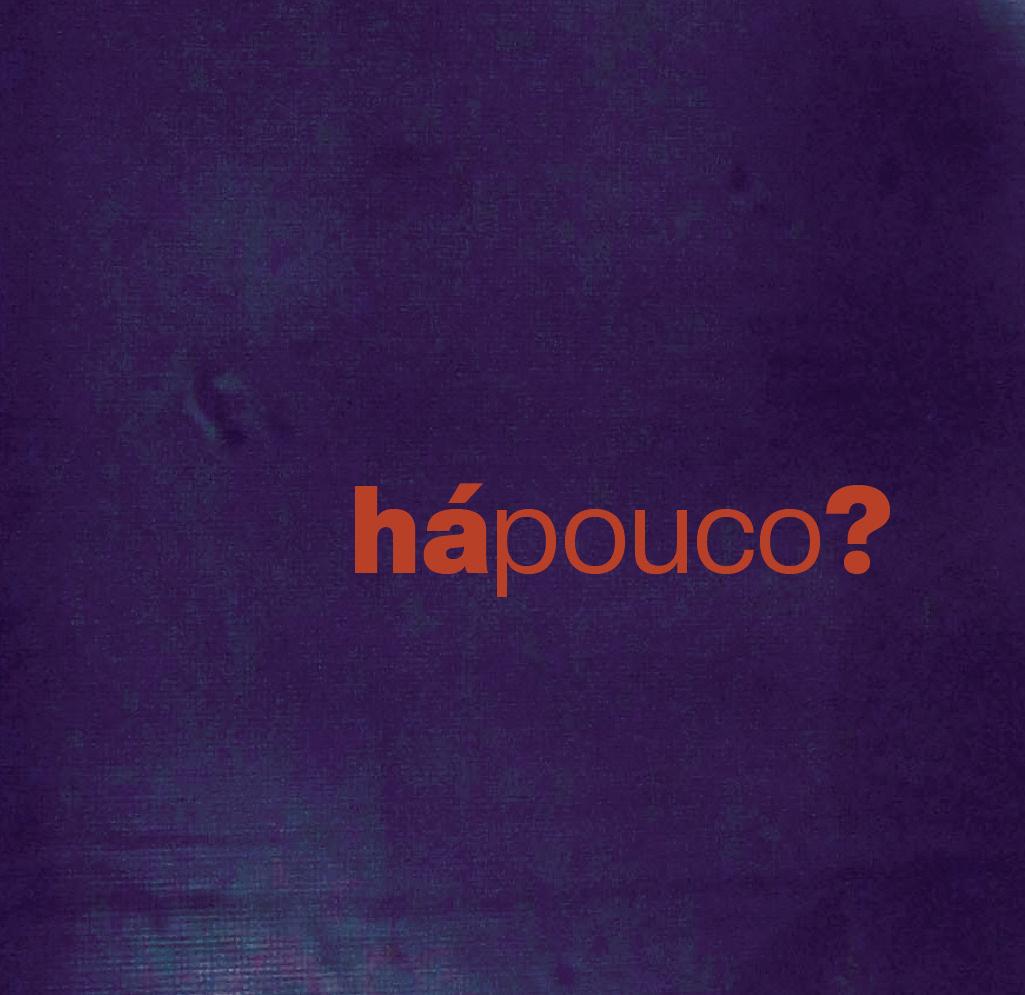































Sala dos Pomares

Fundação Vera Chaves Barcellos
21 de março a 11 de julho de 2026







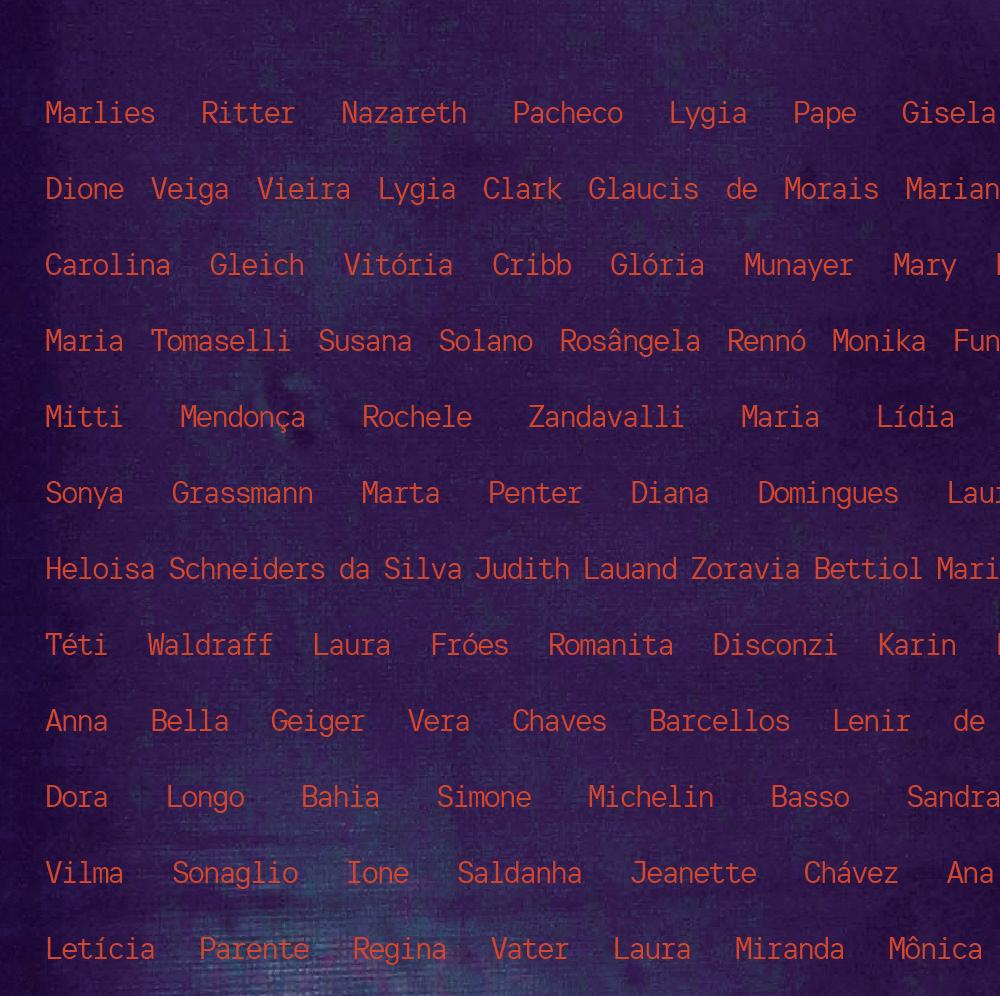
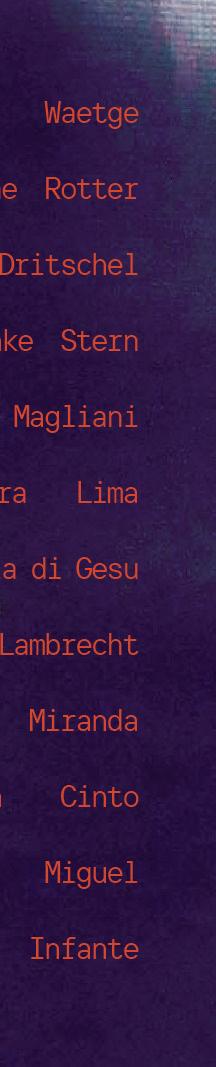
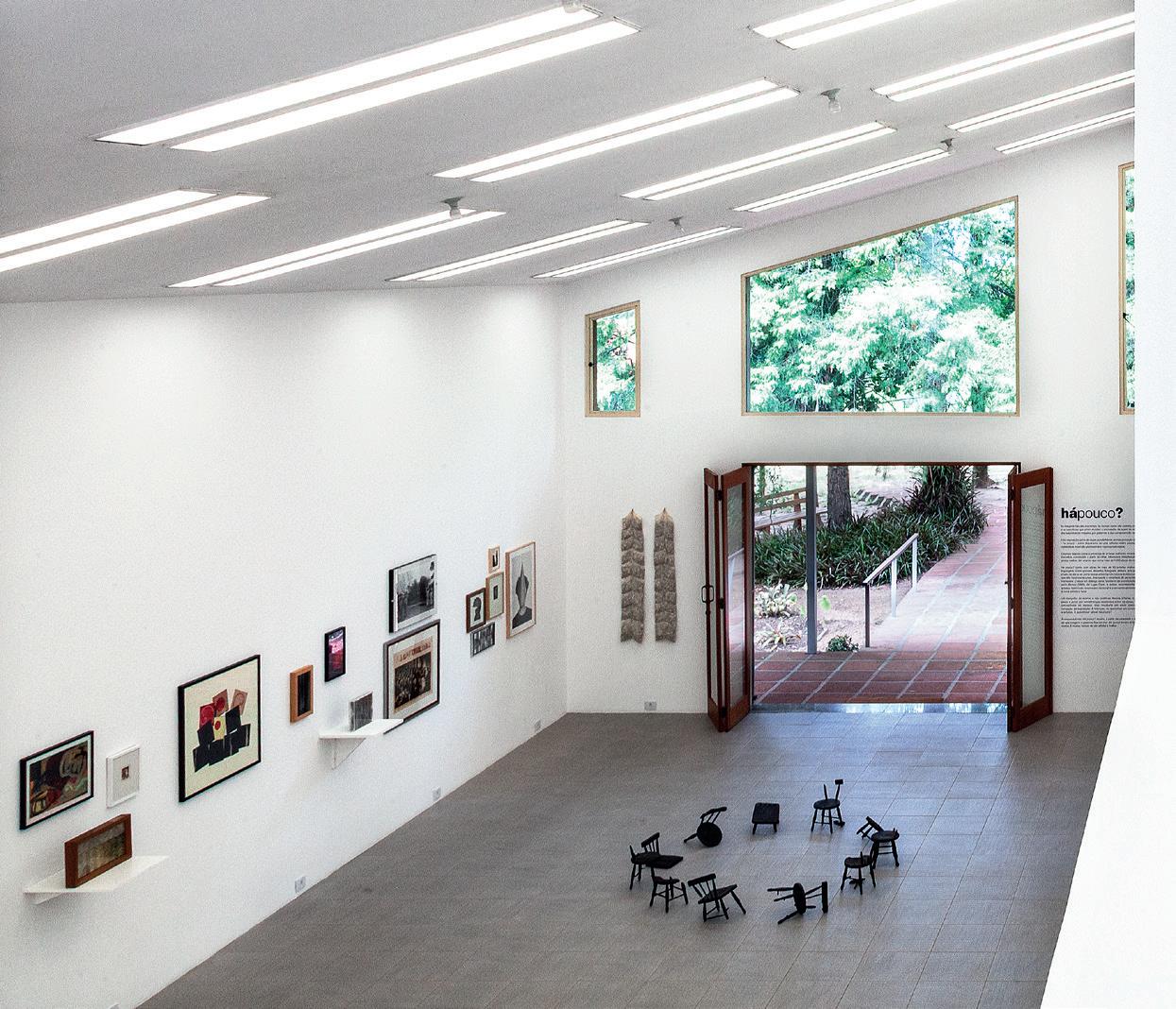
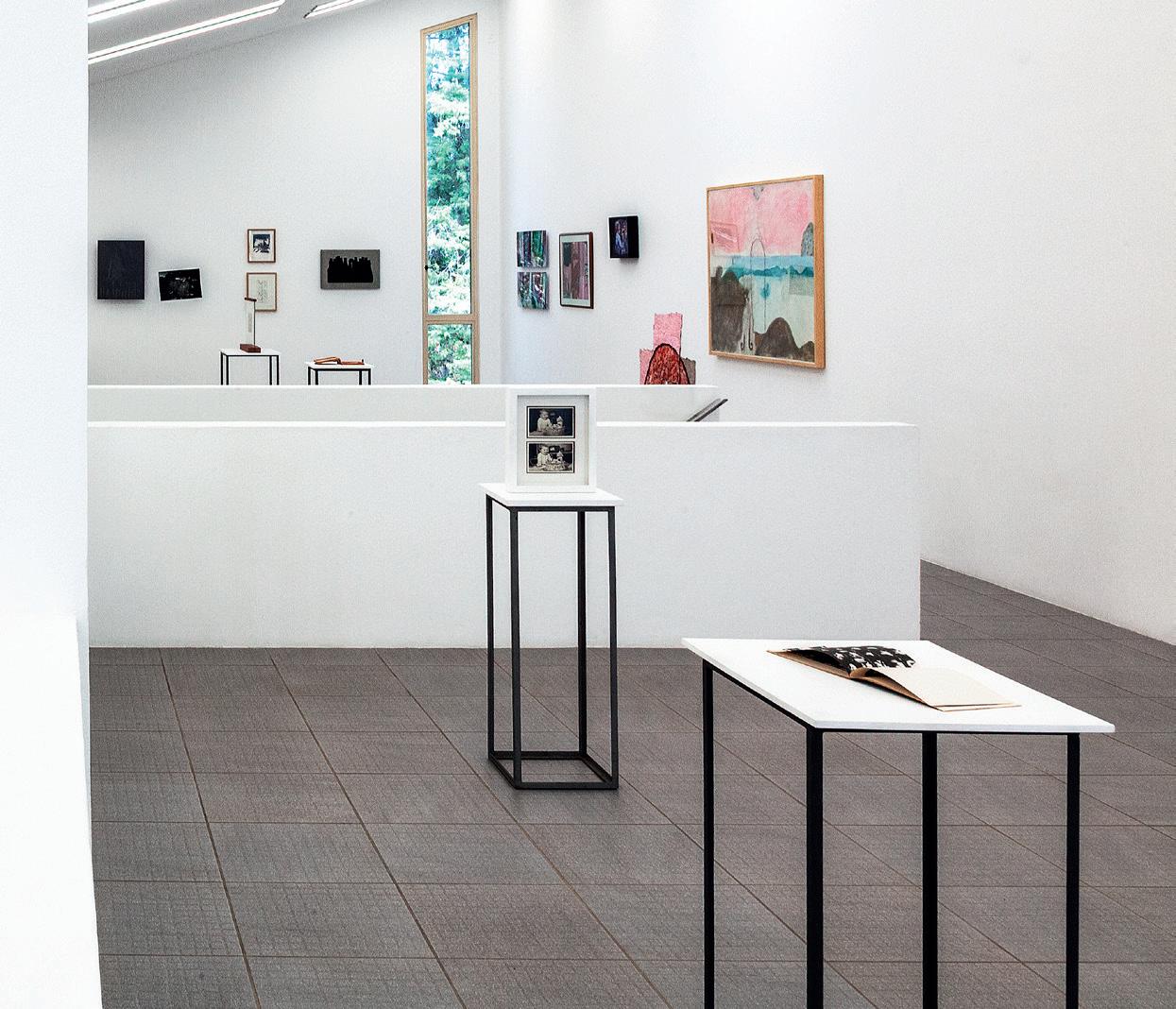
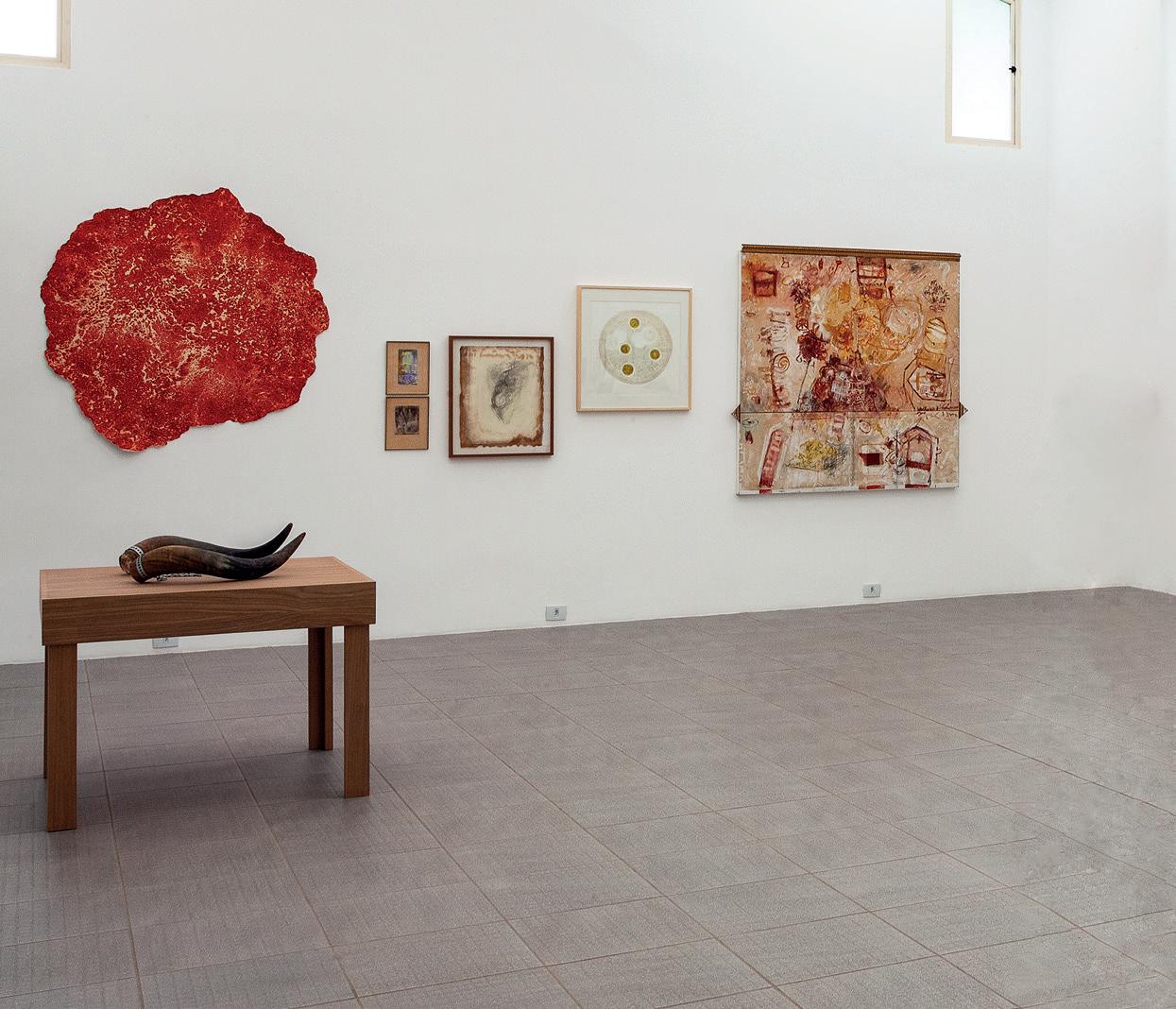
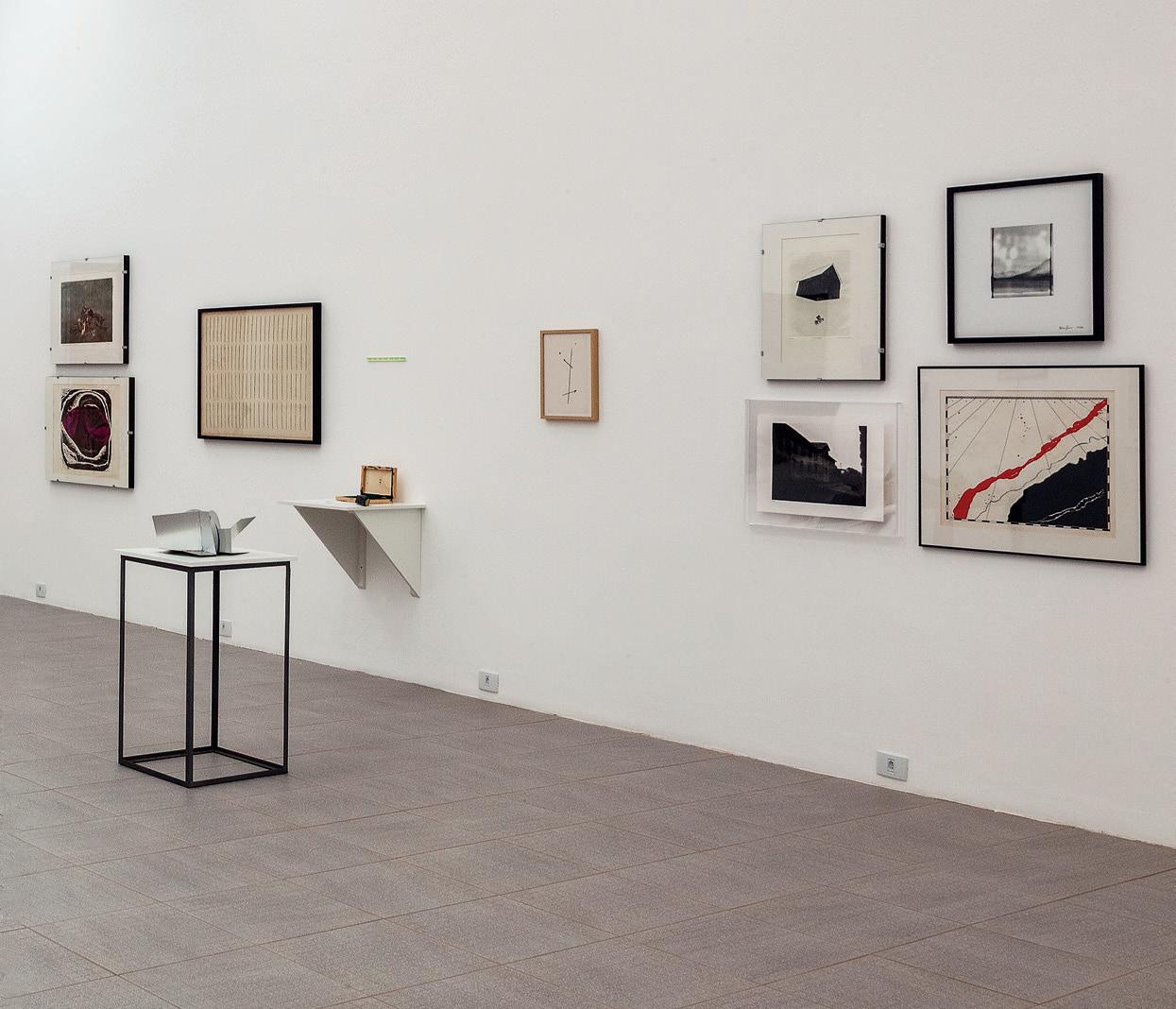







Sala dos Pomares
Fundação Vera Chaves Barcellos
21 de março a 11 de julho de 2026


Ao ser convidada a realizar a curadoria de uma exposição de/sobre artistas mulheres no acervo da Fundação Vera Chaves Barcellos, fui acometida por um sentimento paradoxal: a alegria pela oportunidade e seu significado e a dúvida sobre sua materialização. Afinal, apesar de acompanhar com grande interesse debates e reflexões contemporâneas de gênero, minha pesquisa não é focalizada em tal tema – tão trabalhado e discutido por outras colegas –, mas nas suas implicações sistêmicas. Pelo profundo respeito que nutro por pesquisadoras que vêm trilhando este caminho e reivindicando espaço para minimizar a desigualdade de inserção de artistas mulheres no sistema e na história da arte, questionei meu papel aqui. No entanto, como mulher e feminista, tendo meu corpo diariamente atravessado por questões que permeiam essas discussões, pareceu-me importante levar adiante este projeto, de abordagem até então inédita na FVCB.
Assim, iniciei uma pesquisa não apenas sobre artistas mulheres presentes no acervo, suas trajetórias e suas obras, mas também sobre os distintos discursos e narrativas curatoriais que têm acompanhado a recente onda de exposições voltadas a essa temática em instituições culturais no Brasil e no mundo.
Nesse sentido, Há pouco? se configura a partir da pesquisa e da análise de algumas exposições voltadas à temática das artistas mulheres nos últimos dez anos em contexto nacional e local, suas propostas curatoriais e as estratégias discursivas usualmente utilizadas de forma didática para sistematizar a diversidade de poéticas, linguagens e temáticas envolvidas, bem como direcionar ações educativas e a recepção desses conteúdos por públicos mais amplos. Processos que vêm resultando em chaves de leitura e interpretação de distintas produções artísticas realizadas por artistas mulheres a partir dos anos 1960.
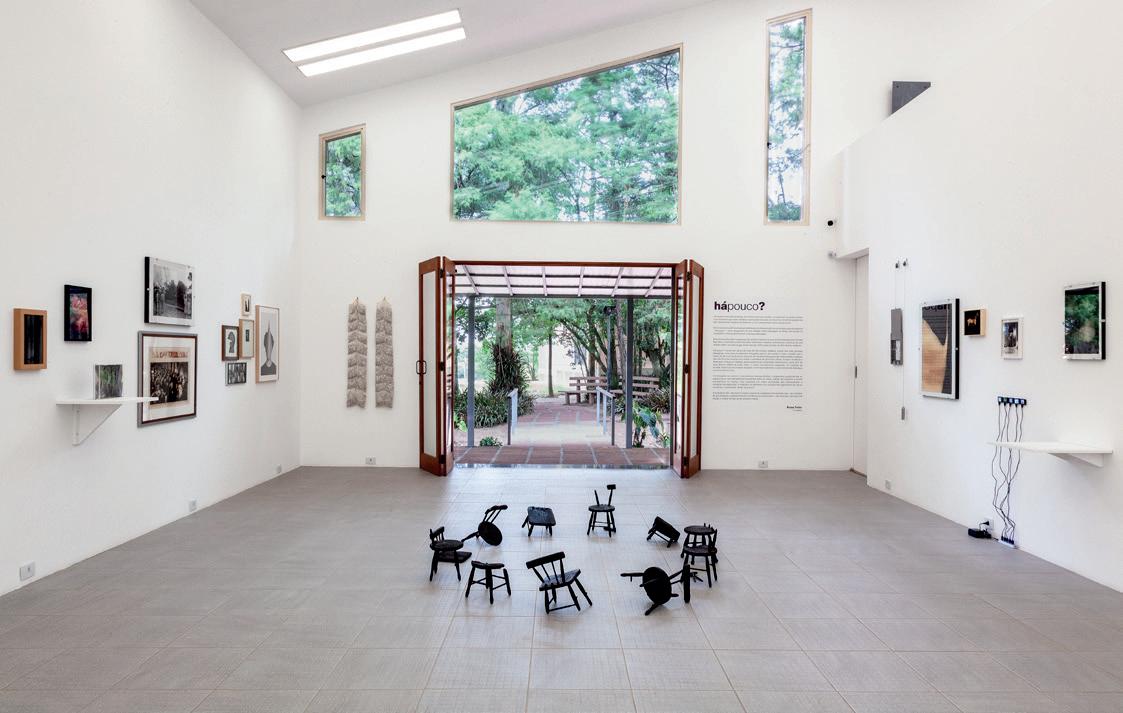
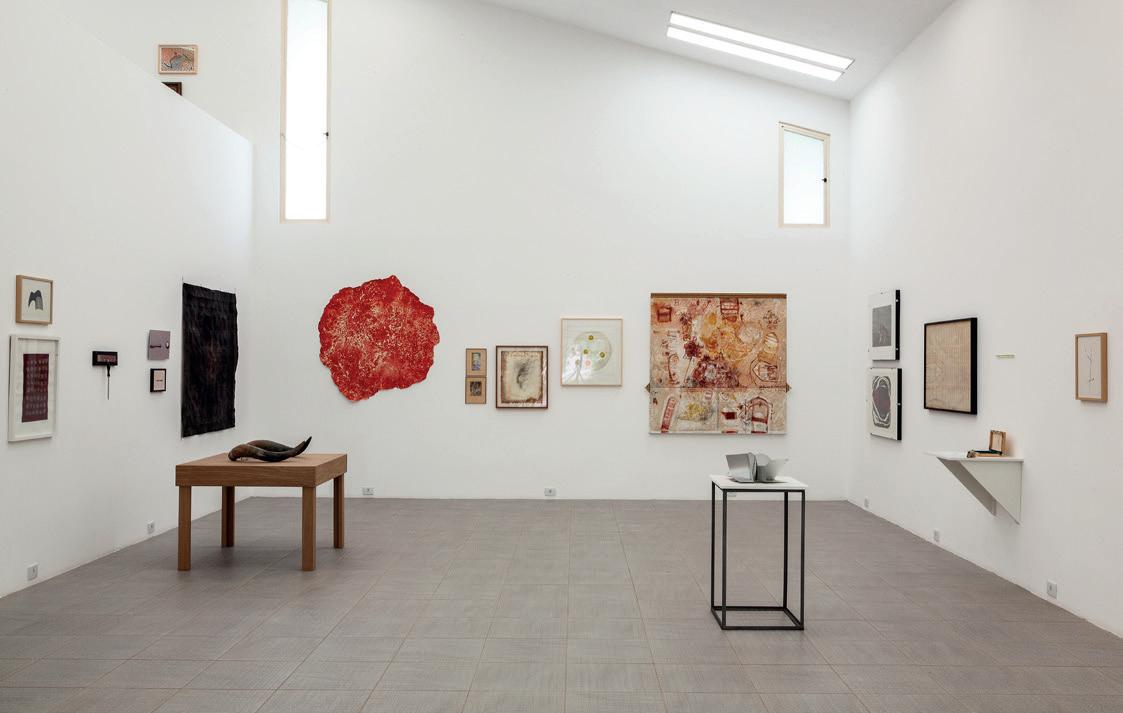
A exposição, dessa forma, possibilita a observação, análise e interpretação sob diversas perspectivas e abordagens. Destaco a oportunidade de, a partir deste acervo diversificado e complexo, estabelecer conexões entre artistas de grande importância, tanto nacionais quanto internacionais e, especialmente, locais. É possível constatar, na seleção de obras e em sua disposição no espaço expositivo, encontros que transcendem gerações, dialogando na linguagem e na temática.
Um ponto importante a ser salientado repousa em uma das abordagens utilizadas nesta seleção e que a difere daquelas que lhe serviram de referência: o aspecto afetivo das escolhas curatoriais, possibilitando a apresentação de obras de artistas que foram significativas durante meu período de formação, incluindo professoras, colegas e amigas. Adicionalmente, e de maneira mais implícita, a exposição representa uma declaração política sobre a inserção, presença, visibilidade, permanência e representatividade dessas e de tantas outras artistas que não couberam no espaço e no tempo da mostra.
O historiador da arte Emerson Dionísio, ao pesquisar sobre a circulação internacional da produção artística brasileira da então chamada arte popular em meados do século XX¹, detectou uma curiosa recorrência sobre suas aparições na mídia da época: cada vez que se escrevia sobre um artista, esse artista (usualmente homem) era apresentado como uma novidade, uma descoberta, como se sua produção artística fosse recente, quando era fruto de anos e décadas de árduo trabalho. Assim – e compreendendo que o interesse e o direcionamento do olhar crítico para o trabalho de artistas mulheres seguiu, durante muito tempo, uma lógica semelhante –, a expressão “há pouco” foi incorporada ao título desta exposição.
Não apenas como referência a este “eterno recomeço” profissional, que raramente reconhecia a atuação continuada e, logo, o amadurecimento de uma poética pessoal que ancorasse trabalhos significativos para as discussões da época, “há pouco” funciona, no contexto desta mostra, como uma dupla provocação. Para além do sentido cronológico de “há pouco tempo”, também em termos de representatividade, levando-nos a questionar a efetiva presença de artistas mulheres na coleção Artistas Contemporâneos da Fundação Vera Chaves Barcellos, que conta hoje com mais de 200 artistas mulheres, além de grupos/duos/projetos do acervo, entre eles, o coletivo argentino Instantes Gráficos², responsável pelo projeto ELLA (2014)³, que envolve 28 artistas4 mulheres. Em termos de quantidade de obras 5 , são cerca de 580 trabalhos assinados
¹ OLIVEIRA, 2023
² Disponível em: https://fvcb.com.br/acervo/artista/instantes-graficos/, acesso em 06/02/2026.
³ Disponível em: https://fvcb.com.br/acervo/colecao-artistas-contemporaneos/ella-ella/, acesso em 06/02/2026.
4 Patricia Alés, Patricia Alfonso, Carla Beretta, Laura Bernardello, Silvana Blasbalg, Marcela Caballero, Ailin Camba, Gabriela Cassano, Adriana Cora, Mara Crispino, Ana Erman, Vivi Flachsland, Gisela Francisconi, Mirta Gendin, Romina González, Maria Guerreiro, Maria Gurrola, Silvia Holzken, Gabriela Juárez, Miriam Midley, Patricia Pinto, Malisa Sales, Claudia Stile, Laura Tarsitano, Mabel Temporelli, Lucía Torres, Norma Villarreal, Ana Lía Werthein.
5 Números quantitativos de obras atualizados até a publicação deste catálogo, em março de 2026.
individualmente. Importante frisar que, nesse quantitativo, não estão contabilizadas as obras da Coleção Vera Chaves Barcellos, composta por 964 obras de autoria da artista.
Esses números preliminares indicam algumas características do perfil do acervo, mas escondem outras, extremamente relevantes. Provavelmente, a questão basilar a ser considerada é a constituição do acervo da Fundação a partir do olhar particular da artista Vera Chaves Barcellos, seus interesses artísticos, suas redes de relações profissionais e afetivas.
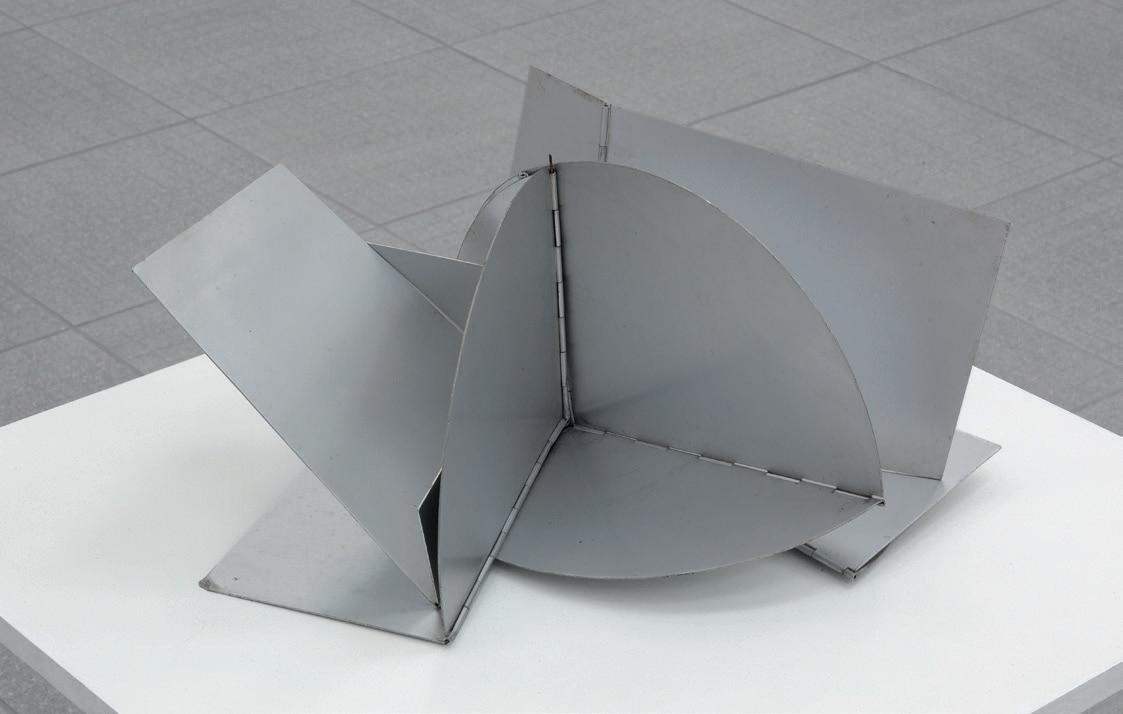
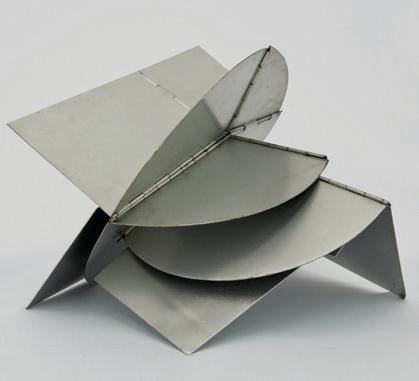
Vera informa que o início da coleção se deu a partir de trocas de obras com outras artistas. Foi assim que adquiriu suas primeiras gravuras de Anna Bella Geiger, algumas obras de Gretta Sarfaty e de Anna Maria Maiolino, por exemplo. Também aponta que recebeu presentes de alguns artistas, como dois livros de Mira Schendel, que foram doados após uma visita. Também é importante situar a grande quantidade de obras de arte postal recebidas nos anos 1970 e 1980 de todas as partes do globo, conjunto absolutamente relevante para a compreensão do perfil da coleção. Nesse sentido, é interessante apontar que, apesar de adquirir obras desde os anos 1960, a artista compreende a compra de LC3, da série Bichos (1965), de Lygia Clark, aquisição ocorrida nos anos 1990, como o momento em que o conjunto de obras passa a ser constituído como uma coleção. Essa obra basilar – tanto para a história da arte contemporânea quanto para o acervo da FVCB – está presente nesta exposição.
Retomando a menção ao título da mostra: há pouco tempo – algo como três décadas atrás –, no contexto do Rio Grande do Sul, a reflexão sobre a produção de artistas mulheres poderia ser percebida como pontual, com a atuação de alguns nomes que, colocados lado a lado com a produção de artistas homens, compunham o panorama (limitado) daquilo que era reconhecido pelo seu mérito artístico.
Assim, propagou-se o equivocado senso comum de que ser artista era uma função majoritariamente masculina, quando o que havia era uma grande disparidade das condições sociais e econômicas que permitiam a uma pessoa se aventurar por este campo de maneira profissional. No contexto gaúcho, para além das questões relativas ao acesso ao ensino de arte, a baixa expectativa social de atuar profissionalmente a partir do conhecimento adquirido e o funcionamento de uma sociedade estruturalmente machista – na qual posições de poder e lugares de legitimidade “naturalmente” eram, e em grande medida ainda são, ocupados por homens – completavam um cenário artístico no qual as mulheres costumavam ficar à sombra.
Tal cenário vem passando por mudanças significativas, e algumas conquistas podem ser observadas no sentido de conferir visibilidade a obras e trajetórias de artistas mulheres que estavam produzindo, em muitos casos, de maneira silenciosa, sem trazer sua produção a público; em outros, focando sua atuação a partir do ensino de arte. Ou ainda, mesmo que buscando produzir/atuar de forma constante e continuada, não obtinham inserção institucional ou crítica a ponto de fazerem suas obras circular e torná-las conhecidas.
Esse movimento certamente não é algo isolado; integra e resulta de um debate internacional e nacional mais amplo, contextualizado nas discussões feministas que ganharam fôlego no final dos anos 1960 e se complexificaram em distintas ondas nas décadas seguintes, paulatinamente passando a incluir debates atravessados também por questões raciais e de classe. Nas artes visuais essa discussão passa a ganhar repercussão quando, há pouco mais de cinco décadas, em 1971, a pesquisadora e feminista estadunidense Linda Nochlin publicava o ensaio na revista estadunidense ArtNews – hoje basilar nos estudos de arte e gênero – “Por que não houve grandes mulheres artistas?”, no qual fazia uma crítica contundente à forma como a História da Arte, enquanto campo do conhecimento e disciplina, excluía as artistas mulheres de
suas narrativas. Apontando as barreiras históricas institucionais que impediam mulheres de terem acesso ao mesmo tipo de formação dos homens em diferentes períodos da História e como isso repercutia no processo de visibilidade e legitimação dos artistas, Nochlin buscava descontrair certos mitos acerca da ideia de genialidade artística e talento inato. A partir de uma inversão argumentativa, a autora indicava que a ausência de artistas mulheres nos livros de História não significava falta de talento ou inaptidão para produzir obras de valor artístico, mas sim o resultado de uma condição estruturalmente adversa.
Desde então, diversos estudos passaram a ser feitos sobre a presença ou ausência de artistas mulheres tanto nos acervos institucionais quanto na programação de museus e centros culturais, como participação em exposições coletivas e, principalmente, individuais. Algumas dessas pesquisas alcançam a participação de artistas mulheres no mercado de arte, estabelecendo também relações entre reconhecimento e valoração financeira.
No Brasil, temos a atuação de pesquisadoras mulheres, como Ana Paula Simioni, Daniela Kern e Talita Trizoli, para citar apenas algumas, desenvolvendo investigações que vão da presença dessas artistas em coleções públicas e privadas a pesquisas geracionais e monográficas que buscam suprir lacunas e inserir artistas mulheres nas narrativas de diferentes períodos históricos, do século XIX à contemporaneidade.
Adicionalmente à pesquisa acadêmica, museus, centros culturais e grandes eventos, como bienais, também têm buscado diminuir as lacunas deixadas por décadas de disparidade de gênero em suas proposições voltadas ao grande público. Assim, exposições a partir dessa temática têm sido realizadas nos últimos anos. Sem ter a pretensão de realizar um mapeamento exaustivo dessas mostras, cabe apontar aqui algumas que, além de terem se tornado marcos sobre a produção artística de mulheres na última década, embasaram a pesquisa para a mostra Há pouco?.
Neste sentido, Mulheres radicais: arte latino-americana, 1960-1985, com curadoria de Andrea Giunta e Cecília Fajardo-Hill, fruto de longa pesquisa, itinerou nacionalmente na Pinacoteca de São Paulo, em 2018, depois de ser apresentada no Hammer Museum, em Los Angeles, como parte da Pacific Standard Time: LA/LA, e no Brooklyn Museum, em Nova Iorque. Exibindo na versão brasileira cerca de 280 obras de mais de 120 artistas, de 15 países da América Latina, a mostra foi estruturada curatorialmente ao redor do conceito do corpo político, tendo sido dividida em seis eixos temáticos: Corpo/paisagem; O corpo performático; Mapeando o corpo; Resistência e medo; O poder das palavras; Espaços sociais e O erótico. Cabe destacar que, entre as artistas participantes em “Mulheres radicais”, onze também são exibidas em Há pouco?, acentuando os cruzamentos geracionais e de linguagem aqui propostos, sendo elas: Anna Bella Geiger (1933), Anna Maria Maiolino (1942), Carmela Gross (1946), Lenora de Barros (1953), Letícia Parente (1930–1991), Lygia Clark (1920–1988), Lygia Pape (1927–2004), Mara Alvares (1948), Regina Silveira (1939), Regina Vater (1943) e Vera Chaves Barcellos (1938).
Se considerarmos a História das Exposições, tal mostra é emblemática no estabelecimento de critérios de leitura e análise da produção de artistas mulheres em uma História da Arte mais ampla. Para além da sua circulação interinstitucional e internacional, que permitiu a ampliação do alcance a públicos diversos, a mostra fez cruzamentos geográficos e geracionais até então inéditos em termos expositivos, permitindo aos públicos leituras atravessadas por distintos contextos nacionais, mas tendo o cenário latino-americano da época como pano de fundo.
Outro marco nacional a ser considerado foram as duas exposições realizadas pelo Museu de Arte de São Paulo (MASP), em 2019, como parte do programa Histórias, que busca revisitar a história da arte canônica, reconhecendo artistas até então dela excluídas e ampliando seu escopo de visibilidade. Assim, Histórias das mulheres: artistas até 1900, curada por Julia
Bryan-Wilson, Lilia Moritz Schwarcz e Mariana Leme, e Histórias feministas: artistas depois de 2000, curada por Isabella Rjeille, não apenas trouxeram discussões de gênero para o centro da programação do museu ao longo de todo aquele ano, como sugerido em seus títulos, mas implicaram o aumento da participação de artistas mulheres no acervo da instituição. Para além da busca por suprir certas lacunas históricas, essas exposições tensionaram a compreensão da identidade de gênero ao incluir artistas trans na mostra, questionando o que significa ser uma artista mulher nos dias de hoje. Para além disso, uma mirada para o universo queer a partir da mirada feminina/feminista também foi incluída.
Em termos locais, três projetos com dimensão expositiva focados na atuação de artistas mulheres merecem destaque. O primeiro deles foi a exposição Estratégias do feminino, apresentada no Farol Santander de Porto Alegre, entre outubro de 2019 e fevereiro de 2020. Com curadoria de Daniela Thomas, Fabricia Jordão, Helena Severo e Rita Sepúlveda, a mostra contou com a participação de 55 artistas mulheres brasileiras, apresentando 95 obras distribuídas em cinco núcleos: O corpo que habito, A casa e a rua, No calor da luta, Dobra e costura, Listas e diários. Apresentando, assim, desde obras históricas até outras comissionadas especialmente para a exposição. O argumento curatorial, centrado na ideia das lutas vivenciadas pelas mulheres, focava no desejo de compartilhar o mundo em condições de igualdade e buscava compreender o feminino desde uma perspectiva plural e da performance de gênero, contando com a participação de artistas mulheres – cis, trans, indígenas, negras, racializadas e brancas.
Outro projeto importante a ser mencionado, ocorrido a partir de Porto Alegre, foi a 12ª Bienal do Mercosul. Intitulada Feminismo(s), visualidades, ações e afetos, a mostra prevista para ser inaugurada em maio de 2020 teve seu curso e realização diretamente afetados pela rápida eclosão da pandemia do coronavírus em meados de março daquele ano. Num primeiro momento tendo
sua abertura indefinidamente postergada, para depois se reconfigurar em uma plataforma 100% digital 6 , a 12ª Bienal do Mercosul teve Andrea Giunta à frente da equipe curatorial, acompanhada por Dorota Biczel, Fabiana Lopes e Igor Simões. Contemplando cerca de 70 artistas e coletivos7, o evento orbitou ao redor de propostas de artistas mulheres e de sensibilidades não binárias, fluidas, não normativas, buscando funcionar como um espaço alternativo à estrutura tradicionalmente
excludente das representações simbólicas e culturais que costumam reger o mundo da arte.
Encerrando este breve levantamento, e focando no impacto de ações em nível local, o projeto Mulheres nos Acervos 8 é digno de atenção e menção. Realizado ao longo dos anos de 2019, 2020 e 2021, era inicialmente proposto como uma pesquisa colaborativa pelas pesquisadoras de história da arte Cristina Barros, Marina Roncatto, Mel Ferrari e Nina Sanmartin. Teve como objetivos iniciais compreender e questionar as políticas de aquisição e exibição das instituições estudadas em relação à produção de artistas mulheres, além de fornecer dados que fomentassem outras relações e pesquisas no tocante à história da arte produzida no Rio Grande do Sul.
Consistindo, então, na coleta e análise de dados sobre a presença da produção de artistas mulheres nas coleções públicas de artes visuais da cidade de Porto Alegre, mirou os acervos da Pinacoteca Aldo Locatelli e da Pinacoteca Ruben Berta, na esfera municipal; do Museu de Arte do Rio Grande do Sul e do Museu de Arte Contemporânea do Rio Grande do Sul, na esfera estadual; e da Pinacoteca Barão de Santo Ângelo, pertencente à Universidade Federal do Rio Grande do Sul (UFRGS). Tendo nascido a partir de interesses acadêmicos das pesquisadoras, então alunas
6 Disponível em: https://www.bienalmercosul.art.br/online, acesso em 06/02/2026.
7 Incluindo Carmela Gross e Vera Chaves Barcellos, artistas também presentes no acervo da FVCB e em Há pouco?
8 Disponível em: https://mulheresnosacervos.wordpress.com/, acesso em 06/02/2026.
de graduação em História da Arte na UFRGS, o projeto se desdobrou em quatro exposições 9 , cada uma delas adotando um argumento curatorial distinto, de acordo com os dados levantados e os respectivos perfis dos acervos. Nesse sentido, cabe mencionar as exposições realizadas no MARGS e no MACRS, pelas suas diferenças. A mostra no MARGS enfocou na presença de artistas já legitimadas no acervo institucional e foi intitulada Gostem ou não: artistas mulheres no acervo do MARGS10, trecho retirado de uma fala da artista Alice Brueggemann (1917-2001) ao jornal Correio do Povo, em 1964, e encontrada durante a pesquisa documental realizada. No MACRS, ela se chamou 47%, em menção à alta taxa de representatividade de artistas mulheres nesse acervo, quase equânime em relação à presença de artistas homens, número que destoa da maioria dos acervos de artes visuais11 do país no que diz respeito à presença de artistas mulheres.
9 A exposição a partir do acervo da Pinacoteca Barão de Santo Ângelo nunca aconteceu, apesar de o projeto ter sido aprovado em um edital de ocupação do Centro Cultural da UFRGS ainda em 2019. No entanto, com o avanço da pandemia de coronavírus em 2020, a agenda foi cancelada, não sendo retomada no retorno das atividades presenciais.
10 Do conjunto de exposições realizadas pelo projeto, essa foi a única que dispôs de catálogo publicado.
11 SIMIONI; FETTER, 2016
Como visto, não há forma única de abordar curatorialmente a produção de artistas mulheres. Há muitas possibilidades. Algumas das exposições apontadas optaram por focar no corpo enquanto componente físico e simbólico das diferenças de ser e estar em uma sociedade patriarcal, como a nossa. Um corpo político, que performa a partir de possibilidades específicas, muitas delas pautadas por contextos de lutas em função de violências diversas. Outras focaram na reescritura de histórias da arte possíveis, buscando suprir lacunas, oferecer complementações, prover inscrições a fim de minimizar disparidades e buscar a almejada equidade de gênero. Há, ainda, aquelas que apontaram a exclusão de linguagens, consideradas então como “menores” pelo sistema de legitimação, por se basearem em fazeres manuais, muitas vezes da ordem do doméstico, como o bordado, a cerâmica e a tapeçaria. Algumas chaves de leitura se concentram na ideia de feminino como temática ampla, apreendendo as imagens a partir da experiência das mulheres no mundo: maternidade, menstruação, discriminação e assédio, entre outras; e incorporando a elas múltiplas formas de ser mulher, esgaçando a própria compreensão do termo e dos debates de gênero. De certa forma, voltamos à leitura a partir do corpo, mas não se restringindo a ele como lugar de representabilidade12 . Isto é, tudo aquilo passível de ser representado: da cena mais cotidiana e mundana à abstração informal.
Partindo da noção de polílogo, de Maura Reilly13 , Há pouco? almeja extrapolar categorias previamente estabelecidas para ampliar as possibilidades de recepção das obras expostas. Isso somente se torna possível a partir de um contexto em que outras pesquisadoras estão se dedicando a exposições
12 FETTER, 2025
13 REILLY, 2021
monográficas e de nicho, segundo as tipologias de ativismo curatorial da própria Reilly, gerando conhecimento e deixando lastro para que outras manifestações sejam possíveis.
Ao buscar aproximações entre imagens, Há pouco? considera as narrativas já existentes ao mesmo tempo em que evita se vincular a elas diretamente. A exposição não pretende oferecer um panorama ou uma chave de leitura particular. Ela busca confrontar vozes, saberes, contextos, mídias e aportar múltiplas e variadas percepções sobre o que sempre esteve ali; talvez obscurecido e fora de foco; talvez inserido ao lado da produção de artistas homens sem considerar tal debate em sua leitura. Este texto não aponta, portanto, artistas e trabalhos específicos como indicativo de conceitos ou contextos. Ele é um convite a percorrer a mostra com olhos abertos, buscando, no acúmulo das imagens, a sensação paradoxal de ser artista mulher num mundo que ainda minimiza, silencia e apaga feitos realizados por metade da população do mundo.
Nessa mostra, a apreensão das obras do acervo da Fundação Vera Chaves Barcellos à luz das discussões de gênero, bem como das exposições e dos discursos curatoriais relacionados, permite retomar a inversão argumentativa como estratégia lançada por Linda Nochlin há 55 anos: partir da expressão “há pouco” para, tendo como base a variedade e o acúmulo, afirmar que – ao contrário do que imagens e palavras nos fizeram crer até pouco tempo atrás – não há pouco. Há muito. Há muitas. E muitas formas de ser artista e mulher.
BIENAL 12 – Feminismo(s): visualidades, ações e afetos: catálogo da 12ª Bienal do Mercosul. Coordenado por José Francisco Alves. [livro eletrônico].
Porto Alegre: Fundação Bienal de Artes Visuais do Mercosul, 2020. 444 p. il.
OLIVEIRA, Emerson Dionisio Gomes de. Outros modernismos: os primitivos, os genuínos e os arcaicos. In: Artur Freitas; Paulo Reis; Vinicius Honesko. (Org.). Políticas do sensível: arte e urgência. São Paulo: Intermeios, 2023, p. 53-68.
ESTRATÉGIAS do feminino = Feminine strategies. Curadoria de Daniela Thomas, Fabrícia Jordão, Helena Severo, Rita Sepulveda. Rio de Janeiro: Oficina de Arte, 2020. 196 p.
FETTER, Bruna. Medidas Mensuráveis? Representatividade e representabilidade no sistema contemporâneo da arte. In: COLÓQUIO DO COMITÊ
BRASILEIRO DE HISTÓRIA DA ARTE, 44., 2024, Porto Alegre. Anais eletrônicos ...]: tramas teórico-artísticas: teias, texturas e narrativas na história da arte. Organização de Vera Pugliese et al. . Porto Alegre: Comitê Brasileiro de História da Arte, 2025. p. 439-454.
GOSTEM ou não: artistas mulheres no acervo do MARGS. Curadoria de Cristina Barros, Marina Roncatto, Mel Ferrari e Nina Sanmartin. Porto Alegre: MARGS; SEDAC; AAMARGS, 2022. 155 p. il.
MUSEU DE ARTE DE SÃO PAULO ASSIS CHATEAUBRIAND. Histórias das Mulheres, Histórias Feministas. Organização editorial de Mariana Leme, Adriano Pedrosa e Isabella Rjeille; curadoria Histórias das Mulheres Julia Bryan-Wilson, Mariana Leme e Lilia Moritz Schwarcz; curadoria Histórias Feministas de Isabella Rjeille. São Paulo: MASP, 2019. 320 p. il.
MULHERES radicais: arte latino-americana, 1960-1985. Curadoria e textos de Cecilia Fajardo-Hill, Andrea Giunta. São Paulo: Pinacoteca de São Paulo, 2018. 384 p.
NOCHLIN, Linda. Por que não houve grandes mulheres artistas? Tradução Juliana Vacaro. SP: Aurora, 2016.
REILLY, Maura. O que é ativismo curatorial? Tradução A. Avelar e M. Imparato. ARS, São Paulo, n. 19, v. 42, p. 1120-1166, 2021. Disponível em: https:// doi.org/10.11606/issn.2178-0447.ars.2021.183763. Acesso em 06/02/2026.
SIMIONI, Ana Paula Cavalcanti; FETTER, Bruna. Brazilian female artists and the market. In: Novos Estudos CEBRAP, São Paulo, v. 35.02, p. 241-255, jul. 2016.











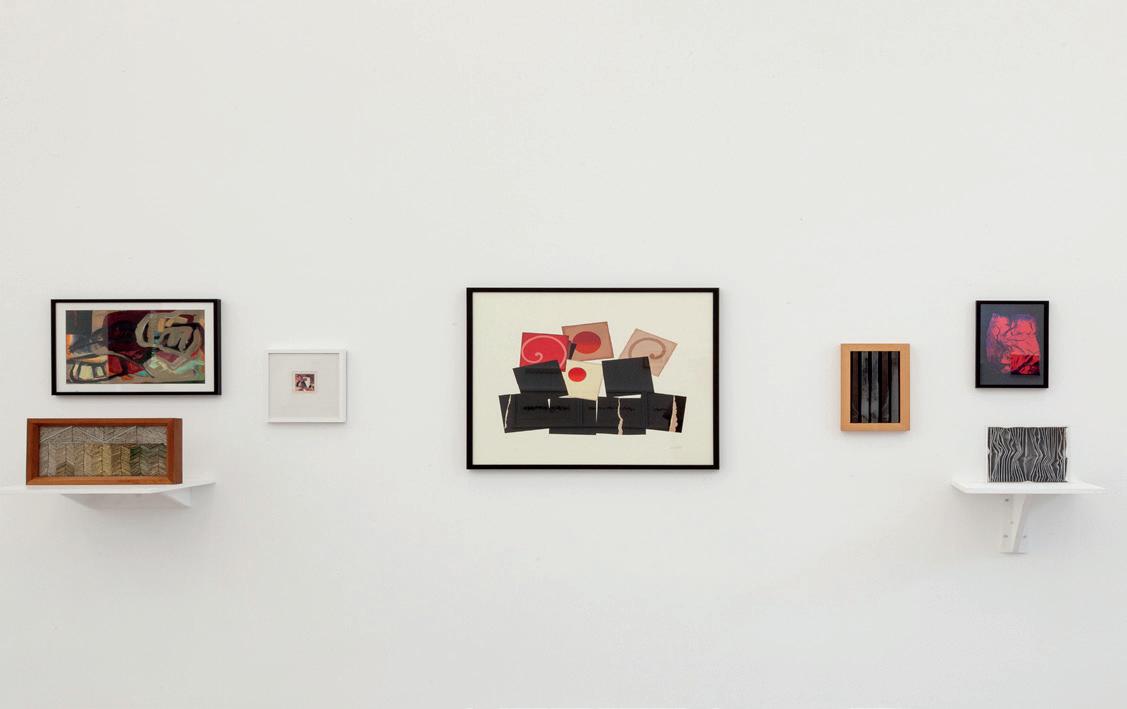
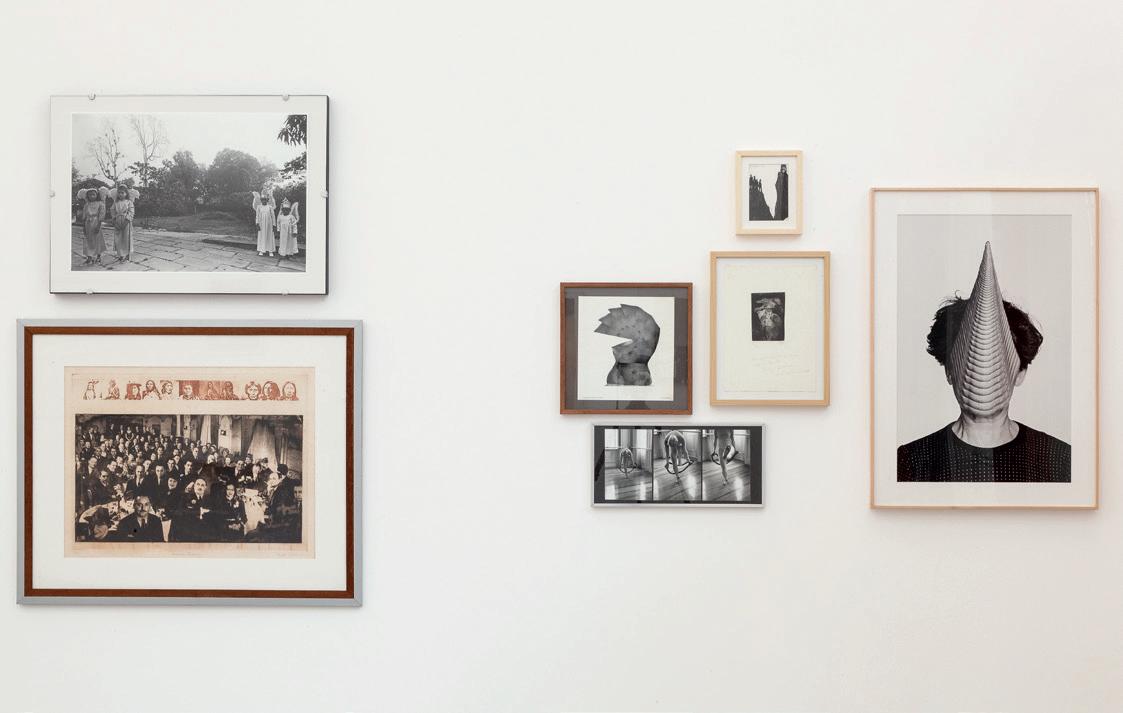
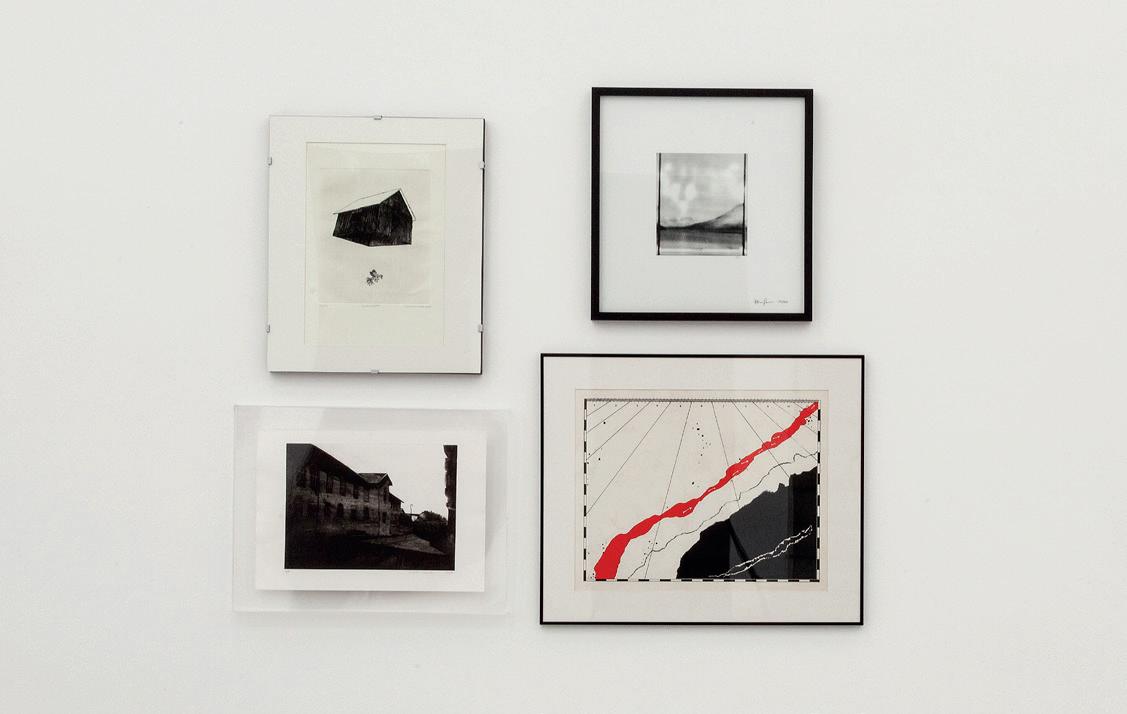
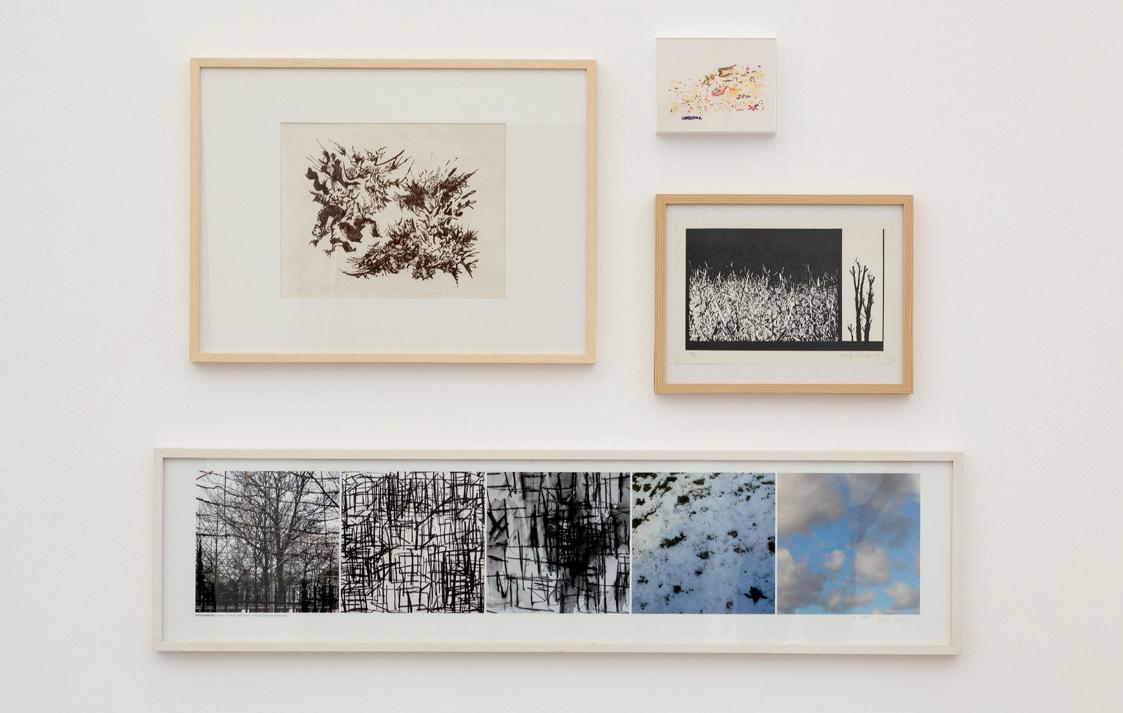
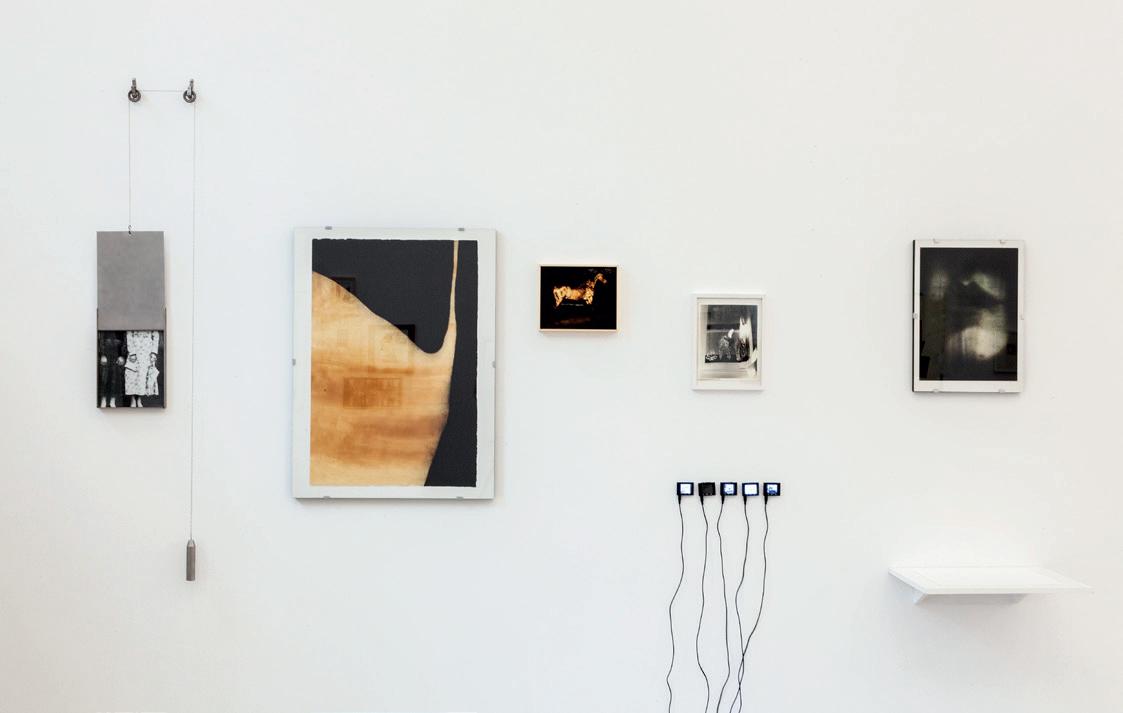
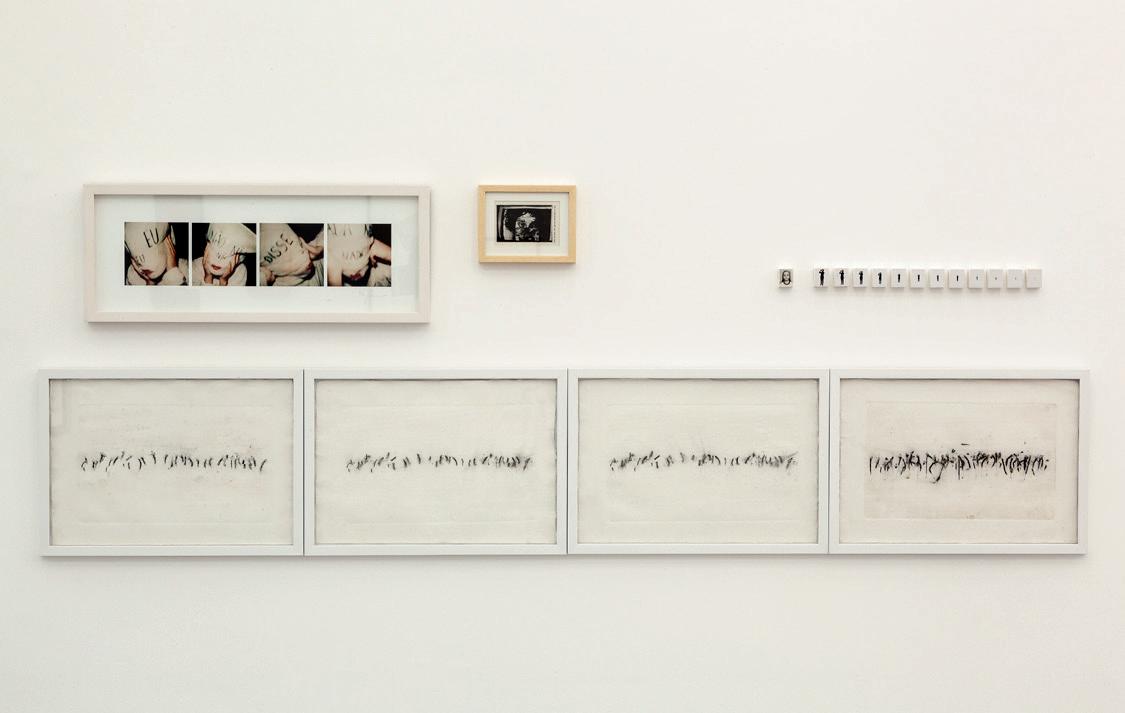
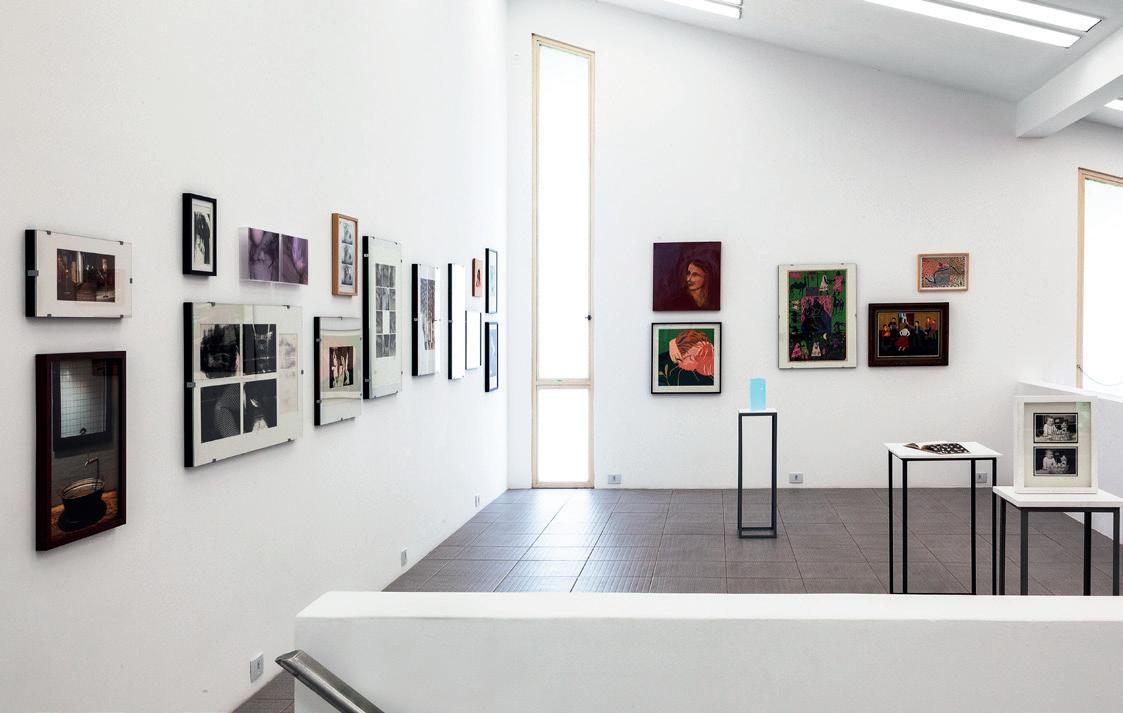
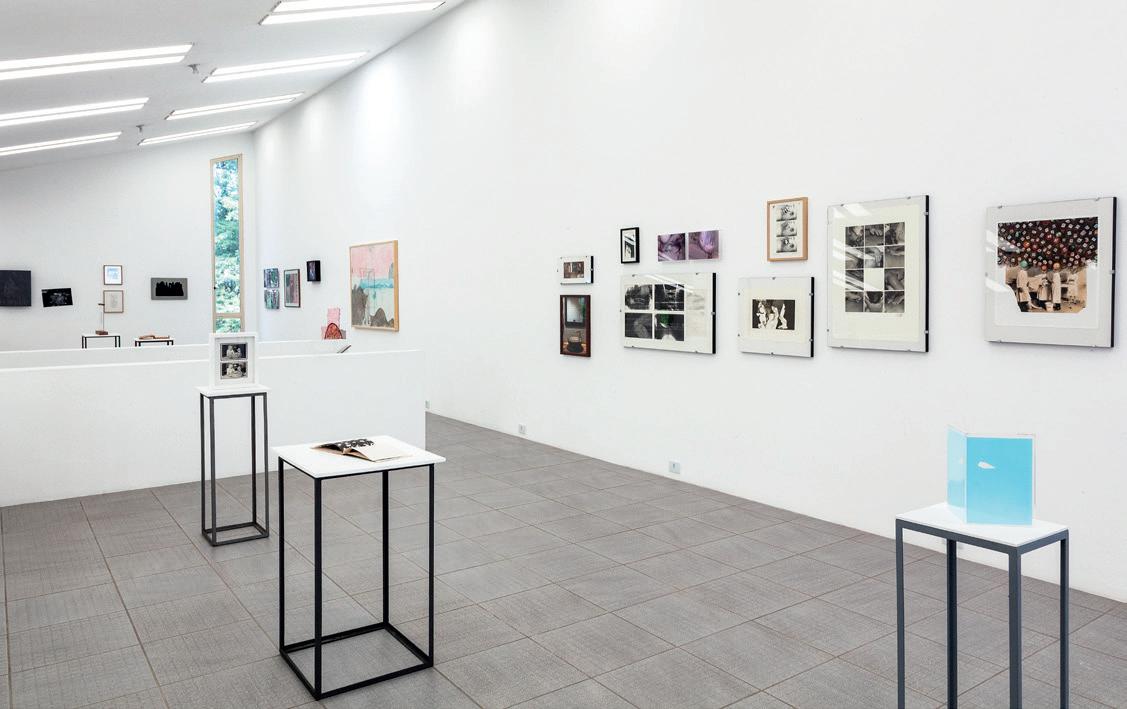
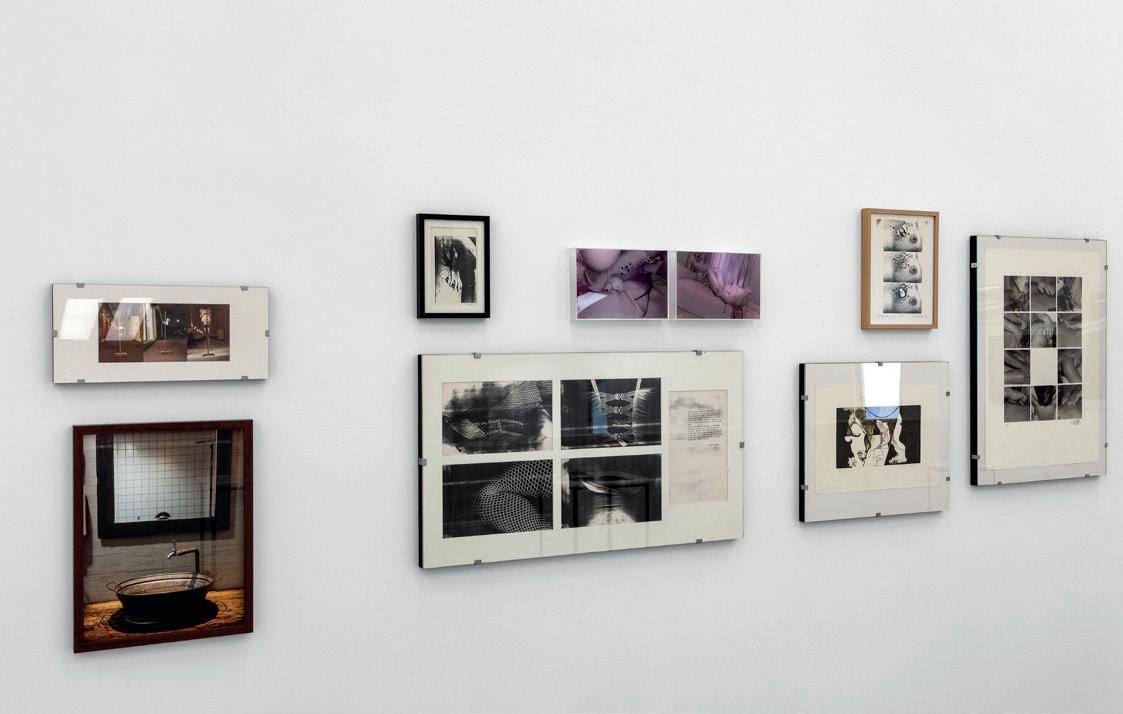
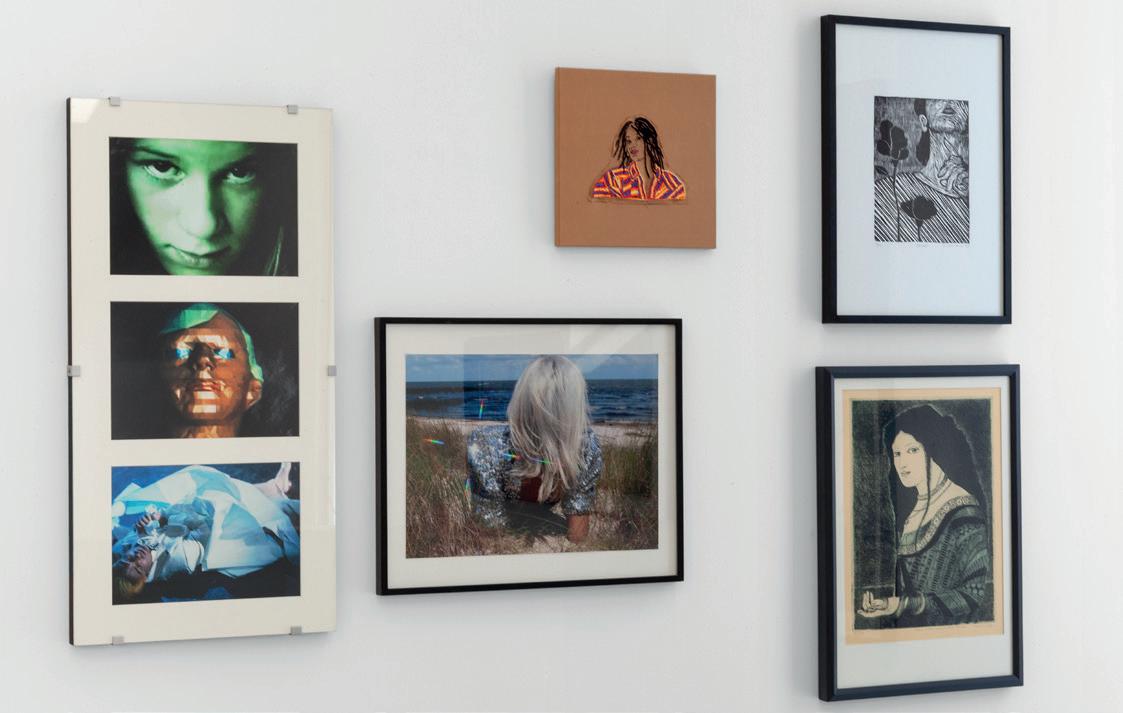
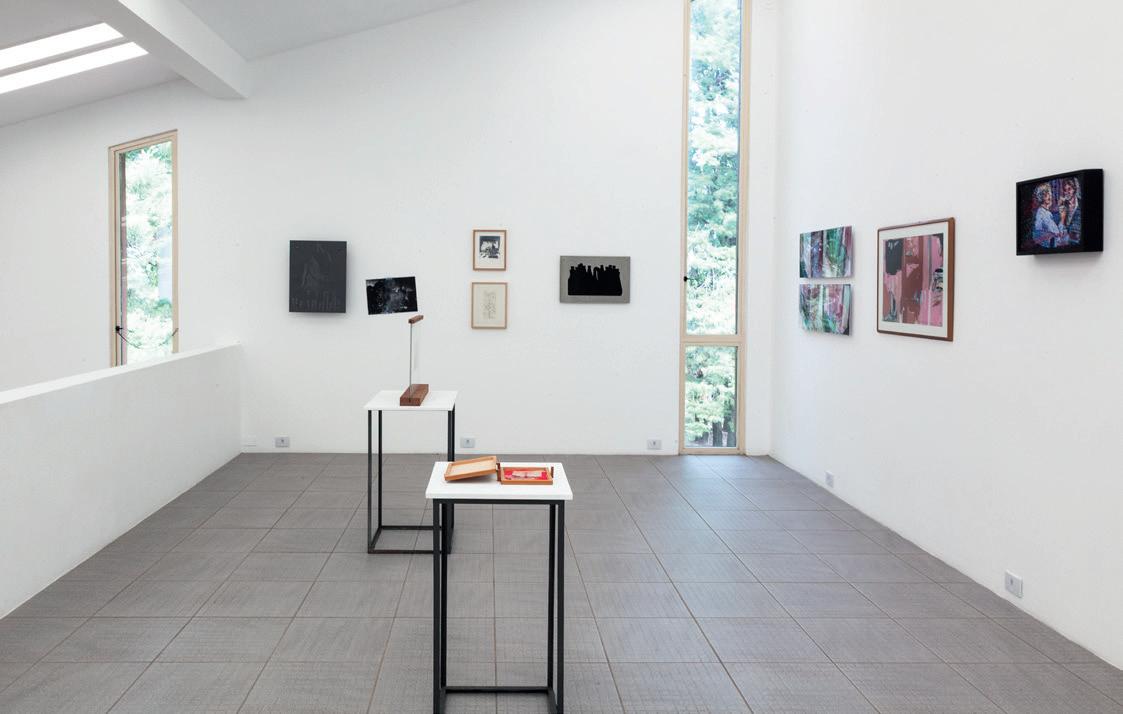
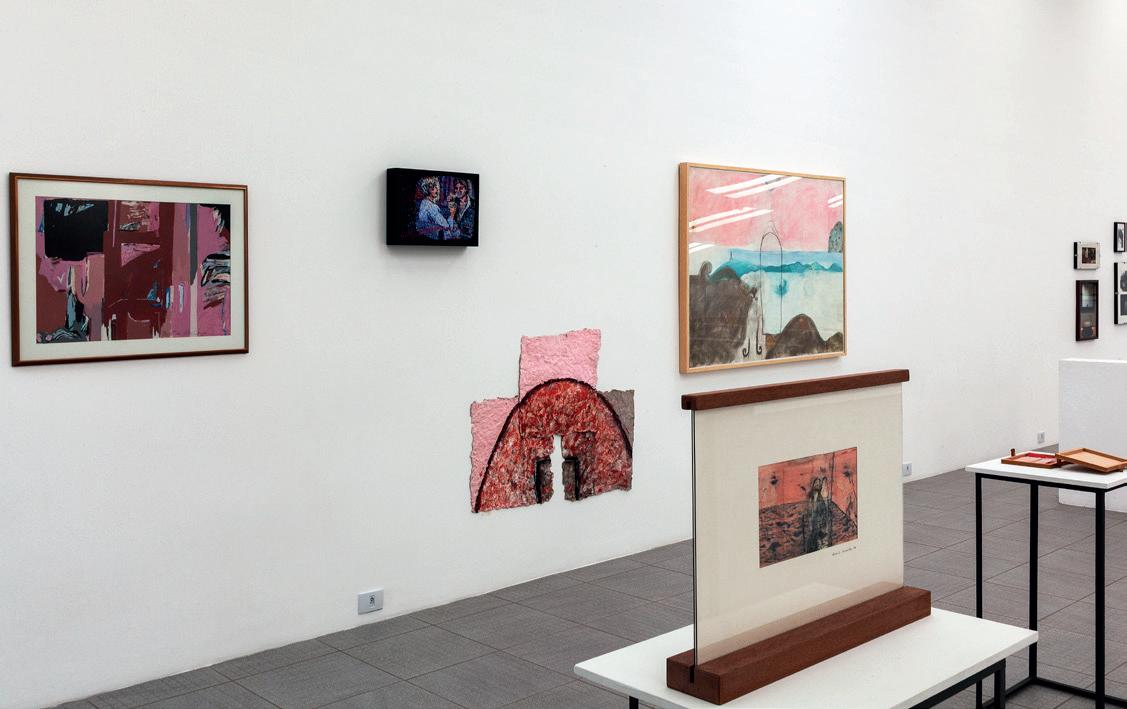
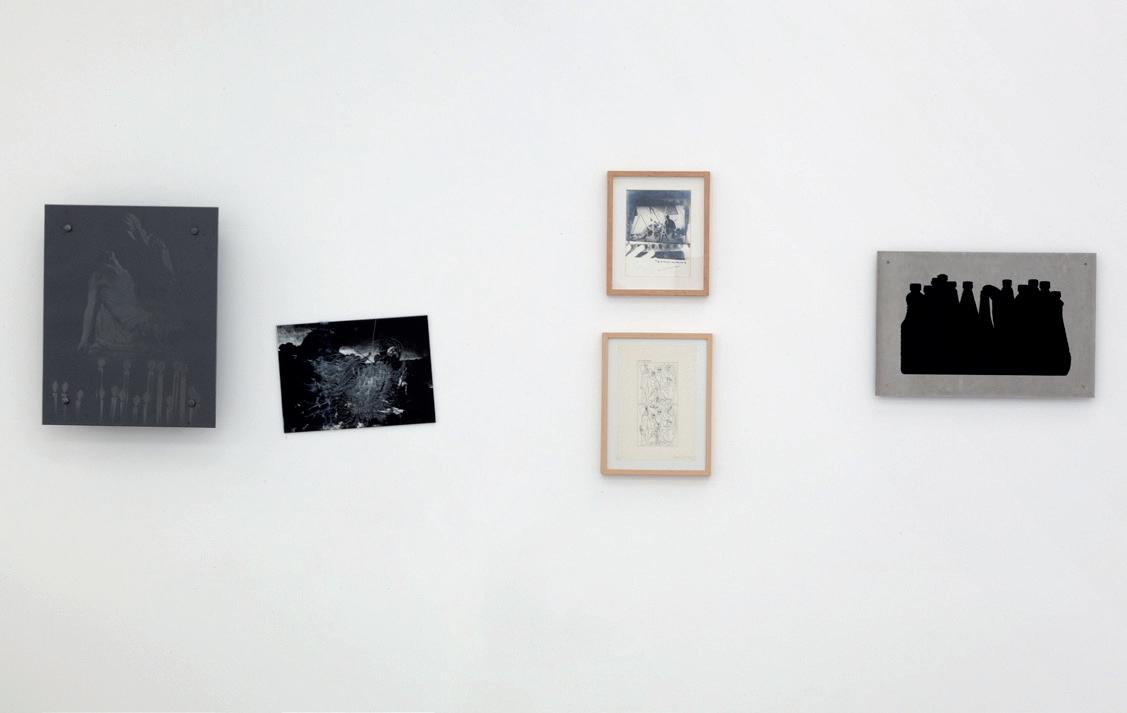
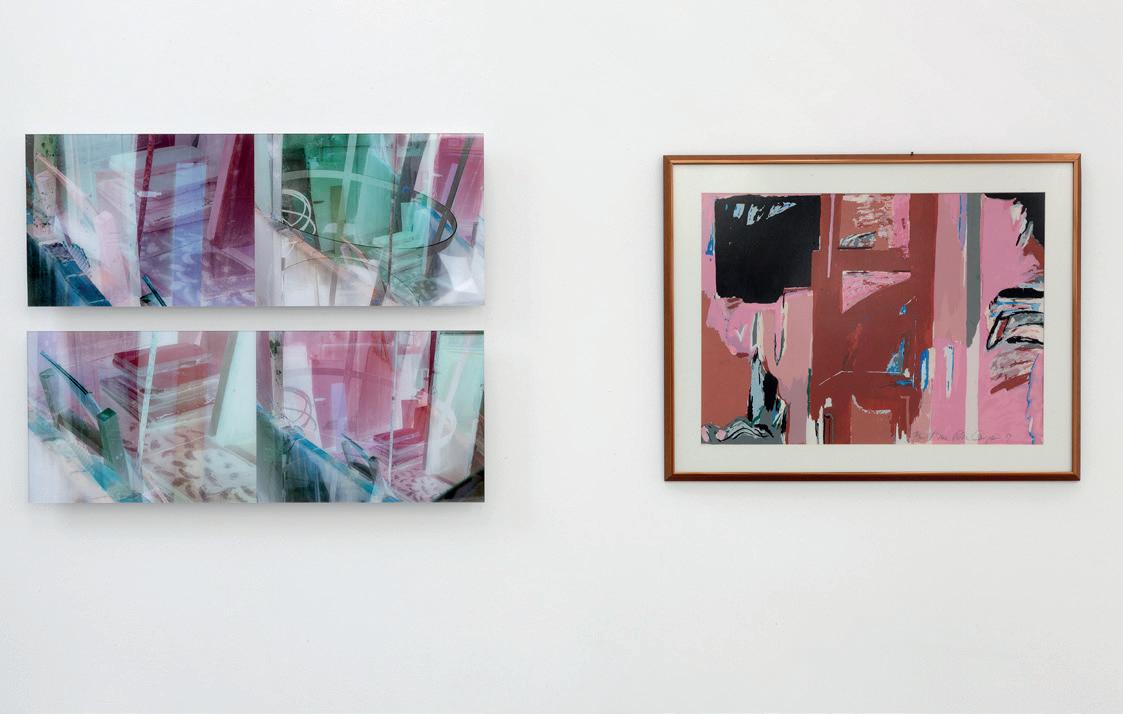
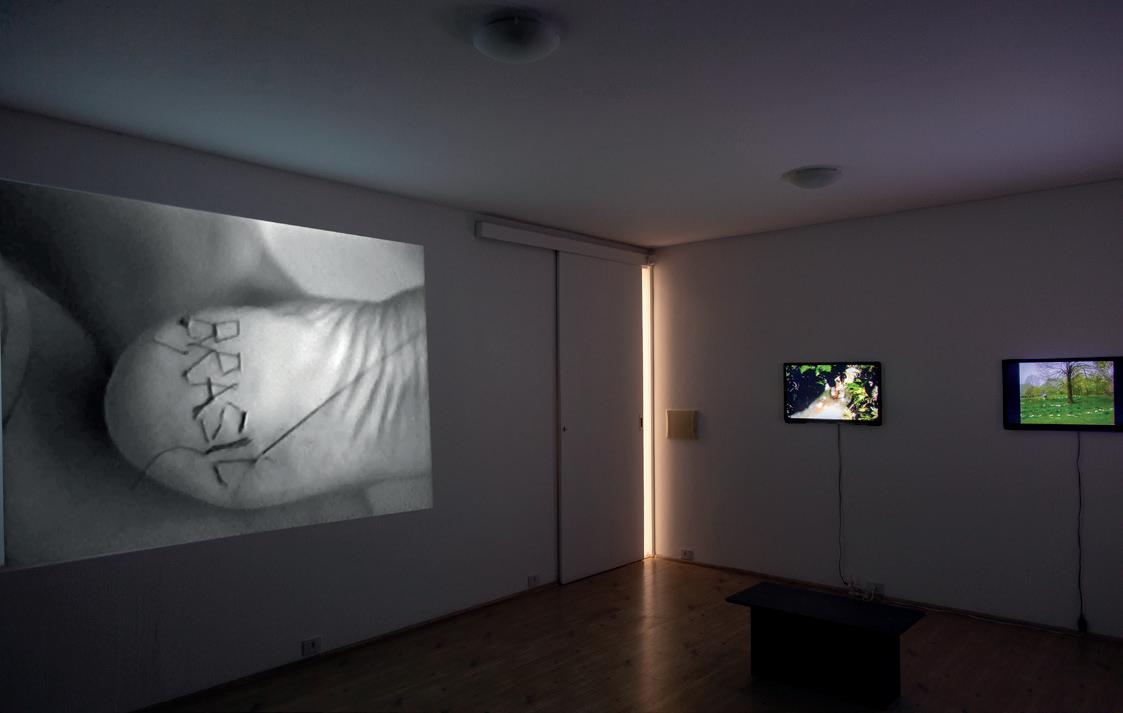




Acervo Artístico da FVCB

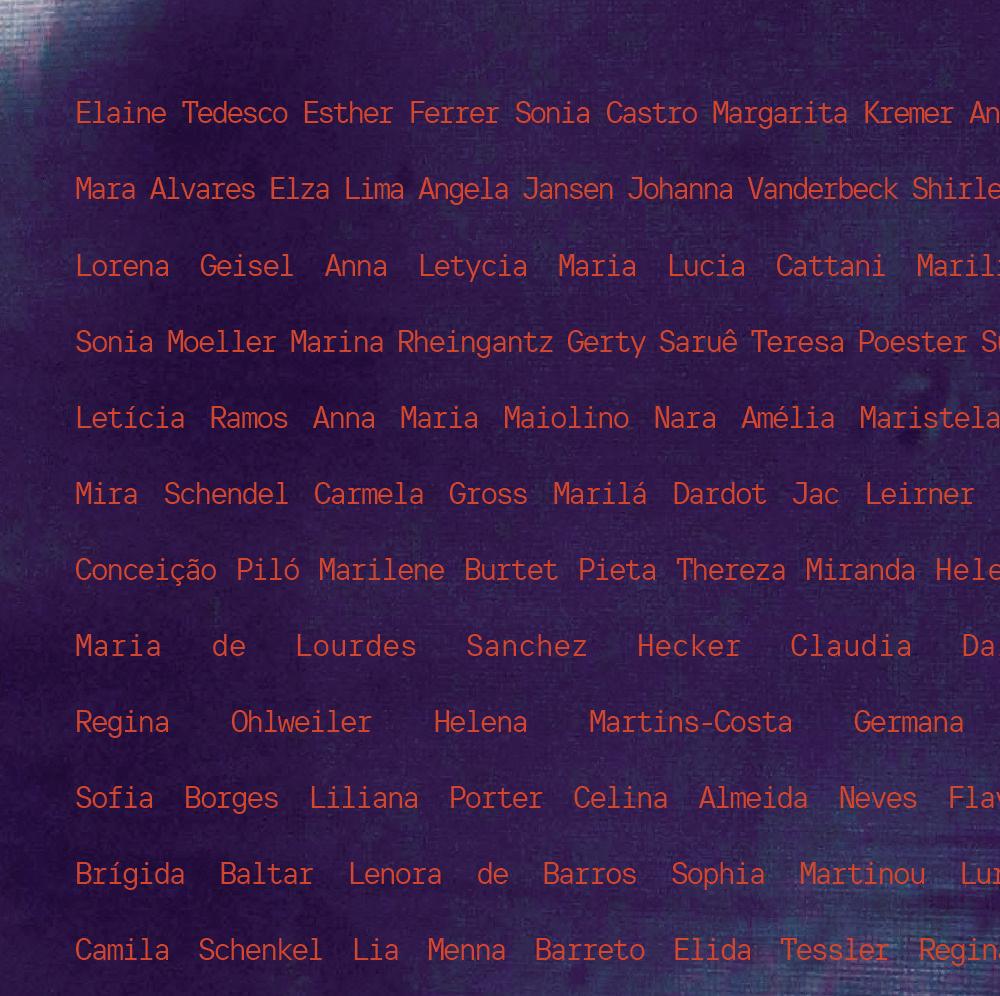
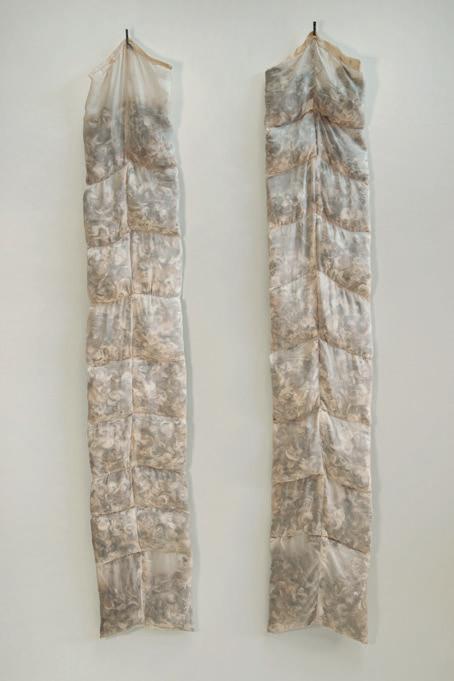
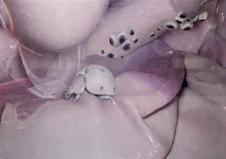
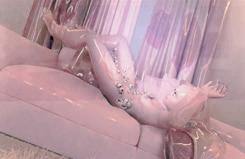
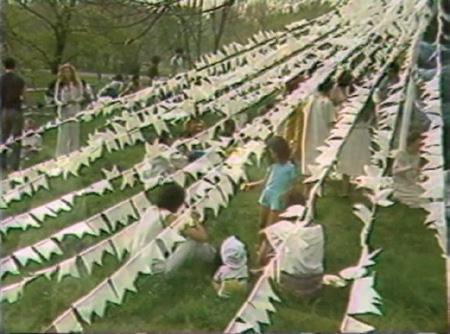
Elaine Tedesco (Porto Alegre, RS, 1963)
Sem título, da série Aparatos para o sono, 1995 Instalação de seda e penas
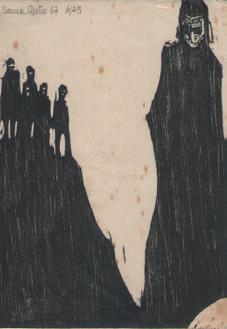
Sonia Castro (Salvador, BA, 1934)
Sem título, 1967
Xilogravura
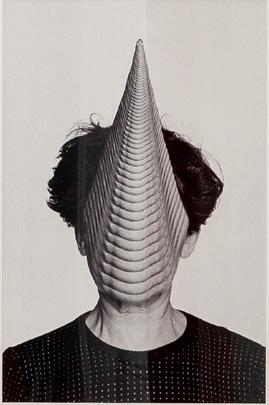
Esther Ferrer (San Sebastian, Espanha, 1937)
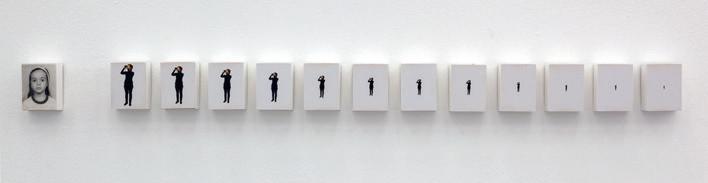
El libro de las Cabezas –Evolución – Metamorfosis, 2005
Fotografia
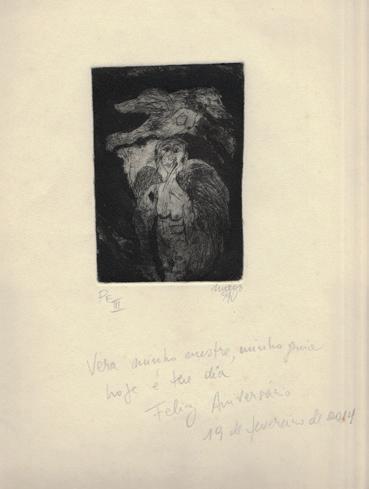
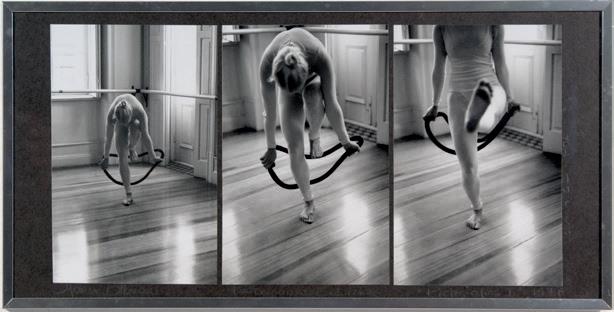
Margarita Kremer (Rosario, Argentina, 1966)
Anja, 1994
Gravura em metal
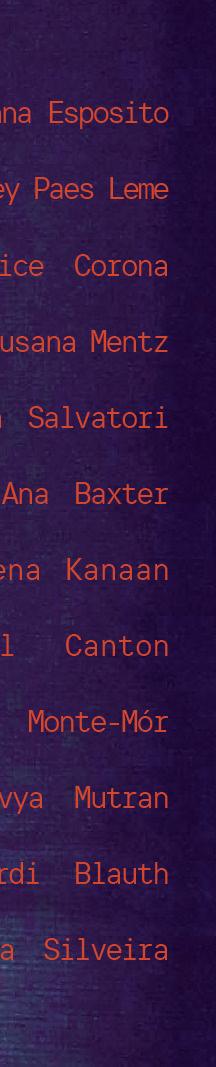
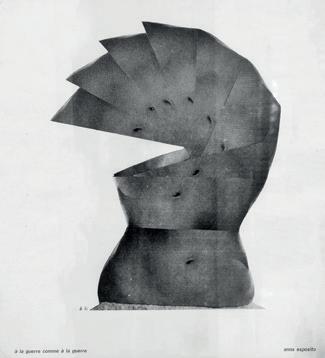
Anna Esposito (Roma, Itália, 1935)
A La Guerre Comme À La Guerre, 1975 Impressão Offset
Mara Alvares (Porto Alegre, RS, 1950)
Pictografias I, 1976 Fotografia PB
Johanna Vanderbeck
Eletronic Delight, s/d Fotocópia
Elza Lima (Belém, PA, 1952)
Sem título, 1987
Fotografia PB
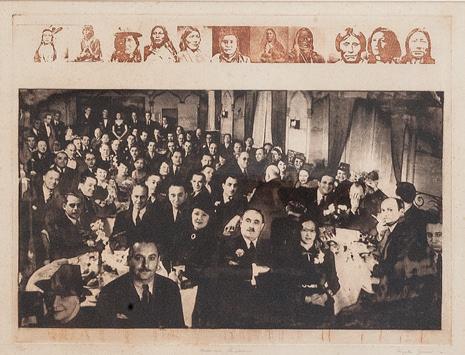
Angela Jansen (Nova Iorque, EUA, 1929)
Historical Perspective, 1973
Impressão e gravura em metal
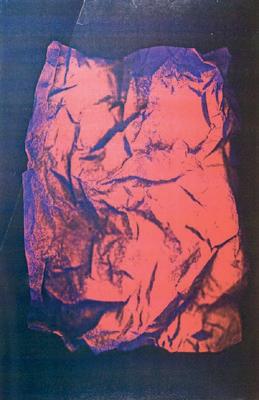
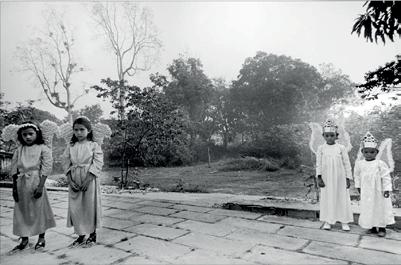
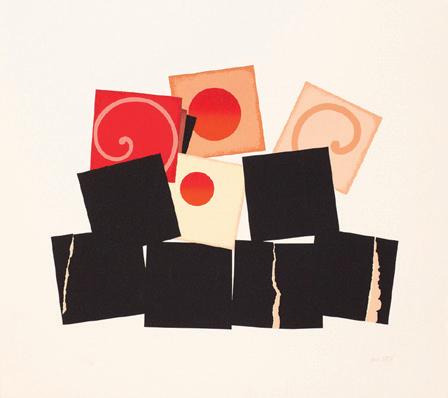
Anna Letycia (Teresópolis, RJ, 1929 –Rio de Janeiro, RJ, 2018)
Composição, s/d Serigrafia
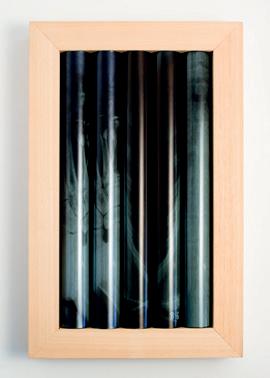
Lorena Geisel (Porto Alegre, RS, 1953)
Sem título, déc. 1980 Madeira e radiografias
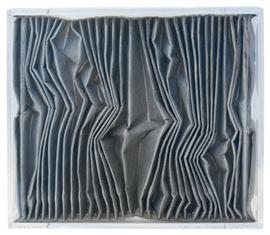
Shirley Paes Leme (Cachoeira Dourada, MG, 1955) Ar de São Paulo, 2012
Filtro de ar e acrílico
Marilice Corona (Porto Alegre, RS, 1964)
Sem título, da série
Menino Forte, 2023
Acrílica sobre papel
Maria Lucia Cattani (Garibaldi, RS, 1958 –Porto Alegre, RS, 2015)
Sem título, 1982
Gravura em metal
Sonia Moeller (Porto Alegre, RS, 1942)
Pátio Interno nº5, da série
Nos Domínios do Castelo, 1988 Montagem com dobraduras de papel
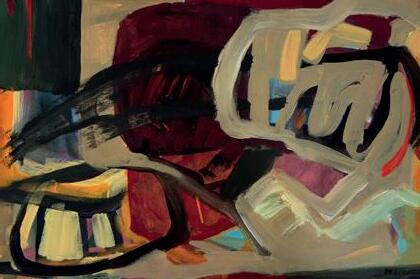
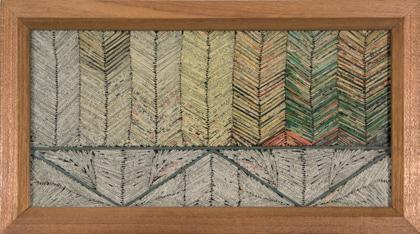
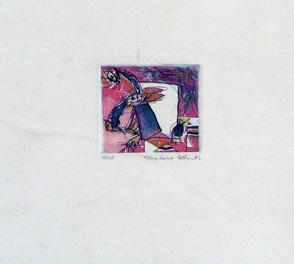
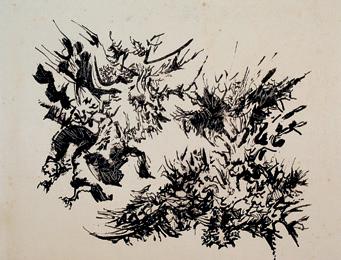
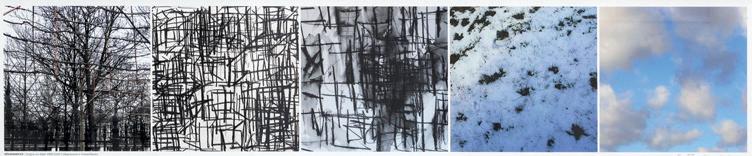
Susana Mentz (Porto Alegre, RS, 1939)
Sem título, 1964 Litografia
Marina Rheingantz (Araraquara, SP, 1983) Cubano, 2017 Litografia
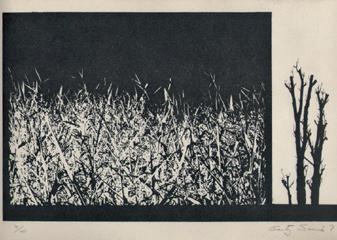
Gerty Saruê (Viena, Áustria, 1930)
Sem título (Formas da natureza), 1979 Fotocópia
Teresa Poester (Bagé, RS, 1954) Résonances, 1999/2009 Infogravura
Nara Amélia (Três Passos, RS, 1982)
Sublimação, 2018
Gravura em metal
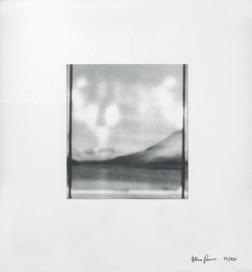
Letícia Ramos (Santo Antônio da Patrulha, RS, 1976)
Subida ao monte ventoso, 2011 Fotografia
Maristela Salvatori (Porto Alegre, RS, 1960)
Sem título, 2005
Gravura em metal
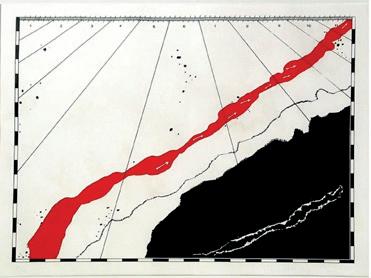
Anna Maria Maiolino (Scalea, Itália, 1942)
Sem título, 1975
Serigrafia
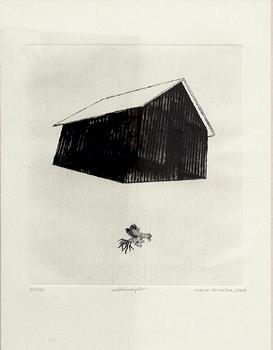
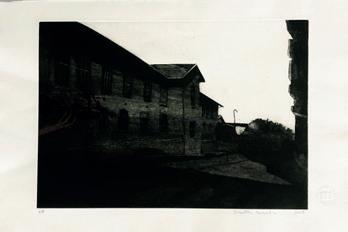
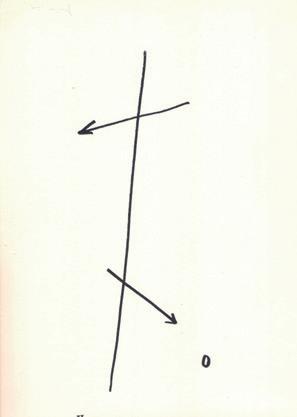
Mira Schendel (Zurique, Suíça, 1919 –São Paulo, São Paulo, 1988)
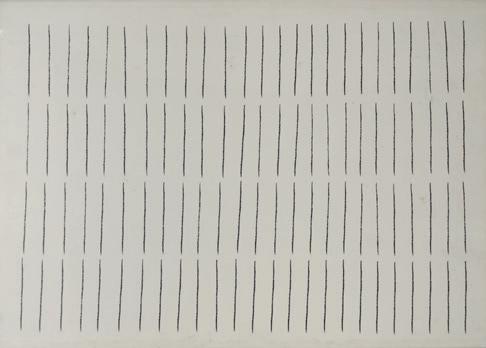
Sem título, 1979 Fotocópia
Lygia Clark (Belo Horizonte, MG, 1920 –Rio de Janeiro, RJ, 1988)
LC3, da série Bichos, 1965 Escultura em alumínio com dobradiças
Jac Leirner (São Paulo, SP, 1961)
7 níveis de precisão, 2017
Impressão a jato de tinta e metacrilato
Marilá Dardot (Belo Horizonte, MG, 1973)
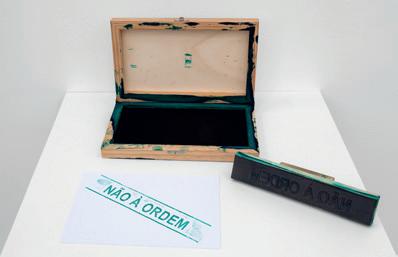
Lema, 2015
Caixa de madeira, espuma para carimbos e carimbo em madeira e borracha
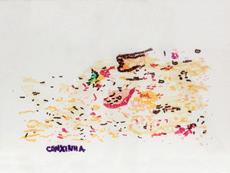
Carmela Gross (São Paulo, SP, 1946)
Carimbos, 1977-1978
Carimbadas sobre papel

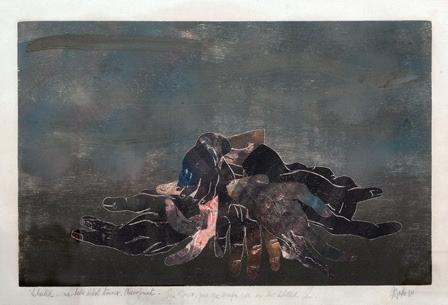
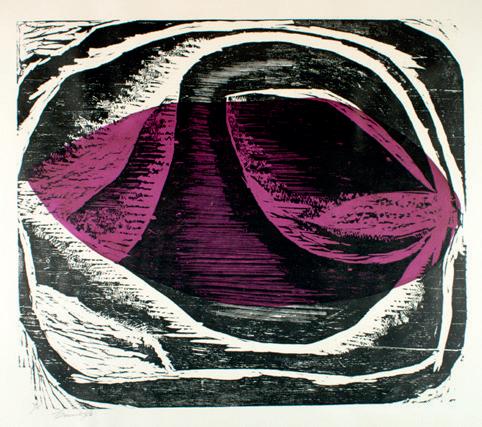
Baxter (Buenos Aires, Argentina, 1942) Libertad Um bello arbol trunco, 1984 Monotipia
Conceição Piló (Belo Horizonte, MG, 1927 – 2011) Sem título, s/d Xilogravura
Regina Ohlweiler
(Porto Alegre, RS, 1954)
Red Trip, 2008
Óleo e pigmento sobre tecido de algodão
Maria de Lourdes
Sanchez Hecker
(Porto Alegre, RS, 1936 – 1996)
Sem título, 1958
Monotipia
Maria de Lourdes
Sanchez Hecker
(Porto Alegre, RS, 1936 – 1996)
Sem título, 1958
Monotipia
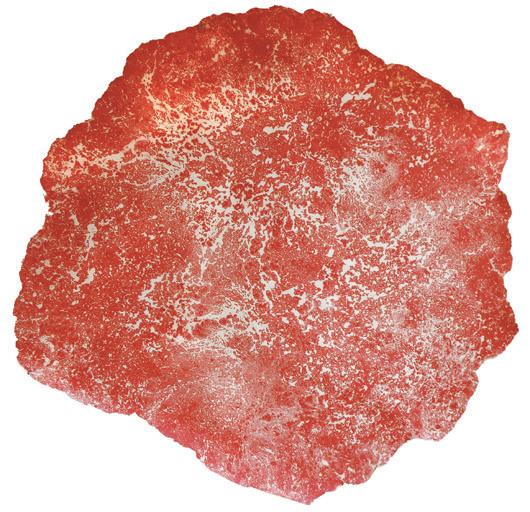
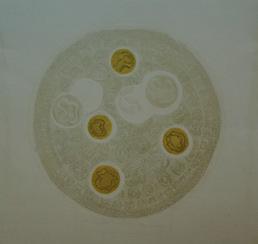
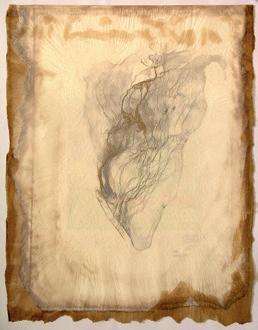
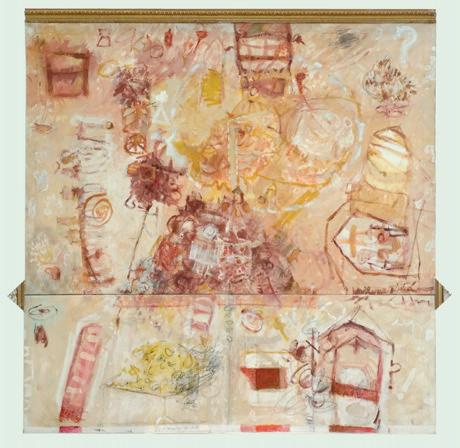
Thereza Miranda (Rio de Janeiro, RJ, 1928) Nova Germinação XIII, 1969 Gravura em metal
Helena Kanaan (Bagé, RS, 1961) Sem título, 2007 Aguada litográfica sobre papel kozo
Marilene Burtet Pieta (Porto Alegre, RS, 1943) Crossover, 2007 Têmpera e óleo sobre tela
Helena Martins-Costa (Porto Alegre, RS, 1969)
Vestidos para Morrer, 2001 Instalação com fotografia e metal
Sofia Borges (Ribeirão Preto, SP, 1984)
Cavalo marrom, 2010
Jato de tinta sobre papel algodão
Germana Monte-Mór (Rio de Janeiro, RJ, 1958)
Sem título, 2004
Gravura em metal
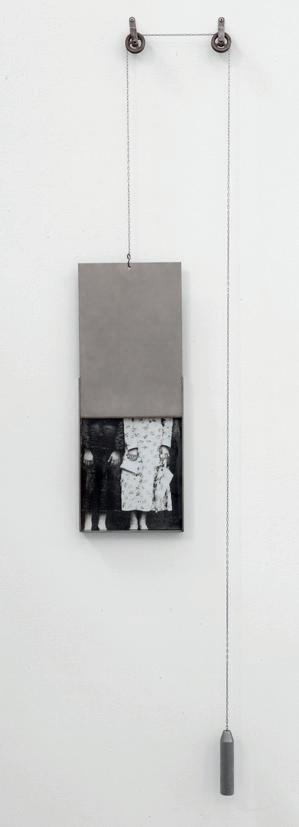
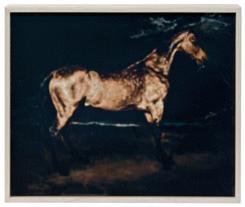
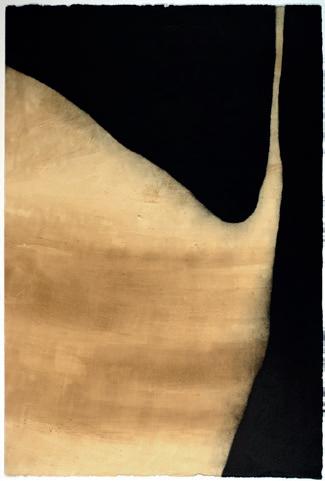
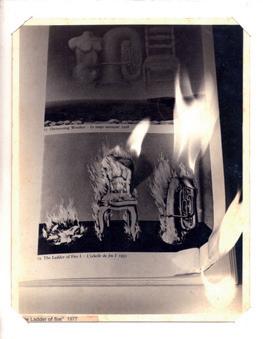
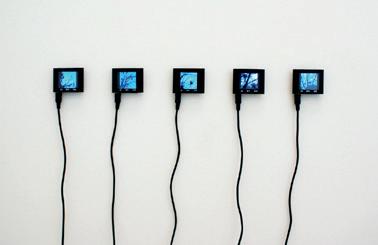
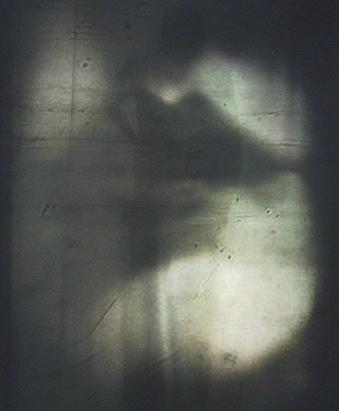
Liliana Porter (Buenos Aires, Argentina, 1941) Ladder of fire, 1977 Fotografia
Celina Almeida Neves (Belo Horizonte, MG, 1963) Inverno, da série Selos, 2012 Instalação com fotografias e aparelhos eletrônicos
Flavya Mutran (Marabá, PA, 1968) Sem título, 2019 Impressão digital jato de tinta
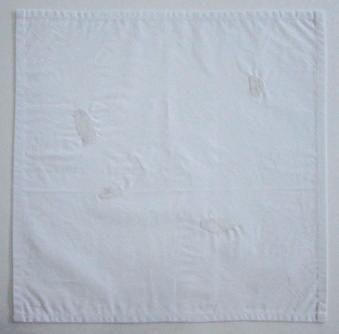
Brígida Baltar (Rio de Janeiro, RJ, 1959 – 2022) AS AFTAS, 2016 Bordado sobre tecido
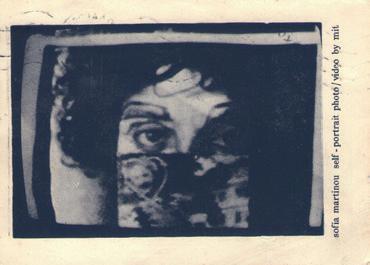
Sophia Martinou (Atenas, Grécia)
Self-portrait, 1982
Arte postal
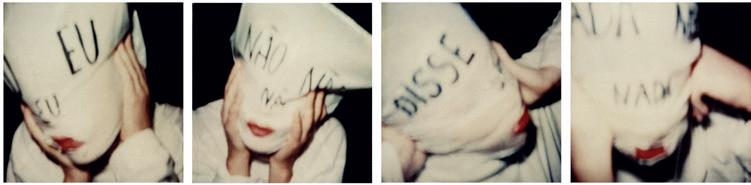
Lenora de Barros (São Paulo, 1953)
Eu não disse nada, 1990/2016
Impressão jato de tinta sobre papel algodão. Ed: FVCB
Camila Schenkel (Porto Alegre, RS, 1982)
Na medida do olho, 2009
Fotografia

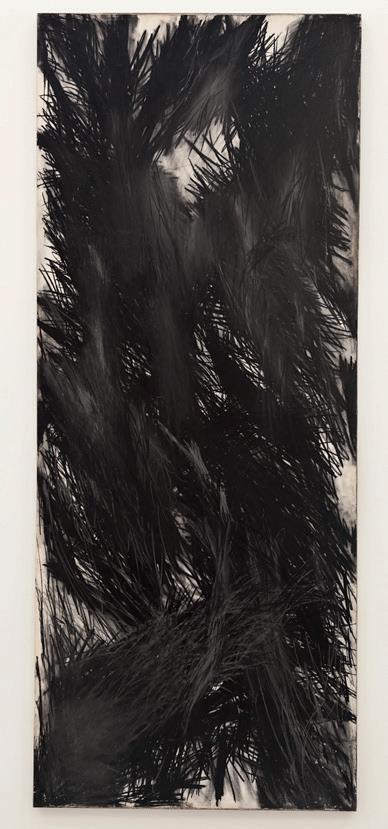
Lurdi Blauth (Montenegro, RS, 1950) Carbonizados I, 2002 Impressão de fósforos queimados sobre papel artesanal
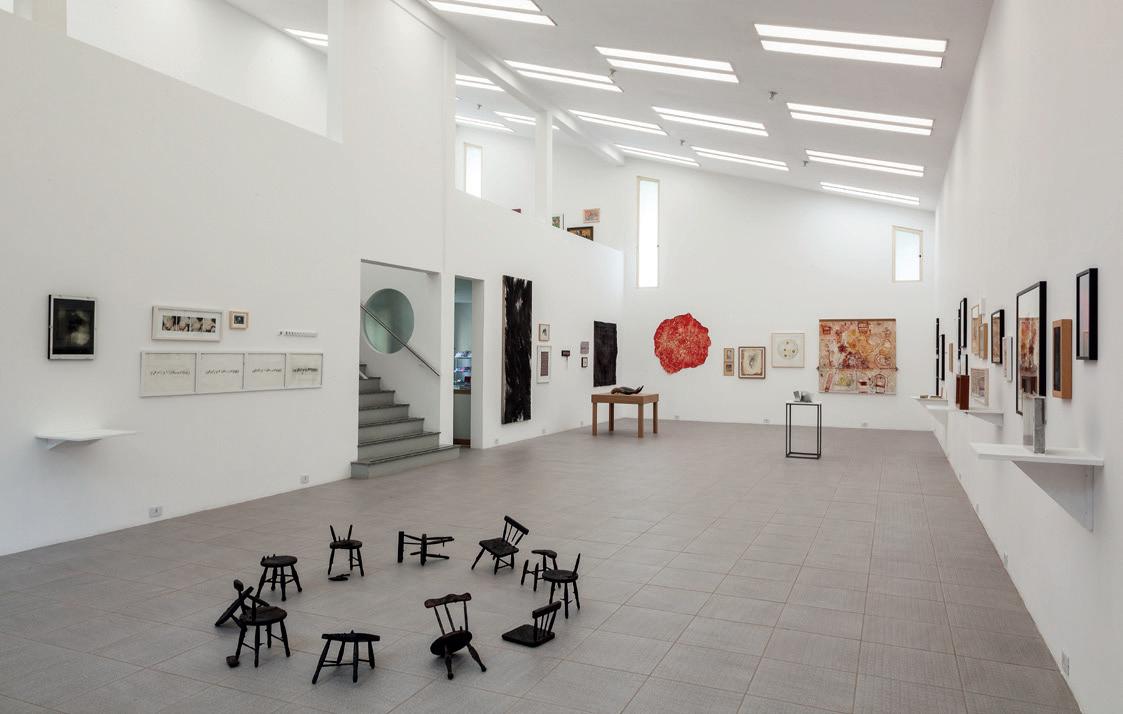
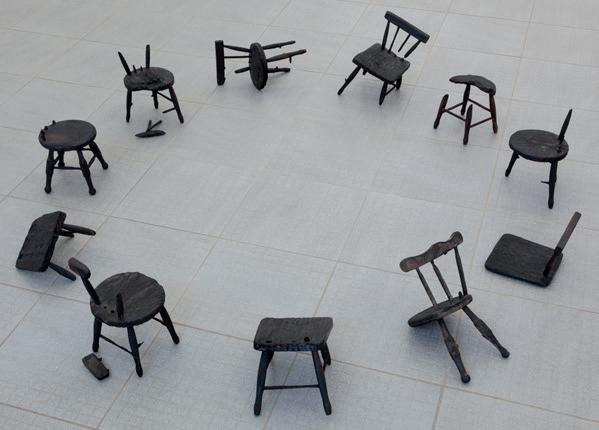
Lia Menna Barreto (Rio de Janeiro, RJ, 1959) Jardim de Infância, 1996 Instalação com cadeiras de madeiras calcinadas
Elida Tessler
(Porto Alegre, RS, 1961)
Sem título, da série Desenhos, 1988
Pastel artesanal sobre papel
Regina Silveira
(Porto Alegre, RS, 1939)
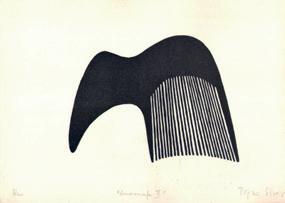
Anamorfa II, 1979
Fotocópia
Marlies Ritter
(Porto Alegre, 1941)
Perdas, 2019
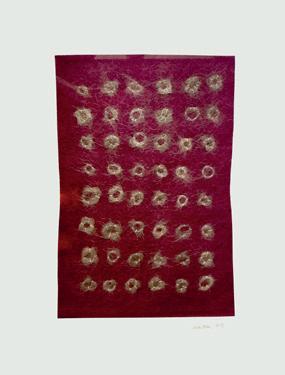
Cabelo bordado em feltro
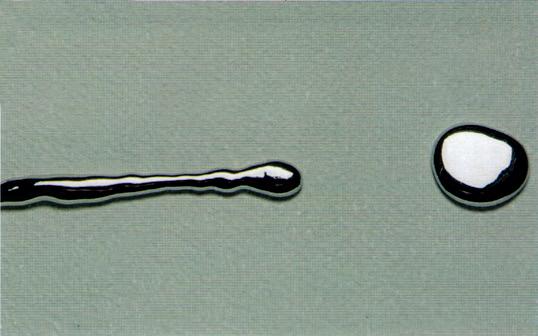
Nazareth Pacheco (São Paulo, SP, 1961) Prateadas, 2015 Impressão sobre acrílico
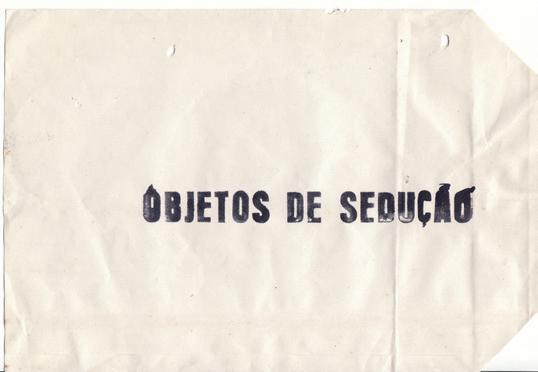
Lygia Pape (Nova Friburgo, RJ, 1927 –Rio de Janeiro, RJ, 2004) Objetos de Sedução, 1978 Arte postal
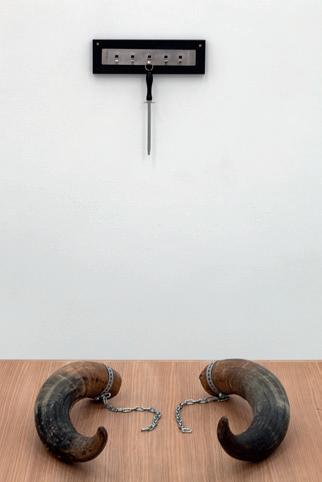
Dione Veiga Vieira (Porto Alegre, RS, 1954)
Sala de Recepção, 2008
Guampas bovinas, afiador de faca e madeira
Gisela Waetge (São Paulo, SP, 1955 –Porto Alegre, RS, 2015) 9 x 9, 1992
Pigmentos e base acrílica sobre papéis diversos em estrutura metálica
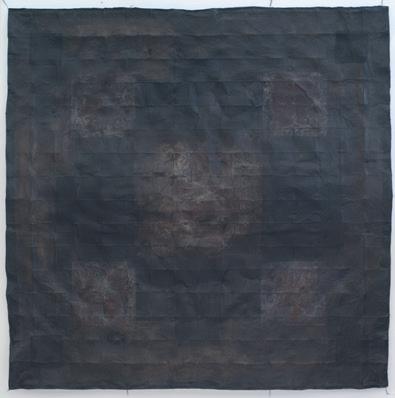
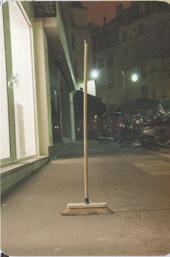
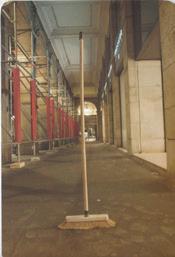
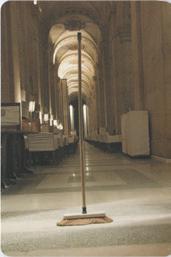
Glaucis de Morais (Lajeado, RS, 1972)
O aprendiz de feiticeiro, 2017 Postal em off-set Mariane Rotter (Ijuí, RS, 1975)
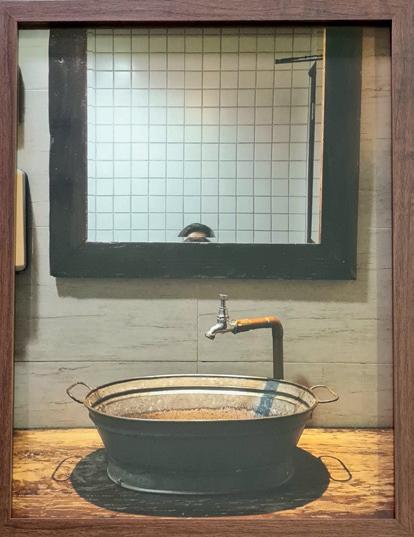
Meu ponto de vista: check-in –Unser Haus, da série Banheiros, 2017 Fotografia
Carolina Gleich (Porto Alegre, RS, 1960)
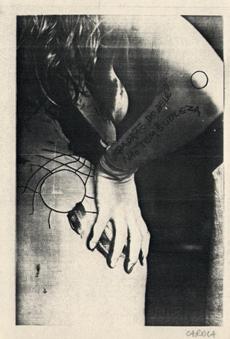
Padrão de beleza não tem sutileza, 1983
Fotocópia
Vitória Cribb (Rio de Janeiro, RJ, 1996)
Fixing Bugs, 2024 Still de vídeo sobre acrílico
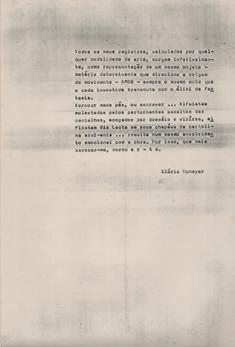
Glória Munayer
Sem título, do projeto Xerox Grafia, déc. 1980 Fotocópia
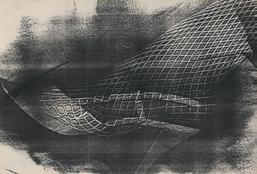
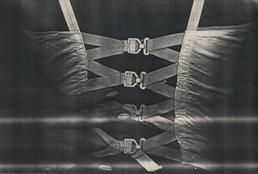
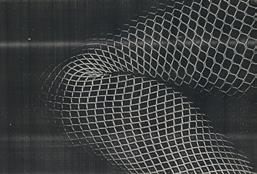
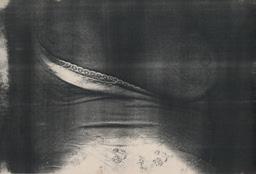
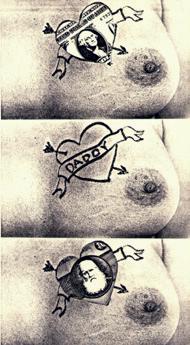
Mary Dritschel (Nova Iorque, EUA, 1934) Art Marks, 1979 Fotocópia
Maria Tomaselli (Innsbruck, Áustria, 1941)
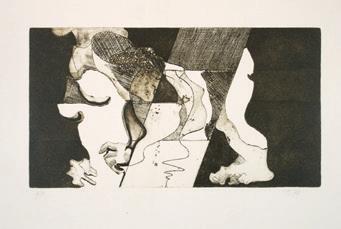
Sem título, 1974 Gravura em metal
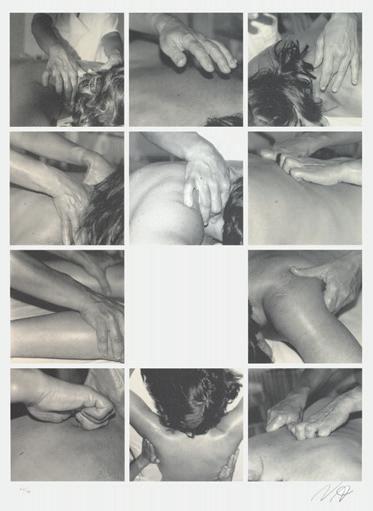
Susana Solano (Barcelona, Espanha, 1946) Hidroterapia, 1992 Litografia
Rosângela Rennó (Belo Horizonte, MG, 1962)
Corpos estranhos, 2009
Impressão a jato de tinta sobre papel algodão
Monika Funke Stern (Bergisch Gladbach, Alemanha, 1943)
Na manhã seguinte, o Ministro não regressou ao seu local de trabalho, 1989
Fotografia
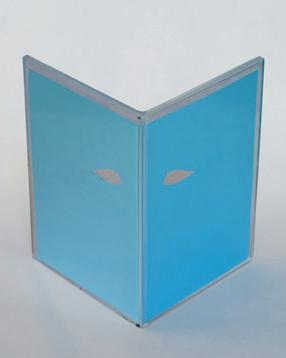
Laura Lima (Governador Valadares, MG, 1971)
Seu nome como título, 2010
Objeto em acrílico
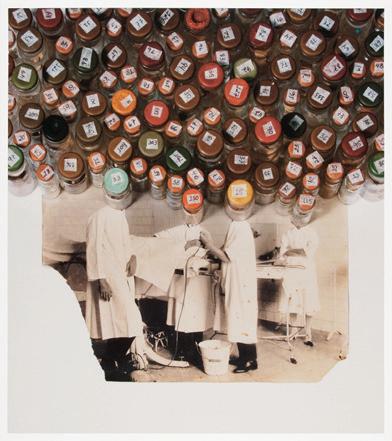
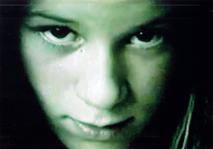
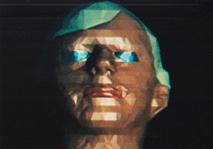
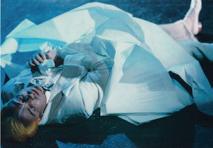
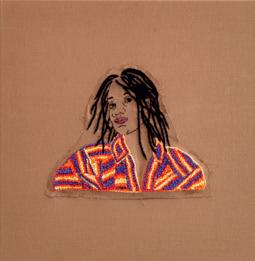
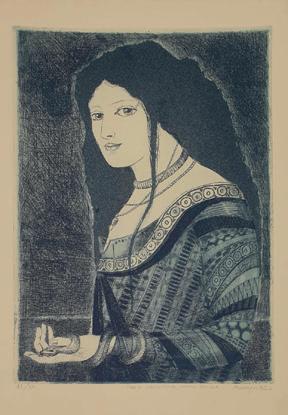
Mitti Mendonça (São Leopoldo, RS, 1990)
Autorretrato, da série Afetos, 2021
Bordado sobre tecido
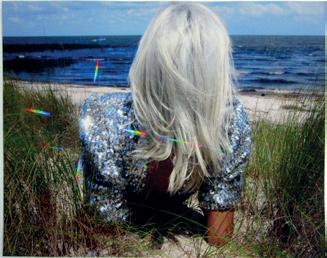
Rochele Zandavalli (Garibaldi, RS, 1980)
Sem título, da série Brilha, 2019 Fotografia
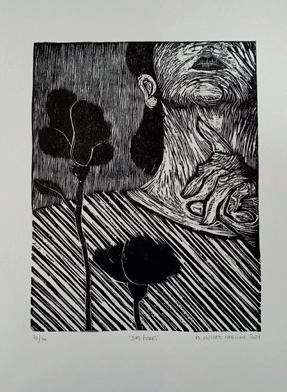
Maria Lídia Magliani (Pelotas, RS, 1946 –Rio de Janeiro, RJ, 2012) Duas flores, 2012/2024 Xilogravura
Impressão: Núcleo Magliani
Sonya Grassmann (Burgas, Bulgária, 1933 –São Paulo, SP, 1997) Mulher, 1982 Gravura em metal
Marta Penter (Porto Alegre, RS, 1957)
Autorretrato, 2004
Fotografia e desenho
Diana Domingues (Paim Filho, RS, 1947 –Porto Alegre, RS, 2025)
Claudia Dal Canton
Da percepção tátil à representação gráfica, 1980
Livro de artista
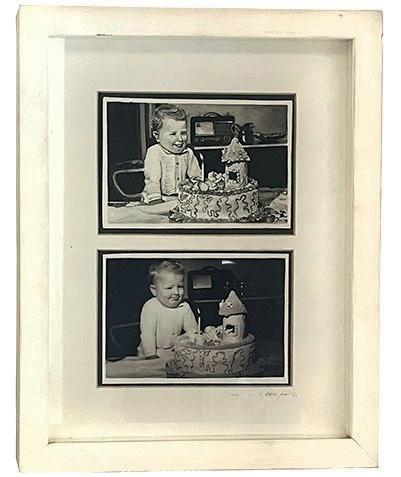
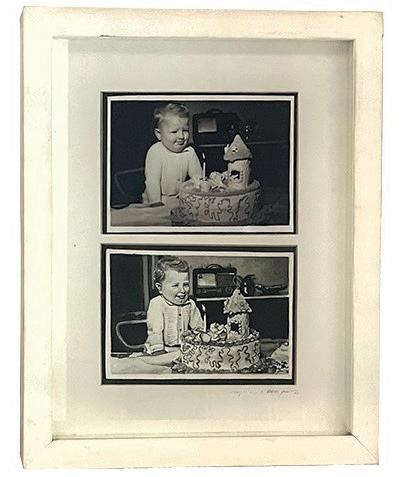
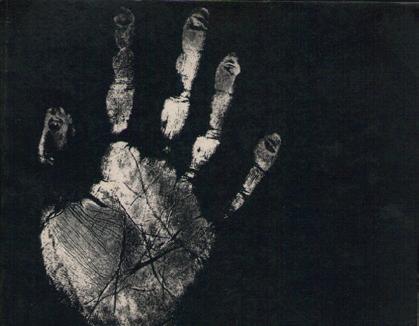
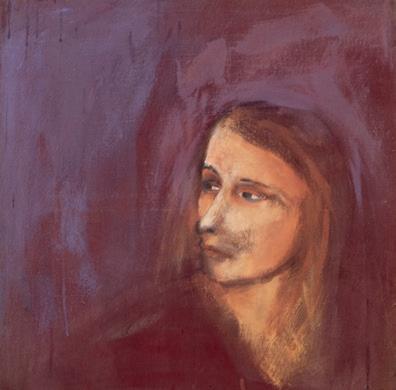
Heloisa Schneiders da Silva (Porto Alegre, RS, 1955 – 2005) Sem título, s/d Óleo sobre tela
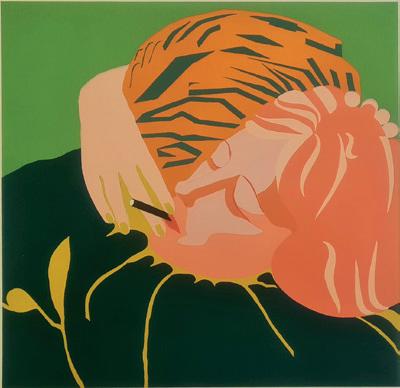
Judith Lauand (Pontal, SP, 1922 – São Paulo, SP, 2022) Mulher Fumando, 1969 Serigrafia
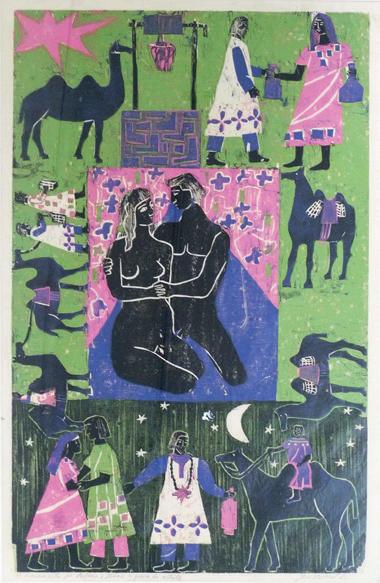
Zoravia Bettiol
(Porto Alegre, RS, 1935)
O Casamento de Rebeca e Isaac, 1966
Xilogravura
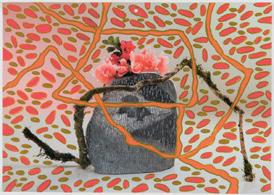
Téti Waldraff
(Sinimbu, RS, 1959)
Intervenções em Japonês, Ikebana 6, 2016
Desenho
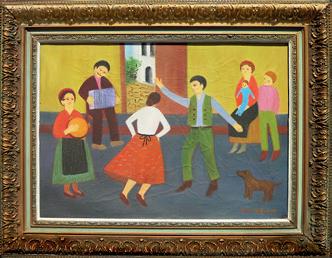
Maria di Gesu
(Morano Calabro, Itália, 1928)
Dança em família, 1981
Acrílica sobre tela
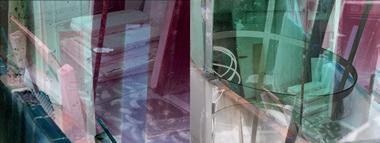
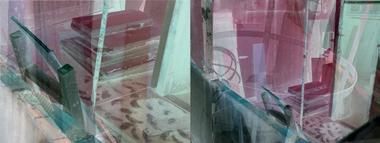
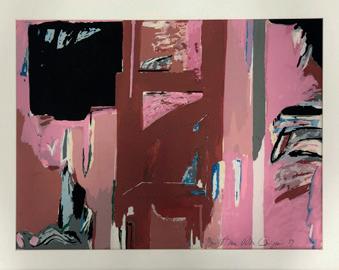
Vera Chaves Barcellos (Porto Alegre, RS, 1938)
Sem título, 2025
Fotografia em metacrilato
Romanita Disconzi (Santiago, RS, 1940)
Sem título, 1981
Acrílica sobre madeira
Anna Bella Geiger (Rio de Janeiro, RJ, 1933)
Sem título, 1989
Serigrafia
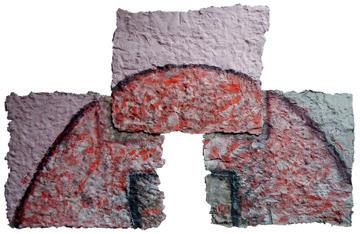
Karin Lambrecht (Porto Alegre, RS, 1957)
Sem título (meio círculo), 1980
Acrílica sobre papel artesanal
Laura Fróes (Porto Alegre, RS, 1970)
Sem título, déc. 1980
Desenho
Ione Saldanha (Alegrete, RS, 1919 –Rio de Janeiro, RJ, 2001)
Sem título, 1982
Pintura sobre madeira
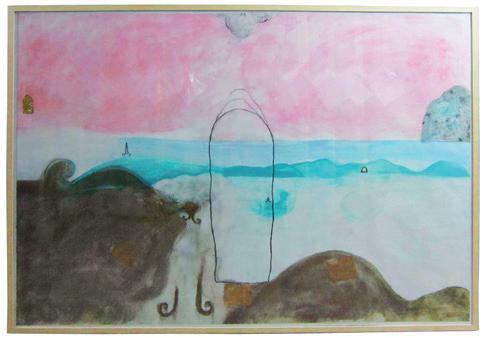
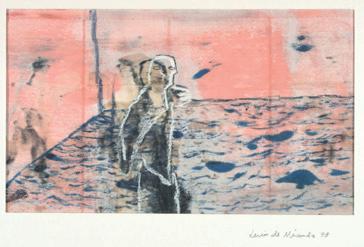
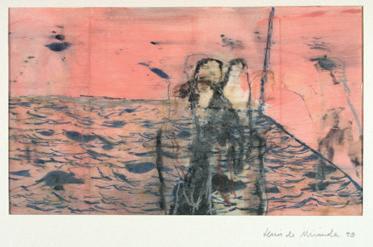
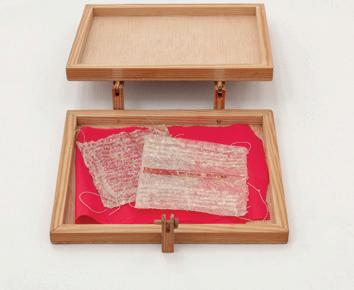
Lenir de Miranda (Pedro Osório, RS, 1945)
Sem título, 1998
Acrílica sobre papel
Ana Miguel (Niterói, RJ, 1962) No Hope, No Fear, 1990
Tecido, madeira e gravura impressa sobre papel artesanal e recoberta com resina
Vilma Sonaglio (Bento Gonçalves, RS, 1963)
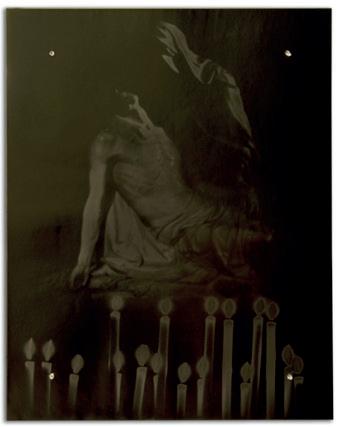
Avulsa, da série Altares, 2000 Fotografia
Sandra Cinto (Santo André, SP, 1968)
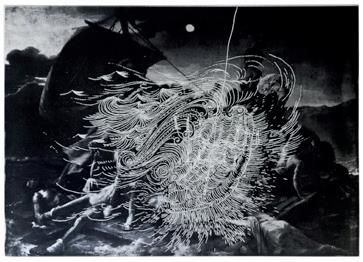
Sem título, da série
A Travessia Difícil –Après Géricault, 2010 Serigrafia sobre vidro
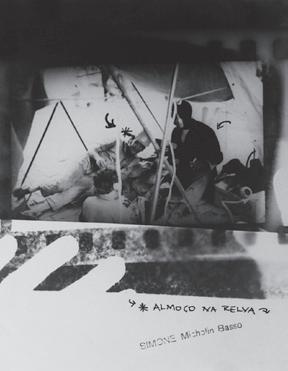
Simone Michelin Basso (Bento Gonçalves, RS, 1956) Almoço na relva, s/d Fotografia PB
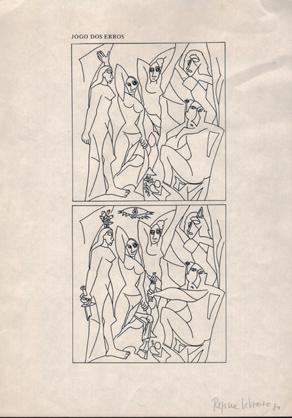
Regina Silveira (Porto Alegre, RS, 1939)
Jogo dos erros, da série Jogos de Arte, 1980 Impressão Offset
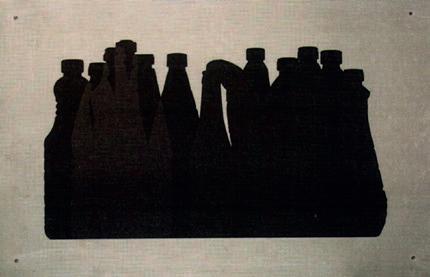
Dora Longo Bahia (São Paulo, SP, 1961) Black Bloc, 2014 Placas de fibrocimento com serigrafia em preto
Laura Miranda (Curitiba, PR, 1958)
Mônica Infante (Juiz de Fora, MG, 1964)
Liquens, 2013/2014
Videoarte, 23'35''
Regina Vater (Rio de Janeiro, RJ, 1943)
Celebration for GO(o)D TIME, 1982
Videoarte, 05’23’’
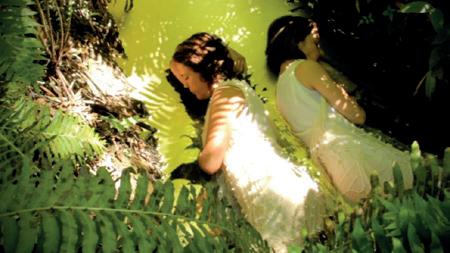
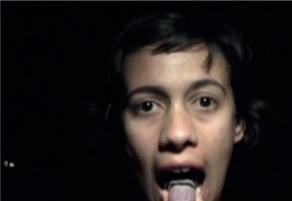
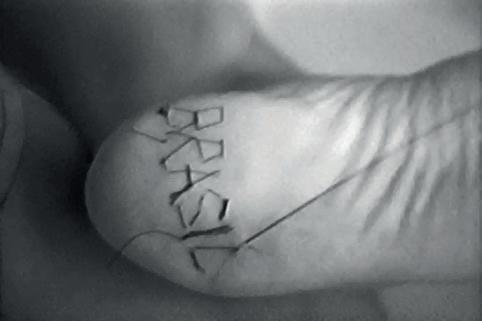

Ana Miguel (Niterói, RJ, 1962)
Você viu o que eu vi?, 1999-2012 Videoarte, 01’32’’
Jeanette Chávez (Havana, Cuba, 1980) Autocensura, 2006 Videoarte, 02'52''
Letícia Parente (Salvador, BA, 1933 –Rio de Janeiro, RJ, 1991) Marca registrada, 1975 Videoarte, 10’17’’








Inevitable paradoxes: The Few and the Many


When invited to curate an exhibition of/about women artists in Vera Chaves Barcellos Foundation’s collection, I was overcome by a paradoxical feeling: joy at the opportunity and its significance, and doubt about its materialization. After all, despite following contemporary gender debates and reflections with great interest, my research is not focused specifically on this subject – so thoroughly explored and discussed by other colleagues – but rather on its systemic implications. Out of deep respect for the researchers who have been forging this path and claiming space to minimize the inequality in the inclusion of women artists within the art system and art history, I questioned my role here. Yet, as a woman and a feminist whose body is daily traversed by issues that permeate these discussions, it seemed important to me to carry this project forward, an approach that was unprecedented at the FVCB until now.
Thus, I began research not only on the women artists present in the collection, their trajectories, and their works, but also on the distinct curatorial discourses and narratives that have accompanied the recent wave of exhibitions devoted to this theme in cultural institutions in Brazil and around the world.
In this sense, Há pouco? [So few?] takes shape through research and analysis of some exhibitions focused on the theme of women artists over the past decade, in both national and local contexts, considering their curatorial proposals and the discursive strategies often employed in a didactic way to systematize the diversity of poetics, media, and themes involved, as well as to guide educational initiatives and the reception of these contents by broader audiences. These processes have resulted in interpretive frameworks and reading strategies for different artistic productions created by women artists since the 1960s.
The exhibition thus enables observation, analysis, and interpretation from multiple perspectives and approaches. I would emphasize the opportunity, grounded in this diverse and complex collection, to establish connections among artists of major national, international, and particularly local significance. In the selection of works and in their arrangement within the exhibition space, one can perceive encounters that transcend generations, engaging in dialogue through language and theme.
An important point to be highlighted lies in one of the approaches adopted in this selection, which distinguishes it from those that served as its reference: the affective dimension of the curatorial choices, enabling the presentation of works by artists who were significant during my formative years, including professors, colleagues, and friends. Additionally, and in a more implicit way, the exhibition represents a political statement regarding the insertion, presence, visibility, permanence, and representativeness of these artists, as well as of the many others who could not be accommodated within the space and time of the show.
Art historian Emerson Dionísio, while researching the international circulation of Brazilian artistic production associated with the so called popular art in the mid twentieth century¹ , detected a curious recurrence in its appearances in the media of the time: every time an artist was written about, that artist (usually a man) was presented as a novelty, a discovery, as if their artistic production were recent, when in fact it was the result of years and decades of hard work. Thus – and understanding that the interest in and attention directed towards the work of women artists followed a similar logic for a long time – the expression “há pouco” (Portuguese for both “not long ago” and “so few”) was incorporated into the title of this exhibition.
Not only as a reference to this “eternal restart” of professional life, which rarely acknowledged sustained practice and, therefore, the maturation of a personal poetics capable of anchoring significant works that engaged meaningfully with the debates of their time, “há pouco” functions, in the context of this exhibition, as a double provocation. Beyond the chronological sense of “not long ago”, it also serves in terms of representativeness, leading us to question the effective presence of women artists in the Contemporary Artists collection of the Vera Chaves Barcellos Foundation, which today includes more than 200 women artists, in addition to groups/duos/projects in the collection, among them the Argentinian collective Instantes Gráficos², responsible for the ELLA project (2014)³ , which involves 28 women artists 4 . In quantitative terms 5 , there are approximately 580 individually authored works. It is important to emphasize that this number does not include works from the Vera Chaves Barcellos Collection, which comprises 964 works by the artist herself.
While these preliminary figures suggest certain characteristics of the collection’s profile, they also conceal others that are extremely relevant. Perhaps the fundamental issue to be considered is the formation of the Foundation’s collection through the particular gaze of artist Vera Chaves Barcellos, shaped by her artistic interests and by her networks of professional and affective relationships.
Vera notes that the beginning of the collection took place through exchanges of works with other artists. It was in this way that she acquired her first prints by Anna Bella Geiger, as well as works by Gretta Sarfaty and Anna Maria Maiolino, for instance. She also points
¹ OLIVEIRA, 2023
² Available at: https://fvcb.com.br/acervo/artista/instantes-graficos/, accessed on 06/02/2026.
³ Available at: https://fvcb.com.br/acervo/colecao-artistas-contemporaneos/ella-ella/, accessed on 06/02/2026.
4 Patricia Alés, Patricia Alfonso, Carla Beretta, Laura Bernardello, Silvana Blasbalg, Marcela Caballero, Ailin Camba, Gabriela Cassano, Adriana Cora, Mara Crispino, Ana Erman, Vivi Flachsland, Gisela Francisconi, Mirta Gendin, Romina González, Maria Guerreiro, Maria Gurrola, Silvia Holzken, Gabriela Juárez, Miriam Midley, Patricia Pinto, Malisa Sales, Claudia Stile, Laura Tarsitano, Mabel Temporelli, Lucía Torres, Norma Villarreal, Ana Lía Werthein.
5 Number of works updated as of the publication of this catalogue, March 2026.
out that she received gifts from certain artists, such as two books by Mira Schendel, which were donated after a visit. It is equally important to situate the large number of mail art works received during the 1970s and 1980s from all parts of the globe, a body of material that is absolutely relevant to understanding the profile of the collection. In this regard, it is noteworthy that, although she had been acquiring works since the 1960s, the artist understands the purchase of LC3, from the series entitled Bichos [Critters] (1965), by Lygia Clark, acquired in the 1990s, as the moment when this group of works came to be constituted as a collection. This foundational work – both for the history of contemporary art and for the FVCB collection – is present in this exhibition.
Returning to the mention of the exhibition’s title: há pouco tempo [not long ago] – something like three decades ago – in the context of Rio Grande do Sul, reflection on the production of women artists could be perceived as sporadic, marked by the work of a few names who, placed alongside the production of male artists, composed the (limited) panorama of what was recognized for its artistic merit.
Thus, the mistaken common belief was propagated that being an artist was a predominantly male role, when in fact what existed was a profound disparity in the social and economic conditions that allowed someone to venture into this field professionally. In the context of Rio Grande do Sul, beyond issues related to access to art education, the low social expectation of working professionally based on acquired knowledge and the functioning of a structurally patriarchal society – in which positions of power and spaces of legitimacy were, and to a large extent still are, “naturally” occupied by men – completed an artistic scenario in which women tended to remain in the shadows.
This scenario has been undergoing significant changes, and some achievements can be observed in terms of giving visibility to the works and trajectories of women artists who were producing, in many cases, silently, without bringing their work into the public sphere; in other instances, focusing their practice on teaching art. Or even when seeking to maintain a consistent and sustained artistic practice, they were unable to secure sufficient institutional or critical recognition to allow their work to circulate and become known.
This movement is certainly not an isolated event; rather, it is part of and results from a broader international and national debate, contextualized within feminist discussions that gained momentum in the late 1960s and became more complex in distinct waves in the following decades, gradually coming to include debates also intersecting with racial and class issues. In the visual arts, this discussion gained particular resonance just over five decades ago, in 1971, when the American scholar and feminist Linda Nochlin published in the American magazine ArtNews – what has since become a foundational essay in art and gender studies – “Why Have There Been No Great Women Artists?”, in which she made a forceful critique of how Art History, as a field of knowledge and academic discipline, excluded women artists from its narratives. By pointing to the historical institutional barriers that prevented women from accessing the same forms of training as men in different periods of history, and to how this inequality reverberated in
processes of visibility and legitimation of artists, Nochlin sought to dismantle certain myths surrounding the notion of artistic genius and innate talent. Through an argumentative inversion, she demonstrated that the absence of women artists from history books did not signify a lack of talent or an inability to produce works of artistic value, but rather the result of structurally adverse conditions.
Since then, several studies have been conducted on the presence or absence of women artists in institutional collections as well as in the programming of museums and cultural centers, including their participation in group exhibitions and, above all, solo shows. Some of these investigations have also extended to women artists’ participation in the art market, establishing connections between recognition and financial valuation.
In Brazil, women scholars such as Ana Paula Simioni, Daniela Kern, and Talita Trizoli, to name just a few, have been developing investigations that range from analyses of the presence of these artists in public and private collections to generational and monographic studies that seek to address gaps and to insert women artists into the narratives of distinct historical periods, from the nineteenth century to the present day.
In addition to academic research, museums, cultural centers, and major events such as biennials have also sought to reduce the gaps left by decades of gender disparity in their programming directed toward broader audiences. As a result, exhibitions focused on this theme have been held in recent years. Without intending to provide an exhaustive mapping of such initiatives, it is worth highlighting here a few that, besides becoming landmarks in women’s artistic production over the past decade, have also served as references for the research underlying Há pouco? [So few?].
In this sense, Radical Women: Latin American Art, 1960-1985, curated by Andrea Giunta and Cecília Fajardo-Hill, the result of extensive research, toured nationally at the Pinacoteca de São Paulo, in 2018, after being presented at the Hammer Museum in Los Angeles as part of Pacific Standard Time: LA/LA and at the Brooklyn Museum in New York. Featuring, in its Brazilian version, approximately 280 works by more than 120 artists from fifteen Latin American countries, the exhibition was curatorially structured around the concept of the political body and organized into six thematic sections: Body/landscape; The Performative Body; Mapping the Body; Resistance and fear; The power of words; Social spaces and The erotic. It is worth noting that among the artists included in “Radical women”, eleven are also featured in Há pouco? [So few?], reinforcing the generational and aesthetic intersections proposed here, namely: Anna Bella Geiger (1933), Anna Maria Maiolino (1942), Carmela Gross (1946), Lenora de Barros (1953), Letícia Parente (1930–1991), Lygia Clark (1920–1988), Lygia Pape (1927–2004), Mara Alvares (1948), Regina Silveira (1939), Regina Vater (1943), and Vera Chaves Barcellos (1938).
If we consider the History of Exhibitions, this show is emblematic in establishing criteria for reading and analyzing the production of women artists within a broader History of Art. Beyond its interinstitutional and international circulation, which allowed its reach to diverse audiences, the exhibition fostered geographic and generational intersections that had been unprecedented in
exhibition terms, enabling viewers to engage with perspectives shaped by distinct national contexts, but foregrounding the Latin American scene of the time as a backdrop.
Another national milestone to be considered was the two exhibitions held by the São Paulo Museum of Art (MASP) in 2019 as part of the “Histories” program, which seeks to revisit the canonical art history by acknowledging artists previously excluded from it and expanding their scope of visibility. Thus, Women’s Histories: Artists Until 1900, curated by Julia Bryan-Wilson, Lilia Moritz Schwarcz and Mariana Leme, and Feminist Histories: Artists After 2000, curated by Isabella Rjeille, not only brought gender discussions to the center of the museum’s programming throughout that year, as suggested by their titles, but also contributed to increasing the presence of women artists in the institution’s collection. Beyond the effort to address certain historical gaps, these exhibitions challenged conventional understandings of gender identity by including trans artists in the show, questioning what it means to be a woman artist today. Furthermore, a perspective on the queer universe through a female/feminist lens was also incorporated.
In local terms, three exhibition projects that focused on the work of women artists deserve particular attention. The first was Estratégias do feminino [Strategies of the Feminine], presented at Farol Santander, Porto Alegre, between October 2019 and February 2020. Curated by Daniela Thomas, Fabricia Jordão, Helena Severo, and Rita Sepúlveda, the show featured the participation of 55 Brazilian women artists, presenting 95 works distributed across five sections: The body I inhabit, The house and the street, In the heat of the struggle, Fold and sew, Lists and diaries. It thus brought together both historical works and others specially commissioned for the exhibition. The curatorial argument, centered on the struggles experienced by women, focused on the desire to share the world under conditions of equality and sought to understand the feminine from a plural perspective and through the lens of gender performance, including the participation of women artists – cisgender, transgender, Indigenous, Black, racialized, and white.
Another important project to be mentioned, originating in Porto Alegre, was the 12th Mercosur Biennial. Entitled Feminism(s), Visualities, Actions and Affects, the exhibition, scheduled to open in May 2020, had its course and realization directly affected by the rapid outbreak of the coronavirus pandemic in mid-March of that year. Initially having its opening indefinitely postponed, and later reconfigured into a 100% digital platform6, the 12th Mercosur Biennial had Andrea Giunta at the head of the curatorial team, accompanied by Dorota Biczel, Fabiana Lopes, and Igor Simões. Featuring approximately 70 artists and collectives7, the event revolved around proposals by women artists and non-binary, fluid, non-normative sensibilities, seeking to function as an alternative space to the traditionally exclusionary structure of symbolic and cultural representations that usually govern the art world.
6Available at: https://www.bienalmercosul.art.br/online, accessed on 06/02/2026.
7 Including Carmela Gross and Vera Chaves Barcellos, artists also featured in the FVCB collection and in Há pouco? [So few?]
Concluding this brief overview, and focusing on the impact of actions at the local level, the project Mulheres nos Acervos [Women in Collections] 8 deserves attention and mention. Conducted throughout 2019, 2020, and 2021, it was initially proposed as a collaborative research project by art history researchers Cristina Barros, Marina Roncatto, Mel Ferrari, and Nina Sanmartin. Its initial objectives were to understand and question the acquisition and exhibition policies of the institutions studied in relation to the work of women artists, as well as to provide data that could foster further connections and research regarding the history of art produced in Rio Grande do Sul.
Consisting, therefore, of the collection and analysis of data on the presence of women artists’ work in the public visual arts collections of the city of Porto Alegre, the project focused on the collections of the Pinacoteca Aldo Locatelli and the Pinacoteca Ruben Berta, at the municipal level; the Rio Grande do Sul Art Museum and the Rio Grande do Sul Museum of Contemporary Art, at the state level; and the Pinacoteca Barão de Santo Ângelo, belonging to the Federal University of Rio Grande do Sul (UFRGS).
Having originated from the academic interests of the researchers, then undergraduate students in Art History at UFRGS, the project unfolded into four exhibitions 9, each adopting a distinct curatorial approach according to the data gathered and the respective profiles of the collections. In this sense, it is worth mentioning the exhibitions held at MARGS and MACRS, due to their differences. The exhibition at MARGS focused on the presence of already established artists in the institution’s collection and was titled Gostem ou não: artistas mulheres no acervo do MARGS10 [Like it or not: women artists in the MARGS collection], a phrase taken from a statement by the artist Alice Brueggemann (1917-2001) to the newspaper Correio do Povo, in 1964, and found during the documentary research. At MACRS, the exhibition was titled 47%, referring to the high rate of representation of women artists in that collection, almost equivalent to the presence of male artists, a figure that stands in contrast to the majority of visual arts collections11 in the country concerning the presence of women artists.
8 Available at: https://mulheresnosacervos.wordpress.com/, accessed on 06/02/2026.
9 The exhibition based on the collection of Pinacoteca Barão de Santo Ângelo never took place, despite the project having been approved in a call for proposals for the occupation of UFRGS Cultural Center back in 2019. However, with the advancement of the coronavirus pandemic in 2020, the schedule was canceled and not resumed when in-person activities returned.
10 Of the set of exhibitions held by the project, this was the only one that had a published catalog.
11 SIMIONI; FETTER, 2016
As seen, there is no single way to approach the work of women artists from a curatorial perspective. There are many possibilities. Some of the exhibitions mentioned chose to focus on the body as a physical and symbolic component of the differences involved in being and existing within a patriarchal society such as ours. A political body that performs through specific possibilities, many shaped by contexts of struggle in response to different forms of violence. Others have focused on rewriting possible histories of art, seeking to fill gaps, offer additions, and provide new inscriptions in order to minimize disparities and pursue gender equity. There are also those that have pointed to the exclusion of certain media, once considered “minor” by the system of legitimation, because they are based on manual practices often associated with the domestic sphere, such as embroidery, ceramics, and tapestry. Some interpretive frameworks focus on the idea of the feminine as a broad theme, approaching images through women’s experiences in the world: motherhood, menstruation, discrimination, and harassment, among others, while incorporating multiple ways of being a woman and stretching the very understanding of the term and of gender debates. In a way, we return to reading from the perspective of the body, but without restricting it to the body as a site of representability12. That is, everything that can be represented: from the most everyday and mundane scene to informal abstraction.
Drawing on Maura Reilly’s 13 notion of polylogue, Há pouco? [So few?] seeks to move beyond previously established categories to expand the possibilities for engaging with the works on display. This only becomes possible within a context in which other researchers are dedicating themselves to monographic and niche exhibitions, according to Reilly’s own typologies of curatorial activism, generating knowledge and leaving a foundation upon which other initiatives may emerge.
In seeking affinities between images, Há pouco? [So few?] considers existing narratives while at the same time avoiding direct alignment with them. The exhibition does not intend to offer a panorama or a single interpretive framework. Rather, it seeks to bring voices, forms of knowledge, contexts, and media into confrontation, contributing multiple and varied perceptions of what has always been there; perhaps obscured and out of focus; perhaps placed alongside the work of male artists without this debate being considered in its interpretation. This text, therefore, does not point to specific artists or works as illustrations of particular concepts or contexts. Instead, it invites visitors to move through the exhibition with open eyes, seeking in the accumulation of images the paradoxical sensation of being a woman artist in a world that still minimizes, silences, and erases the achievements of half of the world’s population.
In this exhibition, the consideration of the works from the Vera Chaves Barcellos Foundation’s collection in light of gender discussions, as well as of related exhibitions and curatorial discourses, makes it possible to revisit the argumentative inversion strategy proposed by Linda Nochlin 55 years ago: starting from the expression “so few”, based on variety and accumulation, to affirm that – contrary to what images and words have made us believe until not long ago, there are not just a few. There is much. There are many. And many ways of being an artist and a woman.
12 FETTER, 2025
13 REILLY, 2021
BIENAL 12 – Feminismo(s): visualidades, ações e afetos: catálogo da 12ª Bienal do Mercosul. Coordinated by José Francisco Alves. [e-book]. Porto Alegre: Fundação Bienal de Artes Visuais do Mercosul, 2020. 444 p. il.
OLIVEIRA, Emerson Dionisio Gomes de. Outros modernismos: os primitivos, os genuínos e os arcaicos. In: Artur Freitas; Paulo Reis; Vinicius Honesko. (Org.). Políticas do sensível: arte e urgência. São Paulo: Intermeios, 2023, p. 53-68.
ESTRATÉGIAS do feminino = Feminine strategies. Curated by Daniela Thomas, Fabrícia Jordão, Helena Severo, Rita Sepulveda. Rio de Janeiro: Oficina de Arte, 2020. 196 p.
FETTER, Bruna. Medidas Mensuráveis? Representatividade e representabilidade no sistema contemporâ neo da arte. In: COLÓQUIO DO COMITÊ BRASILEIRO DE HISTÓRIA DA ARTE, 44., 2024, Porto Alegre. Electronic proceedings...: tramas teórico-artísticas: teias, texturas e narrativas na história da arte. Edited by Vera Pugliese et al. . Porto Alegre: Comitê Brasileiro de História da Arte, 2025. p. 439-454.
GOSTEM ou não: artistas mulheres no acervo do MARGS. Curated by Cristina Barros, Marina Roncatto, Mel Ferrari, and Nina Sanmartin. Porto Alegre: MARGS; SEDAC; AAMARGS, 2022. 155 p. il.
MUSEU DE ARTE DE SÃO PAULO ASSIS CHATEAUBRIAND. Histórias das Mulheres, Histórias Feministas. Edited by Mariana Leme, Adriano Pedrosa, and Isabella Rjeille; “Histórias das Mulheres” curated by Julia Bryan-Wilson, Mariana Leme, and Lilia Moritz Schwarcz; “Histórias Feministas” curated by Isabella Rjeille. São Paulo: MASP, 2019. 320 p. il.
MULHERES radicais: arte latino-americana, 1960-1985. Curated and with texts by Cecilia Fajardo-Hill and Andrea Giunta. São Paulo: Pinacoteca de São Paulo, 2018. 384 p.
NOCHLIN, Linda. Por que não houve grandes mulheres artistas? Translated by Juliana Vacaro. SP: Aurora, 2016.
REILLY, Maura. O que é ativismo curatorial? Translated by A. Avelar and M. Imparato. ARS, São Paulo, n. 19, v. 42, p. 11201166, 2021. Available at: https://doi.org/10.11606/issn.2178-0447.ars.2021.183763. Accessed on 06/02/2026.
SIMIONI, Ana Paula Cavalcanti; FETTER, Bruna. Brazilian female artists and the market. In: Novos Estudos CEBRAP, São Paulo, v. 35.02, p. 241-255, jul. 2016.


Curadoria
Bruna Fetter
Assistente de Expografia
Arthur Bonfim
Montagem
Nelson Rosa
Nelson Machado
Identidade Visual
Carolina Kempfer
Realização
Equipe FVCB
Visitação de 21 de março a 11 de julho de 2026, na Sala dos Pomares da Fundação Vera Chaves Barcellos, em Viamão/RS.
Coordenação e Produção Editorial
Katiana Ribeiro
Texto
Bruna Fetter
Revisão
Rosane Vargas
Tradução
Carolina Paz
Fotografias
Leopoldo Plentz
Vitor Lanes
Acervo FVCB
Projeto Gráfico e Diagramação
Carolina Kempfer
Impressão Ideograf
Publicado em março de 2026.
Diretora-Presidente
Vera Chaves Barcellos
Diretora Cultural
Bruna Fetter
Diretor Administrativo
Carlos Renato Hees
Coordenação de Projetos e Produção
Katiana Ribeiro
Acervo Artístico
Bruna Martin
Arthur Bonfim
Vitor Lanes
Centro de Documentação e Pesquisa
Yuri Flores Machado
João Lizardo
Programa Educativo
Margarita Kremer
Ethiene Nachtigall
Administração e Centro de Documentação e Pesquisa
Av. Julio de Castilhos, 159 / 6° andar
Porto Alegre – RS | CEP 90030-131
(51) 98415.3342
info@fvcb.com.br | arquivo@fvcb.com.br

Comunicação
Katiana Ribeiro
Amanda Misturini
Conselho Deliberativo
Ana Maria Albani de Carvalho
Clóvis Dariano
Eduardo Veras
Elaine Tedesco
Flávio Kiefer
Leopoldo Plentz
Maria Fernanda de Lima
Santin
Patricio Farías (presidente)
Paulo Silveira
Conselho Fiscal
Fáride Costa Pereira
Pedro Chaves Barcellos Filho
Richard John
Sala dos Pomares, Acervo Artístico e Educativo Rodovia Tapir Rocha, 8480 (parada 54) Viamão – RS | CEP 94440-000 (51) 98229.3031
acervo@fvcb.com.br | educativo@fvcb.com.br





fvcb.com.br fvcb__ fvcbarcellos fvcbrs