Everything, Everywhere, All At Once: Geopolitics, Financial Markets, Healthcare, Taxes… and What It All Means for You
HealthTech Community Hospital Leadership Conference
Louisville, Kentucky
September 7, 2025
“The future of healthcare lies not only in technology, But in the humanity that drives it.”
- Wayne Chirisa
“Sometimes good things fall apart so better. things could fall together.”
- Marilyn Monroe
We are seeing several global trends which are historic in size and scope. They are now impacting virtually every aspect of US public policy. Understanding them helps understand what Washingtonand even state capitals – are thinking and doing today.
The World is Undergoing Historic Structural Shifts. Here
is What is Driving It
• The ”Old” Globalization is Dead. A “New” Globalization is Being Built – The post-World War II commercial world is dead. Tensions between nations and regions are now primarily over commerce (tech) – not ideology or theology. Technological dominance is the goal.
• Many of Today’s Global Superpowers Are Demographic Disasters – We are undergoing historic – unprecedented –demographic changes around the world. India is now the largest population in the world. The populations of China, Russia, South Korea, Japan are rapidly shrinking. Africa is booming. Latin America is steady but growing as is the US thanks to immigration.
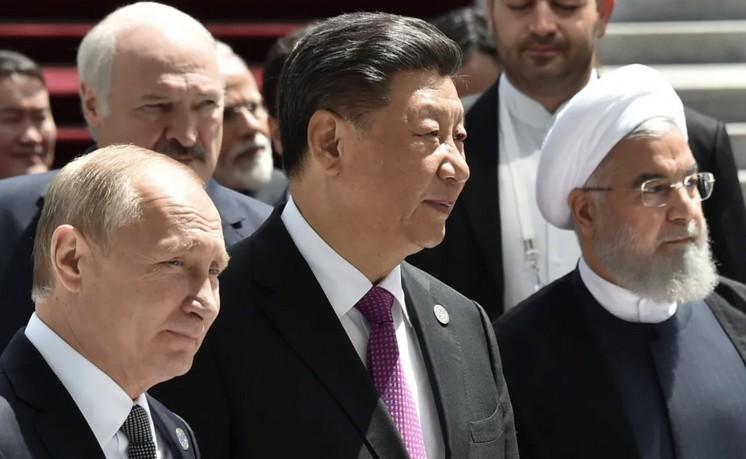
• The New Axis of Evil – Facing True Existential Risks – Are Compelled to Challenge the US – Russia’s invasion of Ukraine was the tipping point. Now Iran, North Korea, Venezuela, Cuba, and China are aligned in supporting each other militarily and economically. But what does Trump want and how will he handle?
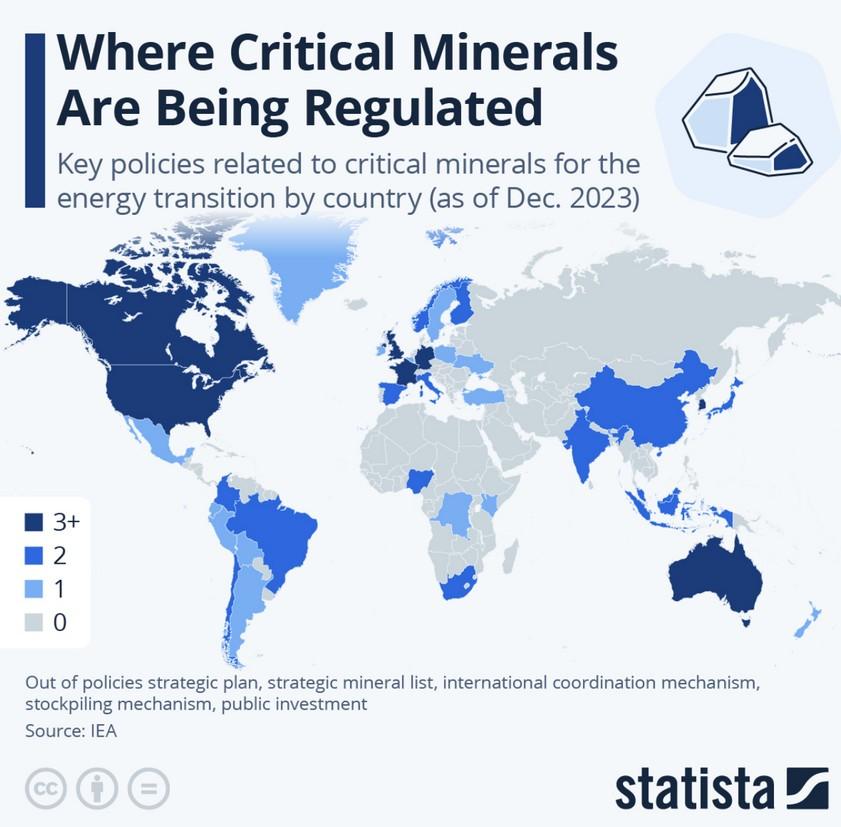
• Commodities Are A Driving Force in Geopolitical Shifts – To be technologically dominant, having access to critical minerals is required. Who has them, where you can get them are creating new geopolitical tensions – and opportunities. Access to water and agriculture are also becoming more and more important.
Source: IMF, European Council on Foreign Relations
A Shrinking World: Where Will The US, China, Russia, India, And The European Union Population Be In 2050 And 2100?
Two of the World’s Three Superpowers - Russia and China - Have a Serious and Unfixable Population Crisis.
We would also note Africa (in total) has a current population of 1.4 billion and expected to reach 2.5 billion by 2050 and 2.6 billion by 2100.
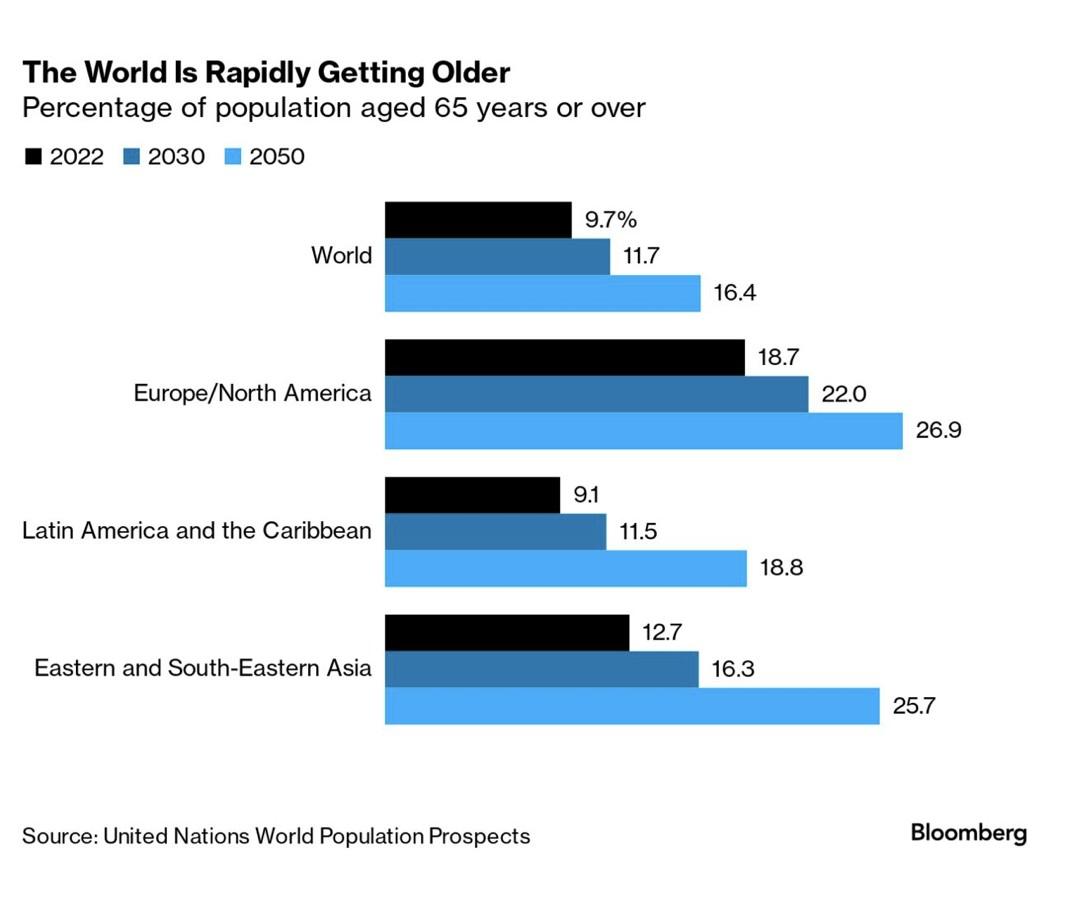
Overall, The World Is Getting Older – Quickly – Putting
Pensions And Healthcare Systems Globally
The Percentage of the Population Aged 65 Years or Over
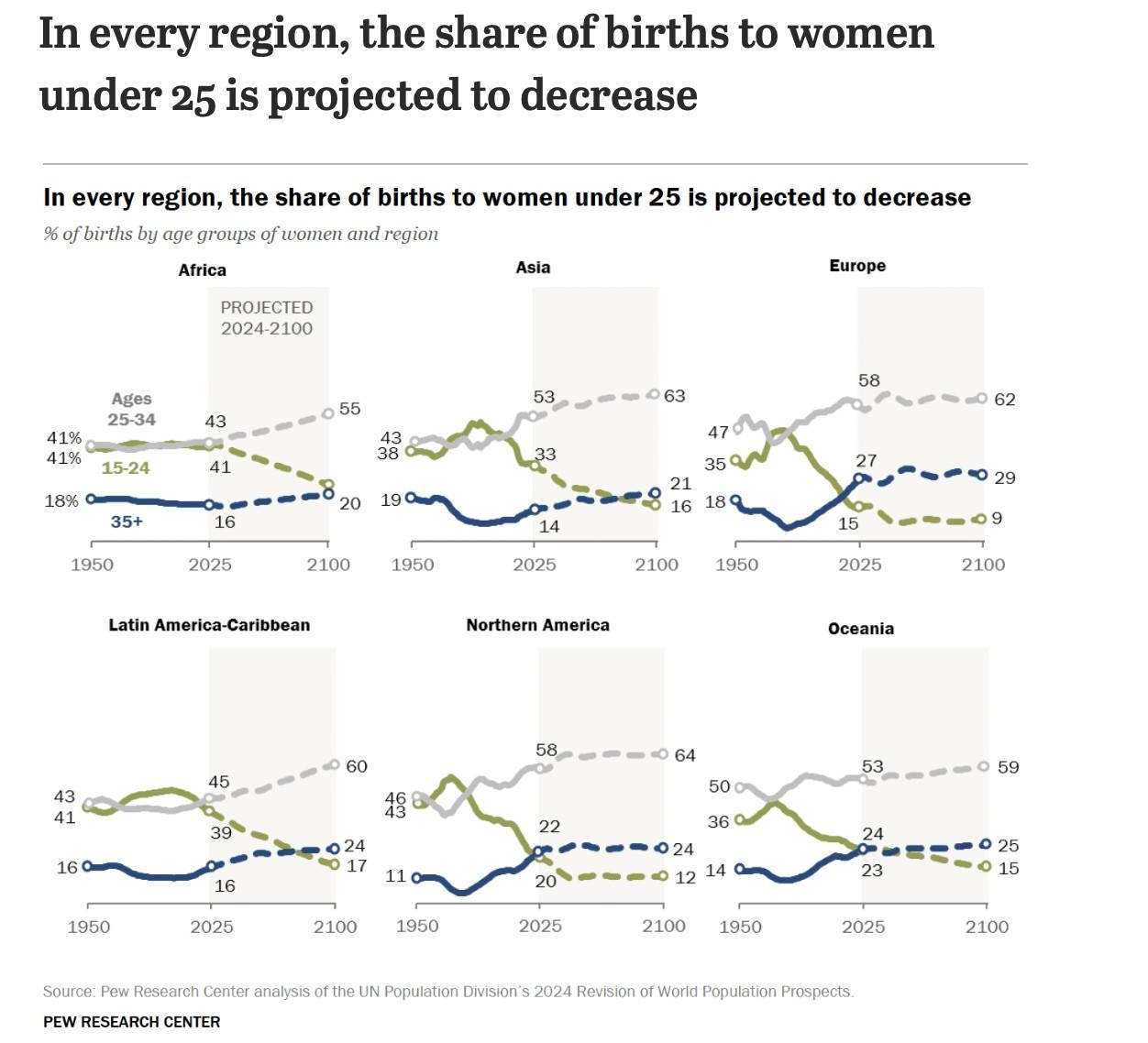
In Every Region of the World, the Number of Births by Women Under 25 is Projected to Decrease
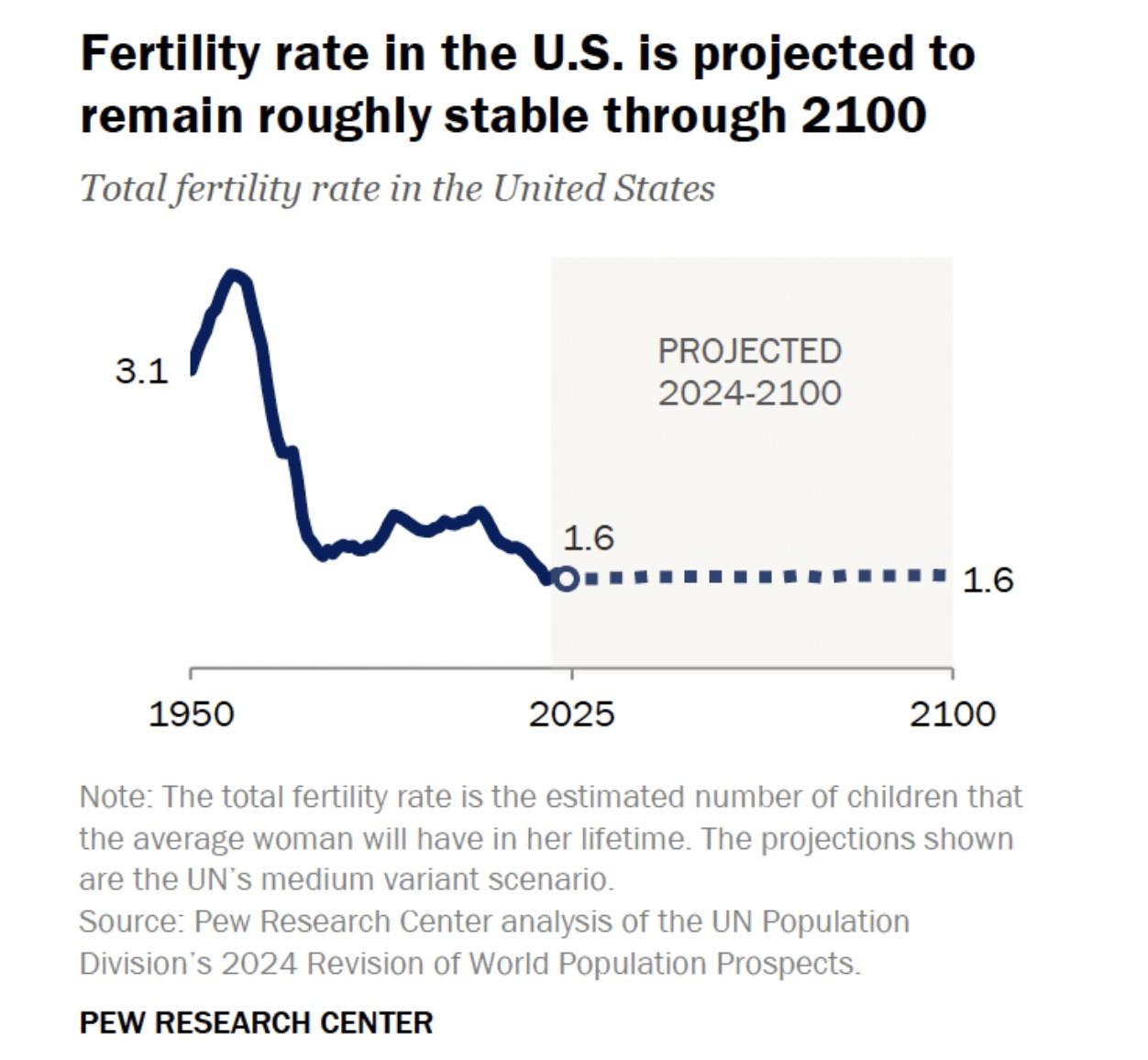
How About in the United States? Fertility Rates are Expected to Remain Stable Through 2100 – But Will Likely Be Dependent on Immigration
But While Getting Older, We Seem to Be Getting Healthier:
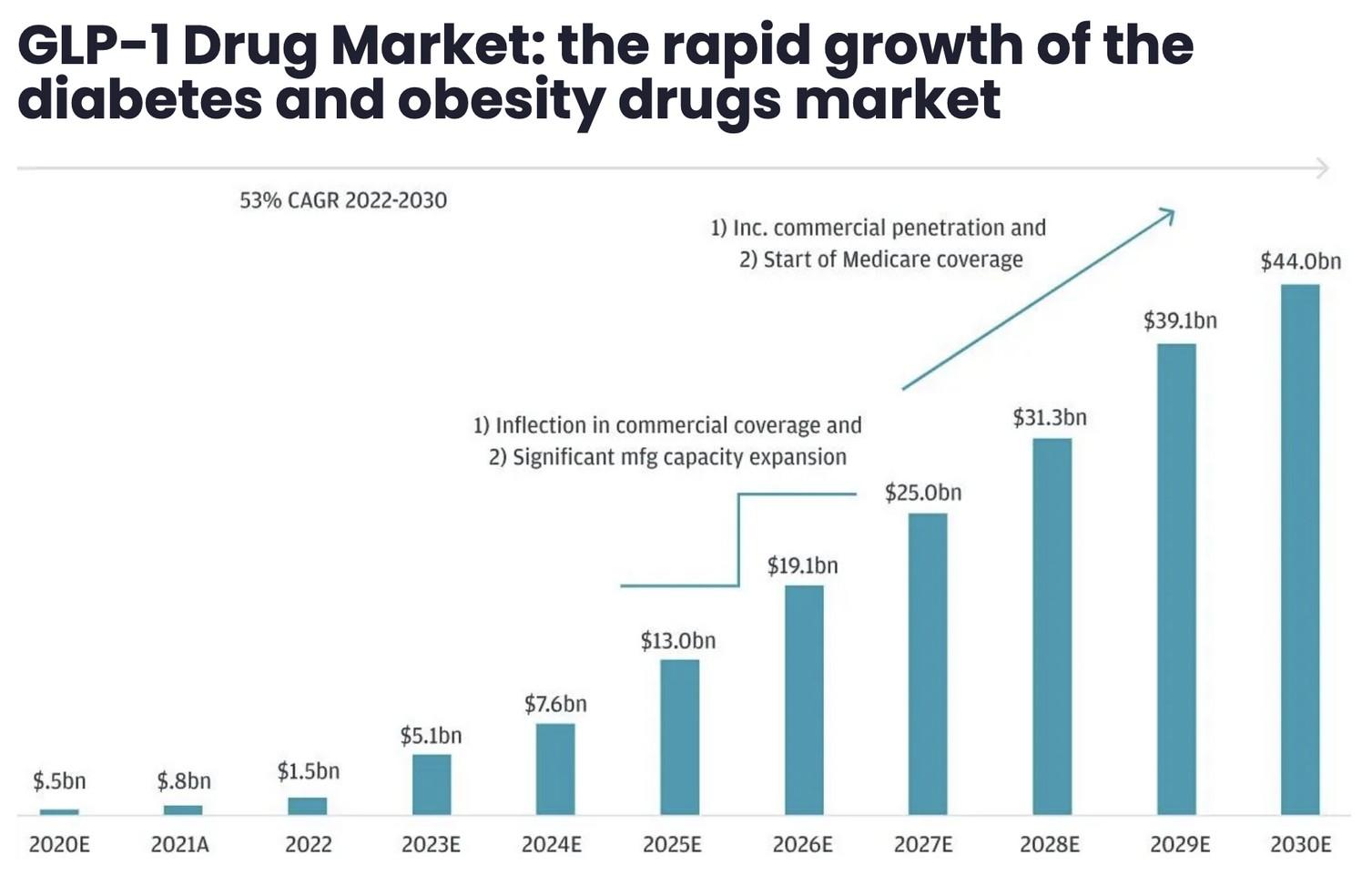
The GLP “Miracle” and AI’s Use in Medical Research
• GLP’s originally were used for Type 2 diabetes. They are now being used for obesity – we know them as Ozempic, Wegovy, Mounjaro, and a host of new variations.
• In essence, we have solved the obesity crisis in Americaand globally - with GLPs. But the drugs are having further, far-reaching positive impacts: decreased risk of dementia, addictions (alcohol, heart disease, drug addictions).
o Ultimately, that suggests we will see a drop in medical costs and an easing of Medicaid and Medicare costs in the years to come.
• Mexican Pension Fund CIO: “We are strong supporters of these drugs. If this can help drive down demand (for drugs) in the US, then this is how we get the cartels under control here.”
• The Downside? We are supposedly going to live healthier and longer. And Pension funds are not ready. Are each of us ready with our own personal retirement planning?
Source: Washington University School of Medicine, Science Magazine
Other Major Global Trends Impacting All of Us…
• Technological Disruption – Yes, the entire world seems to have a cell phone and maybe a laptop, too. But with it comes issues and challenges. For example, the ability to spread disinformation, misinformation, and fraud has grown exponentially. The rapid growth of AI is already reshaping the global work force: The IMF estimated 40% of jobs globally will be impacted and could rise to 60% with half those jobs at risk of replacement. And the misinformation aspect is of growing concern to the healthcare industry as a whole.
• Climate Change – Something is happening out there… and it is reshaping the global economy. Example: Due to reduced ice in the Arctic, shipping has increased the region since 2013 by 111%. The “Northern Sea Route” is becoming more accessible and can shorten voyage times between Asia to Europe by 30 –40%. What healthcare risks do we face with a changing climate/a warmer climate?
• Immigration – Headlines focus on large numbers of unskilled workers coming to the US, Europe, and other countries seeking opportunity: the UN estimates 62 million migrants in Northern America alone in the last two years. Since 1970, the number of people living a country other than the one they were born in has tripled. But we are also seeing a growing competition for talent exploding. And factor in there are an estimated 85 million people living in in “Internal Displacement” – meaning, not in their homes due to war, famine, etc.
• Growing Urbanization – The United Nations is projecting that by 2050,66% of the world’s population will live in urban areas (up from 56% in 2022). The challenges here are overcrowding, pollution, increased cost of living, functionality of utilities to meet the challenge (e.g., electricity, mass transit, water, etc.)
The US Economic and Political Outlook: Taxes, Budget, Deficit, Healthcare, Tariffs and Foreign Policy – All Together, All At Once
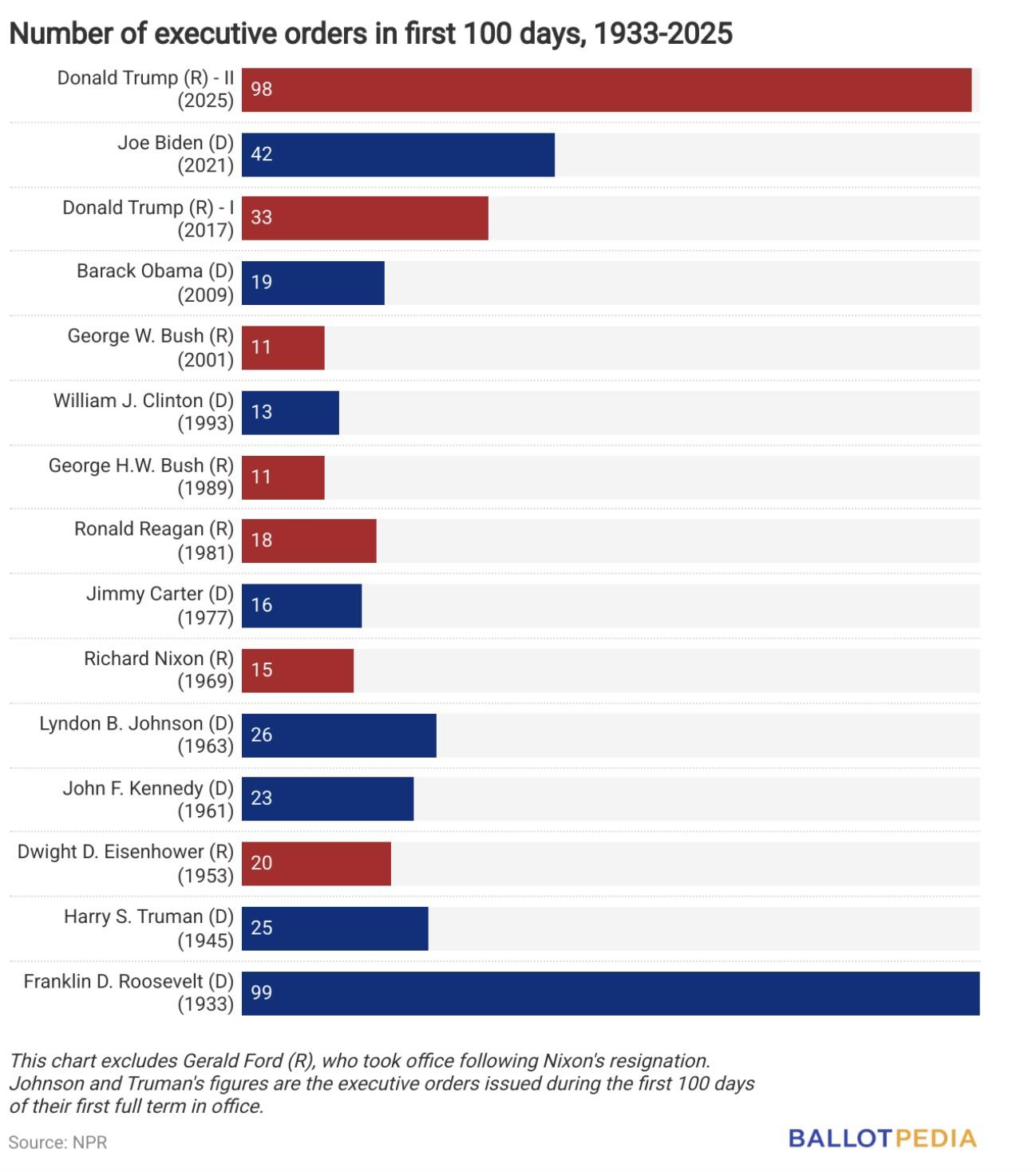
President Trump 4.0 Has Been Moving at Warp Speed. But Is It Running Out of Energy and Issues?
• President Trump had the benefit of of four years out of office to reflect on what worked and what did not in his first term. What worked and what did not.
• To some degree, the President has been a very different political leader than the one we saw in his first term: Seasoned, focused, and smarter on the ways of Washington. Hence, we have argued it is more “Trump 4.0” than “Trump 2.0.”
• The President remains focused on the fact that he really has only 18 months to be a change agent, not four years. Why? In 2026, three event happen which will change the political dynamic considerably:
The 2026 Midterm Elections – The White House has to calculate the risk of Republicans losing control of the House where they have one of the slimmest majorities in US history.
2026 is the 250th Birthday of the United States
– The White House is planning major celebratory events.
The 2028 Presidential Elections – With Trump being a lame-duck, American voters (and especially Congress) naturally will begin looking at the 2028
Source: Politico, The White House
The “One Big Beautiful Bill” Was a Huge Victory for Trump. But Now
What?
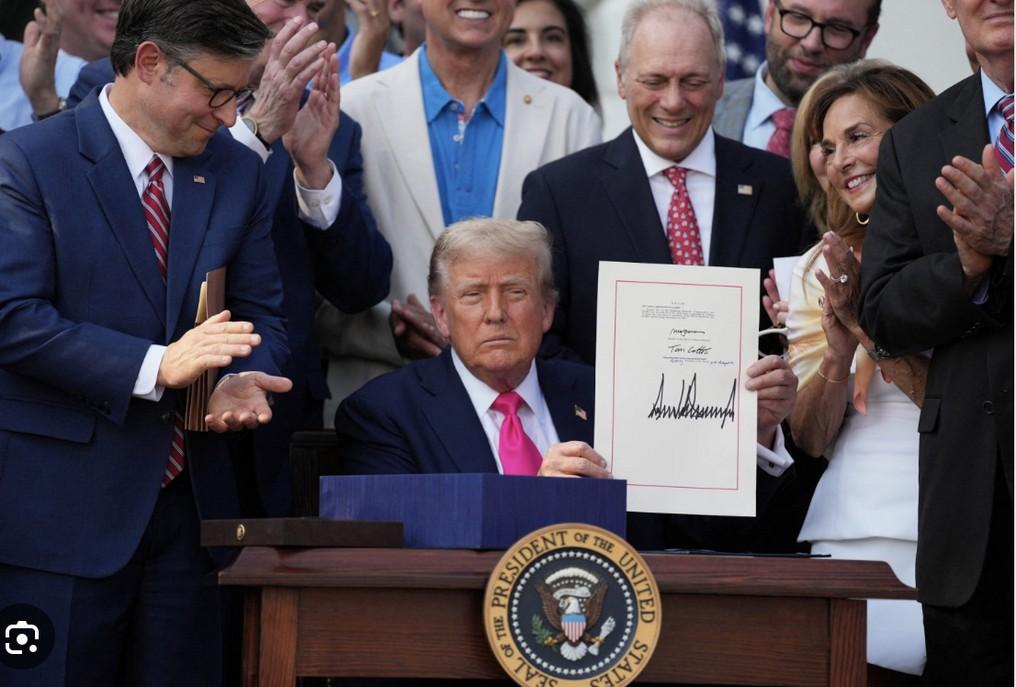
In a little more than six months, House and Senate Republican leaders successfully delivered to President Trump’ his signature “One Big Beautiful Bill Act.” Its passage secured victory for the President on five of the six pillar issues he campaigned for president on:
• Making Permanent the 2017 Tax Bill
• Growing the Defense Budget
• Securing the Border with new spending on border security
• And – to some degree – it began the process of cutting federal government spending. But it also added $4 trillion to the federal deficit.
• The fifth issue is ongoing but is likely to be – by and large – settled by the end of the year: rebalancing global trade.
• So, what is the President going to do for the next 3 years?
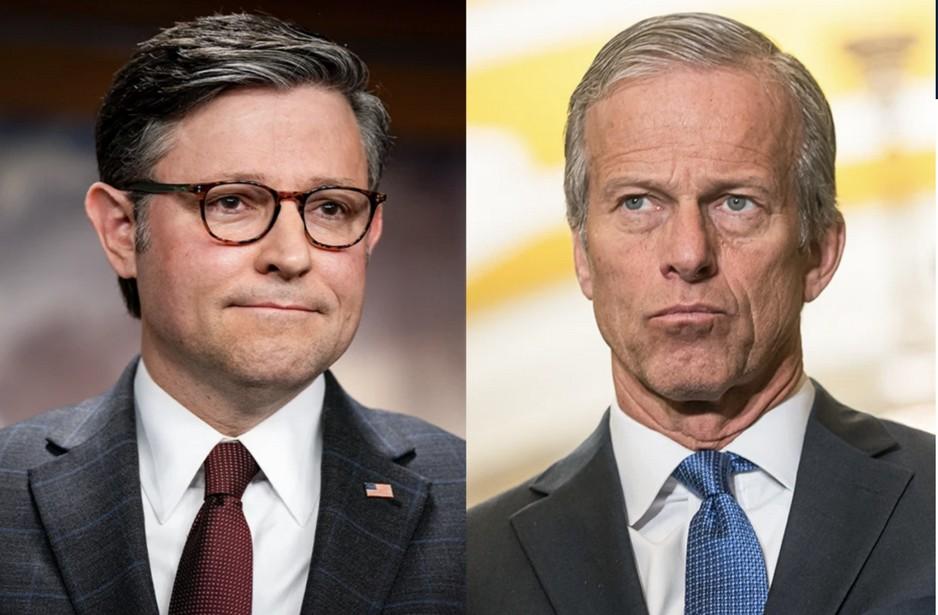
• Reconciliation is the Way? Speaker of the House Michael Johnson (R-LA) has announced Republican congressional leaders intend to pursue two more “big, beautiful bills”:
• One in October 2026 (the new fiscal year) which will be largely be composed of the 2026 budget plus more tax measures. It will take DOGE from being an unwieldy meat cleaver to surgeon’s scalpel. But a surgeon who cuts deal. But Congressional Republicans are worried about MORE Medicaid cuts impacting them in the midterms.
House Speaker Michael Johnson (R-LA) and Senate Majority Leader John Thune (R-ND)
Source: Center for Responsible Federal Deficit
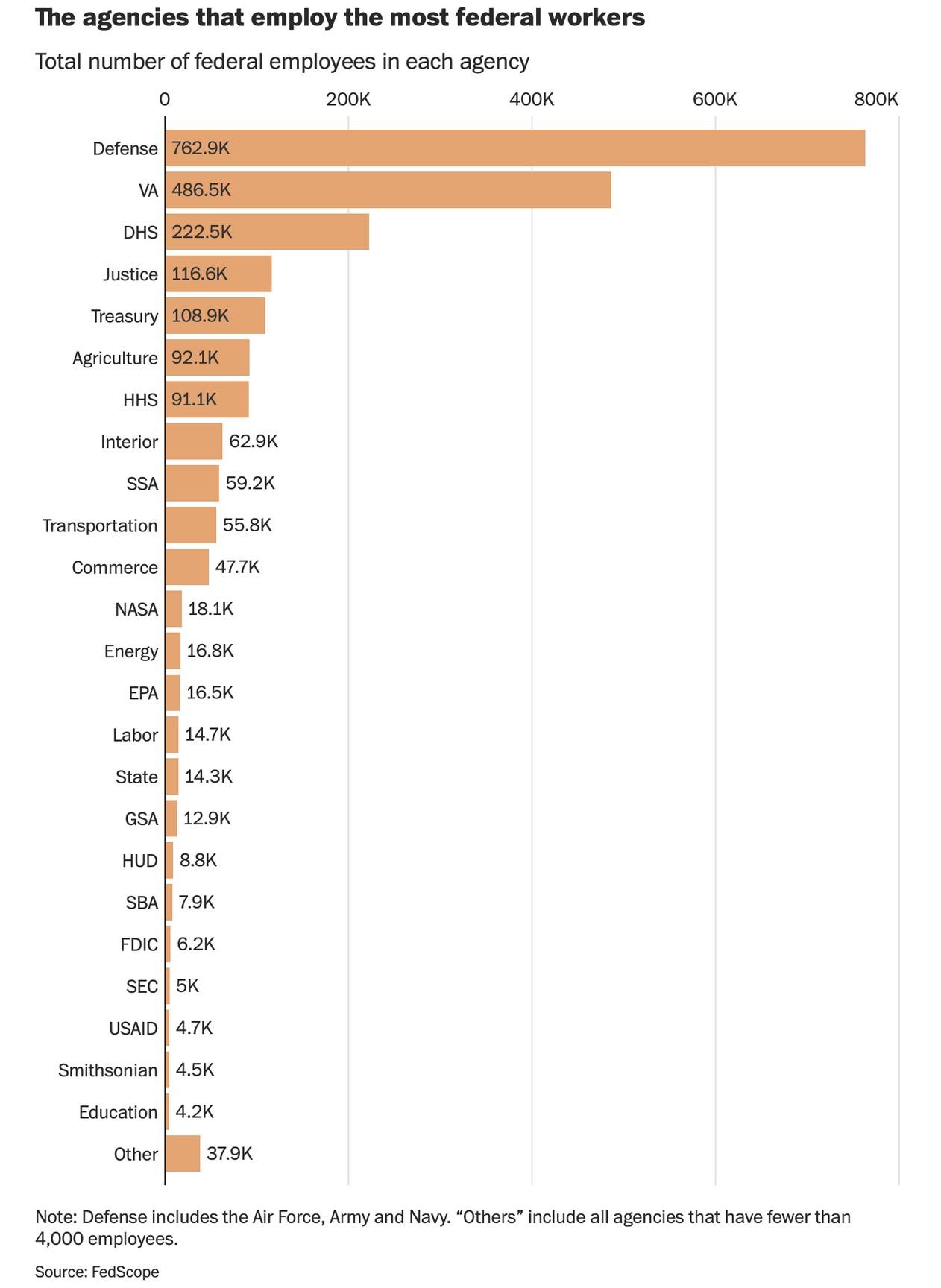
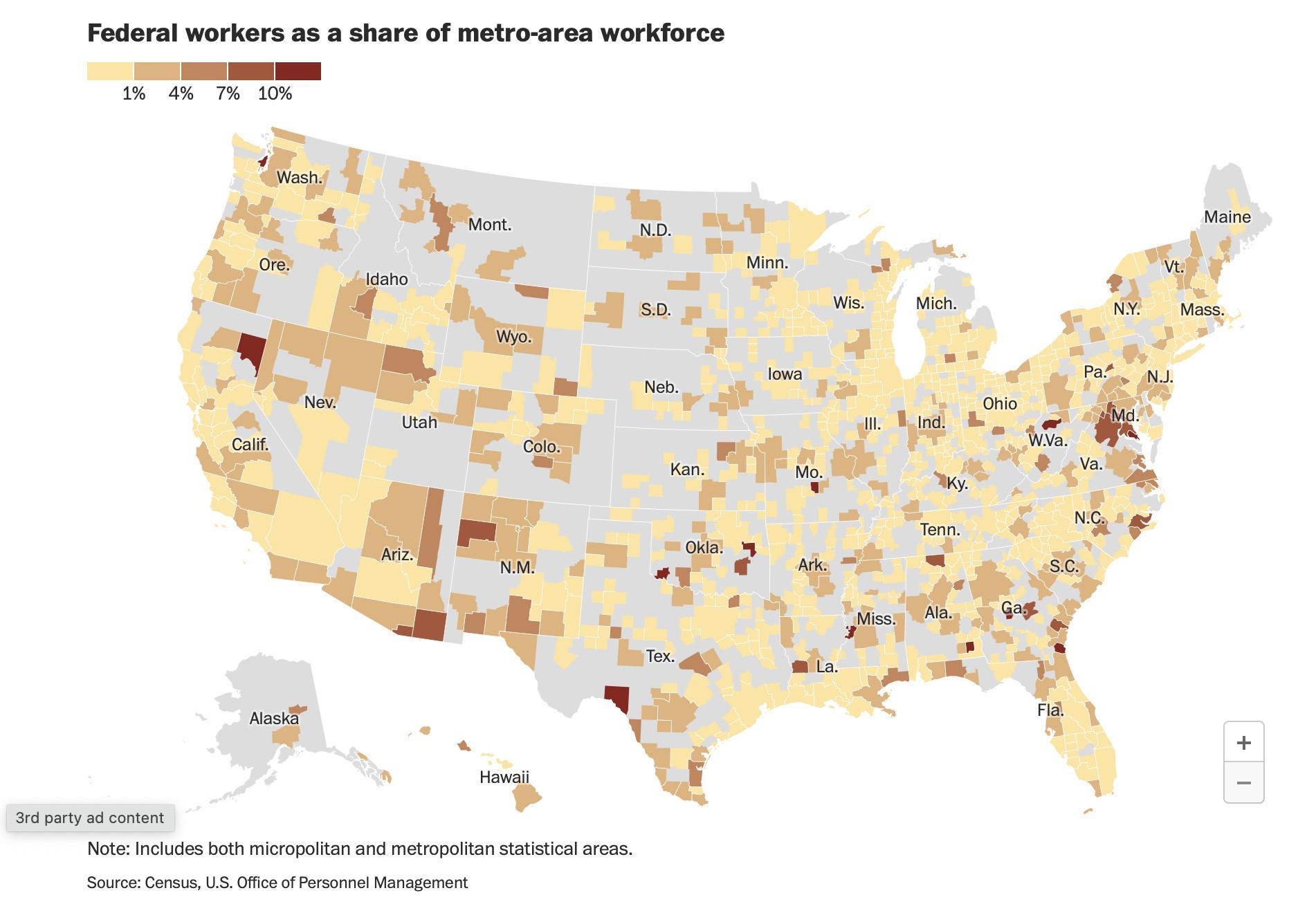
85 percent of the federal workplace lives and works outside of Washington, D.C.
Source: Washington Post
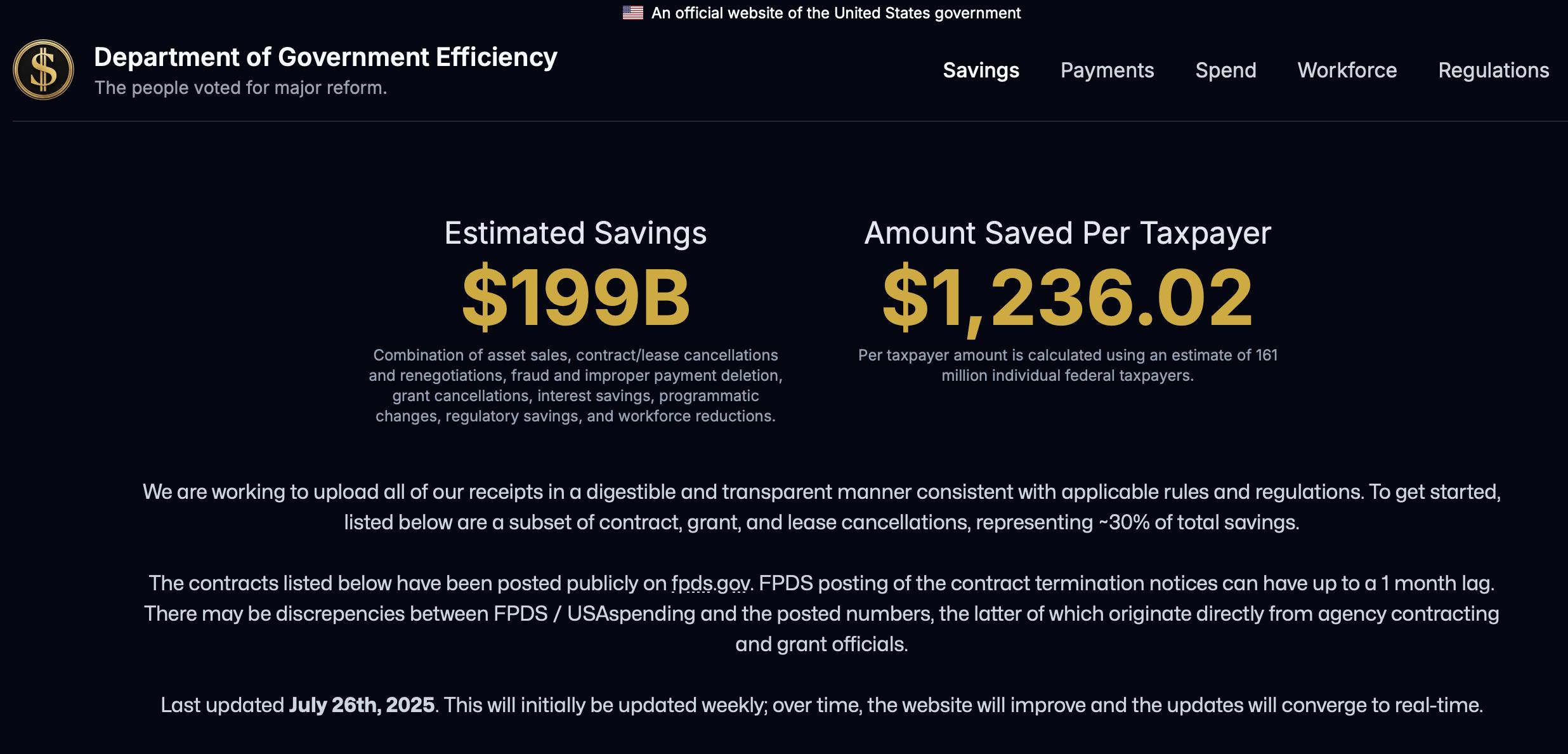
Elon Musk Promised DOGE Would Cut $2 trillion. Trump Lowered The Target to $1 trillion. Maybe We should Take the Participation Trophy Back?
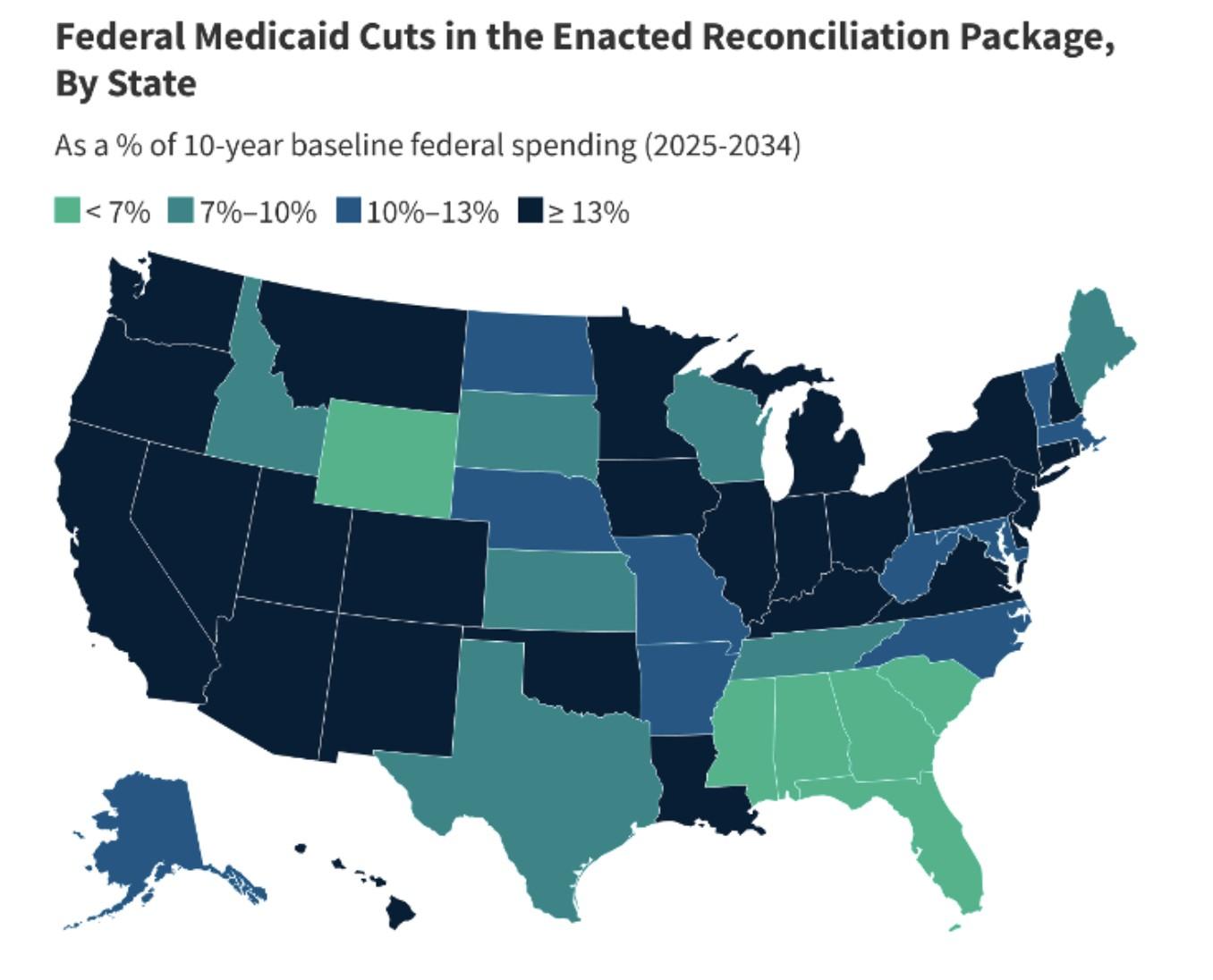
But What Will the States Have to Do in Response to OBBBA’s Cuts?
• At a time when states are intensely competing for tech investments – which requires substantial state incentive funding and tax benefits – they are now grappling with figuring out how to make up for Medicaid cuts.
• For a number of states, tax increases may be the only way to deal with costs. Louisiana, Illinois, Nevada, and Oregon are the most severely affected states so far, facing a 19% reduction of funding over the next decade.
• What will Congress do in the upcoming Reconciliation bill to address state concerns – we are going into the midterm election season soon (in many ways, we are already there…).
• And if Democrats retake control of the House of Representatives in 2026 (which we would put at 55% certainty at this point), we could see important moves to repeal the Medicaid portions of OBBBA.
Where is Trump’s Healthcare Policy Going?
Will this be THE Issue in 2026?
• Last week’s Senate Finance Committee hearing with Health and Human Services Secretary Robert Kennedy suggest healthcare policy overall – and Medicaid cuts in particular –is quickly becoming a major theme for the 20266 midterms.
• Notably, Republican Senators were as tough on Kennedy as many Democrats on everything from vaccine policy to management of HHS and CDC overall. Before the hearing, 11 of the 12 Democrats on the committee formally demanded Kennedy resign (he won’t).
• Meanwhile, healthcare policy is colliding with immigration policy as the Trump Administration has begun probing California, Colorado, Illinois, Minnesota, Oregon, and Washington for Medicaid spending on undocumented immigrants.
• And on Thursday, Speaker of the House Michael Johnson (RLA) suggested he would support extending enhanced Obamacare subsidies that expire in 2025 (failing to do so would result in millions of Americans either lose coverage or see substantial increases in the cost of care. “I understand the political realities and the realities on the ground…”
Source: Axios, Politico , Pew Research, US Treasury
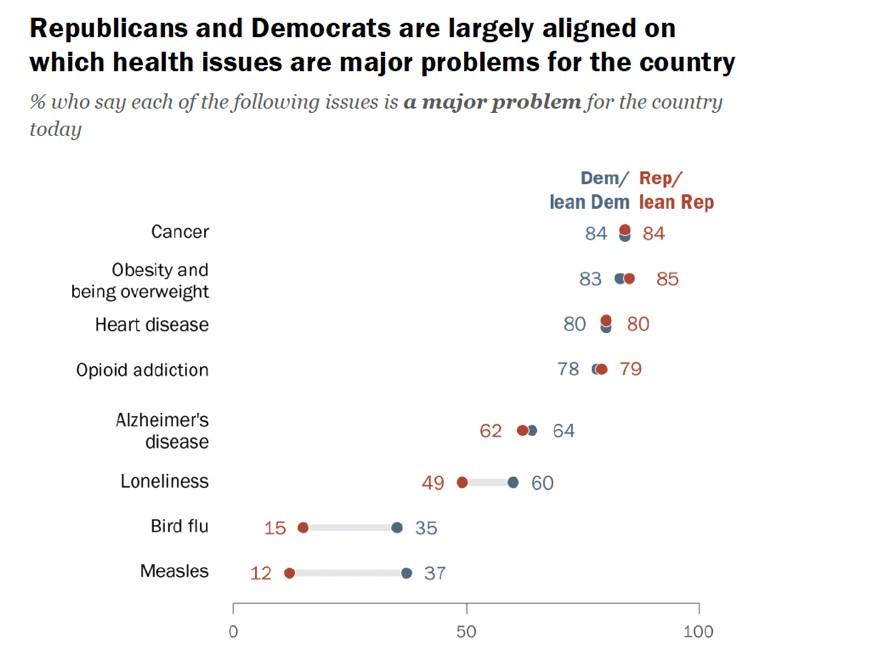
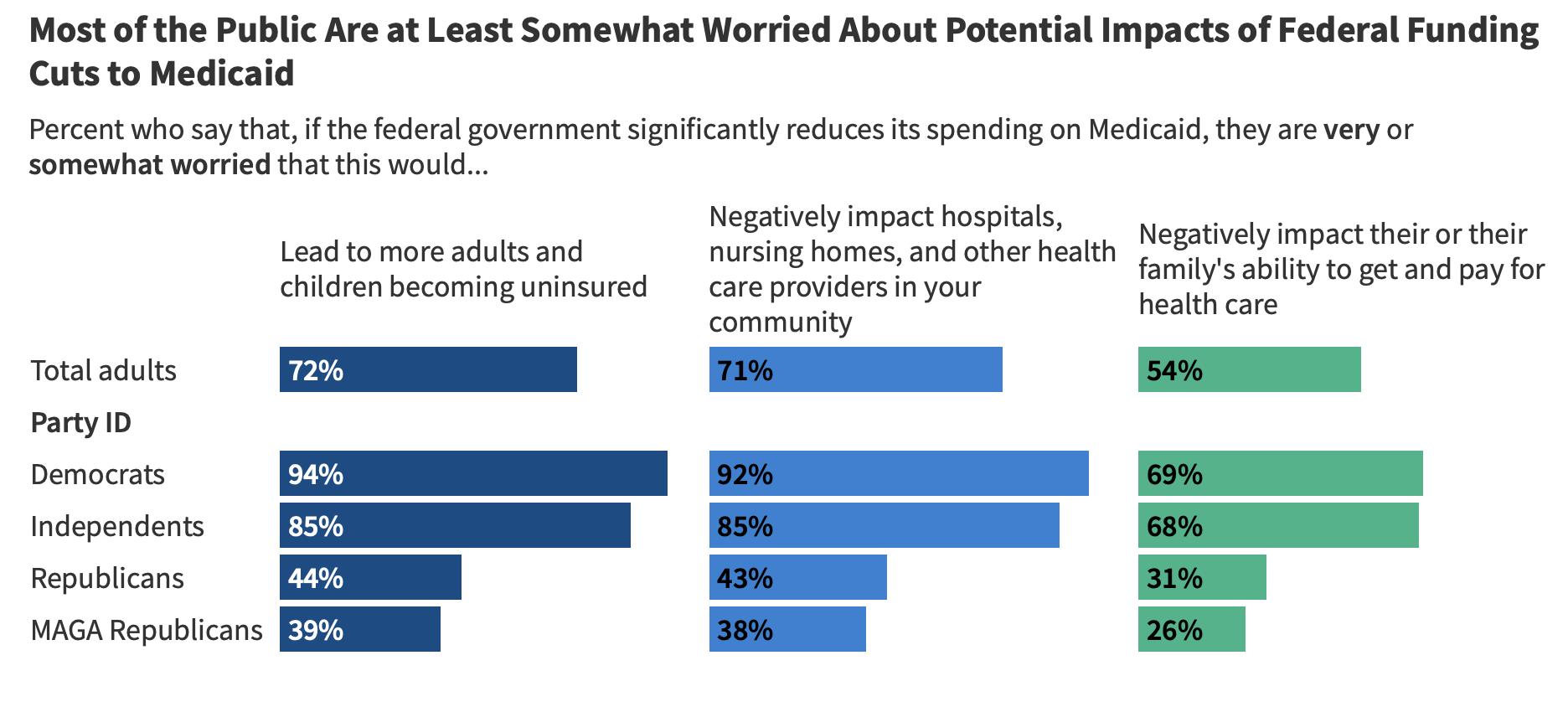
Voters Continue to Worry About Impact of Federal Cuts to Medicaid
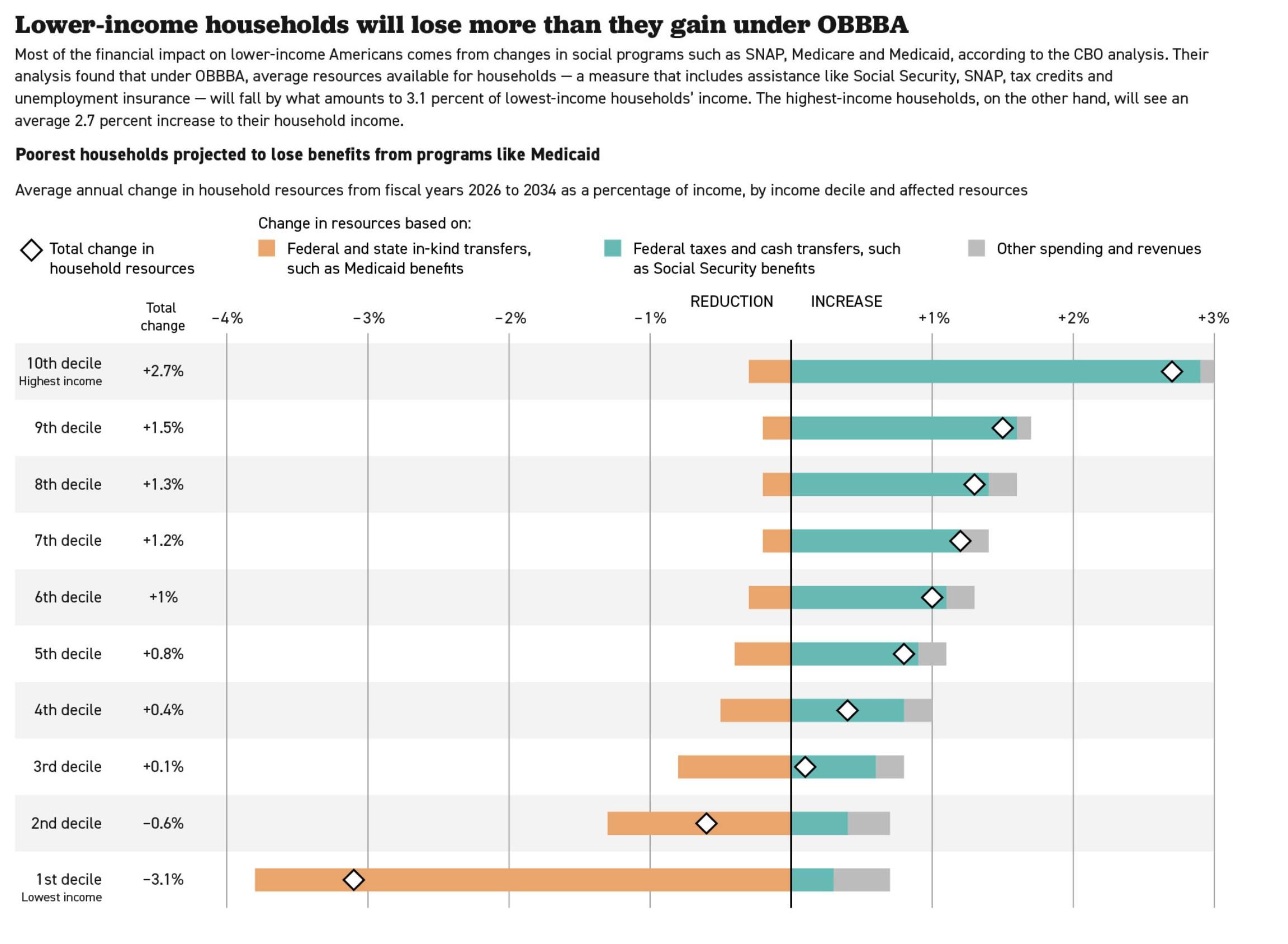
The Potential Impact of OBBBA on Lower Income Households is Now Becoming an Issue Politically
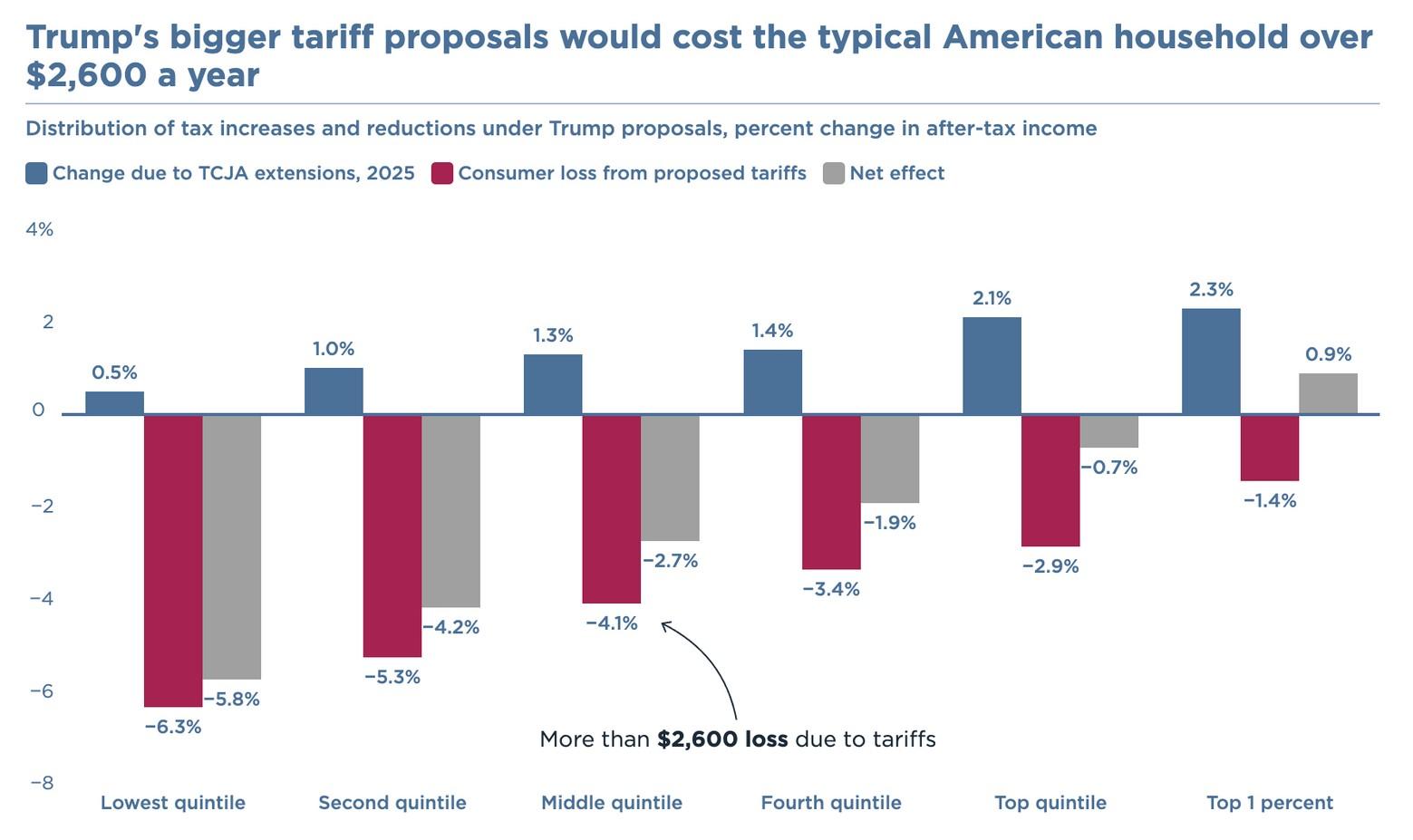
Tariffs: It Is Not Just About Jobs And Open Markets Anymore
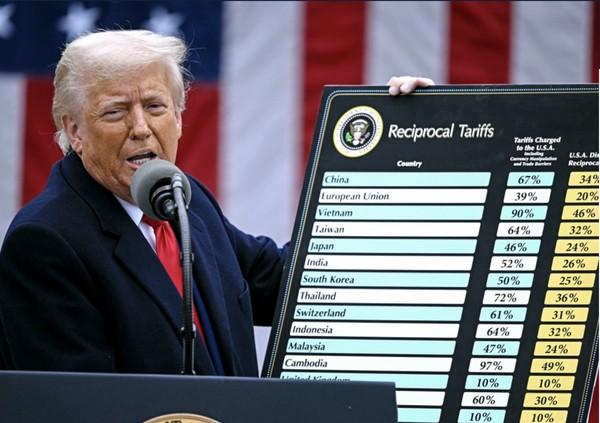
• President Trump sees tariffs as the ultimate foreign policy negotiating tool, as we have seen with his recent threat to Canada, Mexico, and China over illegal immigration and fentanyl smuggling – a homeland security issue and a health issue, not the traditional economic/trade issues for which tariffs are used.
• What to Watch For: Trump wants a “Grand Bargain” with China. While still being pushed by the White House – and odds are it will not happen – Trump essentially is willing to offer a generous deal on tariffs to China in return for Beijing helping find a deal on Ukraine, convincing Iran not to not (again) seek to build nuclear weapons and help contain North Korea’s threats to the region. Commerce Secretary Lutnick is leading a large group of CEOs later this month.
• Additionally, Trump sees the expansion of US oil and gas production as an incentive – look for Trump to urge China to buy US oil/gas as part of the deal.
Source: White House, Tax Foundation
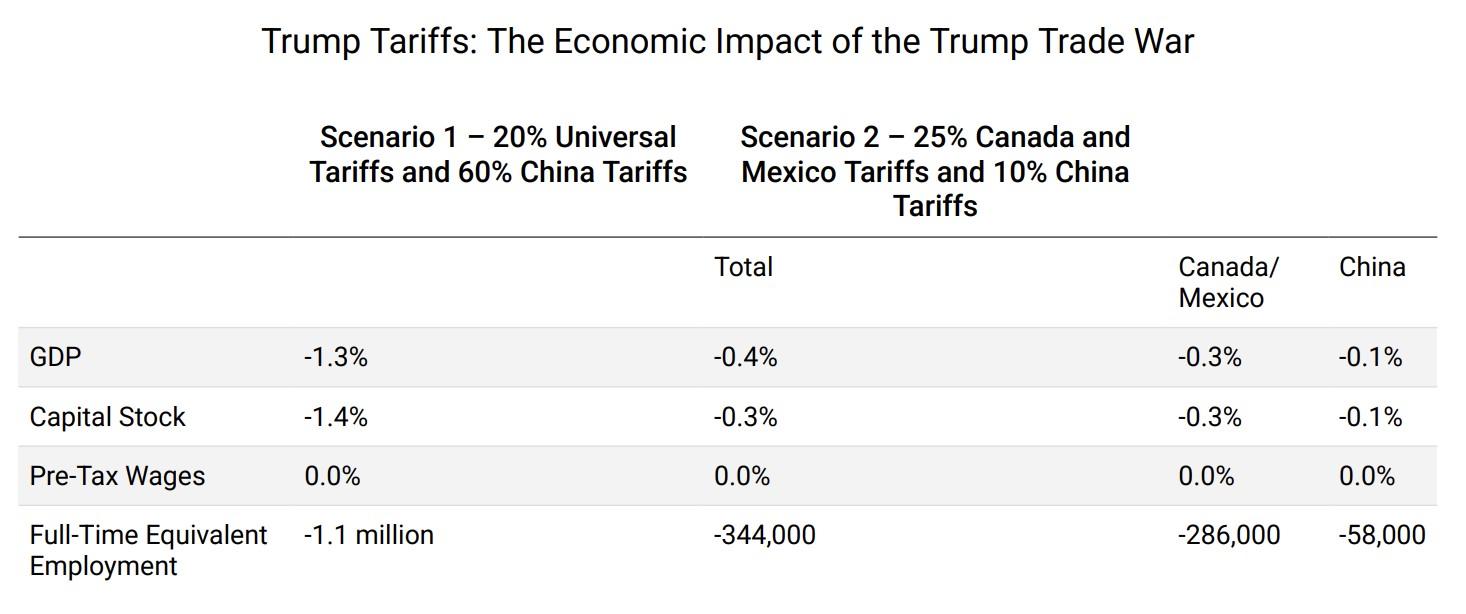
Where Are With Trade Negotiations Today With Major Economies?
And Is All This Impacting The Economy?
The US has Struck A Deal with (sort of):
• Japan
• United Kingdom
• South Korea
• Vietnam
• European Union
• Philippines
• Indonesia
Still Working on a Deal and Subject To Large Tariffs:
• China
• Mexico
• Canada
• Switzerland
• South Africa
• Brazil
• India
Two Big Questions:
1. Where are the texts of these deals? When will we – businesses trying to plan – get their hands on a copy? The devils are in the details.
2. How is agreed upon direct foreign investment in the US going to be decided and by whom?
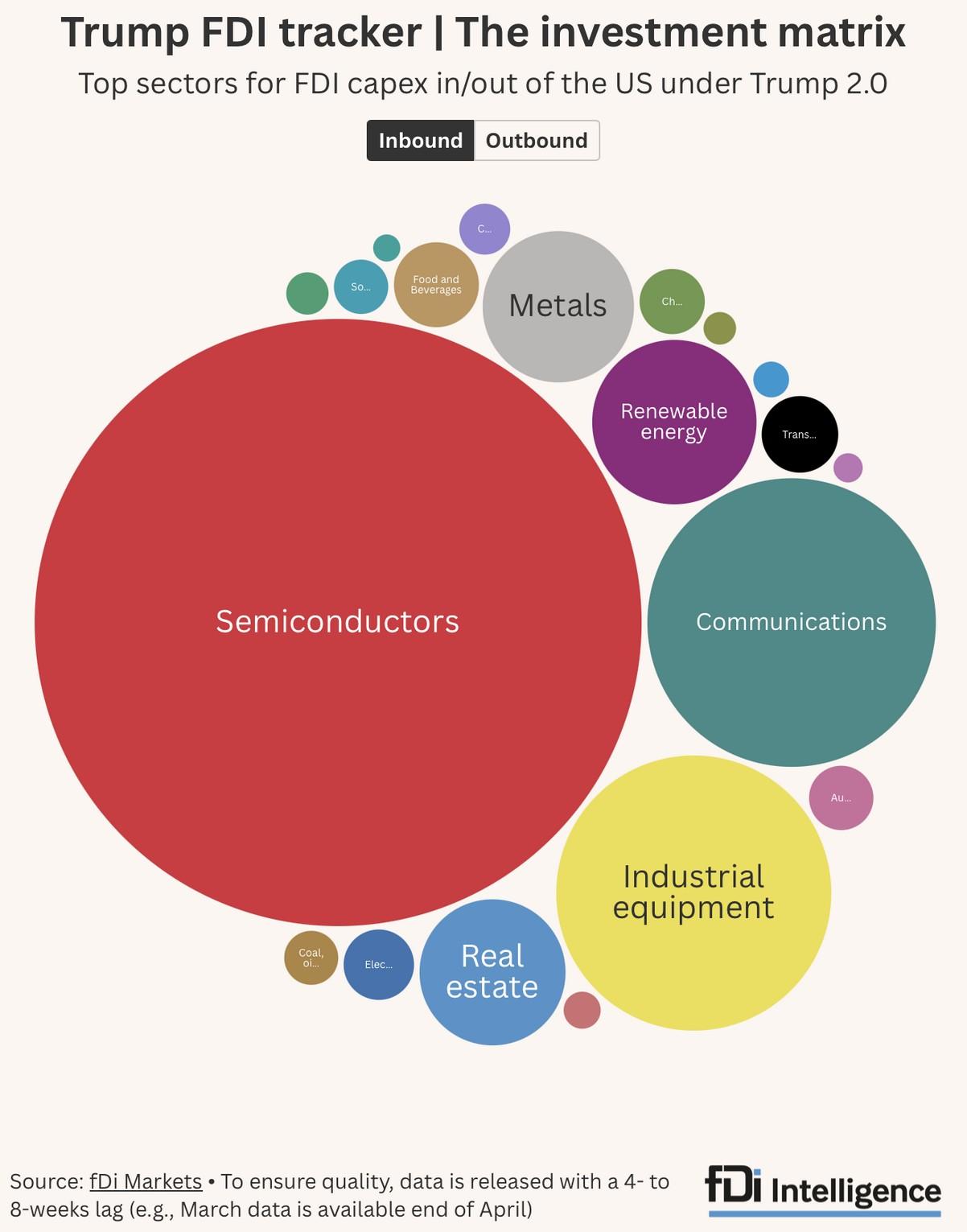
The Coming Flood of Foreign Investment into the United States and Maybe Your Community
• One way President Trump is seeking to balance trade with other countries is to get massive commitments for direct investment in the US.
• So far, the White House is pointing to more than $12 trillion in investment commitments since taking office in January. This includes:
Japan: $1 trillion (including support for building a new pipeline in Alaska and a commitment to buy the gas)
Qatar: $1.2 trillion
UAE: $1.4 trillion
Saudi Arabia: $600 billion
Taiwan: $65 billion (more expected shortly)
India: $24 billion (mostly in defense contracts)
• Talking to White House and Treasury sources, we believe this number is likely to triple in the coming two-to-three months as countries find it easier to commit to investing in the US than going through a protracted and cumbersome trade negotiation (which often takes a 24+ months to complete).
Source: The White House, FDI Intelligence, Financial Times
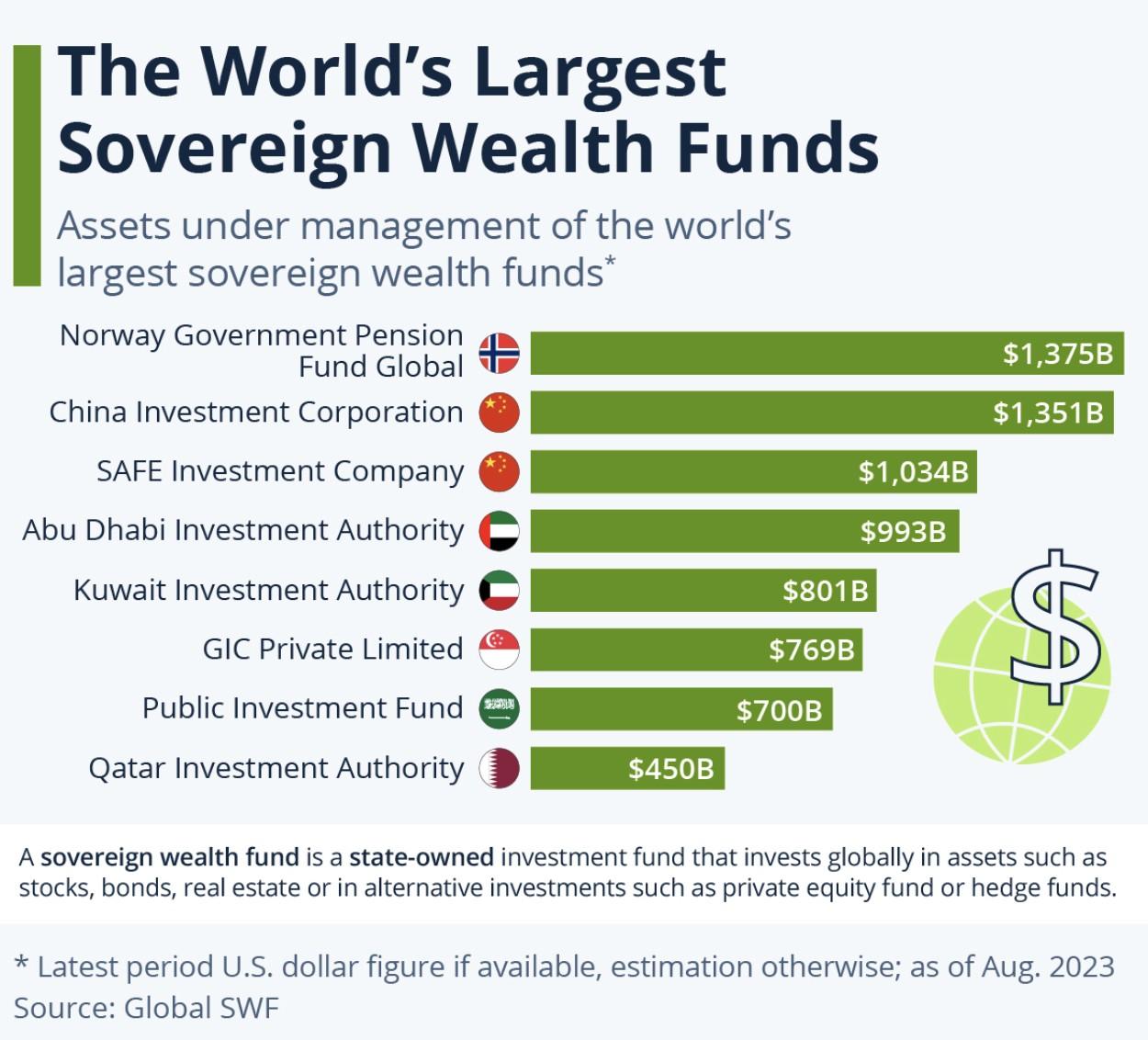
Will the US Create a Sovereign Wealth Fund?
If So, With What Assets?
• President Trump has said several times in recent months he intends to launch a sovereign wealth fund (SWF). The comments have met – at best – with loud skepticism because most national SWF’s are funded with large budgetary surpluses – something the US most definitely does not have today.
• This is not a pipe dream: Treasury Secretary Scott Bessent has hired a team to draft out the architecture of a SWF and identify where assets could be found to put in the fund. This could include – subject to Congressional approval – these assets:
o Moving the gold and other precious metals in Fort Knox into the fund (unknown value)
o Moving an estimated $400 billion of confiscated crypto held by Treasury (seized by the Justice Department in criminal probes)
o Moving the $210 billion Exchange Stabilization Fund
o Privatizing Freddie Mac and Fannie Mae and hold 10%-20% of the equity
o Selling off federal lands
• All revenue generated by the Fund would be used to
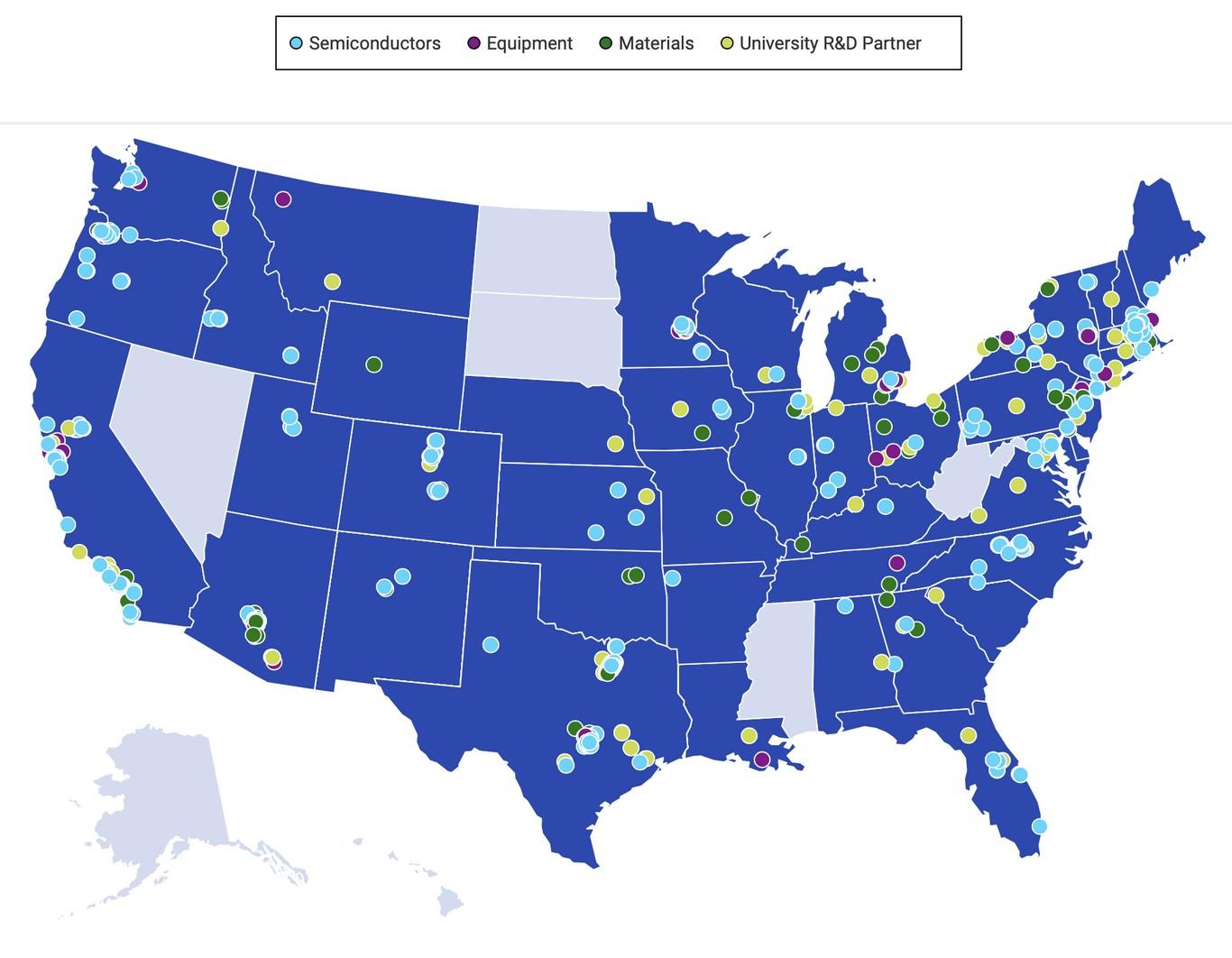
Industrial Policy In America: The Drive For US Chip
Globally
• Semiconductor production in the US is the one area where bipartisanship presides in Washington all in the name of “national economic security.”
• Congress took up this challenge in 2022 by passing the CHIPS Act which grants close to $100 billion in federal funding on building up the chip industry. Three examples:
Intel broke ground on a new $20 billion facility in Columbus, Ohio and $20 billion plant in Arizona.
Micron broke ground on a $15 billion expansion in Boise, Idaho and announced a new $100 billion buildout over 20 years in New York – the largest in the world.
Samsung was just awarded more than $6 billion to build new semiconductor facilities in Austin, Texas.
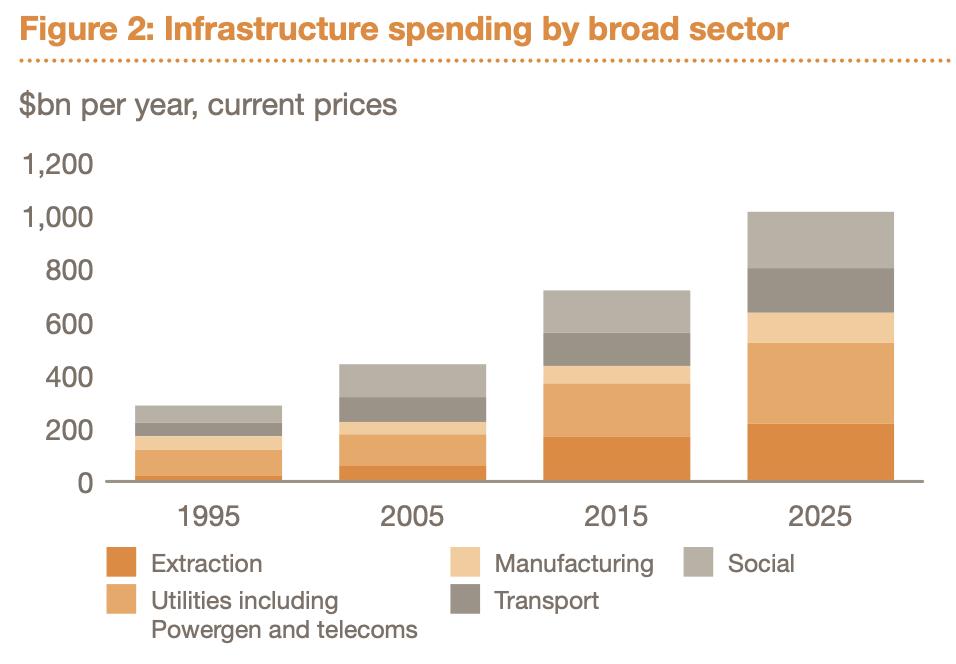
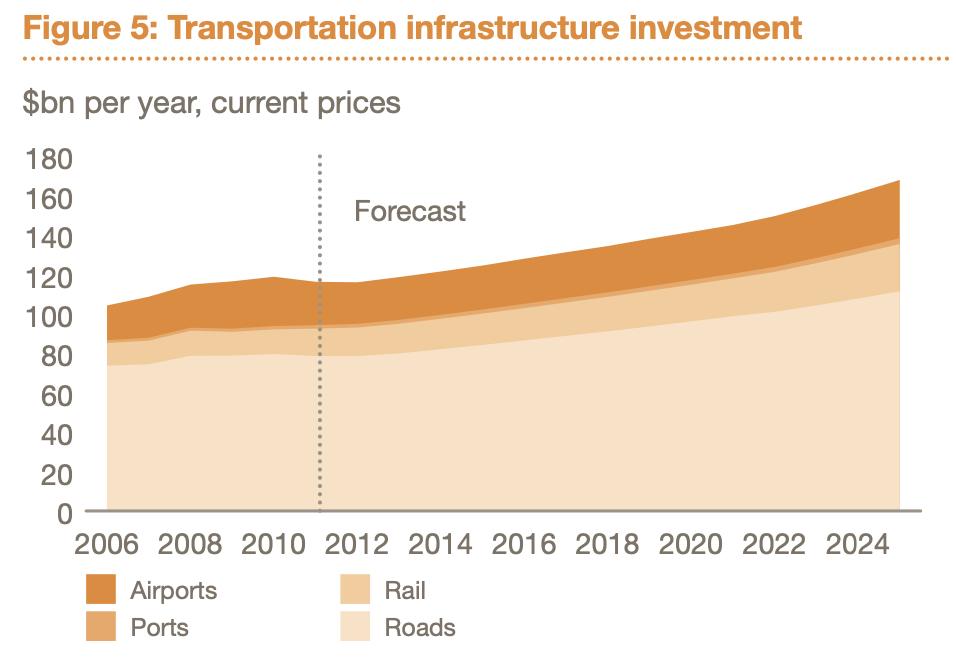
• Combine this with the $550 billion funding from the Infrastructure bill also passed in 2022, and it is a potential boom for numerous sectors, particularly for commercial real estate, residential real estate, etc.
• Secretary of Commerce Designate Howard Lutnick: The CHIPS Act was an “Excellent down payment.”
Source: Semiconductor Industry Association
The U.S. Semiconductor Ecosystem
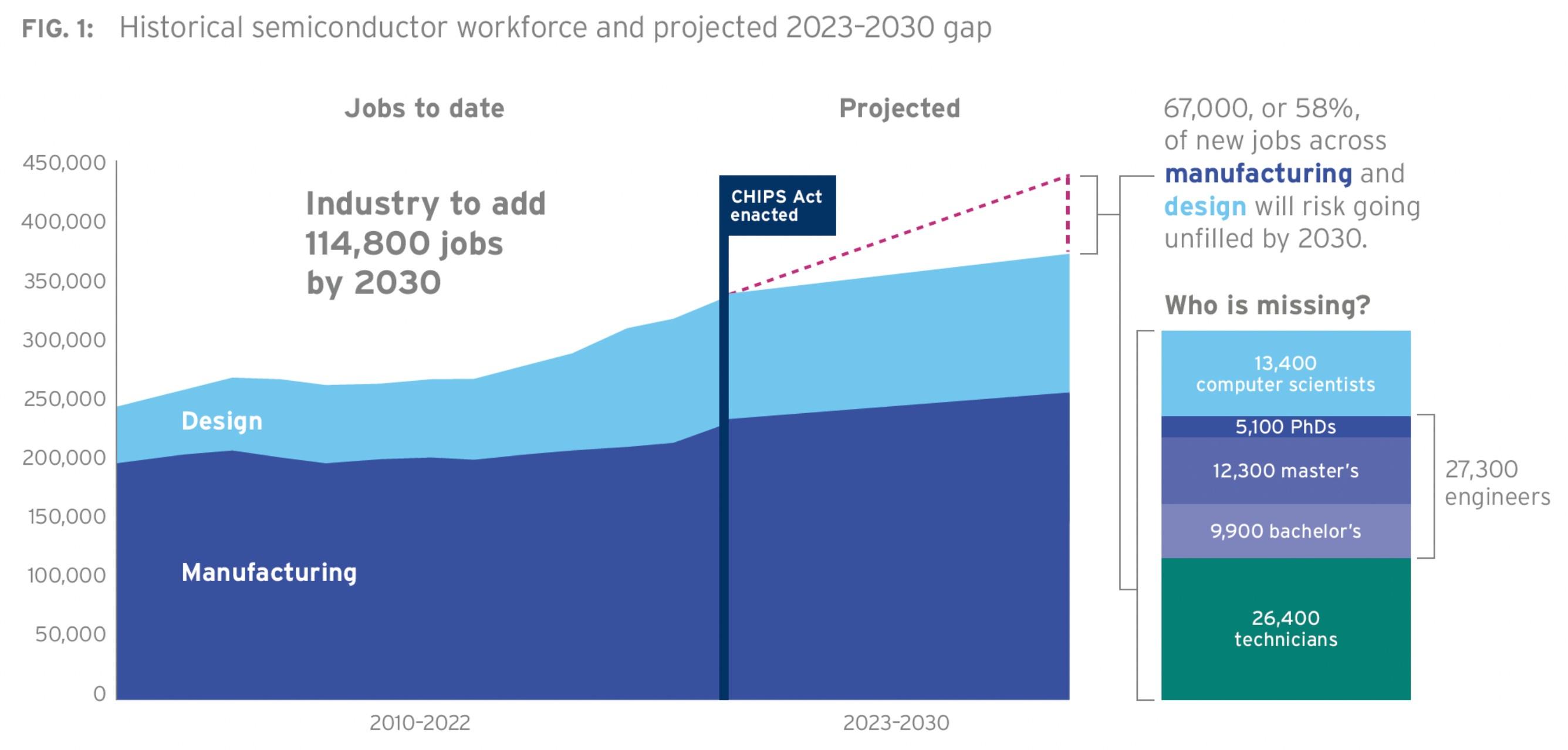
The Real Challenge To US Semiconductor Dominance: The Workforce
• The US semiconductor industry is projected to to need an estimated 115,000 highly skilled workers by 2030 – growing from 345,000 now to 460,000.
• However, there are estimates as high as 67,000 of those positions will go unfilled because the workers cannot be found. How and where do we find those workers?
Sources:
The Infrastructure Act Remains A Significant Economic Tailwind
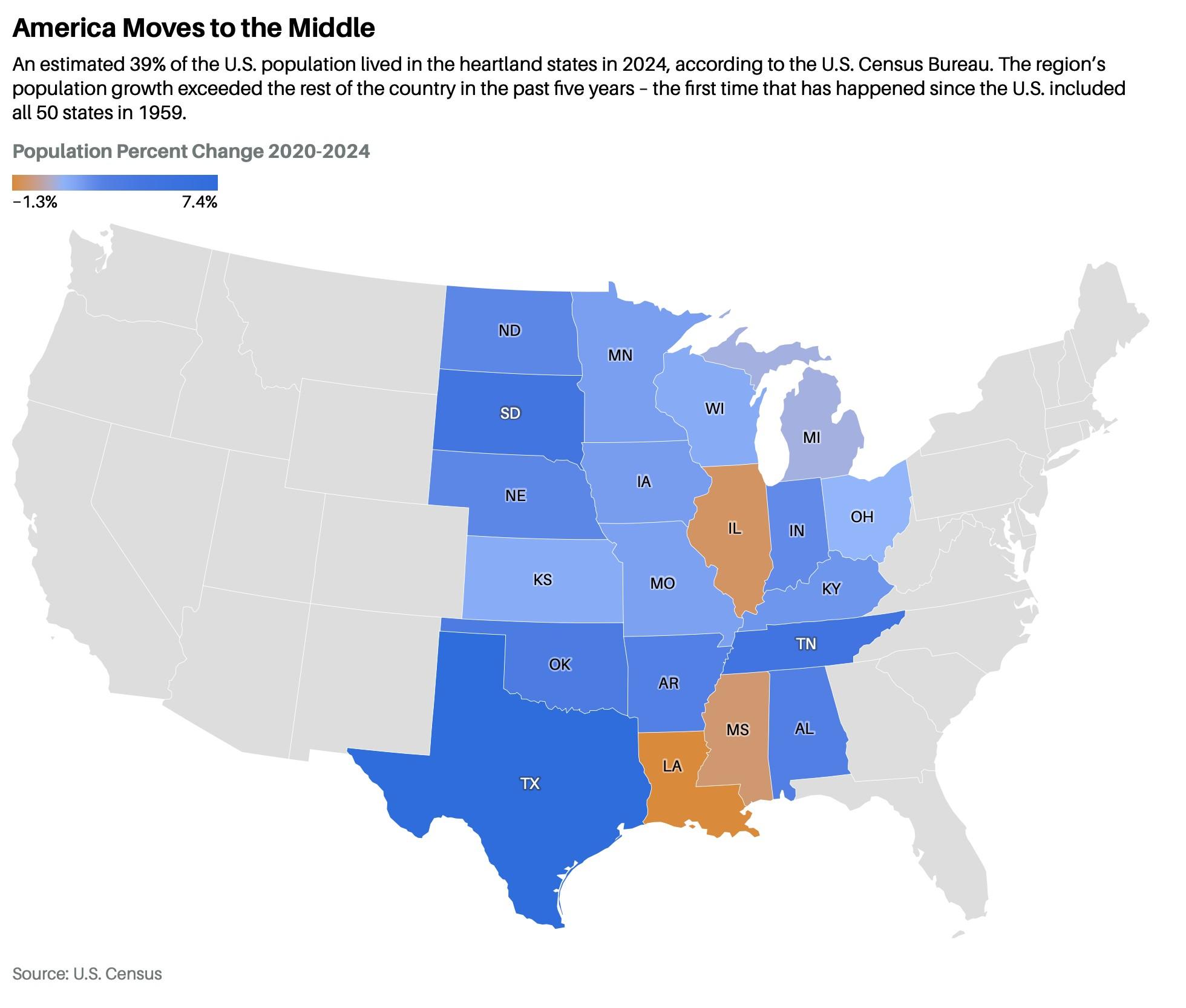
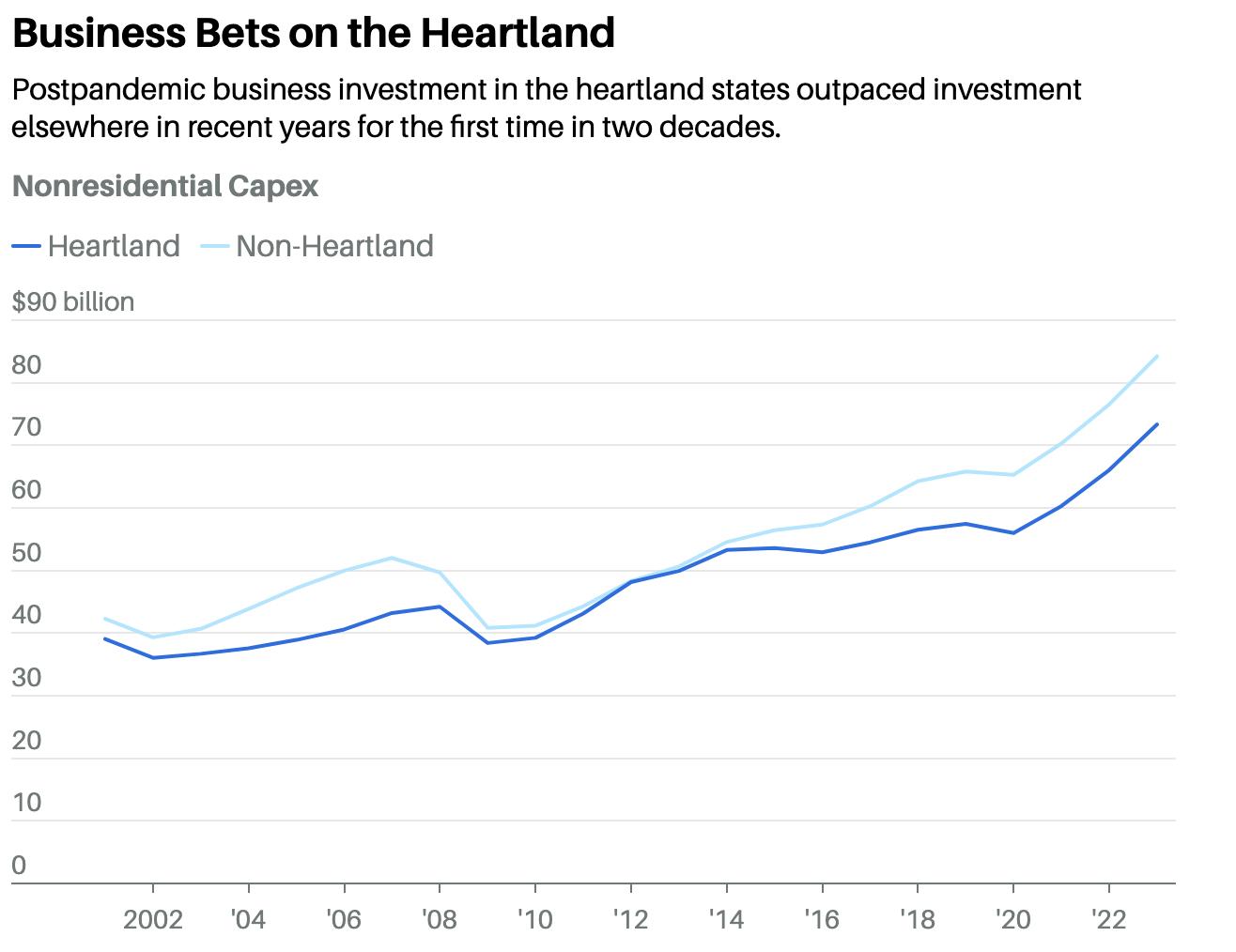
The Greater Midwest is Seeing a Sizeable Rejuvenation of People and Businesses - And Iowa Is Looking Like a Big Winner
Source: Barrons
Overall,
Source: Barron’s
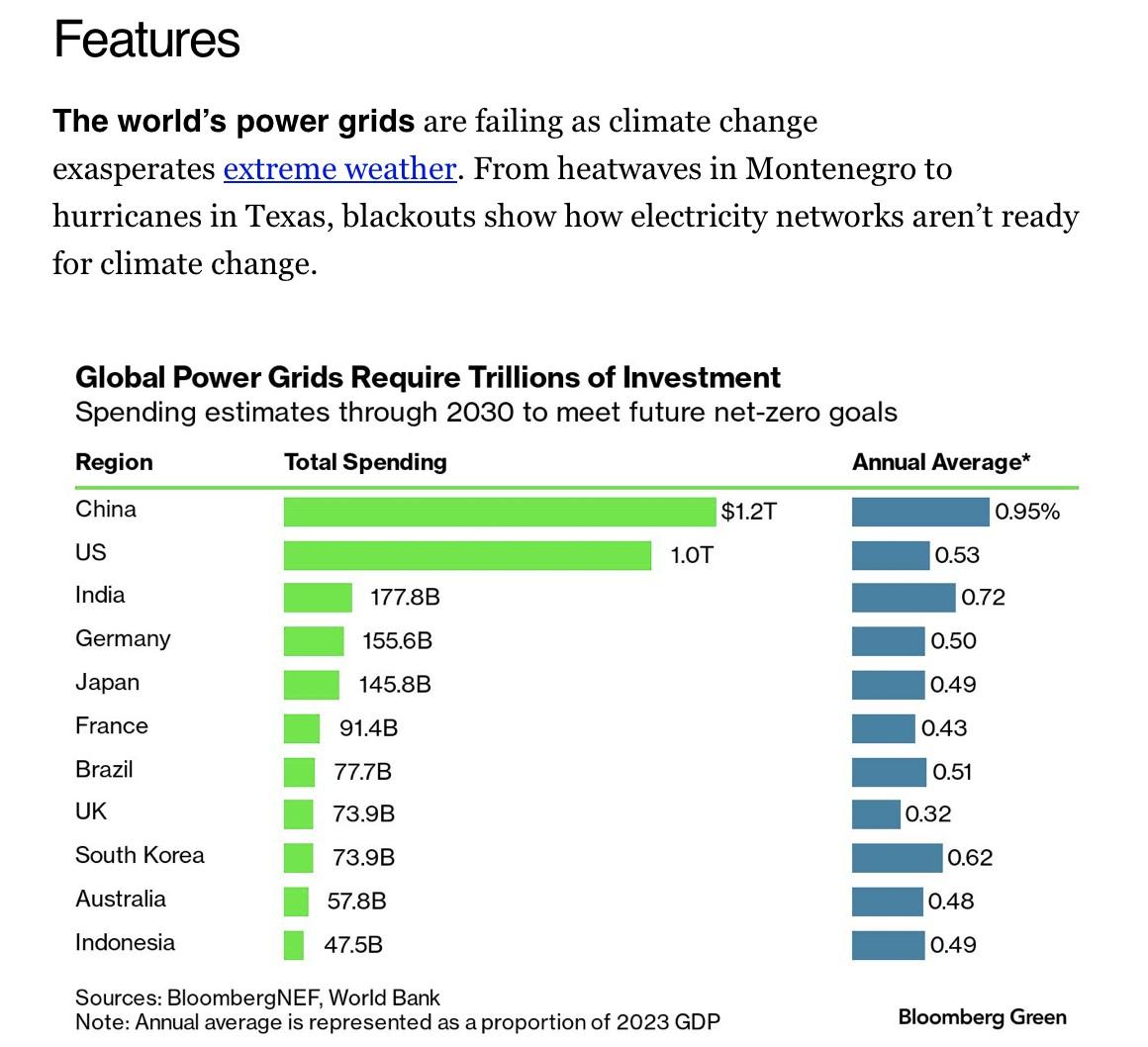
Stargate Faces America’s Grid Challenge: It Is A $1 Trillion Investment Requirement
• President Trump announced the launch of Stargate, an enormous AI effort to make America dominant and counter China’s DeepSeek challenge.
• But the US is facing a serious electrical grid challenge already with the exponential growth of AI, Data Centers, and Crypto. There is not enough energy to power the projected growth in these sectors, but the transmission capabilities are antiqued and need to be replaced.
• But the grid is fragmented and has created “the interconnection queue” – a long line of projects waiting to get connected. How much? 1,5000 gigawatts, roughly 1/3 of all power currently produced in the US.
• Replacing existing copper wiring with carbon fiber wrapped in aluminum would allow a doubling of the amount of power to be pushed through the system.
Source: Bloomberg; New York Times, USEIA, Washington Post
• How will President Trump deal with this challenge? Will Congress have to step up?
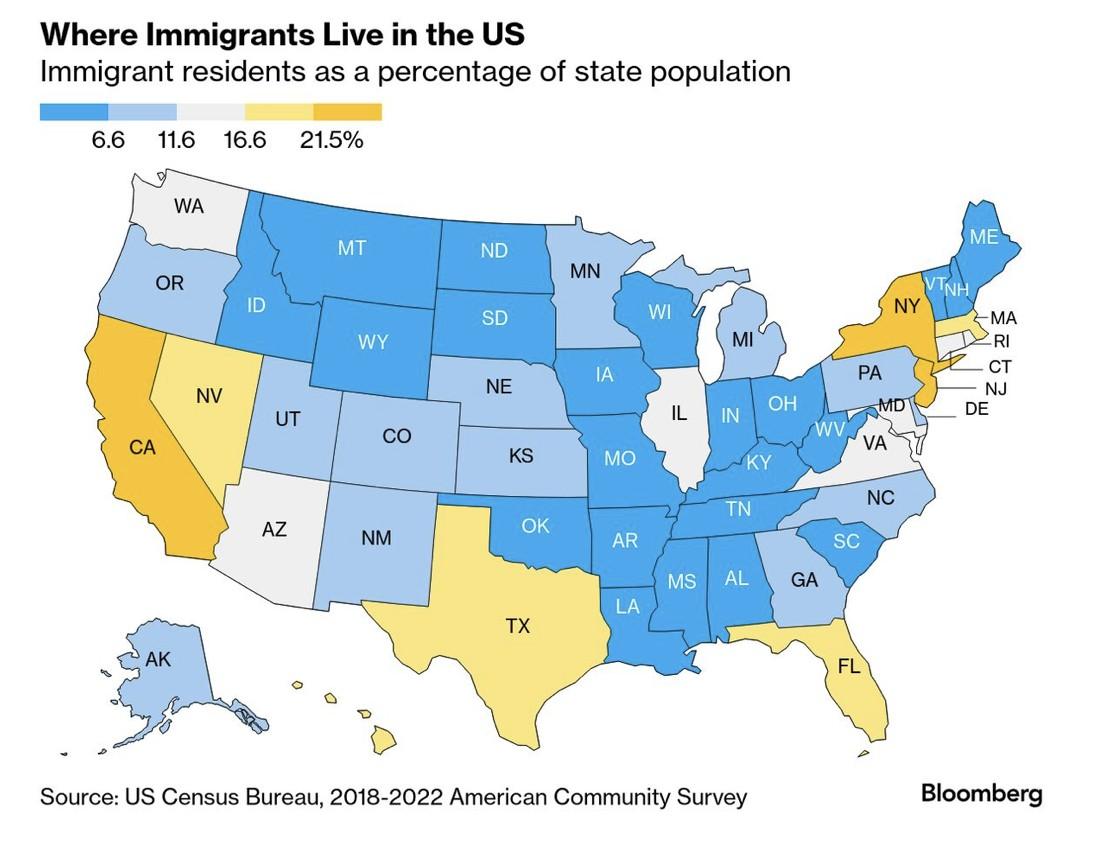
Which States Might Be Most Impacted
Deportation Policy?
Source: Bloomberg
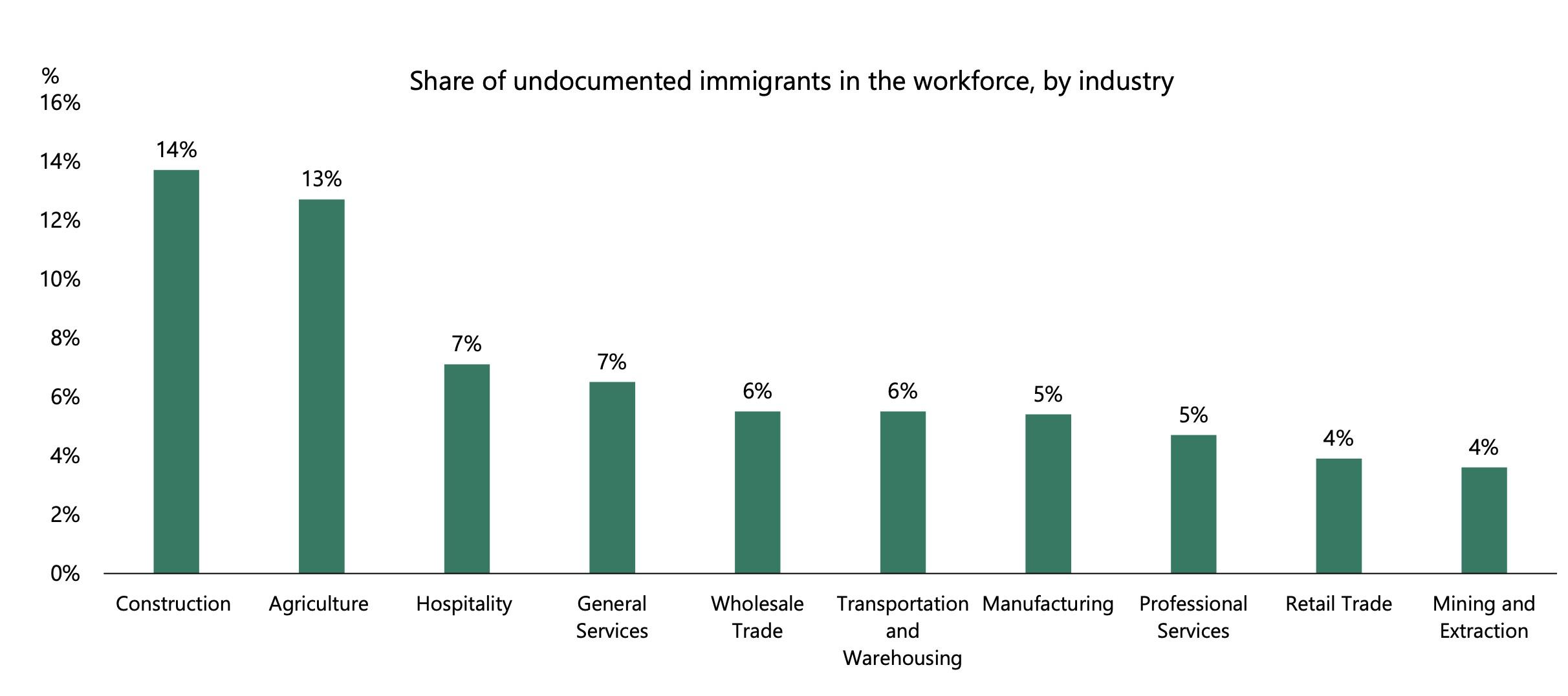
Which Sectors Are Most At Risk?
Source; Apollo Management
What About the Federal Reserve?
And Who Will Be Fed Chair in 2026?
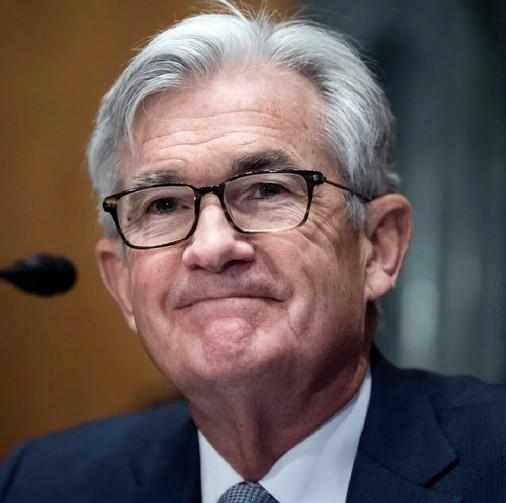
• President Trump will continue putting considerable verbal pressure on the Fed to cut rates in September. But, as Trump has made clear, he is not going to move to fire Powell.
• The House Financial Services Committee has just formed a Federal Reserve “Working Group” to look at the Fed’s dual mandate, their impact on the Treasury market, and their regulatory and bank supervision activities.
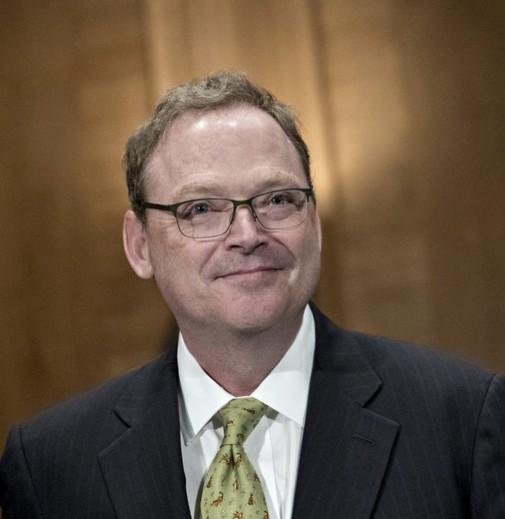
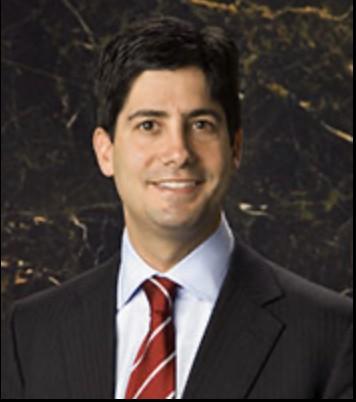
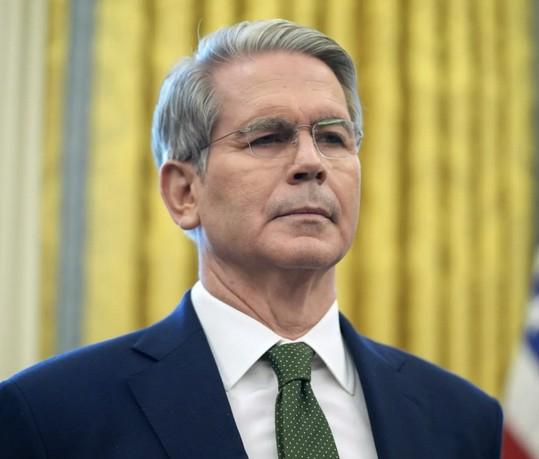
• Jay Powell’s term as Chair ends May 15, 2026. Former President Trump has made clear he will not re-nominate Powell and has said his shortlist includes economist Art Laufer, National Economic Council Director Kevin Hassett, and former Fed Governor Kevin Warsh. But – despite what President Trump said last week – watch for one other candidate: Scott Bessent.
• What does that mean between now and then? We believe Powell will be ready to leave by 2026, having guided rates downs without causing pain to the economy. His “invisible earmuffs” are on and the risk of politicization of Fed policy is non-existent.
• Also, Governor Adrianna Kugler is stepping down. We also believe one other Fed Governor is planning on stepping down in the next month. This will have little direct impact on rate policy – but will impact regulatory policy.
Kevin Hassett
Kevin Warsh
Jay Powell
Scott Bessent
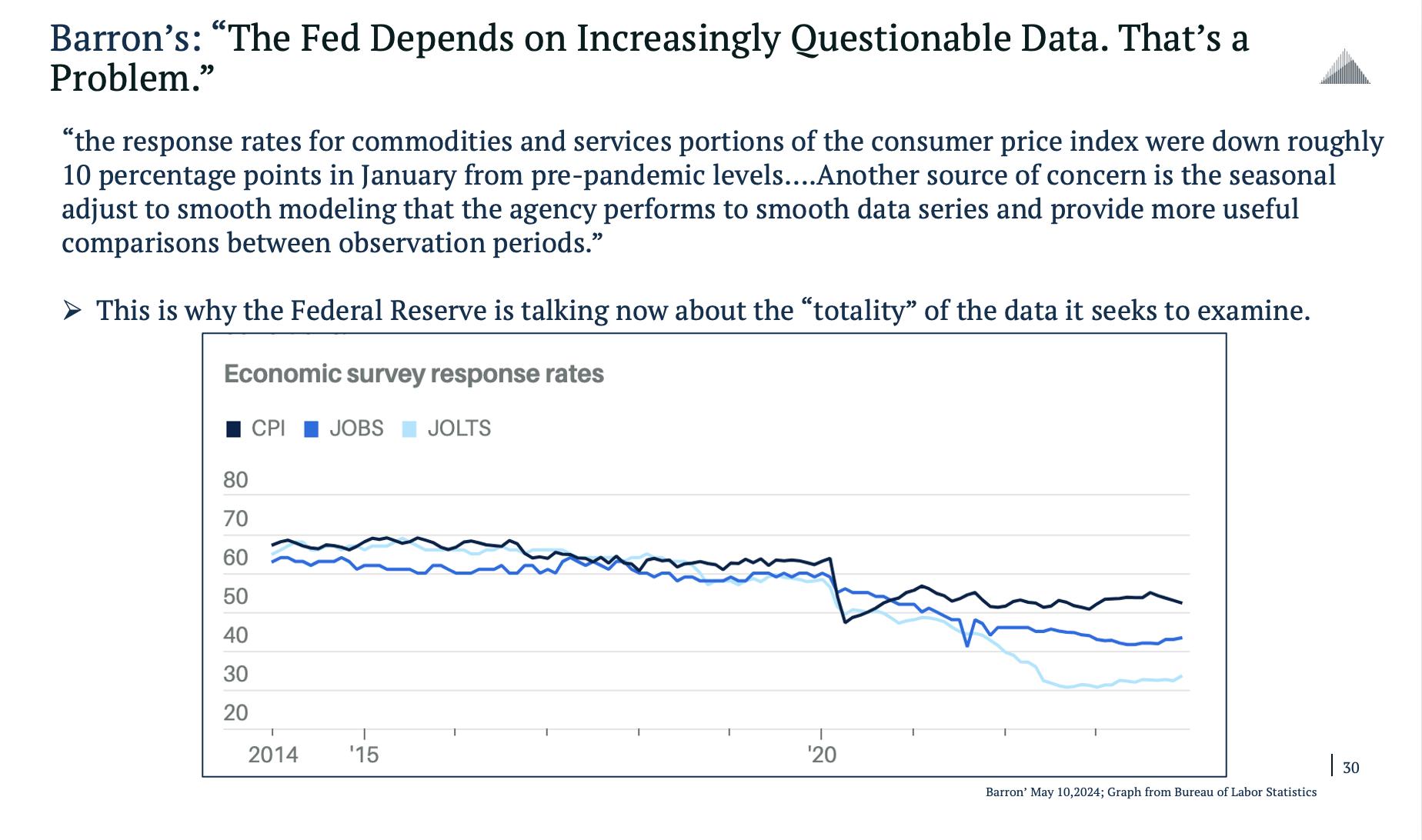
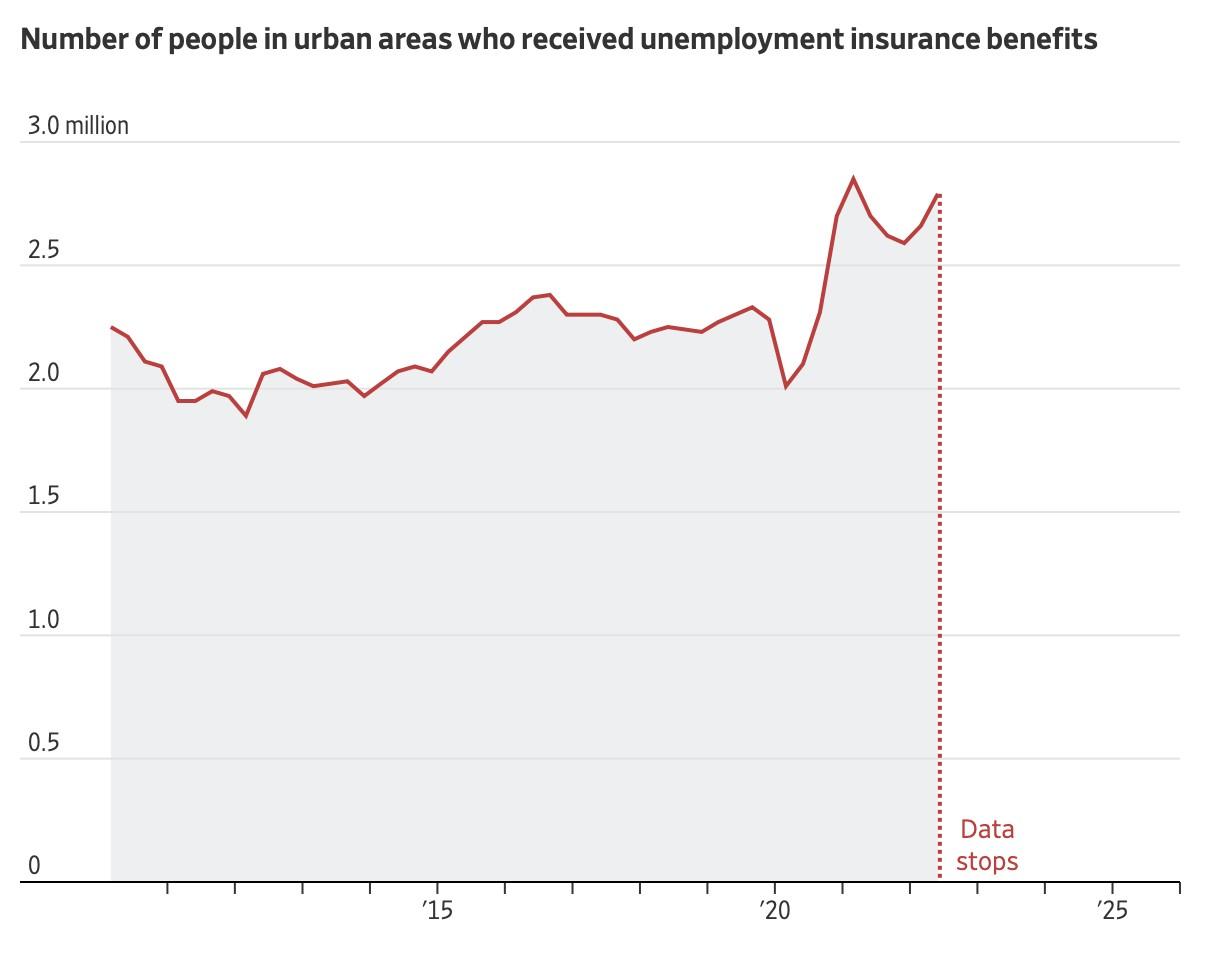
The BLS Data And Other Federal Data Problem: An Anomaly Or Being Played With?
This has been a problem for years, but Washington ignored it – this is a screenshot from a presentation I gave almost two years ago. Two of many reasons for what is happening: Phishing and immigration.
Source: Barron’s Magazine
The
Geopolitical Risk Brief: Key Nations and Regions Under Stress
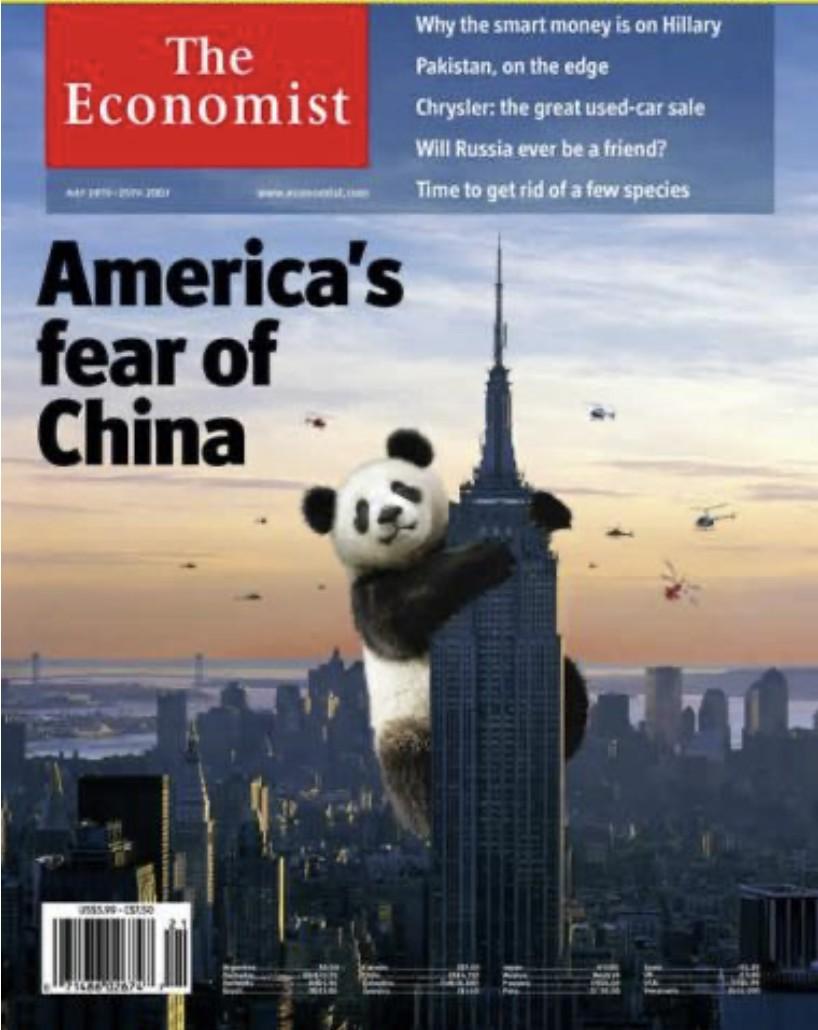
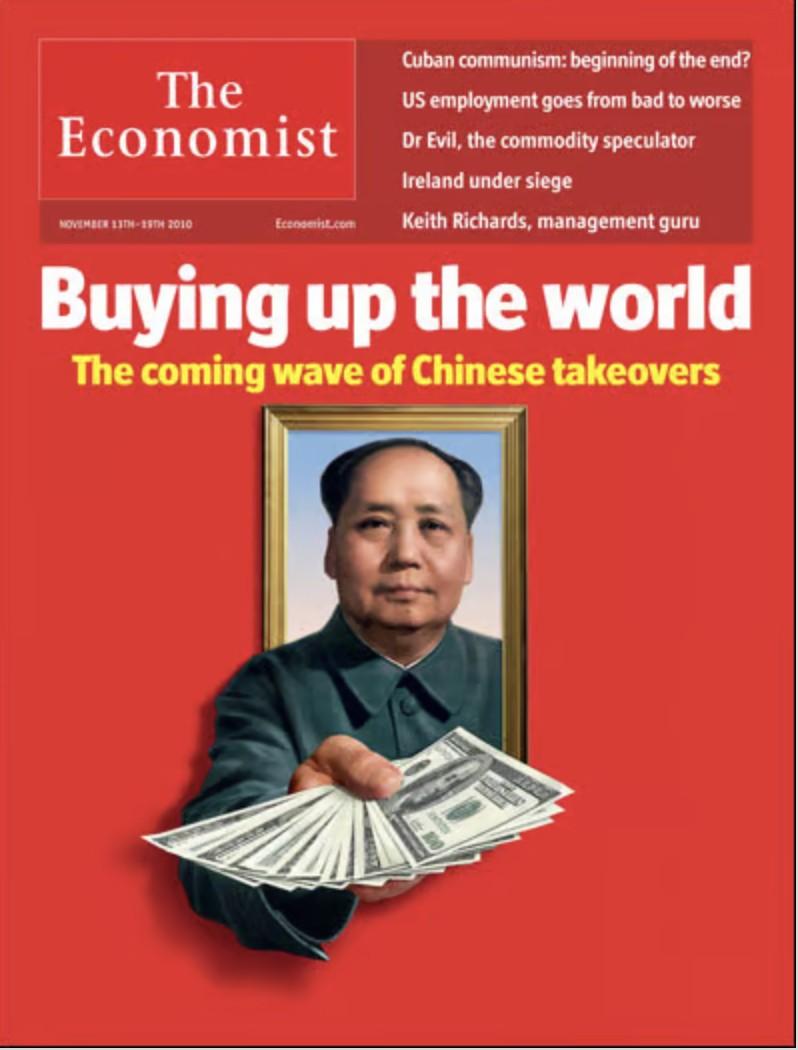
Gone But Not Forgotten: The China Dominance Narrative is Dead
China: No Longer Destined To Dominate Economically,
Struggling with Major Economic And Social Risks At Home
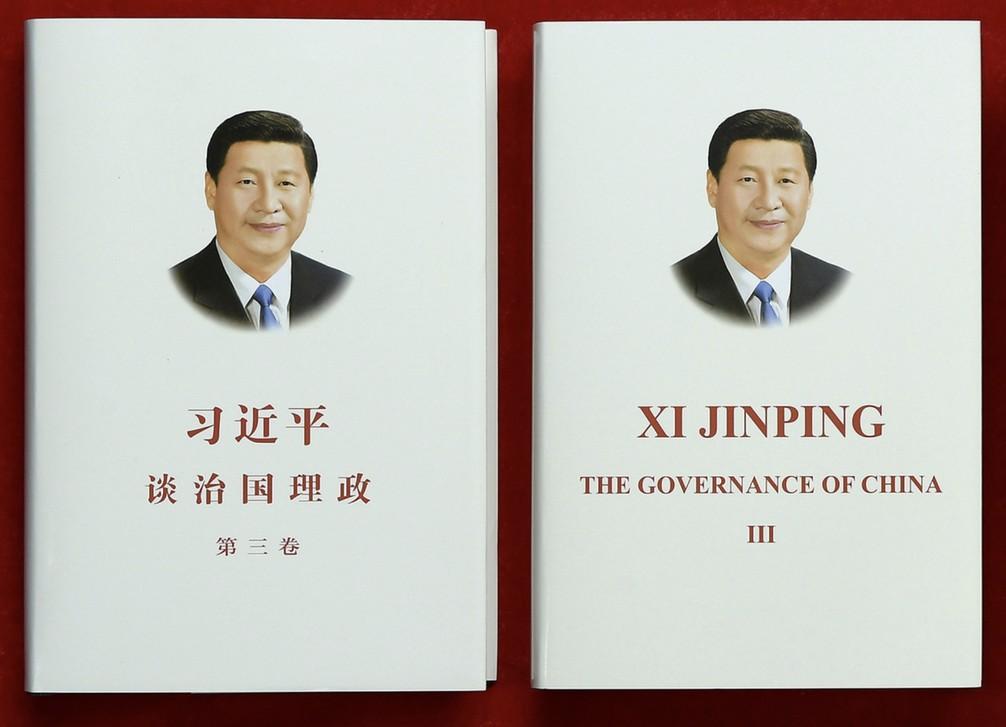
• President Xi Jinping is facing unprecedented challenges at home, much of it unreported due to censorship. He sees much of the “reforms” of the last 30 years as cancerous and a cause of major corruption. Maximum government control is the order of the day. The evolution of “Xi Thought.”
• A major casualty of Xi’s policies is the impact on the regional and global markets investing in China: Foreign Direct Investment has nosedived. And there is less transparency overall, especially of key economic data.
• The true economic health of China is unknowable. Example: The unemployment rate: Officially, it is at 15.7% but Beijing stopped reporting it. The real number is likely between 30-40%. What about overall unemployment?
• China’s residential property crisis: As many as 90 million properties that will never be lived in – ever.
• The Taiwan Invasion Risk: Worrisome but not likely in the next three-to-five years. US assessment: An
China’s
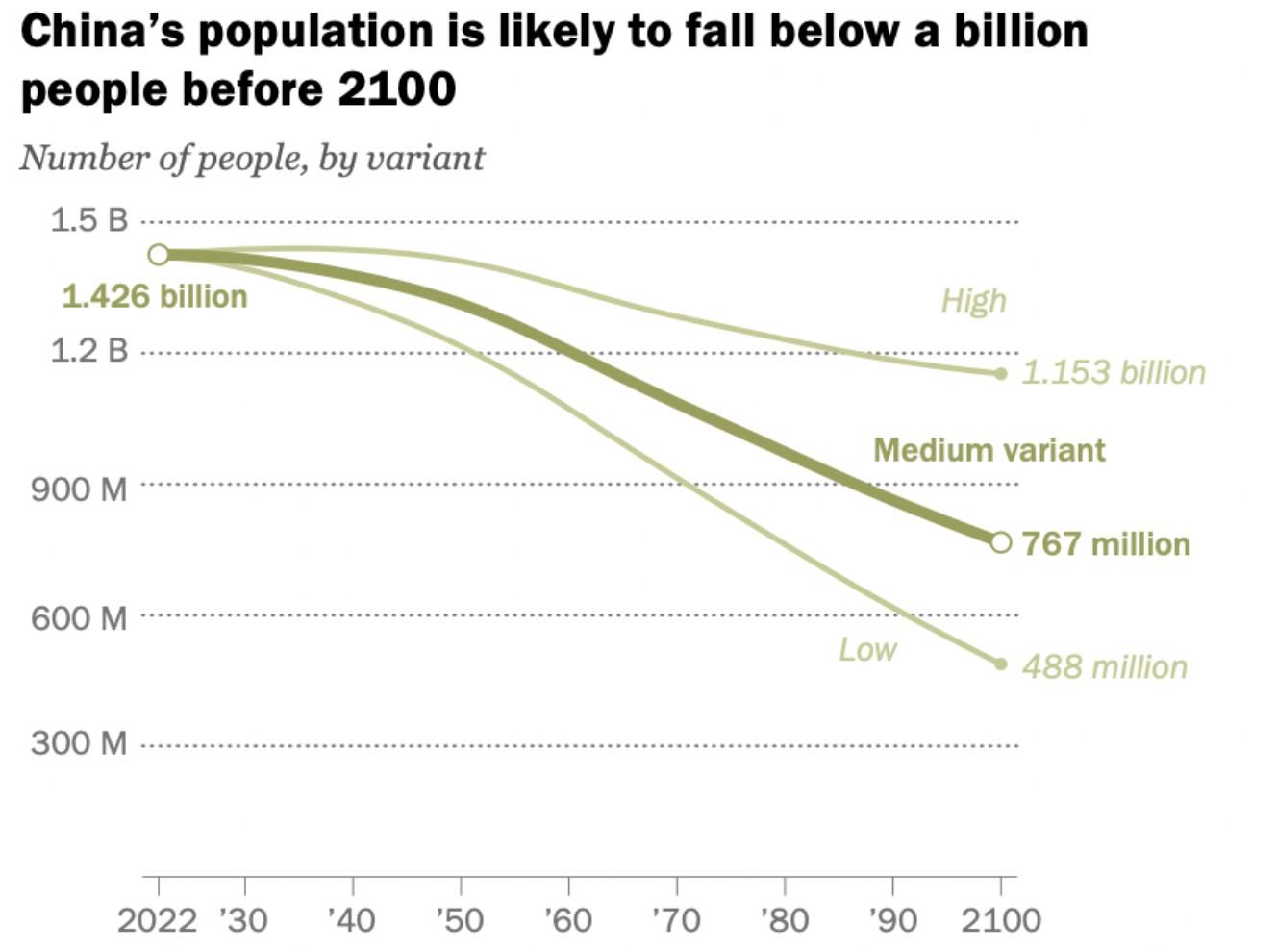
Population
Is In Free Fall – An Economic And Societal Challenge With Likely Long-Term Political And Economic Repercussions
• By 2100, China’s population will likely be less than half of what it is today.
• By order of comparison, by 2100 India is expected to have a population of 1.5 billion. China will be the 3rd largest country, following Nigeria which is expected to have 791 million people. The US is expected to have a population of 370 million.
• China’s Standing Committee just raised the retirement age from 60 to 63 for men and 55 to 58 for women over next 15 years to “expand” the workforce.
• The Standing Committee also recently outlawed the adoption of Chinese orphans by
Sources: United Nations, Gallup, Business Insider Africa, Financial Times
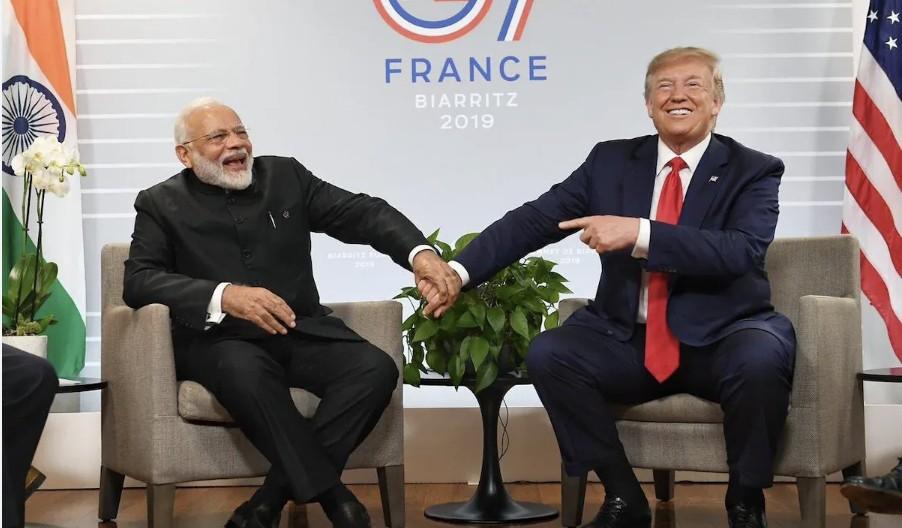
India Rise Of A New Superpower But Their Role in the Ukraine War
Will Be Defining
• India is expected to be the fastest growing economy in 2025, with estimates at 6.4 percent. Its population is now larger than China’s, with the average age being 33 years old.
• We are seeing a continuous outflow of manufacturing from China with a substantial amount of it moving to India.
• Modi is also building key Indo-Pacific allies (Japan, South Korea, Australia, Philippines) economically and militarily to counter China.
• The Quadrilateral Security Dialogue (Quad) is potentially the groundwork for a future mutual security/trade alliance between India, Australia, Japan, and the US.
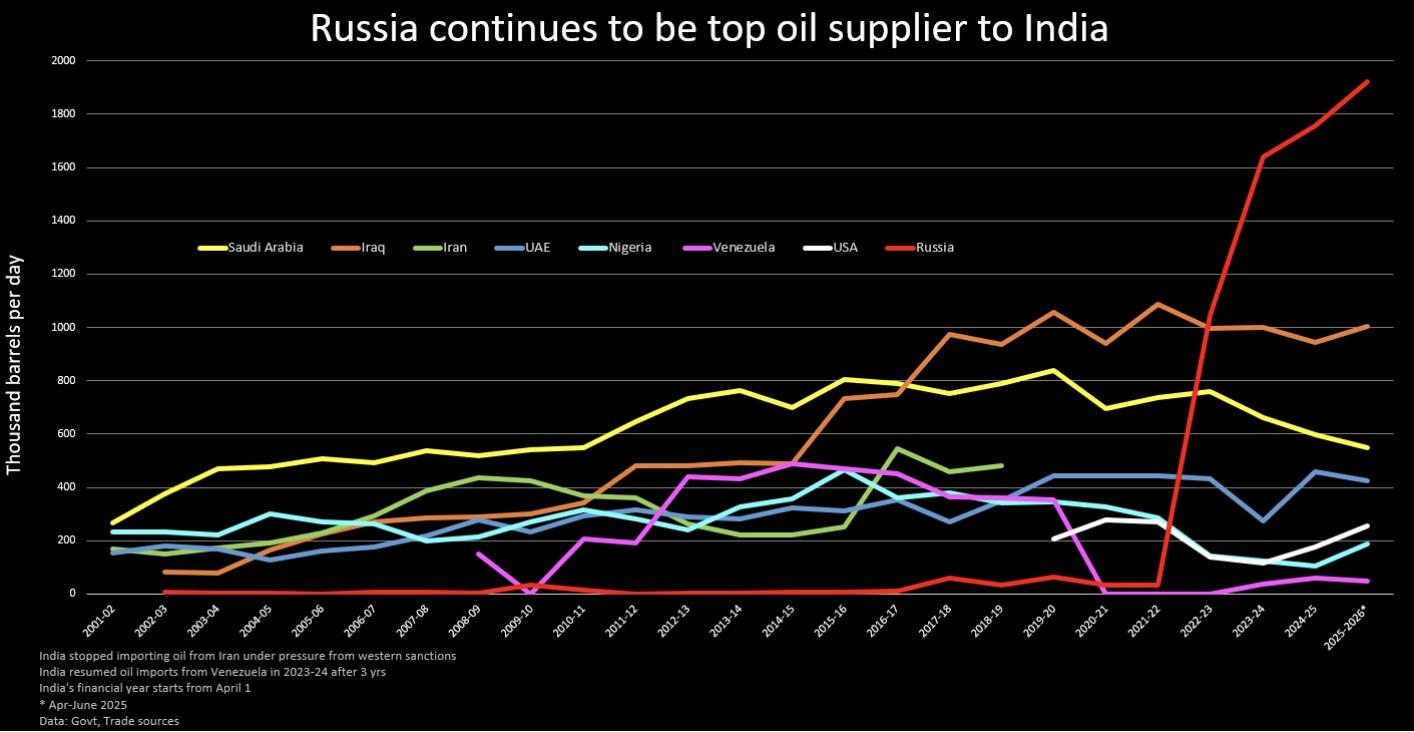
• Major Risk Point: India has profited substantially from purchasing Russia oil at steep discounts, refining it, and re-selling it globally at market prices. The charge that India is effectively funding the Russian War on Ukraine is a real risk to India –and an impediment to securing a US– India trade deal. And hurting India with Europe and other
Sources: Reuters, Indian Ministry of Statistics
Why Putin Does Not Want to – Indeed,
• Russian President Vladimir Putin has made the War on Ukraine a sacred, patriotic duty of all Russians. Almost mystical. He wrote in 2021 – a year before Russia’s invasion of Ukraine that: “Russians, Ukrainians, and Belarusians are all descendants of Ancient Rus… The Throne of which held a dominant position in Ancient Rus.” Putin claims Rus was founded in ”Kievan Rus” which makes Ukraine, Belarus, and Russia “one people.” That is false.
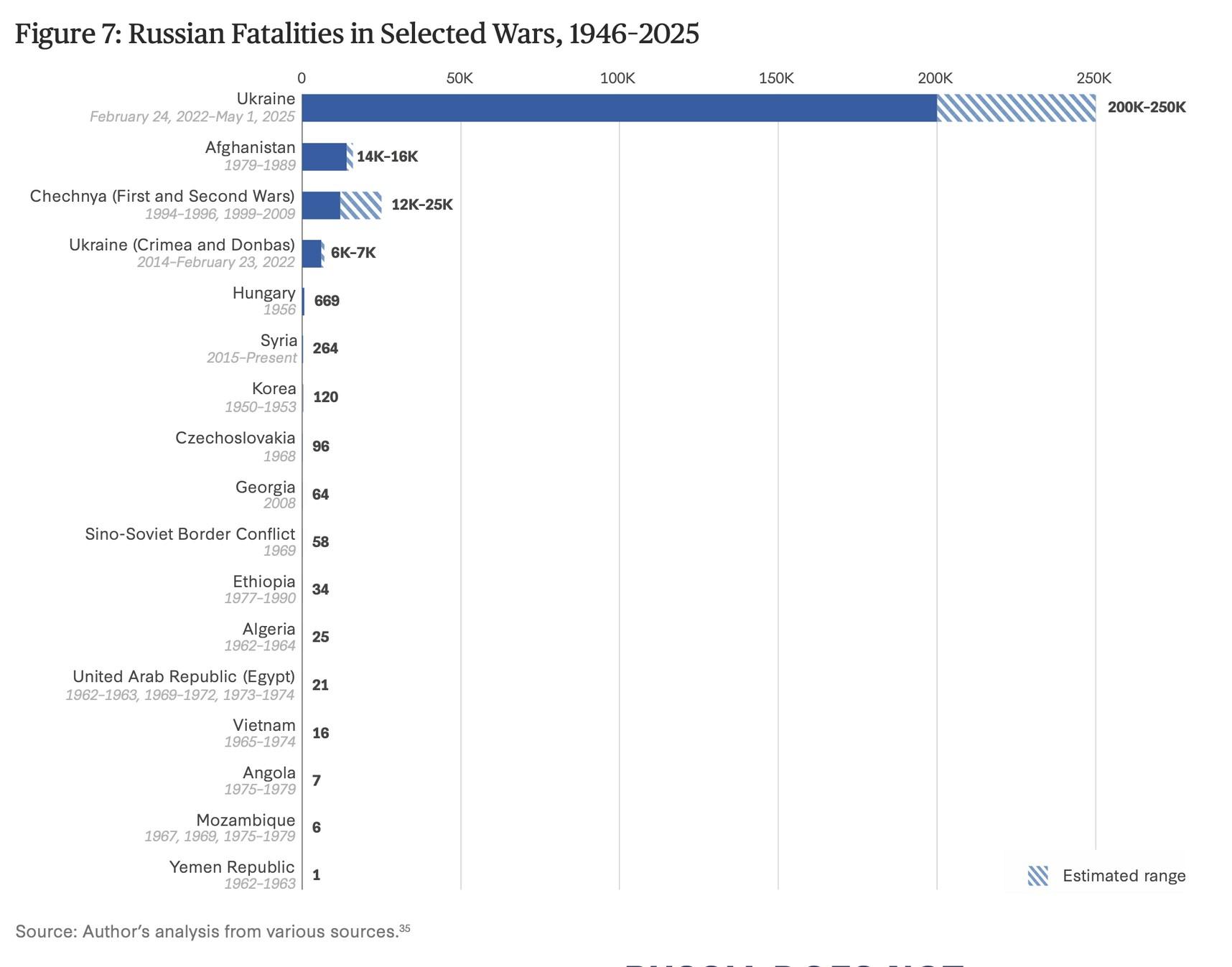
• Young Russians responded – and paid a terrible price. Since the war began in February 2022, 1 million Russian soldiers have been killed (54% of battlefield causalities caused by drones, 5x Ukraine fatalities). On average, Russia is losing close to 1,000 soldiers a day.
• So, having set the predicate for the war as something sacred, and having sacrificed so many young men and women in battle, what happens if Putin agrees to a ceasefire and/or a peace treaty? How does he explain to Russia soldiers and civilians “never mind – that’s enough”?
• Ending the war would bring home hundreds of thousands of those battle-scarred and angry soldiers. Where do they find jobs? History shows the danger of having large numbers of angry, scarred ex-soldiers with no hope or future (post-World War I Germany, Czarist Russia, etc.)
Sources; Pravda, CSIS, University of Rochester, US Defense Department
The Middle East: Hamas’ Attack On Israel Led To Historic Changes
in the Middle East
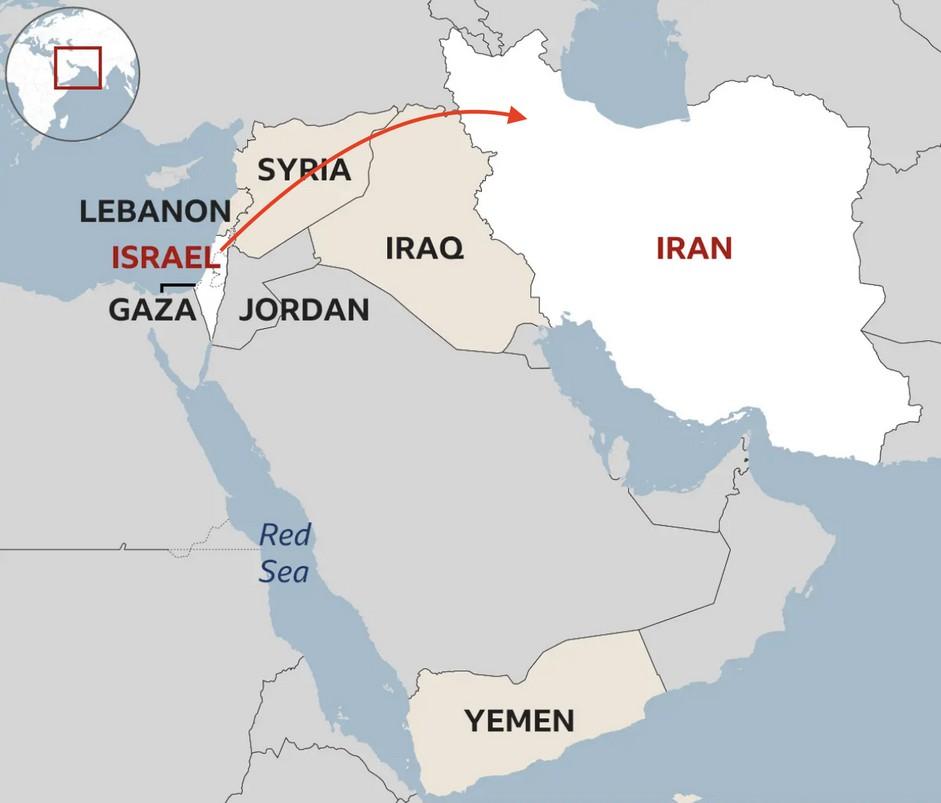
• Hamas’ horrific attack on Israel in October 2023 – sanctioned by Iran – has resulted in a fundamental shift in the Middle East’s power structure, leaving Iran badly vulnerable in ways it has not experienced since the Revolution that toppled the Shah in the 1970s.
Hamas has now been essentially destroyed. Moreover, Iran’s once highly—feared proxy force, Hezbollah, has been so severely degraded that Iran has essentially lost control of southern Lebanon – a critical gateway to the Mediterranean for Iranian trade. This in turn emboldened Syrian rebels to launch a lightning strike on the Syrian Army that toppled the Assad Regime – an Iranian proxy – after after 13 years of Civil War. Syria now wants to join the Abraham Accords.
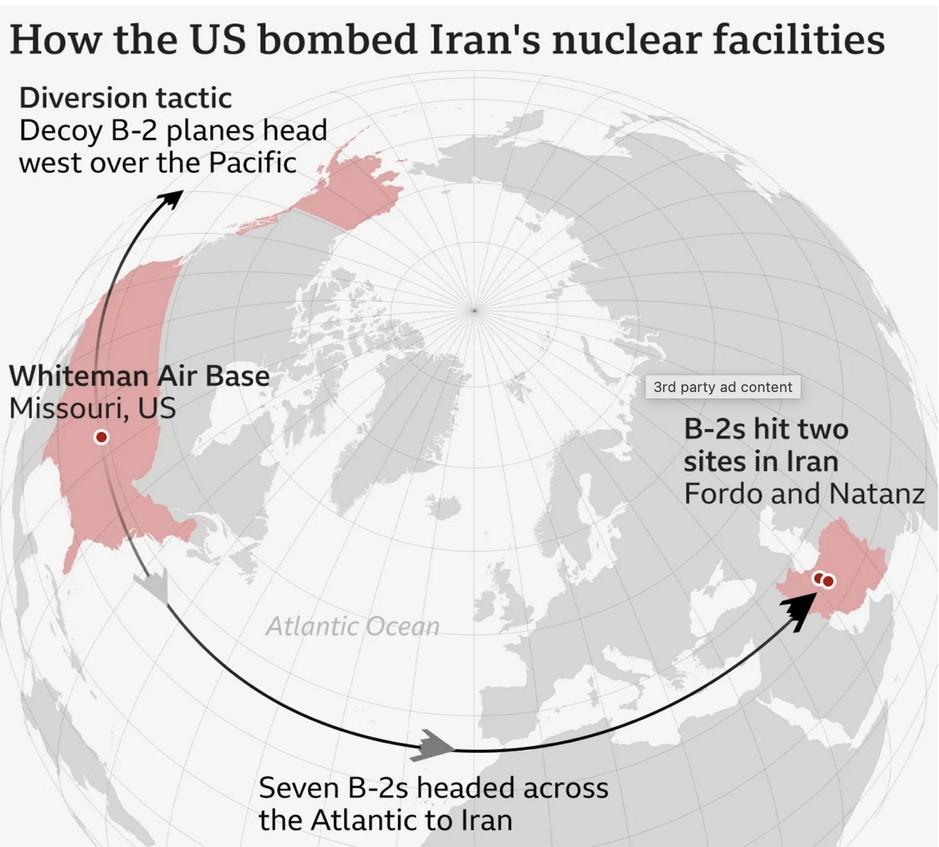
As soon as Assad fled, Israeli military forces moved immediately on Iranian forces and their proxy militias in Syria, destroying more than 90 percent of their military capability and effectively clearing a direct path for the Israeli Air Force to strike Iran and its nuclear facilities.
But the situation has shifted: Will Israel really occupy Gaza? What will Israeli Prime Minister Benjamin Netanyahu do with Syria and Hezbollah in Lebanon to fully disarm them?
Source: BBC, Congressional Research Service; the Times of Israel
Fulcrum Macro Advisors LLC
Leadership
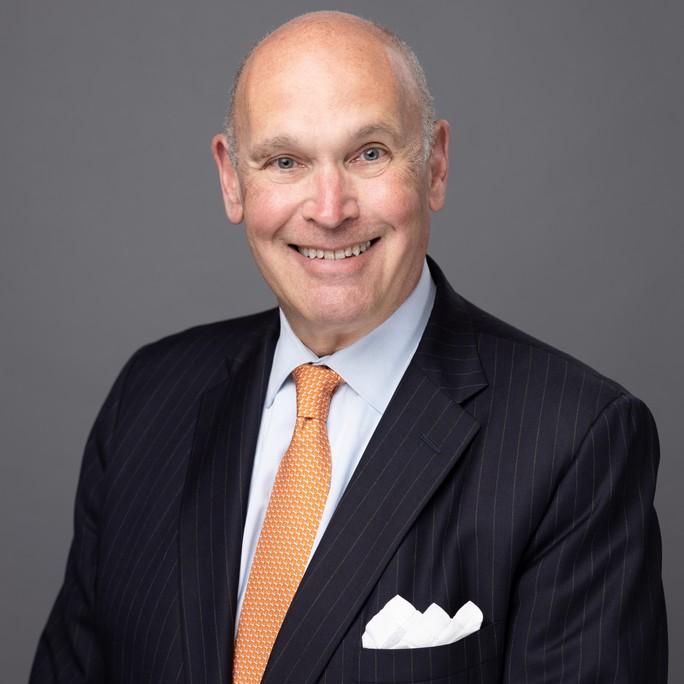
Frank Kelly
Frank is the Founder and Managing Partner of Fulcrum Macro Advisors LLC. He has worked as a senior executive on Wall Street for over 30 years, most recently at Deutsch Bank. Prior to this, he held senior positions at Charles Schwab & Co., and Merrill Lynch where he was Chief of Staff and Global Head of Marketing.
At Deutsche Bank, Frank served as Global Coordinator for Government and Public Affairs. He was also the Bank’s first Chief Political Strategist, advising clients on geopolitical and domestic policy issues.
Prior to joining the financial services sector, Frank was Chief Spokesman and Senior Policy Advisor to the Chairman of the US Securities and Exchange Commission. Previous to this, Frank served at the US Department of Justice in the Office of Policy Development where he focused on international and national security issues. He began his career as a Writer for President Ronald Reagan, going on to serve as the Deputy Associate Director of the Office of Political Affairs. He remained at the White House to serve as a Writer for President G. H. Bush.
He is also a Senior Advisor to The Scowcroft Group, a Washington DC global business advisory firm with an emphasis on emerging markets. He is also a Senior Associate in the Americas Program at the Center for Strategic and International Studies (CSIS). Frank additionally is a Lecturer at The Catholic University of America’s Busch School of Business where he teaches on Business Intelligence.
Frank is a member of the Council on Foreign Relations, the International Institute for Strategic Studies, the American Council on Germany and American Institute for Contemporary German Studies. He also serves on the Board of Directors of Codespa America and as Vice Chair of the Board of Directors of the Jerome Lejeune Foundation of America.
He resides outside Washington DC in Great Falls, Virginia with his wife, Maura, on their working farm, Open Door Farm.