
As we move into our third year as united Freedom Projects, I am proud of all we’ve accomplished and am honored to present this Lead Letter as evidence of our transformation and the impact of your continued support.
In 2024-2025, we’ve moved much important work:
Developed a ladder of engagement to reach more young people, scale our impact, and deepen the quality of our programming
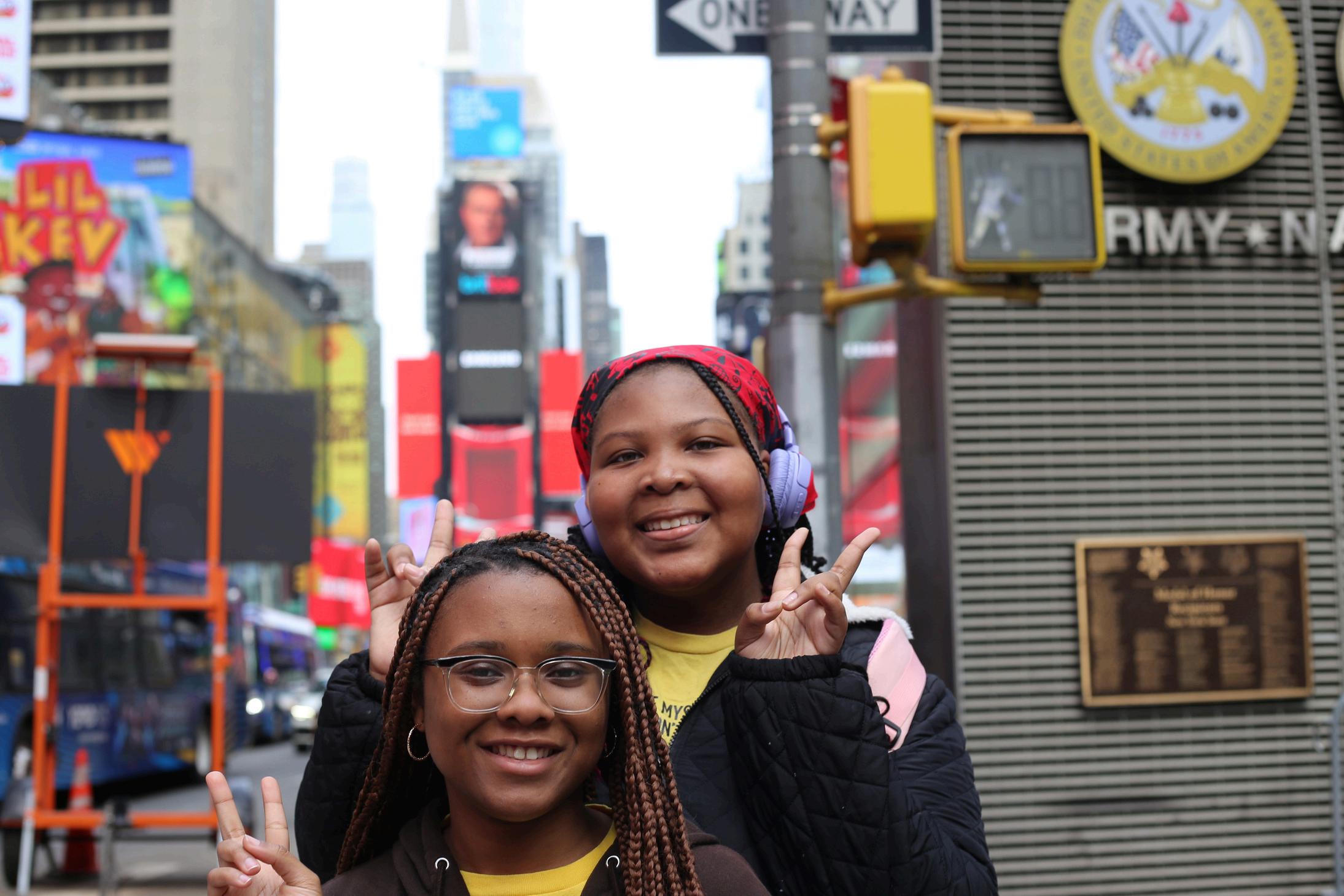
Traveled as a Network with our young people to Miami, New York, and Washington DC to collaborate with other youth-led organizations to sharpen our work and position our leaders to articulate the work and the role of the Freedom Projects in their communities
Participated in the development of local campaigns with our leaders and active members
Defined roles and responsibilities to be in greater alignment to the mission of the Network
Increased salaries in alignment with the cost of living adjustment (COLA) and performance
With the continual erosion of our democracy, we must advance in building collective power across our three communities and Mississippi. This past year highlighted the many battles that we’re facing – when funding was cut to important programs such as AmeriCorps, our organization felt the effects and had to pivot our summer program offerings.
While, we face social issues concentrated here in Mississippi – hyper-scale data centers, rising utility costs, hyper-surveillance, public school closures, cuts to SNAP benefits and social services and increasing authoritarian rule, our young people and community members are building, aligning, and visioning, while our staff develops a shared analysis of these threats and strategizes how we address them together to win the changes our communities deserve.
We will continue to develop trust between our young people and staff, ambitious programs for youth-led social transformation, and restorative and transformative practices. Our programs will respond to the needs of our communities and continue to hold space for young people and community members to build with each other, critically analyze their experiences, and envision a future through dialogue, artistic creation, shared practice, and political education.
Your support is so important to this work. The challenges ahead require an increase in our annual operating budget. This year, we aim to raise $970,000 for our organization, our people and our Mississippi communities. The first major step in achieving that goal is raising $300,000 through our Lead Letter campaign, and we ask that you join us in this fight to build power in the Sunflower, Rosedale, and Meridian communities.
With Love, Education, Action, and Discipline, LaToysha Brown, Executive Director
Mailed checks should be made out to The Freedom Project Network and sent to 120 Delta Avenue, Sunflower, MS 38778

Over the last year, more than 120 young people participated in the Freedom Fellowship.
24 young people who took on the responsibility of the Leadership Committee (LC)
90 young people who joined for Freedom Summer and Freedom Summer Collegiate
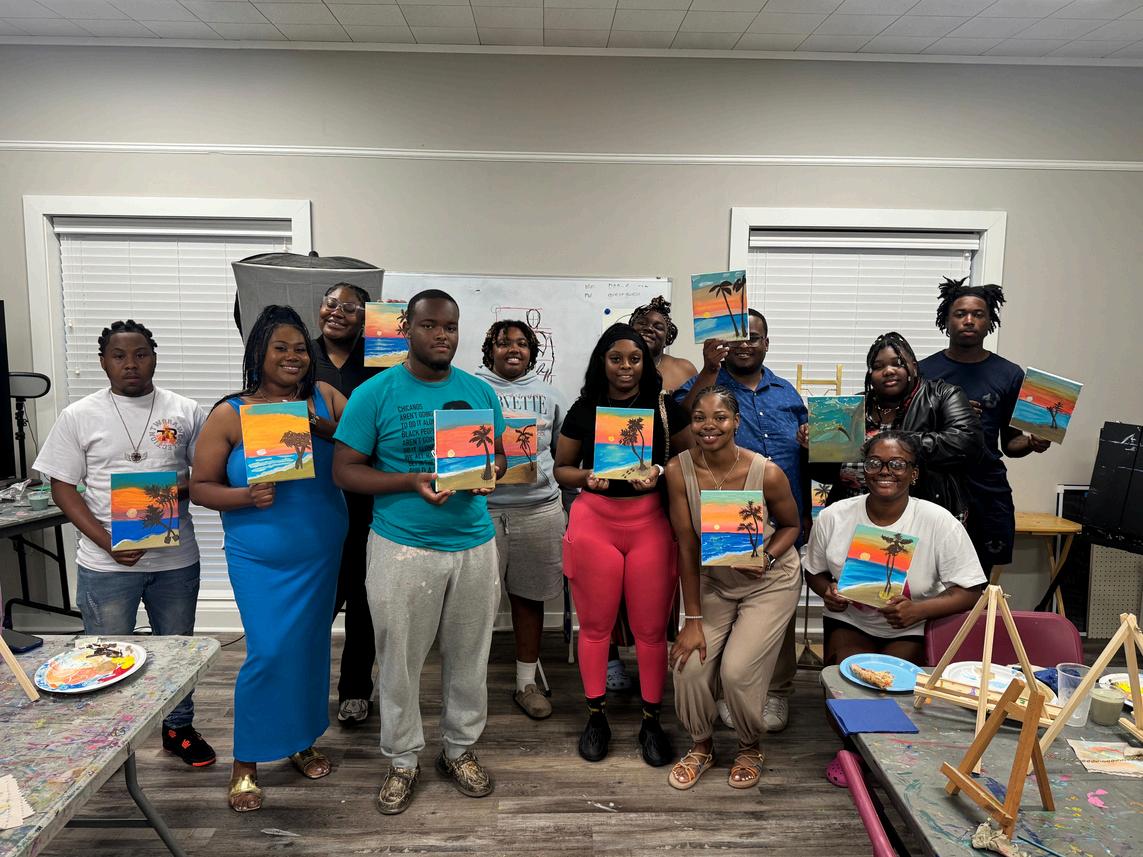
40+ young people who participated in programs like theater, creative writing, screenprinting, dance, photography, book club, and college cohort
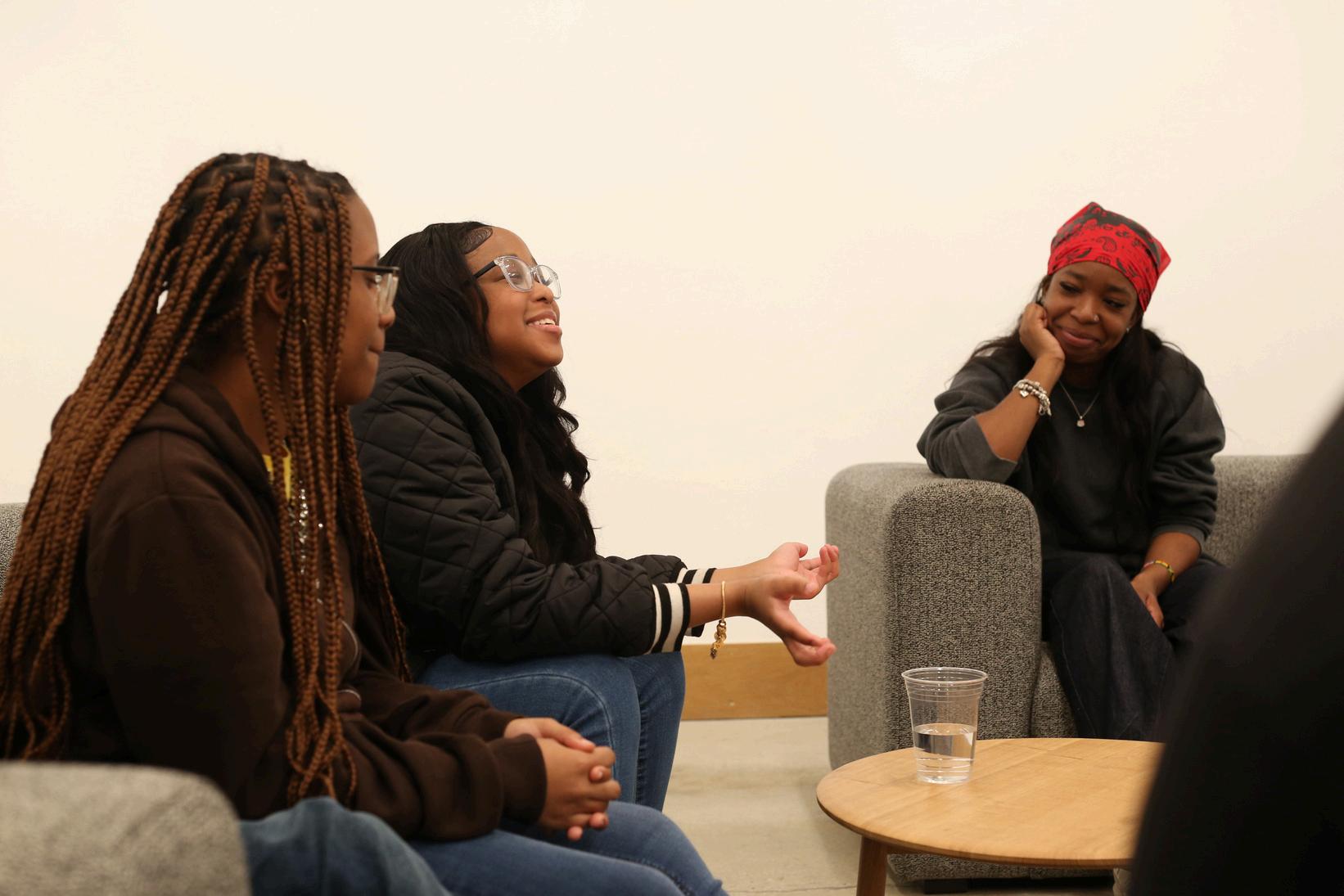
This year, Fellows also reached out to the community. This included:
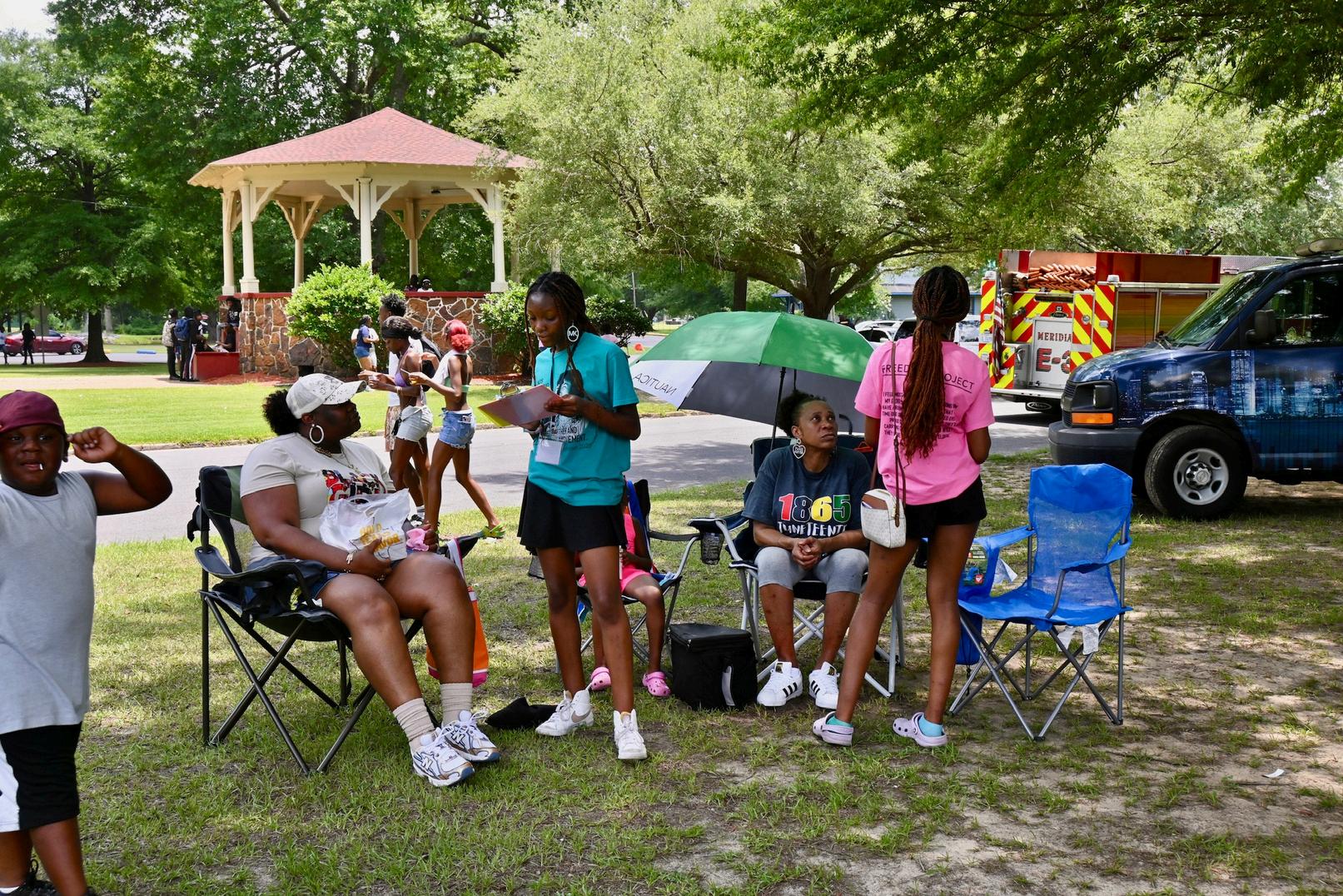
600+ doors knocked across our three communities
180+ people canvassed on issues like education, housing, and mass incarceration
6 popular education sessions in the community, hosted by the LC
6 arts and academic showcases, with 120+ family, friends, and neighbors
But in the coming year, we want to reach more than 180 young people! That’s why we developed our new engagement ladder to map out how we are planning our work in the community and with your support we can reach our goals!
Leaders engage in rigorous study, learn leadership skills, and develop campaign strategy Leaders receive 1:1 support from staff organizers, including post-secondary counseling. Leaders support facilitation of member programs.
Active members participate in campaign committee meetings twice per month, as well as general members workshops.
General members participate in monthly member meetings and general member workshops.
Service programs are entry points into the organization and also provide a tangible service to the community -- resource fairs, ACT workshops, and aid programs.
Base-building programs have the widest reach. These include our showcases, community events, canvassing, and campaign actions
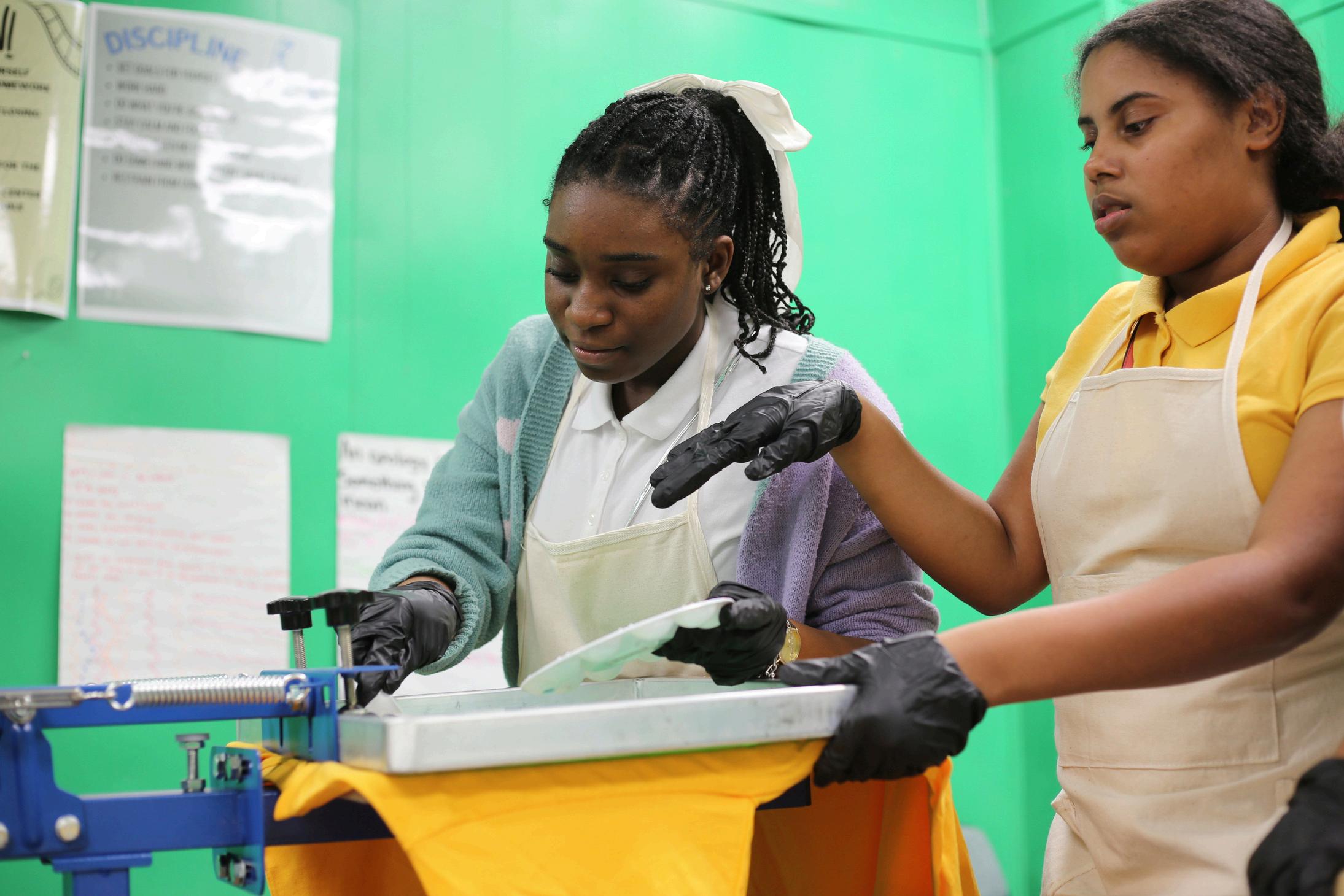
This spring, our fellows at the Meridian Freedom Project are stepping into the world of theatre as a powerful tool for learning, leadership, and liberation. Through acting, storytelling, visual art, and production, Fellows will strengthen skills far beyond the stage. Together, they will explore how theatre can be used to raise awareness about pressing political and social issues, using art to spark dialogue, healing, and action. The season will culminate with our Freedom Festival, a community showcase featuring MFP’s theatre production alongside local vendors, youth organizations, families, and friends.
At the Sunflower County Freedom Project, Fellows are exploring different strategies for social noncooperation – refusing to comply with unjust systems – through photography and storytelling. Fellows are analyzing pictures taken by political photojournalists who document movements engaged in social noncooperation and represent their cultural resistance to oppression. Through this workshop, Fellows not only learn the importance of noncooperation, but also the importance of documenting resistance through noncooperation and cultural work.
This fall, young people at the Rosedale Freedom Project developed their capacity for artistic collaboration through script-writing. Over the span of three days, Fellows went through ideas of what they wanted their film to be about and how they could achieve the outcome they saw for themselves. Not only that, they—without the instruction from facilitators—began using theatrics to narrow down what scenes could work and what scenes could be used for a future script. Our young people were able to successfully produce a script that they were all proud of and excited to bring to life!
This Summer, Fellows in Meridian explored the art of storytelling through their literacy narratives. They discovered that writing is not just an academic skill but a means of reclaiming their voices. At the end-ofsummer Leadership Committee trip to Memphis, Fellows were introduced to British Parliamentary Debate, transforming the courage born in their writing into the confidence to speak, argue, and lead.
This Fall, we are bringing debate back home to Meridian, where Fellows are learning to craft arguments, evaluate evidence, and think on their feet, developing the discipline and empathy required to listen deeply and respond thoughtfully. In each session, they use their voices to engage pressing issues in their communities, from educational equity to climate justice. By combining the reflective depth of writing with the strategic rigor of debate, our program continues to nurture scholars who think critically, speak powerfully, and lead compassionately.
The Sunflower County Freedom Project has partnered with Americorp ExCEEDS to strengthen our College, High School, and Summer Opportunities (CHaSO) program, which supports students applying to college and preparing for life after graduation through ACT prep, writing college applications, setting goals, and visiting colleges.
This summer, SCFP had two fellows attend the Andover Summer program at Phillips Academy in Andover: A'Mari Appleberry and Brooklyn White. Of the experience, Brooklyn said, “Andover prepared me for the new school I’m going to by teaching me how to interact with people from various backgrounds and learning about their cultures. Overall it was a great experience.” Next year, we will renew our partnership with Yale Young Global Scholars, and Fellows will apply for Mississippi Governor’s School at Mississippi University for Women, Richard McGinnis Summer Science & Engineering at Tougaloo College, and Summer College for High School Students at the University of Mississippi.
This spring, each site formed Leadership Committees (LCs). LCs consist of Fellows at each site, identified as leaders and interested in taking the next step in their leadership journey. In the LC, Fellows built three sets of skills and capacities: political education, organizing, and social emotional leadership. This learning and growth positioned LC members to begin developing site and statewide campaigns that are deeply felt among our people.
LC fellows engaged in study throughout the spring and summer about a myriad of topics related to the political moment, and practiced these skills in intergenerational meetings – leading community conversation on issues such as rising utility costs and data centers, the newly passed omnibus bill, and the lack of resources in our communities.
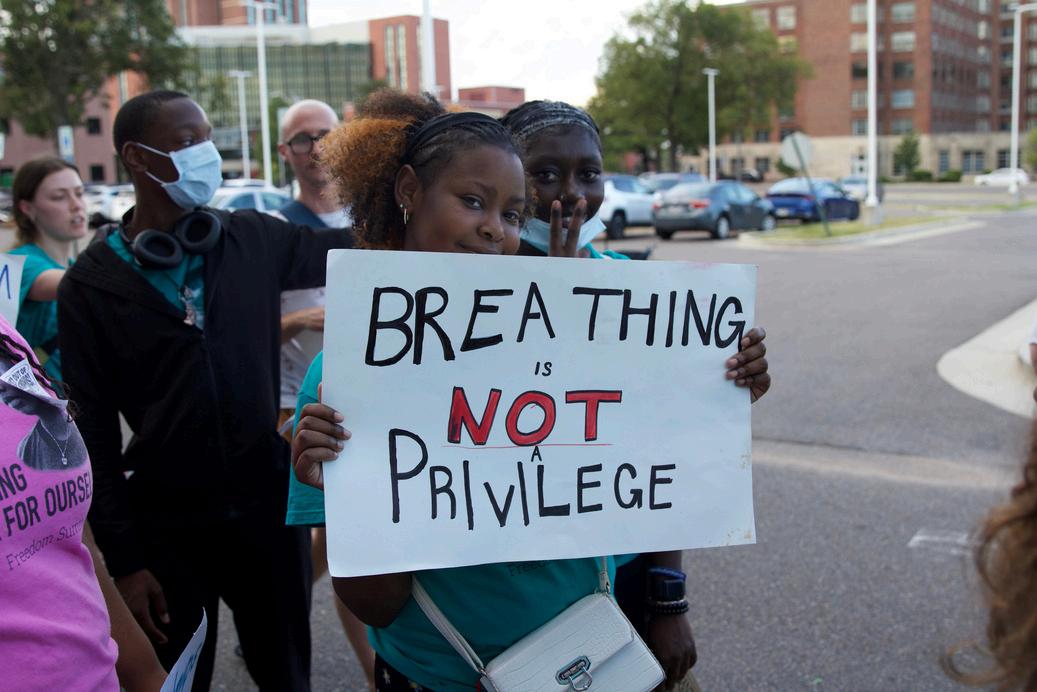
LC fellows used participatory action researchPAR - this summer in their campaign research. PAR is a research framework that believes individuals are experts on their own communities and are best positioned to create change. Fellows used PAR to develop a research question about their issue, design surveys to understand how people are impacted, and get on the doors about it. After hundreds of these conversations, fellows synthesized survey data, identified trends, produced research findings, and presented solutions/interventions at an end-of-summer community meeting.
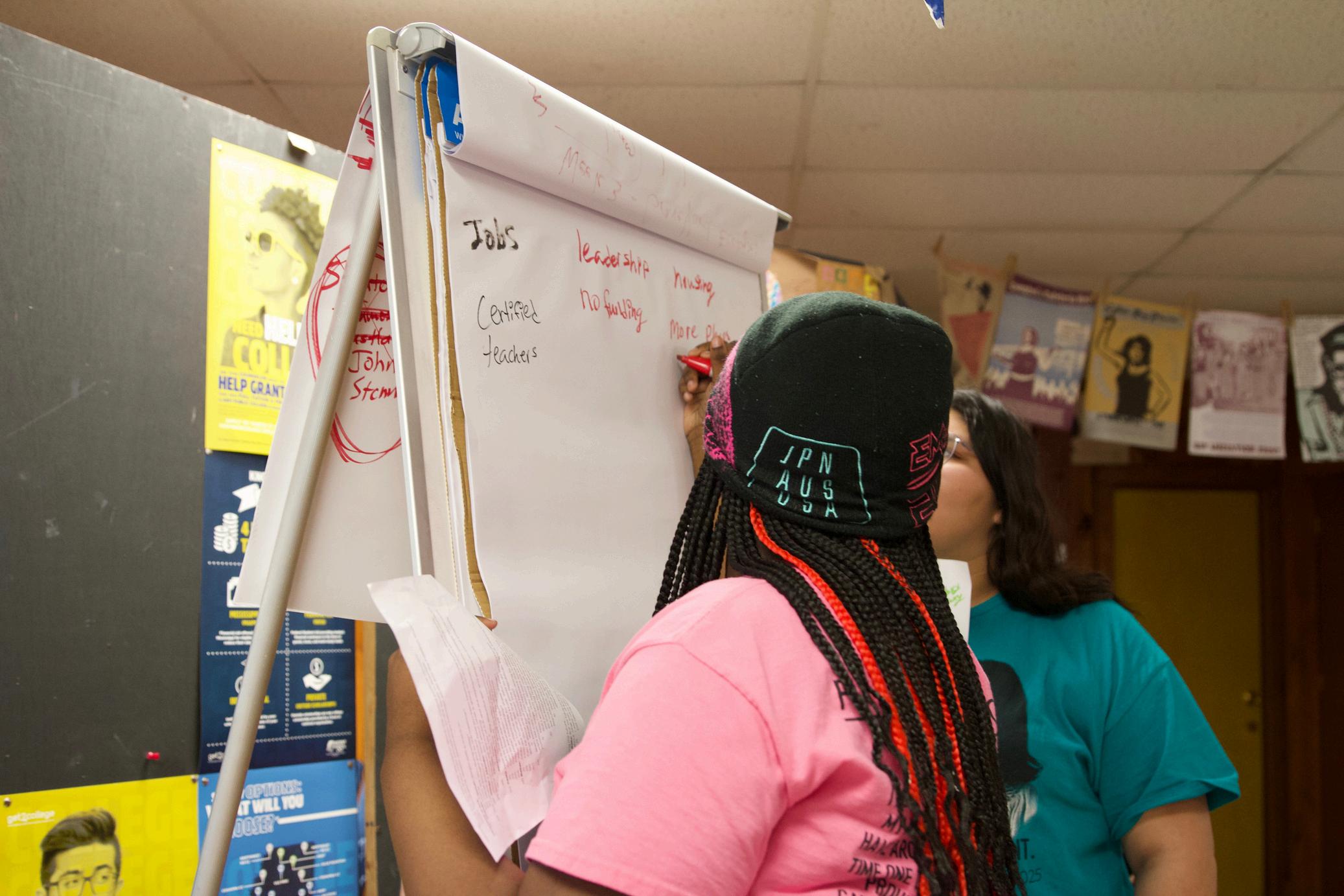
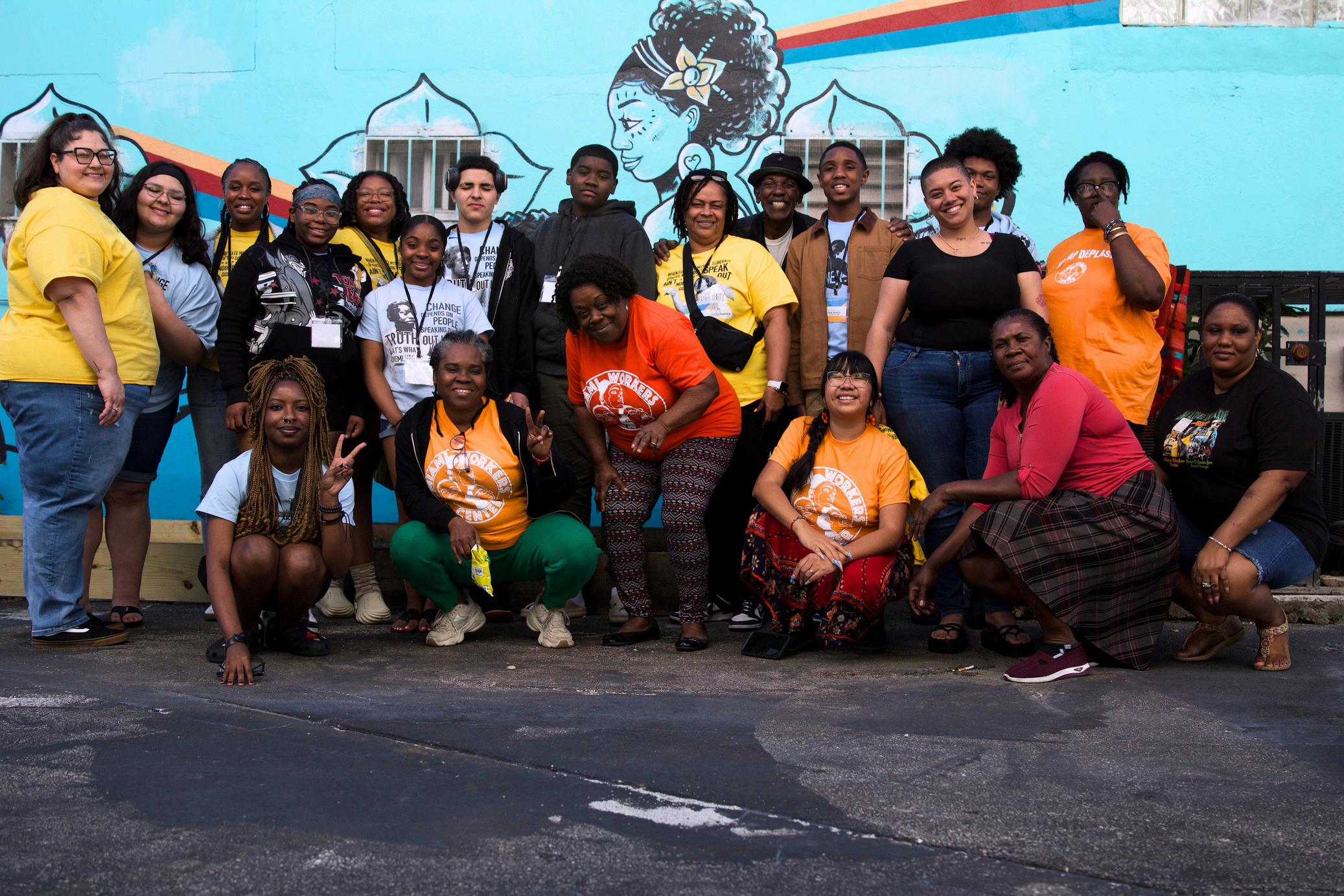
Over Spring Break, Fellows from across the Freedom Project Network traveled to Miami and New York City for an experiential learning trip, many flying for the first time! Partnering with youth-led organizations like Desis Rising Up and Moving, CAAAV: Organizing Asian Communities, Power U Center For Social Change, Miami Workers Center, and the Astoria Tenants Union, Fellows exchanged stories about their life in Mississippi, built connections with other youth organizers, and learned how different communities across the country are building power.
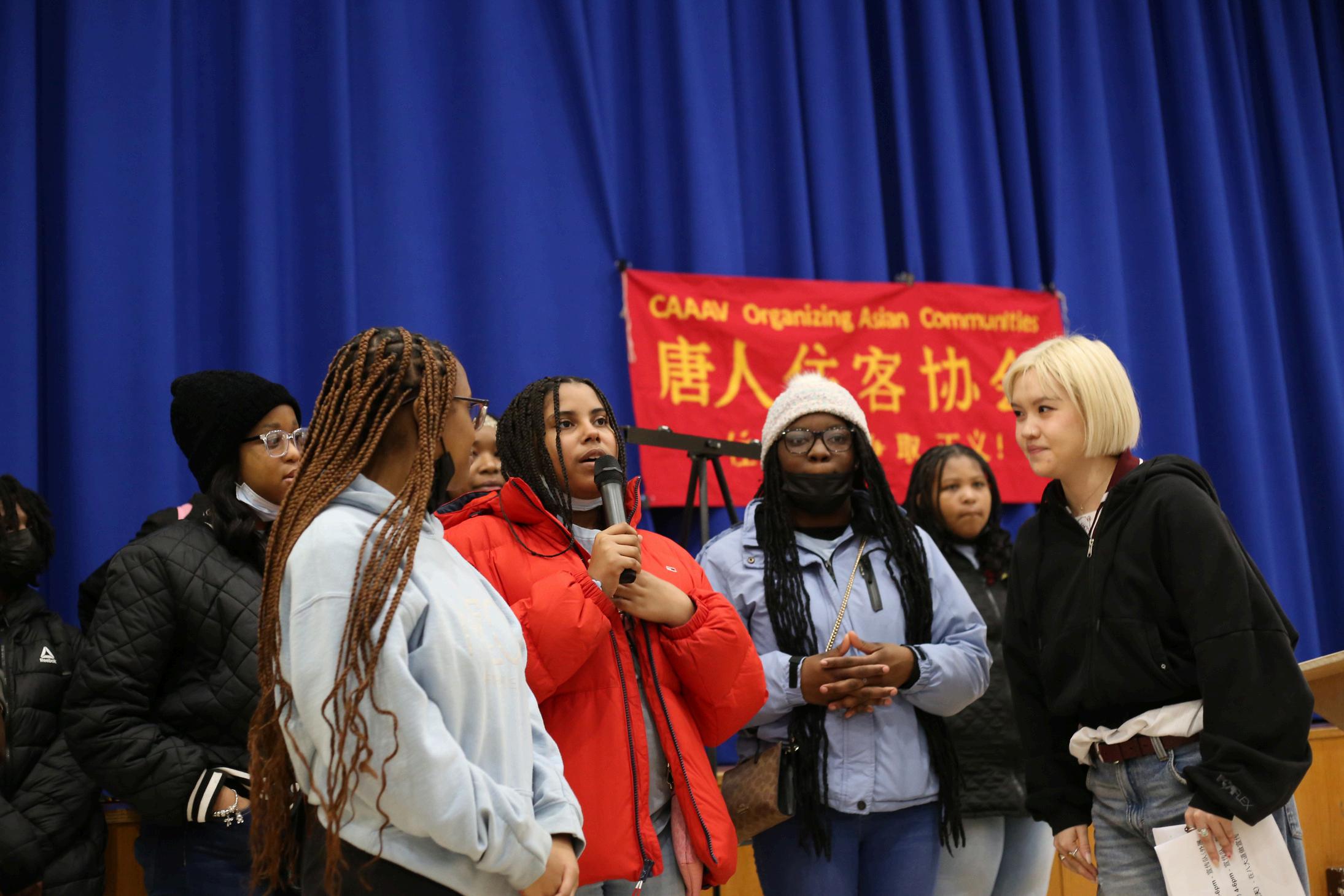
Each day began and ended with sessions that included check-ins, political grounding, and reflection. They observed intergenerational organizing in action, including an ATU member meeting where youth and adults debated a denouncement of former NYC governor, offering a firsthand look at democratic organizing. While touring organizations, Fellows saw both the wins and challenges of local campaigns. A visit with CAAAV highlighted their fight to preserve a neighborhood theater prompting fellows to reflect on similar gentrification issues in Mississippi.
Leadership Committee Fellows also traveled to Washington, D.C. to deepen their understanding of movement-building and to meet with Freedom Project partners. They attended a Palestinian Festival celebrating culture and solidarity, and met with Tenants and Workers United and One DC to exchange insights and strategies for ongoing campaigns back home. Across all trips, Fellows returned with new tools, stronger networks, and a determination to build power and lead a campaign in their community.
We’ve been awarded a 2-year $100,000 grant from the Funders Collaborative on Youth
Organizing, an organization that bridges funders and organizers across the US to support youth organizing for systemic change and social justice. Using their Power to Win framework, FCYO trains leaders to build strategies for winning campaigns in their communities. Our Executive Director and Rosedale’s Program Manager, Kaitara Baker have joined the cohort and will travel to New York, engage in monthly reflections and learning sessions to strengthen our organizational practices, staff members, and young people to build power in our Mississippi communities.
Fellows from Rosedale and Sunflower joined groups across the Delta in July to celebrate the birthday of Emmett Till. At this celebration of life, Fellows discussed the legacy both of Emmett Till and the larger civil rights movement in Mississippi. They ended their trip with a visit to the Barn – the site of Till’s death, now a memorial – and a discussion of the importance of reckoning, teaching truth, and healing in their communities.
In our communities, hyperscale datacenters are being built along with lethal energy infrastructure, poisoning the air, taking the water, and exploiting the land. That’s why we connected with our neighbors in South Memphis who are fighting the xAI datacenter, and our friends at Media Justice who have been fighting anti-Black police surveillance for a decade. Our ED, LaToysha, was a guest on MJ’s webinar series on datacenters, and our Fellows’ work was featured in MJ’s report on datacenters in the South.
This summer, middle school Fellows read two novels. Those that read Randy Ribay’s Everything We Never Had discussed themes of mental health and healing, masculinity, and intergenerational trauma. Those that read Marie Arnold’s I Rise discussed navigating family relationships, racial justice, and youth organizing. In each book club, Fellows studied an essential question, read collectively, practiced good reading habits - such as asking questions, active listening, and taking good notes - participated in discussions, and drew connections between the books and their own lives.
Our high schoolers all participated in Freedom Summer Collegiate. In this branch of the Freedom Project, college-bound high school students engage in transformative seminars facilitated by doctoral students.
In Graveyard Ecology, young people investigated African-American burial sites in Bolivar County to understand how they are being destroyed and erased from records. In Literacy for All, fellows examined literacy by conducting surveys to determine the average number of books in a household. Then, they built a Little Free Library for young children in the area!
In Stealing Our Education, fellows explored the school to prison pipeline and connected it to Meridian’s juvenile system. In High Literacy, fellows explored literacy in terms of critical appreciation and thinking which led them to the process of examining their personal history and writing their own narratives.
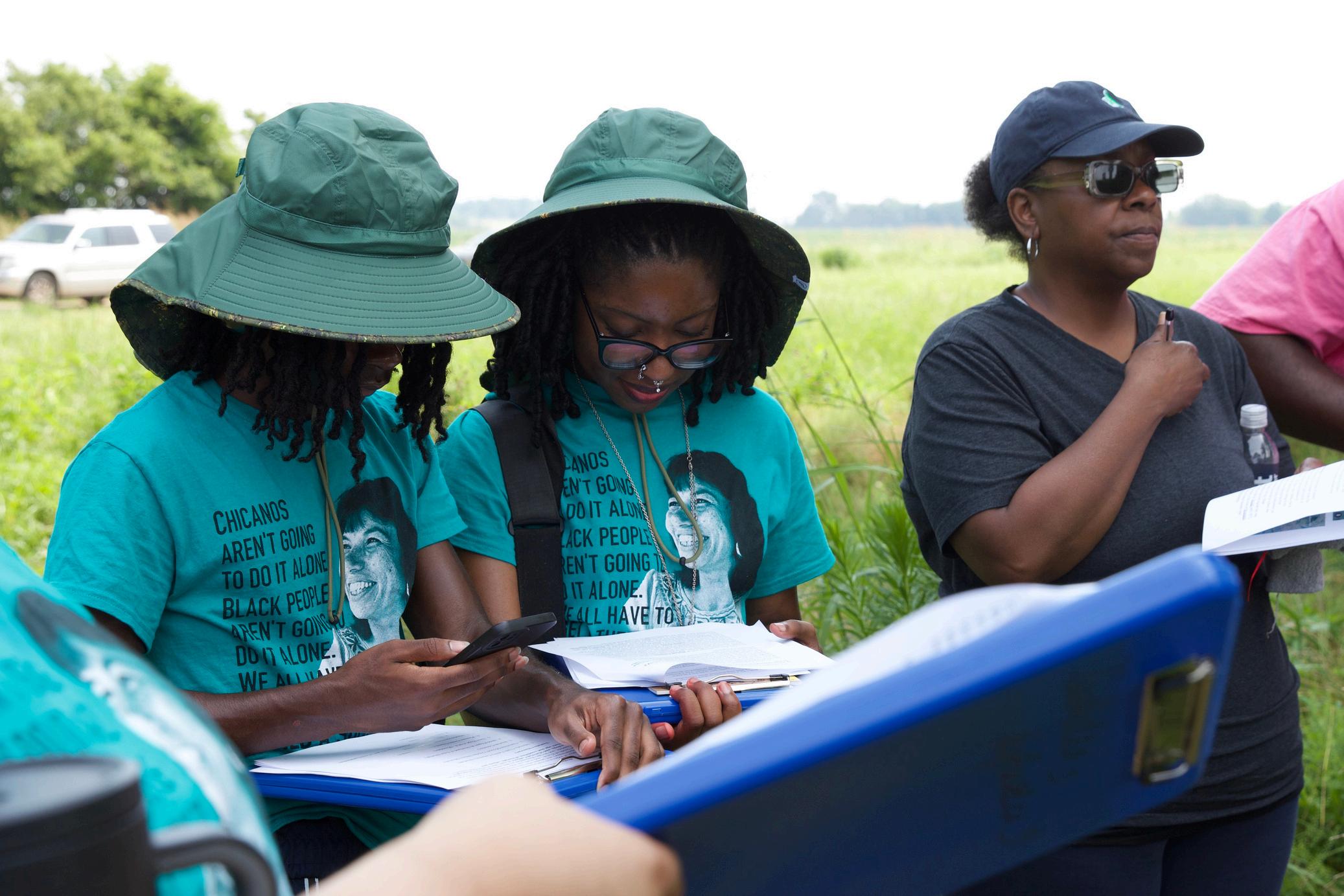
In The South Got Something to Say, fellows explored art from MS writers exploring the beauty and struggles of the South and created their own poems and essays. In Reading Resistance, young people used fiction to discuss themes related to social and political issues, and created their own short film!

The Alumni College Success Program (ACSP) is a branch of the Freedom Project Network dedicated to supporting program alumni as they graduate high school and head to and through college!
Over the course of the 24-25 academic year, ACSP students attended 38 small group calls to debrief their experiences, receive coaching from staff and peers, and discuss issues related to student success. The ACSP also dispensed $5,850 in emergency grants to help our students resolve urgent financial challenges that threatened their ability to stay in college. Your support will allow us to do the same this year.

In December 2024, Vanessa Martinez graduated from Jackson State University with a BA in political science!
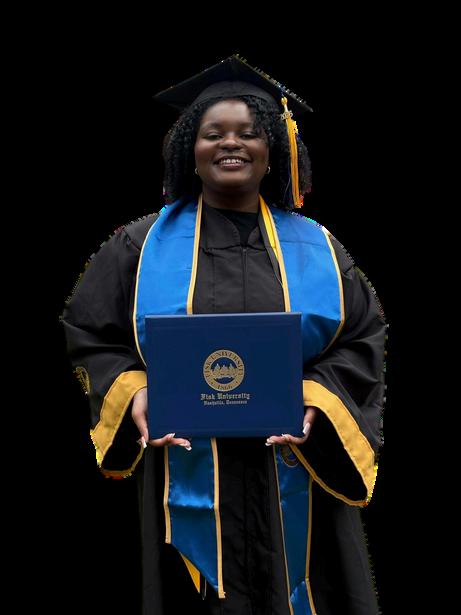
In May 2025, Ashley Gordon graduated from Fisk University with a B.A. in Criminal Justice and Kiera Monroe graduated from Xavier University of Louisiana with a B.S. and a Doctor of Pharmacy degree!
This past summer, Beyonce Russell (senior at Delta State University) was selected to be a McNair Scholar and completed her research project on the experiences of first-generation college students.
In June, ACSP students and staff gathered to celebrate successes from the past year and devise a strategic plan for the following school year.
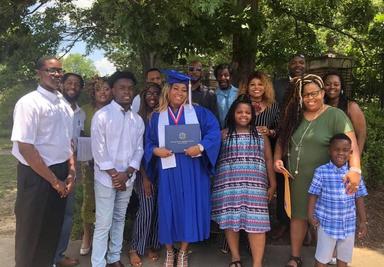
In August, we kicked off our 25-26 year of programming with our largest-ever graduating class. In May 2026, we anticipate six students (3 RFP and 3 SCFP) to graduate with their bachelor's degree and another RFP student to complete his associate's degree.
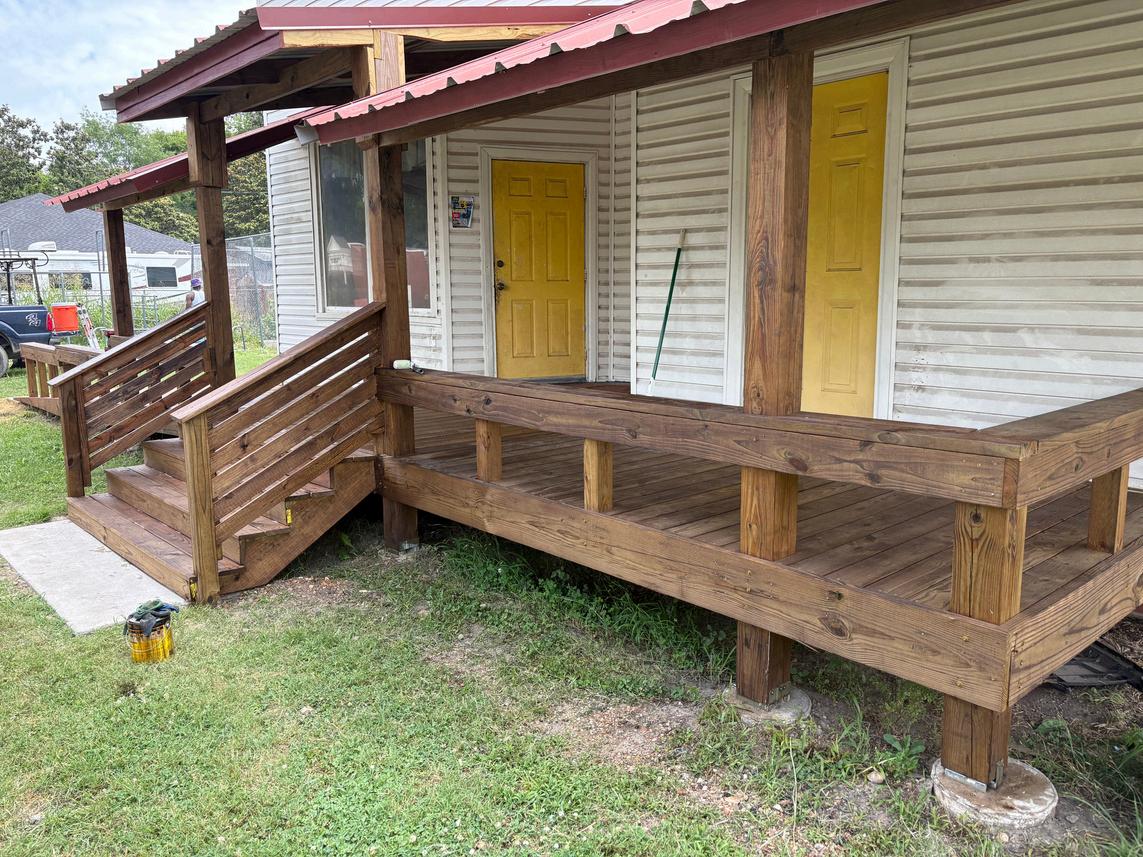
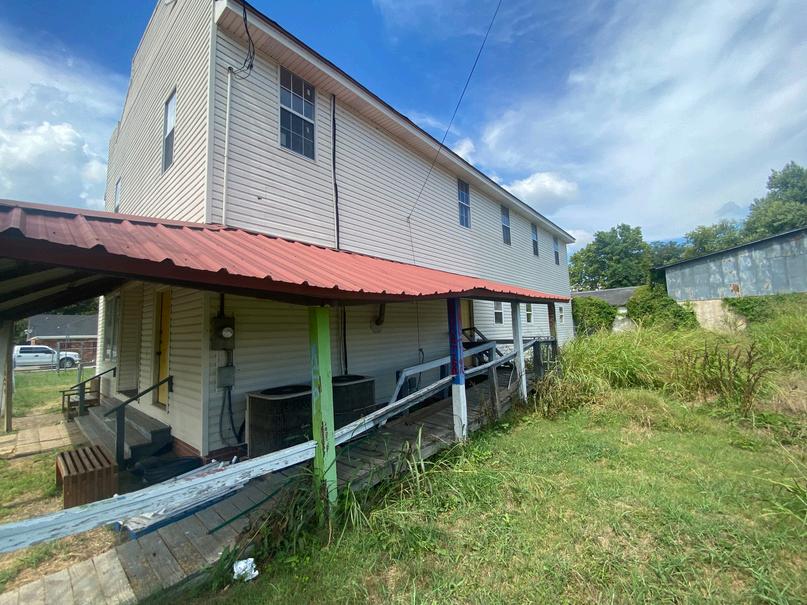
One of the most important parts of our work in the community is serving as a hub, a safe space, and a gathering place for our young people and the community. But maintaining these buildings requires a lot of time, energy, and money. At the Rosedale site, we had dealt for years with outdated and dysfunctional HVAC (meaning some really hot summers and some really chilly winters), a tiny bathroom that wasn’t accessible for many of our community members, and a collapsing awning in the front of the building that was becoming unsafe.
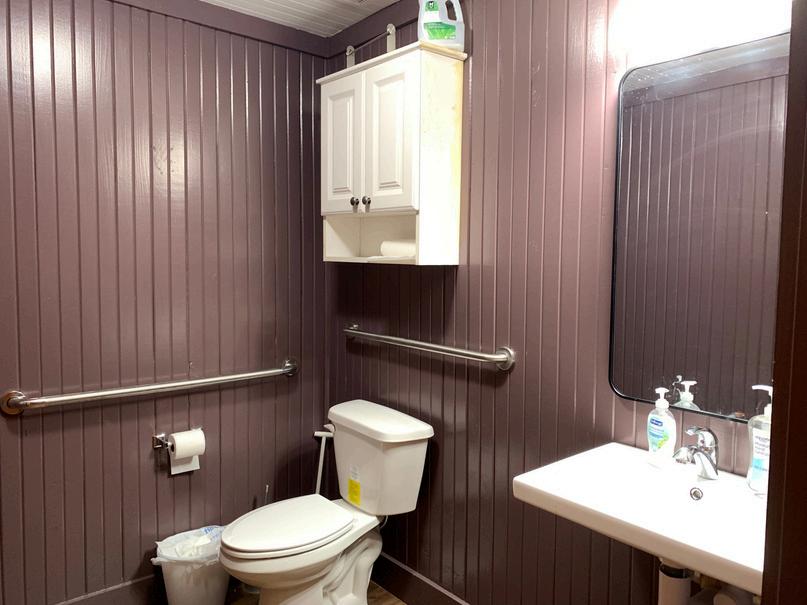
Through a generous grant from the Mississippi Arts Commission and matching donations from supporters like you, we were able to renovate our building! This included a new ADA compliant bathroom, a new awning with a wheelchair ramp, new storage space to match our growing capacity, a brand new HVAC system, a renovated stage with stage lighting, and electrical repairs that had been needed for years. This type of renovation truly makes our programs possible. Every day, our young people deal with uncomfortable and unsafe facilities at school – the result of decades of defunding public education. Being able to provide them with a comfortable, safe, and welcoming place to learn, make art, and build community is vital.
In the coming years, we will carry out similar renovations at the Sunflower County Freedom Project’s LEAD Center!
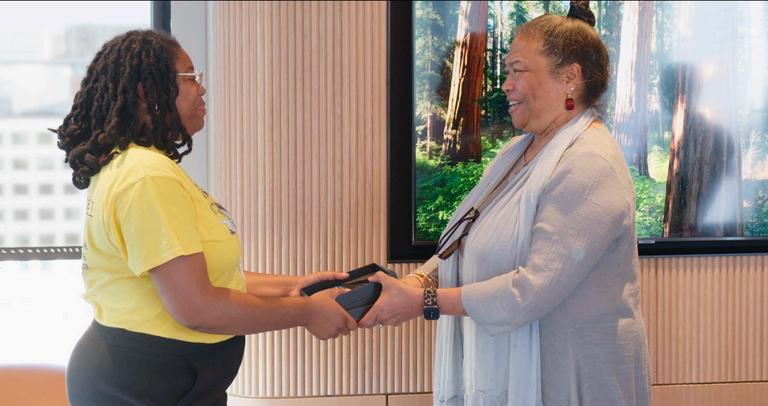
Alongside our comrade, Joyce Ladner, our Executive Director LaToysha Brown was awarded the Lorne Cress Love Jazz and Justice Award by the WPFW station in Washington DC. Hailing from Chicago, Lorne Cress Love worked with the Student Nonviolent Coordinating Committee (SNCC) in Mississippi to set up a Freedom School and a small library from 1964-1966 in Hattiesburg, MS. She also lived and worked in Washington DC as a program manager of Pacifica Radio station WPFW.
WPFW is a listener-supported station and is dedicated to programming that reflects progressive social change, democracy and the love for jazz music.
Page 13