




The surge of the plant-based movement is revolutionizingAsia’s F&B sector, presenting a compelling alternative to conventional dietary choices.As we venture into 2024, this trend gains momentum, driven by a heightened awareness of sustainability and a growing preference for healthier eating habits.At its core, this movement advocates for a shift from animal-derived products to plant-centric diets, encompassing an array of fruits, vegetables, whole grains, and plant-based proteins.
Evident across restaurants, cafes, and fast-food chains, the availability of plant-based and alternative protein options caters to evolving consumer demands. Innovators in the culinary realm are pushing boundaries, crafting tantalizing plant-based dishes that rival their animal-derived counterparts. Beyond mere dietary options, this revolution underscores a global commitment to sustainability and environmental conservation, positioning plant-based cuisine at the forefront ofAsia’s culinary narrative.Asia’s culinary canvas is characterized by a fusion of diverse flavors and culinary traditions. In 2024, anticipate a delightful interplay of traditionalAsian ingredients with global culinary influences, giving rise to innovative dishes such as Korean-inspired tacos, Thai-infused pizzas, and Indian-flavored sushi.This fusion phenomenon promises an exciting gastronomic adventure for enthusiasts seeking novel taste experiences.
The proliferation of self-service kiosks heralds a new era of convenience and customization in the F&B sector. Customers can personalize their orders, select ingredients, and tailor flavors to suit their preferences, fostering a seamless dining experience across fast-food outlets and casual dining establishments. Leading F&B corporations are undergoing strategic restructuring initiatives to optimize resources and bolster market competitiveness.As exemplified byAsahi’s extensive group restructuring, anticipate strategic maneuvers aimed at driving sustainable growth and maximizing corporate value.
In conclusion,Asia’s F&B landscape embodies a tapestry of innovation, ethics, and culinary prowess. Whether you’re a gastronome or a business stakeholder, staying abreast of these transformative trends is paramount to navigating the dynamic culinary terrain of the region.As concerns regarding animal welfare and environmental sustainability escalate,Asia is embracing cultivated meat as a viable alternative. Expect to encounter cultivated meat options on menus, appealing to conscientious consumers seeking ethical and health-conscious dietary choices.
Other savoury flavours like soy sauce, fish sauce, and fermented fish are also tickling tastebuds inThailand amidst growing consumer interest in fermented foods and the health benefits they offer -- which include antioxidant to anti-inflammatory properties, leading to innovative dishes like charcoal-grilled skewers with fermented chilli paste. By harnessing the depth and complexity that fermented flavours bring, industry players can create products that satisfy the consumer craving for modern updates of their favourite traditional food.TheAPMEAregion is unique in that consumers view sustainability and transparency as inherent to their wellbeing — the source of their food directly influences the quality of their health.The preference for local ingredients is strong; in Vietnam, beverage flavours such as mango, pink guava, honeydew, custard apple, dragon fruit, and longan are trending, indicating a resurgence of pride in local ingredients and time-honoured cooking methods.This holds potential for innovation in sustainable flavours and solutions – people want food that supports their health and that they feel good eating.
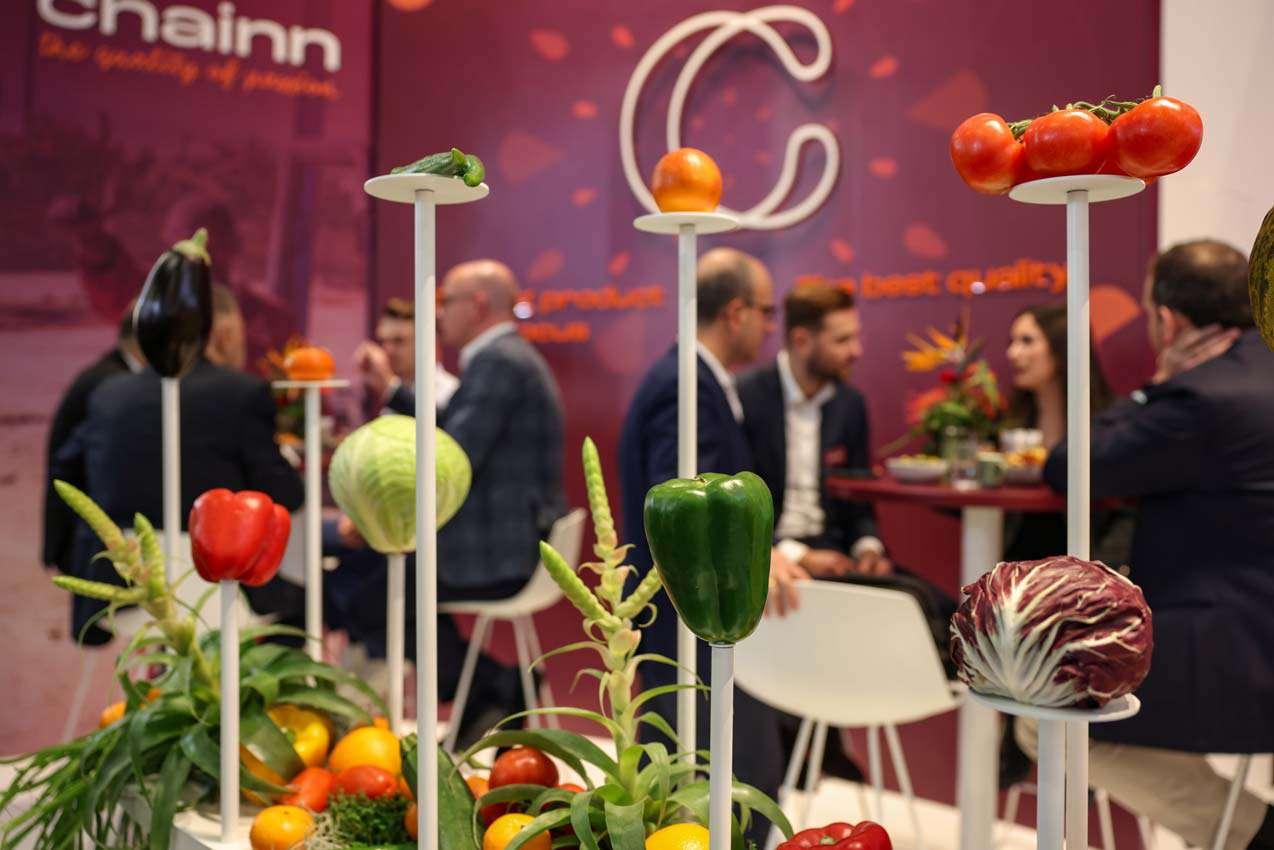
The exhibition booking deadline for the world's most important trade show for the fruit and vegetable industry ends on 31 July 2024. FRUIT LOGISTICA 2025 will take place from 5 to 7 February in Berlin.
FRUIT LOGISTICA, the leading trade show for the global fresh produce business, remains the best place to make fruitful connections with contacts old and new. With just seven weeks to go until the exhibition booking deadline for next year’s event, the event is on course to grow significantly in 2025. “Around 10 per cent more exhibitors have already registered than at the same time last year, with particularly strong growth out of Latin America, Middle East, and Africa,” confirms FRUIT LOGISTICA director Kai Mangelberger. “We kept our stand prices the same because we know the industry faces a big challenge in terms of cost, and people have reacted positively to this.”
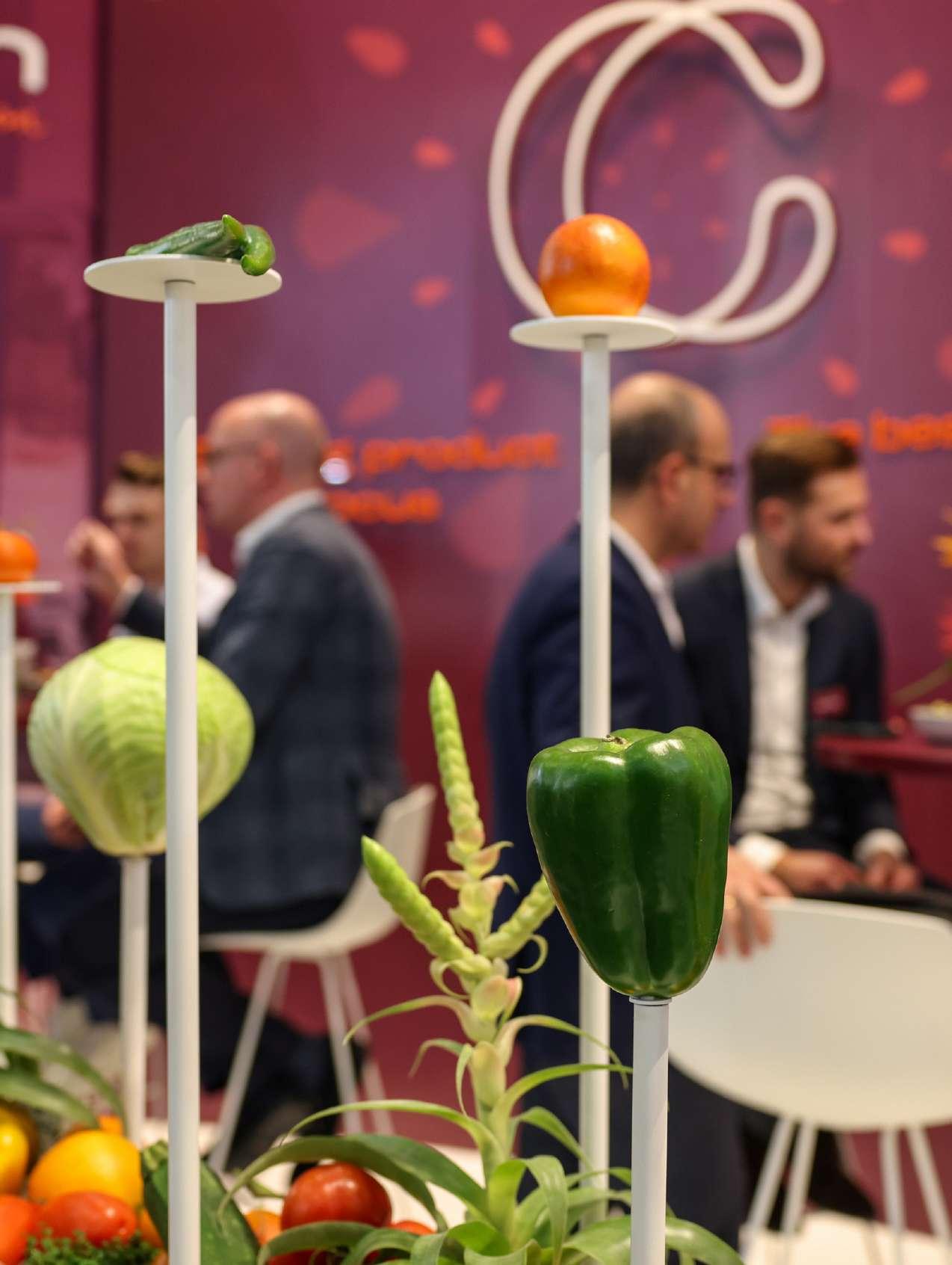
The photo shows a business scene at a trade show with decoratively presented vegetables in the
foreground and people talking at tables in the background. Exhibitors and trade visitors talk to each other at FRUIT LOGISTICA 2024. Almost 85 per cent of those visitors were decision-makers, and 96 per cent of the exhibitors said they would recommend FRUIT LOGISTICA. FRUIT LOGISTICA is not just a meeting point where contacts are made and results achieved. It is also a source of inspiration and a driver of innovation. From exciting new varieties to imaginative marketing strategies, the show covers the entire industry across its three exhibitor segments: fresh produce, machinery and technology, and logistics.
In February 2024, it featured more than 2,750 exhibitors from 91 nations, and attracted more than 90,000 people. That number includes 66,000 trade visitors from an impressive 145 countries, as well as over 24,000 exhibitor staff and 450 media representatives. What sets FRUIT LOGISTICA apart from other industry events: Almost 85 per cent of those visitors were decision-
makers, and 96 per cent of the exhibitors said they would recommend FRUIT LOGISTICA.
In the video Armin Rehberg, CEO of SanLucar explains the reason for their participation at FRUIT LOGISTICA.
Armin Rehberg, CEO of SanLucar about FRUIT LOGISTICA FRUIT LOGISTICA is an excellent place to present our company as a major premium brand in fruit and vegetables,” says Armin Rehberg, CEO of SanLucar. “And the whole world is here. For us, Berlin is like coming home.” The fruit business may be year-round, but the best season for growth is without doubt 5 to 7 February 2025, at FRUIT LOGISTICA in Berlin.
Exhibitors are invited to register for FRUIT LOGISTICA 2025 by 31 July 2024 latest. Full details on how to register for a stand can be found on the website of FRUIT LOGISTICA. The team of FRUIT LOGISTICA in Berlin or one of Messe Berlin’s 150 local international representatives around the world will be glad to assist.
FRUIT LOGISTICA is the leading trade show for the globalfresh produce business and and represents the entire value added chain of the fruit and vegetable sector, from producer to the point of sale. At FRUIT LOGISTICA 2024 more than 2,770 exhibitors from 94 countries displayed their products, services and technical solutions. Some 66,000 buyers and trade visitors from 145 countries took part in the event. The next FRUIT LOGISTICA will take place from 5 to 7 February 2025 in Berlin.
Berlin has been a trade fair destination for 200 years, and has been one of the most important such hubs for many decades. Messe Berlin – the state’s own trade fair company – conceives, markets and organises hundreds of live events every year. It strives to be an outstanding host for visitors at all events, generate optimal business stimuli, and provide fair conditions for everyone. This concept is reflected in the company slogan: Messe Berlin – Hosting the World.


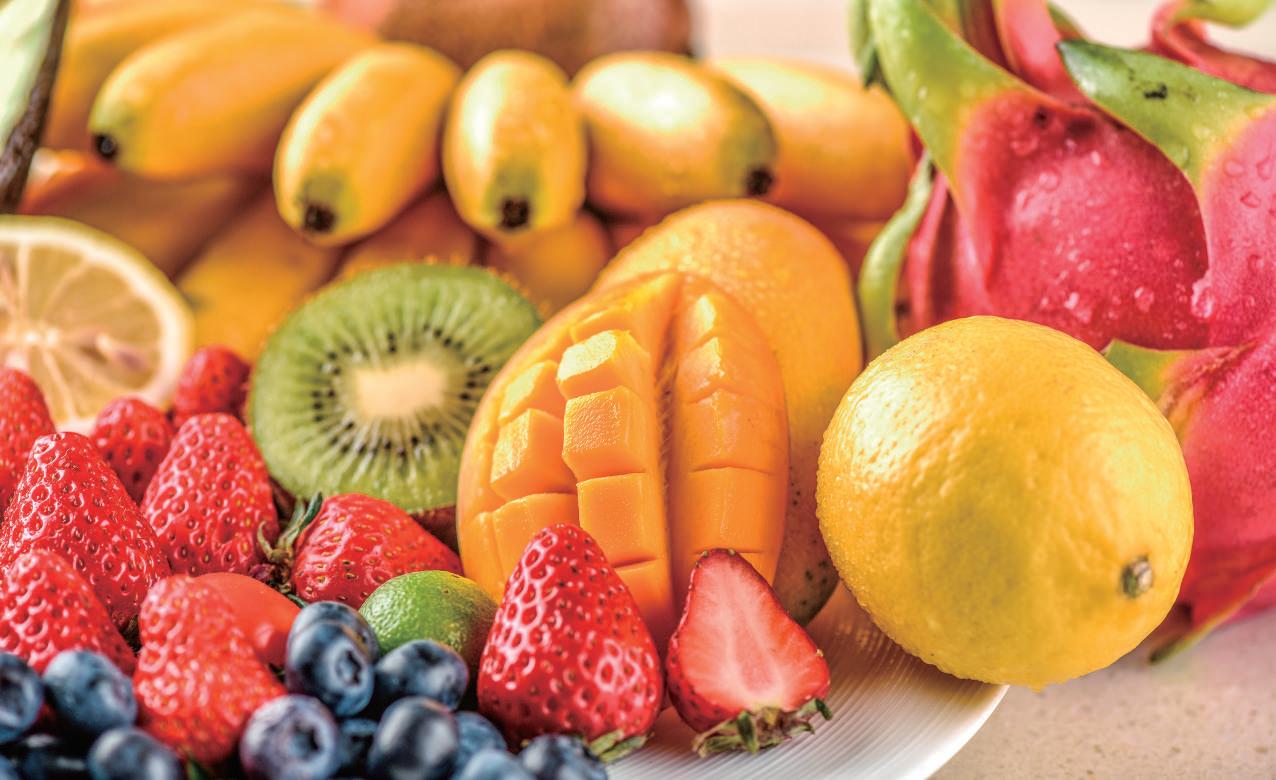
The Asia-Pacific region has demonstrated a robust market performance in the tropical fruit puree sector, with a substantial volume reaching 3.1 million tons in 2024. The fruit and vegetable categories are billion-dollar industries with diverse channels. Asia Pacific dominates the fresh fruits market. China, India, and Japan have large customer bases with fresh fruits fueling demand.
Asia Pacific contributed more than 66% of revenue share in 2022. This market encompasses a diverse array of offerings including leafy greens, root vegetables, and peppers. Gross production value in Fruit market is projected to amount to US$0.39tn in 2024. An annual growth rate of 2.44% is expected (CAGR 2024-2029), resulting in gross production value of US$0.44tn in 2029. The import value in Fruit market is projected to amount to US$47.9bn in 2024. An annual growth rate of 14.50% is expected (CAGR 2024–2029). The export value in Fruit market is projected to amount to US$35.0bn in 2024. An annual growth rate of 35.18% is expected (CAGR 2024–2029).
The agriculture production market faces several challenges that impact its growth and sustainability, such as climate change, which affects crop yields, soil fertility, and water availability. Droughts, floods, extreme temperatures, and changing rainfall patterns are just a few examples of how climate change impacts agriculture production. This market also faces challenges related to technology adoption, particularly in developing countries. The use of modern agricultural technologies, such as precision farming, drones, and artificial intelligence, can increase yields, reduce costs, and improve efficiency. Trade and market access are other challenges. Tariffs, quotas, and other trade barriers can limit access to global markets, reducing the
profitability of agriculture production. Agricultural producers also face competition from low-cost imports, which can undermine local production and threaten food security. All in all, the future outlook of the agriculture market is promising, as the demand for food products continues to grow due to population growth and changing diets. Technological advancements are expected to increase productivity and efficiency in the sector, while sustainability concerns will also become increasingly important. However, the agriculture market also faces challenges such as climate change, water scarcity, and extreme weather events, which may increase the volatility of agricultural commodity prices and reduce the availability of arable land. Despite these challenges, the cereals market is expected to remain the largest market of the agriculture market, with significant growth potential in emerging economies.

Anya Osatuke says more New York fruit growers are “blueberry curious” — thinking about planting blueberries or expanding their current plantings.
Osatuke, Cornell University’s Western New York small fruit extension specialist, discussed blueberries during Cornell’s Lake Ontario Fruit Program tour last summer. The tour spent most of the day visiting orchards but also stopped in a blueberry patch at Orchard Dale Fruit Co. in Waterport.
Better known for apples and grapes, New York doesn’t have clusters of large wholesale blueberry operations like its neighbor, New Jersey, or climate-comparable Michigan. New York blueberry farms are mostly small, direct-market operations scattered across the state, some tucked away in extremely remote corners. Cornell horticulture
professor and small fruit specialist
Marvin Pritts, who has been working with state berry growers for nearly four decades, said he’s still discovering blueberry farms he never knew about.
Despite its decentralized nature, New York’s blueberry industry is not a lightweight. Estimates vary, but there are probably about 1,500 acres of domesticated highbush blueberries in the state, grown on more than 800 farms.
“New York blueberries are quite strong, but they occupy the market in a different way than Michigan and New Jersey,” Osatuke said.
New York has a good climate for blueberries and lots of sandy, acidic soils — exactly what the fruit needs. Potential for expansion exists, but there are hurdles to overcome.
Related:
Rick Howitt, right, monitors a small computer that records data collected from a Huron Fruit Systems platform during apple thinning on July 1, 2016 at Wafler Farms in Wayne County, New York. (TJ Mullinax/ Good Fruit Grower)
New York lowers overtime threshold for farmworkers
Hand labor is scarce these days, and it’s becoming more expensive due to the state’s changing overtime and minimum wage rules.
“I’m not sure how you make money doing large-scale blueberries at this point, not with labor costs in New York,” said Dale-Ila Riggs, who grows a small plot of U-pick blueberries.
Mechanical harvesters offer a potential alternative, but they’re expensive, too. Pritts knows a few growers who bought mechanical harvesters in the past, but eventually
had to sell them. They require a lot of acres and volume, as well as a sorting line — in other words, a big investment.
New technologies and varieties are being developed for use in other states, and it takes New York growers “a little bit of finagling” to find things that work for them, Osatuke said. Their plantings of Bluecrop, Duke, Draper, Elliott and other varieties tend to be older and not as productive as newer commercial plantings in other states.
Proximity to the larger wholesale industries in New Jersey and Michigan makes it tough for New York’s small farms to break into the fresh wholesale market. Processing prices are low, too. Pritts doesn’t know anybody who processes blueberries, except into wine and some homemade jams and jellies, he said.

So, if New York blueberry growers are to expand, they might have to play to their strengths: agritourism and local sales.
At Orchard Dale Fruit Co., grower Robert Brown’s 12 acres of blueberries are hand harvested and field packed in plastic clamshells with a Brown’s Blueberries label. Blueberry sales to local grocers are a limited niche, but their per-acre value rivals Honeycrisp apples, Brown said. (Matt Milkovich/Good Fruit Grower)
Laura McDermott, Cornell’s small fruit specialist in Eastern New York, said there are many long-established, direct-market blueberry operations in the Hudson Valley. With easy access to generations of berry lovers in New York City and Albany, the state’s capital, the farm markets, U-pick patches and organic farms in the region have little need to expand into the wholesale market.
The region’s per-acre yield is comparatively low, and its topography and high land prices limit options for new plantings. To McDermott, it makes more sense for existing farms to increase produc-
tion on their current acreage.
East of Albany, near the Massachusetts border, Dale-Ila Riggs and her husband, Don Miles, grow half an acre of U-pick blueberries, as well as other berries, vegetables and cut flowers. Covered with exclusion netting and meticulously managed, the blueberry planting yields 15,000 to 20,000 pounds per acre. They grow 19 varieties to extend the season and give customers plenty of choices, Riggs said.
The netting protects their berries from birds and bad weather, but it mainly serves to exclude spotted wing drosophila, the invasive pest that’s become a major problem for New York blueberry growers in the past decade.
SWD destroyed 45 percent of their berries the first year of infestation. The netting has reduced the infestation rate to zero. It’s also expanded U-pick sales: Customers like the double-door vestibule entry and zippered doorways, she said.
Western New York has fewer people but more available land. If there’s room in the state for blueberry farms
to expand, it’s probably there. But, growers are reluctant to expand without new markets, and the cost of labor always looms.
With nearly 40 acres, Burdick Blueberries, a U-pick operation in Cattaraugus, might be the largest blueberry farm in New York. The family owners have been growing blueberries on their well-drained, acidic soils since 1955. They’re more focused on renovating current plantings than expanding right now. The agritourism approach is working well for them, said manager Beth Strasser.
Closer to Lake Ontario, Orchard Dale Fruit Co., owned by the Brown family, is one of the few wholesale blueberry growers in the region. Although they grow 400 acres of apples, they grow only about 12 acres of blueberries and don’t plan to expand much beyond that, said grower Robert Brown.
Brown sells most of his berries (he also grows a dozen acres of strawberries) to local grocers that desire local fruit. He said the small fruit’s per-acre value competes with Honeycrisp, but rising labor costs
and limited markets have kept the growth of his berry plantings to a minimum.
Duke and Draper blueberry bushes at Orchard Dale Fruit Co. in Waterport, New York. The Brown family is one of the few wholesale blueberry growers in the region. A market exists for local berries, but labor costs and other factors impose limitations.(Matt Milkovich/ Good Fruit Grower).
On top of that, blueberries are a challenging crop to grow. Brown has to apply wood chips, sawdust and sulfur to his soil to keep the pH down. He had to develop a special chemical program to combat SWD. His H-2A workers hand harvest and field pack the berries in plastic clamshells.
He has considered netting his blueberries but does not think it’s scalable. He has also considered buying a mechanical harvester, but he worries it might lower fruit quality and volume. Mechanical harvest would also require a packing line.
The market just isn’t there for that kind of investment, he said.?
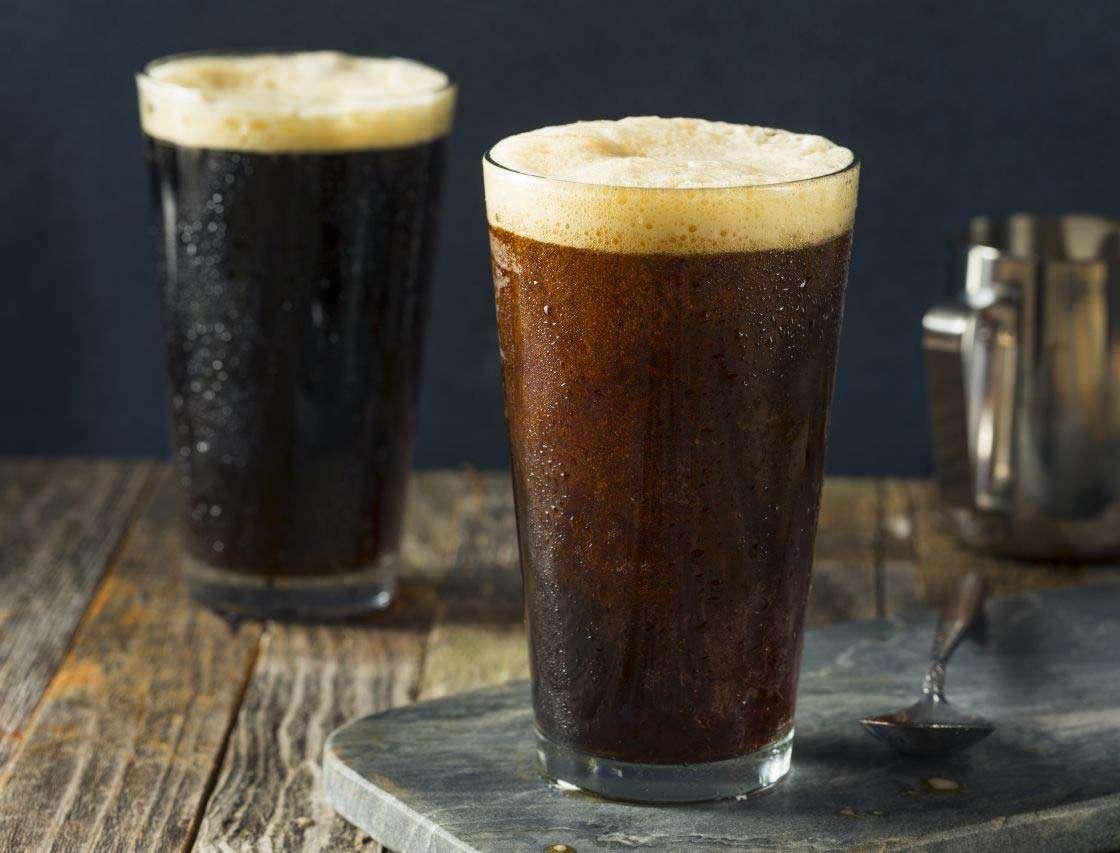
From production lines that enable the best expression of taster’ choices, to coffee machines that enhance different recipes, to healthy beverages: all the innovations at SIC, at Host 2025.
While quality espresso and its derivatives are all the rage in countries with a filter coffee tradition, specialty coffees are the trend in Italy. But the real boom this year is iced coffees. The new thing? Nitro Coffee, where the drink is cooled with nitrogen.
With such vibrancy, it is not surprising that the market is huge: in 2023, the global value of roasted coffee is estimated at about $120 billion, while consumption in volume is 170.8 million 60-kg bags, equivalent to 3.1 billion cups of coffee drunk every day worldwide
(source: Area Studi Mediobanca
report). In this scenario, the no-miss date is at Host 2025, at fieramilano from 17 to 21October 2025, with SIC – Salone Internazionale del Caffè, a historic reference for coffee lovers, as well as all the big players in the Bar, Coffee Machines and Vending industries.
Coffee quality of starts with the processing of the raw material, as Fabrizio Brambati, President of the processing plant manufacturer of the same name, explained: “As they are integrated into the production lines, advanced technologies such as robotics and AI make it possible to expand and diversify the coffee offering because they automatically and consistently replicate the taster’s choices.”
At the bar counter, such a variety is then enhanced by coffee machines: “From blends to single-origins,
consumers often want to try different coffees in the same place,” commented Giada Biondi, Communication Manager, La Marzocco. “For gourmet coffee shops that focus on the tasting experience, the choice is a machine with independent groups, to deliver different extractions in a modulated and replicable way, with temperatures, pressure profiles and recipes that enhance their peculiarities.”
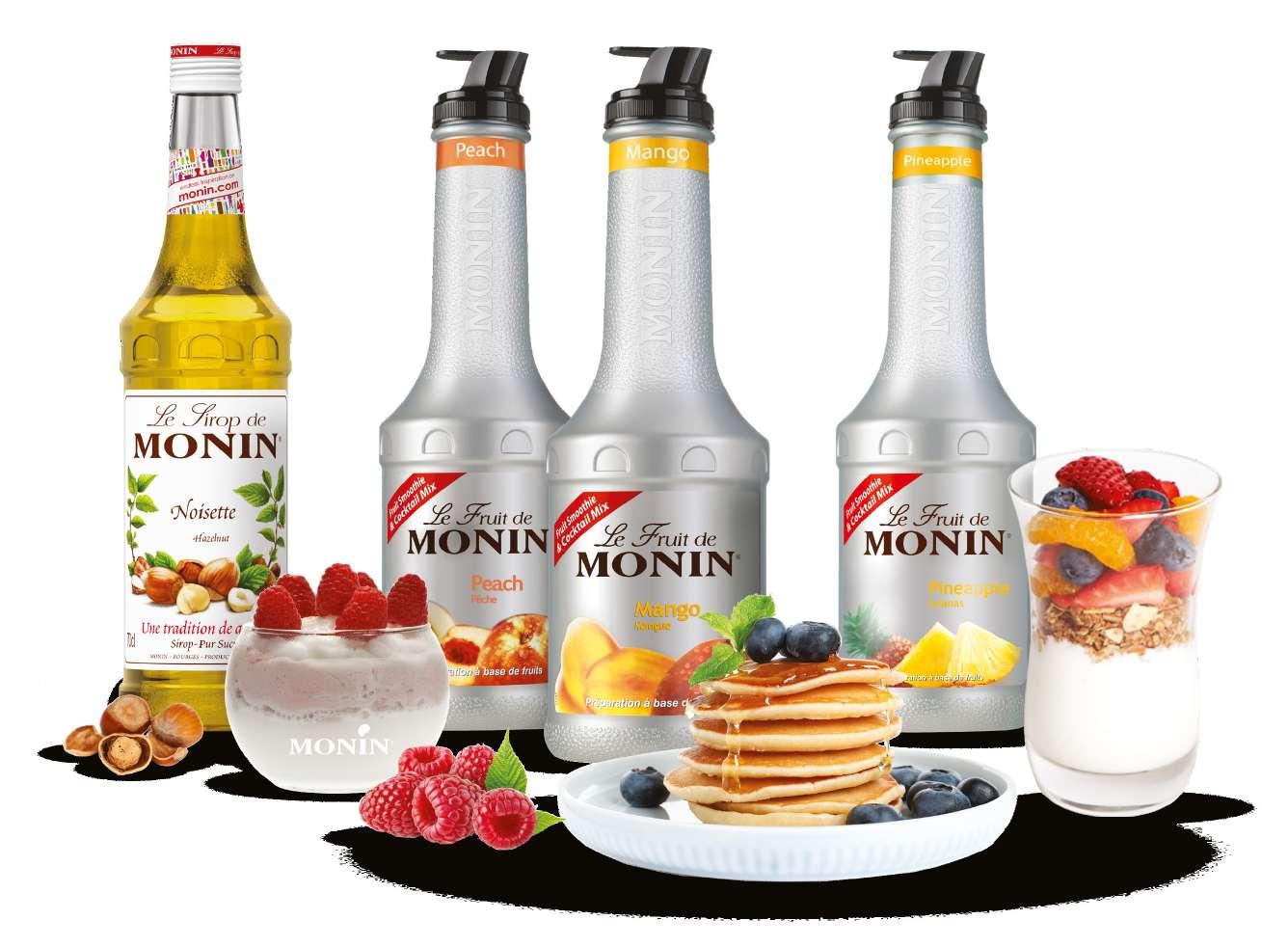
This new wave doesn’t stop at coffee though, as they know well at Orsa Drinks: “We are witnessing a health trend toward 'LOW ABV' drinks, low in calories and with natural ingredients. That's why we invest a lot in innovation and research: examples are non-alcoholic bitters and 100% fruit purees,” stated Giacomo Barucco, APAC Sales Manager.
At Host 2025, coffee also stars in events, with the return of the World Barista Championship to Milan in the foreground.



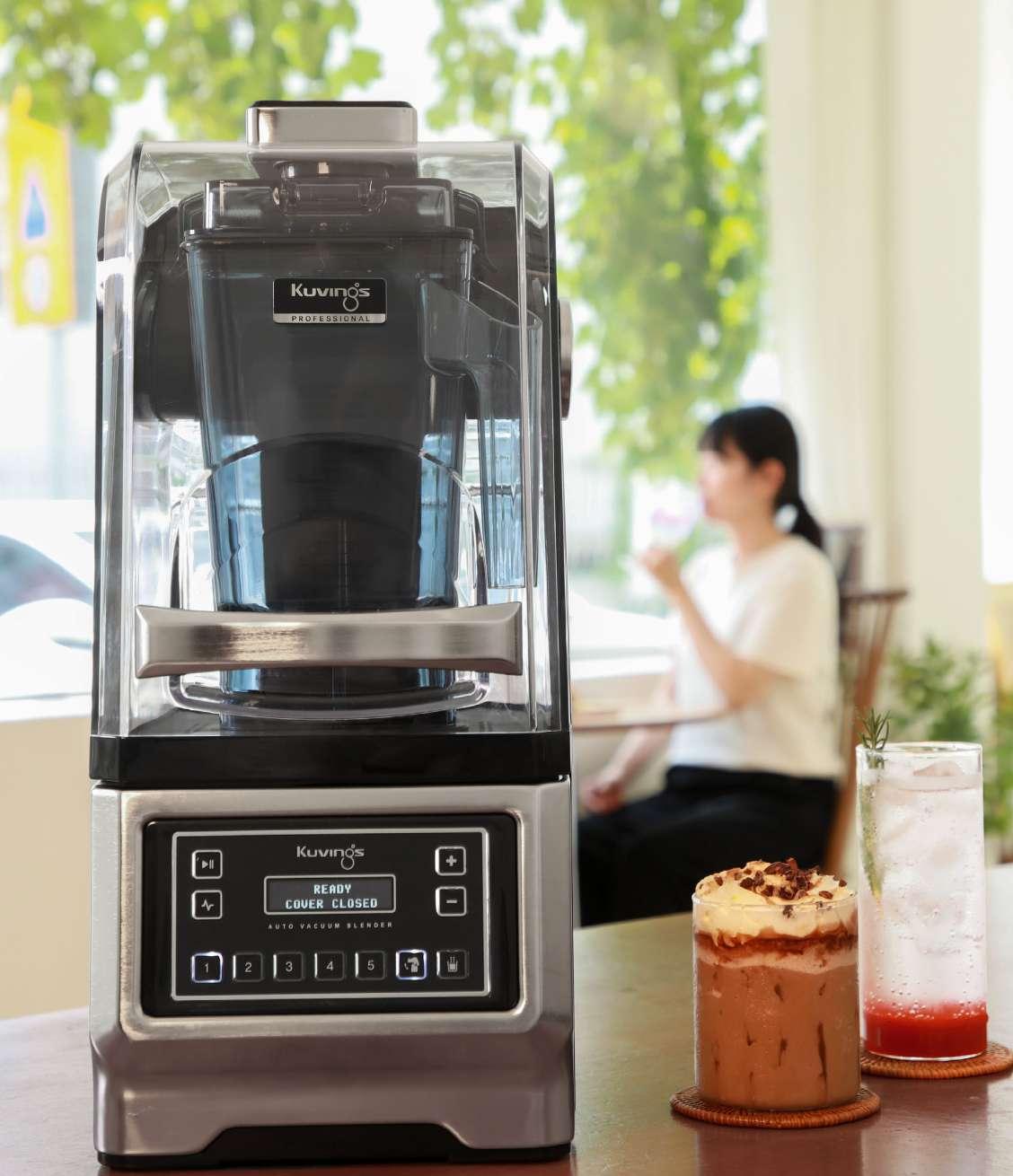
PRODUCT FEATURES
More Sopisticated
Stainless steel provides high durability suitable for commercial use
Stronger Motor
Equipped with a motor that has more power for excellent performance
One Touch Automatic
Start the automatic blending process with the touch of one button
5 Pre-set Menu Options
Quickly make any order with up to 37 recipes settings

The prestigious competition organized by SCA will be one of the highlights in the rich program of events at SIC - Salone Internazionale del Caffè, the world’s benchmark for the whole value chain.
It is the city where modern espresso coffee made its debut at the 1906 World’s Fair. But also, a cosmopolitan metropolis that loves to experiment with specialty coffees, new extraction methods or cocktails based on the black beverage. Milan is a recognized coffee capital of the world, a role that is further enhanced by the return of the World
Barista Championship at Host 2025, at fieramilano in Milan-Rho from 17 to 21 October next year.
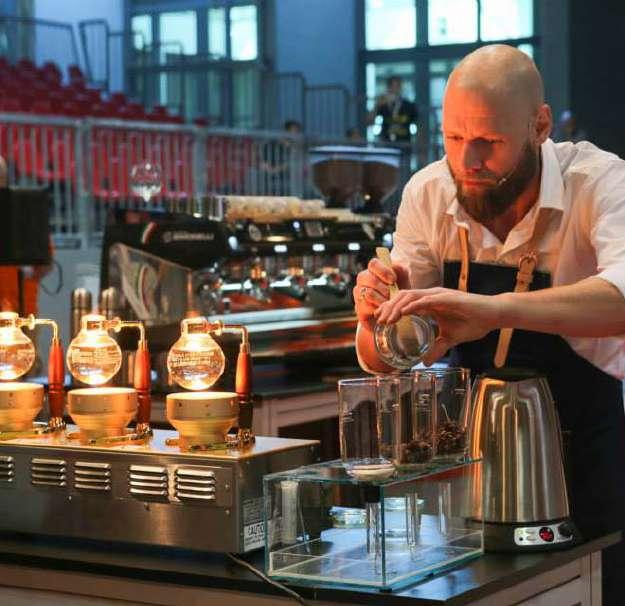
Focused on promoting excellence in coffee and the professional growth of baristas, The World Barista Championship allows bar professionals to demonstrate their expertise in preparing innovative espresso or lattes drinks, and signature creations. Each 15-minute performance is evaluated by certified judges based on a range of technical and sensory attributes, while the cutting-edge approaches and tools used on the WBC stage generate a broad and lasting impact on the industry.
It is a highly competitive championship, that attracts top baristas from more than 50 chapters who will compete with their skills, creativity and mastery to win the coveted title of World Barista Champion. The WBC is one of seven World Coffee Championships, annual competitions based on the professional skills, produced by the Specialty
Coffee Association (SCA) and hosted in a number of the world’s most important coffee events.
The WBC will be one of the flagships in the dense calendar of events that complement the SIC – Salone Internazionale del Caffè. Within HostMilano’s multi-sector exhibition concept, SIC is the global benchmark for business and trends along the entire value chain, from raw beans to the cup.
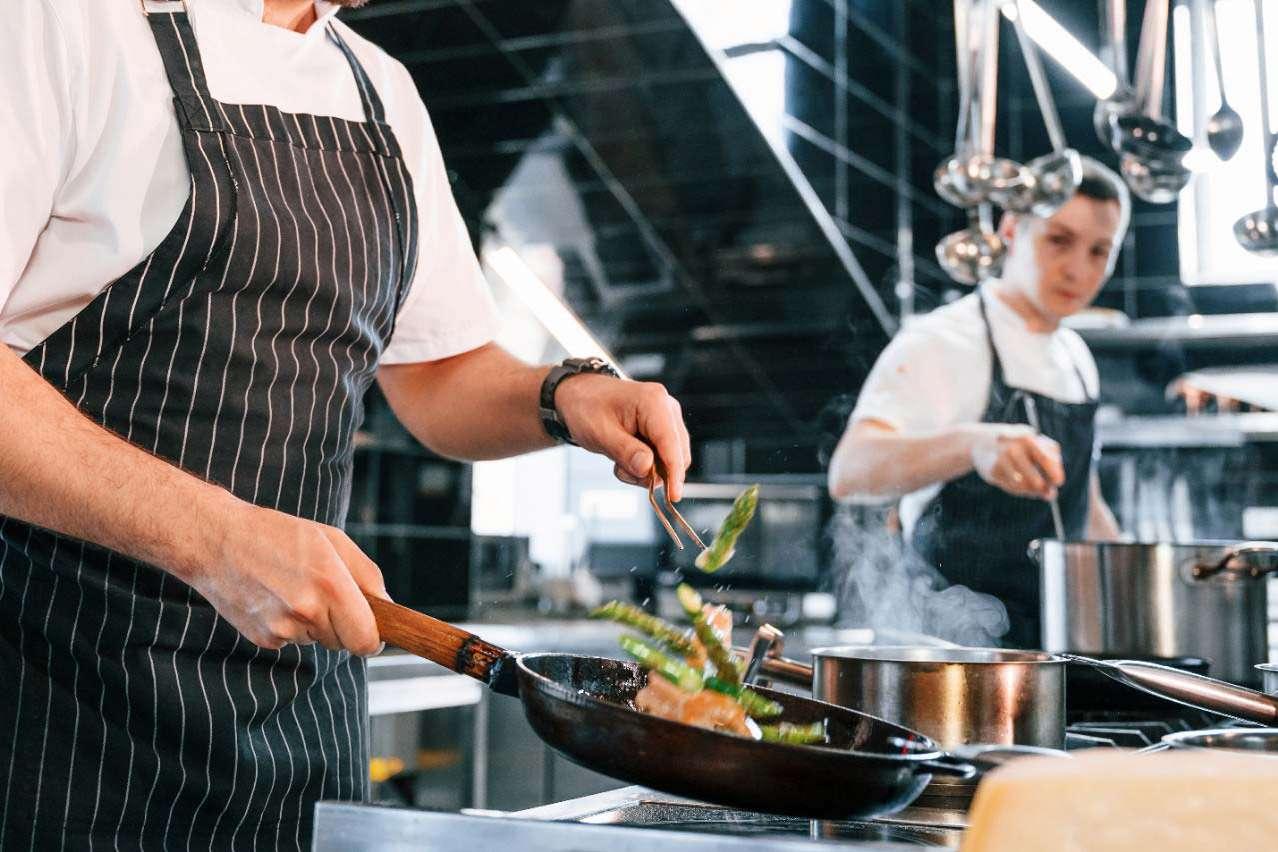
The value of the global food service market will grow from $2,647bn in 2023 to $5,423bn in 2030, a growth of almost 11 percent. All the new features will be previewed at Host 2025.
Double the value, in less than a decade –that’s the growth (+10.8 percent CAGR) that Business Markets Insights foresees for the global foodservice market, that will rise from $2,647 billion in 2023 to as much as $5,423 billion in 2030.
This will happen thanks to the creativity of chefs, with new gourmand plant-based dishes, a fusion cuisine that blends different traditions, and with natural, organic,
and short supply chain ingredients. But also, innovation will contribute, with robotics, AI and advanced human-machine interfaces. All such innovation will be showcased at Host 2025, at fieramilano in MilanRho from 17 to 21 October next year, where Foodservice Equipment has always been one of the strong points.
“Trends are influenced by new consumer preferences,” stated Glauca Vesperini, Marketing Manager at Angelo Po. “They are increasingly interested in healthy and personalized options, diverse ethnic cuisines, and ‘authentic’ ingredients and recipes. Technologies enable this evolution with solutions such as
combi ovens and multifunction blast chillers, with programs that, thanks to sensors, create routines and organize work, freeing creativity."
“New consumer trends make people increasingly perceive a need for speed and simplicity,” echoed Federica Pari, Marketing and Communications at Fimar Group, “to which we respond with simple but very functional machines. At the moment, robotics and AI are not yet being fully leveraged in the oven and baking sector. Conversely, the focus on sustainability is growing; for example, we use solar energy and pay much attention to recycling materials.”
“Operators are demanding products that can make the processes in their laboratories increasingly efficient, but also environmentally friendly,” concluded Luigino Granziera, CEO at Irinox.
“We work on digitization and sustainability: by the end of the year the entire range will be green, thanks to a gas with a low environmental impact, and it will reduce energy consumption by 30-40%. As to digitization, we have developed a system that allows 24-hour remote control.” At Host 2025, the rich calendar of events also includes numerous events dedicated to foodservice.

Super fast, super clean crockery: The new ProfiLine generation with a cycle time of only 28 minutes.
Miele Professional. Immer Besser.




Consumers are looking for more sweet and indulgent
While the traditional flavours are still a popular choice, consumers are becoming more adventurous, and are open to experimenting with flavours.
Book a meeting with the IMCD team to discuss the furture of flavouring in the dairy industry.
Scan the QR code for more information


FLEXI-DISC® Tubular Cable Conveyors gently slide fragile foods and non-foods through smooth stainless steel tubing routed horizontally, vertically or at any angle, over short or long distances, dust-free. Single or multiple inlets and outlets.
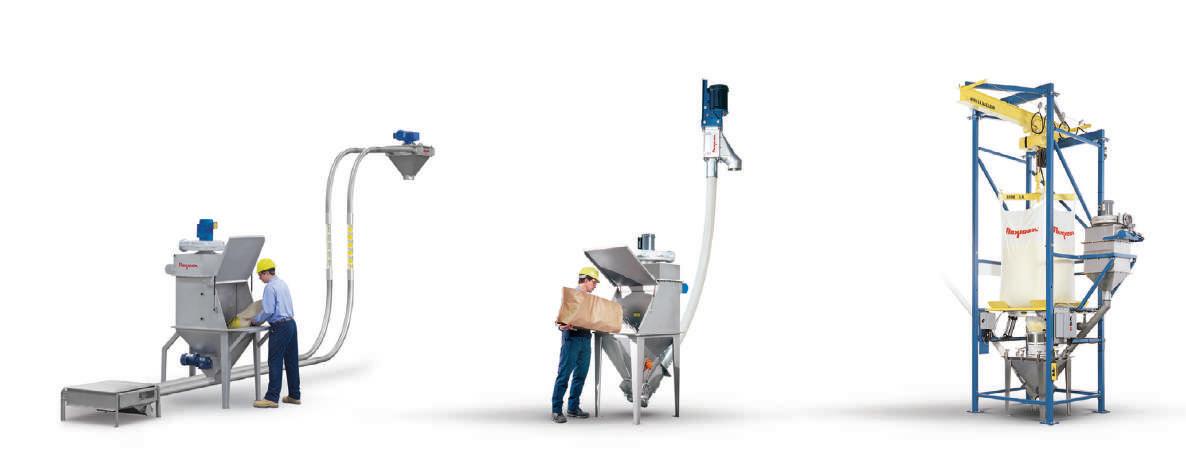
BLOCK-BUSTER® Bulk Bag Conditioners loosen bulk materials that have solidified during storage and shipment. Variable height turntable positions bag for hydraulic rams with contoured conditioning plates to press bag on all sides at all heights.
FLEXICON® Manual Dumping Stations allow dust-free dumping of bulk material from bags and other containers. Automatic reversepulse filter cleaning allows continuous, efficient operation. Available with integral bag compactors for total dust containment.
BULK-OUT® Bulk Bag Dischargers unload free- and non-free-flowing solids from bulk bags automatically. Allows untying, discharging, retying and collapsing of bulk bags—all dust-free. Available with weigh batching controls.
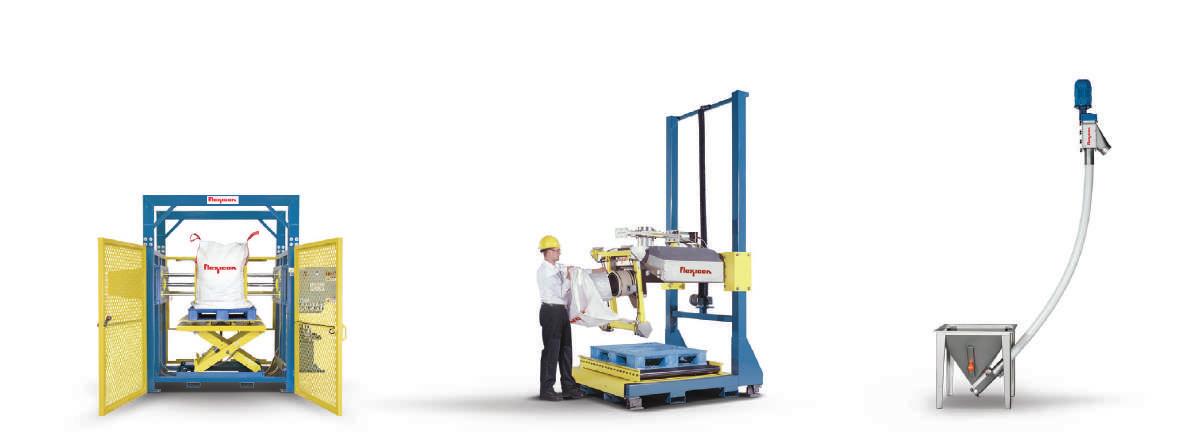
PNEUMATI-CON®
Pneumatic Conveying Systems move a broad range of bulk materials over short or long distances, between single or multiple inlet and discharge points in low to high capacities. Available as dilute-phase vacuum or positive pressure systems, fully integrated with your process.
Bulk Bag Fillers can fill one bulk bag per week or 20 per hour at the lowest cost per bag. Numerous performance options. Available to industrial or sanitary standards.
FLEXICON® Flexible Screw
Conveyors transport free- and non-free-flowing bulk solid materials from large pellets to sub-micron powders, including products that pack, cake or smear, with no separation of blends, dust-free at low cost. No bearings contact material. Easy to clean quickly, thoroughly.
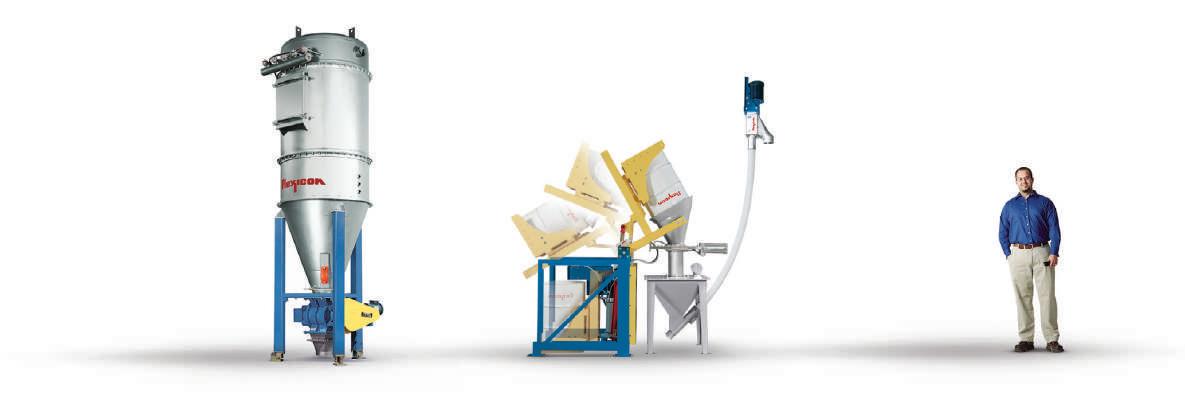
TIP-TITE® Container Tippers dump bulk material from drums (shown), boxes or other containers into vessels up to 3 metres high. Dust-tight (shown) or open chute models improve efficiency and safety of an age-old task.
The FLEXICON® Lifetime Performance Guarantee* assures you of a successful result, whether you purchase one piece of equipment or an engineered, automated plant-wide system. From initial testing in large-scale laboratories, to single-source project management, to after-sale support by a worldwide network of factory experts, you can trust your process— and your reputation— to Flexicon.

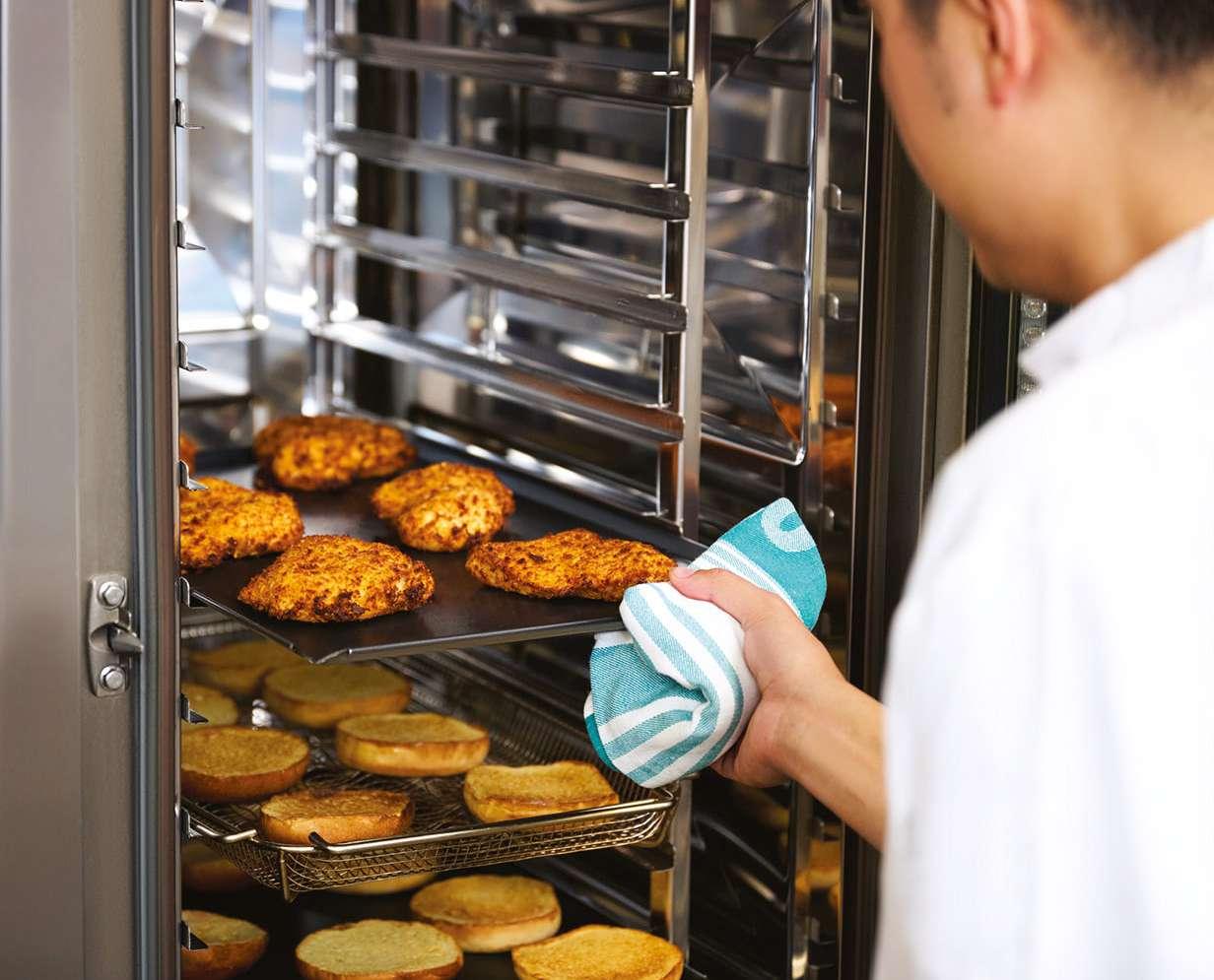
With pioneering, award-winning technology, Synergy Grill is revolutionising the hospitality industry. Through high power and low energy consumption, Synergy Grills enable faster food preparation while significantly reducing energy costs when comparing to equivalent grills.

Winner of the 2019 footprint award for sustainable catering equipment, Synergy are the only gas grills that have gained accreditation from the Carbon Trust, a global organisation that is providing solutions for the world’s climate crisis.
Comcater is Australia’s most trusted commercial kitchens expert. We live and love food service, cooking up the kitchens of tomorrow for more than 40 years.
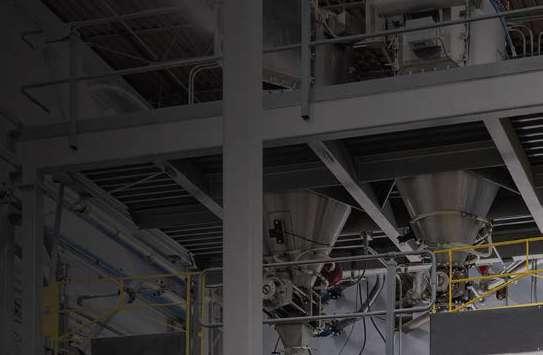
» Removes foreign materials
» Handles a wide range of powders

» Facilitates quick screen changes
» Breaks soft lumps










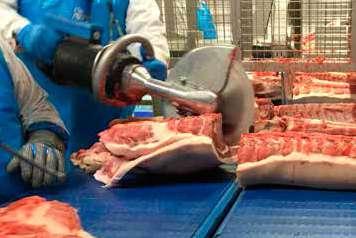
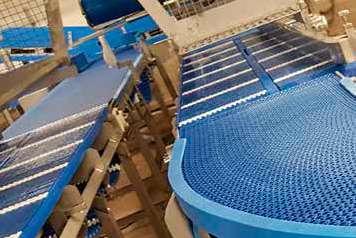
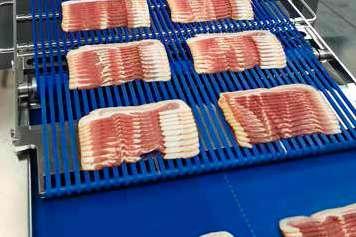
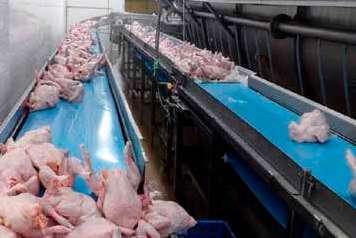
Ammeraal Beltech know the production challenges you face; our belting solutions have been meeting your industry needs for Food Safety, hygiene, durability, performance efficiency and ease of cleaning for more than 60 years. Today, our newest solutions remain your prime choice across all your applications.
Our food-grade range includes unique modular belts built to minimise fissures where bacteria can
hide or knife blades can break. Our synthetic belts feature anti-microbial covers and KleenEdge non-fray properties to eliminate contamination. Our range also features ultra-hygienic homogeneous belts such as our Soliflex Pro positive drive belts, with innovative rounded lugs that cut cleaning time and water waste while also providing excellent power transmission and outstanding self-tracking performance.
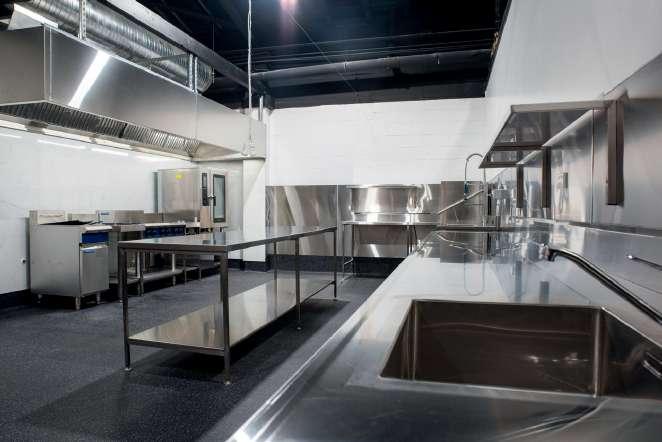
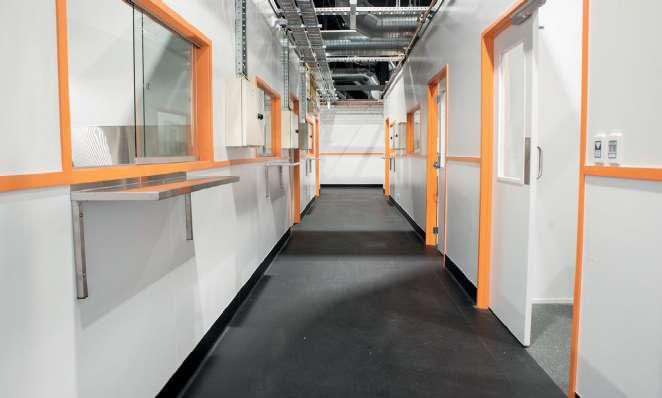
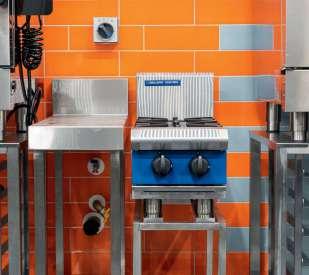
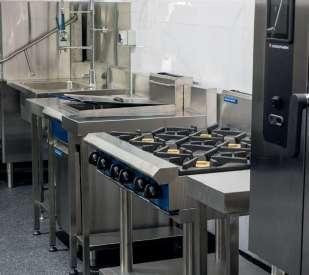

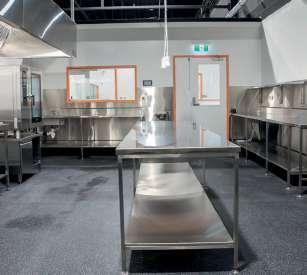
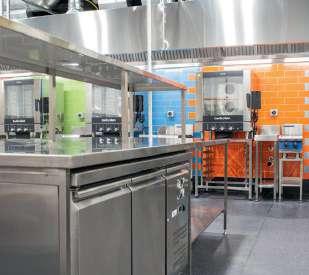
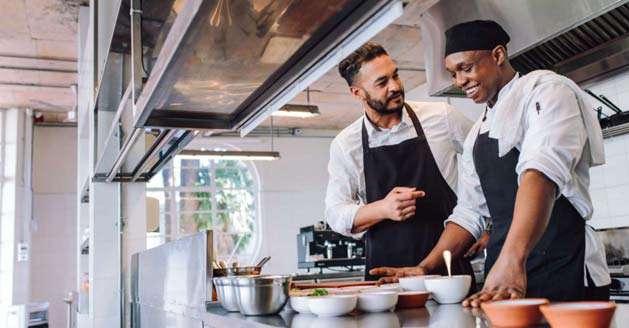
Our cloud kitchens – a collective of private and shared commercial-grade kitchens – are designed to help food creators minimise costs, maximise profits and streamline operations.

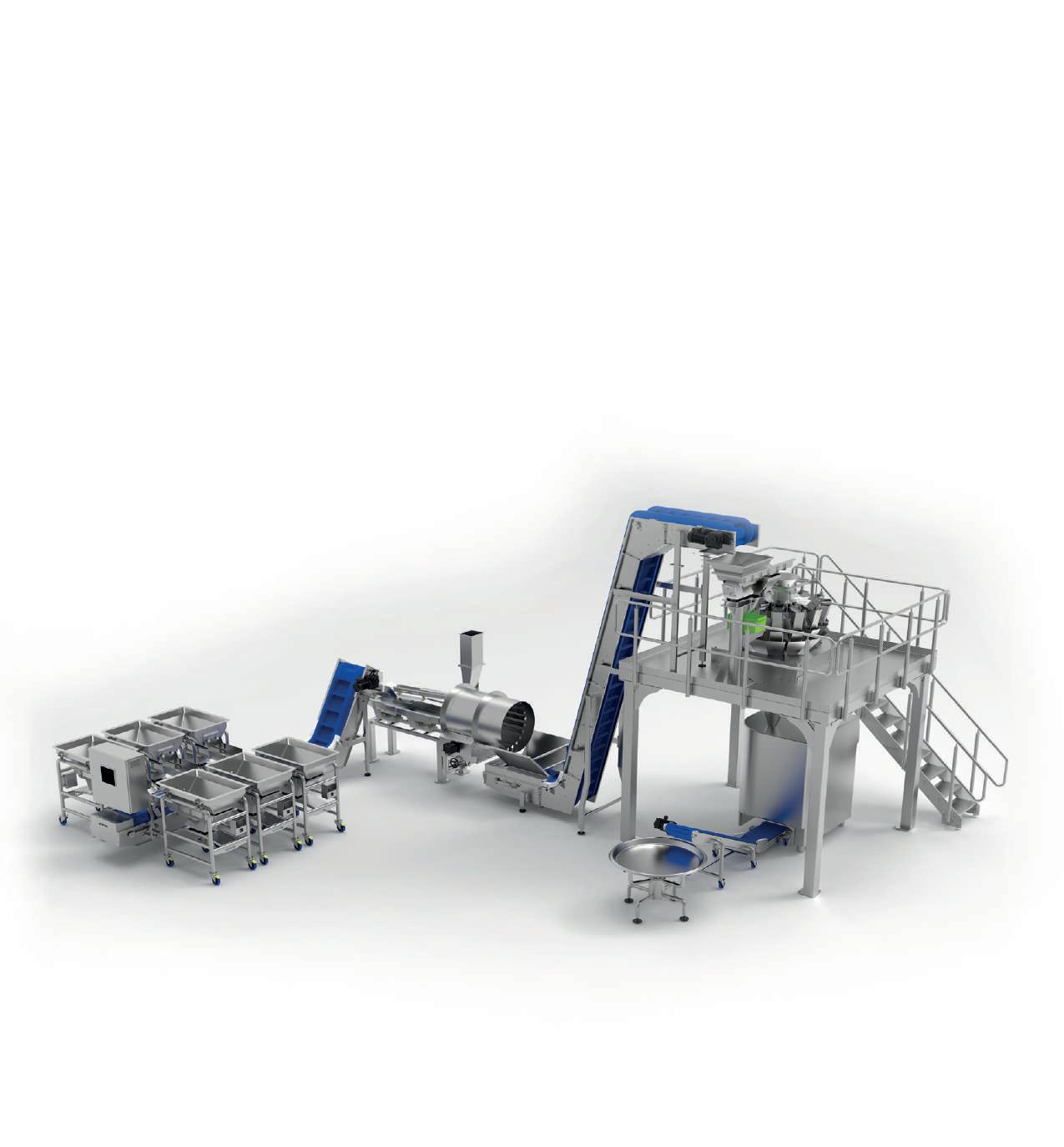
Until now, adding automation to your production line could be an expensive exercise. But Enmin’s new Generate+ systems changes all that. A range of affordable modular systems that slot easily into an existing line; reducing labour costs, boosting
productivity and improving quality.
Designed and built right here in Australia they feature the same quality, reliability and safety that Enmin is renowned for. Plus, they can be added to and extended as your business evolves.

Costacurta conveyor belts are used in food processing as well as in many other industrial processes.
Thanks to the specific experience gained over more than 60 years, Costacurta can assist the client in the selection of the most suitable type of belt for the specific application.
Costacurta conveyor belts are suitable for applications with temperatures ranging from -150°C to +1150°C.
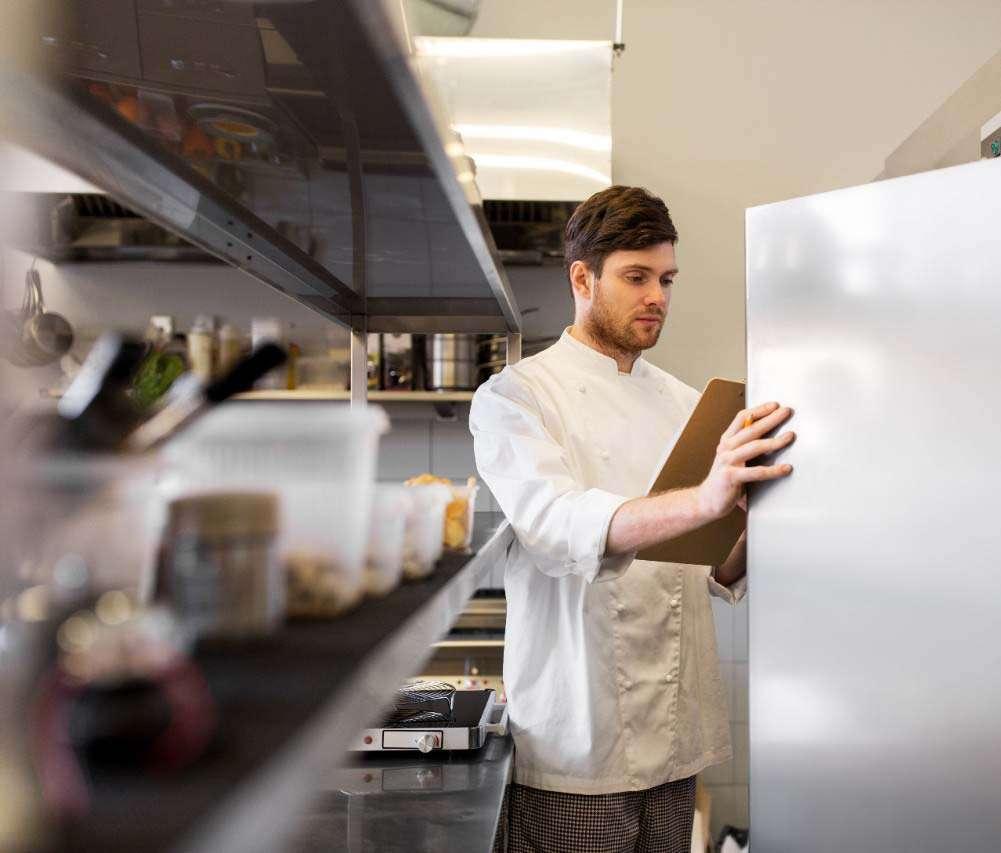
The refrigeration sector alone is already worth over $40bn today and will exceed $75bn in 2031. All the best of the kitchen equipment of the future in the spotlight at Host 2025.
Not just cooking. The creative nuovelle vague we are witnessing also stems from machines that enable, for example, to process and preserve precious ingredients that were once too perishable, or to display foods under controlled temperature, with an eye to design.
A study by Refrigeration Industry News estimates that the global professional refrigeration market is
worth more than $40 billion today and will exceed $75 billion by 2031, thanks to annual growth of 6.7 percent.
At Host 2025, at fieramilano in Milan-Rho from 17 to 21 October next year, all systems that contribute to an effective kitchen will in the spotlight in the Foodservice Equipment area.
“Consumers are looking for real experiences, and kitchens are open to the restaurant,” explained Tim Davis, UK Sales Director at Precision Refrigeration.
“That’s why our products combine
quality and style, as in our new range of counters. Sustainability is also important: eco-design, for example, allows for durability that, with the right maintenance, can exceed ten years.”
“Consumers are looking for solutions adapted to new lifestyles,” added Cristina Cordón, CEO at ITV Ice Makers, “but integrating AI and robotics into ice machines allows us to innovate not only products but also processes.
We have also made great strides in sustainability, with more eco-friendly gases, lower energy consumption, and up to 90 percent recyclable
materials.” Consumables are also a key aspect. Germany’s Vito AG is among the world leaders in oil filtration systems. Its CEO, Andreas Schmidt, commented: “Our goal is to optimize their management with smart systems. Automation of repetitive operations improves efficiency, and with our smart functions, personnel can remotely monitor and manage filtration processes, enabling optimal adjustments according to specific needs and conditions.”
In addition to the exhibitors’ new features, an unmissable part of Host 2025 is the events dedicated to foodservice.
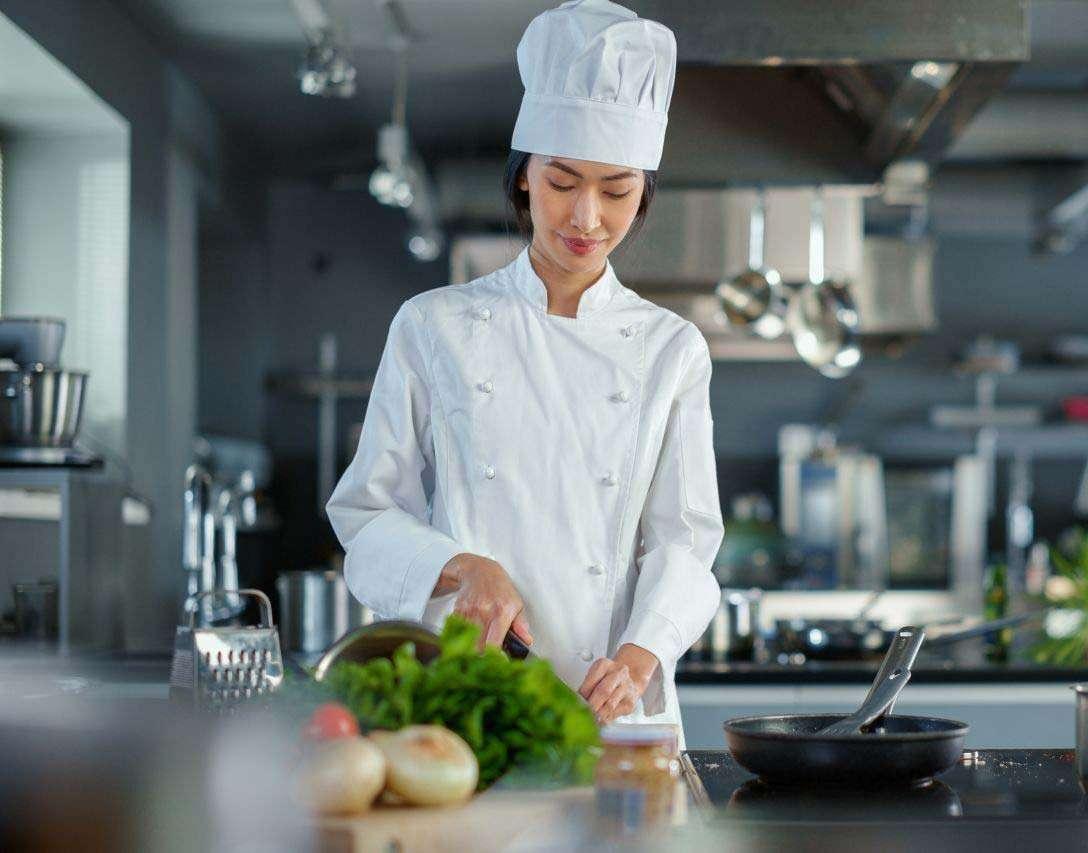
Artificial intelligence to monitor results, smart cooking or washing technologies draw an out-of-home scenario ready to respond to increasingly demanding and conscious consumers.
From minimal processing to an increasingly veggie, organic, short supply chain, to more ‘laid back’ healthy choices that do not rule out comfort foods. These are some of the trends of the coming years, in many cases made possible by nextgeneration technologies.
Italy is a leader in these technologies: according to AnimaAssofoodtec, they are worth more than €4.5 billion a year, including €233 million from professional food processing. Sectors represented at
the highest levels from Italy and abroad at Host 2025, at fieramilano in Milan-Rho from 17 to 21 October.
“Energy costs have been rising in recent times, as well as staff becoming increasingly difficult to find,” explains Markus Bau, Director Food Service at Hobart, a leading German company in professional dishwashing. “That’s why we are introducing more and more smart technologies in our machines, for example a special function for cutlery that eliminates the need to polish it after washing.”
It’s not only savings, but sustainability too. “Environmental awareness is shifting consumer preferences to low-impact foods, such as plant-based substitutes not only for meat, but also for fish,”
adds Enrico Ferri, managing director of Rational. “This is why we propose cooking systems that prepare them with the same quality as animal products: they are able to recognize the size, texture and condition of the food and adjust the cooking process accordingly.” Agrees Sabrina Arcaro, Chief Marketing Officer of Unox: “Consumers are increasingly demanding variety of choice, quality and service. At the same time, operators are facing rising costs and difficulties in finding staff. AI is one of the 'ingredients' we use to offer technologies that can best support them: monitoring results and correcting human errors, which can be common when staffing levels are low or inexperienced.” Always a strong point of HostMilano, food equipment will also shine in 2025 in a wide range of competitions and cooking shows.





















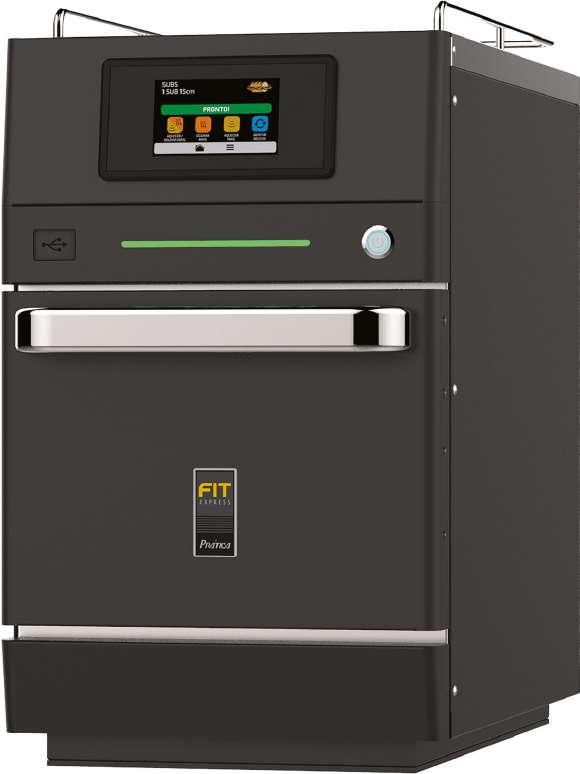

VERSATILITY: Stores up to 1024 recipes that can be divided into 16 categories based on food types or preparation methods.
STANDARDISATION: Allows operator to add recipes with up to 8 steps each, allowing for consistent preparation results across users.
AGILITY: Ready to complete the recipe with just two touches of the screen.
CONNECTIVITY: Internet of Kitchen (IOK) allows you to stay connected to your Pratica high-speed ovens via Wi-Fi.
Simple maintenance with unique removable catalytic converter. See us at Foodservice Australia 2023 Stand G24.
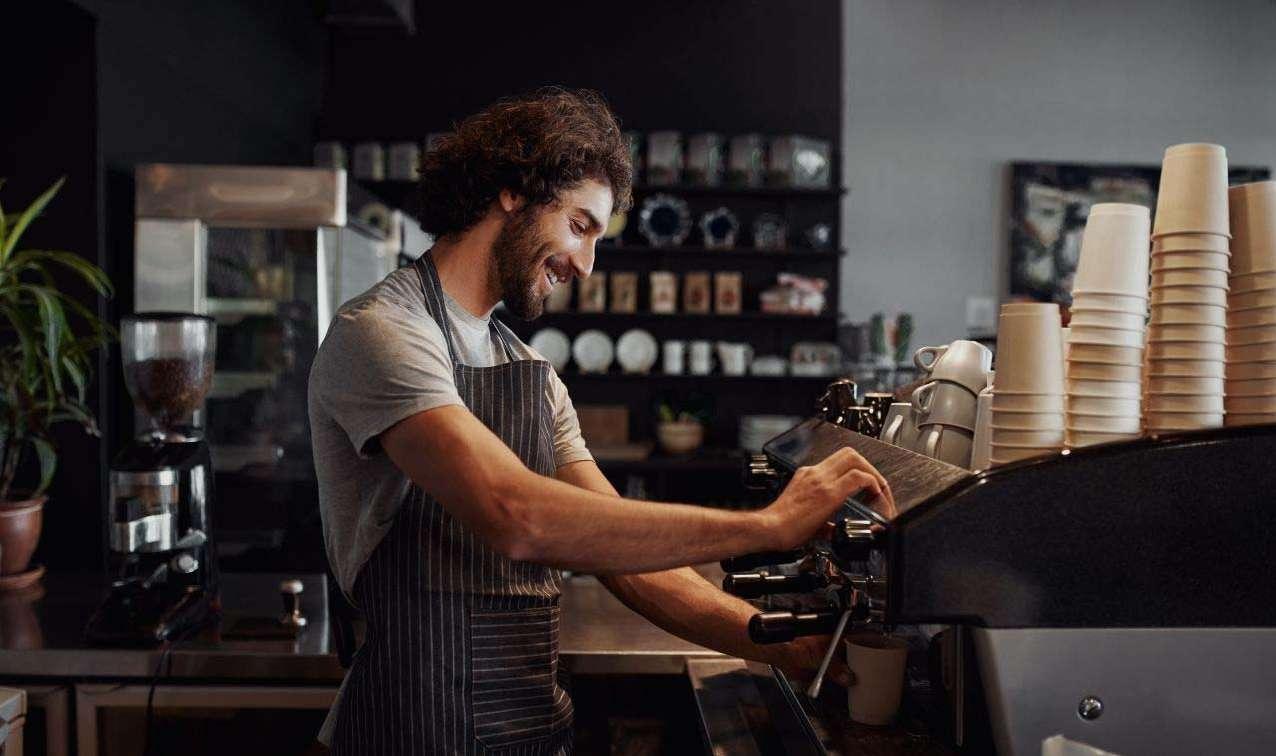
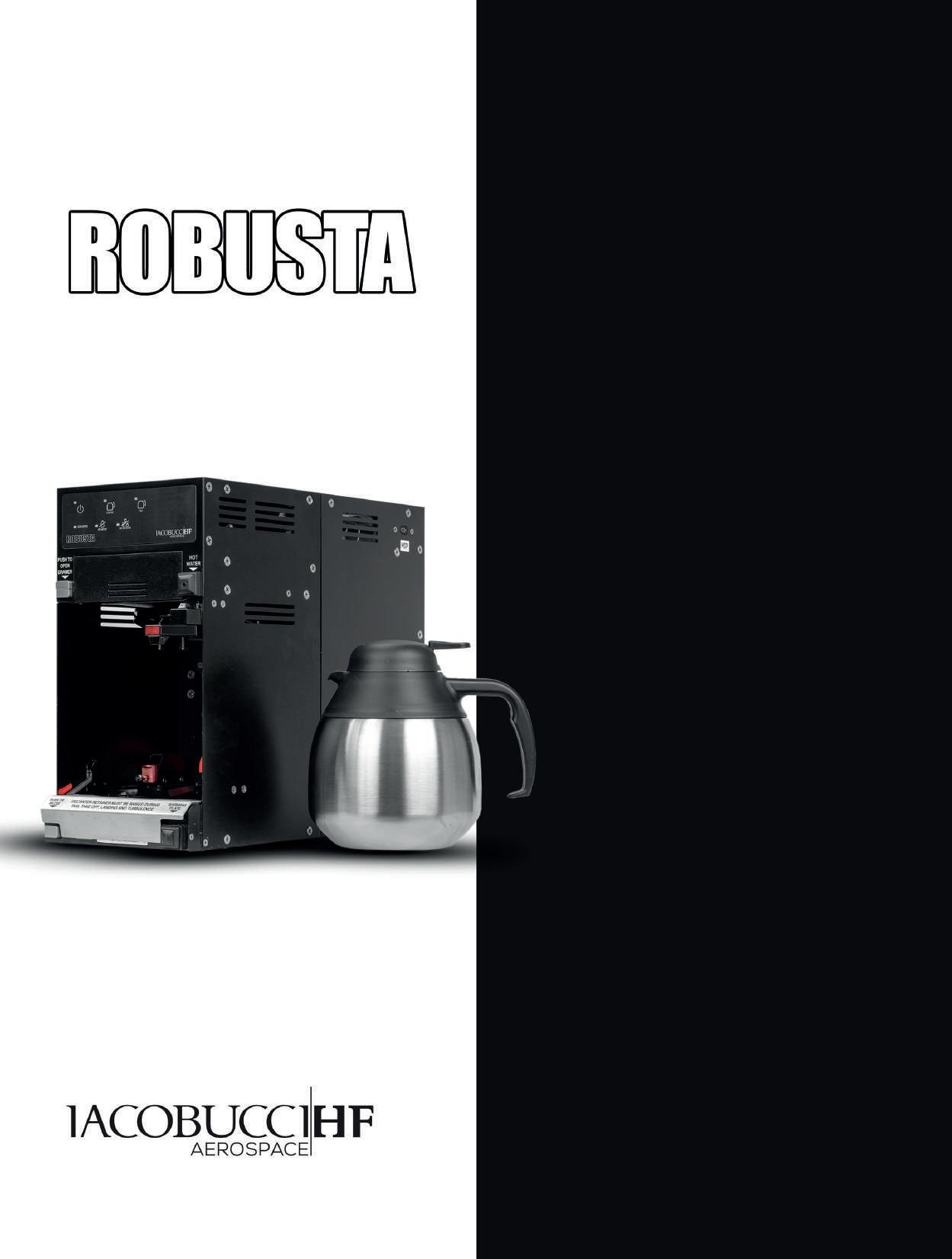
Increasingly smart and connected technologies make it possible to enjoy great coffee even in settings other than traditional ones, and with increas ingly cosmopolitan extraction methods. Will an android serve us coffee in a cafeteria? In the future, it is possible. For now, it is still our barista, but supported by increasingly smart technologies. From robotics to AI, from the Internet of Things to touchscreen interfaces and remote controls, today coffee machines are ‘spaceships’ that free the operator from routine to make room for creativity.
It’s a world market $12.63 billion this year, poised to raise to $14 billion by 2028 (data by Statista), and whose key players – Italian and international – will all be at Host 2025, at fieramilano in Milan-Rho from 17 to 21 October. From the U.S. comes Bunn-o-matic: “Wi-Fi and smart features such as apps and touch-screens are integrated into the machines, while AI optimizes brewing through algorithms that analyze bean quality, water temperature, and extraction time for the best in-cup result.
Robotics? Soon it may be used to serve customers,” comments Nuno Sequeira, Regional Sales Manager Europe. From Italy, Claudio Torresan, Regional Sales Director Italy of Cimbali Group, adds, “Coffee is increasingly consumed in places other than the bar: at the hairdresser’s, in the gym, in hotels. In these contexts, which do not have a specialized figure, operators need solutions to prepare coffee without help, such as super automatic machines. As to Italy, it is also welcoming alternative brewing, Anglo-Saxonderived extraction methods such as filter coffee or chemex coffee.”
“For Sanremo, the use of technology must always find the perfect combination with the human factor and the added value it brings to the product; all the machines are in fact ‘hand-crafted,’ and we are proud of that. Where we use more technology is directly in the R&D part, where robotics help us and test and stress well beyond the design limits the components we make," concludes Danilo Llopis, R&D Manager of Sanremo. From super-digitized coffee machines to next-generation vending machines, to raw materials reimagined for excellent quality even in the face of climate change, the exhibition is ready for a relaunch. The Bars, Coffee Machines, Vending sector,
together with Coffee, Tea, is one of the most innovative segments at HostMilano. In this edition, advanced technology played a leading role, from highly digitized machines to high-quality raw materials. “HostMilano is an institution in the coffee industry,” explained Giada Biondi, Communication Manager at La Marzocco, “and we are present to connect with partners and distributors from around the world.
We have established contacts in Australia, New Zealand, Southeast Asia, as well as Thailand, China, Singapore, and Korea. There is interest in our coffee machines from every corner of the globe, as they blend design and technology.”
“Just like HostMilano, our company covers the entire coffee world, and it’s natural for us to be here,” added Pascale Capelle, Group Marketing Manager at Bianchi Industry. “We presented a hybrid OCS range for offices and shops, as well as hotels, small venues, or larger establishments, and launched a machine that will be on the market in 2024. We met with coffee roasters, distributors, restaurateurs, and major chains, many of them from Asia and Eastern Europe, as well as numerous Italians.”
Coffee producers also expressed satisfaction with the international environment, as stated by Simone Favero, Regional Sales Marketing at Julius Meinl: “HostMilano is the most international fair in Italy for coffee, the right place to showcase our coffee with double organic and fair trade certification. We met many foreign visitors, particularly from the Middle East, in addition to our reference markets such as Austria, Eastern Europe, and partly the United States.”
Thanks to its international appeal, HostMilano is also the ideal place to introduce particularly new offerings to the market, such as Costa X, the new B2B concept from Costa Coffee. “We are known for our stores and innovative Costa Express machines,” explained Jazz Berry, Global B2B Marketing Manager. “Today, we are presenting right here a revolutionary innovation for hotel brands, restaurants, or workplace environments.”
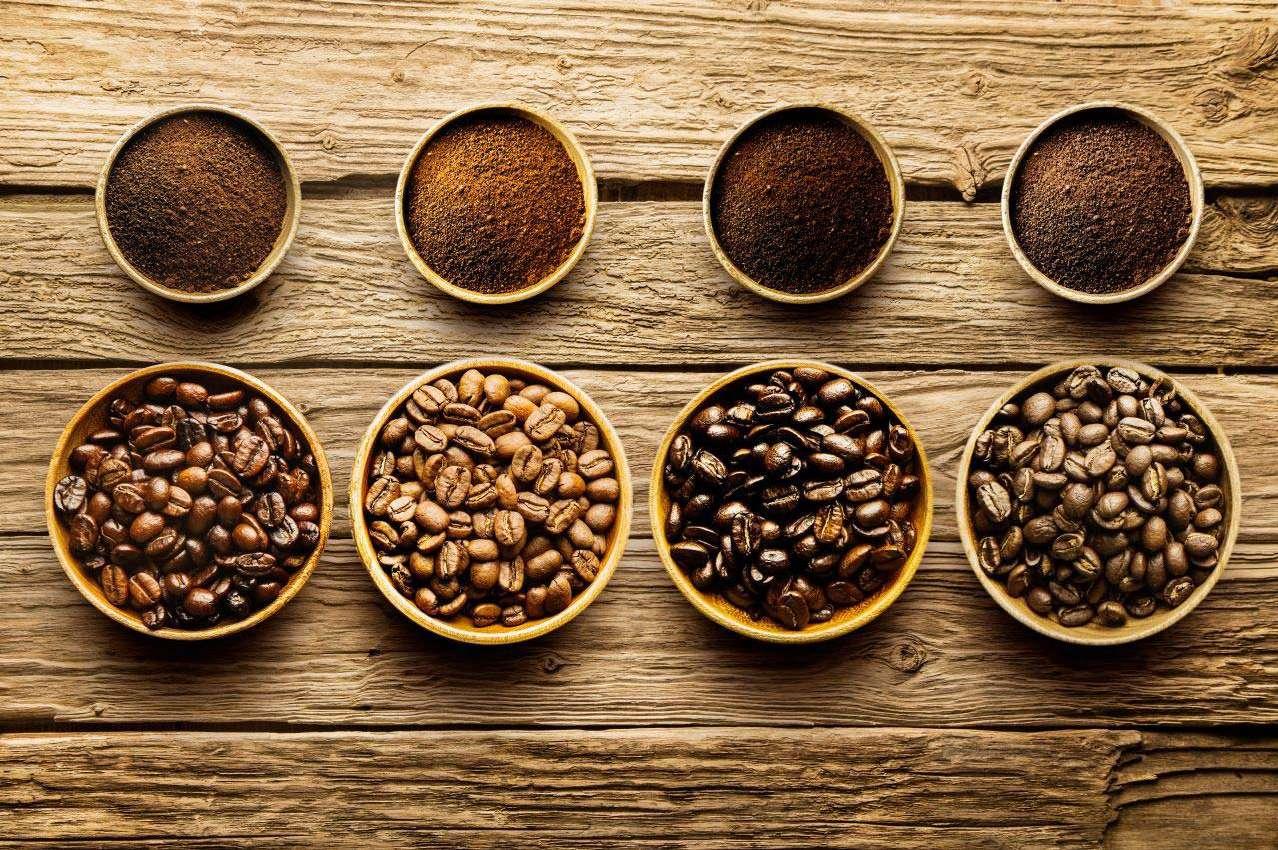
The historic SIC is the global reference for the sector, thanks to the presence of top Italian and international players along the entire supply chain and a rich schedule of events.
From gourmet coffees, fermented in barrique barrels like wines, to frozen coffee as an alternative to roasting, innovations first come through HostMilano. Where they also become business: according to Market Research Future, the global coffee market will be worth $83.6 billion this year and $112.8 in 2030.
At Host 2025, at fieramilano in Milan Rho from 17 to 21October, the nomiss appointment for coffee lovers from all over the world is with SICSalone Internazionale del Caffè. Proof of this is the many protago-
nists who, have already confirmed their presence along the value chain, ‘from bean to cup’.
Starting with the bean, comments Theresa Sandalj, Vice President of Sandalj Trading Company, "As raw coffee traders, we see trends from countries of origin to consumption. Abroad, filter culture is making way for quality espresso blends for dairy drinks. Italy is opening up to filter extractions, especially in specialty coffee places.” The importance of sustainability is also growing: “We believe in suppliers who invest in sustainable production, for example with Carbon Negative coffees.”
On sustainability agrees Paola Macoggi, HR and Institutional Relations Director at Covim: “Coffee is a unique natural product, and this
inspires our deep commitment to the environment: for some of our compostable capsules, the carbon footprint is quantified according to ISO 14067.” On trends, Macoggi continues: “the focus on traceability and specialty coffees influences extraction methodologies, adopting techniques that preserve the unique characteristics of each blend.”
“The consumer is looking for an experience, an emotion,” concludes Sarah Portioli, Marketing Office Manager of the eponymous roasting company. “Coffee lovers want to know everything about the products they consume, from provenance to packaging, and they are very aware of environmental issues. That’s why we have introduced recyclable 100% virgin cardboard cups and 100% biodegradable bamboo




MELEGARI TECHNOLOGY S.R.L.
Strada Martinella 38/A, Alberi di Vigatto, 43124 (Parma) Italy
Tel. +39.0521 968428
Fax. +39.0521 966721
www.melegaritechnology.com
E-mail: info@melegaritechnology.com
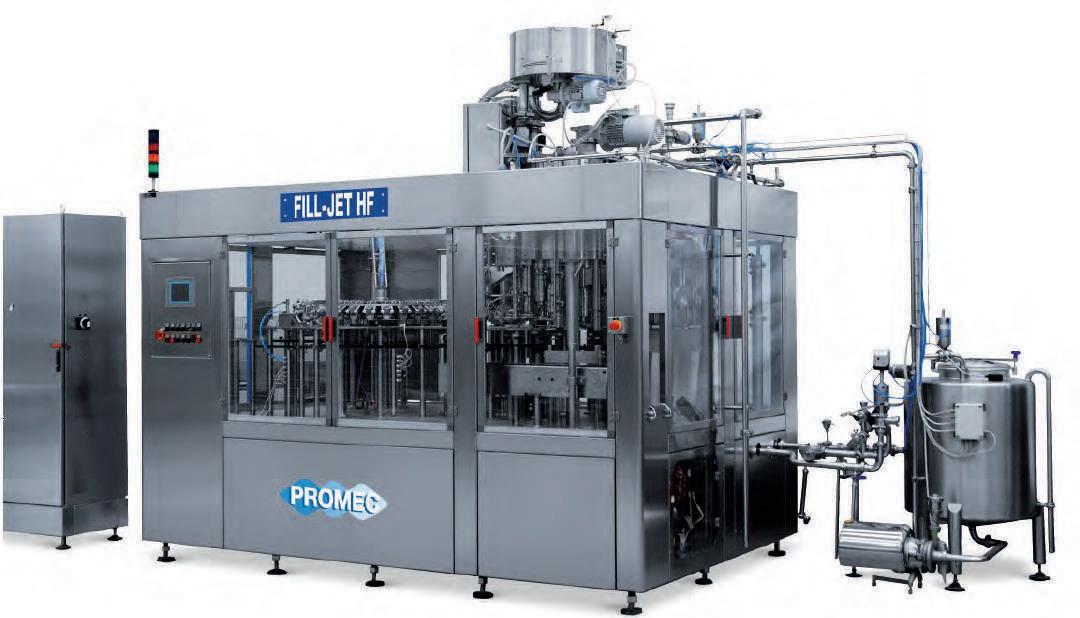
PROMEC s.r.l.
Strada Fornace 4, Bianconese
43010 FONTEVIVO (Parma) Italy
Tel. +39-0521 616611(ISDN)
Fax +39-0521 616620
W eb: www.promec-srl.com
E-mail: sale@promec-srl.com
PROMEC BLOWTEC
Strada Fornace 4, Bianconese
43010 FONTEVIVO (Parma) Italy
Tel. +39-0521 616611(ISDN)
Fax +39-0521 616620
W eb: www.promec-srl.com
E-mail: sale@promec-srl.com
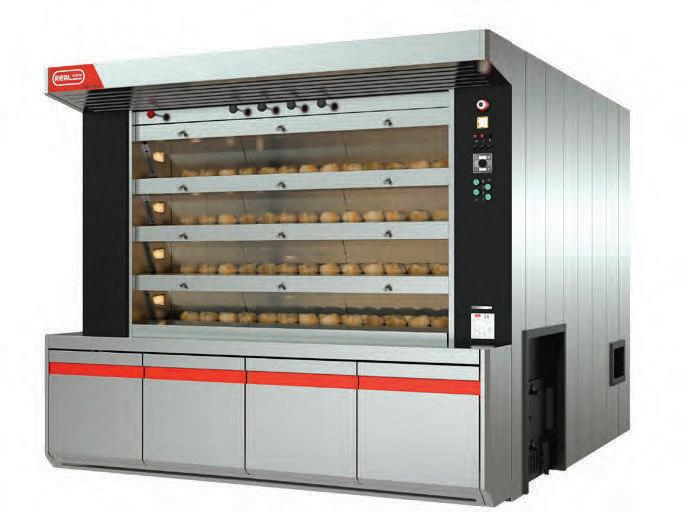
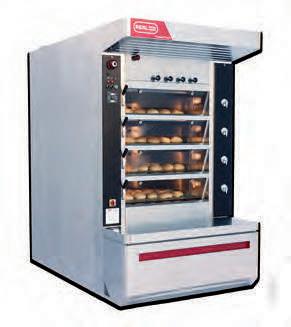
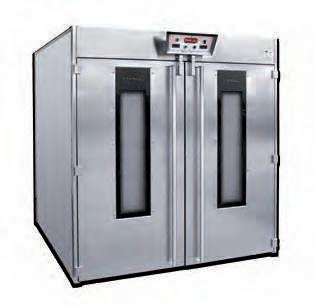
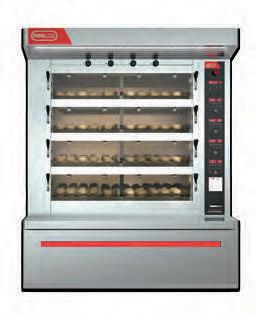
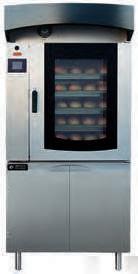
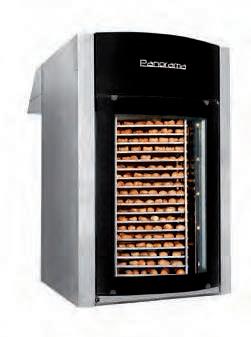
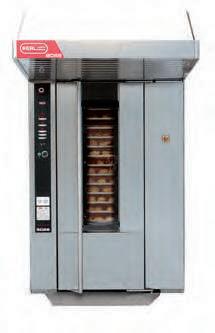
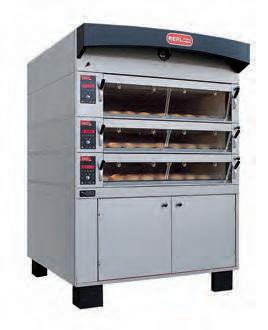
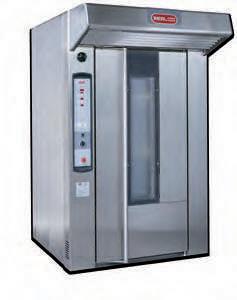


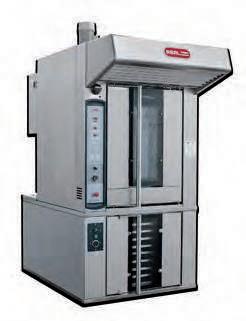
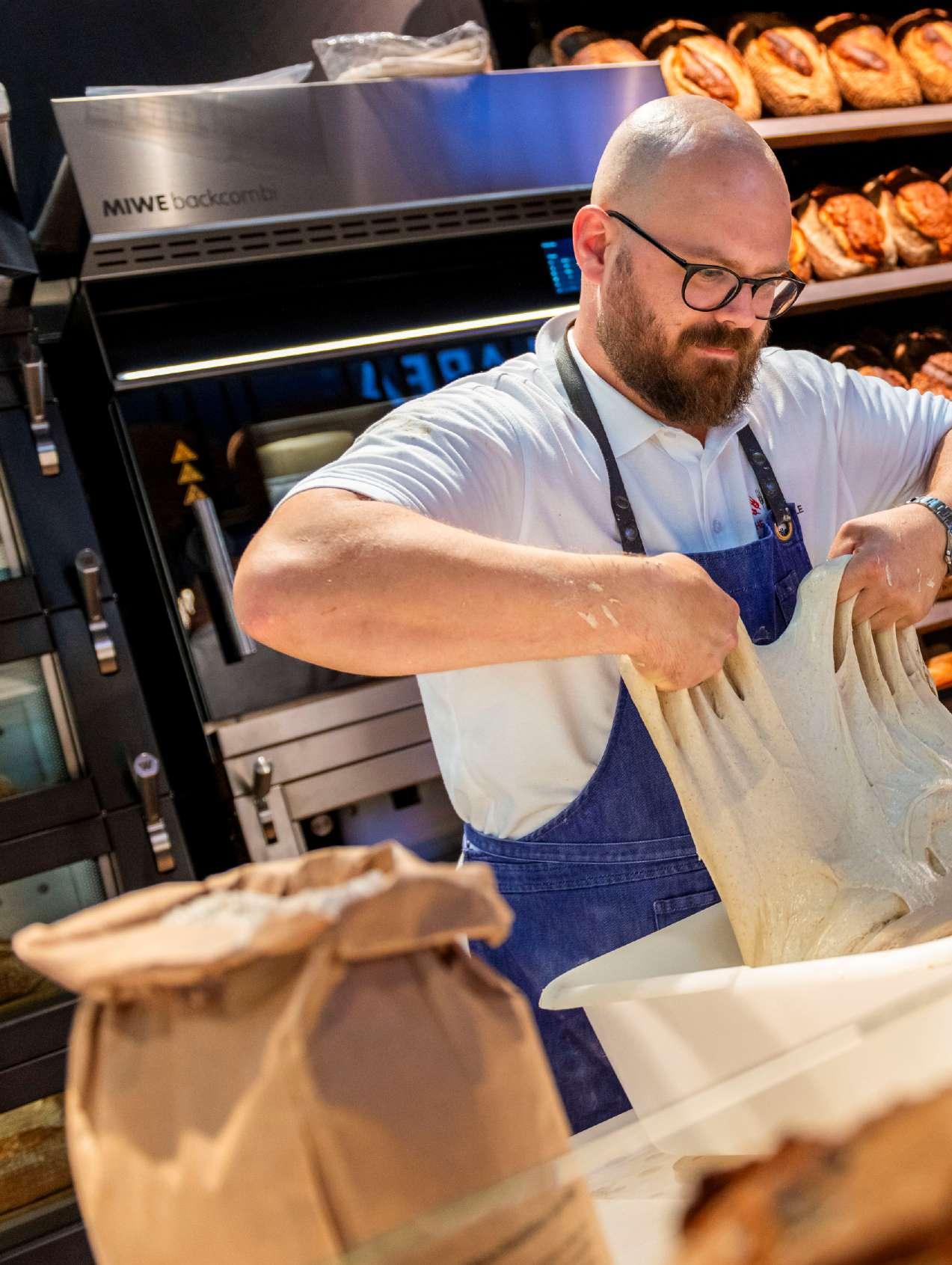
Full steam ahead! From 18 to 22 May 2025, the world’s leading trade fair for the baking and confectionery industry will open its doors at Fairground Düsseldorf. The take-up from the industry has been tremendous: over 80% of the available space has already been booked. Market participants are already developing new concepts, innovative products and creative solutions in preparation for next year’s international industry highlight. This innovative spirit and the immense clout surrounding iba 2025 will now be communicated through the multimedia campaign “Baking New Ways” on all iba channels and beyond. And the market is already responding.
Swapping the Isar for the Rhine and autumn for spring, iba is relocating from Munich to Düsseldorf for its 2025 event. One thing, however, will remain the same: the quality, innovative diversity and product depth of the world’s leading trade fair. In May, it will bring the national and international baking industry together in Düsseldorf, where global innovations and trends from the entire value chain will be unveiled. Knowledge exchange, reunions with long-standing customers, innovation, exciting competitions and new contacts will join an unbeatable atmosphere and first-class artisan bakery and confectionery at the heart of the event.
Baking New Ways – advancing towards solutions and innovations
Until the event in May 2025, iba’s multimedia campaign “Baking New Ways” will present various players and innovative concepts from the industry as well as highlights from the world’s leading trade fair. All of the topics have one thing in common: their significance for the baking industry! Inspiring and touching personal stories from and for the industry will also be shared –after all, everyone who attends iba contributes a piece of cake to the success of the entire industry.
The focus is on one core message: as a driving force in the international industry, iba unites with all market players to constantly reinvent itself and make progress possible. This makes the leading event a guarantee for innovative and sustainable solutions at all times.
But what new paths have emerged and what others can we expect in the future? And how does iba promote and nurture their potential and implementation? Keep up to date with all this and much more by following iba at www.ibatradefair.com/en/messe/baking-newways/ in the run-up to the event.
Five exhibitors reveal some of the novelties they will be bringing to Düsseldorf and why iba is such a special meeting place for the baking industry. Further insights into the "Baking New Ways" campaign will follow on the corresponding iba

channels. "We invite everyone to accompany us on our journey to Düsseldorf and enjoy the run-up to the industry's leading event by contributing new ideas and exchanging thoughts via social media, press and public relations or on our website, thus helping to shape iba. After all, the anticipation is half the fun!” affirms iba Director Susann Seidemann.
Site plan and focus topics: iba 2025
The event will be held across a total of seven halls in the exhibition centre, the size and layout of which are different to those in Munich. Organised in halls 9-15, the event promises as varied a product portfolio as ever with the same high quality. Spanning over 98,000 square metres, iba showcases everything the global industry has to offer. Its basic structure will remain the same, divided into the familiar product categories.
Trends and innovations in production technology and equipment will be located in halls 9 to 13. Packaging technology will be shown in hall 9. Halls 13 and 14 will showcase artisan bakery, while raw materials and ingredients will take centre stage in hall 15. The complete hall plan can be downloaded here: www.iba-tradefair.com/en/.
Through the focus topics of artisan bakery, digitalisation and food trends, iba highlights the main themes in today’s industry, unites
supply and demand, and offers future direction. In the area of artisan bakery, everything revolves around traditional and modern craftsmanship and vocational training. When it comes to digitalisation, iba presents new methods for the baking industry: from process optimisation and automation through artificial intelligence to the possibility of increasing customer loyalty through new sales channels.
The topic of food trends looks at new products that are being launched in the global baking industry and the possibilities offered by alternative ingredients. The focus topics will be reflected within the stage programme, at exhibitor stands and in the area highlights.
Important information for exhibitors and visitors
Exhibitors can register at any time under the following link and secure their stand space at the international meeting place for experts, which is almost fully booked: www.ibatradefair.com/en/for-exhibitors/
The ticket shop for visitors will open at the end of the year.

equipment market is projected to grow from USD 130.6 billion in 2021 to USD 175.1 billion by 2026, recording a compound annual growth rate (CAGR) of 6.0% during the forecast period.
The "Food Processing & Handling Equipment Market by Type (Food Processing, Food Service, Food Packaging), Application (Meat & Poultry, Bakery & Confectionery, Alcoholic, Nonalcoholic Beverages, Dairy), Endproduct Form, and Region - Global Forecast to 2026" report has been added to ResearchAndMarkets.com's offering.
The food processing and handling
The food processing & handling equipment market is exhibiting strong growth, with the rising demand for prepared food products globally, changes in consumer lifestyles, along with a transformative leap forward in technological capabilities and increasing investment opportunities in the food processing industry.
The food processing equipment segment is projected to dominate the food processing and handling equipment market during the forecast period.
The food processing equipment type market has been further segmented into pre-processing and primary processing equipment. One of the key factors driving the food processing equipment market is the growth of the processed food sector, due to the increasing demand for ready-to-eat and readyto-cook products. Further, to provide the highest and consistent quality products, along with keeping the production costs as low as possible, automated processing equipment is increasingly being adopted by food & beverage manufacturers
Asia Pacific is projected to record the highest growth during the forecast period.
The food processing and handling equipment market in the Asia Pacific
is projected to witness the highest growth between 2021 and 2026. The industrial growth in the region over the years, followed by improvements in the food and beverage industry, has created new opportunities for the food processing and handling equipment market.
The growing middle-class population in the region, increasing disposable income among customers, and demand for meat, bakery and dairy items and food items that offer on-the-go consumption are driving the growth of the food processing and handling equipment market. Many food and beverage companies have expanded their manufacturing facilities in these countries, which has also driven the market for food processing and handling equipment.
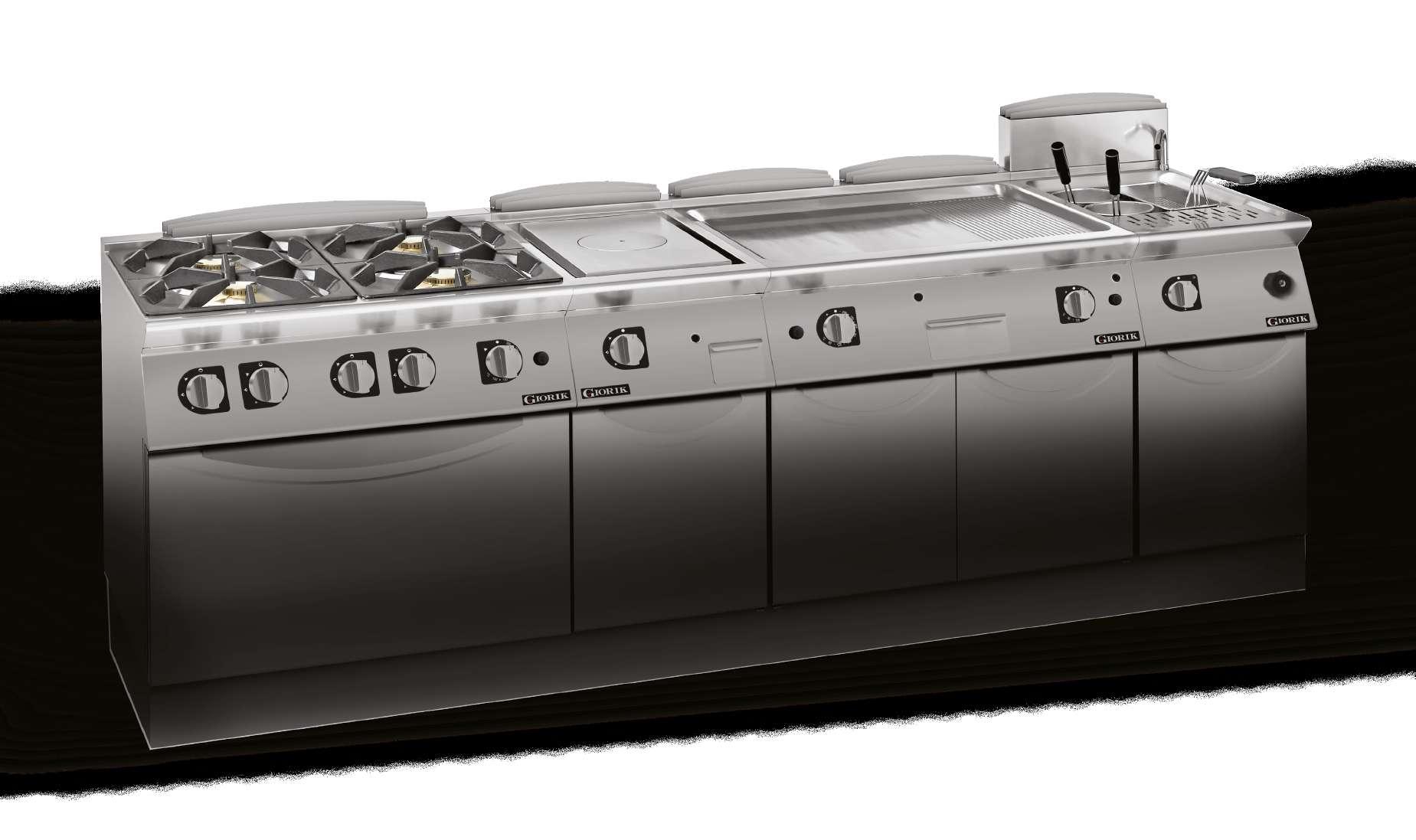
Stoddart has built on the existing partnership with Giorik to utilise research & development to produce the unique, one of a kind, European styled modular 700 & 900 series cooking equipment to Australian Standards, delivering, efficiency, safety and reliability.
Giorik’s class leading, European design and engineering have been operating in the professional food service equipment industry since 1963.
Meeting the various needs of the global market,
The Consortium’s leading Italian bakery technology companies will complement an already rich domestic and foreign parterre. The revamped concept will attract new professional visitor targets.
Bringing to life an international reference in bakery events, filling a representation gap in Europe by making Italian excellence and foreign players dialogue with a wider audience of operators, from global buyers to artisans from Italian regions.
This is the goal of the agreement signed between HostMilano, the world’s leading event in professional hospitality and food retail – at fieramilano in Rho from 17 to 21October 2025 – and Consorzio SIPAN, the consortium that will bring
the leading Italian companies in systems and technologies for the White Art to the event’s historic dedicated area, MIPPP – Milano Pane Pizza Pasta.
The participation of member companies consolidates an already rich parterre of Italian and foreign top players flanked by the most interesting emerging, niche and excellent companies, generating even more attention to nextgeneration technologies such as automations and sustainable solutions.
The revamped MIPPP – Milano Pane Pizza Pasta will make it possible to intercept new targets of Italian and foreign visitors in the food retail, large-scale retail and out-of-home markets, thus also adding value to
geographies with a strong tradition such as Southern Italy: suffice it to say that South and Islands are the area with the most bakeries in the country, more than 2,800 compared to less than 2,500 in the second densest, the Northwest (source: Businesscoot).
Looking at the Italian market, 46,000 companies generated revenues for €13 billion in 2023. Over 24,000 bakeries exist in Italy, about 20,000 of being workshops and 4,100 being retail outlets, producing a total of 216 tons of industrial bread and 1.5 million tons of fresh bread (source: AIBI; FIPE)
In addition to the exhibition part, MIPPP will also feature its own top-notch reference event in the upcoming schedule of events in all sectors, which will share data, trends and education through show-cooking moments and speeches by industry leaders.

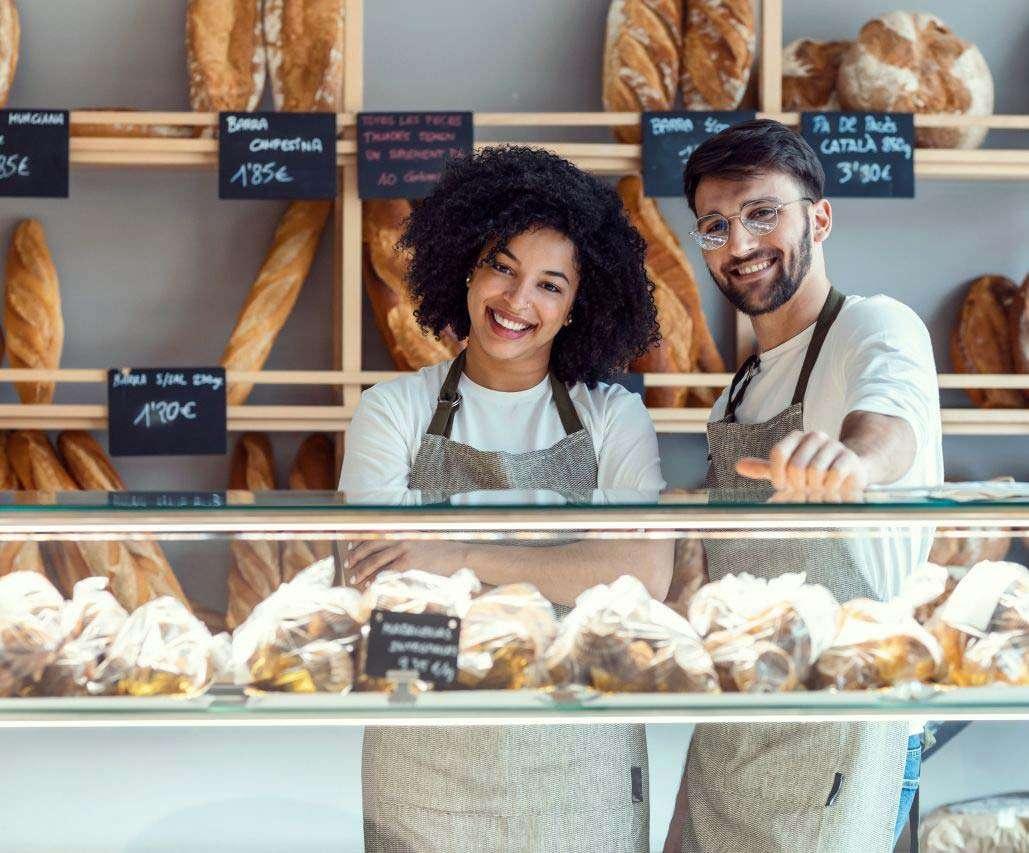
In the upcoming edition, the historic area dedicated to Bread, Pizza and Pasta will feature a revamped concept, also strengthened by the presence of technology leaders from Consorzio SIPAN.
Next year, Italian and international Bakery will have many more reasons to come to Host 2025, at fieramilano in Rho from 17 to 21October 2025: in fact, thanks to an agreement signed between Fiera Milano and Consorzio SIPAN the historic MIPPP – Milano Pane Pizza Pasta, the dedicated area within the event, will have a revamped look where the Consortium’s Italian companies, all leaders in technologies for this sector, will bring even more
technology and innovation. “For our Group, innovation is the basis of every industrial process, with the aim of offering customers the latest machines and ovens, designed and built on real working needs,” commented Gianluca Boni, CEO of Waico Group. “Host 2025 will provide a fundamental contribution because it allows different aspects of a specific sector to be concentrated in one place, offering operators a global overview of technology, design, sustainability, food trends and new formats.” “As a technology manufacturer, we look for performance solutions that optimize processes by generating economy of scale and faster time, an area where Transaction 4.0 plays
an important role,” added Massimiliano Baroni, Tagliavini Marketing Office. “In a scenario where we are witnessing the hybridization of new trending formats, Host 2025 will be the must-attend international event to discover the trends of the moment.” The renewed MIPPP - Milano Pane Pizza Pasta will also be an important event to unveil new trends for Moretti Forni: “Current trends focus on finding practical, sustainable and efficient solutions. Professionals are looking for equipment that is easy to use, offers high quality results and can meet the evolving needs of the market. This is why we have developed a range of ovens with advanced technologies directly with the most important names in the world of leavening.” Complementing the exhibition itinerary, at Host 2025 cutting-edge innovation will also be featured prominently in the dense schedule of events.
growth is expected to increase by an average of 5.4 percent. Revenues are expected to increase from USD 70.8 billion to USD 97.3 billion in the forecast period 2017 to 2023. Premium ice cream made from highquality ingredients is particularly popular, with CAGR expected to increase by 5.7 percent.
Who knows if there is a connection between global warming and the increasing demand for ice cream? In any case, the numbers make it clear: The global ice cream market will continue to develop positively until 2023. This was shown by the market research company Allied Market Research. Accordingly, the annual
As a result, ice cream packaging is becoming more unusual and varied on the market. The main focus is on sustainability and convenience.
Unilever saves on packaging. The new ice cream packaging for the peach ice cream "Solero Peach" is
said to contain 35 percent less plastics. Thanks to five integrated compartments in the multipack box and a thin layer of polyethylene (PE) on the inside, the ice lolly products do not require additional plastic sleeves, unlike conventional packaging. Even at high temperatures, the ice cream lollies should not melt faster than in traditional cartons.
The recyclable ‘Solero Organic Peach Pack’ consists of 95 percent pure cardboard; the coating makes up five percent of the packaging. Since June 2019, the innovative ‘Solero Organic Peach Pack’ packaging has been available as a limited test product and exclusively online at the online food retailer Ocado in Great Britain. If customers
respond positively, the packaging will be retained.
Unilever launched the #GetPlasticWise campaign in the UK.
The company's goal is to make its plastic packaging fully reusable, recyclable or compostable by 2025.
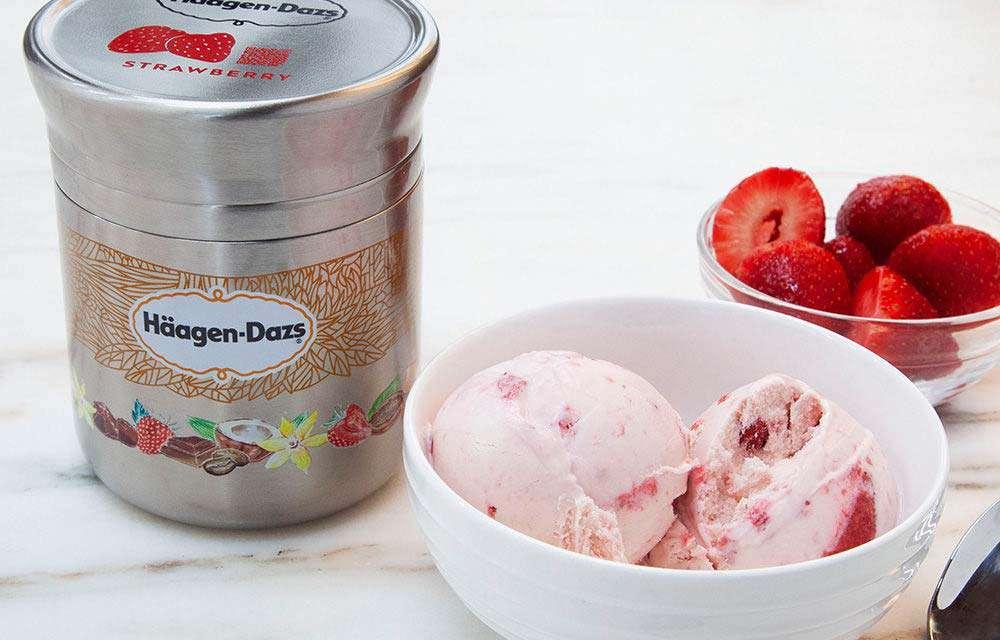
The food company Nestlé also focuses on sustainability in ice cream packaging. In mid-2019, a pilot project is scheduled to start in New York, where Häagen Dazs ice cream packaging will be delivered in special ice cream containers and

collected again. In partnership with the global recycling organisation TerraCycle, subscribers can receive their food in tailor-made, durable reusable packaging at the front door and return it emptied. The new double-walled steel ice cream containers are cleaned after collection, refilled and reused. The robust material does not affect the consistency of the ice cream during transport. In addition, Nestlé California's innovative container design ensures that the ice cream melts faster at the top than at the bottom when opened.
Another test project with HäagenDazs ice cream was launched in September 2018 in London's Russell Square district. U.S. food company General Mills Inc. wants to use a combination of Facebook Messenger chatbots and geotagging technology to track customers in real time and deliver ice cream to anyone at any time. The ice cream is
to be transported directly to the customers in freezer bags from a temperature-controlled delivery van. Results have not yet been published.
Germans also love ice cream. Recent surveys by the Association of the German Confectionery Industry (BDSI) have confirmed this once again. Overall, ice cream consumption in Germany rose by almost one litre per capita between 2017 and 2018 to almost nine litres.
According to the association, Germans are particularly interested in lactose-free and sugar-free products and vegan ingredients.
Instead of the classic one-litre ice cream container, the current trend is also towards smaller packaging with a volume of up to 500 millilitres. Partnerships such as the one between Unilever and Ferrero also provide the market with new ice
cream creations from popular brands such as KINDER, Mars, Bounty and Snickers.
After a Europe-wide test phase, the Finnish packaging company Stora Enso launched its new development "Cupforma Natura Solo™" in May 2019, which is an innovative packaging material for hot and cold beverage cups and ice cream packaging. The cardboard for the packaging is produced without conventional plastic coating. Instead, sustainable alternatives such as 100% renewable Natura PE Green, a material that makes it easy to switch from fossil polyethylene, and industrially compostable Cupforma Natura Bio are used in the ice cream cups.
Due to the strong similarity to conventional polyethylene-lined cups, no new processing technology is required. The wood fibres used come from sustainably managed forests and the packaging is certified.

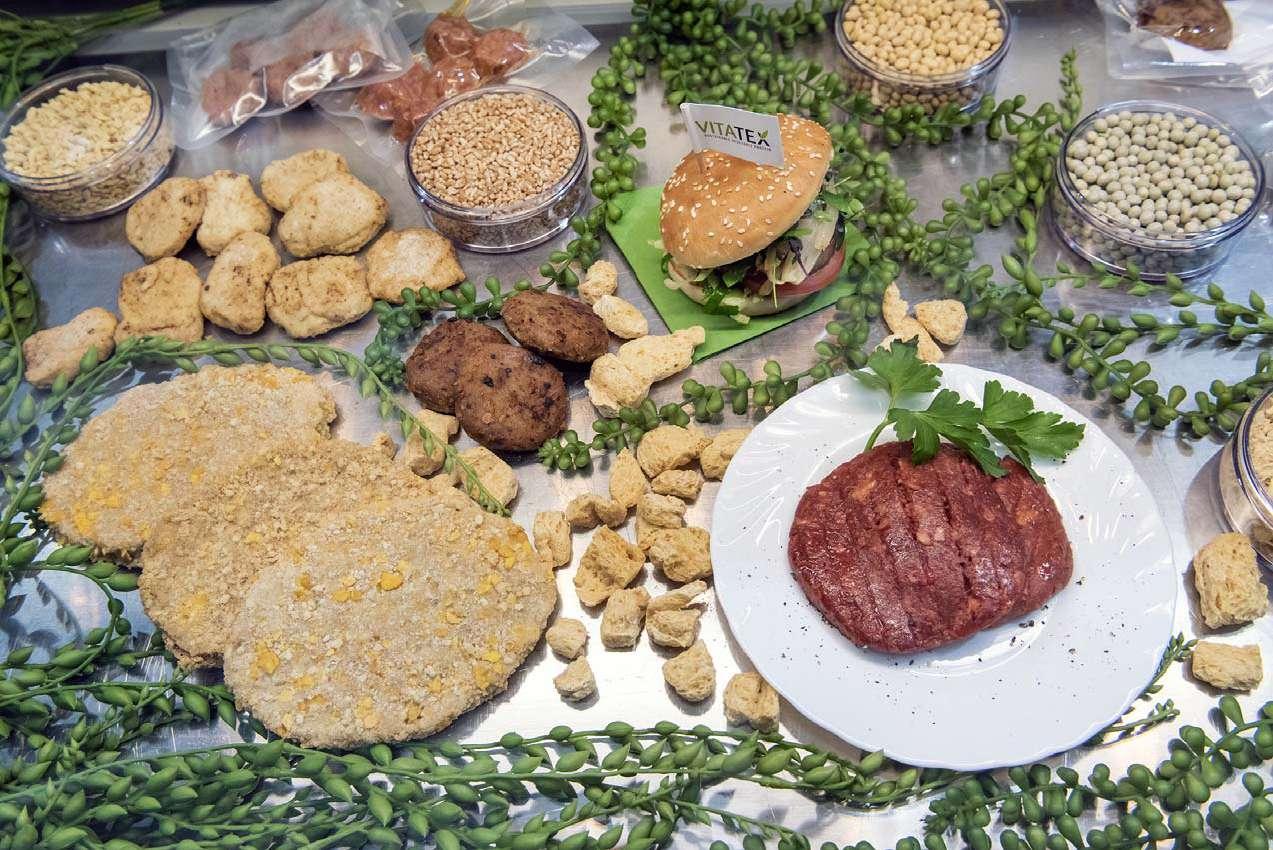
The global meat processing equipment market size is expected to grow from $9.78 billion in 2021 to $10.43 billion in 2022, according to a report from The Business Research Company.
According to The Business Research Company’s research report on the meat processing equipment market, the increasing consumption of processed meat is expected to propel the growth of the meat processing equipment market going forward. Processed meat provides a number of advantages, including a better taste, a lower risk of meatborne infections, a longer shelf life, and a high degree of portability. For instance, according to Standard Process Inc., a US based food supplement company's report published in 2020, processed
By 2026
foods account for about 70% of the American diet. Additionally, according to the agricultural and processed food products export development authority, during the fiscal years 2020-21, India exported 774.11 tonnes of processed meat to the world, valued at $1.62 million. Therefore, the increasing consumption of processed meat drives the growth of the processed meat market.
The global meat processing equipment market size is expected to grow from $9.78 billion in 2021 to $10.43 billion in 2022 at a compound annual growth rate (CAGR) of 6.71%. The growth in the market is mainly due to the companies' rearranging their operations and recovering from the COVID-19 impact, which had earlier led to restrictive containment
measures involving social distancing, remote working, and the closure of commercial activities that resulted in operational challenges. As per TBRC’s global meat processing equipment industry growth analysis, the market is expected to reach $13.62 billion in 2026 at a CAGR of 6.89%.
North America was the largest region in the meat processing equipment market in 2021. Asia-Pacific is expected to be the fastest-growing region in the global meat processing equipment market during the forecast period.
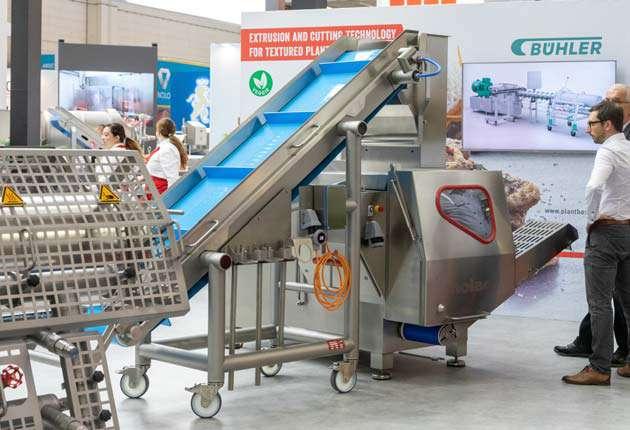
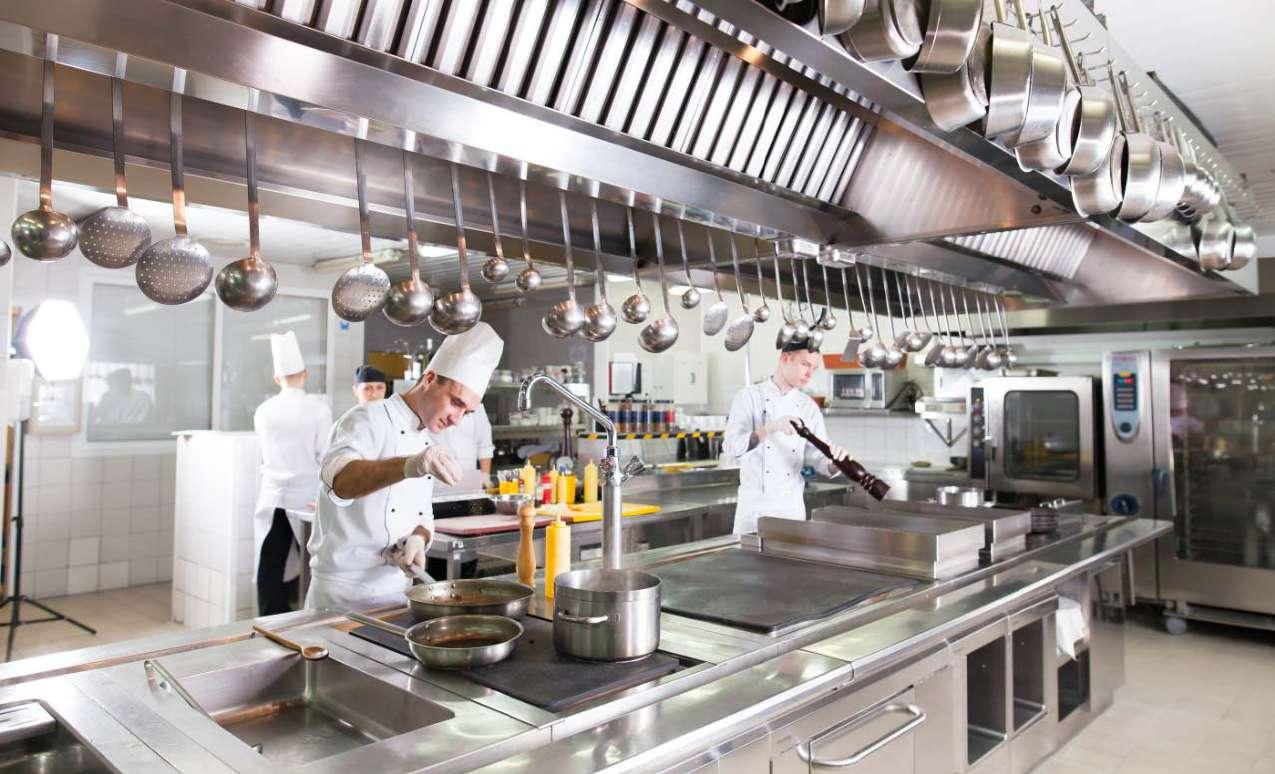
Assofoodtec data reveal a sector that is recovering, driven by the two-figure growth in coffee-making machines, meat-processing systems and refrigerators.
Italian companies play an important role in food technology, providing truly excellent, innovative solutions, and making machinery for the production of those iconic food products for which Italy is famous throughout the world, such as pasta, pizza, artisanal gelato and espresso coffee, but also its refrigeration and meat processing equipment and other cooking and tableware items. A snapshot of this world is provided by the latest figures from the Study Centre of ANIMA Assofoodtec – the Italian Association of Machinery and Equipment Manufacturers for Food Production, Processing and Preservation – a long-standing partner of the HostMilano trade fair, whose next edition will be held at Fieramilano Rho from 13 to 17 October 2023. Figures for 2021 indicate a sector in marked recovery, and one that in many cases has
overcom the deadlock experienced in 2020, the first year of the pandemic that hit the Ho.Re.Ca sector so hard. Espresso Coffee Machines, for example, recorded sales of 500 million euros in 2021, of 375 million euros came from exports (+19%), with an overall increase of 17.6% on 2020 (when there was a drop of -14.1%), and exceeding 2019 sales by 5 million euros. And while employment remained stable, investments increased (+1.5%) to 17.2 million euros. Refrigeration also did well, exceeding 2019 sales, with Commercial Refrigeration Equipment recording total sales of 1,080 million euros (up 20% on 2020), higher than the 1,015 million euros recorded in 2019.
This positive performance was due largely to exports, which in 2021 (with 610 million euros) achieved a resounding growth of 31.2% on 2020, a result made possible also by the 2.8% increase in investments on 2020. Similarly, Refrigeration Compressors, closed 2021 at 655 million euros (up 12.9% on 2020 and 15 million euros higher than
2019), while Industrial Refrigeration Systems recorded sales of 120 million euros (up 7.1% on 2020 and broadly in line with 2019, which closed at 121 million euros).
Meat-processing Machinery and System also recovered well from two years of stagnation with sales of 268 million euros, up 12.9% on 2020 and an improvement on the 261 million euros recorded in 2019. Of this total, 194 million euros were accounted for by exports (+11.5%). Positive figures were also recorded in all other sectors, which came close to while not exactly matching 2019 levels.
Machinery and Equipment for Animal Feed and Silos recorded sales of 215 million euros in 2021 (+13.8%) with an improved performance in exports (up 14.9% on 2020) at 201 million euros. Investments also increased (to 5.35 million euros, up 3.9% on 2020).
Machinery and Ovens for Bread, Biscuits, Pastry and Pizza closed 2021 at 700 million euros (+12%), of which 460 million came from exports (+10.7%), and with
investments of 20.5 million euros. A recovery was seen in Machinery and Equipment for Pasta and Extruded Foods, with sales of 265 million euros (+15.2%, while exports, worth 172 million euros, grew by just 14.7%). Machinery and Equipment for the Confectionery Industry increased by 12.5% to reach 135 million euros, of which a good 122 million euros were generated by exports (up 13% on 2020). Exports are important also for Machinery and Equipment for Processing Fruit and Vegetables, which recorded sales of 210 million euros in 2021 (+13.5%), 165 million of which came from foreign sales (+19.6%). Employment was stable also in this sector. Slicers, Meat Mincers and Related Products closed 2021 at 225 million euros, (+8.2%), with 138 million euros attributable to exports (+6.2%).
Household articles, finally, recorded revenues of 810 million euros (+32.8%), which was an improvement on the 610 million euros of 2020, but did not reach the 902 million euros of sales recorded in 2019.






















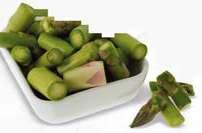






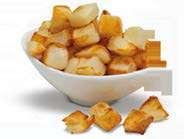
As the Global Leader in Food Cutting Technology, successful processors depend on Urschel’s expertise to deliver optimal cutting solutions for all types of fruits and vegetables.
Urschel cutting equipment delivers a full spectrum of size reduction capabilities. Explore dicing, slicing, or pureeing to achieve your processing goals.

















24-26 SEPT 2024
DUBAI WORLD TRADE CENTRE
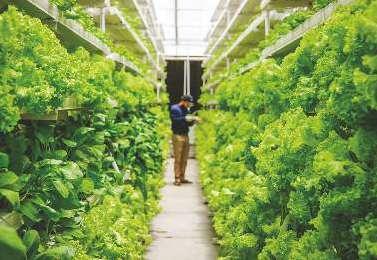

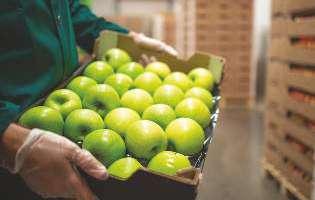

Gulfood Green, co-located with Gulfood Agrotech is a global exhibition and summit presenting fresh fruit & veg, plant-based products, sustainability, health & wellness, functional foods Gulfood Agrotech will showcase innovations in agriculture, livestock health & nutrition, aquaculture, vertical farming and a lot more.