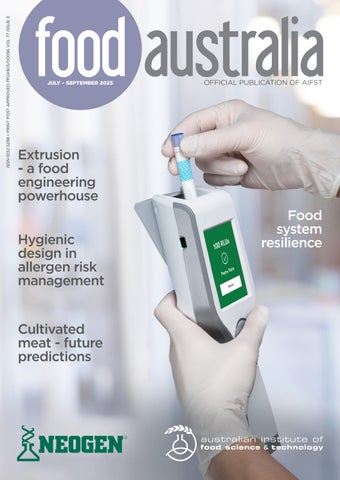
OFFICIAL PUBLICATION OF AIFST

Extrusion - a food engineering powerhouse
Hygienic design in allergen risk management Food
Cultivated meat - future predictions

OFFICIAL PUBLICATION OF AIFST
Extrusion - a food engineering powerhouse
Hygienic design in allergen risk management Food
Cultivated meat - future predictions
In the highly regulated and competitive food and beverage industry, maintaining a clean and controlled production environment is critical. Contaminants—whether microbial, chemical, or allergenic— not only endanger consumer health, but also put brand reputation and financial performance in jeopardy.
An effective Environmental Monitoring Program (EMP) is a fundamental pillar of modern food safety, contributing to both proactive risk management and operational excellence.
In practice, environmental monitoring programs typically involve a variety of tests—including ATP, indicator organisms, pathogens, spoilage microbes, and allergens—performed on diverse samples collected across different areas of a facility, at multiple time points, and with varying frequencies.
A well-structured EMP can identify trends and potential problem areas early, allowing for timely corrective actions that reduce the risk of product recalls, foodborne illness outbreaks, and regulatory issues.
Many manufacturers now recognise that robust environmental monitoring can also drive operational efficiency. Modern EMPs go beyond detection— they generate data that can help optimise cleaning schedules, reallocate labour more effectively, and improve production.
For example, consistent monitoring could reveal hard-to-clean problem areas. Addressing these issues through design improvements or modifying workflows not only enhances food safety, but also enables longer production runs and reduces downtime, leading to more
efficient, cost-effective operations. Additionally, the integration of digital systems and advanced data analytics enables predictive maintenance and long-term process improvements, transforming food safety from a reactive task to a strategic advantage.
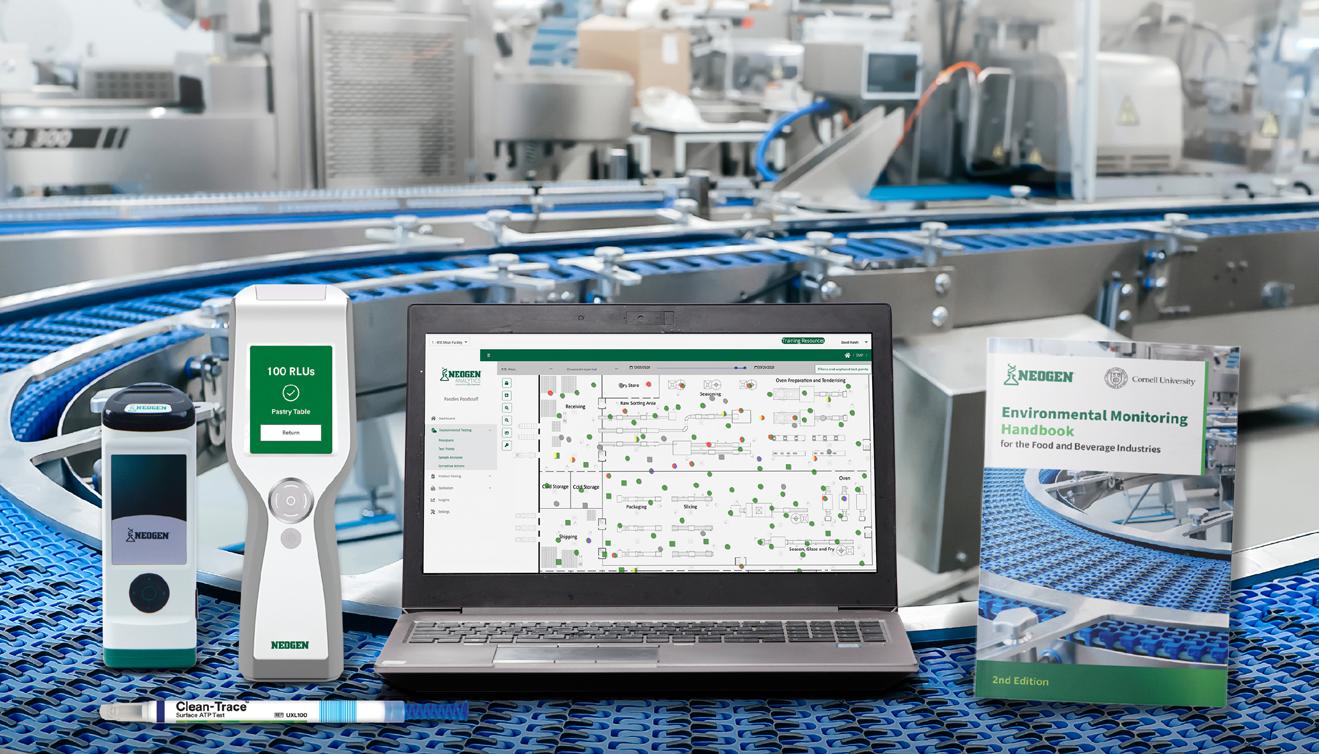
As a global leader in food safety solutions, Neogen offers a comprehensive suite of tools to support effective EMPs. From rapid ATP hygiene monitoring systems and allergen test kits to indicator testing and a cloud-based analytics platform, Neogen provides robust and reliable options tailored to the needs of food and beverage manufacturers of all sizes.
Neogen also leads in education and training. Our extensive library of ondemand training videos empowers QA teams to stay informed about the latest practices, technologies, and regulatory expectations. And the recently released second edition of the Neogen Environmental Monitoring Handbook offers a complete, modern, and flexible framework for environmental monitoring—combining theoretical background with practical, real-world application.
Developed in collaboration with experts from Cornell University and more than 20 global food safety professionals, this updated guide introduces new chapters that provide deeper insight into validating sanitation controls, investigating contamination events, and turning monitoring data into actionable insights for continuous improvement.
As companies like yours navigate growing demands for safety, transparency, and operational efficiency, environmental monitoring plays a vital role in managing risk and ensuring quality. Neogen’s team of experts is here to support you in enhancing your environmental monitoring programs—helping you protect consumers, build stronger, more resilient operations, and improve overall productivity.
To learn more about our environmental monitoring solutions, visit neogenaustralasia.com.au email FoodSafetyAU@neogen.com or call us on 07 3736 2134




12 Internationalisation of food science curriculum
Preparing students to work in an increasingly global context
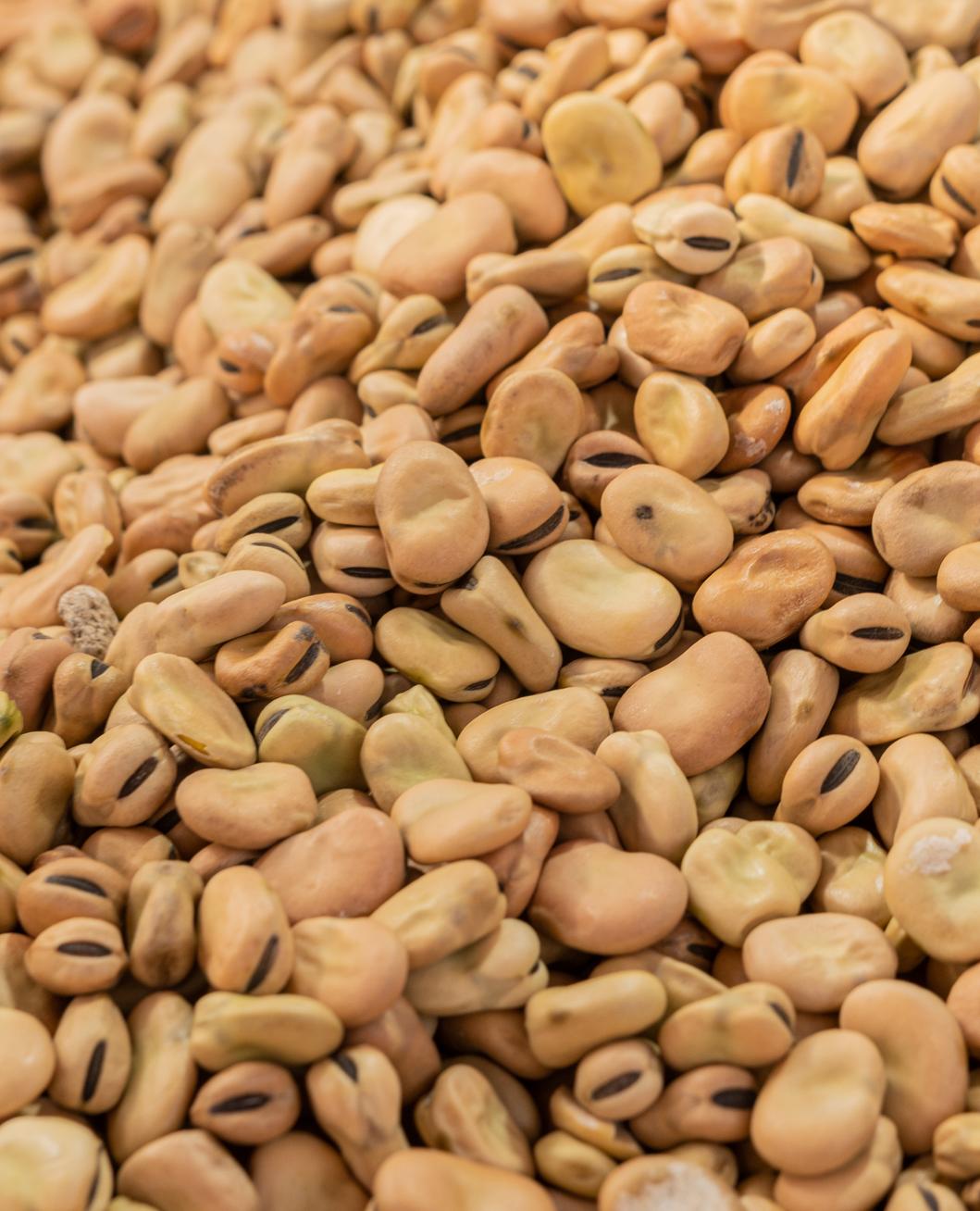
14 The hard-to-cook phenomenon in Australian-grown faba and adzuki beans
Understanding why the cooking quality of beans can deteriorates during storage
22 Navigating the food additives landscape
An overview of the latest trends in food additives and future opportunities
26 Food system resilience: unlocking the power of Australian food manufacturing
A systems thinking perspective will help unlock synergies and opportunities in the sector
31 Building a safer tomorrow: the role of hygienic design in allergen risk mitigation
A proactive tool for ensuring food safety
34 Will cultivated meat meet the market’s expectations?
A look at the predictions for cultivated meat
38 Foodborne parasites in Australia: a primer
An under-recognised food safety concern
41 Extrusion’s evolution to a multidisciplinary food engineering powerhouse
This long-established technology has developed into a sustainable and versatile method for meeting emerging market demands
44 Knowledge commercialisation and transfer
Technology transfer in Australia’s agrifood sector
47 What does a career in food policy look like?
Insight into the role of food policy across the agrifood sector
Obligation or Opportunity?
Published by The Australian Institute of Food Science and Technology Limited.
Editorial Coordination
Melinda Stewart | aifst@aifst.com.au
Contributors
Dr Ingrid Appelqvist, Karin Blacow, Dr Andrew Costanzo, Dr Duncan Craig, Dr Sushil Dhital, Dr Dan Dias, Dr Peter Halley, Dr Gregory Harper, Alice Joubran, Dr Pablo Juliano, Dr Djin Gie Liem, Deon Mahoney, Laura Mumford, Dr Dilini Perera, Dr C Senaka Ranadheera, Dr Samira Siyamak, Dr Jason R Stokes, Dr Mahya Tavan, Dr Paul Wood.
Advertising Manager
Clive Russell | aifst@aifst.com.au
Subscriptions
AIFST | aifst@aifst.com.au
Production Bite Communications
2025 Subscription Rates ($AU)
Australia $152.50 (incl. GST)
Overseas (airmail) $236.50
Single Copies (Australia) $38.50 (incl. GST) Overseas $59.50.
food australia is the official journal of the Australian Institute of Food Science and Technology Limited (AIFST). Statements and opinions presented in the publication do not necessarily reflect the policies of AIFST nor does AIFST accept responsibility for the accuracy of such statement and opinion.
Editorial Contributions
Guidelines are available at https://www.aifst.asn.au/food-australia-Journal.
Original material published in food australia is the property of the publisher who holds the copyright and may only be published provided consent is obtained from the AIFST. Copyright © 2018 ISSN 1032-5298
AIFST Board
Co-Chair: Marc Barnes
Co-Chair: Dr Gregory Harper
Non-executive directors: Dr Angeline Achariya, Dr Anna Barlow, Mr Antony Cull, Dr Heather Haines, Ms Melissa Packham.
AIFST National Office
PO Box 780
Cherrybrook NSW 2126
Tel: +61 447 066 324
Email: aifst@aifst.com.au
Web: www.aifst.asn.au
As global challenges around sustainability, nutrition, and food security intensify, the role of food scientists and technologists has never been more vital. This was the central message of the inaugural webinar for Australian Food Science and Technology Week held in June. The webinar ‘Why Food Scientists Matter More Than Ever’, featured a panel of experts from leading institutions and organisations and aimed to raise awareness of the critical role food scientists and technologists play in global food systems and real-world challenges, such as food safety, sustainability, and nutrition.
A recurring theme from the panel was the broad and evolving scope of food science and technology careers. The panel emphasised food scientists’ multidisciplinary roles across product development, food safety, engineering, nutrition, and regulation. They are also integral in tackling critical global challenges, including climate change, food waste, health and sustainable protein supply.
Panellists stressed the importance of communication skills, agility and systems thinking in the next generation of food science and technology professionals. They advocated for food science as a platform for varied career paths and highlighted the value of curiosity and collaboration across industry, government and academia to strengthen the resilience of the agrifood system.
Engaging students early was identified as key to inspiring future food scientists and technologists. Initiatives such as school outreach, STEM integration, storytelling, mentorship and career visibility were recommended. Programs like AIFST and FaBA’s Engage 2025 and the newly launched Knowledge Hub were promoted as valuable resources.
As Australia works to build a more sustainable and resilient food future, the role of food scientists and technologists has never been more important—and the industry is rising to meet that need. Awareness is growing, collaboration is strengthening, and a new generation is discovering the impact and opportunity offered by food science and technology careers.
Food science and technology is not just about what’s on your plate. It’s about the science underpinning how food is made, and critical aspects of safety, nutrition and impacts on both people and the planet.
AIFST is proud to champion the people and the science behind every bite—and to support the many faces of food science and technology –our heroes!
Fiona Fleming B. App Sc (Food Tech); MNutr Mgt; FAIFST Chief Executive Officer fiona.fleming@aifst.com.au

Going out to dinner is a simple pleasure for many, but for the more than 1.5 million Australians with food allergy, it can be frustrating, stressful and potentially life-threatening.
A recent survey by Allergy & Anaphylaxis Australia (A&AA) found that 98% of people with food allergy experience anxiety when eating out. The survey revealed people are often reluctant to disclose their allergy for fear of not being taken seriously, being a burden to others and feeling embarrassed. Concerningly, less than half of teenagers said they would always tell wait staff about their allergy.
Although Australia is considered the allergy capital of the world, there is no mandatory training for the food service industry, making it hard for people with allergy to eat out with ease. Research by the National Allergy Council found that 50% of food service staff didn’t feel confident answering questions about allergens on the menu, and only a third always asked customers about allergies.
At A&AA, the message is simple: always ask, always tell. It’s imperative for wait staff to ask customers if they have a food allergy, and for those living with allergies to feel confident disclosing them.
The National Allergy Council provides free online training courses for those in the food service industry. It’s time for all food service providers to commit to best practice food allergen management and ensure their staff complete the training as a requirement of their position, just as they would for the responsible service of alcohol.

Australians have a food allergy, one of the highest rates in the world.

84% of people with food allergy have avoided a social gathering because of their allergy. 30% reported that they avoid most or all social gatherings because of their allergy.

86% of adults with food allergy would like more food service staff training about food allergy management.

98% of people with food allergy felt anxious and stressed when eating out.

73% of adults don’t always tell those preparing food about their allergy because they don’t want to be a burden.

Only 41% of teenagers said they always tell the people preparing their food about their allergy.
Visit foodallergytraining.org.au to find out more about The National Allergy Council’s online training, and allergyfacts.org.au for A&AA’s consumer resources on eating out with food allergy.
AIFST is pleased to welcome a new Non-Executive Director to the Board. Mr Antony Cull was appointed for a three-year term at the 2025 AGM, held on 29th May 2025. The Board is responsible for steering the strategic direction of the Institute, ensuring sound governance, and providing the necessary expertise relevant to the dynamics of our not-for-profit Institute, while supporting agrifood science professionals in the science of feeding our future. For more information on the role of the Board, please visit the AIFST website: https://www.aifst.asn.au/AIFST-Governance-board.

Dr Angeline Achariya, Non-Executive Director

Marc Barnes, Non-Executive Director, Co-Chair

Dr Gregory Harper, Non-Executive Director, Co-Chair

Dr Anna Barlow, Non-Executive Director

Dr Heather Haines, Non-Executive Director

Melissa Packham, Non-Executive Director
AIFST thanks our outgoing Non-Executive Director, Dr Michael Depalo, for his three years of support and wise counsel, including as Board Chair and President.

Antony is an accomplished NonExecutive Director and Chair with over 25 years board-level experience within multinational corporations, large cooperatives, Cooperative Research Centres, and familyowned businesses operating in Australia, SE Asia and East Asia across highly competitive industries. Tony has demonstrated success as a board member (currently at Kalyx Australia Pty Ltd, Mondo Doro Pty Ltd, Chorus Australia Limited, Future Foods Systems Cooperative Research Centre). His roles span the manufacturing, agriculture, FMCG, retail, wholesale, distribution, export, health care, scientific research and not-for-profit sectors, both in Australia and internationally Tony has proven expertise in designing long-term business sustainability solutions in highly complex and competitive industries, achieved by developing business capabilities to adapt to dramatic structural and industry changes and aligning business design to commercial, market and consumer realities. This has been developed within industries subject to intense volatility and market risk resulting from dynamic international commodity markets, the entrance of global competitors and industry deregulation. He has a deep understanding of leadership, people and engagement, particularly in leveraging these to drive productivity.
Tony holds a Bachelor of Business and an MBA from Curtin University, is a Member of CPA Australia and a Graduate of the Australian Institute of Company Directors. f






Unlock the power of nature with ROHA’s NATRACOL CERISE – a premium RED BEET concentrate that delivers vibrant red-to-pink hues with exceptional heat stability. A natural alternative to synthetic colors, it ensures your creations –from dairy to confectionery to bakery – are as eye-catching as they are natural.
Our Offerings Are: Vegan/Vegetarian-Friendly | Halal & Kosher Certified









Words by Fiona Fleming
The Australian Institute of Food Science and Technology (AIFST) launched the inaugural Australian Food Science & Technology Week in June 2025. This strategic initiative is designed to raise national awareness of food science and technology and its essential role in the agrifood system.
The week was established in response to consumer research commissioned by AIFST in 2024, which found that 36% of Australians had never heard of the job title “food scientist” or “food technologist.”
Despite the breadth and depth of these disciplines, which span food safety and quality, microbiology, engineering, chemistry, nutrition, sensory science, and food policy and regulation, there remains limited public understanding of their contributions to food safety, nutrition, innovation and sustainability across the agrifood system.
As the peak body representing food scientists and technologists in Australia, AIFST identified the need for a dedicated platform to inform, engage, and advocate - not only for the profession but also for the science underpinning Australia’s agrifood sector.
Throughout the week, AIFST facilitated a range of publicly
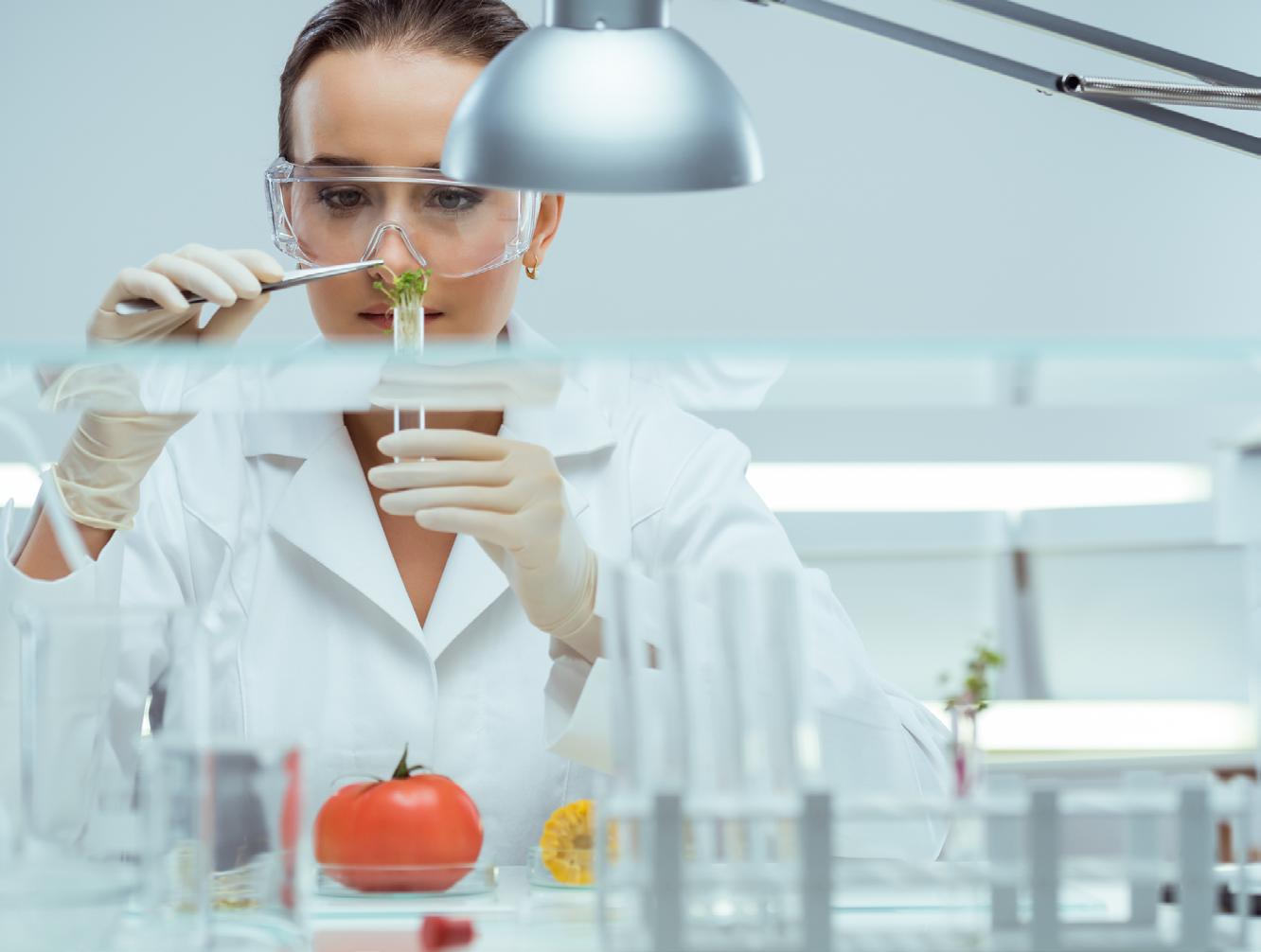
accessible activities designed to deepen understanding of the field and highlight its relevance across the agrifood system.
Three free webinars formed the backbone of the engagement program:
• Why Food Scientists and Technologists Matter More Than Ever, featuring a multi-disciplinary panel on the profession’s critical role in addressing emerging agrifood system challenges
• An Essential Ingredient: The Food Supply Chain Workforce presented in collaboration with Jobs and Skills Australia,
examining current and future workforce needs
• Food Safety: Science in Action, aligning with World Food Safety Day, spotlighting innovations and practices that underpin the integrity of our food supply. More than 1000 participants registered for the live sessions, with ongoing access to recordings extending reach well beyond the initial broadcasts. These sessions provided a timely opportunity to showcase the diverse career pathways within the sector, the scientific rigour that underpins professional practice, and the
collaborative effort required to sustain a resilient and safe agrifood system.
The week also marked the release of key AIFST resources designed to put a spotlight on food science and technology as a career option, as well as support educators and those working in the sector :
• The AIFST Knowledge Hub, a curated platform offering accessible, science-based resources to support ongoing learning and development
• The first edition of the AIFST Food Science & Technology Dictionary, designed to clarify terminology and strengthen understanding across disciplines
• A social content toolkit for the broader community to engage with and share across their networks.
These resources were developed to support greater visibility and understanding of food science and technology across both professional and educational contexts.
AIFST members played an integral role in the success of the week. Members across industry, research, academia and government shared personal reflections, experience and insights, and helped amplify campaign messages through their networks. The week’s campaign also encouraged participation from non-members, inviting those from across the agrifood sector to connect with AIFST’s mission and contribute to its advocacy efforts. A key theme emerging from the week was the need to reposition food science and technology as a recognised scientific discipline within school-level STEM education. Currently, it is often conflated with home economics or hospitality – a perception that constrains its potential to
attract emerging talent. By clearly distinguishing food science and technology as a critical branch of applied science, with relevance to food safety, nutrition, sustainability, regulation, and innovation, the sector can better align with national STEM priorities and support future workforce development.
Australian Food Science & Technology Week represents more than a celebration – it marks the establishment of a national platform to advocate for the profession, highlight its societal value, and build stronger connections across the
agrifood system. By anchoring the week within the annual calendar, AIFST is creating a focal point for sustained communication, collaboration and policy engagement. Food science and technology play a crucial role in ensuring that Australia’s agrifood system is safe, sustainable, nutritious and responsive to global challenges. Through this initiative, AIFST is reinforcing its commitment to elevating the profession, growing recognition of its impact, and supporting the next generation of scientific leaders across the agrifood sector.
Fiona Fleming is CEO of AIFST. f
AZ_R+K 2025_RZ_FA_118x162_Junior_Page.qxp_Layout 1 22.04.25 09:15 Seite 1


Words by Tas Westcott (FAIFST) and Bob Cracknell

Di Westcott (also known professionally as Di Miskelly) sadly passed away in early May after a prolonged illness.
Di completed her tertiary studies part time while working for the Bread Research Institute. After graduating BSc from UNSW she became a fulltime employee.
Di started her distinguished career in noodle research, working with John Moss. Together they led the way in identifying the unique flour quality features that defined “Asian noodle quality.”
Di was also a member of the team that helped to develop specialised wheat varieties that placed Australia at the cutting edge of wheat exports into the Asian region.
Di was the author or co-author of more than 100 published papers, 10 book chapters and two books and an examiner of many PhD and MSc theses.
The publication of the book Steamed Breads – Ingredients, Processing and Quality co-authored with Sidi Huang was and remains a seminal work on this subject.
Whilst a very talented person, she was never one to seek the limelight, preferring to work behind the scenes.
She was a great mentor for many young emerging scientists, particularly young women, a great promoter of the importance of a sound education and encouraged many young scientists to achieve their highest potential.
She was a Fellow of the Royal Australian Chemical Institute (RACI), a Member of the Australian Institute of Food Science and Technology and a Fellow of the Australasian Grain Science Association.
She was the recipient of the RACI Cereal Chemistry Division Guthrie Award and the RACI Cereal Chemistry Division Service (Megazyme) Award and received a Jack Kefford Award from the AIFST.
Di volunteered for many years as part of the team transcribing Sydney
shipping records which are published on the State Library of NSW website “Mariners and Ships in Australian Waters”.
Di had a love of the great outdoors and was an avid bushwalker, Himalayan trekker and cyclist.
Her international travel exploits were often work-related, taking her to many of Australia’s major wheat markets. In doing so Di built a wealth of knowledge of the food products being consumed in those countries and the wheat and flour quality characteristics required to produce them. As a result, Di played a long and influential role in the direction and prioritisation of Australian wheat research, the refinement of the wheat classification process to improve wheat marketability and as a member of the Wheat Classification Panel, the classification of new Australian wheat varieties.
Di was well known and respected both in Australia and internationally for her extensive knowledge of the testing of wheat and flour, flour milling as well as end product manufacture and assessment.
Di was a kind and gentle person with an engaging personality and a great sense of humour who always had a positive outlook on life.


Dr Lisa Szabo (FAIFST) has been appointed as Executive Director of Biosecurity and Food Safety in the NSW Department of Primary Industries and Regional Development (DPIRD). Best known by many as CEO of the NSW Food Authority, an organisation she worked with for nearly 20 years. Lisa has led strategic food safety initiatives and compliance operations while providing expert advice to the government on emerging threats and incident management. In her new role with NSW DPIRD, Lisa is responsible for leading the development and implementation of NSW’s biosecurity and food safety strategies to protect the state’s people, environment, economy and lifestyle from emerging biosecurity and food safety threats. She also collaborates with other jurisdictions and stakeholders to create robust, evidence-based biosecurity and food safety systems that are prepared for future incidents, outbreaks and emergencies, enabling a collaborative response and promoting a shared responsibility.
Lisa holds a PhD in Microbiology and has had a career spanning scientific research, operational leadership and regulatory policy. She is highly respected in her field and has a deep understanding of risk management, legislative reform, and biosecurity and food safety frameworks at both state and national levels
Lisa’s outstanding contributions to the field of food science and technology were recognised through the AIFST President’s Award in 2020.


For accuracy and professionalism



Your one stop shop for Food and Feed laboratory supplies and equipment. Contact Rowe Scientific Pty Ltd today, for a complete solution for all your Food and Feed laboratory requirements.
• Containers • jars • tubes • measuring vessels • plates and dishes • blender bags • spoons • spatulas and scoops
• crushers • blenders • homogenisers
• stirrers, • shakers • hot plates
• centrifuges • digesters • water baths
• balances • extractors.
2. CHEMISTRY
• Wet chemistry
• chromatography
• filtration and electrochemistry
• buffers • acids • solvents
• volumetric solutions standards • indicators
• allergens • quantitative and qualitative analysis • general microbiology
• pathogenic organism analysis.
3. MICROBIOLOGY
• Dehydrated media / pre-poured plates • enzymatic kits • colony counters • microscopes
• spectrophotometers • Adenosine Triphosphate (ATP) tests.


























New South Wales & ACT Ph: (02) 9603 1205 rowensw@rowe.com.au
Western Australia Ph: (08) 9302 1911 rowewa@rowe.com.au www.rowe.com.au





Queensland Ph: (07) 3376 9411 roweqld@rowe.com.au
Victoria & Tasmania Ph: (03) 9701 7077 rowevic@rowe.com.au
South Australia & NT Ph: (08) 8186 0523 rowesa@rowe.com.au
Words by Dr C Senaka Ranadheera
Food science is considered one of the most universal professional fields as the principles and procedures in the production and processing of safe, nutritious and healthy foods are applicable worldwide. Although university food science curricula usually have an international focus due to their inherently global focus and common technological applications, further strengthening the internationalisation of food science curricula is a timely step. It will prepare the next generation of food science professionals to better address the evolving challenges of the global food industry, from the increased complexities of global food systems to environmental and climate issues, and cultural and regional perspectives.
The internationalisation of the curriculum goes far beyond recruiting international students into degree programs. It is an initiative to incorporate international and intercultural dimensions into curricula, and also into teaching and learning programs, through various approaches including the use of relevant international case studies and examples, the incorporation of guest lectures from international speakers, integrating diverse cultural perspectives in class activities and enhancing student engagement by encouraging them to share their diverse experiences and views in the classroom so that the exposure to different perspectives, beliefs or backgrounds is possible.1 To some extent, simple changes to curricula can achieve this without the need to incorporate more complex changes.
Internationalised food science
curricula can better prepare students to work within an increasingly global context. Benefits of internationalisation of the curriculum for university students can be categorised into five major areas: (1) development of cognitive skills including critical thinking and problem solving, (2) preparedness for the diverse workplace, (3) improvement of cross-cultural skills and competencies, (4) positive changes in student’s attitudes and worldviews and, (5) promotion of civic engagement and attitudes.2
Phan-Thien and Turner3 have previously outlined the list of core competencies for undergraduate food science programs as developed by the US Institute of Food Technologists (IFT), which includes five main areas: (1) food chemistry and analysis, (2) food safety and microbiology, (3) food processing and engineering, (4) applied food science, and (5) success skills.3
The internationalisation of food science curriculum has benefits across all five core competency areas. For example, in-class discussions of international case studies, such as the 2011 German E. coli O104:H4 outbreak,4 not only enhance students’ food safety and microbiological knowledge, but also foster critical thinking, develop diverse perspectives, and build cross-cultural competencies aligned with academic and professional success. Hence internationalised food science curricula helps students to become well informed, skilled and engaged global citizens upon graduation. International content can be co-delivered with the help of industry specialists and experts from professional bodies such as AIFST. Enhanced industryacademia collaborations in teaching and learning have also been
demonstrated to improve educational outcomes for students.5
There are challenges associated with successfully internationalising the curricula. For students, factors such as class size, student year level, past experience with intercultural learning, cultural background, and whether they are enrolled as an international or local student, can all affect the benefits achieved from an internationalised curriculum. For educators, challenges include the time and effort required to make changes to the curriculum and contextualise the intercultural learning into programs of study, as well as assessing the outcomes appropriately.3 Despite these challenges, and thanks to technological advancements across many fields, becoming global without leaving home or investing significant amounts of time and effort is now possible, providing opportunities for both students and educators to enhance their international perspectives. In addition, factors such as the increasing number of students attending overseas universities, possibilities for student exchange, and international partnerships and collaborations can strengthen the opportunities for an internationalised curriculum.
Depending on the teaching context, discipline and learning objectives, the inclusion of international and intercultural content in curricula can be as simple as making small changes to subject learning activities, such as inviting a guest lecturer with international experience, or more complex in nature, including larger changes in program offerings,6 for
example, redesigning a Master of Food Science program to include global relevance at all levels.
The University of Melbourne categorised common strategies of internationalisation of curriculum into four key approaches: (1) incorporating international and/ or intercultural perspectives, (2) facilitating interaction between diverse student groups, (3) designing subjects with an international or intercultural focus, and (4) providing experiential learning experiences either locally, nationally or internationally.1
In the context of food science, one example for incorporating international and/or intercultural perspectives could be analysing a case study to explore the flavour comparison of natural cheeses manufactured in different countries using international publications and resources.7 Various practices can be incorporated into a curriculum to facilitate interactions among diverse student groups. For example, students can be placed in small groups of three to five to complete a food microbiology project, such as a case study with an international component. Each group can intentionally be made up of students from diverse backgrounds to encourage intercultural collaboration.8
Designing subjects with an international or intercultural focus, such as Global Food Safety and Current Trends in Food Science and Technology, could be included in new or existing food science programs. Additional strategies, such as a site visit to a food processing facility or assigning work-integrated learning tasks that involve interactions, such as interviews with local food industry partners, can provide valuable experiential learning opportunities.
Establishing a clear structure and setting expectations from the outset is essential to ensure the smooth implementation of internationalisation in the curriculum. Ensuring the

availability of sufficient facilities and resources to support delivery is also crucial. Ongoing professional learning, including engagement with diversity and global issues, and regularly enriching the curriculum can help maintain its relevance. Both existing and new collaborations and partnerships could be helpful to initiate and continue with timely and meaningful updates to curriculum design. Starting with some simple, manageable changes is often more feasible, as complex higher level changes could be challenging and time consuming, and may require additional resources and funding. It is also important to foster a safe and inclusive learning environment where students can contribute their perspectives openly and honestly.
Internationalisation of the curriculum, particularly when implementing complex changes, can be challenging and demands significant time, effort and resources. Regardless, even modest steps towards the internationalising of the food science curriculum offer substantial benefits for students. Such initiatives foster innovation and equip graduates with the knowledge and skills needed to address the increasing number of global food-related issues.
1. The University of Melbourne, Centre for the Study of Higher Education, Internationalisation of Curriculum - Strategies https://melbournecshe.unimelb.edu.au/ioc/strategies
2. Cai, J and Marangell, S. (2022), The benefits of intercultural learning and teaching at university: A concise review, The University of Melbourne, Centre for Study of Higher Education https://melbourne-cshe.unimelb.edu.au/__ data/assets/pdf_file/0006/4193745/Thebenefits-of-intercultural-learning-and-teachingat-university.pdf
3. Phan-Thien, K. Y., and Turner, M. (2019). Training next-gen food scientists. food australia, 71(1), 32-36.
4. Mack, A., Hutton, R., Olsen, L., Relman, D. A., & Choffnes, E. R. (Eds.). (2012). Improving food safety through a one health approach: workshop summary. National Academies Press.
5. Male, S. A., & King, R. (2019). Enhancing learning outcomes from industry engagement in Australian engineering education. Journal of Teaching and Learning for Graduate Employability, 10(1), 101-117.
6. The University of Melbourne, Centre for the Study of Higher Education, Internationalisation of the Curriculum, (https://melbourne-cshe. unimelb.edu.au/)
7. Koppel, K., & Chambers, D. H. (2012). Flavor comparison of natural cheeses manufactured in different countries. Journal of Food Science 77(5), S177-S187.
8. Zhang, Y., & Ranadheera, C. S. (2023). Redevelopment of undergraduate food microbiology capstone projects for unprecedented emergency remote teaching during the COVID-19 pandemic: then and now. Microbiology Australia, 44(3), 140-143.
Associate Professor Senaka Ranadheera is a teaching and research academic in Food Science at The University of Melbourne and a recipient of the University Learning and Teaching Initiative GrantInternationalisation of the Curriculum. f
Words by Dr Sushil Dhital and Dilini Perera
Australia is one of the largest exporters of faba beans, primarily exporting to Middle Eastern countries such as Egypt, Saudi Arabia and the United Arab Emirates. Over the past five years, Australia has produced an average of 500,000 tonnes of faba beans a year, exporting approximately 300,000 tonnes and contributing around USD$150 million to the Australian economy.1,2 Faba beans are generally consumed as whole beans or as value-added products in canned, split or flour-based forms. In recent years, they have also gained popularity as a key ingredient in plant-based protein isolations.3,4,5 Despite their growing demand, the domestic utilisation of faba beans remains limited. A major barrier is the challenge of maintaining bean quality during storage, which can negatively affect protein functionality, canning efficiency and overall product quality. The cooking quality of beans deteriorates significantly during prolonged storage under improper conditions. Exposure to high temperatures (>30 °C) and humidity (>60% RH) leads to structural and functional modifications in key macromolecules, particularly starch and protein, which together account for more than 70% of the bean composition.6 These biochemical changes, along with cell wall modifications, result in the development of the hard-tocook (HTC) defect, which limits the processing, preparation and consumption of beans. HTC beans show significantly reduced water absorption during soaking and cooking, increased lag phase time,

decreased equilibrium moisture content (EMC), slower hydration rates and extended cooking times.7 Additionally, hydration of HTC beans leads to increased leaching of total solids and oligosaccharides, while the leaching of total phenols and anthocyanins decreases, indicating structural changes and complex formation that compromise both consistency and nutritional quality. These changes are particularly relevant to the canning industry as canned beans processed from HTC beans exhibit longer cooking times, greater hardness and more phytochemical loss into the processing water compared to freshly harvested beans. This not only degrades sensory qualities such as texture and flavour but also results in both nutritional and economic losses.
1. Changes in starch Starch and proteins are the main components in bean composition, accounting for approximately 40–45% and 25–30%, respectively.8 Prolonged storage of beans under high-temperature and high-humidity conditions leads to structural and compositional changes that contribute to the development of the hard-to-cook phenomenon. These conditions significantly alter
the crystalline structure of starch by increasing the molecular size of amylose and amylopectin and enhancing the relative crystallinity of starch.9 Such changes negatively impact starch gelatinisation during cooking, increasing both peak temperature and enthalpy, and making the beans harder to cook. The resulting more crystalline and compact starch structure reduces starch solubility and swelling power, thereby affecting functional properties such as gel viscosity.10 In HTC beans, peak viscosity typically decreases due to reduced solubility and swelling. The final viscosity may either increase or decrease depending on the bean type. For instance, a soup mix made from freshly harvested beans may exhibit different viscosity behaviour compared to one made from HTC beans. Differences in starch retrogradation also influence gel strength, suggesting that HTC bean starch may have varying potential for use in specific product applications. Moreover, these changes negatively affect starch digestibility by limiting enzyme accessibility, ultimately reducing the nutritional value of legumes.9 Figure 1 summarises the overall changes in starch structure and composition during hightemperature and high-humidity storage.
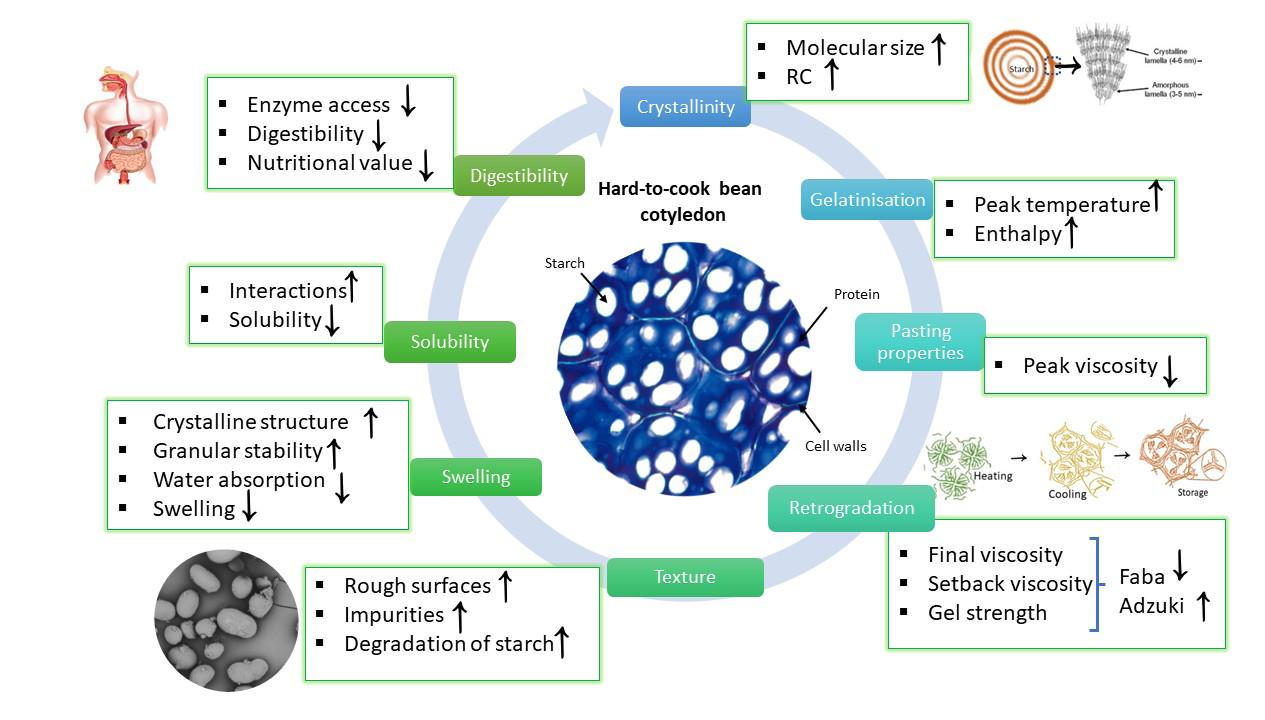
1: Schematic diagram showing the changes in structural and functional properties of starch during HTC development at high temperature and humidity storage.9
2. Changes in proteins and lipids
In addition to starch, the structure and composition of proteins are significantly altered by high storage temperatures and humidity levels (40°C, 80% RH and 60%).6 These modifications in proteins are primarily associated with the development of the HTC phenomenon and further affect protein functionality. Most importantly, protein extraction is negatively impacted, resulting in variations in both the yield and quality of the extracted proteins.
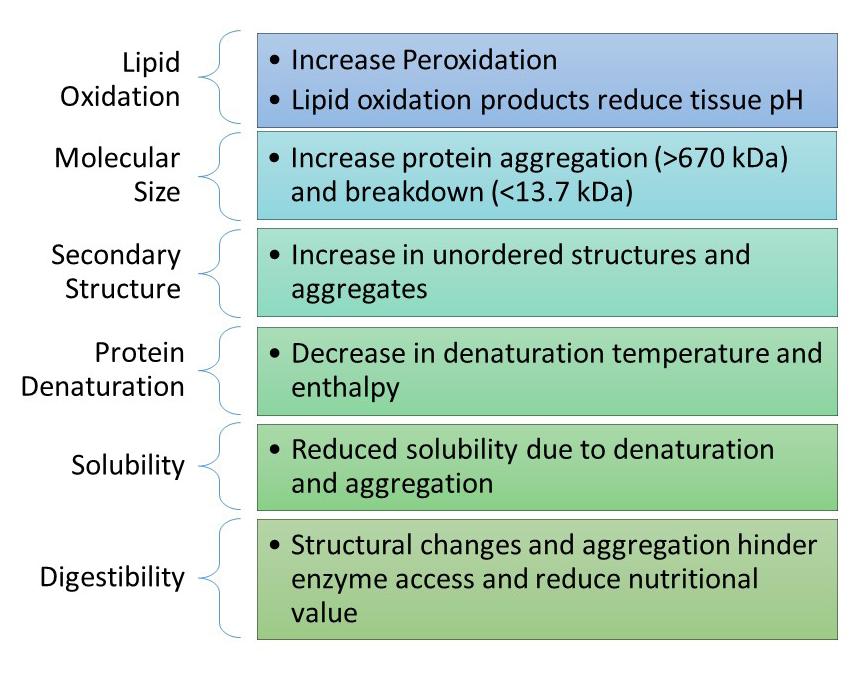
Although legumes contain relatively small amounts of lipids, these lipids are susceptible to oxidation and polymerisation during storage, which can lead to the development of offflavours and odours.11 The oxidation of medium-chain fatty acids (MCFAs) and long-chain fatty acids (LCFAs) generates aldehydes, ketones and organic acids, which lower the pH of the tissue.12 These acidic conditions within the cotyledon cells of legumes contribute to changes in both legumin-rich and vicilin-rich protein structures.
Faba beans are particularly rich in legumin-type globulin, a hexameric protein (~360 kDa) with disulfide
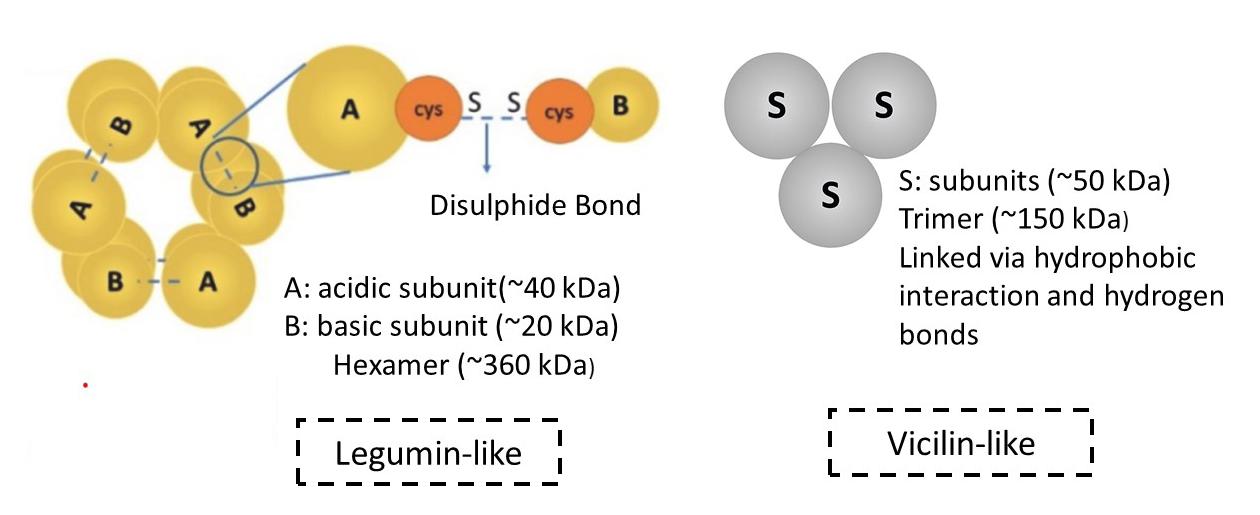
bonds (Figure 2). On the other hand, adzuki beans are rich in vicilin-type globulin, a trimer (~150 kDa) linked through hydrophobic interactions and hydrogen bonds.13 During storage, the solubility of vicilin proteins decreases, indicating that these proteins are more susceptible to structural changes. Storage conditions induce both aggregation and partial degradation of proteins, resulting in a decrease in the corresponding vicilin and legumin fractions in the molecular size distribution.14 Analysis of the secondary structures reveals an increase in the relative percentage of unordered structures and protein aggregates. Furthermore, the denaturation temperature and
enthalpy of both vicilin and legumin fractions decrease under hightemperature and high-humidity storage, suggesting reduced protein stability.
As a consequence, these changes in lipid composition and protein structure increase resistance to water absorption during soaking and cooking, which further contributes to the HTC phenomenon. Figure 3 summarises the changes in lipids and proteins in relation to HTC development in beans. These modifications in proteins are primarily linked to alterations in functional properties, especially those relevant to protein-based product development, while changes in lipids
are associated with the development of off-flavours and odours.
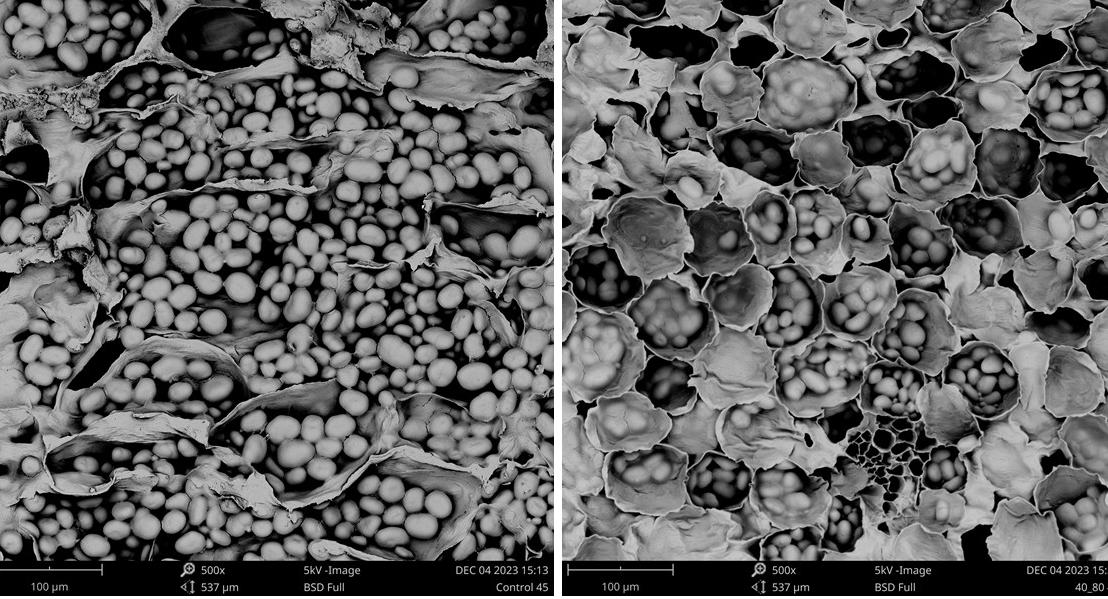
High-temperature and high-humidity storage significantly change the cell wall structure and composition. During cooking, the middle lamella of cotyledon cells breaks down, allowing cell separation and tissue softening.6 Storage reduces cell wall pectin solubility, as loosely bound (water-soluble) pectin converts into more tightly bound forms via calcium bridges (chelator soluble) and covalent ester bonds (Na2CO3soluble).16 This can be evidenced by
microstructural images, which exhibit a more compact cotyledon cell arrangement with fewer intercellular spaces and distinct tri-cellular junctions (Figure 4).
Additionally, phytic acid degradation releases Ca, Mg and phosphate ions that bind with pectins, forming insoluble pectates that limit water absorption.17
Furthermore, the free phenolic acids decrease while bound phenolics increase, forming complexes that migrate to the seed coat, increasing hydrophobicity and reducing water uptake. These structural changes, coupled with altered enzyme activity (eg. phytase) and polyphenol
interactions, collectively contribute to the HTC phenomenon.
The combined effect of these molecular changes, primarily in starch and proteins, along with cell wall alterations, creates a synergistic impact that drives the development of the HTC phenomenon, significantly affecting the beans’ cooking properties and limiting their suitability for various product applications.
Since the HTC phenomenon is irreversible, beans affected by this condition cannot be restored to their original cooking properties. Therefore, the proposed strategies primarily focus on reducing cooking time through various pre-treatments and thermal or non-thermal processing techniques. The following recommendations aim to mitigate the HTC phenomenon and promote sustainable utilisation of HTC beans.
1. Optimising storage conditions to prevent the development of hard-tocook phenomenon
Storage temperature and humidity are critical factors in preventing the HTC phenomenon in legumes. To minimise biochemical changes, storage temperature should be maintained below 20°C, while the relative humidity level should be controlled between 50-60%. Implementing proper ventilation and aeration systems – using fans, refrigerated air if necessary, dehumidifiers, and sensors to regulate heat, moisture content and CO2 in silos can help to prevent the development of HTC.18 Additionally, drying grains to an optimal moisture level (10-12%) and periodically turning stored legumes to prevent moisture accumulation further support maintaining their quality.
2. Improve the cooking quality of HTC beans by soaking in salt solutions
Soaking beans before cooking significantly reduces cooking time. In the case of HTC beans, soaking in solutions containing sodium chloride, sodium carbonate, sodium
bicarbonate, sodium phosphate, or ethylenediaminetetraacetic acid (EDTA) enhances cooking quality by increasing the water solubility of pectin, compared to soaking in pure water.6
3. Enhancing hydration of HTC beans with novel technologies
Bean hydration can be accelerated using various non-thermal techniques such as ultrasound, high hydrostatic pressure (HHP), and pulsed electric field (PEF). These methods can also be applied to HTC beans to reduce the cooking time by increasing the hydration rate. Ultrasound induces structural changes through sonic cavitation, causing cell and tissue disruptions.19 These microstructural changes may enhance water movement in HTC legumes. Similarly, HHP treatment improves water absorption into the cotyledon by forcing water into capillaries and intercellular spaces under high pressure, followed by a rapid transition of the seed coat from a glassy to a rubbery state.20 Since the thick seed coat is the primary barrier to water uptake in beans, PEF treatment helps by creating tiny pores in the seed coat, increasing water permeability.21 However, further research is needed to fully understand the effects of ultrasound, HHP and PEF treatments on the hydration of stored legumes.
4. Utilisation of HTC beans for new product development
HTC beans exhibit unique pasting and gelling properties due to modifications in their starch and protein structures, making them suitable for the development of new food products with distinct sensory attributes. In particular, HTC beans are well-suited for extruded products such as precooked flours, infant foods and expanded snacks. During extrusion, hydrogen and disulfide bonds in the secondary and tertiary structures of proteins are broken, increasing their exposure to enzymatic activity and thereby improving digestibility.22 Additionally, thermal processing during extrusion
reduces anti-nutritional factors such as phytic acid, tannins, polyphenols and enzyme inhibitors (eg. α-amylase and trypsin inhibitors). The extrusion process also enhances starch gelatinisation and in vitro starch digestibility. Furthermore, fibre degradation during extrusion increases its solubility, altering its physiological effects.23,24 These structural and nutritional changes make extrusion an attractive approach for utilising HTC beans. Extruded products offer advantages in both sensory characteristics (texture, flavour, aroma and colour) and nutritional properties, including increased protein content and a more balanced amino acid profile.
5. Genetic and breeding approaches for faster cooking beans
Cooking is an oligogenic trait influenced by various factors,
including planting time, cultivation practices, environmental conditions (such as temperature and humidity), and harvest timing. Marker-assisted breeding offers a potential strategy for developing fast-cooking bean varieties. However, its application is challenging due to the complex genetic nature of the HTC defect, which may be controlled by multiple genes.25 Identifying candidate genes associated with cooking time and implementing targeted breeding approaches to develop HTC-resistant or fast-cooking bean varieties will enhance consumer acceptance and improve industrial processing efficiency.
References:
1. https://mecardo.com.au/pulse-plantings-onthe-rise/ 2. https://www.graincentral.com/ 3. https://approteins.com.au/ 4. https://www.essantis.com.au/products/pulseproteins/ 5. https://integrafoods.au/
6. Perera et al., (2023), Hard-to-cook phenomenon in common legumes: chemistry, mechanisms and utilisation, Food Chemistry, 415, 135743. https://doi.org/10.1016/j. foodchem.2023.135743
7. Perera et al., (2024), Crucial role of storage conditions on faba (Vicia faba) and adzuki beans (Vigna angularis) with an emphasis on the Hard-to-Cook phenomenon, Food Bioscience, 62, 105270. https://doi. org/10.1016/j.fbio.2024.105270
8. Dhull et al., (2022), A review of nutritional profile and processing of faba bean (Vicia faba L.), Legume Science, 4(3), e129. https://doi. org/10.1002/leg3.129
9. Perera et al., (2025), High temperature and humidity storage alter starch properties of faba (Vicia faba) and adzuki beans (Vigna angularis) associated with hard-to-cook quality, Carbohydrate Polymers, 351, 123119. https://doi.org/10.1016/j.carbpol.2024.123119
10. Ferreira et al., (2017), Characteristics of starch isolated from black beans (Phaseolus vulgaris L.) stored for 12 months at different moisture contents and temperatures, Starch‐Starke, 69(5-6), 1600229. https://doi. org/10.1002/star.201600229
11. Sofi et al., (2022), What makes the beans (Phaseolus vulgaris L.) soft: insights into the delayed cooking and hard to cook trait. Proceedings of the Indian National Science Academy, 88 (2), 142–159. https://doi. org/10.1007/s43538-022-00075-4
12. Yousif et al., (2007), Effect of Storage on the Biochemical Structure and Processing Quality of Adzuki Bean (Vigna angularis), Food Reviews International, 23(1), 1-33. https://doi. org/10.1080/87559120600865172
13. Martineau-Cote et al., (2022), Faba Bean: An Untapped Source of Quality Plant Proteins and Bioactives, Nutrients, 14(8), 1541. https://doi.org/10.3390/nu14081541
14. Yousif et al., (2003), Effect of storage of adzuki bean (Vigna angularis) on starch and protein properties, LWT - Food Science and Technology, 36(6), 601-607. https://doi.org/10.1016/S00236438(03)00078-1
15. Shrestha et al., (2023), Lentil and Mungbean protein isolates: Processing, functional properties, and potential food applications, Food Hydrocolloids, 135. https://doi. org/10.1016/j.foodhyd.2022.108142
16. Njoroge et al., (2014), Extraction and characterization of pectic polysaccharides from easy- and hard-to-cook common beans (Phaseolus vulgaris), Food Research International, 64, 314-322. https://doi. org/10.1016/j.foodres.2014.06.044
17. Chen et al., (2023), Novel insights into the role of the pectin-cationphytate mechanism in ageing induced cooking texture changes of Red haricot beans through a texture-based classification and in situ cell wall associated mineral quantification, Food Research International, 163, 112216. https://doi. org/10.1016/j.foodres.2022.112216
18. https://grdc.com.au/
19. Kumar et al., (2023), Innovations in legume processing: Ultrasoundbased strategies for enhanced legume hydration and processing, Trends in Food Science & Technology, 139, 104122. https://doi. org/10.1016/j.tifs.2023.104122
20. Belmiro et al., (2018), Impact of high pressure processing in hydration and drying curves of common beans (Phaseolus vulgaris L.), Innovative
Food Science & Emerging Technologies 47, 279-285. https://doi.org/10.1016/j. ifset.2018.03.013
21. Alpos et al., (2022), Influence of pulsed electric fields (PEF) with calcium addition on the texture profile of cooked black beans (Phaseolus vulgaris) and their particle breakdown during in vivo oral processing, Innovative Food Science & Emerging Technologies, 75, 102892.https://doi. org/10.1016/j.ifset.2021.102892
22. Camire, (2000), Chemical and nutritional changes in food during extrusion, In Extruders in Food Applications, CRC Press, pp.127-147.
23. Jombo et al., (2025), Proximate, functional and sensory characteristics of blended yellow maize and hard-to-cook cowpea extruded snacks, Journal of the Science of Food and Agriculture, 105(1), 483-488. https://doi. org/10.1002/jsfa.13846
24. Ruiz-Ruiz et al.,( 2008), Extrusion of a hard-tocook bean (Phaseolus vulgaris L.) and quality protein maize (Zea mays L.) flour blend, LWTFood Science and Technology, 41(10), 17991807. https://doi.org/10.1016/j.lwt.2008.01.005
25. Toili, (2022), Insights into the molecular mechanism of the hard-to-cook defect towards genetic improvement of common bean (Phaseolus vulgaris L.) through CRISPR-Cas9 gene editing optimization, PhD thesis, Vrije Universiteit Brussel. https:// researchportal.vub.be/en/publications/ insights-into-the-molecular-mechanism-ofthe-hard-to-cook-defect-
Dilini Perera is a PhD candidate at Monash University working under the supervision of Associate Professor Sushil Dhital. Dr Dhital’s research group focuses on the structure–function–health relationships of food systems, with particular emphasis on food waste valorisation, plant-based proteins and legume functionality. Dr Dhital can be contacted at: sushil.dhital@monash.edu f















Dr Djin Gie Liem, Dr Andrew Costanzo and Dr Dan Dias

The rise of online surveys has revolutionised the way researchers gather data, offering a convenient and cost-effective method to reach a wide audience. However, this digital transformation comes with a significant downside: the infestation of bot responses. A recent paper in the journal Appetite stresses the importance of bot mitigating strategies. This awareness is important for authors and reviewers as well as readers of studies which applied online questionnaires and the like. Bots are automated programs which can flood surveys with fake answers, leading to biased and unreliable results, and posing a serious threat to the integrity of scientific research. Since the early 2000s, the number of online surveys published in social science and psychology journals has increased exponentially. The COVID-19 pandemic further accelerated this trend, with over 10,000 papers published in 2023 alone. While online surveys provide an efficient solution to traditional low response rates, they also attract bots—sophisticated AI programs designed to mimic human behaviour and generate fraudulent responses. Recent studies suggest that bot responses can comprise anywhere from 30% to over 90% of the total
size in online surveys. These bots can skew results, impacting public opinion, health policies, and scientific trust. For example, bots often ‘prefer’ undesirable behaviours in surveys on risky activities, which can distort findings and influence public health decisions.
To combat this growing threat, researchers must employ a multilayered defence strategy (for a more comprehensive list, see Liem 2025):
Prevention: The first line of defence involves making surveys less attractive to bots. This can be achieved by removing financial incentives and using unique codes for participants, making it harder for bots to infiltrate.
Detection at entry: Tools such as CAPTCHA and reCAPTCHA serve as gatekeepers, filtering out bots before they can access the survey. These methods require respondents to complete puzzles that are easier for humans than bots, or obtain a digital fingerprint of the respondents’ digital behaviour (eg. mouse behaviour, browser history, cookies and screen settings).
Detection during surveys: Various strategies help identify and eliminate bot responses that manage to bypass initial defences. These include monitoring response times, theory of mind questions and checking for patterns in IP addresses and completion times.
Despite these efforts, the battle against bots is far from over. It is important to realise that there is no way to fully guarantee that bots will not enter online surveys. Similarly, there is no guarantee that no fraudulent human respondent will ever participate in a face-to-face research. Advanced AI bots continue to evolve, finding new ways to bypass detection systems. Researchers, reviewers and editors must remain vigilant, continuously adapting their methods to safeguard the integrity of online research. The researchers conclude that whilst online research offers numerous advantages, it requires robust bot mitigation strategies to ensure data quality. By combining prevention, detection at entry, and detection during surveys, the scientific community can better protect against bot attacks and maintain the credibility of their findings. As AI technology advances, the cat-andmouse game between researchers and bot developers will continue, but with vigilance and innovation, the integrity of online research can be preserved.
Source: Liem DG, (2025) The future of online or web-based research. Have you been BOTTED?, Appetite, https://doi.org/10.1016/j. appet.2025.108058.
Bitterness is one of the main reasons consumers reject foods,
yet it is a defining characteristic of dark chocolate. A new study from researchers at Penn State University explores how aroma affects the perception of flavour in chocolate. Aromas in food, which are volatile chemicals perceived by the nose, can have perceptual interactions with tastants, which are non-volatile chemicals perceived by the tongue, to create unique interactions that affect the overall sensory experience of foods. The study assessed the effect of roasting and cocoa mass on consumer acceptance and sensory attributes of chocolate in participants with and without the ability to smell (via nose clips).
Two experiments were conducted. In the first, 100% cocoa chocolates that had been roasted at different temperatures (64°C to 171°C) and durations (11 to 80 minutes) were evaluated by consumers with and without the ability to smell. In the second, participants tasted commercial white, 40%, and 100% cocoa mass chocolates under similar conditions. Participants evaluated the chocolates on chocolate flavour, bitterness, sweetness, sourness, dryness, grittiness and overall liking. The results revealed that the ability to smell impacted the taste experience. In chocolates roasted at lower temperatures, aroma significantly increased the perceived bitterness, sourness, and astringency. However, for samples roasted at higher temperatures, these effects were less pronounced. Similarly, for the commercial chocolates, the ability to smell amplified the intensity of bitterness and chocolate flavour, particularly in the 100% cocoa chocolate.
Interestingly, the influence of smell was not reflected in overall liking. Apart from the unroasted and lightly roasted chocolates, which were liked less when smell was allowed, most samples were rated similarly regardless of whether participants could smell them. This suggests that texture and other mouthfeel properties may play a larger role in consumer enjoyment of chocolate than aroma.
This study has important implications for chocolate manufacturers. It demonstrates that not only the chemical composition but also the overall sensory experience of chocolate is highly dependent on aroma and how it’s processed –especially roasting temperature. Understanding these interactions can help guide product development to balance bitter compounds with the right aroma profile and create more appealing chocolates, even with high cocoa content.
Source: Loi C, McClure A, Hayes JE, Hopfer H. (2025) Olfaction modulates taste attributes in different types of chocolate. Food Quality and Preference https://doi.org/10.1016/j. foodqual.2025.105584
The sweet science: how sugar cane extracts are revolutionising reducedsugar beverages
Reducing added sugars in food and beverages has emerged as a global health priority, largely due to the increasing prevalence of obesity, diabetes and cardiovascular disease. These metabolic conditions are escalating at an alarming rate worldwide. Although their causes are multifaceted, extensive research has consistently identified high sugar intake as a significant contributor. In particular, added sugars in beverages have been strongly linked to the growing incidence of type 2 diabetes, obesity, heart disease and other metabolic disorders. Beyond its impact on public health, this trend places a substantial strain on healthcare systems worldwide. In response, the World Health Organization (WHO) issued guidelines in 2015 recommending that free sugars account for no more than 10% of daily caloric intake, with an additional suggestion to reduce this further to 5% (roughly 25 grams per day).
Governments have begun to tackle the issue through a range of strategies, such as taxing sugarsweetened beverages, introducing front-of-pack nutrition labeling and setting voluntary reformulation targets to lower sugar content in products. While these initiatives aim
to curb sugar consumption, they also highlight the urgent need for viable alternatives that provide the desired sweetness without adverse health effects. As a result, food and beverage companies are under increasing pressure to create low- or no-sugar products that still satisfy consumer taste expectations. However, reducing sugar content without sacrificing taste remains a significant hurdle for food and beverage manufacturers. Vidal and co-authors examine the potential of sugar cane extracts –specifically Modulex™ – as natural taste modulators that can enhance sweetness, suppress bitterness and improve mouthfeel in lowsugar formulations. Sourced from Saccharum officinarum, these extracts comprise a complex blend of sugars, polyphenols, amino acids and minerals that interact with multiple sensory pathways, including sweet (T1R2/T1R3) and bitter (TAS2R) taste receptors. Sensory studies have shown that sugarcane extracts can markedly enhance the flavour profile and overall acceptability of beverages sweetened with both natural and artificial low-calorie sweeteners. The authors explore the biochemical mechanisms underlying these effects, examine their regulatory status, and consider their relevance for product innovation in-line with clean-label trends and public health objectives. Sugarcane extracts emerge as a compelling ingredient for nextgeneration sugar reduction strategies that aim to harmonise health benefits, taste quality and consumer appeal.
Source: Vidal TML, MacNab G, Mitchell S and Flavel M (2025) Sugar cane extracts as natural taste modulators: potential for sugar reduction in beverages and beyond, Frontiers in Nutrition 12:1603101, https://doi.org/10.3389/ fnut.2025.1603101.
Dr Djin Gie Liem is Associate Professor and Dr Andrew Costanzo is Senior Lecturer at CASS Food Research Centre, School of Exercise and Nutrition Science, Deakin University. Dr Dan Dias is Senior Lecturer at CASS Food Research Centre and Academic Investigator at the ARC Training Centre for Hyphenated Analytical Separation Technologies (HyTECH). f

Words by Alice Joubran
Food additives are defined by The European Food Safety Authority (EFSA) as ’any substance not normally consumed as a food in itself and not normally used as a characteristic ingredient of food, whether or not it has nutritive value, the intentional addition of which to food for a technological purpose in the manufacture, processing, preparation, treatment, packaging, transport or storage of such food results, or may be reasonably expected to result, in it or its by-products becoming directly or indirectly a component of such foods’. Regulation (EC) No 1333/20081 details the various functional classes of food additives e.g. antioxidants, a list of approved food additives, levels of use, labelling requirements and other key considerations. In addition, manufacturers need to comply
with Commission Regulation (EU) No 231/2012,2 which provides specifications for all authorised food additives, whether the additives are for sale or being used by the manufacturer within his products. The United Kingdom (UK) assimilated this European regulation.
In the UK as well as in the European Union (EU), any food additive not included in the approved list requires it to complete an authorisation procedure prior to it being used in food products. Authorisation requests must be submitted to the relevant regulatory body: Food Standards Agency (FSA) and Food Standards Scotland (FSS) in Great Britain; EFSA in the EU and Northern Ireland. Following the thorough review, it will be decided if the additive is safe to use and consume with additional information on maximum levels, any associated restrictions and exemptions.
It may seem surprising since many people think of food additives as a more recent ‘invention’, however throughout history, food additives have been used in different food products and cuisines. The first deliberate use of a food additive was likely salt for the preservation of foods such as fish and meat. Other examples with a long history of consumption are sulphites in wine, or the preservatives nitrates and nitrites in cured meat such as bacon, which prevent the growth of the pathogenic bacteria Clostridium botulinum and its toxin production.3
During the Industrial Revolution (~1760-1840), the use of food additives increased dramatically due to the need to prolong shelflife, whereas beforehand food was prepared freshly at home and consumed immediately. While many
food additives traditionally used existed in nature such as ascorbic acid (vitamin C), technological advancements enabled the development of other additives to support specific functions, such as the antioxidant butylated hydroxyanisole (BHA). Regulatory bodies were later formed to control the different aspects of food production, including the use of food additives.
Within Regulation (EC) No 1333/2008,1 which is an assimilated regulation in the UK, EFSA classified the categories food additives are used for. These include, among others: preservatives, antioxidants, emulsifiers, foaming agents, gelling agents, sweeteners and thickeners.
Techno-functionality and compatibility with key ingredients
Some of the food additive categories mentioned relate to technofunctionalities that are vital in food formulation, food processing, structure formation and consumer acceptance. ‘Emulsifiers are substances which make it possible to form or maintain a homogenous mixture of two or more immiscible phases such as oil and water in a foodstuff’.1 This functionality will be relevant in food products like flavoured milk drinks, mayonnaise, or salad dressings. Another example is foaming agents utilised in the production of ice cream and whipped dairy cream, since they ‘make it possible to form a homogenous dispersion of a gaseous phase in a liquid or solid foodstuff’.1
During the different steps of product development, from kitchen prototypes to scale-up, it is important to evaluate the techno-functional properties. In-depth scientific understanding of the structurefunction-processing interplay is driving innovation in this space as well as reformulation efforts. Another key aspect to consider is the compatibility with other key ingredients, such as proteins, carbohydrates, fats and oils, which could possess functional attributes

themselves. In fact, hydrocolloids like the polysaccharides carrageenan and xanthan gum are increasingly used for their stabilising, emulsifying, gelling and thickening properties.
Analytical measurements can guide and accelerate the development of new food products. While functionality can be assessed by simple methods which don’t require costly analytical equipment, further characterisation is beneficial to benchmark performance against other food additives or ingredients. This can be useful, for example, to measure viscosity easily and accurately under different shear rates and/or temperatures which are relevant to the process. In addition, the high-throughput nature of the instruments allows for the analysis of more samples or prototypes. State-of-the-art techniques like 3D modelling could provide valuable insights, including the localisation of
the various components in a food matrix. These insights could be used for improving texture, mouthfeel, flavour release or control, and even help address issues like separation or undesirable consumer perception.
Analytical methods are also important to quantify the food additive in the food product, most of them rely on chromatography.4 Due to the complexity of the food matrix and potentially low levels of food additives, it can be quite challenging to detect and quantify these components. Based on our experience, we can develop an optimal sample preparation and extraction, where needed, and ensure the analytical method is fit for purpose.
Recent years saw numerous supply chain strains, driven by the COVID-19 pandemic, geopolitical and climate events. The example of lecithin,
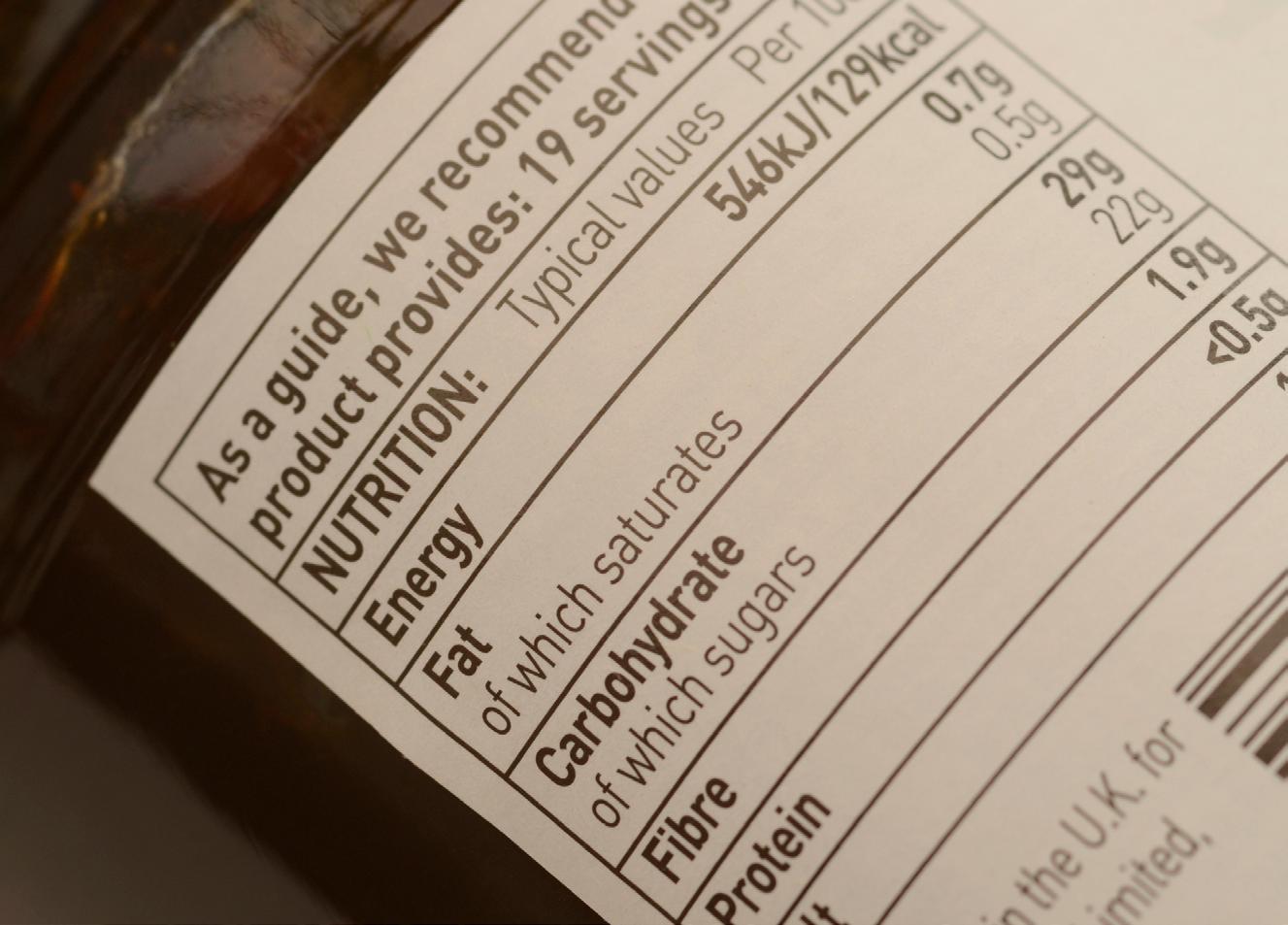
which is widely used as an emulsifier, often comes to mind. The war in Ukraine significantly impacted the food industry, since ~70% of the global sunflower lecithin is produced in Ukraine and Russia,5 further highlighting how fragile the global food supply chain really is.
In addition, regulations in the UK relating to food and drink high in fat, salt and sugar (HFSS) were introduced, and consumer and retailer demand for ‘clean label’ products is increasing.
Consequently, the food and drink industry is constantly looking for novel additives and new sources of food additives, alongside novel processing technologies to support reformulation, improve functionality and/or extend shelf-life.
While some ‘natural’ food additives are already approved, e.g. stevia and tartaric acid, other food-derived ingredients are being explored as potential food additives. One of the trends we’ve observed is that instead of isolating compounds like pectin, manufacturers are utilising fractions that contain several constituents, such as apple pomace. This approach adds complexity from the analytical perspective, for example, but is more cost-effective and could also be coupled with circular economy principles when valorising sidestreams or by-products. However, it is important to highlight that even
’natural’ alternatives may still need to undergo authorisation before use if they fall under the above definition of a food additive and do not meet any of the exemptions listed in the legislation. Furthermore, the selective extraction (ie. by physical/chemical extraction) of constituents like pigments, even if prepared from foods and other natural source materials, are considered additives. Therefore, they are in scope of the legislation and will require authorisation. Even if the ‘food additive’ legislation does not apply, there may be novel food implications6 for the ingredient or product which need to be considered. We understand the ins and outs of legislation may be confusing, and since regulation is dynamic, it is important to keep up to date. Therefore, working closely with regulatory professionals is key when considering a new food additive.
One of the latest innovative food products is plant-based meat alternatives or analogues. Using plant-based proteins in these products proved as a challenge, and numerous additives are required to compensate for their functional limitations. Methylcellulose (E461) is commonly utilised in plant-based meat alternatives as a binder due to its thickening and emulsifying properties. However, consumer perception of ‘E-numbers’ and
demand for ‘clean label’ products resulted in replacements such as sugar beet pectin.7 Another area we’ve seen growth in are various food additives produced by precision fermentation, in which an end product is produced by a microbial host. This is proving challenging for regulators where equivalency data may be required.
Overall, food additives have been used historically for various functions, including preservation, thickening, antioxidant activity etc. It is important to ensure the food additives you are selling or using comply with the legislation and that you consider the interplay of structure-function-processing when choosing the right food additive. It will be exciting to see what new food additives are coming next and how the recent advancements in the food industry, including cultivated meat, plant-based meat analogues and precision fermentations, drive innovation further.
1. Regulation (EC) No 1333/2008 of the European Parliament and of the Council of 16 December 2008 on food additives http://data.europa.eu/ eli/reg/2008/1333/oj
2. Commission Regulation (EU) No 231/2012 of 9 March 2012 laying down specifications for food additives listed in Annexes II and III to Regulation (EC) No 1333/2008 of the European Parliament and of the Council https://eur-lex.europa.eu/legal-content/EN/
3. Food additives, Food Standards Agency https://www.food.gov.uk/safety-hygiene/ food-additives
4. Wu, L. et al. (2022). Food Additives: From Functions to Analytical Methods. https://doi.or g/10.1080/10408398.2021.1929823
5. Missing Emulsifiers: Brands reformulate in face of sunflower lecithin shortage, https:// www.foodingredientsfirst.com/news/missingemulsifiers-brands-reformulate-in-face-ofsunflower-lecithin-shortage.html
6. Novel Foods & Regulatory Submission, https://www.rssl.com/food-consumer-goods/ regulatory-submissions-and-novel-foods/
7. Jang, J. and Dong-Woo Lee. (2024). Advancements in plant based meat analogs enhancing sensory and nutritional attributes https://doi.org/10.1038/s41538-024-00292-9
Alice Joubran is Protein Specialist and Novel Foods Project Manager, Food Sciences at Reading Scientific Services Ltd. (RSSL) Contact details: Alice.joubran@rssl.com and foodsales@rssl.com. https://www.rssl.com/
*This article is reproduced here with permission from IFST. f








Words by Dr Pablo Juliano and Dr Ingrid Appelqvist
Domestic food manufacturing has played an important role in Australia’s economy and society, contributing to employment, domestic consumption, export revenue, and overall prosperity. The sector is challenged by the long-standing perception that Australia’s high labour costs limit local manufacturing, and rising costs of goods threaten its ability to supply to niche markets. Bringing innovative technologies and business models can boost local manufacturing profitably. These models can minimise the reliance on imported food towards a more resilient and autonomous food system, enabling 100% Australian-made food to reach domestic and export markets. Given the interconnection between manufacturing and other parts of the Australian food system, a holistic systems approach is useful for further examining the challenges and opportunities, particularly identifying the barriers and
feedback mechanisms required for manufacturing facilities to improve the sustainability of the food system.
Food manufacturing is Australia’s largest employer in the manufacturing sector, accounting for nearly 30% of jobs,1 with over 40% of these jobs in regional areas. In 2023, the gross value of food product manufacturing was $125 billion.1 However, 98% of food manufacturing businesses are classified as small to medium enterprises, and reporting and policy frameworks are not set up to support them or their business models.2,3 While 89% of domestic food and beverages are manufactured locally, many rely on imported ingredients, making Australia heavily dependent on countries such as China, the United States and a number of European nations for essential inputs.4,5
Australia’s food manufacturing industry faces several challenges,
including high input costs, which have impeded the growth of domestic food manufacturing and supported a continuing focus on agricultural commodity exports.6 Another challenge is the limited access to R&D and innovation expertise, as well as pilot innovation facilities across the country for scale-up and market testing.7 This indicates that exports of agricultural output are likely to remain an important aspect for agriculture in the long-term future. Policies to support value-adding of agricultural commodities are fragmented across the system,8 while agricultural policy strongly promotes commodity exports. In addition to high input costs, other challenges include market dynamics and size, labour shortages, infrastructure constraints, logistics of distance, energy use and compliance with environmental sustainability rules. However, new process innovations and business models, and advancements in food manufacturing
science and technology are emerging opportunities. New business models, such as cooperative innovation and manufacturing hubs (bringing processing infrastructure close to the raw materials), have the potential to lower start-up costs. This will improve the indivisibility of labour and capital costs, enabling small to medium enterprises to thrive. Similarly, new food manufacturing technologies such as precision fermentation can reduce reliance on access to land and labour required for production of, for example, new types of food such as complementary protein ingredients. Adopting new technologies, digitalisation and Artificial Intelligence (AI) will enable the industry to manage their production costs and become more cost competitive.
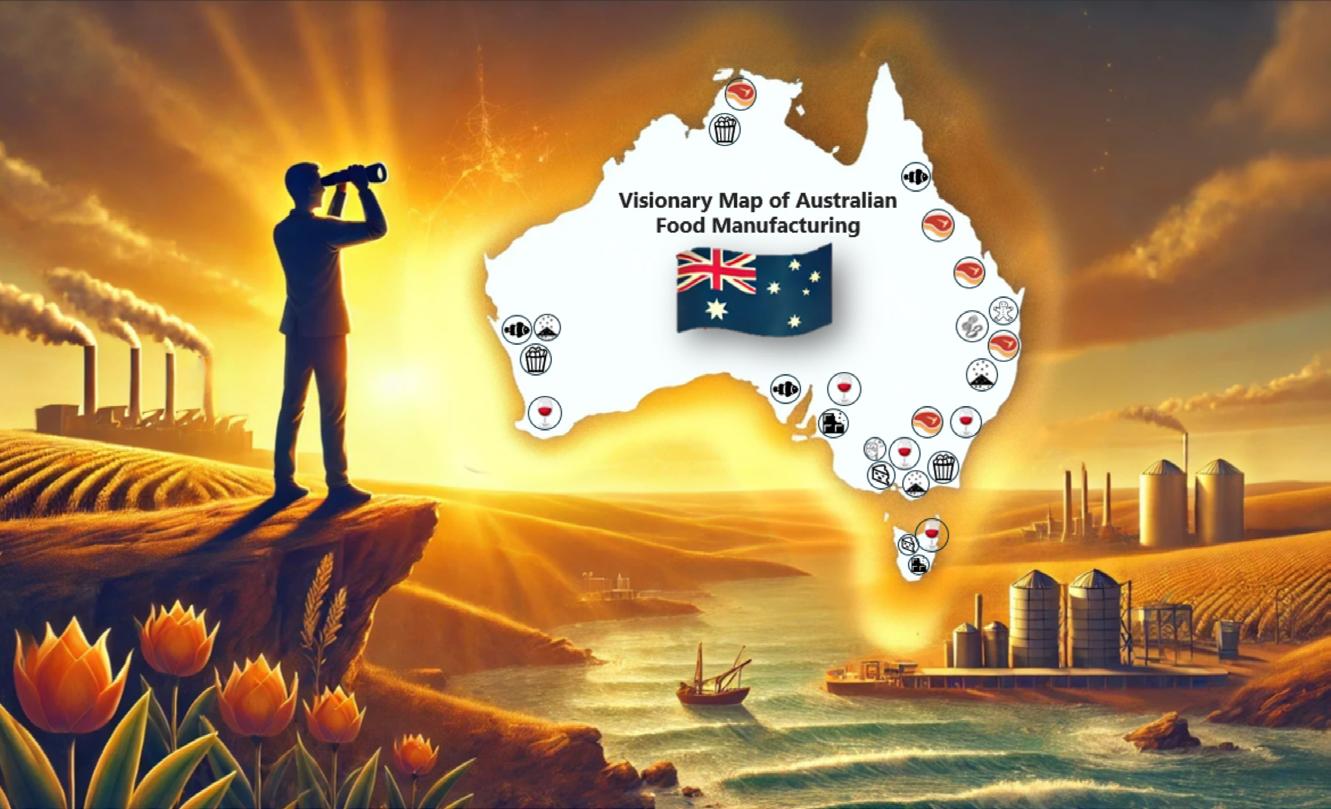
Taking a systems perspective to food manufacturing in Australia allows us to identify the complexity and interconnectivity across the value chain, helping to meet multiple and sometimes conflicting objectives, including productivity, profitability, environmental sustainability and public health. By thinking holistically, we can better understand how actions in one area may create synergies or trade-offs in other areas across the supply chain. This supports the notion of a national food processing network that identifies processing facilities and maps them to where raw materials are grown and can be value-added and upcycled (Figure 1). It will also help us prioritise research needs and coordinate and co-design policy actions. This has the potential to expand opportunities to grow the food industry and improve access to affordable, locally manufactured ingredients and food in regional and remote areas.
Australia’s food system is currently fragmented and siloed among key actors across the value chain (eg. grain growers may not consider
the requirements of grain millers to improve efficiency), resulting in limited integration across the value chain, exacerbating industry reliance on imported ingredients and reducing the opportunity for local manufacturing.9 It is also the case that different food sectors have varying value-added capabilities through processing. For instance, the dairy industry significantly enhances the value of its products through processing. Approximately 72% of domestically produced milk is used to make cheese and other value-added products such as butter, milk powder, and yoghurt, with 45% of these manufactured products exported.10 In contrast, processing in horticulture accounts for only 27% of Australian fruit and vegetable production.11
The pressure on raw material and ingredient supply chains, combined with increasing consumer demand for low-cost, ethical, sustainable, healthier and other functional food products, will compel the food industry to explore complementary systems for designing and manufacturing foods and ingredients. Having better clarity of Australian key target markets (eg. ambient stable products for Asia-Pacific, and new ingredients from Australiangrown commodities), will inform the design of value-added products. Encouraging vertical integration (eg. co-ops) will help to better meet food manufacturing specifications
and improve productivity. This will increase Australia’s potential to grow the agrifood business sector to $200 billion and create 842,000 jobs by 2030.12 An area that needs further data input is the reliance on imports to manufacture food in Australia and how it impacts growing sovereign manufacturing and expanding market opportunities to place Australia in a competitive position.13
Strengthening manufacturing infrastructure and workforce capacity
Today, there is very little dialogue between the farmers who produce raw materials and the processors who take these materials and make food products. This means that information and data transfer are limited, which can make the supply chain less resilient. An example is that oil seeds grown for producing vegetable oil have been bred and grown to contain high oil content, however, attributes to improving the processability (eg. crushing and extraction of oil) are often not considered. This impacts processing efficiency, final oil quality, and ultimately the price at which the oil can be sold.
Developing a map of the entire food supply chain, encompassing both agricultural and processing infrastructure, could help farmers integrate with processors, improving information exchange and feedback loops. Developing a map of the national food supply chain can help
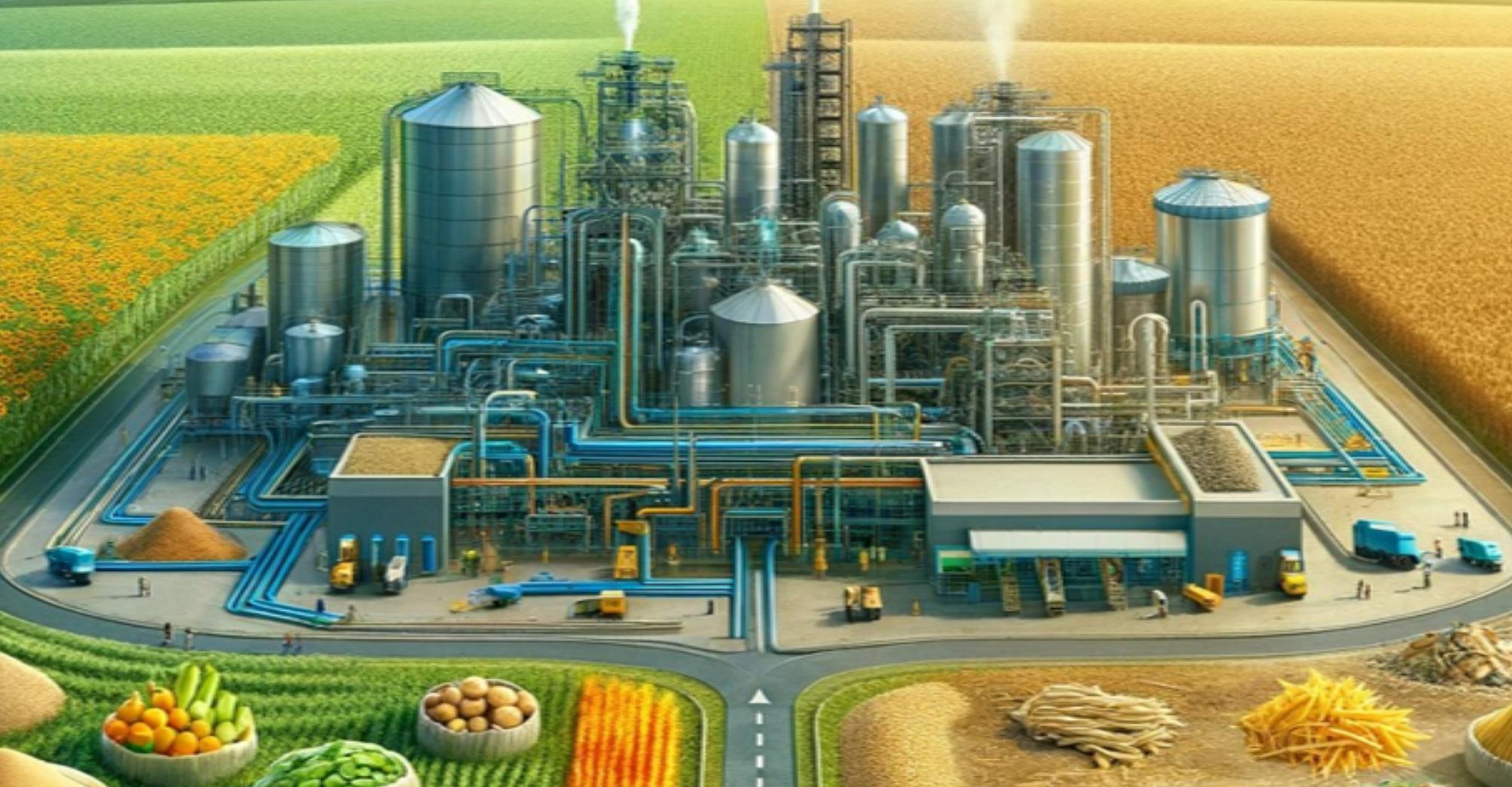
identify pilot plants and commercial manufacturing facilities with spare capacity to de-risk process scaleup. This approach could avoid or reduce initial investments in capital infrastructure, key markets testing and business acceleration. This map would leverage a National Food Manufacturing network that will enable the creation of regional and national innovation to support regional food sovereignty, stabilising production and bringing manufacturing to grower regions.
A distributed manufacturing model (regional food and processing hubs), where manufacturing capacity is closer to where produce is farmed or the by-products are generated, will be important to conduct techno-economic evaluation of the distribution of wealth along the value chain, partly to ensure that growers benefit from an upturn in profitability by the processors. Building innovation and processing pilot plants, along with investing in digital infrastructure for food safety and quality assurance in regional areas, will help reduce investment risk for the food industry. A critical enabler of this transition is identifying the evidence and business models needed to support access to
renewable energy infrastructure, while ensuring a reasonable return on investment.
The other aspect is workforce capacity and having people with the right skills who are willing to work in regional areas. Access to R&D capabilities, TAFE, and industry placements in the local area will all be vital to support the upskilling and training of workers. Encouraging people to relocate to regional areas, where an increasing number of good jobs are being developed and where the food manufacturing industry can support future prospects, will be attractive to the Government.
Transport network challenges overcome
Connectivity between transport networks and food manufacturing factories and markets is currently poor, particularly in remote Australian regions. The state of the roads and the reliability of transportation have highlighted vulnerabilities in the food supply chain, particularly when weather events disrupt roads and rail infrastructure, and trucks lack refrigeration to protect the food.
Transport resilience planning will be vital to create multi-modal options for the movement of food
and other supplies (especially for remote access), the optimal location of distribution centres to cope with potential breaks in the supply chain, and the development of redundancy across transport networks. CSIRO has started mapping the interactions with processors and agricultural road networks across Australia in the TraNSIT Supply Chain Transport and Logistics Dashboard.14
Environmental sustainability credentials in place
Companies are increasingly required to meet regulations for market access (both domestically and internationally) and to attract investment, increase transparency, and maintain reputation and brand value. Sustainability reporting and climate disclosure requirements commenced for large Australian entities on 1 January 2025, with smaller entities to start reporting in coming years.15
Environmental metrics are becoming essential as agri-food industries and governments aim to transition to more environmentally sustainable production and manufacturing as part of their environmental, social and governance (ESG) strategies. Currently, Australia
lacks an overarching framework for ESG reporting, which supports the identification and establishment of a common set of principles that can be used by the food manufacturing sector to measure and track progress.
For example, emerging industries such as complementary protein foods, which utilise new manufacturing processes, require further data generation and analysis to support life-cycle assessment and obtain sustainability credentials.
Based on the international standard (ISO/TC 34/SC 20), Standards Australia is developing national standards to demonstrate food waste minimisation across the supply chain. In addition to improving environmental sustainability, the implementation of these practices also has the potential to reduce costs and create new secondary markets for up-cycled by-products. Recognising agricultural produce and by-products as a raw material resource that can be processed into ingredients and food is also likely to help address potential
economic, environmental and social trade-offs between food safety and sustainability goals.
The Australian food manufacturing industry is predominantly comprised of small to mediumsized enterprises, and many have simple business models that identify their market and the best commercial pathway, often at least cost.16 In many cases, businesses do not consider innovation in their business models, including ways to open up greater opportunities for innovation, to capture more value addition and identify ways they can tap into the broader food industry ecosystem.17 An example of this is the manufacture of upcycled foods, which utilise ingredients that would otherwise not have been used for human consumption.18 The problem is that there are barriers, a lack of clear incentives, and an absence of business conditions (benefits, profit and risks) to enable the adoption of
circular business models and drive transformation for sustainability, profitability and the like.
To achieve a successful system transformation, flexible business models will be required to commercialise innovations by upskilling local labour, uplifting or building new processing infrastructure and enabling greater market outreach via regional innovation hubs. Firms can take four options: (a) change internal processes to adopt innovation in-house, (b) access infrastructure through a third party, (c) develop a joint venture or cooperative to reach a collective value addition outcome, or (d) become a focal company, who accepts material from other firms to be value added.18 Innovation hubs, clusters, or precincts offer business strategies for scaling up small and medium-sized enterprises. A systems approach can facilitate de-risking opportunities and promote investment through integrated economic, techno-economic, social and environmental modelling.



While agricultural industries are represented across various peak bodies to future-proof the sector, the food manufacturing sector is less organised; hence, the industry is not communicating a vision for the future with a shared voice across states and territories. The current fragmentation and lack of a unified industry voice are an impediment to advancing the industry towards increased profitability and competitiveness. A recently established initiative, FoodManufacturing2050, will convene industry and researchers for a national evidence-based conversation to identify how leveraging science, technology and innovation can support the sustainability and resilience of the Australian food manufacturing sector. The initiative aims to identify common challenges and establish a long-term industry-led vision for the food and beverage sector. By acknowledging current manufacturing capacity and unlocking new value-added opportunities, this initiative aims to build a coalition of key stakeholders in the food sector and co-develop a strategic, evidence-based vision for the future of food in Australia, driving innovation, policy development and industry competitiveness by 2050.
References
1. ABS (2024a). Australian Industry. Cat. No. 8155.0. Canberra: Australian Bureau of Statistics.
2. ABS (2024b). Australian Industry. Cat. No. 8165.0. Canberra: Australian Bureau of
Statistics.
3. FIAL (2024). FIAL’s Impact: Growing the share of Australian food in the global marketplace 2024. Viewed February 2025 https://www. fial.com.au/sharing-knowledge/Final_Impact_ Report.pdf
4. ABARES (2020). Australian food security and the Covid-19 pandemic, Australian Bureau of Agricultural and Resource Economics and Sciences, Canberra. CC BY 4.0. https://www. agriculture.gov.au/abares/products/insights/ australian-food-security-and-COVID-19
5. Juliano P, Trajkovski, B, et al. (2022). Regional plant protein processing hub in North Queensland. Scoping the long-term business opportunities for up-cycling applications and smart manufacturing. CSIRO, Australia.
6. Department of Industry, Science and Resources (DISR) (2024). Food and Beverage Manufacturing in Australia. Submission to the House of Representatives Standing Committee on Industry, Science and Resources. Submission 104. Viewed February 2025 https://www.aph.gov.au/DocumentStore. ashx?hearingid=31505&submissions=true
7. Food Innovation Precinct Western Australia (FIPWA). (n.d.). New WA food innovation precinct to drive growth of high-quality, value-added food products in Australia’s west. Future Food Systems. Viewed February 2025 https://www.futurefoodsystems.com.au/ resource/new-wa-food-innovation-precinctto-drive-growth-of-high-quality-value-addedfood-products-in-australias-west
8. Greenville J, Duver, A and Bruce, M (2020). Value creation in Australia through agriculture exports: playing to advantages Viewed February 2025 https://www. agriculture.gov.au/abares/products/ insights/value-creation-in-australia-throughagricultural-exports#australia-has-longfocused-on-raw-and-minimally-transformedagricultural-exports
9. Parliament of Australia (2023). Australian Food Story: Feeding the Nation and Beyond, House of Representative Inquiry on Food Security. Viewed February 2025 https://www.aph.gov.au/Parliamentary_ Business/Committees/House/Agriculture/ FoodsecurityinAustrali/Report
10. Dairy Australia (2024). Australia Dairy Industry In Focus. Viewed February 2025 https://www. dairyaustralia.com.au/en/industry-reports/ australian-dairy-industry-in-focus
11. Hort Innovation (2022). Australian Horticulture Statistics Handbook 2022/2023, Viewed February 2025 https://www.horticulture.com. au/growers/help-your-business-grow/researchreports-publications-fact-sheets-and-more/ australian-horticulture-statistics-handbook/.
12. FIAL (2020). Capturing the prize: the A$200 billion opportunity in 2030 for the Australian food and agribusiness sector. Viewed February 2025 www.fial.com.au/sharing-knowledge/ capturing-the-prize
13. Australian Food and Agriculture Taskforce (2024) Land of Plenty: Transforming Australia into a Food Superpower. Viewed February 2025 https://www.deloitte.com/au/en/ Industries/consumer-products/perspectives/ transforming-australia-into-a-foodsuperpower.html
14. CSIRO (2025). Supply Chain Transport and Logistics Dashboard. Viewed February 2025 https://benchmark.transit.csiro.au.
15. ASIC (2025) Australian Securities & Investment Commission (ASIC): who must prepare a sustainability report? Viewed February 2025 https://asic.gov.au/regulatory-resources/ sustainability-reporting/for-preparers-ofsustainability-reports/who-must-prepare-asustainability-report/
16. Australian Small Business and Family Enterprise Ombudsman. (2021). Small Business Counts: Small Business in the Australian Economy. Viewed February 2025 https:// www.asbfeo.gov.au/sites/default/files/2021-11/ ASBFEO%20Small%20Business%20Counts%20 Dec%202020%20v2_0.pdf
17. Nakandala, D. (2024). How government can boost manufacturing SMEs – and lift productivity through adoption of advanced technologies. https://thepolicymaker. jmi.org.au/how-government-can-boostmanufacturing-smes-and-lift-productivitythrough-adoption-of-advanced-technologies/
18. Hetherington JB, Juliano P, Loch AJ, Goodman-Smith F, and Lockrey S (In press) Transitioning to the circular economy through different business models: lessons for and from Australian cheese manufacturers. End Food Waste Australia, Adelaide Australia.
Dr Pablo Juliano is Group Leader, Food Processing and Supply Chains at CSIRO Agriculture and Food.
Dr Ingrid Appelqvist is a Senior Principal Research Scientist and Team Leader for Food Innovation at CSIRO Agriculture and Food. f
Words by Karin Blacow
n today’s food production landscape, allergen management is not just a regulatory requirement –it’s a moral obligation to supply safe food for consumers with allergies. Food allergies in Australia are on the rise, currently affecting 10% of infants. With 57% of food recalls being allergen-related, this is a critical issue that demands ongoing attention.
In a production process, there are many areas that can introduce risk. From ingredients and other incoming goods to employee practices. Notably, packaging or labelling errors continue to be amongst the top three causes of allergen related recalls in Australia, with the root cause lying in improper changeover practices or change management protocols that overlook critical aspects of food safety, particularly allergen risk. Daily practices in production, maintenance and sanitation impact food safety, and the entire process needs to be considered in an allergen management program. This article will focus on hygienic design.
It’s important to emphasise that while many aspects of allergen control are critical and often wellmanaged, shared production lines or rooms present unique challenges. In
such cases, cleaning and sanitation become the primary defence against cross-contact. Critically, a seemingly minor lapse in sanitation can lead to allergen cross-contact, triggering a product recall or worse, causing severe allergic reactions in consumers.
Even with robust controls in place, hygienic design plays a vital role in enabling effective sanitation and significantly reducing allergen risk.
We cannot discuss hygienic design without first considering effective sanitation, which can be covered in three standards.
Visually clean: This is the most basic level of cleanliness, where there is no visible debris or residue on food manufacturing equipment and surrounding areas. Visual cleanliness is the essential starting point and the first hurdle for any cleaning process in all food production environments. While it is the most basic expectation, it is not sufficient for ensuring food safety.
Unfortunately, it is quite common to see verification swabbing performed on surfaces that still have visible residue remaining, a practise which indicates a fundamental misunderstanding of cleaning principles in food manufacturing.
If a surface does not pass a visually clean inspection, it is not ready for verification and is not safe for production.
Microbial clean: After achieving a visually clean surface, the next critical step is ensuring the absence of harmful microorganisms. This is the true target for food processors. Achieving microbial cleanliness is challenging, yet it should be the standard for routine cleaning in food production environments. Verification of microbial cleanliness typically involves testing food contact surfaces and adjacent areas. These tests confirm that the validated cleaning procedures in place have been effective in reducing microbial risks and maintaining food safety.
Allergen clean: This level goes beyond microbial cleanliness and refers to the complete removal of detectable allergenic proteins from equipment and surfaces. Achieving allergen clean requires validated cleaning procedures and rigorous verification methods, involving highly sensitive protein detection tests. Crucially, being visually or microbially clean does not guarantee the absence of allergenic proteins. Allergen clean is a distinct and more demanding standard. Allergenic proteins can be particularly stubborn and difficult to remove, especially
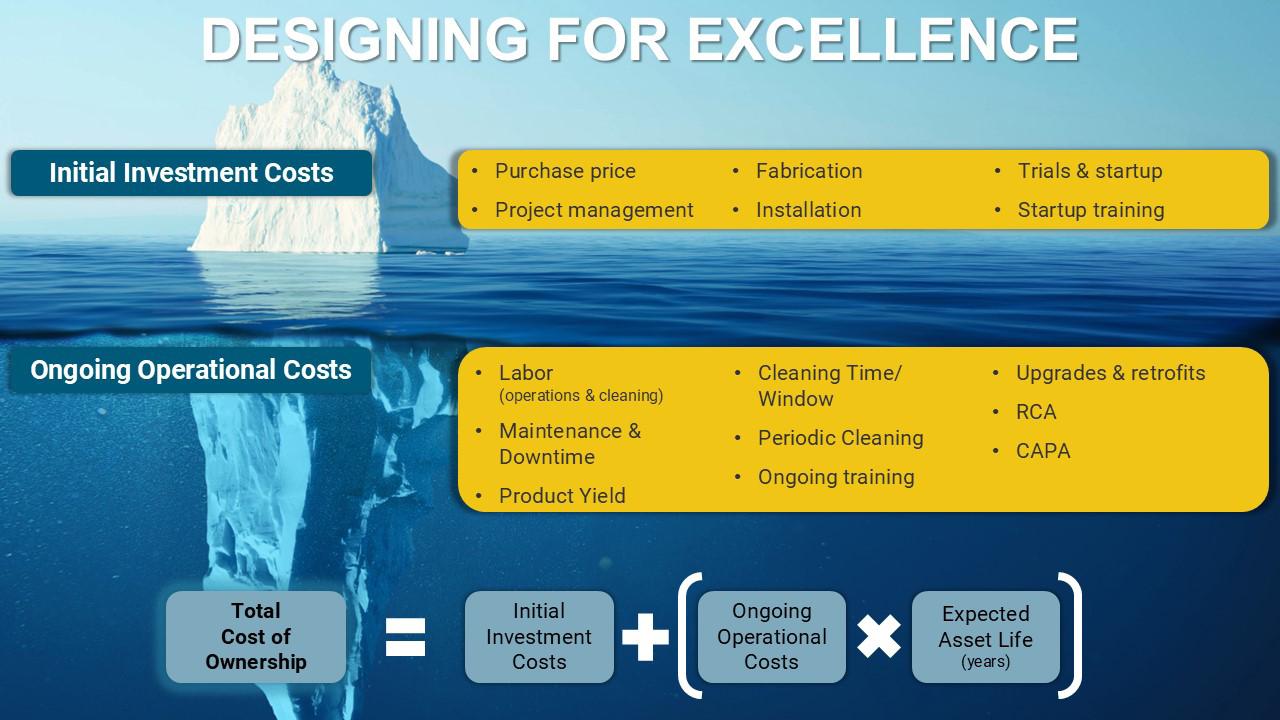
from complex equipment or hard-toreach areas.
In short, microbial clean is not allergen clean and assuming one implies the other can lead to serious food safety risks.
Sanitation, as a critical component of food safety, demands a structured and consistent process that is meticulously followed every time food processing equipment and environments are cleaned. The sevenstep method, applicable for both dry and wet cleaning, provides a proven framework for achieving effective and efficient sanitation. Within this process, one of the foundational steps is achieving visual cleanliness, which serves as a prerequisite before progressing to subsequent steps. When cleaning to an allergen level, additional measures are often necessary. These may include further disassembly of equipment, product flushes, or push-through procedures to ensure that all visible debris and soil are thoroughly removed. These extra steps are essential because allergenic residues can persist in areas that are not easily accessible or visible.
During the pre-operational inspection, visual checks must be followed by verification testing, such as highly sensitive protein detection tests, before equipment is approved for production. This step-by-step approach ensures that cleaning has not only removed visible and
microbial contaminants but also potential allergenic residues.
This entire process highlights the critical importance of designing equipment and facilities with hygiene in mind. Hygienic design enables easier access for cleaning, reduces the risk of residue buildup, and supports consistent sanitation outcomes, ultimately strengthening the overall food safety system.
Sanitation is inherently complex and presents a wide range of challenges. One of the challenges is often labourrelated, such as shortages within sanitation teams, the need to train new hires or temporary staff, and language barriers that can hinder communication and consistency. All of these factors can significantly impact the overall effectiveness and reliability of sanitation efforts.
In addition, inconsistent cleaning processes and a limited understanding of the importance of using the right tools, combined with a frequent lack of knowledge about cleaning chemicals and their specifics, can compromise the outcomes of each sanitation shift. These gaps in knowledge and execution can lead to ineffective cleaning, increasing the risk of contamination.
Compounding these issues is the constant pressure from production, tight schedules and the risk of running overtime, often resulting in sanitation being rushed or even reducing the available time without
proper controls in place.
One very critical and often underestimated barrier to effective sanitation is poor equipment and facility design. When equipment is difficult to access or disassemble, it creates hidden areas where product can accumulate during production. These hard-to-reach spots make thorough cleaning both difficult and time-consuming, ultimately compromising food safety and operational efficiency.
Hygienic design refers to the engineering of equipment and facilities with sanitation, food safety, and product quality as core considerations. When these elements are integrated from the very beginning of a project, rather than added as an afterthought, the results are often transformative. Not only does sanitation become more effective and efficient, but the overall operation also benefits.
Unfortunately, in many projects, sanitation is not prioritised during the planning phase. Project goals often focus heavily on production performance, budget constraints, and tight timelines. As a result, design decisions are frequently made without fully considering the implications for sanitation. A common example is the addition of a new production line in an existing facility, without considering the need for cleaning access. This can lead to cramped layouts, limited accessibility to and within equipment, and ultimately, increased operational costs related to sanitation due to longer cleaning times and higher labour demands.
There are, however, compelling examples of how even modest design improvements can yield significant benefits. One such case involved a globally operating snack manufacturer that retrofitted its facility with a more hygienic conveyor belt system. The result was a 75% reduction in cleaning labour, a 50% decrease in cleaning time, and a 100% pass rate on ATP swab tests, eliminating the need for any re-
cleaning. This case clearly illustrates how thoughtful design changes, even after installation, can dramatically improve sanitation outcomes and operational efficiency.
It’s important to note that this oversight in design is not unique to sanitation. Other critical functions, such as maintenance, are also frequently missed during project planning. This highlights a broader issue: the need for cross-functional collaboration and foresight in facility and equipment design to ensure all operational needs and functions, such as sanitation, maintenance, and safety, are adequately addressed from the start.
The most effective design decisions are made by cross-functional teams that include input from all key departments such as sanitation, operations, maintenance, quality, HR, and finance. This holistic and collaborative approach ensures that all operational needs are considered from the start, leading to operational excellence. When done well the project will lead to:
• Lower operational costs
• Reduced food safety risk
• Improved production efficiency and workplace safety. When sanitation and other departments are integrated early in the design process, the total cost of ownership of equipment and facilities is significantly reduced.
Rather than focusing solely on the initial investment, a strategic, crossfunctional approach considers:
1. Investment costs, including:
• Equipment purchase price
• Project management and planning
• Fabrication and installation
• Trial runs and commissioning
• Startup training for staff.
2. Ongoing operational costs including:
• Labor for operations, cleaning, and maintenance
• Equipment downtime and its impact on productivity
• Product yield and efficiency
• Cleaning windows and production scheduling
• Training and retraining of staff
• Equipment or facility upgrades (eg. retrofitting for improved hygiene). Additionally, operational costs also encompass:
• Cleaning verification and testing
• Re-cleans due to ineffective sanitation
• Root cause analysis following food safety or quality incidents
• Costs associated with unintended allergen cross-contact and potential product recalls. By designing with these factors in mind, organisations can not only enhance food safety but also achieve long-term cost savings and operational resilience.
• Minimise the risk of allergen crosscontact
• Enhance the effectiveness and efficiency of sanitation
• Reduce operational costs and improve long-term sustainability
• Empower cross-functional teams to make smarter, safer decisions. Ultimately, hygienic design is not just about compliance; it is about commitment. A commitment to protecting consumers, supporting frontline teams, and building a safer, more resilient food system for the future.
In an era where food safety is under increasing scrutiny, hygienic design stands out as a proactive and powerful tool in allergen risk mitigation. By embedding hygiene into the foundation of equipment and facility design, food manufacturers can:
Karin Blacow is a Senior Food Safety Specialist at Commercial Food Sanitation, Industry Lead for Protein & Bakery, and manages QSR & Retail for ANZ. f
Words by Dr Mahya Tavan and Dr Paul Wood
f you look up “cultivated meat” on the usual online image search engines, you’ll likely be met with glossy images of eye fillets or a neat pile of premium-grade mince sitting in a petri dish. But the reality is far from this. What is being harvested in most labs today is not a perfectly marbled steak, but more likely a slurry of fibroblasts, a type of connective tissue which plays an important role in wound healing and is easier to grow than muscle cells. To transform this into anything remotely meat-like, it must undergo extensive processing, often blended with plant-based ingredients, before it begins to resemble the cuts of meat we are used to seeing on our plates. Since 2013, when the first cultivated meat burger was produced, the concept of “meat without the animal” has fascinated consumers.
Cultivated meat (CM), also known as cultured or lab-grown meat, refers to a type of meat produced through the culturing of animal cells in the laboratory. This is done by sampling animal cells, often fibroblasts, isolating individual cell lines and cultivating them in sterile media that
provides essential nutrients for cell growth and proliferation, and then growing them in large bioreactors. Cultured cells, which at this stage are a shapeless cell slurry, are then processed into commodity products that resemble sausages, burgers, and dumplings.
A major question is, who will be the consumers of CM, given that it is produced with animal cells? They will not be vegans or vegetarians, nor those who love a nice steak. The focus is on a segment of consumers labelled flexitarians, people who want to reduce meat consumption and are willing to try new products.
Country
The question is, will these consumers become regular purchasers of CM products? This group was also the major target for plant- based meat companies, and it did not go as well as expected.
In this paper we reflect on whether CM will ever meet market expectations.
The main challenge for CM is that cell culture at any reasonable scale is an expensive technology.1 The cost will continue to decrease; however, the only successful business model
Singapore Good Meat December 2020 Chicken-hybrid 70/30
USA Good Meat July 2023 Chicken
USA Upside Foods June 2023 Chicken fillet
Israel Aleph Farms January 2024 Beef- thin-cut steak
Singapore Vow April 2024 Japanese quail
Hong Kong* Vow November 2024 Japanese quail
USA Mission Barns March 2025 Pork fat
Australia Vow June 2025 Japanese quail
* Special administrative regions of China
Table 1: Registered CM products for human consumption at the time of writing.

currently seems to be the one that targets upscale restaurants. The Australian-based company, Vow, has forged a different pathway and is working with chefs to create new food experiences using meat grown in the labs rather than on farms (Figure 1).
The biotechnology industry has been culturing mammalian cells at large scale (up to 25,000L) for many decades to produce vaccines and monoclonal antibodies. However, to utilise this technology to produce a food product requires the cost of manufacturing to come down over 1000-fold.1
It is easier to understand the magnitude of this challenge if we do a bottom-up calculation. Producing a kilogram of cultured meat requires around 20-40L of media, depending on the yield of cells and length of the culture period. Currently, media is very expensive but if we assume significant improvements, it could get to $1/L. At scale, (20,000L bioreactor) media will be approximately 20-30% of the total cost of production due to the high cost of the bioreactors, facilities and operations. Therefore, we end up with a manufacturing cost of over $100/ kg. If you now add distribution and retail margins, it’s a very expensive commodity meat substitute. Vow has recently scaled its manufacturing of Japanese Quail cells to 20,000L (Figure 2) and harvested over 544kg of product in one batch, with a monthly capacity of 1 tonne. However,
this is still very small compared to conventional meat production, at millions of tonnes of product. The estimate for a reasonably sized CM plant is over USD $450 million.2
Regulatory hurdles/labeling
Table 1 lists products that are, at the time of writing, licensed for human consumption. Currently, CM is banned in several countries, and gaining approval in other markets has proven challenging.
CM products are primarily hybrid products, blending cells with plantbased material to reduce costs and provide texture. The development of labelling regulations warrants close attention, especially following the launch of a CM product in Singapore that contained only 3% chicken cells.
It is likely that the major competition to CM products will be plant-based meat rather than conventional meat.
There are also several companies with licensed CM products for the pet market. Meatly (UK) with a 3% chicken product, Bene Meat technologies (Czech Republic) and BioCraft Pet Nutrition (Austria) using a mouse cell line.
Sustainability of CM is not well understood, as the technology has not yet been scaled. However, seven peer-reviewed studies have employed life cycle assessment (LCA) to quantify the environmental footprint of the CM.3 LCA is a common method of evaluating the
environmental impact of products or processes at various stages. In our recent review, we conducted a comprehensive analysis of published LCAs on CM spanning from 2011 to 2024. These studies commonly assess environmental indicators such as climate change, energy use, land use and water use, with some extending to broader aspects of environmental pollution and potential impacts on human health. Across the literature, energy demand consistently stands out as the dominant environmental burden, driving associated greenhouse gas emissions. A noticeable trend is the increase in estimated footprints over time, particularly in terms of energy use and emissions. More recent assessments have benefited from improved access to data from commercial or pilot-scale production and employed more robust modelling procedures, such as incorporating sensitivity analyses that account for key factors including the energy grid mix, final cell concentration and protein yield from inputs. However, the use of confidential data in some recent studies limits transparency and makes it difficult to independently verify the findings. These factors contribute to the wider variation in estimated impacts in later studies. Importantly, this variability mirrors the substantial differences seen in conventional meat production systems, where environmental outcomes also vary significantly depending on the production method used.
CM aims to replicate the nutritional benefits of conventional meat, however there are still major gaps in our understanding of its actual nutrient profile. Essential nutrients such as vitamin B12 are unlikely to be present without deliberate addition, as CM is grown in sterile environments without the microbes responsible for producing them in animals. Similarly, current prototypes often lack fat content unless fat cells are specifically included or
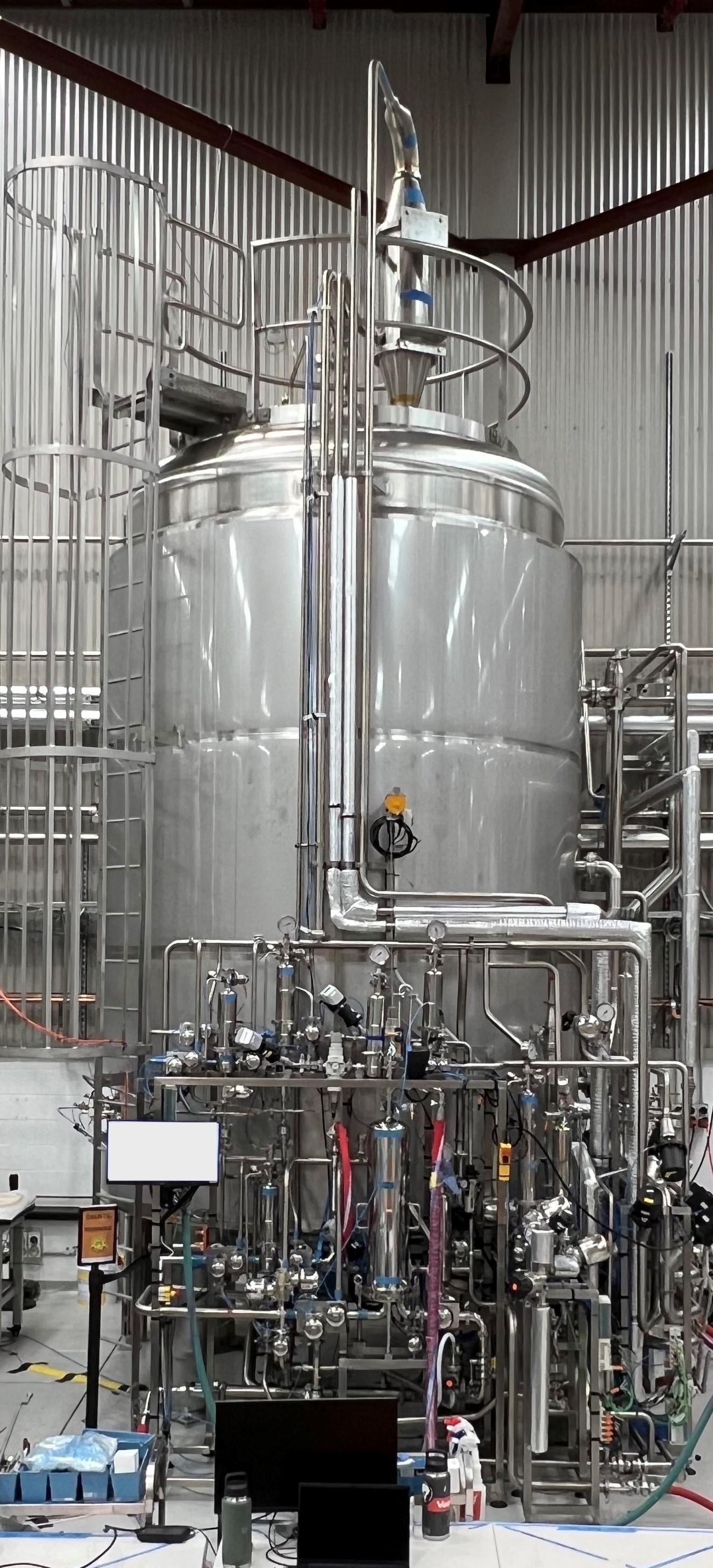
supplemented with plant-based ingredients, which affects both health benefits and sensory qualities. While CM is assumed to offer high-quality protein, this has not been validated through established methods such as PDCAAS or DIAAS. In addition, the absence of postmortem biochemical changes, crucial in shaping the nutritional and textural qualities of traditional meat, further complicates the comparison. Overall, the nutritional equivalence of CM remains uncertain and will require more data.
The successful integration of CM into the market depends not only on overcoming production scaling challenges but also on consumer acceptance. Research on consumer attitudes toward CM has been conducted in various regions, including Germany, Italy, the UK, Spain, Brazil, and the Dominican Republic, revealing differing levels of acceptance across cultural contexts. Although many CM producers emphasise sustainability and animal welfare benefits in their marketing, similar to companies such as Impossible Foods and Beyond Meat, the effectiveness of these messages in changing consumer behaviour remains uncertain. Studies have suggested that environmental claims alone might not be enough to significantly boost consumer adoption.
For instance, a study conducted in the United States found that providing information about the environmental impacts of farmraised beef, CM, and plant-based alternatives had only a slight influence on consumer preferences.4 Moreover, the terminology used to describe CM matters; consumers responded more positively to labels like “clean meat” or “animalfree meat” compared to terms like “cultured meat” or “lab-grown meat”.5
A survey in New Zealand further illustrated that demographic factors, such as gender and prior knowledge, significantly shaped individuals’ willingness to engage with CM, with more informed male consumers showing a higher likelihood of trying these products.6 This highlights the
importance of improving consumer awareness and education to enhance the acceptability of CM.
It should be noted that current sensory research on CM remains limited, with many studies not involving actual CM products. Only a handful of studies have used real CM, and most have relied on analytical methods rather than human participants. As the field grows, there is considerable opportunity for further research into how consumer preferences evolve over time, and how these preferences influence purchasing decisions. This research will be crucial for shaping effective strategies to drive the widespread adoption of CM.
In Table 2, we have summarised our view on how CM products will compare with conventional meat by 2030. The technology works, you can grow cells at reasonable levels, but the costs will remain high. Therefore, the predictions that CM will replace a significant portion of the conventional meat market are extremely unlikely to be realised. Many people like to quote Moore’s Law, the concept that the cost of all technology decreases over time, but this law has never been applicable to biological systems. The only viable business model is the production of new food products that appeal to the high-end of the market. In this scenario, CM will not have a significant impact on improving the sustainability of our global food system.
1. Wood, P., Thorrez, L., Hocquette, J.-F., Troy, D. & Gagaoua, M. (2023). “Cellular agriculture”: current gaps between facts and claims regarding “cell-based meat”. Animal Frontiers 13, 68-74.
2. Sinke, P., Swartz, E., Sanctorum, H., Van Der Giesen, C. & Odegard, I. (2023). Ex-ante life cycle assessment of commercial-scale cultivated meat production in 2030. The International Journal of Life Cycle Assessment 28, 234-254.
3. Tavan, M., Smith, N. W., Mcnabb, W. C. & Wood, P. (2025). Reassessing the sustainability promise of cultured meat: a critical review with new data perspectives. Critical Reviews in Food Science and Nutrition, 1-9.
4. Van Loo, E. J., Caputo, V. & Lusk, J. L. (2020). Consumer preferences for farm-raised meat, lab-grown meat, and plant-based meat alternatives: Does information or brand
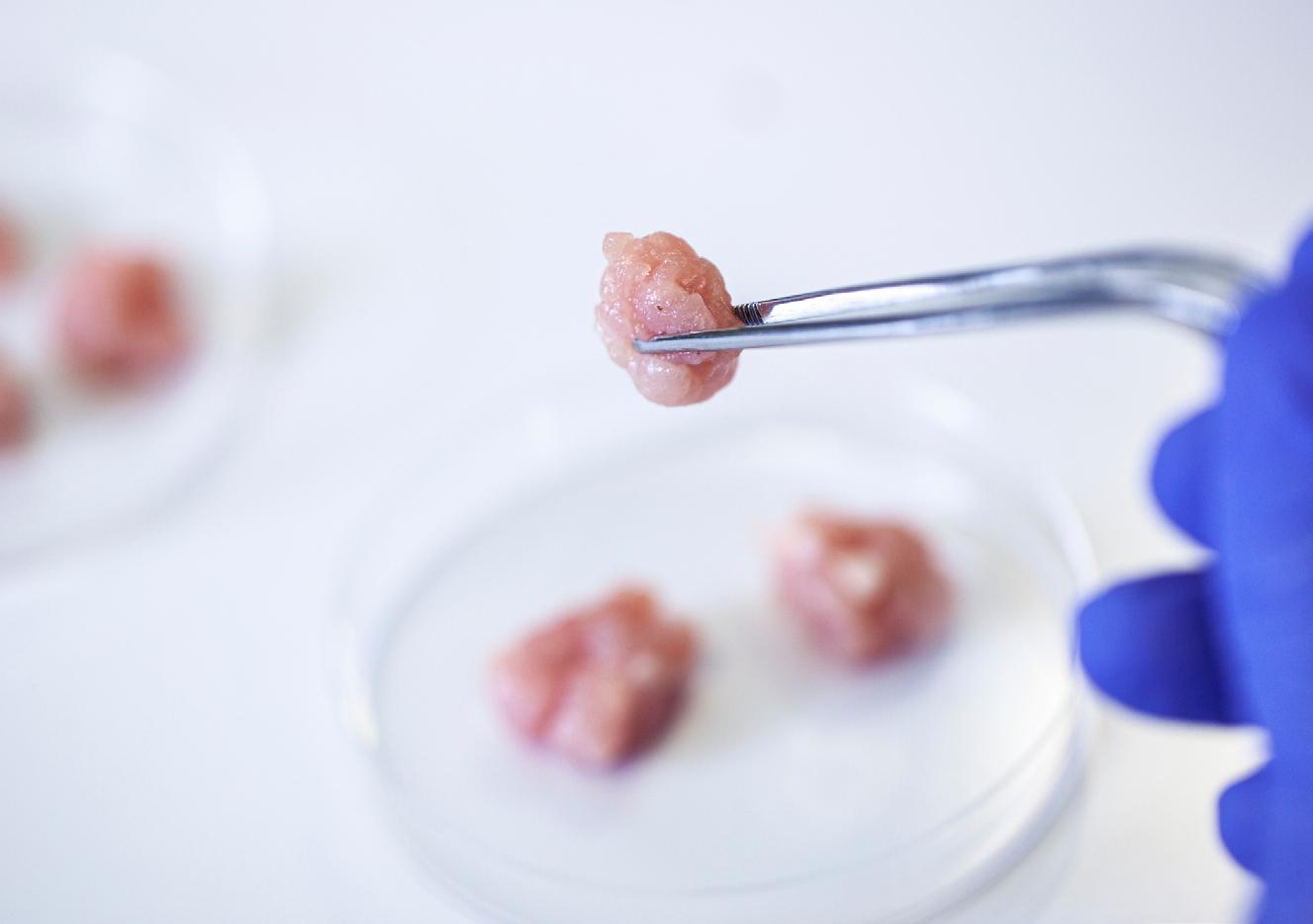
Cost of Products significantly higher at least 2-5 fold higher
Sustainability overall similar more sustainable
Nutritional equivalence unknown probably equivalent Food Safety equivalent equivalent
Scalability pilot scale up to 20,000L
Consumer acceptance few products available niche global market
Table 2: Scorecard for cultivated meat in comparison with conventional meat.
matter? Food Policy, 95, 101931.
5. Bryant, C. J. & Barnett, J. C. (2019). What’s in a name? Consumer perceptions of in vitro meat under different names. Appetite, 137, 104-113.
6. Giezenaar, C., Godfrey, A. J. R., Ogilvie, O. J., Coetzee, P., Weerawarna N.R.P., M., Foster, M. & Hort, J. (2023). Perceptions of Cultivated Meat in Millennial and Generation X Consumers Resident in Aotearoa New Zealand. Sustainability, 15, 4009.
Professor Wood AO led R&D teams from CSIRO, CSL and Pfizer (now Zoetis) and was Deputy-Director of the Vaccine Technology CRC. He brought several innovations to market, receiving recognition for inventing a new diagnostic test for Tuberculosis, including the CSIRO Medal, the Clunies Ross award and the Order of Australia. Paul was Chair of GALVmed and on the Board of Dairy Australia. He is on the Australian Academy Technology, Science and Engineering board and an Adjunct Professor at Monash University. In 2019 he received the International Distinguished Veterinary Immunologist Award, followed by the Eureka Prize for Outstanding Mentor of Young Researchers in 2022.
He is a mentor for various AgTech accelerators such as Sprout X and Rocket Seeder, as well as the CSIRO Protein Mission. Paul is the Chair of an Insect farming start-up Viridian Renewable Technology and on the scientific advisory group for the Global Methane Hub. He is a frequent commentator on the role of cellbased and precision fermentation technologies in food security.
Dr Mahya Tavan is a Research Officer with the Sustainable Nutrition Initiative (SNi) working on the development of a dietary optimisation tool for designing sustainable diets called The iOTA Model®. Prior to joining SNi, Dr Tavan held a research role at The University of Melbourne, Australia, where she carried out various research projects on sustainable food production, resource use efficiency and biofortification of fresh food. f

Words by Deon Mahoney
While the risk presented by foodborne bacterial and viral pathogens is reasonably well understood, less well appreciated and investigated are illnesses caused by protozoan, myxozoan, and helminth parasites. These organisms are an underrecognised food safety concern, with increasing worldwide public health significance due in part to the globalisation of the food supply.
Foodborne parasites include organisms that range from singlecelled protozoa to helminth worms (nematodes, cestodes, trematodes, and acanthocephalans). There are around 80 species of protozoans and about 200 species of helminths that invade, infect, and derive resources from a human host, and are considered medically important.1
A subset of around 80 of these parasites impact people who consume contaminated food and water, with most infections occurring due to poverty, poor sanitation, inadequate food inspection, improper storage and unhygienic preparation habits.
Parasites transmitted via food and water are responsible for a range of illnesses that present an ongoing and often serious threat to public health. Data published by the World Health Organization (WHO) reports 48.4 million cases and 59,724 deaths annually as a result of eleven parasitic diseases.2 It is estimated that 48%
of these parasitic diseases are foodborne. Other sources of parasitic infection include water, blood, insects and pets. The WHO’s Foodborne Disease Burden Epidemiology Reference Group (FERG) is currently reviewing the global burden of foodborne diseases to include up-to-date estimates of mortality, incidence, and burden in terms of disability-adjusted life years.
Parasites of importance to food and water microbiologists include the protozoa: Cryptosporidium, Toxoplasma, Cyclospora, Entamoeba, and Giardia and helminths: Taenia, Trichinella, Clonorchis, Opisthorchis, Echinococcus, Fasciola and Paragonimus. Unfortunately, detection and diagnostic methods are limited to only a few foodborne and waterborne parasites such as Toxoplasma, Cryptosporidium, Trichinella, Taenia, Giardia and Anisakis 3
Parasites differ from pathogenic bacteria and viruses in terms of their infectivity, aetiology and persistence in the environment. Many have complex life cycles, diverse routes of transmission, and there may be prolonged periods between infection and the development of symptoms. Hence, it is often difficult to determine the routes of transmission, perform source attribution studies, or establish the public health burden.
To survive, parasites need a living host. Parasitic diseases of humans are typically chronic, and in some cases, the duration of illness may extend for many years. In cases of congenital toxoplasmosis, neurological or psychiatric sequelae are usually lifelong.
Parasites range in size from singlecelled, microscopic protozoa to larger, multi-cellular helminths that may be observed without the aid of a microscope. Sizes can range from 1-2 microns for protozoa to 20 metres in length for some medically important tapeworms.
Parasites exhibit either direct (monoxenous) or indirect (heteroxenous) life cycles, depending on their complexity and the number of hosts they require to complete their life cycle.
Those with direct life cycles typically spend much of their adult lives in one host (the parasitic stage), with their progeny transmitted from host to host. The free-living stage requires the parasite to survive in an environment, often for prolonged periods, outside its original host, prior to locating and infecting a new host. Parasites with direct life cycles complete their entire life cycle in a single host species. Examples of parasites with direct life cycles include Cryptosporidium, Giardia and some nematodes.
Parasites with indirect life cycles are typified by at least two host
Cryptosporidium spp.
Parasite causes cryptosporidiosis, a disease of the mammalian gastrointestinal intestinal tract. Symptoms include acute, watery, and non-bloody diarrhoea.
Cryptosporidium infects a range of vertebrate hosts, including mammals, reptiles, and birds. Human exposure is though the consumption of unpasteurised milk, raw or undercooked shellfish, or exposure to contaminated water (via drinking or swimming).
Toxoplasma gondii Parasite causing toxoplasmosis in people, mammals, and birds. Transmission is through exposure to contaminated undercooked meats, raw milk, and raw produce. Domestic and wild cats are the definitive host.
Toxoplasma gondii is globally distributed, with a high proportion of the world population estimated to be seropositive, but clinical disease is rare in people with a competent immune system. However congenital infections can result in abortion, stillbirth or lesions in the central nervous system resulting in long term health effects.
Giardia lamblia Giardia causes giardiasis, the most common aetiological agent of persistent diarrhoea. Frequently found to affect children in rural indigenous communities in Australia. Commonly associated with drinking untreated water, swimming in contaminated pools, handling animals, and eating food contaminated by an infected person.
Anisakis simplex
Pseudoterranova decipiens
Contracecum osculatum
Enterobius vermicularis
Taenia saginata
T. solium
T. asiatica
Anisakid species found in fish cause the parasitic disease anisakidosis. Nematodes infecting fish attach to the walls of the oesophagus, stomach, or intestine and cause acute abdominal symptoms, usually within hours of ingestion.
It is most common in countries where eating raw fish is popular, such as Japan. The nematode can be found in sushi or sashimi, or undercooked marine fish and squid.
Pinworms are parasitic worms that live in the human intestine and cause enterobiasis.
They are passed from person-to-person by food handlers as a result of poor personal hygiene.
Taeniasis is caused by infection with the adult tapeworm from the cestodes: T. saginata (beef tapeworm), T. solium (pork tapeworm), or T. asiatica (Asian tapeworm). While the symptoms are generally mild, infection by T. solium may lead to the development of cysticercosis.
Human infection is by ingestion of raw or undercooked infected meat, especially pork.
Table 1: Examples of parasites spread by food or improper food handling.
stages, a definitive host and an intermediate host(s) before reaching maturity. The definitive host stage is required for reproduction and the adult life phase, while in the intermediate host, parasite development occurs, after which it can be transmitted to a definitive
host. An example of a parasite with an indirect life cycle is the causative agent of toxoplasmosis, Toxoplasma gondii, which has cats as its definitive host. Toxoplasma parasites are spread by the faeces of cats to a range of intermediate hosts, including many mammals and birds.
The available evidence suggests that the emergence, prevalence and spread of parasitic infections are increasing globally. This is a result of changes in natural and human environments, caused by climate change, intensive agriculture, human intrusion into wildlife habitats, environmental pollution and population growth.4 Cultural practices and eating habits, such as the consumption of raw or partially cooked foods, may also increase the risk of foodborne infection.
The only notifiable parasitic gastrointestinal disease in Australia is cryptosporidiosis. Over the past twelve months, there has been a fourfold increase in reported cases (See Figure 1). There is no explanation as to why this has occurred, but it raises significant public health concerns.
Food sources that create the greatest risk of parasitic infection include undercooked or raw meat (especially pork); raw or undercooked marine fish, crustaceans, or molluscs; raw fruit and vegetables; and unpasteurised milk. Plus, food handlers may also be a source of contamination if they have poor personal hygiene habits. Table 1 describes some of the important foodborne parasites.
Parasites can enter food at various points along the food supply chain. They may be found in the actual farm animals or fish, or may contaminate food during harvest and processing through direct handling or environmental exposure. Fresh produce may become infected following irrigation by contaminated water or exposure to manure or soil. The entry point into the food chain is parasite-specific and depends on the parasite’s life cycle and transmission dynamics.
In Australia, most farm animals are treated to prevent parasitic infections, hence transmission of parasites such as tapeworms and roundworms via meat products is a rare occurrence.
Additionally, post-mortem inspection of carcasses during slaughtering operations provides a means of excluding meat animals with macroscopic parasitic infection. However, food may be exposed to parasitic hazards when washed in contaminated water or through poor hygiene when handled by food handlers who are infected. Importantly, practices such as the utilisation of recycled water may increase the risks of fresh produce contamination.6
Routine diagnostic parasitology has traditionally involved the detection of parasites in clinical specimens using morphological criteria rather than culture, biochemical tests, or physical growth characteristics. This is based on the examination of concentrated specimens using brightfield microscopy.
There is increasing use of molecular methods (PCR and WGS) and test kits which focus on the detection of faecal antigens produced by species such as Giardia spp., Cryptosporidium spp., and Entamoeba histolytica in clinical samples. These methods have improved diagnostic sensitivity and specificity, and advanced environmental surveillance.
Unfortunately, reliable or effective methods for routinely analysing foods for the presence of parasitic infection have not been established, standardised, or validated. A critical review of anisakidosis cases globally highlighted the limited availability of effective diagnostic methodologies for fish.7 Plus culture methods aren’t considered a feasible option for routine detection.
While there are many gaps in our knowledge of foodborne transmission of parasites, on-farm approaches that reduce the likelihood of contamination in livestock and their meat, as well as in fresh produce, are more effective than post-harvest interventions. Hence, adherence to good agricultural practices such as controlling animal
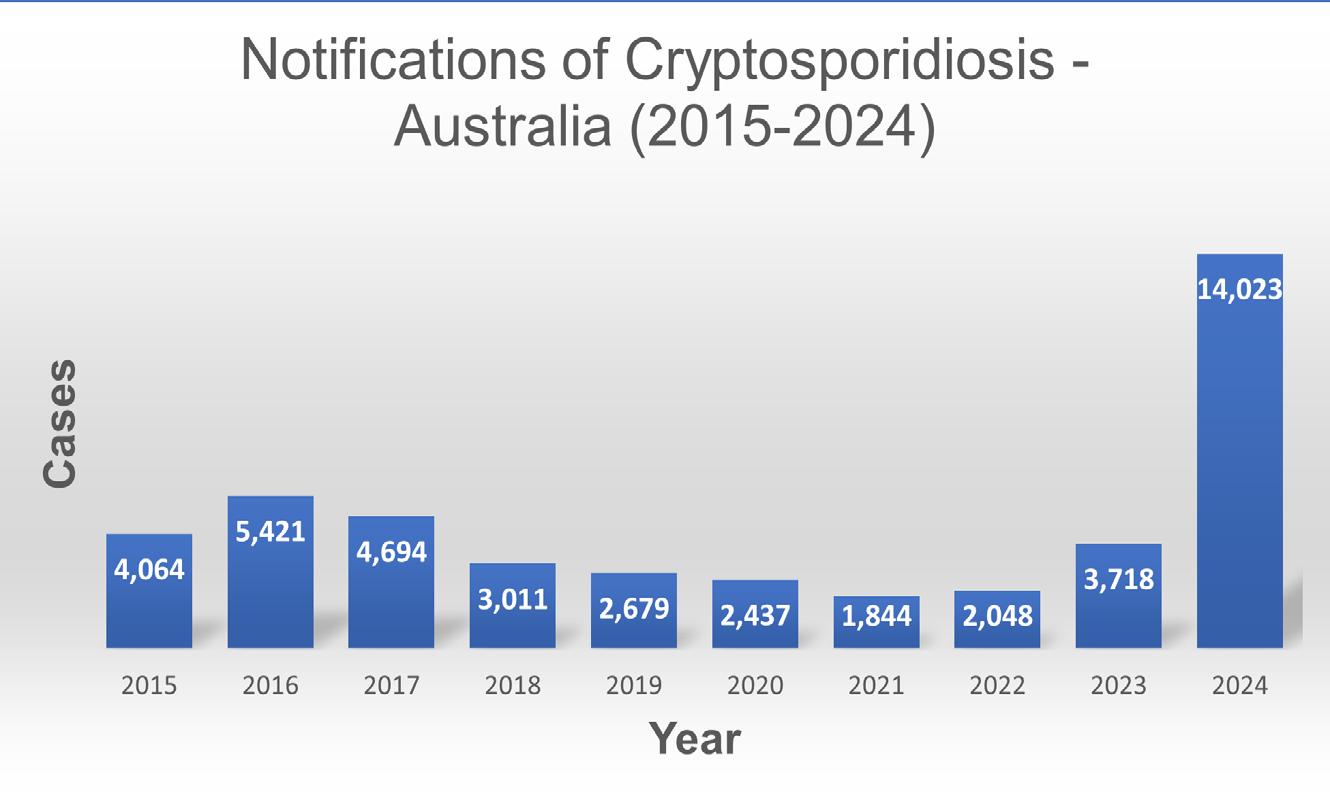
access to crop cultivation areas and using potable or high-quality irrigation water, helps to avoid the introduction of parasites into raw produce. Other practices include chemotherapies or vaccinations of farm animals to prevent animal infections. Control of T. gondii infections includes reducing cat populations or restricting their access to limit contamination on farms.
Processes such as pasteurisation of milk and juices, cooking meat and pork, and steaming of shellfish are effective means of inactivating parasites that may have found their way into food. Other strategies include freezing meat, which is a practical way to inactivate T. gondii cysts in meat.
Finally, practising good personal hygiene is essential for limiting person-to-person or person-to-food transmission. Excluding food handlers with diarrhoea from the workplace for 48 hours after symptoms have ceased limits the risk of transmission of illnesses such as cryptosporidiosis.
Parasites pose an underestimated and serious threat to public health. Gaps in our knowledge of foodborne transmission limit our ability to develop targeted control strategies. Hence, control and mitigation involve managing production environments, adherence to good hygienic practices, and improved surveillance. While practices such as the consumption of raw meat, fish
and some fresh produce increase the risk for consumers.
Further information on the public health risks associated with foodborne parasites has been published by the EFSA Panel on Biological Hazards.8
1. Castillo-Bejarano, J.I. et al (2018). Parasitosis intestinal. Revista de Enfermedades Infecciosas en Pediatría, 31, (125): 1322-1326
2. Torgerson, P. et al. (2015). World Health Organization Estimates of the Global and Regional Disease Burden of 11 Foodborne Parasitic Diseases, 2010: A Data Synthesis. PLoS Medicine, 12, (12): e1001920. DOI: 10.1371/ journal.pmed.1001920
3. Todd, E.C.D. (2014). Foodborne Diseases: Overview of Biological Hazards and Foodborne Diseases. Encyclopedia of Food Safety, Pages 221–242. https://doi.org/10.1016/ B978-0-12-378612-8.00071-8
4. Chomicz, L. et al. (2016). Newly Emerging Parasitic Threats for Human Health: National and International Trends. BioMed Research International, Article ID 4283270. https://doi. org/10.1155/2016/4283270
5. Australian Government, Department of Health, Disability and Ageing. National Notifiable Diseases Surveillance System (NNDSS) fortnightly reports https://www.health.gov. au/resources/collections/nndss-fortnightlyreports
6. Chávez-Ruvalcaba, F. et al. (2021). Foodborne Parasitic Diseases in the Neotropics – A Review. Helminthologia, 8, 58 (2):119–133. doi: 10.2478/helm-2021-0022
7. Shamsi, S. and Barton, D.P. (2023). A critical review of anisakidosis cases occurring globally, Parasitology Research, 122: 1733–1745. https://doi.org/10.1007/s00436-023-07881-9
8. EFSA Panel on Biological Hazards (2018). Public health risks associated with food-borne parasites. EFSA Journal, 16, No. 12. https://doi. org/10.2903/j.efsa.2018.5495
Deon Mahoney is a food safety consultant at DeonMahoney Consulting, Adjunct Professor in the School of Agriculture and Food Sustainability at the University of Queensland and is Scientific Advisor at AIFST. f
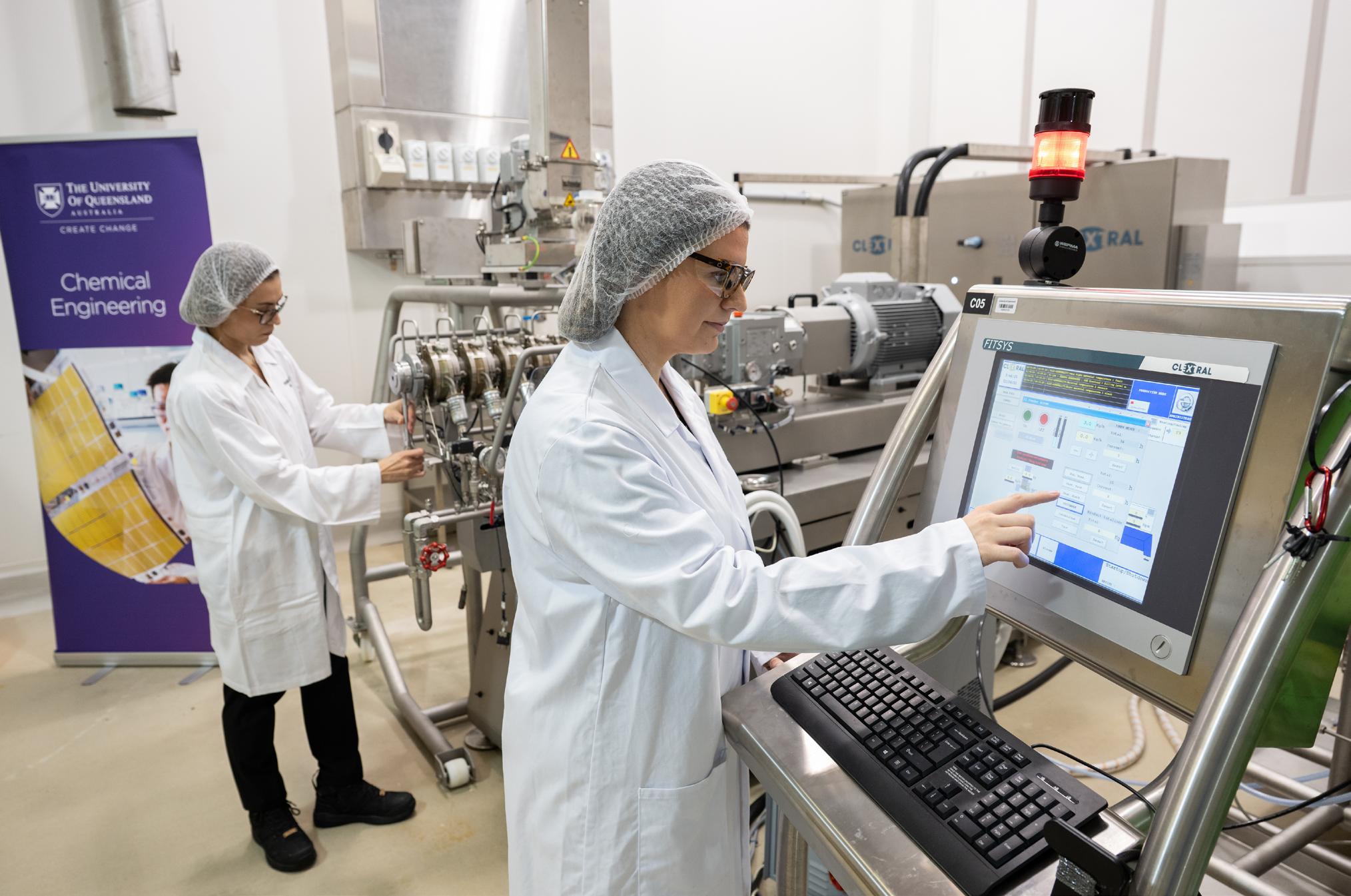
Words
Extrusion technology, first utilised in the 1870s to manufacture sausages, has a long and storied history.1 By the 1930s, single-screw extruders were producing pasta, cereals and expanded corn products. The mid1950s marked a significant milestone with the filing of the first patent for twin-screw extrusion technology. Since then, its application in food manufacturing has advanced and expanded dramatically.2 Extrusion processing has revolutionised modern food manufacturing thanks to its efficiency, scalability, and ability to produce a diverse range of products with precise control over texture, shape and nutritional composition.3 Extrusion combines multiple processes, such as granulation, mixing, cooking, cutting and drying,
into one continuous process. This offers significant advantages over batch processing, including higher production rates, consistent product quality and reduced operational costs. This blend of historical reliability and cutting-edge innovation positions extrusion as a key technology for the future of food processing.
Highly versatile, extrusion enables the creation of expanded, unexpanded, texturised and modified products, such as pasta, cereals, snacks, meat analogues, confectionery, starches and aquafeed.4 It modifies raw ingredients at a molecular level, enhancing digestibility, protein functionality, and shelf stability. It is also used to modify structure at the nano, micro- and milli-meter length scale,
including the use of specific exit dies to create anisotropic structures for control over texture and other sensory attributes. Extrusion lines can be adapted to process a wide variety of ingredients, enabling manufacturers to respond to market trends with minimal adjustments to their production setup. The ability to customise the screw profile within the barrel allows controls over the attributes of the final product. In addition to screw configuration, barrel temperature, pressure, shear and moisture content can also be adjusted to achieve a wide range of textures, from crispy, puffed snack food to fibrous, chewy meat analogues. An example of transforming traditional processes using extrusion technology is the evolution of ice cream manufacturing
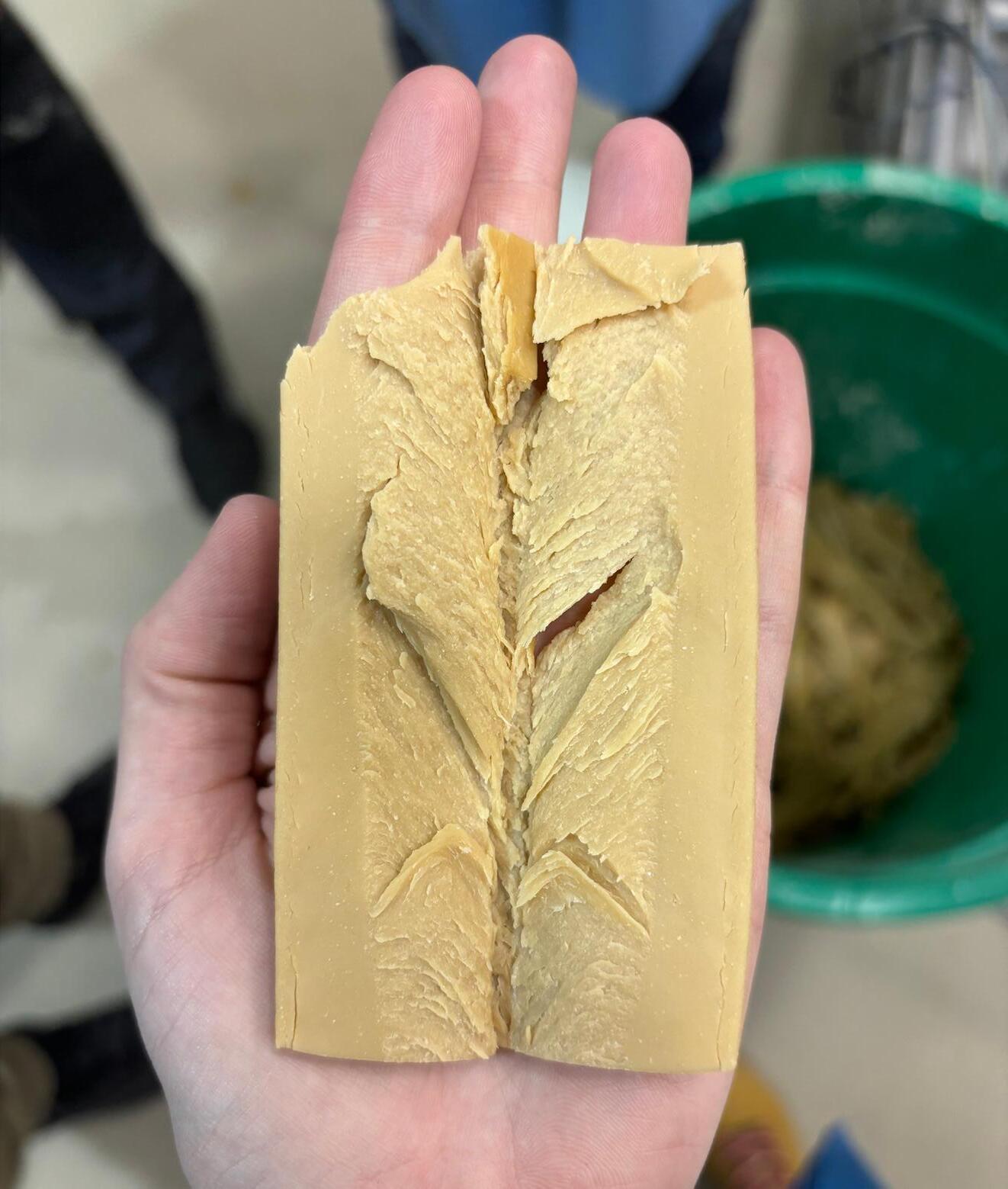
over the last 15 to 20 years.
Low-temperature extrusion processing subjects ice cream to higher shear stresses, resulting in smaller ice crystals and air bubbles, which enhances the smoothness and creaminess of the final product.5 This method also improves the viscosity and stability of ice cream, resulting in better texture and mouthfeel. Additionally, extrusion allows for more precise control over the incorporation of ingredients and the creation of complex shapes, thereby expanding the variety and quality of ice cream products available on the market. This is one example of how it can radically alter conventional manufacturing methods and provide significant advantages. It may also offer opportunities to transform the processing of other dairy products, such as cheese, where it could reduce manufacturing timescales, control the anisotropy of protein structure for enhanced functionality,
create micro-particulates for textural and nutritional benefits, or enable coextrusion of milk concentrates with plant materials for innovative new products.6
Recent advances in twin-screw technology have enhanced mixing and cooking capabilities, allowing for the inclusion of functional ingredients and fortification with vitamins and minerals.5 This supports the development of high-protein, high-fibre, and otherwise nutritionally enhanced formulations. Modern consumer-driven trends, such as plant-based, high-protein, sustainable, and clean-label products, are driving increased demand for extrusionbased innovations. Its versatility positions extrusion as a central tool in developing innovative, marketaligned foods. For example, extrusion processing enables the valorisation of agricultural waste or by-products, and structuring products without additives through matrix design.
Despite its advantages, extrusion processing faces challenges that can affect both product quality and innovation. A key issue is maintaining process control and consistency. Factors such as temperature, pressure and feed rate must be precisely monitored. Variations in these parameters can lead to inconsistencies, requiring advanced control systems to optimise production. Ingredient structure and functionality are also often under-considered in process design, which can impact texture, stability and sensory outcomes. This is particularly apparent, for example, when utilising protein isolates from different sources or the seasonal variations of agricultural materials. We are currently addressing these issues by investigating structure–property–processing relationships to drive innovation in sustainable and functional food production and by developing state-of-theart experimental capabilities in food structure design and process technology.
Another challenge is incorporating novel functional food ingredients to enhance nutrition and health benefits, such as microencapsulation of probiotics and polyunsaturated fatty acids or reducing salt, sugar, and fat, without compromising sensory appeal. Extrusion also presents an opportunity to upcycle food by-products and waste streams into nutritious, edible products, contributing to sustainability efforts.7 Addressing these challenges through improved ingredientprocess understanding and advanced monitoring technologies will be crucial for the future of food extrusion.
The University of Queensland (UQ), through Australia’s Food and Beverage Accelerator (FaBA), is leading research in extrusion processing to enhance the texture, flavour and nutritional quality of food products. Through the integration
of diverse, minimally processed Australian raw materials, including alternative proteins and plantbased composites, UQ researchers, in collaboration with industry, are expanding the potential of extrusion technology to create novel and functional hybrid food products and ingredients. In late 2024, UQ took a significant step forward in food processing technology with the commissioning of its Clextral EV25 twin-screw extruder. Located at the Queensland Health & Food Science Precinct in Coopers Plains, Brisbane, the EV25 is the only one of its kind in Australia. With a processing capability of 25kg per hour, it is small enough to enable research and development trials, yet large enough to facilitate technology transfer to manufacturing scale (refer to Figure 1).
The complexities involved in scaling extrusion processes are well recognised, particularly during the transition from laboratory-scale experimentation to pilot-scale trials and, ultimately, full-scale industrial production.8 A significant barrier is equipment variability. Differences in screw geometry, die design, motor torque, and thermal properties can alter outcomes, even with the same recipe. The EV25 bridges this gap, enabling faster R&D and industry-ready solutions. Access to uniquely specialised laboratory and pilot-scale extrusion facilities enables researchers at The University of Queensland to address critical challenges related to technology transfer and product commercialisation through mitigating manufacturing risks and accelerating the commercialisation of food innovations. This approach not only minimises the uncertainties associated with scaling to industrial production but also accelerates the R&D process towards innovative products and processes, enabling efficient product development cycles. These advancements are supported by UQ’s world-leading expertise in rheology and biopolymer extrusion. In addition, UQ has an extensive array of smaller lab-scale extruders, including a food-grade device, to
rapidly explore concepts, and test hypotheses and formulations. The capabilities build on established world-leading expertise in rheology and polymer extrusion. Historically, optimisation of extrusion parameters has relied heavily on empirical, trialand-error approaches. The increasing demand for high-performance, functional foods is prompting a shift towards more data-driven process design. Predictive extrusion modelling is a transformative approach, enabling faster development, enhanced reproducibility, and precision control of texture, structure, and nutrient retention.9
One of the most promising frontiers in extrusion science is its application to the delivery of nutritional and functional ingredients. Reactive extrusion, which is a method of chemically modifying polymers,10 provides unique opportunities to incorporate and stabilise bioactive compounds during processing. UQ researchers have niche expertise in the use of reactive extrusion in their processing design. Control of these reactions in an extruder remains challenging, therefore, it is essential to have a complete understanding of extruder parameters and reaction kinetics.11 By incorporating controlled enzymatic or chemical reactions directly within the extruder, it is possible to design novel foods with tailored nutritional and functional benefits.
The future of food extrusion is increasingly defined by its intersection with emerging technologies and a growing demand for sustainable, functional and personalised nutrition. As consumer expectations for these foods increase, UQ’s EV25 will be a vital platform for refining and scaling nextgeneration extruded food products. Beyond technological innovation, UQ’s extrusion capability fosters collaborative opportunities across academia, startups and established industry players. These partnerships
enable rapid prototyping, streamlined product development, and realworld testing, ensuring that research outputs are not only innovative but also commercially viable and aligned with current market demands. With this new capability, UQ is positioned as a key player in the evolution of food processing, fostering partnerships that drive technological advancements and bring novel, highquality products to market quicker than ever before.
1. Skarma Choton, N.G., Julie D Bandral, Nadira Anjum and Ankita Choudary (2020) Extrusion technology and its application in food processing: A review. The Pharma Innovation, 9(2): p. 162-168.
2. Rao, H.G.R. and M.L. Thejaswini, (2015), Extrusion Technology: A Novel Method of Food Processing
3. Riaz, E.B.N. (2000), Extruders in Food Applications. 1st Edition. Boca Raton: CRC Press. 240.
4. Barbosa-Cánovas, G.V. (2009), Food Engineering - Volume III. EOLSS Publications.
5. Crilly, J.F., et al.(2008), Designing Multiscale Structures for Desired Properties of Ice Cream. Industrial & Engineering Chemistry Research, 47(17): p. 6362-6367.
6. Lorenzen, M. and L. Ahrné (2025), Innovative dairy products by extrusion. Trends in Food Science & Technology, 159: p. 104979.
7. Dey, D., et al. (2020), Utilization of Food Processing By-products in Extrusion Processing: A Review. Frontiers in Sustainable Food Systems, Volume 4
8. Forte, D. and G.Young (2021), Food and feed extrusion technology: an applied approach to extrusion theory, 2nd Edition. Food Industry Engineering
9. Campanella, J.-M.B.a.O.H. (2014), Extrusion Processing Technology: Food and Non-Food Biomaterials. John Wiley & Sons, Ltd.
10. James, A.A., et al. (2022), 1 - Introduction to recycled plastic biocomposites, in Recycled Plastic Biocomposites, M.R. Rahman and M.K. Bin Bakri, Editors. Woodhead Publishing. p. 1-27.
11. Arora, B., et al.(2020) Reactive extrusion: A review of the physicochemical changes in food systems. Innovative Food Science & Emerging Technologies, 64: p. 102429.
Laura Mumford is a Food Research Engineer in the FaBA Premium Food and Beverage Program.
Dr Samira Siyamak is a FaBA Research Fellow in the School of Chemical Engineering at The University of Queensland.
Dr Jason Stokes is a Professor in the School of Chemical Engineering and leads the FaBA Premium Food and Beverages Program.
Dr Peter Halley is a Professor in the School of Chemical Engineering at The University of Queensland. f
Words by Dr Gregory Harper

Acritical feature of research and development (R&D), innovation, and the creation of new technologies is the challenge of transferring this new knowledge to industry and commercialising the findings. Success in this space maximises the output of R&D, supports industry growth, profitability, and competitiveness, and boosts Australia’s economic future.
Failure to effectively communicate the results of R&D and innovation is a significant challenge, often referred to as the innovation gap. Addressing this gap requires capacity and resources to facilitate the translation of R&D outputs to products and services for commercialisation and industry adoption.
The importance of addressing the innovation gap is highlighted in the Connect pillar in the AIFST Strategic Plan (2025-2027). This pillar emphasises the value of facilitating meaningful connections that encourage knowledge exchange and engagement, and nurture a strong portfolio of strategic relationships that lead to deeper connections with stakeholders.
With the richness and complexity of the Australian agrifood system, AIFST seeks to collaborate with various groups that employ different approaches to the opportunities and challenges faced.
Knowledge Commercialisation
Australasia (KCA) is the non-profit, peak body leading best practice in
industry engagement, technology transfer and entrepreneurship on behalf of Australian and New Zealand research organisations. Its membership includes technology transfer professionals from across a range of sectors. KCA hosts a range of Special Interest Groups and, reflecting the diversity of the organisation, it has an Agriculture and Food Special Interest Group (Ag SIG). For more information, see www. techtransfer.org.au
As Chair of the KCA Agriculture and Food SIG I have found their meetings compelling in that they help delegates understand the trials, tribulations and global impact of successful knowledge commercialisation initiatives. KCA works with the support of its members, the Australian Commonwealth Department of
Education and gemaker (https:// gemaker.com.au/) to compile and publish SCOPR® - Survey of Commercialisation Outcomes from Public Research.1 The report is published annually by KCA and includes data for both Australia and New Zealand.
While the survey covers all Australian and New Zealand publicly funded research activities, not just those focussed on agrifood, it provides unique value in the absence of more targeted data for our sector. We know that Australian and New Zealand companies are also involved in the commercialisation of agrifood knowledge, and that this activity is not captured in this survey. A shift from the public to the private sector is an important aspect of the longterm data.
Figure 1 shows that across Australia, a lot of researchers are employed in our publicly-funded institutions, and those researchers are supported in their work with significant amounts of public money from agrifood research and development through the Rural Research and Development Corporations, the Cooperative Research Centres (CRCs), the FaBA Trailblazer, Australian Research Council and other programs. This pool of research talent (estimated to be 2000 for this field) generates a significant number of discoveries and inventions.
On the supply side, these research outputs are delivered by a significant number of technology transfer professionals – the people that KCA represents, trains and recognises. Within this, the Ag SIG has 82 members from across Australia, who play a pivotal role as technology transfer professionals in moving discoveries and new knowledge from the laboratories and libraries into the hands of those best-placed to commercialise it.
According to a recent survey of KCA Ag SIG members and their networks, it was estimated that there are currently only about 40 people in
Australia who are tasked with getting innovations out of laboratories and into agrifood companies to help them “Capture the Prize” of $200 billion by 2030.2
While some may argue that funding should prioritise research over support staff – “let’s keep the money for more research, and not waste it on more support staff” –the alternative is for researchers to absorb commercialisation responsibilities into already full workloads, or for research program managers to take on complex licensing and contracting without the necessary expertise. In this context, dedicated technology transfer professionals are not a luxury; they

are essential to unlocking value from our national research efforts.
The flip side is a growing trend for specialised private companies to facilitate the transfer of technology from public institutions to agrifood businesses. However, few Australian food companies have the resources to actively grab IP and know-how from inside those institutions. A clear gap remains.
To unlock the value of Australia’s publicly funded research, the transfer and commercialisation of R&D findings and innovation in the agrifood sector must be strengthened. This will require the injection of more resources and a broader base of skilled practitioners.
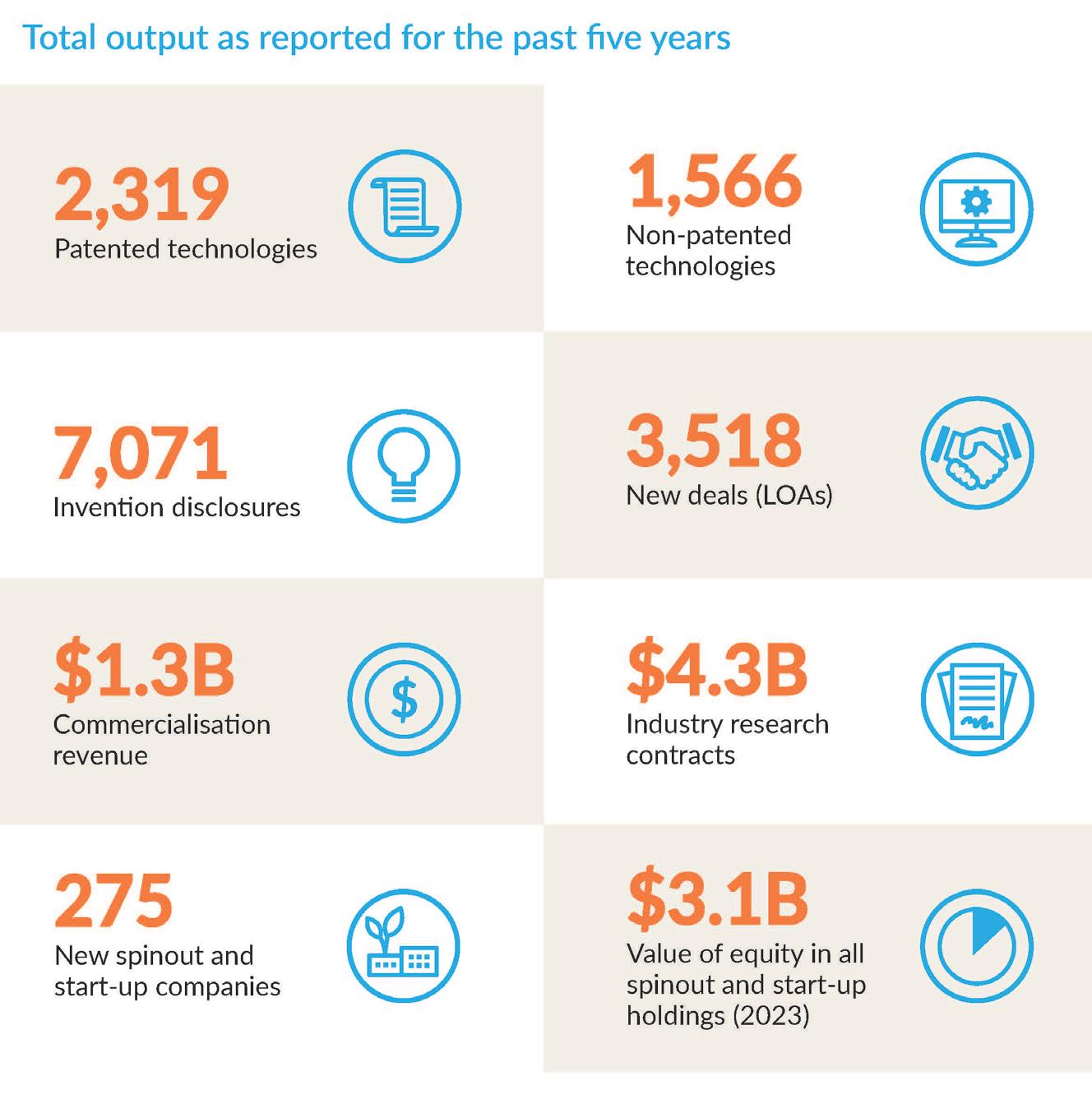

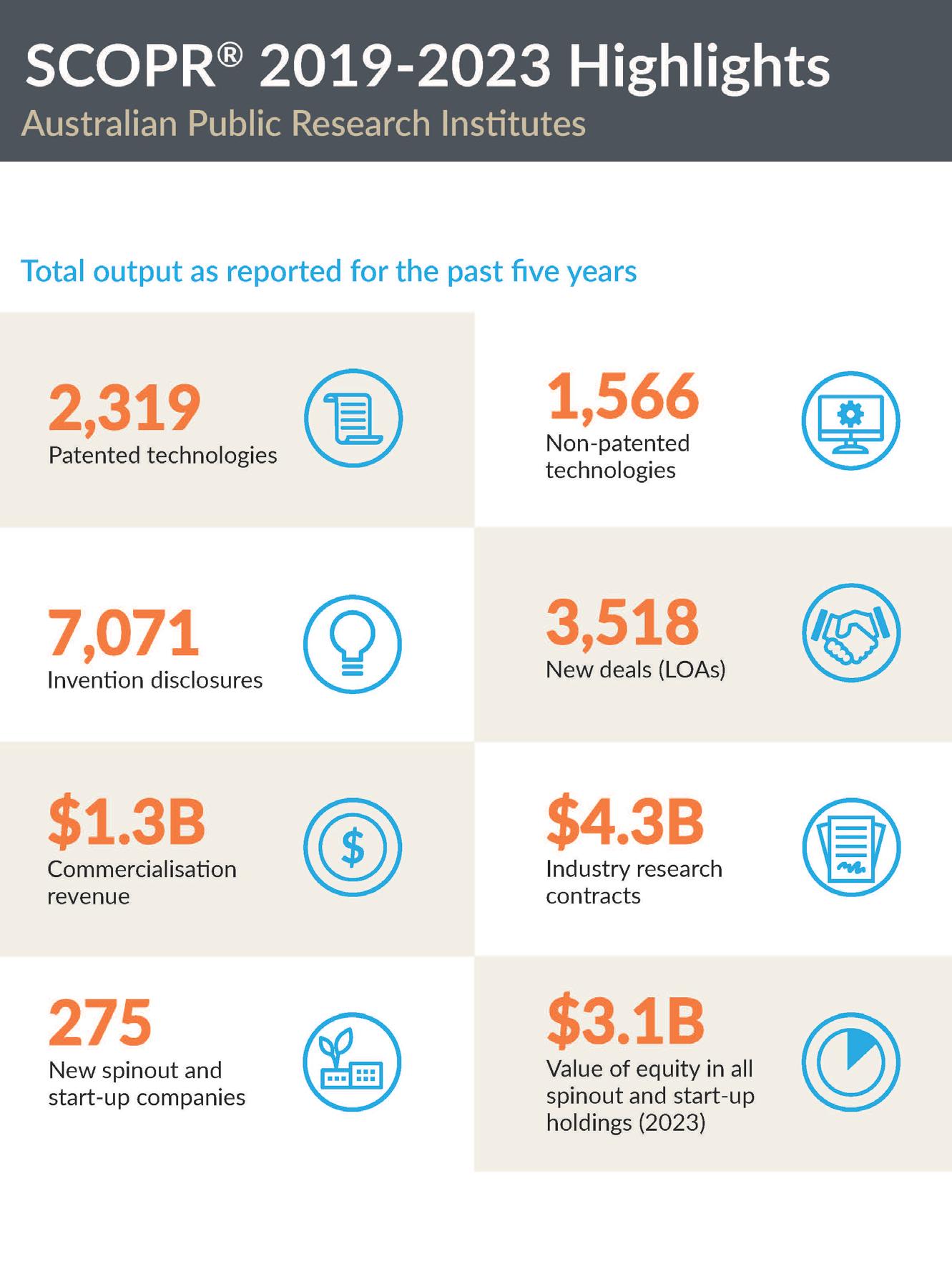





Knowledge Commercialisation
Australia’s Agriculture and Food Special Interest Group contends that the agrifood sector is currently served by a professional cohort that is too small. As such, there is a compelling opportunity for young professionals to explore careers in this specialised and high-impact field.
References
1. Knowledge Commercialisation Australia, (2023), Survey of Commercialisation Outcomes from Public Research http://techtransfer.org. au/scopr/
2. Food and Agribusiness Growth Centre (2020), Capturing the Prize: The A$200 billion opportunity in 2030 for the Australian food and agribusiness sector https://www.fial.com.au/ sharing-knowledge/capturing-the-prize
Dr Gregory Harper trained as a biochemist at the University of Queensland and Monash University before embarking on an international career in research, development, knowledge translation and governance. He now works as a strategy advisor and mentor through Crondar Pty Ltd. Gregory is a Fellow of the Australian Institute of Food Science & Technology and of the Australian Institute of Company Directors and is co-chair of the AIFST Board. f

Take your career to the next level
The AIFST CPD program is designed to empower you with the knowledge and skills necessary for success in the ever evolving agrifood sector.

How do I get involved?


You just need to be a member of AIFST. All AIFST events earn CPD points. Contact us today! www.aifst.asn.au aifst@aifst.com.au

Words by Dr Duncan Craig

Food policy plays a vital role in ensuring the safety, quality and sustainability of the food supply. It balances regulatory oversight with industry needs and public health priorities. Professionals in this field work across government, industry, international organisations, and academia, contributing to evidence-based policies that support both consumer wellbeing and economic growth.
Food policy professionals typically work within four broad sectors: Government Government-based professionals have central responsibility for policy development, regulation, enforcement and broader public health initiatives. Roles may be in the Department of Health and Aged Care, which oversees food regulation and nutrition policies, or in agencies such as Food Standards Australia New Zealand (FSANZ), which sets national food standards. The Department of Agriculture, Fisheries and Forestry (DAFF) focuses on agricultural policy, imported food, biosecurity and trade regulations, while state and territory governments manage compliance and support food safety initiatives at a local level. Policy officers typically advance into senior advisory roles, working with industry, scientists and other stakeholders to develop evidence-based policies.
Industry
In industry, food policy professionals navigate regulatory systems and influence business strategies. Some
may work with peak bodies such as the Australian Food and Grocery Council (AFGC), which engages with government on policy and regulation. Industry may also develop voluntary policies to address sectorspecific challenges, such as allergen management or marketing codes. Emerging focus areas include novel foods, packaging innovation, and reducing food waste, reflecting the evolving expectations of consumers and environmental sustainability goals. Career progression typically starts in technical, regulatory affairs, or policy roles, with opportunities to advance into senior leadership positions.
Academia contributes to food policy through research, education and policy development. Universities and research institutions generate evidence that informs decisions on food safety, nutrition and trade. Academics advise industry and government, participate in international discussions and train future professionals through specialised courses and consultancies.
International
Globally, food policy professionals work with organisations such as the World Health Organization (WHO), Food and Agriculture Organization (FAO), and Codex Alimentarius Commission. These roles help harmonise international food safety standards, support trade, and protect and improve public health. Professionals often engage in Codex working groups, WHO initiatives,
and trade forums, influencing global policy on safety and sustainability. International roles may also involve capacity building in developing countries, helping to strengthen food systems and regulatory frameworks worldwide.
Success in food policy requires regulatory knowledge, scientific literacy, consumer science, strategic communication and negotiation skills. Professionals must understand food laws and systems, as well as industry practices, and use research to inform their decisions. Strong communication is essential for drafting policies, engaging stakeholders and advocating effectively. Balancing public health priorities with commercial realities is key. Core responsibilities include developing and implementing government or industry policies, collaborating with stakeholders, advocating for policy change and assessing risk to ensure food safety. Analytical thinking, adaptability and a commitment to public service are also important traits in this field. Whether in government, industry, or academia, food policy professionals help to shape a system that protects consumers while fostering innovation and competitiveness.
Effective food policy is built on collaboration between government, industry and academia. When aligned with scientific evidence and innovation, policy can safeguard public health while supporting a dynamic food sector. Food policy professionals are essential to building a safe, sustainable and globally competitive food system.
Dr Duncan Craig is Director, Nutrition and Regulation at the Australian Food and Grocery Council. f
A new digital resource centre designed to support, connect and inspire Australia’s agrifood science and technology community.
Whether you’re exploring the field, building your career, or deepening your expertise, the Hub offers trusted, science-led content to help you stay informed and empowered.