First Nations people living off reserve in British Columbia continue to face significant housing and homelessness challenges Engagement across four regions highlighted overcrowding, unaffordable rents, discrimination in rental markets, limited transitional housing, and fragmented service systems. The Urban, Rural, and Northern Indigenous Housing Strategy (URN) and Reaching Home Canada’s Homelessness Strategy programs were established to respond to these realities through Indigenous led, culturally appropriate approaches While distinct in focus, the programs are designed to work together to address housing needs and homelessness across the continuum. Since the program launch, governance structures and funding processes have been established, and funding has been approved for a range of housing and homelessness initiatives Many projects are now in early stages of implementation, including planning, design, permitting, and service start-up At this stage, outcomes are emerging primarily as increased readiness, strengthened partnerships, and early system alignment, rather than completed housing or long-term impact. This report documents progress to date, challenges, learning, and priority actions for the next phase
2. Program Overview, Distinction, and Approved Projects
This section provides an overview of the Urban, Rural, and Northern Indigenous Housing Strategy (URN) and Reaching Home: Canada’s Homelessness Strategy, explains how the programs differ and complement one another, and summarizes approved projects to date
Urban, Rural, and Northern Indigenous Housing Strategy (URN)
The Urban, Rural, and Northern Indigenous Housing Strategy (URN) was developed in response to persistent and worsening housing challenges faced by Indigenous people living off reserve in British Columbia. Engagement participants consistently described severe shortages of affordable housing, overcrowding, deteriorating units, and the absence of culturally appropriate housing options across urban, rural, and northern contexts
Participants emphasized that housing challenges are not limited to individual circumstances but reflect systemic barriers, including historic underinvestment, limited access to land and infrastructure, and exclusion from mainstream housing systems. One participant described the scale of overcrowding by stating, “I started with four people in my home three months ago; now I have 11. ”
URN is intended to address these structural gaps through longer-term housing solutions rather than short-term or emergency responses. The strategy supports housing development, acquisition, or redevelopment of existing buildings, land acquisition to enable future housing, early-stage planning and design, and related infrastructure necessary to advance housing projects
A central feature of URN is its emphasis on Indigenous-led planning and governance. Engagement participants consistently expressed the need for Indigenous authority over housing decisions, with one stating, “We don’t need another colonial system telling us how to build homes for our people We need the resources and the power to make decisions that work for us ”
URN is designed to support housing as a foundation for stability, wellness, and long-term community benefit.
Reaching Home: Canada’s Homelessness Strategy
Reaching Home: Canada’s Homelessness Strategy is a national program focused on preventing and reducing homelessness It includes a specific focus on Indigenous homelessness, recognizing that Indigenous peoples are disproportionately represented among those experiencing homelessness.
Engagement findings underscored that homelessness among Indigenous people is often chronic or cyclical and closely connected to broader systems, including child welfare, justice, health, and housing markets Participants described how limited access to safe housing options leads people to make unsafe choices, with one noting, “Some end up in abusive relationships just to have a place to sleep. ”
Reaching Home supports a range of activities, including homelessness prevention, outreach and housing support services, transitional and supportive housing, renovation or acquisition of housing linked to homelessness outcomes, and system coordination. These activities may address immediate needs while also supporting longer-term housing stability.
Reaching Home funding can support both on-reserve and off-reserve projects, where activities align with program objectives and eligible homelessness-related outcomes The emphasis is on reducing and preventing homelessness, regardless of location, when projects meet program intent.
Key Differences and How the Programs Work Together
URN and Reaching Home serve distinct but complementary roles within the Indigenous housing and homelessness system. URN primarily focuses on addressing structural housing gaps and increasing access to housing supply for Indigenous people living off reserve Reaching Home focuses on preventing and reducing homelessness by supporting services, transitional housing, and system coordination. Participants repeatedly emphasized that housing and homelessness cannot be addressed by a single intervention. As one participant stated, “Homelessness has multiple barriers and cannot be solved with one directive ” Together, the programs support different stages along the housing continuum URN investments support longer-term housing options, while Reaching Home supports people at risk of or experiencing homelessness. Coordination between the programs strengthens overall responses by linking housing development with the services needed to achieve and maintain housing stability
Approved Projects
At the time of this report, projects have been approved under both URN and Reaching Home and are at varying stages of implementation. Detailed project information will continue to be updated as implementation progresses.
Approved Projects Under URN:
Project information is presented by region, project type, and scale rather than by community name
It is important to note that the unit and bedroom totals reflect the full project scope, not just URN funding. In most cases, URN funding is being used to leverage and subsidize larger, multi-source housing projects, alongside provincial and partner investments.
Regional Distribution
Approved URN projects are distributed across several regions of British Columbia, reflecting diverse housing needs and development conditions
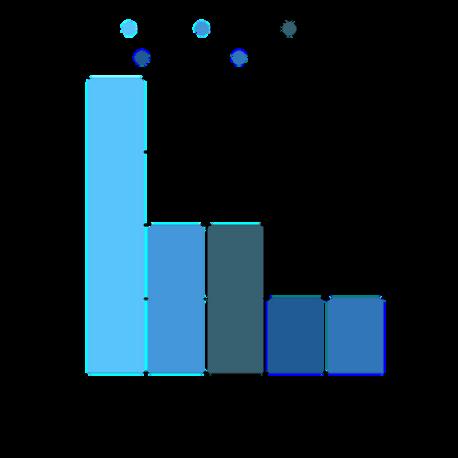
Interior: 4 projects
Northwest: 2 projects
Northern: 2 projects
Vancouver Island: 1 project
Fraser Valley: 1 project
This distribution supports a province-wide approach to off-reserve Indigenous housing, spanning urban, rural, and northern contexts.
Types of Projects Supported
URN funding supports a range of housing development activities across different stages of readiness
Project types include:
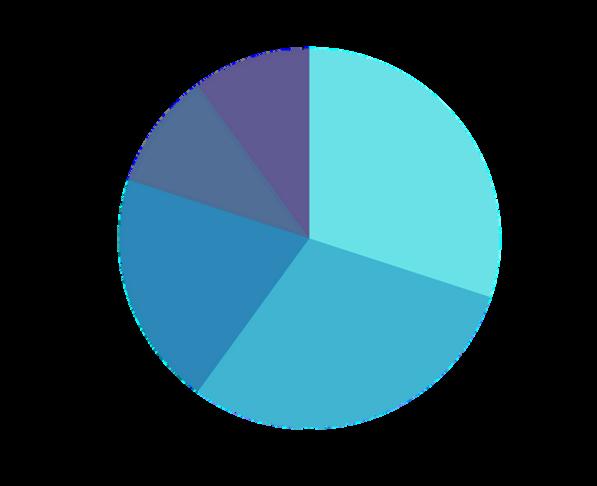
3 Planning and feasibility projects
3 Property acquisition projects
2 New construction projects
1 Renovation and rehabilitation project
1 Land purchase
This mix reflects the reality that increasing Indigenous housing supply requires investment at multiple points along the development pathway.
Housing Models
Across approved projects, several housing approaches are being supported.
5 Supportive housing projects
4 Long-term rental housing projects
1 Transitional housing project
These models respond to different needs, from stable long-term housing to more intensive support for people facing barriers to housing stability.
Scale of Housing Being Advanced
Based on approved project information:
Total housing units being advanced: approximately 69 units
Total bedrooms across projects: approximately 179 bedrooms
These figures represent the full scope of housing being developed or secured through stacked funding models. URN funding contributes to this scale by subsidizing a portion of total project costs, helping larger housing developments move forward rather than fully funding projects on their own.
These numbers reflect anticipated capacity, not yet delivered units
Populations Being Prioritized
Across URN projects, priority populations commonly include:
Youth in education
Elders living off reserve
Families with children
Members displaced by emergencies or unsafe housing.
These priorities align closely with engagement findings that highlighted the need for housing solutions that support stability for youth, families, and Elders
Current Stage of Implementation
At the time of reporting, URN projects are at varying stages of development:
Planning and feasibility
Acquisition
Design
Early construction
Most projects are still in pre-construction or early delivery stages, reflecting the time required to assemble land, partners, permits, and capital for housing development
Key Design and Service Features
While projects vary in size and approach, several common features are emerging across approved URN initiatives:
Culturally grounded housing environments
Trauma-informed and community-based design
Supportive service integration, particularly for youth and Elders
Long-term affordability focus
Community-led governance and oversight
These features reflect consistent priorities raised by Indigenous partners that housing should support not only shelter, but also safety, dignity, and long-term well-being.
Approved Projects Under Reaching Home:
Project details are summarized by region, type, and scale rather than by community name. All projects are currently in early stages of implementation, including service start-up, acquisition, or planning The information below reflects approved scope and intent, not completed outcomes
Regional Distribution
Approved projects are located across multiple regions of British Columbia, reflecting both geographic diversity and varying housing and service needs
Fraser Valley: 4 projects
Interior: 2 projects
Northeast: 2 projects
This distribution supports a balanced response across urban and rural contexts while recognizing that housing and homelessness pressures vary significantly by region.
Types of Projects Supported
Reaching Home funding supports a mix of housing-focused and system-support initiatives.
Project types include
:
3 Housing support projects focused on helping people access and retain housing
1 Research and planning initiative to strengthen local homelessness responses
3 New construction capital projects tied directly to homelessness outcomes
1 Acquisition and renovation project that brings existing buildings into use for housing
This mix reflects the need to address both immediate housing instability and longer-term system readiness.
Housing Models
Across approved projects, several housing approaches are being used to respond to different needs along the homelessness continuum.
3 Transitional housing models
1 Supportive housing model
1 Transitional and supportive model
These models allow projects to support people at different stages of housing stability, from crisis response to longerterm support
Scale of Housing
While many projects are still in planning or early implementation, approved initiatives currently include:
Total housing units: 6
Total bedrooms: 7
These figures represent anticipated capacity once projects are fully implemented and should be understood as early-stage commitments rather than delivered outcomes.
Populations Being Served
Across projects, primary populations identified include:
People experiencing homelessness
Elders facing homelessness or housing insecurity
These priorities closely align with themes raised through provincial engagement on the need for culturally safe options for Elders and individuals experiencing chronic housing instability
Current Stage of Implementation
At the time of reporting, all approved Reaching Home projects are in early stages, including:
Service start-up
Property acquisition
Planning and design
This reflects the program's broader implementation stage and the time required to establish sustainable housing and service models
Key Design and Service Features
Although projects vary in scale and approach, several common features are emerging across approved initiatives:
Culturally safe housing environments
Wraparound wellness support, including counselling and Elder mentorship
Trauma-informed and relationship-based service models
Low-barrier access for people experiencing homelessness
These features reflect consistent feedback from Indigenous partners that housing must support not only shelter, but also healing, dignity, and connection.
3. Background and Context
Housing affordability pressures, limited rental supply, and rising construction and land costs continue to affect Indigenous people living off reserve in British Columbia These pressures are particularly acute in urban centres and in rural and northern regions where infrastructure constraints and limited service availability compound housing challenges.
Engagement participants consistently emphasized that off-reserve Indigenous housing and homelessness needs are not adequately addressed through existing systems
Discrimination in rental markets was frequently raised, with one participant stating, “Even if you have a job, even if you can afford rent, they won’t rent to you because of who you are ”
Participants also highlighted the connection between housing instability and broader historical and systemic factors, including displacement, colonial policy, and
4. Program Governance and Implementation Approach
APPLICATION PROCESS MAP
APPLICATION SUBMISSION
Applicant submits full application package to intake
INTAKE REVIEW
The Program Administrative Assistant logs and forwards the application to the Program Coordinator (PC). The PC conducts a basic completeness check and, if the application is incomplete or requires improvements, follows up with the client to address gaps.
TRIAGE REVIEW
Applications are reviewed and scored by the Program Coordinators for clarity and alignment with URN/Reaching Home Priorities Based on priority and readiness applications are then categorized into: Tier 1 (high), Tier 2 (medium), or Tier 3 (low priority).
Tier 1: Fast-tracked (1-2 days)
Tier 2: Routed for standard assessment (5-10 days)
Tier 3: Held for future cycles; applicant may receive feedback & technical assistance
FULL ASSESSMENT
Program Coordinators score and assess in detail Recommendations are reviewed by the Program Manager, who prepares applications for the Decision-Making Committee
DECISION MAKING COMMITTEE
Reviews Full Assessment results and voltes Yes/No on applications Funding decisions are made by majority vote
FUNDING DISBURSEMENT
Approved applications receive funding agreements. Funds are disbursed according to the agreed payment schedule, and confirmation is communicated to the Executive Director
MONITORING & REPORTING
Funded projects are required to submit regular progress and financial reports Ongoing compliance checks and impact monitoring are conducted to ensure accountability and alignment with program objectives
Governance structures were established to support transparent and accountable program delivery. Standardized intake, assessment, and approval processes are used across both programs, with final funding decisions made through a Decision-Making Committee.
Program systems and procedures were developed during implementation. This phased approach allowed funding to respond to urgent needs while enabling processes to be refined based on early experience and feedback
Internal roles and responsibilities support separation between application support, assessment, and oversight, contributing to consistency and fairness. This approach reflects engagement feedback emphasizing the need for clarity, transparency, and trust in funding processes
5. Engagement and Relationship
Building
Engagement has been a foundational element of both program design and early implementation. Between February and April 2025, more than 250 participants from over 30 First Nations and Indigenous organizations participated in regional workshops, interviews, focus groups, and surveys across four regions of British Columbia.
Across regions, participants consistently identified severe housing shortages, youth aging out of care with limited transitional options, Elders at risk of homelessness in off-reserve settings, fragmented service delivery, and navigation barriers.
One housing worker summarized the strain on frontline services by stating, “How can I support someone finding a home when I’m facing eviction myself?”
Participants emphasized that trust, sustained dialogue, and Indigenous leadership are critical to successful implementation. As one participant noted, “Relationships are vital to creating and sustaining meaningful partnerships. ”
From July through December, program coordinators engaged regularly with approximately 40 communities to provide hands-on support with funding applications and project development. This work was supported by five provincially open webinars, helping to ensure that program information and guidance were widely accessible beyond one-to-one engagement Throughout this period, feedback and program data were gathered to inform continuous learning and ongoing improvements to program design and delivery
6. Risks and Challenges
Implementation has occurred within a challenging environment Housing market pressures, capacity gaps, and data limitations have affected project feasibility, timelines, and reporting.
Housing market pressures in BC include high land costs, rising construction costs, and limited contractor availability, affecting a community’s ability to provide housing for its membership
Many First Nations are operating with limited staff and capacity to build homes for their offreserve membership. Some are managing off-reserve capital projects and homelessness initiatives for the first time, often without access to development, finance, or project management capacity These capacity gaps are not a reflection of leadership or the communities themselves but rather the underinvestment in indigenous housing
Both programs are in the early stages of development, and many community projects are at the initial stage. As a result, limited data are available on longer-term outcomes, such as housing stability or reductions in homelessness
“We spend so much time trying to navigate the system instead of actually building homes.
7. Mitigation Strategies and Program Adaptation
In response to these challenges, program teams have adopted an adaptive implementation approach, including flexible timelines, targeted technical support, and ongoing process refinement
To mitigate some of the risks posed by housing market pressures, we have built flexibility into project timelines and secured multiyear funding to account for construction delays and cost escalation We have encouraged phase builds when full builds are not immediately feasible
To address capacity gaps, we have provided extensive application support and enabled communities to access external support from project development and project management companies. As well as applying for feasibility studies for their first application, with the possibility of reapplying for the remaining funds to start their project This will reduce risk and increase the likelihood of success
On several occasions, FNHIC has received feedback from communities that the accessibility of the application process, combined with staff support, has reduced administrative barriers and enabled organizations to apply that might otherwise have been unable to do so. Communities noted that this approach eased the administrative strain often associated with larger, non-Indigenous funding programs and made participation more feasible for organizations with limited capacity
There has been early support for land acquisition and site preparation as eligible early steps. We have encouraged communities to do their due diligence. Such as connecting with municipalities and service providers to mitigate risks and challenges in development down the road after the land purchase, to ensure the land will suit their needs
To strengthen data and reporting, we have introduced reporting expectations for their projects, requiring them to develop clear outcome indicators and milestones. This supports accountability without overwhelming communities early on.
This is the first year these programs have been running, so mitigating risks has been at the forefront of our work We are committed to continuous improvement year after year
8. Key Learnings
The first year of implementing URN and Reaching Home has provided important insights into what it takes to advance Indigenous-led housing and homelessness responses in BC While many projects are in the early stages, several consistent lessons have emerged. Early implementation reinforces several key lessons:
Indigenous-led and culturally grounded approaches are essential. Funding is more effective when paired with hands-on support
Flexibility is critical for capital projects
Early progress looks like readiness and not just results. Housing and homelessness solutions require time and sustained investment. Strong relationships reduce risk, improve communication, and support long-term success
Systemic barriers cannot be solved by programs alone
One size does not fit all when it comes to communities across BC
Long-term change requires long-term commitment from all levels of government.
“We’re not just surviving we’re ready to heal, if we’re met with respect and humanity. ”
9. Next Steps and Priorities
The next phase of implementation will focus on refining program tools, continuing engagement, strengthening capacity and delivery, improving data practices, and supporting coordination across housing and homelessness systems.
Next steps include:
Support projects to move from planning to delivery
Strengthen organizational and system capacity.
Deepen engagement and implement program changes.
Improve data, reporting, and learning systems.
Strengthen coordination across housing and homelessness systems
Continue program refinement based on learning
Use program learning to inform broader system change
This work matters because safe, stable, affordable housing is foundational to the health, dignity, and well-being of First Nations people living in BC. Strengthening Indigenous-led housing and homelessness systems now lays the groundwork for lasting change, even as many important outcomes will take time to emerge
Conclusion
The first year of implementing the Urban, Rural, and Northern Indigenous Housing Strategy (URN) and Reaching Home has laid important groundwork for strengthening Indigenousled responses to housing and homelessness in British Columbia While many projects remain in early stages of planning and development, clear progress has been made in establishing governance structures, building relationships with Indigenous partners, and advancing funding approaches that reflect community priorities and real-world conditions.
Engagement across regions has reinforced that the housing and homelessness challenges faced by First Nations people living off reserve are complex, deeply rooted, and cannot be resolved through short-term or single-program solutions. Communities have been clear that lasting change requires culturally grounded approaches, Indigenous leadership, and sustained investment in both housing supply and the systems that support people to remain housed
As URN and Reaching Home move further into implementation, the focus will remain on learning, adaptation, and partnership. Early experience confirms strong demand for these programs, the importance of flexibility, and the need to align ambition with realistic timelines for housing development and system change The work underway represents an important step toward strengthening Indigenous-led housing and homelessness systems in British Columbia, recognizing that the most meaningful outcomes will emerge over time through continued commitment, collaboration, and trust.
Special Thanks
FNHIC extends sincere appreciation to all partners, communities, and organizations who contributed to the Urban, Rural, and Northern (URN) Indigenous Housing Strategy Funding and Reaching Home Funding initiatives
. Your collaboration and shared expertise have supported meaningful progress toward addressing Indigenous housing needs across British Columbia.
We would especially like to thank:
The First Nations Leadership Council
Indigenous Housing Societies and Housing Managers
Elders, Knowledge Keepers, and community members with lived experience
Youth representatives
Municipal partners and other key stakeholders
Your feedback has shaped this work, and we remain committed to honouring and amplifying your voices as we continue to deliver and strengthen these funding programs.
Háw’aa
Appendices
Appendix A – Engagement Summary
Purpose
Engagement was undertaken to inform the design and early implementation of the Urban, Rural, and Northern Indigenous Housing Strategy (URN) and Reaching Home in British Columbia. The goal was to ensure that program approaches reflect off-reserve Indigenous housing and homelessness realities, community priorities, and lived experience
Scope of Engagement
Engagement activities included participation from:
First Nations leadership and staff
Indigenous housing providers
Homelessness service organizations
Elders, youth, and people with lived experience
Engagement took place across multiple regions of British Columbia and included regional gatherings, interviews, facilitated discussions, and written submissions
What Was Heard
Across regions, participants consistently emphasized:
Severe shortages of safe and affordable housing
Discrimination and barriers in rental markets
The need for culturally grounded housing and services
Capacity constraints in Indigenous housing systems
Fragmented service delivery for people experiencing homelessness
The importance of Indigenous leadership in housing decision-making
How Engagement Informed Programs
Engagement directly influenced:
Simplified intake and application processes
Prioritization of Indigenous governance and leadership
Alignment between housing development and homelessness supports
Emphasis on flexibility in timelines and delivery approaches
Appendix B - Governance Framework
Governance Framework
URN and Reaching Home are delivered through governance structures designed to support: Transparency
Consistency
Accountability
Alignment with First Nations leadership priorities
Roles and Responsibilities
Key elements include:
Program staff responsible for intake, application support, assessment, monitoring, and reporting
A Decision-Making Committee responsible for reviewing funding recommendations and providing final approval
Clear documentation practices to support accountability and audit readiness
Decision-Making Flow
1. Initial intake and eligibility review
2 Application development with staff support
3 Technical and program assessment
4. Recommendation to the Decision-Making Committee
5. Final decision and communication to applicants
This structure supports fairness while maintaining appropriate separation between support and approval functions
Appendix C – Generalized Project Summaries
Purpose
To support transparency while respecting community privacy, this appendix presents a generalized overview of approved projects under URN and Reaching Home Project information is summarized by region, project type, scale, and stage rather than by community name.
Urban, Rural, and Northern Indigenous Housing Strategy (URN)
Project Distribution
Projects are located across urban, rural, and northern regions of British Columbia, reflecting diverse market conditions and housing needs.
Types of Projects
Approved URN projects include:
Planning and feasibility
Property acquisition
New construction
Renovation and rehabilitation
Land purchase
Housing Models
Projects support: Supportive housing
Long-term rental housing
Transitional housing
Scale of Housing
Approximately 69 housing units are being advanced across approved URN projects These figures reflect the full scope of projects supported through stacked funding, with URN funding contributing to a portion of total development costs rather than funding all units directly.
Priority Populations
Common priority populations include:
Youth in education
Elders living off reserve
Families
Individuals displaced by emergencies or unsafe housing
People requiring supportive housing environments
Implementation Stage
Most URN projects are currently in:
Planning and feasibility
Acquisition
Design
Early construction
Project Distribution
Projects are located across multiple regions of British Columbia, including urban, rural, and northern contexts. Reaching Home: Canada’s Homelessness Strategy
Types of Projects
Approved Reaching Home projects include:
Housing supports
Research and planning
New construction capital projects
Acquisition and renovation
Housing Models
Projects support:
Transitional housing
Supportive housing
Combined transitional and supportive approaches
Scale of Housing
Approved Reaching Home initiatives currently include:
6 housing units
7 bedrooms
These figures represent anticipated capacity once projects are fully implemented
Priority Populations
Projects primarily serve:
People experiencing homelessness
Elders facing homelessness or housing insecurity
Implementation Stage
All approved projects are currently in:
Service start-up
Acquisition
Planning and design
Appendix D – Risks and Mitigation
Overview
Implementation of URN and Reaching Home is occurring in a complex environment shaped by housing-market pressures, capacity constraints, and systemic barriers This appendix summarizes key risks and the strategies in place to mitigate them.
Key Risks and Mitigation Strategies
Housing market pressures
High land and construction costs, labour shortages, and supply chain delays affect timelines and budgets
Mitigation: Flexible timelines, phased development approaches, and ongoing scope review with recipients.
Capacity gaps
Limited staffing and technical resources affect the pace of the project and its reporting capacity.
Mitigation: Hands-on support, staged requirements, and targeted technical assistance
Project readiness variability
Projects enter programs at different development stages.
Mitigation: Differentiated expectations and early funding for feasibility and design
Land and infrastructure barriers
Zoning, servicing, and land access challenges affect off-reserve development.
Mitigation: Support for land acquisition, site preparation, and longer development horizons