Message from the President
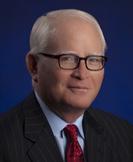
On behalf of our more than 2,100 members and their 94,000 employees, The Chamber serves as the voice of business in the Fargo Moorhead West Fargo metropolitan region. As the largest local chamber in both Minnesota and North Dakota, we are proud to represent our members in the public policy arena.
In Greater Minnesota, our small business and community leaders are providing unparalleled strength and resiliency as the business climate continues to evolve. I am looking forward to another session of tax relief and the rollback of undue regulatory burdens on a variety of fronts. Whenever possible, The Chamber is committed to mitigating policies that unfairly impact border cities and will advocate for expanded exemptions.
North Dakota is facing challenges and opportunities in every direction. Top priorities for our region include addressing significant workforce shortages and ensuring progress continues on flood protection projects. While the majority of our members are located in the eastern part of the state, our support is certainly with the communities in the west. The Chamber is ready to look beyond the “wants” of the metro until the immediate “needs” of our neighbors are addressed.
We will continue to look for opportunities to strengthen the environment in which we live and do business. With an engaged membership responsive to responsible public policy proposals, our region will continue to prosper for years to come. I invite you to join us in our advocacy efforts and thank you for your membership.
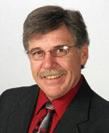
Craig Whitney, President/CEO
This guide was developed by the Public Affairs committee and adopted by the Board of Directors of the Fargo Moorhead West Fargo Chamber of Commerce. Photography provided by 5foot20 design lounge, Explore Minnesota Tourism, FATcat Studios, Legacy Photography and North Dakota Tourism/Clayton Wolt.

Message from the Chair
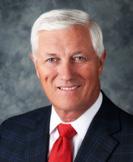
The foundation for a successful business climate is built on sound public policies and an engaged private sector. As chair of The Chamber’s Public Affairs committee, I’ve had the opportunity to be involved in the political education process with members of our committee and The Chamber’s Board of Directors. We’ve studied important issues and provided guidance for the membership on more ballot measures than ever before. I am proud of what’s been accomplished and continue to be amazed at how savvy the business leaders in our Chamber really are. It is by no accident that the economy in the Red River Valley continues to prosper.
I’d like to acknowledge the leaders of our subcommittees and our special task forces who stand ready to lend their expertise for the benefit of all of us. As a business owner myself, I’ve learned the value of having a strong team and with depth of the Chamber membership, rest assured your interests are in good hands.
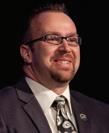
Tom Dawson, Dawson Insurance
Business Leaders for Flood Protection Task Force
Brein Olmstead, Rasmussen College
Workforce Development
Marshal Albright, Cass County Electric Cooperative, Inc. Environment & Natural Resources
Rocky Schneider, Advanced Engineering and Environmental Services, Inc. Regulatory, Tax and Economic Development
Connie Nelson, Fargo Public School District Number One
Metro Cooperation
John Vastag, Blue Cross Blue Shield of ND Health Care
Kris Bakkegard, KLJ
Planning, Transportation & Infrastructure
I look forward to working with all of you in the year ahead.
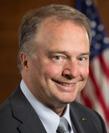
Jim Roers, ROERS
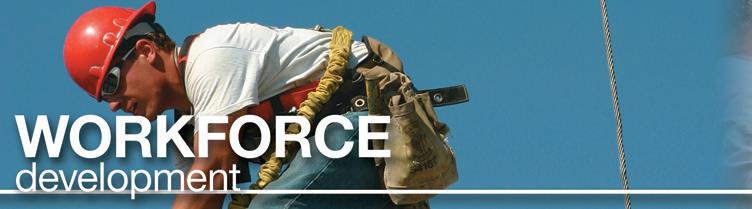
The Chamber supports, encourages and advocates for the following issues:
§ Public policies that increase the availability of affordable, quality, early childhood learning opportunities.
§ Career advancement opportunities of early childhood professionals to meet the burgeoning demands in early childhood education.
§ Strategic development of a skilled workforce that aligns with regional employment opportunities and encourages increased communication between employers and educators.
§ Expanded internship, mentorship and on-the-job training opportunities.
§ Curriculum that emphasizes science, technology, engineering and math (STEM).
§ Inclusion of art programs to complement STEM programming.
§ Allocation of financial resources and leveraging of programs that lead to increased retention, increased placement into identified workforce priority areas.
§ Transparency regarding post-secondary education costs, employment prospects and earning potential in offered fields of study.
§ Education and employment environments that embrace a diverse workforce and capitalize on the unique talents of our cultures, genders and generations.
§ Immigration reform that supports the expansion of the H-1B and J1 Visa programs to recruit and retain highly-skilled workers.
WORKFORCE NEEDS
28,000+ unfilled positions in North Dakota
8,000+ unfilled jobs in Fargo Moorhead West Fargo
60% of open jobs are located in non-oil producing counties
2.4% unemployment rate in the Fargo Moorhead MSA
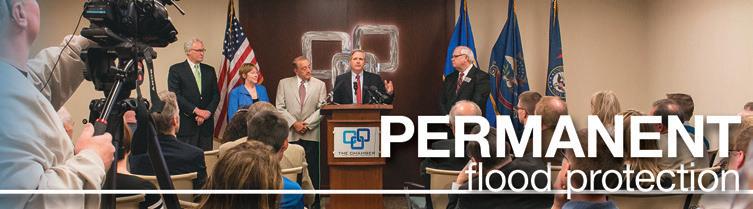
The Chamber supports, encourages and advocates for the following issues:
§ The FM Area Diversion project as the best solution to reduce the flood risk in the metropolitan area and provide protection of lives, property and economic opportunity.
§ Fair allocation of financial resources for the construction and maintenance of the diversion project from all available local, state and federal partners.
§ Sponsors and stakeholders who make every effort to minimize the impact to affected landowners.
§ Integration of recreational opportunities into the development of the diversion project to contribute to a healthy, vibrant economy.
ND legislative appropriations ($450 million)
§ 2009: $45 million | 2011: $30 million | 2013: $100 million
§ HB 1020 included legislative intent for the remaining $275 million over four bienniums.
ND local funding
§ Two voter-approved, 20-year, 1/2¢ sales taxes dedicated to flood protection.
§ Fargo sales tax in 2009 (90% approval) and county sales tax in 2010 (64% approval).
Federal funding
§ Federally authorized for $846 million.
§ Approximately $40 million to date for planning, engineering and design (PED).
In 2014, the president signed the first water authorization project in seven years, which authorized funding for the FM Diversion Project.
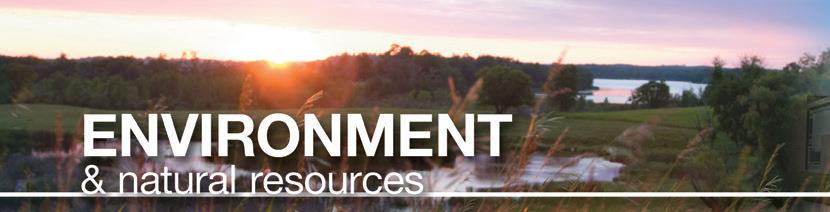
The Chamber supports, encourages and advocates for the following issues:
§ Stability in energy supply to power our future energy needs.
§ Development of essential energy infrastructure including transmission lines, power generation facilities and pipelines to produce and transport local energy to markets.
§ Increasing refining capabilities to drive additional investment in local energy resources to strengthen the economy and increase the availability of a reliable supply of natural resources.
§ Allocation of appropriate resources to communities affected by energy development to ensure access to adequate water, power, housing, schools, infrastructure and workforce needs.
§ Strategic development of regional energy resources including wind, natural gas, coal and nuclear.
§ Responsible stewardship of our natural environment and the preservation of state water, State Trust Lands, minerals, wildlife and other natural resources.
§ A proactive approach to monitoring and responding to regulating agencies including but not limited to the Environmental Protection Agency.
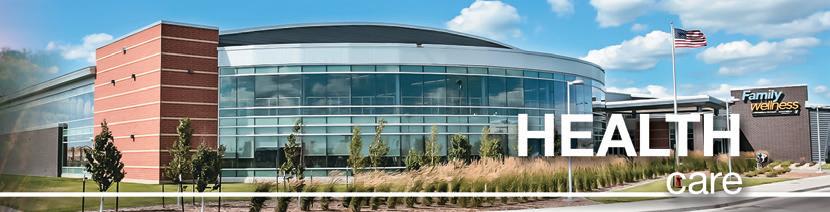
The Chamber supports, encourages and advocates for the following issues:
§ Confidential exchange of health information to facilitate access to and retrieval of clinical data regardless of the setting of treatment to reduce duplication of services, reduce costs and increase the quality and efficiency of care.
§ Policies and regulations that address regional funding disparities for health care providers to ensure continued access to health care services.
§ Policies and programs that incentivize individuals for saving for their long-term care needs while targeting limited public dollars towards those who can least afford their own care.
§ Initiatives that promote evidence-based wellness programs, the implementation of tele-health, tele-pharmacy and other innovations, the examination of medical liability laws and supporting payment methodologies that reward providers for quality, coordinated care and the management of chronic diseases.
§ Responsible regulations that promote the successful implementation of the Affordable Care Act.
The Chamber supports, encourages and advocates for the following issues:
§ Continued reduction of property taxes, business taxes, individual income tax and sales tax while recognizing the need to maintain local control.
§ Reducing the North Dakota state income tax to zero as a means to attract workforce and reward personal and corporate success.
§ Programs that allow Minnesota border cities to be competitive, including Local Government Aid and the Disparity Reduction Credit.
§ Tax reductions and the expansion of border-city exemptions to policies that disproportionally impact Minnesota businesses and taxpayers.
§ Ventures that foster the formation and advancement of business incubators to encourage start-ups, accelerate time to market and increase the rate of longterm success.
§ Advancement of programs that provide access to capital or spur capital investment.
§ Investment in the private sector to promote and support entrepreneurship.
§ Viability of tax incentives that support workforce participation.
§ Efforts to expand fair global trade opportunities for North Dakota and Minnesota businesses by removing trade sanctions and barriers and enforcing existing trade agreements while recognizing the foreign trade distortions that require a balanced trade policy.
§ Identifying opportunities to improve the legal climate to be fair and predictable for all parties and to discourage the practice of costly, frivolous lawsuits.
§ Affordability of housing by supporting a cost-effective national flood insurance program and opposing costly residential sprinkler mandates in Minnesota.
The Chamber supports, encourages and advocates for the following issues:
§ Quality, multi-modal transportation system that allows people and goods to move quickly, conveniently and safely into and around the metropolitan area.
§ Efforts to develop, integrate and maintain rail, air, bus and pedestrian services, including the expansion of services to new growth areas.
§ Strategic and synergetic approach toward community development, including the implementation of proven economic tools to promote investments in downtown Fargo, Moorhead and West Fargo.
§ Study of construction and/or expansion of a multi-functional convention center to accommodate enhanced professional, educational and recreational opportunities.
§ Efforts to increase rail train safety to minimize risk of accidents by any means possible including replacing older tank cars, appropriate speed regulations, increased standards for track and equipment, inspections as well as public outreach and first responder training to ensure officials are properly informed and trained to respond to potential situations.
§ Progressive private/public approach to developing an advanced digital infrastructure system through investments in fiber networks to develop access to high speed internet and bandwidth capacity.
§ Investments in the National Highway System, Minnesota’s Interregional Corridors and the solvency of the Highway Trust Fund through the examination of the motor fuel tax to ensure adequate resources are available for transportation infrastructure needs.
§ Funding for the Red River Valley Water Supply Project to ensure the availability of a long-term, high-quality water supply.
§ Vitality of air service to ensure sustainable access for commerce.
The Minnesota Legislature meets each year, functioning on a two-year cycle called a biennium. The first year of the biennium is called the “long year” or “budget session,” with the intention to address “major financial planning of the State.” The second year of the biennium, or “short session,” is intended to be one of budget review. The 2015 session is a “budget session.”
January 6 Session begins.
March 3
Business Day at the Capitol
1st Deadline* Committees must act favorably on bill in house of origin.
2nd Deadline* Committees must act favorably on bills, or companions of bills, that met the first deadline in the other house.
3rd Deadline* Committees must act favorably on major appropriations and finance bills.
May 18 The Legislature is limited to 120 days during each biennium. Legislative Assembly must be adjourned by this date.
May 28
FMWF Chamber Minnesota Legislative Wrap-Up
*The Legislature will establish deadlines for committee action on bills during the first half of the session in order to narrow the list of topics to be dealt with. Bills not meeting deadlines are essentially “killed.”
For a complete list of deadlines visit www.leg.state.mn.us/leg/deadlines.aspx.
The North Dakota Legislature is one of four states that convenes only every other year. The Assembly meets for no more than 80 days in odd numbered years.
January 6 Session begins.
January 19 Deadline for representatives to introduce bills.
January 26 Deadline for senators to introduce bills.
February 12 FMWF Chamber Day at the Capitol
February 24 Bills and resolutions, except constitutional amendments and study resolutions, must be reported out of committee in house of origin. Deadline for introducing amendments to the North Dakota Constitution and study resolutions.
February 27 Crossover date for bills.
March 2-3 Legislature in recess.
March 11 Crossover date for resolutions.
April 29 The Legislature is limited to 80 legislative days. Legislative Assembly must be adjourned by this date.
May 6 FMWF Chamber North Dakota Legislative Wrap-Up
For a complete list of legislative deadlines visit www.legis.nd.gov/assembly/64-2015