

april 2026












fargoinc@spotlightmediafargo.com




Mike Dragosavich
Brady Drake Brady@SpotlightMediaFargo.com
Kim Cowles
Paul Hoefer Paul@SpotlightMediaFargo.com
Al
Al@SpotlightMediaFargo.com
Spencer Hall Spencer@SpotlightMediaFargo.com
Matt Purpur Matt@SpotlightMediaFargo.com
ClientRelations@SpotlightMediaFargo.com
Jessica Ventzke
Tyler Duclos
Missy Roberts
John Stuber


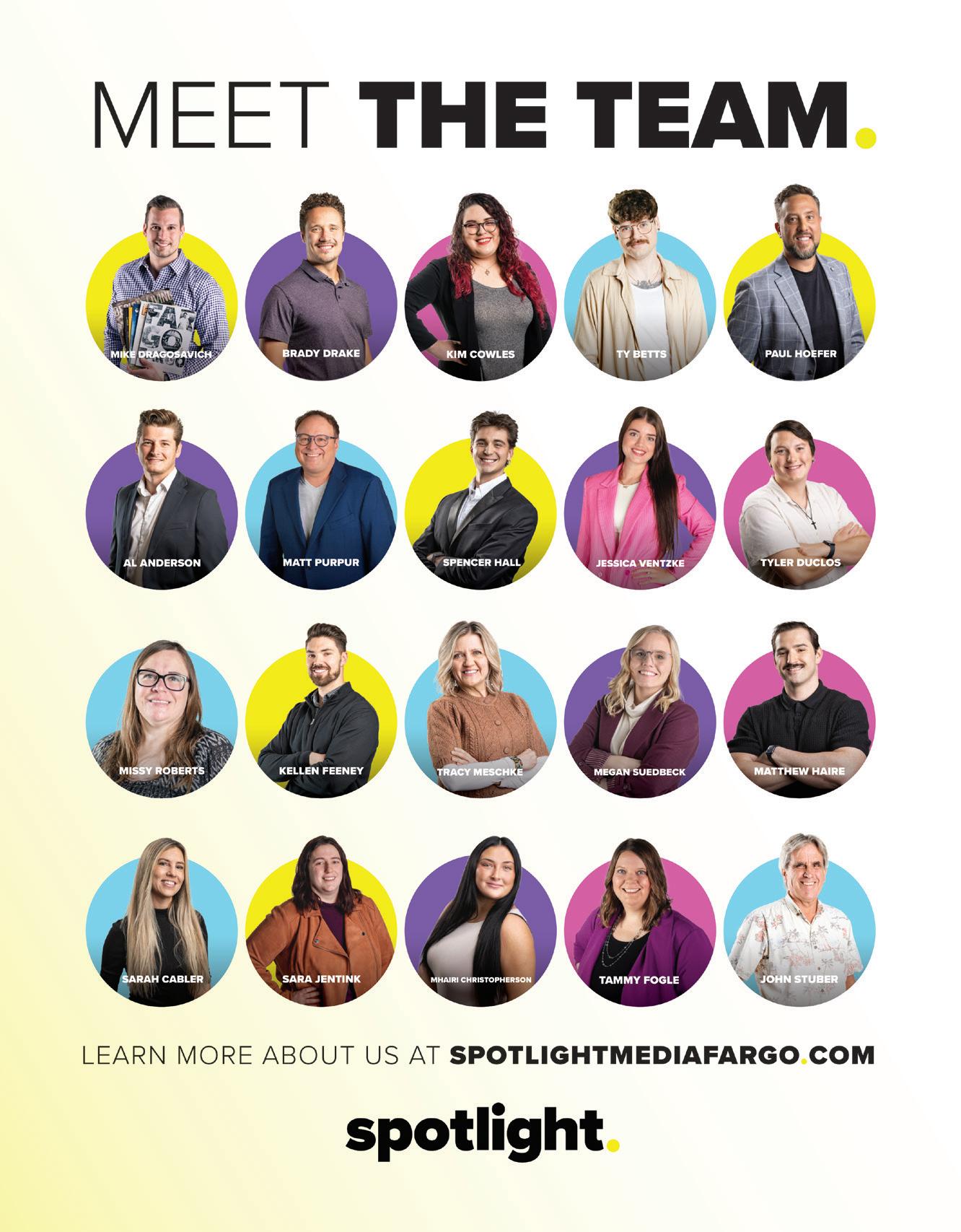
We always hear that the people are what make the Fargo-Moorhead community great. So, why not meet them? Each month we cover a different topic led by local voices. We meet advocates, experts, and people just like you!
meetfargo.com /meetfargo @meetfargo @meetfargo
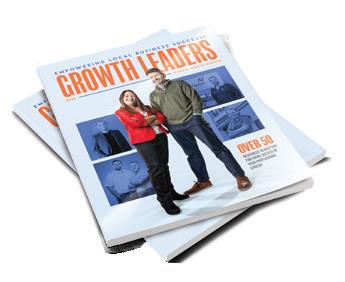

Growth Leaders is one of Spotlight's annual publications dedicated to showcasing our local companies and the services they bring to the Fargo-Moorhead area.

Bison Illustrated is your number one source for all of the behind-the-scenes action inside the North Dakota State University Athletic Department.
bisonillustrated.com /bisonillustrated @bisonmag @bisonillustrated
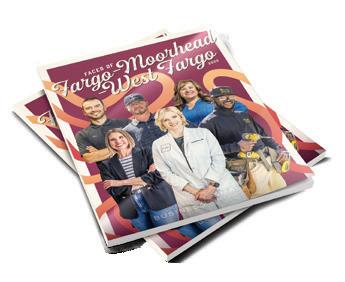
You may already be familiar with our Faces of Fargo-Moorhead-West Fargo publication which we publish once per year in order to highlight the faces behind all of the great businesses in the community.
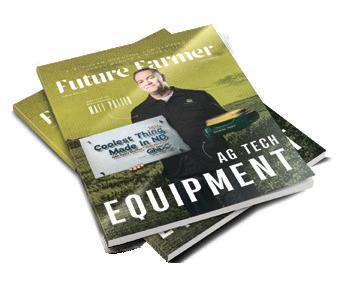
Future Farmer is our farming publication which brings great tech-focused content to readers across North Dakota and Minnesota.
futurefarmermag.com /FutureFarmerMag

Are you in need of a new career? The Great Places to Work FargoMoorhead-West Fargo Annual Career Guide highlights amazing businesses in the area that provide great growth opportunities, benefits, and more!

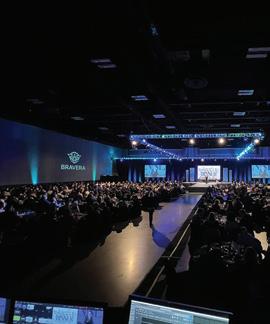
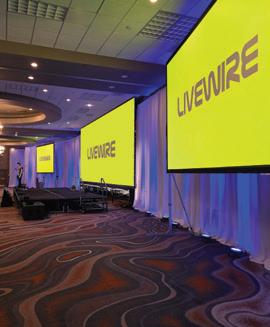
t Livewire, we believe that every surface is a canvas. While many see a projector as a simple presentation tool, we see it as a gateway to an immersive event experience. Whether you are hosting a corporate gala, a community theater production, or a high-energy concert, the right projection strategy transforms a flat stage into a dynamic environment that breathes with your brand.
Projection at live events has evolved far beyond the simple slide deck. While crisp, large-format screens for presentations remain a staple, the modern event toolkit uses light in much more inventive ways:
Atmospherics & Textures: You can change the entire mood of a room instantly by projecting moving textures, like falling leaves or flowing water, onto walls or ceilings.

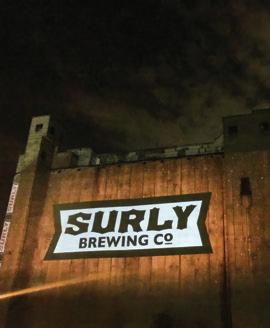
Digital GOBOs: Traditionally, projecting a logo required a physical metal stencil (a GOBO). In addition to our high quality traditional tools, we can use high-lumen projectors to cast sharp, animated logos and brand patterns that can move, change color, and evolve throughout the night.
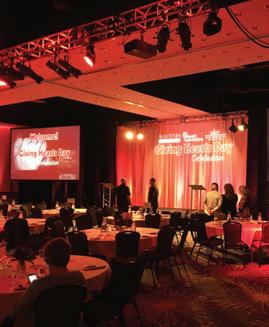
Theatrical Backdrops: For plays and performances, digital scenery is a game-changer. You can transition from a sun-drenched forest to a midnight cityscape in a heartbeat, providing professional-grade production value without the cost or storage of heavy physical sets.
Visuals aren't just about scenery; they are about connection. Integrating live camera feeds (often called Image Magnification or “IMAG” ) is the best way to bridge the gap between the talent and the back of the room.
When you put your speakers or performers on the big screen, the audience can see every expression and nuance. But don't stop at the stage! Capturing the audience on camera creates a "jumbotron effect" that builds infectious energy. Even the most shy attendees often love the thrill of seeing themselves on the big screen, making them feel like an integral part of the show rather than just a spectator.
At Livewire, we love dreaming about the "what ifs." What if your stage was a portal? What if your brand's story was told through 40-foot tall animations? Our team is ready to handle the technical intricacies—from lumen counts to focal lengths—so you can focus on the "wow" factor.
From initial concepts to flawless execution, we are passionate about collaborating with you to bring your biggest ideas into the limelight.
Ready to light up your next event? Get in touch with the Livewire Team today!




By Brady Drake

his generation of entrepreneurs in Fargo-Moorhead isn’t waiting its turn. Young business owners are launching earlier, moving faster, and thinking bigger than ever before, bringing fresh energy, bold ideas, and a new sense of momentum to the local business landscape. Their drive is changing what growth looks like in the region.
In this issue, we’re highlighting the people redefining what it means to start young and succeed on their own terms. From early risks to smart pivots and standout leadership, their stories reflect a new kind of ambition, one that’s shaping the future of Fargo-Moorhead one business at a time.
YOUNG ENTREPRENEUR: PARKER HAGE | provided by Stick with Parker
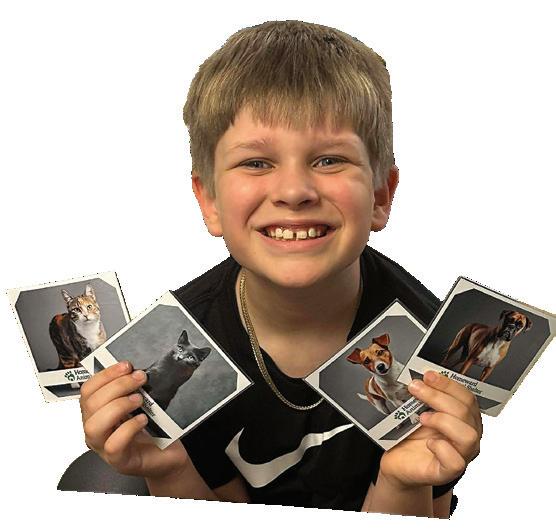
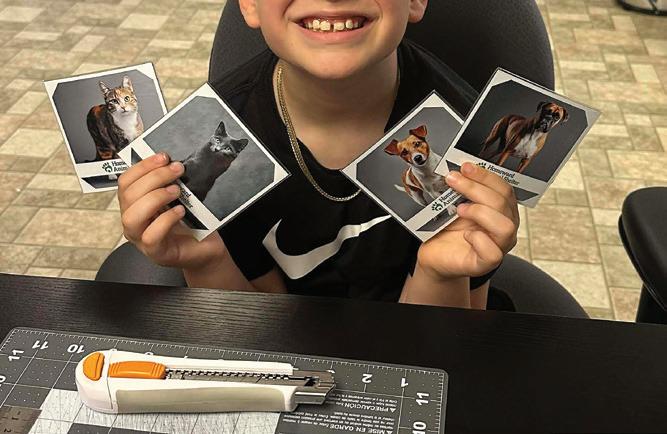
When most kids are thinking about snacks and sports, Parker Hage is thinking about inventory, vendor shows, and custom logo magnets.
The young entrepreneur is the founder of Stick with Parker, a growing magnet and pin business he launched after spotting an opportunity, and then running with it. What started as a Christmas-season experiment has quickly turned into hockey team orders, vendor show networking, and dreams of future expansion.
With his mom helping on the marketing side, Parker is learning business, responsibility, and people skills one magnet at a time, all while raising money for hockey (and the occasional concession stand treat).

Q: TELL ME ABOUT YOUR BUSINESS.
A: Well, it’s fun. We make magnets, pins, mirrors—all kinds of stuff.
Q: YOU MAKE THEM YOURSELF? HOW DOES THAT WORK?
A: Yeah. We print the design first. Then we use a press machine. We layer the design with Mylar and an acrylic backing, press it into the magnet, and then attach the magnetic piece to the back.
Q: WHERE DO THE DESIGNS COME FROM?
A: Some are from Creative Fabrica, which has premade designs. But we also personalize them. People send us their pictures, and we turn them into magnets.
Q: HOW LONG HAVE YOU BEEN DOING THIS?
A: Since December. So a few months now.
Q: HOW DID IT START?
A: My mom bought the machine because she thought she was going to make magnets. Then I kind of took it over and made it my thing.
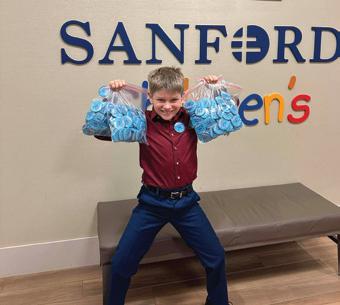
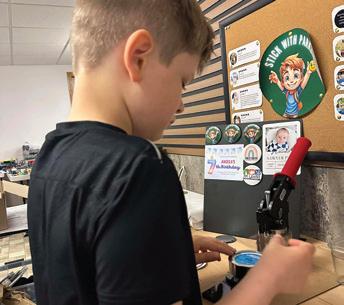
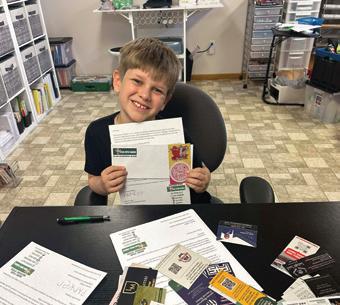
Q: WHAT WERE SOME OF YOUR FIRST ORDERS?
A: Right before Christmas, we made custom photo magnets for families.
MOM: He had just had oral surgery and was recovering, so he started making them while he was home. That’s really when it took off.
Q: WHAT WERE SOME OF YOUR FIRST ORDERS?
A: Right before Christmas, we made custom photo magnets for families.
Q: WHAT KINDS OF PRODUCTS DO YOU OFFER NOW?
MOM: We have small round magnets that can also be pin backs or mirrors. We have a 2.5-inch square, and a 3.5-inch round that can be magnets, coasters, or pins. We also make flexible magnets and custom stickers. We started with one size and slowly added more equipment. The presses aren’t cheap—one was around $800, and another was closer to $2,000.
Q: HAVE YOU DONE ANY TEAM ORDERS?
A: Yeah. When my cousin’s hockey team was in town, we made pins and magnets with their team logo. We’ve also done orders like 501 custom pins for a children’s event. At hockey tournaments like the Fargo Faceoff, we’ll make team designs that say things like “Let’s Play Hockey,” and
people can choose if they want it as a magnet, pin, or mirror.
Q: HOW HAVE SALES BEEN?
A: At one hockey event, we made about $250. At vendor shows, we also make custom magnets with other vendors’ logos and give them out.
Q: WHAT HAVE YOU LEARNED FROM HAVING YOUR OWN BUSINESS?
A: Responsibility. And talking to people.
MOM: We’ve gone to networking events like Tea Time, which is part of the Love Your Local group. Parker has even attended kids’ networking meetups there to talk about his business.
Q: WHAT DO YOU WANT TO BE WHEN YOU GROW UP?
A: Maybe in the military. Or a police officer. And probably own two or three businesses. Maybe take over my mom’s businesses.
Q: HOW LONG DOES IT TAKE TO MAKE ONE MAGNET?
A: About 15 seconds, if the design is already printed.
Q: OUTSIDE OF BUSINESS, WHAT DO YOU LIKE TO DO?
A: Play hockey. Knee hockey at home
with my brothers. Swim. Collect hockey and football cards.
This is my first year playing hockey. Sometimes I play forward, sometimes defense. I like defense because I make sure someone’s back by our goal, but my coach wants me chasing the puck more.
Q: DO YOU THINK YOU’LL KEEP GROWING THE BUSINESS?
A: Yes.
MOM: Eventually, we’d like to do more on-site events, like weddings or birthday parties, where people can take photos and we make the magnets right there. Right now, we print a lot at home and bring supplies to vendor shows. We’re also working on a website. For now, people can reach us on Facebook.
Q: ANYTHING ELSE PEOPLE SHOULD KNOW?
A: Sometimes, when I give other vendors magnets, they trade me their products. I’ve gotten a bath bomb, a 3D printed duck, and even $10 once.
MOM: Turnaround time is usually just a couple days.
STICK WITH PARKER /stickwithparker
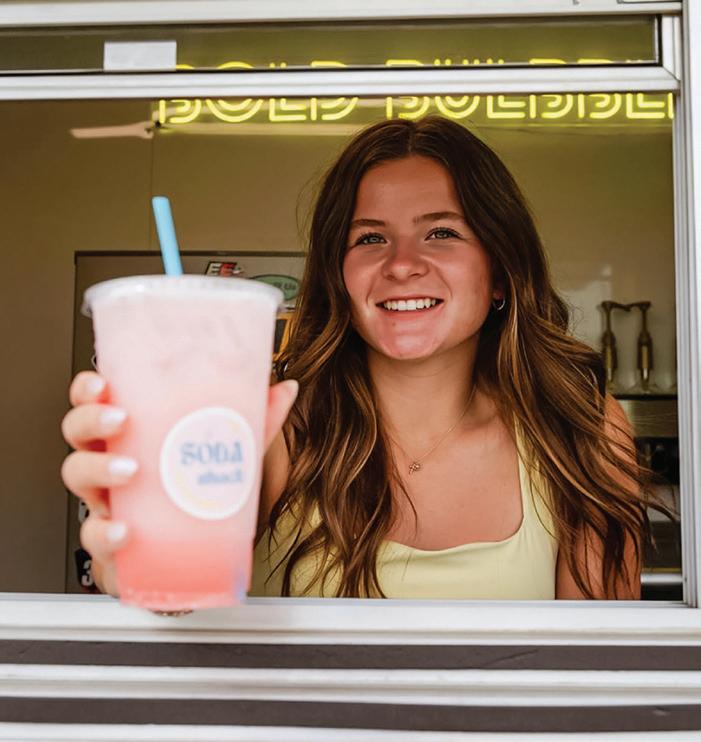

If Kylee West's last name sounds familiar in Fargo-Moorhead business circles, it should. She’s the daughter of Sarah West, the longtime finance-and-leadership pro turned entrepreneur behind Light Consulting and Dale Carnegie Training of ND and Northwest MN, who’s also been recognized locally for her work in business leadership and coaching.
But this story isn’t about inheritance, it’s about initiation. In the span of a year, Kylee has gone from “maybe I’ll nanny this summer” to running a mobile dirty-soda operation under her own name, learning the unglamorous side of entrepreneurship the same way most owners do, with flat tires, dust-filled trailers, slow weekends, and the constant math of whether an event is worth it.
This fall, she’ll trade weekends on the road for a dorm room in Grand Forks, heading to UND for aviation management with a goal of becoming a pilot, and figuring out what business ownership looks like when college begins.
Q: DO YOU HAVE POST-GRADUATION PLANS?
A: I’m going to UND for aviation management.
Q: IS THE SODA SHACK BUSINESS UNDER YOUR NAME?
A: Yep, it is.
Q: HOW DO YOU PLAN TO STAY INVOLVED WHILE YOU’RE IN SCHOOL?
A: Honestly, I’m not sure yet. My mom and I have talked about it a few times. I’ll do it this summer. We’re planning something basically every weekend, but I don’t know what it looks like when I’m in college.
Q: WHEN YOU SAY EVERY WEEKEND, WHAT DOES THAT MEAN?
A: Not “booked,” more like planned. We’re finding something every weekend to go to like grad parties, town days, parades, events like that. Last summer was our first year, so we tried random things and hoped they worked. Our best sales days were community events like town days and parades, so we’re building the summer around that.

Q: HOW DID THE IDEA HAPPEN?
A: In March 2025, we went to Iowa for a concert and to visit family friends, and we saw basically the same concept down there. It reminded me of Swig, which is a franchise-style dirty soda place that’s really popular out west. My mom was like, “We have to get on this.” My parents are both entrepreneurs, so they moved fast. I think within a month we’d bought a trailer and started building it out.
At first, I was hesitant. Everyone else was getting a normal summer job, nannying or working somewhere, and this felt uncomfortable because it was different. But my parents are confident and have started a lot of businesses, so they already knew how to do it.
Q: HAD YOU WORKED A JOB BEFORE THIS?
A: Right now I also work for Light Consulting, which is my first job. I worked it during the summer, and now I work here every afternoon.
Q: WHAT DO YOU DO DAY-TO-DAY?
A: I’m kind of the office manager at Light Consulting. I enter accounts payable and accounting things sometimes, and that’s been fun. And
then for the Soda Shack, the planning is on me, including employees, inventory, cups, lids, straws, syrups, pop, and making sure the trailer is functioning.
Q: HOW OLD WERE YOU WHEN YOU STARTED?
A: I’m 17 now. I was 16/17 when we started. I turned 17 in May, and our first event was just a couple of days after that.
Q: WHAT JOB DID YOU THINK YOU’D DO BEFORE THIS CAME ALONG?
A: I’m a big golfer, so I wanted to work at Moorhead Country Club. That’s where I was leaning. But my mom really wanted to do the dirty soda business. They kind of pushed me into it, and now I’m glad they did. I learned more last summer than I would have working somewhere else.
Q: WHAT DID YOU LEARN?
A: Planning. I’m not a planner at heart. I like to go with the flow, but business doesn’t work like that. And perseverance. Some weekends were rough. Sometimes we were barely breaking even after giving up a whole weekend. It’s disheartening, but it forces you to push through.

We also had stuff happen that wasn’t planned. We had a flat tire, and once we left the trailer door open on gravel, it was full of dust.
Q: HAVE YOU LEARNED WHAT MAKES A WEEKEND PROFITABLE?
A: Yes. We have minimums now, customers have to pay a certain amount before we’ll go. Otherwise, people will ask us to show up, and we’ll sell 20 drinks, and that’s not worth it.
My mom can usually tell if something will be successful, but she’ll still say, “Go see.” I think she likes that I learn it firsthand instead of just being told yes or no.
Q: SO SHE’S HELPFUL, BUT SHE’LL LET YOU FAIL?
A: Yes.
Q: HOW MUCH DO YOUR PARENTS HELP YOU?
A: A lot of the business side is with payroll, paperwork, getting everything set up, buying the trailer. My dad helps too; his name is Chad. He’s started businesses, and in the summer, he helps fix up the trailer and checks in on what we need. He works in aggregate road dirt and hauling for Knife River.
Q: ARE YOU INVOLVED IN SCHOOL ACTIVITIES?
A: I’m on the golf team at Park Christian. I played volleyball for six years, including varsity starting in eighth grade, but I’m done with that now.
Q: ARE YOU EXCITED FOR UND?
A: Yes, really excited, and also a little nervous about not being home. But it’s close, about an hour and a half away, so that helps. It’ll still be a totally new schedule, new place, new town. Everything will be different.
Q: WHY AVIATION MANAGEMENT?
A: I want to be a pilot.
Q: COMMERCIAL PILOT?
A: Not really. UND has a couple of paths, and it’s one of the top-flight schools in the country, so it makes sense. It sounds fun.
I have a cousin who flies a lot. He’s a farmer, and they have a private jet. I went into it and thought it was super cool. My mom also knows people with planes, and I went flying, and I thought, “This is what I want to do.”
I like my job here, but I get bored sitting at a desk. Flying feels more exciting.
Q: DID YOUR PARENTS TEACH YOU BUSINESS GROWING UP?
A: Not really. I learned by doing. My mom would sit me down and tell me what I needed to do. She did a lot at first, but she explained it as she went. And honestly, I grew up around it. My mom worked in finance leadership. I used to go to her workplace when I was little, and I knew everyone. Even before I worked here, I knew all the
employees and their families.
Q: IF YOU COULD TALK TO YOURSELF AT THE BEGINNING, WHAT WOULD YOU SAY?
A: Be more confident. I am confident, but events were intimidating, especially driving the trailer.
I raced dirt bikes before this, so I knew how to back up trailers, but this was different. We’d show up, and I’d have to back into tight spots between buildings. I had to just figure it out.
So confidence, in driving it, and in my skills. I know what I’m doing. I just have to believe it. This summer will be better because I know what to expect.
Q: CAN YOU EXPLAIN THE SODA SHACK FOR SOMEONE WHO HASN’T HEARD OF IT?
A: We sell specialty sodas and dirty sodas. A dirty soda is pop with cream added, just vanilla creamer. A specialty soda is any pop with syrup. Our most popular drink is the Looney Lagoon: Dr Pepper with cherry syrup, coconut syrup, and vanilla cream. Another big one, especially around the Fourth of July, is Firework Fizz: Sprite with cherry, blue raspberry, and Pop Rocks. We offer root beer, Dr. Pepper, Coke, Sprite, Fresca, cream soda, and you can mix and match syrups. We have a menu, but people can customize too.
Q: HOW MANY EMPLOYEES DO YOU HAVE?
A: Probably five or six. But it’s only me and two others who are more full-time. The rest are part-time.
Q: WHAT’S BEEN THE MOST FUN PART SO FAR?
A: I hired my best friends, and that makes slow days more fun. They
went to college out of state, but they come back for the summer. Also, the choice. No one makes me go to an event, and no one makes me not go. You decide, and you live with the outcome. It’s a lot of decisions.
People think owning a business is cool, and it is, but they don’t realize how much work it is. All the little things add up: inventory, ice, supplies, getting up early, making sure employees show up, and paying people. It’s constant. But it’s something different. That scared me at first, and now I think it’s super cool.
Q: DO YOU THINK YOU’LL KEEP OWNING BUSINESSES LONG-TERM?
A: I don’t know. The career I want isn’t really a “business owner” industry, but maybe. There’s a local model I think is interesting—One Mile Runway (OMR)—I could see myself being part of something like that someday.
But I get bored pretty quickly, so I feel like I’ll have a lot of different jobs.
Q: CAN PEOPLE BOOK YOU FOR PRIVATE EVENTS?
A: Yes, private events, grad parties, corporate events, things like that. Email and Instagram are the main ways to reach us.
thesodashack@outlook.com @thesoda.shack @thesoda.shack

YOUNG ENTREPRENEUR: GRAYSON GOHEEN | provided by Bubba's Euros

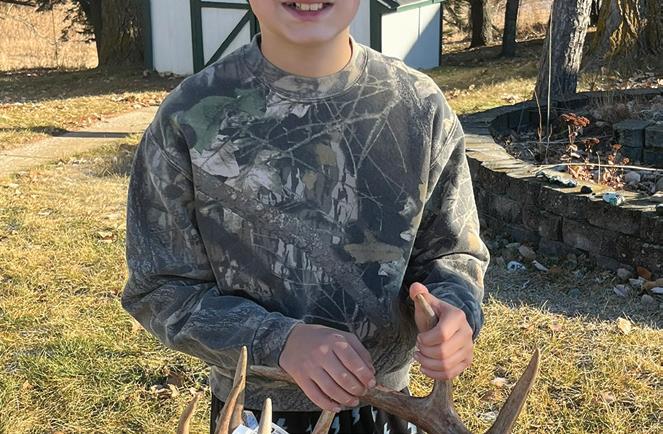
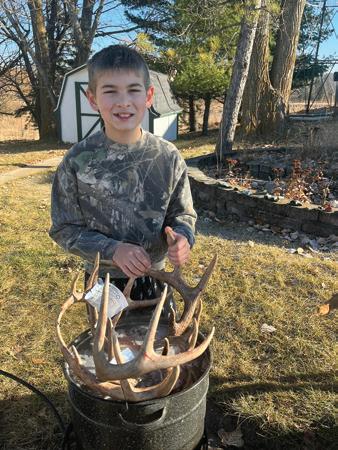
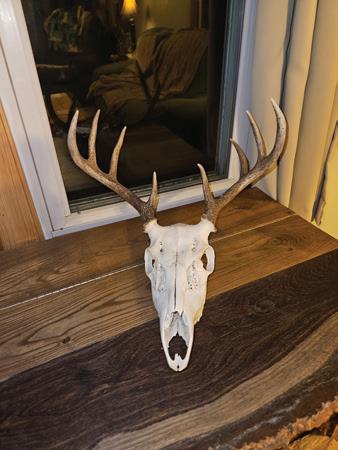
Grayson Goheen is the kind of kid who would rather be outside than anywhere else. He loves hunting, fishing, and trapping. Those passions have turned into a small but growing business called Bubba’s Euros, where he creates European mounts (cleaned and preserved skull mounts, often with antlers attached) and is expanding into trapping gear like weasel boxes and muskrat floats.
With help from his mom, Missie, an entrepreneur herself through Country Rustic Customs, Grayson is learning what it looks like to build something from scratch. He is figuring out the process of his craft, learning from mistakes, and slowly building a customer base one mount at a time.
Q: CAN YOU TELL ME ABOUT YOUR BUSINESS?
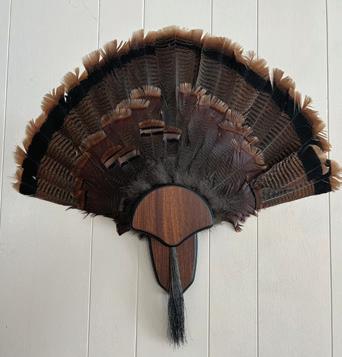
A: I do European mounts. I also make some trapping stuff. I do turkey fans too.
Q: FOR SOMEONE WHO HAS NO IDEA, WHAT’S A EUROPEAN MOUNT?
A: It’s when you take an animal’s skull and boil it so all the meat comes off, and you preserve the bone.
Q: SO IT’S BASICALLY THE SKULL, AND SOMETIMES THE ANTLERS TOO?
A: Yep. Like this buck I shot last year, it’s the skull with the antlers. I also do coyote and beaver. They don’t have horns, so it’s just the skull.
Q: HOW LONG HAVE YOU BEEN DOING THIS?
A: About four years.
Q: SO YOU STARTED WHEN YOU WERE REALLY YOUNG?
A: Yeah, about five.
Q: WAS IT A BUSINESS RIGHT AWAY?
A: No. I did it mainly for fun and the experience.
Q: WHEN DID YOU START HUNTING?
A: I started going with when I started walking.
Q: DO YOU REMEMBER YOUR FIRST ANIMAL?
A: I hunted ducks before turkey. My first turkey was probably around nine.
Q: WHAT DO YOU LIKE ABOUT HUNTING?
A: Pursuing the animal is the best part, and eating it.
Q: WHAT’S YOUR FAVORITE THING TO EAT?
A: Deer backstrap.
Q: WHEN DID THIS BECOME A BUSINESS?
A: About a year ago.
Q: HOW MANY CUSTOMERS HAVE YOU HAD SO FAR?
A: 15-20 so far.
Q: WHAT DO YOU THINK YOU’VE LEARNED ABOUT BUSINESS?
A: How to negotiate.
Q: WHAT HAVE YOU USED YOUR MONEY FOR?
A: More hunting stuff.
Q: ANY HUNTS YOU’RE EXCITED ABOUT COMING UP?
A: Not anything soon. But in 2027, I might go on a mule deer hunt with my dad and a couple of my cousins in Colorado.
Q: WHAT DO YOU LIKE TO DO FOR FUN?
A: Hunting. Fishing. Trapping.
Q: DO YOU PLAY ANY SPORTS?
A: I’m going to shoot trap, but I have one more year. I have to be 12.
Q: WHAT DO YOU WANT TO DO WHEN YOU GROW UP?
A: Taxidermy. Stuff like this.
Q: HOW ARE YOU LEARNING?
A: Watching a bunch of videos, mostly on YouTube.
Q: DO YOU HAVE A DREAM HUNT?
A: For my 18th birthday, instead of a regular trip, I want to go to Africa.
Q: WHAT DO YOU WANT TO HUNT THERE?
A: An oryx.
Q: YOU MENTIONED TRAPPING PRODUCTS, TOO. WHAT DO YOU MAKE?
A: Weasel boxes and muskrat floats.
Q: HAVE YOU SOLD ANY OF THOSE YET?
A: Not yet. My mom just put them online.
Q: HOW CAN PEOPLE FIND YOUR BUSINESS?
A: My mom runs most of that. It’s on Facebook, and I have a business page. I also have an Instagram.
BUBBA'S EUROS
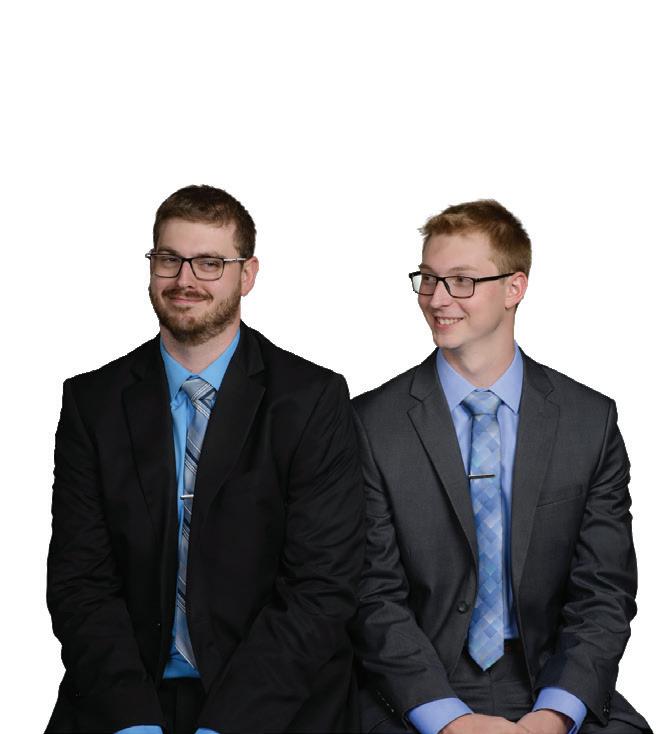
Kyle Vonasek didn’t “get into” real estate the way most people mean it.
He grew up in it. He spent weekends inside old houses that needed work, learning renovation the slow way. He learned about cleaning first. Then he learned about painting next. And then, slowly, his father introduced him to bigger tasks as he proved he could handle them. On the side, he was the kid on the farm breaking go-karts, then getting voluntold to fix what he broke.
Now he’s 24, a newly full-time real estate agent, and a co-founder with his brother of a real estate investment company that aims to deliver strong returns for investors and bring worn-down properties back to life.
“I just turned 24,” Vonasek said. “And… Open Field Group is our company that we use to primarily invest in kind of run down multifamily properties using investor money to basically give them good returns while
simultaneously bringing up the community. These aren’t the West Fargo and South Fargo apartment buildings that people are paying $1,800 a month for."
He is buying buildings that are underperforming because they’re outdated, poorly maintained, or mismanaged. Then, he's fixing what’s broken; making them safer and cleaner; improving the living experience; and raising the property to what it should’ve been all along.
That’s good for tenants. It’s good for neighborhoods. And if you underwrite it correctly, it can be good for investors, too.
Open Field Group became official in December, Vonasek said. But the real work started well before the paperwork.
“Officially about a month ago in December,” he said, “but we’ve been working on aspects of it for over a year… getting our legal crap together, what this would actually look like.”
That year included investing with their own money, refining how they evaluate deals, and mapping out a structure where they can bring in investors who want real estate exposure without becoming handson landlords.
“A lot of who we work with are people that own trusts that maybe just want to have a regular distribution… or W-2 income employees who want to diversify their portfolio or who want to invest in real estate but don’t want to dedicate the time and effort that it takes.”
So Open Field aims to be the operator for people who want the benefits like cash flow, tax advantages, and diversification, without a second job attached.
Open Field Group is built with Vonasek’s brother as his primary partner. Their backgrounds rhyme, but the way they think about real estate comes from two different directions.
Kyle studied mechanical engineering. His brother studied civil engineering and works in Grand Forks on the kinds of projects that shape cities, like utilities, streets, and subdivisions.
“He works on new subdivisions for the city,” Vonasek said. “They see his name on drawings… road planning and sewer planning and utility plan… it kind of brings us to a very well-rounded group when we’re put together.”
Kyle frames their partnership like a checks-andbalances system. Same values, same ambition, but enough difference to keep each other honest.
“We work together super awesome,” he said. “We’re kind of on the same page with a lot of things, but we also hold each other accountable.”
Vonasek has been around renovation work most of his life, starting with basic tasks as a kid and taking on more as he got older.
“When I was really little, around five-ish, I'd work on like a weekend project,” he said. “I’d take the little vacuum and vacuum up all the dust along the trim edges.”
By around 12, he was painting. Electrical work came later, gradually, and never in a way that skipped safety.

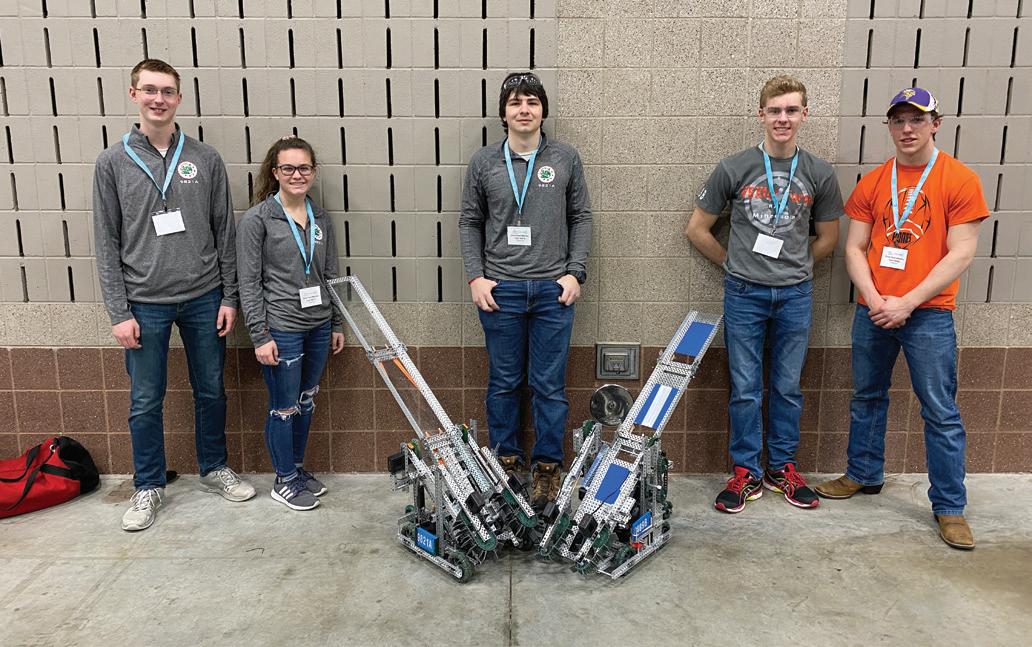
“There are different levels to electrical,” he said. “It was like, throw these outlet covers on… then connecting the wires… then maybe help run lines… very gradual… competency-based.”
By high school, it got more serious, but it wasn’t because he quit being a kid. He still played sports. He still spent plenty of time outside.
“I was on a farm,” he said. “Snowmobiling… go-karts… running around in the woods… hanging out with the dog and the farm cats.”
That farm life connects to another part of his story—he’s tied to Vonasek Farms, which primarily grows soybeans, wheat, and corn. They used to farm sugar beets too, until the risk stopped being worth it.
“With grain and corn, you can store it in bins and sell when the market
makes sense,” he said. “With beets, you can’t… you have a narrow window in October.”
That is not a random tangent. It’s basically his investment worldview in farm terms. Risk isn’t just about the size of the number—it’s about what control you have when conditions change.
It’s also why he talks about renovations the way he does. Open Field doesn’t need to be the crew swinging hammers on every job. But they do need to understand the work well enough to price it, manage it, and keep it from spiraling.
“That background is for one estimating expenses and two for vetting contractors,” he said. “The biggest overrun that can happen is cost overruns with the renovations.”
Open Field Group currently has a mix of four single-family properties connected to the group, and their first commercial multifamily property is a six-unit building.
The end goal, though, is to focus on multifamily because he sees it as a more stable investment.
“If you have a house and you’re going to rent it out, it’s very dependent on vacancy,” he said. “With multifamily, if you have one person vacant, your vacancy rate is much lower. It’s a safer investment overall.”
The company name matters to him for a reason.
“With Open Field Group, what we
focus on is transparency,” he said. “That’s the point. Open means transparent. A lot of companies aren’t.”
His definition of transparency isn’t marketing. It’s the unglamorous responsibility side of handling other people’s money.
“If someone has risk, tell them upfront,” he said. “Don’t come back five years later and say they’re liable for a massive amount of money.”
That mindset carries into his work as an agent. Clients don’t just want a door opened, they want to understand what’s happening.
“A big part of it is protecting the client and giving them the most information, efficiently,” he said. “People don’t always realize they can renegotiate after an inspection… they’ll assume they have to eat a big cost, and that’s not always true.”
Vonasek doesn’t trash engineering. He credits it for sharpening how he thinks. But his path through engineering reads like someone who was always calibrating toward a bigger plan.
He interned at Crystal Sugar the summer after freshman year, doing hands-on inspection work—grinding soot and paint off pipes, using ultrasonic tools to measure thickness, and documenting wear.
If the measurement falls too far, you replace the pipe. If you don’t, there are consequences.
“It happened in boilers,” he said. “Those pipes would blow sometimes. When that happens,
they have to shut everything down, and that’s a major loss.”
Later, he took a semester off to do a co-op with Collins Aerospace—an eight-month stretch that helped him decide he could do engineering after all.
“That first semester was really tough,” he said. “I wasn’t sure I could even do engineering. So I took the co-op.”
He worked full-time in Jamestown, then stayed on part-time during school, and eventually took a full-time role after graduation, doing mechanical design for cargo systems on Boeing and Airbus freighters.
At the Jamestown site, the design work was some of the most demanding you can do in North Dakota. Everything is weight-sensitive and safetycritical; every part goes through iterations with stress teams and test teams. The company breaks things on purpose so you can redesign them right.
“It’s cool because you have a team of 15 to 20 people designing, and the rest of the company supports them,” he said. “And it’s difficult because you’re designing systems that have to handle huge loads.”
He’s proud of that. It’s also part of why he left.
By late 2025, he felt himself drifting.
“I wasn’t as into engineering day-to-day,” he said. “I don’t hate it… but I wanted to focus on real estate. And I didn’t want to halfdo engineering.”
There was also the isolation he experienced.

He worked from home and had less social interaction. Real estate gave him the opposite with constant conversation, negotiation, meetings, and relationships. That energy pulled him in until the decision wasn’t theoretical anymore.
“I’m young. I don’t have dependents,” he said. “Worst case, I can go back to engineering.”
Vonasek talks about health the way he talks about investing. He believes things should be long-term, structured, and intentional.
He cooks nearly every day.
“Probably an hour a day,” he said. “Smaller, higher-quality meals… two or three meals out of each cook.”
He stays active with lifting, basketball, golf, and mountain biking. Fargo isn’t ideal for biking terrain, so he travels— Cuyuna, Brainerd, the Iron Range, Duluth. He even went to Arkansas last spring for better trails.
But really, he is about mountaineering.
In 2024, he climbed Mount Shasta in Northern California. It was a multi-day hike with snow, altitude, and fifty pounds on his back.
Preparation wasn’t optional.
“That’s why I like testing the limits of your body,” he said. “Preparation mattered. You’re running and biking to keep your heart rate up so it’s easier when you get there.”
This summer, he’s aiming for Mount Deception in Washington’s Olympic range with a friend who’s always chasing new summits.
Open Field Group is early in its lifespan.
They’ve already moved from single-family roots into multifamily ownership, with more deals under review. They’re underwriting new opportunities. They’re learning, refining, and building a track record.
Vonasek is careful about public hype. He’s not trying to sell the idea before he can prove it.
But he is confident in the direction.
“I’m super optimistic for what’s to come for us and for the people that work with us,” he said. “Nothing but optimism.”
YOUNG ENTREPRENEUR: SIMON MURPHY | provided by Simon Murphy
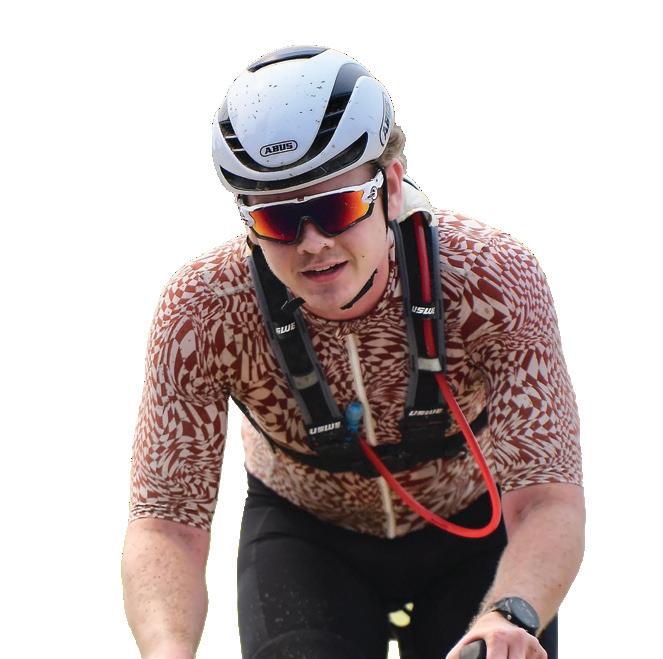
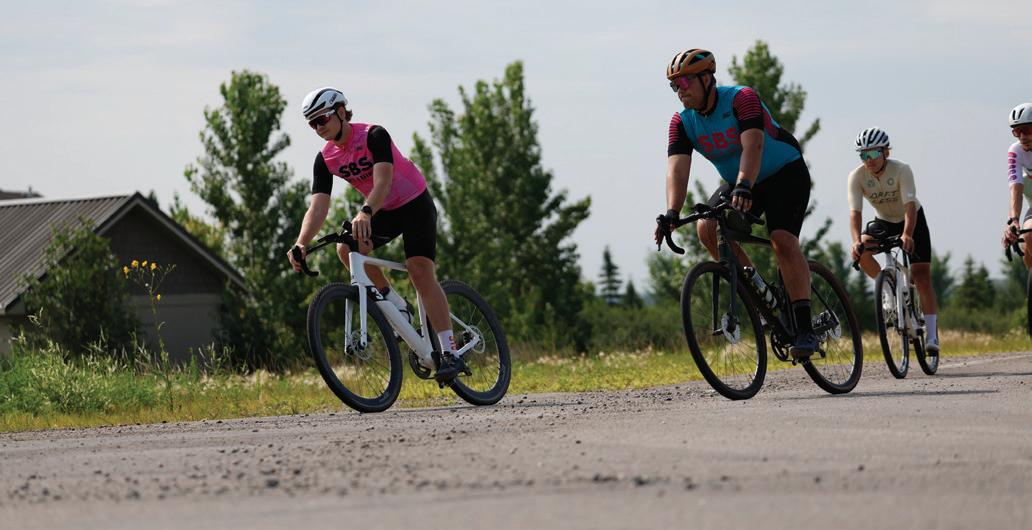
At 25, Simon Murphy owns The Ski & Bike Shop in Grand Forks, an outdoor staple that’s been part of the community since 1979. He bought it three years ago, after starting there as a teenager and working his way deeper into the business.
“I started working here when I was 16, 17 years old,” Simon says. “And loved it so much.”
Over time, he took on more roles. More responsibility. More buy-in.
Then, when the previous owners began transitioning toward retirement, the door opened, and Simon stepped through it.
“It’s been great ever since,” he said.
But “great” doesn’t mean easy.
Simon didn’t choose this industry randomly. He was a bike kid long before he was a bike shop owner.
When he was 13, he and his brother biked across Minnesota.
On Highway 2.
“We rode the shoulder on Highway 2,” Simon said. “Would not recommend.”
His mom followed them in a minivan. It was freedom, but with a leash.
He kept taking bike trips over the years. When it came time to look for work, the shop made sense.
“I love riding bike,” he said. “And I had a knack for working with people at a younger age.”
Customer service and hospitality mattered to him. The shop combined both. It's all about product knowledge, human connection, and a community that comes back year after year.
Skiing came later.
Simon skied casually in high school, but after working at the shop, he went all in. He has been on downhill trips, dove into cross-country skiing, and learned the gear inside and out. Because in his world, you can’t really fake it.
If you want people to trust
you with a $700 boot fitting or a ski setup they’ll use all winter, you have to know it.
When I spok with Simon, he said he always had a business nature, but the idea of owning this business became clear in high school, during his junior or senior year.
He had his eyes on the shop specifically.
He left for a semester at a small private Christian school in the Cities. Then COVID hit. He came back to Grand Forks and tried doing school online.
However, his heart wasn’t in it. His heart was at the store.
So he paused school and leaned into the shop instead, investing time and energy where he felt the pull.
A year and a half later, he became the owner.
“It’s a lot of work,” he said. “But it’s super rewarding.”
When asked what’s been hardest since taking over, Simon didn't talk about branding or social media or hiring.
He talks about cash flow. Specifically, what happens when the seasons change.
In retail, it’s not enough to be busy sometimes. You have to survive the months when you aren’t.
For the Ski & Bike Shop, March is complicated.
Ski traffic starts dying down. Bike season isn’t fully alive yet. It’s a shoulder season, and shoulder seasons teach you whether your operations are real or just optimistic.
“The goal is we want as few bills as possible in the month of March,” Simon said.
That means carefully timing inventory orders so expenses come due when sales are actually happening. It means not overextending. Not tying up cash in product that sits.
For years, The Ski & Bike Shop carried a heavier focus on clothing with brands like Patagonia, plus other outdoor apparel lines.
It wasn’t that the clothing wasn’t good. It was that clothing is brutally competitive.
Big-box stores discount. Online retailers race to the bottom. And once you start discounting heavily, customers learn the pattern and wait.
“We were training customers to only shop for that clothing at the discount,” Simon said.
On top of that, he was stuck holding old inventory into the next season, missing sizes, guessing demand, and tying up cash you could’ve used elsewhere.
SIMON MURPHY
“It didn’t work for us,” he said. “It didn’t work for us how we sell.”
So Simon shifted.
He leaned harder into what specialty shops can do better than the internet.
“THE
CAN’T FIT YOUR SKI BOOTS”
That sentence is basically a business model.
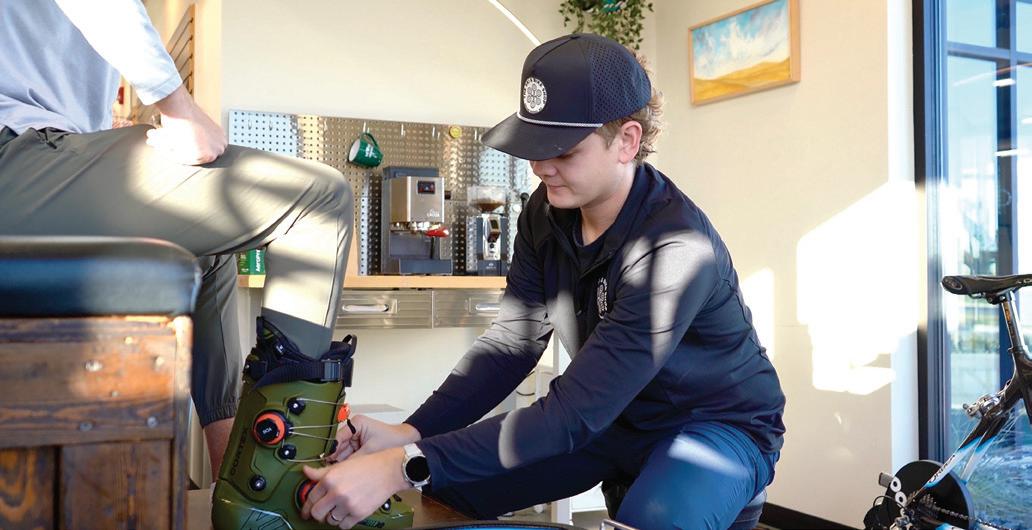
When Simon talks about focusing more on hard goods—skis, boots, bindings, snowboards—it’s not because those are easier.
It’s because the shop’s advantage lives in the technical, personal stuff.
The internet can sell a jacket.
The internet can’t listen to your skiing history, foot shape, pain points, ability level, goals, and then put you into the right boot, fit it correctly, and make you feel confident walking out the door.
If ski season is the heartbeat in winter, the year-round backbone is bikes.
“Bike sales and service is 70% of our business,” Simon said.
And within bikes, one category is exploding.
“E-bikes are by far the fastest growing category in the bike world,” he said.
Not just one type either. The shop sells:
• Pedal-assist e-bikes
• Throttle e-bikes (no pedaling required)
• Folding e-bikes
• Mini fat tire e-bikes
• High-end models using systems like Bosch and Yamaha
• More budget-friendly options too
They also carry every major “discipline” a customer might want.
Lifestyle cruisers, mountain bikes, road bikes, gravel bikes—the whole spread, from the occasional recreational rider to the person riding 10–15 hours a week.
If you want to ride for 30 minutes every other week, they can set you up. If you’re a serious cyclist, they’ve got you too.
But a big lesson was deciding who to serve first.
Grand Forks is about 60,000 people, but the shop’s customer base stretches far beyond the city. It stretches down to Fargo, over to Bemidji, up toward the Canadian border, and into smaller farm towns that ski Frostfire and explore the Pembina Gorge.
“The recreational rider or recreational skier is like 98%,” he said.
And for a long time, the business focused too much on the other 2%, racers, ultra-fit, competitive customers.
That focus looked logical on paper. High-end gear is exciting. It’s fun to stock the dream bikes. It’s easy to get caught up in the identity of “we’re the shop for the serious people.”
But there’s a cost because cash gets tied up in expensive inventory that moves slowly.
Meanwhile, the bread-and-butter

customers, the ones who keep a shop stable, walk in and don’t see what they need.
Simon watched it happen.
They had too many high-end bikes on the floor. Not enough “get back into it” bikes for the mom who wanted a cruiser. Not enough entrylevel mountain bikes for kids. Not enough accessories to complete the experience likehelmets, bells, pedals, lights, and locks.
“If we have 40 bread-and-butter bikes on the floor,” he said, “we’re going to be so much more effective.”
Simon Murphy doesn’t run the Ski & Bike Shop like it’s his stage.
He runs it like it’s a team.
“One of the biggest ways is just giving people ownership,” he said.
His brother, Sam, works at the shop.
Another key employee, Zach, handles mechanical work. Together, they run the service side of the business.
Service accounts for roughly 10% of total sales, but it’s arguably the most profitable part of the operation, and the most relationship-driven.
“I let them run and manage the service shop,” he said. “I try not to micromanage.”
That doesn’t mean there’s no structure. They still start mornings with check-ins and expectations. But once the day starts, Sam and Zach operate the service department the way they believe it should run.
“They feel like they have a sense of ownership in the service side of things,” Simon said. “And if I’m not here, the work is still going to get done.”
The goal isn’t to make the shop about him.
The goal is to make it about “we.”
“I’ve really tried to remove the emphasis on one person,” he said. “When more efforts are done collectively, people feel like they’re part of the success.”
If you ask Simon about marketing, he’ll mention Facebook ads. Google ads. A little TV placement.
Then he’ll immediately tell you none of that matters as much as word-of-mouth. Especially in rural communities.
The Ski & Bike Shop’s reach spreads through small towns across northeast North Dakota and northwest Minnesota: Park River, Grafton, Fordville, Walhalla, and Cavalier.
In places like that, one good experience travels fast.
“They tell their friends,” Simon said.

“And then their friends come in.”
When customers walk in, Simon doesn’t start with a sales pitch.
He starts with conversation.
In a community like Grand Forks, where relationships drive everything, that approach turns a retail space into something more familiar.
“You want them to feel welcomed,” he said. “Not like they’re just a stranger in a store.”
For Simon, using the products isn’t optional. It’s essential.
He skis a couple of times every winter, sometimes traveling, like a recent trip to Park City, UT, and sometimes keeping it closer to home, like a weekend at Giants Ridge with his brother and their wives.
On the cycling side, he participates in local road and gravel races and plans to ride the Maah Daah Hey Trail in Medora later this year.
Because when someone walks into the shop asking about skis or bikes, Simon believes the best advice comes from experience.
“If you Google downhill skis online, you’re going to get bombarded with
50 different options,” he said.
A shop cuts through that noise. They listen. They ask questions. Then they narrow the field to a few pieces of equipment that actually make sense for the customer.
And when Simon has personally ridden or skied the gear, the recommendation carries weight.
“There’s a certain buzz after a ski trip,” he said. “You come back and you’re like, ‘I was on this super cool new ski. It was awesome. You should try it.’”
Simon didn’t walk into ownership with everything figured out.
He’s still learning.
He recently graduated from Northland Community & Technical College in East Grand Forks and is now attending Bemidji State University part-time, continuing to study business.
Outside the classroom, he leans on mentors.
Some come through formal channels like SCORE mentorship programs. Others are simply experienced business owners across town.
People like Chip Shea at Shea's Nursery, Matt at Rhombus Guys Pizza, and Richard, who owns See Dick Run, LLC
He also points to Larry Hondl, a real estate leader with Oxford Realty, as someone who’s been a consistent supporter and encourager of the shop.
The common thread among those relationships is honesty.
Simon talks openly with them about the anxieties that come with ownership.
Mentors help pull him back from that spiral.
“I love what I do because of the people,” Simon said.
And, of course, he couldn't do it without his wife. “My wife is my biggest supporter and is a sounding board for every single one of my ideas," Simon said.
We're excited to keep watching him do it.



or most business owners, growth rarely follows a straight line.
There are expansion opportunities that appear faster than expected. Equipment that needs to be upgraded sooner than planned. Real estate deals that move quickly. Cash flow cycles that change with the season. So, you'd better make sure you have the right financial partner helping you navigate it all.
Every business journey looks different, which is why Magnifi’s commercial financial solutions are built around flexibility.
Magnifi’s commercial lending team regularly structures financing for projects ranging from small lines of credit to large-scale real estate developments. The team also serves as an SBA Preferred Lender, a designation that allows them to process Small Business Administration loans more efficiently than many institutions.
In Minnesota, Magnifi holds the distinction of being the only SBA Preferred credit union in the state, giving businesses access to streamlined approvals and experienced SBA lending specialists.
By Brady Drake | Provided by Magnifi
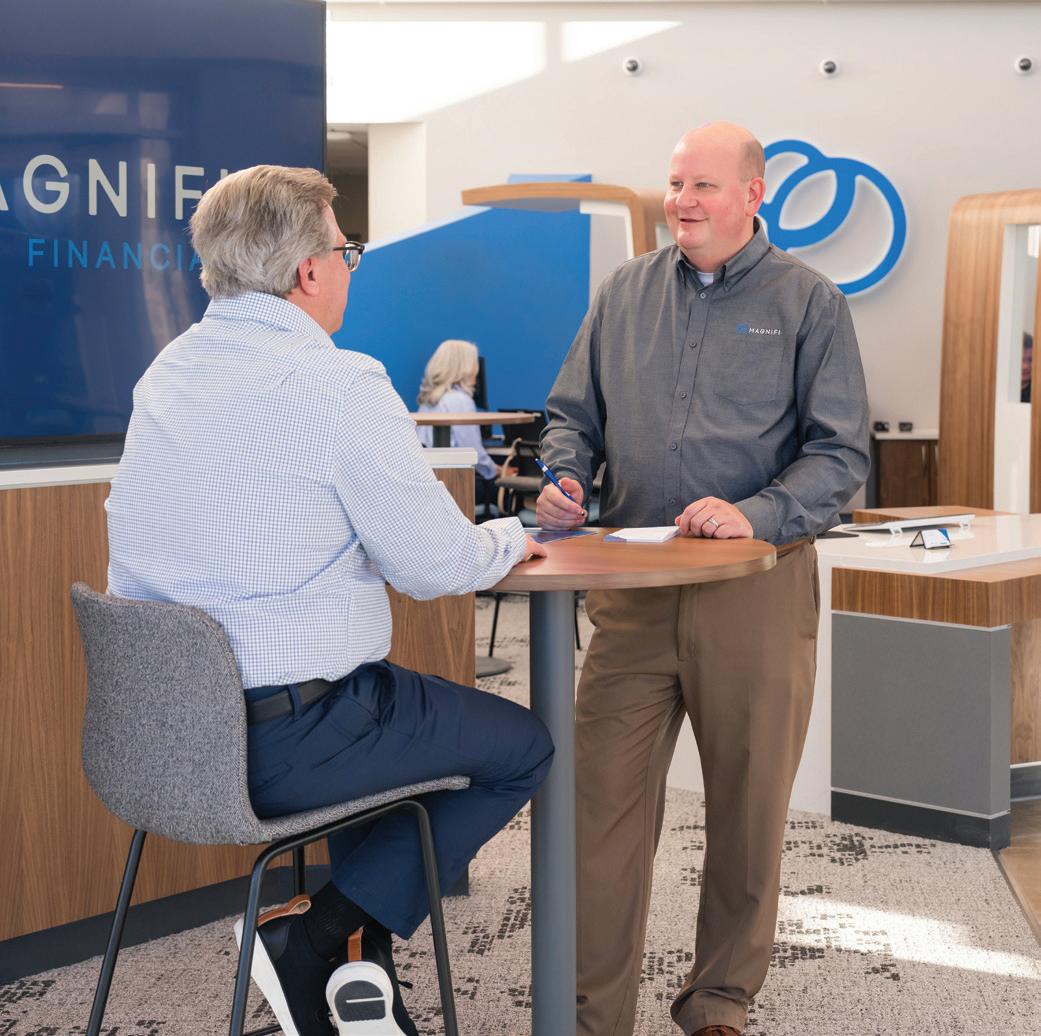
For nearly a century, Magnifi Financial has built a reputation for being that partner. As a member-owned credit union, the organization approaches financial solutions differently, focusing on long-term partnerships, flexible financial solutions, and local decision-making that helps businesses move forward with confidence.
“Our goal isn’t just to offer accounts or loans,” said the Magnifi team. “It’s to help businesses make the financial decisions that allow them to grow, operate efficiently, and focus on what they do best.”
Facing a financial loss due to ACH fraud, this business member knew something had to change in their payment processes.
Implementing Fraud Management with Positive Pay set a new standard for their payment process, protecting them from future fraud situations.
After Magnifi was made aware of the fraudulent activity, we helped the member through their current situation and quickly worked with them to implement Fraud Management with Positive Pay. This solution gave them greater control over outgoing payments by allowing them to review and approve/return checks and ACH transactions within the allowed return window, reducing the risk of unauthorized payments.
After falling victim to ACH fraud, this business member faced a significant financial loss, which exposed weaknesses in their payment process and systems. The situation created an urgency to improve their fraud prevention to eliminate the opportunity for future loss due to ACH and check fraud.
Fraud Management with Positive Pay has delivered both strong financial and operational benefits for this business. Since implementation, they have returned $16,300 in unauthorized transactions, saving them from additional financial loss.
While lending plays a major role in supporting business expansion, many companies quickly discover that daily financial management
can be just as important. As businesses grow, managing cash flow, payments, payroll, and deposits can become increasingly complex. That’s where Magnifi’s digital business cash management tools come into play. The credit union offers a range of services designed to streamline operations, including:
• ACH origination
• Wire transfers
• Merchant services
• Remote check deposit
• Fraud protection tools
• Real-time account access
Not every business story fits neatly inside a spreadsheet.
Some clients come to Magnifi with plans that cross industries, properties, and even personal and professional goals all at once. In those situations, the value of a financial partner often comes down to whether they can see the full picture.
That has been the experience for one Magnifi client, who describes her family’s life and portfolio as anything but conventional.
“Kirk and I have a very unique life, a very unique family, a very unique portfolio,” she said. “Magnifi has really helped us manage all of those financial needs that we need to do the things that we want to do and be successful both in our personal lives and in our careers... Magnifi has really helped us be more efficient— investing, running the farm, things like that. And that allows us to spend more time with the family, the kids, doing what we want.”
That kind of impact is easy to overlook in conversations about commercial finances. But for many business owners, efficiency is not just about numbers. It is about capacity. It is about having systems, support, and financing structures that reduce friction and create room to focus on the work and the life that matter most.
One of the projects Magnifi helped finance for that same client was a parcel of land in Dunn County, WI.
The land is used for logging and active habitat management, with the goal of supporting natural succession among tree species while also improving conditions for wildlife. The family works across multiple properties and land uses,
sometimes partnering with other farmers, sometimes planting new trees and native vegetation, and always thinking about how the land can become more valuable over time.
What stood out to the client was not just that Magnifi financed the property, but that the team understood the broader vision behind it.
“For Magnifi to see that value and to see that vision—where we can use this land recreationally and also restore habitat—is wonderful,” she said.
The credit union’s roots are closely tied to agriculture and rural communities, and that experience still shapes how the team approaches land, lending, and long-term investment. While Magnifi’s business services reach far beyond agriculture, that heritage gives the organization a practical understanding of clients whose operations may blend business, land management, family priorities, and generational planning.
Scalable accounts that help companies manage daily finances while earning dividends and minimizing unnecessary fees.
Financing solutions for commercial real estate, equipment purchases, working capital, and expansion projects.
Magnifi is an SBA Preferred Lender, providing streamlined access to Small Business Administration financing.
Magnifi’s structure also shapes how it thinks about growth.
As a not-for-profit, member-owned credit union, Magnifi is not driven by shareholder returns in the same way traditional banks are. Instead, earnings are reinvested into better rates, stronger services, improved tools, and local impact.
That does not mean businesses choose Magnifi for philosophy alone. They choose it because the model can translate into practical value, competitive products, fewer unnecessary fees, accessible decision-makers, and a stronger sense that the institution succeeds when its members do.
ACH origination, wire services, merchant services, remote deposit, fraud protection, and more.
Flexible credit with competitive rates, real-time expense tracking, and digital wallet compatibility.
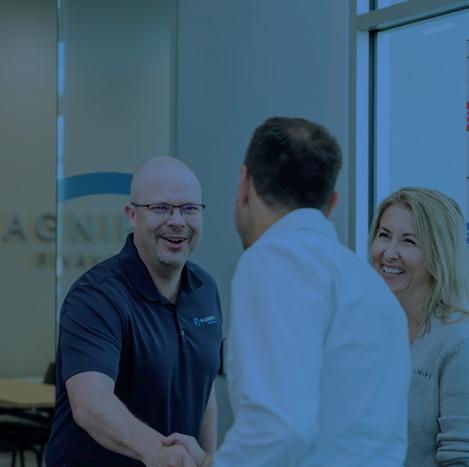
key factors when evaluating financial partners.
For many businesses, choosing a financial partner is one of the most important strategic decisions they will make. The right institution does more than provide accounts and loans. It becomes part of the infrastructure that helps a company grow.
Based on its experience working with businesses across industries, the Magnifi team often encourages business owners to consider a few
A financial institution should understand more than just your balance sheet. The right partner takes time to learn your goals, your industry, and the long-term direction of your company.
Businesses evolve. A lender or financial partner should be able to evolve with you — offering scalable tools, adaptable lending structures, and solutions that grow as your company grows.
Prioritize local expertise.
There is real value in working with people who understand the regional economy and the challenges facing local businesses. When decisions are made locally, businesses often gain faster responses and more informed guidance.
Don’t assume bigger is better
Many business owners are surprised to discover that credit unions can offer competitive rates, fewer fees, and stronger service than large national banks.
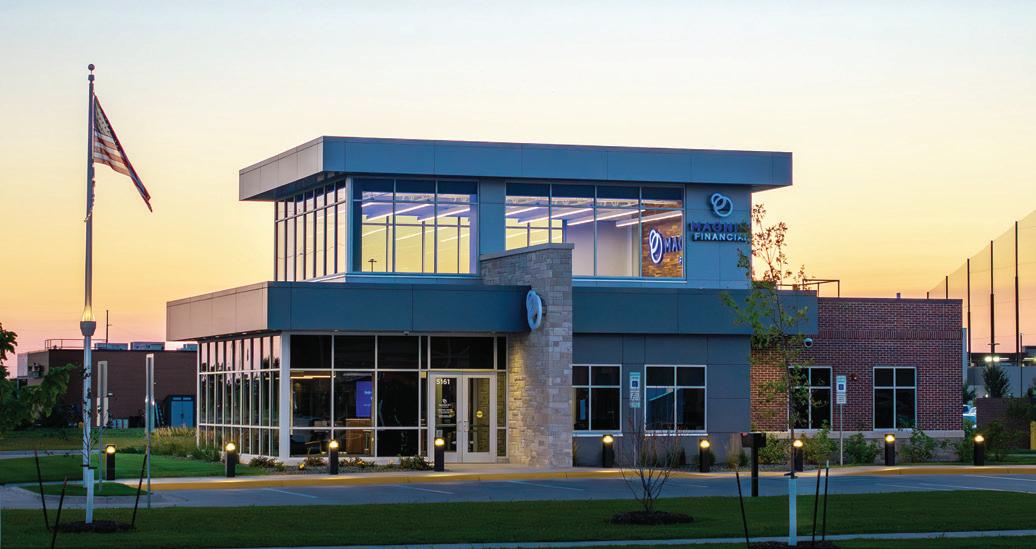
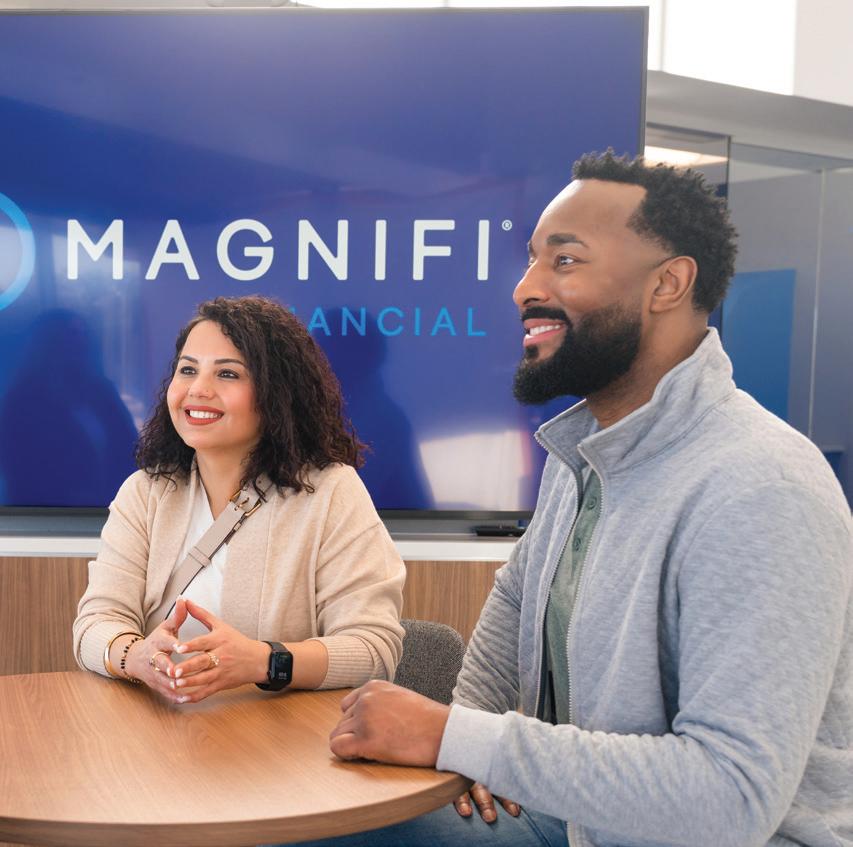
As Magnifi Financial continues expanding its presence in the Fargo, Moorhead, and West Fargo communities, the credit union is bringing these same philosophies to a region known for entrepreneurship, innovation, and economic resilience.
The Fargo-Moorhead area has long been a place where businesses grow quickly—from small startups and family-run companies to large real estate developments and regional manufacturers. Supporting that growth requires financial institutions capable of adapting to a wide range of needs.
Magnifi’s team believes its model is well suited for that environment.
With more than 25 branch locations and a growing network of experienced advisors, the

credit union supports businesses throughout the region with commercial lending, deposit services, cash management tools, and personalized guidance.
Whether a company is purchasing its first building, expanding into new markets, improving operational efficiency, or managing complex financial operations, Magnifi aims to provide the tools and expertise that make those next steps possible.
- This credit union is federally insured by NCUA

YOUNG ENTREPRENEUR: EMMET AND MARGO | provided by Emmet's Creations



For the Davis family, entrepreneurship is part of school.
Parents Nick and Miranda were introduced to learner-driven education through enrolling their son Emmet at Odyssey FM, a Moorhead private school built on the Acton Academy model, which emphasizes independence, projects, and real-world skill-building. From there, they leaned further in after going the homeschooling route to give them more reps in it.
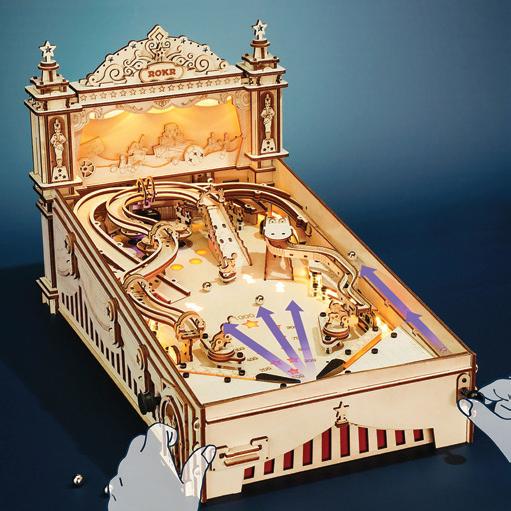
That’s where Emmet’s Creations comes in, and it's a full team effort with mom, dad, Emmet, and his sister Margo all working together. The business revolves around hands-on 3D wooden build kits. They offer flowers, moving models, and mechanical-style projects that they sell at vendor shows and events. The family unpacks inventory, builds sample displays, sets up a six-foot table booth, assigns roles, and then reviews what worked and what didn’t after each event.
A key piece of the story is the give-back element. The family is partnering with Garden of Healing, a Fargo nonprofit creating a reflection-andremembrance space near SCHEELS Arena.
Q: HOW LONG DOES IT TAKE TO BUILD ONE OF THE BIG PROJECTS?
Dad: A big project takes 8-14 hours. Most projects take 1-3 hours.
Q: SO YOU’RE NOT JUST SHOWING UP AND SELLING. THERE’S A WHOLE PROCESS BEHIND IT.
Dad: Exactly. When inventory comes in, we rent a room, take everything out, organize it, build out inventory, and set up displays.
Q: WHY ARE THE DISPLAYS SUCH A BIG DEAL?
Dad: People need to see what it becomes. The kits come flat in a box, and you pop out the pieces and build it into something like the flowers or the bigger mechanical builds. When they see the finished result, it clicks.
Q: YOU SAID THIS STARTED FROM HOMESCHOOLING. HOW?
Dad: Last year, we were at Odyssey FM, their first year in the Fargo-Moorhead community, and they had an entrepreneurship unit. We loved that
model. Eventually, we chose homeschooling to have more control over what the kids learn, introducing concepts earlier, and teaching entrepreneurship as a real-life skill. We want them to learn the process, and yes, we want them to fail sometimes. That’s where learning happens.
Q: HOW DO YOU DIVIDE ROLES AS A FAMILY AT EVENTS?
Dad: Emmet and I are more on the sales side. Margo and Miranda help with customer service.
Q: EMMET, WHAT DO YOU REMEMBER FROM YOUR ENTREPRENEURSHIP EXPERIENCE. WHAT DID YOU START WITH?
Emmet: First, I started with beads. Then I moved on.
Q: HOW DID YOU CREATE YOUR LOGO?
Emmet: We had to make a logo first. Odyssey’s mascot is an owl, so we used an owl in the design.
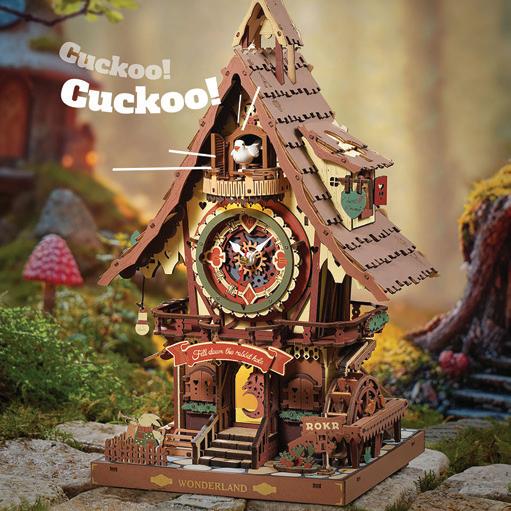
Q: WHAT WERE YOU SELLING EARLY ON?
Emmet: At first, it was iron-on beads, like Perler beads, fused together with an iron. I sold ornaments at kids’ business fairs.
Q: HOW DID YOU DEVELOP THE BRANDING?
Dad: We used Canva, built basic branding guidelines, and picked colors. He chose red, white, and blue as his main colors.
Q: WHAT KINDS OF 3D PUZZLES DO YOU SELL?
Emmet: Flowers, fair rides, pinball machines, there are over 130 options.
Q: WHAT’S ONE THING YOU TELL CUSTOMERS THAT MATTERS TO THE STORY?
Dad: If someone buys a flower, we donate $3 back to Garden of Healing to support their park project.
Q: WHAT’S THE BIGGEST BUILD YOU’VE DONE?
Emmet: The Dream Gift Factory.
Q: HOW LONG DID THAT TAKE TO COMPLETE?
Dad: About 14 hours total, but spread out over about six days, two to three hours at a time.
Q: WHAT MAKES IT CHALLENGING?
Dad: It’s detailed. You have to be patient. Some parts have gears and moving pieces. You even wax some parts so they don’t stick and everything can move.
Q: HOW DO YOU HANDLE CUSTOMER SERVICE AT EVENTS?
Dad: We start by handing out a pen, business card, and bookmarker with a QR code on the back. We say, 'welcome to Emmet's Creations we have 3D wooden puzzles.' We explain how they come in kits for them to build at home. They are great for birthdays, Christmas, and corporate events.
Q: DO YOU DO POST-EVENT REVIEWS?
Dad: Yes. After every event, we talk about what we did right and what we’d do differently next time.
YOUNG ENTREPRENEUR: JESSE HOSS | provided by Delegated Task

actually carry out the work.”
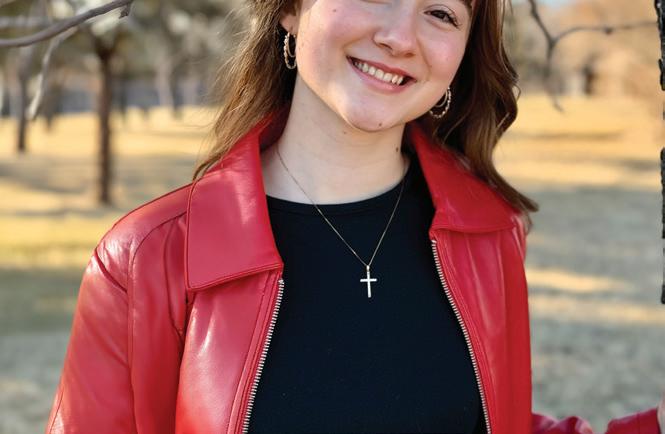
Jsse Hoss lives in Hawley, MN, and was born and raised there. However, most of her work happens in Fargo. That’s where her clients are. That’s where the small-business energy is. That’s where she saw owners stretched too thin, stuck in busy work, and running out of capacity for the things only they can do.
She is building a business to help them.
Jesse is 20—but within minutes of a conversation, it’s clear she’s already operating at a level most entrepreneurs spend years working toward.
She has a passion and the drive and proven ability to run a growing B2B agency—one that’s already delivering real results for clients across the Fargo area.
“I realized there was a lot of overwhelm in the Fargo business community,” she said, “and they didn’t just need someone to go in and create the strategy… they needed somebody to be there to
That’s Delegated Task, a support partner for businesses that need help, but aren’t ready to hire. It's a way to offload the work that doesn’t require the owner’s unique skills.
That includes:
• Administrative support: email organization, document creation, templates, onboarding materials, invoicing, coordination, phone answering
• SOP creation: helping standardize processes and build systems that don’t live in someone’s head
• Marketing support: strategy plus execution
• Content creation + social media management: especially people-forward content captured in person
Right now, her biggest focus is content creation, because that’s where she sees the largest gap locally.
“Event capturing. Testimonial videos,” she said. “That’s where people need the most help.”
She thinks too many brands are producing content that doesn’t sound like them, doesn’t look like them, and doesn’t connect with real humans. A lot of it is AI-forward. Cookie-cutter. “Spaghetti at the wall.”
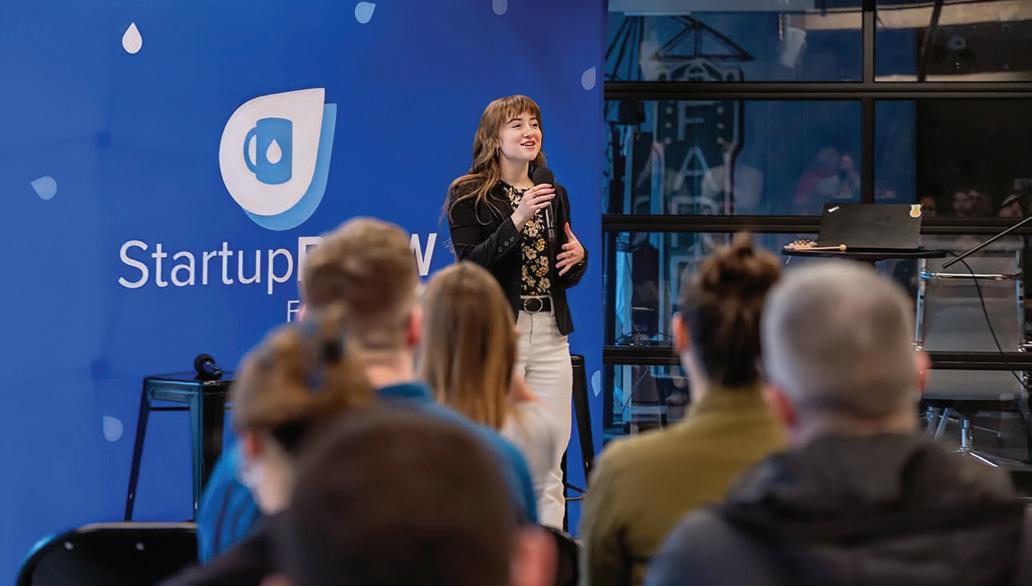
Jesse doesn’t hate AI. She just refuses to let it replace presence.
“I use AI more as a tool,” she said.
Occasionally, someone asks Jesse about her age. It doesn’t come up often—and that, in itself, says a lot."Do people take you seriously at 20?"
“Yes,” she said. “I actually don’t think about it day to day.”
She’s confident in the value she brings, and she says the Fargo community has been overwhelmingly supportive. If someone doesn’t jive with her, she figures they self-select out quickly
Jesse didn’t wake up at 20 and
randomly become business-minded. Her background reads more like a string of small experiments that kept getting more serious.
She credits her dad’s entrepreneurial influence early. And she remembers a moment that clicked when she was around 10 or 12 when she had a 'slime business,' which was homemade glue-and-borax stuff that ended up selling through Nerd Nook at West Acres.
She made around $300 in one afternoon. That moment did what it does for a lot of entrepreneurs, it showed her that the work could turn into a business.
Jesse started her associate degree full-time halfway through her junior year of high school. That program pushed her deeper into business
and marketing. Then she stacked internships like most people stack electives.
• Swanson Health: project management intern, then marketing intern
• SunButter: social media management intern
• Spherion: marketing coordinator (contract role)
• Laneys: content video creator intern
• Do Good Better Consulting: social media intern
She also worked through additional learning tracks like LinkedIn Learning courses, and a steady diet of YouTube instructional videos.
“Click on a video of an expert,” she said, “and actually watch it and take notes. YouTube University is what I call it."
Delegated Task launched in May 2025, after she graduated. For a while, it stayed on the back burner while she pursued contract roles and internships.
She thought she needed a full-time job first. Thought she needed to “get on her feet” before going all-in. Then she realized that was just fear disguised as responsibility.
“I had this urge for independence,” she said. “I have this dream and this vision. I need to do something more than be at a desk 9-to-5 and work for somebody else’s dream.”
Three months ago, she went fulltime. Right now, Delegated Task is a one-person operation.
And it’s already growing.
Jesse currently has three clients, with a fourth nearly finalized.
Her goal for 2025 was to land five monthly retainer clients, and she’s already moving toward it early in the year.
She wants Delegated Task to become the agency in town for delegation. She wants it to be the place business owners can go when they need real support but don’t want to hire an employee.
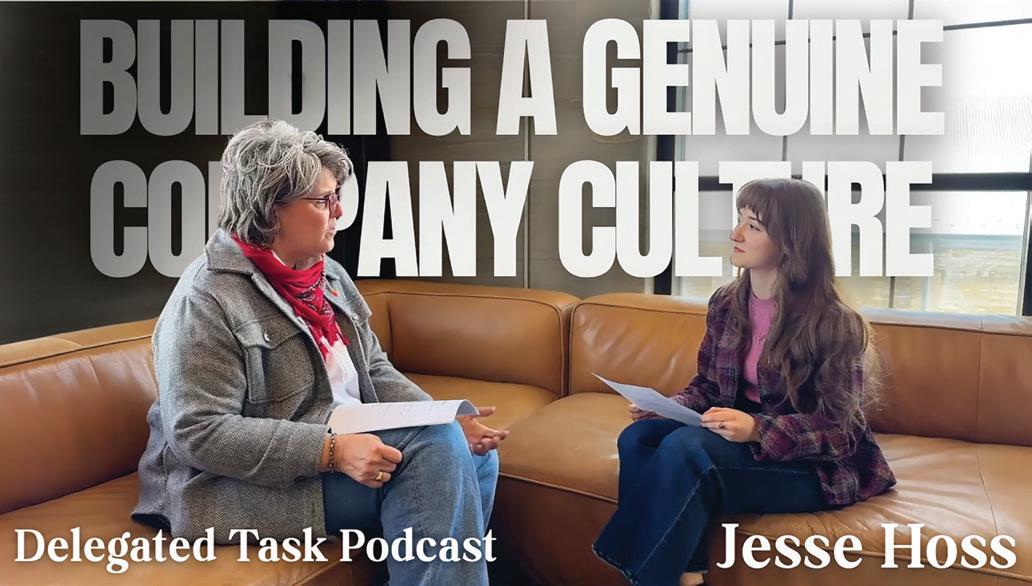
Jesse Hoss has wanted to start a podcast for six years, and she wants it to be the best podcast in the Fargo area and a real resource for the business community.
She wants the podcast to center around in-person conversations. And she wants to curate episodes around real business problems and real human experiences. The idea is to foster genuine conversation,
not a stiff interview.
For her, this isn’t separate from Delegated Task. It’s an extension of her core strength: connection.
“I love people,” she said. “I love working with people and solving their problems.”
Her first recorded episodes include interviews with Jodee Bock and Andrew Stone, names many Fargo business owners already recognize.
If you’re overwhelmed, and you’re trying to “do social media,” stop trying to do everything. Pick something you can sustain.
• If you love writing, write.
• If you get energy from talking,
speak with podcast, video, or voice notes.
• If you walk your dog every day, talk to your camera on that walk.
• If you have natural conversations with customers, record and repurpose them.
The point isn’t what you pick. The point is that you pick something you can do consistently.
Because Jesse thinks a lot of people chase the wrong goal.
“People get stuck in this idea of virality,” she said, “when they really should be building a community.”
Jesse was homeschooled until she transitioned into full-time college coursework through Minnesota’s PSEO program.
She credits homeschooling with something most people wouldn’t expect, helping her become more socially capable as an adult.
In traditional school settings, friendships often happen by proximity. You see the same people every day. Relationships form automatically.
Homeschooling required something different.
“You have to take initiative,” she said. “You actually have to reach out to people and keep up with them.”
That muscle for intentional connection now defines how she operates professionally.
Homeschooling also gave her control over her work rhythm.
If an assignment took two hours, great. If it took a full day, she could take the time. That independence forced responsibility early.
Pair that with a retail job at 15, working alongside people older and younger than her, interacting with customers constantly, and she was building professional communication skills long before most of her peers.
That foundation is part of why she doesn’t feel out of place networking with business owners in their 30s and 40s.
Right now, Delegated Task is just Jesse, but she wants it to become the go-to delegation agency in Fargo. She wants it to be the one-stop resource for business owners who need execution without the friction of hiring.
She wants the podcast to become a real business resource.
She wants to keep building community over virality.
And she wants to stay rooted while she does it.
delegatedtask.com
Search "Delegated Task" @delegatedtask /delegated-task


ENTREPRENEUR: LYRIC | provided by Lyric's Soap

Lyric doesn’t act like a “young entrepreneur.” She acts like a kid who’s been doing this long enough that it feels normal.
She’s 13. She’s in eighth grade at Ben Franklin Middle School. And she’s been making lip gloss since 2020—back when she was nine or ten years old, sitting on her mom’s bed with a laptop open, building a supply list like it was the most natural thing in the world.
“I remember sitting on her bed and going on Amazon, looking at the gloss, the tubes, picking everything out,” she said.
It started as play, the way a lot of real skills do. But it didn’t stay there. By fifth grade, she was bringing gloss to school. Friends would ask for some. She’d hand it out because she’s nice, and because at that age, nobody is thinking about margins.
“They’d be like, ‘Oh, you should make me some.’ So I’d give them some,”
she said. “Then I was like, ‘We should make this official. We should actually start doing this.’”
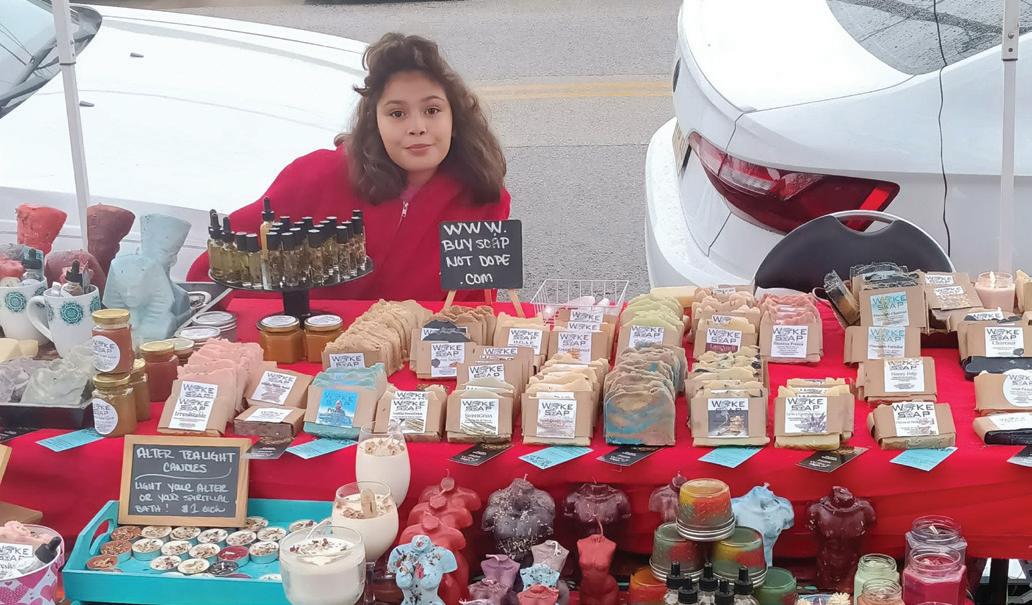
Lyric is growing up inside her mom’s company, Woke Soap Apothecary, a Fargo-based brand that’s been around for 10 years. Her mom is in her 40s now, building on a decade of work that began when she was a single mom. She knows how hard it is to keep a business alive long enough to call it “established.”
“This is all her right here though,” her mom said. “I’m just the support.”
It matters that she says it that way, because it’s easy for a kid’s product line to get treated like an extension of the parent’s brand. In this case, it’s more like an apprenticeship that’s turning into independence.
Lyric helps with her mom's business. She helps with names, labels, scent ideas, and product brainstorming. But she’s also carving out her own table at vendor shows.
“We do vendor shows, and I’ll have my little table next to hers with my stuff,” Lyric said.
The origin story is sweet in the simplest way.
Do you remember your first flavor?
“Bubble gum,” Lyric said.
Was that for you?
“Yeah. I really loved bubble gum. I was addicted to the smell. I loved it.”
That’s the thing about the early versions of a product. They aren’t made for a market. They’re made for one person’s taste. The market comes later. And the actual process is more straightforward than most people assume.
“It’s not that hard,” she said. “You mix the flavor with the gloss, and you have a base that you put it into.”
Base gloss, flavor, tube. Then there are the details that are hers like stones embedded in some of the tubes.
“One is scented or flavored. She left it plain,” her mom said. “It has stones in it. A lot of people set intentions with stones and talk about balancing chakras.”
If Lyric wanted to, she could probably move a lot of product through school.
She doesn’t.
“Do you ever try to sell them at school?” I asked.
“No,” she said. “I just like being mysterious. I don’t really let
people know about my stuff.”
She’ll talk about her mom’s business. But she prefers to keep hers to herself. It fits her personality. She can be reserved, like when I first met her for an interview. And then, eventually, a switch flips, and she has total confidence, because she has a job to do.
A lot of kids can make things. Fewer can package them in a way that looks real. Lyric can.
In 2023, her mom taught her how to design labels. She taught her how to think about layout, theme, and the details that matter like ingredients.
She uses Avery to design them, building visuals around the product concept. One gloss line, Chakra, uses stones and a rainbow theme—so the label background matches: rocks, color, texture.
“We edit it ourselves and make it ourselves,” she said “We include ingredients, what’s in it, and the flavor.”
That last part, the ingredients, sounds small until you’ve done vendor shows. People ask. People have allergies. People want to know what’s going on their skin. Transparency is part of professionalism, and she’s learning it early.
They also try to source locally when they can.
“We try to keep ingredients simple. Things we can get in town,” her mom said. “Because ordering online takes time. We try to source locally, and I’m teaching her the same.”

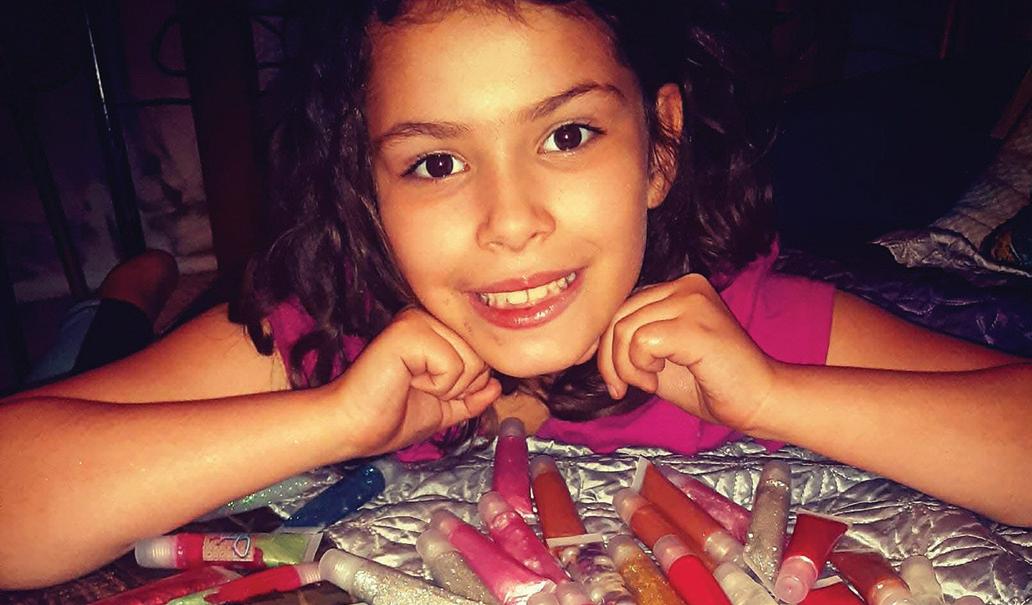
Lyric’s business didn’t grow in a straight line.
Her family started in Fargo, moved to Texas in 2021, then returned to the Dakotas—South Dakota for several months, then back up to Fargo last year. That’s a lot of school changes at 13. A lot of social resets.
“Yeah, especially being older and having friends, and then moving away from them,” Lyric said. “But you kind of just get used to it.”
In Dallas, they had a shop, and Lyric wasn’t just watching from the sidelines. She sold products. She made crystal items. She sold lip gloss. She learned what it feels like to stand there while people browse, waiting to see if they’ll buy.
Then, back in Fargo, the model
became vendor shows again with her mom’s table, and her table.
She describes herself as a kid who used to be shy—fine around family, but uncomfortable talking to people. Vendor shows changed that, because when your mom steps away, the table doesn’t pause.
“If my mom had to go to the bathroom, I had to learn prices and talk to people,” she said. “I’m really good at that now.”
SCENTS, THE CULTURE, AND THE MEANING BEHIND “RED HAND”
Within the family’s product world, there are two distinct aesthetics.
Lyric gravitates toward sweet, kidfriendly scents—cookies, fruit, bubble gum, playful stuff.
Her mom’s work carries more cultural intention with indigenous elements, traditional scents, and products designed to start conversations.
One candle in particular is called Red Hand, referencing the red handprint symbol associated with the Missing and Murdered Indigenous Women movement.
“MMIW is Missing and Murdered Indigenous Women,” her mom said. “It’s a big movement. And my Red Hand scent has that red hand on the label, so when people see it, they know what it’s for.”
In Dallas, they used a visual that stopped people in their tracks, a red dress hanging outside with an explanation attached.
“People would ask what it was,” she said. “Then read it and realize it was for Missing and Murdered Indigenous Women.”
Lyric is still very much 13.
She likes being on calls with friends. She likes headphones and homework. She loves volleyball. She loves summer—especially tanning, swimming, and mall days with friends.
Her favorite candle scent is Fruit Loops.
“It’s so yummy,” she said.
She’s social in her own way.
“If I meet someone one day, the next day I’ll act like I’ve known them forever,” she said. “Like we’re locked in already.”
Ask Lyric what she wants to do longterm, and she doesn’t hesitate; she
talks about taking over her mom’s business.
“My friends and I talk about it a lot, and I always say I’m going to take over her business,” she said. “She’s going to need me, and I’m going to need her.”
She’s learning the operation from inside. She’s learning design, sourcing, selling, and customer interaction.
Currently, she also has a job in mind at Island Park pool concessions. She plans to take CPR classes—not because she’ll be a lifeguard, but because it makes her a stronger candidate and because if something happens, she wants to be able to help.
Right now, Lyric is in a rebuild phase, settling back into Fargo after moving,
restarting her identity as she gets older, and deciding what her brand is called.
When she was younger, it was LVL Lips—LVL as in “level up.” Now she’s reinventing herself.
Right now, Lyric’s products are connected to her mom’s site, with a small section for her shop at buysoapnotdope.com. They’re also planning to build a Facebook page specifically for Lyric, so people can follow her work directly.

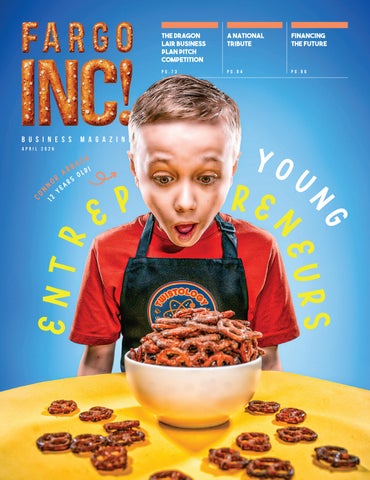
YOUNG ENTREPRENEUR: CONNOR ARBACH | J. Alan Paul Photography

Connor was 12 when he decided lemonade was too predictable.
He’d been watching Shark Tank. Listening to podcasts about kids running businesses. Thinking about margins before most kids his age were thinking about algebra.
A lemonade stand felt ordinary. Everyone does lemonade.
So he started with chocolate chip cookies instead.
“They were really good,” he said. “They sold really fast.”
There was just one problem.
He had to bake them the morning of, load up a stand, wheel it to the side of the road, and sit there waiting. Once they were gone, they were gone. And then he’d have to start all over again.
Connor’s dad was headed to Minneapolis for a kidney transplant procedure. Somewhere along the way, they stopped at a gas station and picked up a bag of pizza-flavored pretzels from Dakota Pretzel Company.
Connor ate at least half of them.
“These are so good,” he remembers saying.
Back home, they ordered more. Then more.
Eventually, Connor had another thought, 'I could make these.'
He found a ranch pretzel recipe online and made his first batch. It was good.
Then he tweaked it.
He adjusted ingredients. Reduced some. Added more of others. Made another batch. And another. Tastetesting until it felt right.
That version became what he now calls Signature Ranch.
Within a month, he was selling pretzels in Ziploc bags at his mom’s workplace.
They sold.
Then, someone heading to the lake asked for a bigger bag to share with family.
That’s when this stopped being a hobby and started becoming a business.
GRADE. ONLINE SCHOOL. FULL-TIME PRETZEL TESTING.
Connor is 12 now. A seventh grader doing online school, though he still attends in-person activities at Ben Franklin Middle School.
His favorite subject is math. Which makes sense because before long, he wasn’t just tweaking seasoning ratios, he was calculating margins. “I listed out the price of each ingredient,” he said. “The cost of the pretzels. The packaging. Everything.”
He calculated exactly how much he’d make at different price points.
Originally, his small bags sold for $2. Later, he adjusted.
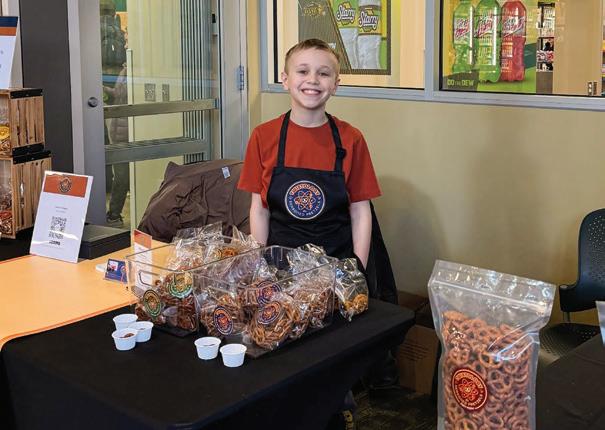
Today, he offers multiple flavors including: Signature Ranch, Chili Lime, Honey Mustard, Pizza, Dill Pickle, and rotating specialty batches.
He also moved from simple Ziplocs to heat-sealed packaging with custom stickers and a logo designed by a graphic designer who was paid in pretzels.
Connor doesn’t just copy flavors. He reverse engineers them.
Chili Lime? Inspired by Doritos Dinamita.
Honey Mustard? Created after he noticed mustard pretzels were top sellers on other brands’ websites.
“I thought I wouldn’t even like it,” he said. “I’m not really a honey mustard person.”
It took seven versions to get right, which was his longest development cycle yet.
Now it’s his favorite.
“I got the balance between the mustard and the sweetness perfect,” he said.
His fastest success was Chili Lime, which he nailed in one try.
Not every batch is flawless. Once, he accidentally used cayenne instead of paprika in the honey mustard.
“They were spicy,” his dad said. Connor didn’t notice at first.
“They were actually really good,” he said.
Every batch gets tested by parents, neighbors, friends, and the loyal graphic designer who samples every flavor.
Connor has also learned some hard production lessons.
“Don’t mix anything liquid with the oil,” he said. “If you add anything liquid to it, it messes up the texture.”
His first major test came at a kids market in Mapleton.
He brought 40 bags.
He sold out in an hour.
At the Arthur market, he prepared around 170 bags, expecting nearly 2,000 attendees.
He sold about 130.
They underestimated demand more than once.
When a January vendor show was canceled, they posted on Facebook that they had fresh pretzels ready.
Orders flooded in.
For 24 hours straight.
Through Facebook. Through Marketplace. Through personal messages. From multiple directions.
They had no system.
“It got out of hand,” his parents said. They had to pause orders.
That was another lesson.
CONNOR ARBACH | J. Alan Paul Photography

For now, they’re intentionally keeping things manageable. Focusing on select markets. Letting Connor learn at a pace that matches his age.
This is about learning.
Connor reinvests. He saves. He invests.
“I’ve been investing into an investment account,” he said, “and obviously into more pretzels.”
His parents explain that the investment account was started when he was a baby. Now, as pretzel sales grow, they’re adding to it. The business is teaching him money, but it’s also teaching that what you do now affects what you can do later.
At one point, Connor latched onto a rule-of-thumb structure he heard on a kids’ business podcast:
30% spend, 50% invest and 20% donate.
In practice, he’s been using that “spend” portion less as fun money and more as business fuel for better packaging, supplies, and equipment.
And then there’s the investing piece. They sat down with a financial advisor, and Connor peppered her with questions.
“She showed him how money grows and what it looks like,” his parents said. “And he was just eating it up.”
Connor’s favorite part of running the business is also the most “him.”
“I love making new flavors,” he said. “I make all the recipes myself.”
This is what is most special about Connor. You can tell that he truly loves making pretzels, and he loves it when people try and enjoy his pretzels.
At a kids market, Connor donated a basket of pretzels for a silent auction to support a family whose daughter had cancer.
That basket, worth around $15 in product, sold for $60.
Another time, one customer bought multiple bags to donate to the Ronald McDonald House.
And when a market was canceled, and online orders surged, Connor donated part of the proceeds from those orders as well.
Connor’s mom is in an online MBA program with a marketing background. Because the classes are online, Connor sometimes sits next to her during lectures. And he listens.
“He’ll sit with me,” she said, “and then they’ll ask me about it later.”
Connor even helped her create a marketing presentation for one of her projects.
There was also an extra credit project on AI, with specific prompts designed to generate business ideas. Connor jumped into that, too, so much so that his mom warned her professor that another voice would be in the recording.
The professor was amazed that an 11-year-old was genuinely interested in master’s-level material and asking thoughtful questions.
When someone asks Connor what he wants to do when he grows up, he doesn’t hesitate.
“Make pretzels.”
He wants it everywhere.
Right now, they’re operating under cottage food rules and staying comfortable with a pace that fits his life.
But we at Fargo INC!, don't doubt that Connor can get there one day.
PRETZELS
/twistologypretzels
@twistologypretzels


By Brady Drake | provided by MSUM


November 20, the next generation of entrepreneurs took center stage at Minnesota State University Moorhead, pitching bold ideas with real-world potential, and real money on the line. At the Dragon Lair Business Plan Pitch Competition, undergraduate students stepped into the spotlight, presenting original ventures to a panel of regional business leaders and economic development experts. With thousands of dollars in prize funding at stake, the energy in the room was high, and the stakes were real. Let's meet the winners.
ian earned third-place honors with his pitch for Hobby House, a learning platform for people interested in picking up new hobbies or advancing from beginner to intermediate levels.
Q: What problem were you trying to solve when you came up with Hobby House?
A: I was trying to solve the problem of people every day wanting to start a new hobby but not knowing where to start or how to start, and create an easier way that they can do this.
Q: Was there a personal experience that made you realize how hard it can be to start or grow in a new hobby?
A: Throughout growing up, I have always wanted to sporadically learn new skills or hobbies, but just going to YouTube was not enough because I could never find that right video that was curated to me, which made it really hard for me to not only learn the new hobby but stick with it and advance.
Q: What kinds of learning experiences will Hobby House offer—videos, step-by-step modules, community forums?
A: The Hobby House would offer videos that are similar to YouTube videos, where people can consistently watch them, live oneon-one instruction or possible group instruction, and also the community forums that would be similar to reddit pages so people can talk to one another and create that community.
Q: How are you ensuring the platform serves both true beginners and people leveling up from beginner to intermediate?
A: We want to create curated videos for the people, so if they wanted to add feedback at any skill level, we would do our best to help them out. It is hard to scale what skill level everyone would be exactly, but we would put in our best efforts to fit their needs.
Q: Why do you think there’s a growing demand for structured hobbylearning platforms?
A: I think that the biggest factor is that the world is turning more to remote work and virtual workplace ever since COVID, and this leaves people wanting to do more things in their free time.
Q: What hobbies or categories do you plan to launch first?
A: Overall, I would say that we would try to find instructors for the most popular hobbies out there right now, such as guitar, crocheting, and other items like that, where we can find instructors more easily. All in all, it mostly depends on who we can find to teach.
Q: How do you plan to acquire your first users?
A: Our first users would most likely be people that we know, and they would tell other people. Overall, basic word-of-mouth marketing.
Q: What did winning third place mean to you as an entrepreneur?
A: Winning third place made me feel as if my plan might actually be able to leave paper if I were able to receive the right amount of funds and guidance. It was also a great way to express how much MSM has taught me with their business program, and a great place to use the presentation skills that MSM DECA had helped me develop.
Q: Where do you hope Hobby House will be in five years?
A: I would hope it would be in the startup phase, but realistically, with school and all of the other things I have going on, it will most likely still be on paper.

achel earned second place for her unique photorealistic polymer clay jewelry. Her stunning jewelry is like nothing else available on the market.
Q: How did you discover polymer clay as your preferred medium?
A: I first saw polymer clay jewelry on Instagram and was really interested in trying it out, as I’ve always loved anything arts and crafts related. I bought the supplies and just started to teach myself how to make clay earrings. A couple of years later, I wanted to try using clay to sculpt a nature scene necklace from a photo of my favorite Glacier National Park hike. Through trial and error, I figured it out! It is such a relaxing, fun process. Polymer clay is a great medium as it doesn’t dry and is oven bake, so no pottery kiln is required.
Q: When did you realize your jewelry had the potential to become a business rather than just a hobby?
A: In 2019, I started my small business with sewing bags and scrunchies. I wanted to develop new products that were more unique, so I experimented with polymer clay jewelry. My mom is my biggest supporter, and she was the one who encouraged me that what I was creating was something others would really want! Even from a young age, I have
been interested in making a profit through doing something I loved, so finding a profitable niche in my nature scene necklaces was really exciting.
Q: Your work is photorealistic and incredibly intricate—can you walk me through your design and sculpting process?
A: First, I look at the photo I am making the necklace based on and combine different colors of clay with a clay roller machine to best match the photo. This process is time-consuming and requires understanding color theory. I then roll out a thin piece of clay, cut out a circle shape, and adhere it to the necklace pendant with liquid clay. I always work sculpting the details from back to front in the photo to create a scene that has a sense of depth and a realistic look. It is important to see each scene in parts before trying to add all the details at once. For example, in a scene from a National Park, I will create each layer of clay in the order of sky and clouds or sunset, distant mountains, closer hills, a lake, and flowers in the foreground. The best way to explain my art-making process is like painting with clay, but it is miniature and 3D. I use small, sharp clay tools to add tiny pieces of clay to form a scene, and create texture and intricate details in each 20mm necklace pendant.
Q: What subjects or themes inspire your pieces the most?
A: Glacier National Park is what inspired my first clay necklace. National Parks and nature scenes where people have a personal story and connection with inspire my art the most. God is so creative with his complex, purposeful design in nature. I believe I can use the ways I have been gifted in sculpting nature scenes to point people to Jesus,
the Creator and Savior of the world. I want to give Him all the glory through my art.
Q: How long does it typically take to create one of your more detailed earrings or pendants?
A: Each clay necklace varies in the time to sculpt. The simple landscape scenes can be as quick as 45 minutes, while the most complex ones take up to 3 hours. I would say on average it takes 1.5 hours per necklace.
Q: What makes your jewelry different from what’s currently available on the market?
A: There are other polymer clay artists making landscape necklaces, but I haven’t seen a shop that offers fully custom scenes that closely match a photo as mine do. Since I individually create each piece, no other products on the market are able to have my unique style of art!
Q: How do you balance the demands of a hand-made product business with being a full-time student?
A: It is difficult to balance creating projects for my art classes as well as creating necklaces for my small business. I have had to shift my priorities more to school/work and spend less time marketing and building my business this past year. During this time in my life, HandmadebyRachCo. is more of a side hustle and hobby, but in the future, I would love to build my business.
Q: Have you thought about scaling production while keeping the handmade quality?
A: Buying higher-quality tools and having a nice workspace would help increase my efficiency. My main value with my business is to keep everything handmade, though, so large-scale isn’t something I am interested in. As I market more, I see my sales increasing and more people getting to have trips and nature scenes as wearable memories!
Q: What did earning second place teach you about your business or about yourself?
A: Earning second place was a great confidence boost and showed me that my clay necklaces and business have unique value. It was special to get to share the personal story and meaning behind my brand, and my mom was even able to be there that day for me. Stepping out of my comfort zone and working hard for the competition was definitely worth it, and I am so grateful to have been chosen!
Q: What’s your long-term vision?
A: Art has always been a part of my life, and I see it as a big part of my future too. I hope to work as an art therapist or in a related career after graduating from MSUM in 2028. Continuing to grow HandmadebyRachCo. as well as selling some of my other art, is what I see myself doing on the side. I would love to get my necklaces in some local shops, boutiques, or even in national park gift shops. Running my business could end up becoming what I do full-time, but not knowing what God’s plan is for my future yet is actually really exciting!
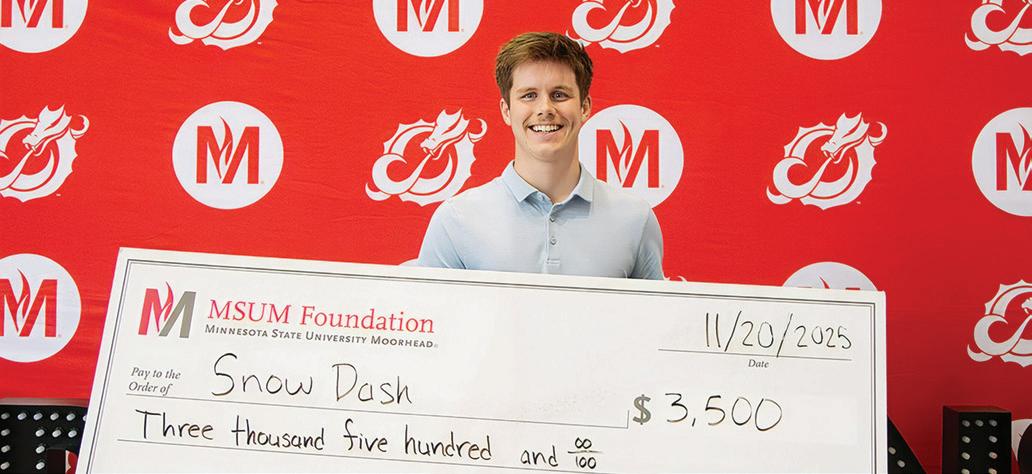
rant earned the top prize with his pitch about SnowDash, an ondemand, app-based snow removal service.
Q: What initially sparked the idea for Snow Dash? Was there a specific moment where the problem became impossible to ignore?
A: What initially sparked my idea for Snow Dash is the work that I've been doing for the past five years. In high school, I started doing residential, on
demand, snow removal. I had one small snow blower, a shovel, and a truck. Over the years, I have helped hundreds of customers with my simple setup. As I've grown to serve more customers, I've also had to turn down many, because I have more demand than I can supply. This large demand sparked the idea of Snow Dash, which would allow me to help more customers.
Q: How did your background in construction management influence the way you approached designing an on-demand snow removal service?
A: Throughout my time at MSUM in the Construction Management program, we have been exposed to many different sectors of the business world. We have professors with realworld experience, even in the snow removal industry, who have been very influential and supportive. The Construction Management at MSUM has given me the technical skills to see the possibility of this idea, and the confidence to start a business like this.
Q: Walk me through how the SnowDash app works— what does the user experience look like from booking to completion?
A: The customer would access a digital platform via website or app, and input information such as:
• Name
• Address
• Size of driveway (1 stall, 2 stall, 3 stall, extended driveway)
• Urgency
• Payment information
The pricing for that day is variable depending on what kind of snow we get and how much of it. This then creates a "Job" for their specific residence. On the other end of the app, eligible Snow Dashers get these jobs sent to them, where they may accept, arrive at the location, complete the work, and take a time stamp verified photo that the work is completed to our standards. Customers can then choose to tip or rate the Snow Dasher.
Q: How are you approaching logistics, such as matching customers with service providers quickly and efficiently?
A: This is still something that hasn't been worked out yet, and is arguably the biggest obstacle with this idea. I think my initial step would be connecting small, one-man operations who are looking for work, and expanding on smaller contracting services.
Q: What customer ain points did you discover while researching this idea?
A: The biggest customer pain point would be a technical boundary, as a large number of the customer demographics come from an older generation who aren't too fond of accessing the website or app.
Q: How big is the potential market for SnowDash— both in North Dakota and beyond?
A: The market for Snow Removal is HUGE. Just in the Fargo Moorhead area alone I have done hundreds, maybe even thousands of snow removal jobs myself, and I know I'm not the only one with a truck and snow blower doing it this way. I have seen many others late at night driving around with the snow blowers and shovels in their tailgates.
Q: What did winning the top prize mean to you personally?
A: Winning the top prize was not only a blessing and a gift that I am extremely thankful for, but a reassurance in my idea. It gave me confidence that this is an idea that could take off. An idea that people are excited about and would seriously consider using.


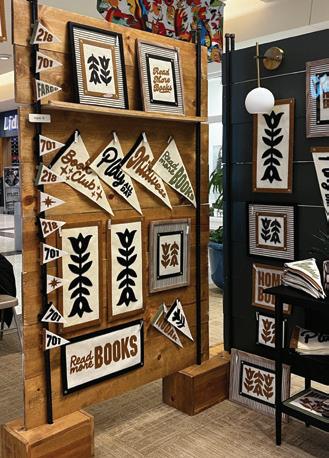
YPhotos provided by Ashley Morken
ou got to meet Emily Groth in a “Meet the Maker” back in 2019 when she had a handmade business featuring macrame work as Studio 1318! This business has changed over the years under a new name, 16th Street Press, that you may have caught at our 16th Annual Unglued Craft Fest in March. We thought it’d be fun to find out her process of creating a new type of business and the inspo behind it—read on for more!
Tell us a bit about yourself again, 7 years later!!
Hello again! I’m Emily Groth—born and raised in Fargo, ND, and a proud MSUM (‘20) grad (Go Dragons!). I currently work in marketing, but creativity has always been a huge part of who I am.
I’m a Midwest person through and through—summers at the lake, and winters in the hockey rink watching my brothers play. Design has always been a passion of mine, and I’m constantly inspired by great branding, typography, and anything that tells a story visually.
Describe what type of products and work you do now at 16th Street Press?
I make felt pennants and banners inspired by vintage camp flags and sports memorabilia. Similar to my time creating macramé with Studio 1318, I’m still pulling from retro influences—just reimagining them with a more modern, graphic feel.
Tell us how you got started with changing the focus of your handcrafted business? What inspired you?
I’ve always loved trying new creative outlets, and over time, I found myself wanting something that felt a little more design-focused. I was really drawn to vintage pennants and the nostalgia behind them—the colors, the shapes, the storytelling.
That inspiration naturally turned into experimenting with felt, and after a lot of trial and error, 16th Street Press started to take shape.
What was one of the most difficult pieces you've created so far as 16th Street Press?
The framed banners mounted on fabric mat board have definitely been the most challenging. They require a high level of precision—not just in the felt cuts, but in the assembly and layout as well.
With those pieces, the smallest details make the biggest difference, so there’s not much room for error.
Favorite piece?
Definitely the piece I call the “double Nordic flower banner” (because what else would I name it?).
It’s one of my favorites because it’s so versatile—it works in just about any space. You can hang it vertically or horizontally, add it to a gallery wall, or use it to fill that awkward, narrow wall that’s always hard to decorate.
What are some lessons you learned that you are taking with you from Studio 1318 now with 16th Street Press?
Patience, above all else. Good things take time and usually a lot more work than you expect.
I also learned how important it is to keep things fun, try new ideas, and stay open to inspiration. That’s what keeps the creative process exciting.
What has been the most challenging part of this new business?
Getting the product exactly where I wanted it took a lot of trial and error. And once I got there, the next challenge was figuring out how to produce everything more efficiently at a larger scale.
It’s also a much messier process than macramé, which brings a whole new set of challenges that require some creative problem-solving.
What has been the most rewarding part so far?
Being back at craft shows and connecting with people in person has been incredibly rewarding. There’s something really special about seeing people interact with your work and getting to share the story behind it.
It’s also been nice to have a creative outlet that feels both relaxing and fulfilling—and there’s nothing better than finishing a big project and seeing it all come together in a booth.
What advice would you have given yourself five years ago?
It’s okay to pivot. Try new things. Don’t feel like you have to stick to one path just because it’s working.
Staying creative and open to change is what keeps things exciting—and honestly, that’s when the best ideas tend to happen.
You were just a vendor at our 16th Annual Unglued Craft Fest and won our "Best in Show" booth award! Your booth was so cohesive and uniquely featured your brand and products. What advice would you give to someone new to creating a booth display for a market?
Thank you! My biggest piece of advice is to pull inspiration directly from your products or what originally inspired them. That naturally creates a more cohesive and intentional look.
Also, use the depth of your space to your advantage. Set up your booth so people have to step in and explore a bit—it creates curiosity and draws people in.



BY WENDY KLUG DEPUTY DISTRICT DIRECTOR, NORTH DAKOTA SBA
North Dakota, small businesses aren't just a part of the economy…… THEY ARE THE ECONOMY! They make up over 99% of all businesses in our state, according to the SBA Office of Advocacy. From the cutting-edge tech startups housed in the NDSU Research and Technology Park to the cozy, oneof-a-kind boutiques on North Dakota's main streets, these businesses provide the goods, services, and entertainment that turn a geographic location into a community. Without them, our world would be far too quiet, far too plain, and far too empty.
A powerful wave of community spirit is taking hold as residents and leaders step out to champion local entrepreneurs across North Dakota. The U.S. Small Business Administration hosts a yearly celebration called National Small Business Week. Held May 4–10, 2026, this year, it serves as a tribute to the makers, risk-takers, and grit-bringers who keep our communities feeling energetic, original, and full of life. This spirit of recognition is amplified by city proclamations across the state officially designating the week, entrepreneurs gaining access to free virtual training sessions, and each state’s Small Business Person of the Year receiving a prestigious national award..
The centerpiece of National Small Business Week is the announcement of the National Small Business Person of the Year. This journey begins right here at the local level. Each year, the SBA invites nominations for entrepreneurs who demonstrate not only financial success but also the "North Dakota values" of staying power, innovation, and community involvement. Nominations can come from anyone, but the selection process is rigorous.
To win at the state level, a business is evaluated on several key pillars. It isn’t just about the bottom line; it is about the story of resilience. Once a winner is selected for North Dakota, they move on to compete against the winners from all 50 states, the District of Columbia, and U.S. territories for the national title.
For those who win at the state level, the reward is an experience of a lifetime. Winners are invited to Washington, D.C., for a series of events where they can meet high-ranking officials, network with fellow elite entrepreneurs from across the country, and participate in a formal awards ceremony. It is a moment where a business owner from a small town in North Dakota can stand on a national stage and show the rest of the country exactly what our state’s work ethic can achieve. This recognition often serves as a massive catalyst for growth, bringing national media attention and new opportunities to local brands.
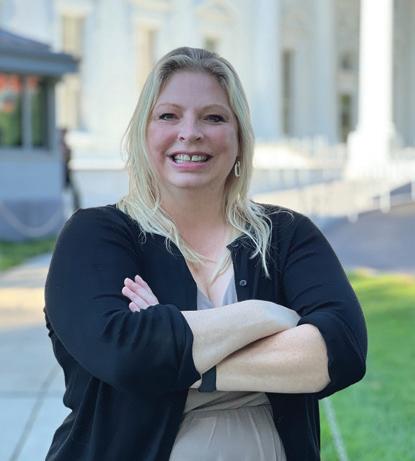
NATIONAL SMALL BUSINESS WEEK VIRTUAL SUMMIT: MAY 6–7
As a highlight of this year's celebration, SBA and SCORE are hosting a full week of free small business webinars. These sessions are a fantastic way for busy entrepreneurs to gain expert insights and practical tips without leaving their desks. Whether you are looking for advice on navigating the complexities of digital marketing, understanding the latest in AI for business, or mastering financial management in a shifting economy, these resources are designed to help you thrive. For the FargoMoorhead community, accessing these global insights while maintaining our local roots is a powerful combination. Full schedules are available at score. org/national-small-business-week
THE SMALL BUSINESS SUPPORT SQUAD: SBA RESOURCE PARTNERS
While the awards and ceremonies are important for recognition, the true work of supporting our entrepreneurs happens in the trenches every single day. In North Dakota, we are fortunate to have an incredible network of SBA Resource Partners who serve as the backbone of our business community. These organizations offer free and confidential advising for every stage of business development. From the "back-of-the-napkin" idea to the multi-million dollar exit strategy, SBA resources are here to assist. In fact,
business owners can utilize all of these partners simultaneously, creating a comprehensive support system that allows them to confidently pave their way forward.
During National Small Business Week, we celebrate not just the businesses themselves, but these dedicated support teams that provide the roadmap for their success.
• North Dakota Small Business Development Centers (SBDC): With locations strategically placed across the state, the SBDC provides world-class advising on everything from intricate financial analysis to sophisticated marketing strategies. Nationwide, SBDCs help start a new business every 5.7 minutes. In North Dakota, they are the navigators’ helping owners through the complexities of capital and growth.
• SCORE: This network of volunteer business mentors consists of experienced local professionals. Many of them are retired executives or successful former business owners who give back by sharing their wisdom. Whether you need a sounding board for a new product line or help solving a specific operational bottleneck, SCORE mentors are just a phone call away.
• Veterans Business Outreach Center of the Dakotas (VBOC): Our veterans have given so much to our country, and the VBOC is dedicated to helping them transition that military discipline and leadership into successful business ownership. They provide specialized training and resources tailored specifically for the veteran community, ensuring that those who served our country can successfully lead in our economy.
• The Women’s Business Center (WBC): Focused on empowering women entrepreneurs, this center provides the training, mentoring, and access to capital that help womenowned businesses thrive. In a state
where women are increasingly taking the lead in the small business sector, the WBC is an essential catalyst for economic parity and growth.
National Small Business Week provides us with a formal platform to honor the grit and ingenuity of our local entrepreneurs. The spirit of this celebration shouldn't have an expiration date. While the SBA officially highlights these achievements in May, our gratitude for the small businesses that anchor our neighborhoods must be a year-round commitment.
Across our wonderful state, small businesses are the heartbeat of the North Dakota community. They are our friends and neighbors who invest their passion and their time into building a stronger future for all of us. They represent the shared values of hard work, kindness, and resilience that make our state so unique. They take the boredom out of our Tuesday mornings and the dullness out of our Saturday nights. They are proof that with enough hard work and a little support from the SBA and our resource partners, anything can be built here.
Happy National Small Business Week, North Dakota. Let’s carry the energy of this week forward, remembering that every local purchase is an investment in the future of the community we love.
For more information on National Small Business Week events, awards, and resources, visit the SBA at sba. gov/national-small-business-week or contact your local North Dakota SBA District Office to see how you can get involved.
The vibrancy of our community depends entirely on the success of our neighbors. To honor National Small
Business Week, we challenge the professionals, leaders, and residents of the Red River Valley to take active, intentional steps in supporting our local business owners:
• Be an Intentional Customer: Make a conscious choice this week to visit a local shop for something you usually buy via a "one-click" online order. Whether it is choosing a neighborhood café for your morning client meeting or picking up a gift from a downtown boutique, your physical presence tells a business owner that their hard work is valued.
• Spread the Word with Specificity:
In our digital age, a personal recommendation is worth more than a six-figure advertising budget. Take five minutes this week to leave a detailed, positive online review for a business that went the extra mile. Don't just say they were good, explain why their service or product made your day better.
• Practice "B2B" Support: If you manage a team or own a company, look closely at your monthly overhead. Can you move one regular contract, such as catering, office cleaning, or marketing services, to a local provider? Keeping our professional spending within North Dakota strengthens the entire business network and creates a more resilient economy for everyone.
• Show Up and Celebrate:Many local businesses host special events, sidewalk sales, or open houses during this week. Take a few minutes out of your day to stop in, say hello, and congratulate them on their milestones. Being a supportive neighbor helps our entrepreneurs feel the community spirit that makes North Dakota such a unique place to do business.
By Michael Danielson, Veterans Business Outreach Specialist
The Veterans Business Outreach Center (VBOC) program is designed to provide entrepreneurial development services such as business training, counseling, and resource partner referrals to transitioning service members, veterans, National Guard and Reserve members, and military spouses interested in starting or growing a small business. U.S. Small Business Administration (SBA) has 22 organizations participating in this cooperative agreement and serving as VBOCs.
Access to capital is often the defining factor between a promising business idea and a thriving enterprise. For many entrepreneurs, securing financing can be one of the most challenging aspects of starting or growing a business. That challenge can be even more complex for veterans and military spouses transitioning from military service into entrepreneurship. This April, the U.S. Small Business Administration’s Office of Veterans Business Development (OVBD) is highlighting the theme “Financing the Future: Unlocking Growth with SBA.” The initiative aims to help veteran and military spouse entrepreneurs better understand the loan programs, grants, and financing options available to support their businesses.
Throughout the month, OVBD will share information designed to increase awareness of the financial tools available through the SBA and its partners. These resources will focus on how military-connected entrepreneurs can access capital for starting, sustaining, and expanding their businesses. From SBA’s flagship loan programs to specialized financing options for manufacturing and rural businesses, the effort is intended to make financing more accessible and understandable for the veteran business community.
Access to financing has long been one of the most significant barriers facing small businesses. Traditional lending institutions often view startups and small businesses as higher risk, particularly when entrepreneurs lack extensive credit histories, long operating records, or substantial collateral. SBA-backed loan programs were created to address this gap by reducing risk for lenders while increasing opportunities for entrepreneurs to obtain the capital they need.
For veterans and military spouses, these programs can be especially valuable. Each year, thousands of service members transition out of the military and consider entrepreneurship as a path toward financial independence and community impact. Military experience often develops skills that translate well into business leadership, including discipline, adaptability, problem-solving, and strategic planning. Yet even with these strengths, many veteran entrepreneurs encounter challenges when seeking financing. SBA programs are designed to help bridge that gap.
Among the most widely used SBA financing options are the 7(a) and 504 loan programs, which together form the backbone of the agency’s lending initiatives.
The SBA 7(a) loan program is the agency’s primary lending program and one of the most flexible forms of small business financing available. Through this program, the SBA
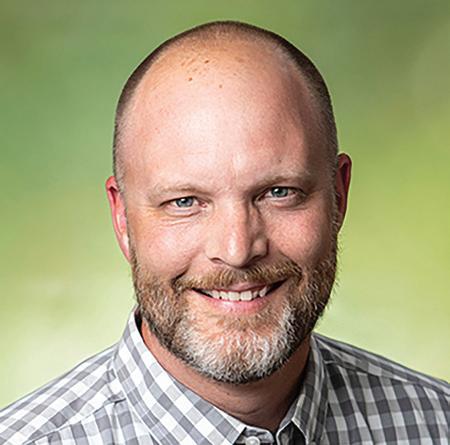
guarantees a portion of loans made by participating lenders, reducing the risk involved in lending to small businesses. Because of this guarantee, lenders are more willing to provide financing to businesses that may not qualify for conventional loans.
Funds from a 7(a) loan can be used for a wide range of business needs, including purchasing equipment, acquiring inventory, refinancing debt, or supporting working capital. The program’s versatility makes it particularly valuable for entrepreneurs at various stages of business development. For veterans launching new ventures or expanding existing ones, the 7(a) loan program provides a reliable pathway to securing necessary capital.
While the 7(a) program offers flexibility, the SBA 504 loan program focuses on long-term investments that help businesses expand their physical capacity. The 504 program is designed to finance major fixed assets such as commercial real estate, heavy machinery, and large equipment purchases. It typically involves a partnership between a traditional lender, a Certified Development Company (CDC), and the borrower.
This structure allows businesses to access long-term, fixed-rate financing while keeping borrowing costs manageable. For growing businesses, particularly those
in manufacturing or logistics, access to facilities and modern equipment can be a critical factor in scaling operations. The 504 program helps entrepreneurs make these investments while maintaining stable financing terms.
Manufacturing businesses represent another key focus area for SBA financing initiatives. Manufacturing often requires significant upfront investment in machinery, technology, and production facilities. For veteran entrepreneurs entering this sector, obtaining the capital necessary for expansion can be a major hurdle.
Programs such as MARC loans, which support manufacturing readiness and capacity expansion, are designed to help businesses invest in the infrastructure needed to compete in modern supply chains. These financing opportunities can help cover costs related to advanced equipment, facility improvements, and operational upgrades.
Manufacturing-focused lending programs do more than support individual businesses. They also strengthen domestic supply chains, support technological innovation, and create high-quality jobs within communities. Veteran-owned manufacturing businesses play a growing role in these efforts, contributing both economic activity and leadership within their industries.
Another important aspect of SBA
financing is support for rural veteran entrepreneurs. Many veterans choose to live and work in rural communities following their military service. These communities often benefit significantly from the economic activity generated by new businesses, yet entrepreneurs in rural areas can face additional obstacles when seeking financing.
Rural communities may have fewer local lenders and smaller markets, which can make traditional financing more difficult to obtain. SBA-backed loans help address these challenges by encouraging lenders to work with rural entrepreneurs and by providing financial structures that make lending more feasible in these areas.
Veteran-owned businesses in rural communities often operate in industries such as agriculture, manufacturing, construction, and local services. These businesses provide essential services and employment opportunities while contributing to the economic stability of their regions. Expanding awareness of SBA financing programs can help ensure that rural veteran entrepreneurs have the resources they need to grow.
Financing is particularly important during the growth stage of a business lifecycle. While startup capital is critical, many businesses encounter their greatest financial challenges when they begin to expand. Growth often requires hiring employees, purchasing equipment, increasing production, and expanding into new markets. Each of
these steps requires investment, and limited access to capital can slow or prevent growth.
SBA loan programs are designed to support businesses during this critical phase. Entrepreneurs who have established stable operations can use SBA financing to scale their businesses, open additional locations, invest in technology, or hire additional staff. Access to long-term financing allows businesses to pursue strategic growth while maintaining financial stability.
For veteran entrepreneurs, reaching the growth stage often represents years of effort and determination. With access to appropriate financing tools, these businesses can expand their impact within their communities while creating jobs and strengthening local economies.
One of the most common challenges entrepreneurs face when seeking financing is identifying the right lender. Many small business owners are unsure which financial institutions participate in SBA lending programs, or which lenders specialize in specific types of loans. Navigating this landscape can be time-consuming and confusing.
To address this challenge, the SBA created Lender Match, an online platform that connects small business owners with participating lenders. Entrepreneurs provide information about their business and financing
needs, and the system identifies lenders who may be a good fit. Within a short time, business owners can receive interest from lenders who are familiar with SBA programs and willing to review their applications.
For veteran entrepreneurs, Lender Match can simplify the process of finding financing partners. Rather than approaching multiple lenders individually, business owners can quickly connect with institutions that are already experienced in SBA-backed lending. This approach not only saves time but also increases the likelihood of finding lenders who understand the unique needs of small businesses.
In addition to connecting entrepreneurs with lenders, Lender Match also helps business owners better understand the financing landscape. By exploring available options and learning about lender requirements, entrepreneurs can approach the loan application process with greater clarity and confidence.
Education and outreach are essential components of the SBA’s broader mission to support veteran entrepreneurship. Financing programs are most effective when entrepreneurs understand how they work and how to access them. Through initiatives like “Financing the Future,” OVBD aims to ensure that veteran and military spouse entrepreneurs are aware of the financial tools available to them.
This effort includes partnerships
with veteran service organizations, economic development agencies, and small business support networks throughout the country. These organizations help distribute information, host workshops, and connect entrepreneurs with resources that can assist them throughout the financing process.
In addition to loan programs, the SBA supports entrepreneurs through counseling and training services. Small Business Development Centers (SBDCs), Women’s Business Centers, and Veterans Business Outreach Centers offer guidance on business planning, financial management, and loan preparation. These services help entrepreneurs strengthen their business plans and improve their chances of securing financing.
Preparation is an important step in the financing process. Lenders typically review several factors when evaluating loan applications, including the strength of the business plan, financial projections, credit history, and the borrower’s ability to repay the loan. Working with business advisors can help entrepreneurs refine these elements and present a stronger application.
Ultimately, SBA financing programs are designed not only to provide capital but also to foster sustainable business growth. When entrepreneurs gain access to appropriate financing, they are better positioned to innovate, expand operations, and hire
employees. These outcomes create positive ripple effects throughout communities, contributing to economic development and stability.
By ensuring that veteran and military spouse entrepreneurs have access to financing tools such as SBA loans, specialized lending programs, and resources like Lender Match, the SBA is helping unlock opportunities for longterm success. Through the “Financing the Future” initiative, OVBD continues to emphasize that access to capital is a key ingredient in building strong businesses and vibrant communities.
For many veterans, entrepreneurship represents a new mission, one that allows them to apply their leadership skills, creativity, and determination in service of their communities. With the right financial resources and support, these entrepreneurs can transform their ideas into successful businesses that generate jobs, innovation, and lasting economic impact.


ohn Machacek, Chief Innovation Officer for the Greater Fargo Moorhead Economic Development Corporation, has worked with countless startups throughout our community over the years. He knows their ups, and their downs, but most of all, he knows the questions to ask them. Here are John Machacek’s 10 questions for Ryan Raguse, CEO and Organizing Founder, Acre Almanac.
By John Machacek
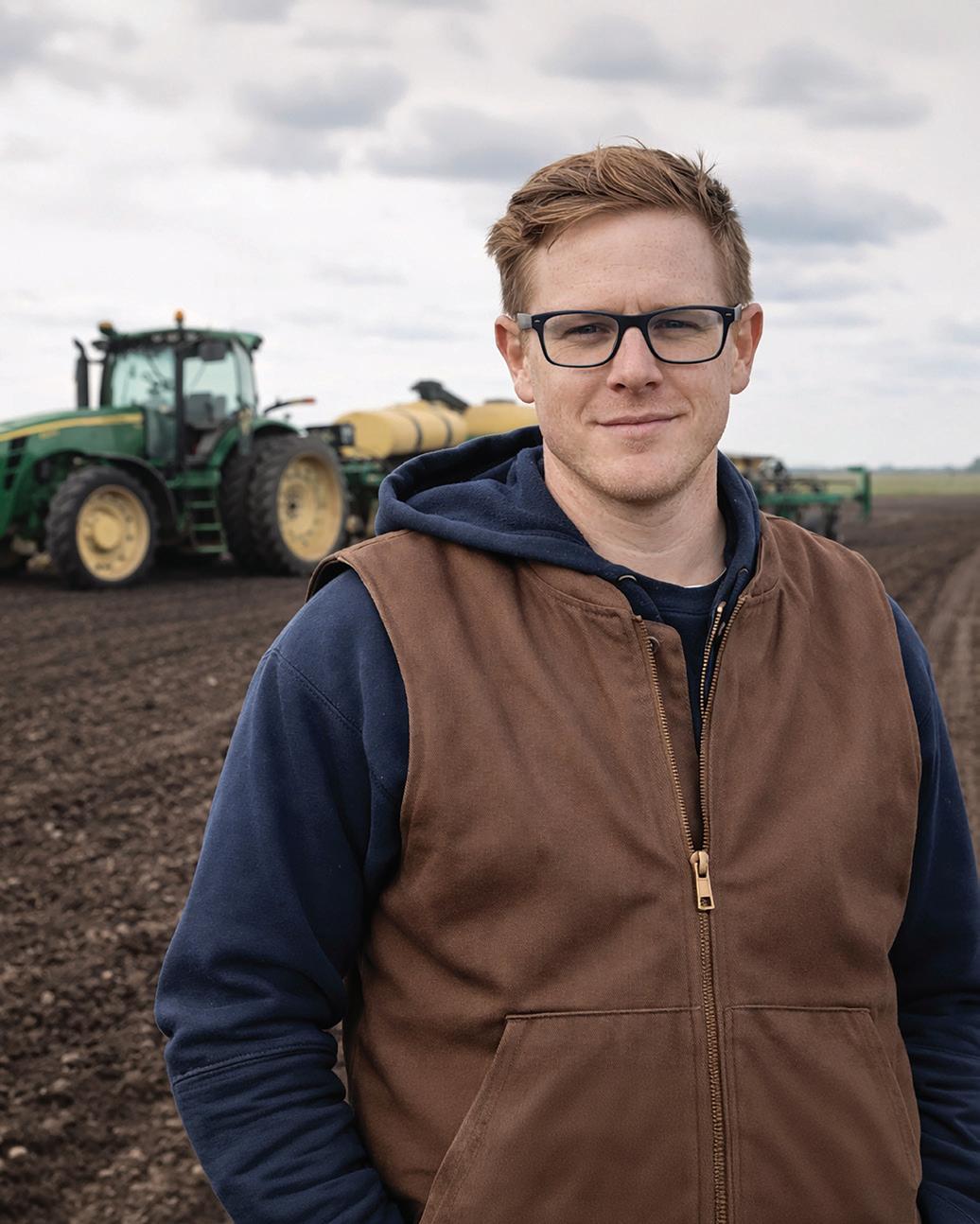
Will you please tell me your elevator pitch to describe Acre Almanac?
Acre Almanac is part farm BS meter, part generational asset. We combine the long-range history of a farm with deep analytics to create a private almanac that belongs to that farmer alone. Over time, it becomes a living record of what actually worked, what didn’t, and why. Farmers who keep good information will have a longterm competitive advantage over those who don’t. Acre Almanac is built to unlock that advantage.
02
I recall seeing an online post where you described how you’re building Acre Almanac as a serious tool for serious farmers as compared to other AgTech tools that may be more about hyped up dashboards. Will you please elaborate a bit more on that, which should help both me and the readers better comprehend what your company is doing?
There was a wave of AgTech products built around dashboards and maps that looked impressive but didn’t actually answer anything. No real analytics. No decisions.
That turned a lot of farmers off, and rightfully so. There’s also a group of farmers who have no interest in changing how they operate. Acre Almanac isn’t for them. It’s for the farmers who are constantly trying to get better. The ones asking “why” after every season. We built a serious tool for serious farmers. Not something to look at but instead, something to learn from.
03
Being that you manage your family farm, that obviously gives you a closer and different perspective, compared to a tech founder that doesn’t have that firsthand lens. I guess you’d also be in a spot to
“eat
your own dog food," to use the phrase of a company using its own product. Am I correct in those assumptions?
Absolutely. And managing my own family farm gives me a very different perspective than you get from an ag business or even an agronomist. Ask five agronomists the same question and you’ll get five different answers. And product claims are hard to trust universally because every farm is different. There are too many variables to isolate what actually made the difference.
Crop yields are the result of hundreds of variables: weather, timing, soil, drainage, inputs, equipment, disease, and more. What Acre Almanac allows me to do is run those variables through a statistical
model on my own farm. I can test changes, measure impact, and start to separate signal from noise over time. It’s not magic. It’s math, applied consistently over years of real data. And as that dataset grows, it becomes even more powerful when paired with machine learning..
With this being a newly launched offering, what are your strategies for getting the word out and in front of customers?
We’re being pretty deliberate about where we spend our time and energy. Right now, we’re not trying to do everything. Instead, we’re focusing on what actually works based upon our learned experiences.
That means leaning into earned media, tapping into our network across agriculture, and investing in content that builds credibility. We’re spending time with publications farmers already trust, having real conversations with people in the industry, and creating material that holds up. That looks like long-form content, educational videos, white papers, and thoughtful social media posts.
For what we’re building right now, credibility matters more than expansive reach. Serious farmers and agronomists don’t make decisions off a promoted post they pay attention to substance. So that’s where we’re putting our effort.
With your years at Bushel and Myriad Mobile, as well as your Virtual Farm Manager company back in your early 20’s, you have delved into ag technology. When did the plan for Acre Almanac start formulating?
The genesis honestly goes back to college. I was already thinking about regression analysis with spreadsheets for farming. I thought it would be incredibly valuable, but I wasn't sure on the how or when. I didn't even think of it as a software tool back then. If anything, I imagined it more as a consulting or advisory model and using analytics to help farms make better decisions.
Then life gets busy and you go on to different ventures.
I came back to the idea recently, driven by what's happened with software development and machine learning. The math itself has been around for a long time. But now, when you layer in today's technology and AI capabilities, it becomes something you can actually build and deliver. I couldn't have done this costeffectively five years ago but now the technology has caught up.
And now that you can build software at a fraction of the cost and time it took even a few years ago, you can afford to be extra narrow and tailored. You don't need to build at massive scale to make it work. Single-use software, built specifically for one type of farmer or one type of problem is finally attainable.
06 Were
there
any particular AgTech software startup learnings from cofounding Bushel;
or if that was a bit more of apples and oranges, are there some broader learnings from being a more seasoned entrepreneur?
There are a lot of lessons especially in the broader sense of what it means to build a startup. Corporate governance. Product development. Not being too married to your initial pricing and initial positioning because that will likely change.
This time I formed a Delaware C-Corp right away instead of starting as an LLC. I've also learned a lot about structuring ownership partnerships thoughtfully. One specific example: we developed a reverse vesting schedule for the team, where we need to hit milestones to retain our shares. There are real tax and accounting ramifications to that structure, and it's nuanced, but it protects everyone. There are a thousand examples like that one. Having those experiences behind me and the founding team means I can bring them all in from the start and skip a lot of pain down the road.
07
Thinking about your partners in this, from your initial Acre Almanac launch LinkedIn post
from a few months ago, I recognized the names of those you mentioned that helped you co-found this, as people who have worked for various tech startups. Such as Nick Horob, Camille Grade, James Dravitz, and Jed Bonjtes. What roles did they play?
Camille often uses a phrase I love: "You can go fast alone, but you can go far together." That's exactly what this team is. Everyone brings different strengths.
Jed is a true software developer. He was there in the early days of Myriad Devices and is a foundational part of building what Acre Almanac actually is under the hood. James is a total operations guy. He helps get things done, keeps tasks moving, and makes sure the machine runs. Camille is exceptional at marketing and is a wonderful human to work alongside. And Nick brings an ideasforward mindset with real credibility and a great following in ag. He and I are similar in that we're both like kids in a candy store with everything happening right now in tech, development, and AI.
The other thing I appreciate about this moment in time is that the access to modern dev tools means you don't need a massive capital or outside investors to build something real. Everyone on the team can balance other interests while contributing, including me still farming. We can grow into what this thing needs at a pace that makes sense.
08
In knowing you for probably 12-13 years now, I would describe you a bit of a Renaissance Man in that you have a lot of various hobbies and activities outside of being a tech entrepreneur. We’ve already discussed farming, but I recall things like dirt bikes, car racing, EDM & DJ’ing, hiking and probably a bunch more. Are some of these things intentional actions and creative pursuits to find balance from tech/work life, or maybe are you just wired this way?
Honestly, I just like doing things. There’s no profound answer there. And there’s no better way to learn the “thing” than by doing the “thing.” I also might be a little addicted to adrenaline, whether that's the fast
pace of motocross, EDM, or a startup. They're not that different from each other in some ways.
It's not an intentional strategy, but it's genuinely beneficial for me to not be in front of a screen. I'm a tinkerer by nature, so I could always be tinkering on something on the computer. Getting away from business life and burning off some energy is healthy. Over the last couple of years, I've gotten back into hockey, created a paintball team—which is something I hadn't done in a long time, and done some serious mountain hiking over the last decade, including trips to Peru, Patagonia, Kilimanjaro, and Norway. Those kinds of experiences reset you in a way that another hour of work never will.
09
If you could back in time to visit with a younger version of Ryan, what kind of hindsight advice would you give yourself as an entrepreneur?
I'd tell myself to take the full picture seriously at every stage, not just the vision of where things could go, but
what's actually in front of you at any given moment. It's natural to always be looking toward the next milestone, and that optimism is honestly part of what drives you forward. But when meaningful opportunities present themselves along the way, whether that's a partnership, an offer, or a pivotal decision, give them the weight they deserve. The path forward isn't always a straight line, and sometimes the smartest move isn't the one that felt most obvious in the moment.
10 What can we do as a community to help you and Acre Almanac succeed?
Tell as many farmers as possible. Acre Almanac
acrealmanac.com
John
John Machacek has been helping local startups with the Greater Fargo Moorhead Economic Development Corporation for over a decade. Before joining the GFMEDC ream, John's career path has varied in areas such as banking, accounting, and management in the nonprofit, food & retail sectors.