






Men’s
Damari
Avery
Softball
Outfielder


brady@spotlightmediafargo.com
Men’s
Damari
Avery
Softball
Outfielder
brady@spotlightmediafargo.com
TThere are moments in a program’s history that feel big. This is one of them.
For years, North Dakota State football has operated from a position that’s both dominant and, at times, limiting. Dominant in performance. Dominant in culture. Dominant in expectation. But always with a ceiling defined by the division they played in.
Now, that’s changing.
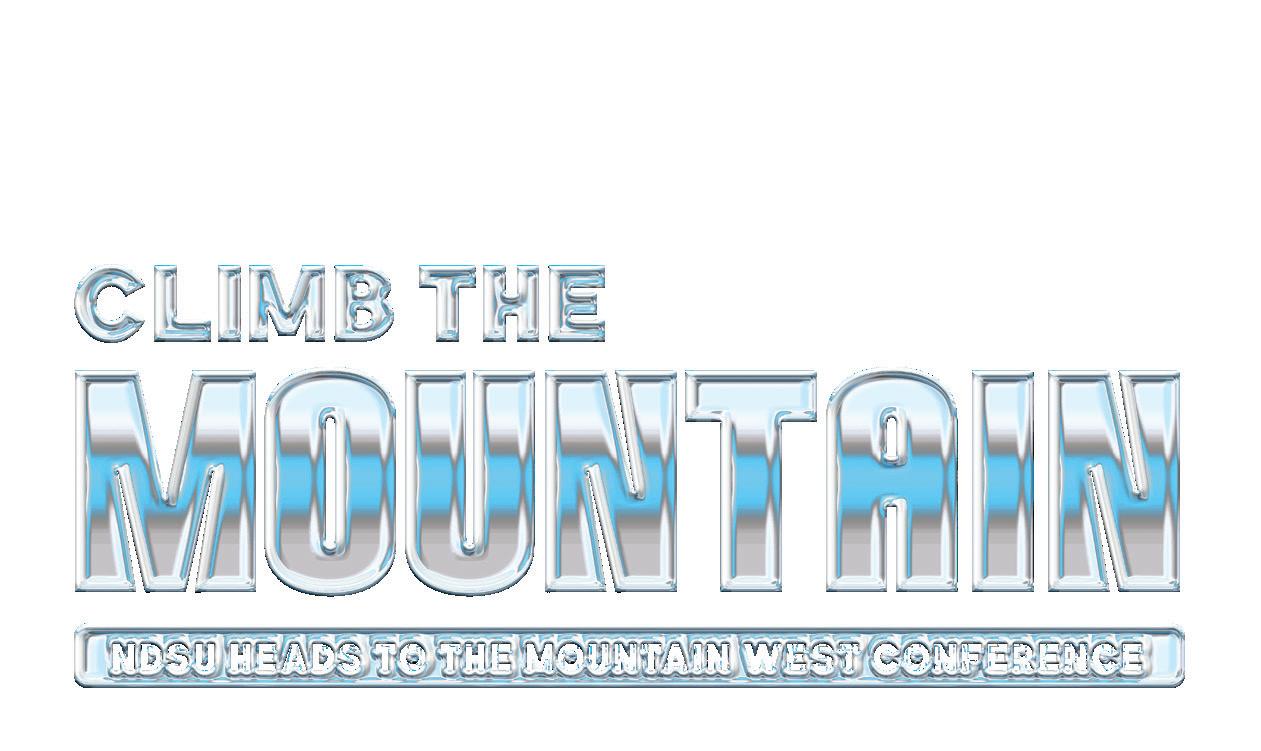
The move to the Mountain West isn’t just a shift in conference affiliation. It’s a signal. A recognition of what this program has become, and where it’s capable of going next.
Because let’s be honest, this has been building for a long time.
You don’t win at the level NDSU has without eventually outgrowing the box you’re in. National championships, NFL talent, sold-out crowds, a standard that doesn’t waver. This

isn’t a program searching for identity. It’s one that’s been ready for a bigger stage. And now, it has one.
New stadiums. New rivalries. New road trips that stretch further west and test more than just game plans. It’s the shift from being the hunted within one landscape to proving it all over again in another.
If there’s one thing Bison football has never shied away from, it’s expectation. In fact, it thrives
on it. The standard doesn’t reset with a move like this, it travels. The same preparation. The same physicality. The same belief that every time this team steps on the field, it’s there to win.
But this is different.
This is a chance to redefine the perception of the program. It’s no longer about proving you belong at one level. It’s about showing you can evolve, adapt, and compete wherever the game takes you.
And make no mistake, people will be watching. They’ll be curious. Skeptical, even. Wondering how a program so rooted in its dominance translates that success into a new environment. Wondering if the edge carries over. If the culture holds. If the results follow.
If history tells us anything, betting against North Dakota State hasn’t worked out well.




























We always hear that the people are what make the Fargo-Moorhead community great. So, why not meet them? Each month we cover a different topic led by local voices. We meet advocates, experts, and people just like you!
meetfargo.com /meetfargo @meetfargo @meetfargo


Growth Leaders is one of Spotlight's annual publications dedicated to showcasing our local companies and the services they bring to the Fargo-Moorhead area.

Fargo INC! is our very successful business magazine which covers all things business in the Fargo-Moorhead area.
fargoinc.com facebook.com/fargobusiness Twitter: @fargoincmag LinkedIN: Fargo INC
You may already be familiar with our Faces of Fargo-Moorhead-West Fargo publication which we publish once per year in order to highlight the faces behind all of the great businesses in the community.
Future Farmer is our farming publication which brings great tech-focused content to readers across North Dakota and Minnesota.
futurefarmermag.com /FutureFarmerMag

Are you in need of a new career? The Great Places to Work Fargo-MoorheadWest Fargo Annual Career Guide highlights amazing businesses in the area that provide great growth opportunities, benefits, and more!





NDSU has never been shy about big swings. From Division II to the top tier of the FCS, the Bison have built a standard that doesn’t travel quietly. Now comes the next step—one that changes the map, the names on the schedule, and the expectations that follow you into every stadium, a move up to the Mountain West.
This isn’t just a conference change. It’s a new neighborhood. New rivalries to form. New road trips that feel like mini expeditions. New styles of play.
We made this magazine to help you get your arms around what’s



By
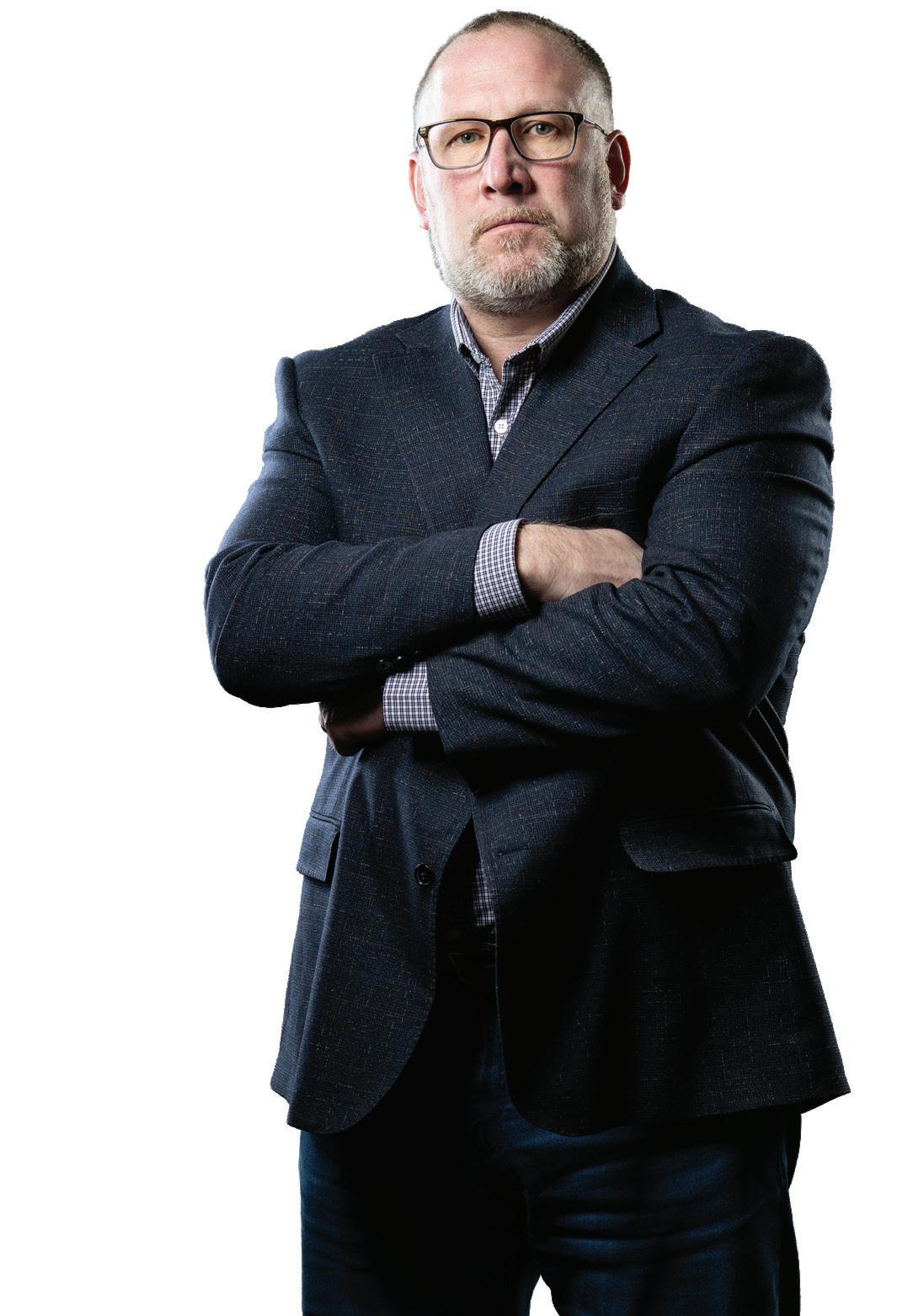
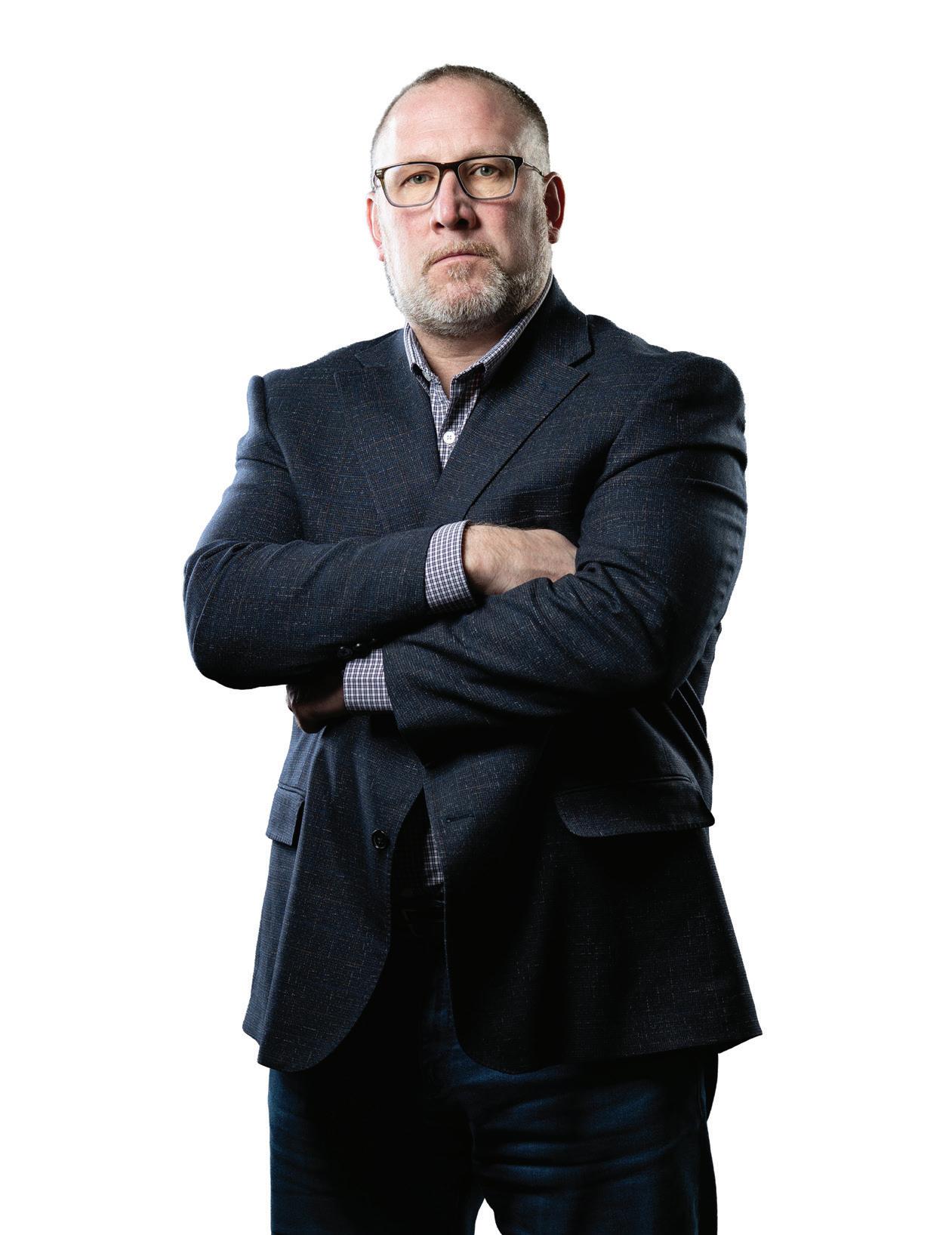

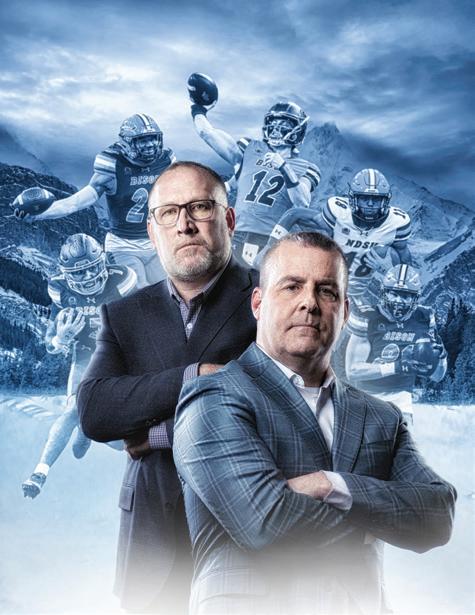
Tim Polasek is the head football coach at North Dakota State University, where he became the 32nd head coach in program history in December 2023. A Wisconsin native, Polasek played quarterback at Concordia University Wisconsin before moving into coaching. He began his coaching career at the University of Wisconsin–Stevens Point, taking on multiple roles early in his tenure— including work with quarterbacks and the passing game— before joining the NDSU staff in 2006. Polasek spent several years helping build the Bison’s modern era success as an assistant under Craig Bohl, coaching positions that included running backs, tight ends/fullbacks, and
contributing on special teams and recruiting. After a season at Northern Illinois, he returned to Fargo and served as NDSU’s offensive coordinator and running backs coach from 2014–2016, continuing the program’s championship standard and reputation for physical, efficient offense. His path then took him to the FBS level: Polasek coached the offensive line at Iowa beginning in 2017, then joined Wyoming in 2021 as offensive coordinator and quarterbacks coach under former NDSU head coach Craig Bohl. He returned to NDSU to lead the program, bringing a blend of Bison tradition and top-level experience back to the sideline in Fargo and has helped NDSU win two conference championships and one FCS national championship during his first two seasons with the program.


A: That’s a good question. You kind of have to separate “me” from the program. The competition excites me, sure. But you’ve got to remove yourself, right? This wasn’t a selfish decision. This was a decision made by a university, an outstanding university, that looked at every angle of improvement. How can this help? Why do this now?
So the most exciting part for us as an athletic department and football program is that we really feel like we can be impactful—not only for the football team, but for the university, for Fargo. I’m excited to see if Bison Nation responds. I’m excited to see the Climb the Mountain campaign gets supported—because we need that help. Those challenges excite me. And obviously seeing new faces and uniforms in a different conference is exciting.
without being tested every offseason by “the next job,” “the next jump,” “the next move.” We can be intentionally focused on what it takes to move forward as a program, without offseason distractions. That’s exciting.
A: From a university standpoint, it’s about enrollment. Does this attract a different level of faculty member? Does this attract a different type of student? Do we get into some areas where we become attractive to students we weren’t before?
And from a fan standpoint, I think about the game day environment. How exciting is it for a fan base to know you could have a JMU, Sam Houston State, Georgia Southern back on the schedule as home-and-homes? We could potentially play some of those teams that have moved up and renew some classic big games.
And with Fargo, to me, this is a holistic positive move for all of us... We feel this helps the whole ecosystem.
I’ve always been extremely involved in pushing our story, our vision, our mission, and giving updates on where the team is at. I take pride in being out in front at public events, events like basketball games, softball game, getting to those things to keep pushing the program.
Fundraising is community engagement. It’s about true connection. It’s about the real passion with the fan base. Even something like our radio show, those people have become real friends. We’ll have 40 to 50 people there and that’s been enjoyable.
But with the Climb the Mountain campaign, and trying to get 12,000 season ticket holders back, we’ve got to put a good product out there. That’s the role. Then it’s about building great connectivity with the community and supporters.
Third is the vision. What are the needs inside this campaign? People need to understand where their money is going.
And another big role of ours is being good stewards of the money. We don’t want to be sloppy. We need to refrain from overpaying in the NIL world and not getting productivity.
A: In the back of my mind I’ve always thought, whether it was this year or next year, what great challenge it would be to compete at the highest level.
To be the guy with the opportunity to push the program forward to the next step, I really wanted to do that. And for me and my wife, Jill, it means we get to do that here,
A: It’s really about four areas.
Scholarships.
We’ve got 85 guys on scholarship, but that’s 63 split up. We need to get to 85 full scholarships. That’s 22 more scholarships right away.
Facilities.
There are facility plans that are needed if we want to recruit at the level we want. There are beautiful facilities in this conference. We need more office space for coaching staff and personnel. And the goal would be to upgrade our meeting rooms.


Football operations.
This is the part I don’t love talking about, but it’s reality. Coaching salaries have to increase. We’ve learned that because of how many coaches have left this place for more money. We want to be competitive and keep people around. And with travel and recruiting footprint, we likely need a couple additional staff members.
NIL / roster retention.
We aren’t trying to get to the revenue-sharing numbers you read about, but we have to be competitive within this league. Through Green and Gold Fund members, we’re probably looking at needing to double what we were doing last year at some point to be competitive, and keep our best players here as long as we can.
athletes. I grew a lot under Kirk Ferentz and his staff. And I’m grateful for my time at Wyoming—we aren’t going in blind. We understand conference travel.
Coach Bohl has been there for me over the phone the last two years to help provide insight on what felt different early, advice, experience. Having those guys ready to answer questions has been really good.
A: Regionally, there will still be good universities and we’ll still be in those fights. But there’s a significant opportunity.
We’re Group of Six now, not Power Four, but Group of Six. Regionally, you look around with Northern Illinois to the east, Wyoming to the west, Tulsa… maybe Missouri State. The point is, there’s a lot less in that gap that you’re competing against for players.
So I’m excited to sell our brand harder. In St. Louis, is there another level of player there? In Omaha, can we deepen what we already have? In Wisconsin and Chicago, we should be more attractive.
We don’t want to change everything, but there are a few areas we’ll invest in more.
A: They’ve had opportunities since the announcement to knock on my door and talk if there’s any negative fallout, which there hasn’t been. It’s been positive and energetic. The offseason work has always been intentional here and the Bison pride has been here all along, but since the decision, there’s been an uptick in connection, energy, enthusiasm.
A: I paid close attention at Iowa to the recruiting differences, recruiting calendar, what’s accelerated, what we can do better, how we present our vision to student-
A: This is exciting times. We’re in this together Bison Nation. I think there’s hunger from the community. They wanted to do this.
So now it’s about Climbing the Mountain, together, to position us for the first five, six years of this transition. And there’s opportunity with other revenue streams too.
But more than anything, let’s go do this. Let’s do it together. Let’s enjoy the competition. Saturdays in the Dome, we’re coming with intent. We’re going to put the ball in the air, and this is going to be competition. I don’t see any layups. It’s a competitive league.


By
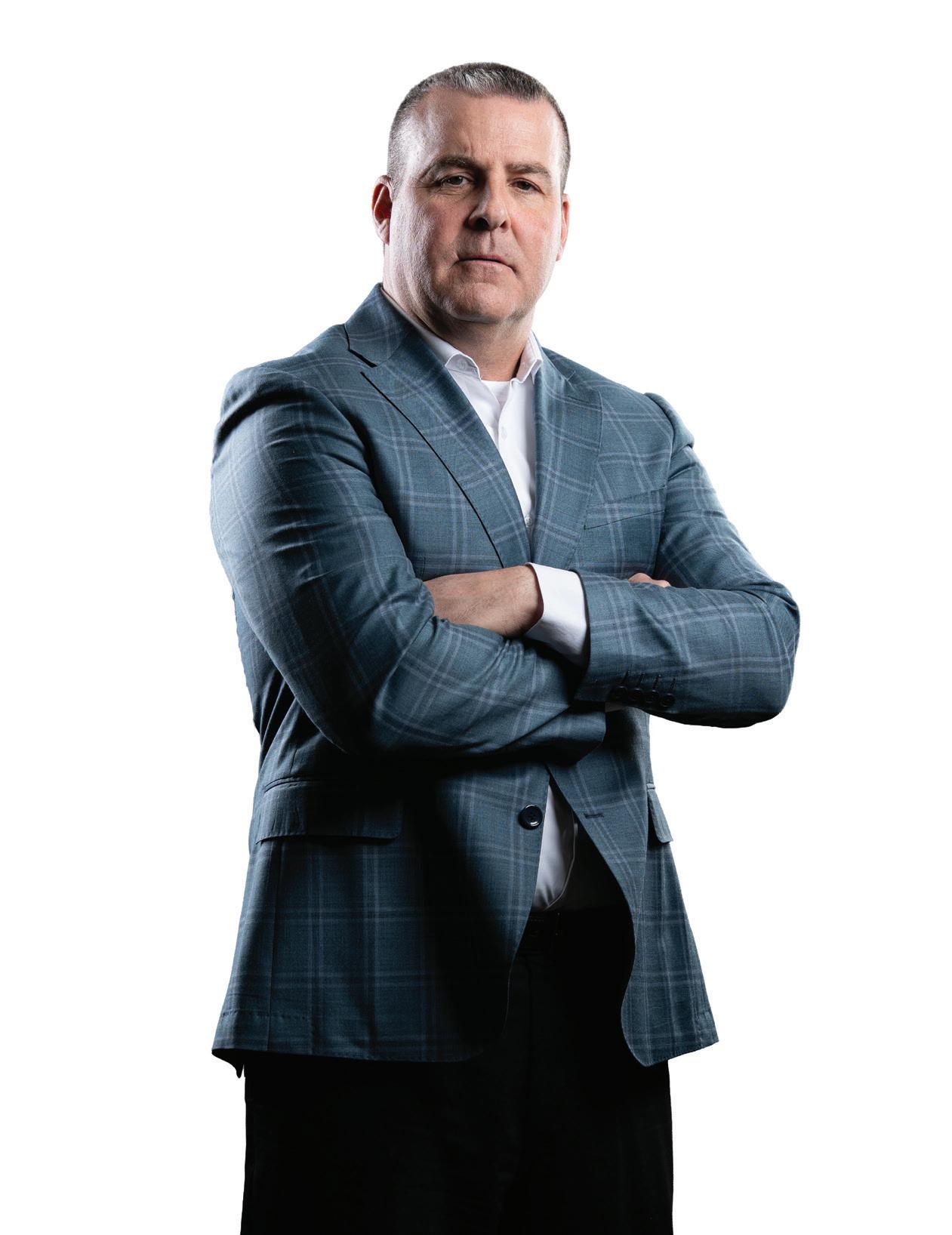
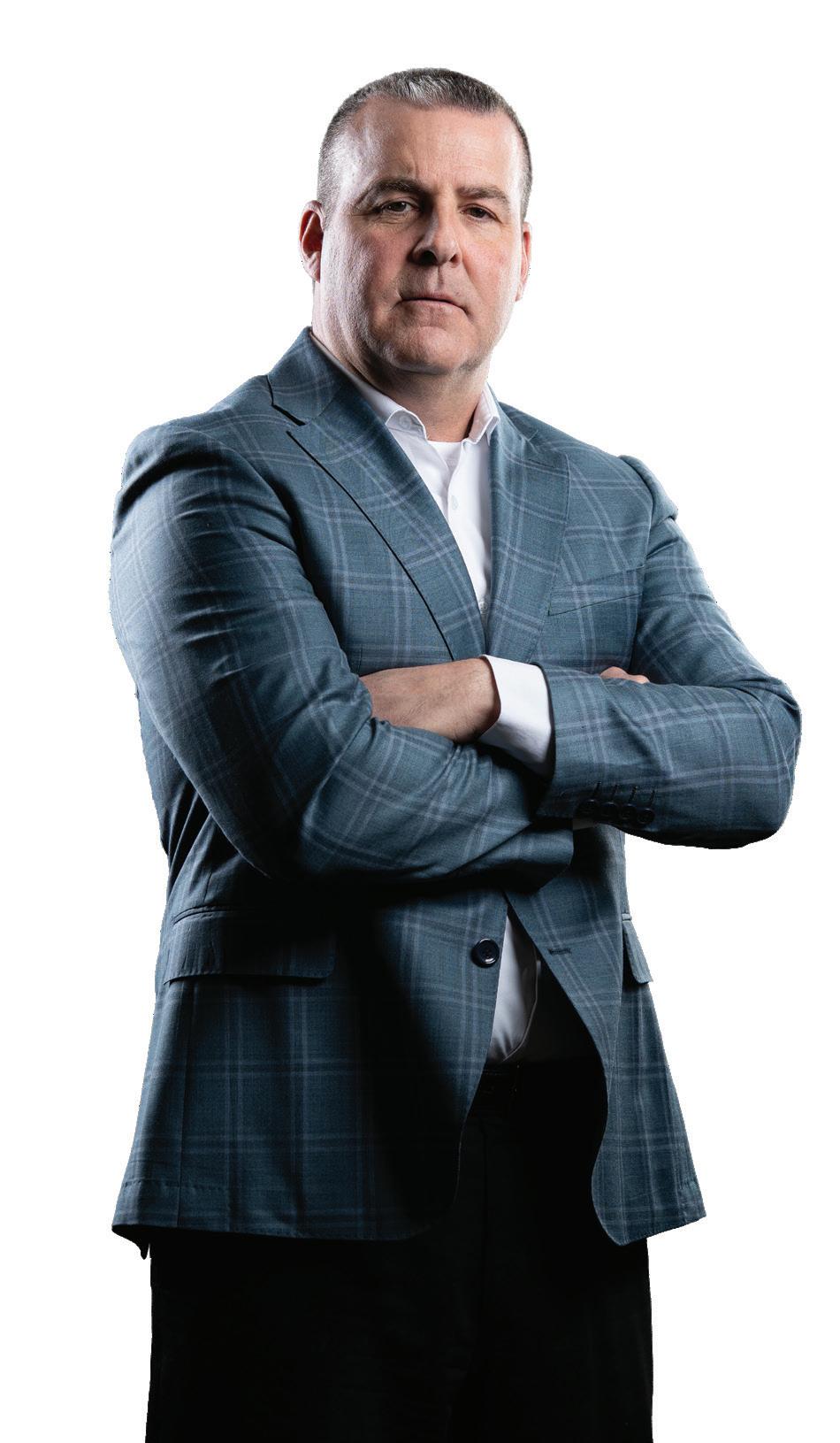















In the late 1990s, the old Western Athletic Conference (WAC) had become a sprawling league with a big geography, too many mouths to feed, and not enough consistent benefits for the schools at the top of its football brand. Eight schools decided they’d be better off building a conference that felt coherent, with same general region, similar institutional profiles, and a cleaner path to TV exposure and championships.
Those eight teams were Air Force, BYU, Colorado State, New Mexico, San Diego State, UNLV, Utah, and Wyoming, which formally created what became the Mountain West Conference, which began operations in early 1999 and launched football competition that fall.
That first season ended with a three-way tie at the top of the standings with Utah, BYU, and Colorado State sharing the conference title.

* Former Mountain West Member
2004 Fiesta Bowl: #6 Utah* 35, #19 Pittsburgh 7 (Jan. 1, 2005).
2006 Fiesta Bowl: #9 Boise State* 43, #10 Oklahoma 42 (OT) (Jan. 1, 2007).
2008 Sugar Bowl: #6 Utah* 31, #4 Alabama 17 (Jan. 2, 2009).
2009 Fiesta Bowl: #6 Boise State* 17, #4 TCU 10 (Jan. 4, 2010).
2010 Rose Bowl: #4 TCU* 21, #5 Wisconsin 19 (Jan. 1, 2011)
* Former Mountain West Member
2025 - Boise State*
2024 - Boise State*
2023 - Boise State*
2022 - Fresno State*
2021 - Utah State*
2020 - San José State
2019 - Boise State*
2018 - Fresno State*
2017 - Boise State*
2016 - San Diego State*
2015 - San Diego State*
2014 - Boise State*
2013 - Fresno State*
2012 - Boise State*, Fresno State*, San Diego State*
2011 - TCU*
2010 - TCU*
2009 - TCU*
2008 - Utah*
2007 - BYU*
2006 - BYU*
2005 - TCU*
2004 - Utah*
2003 - Utah*
2002 - Colorado State*
2001 - BYU*
2000 - Colorado State*
1999 - BYU*, Colorado State*, Utah*



*Former Mountain West Member

Former member Boise State qualified for the College Football Playoff in 2024!
• Josh Allen (Wyoming)(QB) - 2024 NFL MVP, 2x Second-Team All-Pro, 4x Pro Bowl
• Brian Urlacher (New Mexico State)(LB) - Pro Football Hall of Fame
• Davante Adams (Fresno State*)(WR) - 3x First-Team All-Pro, 6x Pro Bowl
• Derek Carr (Fresno State*)(QB) - 4x Pro Bowl
• Logan Mankins (Fresno State*)(G) - 1x FirstTeam All-Pro, 5x Second-Team All-Pro, 7x Pro Bowl
• Ryan Mathews (Fresno State*)(RB) - 1x Pro Bowl
• DeMarcus Lawrence (Boise State*)(EDGE) - 1x Second-Team All-Pro, 5x Pro Bowl, 1x Super Bowl Champion
• Ashton Jeanty (Boise State*)(RB) - PFWA AllRookie Team
• Doug Martin (Boise State*)(RB) - 1x First-Team All-Pro, 2x Pro Bowl, PFWA All-Rookie Team
• Jay Ajayi (Boise State*)(RB) - 1x Pro Bowl, 1x Super Bowl Champion
• Jordan Love (Utah State*)(QB)
• Bobby Wagner (Utah State*)(LB) - PFWA All-Rookie Team, 6x First-Team All-Pro, 5x Second-Team All-Pro, 10x Pro Bowl, 2025 Walter Payton NFL Man of the Year, 1x Super Bowl Champion
• Donald Penn (Utah State*)(OT) - 3x Pro Bowl
• Colin Kaepernick (Nevada)(QB)
• Brandon Marshall (Nevada)(LB) - 1x Super Bowl Champion
• Shaquil Barrett (Colorado State*)(EDGE) - 2019 Deacon Jones Award, 1x Second-Team AllPro, 2x Pro Bowl, 2x Super Bowl Champion
• Steve Smith Sr. (Utah*)(WR) - PFWA AllRookie Team, 2x First-Team All-Pro, 2x Second-Team All-Pro, 5x Pro Bowl, 2005 NFL Comeback Player of the Year
• Jordan Gross (Utah*)(OT) - PFWA All-Rookie Team, 1x First-Team All-Pro, 3x Pro Bowl GET TO KNOW THE MOUNTAIN WEST CONFERENCE DID YOU KNOW?
• Alex Smith (Utah*)(QB) - 2005 NFL Draft No. 1 Pick, 2021 George Halas Award, 3x Pro Bowl, 2020 NFL Comeback Player of the Year
• Eric Weddle (Utah*)(S) - 2x First-Team All-Pro, 3x Second-Team All-Pro, 6x Pro Bowl, 1x Super Bowl Champion
*Former Mountain West Member
HEISMAN VOTING
Note: No Mountain West players have won the award.
• 2004 — Alex Smith, Utah (4th in Heisman voting)
• 2013 — Derek Carr, Fresno State (8th in Heisman voting)
• 2024 — Ashton Jeanty, Boise State (2nd in Heisman voting)
MAXWELL AWARD (COLLEGE PLAYER OF THE YEAR)
• 2024 — Ashton Jeanty, Boise State*
DOAK WALKER AWARD (TOP RB)
• 2001 — Luke Staley, BYU*
• 2024 — Ashton Jeanty, Boise State*
JIM THORPE AWARD (TOP DB)
• 2023 — Trey Taylor, Air Force
JOHN MACKEY AWARD (TOP TIGHT END)
• 2021 — Trey McBride, Colorado State*
RAY GUY AWARD (TOP PUNTER)
• 2021 — Matt Ariaza, San Diego State*
DAVE RIMINGTON AWARD (TOP CENTER)
• 2010 — Jake Kirkpatrick, TCU*
* Former Mountain West Member +Division I Record
Passing Yards: 13,581 (Brett Rypien, Boise State*)
Passing Touchdowns: 94 (Max Hall, BYU*)
Rushing Yards: 6,405+ (Donnel Pumphrey, San Diego State*)
Rushing Touchdowns: 62 (Donnel Pumphrey, San Diego State*)
Receptions: 283 (Ryan Wolfe, UNLV)
Receiving Touchdowns: 38 (Davante Adam, Fresno State*)
Scrimmage Yards: 7,446+ (Donnel Pumphrey, San Diego State*)
Points: 508 (Jonah Dalmas, Boise State*)
Punt Return Yards: 1,385 (Dexter Wynn, Colorado State*)
Punt Return Touchdowns: 6 (Avery Williams, Boise State*)
Kickoff Return Yards: 2,937 (Savon Scarver, Utah State*)

Kickoff Return Touchdowns: 7 (Rashad Penny, San Diego State*)(Savon Scarver, Utah State*)
Tackles: 451 (Carmen Messina, New Mexico State)
Tackles For Loss: 56 (Dom Peterson, Nevada)
Sacks: 34 (Curtis Weaver, Boise State*)
Interceptions: 19 (Darian Thompson, Boise State*)


Q&A WITH
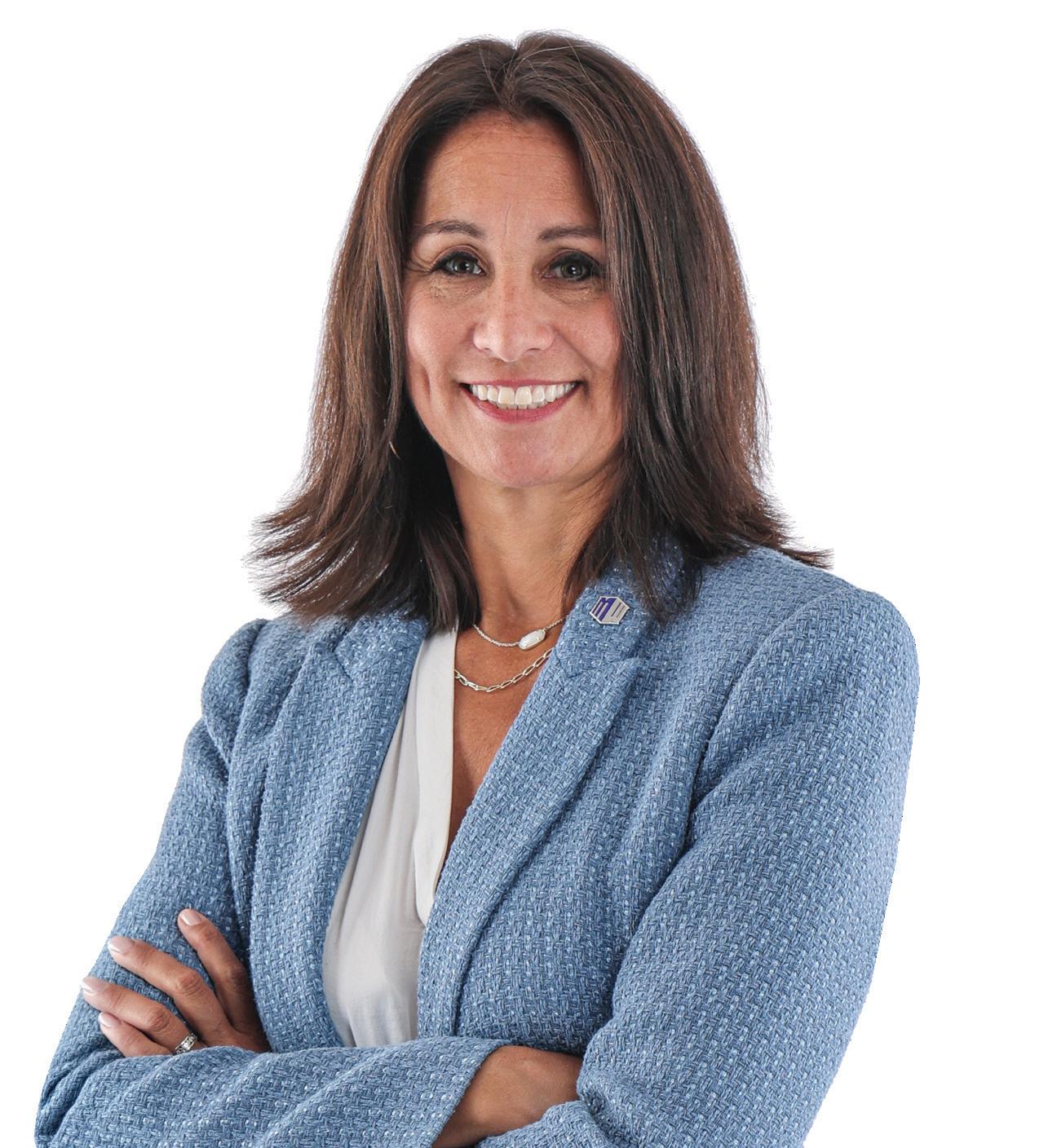
ABOUT NDSU AS A
It’s what they’ve built. This isn’t a recent couple of seasons of success. They’ve been building, investing, and creating a very, very strong program over time.
WHAT DO YOU THINK THEY DO FOR THE MOUNTAIN WEST?
I think they’ll be competitive. I think they make us better in football.
WHAT DO YOU THINK NDSU FANS SHOULD KNOW ABOUT THE MOUNTAIN WEST?
We occupy a really interesting place in this constantly changing ecosystem. We’re kind of in that sweet spot. We’re not Power Four, but we’re competitive. We’re that “next up.” We find and develop talent, and I’m not just talking about studentathletes, but coaches, athletic directors, presidents— you come to the Mountain West and you get better.
IT LIKE BEING IN YOUR POSITION WITH ALL THE CRAZINESS IN COLLEGE ATHLETICS RIGHT NOW?
It’s certainly a job that has changed over the decades. It used to be a little bit sleepy and governance, compliance, and championships. Now we’re a media business and a revenue-producing company. But what I love about the Mountain West is we really pride ourselves on the mission of educating young people through sport and higher education. And we’re really
WHAT DO YOU SEE THE FUTURE OF THE CONFERENCE LOOKING LIKE? BEYOND THE NEW MEDIA RIGHTS DEAL—WHAT ELSE ARE YOU EXPLORING?
Yes, and it really ties to football media and basketball media. In one of the recent “state of the conference” updates, we talked about an internal reorganization we’re doing to free up bandwidth in our business
office. That’s so we can focus on business development and monetization.
Historically, a conference sells media rights, holds championships, creates schedules, and assigns officials. But the next year to four years for us will be really about business development—intentionally dedicating ourselves to monetizing opportunities we’ve known were there but hadn’t made central to our strategy.
HOW INVOLVED WERE THE OTHER MOUNTAIN WEST SCHOOLS IN THE DECISION TO ADD NDSU?
Everyone was involved. One of the things people ask about being commissioner is what it’s like, and I always say, I have very little independent authority. Everything is by consensus. The athletic directors vet it. The board has to approve it. So yes, everyone was involved.
A lot of the early questions were about what we knew and what we needed to learn. But frankly, there was already a high IQ in our room about NDSU’s football success at the FCS level. And I think there was a lot of pleasant surprise when we really got under the hood, looking at how they’re built, academics, facilities, and infrastructure.
The main message is that this is part of a strategic build for us. We were at a solid number. We want to continue making ourselves stronger. We believe this is a great fit academically, geographically, and athletically. And I’d encourage Bison Nation to travel to games, come to our championships, engage in the platform, and support their student-athletes in the Mountain West.
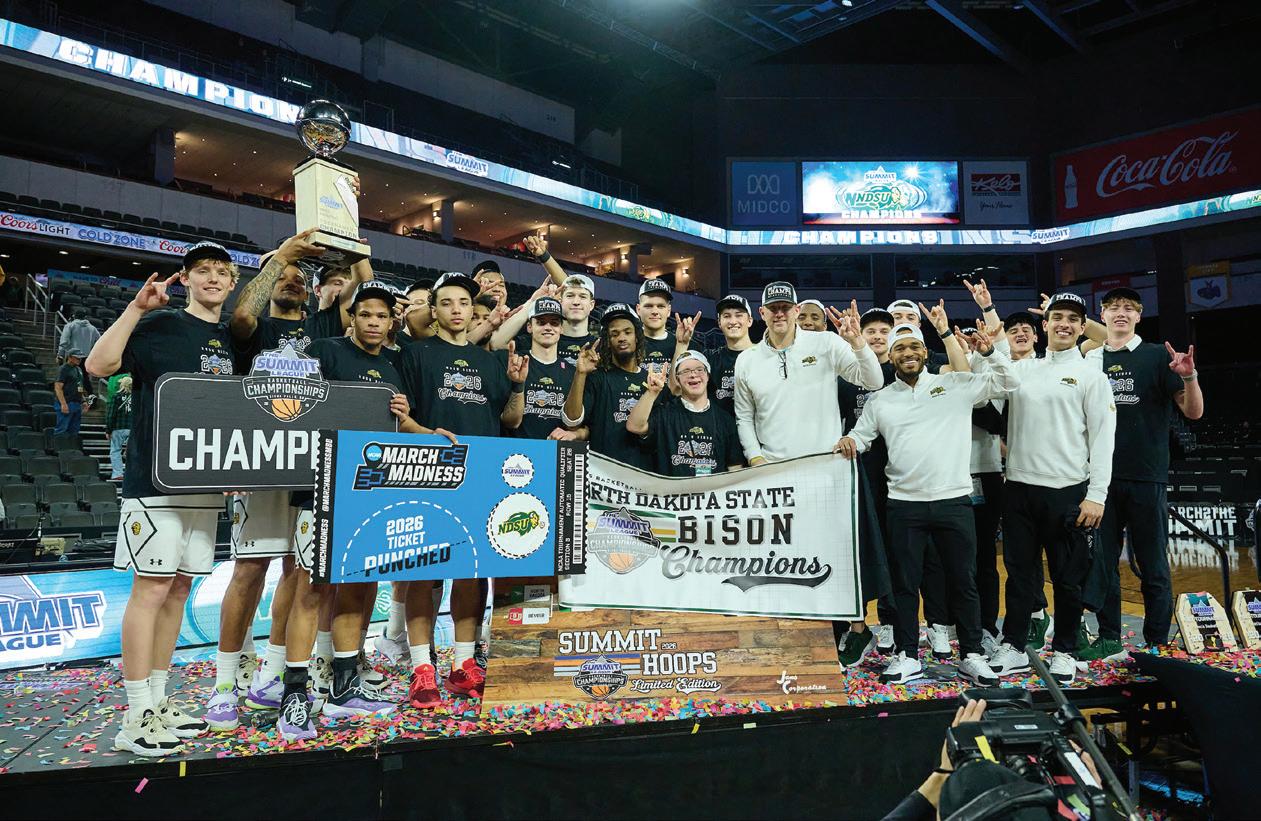
Dave Richman is no stranger to success; however, his 2025-2026 Bison had arguably more success than any other team in program history, setting the school record for total wins in a season by going 27-7 and winning the Summit League Regular Season and Tournament titles.
NDSU went on to the NCAA tournament, where they lost in the first round to Michigan State 92-67.
Q: HOW DID YOU SEE THE TEAM EVOLVE OVER THE SEASON?
A: I think the chemistry was there for the most part all year, and it just continued to grow. They had a mindset to keep working and keep getting better, and that created a better version of ourselves.
Q: WHAT HAVE YOU LEARNED THIS YEAR?
A: Enjoy it, and appreciate it.
Q: WHAT WAS THE MESSAGE TO THE TEAM AFTER STARTING 1–3?
A: Keep getting better. If we would have been 3–1, it would still have been to keep getting better—that’s always our focus.
We talk a lot about Monday mornings. No matter what we did over the weekend, it’s an opportunity to get better. Especially with a lot of new guys on new rosters, it’s about continuing to figure things out— who’s who, what they do well, what we do well together—and just
continuing to work to get better.
Q: DID YOU SEE THIS TEAM SETTING THE PROGRAM RECORD FOR WINS?
A: I don’t really set benchmarks like that. I always see us getting better, and if we happen to break records along the way, great. Our focus is working toward winning. If you do the right things every day—on the court, off the court—you’re going to take care of business.
Q: HAS THAT MINDSET ALWAYS BEEN THERE FOR YOU?
A: Yeah, it’s not recent. There’s no secret to success—it’s a lot of hard work. It’s about a daily drive to get better, continuing to challenge yourself, continuing to be uncomfortable to do those things.
Q: WHAT WERE YOUR THOUGHTS AFTER THE BUZZER SOUNDED IN SIOUX FALLS?
A: I think there was a lot of appreciation, a lot of joy, a lot
of excitement—and validation. Validation is a big one. Our process is very challenging, and in this day and age, there’s a level of appreciation for a group that’s more about winning than they are about themselves.
Q: WHAT DID IT MEAN TO BE NAMED SUMMIT LEAGUE COACH OF THE YEAR?
A: It means I’m smart enough to surround myself with great people. Bison basketball is about a lot of things—the last thing it’s about is Dave Richman.
Q: WHAT WOULD YOU SAY IS SPECIAL ABOUT BISON BASKETBALL RIGHT NOW?
A: It’s about people. In my opinion, this isn’t just a team—it’s a family. It’s a group of guys who have sacrificed a ton. They continue to show up, work hard, and love each other. They understand the love that comes from their coach— sometimes it’s a hug, sometimes it’s a kick in the butt.
Dave Richman was named the Summit League Coach of the Year for the 2025-2026 season, an award he has now won twice.
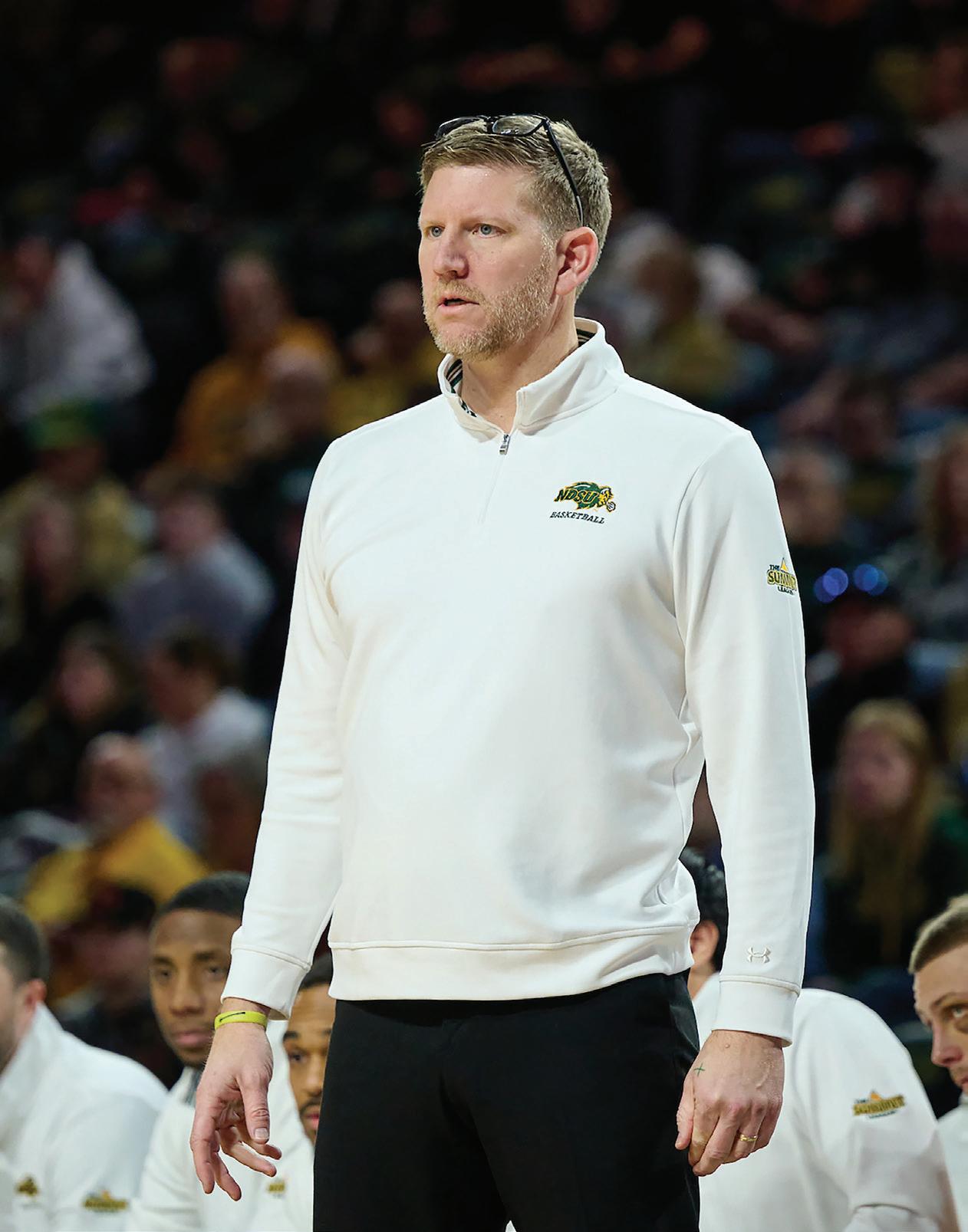
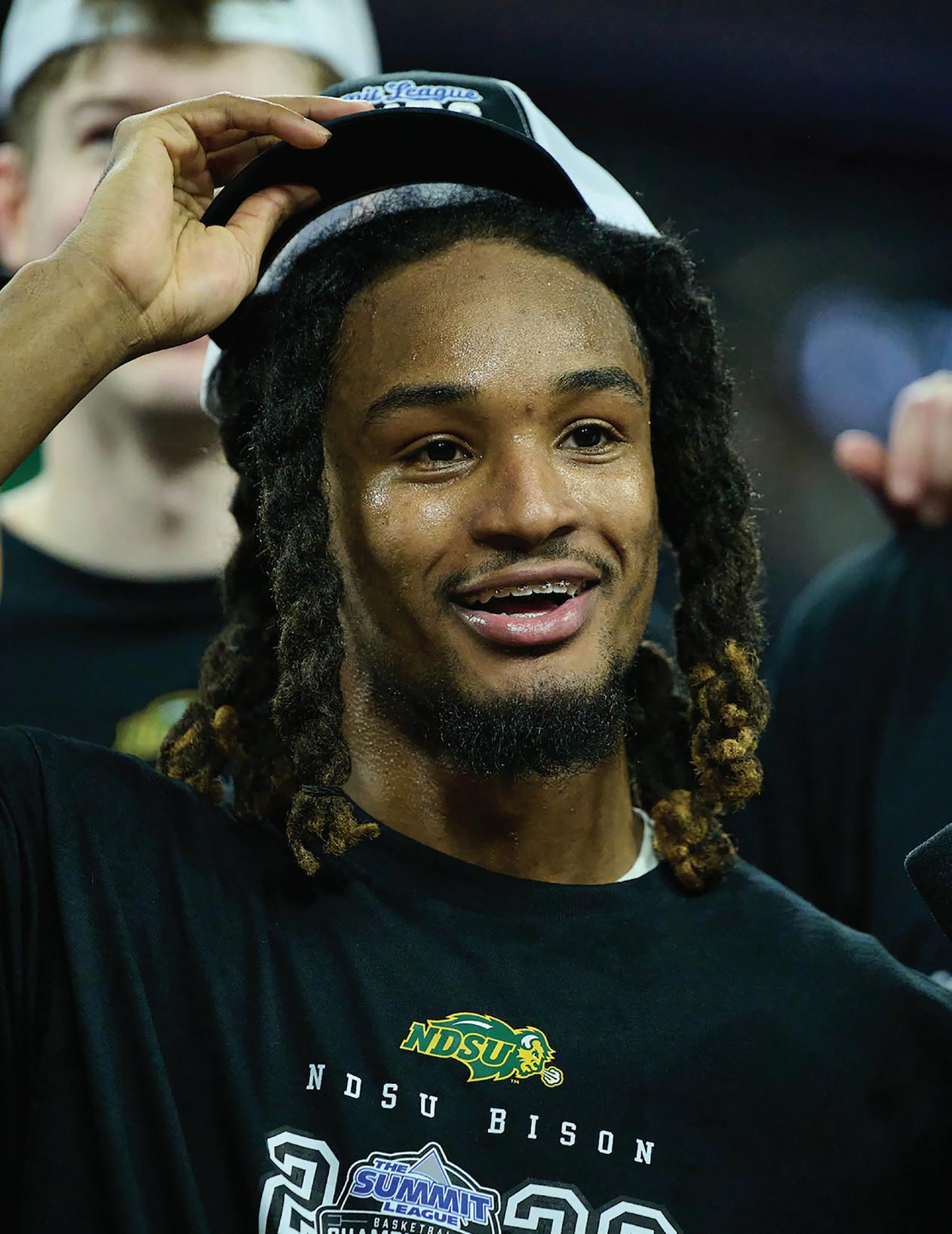
In 2025-2026, Damari Wheeler-Thomas earned second-team Summit League honors while leading the Bison in scoring with 14.5 points per game, playing a key part in the team’s Summit League run and NCAA tournament appearance.
Q: WHAT DID IT MEAN TO YOU TO BE HEADING TO THE NCAA TOURNAMENT?
A: Definitely a lot—especially with the core group we had coming back. It was a little unexpected because we had so many new players, so it’s a different feeling than most years. When you’ve got a whole new group and come together that fast and get it done— it’s special.
Q: DID YOU WATCH THE NCAA TOURNAMENT MUCH GROWING UP?
A: Yeah, always. It’s crazy that we’re in it. I always dreamed about it, but I never really thought it would actually happen.
Q: DO YOU REMEMBER WHEN YOU REALLY STARTED WATCHING IT AND DREAMING ABOUT IT?
A: Definitely when Marcus Paige was going crazy at UNC in the
tournament. That’s when I really remember it.
Q: WHAT WAS GOING THROUGH YOUR HEAD WHEN THE BUZZER WENT OFF IN SIOUX FALLS?
A: I kind of knew it was over when Noah hit that three at the top. It just felt crazy—I didn’t even know how to react. I was just nodding my head like, “Yeah… we finally did it.”
Q: HOW WOULD YOU DESCRIBE YOUR ROLE THIS SEASON?
A: I’m definitely one of the leaders on the team. I try to keep everybody level-headed and make sure we’re enjoying ourselves. But I also come in and make big-time plays—for my teammates and for myself—and we’ve gotten the job done doing what we do.
Q: ARE THERE ANY TURNING POINTS IN THE SEASON YOU CAN POINT TO?
A: I’d say after those first two losses. After that, it was like—we’re good. Even later in the season, taking losses, we knew we were fine. We just couldn’t get too big-headed.
Q: WHAT WERE THE SPECIFIC TAKEAWAYS FROM THOSE EARLY LOSSES?
A: After those losses, we all got together in Markhi’s hotel room and were like, “This isn’t us.” We already knew we were a good team. We had a bad loss at UC Davis and a close one at Oregon State, and we knew we could beat both of those teams. We just had to really do it together—and that’s what we did after.
Q: WHAT’S DIFFERENT ABOUT THIS TEAM COMPARED TO LAST YEAR?
A: Defense. We had great scorers last year—we made a lot of threes— but we didn’t really guard like that. I think we finished around fourth or fifth in defense.
NDSU women's basketball had its best season in the Division I era in 2025-2026, setting the Division I era record for wins with 29 and winning the first Summit League regular season title in program history.
Q: IT FEELS LIKE YOU'VE BEEN BUILDING TO THIS POINT.
A: Well, you know, I think the last couple of years, even three years, we’ve been good, but we’ve continued to get better players. We’ve continued to have people progress in the program from freshman to sophomore to junior. And now some of those better players that we started recruiting a few years ago are growing up in our program. They’re becoming veterans, becoming leaders, taking more responsibility in our culture— all those things coaches talk about. And I think all those little things together are kind of putting our program in the position you envision and want to happen.
Q: WHAT WAS THE MESSAGE TO THE TEAM AFTER STARTING 2–2, AND THEN GOING ON THAT RUN?
A: There wasn’t a big meeting. We’d lost to two teams who are both very good teams. Nebraska is great. Gonzaga’s still having a great year. And we knew that going in. After the Nebraska game, where we felt like we competed with them for the vast majority of the game and really played well, I said, “Look at our schedule. We’ve got a chance here to reel off some in a row before Christmas.” I didn’t
think it was going to be 20, but I thought we had a chance to win four or five of our next games. Montana State was a home game a little after that—we knew it was going to be super tough with their style of play—and we handled it as well as we could. I think that game gave us a lot of confidence that we could go play with anybody.
Q: WHAT DO YOU THINK YOU LEARNED THIS YEAR AS A COACH?
A: I don’t know if I learned so much as this year has driven home something I already believe. And that’s that the quality of the person on your team is just as critical as the quality of the player. We’re fortunate that most of them have both. This is as good a group as good to each other, and as supportive as we’ve had here, and they’re talented too. So for me, and for our staff, what works is recruiting high-quality young ladies.
Q: HOW DO YOU FIGURE THAT OUT WHEN YOU STILL HAVE LIMITED EXPOSURE?
A: That’s a great question because in this day and age, the people helping kids always paint them in the best light. So you don’t always get the truth. Part of it is when you go recruit and watch, you’re watching everything. When you go
to AAU, how do they come off the bench? How do they interact with teammates? With parents? With coaches? How do they receive criticism or praise? Eventually you talk to them, and bring them on campus. Do they look you in the eye? How do they respond to certain questions? And then some of it is intuition. You’re not going to be right every time. But you do this long enough, and you get a feel for players and personalities, whether it’s a good fit. We’ve had a couple of good players the last couple of years where we knew they were good players, but we said, “That’s probably not the best fit for us or our locker room.” Maybe they’d be a great fit somewhere else. Sticking to those values has been important for us.
Q: HOW HAVE YOU SEEN YOUR PLAYERS GROW AS LEADERS?
A: When your best players are also your best teammates—if there’s one thing you could ask for as a coach, that’s probably it. Because if you get that, you’ve probably got a chance. They came in as freshmen and were a close group. They hit it off in the dorms and were always together. The upperclassmen that year, I don’t know that they helped them out a whole bunch. And they told me, “We’re going to be there for the next freshman group,” and they have been. They’ve taken
more responsibility. They know this year, “Hey, this is kind of our team.” And I’ve told them, this needs to be your baby.
Q: HOW DID THE TEAM IMPROVE OVER THE YEAR?
A: If you look at our numbers, there’s not a lot to complain about. There wasn’t an area where we were super deficient. We’ve been consistently good in just about every area you have to be to win 20 in a row. Basketball-wise, our three-point shooting has gotten way better. That was a big part of those Nebraska and Gonzaga losses—we shot it extremely poorly, and were inconsistent in the first semester. Now, I think we ended up the number one three-point shooting team in conference play percentage-wise.
But where we got better was in situations. As good as Jocylen Schiller and Marisa Frost were, it was only their second year of college basketball, and they were handling the ball primarily.
Q: WHAT DO YOU WANT THIS TEAM TO BE REMEMBERED FOR?
A: I’ll remember this group for how special it was, and how connected we were. I’ll remember how close-knit they were, and how they root for each other. You don’t have to be thrilled with your role, but they embrace what’s being asked of them, and they do it the best they can. It’s been a coach’s dream. Coaching is hard. It’s up and down. Some days are great, some days are awful. This year has filled my coaching cup as high as it can get. I know it won’t be like this all the time, but this has been an extra fun year because of the quality of kids.
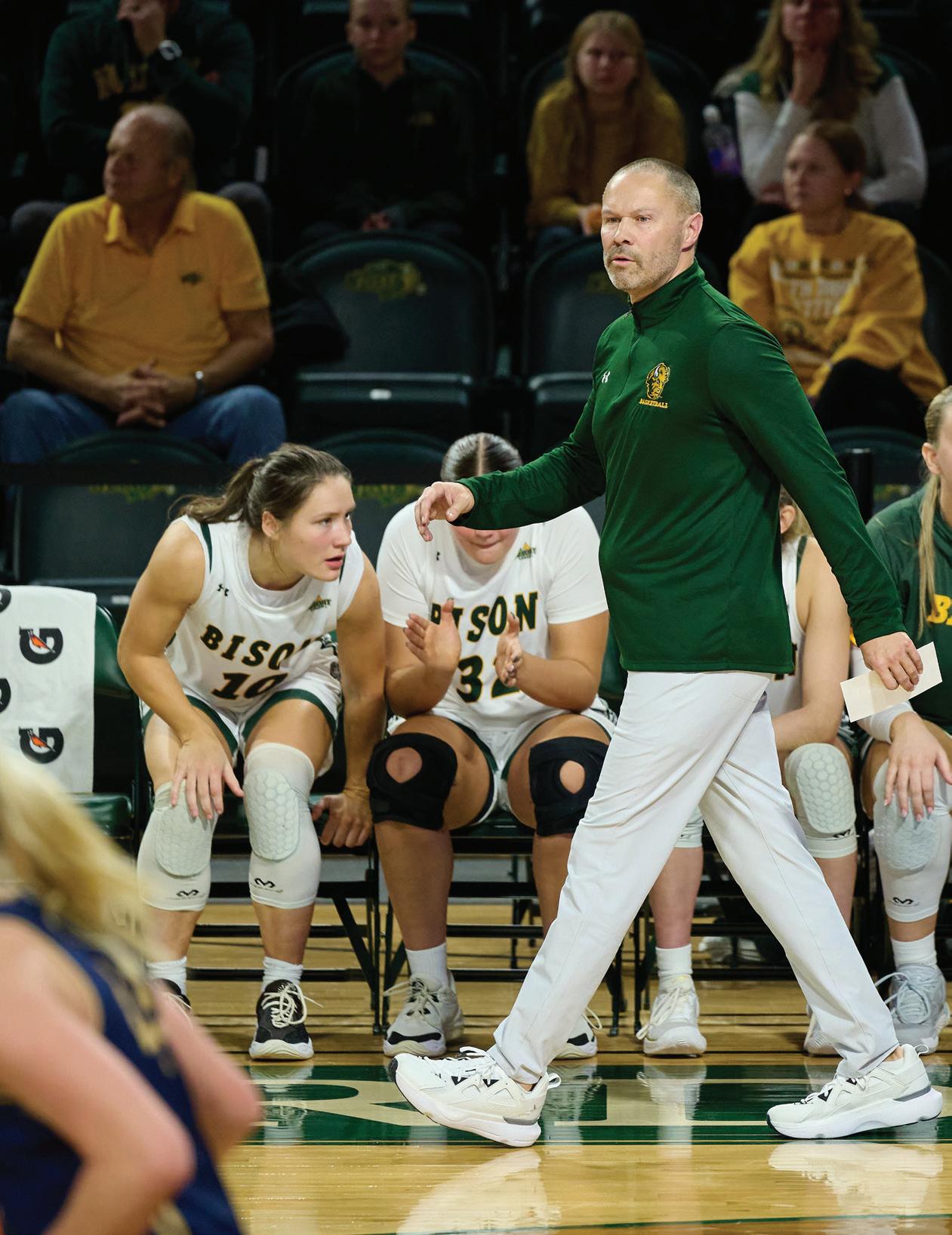
Jory Collins has been named the recipient of the 2026 Kay Yow National Coach of the Year award, presented annually to the top head coach in Women’s Division I college basketball, who embodies a winning spirit while displaying great character, on and off the court.
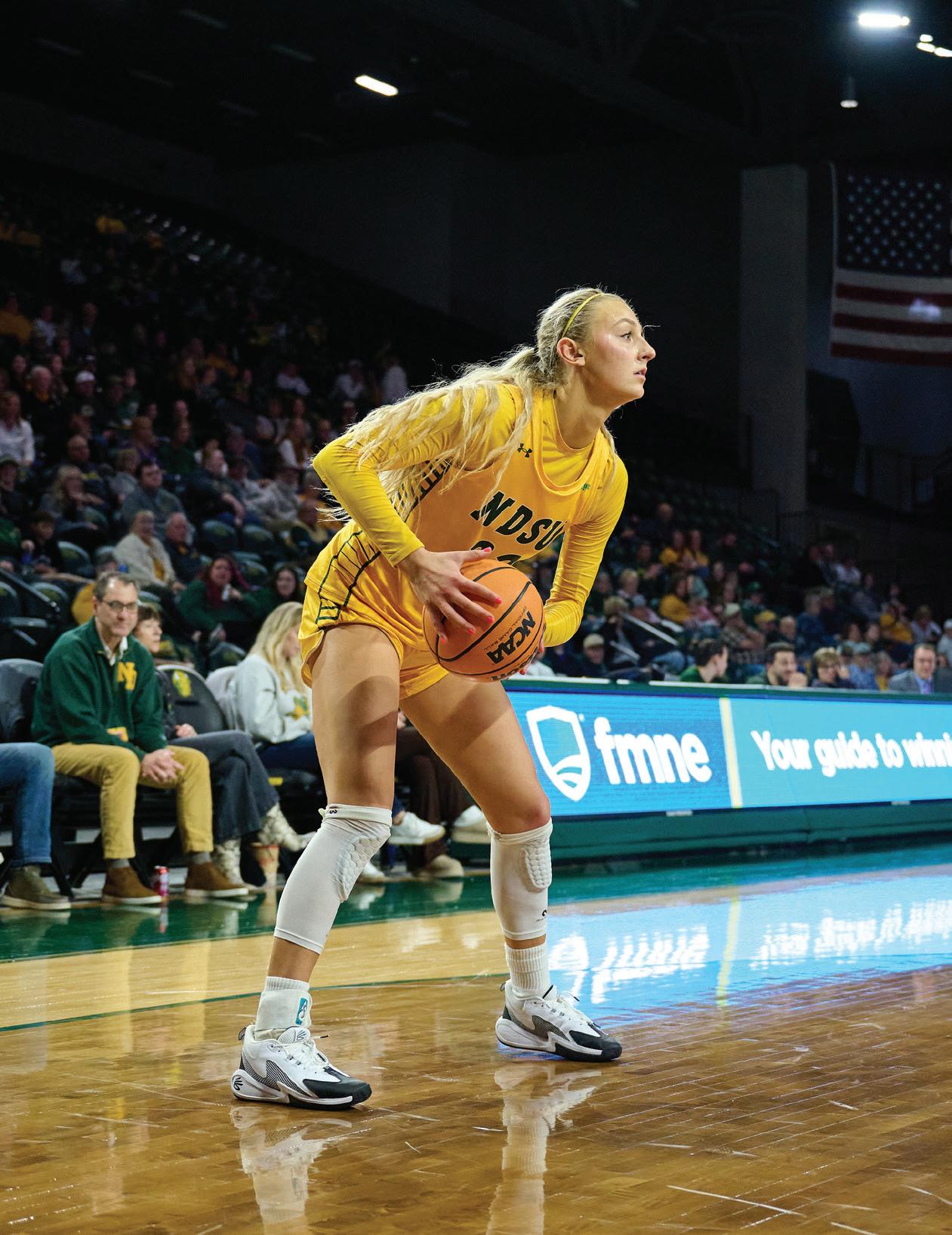
Avery Koenen was named the Summit League player of the year this season after averaging 19.4 points per game, 10.8 rebounds per game, and 2.4 assists per game while helping lead the Bison to their first Summit League regular season championship.
Q: YOU ALL HAVE BEEN BUILDING THIS PROGRAM FOR A NUMBER OF YEARS NOW. WHAT FELT DIFFERENT ABOUT THIS SEASON COMPARED TO PREVIOUS ONES?
A: I think the first thing that sticks out is how mature our group is and how much experience we have, especially my class over the past two years. Just growing from that has been really important for us.
I also think we’re a very competitive and connected group. We’ve got a good group of girls. We’re all really close and get along really well, so that carries onto the floor and helps our play. Being able to support each other, you want to go out and compete for the person next to you.
We’re also very unselfish.
Q: ARE THOSE THINGS YOU FELT RIGHT AWAY DURING THE PRESEASON?
A: Yeah, I could slowly start to feel that, just that maturity playing a role. My class especially, and the
seniors we do have, really started to lead the group. You could also tell we were a very talented group. As we started to grow and flow more together and learn how each other played, you knew that was going to improve our game.
Q: YOU START THE SEASON 2–2—WHAT WAS KIND OF THE FEELING AROUND THE TEAM?
A: I would say I always knew we had a talented group. It was more like, when are things going to start to click? I think they started to after that Nebraska game. Even in the two games we lost, we played well and competed. From there, it was just growing day by day with each other. When you have a group with a lot of talented girls, you don’t have to rely on one person every night.
Q: WHAT DO YOU FEEL LIKE YOU’VE LEARNED THIS SEASON?
A: I’d say I’ve learned a lot about the importance of leadership. Being a junior now and stepping into more of a leadership role is huge,
especially with younger players and transfers coming in.
Q: HOW DO YOU TRY TO LEAD THOSE PLAYERS?
A: I think number one is by example—how I go about my business every day. Showing up, working hard, being disciplined and consistent—that can take you a long way. And then just how I talk to them—encouraging them, showing them what’s right and wrong, and trying to steer them in the right direction, whether that’s in drills or just every day in practice.
Q: WHAT DO YOU WANT THIS TEAM TO BE REMEMBERED FOR?
A: Just how together we are. Like I said, it’s not just one player—it’s a great group of girls. We play together, we show up every day, we’re competitive, and we’re trying to set a new standard here of teamwork—what being a team looks like and what that does for a program.
Checkout the schedule!

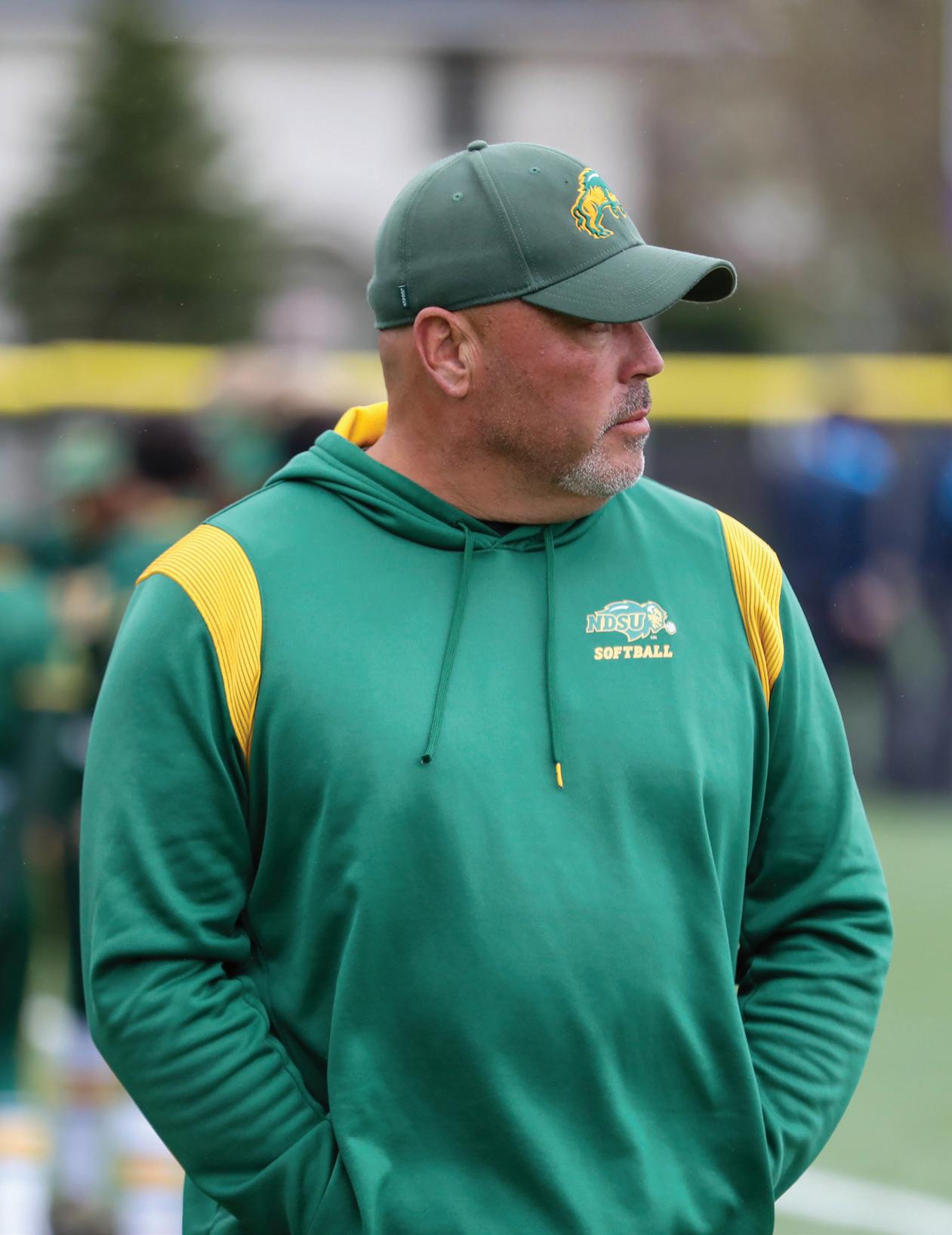
By Brady Drake | NDSU Athletics

We spoke with Darren Mueller ahead of the 2026 season.
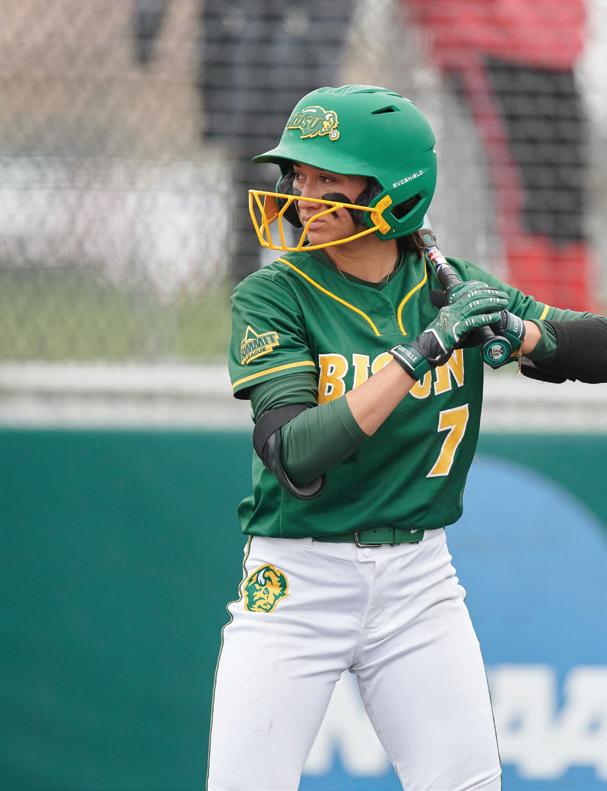
Darren Mueller is the head softball coach at North Dakota State University, entering his 25th season leading the program in 2026 and his 31st year overall with Bison softball. After seven seasons as an assistant coach, Mueller took over as head coach in 2002 and has since built one of the most consistent programs in the region. Across his tenure, North Dakota State has been a frequent conference contender and NCAA tournament participant, including multiple Summit League tournament championships and numerous NCAA
Division I regional appearances. The Bison have also reached notable postseason milestones under Mueller, including a run to the 2009 NCAA Division I Super Regional and other deep NCAA regional performances. Mueller reached the 700-win milestone in 2022 and owned a career record of 766-507 as NDSU’s head coach through the 2025 season. Known for steady programbuilding and player development, he has helped guide NDSU through its transition from Division II success— including the 2000 national championship era—to sustained Division I relevance in the Summit League.

Q: As we get into the season, what do you want readers to know about this team?
A: This group is doing everything we’re asking of them. They really want to be successful. This has honestly been the most fun I’ve had coaching.
They’re just a really good group. Not that past teams weren’t, but this team is hungry. They’re tired of not having the success we know we’re capable of. That shows up in practice.
We’re doing things now that we typically wouldn’t do until midway through the year. We’ve done so much live work that we’re ahead of schedule compared to past seasons.
Q: The major change in practice has been more live work?
A: Yes. By the end of this week, we’ll have had around 1,000 live events. In the past, we wouldn’t be close to that. We’d still be focused more on skill development.
This year, we’ve emphasized live reps because of where we want to be.
A: Players learn better when they don’t know what’s coming. In games, you don’t know the situation. Sometimes as coaches, we dictate everything—hit fly balls here, ground balls there—and they know what’s coming.
Live work is different. Pitching, defense, offense— anything can happen. Just like in a game.
It also builds confidence. One of our players already has over 70 live at-bats—that’s about half a season. I asked one of our players what she’s learned about herself. She said she feels more confident and understands her zones better. That comes from live reps every day.
In past years, we were younger and focused
more on skill development. This year, we’ve leaned into game action.
What’s the strength
A: We’re balanced. Pitching, hitting, defense—we’re solid in all areas.
I’ve challenged them by asking, “who’s going to step up and be the one? Who’s going to say, ‘Give me the ball?’ Who’s going to take over offensively?” They all have the capability. It’s just a matter of who claims it.
We’ve been consistent. In the past, we might’ve had great pitching while hitting struggled, or vice versa. This year, it’s more balanced.
We don’t have a ton of power. We’re not going to have five or six players hitting 10 home runs. But we’ll hit gaps, put balls in play, and pressure defenses. We can steal bases. Our pitchers give different looks.
We have a lot of ways to win. We can create chaos.
A: Star Cortez is one. She played center field for the first time last year and was very consistent. She had a strong fall and has stepped up as a leader.
Bella Dean is another. She’s had three solid years, and we believe she can elevate even more.
Amai Hanta has been very athletic and in control at the plate lately. Defensively, she’s been very solid.
Zoe King has had a great year since stepping on campus. She’s come back from summer stronger and more consistent. She’s just a different hitter in a good way.
On the pitching side, Madison Wihlm has been very consistent and confident. They’re older now. They’ve logged innings. That maturity is showing.
Q: You mentioned this is the most fun you’ve had coaching. Is that a culmination of the leadership development you’ve worked on the last few years?
A: Yes. I give a lot of credit to the last two classes. We made a conscious decision to rebuild.
We didn’t jump heavily into the transfer portal. We started young. We knew it would take time.
Now you’re seeing the growth and maturity from what we’ve been building. We always believed we had the talent. We were just very young.
Age matters. Experience matters. That’s showing up now.
A: Two years ago, some conference teams had multiple fifth-year seniors and all-region pitchers. We had just graduated two senior pitchers. There was no way we were going to match that by bringing in one-year rentals.
I’m not anti-portal. But we didn’t want to bring in players for one year just to compete short-term and stunt long-term growth.
In my mind, this was our third rebuild. Our first when we took over in Division II, second when we transitioned to Division I, and now this one.
Now they’re older. The message hasn’t changed. The practice model hasn’t changed. But it’s being understood better because of maturity.
A: I like that we’re underrated. That’s when we’ve been at our best.
Nothing will stop us except us. The last few years, we got in our own way with young mistakes.
The fall was important. We faced adversity—falling behind, battling back. I saw growth from this team that I hadn’t seen the last couple years.
A: We’ll redshirt two—one due to injury and one by choice—so we’ll have four active freshmen.
Morgan Zimmerman and Jocelyn McClary will see a lot of time. They don’t act like freshmen. They’re calm and consistent. Nothing fazes them. I have confidence they can contribute right away.
A: We’ve had seasons that weren’t successful recordwise. That’s hard. But we’ve always known we were building toward this year and next year.
We’ve rebuilt before. We’re doing the same things now that we did during those successful runs.
This team feels similar.
They ask questions. They want to understand the culture—from academics to volunteer work to how we treat teammates. And when we give them something to work toward, they do it.
Culture can be hard to define, but this team is building it the right way.
Star is a Junior from Moreno Valley, CA. Cortez played Team Mexico-White at the TCS International Challenge. Accolades 2025 All-Summit League Honorable Mention
Games Played - 50
Games Started - 50
AVG - .286
Runs - 24
2B - 3
3B - 2
RBI - 7
SB - 11
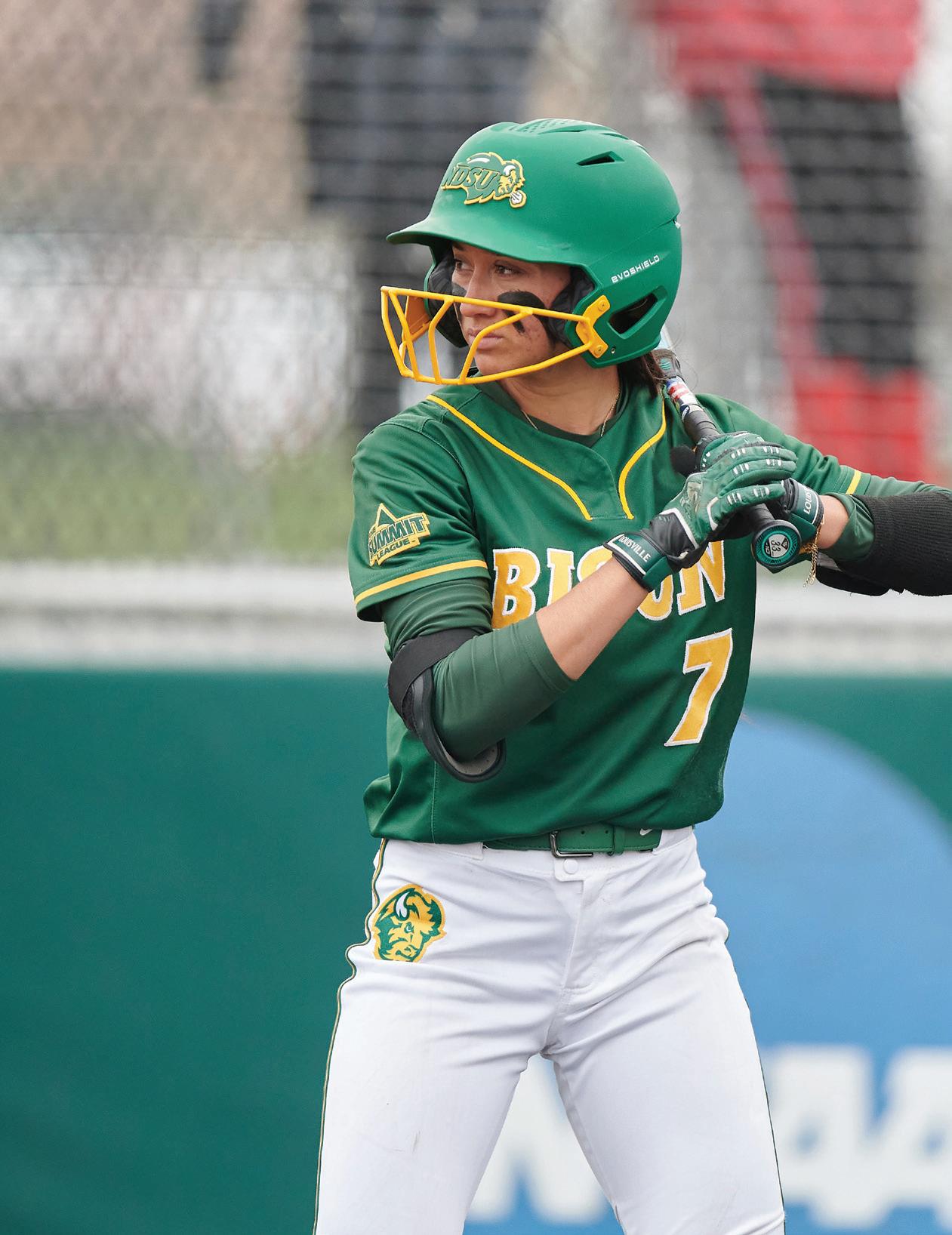
By Brady Drake | NDSU Athletics
We sat down with Star Cortez ahead of the 2026 season.
Q: What was it like growing up in California?
A: I grew up in a family with seven siblings, so I was always surrounded by people. I’ve been in sports since I was five, so I was always in that world. It was awesome. We’d go down to the beach and play every weekend.
Q: Was softball always your main focus?
A: I went back and forth between soccer and softball. I also did folklórico, which is a form of Mexican dancing with the big dresses.
By the time I was 11 or 12, I was fully focused on softball.
Q: Was folklórico competitive?
A: It can be. I did it for about four years in elementary school. It’s more competitive in Mexico than here.
Q: What was it like growing up with seven siblings?
A: I’m the youngest. It was great. I always had someone to mess around with. I was never alone. I loved having older sisters and brothers. They taught me everything I know. Because of them, I am who I am.
Q: Were they athletes too?
A: Yes. They all played sports in high school. None played collegiately except one sister who played JUCO softball. But they were all involved in sports.
Q: Were your parents big sports people?
A: My mom didn’t really play sports growing up, but she got into it because of my dad. My dad did everything—track, football—you name it.
Q: Why did you choose NDSU? That’s a big move from California.
A: It is. When they recruited me and I came out here, I just kept an open mind. You hear people talk about Bison Pride, and it really showed on my visit. I fell in love with the coaches, the facilities, and the team. The culture and community are awesome.
Q: What did you do on your softball visit?
A: I toured the locker room and the field, went downtown in Fargo, and went to Darren’s favorite spots to eat. They fed me well. We also went to a football game, which was amazing. My dad loved it.
Q: Do you still go to other athletic events?
A: Yes. I’ve been to every football game, plus soccer and basketball games. It’s fun seeing people at the SHAC.
Q: Was the transition from California difficult?
A: It was hard leaving my family. But the girls in my class became my best friends immediately, so that helped. Everything was different, but having them made it easier.
Q: What clicked for you last year that led to more success?
A: My teammates. From day one of sophomore year, they instilled so much confidence in me. When the season came around, I felt like I could just play freely. I knew I could do the job.
I also relied a lot on God, which helped relieve pressure.
Q: Do you prefer hitting leadoff?
A: It doesn’t matter to me. I’ll hit wherever they need me.
Q: What’s the mindset of a leadoff hitter?
A: It’s about letting your team see as many pitches as possible or getting on base to start the game strong. You’re setting the tone. There’s pressure in that, but it can be a good thing.
Q: Do you feel more prepared for it this year?
A: Yes. I learned from last year’s successes and mistakes. I know what I’m capable of now. I can focus on what I do well and learn from what I struggled with.
Q: What have you learned about yourself as a player?
A: I’ve learned how to execute and do whatever it takes—whether that’s playing small ball, beating out a bunt, or creating chaos on the bases. I’ve learned how to play my game.

What was it like playing for Team
A: It was awesome. We played in Colorado. The best part was seeing how proud my family was. My grandparents were so excited to see me in a Mexico jersey.
Being on a team where everyone spoke Spanish and shared that background was special. It was a different experience in a world I’m very comfortable in.
Q: What do you want your junior season to look like?
A: I want to build off last year and do whatever I can to help the team get where we need to go. I want my success to benefit the team.
Q: Do you know what you want to do after graduation?
A: I’m not exactly sure, but I want to get into real estate— maybe being a broker or working in mortgages. I want to be my own boss someday. I’m majoring in business with a minor in real estate.
Q: Have you had internships in that field?
A: Not yet. Summer is usually softball. But my dad works in real estate, so I grew up going to open houses and being around that world.
Q: What do you like about it?
A: I like setting my own schedule, what you wear to the office, talking to people, showing houses. Properties are just interesting to me.
Q: Anything else you want our readers to know?
A: I’m really excited for this season. We’ve done a lot of building, and I feel like we’re prepared. The attitude is there. We’re ready to compete and get after it. I’m excited.

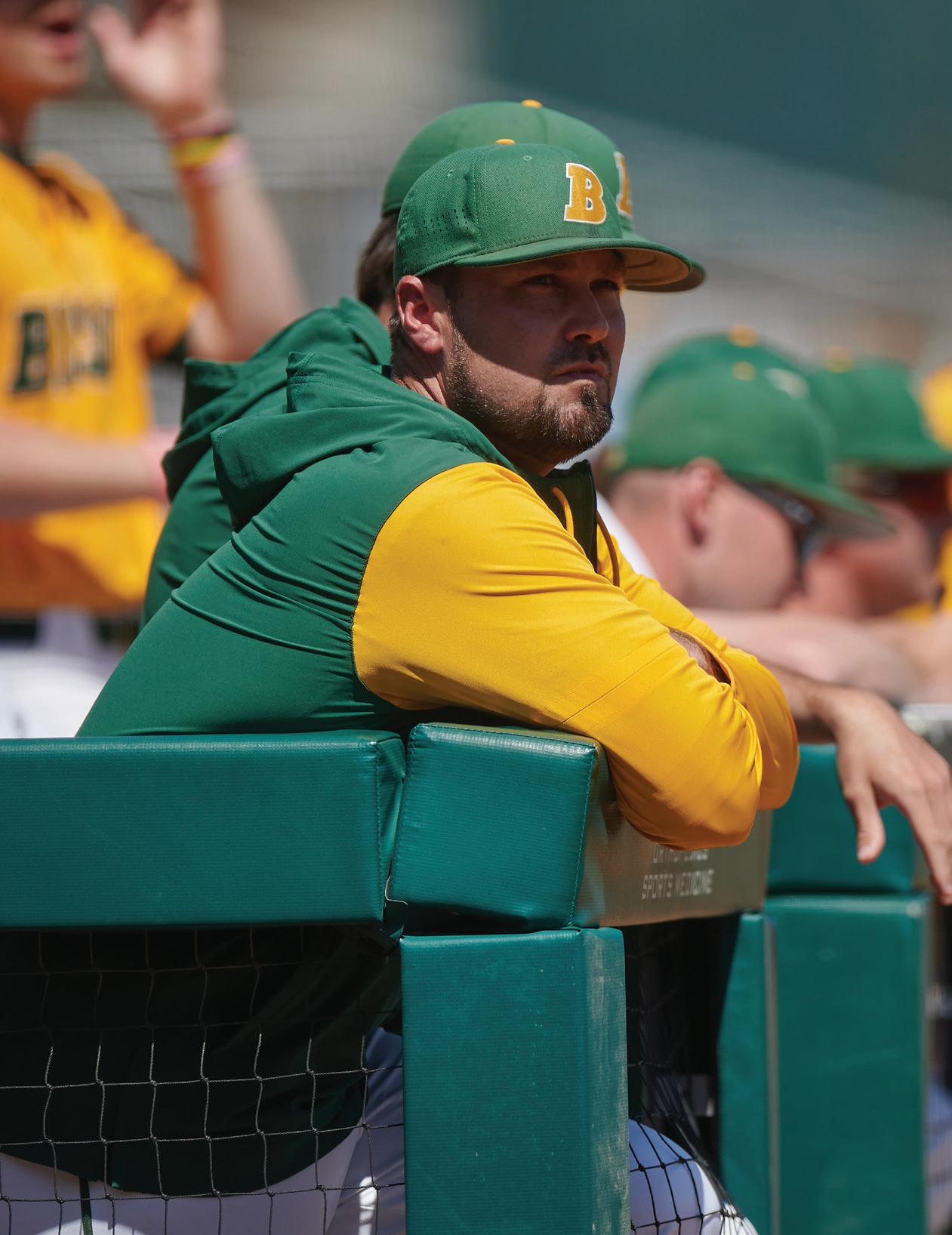
By Brady Drake | NDSU Athletics
We spoke with Tyler Oakes ahead of the 2026 season.
Tyler Oakes is the head baseball coach at North Dakota State University, named to the role on June 22, 2021, after serving in several key positions on the Bison staff. He originally joined NDSU in December 2013 as pitching coach, later adding recruiting coordinator duties in 2016 and earning a promotion to associate head coach in 2018. Oakes has built his reputation on developing pitchers and building complete, competitive rosters. As pitching coach, he helped NDSU set program marks, including a
single-season record 474 strikeouts and 27 saves in 2021, along with multiple seasons of league-leading pitching categories and weekly honors. In his first season as head coach (2022), Oakes guided the Bison to the first Summit League regular-season title in program history and became the first NDSU baseball coach to earn Summit League Coach of the Year. More recently, he led NDSU through the nation’s top-ranked non-conference schedule in 2025 and helped the program win its third Summit League Tournament championship, sending the Bison back to the NCAA Tournament (Fayetteville Regional).
Q: When you look back at last season, what are you most proud of?
A: Probably just guys coming together and finding a way to get it done. As a coach, that’s all you can ask for, especially with where we’re located. We fight stereotypes all the time, like ‘how can we be any good at baseball up here?’ So, I think it was another opportunity for us to showcase the type of players we have, the type of people we have. I think just opening a window into what NDSU baseball really is. We’re more than just a football school. Basketball is doing awesome this year, too, but for us, it was about putting ourselves on the map a little more and showing people we can play with anyone.
Coaching in this climate, you’re constantly trying to earn respect. For us to win the conference tournament, win a game in the regional, and push Creighton, who was one of the last two teams playing for a regional final, was an awesome experience. And we want to make that the standard. Not a one-time thing. The goal is, year in and year out, can each group find a way to come together and make that a reality?
Q: How do you feel the team is building on that in practice so far?
A: There’s still a lot of learning to do. We learned a lot about ourselves in the fall. We’ve got 17 returners and 23 new guys—probably the biggest roster turnover we’ve had since I’ve been here. We had to replace 11 pitchers. So it’s a relatively new pitching staff, and we’ve got some new position players too.
They’re working hard. It’s a great group to be around. I think we brought in the right type of people. Now it’s about figuring out where the pieces fit. The first month or two of the season will be about trying different lineups, different rotations, and different bullpen roles. I like our depth. I like the pieces. But it’s going to take time to see where everyone fits best.
That’s the exciting part as a coaching staff—watching guys take advantage of opportunities and grow into roles.
Who are going to be your key players this season?
A: Parker Puetz will set the tone on the mound. He was a freshman All-American a couple of years ago, then had Tommy John. He came back midseason and was still knocking the rust off, but I really appreciated him taking the ball even when he didn’t feel 100 percent. Now he’s fully healthy. He’s been throwing really well. He’ll get the ball on Fridays. We’re going to lean on his experience and stuff.
Dante Smith had a great freshman year in the outfield. He’ll be in center field. He’s dynamic — can bunt, steal bases, and hit the ball out of the park. Probably our most dynamic position player.
Colten Becker is in his third year and will start in left field. He’s been in the middle of our lineup the last couple of years. We’ll need him to drive guys in.
Kyle Law was out most of last year with an injury. He’ll see time in the outfield and at DH. He’s got middle-of-the-order potential too.
Cal Jones is a Division II transfer and will likely start at second. He’s a pesky hitter, can run, and finds ways to get on base.
At shortstop, Kaden Connor, a freshman, and Tommy Simon are battling it out. We may platoon early and see who takes it.
On the pitching side, besides Puetz, Brayden Marks, a transfer from Bradley, will likely start on Saturdays. He’s got Division I experience. We’ll lean on him to anchor things while some younger guys settle into roles.
Our biggest unknown is probably the back end of the bullpen. Who’s going to close tight games? That’s something we’ll have to figure out early.
Q: With so much turnover, how do you bring a new group together?
A: It’s new for us. With the portal, you think you’ll have an experienced team, and then things change quickly. That’s life right now. You’ve got to find guys who want to be here—guys who take pride in being a Bison.
We brought in a mix of incoming freshmen, junior college transfers, and four-year transfers. I think it’s a healthy balance of young and old.
We’ve relied on returners like Pitts, Matt Sargeant, Becker, and Dante to show the new guys what this place is about. So far, they’ve done a great job.
Q: How do you maintain belief when you’re not stacking wins early, especially with that tough nonconference schedule?
A: That’s by design. We’re not afraid to play anyone, anytime, anywhere.
We open at Florida Gulf Coast who predicted to win their league. They’ve got a projected top draft pick. We’ll be challenged. And that’s the point.
We want to see power arms. We want to see teams that steal bases. We want to face velocity, breaking balls, and elite competition. It helps us learn about ourselves.
Sure, we could build a schedule where we win more nonconference games. But does that prepare us for the Summit League and the postseason? We don’t think so.
We tell our guys during recruiting that it’s going to be hard here. Expect it to be hard. We embrace the tough times. We don’t run from them.
NDSU won the 2025 Summit League Tournament to qualify for the NCAA tournament for the third time in program history, where they won a regional game for the second time in program history!
Now the next step is not just competing in those environments, but winning some of them. We’ve had opportunities the last few years and didn’t always cash in.
But when we got to the Arkansas regional last year, we weren’t intimidated. We’d already played in front of 10–12,000 people at LSU, Alabama, and Oklahoma State.
If you want to make a real run, you have to be prepared for anything.
A: I like this group. I think our depth will show over time. It’s just early, and we’re still figuring out our best nine, our rotation, our bullpen.
That takes adversity. You learn from it.
People probably don’t give us much of a chance this year with who we lost. That’s okay. I think we’ll be hungry. We’ll play tough. We’ll play fast. And we’ll show people what we’re about.
Dante is a Sophomore from Ajax, Ontario
2025 All-Summit League Second Team
2025 Summit League Academic Honor Roll
2025 Stats
Games Played - 44
Games Started - 44
AVG - .303
Runs - 31
2B - 8
3B - 2
HR - 1
RBI - 22
SB - 11
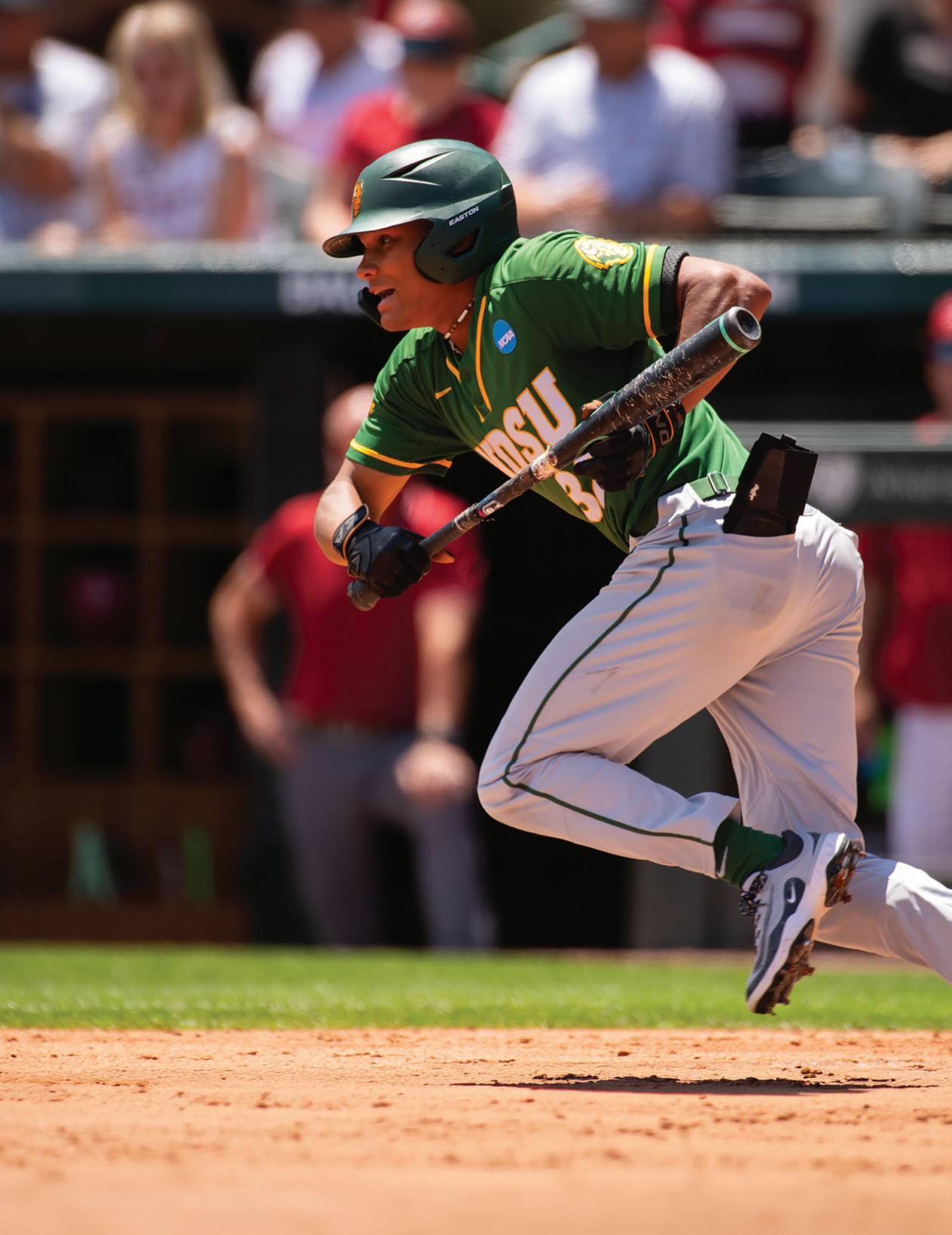
By Brady Drake | NDSU Athletics
We sat down with Dante Smith ahead of the 2026 season.
Q: What are you most proud of from your freshman season?
A: We had a really good season. I’d say for sure, the team making it to the regionals. It was the third time in NDSU history, I believe, and our second time actually winning a game in the regional.
Q: What do you think was key to executing when you guys needed to at the end of the season?
A: Yeah, I feel like the main thing would definitely be our non-conference schedule. It definitely put us in challenging situations earlier in the year. So,
when it kind of got down to conference tournament or even the regionals, we already faced those things. Obviously, playing those big schools that we do in the non-conference, we get put in those situations early. So by the time it got to the conference tournament, we already knew what to do.
Q: How do you feel you grew as a player throughout the year?
A: At the beginning of the year, I’d say I was definitely a little bit nervous, but also excited that I was able to compete and play as a freshman. But as time went on, I realized that I’m here for a reason, and I’m kind of competing just like anyone else, and nothing’s different for me just because I’m a freshman.

Q: What do you feel was the biggest difference between high school and playing at NDSU here?
A: I say the biggest difference is definitely the bigger schedule, playing games three times every weekend, and even in the weeks too.
Q: What have you learned that has help you keep your body in a place where you can meet that demand?
A: I just learned that nutrition and sleep are really big things, especially being on the road so much, so we’re limited to what we have. Also, being on the road, it’s really important to stay in the gym and stay mobile. After the long bus rides and plane flights, it’s pretty natural for your body to tense up.
How do you handle nerves?
A: I used to be really nervous back in high school and even earlier in the season last year. But I’m not really sure what happened, to be honest, but I guess it’s just self-confidence and belief. Because I feel like nerves are mostly dictated by doubts of not knowing if I can do something. So, sometimes you just have to tell yourself that you’re the best player on the field. You need that delusional confidence.
Q: What do you see as your role on the team right now?
A: I see myself as starting right fielder, center fielder, and kind of a similar role as last year in batting at the
top of the lineup. And I really just want to do my best to get on base for the team. I’m a pretty quick guy so I think I can be a threat on the bases and then have my hitters score me. I guess I see myself having a spark plug type of role.
Q: What do you think you’ve improved on over the off-season?
A: I’ve been able to hit for more power. This year, I feel a lot stronger. I’ve been lifting more weights and finding my swing a little bit more. So I definitely say that, and I’m also working on my contact. You know, going to cut down on my strikeouts and stuff. So I feel like that’s been going pretty well so far, so I can keep that going into the season this year.
What do you love about baseball?
A: I just love how any team can win. You can be the best team in the country and still lose to pretty much anyone. I also like that it’s a really mental game as well. I just like the challenge.
Q: What does a successful season look like for you?
A: Definitely winning another conference tournament and going back to regionals would be awesome. Finishing top two in our conference as well would be pretty cool. I’m excited for what this team can do. Hopefully, we can have a positive record this year and show some people that we are really meant to be here.


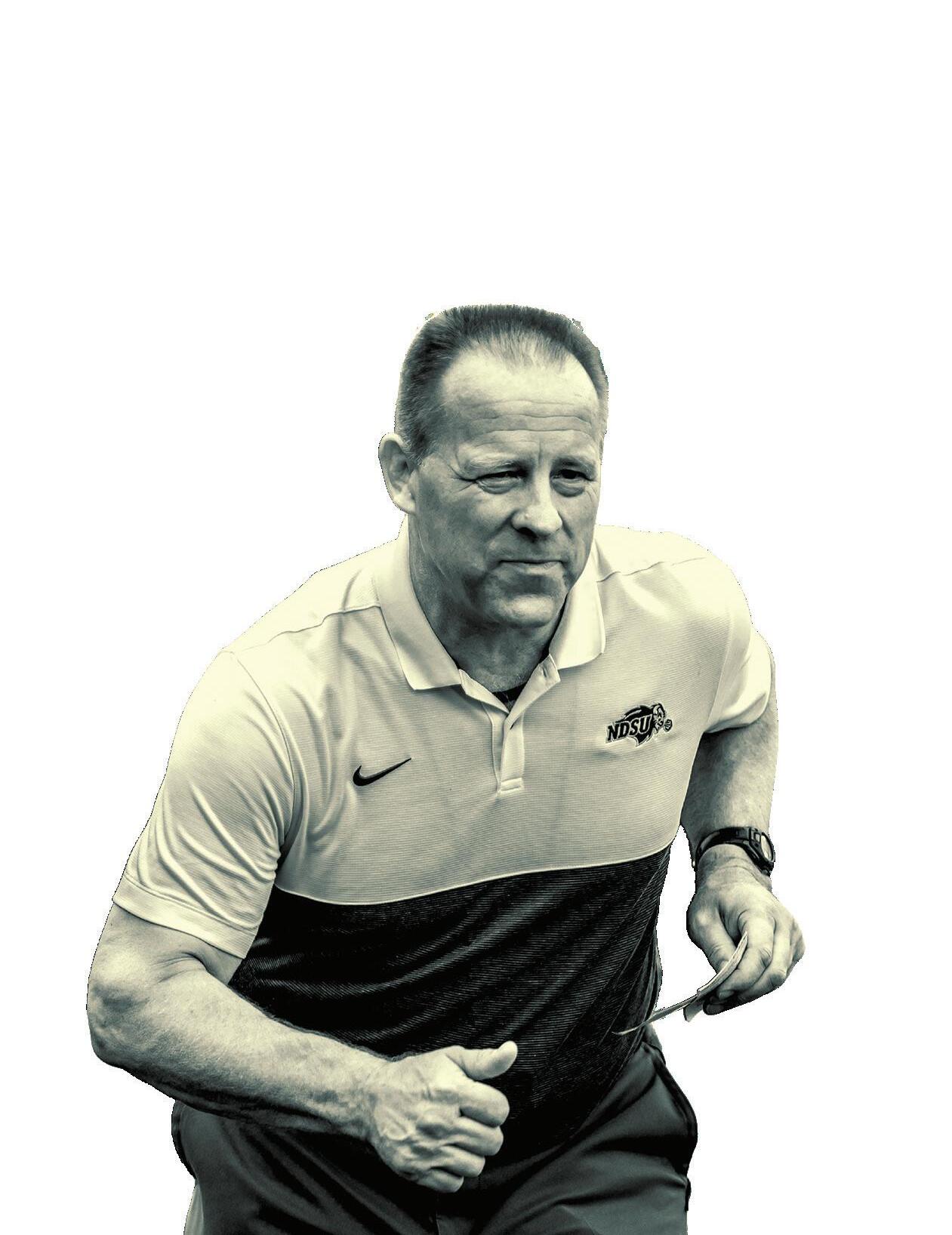

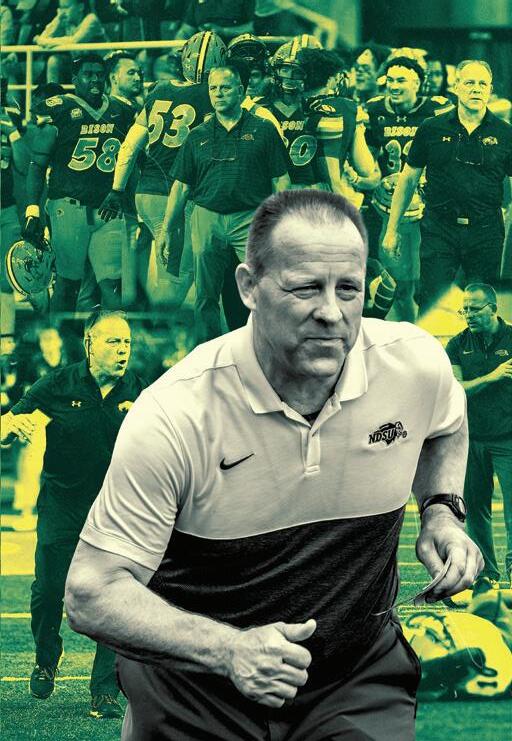
Kramer arrived in Fargo in 2004, a year that could’ve gone a dozen different directions.
NDSU was transitioning to Division I. There was uncertainty, growing pains, and no guarantee the program would become what it eventually did. The blueprint wasn’t fully drawn yet.
But Kramer didn’t need the full picture. His job was to build the athletes, and he did. He made them stronger, better, more complete, and more prepared than anyone they would face.
From the beginning, Kramer built a system that touched everything, including strength, speed, conditioning, recovery, nutrition, and movement efficiency.
Freshmen were developed slowly and intentionally. By the time they became upperclassmen, they were built for the system.
You could always see Kramer’s work in the fourth quarter. During the program's dynastic run, NDSU didn’t just beat teams; they leaned on them with their overwhelming physicality.
On top of that, Kramer built athletes who were balanced, flexible, and efficient movers.
Before NDSU, Kramer spent three and a half years as the strenght and conditioning coordinator at the U.S. Olympic Training Center in Colorado Springs, CO. He also spent five years as the head of the head strenght and conditioning coach at Northern Iowa from 1997 to 2002. Prior to that, Kramer spent five years as the assistant director of player development at Georgia Tech from 1992 to 1997 and two years as a graduate assistant in strength and conditioning at Appalachian State from 1990 to 1992.
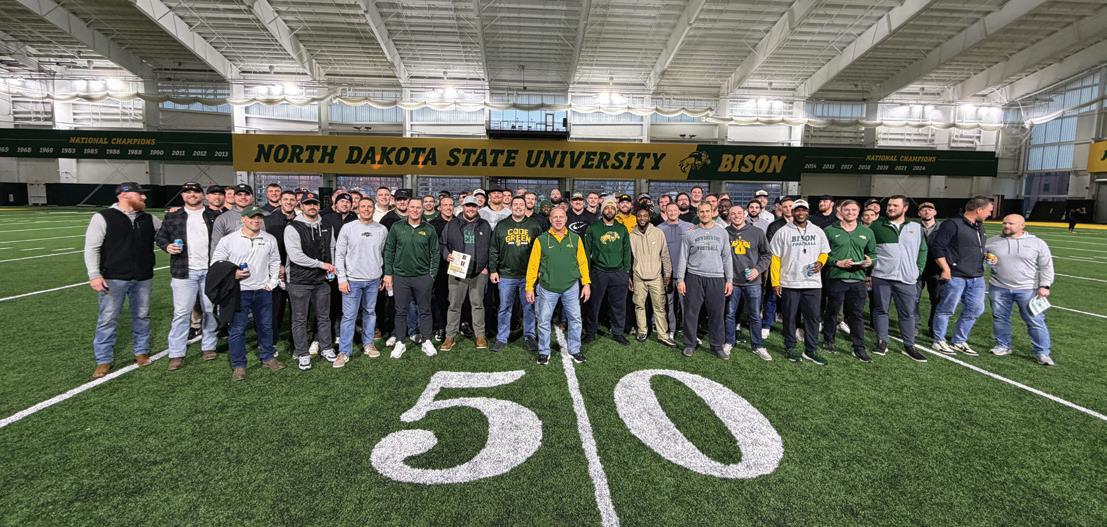
JIM KRAMER’S JOURNEY

Over two decades, everything changed around him. Head coaches came and went. There was Craig Bohl, Chris Klieman, Matt Entz, and Tim Polasek. Schemes evolved. Assistants moved on. Systems adjusted. The weight room mentality stayed the same while Kramer worked tirelessly to stay ahead of the curve and motivate players.
That consistency became one of the program’s biggest advantages, which allowed them to win 10 FCS national championships in 14 seasons and go 9-5 against FBS competition.
During that time, Kramer helped 16 players become NFL Draft picks and 42 players become professionals.
Kramer’s influence went beyond sets and reps. He helped define what it meant to be a Bison player, and he helped build young men with work ethic, accountability, and attention to detail.
Many of which have gone on to make big impacts in the world outside of football.
He truly has been the backbone of NDSU football over the last 22 years. But don’t just take our word for it. Let’s here from from coaches, players, and former coworkers.
CONTINUED >
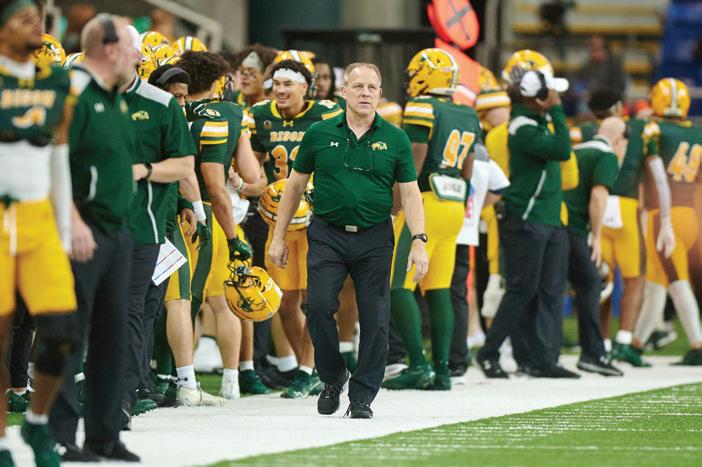
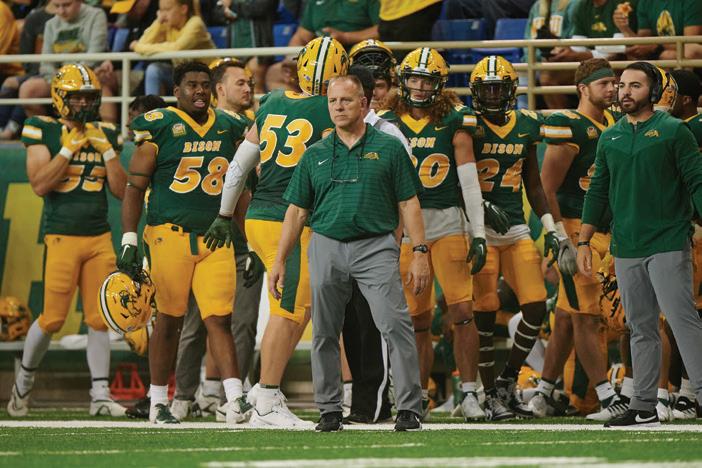
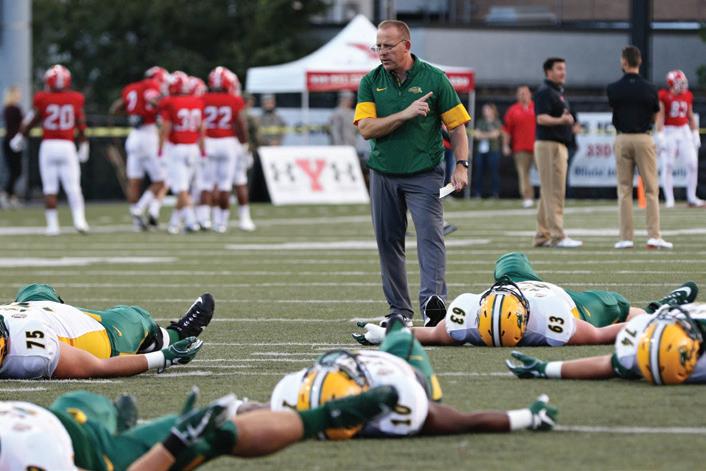



DO YOU REMEMBER YOUR FIRST INTERACTION WITH COACH KRAMER?
I don’t know if I remember the exact first interaction, but I do remember early on going to practices—I like to watch our coaches coach—and thinking, “Man, who is this guy?” I had heard about the impact he’d had on the program, but seeing it up close was really neat. You realize there’s a process behind all of it. What stood out to me then—and still does now—is the standard he holds. It’s incredibly high, and he never wavers from it. That’s the hard part. A lot of people talk about standards, but to live it every single day and never compromise it—that’s what Jim did. Right away, it made sense why we’d had so much success—how he engages with guys, how he holds them accountable, and how he gives tough love when it’s needed. And it stayed consistent for the entire time I’ve been here.
WHAT MADE HIM DIFFERENT FROM OTHER STRENGTH AND CONDITIONING COACHES YOU’VE SEEN?
I think what made him different is what the players understood over time. Every year, our seniors get a chance to speak to the team at the end of the season. These are guys who’ve won championships, been All-Americans, gone on to the NFL, and they don’t talk about that. They talk about relationships. And almost every one of
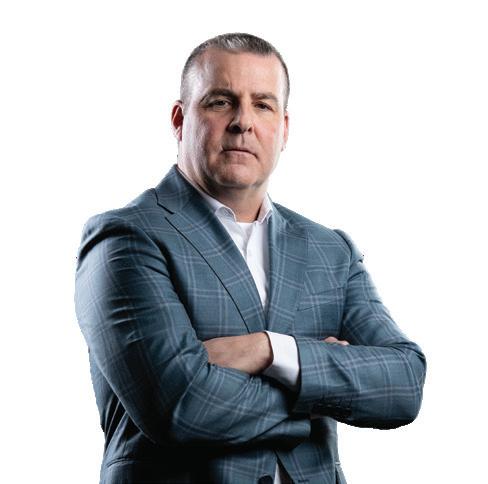
them gets emotional talking about Jim. This is the guy who was hardest on them early on, but as time goes on, they realize how much he cares about them as people, not just as athletes.
It’s not just about getting stronger or faster. It’s about developing them into men who are prepared for life after football. Those are the lessons they carry with them, and that’s what sets him apart.
Jim reported directly to me for most of my time here, and I’d say we had a really good relationship. I respected what he did and how he did it, and we wanted to support him however we could. What I appreciated most was getting to see the other side of him—the side not everyone sees.
You see that he’s a great dad, a great husband. In our conversations, he could let his guard down a bit—he didn’t have to be “the Bulldog.” You’d see a softer, more emotional side of him, which I always appreciated. And his work ethic was incredible. He was usually the first one in and the last one out, and it was because he genuinely loved what he did.
I don’t know if there’s one specific story, but one thing that really stands out is his relationship with Ryan Napoli.
Ryan was his assistant, left for a while, and then came back to eventually take over the program. Jim really took him under his wing early on, and I think in the back of his mind, he always saw Ryan as someone who could carry things forward. When the time came to bring him back, it felt like a full-circle moment. It was almost like a proud father moment—seeing someone you developed go out, succeed, and then come back to take over something that meant so much to you. That, to me, really shows a side of Jim that not everyone gets to see.
Just thank you, Jim. We had an event recently where a lot of former players came back, and what stood out to me was that over the last 15 years, a lot has changed—head coaches, position coaches—but the one constant has been Jim Kramer. Sustained success like that is incredibly hard to achieve, and so much of our culture starts in the weight room. The work ethic, the toughness— that all starts with him. When I think about Jim, I think about his legacy— what he’s meant to this program and to all the players who came through it. He’s been a constant through one of the most successful eras in Bison football, and that says everything.
"Here’s to the one and only Coach Kramer. Even an old punter like me got insane value from you, which honestly feels illegal to say out loud. I still remember the night you stayed up late after a full week of research, just to figure out how to train a punter differently than anyone else. How crazy is that? Not many coaches are burning their free time trying to squeeze a few extra yards out of a guy who sees the field four times a game. Ha. But that’s who you were. This Bison Illustrated piece is our way of saying thank you. We pulled in a ton of former players because we wanted this to hit different—not just for you, but for every Bison fan to understand the kind of impact you actually had. You were the X-factor. No debate. You weren’t just great at what you did. You understood that if you could train our minds, everything else would follow. You made sure we knew what we were doing, but more importantly, why we were doing it. That discipline didn’t stop when football ended. It showed up in our careers, our families, and who we became as men. And I’ll tell you this—I’ve been around NFL strength coaches, the best of the best. And what you built here? They’ve got nothing on you. Not even close. Enjoy retirement. Try not to accidentally start training people at the grocery store. Enjoy the article. And seriously—thank you."

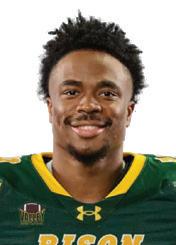
“Beyond blessed to not only have you as a coach, but as a role model and mentor. Thank you for having confidence in me when I had little to none for myself. Congrats on retirement coach!”
“My second year at NDSU mid-season, I was contemplating quitting, and he told me plenty of guys have been in my shoes and turned out to be impactful players, and to keep working hard, and you’ll get the results you want. It stuck with me for the rest of my career and kept me motivated to keep going.”


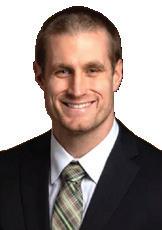
“I really appreciate the respect and care he showed me both as a player and as a coach. He always believed in me and valued me as a person, and I’ll forever appreciate him for that.”
A Kramer Story -“I was a freshman in 2010, and we beat Youngstown State on the road on a 2-minute drive. Coach Kramer was so happy that he pulled his calf jumping in the air to celebrate. He limped the entire way back to the locker room and yelled at me when I asked how he was doing! “Shut up Olson, I’m fine, we won the game!”
Jim Kramer works as the Head Strength Coach at the University of Norther Iowa
“Impossible to put into words how much he means to the NDSU program and how much he has impacted all of our lives who have gone through his program. He’s turned us all into better men because of him.”
A Kramer Story - “I missed my max bench press goal my senior year in the summer. Coach called me tuesday night and said to be in weight room the next morning (off day) and said ‘you’re hitting your max!’ And hung up. Just me and him in the weight room. Puts me through the whole warm up/lift. I end up hitting my max and it’s me and him hugging going nuts. I think he may have been happier than me.”
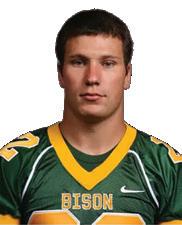
“Coach Kramer, wishing you an enjoyable and very much deserved retirement. Thank you for everything you’ve done for NDSU and myself. I know it couldn’t have ever been easy dealing with a bunch of kids who thought they were grown men. You are the epitome of Bison Pride and one of the biggest reasons for all the program’s success! Enjoy your retirement, and thank you for everything!”

Jim Kramer works as the Strength and Conditioning Coordinator at the U.S. Olympic Training Center
Kramer joins NDSU

C Rob Hunt is drafted in the 5th Round of the 2005 NFL Draft by the Indianapolis Colts
“Thank you for your dedication, sacrifice, and commitment to the program. And of course, for all the countless life lessons you taught all of us, which we all carry to this day and will forever. Your impact is truly greater than words could ever explain. We love you, coach!”
A Kramer Story -“Kramer told us the week of the Kansas State game we needed to salt our drinks at every meal since it was going to be brutally hot in Manhattan. Well, I decided not to take that instruction too seriously since I thought it wouldn’t make much difference for me, and the salting of drinks tasted awful. Spoiler alert, I was very wrong, and that wasn’t a very wise decision. On the plane ride home after beating Kansas State, I was severely dehydrated and exhausted, throwing up the whole plane ride back. Kramer walked over to me and said, ‘You didn’t salt your drinks this week, did you.’ I looked up at him with a pale, sick face while basically drooling into my barf bag and shook my head no. Kramer goes, ‘That’s what you get,’ and walks away. Lesson learned, just do what Kramer tells you to do.”
NDSU wins its first FBS game against Ball State 29-24
NDSU defeats South Dakota State 41-28 to finish the season 10-1 with its lone loss coming by one point to the University of Minnesota
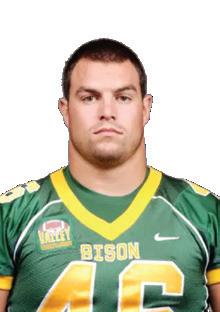
“I can’t thank him enough for how hard he pushed us and how committed he was to not only the team but each player individually. He still answers every text and call years after playing, and he does this for everyone who reaches out.”
A Kramer Story -“Tyler Jangula and I thought it would be a good idea to light a bag of dog poop on fire on his front step one night. He found out somehow who did it. The last day of weights before Spring Break, he found my keys and put a dead fish in my trunk. My car sat the whole week, and I had quite the smelly surprise when I got back. Moral of the story, don’t prank the Bulldog.”
“I appreciate him showing up everyday and showing us what Bison Pride looks like.”
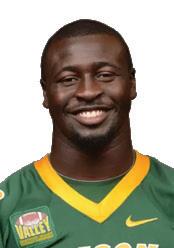

NDSU dominates FBS opponent Central Michigan 44-14

NDSU stuns the University of Minnesota 27-21 as Tyler Roehl rushes for 263 yards and one touchdown
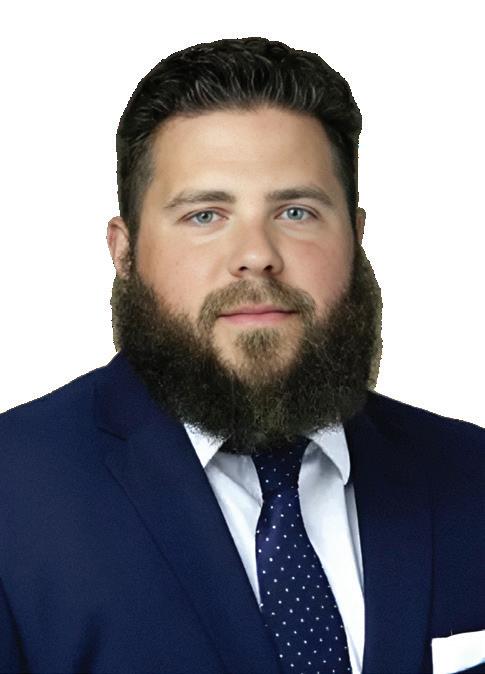
DO YOU REMEMBER YOUR FIRST INTERACTION WITH COACH KRAMER?
Yeah, I do. I’ll give you the PG version. It was May of 2011, and I had never met Coach Kramer in person—only talked to him on the phone while interviewing for a paid internship. I got there early
for workouts, like 4 a.m., and I’m sitting outside the old BSA on a bench with my backpack, waiting for someone to let me in. A red SUV pulls up, and out walks this guy—I’ve never met him before. It’s pitch black. He looks at me and says, “I don’t give a dang what time you’re here. We’ll find out if you can coach—that’s all I care about.” Then he walks inside.

I’m just standing there, and he turns around and goes, “Are you coming?”
I love that story because it really encapsulates who he is. For him, it’s always been about—can you coach, and are you doing it for the right reasons? What you bring to the table is what matters.
Honestly, just shock. Like, “Whoa… okay.” I had been warned—Coach Kramer is intense. He reminds me a lot of my dad, and that’s part of why we’re so close. But still, I was like, “Here we go.” I was scared, I’m not gonna lie. In those early years, I was definitely a little scared of him, but there’s a lot of love behind that.
A lot. I’ve known him since 2011, coached with him for eight or nine seasons, and there are so many lessons.
One of the biggest things was showing up every day and being consistent, no matter what. Good day, bad day—it doesn’t matter. You show up, and you do it for the right reasons.
That’s what coaching is really about: relationships. Knowing how to hold guys accountable, how to push them, motivate them, inspire them. It’s not just about lifting. It’s about developing people.
And the standard is the standard. If I didn’t meet it, I got called out just like a player would.
One of the best things he ever told me was that you’re going to learn more from the players than you will from me.
And he was right.
The standard—how Bison players go about their business. The accountability. Guys calling each other out. It’s how they attack hard things because they know it leads to something better on the other side. You don’t find that everywhere. Bison pride is hard to put into words. It’s more of a feeling. It’s the memories, the brotherhood, the guys who came before and built it. If you didn’t buy into that, you weren’t going to last.
YOU’VE MENTIONED “DOING IT FOR THE RIGHT REASONS.” WHAT ARE THE RIGHT REASONS?
It’s not about you. It’s about the guys. For me, it’s coming in every day and genuinely loving being there, and getting the chance to impact those players, help them grow, help them through whatever they’re dealing with.
Seeing those guys go on, be successful, come back, and talk about those memories—that’s what makes it worth it. That’s what I learned from Coach Kramer. It’s about the kids. Being a selfless servant leader and pouring into them every single day.
DID HE CHANGE HOW YOU THINK ABOUT STRENGTH AND CONDITIONING FROM A TECHNICAL STANDPOINT?
The short answer is yes. Absolutely. Most of what I do is because of him.


The overall philosophy about being a developmental program, how everything is structured, how training, conditioning, nutrition all fit together— that foundation is Coach Kramer. I’ve added my own wrinkles over time, but at its core, it’s still his system. The biggest thing, though, is standards. What it takes to demand excellence and hold people accountable. That’s hard. People won’t always like you for it, but it matters.
And finishing—everything we do, we finish. That was huge with him.
WHAT KIND OF HOURS WAS HE PUTTING IN?
He’d get there around 5 or 5:30 a.m. and wouldn’t leave until 9:30 or 10 p.m. Sundays, too—just making sure everything was dialed in. He left no stone unturned.
Coach Kramer never asked for recognition—he doesn’t want the spotlight. But he deserves it. He gave everything to this program—his heart and soul. A lot of people owe him a lot. It’s just good to see him get his flowers, even if he’s not going to like it.
CONTINUED >
College GameDay comes to downtown Fargo

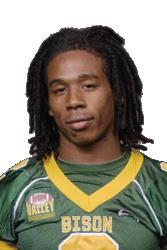

“Jim Kramer was the glue to NSDU’s successful recent dominance at the FCS level. Congrats coach, I appreciate everything you’ve done for Bison Nation and I.
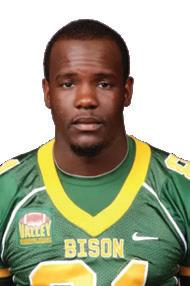
“Coach Kramer, I am sure I share the same immense appreciation for you and your impact on other Bison players and me throughout your time at NDSU. You have carved a legacy that will be hard to duplicate. Your focus and attention to detail did not go unnoticed. Every Bison that touched the weight room got better. You are greatly appreciated. Good luck in your future endeavors.”
A Kramer Story - “When I tore my meniscus, I got to know you as a person and coach more. You crafted a detailed workout that helped me recover. This sticks out to me because I fell in love with the backwards sled drag, and you allowed me to incorporate that into all my workouts after I had recovered. Your willingness to share your wealth of knowledge of the body and how to train sticks with me to this day. Finally, I appreciate you letting me get the aux cord and introduce my fellow Bisons teammates to what we know today as Atlanta rap legends such as Gucci Mane, OJ da Juiceman, and Future.”
“It’s tough to put into words what Kramer has meant to my teammates and me. The impact he had was so much deeper than what people think. He epitomized what a coach is supposed to be. The care he had for us, the love, tough love when needed. Anyone who was coached by Kramer was a better football player, but more importantly, a better brother, husband, son, all of the above.”
A Kramer Story - “On the scales as a 5th or 6th year player (I was 23 or 24) during a Monday morning of winter workouts, obviously, Kramer knows what goes on during the weekend, I naturally weighed in a little heavy. He stopped, looked at me, pinched my stomach, and said, ‘Kava, don’t think I don’t know what you were doing this weekend, no more beer! You are required to only drink vodka water or tequila water from now on!’
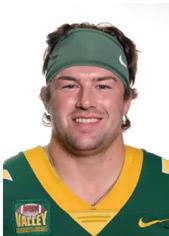

NDSU tops FBS
Kansas State 24-21, its fourth straight win over FBS opponents
NDSU bests Towson 35-7 to finish 15-0 and win its third consecutive FCS National Championship

OT Billy Turner is selected in the 3rd round of the 2014 NFL Draft by the Miami Dolphins
CONTINUED >
College GameDay returns to downtown Fargo
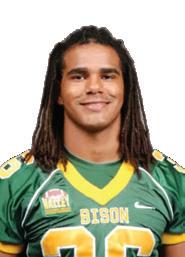
“Coach Kramer came in the spring of my senior year and made an instant impact on how we trained, how we ate, and how we carried ourselves. I wish I would’ve had him my whole career, but I was lucky enough to be around him again in ’07–’08 when I coached the D-ends. That’s when I really saw how much he meant to those players and how much pride he poured into that program.”
“Coach Kramer was a forward thinker. I got my degree in exercise science and spent over a decade in health and wellness after I graduated. There were fitness trends that would come along during that period that would be positioned as ‘new age,’ but Kramer had us doing those things years prior. He is one of a kind. Truly the best in the business and it’s not even close.”
A Kramer Story - “I had a family emergency back home in Minneapolis so I asked coach if I could get my lift in early before I left. He agreed to meet me at the weight room at 5:30 a.m. When we got there the power went out, and I was foolish enough to think that was my ticket out of the lift. It wasn’t. Kramer went into his office, grabbed a flash light and put me through the entire lift. Just me, him, and a flashlight.”
“Man, Coach Kramer was the heart and soul of that program. He had a way of getting guys to buy in. To buy into the process and to value the process. He held everyone to the highest of standards. And he pushed us to our limits. He showed up every day with the same passion, the same edge. And it was all out of his love for NDSU. He is a selfless and fearless leader. I love and appreciate that man!”
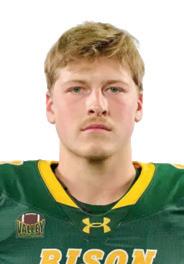

NDSU dominates FBS Iowa State 34-14 for its fifth consecutive win against FBS opponents and their 25th straight win, an FCS record
NDSU edges Illinois State 29-27 for its fourth straight FCS National Championship

LB Kyle Emmanuel is selected in the 5th round of the NFL Draft by the San Diego Chargers
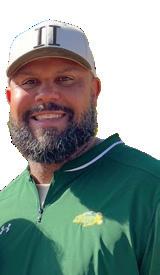
NDSU tops Jacksonville State 37-10 in the FCS National Championship to become the first team in college football history to win five straight national championships
WHAT DO YOU REMEMBER ABOUT FIRST MEETING COACH KRAMER?
The biggest thing was his attention to detail—it was higher than anyone I’d worked with before. He had a very specific way he wanted things done. He was always tracking numbers, watching sets, and telling guys how much weight to increase.
WERE THE EXERCISES OR TRAINING APPROACH DRASTICALLY DIFFERENT RIGHT AWAY?
No, it’s not like he came in and reinvented the wheel. He had his program and his plan, but it was more about how he directed the athletes and the intensity of the training. It was just a notch higher than what I had experienced before.
QB Carson Wentz is selected No. 2 overall by the Philadelphia Eagles in the 2016 NFL Draft, becoming the highest draft pick in NDSU history
WHAT DID YOU LEARN THE MOST FROM HIM?
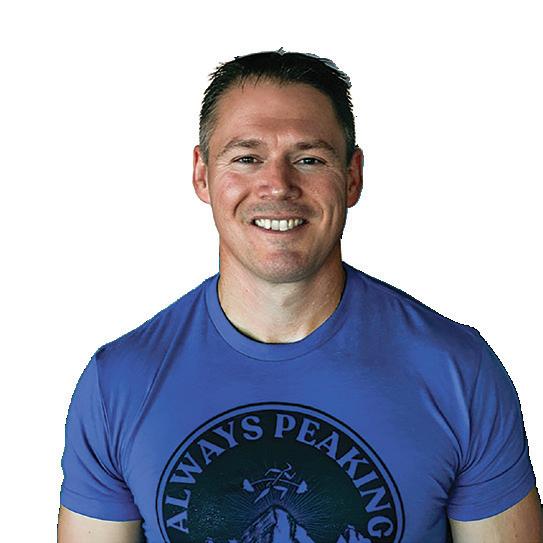
The intensity and the attention to detail. One thing I appreciated was that he never came in and told me how to run my own sports. I had been there for three years, and he respected that. But when it came to football, that was his area, and there were clear expectations for how things needed to be done.
WHAT WAS HE LIKE TO INTERACT WITH DAY TO DAY?
It was pretty much all business. We didn’t do a lot outside the weight room. He was very focused—very tunnel visioned in a good way. When he was there, he was working.
To sustain that level of focus for 20-plus years in a college weight room—that’s impressive. Most people don’t do that for two or three years before moving on. I think he loved developing athletes, and obviously, he loved NDSU.
IS THERE ANYTHING ELSE YOU WANT PEOPLE TO KNOW ABOUT COACH KRAMER?
Just how impressive what he’s done is. To maintain that level of intensity, focus, and consistency for that long, and to help take the program to another level, it’s pretty remarkable.
And honestly, reconnecting with him now has been really rewarding. It’s been cool to see that relationship come full circle.
CONTINUED >

OT Joe Haeg is selected in the fifth round of the 2016

NDSU tops No. 11 Iowa for the biggest upset in program history
“The accountability, dedication and commitment I learned from Coach Kramer are lessons I carry with me every day. I’m incredibly grateful for the time I was blessed to spend with him. He has been the heartbeat of Bison Football for 20+ years and every time people ask me what makes NDSU so special, the first thing I’ve always said is Coach Kramer. His commitment to NDSU Football is inspiring and the impact he has had on the lives of hundreds of players will continue to resonate out for generations to come. Thank you Coach! Enjoy your retirement, you’ve certainly earned it!”
NDSU avenges the previous season’s semifinal loss by defeating James Madison 17-13 to win the program’s sixth FCS National Championship
“The sacrifice that Kramer made for this program was above and beyond what anyone could expect. He was there to make us a better football program, make us better men, and enhance the Bison culture.”
A Kramer Story - “I’ll never forget when Jim Kramer power cleaned around 300 lbs with no warm up to get Justin Frick pumped up at 6 a.m. That’s the type of guy Jim was, and he never accepted any excuses.”
“Nothing puts the fear of god in a man like showing up to a morning lift and hearing that whistle go off then Coach Kramer screaming ‘EVERYBODY GRAB A PLATE!!!!’”
“I can’t think of a more respected coach, than Coach Kramer. His ability to turn a boy into a man and pull the best out of every player to pass through the Bison program is truly remarkable. The ability he had to push you beyond the breaking point was second to none. Any player would run through a brick wall for him at the drop of a hat with no questions asked. Cheers to a legendary career. Now get that man a statue.”
NDSU bests Eastern Washington 38-24 to win its seventh FCS National Championship
QB Easton Stick is selected in the fifth round of the 2019 NFL Draft by the Los Angeles Chargers
NDSU becomes the first team in the modern college football era to go 16-0, capping the season with a 28-20 win over James Madison to claim the program’s eighth FCS National Championship
“Jim Kramer is the most consistent carrier of culture NDSU has ever had! Jim, thank you for setting the tone every day you were part of this great program!”

“Thank you coach for all your years of service and dedication you put into developing me and my teammates as men and players. You’re the backbone of NDSU Football.”
A Kramer Story - “I remember getting word that my grandfather had passed during my first summer in Fargo. It was midday during the week and I wasn’t thinking about my upcoming lift that I had to get to. My roommate had to come back and get me and we both got to the SHAC late. I felt devastated for being late. From watching the older guys go through conditioning and already having some weeks of training with coach Kramer, I knew how hard and strict he could be. I don’t remember much of my punishment/what he said to me when I arrived late, but when he heard that a family member of mine passed, he came over to me later on and expressed how he would be there for me if I needed anyone. Not that it matters how/why you’re late to something, but it meant a lot to me, as a rookie freshman, that he said something. That’s when I knew we had a special kind of man that was dedicated to all facets of this program.”

NDSU wins an FCS record 39th straight game by beating Youngstown State 25-7

LB Derek Tuszka is selected in the seventh round of the 2020 NFL Draft by the Denver Broncos
“Working for the bulldog Jim Kramer was the hardest job I have ever had in my 15+ years of coaching. Looking back, It was the most rewarding experience of my professional career to witness the greatness that is Jim Kramer and the critical role he played in building the best culture in college football. No one cared more their players then Jim Kramer.”
A Kramer Story - “One time, a player was late/missed a meal. The player wouldn’t answer Kramer’s call so he had me call him, which he answered. So, Coach Kramer grabs my phone to ‘lecutre’ like only the bulldog can, and then he goes to throw my phone which I had to almost tackle him and remind him that it was my phone. He then found something else to throw.”
QB Trey Lance is selected No. 3 overall in the 2021 NFL Draft by the San Fransisco 49ers
OT Dillon Radunz is selected in the second round of the 2021 NFL Draft by the Tennessee Titans
“I feel like the most respectful story I have for him is that his presence forced my body to wake up 20 minutes before my alarm every day for my 5 years of college. Coach Kramer is a pivotal pillar in the man I am today and all of us men who went through his program. He engrained a discipline, work ethic, and pride in us that not many other people on earth will ever understand. And I’ll always love him for it. Anytime I’m in a gym now, whether I’m working out or training other athletes, I hear his voice very clearly in my head. And I graduated years ago.”

“Thank you so much for your unmatched commitment to the program. Nobody sacrificed more than you and that set the tone for everyone.”
A Kramer Story - “Coach Kramer kicked me out of the weight room before my first ever lift because he didn’t think my physical paperwork was done correctly. I wasn’t sure what he was talking about, but he said ‘no excuses, figure it out.’
Imagine the feeling of being kicked out of a lift before you even got started.”
“I’m damn proud to carry the sword now for you! I don’t have enough words to express how much I appreciate you coach!”
“Coach, congratulations on your retirement, and thank you for everything you’ve poured into me as a player and as a man. I’m truly grateful for the time, energy, and belief you invested in me during my college career. You played a major role in shaping who I am today, and I’ll always carry the standard you set. Wishing you nothing but health, happiness, and fulfillment in this next chapter. You’ve earned it. Much respect and thank you again for everything. Can’t wait to see you again!”

“Everyone knows Coach Kramer built great athletes, but what meant the most was how much he cared about his players as people. As a freshman in my first semester of college who kept getting quarantined during COVID, and later after a career-ending injury, he showed up for me when I needed it most, and that’s something I’ll never forget. After I suffered a season-ending injury my senior year, Coach Kramer offered to make me a lifting program to get ready for pickup basketball after graduation. I remember thinking it was pretty funny at the time, but it really showed how invested he was in our lives beyond just our football careers.”


“Coach Kramer, Thank you for holding us to a higher standard and pushing us to exceed our own limitations. Your guidance has been invaluable, teaching us how to lead with integrity and hold each other accoutable. We are better men, both personally and professionally, because of your influence. Thank you.”
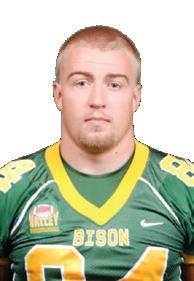
“Coach Kramer, you were and are a mentor for us all. You showed us determination, will power, commitment and taught us how to never back down. I am so thankful that you chose NDSU and I am happy to be apart of your journey turning us hooligans into men.”
“Loved the culture and specialization of drills he brought for each position group. He’s been the heart of the program ever since he arrived. He was always happy to talk about anything but was still there to keep us accountable to getting the job done.”
A Kramer Story - “Even though I had a leg injury that didn’t allow me to do one of our warm up drills correctly he still said something literally every time I went by to do it right.”
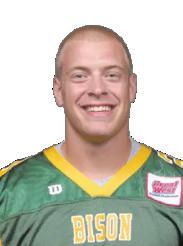

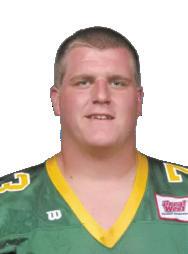
Coach Kramer, I can say without a doubt that the standards and expectations you held us all to carried over to our professional careers. I always say, ‘What I learned about the game of life, by playing college football, could never be duplicated in a classroom.’ You made us all into men, and we can all point to you as having a direct impact on our successes in life. I can never thank you enough!
A Kramer Story - “I will never forget the early Division I days of us traveling to road games. While it was always assumed the O-Line would be down early for dinner when we arrived, the reality was that we would come down early to see Coach Kramer treating the catering staff like a position group preparing for max out day in the gym. He ensured requirements and expectations were met!”
NDSU wins its 10th FCS National Championship in a 38-35 duel against Montana State
“Coach Kramer, you are my greatest example of what it means to wake up and bring excellence every day. I admired your consistency and how you never allowed yourself, or us players, to lower the standard. The values I learned from my first summer in the weight room and throughout my five years at NDSU have formed exactly who I am today. I can’t wait to grow the foundation that you instilled in me and apply it in every aspect of my life.”
“Coach Kramer has been the backbone of hard work in this program for more than two decades. Anyone who has been through NDSU football knows the standard he set and the way he pushed players to reach it. He demanded everything from us, but the reason players respected him so deeply is because we knew how much he cared. I’ve had the privilege of experiencing Coach both as a player and now as the team chaplain for more than 20 years. One thing that always stands out is that returning players inevitably ask the same question when they come back around the program: ‘Is Coach Kramer still doing his thing?’ Because they know if he is, the program is still in good hands. There’s a saying at NDSU that ‘those who stay will be champions.’ Our program has certainly lived that out, but I’d also add this: those who stay know they’re loved. Coach Kramer played a huge role in creating that culture.”

G Grey Zabel is selected No. 18 overall in the 2025 NFL Draft by the Seattle Seahawks

QB Cam Miller is selected in the sixth round of the 2025 NFL Draft by the Las Vegas Raiders
“Congrats on a hell of a career, coach. The impact you had (and still have) on hundreds of other young men and me is profound. One of the things I always loved about you was your consistency. You always led us with a consistent intensity. I respect the heck out of you for it. Football aside, there’s many boys who walk through those doors that you help mold into men who become great fathers and husbands, coaches, and businessmen. Guys who carry the principles and disciplines learned under your authority many years after graduation. That’s generational impact! What a legacy. Thank you for your commitment, sacrifice, and consistency. Love you, coach!
A Kramer Story - “It was the summer before my freshman year, and I was in Fargo to work out with the team for a few weeks. It was my first day, and I was last in line for the weigh-ins. Thinking I should make a good first impression, I stepped up to the scale and said, “Hey Coach, I’m Cole Davis, excited to be here.” With his glasses halfway down his nose, he looked up and said, “I don’t have time for f-ing small talk, step on the scale.” As I stepped on the scale, with his eyes locked on the weigh-ins sheet, I heard him say under his breath, ‘Finally I don’t have a fat f-ing quarterback... LINE IT UP!’ As I nervously jogged to the warm-up lines, I realized why guys called him ‘The Bulldog.’”
“Thank you for the standards you set and the belief you had in all of us. The lessons from your program have stayed with me ever since. Start strong. Finish stronger.”
A Kramer Story - “What always stuck with me about Coach Kramer was how much he cared about the players as people. When I had a back injury, he took the time to tailor workouts so I could keep improving. Even after college football was over, he helped design workouts for my pro day. He didn’t have to do that; he just wanted the best for us.”

“Coach Kramer. Wishing you an enjoyable retirement. Very much deserved! Thank you for everything you’ve done for NDSU and myself. I know it couldn’t have ever been easy dealing with a bunch of kids who thought they were grown men. You are the epitome of Bison Pride and one of the biggest reasons for all the program’s success! Enjoy your retirement, and thank you for everything!”
“There was nobody more important to Bison football than Jim Kramer. Coaches and players changed through the years, but the one constant was Jim. That should tell you as much as anything.”
The stakes are higher. The competition is tougher. The visibility is greater. And the Bison are ready to compete — will you help them reach new heights in the Mountain West?
Bison Football moves to the Football Subdivision (FBS) on July 1, 2026, and the team needs fans like you to rally around them now more than ever. When you give to the Climb the Mountain campaign, you will directly support a successful transition to the Mountain West.
NDSU Athletics will not have full access to conference or College Football Playoff revenue until 2032, when current media rights contracts expire. This leaves a significant gap in funding for scholarships, operations, facilities, and Name Image Likeness (NIL) for the next six years.
Donors like you have already committed $25 million to help Bison Football sustain its legacy of excellence through this transition period, meaning NDSU is halfway to its goal of raising $50 million between now and 2032, but we need your help to take it across the goal line.