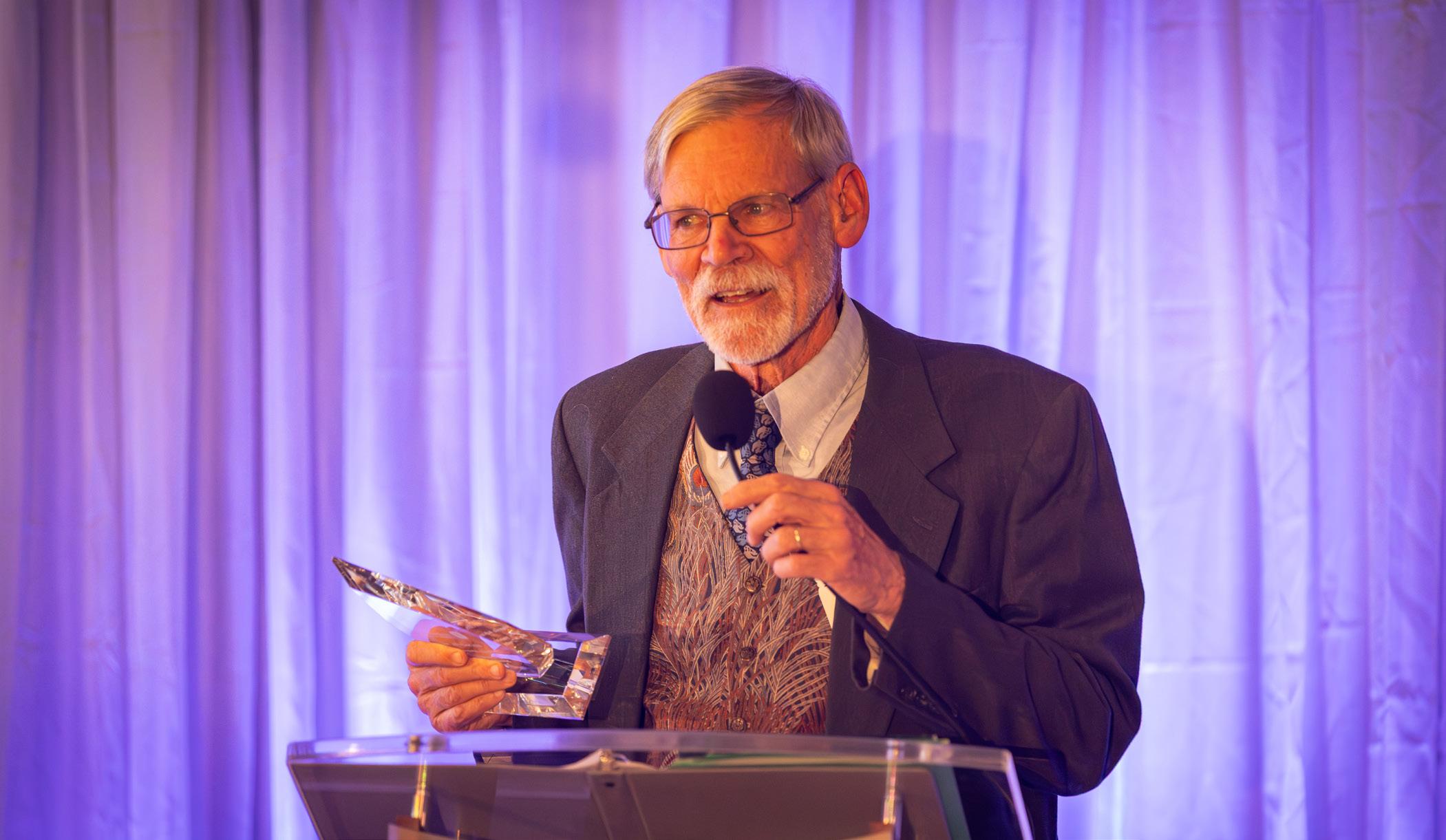
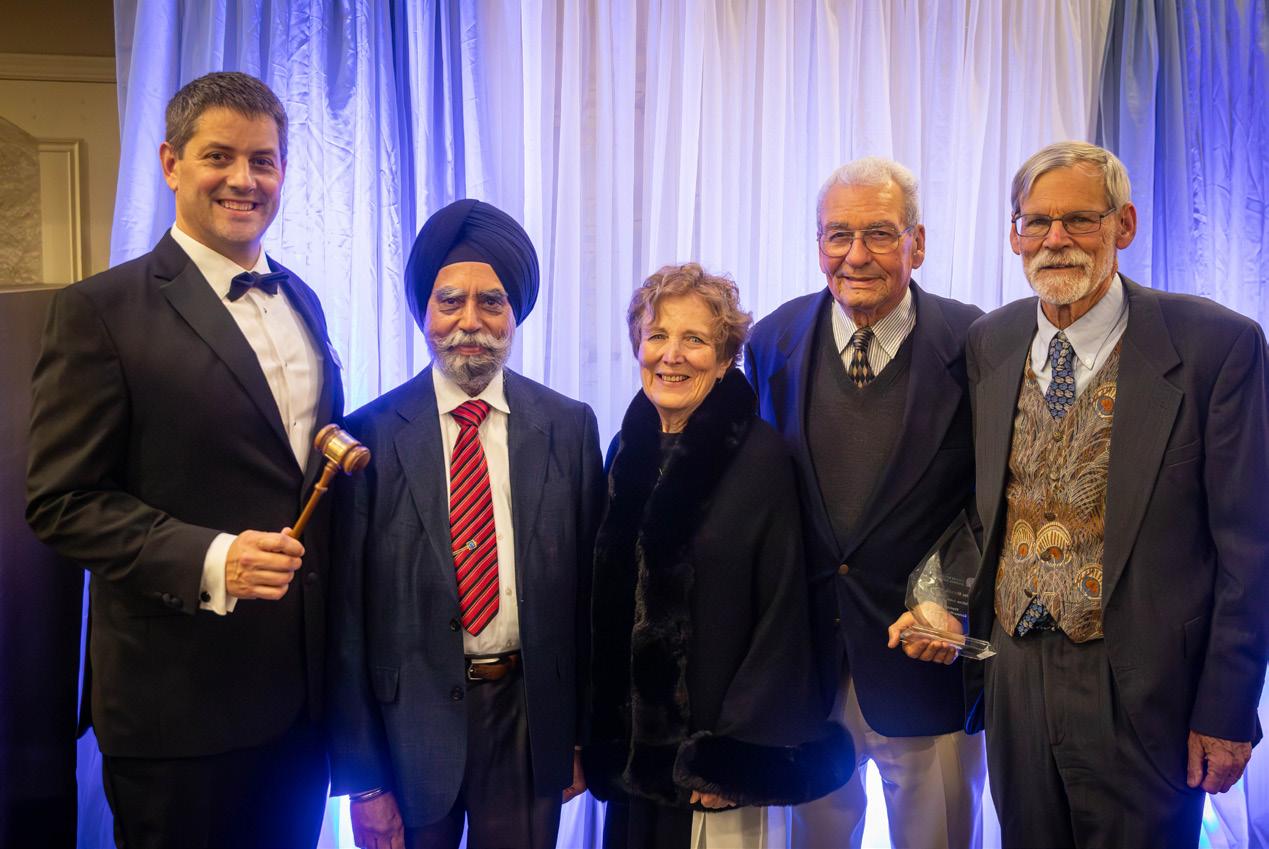
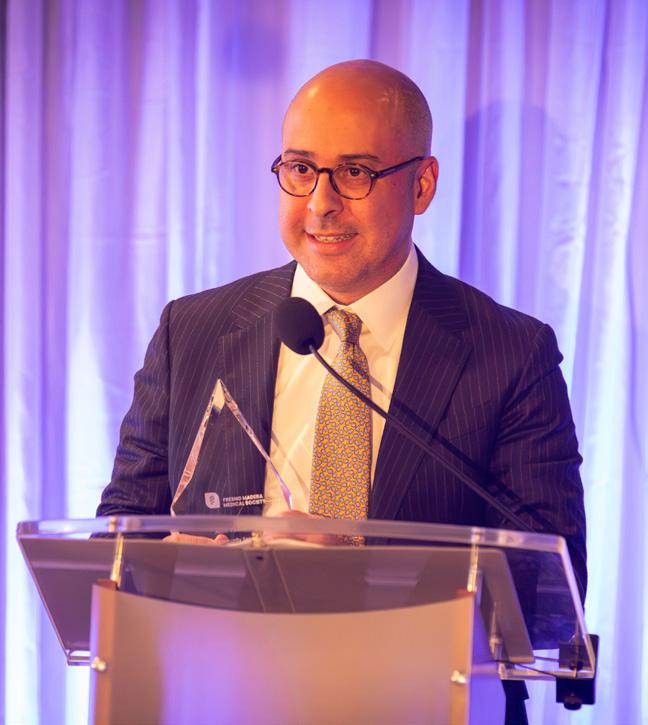
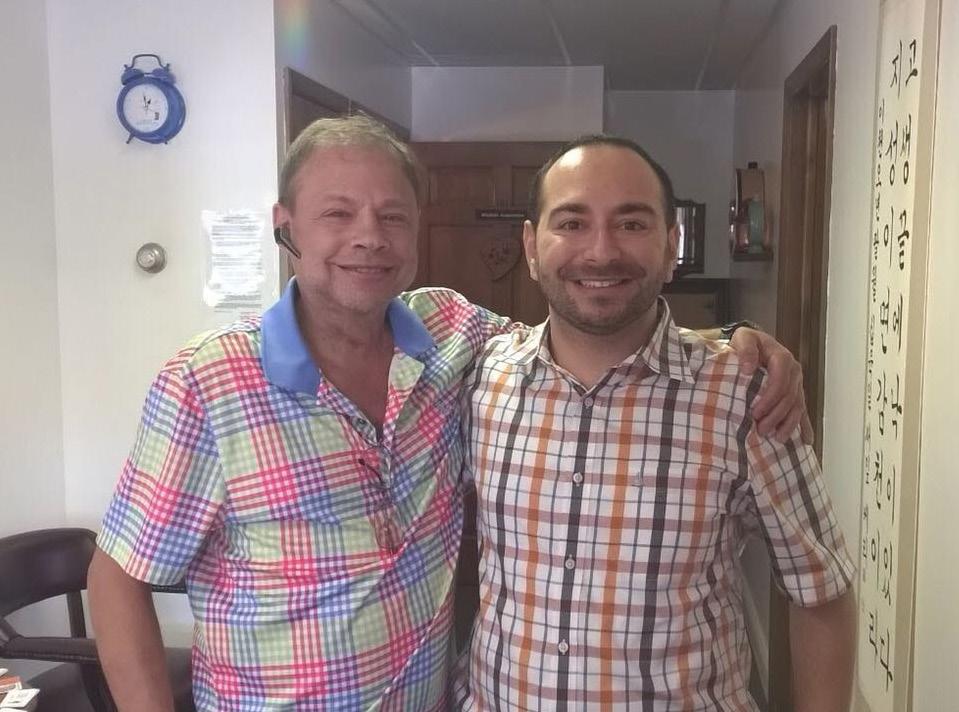
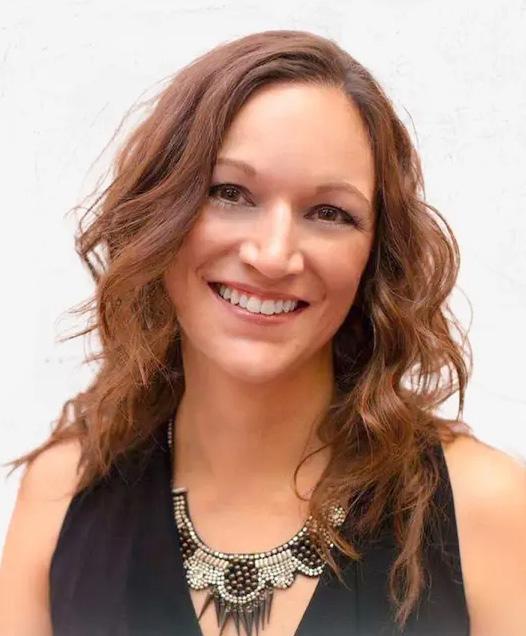
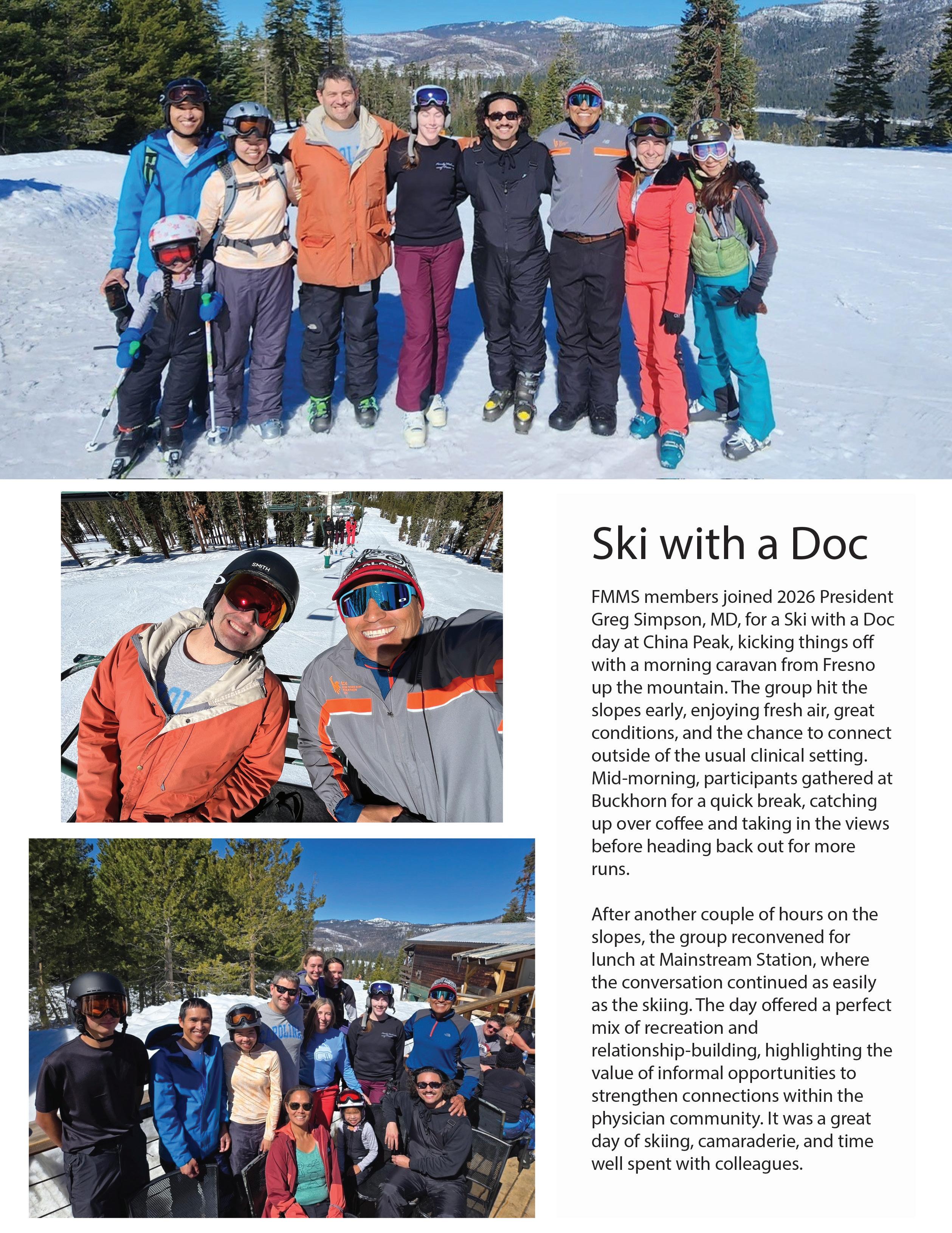
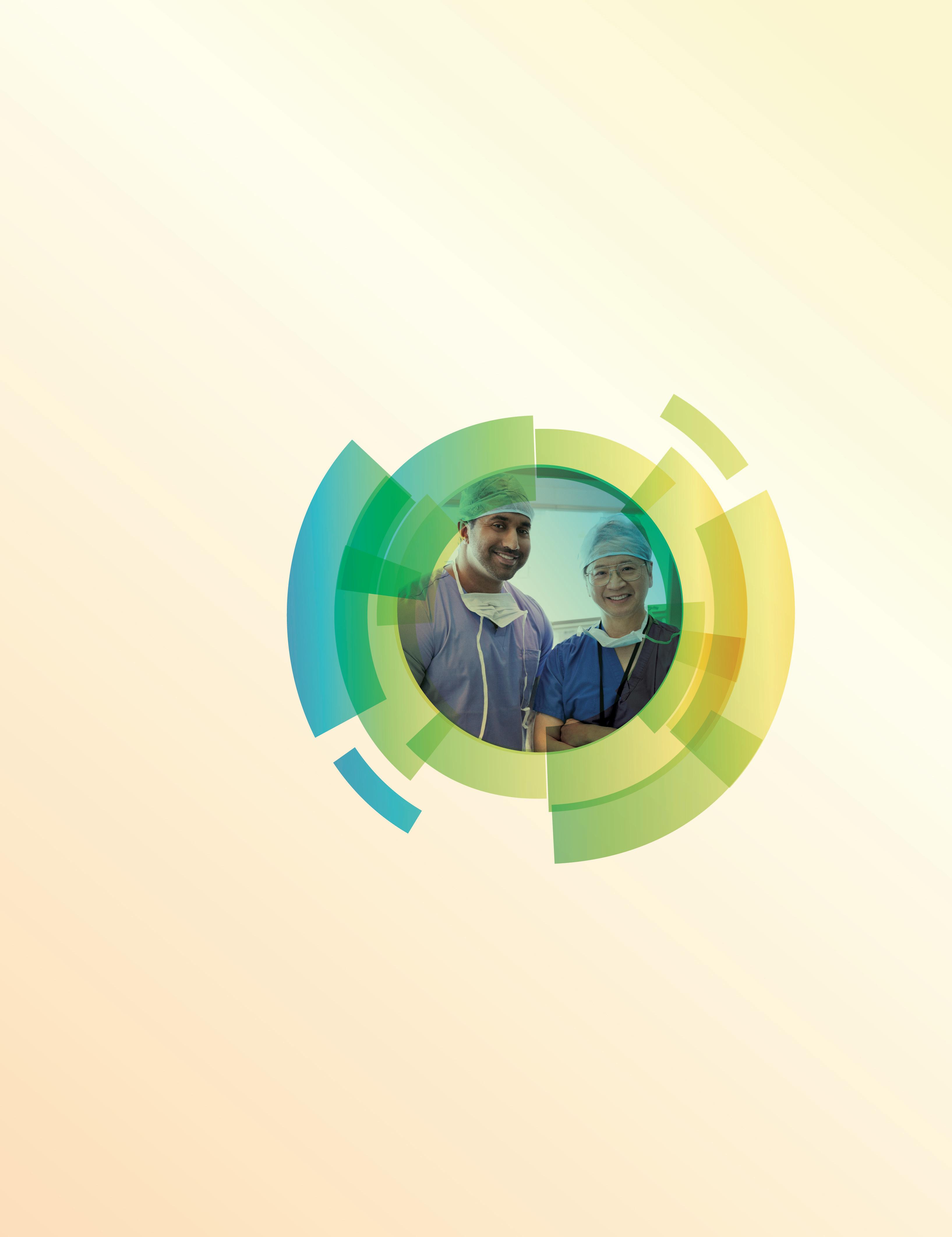
Alex Sherriffs, MD accepts the 2025 Lifetime Achievement Award during the Installation and Awards Gala
This issue of Central Valley Physicians reflects the very best of our medical community: leadership, service, generosity, and a shared commitment to excellence.
Within these pages, we celebrate the physicians honored at our Installation and Awards Gala and recognize the officers and board members who have stepped forward to serve. Their leadership ensures that our organization remains strong, thoughtful, and responsive to the needs of physicians across Fresno and Madera counties.
You will also read a deeply moving piece by Dr. Jonathan Terry, who shares his personal experience as a bone marrow donor. His story is a powerful reminder that medicine is grounded not only in knowledge and skill, but in compassion, courage, and service. Stories like his reflect the character that defines this profession and the community it serves.
Throughout the year, we continue to create opportunities for connection and renewal. The Joy of Medicine Summit brought physicians together in December for meaningful conversation around well-being and resilience. The 75th Annual Yosemite Postgraduate Institute followed with a return to shared learning in one of the most inspiring settings in the country. Each gathering reinforces the importance of stepping away from daily demands to reconnect with colleagues, purpose, and community. We look forward to continuing that tradition when we gather again for Joy of Medicine this December.
We are pleased to share this edition in print. Our remaining issues this year will be distributed digitally, allowing us to connect more efficiently while continuing to highlight the accomplishments and impact of our members.
Thank you for your leadership, your service, and your partnership in advancing medicine in our region.
Warmly,
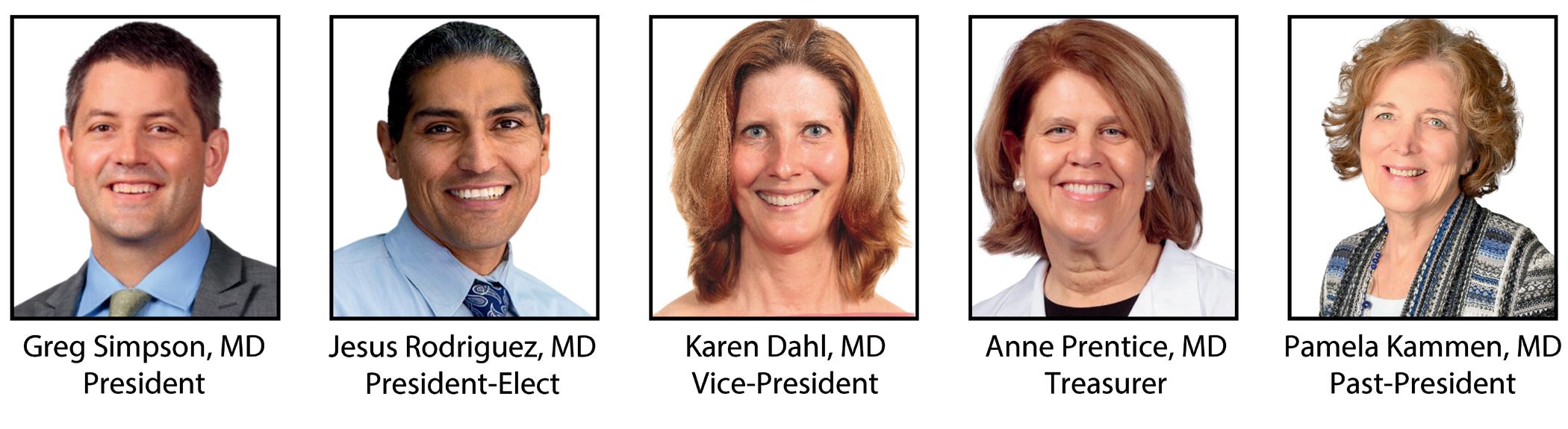
PRESIDENT – Greg Simpson, MD PRESIDENT ELECT –
Jesus Rodriguez, MD
VICE PRESIDENT – Karen Dahl, MD
TREASURER – Anne Prentice, MD
PAST PRESIDENT – Pamela Kammen, MD
BOARD OF GOVERNORS
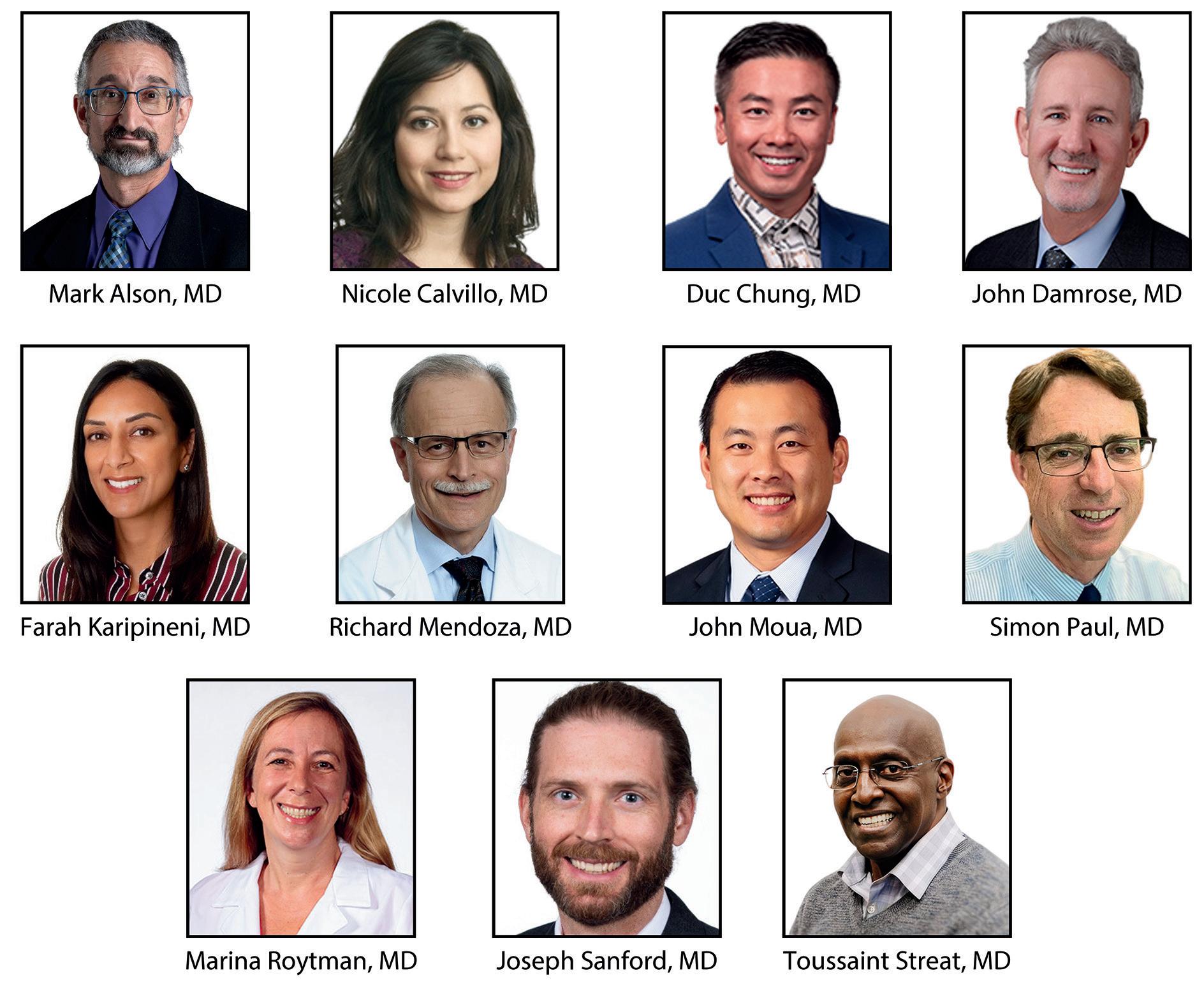
Mark Alson, MD
Nicole Calvillo, MD
Duc Chung, MD
John Damrose, MD
Farah Karipineni, MD
Richard Mendoza, MD
John Moua, MD
Simon Paul, MD
Marina Roytman, MD
Joe Sanford, MD
Toussaint Streat, MD
CENTRAL VALLEY PHYSICIANS
Editor – Farah Karipineni, MD
Assistant Editor – Karen Dahl, MD
Managing Editor – Stacy Woods
EDITORIAL COMMITTEE
Farah Karipineni, MD, Chair Don Gaede MD
Karen Dahl, MD
Greg Simpson, MD
CREATIVE DIRECTOR
prime42: DESIGN | MARKET | HOST prime42.com
CENTRAL VALLEY PHYSICIANS is produced by Fresno Madera Medical Society
PLEASE DIRECT ALL INQUIRIES AND SUBMISSIONS TO Central Valley Physicians 255 W Fallbrook Avenue Suite 104; Fresno, CA 93711 Phone: 559-224-4224 | Fax: 559-224-0276 Email address: swoods@fmms.org
MEDICAL SOCIETY STAFF
Executive Director – Stacy Woods
Marketing Coordinator – Abigail O'Bosky
STACY WOODS
Join our culture of care
Now hiring primary care physicians and anesthesiologists
UC Davis Health is an extraordinary place to further your career. You’ll experience being part of an academic medical center that’s committed to advancing pioneering research, promoting a sense of belonging through an inclusive work environment, and fostering continuous learning to develop health care leaders.
UC Davis Health offers robust benefits, including:
■ Competitive compensation
■ Retirement and savings investment plans, including UC’s defined-benefit pension plan
■ An emphasis on work-life balance
■ Access to wellness programs, state-of-the-art facilities, and more
Cultivating Unity: A President’s Plan for Future Growth
When I stood up at our installation and joked about my “reign of terror,” I promise I was kidding…mostly… In stepping into the role of President of the Fresno Madera Medical Society, I’ve run the gamut of emotions from excitement to terror to confidence that the team we have assembled to support our physicians is top notch!
I was sold on Fresno from the beginning, and each year reinforces what a great decision that we made.
A little history about FMMS, we were founded in 1883, and by 1902 we were the fourth largest medical
ABOUT THE AUTHOR
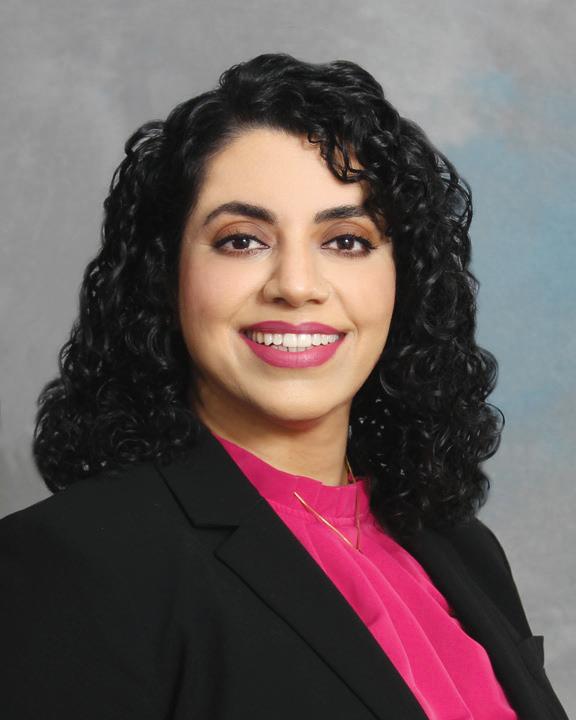
Greg Simpson, MD, is board certified in Dermatology and is affiliated with Inspire Health Medical Group and UCSF Fresno. Dr. Simpson has been actively involved in physician leadership and organized medicine and has served in multiple roles within the Fresno Madera Medical Society prior to assuming the presidency in 2026.
His professional interests include resident and medical student education, supporting physician collaboration, and strengthening the physician community throughout Fresno and Madera counties.
society in California with just 33 members! In 1921, we launched one of the first medicine residency programs in the region with 5 trainees, and now the Fresno-Madera area is graduating 200+ residents per year across a myriad of specialties. Our society has stood at the forefront during smallpox, polio, and Covid-19 while continuing to support all of our physicians for almost 150 years (150 year anniversary party coming “soon”).
My own personal story began in Nashville, Tennessee, where my first real job was flipping burgers at McDonald’s. While a very mediocre football player (I’m getting more accolades with each passing year in my mind) I couldn’t see much beyond the usual high school distractions of sports, school, and all-you-can-drink milkshakes at Mickey-D’s. At work, four of my coworkers were Kurdish and had just fled Saddam Hussein in Iraq. Their entire families had been massacred, and each individual had been left with some lifelong scar (my best friend of the bunch only had one eye). They were rebuilding their world with optimism, grit, and a love of life that was truly inspirational. That experience opened my eyes a bit to the real world and the struggles that most people are bound to face. Helping people is the reason that we all got into this
line of work, and it is a great motivator to chug some coffee before facing the day with a smile on your face.
After college at UNC-Chapel Hill, research at UCSF, medical school in Tennessee, a demanding medicine year at Georgetown, and dermatology training in Georgia, my wife convinced me to give her native Fresno a try. As a southerner, she thought I would feel more at home amongst the trees, so she plopped us down on Christmas Tree Lane. Like Chevy Chase in Christmas Vacation, I was ecstatic to find 8 life-sized Snoopies in our garage just waiting to spread some cheer (and get blown over by the wind). I was sold on Fresno from the beginning, and each year reinforces what a great decision that we made. We now have three delightful teenagers at three entirely different schools, which make our lives so joyful I can hardly stand it.
gather simply as physicians. We provide high-quality CME, advocate when needed, and we build relationships that outlast any single policy debate or institutional change. In the year ahead, I hope we continue to strengthen that sense of inclusiveness and provide our patients with a trusted voice.
Confucius said, “The best time to plant a tree was 20 years ago…. The second best time is today.”
I am grateful to the many colleagues, board members, and staff who make this organization work. Leadership in a medical society is never a solo effort, and we have an extraordinary team. Since I lied to everyone about the brevity bit in the past, I will close with a quote that can work across all phases of life, both professional and personal.
Confucius said, “The best time to plant a tree was 20 years ago…. The second best time is today.”
To be serious for a moment, FMMS is uniquely positioned as a professional home for all physicians in our region. Whether you are with UCSF-Fresno, Kaiser Permanente, Saint Agnes, CHSU, Community, private practice, or public health, this is the one place where we can
FMMS has been planting trees for more than 140 years. My hope is that this year we plant a few more through mentorship, education, advocacy, and that we continue tending what so many before us have built. It should be a good year.
Growing Our Own: Investing in the Future of Valley Medicine
One of the things I love best about Fresno Madera Medical Society is how supportive we are of medical education in the Valley. Like many of us, one of the major draws to the area for me was the potential to serve an underserved population. As we all know, our patients are less likely to have a primary care provider, more likely to experience long wait times for appointments, more likely to be in medical debt, and more
Students in the Valley face barriers in their premedical journey...
ABOUT THE AUTHOR
Farah Karipineni, MD, MPH, is board certified in General Surgery and fellowship trained in Endocrine Surgery. She is currently practicing in Fresno as an Assistant Clinical Professor for UCSF. Dr. Karipineni earned her medical degree from University of California, Irvine School of Medicine. Her residency in General Surgery was completed at Albert Einstein Medical Center, and she completed her fellowship in Endocrine Surgery at Johns Hopkins School of Medicine.
Dr Karipineni has been published in journals including The American Surgeon, the International Journal of Surgery and the Journal of Surgical Education.
likely to experience barriers to care (1).
One of the ways we can combat these sobering facts is to train doctors who will stay in the Valley. This is exactly what medical education programs like UCSF Fresno SJV PRIME and CHSU are designed to do: recruit premedical students from around the Central Valley, train them, and know that they will be more likely to return and, most importantly stay to serve our communities. Students in the Valley face barriers in their premedical journey; faculty willing to open their doors for shadowing experience, mentors modeling compassion, and researchers willing to guide students to more investigative opportunities all help to make our students more competitive applicants when applying to medical schools. Another important factor in tackling our underserved population is its diversity. Fresno consistently ranks as one of the most racially diverse large cities in the United States (3) Research indicates that Black patients experience lower mortality rates and improved infant mortality, among other outcomes, when treated by Black doctors (2). Yet, only 5% of doctors are Black. A UCLA study showed that when Hispanic patients were operated upon by Hispanic surgeons, patients experienced reduced lengths of stay and fewer readmissions (4). Expanding recruitment in our medical schools is an excellent way to increase cultural
competency among our doctors in the Valley. Programs like the Intentional Recruitment Coalition (5), founded by Dr. Kamell Eckroth-Bernard, help ensure that the attending faculty and incoming trainees are constantly learning from and responding to the diverse needs of our population. Indeed, March’s match results for medical students in the Valley proved that our hard work is paying off. As we train the next generation of doctors, it is important to remember that investing in trainees helps build a healthcare system that understands our community’s cultural, economic, and clinical realities—improving access, continuity of care, and trust over time. This investment doesn’t just benefit today’s learners; it creates a ripple
Fresno consistently ranks as one of the most racially diverse large cities in the United States
REFERENCES
effect that stabilizes healthcare systems, reduces disparities, and ensures that high-quality care reaches our patients here in the Valley.
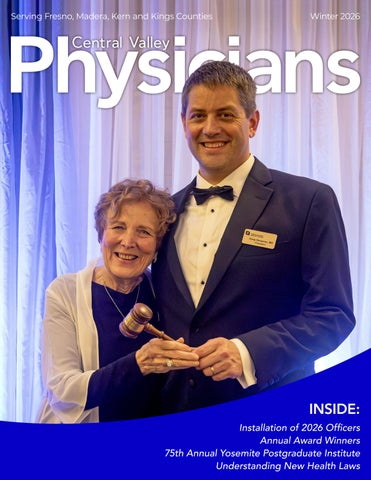
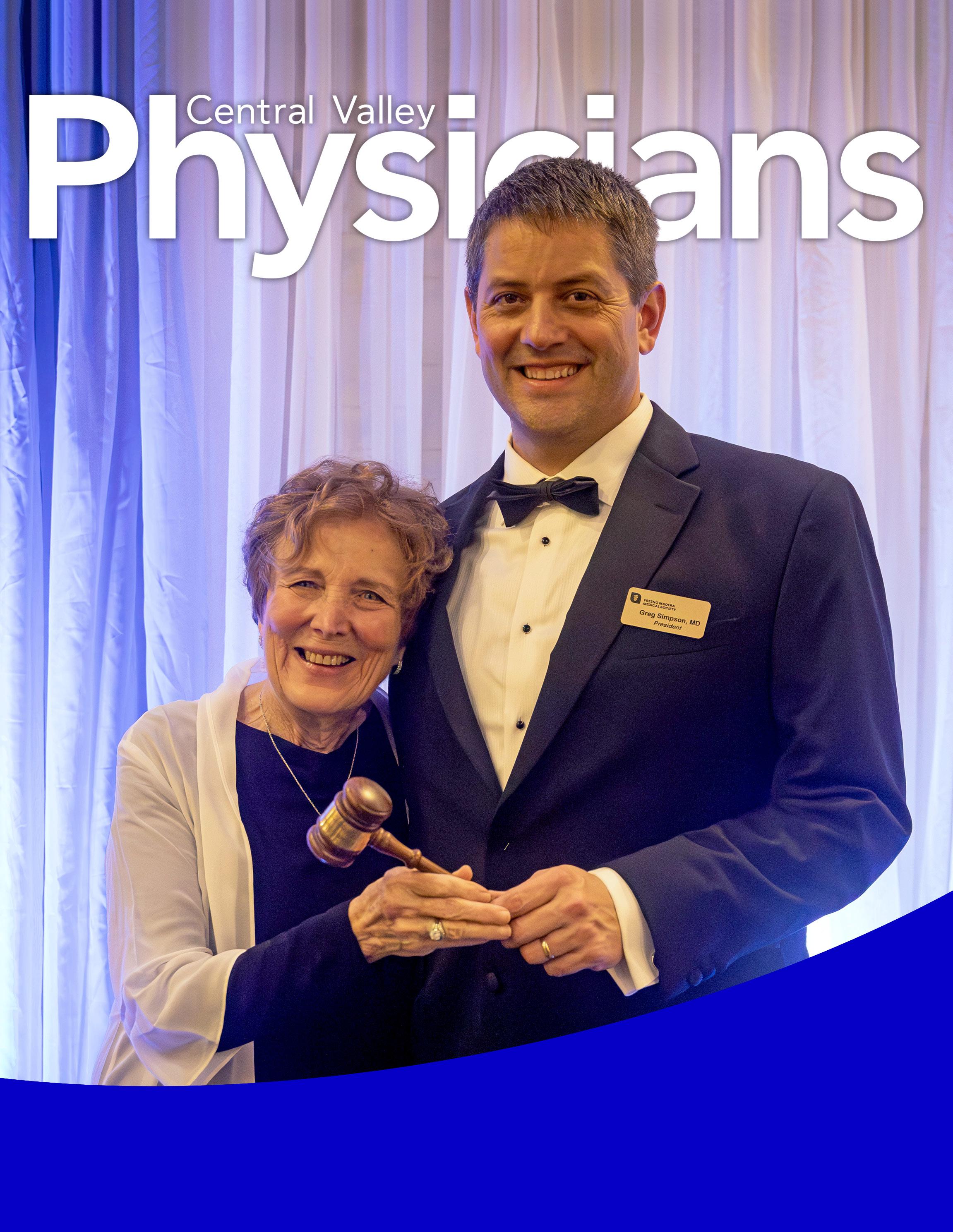
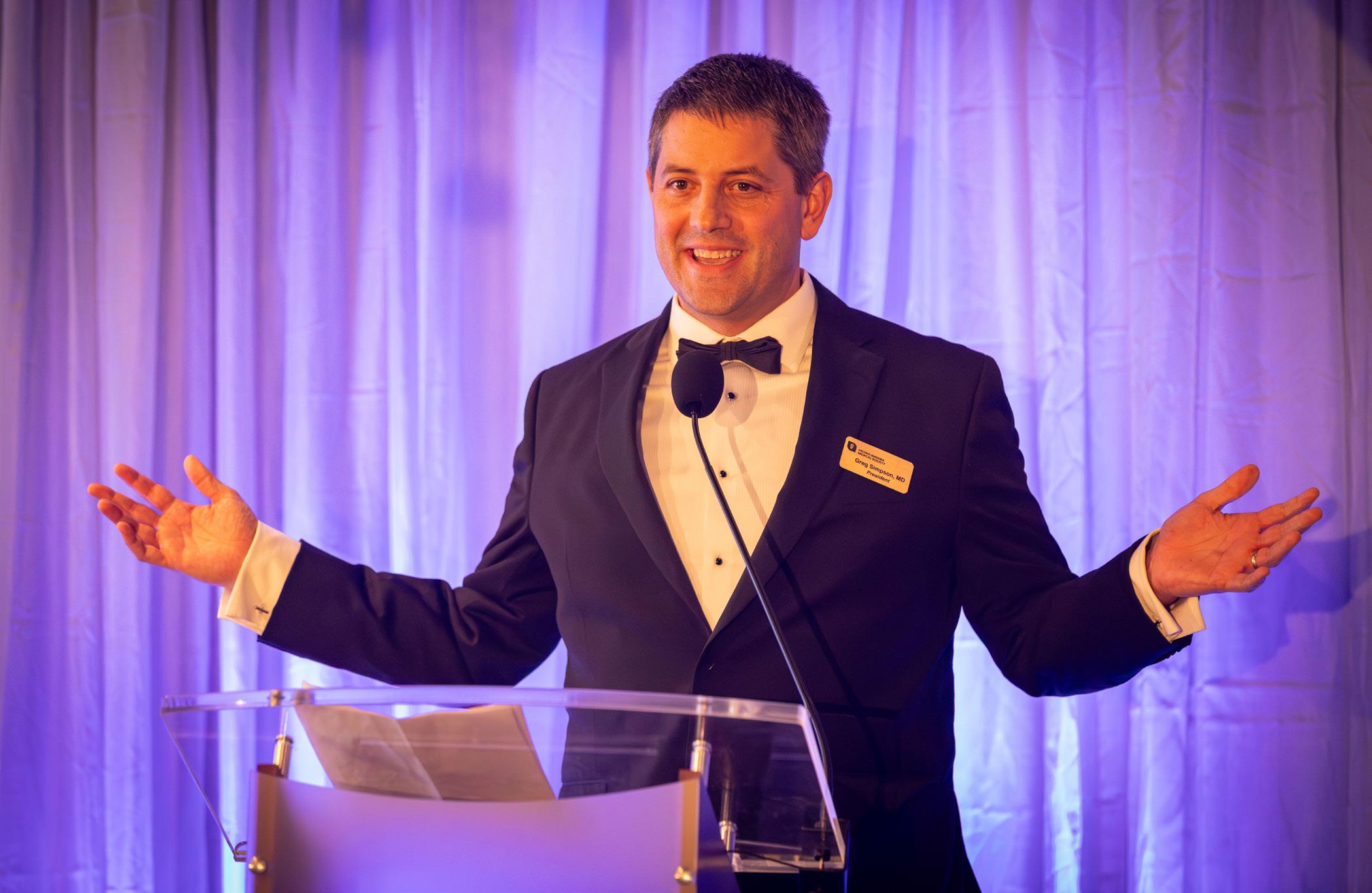
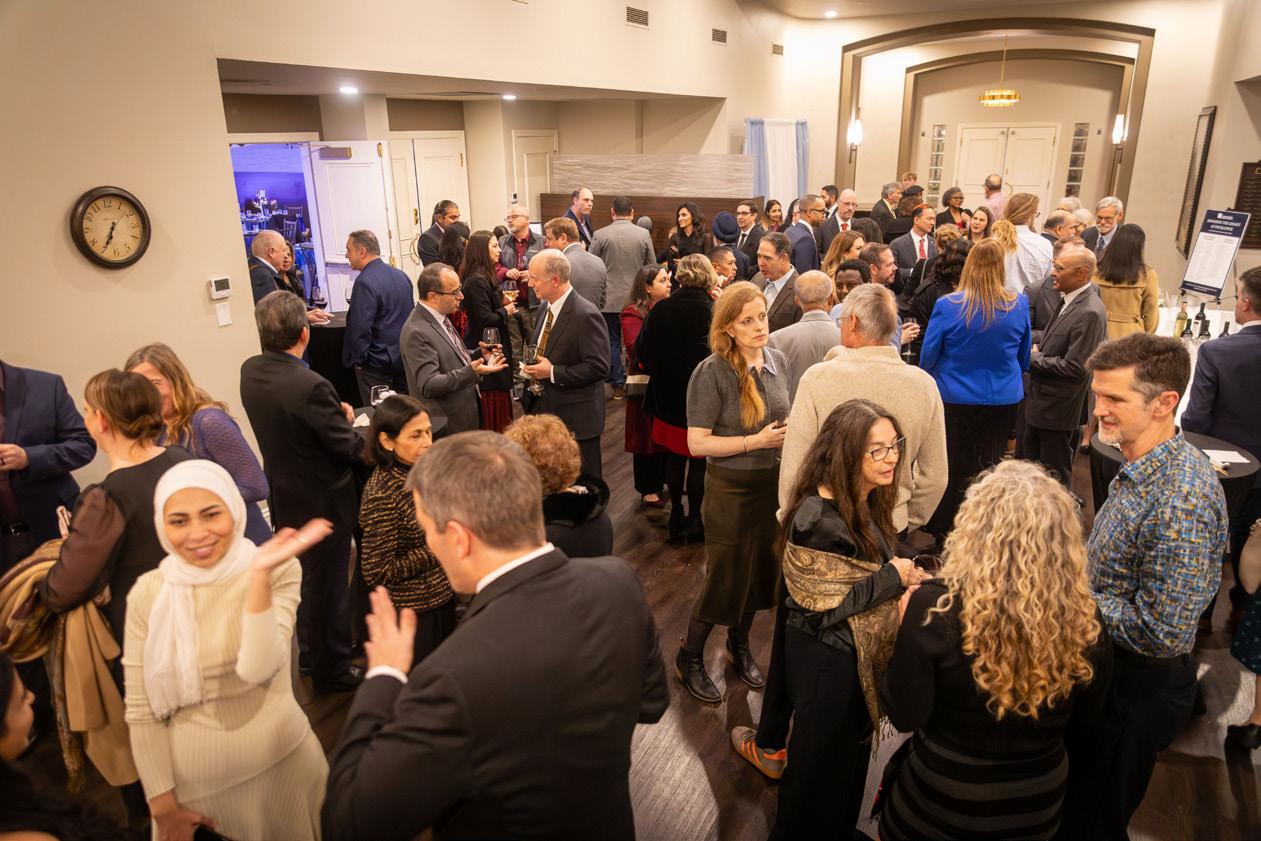
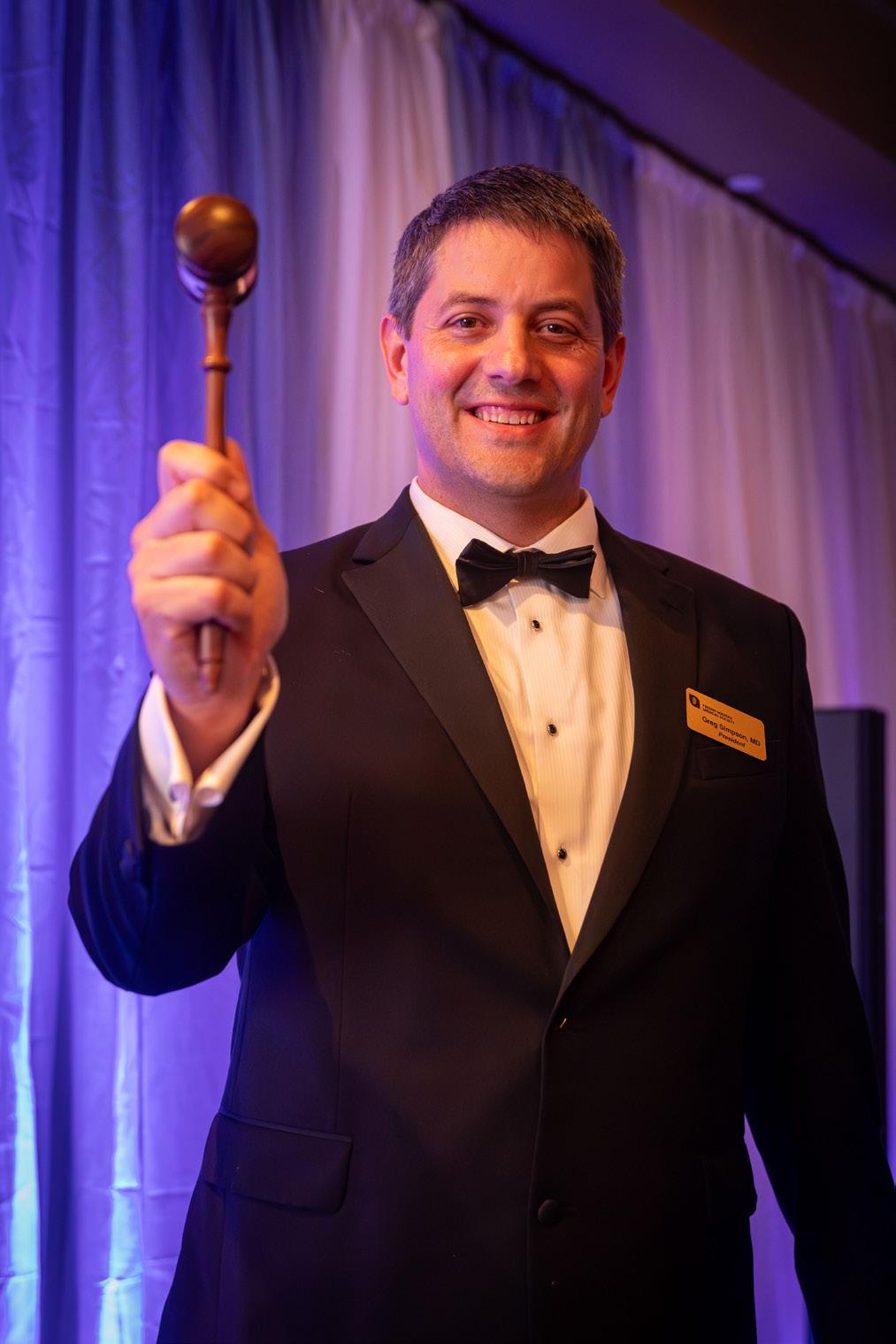
Physicians, partners, and community leaders gathered at Fort Washington Golf and Country Club on November 14 to mark a transition in leadership for the Fresno Madera Medical Society and celebrate the individuals guiding the organization into the year ahead.
The evening centered on the installation of Gregory L. Simpson, MD, as 2026 President, alongside a new slate of officers and continued service from an engaged Board of Governors. The ceremony also recognized the leadership of Pamela Kammen, MD, whose term as 2025
President concluded with the installation.
During her tenure, Dr. Kammen led the Society through a year of continued growth in programming, strong physician engagement, and meaningful connection across practice settings. She now joins the Executive Committee as Immediate Past President, providing continuity and counsel to the incoming leadership team.
Dr. Simpson, who serves as Division Chief of Dermatology at UCSF Fresno and Medical Director of Inspire Health Medical Group Dermatology, brings
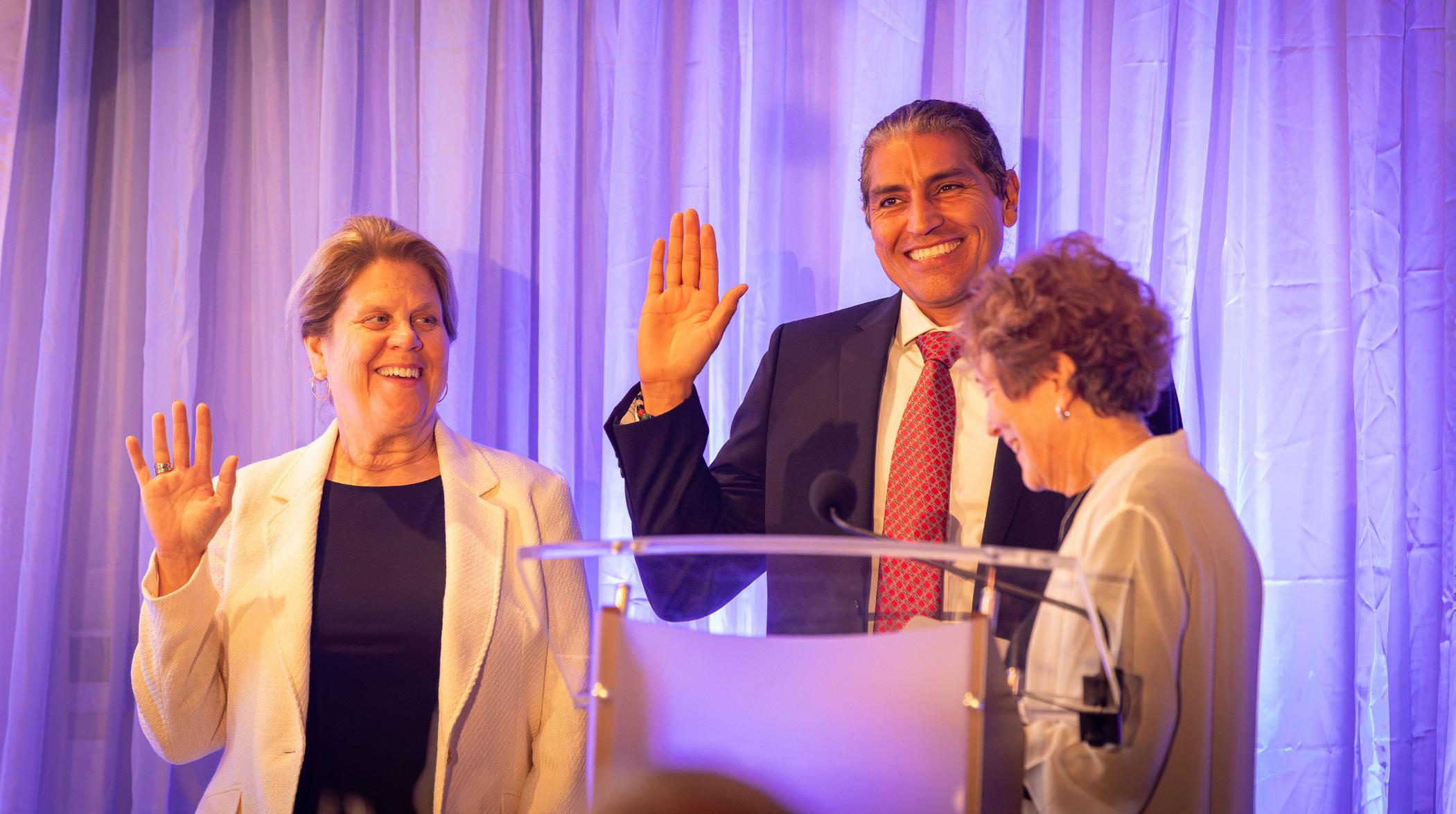
2025 President Pamela Kammen, MD, administers the oath of office to 2026 President Elect Jesus Rodriguez, MD, and 2026 Secretary-Treasurer Anne Prentice, MD.
more than 15 years of experience in academic medicine, teaching, and clinical care in the region. His work with residents and medical students across multiple specialties, combined with a longstanding commitment to continuing medical education, reflects a leadership style grounded in collaboration and practical support for physicians.
In his remarks, Dr. Simpson emphasized the importance of the medical society as a place where physicians from all practice settings can come together, exchange ideas, and support one another in an increasingly complex healthcare environment. His focus for the year ahead centers on strengthening that sense of inclusiveness while continuing to expand educational opportunities and engagement across the region.
Joining Dr. Simpson on the 2026 Executive Committee are President Elect Jesus Rodriguez, MD, a family medicine physician with Kaiser Permanente; Vice President Karen Dahl, MD, an infectious disease specialist and administrator at Valley Children’s Hospital; and Secretary-Treasurer Anne Prentice, MD, a vascular surgeon with Inspire Health and UCSF Fresno. The leadership team will work alongside Dr. Kammen in her role as Immediate Past President to support the Society’s programs in education, advocacy, and physician engagement.
The Society also welcomed two new members to its Board of Governors. John Damrose, MD, an
otolaryngologist with Kaiser Permanente, and Joseph Sanford, MD, a neurologist with UCSF Fresno, join a diverse group of physician leaders representing specialties across the region.
Continuing board members include Mark Alson, MD, Radiology; Nicole Calvillo, MD, Family Medicine; Farah Karipineni, MD, Endocrine Surgery; Simon Paul, MD, Madera County Public Health Officer; Duc Chung, MD, Associate Dean at California Health Sciences University; Richard Mendoza, MD, Ophthalmology; John Moua, MD, Pediatrics; Marina Roytman, MD, Hepatology; and Toussaint Streat, MD, Family Medicine.
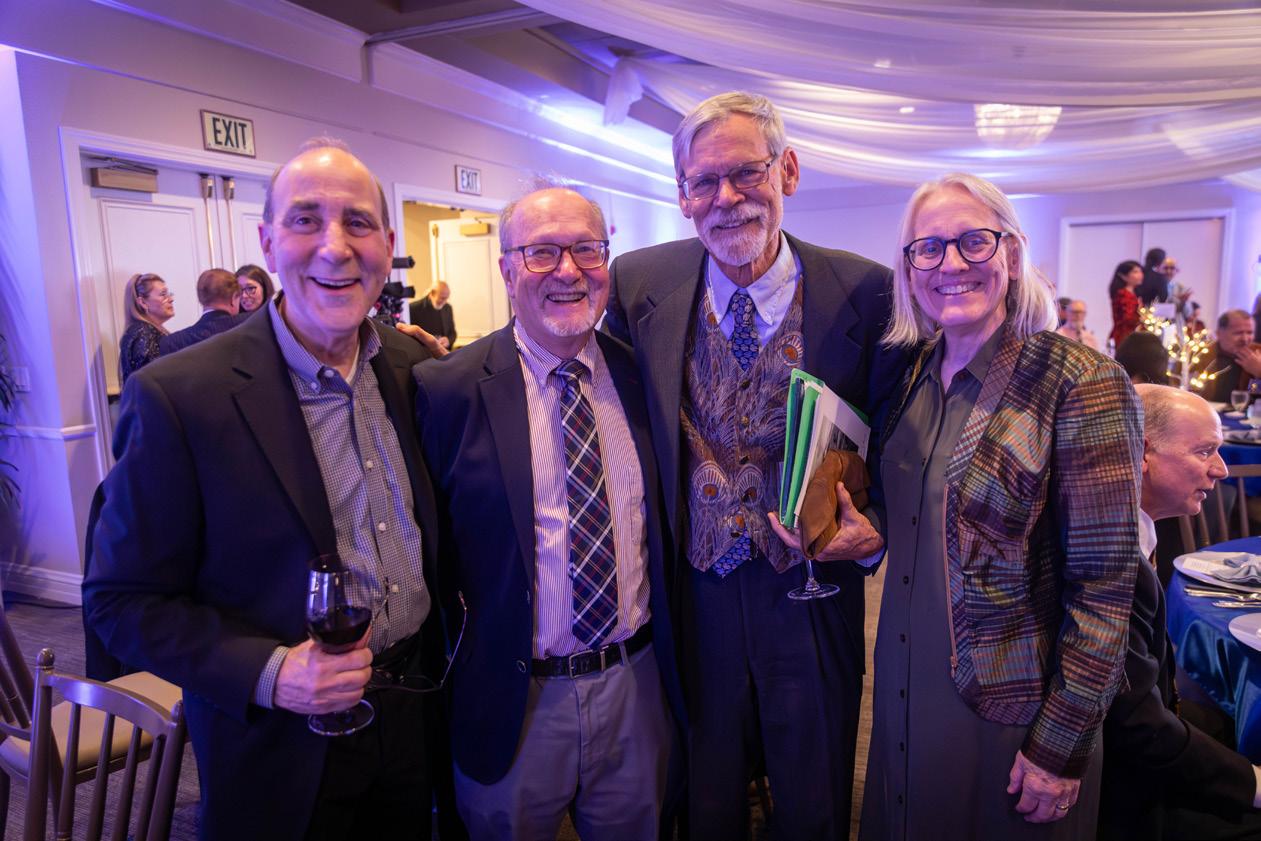
Throughout the evening, moments of recognition and connection underscored the strength of the physician community in Fresno and Madera counties. Past presidents gathered in support of the incoming leadership, colleagues reconnected during the reception, and the contributions of those serving both within FMMS and across the broader healthcare landscape were acknowledged.
As FMMS looks ahead, the installation of its 2026 leadership reflects both continuity and momentum, grounded in a shared commitment to supporting physicians and advancing the health of the communities they serve.
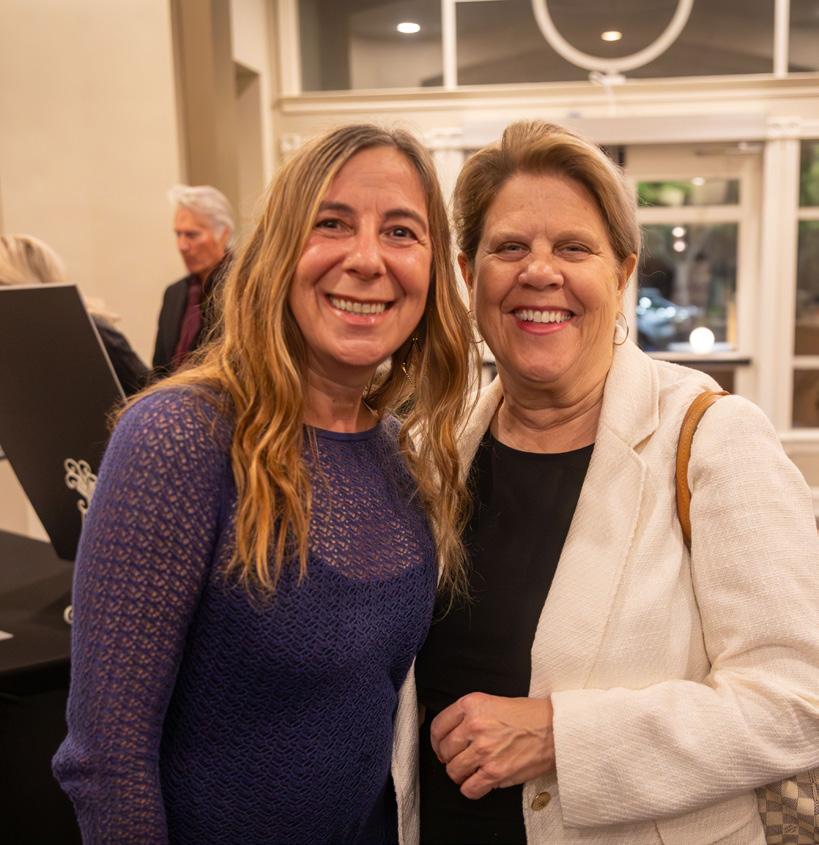
2023 FMMS President Marina Roytman, MD and 2026 Secretary Treasurer Anne Prentice.
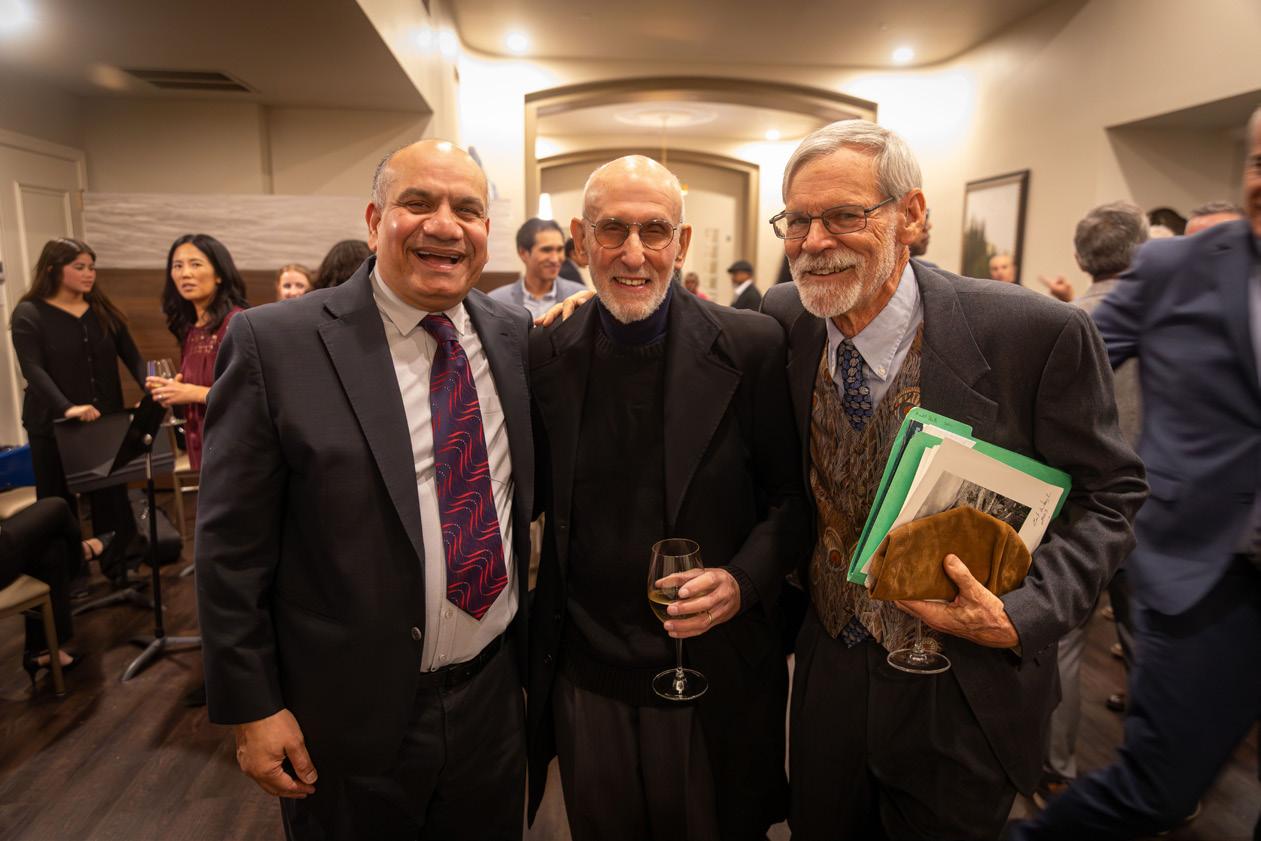
Pictured with 2026 President Greg Simpson, MD, are past presidents Ranjit S. Rajpal, MD (2013), Pamela Kammen, MD (2025), Sergio Ilic, MD (2012), and Alex Sherriffs, MD (1999), among many past presidents in attendance.
Lifetime Achievement Award: Alexander Sherriffs, MD
For more than three decades, the Fresno-Madera Medical Society’s Lifetime Achievement Award has recognized physicians whose careers reflect extraordinary commitment to the health and well-being of our community. These are physicians whose impact reaches beyond the exam room—through leadership, advocacy, education, and service that endure long after individual patient encounters. The award honors not just longevity, but a sustained dedication to improving the lives of patients, strengthening the medical profession, and advancing the health of the Central Valley as a whole.
This year, FMMS proudly honors Alexander Sherriffs, MD, a physician whose career embodies those ideals in every respect. Over more than four decades of practice and service, Dr. Sherriffs has quietly but profoundly shaped health care in the San Joaquin Valley through his work as a family physician, educator, public health advocate, and leader in organized medicine.
A board-certified family physician with Inspire Health and Co-Director of the UCSF Fresno Alzheimer & Memory Center, Dr. Sherriffs has devoted his professional life to caring for patients across the full spectrum of medicine. His clinical work has spanned rural family practice, preventive care, and specialized memory and Alzheimer’s care, always grounded in a deeply personal and compassionate approach. Patients and colleagues alike describe a physician who brings warmth, optimism, and genuine connection into every interaction—often beginning the day with a smile, a greeting, and a reassuring presence.
Dr. Sherriffs’ path to the Central Valley began with a shared commitment to service with his wife, Joan, whom he met in medical school. Early in their careers, they served with the Indian Health Service, gaining firsthand experience caring for underserved populations
and communities with complex health needs. That experience helped shape the values that would define the rest of his career. When they later settled in Fowler, the community did not simply gain a physician—it gained two deeply invested partners in community life. Together, they practiced full-spectrum family medicine for more than 30 years, caring for generations of families and embedding themselves in the fabric of the town.
Even as his responsibilities expanded, Dr. Sherriffs remained committed to education and mentorship. As a Health Sciences Clinical Professor and Medical Director of the UCSF Fresno Alzheimer & Memory Center, he has trained and mentored countless medical students and residents, many of whom now practice throughout California and beyond. For more than 17 years, he welcomed learners directly into his rural practice, offering hands-on experience that extended far beyond
clinical skills. His teaching emphasized professionalism, accountability, and empathy—qualities that continue to influence the physicians he has guided long after their formal training has ended.
Colleagues describe Dr. Sherriffs as unfailingly positive and deeply supportive, someone who sees the best in others and leads by example. Nowhere is that more evident than in his work with patients and families navigating Alzheimer’s disease and other memory disorders. In those settings, clinical expertise must be matched with patience, clarity, and compassion. His ability to guide families through some of their most difficult moments has left a lasting impression on colleagues and patients alike.
Beyond the clinic and classroom, Dr. Sherriffs has been a tireless advocate for public health—particularly in the area of environmental health. He has long recognized the connection between air quality, climate change, and community well-being, especially in the San Joaquin Valley, where pollution has historically contributed to significant health disparities. Alongside fellow physicians, he helped develop educational materials and public-facing editorials addressing air pollution and climate change, translating complex science into accessible information for both physicians and the public.
In 2011, Dr. Sherriffs was appointed by Governor Brown to serve on the San Joaquin Valley Air Pollution Control District Board and the California Air Resources Board, roles in which he continues to serve today. These appointments require countless hours of preparation, collaboration, and deliberation, often among stakeholders with competing priorities. Dr. Sherriffs has earned a reputation for thoughtful, science-based leadership and an ability to work constructively across differences while keeping public health at the center of policy decisions. During his tenure, air quality in the Valley has improved significantly, and while such progress is always the result of collective effort, many credit his steady leadership as an important part of that success.
Dr. Sherriffs has also played a significant role in organized medicine. He served as President of the Fresno-Madera Medical Society in 1999 and has remained a trusted and engaged leader within the
Society for decades. His approach to leadership reflects a belief that physicians have both an opportunity and a responsibility to shape the systems that affect patient care, professional integrity, and community health. Whether advocating for public health policy, supporting physician education, or mentoring future leaders, his focus has always been on long-term impact rather than recognition.
At the Lifetime Achievement Award presentation, longtime colleague Dr. Don Gaede reflected on decades of shared work, advocacy, and friendship, capturing the spirit of Dr. Sherriffs’ career with both humor and respect. He spoke of backpacking trips where Dr. Sherriffs carried heavy loads with ease, arrived in camp early, and still had dinner cooking before others caught up—a fitting metaphor for a career marked by endurance, preparation, and quiet leadership. Those who know him well often point to his favorite saying, “If you don’t ask, the answer is always no,” as a reflection of a life spent persistently advocating for better outcomes.
The FMMS Lifetime Achievement Award recognizes not only what a physician has accomplished, but how that work has been carried out over a lifetime of service. Through decades of patient care, education, environmental advocacy, and leadership, Dr. Alexander Sherriffs has left an indelible mark on the Central Valley. His legacy lives on in the patients he has cared for, the physicians he has trained, the policies he has helped shape, and the communities that are healthier because of his efforts.
Community Service Award: Amir Fathi, MD
At the Fresno-Madera Medical Society’s Annual Installation and Awards Gala in November, the Community Service Award was presented to Amir Fathi, MD, recognizing his leadership in advancing collaborative, patient-centered cancer care across the Central Valley. The award honors physicians whose service strengthens systems of care and improves outcomes for the broader community—an impact clearly reflected in Dr. Fathi’s work with the Hepatobiliary (HPB) Tumor Board.
As a hepatobiliary surgeon, Dr. Fathi has long been committed to improving care for patients facing some of the most complex and challenging cancer diagnoses. Under his leadership, the HPB Tumor Board has developed into a highly coordinated, multidisciplinary forum that supports thoughtful, evidence-based care for patients with hepatobiliary and foregut cancers.
The HPB Tumor Board reviews and guides care for more than 500 patients each year, serving as a central forum for multidisciplinary collaboration across the region. The board brings together specialists from pathology, surgery, gastroenterology, hepatology, palliative care, diagnostic and interventional radiology, genetics, hematology-oncology, radiation oncology, and oncology support services. During each session, cases are reviewed in detail, with imaging and pathology displayed on screen and discussed in real time, allowing the group to work collectively toward consensus treatment recommendations.
Award presenter, Dr. Marina Roytman described the HPB Tumor Board as “a multidisciplinary conference that focuses on a collective decision-making approach for patients with liver, pancreas, biliary system and foregut cancers,” noting that it brings essential specialists together to review each case comprehensively. That collaborative approach remains a defining feature
of the board under Dr. Fathi.
When Dr. Fathi assumed leadership of the HPB Tumor Board approximately five years ago, participation was inconsistent and recommendations did not always align with the most up-to-date evidence-based guidelines. His focus was to increase the number of patients presented, strengthen consistency across discussions, and ensure that treatment recommendations reflected current standards of care. Over time, participation expanded, discussions became more cohesive, and clinical research was integrated into case reviews, opening access to clinical trials for patients who might otherwise have limited options.
Access to care remains a central theme of Dr. Fathi’s work. The HPB Tumor Board serves a community health system with an outreach area of approximately 2.7 million people, many of whom face geographic, financial, or logistical barriers to specialty oncology services. By convening multidisciplinary expertise in a single forum, the board helps ensure that complex cancer cases receive timely, coordinated review.
The transition to virtual tumor board meetings has further expanded that reach. Through videoconferencing, the HPB Tumor Board collaborates with specialists from institutions such as UCSF’s main campus and regional partners including Kaweah Delta,
allowing patients throughout the Central Valley to benefit from subspecialty expertise without the need to travel long distances.
Equally important to the board’s effectiveness is the role of oncology support services and staff who ensure that tumor board recommendations move forward into patient care. Oncology navigators coordinate follow-up across departments, helping patients navigate a complex care continuum and supporting timely implementation of treatment plans. Colleagues consistently note Dr. Fathi’s respect for the contributions of every member of the care team and his emphasis on collaboration across disciplines.
Those who work alongside Dr. Fathi describe him
as deeply knowledgeable, thoughtful, and genuinely invested in the well-being of his patients. His leadership style encourages open dialogue, shared responsibility, and mutual respect—qualities that continue to strengthen the HPB Tumor Board and the broader oncology program it supports.
The Community Service Award recognizes physicians whose leadership enhances care beyond their own practices. Through his ongoing work with the HPB Tumor Board, Dr. Amir Fathi continues to advance collaborative cancer care, improving access, coordination, and outcomes for patients across the Central Valley.
President’s Award: Dan Cavanaugh and the Cooperative of American Physicians
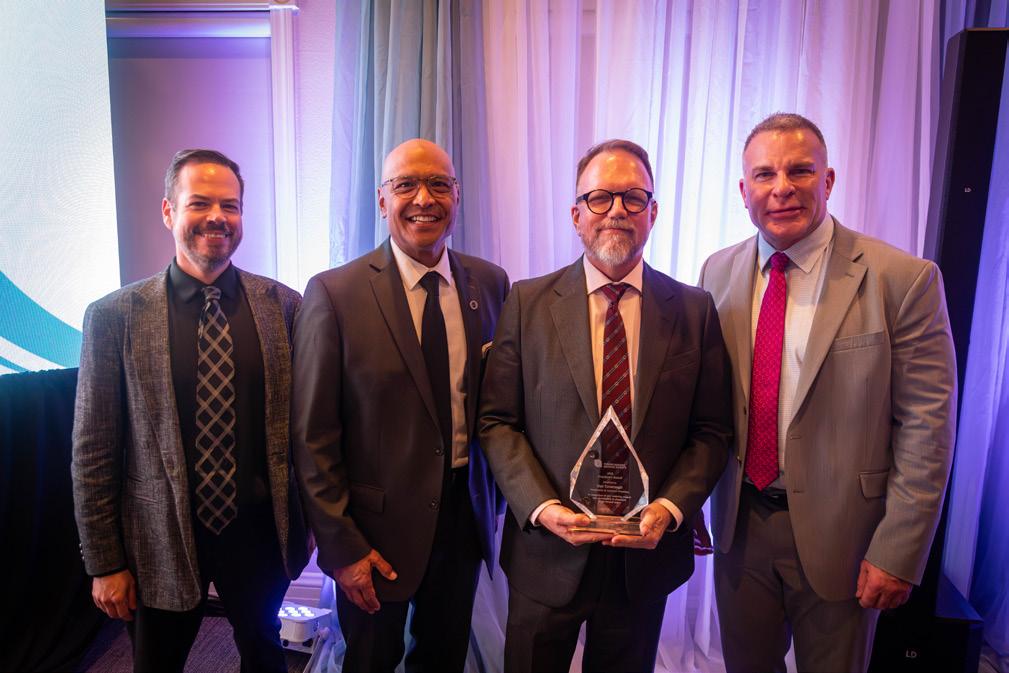
As part of the evening’s recognitions, the President’s Award was presented to Dan Cavanaugh in honor of the Cooperative of American Physicians and its 50 years of steadfast partnership with physicians across California.
For five decades, CAP has provided professional liability protection, comprehensive risk management resources, and practice support that allow physicians to focus on delivering high-quality care. Their leadership and consistency have helped physicians navigate an evolving healthcare landscape while upholding the standards of the profession.
That partnership extends locally as well. As an annual sponsor of the Fresno Madera Medical Society, CAP’s ongoing financial support has strengthened programs and services that support physicians and advance the health of the Central Valley. The President’s Award recognized not only five decades of service, but a partnership that has helped sustain independent practice and strengthen organized medicine in our region.
The award honored both CAP’s enduring commitment to physicians and Dan Cavanaugh’s role in fostering that partnership within our community.
2026 Officers
2026 Board of Governors
One Year In: Leading Central California Blood Center Through Change
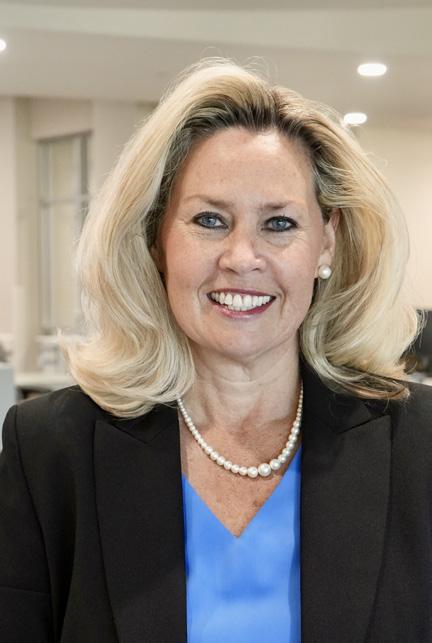
When Christine Hayes arrived in Fresno one year ago to lead Central California Blood Center, she stepped into an organization with deep physician roots and a vital role in the region’s health care system. Twelve months into her tenure as president and chief executive officer, Hayes describes a year focused on strengthening infrastructure, reinforcing hospital partnerships, and positioning the center for longterm stability in a changing health care landscape.
Hayes brought more than 30 years of experience in blood banking to the role, including more than two decades in senior leadership at one of the nation’s largest community-based blood centers. While that organization operated at roughly three times the scale of CCBC, she said what drew her to Fresno was not size, but mission.
There are fewer than 60 community-based blood centers remaining in the United States. Leading one had long been a professional goal. CCBC’s longstanding relationship with physicians and its reputation within the Central Valley community made the opportunity especially compelling.
Over the past year, CCBC has undertaken several significant operational initiatives designed to strengthen compliance, efficiency and service.
Among them is the implementation of a new FDArequired 510(k) validated computer system, replacing a decades-old platform. The transition modernizes donor and product traceability and enhances regulatory compliance while improving internal workflow.
The organization also made the strategic decision to outsource infectious disease donor testing to Bloodworks Northwest, an FDA-registered laboratory that performs millions of tests annually for hospitals and military institutions nationwide. The move aligns CCBC with
industry trends and allows the center to reinvest resources into its Immunohematology Reference Laboratory, expanding specialty testing services for hospitals across the five-county region.
Hayes emphasizes that these changes are largely operational and are designed to be seamless for hospital partners. The priority remains ensuring access to the right blood products for the right patient at the right time.
At the same time, CCBC faces a broader national challenge: a shrinking volunteer donor base. Post-pandemic trends show fewer first-time young donors entering the system, placing increased pressure on community-based centers to expand outreach and engagement.
Hayes believes the solution lies in grassroots education and personal connection. Many individuals have never been directly asked to donate blood. Strengthening partnerships with schools, businesses, faith communities and civic organizations will be critical to sustaining the Valley’s blood supply.
She also sees the physician community as an important voice in that effort. CCBC’s historical connection to organized medicine remains distinctive, and physician engagement continues to play a role in advancing transfusion medicine awareness and collaboration.
Looking ahead, Hayes identifies cellular therapy as an area of opportunity. As advanced treatments expand, regional blood centers are increasingly positioned to support specialty collections and manufacturing needs
Christine Hayes
CENTRAL CALIFORNIA BLOOD CENTER NAMES NEW MEDICAL DIRECTOR
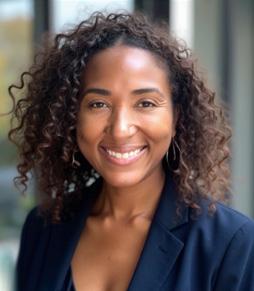
Central California Blood Center recently appointed Tiffany Chambers, MAEd, MD, as its new medical director.
Dr. Chambers will provide clinical oversight for transfusion medicine operations and regulatory compliance, while supporting quality initiatives and collaboration with hospital partners across the region.
Her addition further strengthens CCBC’s clinical leadership as the organization continues to modernize operations and expand specialty services.
associated with emerging therapies. CCBC is evaluating how it can partner with local hospitals as those capabilities grow.
Asked to describe the future of the organization, Hayes points to three guiding principles: trust, stewardship and innovation. Trust from donors and hospital partners.
Stewardship of every donated unit as a lifesaving gift. And innovation through technology and clinical collaboration.
One year into her leadership, Hayes says her focus remains clear: ensuring a safe, reliable blood supply for patients throughout the Central Valley while strengthening the partnerships that make that mission possible.
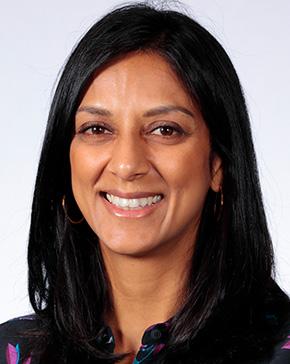
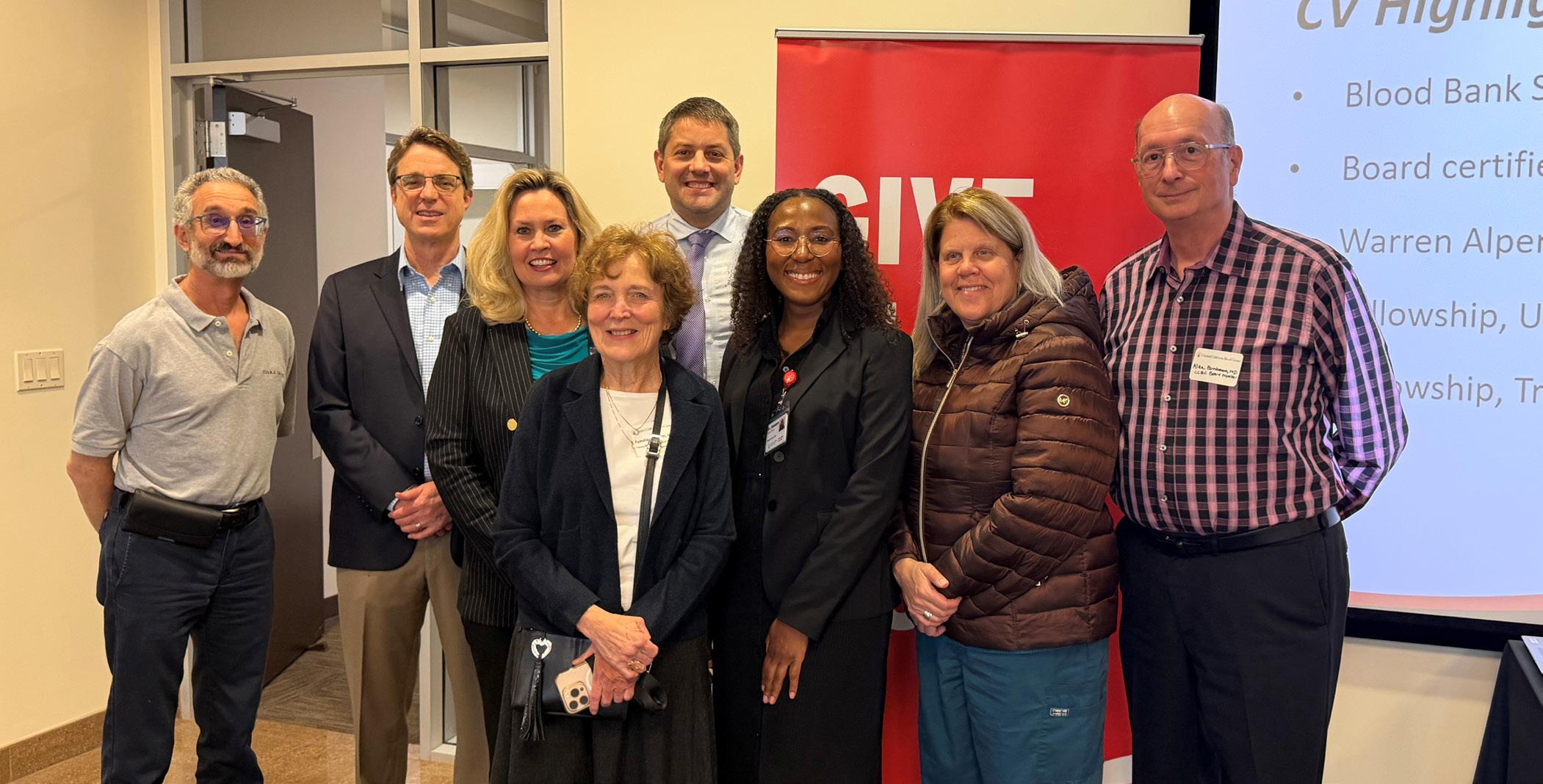
FMMS board members Mark Alson, MD, Simon Paul, MD, Pamela Kammen, MD, Greg Simpson, MD, Anne Prentice, MD and former board member Alan Birnbaum, MD join CCBC CEO Christine Hayes and CCBC Medical Director Tiffany Chambers, MD during the welcome reception hosted by CCBC.
Dr. Trinidad Solis Named Fresno County Health Officer
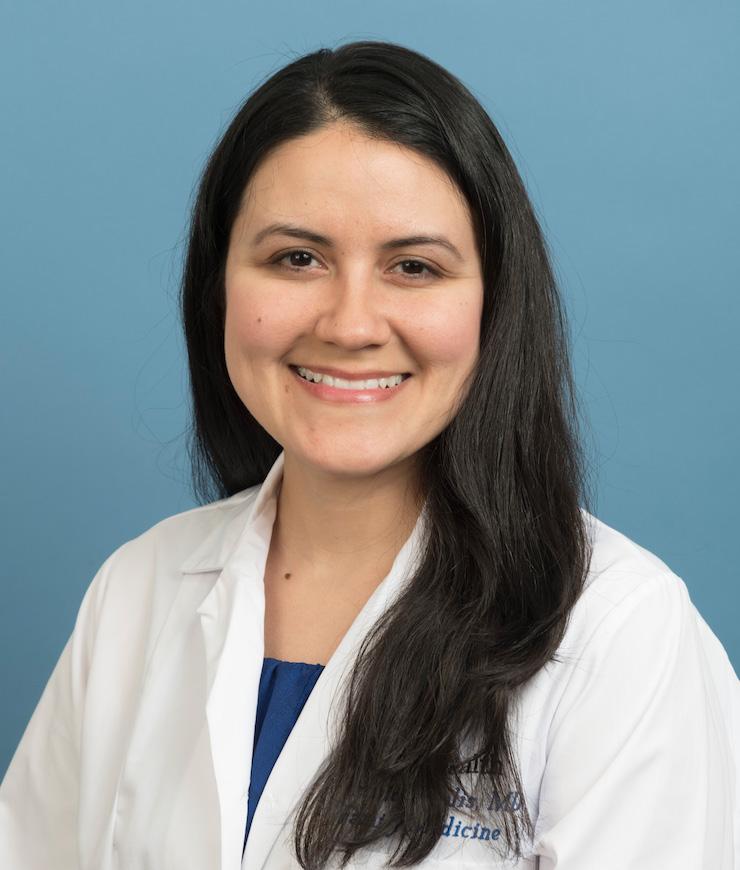
The Fresno County Department of Public Health has entered a new chapter with the appointment of Dr. Trinidad Solis as County Health Officer. Her selection by the Fresno County Board of Supervisors marks a transition moment for local public health leadership following six years of steady guidance under Dr. Rais Vohra.
Dr. Vohra assumed the role during an era that would test public health systems across the globe. Over the course of the COVID-19 pandemic, he became a visible and steady presence for physicians, hospital leaders, elected officials and residents. His tenure was defined by long days of data review, evolving state and federal guidance, community briefings and difficult decisions made under extraordinary pressure. Beyond pandemic response, he helped strengthen coordination between the Department of Public Health, local health systems and community partners, reinforcing the essential role of public health infrastructure in Fresno County.
As the community reflects with appreciation on that period of service, it also turns with optimism toward the future. Dr. Solis brings to the position a deep commitment to community health, prevention and equity. Her professional background reflects both clinical expertise and an understanding of population-based strategies that are central to improving long-term health outcomes in the Central Valley.
In announcing her appointment, county leaders emphasized continuity as well as forward momentum. Public health today extends well beyond emergency response. It encompasses chronic disease prevention, maternal and child health, communicable disease control, environmental health, behavioral health collaboration and strong partnerships with physicians practicing across
diverse settings. The opportunity ahead is to build on the infrastructure strengthened during the pandemic while advancing proactive, datadriven strategies that address the region’s most persistent health challenges.
For Central Valley physicians, the role of the County Health Officer remains pivotal. Clear communication, practical guidance and collaborative engagement between public health and frontline clinicians are essential to protecting community well-being. Dr. Solis steps into the role at a time when trust, partnership and transparency are more important than ever.
Leadership transitions invite both gratitude and renewal. Fresno County honors Dr. Vohra’s extraordinary service during one of the most consequential public health crises in modern history. At the same time, it welcomes Dr. Solis with confidence as she begins this new chapter shaping the next era of public health in our region with focus, collaboration and a shared commitment to healthier communities.
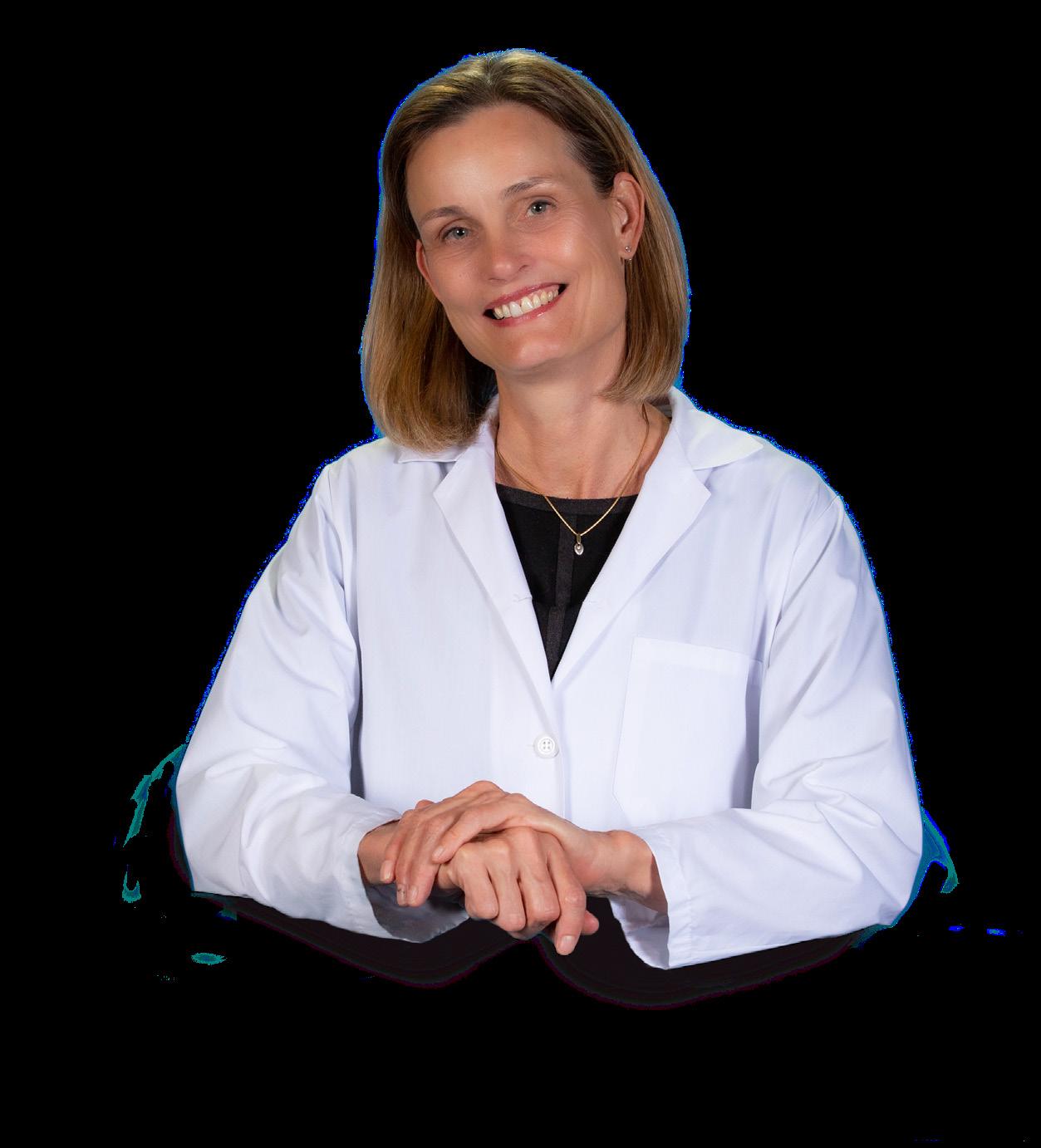
Dr. Trinidad Solis
A Match Beyond Measure: My Journey as a Physician Bone Marrow Donor
As a physician and a stem cell donor, I have come to understand the complex interplay between science, medicine, humanity, and perhaps most of all, luck and probability. My journey began not with a grand plan to save a life, but with a simple decision to join the bone marrow registry—a decision that would later give me the privilege of offering someone a second chance at life.
Like many who join the registry, I never imagined I’d be called. The odds, after all, are daunting. Out of the millions on the registry, only about 1 in 430 individuals in the United States go on to donate to
BY JONATHAN TERRY, DO
across human leukocyte antigen (HLA) markers. For many patients, particularly those of minority backgrounds, finding a match is like winning the lottery. In fact, about 70% of patients in need of a transplant must rely on unrelated donors because they lack a compatible match within their own family.
matching felt astronomical, but here I was, a stranger connected to another stranger by the thin thread of HLA compatibility.
a patient. Matching for stem cells (colloquially referred to as “bone marrow donation”) is much more complex than matching blood types; it requires compatibility
I joined the registry during medical school, inspired by a personal connection and my own grief story. My father was diagnosed with acute myelogenous leukemia (AML) just months before I started medical school, and although a match was found for him, he passed away before the transplant could take place, just days after my first quarter final exams. Joining the registry felt like a way to honor my dad’s memory and give hope to others. It felt like one of the few things I could do to mitigate the irreplaceable loss of a parent.
Two years later, I thought the call was a prank. I had been matched anonymously with a 50-year-old man battling AML—the same disease that had taken my father. The odds of
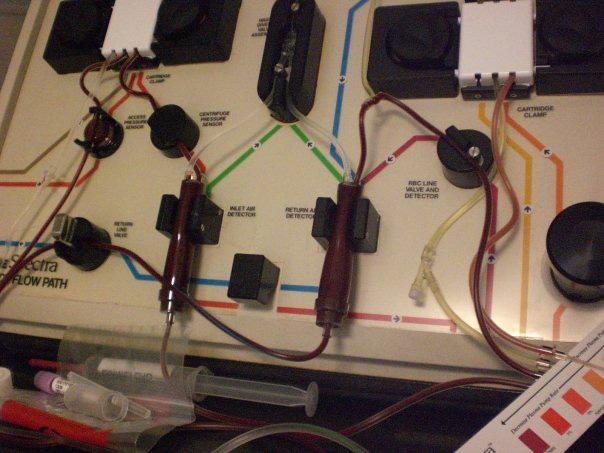
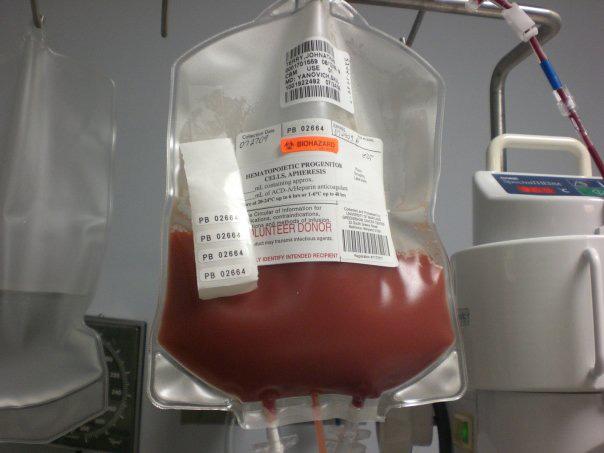
The donation process was straightforward yet profound. After a thorough medical evaluation, I underwent peripheral blood stem cell collection. This involved five days of Neupogen (filgrastim) injections to stimulate stem cell production, followed by a single day of apheresis, during which my blood was drawn, stem cells were separated out, and the remaining blood was returned to my body. The side effects were minimal—flu-like symptoms and bone pain—but the thought of potentially saving a life made any discomfort insignificant.
Physicians understand better than most the dire statistics surrounding leukemia and other
blood cancers. Despite advances, only about 44% of patients receiving unrelated donor transplants survive five years or longer. Yet for these patients, even one more year can mean the world—time to spend with loved ones, to witness milestones, or simply to live without the constant shadow of disease.
Bone marrow donation is a critical yet underutilized tool in medicine. While the process is relatively straightforward, the impact is monumental. Currently, many patients, especially those from diverse ethnic backgrounds, struggle to find matches due to underrepresentation in donor registries. For example, some patients of minority backgrounds have only a 29% likelihood of finding a match, compared to 79% for white patients of European descent. These disparities highlight the urgent need for more donors, particularly from diverse population groups.
contribute beyond the confines of our clinics and hospitals. It’s a deeply personal act, yet it exemplifies the collective power of our profession.
In the time after my donation, the registry allowed me to exchange letters with the “50-year-old man from Ohio.” To protect donor and recipient privacy, the letters were redacted for the first year. I learned that my “50-year-old man” was happily married, had two adult children, and a green macaw, named Radar, who missed Randy very much while he was in the hospital (sometimes they would talk on webcam). I was fascinated that my recipient’s blood type changed with the donation as well as his food preferences. I empathized with his recollection of needing to get all his childhood vaccines again and how different that experience was as an adult.
When I reflect on my donation experience, I think not only about my recipient but also about the broader implications for medicine. As physicians, we strive to heal and extend lives, and bone marrow donation is one of the rare opportunities where we can tangibly
moments of joy with his family, and carry the heaviness of burying his own spouse. Radar, typical for green macaws, is still deeply invested in his person and glad that Randy has persisted to feed and entertain him.
As physicians, we often save lives with our expertise and care, but this experience reminded me of the profound impact we can have outside of our roles as practitioners—simply as people willing to give a part of ourselves.
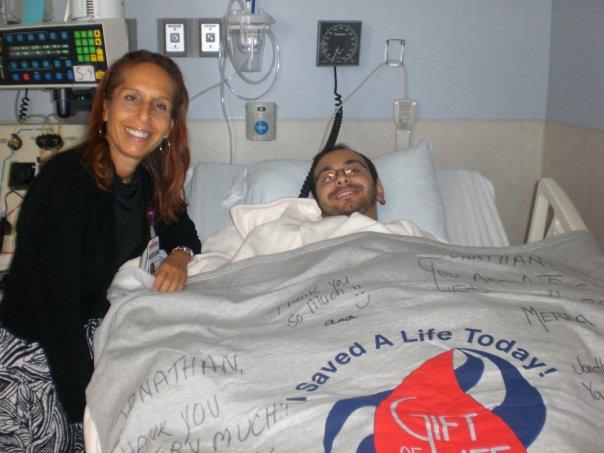
A year later, when we both agreed, Randy and I got to know each other by name. Eventually, we would meet twice (so far) in-person. Randy and I exchange birthday phone calls and holiday cards, but more importantly to us, we speak every July, corresponding with the day each of our lives was renewed –for him, literally through an unlikely cure to his cancer, and for me, a deeper connection to the finding meaning and acceptance in my grief. It has now been 15 years, and there are no signs of Randy’s cancer returning. He has survived to witness the birth of grandchildren, share
If you’re moved by this story, I encourage you to join the registry or inspire your patients and peers to do the same. Registering is as simple as a cheek swab, and for many patients, it’s their only hope. More than 12,000 people in the U.S. need a stem cell transplant each year, yet thousands will not find a match in time.
If you’d like to learn more or join the registry, visit the National Marrow Donors Program (nmdp. org). Together, we can make a lifesaving difference.
Jonathan Terry, DO is a board-certified psychiatrist who has been practicing in Fresno County for 11 years. He currently serves as the Assistant Dean of Community Clinical Education at CHSU-COM and the interim Medical Director for Madera County Behavioral Health.
Choosing Your Village: A Timeless Guide to Building Your Support Network
TRACY CHERPESKI, MBA, MA, CPSC Founder, Tracy Cherpeski International
EDITOR’S NOTE
At this year’s Joy of Medicine Summit, physicians gathered for reflection, connection, and candid conversation about wellness and sustaining meaning in medical practice. The following reflection was written by Tracy Cherpeski, MBA, founder of The Thriving Practice, who facilitated sessions at the Summit. Her essay expands on themes of intentional community, support, and selfcare that were explored throughout the retreat.
We are born or adopted into a family, and we do not choose that family, for better or for worse.
As adults, however, we have the opportunity to surround ourselves with people we choose — our village, our inner circle.
We’ve all heard the phrase, “It takes a village to raise a child.” I believe that is true. I also believe it takes something more intentional to support a person in becoming their fullest self: an intentional community. We attract, assemble, and nurture this community, and in return it lifts us up, guides us, carries us, and sometimes pushes or pulls us when needed. Most importantly, a healthy community creates a safe environment for growth and selfempowerment.
A strong inner circle is built on a shared understanding of support without judgment. It is rooted in acceptance, encouragement, mutual respect, and trust. Together, we navigate challenges, celebrate milestones, and cultivate new ways of thinking that lead to greater resilience, perspective, and joy. In a profession that asks so much of us, this kind of support is not a luxury — it is essential.
As a teenager, I resisted advice my parents often gave: “Choose your friends wisely — water seeks its own level.” As an adult, those words have stayed with me. If our relationships feel misaligned with our values, it may be time to take an honest inventory of where we are, what we
believe, and what we tolerate.
Ask yourself: Are you walking your talk? Do certain relationships leave you feeling supported and energized, or quietly depleted? Remember, you are in charge of your energy. You decide how you invest your time and attention.
In today’s world, our communities extend well beyond physical proximity. Digital connections can offer inspiration and support, but they can also invite comparison and obligation. It’s worth considering whether your online interactions reflect your values and contribute positively to your well-being, especially in a profession where time and emotional bandwidth are already stretched thin.
The quality of our relationships often mirrors the relationship we have with ourselves. Pay attention to your inner dialogue. Are you kind to yourself, or overly critical? Do you notice judgment — toward yourself or others — creeping in? When these patterns exist alongside draining relationships, it may be time to pause and reset.
Tracy Cherpeski, MBA, MA, CPSC
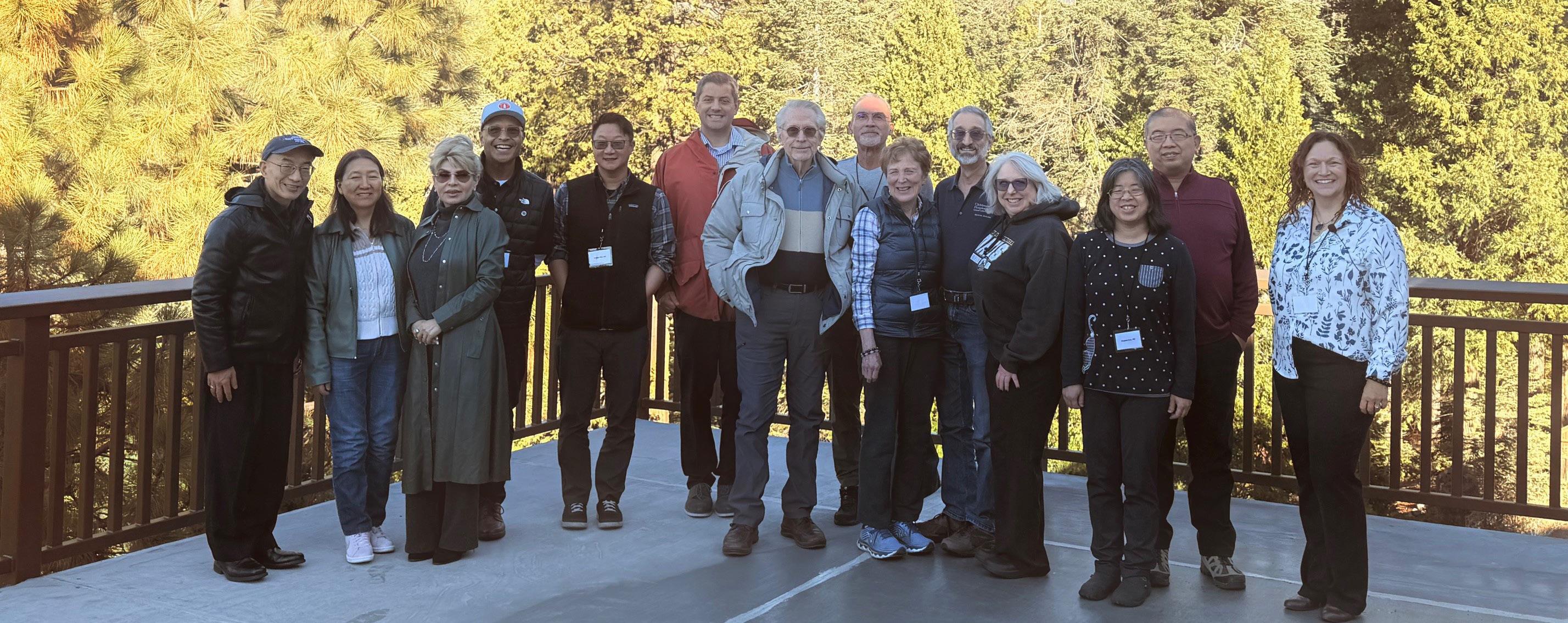
Physicians gather during FMMS’s Joy of Medicine Summit, a retreat designed to create space for reflection, connection, and candid conversation about wellness and sustainability in medical practice. Through guided discussions, shared experiences, and time away from daily demands, attendees explored the importance of intentional community — both professionally and personally. The reflection on the adjacent page was written by the Summit’s featured speaker and expands on themes that resonated throughout the retreat.
Taking care of your physical, emotional, and mental health is foundational. Nourish your body, prioritize rest, stay hydrated, and create small pockets of time to check in with yourself. When you feel grounded and well, you naturally become more present and open — and the right people tend to gravitate toward that steadiness.
There are moments in life when we need support — a sounding board, a listening ear, or simply the reassurance that we are not alone. Asking for help requires courage, particularly in a culture that prizes independence and self-reliance.
Compassion begins with ourselves. When we extend patience and understanding inward, we are better equipped to offer the same to others. This ripple effect strengthens our relationships, our leadership, and our ability to serve.
“Call it a clan, call it a network, call it a tribe, call it a family: Whatever you call it, whoever you are, you need one.” — Jane Howard
Reaching out is not a failure; it is an act of wisdom.
Just as important is recognizing when we need space to navigate a chapter on our own. There may also be times when a relationship becomes rooted in negativity or dependency that compromises your well-being. In those moments, setting boundaries is an act of self-respect. Sometimes, loving space is the most compassionate response — for yourself and for others.
“If you want others to be happy, practice compassion. If you want to be happy, practice compassion.” — Dalai Lama
As you reflect on the themes of the Joy of Medicine Summit, consider who in your circle energizes you, what boundaries may need attention, and how you are showing up as the kind of person you would want in your own inner circle. You are both the curator and the beneficiary of your community. Choose thoughtfully, and remember that
intentional connection is one of the most powerful tools we have — in medicine and in life.
ABOUT THE AUTHOR
Tracy Cherpeski, MBA, MA, CPSC, is a business consultant, executive coach, and founder of Tracy Cherpeski International and the Thriving Practice Community. She works with physicians and healthcare leaders to build sustainable, successful practices while supporting professional fulfillment and well-being.
A wide range of new California health care laws took effect Jan. 1, 2026, reshaping how physicians practice medicine and how patients access care. Many were sponsored or supported by the California Medical Association (CMA) and reflect CMA’s priorities: reducing administrative burdens, protecting the physician-patient relationship, and preserving equitable access to essential treatment.
Three CMA-sponsored measures are among the most significant changes this year.
+ AB 489 (Bonta) protects patients from misleading artificial intelligence by requiring clear disclosure when an AI tool is being used and prohibiting systems from misrepresenting themselves as licensed medical professionals.
+ SB 351 (Cabaldon) responds to concerns about private equity and corporate influence by reinforcing protections for independent physician clinical judgment and strengthening enforcement against the corporate practice of medicine, including empowering the Attorney General to take action when entities improperly interfere with care.
+ SB 306 (Becker) tackles one of the most persistent sources of delay and frustration in health care by giving regulators new authority to eliminate certain prior authorization requirements statewide on a code-by-code basis.
Several other laws taking effect this year will also have direct impact on patients and physician practices.
+ AB 144 safeguards vaccine access by allowing state public health officials to maintain broad immunization coverage requirements even if federal guidance narrows, helping ensure patients continue receiving recommended vaccines without cost-sharing barriers.
+ SB 40 (Wiener) eliminates deductibles for prescription insulin under state-regulated plans and caps out-of-pocket costs at $35 for a 30-day supply, while the state’s CalRx initiative is now making generic insulin pens available at pharmacies for a recommended price of $11 per pen.
+ SB 729 (Menjivar) expands access to infertility care by requiring large group health plans issued on or after Jan. 1, 2026, to cover infertility diagnosis and treatment, including in vitro fertilization.
Helping Physicians Navigate What’s New
To support physicians as these changes roll out, CMA has published its annual roundup, “Significant New California Laws of Interest to Physicians for 2026,” a comprehensive, guide to the most important new laws affecting medical practice. The report is available free to members only.
View the report at cmadocs.org/newlaws and visit cmadocs.org to learn more.
This year brought nonstop battles to protect health care. We started the year facing devastating fires in Southern California that disrupted physician practices, patients, and communities. CMA worked with local component medical societies to ease regulatory burdens on physicians, support members who were personally impacted and provide information to patients to ensure they had continuous care.
CMA engaged at the federal level throughout the year – pushing back against a series of efforts that threatened to undermine core public health protections, including the removal of all Advisory Committee on Immunization Practices (ACIP) members and proposals that would weaken evidencebased public health policy. CMA also challenged the sharing of Medicaid patients’ sensitive data with Homeland Security, and pushed back against broader federal proposals to weaken key physician and patient safeguards – from attempts to scale back the Public Service Loan Forgiveness (PSLF) program and lower federal loan maximums to new restrictions on gender-affirming care. At the same time, CMA continued pushing for policies that would protect coverage and access, including extending telehealth coverage, preserving ACA premium tax credits and protecting Medicaid funding.
The year’s challenges were also felt at the state level. Governor Newsom’s May budget diverted critical Prop 35 funds to address budget shortfalls. After significant pressure from CMA, the first bucket of Prop 35 funding was released in the late summer.
It has been one battle after another, but CMA remains steadfast. We will continue fighting for physicians, patients and the communities we serve.
PROP 35: Successfully pressed the state to begin implementing Prop 35 – securing a commitment to fund emergency department physician payments, family planning and abortion services, graduate medical education programs and emergency medical transport services.
Federal Advocacy: CMA repeatedly brought physician leaders to lobby Members of Congress to protect the health care safety net. We organized a 50-state coalition and worked with national specialty societies, who joined California physicians in lobbying against H.R. 1. We also formed Physicians for Medicaid and a grassroots texting operation through which physicians sent text messages about the health care harms of H.R. 1 to 6 million voters in targeted districts across the country. While Medicaid was significantly cut and premiums for many are increasing, Medicaid was protected as an entitlement program for pregnant women, kids, seniors and veterans.
CMA also successfully advocated for several telehealth provisions to be made permanent including: lifting frequency limits for hospital and skilled nursing facility telehealth visits, allowing virtual direct supervision for most services, and continuing pandemic-era policies allowing virtual supervision of residents providing telehealth care. These policies play a critical role in expanding access to care, particularly for patients in rural and underserved communities.
Our efforts on the Medicare Physician Fee Schedule resulted in gains for some primary care physicians, though the schedule included cuts for many specialists.
Legislative Victories: Three of CMA’s sponsored bills were signed by the Governor.
+ Prior Authorization (SB 306 - Becker): Eliminates prior authorization requirements for services that insurers routinely approve.
+ Strengthening the Corporate Bar (SB 351Cabaldon): Gives the Attorney General authority to hold private equity groups accountable when they interfere with the practice of medicine, protecting physician autonomy in patient care.
+ Artificial Intelligence (AB 489 - Bonta): Bans companies from marketing artificial intelligence (AI) chatbots as licensed medical professionals.
Stopping Problematic Legislation: CMA protected physicians and patients by blocking harmful bills that would have increased medical malpractice insurance costs, imposed mandatory continuing medical education without clear benefit, created new administrative burdens for clinicians using AI in care delivery, and infringed on physicians’ independent control of medical staffs.
Medway Launch: CMA’s Physician Services Organization launched MedWay, a new administrative support service that helps independent practices manage essential nonclinical operations. Providing hands-on support with HR, payroll and staffing, as well as access to practice insurance, employee benefits, and recruiting services, Medway allows physicians to focus on patient care while maintaining full ownership and operational control of their practices.
Medical Group Symposium: CMA’s popular Medical Group Advocacy Symposium was attended by more than 200 medical group and health system executives, clinical leaders, physicians across multiple specialties, and policy and advocacy professionals.
Public Health: CMA successfully passed AB 144, which allows California to continue to require health coverage for vaccines in California-regulated health plans if the federal recommendations no longer align with science.
Practice Advocacy: CMA successfully demanded that Cigna pause its automatic downcoding policy for commercial HMO and PPO products and continues to advocate for the pause to apply to self-insured plans. CMA also joined a federal antitrust lawsuit against MultiPlan (now Claritev) and major insurers alleging they conspired to depress out-of-network physician payments.
Empowering
Physician Practices: CMA expanded its educational offerings to support small and independent practices, including new webinars on efficiencies, the regulator complaint process, and a “Know Your Rights” training series. In 2025, CMA reached a significant milestone, hitting $50 million recovered for physician members through one-on-one practice management assistance and direct intervention with payors and regulators.
GME: Physicians for a Healthy California (PHC) awarded nearly $84 million to 231 residency programs, to fund 270 physician training positions with a focus on growth in regions serving high Medi-Cal populations. The demand was significant, with almost $465 million in requests.
Supporting Students: PHC’s MedStudentsServe awarded more than $30,000 to 13 medical-student projects statewide, supporting initiatives such as free clinics, mobile health fairs and outreach for underserved populations. Students reached more than 2,300 people facing access barriers, while gaining hands-on experience in public health, cultural competence, and community service.
2026 AND BEYOND: CMA will advocate to strengthen the business of health care while defending the safety net, protecting patients and ensuring physicians—and their voices—are strongly represented in a critical election year.
PHC awards $85 million to expand California’s physician workforce
Funds 270 residency and fellowship positions statewide
SACRAMENTO – Physicians for a Healthy California (PHC) today announced $85 million in CalMedForce and CalMedForce+ grants to expand graduate medical education (GME) opportunities across California. For the first time, all specialties were eligible for funding, compared to just five in previous cycles.
In this cycle, programs submitted record requests totaling more than $460 million, underscoring the need for additional training positions to keep pace with California’s growing patient population.
This is the first cycle to include CalMedForce+, which uses voter-approved Proposition 35 funds—passed in 2024 with 67.9% of the vote—to broaden eligibility and expand support for GME programs. Prop. 35 provides $75 million in GME investments. CalMedForce, now in its eighth year, continues to be funded through the Proposition 56 tobacco
tax. Together, the programs will support 270 residency and fellowship positions across 231 GME programs in this cycle, directing resources to California’s most medically underserved regions.
“The demand we saw this year reflects what communities have been telling us for years—California
must train more physicians to meet the health care needs of its growing population,” said PHC President and CEO Lupe Alonzo-Diaz, MPA. “CalMedForce and CalMedForce+ are essential to expanding access to care and building the workforce Californians will rely on for years to come.”
This year’s awards are nearly four times last year’s total, underscoring both the magnitude of need and the critical role these programs play in supporting access to care across California. As the state faces a projected shortfall of 4,100 primary care clinicians by 2030, sustained investment in GME will be essential to ensuring Californians can get the care they need.
“By supporting impactful programs that expand medical education, California can grow its physician workforce in high-need areas and specialties—making care more accessible for patients with Medi-Cal coverage and those without insurance,” said Deena McRae, M.D., associate vice president for Academic Health Sciences in the UC Office of the President. “I’m pleased that CalMedForce+ will offer additional impactful grants, helping to strengthen our health care workforce and advancing a healthier future for all Californians.”
Proposition 35 funding also enabled PHC to support fellowship programs for the first time, expanding subspecialty training opportunities critical to California’s future workforce. This approach balanced broad distribution with the need to provide adequate support where it is most critical.
ABOUT CALMEDFORCE AND CALMEDFORCE+
PHC administers the CalMedForce and CalMedForce+ grant programs in partnership with the University of California (UC). As a state public institution,
UC oversees the distribution of Proposition 56 and Proposition 35 funds to support GME programs statewide. Any accredited GME program is eligible for funding, with priority for programs serving under-resourced populations and communities with significant shortages. UC contracts with PHC to administer the award cycles.
Since its launch, CalMedForce has awarded over $275 million for 855 grants to 181 GME programs throughout California, supporting the retention and expansion of residency slots in primary care—including family medicine, internal medicine, pediatrics, and obstetrics and gynecology—as well as emergency medicine.
CalMedForce+ begins its inaugural year with $64 million to 162 GME programs, expanding both residency and fellowship positions across the state.
For more information, visit phcdocs.org/ CalMedForce. (@PHCdocs / #CalMedForce)
2025-2026 GRANT AWARDS
CalMedForce
UCSF Fresno Family Medicine Residency $255,000
UCSF Fresno Internal Medicine Residency $255,000
UCSF Fresno Obstetrics and Gynecology Residency $680,000
UCSF Fresno Pediatric Residency $255,000
Valley Children’s Hospital Pediatric Residency $255,000
Valley Consortium for Medical Education Family Medicine Residency $255,000
Valley Health Team, Inc. Family Medicine Residency Program $255,000
Total FMMS Geographic Area $2,210,000
CalMedForce+
United Health Centers of the San Joaquin Valley Internal Medicine Residency $1,260,000
UCSF Fresno Cardiology Program $285,000
UCSF Fresno Emergency Medicine Residency Program $380,000
UCSF Fresno Endocrinology Program $190,000
UCSF Fresno General Surgery Residency Program $475,000
UCSF Fresno Pulmonary and Critical Care Program $285,000
Total FMMS Geographic Area $2,881,380
Total local grant funding $5,091,380
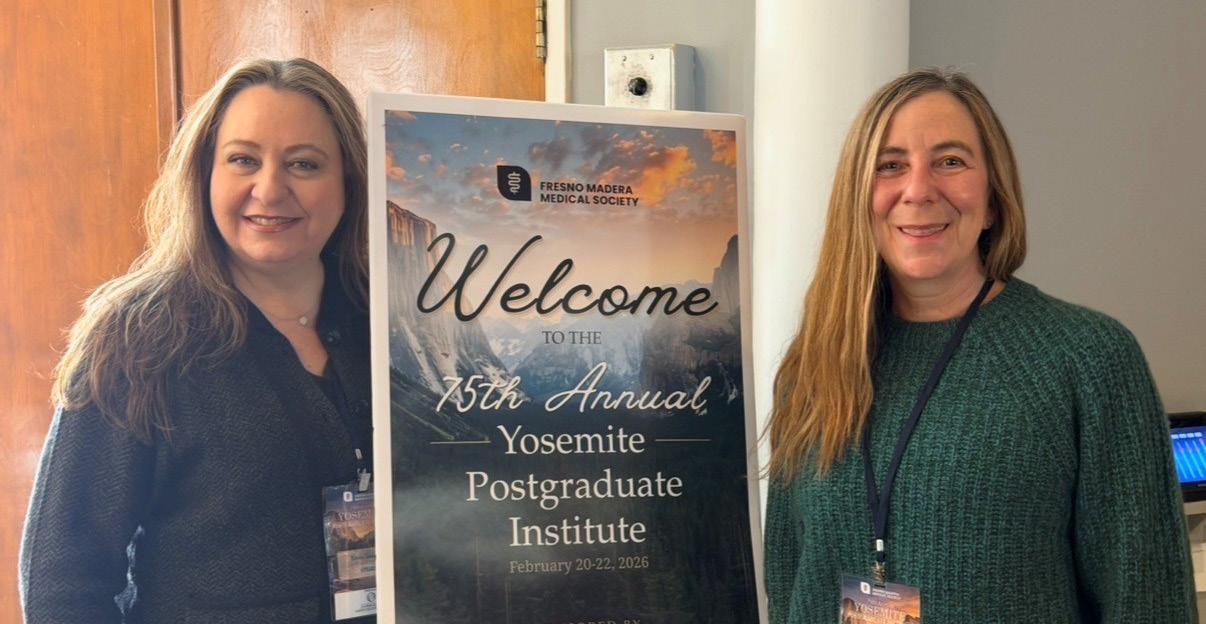
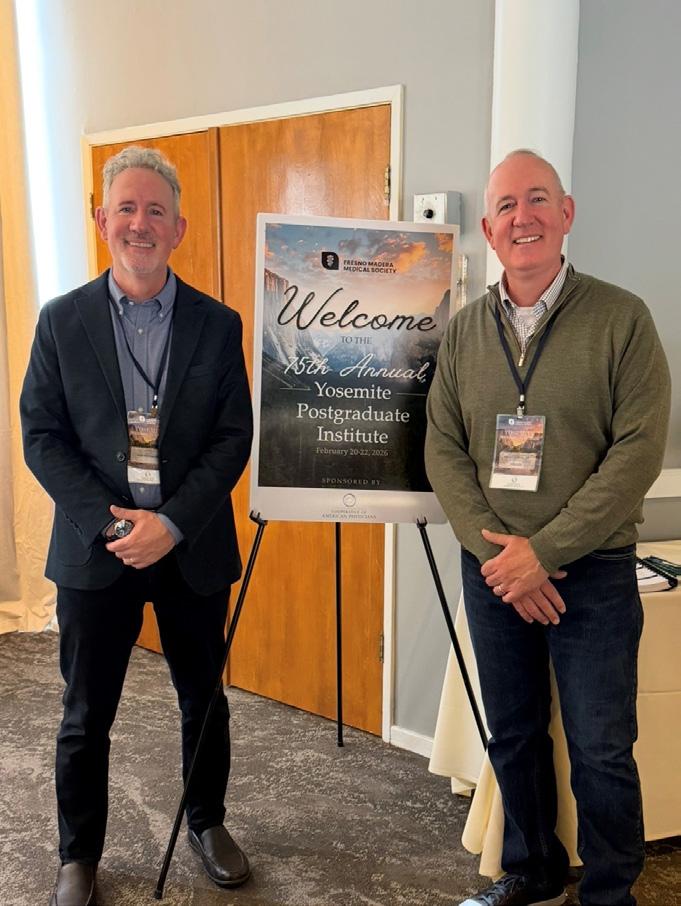
75th Annual Yosemite Postgraduate Institute
A Winter Weekend of Education and Renewal
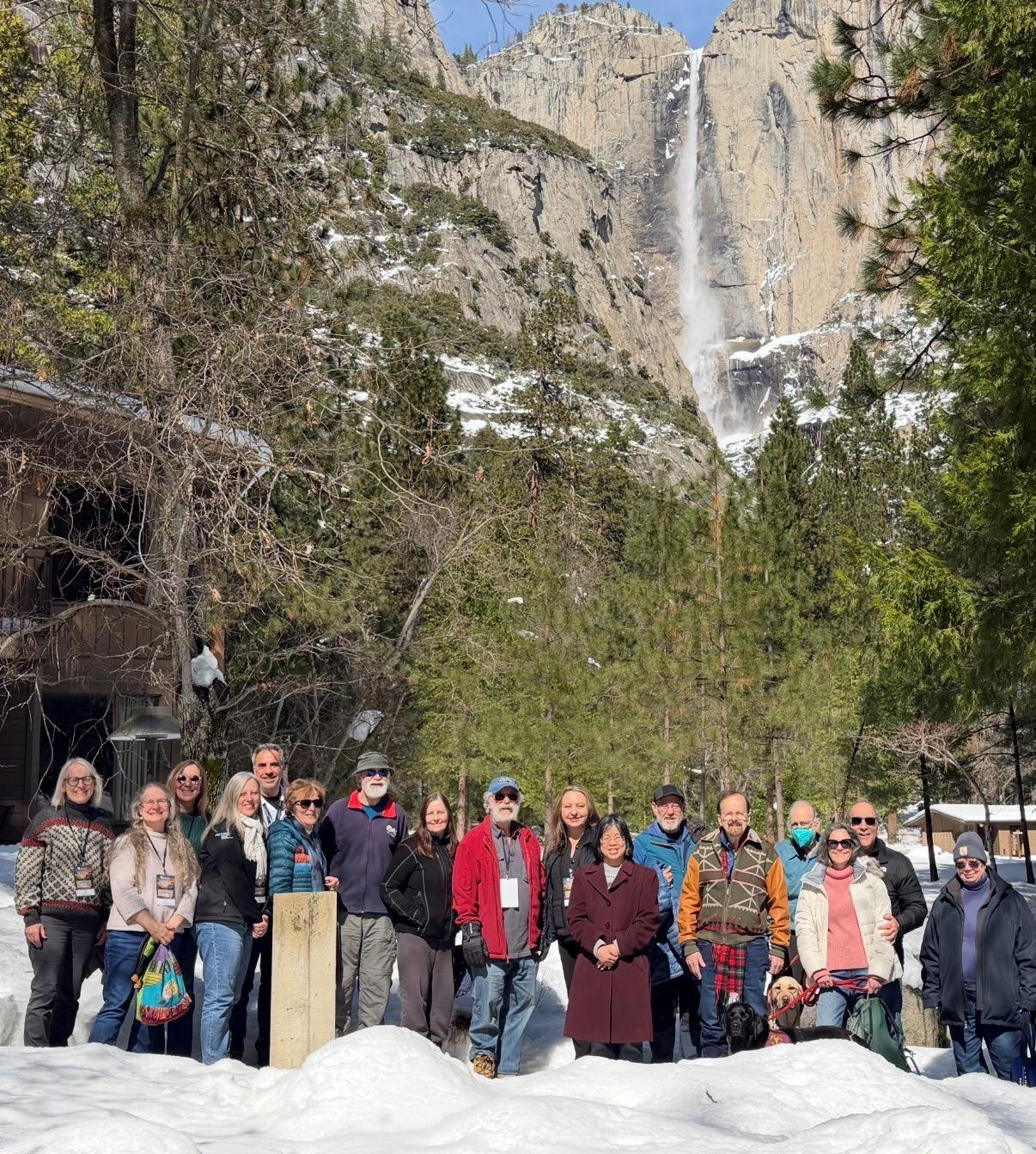
The 75th Annual Yosemite Postgraduate Institute, held February 20–22 in Yosemite Valley, offered physicians a memorable blend of rigorous education and remarkable natural beauty.
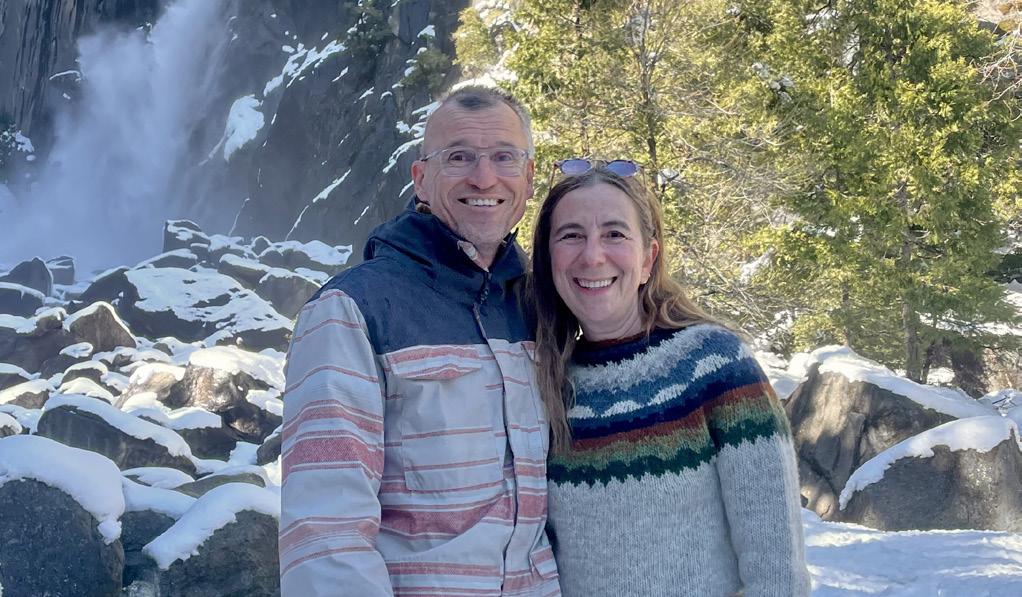
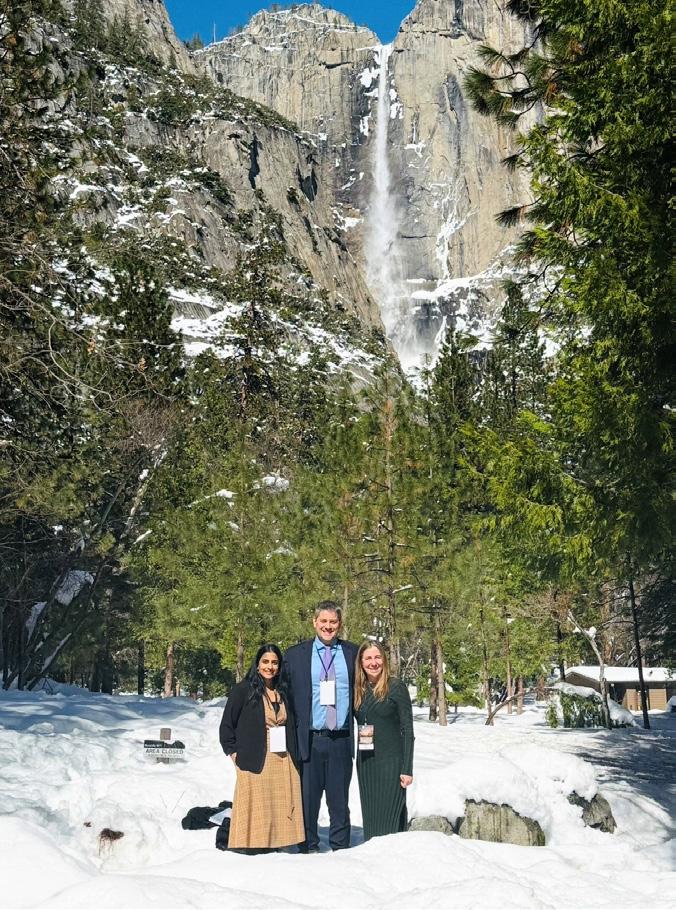
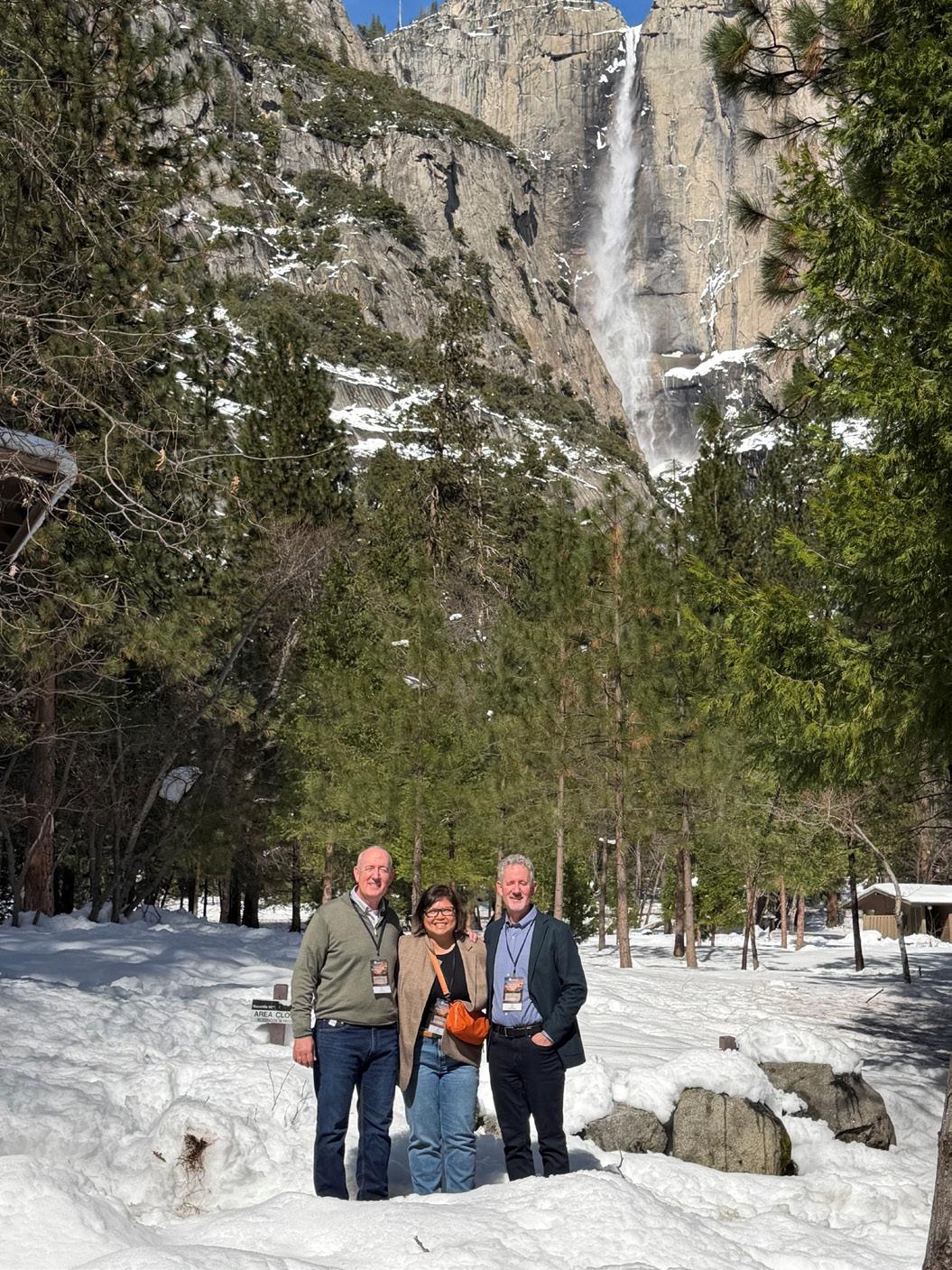
A significant winter storm moved through the region earlier in the week, bringing fresh snowfall to the Valley and surrounding areas. By Thursday night, the storm had cleared. On Friday, the National Park Service temporarily closed Yosemite National Park to day-use visitors while crews cleared roads and parking areas and assessed several fallen trees. For conference attendees already in the park, the result was something special: a quiet, snow-covered Yosemite enjoyed under bright, sunny skies and without the usual daytime crowds.
A QUIET VALLEY, SUNLIT AND SNOW-COVERED
JOSEPH HAWKINS, MD
The entire weekend was clear and beautiful. Fresh snow blanketed the meadows and granite cliffs, reflecting sunlight against deep blue skies. The Merced River moved steadily between banks of white. Without day-use traffic on Friday, the Valley felt calm and spacious. Attendees described walking through the snow beneath El Capitan and Half Dome in an atmosphere that felt both peaceful and restorative.
For many physicians who have attended the conference for years, some for decades, the winter setting offered a new perspective on a familiar tradition.
The landscape was transformed, yet the spirit of the gathering remained the same: thoughtful learning in an extraordinary place.
FIREFALL: A NATURAL HIGHLIGHT
The timing of this year’s Institute once again coincided with the seasonal Firefall phenomenon at Horsetail Fall. Firefall occurs during a brief window in February when the setting sun aligns precisely with Horsetail Fall on the eastern edge of El Capitan. When conditions are right, clear skies and sufficient water flow, the sunlight illuminates the waterfall in vivid orange hues, creating the striking illusion of molten lava cascading down the granite face.
This year, the clear post-storm weather cooperated beautifully. Attendees gathered in the crisp evening air to watch as the falls gradually glowed amber against the granite wall. The experience served as a fitting complement to a weekend devoted to observation, precision, and lifelong learning.
A TRADITION THAT EXTENDS BEYOND THE VALLEY
While deeply rooted in the Central Valley, the Yosemite Postgraduate Institute draws physicians from across California and a number from out of state. Many attendees have been making the journey for decades, returning year after year to combine continuing medical education with collegial connection in one of the nation’s most iconic settings.
The conference also showcases the many gifted physician educators within our own community. This year’s 12-hour program reflected both local expertise and distinguished outside collaboration.
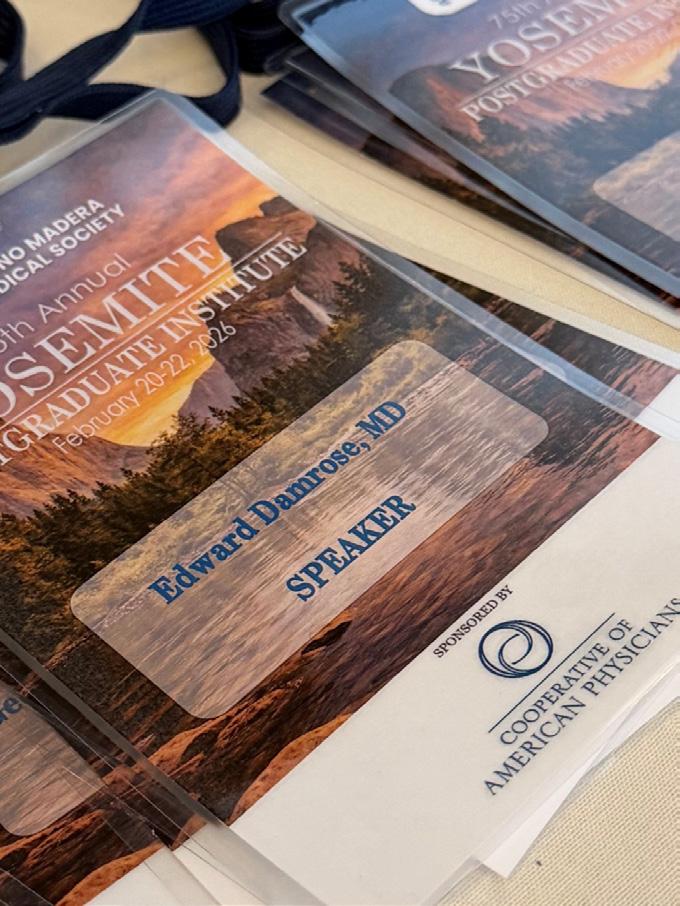
Faculty, listed alphabetically, included Edward Damrose, MD of Stanford; Joseph B. Hawkins, MD; Marina Roytman, MD; Greg Simpson, MD; Geetha Sivasubramanian, MD; Teresa Daniele, MD; and Jane Mock. With the exception of Dr. Damrose, who joined from Stanford, faculty physicians are based in Fresno and represent the depth of clinical and academic excellence within our region.
Sessions were practical, evidence-based, and relevant across specialties. The format allowed time for discussion, questions, and case-based exploration. As always, learning extended beyond the podium into conversations over meals, between sessions, and on walks through the Valley.
LEADERSHIP AND PLANNING
The success of the 75th Annual Institute reflects the thoughtful work of its planning committee. Planning Chair Jean Linder, MD, worked alongside John Monteleone, Joseph B. Hawkins, MD, Marina Roytman, MD, and Greg Simpson, MD to design a program that honored the conference’s history while delivering timely, high-quality content.
Their leadership ensured a seamless weekend that
balanced educational rigor with the restorative setting that has long defined the Yosemite experience.
SEVENTY-FIVE YEARS OF SHARED LEARNING
The 75th anniversary offered an opportunity to reflect on the enduring value of gathering in person. While recent years brought interruptions and adjustments, the return to Yosemite has been warmly welcomed. Physicians across generations, some attending for the first time, others continuing a decades-long tradition, shared in a weekend
that combined scholarship, collegiality, and the quiet beauty of a snow-covered Valley.
Under clear skies and bright winter sun, the 75th Annual Yosemite Postgraduate Institute reaffirmed what has sustained it for three-quarters of a century: a commitment to excellence in medical education and the strength of a community that values learning together.
Health Professionals for Clean Air and Climate Action
Are you a health professional concerned about air pollution and climate change?
Climate change is already harming our health, from worsened ozone pollution due to warmer temperatures, to more frequent and intense wildfires producing dangerous particle pollution. Medical and health voices are critical to raising awareness of the overwhelming health burden caused by air pollution and climate change. To take part in the American Lung Association’s growing Health Professionals for Clean Air and Climate Action community and sign up for our monthly newsletter, visit Lung.org/climatechangeshealth
CMA understands the unique challenges facing physicians and provides services, resources and benefits to help you succeed. Members can offset the price of their annual dues when using CMA membership services and discounts.
Practice Resources
Reimbursement Assistance: Experts from CMA’s Center for Economic Services provide free one-on-one assistance to members and their staff on reimbursement, contracting and practice management-related issues. Services include educational resources, one-on-one assistance and direct intervention with payors. CMA’s reimbursement experts have recouped nearly $50 million from payors on behalf of CMA physicians in the past 16 years. These monies represent actual physician reimbursements that would have likely gone unpaid without CMA intervention. Reach CMA’s reimbursement experts at (800) 786-4262 or economicservices@cmadocs.org.
Legal Resources
Legal Services: CMA’s legal department provides members with information and resources about laws and regulations that impact the practice of medicine. While CMA staff cannot provide physicians with individual legal advice, our health law information specialists, with the support of CMA legal counsel, will help you find legal information and resources on a multitude of health-law related issues.
Health Law Library: CMA’s health law library is the most comprehensive health law and medical practice resource for California physicians. Access to the library is free for CMA members (nonmembers can purchase documents at $3 per page). cmadocs.org/health-law-library
Professional Development
Newsletters: CMA produces a number of publications to keep members up to date on the latest health care news and information affecting the practice of medicine in California. Subscribe to any of these newsletters. cmadocs.org/newsletters
Webinars: CMA’s webinar series gives physicians the opportunity to watch online presentations on important topics of interest and interact with experts from the comfort of their homes or offices. The webinars are free to CMA members and their staff. CMA also has 100+ archived ondemand webinars available. cmadocs.org/webinars
Seminars: Experts from CMA’s various centers travel to local county medical societies throughout the state, holding live seminars for members and their staff on a variety of issues. Contact your local county medical society for more information.
California Physician™ Career Center: Enjoy free access to valuable resources to advance your career, including tips on resume writing, interviews and networking, as well as hundreds of current job openings in California. careers.cmadocs.org
Benefits Tailored for You
Whether you operate independently or as part of a group practice, are beginning your career or considering retirement, CMA’s member benefits are here to help you through all stages of being a California physician.
Student Loan Refinancing: Explore a variety of student loan refinancing options with SoFi, including low-variable and fixed rates with terms ranging from five to 20 years, as well as an additional rate discount of 0.25% off the approved loan rate. sofi.com/cma
Mercury Insurance: CMA members are eligible for exclusive savings on auto and home insurance with Mercury. We have seen members save up to 14.5 percent with combined auto and home discounts. Actual savings vary by policy, so visit the link below to check your specific rate. 24/7 claims support and lifetime guaranteed repairs are included. mercuryinsurance.com/cma
The Doctors Company: CMA’s exclusive medical professional liability insurance company corporate sponsor. thedoctors.com/ca
CONTACT CMA TODAY!
When you join CMA, you hire a powerful professional staff to protect the viability of your practice. By protecting your practice from legal, legislative and regulatory intrusions, your CMA membership lets you focus on what’s really important: your patients.
Contact CMA today at (800) 786-4262 or memberservice@cmadocs.org
Regional Health Systems Expand Access Across Fresno and Clovis
The early months of 2026 have brought an unusual concentration of ribbon cuttings and service expansions across the Fresno and Clovis area, signaling meaningful investment in infrastructure, specialty access and physician workforce development throughout the Central Valley.
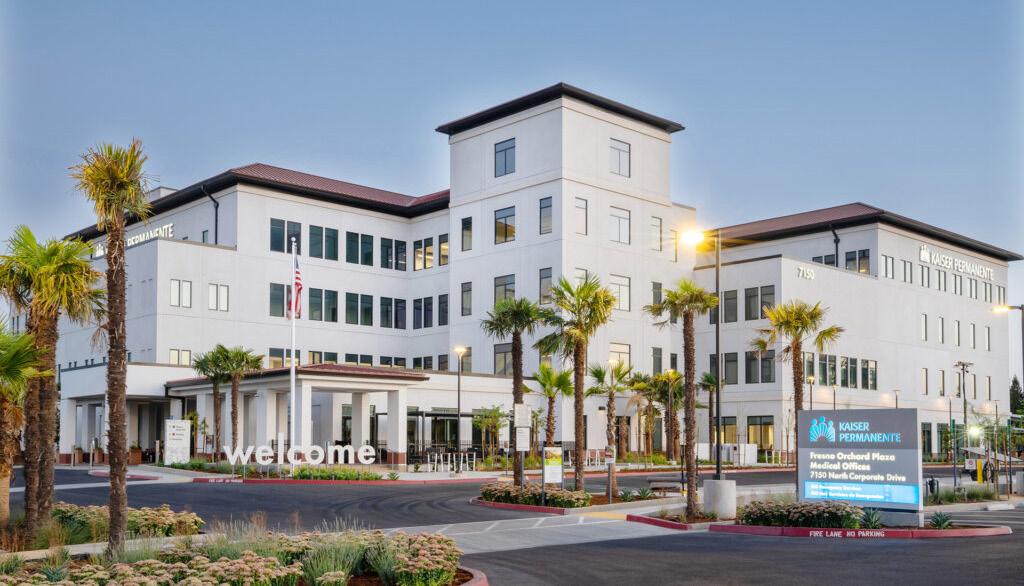
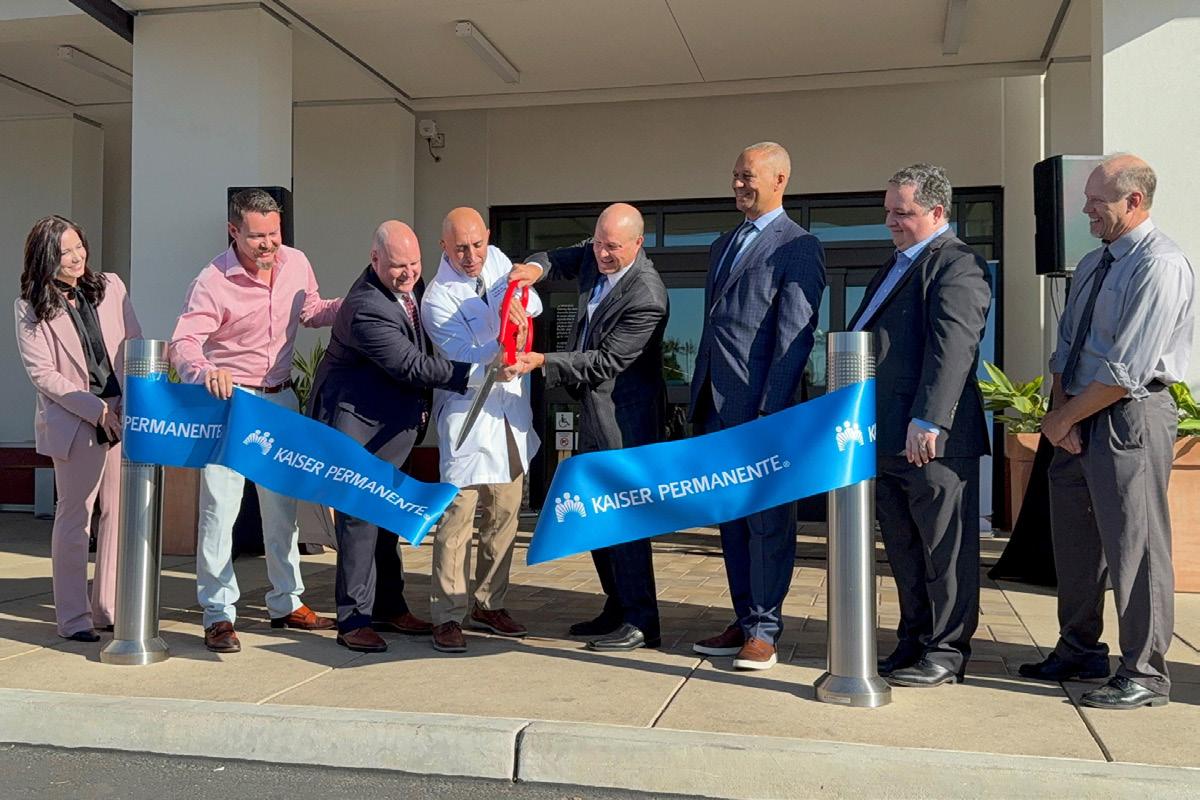
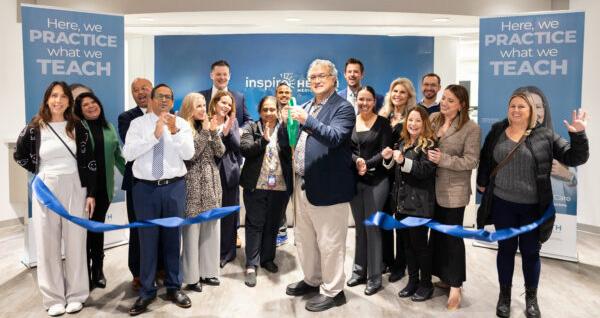
Kaiser Permanente Fresno marked two major milestones with the opening of its new Orchard Plaza Medical Offices and the expansion of its Emergency Department. Inspire Health Medical Group launched a new primary care and specialty clinic in Clovis. Saint Agnes Care introduced dedicated outpatient rheumatology services in North Fresno.
Taken together, these developments reflect a shared regional response to sustained population growth and increasingly complex care needs.
story, 146,000-square-foot facility at 7150 N. Corporate Drive brings together adult and family medicine, pediatrics, behavioral health, endocrinology, oncology, ophthalmology, rheumatology, laboratory and imaging, infusion services, health education and pharmacy services in one location.
KAISER PERMANENTE EXPANDS OUTPATIENT AND EMERGENCY CAPACITY
Kaiser Permanente’s new Orchard Plaza Medical Offices in north Fresno represent the organization’s largest local expansion in more than 20 years. The four-
The site includes 138 exam rooms and space for approximately 400 care providers, including about 100 physicians. Across the five-county service area, Kaiser Permanente serves more than 160,000 members.
“It’s an exciting time for our patients, but this expansion is equally exciting for our amazing, passionate physicians and employees,” said Shahzad Jahromi, MD, physician in chief for Kaiser Permanente Fresno.
Shortly after opening Orchard Plaza, Kaiser Permanente celebrated a second ribbon cutting for the expansion of its Emergency Department. The project adds 41,000 square feet, including additional triage space, expanded treatment rooms and a larger waiting area. Two new MRI machines enhance diagnostic capabilities.
The expansion also includes a new cardiac catheterization laboratory and upgraded interventional
radiology suites designed to support minimally invasive cardiac and vascular procedures.
“As our community grows and we grow our membership, we need to grow our footprint,” Dr. Jahromi said.
INSPIRE HEALTH STRENGTHENS PRIMARY CARE IN CLOVIS
In Clovis, Inspire Health Medical Group opened its 11th clinic and its first newly developed primary care office in approximately three decades.
The 9,200-square-foot clinic at 2176 Shaw Ave. near Armstrong Avenue opened with three primary care providers and a general surgeon, with space to add additional physicians and specialists as demand grows.
CEO Joyce Fields-Keene said the location aligns with Inspire Health’s strategy to expand access to primary care while supporting physician training in partnership with UCSF Fresno residency and fellowship programs.
Saint Agnes Care Rheumatology, located at 1510 E. Herndon Ave., Suite 230, provides evaluation and management of complex conditions affecting the joints, muscles, bones and immune system, including autoimmune disorders, arthritis, osteoporosis and inflammatory diseases.
The clinic is led by rheumatologist Dr. Shelley Kaur Dhillon, who completed her internal medicine residency with Saint Agnes Graduate Medical Education before pursuing fellowship training at the University of California, Irvine, and returning to practice in the Central Valley.
“Opening Saint Agnes Care Rheumatology is part of our ongoing commitment to expand access to specialty care for Valley patients right here at home,” said Sonya Pizzo, vice president of Saint Agnes Medical Foundation.
“We train in community medicine, pediatrics and internal medicine, so many of our graduates want to remain in the Valley,” Fields-Keene said. “Creating this space provides synergy for both patient care and physician development.”
The expansion reinforces Inspire Health’s longstanding role in training and retaining physicians in the region.
SAINT AGNES INTRODUCES OUTPATIENT RHEUMATOLOGY SERVICES
Saint Agnes Care, a nonprofit subsidiary of Saint Agnes Medical Center, expanded specialty access with the launch of outpatient rheumatology services in North Fresno.
A BROADER PATTERN OF GROWTH
For physicians practicing in Fresno and Clovis, the recent wave of openings and expansions represents more than new buildings. It reflects expanded specialty services, strengthened primary care access and ongoing investment in training and retaining physicians locally.
As the Central Valley continues to grow, these efforts collectively position the region to better meet rising demand while supporting coordinated, community-based care for years to come.
We welcome updates from our physician community. Submit items to info@fmms.org for consideration in an upcoming issue.
Dr. Shelley Kaur DhillnRheumatologist
Medical Record Documentation: Paint The Clinical Picture with Complete and Accurate Documentation
BY TRACY VALENTINE, RN, MHA, JD, CPHRM
INTRODUCTION
Medical record documentation errors continue to play a significant role in medical malpractice claims. Incomplete and inaccurate documentation can lead to a variety of unintended consequences including delayed diagnosis or misdiagnosis, patient harm, and death, any of which can lead to medical malpractice claims. Documentation errors encompass missing or incorrect information in charts, notes, transcriptions, and other electronic health record (EHR)-related areas. Copy/ forward and drop-down menu functions, the ability to easily document on the wrong patient or in the wrong location of a chart, and late entries that may appear concurrent are all documentation issues that can cause patient injuries and/or impact the defense of a lawsuit. Certain aspects of the medical documentation process may invite behaviors that contribute to errors and inappropriate notations, increasing the likelihood of later liability.
In addition to ensuring accurate, objective documentation and edits, and effectively addressing late entries, physicians should refrain from assigning blame or negatively characterizing other physicians. They should likewise avoid making derogatory comments about patients in their documentation. The medical record is a legal document and often the most critical piece of evidence in medical malpractice defense. Unfortunately, medical students, residents, and physicians get very little education on proper documentation during their training.1,2
DROP-DOWN MENU SELECTION ERRORS
The use of drop-down menus for medication ordering, while convenient and allowing for quick order entry, can also lead to error if the wrong selection is made. Hastily selecting the wrong dosage can lead to catastrophic outcomes. In the following case, a medical error that
occurred in the post-anesthesia care unit (PACU) led to permanent injury of a young patient.
CASE STUDY
A 45-year-old female presented to the hospital for a scheduled laparoscopic hysterectomy. The patient had a large body habitus necessitating conversion to open surgery. The patient tolerated surgery well and was transferred to the PACU. While in the PACU, the patient began to experience increased pain to her surgical site and requested pain medication. The nurse administered the physician’s ordered dose of hydromorphone 4 milligrams (mg) intravenously (IV). Shortly after the administration of the hydromorphone, the patient began to have difficulty breathing, and her blood pressure dropped to 82/40. The patient became unresponsive to verbal and tactile stimulation, suffered respiratory arrest, and coded. Chest compressions were performed followed by the administration of naloxone and epinephrine. Intubation was attempted multiple times, unsuccessfully. Eventually the patient’s oxygen saturation returned to baseline. Unfortunately, she suffered an anoxic brain injury during this event that left her with neurocognitive symptoms including episodic memory loss, difficulty with speech, and the inability to perform activities of daily living (ADLs).
Upon investigation it was determined the physician, who routinely ordered a 1 mg IV dose of hydromorphone for postoperative pain control, mistakenly chose a 4 mg IV dose from the drop-down menu. The patient and her husband sued the physician and the hospital. Review of the EHR audit trail clearly indicated who made the order and when the order for the hydromorphone was placed. Ultimately, the case was settled.
DISCUSSION
Though most EHRs utilize drop-down menus for a variety of orders and entries, it is important to be mindful of what is being entered into the record. Here the physician should have paid closer attention to the dosage selected in the dropdown. There may have also been an opportunity for the PACU nurse to question the order, notify the physician of her concern, and obtain clarification. Both defense and plaintiff experts commented that the usual IV dose of hydromorphone is 0.2 to 1 mg given slowly over two to three minutes. Further complicating matters is the associated boxed warning carried by hydromorphone alerting prescribers of the risk of medication errors and lifethreatening respiratory depression.
RISK REDUCTION STRATEGIES
Consider the following risk reduction strategies to help improve patient safety: Physicians
• Review medication entries for completeness and accuracy, paying close attention to selections made from drop-down menus.
Nurses
• Always clarify orders if there is a question about their accuracy before administering medications. Administrators
• Adopt EHR functionalities that alert prescribers to potential medication dosing errors, associated boxed warnings, and drug interactions.
• Establish an environment that prevents interruptions or distractions for physicians during order entry to minimize errors.
• Work collaboratively with clinician users and EHR vendors to optimize functionality and help ensure drop-
down menu item choices are accurate and consistent with the expected use. If certain medication dosages are rarely used or unsafe, remove these from drop-down menus.
CONCLUSION
Medical documentation is a critical double-edged sword. Not only does it remain at the heart of many medical malpractice cases, but it is also sometimes the only evidence to help protect a provider from liability during a lawsuit. Electronic medical records have opened new potential gaps in proper documentation, and providers must be as diligent as ever in their medical record-keeping practices to ensure their documentation is comprehensive, complete, and done in a timely manner.
ENDNOTES
1. Jason Lai and David Tillman, “Curriculum to Develop Documentation Proficiency Among Medical Students in an Emergency Medicine Clerkship,” MedEdPORTAL 17 (November 2021):11194. https://doi.org/10.15766/ mep_2374-8265.11194.
2. Emily Klatt et al., “Note to Self: Principles for Better Documentation,” NEJM Resident 360, April 20, 2022, https://resident360.nejm.org/content-items/note-to-selfprinciples-for-better-documentation-3.
The information provided in this article offers risk management strategies and resource links. Guidance and recommendations contained in this article are not intended to determine the standard of care but are provided as risk management advice only. The ultimate judgment regarding the propriety of any method of care must be made by the healthcare professional. The information does not constitute a legal opinion, nor is it a substitute for legal advice. Legal inquiries about this topic should be directed to an attorney.
Trust in ProAssurance to defend your practice of good medicine.
ProAssurance provides medical professional liability insurance and risk management services for healthcare providers of all sizes and types.
LOCAL FOCUS. NATIONAL STRENGTH.
As one of the five largest MPL insurers in the nation, we use regional expertise to create customized coverage solutions to fit your needs. Our superior claims defense helps safeguard your practice of medicine, and our history of financial stability and verified strength is backed by an “A” (Excellent) rating from AM Best.
With ProAssurance at your side, you will gain a powerful ally dedicated to serving you in the ever-changing MPL environment.
As a welcome gesture, we’d like to offer you a complimentary book. To receive your copy, simply scan the QR code at right and complete the form using the code NewMember
Partnering with for your pediatric neurosurgery referral needs
Marike
Zwienenberg, M.D.
Enhanced referrals, closer to home
The UC Davis Pediatric Neurosurgery program is proud to offer minimally invasive and endoscopic interventions for disorders of the brain and peripheral nervous system. Our level I Children’s Surgery Center is equipped with image-guided surgical navigation, brain mapping and intraoperative imaging to ensure optimal outcomes, and is among few fetal treatment centers nationwide to perform in utero repair of spina bifida.
Your referred patients and their families benefit from the academic expertise of nationally ranked UC Davis Children’s Hospital, plus the convenience of care closer to home and lodging on our Sacramento campus.
Our physician referral liaisons are here to help navigate referrals and:
■ Facilitate access to our secure EMR system, PhysicianConnect
■ Assist with UC Davis Health clinical trials and telemedicine
■ Keep you abreast of new services, providers and research programs
■ Arrange meetings, webinars, and share details about CME and events
Connect with your local Physician Referral Liaison: