



In this issue:
Special Focus: International Women’s Day





Why FM Teams Wait Too Long: SOS Leak Detection’s Head of Operations on the hidden cost of delay
Carlisle Support Services brings Industry Together at Innovation Lab 2026



March 2026





In this issue:
Special Focus: International Women’s Day
Why FM Teams Wait Too Long: SOS Leak Detection’s Head of Operations on the hidden cost of delay
Carlisle Support Services brings Industry Together at Innovation Lab 2026
March 2026

Sponsored by

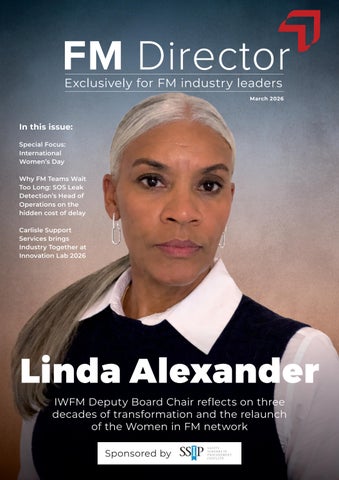
IWFM Deputy Board Chair reflects on three decades of transformation and the relaunch of the Women in FM network





Spring is here! As well as trying to enjoy the lighter nights and the milder weather, the team has still managed to make sure this month’s issue is full – as usual – of exclusive features and interviews from some of the FM industry’s most respected leaders.
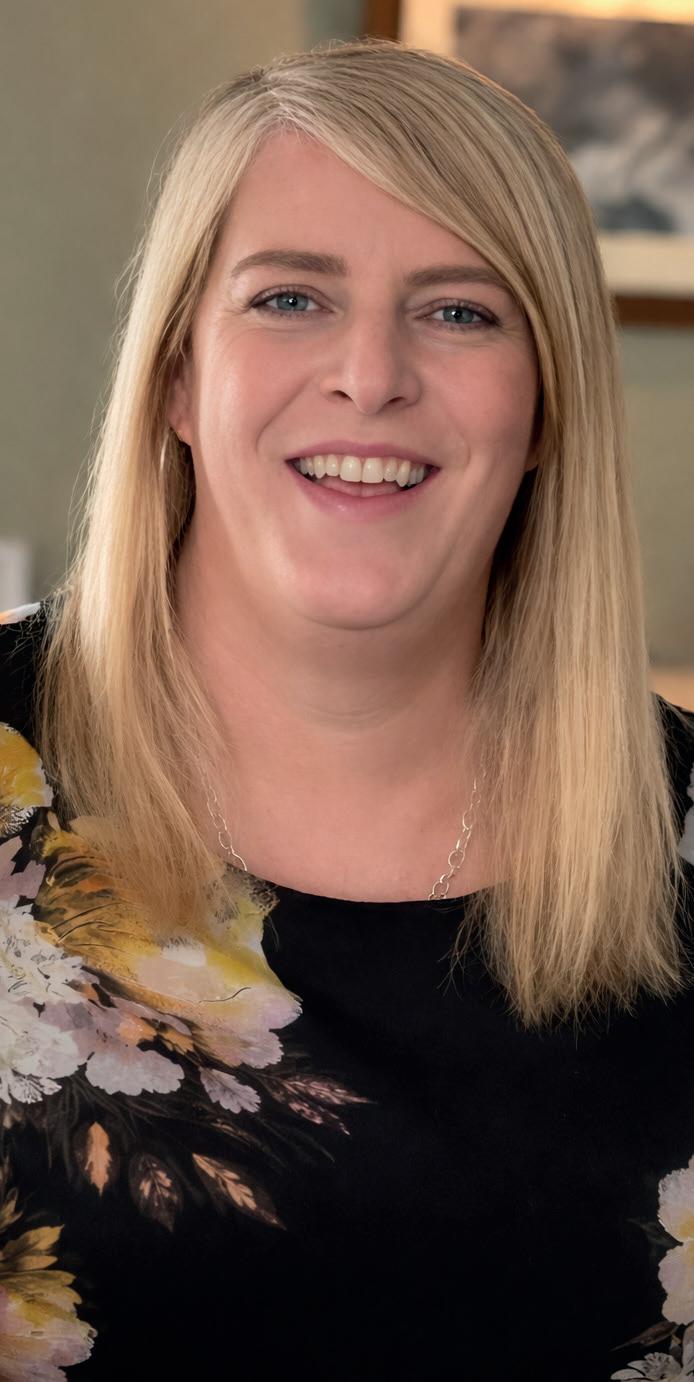
As March is the month that we celebrate International Women’s Day (8th March), our special focus this month is on women in FM. Our cover story is an exclusive interview with Linda Alexander CIWFM, a senior IWFM Board Member who was elected Deputy Board Chair in December 2025. I caught up with her earlier in the month when she reflected on three decades of transformation, the relaunch of the Women in FM network, and why humble beginnings should never define your future.
We also speak to several other superwomen in the industry, including Jo Gilliard, CEO of Jangro, Global Director of Marketing at Codelocks International Ltd, Ros Bayliss, and Kirsty McManus, Professional Development Services Director at IoD.
Other insightful interviews this month include Andy Cruickshank, SOS Leak Detection’s newly appointed Head of Operations, who discusses the launch of the company’s comprehensive Leak Detection and Prevention Guide, and Paul Evans, CEO of Carlisle Support Services, who discusses this month’s fantastic Innovation Lab 2026, which I was honoured to attend at the ACC in Liverpool.


And as if that wasn’t enough, this edition also features several other key voices in the industry such as PTSG, CIBSE, Phil Smith from The Hill Club, and more.
As always, I hope you enjoy this edition of FM Director and remember, if you have anything you’d like to discuss with me, please drop me a line at claire.middleton@businessdailygroup.co.uk
Thanks


























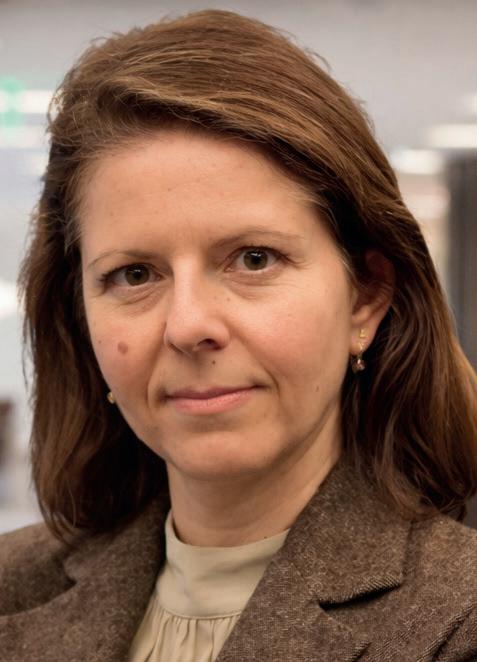

From 5% to the boardroom: Leading FM’s diversity revolution
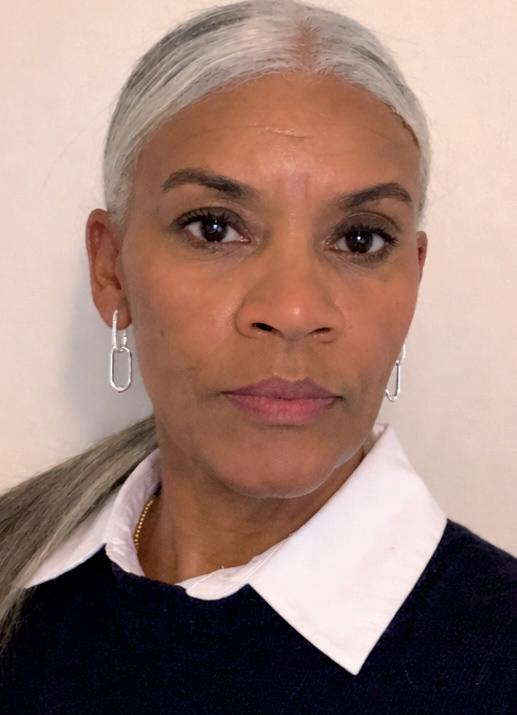
Earlier this month, ahead of International Women’s Day, we spoke exclusively to Linda Alexander, Deputy Chair of IWFM. During the interview, she reflected on three decades of transformation, the relaunch of the Women in FM network, and why humble beginnings should never define your future
Shaping The Future Of Building Services In 2026
By Dr Anastasia Mylona, Technical Director, CIBSE
How Biophilic Design Can Support Workplace Wellbeing
By Laura Light, Concept Design Team Leader at Interface
Managing
Editor
Claire Middleton
Chris Cassidy
by FM Business Daily, Linacre House, Dark Lane, Braunston NN11 7HU © 2026 FM Business Daily. All rights reserved. Reproduction of the contents of this magazine in any manner whatsoever is prohibited without prior consent from the publisher. No part of this magazine may be used or reproduced in any manner for the purpose of training artificial intelligence technologies or systems. For subscription enquiries and to make sure you get your copy of FM Director please ring 01482 782287 or email fmdirector@fmbusinessdaily.com The views expressed in the articles reflect the author’s opinions and do not necessarily reflect the views of the publisher and editor. The published material, adverts, editorials, images and all other content is published in good faith.
From 5% to the boardroom: Leading FM’s diversity revolution
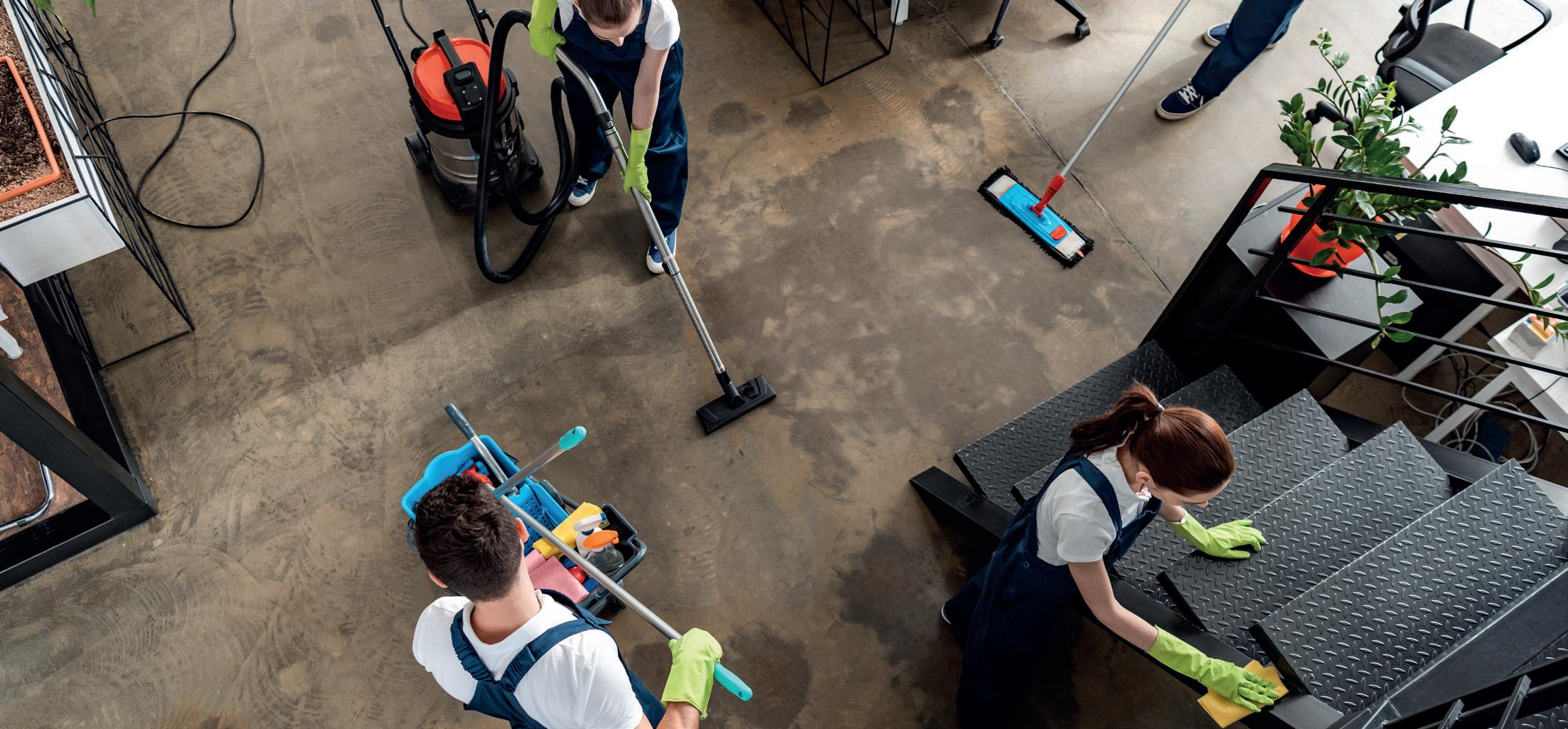
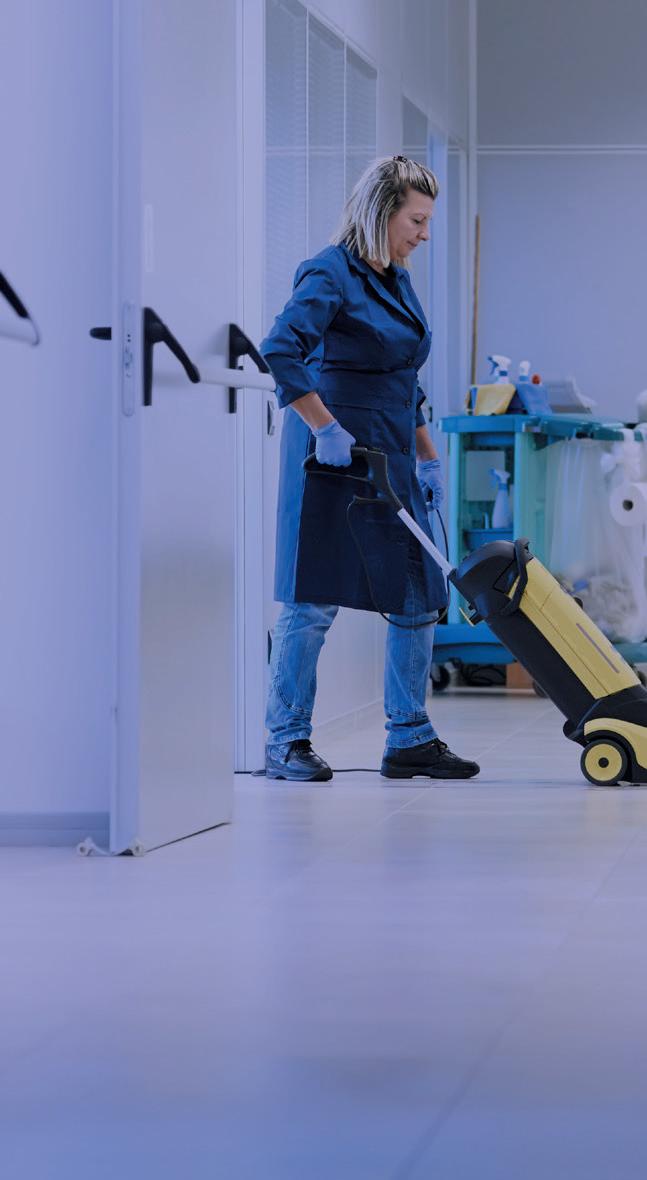
Navigating Change: Phil Smith’s Outlook for the Cleaning Sector in 2026
The True Meaning Of ‘Fit For Purpose’: Translating Standards Into The Real World
Inspect Before You Repair Why FM Teams Wait Too Long: SOS’s Head of Operations on the Hidden Cost of Delay
Shaping The Future Of Building Services In 2026

Earlier this month, ahead of International Women’s Day, we spoke exclusively to Linda Alexander, Deputy Chair of IWFM. During the interview, she reflected on three decades of transformation, the relaunch of the Women in FM network, and why humble beginnings should never define your future
When Linda entered the FM world three decades ago, women made up an estimated 5% of the sector. Today, as Deputy Chair of the Institute of Workplace and Facilities Management, she stands as living proof of how far the profession has travelled – and how much further it still needs to go.
“One of the biggest shifts I’ve seen in FM is the transformation from a largely operational into a recognised strategic profession,” Linda said. “The development of defined professional standards, learning pathways and ethical codes have really genuinely shaped and elevated the sector.”
The evolution of IWFM itself mirrors this broader shift. When Linda first joined, the institute was centred around jobs pages and training courses. Members would pore over employment listings, searching for their next opportunity in what was still an emerging profession.
The power of community and belonging Beyond professional standards, Linda highlighted the growth of IWFM’s community structures as particularly significant. Special interest groups, regional networks and the Women in FM network have created what she described as a thriving sense of belonging that was largely absent in the early days.
“The networks have grown significantly, giving members a stronger sense of belonging, because the community is strong,” she said
The demographic shift has been meaningful but incomplete. Whilst representation has improved visibly, Linda was candid about the work that remains. “We know now physically that there’s a lot more women and that matters. But I think there is still, it’s still an issue. We still need women.”
To help shape the institute’s direction from her position as deputy board chair, Linda said, feels “really rewarding and symbolic of how far the profession’s come”.












Universal principles
In her current role, Linda navigates political, economic and workforce pressures that span multiple countries and contexts. Yet she maintains that excellence in facilities management transcends geography.
“Brilliant, excellent FM is brilliant FM anywhere,” she said. “The context may vary, but the core principles remain universal.”
Across countries, she noted, organisations face remarkably similar challenges: demographic shifts, rising employment costs, skill shortages and constant value-for-money expectations.


These pressures demand strategic thinking, diplomacy and a deep understanding of internal customer needs.
The COVID-19 pandemic reinforced FM’s global significance in ways that continue to resonate. “Everyone was looking towards the FMs, hybrid working and the whole workplace experience,” Linda said.
“To stay world class, we must retain talent as part of the global transition into experience and continuously build new skills. Professional development isn’t optional, I think it’s essential,” she said, adding that membership of a professional body is “really key”.

Relaunching Women in FM with purpose
The relaunch of the Women in FM network represents a major milestone for IWFM, and Linda was clear about why the timing is right.
“It’s a really good time and member value sits at the heart of this because it’s all about our membership,” she explained. “The relaunch aligns to IWFM’s strategic vision.”
Whilst statistics show that women are entering the profession in greater numbers, the sector continues to lose too many at mid and senior levels. Linda acknowledged the complex reasons behind this attrition, including caring responsibilities that disproportionately fall to women.
Under the leadership of Christie Smith, who has been appointed as the new chair, Women in FM aims to tackle these challenges head on through improved retention, progression and visibility.
“That means stronger pipelines and better recruitment and promotion practises, mentoring, allyship and supportive work cultures,” Linda said. “The industry is ready for this.”
She emphasised that whilst women remain underrepresented at senior levels across many sectors, “rebooting Women in FM now allows us to meet the challenge with intention”.
To stay world class, we must retain talent as part of the global transition into experience and continuously build new skills
Allyship, Linda stressed, will be crucial to the network’s success. “When I first started, the Women in FM was one of those focus groups that felt really quite supportive and engaging. So I’m so excited by the relaunch of the Women in FM.”
Advice for the next generation
When asked what advice she would give to young women entering the industry today, Linda’s response was both practical and empowering.
“I believe that you should always be your true authentic self. Don’t be intimidated. Trust your worth and use your voice,” she said.
She shared a mantra that has guided her throughout her career: “As long as you’re presenting or dealing with facts, they’re your anchor. And if you can present them clearly and confidently, you’re halfway there.”
She also emphasised that seeking mentoring early is sound practise, and it can come from both men and women. Linda herself benefited from a male mentor at the start of her career, maintaining contact with him for many years.
“It really helped me to develop my career and shape my growth. I’ll never forget that, it planted the real seeds of my career,” she said.
She highlighted that IWFM offers mentoring programmes available not just for young people, but for anyone within the profession looking to tap into that support.
The economic case for inclusion
As deputy board chair, Linda occupies a prime position to influence the people strategy of the profession. Her approach is grounded in both principle and pragmatism.
“There’s a clear economic case for inclusion,” she said. “FM is a really diverse profession. It’s a sector with huge upward mobility. You can enter at a junior level and rise to the top.”
Whilst EDI commitments within IWFM remain strong, Linda acknowledged that nationally and internationally, progress appears to be plateauing.
She attributed this partly to global noise and shifting priorities, though she was careful to note that organisations are still taking inclusion seriously.
“It’s just that maybe they’ve reached where they need to be or they’re shifting their focus to other priorities,” she said.
Networks like Women in FM, combined with senior leadership commitment, can help shift recruitment norms, strengthen talent pipelines and change the composition of senior teams over time, she argued.
“IWFM and FM showcase representation. And I’m a living example of that. Hopefully a good role model to show that representation on the board,” she said.
When asked about the professional legacy she hopes to leave, Linda’s response revealed both humility and determination.
“I hope my legacy is that of opening doors and broadening horizons for the next generation, especially for young women who may not yet see themselves represented in this sector,” she said.
“Your background should never define your future,” Linda said. “Even if you’ve had adversity and humble beginnings, I’m living proof that potential can be realised when someone believes in you.”
She described herself as valuing “relational leadership”, knowing people at every level and making them feel seen. This philosophy extends to her daily practise, even at senior level.
“FM is ultimately a people profession. And I’ve always been a people person. I still like to go in early and say hello to the cleaners and to the security teams,” she said.
Her measure of success is straightforward but profound: “If I can even help just a few young people see FM as a space where they can grow, lead and belong, I’ll consider that a legacy to be proud of.”

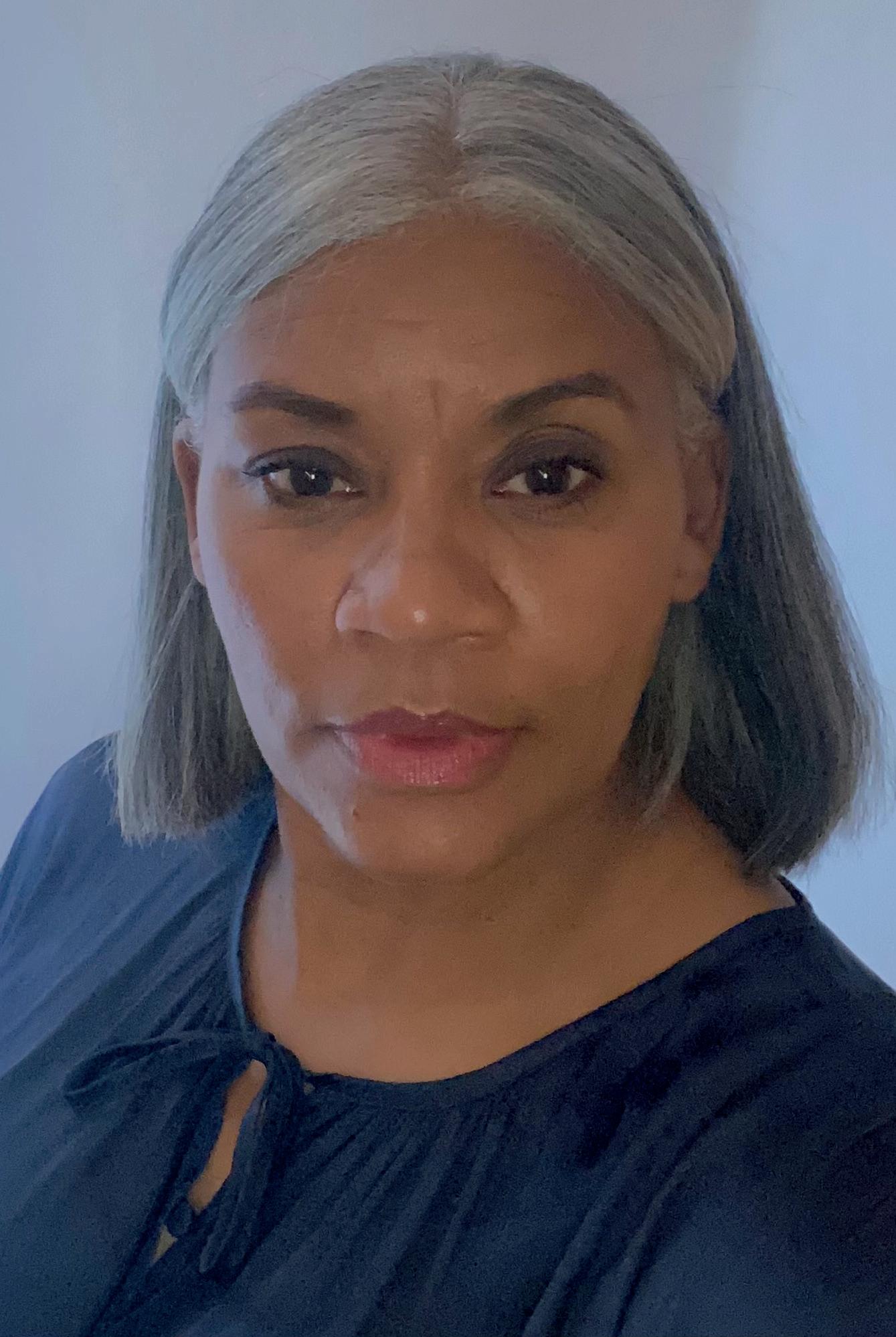

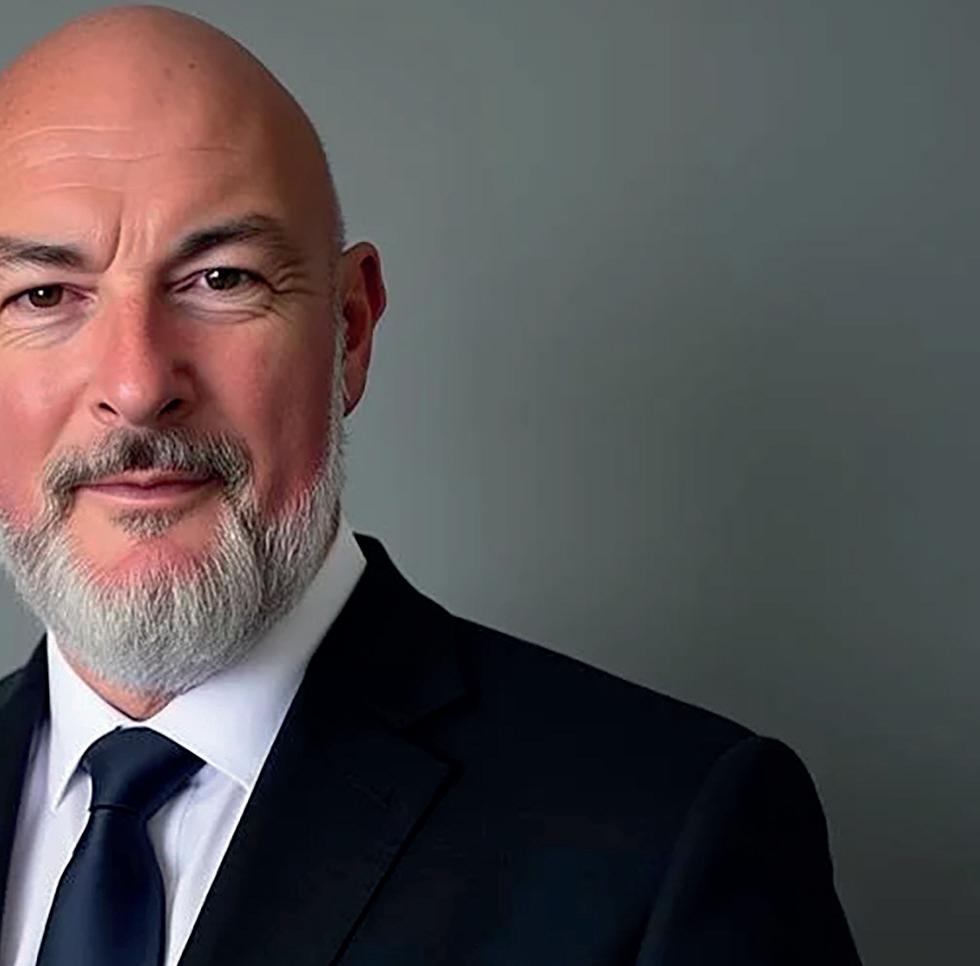
Phil Smith, Managing Director of Indigo Integrated FM Ltd and Founder and Chairman of The Hill Club, shares his predictions on the challenges and opportunities facing the cleaning industry in the year ahead




As we enter 2026, businesses are bracing themselves for what Phil described as a “perfect storm” of regulatory changes, wage pressures and workforce challenges that will test the sector’s renowned resilience.
Speaking exclusively to FM Business Daily, Phil identified employment wage rate increases as the most significant issue facing the industry this year. With the government’s national living wage rising by almost 4% and the Living Wage Foundation’s real living wage increasing by nearly 7%, the impact on service delivery costs is substantial.
“Cleaning, as you probably know, upwards to 70% of our charge to a client is made up of wages,” Phil explained. “So when you see these increases, that has a knock-on effect. Not only does it impact the cost of the cleaning service delivery, but the whole supply chain, all of the component parts that go towards providing that supply chain are impacted as well.”
Phil emphasised that whilst wage increases are “absolutely essential” to ensure workers can “live sustainably,” the reality remains challenging for many in the sector.
He highlighted how numerous cleaning operatives are “doing multiple jobs every day to put together a full-time employment package from five, six, seven jobs per day, which is obviously a very difficult way to exist.”
The labour resource pool faces additional pressure from shifting attitudes towards international workers, who Phil noted form “a substantial proportion” of the cleaning workforce. He stressed their crucial role in the sector.
“It’s absolutely crucial that we as employers are making sure that those guys get a sustainable rate of pay because otherwise we don’t keep them,” Phil said.
Phil said that the Employment Rights Act in particular will “change the goalposts” for the industry. The uncertainty surrounding how employees will exercise their new rights has created what he called “a bit of an unknown” for businesses trying to plan ahead.
“Nobody knows how their workforce is going to react,” Phil acknowledged, noting particular concern about changes to Statutory Sick Pay (SSP) that “could have a very acute impact on the way that our businesses operate.”
Despite the challenges, Phil revealed that industry leaders are actively collaborating to understand and prepare for the changes.
The Employment Rights Act in particular will “change the goalposts” for the industry
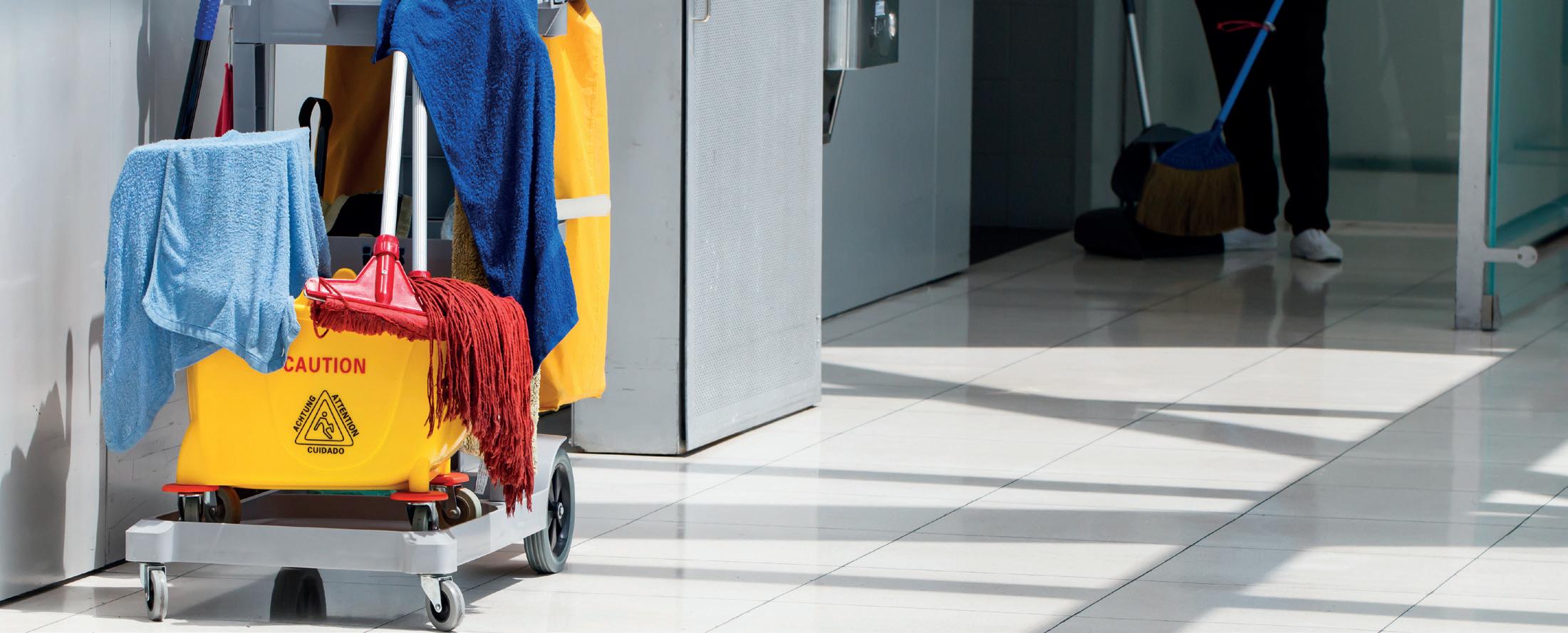
He described the cleaning industry as “a big family” and “a collaborative collection of people that all get on with each other,” with companies sharing ideas and strategies to navigate the new landscape.
Just engage with your supply chain and say, okay, this is the situation, what are we going to do to work around it?
Adding to the complexity, Phil highlighted how ESG changes and the drive towards net zero, whilst “absolutely essential and the right thing to do,” don’t come without cost. He noted that larger businesses face the challenge of implementing changes across “a much wider platform of workforce and of sectors,” despite potentially having deeper pockets than smaller operators.
The cumulative effect extends throughout the supply chain, affecting everything from machinery provision to janitorial supplies, ultimately impacting client sectors such as hospitality, where increased cleaning costs push up “the price of delivering a pint of beer or a plate of food.”
Despite these multifaceted challenges, Phil remained optimistic about the industry’s ability to adapt, drawing on its history of successfully navigating change. He recalled the “seismic shift” when holiday entitlement changed from 20 days including bank holidays, to 20 days plus bank holidays, noting that whilst it significantly impacted contract costing, “we got around it, we worked on it, and we incorporated it.”


Join the UK Metal Decking Association (UKMDA) and place your business at the forefront of the industry. UKMDA offers a powerful network and essential resources to help your company and contracts be successful. Why Join UKMDA?
Leadership & Influence:

Be part of a powerful network that shapes industry standards and works with key bodies like HSE, CITB and CSCS
Credibility & Safety:
Demonstrate your commitment to excellence with our rigorous audits and access to authoritative safety guidance.
The UKMDA is committed to raising the bar for safety and competency. Our comprehensive training programs provide your team with the skills and qualifications they need.
Core Training: Our scheme covers all aspects of metal decking and stud welding installation, taught by licensed trainers.
Nationally Recognised NVQs:
We provide NVQs that allow you and your installers to demonstrate technical competence.
A UKMDA-qualified workforce means fewer accidents, greater efficiency, and an enhanced reputation for quality.
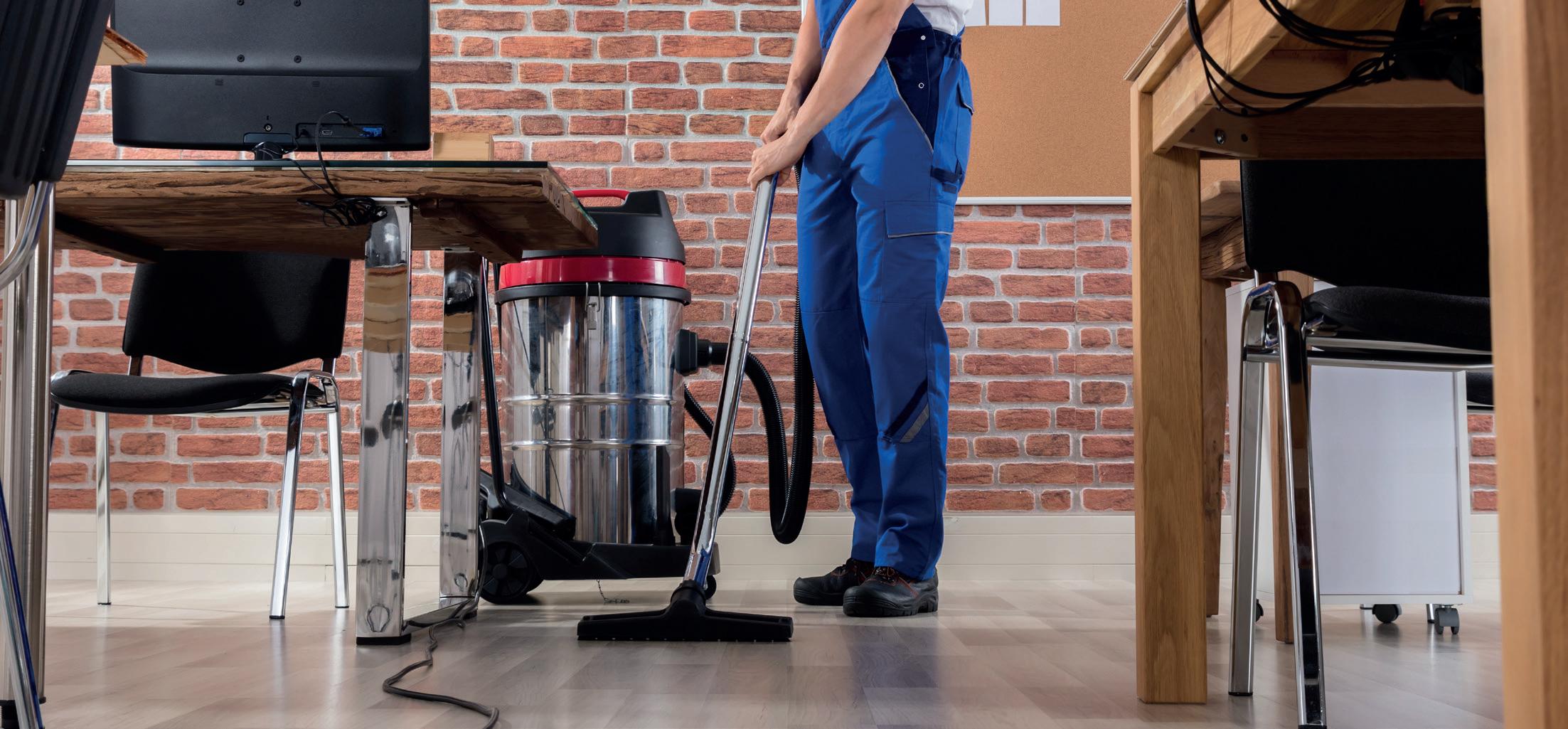
“I’m really proud of our industry,” Phil said. “We’ve got some great minds, some great innovators, and we love finding a solution.”
His key message to clients was one of collaboration and engagement. Phil urged businesses to work with their supply chain partners, saying: “Just engage with your supply chain and say, okay, this is the situation, what are we going to do to work around it?”
Looking ahead, Phil expressed confidence that whilst 2026 will bring “different challenges,” the cleaning sector’s track record of resilience and innovation positions it well to meet them head-on.
“We’re incredibly resilient,” he concluded. “This isn’t something that’s come as a surprise. We go through this every single year. But we’re up for the challenge.”
I’m really proud of our industry. We’ve got some great minds, some great innovators, and we love finding a solution



As the premier body for Temporary Safety Systems, FASET is dedicated to ensuring unparalleled safety standards across the industry.
All our qualifications now exclusively issue digital cards, offering a wealth of benefits:
Convenience: Easily add new qualifications as you progress.
Streamline Your Checks: For Employers and Site Supervisors
Security: Enhanced protection against loss or forgery.
We achieve this through our robust partnership with CSCS, delivering comprehensive training, rigorous assessment, and the issuance of industryrecognised competency cards. enquiries@faset.org.uk
Verify an operator’s competency instantly! Download the CSCS Smart Check App to your mobile device.
Stay Updated: Receive timely alerts for expiry dates and crucial safety notifications.
01948
By Lorcan Mekitarian, Chair of the Cleaning & Hygiene Suppliers Association

Fit for purpose’ is a phrase often used but with little reflection or examination of what it really means. It is often taken on trust rather than tested. In a market with a relentless pressure on price, the gap between what a product claims to do and what it delivers can be wider than buyers realise.
At its simplest, ‘fit for purpose’ means a product does what the customer reasonably expects it to do. A plastic sack should hold the waste it is sold to carry.
A cotton mop should contain the amount of yarn implied by its description and perform accordingly. A paper towel should be the size, number of plys and sheet count stated on the case. A cleaning chemical should deliver the efficacy, safety and volume declared on the label.
These expectations are not abstract ideals; they are practical, operational requirements that affect performance, cost in use and trust in the supply chain.
The challenge is that expectations are often shaped by labels, descriptors and long-standing industry shorthand that may not be consistently defined. Historically, thickness was used as a proxy for the quality of a plastic sack, despite having little correlation with strength.
Cotton mops were ordered by “weights” that did not distinguish between the cotton yarn that does the cleaning and the socket that does not.
In this context, standards are essential, not theoretical. A specified standard turns an expectation into something measurable. It answers important questions.
How can I be certain this cleaning product will tackle the specified bacteria? How much weight must this sack hold without splitting? How much cotton yarn must this mop contain to perform as expected? What tolerances are acceptable on size, sheet count or volume? Without agreed definitions and test methods, ‘fit for purpose’ becomes a matter of opinion rather than evidence.
Increasingly, fitness for purpose must also be considered across the product lifecycle, particularly from an environmental perspective. Environmental claims are now part of the expected performance of many products, but they bring their own risks if they are vague or unsupported. If a product is described as biodegradable, compostable or recycled, buyers need clarity on what exactly that claim applies to: the whole product, a component, or the packaging; and under what conditions the claim is valid.
A sack that biodegrades only in industrial composting conditions, or a wipe where only the fibres – not the binding agents – break down, may still be ‘fit for purpose’, but only if the claim is accurate and understood in the context of how and where the product will be used.
True fitness for purpose therefore rests on three pillars: clear specification, credible evidence and independent scrutiny. Clear specification ensures everyone is working to the same definitions. Evidence demonstrates that products meet those definitions in practice, not just at the design stage. Independent scrutiny provides confidence that checks are consistent, ongoing and not simply selfdeclared.









True fitness for purpose therefore rests on three pillars: clear specification, credible evidence and independent scrutiny
Towards the end of this chain sit accreditation and audit frameworks that translate standards into the real world. Our long-established Accreditation Schemes for manufacturers and distributors of cleaning and hygiene products exist precisely because buyers and suppliers recognised the importance of independent scrutiny.
Products that meet defined, audited standards reduce risk, support consistent performance and help ensure that environmental and ethical claims stand up to scrutiny. In a market crowded with choice, ‘fit for purpose’ becomes truly tangible when clearly defined, underpinned by standards that demand substantiable evidence and verified by audit.










James Middleton, Technical Façade Surveyor at Building Transformation, speaks to FM Director about why evidence-led inspection is the key to smarter building envelope management, and why reacting without proper diagnosis is costing facilities teams more than they realise
Facilities and estates managers are regularly asked to approve repairs on buildings they cannot fully see. It is a position that James Middleton, senior technical surveyor at Building Transformation, knows well, and one he believes lies at the heart of a much wider problem in how the sector approaches building maintenance.
“You are accountable for façade and roof risk, but much of it sits out of sight,” he said. “And it often fails at the worst possible time.”
Critical areas such as high façades, roof interfaces, glazing systems and structural details are, by their nature, difficult to access and therefore difficult to inspect properly. Without clear evidence of the root cause of a defect, James explained, decisions become reactive.
“Temporary patch repairs get approved, leaks return, and the same issues resurface months later, often with higher costs and increased operational risk,” he said. “For estates teams responsible for keeping buildings safe, compliant and watertight, the ability to properly access and inspect these areas is not a nice-to-have. It is essential.”
The challenge of inspecting hard-to-reach structures According to James, the parts of a building most likely to fail are almost always those that are least visible or hardest to reach. He cited high-level façade systems, roof interfaces and parapets, glazing assemblies and gaskets, structural connections and wall ties, and coatings and cladding details as the areas of greatest concern.
When these areas are missed or poorly assessed, he said, hidden defects can develop into significant issues, including water ingress and internal damage, façade safety risks, compliance failures, accelerated lifecycle deterioration, and the kind of repeated reactive maintenance costs that compound over time.
“Traditional inspection methods are not always practical on complex buildings, heritage structures, high-rise estates or operational facilities,” James noted. “As a result, facilities teams can find themselves relying on limited visual assessments or incomplete information, and that is where the real risk lies.”
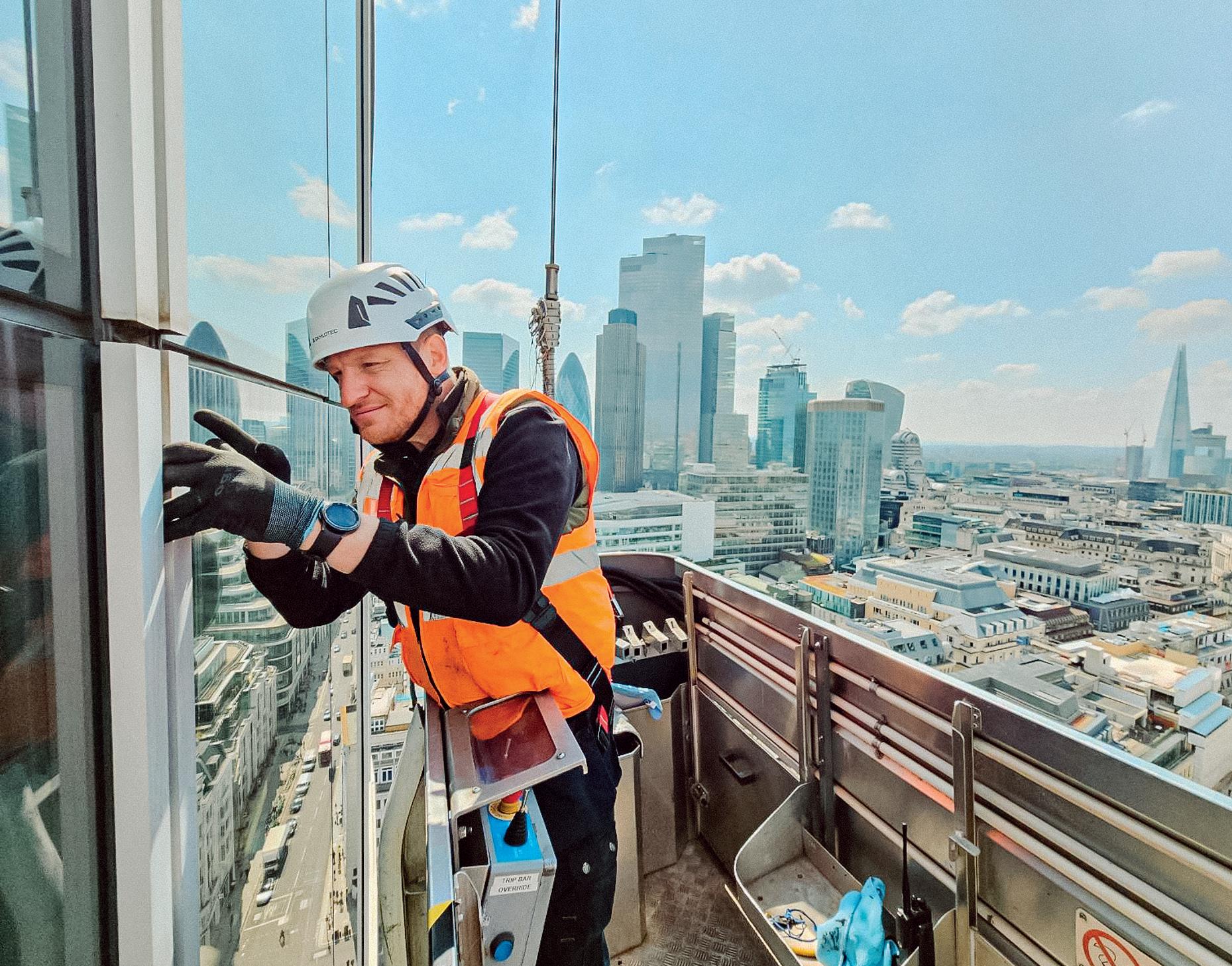
Accessing what others cannot Building Transformation’s approach centres on specialist access and inspection services designed specifically for complex or difficult-toreach structures. James described a model built around flexibility, using the most appropriate combination of access methods based on the building type, risk profile and operational constraints of each project.
“We do not rely on a single access technique,” he said. “Whether that is IRATA rope access, cradle systems, MEWPs, scaffolding or mast climbers, the method has to be right for the building and for the client’s circumstances. Each has its place.”
IRATA rope access, he explained, provides a safe, efficient and versatile method for inspecting or repairing high-level façades with minimal disruption, while scaffolding and mast climbers are used selectively, ensuring disruption is minimised and budgets remain focused on repair rather than access infrastructure.
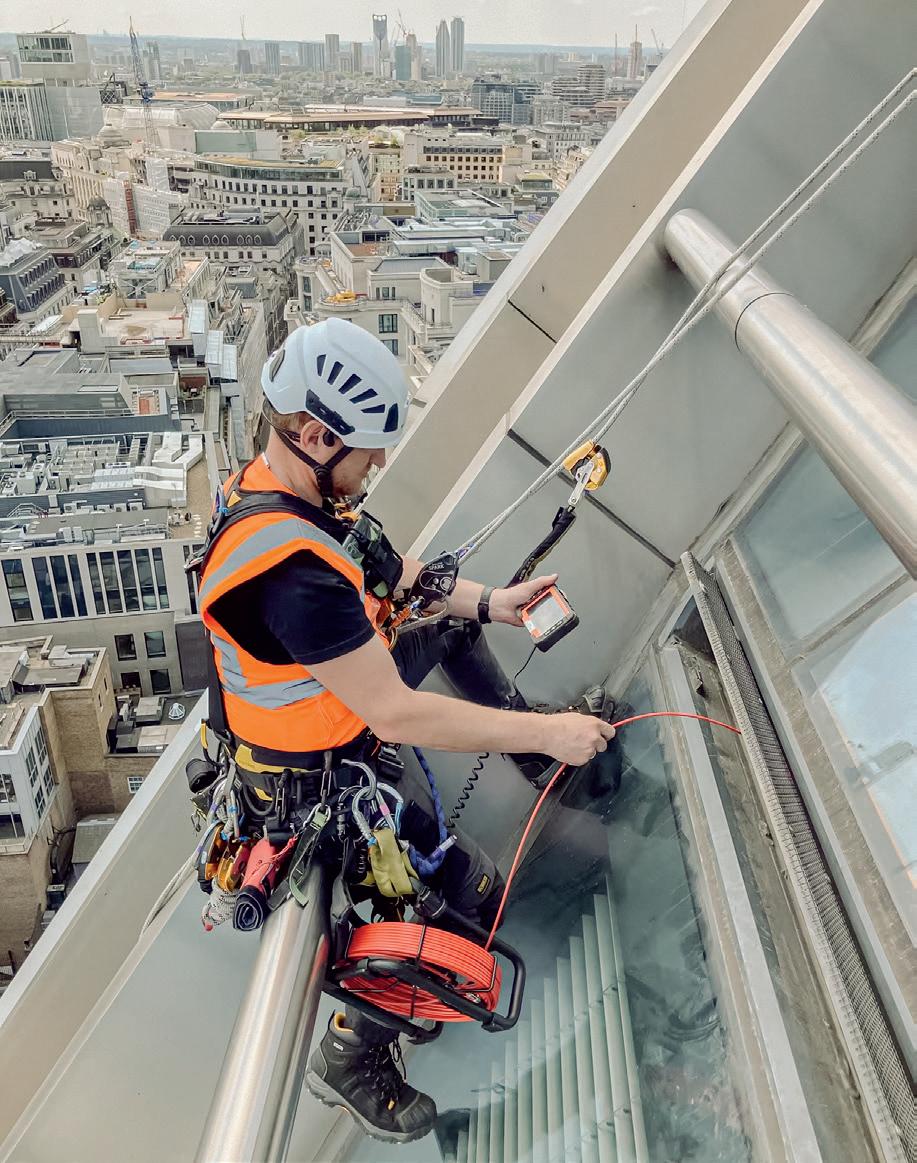
This flexible approach enables safe and controlled access to a wide range of structures, from steel bridges, concrete towers and aircraft hangars to historic stone buildings, commercial office towers, curtain walling systems, glazed façades and atriums.
“The result is a comprehensive condition survey that reaches areas many traditional inspection methods simply cannot,” James said.
Evidence-led condition surveys
For James, access is only the starting point. The real value for facilities teams, he argued, lies in obtaining clear technical evidence about what is actually happening within the building envelope.
Building Transformation conducts detailed specialist investigations covering wall tie investigations, gasket defect mapping, borescope sampling of concealed cavities, asbestos assessments, corrosion and coating condition surveys, and industrial coating and paint sampling for chemical analysis.
Where laboratory testing is required, samples are analysed through UKAS-approved laboratories, ensuring results meet recognised technical and compliance standards.
“Defects are mapped using advanced inspection software, supported by photographic evidence and clear reporting,” James explained. “This evidence-based approach allows facilities managers to move beyond assumptions and make decisions based on verified data. That is a fundamentally different position to be in.”
From inspection to resolution
A common frustration James identified in the sector is the tendency for inspection providers to focus solely on surveys, leaving facilities teams to coordinate the subsequent repair work separately.
Building Transformation’s model is built around a different philosophy, operating as what James described as a buildingenvelope partner, providing a complete process from access through to repair and ongoing maintenance.
“We access, survey, diagnose and fix façade and roof issues, then help clients plan their maintenance so the building remains safe and watertight,” he said.
“Instead of reacting to recurring issues, facilities teams gain a prioritised plan supported by clear reporting and fewer contractors to coordinate.”
The typical workflow encompasses access planning and safety management with project-specific RAMS, specialist inspection and testing of the building envelope, evidence-led reporting with defect mapping and prioritised recommendations, targeted repair solutions addressing the proven root cause, and ongoing maintenance strategies to prevent recurrence.
“This integrated approach reduces the likelihood of repeated failures and improves long-term asset performance,” James added. “That is ultimately what every estates team is trying to achieve.”
Facilities managers, James observed, are responsible for maintaining safe, compliant buildings while controlling operational costs. That responsibility, he said, becomes significantly more manageable when decisions are supported by reliable inspection data.
“With clear reporting, prioritised actions and verified causes of defects, estates teams can approve repairs with confidence, avoid unnecessary or ineffective work, reduce recurring leaks and façade failures, and plan maintenance based on evidence rather than assumptions,” he said.
“What we are trying to do is give facilities managers their eyes back on the building, especially where access is difficult. They carry the accountability. They deserve the information to go with it.”
Building Transformation’s experience spans commercial estates, heritage assets, high-rise buildings and MOD facilities, with a service offering built around accredited, safety-led delivery, comprehensive defect mapping, and an end-to-end process from inspection through to repair and maintenance.
For James, the case for doing things properly is straightforward. “The ability to access the right areas, identify the real cause of defects and act on clear evidence is what makes the difference between reactive maintenance and effective building management,” he concluded. “Those are two very different outcomes.”
This integrated approach reduces the likelihood of repeated failures and improves long-term asset performance
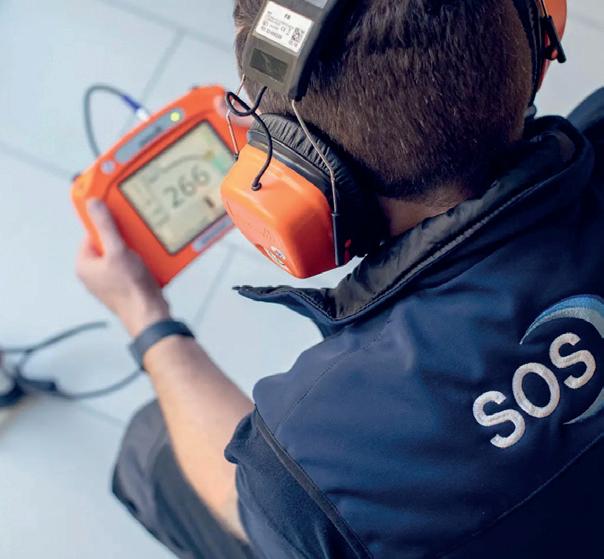
Speaking exclusively to FM Director, Andy Cruickshank, SOS Leak Detection’s newly appointed Head of Operations, discusses the launch of the company’s comprehensive Leak Detection and Prevention Guide, why FM teams wait too long to act, and the shift from reactive response to proactive monitoring
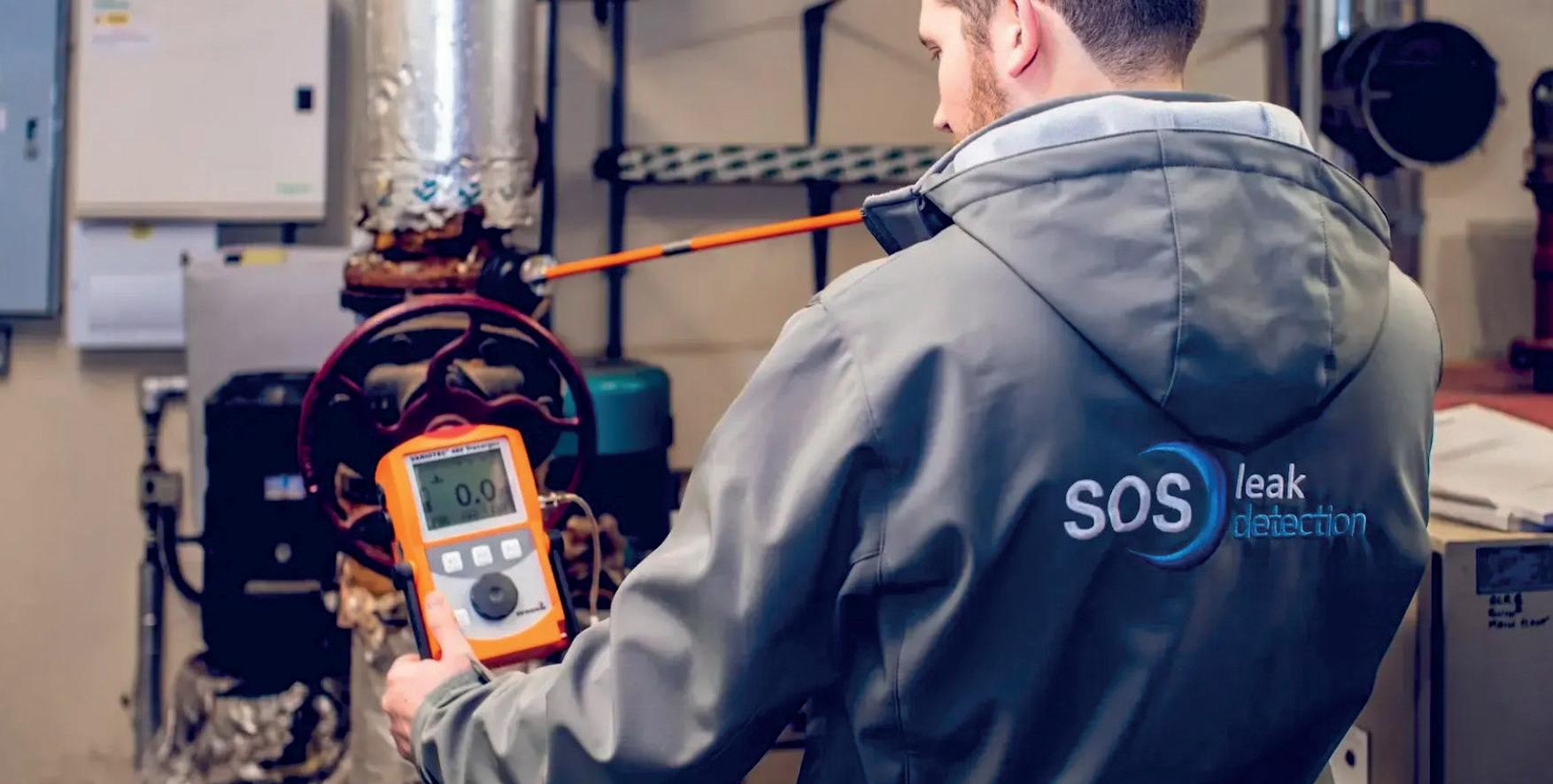
With UK insurers paying out roughly £1.8 million per day on escape-of-water damage, hidden leaks represent one of the most insidious threats to building integrity and FM team reputation.
Andy Cruickshank was appointed as SOS Leak Detection’s new Head of Operations in February 2026, bringing nine years of experience with the company and a unique perspective as a former plumber who has worked on both sides of the leak detection challenge.
His appointment coincides with the launch of SOS’s first comprehensive Leak Detection Guide, a resource designed to address the knowledge gaps that leave FM teams paralysed when faced with hidden leaks.
The Diagnosis Dilemma
“FM teams are really struggling with diagnosing issues,” Andy explained. “A lot of the times they know they’ve got an issue, but they just don’t know how to approach it.”
The challenge is compounded by scale. Many sites cover thousands of acres with complex plant rooms and extensive buried pipework.
I love that SOS is like one big family. If you need a hand with something, there’s always someone there to help you
Whilst fire damage is more dramatic, water’s capacity for slow, pervasive destruction makes it equally devastating. “A lot of leaks can go undetected for years, and by the time it is detected, the damage is already done,” Andy said.
“We’ve been in properties where people don’t notice they’ve got water damage, and then we’ve found damage in every room. By the time it’s got to that point, they’re out for six months. All their furniture and belongings are ruined with damp and mould, and some things are irreplaceable. No matter how much money you throw at it, some things you just can’t get back.”
One of the guide’s core themes is helping FM teams understand when to call a plumber versus when specialist leak detection is required. Andy’s perspective is informed by direct experience on both sides. “I’m a plumber by trade,” he said. “I know what it’s like to be sent in to look for a leak when you have no idea where to start.”
The distinction comes down to visibility and certainty. “Your plumber can fix generic leaks that are visible, and they’ll dig up the ground if they know where it’s coming from,” Andy explained. “But it’s the difference in digging 10 times compared to digging once, which is what we try and do. We try and get there first time, right area, leak repaired, job done.”
One striking pattern emerged from SOS’s 8,000 annual jobs: FM teams consistently delay action until problems become emergencies. “We notice an uptake in work around October, but there are so many people that tell us they noticed the leak in the summer, but waited until it became a real emergency,” Andy said.
The escalation is predictable. “It gets to the point where it’s gone from a half a day’s worth of work to a whole day for a leak detection company such as us, then builders coming in to remove flooring and walls and drying and alternate accommodation for six weeks. It turns into a much bigger issue than it needed to be.”
The guide includes a telling case study: Traditional approach: 51 days, nine visits, over £2,400. SOS approach: eight days, two visits, approximately £850. Beyond time and cost, the difference lies in professional documentation and accountability.
“You’re getting someone that can do a job from start to finish,” Andy explained. “The quality of our reports set us apart as well. They are fully detailed with photographs, conclusions, recommendations. They tell people exactly what needs to be done and how. It gives FM teams peace of mind that they’ve got a professional who can do exactly what needs to be done.”
For facilities managers watching a water meter tick upwards but unable to pinpoint the source, the sense of helplessness can be overwhelming. “Some of these sites are absolutely massive. All they’re doing is watching a metre and they just don’t know where to start,” Andy noted. “The guide breaks that down a little bit for them.”
As Head of Operations, Andy’s role centres on maintaining SOS’s 99% first-visit success rate and 98% SLA compliance across thousands of annual jobs. “Part of my role is further development of the engineers, further training, and also quality control,” he explained. “I run a team of auditors that check the reports, and they’re ex-engineers, so they know what they’re looking at.”
When issues are identified, the response is swift. “We’ll pick it up in audit and we’ll make sure a return visit is booked ASAP to get back to the property.”
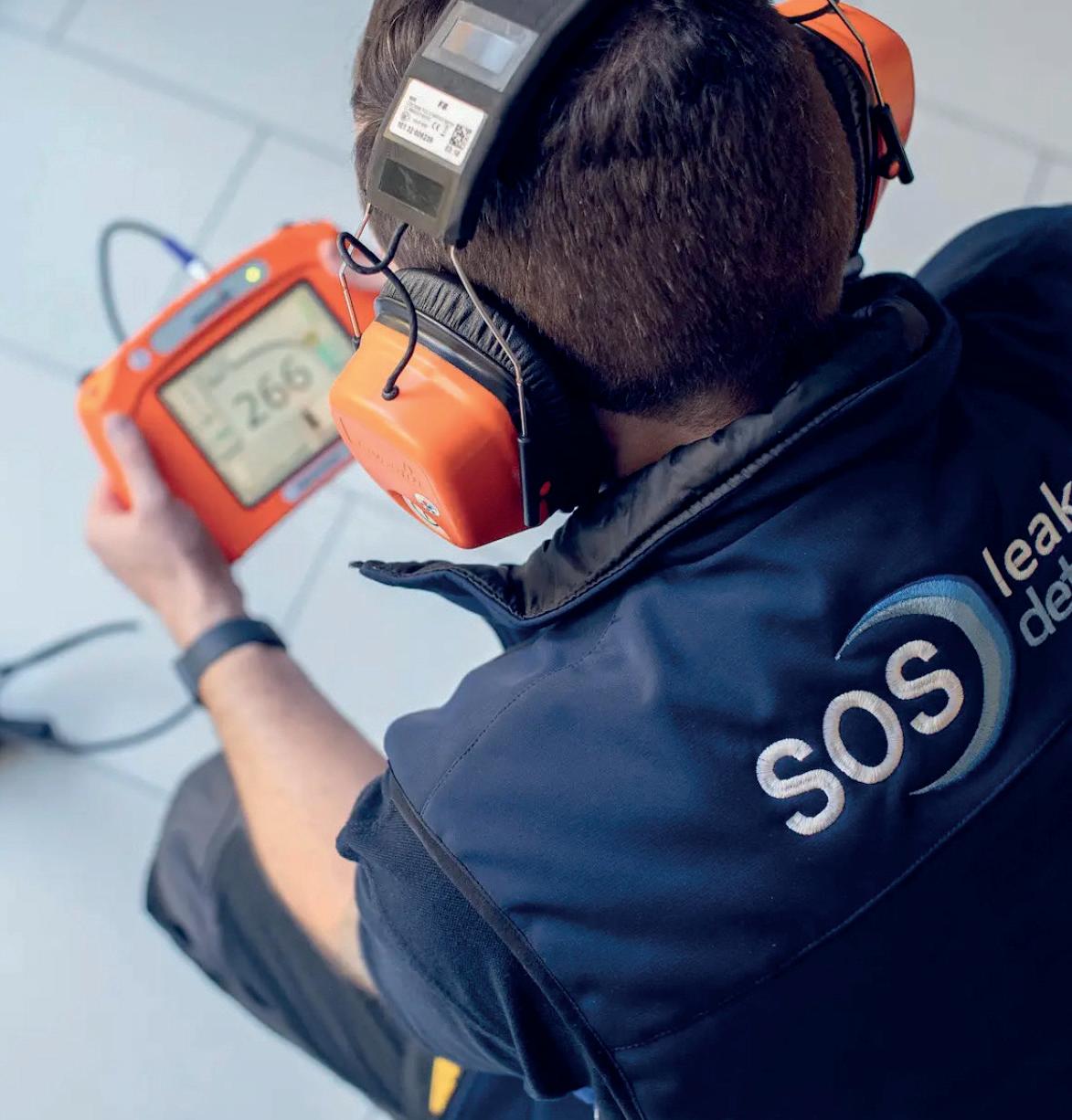
From Reactive to Proactive: The IoT Vision
Perhaps the most significant development is SOS’s move into IoTenabled monitoring and early warning systems. “IoT monitoring is the next step,” Andy said. “Everything now is smart. And I think it’s the next step going forward to limit damage and limit costs. Water is such an expensive commodity now, and losing 100,000 litres soon adds up.”
“The sooner you can understand ‘I’m losing water, I need to do something about it,’ the sooner we can be involved and the sooner it can be rectified. Limiting cost, damage, and shutdown of businesses - that’s the overall goal.”
This vision aligns with the guide’s emphasis on prevention. Rather than waiting for visible damage, IoT systems can alert FM teams to anomalies in water flow or pressure, enabling intervention before minor issues become major incidents.
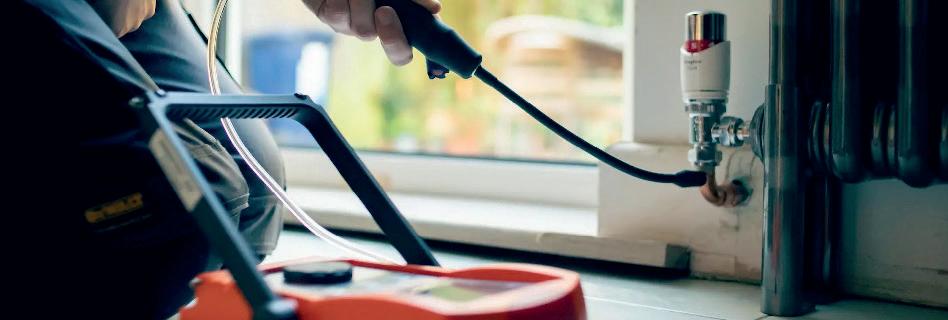
Andy joined SOS nearly nine years ago from British Gas, seeking better equipment and broader challenges. “I always enjoyed finding leaks. I did it at British Gas, but we did it on a shoestring. I wanted to go to a business that offered the training and the equipment and the ability to actually do these things properly: using tools such as thermal imaging and tracer gas surveys.”
His progression has been remarkable: senior engineer within six months, then team manager, team leader, operations manager, and national field manager before his current appointment. What keeps him engaged is the culture.
“I love that SOS is like one big family. If you need a hand with something, there’s always someone there to help you. I could reach out to anyone in any department and they would say, ‘Yes, I’ll help you with that.’”
Looking ahead, Andy is most excited about SOS’s expansion into commercial FM. “I’ve been trying to push this for quite some time. We can do great things in the commercial sector.”
Beyond commercial FM, Andy sees opportunities in drainage and related infrastructure services. “Leak detection will always be our bread and butter, but there’s so many other areas that we can get into which will only make leak detection better.”
For FM teams dealing with a suspected hidden leak, Andy’s advice is urgent and practical. “Contact somebody and assess the situation. Get your maintenance teams to run a diagnostic of the system to see if they can deal with it in-house. If they can’t, get someone on board straight away. The longer you leave it, the worse it’s going to get.”
The Leak Detection and Prevention Guide provides detailed emergency response checklists, warning sign indicators, and decision frameworks to help FM teams make these assessments quickly.
Combined with SOS’s proven three-step approach: Detect, Resolve, Report, it offers a clear pathway from problem identification to complete resolution.
To download SOS’s Leak Detection Guide visit: sosleakdetection.com/leak-detection-guide





























By Dr Anastasia Mylona, Technical Director, CIBSE
The building services engineering sector is entering a transformative period. From decarbonisation and digital innovation to evolving regulations and changing occupant expectations, 2026 will present both challenges and opportunities for professionals shaping the built environment.
From design to verified performance 2026 will see a stronger emphasis on measuring buildings’ operational performance. Schemes such as NABERS, MEES, and UK Net Zero Carbon Building Standard UKNZCBS are encouraging investment in Digital Twins, advanced monitoring, and optimisation of building systems.
Standardised data protocols and reliable performance metrics are critical to ensuring buildings operate as intended, bridging the gap between design intent and in-use outcomes.
Driving the low carbon heating revolution
The adoption of low carbon heating solutions, particularly heat pumps, is accelerating across homes and commercial buildings.
Upcoming regulatory updates, including revisions to the Future Homes Standard and EPC frameworks, will further strengthen incentives. Engineers will need expertise in low-temperature system design, integration with heat networks, and emerging market mechanisms to deliver efficient and affordable heating solutions.
Guidance from CIBSE, such as AM17 Heat Pump Installations for Large Non-Domestic Buildings, TM51 Ground Source Heat Pumps, and the Domestic Heating Design Guide, is equipping professionals to navigate this shift.
Expanding carbon accountability across the building lifecycle
The focus on carbon is moving beyond operational energy to encompass whole-life carbon (WLC). Professionals are increasingly required to assess and reduce embodied carbon in mechanical, electrical, and plumbing systems, whether for new developments or major refurbishments. Standardised methodologies, material selection strategies, and reporting frameworks are becoming essential.
Tools such as TM65 Embodied Carbon in Building Services, TM67 Electrification of Buildings for Net Zero, and the UK Net Zero Carbon Buildings Standard are helping engineers to calculate the embodied carbon of MEP equipment and make informed design decisions.
AI and automation in engineering workflows
Artificial intelligence is beginning to transform engineering design. While AI increases speed and accuracy, robust validation and accountability frameworks are essential to maintain quality, safety, and sustainability standards.
CIBSE’s AI working group is working on developing such a framework for the industry.

























































































































































































The Government’s Building safety regulatory framework continues to evolve, with further reforms expected in 2026 and the establishment of a Single Construction Regulator by 2028. CIBSE supports professional competence through collaboration with the Engineering Council, Construction Leadership Council, and initiatives such as the Building Safety Working Group.
These efforts ensure CIBSE can support the government and the industry in the successful implementation of the proposed regulatory changes.
Urban densification and climate change are heightening the risk of overheating in both residential and commercial buildings. Engineers and architects must balance passive design strategies with effective ventilation, acoustics, and indoor air quality to achieve thermal comfort. CIBSE guidance, including TM52 The Limits of Thermal Comfort and TM59 Overheating Assessment Methodology, and the recently released future weather files, support professionals in mitigating these risks while maintaining occupant wellbeing.
The demand for multi-disciplinary engineers skilled in digital tools, environmental performance, and regulatory compliance is increasing amid global skills shortages. Investment in technical education, flexible learning pathways, micro-credentials, and CPD programmes is essential.
CIBSE continues to support professional development through its publications, conferences, and online learning platforms.



By Laura Light, Concept Design Team Leader at Interface
In the UK, most people spend up to 90% of their time indoors, with 62% of office workers seeing no sunlight this this past winter.
Yet the benefits of spending time in nature cannot be overstated, as research has found that spending just two hours per week in nature can improve health and wellbeing.
For facilities managers tasked with creating healthy, productive workplaces, this raises an obvious question: if people can’t get outside, how do we bring the benefits of nature indoors?
The great indoors
Commercial spaces like office buildings can be overstimulating environments, often using harsh artificial lighting and uninspired furnishings, as well as being poorly insulated against sound pollution from high-traffic areas.
These factors combined can lead to unnecessary stress and a lack of engagement, forcing more employees to need respite from work simply due to the environment. For facilities management teams, this translates into a workplace that works against its occupants rather than supporting them.
One way to remedy this is by incorporating elements of biophilic design into the workplace.
Biophilic design refers to integrating elements of the natural world into the built environment, through the inclusion of naturalistic textures, hues, shapes and lighting, to name a few ways in which biophilic design can be expressed.
It’s something we have been exploring at Interface for well over 10 years now. It can also be as simple as using subtle reference to nature to aid intuitive wayfinding and is a concept that is constantly evolving with no one right way to incorporate it into commercial design.
While it is easy to think that plain, minimalistic decor may promote a sense of calm, visually simple wall and floor coverings may actually have the opposite effect by being too unstimulating, reducing employee engagement.
Employees who work in well-designed offices commonly report lower levels of stress and higher levels of job satisfaction, indicating that taking the time to curate a considered interior has long-term benefits for businesses.

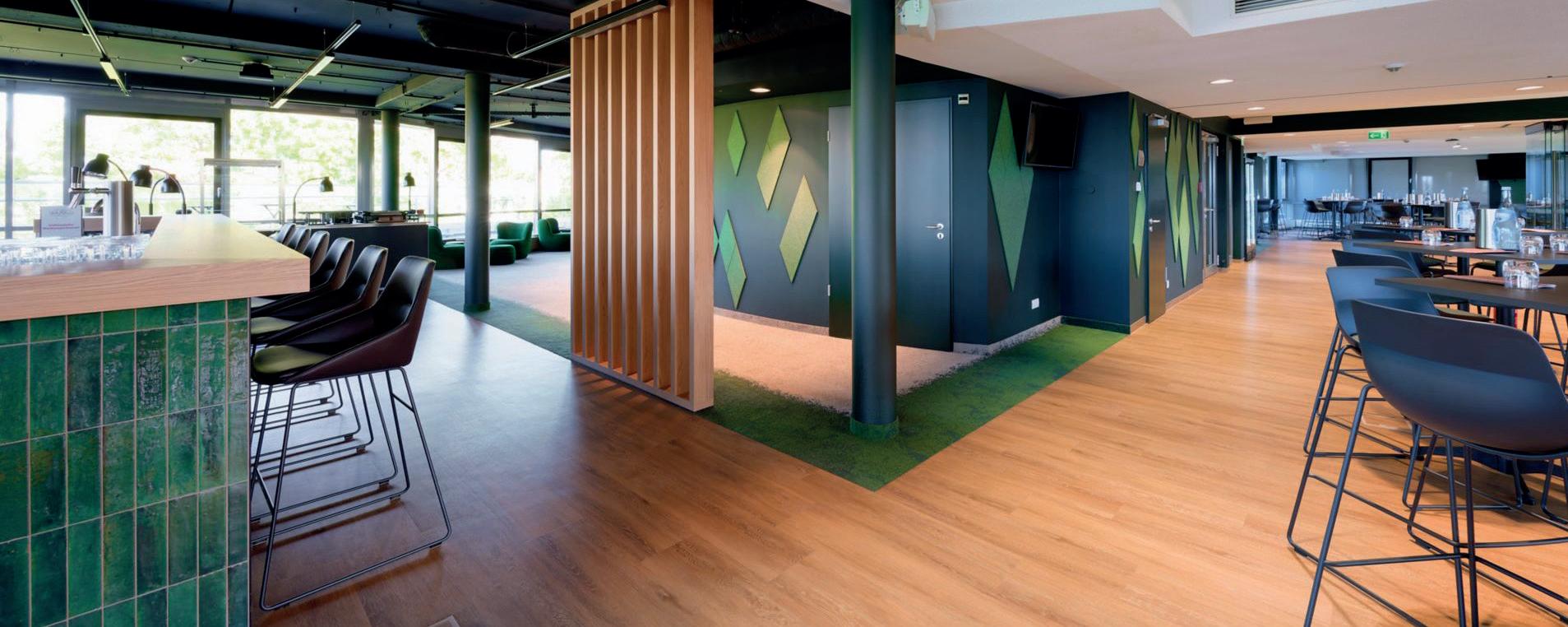
Opting instead for nature-inspired hues and textures for wall and floor coverings provides a more visually engaging environment, while also promoting feelings of calmness and serenity.
Flooring plays a central role in shaping how calming or overstimulating a workplace feels. Materials that offer natural hues, subtle texture and strong acoustic performance can help create a more grounded environment, particularly in high-traffic areas where noise quickly becomes a source of stress.
Rubber flooring is especially effective here thanks to its durability and ability to absorb sound. Interface’s nora range, including the noraplan stone collection is one example, pairing nature-inspired shades with the practical benefits of rubber to support both wellbeing and long-term performance.
Interface has always taken cues from nature in its designs across all its flooring ranges, making it perfect for spaces with different functional or aesthetic needs.
Luxury vinyl tile and carpet tiles offer further opportunities to introduce colour, warmth and natural references, ensuring biophilic design can be integrated into almost any commercial project.
Utilising biophilic design can also be an excellent way to support neurodiverse colleagues, who may otherwise struggle to perform to the best of their abilities
Utilising biophilic design can also be an excellent way to support neurodiverse colleagues, who may otherwise struggle to perform to the best of their abilities in the workplace. Understanding how to accommodate neurodivergence is a relatively new field of study, and organisations may feel lost as to how they can best support their colleagues.

Using biophilic design can greatly contribute to workplace wellness and contribute to the curation of an inclusive, supportive workplace for all
The impact of poor wellbeing
Boosting wellbeing is not the only way in which biophilic design can be an asset to organisations, as it can also aid in increasing retention and reducing burnout from poor mental health.
The Chartered Institute of Personnel and Development reports that sickness absences have risen to 9.4 days per employee per year on average, with mental illness accounting for 41% of long-term absences.
Evidently, prioritising employee wellbeing is vital for businesses and facilities managers to tackle the growing problem of burnout and absenteeism, and improve productivity, presenteeism, and retention.
When considering how to support employee wellbeing, it can feel overwhelming knowing where to start.
Tweaking the work environment with biophilic features is a great place to start, as it can aid in alleviating stress and promote feelings of calm, as well as boost productivity by 15%.
What is biophilic design?
Biophilia is a “love of life or living systems”. It’s our inherent human connection to the natural world. In an urban world of technology and industrial architecture, this fundamental connection can sometimes feel all but lost.
Biophilic interior design is an innovative way to harness this affinity to create natural environments for us to live, work and learn. By consciously including nature in interior or architectural design, we are unconsciously reconnecting, bringing the great outdoors into our constructed world.
While open communication with employees and policy implementation are an excellent way to overtly make changes to wellbeing, using biophilic design can greatly contribute to workplace wellness and contribute to the curation of an inclusive, supportive workplace for all.
As research develops on the best ways to promote wellbeing and prevent stress-related absences, facilities managers can make the first steps to improving wellbeing through the materials they opt for, curating tranquil, inspiring spaces where productivity can thrive.
Incorporating biophilic design into commercial spaces can be an easy and cost-effective way to boost wellbeing, and uplift employees.
For more information about Interface, visit: interface.com/GB/en-GB/design/biophilic-design
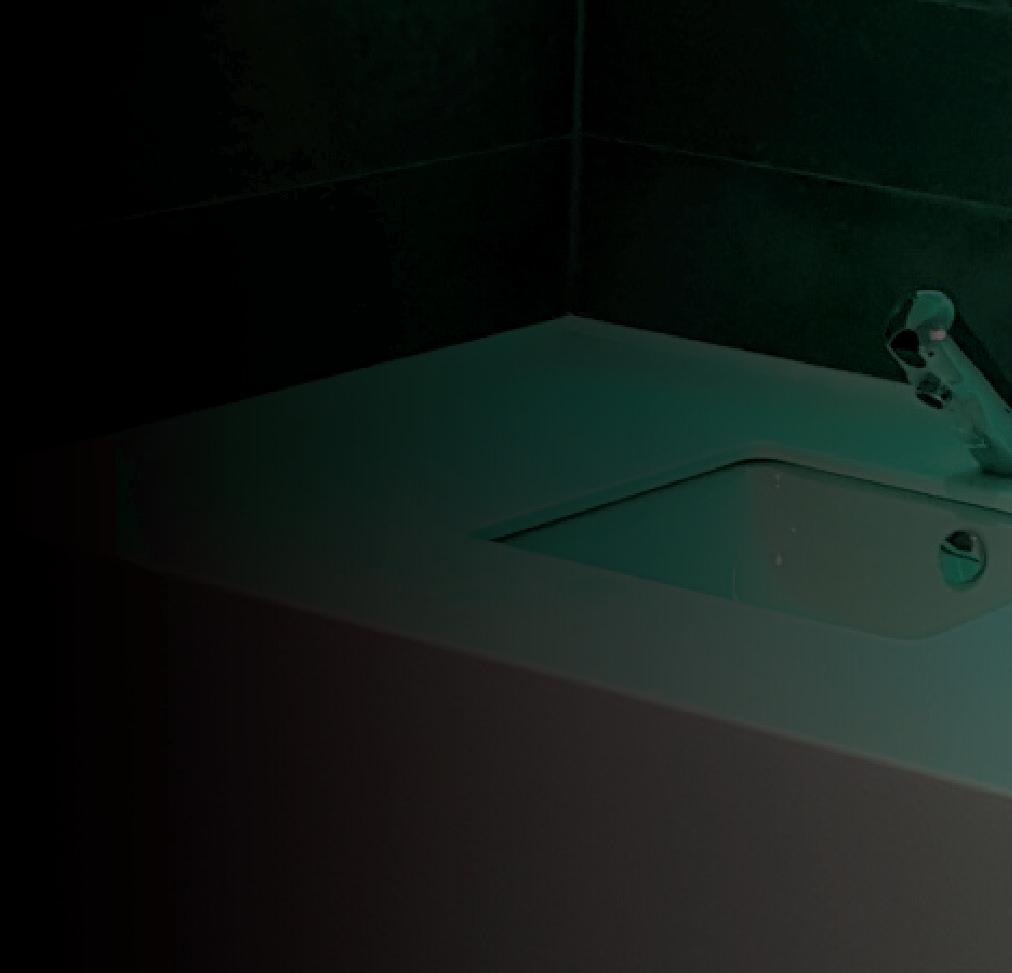
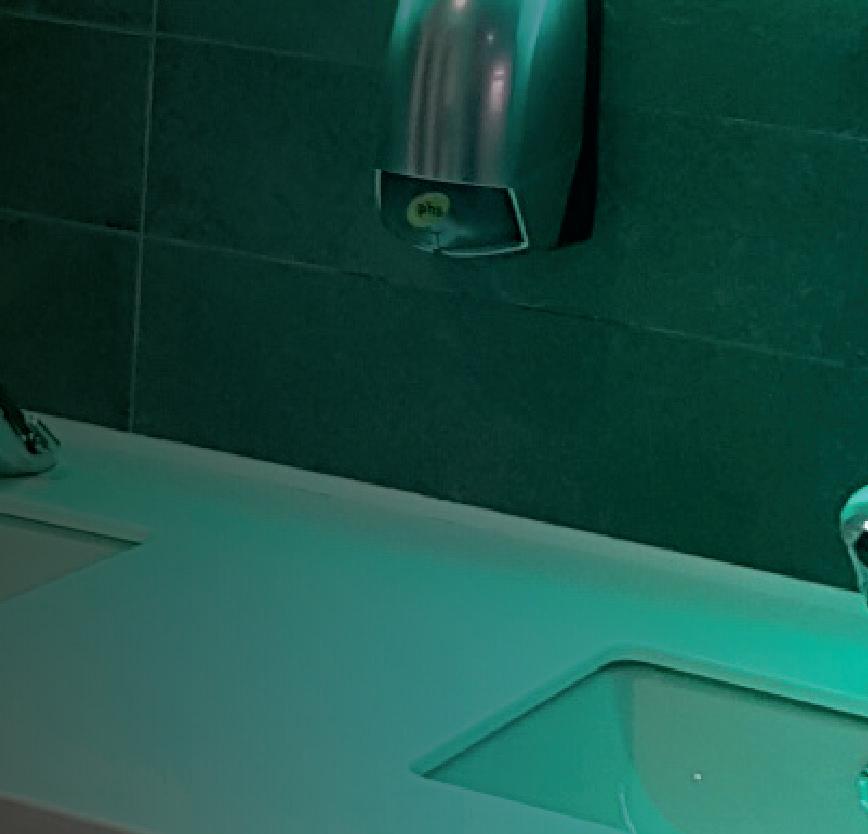



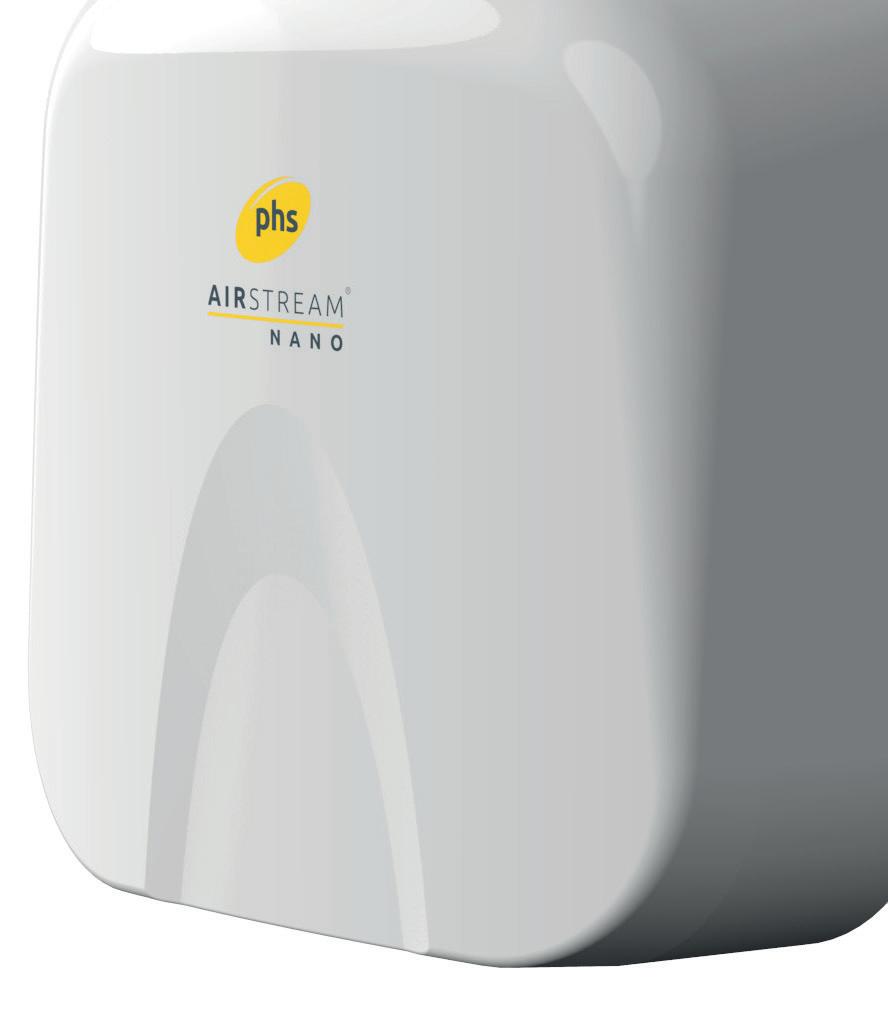
Give your facilities an instant hygiene upgrade with the phs AIRSTREAM NANO, the ultra compact, energy efficient hand dryer engineered for high traffic washrooms.
Slim, stylish form
Powerful drying performance
Why facilities managers choose the phs AIRSTREAM NANO
• Ultra fast drying Less than 13 seconds for improved traffic flow.
• Slim, compact design Only 10cm deep, perfect for cubicles, narrow corridors and restricted spaces.
• HEPA filtered hygiene Removes 99.9% of bacteria and viruses for safer, cleaner washrooms.
Find out more, visit:

The compact, high performing hand dryer for modern washrooms.



• Energy efficient performance 500W motor keeps running costs low without compromising airflow.
• Easy installation & maintenance Secure click on design reduces service time and keeps your washrooms operational.
• Built to last Strong PC ABS cover offers durability in demanding FM environments.
phs.co.uk/washroom-hygiene/airstream-nano
By Adrian Markwell, Managing Director, PEW Electrical

By January 2027, the UK’s analogue telephone network will be switched off. For most people, this marks a quiet end to technology that has already been fading from everyday life.
For facilities managers, however, the Public Switched Telephone Network (PSTN) and ISDN switch-off represents something far more pressing: a move away from a lifeline that has underpinned safety-critical systems for decades.
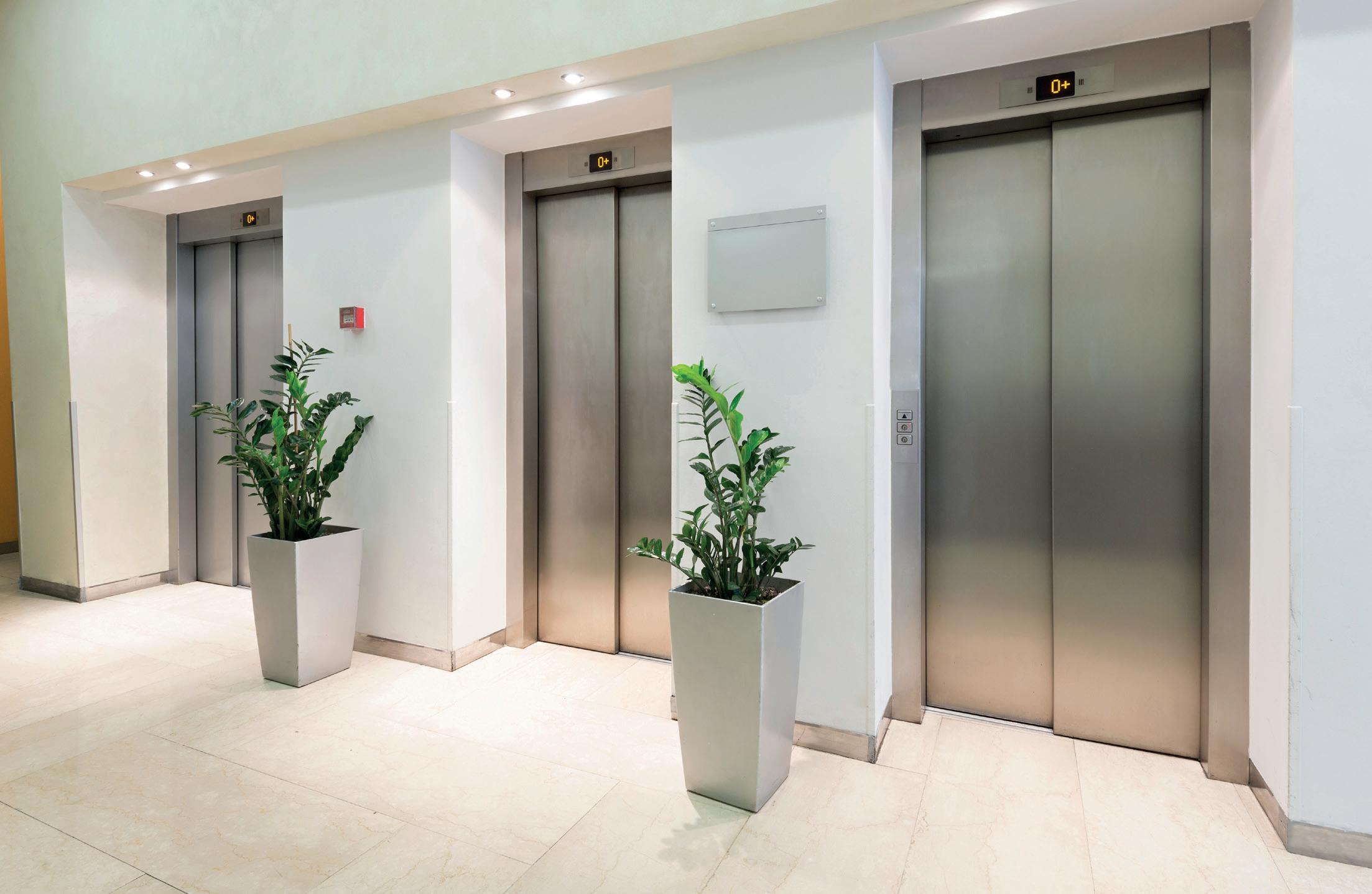
Nowhere is this more apparent than in lift emergency communications. In facilities across the UK, thousands of lifts continue to rely on analogue phone lines to power and connect auto-diallers that allow trapped passengers to call for help. When those lines are withdrawn, many of these systems will simply stop working.
The result is not just a technical failure, but a serious compliance and safety issue that FMs and duty holders can’t afford to overlook.
More than a telecoms change
Historically, analogue telephone lines did more than carry voice. They also supplied power, meaning lift alarms could remain operational even during a mains outage - and current autodiallers were built around this assumption. So, when we remove the analogue network, in many cases, system resilience will disappear.
But if a passenger presses an emergency button and no call connects, the consequences are both immediate and severe. Occupants will be left without a lifeline and building operators could be exposed to failed inspections, non-compliance with safety standards, reputational damage and, in the worst cases, legal and moral responsibility for preventable harm.
The challenge is compounded by the fact that many organisations don’t have clear visibility of the problem. Over time, communication systems may have been installed, upgraded or outsourced as part of maintenance contracts. This means that many organisations will not have a centralised record of which lifts are still connected to analogue lines, leaving asset data fragmented and responsibility unclear.
The first step towards resilience is visibility. Before any decisions can be made about upgrades, FMs need a clear picture of which lifts are still connected to PSTN or ISDN lines, what type of auto-diallers are installed, and how those systems behave during power loss.
To accurately assess the scale of exposure or plan investment effectively, a structured audit of lift emergency communications is essential. In many cases, a thorough review will also uncover other building systems, such as security alarms, that will also be exposed to the network switch-off.
This type of audit is crucial to allow organisations to plan investment and source the right solution for each system, allowing them to avoid reactive firefighting, unnecessary expense, rushed decisions and liability issues.
Compliance and resilience: what good looks like
The benchmark for lift emergency communications in the UK is BS EN 81-28. It sets out clear expectations which include reliable twoway communication, automatic testing, accurate lift identification for rescue services, and continued operation during a power failure.
Meeting those requirements in a post-PSTN world means choosing the right upgrade path and understanding how different solutions behave not just on an ordinary day, but when conditions are at their worst.
If a passenger presses an emergency button and no call connects, the consequences are both immediate and severe
Broadly, there are two routes available to FMs: migrating to internet-based voice services, such as VoIP, or adopting GSM/ SIM-based mobile alarm systems. Both can be compliant, but they carry very different risks.
Route one: VoIP and internet-based voice
VoIP systems carry voice calls over broadband networks, much like everyday phone and video calls. The upside to this is easy integration: calls can be routed through existing networks with central oversight, call logs and links to monitoring centres. VoIP can also be engineered for reliability by using UPS backup for routers and switches, secondary internet connections and managed services that monitor performance.
However, the trade-off is dependency. Legacy lift auto-diallers rely on traditional signalling and DTMF tones, and those tones are not always carried cleanly across digital voice platforms. If tones are delayed or distorted, call routing can fail and the monitoring centre may not receive the notification it needs to act.
The other downside is power. Analogue lines often delivered power via the phone line; VoIP does not. Therefore, if mains power drops and the router, switch or broadband equipment goes down, the lift alarm could lose its route out when passengers need it most. If you choose VoIP, you must make sure the whole chain can operate reliably if power drops out - not just the alarm unit.
Route two: GSM and SIM-based mobile systems
The second route is GSM/SIM-based alarm units that call out over the mobile network instead of the building’s fixed line or broadband. Most modern units include battery backup, which keep emergency communications available during power cuts.
The big advantage of this is independence. As the unit doesn’t rely on site broadband, routers or wider IT uptime, it will work even if the building’s network fails. This aligns with BS EN 81-28 by ensuring predictable performance, test calls that prove the system is live, and continuity if power is off.
In retrofit settings, GSM solutions can also be simpler to install. Replacing an existing auto-dialler is typically more straightforward than ensuring reliability across a whole site network, as would be needed with VoIP. Furthermore, when paired with managed SIM services, connectivity can be monitored remotely, with early warnings if signal quality drops, batteries degrade or service is interrupted, enabling proactive maintenance.
The main considerations with this method are signal and service planning. Lift shafts, basements and dense concrete can weaken reception, so surveying matters and some sites will need external antennas or boosters.
Network longevity is also critical: solutions should be 4G or 5G-ready, as 2G/3G services have already been withdrawn. Finally, costs associated with SIM management and monitoring must be factored into lifecycle budgets.
Both routes can work, but for FMs, it’s critical that they know the risks. VoIP can be viable where IT infrastructure is genuinely resilient and well-managed, but it relies on multiple components staying live under stress. GSM solutions are often more reliable, as they are independent and typically battery-backed end to end, but signal and service must be considered.
What matters most is informed decision-making. FMs should test systems end to end, document how they perform during power loss, and clearly define responsibilities between lift contractors, telecoms providers and IT teams.
Because when it comes to lift safety, resilience is not about what works on a normal day; it’s about what still works when everything else doesn’t.
Whichever route is chosen, the greatest risk is delay. As the January 2027 deadline approaches, demand for upgrades will surge and contractors, suppliers and engineering resource will all be under pressure. Organisations that leave preparation too late may face unplanned downtime, failed inspections and higher costs driven by urgency rather than strategy.
By auditing assets now, understanding the implications of different upgrade routes and implementing a phased transition plan, facilities leaders can turn the PSTN switch-off from a serious safety threat into a managed change.
Because ultimately, this is not just a telecommunications milestone: it’s a building safety issue. And the measure of success is simple: when someone presses an emergency button in a lift, help must be there when they need it.
For more information, visit: pewelectrical.com





New analysis published has laid bare the scale of fire safety non-compliance across the UK, with figures that should give every responsible person pause for thought
Research by Direct365, drawing on the latest Home Office Fire Statistics for England, reveals that 50% of hospitals inspected in 2024/25 failed their fire safety audit on the first visit.
Across all building types, 42% of premises audited did not meet required standards – the worst overall pass rate in 14 years. Meanwhile, with only 52,026 audits carried out against a known estate of more than 2.5 million premises, fire authorities are inspecting at a rate that would take 48 years to reach every building just once.
The data paints a stark picture. Houses converted to flats are failing at a rate of 59%. Hotels and HMOs both sit at 55%. Even sectors with comparatively better records – offices, schools, public buildings – are being audited at rates so low that many organisations will never receive a visit in the foreseeable future. For some, the temptation might be to see the absence of an audit as a form of breathing space. It isn’t. The legal duty to hold a valid, up-to-date Fire Risk Assessment under the Regulatory Reform (Fire Safety) Order 2005 rests entirely with the responsible person – not with fire authorities, and not with any inspection schedule. Waiting to be found out is not a compliance strategy.
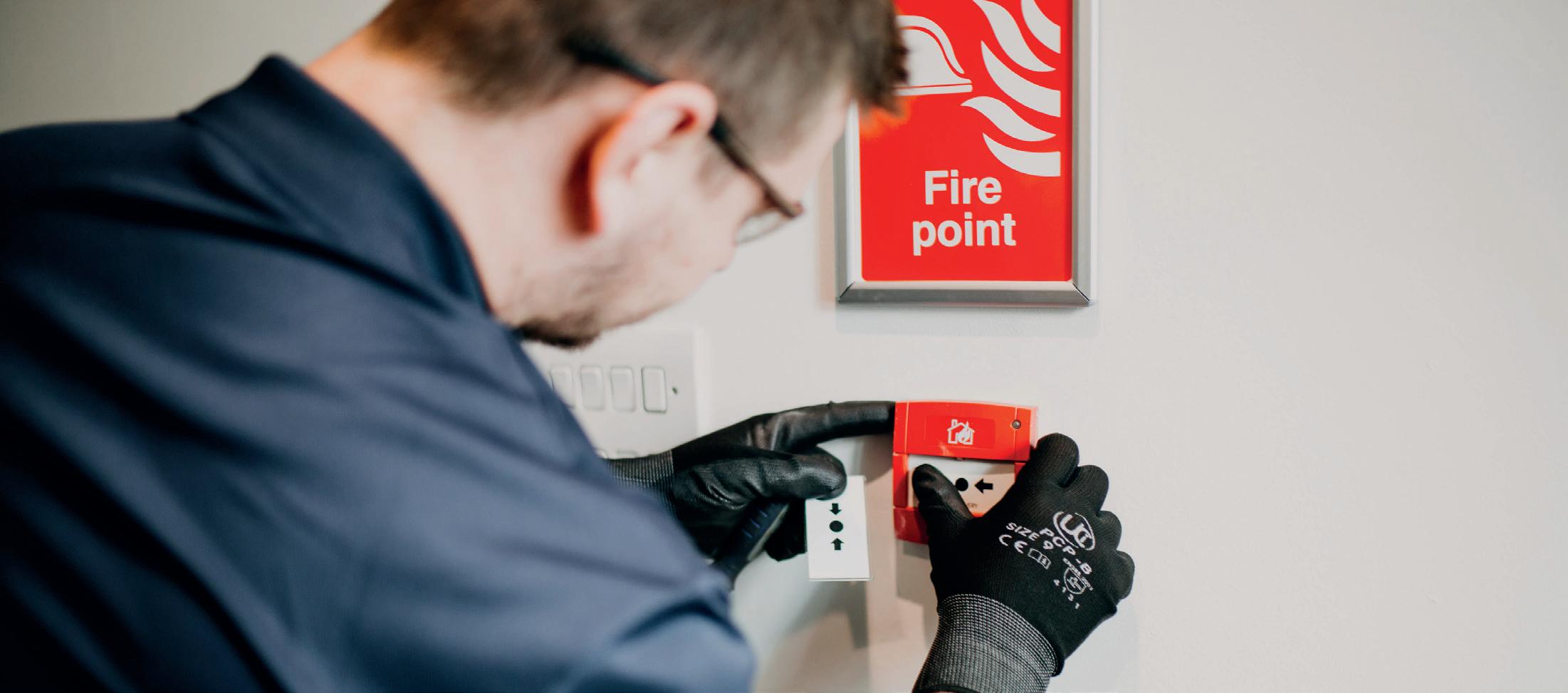
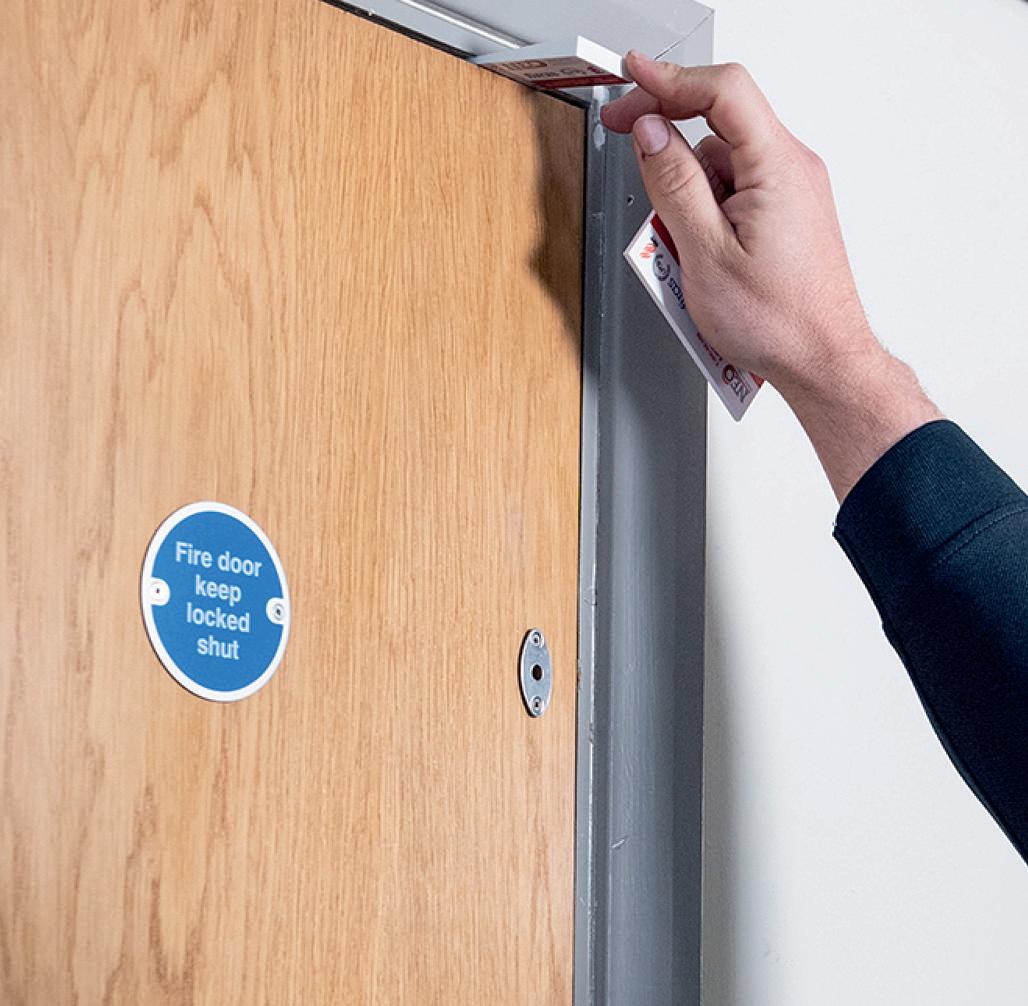

The legal duty to hold a valid, upto-date Fire Risk Assessment under the Regulatory Reform (Fire Safety) Order 2005 rests entirely with the responsible person – not with fire authorities

Among the most commonly cited reasons for audit failures were breaches relating to emergency routes and exits, poor maintenance, and – critically – inadequate or absent risk assessments.
Risk assessment failures accounted for 8,471 recorded breaches in 2024/25 alone. The FRA is the foundation of everything else. Get it wrong, and the cascade of failures that follows is almost inevitable.
This is precisely why independence in Fire Risk Assessment matters so much. An assessment that is genuinely objective – conducted without commercial interest in the remedial works that might follow – gives organisations something they cannot get from a supplier who both assesses and rectifies: clarity they can trust.
PTSG Fire Solutions: built for this moment PTSG Fire Solutions launched their independent FRA service in August last year in direct response to what they were seeing in the market.



to carry out a valid
Assessment remains a criminal offence
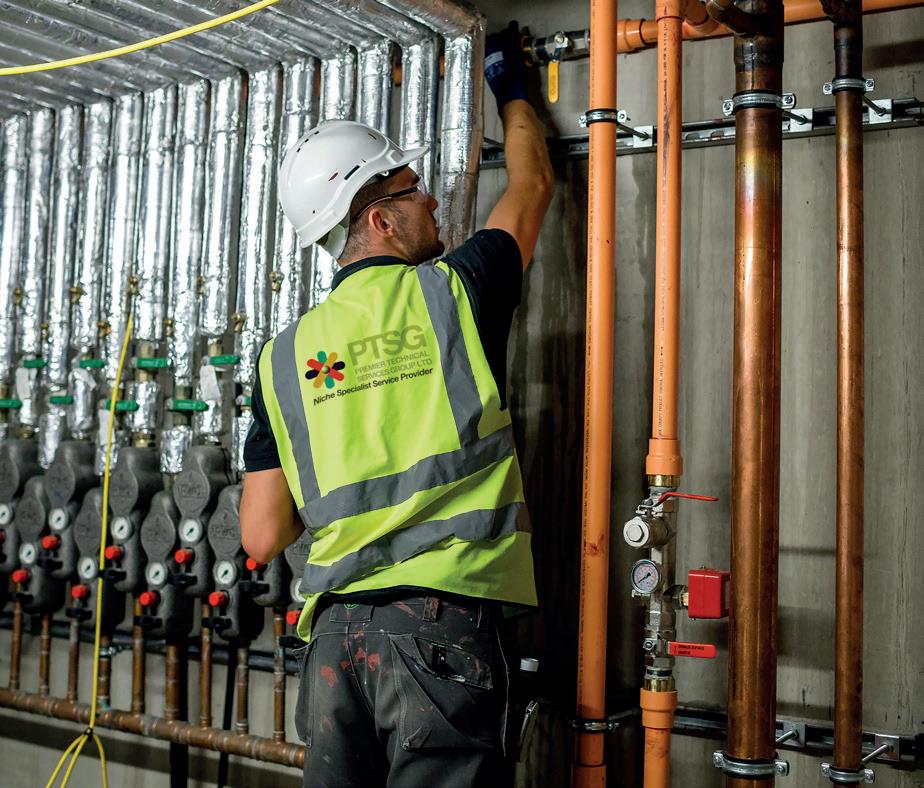
Delivered through NEO, and led by Industry specialist Tracy Gregory, the service was designed from the ground up to offer something the sector has long needed: assessments that are truly impartial, produced by qualified experts.
Michael Anderton, Managing Director of PTSG Fire Solutions, said: “The data published this week is a wake-up call, but frankly it confirms what we’ve been seeing on the ground for some time.
“Too many organisations are operating without a valid, up-to-date Fire Risk Assessment and too many of those that do have one are relying on assessments that lack genuine independence. That’s exactly why we launched our FRA service.
“When your assessor has no commercial interest in what they find, you get the truth. And in fire safety, the truth is the only thing that keeps people safe.”
The 48-year inspection window is not a loophole. Failing to carry out a valid Fire Risk Assessment remains a criminal offence, regardless of whether a fire authority has visited.
The consequences – prosecution, unlimited fines, and in serious cases imprisonment – are real, and the reputational and human cost of a preventable fire is immeasurable.
If your FRA is overdue or out of date, now is the time to act.
To find out more about PTSG Fire Solutions’ independent Fire Risk Assessment service visit www.neo-ps.com/fireconsultancy-and-risk-assesments

















The definit ive FM industry newsletter
Monday
Hard services and construction focus


Wednesday
Soft services focus



Friday
A combo of the week’s biggest stories, video interviews and exclusive features from across the FM industry






March is the month we celebrate International Women’s Day. To mark the occasion, we have interviewed a collection of leading women in the FM industry to talk about their experiences of being a female in this sector
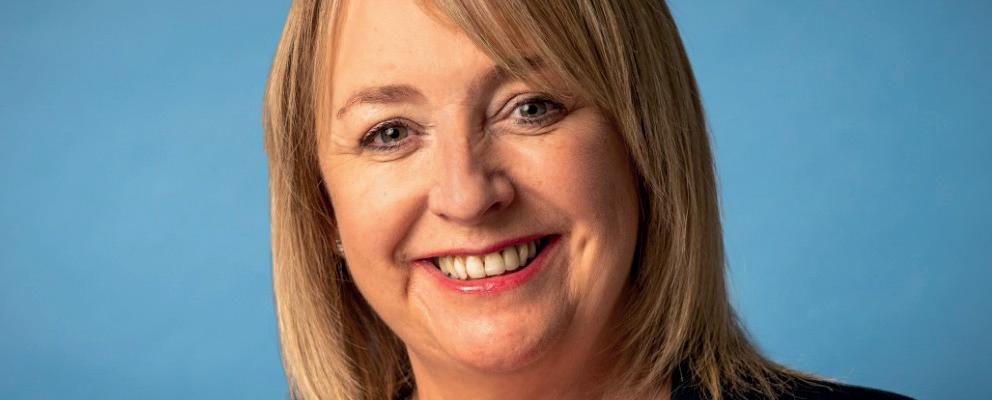


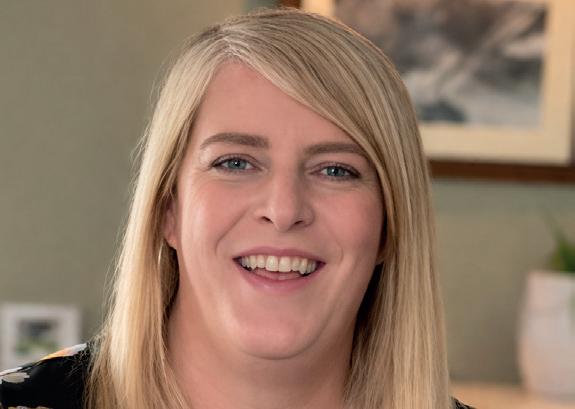










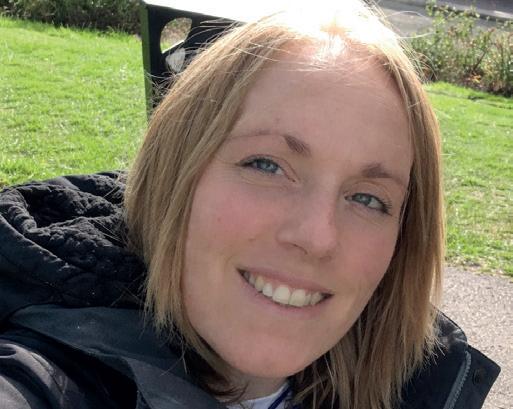































































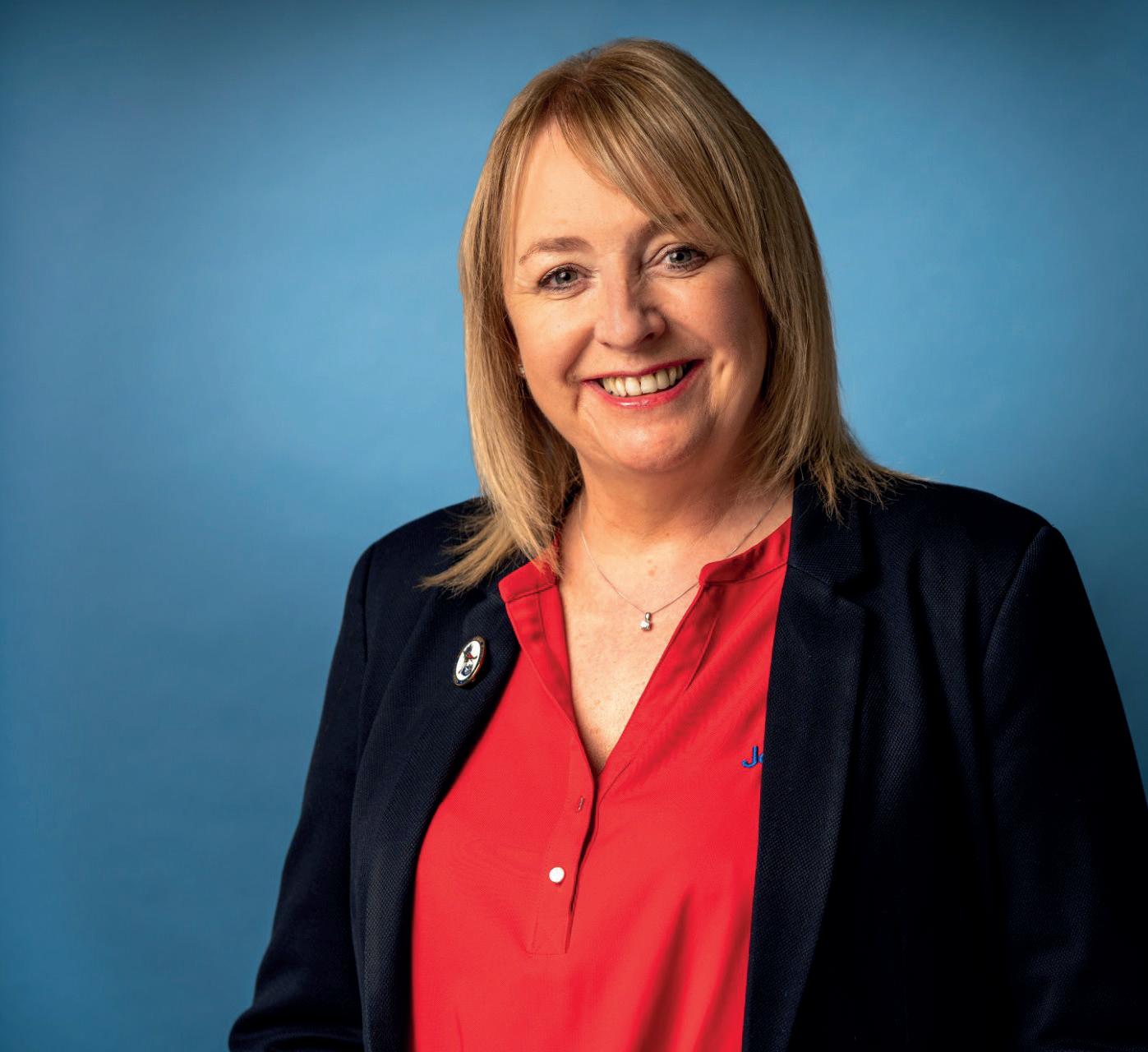
Women form a significant proportion of the facilities management workforce, particularly in frontline roles; however, long-term progression and visibility remain uneven. Jo Gilliard, CEO of Jangro, explores the structural and cultural changes needed to ensure FM becomes a profession where women can build long-term, rewarding careers

Facilities management is an industry that quite literally keeps the country running. From hospitals and schools to offices, airports and public buildings, FM underpins public health, safety and productivity.
Yet despite its scale and significance, the sector continues to fall short when it comes to consistent professional recognition and clearly structured advancement pathways. Labour market data highlights a clear gender divide within the cleaning workforce. Across general cleaning roles, women account for around twothirds of operatives and domestic workers.
Across the wider facilities management profession, workforce data shows overall gender representation is more mixed than in frontline cleaning roles, although the profession remains male majority overall.
The challenge for the sector is ensuring that representation at entry and operational levels is matched by consistent progression into management and leadership roles.
This is not only a diversity issue, it also represents a workforce sustainability issue. Career progression is shaped by a range of factors, from personal circumstances and workplace flexibility to organisational culture, and experiences vary across organisations and individuals. While gender may have historically influenced opportunities in some parts of the profession, career progression is now shaped more by a complex mix of structural and personal factors.
However, when representation at operational level does not consistently translate into leadership roles, it highlights the need to review how progression is structured and supported across the profession. If we are to strengthen FM for the long term, we must address the structural and cultural barriers that continue to affect women’s career progression and retention for those who seek it.
Recognising frontline contribution
Despite women forming a significant proportion of the frontline workforce, one of the greatest barriers they face in facilities management is visibility. Cleaning operatives have historically worked outside core business hours, often early mornings or late evenings. While daytime cleaning models do exist, many teams still work in the background.
This lack of visibility feeds a wider perception problem. If the work is not seen, it is not always valued. During the pandemic, frontline cleaning operatives were rightly recognised as essential to public safety and infection prevention. However, as time has passed, this recognition has once again faded with the professional standing of the role.
When frontline colleagues – many of whom are women – are excluded from workplace communications or strategic discussions, it sends a clear message that the work is necessary but not influential. That perception shapes how roles are rewarded, how development is prioritised, and how progression pathways are structured.
During the pandemic, frontline cleaning operatives were rightly recognised as essential to public safety and infection prevention
If we want more women progressing into management, we need to map those routes visibly and consistently
Professionalising the sector requires us to challenge that mindset. A cleaning operative managing infection control protocols, COSHH compliance, auditing processes and site logistics is exercising leadership judgement. These are accountable responsibilities that directly support business continuity and employee wellbeing. If we describe such roles as low-skilled, we undermine both the individuals performing them and the credibility and professional standing of the sector itself.
Professionalisation requires structure. Accredited training, defined competency frameworks and visible inclusion in organisational decision making all help to strengthen professional identity and formalise expertise. When roles are structured, recognised and understood as skilled work, they become credible stepping stones to future opportunity. That shift is essential if women in frontline roles are to see an attainable route into management and leadership.
Professional recognition must translate into structured opportunities, as improved visibility alone does not automatically lead to advancement.
In too many cases, progression relies on discretionary decisions rather than clearly defined criteria. Without transparent standards and structured development frameworks, advancement depends too heavily on individual managers rather than sectorwide expectations. As a result, talented women can remain in operational roles for years without a clear view of how to move into supervisory, managerial or strategic positions.
Facilities management offers diverse career paths in operations, procurement, compliance, digital systems and leadership. Yet for many women entering through frontline roles, the route upwards is not clearly mapped. If we want more women progressing into management, we need to map those routes visibly and consistently. Structured development programmes should not be dependent on who happens to be managing a contract at a given time.
Retention is also closely linked to progression. When roles lack security and stability, long-term careers become harder to sustain. Research shows that 61% of cleaning workers experienced payrelated issues, including underpayment and unlawful deductions. Almost half reported having no access to sick pay, and more than one in five said they never felt able to take time off when ill. The same study found that 86% had experienced work-related health issues.
These figures should concern the entire industry. If we expect professionalism and want to retain skilled women in the sector, we must provide professional conditions.
Fair pay, ethical employment and secure contracts are foundational to long-term retention. Without consistent standards and accountability across supply chains, progression will remain fragile, and careers will remain uncertain.
Securing the future workforce Alongside gender imbalance, the sector faces a demographic challenge.
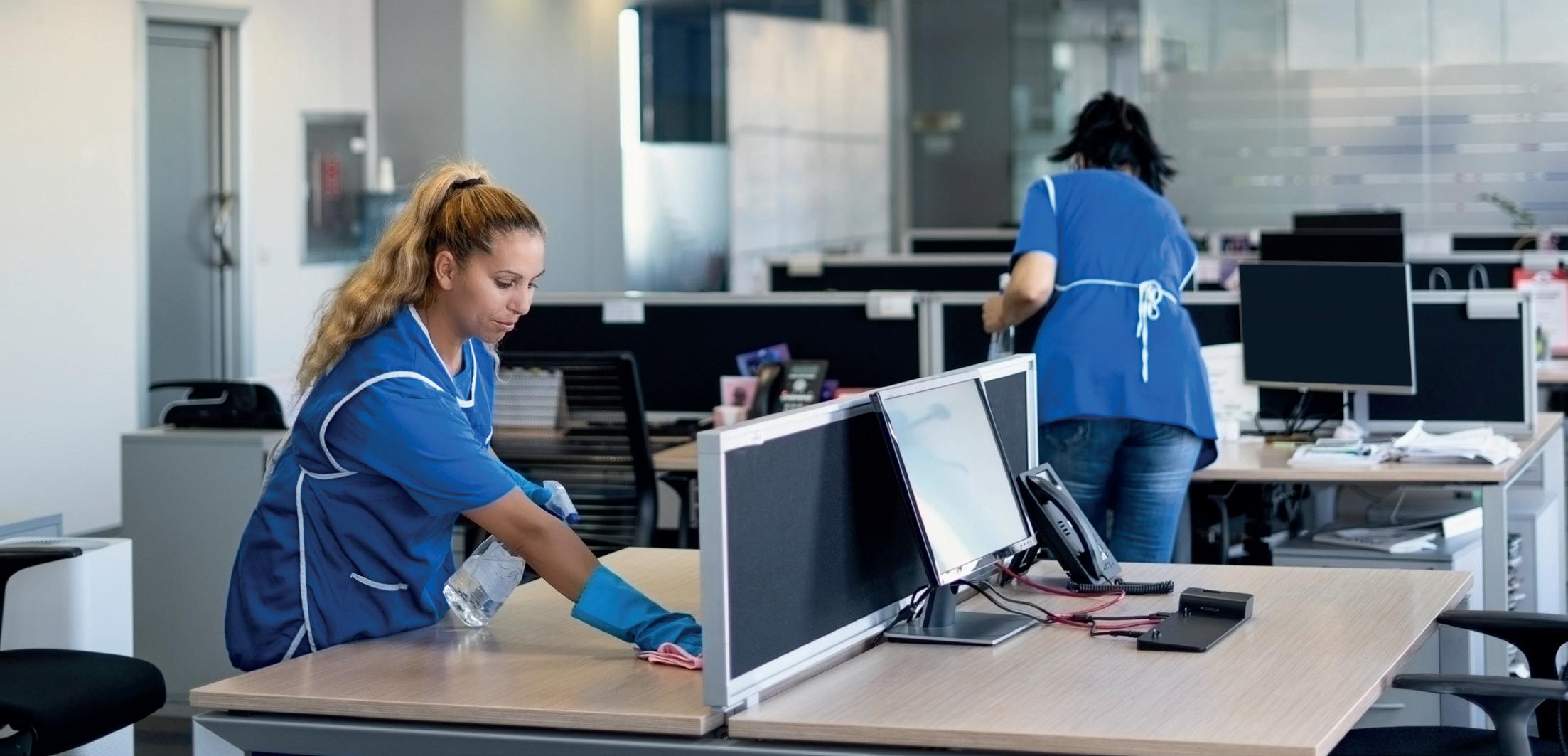
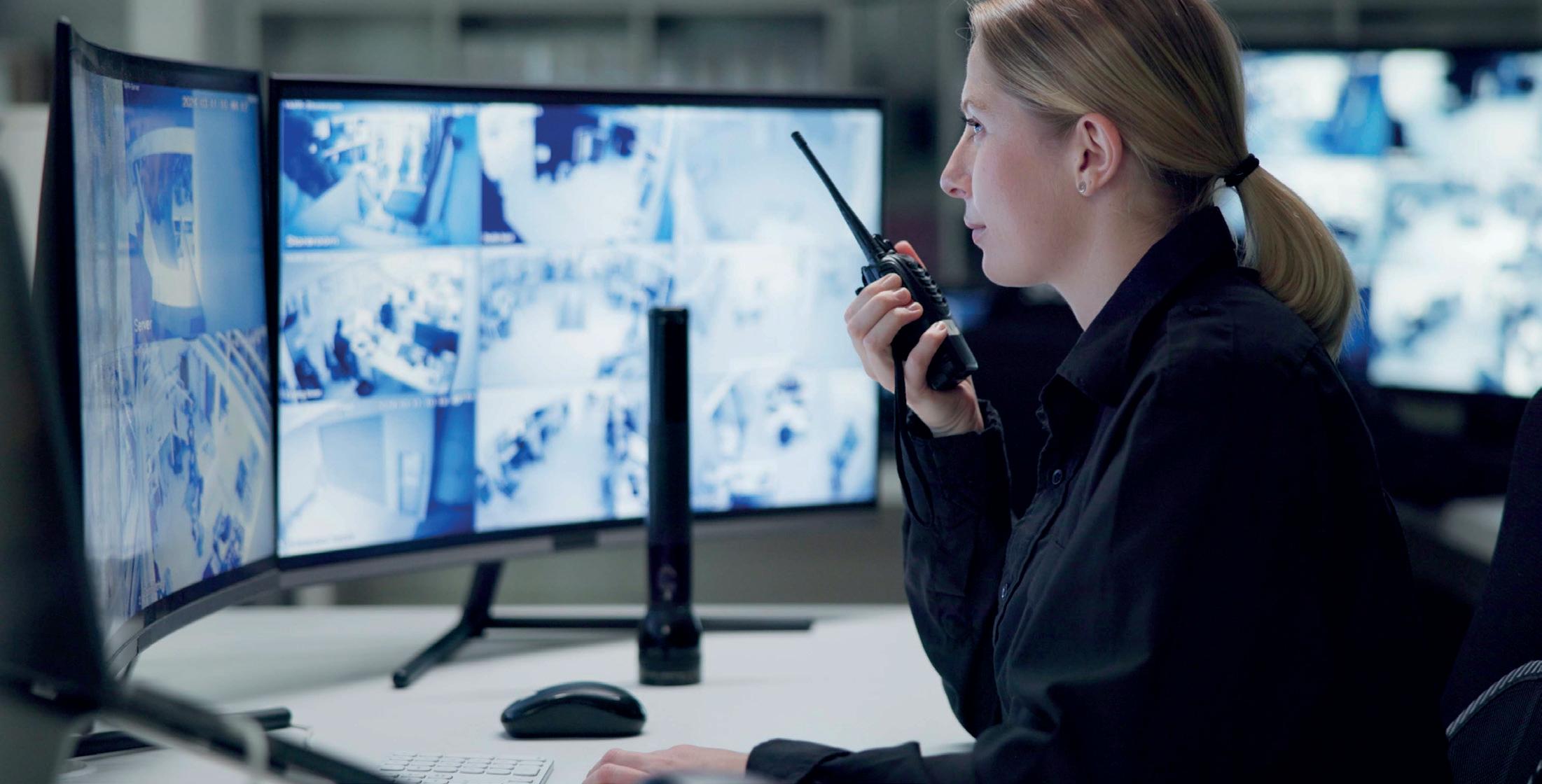
Only around 11% of the cleaning workforce is under 25, while the proportion of workers aged over 50 is higher than the national average. Experience strengthens the profession, but without generational renewal, workforce gaps will widen.
Attracting younger women into facilities management is therefore essential. The profession requires clearer entry routes and stronger early engagement. Greater exposure in schools, colleges and technical education pathways would help young people understand the breadth of opportunity available.
Facilities management today spans AI, data, ESG, sustainability, marketing, compliance and leadership. It offers structured career development and long-term security, but those pathways need to be visible and accessible from the outset. Apprenticeships provide a practical entry point while reinforcing professional standards. Structured apprenticeship programmes signal that FM is a career with recognised qualifications and progression from the outset.
Without deliberate action on entry and progression, the sector will face workforce pressures and struggle to build the pipeline of female talent it needs.
Leadership and accountability
While there are strong female leaders across facilities management, representation at senior level does not always mirror the composition of the wider operational workforce. Leadership visibility sends a powerful message, and when women see others who have progressed, it creates a broader sense of what is possible.
As someone who has progressed from operational roles into executive leadership, I recognise that visibility carries responsibility. Part of that responsibility is ensuring leadership pathways are clearly defined and accessible to those entering the profession. My own progression reflects the value of gaining broad operational experience and maintaining a clear commitment to professional development.
Importantly, this is not an isolated example. Within our own leadership team, six of our eight senior roles are held by women, and in other organisations where leadership teams reflect balanced representation, that balance is rarely accidental. Instead, it is typically the result of recognising talent, experience and performance through transparent standards. When organisational support aligns with individual capability and ambition, progression becomes sustainable rather than exceptional.
Achieving this requires engagement across the sector. Progression and retention depend on consistent standards, and we all share responsibility for upholding fair and ethical employment. If facilities management is to offer long-term careers for women, commercial decisions must support workforce stability. This is about building a profession that can attract, retain and develop the people it depends on.
Facilities management has an opportunity to strengthen itself by improving how progression is structured and how contribution is recognised. Women already make a substantial contribution across the workforce, particularly in frontline roles. Supporting women’s progression and ensuring that women’s contribution is visible, valued and supported by clear development pathways is both a professional and commercial priority for the FM sector.
The changes required are not complex. Progression must be structured, standards must be consistent, and employment practices must support long-term careers. Creating inclusive environments where opportunity is open and expectations are transparent enables individuals to take ownership of their own development. When organisational support and individual capability align, barriers are reduced and progression becomes more accessible and embedded rather than exceptional.
Supporting women’s career progression is not a standalone initiative. It is part of building a profession that recognises its workforce, upholds fair standards and invests in long-term capability.
By Kirsty McManus, Professional Development Services Director at IoD

For all the progress made in recent years, women remain significantly underrepresented in boardrooms and executive leadership.
The numbers are shifting slowly but that is only because of deliberate intervention. That’s why it’s worth spotlighting the power of women’s networks and women‑only development spaces. They’re not a “nice to have,” but as a strategic lever for achieving genuine board parity.
The Institute of Directors’ decision to launch its first women‑only cohort of the Accelerated Certificate in Company Direction is a timely example of this shift from rhetoric to action.
This programme was created in direct response to feedback from our members and delegates, recognising that women benefit from environments where they can learn, challenge perspectives, share experiences and build powerful peer networks.
These spaces matter. They create room for candour, for shared understanding, and for leadership development that acknowledges the realities women face at senior levels – realities that mixed‑gender environments can, unintentionally, gloss over.
When women come together in a dedicated cohort, the conversation changes, the barriers that usually require explanation suddenly don’t and the energy shifts from navigating context to accelerating capability.
Women’s networks have long been a quiet engine of leadership progression. They provide peer support that counters the isolation many women experience at the top.
Women’s networks have long been a quiet engine of leadership progression
For those with aspirations of a board position, role modelling makes senior leadership feel attainable rather than exceptional. That visibility and sponsorship has consistently shown to be critical to advancement.
But networks alone aren’t enough. They need to be paired with high‑quality, rigorous development opportunities, programmes that equip women with the governance, finance, strategy and leadership skills required for board effectiveness.
We know that the Accelerated Certificate in Company Direction does exactly that, offering an intensive, globally recognised pathway toward Chartered Director status.
The women‑only cohort simply ensures that the learning environment is as inclusive and empowering as the content itself.
We’ve seen a shift from talking about “equality” to “equity” this is about recognising that identical treatment does not produce identical outcomes when the starting points are different.

Dedicated spaces give women the psychological safety and peer community to stretch, question, and lead with confidence. And when women thrive in these environments, organisations benefit from stronger, more diverse, more resilient boards.
People no longer look at what businesses and organisations say in response to this imbalance, but instead at what they do.
Creating intentional spaces for women’s leadership development is one of the most meaningful things organisations can do. In the month of International Women’s Day, the call to action is clear: Invest in women. Invest in their networks. Invest in the environments where they can grow without constraint. Because when women rise, boards strengthen and businesses, economies and societies follow.
The women-only cohort simply ensures that the learning environment is as inclusive and empowering as the content itself

Are you a construction supplier wasting time and money on repetitive health and safety pre-qualification assessments?

SSIP (Safety Schemes in Procurement) offers a smarter solution through Mutual Recognition and the “Deem to Satisfy” principle.
Key Benefits:
Avoid Duplicate Assessments:
Get approved by one SSIP Member Scheme, and your certification is recognised by all others.
Boost Client Confidence:
Demonstrate commitment to the highest health and safety standards and ensure smoother project collaboration.
SSIP simplifies your compliance, allowing you to focus on delivering safe, high-quality work.
Certify Once. Satisfy Everywhere.
Save Time & Money:
Eliminate redundant administrative work and assessment fees. This process attributed to over £5.5 million in direct savings in 2024 alone.
Streamlined Compliance:
SSIP certification is recognised as an exemption against Section 4 (Health and Safety) of the Build UK Common Assessment Standard (CAS).
Learn more and find your ideal SSIP Member Scheme today: www.ssip.org.uk
Most people move through buildings without a second thought. Behind that confidence are specialists working quietly, methodically and expertly to make sure it’s warranted. Two of those specialists work for PTSG - and between them, they cover two of the most critical risk disciplines in the built environment


Tracy Gregory has spent 34 years in fire safety.
Katrina Shipman has spent seven in water hygiene and Legionella risk assessment. Neither followed a conventional path into their field.
Both will tell you, without much fanfare, that what they do mattersnot because of regulations or paperwork, but because real people are affected when things go wrong.
Tracy now heads PTSG’s Fire Consultancy team, which she helped establish to address a gap she had noticed across three decades in the industry: fire risk assessments that prioritise documentation over genuine safety outcomes. “We recognised a need for truly independent, expert-led assessments that prioritise people’s safety over paperwork,” she explains.
Her conviction comes from experience. In 2005, a fire broke out in her own office. Tracy was the one who put it out – but what struck her was what happened around her.
“What happened around me was not what it should have been,” she recalls. The incident reinforced something she already believed: that fire safety, done properly, is never abstract. It has real consequences for real people.
It’s a sentiment Katrina Shipman would recognise immediately. As a Legionella risk assessor with PTSG’s Water Treatment division, she has spent years visiting buildings whose occupants have no idea how close they are, in some cases, to a serious health risk.
“You’d be surprised how many people still don’t think Legionella exists,” she says. “People still associate it with cooling towers and high-risk sites. But that’s not the reality.”
Katrina’s route into the industry was nothing “extraordinary” she explained.
She left school at 17, had children young and moved between jobs without a clear direction. It was her father – who worked for a water hygiene company doing schematic drawings – who suggested she try something similar.
She did, and spent the next decade drawing water systems before curiosity about what those systems actually meant in practice drew her towards becoming a water technician.
Seven years later, she is exactly where that curiosity led her and is now a risk assessor. “When you’re on-site doing temperature monitoring, you start wondering what’s behind everything,” she says. “I needed to do something a little more than just taking temperatures.”
She joined PTSG in 2025 and speaks positively about the difference in culture: the structured processes, the health and safety checks, the sense that everyone is working towards a collective goal.
You’d be surprised how many people still don’t think Legionella exists. People still associate it with cooling towers and high-risk sites. But that’s not the reality
Fire safety, done properly, is never abstract. It has real consequences for real people
Both women operate in industries that remain largely maledominated. Tracy was frequently the only woman in the room at industry events when she started out. Katrina, assessing sites across the Midlands and beyond, notes that female technicians are still rare enough that seeing a female plumber on site recently felt genuinely notable.
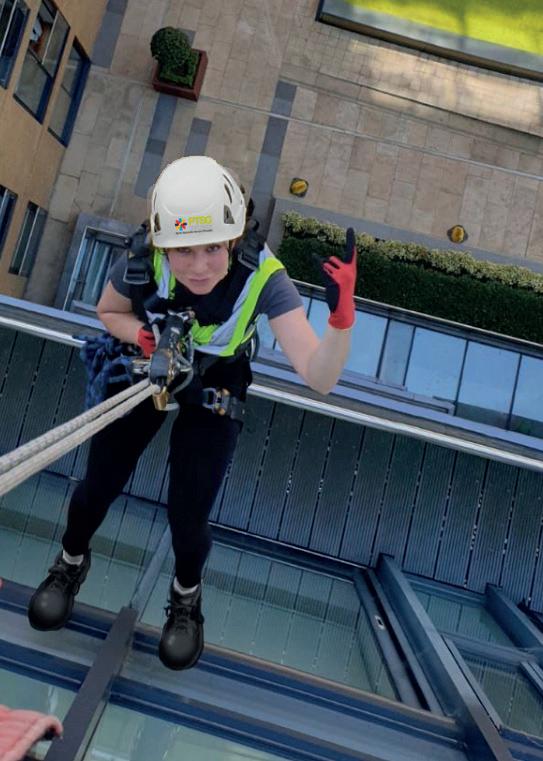
Neither dwells on it. What both return to, instead, is the work itself and what it means to do it well. Tracy talks about an assessor identifying that a care home’s evacuation procedure relied on lifts during emergencies: the kind of finding that no standardised checklist would surface, and that could have been catastrophic. Katrina talks about the rare occasions when she has left a site feeling genuinely concerned and stayed until something was done about it.
These are not stories about paperwork. They are stories about professional judgement, accumulated experience and a commitment to outcomes that goes beyond the minimum required. Compliance, in that sense, is not a bureaucratic exercise. It is an act of care.
As part of International Women’s Day, PTSG is celebrating the essential work of women across the business - from senior leaders to the frontline specialists who make buildings safer every day. To find out more about careers at PTSG, visit careers.ptsg.co.uk
Tracy Gregory is General Manager of PTSG’s Fire Consultancy division. Katrina Shipman is a Legionella risk assessor within PTSG’s Water Treatment division.
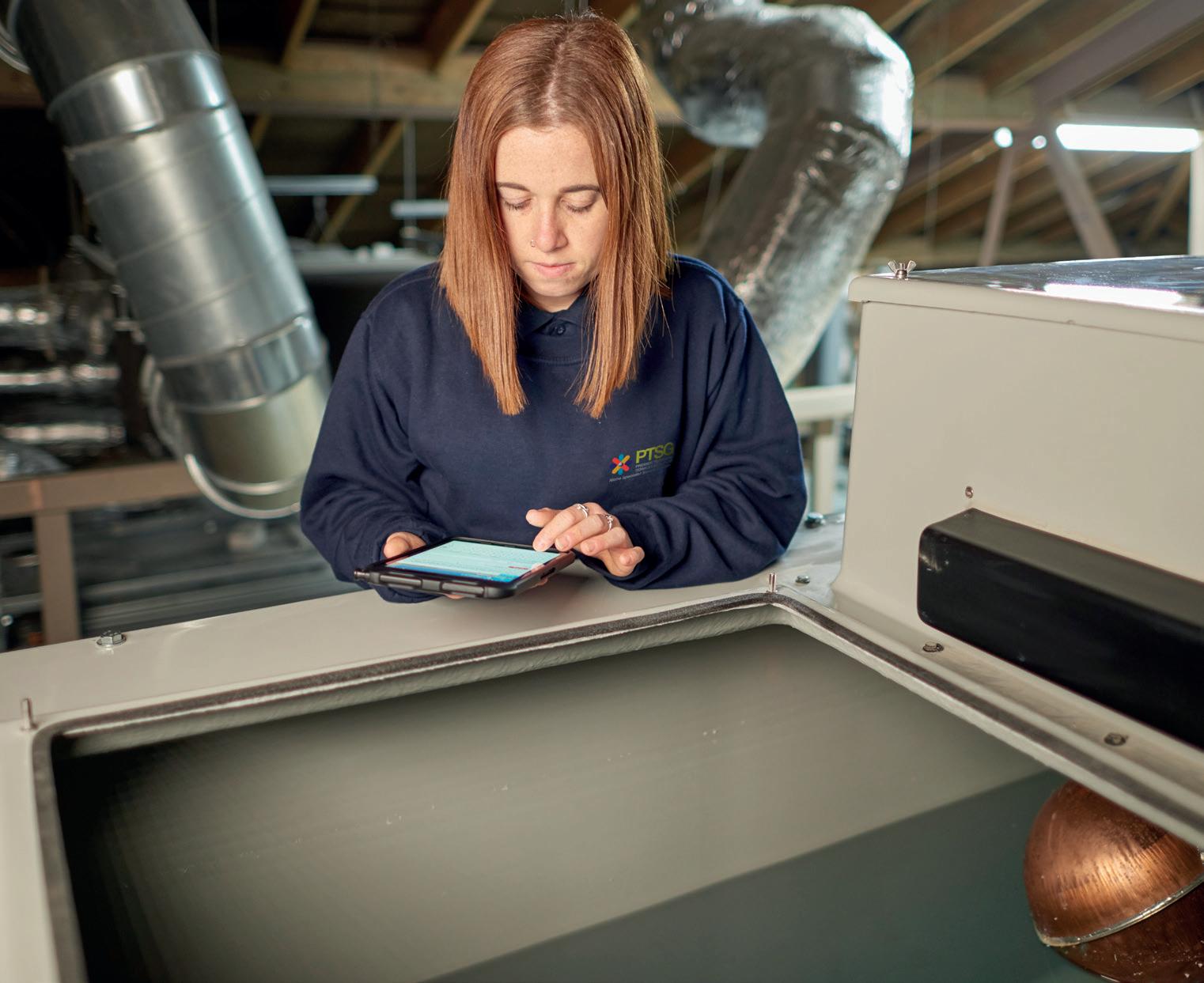
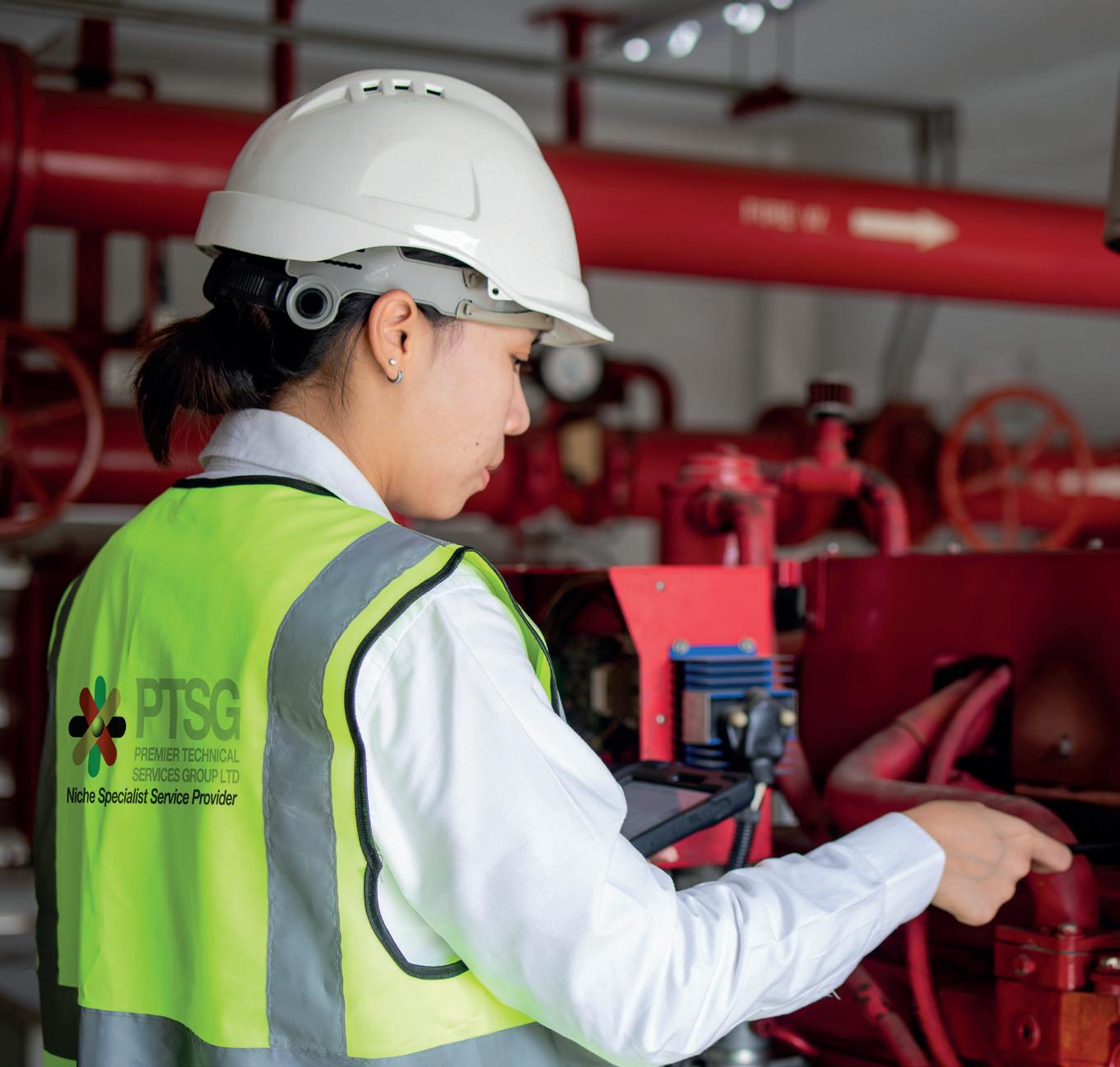
FM is evolving... so are we! As part of our new look, Business Daily will provide smarter, more targeted news and insights three times per week, on Mondays, Wednesdays and Fridays.
Three per week
• Monday: hard services and construction focus
• Wednesday: soft services focus
• Friday: a combo of the week’s biggest stories, video interviews and exclusive features from across the FM industry
As our name – FM Business Daily – suggests, we’re still updating our website every single day with all the latest stories and updates from all the FM sectors. Check it out to stay in the loop!
We hope you are as excited as we are about the new look FMBD newsletter, and we’d love you to get in touch if there’s anything you’d like to discuss or feature in an upcoming issue.
Subscribe here
Following many conversations with colleagues in access control, Global Director of Marketing at Codelocks International Ltd, Ros Bayliss, shares her reflections on underrepresentation, diversity, the skills gap and inclusive design in the sector

Access control has long been a male-dominated sector, with not enough representation from women and minority groups. But quietly, over the years, things have been changing. We’re seeing a welcome mix of new voices, fresh perspectives, and different kinds of expertise coming into the sector.
And that shift matters. To stay relevant in today’s world, the industry needs to evolve. Change is a driver for new behaviours, products and ways of thinking. If companies don’t keep up, they risk being outpaced by their competition.
Codelocks is a microcosm, reflecting the industry and society as a whole. Talking with team members across the company we’ve discussed the challenges and progress happening in access control right now. Everyone’s insights bring something new to the table, helping paint a clearer picture of where we’ve been and where we’re headed.
The picture of the past and the need for change
Years ago, many women in access control were treated dismissively. As was the case in many sectors, it was implicitly assumed that because they were women, they wouldn’t have the skills needed for technical roles. “In the past I’ve had numerous occasions where I’ve arrived at a site only to be greeted by surprised faces,” says Michelle Saunders, Sales Manager at Codelocks UK. “These moments could have been disheartening, but I saw them as opportunities to challenge stereotypes.”
For some women in access control, these attitudes have made us work harder, driving us to achieve more. But this isn’t something everyone feels. Ultimately, pre-judging people’s capabilities can make people leave the sector, or not join in the first place.
The skills gap and risk of brain drain
The potential of people leaving isn’t something that any business can afford to shy away from. Speaking with Codelocks’ leadership team, it’s clear that this could be a make-or-break issue for many companies when it comes to the future of their business.
“We’re not going to have a choice [but to change],” said Managing Director of Codelocks International Ltd, Joanne Milne-Rowe.
“Diversity is an asset to any company, and with an ageing workforce, there’s a critical need to bring more people into the sector while training and upskilling them as they enter. There’s a wealth of people out there who are hungry for learning and opportunities, and those businesses that take them in will move ahead of their competition.”
That’s an especially important point, when 54% of UK businesses say they’re struggling to hire the right skills. The talent gap is making it harder for companies to hit goals and grow. Drawing on a diverse workforce can address these skills gaps, as can increased training.
Trade bodies such as the Guild of Architectural Ironmongery (GAI) can help people with their skills.
“The focus on CPD and regional hub events provide a fantastic opportunity to network, exchange experiences, and learn new skills,” says Michelle Saunders, who was recently appointed Vice Chair to the GAI Community Hubs.
“The support I’ve gained from being part of the GAI has been incredibly helpful, allowing me to expand my knowledge and grow professionally.
“I’d encourage everyone to start engaging with trade bodies like the GAI, as training helps employers build teams with the right skills, while giving employees the opportunity to advance their careers and future-proof themselves.”
Digitalisation has led to new digitally integrated products that require whole new skillsets to create.
For example, almost every supermarket now has a smart locker array, integrated with several digital apps that are designed with both delivery drivers and customers in mind.
People have to build these new digital products, and in my experience, the new fields and teams within them have a greater share of women than traditional access control.
Whether it’s the digital designers responsible for creating user interfaces, or coders responsible for building the back end of the applications that allow integrated solutions, there’s more representation in these areas.
This view is supported by recent research from the Department for Science, Innovation & Technology. Its Diversity in UK Tech report shows a fast-moving and evolving industry where diverse groups are starting to gain more visibility. But it also points out ongoing challenges, like poor gender diversity, both unconscious and conscious bias, and a trend where women and minority groups are mostly found in junior roles. That’s a sign of limited chances to move up the ladder into senior positions.
Diversity is an asset to any company, and with an ageing workforce, there’s a critical need to bring more people into the sector while training and upskilling them as they enter
Diversity = value
The value of promoting diversity doesn’t just come from the fact that it’s the right thing to do. As I touched on above, it has instrumental value.
Through a process known as ‘cognitive diversity’, the more diverse a workforce is, the better its output. A diversity of perspectives gives an organisation a wider set of insights and approaches that would have otherwise been absent.
Importantly, diversity helps to prevent design teams from overlooking the needs of users. It contributes to making products that are inclusive and meet the needs of more people. For example, in healthcare, fitness, and workplaces, there are scenarios where user privacy and dignity are paramount.
At Codelocks, we’ve addressed this with our Do Not Disturb (DND) lock solution, which helps to enhance user privacy in these spaces. The inputs of our diverse team and their perspectives were central to the development of this product.
Alongside products, the material and services that support access control customers also benefit from a diversity of inputs. Colleen Walsh, PR and Communications Manager for Codelocks Americas, highlighted the way that working directly with sales teams enhances the creation of compelling sales and marketing materials.
“By engaging with sales reps, I receive valuable insights and feedback that we can work into Codelocks marketing materials that help end users. If they tell us end users are commenting about product literature or instructions, we can adapt and change them to be more helpful.”
welcoming
My conversations with the team and industry experts show that the access control industry isn’t stuck in the past; it’s evolving. Progress may be quiet and gradual, as is often the case, but it’s still real. More inclusive products are being built, and more companies are realising the value of a wider range of voices and skills.
Still, inclusion doesn’t come as a happy accident all on its own. It takes commitment, from top to bottom – the C-suite to the warehouse and shop floor. It’s about creating the kind of workplace where people feel seen, supported, and safe to grow.
As our European colleague, Elisa Burgos Martínez, Sales Manager at Codelocks Europe, put it: “I think the positive influence of doing your job well, in a healthy environment where you can trust your supervisors and feel comfortable making mistakes, can sometimes be forgotten.”
Our brand values underpin the culture we foster at Codelocks. Our diverse team and good workplace breed positive influence. Such combinations are good for people, culture and business. And as long as we continue to design based on inclusivity and train for tomorrow’s skills, we’ll keep making progress that works for everyone.
www.codelocks.co.uk/about-us
The facilities management sector is undergoing rapid change. For years, we have been caught between rising expectations, shrinking workforces, and a patchwork of legacy technologies, yet still expected to deliver seamless, safe, frictionless environments with customer and tenant experience at the heart. But 2026 will mark the moment where FM starts leading and taking charge. Till Eichenauer, CEO, askporter, explains more
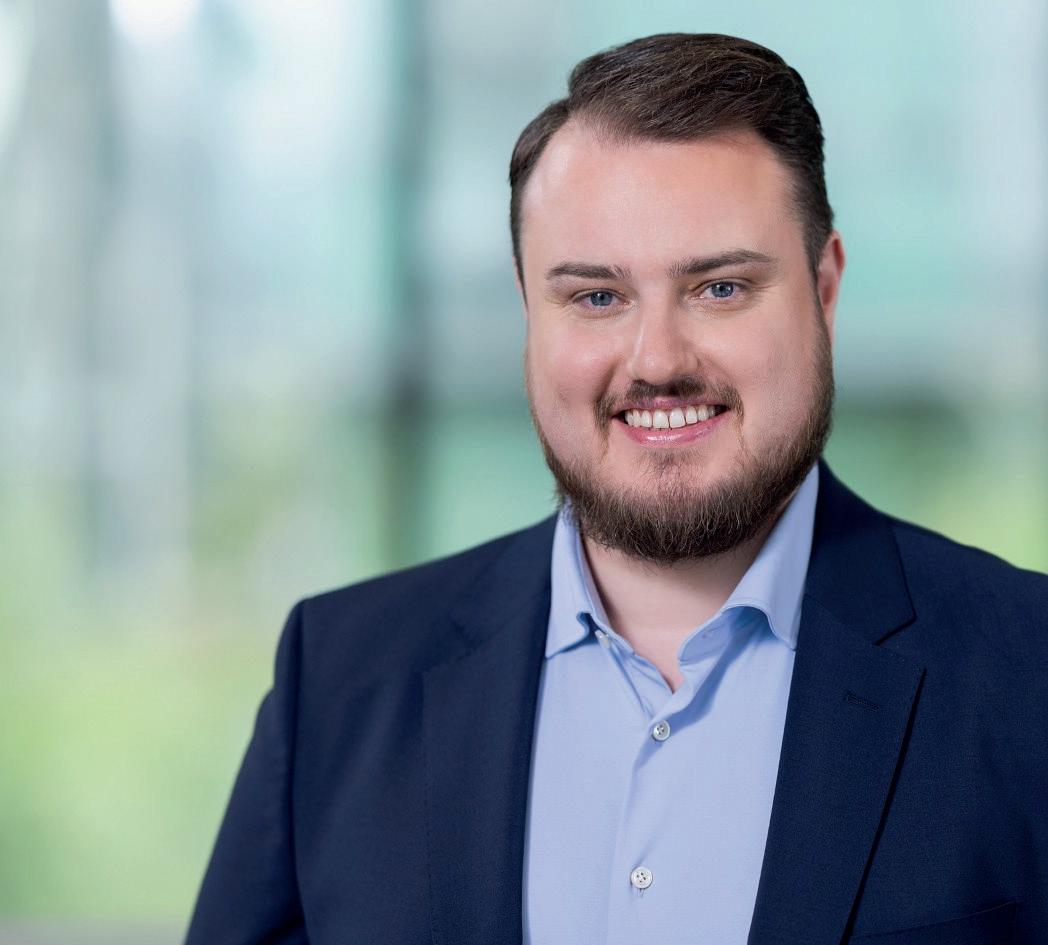



The insights from askporter’s recent UK FM Market Research Report reveal a sector under sustained pressure, yet one with extraordinary opportunity. The year ahead will separate those organisations that evolve into intelligent, trusted, high-performing partners from those that remain anchored to outdated operating models.
Here is what I believe will define the next chapter in UK facilities management.
1. Artificial Intelligence Will Shift from Buzzword to Operational Backbone AI has often been spoken of as a future ambition. In FM, it is quickly becoming a present necessity.
With 73% of teams caught in reactive firefighting , AI will become the capability that transforms how organisations prioritise tasks, allocate resources, and prevent issues before they escalate.
In 2026, AI will not be an add-on.
It will:
Predict bottlenecks
Orchestrate tasks in real time
Prevent SLA breaches
Provide instant clarity to operational teams and clients
The question is no longer “Should FM use AI?” It is “How intelligently can AI direct our daily operations?” The organisations that lean into this shift will gain resilience, capacity, and competitive advantage.
2. The Labour Crisis Will Accelerate the Rise of the Digital Co-Worker
The UK FM workforce is ageing, overstretched, and increasingly difficult to recruit. 68% of leaders struggle to hire skilled staff, and 76% are concerned about losing critical institutional knowledge
These pressures will collide in 2026. This is the year technology becomes a genuine digital co-worker, capturing expertise, supporting training, automating repetitive tasks, and protecting FM organisations from knowledge drain.
The UK FM workforce is ageing, overstretched, and increasingly difficult to recruit

This is not automation replacing people. It is automation safeguarding the profession.
FM has always relied on human judgment, experience, and craftsmanship. Technology will increasingly serve to amplify those strengths, not diminish them.
The most effective FM teams will have the ability to create a specialist, dedicated communications and triage product, like askporter; designed to gather information from end-users with far less friction and in the way that suits them.
This customisation and ability to adapt to local processes will lead to faster operational workflows that work for the businesses that use it.
With askporter’s recent research citing that 75% of Facilities Managers are experiencing an operational disconnect that interrupts technology integration
Technology will increasingly serve to amplify those strengths, not diminish them
This crisis is not due to a lack of solutions, but a failure of existing building systems to communicate, creating costs and frustration for both staff and end-users.
The core principle is to use technology to eliminate the repetitive, predictable, or manual actions that add operational drag. This informs every design decision, from conversation flows to how tasks are pushed into the FM’s systems.
If FM teams are to have the freedom to choose their best-in-class stack, then interoperability is critical. Data must move cleanly and predictably between systems without expensive bespoke work.
This is why FMs should ensure their system can easily connect with others using open APIs and proven integration methods.
Crucially, it should work alongside other specialised systems, filling in the gaps, rather than attempting to replace them all.
The 75% operational disconnect is not just an inconvenience; it is a strategic threat leading to spiraling costs, accelerated asset decay, and a failure to meet modern ESG targets. The future of maintenance is unified data.
Our report highlights a significant contradiction: 85% of FM leaders believe their clients have visibility into what has been completed, yet 67% say those same clients frequently threaten non-renewal over perceived service issues.
This tells us one thing: Visibility isn’t enough, verifiable transparency is what matters.


In 2026, FM providers will embrace real-time, evidence-based communication:
Photo-verified proof of work
Live job logs
Instant digital updates
Transparent reporting shared directly with clients
Providers who adopt transparency will win trust and long-term partnerships. Those who do not will find themselves increasingly exposed.
5. Compliance Will Move from Box-Ticking to Continuous, Automated Assurance
FM leaders express confidence in compliance, yet the reality is stark: 44% of compliance tasks remain unautomated , creating unnecessary risk.
In 2026, compliance will shift from a manual, retrospective process to a fully integrated and automated discipline. The most forwardthinking organisations will adopt:
Automated scheduling
Real-time compliance alerts
Digital evidence capture
Integrated audit trails
This is no longer about avoiding penalties, it is about safeguarding reputation, safety, and trust.
6. Closing The Gaps of Fragmentation
Echoing our point at number three, another transformative shift will be structural. FM has traditionally oscillated between complex, expensive CAFM, BMS, IoT, HR, compliance platforms and the chaos of spreadsheets, WhatsApp messages, and email chains. In 2026, there needs to be an operational bridge between these systems and the people doing the work.
This is where most failures happen when:
Tasks are issued, but not clearly understood
Work is completed, but not evidenced
Information exists, but not where decisions are made
Clients receive reports, but not confidence
FM leaders who win in the next cycle will not be those with the most systems, but those who connect people, processes and proof into one coherent operational flow.
askporter closes this gap by acting as the intelligence and communication layer that orchestrates tasks across teams, suppliers and locations, connects to existing systems without replacing them and captures proof of work in real time.
It is about making existing FM operations finally work as intended and translating operational activity into transparent, client-ready insight
The Future of FM Is Intelligent, Integrated, and Unapologetically Human
Every insight from the report points to one conclusion: the next era of FM belongs to the organisations that embrace intelligence, transparency, and holistic integration.
Technology is not replacing the human element.It is enabling FM professionals to operate with greater clarity, confidence, and impact than ever before.
In 2026, FM will be:
More transparent
More predictable
More trusted
More efficient
More compliant
More resilient
And ultimately, more human
At askporter, our mission is to empower FM leaders to shape this future, not react to it.
By providing the intelligence layer that unifies systems, automates operations, and builds trust, we help organisations redefine what excellence in FM looks like.
If 2025 was the year the sector recognised the need for change, 2026 will be the year it realises its full potential.
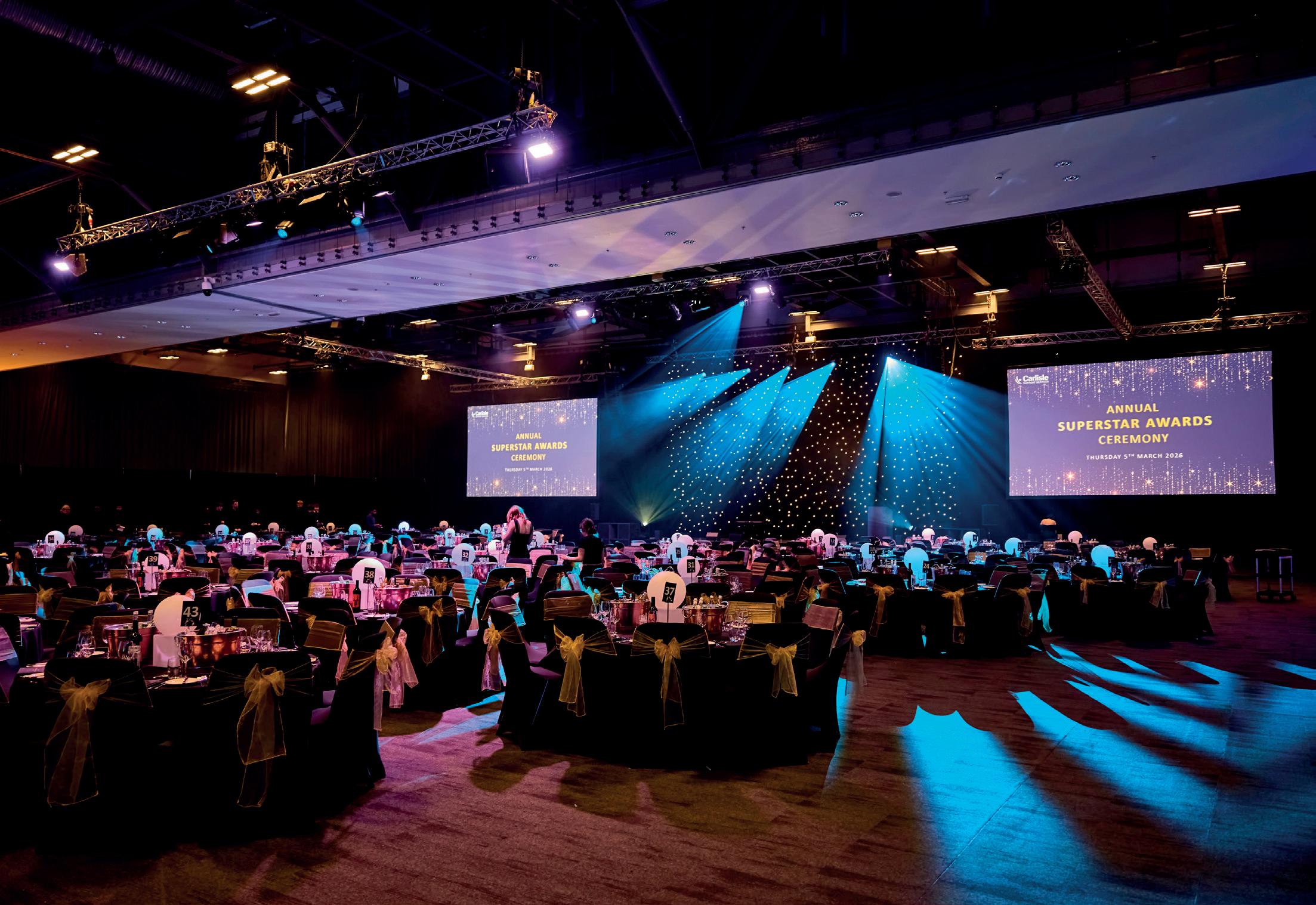
Now in its ninth year, Carlisle Support Services’ Innovation Lab returned to ACC Liverpool earlier this month, bigger, bolder and more relevant to the industry than ever.
FM Director spoke with Paul Evans, CEO of Carlisle Support Services, alongside long-standing clients such as Lindsey Verrall from Eurotunnel Le Shuttle and Mark Ellis from Chiltern Railways, to explore what makes the event an unmissable fixture in the FM calendar.
From Brainstorm to Benchmark Event
What started a decade ago as an informal two-hour brainstorm between six people in a Birmingham office has evolved into one of the most eagerly anticipated events in the FM ecosystem.
Innovation Lab 2026 drew together more than 40 exhibitors, thought leaders, along with a distinguished cohort of visionary speakers from wider industry including FM, and representatives from the Home Office, national policing, and government, with 470 attendees staying on for their Annual Superstar awards evening ceremony.
The event was held at ACC Liverpool, a premier Carlisle client, which reinforced the company’s philosophy that the relationships it builds are genuine partnerships. Paul noted that rotating the event between the North and South of the UK keeps it accessible and flagged the considerable cost difference between regions as a practical consideration that shapes where the Lab lands each year.
One of the Innovation Lab’s most distinctive qualities is its deliberate cross-sector architecture. Where most industry events target a single vertical, the Lab intentionally fosters collaboration between professionals from rail, retail, sport, healthcare, education, and events. Paul described the event as an incubator for innovation, thought leadership, with keynote speaker Jason Bevan, formerly of Warner Bros Studios, exemplifying the approach of applying fresh, cinematic perspectives to familiar operational problems.
“People from rail met somebody from football, who met somebody from retail. That would never happen at a typical industry event; this event successfully breaks all those boundaries down.” mentioned Paul.
For Lindsey Verrall, Passenger Operations Manager at Le Shuttle, attending her fifth consecutive Innovation Lab, the cross-sector environment provides valuable opportunities to engage with exhibitors and debate emerging solutions. This is particularly vital given the governance requirements of Le Shuttle’s binational operation, which can make rapid adoption of new technology more complex compared to other sectors.
She also highlighted the event’s role in solidifying the synergy between Le Shuttle’s team and the Carlisle colleagues who deliver operational excellence on the ground. Lindsey noted that seeing the frontline members celebrated in a high-profile setting adds a genuine human dimension to an already a close partnership.
“It’s really good to have robust debates with the exhibitors, especially around PPE. You see some really brilliant innovation. It’s impressive.”
Platinum Sponsors and the Power of Partnership
Central to the Innovation Lab’s success are the sponsors and exhibitors who align with Carlisle’s long-term vision. This year’s Platinum partners, Airbox Systems, Paragon, Arval, Bunzl, Linev Systems and Crystal Ball, each play an active role in enhancing Carlisle’s integrated service offering.
Crystal Ball, the company’s telematics partner, has delivered live fleet intelligence which revolutionised transparency, supported driver education and reduced Carlisle’s insurance premiums by an impressive 34%, an annual saving of over £100,000. Linev Systems are an emerging force in event security screening, while Arval extends its fleet partnership into innovative employee salary sacrifice schemes.
Paragon and Bunzl underpin Carlisle’s robust ESG commitments through sustainable consumables, while Airbox Systems provide the critical communications infrastructure for emergency and event management.
“Our exhibitors have played a key part in Carlisle’s journey. Without our exhibitors and innovators, an event of this scale and impact simply would not be possible.” said Paul.

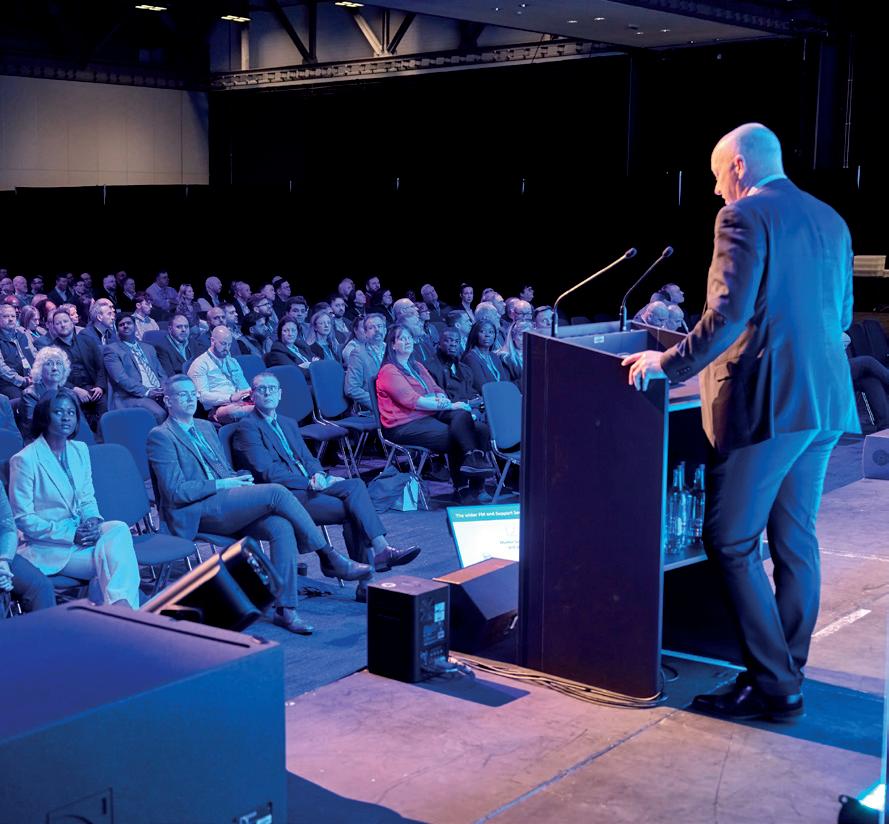

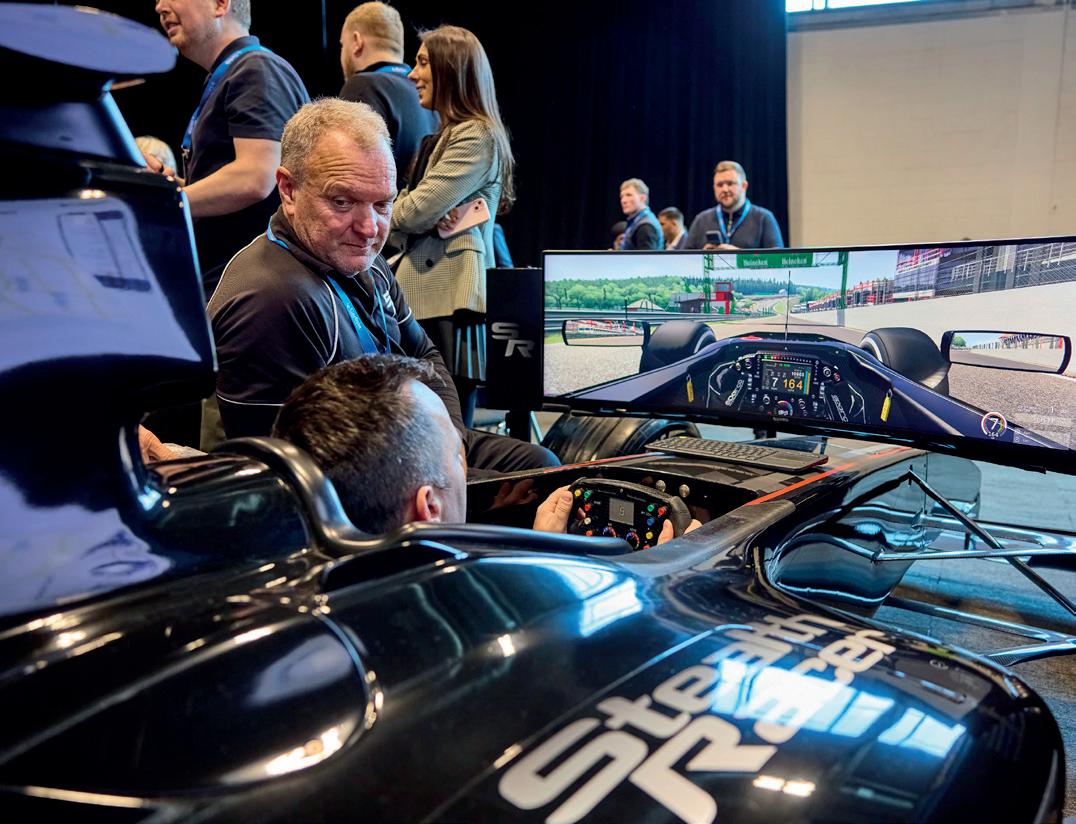

robust debates with the exhibitors, especially around PPE. You see some really brilliant innovation. It’s impressive
Carlisle Support Services employs 7,500 people, referred to internally as ‘family members’, across a broad range of FM and support services. With a turnover of £180 million generated from a selected portfolio of 66 clients, the business model prioritises high-value engagement and meaningful relationships with large, established brands.
This commitment to excellence is reflected in a client retention rate of 99% for the most recent year and 97% over the past decade, with the Cheltenham Gold Cup served continuously for 41 years.
Mark Ellis, Head of Property, Assets and FM has partnered with Carlisle since 2016, first at Greater Anglia and subsequently at Chiltern Railways. He attributed this industry leading retention to the leadership culture Paul has built around frontline staff recognition and genuine partnership.
“Paul Evans is no ordinary CEO,” Mark said. “He gets around the patch and has a close front-line relationship with staff across all his contracts. Carlisle builds people up, and they praise them when it’s needed. If people are motivated, they feel pride in their work and they deliver a superior service.”
Rail: The Cornerstone of Carlisle’s Identity Rail remains a defining pillar of Carlisle’s operations. Working with 14 train operating companies across the network and delivering over 15 different roles, the company has become the most exposed outsourced partner to the rail sector in the UK.
As Paul aptly put it, if a service falls outside of engineering or driving a train, Carlisle is likely delivering it.” This comprehensive portfolio encompasses gateline management, revenue protection, security, ticket offices, cleaning, hard FM, and trackside works.
Looking ahead, Paul expressed confidence that Carlisle’s rail presence will expand further as the industry moves towards Great British Railways, with the goal of delivering a consistent, passengerfocused experience across the entire network.
Carlisle’s Annual Superstar awards ceremony is their flagship celebration of the front-line staff who deliver on the company’s promise every day.
This year, 470 attendees gathered to recognise countless ‘contract champions’, colleagues hand selected as ambassadors of Carlisle’s culture, alongside a cohort of ‘Superstar Award’ winners nominated by colleagues, managers, clients, and members of the public.
Over an immense 1,500 nominations were received from across the 7,500+ strong workforce, with category winners receiving £1,000 each and more than £65,000 distributed to employees over the course of the year as a direct investment in their excellence.
For many of the frontline staff, the gala dinner was their first blacktie event, and Paul emphasised the care taken to ensure every individual felt valued and genuinely celebrated.
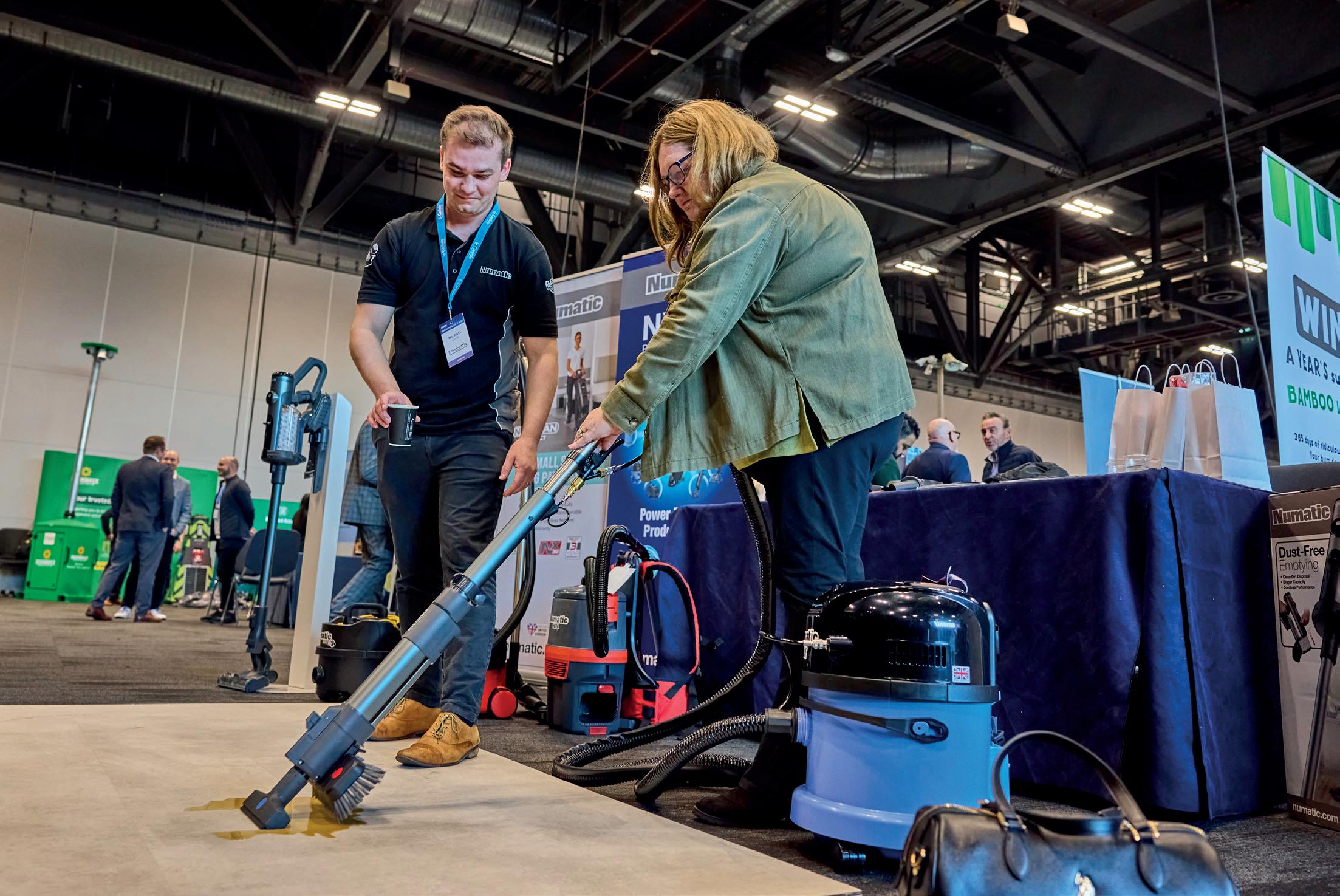




Among this year’s standout nominees was Dorothy Omovbude, a Carlisle colleague on London Overground named National Lifesaver Award winner at the Rail Staff Awards, an accolade placing her above all train operating companies and in-house teams nationwide.
“Tonight is all about gratitude and recognition. And it gets bigger and more impactful every year,” Paul said.
Lindsey captured what the event means in practice for clients who see their Carlisle teams in a different light on the day:
“The communication is great, you know what you are doing, there is total clarity. It’s just so slick. And if they can put on an event like this, that’s surely reflected in their everyday service delivery,” she said. As Carlisle looks to the next chapter, Paul outlined a strategy of organic growth, targeted acquisitions, and an everevolving range of integrated services, always anchored by the company’s core value of putting the customer at the heart of everything they do.
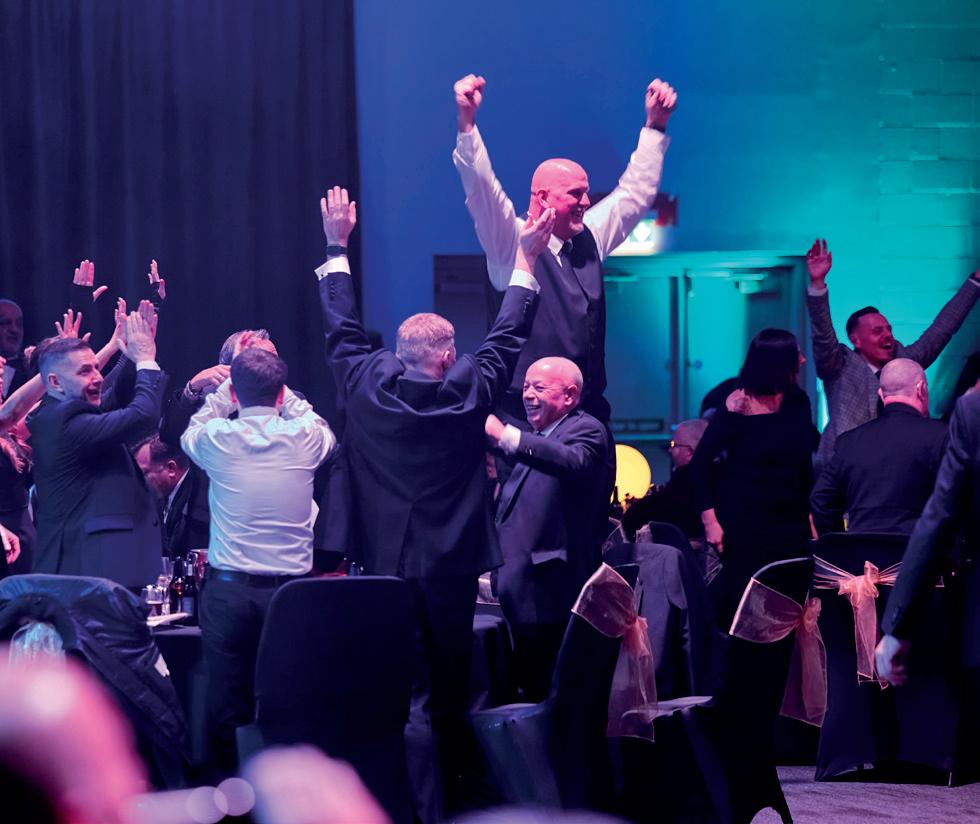
Tonight is all about gratitude and recognition. And it gets bigger and more impactful every year
With 66 major clients, a workforce of over 7,500 and a retention record that speaks for itself, the foundations are firmly in place. For the thousands of passengers, visitors, students, and event-goers who encounter Carlisle’ staff every day, that philosophy is already very much in evidence.
*Innovation Lab 2026 took place on 5th March 2026 at ACC Liverpool.
Independent B Corp caterer Houston & Hawkes is continuing its collaboration with chef Sally Abé for a fourth year, building on the role she has played in supporting chef development and shaping the company’s culinary approach.
Over the past three years, Abé has worked closely with Houston & Hawkes, contributing to hands-on ‘masterclass’ cookery sessions, educational tours, mentoring and client events. The continued collaboration provides an opportunity to build on that work, supporting the next stage of the company’s chef-led journey.
Alongside her ongoing work with Houston & Hawkes, Abé is soon to open her first solo venture, Teal by Sally Abé, anew London restaurant where the focus will be on reimagining British classics and continuing her commitment to developing talent within the industry.
Abé’s continued partnership with the caterer will

Vensure its chefs remain closely connected to how restaurant kitchens think and work, which will
acherin has announced a leadership evolution that prepares the specialist London caterer for the next era of growth and celebrates its commitment to talent development.
Tom Rule has been promoted to Managing Director Designate, with Phil Roker, Vacherin’s incumbent Managing Director preparing to move into the role of Chairman later in 2026.
The move is good news for the business, its clients and people, who benefit from Tom’s fresh ideas and perspectives whilst continuing to be supported by Phil’s extensive knowledge and experience. It’s also testament to Vacherin’s commitment to nurturing its people, providing strong, tangible career pathways that ensures talent grows with the business.
Tom originally joined Vacherin in 2012 as operations manager, successfully progressing to operations director. His invaluable contribution includes creating growth opportunities for Vacherin and its clients, such as overseeing the development of its successful Central Production Kitchen ‘delivered-in’ business and driving forward its exciting coffee culture.
Tom is also instrumental in a variety of Vacherin’s social, wellbeing and community initiatives, including last year’s successful Three Peaks Challenge for Luminary Charity.
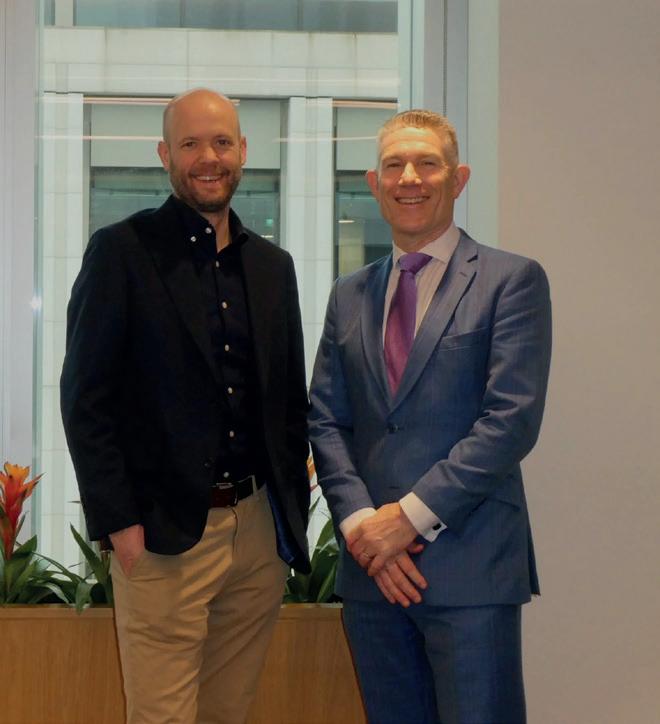
Tom Rule says: “Vacherin is an incredible business with fantastic clients and people, and I’m thrilled and honoured to lead it into its exciting future. I’ve had a brilliant career journey with Vacherin so far, with great support and development opportunities that have brought me to this position. I look forward to working closely with Phil and the rest of the team as I settle into the role and we identify new opportunities for innovation and growth.”
Trinity Fire & Security Solutions, part of Premier Technical Services Group Ltd (PTSG), has appointed Amanda McIntyre as Managing Director, effective 02 March 2026.
Amanda joins from Johnson Controls, where she led the UK&I HVAC, Industrial Refrigeration and Controls service division, holding full P&L responsibility for an $80m business
Her remit included oversight of more than 300 engineers and service professionals across multiple acquired businesses, with responsibility for operational delivery, margin performance, compliance and customer retention
In her new role, Amanda will be responsible for the strategic leadership and operational oversight of Trinity’s fire detection and integrated security systems business, including design, installation, commissioning and maintenance services.
Trinity operates across regulated and high-compliance sectors including aviation, healthcare, education and commercial property.
Michael Anderton, Managing Director of PTSG Fire Solutions, said: “Trinity is a key business within our Fire Solutions division. Amanda brings strong experience in scaling technical service operations, embedding governance frameworks and driving sustainable growth. We are pleased to welcome her to the Group.”
EDAROTH, the social and affordable housing developer owned by AtkinsRéalis, has appointed Toby Bonner as Programme Director to support the expansion of its UK delivery capability.
The move comes as the housing sector faces increasing pressure to accelerate supply, with a growing focus on scalable and sustainable delivery models.
Bonner brings nearly 25 years of experience in housing development, project management and large scale programme delivery.
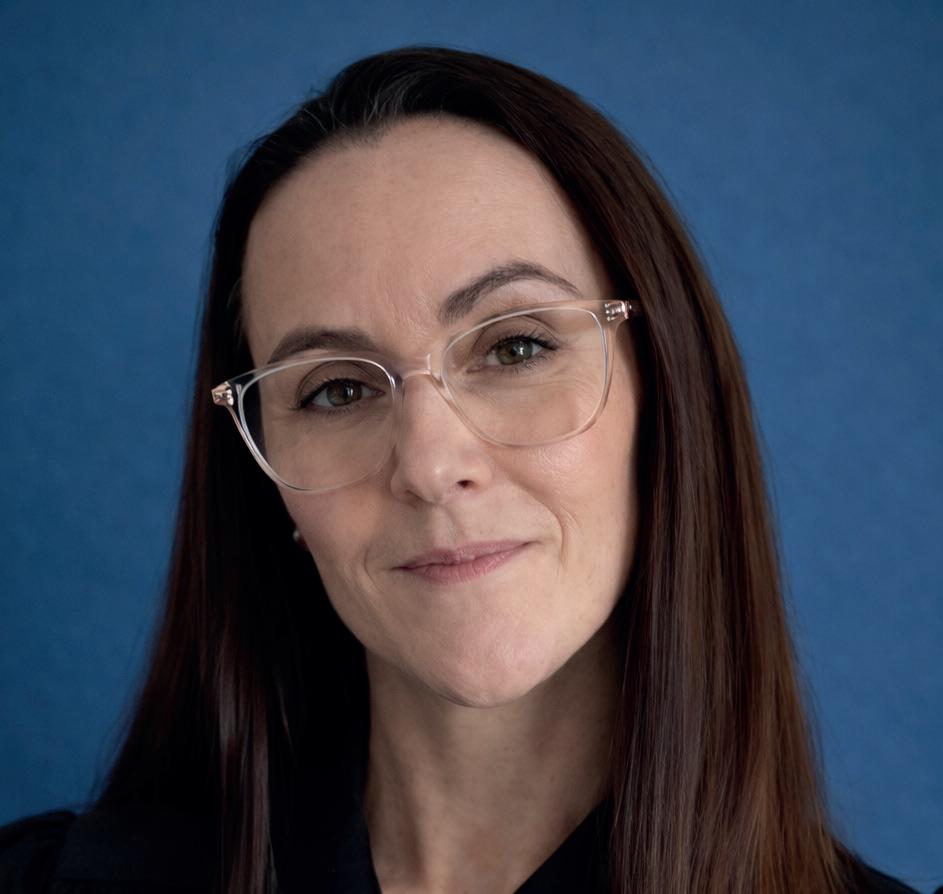
The appointment forms part of PTSG’s ongoing investment in senior leadership capability as the Group continues to expand its fire and security services portfolio across the UK and Europe.
His appointment is intended to strengthen EDAROTH’s ability to support housing associations, local authorities and developers as they respond to ongoing supply challenges.
He said the role presents an opportunity to help position EDAROTH as a key delivery partner in the sector. “I’m excited by the opportunity to help shape EDAROTH into a delivery partner of choice for the sector,” he said.
“With the broad expertise of AtkinsRéalis behind us, we have the capability to offer something genuinely additive to the market, which means homes delivered quickly, reliably and with a clear focus on long term performance.”

Specialist security provider and social enterprise Corps Security has appointed Fiona Strens as Chair of its Board.
Strens has served as Non-Executive Director at Corps Security since 2021. Her role will begin in April, where she will succeed Chris Nickols, who steps down after serving his full term. Nickols will stay on as a Non-Executive Director over the coming months to support Strens’ transition.
Strens brings a 30-year career spanning defence, security, public safety and resilience, with senior strategy and leadership roles across both the public and private sectors. Her work has consistently focused on delivering impact through innovation, collaboration and data-driven decision-making, including the application of AI.
She is a Professor and Centre Director at the University of Lincoln, where she leads the Centre for Defence & Security Artificial Intelligence (CDSAI). The Centre works to deliver advantage and resilience for UK national security, drawing on the capability and ambition of the University and its partners. She was previously Professor of
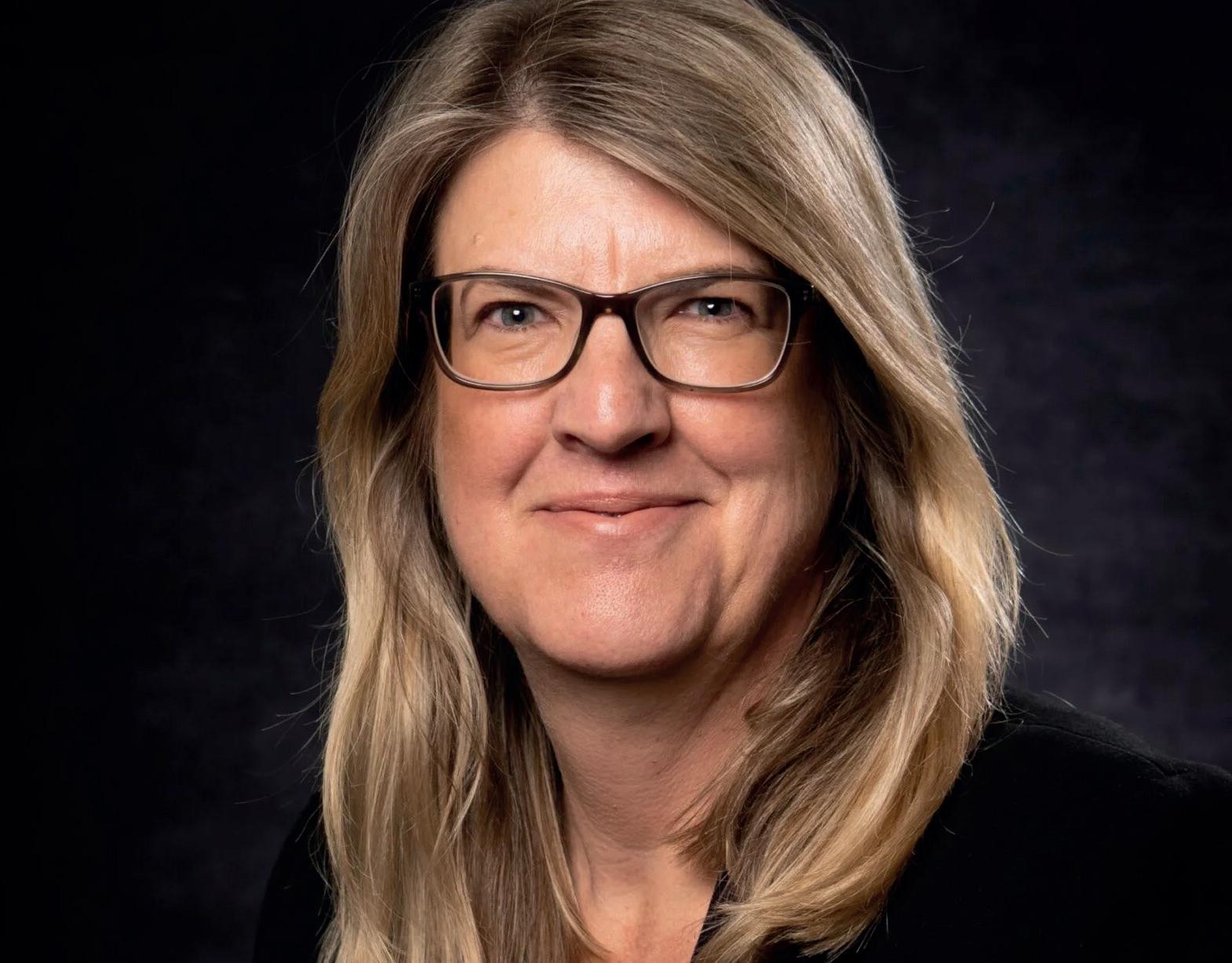
Corporate contract caterer Lexington Catering has promoted Sean Ritson to managing director at a pivotal point of growth for the company. Ritson has been with Lexington for seven years, holding senior leadership positions including operations director and, most recently, divisional director.
Throughout his tenure, Ritson has been instrumental in driving innovation and business growth, and guiding the company through challenging market conditions, including the global pandemic and the hybrid working landscape. Known for his strong people leadership and focus on culture, he has helped the business achieve sustained success and operational excellence.
With over 25 years’ experience in the catering and hospitality sector, Ritson has also held senior positions at Compass, Bartlett Mitchell and CH&CO.
Ritson will report into Matt Wood, managing director of Elior UK’s entire business & industry (B&I) operations.
Speaking about his appointment, Sean Ritson, managing director, Lexington said: “I am thrilled and honoured to be appointed as Lexington’s managing director.
“I’m incredibly proud of everything we have achieved as a business over the last seven years, and I’m grateful for all the support along the way. The culture here is really something special.
“Lexington has always been a values-driven business, delivering authenticity and truly unique experiences in the industry. I look forward to continuing our growth journey and cementing our place as a sector leader.”
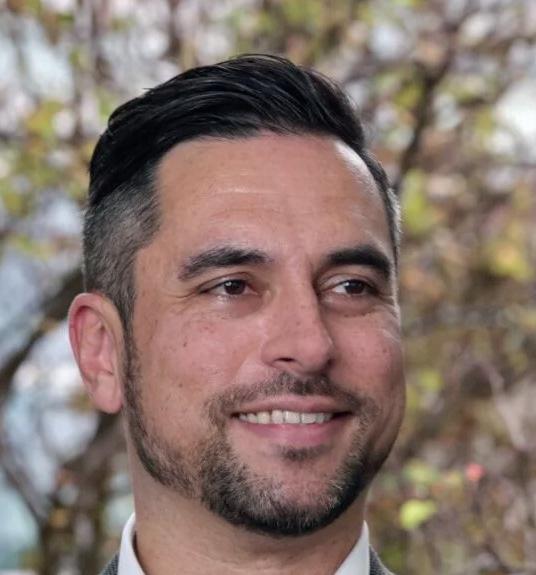
Matt Wood, managing director, Elior B&I said: “Appointing Sean as managing director is a natural step. His depth of knowledge of the company, strong business acumen, determination and passion for excellence make him an outstanding leader. I’m looking forward to seeing Lexington continue to thrive under his leadership.”



Building Transformation simplifies building envelope repairs and maintenance through safe specialist access, tecāical insight and a collaborative approach. enquiries@buildingtransformation.co.uk buildingtransformation.co.uk 01234 589 807
GIND UK delivers ambitious projects in challenging environments. Our London-based engineering and design team specialises in bespoke access system maintenance for the world’s most iconic buildings. info@gind.uk www.gind.uk 0800 448 8884

For almost 30 years Julius Rutherfoord has been passionate about providing professional cleaning services to some of the most prestigious organisations in the London area. info@juliusrutherfoord.co.uk https://www.juliusrutherfoord.co.uk/ 020 7819 6700

Specialist contractor Composites Construction UK operates throughout the UK and Europe. Using innovative methods, we carry out structural strengthening and repairs to concrete, timber, and masonry structures. contact@fibrwrap-ccuk.com www.fibrwrap-ccuk.com 01482 425250
FASET is the established trade association and training body for the safety netting and temporary safety systems industry. We support members with guidance, training, and exclusive benefit schemes. enquiries@faset.org.uk www.faset.org.uk 01948 780652

Integral Cradles Ltd. delivers permanent façade access solutions across the UK, specialising in high buildings with unique specifications and demands. A whole life-cycle solution. kevin@i-cradles.com www.i-cradles.com 0845 074 2758

Amy Hudson amy@fmbusinessdaily.com
neutral carbon zone (NCZ) is a full-service platform that gives you the tools your company needs to make the transition to a carbon neutral business and beyond. gozero@neutralcarbonzone.com www.neutralcarbonzone.com 0845 094 5976
SAEMA has a long history in delivering the best training and guidance in the temporary and permanent suspended access industry. We are committed to advancing safety through raising the standards in best practice. info@saema.org https://www.saema.org/ 01948 838616


Project Management Global is a media platform and community for professional project managers. Providing informative news, industry insights, career support, resources and jobs for project managers across the globe. news.pm-global.co.uk

Seddon Management Services strives to offer the best solutions for trade associations to keep their members safe and compliant. becky@managementandauditing.co.uk www.seddonmanagementservices.co.uk 07854 226251
Lemon Contact Centre is a leading contact centre for the FM industry. Leveraging 20 years’ of expertise, our 24/7 contact centre services provide unparalleled flexibility, scalability and resilience for your business. Lemoncontactcentre.co.uk 0800 612 7595

Premier Tecāical Services Group Ltd (PTSG) is the UK’s leading provider of specialist services to the construction and facilities management sectors. info@ptsg.co.uk
https://www.ptsg.co.uk/ +44 (0) 1977 668 771



YorPower is one of the industry’s most trusted providers of back-up power solutions (generators and UPS) for customers in a wide variety of sectors, both in the UK and around the world. sales@yorpower.com www.yorpower.com 01977 688155
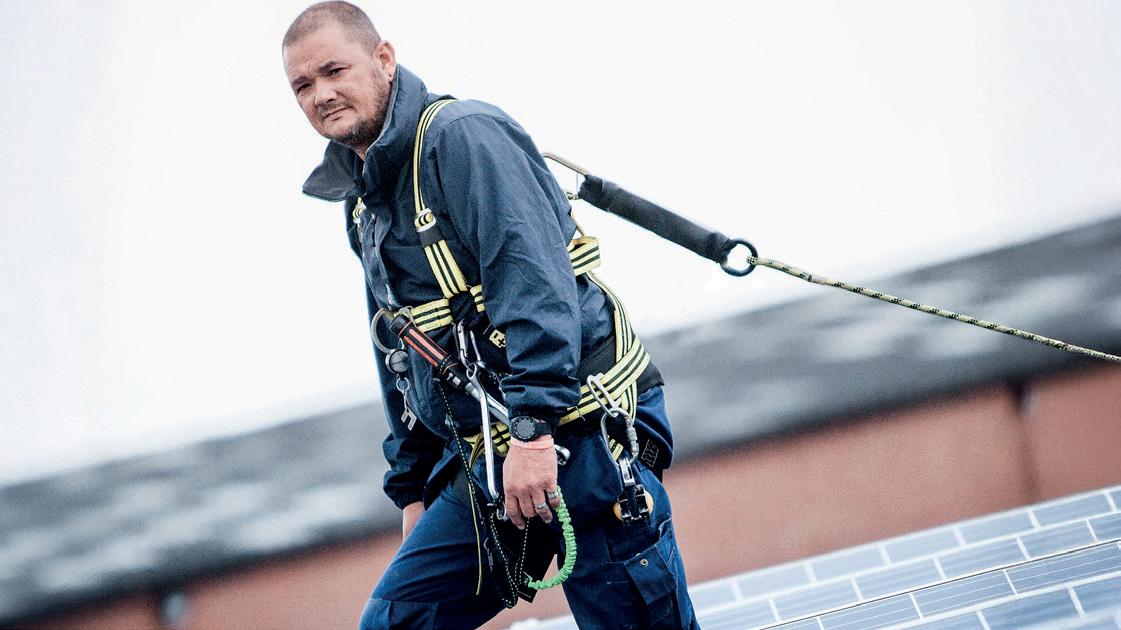
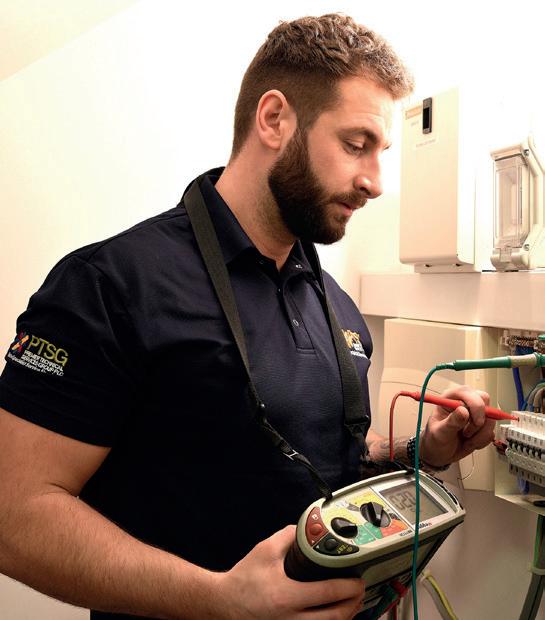

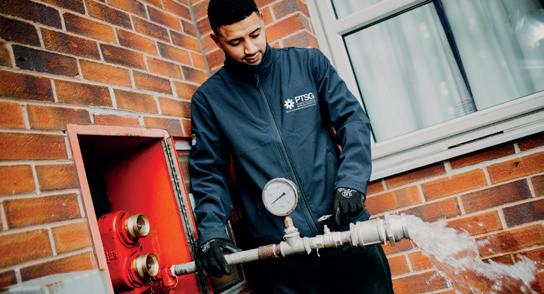
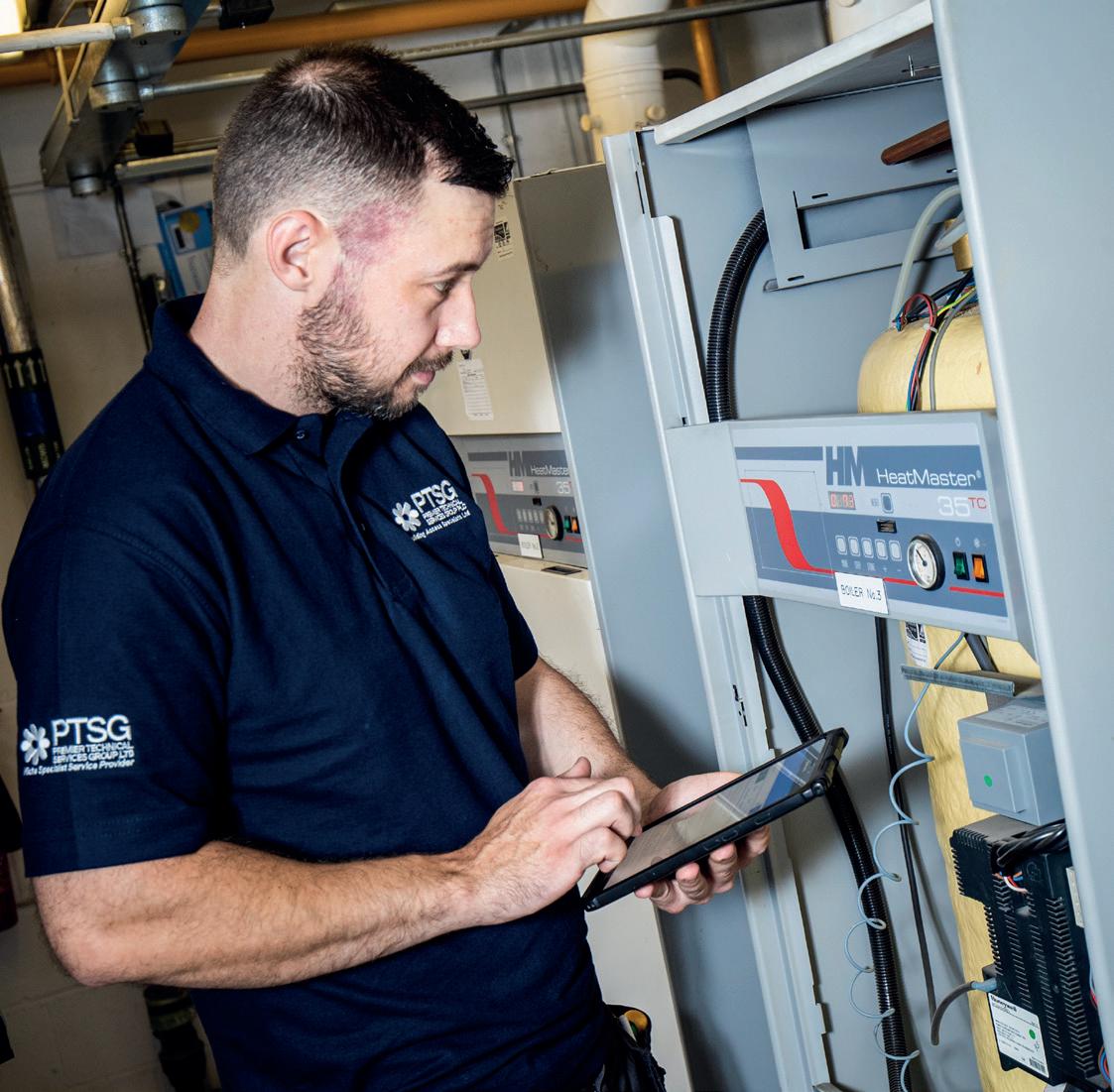

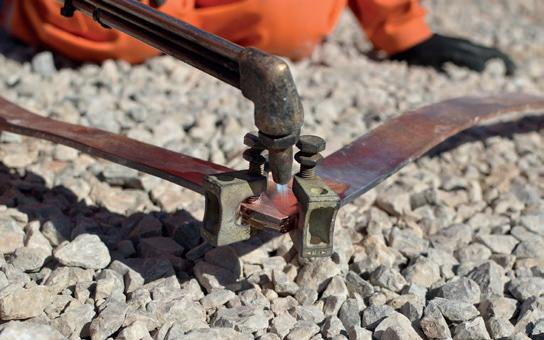

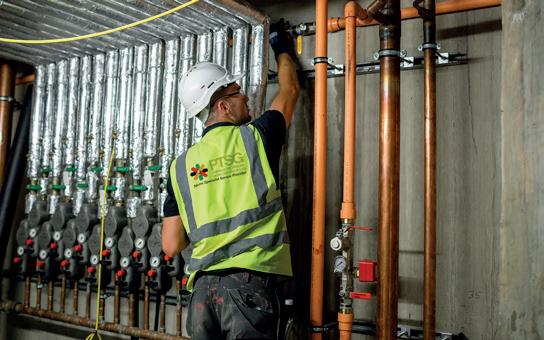
Complex buildings demand expert solutions across multiple disciplines. But complexity shouldn’t mean compromise on quality, consistency or control.
PTSG integrates five specialist services under one Group –Access & Safety, Electrical Services, Building Access Specialists, Fire Solutions and Water Treatment – delivering seamless coordination, rigorous standards and absolute confidence in delivery. From safety and compliance to operational performance, we protect what matters most: your people, your assets and your reputation. Nationwide capability. Local expertise. No compromise.