The pride we feel in being recognized by US News & World Report is matched only by the pride we feel for our community. Recently named high-performing in 21 types of care and ranked nationally in eight specialties, our combination of advanced care and consistent compassion keeps us at the top year after year. Learn more at OrlandoHealth.com/ORMC
COVER STORY
The Orlando Health Digestive Health Institute has emerged as one of the nation’s foremost centers for the treatment of digestive disorders, attracting patients from across the state, the country, and around the world.
Earlier this year, the institute opened a state-of-the-art facility that continues to expand its use of cutting-edge technologies and advanced procedures. The institute provides world-class care across numerous specialties, including endoscopy, pancreatology, and inflammatory bowel disease (IBD).
Its commitment to offering services found in only a handful of centers nationwide has positioned the institute as an international and national destination for patients facing complex gastrointestinal issues.
“We draw referrals from a 500-mile radius,” said Dr. Shyam Varadarajulu, a boardcertified gastroenterologist and president of the Orlando Health Digestive Health Institute. “We’re known for specialized services like endoscopic ultrasound, where we’ve published extensively and even authored the textbook that 99 percent of trainees use worldwide. Naturally, when gastroenterologists read our work, they refer patients to us.”
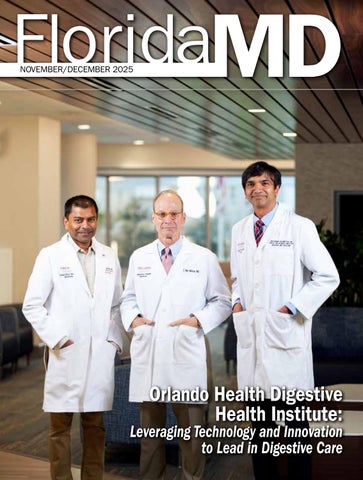
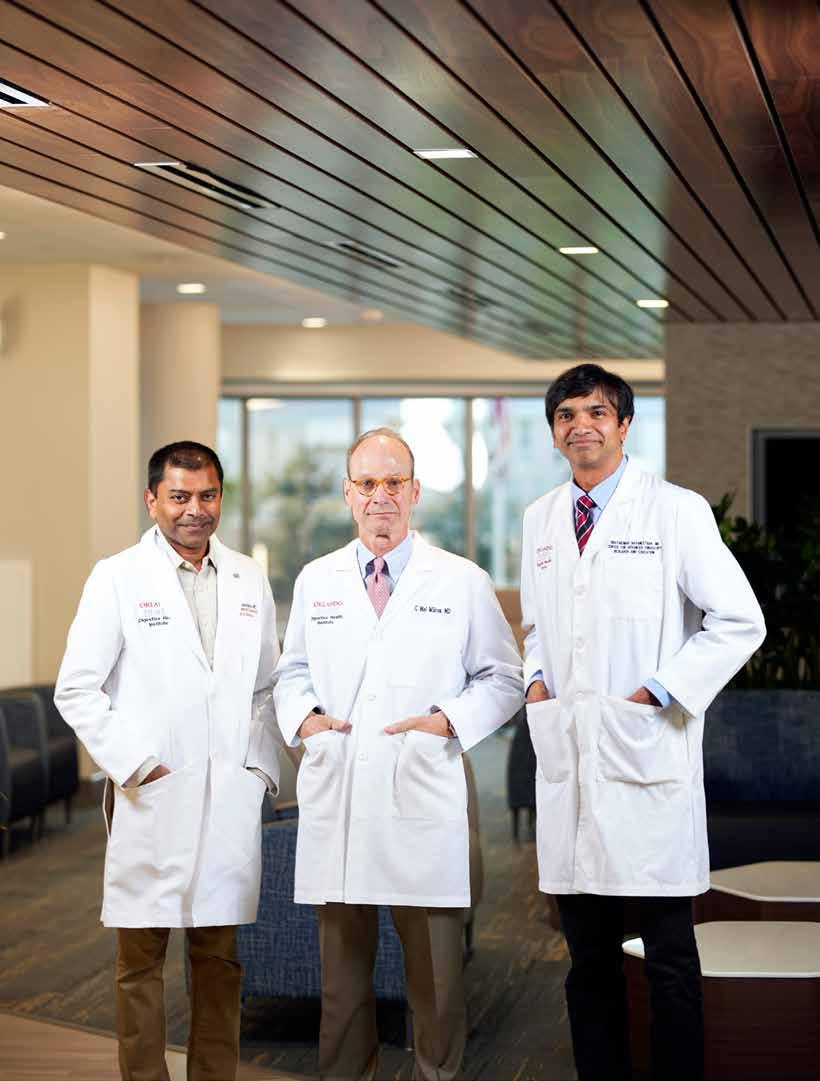
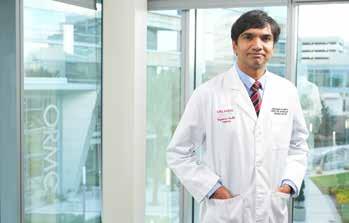
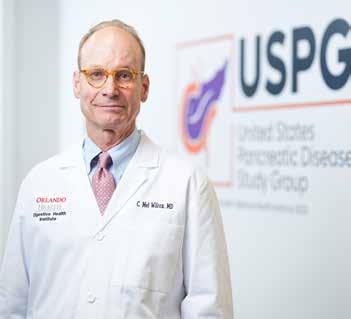
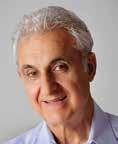
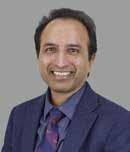
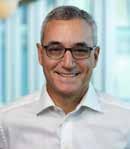
ON THE COVER: (left to right) Dr. Shyam Varadarajulu, Dr. C. Mel Wilcox, and Dr. Udayakumar Navaneethan with the Orlando Health Digestive Health Institute
Iam pleased to bring you another issue of Florida MD. .This time of year is special to all of us regardless of religious persuasion. It is especially important to children. However, it can be a particularly distressing time for children that are neglected, abandoned or live in abusive homes. The Children’s Home Society of Florida tries to make a better life for these children by finding them a loving home either temporarily through foster care or permanently through adoption. But there are a lot of children – nearly 20,000 – in Florida who can’t live safely with their families right now. They need more than Children’s Home Society of Florida … they need all of us. I hope some of you can find the time to assist this very worthwhile organization in its efforts to help these special children. To find out more information please visit www.chsfl.org.
Have a wonderful holiday season and a happy, healthy and prosperous New Year.
Best regards,
Donald B. Rauhofer
Publisher
ADVERTISE IN FLORIDA MD
For more information on advertising in Florida MD, call Publisher Donald Rauhofer at (407) 417-7400, fax (407) 977-7773 or info@floridamd www.floridamd.com
Email press releases and all other related information to: info@floridamd.com
PREMIUM REPRINTS
Reprints of cover articles or feature stories in Florida MD are ideal for promoting your company, practice, services and medical products. Increase your brand exposure with high quality, 4-color reprints to use as brochure inserts, promotional flyers, direct mail pieces, and trade show handouts. Call Florida MD for printing estimates.
Publisher: Donald Rauhofer
Photographer: Donald Rauhofer / Florida MD
Contributing Writers: John “Lucky” Meisenheimer, MD ,Tara Griffin, DMD, Sonda Eunus, MHA, John Meisenheimer, VII, MD;B.S., Satyanarayana Gedela, MD, Gregory Olavarria, MD, Andrew Carbone, MD, Luke Elms, MD, Daniel T. Layish, MD, FACP, FCCP, FAASM, Joseph Cannizzaro, MD
Art Director/Designer: Ana Espinosa
Florida MD is published by Sea Notes Media,LLC, P.O. Box 621856, Oviedo, FL 32762. Call (407) 417-7400 for more information. Advertising rates upon request. Postmaster: Please send notices on Form 3579 to P.O. Box 621856, Oviedo, FL 32762.
Although every precaution is taken to ensure accuracy of published materials, Florida MD cannot be held responsible for opinions expressed or facts expressed by its authors. Copyright 2025 Sea Notes Media. All rights reserved. Reproductionin whole or in part without written permission is prohibited. Annual subscription rate $45.
Orlando Health Digestive Health Institute: Leveraging Technology and Innovation to Lead in Digestive Care
By Staff Writer
The Orlando Health Digestive Health Institute has emerged as one of the nation’s foremost centers for the treatment of digestive disorders, attracting patients from across the state, the country, and around the world.
Earlier this year, the institute opened a state-of-the-art facility that continues to expand its use of cutting-edge technologies and advanced procedures. The institute provides world-class care across numerous specialties, including endoscopy, pancreatology, and inflammatory bowel disease (IBD).
Its commitment to offering services found in only a handful of centers nationwide has positioned the institute as an international and national destination for patients facing complex gastrointestinal issues.
“We draw referrals from a 500-mile radius,” said Dr. Shyam Varadarajulu, a board-certified gastroenterologist and president of the Orlando Health Digestive Health Institute. “We’re known for specialized services like endoscopic ultrasound, where we’ve published extensively and even authored the textbook that 99 percent of trainees use worldwide. Naturally, when gastroenterologists read our work, they refer patients to us.”
WORLD-CLASS ADVANCED ENDOSCOPIC SERVICES
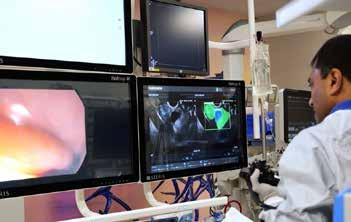
Among the institute’s most impactful offerings is its suite of advanced endoscopic procedures, led by one of the largest endoscopic ultrasound programs in the world.
Each year, Orlando Health performs nearly 4,500 endoscopic ultrasounds, making it the largest center in North America and the second largest globally. The procedure enables physicians
to evaluate the gastrointestinal tract and nearby organs such as the pancreas and bile duct—critical for accurate diagnosis and treatment.
“We’re the largest center in the western world,” said Dr. Varadarajulu. “We’ve had patients travel from as far as England, India, and even Japan for this service.”
Other advanced endoscopic offerings include:
• Endoscopic retrograde cholangiopancreatography (ERCP): Used to treat pancreatic cancer and remove pancreatic and bile duct stones.
• Advanced endoscopy and colonoscopy: For tumor resection and other complex interventions.
• Third space endoscopy: Used to remove tumors from the stomach or chest cavity and abdominal cavity and to treat esophageal disorders.
The Orlando Health Digestive Health Institute performs 800 to 1,000 tumor resections and around 200 third space endoscopy procedures annually.
The institute also integrates artificial intelligence (AI) into its diagnostic process — particularly for identifying colon polyps and aiding in the diagnosis of pancreatic cancer.
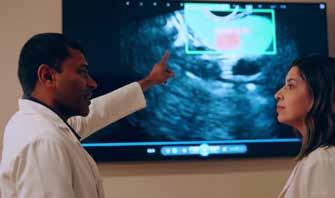
“We collaborated with colleagues in Romania to develop AI software that’s 98.5 percent accurate in detecting pancreatic tumors,” Dr. Varadarajulu said. “It’s a unique technology we now use routinely in our clinical practice.”
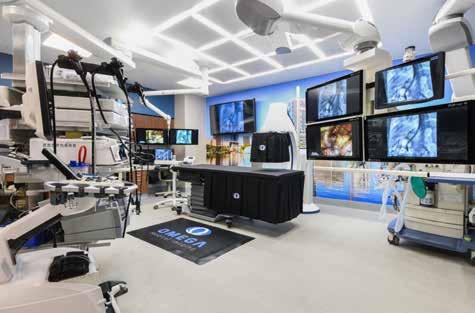
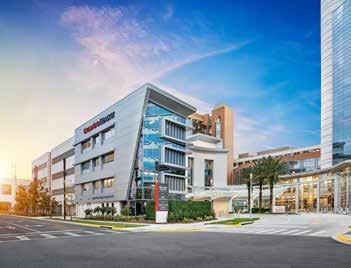
In April 2025, the Orlando Health Digestive Health Institute opened a new, state-of-the-art facility that continues to expand its use of cutting-edge technologies and advanced procedures.
PHOTO: PROVIDED BY ORLANDO HEALTH
The Orlando Health Digestive Health Institute is one of the nation’s foremost centers for the treatment of digestive disorders, attracting patients from across the state, the country, and around the world.
ADVANCING RESEARCH TO IMPROVE PATIENT OUTCOMES
The institute’s leadership extends beyond clinical care into groundbreaking research aimed at improving outcomes and redefining standards of care.
One such initiative is the Gastric Outlet Obstruction Surgery or Endoscopy (GOOSE) trial, a multicenter study that explored new approaches for pancreatic cancer patients who develop gastric outlet obstruction. Traditionally, this condition required surgery that prolonged hospitalization and delayed chemotherapy.
The institute’s minimally invasive alternative uses endoscopic ultrasound to place a stent between the stomach and small intestine, allowing patients to resume eating and treatment much sooner.
The results were remarkable:
• Procedure time: 20–30 minutes
• Hospital stay: 2–3 days
• Cost savings: Nearly $20,000 compared to traditional surgery
• Earlier resumption of chemotherapy
“It’s life-changing for patients,” said Dr. Varadarajulu. “They can go home, restart treatment, and spend more time with their families. You can’t put a price on that.”
INNOVATIVE IBD CARE AND RESEARCH
The Orlando Health Digestive Health Institute is also a national leader in inflammatory bowel disease (IBD) treatment and research.
“Any patient newly diagnosed with IBD can receive comprehensive medical, endoscopic, and surgical management here,” said Dr. Udayakumar Navaneethan, a board-certified gastroenterologist and leading IBD expert. “We also offer access to the latest clinical trials, including NIH-sponsored studies, which are available at only a few select centers in the country.”
Dr. Navaneethan has helped shape national IBD care standards through his work with the American Society for Gastrointestinal Endoscopy, creating consensus guidelines for diagnosis and management. He is also a founding member of the Global Interventional IBD group, a consortium of leading academic researchers conducting research in IBD and publishing clinical guidelines for diagnosing and managing bowel strictures.
The institute also participates in innovative clinical trials, including studies on:
• NIH-sponsored Hyperbaric oxygen therapy for ulcerative colitis, aimed at improving steroid response and reducing the need for surgery.
• Confocal laser endomicroscopy (CLE) for high-resolution imaging to predict disease flare-ups and cancer risk.
• Drug-eluting balloons to treat intestinal strictures, reducing the need for repeat procedures or surgery.
• Stricture therapy through stricturotomy and stricturoplasty, available at only a few centers nationwide.
“The Hyperbaric oxygen therapy trial is an important study as ulcerative colitis flare is one of the common reasons for admission to
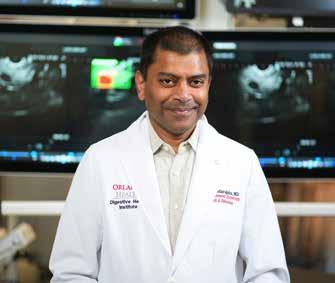
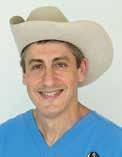
Dr. Shyam Varadarajulu is a board-certified gastroenterologist and president of the Orlando Health Digestive Health Institute that provides world-class care across numerous specialties, including endoscopy, pancreatology, and inflammatory bowel disease
Dr. Varadarajulu is leading the institute’s pioneering use of AI technology for the early diagnosis of pancreatic cancer.
the hospital and some patients are so sick that they will end up with a surgery and a stoma bag,” Dr. Navaneethan said.
Patients also benefit from bedside bowel ultrasound, a noninvasive tool for real-time disease monitoring—technology that, while widely used internationally, is now becoming more common in the U.S. thanks to the institute.
“It allows patients to see what’s happening inside their body in real-time,” said Dr. Navaneethan. “It’s an empowering and informative part of their care.”
COMPREHENSIVE PANCREATIC CARE
The Orlando Health Digestive Health Institute’s pancreatology services encompass both emergency care and outpatient management.
The institute and its physicians are dedicated to providing a full battery of tests and services to patients with pancreatic diseases to ensure an accurate diagnosis. The goal is to eliminate some of the common mistakes that can lead to an underlying condition not being discovered.
“People are sometimes admitted to the hospital with acute
PHOTO:
PROVIDED BY ORLANDO HEALTH
(IBD).
PHOTO: PROVIDED BY ORLANDO HEALTH
pancreatitis, but an incomplete evaluation is done,” said Dr. C. Mel Wilcox, a board-certified gastroenterologist who specializes in pancreatic diseases. “For example, they may have had a CT scan which didn’t show any gallstones. But a routine ultrasound is a much better test than a CT. We also employ EUS to evaluate the gallbladder and pancreas.”
Wilcox explained that there is also danger in overemphasizing certain risk factors (alcohol, for example) that can cover up what is actually leading to a pancreatic problem. The institute’s thorough evaluation, ranging from ultrasounds to liver chemistry tests, can help alleviate those concerns.
“We ensure a thorough diagnostic process using ultrasound, liver chemistry, and other tests to uncover underlying causes that might otherwise be missed,” he said.
Dr. Wilcox also chairs the United States Pancreas Study Group, a consortium of academic centers conducting pioneering research. The group’s recent studies include evaluating celiac plexus block for chronic pancreatitis pain and publishing clinical guidelines for diagnosing and managing disconnected pancreatic duct syndrome.
A STATE-OF-THE-ART FACILITY DESIGNED FOR COLLABORATION
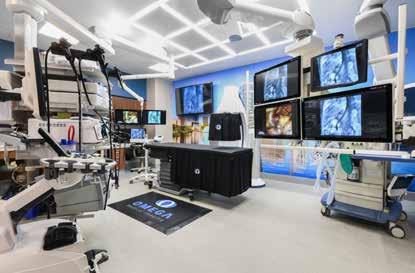
Earlier this year, the institute unveiled its newly expanded headquarters in downtown Orlando. The expansion included two new interventional endoscopy procedure rooms equipped with shockwave lithotripsy – technology available at only a few centers nationwide for treating pancreatic stones.
“Bringing all our advanced technologies and specialists under one roof has transformed the patient experience,” said Dr. Varadarajulu. “Patients can see multiple experts in a single visit, and our teams collaborate seamlessly.”
That spirit of collaboration extends beyond the institute. Each year, it hosts the Florida Live Endoscopy Conference, drawing more than 300 physicians from 40 states and 25 countries.
“It’s the largest live endoscopy program in the U.S. organized by a private institution,” Dr. Varadarajulu said. “Doctors from around the world come to Orlando—not to visit theme parks, but to learn cutting-edge procedures.
Dr. Udayakumar Navaneethan is a board-certified gastroenterologist and leading IBD expert. He is a founding member of the Global Interventional IBD group and has helped shape national IBD care standards through his work with the American Society for Gastrointestinal Endoscopy.
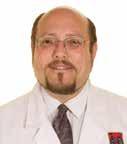
Dr. C. Mel Wilcox is a board-certified gastroenterologist who specializes in pancreatic diseases and chairs the United States Pancreas Study Group that recently conducted pioneering research evaluating celiac plexus block for chronic pancreatitis pain.
PHOTO:
Dr. Varadarajulu collaborated with colleagues in Romania to develop AI software that’s 98.5 percent accurate in detecting pancreatic tumors.
Join leading experts in the field
Attend Pre-conference Hands-on Master
Courses
Multispecialty Plenary Sessions
Presentations by World-Renowned Experts
Scientific Papers / Videos / e-Posters
Global Perspectives in MIS
Plus much more!
The $8500 Tube of Cream
By John “Lucky” Meisenheimer, MD and John Meisenheimer, VII, MD
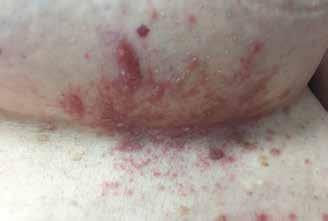
Several years ago, a patient came back to my office for a return visit. She had been seen earlier that week for a small amount of intertrigo underneath her breasts. Intertrigo is a common inflammatory condition of the skin folds, and it is aggravated by heat, moisture, and friction. Occasionally a patient might get a minor secondary yeast infection in the area as well. The treatment is keeping the area dry and using a topical cream to clear the yeast and decrease the inflammation.
The patient said, “doctor, I am worse.” I asked how she was using the cream, and she responded that she had not filled her prescription. Now I have lived through this scenario before with other patients. I am always amazed when people seem surprised that their condition has not improved when they have either not filled their prescription or filled the prescription and never used the medicine.
Now, if they filled the prescription and didn’t use the medicine, I am flummoxed as I am not sure how to respond. So, I usually say “oh” and stop talking, leaving a long moment of uncomfortable silence that eventually forces the patient to speak. Then the response comes, “so you think I should use the medicine you prescribed?” I reply, “Well, yes, as we have tried not using the medicine, and that plan is not working so good.” Amazingly, the patient seems okay with this response and goes happily on his or her way. Yes, this very conversation has happened on more than one occasion.
: Intertrigo - Would you spend $8500.00 on a
Now, in this case, since this patient had not filled her prescription, I wanted to know why. In the past, the cream I prescribed called Alcortin sold for about $35 a tube, so I didn’t think the cost was a concern. She then told me that the pharmacist wanted to charge her $8500.00 for a tube of the cream. I laughed out loud because I knew there had been some gross misunderstanding regarding the cost, and I said there must have been a decimal put in the wrong place. I was confident she didn’t understand the pharmacist correctly.
The patient was very adamant that she had spoken with the pharmacist in person, and there was no question that the price was $8500.00. I asked her for her pharmacy, and I contacted the pharmacist myself. I started by saying, “well, I am just clearing up a misunderstanding. There is a patient here that is trying to tell me that Alcortin is $8500.00 a tube. I am sure the decimal point has been put in the wrong place, or you mistakenly thought I ordered a tractor-trailer full of the cream. There was a long pause, and the pharmacist said, “no, $8500 is correct,” and it wasn’t for a flatbed truck loaded with cream; it was for one lousy 60-gram tube. At the time, that cream was selling for four times its weight in gold! The pharmacist had no explanation for why the medicine went up so much in price; all he knew was that was the price.
Since that bit of medical-cultural shock, other medicine prices have skyrocketed as well as everyone reading this knows. Nobody seems to know why, but I suspect this is due to our government meddling with the free market system. When the last big round of Medicare laws changed the way Medicare buys drugs, and this had bipartisan support I might add, this is when the chaos started. Drug companies loved the clause that they could name their price without any negotiation on price, and we are all now living the outcome.
Just recently, a study showed that worldwide, when several first world countries were compared for the average cost spent on nineteen different conventional medicines, the United States was paying 300% more than the average price paid by other countries. Iceland, for example, was paying approximately 50% the average cost, which means that we are spending six times as much as the Icelanders for the same medication. So why don’t we go to Iceland and buy all our medicines straight from Iceland? The answer is the drug companies have convinced the government that reimportation should be illegal. Therefore, it is unlawful to reimport medicines (a bill has been passed in Florida to allow reimportation, but it still faces an uphill battle for implementation). In other words, the United States is subsidizing the healthcare of the rest of the world by paying outrageous prices, allowing other countries to continue paying bargain-basement prices. Yet, we wonder why our healthcare costs so much here in America.
So how did I resolve the problem of the $8500 cream? Well, we sent the prescription to the local compounding pharmacy and had virtually the same medicine compounded up for $75. The patient did well and saved $8425 along the way. And what happened to the company that made Alcortin and raised the price thousands of dollars? Well, they went bankrupt. What goes around comes around.
Lucky Meisenheimer, M.D. is a board-certified dermatologist specializing in Mohs Surgery. He is the director of the Meisenheimer Clinic – Dermatology and Mohs Surgery. John Meisenheimer, VII is an MD practicing in Orlando.
tube of cream to treat this eruption?
PHOTO: JOHN MEISENHEIMER, VII, MD
Is Your Online Reputation Costing You Patients?
By Sonda Eunus, MHA, CMPE
What does your online reputation say about your practice? If you have a negative online reputation, you are missing out on new patients every day. Most medical practices now get the majority of their new patients through Google and other search engine queries, such as “Pediatrician in Orlando”. If your practice appears in these searches, the most common next step for a potential new patient would be to check out your reviews – what are other patients saying about your practice? It has been reported that 90% of consumers read online reviews before visiting a business and that online reviews influence 67% of purchasing decisions (Bright Local). For this reason, it is incredibly important to pay attention to the rating and reviews that your practice has on search engines, social media platforms, and local online business directories.
However, despite the importance of cultivating a positive online reputation, only 33% of businesses report actively collecting and asking for reviews (1). One great process to set in place at your practice is asking for patient reviews after each patient visit. It can be as simple as training your front office staff to ask each patient how their visit went while checking them out, and if they receive favorable feedback then they can ask the patient to please leave a review on Google or Facebook about their experience. If they receive negative feedback, this feedback should be taken very seriously, and management should be notified as soon as possible so that the issue can be mitigated before the patient decides to post a negative review.
Setting up an automated text or email campaign that asks each patient for their feedback after their appointment is also a great way to improve your online reputation as well as to correct any issues that may be occurring at your practice. When you receive feedback from patients, you are then able to prompt them to leave a public review on Facebook, Google, Yelp, Healthgrades, or other applicable review platforms. However, you must be aware that legally, you are not allowed to only direct people with favorable feedback to leave reviews, which is known as review-gating – so if you are implementing an automated system like this, just make sure that you are aware of this limitation. There are online reputation management platforms which allow you to customize the messages that people see when they leave negative feedback as opposed to positive feedback, but both of those messages must still offer the option to leave a public review. However, if you create your message in such a way as to communicate to the patient who may leave negative feedback that you are working hard on resolving the issue and that someone will be in touch shortly, that may prevent them from leaving a public negative review.
When you receive a public review on Google, Facebook, or other review sites, make sure that you respond to it – either by thanking them for a good review or by asking them to contact you to discuss how you can improve their experience. Do not argue or try to defend yourself online – try to speak about it with them privately, fix the issue, and ask them to remove the review if possible. When you receive great reviews, make sure to cross-share them on your various social media platforms. You should also create a “Reviews” page on your website and add all great reviews to this page. This instantly adds credibility to your website.
Finally, make sure that when you look over the feedback and reviews that you receive, you are paying attention to what the negative reviews are saying – this is a great opportunity to identify current process challenges and improve your patients’ experience at your practice. Need help managing your practice’s online reputation? Visit www.lms-plus.com to see how Leading Marketing Solutions can help.
Sonda Eunus is the CEO of Leading Marketing Solutions, a Marketing Agency working with Medical Practices and other Businesses to help them identify the best marketing strategies for their business, create a strong online presence, and automate their marketing processes for a better return on their Marketing budget. Learn more about Leading Marketing Solutions at www.lms-plus.com.
Pulmonary Rehabilitation
By Daniel T. Layish, MD, FACP, FCCP, FAASM
Pulmonary rehabilitation can benefit patients with a wide variety of lung diseases including COPD, pulmonary fibrosis, cystic fibrosis, and sarcoidosis (among other chronic respiratory illnesses). Pulmonary rehabilitation does not replace standard medical and/or surgical treatments for these lung diseases. Rather, it supplements and complements standard therapy.
Patients with COPD (and other chronic lung diseases) develop shortness of breath with activity. This leads to the tendency to avoid activity, which in turn leads to deconditioning. It is felt that one of the main benefits of pulmonary rehabilitation is to break the cycle of deconditioning. Pulmonary rehabilitation programs typically include two or three outpatient sessions per week for 10 to 12 weeks. Typically, a pulmonary rehab program will include aerobic exercise, strength training, patient education in management of lung disease - including nutrition, energy conservation, medication compliance, bronchial hygiene, and breathing strategies. The component of group support is also felt to be a significant contributor to the success of these programs. The group support motivates the patient to attend the pulmonary rehab sessions. It also allows the patient to realize that there are other people suffering from chronic respiratory illness and to see how they are able to overcome these obstacles. Pulmonary rehabilitation is considered to be critical both before and after lung transplantation. Occasionally, a patient will have such a significant functional and symptomatic improvement after pulmonary rehab that transplant can be delayed.
Pulmonary rehabilitation programs are typically multidisciplinary in nature and may include a respiratory therapist, registered nurse, exercise physiologist, nutritionist, physical and/ or occupational therapists. The staff is trained to encourage the patient’s self management and coach them to adopt healthier habits through lifestyle modification. To enroll in a pulmonary rehabilitation program requires a medical referral. Pulmonary rehabilitation is covered by most third party payors. Pulmonary rehabilitation is appropriate for any stable patient with a chronic lung disease who is disabled by respiratory symptoms.
The pulmonary rehab program should involve assessment of the patient’s individual needs and creation of a treatment plan that incorporates realistic goals tailored to each patient. Evidence based analysis consistently reveals improvement in health related quality of life after pulmonary rehabilitation as well as improved exercise tolerance. Pulmonary rehabilitation has been shown to improve the symptom of dyspnea and increase the ability to perform activities of daily living. Pulmonary rehabilitation has also been shown to reduce health care utilization (including frequency of hospitalization) and decreases length of stay (when hospitalization is required). Pulmonary rehabilitation has not been demonstrated to improve survival.
The benefit from a pulmonary rehabilitation program may decline over time if the individual does not maintain their con-
ditioning. Some pulmonary rehabilitation programs will therefore include a “graduate” or maintenance program after the patient finishes the initial program.
Patients who develop shortness of breath often become anxious which in turn exacerbates the sensation of dyspnea and this can become a vicious cycle. Pulmonary rehabilitation can be very helpful in addressing this problem. Sometimes pulmonary rehabilitation will require supplemental oxygen with exercise. Although the strongest evidence regarding pulmonary rehabilitation programs is in the setting of COPD, it has been shown to be beneficial in a variety of disease states. Pulmonary rehabilitation has been shown to be a cost effective tool in the fight against chronic lung disease. It is currently felt to be underutilized.
Daniel Layish, MD, graduated magna cum laude from Boston University Medical School in 1990. He then completed an Internal Medicine Residency at Barnes Hospital (Washington University) in St.Louis, Missouri and a Pulmonary/Critical Care/Sleep Medicine Fellowship at Duke University in Durham, North Carolina. Since 1997, he has been a member of the Central Florida Pulmonary Group in Orlando. He serves as Co-director of the Adult Cystic Fibrosis Program in Orlando. He may be contacted at 407-841-1100 or by visiting www.cfpulmonary.com.
Healing Eczema: Beyond Skin Deep
By Joseph Cannizzaro, MD
Oftentimes the children we treat in our practice suffer from asthma, allergies, eczema and other comorbid conditions, which create a persistent inflammatory state in the body. In these cases, we apply a synergistic mix of healing factors: nutrition with dietary modifications, supplements, enhanced detoxification, and medications when necessary. We determine food intolerances, look for nutritional deficiencies, and analyze chemical exposures. Additionally, salt therapy has proven to be a safe and effective healing modality that helps clear eczema completely.
HOW DOES SALT THERAPY HELP HEAL ECZEMA?
In January 2018, our pediatric center became the newest location for The Salt Room® in Central Florida. Salt therapy is performed in this special spa-like room with salt-coated walls and floor, called a halochamber. Pharmaceutical-grade salt is pulverized into microscopic particles and pushed into the room by a halogenerator.
Salt therapy involves lounging in this cozy room and passively breathing in the particles while listening to soothing music, reading, or just relaxing in a zero-gravity chair. Toys are provided so children can play with the salt in the room, much like sand at the beach.
The salt particles enter the lungs and nasal passages, accelerating mucus clearance and improving lung function while killing harmful bacteria and soothing the respiratory system. The antibacterial, anti-fungal, and anti-inflammatory properties of salt have been documented to help with symptoms of both respiratory and skin conditions.
HOW SALT THERAPY PROVIDES RELIEF FOR ECZEMA:
• Fortifies the skin’s protective barrier
• Stimulates microcirculation
• Reduces inflammation, redness and irritation
• Has anti-bacterial and anti-fungal effects
• Reduces IgE levels
• Helps normalize the skin’s pH balance
• Promotes healthy tissue regeneration
• Facilitates deeper penetration of skin care products
• Increases skin elasticity
• Cleans impacted follicles
• Promotes gentle exfoliation (cell turnover)
For those suffering from eczema, salt therapy works by activating multiple physiological processes in the body. On the outside of the body, the salt particles kill bacteria and fungi, reduce inflammation on the skin, and improve circulation on the skin surface. Salt calms the itchy rash and heals cracks, which restores
the skin’s barrier against infections and allergens. The skin and respiratory tract are cleansed of allergens like pollen, dust, or smoke. Salt therapy also reduces stress and strengthens the body’s defense system. Salt therapy is a clinically-proven, natural, safe, and beneficial method of treatment for every age group.
Taking a holistic approach to eczema—identifying the underlying cause(s), applying the appropriate integrative protocol, and incorporating salt therapy—has yielded successful outcomes for our patients. This “beyond the surface” approach to a skin condition has proven to shorten the journey to lasting relief—with a side effect of smiles.
Joseph Cannizzaro, MD has been practicing pediatrics in Central Florida for over 40 years and is the author of “Answers for the 4-A Epidemic: Healing for Kids with Autism, ADHD, Asthma and Allergies.” As a classicallytrained primary care physician who practices functional integrative medicine, Dr. Cannizzaro believes that integrative medicine can bring conventional and complementary healing modalities together, creating a highly personalized and high-touch healing environment. Call the Cannizzaro Integrative Pediatric Center at 321-2805867 for a meet and greet or to book a session at The Salt Room® Longwood. www.MyCIPC.com.
Nemours Children’s Hospital, Florida Continues to Grow Neurosurgical Capabilities – One Patient’s Journey
to a Seizure-Free Life
By Satyanarayana Gedela, MD and Gregory Olavarria, MD
At Nemours Children’s, our method for treating children with epilepsy is a careful, deliberate, two-phased approach. The focus is as much on precisely pinpointing the source of seizures as it is on effectively treating them. This leads to a higher rate of success in not only helping to stop the seizures, but also in reducing the likelihood of them returning in the future.
UNDERSTANDING EPILEPSY
Nearly 3.5 million Americans have been diagnosed with epilepsy, a brain disorder that causes repeated seizures in those affected. It’s often assumed that someone having a seizure will begin to shake or lose control of their body, but the signs could be as subtle as a person seeming confused or being unable to speak or answer questions clearly.
It’s not always immediately apparent what causes epilepsy. However, if tests show that the seizures are originating from a specific part of the brain and medicines are unsuccessful, surgical intervention may be required. Many children with seizures go many years without the opportunity for surgical intervention that can potentially be curative. Early referral to a specialized epilepsy surgery program, such as the one at Nemours Children’s Hospital, Florida is critical.
MEET KAYLEE
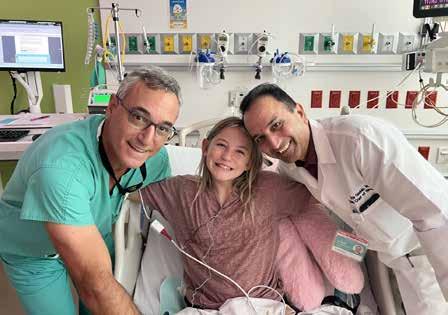
Earlier this year, we were introduced to Kaylee, a 12-year-old girl from Orlando who had been diagnosed with epilepsy after scans revealed a lesion on her temporal lobe, the part of the brain near the left ear. She was prescribed medicine to help con-
trol her seizures, but her episodes continued and the side effects from the medication (including fatigue and difficulty concentrating) further complicated her daily life. After a second medicine also failed to prevent her seizures, we knew that Kaylee was dealing with drug-resistant epilepsy and that surgery would be the next step.
We immediately began working on our plan for treatment. The lesion was present in her left temporal lobe, near the area of the brain where memory is stored, so we knew that precision was going to be especially critical in Kaylee’s case.
PHASE ONE: STEREOTACTIC EEG OR ELECTRODE INSERTION
The first phase of our approach involved a stereo electroencephalography (SEEG). In this minimally invasive operation, we placed intracranial electrodes in Kaylee’s brain in order to recreate the episodes she was having and identify the exact origination point of the seizures. Placing electrodes on the brain is a delicate and difficult task, but the neurological capabilities at Nemours Children’s now include ROSA One Brain robotic technology, a system that enabled us to precisely place the electrodes within 1mm of our target area on Kaylee’s brain.
Once the electrodes were in place, our testing showed that Kaylee’s seizures were actually coming from the hippocampus an area near the lesion seen on MRI. Fortunately, we also learned that her memory had moved to the right side of her brain; this made us confident that we’d be able to surgically remove the affected area with minimal risk of memory loss. Her resection would have to be very precise, because even though her memory may not be affected, sensitive language functions resided very close to the area of concern.
PHASE TWO: RESECTION
We then moved to the second phase of our plan—resective surgery to remove Kaylee’s hip-
Gregory Olavarria, MD
Satyanarayana Gedela, MD
Kaylee with Dr’s. Olavarria and Gedela
pocampus, along with the lesion. If this type of operation is performed without first completing a SEEG, or the SEEG is performed without the precision of advanced technology like our ROSA system, a lesion can still be removed; however, there is a higher likelihood of the seizures returning if they were originating from somewhere beyond the lesion, as was Kaylee’s case.
Surgery to remove a part of the brain, it can be a very stressful and traumatic time for both the child and their family. But we’ll never forget the relief and excitement from Kaylee’s mother when she saw her daughter wake up after surgery, speaking clearly and with her memory intact.
THE PATH TO A SEIZURE-FREE LIFE
We’re proud to say that Kaylee has been seizure-free since she has completed treatment. We will continue to work with her in the coming years—generally, we’ll check-in at the one-year, five-year and ten-year mark. Once a patient has gone a decade without a seizure, we’re able to confidently say they are no longer living with epilepsy. We have every reason to believe that Kaylee will get there based on the results we’ve seen so far. In the meantime, she’s turned into an ambassador of sorts for Nemours Children’s, meeting with other children and families who are about to go through the same surgeries to share her story.
ADVANCED NEUROLOGICAL CARE
While Kaylee was the first patient to receive a SEEG procedure at Nemours Children’s, it’s not a new surgery. There aren’t many other children’s hospitals in the world that can offer the full suite of pediatric epilepsy care, with multiple tailored surgical interventions and with the technology that we have, to provide end-to-end treatment all in one place. We’re excited to now be offering SEEG surgery right here at our hospital in Orlando. We have one of the fastest growing neurosurgery programs in the country, and we look forward to continuing to improve health outcomes for children in Central Florida with our state-of-the-art care.
Dr. Gedela is an epileptologist at Nemours Children’s Hospital, Florida with extensive experience in STEEG procedures. He completed his pediatric neurophysiology fellowship at the Children’s Hospital of Pittsburgh of UPMC and is certified in epilepsy and child neurology by the American Board of Psychiatry & Neurology.
Dr. Olavarria is a highly skilled neurosurgeon at Nemours Children’s specialty practice.
Early Recognition Can Save Patients’ Hips
By Andrew Carbone, MD
It’s easy for us to imagine the scene. A young adult athlete, such as a hockey goalie or a ballerina, sits with their physician in the examination room reviewing several X-rays on a screen that show an apparently healthy hip.
The physician tells the patient that they have sustained an injury to the joint. The soft tissues will heal with time and the pain can be managed, but arthritis could possibly develop in the future.
While just two decades ago, this may have been the end of the conversation, young adults should no longer accept that arthritis and a deteriorating joint is the inevitable result of a hip injury. Fortunately, a major paradigm shift is underway. Supported by extensive data and increasingly effective arthroscopic techniques, we can recognize the underlying pathologies resulting from hip injuries and treat them now. Such early intervention may possibly delay or obviate the need for total hip replacement in the future and might even prevent the joints from developing arthritis altogether.
THE CHALLENGE –Traditionally, arthritis has been divided into two categories: primary and secondary. Primary arthritis basically means arthritis with no known origin. Secondary arthritis includes arthritic conditions of known medical origin, such as rheumatoid or inflammatory arthritis and infectious or septic arthritis. In the 1970s, 80s and even the 90s, we lacked the diagnostic tools to be more precise than this. But today, with increased awareness, improvements in advanced imaging, better understanding of synovial biomarkers, and other technology available, we can invest greater effort in determining the precise causes of the pre-arthritic condition and treat the underlying pathology.
These pathologies may include femoroacetabular impingement, acetabular labral tears, excessive femoral or acetabular anteversion or retroversion, inadequate femoral head coverage (Acetabular Dysplasia), or hip microinstabiltiy. In some cases, the injury that brings the patient to the physician’s office may reveal another pathology such as generalized ligamentous laxity, or even some connective tissue disorders like Ehlers-Danlos Syndrome.
These conditions may result in an earlier than normal onset of arthritis of the hip if left untreated. Ultimately, the goal is to change the mindset of both patients and providers alike – that osteoarthritis is not a disease, but rather a symptom or side effect of an untreated predisposing hip condition.
THE PARADIGM SHIFT
– The focus of hip preservation is the idea that we don’t treat hip pain patients like pre-arthritic patients; we treat them like they have actual pathologies that need to be treated. A growing body of evidence shows us that early intervention can improve hip function, reduce pain, and possibly delay or even prevent the onset of arthritis.
But as with many advances that result in a paradigm shift,
there has been skepticism and resistance in some quarters. I compare this to how arthroscopic surgery was viewed many years ago. For a long time, some physicians considered shoulder arthroscopy to be “an instrument of the devil” by very prominent shoulder surgeons. For example, if you were doing a labral repair arthroscopically, some argued that you were doing harm to the patient and that of course would be a terrible thing. But then our arthroscopy techniques steadily improved. The result has been a total shift away from open surgical labral repairs for shoulder instability. In fact, the role for open shoulder labral repairs is so limited today that the technique is not often taught in surgical residency or fellowship anymore.
With hip surgery, it’s similar. Early articles were published with nearly the same headlines, comparing hip arthroscopy to the “devil’s tool.” Open surgery on the hip for dysplasia, for example, has been around for some time. Whereas hip arthroscopy has been around only since the early 2000s. But now that paradigm has started to change. Now, we are able to combine open surgery with arthroscopic techniques. The results are promising, but they have taken time to gather. Part of this is due to the nature of hip preservation. Unlike surgery to the shoulder or the knee, for example, in hip surgery, the benefits for the patient may not always be immediately clear. Instead, we are trying not only to improve function and reduce pain now, but potentially prevent a disease that’s possible to happen 10 to 20 years from now. Now that we have been doing this work for nearly 20 years, longer term data has begun to demonstrate that hip arthroscopy improves a patient’s pain and function. And while it is likely too early to truly know hip arthroscopy’s effect long term, as we continue to improve our techniques and study our patients, I am confident we will start to see stronger evidence for delayed and possibly reduced rates of hip osteoarthritis.
UNDERDIAGNOSED –
Education is key in hip arthroscopy because many times the underlying pathology goes undiagnosed. For example, often a patient will present with vague groin pain or maybe a tightness they experience when they are trying to stretch out. Sometimes this pain radiates to other areas, such as the buttocks, or the hip. Then it often gets written off as a muscle pull or lower back pain. But unlike those conditions, it never really goes away. The patient gets X-rayed, but the X-ray looks healthy. Eventually, the patient gets frustrated and that’s typically when we are consulted; because, if you are 21 years old, you should not be experiencing hip pain. And if you do, that’s something that needs to be addressed.
Dr. Andrew Carbone is a dual fellowship-trained orthopedic surgeon and sports medicine physician at the Orlando Health Jewett Orthopedic Institute.
At the Orlando Health Jewett Orthopedic Institute, we are seeking to raise awareness among young adult athletes that hip-related pain is not normal and the cause of it should be carefully investigated and identified. And if it is determined not to be a temporary condition, such as a muscle strain, we should review the possible treatment options, which may include arthroscopy. Orlando Health Jewett Orthopedic Institute is the first orthopedic specialty hospital in Florida, and we’ve assembled a team of distinguished experts to address these kinds of cases. When a patient comes here, they aren’t seeing just one doctor and getting just one opinion, they are seeing several doctors and getting several perspectives at once. We form a kind of collective in which we can share our views and challenge each other. In addition to this, we are part of the Academic Network of Conservational Hip Outcomes Research group (ANCHOR). ANCHOR is a multicenter, clinical research group of physicians and scientists who are investigating adolescent and adult hip disorders. We are focused on improving patient care through research, education and mentorship. This collaboration enables us to learn from thousands of data points and patient outcomes.
BOTTOM LINE – If you have a young adult patient who has experienced an injury to their hip or is presenting with unusual pain, don’t dismiss it, investigate it. Find out why this is happening, and let’s get it treated. It might save that patient a lot of pain and difficulty not just now, but many years from now.
Dr. Andrew Carbone is a dual fellowship-trained orthopedic surgeon and sports medicine physician at the Orlando Health Jewett Orthopedic Institute. His expertise is in sports medicine, and he frequently collaborates with athletes across many sports. This includes enthusiasts who play sports in their leisure time as part of an active lifestyle. Dr. Carbone is proficient in a wide array of procedures including:
• Arthroscopic hip labral repair for treatment of femoroacetabular impingement
• Complex primary and revision hip arthroscopy including labral reconstruction for treatment of recurrent labral tears
• Shoulder arthroscopy for rotator cuff tears, shoulder instability and biceps injuries
• Knee arthroscopy for treatment of meniscal and cartilage injuries
• Ligament reconstruction for knee injuries
• Minimally invasive robotic hip replacement
• Minimally invasive treatment of gluteal and hamstring tears
Dr. Carbone stays informed on the latest medical research and science so he can offer his patients the most comprehensive information and care. He takes time to answer all of their questions so they feel comfortable about their treatment options.
DR. CARBONE’S TRAINING
He earned a bachelor’s degree in neuroscience and behavioral biology from Emory University in Atlanta. Dr. Carbone received his medical degree from New York Medical College in Valhalla, where he was inducted into the Alpha Omega Alpha national medical honor society. He then stayed in New York for an orthopedic surgery residency at The Mount Sinai Hospital.
He completed a sports medicine fellowship at the Cedars-Sinai Kerlan-Jobe Institute in Los Angeles and another fellowship in hip preservation at the American Hip Institute & Orthopedic Specialists in Des Plaines, Illinois. He received specialized training in open and arthroscopic hip preservation techniques, treatment of gluteal and hamstring injuries, and minimally invasive robotic hip replacement procedures.
ABOUT DR. CARBONE
Dr. Carbone is a member of the American Orthopaedic Society for Sports Medicine, American Academy of Orthopaedic Surgeons, Arthroscopy Association of North America and International Society of Hip Preservation. He is also a peer reviewer for The American Journal of Sports Medicine.
His research has been published on topics including arthroscopic capsular repair, batter’s shoulder, shoulder arthroplasty and femoroacetabular impingement syndrome, a condition in which the bones at the hip joint rub together due to one or both bones being irregularly shaped.
He has a particular interest in the arthroscopic treatment of sports-related injuries of the hip, knee and shoulder. During his medical studies, he spent a year researching the biologic and mechanical pathways involved in tendon to bone healing and how sports-related injuries affect cartilage health and contribute to the development of osteoarthritis.
He constantly reviews the latest research, allowing him to extend to his patients the most comprehensive information and care available to ensure they are comfortable with their treatment options.
An avid sports fan, Dr. Carbone previously served as the assistant team physician for the Los Angeles Dodgers and Los Angeles Angels. He served as the associate team physician for the Anaheim Ducks, Los Angeles Galaxy, Los Angeles Sparks, Pepperdine University and West LA College.
Outside of work, he enjoys spending quality time with his wife and children, playing golf, and exploring new places through travel.
Multimodal Pain Management with Opioid Minimization
By Luke Elms, MD
In 2016, overdoses accounted for more than 42,000 deaths in the United States according to data from Health and Human Services (HHS). While many of these deaths are multifactorial, a majority reportedly involved opioids. Despite HHS declaring a nationwide public health emergency regarding the opioid crisis in October 2017, the numbers have continued to rise, which many experts believe is being driven by counterfeit pills containing illicit fentalogues. Recently, the government released provisional numbers reporting more than 100,000 overdose deaths for the 12-month period ending April 2021. Although there is debate whether the number of overdose deaths attributable to legal prescription opioids is being overestimated, opioids and the overdose crisis has become a frequent topic of public discourse and raised concerns regarding opioid exposure in some patients.
As the opioid crisis was gaining national attention, I was involved in Orlando Health’s Right Care Initiative for the ERAS (Enhanced Recovery After Surgery) protocol. The ERAS protocol has multiple tenants, and one of the main tenants was the utilization of multimodal pain management. This area really sparked my interest, as alleviating the suffering of postoperative pain is always a battle I’m willing to fight. So, along with my colleague Dr. Bobby Gibbons, we began implementing the protocol in our practice. Through a gradual process over the next few years, we made modifications to the ERAS protocol’s multimodal pain regimen and settled on our own multimodal pain control protocol. We now utilize this protocol in all our surgical patients without a contraindication, most of who undergo minimally invasive or robotic procedures. When we implemented the multimodal pain control, our patients started reporting much less use of the opioids we were prescribing and some even reported eliminating their use altogether. In response, we were able to transition from oxycodone to tramadol, which is a less powerful schedule IV drug compared to the schedule II status of oxycodone. After finding success with this change, we started decreasing the quantity of opioid pills we were prescribing. Now, with some smaller procedures we can achieve good pain control with no opioids, but most patients still get a one-day supply of 50 mg tramadol to ensure they have a rescue medication to add if non-opioid medications alone are not sufficient. Many patients do not fill the tramadol prescription or only take 1-2 pills and still report great pain control at their follow-up. With better pain control and reduction of the uncomfortable side effects of the opioids like nausea and constipation, our patient satisfaction increased.
In 2018, I realized that most patients who had poor pain control while using the protocol were unintentionally noncompliant with the instructions. This was addressed with more purposeful
patient education prior to surgery and the creation of patient education handouts that were created and modified in response to patient feedback. Proper patient education includes explaining the benefits of opioid minimizing multimodal pain control, setting proper expectations so patients understand that surgery does cause pain, and that while they can expect to experience pain, it will be managed with the addition of an opioid is necessary. It is vitally important to have these conversations up front, because when patients are properly prepared and understand the reasoning, they are much more comfortable and willing to attempt opioid-minimizing analgesia. Now, with our updated education, we have found the need to prescribe oxycodone or refill their tramadol prescriptions to be less than 5 percent for most of our operations.
One underestimated opportunity is the use of multimodal pain control in the nonsurgical realm. There are people all over the country who had their first exposure to an opiate from accessing routine medical care. These people were in pain and needed intervention, but were opioids always necessary to provide adequate pain control? We have an opportunity for a paradigm shift in the way we think about postoperative pain management in the United States. Historically, in the United States, 90 percent of major or minor medical procedures were prescribed an opiate. After using opioids post-surgery to maintain adequate pain control during recovery, there are 3.3 billion opioid pills left over every year in the United States. With all this considered, there is an opportunity to shift our prescribing practices to opioids not as first-line treatment for acute pain, but as an adjunct when non-opioid alternatives are not sufficient to provide adequate pain relief. It is possible to drastically reduce that number while still providing compassionate pain control with opioids to those who need it.
The vitally important point is that medically indicated prescription opioid pain medications are not the enemy, and neither are the patients who rely on them. Prescription opioids are a vital tool in our battle to alleviate the suffering of pain. Opioids responsibly prescribed and utilized are both safe and necessary for many of our fellow Americans who suffer from chronic pain, palliative conditions and other causes of uncontrolled pain. The opportunity for discussion and change lies in the portion of our patients we have historically treated with an opioid as a first-line pain control method when non-opioids could provide high quality, compassionate pain control. Eliminating the use of opioids while leaving our patients in uncontrolled pain is not a compassionate, or ethical, solution. That practice runs afoul of many of the tenants that
we are called to uphold as medical providers. It should not be considered a victory if going “opioid-free” means leaving people in uncontrolled pain. Instead, when possible, we must replace the prescription opioids with a viable, effective alternative, and non-opioid multimodal pain control can fill that role. What multimodal pain control protocols have demonstrated is that significant opioid minimization while maintaining adequate pain control is possible in many cases. The broader application of opioid-minimizing multimodal pain control presents the opportunity for a muchneeded discussion regarding how we approach acute pain control in a compassionate, safe manner, not just within our own practice, but throughout the entire healthcare system.
Luke Elms, MD, is a board-certified general surgeon with Orlando Health Medical Group at Orlando Health Dr. P. Phillips Hospital. He also has certification in robotic surgery and serves as teaching faculty for the general surgery residency program at Orlando Health. After earning his medical degree from the University of Oklahoma College of Medicine, Dr. Elms completed his general surgery residency at Orlando Health. Over his years in practice, Dr. Elms has developed both a professional and personal passion in the opioid epidemic. This passion has led to a focus on minimally invasive and robotic surgery techniques with postoperative opioid-minimizing multimodal pain control.
FloridaMD is the perfect partner to help you increase referrals to your specialty practice.
Serving Physicians and Healthcare Providers since 2010
A New Era in Severe Obstructive Sleep Apnea Treatment: FDA Clears Innovative Oral Medical
Devices
By Tara M. Griffin, DMD, DBDSM, DASBA
At Sleep Solution Centers, we are here to provide safe, effective alternative treatment solutions to chronic sleep breathing disorders such as obstructive sleep apnea (OSA), and other related conditions. These options are ideal for patients who can’t tolerate traditional treatment methods such as a CPAP machine with low compliance and fear of having to endure a lifetime of wearing a mask while sleeping, or those not keen on invasive surgeries such as tonsil and adenoid removal or neurostimulation implant devices. Our goal is to bring a new dawn in treatment for such disorders that is safe, convenient, and non-invasive.
The recent FDA granting of the first-ever 510(k) clearance permitting the use of unique oral medical devices for the treatment of Severe OSA reflects an exceptional moment in the field of dentistry and medicine. It marks a grand stride towards a more integrative approach between the medical and dental communities, aiming to effectively and holistically treat OSA in patients across all severity levels.
For over 40 years, professionals in both the medical and dental industries have eagerly envisaged this momentous development. The recent FDA clearance implies that advanced oral medical devices, such as Vivos CARE devices, can cater to OSA patients with ground-breaking success rates—a blend of innovation and convenience that perfectly aligns with our philosophy at Sleep Solution Centers.
A study published in the esteemed Journal of Sleep Medicine substantiates the impressive efficacy of such oral medical devices. In the study, Vivos CARE demonstrated substantial reduction in apnea hypnopnea index (AHI) scores in a majority of OSA patients. Remarkably, 61% of the patients saw significant improvements in their OSA, with a full 26% experiencing complete resolution of their OSA symptoms and diagno-
sis–an unprecedented breakthrough in OSA treatment! The resolution of OSA occurred when a sleep test was taken without any oral device in the patient’s mouth and the patient had an AHI < 5 with no diagnosis of OSA after treatment.
As the medical community scales up its understanding of the complex nature of OSA, the structure and functionality of the oral vault have emerged as paramount factors to this condition. This realization helps establish why collaboration with Sleep Solution Centers and airway-centered dentistry approaches like Vivos, is evolving as a unique game-changer providing transformative therapeutic alternatives for this condition that transcends traditional CPAP treatment.
The FDA’s decision to corroborate the application of oral medical devices for the treatment of mild to severe obstructive sleep apnea is surely a beacon of progress in the realm of patient care. Besides chronic OSA sufferers who have struggled to attain relief through traditional treatment methods, patients who prefer non-invasive treatments stand to benefit immensely from this development.
In light of this significant advancement, we urge physicians to consider these alternative treatment solutions to traditional CPAP, particularly for patients who are averse to a lifetime of continuous treatment or invasive surgeries. By referring them to specialized facilities such as Sleep Solution Centers, equipped with state-of-the-art advancements in oral appliance therapy as well as non-invasive adjunctive therapies, we can collectively contribute to a revolution in holistic and sustainable OSA management and/or resolution.
The FDA’s clearance of breakthrough oral medical devices for the treatment of mild to severe OSA marks the onset of a new
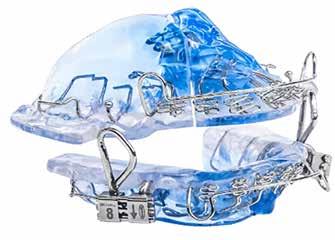
The Vivos mRNA appliance
Sleep Solution Centers
era in OSA therapy. Our obligation is to ensure patients enjoy access to these transformative treatments and advance a sustainable and cross-disciplinary treatment outcome that holistically caters to OSA. This innovative approach bridges science and patient comfort to offer relief to patients in their long-standing battle against obstructive sleep apnea. Together, we can write a new chapter in the narra
Sleep Solution Centers located in the heart of Medical City, Lake Nona, was co-founded by Dr’s Rupal Thakkar DMD and Tara M. Griffin DMD in March, 2024. We are both dentists by trade that have focused on treating sleep breathing disorders for the past 14 years of practice. The recent grand opening of Sleep Solution Centers marks our flagship medical center that solely treats the root cause of sleep breathing disorders and TMJ disorders for children and adults. With direct collaboration with our medical community,
Dental Medicine. She became passionate about helping her patients breathe and sleep better and completed her Diplomate with the American Academy of Dental Sleep Medicine in 2011. In 2015, she completed her Diplomate with American Sleep and Breathing Academy. In 2016, she became a Clinical Advisor with Vivos Therapeutics to help educate and mentor doctors interested in the treatment of OSA with oral medical devices. She owned a private practice focused on sleep, TMD and general dentistry in the panhandle of Florida for 17 years before becoming the co-founder of Sleep Solution Centers in Medical City, Orlando in 2024. She may be contacted at 407-502-0110 or by visiting www.sleepsolutioncenters.com
Orlando Health First in the Nation to Use New Magnet Technology for Weight Loss Surgeries
This fall, Orlando Health announced it is the first healthcare system in the United States to use new magnet technology for weight loss surgeries. Surgeons with Orlando Health Weight Loss and Bariatric Surgery Institute demonstrated how they use the innovative magnets at the inaugural Orlando Health Surgical Innovations Summit.
“We are talking about a new technology that has evolved: Magnets,” said Dr. Andre Teixeira, bariatric surgeon and president of the Orlando Health Weight Loss & Bariatric Surgery Institute. “We are using magnets for anastomosis which means less invasive surgery for our patients.”
The new technology is GI Windows Surgical’s Flexagon Selfforming magnets system. Orlando Health became the first healthcare system in the nation to use the new magnet technology for weight loss surgeries when it participated in the clinical trial. This past summer, the FDA approved the new system. The new technology integrates laparoscopic, advanced robotics and endoscopic delivery to enhance minimally invasive procedures.
“We are always thinking forward when it comes to best outcomes for our patients,” said Dr. Teixeira. “So for us, it’s very important to be involved with anything that we can to improve our patients’ outcomes and improve their lives.”
Prior to magnets, surgeons typically use sutures or staples in surgery. Orlando Health bariatric surgeon Dr. Muhammad Ghanem explained why magnets are replacing sutures in some procedures.
“One of the biggest problems that surgeons can deal with when connecting two tubes together, like a bowel, is a leak in between the sutures or staples that can cause the patient to become extremely sick,” said Dr. Ghanem. “But when you have two magnets that literally want to stay next to each other, it’s much harder to get a leak and bleeding because of the pressure from the magnets. Think about when you fall, scrape your knee and start bleeding. What do you do? You apply pressure. And magnets apply constant pressure.”
The new magnet technology was developed in collaboration with Orlando Health surgeons. Dr. Manoel Galvao Neto, Director of Bariatric Research at Orlando Health, explained the significance of moving towards magnets.
“We are a community hospital, and we have to serve our community. So these kinds of breakthrough technologies, they make the difference,” said Dr. Galvao Neto. “By using magnets, the tissue heals in a faster way, in a safer way. And that expedites the patient’s recovery.”
Surgeons demonstrated the new magnet technology at the inaugural Orlando Health Surgical Innovations Summit hosted
at the state-of-the-art Bioskills Lab in downtown Orlando. Dr. Alexis Sanchez, Director of Robotic Surgery at Orlando Health, is the co-director of the initiative alongside Dr. Teixeira and Dr. Galvao Neto.
“This is not a traditional conference, but rather a gathering of experts and innovators, together with industry, to help define the future of surgery,” said Dr. Sanchez. “We brought together more than 25 internationally recognized thought leaders, including presidents and past presidents of major surgical societies, along with our own Orlando Health experts. By hosting this summit focused on groundbreaking innovations, patient safety and outcomes, we are underscoring our commitment to leading the advancement of revolutionary surgical care.”
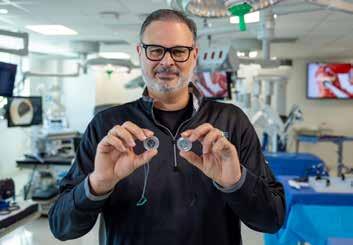
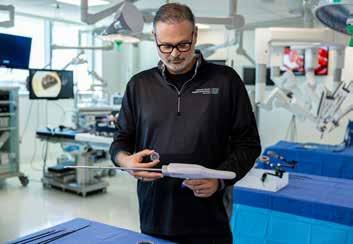
Dr. Andre Teixeira, bariatric surgeon and president of the Orlando Health Weight Loss & Bariatric Surgery Institute, holds the new magnet technology that the Institute is using for weight loss surgeries
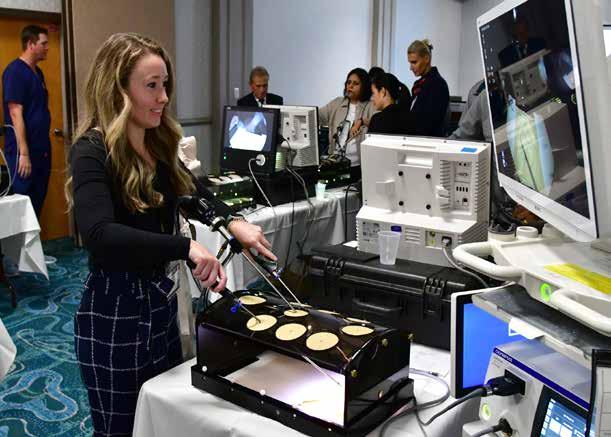
Orlando Health surgeons demonstrated how they use the new magnet technology at the inaugural Orlando Health Surgical Innovations Summit hosted at the state-of-the-art Bioskills Lab in downtown Orlando
JANUARY – Digestive Disorders
Diabetes
2026
EDITORIAL CALENDAR
Florida MD is a bi-monthly medical/business digital magazine for physicians.
Florida MD has been serving the medical community in Florida for twenty years and is currently available as a bi-monthly digital edition emailed directly to healthcare providers in Central Florida (Orlando area), Tampa metro and Southeast Florida. Cover stories spotlight extraordinary physician practices, new hospital procedures or facilities, and other professional and healthcare related business topics. Local physician specialists and other professionals, affiliated with local businesses and organizations, write all other columns or articles about their respective specialty or profession. This local informative and interesting format is the main reason physicians take the time to read Florida MD
It is hard to be aware of everything happening in the rapidly changing medical profession and doctors want to know more about new medical developments and technology, procedures, techniques, case studies, research, etc. in the different specialties. Especially when the information comes from a local physician specialist who they can call and discuss the column with or refer a patient. They also want to read about wealth management, financial issues, healthcare law, insurance issues and real estate opportunities. Again, they prefer it when that information comes from a local professional they can call and do business with. All advertisers have the opportunity to have a column or article related to their specialty or profession.