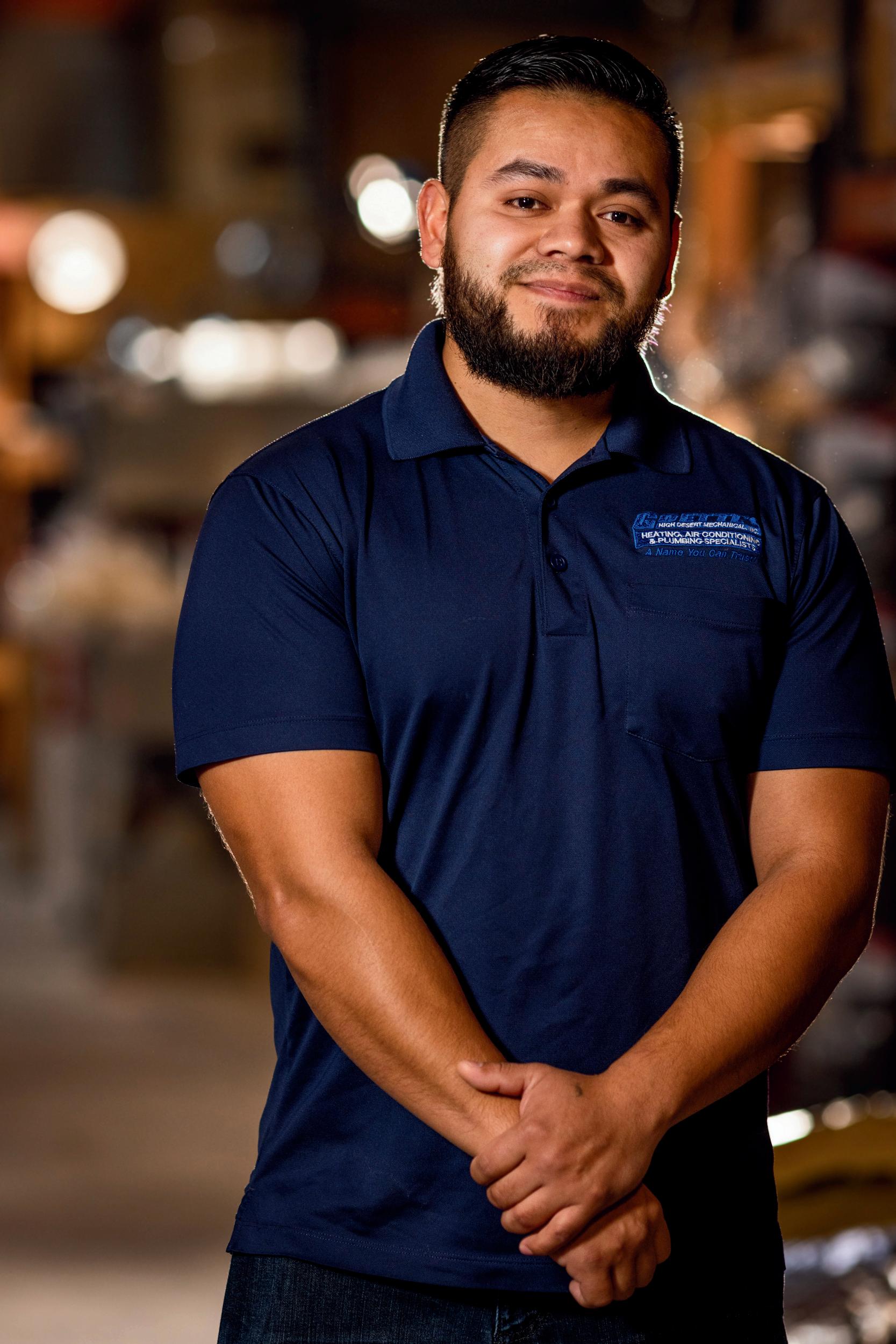
Carhartt Uses Babbitt Ranches Cowboys to Promote Workwear p. 4
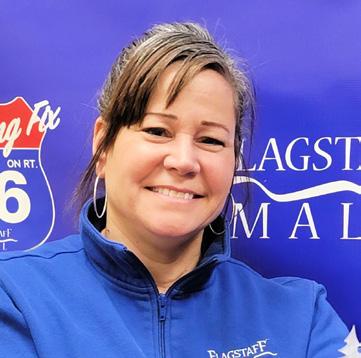
Lisa Wilson is Chamber Ambassador of the Year p. 8
Carhartt Uses Babbitt Ranches Cowboys to Promote Workwear p. 4
Lisa Wilson is Chamber Ambassador of the Year p. 8
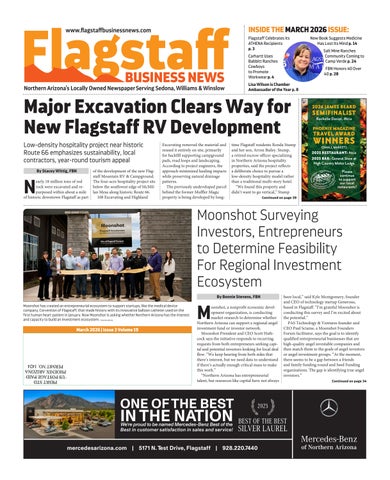
Low-density hospitality project near historic Route 66 emphasizes sustainability, local contractors, year-round tourism appeal
By Stacey Wittig, FBN
Nearly 18 million tons of red rock were excavated and repurposed within about a mile of historic downtown Flagstaff as part
of the development of the new Flagstaff Mountain RV & Campground.
The four-acre hospitality project sits below the southwest edge of McMillan Mesa along historic Route 66. 108 Excavating and Highland
Excavating removed the material and reused it entirely on site, primarily for backfill supporting campground pads, road loops and landscaping. According to project engineers, the approach minimized hauling impacts while preserving natural drainage patterns.
The previously undeveloped parcel behind the former Muffler Magic property is being developed by long-

time Flagstaff residents Ronda Stump and her son, Arron Bailey. Stump, a retired escrow officer specializing in Northern Arizona hospitality properties, said the project reflects a deliberate choice to pursue a low-density hospitality model rather than a traditional multi-story hotel.
“We found this property and didn’t want to go vertical,” Stump

By Bonnie Stevens, FBN
Moonshot, a nonprofit economic development organization, is conducting market research to determine whether Northern Arizona can support a regional angel investment fund or investor network.
Moonshot President and CEO Scott Hathcock says the initiative responds to recurring requests from both entrepreneurs seeking capital and potential investors looking for local deal flow. “We keep hearing from both sides that there’s interest, but we need data to understand if there’s actually enough critical mass to make this work.”
“Northern Arizona has entrepreneurial talent, but resources like capital have not always
been local,” said Kyle Montgomery, founder and CEO of technology startup Generous, based in Flagstaff. “I’m grateful Moonshot is conducting this survey and I’m excited about the potential.”
PAS Technology & Ventures founder and CEO Paul Sciame, a Moonshot Founders Forum facilitator, says the goal is to identify qualified entrepreneurial businesses that are high-quality angel investable companies and then match them to the goals of angel investors or angel investment groups. “At the moment, there seems to be a gap between a friends and family funding round and Seed Funding organizations. The gap is identifying true angel investors.”




Community honors Sarah Milios, Joanne Keene and Young Professional Caitlin Burd
By Bonnie Stevens, FBN
Arecord-setting crowd of more than 550 people attended the Greater Flagstaff Chamber of Commerce Annual Meeting on Friday, Feb. 13, at the High Country Conference Center. As has been the tradition during this annual meeting and in the ATHENA Leadership Program, nominees were celebrated for excellence in their profession, service to their community and mentorship to help other women reach their leadership potential.
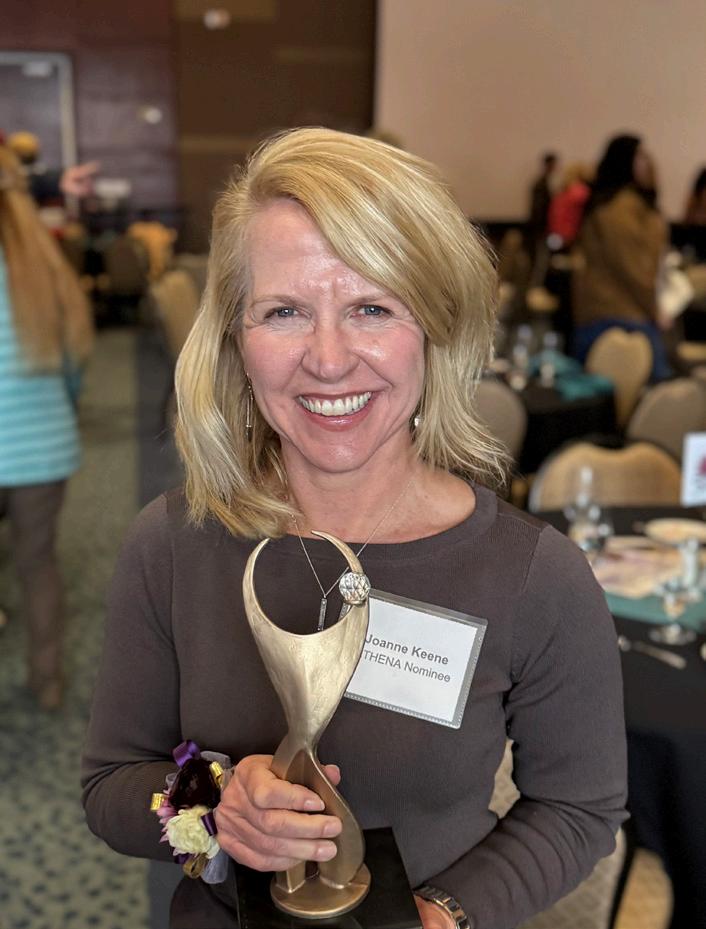
Amidst standing ovations from the audience, CycleBar owner Sarah Milios and Flagstaff City Manager Joanne Keene each received the prestigious 2026 ATHENA Leadership Award. Kinney Construction Services Marketing Manager Caitlin Burd was honored with the ATHENA Young Professional Leadership Award.
FBN shares the following questions and answers with ATHENA Award recipients Milios and Keene.
SARAH MILIOS
FBN: HOW DID IT FEEL TO BE RECOGNIZED WITH THE ATHENA AWARD?
SARAH: Being recognized with the ATHENA Award was truly surreal. Even just being nominated felt like such an honor because of what this award represents. Hearing my name called as the winner was overwhelming in the best way!
FBN: WHO ARE YOUR ROLE MODELS?
SARAH: My parents are my role models when it comes to business, philanthropy and giving back. My dad owned a small ophthal-
mology practice in Henderson, Texas, and my mom managed the office. Every summer, I worked there as a scribe, which gave me a front-row seat to how they led. I watched how they treated their staff with respect, cared deeply for their patients, and poured back into their community.
FBN: WHAT IS YOUR BEST BUSINESS ADVICE FOR YOUNGER WOMEN?
SARAH: That’s a tough one because honestly, I still feel like I need advice sometimes. And maybe that’s exactly it: never stop being a student. Ask questions. Listen. Read books on business and leading, tune into business and personal growth podcasts, and reach out to people you admire; invite them to lunch and learn from their experience. Ask your staff and coworkers how things are going and be open to their feedback.
FBN: HOW DO YOU CONNECT YOUR PASSION AND VALUES WITH YOUR BUSINESS?
SARAH: What I love most about CycleBar Flagstaff is that it’s a direct-to-community business. I have the privilege of interacting with people every single day and seeing them walk out of a ride feeling stronger, replenished, and ready to take on whatever challenges they’re facing. Helping people improve their mental and physical well-being aligns so closely with my passion for serving others.
JOANNE KEENE
FBN: HOW DID IT FEEL TO BE RECOGNIZED WITH THE ATHENA AWARD?
JOANNE: It’s truly an honor to be recognized. It’s an acknowledgement of the contri-


2321 N. Fourth St. Flagstaff, AZ 86004
(928) 526-5691 crestins.com
Commercial Broker Ryan King to our team!
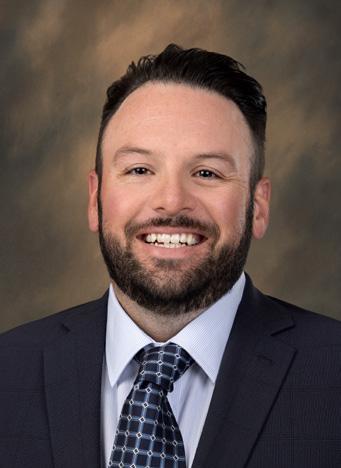
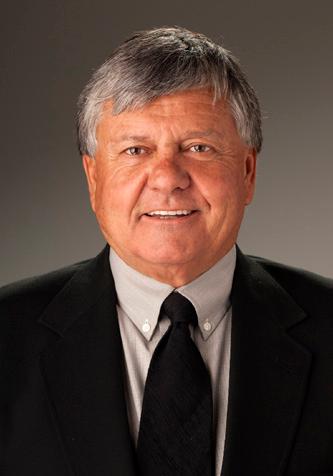
Ryan King Tom Turner
Ryan is a third generation Flagstaff native with countless ties to the community. Tom is a true insurance professional with over 40 years of experience in the industry. Along with Crest, we are set up to help with any insurance need out there.
• We specialize in Commercial Property, General Liability, Workers’ Compensation, and Commercial Auto Insurance.
• We provide access to several specialized and competitive markets.
• Our local office provides the opportunity for in-person consultations and superior customer service
Carhartt outfits Babbitt Ranches wranglers for photo shoot
By Bonnie Stevens, FBN
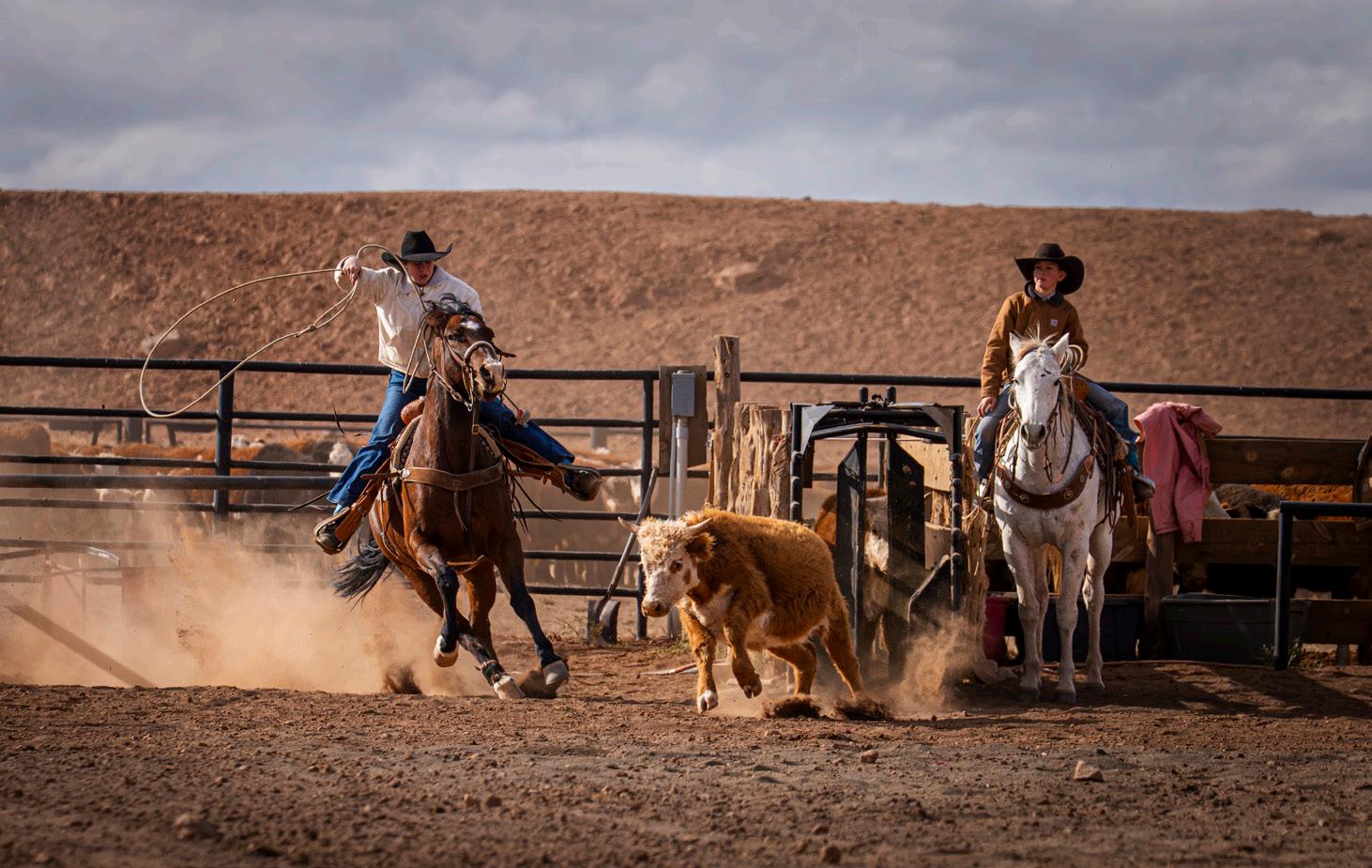
The Carhartt brand is known for rugged jackets, overalls and jeans that can withstand hard work, harsh conditions and the test of time. So, when the functional outerwear company began its search for real people in tough environments to showcase the latest clothing line, production scouts landed on Babbitt Ranches.
On Monday, Nov. 17, 2025, Babbitt Ranches cowboys and cowgirls were deep into a cattle drive, moving 1,500 heifers and steers to Spider Web Camp in preparation for Shipping Day. Cattle drives are common, but on this one, the welldressed wranglers were outfitted in Carhartt’s 2026 fall collection.
• Top 100 P/C Agency for 7 consecutive years
• Dedication to continuing education with changing markets and new programs
• A vast amount of insurance resources with offices in six states.
• Crest gives back to the community and we sponsor countless organizations.

www.crestins.com
The durable fabric didn’t disappoint as high-action cowboying was captured by stateof-the-art cameras and powerful lenses focused on details and movement in the cold, dusty high country.
“We never use hired talent for Carhartt promotional shoots. We always feature real people doing authentic work,” said Working Class Film Co. co-founder and Executive Producer Drake Harthun. “Our role is to tell the story as authentically as possible. Location scout James ‘Q’ Martin suggested Babbitt Ranches. We started researching the company and learned that the culture and the history around Babbitt Ranches fit the Carhartt brand. It was a good match.”
Much like the 140-year-old family business of Babbitt Ranches, the family-owned Carhartt company, founded in 1889, honors the shared values of hard work: dependability, honesty and trust. “We believe our actions must always speak louder than our words, because we are worn by the hardest-working people of them all,” states the company’s website.
Babbitt Ranches President and General Manager Billy Cordasco described the meaning of Cowboy Essence. “It’s a way of being, a lived expectation that every day, no matter the weather, the work or the circumstance, we show up at our best. It’s steadiness when things
get hard and quiet humility when things go well. And it isn’t limited to cowboys. It belongs to anyone who works with heart.”
A small army of videographers, photographers, editors, artists and content creators set up camp like a Western movie set at Spider Web, complete with trailers and caterers. Stylists made use of the rustic setting, hanging the newest line of sweatshirts and tees from wooden wagons and fences. Digital editors in portable booths sorted through photos as they came in.
“There were so many beautiful moments. We absolutely captured everything we were looking for and were blown away by the imagery,” said Harthun.
The quiet of the crisp fall morning as cowboys and cowgirls were saddling up was especially memorable, he said. “It was the peaceful moment before the storm. And then it was stunning to see the landscape explode into action as ranch family members rounded up and moved the cattle. Seeing it all come together in a systematic way was just incredible.”
“We had a lot of work to get done that day,” said Ranch Manager Clay Rodgers. “The Carhartt folks and the production crew were really nice people.”
Still images as well as video assets and interviews from the production shoot are expected to be used in a multimedia campaign, beginning in late summer.
“Babbitt Ranches was such a pleasure to work with,” said Harthun. “They were so accommodating and excited to let us into their world and show us what their day-to-day looks like. And their Cowboy Essence – well, nothing I’ve come across has matched the feeling we got that day on Spider Web Camp. It was, by far, one of the best days we’ve had on a ranch in the last 10 years that we’ve been working with the Carhartt brand.”
“Cowboy Essence is how you carry yourself. Carhartt builds what carries with you,” said Cordasco. “And that’s the shared ethic that connects Babbitt Ranches, Carhartt and the men and women who live with this kind of heart every day.”
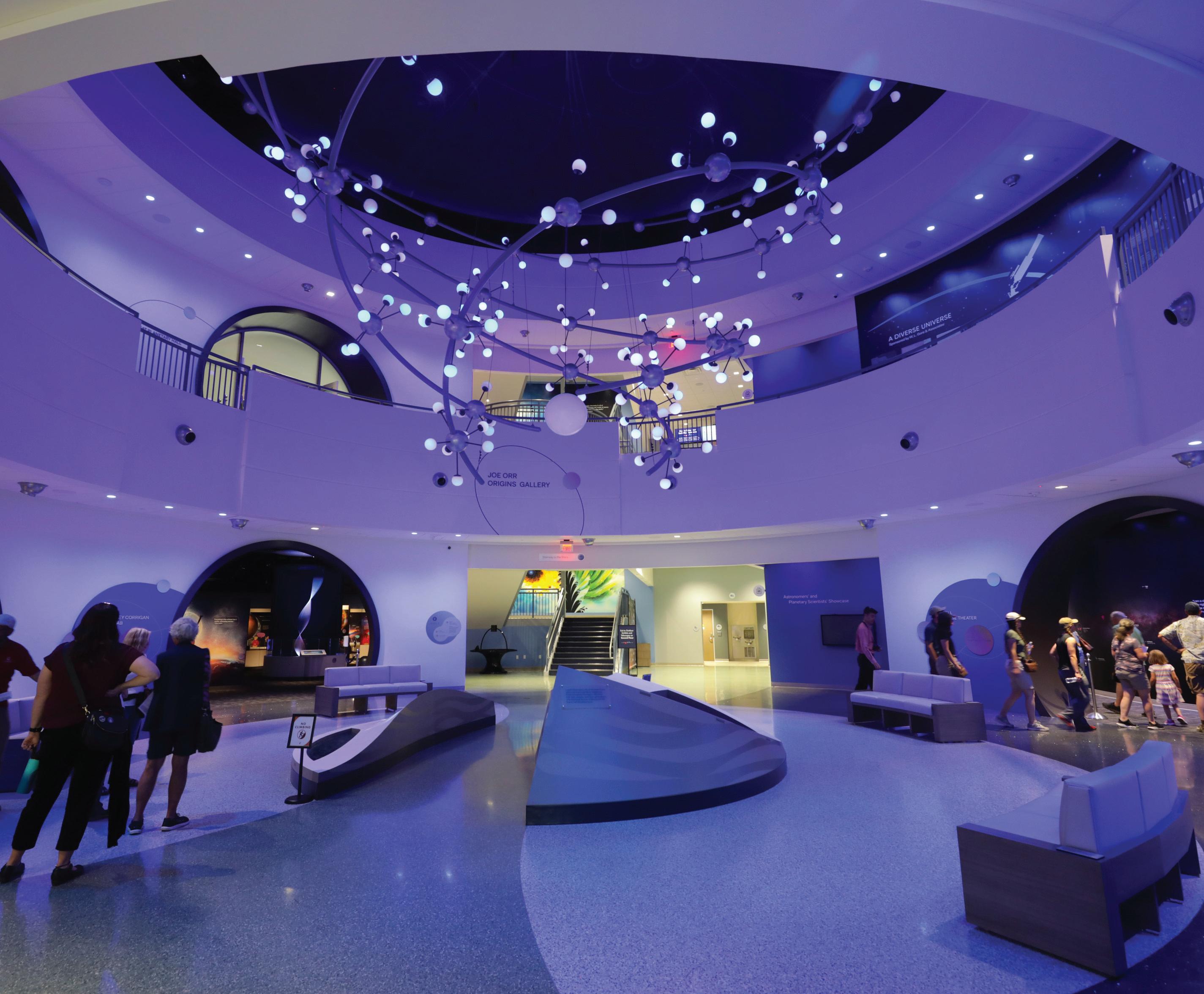
We believe strong communities are built on curiosity, compassion, and connection. Our community investments fuel tourism, growth, and volunteer efforts that make Flagstaff a brighter place – without dimming the stars. We’re proud to support Lowell Observatory – bringing more visitors, educational opportunities, and star-filled experiences to Flagstaff.
We also invest in local nonprofit groups, such as Camp Colton and the Shadows Foundation – organizations that inspire learning, support families, and strengthen our region. Whether we’re preserving dark skies, volunteering at community events, or helping students discover new career paths, we’re proud to energize our region. We’re helping Northern Arizona shine – one star, one student, one story at a time.
By Peter Corbett, FBN
Flagstaff has much to celebrate this year. The nation’s birthday cake has 250 candles. It’s been 150 years since pioneers on July 4 raised the stars and stripes here on a stripped pine tree for the American centennial of 1876.
Plus, don’t forget Winona and the Route 66 Centennial.
The year-long Centennial will be celebrated across Arizona and seven other states the Mother Road bisected on the 2,448-mile road trip from Chicago to Los Angeles. These celebrations include car rallies, street fairs, vintage car shows and Route 66 museum exhibits.
“Every place on Route 66 I think has something special about it, something to be appreciated,” said Kaylen Wilson, a Northern Arizona University graduate student in history curating a Route 66 exhibit at the university’s Cline Library.
“Echoes of the Open Road” includes a mockup of a midcentury Route 66 motel lobby, vintage license plates from each of the eight Route 66 states and highway maps from the past century.
Vacancy sign believed to be from Andy Womack’s Flamingo Motor Hotel, Wilson said. The Flamingo hosted Route 66 travelers at Flagstaff’s Y-intersection for a half century until it was razed in 1997.

the exhibit gain a better appreciation of the people of Route 66 and the communities of Route 66,” she said.
The Cline Library exhibit, open to the public, will be on display through the end of 2026.
Northern Arizona features an exhibit – “Wagon Road to Mother Road –through Jan. 31, 2027. It traces the evolution of travel across Northern Arizona from the Beale Wagon Road in 1857 to the National Old Trails High
Kingman is home to the Arizona Route 66 Museum in the city’s former powerhouse, which has been renovated and improved with new centennial exhibits.
In Winslow, bypassed in 1979 by



Arizona’s tech community is experiencing rapid growth, driven by founders, startups and investors statewide. Arizona Tech Week, powered by the Arizona Commerce Authority, is the state’s fi rst statewide decentralized tech conference, uniting Arizona’s vibrant tech ecosystem. Attend or host events to catalyze new ideas, connect with peers and get inspired — all while enjoying unique cities and landscapes across the state.
By Stacey Wittig, FBN
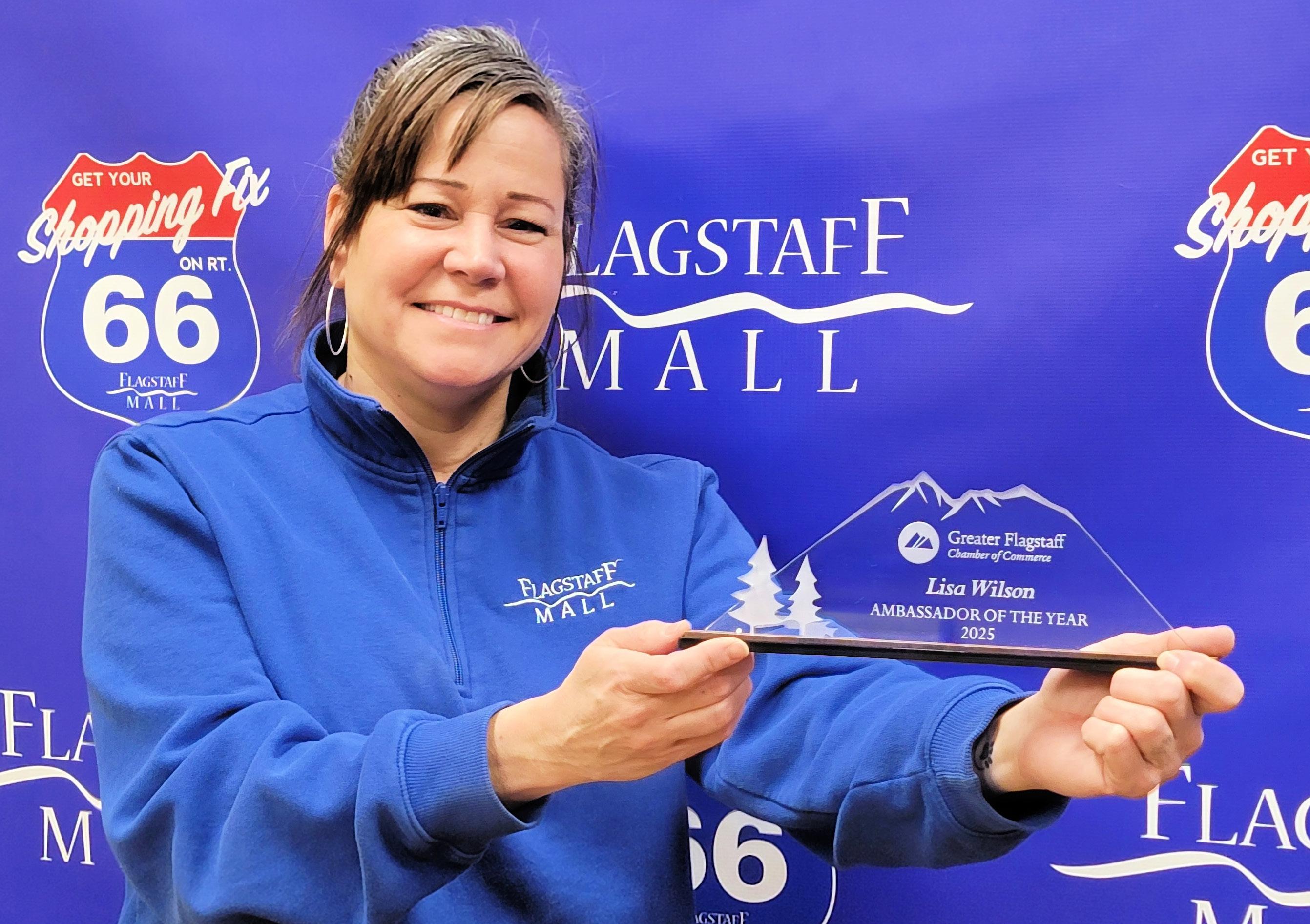
Flagstaff Mall Property Admin-
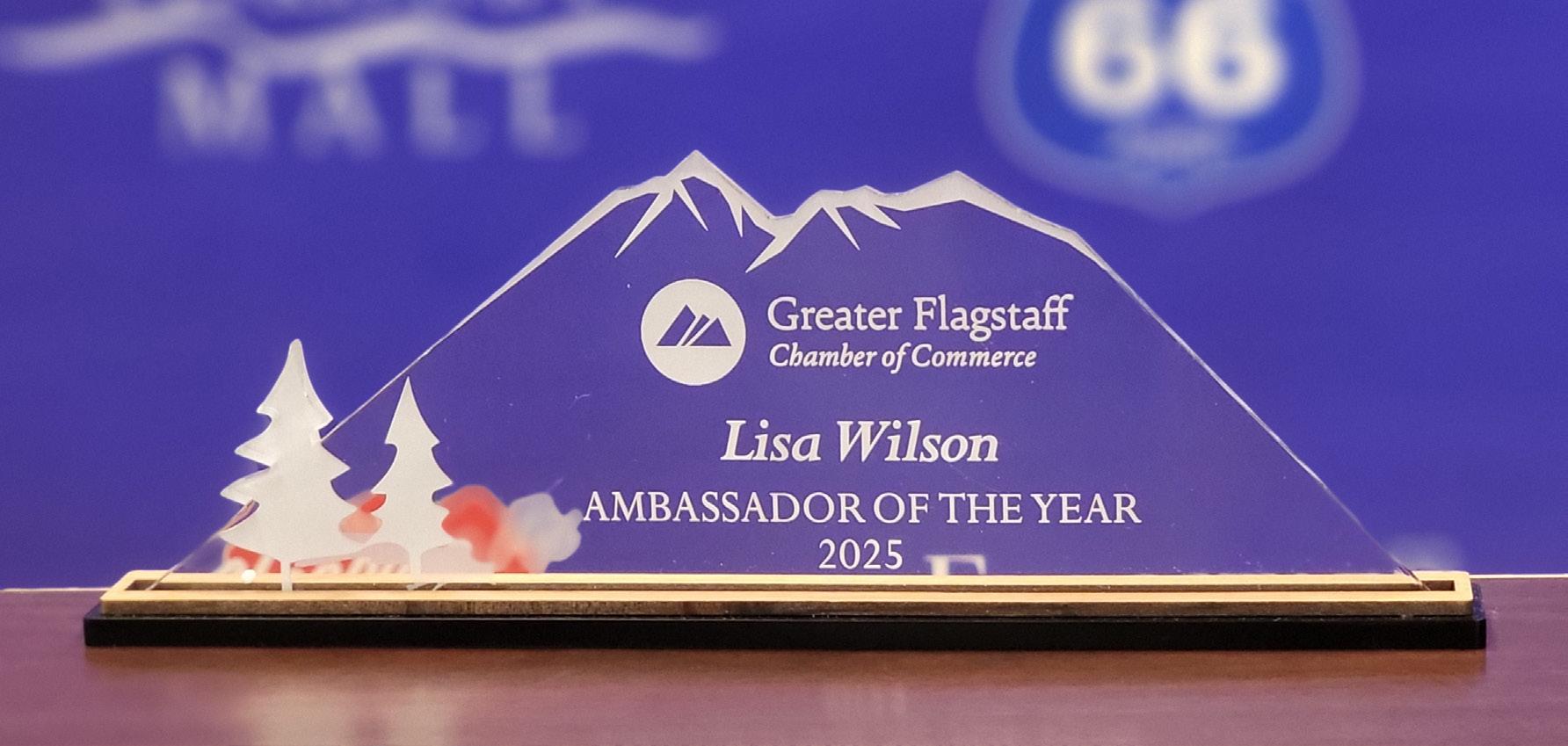
istrator Lisa Wilson has been named the Greater Flagstaff Chamber of Commerce’s Ambassador of the Year. The Chamber presented the award during its Annual Meeting and ATHENA International Luncheon at the High Country Conference Center, Friday, Feb. 13.
“It’s an honor to receive this award,” said Wilson. “It means that I’ve been able to reach a lot of people to promote Flagstaff and the Flagstaff Mall.” Chamber ambassadors are key volunteers who promote the Chamber, mentor new members and foster business engagement across Northern Arizona.
“Lisa does such an amazing job,” said the Chamber’s Director of Membership Development CT McMurry. “The fact that she won volunteer of the year for Theatrikos in 2024 while being a top Ambassador and helping with so many fun events at the mall shows what a high performer she is at the Greater Flagstaff Chamber. Her momentum from that year rolled right into being a consistent performer all year for our Ambassador Team. She earned the most points and was well recognized as deserving of her award.”
Connecting Businesses and Build-
ing Community
Wilson’s enthusiasm for connecting people fuels her success as both a Chamber representative and a mall administrator. “I attend Chamber events and ask others, ‘how can we help each other?’” she said. “I have lots of resources I can share.”
A longtime Flagstaff resident, Wilson is known for linking Chamber members to others who can strengthen their business or nonprofit missions. “I know a lot of people and businesses and I enjoy connecting them together,” said Wilson, who also serves as a member of the Theatrikos Board of Directors.
At Flagstaff Mall, Wilson channels that same energy into community events – from monthly pet adoptions to resource fairs and youth days. “I want to interact with the people at our mall events – I want them to feel part of the mall family,” she said. “I want them to succeed.”
Her 10 years as an elementary teacher with Flagstaff Unified School District shaped her supportive approach. “How I felt about my students is how I feel about the people I meet here at the mall and through the Chamber,” she said.
Creating Space for Growth and Inclusion
Wilson’s background at Puente de Hózhó Elementary School, a
trilingual International Baccalaureate program, Theatrikids, and her master’s in bilingual and multicultural education have inspired inclusive
cultural programming at the mall.
Flagstaff Mall has hosted Ballet Folklórico performances, Mexican Independence Day celebrations and community theatre and choir events.
Wilson and the Flagstaff Mall team share goals of increasing occupancy –now at 85% – and offering more free community events. “We want people to think of us first for family events and places for their businesses.”
She also credits women mentors, including Flagstaff Mall General Manager Bonnie Bouchet, for encouraging her to grow professionally and get involved as a Chamber Ambassador. “Bonnie sets a good example for me,” said Wilson. “She’s helpful, a good teacher and lets me collaborate with her.”
The Greater Flagstaff Chamber of Commerce Ambassador team participates in a points system where they
get credit for ribbon cuttings, volunteering at New Member Connection, Business After 5 Mixers and Good Morning Flagstaff, providing new member referrals for the Chamber and much more.
Today, more than 20 Chamber Ambassadors attend events to support the Chamber’s mission, downtown vitality and local business development. “Many of us get together once a month for fun and fellowship. We support each other both personally and professionally. I love Flagstaff and want to show it off,” Wilson said. FBN
Stacey Wittig covers tourism, hospitality development and business trends in northern Arizona for Flagstaff Business News and publishes travel insights at UnstoppableStaceyTravel.com.
After a career in kitchens, Chef Joseph Rodger creates his own foodie sandwich shop
His mom named him Joseph Robert Rodger, a child with three first names.
Now, sometimes known as JoeJoeBob, he tacked that nickname onto his Flagstaff sandwich shop. JoeJoeBob’s opened in May 2024 in the Fort Valley Shopping Center on North Humphreys Street.
“People called me JoeJoe or JoeBob,” Rodger said. “Phyllis [Hogan] of Winter Sun started calling me JoeJoeBob. So, I figured for the [restaurant] concept it’s just kind of fun and playful.”
But don’t conclude that Rodger is unserious about cooking and his foodie sandwich shop. He’s worked at some of Flagstaff’s acclaimed restaurants, including Tinderbox and Cuvee 928 Wine Bar and Cafe, and Shift with his former partner Dara Wong.
JoeJoeBob’s carefully curated menu includes a house salad, small plates of pasta, a daily soup and a handful of sandwiches. The shop, with plentiful
parking, relies on locally and domestically sourced ingredients.
Rodger’s partner, Madi Hallaran, makes all the cookies and sandwich bread. Sandwich choices include:
Beef Cheek Reuben with corned beef, sauerkraut, kimchi, Swiss and spicy sauce on a rye roll.
Tuna Melt with tuna salad, Calabrian chiles and provolone on a hoagie.
Veggie with sweet potato falafel, goat cheese feta, pickled onion, kale and tahini vinaigrette on a hoagie.
“With having a reputation [in Flagstaff], people kind of know what I do for food. I do a different play on things,” he said. “If you’re coming in here thinking you’re just going to get a sandwich shop like a Subway, you basically can get that anywhere.”
Walk into JoeJoeBob’s and you’ll know you’re not in a chain sandwich shop even though it previously was

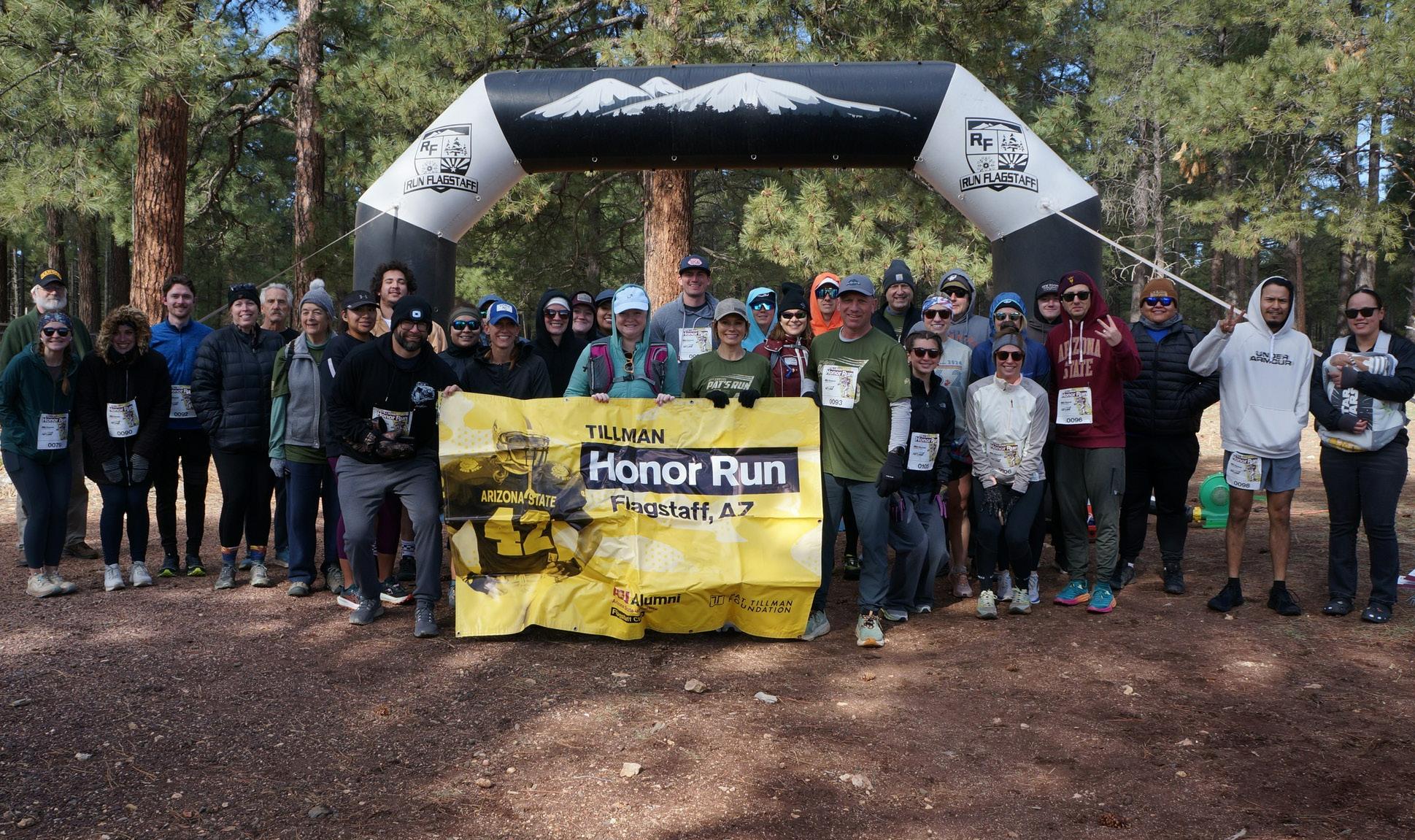
The Tillman Honor Run returns to Flagstaff 10 a.m., Saturday, April 4, at the Flagstaff Extreme Adventure Course at Fort Tuthill County Park. Participants of all ages are invited to run or walk the 4.2-mile course to honor the life and legacy of Pat Tillman and support scholarships for veterans and service members.
The Flagstaff event is part of a national series of Tillman Honor Runs hosted by Arizona State University alumni chapters. These 4.2-mile runs take place in communities across the United States each April to commemorate Tillman’s example of service and leadership. Flagstaff has hosted a Tillman Honor Run in previous years, making this a continuation of the local tradition that draws runners, veterans, and service members.
Pat Tillman was an American football standout at Arizona State University and a safety for the Arizona Cardinals who left a promising professional career to enlist in the U.S. Army in the aftermath of the September 11, 2001, attacks. He served as an Army Ranger in Iraq and Afghanistan and was killed in 2004. Tillman’s selfless choice to put service ahead of sport inspired the creation of the Pat Tillman Foundation, which supports educational scholarships and leadership development for veterans, active-duty service members and their spouses.
Proceeds from the Flagstaff Honor Run benefit the foundation’s scholarship programs and further its mission to empower those committed to service, education and leadership. For more information, visit alumni.asu. edu/events/tillman-honor-runs. FBN
March 17, 2026
SERVING FROM 11AM - 9PM
*LAST SEATING AT 8:30PM
By V. Ronnie Tierney, FBN
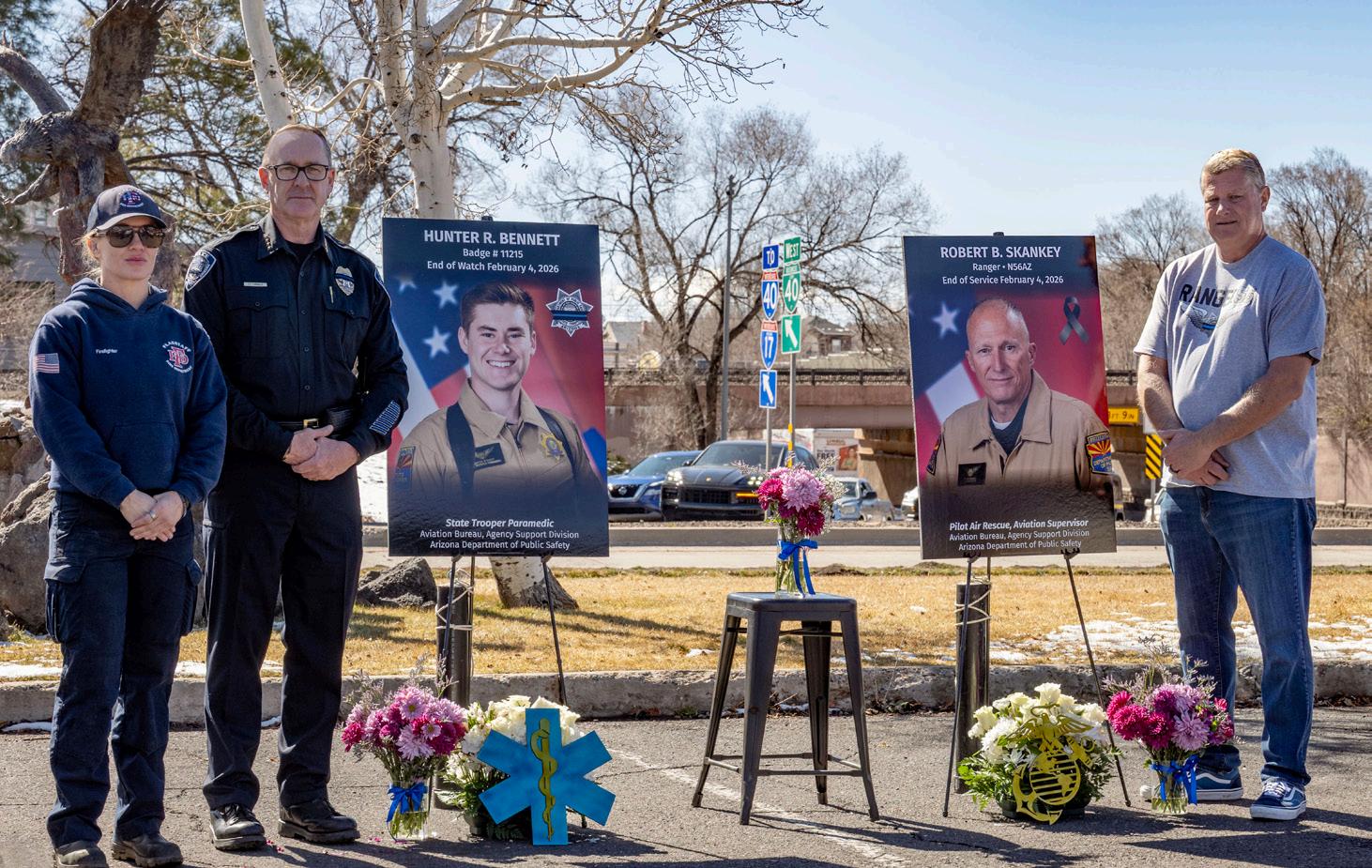
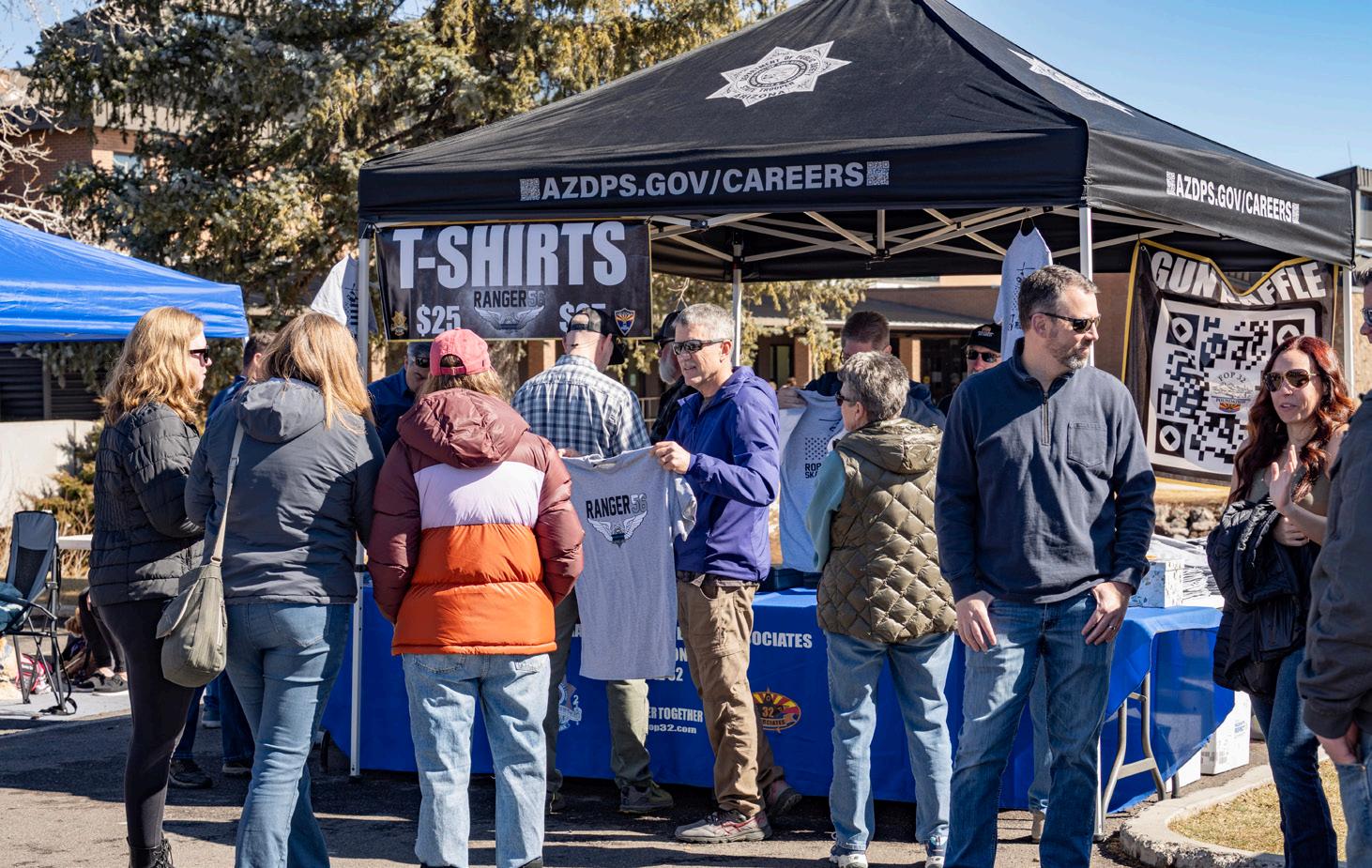
The Fraternal Order of Police Lodge 32 and the Arizona State Troopers Association sponsored a barbecue fundraising event outside Flagstaff City Hall to honor the lives of Arizona Department of Public Safety Ranger 56 Pilot Robert Skankey and Trooper-Paramedic Hunter Bennett, who died in the line of duty Wednesday, Feb. 4, 2026, when their helicopter crashed earlier this month.
“This fundraiser was not only about financial support, though that support is vital. It’s about wrapping our arms around these families and making sure they know they are not walking this road alone. It’s about honoring the legacy of those who served and sacrificed by continuing to serve one another,” said Flagstaff Police Chief Sean Connolly. “When our community comes together like this, it sends a clear message: We remember. We care. And we stand united.”
More than 800 people attended the event. “While we are dealing with this tragedy and our loss, it’s very helpful to see the community and our sister agencies come together to support our fallen and their families at this BBQ,” said DPS Deputy Director Destin Coleman.
“The outpouring of support from the Flagstaff community and across Northern Arizona was truly overwhelming. Events like this reinforce how much our first responders and their sacrifices are valued,” said Michael Hunt, with the Arizona Fraternal Order of Police (FOP) Lodge 32. “We are grateful to everyone who attended, volunteered, donated and helped make this fundraiser such a meaningful success. On behalf of FOP Lodge 32 and our partners, thank you for helping us highlight the compassion and strength of our community.”
About 1,000 t-shirts were sold, with pro-
Continued on page 39


THURSDAYS


FRIDAY, MARCH 13






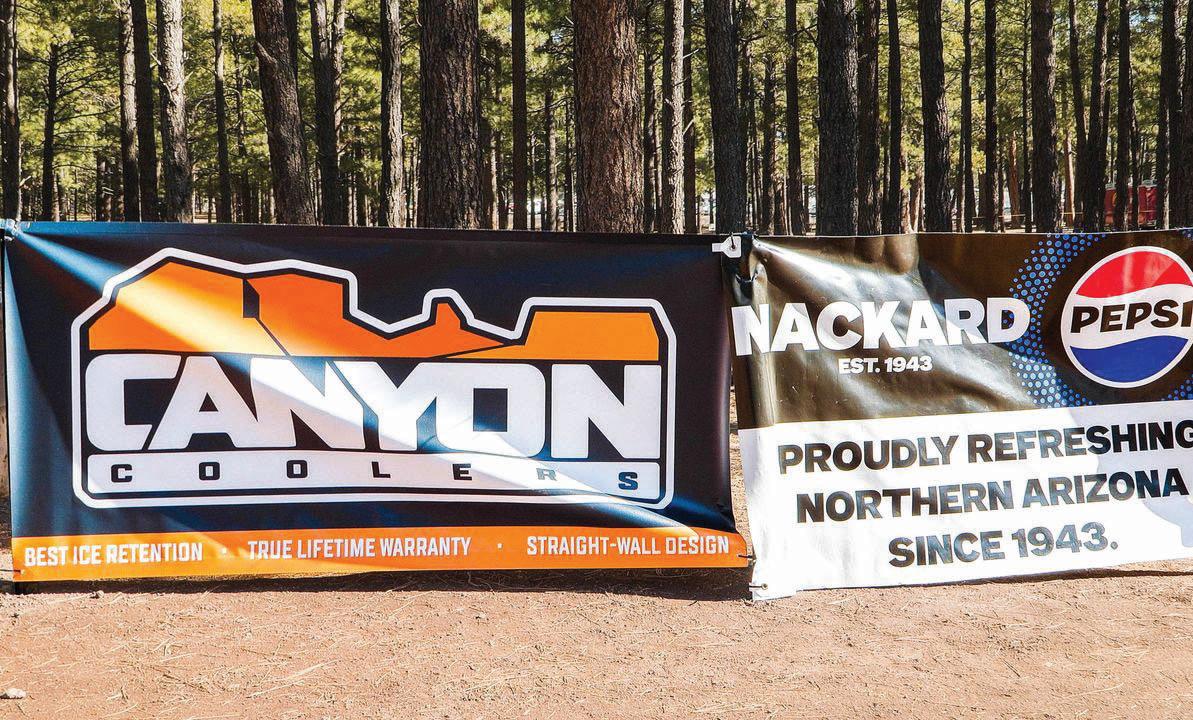
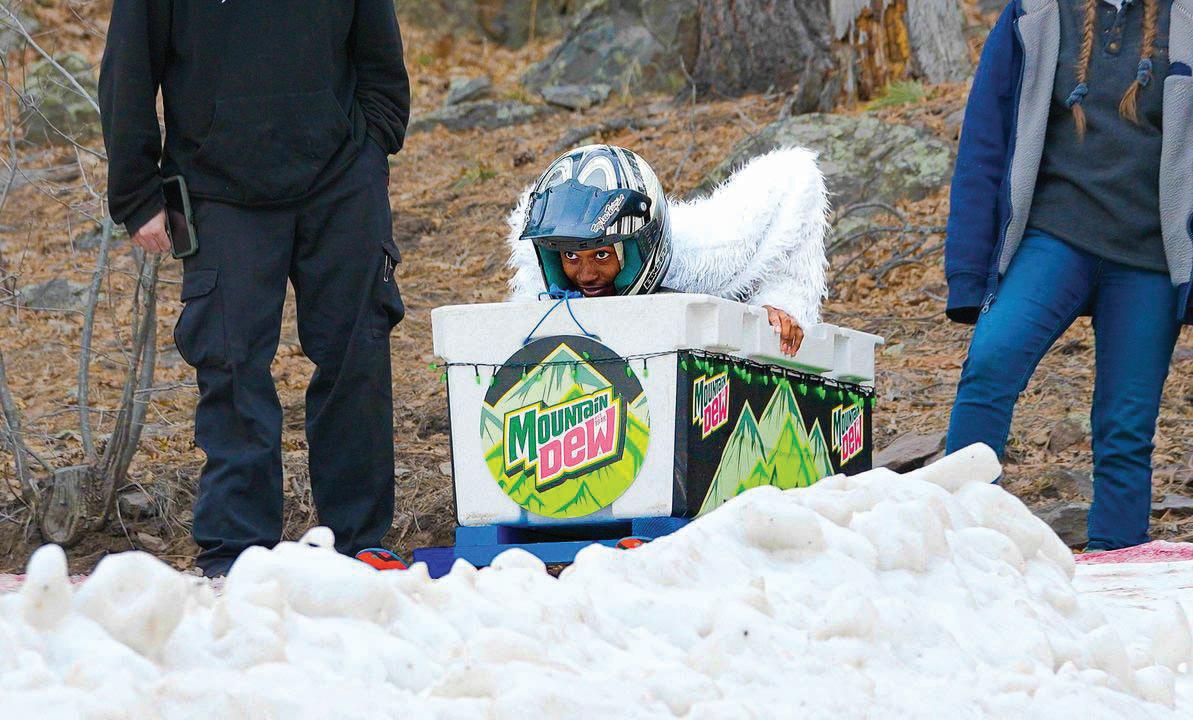
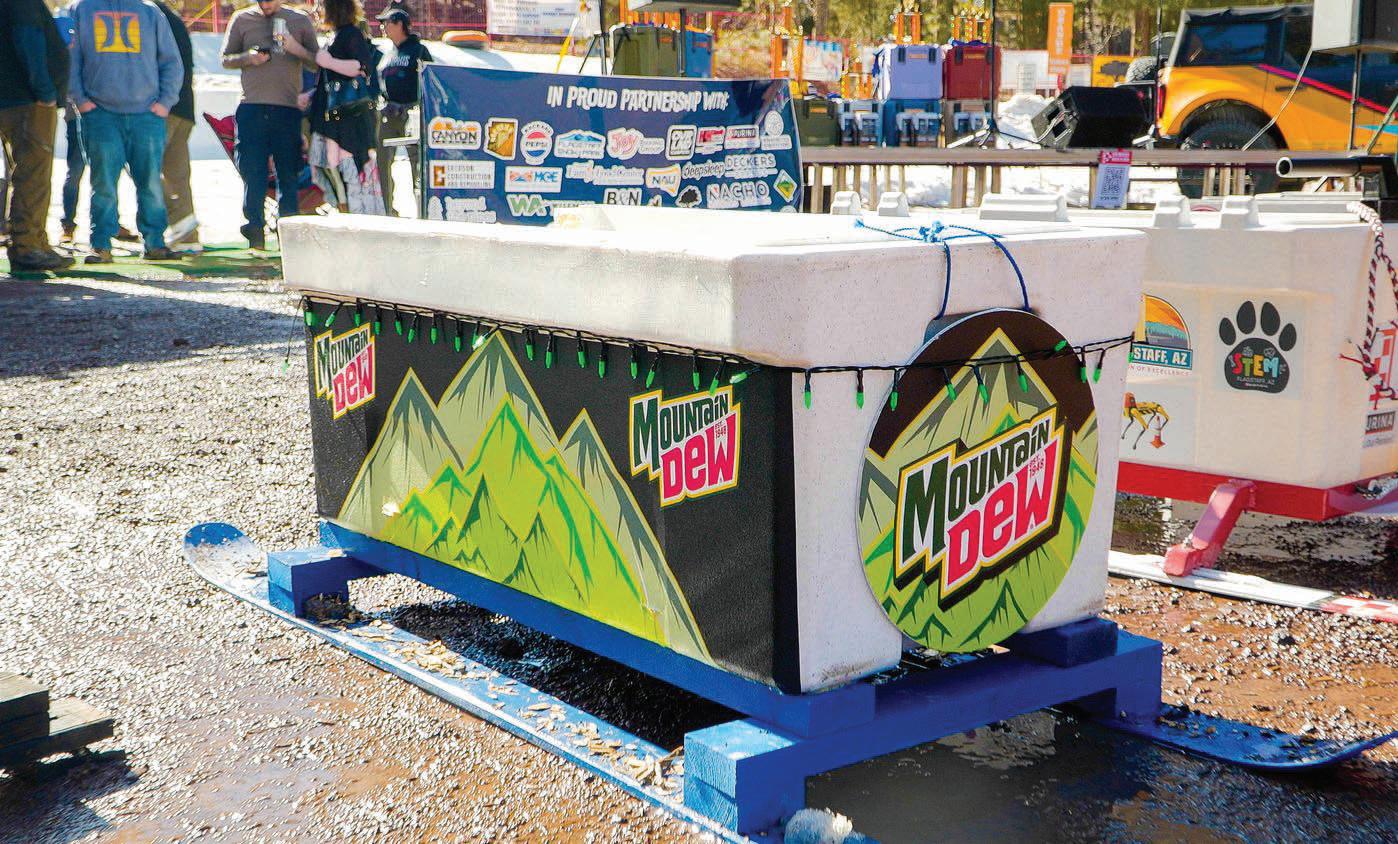
Snow, colorful cooler sleds and community spirit collided Friday, Feb. 6 as Flagstaff-based Canyon Coolers hosted its annual Cooler Runnings competition at Flagstaff Snow Park in Fort Tuthill County Park.
The high-energy winter fundraiser brought together more than 30 local businesses and teams for a double-elimination sled race using homemade creations built around 150-quart Canyon Coolers.
Teams competed for the coveted titles. First-place winners were Flagstaff Snow Park for the Cooler Runnings race tournament; Broadbent for best costumes; and Nacho Offroad Lighting for best-looking sled.
Nackard Pepsi, Northern Arizona’s longtime beverage distributor, helped to power the fun. The company entered a cooler bobsled in the competition and offered beverage samples and snacks. Members of its sustainability team managed the recycling efforts.
The event raised more than $30,000, with proceeds benefiting the Flagstaff Family Food Center.


New book by Robert C. Smith, M.D., states America’s mental health crisis begins in medical school, whole-body health begins with teens
By Bonnie Stevens, FBN
Greek physician Hippocrates had it right in the fifth century B.C., says internist Robert C. Smith, M.D., a distinguished professor at Michigan State University and pioneer in patient-centered communication.
“Greek clinicians saw no reason to separate patients’ mental and physical elements, viewing them as a single unit. Practitioners incorporated mental disorders into medicine, recognizing melancholia [depression] and mania [bipolar disorder] for example, as part of everyday health care,” he writes in his new book, “Has Medicine Lost Its Mind? Why Our Mental Health System Is Failing Us and What Should Be Done to Cure It.”
In the 16th century, however, the Catholic Church influence separated the human mind – where the soul was believed to reside – from the body, he reports. This separation, says Smith, began scientific medicine’s path of treating the body’s physical symptoms, while virtually neglecting the mental condition and the patient’s way of life, including habits such as exercise or lack of exercise, work stress and diet.
This explains why the nation’s mental health system is in a “deplorable state,” he says, not because physicians don’t care, but because they are not trained to treat mental illness with the same rigor applied to physical illnesses such as heart disease or diabetes.
When Dr. Smith began practicing internal medicine decades ago, he believed he was doing everything right. He adjusted medications, monitored
lab values and treated failing organs with precision, just like he was taught in medical school and his residency.
But the case of one patient haunted him: a man named Sven whom he met and treated early in his career. Once vibrant and engaging, Sven became withdrawn and despondent while hospitalized for kidney failure and high blood pressure.
“A month after being in the hospital, this ebullient and effervescent wonderful person was gone. He was curled up in the corner of his bed, almost in the fetal position. We did all the right things for his blood pressure and kidneys and heart, but when it came to his personal dimension, we didn’t do anything. Clearly, he must have been depressed and down, but nobody addressed any of this with him. We ignored his humanistic plight, and the poor guy just suffered in isolation.”
Sven died after two months in the hospital.
THE SEARCH FOR COMPASSION
Patients like Sven and others led Smith to leave his private practice to acquire more education, more skills to learn how to treat the mind. He arrived at the Los Angeles Center for the Healing Arts.
“It was the first time that I’d been exposed to people who valued the relationship [with the patient]. They modeled it and helped teach some of it to me. It was the first time it had been OK to relate to people.”
After a year, he joined the University of Rochester in upstate New York for a two-year fellowship as a faculty member. That would become the defining period of his professional life, he writes. The training he received there

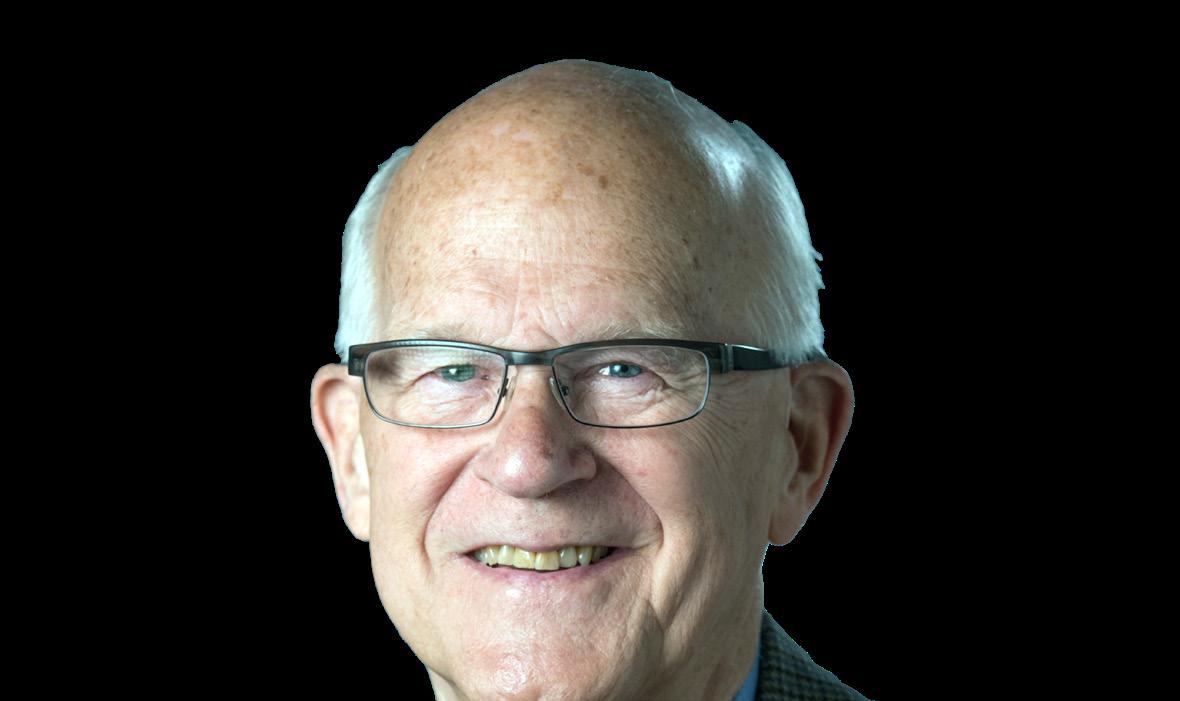
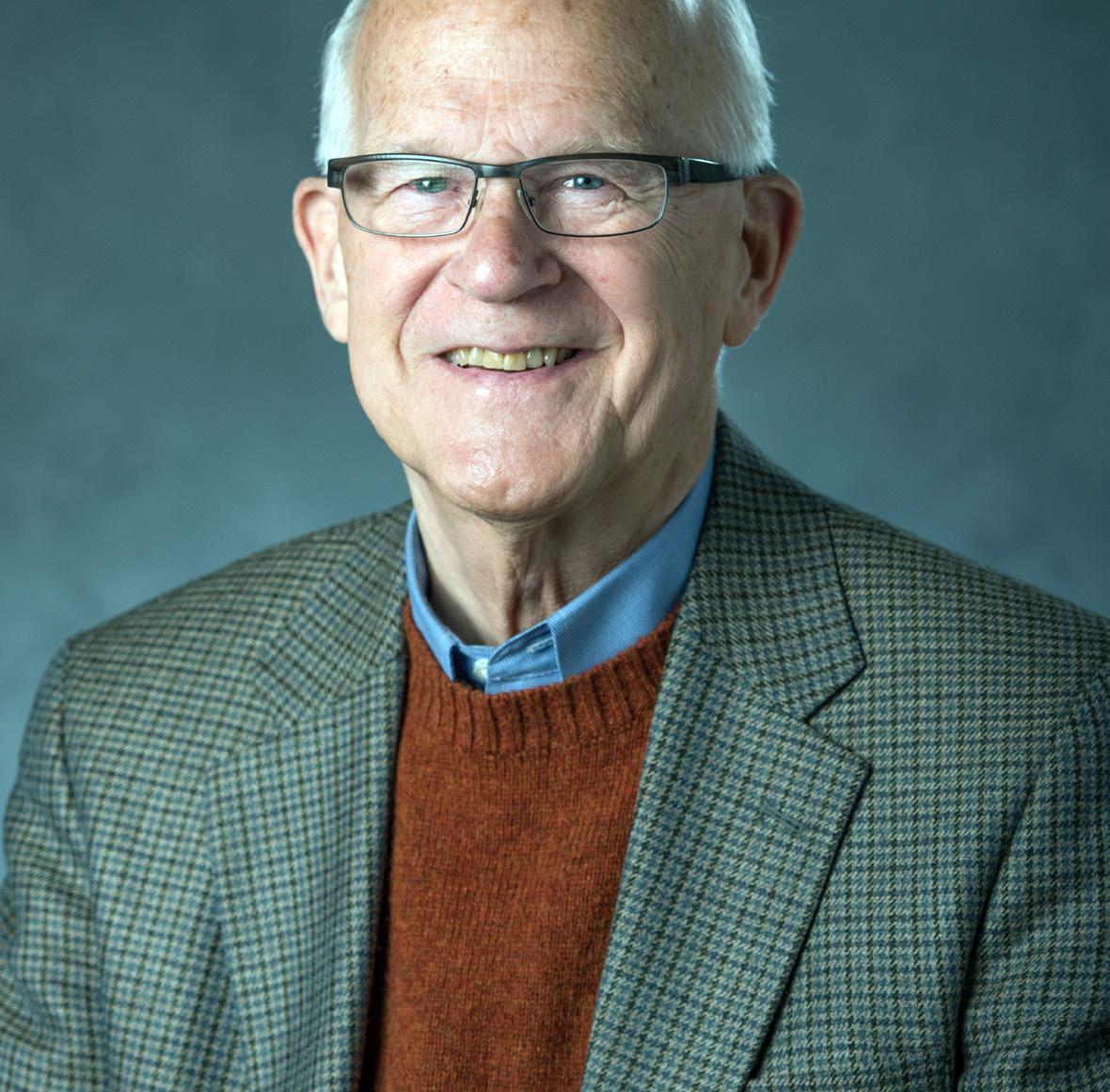
Right: Robert C. Smith, M.D. Top: Dr. Smith’s new book, “Has Medicine Lost Its Mind? Why Our Mental Health System Is Failing Us and What Should Be Done to Cure It,” calls for reform to ensure that mental health receives the same rigorous attention as physical health. The book is available on Amazon.
filled the gaps in his knowledge and skill base, including communicating effectively, establishing a doctor-patient relationship, learning about patients’ most meaningful psychological and social concerns and addressing mental disorders.
He then went to Michigan State University, where he continued his growth and understanding in psychiatry as an educator and researcher. His research established a unique model.
“Patient-Centered Interviewing: An Evidence-Based Method,” is now widely used for teaching students, residents and practitioners of medicine, nursing and allied professions.
THE HIGH COST OF UNTREATED MENTAL ILLNESS
“People assume their mental health care is as good as their physical care,” Smith said in an interview on Zonie
Living. “It isn’t.”
He adds that no more than 25% of Americans with a diagnosable mental disorder receive any care at all. “And the problem gets worse even from that. Of that 25%, 75% or more of the care is provided by untrained medical care doctors. And yet, mental illness is much more common than heart disease and cancer combined.”
However, he maintains, it’s not the doctors’ fault. “They are good, hardworking people. But they’re not trained,” he says, noting that across four years of medical school and three to five years of residency, physicians spend no more than about 2% of their total training on mental health.
Psychiatrists, he writes, see only about 12% of mental health patients. The remaining majority are treated in primary care offices where depression, anxiety, substance abuse and suicidal thoughts often go unrecognized.
And the stakes are staggering. Smith points to the opioid epidemic, noting that since its onset in the 1970s,

hundreds of thousands of Americans have died from prescription-related overdoses. Many prescriptions, he states, were written by physicians untrained in chronic pain management or addiction medicine.
In his book, “Has Medicine Lost Its Mind?” he notes that in 2013, 249 million opioid prescriptions were written by doctors – enough for every adult to have their own bottle. In addition, he writes, “The United States represents 5% of the world’s population, but we consume 75% of the world’s drugs.”
Suicide is another crisis. “There are 48,000 suicides a year. Half of those are seen by the primary care doctor in the two to four weeks before they commit suicide. This is an ideal opportunity to prevent the suicide from taking place. Doctors aren’t trained in suicide. They don’t recognize it and they don’t know what to do with it if they happen to recognize it. We’re talking here about tens of thousands of unnecessary deaths that are largely preventable.”
By Mary Marini Parra, FBN
Scoliosis is often thought of as a childhood condition, but in reality, it affects people of all ages and can look very different depending on when and why it develops.
In simple terms, scoliosis is an abnormal curvature of the spine.
“While the spine naturally has gentle front-to-back curves, scoliosis involves a side-to-side curve measuring more than 10 degrees. Below that threshold, it’s considered a normal variation rather than scoliosis,” explained Brigadier General John F. Hall, M.D., a board-certified, fellowship-trained orthopedic spine surgeon and owner of Arizona Precision Spine in Flagstaff.
He emphasizes that not all scoliosis is the same and that understanding the type is key to understanding treatment.
Congenital scoliosis, while extremely rare, is present at birth and results from vertebrae that didn’t form normally in the womb.
“The building blocks of the spine are usually rectangular,” Dr. Hall said. “In congenital scoliosis, some vertebrae may be fused together or shaped more like triangles.”
Juvenile idiopathic scoliosis, which occurs between ages 4 and 10, is also uncommon and is often associated with underlying medical conditions or syndromes. Because of various complexities, both congenital and juvenile scoliosis are typically treated at specialized children’s hospitals.
The most familiar form is adolescent idiopathic scoliosis (AIS), which develops between ages 10 and 18. “Idiopathic means we don’t know the exact cause,”
Dr. Hall explained. “If a teenager with AIS has back pain, it’s usually unrelated to the scoliosis itself.”
And while it’s not hereditary, it does have a genetic component. “It is a multifactorial, familial condition, where genetic previous disposition combined with other factors increases the risk of AIS.” He says roughly 30% of cases have a family history.
AIS is often detected during routine checkups. Pediatricians frequently screen for it by observing the patient’s posture or using the forward-bend test, in which children are asked to bend over and reach for their toes. Otherwise, AIS can be easy to miss.
“Because it’s not painful, kids usually don’t notice it and parents may not
see obvious signs until the curve has progressed.”
If diagnosed with AIS, depending on the degree of the curve, wearing a specially fitted brace can help prevent curves from worsening. But, Dr. Hall notes, once someone is skeletally mature, bracing no longer works.
“There’s no scientific evidence that supplements, physical therapy or alternative treatments change the curve magnitude,” Dr. Hall said. “The only things that do are bracing during growth and surgery, with surgery being the very last option.”
What most people might not understand is that there is still a risk of developing scoliosis later in life, even if you don’t have AIS. The most common form of scoliosis overall is adult degenerative scoliosis, which typically develops after age 50 and is associated with disc degeneration and arthritis in the spine. Unlike scoliosis in younger years, this type is known to be painful and is usually signaled by axial back pain, or pain along the midline of the spine. Some people may also experience nerve pain that radiates down the leg, known as sciatica. There is a possibility of degenerative scoliosis
getting worse with age.
“The nature of degenerative conditions is that they continue to degenerate,” Dr. Hall said. “However, that’s not the same thing as saying someone will feel worse over time. There is not a one-to-one correlation between spine conditions and pain.”
He explained physical therapy is the cornerstone of non-operative treatment for axial back pain. Pain-management options such as medial branch blocks, radiofrequency ablation and in some cases, spinal cord stimulation may also help. For patients with sciatica, oral anti-inflammatory medications and epidural injections are often first-line treatments.
Curves that progress beyond 45 to 60 degrees, whether in adolescents or adults, are likely to continue worsening because of biomechanics alone. In those cases, surgical intervention may be necessary even if symptoms are mild. If surgery is necessary, Dr. Hall said technology has greatly transformed outcomes.
“People don’t have to live the way they used to. Modern spine surgery increasingly relies on computer navigation, which allows surgeons to

place screws and rods with exceptional precision using real-time 3D imaging. This technology has shown dramatic improvements in safety and effectiveness for complex scoliosis cases.”
Dr. Hall emphasized that from kids to older adults, scoliosis care is never one-size-fits-all. The key is understanding the type, the risks and the right treatment at the right time. FBN

By Mary Marini Parra, FBN
From protein-packed yogurt, waffles and cereals to pastas, breads and chips, fast food menus and specialty coffees, it seems any food you choose these days is enhanced with protein. No matter where you look, the word “protein” is nearly unavoidable. All of this leads to two questions: How much protein is enough, and how much is too much?
That answer, according to Abby Chan, MS, RDN, co-owner and director of nutrition at Evolve Flagstaff, depends on a person’s age, gender and goals. But first, let’s explain what protein is and why we need it.
Protein is made up of many amino acids, nine of which are essential, meaning your body cannot make them and you must get them from food. Protein is necessary to build and repair our tissues and support muscles, hormones, enzymes and immune function. It also helps keep us strong, energized and feeling fuller for longer. For most people, Chan says 20-30 grams of protein at each meal is enough.
“The recommended daily allowance for the average adult is about .8 grams per kilogram. That’s enough to support general function and overall health without overthinking it,” said Chan.
She noted as we get older, or the more active you may be, protein needs go up. For those 55 and older, protein needs increase to 1.0-1.5 grams per kilogram. Additionally, athletes need anywhere between 1.2-2.0 grams per kilogram
because they are breaking down tissue at higher rates than non-athletes. She added that protein is especially important in preventing age-related muscle loss, called sarcopenia.
“Sarcopenia is a huge risk for our independence and quality of life. When we lose muscle mass, we not only lose definition, we lose the ability to complete basic daily tasks such as climbing stairs or getting up and down from a chair. This increases your risk of falls, hospitalization and even death. One of the best ways to combat this is to eat enough protein and strength train regularly as we age.”
On the other end of the spectrum, Chan added that for teenagers and younger athletes, protein needs aren’t as high because they are smaller. She said this age group should focus on eating normally and having a variety of foods to prevent the possibility of developing disordered eating, or worse, a clinical eating disorder because of too much focus on the diet.
Although getting more protein than needed in the diet is not harmful, it leaves less room for other important nutrients like carbohydrates, fiber, fruits and vegetables, which are all essential building blocks for a well-rounded diet.
“Protein-rich foods are generally devoid of fiber, so someone might notice more bloating or constipation or feel dehydrated. Protein metabolism requires more water, so excessive protein consumption could lead to gastrointestinal distress and dehydration,” Chan added.
Her best recommendation is to know what protein-rich dietary sources are, such as beans,



meat, fish, whole grains, nuts, seeds and eggs, and focus on pairing those at each meal with a carbohydrate and a fat. And it’s not a bad thing to include some protein supplements such as bars, powders or shakes throughout the day, but they should not be a meal replacement.
“If we’re missing any one macronutrient in a meal, it can lead to eating less than your body actually needs for energy, hormones and overall balance.”
Despite a person’s best intentions, Chan says one of the biggest misconceptions about protein is that eating more will automatically help someone gain muscle. She said in general, if someone wants to build or maintain muscle mass, strength training is the best tool there is.
“If we are only eating protein and not carbohydrates, your body may break down muscle tissue for energy, and you will recover more slowly and have less power during training. Carbohydrates, along with enough protein, help your body build and maintain healthy tissue.”
In other words, protein is not the end all, be all. FBN

While it’s okay to supplement with protein shakes, make sure the one you choose has all the essential parts.
Whey and Casein: airy-based and complete in all the essential amino acids
Collagen: Not a complete protein; has an abundance of some amino acids but is missing some essential ones
Egg White: A complete protein, but not appropriate for those with egg allergies
Soy: A complete plant-based protein
Pea: Contains all amino acids but is low in a few FBN

By Mary Marini Parra, FBN
It’s natural to feel some aches and pains throughout life, whether it’s in your 30s after a long run, in your 40s after sitting too long or later as joints naturally experience wear and tear. Often, the first thing people reach for is ibuprofen or a similar pain reducer.
But here’s the thing: inflammation itself isn’t bad. In fact, it’s essential.
“Inflammation is like fire,” said Brittany Petrick, a licensed acupuncturist and owner of Harmonizing Healthcare in Flagstaff. “Acute inflammation is like a controlled campfire: intentional, protective and helps the body heal. Chronic inflammation is more like a wildfire. It burns through energy, damages healthy tissue and leaves the system depleted.”
Acute inflammation is the body’s built-in healing response. It helps repair tissue, fight infection and restore balance after injury or stress. Chronic inflammation, on the other hand, occurs when that fire never fully goes out. The body remains stuck in a low-grade stress response, which can contribute to joint pain, digestive issues, cardiovascular strain, hormone imbalance, autoimmune flares and ongoing fatigue.
Turmeric has become increasingly popular in conversations around
inflammation, and for good reason. Its active compound, curcumin, is known to interact with inflammatory pathways in the body.
But turmeric is not a one-size-fits-all solution.
“Think of it like a traffic controller,” Petrick said. “It helps move things when they get stuck. But just because it’s natural doesn’t mean it’s for everyone.”
Because turmeric has circulation-stimulating and blood-moving properties, she advises caution for women who are pregnant or experience heavy menstrual bleeding, and those taking blood thinners or have gallbladder disease or certain autoimmune conditions.
One of the biggest misconceptions about supplements is that taking them automatically means they’re working.
“We’ve all heard the saying ‘you are what you eat,’ but really, you are what you absorb,” Petrick said. “If digestion is compromised, absorption is compromised. You can have the best diet and supplements in the world, but if your gut isn’t functioning well, you’re not getting the full benefit.”
She explained that turmeric is best absorbed when it is combined with black pepper and taken with a high-quality fat, noting not all fats are equal. Omega-3 fats help calm
inflammatory signaling in the body and are found in foods like wild salmon, flaxseed, chia seeds, walnuts, olives and extra virgin olive oil. These fats support cellular health and help balance the body’s inflammatory response.
Omega-6 fats, on the other hand, are already abundant in the modern diet, especially from corn oil, generic vegetable oil and soybean and canola oil. These oils are heavily used in processed foods, packaged snacks, restaurant frying and commercial salad dressings. When consumed in excess, they can tip the body toward increased inflammation.
“Balancing your omega-3 to omega-6 ratio may have more long-term impact than any supplement,” Petrick noted. “For many people, reducing corn and vegetable oils while increasing high-quality omega-3 fats is one of the most powerful first steps.”
She also recommends considering a gentle 13- to 15- hour overnight fast, which research shows can significantly reduce inflammation markers and reduce the amount of sugar in your diet. (Note: fasting is not appropriate for everyone, including pregnant women, people who are underweight or those experiencing significant adrenal fatigue.)
If turning to supplements to aid in

reducing inflammation, the form you choose matters, too. Liquid extracts absorb quickly and can be more effective for acute pain, but they may be harder on sensitive stomachs. Capsules absorb more slowly, making them gentler and often better for long-term use.
Supplements are more concentrated, but more isn’t always better. For most people, 500 milligrams twice a day with meals is plenty. Higher doses may be appropriate short-term, but long-term mega-dosing can backfire. Taking too much can actually leave people feeling worse, fatigued, drained or uncomfortable, which is a sign to stop or lower the dose.
One of the biggest myths around inflammation is that it needs to be
eliminated entirely.
“That’s not the goal,” Petrick said. “Inflammation is essential. The problem is when the body gets stuck in it.”
Turmeric doesn’t cure inflammation. Instead, it helps open pathways, improve circulation and support the body while you address the root cause, whether that’s diet, stress, sleep, hormones or food sensitivities.
“It’s not a magic bullet,” Petrick said. “It’s support while you do the deeper work. If you’re taking something forever, without addressing the underlying cause, you’re likely not getting to the root of the problem.”
Used wisely, turmeric can help the body do what it’s designed to do: restore balance on its own. FBN


Available in Northern Arizona
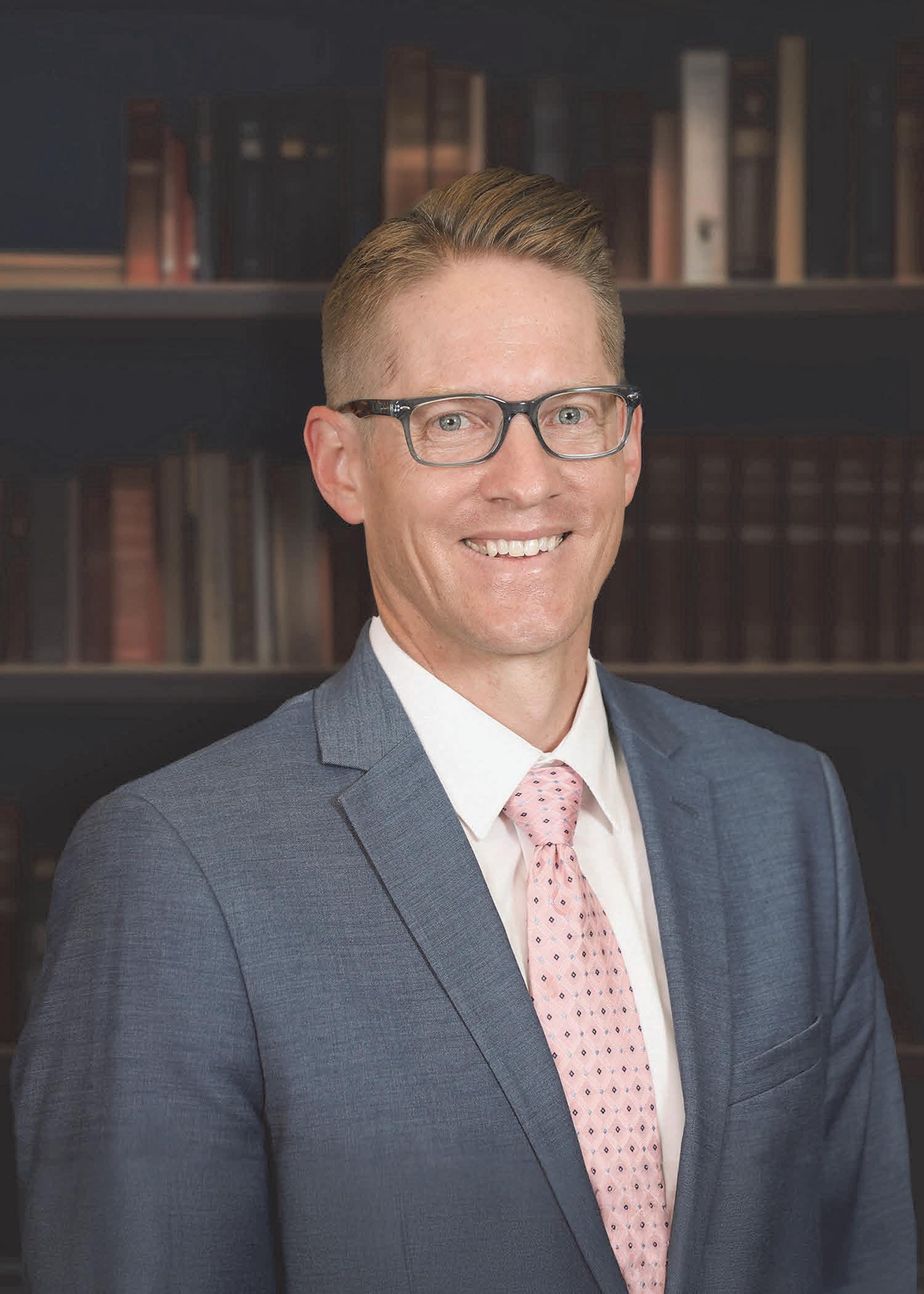
Dr. Hayden Poulson, DPM, is a dedicated foot and ankle specialist at Northern Arizona Orthopaedics (NAO), serving patients in Flagstaff and Prescott Valley. Known for his patient-centered approach, he combines advanced surgical expertise with a strong commitment to compassionate, community-focused care.
Dr. Poulson completed a fellowship in Foot and Ankle Reconstruction at the Salt Lake Orthopaedic Clinic, refining his skills in both surgical and non-surgical treatment of injuries, deformities and chronic conditions.
Today, he treats patients of all ages, focusing on restoring mobility, reducing pain and helping individuals return to the activities they love. His blend of expertise, leadership and compassion continues to make a meaningful impact.
For trusted, top-tier care, schedule an appointment with Dr. Hayden Poulson at Northern Arizona Orthopaedics.
Northern Arizona Orthopaedics
With locations in Flagstaff, Prescott Valley, and the White Mountains, NAO provides comprehensive orthopedic care with over 50 years of trusted experience.
By Roy DuPrez
Substance use disorders affect people of all ages, but young adult men face a distinct set of challenges that often require a more intentional approach to treatment. This stage of life – often referred to as emerging adulthood – is marked by the pursuit of independence, identity and purpose. When addiction enters the picture, those developmental milestones can stall or unravel altogether.
Programs designed specifically for young adult men recognize that recovery isn’t just about stopping substance use – it’s about helping individuals rebuild the skills, confidence and agency needed to move forward into adulthood.
Young adult men experience addiction through a unique lens shaped by social expectations, pressure to appear self-reliant and limited opportunities to safely express vulnerability. Gender-specific treatment creates an environment
where these realities can be openly addressed.
By working exclusively with men, programs can directly explore themes like masculinity, emotional expression, accountability and identity – without judgment. This focused setting often allows participants to engage more honestly, build trust more quickly and feel less isolated in their experience.
Young adulthood is typically associated with milestones such as completing education, launching a career, forming meaningful relationships and developing a strong sense of self. Substance use can significantly disrupt this trajectory in several key ways:
Disrupted Identity and Autonomy Addiction often replaces healthy coping strategies with dependency on substances, limiting a young man’s ability to make independent choices. Over time, this can erode confidence and delay personal growth.
Loss of Self-Sufficiency The con-
sequences of addiction – job loss, legal issues or financial instability – can leave young men reliant on others at a stage when independence is expected. This gap between expectation and reality frequently fuels shame and frustration.
Erosion of Agency As addiction takes control, individuals may feel disconnected from their values and goals. Decisions begin to revolve around substances rather than purpose, leading to a sense of powerlessness that can make recovery feel overwhelming.
Strained Relationships and Isolation Difficulty managing responsibilities and forming healthy relationships can further isolate young men, reinforcing low self-esteem and limiting opportunities for connection and support.
Addressing These Challenges Through Purpose-Driven Treatment Effective programs for young adult men focus on more than clinical stabilization – they emphasize long-term development and life readiness.
Restoring Agency Through Edu-
cation and Skill-Building Helping men understand the impact of addiction while developing practical life skills – such as employment readiness, financial responsibility and daily structure – supports a return to self-sufficiency.
Creating Space for Emotional Growth Therapeutic environments that encourage emotional expression help dismantle harmful stigmas around vulnerability. Evidence-based approaches like cognitive-behavioral therapy, mindfulness and motivational interviewing equip men with healthier ways to process stress and emotion.
Strengthening Peer Connection and Accountability Group-based experiences foster trust, communication and mutual accountability. Shared experiences allow young men to build meaningful connections that reinforce sobriety and community engagement.
Future-Focused, Goal-Oriented Planning Personalized treatment plans centered on achievable milestones help individuals envision a life beyond addiction – and take
concrete steps toward independence and purpose.
Supporting Long-Term Recovery
The challenges young adult men face in recovery underscore the importance of gender-specific, developmentally informed treatment. By addressing autonomy, identity, self-sufficiency and agency, these programs help individuals move beyond crisis stabilization toward sustainable, long-term recovery.
When young men are given the tools, structure and support to rebuild their lives, recovery becomes more than possible – it becomes lasting. FBN
Roy DuPrez, M.Ed., is the CEO and founder of Back2Basics Outdoor Adventure Recovery in Flagstaff. He received his B.S. and M.Ed. from Northern Arizona University. Back2Basics helps men ages 18–35 recover from addiction through a unique combination of structured residential treatment and outdoor adventure therapy. For more information, visit www.back2basicsrecovery.com, call 928-814-2220, or email rduprez@b2badventures.com.
By Wil Hernandez
Maintaining strong mental health is vital for seniors as they navigate the changes and transitions that come with aging. While physical health often takes center stage, emotional and social well-being are just as important. One often overlooked aspect of mental wellness is the role of social interaction. Social wellness – the ability to build and maintain meaningful relationships – can significantly enhance mental health and overall quality of life. At Senior Helpers of Flagstaff, we see every day how staying socially engaged helps older adults live happier, more fulfilling lives.
THE LINK BETWEEN SOCIAL WELLNESS AND MENTAL HEALTH
Social wellness refers to cultivating supportive relationships, participating in meaningful activities, and feeling connected to a community. For seniors, these connections are especially important in combating loneliness and isolation. Life events such as retirement, the loss of loved ones or mobility challenges can reduce daily social contact. Without regular interaction, seniors may be at higher risk for depression, anxiety and cognitive decline.
Healthy social engagement provides emotional support, mental stimulation and a sense of belonging.
Families and caregivers can foster social wellness by organizing gatherings such as potlucks, game nights, or movie afternoons. Group exercise classes or walking clubs combine physical activity with meaningful interaction. Intergenerational activities – like family projects or community events – can further strengthen emotional bonds.
When seniors feel connected, they are more resilient in the face of life’s challenges and better equipped to maintain a positive outlook.
Improved Mood: Regular social interaction can significantly elevate mood. Spending time with friends, family, or community groups fosters laughter, shared experiences and emotional connection. These positive interactions release feel-good hormones and promote a lasting sense of happiness and contentment.
Reduced Stress and Anxiety: Talking through concerns and sharing experiences with trusted individuals can ease emotional burdens. Seniors who maintain close relationships often experience lower stress levels because they have a support system to lean on during difficult times.
Enhanced Self-Esteem and Confidence: Being valued in social circles reinforces a senior’s sense of identity and purpose. Whether contributing to a group discussion, helping a neighbor or mentoring a younger generation,
meaningful engagement boosts self-worth.
Lower Risk of Depression and Cognitive Decline: Studies consistently show that socially active seniors are less likely to experience depression and may maintain cognitive function longer. Engaging conversations, games, and group activities help keep the mind sharp and stimulated.
Encourage Participation in Social Activities: Help seniors explore clubs, hobby groups or fitness classes that match their interests. Shared passions naturally build connections.
Facilitate Family Interaction: Schedule regular visits, outings or video calls to maintain strong family bonds.
Explore Volunteer Opportunities: Volunteering provides both social interaction and a re newed sense of purpose.
Leverage Technology: Teaching seniors to use smartphones or tablets can open doors to virtual gatherings and
social platforms.
Join Community or Senior Programs: Local senior centers often provide recreational, educational and social opportunities designed specifically for older adults.
Families and caregivers can foster social wellness by organizing gatherings such as potlucks, game nights, or movie afternoons. Group exercise classes or walking clubs combine physical activity with meaningful interaction. Intergenerational activities – like family projects or community events – can further strengthen emotional bonds.
At Senior Helpers of Flagstaff, we understand that companionship and connection are essential components of senior care. By prioritizing social wellness, families can help their loved ones maintain strong mental health, emotional balance and a vibrant sense of purpose throughout their golden years. FBN

By Devon Forrest
The start of a new year often arrives with a sense of momentum. New goals. Fresh plans. A belief that this might be the year things finally click into place. In professional settings especially, January/February can feel like a collective reset, a season of ambition, productivity and forward motion.
By March, that energy often fades, and goals that once felt motivating can begin to feel heavy or unrealistic. When progress slows, many people turn inward with judgment, assuming they’ve failed or lacked discipline, focus or drive. In work culture, this line of thinking undermines longterm success.
Mental health rarely operates on quarterly timelines. Motivation rises and falls, and meaningful progress seldom follows a straight path. In fact, the moment when the new-year glow wears off often marks the most important opportunity to pause, recalibrate and reconsider our goals. It is not the time to abandon them.
At The Guidance Center, we recognize that many individuals appear to function well on the outside while they quietly struggle on the inside. They show up to work, meet responsibilities, and continue pushing forward, all while carrying burnout, anxiety or emotional flatness. From the outside, they look successful. Internally, energy runs thin.
Knowing when to push, when to adjust and when to seek support shapes our resilience over time. Mental health care contributes to that process not to support any kind of weakness, but as a tool for clarity, steadiness and long-term performance.
Sustainable success depends less on constant momentum than on adaptability. Knowing when to push, when to adjust and when to seek support shapes our resilience over time. Mental health care contributes to that process not to support any kind of weakness, but as a tool for clarity, steadiness and long-term performance.
Individual counseling at The Guidance Center helps people untangle stress, anxiety, depression or burnout that interferes with focus and decision-making. Psychiatric services and medication management support emotional stability when strain begins to affect daily functioning. Skills-based groups centered on coping strategies, mindfulness and emotional regulation offer practical tools that extend beyond the therapy room and into daily work and life demands.
Professional goals rarely stand alone. They share space with family responsibilities, physical health conditions, and personal stressors that resist neat separation. When pressure builds at home or in the body, that strain tends
to follow people into the workplace.
Parents navigating behavioral or emotional challenges with their children, for example, may find attention pulled in multiple directions at once.
Child and family services at The Guidance Center support caregivers during these periods, strengthening communication and reducing isolation.
Integrated Care services attend to the relationship between physical health, mental health and productivity, coordinating support so individuals aren’t left balancing competing demands on their own.
For those in recovery from substance use or managing concurrent mental health concerns, redefining success becomes especially important. Progress may unfold quietly, without dramatic markers; yet, consistency, structure and support remain essential. Outpatient and residential substance use treatment programs at The Guidance Center emphasize long-term stability rather than quick fixes. This approach mirrors sustainable success in any arena.
At times, pressure escalates beyond what adjustment alone can address. Crisis Services
remain available at The Guidance Center 24 hours a day, seven days a week, offering immediate support when stress, overwhelm or emotional distress reaches a breaking point. Reaching for help in these moments reflects investment in continuity rather than failure.
As winter stretches on and the new year’s shine dulls, the season invites reconsideration of what success actually requires. Instead of asking, why haven’t I done more, another question offers greater utility: What will allow me to sustain what I’m building?
March should not become the month when goals quietly unravel. Instead, it could mark the moment they grow more realistic, more humane and ultimately more durable. When mental well-being enters the equation, success shifts from something pursued relentlessly to something maintained with intention. FBN
928-527-1899 / 888-681-1899
tgcaz.org

By Jeff Lane, Au.D.
Studies show that, on average, the timespan from a person realizing they have trouble with their hearing to finally seeking help is seven years. One of the biggest reasons people wait is concern about cost. Information about hearing aids varies widely online and insurance benefits can be difficult to navigate. But taking care of your ears doesn’t need to be scary. While no two offices operate identically, the overall journey is largely the same.
The first step is always to obtain an accurate measurement of hearing sensitivity. Medicare will pay for one hearing exam a year. However, it is one year from the date of your last exam, not the calendar year. For example, if you were seen for an exam in June of this year, you would have to wait until June or later of next year in order for Medicare to help pay again. An exception to this rule is if the exam is deemed medically necessary (e.g., a perforated eardrum). Medicare also requires a referral from a primary care physician, since audiology
Another important question to ask is about the different models the clinic offers. The more sophisticated the hearing aid, the higher the price. Knowing what each model provides and costs can help you make the most informed decision. It is also good to ask what kind of follow-up services are offered. Some clinics are bundled, meaning their services are included in the initial cost, while other are unbundled, meaning the cost of the hearing aids and services are separate. //
is considered a specialty. Most private insurances will also help to pay for the hearing exam. They also do not require a referral. However, some do require pre-authorization. This essentially means that the insurance is giving the provider permission to bill them after the patient is seen. The audiologist’s office will request the pre-authorization. Just make sure you provide all of your insurance information when scheduling to ensure everything is ready by the time you are seen. If you do not have insurance, or do not wish to use it, you can still be seen for an exam. Ask what the private pay rate is when scheduling your appointment.
If you are a candidate for hearing aids, the audiologist will then review the options with you. Sometimes this is done on the same day of the exam, and sometimes it is a separate appointment. But the consultation itself is often free. And most practices offer a trial period with the hearing aids. Some practices require upfront payment, while others collect payment once you decide to keep the devices. Either way, if you decide to return the hearing aids within the designated trial period, you will not be responsible for the cost of the devices.
Regarding paying for hearing aids, there are multiple options. You can of course, pay for them entirely out of pocket. If the cost is too much to pay at once, you can ask about payment plans. There are also government and private organizations which can assist. On the government side, there is Vocational Rehabilitation. Their focus is on getting people prepared for the workforce. So, if you need hearing aids to do your job efficiently and safely, they can buy them for you. To be clear, you would need to meet their qualifications, so it is best to reach out to them directly if interested. Also note that not all clinics are contracted with Vocational Rehabilitation. Still, it can be a great option. If you are a veteran, you may qualify for free hearing aids through the VA. You would need to file a claim and be approved, as the VA requires authorization for everything. (You can’t be fit with hearing aids and then ask for the VA to help after the fact.)
On the private side, organizations like the Lion’s Club often have programs to help the community.
may help. It really just depends on the specific plan. If they do help to pay, the deductibles and benefit amounts vary. The best thing to do is provide your information when registering with a clinic, so that they can call and verify your exact benefit before you arrive.
Another important question to ask is about the different models the clinic offers. The more sophisticated the hearing aid, the higher the price. Knowing what each model provides and costs can help you make the most informed decision. It is also good to ask what kind of follow-up services are offered. Some clinics are bundled, meaning their services are included in the initial cost, while other are unbundled, meaning the cost of the hearing aids and services are separate.
Trinity Hearing Center is located at 1330 N. Rim Dr., Suite B in Flagstaff. For more information, visit the website at TrinityHearing. net. Jeff Lane is a doctor of audiology with a passion for improving the lives of others. Dr. Lane may be reached at 928-522-0500 or at audio@trinityhearing.net. //
Insurance gets a bit more complicated when it comes to hearing aid coverage. Medicare, unfortunately, does not pay anything. Supplemental and private plans
As always, if you have specific questions, feel free to reach out to your local audiologist. FBN


By Alex Whelan, M.D.
If you are trying to live longer and feel better along the way, the question is no longer just “How many years?” but “How well?” Longevity medicine is about extending healthspan, the years of life where you are active, independent and doing the things you love. One of the more interesting tools to emerge in this space over the last decade is photobiomodulation, more commonly known as red light and near-infrared light therapy.
At first glance, it sounds almost too simple. Stand in front of a light and get healthier. But beneath that simplicity is a growing body of science that suggests targeted wavelengths of light can positively influence how our cells function, recover and age.
Red and near-infrared light work by interacting with mitochondria, the energy-producing structures inside your cells. Think of mitochondria as tiny engines. When they function well, tissues repair faster, inflammation is
lower, and energy levels are higher. When they struggle, aging accelerates. Research has shown that specific wavelengths of light can stimulate these mitochondria to produce energy more efficiently, improving cellular repair, reducing oxidative stress, and improving blood flow. All of these processes matter deeply when we talk about longevity, skin health, brain function, muscle recovery and chronic pain.
This is not to say that modalities like this are a replacement for exercise, good nutrition or quality sleep. They are a complement that when used consistently, can meaningfully enhance the benefits of those foundational habits.
Red light therapy has been studied extensively for skin health. Regular use increases collagen production, improves skin elasticity and reduces fine lines by supporting fibroblast activity in the skin. That is why it has become popular in both medical and aesthetic settings.



Near-infrared light penetrates deeper, supporting muscle recovery, joint health and even neurological function by improving circulation and reducing inflammation at the tissue level. For active adults, this can mean better recovery between workouts. For aging adults, it can mean staying active with less discomfort. There is also emerging research suggesting benefits for sleep quality, metabolic health and brain health. While this field is still evolving, the trend is clear. Supporting mitochondrial health is one of the most promising strategies we have for slowing the biological aging process.
Consistency beats intensity Short, regular sessions done several times per week produce better results than sporadic use. Think of this like exercise for your cells.
Pair it with movement Using red and near-infrared light on rest days or after workouts enhances recovery and reduces soreness, allowing you to train more consistently.

Skin health is not just superficial Healthy skin reflects healthy cellular function. Improvements in skin tone and texture are often outward signs of deeper biological benefits.
Stack it with other longevity habits Photobiomodulation works best when combined with strength training, aerobic fitness, quality sleep and a nutrient-dense diet. It amplifies what you are already doing right.
In a functional and preventive medicine framework, photobiomodulation is a low-risk, high-upside tool. It fits seamlessly into a holistic plan that prioritizes metabolic health, cardiovascular fitness, muscle mass and recovery. For busy professionals and active families, this matters. You want tools that support your goals without adding stress or complexity. Regular, 10- to 20- minute sessions of red and near-infrared light therapy
can be one of those tools.
Longevity is not about chasing perfection. It is about making small, smart investments that compound over time. Supporting your cells, your energy systems and your recovery capacity is one of the smartest investments you can make.
The future of aging well will not hinge on a single breakthrough. It will come from layering simple, evidence-based strategies that help you show up better today while protecting your health for decades to come. Sometimes, progress starts with something as simple as stepping into the right light. FBN
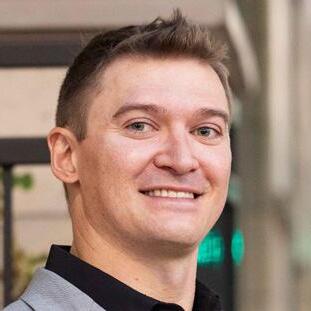
Alex Whelan, M.D. is lifelong athlete, fitness enthusiast, and physician who has been practicing Emergency Medicine for the past 12 years and recently completed a Fellowship in Anti-Aging, Metabolic, and Functional Medicine. He and his wife, Danielle, are the co-owners of Peak Performance Cryo & Recovery, a wellness and longevity center located in Flagstaff, AZ. For additional information, visit www. PeakPerformanceCryo.com or call 928-456-3010.



By Christina Kovalik
Hair loss, thinning or overall changes are very common in people who are aging. Did you know it can be reversible? It is important to get to the root cause of hair loss or thinning, give the body the correct nutrients, and balance hormones that are declining naturally as we age. Just know that treatment can take up to one year to see complete hair restoration. The aging scalp and hair follicles go thru their own growth stages. Most commonly we see hair falling out with the root
bulb attached. In some cases, hair can be brittle and break just at the new growth stage or at different lengths. It is vital to see what the cause is and treat it. Aging hair loss may be associated with hormone imbalances, nutritional deficiencies or toxins in the environment.
Hair loss associated with hormone imbalances are as follows:
1. Low Thyroid: Poor Hair quality; diffuse hair loss over all head, thinning hair along the temples, low body hair and loss of hair on the outer 1/3 corners of eye-
brows. Hair may be brittle and break at any length.
2. Low estrogen, progesterone and low testosterone: In menopausal women, low hormone levels can cause thinning seen on the top/ crown of head or diffuse loss.
3. Excess testosterone causing high DHT levels (androgens): hair thinning or loss on the front of the head.
4. Male pattern baldness: low testosterone – hair that is thin with long hair and no bald areas (low testosterone with low DHT levels) or smaller hair follicles with
Know that if you do have any form of hair loss, it is important to investigate what the cause is. Simply getting a blood test for a full thyroid panel, testing your male/female hormones, vitamins D, B and iron along with a blood count may show any imbalances or deficiencies. Getting a hair mineral analysis from a reliable company can show mineral imbalances that are at the cellular level that may be affecting your hormones and hair quality. Treating any underlying infections can also restore hair.
some bald areas (low testosterone with high DHT levels).
5. Cortisol deficiency: bald patches or hair loss in plaques.
Hair loss associated with nutritional deficiencies are due to:
1. Iron deficiency: hair loss seen on the front of the head
2. Zinc deficiency
3. Vitamin A, B or D deficiencies
4. Omega 3 or 6
5. Biotin
6. Amino acids or protein deficiency.
Hair loss associated with conditions, toxins or infections:
1. Fungal infection: white plaque or flakes with circular hair loss
2. Chemotherapy-related hair loss
3. Psoriasis
Know that if you do have any form of hair loss, it is important to investigate what the cause is. Simply getting a blood test for a full thyroid panel, testing your male/female hormones, vitamins D, B and iron along with a blood count may show any imbalances or deficiencies.
Getting a hair mineral analysis from a reliable company
can show mineral imbalances that are at the cellular level that may be affecting your hormones and hair quality. Treating any underlying infections can also restore hair.
Know that the hair cycle can take 3 months or longer to see result once the underlying cause is treated. There are so many treatments and supplements, topical creams, serums and vitamins that claim they will help with regrowth but if you don’t treat the underlying cause, you may be wasting your time and money. FBN
Beyond mortality, he says untreated mental illness contributes to job loss, divorce, school failure, addiction, homelessness and incarceration. Smith argues that early recognition and skilled intervention could lessen much of that human and economic toll.
He also emphasizes the hidden cost to patients with a chronic physical disease. “Some 30 million people in the U.S. who have a chronic physical disease have a co-occurring mental disorder. If you do not treat the mental disorder as well as the physical disorder, the physical disorder itself does not get better and that leads to inordinate cost.”
In the book, he writes: “Although the nation suffers financially from huge health care expenses, research done by [health care economics expert Stephen] Melek and his colleagues creates a ray of hope. In careful cost analyses, they found that the United States could save between $26 billion and $48 billion yearly by integrating care in patients with chronic diseases and associated mental illnesses.”
Smith is calling for systemic reform, including expanded mental health training in medical education, supervised clinical experience with complex psychiatric cases and greater public involvement in shaping national health priorities.
“Organized medicine has known about this for 50 years,” he said. “Change has been minimal. The public needs to demand better.”
Despite the sobering statistics, his message is ultimately hopeful. The skills exist. The research exists. Training models have been developed and tested. What is missing, he says, is public involvement and federal guidance.
“If we can mobilize national campaigns to fight
cancer and heart disease, we can address mental health with the same seriousness.”
He urges the public to become involved. “Our politicians need to hear about it. Politicians, inspired by an adamant public, could establish a rigorous, multiyear review to determine how well present medical-education practices adhere to modern science standards and how effectively they prepare graduates for mental health care. The review could be conducted by a presidential commission; a congressional commission; or the National Academies of Sciences, Engineering, and Medicine. Alternatively, a private foundation that wanted to make an impact on health care could do this.”
In addition, Smith offers an easy way for individuals to get involved by going to his website, www.RobertCSmithMD.com and clicking on the square that says, “Download Sample Letter,” which provides email addresses for the president, the surgeon general, the National Academies of Sciences, Engineering, and Medicine, members of Congress and U.S. Senators. Below the email addresses is a sample letter that requests a federal board to oversee and advise the nation’s medical system, which can be pasted into an email message to those individuals. FBN
“Has Medicine Lost Its Mind? Why Our Mental Health System Is Failing Us and What Should Be Done to Cure It,” is available on Amazon. To hear more from Dr. Smith, visit Zonie Living at www.starworldwidenetworks.com.

Dr. Christina Kovalik NMD, LAc, The Vitality Doctor, is a naturopathic physician and acupuncturist specializing in hormone optimization, optimal health and vitality. She is a new Flagstaff resident, practicing since 2004, and opened her second location in Doney Park in 2020. For more information, visit thevitalitydoctor.com or call 928-863-6086.

In the heart of Northern Arizona’s thriving medical community, Dr. Hayden Poulson, DPM, stands out as a dedicated and trusted foot and ankle specialist at Northern Arizona Orthopaedics (NAO). His passion for patient care has become a hallmark of his practice. With a blend of advanced surgical expertise, deep cultural understanding and a commitment to improving everyday movement, Dr. Poulson has quickly become a respected figure in Flagstaff, Prescott Valley and the broader region.
Poulson’s journey into medicine began with a solid foundation in higher education, combining rigorous scientific training with an enduring commitment to serving others. He earned his undergraduate degree from Weber State University before advancing to Midwestern University to earn his Doctor of Podiatric Medicine. It was during these formative years that he discovered a profound interest in orthopedic and reconstructive foot and ankle care, a field that would shape his professional life.
Following medical school, Poulson pursued extensive clinical training that took him beyond the traditional classroom into unique and underserved communities. His residency at the First Nations Podiatric Residency Program, based at Tuba City Regional Medical Center, became a cornerstone of his development. Not only did he complete his training with honors, but he was also selected as Chief Resident, a role
that highlighted his leadership, surgical skill and capacity to mentor others.
During his residency, Poulson spent significant time working in rural and culturally rich areas, including extended care service on the Navajo and Hopi Reservations. There, he provided comprehensive foot care from diabetic screenings to preoperative assessments bringing much-needed medical attention to populations that can otherwise face barriers to healthcare access. This time fostered in him a lasting respect for Indigenous cultures and a deeper appreciation for community-focused care.
After completing a fellowship in Foot and Ankle Reconstruction at the Salt Lake Orthopaedic Clinic, Poulson expanded his clinical repertoire, gaining advanced training in complex surgical techniques and non-surgical treatment methods. His fellowship equipped him with the precision and confidence to treat a wide range of musculoskeletal conditions from chronic tendinitis and sports injuries to severe trauma and reconstructive procedures.
Today, Poulson is a proud member of NAO where his expertise serves patients at both the Flagstaff and Prescott Valley locations. In this role, he treats individuals of all ages seeking relief from foot and ankle pain, increased mobility and enhanced quality of life. Whether a patient is an everyday walker, a weekend athlete or someone struggling with diabetic foot
complications, Poulson approaches each case with the same thoughtful care and personalized attention.
Colleagues and patients alike describe him as an excellent communicator, someone who makes complex medical information under standable and ensures individuals feel heard and respected throughout their care journey. His approach balances technical skill with genuine compassion, helping patients feel com fortable and confident in the treatment process.
Beyond his clinical practice, Poulson is ac tively involved in the professional medical com munity and holds memberships with respected organizations such as the American Podiatric Medical Association and the American College of Foot and Ankle Surgeons. These affiliations reflect his ongoing commitment to staying abreast of the latest advancements in podiatric medicine and surgical techniques.
What’s perhaps most notable about Poulson is how he connects with the people he treats. His work isn’t just about fixing conditions, it’s about restoring mobility, reducing pain and empowering patients to return to the activities they love. From helping someone walk without discomfort to enabling a runner to get back on the trail, his impact resonates well beyond the exam room.
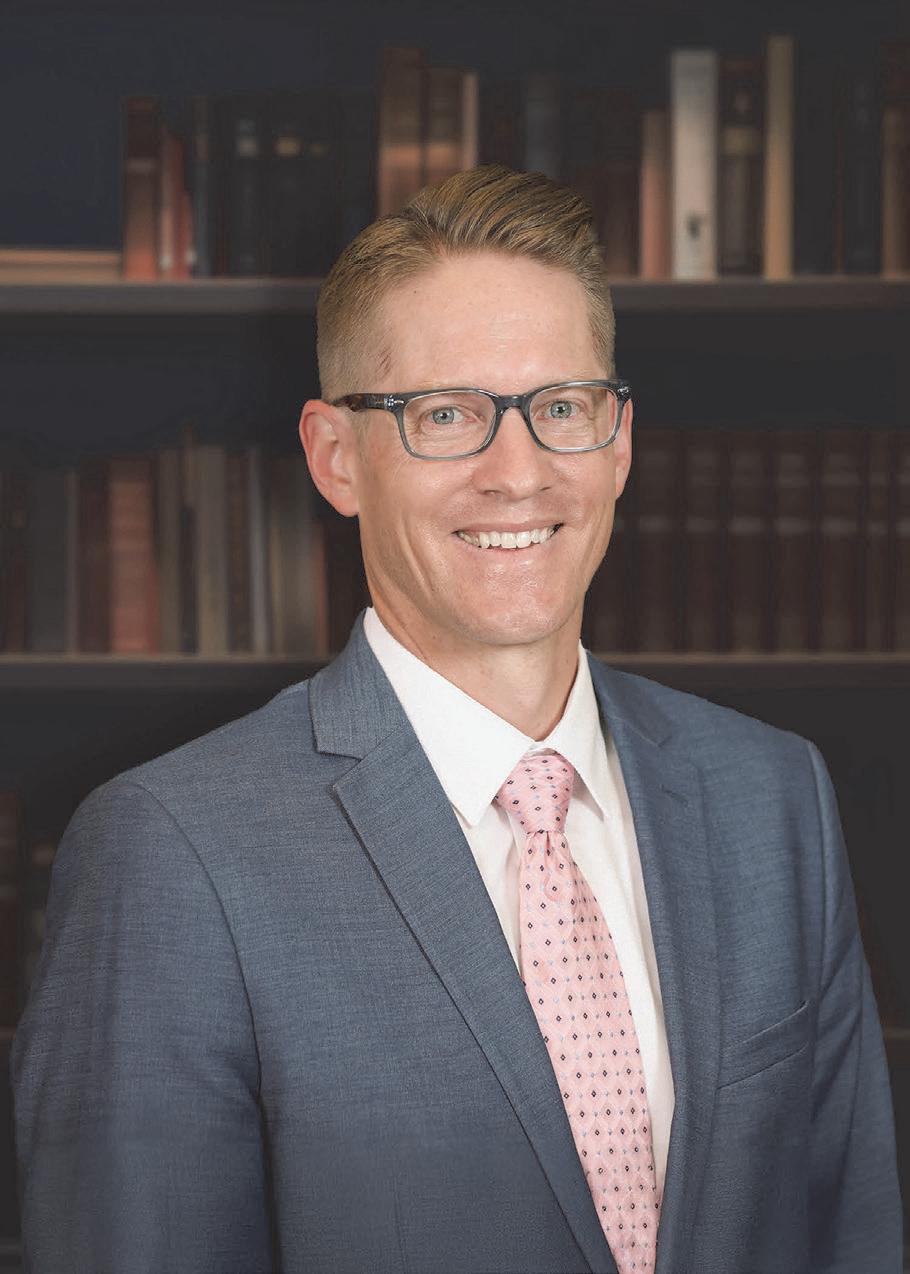
him apart.
For trusted, top-tier care in Northern Arizona, schedule an appointment with Dr. Hayden Poulson at Northern Arizona Orthopaedics.

The Regional Plan is the General Plan for the City and an amendment to the Comprehensive Plan for the County.
• The Regional Plan is a document that can guide the community’s future.
• The Plan guides land-use decisions, growth, development, conservation, housing, transportation, and other long-term community priorities across the Flagstaff region.
• It is a tool for decision makers, developers, businesses, and citizens to coordinate public and private activities.
• The Plan is not a mandate for or against development, or a requirement or prohibition for a specific land use on a property.

In a region where access to specialized orthopedic care is increasingly important, Dr.



Inspired by their grandfather’s efforts, the McDonald brothers are creating a luxury community among mountain views and riverbanks
By V. Ronnie Tierney, VVBN
In the 1930s the most productive salt mine in the United States was in Camp Verde. Although mining salt has ceased here, Salt Mine Road remains a popular path for residents, hikers and visitors. And soon, the developing community of Salt Mine Ranches will become one of the last irrigated subdivisions in the area.
About 71 years ago, Clarence Allen McDonald, known as CA, moved his family from Cordes Junction to Camp Verde. “My father came here to establish the first state maintenance yard in the Verde Valley,” said Randy Allen McDonald, CA’s son. At the time, CA was working for the Arizona Highway Department, now known as the Arizona Department of Transportation (ADOT).
Running cattle on the banks of the Verde River, CA leased land and grew hay which led to McDonald Bros Construction. Randy worked the business
while in high school. When CA died in 2009, Randy took over the business. “I became president and although I’m retired, I still hold a position today as vice president. Our oldest son, Brian, is now president and oversees all the operations of the company. Tanner, our youngest son, owns Triple X Construction. They are both working on the Salt Mine Ranches project.”
Salt Mine Ranches is adjacent to Randy’s home and he is excited about the development. “We have about 11 acres and we plan on building beautiful custom homes that match the surrounding scenery,” he said. “Each lot will be about one acre or a tad more and we will be keeping control of the kinds of homes built at Salt Mine Ranches. Buyers can pick a lot of their choice and then sit down with Tanner to discuss the design of their home.” A model home already has been built and is located on the first lot.
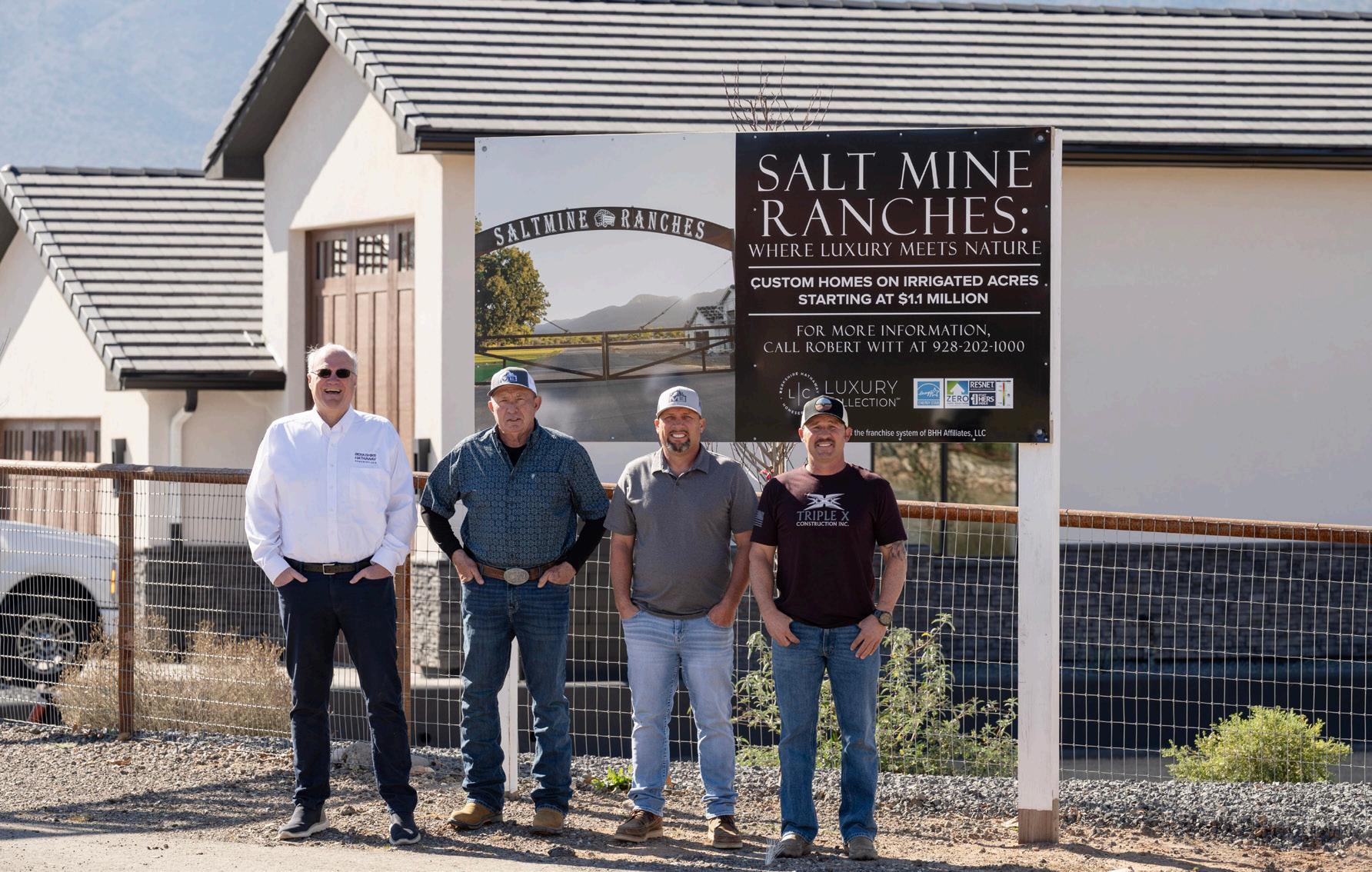
Both Brian and Tanner worked with their father and grandfather from a young age. “I learned how to operate heavy equipment before I got my driv-
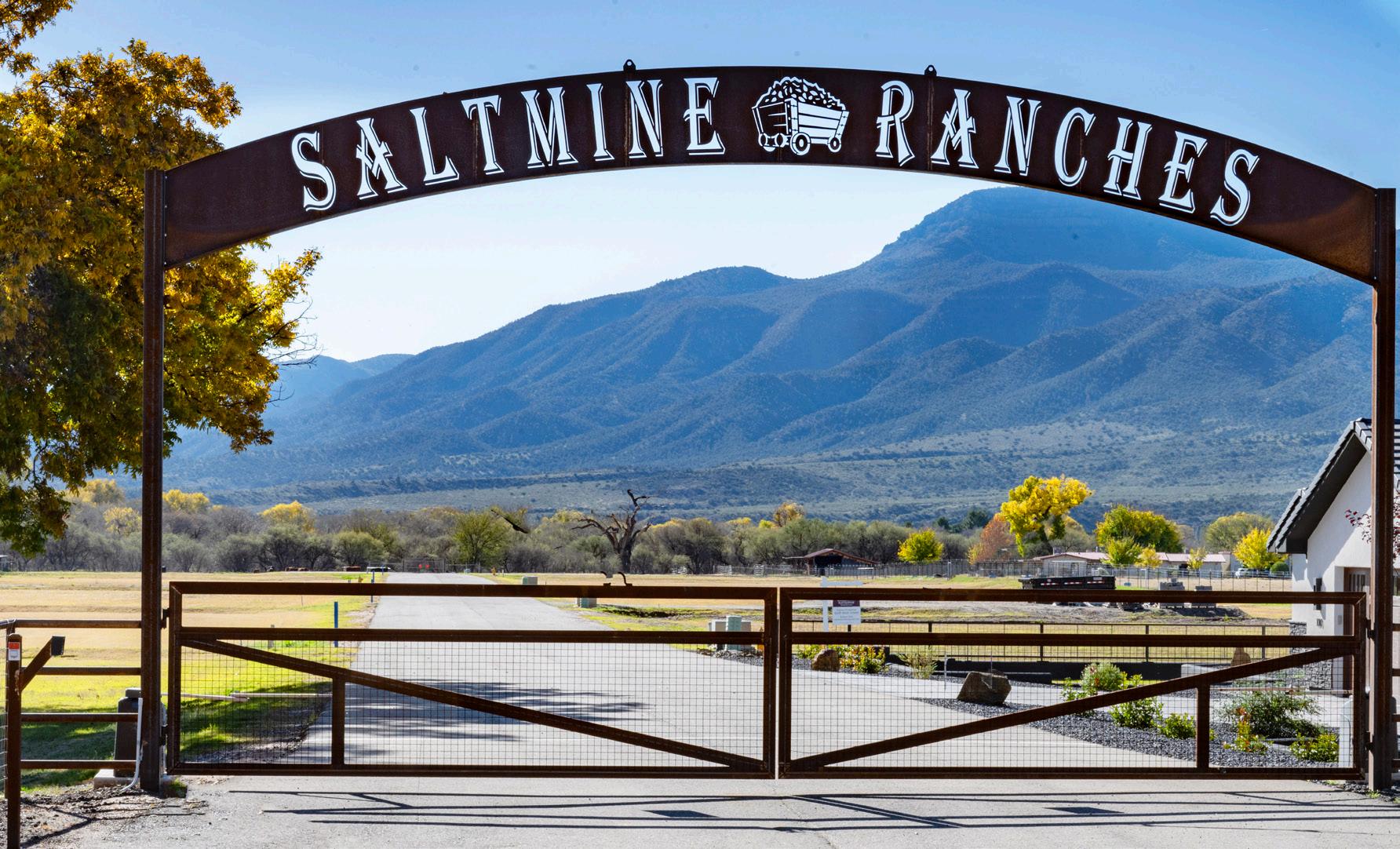
er’s license,” said Tanner. Meanwhile, Brian says he worked with his dad every summer while in middle school.
Together, the McDonald sons hope to make Salt Mine Ranches a dream come true for potential home buyers. “We grew up in the neighborhood, next door actually,” said Brian. “When we found out this land was for sale, we took the opportunity to purchase it.”
“I like to think that our grandfather CA would be proud to know that the roots he started in construction are continuing to grow,” said Tanner, who also is a full-time firefighter and paramedic at Copper Canyon Fire. “I have fulfilled two career goals and serving as a firefighter allows me to serve and give back to my community.”
“This project has also given us the opportunity to work together as a family,” said Brian.
Realtor Rob Witt of Berkshire Hathaway Home Services will be serving as their broker and listing Salt Mine Ranches. “I knew CA and we became friends before he passed away. We
have done several projects together and he was a great man. It is an honor to be working on this venture with this family.”
The stretch of land that surrounds Salt Mine Ranch are mountain views, dotted with cottonwood, mesquite, willow and sycamore trees that lead to the Verde River, one of the last free-flowing rivers in the Southwest. The McDonalds are adamant about preserving the beauty of their development. Their tagline is, “Where luxury meets nature.”
To honor CA, the road through Salt Mine Ranches is named “Clarence.” “We wanted to give recognition to our grandfather, the founder of our success,” said Brian. VVBN
For more information about Salt Mine Ranches, call 928-567-5180 or visit the website at www.saltmineranches.com.
By-appointment
tasting above Old Town Cottonwood delivers rare vintages, vineyard views and an immersive culinary experience
By V. Ronnie Tierney, VVBN
While touring the world with his bands – Tool, A Perfect Circle and Puscifer – Maynard James Keenan developed a taste for wine. Sampling varietals from renowned wine regions across the globe, he absorbed those influences and later brought them home to Arizona, translating them into vineyards, farms, restaurants and a private tasting room above Old Town Cottonwood known as the Ventura Room at Caduceus Cellars.
From the curved vantage point of the Ventura Room, guests look out over cascading vineyards. The setting enhances the luxury of the experience, which includes estate wine history, tastings and a three-course food pairing sourced from nearby Merkin Vineyards’ gardens, orchards and greenhouse – the agricultural arm of Keenan’s Verde Valley operations.
The Ventura Room Experience is a 90-minute event that includes a guided tour of the production facility, barrel room and surrounding vineyards, followed by a multi-course food and wine pairing.
“This is for people who want to do a deep dive into Caduceus Cellars wine,” said Evan Rothrock, wine educator, ambassador and sommelier.
“We discuss the history of our brand and Arizona wines,” he added. “The wines sold at the Ventura Room are not available anywhere else. A lot
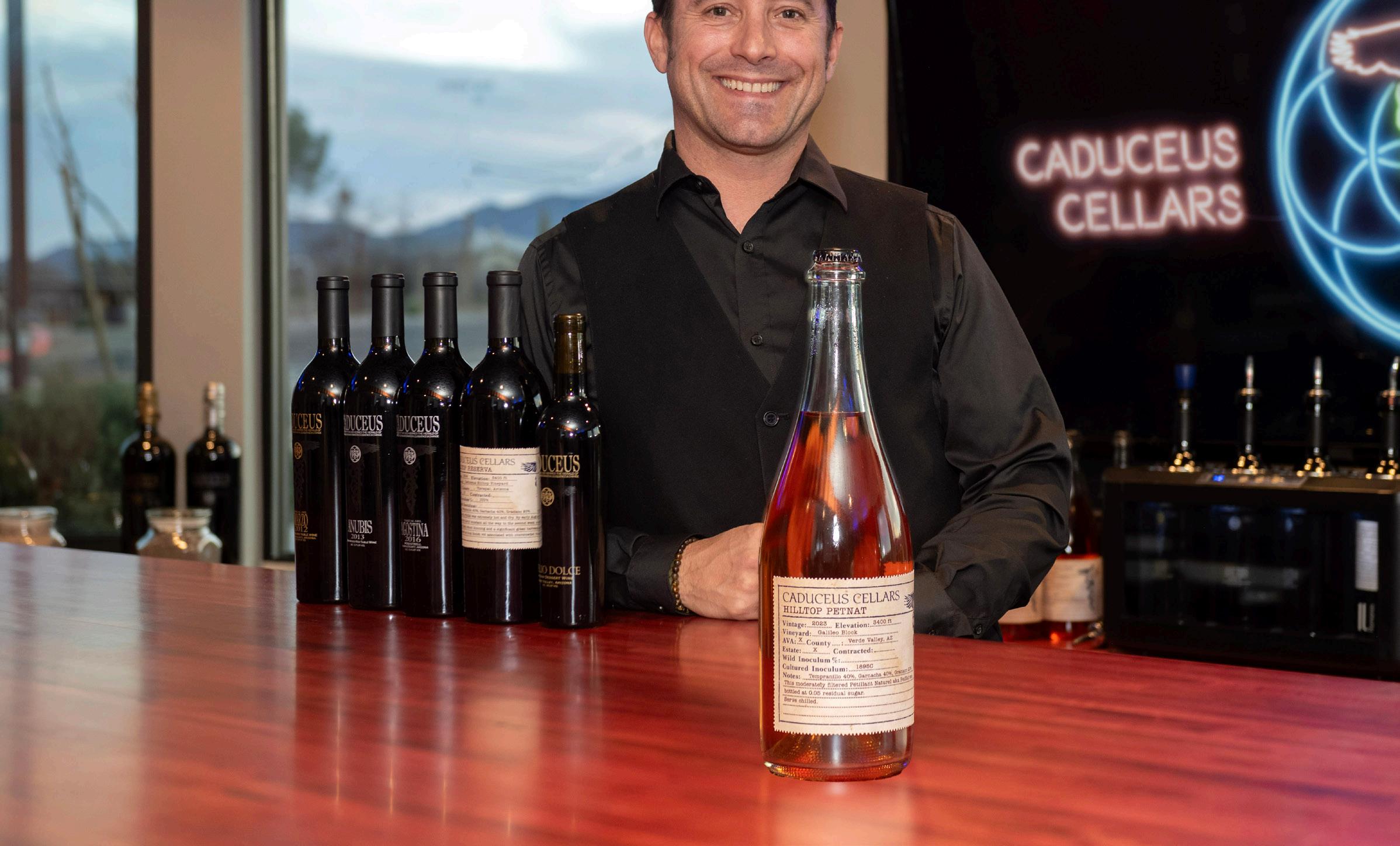
of these labels came from Maynard’s private cellar. Some go back to 2007 and haven’t been available for a long time.”
Through the past 20 years, Keenan’s winemaking has evolved toward wines that are lighter, brighter and more expressive.
“You can see that progression from 2012 to 2016 wines,” Rothrock said.
Among the highlights is Hilltop Pét-Nat, a naturally sparkling white crafted from Chardonnay and Malva-
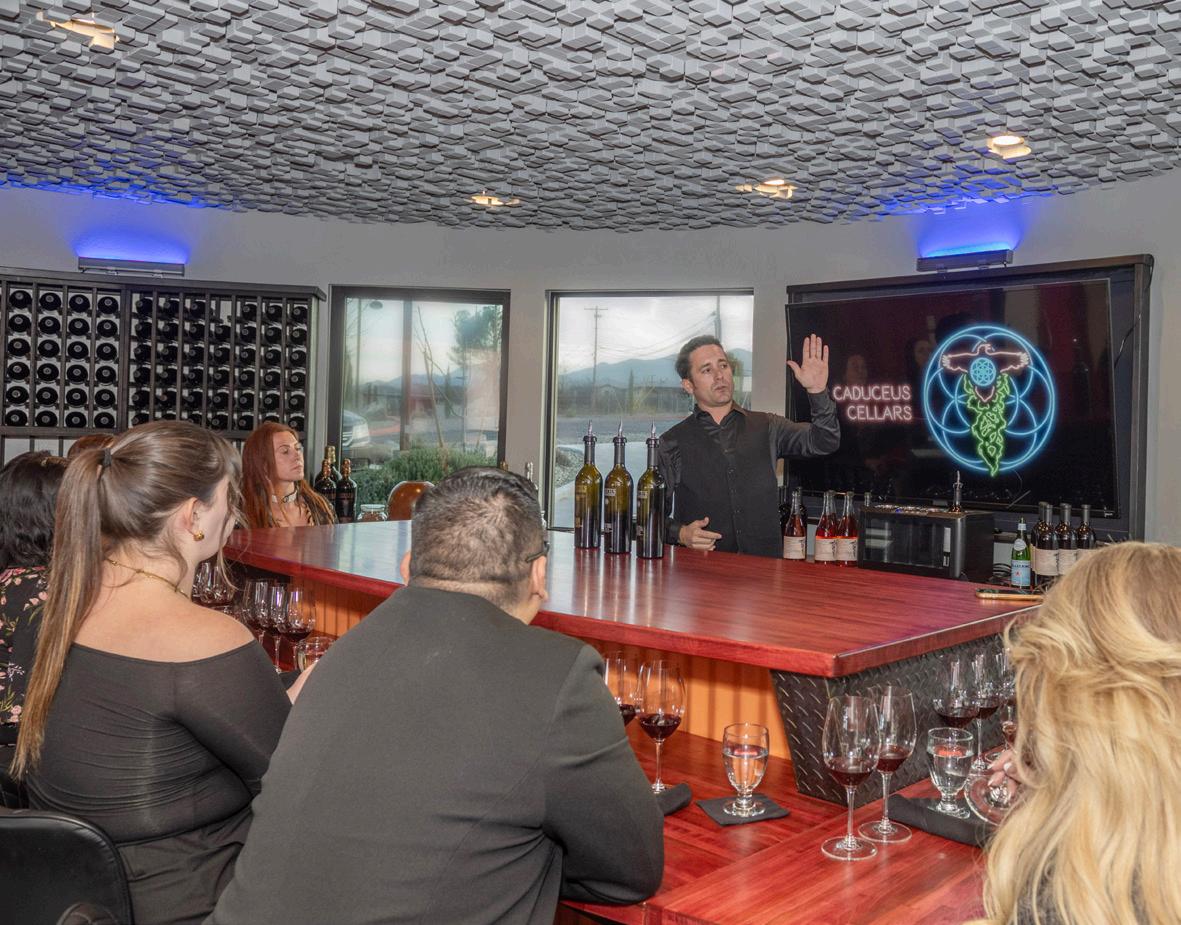
sia Bianca using the ancient méthode ancestrale, in which the wine completes fermentation in the bottle.
“It is only sold here,” said Rothrock.
Chef Ryan Secakuku oversees the menu for the Ventura Room. “My dream has always been to cook with foods that come from our own farms, and I finally have that opportunity. They allow me to pair the wines with the foods, and it gives me the freedom to create.”
Guests say the experience blends culinary creativity with a sense of place.
“I’m blown away by the whole experience,” said Hopi Tribe Economic Development Corporation Human Resource Generalist Lindsey Susunkewa. “I was invited by Ryan; we’ve known each other since high school and it’s so cool to see how successful he has become. I love the vibe, and the food was delicious and the experience was amazing. I especially love that Chef Secakuku is incorporating native ingredients into his menu. He’s very precise with pickling and the different flavors that mix so well. I can’t wait to come back and bring my fiancée.”
“The Hilltop Petnat wine was my favorite and paired so beautifully with the scrumptious dishes that Chef Ryan prepared for us,” said Jacqueline Ryan of Camp Verde. “I wasn’t
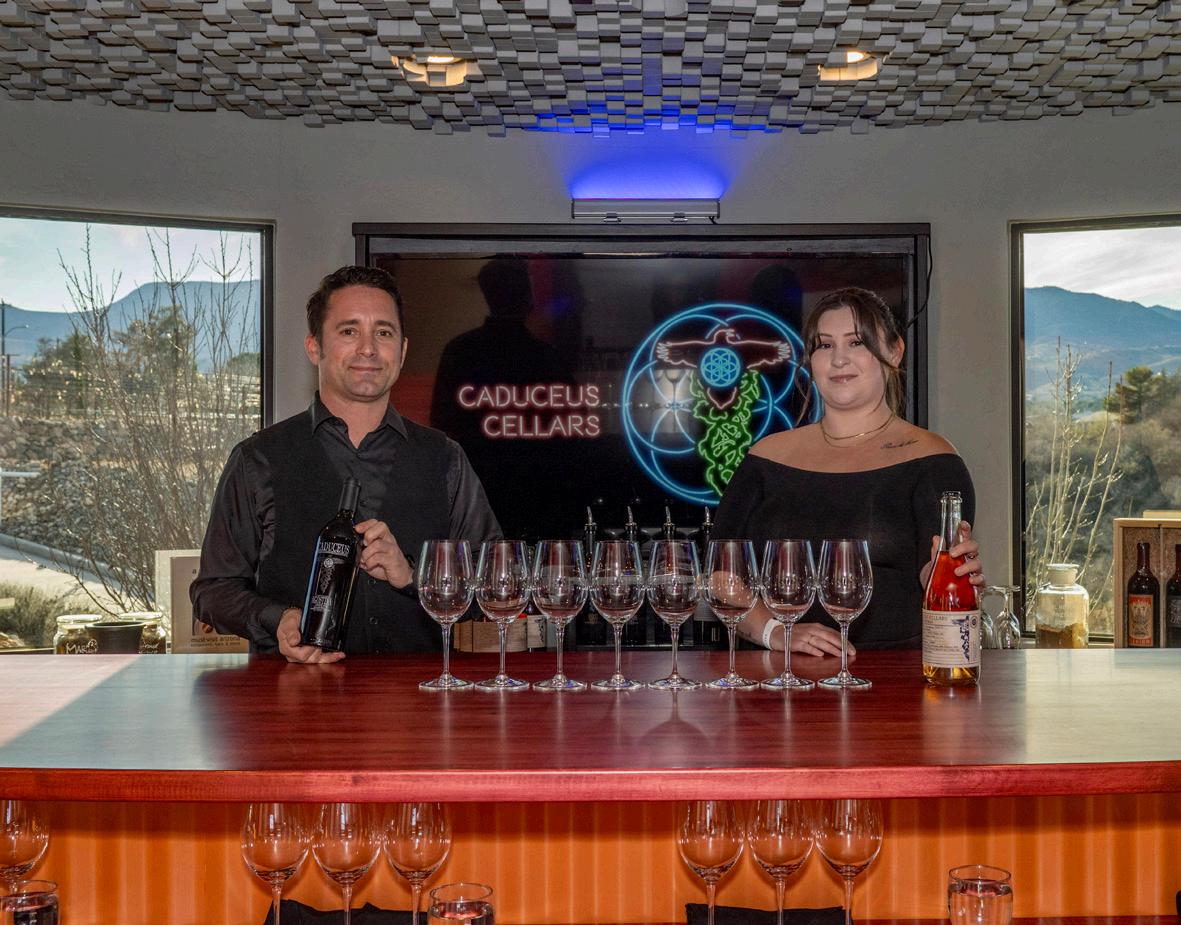
sure what to expect but the overall experience was very professional, fun and a great learning experience. The setting is very professional but relaxing and beautifully lighted. I recommend this for anyone wanting to learn more about Arizona wine, it’s worth every minute.”
Open Thursday through Monday by appointment, the Ventura Room requires at least 48 hours’ advance notice so the culinary team can source and prepare seasonal offerings. Priced at $269 per guest
and limited to eight attendees, the 90-minute experience is designed to be intimate and immersive. VVBN
For more information, visit caduceusvscventuraroom.com.
By V. Ronnie Tierney, VVBN
Employee turnover might be one of the most costly and frustrating aspects for business owners, but Damira Clark, founder of AZ Virtually, is ready to help.
While working as a program specialist for Northern Arizona Council of Governments (NACOG) in Cottonwood for almost three years, Clark became familiar with the issues that employers repeatedly face.
“I noticed that employers would hire workers, train them and within a few short months the employees would leave. I saw how hard it was on the business, and how costly and time-consuming it was,” said Clark, who started AZ Virtually last year.
“When I saw that businesses in our area could use assistance, I decided to fill that need and offer my services by providing professional support on a daily, monthly and even yearly basis.”
The business offers hourly virtual administrative service plans with professional support provided based on the needs of the business.
“Ever since I was in high school, I wanted to start my own business and my dream has finally come true. I
believe AZ Virtually is an innovative solution to small business.”
Graham’s Integrity Auto Sales owner Graham Robertson hired Clark as a consultant and has been really impressed with Clark’s tenacity and business skills. “Damira does impressive work and she has great follow-up. She helped the dealership with our website, graphics and organized our office. Her work ethic and the quality of her work is excellent.”
AZ Virtually assists businesses with a range of support, including virtual administrative services, customer support, project management, marketing, public relations, data research, social media, travel planning, emails, scheduling and more. “I’m willing to meet with clients on a personal basis to discuss my services and fees,” said Clark.
“Currently we have [hired] Damira to handle all of our social media marketing and she’s been just amazing to work with,” said Greater Cottonwood Chamber of Commerce President and CEO Christian Oliva del Rio. “She has an impressive history and great skills.”
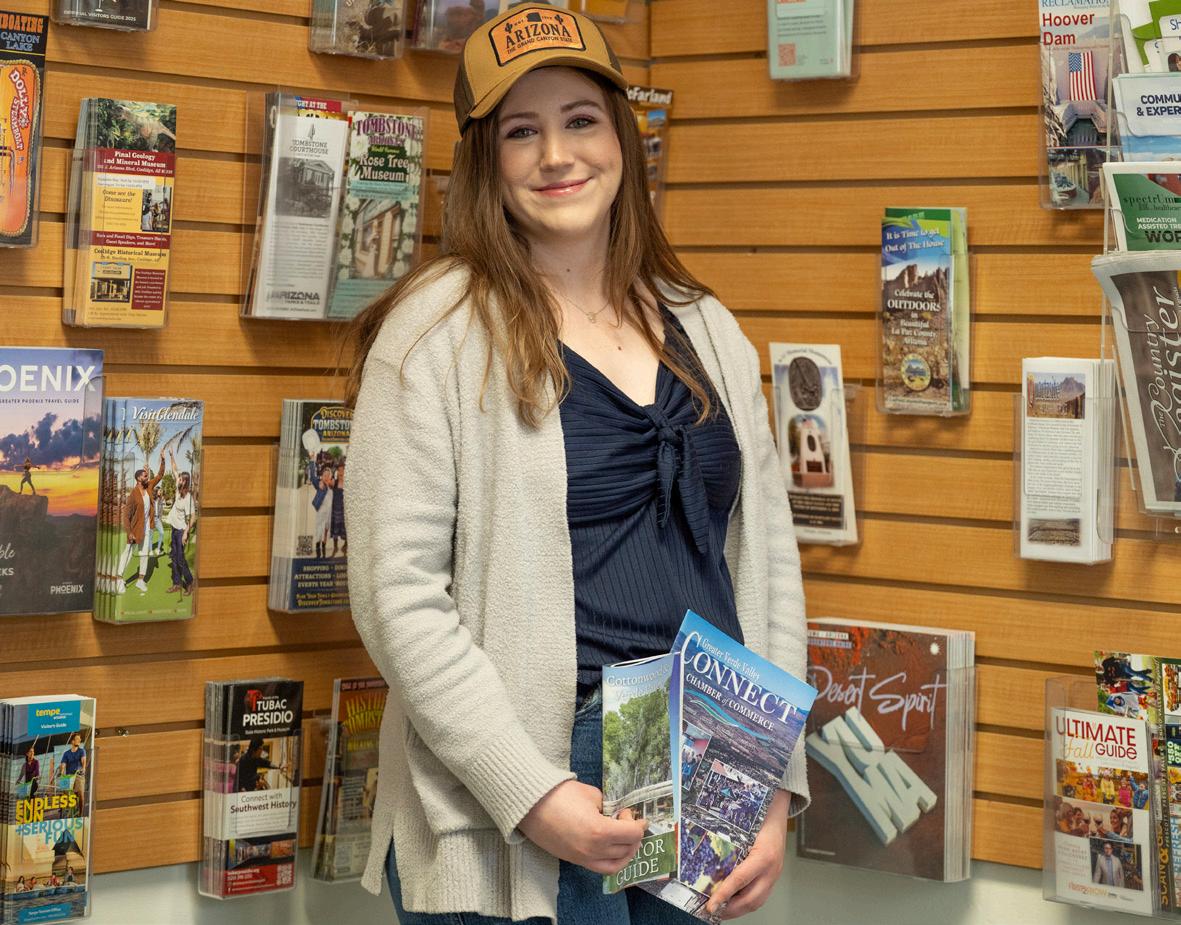
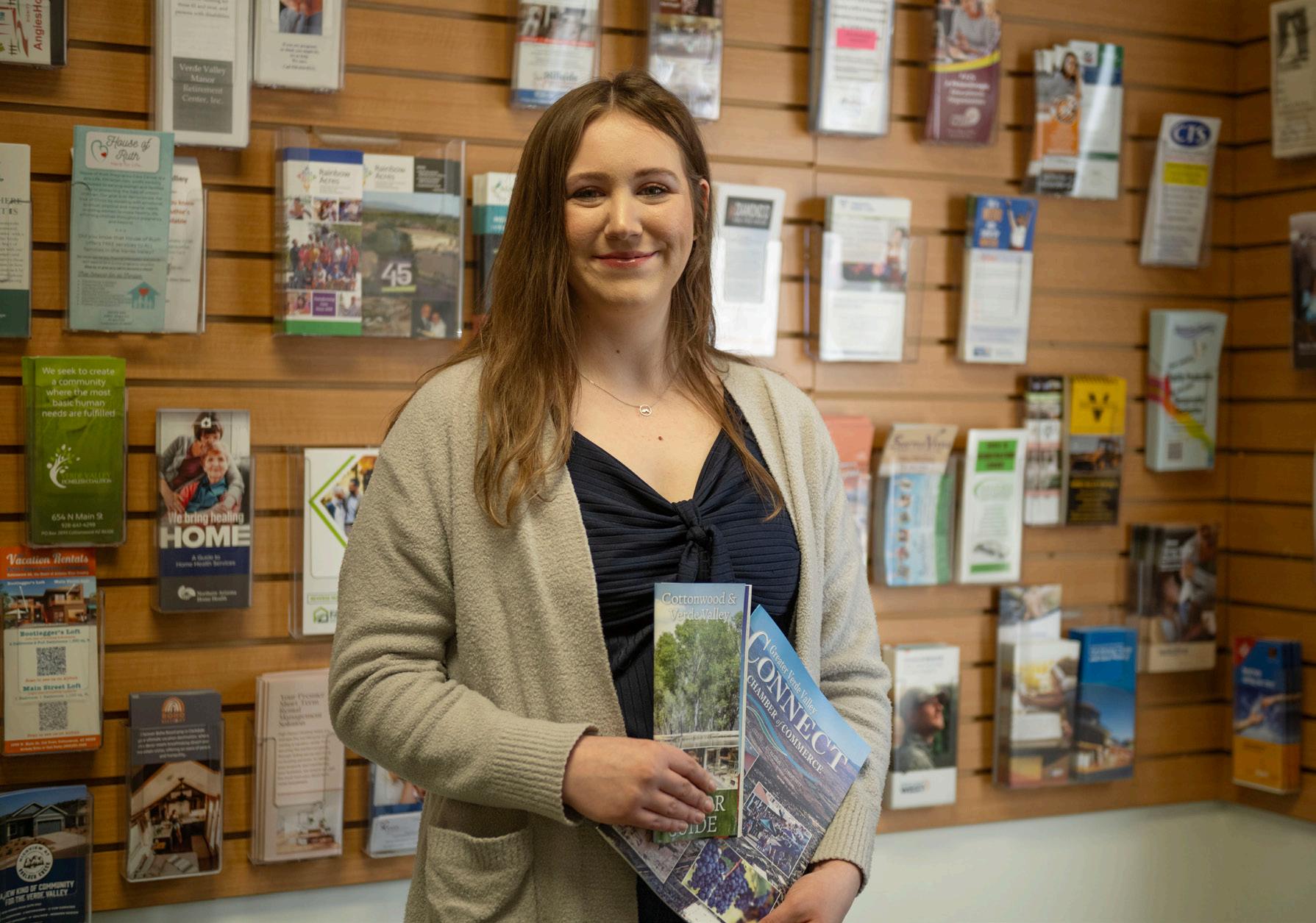
Originally from Pennsylvania, Clark has lived in Cottonwood for 20 years. Her business is based out of Camp Verde. “I studied and obtained a business management degree from Northern Arizona University,” said Clark. “While working at NACOG I got a good picture of the struggles that small businesses face. When
funding for that position expired, I decided to take my business experience and education in another direction and AZ Virtually was born.”
“For as long as I’ve known Damira, she’s been an incredibly hard and reliable worker. I’ve employed her at two different jobs, and she was well liked at both,” said Isaac Thew of Prescott. “She has an infectious personality and can get along with anyone. I’m not the least bit surprised she’s started her own business and I have no doubt that she will do great wherever this venture takes her. I’d hire her again without question.” VVBN
AZ Virtually assists businesses with a range of support, including virtual administrative services, customer support, project management, marketing, public relations, data research, social media, travel planning, emails, scheduling and more. “I’m willing to meet with clients on a personal basis to discuss my services and fees,” said Clark.
In her free time, Clark likes to hike, read and take on do-it-yourself projects. AZ Virtually can be contacted at 928-275-2265 or www.azvirtually.com.
// BY V. RONNIE TIERNEY, VVBN
Kathy Louderback earns international recognition with The Artist’s Kitchen Shop
Ever since The Artist’s Kitchen Shop in Tlaquepaque won a global award, a lot of excitement has been whipped up for owner Kathy Louderback.
The Artist’s Kitchen Shop has been honored with the Excellence in Retailing Award for the United States in the International Housewares Association 2024-25 Global Innovation Awards. “This prestigious award honors the best homeware retailers worldwide,” said Louderback. “This has been so exciting for us.”
Walking into the shop is like entering an artist’s well-appointed kitchen: artfully designed table settings, highend kitchen knives, Lifetime Candles and Polish Pottery to hold kitchen staples beautifully.
Moving to Sedona in 2018 from the Victorian town of Cape May, New Jersey, Louderback was a former tourist who vacationed in the Red Rock Country for 20 years. “We fell in love with the area and my husband and I promised each other that when our youngest graduates college we would move here.”
Not new to the retail business, Louderback owned a meat market in Cape May for 30 years. “We made sausages, hot dogs, kielbasa (which won silver and gold medals at the German Meat Processors Competition, which is like the Olympics of sausage making) and all kinds of lunch meat,” she said. “We sold the business to our manager and whenever we go back, we stop in and stock up on sausages and our favorite, which is our pork roll.”
Louderback purchased The Artist’s Kitchen Shop from another owner. She decided to keep the name but took a different approach. “I made it my own style and finally got the store to where I really like it, with proper balance. I’m always on the hunt for more specialty items. What you see is what you get, and it has to be the best or it can’t be here.”
“I’m no longer buying more, I’m buying better because of Kathy’s store,” said Alice Bronstein of Alise Bronstein Marketing, LLC. “There is truly no other store like The Artist’s Kitchen Shop. The items are rare, hand-selected treasures from around the world. It’s not just a place to shop, it’s a place to refine your kitchen, elevate your gift giving and invest in pieces that last. What makes the shop truly special is Kathy. She is always there, personally guiding selections and educating customers on how to use each item.”
“My goal is to bring my customers great and beautiful products with an artistic flair,” said Louderback.
She says her knife selection attracts people from all over the state. “We have a large selection of knives and my protocol is to take our customers through the pros and cons of each brand; it’s ‘experiential shopping,’ something you just can’t do online. You need to hold the knife to see how it fits, much like trying on shoes.”
“As a fitness coach, I always say health doesn’t start in the gym, it starts in the kitchen,” said Fitness Coach Brysen French. “The Artist’s Kitchen Shop in Sedona has become a staple
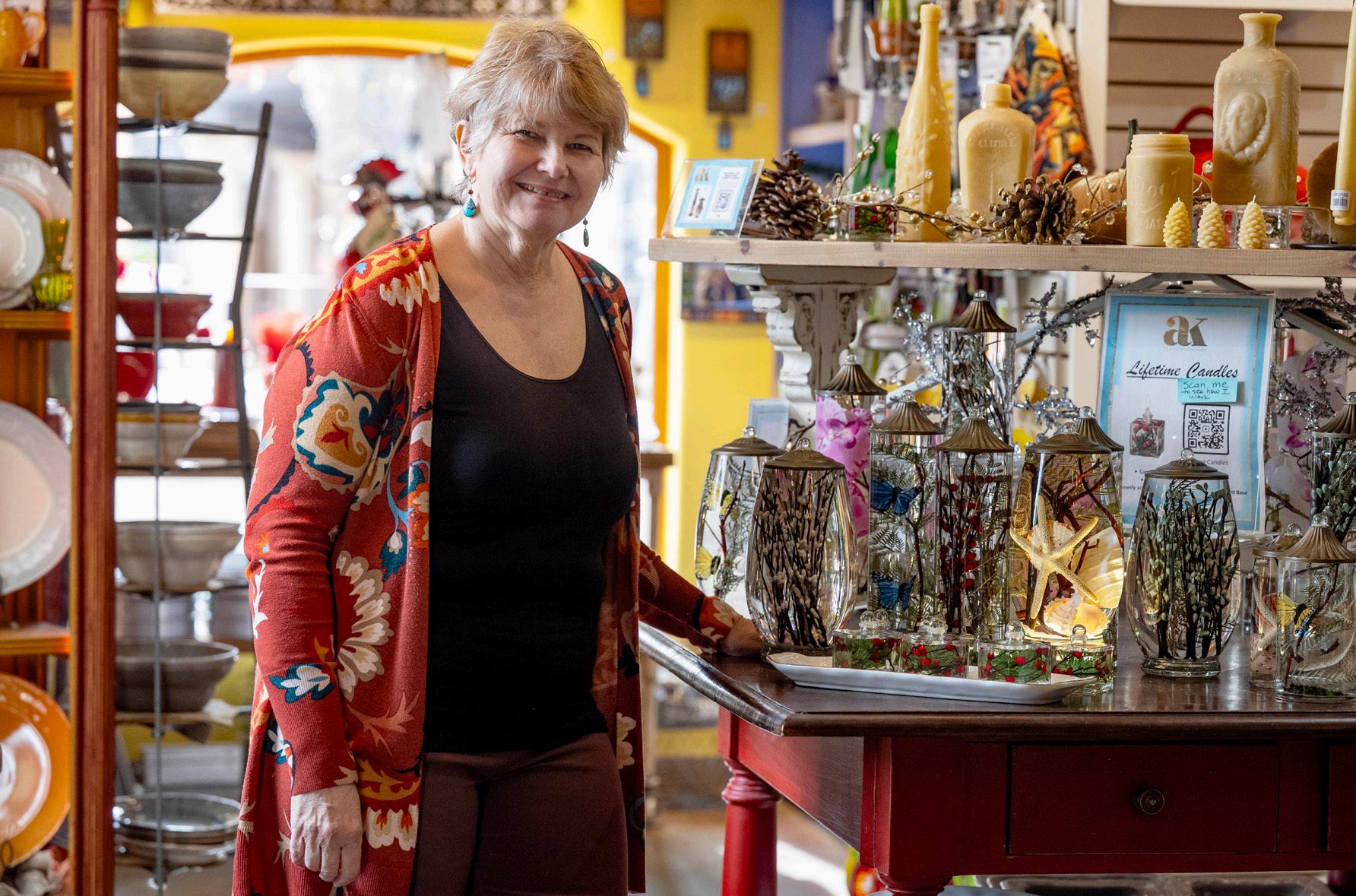
in our home. The cookware we’ve purchased is built to last for generations – not trendy, not disposable, but true quality. When you love your tools, you cook more, and when you cook more, you are healthier.”
With a staff of four, Louderback says she’s very proud of her knowledgeable and friendly staff and loves her customers. “One-to-one interaction is where I’m in my element. It is what I love best. People come in and tell me what they’re looking for and we work together to figure out what’s best for them. It’s a lot like matchmaking. One person might like a certain style of garlic press

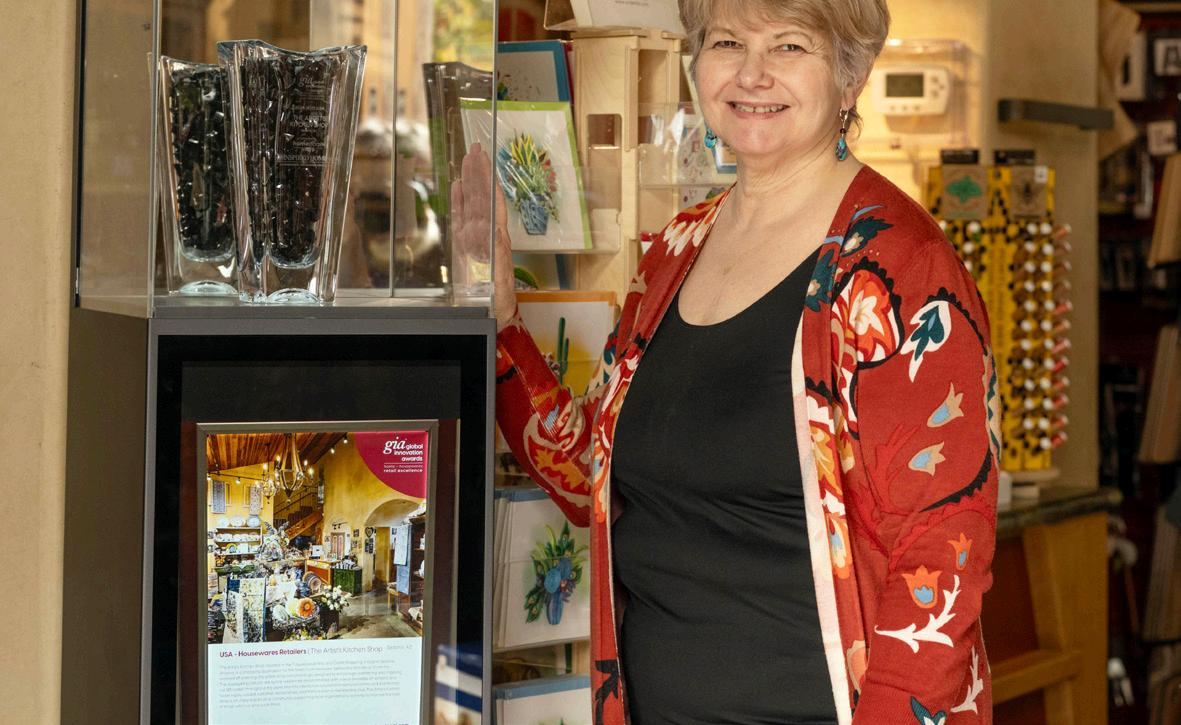
and another person might choose something completely different.”
IF I HAD A MILLION DOLLARS TO GIVE AWAY
“I would give it to the Navajo Water Project. It is a program of the nonprofit DigDeep. It is an Indigenous-led initiative that installs off-grid water systems and delivers water to Navajo families. Can you fathom that in today’s age there are people who do not have running water in their homes?”
DAILY RITUAL
“I play puzzles every morning with my cup of coffee.”
WHERE I RESET “Out on the back deck with my hubby and cocktails.”
THE LAST TIME I THANKED MY YOUNGER SELF
“I thank my younger self almost daily for having listened to my father’s advice – and there is lots of it. He was a very savvy businessperson. The best advice he gave me was, ‘The secret to success is to work just half a day. The first 12 hours or the last!’”
IF I WERE A CAR
“I would be a red Mercedes SL500 convertible. It’s well built, fast and slick.” VVBN
The Artist’s Kitchen Shop is located on the north side of Tlaquepaque, 313 SR179, Suite C-11 in Sedona. For more information, call 928-862-4140.


In a region defined by innovation, discovery, a deep respect for place and an unwavering commitment to people and the environment, Flagstaff Business News celebrates Northern Arizona businesses that possess something increasingly rare: staying power. The 40 Over 40 series honors locally rooted enterprises that have operated for more than four decades, navigating economic cycles, shifting markets and generational change while continuing to serve their communities with consistency and care, and contributing to the quality of life that defines Northern Arizona. From businesses that foster connection to those that build the spaces where locals and visitors live, work and play, this yearlong series explores the values, resilience and leadership that fuel long-term success across the region.


Arizona Snowbowl continues its legacy as a premier mountain destination nearly 90 years after opening.
From its perch on the slopes of the San Francisco Peaks, Arizona Snowbowl has welcomed generations of skiers since 1938. What began as a modest ski area for local snow sports enthusiasts has grown into a cornerstone of Flagstaff’s economy and a year-round mountain destination.
Founded nearly 90 years ago, Arizona Snowbowl was established with the mission of providing skiing for snow sports enthusiasts in Flagstaff. From its earliest days, the resort has served as a winter recreation destination for both the local community and visitors from across the region. Today, Snowbowl continues to expand that vision while staying rooted in its founding purpose.
CREATING A SKIING DESTINATION IN
Through the decades, Snowbowl has
evolved alongside the snow sports of skiing and snowboarding, growing from a small ski hill into a modern resort serving hundreds of thousands of guests annually.
HIGH-ELEVATION ACHIEVEMENTS
Among its top accomplishments is the longest ski season in Arizona history.
During the 2024- ‘25 season, Arizona Snowbowl operated from Nov. 8, 2024, through June 1, 2025 — a recordbreaking 185-day season, the longest in resort history and in the state.
Snowbowl also plays a vital role in Flagstaff’s economy, generating significant economic activity and supporting hundreds of seasonal and year-round jobs.
In addition, the resort features the largest beginner terrain in the Southwest and is home to Arizona’s only gondola — the Arizona Gondola — providing liftserved access up to 11,500 feet for both scenic rides and skiing.
CORE
Arizona Snowbowl and its parent company, Mountain Capital Partners, are guided by the mission to “Give People the Freedom to Ski.” Leadership emphasizes
that skiing and snowboarding should be accessible to everyone, reflected in affordable demand-based pricing and initiatives such as free Power Kids Passes for children 12 and under.
Families remain central to the resort’s philosophy, with a focus on creating an inclusive, welcoming environment for guests of all ages and abilities.
SHIFTS IMPACTING THE BUSINESS
“In the past two decades, Snowbowl has made significant infrastructure investments to enhance reliability and guest experience,” said Marketing Manager Angie Grubb.
Snowmaking was installed in 2012, followed by acquisition by Mountain Capital Partners in 2014. “Improvements under the Master Development Plan included new and replaced lifts, the transformation of the Agassiz Chairlift into the Arizona Gondola and renovation of the historic Aspen Chairlift in 2024,” she added.
Expanded accessibility initiatives, including Power Kids Ski Free and Free Snow Experience lessons, further broadened participation.
GREATEST CHALLENGES
Arizona Raft
Adventures guides clients through Grand Canyon journeys for 61 years
As dawn breaks over the canyon walls, rafters unzip sleeping bags along the banks of the Colorado River, pull on jackets against the chill and follow the scent of fresh coffee to a riverside kitchen. The rush of whitewater echoes nearby. For thousands of adventurers since 1965, that scene has marked the beginning of a Grand Canyon journey with Arizona Raft Adventures.
The Flagstaff-based, third-generation family company calculates its history from the first commercial passenger trips led by Lou Elliott in 1965. Today, Fred and
Alexandra Thevenin carry forward the legacy started by Alexandra’s grandfather and father.
DRAWN BY WHITEWATER AND WILD PLACES
Lou Elliott first guided passengers through the Grand Canyon in 1965, drawn by the thrill of whitewater and exploration. The Thevenins purchased the company from Rob Elliott in 2008 but trace its roots to those historic early trips.
“When our families weren’t working on the river, they were playing on one,” the couple shares on the company website. Both became full-time river guides after childhood trips through the canyon.
TOP ACHIEVEMENTS
General Manager Dennis Smoldt, who has been with the company 19 years, cites three accomplishments: educating guests about the inherent risks of river running, creating an inclusive atmosphere and
inspiring stewardship of Grand Canyon National Park. The company now operates about 75 trips annually between April and October, employing 12 full-time staff members and up to 120 during peak season.
Under its Guiding Principles, Arizona Raft Adventures lists competency, caring, creating a participatory experience and instilling a sense of wonder. Its mission: “To share the experience of a lifetime by providing exceptional and participatory Grand Canyon raft adventures that invite a sense of wonder in our lives and wild places.”
SHIFTS IMPACTING THE BUSINESS
“Our approach to running river trips has not changed much in 61 years,” Smoldt said. Gear has evolved, including adding chairs and complete sleep kits for guests on partial trips, but the experiential focus
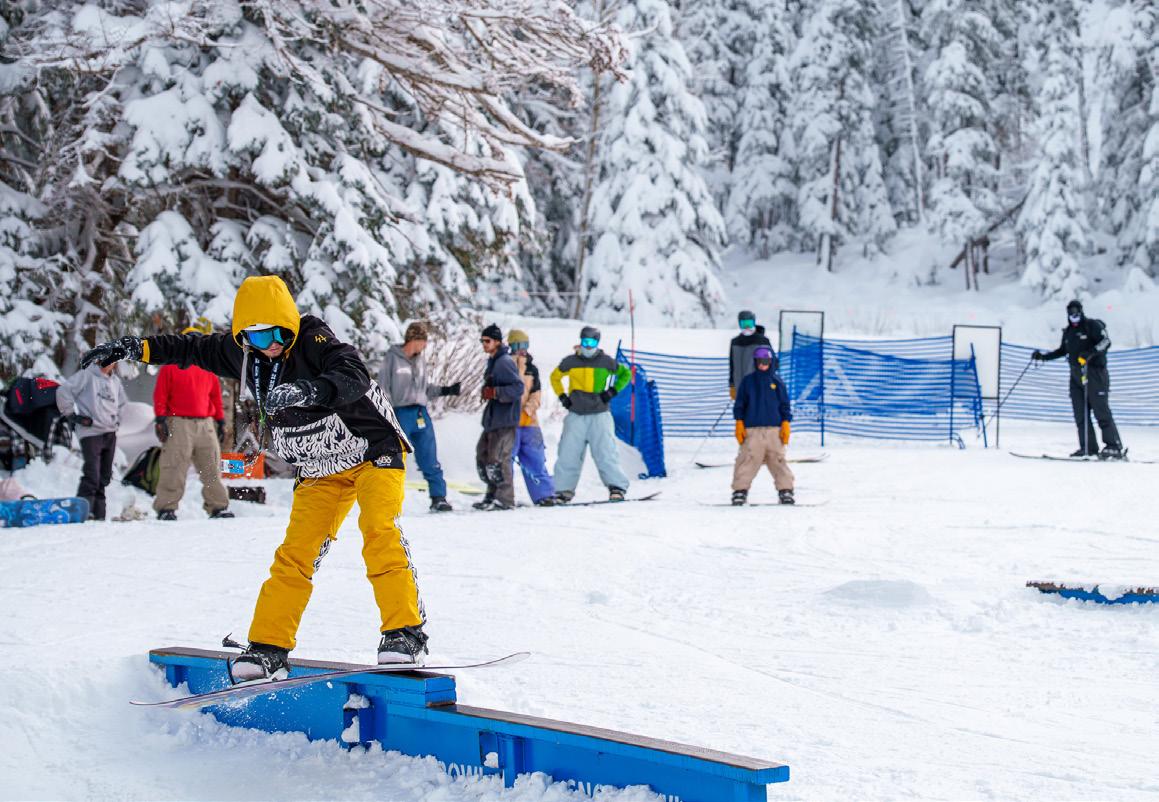
Weather and natural snowfall remain the industry’s greatest variables. However, snowmaking has allowed Snowbowl to consistently open before Thanksgiving and support employment for more than 600 team members annually.
Snowbowl anticipates continued economic and workforce growth in Flagstaff and across Arizona. “We envision the resort remaining a year-round destination, focused on sustainable growth, community partnerships and high-quality outdoor experiences,” said Grubb.
THE REASON FOR LONG-TERM SUCCESS
Snowbowl credits its longevity to a consistent commitment to its core mission: giving people the freedom to ski while putting families and outdoor recreation first. Strong partnerships — including collaboration with the U.S. Forest Service — and ongoing investment in the guest experience have helped ensure its place as a trusted recreation destination for decades. Arizona Snowbowl, 9300 N. Snowbowl Road Flagstaff, AZ 86001, (928) 779-1951 www.snowbowl.ski
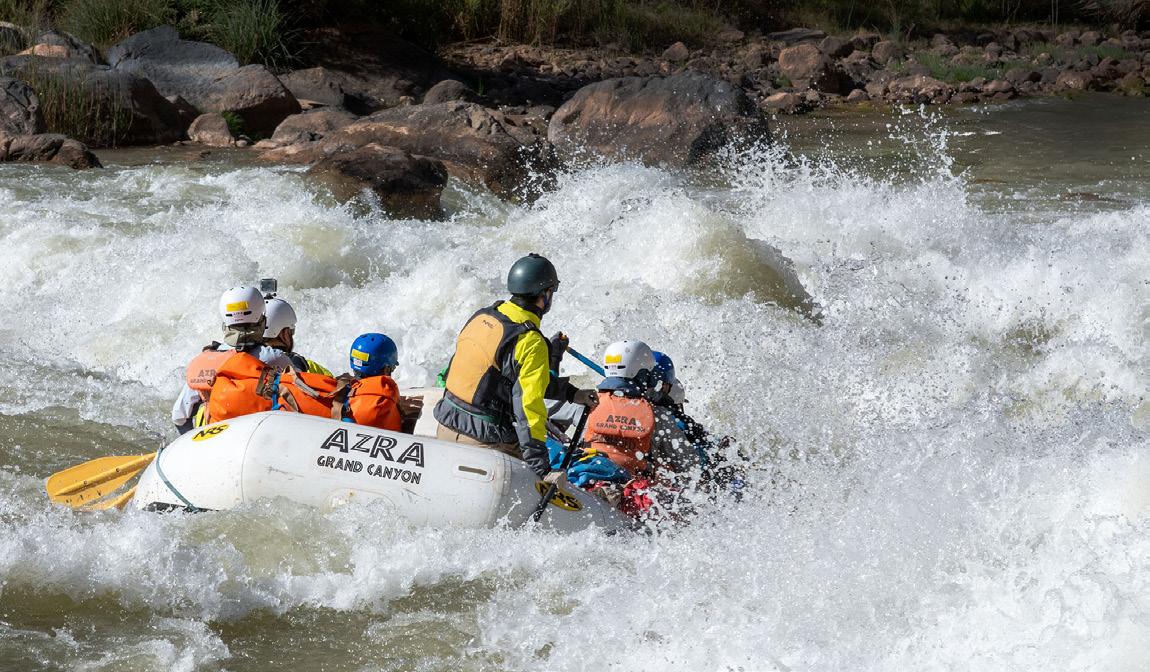
remains constant.
GREATEST CHALLENGES
Adapting to changing client expectations while melding 21 strangers into a cohesive team is among the most complex challenges, Smoldt said. Broader uncertainties – including water supply and federal river regulations – also shape the industry’s future.
LOOKING AHEAD
Predicting the next 40 years is difficult given the uncertainties of the Colorado River Basin. Still, Smoldt remains confident.
“No matter what happens, like true river guides, we will find a way to keep doing what we are doing.”
THE REASON FOR LONG-TERM SUCCESS
“It’s because AzRA feels like a family,” Smoldt said. “From our staff to our guests, everyone is treated like family.” FBN
Arizona Raft Adventures, 4050 E. Huntington Drive Flagstaff, AZ 86004, 800-786-7238 www.azraft.com


Olsen’s in Flagstaff extends the reach of the original Chino Valley store.
Chick season is in full swing at Olsen’s in Flagstaff, where 500 to 600 baby chicks arrive weekly from a hatchery in Cameron, Texas. Down the center aisle, custombuilt, climate-controlled brooders protect Easter Eggers, Bantams and Rhode Island Reds, along with baby turkeys, ducks and geese.
“They have the best selection of chicks coming out of Texas, healthy, strong and good layers,” said Store Manager Christine Saltzman. “Raising chicks is more popular than ever.”
The Flagstaff store, opened in 1997, is part of a five-store family-owned chain that began in Chino Valley in 1979. Locations in Prescott, Dewey and
Clarkdale followed. Today, the stores are coordinated through a corporate office in Chino Valley, but managers live in and tailor their inventory to the communities they serve.
Olsen’s began as the vision of Mike and Sherrill Olsen and Mike’s father, John, who purchased the original Chino Valley Grain Company and Mill, which dated to the 1940s.
“The mission was to service the small community of Chino Valley and their entire animal feed needs,” said Operations Manager Ryan Baynes. The founding families remain actively involved in the company’s legacy.
TOP ACHIEVEMENTS AND CORE VALUES
Baynes points to three milestones: expanding to five locations and a warehouse, growing to 80 employees and maintaining a strong community focus.
Through a companywide process, employees helped define six core values: joy, integrity, positive influence, pride in work, respect of self and others, and teamwork.
Originally a traditional feed store, Olsen’s has evolved to emphasize holistic pet nutrition while maintaining agricultural roots in feed, veterinary and farrier supplies.
“Pet and livestock nutrition is an ever-changing landscape,” Baynes said. “It’s about adapting product offerings and training so the animals in our communities can thrive.”
GREATEST CHALLENGES
Like many brick-and-mortar retailers, Olsen’s competes in an expanding online marketplace.
“One challenge is threading the needle between offering competitive prices and taking care of the employees who have
Babbitt’s Backcountry Outfitters continues the Babbitt family passion for land, ethics and community
On the corner of Aspen Avenue and San Francisco Street, inside the historic Babbitt Building, Babbitt’s Backcountry Outfitters stands as a modern expression of a legacy that began in 1886. Built from locally quarried red Moenkopi sandstone by David Babbitt, the building once housed the Babbitt Brothers Trading Company, supplying ranchers, homesteaders and trading posts across Northern Arizona.
Today, the building remains a commercial anchor in downtown Flagstaff – and one of its most visible tenants carries that heritage forward through outdoor gear, rentals and community engagement.
“It’s the best space in town,” said
Keith Harris, longtime owner of Babbitt’s Backcountry Outfitters.
“Babbitt’s Corporation purchased The Edge, a sporting goods store that was located next to Monte Vista in 1986,” said Harris. “They used The Edge name until the early 90s.” Harris worked for Jim Babbitt, who relocated the store downtown and renamed it Babbitt’s Backcountry Outfitters, tying it more directly to the family’s history. “I purchased it from Jim in 2011. I had worked for Jim for so long, between him and [Babbitt Ranches President and General Manager] Billy Cordasco, they just made it happen for me to purchase the business.”
“I think creating a good work culture, which makes for positive employee satisfaction and productivity, has been very important,” said Harris. “I feel like we are all a team working toward the
same goal. Babbitt’s Backcountry would not be here without great employees. Also, raising my two daughters [Leah and Aubrey] here in Flagstaff is a top accomplishment. My wife, Becca, and I believe that buying Babbitt’s from Jim is one the greatest decisions we ever made.”
That team spirit extends beyond the stone walls. “Babbitt’s Backcountry is very committed to the local community. We sponsor many events, from film festivals to Grand Canyon Youth, pet adoptions and sporting events, just to name a few. It is awesome to be able to give back to our community.”
Across the decades, Harris has seen the retail landscape transform. “Social media is a large part of some of the many changes. When we started, we didn’t even have a website. You didn’t have anything online. These days, a website, Instagram and Facebook are all very important to the success of any business.
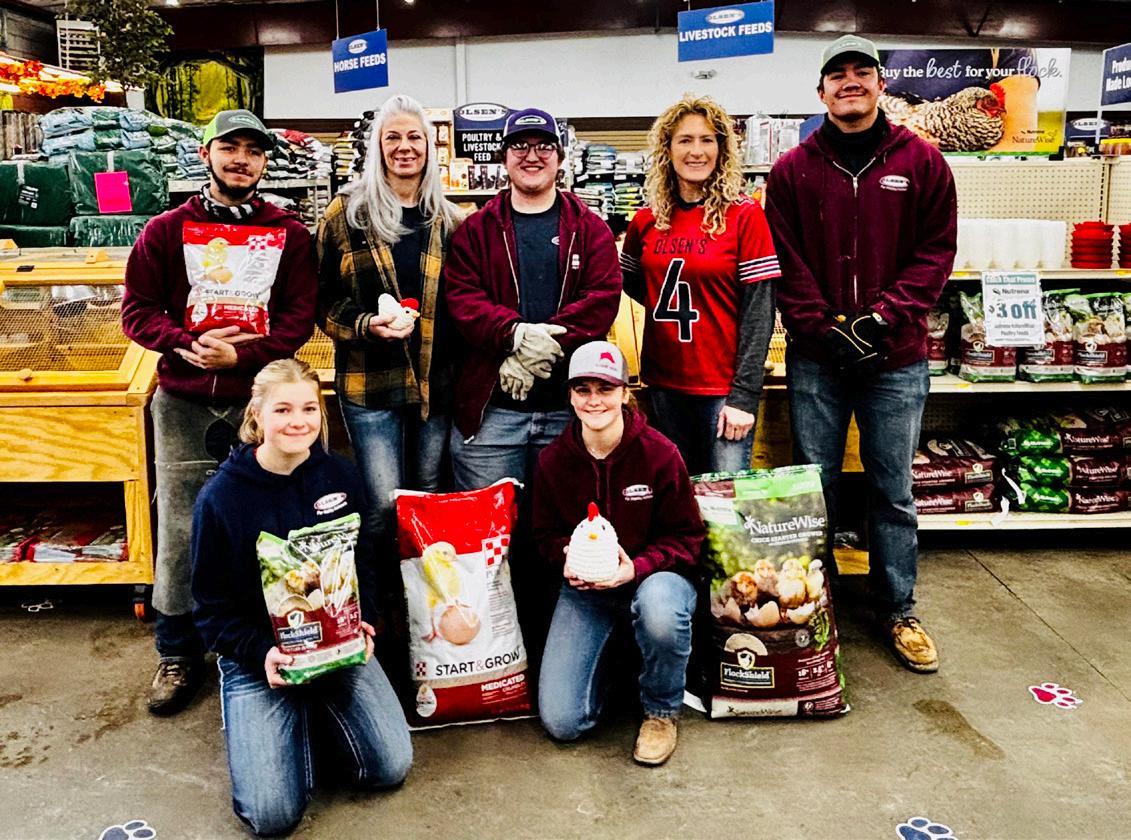
helped us run this business for 45 years,” Baynes said.
LOOKING AHEAD
Baynes expects animals will increasingly be viewed as family members, fueling advances in nutrition and enrichment. Olsen’s plans to remain competitive by offering expertise and personal service.
THE REASON FOR LONG-TERM SUCCESS
“Relationships,” Baynes said. “When that family approach is applied to a
business, it becomes the relationships between coworkers, customers and communities that make up the tapestry of our success.”
In Flagstaff, that includes partnerships with humane societies, rescue groups and local events – and serving customers from surrounding reservations, ranches and neighborhoods alike. FBN
Olsen’s Grain Inc., 2250 N. Steves Blvd. Flagstaff, AZ 86004, 928-522-0568 csaltzman@olsensgrain.com www.olsensgrain.com
That’s how people find you. Also, we try to make carrying local companies’ products a priority, as well as smaller companies that we can form a relationship with and grow together.”
“One of the greatest challenges has been the cost of doing business always going up,” he said. “The pandemic was challenging at the time, but it ended up helping business in the long run. Also, it will always be a challenge competing with online sales and big-box stores.”
Fueled by a legacy of values and a commitment to community, Harris says Babbitt’s Backcountry Outfitters is committed to being here for many generations to come.
“The Babbitt family has always been passionate about community,” he said. “It’s incredible what they have given back. It’s all about the land, the ethics, the animals and the connection to the whole
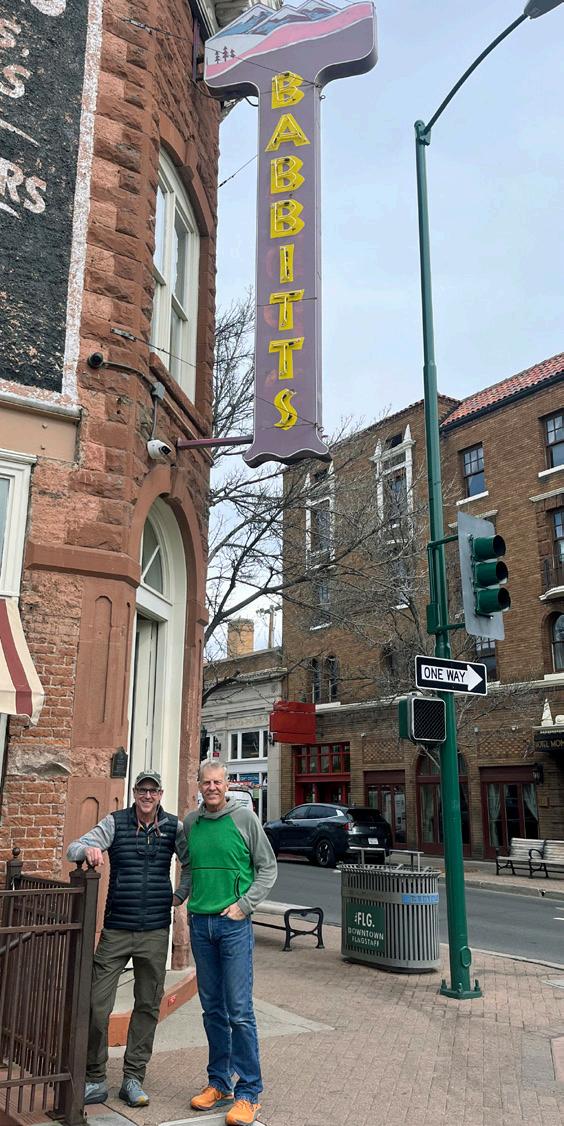
community, beyond just making money.”
FBN
Babbit's Backcountry Outfitters, 12 E Aspen Ave, Flagstaff, AZ 86001 (928) 774-4775, www. babbittsbackcountry.com

By Mark Rothlisberger
March marks the start of spring
in Northern Arizona – a season all about fresh starts, brighter spaces and renewed energy at home. For many homeowners, the kitchen is the first place they want to update. If your kitchen feels dated or no longer fits your lifestyle, now is the perfect time to explore smart upgrades that add modern features without the cost or disruption of a
full remodel.
At Kitchen Tune-Up Flagstaff, we focus on kitchen updates that combine fresh style with practical improvements. One of the most popular upgrades this spring is new cabinet doors and drawer fronts paired with today’s most requested features – soft-close hinges, full-extension drawers and updated hardware. These small details make a big difference in both appearance and everyday usability.
For a more dramatic transformation, cabinet refacing offers the look of a brand-new kitchen in just days. Refacing includes new doors, drawer fronts and a matching veneer on the cabinet boxes, while allowing homeowners to add modern storage solutions like rollout shelves, lazy Susans and built-in organizers –features that improve function as much as style.
//
Cabinet painting continues to be a favorite for homeowners looking to brighten their kitchens after winter. New color trends this March lean toward warm neutrals, soft whites and nature-inspired tones that reflect natural light and create a welcoming, open feel. A professional finish not only updates the look but also protects cabinets for years to come. For a more dramatic transformation, cabinet refacing offers the look of a brand-new kitchen in just days. Refacing includes new doors, drawer fronts and a matching veneer on the cabinet boxes, while allowing homeowners to add modern storage solutions like rollout shelves, lazy Susans and built-in organizers – features that improve function as much as style.
March is also a smart time to reinvest in your home, whether you’re using a tax refund or planning ahead for spring gatherings and summer entertaining. Cabinet-focused upgrades stretch your budget while delivering noticeable, long-term value.
At Kitchen Tune-Up Flagstaff, our goal is simple: minimize disruption and maximize results. Many projects are completed quickly in as little as

just a few days, so you can enjoy your refreshed
If you’re ready to explore new features and fresh ideas for your kitchen this spring, contact us for a free consultation. We’d


By Chris Hallows
I’m sure this title got the attention of all of my real estate friends just like “Diagnose your own illness with ChatGPT” would make some physicians’ heads turn. This will not be an exhaustive article about artificial intelligence vs. experts; rather, this is going to be all about how you can use artificial intelligence to be a better collaborator with your expert. I truly believe in expert advice. I’ve often come across people who don’t value expert advice because at some point they trusted the wrong people and got the wrong advice. It’s a logical fallacy to then assume there are not good experts out there or that great, even life-changing advice doesn’t exist. While I’m a subject matter expert in my own right, I’ve been working to better understand the use of AI in my work and personal life. With the focus on a would-be seller, I’m going to suggest a few of
//my own ideas that you may find applicable to other aspects of your real estate pursuits.
LET’S START WITH WHO
Did you know that according to a Realtor Association statistic, approximately 65% of sellers use a realtor they’ve either worked with before or that was referred by a friend, relative or neighbor? I think that can be a great starting point, but I don’t think it should be the ending point.
When you enter into an agreement with a realtor, you’re hiring them for a job and while sometimes the first person you meet could be the best, sometimes they’re not. While I will add a disclaimer upfront that there is a lot that goes into who would be the best representative for your sale and that you should take anything and everything on the internet with a grain of salt, AI can be a helpful tool in vetting and comparing your potential options. Again, I would
It’s certainly a tricky thing in a very dynamic market like we are currently in but this is where I love the idea of using AI to help you see what your expert is seeing. Tell AI about your home. You could even upload some photos and ask it about the pricing strategy in the current market and neighborhood.
//
not recommend basing your entire decision on something that starts with the word “artificial” but the data gathering and analysis can create some strong follow up questions and knowledge base.
For example, you could ask AI how many homes a particular agent has sold. Some of their production may have been joint or with a team but this gives you a baseline to at least then ask the agent about or compare against the competition. You could also ask what homes in your area the agent may have sold or even if the agent has specific experience selling your property type or in your neighborhood. I would recommend sitting down with the realtors you are considering in order to get statistics and responses directly from the true source, as this could help weed out inexperienced or “left-field” recommendations.
Timing of sale, the process of the sale, the strategy in which to list, potential improvements and repairs, the negotiation strategy, etc., are all very important aspects that typically get overshadowed by the blinding focus on price. So, we’ll forget those for now and talk about price. I connect monthly with several collaborative professional groups including realtors and one of the repetitive complaints I’ve heard from these top professionals has been that the seller has not been realistic about their price.
One particular anecdote was where a seller went way above market, against their realtor’s advice, moved too slowly to react to the market, was listed for over eight months and ended up taking an offer that was likely well below what they could have gotten had they priced more competitively to start and attracted the right attention at the right time.
It’s certainly a tricky thing in a very dynamic market like we are currently in but this is where I love the idea of using AI to help you see what your expert is seeing. Tell AI about your home. You could even upload some photos and ask it about the pricing strategy in the current market and neighborhood. You can ask AI how many homes have sold at that value in the surrounding area to see if that’s supported. You could ask, based on that pricing strategy, how long it should take to sell. You could also ask about the obstacles to anticipate, given a specific pricing strategy.
Run these all by your expert realtor, but I believe this little personal search for pricing knowledge will help you work together, not against your real estate expert.
Don’t be offended when I tell you: your home isn’t as dialed in as you think it is. You maybe haven’t had a home inspection since you bought it and while you
really like that cozy chair you bought at Home Goods two years ago, there may be a reason it was 50% off, just saying. When it comes to wanting top dollar for your home, I recommend talking some emotion out of it and connecting with the experts. It’s all about what is going to attract the most amount of eyeballs and hopefully offers.
This is where it gets a bit fun – upload some pictures, tell AI your goals and budget and you’ll be amazing at the specific wealth of knowledge you will find. I’ve learned though, the more specific you can be about your goals, your area, etc., the better advice you’ll get.
This entire topic is quite simple and really starts with you jumping on and trying it out. There is a learning curve and just know, most AI models like to be affirming rather than contradictory so that’s where we always recommend bouncing ideas off the experts. FBN
For additional information or to schedule an appointment visit ChrisHallows. Benchmark.us or call 928-707-8572. The Flagstaff location is 824 W Rte 66 Suite A-3.

By Pamela Quigley
When it comes to luxury SUVs, Mercedes-Benz sets the standard. Two of the most popular options, the GLC 300 4MATIC SUV and the GLE 450 4MATIC SUV, offer incredible performance, advanced technology and unmistakable style. If you’re shopping for a Mercedes-Benz, understanding the key differences between these two exceptional vehicles can help you make the perfect choice for your daily drives, weekend adventures throughout Flagstaff, and everything in between.
The first major difference between the GLC 300 4MATIC SUV and the GLE 450 4MATIC SUV is size. The GLC 300 4MATIC SUV is a compact luxury vehicle that offers agility and efficiency without sacrificing comfort. Its smaller footprint makes it ideal for navigating downtown Flagstaff, parking with ease and handling everyday commutes. Despite being compact, this vehicle still delivers generous cargo space and comfortable seating for passengers.
It’s an excellent option for individuals, couples or small families who want luxury with practicality. The GLE 450 4MATIC SUV is a midsize SUV with a more commanding road presence. With additional cabin space and expanded cargo capacity, it’s designed for growing families, road trips across Northern Arizona, and those who simply want more room to stretch out. If space and versatility are high on your list, especially for ski trips to Arizona Snowbowl or weekend getaways to Sedona, this vehicle offers that extra flexibility. Both vehicles offer strong safety credentials, including Active Brake Assist, Blind Spot Assist, ATTENTION ASSIST, multiple airbags and Mercedes-Benz emergency call services. The GLC 300 4MATIC SUV delivers excellent core safety features for a compact luxury SUV, with many advanced driver-assistance technologies available through optional packages. The GLE 450 4MATIC SUV, as the larger and more premium midsize model, typically includes a broader range of advanced systems as standard or more widely
available, such as enhanced driver-assistance features, more comprehensive camera systems, and additional occupant-protection technology. Overall, both are very safe choices, but the GLE 450 4MATIC SUV generally offers a more extensive and advanced safety suite.
Living in Flagstaff means experiencing diverse road conditions, from snowy winters to scenic mountain highways. Both SUVs offer 4MATIC all-wheel drive, giving you added confidence in changing weather. At higher elevations, performance and handling matter. The GLE 450 4MATIC SUV’s additional power may appeal to drivers who frequently travel through mountainous terrain, while the GLC 300 4MATIC SUV offers nimble handling that shines in urban settings.
No matter which vehicle you choose, you’ll experience the craftsmanship, innovation and performance that define the Mercedes-Benz brand. Visit Mercedes-Benz in person and discover which one feels perfectly at home on your driveway and on every road ahead. FBN


By Mike Jensen
In a fast-moving digital world, one marketing tool continues to deliver consistent, measurable results for local businesses: radio.
Right here in Northern Arizona –from Flagstaff to Prescott, Sedona to Cottonwood – radio remains part of daily life. People listen in their cars driving between communities, at work throughout the day and at home through streaming. In fact, radio continues to reach the majority of adults every week, making it one of the highest-reach media platforms available to local businesses.
But reach alone isn’t what makes radio powerful.
RADIO BUILDS TRUST
Unlike national platforms that feel distant and automated, local radio is personal. Listeners hear familiar voices delivering local news, weather updates, high school sports scores, road conditions and community events. That connection creates credibility. When a local business advertises on a trusted local station, that trust transfers.
RADIO BUILDS MEMORY
Marketing research often references the 95/5 principle: at any given time, only about 5% of potential customers are actively ready to buy now. The other 95% will need your product or service at a later time. Radio keeps your brand top of mind so when that moment comes – whether it’s needing a new HVAC system, planning a remodel, shopping for a vehicle or choosing a restaurant – your business is the first name they remember.
Unlike many digital ads that are scrolled past or blocked entirely, radio is unavoidable and integrated into real life. It reaches consumers during key decision-making moments – especially while driving, when people are thinking about where to shop, eat or stop next.
For local businesses, that immediacy matters.
RADIO SUPPORTS THE LOCAL ECONOMY
When local businesses advertise on local radio, dollars stay in the community. Radio stations employ local staff, support nonprofits, sponsor events

and help promote the very businesses that keep Northern Arizona thriving. It becomes a cycle of local investment supporting local growth.
For small and mid-sized businesses in Flagstaff and across the region, radio offers something rare: broad reach, community credibility, consistent frequency and affordability – all in one platform.
In an era of fragmented media, radio remains steady, trusted and effective.

For businesses looking to grow in Northern Arizona, the power of radio isn’t just about advertising. It’s about building relationships, strengthening brand presence and staying connected to the community that matters most.
FBN
Mike Jensen is the regional director of sales and marketing at Yavapai Broadcasting in Central and Northern Arizona,

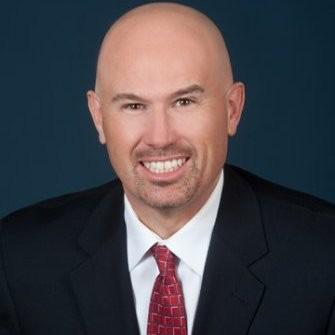
overseeing stations 95.9 KKLD, 105.7 KVRD, 100.1 KVNA, 96.3 KYBC, and ESPN Radio 104.7 in Flagstaff. With more than 25 years of experience in media broadcasting and advertising across the country, Mike is passionate about helping businesses grow through impactful radio advertising and digital marketing. He focuses on delivering results, boosting brand visibility and building strong, lasting partnerships for success.
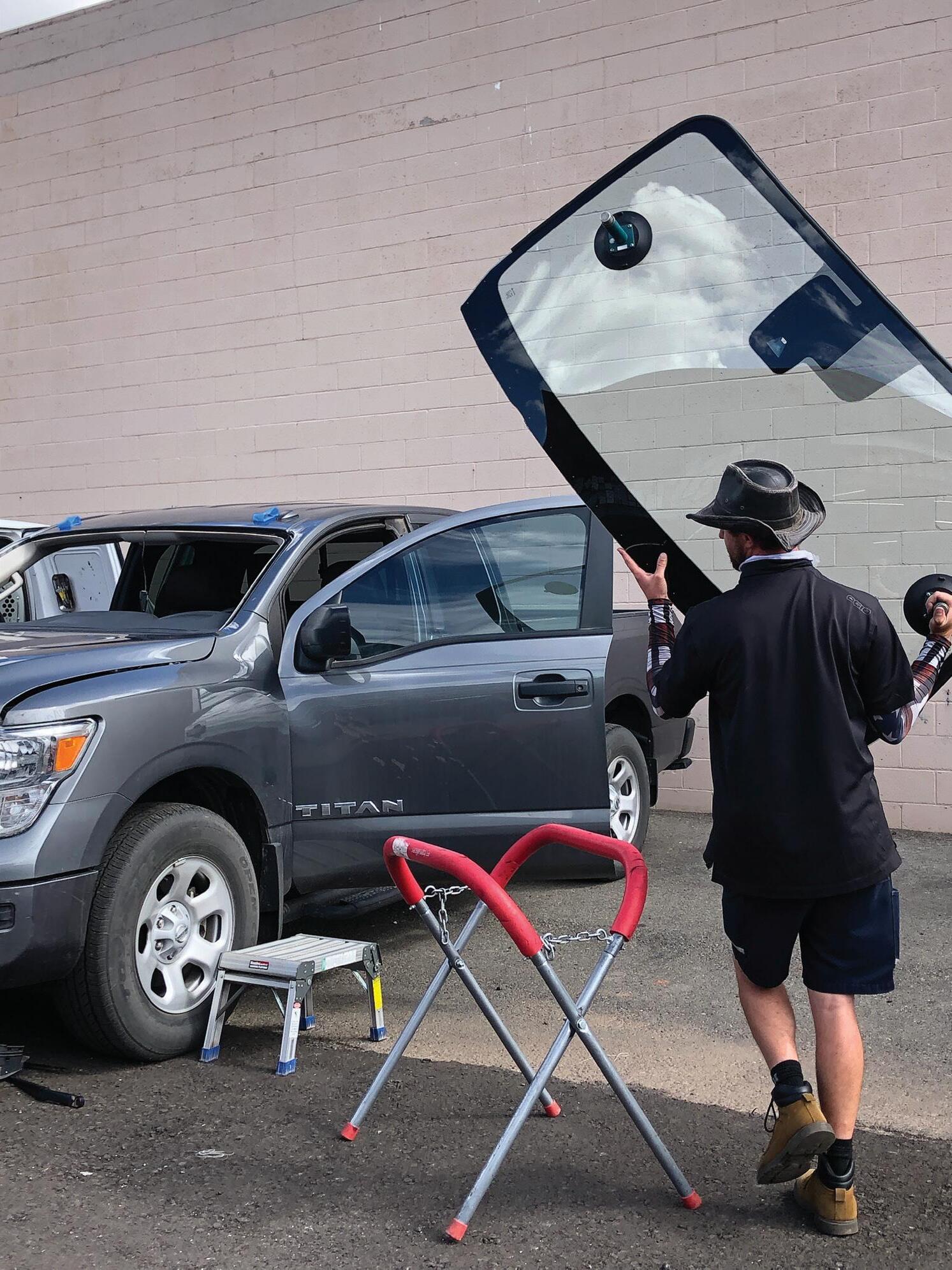





“There are investors across Northern Arizona who are interested in supporting early-stage companies but don’t always have clear visibility into local opportunities,” said Whitney Slightham, CEO and co-founder of Ateleva, a Flagstaff-based medical device startup. “A more coordinated regional investor network could surface deal flow, strengthen mentorship and create faster feedback loops for founders while keeping more capital invested closer to home.”
Hathcock says creating the wrong structure would waste everyone’s time and money; thus, the dual-track survey targets founders seeking investment and accredited investors interested in local deals.
Moonshot is not planning to operate any fund directly. Instead, the organization would connect validated demand with an experienced fund manager or help establish a regional angel group chapter if the data supports it.
“Our role is ecosystem building,” Hathcock said. “We’re trying to determine whether Northern Arizona has enough entrepreneurs with investable businesses and enough investors with deployment capacity to justify a dedicated structure.”
The survey explores three potential models: individual investments with peer group support, a sidecar fund allowing investors to participate deal-
by-deal, or a traditional fund with committed capital. Survey questions assess funding needs, investment capacity, preferred deal structures and appetite for a Northern Arizona-focused approach.
“For many founders in Northern Arizona, raising early-stage capital often requires building investor relationships outside the region from the outset,” said Slightham.
Hathcock says when entrepreneurs must seek capital in Phoenix or out of state, companies often relocate.
“A local investment ecosystem could help retain growing businesses in the region.”
Moonshot provides statewide entrepreneurship programs and operates an annual pitch competition and tour. The organization will launch the survey this month and promote it through April, with special focus during its “Innovation With An Altitude” event, Saturday, April 7 at Lowell Observatory, during Arizona Tech Week. FBN
The survey may be completed via Moonshot’s website: https://www.moonshotflagstaff.com/.
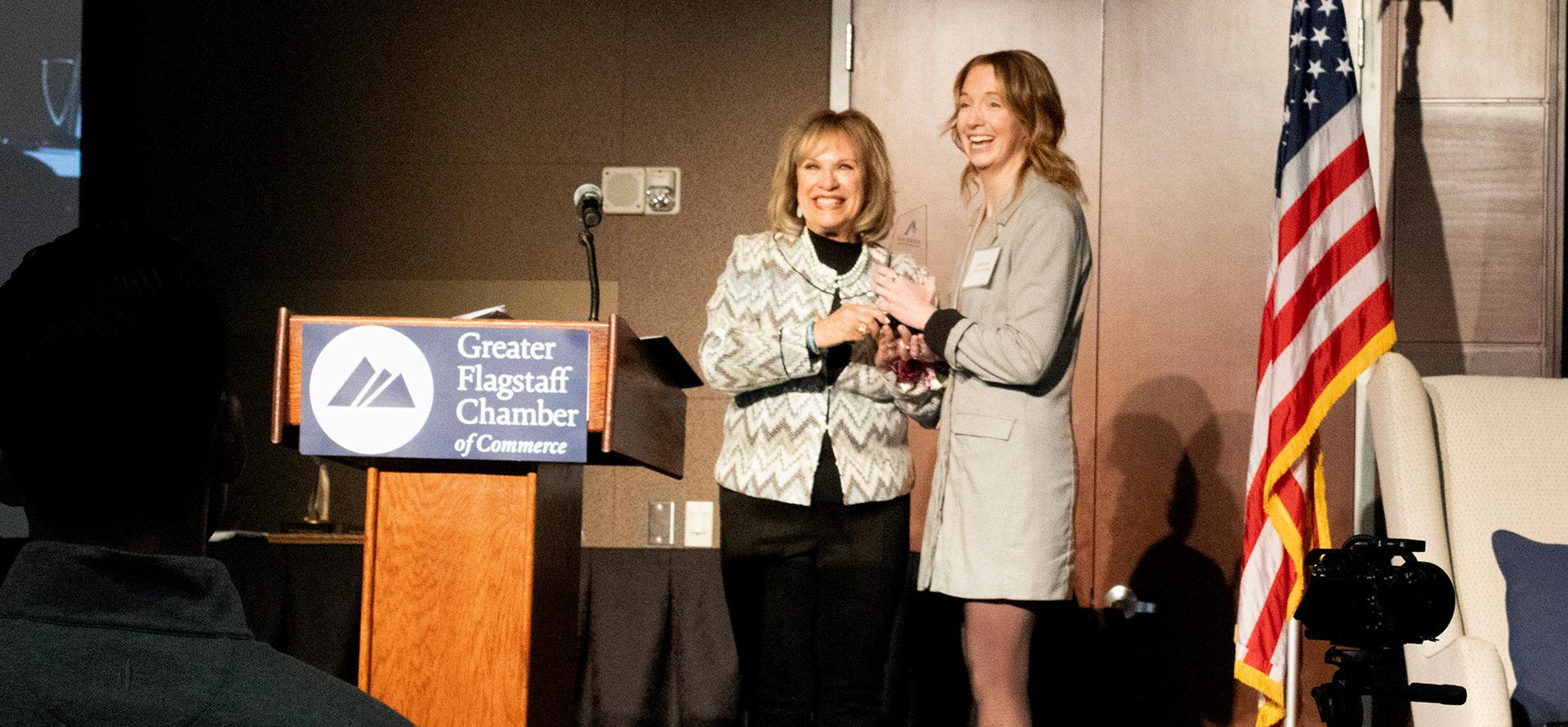
butions I’ve made working with many others to serve this community in a meaningful way. I love Flagstaff and appreciate everything this community has provided me. I join many other amazing women who have contributed so much. It’s truly an honor to be recognized.
FBN: WHO ARE YOUR ROLE MODELS?
JOANNE: My role models are my parents. My parents moved to the United States when I was 8 to provide an opportunity for their family. It was a difficult decision and they gave up a lot to provide a better life for their children. I am forever indebted to them for the opportunities provided to me and the values they instilled in me to work hard, help others and stay true to your values.
FBN: WHAT IS YOUR BEST BUSINESS ADVICE
FOR YOUNGER WOMEN?
JOANNE: My best advice is to not turn down an opportunity to expand your knowledge and experience. Every chance you are given to take on a new role, a new project, a new job, take that chance! Also, while it may not be your interest, learn finance and budgeting!
FBN: HOW DO YOU CONNECT YOUR PASSION AND VALUES WITH YOUR CAREER?
JOANNE: I am currently serving as the city manager for the City of Flagstaff. This position allows me to serve the community and help make our community the best place to live and work. I have had a lifelong passion for public service and feel strongly that it’s my role to leave this community in a better place than I found it. FBN

As Northern Arizona seamlessly shifts from the state’s winter playground to the busy summer travel season, Flagstaff Business News is spotlighting tourism in a special April through June section focused on the economic impact of travel and visitation across our region. Tourism is a Major Economic Driver generating over 29.3 billion in visitor spending. From the world’s largest contiguous ponderosa pine forest and Arizona Snowbowl to Route 66 celebrations, Lowell Observatory’s Astronomy Discovery Center and the enduring draw of the Grand Canyon, Sedona, Williams and Navajo Nation, tourism momentum is building. We’ll speak with local tourism and hospitality leaders about upcoming festivals, travel trends and how businesses can position themselves famous dark skies to maximize opportunity during one of the region’s most important economic cycles. Capture your share of the 41.2 million overnight visitors.
Benefits for Your Business
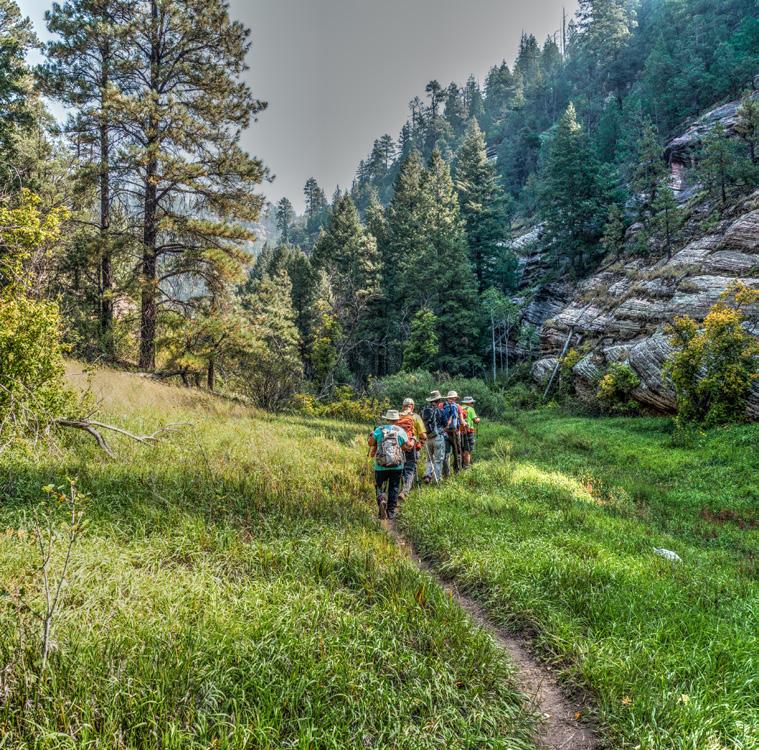
• Connect with Active Travelers: Reach readers who are planning spring and early summer getaways and are searching for trusted recommendations on where to stay, dine, shop, and explore throughout Northern Arizona.
• Share Your Story: Whether you represent a hotel, attraction, outdoor adventure, restaurant, or local experience, this is the perfect opportunity to highlight what makes your business a must-visit destination in our Tourism spotlight.
• Inspire Exploration: Play a meaningful role in helping readers discover the beauty, culture, and adventure that make Northern Arizona a one-of-a-kind place to visit.
Advertising Options
Participate with a three-month commitment with a Half or Quarter page color ad. As part of this package, you also can submit a 400-600 word, non-sales, educational article on your field of expertise.
Thein,
Manager 602 | 799 | 0583


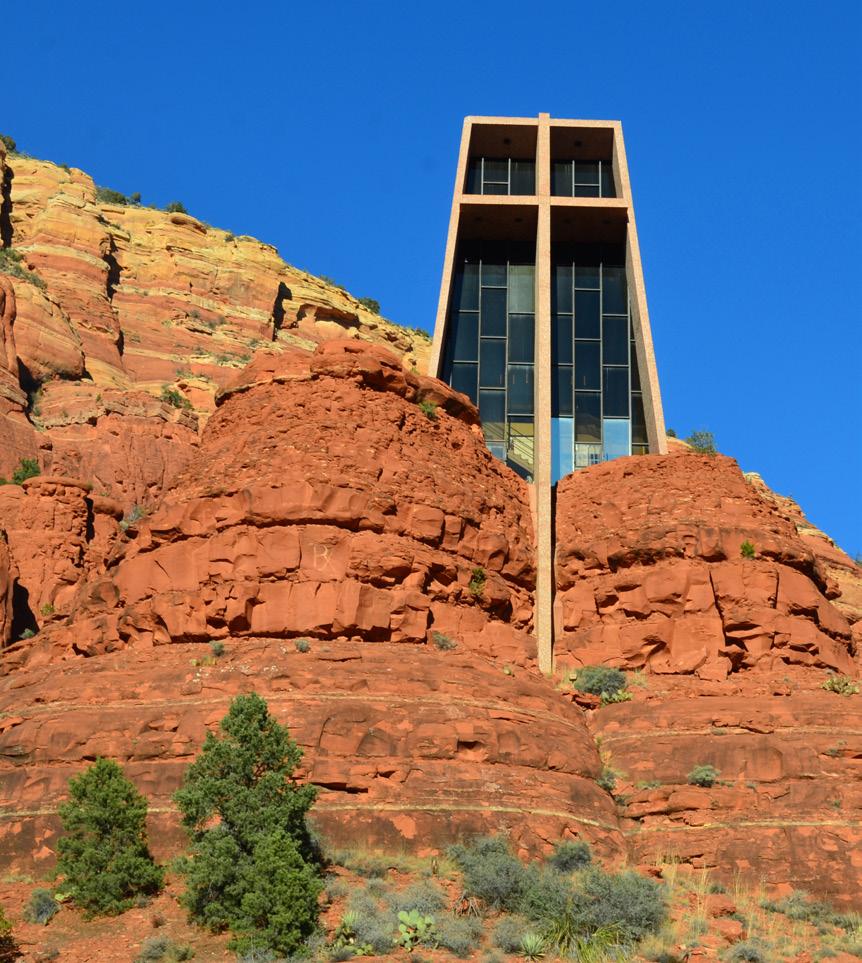
By Claire Harper
Flagstaff Pulliam Airport (FLG)
is pleased to announce that beginning May 21, American Airlines will upgrade its daily service to Dallas Fort Worth International Airport (DFW) with a larger aircraft. The current CRJ700 will be replaced by an Airbus A319, more than doubling seat capacity and marking the first time a mainline aircraft has provided scheduled service to FLG.
The A319 features three classes of service, First Class, 24 Main Cabin Extra seats, and Main Cabin, offering travelers greater comfort and flexibility. The upgrade significantly increases daily seat availability on the DFW route compared to the CRJ700.
“Summer is just around the corner, and travelers have told us they want more options to visit Flagstaff,” said American’s Director of Domestic Network Planning Jordan Pack. “By adding capacity between Flagstaff and our largest hub, we’re expanding access to destinations across the country, from Miami and Washington, D.C. to New York and beyond.”
Flagstaff Airport Director Brian Gall
added, “The increase in seats on this route reflects the continued growth of the Northern Arizona market and the strength of our partnership with American Airlines. We’re thrilled that FLG will welcome scheduled mainline service for the first time. The Flagstaff community has consistently filled available seats, demonstrating strong demand. We encourage travelers to continue choosing FLG to help support even more expanded service in the future.”
The A319 will operate on the DFW route from May 21 through Oct. 31, aligning with peak summer travel demand.
FLG continues to pursue additional air service, new routes and larger aircraft. In 2025, airport staff met with representatives from 12 airlines and remain optimistic about future expansion opportunities.

FLG also continues to deliver strong operational reliability. According to the Bureau of Transportation Statistics, 83.95% of arrivals to FLG were on time in 2024, compared to the national average of 77.91%. That same year, the airport recorded 1,579 on-time departures, or 85.3%, and only eight cancellations, surpassing the national average on-time departure rate of 78.28%.
“With a runway elevation of 7,014 feet and more than 90 inches of snowfall annually, FLG is one of the highest and snowiest commercial service airports in the country,” Gall said. “We take pride in keeping our runway clear to support airline operations and minimize delays. Our team operates eight snow removal vehicles and is finalizing the design of a new 16,000-squarefoot snow removal equipment storage facility, which will enable even faster response times during snowstorms.”
FBN
To book your flight, visit flyflagstaffaz. com, aa.com, or American’s mobile app. Claire Harper is the City of Flagstaff’s communications manager for Flagstaff Airport.

If you have sales experience & want to explore media sales with Flagstaff Business News, contact us.

If you want to earn an outstanding commission rate with no cap on how much you can earn, contact us.
If you want to set your own schedule while earning your income, contact us.









a Subway. A “Point Break” movie poster and Green Day poster are on the wall behind the counter. A chalkboard lists daily menu specials and tables are adorned with cookbooks that were donated by one of Rodger’s elderly customers. A colorful neon sign spells out JoeJoeBob’s in script type.
Over three decades, Rodger has a long resume as a chef. He’s gotten his knives out at kitchens in Flagstaff, Phoenix, Kansas City and Boulder, Colorado. He also had short internships at Michelin Star restaurants in Napa, California, and the Basque region of Spain.
Growing up in Sedona, he went to work at age 12, fibbing that he was 13 so he could work legally at Desert Flour Bakery.
“In summer, it came down to I could either go to camp or get a job,” Rodger said. “My brother was always working in the front of the house and I was always geared toward working in the kitchens. But I never really took it seriously.”
At Northern Arizona University, he planned to study parks and recreation while working at Beaver Street Brewery, but ultimately his love for cooking won out.
“I continued to work in kitchens, bounced around a bit and lived in Northern California,” Rodger said. “I could just always cook to make
money that way to pay my bills.”
When he came back to Flagstaff he went to work at Cuvee for Scott Heinonen, who became a mentor. Rodger said he was in his early 20s, maybe 22, when he started to take cooking seriously. It was on the job training.
“I considered myself pretty grateful to get paid to learn.”
JoeJoeBob’s is open 10 a.m. to 3 p.m. Tuesday through Saturday.
“Sundays we try not to set foot in here,” Rodger said. “I’m still working about 70 hours a week, but it doesn’t feel like work when you own your own place.”
“I love cooking. I’m grateful for what I do every day. I’ll keep doing it as long as I can. I’ll be a happy camper.”
“I get up usually around 3 or 4 a.m. Get a cup of coffee, do a quick workout and then come in [to JoeJoeBob’s] to start prepping between 5 and 6 a.m.”
ADVICE FOR HOSPITALITY STUDENTS
“I would say embrace failure. That’s your best teacher. It’s not a bad thing.”
FAVORITE COMFORT FOOD
“Fresh pasta or pizza. I’ll eat both at
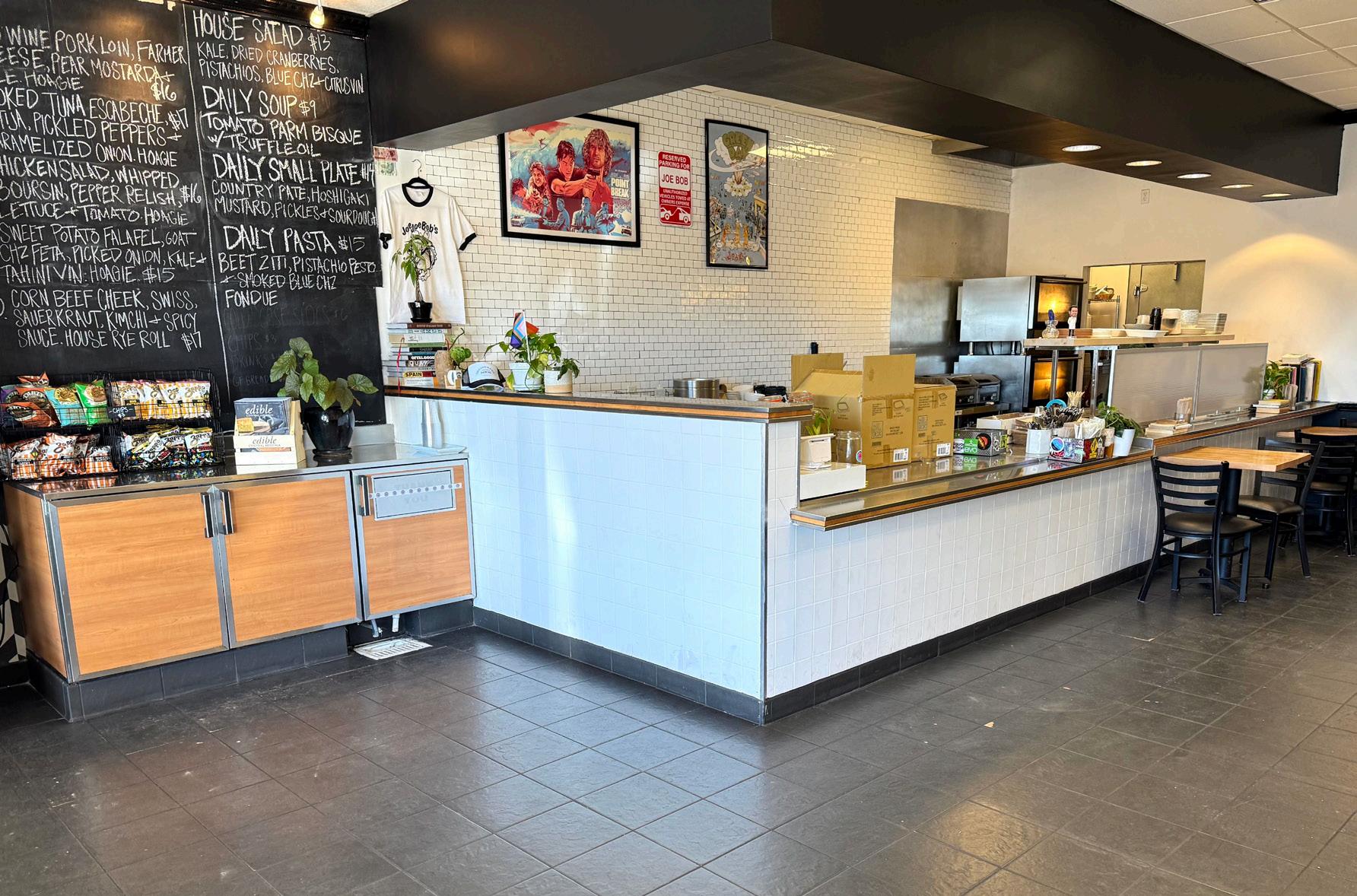
the same time. I’m not ashamed to say it.”
IN MY FREE TIME
“I go outside, ride bikes, spend time with Madi [Hallaran] and our two cats.”
WHO I WOULD LIKE TO DINE WITH
“Gene Kelly.” In high school in Sedona, Rodger was involved in theater and was offered a scholarship to the American Academy of Dramatic Arts in Los Angeles but turned it down.
FBN
The Verde Valley, with its vibrant communities and a growing population of over 50,000, is a hub of natural beauty, innovation, and entrepreneurial spirit. The Flagstaff Business News is proud to announce the launch of our new Verde Valley section, dedicated to spotlighting the region’s dynamic business ecosystem. Through in-depth coverage and expert insights, we aim to connect, inform, and celebrate the remarkable people and businesses driving growth in this incredible part of Arizona.

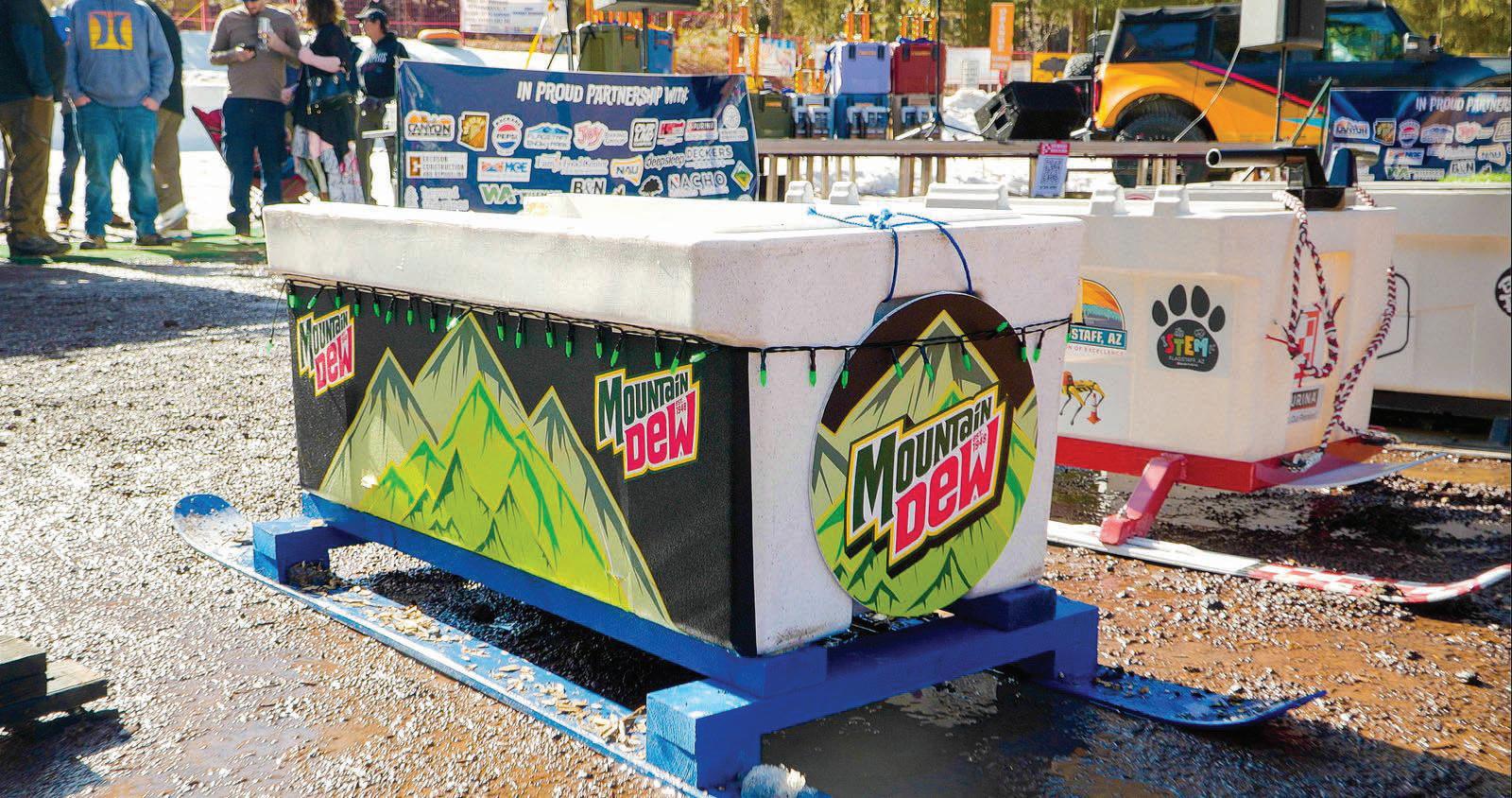
Interstate 40, the Old Trails Museum has opened a show “100 Years of Route 66 in Winslow.” It features a collection of “then and now” photos of historic Winslow buildings on Route 66. The show will be on display all year in the Visitor Center/Hubbell Trading Post.
Williams was the last town the superhighway left behind in October 1984.
Bobby Troup, who wrote the widely covered 1946 song “(Get Your Kicks on) Route 66,” appeared at the opening celebration of I-40 in Williams.
He told the crowd: “I really hope you tear this interstate highway down and go back to Route 66.” Not exactly what the highway dignitaries wanted to hear.
Looking back a century, Route 66 was christened the cross-country diagonal route from Chicago to Los Angeles. Flagstaff was a town of about 3,500 souls with a busy logging industry and a small college in the ponderosa pines.
Gasoline was about a 25 cents per gallon. The Flagstaff city marshal during Prohibition had to deal with bootleggers selling bathtub gin and corn whiskey.
On Nov. 11, 1926, the Bureau of Public Roads enacted the first federal highway numbering system. Even numbered highways ran west to east and odd-numbered roads went south to north.
Route 66 became famous as the Mother Road, as John Steinbeck
labeled it in his 1939 novel “Grapes of Wrath.” Also dubbed the “Main Street of America,” Route 66 served Flagstaff for 42 years before I-40 bypassed the mountain town Oct. 1, 1968.
Flagstaff’s main centennial event at Heritage Square is set for June 6, which is 6/6/2026. The celebration will include live music and an art festival, food trucks, craft beer and magic shows for kids. Other events include a classic car show, optical illusion sidewalk chalk art and skywriting with an airplane spelling out Route 66 themed messages, said Ryan Randazzo, Discover Flagstaff spokesperson.
The centennial celebration coincides with Flagstaff’s annual Hullabaloo festival at Wheeler Park on June 6-7.
The stars have also aligned for Flagstaff’s Lowell Observatory to participate in celebrating Route 66. Lowell has a new tour called “Cosmic Highways: A Centennial Tour.”
Visitors get a chance to see astronomer Percival Lowell’s 1911 Stevens-Duryea car that he drove in Flagstaff and on Route 66 adventures. The tour is offered at 3 p.m. daily. Tickets allow readmission for guests to return in the evening for stargazing and telescope viewing.
Seligman, the birthplace of Historic Route 66, will be a hub of Route 66 Centennial celebrations. The small town 75 miles west of Flagstaff is where local barber Angel Delgadillo and

others convinced Arizona highway officials in 1987 to designate Route 66 an historic highway.
New monument signs will be unveiled at Seligman and a day-long block party is set for April 30. That will set the stage for the 37th annual Route 66 Fun Run, a vintage car rally May 1-3 from Seligman to Kingman and finishing at Topock/Golden Shores.
“It’s going to be bigger and more festive than ever,” said Katie Barthlow of the Historic Route 66 Association of Arizona.
Signature Taxidermy employs some of the world’s best artisans to ensure nothing short of the best for each of our customers, and their specific, one of a kind pieces.
USDA approved facility for receiving sport hunted trophies from around the world. This also includes all deer, and turkey from Mexico.
Trophy Room Design- We can assist you in designing a trophy room display to complement your collection. We can assist with lighting, layout, murals, and dioramas. Custom pedestal and base work available.
Crating and Shipping- We crate and ship around the world, and have discounts with many major trucking companies.
Rush Orders- Rush orders are available on request for an additional fee.
Stock Taxidermy- We have an assortment of legal capes, antlers, and horns that can be mounted in a pose of your choice.



The Fun Run is open to 900 vehicles, 100 more than previous years.
Classic car owners and groups from all over show up for the 140-mile rally.
“A lot of people living in and along Route 66 communities take such pride in Route 66 and its history,” Barthlow said. “I imagine many people locally, regionally from Mohave and Yavapai counties and beyond will be attending the Seligman celebration.”
Hemmings Great Race from Springfield, Ill., to Pasadena, Calif., is an official Route 66 Centennial event. It
features cars made before 1975. Great Race drivers are scheduled to stay overnight in Flagstaff on June 25 and have lunch in Kingman June 26.
The Route 66 Caravan from Santa Monica, California to Chicago is scheduled to arrive in Kingman June 9, travel to Flagstaff June 10 and then on to Gallup, New Mexico June 11. The Caravan will travel on remaining stretches of Route 66 as much as possible. FBN
121 E. Birch Avenue, Suite 408 Flagstaff, AZ 86001
Phone 928.864.7440 Fax 928.226.0303
Email: Troy@flagstaffbusinessnews.com www.flagstaffbusinessnews.com
Founder: Troy Bix
Publisher Troy Bix | 928-310-9662
Troy@flagstaffbusinessnews.com
Advertising Manager
Linda Thein | 602-799-0583 linda@flagstaffbusinessnews.com
Account Executive
Regina Salas | 928-699-4272
Regina@flagstaffbusinessnews.com
Editor
Bonnie Stevens | 928-380-4349 bonnie.stevens@gmail.com
Copy Editor
Carolyn Wendell | cwendell@gmail.com
Design & Production
Rob Ghosh Design | rob@robghosh.com
Photography V. Ronnie Tierney, Fresh Focuses
Photography, Betsey Bruner, Kay Lyons
Contributing Writers
Betsey Bruner, Kevin Schindler, Bonnie Stevens, Veronica Tierney, Stacey Wittig, Peter Corbett, Mary Marini, Stan Bindell
Flagstaff Business News is a publication of Flagstaff Business News, LLC and is distributed free each month to residents of Flagstaff, Sedona, Williams and Winslow. Reproduction of any portion of the publication is strictly prohibited without expressed permission. The publisher reserves the right to refuse any advertisements submitted to the newspaper and is not responsible for the claims of its advertisers.
said. The team envisioned something horizontal, integrated with the natural landscape.
Despite that goal, the site required extensive excavation because of its position on the mesa’s edge. Bailey noted that all excavated material remained on site.
“The majority of what you see here came from this ground,” he said. “The overall footprint stays relatively small and we cut very few trees.”
Only about 10% of landscaping material was imported, primarily from the Verde Valley, according to the developers. Mogollon Engineering and Surveying confirmed stormwater runoff patterns will remain consistent with pre-development conditions.
The developers incorporated sustainability strategies throughout the project. High-efficiency LED lighting complies with Flagstaff’s Dark Sky regulations while reducing energy demand. Electric radiant heating was selected instead of natural gas systems, and concrete paving was used to avoid repeated petroleum-based sealing required with asphalt.
Infrastructure has also been installed to accommodate future solar energy expansion.
The on-site convenience store and bar are housed in the repurposed Muffler Magic building, preserving embodied energy in existing materials
FUNDRAISER continued from page 11
while avoiding emissions associated with new construction.
Bailey emphasized the project’s local sourcing. “Our contractors and subcontractors are 100% local,” said Bailey, formerly owner of Randy’s Downtown Garage. “These are people I grew up with here.”
Participating companies include Barmore Flooring and Design, JAMZ Electric and Foundations Concrete Construction. Architectural Design Studio, led by Aude Stang, handled design work.
Agassiz Landscape Group incorporated excavated red rock into landscaping and planted native trees. The site sits near the historic Arizona Sandstone Co. quarry, which supplied “Arizona Red” sandstone used in many downtown Flagstaff buildings. Flagstaff Fire Department Station 2 now occupies part of the former quarry site.
When Flagstaff Mountain RV opens, expected later this month, the public will be welcome to purchase beverages and food at the on-site bar and patio area, where a six-foot gas firepit is planned. The campground holds an Arizona Series 7 liquor license allowing beer and wine sales to both registered guests and the public. Single Speed Coffee Roasters will provide coffee service, while Jitters Lunchbox plans to offer sandwiches, espresso drinks and light fare.
ceeds going directly to support the families, added Hunt.
“The Coconino County Sheriff’s Office extends our heartfelt condolences to the families, friends and colleagues of our fallen law enforcement brothers. Their sacrifice will never be forgotten,” said Coconino County Sheriff Bret Axlund. “We are deeply honored and grateful to see these events taking place, bringing our community together to remember, honor and support those who have given their lives in service. This BBQ stands as a powerful reminder of the unity, gratitude and family that define law enforcement.”
Skankey and Bennett died while were assisting the Flagstaff Police Department during a shooting incident near Mars Hill.
“I am deeply grateful, not just for the generosity shown, but for the continued commitment to supporting our surviving families in the days, months and years ahead,” said Chief Connolly. “That unity is our greatest strength.” FBN
Donations can be made to the FOP 32 Foundation at https://fop32foundation.org.
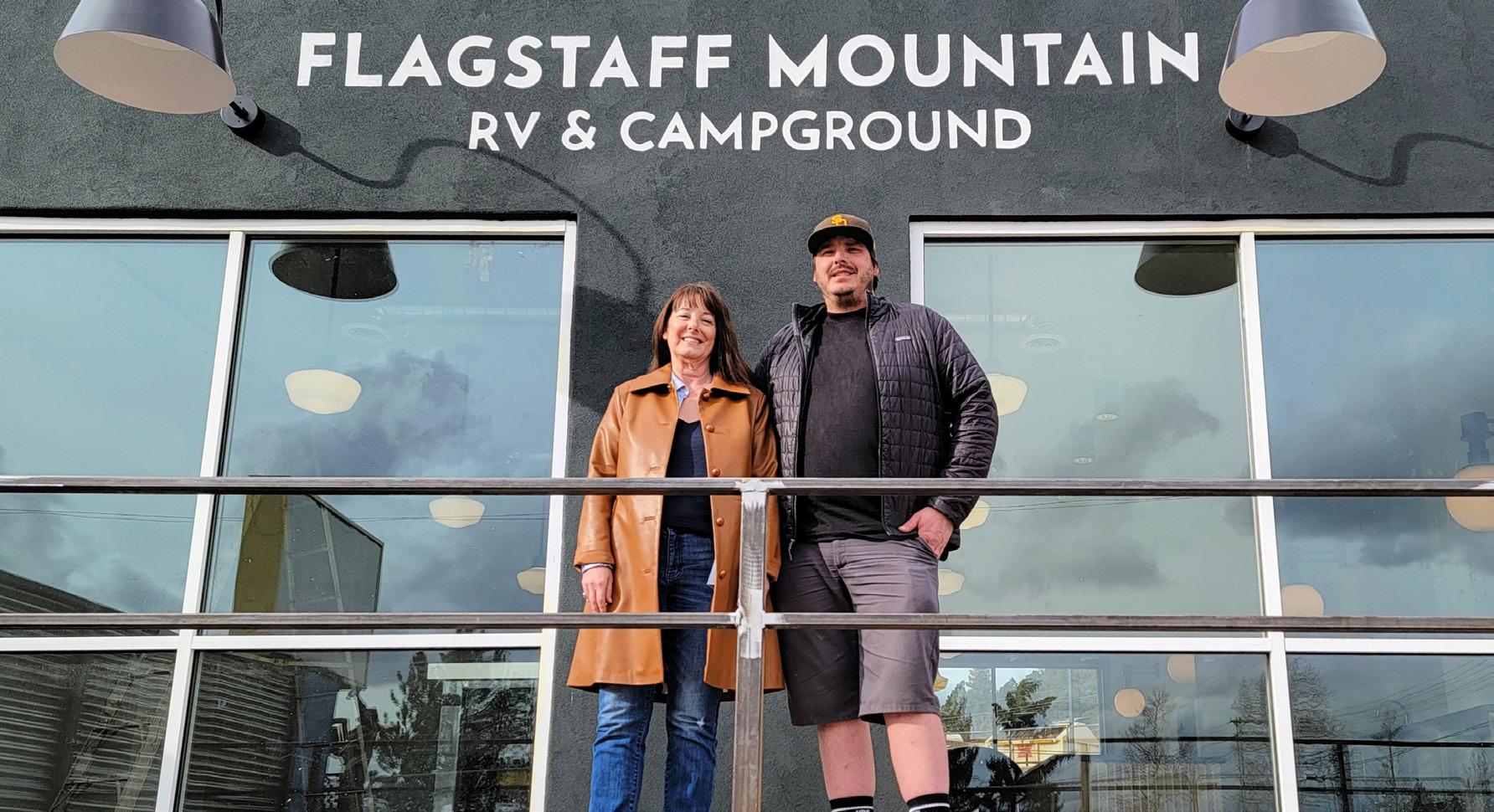
The campground will feature 33 full-hookup RV sites, many positioned against natural red rock sandstone walls that help buffer traffic noise despite proximity to Route 66.
“All water lines are underground so we can operate through winter,” Stump said.
Fiber connectivity for high-speed Wi-Fi is already installed to serve digital nomads and remote workers. Planned amenities include a
dog park, electric bike rentals and concierge-style promotion of local businesses.
“The idea is to support local whenever possible,” Stump said. “We want this to be a hub for exploring Flagstaff – hiking, skiing, the Grand Canyon – while keeping tourism dollars circulating locally.”
Stump noted the family’s longstanding connection to the community.
“We’re from Flagstaff. Our family moved here in the 1970s,” she said. “This is home, and we want visitors to experience it the way locals do.” FBN
Stacey Wittig covers tourism, hospitality development and business trends in Northern Arizona for Flagstaff Business News and publishes travel insights at UnstoppableStaceyTravel.com.
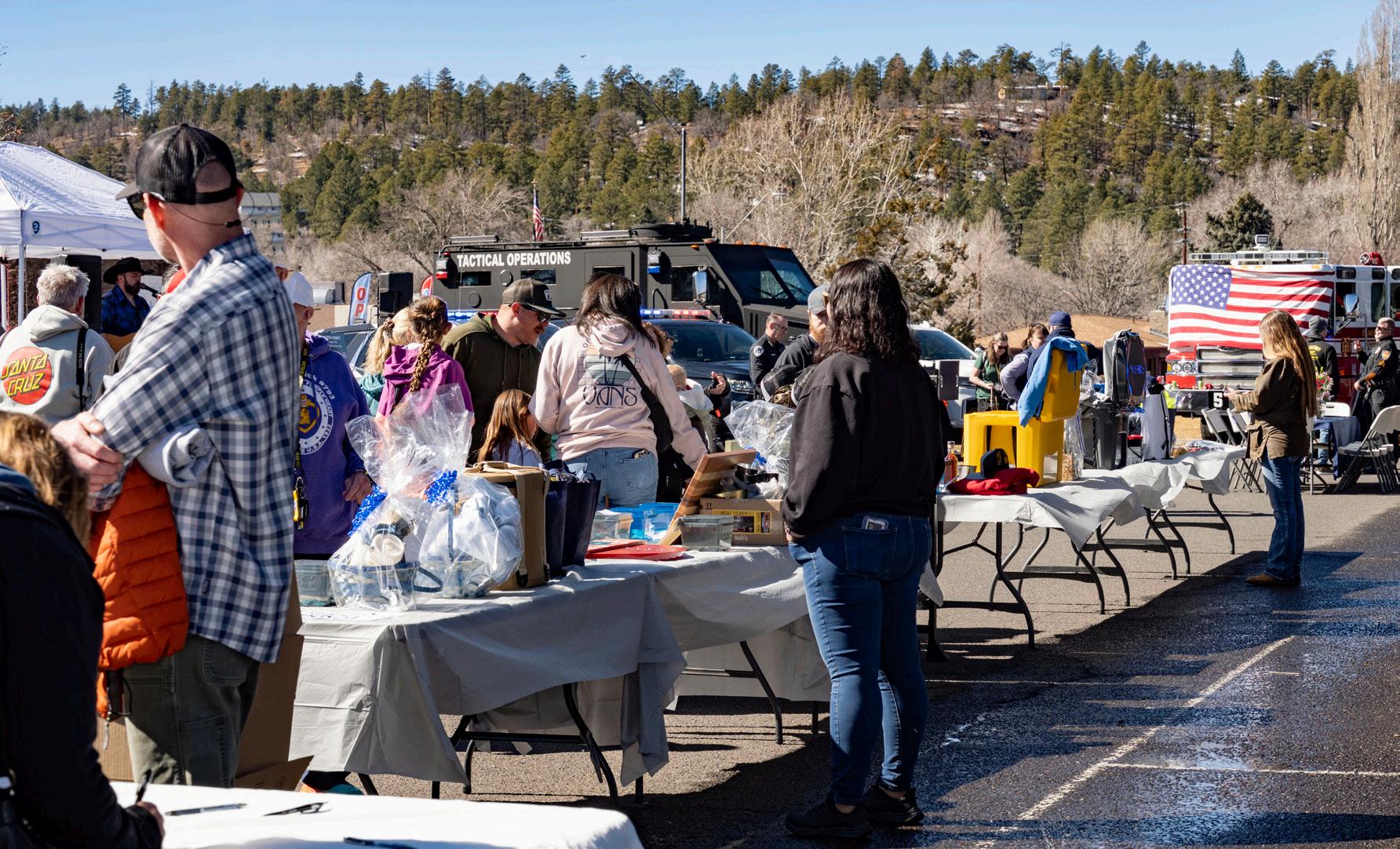
• Plumbing: Check floor drains, sump systems, and basement plumbing for blockages and backups.
• Mechanical (HVAC): Inspect exhaust and intake piping for ice or debris buildup.
• Boiler / Hydronics: Inspect exposed piping and fittings for leaks caused by freeze-thaw cycles.
6993 N. Columbine, Flagstaff, AZ 86004, Tel (928) 526-7006 | (928) 526-6231 www.intermountainaz.com | admin@intermountainaz.com