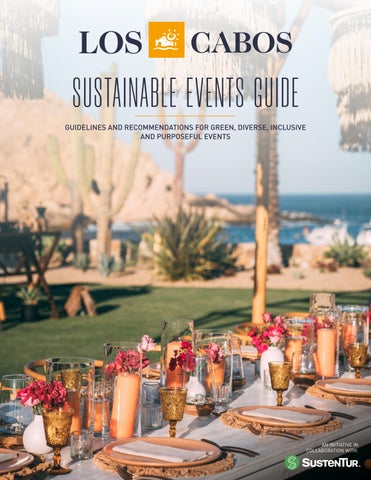

SUSTAINABLE EVENTS GUIDE
GUIDELINES AND RECOMMENDATIONS FOR GREEN, DIVERSE, INCLUSIVE AND PURPOSEFUL EVENTS
4.
5.
INTRODUCTION
Leading the way to sustainability requires a series of concrete and tangible actions, as the UNWTO says in its definition of sustainable tourism, in all types of tourism and in all destinations.
That is why Los Cabos Tourism Board has begun the journey to ensure that the MICE (Meetings, Incentives, Conventions and Exhibitions)1 sector joins the actions that have been taken at the destination level to preserve biological and cultural diversity, protect the environment and ensure that tourism has a real social impact.
A few years ago, the Meetings Industry in Los Cabos has started an organization process in order to position Los Cabos as a destination for this segment, taking important steps in the development of its narrative, differentiation and ideal target audience.
In this sense, and in response to the growing interest in sustainability, diversity, equity and inclusion (DE&I) and recently regeneration in tourism, this Sustainable events guide for Los Cabos has been created with the objective of integrating the Meetings Industry to a common purpose: that the events that take place in the destination minimize
their negative impacts, maximize the positive ones and leave the destination better than how they found it, for the benefit of the inhabitants, visitors and future generations.
The Guide is divided into 4 sections:
The first section reviews some key definitions on the topic of sustainability and sustainable events, in order to put into context the topic we are referring to.
The second section talks about the need to develop this guide, derived from the biological and social importance of the region, the sustainability actions already being carried out, the impacts of the events and the opportunities derived from the trends.
The third section talks about the process that needs to be followed to implement sustainability at events, and a 5-step recommendation is made to achieve this; the fourth section presents the guidelines for sustainable events, a check list of criteria necessary for a sustainable event.
And the fourth section talks about some actions that will enable the implementation of this Guide.
We wish you success in developing your Sustainable Events.
1 Known in Mexico as the Meetings Industry

LOS CABOS, A DESTINATION FOR PURPOSEFUL EVENTS.
In our paradise, located in the peninsula of Baja California Sur where the desert, the sea and the ocean meet, we seek to provide a higher level of attention for business events through our hospitality, attention to the safety and well-being of our visitors. We are committed to doing so by complying with the highest standards of quality and service, and in congruence with global trends and our local strategies based on sustainability.
For Los Cabos, the organization of every congress, convention, fair, exhibition and incentive trip is a chance to show the world the natural wonders and culture of our destination, and an opportunity to inspire our visitors to conserve marine and terrestrial biodiversity, and generate benefits to the community.
For this reason, together with the sector and aligned with the global development agenda, we have designed a tool to make the events held at our destination:
• Positively impact the ecosystems and life of the region.
• Decrease the consumption of natural resources such as water and energy.
• Address our climate responsibility.
• Promote inclusion and diversity, which are relevant social aspects today.
The Los Cabos Sustainable Events Guide is becoming an essential tool for event planners, as it includes a series of specific guidelines that help them meet their sustainability goals, while generating commitment and inspiring their attendees to preserve the planet and the communities.
In this way, we hope that the events held in Los Cabos, on top of being extraordinary and generating value for their meetings, will contribute to the construction of a sustainable region of opportunities.

Rodrigo Esponda Cascajares Managing Director
SUSTAINABILITY AND SUSTAINABLE EVENTS
The term sustainability is a concept that has been widely used in the last few years, but has a recent history. It was not until 1987 that the United Nations Commission for the Environment and Development conceptualized the term in the famous “Our Common Future” Report or also known as the Brundtland Report, defining it as:
THIS DEVELOPMENT THAT MEETS THE NEEDS OF THE PRESENT WITHOUT COMPROMISING THE ABILITY OF FUTURE GENERATIONS TO MEET THEIR OWN.
The world has changed a lot since that time, and today the approach to this concept has become different, integrating other variables and making specific definitions for specific activities, such as tourism.
The World Tourism Organization2 defines sustainable tourism as one that integrates the environmental, economic and sociocultural aspects of tourism development, having to establish an adequate balance between these three dimensions to guarantee its long-term sustainability; graphically, its components are the following:
STAGE 1
2000-2005
GREEN EVENTS
Regarding events, we can distinguish four distinct stages in terms of conceptualization and actions that the Meetings Industry has implemented globally, depending on the historical moment in which it has been found:
Focus on reducing environmental impacts, with a focus on the Planet.
STAGE 2
2005-2010
CORPORATE SOCIAL RESPONSIBILITY AT EVENTS
It considers the above but integrates a focus on volunteerism and attendee participation. Focuses on people.
STAGE 3
2010-2020
STANDARDS AND MANAGEMENT SYSTEMS
Standards such as ISO 20121 are generated, certifications appear and economic, social and environmental aspects are integrated.
STAGE 4
2020 and post-pandemic
DISRUPTION, REGENERATION, INCLUSION AND PURPOSE
Developing stage, where events become an end to a means of achieving targets at the destination level.
WHY THIS GUIDE?
Are there additional reasons why we are committed to sustainability in the Meetings Industry in Los Cabos? Perhaps more than we thought:
RESPONSIBLE AND SUSTAINABLE
SOCIOCULTURAL LOCAL ECONOMY
ENVIRONMENTAL

01. LOCAL ECONOMY
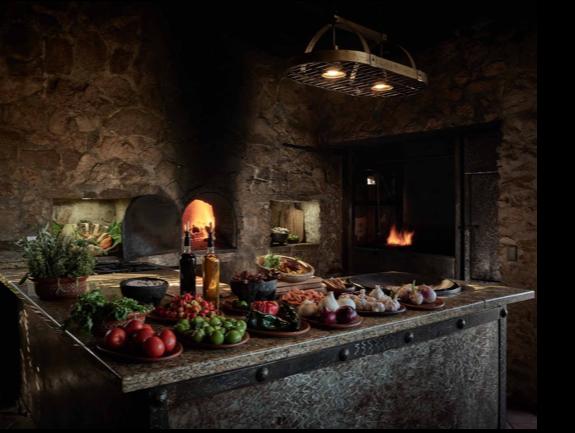
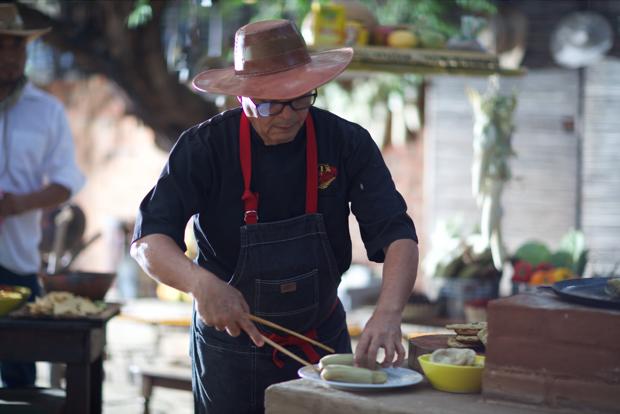
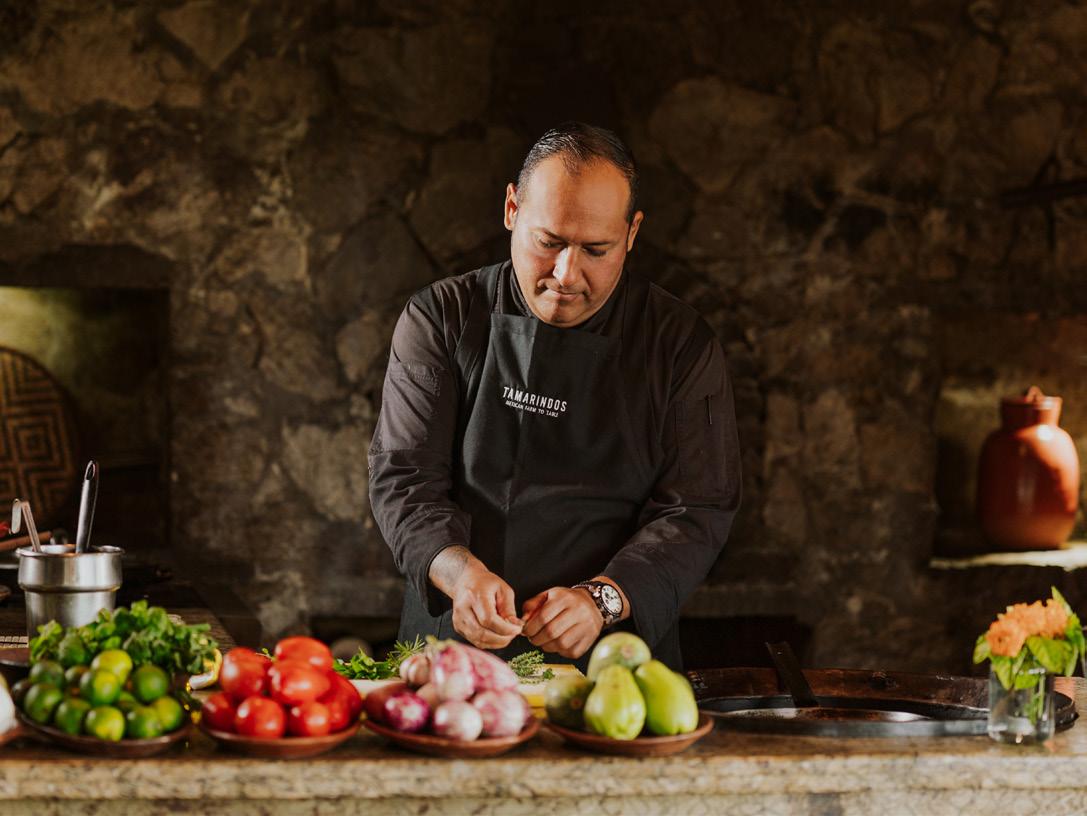
• Los Cabos is known for having the best farm-to-table options in Mexico (organic gardens), but it is also known simultaneously for the freshness of its marine products.
• Most ingredients are sourced locally and placed directly on the table.
• Menus are seasonal and tend to focus on including what is grown at that time of year.
• Restaurants and hotels promote responsible and local shopping.
02.
SOCIOCULTURAL
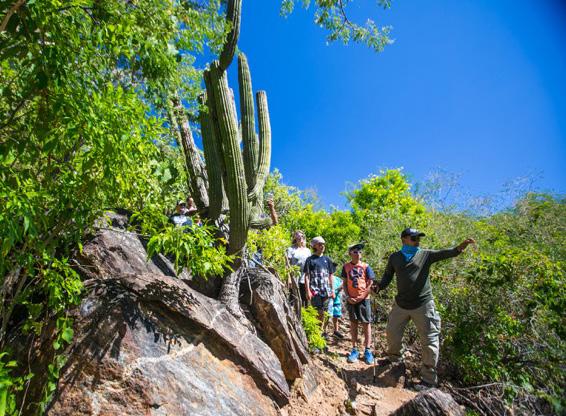
• Meet the locals.
• Ranches at Miraflores & Santiago. (Rancho ecológico Sol de Mayo, Rancho El Refugio, Rancho Buena Vista, among others).
• Cheese and honey production.
• Cooking classes.
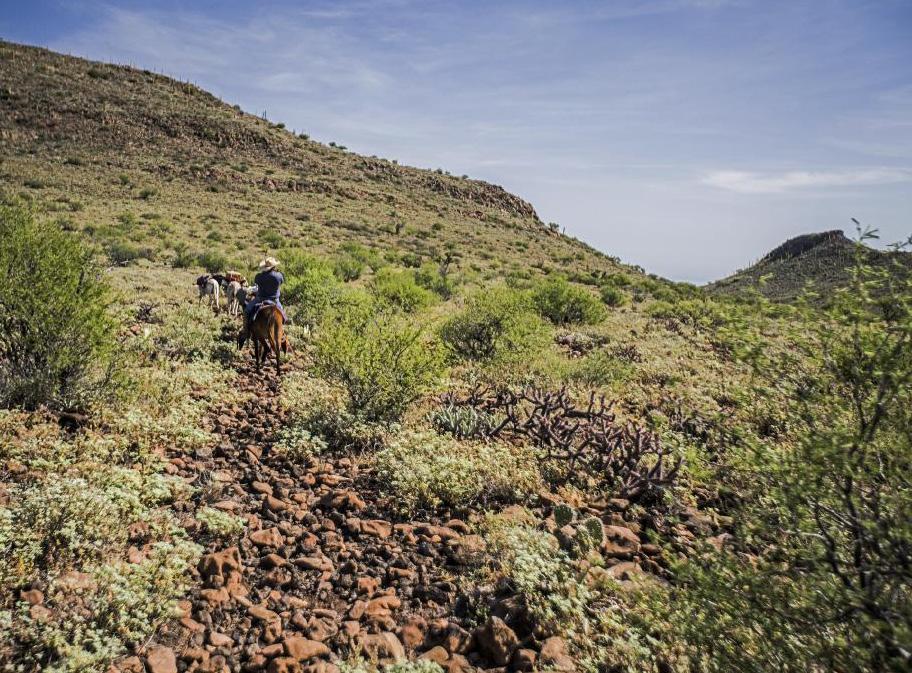
• Mountain biking, hiking, horseback riding.
• Birdwatching.
Sierra de La Laguna Biosphere Reserve
San Jose del Cabo Estuary State Ecological Reserve
Cabo San Lucas protection flora and fauna area
ENVIRONMENTAL
• Two World Heritage Sites declared by UNESCO at BCS.
• 11 RAMSAR sites in BCS, 2 in Los Cabos:
- Cabo Pulmo National Park
- San Jose del Cabo Estuary
• 25 Blue Flag beaches.
• 5 Platinum beaches.
• Bird conservation areas - Sierra de La Laguna Reserve - San Jose del Cabo Estuary
• Cabo San Lucas: The world capital of marlin.
Marine zone of the Espiritu Santo archipelago
Balandra protection flora and fauna area
del Golfo de California protection flora and fauna area
SEA OF CORTÉS
Islas
Cabo Pulmo National Park
TODOS SANTOS
SAN JOSE DEL CABO
EAST CAPE
Espiritu Santo Island
Cerralvo Island
The Arch
Sierra de La Laguna
Cabo Pulmo Airport
CABO SAN LUCAS
LA PAZ
LOS CABOS REGION
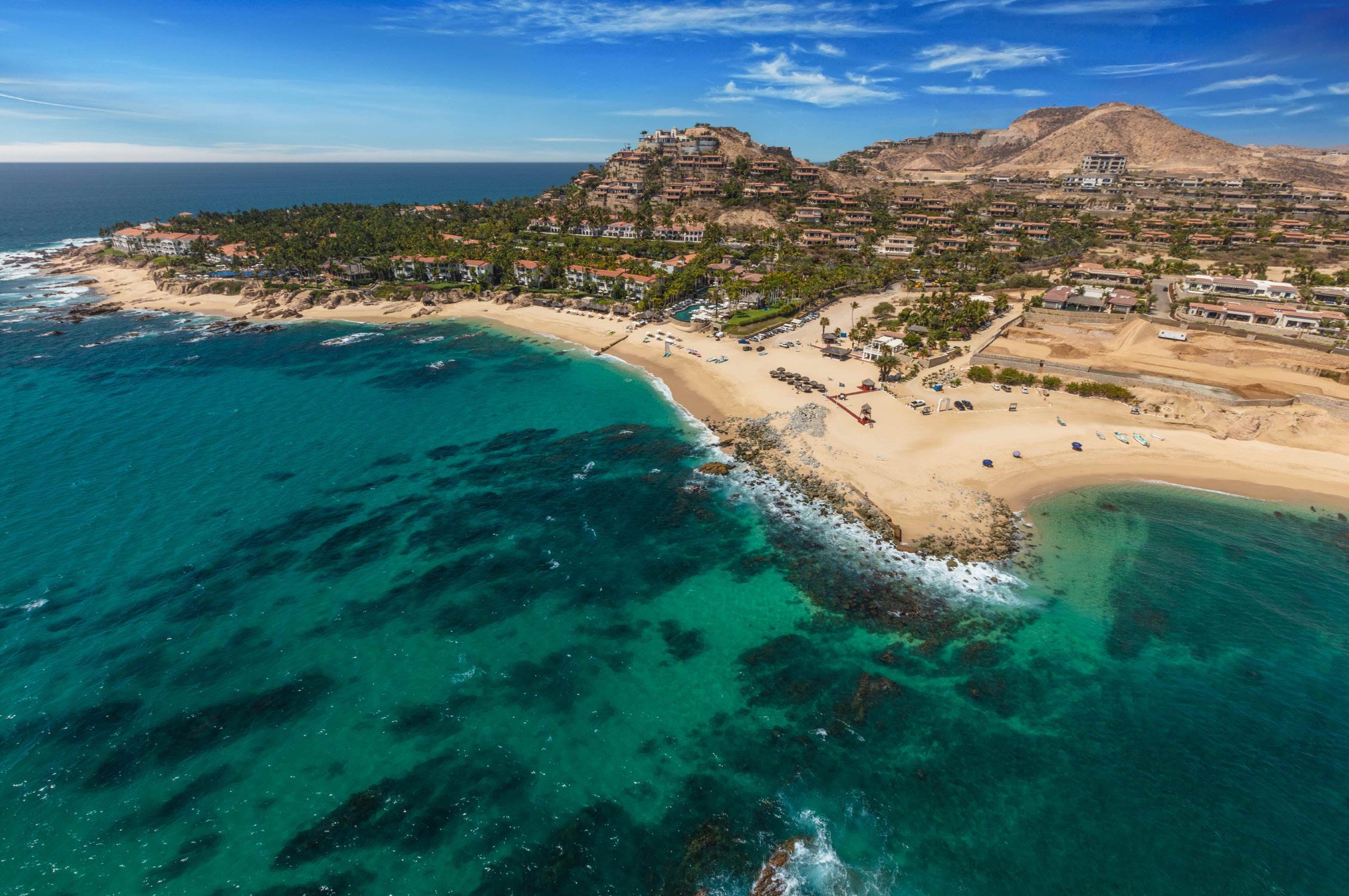
Here are the 5 main areas of Los Cabos:
PACIFIC
The Pacific region is a corridor of stunning and beautiful beaches. Towns such as Migriño, Candelaria, Todos Santos and Pescadero are located an estimated 45 minutes from Los Cabos. All year round, you can enjoy all-terrain vehicle tours, hiking or strolls to a true oasis in the Candelaria desert. The area attracts international artists, avid surfers and adventurers.
CABO SAN LUCAS
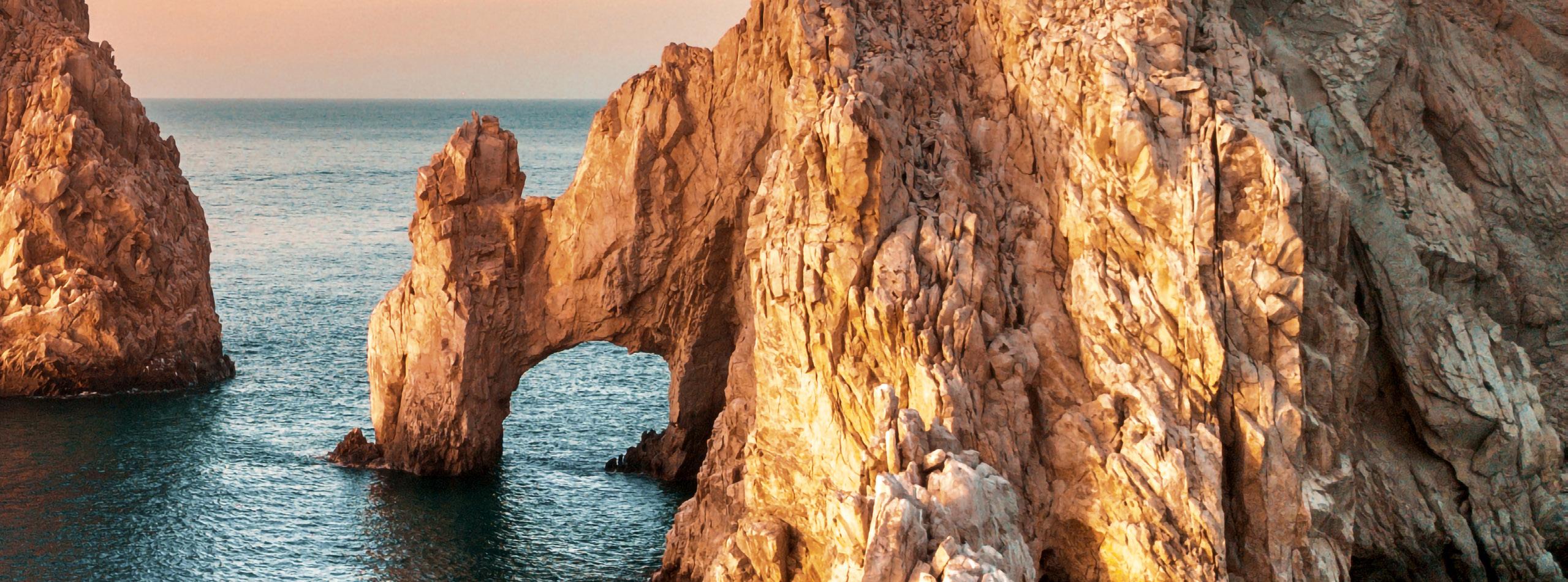
It has a myriad of attractions; here is El Arco, one of the most emblematic natural formations of the region and is the central point around which many tourist activities revolve. Whale watching can also be enjoyed in the December to April season and turtle migration from September to December. This region is often visited by young people or those traveling with friends looking for a vibrant place to stay, as there are a variety of options for dining and cocktails prepared by mixologists using ingredients from the region.
SCENIC ROUTE
Connecting San Jose del Cabo and Cabo San Lucas, it is a corridor of approximately 33 km that encompasses beautiful beaches combined with desert views. Hotels range from luxury chains, boutique or business hotels, family or adult-only options that offer either all-inclusive or European plans. The Corridor is home to the largest number of golf courses in Los Cabos.
DISTANCES FROM INTERNATIONAL AIRPORT OF SAN JOSE DEL CABO (SJD)
1 CABO SAN LUCAS
2. SAN JOSÉ DEL CABO
3. COSTA PALMAS
4. SOL DE MAYO
5. EL TRIUNFO
6. TODOS SANTOS
SAN JOSE DEL CABO
Relaxed, welcoming and cultural, the community offers recreational activities such as art walks to admire art in different versions, including galleries, boutique stores and an extensive gastronomic offer. Here there is an estuary that is home to emblematic birds. This charming region is recommended to be enjoyed on foot, so as not to miss the attractions among its streets. It is only a 15-minute drive from Los Cabos International Airport.
CABO DEL ESTE
One of the main attractions for visitors to Los Cabos is the precious stretch known as Cabo del Este. Isolated and silent, most of its beaches are deserted, since to get there, you have to pass through sandy gaps. Surf lovers come from around the world to enjoy the crystal clear blue waves.
Deep sea fishing is one of the most popular activities here, as a wide variety of pelagic species are caught daily from shore or within 10 kilometers, including grouper,
marlin, sailfish, mahi-mahi and tuna. It is not always necessary to get on a boat to enjoy fishing, it is enough to walk along the sand to catch roosterfish from there.
You can rent ATVs in Rancho Buena Vista and go on excursions to explore other places along Cabo del Este.
Visit: https://www.visitaloscabos.travel/lugares-para-visitar
Todos
BIODIVERSITY
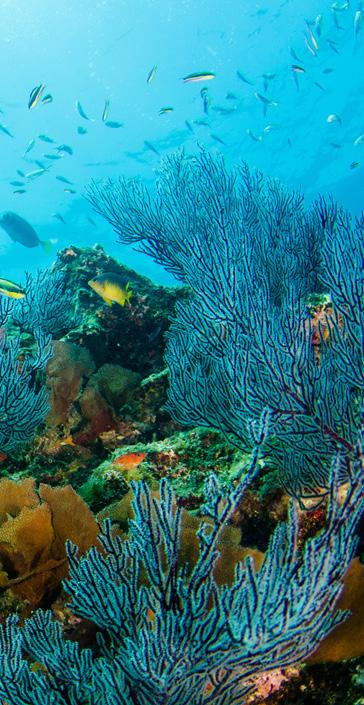
• Flora and Fauna Protection
• One-third of the world’s marine mammals.
• 900 fish species, of which 90 are endemic.
• Protection of whale sanctuaries.
• Protection of sea lion colonies.
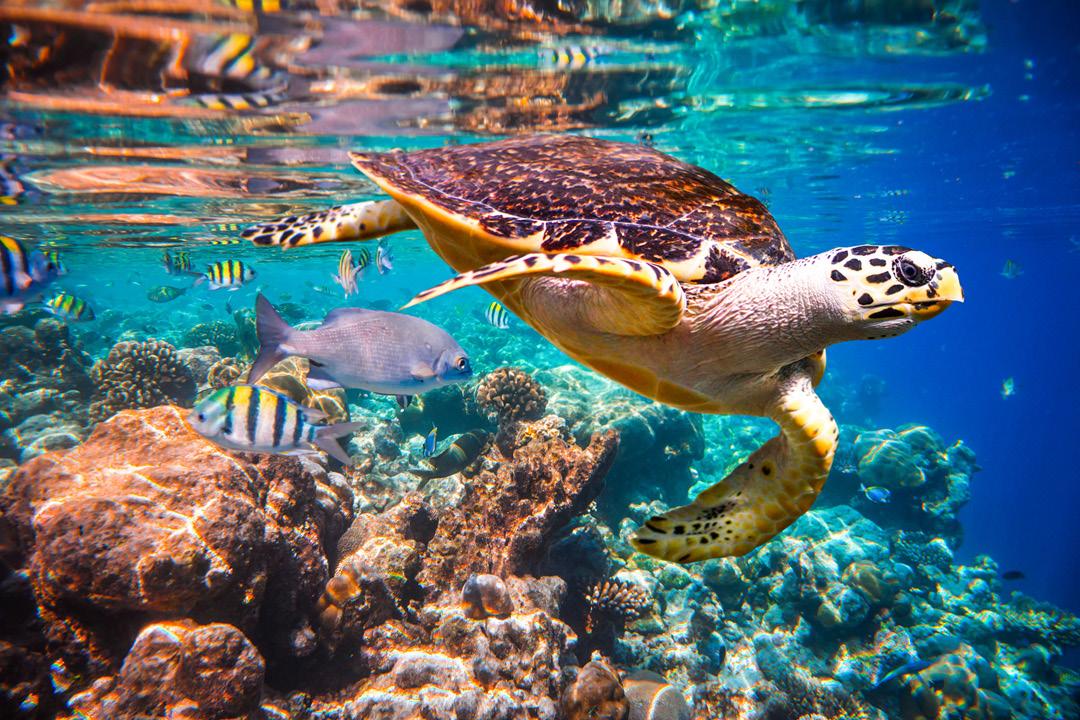
• Protection of sea turtles.
• Conservation programs to protect turtle eggs and assistance of stranded whales.
THE SUSTAINABILITY ACTIONS OF FITURCA
To preserve the biological diversity and cultural heritage of this wonderful region, Fideicomiso de Turismo de Los Cabos has worked to promote sustainability in the operation and promotion of the destination, through the following actions:
• Identification of the tourist profile and their travel motives, including nature, adventure, culture and wellness.
• Measurement of tourist perception of sustainability.
• Generation of a responsible and sustainable Los Cabos model.
• Identification of sustainability actions at the destination (company certifications, beaches, actions for local consumption).
• Publication of the Cabo Pulmo Responsible Tourism Guide.
• Development of concepts and actions linked to sustainability for the Santiago community.
• Linkage to multilateral organizations and civil society initiatives in the region.
• New narrative on fate, with a focus on sustainability.
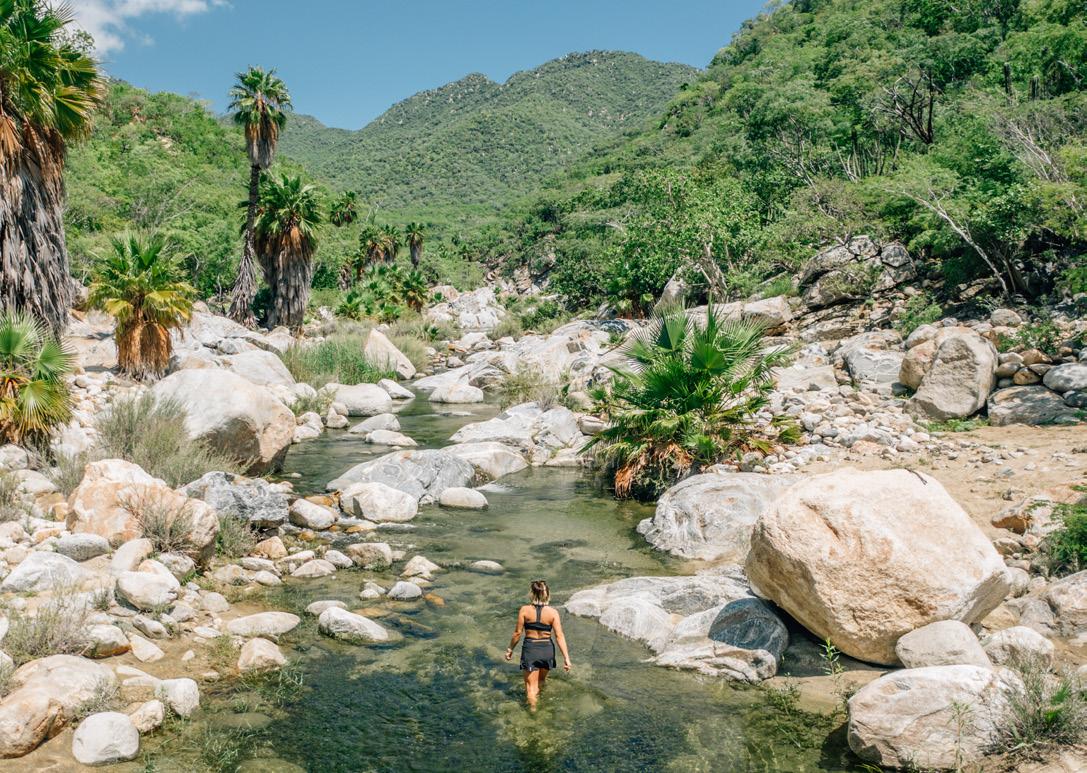
This Sustainable Events Guide of Los Cabos contributes to these actions for a responsible and sustainable Los Cabos.
THE IMPACT OF EVENTS
For many years, tourism was thought to be a sector whose environmental and social impact was minimal; in fact, it came to be called the smokeless industry. And in the case of events, the process has been similar.
But in recent years there has been greater awareness of its implications, both positive and negative, always aiming to manage them better.
In fact, global organizations such as the Events Industry Council have focused on the issue of sustainability, in its case, with the creation of the Center for Sustainability & Social Impact, which seeks to accelerate the implementation of policies and practices in the sector.
One of the great challenges that still exists, and which is an important part of this Guide, is the measurement and reporting of these impacts, which is not usually a simple matter to resolve or to report, but which is the basis for knowing that the efforts we make have results.
According to data from the Mexican Ministry of Tourism, each event consumes on average per day:
330 liters of water
10 kg of garbage per person
220 kg of CO2emissions

THE OPPORTUNITIES AND THE FUTURE
While the sector suffered significantly from the impact of the COVID-19 pandemic, the recovery is slowing down, while tourism returns to figures before 2019.
The American Express meetings and events study: 2023 Global Meetings and events forecast indicates that as early as next year, 87% of meetings are expected to have a face-to-face component, up 6% from 2022 predictions.
The average cost per attendee is also expected to increase globally, by 1.5% for small and simple meetings and 3% for conferences and trade shows.
Regarding sustainability, since 2014 the Global Report on the meetings industry, published by the World Tourism Organization, mentions that “the congress and convention market is facing a paradigm shift towards responsible events”, and that the events of today and in the future must be “innovative, creative, competitive, modern, flexible and sustainable”.

And these trends have definitely accelerated since COVID-19, at which point the sustainability theme has gained strength; a collection of trends from various studies and investigations3 tell us that, in the events sector:
The concept of nature and outdoor activities is being integrated in an important way.
There is an interest in knowing the impacts of events, and how they are being managed.
Event attendees want to put “hands on work” and contribute, especially when it comes to community trafficking work.
The DE&I (diversity, equity and inclusion) concept at events continues to take hold.
3 Skift, the future of the event industry, Outlook 2020 y 2021; The Green White Paper, Sustainability in Meetings and events; Resultados del Portal Estratégico de Información de la Industria de Reuniones (PEIIR); the regenerative revolution, IMEX Gropu, Marriot, GDS Movement.
Circular and regenerative events are on the rise.
Customer demand for transparency and reporting on sustainability outcomes is increasing.


WHERE TO
START?
This Guide is intended for all those organizations that are in charge of organizing events4 and that are interested in integrating this topic into their business model, operation and positioning.
The Guide proposes 5 basic steps to integrate sustainability actions and commitments into Los Cabos events:
1. Identify the components of the value chain that are involved in my event and assume a common commitment.
2. Integrate the theme of sustainability from the definition of the theme of the event and continue it throughout the design, planning, execution and post-event actions.
3. Have staff dedicated solely to managing the sustainability of my event (and preferably specialized).
4. Never forget to communicate policies, actions, results and impact.
5. Create a checklist at the beginning and at the end of the event, based on the guidelines for sustainable events (presented in the following chapter).
4 This Guide is designed for MICE events (congresses, conventions, exhibitions and incentives) but can also be used for cultural events (exhibitions, festivals, concerts) and sporting events, i.e. events that involve different components of the value chain of Los Cabos.
1. THE VALUE CHAIN IN SUSTAINABLE EVENTS
This is probably the most important step and one that receives very little attention; understanding the event value chain will allow us, as organizers, to identify the impacts generated in the organization and operation, and how to manage them.
Traditionally, the value chain and sustainability themes to consider are:
ACTIVITY
Transportation to destination
Transportation to the event
TYPES OF COMPANIES
Airlines, buses.
Buses, transportation companies.
Lodging
Venue
Catering
Audio and video
Event operation
Hotels, vacation rentals.
Specialty venues, hotels.
Venues, external companies.
A&V supplier.
PCO’s, specialized companies.
Technology Impressions
Decoration and assembly
Prints, designers.
Technology platforms, event apps.
Decorating companies.
RELEVANT TOPICS
· Carbon footprint
Waste
· Carbon footprint
Waste
Employment conditions
· Inclusion
Accessibility
· Energy consumption/carbon footprint
Solid waste
Water consumption Water consumption/water
treatment
Employment conditions
Inclusion
Accessibility
Energy consumption/carbon footprint
Solid waste
Water consumption/water treatment
· Employment conditions
Inclusion
Accessibility
Carbon footprint
Solid waste, especially organic
· Menu ingredients use
Employment conditions
Inclusion
Food waste
Energy consumption/carbon footprint
Technology waste (batteries)
Energy consumption/carbon footprint
· Solid waste
Water consumption/water treatment
Employment conditions
Inclusion
Accessibility
Energy consumption/carbon footprint
Solid waste
Paper or other printing materials use
Employment conditions
Inclusion
Energy consumption/carbon footprint
Employment conditions
· Inclusion
Energy consumption/carbon footprint
· Resources use
Large waste
Employment conditions
· Inclusion
Energy consumption/carbon footprint
· Large waste
Technology waste
Shows and entertainment
Musical groups, performances.
Employment conditions
Inclusion
Noise
Carbon footprint
Solid waste
Tourist experiences
Parks, tour operators.
Impact on terrestrial and marine species through visitation
Oversaturation

2. THE INTEGRATION OF SUSTAINABILITY INTO PROCESS
Sustainability cannot be seen as just another component of the event, but as a cross-cutting theme that is present at all times and helps to add value to the event.
To integrate sustainability into the process of organizing each event, it is suggested:
IN THE DESIGN PHASE
• Identify how you tie sustainability to the central theme of the event.
• Integrate the sustainability approach into the theme in some way at some point.
• Have a person responsible for the issue, and integrate a sustainability team for the event.
• Identify the Policy and sustainability objectives/purpose of the event.
IN THE PLANNING PHASE
• Hire suppliers with a clear commitment to sustainability.
• Identify the impacts of the event and how to reduce them.
• Plan the purchase of supplies, food, giveaways and others based on the exact number of participants.
• Search for local, community-based suppliers from companies with inclusion criteria.
• Consider activities accessible to attendees (physical, visual, auditory).
• Pre-inform attendees of the sustainability actions of the event.
IN THE OPERATION PHASE
• Inform upon arrival of the sustainability actions of the event.
• Have a team in charge of monitoring and measuring that sustainability actions are carried out.
• Seek the minimization of energy, resources, and input costs.
• Ensure the attention of participants regardless of age, gender, sexual orientation, condition, etc.
• Promote the participation and involvement of attendees in sustainability actions.
POST-EVENT
• Have a system for recycling, reuse, use and/or donation of the greatest amount of waste.
• Recognize the efforts of leading suppliers in sustainability.
• Report the sustainability results of the event.
• Neutralize impacts that could not be avoided, such as carbon footprint.

3. THE SUSTAINABILITY OFFICER AND THEIR TEAM
Many companies and events globally are engaging sustainability management professionals in their operations, and linking these professionals to the inside and outside of the event.
Positions such as Sustainability Manager, Climate Change Officer, Impact Manager and others are becoming commonplace at events, depending on the size of the event or the organizing company.
Although it can sometimes be complicated to hire a specialist, it is suggested that at events we can have people dedicated specifically to the topic, and for this purpose, three strategies are proposed:
1. Have a person responsible for the sustainability strategy, who spends his/ her time only on this topic.
2. Integrate a sustainability committee for the event, ideally with representation from the following areas:
a. Management
b. Operation
c. Sales
d. Finance
e. Marketing
f. Communication and public relations
This integration ensures that the issue becomes transversal and that all areas are informed and aware of it.
3. Integrate a team of volunteers who review compliance with sustainability guidelines during the operation, and are responsible for collecting data on consumption, waste, and actions taken.
4. THE IMPORTANCE OF COMMUNICATION
Communicating goes beyond publicizing activities or results of the sustainability of the event.
The event’s communication and promotion process must integrate sustainability actions from the outset, in order to inform organizers, attendees, clients, suppliers and the general public of the event’s commitment to biodiversity protection, preservation of cultural heritage, diversity, equity and inclusion, and conservation of the destination.
In addition to satisfying a growing need of clients and suppliers to inform about the actions related to the positive impact of the event, communication generates an important engagement with the attendees, since it allows them to be part of a community concerned about their environment, but above all, it gives them tools to get involved in the processes and activities that will be developed in the event, in favor of the destination they visit.
5. GETTING IT DONE:
Measuring and evaluating the sustainability of my event.
For this process, the Sustainable Events Guide in Los Cabos has generated a series of guidelines for each stage of the events, which should serve as a guide to evaluate and measure sustainability issues.
The guidelines have been divided into:
• Mandatory guidelines.
• Not mandatory guidelines.


GUIDELINES FOR SUSTAINABLE EVENTS
All events organized in Los Cabos, which are sponsored and/or supported by the Los Cabos Tourism Promotion Trust, must adhere to these guidelines:
The event has a person responsible for sustainability actions.
A sustainability team has been integrated into the event prior to the start of the event planning.
Everyone involved in the event is aware of these sustainability guidelines and is committed to considering them.
The event has a clear policy and assumed by the entire organizing team related to Diversity, Equity and Inclusion of attendees, collaborators and suppliers.
The event will work on a continuous training program for those in charge of organizing and operating events.
The event ensures that its suppliers, under contract, also implement sustainability practices aligned with these guidelines.
The event has reviewed the sustainability actions of other events in the destination, in order to gather the best sustainability practices.

The event has integrated a sustainability theme into the technical program, in accordance with the event’s objectives.
In the promotion and sales process of the event, impressions are reduced to a minimum and technological tools are preferred.
The event has defined its purpose and sustainability objectives, which will be evaluated during the course of the event.
The event has identified potential negative impacts throughout its value chain.
The event has a strategy for communicating these guidelines throughout the value chain.
The event ensures that additional activities include options for visits to communities, Natural Protected Areas or other sites of environmental, social or cultural value.
The event has a catalog of sustainable suppliers to meet your needs.
The event measures its carbon footprint and has a compensation strategy.
The event generates its purchasing process considering the exact number of people it will serve, to avoid waste.
The event information program is in digital format, and if printing is necessary, it is printed on recycled materials or certified paper.
The event chooses its suppliers considering their commitment to sustainability as one of the most relevant criteria.
The event requires its suppliers to take responsibility for the waste generated by the supplies they deliver to them.
The event includes actions to avoid the use of unnecessary plastics.
The event ensures that neither the menus, nor the souvenirs, nor any other activity of the event use species during seasonal closures, endangered species, cultural heritage at risk or trivialize the intangible heritage (traditions, customs).
The event and its suppliers develop the menus with food and beverages that are locally grown/seasonal/organic/fair trade/vegetarian.
The event has precise actions to avoid food waste.
The event hires local transportation providers with sustainable practices and, where appropriate, promotes the use of electric, hybrid or emissionreducing technology.
The event ensures impact measurement protocols such as water and energy consumption for each event space, and in the case of energy, by source, and waste management.
In planning the event, it is ensured that there are options and information for attendees to separate their waste, reduce their water and energy consumption, recycle what they no longer use, and contribute to environmental issues.
The event ensures that in all its spaces there is infrastructure/technology/ staff support for universal accessibility.5
The event ensures that preference is given to local suppliers, companies with women in management positions, items from rural communities, initiatives by women, youth or senior citizens, or companies that favor vulnerable groups.
5 Includes physical accessibility for people with motor disabilities, communication accessibility (audio, video, sign language), actions and infrastructure for accessibility to special conditions (autism, anxiety), actions related to special food.
The event has all the permits and authorizations to take place, especially when it is held or has activities in sites of great environmental and/or social value.
The event informs attendees about sustainability actions and how to get involved from the moment they arrive.
The event has an on-site team (in-house, contracted or volunteers) to ensure continuous review of sustainability actions.
The event prohibits the use of single-use materials such as unnecessary plastics, styrofoam, gift wrapping, among others.
The event ensures that air conditioning, audio and video equipment and the like are only turned on when necessary.
The event ensures that the use of chemicals in cleaning and maintenance is eliminated or minimized.
The event has a space designated specifically for the recycling of materials that will no longer be used after the event: badge covers, lanyards, notebooks, notepads, among others.
The event ensures that the decoration has the lowest possible impact, uses recycled materials, is printed on lower-impact canvases and respects local identity.
The event has a protocol to address any needs and incidents with individuals with disabilities.
Both the event and its suppliers have criteria for hiring and treating their employees fairly.
In the case of activities such as concerts, the event makes sure to comply with international recommendations and local rules on noise and schedules.
The event has a program for the recovery of materials that can be recycled or donated, especially stationery and brochures.
The event ensures through strategies such as donation, that there is no food waste.
The event generates a series of recognitions for its sustainability actions to its suppliers, and makes them public in its communication channels.
The event produces a final report on sustainability actions and achievements, which is presented to FITURCA.
The event conducts a subsequent meeting with the team to spot challenges and opportunities for upcoming events.
The event conducts or includes sustainability criteria in its satisfaction survey.
The event, in its communication actions (press conferences, newsletters, etc.), talks about its achievements in sustainability.
VISIT OUR DAILY UPDATES WEBSITE visitloscabos.travel SIGN UP FOR OUR NEWSLETTER visitloscabos.travel/plan/newsletter CERTIFY AS A LOS CABOS SPECIALIST loscabosspecialist.com
visitloscabos.travel