Agri Facts
December 2025
Welcome to the December 2025 edition of AgriFacts, brought to you by our agribusiness team and designed to keep you informed about the latest developments in the agricultural sector. Within this issue, you will find comprehensive coverage of global and UK market pricing, accompanied by insightful commentary.
We are keen to ensure that AgriFacts remains both interesting and useful to you. Your feedback on the content is invaluable, and we would appreciate any suggestions for topics, that you would like to see covered in future editions. Please send all suggestions to agrifacts@ fishergerman.co.uk
As we bring you this timely edition, we would also like to take the opportunity to wish all our readers a very Happy Christmas and extend our best wishes for a prosperous 2026.
AgriFu nFact
Which country did eggnog originate from?
A) Canada
B) Netherlands
C) UK

November 2025 Budget
- Farming business key points
The November 2025 Budget offered a welcome sigh of relief following months of uncertainty and speculation.
Businesses, caught in a fog of rumours about potential upheaval, largely pressed pause on their plans, anxiously awaiting concrete details before making any bold moves. Yet, when the dust settled, many of the expected shake-ups simply didn’t materialise.

What does this mean?
The positives:
• Capital gains tax rates remain unchanged
• The rules for lifetime gifts are being retained
• The Inheritance Tax concession allowing £1m agricultural/business property allowance to be passed between spouses, safeguarding family legacies
The negatives:
• Core reforms to Inheritance Tax remain unsolved, curbing Agricultural Property Relief and exposing businesses to the real threat of having to sell assets to survive
• Cuts to capital allowances on investment narrow opportunities for growth and modernisation
• Increased minimum wage rates will impact labour costs particularly on businesses with seasonal labour
• The property tax proposal on houses worth more than £2m may have a greater impact on farmhouses in rural areas. Implementing this tax will be challenging
• No reform of business rates
With the announcements behind us, it is hoped that greater certainty will provide some reassurance for planning ahead, although it seems unlikely that this budget will truly inspire confidence or drive growth.
(Midlands) ex farm
Grain market report
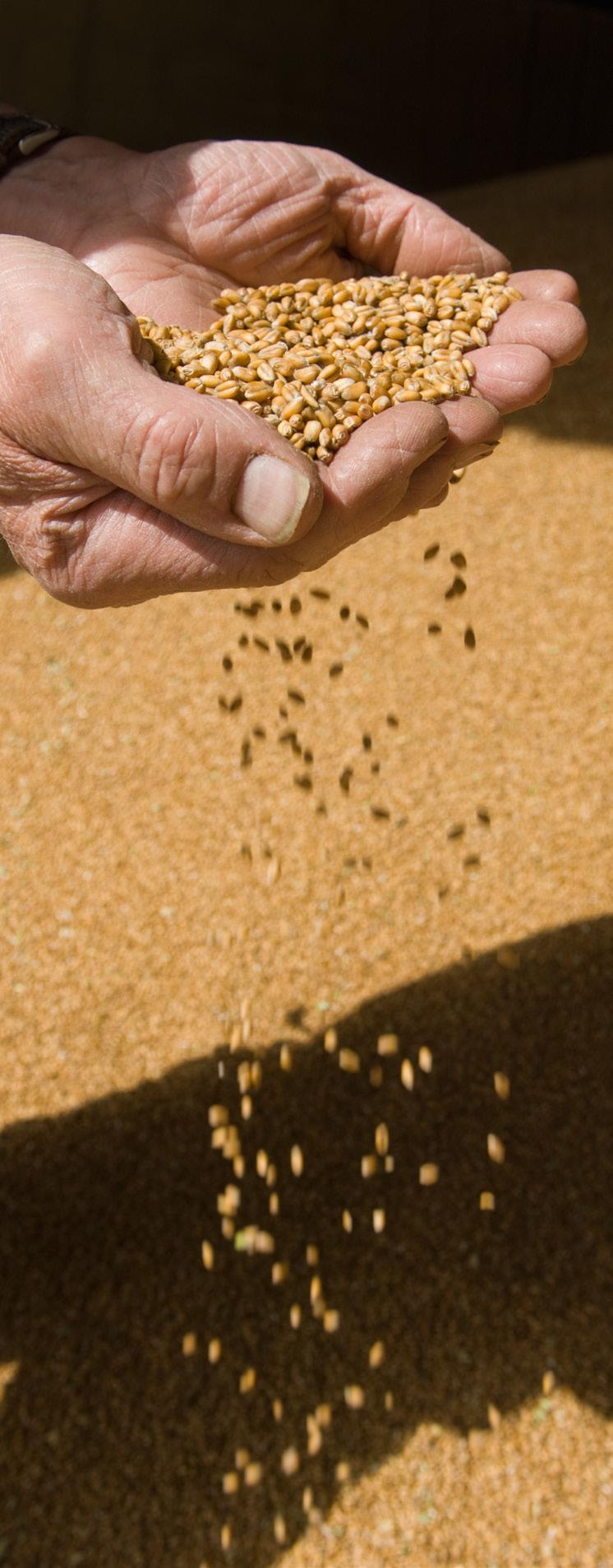
December’s grain markets are anything but dull this year. While the overarching tone remains bearish, thanks to recordbreaking global wheat supplies, there’s a real sense of volatility, with traders and producers alike keeping a watchful eye on every shift and rumour. Oilseeds and certain feed grains show surprising resilience. Markets are nervous, fuelled by uncertainty over China’s future grain buying habits, ongoing US-China trade developments, and looming weather risks associated with the La Niña phenomenon across South America.
Wheat
Wheat prices remain weak due to strong global competition. Top exporting nations currently boast bumper harvests, and the influx of competitively priced Australian and Argentinian wheat is pushing global prices even lower. Fluctuations in currency, particularly between the euro and the US dollar, are further shaking things up. While the mood is subdued and the market appears oversupplied, there’s a growing sense that prices could already be bearing the brunt of this abundance. There’s cautious optimism that any upswing in feed grain markets could eventually offer indirect support to wheat values.
Barley
The global feed barley market is tightening sharply due to aggressive exporter sales and farmer stock retention. EU barley exports have surged by almost 3 million tonnes compared to last year, an 80% jump, driving feed barley prices above those of EU milling wheat. UK growers are seeing feed barley prices on par with malting barley, creating a window of opportunity for all types of barley, including malting-quality.
Rapeseed / oilseeds
Rapeseed prices are climbing, buoyed by robust Chinese buying which has also propped up US soybean values and, in turn, lifted rapeseed. China’s appetite is clear: nearly 3 million tonnes of soybeans have been imported so far, dwarfing the 260,000 tonnes of US wheat taken. A disappointing sunflower harvest in Ukraine is further supporting high prices for oilseeds across the board. Should China’s buying spree continue or intensify, expectations are that wheat, maize, and oilseed prices will remain firm.
Maize
Maize is currently sailing a steadier course. European maize production has tumbled to just 55 million tonnes, well short of earlier hopes. The Ukrainian harvest is lagging and may fall significantly below the projected 32 million tonnes. Meanwhile, in the US, traders suspect the USDA’s massive 427 million tonne maize forecast is overly optimistic by at least 10 million tonnes. With global maize stocks already down 10 million tonnes year-on-year, and South America’s crops under the threat of La Niña-induced stress, the balance appears to tip more towards the possibility of price gains rather than declines in the near term.