Missionreport2021
© Copyright 2022 Fish Tales Reporting period from 01-01-2021 to 31-12-2021 Included in the sustainability reporting are Fish Tales NL BV and Fish Tales USA BV This report references a selection of GRI standards. Publication date 24-06-2022 Contact information Nieuwpoortkade 2a 1055 RX Amsterdam +31 (0)20 606 Photographywww.sea-tales.comwww.fish-tales.cominfo@fish-tales.com0701byDavid Loftus excluding page 9 Tammy van Nerum; page 4, 24, 33, 34, 54 (top right), 55, 77, 78 Guus Dubbelman; page 46, 56, 58, Mitchell van Voorbergen; page 60 Sunt; page 72, 92 GraphicSea Tales.design by Tijs Koelemeijer Printed on Recystar nature paper GRI 2-1, GRI 2-2, GRI 2-3
MISSIONREPORT2021
Chapter 5: Fish Tales Foundation 74
TABLE OF CONTENTS
Chapter 3: Changing the world of fish 20
Chapter 7: Plans for the future 94
In the European market, our products are known as Fish Tales. For the United States and future markets outside Europe our products are known and sold as Sea Tales. No worries! The company, fisheries and our impact is the same, just with a different name! Enjoy!
FISH TALES AND SEA TALES
Chapter 1: About Fish Tales 10
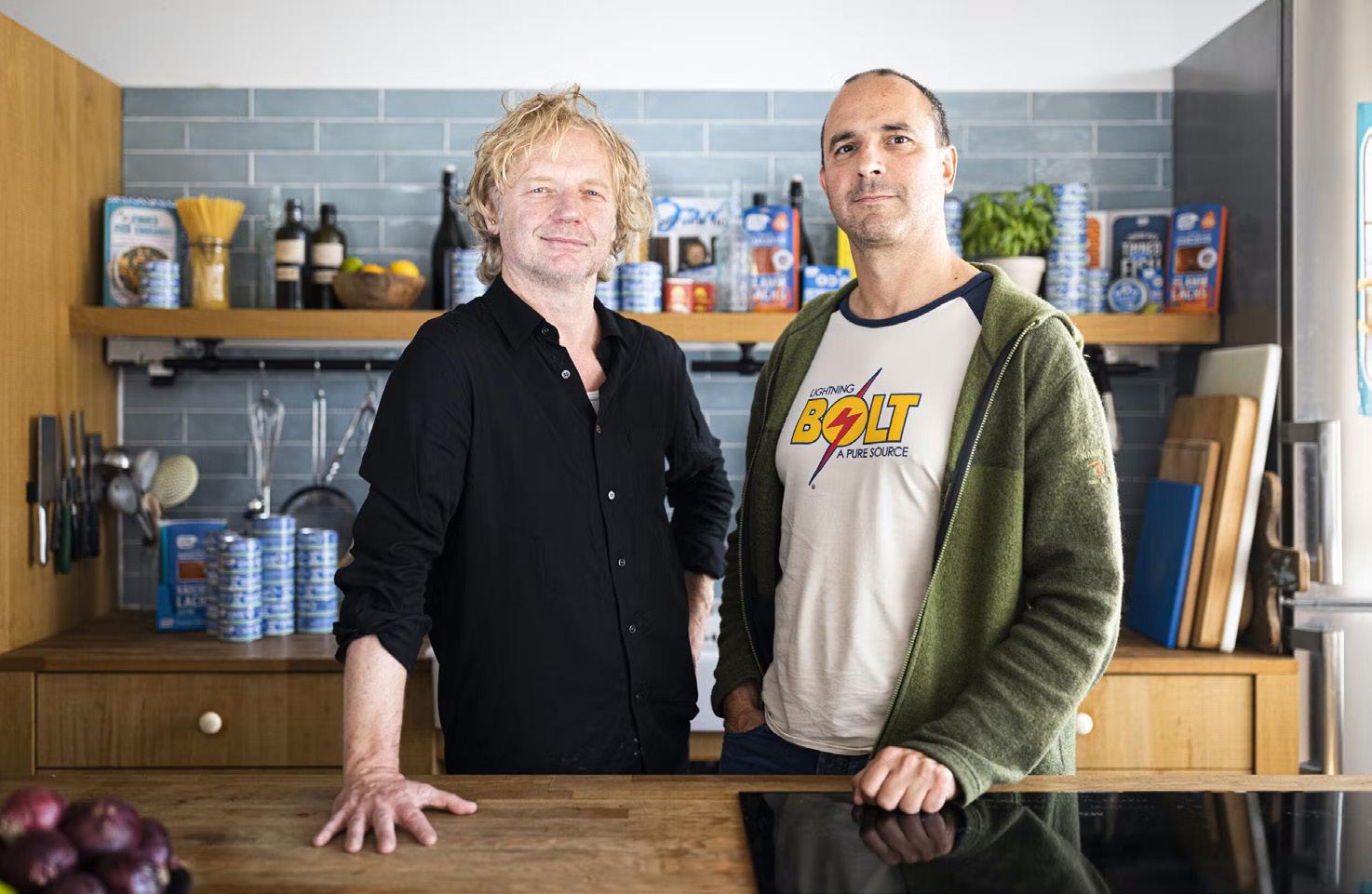
Hello from Bart and Harm 8
Chapter 4: Expanding our impact 62
Chapter 2: The situation today 14
Appendices 101
Chapter 6: Our numbers 80
6 Fish Tales Mission Report 2021 DIVE INTO FISH TALES’ 2021! Together with 21 partners we sold 6980378 products in 5 countries All products are traceable to their origin 10 new collaborations with retailers in the Netherlands and CollaborationsUSA with 22 fisheries worldwide
7Dive into Fish Tales' 2021 fish tales' 1 st fair trade certified skipjack tuna products from Indonesia entered the shelves 117 fishermen and 590 processing facility employees work in Fair Trade certified conditions for Fish Tales! This is a doubling of fishermen compared to last year! 566 shareholders joined our mission! 81.4% of our packaging is made from environmentally friendly materials
We were finally able to travel to the US in November. After all the photos and virtual visits, it was so rewarding to see our Sea Tales products in US stores with our own eyes at last! We were absolutely buzzing with excitement. The trip really made us realise that we are absolutely on the right track, and that the enormous country of the USA is bursting with unlimited possibilities.
We want to change the world of fish forever! With that mission we founded Fish Tales in 2014. This mission is on the minds of our team at Fish Tales and we are working hard every day to get there – making big plans, developing new ideas, working out strategies, setting up collaborations with amazing partners, creating awareness and coming up with the tastiest fish recipes imaginable. After eight years of hard work, we are really proud of what we have achieved.
Hello from Bart and Harm
it’s been a strange year, we are happy with what we have achieved. The new world of online groceries and superfast deliveries – however annoying the couriers may be in traffic –seems to really have hit the mark. Young consumers have shown an interest in contributing to a better world, and we continue to see positive development among classic retail businesses, both domestically and internationally. On top of all that, 566 new shareholders have joined us to support our mission!
8 Fish Tales Mission Report 2021
Althoughthis?
In order to realise impact, we obviously spend a lot of time looking straight ahead. But writing this Mission Report gives us a chance to take a moment and reflect on our results over the past year. Were we able to realise the plans we had in mind? What went well, and what did not? And, above all: what can we learn from
Sadly, we must also accept that not everything went the way we wanted. Although we had hoped that the COVID-19 era would be over and done with the year before, the virus continued to plague the world throughout 2021. That limited our developments in the US. Factors such as increased container costs made logistics more expensive, which made products more expensive, and our growth suffered because of that as well. Nevertheless, we still feel the rush and have the intrinsic desire to make a real change in the world of
this Mission Report 2021 gives you a good idea of our impact in the past year, how we made that impact, and how we can further improve. Compared to last year, this Mission Report is a bit different: we put a lot of time into making our impact better measurable, and we are very proud to present the results! In the coming year, we will continue our efforts to steadily move in the right direction. It’s going to be another year full of challenges, adventures, of starting small and going big. We look forward to it already!
9
Wefish.hope
10
11 CHAPTER FISHABOUT1TALES
Our mission: To enjoy the most delicious seafood, now and forever
Fish Tales is on a mission. We want to ensure that we, and future generations, can continue to consume fish in a healthy manner. We need everyone involved in the seafood industry to contribute: fishermen, processors, suppliers, seafood brands and consumers. If everyone steps up and takes their responsibility, we can take better care of the ocean. Together, we can ensure that unique and small-scale fisheries can continue to exist. Now, and in the future.
12 Fish Tales Mission Report 2021
MISSION-DRIVEN ENTREPRENEURSHIP
Our Happyvision:fishermen, healthy oceans
We believe that fishing communities play the most important role in taking care of the ocean. If fishermen are able to provide well for themselves and thei r families, they will not catch more than nature can sustain. In other words: we take good care of the fishermen, and together we will take good care of the ocean.
At Fish Tales, we use our entrepreneurship as a force to create and accelerate change. Our mission to change the world of fish governs each and every one of our business activities.
13Chapter 1: About Fish Tales
We truly believe that businesses can have a positive impact on the world around them while keeping all stakeholders in mind and staying committed to sustainability, social responsibility, product development and, last but not least, Althoughprofits.
our main objective does not solely focus on profits, we do acknowledge that money is an important means to keep growing our business and thereby increase our positive impact.
14
15 CHAPTER 2 THE TODAYSITUATION
On top of the registered catch are the fish caught by illegal fisheries. These unregistered catches are estimated to total 11 to 26 million tonnes of fish each year, about 12% to 28% of the global capture fisheries. It remains unknown how much of these illegal catches are from threatened or overfished stocks.
Of all registered wild-caught fish, more than one-third (36%) are currently caught from overfished stocks. This catch is therefore unsustainable. Slightly over half of the world’s fish stocks (57%) are fished at a biologically safe level, but the stock cannot sustain any further expansion of fishing. A mere 7% of the fish stocks are healthy enough that fishing could potentially be further increased.
As a result of these intensive fishing activities, we are witnessing a depletion of marine life and biodiversity.
1. Source: FAO. The State of the World Fisheries and Aquaculture 2022.
GRI 304-2
16 Fish Tales Mission Report 2021
Our love for fish is endless, but unfortunately, fish stocks are not. Many marine species are being overfished and the biodiversity of the seas and oceans is in constant decline.
Over 4.5 million fishing vessels sail the world’s seas and oceans in search of the best seafood. Altogether, these vessels catch about 80 to 85 million tonnes¹ of fish each year.
Lastly, not all catch is landed. Some of the species caught are thrown overboard – mostly low-value species caught by accident. This is called discarding and is estimated to amount to around 9 million tonnes of fish each year. Most of the discards are dead or die soon after being thrown overboard.
Below the surface
17Chapter 2: The situation today 4.5fishingmillionvessels80-85million tonnes of fish caught 11-26tonnesmillionofillegalfishcatch 36% of the fish stocks overfishedare 57% of the fish stocks are fished at its potentialmaximum tonnes discardedis9million 7% of the fish stocks are fished below its maximum potential (a tonne is equal to 1,000 kilograms)
18 Fish Tales Mission Report 2021 worldpopulation: 7.9billion ( = 1 million people ) About 10%-15% are faced with conditions associated with modern slavery. 3.3 billion people dependent on seafood for protein intake 59 million people employed in fisheries and fish farms
2. Source: https://www.greenpeace.org/usa/oceans/issues/human-rights/ FAO. The State of the World Fisheries and Aquaculture 2020.
The human costs of fishing
Widespread but yet largely unknown are the many human and labour rights violations that occur in the fishing and seafood processing industries. These range from unsafe working conditions and little or no payment to debt bondage and physical abuse. In some instances, these issues are even described as modern slavery. About 10% to 15% of the people employed in fisheries are faced with these conditions.²
19Chapter 2: The situation today
Dwindling fish stocks also have huge consequences for people who depend on ocean resources.
Seafood is an important source of protein for 3.3 billion people around the world – in coastal communities, it provides 70% of people’s daily protein needs. Moreover, 59 million people are not only dependent on fisheries and aquaculture farms as a food source, but also for employment. A huge number, of which the majority are employed in Asian countries (85%).
20
21 CHAPTER CHANGING3 THE WORLD OF FISH our solution
SETTING UP IMPROVEMENT PROJECTS WITH THE FISH TALES FOUNDATION
To keep track of our progress in achieving our mission, we have identified quantifiable key performance indicators (KPIs³) for each mission pillar. This is in line with the goal we set last year: to improve our impact measurements and sustainability reporting.
Our journey
WILL YOU JUMP ON BOARD?
This chapter is all about our mission pillars, measured impact in 2021 and our future targets. We are proud of the results we achieved and are thrilled to share the results with you!
WE DO THIS BY:
SOURCING ONLY FROM FISHERIES THAT TAKE GOOD CARE OF THEIR FISHERMEN AND THE OCEANCREATING AWARENESS, LEADING BY EXAMPLE AND BEING A SOURCE OF INSPIRATION
3. KPIs are Key Performance Indicators that are measurable values that we as a company have set to monitor and demonstrate our performance in reaching our goals and objectives.
22 Fish Tales Mission Report 2021
Our goal has been crystal clear since day one: to change the world of fish. But how can one brand influence the global seafood sector?
Our solution
OFFERING DELICIOUS, FAIR AND SUSTAINABLE SEAFOOD TO CONSUMERS
We may be taking the lead, but changing the world of fish is not something we can achieve on our own. We need consumers, governments and other companies to join us on our mission.
It is clear what Fish Tales stands for, and why. Four mission pillars guide us in our journey towards achieving our mission. These pillars play a central role in our decision-making, for example in choosing which fisheries to collaborate with.
23
Chapter 3: Changing the world of fish
4 OUR FOUNDATION SUPPORTS FISHING COMMUNITIES TO BECOME MORE SUSTAINABLE AND IMPROVE THEIR SOCIO-ECONOMIC
CONSUMERS AWARE OF SUSTAINABLE SEAFOOD AND INSPIRE THEM TO COOK WITH THESE PRODUCTS, THUS CONTRIBUTING TO A HEALTHIER OCEAN 2 GIVESCOLLABORATIONOURTHEFISHERIES A STABLE MARKET
1 WE SELECT THE MOST DELICIOUS SEAFOOD FROM FISHING COMMUNITIES THAT WORK IN HARMONY WITH NATURE
SITUATION3WEMAKE
Our Course
Mission pillar 1: Happy fishermen
The fishermen are in charge, they are the ones who can make sustainable choices in the way they work, the amount of fish they catch, and when they catch it.
By cooperating with locally led and sustainable fisheries, we can provide you with the best and most delicious seafood, while the fishermen can provide well for themselves, their families and their communities.
We carefully select the fisheries we work with, because we believe that sustainable fishing starts with the fishermen.
25Chapter 3: Changing the world of fish
Patreksfjörður,MackerelKlaksvík,FaeroeislandsCodIceland Fraserburgh,HerringScotland AnchovyGetaria,Spain Albacore tuna San Kodiak,pinkCalifornia,Diego,USAsalmonAlaska,USA Sockeye salmon ekuk, Alaska, USA KetaAlaska,emmonak,salmonUSASockeye salmon Cook Inlet, Alaska, USA MarAnchovydelPlata,ArgentinaChilean Coronel,mackereljackChile MackerelPeterhead,Scotland Cornish sardines Newlyn, England Albacore Hondarribia,tunaSpain SockeyeAlaska,UgashiksalmonBay,USA 14 Jack webster 13 Bruce Schactler 1 AgayarMaxine 4 Birgir Svøðstein 15 David Pascoe 2 BoukerJohnna 12 Brian Chase 17 Jorge Ibalo 16 Elvis Daniel 3 OlafssonThorsteinn 5 Nicholas Tait 111 3 4 6 5 7 I3 14 1716 15 19 122 11 Erik & BeemanCrystal 18
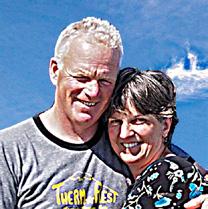
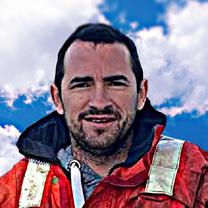

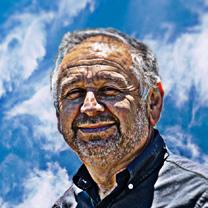
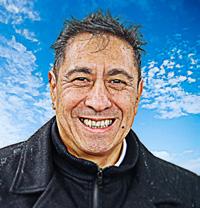
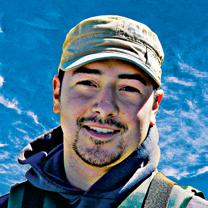
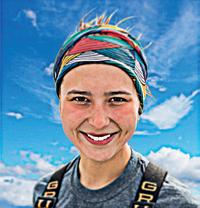
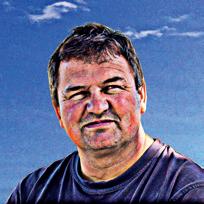
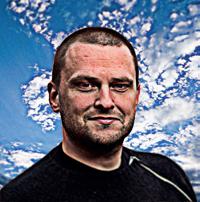
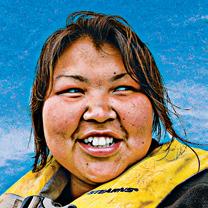
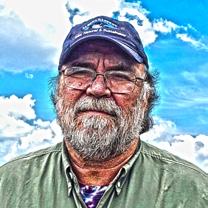
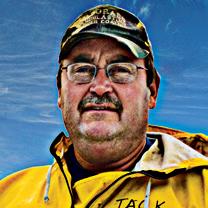
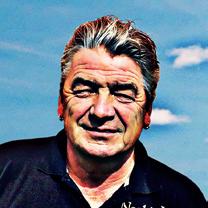
Skipjack tuna Mandhoo, Maldives Skipjack tuna Bitung, Indonesia AtlanticTheNeeltjeMusselsJans,NetherlandssalmonRognan,Norway Albacore tuna Okinawa, Japan Atlantic Hammerfest,salmonNorwayMusselsNykøbing,Denmark 18 ManterolaNemesio 19 LarruskainOskar 8 Poul Kærgaard 20 HussainZaky 9 Alice øksheim 21 LuntunganBije 22 Fumio Tomori 6 William Tait 10 Sigrun JohannessenNess7 Jaap Schot 9 10 8 20 2122 FISHFAMILYTALES MEET THE SPOKESMEN OF THE FISHERIES WE WORK WITH
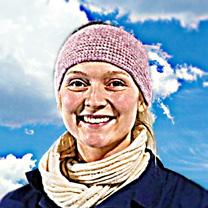
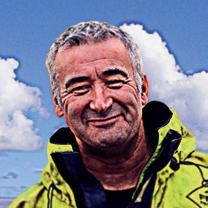
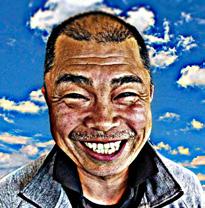
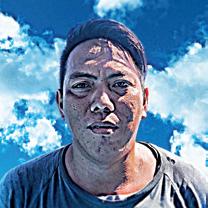
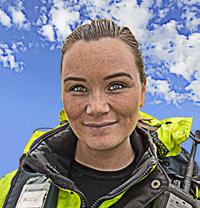
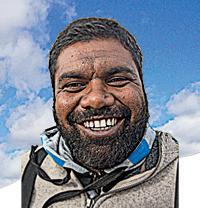
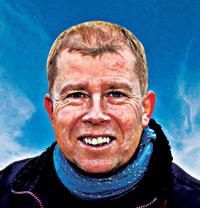
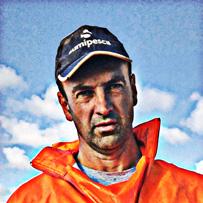
Our average length of collaboration with suppliers is 5.7 years. To put this in perspective, Fish Tales is only 8 years old! Every time we enter into a new collaboration, that obviously decreases this average. LENGTH OF COOPERATION WITH SUPPLIERS
Fish Tales wants to contribute to the eradication of human rights violations, child labour, poor working conditions and modern slavery in the world’s supply chains. We always check the track records of parties before starting a collaboration. Independent parties like SMETA (Sedex Members Ethical Trade Audit), Fair Trade and BSCI (Business Social Compliance Initiative) ensure that all employees in the companies we work with operate under fair working conditions.
We build sustainable partnerships with the fisheries we work with. We do this by involving the fishermen in our brand and mission. Our collaborations are intended for the long term, to provide stability in sales and enable fisheries to further invest in their business.
Our standards
KPI 1 AVERAGE
1 LONG-TERM COLLABORATIONS
2 NO HUMAN RIGHTS VIO LATIONS
28 Fish Tales Mission Report 2021 5.7 YEARS 1 YEAR25YEARSYEARS 3 YEARS 4 YEARS
Inconditions.thecoming
KPI 2 PERCENTAGE OF SEAFOOD VOLUME COMING FROM HIGH RISK COUNTRIES THAT IS FAIR TRADE CERTIFIED
26,8%
years, we will work towards the certification of more fisheries and processing facilities in high-risk areas, to further grow the number of people working in fair conditions. Our long-term goal is for all our seafood coming from these high-risk areas to be Fair Trade certified!GRI407-1,GRI
Several of the fisheries we collaborate with are located in countries that have a higher risk of human rights violations, unfair wages or violation of employees’ right to associate and bargain collectively. These countries are Indonesia, Maldives, Chile and Argentina. We therefore prioritise fisheries from these regions for potential Fair Trade projects in the future. In total, 26.8% of our seafood volume that comes from these higher risk countries is certified by Fair Trade. This volume is coming from the Fair Trade skipjack tuna fishery in Bitung, Indonesia. Here, a total of 117 fishermen and 590 employees are working under Fair Trade certified
Chapter 3: Changing the world of fish
408-1, GRI 409-1
29
30 Fish Tales Mission Report 2021 KPI 3 NUMBER OF PEOPLE WORKING IN FAIR TRADE CERTIFIED CONDITIONS FOR FISH TALES
Processing facility
employees590fishermen117
Fisheries
As long as adequate facilities are available, we process the fish in close proximity to the source. We choose to do this so that a bigger part of the value created from the product remains in the local economy, supporting the communities around the fishery. In the coming years, we will further develop tools to determine which percentage of the value of our products remains in the country of origin.
5 SMALL IN SCALE, BIG IN VALUE
4 SUPPORTING THE COMMUNITY
ACTIVE PARTNERSHIPS
Fish Tales co-founder Bart van Olphen has travelled the world in search of the best seafood, establishing lasting personal relationships with our fisheries. We aim to regularly visit the fisheries and producers we collaborate with. Although that has been difficult during the COVID-19 pandemic, we have already visited some of the fisheries again. And more trips are planned in the future!
We prefer to collaborate with locally owned fisheries. These are often small-scale and provide nutritious seafood and employment opportunities for their community. In some cases collaborating with large scale fisheries is inevitable, and also the more sustainable option.
Fishermen deserve to receive a good price for their catch, so they can fish sustainably while supporting their families. However, it is hard to obtain information about the income generated by each individual fisherman and -woman. We currently have access to these figures for a number of the fisheries we collaborate with, and our goal is to work towards an overview of all wages in the coming years.
3 FAIR PRICE
31Chapter 3: Changing the world of fish
FINDING TUNA
FISHING GROUNDS Western Central Pacific Ocean FISH SPECIES skipjack tuna (Katsuwonus pelamis)
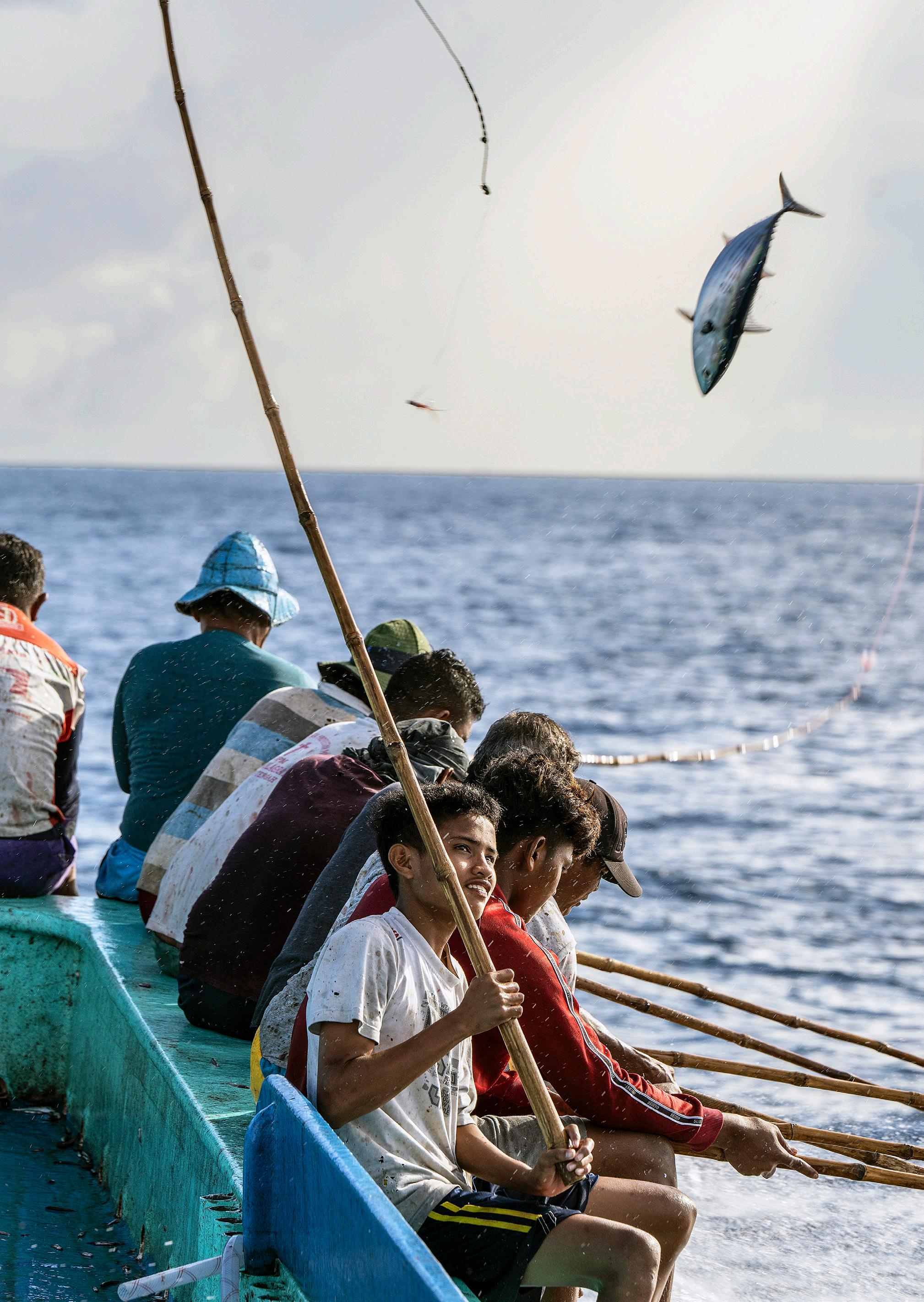
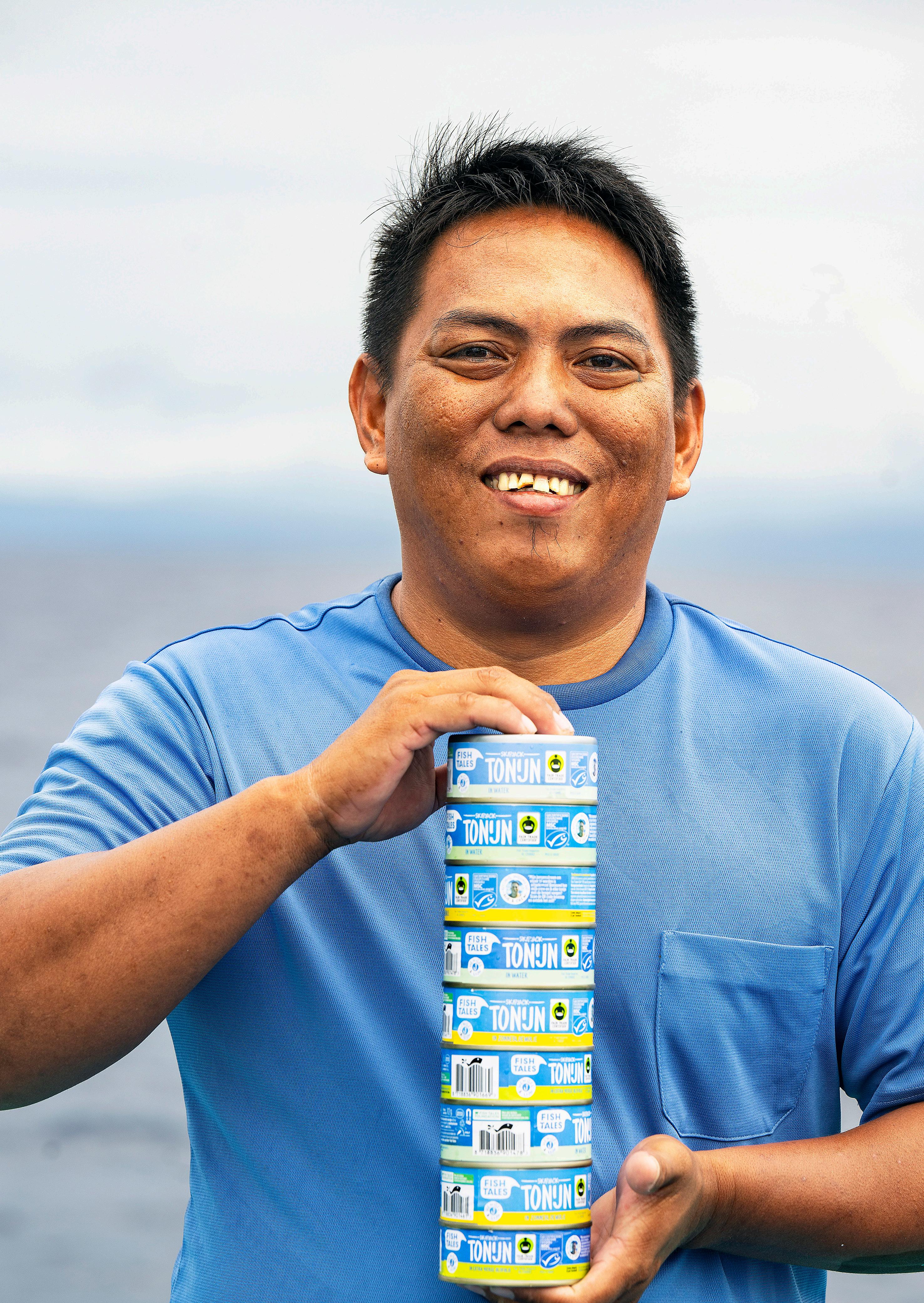
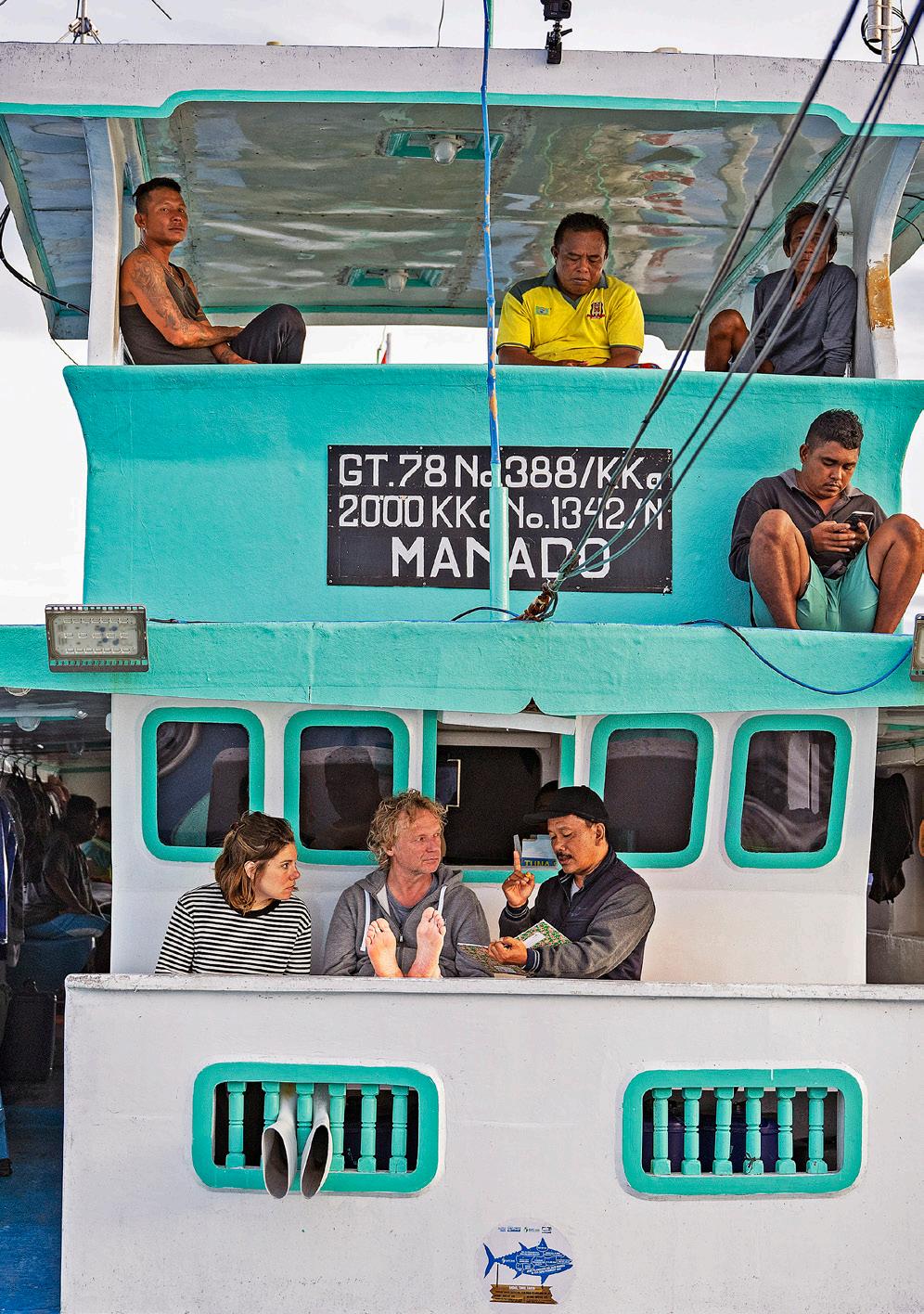
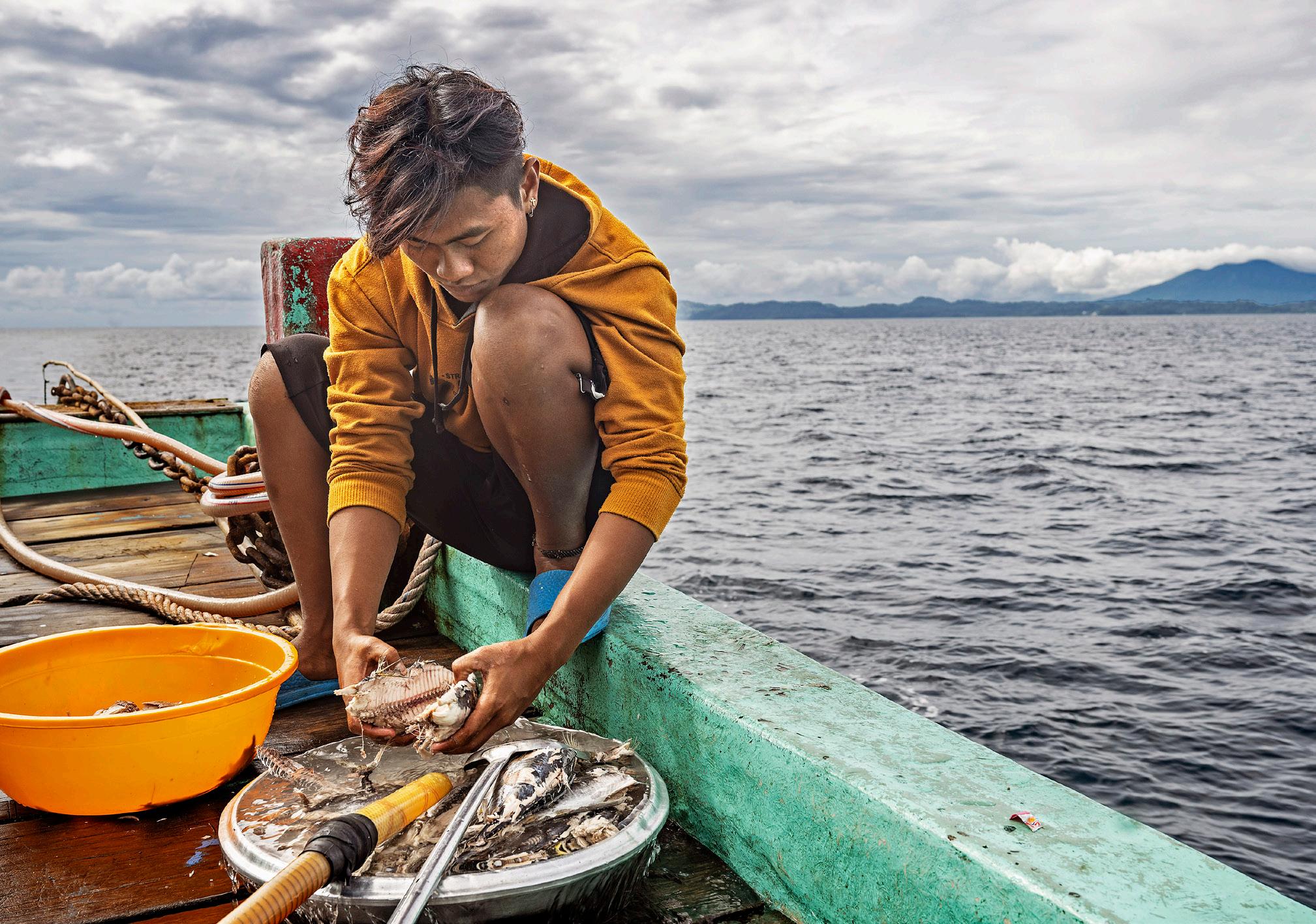
After picking up a few buckets of live bait from nearby fishermen, Bije and his crew head out for the Celebes Sea. As an assistant captain, Bije knows what signs to look for. Low-flying birds or an irregular water surface are indicators of a big school of skipjack. After he manoeuvres the ship right above the tuna, two crew members start throwing bait overboard while all other crew members take their position on deck to start fishing.
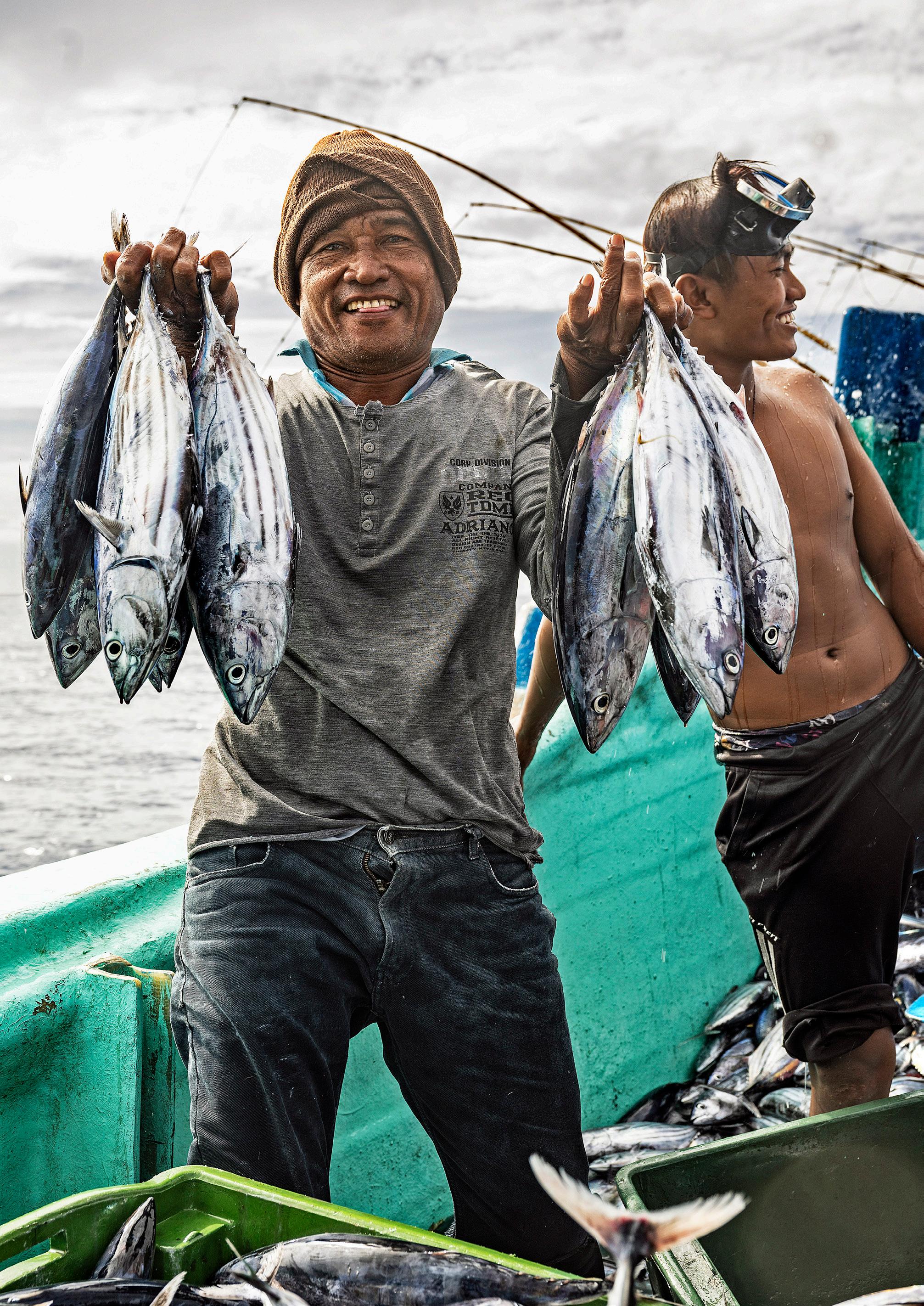
From the vibrant port of Bitung, Indonesia, fisherman Bije Luntungan and his crew sail out to catch the world’s favourite fish: skipjack tuna.
Meet B ij e
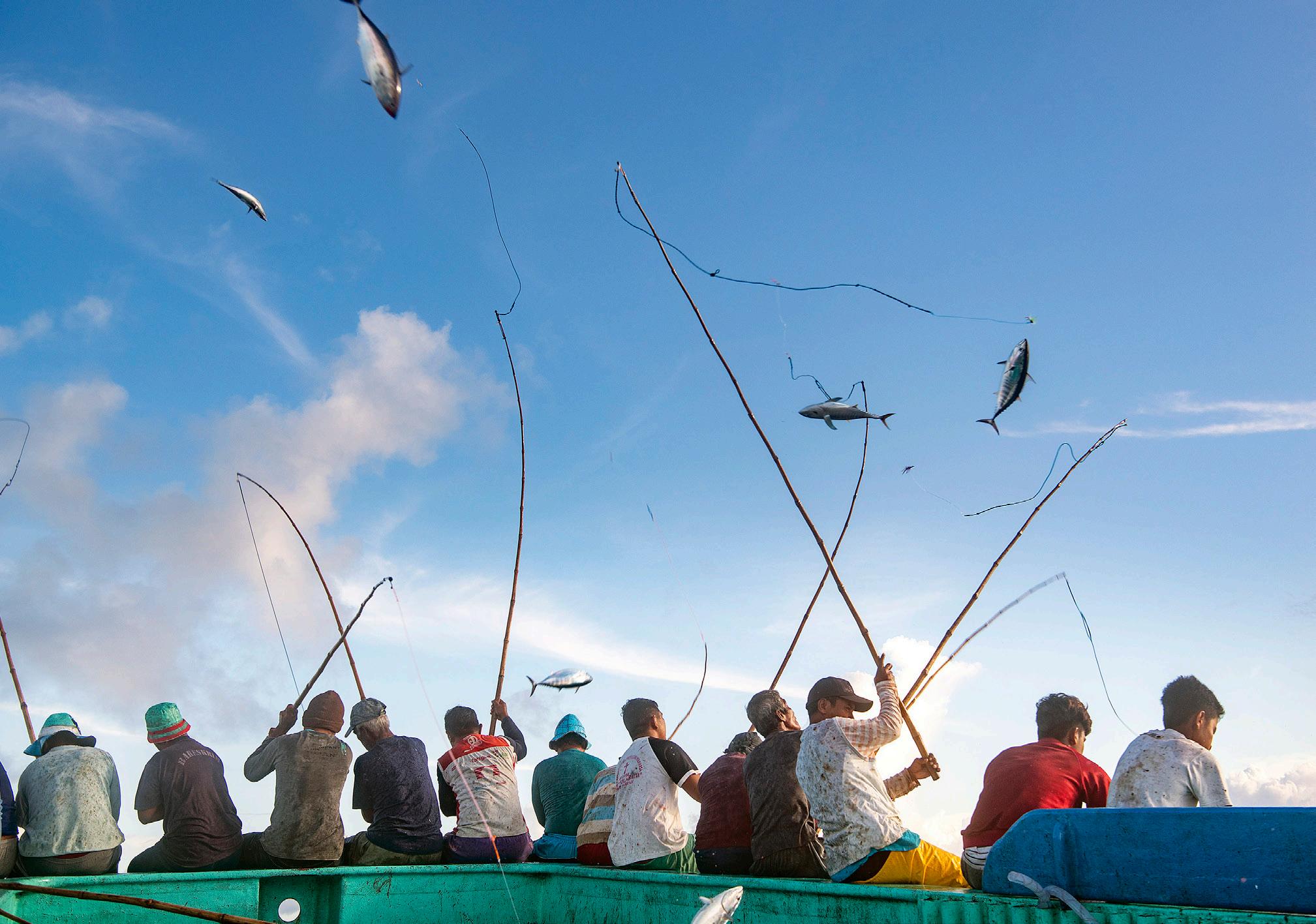
It’s all hands on deck when the fishermen cast their rods. Each rod holds a line with a hook. One by one, the tuna are hauled in. This traditional fishing method prevents overfishing and does no damage to the marine ecosystem. Pole and line prevents other species from getting caught and is by far the most selective way to catch tuna. That is why we exclusively collaborate with pole and line tuna fisheries.
POLE AND LINE
NAME Bije Luntungan
WORKING CONDITIONS
32 Fish Tales Mission Report 2021
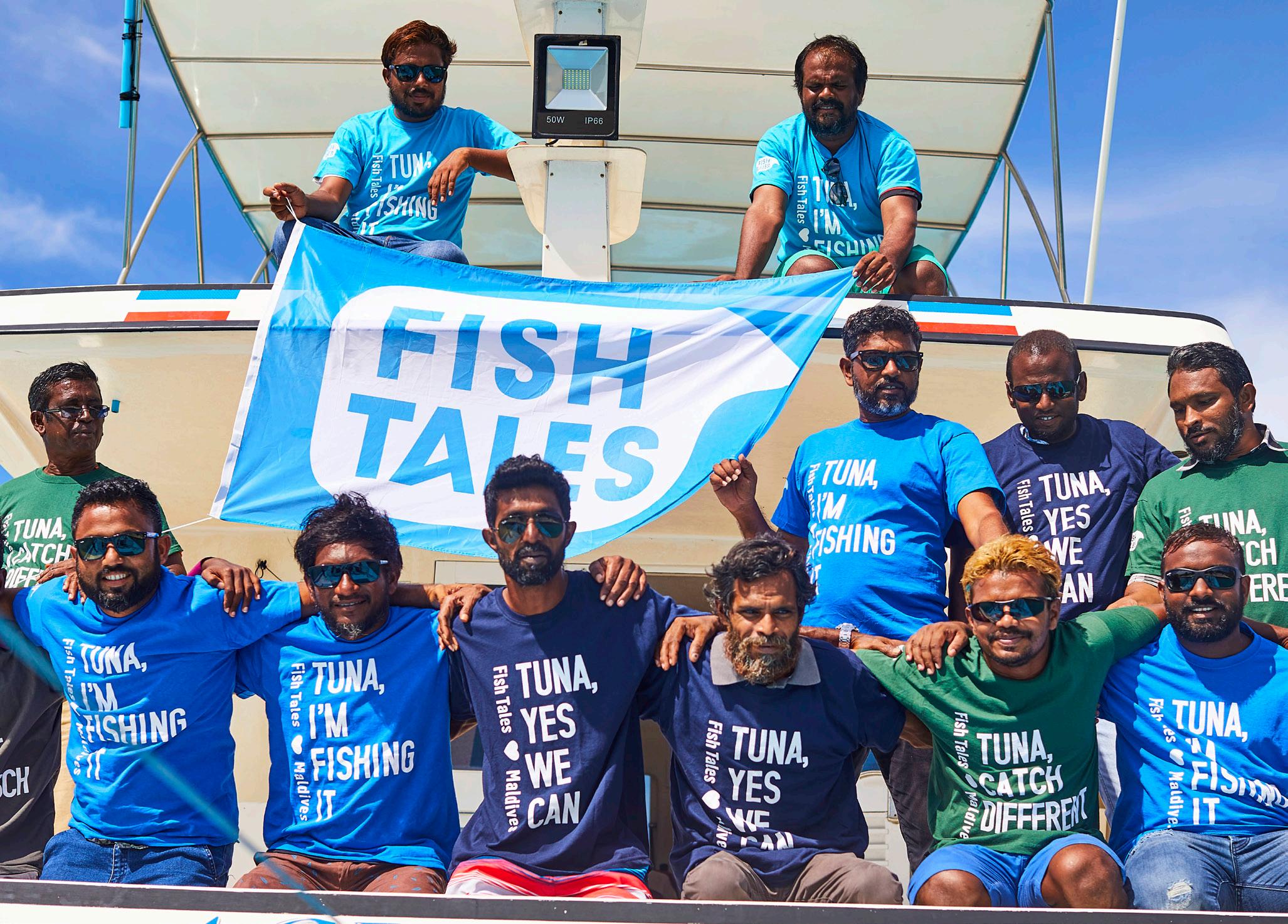
Fish Tales is extremely proud that after years of hard work, six boats have been awarded Fair Trade certificates.
As part of the Fair Trade partnership, Bije and his co-workers receive a premium for each product sold. Bije already knows what he wants to spend it on: an upgrade of local schooling facilities and an awareness campaign about endangered species. Read more in chapter 5.
Mission pillar 2: Healthy oceans
Farmed seafood can be a solution for the future to ensure protein supply without increasing the pressure on wild fish stocks. Even though many fish farms do not operate sustainably at the moment, some already do. It's a matter of selecting the right farmers.
Just like with wild-caught seafood, there are many factors that determine if farmed seafood is sustainable. Which factors determine the sustainability of a farm depends on the farmed species and the farming method.
Sustainable seafood is caught in a way that ensures healthy fish stocks and marine ecosystems for future generations. This means that fisheries only fish from healthy stocks, are careful not to damage other species, and do not damage marine habitats such as the seabed. That is why the fishing method and its impact on the ecosystem are part of our selection criteria for fisheries.
Well-managed fish farms that work according to the most recent best practices have a limited impact on their surrounding ecosystems.
35Chapter 3: Changing the world of fish
At Fish Tales, we love seafood. But we only sell what the ocean can sustain. Not all we can take. Why? Because many species are being overfished. The oceans are under enormous pressure, mainly due to destructive fishing practices.
WHAT IS SUSTAINABLE SEAFOOD?
IS FARMED SEAFOOD SUSTAINABLE?
1 HEALTHY FISH STOCKS
2 SUSTAINABLE FISHING AND FARMING
Our standards for sustainable seafood
Before and during our collaboration, we assess fisheries on the following standards.
To ensure that future fish stocks are not threatened by fishing, our fish must come from healthy fish stocks. Only the regrowth of the fish stock is caught, which ensures that the fish stock does not decrease in size over time. stock
fishingSustainabletoSafecatchmethod
36 Fish Tales Mission Report 2021
reference
There are different methods to catch and farm fish. Which method is used mostly depends on the fish species and the area in which it is caught or farmed. Each method has its own pros and cons, which we carefully weigh. For wild capture fisheries, our selection criteria include minimal bycatch rates and minimal damage to other marine life, among others. For aquaculture farms, minimal impact on the natural environment and biodiversity around the farm are important selection criteria.
It is of crucial importance that both fisheries and farms comply with rules, regulations and both national and international policies. Only with an effective management system can fishermen and farmers continue to sustainably catch or farm their fish.
KPI 4 PERCENTAGE
After many years of certification, the MSC certificate for Atlantic mackerel was withdrawn. Following this, we immediatly took the canned mackerel out of our assortment. Luckily we found the perfect replacement: MSC certified Chilean jack mackerel. Read more about this fishery on page 44! One single (fresh) Atlantic mackerel product was still on shelf for a short period of time due to agreements. Directly after, we took this product from shelf and is therefore no longer in store.
3 EFFECTIVE MANAGEMENT
For 3th party assurance of sustainable fishing and responsible farming, all our products are MSC or ASC certified. This is on top of our own assessment with our Reference Tool (read more on p. 66). OF SEAFOOD VOLUME THAT IS CERTIFIED BY MSC OR ASC
MSC & ASC
90.4% 9.6% msc asc
37Chapter 3: Changing the world of fish
4 TRACEABLE TO THE SOURCE
Our products come from oceans all around the globe and are caught by many different fishing vessels. Only if we know where our fish comes from we can ensure that the fisheries we cooperate with comply with our sustainability criteria.
100%
5
PERCENTAGE OF SEAFOOD VOLUME THAT IS TRACEABLE TO THE FISHERY
That might sound straightforward, but global supply chains of seafood products are often complex. Complex supply chains increase the risk of important information being lost. At Fish Tales, we therefore keep our supply chains as short and simple as possible. We know exactly where all of our fish are caught and processed. And this is truly unique! The vast majority of seafood products only mention the ocean area of capture (if you are lucky). These areas are huge, and do not provide information about the fishery itself. We know exactly where our products come from and can't wait to share all these amazing stories with you!
38 Fish Tales Mission Report 2021
KPI
That’s right – each fish you eat really comes from the fishery listed on the package!
NETHERLANDSPACKED
IN SUPERMARKETTHE
FROZEN IN ALASKA
THIS IS AN EXAMPLE OF THE SUPPLY CHAIN OF OUR SOCKEYE SALMON
TRANSPORTED TO THE
39Chapter 3: Changing the world of fish
TRANSPORTEDSMOKED TO DISTRIBUTION CENTER
CAUGHT IN COOK INLET, ALASKA.
Why choose certified seafood?
40 Fish Tales Mission Report 2021
NO MINIMALOVERFISHINGNEGATIVE
IMPACT ON HABITATS AND OTHER MARINE SPECIES
We have established standards which we believe the seafood we offer should meet. However, we do not have the ability to regularly perform checks at the fisheries and farms. That's why we collaborate with the independent third party certification body MSC.
WHAT DOES THE MSC-LABEL INCLUDE?
EFFECTIVE MANAGEMENT SYSTEMS
WILD CAUGHT SEAFOOD: MARINE STEWARDSHIP COUNCIL (MSC)
The MSC is the world’s leading certification programme for sustainable wild-capture fisheries, easily recognisable by the blue label on certified seafood products. MSC certification ensures us that the fisheries meet many of our sustainability criteria.
Fisheries may be awarded an MSC certificate if they can demonstrate full compliance with the MSC standard. The following themes are included in the standard:
WHAT DOES THE ASC-LABEL INCLUDE?
With the ASC certification, we are assured that the farmed products meet a part of our sustainability criteria for aquaculture. Atlantic Salmon farmed from Norway is currently the only aquaculture product in our assortment.
OPERATIONS: SUCH AS NO CHILD LABOUR AND HEALTHY AND SAFE WORKING CONDITIONS
PROTECTION OF THE NATURAL ENVIRONMENT AND BIODIVERSITY
ASC certified seafood meets the standards set for the specific farmed species. This is because the farming method, and therefore the impact of a farm, is highly dependent on which species is being farmed. In general, the standards include criteria for the following themes:
41Chapter 3: Changing the world of fish
FARMED SEAFOOD: AQUACULTURE STEWARDSHIP COUNCIL (ASC)
SUSTAINABLE USE OF FEED AND OTHER NATURAL RESOURCES
THE FISH ARE HEALTHY AND TREATED WELL (NO UNNECESSARY USE OF ANTIBIOTICS AND CHEMICALS)SOCIALLYRESPONSIBLE
PROTECTION OF WATER SUPPLY AND WATER QUALITY
The Aquaculture Stewardship Council (ASC) is designed to certify responsibly farmed seafood.
CAUGHT WITH
CAUGHT ONE BY ONE: POLE & LINE
WHAT DOES THE POLE AND LINE LOGO INCLUDE?
We only work with tuna fisheries that catch tuna one by one, fish by fish, with pole and line.
The traditional fishing method of pole and line doesn’t harm the seafloor and has no bycatch. According to Greenpeace, pole and line is the only sustainable fishing method for tuna*. Therefore, we chose to require all our tuna to be fished with pole and line, on top of MSC certification. This means that we go beyond the requirements of MSC certification with our sustainability requirements for tuna.
NE *Source: valse-belofteswww.greenpeace.org/nl/natuur/3135/tonijn-blik-vol-
By placing this logo directly on our products, consumers can immediately recognize that the tuna was caught with pole and line. The criteria set for this logo is simple: THE ONLY SUSTAINABLE FISHING METHOD FOR TUNA: & L I
You will find our pole and line logo on every tuna product we sell. Because we regularly visit the fisheries we work with, we know exactly which fishing method is used. This is further assured by the traceability system we use to track our products to the source.
42 Fish Tales Mission Report 2021
POLE AND LINE! PO LE
FAIR WORKING CONDITIONS: FAIR TRADE CERTIFIED
43Chapter 3: Changing the world of fish
Fair Trade has established rigorous environmental, social and economic standards which must be met for a product to become Fair Trade certified. The Fair Trade criteria ensures:
WHAT DOES THE FAIR TRADE LABEL INCLUDE?
Fair Trade is the world's most recognized standard for fair labour conditions in supply chains worldwide. Fair Trade works to protect and empower farmers, fishermen, employees from the processing facilities and the environment.
COMMUNITYSUSTAINABLEENVIRONMENTALCONDITIONSPROTECTIONLIVELIHOODSDEVELOPMENTFUNDS
SAFE WORKING
THROUGH A PREMIUM
To ensure seafood forever, we must take care of the fishermen. Poor working conditions and even human right violations are one of the big problems the fishing industry is facing. To be assured that the fishermen we work with are treated with dignity and respect we jumped aboard with Fair Trade.
LOCAL ECONOMY
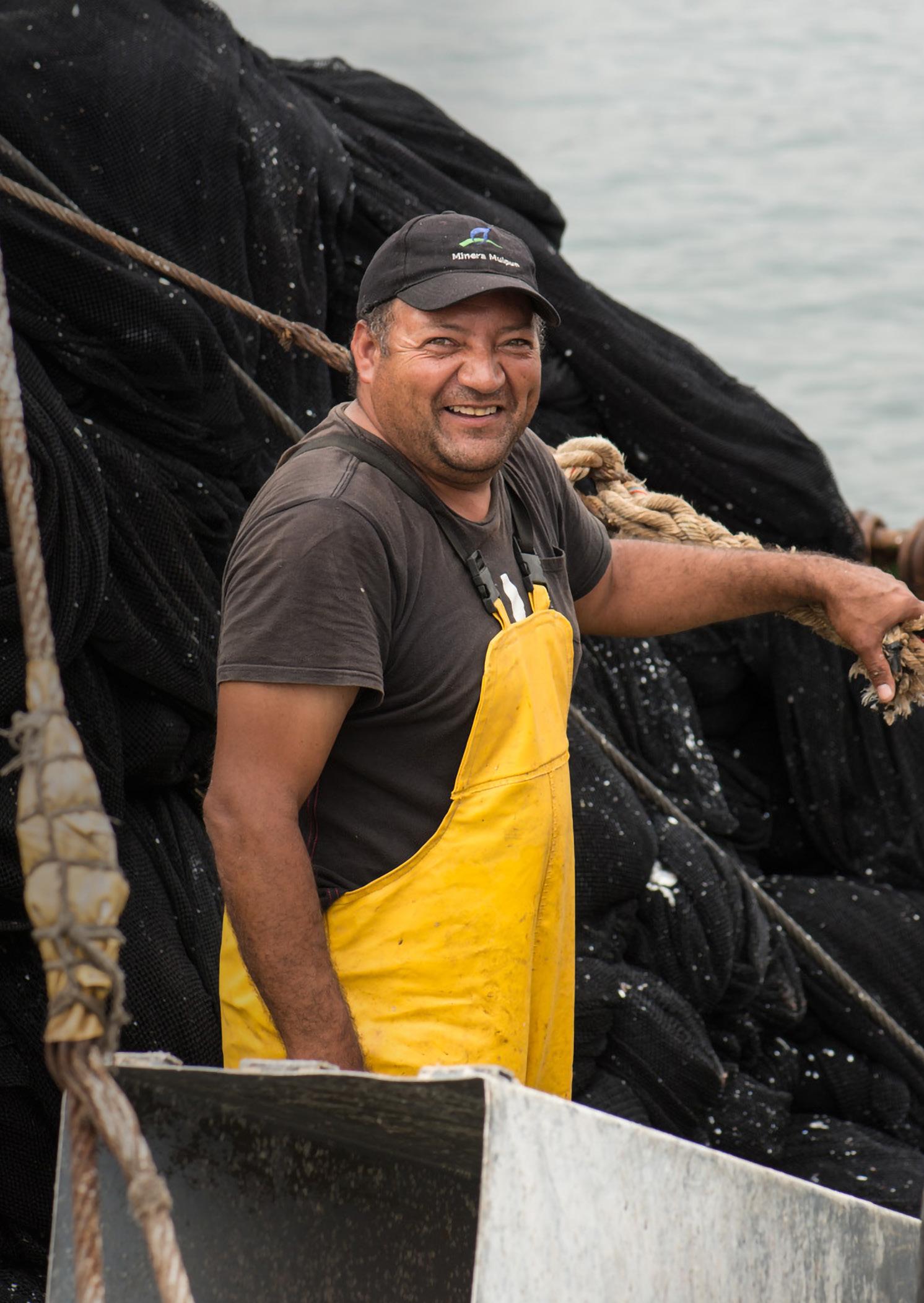
A significant part of the economic value of jack mackerel remains in the local community. This system benefits many Chileans in a sustainable way. To us, Elvis en his crew are a great example of how a large scale fishery can fish sustainably.
HEALTHY STOCKS
NAME Elvis Daniel
44 Fish Tales Mission Report 2021
FISH SPECIES Chilean jack mackerel (Trachurus murphy)
Elvis’s Chilean jack mackerel fishery is one of the few mackerel fisheries in the world that currently holds an MSC certificate. Jack mackerel swim in enormous schools, far out from the Chilean coast. This fish stock is at a healthy level, and has been a reliable source of income for many generations of Chileans.
MODERN EQUIPMENT
FISHING GROUNDS Southeast Pacific Ocean
If Elvis fishery proves one thing, it is that not all sustainable fisheries have to be small-scale. Modern purse seining equipment helps locate the fish and prevents other species to be caught. Chilean jack mackerel like to swim in compact schools, making it efficient to cast a net around them. The floating nets do not touch nor damage the seabed.
VIBRANT TOWN
Back in the port of Coronel, Elvis offloads his catch to the processing factory, which is only a stone’s throw away. The people here have developed a love for this specific seafood, with every restaurant serving several dishes made with “jack”.
Meet Elvis
When not at sea, fisherman Elvis Daniel can be found in the fishing town Coronel. Just like his father and grandfather, Elvis loves the adrenaline kick he gets from navigating his ship to the best Chilean jack mackerel fishing grounds.
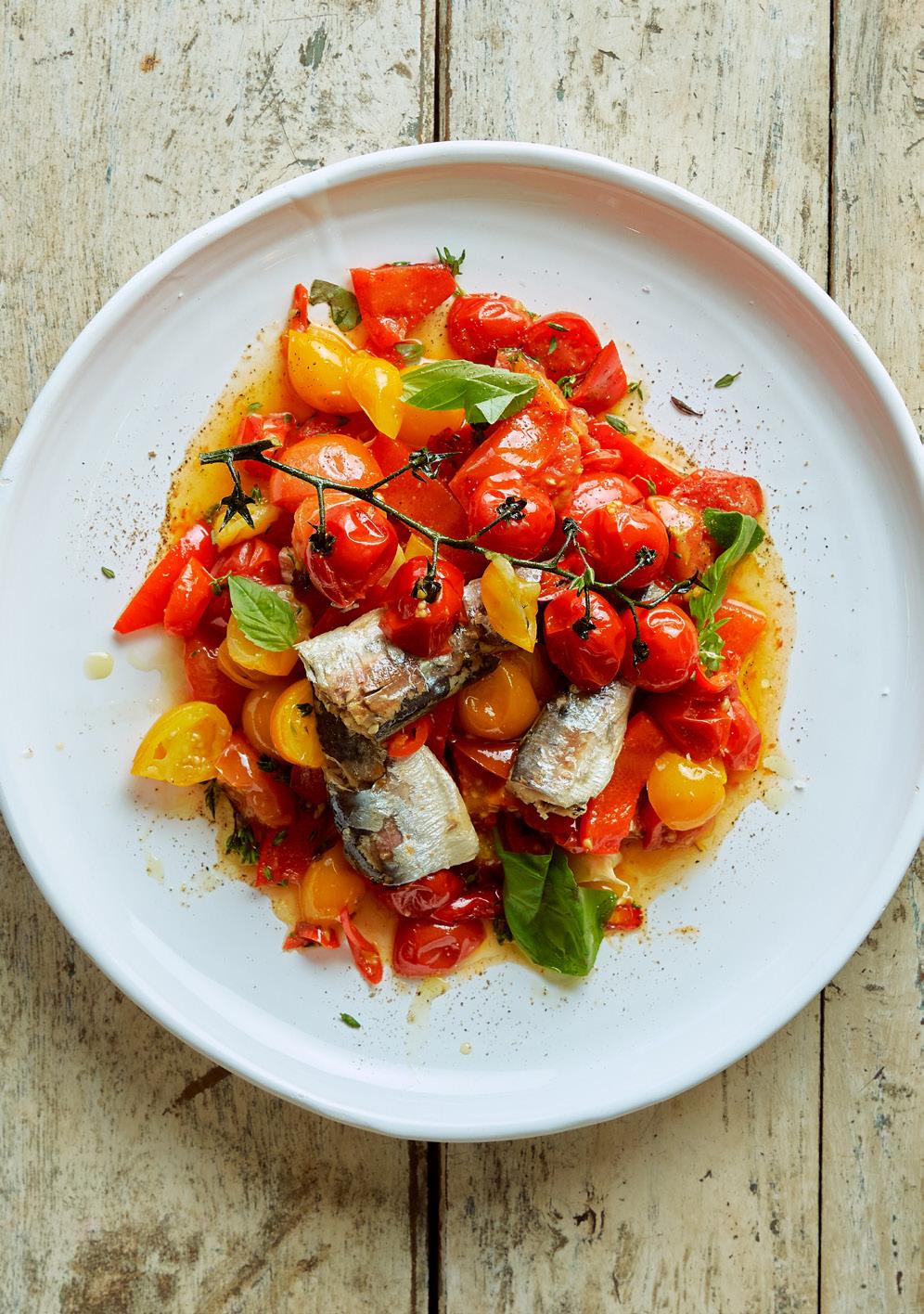
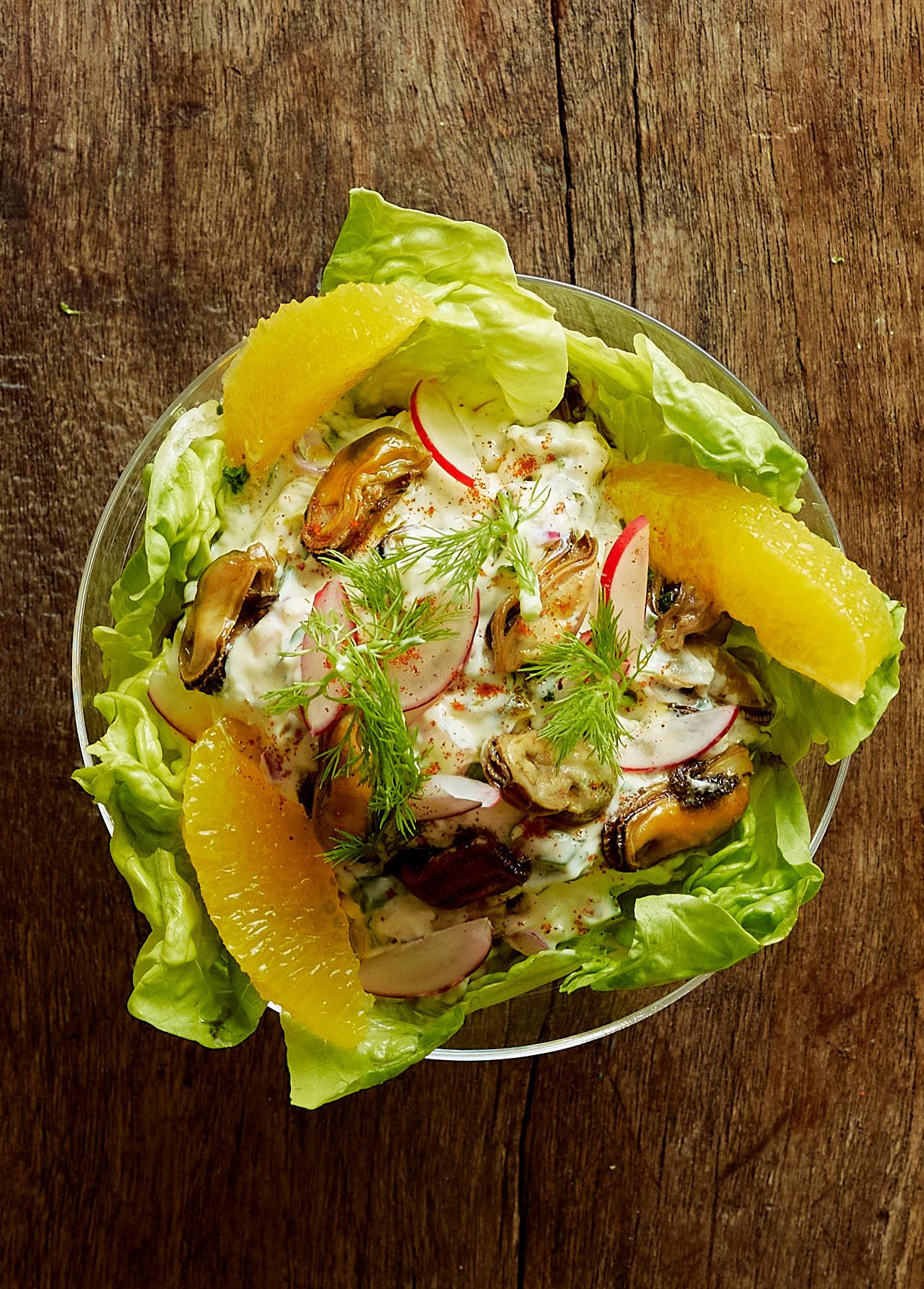
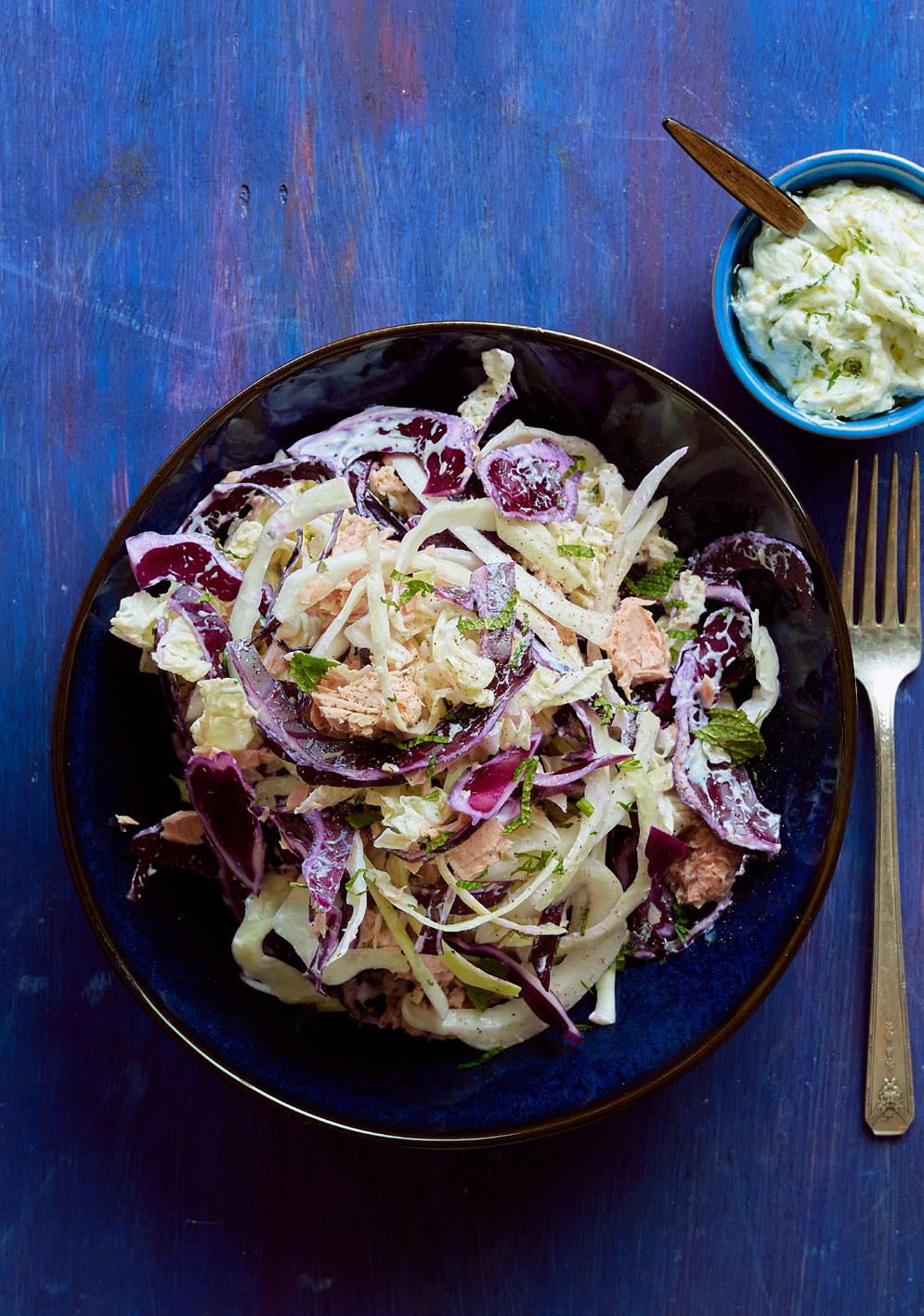
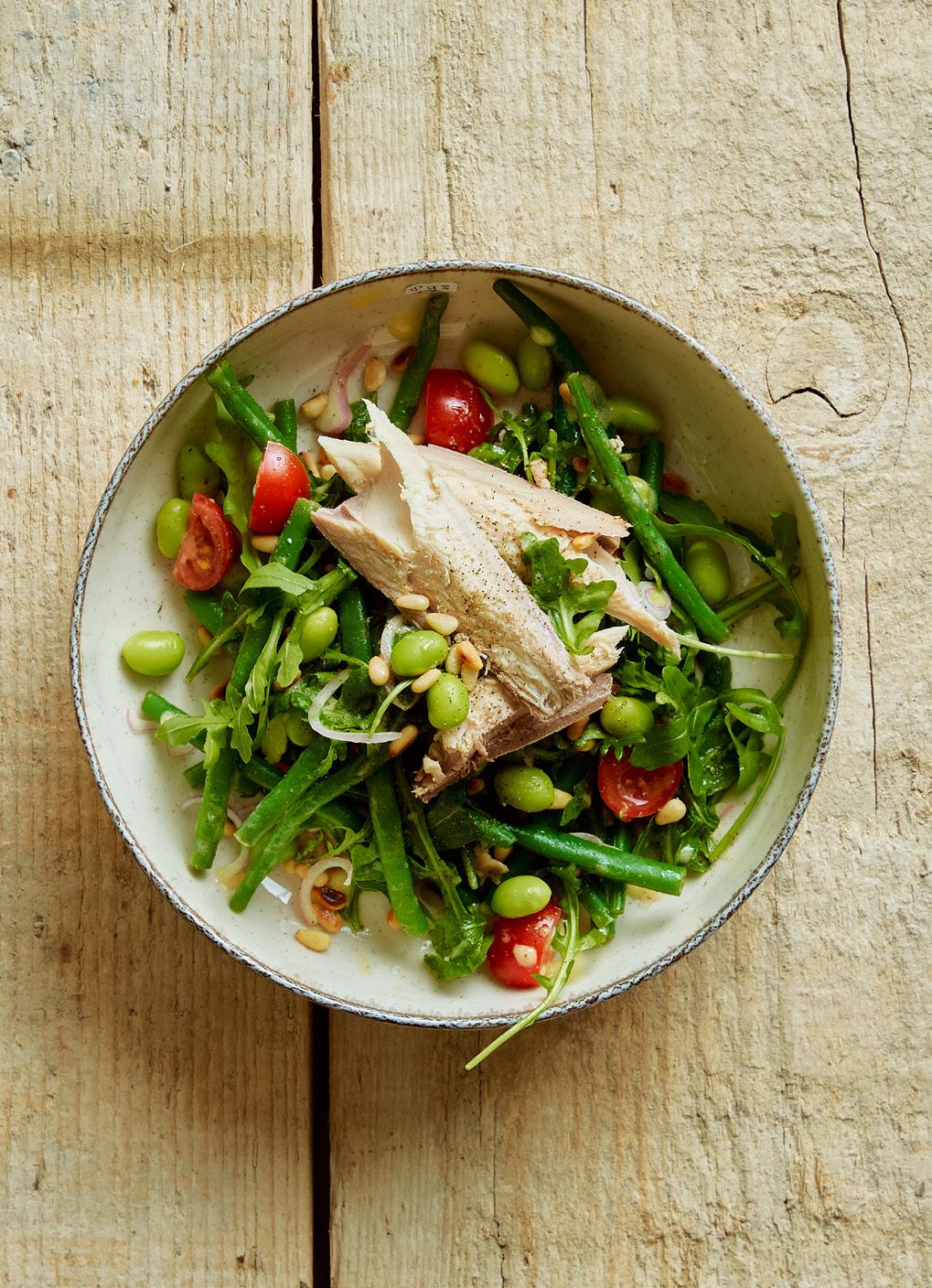
The IFS Food Standard is a general food safety and quality standard with an unified evaluation system which ensures safety, quality, legality and compliance with specified customer requirements.
Processing is an important factor for the final quality of our products. It requires the knowhow and experience of specialists to achieve the best possible products. We therefore work with smokers, canners and processors that are dedicated to delivering the highest quality.
Mission pillar 3:The most delicious seafood of the best quality
Fish Tales collaborates with fisheries that work in harmony with nature and treat their catch with the utmost care. This does not only ensure sustainable practices, but also makes for better and tastier seafood products.
BRC is the global standard for food safety, which provides a framework for the management of product safety, integrity, legality and quality, as well as operational controls for these criteria in the production, processing and packaging of food products.
Fish Tales is IFS certified and we only work with partners that commit to the same standards. All our suppliers are either independently certified by IFS or BRC.
47Chapter 3: Changing the world of fish
2 PROCESSED BY SPECIALISTS
1 CAUGHT WITH CARE
By having the most delicious seafood of the best quality, you'll only want more! When more and more consumers purchase our products, we will increase our impact. That's how we will change the world of fish. We have set the following standards for our pillar on diliciousness and quality.
3 CERTFICATES
In 2021, we sold 6,890,378 products and received 79 complaints from customers. The subject of these complaints varied from the look of the fish to the packaging material. Three complaints concerned food safety. Our goal is to reduce the number of complaints to zero.
48 Fish Tales Mission Report 2021 KPI 7 NUMBER COMPLAINTSOF KPI 6 PERCENTAGE OF SUPPLIERS THAT IS CERTIFIED OR ACCEPTED BY GFSI�� 6 8 9 0 3 7 8 7 9 sold products complaints VS
4. Global Food Safety Initiative (GFSI) is is the global initiative to ensure food safety in supply chains.
4 QUALITY FOCUSSED
The quality of our products is very important to us. We love to hear from our consumers what they think of our products, and we get a lot of positive feedback through our social media and web shop reviews. We are obviously very happy about that, but the truth is that we occasionally receive complaints too. Complaints are treated with high priority and resolved as quickly as possible.
100%
The Healthy Living Awards is a yearly contest in Germany in which food professionals select the best products available in supermarkets. This year, the jury picked Fish Tales smoked sockeye salmon as the winner! They mentioned the pure and authentic taste and the subtle smoky flavour. This award is a great illustration of Fish Tales’ ambition to deliver the best quality products with respect for the product’s origin.
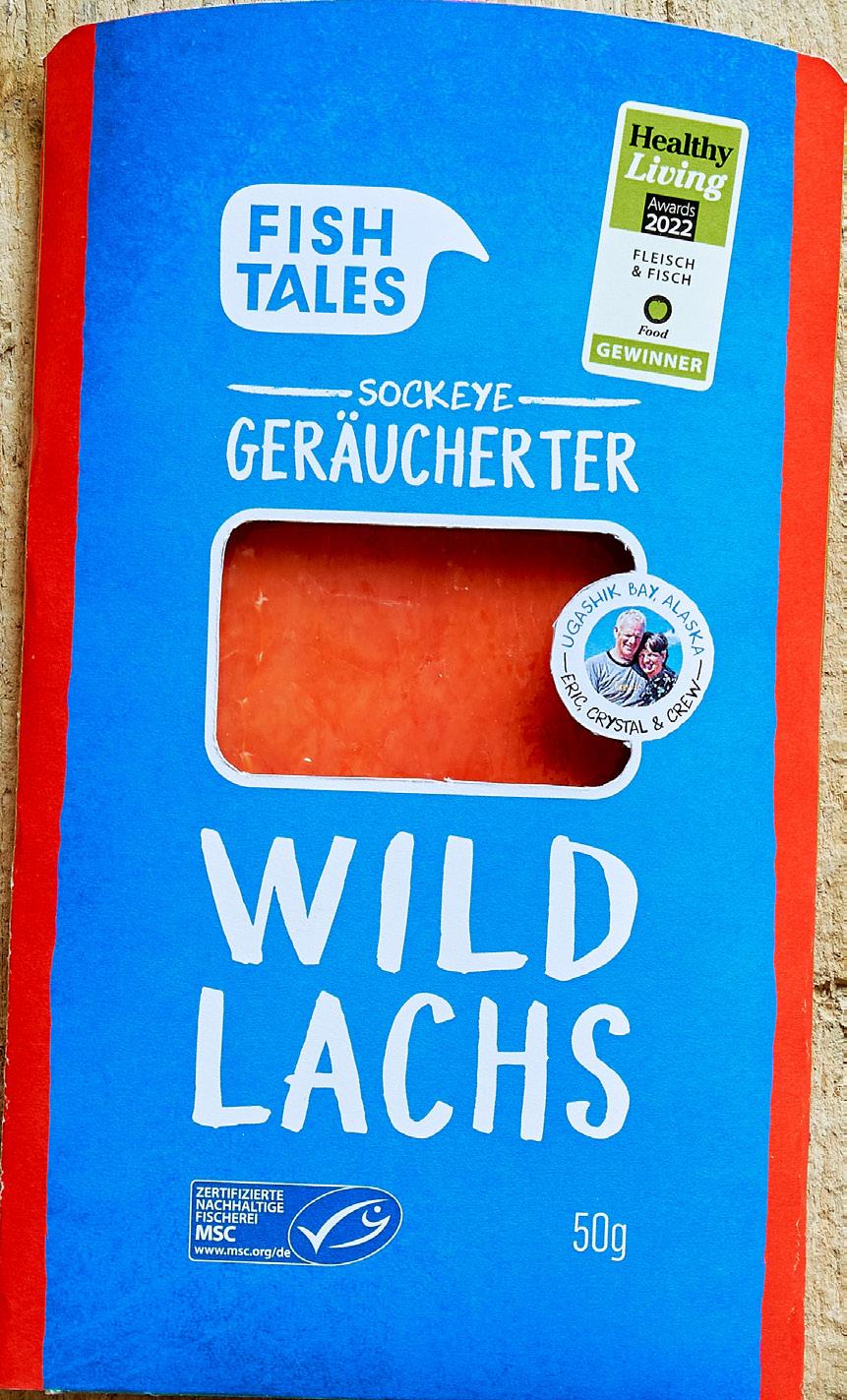
Read more about the prestigious healthy living awards at: healthyliving-awards.de
Chapter 3: Changing the world of fish
Highlight: Healthy Living Awards
49
Onceprocessing.thefermentation
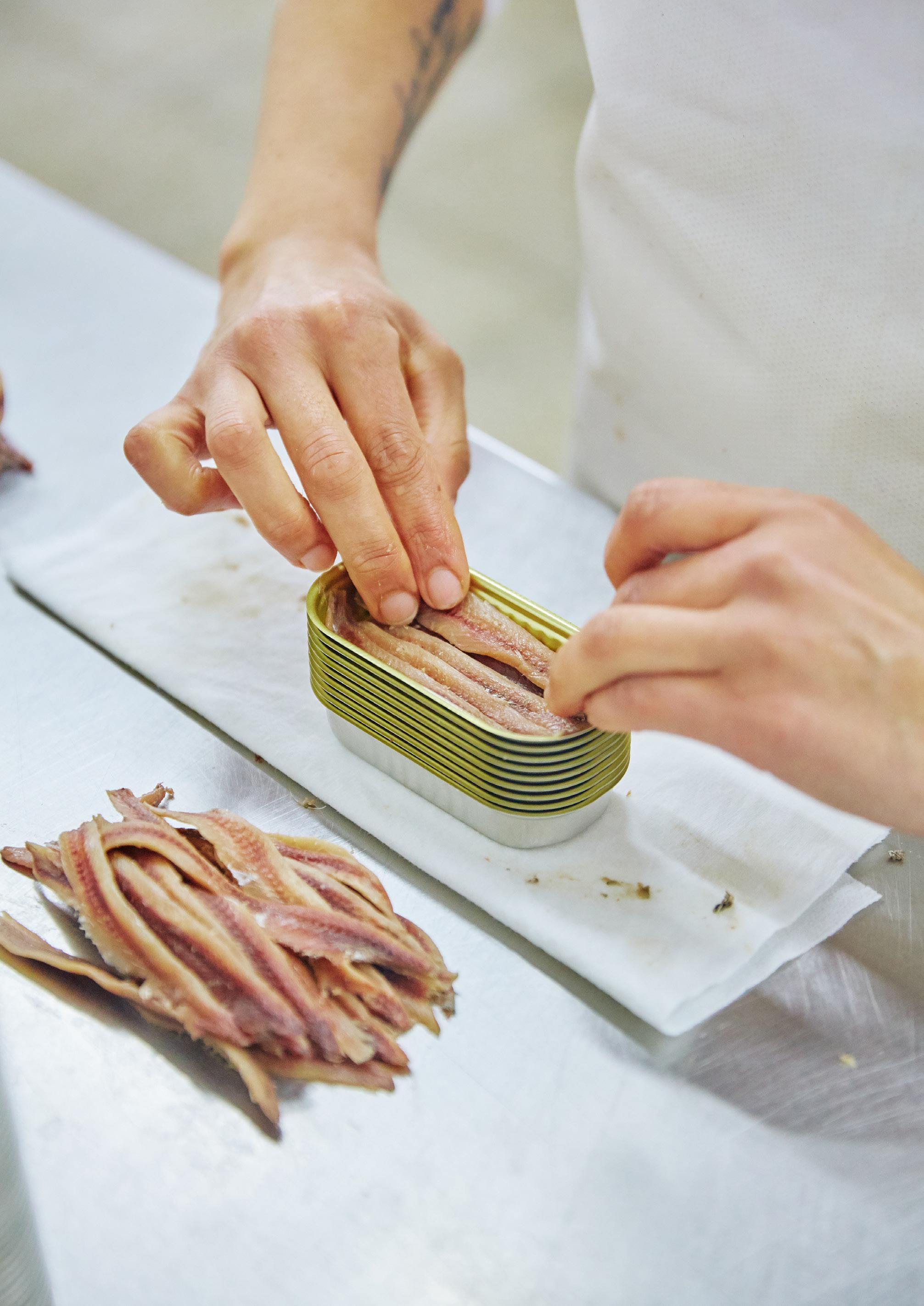
Curious about how your anchovies find their way from the sea into their cans? Travel with us to Mutriku in Spain, where we take a look at the unique factory Yurrita, a family-owned business that has been canning anchovies since 1867. We've been working with Yurrita from the start of our brand!
process is complete, the anchovies are placed in a centrifuge to remove excess water and salt. The anchovies are then headed and gutted by hand and sorted by size. The small ones are placed in the cans and jars you find in the supermarket, whereas the big ones go to foodservice. In the final step, the cans are filled with olive oil. The Spanish anchovies that are not suitable to be canned are used to make our anchovy paste.
The quality that Yurrita delivers is almost impossible to find else these days. Our principles demand that we work with what we believe to be the best anchovy processing facility there is!
50 Fish Tales Mission Report 2021
The best quality: a peek behind the scenes
We cooperate with two anchovies fisheries: one in Getaria, Spain and one in Mar del Plata, Argentina. Once caught, the fresh anchovies are immediately preserved in tonnes filled with saline water. From this moment on, the fermentation process begins. This process requires a perfect combination of time, salt and temperature to ensure the highest quality of anchovies. The longer the fermentation process and the lower the salinity, the better the taste and quality. Our anchovies are fermented for over six months! The anchovies tonnes are then shipped to Yurrita for further
When our products arrive in the warehouse, they are stored in a climate controlled room in order to preserve their quality. We also advise you to store our anchovies in the fridge.
53Chapter 3: Changing the world of fish
1 CREATE AWARENESS
Part of our communication relates directly to sustainability within fishing communities and the oceans. By being fully transparent about the source of each product on our packaging, social media and other communication channels, we increase consumer trust and engagement. We use current affairs to emphasise our point of view on related topics to a broad audience.
If we want consumers to make sustainable choices when buying fish, we first need to make sure they know what is going on in the seafood industry. Understanding the urgency and the scope of the problems in the seafood industry enables you to make well-informed choices. Our strategy is therefore to increase awareness about the current state of the ocean, how sustainable fishing practices contribute to healthier oceans, and why the origin of seafood products matters. However, we also want to reach consumers in an appealing way. For that reason, we make use of two communication strategies.
Mission pillar 4: Inspiration and awareness
INSPIRING THE COMMUNITY

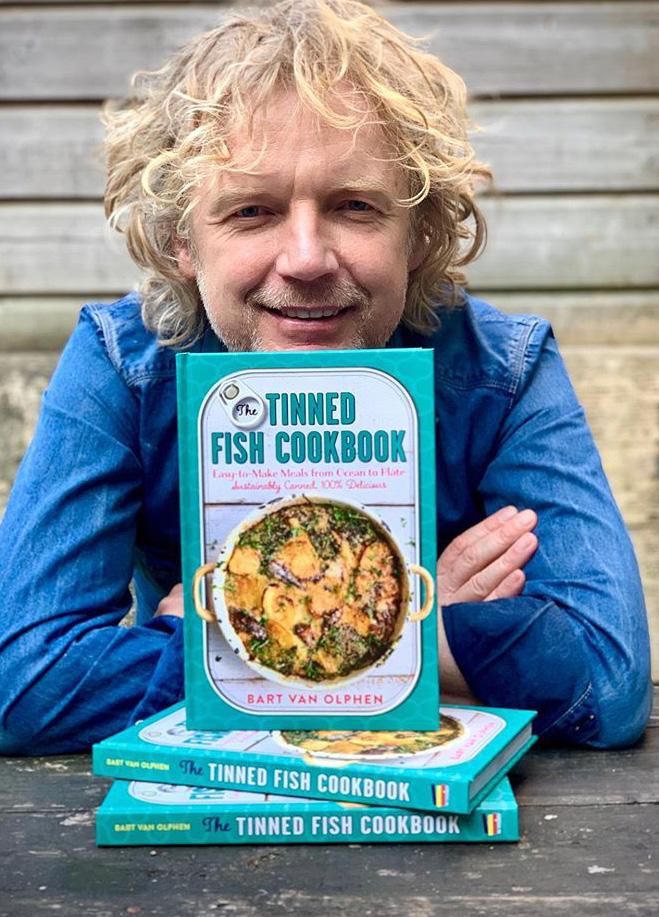
Fish Tales co-founder Bart’s cookbooks have sold all over the world since 2009. Whenever he is invited to talk about his books, he seizes the opportunity to inspire people and create awareness for the importance of sustainable fisheries.
OUR STANDARDS
We use food inspiration content to reach consumers who are less interested in learning about sustainability. With our cooking videos, recipes and tips & tricks, we show how easy and fun it is to cook with sustainable fish. This allows us to effectively create awareness among our more culinary-oriented fanbase.
2 PROVIDE INSPIRATION
We have established a fan base who want to stay up to date on our progress. In the Netherlands, we send out a newsletter every other week to keep our true fans in the know; we had 4093 subscribers in 2021, and the newsletter is opened by 45% of these people on Waverage.efurthermore
communicate on Instagram, Facebook and LinkedIn. In the coming year, we will work on expanding our fan base by being more active on our social media platforms.
4 BE FULLY TRANSPARENT
3 ENGAGE OUR FANS
54 Fish Tales Mission Report 2021
Full transparency is a fundamental principle of our brand. Our mission to make the world of fish more sustainable relies on credibility. You'll find all information we have about the fisheries, canneries, parties in between and inpirational blogs and stories on our website. If consumers don’t believe what we claim, we lose their trust. We are the first to admit that we are not perfect, but we’re always looking for ways to improve our way of working.
KPI 8 N UMBER OF FANS
Bart'sseadachNLtalesFishTales 10796 FOLLOWERS 1601 69300FOLLOWERSSUBSCRIBERS 2496 FOLLOWERS 1659 FOLLOWERS 1124 FOLLOWERS 1943 409364600FOLLOWERSFOLLOWERSNEWSLETTER SUBSCRIBERS OPEN RATE: 45%
57
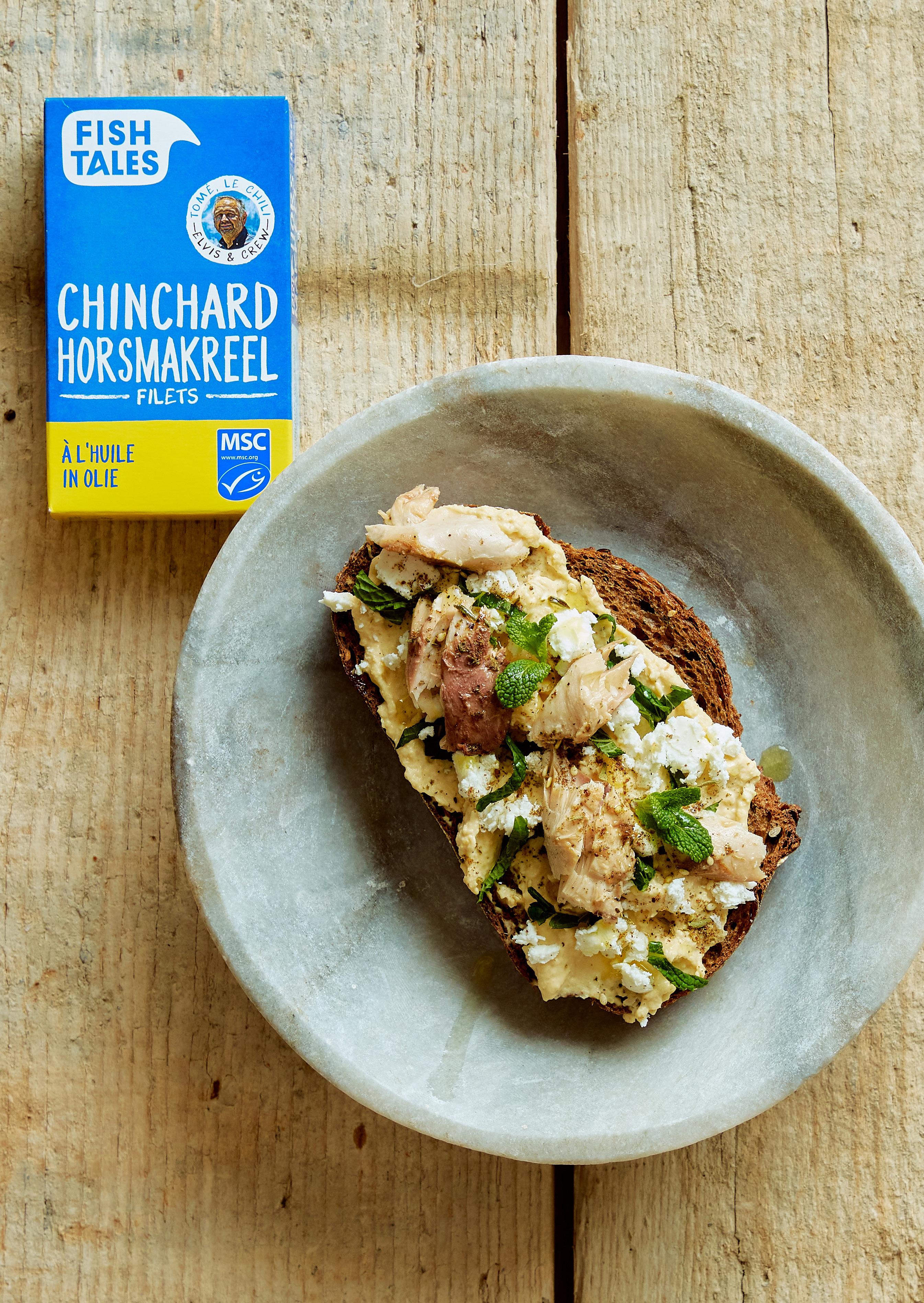
2 SLICES OF WHOLE-WHEAT BREAD, TOASTED
• 2 CANS FISH TALES CHINCHARD HORSMACKEREL IN OIL
• 100 GRAM PLAIN HUMMUS
• 3 TEASPOONS ZA’ATAR
• HANDFUL OF MINT LEAVES, ROUGHLY CHOPPED
STEP 1 Open the can of mackerel and drain the excess oil. Afterwards, place the mackerel on a plate and break the fish into larger chunks.
STEP 4 Garnish the sandwich with crumbled feta and more mint leaves. Enjoy!
This Chilean jack mackerel is the newest addition to our assortment. We introduced this beautiful product because the Atlantic Mackerel lost its MSC certificate. This jack mackerel is the perfect and sustainable replacement! Read more about fisherman Elvis on page 44.
• 50 GRAM FETA CHEESE, CRUMBLED
STEP 3 Spread the hummus mixture on the toasted bread and then place the mackerel pieces on top.
• SALT
STEP 2 Put the hummus, za'atar and mint leaves in a small bowl and mix. Season the mixture with salt and pepper.
Chapter 3: Changing the world fish
• PEPPER
•
of
Highlight: Inspiring the community Mackerel spread
• 1 DASH OF OLIVE OIL
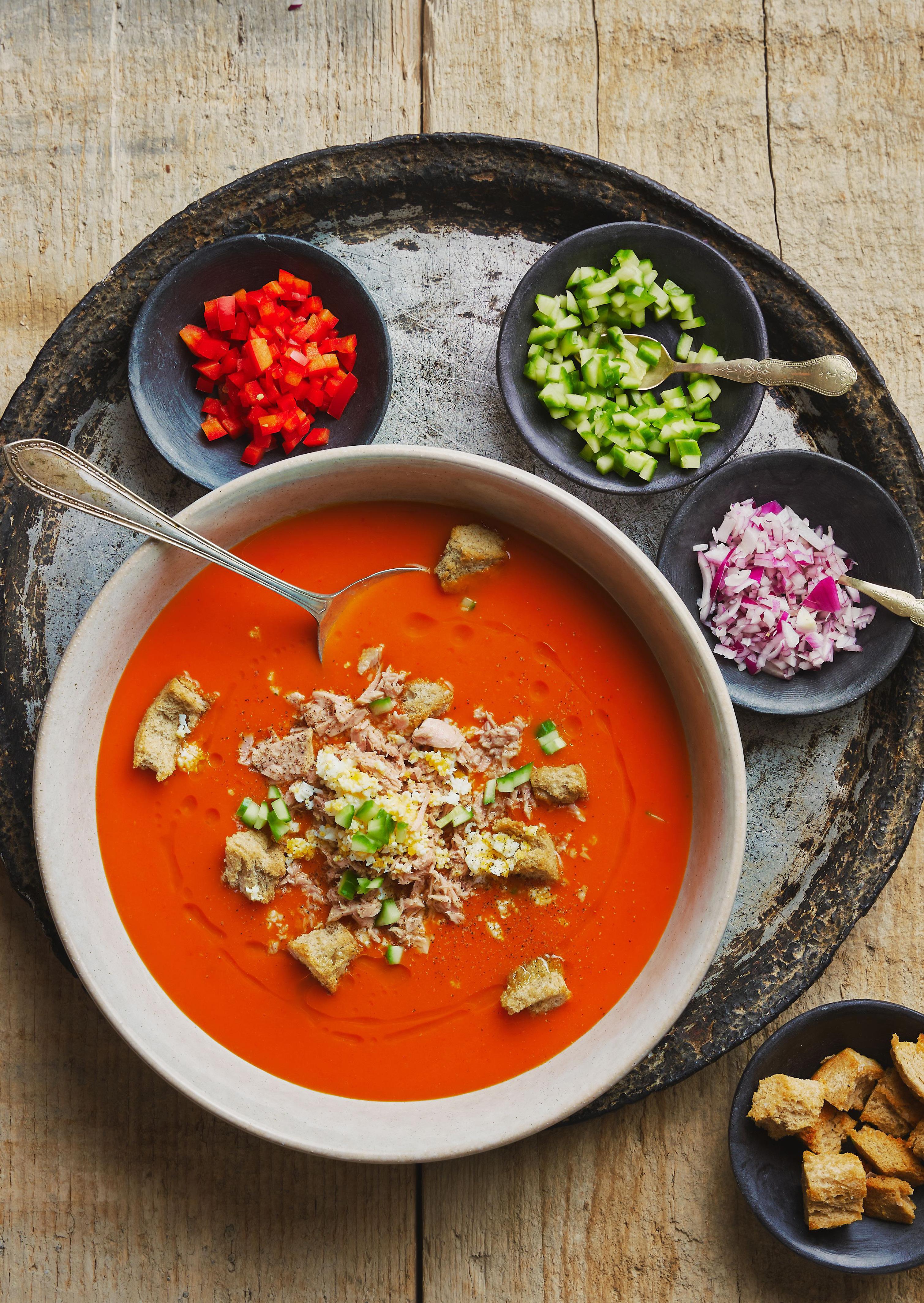
STEP 2 Wash the peppers, cut them in half and remove the seeds. Cut into small cubes and set aside. Do the same with the cored cucumber. Peel and finely dice the red onion, also set aside in a small container.
• 1 PINCH OF SALT
STEP 3 Boil the remaining egg for about 11 minutes until it is hard-boiled and completely firm. Allow to cool briefly, then grate into small pieces using a cheese grater and set aside.
• 160 GRAM FISH TALES
SKIPJACK TUNA IN WATER
• 4 CLOVES OF GARLIC
• 1 RED ONION
58 Fish Tales Mission Report 2021
• 1 DASH OF RED WINE VINEGAR
• A FEW BREAD CROUTONS
15 VINE TOMATOES, THINLY SLICED
• 3 EGGS
• ½ RED BELL PEPPER
• DAY-OLD BAGUETTE CHUNKS
STEP 1 Combine the tomato slices, baguette chunks, 2 eggs, garlic cloves, olive oil, salt, cayenne pepper and red wine vinegar in a blitz until smooth. Place in refrigerator.
•
• ½ CUCUMBER, CORED
STEP 4 Divide the gazpacho over two soup plates and garnish with tuna, shredded egg, bell pepper, onion and cucumber. To finish, sprinkle with bread croutons and serve.
• 1 PINCH OF CAYENNE PEPPER
Gazpacho with tuna
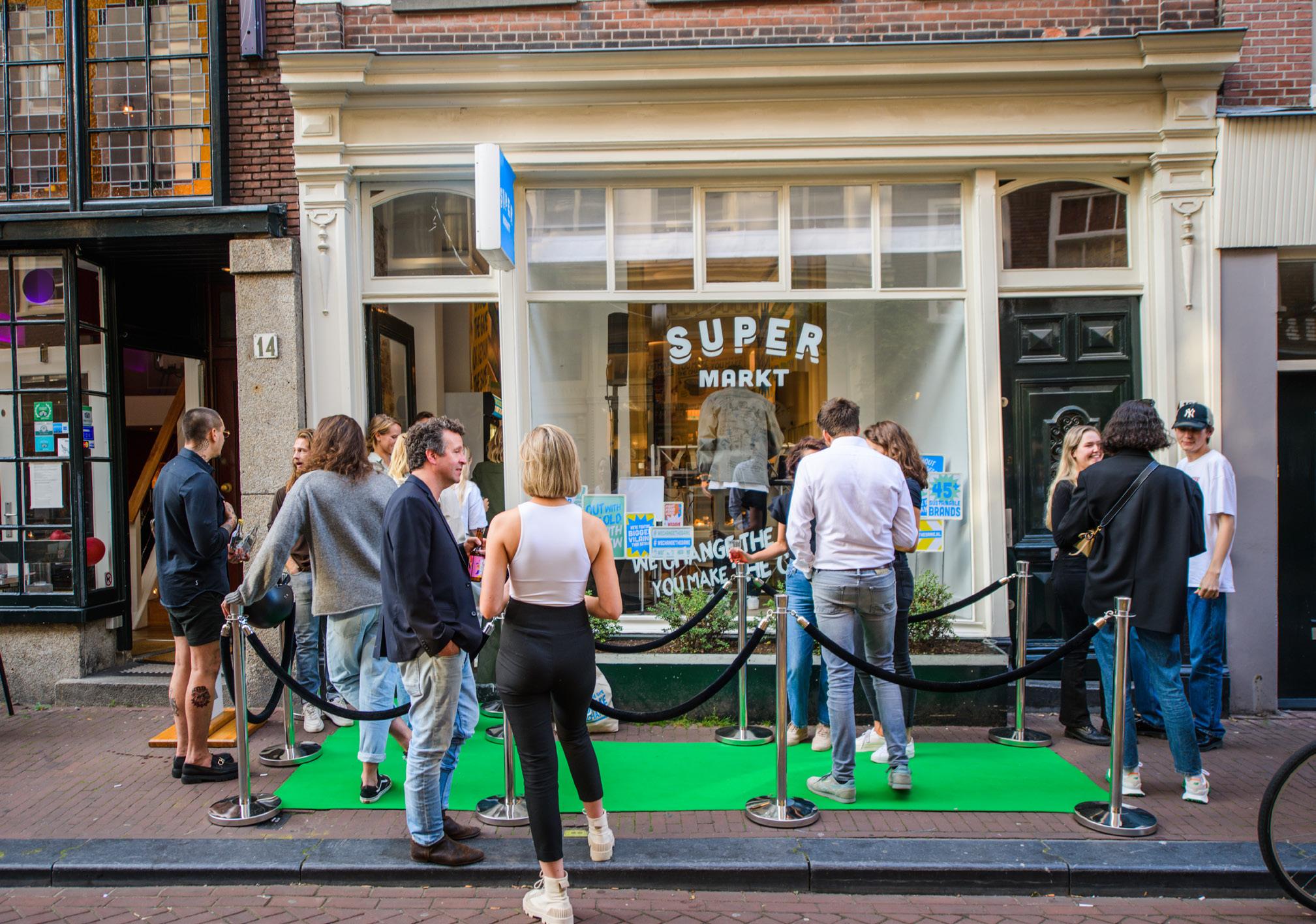
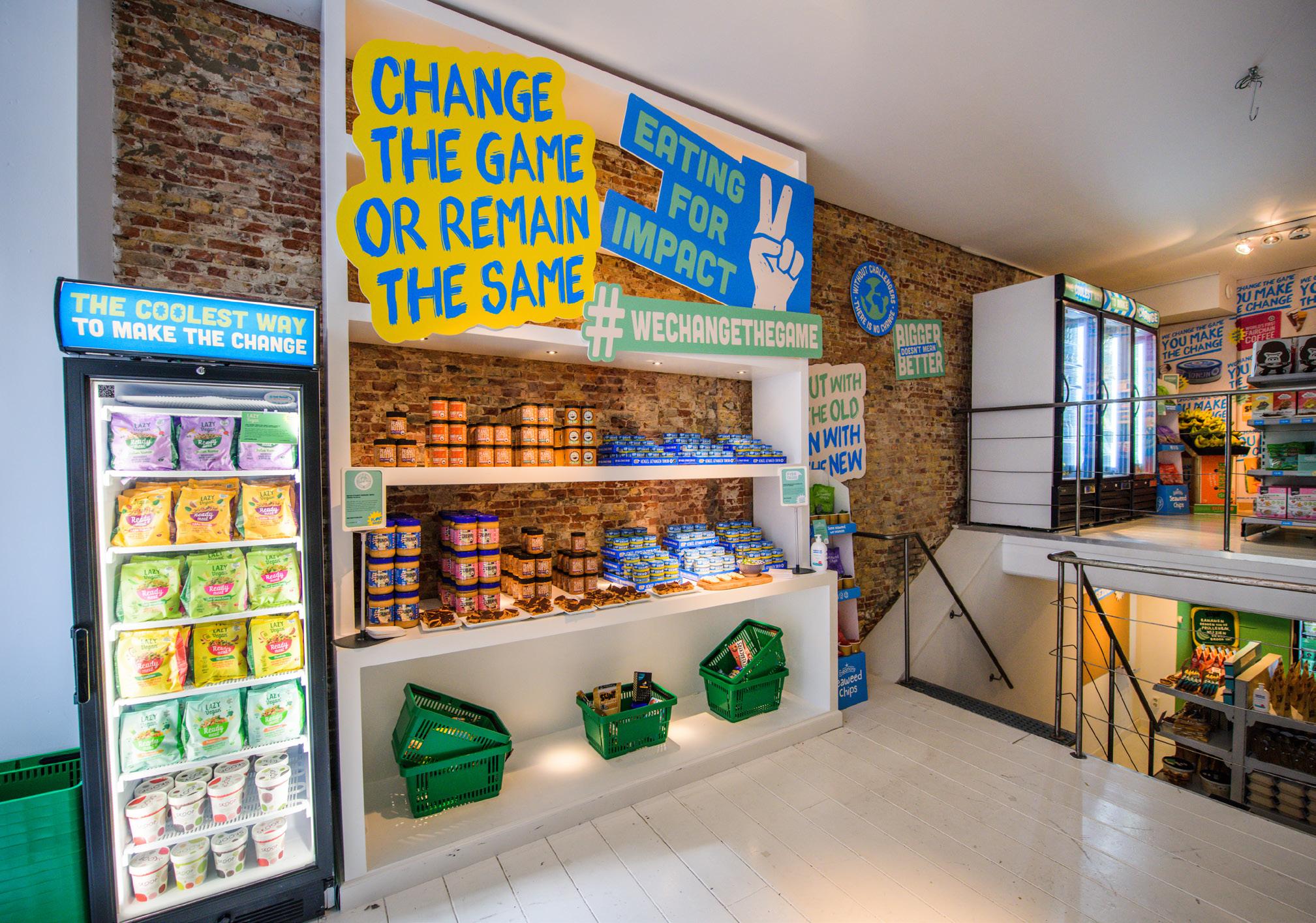
The SUPER-market was partly sponsored by Albert Heijn, who has been in talks with the initiators of this event about how they can improve the sustainability of their product range. We are certain that traditional brands will follow our example and that regular supermarkets will incorporate more of these sustainable products into their product ranges.
Highlight: Gamechangers
61Chapter 3: Changing the world of fish
The responses to this SUPER-market were amazing! And although this was only a temporary pop-up store, we think it sent a strong signal to the food industry. Together with the other brands and the consumers, we showed that there is a great demand for sustainable products.
Yes, we CAN make a difference by changing our grocery list!
All products offered in the SUPER-market create a positive impact in their own way. The offered products were extremely varied, ranging from vegan to seafood products and from detergents to drinks.
In 2021, we joined forces with four other food brands and cut the ribbon to open the world’s first SUPER-market! A total of 47 start-ups and medium-sized brands joined the movement.
62
63 CHAPTER EXPANDING4IMPACTOUR
GRI 3-1, GRI 3-2
This matrix visualises the results of the materiality assessment. As you can see, the Fish Tales team and our stakeholders are pretty much in line with each other! The two most highly valued topics are offering sustainable seafood and good labour conditions for the fishermen and processing facility employeesproduct. It’s great to see that, on average, we share the same vision.
64 Fish Tales Mission Report 2021
In a survey, we asked our stakeholders (suppliers, consumers, retailers, NGOs, investors and our team) to rank thirteen ecological, economic and social topics relating to our brand and company from least to most important. These results will help us prioritise the focus of Fish Tales in the coming years. We will conduct a formal materiality assessment every two years to incorporate our stakeholders' views in our future plans.
Stakeholder input
Over the past years, we have primarily focused on contributing to healthy oceans. Now it is time to broaden our view and critically reflect on how we can expand our impact. To prioritise our ambitions, we decided to involve our stakeholders. To use the corporate terminology: we conducted a materiality assessment.
We reached out to our stakeholders to gain insight into what they consider the most important topics that determine the impact of Fish Tales on the world around us. We defined these topics based on the problems in fishing industries, and discussions with our team and stakeholders.
WHAT IS A MATERIALITY ASSESSMENT?
THE RESULTS OF THE MATERIALITY ASSESSMENT
Chapter 3: Changing the world of fish
In line with these results, we improved our internal assessment for the fisheries and farms we cooperate with to assess their ecological sustainability, socio-economic impact and traceability. We furthermore dove into the sustainability of our product packaging material and our carbon footprint.
diversityinspirationcookingteamsmallcarbon footprintenvironmentallyfriendlypackaging
financial succes satisfaction team
65
importance fish tales team
product quality & awarenessconsumerstaste collaborationslong-term productfishersconditionsworkingandprocessingfacilityemployeestraceabilitysustainablycertifiedseafoodproducts
stakeholdersimportance
HOW DOES THE REFERENCE TOOL WORK?
of traceability, we map the supply chain and check if there are weaknesses in terms of traceability. The socio-economic assessment checks whether parties in the supply chain are located in high-risk areas for labour and human rights issues, and whether indications of violations have been reported in the past. We also score local processing, third party certification for labour rights and the income of the fishermen.
66 Fish Tales Mission Report 2021
For example, in the category of ecological sustainability, we among others score the status of the fish stock, the effect of the fishery on endangered species and the impact on the habitat of certain fishing methods. Most of these criteria are also covered by the MSC
To be clear, all products we sell meet our minimum requirements on all criteria. The Reference Tool was developed to give us insights into every specific aspect, for all fisheries and farms we work with. It shows us where there is room for improvement to increase our impact.
Reference Tool
The Reference Tool consists of 3 main categories: ecological sustainability, socio-economic impact and traceability. Within each category, we score fi sheries, farms and their processor(s) on multiple criteria.
We annually assess the fisheries and aquaculture farms we collaborate with based on the sustainability criteria in our Reference Tool.
Incertificate.thecategory
We present the results of the Reference Tool for 2021 on the next page. The scores represent in which areas we have opportunities to further improve the circumstances under which our products are fished or farmed.
REFERENCE TOOL RESULTS
Some fisheries have lower scores on the socio-economic component. These are fisheries that are located in areas that are defined as higher risk areas for labour right issues. Following from this assessment, we will further dive into the exact risks for these individual fisheries and examine what we can do to reduce these risks. For instance by starting another Fair Trade project.
Also, two of the three salmon farms we collaborate with have not received a full green score for the ecological assessment. This is mostly because we have sharpened our sustainability criteria for farmed salmon. We are currently working on finding a better fit to work with in the future.
67Chapter 3: Changing the world of fish
For example, the Atlantic mackerel fishery is not reaching the best score in the Reference Tool because their MSC certificate was withdrawn. Following this, we immediatly took out the canned Atlantic mackerel product from our assortment. However, due to agreements, we still had one single product in a German retailer for a short period of time in 2021. This prodcut was taken out of our assortment immediatly after.
ATLANTIC MACKEREL SCHOTLAND WILLIAM
COD PATREKSFJÖRDUR THORSTEINN
Fishery Scoring outcome
Species Location Fisher contact Marine ecological
ATLANTIC SALMON ROGNAN
68 Fish Tales Mission Report 2021
HERRING FRASERBURGH NICHOLAS
ATLANTIC SALMON TROMS
ANCHOVY LAREDO NEMESIO
MUSSELS NEELTJE JANS JAAP
SKIPJACK TUNA BITUNG BIJE SKIPJACK TUNA MANDHOO ZAKY
ATLANTIC SALMON HAMMERFEST SIGRUN
ALBACORE TUNA OKINAWA FUMIO
UGASHIK
ALICE
PINK SALMON KODIAK BRUCE SARDINE CORNWALL DAVID
SOCKEYE SALMON EKUK JOHNNA
SOCKEYE SALMON COOK INLET BRIAN
ANCHOVY MAR DEL PLATA JORGE
CHILEAN MACKERELJACK CORONEL ELVIS
RESULTS REFERENCE TOOL 2021
HEDDA, INGE & GABRIEL
ALBACORE TUNA HONDARRIBIA OSKAR
ERIC&CRYSTAL
ALBACORE TUNA SAN DIEGO JACK
SOCKEYE SALMON
Socio-economic Final assessment score
Traceability
69
Fish Tales Reference Tool outcome for 2021. Fisheries are indicated in the rows, different criteria and scores are indicated in the columns. Blue indicates full score on the criteria, a lighter blue indicates that not all criteria received the highest score.
Chapter 3: Changing the world of fish
We made our first steps to calculate our carbon footprint in 2021. Only when we know how big our footprint is, we can set reduction targets and start reducing. We stumbled against many different approaches on how a company like ours can calculate its footprint, and the many factors we can take into consideration
To be able to come to a complete and accurate estimate of our carbon footprint, we decided that we need to take more time and collaborate with a specialized independent company to guide us. This will be the start of our journey towards carbon neutral production in the near future!
70 Fish Tales Mission Report 2021 GRI 301-1
We successfully used several online tools to calculate the carbon footprint of our office, employee commute and business travels. However, we realised that this does not cover it all. We must also consider emissions from every step in every supply chain for each of our products. Think about emissions from the processing facilities, production of packaging materials, cooled or non-cooled transport, production of ice and of course, the fisheries itself.
Carbon footprint
Packaging
All of our products come in our recognizable blue packaging. Different products often require different packaging materials, depending on whether the product is canned, fresh or frozen. What the packaging material is made of, is of course important for the quality and safety of our products, but it is just as important for the impact we have on the environment. We therefore choose environmentally friendly packaging wherever possible.
71Chapter 3: Changing the world of fish
Packaging is environmentally friendly if it is certified sustainable, made from renewable/recycled materials, or can be recycled after use.
In 2021, all our packaging together weighed 299065 kg! All the paper used in our packaging is made from FSC certified paper. The glass jars and aluminium cans can be infinetely recycled after use.
In total, 81.4% of this packaging volume was made from environmentally friendly materials. We keep striving to reduce the amount of packaging we use, because in this case, less means more positive impact! In the coming year, we will continue to assess the packaging of our products to see which ones can be reduced or if the plastic can be made from recycable material.
KPI 9 PERCENTAGE OF ENVIRONMENTALLY FRIENDLY PACKAGING BY WEIGHT 7.1% 18,6% plastic 33.6% 40.7%aluminiumglass paper
73Chapter 3: Changing the world of fish
GRI 2-7, GRI 405-1
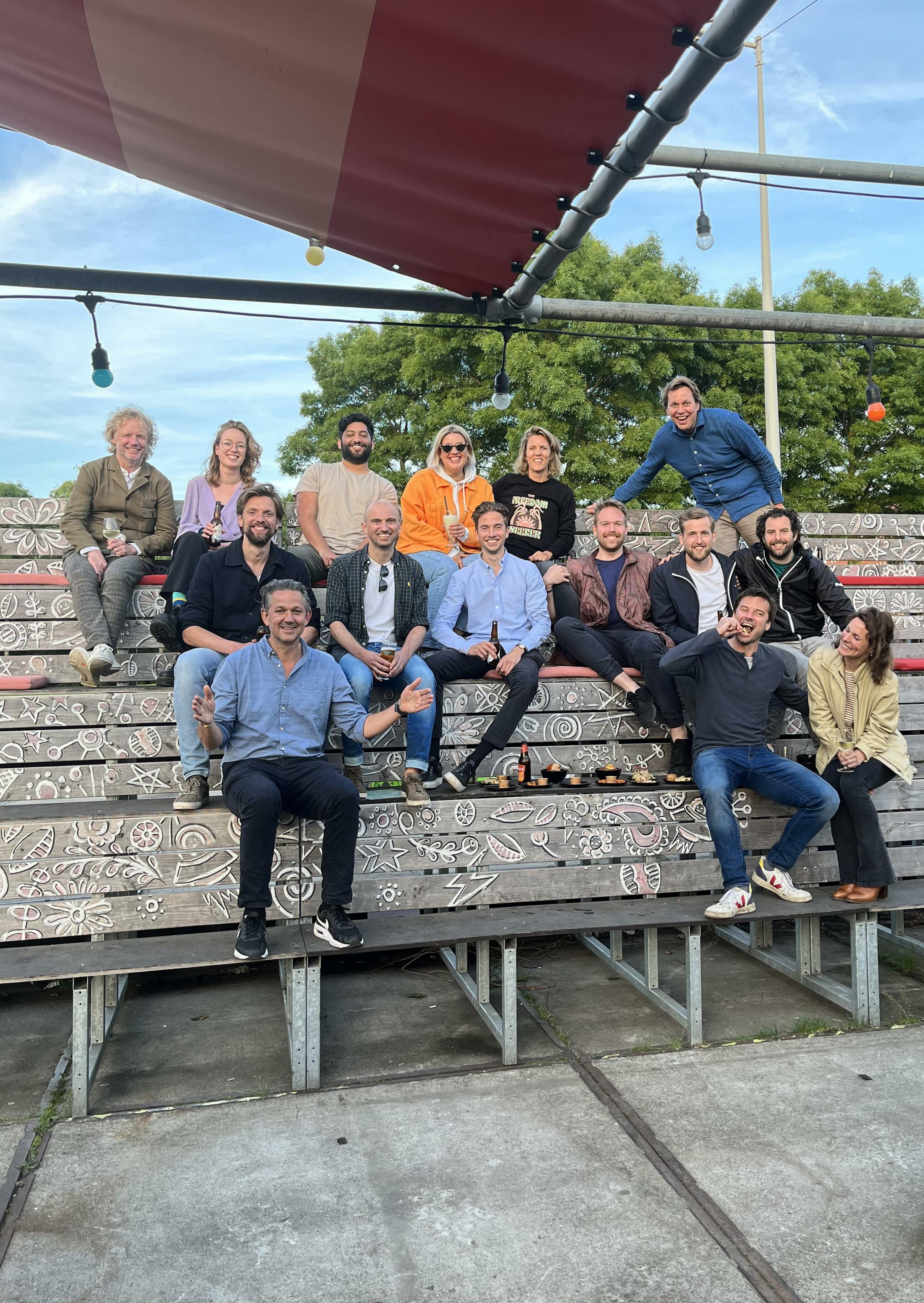
Of these fourteen employees, eight are men and six are women. We are a relatively young team, with eight employees under the age of thirty and six employees between the ages of thirty and fifty. A fair distribution of genders and ages in the team is important for everyone to feel comfortable and to allow for a diverse range of ideas and opinions.
Our team is the driving force behind Fish Tales. Fourteen employees work in our office in Amsterdam (although this past year they worked from home most of the time) to keep Fish Tales up and running in Europe and the United States!
<30 <50
KPI
Our team
Gender distribution Age distribution 10 DIVERSITY OF OUR TEAM
74
75 CHAPTER 5 FISH FOUNDATIONTALES
All projects carried out by the Fish Tales Foundation are outside the regular scope of Fish Tales’ ongoing activities. The projects involve a broad range of stakeholders and are directed specifically at fishing communities and their development towards sustainable practices and certifications.
76 Fish Tales Mission Report 2021
We founded the Fish Tales Foundation in 2019 so that we could do more for the oceans and fishing communities. In cooperation with local partners, the Fish Tales Foundation supports fisheries and aquaculture farms in their journey towards sustainability. Our projects ensure that fisheries and aquaculture farms can improve their practices while increasing their net benefit as they gain access to higher end-value markets. This way, we increase the worldwide supply of sustainable fish and contribute to the continued existence of small-scale fishing and farming communities.
78 Fish Tales Mission Report 2021
WHAT A SUCCESS!
Our project in Bitung is one of Fish Tales Foundation’s most important projects since its establishment.
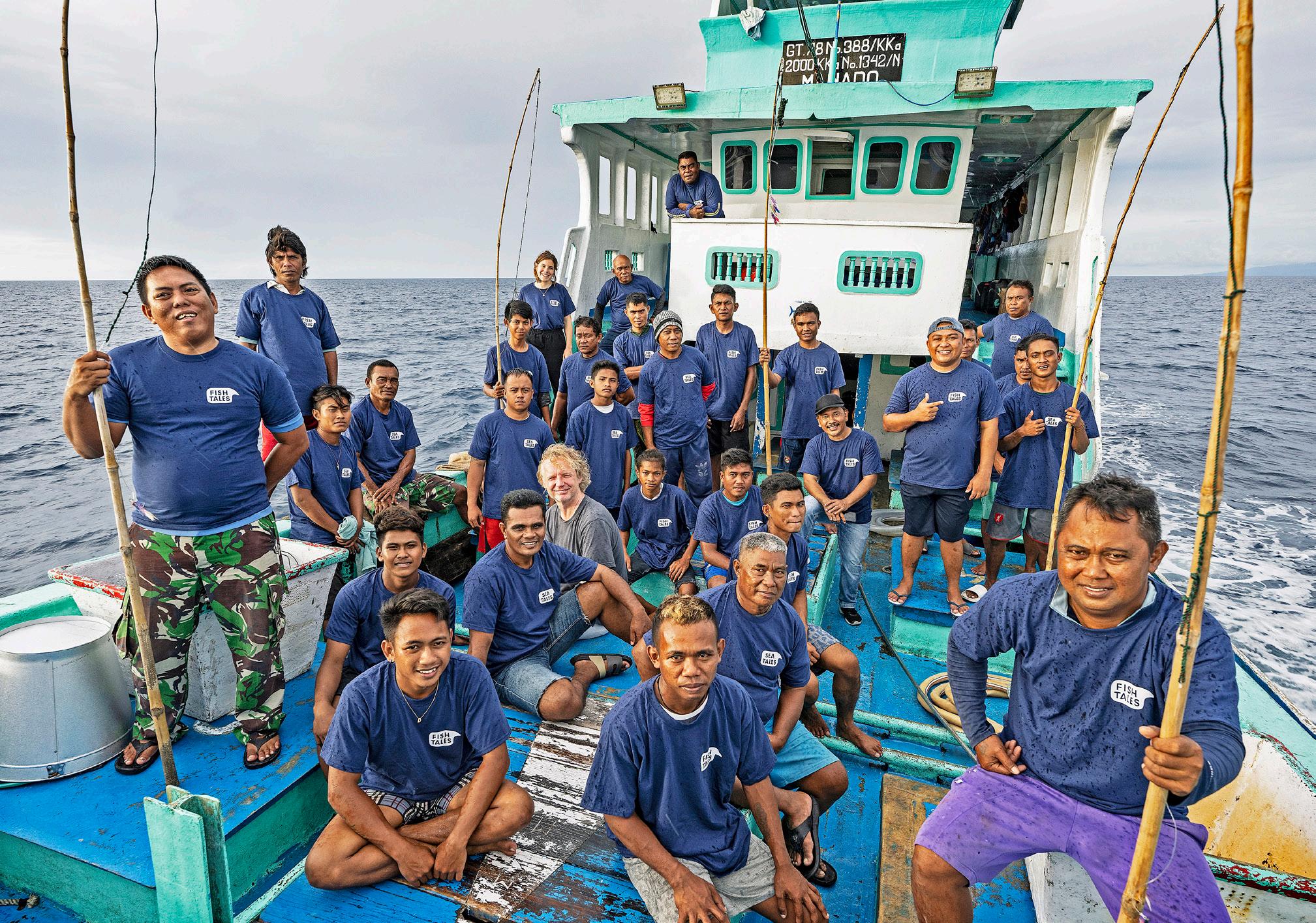
After years of hard work, we were finally able to celebrate as the very first cans of Fish Tales’ Fair Trade and MSC certified skipjack tuna hit the shelves in October 2021.
MSC AND FAIR TRADE CERTIFIED TUNA
Project Indonesia
In Bitung, skipjack tuna is caught in the most sustainable way possible: with pole and line, one by one, fish by fish. The fishery is a vital source of food and employment for the local community. Almost everyone in the area is directly or indirectly involved in the fishing industry, from the people who catch and process the fish to the local government. Together with local and international partners, we worked towards an MSC certificate and Fair Trade certificate for the fishery and processing facility.
Some Fair Trade improvements in the processing facility are a non-slip coating on the floor and the introduction of a box in which employees can hand in anonymous complaints or ideas.
Thanks to the Fair Trade certification we are assured that the fishery and processing facility in Bitung meets the standards for social responsibility.
This year we will focus on involving even more fishermen in the Fair Trade programme. If more fishermen from Bitung join the programme, working conditions for even more fishermen will improve, contributing even more to the local fishing community. This year, the fishermen will receive training in bookkeeping, and we will work on the projects they chose to spend the premium funds
ACCOMPLISHMENTS SO FAR
In September 2021, the Fair Trade certified fleet in Bitung was enlarged by 3 vessels, and a second fishermen’ association was formed. This expansion means that another 81 fishermen are now fishing under Fair Trade certified working conditions and are actively involved in investing in their own community through the premium scheme!
WHAT’S NEXT?
79Chapter 5: Fish Tales Foundation
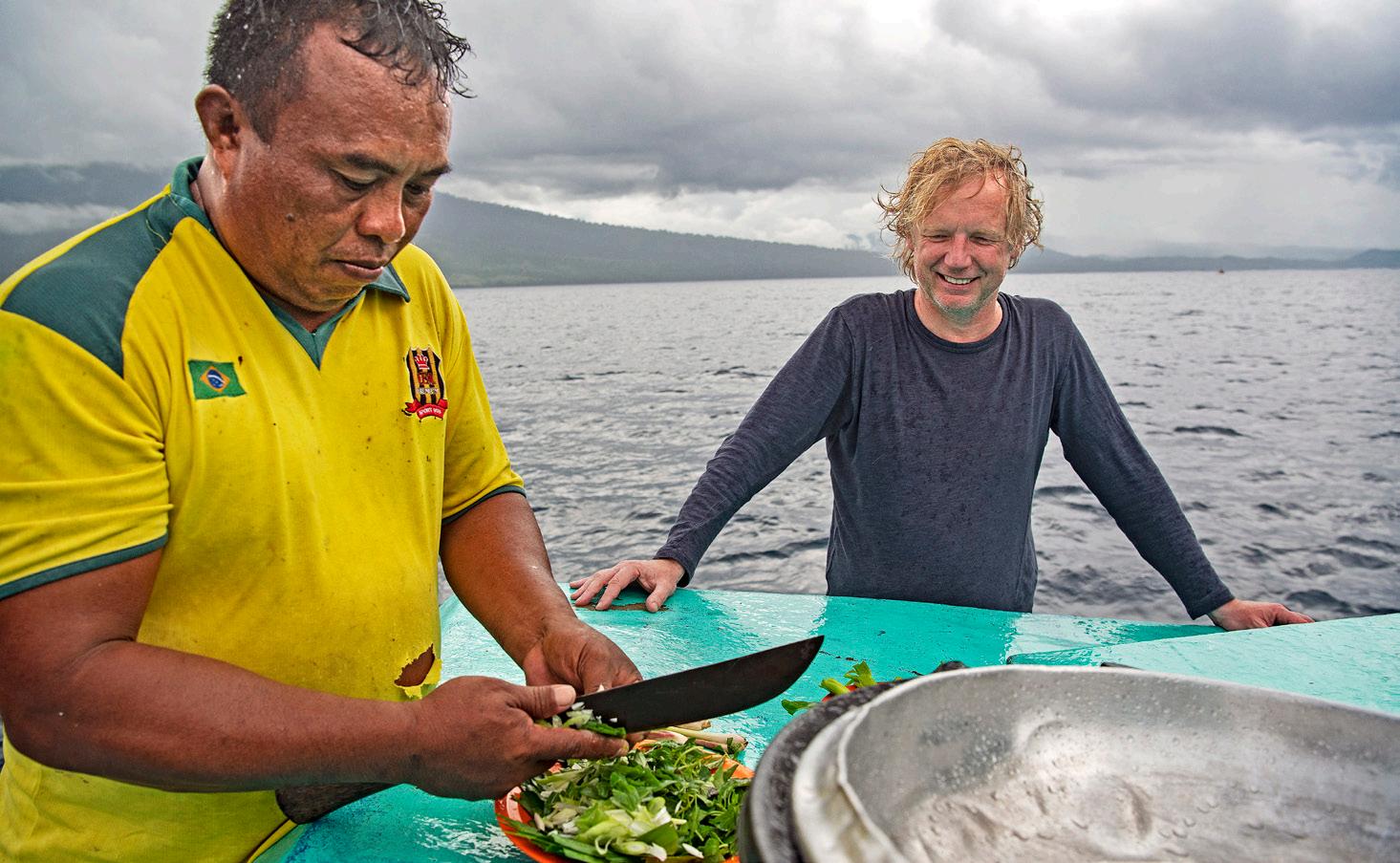
With our Fair Trade tuna sales in 2021, the fishermen also received their first premium payments. This premium fund is part of the Fair Trade programme and is used to invest in the fishing community. The fishermen of Bitung chose to use the funds to pay school tuition fees for their children, to set up an awareness campaign for endangered species and to provide basic medical kits for all fishermen's families. Additionally, the community used some of the money as a COVID-19 relief fund in the form of groceries packages for families who were severely affected by the pandemic.
Weon. hope we will be able to visit Bitung in 2022 if the COVID-19 regulations allow for a safe visit!
80
81 CHAPTER 6 OUR NUMBERS
82 Fish Tales Mission Report 2021 WHOLE FOODS MARKET STOP & SHOP KING’S & GELSON’SBALDUCCI’SNEW!UNITED STATES SEA TALES ROCHE BROS NEW! THE FRESH MARKET NEW! AMAZON ALBERTSONNEW! NEW! THIS IS WHERE YOU COULD FIND YOUR FAVORITE FISH TALES AND SEA TALES PRODUCTS IN 2021! Our markets
NETHERLANDSTHEALBERTHEIJNHELLOFRESHPICNICCRISPNEW!GORILLASNEW!GRUTTONEW! GERMANYREWEKAUFLANDHITHELLOFRESHGRUTTONEW!BELGIUMCARREFOURALBERTHEIJNSWITZERLANDCOOP KPI 11 AVAILABILITY IN THE WORLD.
Some of our new collaborations in 2021
active in Germany and the Netherlands, allowing consumers to buy meat packages directly from farmers who work in harmony with nature. In February 2021, Fish Tales joined the Grutto platform with a wild keta salmon box, becoming their first non-meat supplier. After a successful start in the Netherlands, Grutto also launched the keta box in Germany in July 2021.

EUROPE
In order to increase and expand our impact, we are constantly striving to reach more consumers. The world has grown used to online grocery shopping during the COVID-19 pandemic, and in 2021 we partnered up with some key players in that market.
GruttoTales.is
Gorillas is an on-demand delivery company founded in Germany that supplies groceries to customers within minutes. In September 2021, Gorillas NL started selling our frozen fish fillets, smoked salmon and several canned products, and our weekly sales have been rising continuously since then. Considering Gorillas’ rapid European expansion, this collaboration offers huge potential for Fish
84 Fish Tales Mission Report 2021

UNITED STATES
85Chapter 3: Changing the world of fish
Gelson’s is a regional supermarket chain operating in Southern California. It has 27 large stores, mostly concentrated around Los Angeles. Gelson’s sells our canned products.
The Fresh Market is an amazing supermarket chain with 159 stores located in the Midwest, Mid-Atlantic and Southeast. As the name suggest, this chain carries a special range of fresh products. It also wishes to distinguish itself in other types of groceries, and that is where our range of canned seafood comes in.
Roche Bros is a natural supermarket chain with 20 stores in the Boston Metro Area. These stores also sell our canned products.

At Fish Tales we are convinced that a healthy business can and should go together with what is good for the environment. Income is essential for growth, which in turn helps us make a bigger impact! And that is what we are aiming for, after all.
But who could have expected that COVID-19 would still have such an effect on the world and our business in 2021? Our turnover from the food service channel was still much lower than in 2019, the last year before COVID-19. It was also still not possible to meet people in person, which is essential for our company to grow abroad. As a result, our sales in the United States did not grow as much as we had expected. Nevertheless, we managed to bring in a few great Incustomers.thethird and fourth quarters, our expenses increased rapidly.
86 Fish Tales Mission Report 2021
2021 was a strange year in many ways. It was a year in which we decided to focus on more impact and explosive growth. We therefore changed our legal structure in order to make it possible to raise growth capital in a flexible way in the coming years. We welcomed over 566 new shareholders, who are united in the Fish Tales Investors Coöperatie and reinforced our capital by just over one million euros. Furthermore, 2021 marked the first full year for our activities in the United States. We continued to invest in marketing and gained important new insights into successful ways to approach the US market.
From the seafood itself to the packaging material, everything became more expensive. The global container crisis caused our sea freight costs to increase tenfold, as a result of which the costs for container transport were sometimes higher than the profit margin of our products.
Healthy business
x € 1.000.000 Sales 100246812 20202021 14 € 11.245.000 € 13.217.000 87Chapter 6: Our numbers
Consolidated financial statements 2021 2020
SALES TOTAL KPI 12 TURNOVER
Gross margin 2,022,279 1,790,207
The Fish Tales Group realized a net turnover of 13.2 million euros, an increase of 17% compared to 2020. Due to the sharp increase in expenses in the third and fourth quarters and our investments in the United States, EBITDA of the Fish Tales Group however decreased from 178,000 euros in 2020 to a deficit of 91,000 euros in 2021.
Nett sales 13,217,474 11,245,758
Personell costs -862,445 -748,239
Financial overview
Operating expenses -323,625 -282,228
EBITDA -91,424 177,751
Marketing and sales costs -927,633 -581,989
Cost of goods sold -11,195,195 -9,455,551
88 Fish Tales Mission Report 2021 x € 1.000.000 sales 2021 10024681214 Fish Tales USAFish Tales Europe € 719.000 € 12.414.000
Despite COVID-19 and a sharp increase in costs in the second half of 2021, our EBITDA in Europe remained on track. The negative EBITDA in the United States is the result of our marketing investments and the unexpected increase in logistic and other expenses.
Others € 59,415
SALES EUROPE AND UNITED STATES 2021
SALES PER MARKET 2021
USA € 720,000 Europe € 12,498,000 The Netherlands € 7,744,543 Germany € 3,770,701 Belgium € 885,323 Switzerland € 38,446
NET
The business in Europe performed according to plan, with a net turnover of just over 12 million euros. In the US, we managed to bring in a number of great new customers in the natural segment, such as Roche Bros, Gelson’s and Kings. Nevertheless, the turnover in the United States did not meet our target.
MSC and ASC license € 850
Labour cost impact team € 39,399
Bio licence control € 1,118
Fish Tales Foundation € 15,734
Non-GMO license (for USA) € 3,737
Fair Trade premium € 6,850
KPI 13 F RESULTSINANCIAL
89Chapter 6: Our numbers x € 100.000 ebitda 2021 Fish Tales USA Fish Tales Europe-0.5-2.0-1.5-1.0-3.5-3.0-2.500.51.01.52.02.53.03.5 € 327.000 -€ 348.000
EBITDA EUROPE AND UNITED STATES 2021
IMPACT COSTS 2021
Fair Trade license € 4,692
We invest in several projects in order to increase impact. The Fish Tales Foundation invests in projects to guide fisheries and farms to operate more sustainable. The Fair Trade premium goes to the fisher community in Bitung, Indonesia. Certification licences are paid to the non-profit organizations so we can use their label on our products and they can further invest in their mission.
Total € 72,389
90 Fish Tales Mission Report 2021 ECIC BV JUVANO HOLDING BV B. van Olphen FISH TALES NL FOODWORKSBVBV BIG HOLDINGWAVEBV H.J. van Dijk FISH HOLDINGTALESBVFISH TALES USA BV C-VIER BV FISH COÖPERATIEINVESTORSTALES 50% 100%9%100% 6% 10%75%50%
The Fish Tales Group consists of Fish Tales Holding and three subsidiaries: Fish Tales NL BV, Fish Tales Deutschland GMBH and Fish Tales USA BV. In 2021, we transferred all business activities from Fish Tales Deutschland GMBH to Fish Tales NL BV. As a result, all European business is now managed by Fish Tales NL BV. We plan to discontinue Fish Tales Germany GMBH in 2022 and change the name of Fish Tales NL BV to Fish Tales Europe BV.
Organisational structure
91Chapter 6: Our numbers
In 2021, we changed our company’s shareholder structure. Fish Tales Investors Coöperatie became a new shareholder of Fish Tales Holding. Fish Tales Investors Coöperatie has 566 certificate holders who purchased indirect shares in Fish Tales Holding during an investment round in June 2021. Foodworks BV is an entity owned by Fish Tales’ founders, Bart van Olphen and Harm Jan van Dijk, both of whom hold 50% of the shares. Bart and Harm together also form the board of the Fish Tales Group.
Highlight: Investors campaign
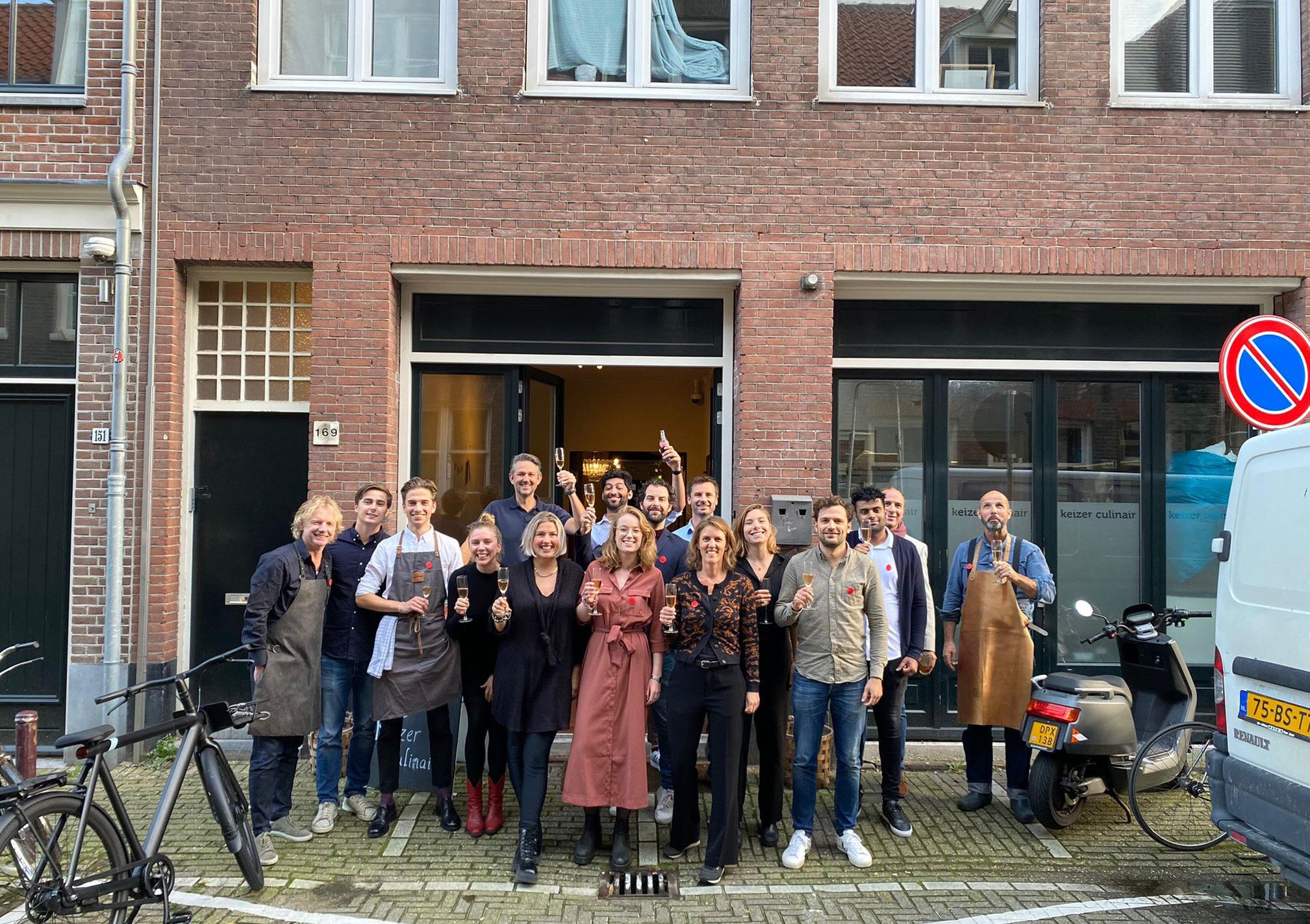
The responses were overwhelming! Within 11 hours, we were able to welcome 566 new shareholders to Fish Tales. This meant that we not only acquired the financial means to follow our dreams, but we were also able to welcome 566 new members to the Fish Tales Family!
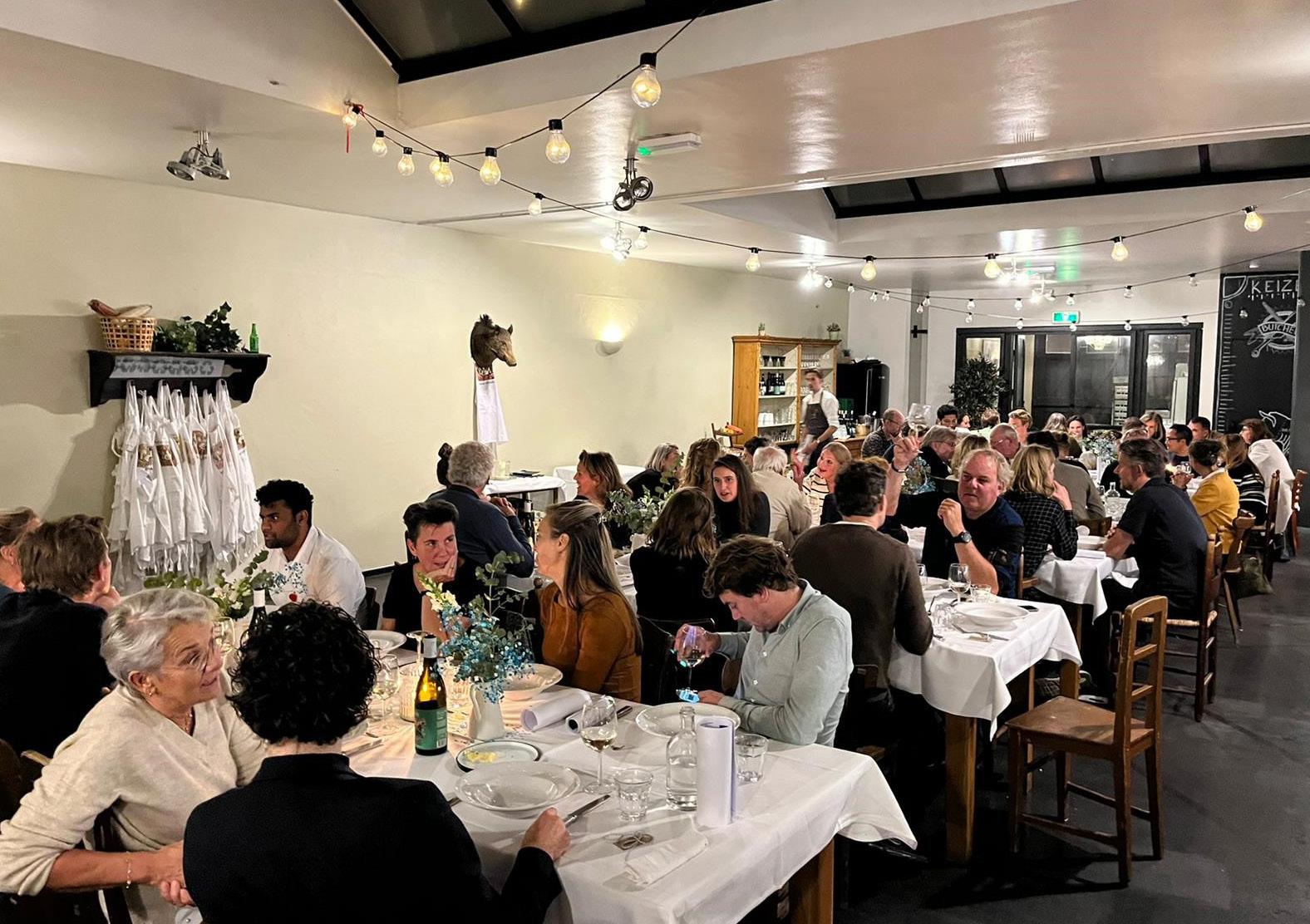
To give our new family members a warm welcome, we organised a seafood dinner on 6 October 2021 to give the biggest investors the opportunity to meet the Fish Tales team and their co-inves tors. It was an amazing experience to meet all these like-minded people who all want to change the world of fish for good!
We always dream big at Fish Tales. But big dreams often require a big budget. And sometimes you have to be creative in order to achieve your mission. Luckily, at Fish Tales, we are just that. Our founders Harm Jan van Dijk and Bart van Olphen decided to offer 1 million euros worth of Fish Tales shares on an online shared funding platform called Eyevestor. A leap of faith, as we were completely inexperienced with this funding structure. Moreover, would enough investors be interested to invest in Fish Tales?
93Chapter 6: Our numbers
In our investment plan we described our ambition to change the world of canned tuna by setting up the Canned Tuna Revolution. And our plans of increasing our impact by expanding on the markets in the US.
94
95 CHAPTER 7 PLANS F OR THE FUT URE
OUR CONTACT WITH FISHERIES AFTER THE COVID-19 PANDEMIC
96 Fish Tales Mission Report 2021
FURTHER PROFESSIONALIZE OUR TEAM TO MAKE THE ORGANIZATION READY FOR OUR RAPIDCONTINUEGROWTH
EXPAND THE FAIR TRADE FLEET IN INDONESIA
START A NEW PROJECT WITH A POLE AND LINE TUNA FISHERY
FISHFURTHERTALESINVESTIN
RESEARCH THE POSSIBILITY OF USING HIGH-END TECHNOLOGICAL APPLICATIONS FOR TRACEABILITYCONDUCTAFEASIBILITY
FISH TALES FOUNDATION
STUDY FOR HUMANE KILLING METHODS ONBOARD FISHING VESSELS
CREATE A PROGRAM IN THE EU AND USA TO IMPROVE CONSUMER AWARENESS OF SOCIAL AND ECOLOGICAL SUSTAINABILITY IN THE FISH INDUSTRY
OUR JOURNEY TOWARDS THE B CORP CERTIFICATION
Plans for the future
CALCULATE OUR CARBON FOOTPRINT AND WORK TOWARDS A NET ZERO EMISSION
GROW TO SALES OF 16 MILLION EUROS IN 2022
Further develop our sustainability analysis, focusing on marine biological, socio-economic and traceability aspects
Continue our collaboration with Fair Trade in Indonesia and add more vessels to the fleet
This 2021 report reports in reference to the GRI standards!
We started this structural campaign in 2021 and 566 shareholders believed in our plans! We will continue to address our ambitions in the coming two years.
Analyze our ecological footprint and reduce it where possible
Start the canned tuna revolution to change the way canned tuna is consumed in the markets where we are active
We made a huge step in the rating of our fisheries with our improved Reference Tool. See page 66 in this report.
Present our Mission Report 2021 according to the GRI standards
OUR PLANS FOR 2021 OUR PROGRESS
We worked on several project ideas. However, we have not yet decided on a new fishery or farm certification project. This is mainly due to delays caused by the COVID-19 pandemic.
We started the process to become B Corp certified and all the paperwork has been handed in. However, B Corp is currently evaluating their standards for the seafood industry. All new applications have therefore been paused. We expect we can continue our journey next year.
97Chapter 6: Our numbers
Start the journey towards a B Corp certification
We made the first steps in measuring our ecological footprint. Next year, we will continue this work together with a specialized agency.
In 2021, we added 3 more vessels to the fleet of Fair Trade certified vessels in Bitung, Indonesia!
New project for the Fish Tales foundation
98
99 APPENDICES
THE NUMBER OF FISHERMEN AND PROCESSING FACILITY WORKERS WITHIN A FAIR TRADE CERTIFICATION.
100 Fish Tales Mission Report 2021
Our KPIs
Scope: It is measured as the average length of time by the relative costs accrued with each supplier in fiscal year 2021.
This KPI measures the total number of fishermen and workers in the processing facility that are incorporated in a Fair Trade certificate for Fish Tales. This shows an increase in positive impact in a country with a higher risk of human rights violations.
KPI 3 PERCENTAGE OF SEAFOOD VOLUME THAT COMES FROM A FAIR TRADE CERTIFIED FISHERY
This KPI measures the percentage of product volume that comes from a Fair Trade certified fishery relative to the fisheries that are in a high risk area of human rights violations.
We defined 11 material topics and matched KPIs �� to measure our progress towards our mission. These KPIs are based on the GRI standards, or established by ourselves when the GRI�� standards did not fit our material topics. Here you can find the definition of each KPI and how we measured these.
Scope: It is measured based on our purchase price. Countries of high risk are: Chile, Argentina, the Maldives and Indonesia.
KPI 1 LONG-TERM COLLABORATION WITH SUPPLIERS
MISSION PILLAR 1: HAPPY FISHERMEN
This KPI measures the relative duration of the collaboration with suppliers in years.
KPI 2
�� .
KPI 4 PERCENTAGE OF VOLUME OF SEAFOOD THAT IS SUSTAINABLE
KPI 5 PERCENTAGE OF VOLUME OF SOLD SEAFOOD PRODUCTS THAT ARE TRACEABLE TO THEIR ORIGIN.
101Appendices
Scope: It is measured based on our purchase price. Products that are certified by the Chain of Custody by MSC are traceable to the fishery.
6. Global Reporting Initiative (GRI) is an international standard that was developed to guide buisinesses in measuring and communicating their impact.
Scope: This includes all the suppliers for Fish Tales and Sea Tales that are concerned with the processing of the seafood products sold in fiscal year 2021.
This KPI measures the percentage of our sold products that are traceable to the fishery.
This KPI measures the percentage of seafood sold in 2021 that is certified sustainable.
KPI 6 PERCENTAGE OF SUPPLIERS THAT ARE CERTIFIED OR ACCEPTED BY GSFI
7. Global Food Safety Initiative (GFSI) is is the global initiative to ensure food safety in supply chains.
MISSION PILLAR 3: THE MOST DELICIOUS
SEAFOOD OF THE BEST QUALITY
This measures the percentage of suppliers that are either certified or accepted by GSFI.
5. KPIs are Key Performance Indicators that are measurable values that we as a company have set to monitor and demonstrate our performance in reaching our goals and objectives.
MISSION PILLAR 2: SUSTAINABLE CATCH
Scope: It is based on our purchasing value. Certification programs included must use independent 3rd party auditors. Certifications included are MSC and ASC.
102 Fish Tales Mission Report 2021
Scope: The complaints come from consumers who contacted us via mail or phone.
This KPI measures the total number of complaints relative to the amount of seafood products sold in the fiscal year 2021.
OF ACTIVE FANS AND THEIR ACTIVITY
KPI 7 AMOUNT OF COMPLAINTS RELATIVE TO OUR PRODUCT SALE
MISSION PILLAR 4: INSPIRATION AND AWARENESSKPI8THENUMBER
Scope: The amount of subscribers and followers is measured on 31 December 2021. The open rate is the average of the Dutch newsletter sent in 2021.
This KPI measures the amount of newsletter subscribers and the combined total of followers on our Facebook, Instagram, Youtube and LinkedIn pages. It furthermore shows the average open rate of the newsletter subscribers.
This KPI measures the percentage of our seafood packaging volume that is either from a certified sustainable source, is recycled or can be recycled after use.
This KPI measures the age and gender distribution of the Fish Tales employees.
COMPANY-WIDE KPIS
KPI 9 P ERCENTAGE OF ENVIRONMENTALLYFRIENDLY PACKAGING
Scope: The total amount of packaging is based on the seafood products sold in fiscal year 2021. Parts of the packing that we define as eco-packaging is: FSC-certified paper, glass and aluminium.
KPI 10 D TEAMIVERSITY
103Appendices
Scope: The age diversity is calculated for ages under 30, between 30-50 and above 50 years. The diversity is measured based on the employees working for Fish Tales in 2021.
104 Fish Tales Mission Report 2021
Scope: It concerns active markets in the fiscal year 2021.
KPI 12 T URNOVER
Scope: This is calculated per market for Fish Tales and Sea Tales over the fiscal year 2021.
KPI 13 F RESULTSINANCIAL
This KPI measures the annual financial results of Fish Tales.
Scope: This is calculated per market for Fish Tales and Sea Tales over the fiscal year 2021.
This year, we reported our Mission Report with reference to the GRI. In this overview, you can find where you can find the GRI topics.
This KPI measures the amount of countries in which Fish Tales / Sea Tales products are sold.
This KPI measures the annual turnover of Fish Tales.
FINANCIALSKPI11AVAILABILITYINTHEWORLD
Contact point 2
Disclosure 3-1 Process to determine material topics 64
numberGRI-disclosure
Countries of operation 2
How to ensure meaningful engagement 64
Operating costs 87
Entities included in the sustainability reporting 2
Disclosure 2-2 Reporting period and frequency of sustainability reporting 2
105Appendices
201-1 Revenues 87
Nature of ownership and legal form 90
Disclosure 3-2 List of material topics 65
Disclosure 2-1 Legal name 90
Disclosure 405-1 Breakdown of employees in terms of gender and age 73 Disclosure 407-1 Operations and suppliers in which workers' rights to exercise freedom of association or collective bargaining may be violated or at significant risk in terms of countries 29
Location of headquarters 2
Disclosure 2-3 Reporting period for financial reporting 2 Publication date 2
Number of employees 73
Disclosure 408-1 Operations and suppliers considered to have a signifi cant risk for incidents of child labour in terms of countries 29
Disclosure 409-1 Operations and suppliers at significant risk for incidents of forced or compulsory labour in terms of countries 29
Disclosure 2-29 Categories of stakeholders engaged with 64 Purpose of stakeholder engagement 64
Disclosure 2-7 Employees
APPENDIX GRI CONTENT INDEX
Description Page
Disclosure 301-1 Total weight of materials that are used 71 Disclosure 304-2 Nature of significant direct and indirect impacts on biodiversity with reference to reduction of species 16
107Appendices
108 Fish Tales Mission Report 2021 Nieuwpoortkade 2a 1055 RX Amsterdam The Netherlands info@ sh-tales.com www. sh-tales.com +31 (0)20 606 0701