The Strength of Belonging:
Supporting Wellness for Communities and Workforces
Building Capacity that empowers First Nations, Inuit, and Métis communities.



Message from The Board Chairperson
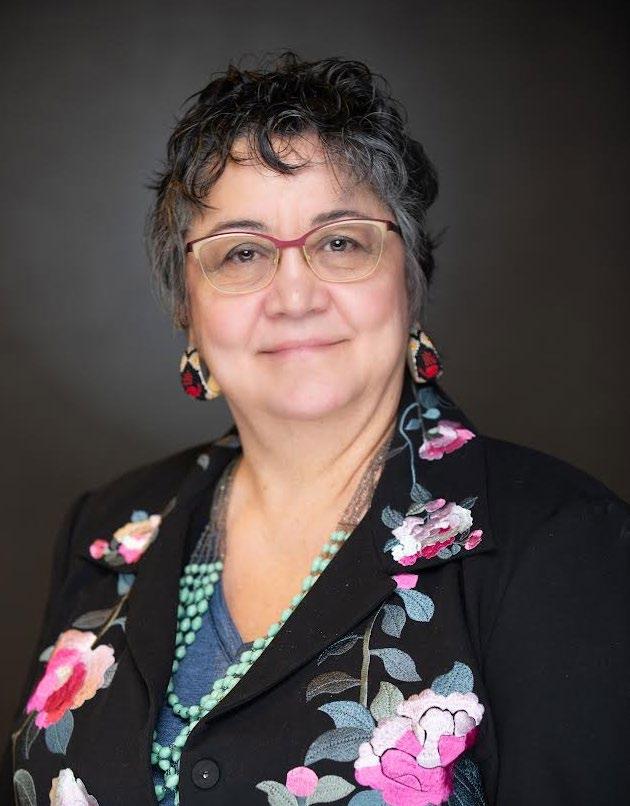
I am pleased to share the Annual Report The Strength of Belonging: Supporting Wellness for Communities and Workforces for 2024-2025.
This year, First Peoples Wellness Circle (FPWC) focused on our strategic priorities of Growth and Relationship by investing in several initiatives to enhance the capacity and well-being of the workforce. These multi-level initiatives are targeted at the community workforce, as well as at the policy and systems levels. Our initiatives have spanned from knowledge exchange events and activities, to shared advocacy models with our partners and sister organizations, to contributing to national plans in research, data sovereignty, and designing a National Indigenous Mental Wellness Workforce Association.
The First Nation Mental Wellness Workforce (FNMWW) plays a crucial role in First Nations communities and nations. Ensuring the wellbeing of this workforce is a key priority for FPWC. Disseminating information on the Worker Wellness Strategy (WWS) is one way we have begun to design a host of services to support the well-being of the FNMWW. We have also been gathering evidence of the impact the workforce is making in order to support advocacy for sustained investments and outlining wise practices in service delivery. The wholistic wellness of those who support our well-being in community also means having the ability to deliver high quality services. As such, we are excited to launch a Knowledge Exchange and Resource Sharing Hub as well as the Gathering our Knowledge Bundles, both of which provide the workforce with access to over 100 culturally relevant tools and resources.
Throughout our Annual Report you will read about many of our key successes including work on children and youth mental well-being in schools, our podcast, pihtikwê: Visits with First Nations Psychologists, that highlights First Nations Knowledge and evidence in attending to trauma and addressing substance use, the launch and implementation strategy of Telling Our Stories and Celebrating Our Successes Model for Place-Based Monitoring and Evaluation, as well as research initiatives and knowledge exchange events to name a few.
As FPWC is still a young organization, the Board’s efforts are geared towards building the internal strength of the organization through strong governance models and operational structures. These include the creation of a National Advisory Circle (NAC), the Ways of the Heart Youth Council (WHYC),
As FPWC is still a young organization, the Board’s efforts are geared towards building the internal strength of the organization through strong governance models and operational structures.

implementation of operational and governance committees, planning for the financial sustainability of the corporation, fostering strong organizational partnerships and continued efforts in Board and Thought Leader recruitment. In the coming year, we intend to promote FPWC as a leading voice on effective mental wellness service models built on Indigenous Knowledge and evidence.
I welcome our stakeholders, partners, and funders to discover more about the work we are doing at FPWC. We are excited to be a resource for First Nations, Inuit, and Métis communities striving to support their citizens.
Denise McCuaig Chair, Board of Directors


Message from The CEO
We are excited to share the many activities and initiatives that outline the journey of FPWC in 2024-2025 to meet our 4 key strategic priorities.
Over the past year FPWC has worked diligently to build an infrastructure that can enhance work in First Nations communities at the service delivery, policy, and systems levels. Our theme The Strength of Belonging: Supporting Wellness for Communities and Workforces reflects key activities and initiatives that focus on the importance of strengthening the wholistic well-being of the First Nation Mental Wellness Workforce (FNMWW).

Some key highlights from this past year include the Ontario Mental Wellness State Analysis, launch of a Knowledge Exchange and Resource Sharing Hub with multiple new FPWC specific resources, development of the pihtikwê: Visits with First Nations Psychologists podcast series, research activities focused on the workforce and Indigenous youth mental wellness services, and hosted gatherings. I invite you to explore our work on the Telling Our Stories and Celebrating Our Successes Model for Place-Based Monitoring and Evaluation and the implementation strategy that will support the workforce to gather data on their programs and services. In the report you can also learn about our culminating work on the Gathering Our Knowledge Bundles, a 2 year project funded by the Public Health Agency of Canada (PHAC) that supports the well-being of the FNMWW. FPWC has created a toolkit with resources for parents and guardians to support children and youth in schools across Ontario, which is available in 5 Indigenous languages. We are also excited to offer the workforce the opportunity to access accredited
We are also excited to offer the workforce the opportunity to access accredited training in the upcoming year

training in the upcoming year that will increase their competencies, as FPWC is now accredited by the Indigenous Certification Board of Canada.
Our role as co-lead on the Secretariat and Implementation Team establishes the work we do as part of a larger network for implementation of the First Nations Mental Wellness Continuum Framework (the Framework) at the worker, community, nation, policy, and systems levels. This includes better meeting regional priorities by collaborating with Thunderbird Partnership Foundation (Thunderbird) to embed Regional Coordinators to work alongside First Nations communities and organizations.
In the last year, we have developed new relationships and nurtured existing ones to enhance the work of the organization. We formalized our partnership with Feather Carriers, established a National Advisory Circle (NAC) to provide program guidance and created a youth council, shared with Thunderbird, to ensure youth-led initiatives and priorities are embedded in FPWC’s activities. FPWC sat at a number of national tables examining cultural safety, data sovereignty, suicide prevention, community safety, anti-Indigenous racism, and mental wellness.
FPWC continues to grow and build internal capacity to ensure our sustainability. In my role as CEO I continue to be humbled by the relationships we have built, the work we do alongside the workforce, sister organizations as well as our partners, and our opportunities to influence policy and systems to realize wellness for Indigenous peoples, families, communities and nations. I hope reading our Annual Report demonstrates the work we do to create Hope, Belonging, Meaning, and Purpose for all.
Dr. Brenda Restoule CEO, First Peoples Wellness Circle

Growth
Growth focuses on building capacity that empowers First Nations, Inuit, and Métis communities.
Knowledge Exchange and Resource Sharing Hub
A Platform for Knowledge Exchange and Resource Sharing
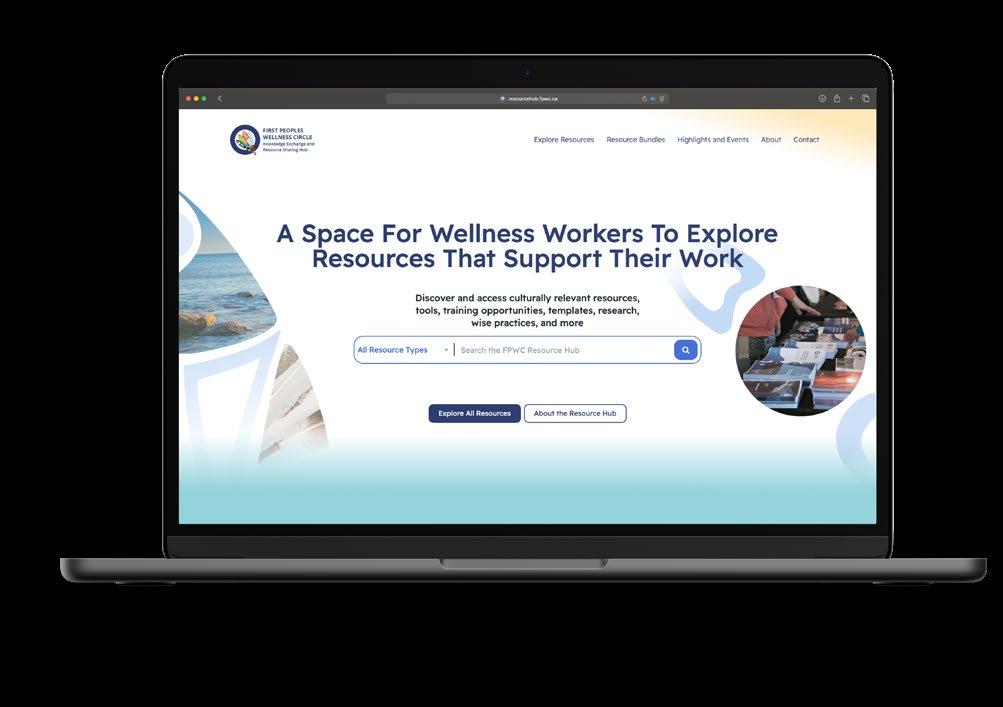
The Knowledge Exchange and Resource Sharing Hub (Resource Hub) is an accessible, custom-curated portal designed to empower the FNMWW by providing a central space for sharing and accessing culturally relevant resources. It features a diverse collection of tools, training opportunities, research, wise practices, templates, and videos to support wellness workers at all levels and was created to ensure that all resources support culturally relevant and community-based approaches to wellness.
With user-friendly search tools, the Resource Hub ensures quick and easy access to relevant resources, allowing users to efficiently locate the information they need. By fostering knowledge exchange and promoting culturally grounded approaches, the Resource Hub enhances collective intelligence, strengthens workforce capacity, and addresses mental wellness challenges.

Key Features and Alignment with Indigenous Frameworks
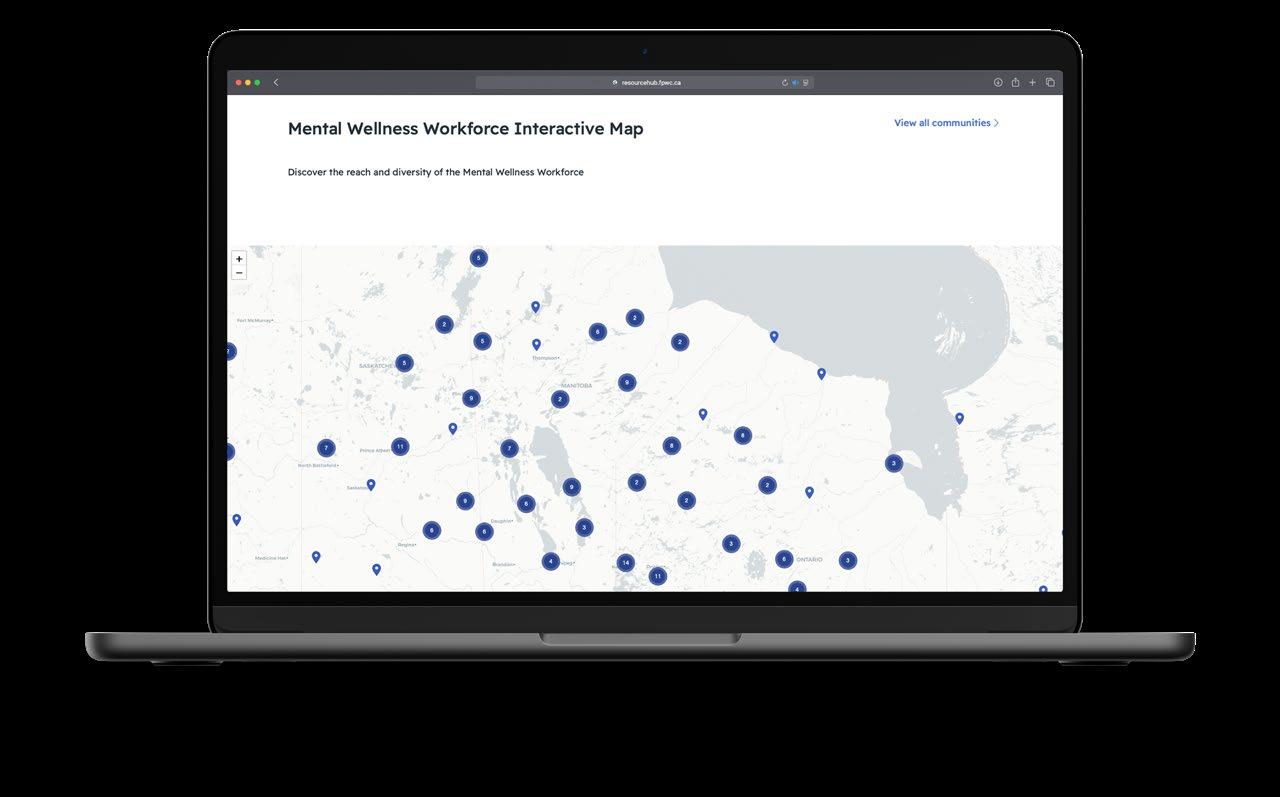
A standout feature of the Resource Hub is its interactive map, which highlights the reach and diversity of the FNMWW. This tool fosters connections, collaboration, and shared learning by encouraging relationships among teams and networks.
Launch and Future Growth
Set to launch in 2025, the Resource Hub is already substantially completed, with over 100 resources sourced from FPWC, its sister organizations, and other trusted contributors. The resources are designed to support mentorship and knowledge exchange, the development of policies and practices, as well as healing, wellness, and capacity-building within communities.
The First Nation Mental Wellness Workforce
The FNMWW is comprised of a diverse and dedicated group of professionals, community members, and Knowledge Carriers committed to supporting the mental wellness of Indigenous individuals, families, and communities.
This workforce includes:
• Mental Wellness Teams
• Crisis Response Teams
• Trauma-informed Practitioners
• Traditional Knowledge Carriers and Elders
• Frontline Service Providers

• Indian Residential School Resolution Health Support Program workers (RHSP) and Cultural Support Workers
• Community-based Addiction Workers
• Treatment Centre Workers
Ontario Mental Wellness Teams: Current State Analysis 2025
In 2024, FPWC led the Ontario Mental Wellness Teams (MWTs) Current State Analysis to assess the strengths and challenges of, and opportunities for, Ontario’s 20 MWTs and provide recommendations to support their sustainability and effectiveness.
Project Objectives
• Identify wise practices and impacts of MWTs.
• Highlight the significance and benefits of MWTs for the communities they serve.
• Provide actionable recommendations to inform policy and program development.
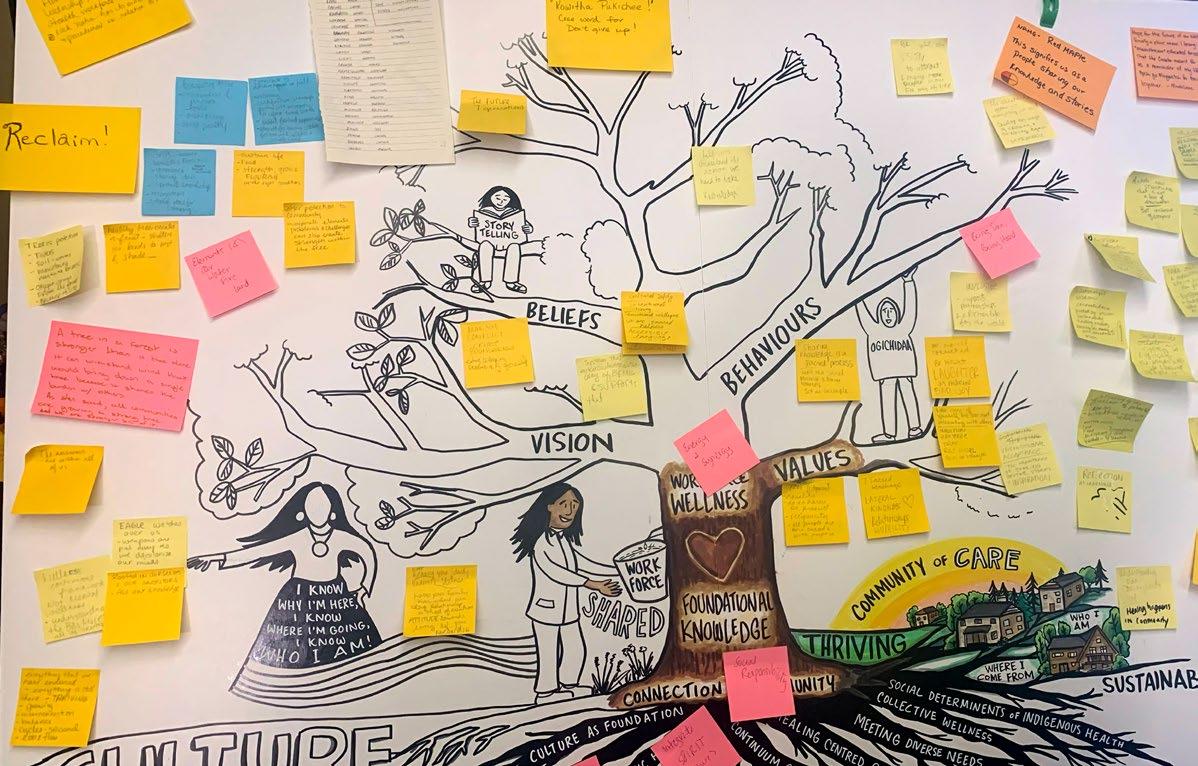
Through interviews, focus groups, and surveys, we engaged with MWT Leads, frontline staff, leadership, community members, as well as partner organizations. Findings highlighted MWTs’ adaptability in delivering culturally grounded mental wellness services, despite facing persistent challenges related to funding, recruitment and retention, and workforce wellness.
An interim report, completed in November 2024, presented preliminary recommendations focused on securing sustainable funding agreements, enhancing workforce wellness and development, strengthening cultural programming, as well as fostering partnerships
to support an integrated care continuum. These insights were further refined through continued engagement, culminating in the Final Report, completed in March 2025.
The final recommendations will be presented at the Ontario MWTs Regional Gathering in April 2025, reinforcing FPWC’s commitment to community involvement and culturally safe and sustainable mental wellness services. This project advances the goals of the First Nations Mental Wellness Continuum Framework (the Framework), ensuring longterm, meaningful impact.
Findings highlighted MWTs’ adaptability in delivering culturally grounded mental wellness services, despite facing persistent challenges
Workforce Wellness Strategy: From Strategy to Support
Informed by members of the FNMWW, the Workforce Wellness Strategy (WWS) outlines actionable strategies to support workforce well-being at the individual, organizational and environmental, as well as systems and political levels. The WWS has been finalized, shared with contributors and FNMWW members, and is available on FPWC’s website: www.fpwc.ca.
To support implementation, FPWC maintains ongoing engagement with the FNMWW through knowledge sharing sessions, workforce presentations, resource and tool development, as well as other collaborative initiatives.
2024 Implementation Highlights
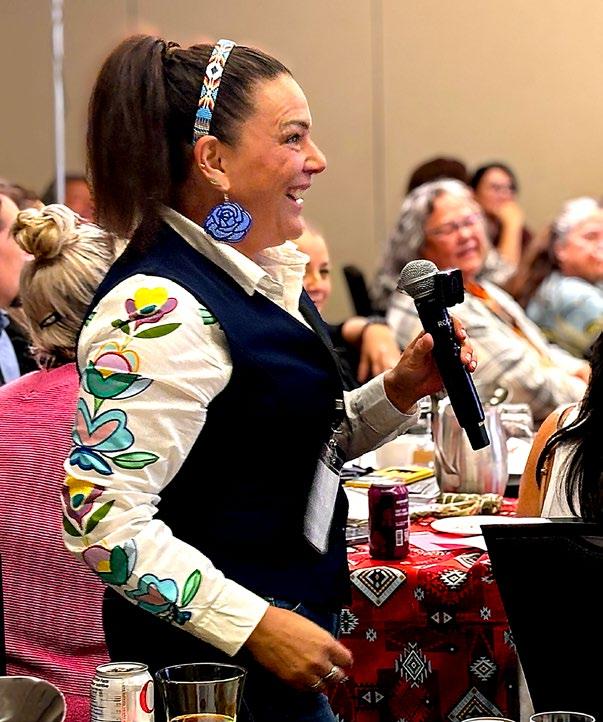
In 2024, FPWC delivered presentations on the WWS at key events, including:
• The 2024 World Indigenous Suicide Prevention Conference (WISPC).
• The 2024 National Summit on Indigenous Mental Wellness (hosted by Indigenous Services Canada).
• The Annual Wellness Conference (hosted by the Southern Chiefs’ Organization).
• The Gathering Our Knowledge Bundles Capstone Event.
These presentations introduced wellness workers to the WWS, highlighting its role in fostering collective well-being and opportunities for workforce involvement.
Resource and Tool Development
The WWS identifies various resources, tools, training, and curricula needed to support wellness workers at all levels. FPWC has begun developing priority recommendations, including a Wellness Worker Self-Evaluation Toolkit and a Wellness Plan Template.
Ongoing Evaluation
Throughout its implementation, FPWC will evaluate the impact of the WWS and its related initiatives, with a particular focus on the benefits and value they bring to workers’ well-being.
New Brunswick Mental Wellness Teams Gathering: Supporting Workforce Well-Being
From September 17-19, 2024, the New Brunswick Mental Wellness Teams Gathering was held in Sitansisk (St. Mary’s First Nation). It was organized by FPWC in collaboration with the Wolastoqey, Mawlugutineg, and Oeliangitasoltigo MWTs. Centred on the theme Supporting Workforce Well-Being, the gathering brought together 66 frontline workers, community leaders, and partners to strengthen collaboration, share wise practices, and prioritize self-care in mental wellness work.
Highlights and Key Discussions
The event featured a variety of immersive sessions, cultural teachings, and hands-on workshops, which reinforced the importance of resilience, innovation, and wholistic well-being.

A key session, the Workforce Wellness Strategy, explored burnout prevention, self-care strategies, and sustainable mental wellness practices to ensure those providing care are also supported.
Additional highlights included:
• Elder-led teachings and ceremonies, which emphasized cultural identity as a foundation for healing.
• Collaborative discussions on strengthening partnerships, particularly with first responders and law enforcement.
• A powerful video presentation and storytelling session, fostering hope and reinforcing community connections.
Key Takeaways and Impact
The gathering served as a catalyst for renewed commitment and collaboration among MWTs. Key themes that emerged included:
• Prioritizing self-care and recognizing burnout.
• The healing power of language and cultural teachings in strengthening mental wellness.
Looking Ahead
• The need for ongoing collaboration between MWTs, leadership, and external partners.
The event deepened relationships among the three New Brunswick MWTs, reinforcing a shared commitment to workforce well-being. Moving forward, participants expressed interest in expanding peer support networks, increasing cultural-based wellness programming, as well as continuing inter-community knowledge sharing. One participant reflected, “This is the first time I felt like I did something for me, and I really enjoyed it.” This highlights the event’s profound impact on frontline workers’ well-being.
• The role of leadership in fostering sustainable mental wellness initiatives, including active engagement from Chiefs and community leaders.
The gathering concluded with a closing session, which left participants reinvigorated, supported, and motivated to bring their learnings back to their communities. Special recognition was given to the organizers, facilitators, and Elders, whose guidance and contributions made this event a powerful and transformative experience.
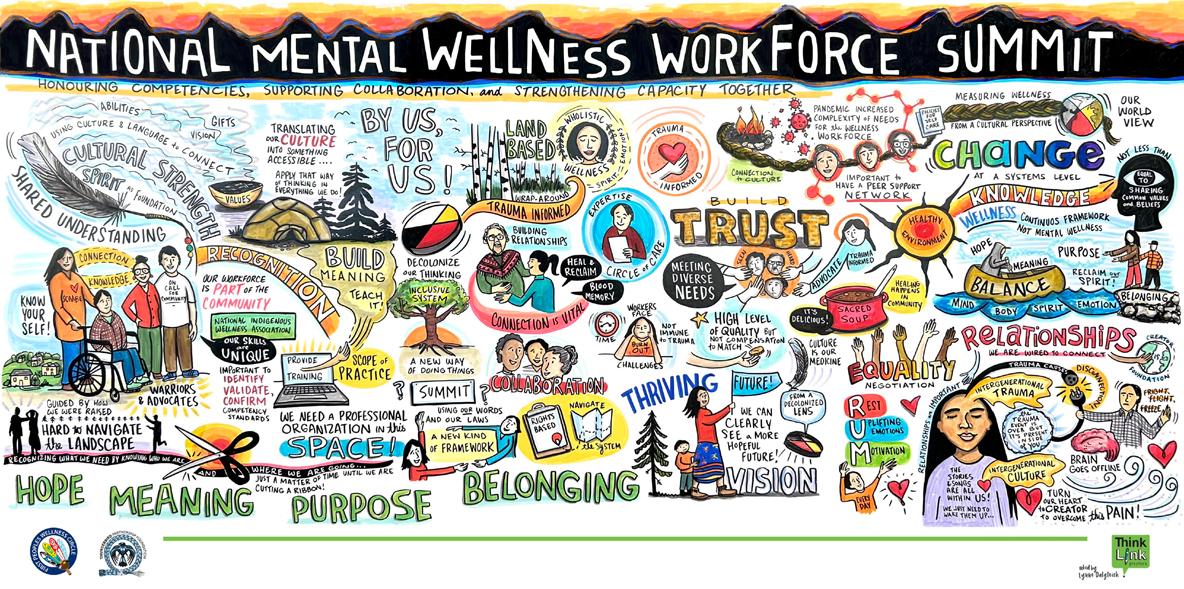
National Mental Wellness Workforce Summit:
Honouring Competencies, Supporting Collaboration, & Strengthening Capacity Together
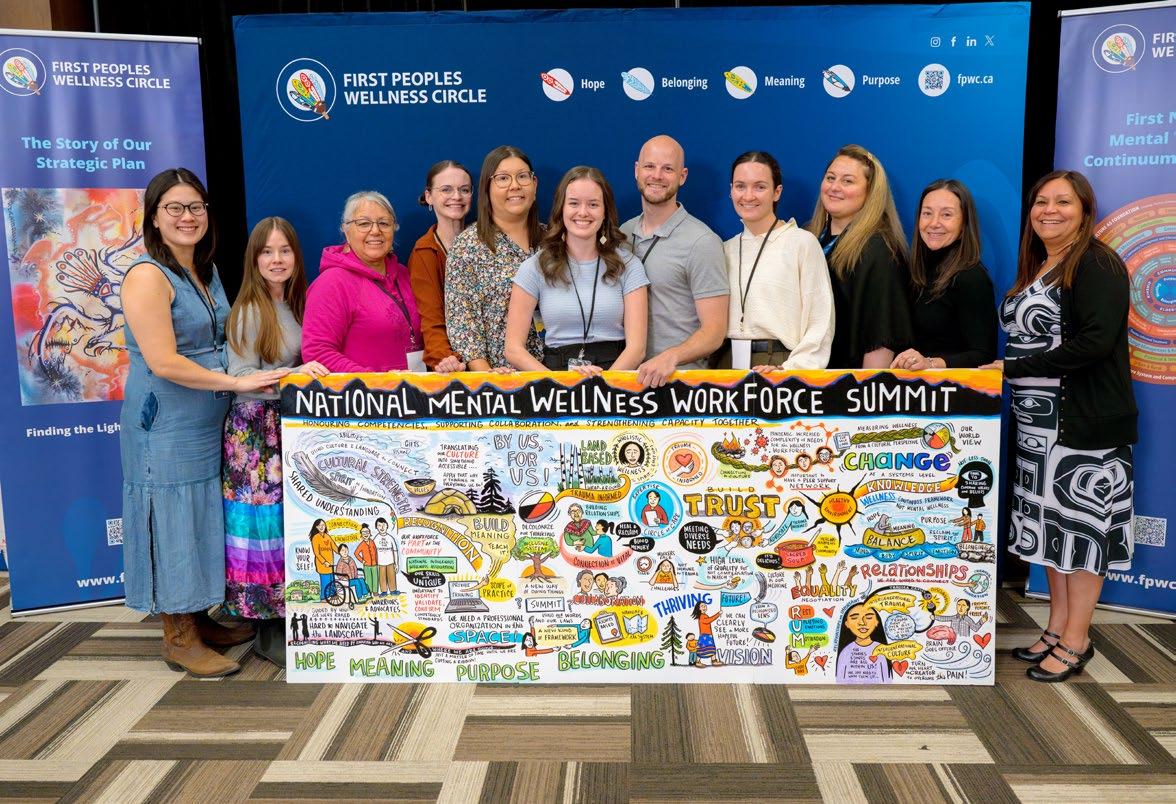
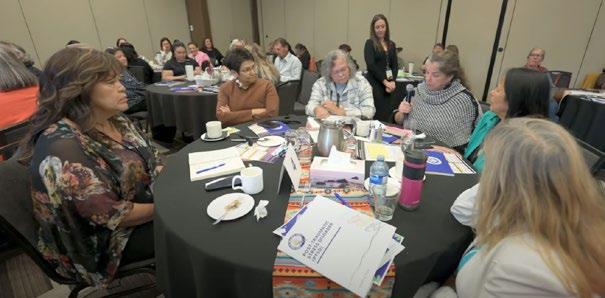
On October 2-3, 2024, FPWC hosted a National Mental Wellness Workforce Summit at Tsuut’ina Nation. Centred around the themes of Honouring Competencies, Supporting Collaboration, and Strengthening Capacity Together, the gathering brought together 70 Indigenous Mental Wellness leaders from MWTs, Crisis Support Teams, the Indian Residential School Resolution Health Support Program (IRS RHSP), and other key partner organizations.
Summit Activities and Outcomes
Participants engaged in a variety of activities designed to explore, validate, and expand on core competencies identified through previous engagement events. This included the First Nations Substance Use Summit, Healing Our Spirit Worldwide, and the First Nations Health Managers Association (FNHMA) Conference.
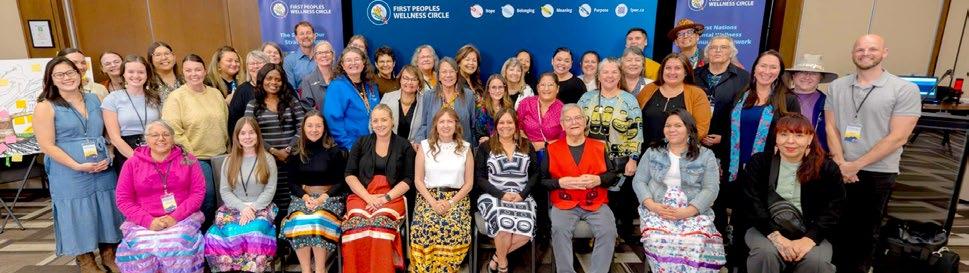
The summit provided a unique space for mentorship, networking, knowledge exchange, and the sharing of wise practices. It also emphasized the workforce’s collective intelligence and lived experiences. Attendees reviewed, validated, and contributed to proposed core competencies, ensuring their voices were recognized and incorporated into the evolving National Indigenous Mental Wellness Workforce Association.
Watch this video summarizing the National Mental Wellness Workforce Summit featuring our CEO, Dr. Brenda Restoule
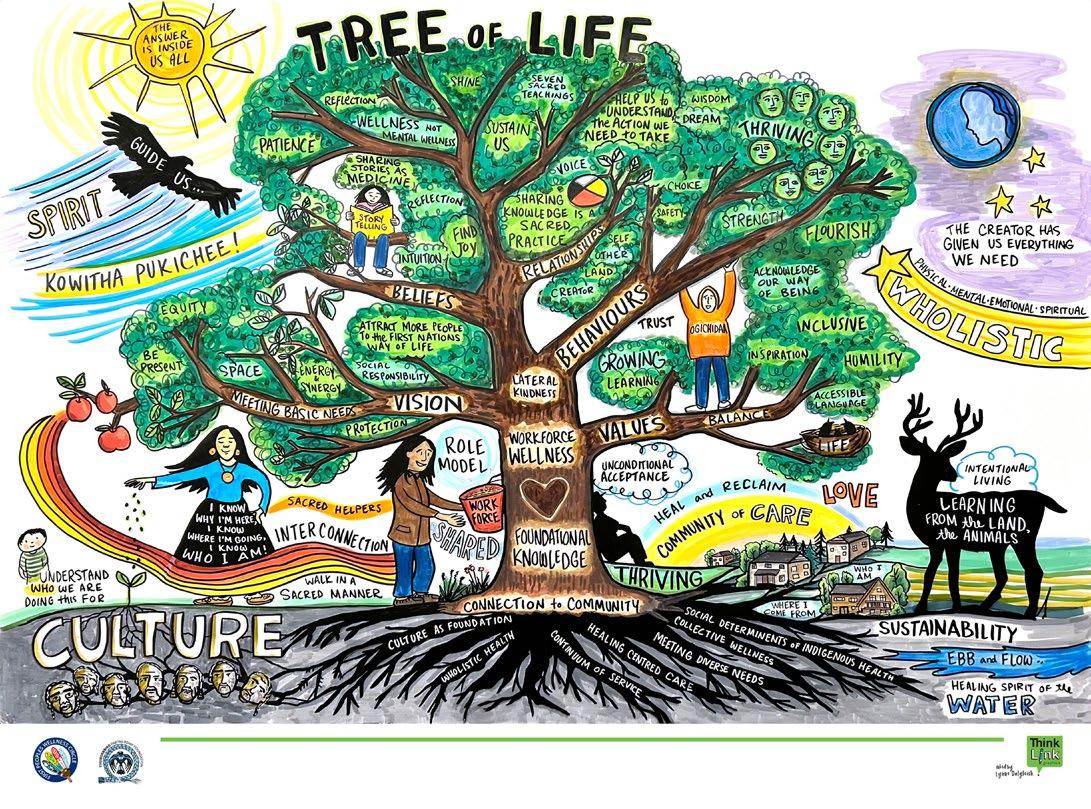


Worker Wellness Podcast Series
We are excited to share that we are currently working on a new podcast series dedicated to workforce wellness and workplace well-being. This online storytelling space uplifts, supports, and empowers the mental wellness workforce in First Nations communities.
Designed for the FNMWW, this podcast weaves together Traditional Knowledge and Western practices to support both personal and professional well-being. The series examines strategies at the worker, organizational, and systems levels. Each episode features inspiring stories, practical strategies, actionable and accessible models, as well as accompanying resources. It will be a valuable tool for wellness workers, managers, team leads, health directors, and others dedicated to workforce wellness.
This series is planned to launch Summer 2025.
Rooted in Knowledge, Recognized in Practice: Accreditation as a Next Step in Our Journey
To ensure our work maintains the highest integrity, we explored accreditation.
Over the past few years, FPWC’s journey to support capacity building of the FNMWW has taken many forms, including, among many others, developing culturally grounded learning opportunities and creating spaces for meaningful knowledge exchange. As this work has evolved, so has our vision. We began to ask: How can we ensure these offerings are not only meaningful and relevant, but also recognized and transferable within systems that support mental wellness work?
To ensure our work maintains the highest integrity, we explored accreditation. This journey led us to identify a strong and values-aligned partner, the Indigenous Certification Board of Canada (ICBOC). Together, we are beginning this next chapter by pursuing accreditation for our Learning Circles.
Enhancing Wellness in the Workforce: A Workshop for First Nations Health Directors
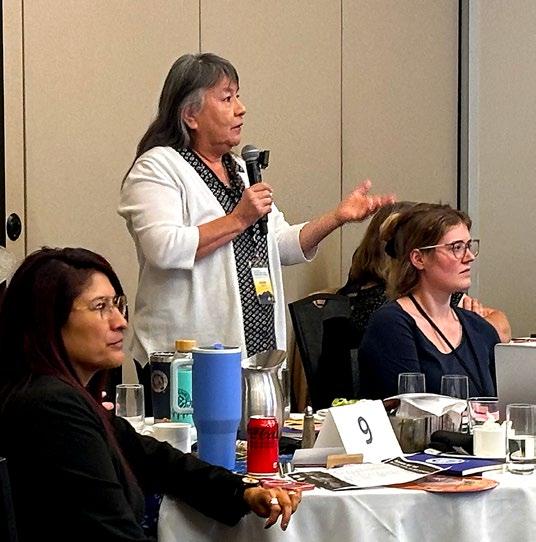
In 2024, FPWC delivered a 1 day workshop to over 40 First Nations Health Directors, which centred on the importance of self-care, workforce wellness, and wellbeing. These leaders carry immense responsibility for supporting their teams, yet often do so without a network of support for themselves.
The workshop created a rare and impactful space for connection. Through roundtable discussions, guided reflection, and collaborative dialogue, participants explored wellness at the individual, organizational, and systems levels. They shared experiences, voiced common challenges, and exchanged practical strategies for fostering healthier workplaces.
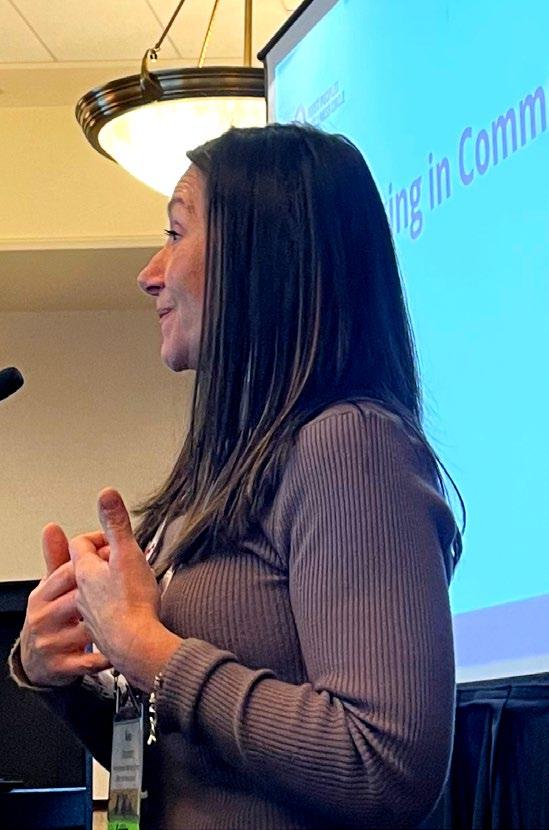

The impact was immediate and deeply felt. Many described the workshop as “therapeutic”, “valuable”, and “much needed.” It was an affirming space that validated their efforts and reduced the sense of isolation in their roles. Participants left with tools to support resilience, promote well-being, and advocate for systems change. They also left with a renewed sense of connection—to themselves, to each other, and to the larger movement toward healing in First Nations communities. Based on the event’s success, as well as FPWC’s commitment to walk alongside those who lead with care, we will be exploring opportunities to increase the length and reach of this workshop in the future.
Learning Circles: Sharing Knowledge, Strengthening Wellness
Our Learning Circles provide members of the mental wellness workforce with opportunities to expand their knowledge about topics and issues that have been identified by workers themselves. These events are grounded in being trauma-informed, strengths-based, and culturally safe approaches. They feature respected Indigenous experts who share Traditional Knowledge and their lived experience. Participants increase their knowledge and identify practical skills through active listening, peer interaction, sharing wise practices, and engaging with expert facilitators.
FPWC continues to host interactive Learning Circles for the workforce on virtual platforms. By embracing virtual communication tools, we have been able to overcome geographic barriers to facilitate meaningful exchanges that enrich our collective intelligence, grow workforce capacity, and strengthen relationships.
In 2024-2025, more than 290 attendees participated across 11 Learning Circles.
Some of the topics included:
• Grief from a Traditional Lens
• Complex Grief and Trauma
• Grief Management Techniques
• Lateral Kindness
• The New Circle of Life: The Human Biome
• Land as Our Medicine: Land-Based Panel
• Wellness for the Frontline Worker
Top Themes from Participant Feedback:
CULTURAL RELEVANCE:
“Grounded in Indigenous ways — this felt familiar, respectful, and safe.”
SKILLED FACILITATION:
“The facilitators were knowledgeable and created space for real sharing.”
VALUABLE CONTENT:
“The topics were timely and directly related to my daily work.”
PEER LEARNING
“I appreciated learning from others doing similar work — it felt like community.”
ACCESSIBLE FORMAT:
“Virtual delivery worked well — I could participate without needing to travel.”
Of those participants who completed post-participation surveys:
87 % 86% of respondents reported that the learning circles are “very valuable” to their work shared that the learning circles are a “very valuable” use of their time.
96% would recommend the Learning Circle to colleagues 94% of respondents reported that the learning circles are “very valuable” to their work
Building Workforce Capacity with Thunderbird
FPWC continues to foster collaboration and knowledge sharing through our sister organization, Thunderbird Partnership Foundation (Thunderbird). Over the past year, we promoted and shared Thunderbird’s free virtual training opportunities with the mental wellness workforce. As a result, 449 participants from MWTs and IRS support programs took part in these sessions. These accessible trainings support wellness workers by strengthening skills, deepening cultural understanding, and encouraging shared learning across the network.
Indian Residential School Resolution Health Support Program (IRS RHSP)
Formative Analysis
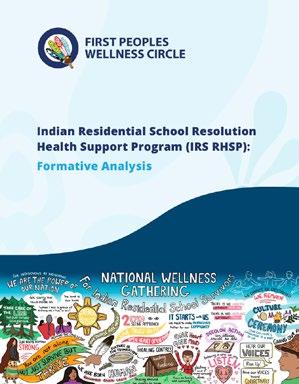
The 2024-2025 findings from the Formative Analysis that identified the IRS RHSP workforce’s current environment (completed in the previous year) informed the delivery of training, knowledge exchange events, and the development of resources for the workforce. One key finding noted the crucial need for the recruitment and retention of the workforce, particularly those who possess cultural knowledge and have the ability to apply cultural practices. FPWC will be researching and developing a Peer Learning Network in the upcoming fiscal year. The intention of the Network will be to identify peer learning methods and how to build an infrastructure within the workforce that will assist in assembling a stronger, more qualified workforce.
Findings also identified the increased demand on the IRS workforce and other FNMWW to support nations and their members dealing with emergency management situations. Recognizing there is an increase in emergency management needs, FPWC conducted a literature review to identify key areas for knowledge exchange to support future development of a model of care for Mental Wellness Emergency Management. Its aim is to support the workforce when assisting individuals, families, and nations during emergency situations from extreme weather conditions or large scale health emergencies.
Launched in 2024 and available in English and French.
A Culturally Relevant Approach to Worker Debriefing
First Nation mental wellness workforces continue to receive an overwhelming increase in calls for crisis support. In mainstream service systems, Western debriefing models help manage stress with First Responders after critical events. First Nations mental wellness workers need a culturally based approach to debriefing that understands the complex lived experiences of workers when responding to crises.
Developed alongside an advisory group of First Nations and Métis leaders in mental wellness and crisis response, and informed by Elders and Traditional Knowledge Carriers from coast to coast to coast, FPWC identified key elements to caring for workers responding to crises. These elements inform an approach to culturally relevant worker debriefing that is intended to support the workforce and mitigate risk of
Indigenous Student Wellness Toolkits
vicarious trauma and burnout immediately after responding to a crisis. It incorporates the importance of being grounded in place and the land and is built on cultural strengths as well as an understanding of spiritual wellness.
A guidebook was created outlining the key elements for culturally relevant workforce debriefing. FPWC developed a complementary draft curriculum to support sharing the implementation of the culturally relevant approach to worker debriefing. In the upcoming year FPWC will seek feedback and validate the key elements of the approach and the curriculum with the FNMWW, including Crisis Response Teams. The guidebook with accompanying resources and curriculum will be launched and shared with the workforce in early 2026.

FPWC finalized 3 Indigenous Student Wellness Toolkits for educators, school administrators as well as parents and guardians to be launched in Ontario. Each toolkit features culturally relevant resources and strategies for supporting the well-being of First Nations, Inuit, and Métis students.
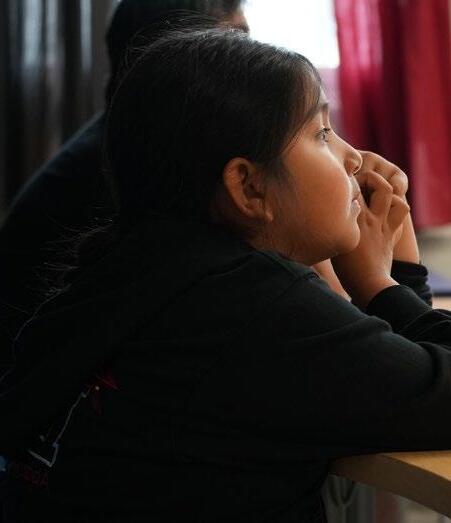

Partnering with School Mental Health Ontario (SMHO), Walking Together: A Bundle for Supporting Indigenous Student Wellness was developed to support parents and caregivers with culturally relevant resources. Through questionnaires and virtual community conversations held in the fall of 2024, over 175 responses identified the unique needs of First Nations, Inuit, and Métis children and youth in schools.

1. Building wellness habits with my child.
2. Supporting my child’s mental wellness by partnering with school and community resources.
3. Culture as medicine – nurturing spirits to build hope, belonging, meaning and purpose in children, youth and caregivers.
4. Recognizing early warning signs and supporting in mental health challenges.
5. Wholistic approaches and guiding the way –resources for professionals to support parents/ caregivers of Indigenous children and youth.
These virtual consultations also informed future dissemination methods to increase access and uptake for parents and Caregivers.
The Walking Together bundle will be translated into 5 Indigenous languages, as well as English and French, disseminated through SMHO, and available on FPWC’s website for public accessibility. The toolkits and the resources are expected to launch in 2025.
Gathering Our Knowledge Bundles Project
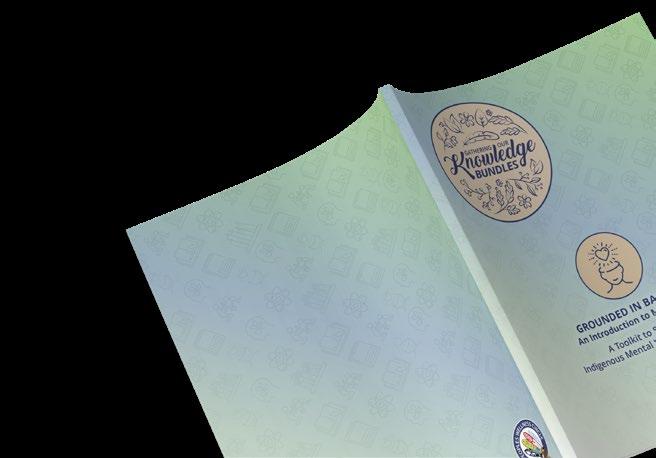
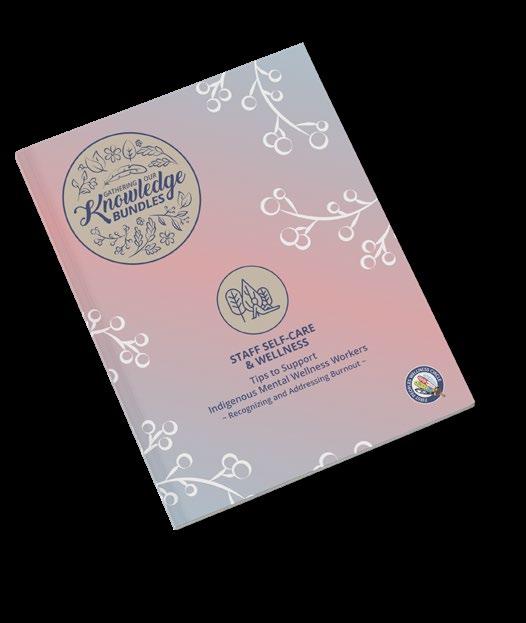
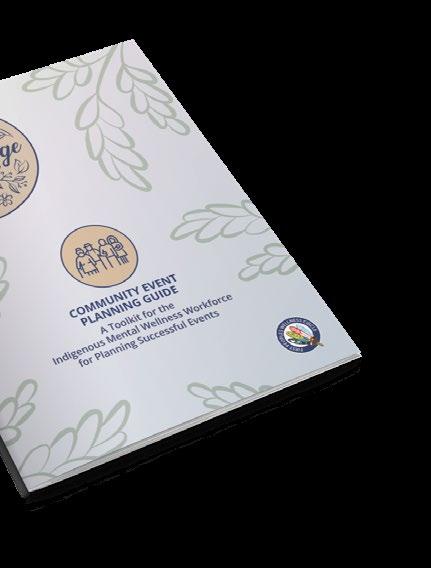
The Gathering Our Knowledge Bundles project, funded by the Public Health Agency of Canada (PHAC), supports the FNMWW by developing and mobilizing culturally grounded, community-driven mental wellness resources.
Specifically, the Gathering Our Knowledge Bundles project aimed to:
• Enhance the FNMWW ability to promote mental wellness through culturally meaningful strategies.
• Improve access to mental wellness resources rooted in Indigenous Knowledge and community-identified priorities.
• Rebuild peer connections among workers by creating opportunities for mentorship, knowledge exchange, and shared learning.

This 2 year project was guided by an advisory group representing diverse regions and partner organizations, including Thunderbird and FNHMA.
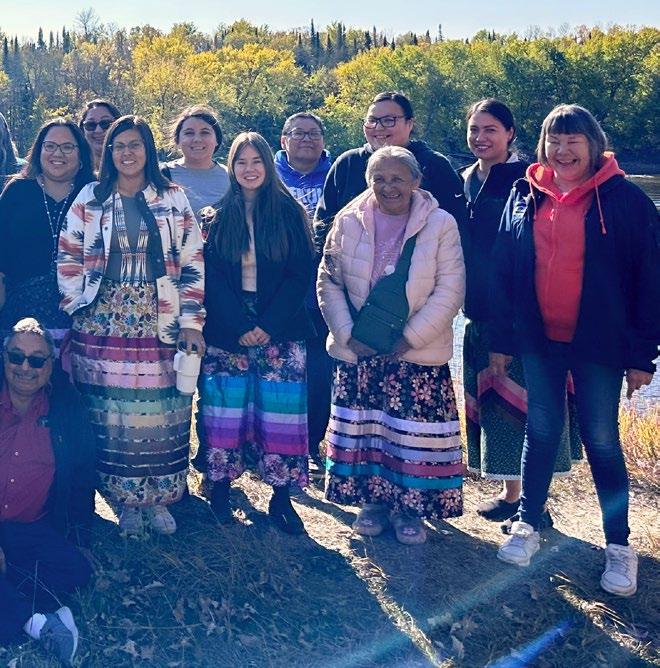
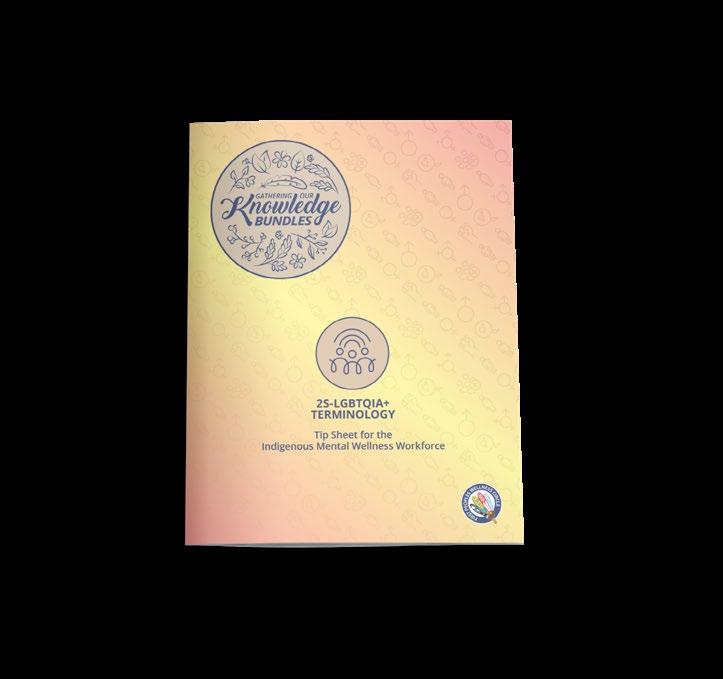
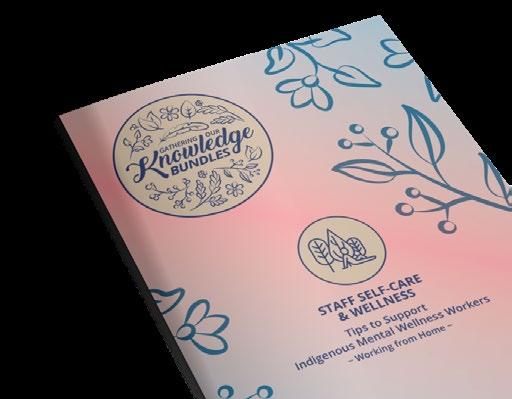
Regional Circles were delivered in Saskatoon, SK (May 2024), Fredericton, NB (September 2024), and Fort Frances, ON (October 2024) to 65 members of the IRS workforce. These Regional Circles served as spaces for listening, reflection, and collaboration. Insights from these circles directly informed the co-development of 8 Knowledge Bundles, which include up to 20 resources.
The event brought together 42 participants to celebrate contributors, share key learnings, and to strengthen networking across the workforce.
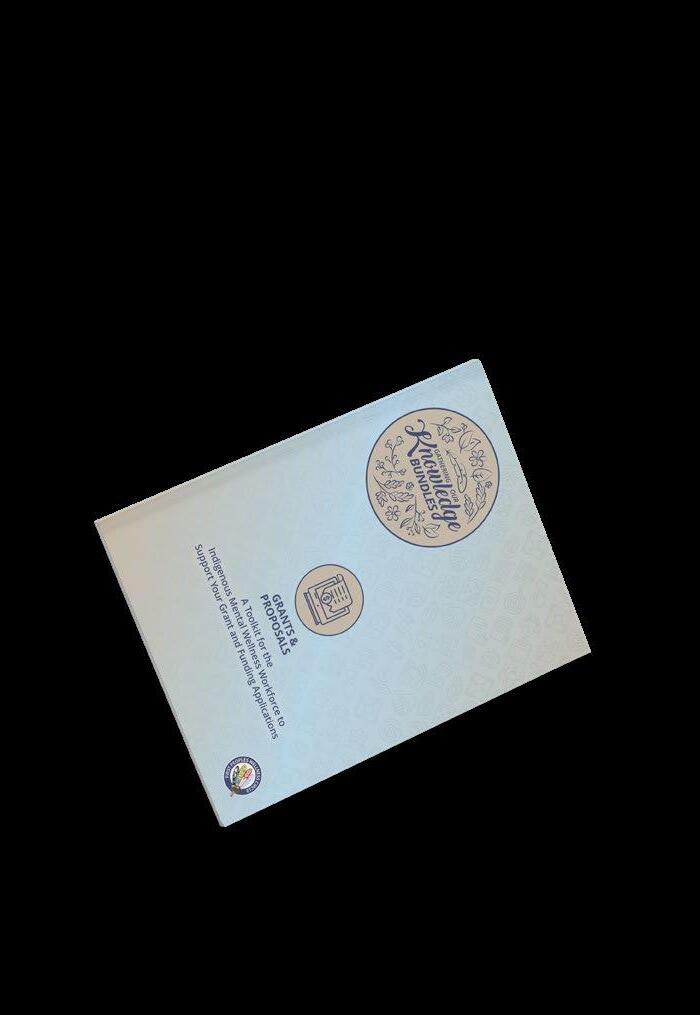
Along with Regional Circles, workshops on some components of the Bundles were offered to the workforce. The Grants and Proposals Writing Workshop, delivered in 2 parts, was offered to support the accompanying resource that was developed. A total of 15 participants engaged in Parts 1 and 2 of this workshop, while 25 engaged in the Grief and Loss Workshop during other FPWC national gatherings. Prior to the culminating event, FPWC did a soft launch of the bundles at key events to support the workforce.
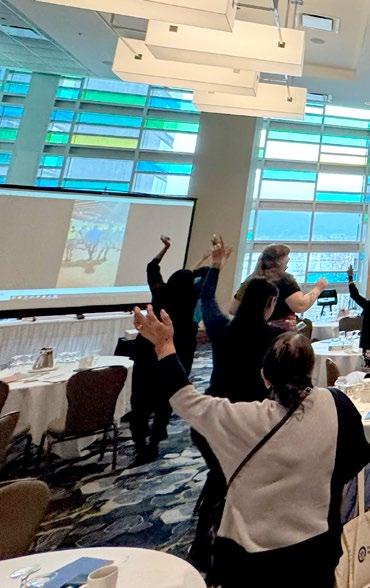
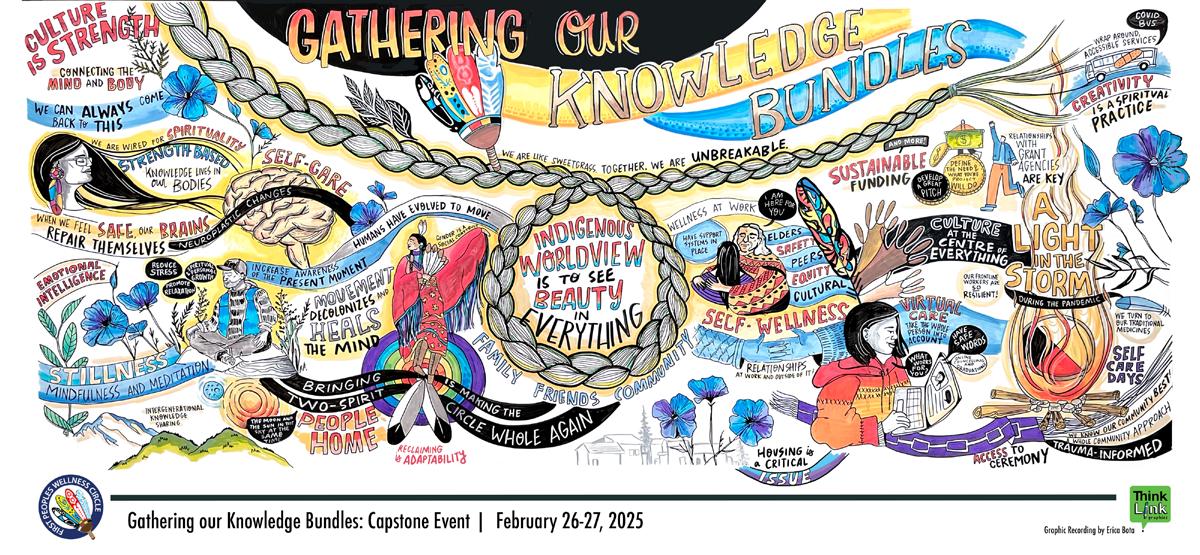
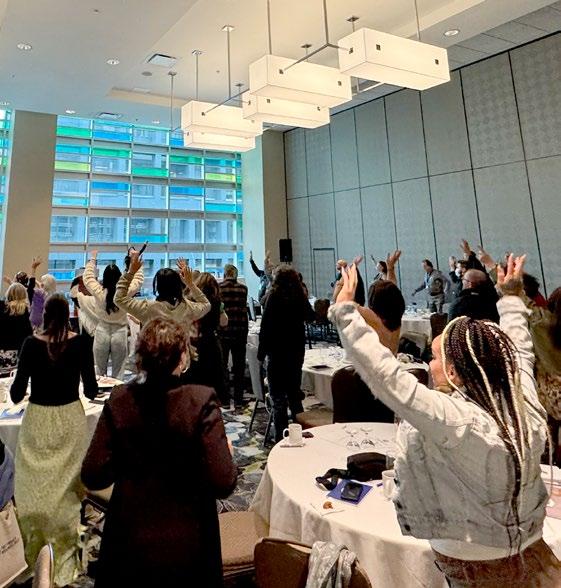
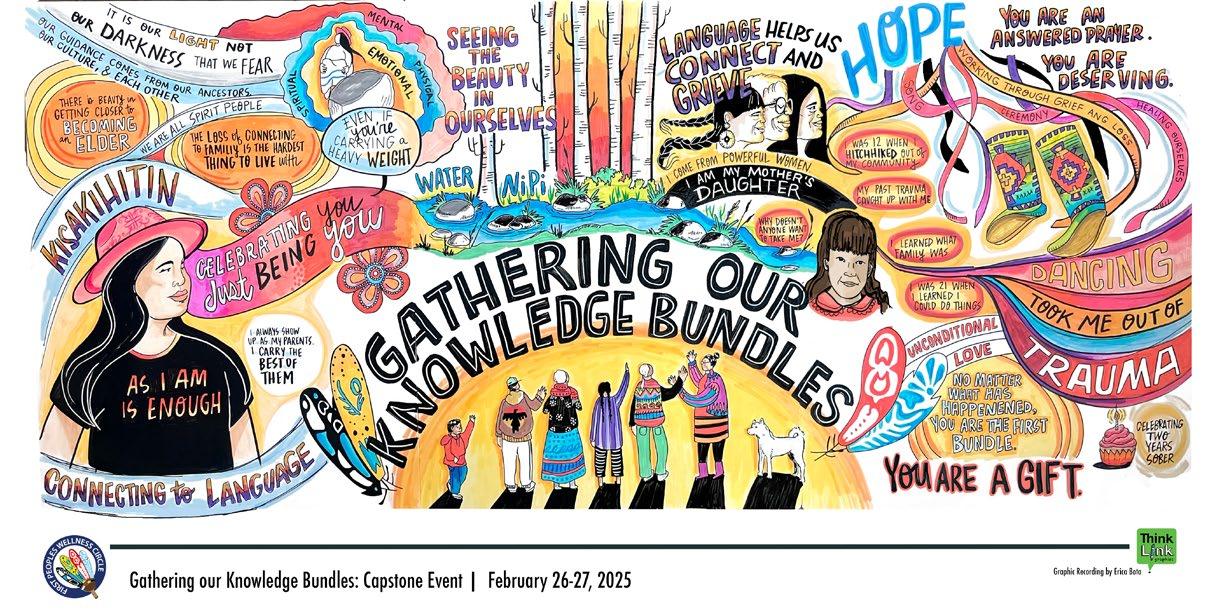
The project concluded with a successful Capstone Event that took place in Vancouver, BC, on February 26-27, 2025, where the Knowledge Bundles were officially launched. The event brought together 42 participants to celebrate contributors, share key learnings, and to strengthen networking across the workforce.
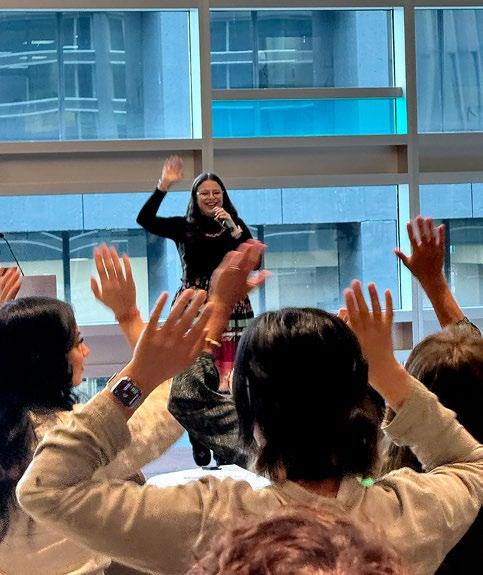
All resources from the Gathering Our Knowledge Bundles will be available on FPWC’s website and through FPWC’s newly launched Knowledge Exchange and Resource Sharing Hub where it will be accessible to the FNMWW.

Training and Curriculum
In 2024-2025, the Special Projects Team delivered a variety of in-person and virtual training as well as knowledge exchange events geared for the IRS RHSP and FNMWW. The learning topics were determined based on the findings from the IRS RHSP Formative Analysis, launched in early 2024.
In-person training on the Framework was hosted for 19 participants in Saskatoon, SK. To support their learning, 3 virtual drop-in sessions were offered to the participants in the summer of 2024 to assist them in implementing the Framework in their communities. An additional optional virtual drop-in session was offered to participants as a followup, providing further assistance as they integrated the Framework within their respective communities.
Three in-person training sessions on Trauma-Informed Approaches with an Indigenous Lens, facilitated by Cristine Rego, were held in Sudbury, ON and Vancouver, BC with 64 participants receiving the training.
Of those participants who completed post-participation surveys:
• 88% reported that their participation was a very valuable or extremely valuable use of their time.
• 96% reported that subject matter was very relevant or extremely relevant to their work.
• 100% reported that they would recommend this in-person learning session to others.
• 100% reported that this in-person learning session achieved its advertised objectives.
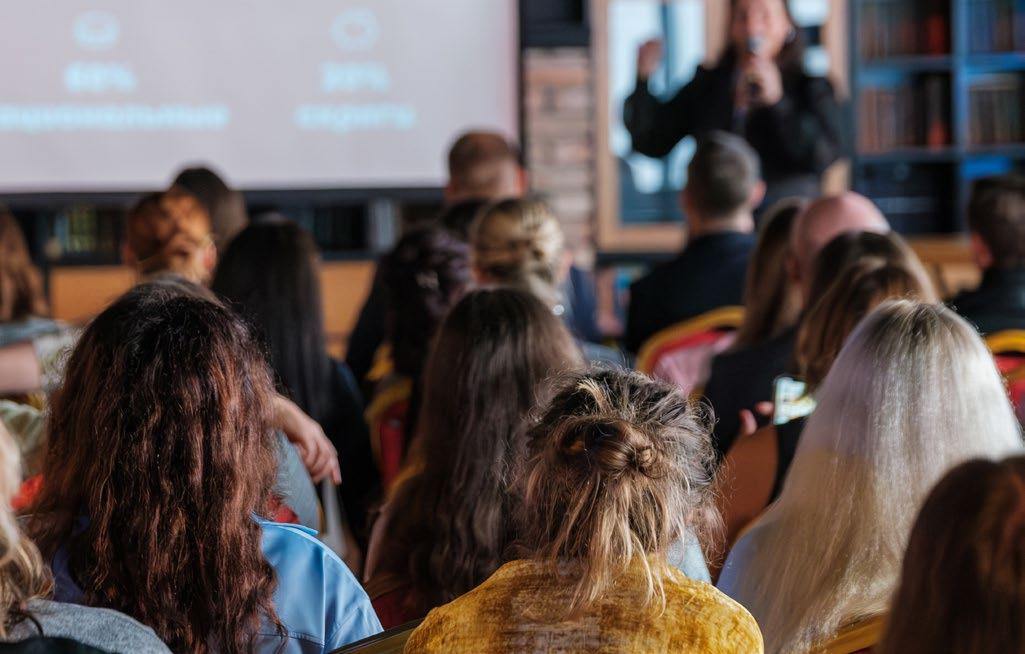
Three virtual Learning Circles were held:
1. Promoting Inclusion and Diversity: Gender-Affirming Care with Seth Compton.
2. Promoting Inclusion and Diversity: Two-Spirit and LGBTQ+ Communities with Seth Compton.
3. The Power of Rest with Victoria Steadman.
Of those participants who completed post-participation surveys:
• 94% reported that their participation was a very valuable or extremely valuable use of their time.
• 100% reported that subject matter was very relevant or extremely relevant to their work.
• 87% reported that they would recommend the Learning Circle to others.
• 87% reported that the Learning Circle achieved its advertised objectives.
In early 2025 FPWC began work to develop a curriculum and resources for the workfoce on supporting those who live with dementia and their caregivers. To support the development of the curriculum and resources, a literature review was completed and the workforce will be audited to determine their knowledge and skill needs on this topic. This curriculum will support the IRS RHSP workforce and FNMWW to better understand the link between brain trauma and dementia and how to utilize Traditional Knowledge to support brain health as an evidence based method to reduce dementia rates in First Nations communities. Resources on dementia, brain health, and medical assistance in dying (MAiD) will also be created in the next year for the workforce to use in their daily work.
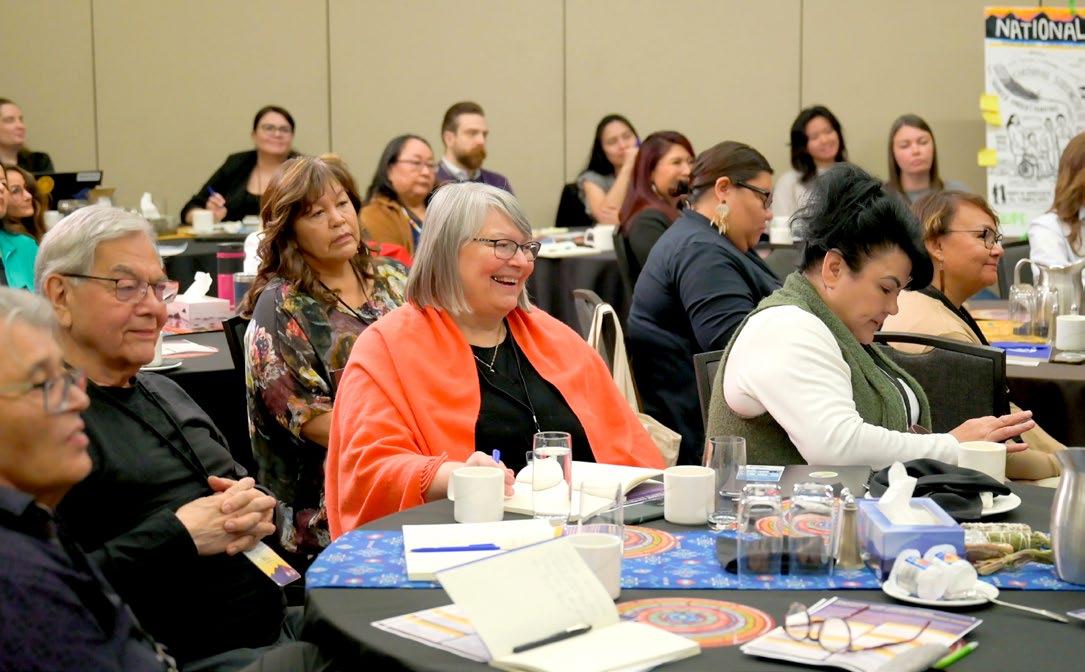
The Framework
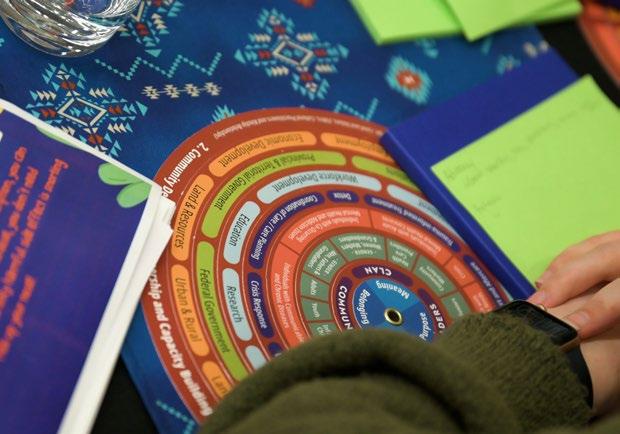
The Framework works to create transformative change by providing a wholistic, culturally relevant approach to wellness.
Implementation of the Framework
One of FPWC’s 4 core objectives is to implement the Framework internally and externally. In alignment with the Framework’s central theme of Using Culture as Foundation, we look to First Nations culture and wise practices to guide our work and to enhance a connection to Hope, Belonging, Meaning, and Purpose for First Nations.
The Framework’s theme of Quality Care System and Competent Service Delivery drives our work to support and advocate for the FNMWW. We work from a wholistic perspective as well as an inclusive understanding of wellness, which encompasses the Indigenous Social Determinants of Health (ISDoH). Our work recognizes the importance of the ISDoH (such as housing, environmental stewardship, economic development, justice, lifelong learning, and social services) and their relationships to each other as being foundational to advancing mental wellness for First Nations and other Indigenous groups.
Secretariat Implementation Team
The Framework Implementation Team promotes mental wellness in First Nations communities through the continued implementation of the Framework, with support from the Implementation Team Secretariat. FPWC serves as 1 of 4 Co-Chairs of the Implementation Team. Membership includes representation from youth organizations, Elders, First Nations regional representatives, and leaders from various federal departments.
The Implementation Team is guided by 8 themes under the 2023-2025 workplan:
1. First Nations Response to Substance Use and Misuse from a Holistic Perspective Inclusive of Multiple Substances and Root Determinants
2. Children, Youth, Family, Community Mental Wellness
3. Indicators/Evaluation Using the Framework
4. Indigenous Services Canada (ISC) Mental Wellness Program Evaluation
5. Emergency Management and Community Safety Planning
6. Communications Plan and Resourcing
7. Initiatives Addressing Anti-Indigenous Racism
8. Workforce Development, Knowledge Sharing and Data Sovereignty
It also supports 3 working groups:
• The Framework Orientation Training Working Group
• First Nations Mental Wellness Data Working Group
• The Framework Evaluation Model Working Group
These working groups lead specific initiatives, including the development of a curriculum to support knowledge and understanding of the Framework, enhancing data sovereignty, and creating a culturally relevant evaluation tool.
In December 2024, the Implementation Team gathered in Ottawa for the first in-person meeting since the pandemic. The meeting engaged over 50 participants including a strong and vibrant youth presence, in a variety of targeted discussions, which resulted in meaningful and informative feedback. The feedback will guide and inform the Implementation Team’s future direction and priorities that will be outlined in a new 4 year workplan.
Framework Evaluation Model
In 2018, FPWC was mandated by the Framework Implementation Team to develop a model for monitoring and evaluating The Framework’s use and impact. FPWC is pleased to report that after extensive engagement with, and guidance from, the Implementation Team’s Evaluation Working Group, the Telling Our Stories and Celebrating Our Successes Model for Place-Based Monitoring and Evaluation, along with a strategy for implementing the Model, has been finalized.
With promotion of the Model well underway, the organization has turned its attention to supporting the workforce and others to use the Model to meet their specific evaluation needs. To support this work, FPWC received funding
from ISC to establish a virtual community of practice for evaluation. This innovative platform will be designed to enhance collaboration and knowledge sharing among program managers and staff working across a variety of program sectors. It will also include a Knowledge Exchange and Resource Sharing Hub, as well as facilitated and self-directed learning modules tailored to meet diverse learning needs. Additionally, the community of practice will offer opportunities for engagement and peer support. While the community of practice is not expected to be fully operational until March 2026, the organization plans to continue to promote the Model with a goal of identifying opportunities for its full implementation.
Relationships
Relationships stress the importance of fostering reciprocal relationships.
Reciprocal Relationships and Partnerships
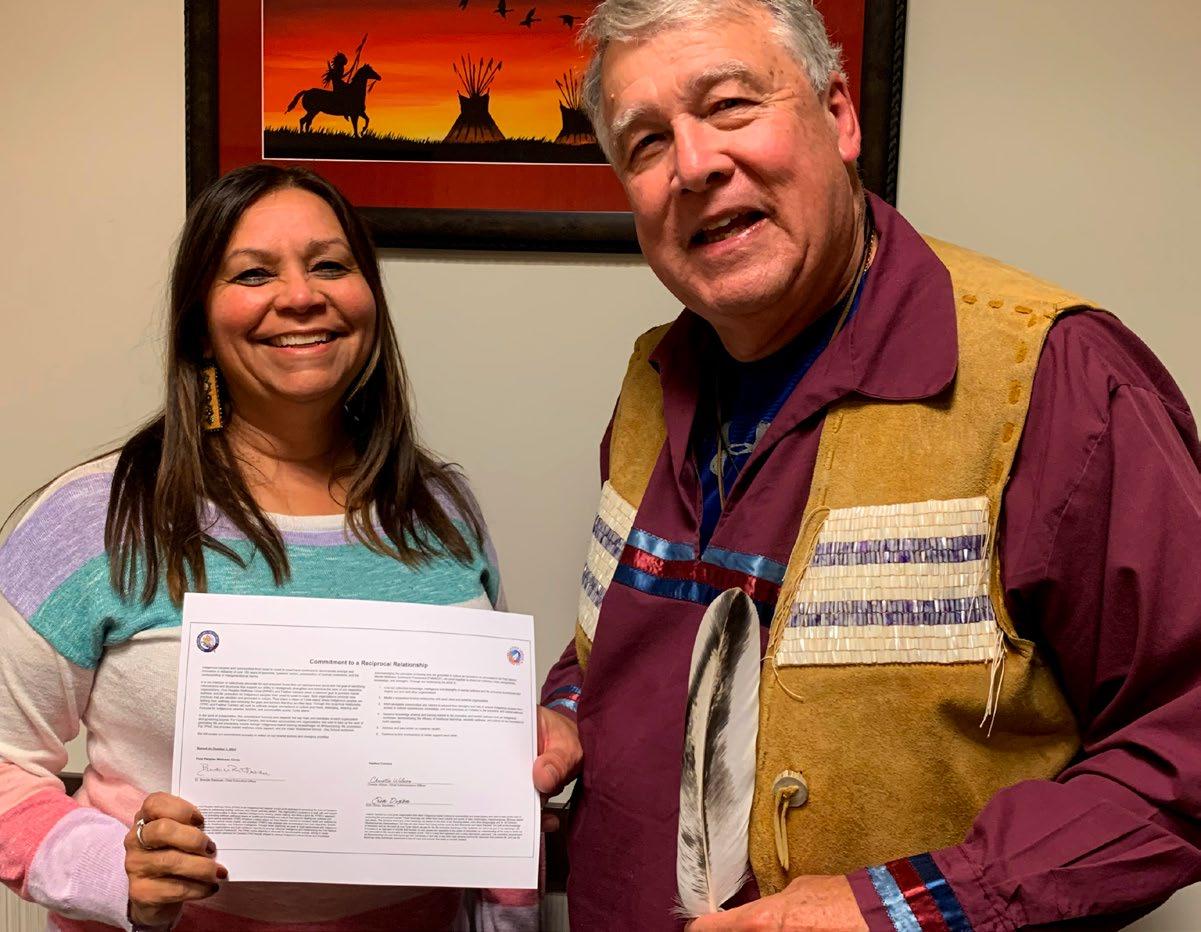
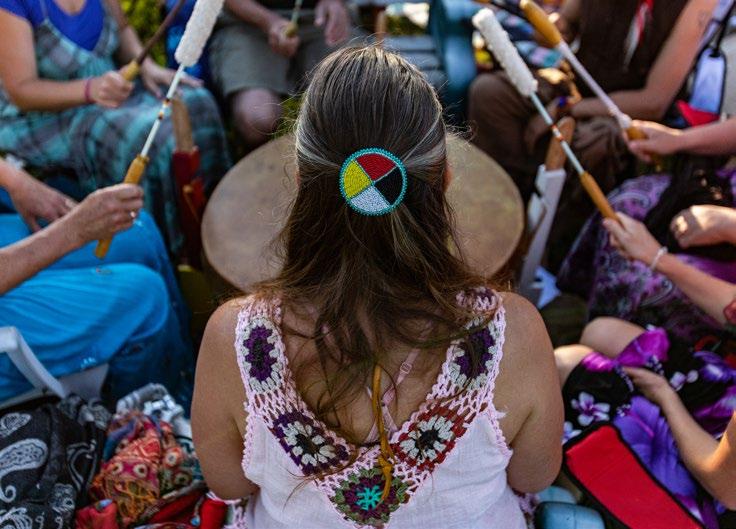
Building strong and reciprocal relationships is fundamental to FPWC’s work and 1 of FPWC’s 4 Strategic Plan objectives. In December 2024, FPWC signed a Reciprocal Relationship Agreement with Feather Carriers, focusing on supporting the cultivation of deeper connections to culture as well as Hope, Belonging, Meaning, and Purpose for First Nations, Inuit, and Métis peoples across Turtle Island. FPWC continues to work in partnership with sister organizations as well as with Elders, youth, academic institutions, researchers as well as First Nations and government partners to implement the Framework in communities and within the broader healthcare system.
FPWC is working to expand relationships with Indigenous and non-Indigenous groups and will continue to work with partners to develop and deliver culturally grounded training and tools to support First Nations and the FNMWW from coast to coast to coast. It is through these diverse partnerships and meaningful relationships that FPWC supports wellness, healing, and peace-making through Indigenous Knowledge and takes action against anti-Indigenous racism.
Métis and Youth Engagement
Regional and National Gatherings – MNBC Regional Gathering
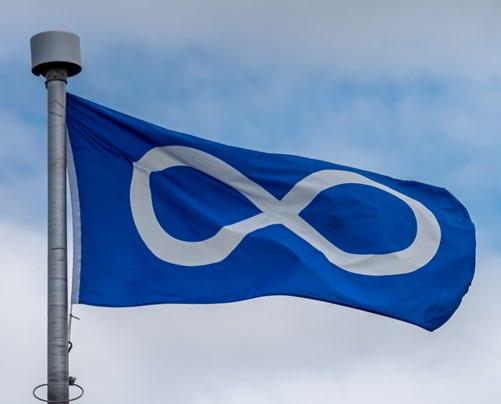
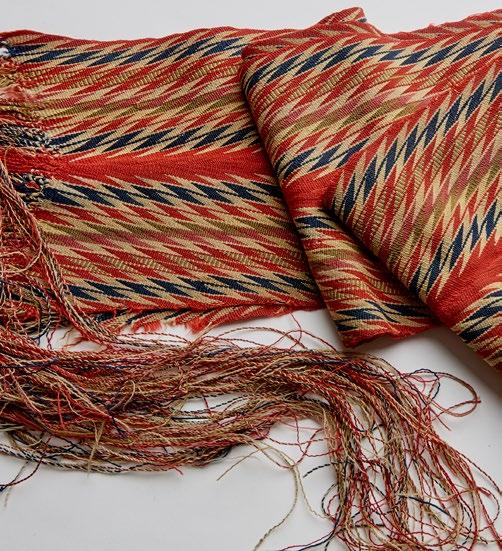
FPWC has been building a relationship with the Métis Nation British Columbia (MNBC) to partner on a wellness gathering for their frontline staff. Collaborative meetings and event planning discussions have been underway, with the aim of facilitating a staff training and a wellness gathering in the spring of 2025.
Ways of the Heart Youth Council (FPWC & Thunderbird)
2024-2025 was a busy year for FPWC and Thunderbird’s joint Ways of the Heart Youth Council (WHYC). This talented group of 10 First Nations, Inuit, and Métis youth leaders from coast to coast to coast provide invaluable youth perspectives, guidance, and advice for the work of FPWC and Thunderbird regarding First Nations, Inuit, and Métis mental wellness.
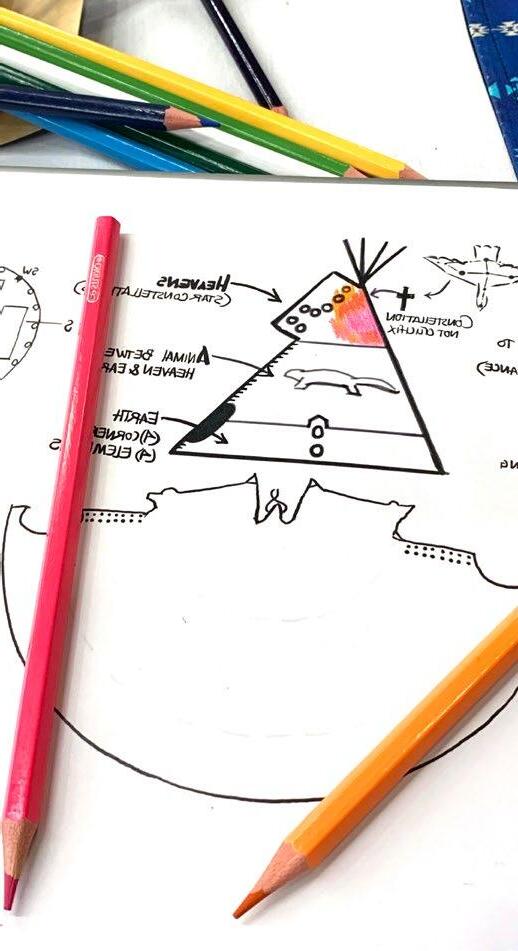
In August, 2024, the WHYC attended a 2 day in-person meeting in London, Ontario to come together, connect, and discuss their goals as a group. Since then, they have had the opportunity to lead and support various mental wellness initiatives. Council members participated in the Integrated Youth Services (IYS) Learning Health Systems (LHS) Summit, (October, 8-9 2024) and supported a youth-led roundtable at Indigenous Services Canada’s (ISC) National Summit on Indigenous Mental Wellness (NSIMW) in Calgary, Alberta (October 18-19 2024). In March 2025 they attended the International Association for Youth Mental Health (IAYMH) Conference in Vancouver, (March 19-21, 2025). The WHYC have also begun collaborating on several projects, including the Assembly of First Nations’ (AFN) Life Promotion Toolkit, a youth-focused mental wellness website, and an Indigenous Integrated Youth Service Network. FPWC and Thunderbird are looking to recruit additional youth representatives from Alberta, New Brunswick, Yukon, Prince Edward Island, and the Northwest Territories.
In the next year, FPWC looks forward to the continued collaboration with WHYC and is excited to see the opportunities and growth that lie ahead.
National Advisory Circle (NAC)
In 2024, FPWC was thrilled to announce the establishment of a National Advisory Circle (NAC) to support and guide the operations and growth of our organization. FPWC invited 11 mental wellness leaders, including 2 Elders, with Knowledge and experience in complementary areas of expertise such as Mental Wellness Teams (MWTs), Indian Residential Schools (IRS), research, evaluation, policy, and youth mental wellness. Guided by First Nations Knowledge, values, and principles, the NAC will provide invaluable direction to implement FPWC’s Strategic Plan, as well as participate in working groups to support specific programs and projects.
The NAC held 2 meetings over the fall and winter of 2024, and determined the processes, roles, and responsibilities of the group as well as its members. We are honoured to have such a diverse group contributing their skills and knowledge to our programming and staff, and look forward to working together in the future.
NAC Members and Areas of Expertise:
• Imelda Perley (Elder)
• Ed Perley (Elder)
• Nelson Alisappi (Policy and Empowerment)
• Dr. Jeffrey Ansloos (Research and Evaluation)
• Kim Fisher (MWT)
• Eva Wilson Fontaine (IRS)
• Connor Lafortune (Youth)
• Barb Martin (MWT)
• Lorraine Naziel (IRS)
• Dr. Cindy Peltier (Research and Evaluation)
• Alyssa Trick (Youth and WHYC member)
Enhance advocacy and First Nations presence at governance tables
FPWC works to advance systems change for First Nations families and communities across Turtle Island through the continued implementation of the Framework. Systems change strives to ensure policies and legislation work to dismantle anti-Indigenous racism and provide equity and well-being for First Nations, Inuit, and Métis communities and workforces. Government policies and legislation need to align with First Nations rights, priorities, and government commitments, including those identified in the Calls to Justice, the Calls to Action, as well as the United Nations Declaration on the Rights of Indigenous Peoples (UNDRIP), which has been formally adopted into legislation.
Throughout 2024-2025, FPWC advocated for an equitable healthcare system free from discrimination and racism. FPWC submitted 9 recommendations for the 2025 federal budget, focusing on dismantling anti-Indigenous racism, supporting and strengthening the FNMWW, and further implementing the Framework. These recommendations were developed in collaboration with sister organizations to promote a unified voice.
FPWC has built strong partnerships with the federal government and continues to expand our network through the Implementation Team’s work. FPWC is participating in the
FPWC has built strong partnerships with the federal government and continues to expand our network
planning group of the Global Leadership Exchange (GLE), an international event that brings together mental wellness and disability leaders from across the globe for exchanges to learn about wise practices. The GLE is planned for Canada in fall 2026. FPWC and Thunderbird will co-lead the Wharerata exchange, specifically geared to Indigenous mental wellness leaders.
FPWC is also a member of the Assembly of First Nations Mental Wellness Committee (AFN MWC), where First Nations regional representatives share and work together to enhance mental wellness for the diverse communities across Turtle Island. The AFN MWC regularly invites government partners to discuss government initiatives (such as the Youth Mental Health Fund, Emergency Treatment Fund, Canada Health Transfer, and Child Welfare Compensation) to help ensure that First Nations peoples have access and that their priorities are heard and reflected.
Collective Intelligence
Collective Intelligence supports sharing collective and collaborative knowledge to shape future wellness.

Research Agenda
The Research Agenda has continued to focus on communitydriven research priorities as well as Indigenous research methodologies and principles. In addition to producing environmental scans and literature reviews on topics such as, among others, wise practices, funding paradigms, and antiIndigenous racism in healthcare, FPWC has also focused on producing impactful research, both independently and with sister and partner organizations.
A major research project of FPWC is the podcast series pihtikwe: Visits with First Nations Psychologists which included in-depth conversations on Indigenous practices to address trauma and substance use. Funded by the Ontario Network Environment for Indigenous Health Research (ON-NEIHR) and co-developed by FPWC, Dr. Holly Graham (University of Saskatchewan) and Dr. Alanaise Ferguson (University of British Columbia-Okanagan), the impact of the podcast was significant. It trended in multiple categories and charted in the top 50 in Canada. Another key undertaking is the development of the Integrated Indigenous Youth Services Network (IIYSN), a Learning Health System grounded in Traditional Knowledge. The strategy involves embedding IIYSN within existing service hubs, and FPWC is actively seeking Phase 2 funding to support its implementation. In addition, the Realist Review Project has continued to expand its work on equity for the Indigenous mental wellness workforce, This has included submitting a CIHR grant application with FPWC and Western University
School of Nursing as co-applicants as well as the co-presentation of this work to an international audience of over 70 specialists. While these are just a few examples of the many ongoing FPWC projects, they illustrate the organization’s commitment to producing innovative and impactful research.
Data
Ensuring access to, and use of, meaningful and timely data is crucial for making informed decisions aimed at supporting and improving positive mental wellness outcomes for First Nations. FPWC recognizes this and as such participates in a variety of working groups and committees that focus on this area, including the First Nations Mental Wellness Data Working Group, First Nations Information Governance Centre’s (FNIGC) First Nations Health Data Clearing House Table, and Canadian Institute for Health Information’s (CIHI) Cultural Safety Measurement Collaborative.

FPWC has been offering expert guidance and advice on unique needs, circumstances, and work with First Nations people.
FPWC also works closely with, and as an advisory for, the Integrated Indigenous Youth Services Network (IIYSN).
FPWC is also pleased to be participating on numerous project advisory committees. This includes FNIGC’s Mental Health Data project, which explores the mediators that link the Social Determinants of Health (SDoH) to wholistic balance. In addition, FPWC advises on First Nations Health Managers Association’s (FNHMA) data literacy project, which seeks to support the capacity of the First Nations Mental Wellness Workforce (FNMWW) to understand and use data. In the past year, FPWC also participated in the Advisory Group and Indigenous Advisory Group for the implementation of the newly launched -988, Canada’s

National Suicide Prevention Line. In this capacity, FPWC has been offering expert guidance and advice on unique needs, circumstances, and work with First Nations people. FPWC also participates at the Community Safety Planning table hosted by Thunderbird which discusses critical issues as it relates to substance use and toxic drug use in First Nations communities, including exploring initiatives and wise practices to address these needs. As a working group member for Jordan’s Principle Childhood Compensation, FPWC offered guidance on work to design tools to support those impacted by the child welfare system.
FPWC has also received funding to conduct a baseline study that will explore gaps in governance as well as program and service infrastructures in First Nations communities as they relate to mental wellness. To establish the baseline, FPWC will work with Dr. Amy Bombay and FNIGC, along with sister organizations including Thunderbird, AFN, and FNHMA to adapt and administer a community-level survey that was previously developed by FNIGC for First Nations Health Managers. It is expected that the survey will be administered with support from FNHMA in early fall of 2025 and results released in March of 2026.
Long-term evaluation strategy
In keeping with its ongoing commitment to transparency and accountability to its funders, the mental wellness workforce, and to First Nations, FPWC has continued its efforts to strengthen its infrastructure through the ongoing implementation of its operational plan. This has included the development and refinement of organizational policies, procedures, and internal processes, including ongoing efforts to develop an iterative evaluation strategy using the Telling Our Stories: Celebrating Our Successes Model for Place-Based Monitoring and Evaluation.
AntiIndigenous Racism
Relationships with non-Indigenous mental health associations for the purpose of supporting efforts to address anti-Indigenous racism
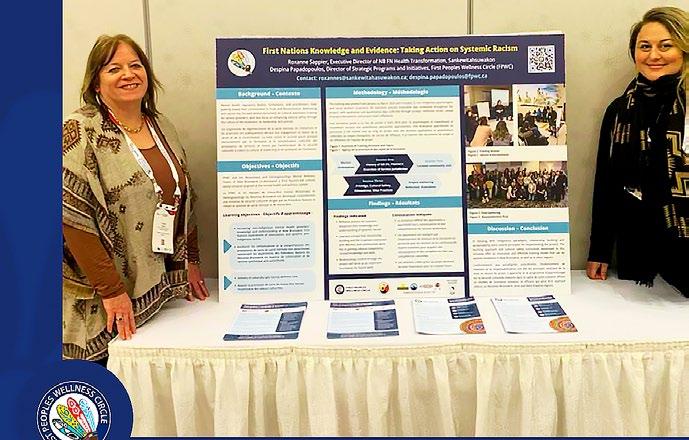
FPWC continued to advance work on anti-Indigenous racism with MWT partners in New Brunswick. Informed by the What Justice Looks Like report, the First Nations Knowledge and Evidence: Taking Action on Systemic Racism Through Cultural Safety project evaluation, and conversations with the New Brunswick working group, FPWC created a policy recommendations document and a briefing note to support anti-Indigenous racism discussions with universities and psychology and social work associations in New Brunswick. Throughout 2024-2025, FPWC participated as a working group member on Canadian Institute for Health Information’s (CIHI) Cultural Safety Measurement Collaborative. Working alongside Indigenous health leaders from coast to coast to coast, the collaborative seeks to identify indicators to measure cultural safety along a continuum of experiences in health organizations. This work will continue into 2025-2026 as engagement and reporting are planned through CIHI.
AIR Roundtables
In Fall 2023, FPWC and Thunderbird partnered to facilitate national dialogues to better understand First Nations, Inuit, and Métis experiences of anti-Indigenous racism within the mental wellness and addictions services sector. FPWC sought to enhance the voices of those not well represented in the original report and continued discussions with Indigenous graduate students, scholars, and members of Inuit communities in order to learn more about their experiences of antiIndigenous racism regarding both training and
practice contexts. These conversations provided further insights into the graduate student and scholar experiences in post-secondary institutions, and provided a picture of community services in the northern region. This feedback has enabled FPWC to further the conversation on anti-Indigenous racism and will enhance the recommendations laid out in the previously published What Justice Looks Like report. In addition, this information will be used to support FPWC’s broader work on wise practices.
Advancing TRC Calls to Action
The Truth and Reconciliation Calls to Action (CTA) work to address past and ongoing colonial harms resulting from the legacy of residential schools. The CTA encompasses 94 recommendations for all levels of government to support healing, reconciliation, and cultural revitalization. FPWC works to advance these recommendations, focusing on those targeting Indigenous health and wellness, as well as closing the gap in health outcomes between Indigenous and non-Indigenous populations (CTAs 18-24).
Alongside sister organizations and government partners, FPWC work supports the CTAs by improving the availability and accessibility of culturally relevant mental wellness programs and services, developing cultural safety curricula for mainstream healthcare professionals, and working to dismantle anti-Indigenous racism within the healthcare system.

Finance Financial Report
The financial health and stability of FPWC is supported by our main funders: Indigenous Services Canada (ISC) and the Public Health Agency of Canada (PHAC). Their contributions have continued to enable us to deliver tools, resources, knowledge exchange/translation events as well as produce reports and documents that support wellness and are tailored to the needs of First Nations, Inuit, and Métis communities. Over the past year, we have carefully managed our resources to maximize our impact and advance our Strategic Plan and priorities. We remain committed to transparency and accountability and are grateful for the continued support of our funding partners.
Revenue
FPWC’s largest funder remains ISC, which in addition to providing core funding to work with the mental wellness workforce, has also funded our work with the Indian Residential School Resolution Health Support Program (IRS RHSP) workforce and supported ongoing work on antiIndigenous racism. ISC – Ontario region also funded the Current State Analysis of Mental Wellness Teams for First Nations in Ontario to identify successes, ongoing needs, and wise practices on mental wellness of a shared funding model, providing recommendations on continued investments and sustainability.
The Gathering Our Bundles project, funded by PHAC and delivered over 2 years, sought to support the wellness of the FNMWW. This project culminated in March 2025 and a full launch of the resources is expected in summer 2025.
Additional smaller revenue streams have been received from our partners such as Thunderbird, SMHO, ON-NEIHR and Canadian Heritage on collaborative projects as well as our self-generating funds from memberships, speaking engagements, and consultation fees from our CEO.
Salary & benefits (53%)
Travel & meetings (20%)
Projects (19%)
Admin (5%)
Fee for Services (2%)
Conferences & PD (1%)
Expenses
The majority of FPWC expenses are directed to staffing, project activities, and deliverables as well as travel, including meetings, gatherings, events and working groups that are spread across our various projects and initiatives. The smaller expenses related to conferences and professional development largely aim to make our resources accessible, provide knowledge transfer activities about our projects, and to network with the stakeholder workforce and like-minded organizations working on mental wellness. FPWC also engages other professionals in a fee for service arrangement such as graphic designers and translation services to promote our projects as well as professionals who provide organizational support, including IT, legal, and financial support services.
FPWC will continue to look for financial efficiencies to improve financial management and reduce financial risks
Audit
FPWC has re-engaged Freeland Caldwell Reilly (FCR) who will be conducting the annual audit for all financial transactions between April 1, 2024, and March 31, 2025. It is expected that the audited financial statements will be presented to the Board of Directors and General Membership for the Annual General Meeting scheduled for August 13, 2025. For those interested in FPWC’s audit financial statements, please direct your inquiries to finance@fpwc.ca.
Future Outlook
FPWC has 4 years remaining in our funding agreement where we will continue to meet the ongoing needs of our stakeholders, the First Nations mental wellness workforce. FPWC will continue to look for financial efficiencies to improve financial management and reduce financial risks while seeking additional funds to further advance our strategic priorities in the coming year based on the needs identified in the workforce analysis.
Communications and Outreach
FPWC has continued to grow its online presence, reaching a broader audience and strengthening engagement.
Over the past year, FPWC has continued to grow its online presence, reaching a broader audience and strengthening engagement across our social platforms. We saw a 13% increase in social media followers and a 28% increase in our email contact list, which reflects growth and interest in our work and a commitment to advancing First Nations, Inuit, and Métis mental wellness. The Annual Report remains a key resource for sharing our achievements more broadly, highlighting the impact of our initiatives, as well as demonstrating the collective efforts of our partners, staff, and stakeholders.
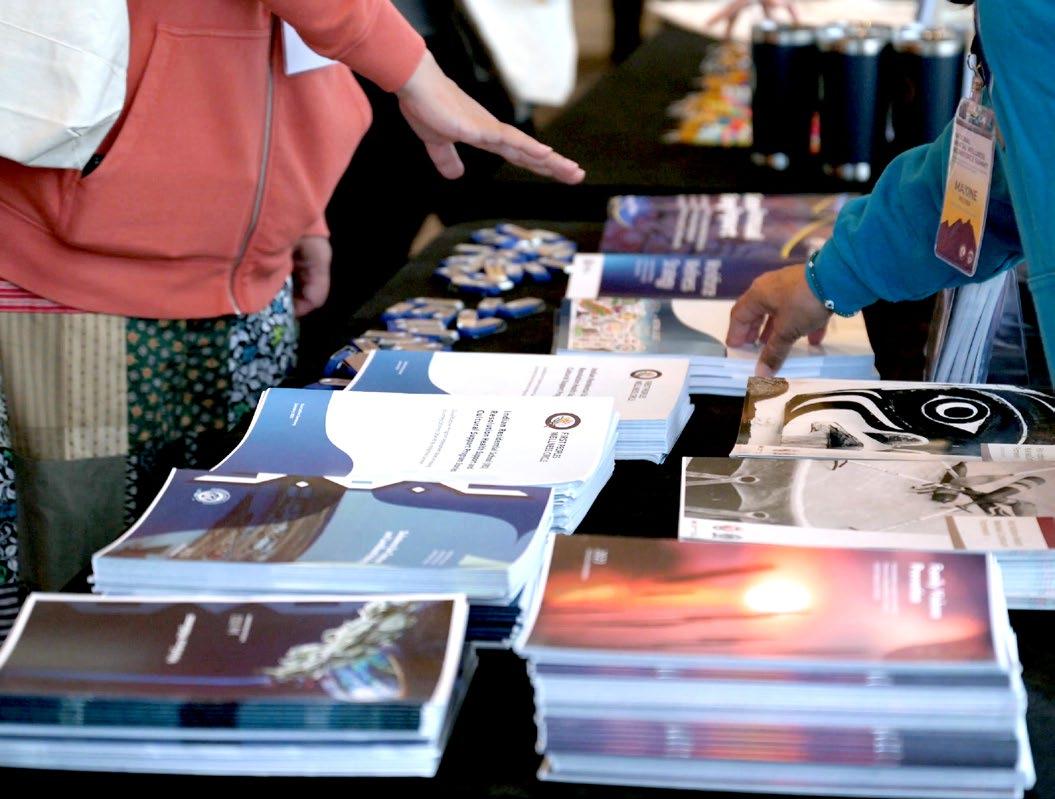
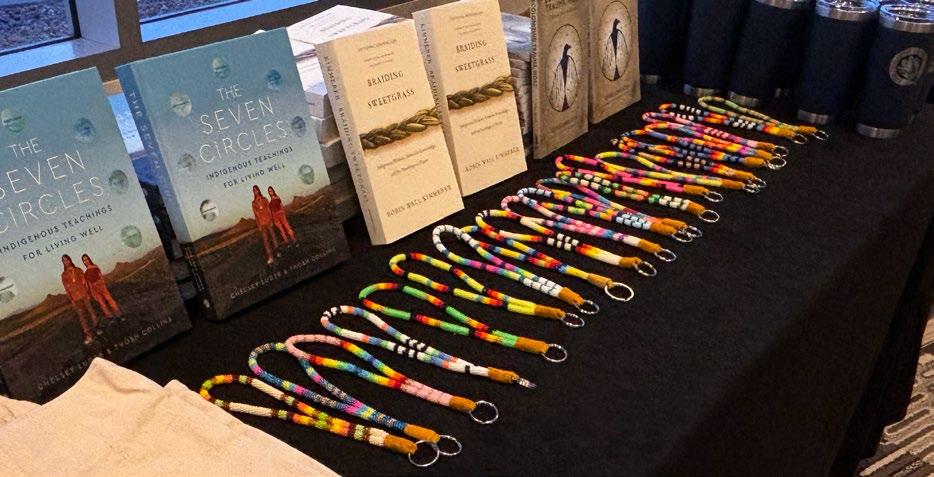
FPWC aims to further enhance online engagement by expanding our website and content strategy to increase the use of visual storytelling as well as creating more opportunities for interaction through communitydriven discussions. In addition to bolstering our online presence, we also updated our conference booth display and banners to improve visibility at key events and gatherings. By amplifying Indigenous voices and fostering meaningful connections, we will continue to use our platforms to advocate for mental wellness in the year ahead.

Looking Forward
Continued implementation of the Framework, expansion of training and evaluation tools for the workforce, and nurturing our growing partnerships.
FPWC remains committed to strengthening collective intelligence and knowledge sharing to support the well-being of First Nations, Inuit, and Métis communities. Our Knowledge Exchange and Resource Sharing Hub will become a central space for tools, resources, research, and community-driven knowledge and solutions for the First Nations Mental Wellness Workforce (FNMWW).
Building on the accomplishments and learnings shared in this report, the next year will focus on the continued implementation of the Framework, expansion of training and evaluation tools for the workforce, and nurturing our growing partnerships. With the upcoming launch of the podcast focusing on worker wellness, as well as the development of accessible learning modules on evaluation, FPWC is broadening opportunities for culturally relevant and responsive professional development. Our stakeholders and the workforce can look forward to some key initiatives such as implementation of the Telling Our Stories and Celebrating Our Successes Model for Place-Based Monitoring and Evaluation and advancing the Integrated Indigenous Youth Services Network (IIYSN) to improve access to mental wellness care for Indigenous youth.
FPWC will continue working closely with our National Advisory Circle (NAC) and Accreditation Committee to guide culturally grounded evaluation, training, and workforce development initiatives, while expanding opportunities for Indigenous-led accreditation through the Indigenous Certification Board of Canada (ICBOC).
Looking ahead, our plans include designing a communication strategy for the Framework Implementation Team, ongoing research activities to build a body of knowledge on the workforce and creating a community of practice to support the workforce in their use of evaluation methods. In addition, FPWC will continue to host and participate in workforce gatherings and Learning Circles, as well as other collaborative projects with the Ways of the Heart Youth Council. Together, these activities represent our continued commitment to honouring the voices, experiences, and strengths of our communities and to building a future where wholistic mental wellness is accessible, inclusive, and rooted in culture.

Acknowledgements
FPWC extends our sincere gratitude to all those who have supported, and continue to support, our work in advancing mental wellness for First Nations, Inuit, and Métis communities across Turtle Island.
We also want to acknowledge and appreciate the hard work of our staff, whose commitment and efforts drive FPWC’s work forward. We also extend our gratitude to the leadership of our Board of Directors, whose vision continues to ground and shape our path.
A special thank you to our advisory tables, committees, and working groups for their invaluable knowledge, insight, and contributions. Your guidance ensures our work remains grounded in community priorities.
We deeply value our partnerships with organizations that share in our vision to walk with and support First Nations, Inuit, and Métis communities and to share collective intelligence for healing, peace-making, and to live a good life.
Our gratitude is also extended to our funders, whose support makes our programs, research and initiatives possible. Your investment enables us to continue advocating for, and creating pathways to, wellness for First Nations and other Indigenous groups.
Finally, we want to recognize and honour the communities we serve. Your knowledge and strength ground and inspire our work every day. We also acknowledge the contributions of Mental Wellness Teams, the Indian Residential School Resolution Health Support Program workforce, and all those working to advance mental wellness.

Reciprocal Relationships:
• Thunderbird Partnership Foundation
• First Nations Health Managers Association
• Ontario Network Environment for Indigenous Health Research
• Healthcare Excellence Canada
• School Mental Health Ontario
• Feather Carriers
• Federation of Sovereign Indigenous Nations
• Assembly of First Nations
Funders:
• Indigenous Services Canada
• Public Health Agency of Canada
• School Mental Health Ontario
• Network Environment Indigenous Health Research


Stakeholders:
• Mental Wellness Teams
• Indian Residential School Resolution Health Support Program workforce
• First Nation Political and Territorial Organizations
FPWC:
• Staff
• Board of Directors
• Thought Leaders
FPWC Councils:
• National Advisory Circle
• Ways of the Heart Youth Council
It was an incredible opportunity to reflect on the work, share insights, and learn from community members and the Association.

Gatherings and Conferences

World Indigenous Suicide Prevention Conference (WISPC), July 23-14, 2024. Along with other experts in mental wellness and life promotion, FPWC shared the journey and creation of the Workforce Wellness Strategy (WWS) with over 80 participants. The development of resources and tools stemming from the strategy was also explored. There was an opportunity for questions and discussions where participants connected the themes and strategies found in the WWS with their own work.
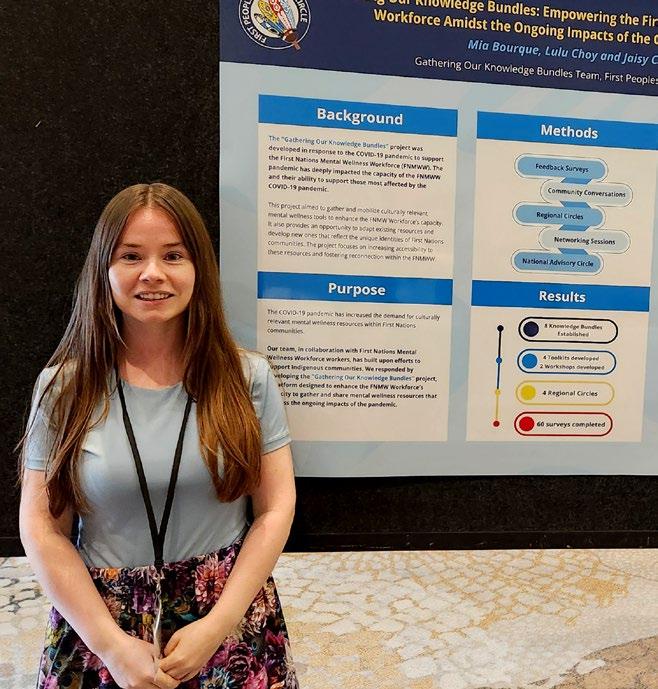
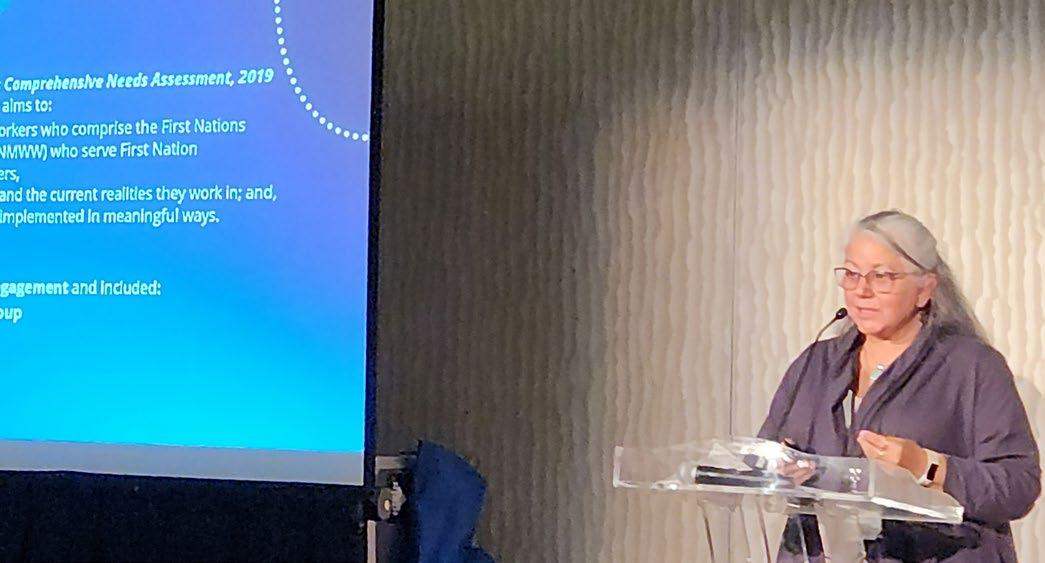
Indigenous Services Canada National Summit on Indigenous Mental Wellness, October 16-17, 2024. The Summit focused on Moving Research into Action: Honouring Our Ways. FPWC presented on a number of topics including the Indian Residential Schools Resolution Health Support Program, cultural safety, confronting anti-Indigenous racism (co-presented with Thunderbird) and the WWS. FPWC also presented a poster on Empowering First Nations Mental Wellness Workforce Amidst the ongoing impacts of COVID-19, and supported the Ways of the Heart Youth Council (WHYC) with their roundtable and met participants at FPWC’s booth.
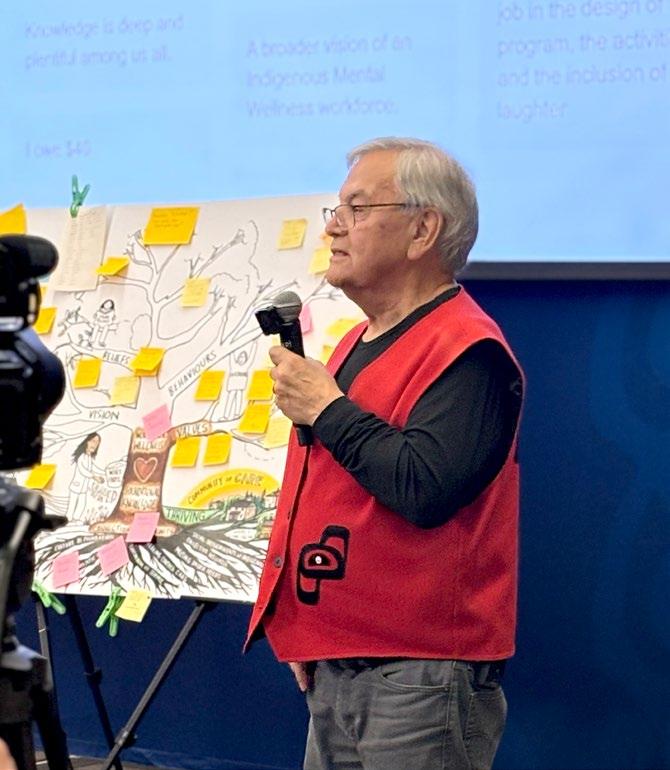
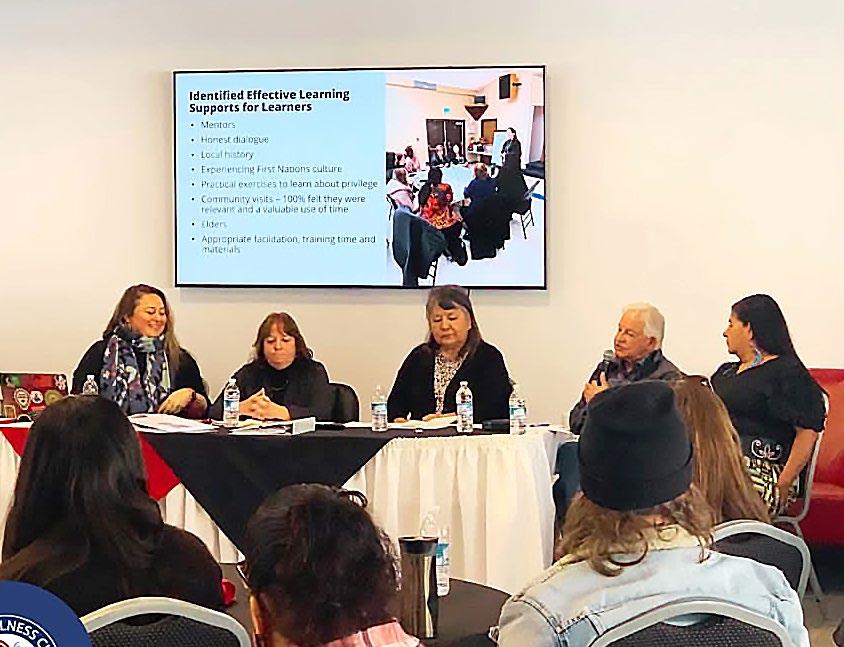

Mi'kmaq Wolastoqiyik Association of Social Workers Conference, October 16-18, 2024. Alongside members of the project working group, FPWC presented on the anti-Indigenous racism pilot project. This initiative includes a curriculum designed to ensure mental wellness professionals and paraprofessionals deliver services to New Brunswick First Nations communities with cultural competency and safety. It was an incredible opportunity to reflect on the work, share insights, and learn from community members and the Association.
National Gathering on Unmarked Burials: The Release of an Indigenous-led Reparations Framework, October 29-30, 2024. FPWC attended the historic and powerful National Gathering on Unmarked Burials in Gatineau, QC. During this event, the Special Interlocutor for Missing Children and Unmarked Graves and Burial Sites released the final report at a ceremony in front of survivors and their families. The report outlines 42 "legal, moral and ethical obligations" of governments, churches, and other institutions regarding the children who did not come home.
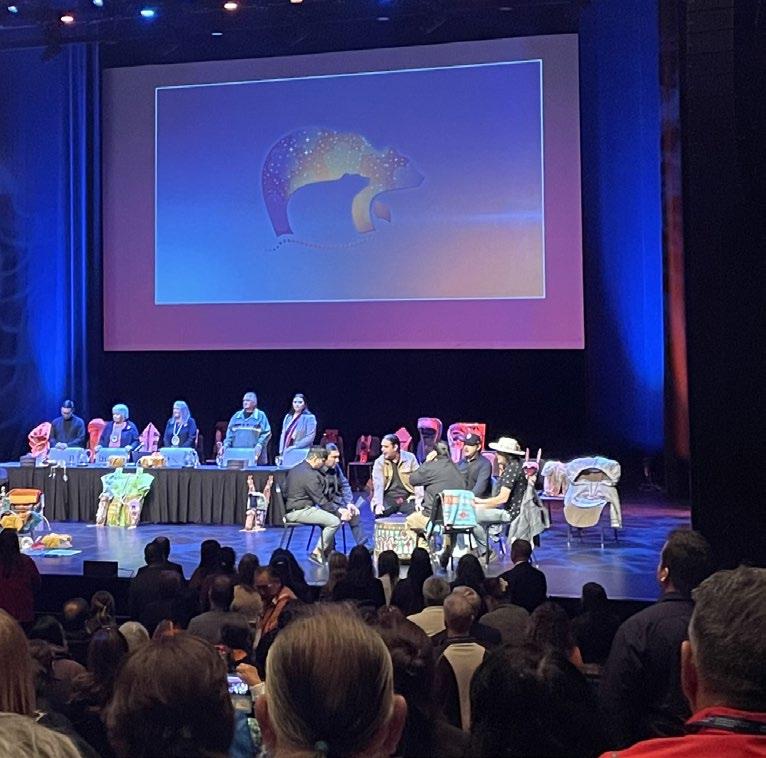
First Nations Health Managers Association National Conference, November 5-7, 2024. FPWC presented concurrent workshops: Telling Our Stories and Celebrating Our Success: A Model for Place-Based Evaluation Using Culture as a Foundation and in collaboration with Thunderbird, Confronting Anti-Indigenous Racism and Building Safe and Comprehensive Mental Health and Addictions Systems for Indigenous Peoples. FPWC also hosted an exhibit booth during the event, with the Gathering our Knowledge Bundles team having the opportunity to gather feedback from attendees on the soft-launch of the project toolkits and materials.

AFN Homelessness and Mental Wellness Forum, November 13-14, 2024. Brenda provided a keynote address and hosted a dialogue session on Designing a Response to Homelessness Using the First Nations Mental Wellness Continuum Framework, and shared resources at a booth.
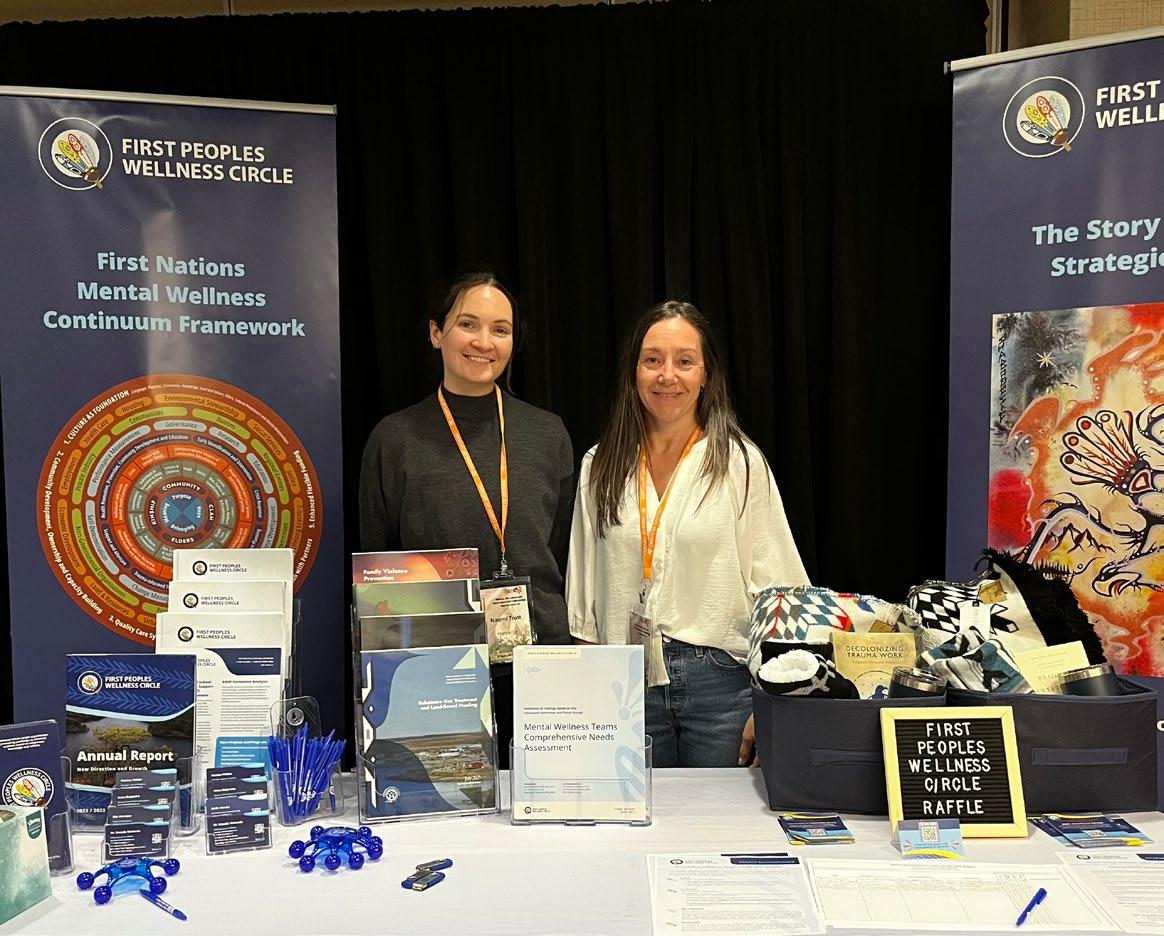
Chiefs of Ontario Mental Wellness and Substance Use Conference, January 28-30, 2025. FPWC staff presented on the Ontario MWT Current State Analysis and the Gathering our Knowledge Bundles, while others hosted an interactive workshop on Workforce Wellness. Brenda presented on the Indigenous Crisis Debriefing Model. Brenda and Thunderbird CEO, Dr. Carol Hopkins, presented on Confronting Anti-Indigenous Racism and Building Safe and Comprehensive Mental Health and Wellness Systems. Brenda delivered a keynote, which focused on understanding and addressing First Nations homelessness and mental wellness. FPWC hosted a booth to share resources.