Vitafoods Europe 2026
Uncovering
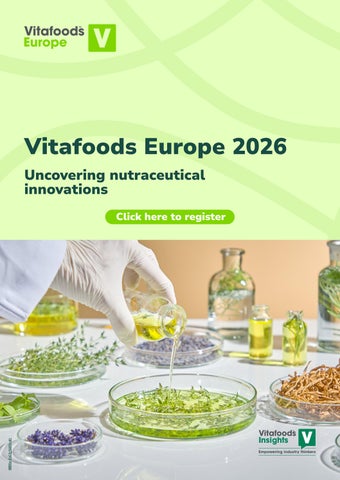
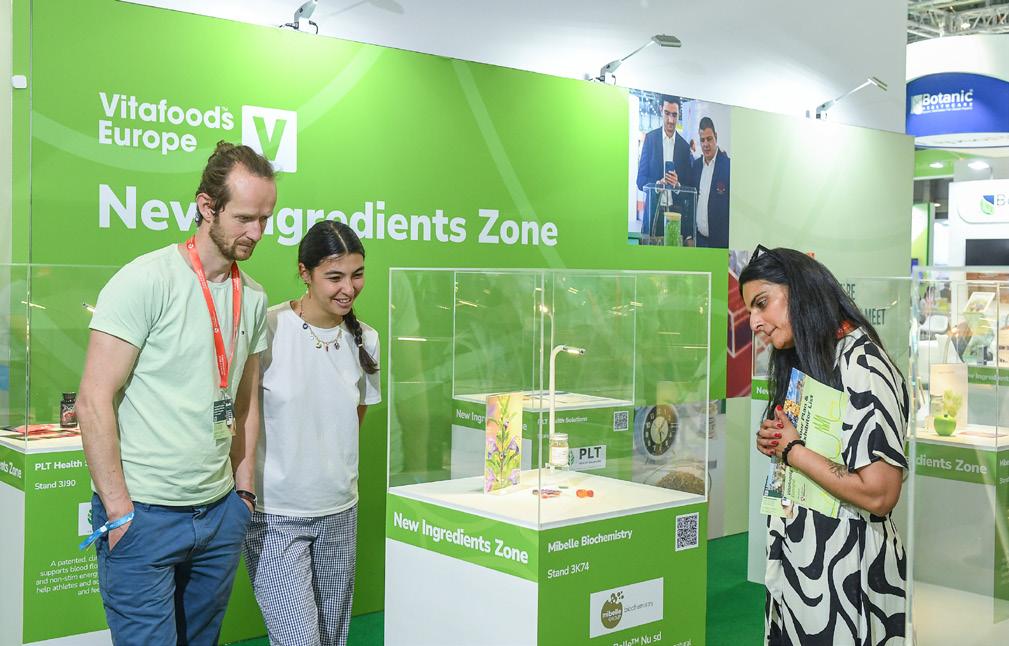
More than a trade show, Vitafoods Europe has become synonymous with bringing cutting-edge insights about the latest nutraceutical science and R&D breakthroughs to the health and wellness industry’s thought leaders, helping to inform their business strategies and product pipelines
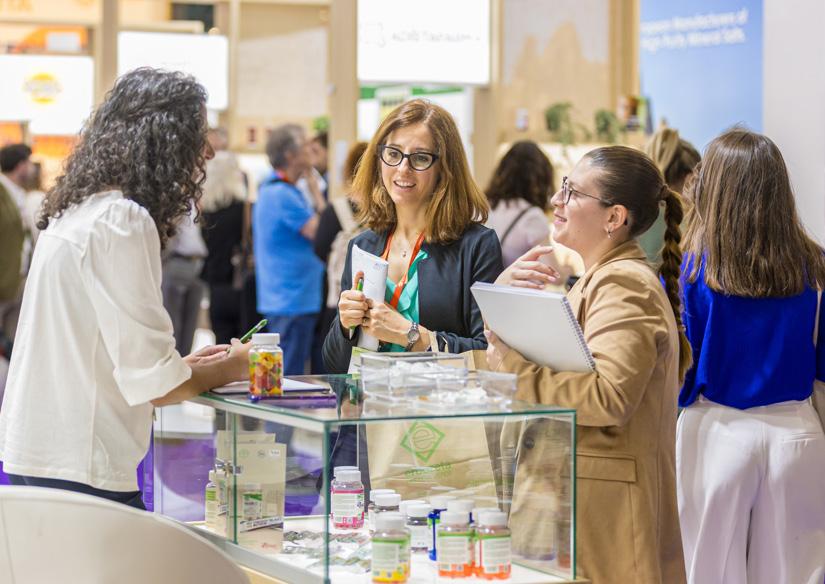
In addition to enjoying ample trading and networking opportunities, visitors to Vitafoods Europe 2026 – held in Barcelona, Spain, from 5 to 7 May – will have access to hours of in-person content in the form of data-packed presentations, engaging panel discussions, and interactive workshops throughout the event at several locations: the Vitafoods Europe Conference Theatre, Vitafoods Insights Theatre, Future of Nutrition Lunch and Learn, and Women’s Networking Breakfast
The live on-stage pitches given by finalists of the Vitafoods Europe Startup Challenge, which take place on Tuesday, 5 May, at the Vitafoods Insights Theatre, are a fast-paced overview that highlight the pivotal role startups from around the world have in tackling some of the biggest challenges facing the nutraceutical industry from bioavailability challenges to sustainable sourcing
In 2026, visitors will also be able enjoy special thematic content programmes that shine a spotlight on two key categories that are enjoying unprecedented growth: weight management and nutricosmetics, with expert speakers giving not-to-be-missed presentations on these trending categories
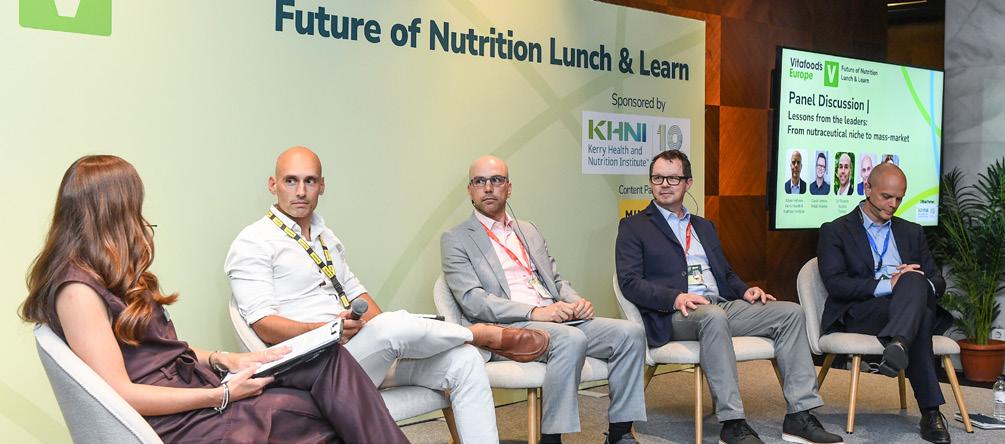
The Future of Nutrition Lunch and Learn, which will take place on Wednesday, 6 May, is an opportunity for thought leaders from across the nutraceutical industry to gather for an afternoon of inspiration, connection, and strategic innovation In recent years, the Future of Nutrition series has made a name for itself, helping stakeholders to understand what the health and nutrition industry could look like in five or more years’ time. Expert thinkers from a diverse range of disciplines will inspire attendees with their engaging keynote talks, presentations, and interactive panel discussion
In this e-magazine, the Vitafoods Europe team is proud to share with its readers a selection of Vitafoods Insights articles that showcase just some of the innovations the nutraceutical industry is developing Think of it as a taster of the innovation-focused highlights that will take place at Vitafoods Europe 2026 in Barcelona, Spain
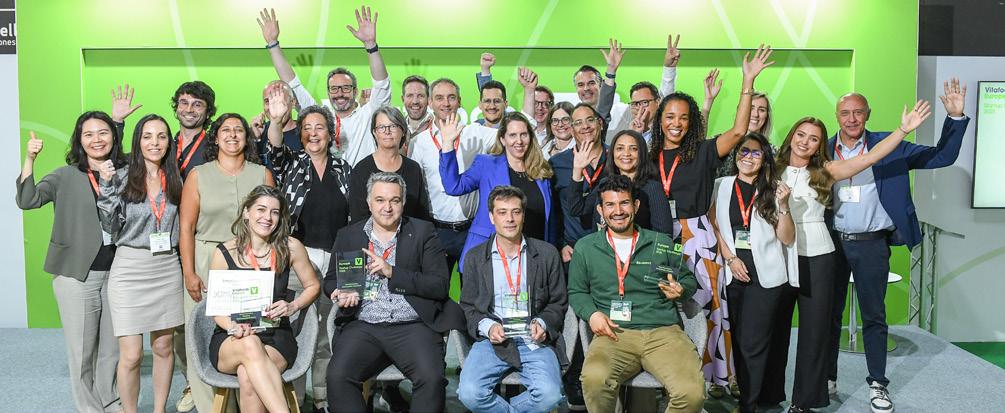
The Vitafoods Europe Startup Challenge is a unique competition for innovative startups offering ingredients, products, services, or digital solutions for the nutraceutical industry
It takes place during Vitafoods Europe, one of the world’s largest nutraceutical trade shows, where over 1,600 exhibiting companies and more than 30,000 industry stakeholders are expected to gather in 2026 In this way, it helps connect startups with potential commercial partners from the nutraceutical industry
In 2026, startups can submit an entry for any of the categories below
This category covers finished nutraceutical products offering innovation in ingredient composition, consumer focus, or delivery format
This category covers innovative ingredients for nutraceuticals, supplements, or functional food and beverages that can offer scientific substantiation of their efficacy.
This category covers innovations that support improvements in ingredients sourcing and production, food safety and quality, traceability, transparency, smart packaging, supply chain management, personalisation services, and/ or digital and AI solutions supporting the nutraceutical industry
A special jury’s choice prize – Most Innovative Sustainable Solution – will be awarded to the startup with the most sustainable innovation. Startups cannot apply for this award but all finalists across the three categories can be considered, with the winners being decided by the expert jury .
The startup’s overall sustainability efforts will be considered, including efforts to reduce resource usage, minimise waste, and enhance both environmental and societal impact
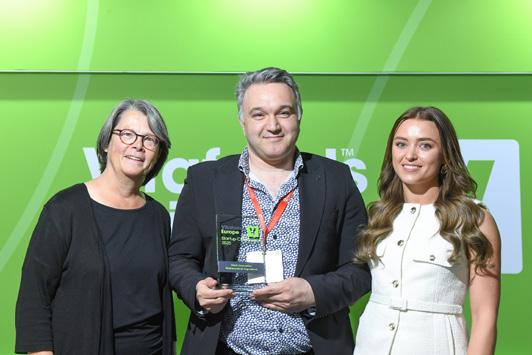
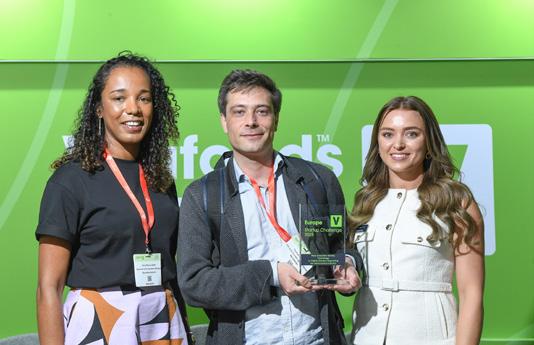
Ali Osman is CEO and co-founder of PFx Biotech, which won the Most Innovative Nutraceutical Ingredient category in 2025
He said: “I really like the fact that [the Startup Challenge] brought different innovative startups to the stage [As they shared] their experiences and their products, I discovered a lot of complementary skills that we can benefit from It is really great for visibility, and a great part of the trade fair itself
“It’s really not about winning or not winning It’s about being here, being visible, and proud of your innovative product and show[ing] it to the public If it’s the right one at the right time, it’s going to kick off for sure ”
Paris-based Revobiom was named Most Innovative Service, Technology, or Digital Solution Supporting the Nutraceutical Industry in 2025 for its Microbial Evolution Machine (MEM)
Thomas Bibette, CEO and co-founder, said competitions such as the Vitafoods Europe Startup Challenge were important for visibility
“I would say that it’s a prerequisite to participate in as many innovation contests and competition that you can,” he said “You don’t win every time, but it’s important at least to get out there and participate ”
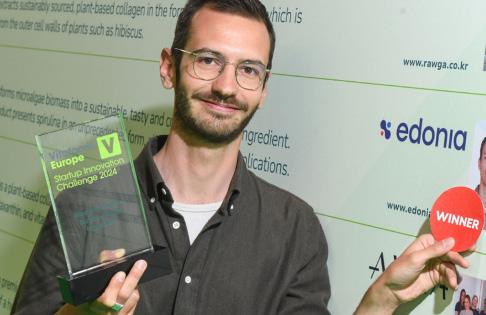
French microalgae startup Edonia won first prize as Most Innovative Nutraceutical Ingredient in 2024
Edonia’s founder, Hugo Valentin, said: “It’s great to have this kind of visibility and this recognition [ ] especially because the company is quite new I created it just one year ago, so this is [an] amazing recognition to win this prize The competition was hard and there were a lot of great innovative startups so I’m very proud Thank you to the jury for that!”
Read our in-depth interviews with some of 2025’s winners to find out just what it was that impressed the Vitafoods Europe Startup Challenge panel of judges.
Crispy yoghurt: Meet the startup thinking outside of the pot
Most Innovative Finished Nutraceutical Product 2025
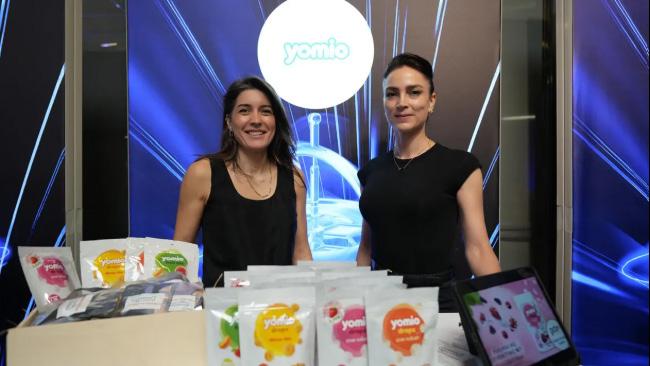
Istanbul-based startup Yomio has blended science and nature to transform yoghurt into a crispy, convenient, consumer-friendly snack
Yoghurt’s origins are thought to be in Turkey and the Middle East, where the warm climate causes milk to ferment quickly Indeed, the word “yoghurt” is borrowed from the Turkish verb “yogurmak”, which means “to thicken”, “to coagulate”, or “to curdle”
It follows that yoghurt is a dietary staple in Turkey A good source of nutrients and probiotic bacteria, yoghurt is fed to babies from the age of six months
However, as children grow up, their enthusiasm for the format often wanes and they seek out other snacks instead
This was what prompted Şenay Akça and Ahu Bayoğlu to reinvent yoghurt in a child-friendly snacking format
“We were two mothers struggling to find healthy snacks for our children,” recalled Akça.
Drawing on their studies in chemical and materials engineering, Akça and Bayoğlu hit on the idea of using freeze-drying technology to create a shelfstable, probiotic fruit and yoghurt snack
Freeze-drying is a common method for preserving a variety of foods It involves freezing the product and then removing the water content under vacuum conditions
It is particularly suitable for probiotics, as it generally results in higher survival rates, and for fruits and vegetables, as it maintains their nutritional integrity
“With freeze-drying, you can protect all of the nutritional properties of foods It takes the moisture out of the product so no bacteria can grow; it seemed to us that this was the ideal way of creating a healthy fruit and yoghurt snack,” explained Akça.
It took two years of experimentation before the engineers perfected the crispy yoghurt product that is now marketed as Yomio Drops
“First, we tried simply freeze-drying the yoghurt in very small quantities in our university labs,” said Akça. “That provided proof of concept. After that, we tested different strains of bacteria; there are a lot of bacteria for yoghurt-making, and they all have a different influence on taste and texture.”
She said that choosing the bacteria was the biggest challenge they had to overcome during development “[Choosing a strain] took almost seven months,” she explained. “The difficulty is that when you change the bacteria, you alter the taste and texture Some generate a creamy texture, whilst others result in a jelly-like consistency ”
Next, the pair tried adding fruit to the formulation, testing various fruit in different concentrations and with different moisture levels, said Akça, noting that they also added prebiotic chicory fibre to the formulation to create a symbiotic effect
The final outcome was a crispy, no-added sugar yoghurt snack that can be stored at room temperature for up to two years It contains live bacteria and has a 70% yoghurt content The bitesized chunks can be eaten directly from the bag or rehydrated into liquid form
While freeze-drying is a fairly common processing method, the technique used to achieve a crispy texture is, according to Akça, a “commercial secret” that Yomio is not willing to share .
Four years on from the initial product development, Akça said that the challenges faced by the business had shifted from being of a technical nature to a commercial one
“Now it is a different challenge; it is about sales, branding strategy, and messaging Explaining a new product to the market is a big challenge for a foodtech startup,” she said
Yomio’s initial focus is selling direct to consumers via markets around Istanbul; Akça reported that the reception has been positive
“Kids love eating Yomio, and parents are happy because they understand that it is yoghurt with live bacteria,” she said
Currently Yomio is selling on average 2,000 to 3,000 packs per month, although demand fluctuates throughout the year
“We sell more in winter because school is open, and parents are looking for healthy lunchbox snacks,” Akça said. “In summer they go to the coast.”
In future, the duo would like to take the brand into the functional snack arena, developing formulations with strains that target specific health areas, such as mental health and immunity
To this end, Yomio is working on a project with a professor at Istanbul Technical University
“We will definitely develop more products in the future, but maybe it will take one or two years,” said Akça.
“We want to focus on functional snacks that can help support people’s health We believe that delicious snacks are the ideal vehicle for this functionality, as they are what the brain wants to eat . ”
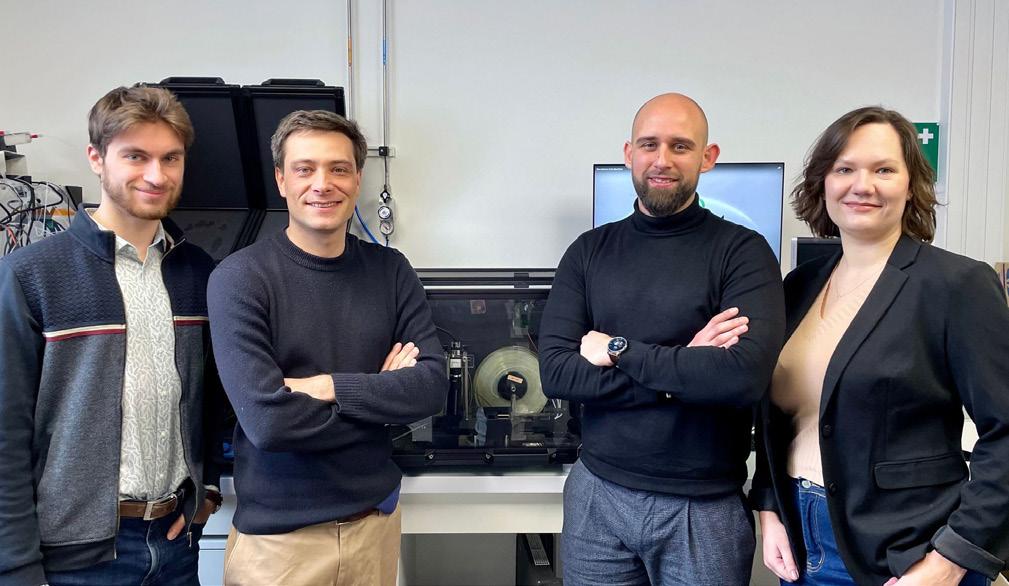
A proprietary R&D tool that enables the evolution of stable consortia of bacteria offers industry a platform for advancing microbiome-focused NPD, one startup says
In nature, bacteria rarely act in isolation They act as consortia, creating complex ecosystems whose performance cannot be matched by single strains
However, reproducing these consortia in a stable format and at a scale that allows manufacturers of foods, nutraceuticals, and supplements to harness their power is a challenge that has long confounded the industry
This was the starting point for the development of Revobiom’s MEM (Microbial Evolution Machine)
“The idea for our technology came about simply by observing nature,” Thomas Bibette, CEO and cofounder, told Vitafoods Insights.
“Microbiomes are the chemical factories of mother nature They accomplish great transformations, and they never do it via single strains alone – they always do it in complex ecosystems with stabilising interactions
Most Innovative Service, Technology, or Digital Solution Supporting the Nutraceutical Industry 2025
“So instead of trying to boost single strains through genetic engineering, we set out to find a way of building stable yet complex communities of strains . ”
French research institute ESPCI has a Colloids and Divided Materials Laboratory that specialises in fluid physics and has a track record in building millifluidic, high-throughput devices for microbiology
Fifteen years of research with ESPCI led to the first-ever prototype of a MEM being built in 2018, an achievement that allowed for both academic and industrial proof of concept, and marked the start of a commercial venture: Revobiom
So, what exactly can this device do?
The MEM performs screening and selection far more quickly than other available technologies, according to the startup
“First of all, we carry out high throughput screening on any media For example, we can take a sample of soil and identify both single strains and consortia or microbiomes that are present in this environment,” Bibette explained
In the second phase, the strains are placed in a proprietary droplet train, which is where physics comes into play
“Here we have a conveyor of millimetrical-sized bioreactors, alternated with gas or air bubbles in an oil carrier
It is the fluid physics and the surface tension between the different elements that guarantees there is no cross-contamination between bioreactors,” he said
The droplet trains containing the bioreactors circulate in front of fluorescent optical sensors that record data such as growth, pH value, and metabolite production, informing data-driven decisions
Only the bioreactors that meet the specified performance parameters will be allowed to progress from the incubated droplet train via a microfluidic transfer canal to a clean droplet train where they can reproduce This cycle is then repeated over many generations – a process that Revobiom likens to Darwinian evolution
“The advantage of reproducing a natural process, Darwinian selection, is that we can access a level of complexity comparable to that found in nature It is from this complexity that the power of consortia derives, a complexity that genetic engineering does not allow us to access today,” said Bibette
He added that another strength of the technology is its exhaustive use of evolutionary paths
“The number of bioreactors we have enables us to study possible evolutionary pathways while determining their potential at very high speed,” he said
Rather than selling the MEM or licensing the technology, Revobiom is offering a consortia evolution service to the industry
“Customers come to us with their single strains of interest and ask us to co-evolve them into a consortia. The benefits us working with us are that we can do this more efficiently and economically and can improve the functionality of the strains,” said Bibette
“If you have to use four different tanks to produce four different strains it is going to cost a lot more than if you use just one tank to produce a stable community ”
As well as integrating strains of interest, Revobiom can use its natural screening and selection process to boost single strains of interest, correcting defects and enhancing performance
Revobiom is already working with some big names, including Eurogerm, Lallemand, and Danone For the latter, its work has included co-evolving four strains in a consortium with a fluorescent readout to assess metabolic production
Revobiom is currently raising a seed round of €5 million, most of which will be invested in building a data farm
This will allow the startup to leverage the evolution data it collates to create the first predictive AI algorithms over metabolic pathways
“Currently, no one is using predictive AI in microbiology,” said Bibette “They encode known metabolic pathways into software, so they are only deterministic algorithms There is no predictive element because for that you need precise and in-depth historical data, and for that you need the MEM ”
The use of AI will also open up further applications for the technology as a “microbiome healer”, he said – in other words, in rebalancing unbalanced microbiomes
“If a company has a microbiome consortium that represents an unbalanced skin or gut microbiota, with AI, we will be able to find a ‘cocktail’ of strains that can rebalance this imbalance,” he said
In the meantime, Revobiom is in the process of scaling up its first industrial consortium with Eurogerm
“THE IDEA FOR OUR TECHNOLOGY CAME ABOUT SIMPLY BY OBSERVING NATURE”
beans: Why brown is the new green for guacamole
Special jury’s prize for Most Innovative Sustainable Solution 2025
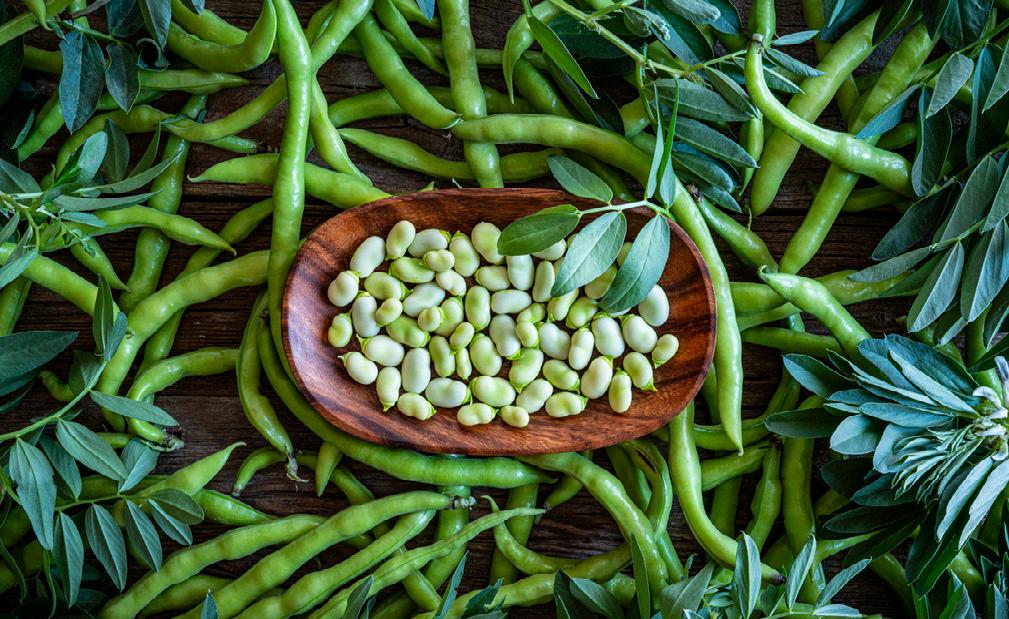
An Amsterdam startup is driving systemic change with a business model that respects the interconnectivity between human and planetary health
People often assume that Favamole founder Andres Jara dislikes avocados, when in fact, the opposite is true
The Colombian-born entrepreneur says he created a fava bean-based guacamole alternative out of his love for the creamy green fruit that is a dietary staple in his home country
“A lot of people mistake my enthusiasm for making a guacamole from fava beans as meaning that I don’t like avocados – that I’m trashing them They’ve got it super wrong I love them so much, but I don’t love the impacts of avocado overconsumption,” he told Vitafoods Insights
The impacts he is referring to include deforestation, water consumption, and mafia-style organised crime – all driven by Europe’s seemingly insatiable appetite for avocados Data from the 2023/24 season, shared by the World Avocado Organisation, showed that the UK, France, Germany, and Italy all posted notable increases in per capita consumption
“Consumers don’t always see the other side of production I have seen it happening with my own eyes,” said Java “Demand from one side of the planet [Europe] is killing the other side of the planet I’m not saying people shouldn’t eat avocado – just not every day ”
Jara described the launch of Favamole as an attempt to “localise guacamole production” and “bring balance” to this situation
The idea for making guacamole from fava beans came to him when he was working as a chef at an agriturismo (or farm stay) in Italy, making Mexican and South American foods from local ingredients
One of the guests requested guacamole but, given that the closest shop selling avocados was 40 minutes away, Jara decided to improvise with an ingredient that was available locally: fava beans
“The guests found it hard to believe the guacamole didn’t contain any avocado because it tasted the same and was presented like guacamole,” he recalled
After reading up on fava beans, Jara realised that incorporating them into food products could be beneficial on multiple levels.
“I could see the power of fava beans in the sense of how good they are for people and the environment, and how these two elements combined could bring about positive change in our food system,” he explained .
Not only are the beans rich in protein, fibre, and micronutrients – they are more resource efficient than water-intensive avocados, and they improve soil health by fixing atmospheric nitrogen into the soil. This in turn benefits crop nutrient density, and ultimately, human health .
“Legumes like fava beans are climate heroes, naturally fixing nitrogen, improving soil structure, and offering protein-rich alternatives that support Europe’s shift toward regenerative, plant-forward diets . Favamole is more than a dip; it’s a celebration of what legumes can do for people and the planet,” said Jara
Favamole’s mission also aligns with the EU’s policy of encouraging plant protein production and innovation This enabled the startup to access €50,000 of funding through a Dutch project called Van Kool tot Kimchi – meaning “from cabbage to kimchi” in English – to launch its fava bean dip
“That gave us money to hire a product developer who helped us scale up the recipe,” said Jara “We are now able to produce in one-tonne batches and have partnered the biggest guacamole producer in Europe for production
“Regardless of whether the guacamole is made from avocados or fava beans, it uses the same equipment The only difference between the two processes is that the beans have to be cooked ”
Scaling up the cooking of the beans was a challenge for the startup, as it found that some of the protein was transferring into the cooking water
“This isn’t such a problem when you are cooking 20kg of beans, as you can use the water in the product, but when you are cooking on a larger scale – say, 200kg –there is a lot of water,” Jara explained
The startup overcame this issue by steaming the beans so that all the protein stays within the product Colour has been an ongoing challenge, as consumers associate guacamole with a certain shade of green Originally, Favamole used spinach to give the dip a green colour, but it has now switched to chlorella, a nutrient-rich algae . While this results in a deeper green than traditional guacamole, the company embraces the unique hue as part of its bold, honest identity
“During scale-up there have been plenty of points where we could have taken the opportunity to cut corners and take shortcuts, but we haven’t because we want to be a business with integrity,” said Jara
“We’d rather choose the tough – or the honest – path, because we want to showcase that it is possible to create a product that does good for the environment, good for the people, tastes delicious, and is profitable.”
As for the ingredients it uses, Favamole’s policy is to keep it simple and natural
“There is a lot of hype around adding so-called ‘healthy ingredients’ to make products better, but actually what we need to remember is that if we do agriculture right, following regenerative-organic principles, we won’t need to add anything else,” said Java
“Healthy soils will yield nutrient-dense crops, and we will get everything we need ”
To this end, Favamole has partnered with regenerative farmers in the Netherlands to grow food-grade fava beans (as these are mainly grown for animal feed at present), supporting local agriculture and soil regeneration
“We are working with four regenerative farmers in the Netherlands and are in conversations with farmers in Germany and Denmark,” Jara confirmed.
With nearly 30,000 subscribers from around the world, Vitafoods Insights’ weekly newsletter helps nutraceutical industry professionals keep their finger on the pulse of the latest R&D innovations, scientific breakthroughs, and regulatory developments affecting the sector
Below, we highlight some articles that demonstrate our editors’ commitment to finding the most relevant stories for our readers
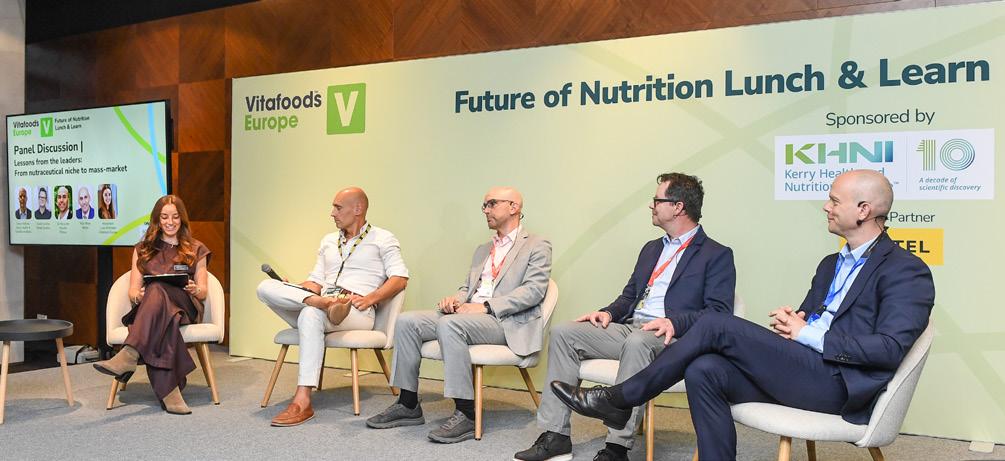
At last year’s Future of Nutrition Lunch and Learn, held as part of Vitafoods Europe, speakers set out their strategies for functional nutrition brands to succeed and identified the core reasons why products fail to scale
The conditions for mainstream success? Strong consumer insight, credible science, emotional resonance, and clear product positioning, they said
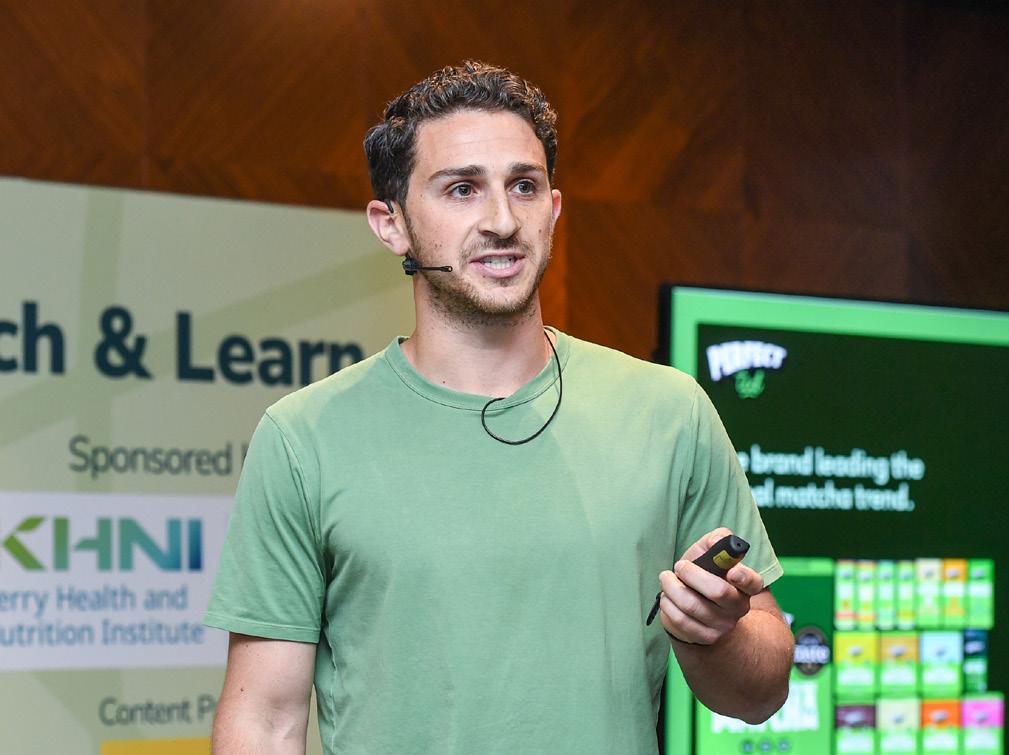
Teddie Levenfiche, a co-founder of the UK matcha drink startup PerfectTed, explained how he scaled his company from nothing to a £37 million business with more than 15,000 distribution points in 50 markets by prioritising visibility over formulation changes
Retailers initially rejected his product as “too niche”, but consumer demand grew through careful and precise brand building
“We don’t sell matcha . We sell media,” said Levenfiche. “Our goal is that when someone sees the product on shelf, they’ve already decided they want to love it ”
PerfectTed’s unconventional marketing approach includes investing in employee-generated content, incentivising its staff to post regularly on LinkedIn . Levenfiche said this created five million impressions a month, independent of founder activity
Another successful targeted campaign placed custom posters near a buyer’s commute route after discovering the buyer’s media aspirations .
He added: “When I then go into the buyer meeting two weeks later, they tried the samples and said, ‘Oh my God I see your brand everywhere ’”
Rick Miller, associate director of specialised nutrition at Mintel, identified some key trends in the nutraceutical space . Drinks, yoghurts, and bars have become quite saturated, while other categories such as spreads, baked goods, and staples like rice remain underexplored
But he also highlighted a disconnect between trend awareness and practical execution, warning against applying trends without context
“Brands often take trends too literally They don’t take the time to understand what they mean for them,” he said
In order to capitalise on such trends, there are a lot of things companies have to get right
“A big [success factor] is transparency, and a brand being able to connect with the consumer Pricing strategy is another area where early-stage companies struggle,” Miller continued
Dr Riccardo Accolla, director of innovation at foodtech startup Thimus, said products fail when they generate a mismatch between consumer expectations and lived experience
Using neuroscience to analyse implicit emotional responses, Thimus supports brands in predicting emotional outcomes, thereby shortening time to market
“After consumption, there is a memory and there’s an emotion that is created,” Accolla said “What we want to avoid is a mismatch between the wants and expectation and what the consumer then experiences ”
He cited the stagnation of plant-based meat analogues as an example of a mismatch between brand promise and actual product experience
By combining brainwave monitoring with traditional sensory testing, his team has helped clients reduce both development timelines and marketplace failures .
David Lemley, president of brand agency Retail Voodoo, stressed the importance of narrow targeting and brand clarity in early-stage innovation
“Until you give your consumers a reason to care, they don’t care,” he said “You need to think about brand as culture . Brands like Huel and Liquid Death succeeded because they made something culturally relevant first.”
Lemley argued that over-reliance on trends has led brands to follow pattern-based marketing rather than focus on unique insights He also highlighted lack of capital as a common reason brands fail to scale
Johan Hellmor, from the Kerry Health & Nutrition Institute, said clinical substantiation was now a minimum requirement in the nutraceutical space
Kerry’s data shows that almost two-thirds (64%) of consumers trust products with clinically validated ingredients, but this is not enough to differentiate
“Science is a must for our industry to survive long term,” he said
He also pointed to regional differences in sensory preferences and cautioned against assuming global applicability for any single product design, adding: “Strawberry flavour in North America is not the same as strawberry flavour in Europe.”
Across the panel, several underexploited categories and ingredients emerged as commercial opportunities for functional nutrition brands
The most promising segments included hormonal health, particularly products for menopause and andropause; GLP-1 and peptide-based products supporting metabolic health and weight management; edible beauty; postbiotics and fibre, especially in formats outside the crowded drinks segment; gut health solutions using clinically supported prebiotics, probiotics, and enzymes; and personalised nutrition, enabled by tech-based delivery and consumer testing
Formats such as seasoning blends, sprays, and stackable sachets were highlighted for their potential to bypass crowded formats and address specific lifestyle needs.
By contrast, the panel found products based on generic superfoods, standard functional drinks, or plant-based mimicry overhyped and increasingly undifferentiated
“SCIENCE IS A MUST FOR OUR INDUSTRY TO SURVIVE LONG TERM”


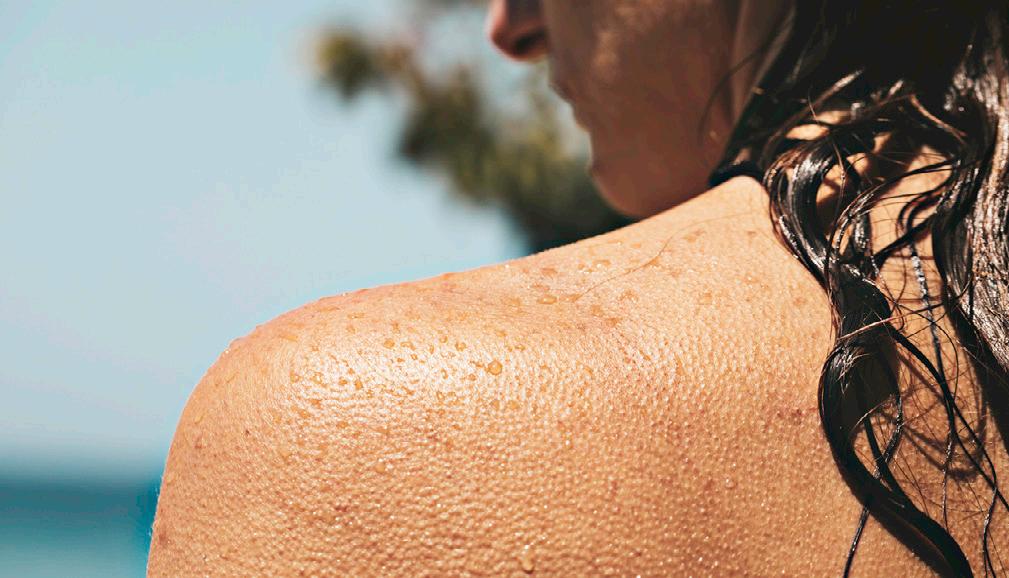
Dietary polyphenols show promise in tackling UV-induced skin damage and precancerous skin lesions – but more research is needed to take inside-out photoprotection strategies further, a review suggests .
A Cochrane review investigated the potential role for dietary supplements, mainly polyphenols and vitamins in oral bioactive form, in the prevention and/or treatment of field cancerisation and actinic keratoses – chronic, recurrent precancerous lesions primarily induced by long-term sun exposure
The researchers, based in Spain and Italy, concluded that polyphenols held promise for photoprotection
“We conclude that the reviewed studies support the potential efficacy profile of polyphenols in the prevention of cancerous lesions, particularly due to their protective effects vs DNA damage and UV-induced harm,” they wrote in the journal Actas DermoSifiliográficastas.
However, they said further clinical studies should aim to investigate the impact of dietary supplements, particularly in high-risk populations, and explore different combinations of ingredients with varied mechanisms of action to optimise therapeutic applications .
Speaking to Vitafoods Insights, Dr Barbara Brockway, cosmetics and personal care scientific adviser and owner of Barbara Brockway Consulting, agreed that more evidence was needed
She said: “While initial findings on some polyphenols and nicotinamide (vitamin B3) for managing actinic keratoses are promising, rigorous peer-reviewed research is still needed before drawing definitive conclusions about their efficacy, especially in preventing squamous cell carcinoma
“The antioxidant and anti-inflammatory properties show potential for sun-damaged skin, but again, more substantial evidence is needed ”
Actinic keratoses, commonly found on sun-exposed areas such as the face, neck, hands, forearms, and lower legs, are “prevalent, affecting millions worldwide”, the review authors wrote; estimates suggest that these skin lesions affect over one-third of adults in Europe aged 60-plus Critically, actinic keratoses pose a “significant risk” of transforming into invasive squamous cell carcinomas
The review analysed findings from 21 articles published between 2013 and 2023 containing data for more than 10,400 patients, exploring the role of a range of supplements in the prevention and treatment of actinic keratoses, basal cell carcinoma, and squamous cell carcinoma
A combination of topical photoprotection and oral photoprotection was considered one preventative option against actinic keratoses, the researchers wrote, and oral photoprotection was particularly interesting when working with natural plant compounds – known for their antioxidant, free-radical scavenging, and anti-inflammatory properties.
Clinical trial findings showed that tropical fernderived Polypodium leucotomos extract contributed to reduced incidence of actinic keratoses when used in combination with a topical sun protection of SPF100 Preclinical studies also showed the extract’s capacity to increase DNA repair signalling, prompting the repair of genomic UV-light induced damage .
A combination of rosemary and citrus bioflavonoids from grapefruit also increased cell survival, studies showed, reducing intracellular reactive oxygen species and preventing DNA damage in the skin when ingested in dietary supplement form
Beyond this, studies indicated certain flavanols –quercetin, kaempferol, and galangin – could serve as a promising tool to prevent DNA damage associated with the progression of actinic keratoses
Lotus leaf, for example, rich in phenolics and quercetin, showed strong potential in inhibiting skin carcinogenesis and hindering neoplastic transformation
Extracts from the leaves of Hamamelis virginiana have also been shown to improve skin elastosis
However, the role of other supplements, including nicotinamide, folate, vitamins C, E, and D3, and omega-3 polyunsaturated fatty acids (PUFAs), requires further investigation due to “inconsistent and/or scarce findings”.
The researchers said the extracts highlighted offered “promising avenues” for the development of effective photoprotective and chemopreventive strategies against skin cancer and actinic ageing, though limitations of the reviewed studies had to be considered, such as small sample sizes, variability in design, and the possible impact of uncontrolled variables .
It was also “essential to emphasise” that integral photoprotection – a mix of topical and oral photoprotectors alongside photoprotective habits –remained the “most recommended strategy for skin cancer prevention”, they added
Brockway said that while the research pointed to “exciting” potential, quality evidence was required
“I feel there is potential in the field of oral bioactives for protecting skin against DNA damage and other skin conditions This area is exciting, especially now we have the latest ‘omics’ techniques, but I cannot over-stress the need for scientific rigor and evidencebased studies,” she added “This review highlights some supplements showing promise but stresses the evidence is generally of low to moderate quality ”
“I CANNOT OVER-STRESS THE NEED FOR SCIENTIFIC RIGOR AND EVIDENCE-BASED

A tech specialist has joined forces with leading dermatologist Dr Simon Ourian to launch an artificial intelligence (AI) tool that bridges the science behind nutrition and skincare to offer consumers personalised wellness recommendations
Revieve, which provides advanced AI-powered solutions to help beauty brands deliver hyper-personalised customer experiences, has partnered with the renowned LA-based cosmetic dermatologist to develop the tool, which provides skincare and wellness recommendations based on smart analysis from a selfie and questionnaire
The tool – already available via Dr Simon Ourian’s website across parts of Europe and due to launch in the US – suggests ingestible and topical products for each user according to individual needs, providing a more complete approach to personal care
“This is more than just a digital tool – it’s a fully immersive experience that provides tailored product recommendations based on your skin and wellness data,” the website reads . “Our community is hungry for credible, intuitive solutions, and with Revieve, we’re delivering exactly that ”
Revieve’s goal to offer a ‘single, accessible digital journey’
The AI tool targets a range of health needs, from energy, mood, and sleep through to weight control, bone and joint health, and immunity, recommending a range of supplements, fortified drinks, and meal replacements The analysis takes into account factors such as gut health, hormonal health, stress, diet, and exercise regimes
On the beauty side, the tool targets skincare concerns like redness, hyperpigmentation, fine lines, and wrinkles and dullness, suggesting topical products including cleansers, moisturisers, serums, and exfoliants Users can opt in for nutrition advice, skincare advice, or a combination of both
Speaking to Vitafoods Insights, Sampo Parkkinen, CEO of Revieve, said the overarching goal of this tool is to democratise access to expert beauty and wellbeing insights as beauty from within moves into the mainstream
“While the concept of inside-out beauty isn’t new, this solution is the first to seamlessly integrate AI-powered skincare diagnostics with personalised nutrition recommendations in a single, accessible digital journey,” he said
He added that “most tools in the market treat skincare and nutrition as separate silos”, but explained that this AI tool pools data on external skin problems and internal wellness factors, using Revieve’s proprietary AI Skincare Advisor and AI Nutrition Advisor technologies
The merger aligns well with current consumer expectations, he argued
“Consumers today are far more educated and proactive,” he said . “They know that skin health isn’t just about what you put on your face, but also what’s happening inside your body
“Nutrition, sleep, stress, hydration – all of these influence how skin behaves, heals, and ages. We’re seeing a major shift from ‘treating skin’ to truly supporting the skin ecosystem People want to understand the root causes of their concerns, not just manage the symptoms ”
Parkkinen described the development as a “milestone” for the entire wellness industry, stating that Revieve hopes to work with other leading dermatologists and skin health professionals in the future
“This solution reflects a new era of self-care, where beauty, wellness, and technology converge to offer expert-level support – anytime, anywhere,” he added
By connecting both nutrition and skin health into “one intelligent experience”, consumers can make smarter and more holistic decisions about their health and beauty routines, he said, adding: “It’s about empowering them with guidance that feels personal, credible, and rooted in real science ”
Looking ahead, Parkkinen said the beauty-fromwithin category will continue to edge closer into precision and personalisation, with AI playing a “key role” in decoding the right blend of ingestibles and topicals based on real-time data
“The next phase will be adaptive wellness systems that evolve with the user over time, delivering proactive care rather than reactive fixes,” he said. “This isn’t just the future of beauty – it’s the future of preventative health, where skin, nutrition, and mental wellbeing are treated as a connected whole ”
“THIS SOLUTION REFLECTS A NEW ERA OF SELF-CARE, WHERE BEAUTY, WELLNESS, AND TECHNOLOGY CONVERGE”
Taking a balanced approach to
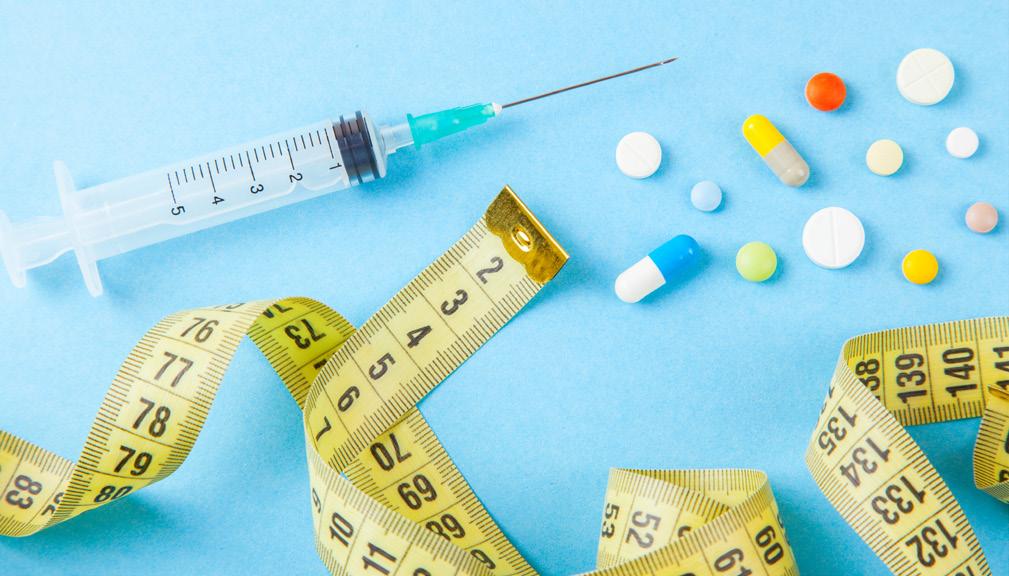
While the growing popularity of weight loss drugs presents opportunities, a considered response from the health and wellness sector is required, says Mike Hughes, head of research and insight at FMCG Gurus
The emergence and growing popularity of GLP-1 supplements and drugs has become a major topic of interest for both consumers and industry However, while many exciting new opportunities are emerging, Hughes advised industry to take a cautious approach
Hughes welcomed the fact that industry has made huge progress in moving away from “magic bullet” positions to focusing on the science and positioning their products correctly
“When I first entered the FMCG industry in 2007 I wrote a report on superfoods,” he recalled
“There was a lot of talk about ‘wonder foods’, and some of the claims made by the industry were frankly ridiculous . As a result of this there was a high level of scepticism towards the health and wellness industry – consumers felt misled ”
The emergence of GLP-1 medications – and the potential opportunities this brings, however – has brought the industry to another crossroads .
“If industry gets it right, then brilliant,” he said “But if it gets it wrong, it’ll get it really wrong from an ethics perspective ”
Many opportunities lie in the fact that addressing waistlines is likely to be a priority for many consumers over the next few years, according to Hughes
FMCG Gurus data shows that one in four consumers believes they have gained weight, while almost half (46%) say they want to lose weight over the next 12 months
“This is higher than when last ran this study in 2023,” said Hughes
The research also identified three key reasons why consumers believe they are gaining weight: the trade-off between affordability and nutrition; high levels of stress and uncertainty; and busy lifestyles
“Consumers focusing on day-to-day health want functional products to deliver immediate benefits,” added Hughes “They want reassurance that products will work They are also focusing on issues like energy levels and mental wellbeing, which are associated with weight management . ”
According to FMGC Gurus figures, two in five (40%) consumers say they are currently on a diet to lose weight
Barriers to success include being prone to enjoying treats on a regular basis, and thinking that nutritional information can be deliberately misleading
“There is still scepticism towards the health and wellness industry, and this shows that there are opportunities for new solutions that offer higher levels of efficacy,” added Hughes.
In terms of awareness, FMCG Gurus data shows that 38% of consumers have heard of GLP-1 drugs
Many of these people had a favourable view, seeing these products as offering a new solution with benefits for tackling diabetes and heart health. Negative attitudes, however, were recorded in terms of safety, a lack of testing, and the potential to encourage irresponsible behaviour Almost half (49%) said that consumers under a certain age should not have access
“One thing to showcase is that 79% of consumers that have used these products reported side effects,” said Hughes
“The most common complaint was stomach pains Consumers were also concerned about research coming out in the future that might undermine safety This underlines that education is needed, to show that these are medical nutrition products ”
When consumers who were currently or previously using were asked about efficacy, the results were quite mixed
“Research shows that many of these consumers are not making fundamental changes to their lifestyles,” he added “This again goes back to the importance of healthcare information and the ethics around this ”
Overall, the findings reveal that attitudes towards GLP-1 medications – while polarised – are more positive than negative . Challenges still exist, however, and brands need to be fully aware of these
For Hughes, the data underlines the fact that while there are clear market opportunities with GLP-1 drugs, industry should apply caution
“Industry needs to encourage consumers to understand that these products are not a magic bullet; that they need to be used in the right way; and that healthcare advice is essential,” he said
“The safe usage and distribution of GLP-1 drugs and supplements will be key to the success of this growing weight management market in the coming years ”
“INDUSTRY NEEDS TO ENCOURAGE CONSUMERS TO UNDERSTAND THAT THESE PRODUCTS ARE NOT A MAGIC BULLET”
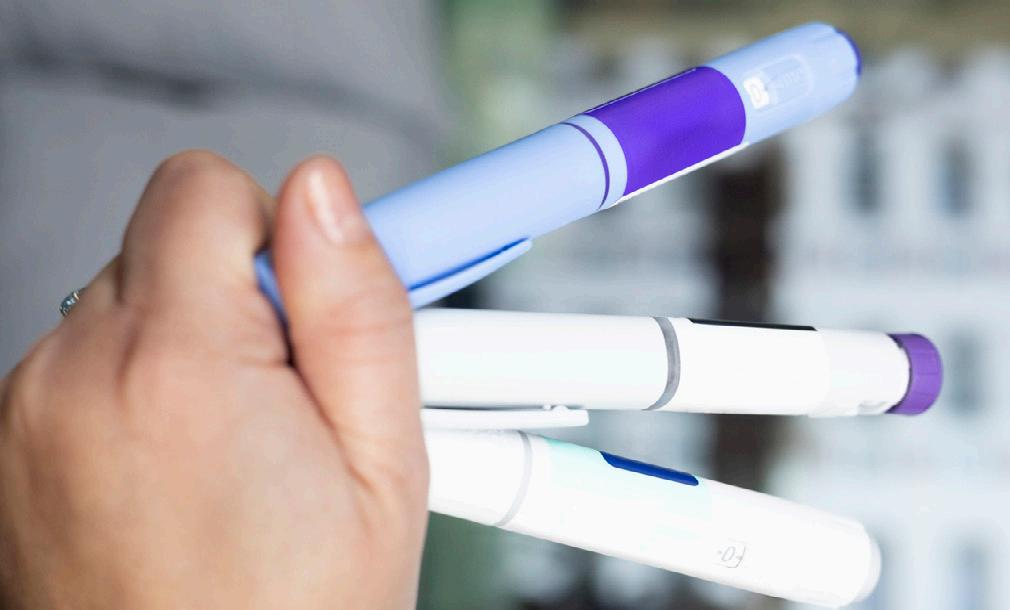
Supplement brands are developing products to support GLP-1 production or enhance its effects naturally But with bold promises and little regulation, scepticism is mounting
There are many reasons why people looking for weight loss products would forgo GLP-1s, a class of medications used to treat type 2 diabetes and obesity For example, they may not have access to the medication due to cost, be dubious about taking medications, or be looking for non-invasive and natural weight loss solutions
Whatever the reason, increased media coverage of these medications has sparked curiosity and interest among consumers, making GLP-1 a buzzword in its own right
Many brands have capitalised on this trend, developing and positioning their products as “GLP-1-friendly”, and targeting them toward users of GLP-1 agonists/medications Examples include Nestlé’s Vital Pursuit and Daily Harvest’s “GLP-1 Support” frozen meal line, both launched in 2024
As the GLP-1 craze reshapes the weight loss landscape, it comes as no surprise that supplement brands want a piece of the action, too Some brands are looking beyond developing products to be taken alongside GLP-1 medications, instead positioning them as alternative or “natural” products targeting the GLP-1 mechanism itself
Many medical experts, however, express scepticism about the effectiveness of these types of supplements, as reported by nypost
GLP-1, or glucagon-like peptide-1, is a hormone produced within the gut after eating It plays a key role in several biological functions, including regulating blood glucose levels and lipid metabolism, among other functions
The GLP-1 receptor is located on the surface of various cells throughout the body, including the gut, pancreas, and brain The hormone binds to the receptor, triggering specific actions including insulin secretion, stopping glucagon production, reducing appetite, and slowing digestion
In simple terms, the hormone sends messages to the receptor The receptor then responds to the message GLP-1 medications mimic the hormone, activating the receptor in the absence of food By binding to the receptor directly, effects like increased insulin production, reduced appetite, and slower digestion are stimulated This suppresses appetite and promotes feelings of fullness in users, which often leads to people eating less, and thus weight loss over time
These medications, like Ozempic and Wegovy, have proven effective for weight loss – over 68 weeks, obese patients lost around 12% of their body weight on Wegovy – and therefore brands developing products claiming to target the GLP-1 mechanism have an advantage
One study, published in Nature, analysed more than 390,000 Reddit discussions related to GLP-1 medications, finding that most were neutral-topositive, indicating that consumers are increasingly open to products targeting the GLP-1 mechanism
In February, the supplement brand ResBiotic, known for its metabolic support and gut health products, launched its resM GLP-1 Postbiotic
According to the company, the supplement is designed to support gut health, metabolism, and overall wellness by leveraging postbiotics The formulation includes Lactiplantibacillus plantarum (postbiotic), chromium, white mulberry, fenugreek, and vitamins D3 and B12
Postbiotics have been shown to directly affect metabolism, as well as insulin secretion and sensitivity ResBiotic claims that by integrating
postbiotics into its resM formula, the supplement helps to “modulate critical gut hormones, promoting digestive wellness and improved metabolic balance”
Another brand, Vital Nutrients, launched its GLP1 Complete supplement The company claims its formula supports “the digestive system’s GLP-1 response not supported by pharmaceutical options, making it a natural and comprehensive solution for metabolic health”
The formula contains hops extract and pre-, pro-, and postbiotics According to Vital Nutrients, the hops extract stimulates satiety and helps decrease insulin resistance, while the inclusion of prebiotics supports digestive health, extending the GLP-1 lifespan
The brand claims that the probiotics produce GABA to help balance mood and reduce food cravings, while the addition of postbiotics helps to activate and sustain the GLP-1 receptor response
Lemme, a line of vitamins and supplements developed by Kourtney Kardashian, launched its GLP-1 Daily product in 2024
According to Lemme’s website, if taken over a sixmonth period, users can expect the supplement to “promote your body’s GLP-1 production, reduce hunger and cravings, and support fat reduction with 3 clinically studied ingredients”
The brand has, however, come under scrutiny due to allegations of deceptive marketing In August 2024 it was reported that the US law firm Zimmerman Reed launched an investigation over claims Lemme “violated consumers’ rights by misleadingly and deceptively marketing its products”
In March 2025, Bloomberg Law reported that Lemme was being sued over its GLP-1 supplement claims The class action lawsuit accuses Lemme of misleading consumers by implying that the supplement’s efficacy is comparable to GLP-1 medications, despite a lack of scientific validation.
As a direct result of this lawsuit, discussions in the media around how companies market these products and how governments should regulate them have intensified.

A science-led startup based at University College Cork is preparing to launch a synbiotic supplement developed specifically for women in midlife
FemmeBiome, which is scheduled to spin out from the university in early 2026, is leveraging the latest scientific discoveries about the complex role that gut microbes play in menopausal and perimenopausal symptoms such as anxiety, sleep disruption, and brain fog
Its supplement contains four probiotic strains from the Bifidobacterium and Lactobacillus genera, selected for their potential roles in mood regulation, vaginal health, and oestrogen metabolism via the oestrobolome, a group of microbes that influence circulating oestrogen levels
Professor Siobhain O’Mahony, who spent years in the lab as a neuroscientist before founding FemmeBiome, spoke to Vitafoods Insights about how microbiome science is advancing women’s health solutions .
The decision to tackle perimenopause symptoms first came from both scientific interest and clear unmet demand.
Survey data collected by FemmeBiome showed that women around the age of 45 reported severe cognitive and emotional symptoms linked to (peri)menopause
“The perimenopause is associated with hot flushes and sleep [but] what was really worrying women was their brain,” said O’Mahony “I know women close to me who filled out dementia surveys because they were so worried about their brain health . ”
Sixty-four percent of respondents experienced anxiety, 74% had trouble sleeping, and 61% reported brain fog
“As we age, our ovaries reduce oestrogen production, but we still produce oestrogen in breast and abdominal tissue,” she said “Wouldn’t it be really good if we could keep that oestrogen for ourselves, instead of having to go on HRT [hormone replacement therapy]?”
According to O’Mahony, the probiotics used in FemmeBiome’s supplement help improve the diversity and health of the gut microbiome, which in turn boosts the oestrobolome’s ability to reactivate inactivated oestrogen, allowing it to be reabsorbed
The mechanism also involves the positive effect on mood and stress responses of neurotransmitters, including serotonin, dopamine, gamma-aminobutyric acid, and short-chain fatty acids, produced by certain bacteria in the gut
Alongside the probiotics, each daily dose of the supplement includes 5g of galactooligosaccharide (GOS), a prebiotic fibre frequently used in infant formula The prebiotic is designed to feed both the probiotic strains including in the product, and some of the strains occurring naturally in the gut
GOS is a particularly important food for certain Bifida species that often decline during menopause
“It’s so good for gut health, but it’s also good for sleep,” said O’Mahony “It has anti-anxiety properties I’ve given it to my kids for years ”
To assess the supplement’s impact, the team ran a placebo-controlled clinical trial involving 50 women over eight weeks In addition to standardised questionnaires, participants provided stool, saliva, and vaginal samples at three intervals
“We wanted to see, at a questionnaire level, if stress, anxiety, and sleep were improved,” O’Mahony said “But also whether the supplement could change the gut microbiome, maybe boost the oestrobolome species or increase diversity ”
The fibre component is expected to act quickly, though the trial focused on four- and eight-week outcomes
“Even if you took it by itself, it would have an effect within a week,” she said “We didn’t sample that early, but we saw changes at four weeks ”
Participant feedback from the trial has been encouraging
“Most of the women [taking the supplement] said they would continue to take it,” said O’Mahony “The placebo group were a bit more neutral ”
The menopause supplement category is expanding rapidly, but many available products combine ingredients without clinical testing of the finished formulation O’Mahony is cautious about how this affects consumer trust
“There’s a lot of beautiful marketing out there, but women are still confused,” she said “What differentiates us is that this will be a clinically validated supplement . ”
However, as EU regulations currently prohibit health claims for probiotics, this limits how products can be labelled The team is considering solutions such as QR codes on packaging that link directly to clinical data
In parallel with the product development, FemmeBiome is building an educational platform to help women understand the science behind the microbiome .
“Speaking from a scientific pulpit doesn’t always work,” said O’Mahony “We’re trying to make it more understandable for women who have other jobs and other priorities; their job isn’t to understand microbiology…
“So, I’m really hoping to not just commercialise the product, but also to help women not to be confused any more ”
Once FemmeBiome’s menopause product is launched and the company is spun out from the university, the team is planning to continue to design supplements for women of different ages
Among other opportunities, O’Mahony sees great potential for microbiome solutions that improve fertility, help ensure a healthy pregnancy, and alleviate stress associated with trying to conceive
Building a better Trojan horse: How ‘next-generation’ cyclodextrins can boost bioactives’ bioavailability

A German startup is taking on the problem of low bioavailability in bioactives such as curcumin with its stabilised cyclodextrin-based encapsulation technology, which it claims offers a clean, effective alternative
Evanium Healthcare has developed a stabilised cyclodextrin-based encapsulation technology that it claims tackles the common challenge of low bioavailability while maintaining a clean-label formulation It says its Flavosolv carrier system is particularly suitable for polyphenolic plant substances and flavonoids.
After three years of research and development, the company was preparing to launch its enhanced curcumin ingredient this year, with additional bioactive products to follow
Cyclodextrins are cyclic oligosaccharides derived from starch through enzymatic processing Their ring-shaped structure consists of a hydrophobic cavity that can encapsulate lipophilic molecules such as curcumin, while their hydrophilic outer surface makes the complex more dispersible in water
“These molecules disrupt the crystal lattice of active ingredients, encapsulating them like a ‘Trojan horse’,” explained Ofner.
Encapsulating active ingredients improves their solubility, protects it from degradation, and enhances bioavailability by preventing premature metabolism
Imagine cyclodextrins as tiny jam-filled doughnuts submerged in water The doughnuts have a waterproof inner core that contains the jam (oily substances like curcumin), keeping it safe and stable
Meanwhile, the outer surface of the doughnuts is water-friendly, allowing it to mix easily in liquid . This way, the oily curcumin, which normally would not dissolve well, stays protected, spreads more evenly, and reaches its destination in the body more effectively
However, many existing cyclodextrin-curcumin complexes face a critical issue: they tend to reaggregate quickly, building very strong crystalline structures, reducing their solubility and limiting absorption
Evanium has developed a proprietary stabilisation method to prevent this, ensuring that the encapsulated curcumin remains in its most bioavailable form while stabilised by a natural biopolymer in an amorphous, crystal-free state
The key innovation is a protective coating around the cyclodextrin complex, which prevents these larger clusters from forming, further improving the final solubility. In Evanium’s own analysis, the water saturation solubility of curcumin in its native form amounted to just 0 252 microgrammes per millilitre (µg/ml) The Flavosolv curcumin solubility improved to 287 01µg/ml – boosting its concentration by a factor of more than 1,000
In simulated digestion tests comparing postdigestion availability of the Flavosolv formulation against native curcumin, after 120 minutes, the concentration of the enhanced ingredient was 85 times higher, at 276,75µg/ml
According to Rolka, this approach provides nutraceutical manufacturers with a clean-label alternative to synthetic solubility enhancers, while also enabling greater formulation flexibility across capsules, powders, and granulates
And, because the technology improves absorption efficiency, manufacturers may need lower doses of expensive ingredients to achieve the same effect
Evanium’s tests also indicate that the technique improves the taste of active ingredients
“The release of the active ingredient depends on water dilution: when the complex comes into contact with a small amount of saliva, the active ingredient remains encapsulated, effectively masking its taste,” said Ofner
“Once it reaches the stomach or intestines, the ingredient is released and absorbed more efficiently due to improved bioavailability This approach is particularly advantageous for novel dosage forms like granules or chewable tablets with bitter-tasting ingredients, offering both direct taste masking and the potential for dose reduction through enhanced bioavailability ”
bioavailability challenges in other plant-based ingredients
is not the only nutraceutical ingredient with poor bioavailability Many other plant-derived compounds, including polyphenols and botanical extracts, face similar absorption challenges
Evanium is already applying its stabilisation technology to fisetin, a polyphenol associated with cardiovascular and longevity benefits, which is rapidly metabolised and excreted before it can exert its effects
The company is also working on berberine, a plant alkaloid with potential metabolic health benefits, which suffers from poor gut absorption Boswellia serrata (also known as Indian frankincense), commonly used in joint health formulations, has low water solubility, while milk thistle, known for its liverprotective properties, has poor intestinal absorption
Looking at future applications, Ofner explains that the technology can be applied to poorly soluble active ingredients with molecular weights between 200 and 1,500 Daltons
“THIS APPROACH IS PARTICULARLY ADVANTAGEOUS FOR NOVEL DOSAGE FORMS LIKE GRANULES OR CHEWABLE TABLETS WITH BITTER-TASTING INGREDIENTS”
“Beyond classic flavonoids like quercetin, excellent results have been achieved with flavonolignans such as Silymarin from milk thistle and triterpenoids like boswellic acids from frankincense or miliacin from golden millet,” Ofner said .
“However, the technology currently faces limitations with monoterpenes due to their volatility and low molecular weight, resulting in insufficient active ingredient loads for commercial viability.”
The company believes that the enhanced bioavailability of these compounds has great potential to help nutraceutical companies create better products aimed at cardiovascular health and inflammation and longevity and mental health – including sleep, mood, and cognition
“We are preparing two products for the German market currently: curcumin and Boswellia serrata, which we hope to launch in the second quarter of this year,” said Rolka
Looking ahead, Evanium aims to introduce three to four new bioactive ingredients per year, with around 10 currently in development The company is particularly focused on expanding into the European and North American markets, where demand for high-bioavailability plantbased supplements is growing
“WE ARE PREPARING TWO PRODUCTS FOR THE GERMAN MARKET CURRENTLY: CURCUMIN AND BOSWELLIA SERRATA”