Vitafoods Europe 2025
Towards a sustainable supplements sector


For more than quarter of a century, Vitafoods Europe has been initiating critical conversations around the most pressing problems concerning the health and nutrition industry – and we’re no different when it comes to sustainability.
In this e-magazine, we take a look at the hottest topics on the sustainability agenda at this year’s event.
From supply chains to startups, untapped ingredients to upcycling, not only do we shine a light on the biggest challenges facing the supplements industry today – we tell the stories of the problem-solvers trying to find solutions.
If you haven’t registered for the show yet,
to book your spot – and join us on the journey towards a more sustainable supplements sector
By Lynda Searby
Sustainability at source needs to be prioritised if botanical supply chains are to satisfy burgeoning demand for medicinal and aromatic ingredients, says Solidaridad.
Tackling environmental and social exploitation in cocoa, coffee, palm oil, and soy supply chains has been a major focus for the food industry for some time now – and, with regulations such as the EU Deforestation Regulation coming into play, it will continue to be a priority for the foreseeable future.
But these are not the only ingredients that warrant attention for the way they are being produced and traded – there are many others that are currently flying under the radar, not least medicinal and aromatic ingredients.
Exploding demand for these ingredients is creating tension in supply chains that is impacting ingredient quality and availability, farmer livelihoods, and the environment, according to civil society organisation Solidaridad.
“Populations in parts of Latin America, Africa, and Asia rely heavily on traditional medicine for their primary healthcare. Because of this, for the past 25 years, the World Health Organization has been driving research to investigate the contribution of traditional medicine to health and wellbeing,” said Monique van de Vijver, innovation manager for health at Solidaridad.
“The more evidence there is that these ingredients offer health functionality, the more interesting they become to industry.”
This, coupled with growing consumer interest and belief in the power of natural extracts and herbal remedies to promote health and wellness, is driving the inclusion of botanicals in functional foods, teas, and supplements, she explained.
“A whole industry has developed around botanicals with a proven effect or health benefit. This not only translates to increased demand and trade, but also increased pressure on sourcing – it creates tensions around the availability of these plants for both traditional use and international export,” she added.
In India, the second-largest producer of medicinal and aromatic ingredients, it has become difficult for local buyers to source ingredients of a high enough quality to satisfy European market standards, owing to issues such as pesticide residues and heavy metal contamination, said van de Vijver.
She explained that these issues, which have largely arisen out of unsustainable farming practices driven by market pressure to keep ingredient prices low, are being compounded by climate change.
“International markets want European quality at low prices. This thinking has caused so much pressure at source,” she said. “We need to create more awareness at end-buyer level around where these ingredients are coming from.
“Most buyers just put their orders in and miraculously the ingredients arrive. But I think we are reaching a point where this will no longer be a given.”
The irony of this situation is not lost on van de Vijver.
“When products that are meant to contribute to the health of consumers are detrimental to the health of those who cultivate them or gather them in the wild, and are detrimental to the ecosystems in which they grow, something is very, very wrong,” she added.
One medicinal herb that has become a victim of its own success is ashwagandha, said van der Vijver.
“There’s a lot of pressure on producers to supply ashwagandha with a high withanolide content. However, it is becoming increasingly difficult to grow roots with sufficient active agents, and one of the reasons is changing rainfall patterns,” she explained.
“If we can work with farmers to make sure they use the right seed varieties and cultivation techniques and harvesting practices, that will help to increase yields and active ingredient content.
“There is also work to be done on creating awareness for the quality of root they are producing, in order to ensure they get paid a fair price for it, and on improving storage and transport conditions.”
In Madhya Pradesh, India’s second-largest state, Solidaridad’s Sustainable Medicinal and Aromatic Plants programme is mobilising multiple stakeholders, including government departments, traders, processors, businesses, and research institutions, to address the sustainability-related challenges faced by ashwagandha growers.
The project’s aim is to increase the prosperity of farmers, promote production methods that are in balance with nature, and secure a fair deal for everyone in the supply chain. It is also facilitating the implementation of the Voluntary Certification Scheme for Medicinal Plant Produce (VCSMPP).
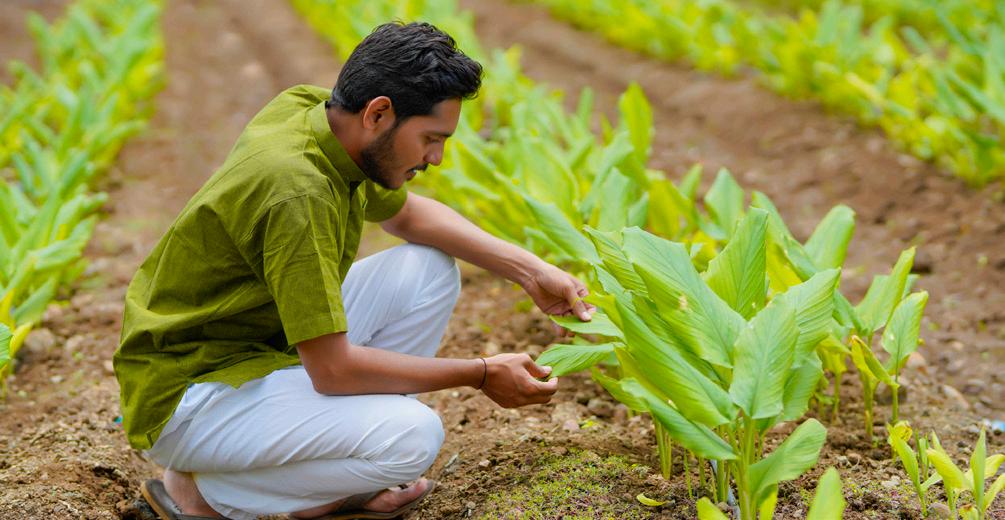
It is not only ashwagandha farmers who are benefiting from this initiative – it also serves growers of mint, lemongrass, kalmegh (green chiretta), tulsi (holy basil), akarkara (Spanish chamomile), black cumin, isabgol (psyllium husk), and turmeric.
For many of these smallholders, the cultivation of medicinal and aromatic plants is a diversification strategy to improve their livelihoods.
“In India, most of the farmers we work with are involved in the production of agricultural commodities such as soybean, chickpea, mustard, vegetable, or wheat,” said van de Vijver.
“Relying on a single cash crop makes them very vulnerable to market forces and the elements. Integrating medicinal plants in regenerative agriculture systems not only helps to increase resilience but also introduces the potential for improving incomes, as they are higher-value crops.”
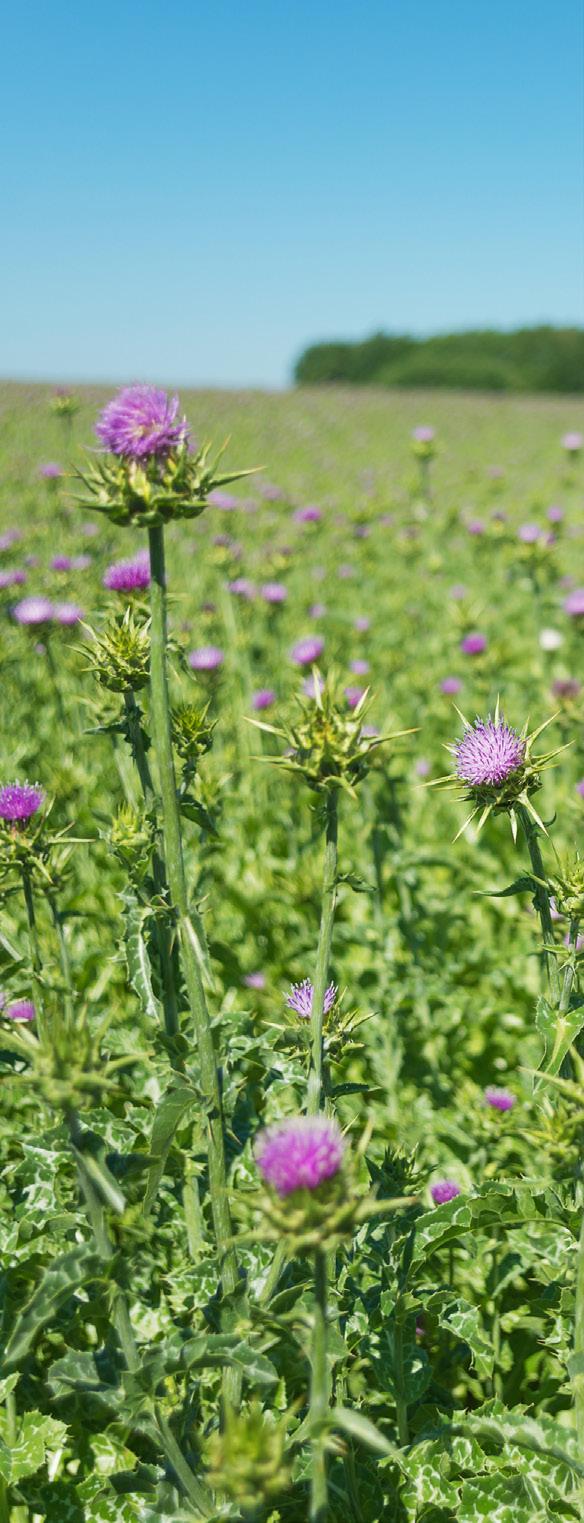
There is also potential for producers to further diversify through primary processing or by producing essential oils, and also for the production of bio-inputs –using the by- and waste products of distillation as a biopesticide, for instance.
“If smallholder organisations can process some of their crops into essential oils and use the residue in their fields to control certain pests, that is a win-win for farmer fortunes and the environment,” said van de Vijver.
This example is inspired by the concept of medicinal agroecology, which she considers to be a highimpact strategy for regenerative agriculture, and the publication on this subject, to which she contributed as a co-author.
“It’s all about revaluing medicinal plants, using them in a far smarter way than we do at present and embracing diversity,” said van de Vijver.
“Our motivation for driving a diversification and agroecology agenda based on medicinal plants is related to their enormous potential to contribute to health and sustainable development in multiple ways – from farm ecosystem health, soil health, and plant health to economic health and the health of people – because of avoided exposure to pesticides, and improved water and environmental quality.”
“IT’S ALL ABOUT REVALUING MEDICINAL PLANTS, USING THEM IN A FAR SMARTER WAY THAN WE DO AT PRESENT AND EMBRACING DIVERSITY.”
Vitafoods is
Vitafoods Europe 20-22 May 2025 Barcelona, Spain www.vitafoods.eu.com
www.vitafoodsglobal.com
Vitafoods Asia 17-19 September 2025 Bangkok, Thailand www.vitafoodsasia.com
Vitafoods India 11-13 February 2026 Mumbai, India www.vitafoodsindia.com


By Kirstin Knight
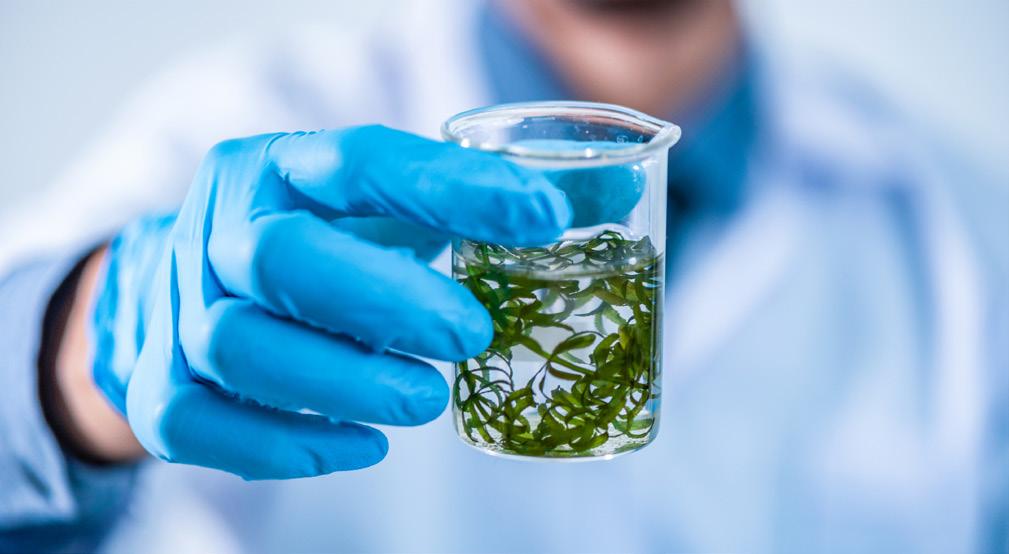
In a breakthrough study, researchers have cultivated carbon-neutral spirulina containing biologically active vitamin B12 at levels comparable to beef for the first time.
Spirulina (Arthrospira platensis) is known for its nutritional benefits; however, it contains a form of vitamin B12 that, while structurally similar to the biologically active form, is largely a pseudo form that is not bioavailable to humans.
Inspired by previous research showing that manipulating light conditions can affect algae’s bioactive profile, an international team of researchers from Austria, Denmark, Israel, and Iceland used scalable photobioreactors to cultivate photosynthetically controlled spirulina.
Dr Asaf Tzachor, founder and academic director of the Aviram Sustainability and Climate Program at Reichman University, in Israel, told Vitafoods Insights: “This unique setup not only allows us to produce a carbon-neutral and nutritious biomass but also significantly increases the yield of active vitamin B12 to levels comparable to those found in beef.
“By tailoring the light conditions, we have effectively shifted the spirulina’s metabolic pathways to favour the production of active vitamin B12.”
Spirulina is regarded as a superb source of macroand micronutrients, including essential amino acids; alpha-linolenic acid and linoleic acid; minerals like calcium, potassium, magnesium, and iron; and vitamins such as beta-carotene. But what exactly is pseudo-vitamin B12?
“The active form of vitamin B12, known as cobalamin, is essential for various bodily functions, including DNA synthesis, red blood cell formation, and neurological function,” explained Tzachor.
“However, pseudo-vitamin B12 (or cobamide) does not have the same bioactivity in humans, meaning… the human body cannot properly absorb or metabolise it to reap the same benefits as it would from the active form of vitamin B12 found in animal sources.”
This is a concern for people who follow plant-based diets, who may struggle to reach the recommended dietary allowance of 2.4 µg/day. Vitamin B12 deficiency can result in serious health conditions, including anaemia, neurological problems, and impaired cognitive function.
This ability to produce a plant-based source of biologically active vitamin B12 through controlled environmental conditions “has significant potential for addressing global vitamin B12 deficiencies sustainably”, Tzachor said.
The findings, which were published in the journal Discover Food, have “significant implications” for the nutraceutical industry.
“Our research opens up opportunities for the nutraceutical and supplement industry to develop new, plant-based vitamin B12 supplements,” Tzachor explained. “Unlike traditional vitamin B12 sources, spirulina-based supplements offer a natural, veganfriendly alternative that appeals to a growing segment of health-conscious consumers who prefer plant-based products.”
There is also an opportunity to create supplements with an enhanced nutritional profile.
“Spirulina is already known for its high protein content and rich profile of vitamins and minerals, making it an attractive ingredient for comprehensive dietary supplements that target multiple nutritional needs,” said Tzachor. “Adding a bioavailable form of vitamin B12 further enhances its appeal as a versatile, all-in-one supplement option.”
The findings could also drive innovation in fortification.
“Incorporating spirulina enriched with active vitamin B12 into everyday foods like bread, cereals, and plant-based milk alternatives could provide a new avenue for the industry to enhance the nutritional value of commonly consumed products,” he added.
Algae production in photobioreactors “offers several significant sustainability benefits compared to traditional animal- and plant-based food sources”, said Tzachor.
The process requires no arable land, nor pesticides or herbicides; it also requires minimal fertiliser use and significantly less fresh water than traditional agriculture – a particular benefit in regions facing water scarcity.
What’s more, the controlled conditions guarantee consistency, regardless of external environmental factors.
“This control minimises the risks associated with seasonal variations, climate change, or unpredictable weather events that often affect traditional agriculture and livestock farming,” Tzachor said.
He added: “Because the entire cultivation process is contained within a closed-loop system, there is no risk of nutrient or chemical runoff into the environment. This contrasts with conventional farming practices, which can contribute to water pollution and harm aquatic ecosystems.”
While vitamin B12 deficiency is one of the most common micronutrient deficiencies globally, there is widespread variation in prevalence. Surveys indicate that rates among under-60s in the UK and the US stand at around 6%, compared with 70% among Kenyan schoolchildren and 80% among Indian preschoolers.
“Closing this gap requires a multi-faceted approach that addresses both immediate nutritional needs and long-term, sustainable solutions,” said Tzachor.
Asked what could be done to even the playing field, he said that fortifying staple foods presented a “highly effective strategy that has been successfully implemented in several countries”, while targeted supplementation programmes could be an effective solution for at-risk groups, such as pregnant women, children, and the elderly.
He added: “Spirulina production using photobioreactors, especially in regions with renewable energy resources, can provide a costeffective, environmentally friendly solution to vitamin B12 deficiency.
“This approach can be particularly beneficial in areas where traditional food sources are limited or where the local diet is predominantly plant-based.”
Asked where research in the area will focus next, Tzachor said the next steps would be to explore the method’s scalability and to conduct dietary trials in humans.
“While our in vitro studies show promising results, it is essential to confirm these findings in realworld settings by evaluating the bioavailability and health outcomes of consuming spirulina in human populations,” he said.
“These trials will help establish dietary guidelines, understand potential benefits, and determine the optimal intake levels of spirulina to address vitamin B12 deficiency in different demographic groups.”
He added: “We are also exploring various scale-up scenarios that could allow us to produce enough spirulina biomass to meet the recommended dietary allowance for millions of children globally, offering a sustainable alternative to meat and dairy products without the associated environmental impact.”






By Rik Moors
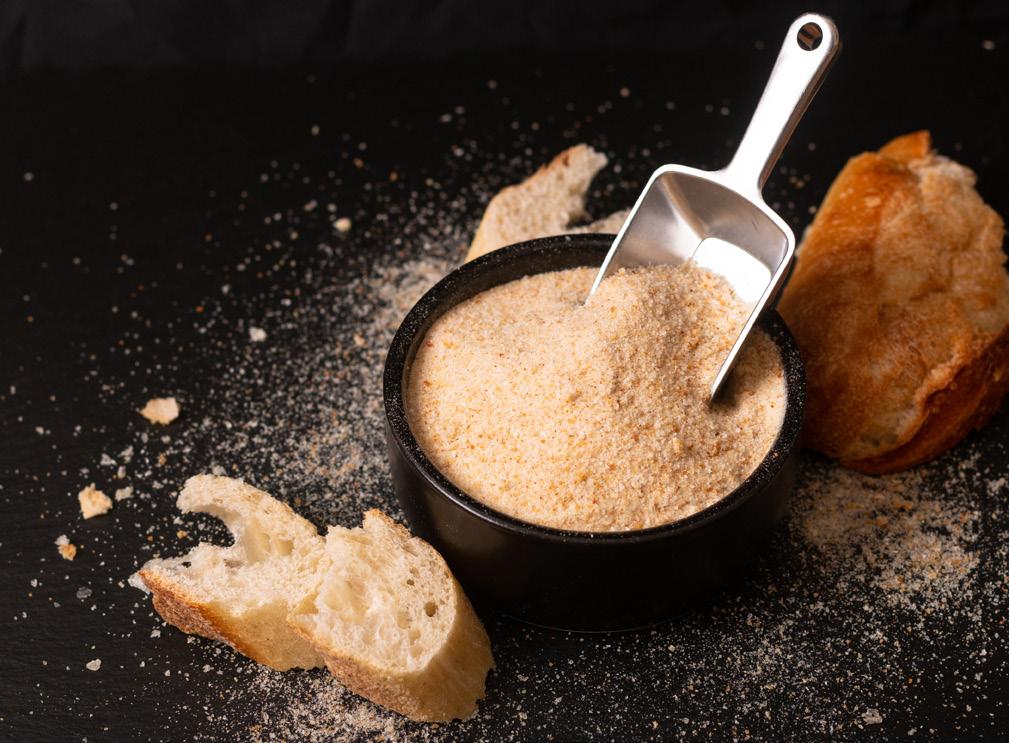
Polish startup Rebread is on a mission to turn bread waste into valuable raw materials, enabling businesses to upcycle surplus bread into functional ingredients.
Bread waste is becoming more accepted as a sustainable component for beer and snacks, but upcycled ingredients also offer opportunities for the nutraceutical, functional food, and fortified beverage markets. Founded in 2021 by Bartłomiej Rak and service designer Katarzyna Młynarczyk, Rebread acts as a marketplace creator and external research and development entity, transforming food waste into highprotein, high-fibre products.
CrumbsUp, Rebread’s flagship powdered ingredient, is made from surplus bread and is particularly suitable for use in functional foods.
As Patrycja Nierada, business development manager at Rebread, explained: “Used as a powdered ingredient, CrumbsUp is low in calories, low in fat, [and] has natural sweetness brought out by the fermentation process, and increased fibre and protein content.”
The ingredient has been successfully tested in bakery applications, where its inclusion at 15% increased fibre content by 40% and protein content by 6%, producing bread with a slightly darker colour and natural sweetness.
Different fungi strains in CrumbsUp allow for a range of flavours, making it versatile for both savoury and sweet applications.
“Some strains offer slightly cheesy and nutty flavours, suitable for both savoury and sweet baked goods, while others have neutral qualities, ideal for traditional bread baking,” said Nierada.
Additionally, the company sees promise in expanding CrumbsUp’s use.
Nierada added: “Our ongoing developments aim to increase the incorporation of CrumbsUp in mixes and expand its use in both sweet and savoury applications, depending on the needs of food manufacturers.”
Rebread has also identified potential for CrumbsUp in protein bars, although this area has yet to be fully explored.
Nierada said: “We haven’t yet explored incorporating bread or CrumbsUp into protein bars with our customers. However, given that many protein bars use similar ingredients like fibre, wheat gluten, and rice protein, it’s feasible to integrate bread-based ingredients into these products.”
Rebread’s upcycled bread ingredients offer significant potential for fortified foods and beverages.
As detailed in the company’s Crumbling the Barriers report, surplus bread combined with edible fungi such as koji can become a high-protein, high-fibre
ingredient, well suited for enhancing the nutritional profile of functional beverages, including smoothies, juices, or sports drinks.
These drinks could provide digestive health benefits and increased protein content, while also delivering a natural umami flavour. This approach fits into the growing trend of fibre-enriched functional beverages designed to offer both health and sustainability benefits.
Rebread’s collaborations extend into other functional food areas, including with Clean Food Group, which uses surplus bread in its proprietary fermentation process to produce sustainable oils and fats. The fermentation process cultivates yeast strains using food waste such as bread – similar to the beer brewing process, but these yeast strains produce oils and fats rather than alcohol.
These sustainable alternatives to traditional oils and fats can be used in food products as well as cosmetics.
Surplus bread also offers opportunities as a protein source in high-protein functional foods, especially in pasta production. Startups in Europe have already explored bread-based pasta, highlighting its nutritional benefits.
In the European market, companies such as Heldenbrot (Germany) and Wasted (Denmark) have experimented with using breadcrumbs as a partial substitute for flour in pasta, although Heldenbrot is no longer active. These projects demonstrate bread’s potential as a protein-rich ingredient.
UK-based startup Atavi, meanwhile, produces premium pasta using fungi strains similar to those used by Rebread, but with a different fermentation process. According to Nierada, this method “enhances the nutritional profile with edible moulds and wheat gluten”, allowing for a combination of the nutritional benefits of both bread and fungi.
“In this way, we can combine the nutritional values from the bread and fungi, which will improve the pasta by adding a deep umami flavour and emphasise the sustainable aspects of the product,” she added.

Rebread’s work in bakery products has also demonstrated the nutritional and functional advantages of using surplus bread as a partial flour substitute.
“Our lab analysis has shown slight increases in fibre (+10%) and protein content (+5%) in the resulting products,” said Nierada.
These benefits make upcycled bread an attractive option for food manufacturers looking to boost the health profile of their bakery items.
Using surplus bread in bakery production not only enhances nutrition but also extends product freshness. Nierada highlighted that “reusing surplus bread extends the shelf life of bakery products, allowing retailers and bakeries an additional 24 to 36 hours to sell the products, and consumers get up to seven days (for wheat bread) or nine days (for rye bread) to consume the bread”.
This improvement is attributed to the higher waterholding and water-binding capacities of bread flour compared with standard wheat flour, which contribute to a longer-lasting product.
The inclusion of upcycled bread also brings changes in colour and texture, with higher incorporation leading to a darker colour and less crumbly texture due to reduced gluten.
“Bakers can adjust these characteristics using specific enzymes to change the colour, or stronger flour to influence gluten production,” Nierada explained.
“REUSING SURPLUS BREAD EXTENDS THE SHELF LIFE OF BAKERY PRODUCTS, ALLOWING RETAILERS AND BAKERIES AN ADDITIONAL 24 TO 36 HOURS TO SELL THE PRODUCTS. ”
Your favourite nutraceutical event is now bigger than ever, with more products, more exhibitors and more networking than ever before.
20-22 May 2025, Barcelona
Vitafoods.eu.com



By Kirstin Knight
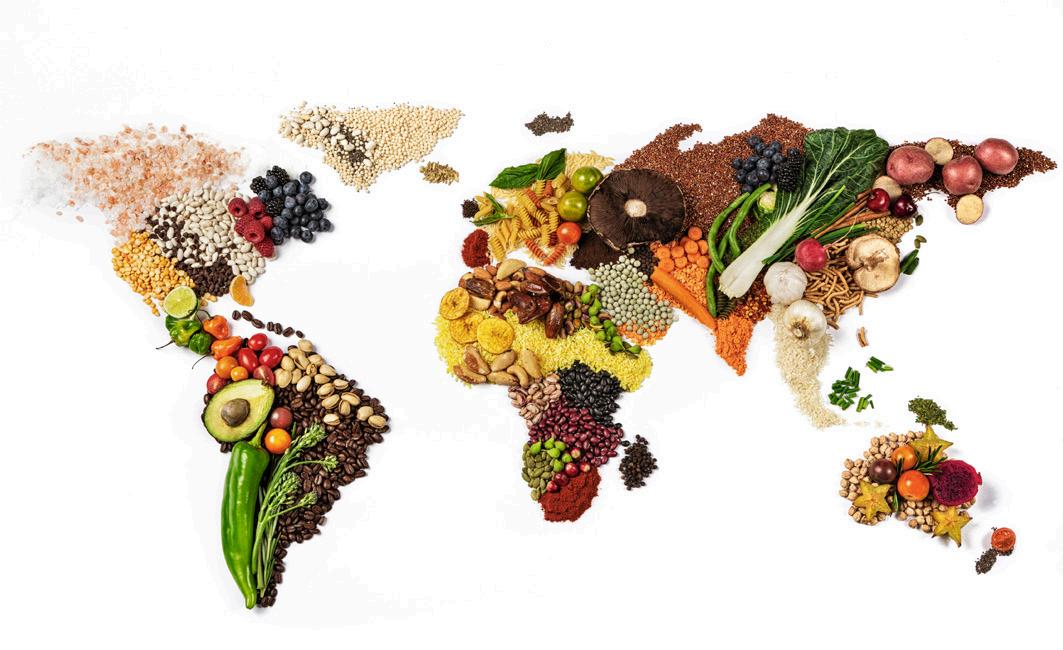
More than half of the global population consumes inadequate levels of essential micronutrients, according to findings described by the study authors as “alarming”.
Researchers evaluated intakes for 15 vitamins and minerals – calcium, iodine, iron, riboflavin, folate, zinc, magnesium, selenium, thiamine, niacin, and vitamins A, B6, B12, C, and E – and found significant intake inadequacies for nearly all of them.
“These results are alarming,” said Ty Beal, senior technical specialist at GAIN, which collaborated on the study. “Most people – even more than previously thought, across all regions and countries of all incomes – are not consuming enough of multiple essential micronutrients. These gaps compromise health outcomes and limit human potential on a global scale.”
The study, which was published in The Lancet Global Health, is the first to provide global estimates of inadequate consumption of 15 micronutrients critical to human health.
The researchers, from Harvard TH Chan School of Public Health, UC Santa Barbara (UCSB), and the Global Alliance for Improved Nutrition (GAIN), divided populations into males and females belonging to 17 age groups (zero to 80 years in fiveyear spans, plus an 80-plus group).
Excluding fortification as a potential source of additional nutrients, inadequate intakes were especially common for iodine (5.1 billion people, or 68% of the global population), vitamin E (67%), calcium (66%), and iron (65%).
Niacin had the lowest estimate of inadequate intake (1.7 billion people, or 22% of the global population), followed by thiamine (30%) and magnesium (31%).
Estimated inadequate intakes were higher for women than men for iodine, vitamin B12, iron, and selenium. Conversely, more men consumed inadequate levels of calcium, niacin, thiamine, zinc, magnesium, and vitamins A, C, and B6.
The researchers also observed that males and females aged between 10 and 30 years were most prone to low levels of calcium intake, especially in South and East Asia and sub-Saharan Africa. Calcium intake was also low across North America, Europe, and Central Asia.
A few countries diverged from the general trends: in India, for example, estimated inadequate intakes of riboflavin, folate, vitamin B6, and vitamin B12 were especially high.
Madagascar and the Democratic Republic of the Congo had high inadequate niacin intakes, while Russia, Mongolia, and Kazakhstan had high inadequate selenium intakes.
Micronutrient deficiencies – one of the most common forms of malnutrition globally – are associated with a range of undesirable health outcomes, from adverse pregnancy, to blindness, to increased susceptibility to infectious diseases.
Previous research has estimated the amounts of micronutrients available to and consumed by people; the recent study set out to understand whether these meet the requirements needed for optimum human health.
The team used data from the Global Dietary Database, the World Bank, and dietary recall surveys in 31 countries to compare nutritional requirements with nutritional intake among the populations of 185 countries.
“Our study is a big step forward, not only because it is the first to estimate inadequate micronutrient intakes for 34 age-sex groups in nearly every country, but also because it makes these methods and results easily accessible to researchers and practitioners,” said co-lead author Chris Free, research professor at UCSB.
Senior author Christopher Golden, associate professor of nutrition and planetary health at Harvard TH Chan School of Public Health, added: “The public health challenge facing us is immense, but practitioners and policymakers have the opportunity to identify the most effective dietary interventions and target them to the populations most in need.”
However, the researchers admitted that a lack of available data, especially on individual dietary intake worldwide, may have limited their findings.
“MOST PEOPLE – EVEN MORE THAN PREVIOUSLY THOUGHT, ACROSS ALL REGIONS AND COUNTRIES OF ALL INCOMES – ARE NOT CONSUMING ENOUGH OF MULTIPLE ESSENTIAL
By Kirstin Knight
A biotech startup is on a mission to revolutionise the omega-3 industry with its patented fermentation technology that grows microalgae from upcycled whisky byproducts, offering a sustainable alternative to traditional fish-derived ingredients.
MiAlgae, based in Scotland, hopes that by cultivating algae rich in omega-3 fatty acids, it can bypass the need for fish altogether, according to Douglas Martin, founder and CEO.
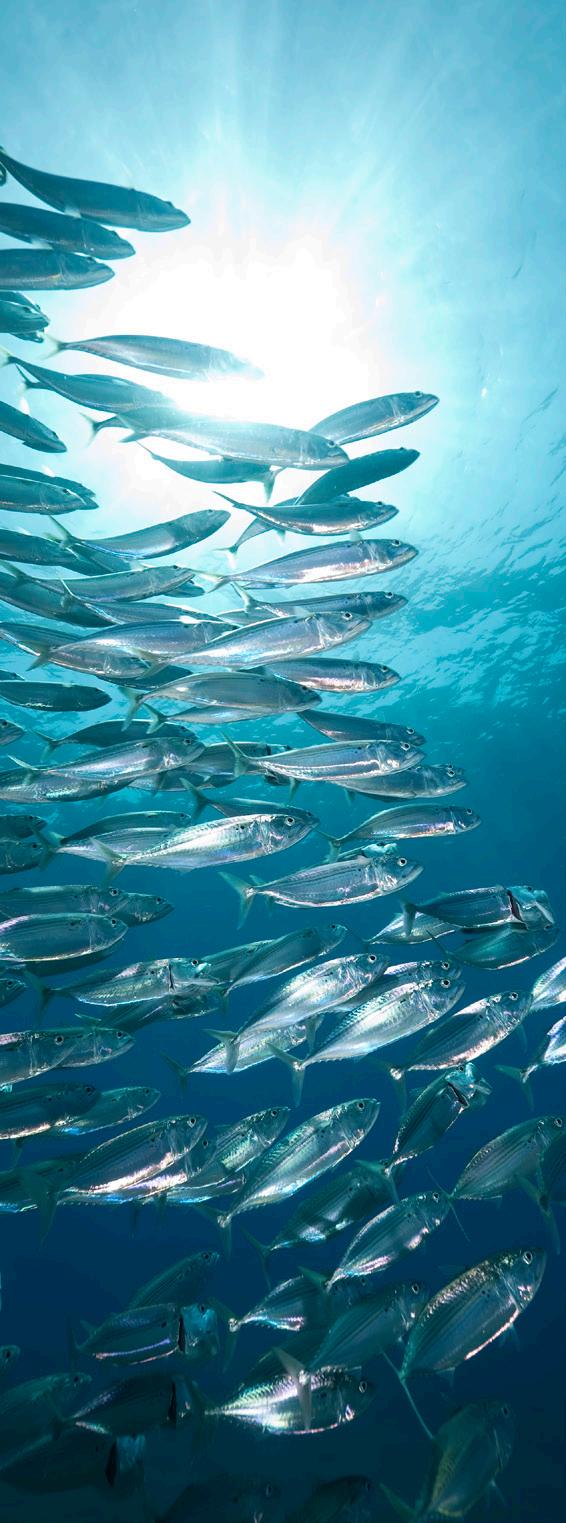
He told Vitafoods Insights: “Fish don’t naturally produce omega-3s –they accumulate them by consuming algae – so we ‘cut out the middle fish’ by growing algae and using it as a direct source.”
What’s more, the startup’s use of nutrient-rich byproducts from whisky distilleries, which are typically discarded as waste, provides an “innovative and environmentally responsible” input for growing microalgae, said Martin.
He added: “This allows us to create a valuable, sustainable resource without further depleting marine ecosystems.”
MiAlgae prides itself on its zero-waste, circular production model. The algae are grown in bioreactors powered by green energy, making the entire process more sustainable than traditional omega-3 production methods.
The company’s closed-loop system ensures sustainability by returning clean water after the algae have been harvested, further reducing its environmental footprint.
“The scalability of our process, combined with our closed-loop system that returns clean water, ensures we meet growing global demand for omega-3 while supporting marine biodiversity,” explained Martin.
“Unlike traditional fish-based omega-3 production, which depletes wild fish stocks, our process eliminates the need for fish entirely. Once harvested, the remaining water can be recycled, making our process nearly waste-free.”
This model not only reduces reliance on new resources but also supports a more sustainable, circular economy, with minimised waste and environmental impact.
“Compared to other eco-friendly alternatives, many of which rely on virgin ingredients in linear systems, MiAlgae’s approach is unique. By using existing byproducts, we reduce waste and minimise reliance on new resources,” said Martin.
While MiAlgae has primarily focused on providing sustainable omega-3s for livestock and pet feed, it sees “significant potential” to expand into the supplement industry.
The company’s precision fermentation technology is highly adaptable, offering scalability and flexibility across multiple applications, said Martin.
“MiAlgae’s technology has significant potential to be translated into other industries, such as nutraceuticals and health ingredients,” he explained.
“By providing a sustainable, plant-based alternative to fish-derived omega-3s, we can help reduce the environmental impact of these industries while meeting the increasing demand for vegan and environmentally conscious products.”
Beyond omega-3s, MiAlgae is actively exploring ways to expand the range of nutrients and bioactive compounds that can be derived from microalgae, Martin added.
“This opens up exciting opportunities to create innovative health ingredients for use in nutraceuticals, functional foods, and even cosmetics,” he said.
In September 2024, MiAlgae secured £14 million (€16.9 million) in funding to accelerate its operations and scale its production. The investment will be used to build a new production facility in Scotland’s Central Belt, a move the startup hopes will allow it to streamline logistics and scale up production.
“This facility will allow us to produce 3,000 tonnes of omega-3s annually, greatly expanding our capacity to meet the growing demand and reducing reliance on fish-based sources,” Martin said.
“To support this growth, we will be investing in our team across operations, engineering, production, and sales, ensuring we have the talent required to achieve our ambitious objectives whilst maintaining operational excellence.”
The funding will also be put towards MiAlgae’s ongoing research and development efforts, focusing on new product innovations in the sustainable food and health markets.
MiAlgae was a 2024 finalist in the Revive Our Oceans category of the prestigious Earthshot Prize, which honours “simple but ambitious” environmental solutions for 2030 that, “if achieved, will repair the planet before irreversible damage occurs”.
Despite failing to scoop first place, MiAlgae hopes this recognition will open up opportunities for it to form high-impact partnerships and accelerate its scaling efforts.
“Over the next five years, we aim to establish ourselves as a global leader in sustainable food production by providing scalable alternatives to fish-based oils,” said Martin.
“We are committed to being at the forefront of a movement that not only restores our oceans but also redefines how we approach sustainable food solutions for a growing population.”
The startup is exploring expansion opportunities in Australia and North America.
“This opportunity will help us scale rapidly and build on the existing links we have in Australia and North America, where we see strong potential for further growth and collaboration,” Martin added.
“WE AIM TO ESTABLISH OURSELVES AS A GLOBAL LEADER IN SUSTAINABLE FOOD PRODUCTION BY PROVIDING SCALABLE ALTERNATIVES TO FISH-BASED OILS. ”


The Vitafoods Insights Webinar Series covers key nutraceutical market topics, offering attendees the opportunity to get up to speed on market trends, consumer insights, and ingredient innovations to create effective formulations.
4-November

By Kirstin Knight
A new, natural method for producing vitamin B2 “could be a game-changer” for low- and middle-income countries, where deficiency is common, say Danish scientists.
A team from the Technical University of Denmark (DTU) successfully produced vitamin B2 – also known as riboflavin – in significant quantities by gently heating food-approved lactic acid bacteria. Subjecting the bacteria to oxidative stress, a natural stressor, compelled them to produce more riboflavin to protect themselves.
The researchers optimised the process by adding various nutrients, achieving a production rate of 65 mg of vitamin B2 per litre of fermented substrate, which they say is nearly 60 times the daily human requirement for the vitamin.
“I think it’s beautiful that something as simple as gentle heating and lactic acid bacteria can be used to produce vitamin B2,” said lead researcher Christian Solem, associate professor at the DTU’s National Food Institute.
“The method allows for food to be fortified with vitamin B2 in an easy way – for example, during the production of yoghurt or sourdough.”
Most vitamins are produced in factories, either synthetically or with the help of microorganisms that are not approved for food use. Their production requires extensive and often complex purification processes to separate the vitamin from non-food-approved materials, which can be costly and energy-intensive.
The new method, however, provides a cost-effective and climate-friendly method for producing vitamin B2. It could potentially be expanded to produce other essential nutrients, such as folic acid (vitamin B9) and vitamin B12, which are often lacking in plant-based diets, the researchers suggested.
“We used the microorganism Lactococcus lactis, commonly known from cheese and cultured milk, to produce vitamin B2,” Solem said. “Lactococcus thrives best at around 30°C, but we heated the bacteria to 38 to 39°C, which they didn’t like. Bacteria adapt to new conditions, and to defend themselves against the oxidative stress caused by the heat, they started producing vitamin B2.”
The study, which was published in the Journal of Agricultural and Food Chemistry, was funded by the Independent Research Fund Denmark through the project Bioshuttle.
Vitamin B2, found in foods including milk, eggs, and leafy vegetables, is an essential nutrient for energy production and immune function. It also plays an important role in iron absorption.
Deficiency is most common in low- and middle-income countries in Asia and Africa, and has wide-ranging effects, causing fatigue, swollen throat, blurred vision, and depression, as well as skin problems. However, more than half of the global population consumes inadequate levels of essential micronutrients, including riboflavin.
The new method integrates the vitamin’s production into the food fermentation process, allowing for these nutrients to be produced and added locally, and enabling manufacturers to improve the nutritional value of traditional foods economically.
What’s more, it uses less energy and fewer chemicals compared with traditional synthetic vitamin production. Fortification only requires basic fermentation tools, many of which are already common in many households.
Many countries have a tradition of fermenting foods, which extends shelf life and reduces waste. Solem highlighted this as a potential avenue of application.
“It would be ideal to package these B2-producing lactic acid bacteria as a starter culture that can be added to foods like milk, maize, or cassava for fermentation,” he said.
“When these foods are fermented using the starter culture, which includes specially selected lactic acid bacteria along with traditional ones, they automatically produce riboflavin while maintaining the traditional flavour and texture of the food.”
“I THINK IT’S BEAUTIFUL THAT SOMETHING AS SIMPLE AS GENTLE HEATING AND LACTIC ACID BACTERIA CAN BE USED TO PRODUCE VITAMIN B2.”

By Anthony Fletcher
Novel extraction technology could help tap growing consumer demand for effective and functional plant-based collagen alternatives, says Korean startup Rawga.
Collagen supplements – taken for skin, joint, and general health – are continuing to grow in popularity.
A key appeal lies in the fact that collagen is a natural, functional ingredient, offering a range of benefits – but it is not without its drawbacks.
“Some 99.9% of the collagen market is animal-based,” said Raw Kim, CEO of Rawga. “Consumers have pain points when it comes to animal collagen in terms of safety concerns, fishy taste, synthetic additives, and environmental impact.”
The company believes that consumers are increasingly looking for alternatives to animal collagen to improve their personal health, deliver better taste, and protect the environment.
To address this need, Rawga developed a technology that it says can extract collagen from the outer cell wall of plants.
“We hydrolyse plants to extract the extensins, or glycoproteins, of the plant’s outer cell wall,” explained Kim. “Our technology is able to extract these as the smallest units of collagen – dipeptide and tripeptide structures – rather than just simple plant-derived free amino acids.”
Kim said the next step would be to find a plant rich enough in collagen amino acid composition. Unfortunately for his team, the ideal plant identified –hibiscus – does not grow easily in Korea.
The company therefore had to take the audacious step of establishing a farm in Laos, where hibiscus grows well. The entire industrial process was then vertically integrated, with the aim of bringing a plantbased collagen alternative to market.
“All this required a great deal of time and a lot of capital,” said Kim.
The success of this initial work means that Rawga is now well placed to tap into demand for plant-based collagen alternatives.
“[It] has the same collagenogenic matrix as common animal collagen, which means that the body produces collagen from it,” said Kim.
“It doesn’t have the unpleasant taste that animal collagen can have, so there’s no need for synthetic additives to mask them. We also believe that it is safer, because it is made from organic hibiscus. It contains antioxidants (polyphenols and flavonoids), which are inherent in plants.”
Kim believes this product offers more functionality than many current plant-based products, which simply contain single amino acids derived from plants.
He added: “We felt that we were really able to stand out from companies that are simply blending single amino acids.”
The company has carried out in vivo and in vitro studies to confirm the role that collagen plays in maintaining health.
“We’re currently working on clinical trials to add credibility to the [ingredient’s] effectiveness, which will help us expand globally,” said Kim. “Collagen is a universal ingredient that is consumed globally.”
Rawga was the first Korean company to be selected for the Most Innovative Nutraceutical Ingredient category at the 2024 Vitafoods Europe Startup Innovation Challenge. This enabled the company to showcase its innovation to global buyers, and the experience of the show was a highly positive one, the CEO added.
“Participating in this event really gave us confidence in the expansion of plant-based collagen,” said Kim. “We were able to meet with global collagen companies, and I am convinced there is a huge market for innovation here.
“We felt that Vitafoods was the perfect place to showcase our technology, our [ingredient], and our commitment to safe ingredients.”
“[IT] HAS THE SAME COLLAGENOGENIC MATRIX AS COMMON ANIMAL COLLAGEN, WHICH MEANS THAT THE BODY PRODUCES COLLAGEN FROM IT.”
By Kirstin Knight
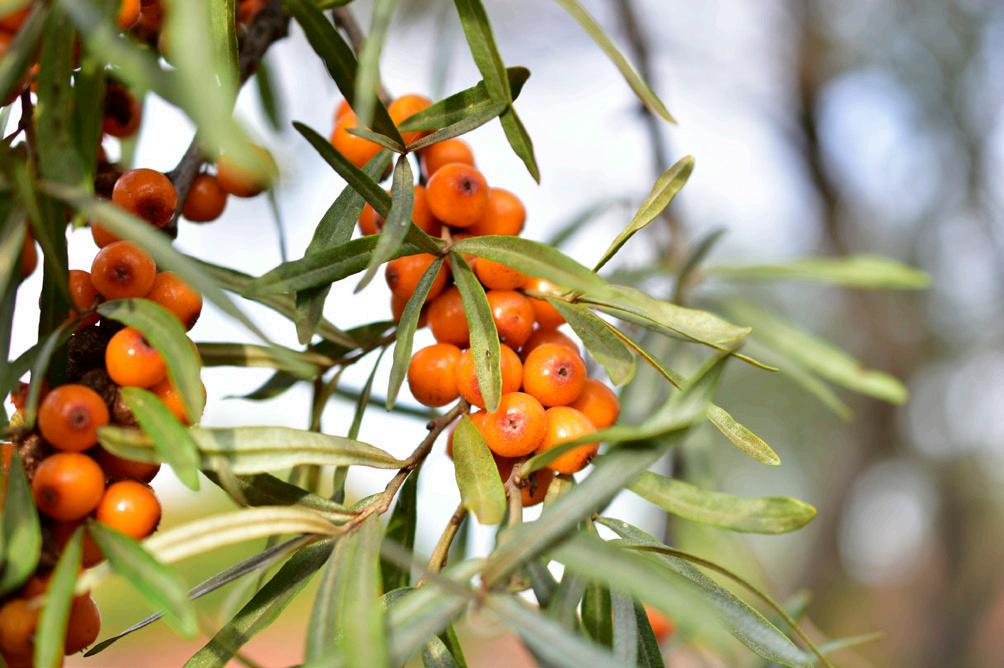
Sea buckthorn berries are a source of antioxidants with a unique nutritional profile that gives them commercial potential as a bioactive-rich “superfruit”, say Canadian researchers.
Their findings highlighted the presence of key polyphenolic compounds in sea buckthorn pomace and seeds, each boasting potential health benefits, from cardiovascular protection to antiinflammatory properties.
Importantly, geographical factors influence the polyphenolic profile of sea buckthorn berries; the researchers identified several distinct compounds with enhanced bioactivity that are only contained in the sea buckthorn cultivar grown in Newfoundland.
Moreover, sea buckthorn extracts demonstrated promising in vitro antidiabetic and anti-obesity potential, paving the way for further investigation into their mechanisms and potential therapeutic applications.
“This is a first step in understanding how sea buckthorn polyphenols can modulate our physiology in a beneficial manner,” said study author Renan Danielski, a PhD student at the Memorial University of Newfoundland in Canada.
“Future research needs to focus on understanding the mechanisms behind those effects and further experimentation using animal models and humans.
“If these effects are confirmed in vivo, we can envision the use of sea buckthorn polyphenols for therapeutic and pharmacological purposes, aiding in the prevention and treatment of diabetes, obesity, and many other conditions.”
Sea buckthorn, a deciduous, thorny plant found along the coasts of north-western Europe as well as temperate regions of central Asia, was introduced to Canda in the early 2000s following research by governmental agencies into the crop’s commercial potential.
Its berries and leaves are widely used for their nutritional, pharmaceutical, and functional properties. Sea buckthorn oil is rich in omega-3 and omega-6 fatty acids, vitamins A, B, and E, and polyphenols.
The study, which was published in the Society of Chemical Industry’s Journal of the Science of Food and Agriculture, highlights the shrub’s untapped potential in North America.
Danielski said: “Sea buckthorn is a unique crop with vast potential for utilisation. Popular in Asia and north-western Europe, there is an opportunity to replicate this success in North America by leveraging the unique qualities of locally grown varieties.”
Motivated by the experimental status and limited commercialisation of sea buckthorn in North America to date, the researchers set out to characterise the unique composition of polyphenols, a class of compounds with antioxidative properties, in Canadian cultivars.
“Understanding how our cultivar compares globally can help communicate the benefits to consumers and establish a market presence,” said lead author Fereidoon Shahidi, professor of biochemistry at the Memorial University of Newfoundland.
The researchers hope that their findings might pave the way for harnessing sea buckthorn berries as a valuable source of natural antioxidants in North America.
As consumer interest in functional foods and nutraceuticals continues to grow, sea buckthorn presents itself as a sustainable and health-enhancing option, they argue.
“Sea buckthorn berries grown in Canada showed promising health benefits induced by their rich and diverse polyphenolic profile and need to be considered for further commercial expansion as a bioactive-loaded superfruit,” the study authors concluded.
Click here to book your ticket