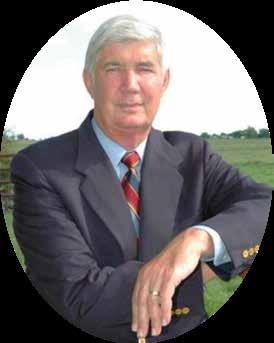
In an age where the rush of daily news often overshadows the deeper narratives that shape our community, the Georgetown View constantly strives to be an eager beacon of positivity and unity. Far more than just a lifestyle magazine, our publishers and staff are committed to creating a means of getting to know what makes our community thrive: its people and their impact.
Since its inception, the Georgetown View has not only reported on the great stories and people in our city but also taken pride in actively contributing to its enrichment. Through donations exceeding $60,000 in advertising, we have extended our support beyond the printed page to organizations that further amplify the voices of those who work tirelessly to make a difference, ensuring their missions reach as many eyes and hearts as possible.
But we are also good at doing what we do–showcasing prominent community agencies and initiatives like ROCK, Georgetown ISD students, FFA, 4-H, and many more on our covers and in multi-page features. These not only celebrate their contributions but also inspire readers to personally engage and participate in the missions of these community pillars.
In every story, from first responders and veterans to the latest city events and programs, our purpose is to foster a sense of pride and connection. In addition to these, this "Giving Thanks and Giving Back" issue shines a spotlight on local nonprofits and philanthropic efforts, reminding us of the power of community support and the importance of gratitude.
In short, we believe the Georgetown View is more than a magazine; it is a vital part of the community’s fabric that spotlights advocacy, education, and celebration. We hope you will agree it stands as a testament to what we can all achieve when we choose to focus on the positive and the possible.
PUBLISHER
Cathy Payne
cathy@georgetownview.com
SENIOR WRITERS / CONTENT EDITORS
Charlotte Kovalchuk • Ann Marie Kennon
CONTRIBUTING WRITERS
Linda A. Thornton • Steve Fought • Thomas Graham
CONTENT MANAGER
Camy Reynolds
GRAPHIC DESIGN
Sandra Evans • Ann Marie Kennon
Marilee Goldoni
BUSINESS DEVELOPMENT
Jesse Payne
WEBMASTER
Ann Marie Kennon
ADVERTISING
512.746.4545 info@georgetownview.com
Georgetown View is a Fidelis Publishing Group, LLC publication and a product of AdvocateNewsTX Newspaper.
Mail may be sent to: Georgetown View P.O. Box 203 • Jarrell, TX 76537
SCAN THE CODE FOR E-SUBSCRIPTION AND NEVER MISS AN ISSUE.
FOLLOW US ON FACEBOOK FOR FOLLOW-UPS AND OUTTAKES GeorgetownViewMagazine
Amplify Your Reach!
In today's dynamic market, visibility is key to success. We invite you to explore the power of diversification by previewing and investing in advertisement spaces across our diverse range of magazines. Each publication in our portfolio offers a unique audience, ensuring your message resonates with a wider, yet targeted demographic. Seize this opportunity to broaden your reach, enhance brand recognition, and connect with potential customers in new, impactful ways. Let's collaborate to make your brand a household name.
CONTACT US • 512-746-4545 • INFO@GEORGETOWNVIEW.COM
THE HOLIDAY ISSUE
The 2019 Capitol Christmas Tree dazzled 6,000 visitors at the Historic Williamson County Courthouse at a quick whistle stop en route from New Mexico's Carson National Forest to Washington DC. Driver Ricardo Martinez said Georgetown was his biggest celebration up to that point in his trip.
See more about special trees on p. 48
A PRO
Meet our Pros — professionals, business owners, and subject matter experts from leading local companies who share their knowledge and expertise to bring readers practical advice, how-to tips, best practices, and current and emerging trends. To learn more about becoming a Featured Professional, contact info@georgetownview.com or 512-746-4545.
Aqua-Tots Swim School Round Rock
The largest international provider of year-round, indoor swim instruction dedicated to teaching water safety through our proven curriculum.
Aqua-Tots.com/Round-Rock 512-336-8687
Austin Orthopedic Institute Board-certified orthopedic surgeon specializing in sports medicine, joint reconstruction, and orthopedic trauma, with over 15 years of surgical expertise.
AustinOI.com 512-856-1000
Doleva Elite Tree Certified Arborists to care for your trees! Our large equipment makes jobs efficient and economic, and prevents damage to lawn or property. Serving Georgetown since 2009.
DolevaEliteTree.com 512-943-8733
Hall's Roofing & Sheet Metal, LLC
Family owned since 1939. Roofing professionals specializing in full-service roof repair, installation, and replacement.
HallsRoofing.net 512-864-7579
Inner Space Cavern
One of the best preserved caves in Texas, Inner Space Cavern has hosted hundreds of thousands of visitors since 1966 and offers a variety of activities year round.
InnerSpaceCavern.com 4200 S IH-35 Georgetown
Prime Wellness and Longevity
Personalized hormone therapy, weight loss, and wellness plans to help clients optimize health, boost energy, and feel their absolute best.
PrimeWellnessand Longevity.com 512-240-4456
DTC Air Conditioning
DTC provides advanced HVAC solutions with Carrier® factory-authorized service, expert technicians, and a commitment to innovation, training, and 100% customer satisfaction.
DTCTexas.com 512-887-5091
Keller Commercial & Home Services
Experts specializing in maintenance, enhancement, and design. Armed with cutting-edge tools and programs — driving rapid growth in architectural landscaping.
KellerServicesTX.com 512-930-4769
Sky & Co. Jewelry
Handcrafted elegance meets modern meaning. Sky & Co Jewelry creates minimalist pieces with lasting impact—designed to celebrate individuality, intention, and the stories you wear.
SkyCoJewelry.com 512-254-9337
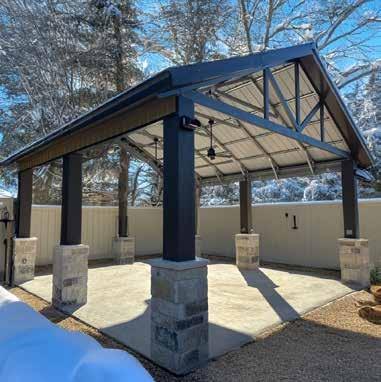
Moore Liberty Buildings Chad & Amanda Moore
Thousands of structures built since 2015.
MooreLibertyBuildings.com 512-548-6474
NextGen Academy Empowering students with cutting-edge technology and innovative teaching methods to foster creativity, critical thinking, and future readiness. NextGenAcademy.school 13915 US 183 Austin, TX 78717
The Wesleyan Providing a new, bountiful experience of aging full of purpose, passion, and possibility for more than 50 years.
TheWesleyan.org
Wild Birds Unlimited
Expert advice, quality seed, and feeders. Let us provide joy to you and your backyard birds. We bring people and nature together and do it with excellence. GeorgetownTX.wbu.com (512) 763-1081
ARE DELIVERING POLICY VICTORIES FOR TEXAS AND PRESIDENT TRUMP
Passed President Trump’s Working Families Tax Cuts to make tax cuts permanent and keep more money in Americans’ pockets
Ending uneccessary regulations to drive down gas prices
Funding the expedited removal of criminal illegal aliens to keep our streets safe and restore law and order
A Life Built on Service
Grounded in Family and Faith
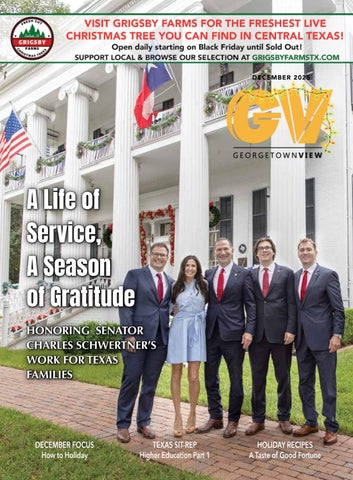
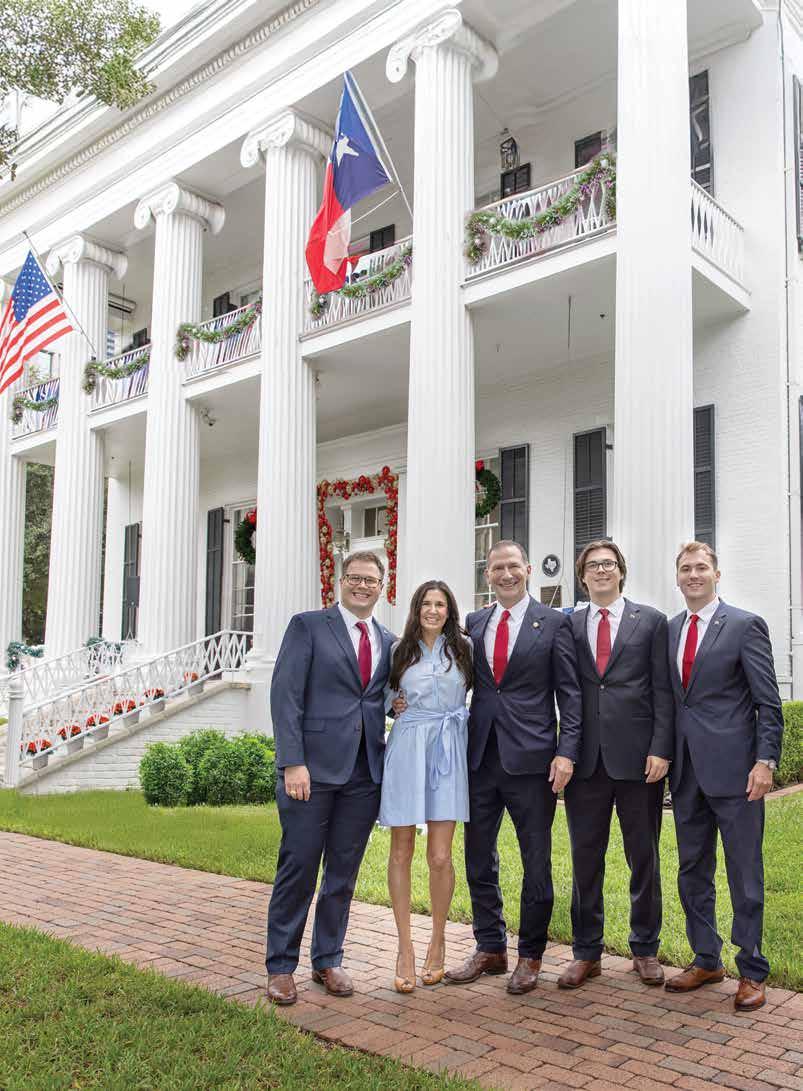
Senator Charles Schwertner's Texas roots, medical and political career, and legislative work continue to shape the lives of families across the state.
Charles Schwertner is a sixth-generation Texan born into a long line of farmers and ranchers whose deep roots shaped his commitment to hard work and service. His ancestors arrived from Austria around 1877, settling in the area now known as Schwertner, Texas. His father, a decorated officer in the U.S. Air Force, and his mother, a mental-health nurse, instilled in him both a love of country and a lifelong commitment to helping others.
Growing up, Schwertner spent time serving others in his grandfather’s pharmacy and working alongside his father on the family ranch, experiences he credits with shaping his values and strong work ethic. This close-knit, multi-generational Texas upbringing continues to influence his life, work as a physician, and dedication to public service.
His wife, Belinda, was his medical school sweetheart. After completing her residency in obstetrics and gynecology,
she dedicated her practice to caring for patients throughout Williamson County and the greater Central Texas region. Following a successful medical career, Belinda later earned her Juris Doctor from the University of Texas School of Law. The couple resides in Georgetown, Texas, where they raised their three adult sons, Carson, Zachary, and Matthew.
Path to Medicine
Schwertner’s path to medicine began with a B.S. in Pharmacy from the University of Texas at Austin, making him the only pharmacist in the Texas Legislature. He then attended medical school at the University of Texas Medical Branch at Galveston, where he also completed his orthopedic surgery residency. For more than two decades, he’s helped restore mobility and improve patients’ quality of life across Texas. Even while serving as a state legislator, he continues to treat thousands of patients each year.
As a physician legislator, his medical background lends him credibility among peers and constituents, particularly when addressing health care related issues. His experience and expertise give him insight into health policy, regulatory issues, and reforms needed to ensure patients stay in control of their healthcare decisions.
Caring for the Most Vulnerable
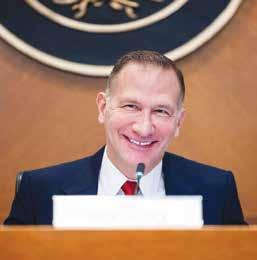
Dr. Schwertner was first elected to serve the people of House District 20 as a member of the Texas House of Representatives in 2010. In 2012, he was elected to serve Senate District 5—an 11-county region.
One of Senator Schwertner’s most notable legislative accomplishments has been his work to reform the child-welfare system. While serving as Chair of the Senate Health & Human Services Committee (2014-2019), he championed legislation to improve how the state cares for children in foster care and address deficiencies within the system.
In 2017, Senator Schwertner authored landmark legislation that requires children entering foster care to receive comprehensive assessments within 30 days, mandates faster medical exams for children removed from unsafe environments, streamlines investigations of abuse and neglect, and encourages community-based, non-profit case management for high-needs youth.
Recognizing that vulnerable children represent the state’s single greatest responsibility, the Senator sought solutions that prioritize accountability and collaboration with faith-based and community organizations. His approach reflects a deep belief in giving children the stability and care they deserve, helping them stay closer to home and ensuring they receive the support necessary for healthy development.
During this holiday season, we pause to give thanks, provide, and care for those less fortunate.
~ Senator Charles Schwertner
Long-Term Impact
Senator Schwertner continues to witness the difference such efforts make through organizations like the Williamson County Children’s Advocacy Center, which provides hope, healing, and justice for children and families affected by abuse and violence. The work of these organizations is critical, ensuring vulnerable children receive the support, protection, and opportunities they need to build brighter futures. Earlier this year, he visited the Williamson County CAC to deliver a $65,000 check raised during his Governor for a Day celebration, a record-breaking effort that contributed more than $260,000 to programs supporting children and veterans across Senate District 5.
Serving Texans Today and Tomorrow
Today, Senator Schwertner serves as Chairman of the Senate Business and Commerce Committee, overseeing policies in energy, banking, technology, insurance, and telecommunications. He also serves on the Senate Committees on Finance, State Affairs, Economic Development, and the Legislative Budget Board.
From the pharmacy counter and the family ranch to the operating room and the Senate Floor, the senator's life reflects a continued commitment to hope, healing, and service. Whether in the clinic, the legislature, or the community, he strives to strengthen families and ensure the most vulnerable Texans receive the care and support they need to thrive.
by Ann Marie Kennon
The For-All-Ages Mocktail Movement
The idea of a “cocktail without the spirit” has fully stepped into the spotlight—whether you’re 16 or 60, there’s plenty of reason (and fun) in raising a no-alcohol glass this holiday season. Across menus and home bars alike, mocktails are having a moment, driven by wellness goals, inclusive entertaining and fresh flavor innovations.
Let’s start with *why*. People are more mindful these days—sleep, hydration, recovery, and clarity matter. The mocktail (or “zero-proof” as many bartenders prefer) offers the social ritual of a drink without the next-day drag or exclusion of younger guests. At the same time, mixologists and home cooks alike are embracing deep flavor profiles: bitter, herbal, fizzy, bold—not just juice and soda.
And for the holidays? These are the perfect drinks to keep in rotation. Think warm spices and bright citrus, bubbly bases and garnishes that sparkle—just without the alcohol. Here are some of the best ideas and fun names that can work for your whole gathering.
Trendy Ingredients + Flavors
Sparkling or herbal tea base: Green tea or hibiscus tea serve as more complex backdrops than plain soda.
Botanical ‘spirits': Non-alcoholic spirit alternatives (think gin or amaro style) are being used to bring depth.
Seasonal fruits + herbs: Cranberry, pomegranate, rosemary, ginger, lime—making the drink feel festive and grown-up.
Low-sugar and functional tweaks: Using sugar-free syrups, fresh herbs, even sleep-supporting ingredients like tart cherry juice.
Fun Holiday Mocktail Names & Recipes
Snow Day Spritz: Sparkling water (or non-alcoholic prosecco substitute), a splash of white cranberry juice, fresh lime and a sprig of rosemary.
Yule Be Sober: Pomegranate juice, ginger beer, a squeeze of lemon, topped with sage leaves (herbal and bright).
Silent Nightcap: Chamomile-infused iced tea, honey syrup, lime, fizzy soda — a mellow but elegant option for younger guests or later-night sipping.
Merry Mule: Ginger beer, cranberry juice, lime, mint—served in a copper mug for that cocktail feel with zero alcohol.
For the kids or anyone who prefers something gentle: Jingle Bell Lemonade: Homemade lemonade (fresh lemon + water + light syrup) enhanced with muddled raspberries and topped with sparkling water; add a sugared rim for festive flair.
Why It Works for All Ages & Gatherings
Your youngest guests get something fun, adult-looking (and Instagram ready!) without feeling sidelined.
Adults who aren’t drinking can still sip something crafted and special—not just “juice.”
Hosts stay inclusive: everyone feels part of the toasting moment, no one left out.
And with the flavor depth and presentation upgrades, no one feels like they’re sacrificing sophistication for sobriety.
Quick Hosting Tips
Set up a mocktail bar station: one or two signature drinks, a garnish tray (berries, citrus wheels, herbs) and sparkling water choices.
Pre-make the base mixture (minus fizzy water) so you’re not scrambling when guests arrive.
Use festive glassware — tall glasses, copper mugs, sugared rims — so the drink feels intentional.
Label the drinks: let people know “Snow Day Spritz – non-alcoholic” so there's no confusion and everyone can feel part of the fun.
In short: This holiday season, serving smart, great-tasting mocktails is more than just a nod to wellness—it’s a celebration of flavor, style and inclusive hospitality. Whether it’s a cozy night on the porch or a fullblown party, pick your name, pour your mocktail, and raise the glass. No spirits required.
by Ann Marie Kennon
Former Williamson County Judge
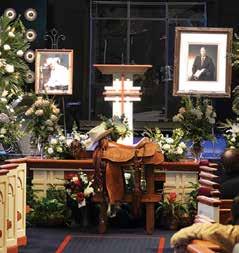
Dan Allred Gattis passed away on October 30, 2025, surrounded by family—the same circle that always stood at the center of his life. He was 83. A fifth-generation Texan named for two former Texas governors (Dan Moody and James Allred), his handshake was as steady as his convictions. He built a life devoted to faith, family, public service, and the future of Texas agriculture.
Gattis began his career in 1964 as an Ag teacher at Round Rock High School, where his mix of discipline, humor, and heart inspired generations of young Texans. From that classroom, his influence rippled outward—to the TEA, the Houston Livestock Show and Rodeo, and eventually to the helm of Williamson County. At every stop, he led with humility, common sense, and a quiet confidence that earned him a reputation as one of Texas’ most respected stewards of community and character.
TEXAN
During his 30-year tenure as president and CEO of the Houston Livestock Show and Rodeo, Gattis guided the world-famous event through unprecedented growth and transformation. Under his leadership, the show expanded its scholarship and youth programs, broke attendance records, and cement-
The Honorable Judge Dan A. Gattis
A Legacy of Leadership, Faith, and Texas Grit
ed its reputation as a celebration of western heritage and generosity. The show’s enduring success—and millions in scholarships for Texas students—stand as a testament to his vision, discipline, and belief in investing in the next generation.
STATESMAN
In 2006, Williamson County voters entrusted him to serve as their county judge, a role he held for more than a decade. He led our fast-growing county with the same blend of rancher’s grit and statesman’s grace that defined his life. He championed infrastructure, mobility, and public safety, and was instrumental in founding the Williamson County Fair & Rodeo, ensuring local families would always have a place to celebrate community, agriculture, and youth achievement.
Judge Bill Gravell, his immediate successor, shared: “[He] was a remarkable leader, mentor, and friend. During my time as county judge, I often sought his wisdom—especially when it came to economic development. I’ll never forget one conversation in particular. I was discouraged and ready to walk away from a major project—what would later become Samsung. Without revealing the company’s name, I asked for his advice. Judge Gattis asked me just one question: ‘Bill, will this company have a significant impact in the school system where they’re building?’ I said yes. He replied, ‘Then you have no choice. You have to do the project. From what you’re describing, it will impact generations to come.’ And Judge Gattis was right. His legacy will continue to shape our community for generations, just as his wisdom shaped so many of us who were blessed to know him.”
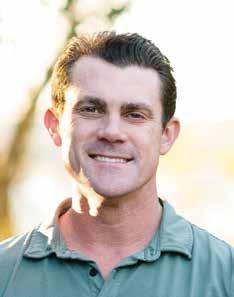
With much grace and humor, “Little" Dan Gattis (pictured), reflected on his father’s lifelong habit of surrounding himself with excellence. “I always tell my daughters, ‘You become who you hang around with...Dad spent his life among legendary singers, rodeo riders, and businessmen—and somewhere along the way, he became a legend himself.”
LOVING FAREWELL
A warm and laughter-filled service was held in the grand sanctuary of First Baptist Church of Georgetown, attended by more than 30 family members, and hundreds from the community. Eulogies by former county commissioner Larry Madsen, Dan, and Pastor Joe Ward included many stories—whether shared about Judge Gattis or his own favorites re-told—painted a picture of a man who captured the best of Texas: the cowboy’s grit and the businessman’s vision, the rancher’s heart and the statesman’s wisdom. The service reflected everything that makes Texas feel a little closer to heaven—faith, honesty, integrity, tradition, and love.
Judge Dan Gattis leaves behind a Texas made better by his leadership and a family made stronger by his love—a man who worked hard, loved and served Jesus, and left the gate open for the next one coming up behind him.
by Ann Marie Kennon
AROUND THE WORLD in 12 Bites
NEW YEAR'S Luck and Let’s-Try-This-Again Energy
If there’s one thing humanity agrees on, it’s that good fortune can’t resist a well-timed snack. From noodles that promise longevity to peas that look like coins, cultures everywhere have found ways to chew their way into a better year. So grab your fork (or chopsticks, or hands—no judgment) and take a tasty little tour of global good luck traditions. After all, this might finally be the year our fortune cookies mean it.
Hoppin’ John
In the American South, black-eyed peas, greens, and cornbread form the trinity of New Year’s luck: peas for coins, greens for cash, and cornbread for gold. A humble plate that quietly whispers, “You got this.” In Europe, they focus on the greens, which symbolize wealth and prosperity as they have a shape resembling folded money. The more you eat, the more "green" comes your way.
Grapes at Midnight
In Spain, it is customary to eat one grape for each clock chime at midnight. Sweet grape, sweet month. Sour grape—brace yourself for March. Practice chewing fast if you plan to keep up.
Lentils and Sausage
In Italy, tiny coin-shaped lentils symbolize prosperity, and since pigs always root forward, pairing them with pork (cotechino) represents progress, stability, and optimism for the year ahead. In Germany, the tradition expands with sauerkraut for blessings (and a little
gut health), plus the occasional marzipan pig — arguably the world’s cutest good-luck charm. Meanwhile, in Brazil, lentils return to the menu alongside seven pomegranate seeds for wealth, and those celebrating by the sea take their luck one step further, leaping over seven ocean waves to make sure fortune follows them ashore.
Cozy Good-Luck Soup
In France, velouté de marrons (chestnut soup) is more than winter comfort food. Chestnuts symbolize endurance and prosperity. Once a staple food in the poorer mountain regions, they now represent abundance restored. Serving chestnut soup at New Year’s honors that transition: from scarcity to plenty, from old year to new.
Long Noodles
In China, Japan, and elsewhere around East Asia, long noodles are eaten without cutting or breaking them—the long strands are believed to stretch one's lifespan. Breaking a noodle early is said to cut your luck short. Slurp responsibly.
Dumplings and Fish
The Chinese don't celebrate on the same day but they do have dumplings shaped like gold ingots to bring wealth. A whole fish promises “surplus.” Leave a bite uneaten so abundance carries into the next year. Discipline never looked so delicious.
Round Food
Circles have long symbolized life coming full circle—no corners, no endings, just endless possibility. In the Philippines, it’s tradition to welcome the year with 12 round fruits to represent twelve prosperous months. Bonus luck if you wear polka dots while eating them; after all, circles are everywhere this time of year — coins, bubbles, joy itself.
SERVING SUGGESTION
Mix and match these superstitions freely—lentils for lunch, grapes for dessert, noodles at midnight. The only real rule is to start the new year with something you love to eat… and maybe a side of hope that this time, it sticks.
BAD LUCK BITES: WHAT NOT TO EAT
Every culture has its edible charms for a lucky new year — but just as important are the foods you *don’t* touch. Superstition may be the world’s oldest dietary restriction, and it’s surprisingly practical: avoid anything that pokes, pinches, claws, or goes backward.
Sharp-Boned Fish: Not all seafood swims toward fortune. In parts of Asia, spiny or bony fish are avoided for fear that their sharp fins or bones might “pierce” your good luck. Stick to softboned fillets and fish that swim forward — symbolic of progress and smooth sailing.
Birds with Claws or Wings: Across Europe and Latin America, chicken and turkey stay off the table. Birds scratch backward while they feed, which some say sends your luck in reverse. The rule
of thumb: eat like you mean to move forward.
Lobsters and Crabs: They might be luxurious, but their backward or sideways crawl is considered a bad omen in Italy, Portugal, and several coastal cultures. Add in those sharp shells and claws, and you’ve got a recipe for “cutting away” prosperity.
Spiky Foods and Decor: Durian, sea urchin, or even a decorative cactus centerpiece? Hard pass. Anything covered in
spikes is believed to invite tension and prickly relationships. A smooth start to the year begins with a smooth surface.
Breaking Bones: Some traditions skip ribs or other bone-heavy meats, fearing that cracking bones could symbolize fractured relationships or broken fortune. Instead, serve whole dishes — whole fish, whole loaves, whole hearts — and keep the blessings intact.
Moral of the menu: Save the spines and claws for later. On New Year’s Day, you want your food — and your future — to move only one way: forward.
HIGHER EDUCATION REFORM
The assassination of Charlie Kirk and the subsequent public celebration of political violence by some individuals within the higher education sector revealed a deep and systemic problem. It demonstrated a cultural breakdown in which intimidation and outrage have too often replaced the open, respectful exchange of ideas that defines a free society.
Texans expect colleges and universities to provide students with the tools they need to participate in an educated society and make a life for themselves in a fulfilling career. They also expect that our public colleges and universities will do so in a transparent and accountable manner. However, in recent months, the nation has witnessed troubling scenes that strike at the heart of those expectations.
Reports of foreign influence in our higher education research institutions and recent social media posts showing professors departing from their established course descriptions to impart personal opinions as fact have reinforced the perception that accountability is lacking and has further eroded confidence in public institutions of higher education.
Though the most egregious examples of these issues have come up in the last few months, the Texas Legislature has been tracking them for years and acted earlier this year to set up a permanent framework to root out the woke agenda that has infected our higher education institutions.
As Chairman of the House Higher Education Committee, it was my honor to pick up the baton of Higher Education Reforms from the previous session, building on their success of reforming tenure and keeping men out of women’s sports. Over this three-article series, I will be going over the issues of transparency, free speech, foreign influence, and the bills that addressed them.
First, let’s lake a look at SENATE BILL 37, which will help ensure long term transparency and accountability without inhibiting our higher education institutions from fulfilling their true purpose. The legislation took effect September 1, 2025, with most provisions being implemented fully by January 1, 2026.
A COMPREHENSIVE FRAMEWORK
SB 37 equips institutions with a comprehensive set of tools to ensure integrity across curriculum, governance, and leadership.
Each university or college system is governed by a Board of Regents appointed by the governor. These highly qualified citizens who come from outside of the bureaucracy provide oversight for the schools within the system and select the leadership of each institution.
SB 37 tasks Boards of Regents with conducting a review of all general education curricula every five years, confirming that courses are foundational, affordable, and relevant to civic life and workforce needs. Degree and certificate programs with persisting low enrollment or little labor-market demand must be justified or consolidated. To reduce inefficiencies, courses not taught in two consecutive years may be removed from catalogs, preventing unnecessary offerings that delay graduation and add costs.
The law also clarifies the role of faculty senates, which, in the past, often varied widely across institutions. The legislature made this change because, as former Chairman of the Senate Committee on Higher Education, Brandon Creighton, noted:
“For too long, unelected faculty senates have operated behind closed doors, steering curriculum decisions, influencing institutional policy, issuing political statements…, and even organizing votes of ‘no confidence’ that undermine public trust.”
SB 37 reaffirms that Faculty Senates are advisory bodies only, operating under rules adopted by governing boards. Furthermore, leadership accountability is strengthened through mandatory annual evaluations of academic leaders and board participation in presidential searches.
Regents will now receive enhanced training on fiduciary duty, budgeting, and oversight to ensure consistent, informed governance across every system in the state.
ACCOUNTABILITY
Another central piece of SB 37 is the creation of an Office of the Ombudsman within the Higher Education Coordinating Board. For the first time in history, students, faculty, and administrators will have an independent office outside campus bureaucracy to resolve complaints involving governance, curriculum, or hiring. The ombudsman is appointed by the Governor, operates under strict statutory timelines, and may recommend withholding state funding if institutions refuse to comply with law or board approved policies.
By establishing a formal channel for grievances outside of any one university system, the ombudsman ensures that no grievance brought forward by a student, professor, or administrator will go unheard, while strengthening the due process rights of those against whom complaints are made.
That stronger independent process comes with greater accountability. Should an institution fail to comply with the ombudsman’s ruling, the state will withhold all funds until they adhere to the ombudsman’s ruling and come into compliance with state law.
Together, these measures provide a clear, uniform process for accountability while protecting due process for all involved.
IMPLEMENTATION UNDERWAY
Implementation is already underway. Governing boards have dissolved faculty senates as required by September 1, 2025, and are now preparing for the full governance and curriculum obligations that take effect January 1, 2026.
Two of our flagship institutions, the University of Texas Austin and Texas A&M University, have fully dissolved their faculty senates, choosing to find more productive ways to preserve faculty input while ensuring decision-making rests with publicly appointed regents. Other institutions have chosen to re-establish their faculty senates, but have done so under the new framework, with clearly established boundaries between the duties of faculty and of the administration.
In the new year, regents will assume expanded authority over hiring; institutions will begin the new curriculum and low-enrollment program reviews; presidents will complete annual evaluations of key academic officers; and shared governance will be formally redefined to affirm regent authority. The Coordinating Board is setting up the ombudsman’s office, which will begin accepting complaints in early 2026.
Together, these steps form the foundation for the broader, long-term vision that this landmark legislation will achieve.
A LONG-TERM SOLUTION
SB 37 was not written for a single moment or single controversy. It represents the culmination of years of work to build a structure of accountability and transparency that can endure across administrations and political climates.
The Select Committee on Civil Discourse & Freedom of Speech in Higher Education now carries that vision forward, bringing together students, educators, law enforcement, and state leaders to confront the real challenges of campus culture today: the silencing of dissent, the erosion of civil discourse, and the growing acceptance of violence. These are not partisan issues, they are moral imperatives that define who we are as a free society.
Transparency, accountability, and due process are the foundations of public trust. Through SB 37 and the ongoing work of the Select Committee, Texas is proving that it is possible to defend open expression, maintain order, and honor the rights of every student and educator under the rule of law.
NEXT ARTICLE: Civil Discourse and Freedom of Speech in Higher Education
In September of 2025, following the assassination of Charlie Kirk, Speaker Burrows and Lieutenant Governor Patrick came together to form select committees to examine civil discourse and freedom of speech in higher education, and asked me to serve as chairman of the House’s committee.
In my next article, I will be laying out the work our committees will be doing over the next year, as well as giving an overview of Senate Bill 2972, which passed earlier this year, and how it addressed many of the free speech issues that have developed at our universities over the last few years.
Celebrate the Season at Grand Endeavor Homes’ 4th Annual Holiday Event
Grand Endeavor Homes is excited to welcome the community to the beautifully crafted model home in The Canyons at HCH Ranch. Each year, this festive gathering brings neighbors, friends, and the community together for an evening of great food, drinks, and conversation.
Guests can look forward to delicious bites, beverages, and a lively atmosphere designed to showcase not only the holiday spirit but also Grand Endeavor Homes’ commitment to community connection. Attendees will have the chance to win exciting raffle prizes, including a Turtlebox speaker, Kendra Scott jewelry set, Apple Watch, BrüMate cooler, and a wine and charcuterie basket.
The highlight of the evening is the grand prize: a getaway to a stunning beachside home in Port Aransas, offering the perfect opportunity to relax and recharge.
A special addition to this year’s event is an exclusive $5,000 Design Center Incentive offered to anyone who attends. This incentive is valid on new contracts signed with Grand Endeavor Homes through December 31, 2026.
Whether you're a realtor, future homeowner, or a member of the community who loves a festive night out, this event is the perfect way to ring in the season and experience the exceptional craftsmanship Grand Endeavor Homes is known for (QR code). Mark your calendar, gather your friends, and join the celebration at The Canyons at HCH Ranch.
by Charlotte Kovalchuk
The Evolution of the Christmas Tree
How a Simple Evergreen Became a Global Symbol of Joy
Towering evergreens strung with lights, glass baubles, and family heirlooms—few sights capture the spirit of the holidays quite like the Christmas tree. Today, it stands proudly in homes, city squares, and shopping centers around the world. But this glittering tradition has deep, surprising roots that stretch back centuries and across continents.
WHERE IT ALL BEGAN
The story begins in 16th-century Germany, where devout Christians began bringing decorated trees into their homes. These early evergreens were simple by modern standards—adorned with apples, nuts, and candles instead of garlands and ornaments. The apples echoed an older medieval custom: during “Paradise Plays” performed on Christmas Eve (which was once celebrated as Adam and Eve’s Day), evergreen boughs hung with fruit symbolized the Tree of Knowledge from the Garden of Eden.
EARLY SPARKS OF TRADITION
Before long, the idea of the decorated tree spread across Europe. In Alsace, France, local markets sold small firs limited by law to “eight shoe lengths”—a modest four feet tall. Meanwhile, in Riga, Latvia, members of a mer chant’s guild were recorded in 1510 decorating a tree with roses, a symbol of the Virgin Mary, before burning it in celebration. These early trees carried both Christian and pre-Christian meanings, representing eternal life and the promise of light during the darkest season of the year.
MARTIN LUTHER AND THE LIGHT OF WONDER
One legend credits Protestant reformer Martin Luther with adding candles to the tree. Inspired by the way starlight shimmered through the branches of evergreens on a winter’s night, he supposedly brought a tree indoors and lit it with candles to share that wonder with his children—a gesture that forever linked Christmas trees with light.
ROYAL APPROVAL AND VICTORIAN ELEGANCE
As German families began to emigrate, they carried the custom with them. The Christmas tree reached England in the early 1800s but did not become fashionable until Queen Victoria and her German-born husband, Prince Albert, were sketched with their children around a decorated tree in Illustrated London News in 1848. The image captured the public imagination, and within a few years, Christmas trees had become a staple of British holiday décor.
FROM IMMIGRANT TRADITION TO NATIONAL ICON
Across the Atlantic, German settlers in Pennsylvania introduced the Christmas tree to America in the 1800s. Initially seen as a quaint ethnic tradition, it gradually gained popularity—especially after President Franklin Pierce displayed the first White House Christmas tree in the 1850s. By the late 19th century, department stores were selling ornaments, tinsel, and electric lights, making the once humble evergreen a centerpiece of modern holiday celebration.
CHRISTMAS TREES AROUND THE WORLD
Today, Christmas trees can be found everywhere from Tokyo to Rio de Janeiro, each culture adding its own flair. In
Ukraine, shimmering cobweb ornaments honor a folk tale about a poor widow whose Christmas tree was mysteriously decorated by spiders on Christmas morning. In the Philippines, trees are often adorned with parols—star-shaped lanterns symbolizing the Star of Bethlehem. Even the material has evolved: from real pine and fir to sustainable artificial versions, driftwood sculptures, and creative digital displays.
EVERGREEN SPIRIT: HOPE THAT ENDURES
More than 500 years since families in Germany first brought evergreens indoors, the Christmas tree continues to evolve—bridging old traditions and new technologies, faith and festivity, light and life. Whether standing in a quiet living room or glowing at the heart of a bustling city, it remains what it has always been: a symbol of hope that endures through the winter and beyond.
BRING THE TRADITION HOME
If reading about the centuries-old charm of Christmas trees has you dreaming of your own perfect evergreen, you don’t have to look far. Grigsby Farms in Salado is taking pre-orders for their 2025 Premium Fraser Firs, ensuring you get the height, fullness, and fresh-cut fragrance your family loves. Support a beloved local farm and reserve your tree early at GrigsbyFarmsTX.com
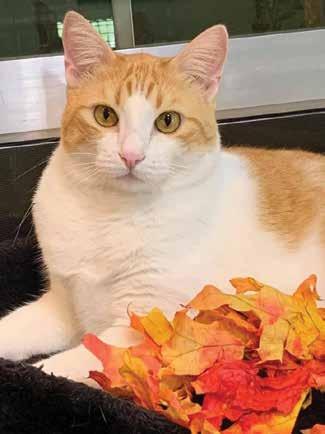
Let Your Pet Be Our Guest!
LEASHING HOPE
Shelter Program Provides Second Chances for Dogs and Veterans
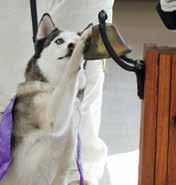
Many dogs enter the Williamson County Regional Animal Shelter (WCRAS) with broken trust in humans, and rebuilding that trust takes patience, guidance, and consistent care. That’s where Leashing Hope comes in. This unique 13-week program pairs shelter dogs with incarcerated veterans, using positive reinforcement training to boost the dogs’ adoption potential while helping veterans gain skills, confidence, and a renewed sense of purpose. The training is focused on basic manners training so they work on Sit, Down, Stay, Touch, Leave It, Recall, Watch, and loose leash walking.
PAW-SITIVE PARTNERSHIP
In 2024, the Texas Department of Criminal Justice’s Bartlett Innovation Unit reached out to WCRAS about launching a program that would train shelter dogs using positive reinforcement techniques with the help of incarcerated veterans. Shelter Director Misty Valenta recalls how both organizations quickly realized they shared the same vision: creating a program that would have a meaningful impact on both dogs and people.
During the 13-week program, dogs learn basic manners and social skills, helping them become more adoptable and eventually make their way into loving homes. The program’s positive reinforcement is about more than just teaching dogs commands—it’s about teaching communication, patience, and empathy, skills that benefit the veterans and the pets. “The program provides a second chance for the dogs by increasing their adoptability, and the inmates
who gain new skills and confidence,” says Leo Delgado, the shelter’s Community Engagement Coordinator. “At its core, this program is a trust-building journey. Through patience and consistency, participants help them rediscover safety, confidence, and connection.”
GRADUATION DAY: BIG WINS ON FOUR LEGS AND TWO
In November, WCRAS celebrated its third Leashing Hope graduation, honoring six dogs and 12 veterans who completed the program together. The out-
comes of this fall’s session have been heartwarming: one veteran already has a job lined up upon his release on parole, and Bartlett’s prison chaplain and two correctional officers have already adopted several of the dogs.
The veterans experienced their own life-changing transformations. One reflects, “[The dogs] have taught me to do things in a more gentle way. Love and kindness gets you a lot farther than being rude and angry.” Another participant drew a parallel between the dogs’ journeys and his own path: “I did whatever I did to get here. And our furry friends did whatever they did to end up where they were, and in a way it’s helping us both get out of cages.”
As the program prepares to welcome its fourth set of participants this month, Misty reflects on the larger purpose behind Leashing Hope: “We’re honored for the privilege to take part in building the kind of community we want to live in, by helping the people and the pets of our community.”
Resolve to Lead a Good Life
Nature’s seasonal cycle shaped ancient cultures and still influences the modern world. As the sun slowly disappears following the summer solstice (21 June), nature recedes, days become shorter, temperatures drop precipitously and bring forth the specter of a long, cold winter. Facing these prospects, early humans wondered if light and heat would ever return, and if life and the planet would survive the darkness and cold of the coming famine months.
Fortunately, as always, the sun begins its gradual return at the winter solstice (21 December). History is replete with examples of cultures that have celebrated the beginning of the sun’s return by ceremonies giving thanks for the bounties afforded them, to pay penance for past mistakes, and express hope for the future, often accompanied by personal resolutions for reform.
Over time, these behaviors have given birth to various rituals, religions, or philosophies that offer guidance for living, and promises to lead “a good life.” Among these many activities, three threads have stood the test of time.
DO UNTO OTHERS
The first is The Golden Rule: “Treat others the way you would have them treat you.” This rule asks a person to treat all people, not just members of their own group, with consideration. The Golden Rule asks us to transcend differences based on material possessions, physical appearance, or preconceived notions. Some scholars consider The Golden Rule to be the basis for the modern concept of human rights.
The Golden Rule can be found, in one form or another, in practically every religious or philosophical text. Matthew 7:12 states: “In everything, therefore, do to others as you would have them do to you, for this is the law and the Prophets”. Judaism’s Torah (Leviticus 19:18 among other places) establishes the principle of “loving thy neighbor;” Tobias (3rd Century BC) offers “Never do to anyone else anything that you would not want someone to do to you.” Islam (the Hadieth) stresses, “None of you has faith until he loves for his brother or his neighbor what he loves for himself.” Confucius states, “Do not do to others what you do not wish for yourself.”
The Seneca offers, “Treat your inferior as you would wish your superior to treat you.” The Golden Rule is axiomatic to civil behavior and maintaining civic order.
GENEROSITY
The second thread is altruism: An unselfish concern for the welfare of others. Altruistic acts are those taken for the good of the actions themselves, not for achieving self-worth or reward, or out of a sense of duty or loyalty to an individual or a cause. One displays altruism when one acts to promote someone else’s welfare, even at a risk or cost to themselves.
Altruistic acts can be simple and straight forward, or costly and high risk. For example, it is altruistic to help or provide assistance to those who are homeless, or to forego personal benefits to avoid causing harm to others with the understanding (and expectation) that the recipients can have no influence on your well-being, nor can you gain in other ways from your actions. By the same token, rescuing a stranger from a burning building or raging floodwaters, with significant risk to your own life, is altruism.
can shape the physical world. Idealism does not require nor is it frustrated by the fact that we do not live in a perfect world. But idealism does ask us to rise above the material aspects of our world and seek a higher level of existence for all based on principles, ethics, and moral values.
Idealism underpinned the founding of our country in terms of freedom of religion, the ability to govern ourselves, and the rights to life, liberty and the pursuit of happiness. Martin Luther King preached the ideals of racial equality and harmony, even in the face of harsh realities.
Altruism is a traditional virtue in many cultures, and a core aspect of various religious traditions such as Judaism, Christianity, Islam, Hinduism, Buddhism, Confucianism, and many others, and is closely related to the more common phrasing that: “To whom much is given, much is expected.”
A PERFECT WORLD
The third thread is idealism: Idealism is a rather complicated philosophical regime but, in simple terms it is based on a belief that ideas, rather than physical objects or observations,
Idealism supplements, complements, and incorporates altruism and the Golden Rule, but it’s often difficult to bridge the divide between idealism and realism. The rub is that reality pressures us to accept what we cannot change, but idealism assigns us a responsibility to change what we cannot accept. That’s expressed very well in a plaque one of my many bosses (Admiral Ron Kurth) had on his desk that read: When in peril, grab an oar. And pray toward heaven. But row toward shore.
The Golden Rule, altruism and idealism are three threads that weave together to form the tapestries of our cultures and even ourselves personally. The stronger the thread, the stronger the culture, or the individual. Much like what the ancients did with their various ceremonies and rituals, we can codify our commitment to live a good life by resolving to follow the Golden Rule, be idealistic in our aspirations, and altruistic in our hearts. That’s what resolutions are all about.
Gina and I offer our best wishes to you and yours for a wonderful holiday season and New Year, and that your resolutions will be worthy of your talents. And may you lead a good life throughout your years.
Go For It!
HOURS:
Pignetti’sRESTAURANT
SUNDAYS
The Texas Pledge
Honor the Texas Flag (It's the Law!)
I pledge allegiance to thee, Texas, one state under God, one and indivisible.
ONE PLEDGE UNDER GOD
Seventeen states have pledges to their flags, but Texas does what Texas always does—goes bigger. It’s the only state that requires public school students to recite the state pledge daily, setting the Lone Star apart once again.
In 1933, the pledge was introduced into Texas public schools after the Legislature formally adopted it. Since 2003, state law has required schools to lead the pledge in the classroom each day, with both the United States and Texas flags prominently displayed.
Each morning, students begin their day standing and reciting the pledge with their hands over their hearts. Intended to remind them of their civic pride, they face the flags and recite the pledge in unison. This is followed by a moment of silence at which time the students may reflect or pray.
The Texas flag is the oldest, unchanged state flag in the United States. It was adopted as the Republic of Texas flag in 1839 and became the state flag when Texas became the 28th state in 1846.
Leave it to Texas to never miss a chance to promote its community spirit. Most recently, “Don’t Mess with Texas,” originally an anti-litter campaign, caught on as Texas’ iconic slogan.
“Friendship” is Texas’ official state motto. Adopted in 1930, it is derived from “Tejas, the Spanish pronunciation of the Caddo Indian word for “friends” or “allies.
Our state pledge was also originally intended to support local patriotism, but it’s had its share of diverse perspectives throughout the years.
17 Words That Ignite Passion
EXPELLED!
Inspired by the NFL players who began kneeling during the National Anthem in 2016, India Landry did what she had done 200 times before. The black high school senior refused to stand when the Pledge of Allegiance and the Texas Pledge started on the PA system. But on that day in 2017, the principal of Windfern High School, outside of Houston, told her “That’s it, you’re out of here!”
This sparked India to file a lawsuit. She sued the school district and principal, alleging her rights to free speech were violated. Texas Attorney General Ken Paxton intervened, defending the state law requiring students to stand for the pledges unless excused in writing by a parent. The case was resolved through a confidential settlement and never went to trial.
OFFENDED!
In 2007, a North Texas couple filed a lawsuit on behalf of their three children who attended the Carrollton-Farmers Branch School District, citing that the phrase “under God” in the Texas Pledge violated the separation of church and state.
After the federal court in Dallas rejected the couple’s challenge to the wording, they appealed their case to the U.S. Court of Appeals. In 2010, the court found that both the Texas Pledge and the wording “under God” were constitutional.
VINDICATED!
In March 2022, a Texas student who refused to write the pledge as part of a classroom assignment won a $90,000 lawsuit against a teacher.
Today, the controversy has subsided. Texas is now one of four states, where students may opt out of reciting the pledge with a written request signed by a parent or legal guardian.
ATTENTION TO DETAIL
The 1933 pledge “Honor the Texas Flag of 1836; I pledge allegiance to thee, Texas, one and indivisible” incorrectly referred to the 1836 national flag, rather than the Lone Star flag. A bill to correct this error was introduced in 1951, but the legislature did not delete the words “of 1836” until 1965. The pledge was again amended in 2007, amending the wording to include “one state, under God.”
POP QUIZ
Test your knowledge about the Texas Pledge:
1. Is it mandatory for public schools to lead the pledge daily?
2. What state has the oldest, unchanged state flag in the United States?
3. Are private school students required to stand and recite the pledge?
4. Do most public schools in the United States provide the opportunity for students to recite the Pledge of Allegiance?
ANSWERS : 1. Yes. It is Texas law. 2. Texas! 3. No. Recitation depends on individual school policy, since private school students are not bound by the First Amendment. 4. Yes; 47 states offer the voluntary option of the daily recitation.
Tired of Just Treating Symptoms?
Blending the strengths of multiple healing disciplines, integrative medicine offers a comprehensive path to long-term health and resilience.
• Conventional and Alternative Therapies
• Personalized Treatment Plans
• Sustainable Solutions for Optimal Wellness • Cutting-Edge Leading Technology
Membership Discounts
WINTER ON ICE
Central Texas’ Top Rinks for Holiday Fun
DOWNTOWN SPINS, 40 mins RINK ON THE RAILS
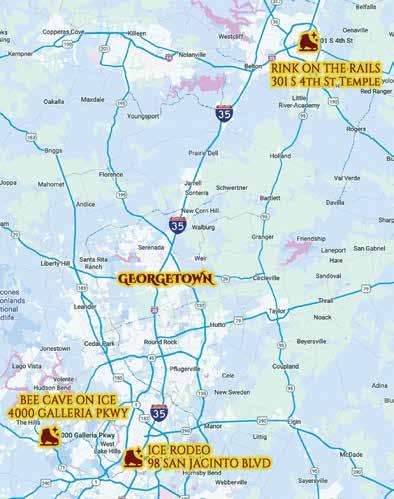
A brand-new attraction is rolling into downtown Temple this holiday season with the opening of Rink on the Rails, the largest outdoor ice rink in Central Texas, made entirely of real ice. Rink on the Rails—a nod to Temple’s railroad heritage and nearby Temple Railroad and Heritage Museum—will be open December 12 through January 4 at the MLK Festival Grounds, 301 S. 4th St. Hours are 11am - 8:30pm Monday through Thursday and Sunday, and 11am - 10:30pm on Friday and Saturday. For $12, visitors can lace up their skates—with skate aids available for $5—and glide, spin, and laugh their way into a new Christmas tradition. For more information, visit hollyjollytemple.com
Whether you’re planning a festive weekend afternoon with friends, fun family outing, or romantic date under the stars, Central Texas’ ice rinks offer winter fun for every occasion.
Discover Temple’s brand-new downtown ice rink, revisit Bee Cave’s cherished holiday tradition, or enjoy Austin’s most glamorous winter destination at the Four Seasons Hotel. Lace up your skates, grab a mug of hot cocoa, and get ready to hit the ice for a little holiday magic!
FROSTY FUN, 1 hour : BEE CAVE ON ICE
A beloved holiday tradition returns to Bee Cave as Bee Cave on Ice opens for the season from November 14 through January 19. Located behind City Hall at 4000 Galleria Parkway, the rink is a favorite spot for families, friends, and couples to celebrate the season with a little skating magic. Hours run Monday through Thursday from 3 - 9pm, Friday from noon - 10pm, and Saturday from 10am - 10pm. Tickets are $16 and include 50 minutes of skating with skate rentals Wednesdays through Mondays, with discounted Community Nights on select Tuesdays for $11.
Learn more at beecavetexas.org.
LAKESIDE LUXE, 1 hour ICE RODEO AT FOUR SEASONS
For some upscale holiday cheer, Four Seasons Hotel Austin welcomes guests to its outdoor rink featuring sweeping views of Lady Bird Lake. Open November 21 through January 4, it’s one of the city’s most picturesque settings for a winter escape located at 98 San Jacinto Boulevard in Austin. Beyond the ice, the hotel transforms into a magical winter wonderland with immersive holiday decor, art installations, and popup lounges. Visitors can wander through the holiday candy shop, admire the annual gingerbread display, slip into the winter pop-up speakeasy, and even enjoy a stay at one of the rinkside cabins. Holiday teas and lounge service start at 1pm each day, making the experience perfect for both daytime visits and evening skating under the stars.
Tickets and cabin reservations can be booked online at fourseasons.com/austin/ icerodeo.
Tips for Building an ADU, Casita, or Backyard Office
Dreaming of a quiet office space, steps from your home? Want to move mom close but not inside your home? Ready for a backyard entertainment space? Small accessory structures, separate from your main dwelling, are quite popular in Williamson County. If you’ve been thinking about building one of these versatile structures but don’t know where to begin, these key considerations will help you understand where to start.
ADU (Accessory Dwelling Unit) / Casita / Home office: Though they have different names usually assigned based on intended use these structures are fully finished with insulation, wall coverings, flooring, HVAC, electrical, and sometimes plumbing.
1. ARE YOU ALLOWED TO BUILD AN ADU ON YOUR PROPERTY?
Outside city limits, no HOA/POA usually yes. Check your property survey for any easements, building setback lines or other restrictions regarding building placement.
Outside city limits, inside a neighborhood HOA/POA it depends. Check with your HOA. One, large, local, master-planned community requires sheds to be no taller than 8’, while it allows ADUs to be over 11’ tall! Typically, you’ll want a peak roof height of at least 10’ to provide a comfortable indoor space.
Inside city limits You will need to check with the city to see if ADUs are allowed in your neighborhood. Cities are concerned about overall size, height, access, and permits. Yes, you will have to pull permits when building inside city limits.
2. DO YOU HAVE ENOUGH POWER?
ADUs typically need 220V, 60-150 amps of electrical service. An electrical inspection will determine if you have ample capacity to handle this additional load.
If you do not have enough power, you will need to upgrade your service.
3. WHAT ABOUT A BATHROOM?
If you’re on a septic system, you need to consider if you are adding load or just shifting it from using a bathroom in the house to the new building. Any septic changes are governed by a permit from the county.
If you are on a sewer system, you’ll tie the ADU wastewater into the sewer. Depending on where that drainpipe is located on your property, that can entail trenching through much of your property to make the connection.
Fresh water will also have to be routed from an accessible location on your property to the new building.
4. BUDGET?
If you have the space and clearance to build an ADU, the next step is to look at a budget. A basic backyard office/ workshop/hobby space is going to start at about $30,000.
A complete one bedroom, one bath casita with a kitchen is going to be pushing $150,000, if not more, depending on driveways, and masonry, plus electrical and plumbing connections. Larger units with 2-3 bedrooms and 2-3 bathrooms will be in the $300,000 range.
Whatever name you give your dream building, tackle these steps and you’ll be on the way to realizing your dream, and hearing, “It’s move-in day!”
Wesleyan Providing a new, bountiful experience of aging full of purpose, passion, and possibility for more than 50 years. TheWesleyan.org
Q: HOW CAN WE PREPARE EMOTIONALLY FOR THE MOVE?
Q: WHAT SHOULD WE BRING—AND WHAT SHOULD WE LEAVE BEHIND?
Choosing to move into a senior living community is a major life decision—one that can bring new possibilities, a sense of relief, and also moments of uncertainty.
For older adults and their loved ones, it’s natural to have questions about what to expect and how to navigate the transition. Below are answers to some common questions families often ask.
A: It’s normal to feel excitement, uncertainty, or even loss. Acknowledging these emotions is part of the process. Focusing on positives—support, fewer responsibilities, new friendships and fresh interests—can help. At the same time, take time to say goodbye to a home that holds memories. Patience, honesty and open conversations can ease the transition.
Q: WHAT ROLE SHOULD FAMILY AND CAREGIVERS PLAY?
A: Families and caregivers provide practical help and emotional support. Visiting the community together, attending welcome events or personalizing the new space with familiar belongings can make a big difference. Ongoing involvement—through check-ins, visits or communication with staff—helps maintain connection and ensures the resident feels supported.
Q: HOW DOES THE COMMUNITY HELP RESIDENTS SETTLE IN?
A: Many communities offer welcome programs or resident ambassadors who provide introductions and answer questions. Staff take time to get to know each resident, easing daily life and fostering belonging. Activities, dining, and social events are usually introduced gradually, at the resident’s pace. Long-tenured team members often help new residents feel comfortable and understood from the start.
FINAL THOUGHTS
A: Downsizing doesn’t mean giving up what matters most. Bring everyday essentials, meaningful decorations, favorite furniture and items that bring joy. Since space is designed to be easy to manage, it’s helpful to let go of things that aren’t used often. This can also be a time to pass along cherished items to family or donate to causes you value.
Q: HOW CAN WE STAY CONNECTED AFTER THE MOVE?
A: Staying connected is just as important after the move. Frequent visits, calls, or video chats help keep relationships strong. Many communities welcome family participation in meals, outings and events. For caregivers, regular contact with staff offers peace of mind and supports ongoing wellness and engagement.
Q: WHAT IF CHALLENGES ARISE DURING ADJUSTMENT?
A: Every transition takes time, and some days may feel easier than others. Families can encourage loved ones to try new activities, connect with peers or move at a comfortable pace. If concerns arise, staff are ready to listen and help find solutions. Often, small adjustments make a big difference.
Moving into a senior living community is more than a change of address—it’s a life transition that deserves thoughtfulness, respect and support. With open communication and collaboration, the experience can be positive and empowering. Residents, families, caregivers and staff all play a role in creating a welcoming and fulfilling new chapter.
A Taste of Good Fortune
If you’ve ever wished you could eat your way into a better year, you’re in luck— literally. From lentils that promise prosperity to noodles that stretch your lifespan, cultures everywhere have stirred a little hope into their holiday menus.
This collection brings together recipes inspired by the world’s most beloved New Year’s traditions (see p.16), reimagined for modern kitchens. Whether you’re slurping soba, baking bread with a hidden coin, or serving greens that practically whisper cha-ching, these dishes invite you to begin the year the delicious way: full of flavor, fortune, and the optimism that maybe—just maybe—this time, it’ll stick.
Cranberry-Glazed Pork Tenderloin with Roasted Garlic Mashed Potatoes
INGREDIENTS
• 2 pork tenderloins (about 1 lb each)
• 2 tbsp olive oil
• 1 tsp salt
• ½ tsp black pepper
• 1 tsp fresh rosemary (or ½ tsp dried)
• 1 tsp fresh thyme (or ½ tsp dried)
• 2 cloves garlic, minced
INSTRUCTIONS
For the Glaze:
• 1 cup cranberry sauce (whole berry or homemade)
• ¼ cup orange juice
• 2 tbsp brown sugar
• 1 tbsp balsamic vinegar
• 1 tsp Dijon mustard
Preheat oven to 400°F. Pat pork tenderloins dry and rub with olive oil, salt, pepper, rosemary, thyme, and garlic. In a large oven-safe skillet, heat 1 tbsp olive oil over medium-high. Add pork and sear for 2–3 minutes per side until golden brown.
For the glaze:
In a small saucepan, combine cranberry sauce, orange juice, brown sugar, balsamic vinegar, and Dijon. Simmer 5 minutes until glossy.
Brush half the glaze over pork and transfer skillet to oven. Roast for 20–25 minutes or until internal temp reaches 145°F.
During the last 10 minutes, brush on more glaze. Let pork rest 5–10 minutes before slicing. Drizzle with remaining glaze. Pair with roasted garlic mashed potatoes, green beans almondine, and a holiday salad with pomegranate seeds and candied pecans
Holiday Greens with Bacon, Garlic & Cranberries
INGREDIENTS
• 1 ½ lbs mixed greens (collard, mustard, kale — or blend)
• 4 slices thick-cut bacon, chopped
• 1 tbsp olive oil*
• 1 small onion, finely diced
• 3 cloves garlic, minced
• 1 cup chicken or veggie broth
• 1 tbsp apple cider vinegar
• 1 tsp brown sugar*
INSTRUCTIONS
(*optional)
• ¼ tsp red pepper flakes*
• Salt and black pepper to taste
• ¼ cup dried cranberries (for color and sweetness)
• Optional garnish: chopped pecans or toasted almonds
Wash greens thoroughly, remove tough stems, and chop leaves. In large skillet or Dutch oven, cook chopped bacon over medium until crisp. Remove bacon and set aside, leaving 1 tbsp fat in the pan.
Add onion to pan, cook 3-4 minutes until soft. Add garlic and cook 1 more minute. Add the greens in batches, stir until they start to wilt.
Pour in broth, vinegar, and brown sugar. Add red pepper flakes, salt, and pepper. Cover and simmer low for 15–20 minutes, until greens are tender but not mushy.
Stir in cooked bacon and dried cranberries just before serving. Garnish with toasted nuts if desired.
• 2 tbsp dried cranberries or raisins (optional, for garnish)
In large bowl or stand mixer, combine warm milk, yeast, and sugar. Let sit for 5–10 minutes until foamy. Add melted butter, eggs, salt, and orange zest. Mix until combined.
Gradually add flour 1 cup at a time until soft dough forms. Knead for 6–8 minutes until smooth and elastic. Place dough in a greased bowl, cover with clean towel, and let rise in warm spot for 1 hour, or until doubled in size.
Divide dough into 8 equal portions. Roll each into a smooth ball. Arrange balls in a circle on a parchment-lined baking sheet so they touch slightly in the center — forming a wreath
shape. Cover loosely and let rise another 30–45 minutes, until puffy. Preheat oven to 350°F. Brush the top with melted butter. Bake for 25–30 minutes or until golden brown and baked through.
Cool slightly and dust generously with powdered sugar for a snowy effect. Sprinkle dried cranberries or raisins on top for color. Serve warm with honey butter, spiced jam, or orange marmalade. Perfect for Christmas brunch or alongside coffee on Christmas morning.
WHAT I FOUND ON THE ROAD FROM EMMAUS
Or... In Loving Memory of Frankincense the Squirrel
It's Christmas, and Poppy is feeling a bit Guidepost-y at the keyboard. The computer kind, while reflecting on the musical kind.
Y'see, there are weekends soaked in such dense holiness you can practically feel the prayer saturation in the ground. Like the whole place is inside Billy Graham's microwave. The Walk to Emmaus is one of those weekends. It is a 72-hour retreat for people who want to reclaim, find something new, or grow in their Christian faith.
I did the pilgrim walk last spring and decided I wanted to extend the spiritual afterglow by serving on the music team at the subsequent fall walk. It was lovely to play on the music team, providing the soundtrack for other people’s spiritual breakthroughs. During the six months in between, we had many gruelingly long days of church rehearsals and I thought, well, at least when the time comes to do the job, it will simply be glorious. Y'know, like the glory of lugging a digital piano across gravel in the rain.
But, yeah... rather than swaying happily to well-prepared worship with the pilgrims, I spent most of the time panicking over the tinny sounds of the camp's digital keyboard and obsessively checking the four-page setlist like it was a Dead Sea Scroll. Everyone else was having radiant mountaintop moments with God—crying, praising, getting spiritually wrecked and restored. Meanwhile, I'm shivering in the too-high A/C and wondering if anyone noticed I messed up the bridge in "Oceans."
It’s not that I didn’t want to meet the Spirit. I just... didn't. Not in the big, theatrical ways. I just felt a little like the hired
help at a wedding banquet—delivering the wine, but not invited to dance and still expected to nail the key change.
By the end of the weekend, I was really tired, a little spiritually hangry, and mildly jealous of every person who had been hammered by grace while I was wrangling the PowerPoint to make sure the lyrics on the big screen were the same ones the team was singing.
And then I ran over a squirrel.
I was heading home, maybe ten minutes from the retreat center, still riding the emotional residue of the closing ceremony, when a little gray blur darted out in front of my car. I hit the brakes. Too late. The thud was sickening. I sat there in my car, stunned, tears welling— not just for the little furball, but for the whole strange, hollow ache that had followed me all weekend and the end of that tiny life was what finally let some emotion in.
I have since named him Frankincense. It felt appropriate. One of the wise men’s gifts, cut short on the road. Gold felt too optimistic, and myrrh didn’t have the right energy.
In that ridiculous, awful moment, something in me finally cracked open. I hadn't had my big moment with God in the candlelit chapel or during the fourth verse of "How Great Thou Art." I’d had it on the shoulder of a backroad, staring at a tiny creature who never saw me coming. And maybe that’s the whole point.
the holy bubble and back in the world, where things hit harder and nothing feels safe or sacred.
That squirrel didn’t die for my ministry fatigue. (Let’s be real—I’m not building a theology around roadkill.) But in the weirdest, most unexpected way, Frankincense reminded me that tenderness—grief, longing, disappointment—isn’t separate from the Spirit. It is evidence of His nearness. Not all things holy glow. Some are more raw and show up when you ugly-cry over a Squeaky McWhiskers.
So this Christmas, my takeaway is a lot of extra reverence for everyone who is also serving (and exhausted) in the background. The musicians playing through the altar call when they'd really like to do the walk themselves. The moms burning the cinnamon rolls while the family gleefully bonds in another room. The volunteers organizing the coat drive in church basements or stacking cans in a drafty food pantry. The teenagers working the drive-through on Christmas Eve to afford something nice for mom or dad, or just for gas money. The first responders who are literally shepherds keeping watch in the holiday hours and anyone who feels like they are missing their moment in service to others.
Maybe they did miss it—maybe it’s still coming. Or maybe it’s hiding in the moments they least expect.
Sometimes the Spirit doesn’t arrive on cue. Sometimes He slips in quietly, tucked into the unnoticed work, the missed intro cues, the invisible service. Sometimes He waits until you're out of
And maybe—just maybe—the Spirit rides shotgun on the way home, too. I just wish He'd offered to take the wheel for five minutes. He definitely would have spotted Frankincense in time.
Our purpose is to provide you with all the comforts of home—where joy takes center stage and passions are shared. At The Wesleyan, you’ll find a vibrant lifestyle and a welcoming community that celebrates every moment that matters.
We call it our purpose. You call it home.
Bringing America Home for Christmas
Every December, lights flicker to life across the country—on homes, storefronts, and trees that brighten town squares from Georgetown, Texas, to the National Mall in Washington, D.C.
Christmas has a way of bringing us together. It’s a season that reminds us who we are and what we share—faith, family, and community.
This year, I have the distinct honor of helping organize and promote the National Christmas Tree Lighting Ceremony, a tradition that dates back more than a century. From the first ceremony in 1923, when President Calvin Coolidge lit the tree outside the White House, the ceremony has grown into one of our nation’s most beloved holiday gatherings.
Hosted by the National Park Foundation, in partnership with the National Park Service and The White House, the event continues to unite Americans in a single moment of light and hope.
The tradition began humbly. In 1923, the D.C. Public Schools petitioned the White House to place a decorated Christmas tree on the Ellipse. First Lady Grace Coolidge gave permission to do so south of the White House and the organizers named it the National Christmas Tree.
That Christmas Eve, at 5pm, President Coolidge walked to the Ellipse and “pushed the button” to light a 48-foot balsam fir donated by Middlebury College in his native state of Vermont. As 3,000 enthusiastic spectators looked on, schoolchildren sang carols and joined in the celebration, setting the tone for what would become a lasting American tradition of joy, unity, and hope.
A century later, the spirit of that first gathering still shines bright. This year, volunteers from across the country will decorate 59 trees—representing each of our states and territories, as well as the Department of the Interior—lining the President’s Park leading to the National Christmas Tree. Together, they create a living symbol of the diversity and togetherness that define our nation, each tree reflecting the beauty of its people and its home.
In early December, a team from the National Park Service will bring a beautiful tree from the George Washington and Jefferson National Forests, near Roanoke, Virginia to the White House where it will be erected, decorated, and serve as the centerpiece for our nation’s moment of unity.
On November 28, here in Georgetown, we celebrated our own moment of illumination. Georgetown Mayor Josh Schroeder and Williamson County Judge Steve Snell flipped the switch to illuminate the courthouse, the surrounding grounds, and the lights encircling our historic Square. Families gathered, carolers sing, and our community glows today with the same spirit that inspired that first crowd on the Ellipse more than a century ago.
In recent weeks, as our team discussed the planning, the performers, and the purpose of the National Tree Lighting, one colleague said, “We want it to feel like home.” Without hesitation, I replied, “Like Georgetown, Texas.”
There’s something about Georgetown—the historic square, the sense of community, the simple joy of gathering together—that captures the essence of what we want all Americans to feel when they watch this year’s broadcast. The ceremony will air nationally, giving millions of viewers not just a front-row seat to a Washington tradition, but a reminder of the small-town belonging that makes our country strong.
At a time when America can feel divided, the National Christmas Tree Lighting Ceremony offers something rare—a shared experience that transcends politics and reminds us we are one family, one community, under one shining light.
As I help shape this year’s celebration, my goal is simple: to bring a little bit of Georgetown to the nation’s capital—and bring America home for Christmas.
ENJOY READING THE GEORGETOWN VIEW EVERY MONTH?
Our great advertisers make that possible! Because of their support, we are able to bring you wonderfulstories that engage the mind, embrace the heart, and inspire readers to action.
We encourage you to show your appreciation and support these great local businesses as often as possible.
#welovelocal
Alliance Collision Centers
Aqua Tots Swim School
Austin Orthopedic Institute - Dr. Brett Robin
Austin Window Fashions
The Barton House
Blinded by the Light
Cen-Tex Towing
Cockrum Homes
Congressman John R. Carter
Countryside Pet Resort
Doleva Elite Tree
DTC Air Conditioning & Heating
Family Emergency Room of Georgetown
Georgetown Palace Theater
Grand Endeavor Homes
Grigsby Farms - Christmas Trees
The Hacienda
Hall’s Roofing & Sheel Metal, Inc.
Innerspace Cavern
Jarrell ISD
Josh Schroeder For Mayor
Keller Landscape
Keller Williams Lone Star Realty
Kids’ Zone
Read the latest issue online at Georgetownview.com