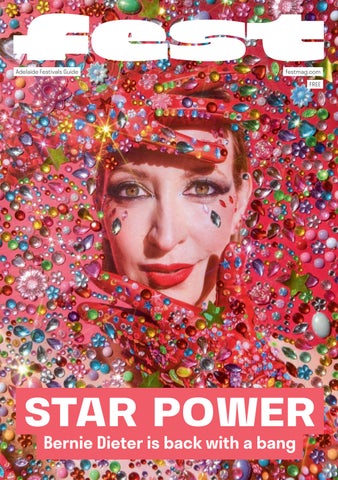
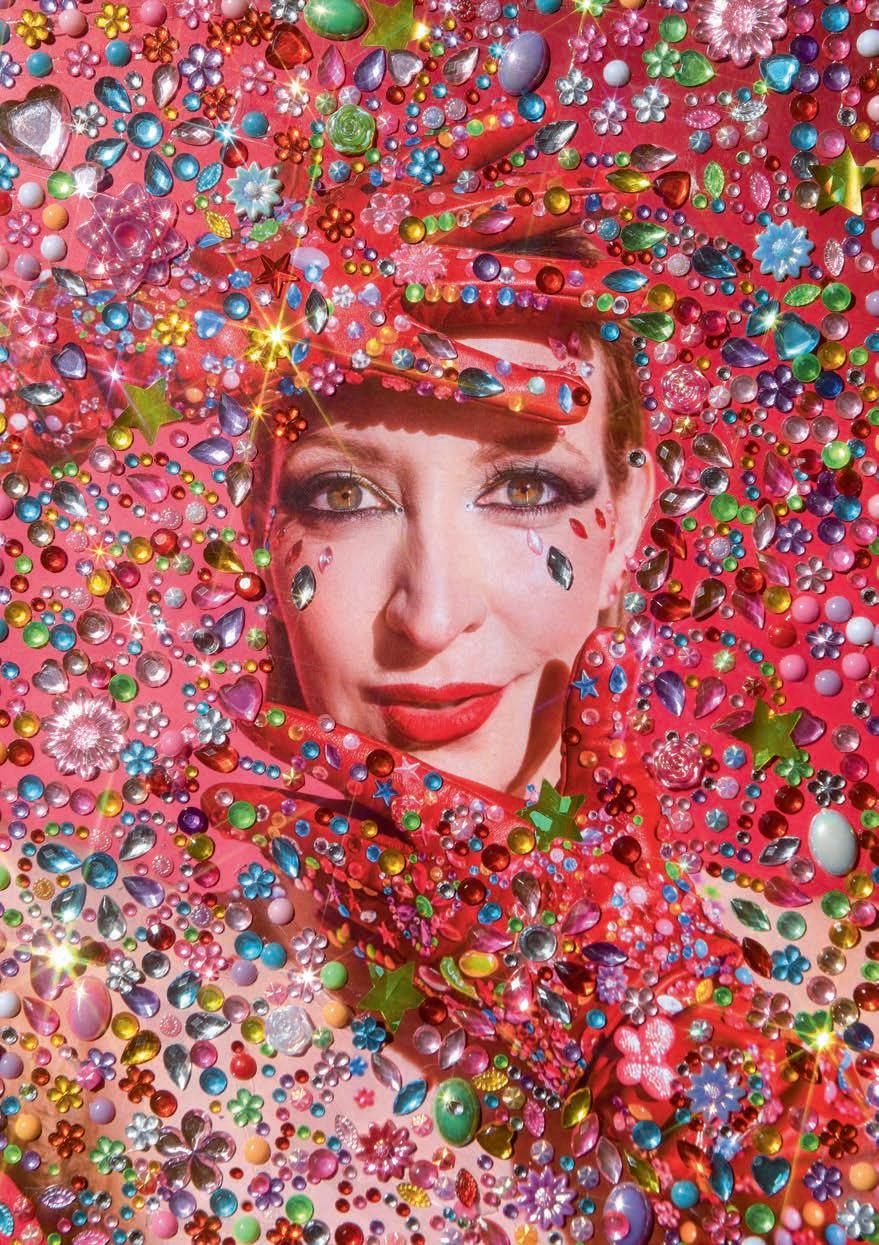
STAR POWER
Bernie
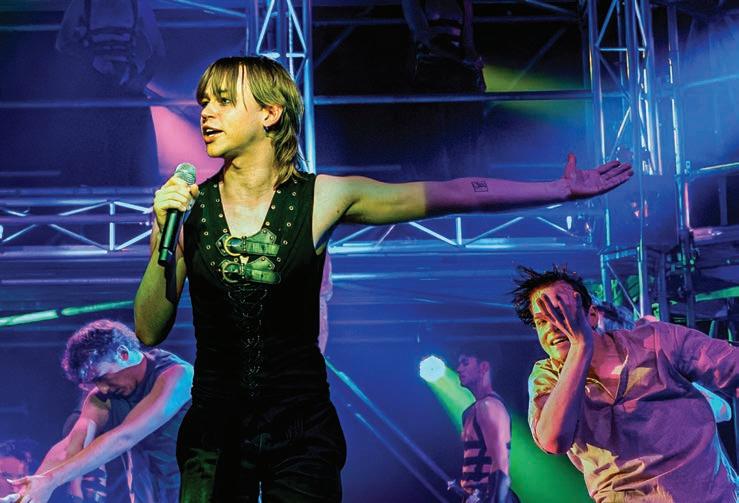
Editor
Louis Cammell

Joanna Hare, Emilie Roberts, Ema Smekalova
Designer
Phoebe Willison Sales Team
Writing Team
Rachel Ashenden, Sarah Herrmann, Talara McHugh, Megan Merino, Alana Pahor, Allan Riley, Sarah Sims, Xuanlin Tham, Arusa Qureshi
Cover Image
General Manager Laurie Presswood
Digital Editorial
Ellie Robertson
hello@festmag.com
Published by Radge Media C.I.C, The Melting Pot, 15 Calton Road, Edinburgh, EH8 8DL. Every effort has been made to check the accuracy of the information in this magazine, but we cannot accept liability for information which is inaccurate. Show times and prices are subject to changes - always check with the venue. All rights reserved. No part of this publication may be reproduced in whole or in part without the explicit permission of the publisher. The views and opinions within this publication do not necessarily represent the views or opinions of the printer or the publisher. Printed by Finsbury Green, Thebarton, SA 5031

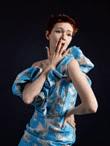
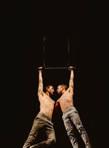
7 Freak Out
Bernie Dieter’s Club Kabarett returns to Adelaide as an unearthly delight

14 Tom Tom Club
Taskmaster Australia co-hosts Tom Gleeson and Tom Cashman talk stand-up
Comedy 44 Swanning About Elf Lyons on nearly a decade of her cult reimagining of Swan Lake

Circus
74 It Takes Two Casius Creations brings us their most intimate performance to date

Theatre and Physical Theatre
65 Feels on Wheels
Clare Watson discusses turning a stage into a roller rink for Mama Does Derby
Visual Art & Design
86 Yield Strength
The 2026 Adelaide Biennial asks how artists create under pressure

Music
77 Motherlode
South-west Sydney’s hip hop matriarch Barkaa plays WOMADelaide
90 Map & City Guide
Festival venue locations, plus bar tips
Image credits (top to bottom, left to right): Alexis D Lea; Morgan Sette; Rich Lakos; Matt Turner; Katie Bennett; courtesy of artist; ourtesy of the artist and Buku-Larrnggay Mulka Centre; SATC
Acknowledgement of Country 2026
Fest Magazine acknowledges that we are working on the traditional Country of the Kaurna people of the Adelaide Plains. We pay our respects to ancestors and Elders past, present and emerging. We also acknowledge that the traditional Kaurna cultural and heritage beliefs are still important to the living Kaurna people today. Fest Magazine is committed to honouring Australian Aboriginal and Torres Strait Islander peoples of this nation by respecting their unique cultural and spiritual relationships to the land, waters and sky, and recognising their rich contribution to society.
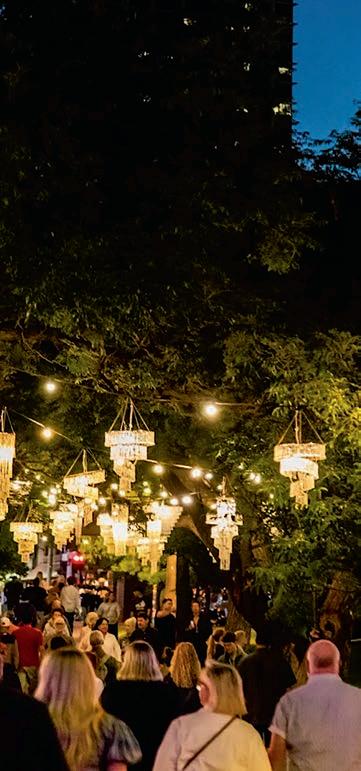
Chandelier Avenue at Gluttony
Freak Out
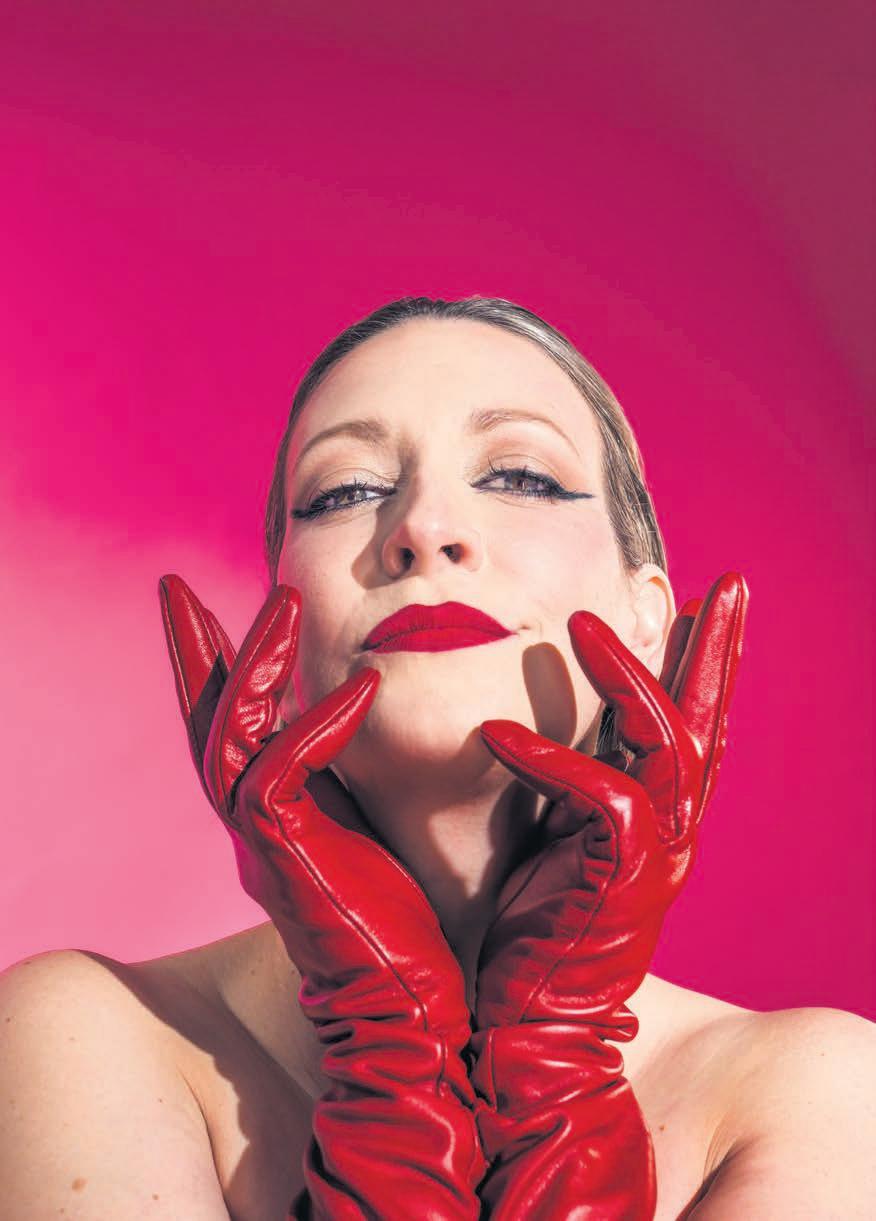
After seven years away, cabaret firebrand Bernie Dieter talks to Xuanlin Tham about why her Weimar-era inspired Club Kabarett is needed now more than ever
Photo: Giulia Giannini McGauran
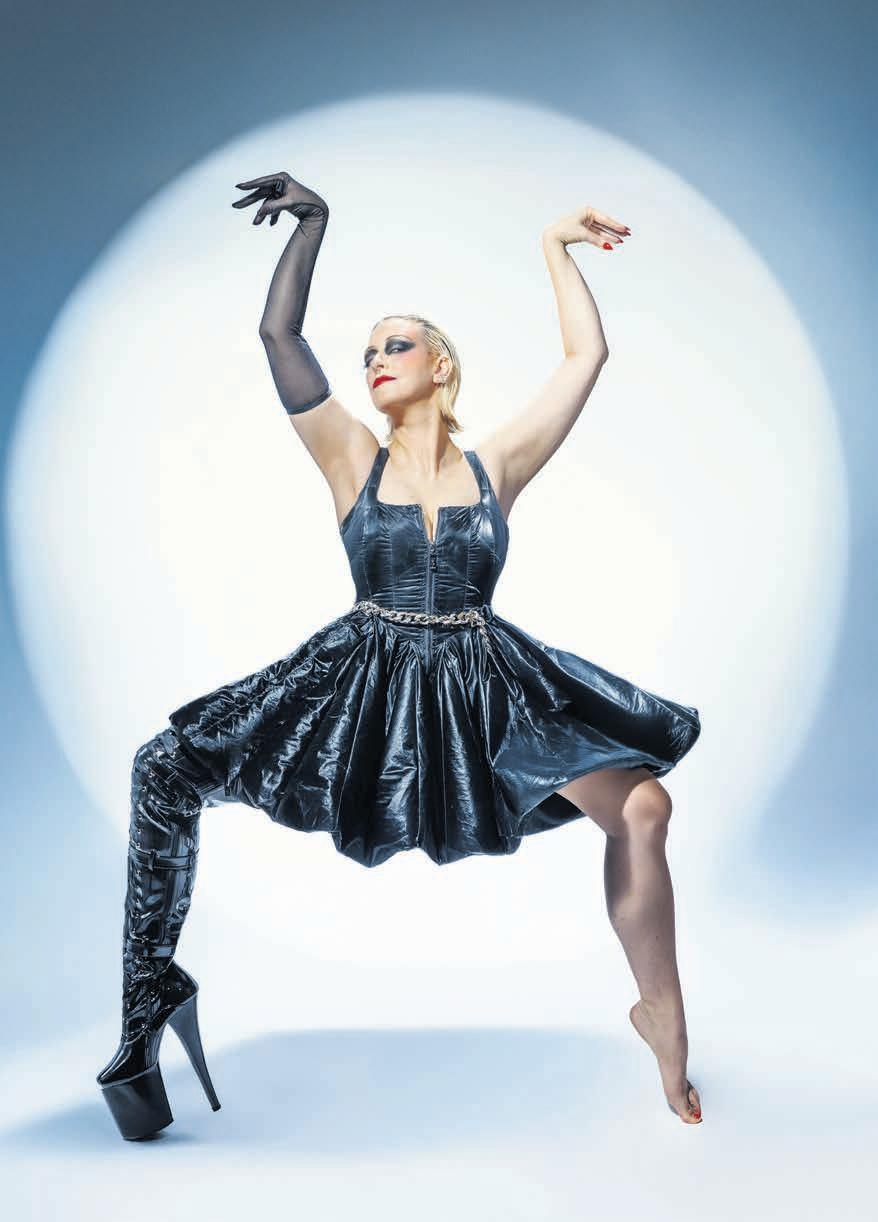
Photo: Alexis D Lea
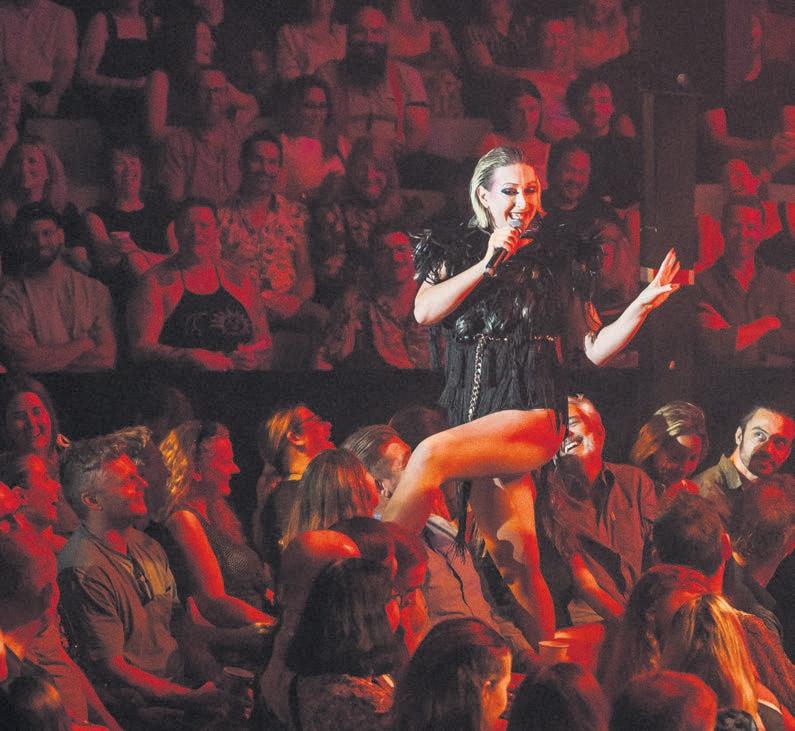
There’s a moment in Bernie Dieter’s Club Kabarett where she catches us off-guard, eyes still wide open from what we’ve just seen, with an unexpected invitation. “I ask people, ‘Take your hand, and put it on your neighbour’s thigh’,” Dieter says, smiling. Dialling in over Zoom, she’s mid-rehearsal for her return to the Adelaide Fringe, where she hasn’t performed since 2019. It’s the smile of someone who knows exactly what her audience needs –even better than they know themselves.
In the grand scheme of a show that contains sword-swallowing, jaw-dropping acrobatics and contortions, and playing with fire (literally: and with body parts you wouldn’t even think possible), it sounds like a small moment. Yet it captures something essential to the experience of Club Kabarett: that in this circus tent, we’re not just passive spectators, but bodies right next to each other, sharing our exhilaration, sharing our held breath. “It’s that beautiful moment where you look into each others’ eyes, like, ‘Are we going to do this? Is this okay- oh, it’s happeningokay!’” Dieter says, laughing. “It can be scary and uncomfortable. There are so many walls we’re putting up with all the screens on a daily basis. Bridging those gaps is more important now than ever before.”
Her shows trace their Weimar-era aesthetics back to her oma’s, or grandmother’s, travelling circus, and her fascination with cabaret as a place of both illicit indulgence and refuge. “At times of political turmoil, people turn to the arts, specifically cabaret, where there’s a real freedom of self-expression,” says Dieter. “Weimar Republic cabaret was banned [when the Nazis came to power], and people were performing it in secret bunkers, tiny hidden dive bars.”
Pleasures and desires – especially those labelled deviant and queer – have always been politically mediated. Things feel sexier when they also feel forbidden, and in Dieter’s eyes, the quashing of eroticism in Western culture lives on. “The erotic, the playful, that’s at the root of human connection,” she says.
"Showing that women can be fierce, sexy, and queer is really important"
“Maybe if people didn’t feel so repressed about what they desire, we would be in a much happier place.” As soon as you step in, Club Kabarett does indeed feel like the happiest place on earth: we’re asked to embrace our deepest, darkest desires before we surrender to a night of spectacle and pleasure. “You are welcome in our world, and we will make you feel at home,” she says.
Club Kabarett is the latest dazzling iteration of Dieter’s ‘punk cabaret’ show, a term she enticingly defines as a “sexy circus, a fire-breathing sideshow, a loud, beautiful rock band, satire, comedy, and political commentary”, or simply, “a big party we’re all having together, and everyone should come and play.”
On stage, Dieter effortlessly commands the room as the show’s singer and songstress, its compere and madame of the night. But what’s also clear is her prowess as a curator, working together with the cabaret’s artists to orchestrate the show’s emotional journey: strength, sexuality, and laughter are interwoven with disarming moments of vulnerability. Since putting on her first ever show in a pub
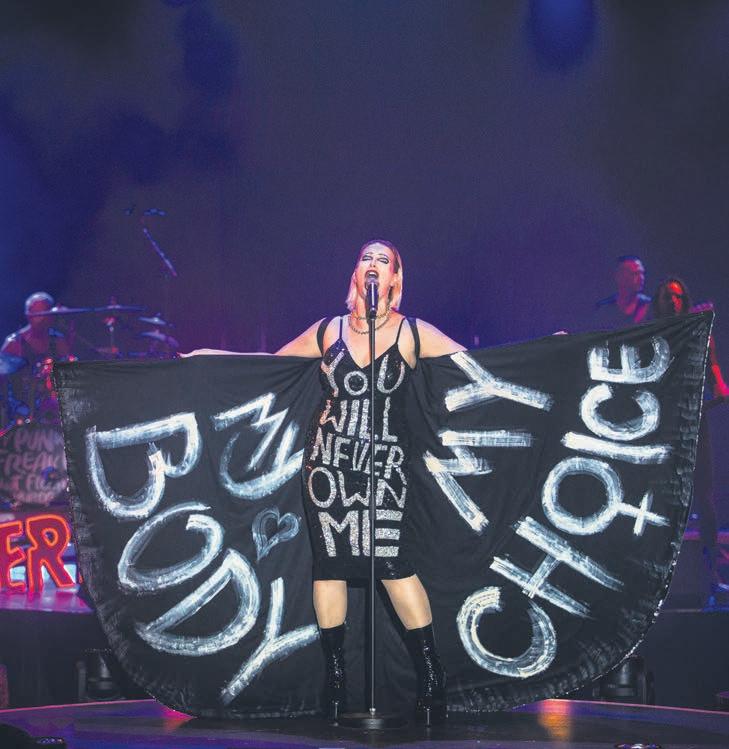
"Th is world, at the moment, there is some scary shit that is happening. We’re all in this together, so we need to find each other”
in East London, Dieter counts herself lucky to have crossed paths with no shortage of extraordinarily talented performers. “I always try to work with artists that I obviously think are amazing in terms of skill, but also that I feel have something they want to say,” she shares. “And I try to help them tell that story the best way they can.”
Club Kabarett is, among many things, a deeply moving exploration of gender and gender performance – from the terrifyingly sexy femdom offerings of sword-swallower and fire-breather Jacqueline Furey to trapeze artist Jared Dewey’s anguished elegy for queer masculinity. “I think [Jared’s performance] is so beautiful, because it’s such an encapsula-
Photo: Matthew Gedling

“The erotic, the playful, that’s at the root of human connection”
tion of strength and power, but also beauty and grace,” Dieter says. “That those things can exist simultaneously in a masculine expression is really amazing. And I think showing that women can be fierce, sexy, and queer is really important. You know, maybe I can’t swallow a sword or a lightsaber – but just owning the space, owning our bodies, is a beautiful thing to do. It’s so freeing.”
What we see on stage might feel out of this world: but it’s all in the service of making us
experience ourselves right here, coming alive together. “Spectacle really allows people to be present,” Dieter explains. “Because [when] they see something that is mind-blowingly impossible or ridiculous or hilarious, it snaps them out of whatever else is going on in their life, and allows them to turn to the person next to them, and go, ‘Fuck! Wow, did you see that? That really happened!’” Important for this, too, is her live band. “People’s hearts start to beat in time with the music, and it’s a physiological re-
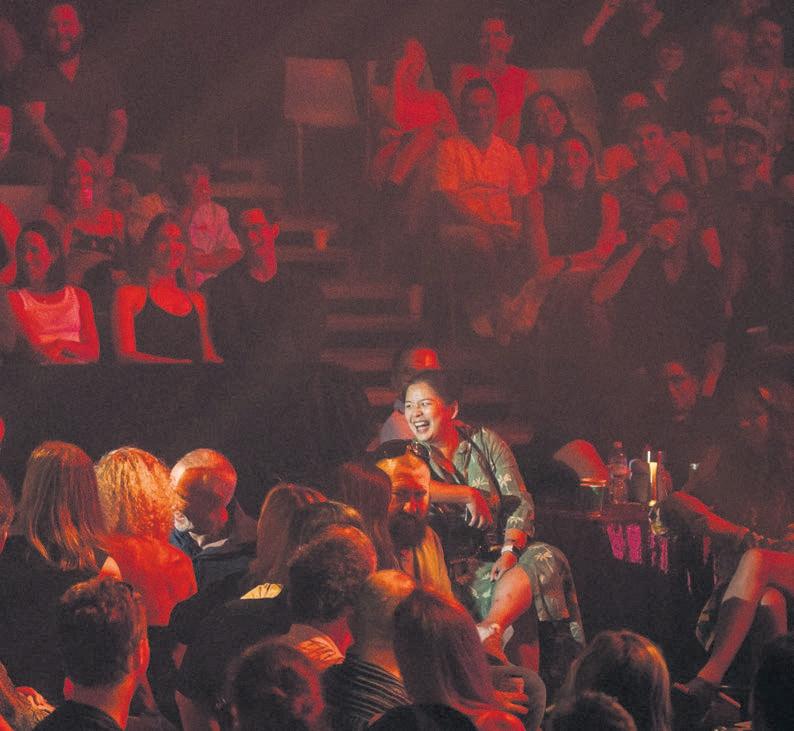
sponse that unifies us. No matter who you are, what kind of shitty day you’ve had, you come in and you’re transported to a different place.”
To Dieter, returning to Adelaide feels like coming home – and she loves what the confluence of its festivals bring to the doorstep of her circus tent. “There’s the Fringe, but there’s also the Clipsal [Adelaide 500], this car racing thing: all these big, beardie biker guys come for that, but then they come to the Fringe and see a show,” she says. “You might not expect to see them in the audience, but they just love it.”
That’s right: everyone, even you, biker guy who may be reading this, is folded into the horny, beautiful embrace of Club Kabarett. Asked what she hopes people will take away from experiencing it, Dieter has a simple
answer. “I want them to feel alive. I want them to feel free. I want them to feel excited about what the future holds,” she says. “This world, at the moment, there is some scary shit that is happening. We’re all in this together, so we need to find each other.” Then, with that knowing smile again: “But also, you know, go out into the night – and see where it takes you.”
VENUE: Aurora Spiegeltent at The Garden of Unearthly Delights
TIME: 21 Feb-22 Mar, various times
SHOW Bernie Dieter’s Club Kabarett
Tom Tom Club
Taskmaster co-hosts Tom Gleeson and Tom Cashman talk to us ahead of their respective stand-up hours
Words: Allan Riley
“It suggests he wants to rock out, but at a volume he can control. I think that’s very Lesser Tom.”
Taskmaster host Tom Gleeson has just learned that co-host Tom Cashman has bought an electronic drum kit. It was a direct request from Cashman, also known on the show as Lesser Tom, that we tell Gleeson about his latest purchase.
It’s an insight into the dynamic between the two Toms; one that is the backbone of one of Australia’s most popular recent comedies. While their on-screen personas clash, the two Toms get on “really well,” according to Gleeson.
“He knows it’s entertainment. He’s got his iPad and he’s really across everything. I deliberately wrong foot him constantly because watching him have to adjust is funny to watch.”
Gleeson and Cashman are the only two permanent faces on Taskmaster, where each season, five comedians attempt different tasks to win the ultimate prize – a bronze bust of Gleeson’s head.
Much of the show’s fun involves contestants trying and failing to complete the
challenges set for them. Cashman is on set with each contestant as adjudicator and often finds himself copping it when things go wrong.
“A real thing that I love about doing the show is that it is a bit like a psychological experiment or something in that you are putting five very different people through exactly the same task,” he explains.
“Some people like playing structured games. That’s just how they grew up.
“But [it’s different] if this is already pissing you off, you didn’t grow up playing games like this, and then some guy in a suit is annoyingly saying ‘don’t put your toes over the rope.’
“I feel like how they abuse me represents how they feel about games like this, so I don’t take it personally.
“My first job as a teenager was as a basketball referee, and you’d get abused a lot in that by the dads of the kids you’re refereeing.”
Despite the show’s opening credits showing him sitting at a typewriter writing tasks, Gleeson has no part in creating Taskmaster’s tasks and watches them for the first time during tapings.
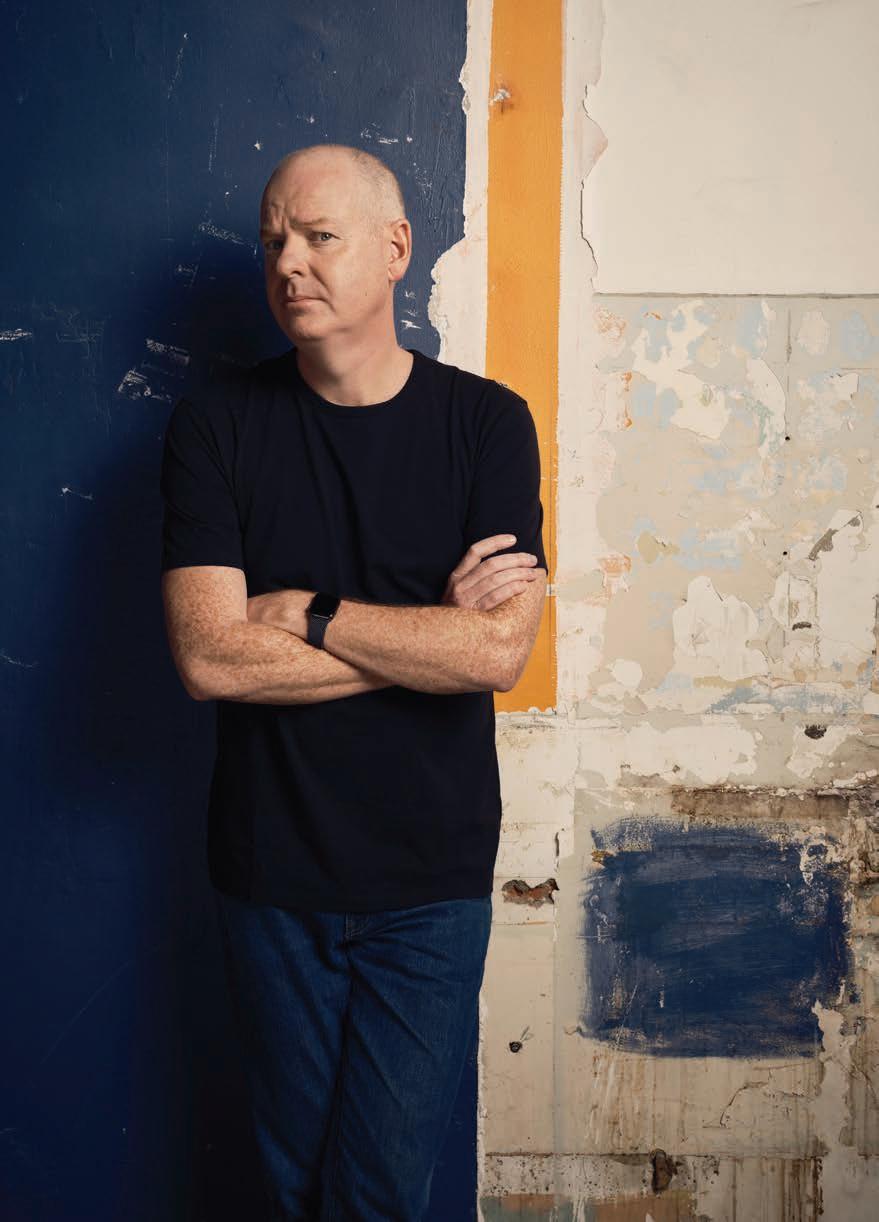
Photo: Ben King
Tom Gleeson



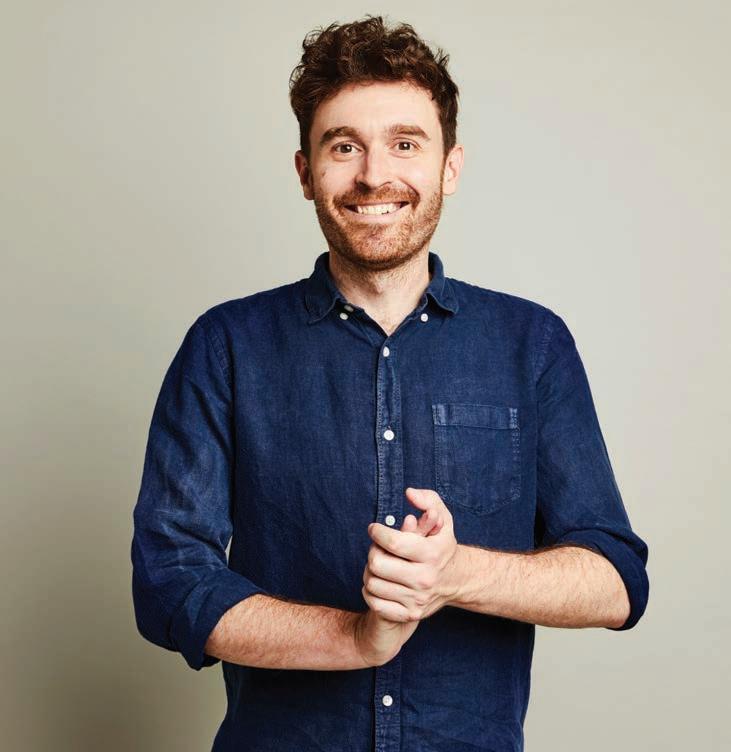
“I am kind of like the people on Gogglebox. I’m sitting in a big couch watching TV. The difference between Gogglebox and me is I’m watching people on TV with the people that made it. It’s got a bit more energy to me because I’m criticising something I’ve seen on a screen and the person who I’m criticising is right in front of me.
“You can tell in the studio there’s some electricity there because they [the comedians] are all on the edge of their seats and they can’t wait to see how it’s all unfolded. They’re desperate to see what happens.
“The fun part for me, I especially like making fun of comedians who are my contemporaries, who have been around as long as I have. If I’m the taskmaster just beating up on new come-
dians, it’s not great. Beating up on Hughesy [Dave Hughes] is a treat.”
Taskmaster has solidified Gleeson’s status as one of Australia’s most popular TV hosts, so much so that his latest show, Out of Touch, invites audiences to “come take him down a peg.” For Gleeson, the moment where he learned he was out of touch was during last year’s federal election.
“Politicians were being given a hard time for not knowing the price of eggs. I realised I don’t know the price of eggs either, and I still don’t,” he explains.
“I like the audience to feel like they have an impact on the performance. [But] they will never win.
Photo: Monika Pronk
Tom Cashman
“This is maybe the only show name at the Fringe that’s already bombed in front of a crowd”
Tom Cashman
“The thing that amuses me sometimes is with Hard Quiz, people say to me, ‘oh, sometimes the contestants really get you back,’ and it’s like, yeah, I could grind into the dirt every fucking time, but I don’t because I like to let them have a chance”.
Gleeson might be the host of two of Australia’s most popular comedy shows, but how do their fanbases compare to each other?
“It can be discombobulating because people just come up to me and say, I really love your TV show, and I’m like, which one?,” Gleeson jokes.
“Taskmaster is a bit more popular with families. Hard Quiz feels like everybody [knows it], and then Taskmaster fans sit within that”.
When it comes to comedy, both comedians bring their own styles to Taskmaster rather than moulding them around the show. Cashman is even using Taskmaster to workshop his new stand-up hour, NPC (Nearly Proficient Comedian).
“What was exciting about being cast on Taskmaster is that my sense of humour was aligned with the format anyway, which is presumably part of why I was asked to be on the show.
“I came up with this name for a show – I thought it was a funny name, and then I submitted it to the relevant festivals,” he explains.
“We were recording Season 6 and during that, I forget the context, but someone called me an NPC, and I thought, ‘my God, I’ve got the comeback of a century here because I’ve just
thought of my show name and this is going to seem like I’m really quick.’”
“I go, ‘yeah, nearly proficient comedian’. Silence. Absolutely no laughs from anyone. This is maybe the only show name at the Fringe that’s already bombed in front of a crowd."
With Season 5 of Taskmaster coming out later this year, what can fans expect from Anisa Nandaula, Rove McManus, Joel Creasey, Ceila Pacquola and Brett Blake? Gleeson gives us a preview into the new season and his collaborative show The Grats, which is also coming to Fringe.
“I think Brett is going to be a lot of people’s favourite out of the five. People might have forgotten just how silly Rove is because he’s an absolute nut job on this show,” Gleeson tells us.
“You’re talking about Tom playing drums. If people go to the Garden of Unearthly Delights, there’s me and a few others are [in] a band and you can watch me play actual drums, unlike Tom Cashman with his stupid headphones on playing in his bedroom”.
SHOW Tom Gleeson - Out of Touch
VENUE: The Vagabond at The Garden of Unearthly Delights
TIME: 20 Feb-22 Mar, 6.30pm
SHOW Tom Cashman - NPC (Nearly Proficient Comedian)
VENUE: Upstairs at Rhino Room
TIME: 24-28 Feb, 8.30pm
Boys' Club
In timely satire Trophy Boys, an all-female and non-binary cast takes on the male egos present in Australia’s elite schools
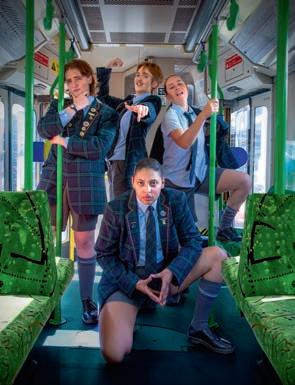
Emmanuelle Mattana’s drag classroom satire Trophy Boys schools us on what’s inside the minds of our next generation of young men. When the all-male debate team at St Imperium College find themselves with one hour to prep their argument in answer to “feminism has failed women,” the school’s golden boys are faced with an issue that will confront their prejudices and expose the ways in which their elite education has sealed them off from the issues faced by those of the opposite sex, both within and beyond the walls of their red-brick institution.
“This smash hit has sold out across the country, and I didn’t want South Australian audiences to miss out,” says Petra Kalive, Artistic Director of State Theatre Company South Australia, with whom the play has been on a regional tour of South Australia before arriving at the Space Theatre in Adelaide. The play recently won Best New Work at the Sydney Theatre Awards in 2024 and received several nominations for its writing and production elsewhere; the result of a sold-out national tour, which was followed by an off-broadway run in the US.
no less, groomed as they are for success in politics, business and beyond - let their silver spoon-fed egos do the talking. They display a rhetoric that has only grown in recent years, with online figures like Andrew Tate and ‘manosphere’ influencers pushing a culture of misogyny onto young men the world over.
The result is a timely light on the undercurrents of male privilege and power that still coarse through the country today, though one which seeks not to condemn its boys but to propose that we can expect better from them with the right guidance and care. Mattana drew on their own experiences on a debate team in an Australian school when writing the play, and has previously said that its creation was motivated by a deep love for the young men they grew up around, and a belief that we can expect better from them in years to come.
“Bold, biting and riotously funny, this brilliant new Australian work will have you laughing, squirming and utterly gripped for its 70-minute ride,” says Kalive. “These are thrilling theatre makers, hitting the zeitgeist where it hurts.”
Performed by a cast made up entirely of female and non-binary actors (Myfanwy Hocking, Fran Sweeney-Nash, Kidaan Zelleke and Tahlia Jameson) in drag, the play unfolds in real-time as we watch these young men - future leaders

VENUE: Space Theatre, Adelaide Festival Centre TIME: 17 Mar-2 Apr 2026
SHOW Trophy Boys
Trophy Boys
Photo: Ben Andrews





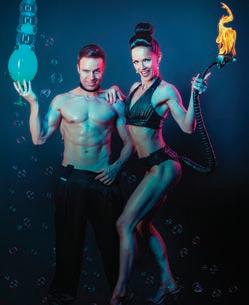
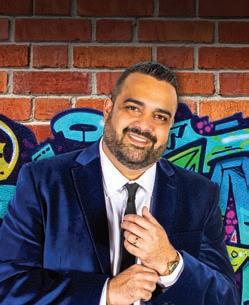
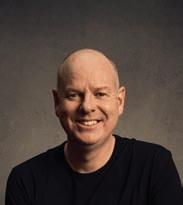
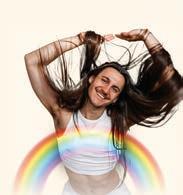

Margin Call
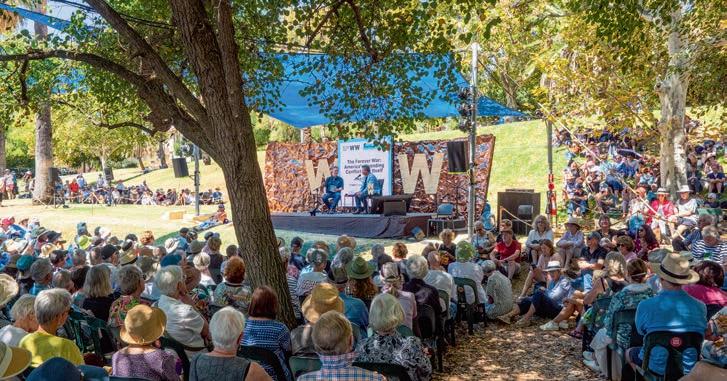
With Adelaide Writers’ Week notably absent from this year’s festivals, Talara McHugh asks what organisers can learn from how it all came crashing down
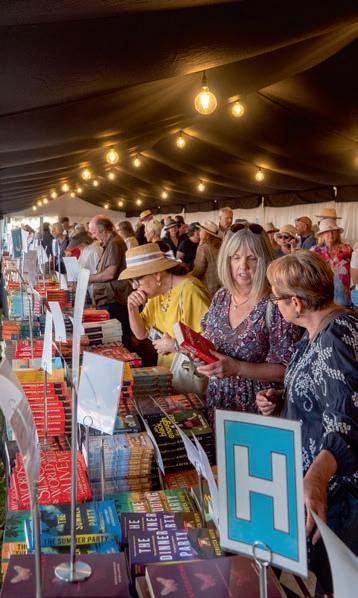
The Adelaide Festival board thought it was managing risk when it disinvited prominent Palestinian Australian author Dr Randa Abdel-Fattah from its Writers’ Week lineup in the wake of the Bondi terror attack. Instead, it triggered monumental backlash and a mass exodus that sunk this year’s edition of one of Australia’s biggest cultural festivals.
On January 8, the board announced Abdel-Fattah, a vocal critic of Israel, had been disinvited as an “appropriate response” following the December 14 terror attack at Bondi Beach in which 15 people were killed at a Jewish festival. The board said it did “not suggest in any way” her writings “have any connection with the tragedy” but cited “cultural sensitivity” concerns due to her “past statements”.
Abdel-Fattah slammed the move as “a blatant and shameless act of anti-Palestinian racism and censorship,” saying the board’s reasoning suggested her “mere presence is ‘culturally insensitive’,” as a Palestinian.
Premier Peter Malinauskas was vocal about his support for her removal which he expressed to the board on multiple occasions, though he
denied exerting pressure. In the days that followed, he publicly labelled her views “extremist” and compared her criticism to committing a mass terrorist killing. The Jewish Community Council for South Australia also sent a letter lobbying for Abdel-Fattah’s removal.
Within five days, more than 180 writers had boycotted the event in solidarity with Abdel-Fattah including former New Zealand Prime Minister Jacinda Ardern. Four of the eight board members, including its chairwoman Tracey Whiting, resigned. Director Louise Adler, who had invited Abdel-Fattah, also stood down.
Adler, a Jewish Australian and longtime Palestine supporter, announced her resignation in The Guardian, saying she “cannot be party to silencing writers.” She claimed there had been political pressure to remove Abdel-Fattah and warned Adelaide risked becoming “Moscow on the Torrens.”
Hours later, the board issued an apology to Dr Abdel-Fattah and officially cancelled this year’s event. It was later alleged the apology came after Britpop band Pulp threatened to pull out of the festival’s opening night. While
Photo: Julia McNab
“When organisations conflate Palestinian identity with terrorism,are they perpetuating colonial narratives they claim to oppose?”
Abdel-Fattah accepted the apology, she’s been outspoken about the harm caused by the board’s decision. She has also issued a defamation notice to Mr Malinauskas.
The implosion of Writers’ Week was like opening Pandora’s Box, exposing concerns the arts sector can no longer ignore. How did the board become so disconnected from their community that they couldn’t see this coming?
When organisations conflate Palestinian identity with terrorism, are they perpetuating colonial narratives they claim to oppose? And when almost 200 writers withdraw from an event that seeks to silence Palestinian voices, what does that tell us about the values being upheld in our cultural institutions?
The board bowed to external pressure and unfairly linked Abdel-Fattah’s criticism of Israel with Bondi simply because she’s Palestinian. By their logic, anyone who criticises Israel or Zionism is equivalent to a terrorist. They knew it wouldn’t go down well. Their initial statement acknowledged that the decision would “likely be disappointing to many in our community” and “cause discomfort.”
But the overwhelming backlash showed the arts community refuses to tolerate silencing marginalised voices. Just six months earlier, Bendigo Writers’ Festival was forced on hiatus after a mass boycott over censorship concerns.
The Adelaide Festival board had every opportunity for reflection yet chose to set fire to an event cherished by so many. Writers’ Week has traditionally been a place for people of all walks of life to share stories, debate ideas and reflect on society without fear of censorship. Now more than ever, we need spaces where people can explore controversial topics, share diverse perspectives and confront the uncomfortable.
Freedom of speech is vital in the arts to challenge systemic inequality, amplify marginalised voices, and hold power to account. Writers’ Week can rise from the ashes but only if it listens to the artists who make the event possible. The question now is whether other festivals are paying attention or will they repeat the same mistake?
Photo: Julia McNab
Top Picks: Comedy
Eight unmissable comedy shows, from charming childhood tales to grasps for meaning
Zoë Coombs Marr: The Splash Zone
Gallery at the Howling Owl, 3-8 Mar, 7.45pm
The award-winning comic forgoes the excel sheets and high concepts for a charming tale of childhood neurodivergence before that was a term we all recognised.
Dane Simpson: 100% Hits
Le Cascadeur at The Garden of Unearthly Delights, 2-8 Mar, 8.30pm
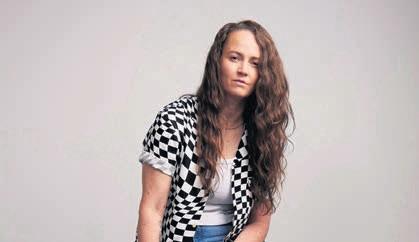
Proud Gamilaraay comic Dane Simpson presents his best jokes from a decade-long career. The perfect gateway for new fans and a nostalgic hit for the already initiated.
Jenny Tian: When Life Gives You Oranges
Spiegel Zelt at The Garden of Unearthly Delights, 10-22 Mar, 8.15pm
Fresh from a US tour, Jenny Tian (as seen on Taskmaster Australia) picks up the pieces of a marital near-miss in her signature style. Directed by Justin Hamilton.
He Huang: T.E.M.U JOKE FACTORY
Criterion at The Garden of Unearthly Delights, 3-14 Mar, 8pm; 8 & 15 Mar, 7pm
Wave your toilet breaks goodbye. The T.E.M.U Joke Factory needs you. Sydney Comedy Fest’s Best Newcomer 2023 needs a new show ready for sameday delivery.

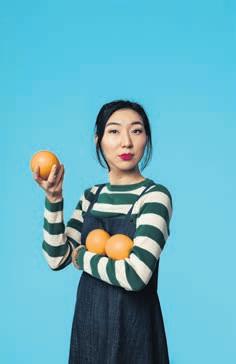
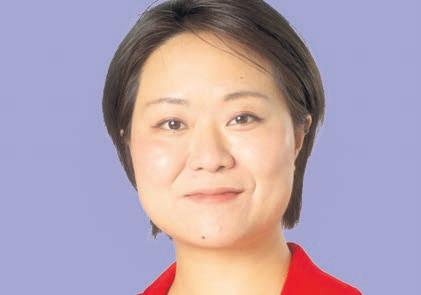
Photo: Christa Holka
Zoë Coombs Marr
Jenny Tian
Dane SImpson
He Huang
Photo: Jac Cooper
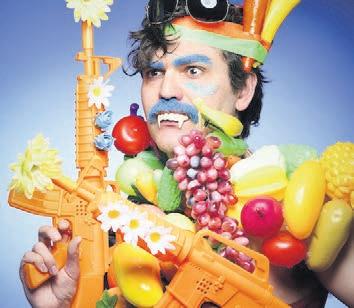
John-Luke Roberts: What I Talk About When I Run About, Talking
Hell’s Kitchen at Rhino Room, 10-14 Mar, 9pm
Spike Milliganesque songs and poetry abound in British comic John-Luke Roberts’ Adelaide show. One of the UK’s most consistently surprising Fringe acts.
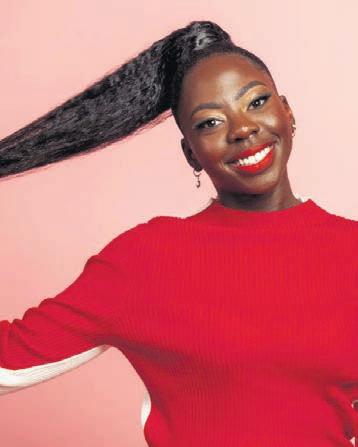
Anisa Nandaula: No Small Talk
Drama Llama at Rhino Room, 20-28 Feb, 7.30pm
Anisa Nandaula unpacks her chaotic life, as well as her suitcase full of souvenirs from her first trip to Uganda in over a decade, in an unfiltered stand-up hour.
Kate Dolan: Trout
The Chapel at The Courtyard of Curiosities at the Migration Museum, 19 Feb-1 Mar, 9.20pm
A deep dive into the off-kilter mind of award-winning Aussie comic Kate Dolan, as she fishes for meaning in a world that can often leave us gasping for air.
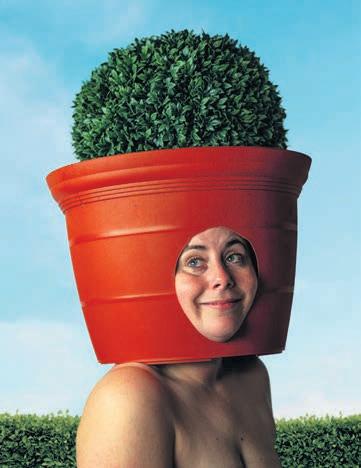
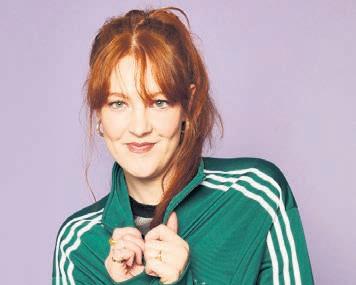
Lou Wall: Where Are All The Tall Grandmas?
Neat Freak at the Howling Owl, 3-8 Mar, 6pm
Vertically endowed Aussie comedian Lou Wall has a question regarding their old age. Does obscurity await? Expect a laugh-packed investigation of the tallest order.
Photo: Natasha Pszenicki
Image: courtesy of Live Nation
Photo: Luke Darcy
John-Luke Roberts
Kate Dolan
Lou Wall
Anisa Nandaula
Phtoo: Monika Pronk

Top Picks: Theatre and Physical Theatre
From moving real-life stories to chaotic interactive shows, our top picks for theatre & physical theatre at the Fringe
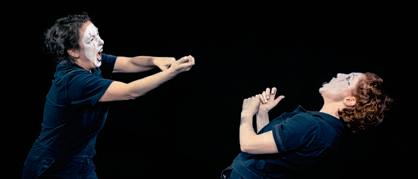
Double Take
The Ballroom at Ayers House Events, 20 Feb-6 Mar, various times
Eight interwoven short stories explore what it means to take a closer look, in this wordless show by American contemporary mime duo Broken Box.
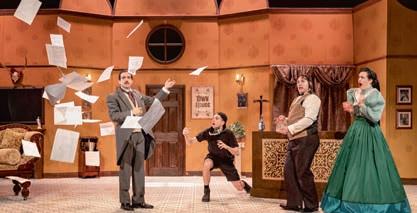
…Earnest?
The Peacock at 7Gluttony - Rymill Park, 19 Feb-22 Mar, 8pm
When a production of Oscar Wilde’s The Importance of Being Earnest gets derailed, an unsuspecting audience member must save the show. Will it be you?
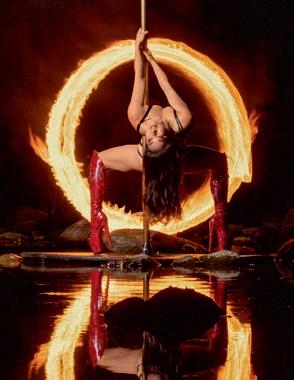
The Pole Shebang
The Lab at Fool’s Paradise, 18 Feb-1 Mar, 6.50pm
Asian-Canadian/Australian pole dancer, Andrea James Lui, kicks off 2026 with the Australian premiere of solo storytelling pole dancing show.
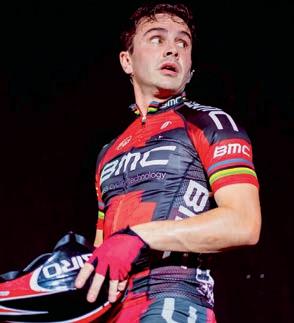
CADEL: Lungs on Legs
Main Theatre at Goodwood Theatre and Studios, 19 Feb-21 Mar, various times
One Australian’s uphill struggle to the top of the podium, based on the riveting true story of Cadel Evans, the first and only Australian to win the Tour
France.


de
Double Take
CADEL: Lungs on Legs
The Pole Shebang
For You to Know and Me to Find Out
Studio Theatre at Goodwood Theatre and Studios, 18-21 Mar, 7.30pm
Seasoned performer Liv Tennet explores the challenging juggle of simultaneously trying to keep her child and her artistic identity alive.
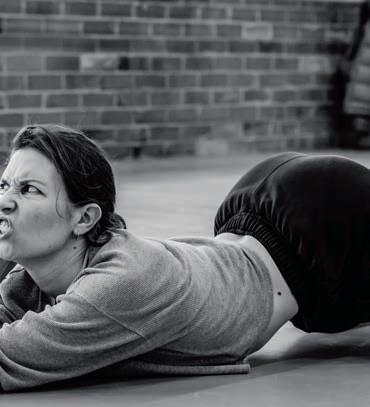
Takatāpui
Tandanya Theatre at Gluttony at Tandanya, 3-8 Mar, 8pm
How do microaggressions turn macro? This solo show from Māori shapeshifter Daley Rangi examines the spectrum of queer joy and violence with levity and care.
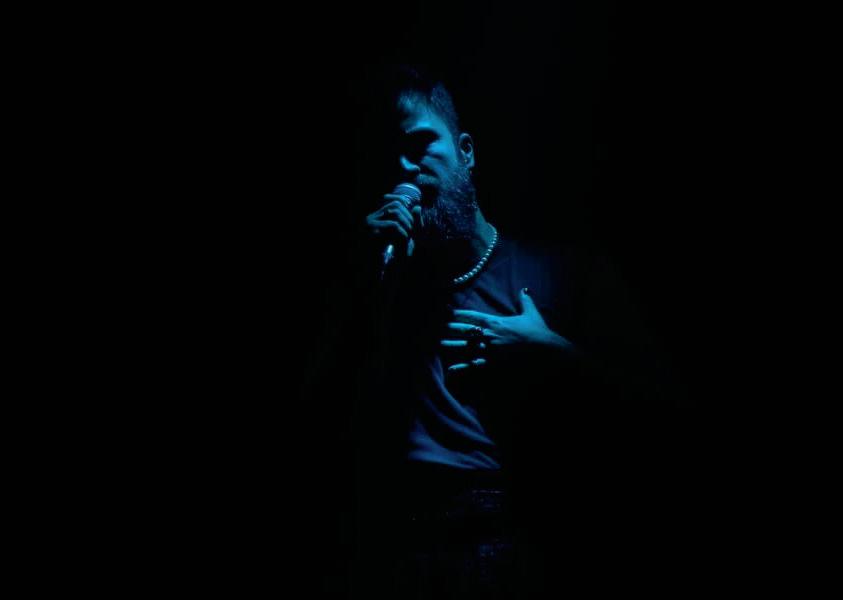
BABYFLEAREINDEERBAG
BABYFLEAREINDEERBAG
The Hetzel Room at The Courtyard of Curiosities at the State Library, 28 Feb-1 Mar, 4.30pm; 3-8 Mar, 6pm; 14-15 Mar, 4.30pm
Hannah Maxwell needs her next autobiographical theatre show to be a rampant success. She needs YOU for some intensive audience research.
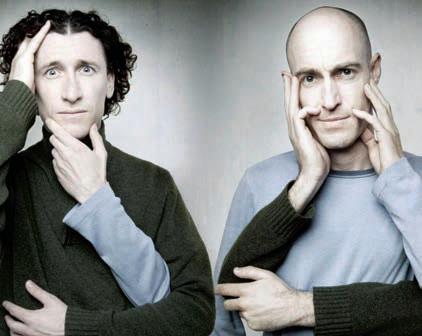
The Umbilical Brothers - Speedmouse
The Box at The Garden of Unearthly Delights, 13 Feb-1 Mar, 7pm
After conquering the globe and leaving audiences in stitches, The Umbilical Brothers return home with their most beloved creation — Speedmouse
For You to Know and Me to Find Out
The Umbilical Brothers - Speedmouse
Takatāpui
Photo: Lucasz Izdebski
Image: courtesy of artist
Photo: Alec Council
Top Picks: Music
From
home-grown dance royalty
to stars from overseas, a handful of music picks from across the Fringe
Adrian Eagle
Tandanya Theatre at Gluttony at Tandanya, 19 Feb, 7.30pm
With powerful, emotive vocals, Adelaide’s Adrian Eagle opens Gluttony’s First Nations-focused program of shows at Tandanya Aboriginal Cultural Institute.
Tribal Sound Journey
Amphitheatre/Grandmother Tree at The Farm for Wellbeing, 28 Feb-20 Mar, 7.30pm
After debuting his solo show at last year’s Fringe, Matthew Benjamin returns with more music that draws on his Mediterranean and North African roots.
Bag Raiders (DJ Set)
The Fantail (open-air) at Gluttony - Rymill Park, 21 Mar, 10.10pm
Australian dance music royalty Bag
Raiders return to Adelaide Fringe for one night only – the Fringe’s final Saturday night in Gluttony’s open-air Fantail music venue.
Songs of Survival
Tandanya Theatre at Gluttony at Tandanya, 1 Mar, 5pm
Storytelling and soulful live music from acclaimed First Nations singer-songwriters Toni Janke and Sonia Smith, featuring original songs.

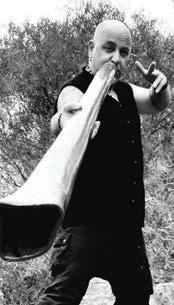
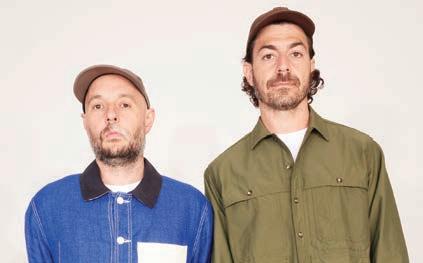
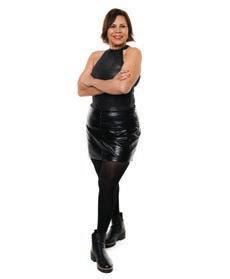
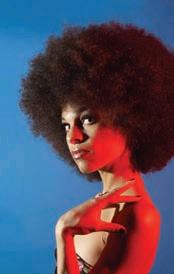
Gigi McFarlane
Spiegel Zelt at The Garden of Unearthly Delights, 8 Mar, 9.45pm; 21 Mar, 3pm
The London-born, Jamaican-English artist flies in all the way from Barcelona to light up the Garden of Unearthly Delights.
Adrian Eagle
Toni Janke
Gigi McFarlane
Matthew Benjamin
Bag Raiders
Photo: Joel Devereaux
Image: courtesy of the artist
Image: courtesy of Gluttony










MUSIC | SPOKEN WORD | COMEDY FRIDAY &
Soulful vocals and surreal spoken word. Revel in the relatability, vanish into the vulnerability...




Top Picks: Cabaret
Cabaret highlights, from unchained hedonism to Moulin Rouge glamour and
circus flair
Bernie Dieter’s Club Kabarett
Aurora Spiegeltent at The Garden of Unearthly Delights, 21 Feb-22 Mar, various times
The main event at the Garden of Unearthly
Delights, no one does cabaret quite like Bernie Dieter. Club Kabarett is a life-affirming, bonkers delight.
Trash York’s Chaos Cabaret
BankSA Theatre at Gluttony - Rymill Park, 3-9 Mar, 7.30pm
A wild mix of drag, cabaret, circus, & burlesque from grand dame Trash York (Swamplesque, Trash York is Drop Red Gorgeous).
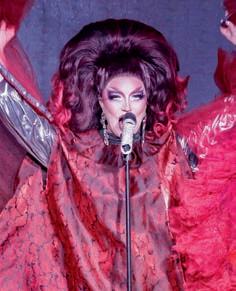
Madame Martha’s Parisian Cabaret
BankSA Theatre at Gluttony - Rymill Park, 3-9 Mar, 7.30pm
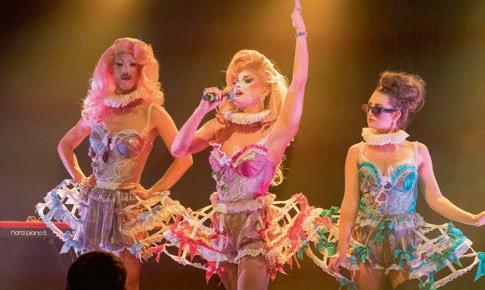
Moulin Rouge glamour meets Berlin club grit in a late-night fever dream of live vocals, dance, burlesque and drag.
Lash Out
The Vault at Fool’s Paradise, 26 Feb-9 Mar, 8.50pm
An electrifying fusion of circus and cabaret, Lash Out dazzles with bold performances, high-energy acts, and unforgettable flair.
Head First
Tash York
Madame Martha
Bernie Dieter
Photo: Ven Tithing
Image: courtesy of the artist
Photo: Solitude
Top Picks: Circus
Comedy, music, storytelling... There’s more to these circus shows than gravity-defying stunts
La Ronde
The Spiegeltent at The Garden of Unearthly Delights, 13 Feb-22 Mar, various times
A heady mix of circus, live music, and comedy straight from the European underground, presented in the round, from the creators of Blanc de Blanc and LIMBO.
Laser KiwiEverybody Knows
The Paragon at The Garden of Unearthly Delights, 12-22 Mar, 6.30pm
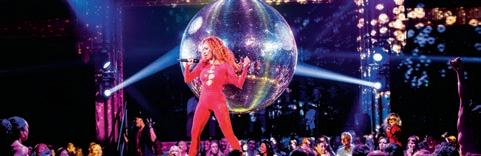
Armed with world-class circus skills and their signature brand of surreal sketch comedy, award-winning circus troupe Laser Kiwi returns with a brand new show.
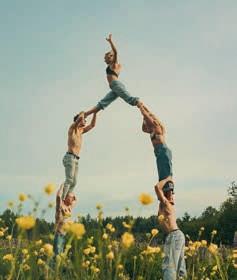
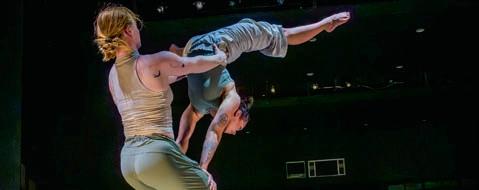
Ten Thousand Hours
The Peacock at Gluttony - Rymill Park, 19 Feb-7 Mar, various times
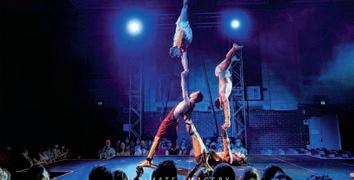
In this tribute to athletic commitment, eight elite acrobats investigate physical skill; how we obtain it, how we perfect it, and how it can transform our lives.
Nimble
The Bunker at Fool’s Paradise, 4-22 Mar, various times
Teetering, pocket-sized circus for the whole family. Acrobats stack themselves atop props and one another in this game of human jenga from ROOKE.
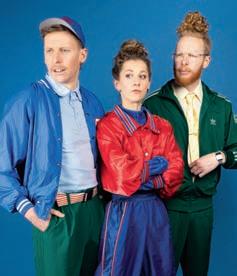
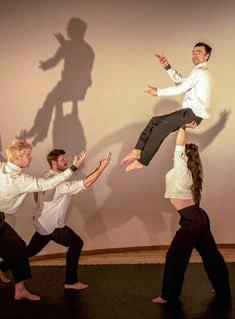
The Mirror
The Octagon at Gluttony - Rymill Park, 20 Feb-22 Mar, 6.15pm
After critical acclaim at last year’s Adelaide Fringe, the pop-infused cabaret-circus hybrid is back. Gravity & Other Myths’ most ambitious show to date.
La Ronde
Laser Kiwi
Ten Thousand Hours
Nimble
The Mirror
Photo: IKUROPANDA
Photo: Millisa Martin
Photo: ROOKE
Photo: Darcy Grant
Top Picks: Kids and Family
Our pick of the best and most anticipated Fringe shows for the whole family
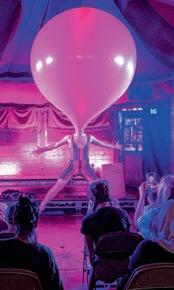
The Giant Balloon Show
The Bunker at Fool’s Paradise, 21 Feb-15 Mar, various times
Does what it says on the tin. Take an award-winning entertainer, an 80s soundtrack, and of course, a ruddy great big balloon, and you get this must-see show.
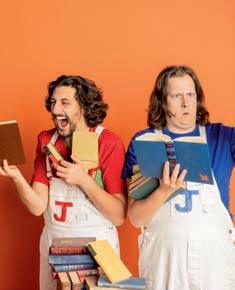
Jon & Jero: The Forgotten Tales
The Lark at Gluttony - Rymill Park, 14-22 Mar, 3.45pm
Bumbling brothers Jon & Jero are back. They love telling stories, but they’ve forgotten how they go, so they’ll have to improvise! Perfect for kids five and up.
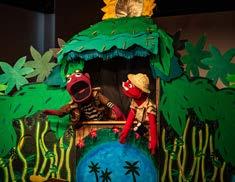
Pico and the Golden Lagoon
Domain Theatre at Marion Cultural Centre, 28 Feb & 19 Mar, 11am; 21 Mar, 2pm
With a live musical score and a message of sustainability, this charming puppet show follows a curious young adventurer on an all-ages journey of discovery.
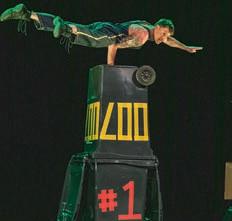
Trash Test
Dummies Circus
Umbrella Revolution at The Garden of Unearthly Delights, 13 Feb-22 Mar, various times
Much-loved circus and acrobatics troupe The Dummies return for one final Adelaide Fringe season. Rubbish by name only.
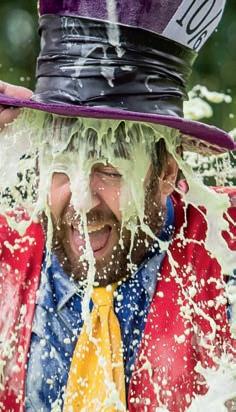
Grossed Out Game Show
Umbrella Revolution at The Garden of Unearthly Delights, 14 Feb-22 Mar, 3.30pm
The ultimate, award-winning slimy gameshow. Win challenges to earn litres of the stuff, cover the other team’s captain, and stay out of a sticky situation.
Photo: Rob Studdert
Image: courtesy of The Garden of Unearthly Delights
Photo: Jeromaia Detto
The Giant Balloon Show
Jon and Jero
Trash Test Dummies Circus
Pico and the Golden Lagoon
Grossed Out Game Show
Top Picks: Dance
Exceptional dance shows in Adelaide run the gamut from home-grown to international talent
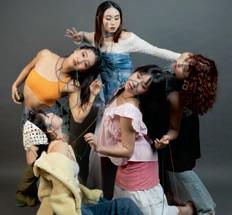
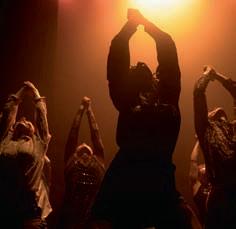
Beyond the Red Thread
The Ballroom at Ayers House Events, 21 Feb-14 Mar, various times
Emerging artists from Taiwan use contemporary dance to unravel the entangled cord of womanhood and cultural identity in East Asia and beyond.
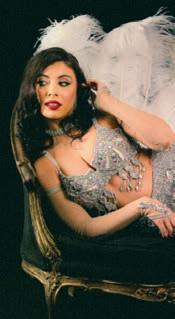
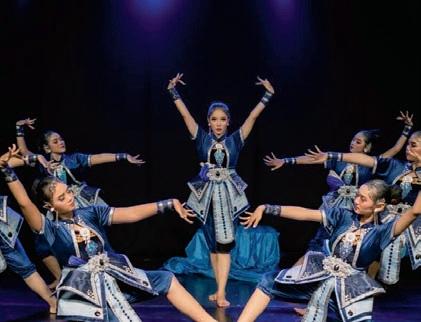
PELANGI NUSANTARA
Theatre One at The Parks Theatres, 7 Mar, 4pm; 8 Mar, 5pm
Lang Lang Buana Dance Art Studio shares the traditional art of Banyuwangi, Indonesia, with a story of love, gratitude and joy told through movement.
Club Eden
Ukiyo at Gluttony - Rymill Park, 20-22 Feb, various times
Created by the team behind Frolic & Follies, this glitter-soaked spectacle promises high-glamour, powerhouse acts and seductive storytelling.
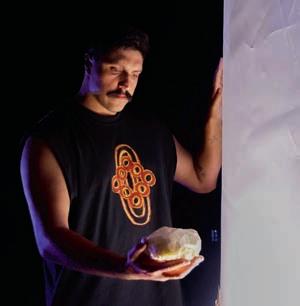
Kuramanunya
The Studio at Holden Street Theatres, 14-22 Mar, various times
A solo dance performance from First Nations performer Thomas E.S. Kelly, about descending from those who fought for land, family and identity.
Theatre of Dreams
Festival Theatre, 13-14 Mar, 8pm; 15 Mar, 2pm
One of the most in-demand choreographers in the world, Hofesh Shechter returns to Adelaide with a dark journey into the subconscious mind.
Kuramanunya
Theatre of Dreams
Club Eden
PELANGI NUSANTARA
Beyond the Red Thread
Image: courtesy of Adelaide Festival
Image: courtesy of Gluttony
Image: courtesy of artist
Image: courtesy of AM Playhouse
Photo: Tristan Ronald Estevez Petuel
Top Picks: Adelaide Festival
Adelaide’s international festival features experimental theatre, reimagined classics and pop royalty
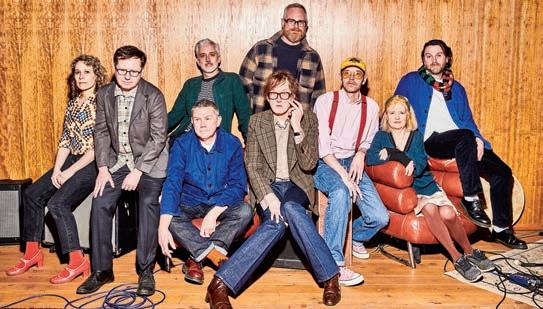
Pulp
Elder Park/Tarntanya Wama, 27 Feb, 8.30pm
Pop royalty Pulp grace us common people with a free opening night concert to kick off the Adelaide Festival in style. Their arch, sultry ballads have never sounded so good.
The Cherry Orchard
LG Arts Center, 27 Feb-1 Mar, various times
Chekhov’s last play, reimagined by acclaimed director Simon Stone as a family power-struggle set in contemporary Seoul.
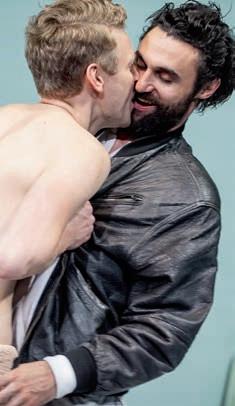
History of Violence
Dunstan Playhouse, 27 Feb-2 Mar, various times
Visionary theatre director Thomas Ostermeier adapts French writer Édouard Louis’ autobiographical queer novel about an ill-fated encounter.
Mary Said What She Said Festival Theatre, 6-8 Mar, various times
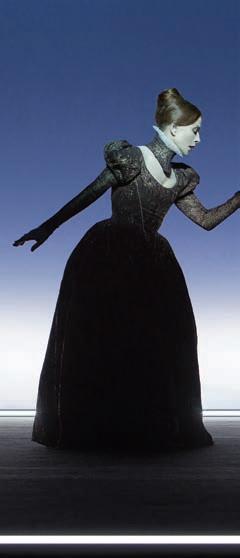
Acting royalty Isabelle Huppert is Mary Queen of Scots in a solo performance directed and designed by the late Robert Wilson and scored by Ludovico Einaudi.
Pulp
The Cherry Orchard
Mary Said What She Said History of Violence
Photo: Tom Jackson
Photo: LG Arts Center
Photo: Lucie Jansch
Photo: Arno Declair

Whitefella Yella Tree
Space Theatre, 12-15 Mar, various times
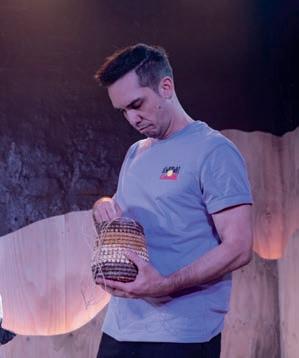
A heady romance unexpectedly blossoms between two young men under a lemon tree in this early 19th century period piece from the Griffin Theatre Company.
Gatz
Her Majesty’s Theatre, 13-15 Mar, 2pm
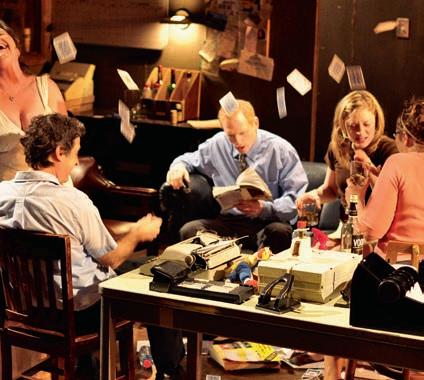
An epic eight-hour restaging of The Great Gatsby, told word for word from inside the office of a small business in the 20th Century where a copy of the book is found.
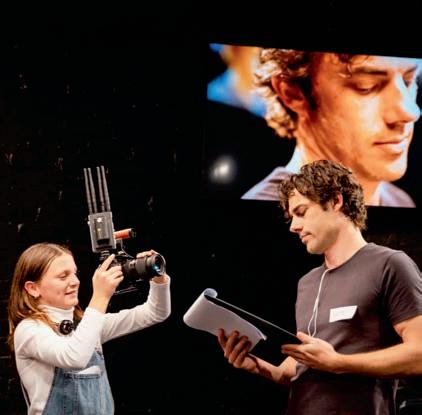
Space Theatre, 4-8 Mar, various times
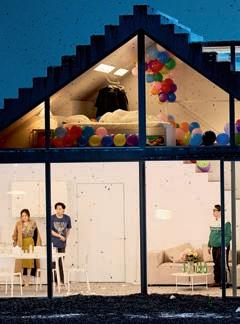
Bub, a documentary-obsessed 11-year old, steers the action from behind the camera in this no-two-nightsthe-same piece of improvised theatre that tackles family breakdown.
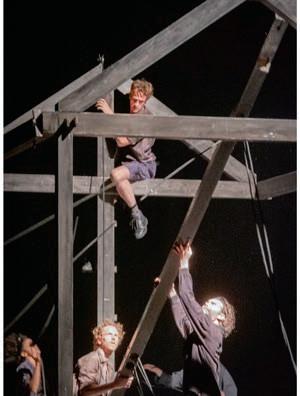
Works and Days
Dunstan Playhouse, 5-8 Mar, various times
Inspired by Hesiod’s work of the same name, eight physical performers plough up the stage as they wordlessly embody the rituals of tradition, transformation and toil.
POV
Whitefella Yella Tree
POV
Gatz
Works and Days
Photo: Brett Boardman
Image: courtesy of Adelaide Festival
Photo: Mark Barton
Photo: Kurt Van der Elst
WOMADelaide Highlights
Unmissable acts at this year’s edition of the iconic open-air festival
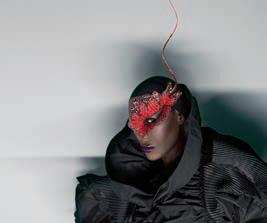
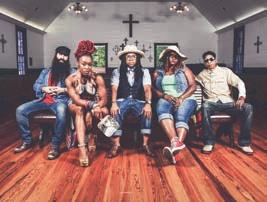

Grace Jones
7 Mar
Legendary singer, actress, author, gay icon, Bond villain, artist and revolutionist Grace Jones headlines WOMADelaide’s Saturday night.
Arrested Development
9 Mar
Trailblazers for the last 30 years, Grammy-award winners Arrested Development grace the WOMADelaide stage with their 2025 album Adult Contemporary Hip-Hop.
JYOTY
9 Mar
UK DJ Jyoty brings the homegrown club night vibes to Womadelaide with her characteristically eclectic mix of sounds from around the world.
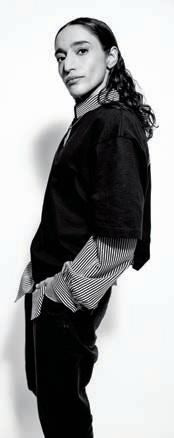
BVT
8-9 Mar
Exploding onto the scene and overflowing with talent, BVT is taking Australia and America by storm. An emerging artist that’s not to be missed.
Sama’ Abdulhadi
7 Mar
Sama’ Abdulhadi put Palestine on 14 million people’s musical radar with her Boiler Room set. Don’t miss the DJ and activist’s legendary sounds of resistance live.
TIME: 6-9 Mar
SHOW WOMADelaide VENUE: Botanic Park / Tainmuntilla
Grace Jones
Arrested Development
BVT
JYOTY
Sama’ Abdulhadi
Photo: Andrea Klarin
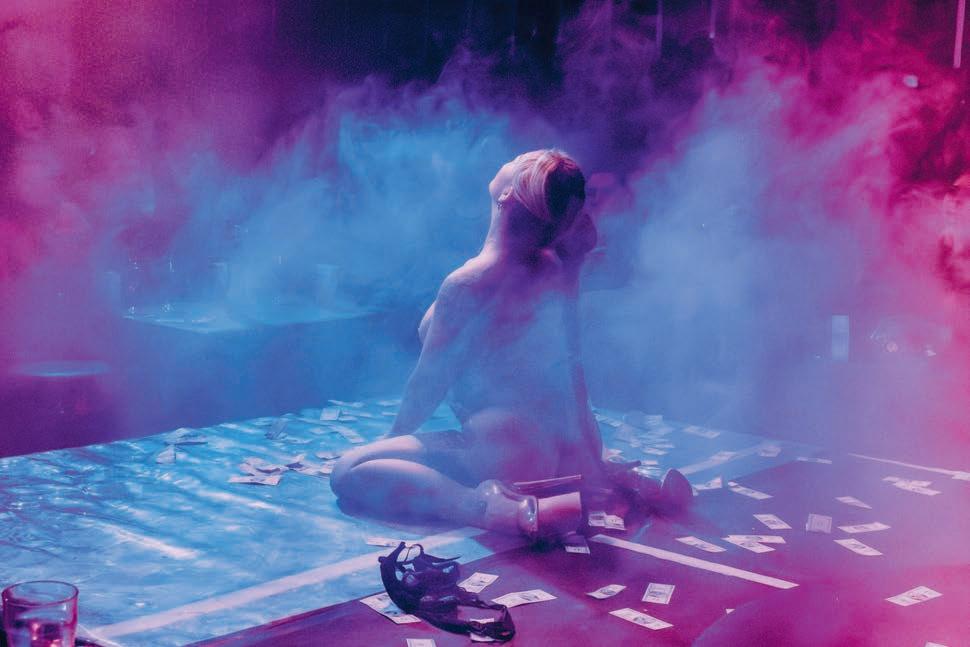




QUEER. SWEATY. DEFIANT. REAL. FILTH.


“A performance that shatters taboos, embraces queerness, and challenges societal biases” THE ADELAIDE INSIDER THE ADELAIDE HIPSTER



13 SHOWS 10PM 26 FEB - 21 MAR 2026







YOUR DREAMS THE LATE-NIGHT STR*P SHOW OF YOUR TIPPING INCLUDED!

i did it again
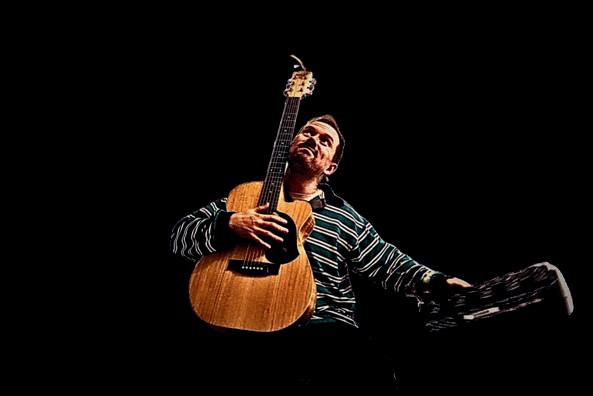
BEATBOXING STORY TELLING LIVE LOOPING
“his unique blend of creativity and skill left us all in awe.”


Carte Blanche
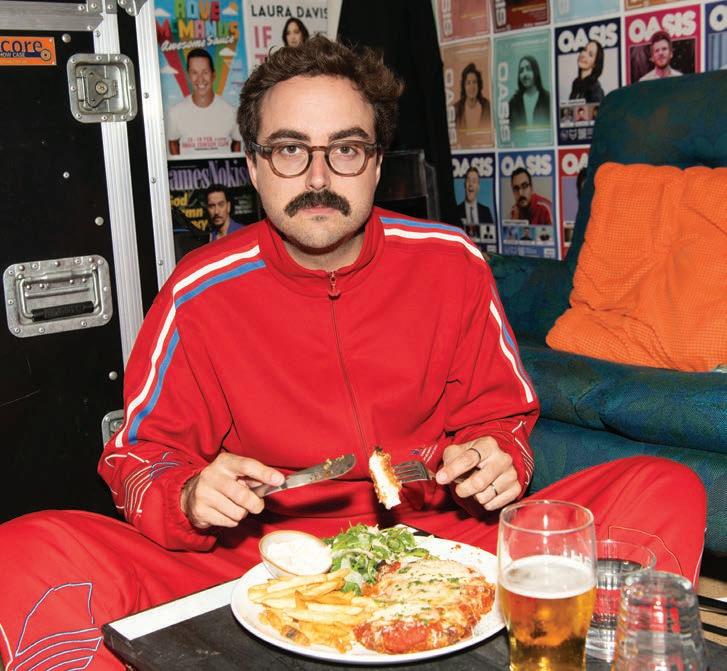
We catch up with the man in red about Adelaide, dodgy audiences and life as a cult comic
Words: Allan Riley
When asking a comedian with a track record as shiny as Daniel Muggleton’s about their show, you wouldn’t expect them to admit they haven’t written it yet.
Muggleton, known for his red tracksuit and critically acclaimed shows, brings his new show White Here, White Now to the Fringe from the first weekend. However, he admits that he doesn’t yet know what it entails.
“None of us [comedians] know,” he jokes. “We write [them] in January... [Last] year’s was probably more personal than I’d gone previously, and I’ve done that now. I’m going to go back to talking about the world, and I feel like there is plenty to work with, given everything that’s happened recently”.
Muggleton has been one of Australia’s most prolific comedians of the 2020s, but has not
captured mainstream media attention. Given his growing profile, his advertising has leaned into it.
“People absolutely recognise me in the street. I’ve had specials on Australian television before. They just won’t let me on any shows with other people, which, as an only child, I applaud,” he explains.
“It’s just owning the fact that a lot of people might not have heard of me, but that doesn’t imply that I’m shit.”
Like all his shows, Muggleton’s latest hour includes a pun about being white. It first started as a title for his 2019 show Pimpin’ Ain’t Easy (But I Reckon it’s easier for Straight, White Men?), before pushing himself into a “white corner.” “Because you have to name these shows every time, I just thought it’d be fun to have an inside joke where every title involves the word white,” he explains.
“I couldn’t have chosen a worse word to insert into it, especially given the current state of things. Either people are turned off because they think it’s going to be some kind of pridebased thing, which it is not. Or they’re turned on because they think it’s going to be some kind of pride-based thing, and it’s definitely not that.
“It is weird to have literal Nazis come to a show and then leave saying, ‘hey man, I don’t think you went far enough.’ I’m like, that’s fantastic feedback from you, actually. But that’s more overseas than here. I think here, if anyone is aware of me in any way, or if they do the smallest amount of research possible, they will realise that’s not what it is.”
Until recently, Muggleton also hosted his own podcast. While people often conflate podcasting with stand-up, Muggleton feels there’s a distinct difference between the two.
“I don’t know if it translates, because I think
a lot of people who are great on podcasts are horrific as stand-up comedians and vice versa,” he says. “The one thing with a podcast is you get these things that resonate with people you would never really predict ahead of time. [With] stand-up, there’s a necessity to be broad, whereas podcasting, you can just say the most specific thing you want to say, and it’ll surprise you how many people are in the exact same boat.
“It is weird to have literal Nazis come to a show and then leave saying, ‘hey man, I don’t think you went far enough.’”
Like many comedians, Muggleton has used Adelaide as the butt of many jokes. Despite a series of short stays this year (Muggleton is only doing Friday-Sundays each week), he insists that he has “a big soft spot” for the city after his 2025 visit.
“As a touring comedian, you come in these towns, doing a show on stage is a great way to get a vibe on a town,” he explains. “To be there for a full month, for the first time and really get a vibe on Adelaide, I came away just loving it so much more as a place.”
TIME: 20 Feb-22 March, 10pm
SHOW Daniel Muggleton: White Here, White Now VENUE: Le Cascadeur at The Garden of Unearthly Delights
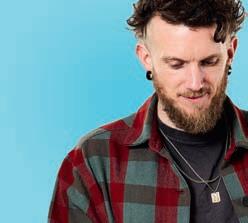
Wright&Grainger’s Orpheus
The Courtyard of CuriositiesMortlock Library 19 Feb - 22 Mar
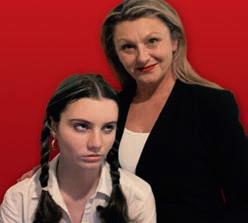
The Debate
The Arch - Holden Street Theatres 13 Feb - 22 Mar
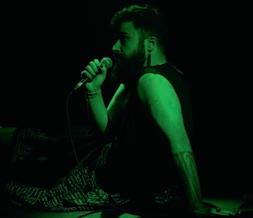
Takatāpui
Tandanya Theatre - Gluttony 03 Mar - 08 Mar
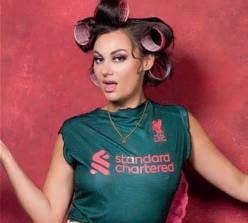
Eat the Rich (But Maybe Not Me Mates x)
The Studio - Holden Street Theatres 17 Feb - 22 Mar
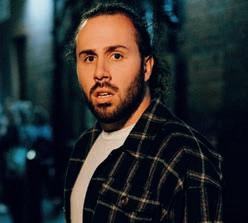
Good Man
The Courtyard of CuriositiesHetzel Room 20 Feb - 01 Mar

PONY
Domain Theatre - Marion Cultural Centre
Beer Garden - 10 Gallon Hat Bar
The Warehouse Theatre 05 Mar - 12 Mar
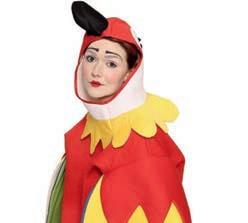
Elf Lyons: Swan
The Courtyard of CuriositiesHetzel Room 20 Feb - 22 Mar

Cadel: Lungs on Legs Goodwood Theatre 19 Feb - 21 Mar
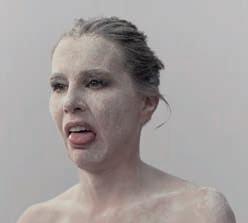
Kirsty Mann: Corpse
The Courtyard of CuriositiesThe Gallery 19 Feb - 15 Mar
Swanning About
UK clown-comic Elf Lyons on finding new meaning in her Swan
Lake adaptation after almost a decade
Words: Megan Merino
Whether you’ve seen all of her previous shows or simply walked past a poster or two, you will quickly gather that Elf Lyons is an animal person. From her 2024 show Horses to The Bird Trilogy that she resurrected at the Edinburgh Fringe (and later in London’s Soho Theatre), this performer seems to be repeatedly inspired by creatures great and small.
“I’ve got a deck of oracle cards and they are all animal related,” she admits when we chat mid Soho run, a run in which she is performing Raven, Chiffchaff and Swan on rotation for over a week. “I pick one before every show to help me. They give me a little focus point. Last night’s one was the cat for independence, like, you don’t need to rely on anyone else to know your adaptability and your ability to create great things. The only person who can get you from off stage to on stage and to open your mouth is you.”
year, combines all of these elements in a one hour whistle stop mockery tour of Tchaikovsky’s Swan Lake. It’s not a new show (she originally performed it in Edinburgh back in 2017) but revisiting the piece nine years on has brought up interesting reflections and revelations.
“We’re not given the same freedom that boys have to just be silly”
“I’m gonna be honest, [2025] could not have been a more emotionally exhausting year. I didn’t have the capacity to make a brand new show. We knew people really reacted so positively to these three shows and Swan in particular was quite a big show in terms of people going ‘oh, clowning is this big thing.’ Gaulier had always been known, but I think a lot more people started talking about that in response to that and a few other clown shows that were going on that year.”
Lyons has been writing and performing her own shows for over a decade, blending bouffon clowning (she studied until Philippe Gaulier, one of two pre-eminent figures in clowning – the other being Jacques Lecoq) and physical comedy with sharply written scripts and theatre art. Swan, the show she is bringing to Adelaide this
It’s true, over the past few years the clown genre, particularly of the Lecoq and Gaulier variety, has been masterfully employed in award-winning shows by artists like Julia Masli, Natalie Palamides and Garry Starr (to name a few). But in comparison to those shows, Lyons’ Swan has a more scathing undercurrent, something Lyons believes will be ‘naturally more acidic’ in 2026 than the first time around.
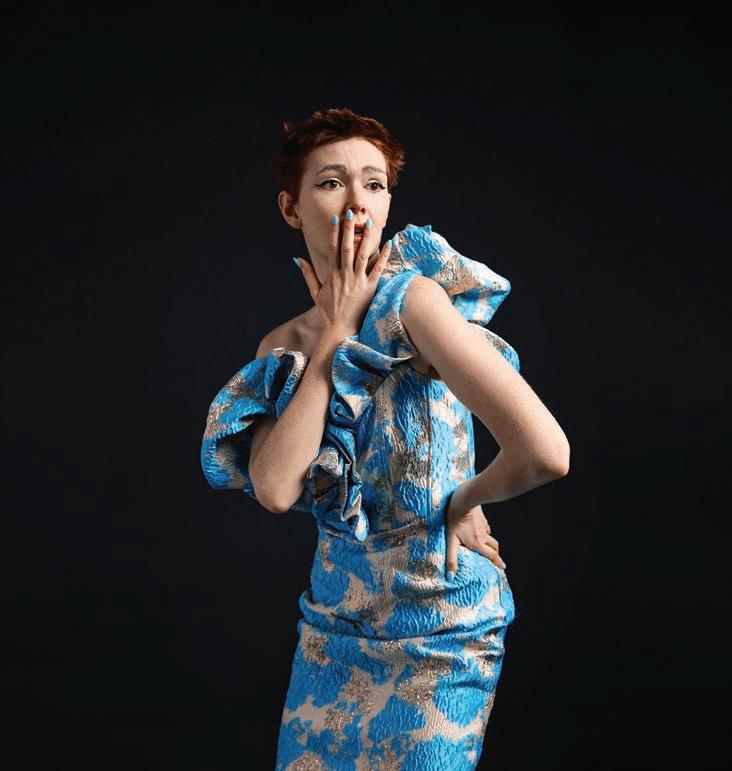
“Bringing Swan back now as a 34 year old; my body is different, my knowledge of the world is different, the way people look at me. I made the show when I was 26 and there’s a naivety and an innocence to watching a young woman being super silly,” she reflects. “It got reviewed as being ‘silliness for silliness’ sake: three stars,’ while boy clowns would get ‘silliness for silliness’ sake: five stars.’ I think silliness is still such a political issue for women all around the world, and this idea that we’re wasting our voice. We’re not given the same freedom that boys have to just be silly.”
On a less personal note, this sour taste seeps into the story of Swan Lake itself: “I just
think Prince Siegfried is so subpar and Odette is so incredible. When it comes to what’s involved for men versus women, the dance of Odette and Odile, for example, is so difficult, and it’s played by the same woman.
“I think now we’re living in a time where women are actively choosing to be single, going ‘men aren’t good enough,’ so I think there’s going to be a new lens to it.”
SHOW Elf Lyons: Swan
VENUE: The Hetzel Room at The Courtyard of Curiosities at the State Library
TIME: 20 Feb-22 Mar, 7.30pm
Photo: Rich Lakos
Dirty Laundry
We chat to clown-comedian Ozzy Algar about their gossiping alter ego Pet, owner of the Isle of Wight’s last surviving laundromat
Words: Louis Cammell
Dear customers,
It is with great sadness that I am informing you that I will not be returning to my duties at the launderette.
This does mean that there will no longer be any service washes or dry cleaning services in this launderette.
Thank you for your custom over the years, I hope to see you around. Stay safe, Pet.
What would you do if you found your favourite local laundromat closed for good, with this letter taped to its shopfront?
For UK-based clown-comedian Ozzy Algar, it was enough to inspire their Fringe show Speed Queen which took Edinburgh by storm in 2025. Until then, the shop’s owner had blended into the background, but with the reveal of her unusual name – Pet – and anachronistic verbiage which felt old-fashioned and yet, looking back now, also ahead of its time, Algar was mystified. “This was pre-COVID,” says Algar. “Stay safe was
a really strange way to sign off [at the time], especially in this really mundane place.”
It threw up questions about the dangers that could be lying beneath the everyday. What did Pet know that others did not? Was she tuned into another realm, or was it simply that the locals were scoundrels? It spoke to Algar’s nascent interest in the supernatural, as well as their fascination with England’s insular communities (Algar’s family hails from Hampshire. Fun fact: Its neighbouring county, West Sussex, is home to more cults than any other part of the country) and soon Algar was off and running with their own fictionalised version of Pet; a yarn spinner who airs the town’s dirty laundry in public. The show’s setting was to be a folk-horror inflected version of a British island that is seen as a bit of a cultural oddity: the Isle of Wight. Often met with accusations of being frozen in time, the minuscule island off the nation’s South Coast made for the perfect setting. Its once Enid Blyton-style postcard facade has faded into a pastiche of Victorian British optimism.
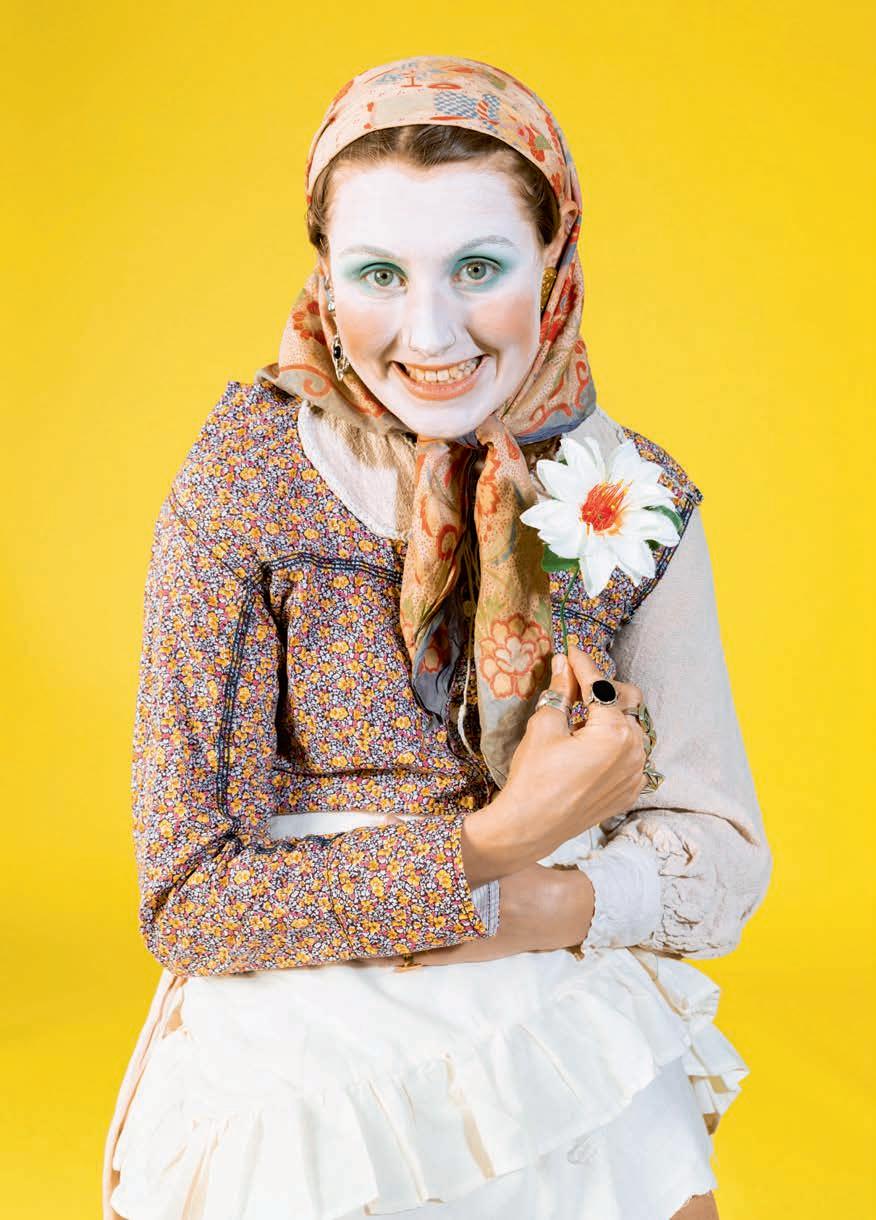
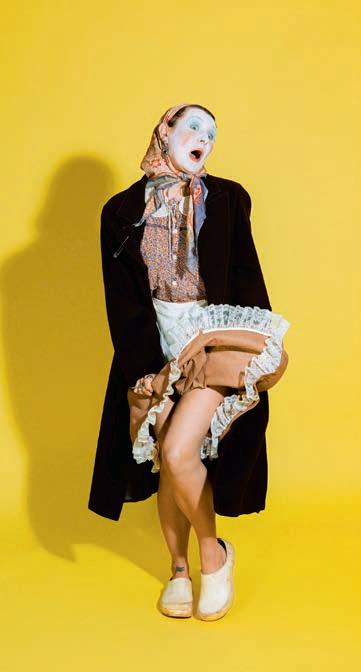
Pet, with her chiffon scarf and Vera Lynn style vocals, is the island personified. She cuts a fantastical figure, silhouetted by the steam

“Personally, I think live performance should always have a bit of that [old fashioned] glamour.”
Photo: Jennifer Forward-Hayter
of the laundromat and plumes of washing powder, and tells fabulistic stranger-than-fiction stories. “I think everything Pet says is true,” says Algar. “Whether she’s misremembering, or whether she’s a little bit magical” is up to the audience. “In [Britain] at the moment, so many realities are existing at the same time,” that it’s easy to see how folk tales originally emerged, says Algar. The show works as an exploration of that, and not just in Britain.
In bringing it to Australia, Algar expects those same questions to hit home. After all, the UK and Australia share a history of folk storytelling whose colonial silencing still looms. Beyond that, the present issue of division and individual narratives is a global one, with online discourse transcending geographical and cultural borders. Plus, for those who might still be left flummoxed by the Isle of Wight, Algar has been told that there may exist parallels between it and Tasmania, insomuch as the two places occasionally share a tendency to be viewed by mainlanders as curios; places where things feel familiar yet distinct.
It’s in this same intersection that Ozzy Algar operates, and happily so. They didn’t come to performing through the traditional route of, say, youth theatre. Rather, it was the drag scene in the English city of Leeds, where they went to university, that opened their eyes to the possibilities. “I think drag and cabaret scenes are so welcoming and wonderful. It’s the first place for many performers to see something other than [the mainstream], so that was really quite formative.” Suddenly, a whole world lay in front of them that encompassed more than stand up comedy, which never spoke to them because “personally, I think live performance should always have a bit of that [old fashioned] glamour.”
This last remark could have come straight from the mouth of Pet, Algar’s bardic alter ego. It begs the question, where does Algar end and Pet begin? Just as I’m wondering this,
Algar offers up “I love Edith Piaf,” and it recalls a part of the show that is best left unspoiled, but let us just say a cabaret-style finale suggests that Pet too is a fan of the famous French chanteuse It’s apt really, for a show that blends fact and fiction, that the performer and their character are cut from the same cloth. Or maybe it’s more like their colours have run into one another; their dyes have mixed in a hot wash. It’s a reminder that in life, like in a folk tale, there is no clear line between truth and tale. All we’re really doing is sorting the world into two separate laundry baskets: the stories that pass the sniff test, and the ones that just won’t wash.
VENUE: The Chapel at The Courtyard of Curiosities at the Migration Museum
TIME: 10-22 Mar, 7.50pm
SHOW Ozzy Algar: Speed Queen
Photo: Jennifer Forward-Hayter
Hits and Giggles
Gilamaraay comic Dane Simpson talks looking back on a decade’s worth of material
Words: Talara McHugh
Dane Simpson didn’t believe he could be a stand-up comedian until someone literally pushed him on stage to perform against his will.
“My mob come from Walgett, which is outback New South Wales, and I used to travel up there to see my dad every school holidays. In Walgett, if you tell the funniest yarn, you win,” the Gamilaraay comic says.
“You don’t let the truth get in the way of a good yarn. You go for whatever’s going to make people laugh the hardest. And I just grew up doing that. I didn’t know that you could do stand-up comedy for a living. It’s just how we lived life and connected.”
A decade later, the Wagga Wagga-based comedian has built a flourishing career since bursting onto the scene in 2015 as a national finalist on Deadly Funny, touring festivals across the nation, including the Melbourne International Comedy Festival Gala.
He’s also racked up TV credits on Channel 10’s Thank God You’re Here, The Amazing Race Australia, and Have You Been Paying Attention?, while hosting the hit online series, Servo Bingo.
Now he’s bringing his “highlight reel” show 100% Hits to the Adelaide Fringe, looking back
at “all the killer punchlines, crowd favourites and greatest hits” from his career so far.
But going through 10 years’ worth of gags has been no easy feat, involving many hours spent in front of the TV watching his past performances.
“There’s been times I’ve been watching my shows and my wife comes in and she’s like, ‘Are you watching you?’ And I’m like, ‘Yeah, I’m trying to find what jokes work,’ and she goes, ‘Are you laughing?’ – and I’m like ‘...yeah,’” he laughs.
“It can be a bit cringey sometimes but the majority of it is fun to watch. I forgot [a lot of)] these gags. They’re from such a long time ago. So it’s really funny to go back and watch some of the stuff that I used to do. You know, I’m a better comic now, so I can take some of those jokes that were okay and make them better.”
Through it all, he says his wife, Eleanor, has been his rock and toughest critic, pushing him to be “the best that I could possibly be.”
“I’ll be like, ‘Do you find this bit funny?’ and then she’s like ‘Why don’t you think of something funny to say when that doesn’t work?’ I’m like, oh my god, that’s so full on but she’s gone, ‘Mate, would you rather me say it now or would you rather 200 people not laugh?’ I’m like, ‘To be honest I’d rather 200 people not laugh
“In Walgett, if you tell the funniest yarn, you win”
because you are cutting me to my core as we speak.’ But it’s really cool to have somebody that we can just bounce ideas off of.”
Jokes aside, he wants his achievements over the past decade to show people in regional towns that they don’t need to move to the big smoke to dream big and find success.
“Realistically, a lot of people strive to just be like a tradie or a doctor. Whereas any of the art stuff is not even on the radar. It’s not even talked about,” he says.
“We didn’t even have a comedy club in Wagga Wagga. We didn’t have any comedians. It was just, Carl Barron and Kitty Flanagan would visit every few years. There was no place that anybody could get up and do stand-up comedy so we invented it.
“The biggest goal for me is that I want people that live in regional Australia to watch TV and go, I can do that. I can tell some jokesdon’t rule out opportunities because you’re in Wagga Wagga.”

TIME: 2-8 Mar, 8.30pm
SHOW Dane Simpson - 100% Hits
VENUE: Le Cascadeur at The Garden of Unearthly Delights
Photo: Jac Cooper
Highlights from the cutting-edge Adelaide Fringe program
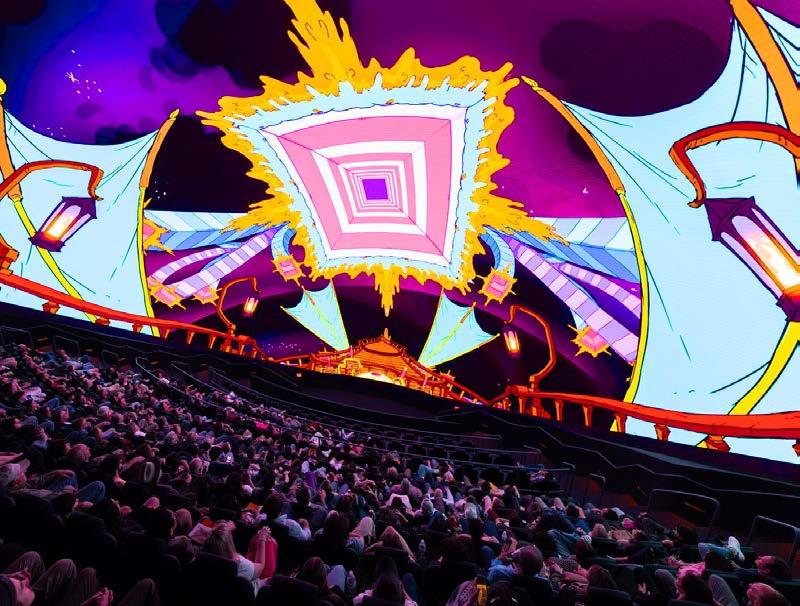
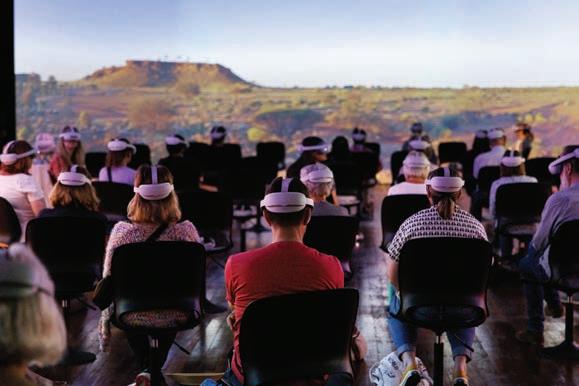
Afamily can often surprise you with its vast array of ages and interests. Under any one roof, you might find a thrillseeking gamer in one room, and a daydreaming inventor, or film lover, in another. And while there’s likely to be shows that hit each individual niche at the Adelaide Fringe, it’s not always easy to find those experiences that can sweep the whole household away at once. Enter: Immersive Worlds, a cutting-edge strand of adventures that span from the deepest oceans to the furthest reaches of our solar system. Across different venues, Immersive Worlds’ offers ‘full dome’, VR and interactive experiences. We’ve selected a few family friendly highlights down below.
‘Full Dome’ Highlights
Taking its name from the structure that houses it, a ‘full dome’ answers the question: what if a cinema screen wrapped around every inch of the wall? Personally, we can’t wait to re-experience Pink
Photo: L Riley Kimberley Experience

Floyd’s classic album The Dark Side of the Moon accompanied by bespoke space exploration visuals. Also on offer is a close-up look at giant cuttlefish, filmed off South Australia’s coast for Cuttlefish: Colour & Camouflage, as well as an interstellar trip to the red planet in One Step Beyond: Mars
The Dome at Olympic House, 17 Feb - 22 Mar, times vary
VR Highlights
Select virtual reality events includes first-of-its-kind Surround Sync sound technology on select events, which calibrates surround side to the adventure’s visuals for full-body immersion (See: Includes Surround Sync.)
Step inside 19th century Europe as rendered by visionary artist Van Gogh in the Australian premiere of Monsieur Vincent. VR 1 at Olympic House, 18 Feb-22 Mar, times vary
Marvel at the MEGAfauna of the Great Southern Reef Special, captured by the acclaimed 360° underwater videographer and storyteller Carl Charter.
VR 2 at Olympic House, 18 Feb-22 Mar, times vary
The vast expanse of our home galaxy is brought within our physical and academic reach by a familiar face in Beyond the Milky Way narrated by Prof. Brian Cox. Includes Surround Sync.
The Mercury, 20 Feb-22 Mar, times vary
The mysteries of a research base in the snowy expanse of the South Pole are yours to experience in The Antarctica Experience narrated by David Wenham. Includes Surround Sync.
The Mercury, 20 Feb-22 Mar, times vary
Guided by scientists and traditional owners, The Great Kimberley Wilderness with Luke Hemsworth ventures deep into ancient land.
The Mercury, 20 Feb-22 Mar, times vary
Interactive Highlights
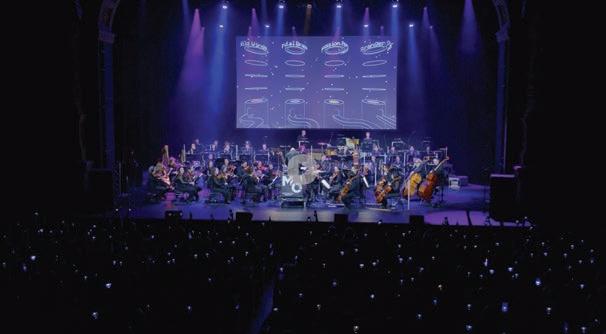
Don’t miss The Score: The Smartphone Orchestra, which is happening over one weekend only and lets the crowd control a live orchestra through their mobile devices.
Star Theatres, 20 Feb, 6pm; 21-22 Feb, 3 & 6pm
The outdoor installation Celestial Gardens: The Secret Sound of Plants is set to be a chill and eye-opening journey through the hidden sonic life of plants. Carclew, 19 Feb-1 Mar, 7pm
For families with teens and young adults, Fire Escape - a Hitchcockian, Rear Window inspired, interactive murder mystery game - asks you to do some sleuthing. Which doors you open are up to you. 15+.
The Mercury, 20 Feb-22 Mar, 7pm (+ 2.15pm on Saturdays)
Visit adelaidefringe.com.au/immersive-worlds to find out more.

The Immersive Worlds program is made possible thanks to Major Partner NRMA Insurance, Novatech, Electric Dreams, and the Government of South Australia.
Image:
Barnstormers
Taiwanese theatre troupe Peng Nei Ren answer our questions on reimagining Orwell’s classic anti-authoritarian tale Animal Farm
Words: Xuanlin Tham
Image: courtesy of Peng Nei Ren
Peng Nei Ren Theatre Troupe
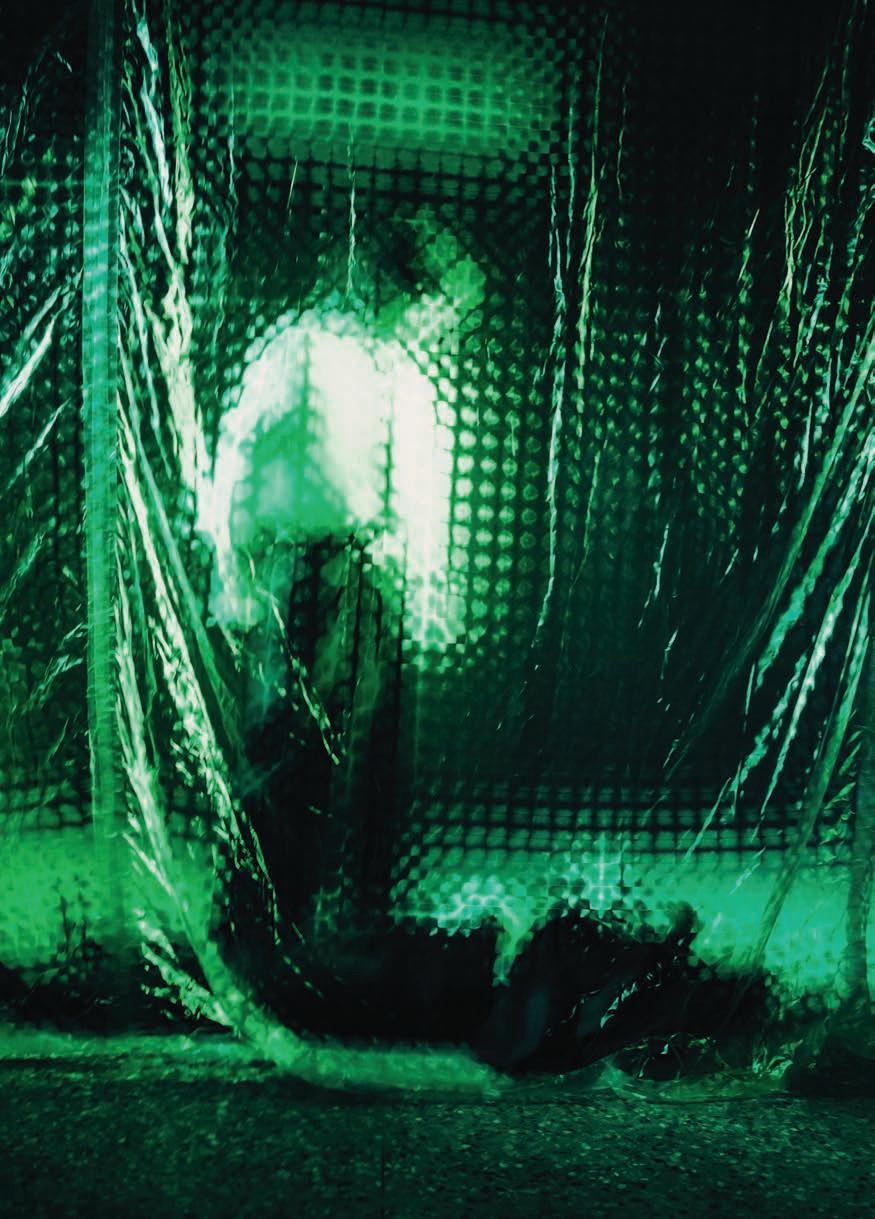
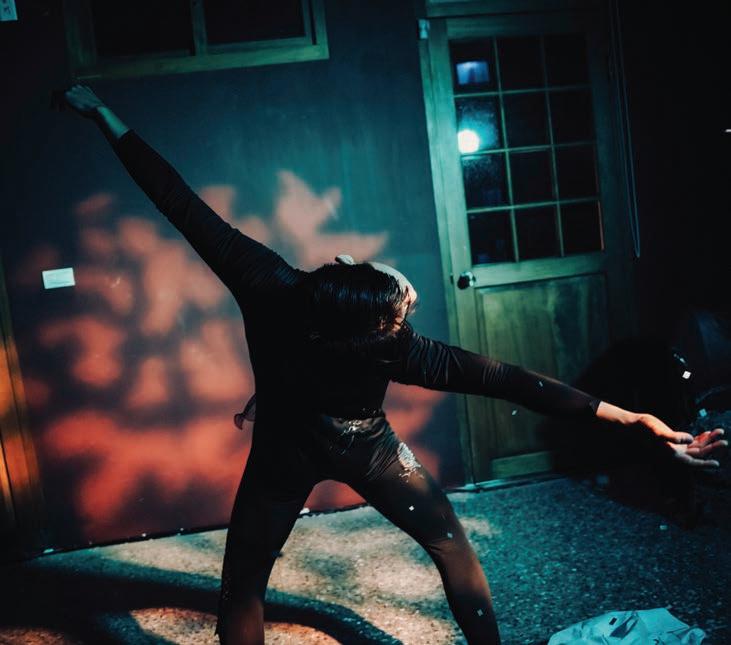
In Taiwanese theatre troupe Peng Nei Ren’s immersive theatre experiment Animal Farm, George Orwell’s canonical text on authoritarianism is the starting point for a formally audacious exploration of the nature of power itself.
“Orwell asks whether power ever truly disappears, or merely shifts and transforms. We relocate this question into a contemporary context and re-examine it through the lenses of body, language, and labour,” show creator Liao SsuChia shares over email. “Rather than watching a fable unfold, audiences form a dialogue with the original text through participation.”
Below, Liao and troupe leader Chen Ta-Chan tell us about how inspiration struck, and how live theatre can illuminate mechanics of power today.
Could you tell us about Peng Nei Ren Theatre Company?
Chen Ta-Chan: Peng Nei Ren is founded on the belief that theatre can be a space one can enter at any time – a free and open place for speaking, listening, and thinking. The name evokes the image of a tent: a structure that can be easily entered and exited, allowing theatre to blend into everyday life.
We focus on how theatre can invite audiences to slow down, think deeply, and discover moments of resonance through the act of watching. In a time when slowing down is difficult, persuading audiences to remain present inside a theatre space requires a strong sense of attraction. Our ambition is to make a wide range of texts and ideas engaging and accessible, while retaining their depth.
What were the initial seeds of inspiration behind Animal Farm?
Liao Ssu-Chia: The initial inspiration came from a seemingly insignificant urban moment. One day in 2024, while walking through the city, I looked up at a glass high-rise and saw people on different floors practising yoga, eating, and working long hours. These vertically stacked activities formed an ‘artificial jungle’ made of steel, concrete, and glass. Even in highly technologized societies, humans discipline themselves through systems of self-evaluation and productivity, turning themselves into
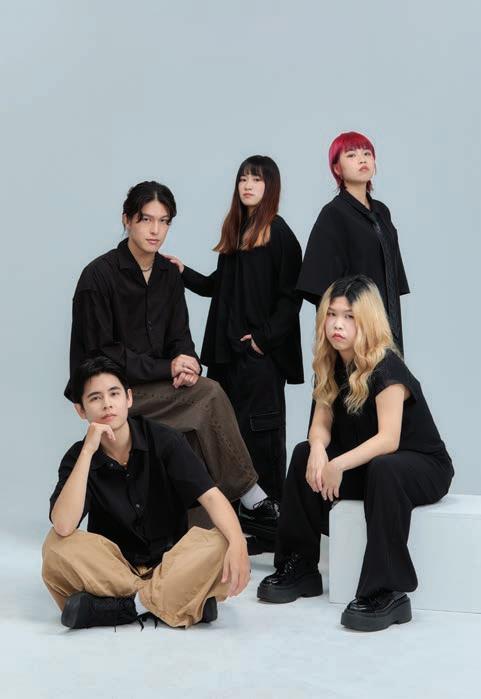
Image: courtesy of Peng Nei Ren
Peng Nei Ren Theate Troupe

“Perhaps the difference between humans and animals is not whether we are domesticated, but whether we believe this domestication is voluntary”
measurable, operational units. Perhaps the difference between humans and animals is not whether we are domesticated, but whether we believe this domestication is voluntary.
Months later, during a casual team dinner, we discussed whether swimming could be a form of performance. This brought to mind dolphins in marine parks or circus animals trained to jump through hoops. No animal chooses these actions, yet when raised entirely within a system of rules, can they still imagine alternatives? This question became the true starting point of Animal Farm.
Instead of being passive spectators, audiences are recruited into the performance itself. Could you tell us about the importance of this participatory element, and how it links to Foucault’s theorising of power as a decentralised network?
LSC: The audience’s choices directly shape the progression of the performance. This allows audiences to experience how they are shaped by an operating structure, rather than simply understanding a story being presented to them.
Foucault’s analysis of decentralised power strongly informs our theatrical structure. In contemporary society, power rarely appears as direct commands or violence; instead, it operates through self-management, internalised norms, and aspirations toward improvement — processes we often perceive as natural or necessary.
Power is not represented by a single authority figure, but distributed across rules, rhythms, and the audience’s own actions. There is no visible ruler in the performance, yet
the system is constantly operating. Through ongoing participation, they gradually perceive how power functions through structure itself rather than direct instruction.
Could you describe Animal Farm’s aesthetic world?
LSC: The visual and sonic language of the work is rooted in East Asian labour ethics and linguistic power. These elements emerge from my embodied memories of growing up within systems that emphasise efficiency, obedience, and silence. Aesthetically, we adopt strategies of restraint, compression, and symbolism, avoiding excessive narration or emotional guidance. The performance space becomes a highly managed environment. Through rhythmic sound patterns, repetitive movement, and spatial limitation, audiences encounter – on a sensory level, even before conscious understanding – how order and constraint permeate everyday life.
How do you explore the hierarchical relationship between language and labour?
LSC: In Animal Farm, language functions as the origin of command, while labour becomes its continuation. We often learn how to speak not to express ourselves, but to prove that we are competent or worthy of remaining within a system. Through audience participation, language shifts from a tool of communication into a mechanism of discipline. Each response, choice, or silence is absorbed into the live operational logic of the performance. Theatre becomes a real-time social experiment, where power is not explained but enacted.
When survival and social value are quantified, human bodies, time, and emotions are inevitably re-coded to meet demands for productivity. We grow accustomed to evaluating ourselves and others through output and obedience, rarely pausing to ask whether this still constitutes living, or merely functioning. The work amplifies this structure so that audiences can encounter it through embodied experience.
Your staging examines authoritarian dynamics in East Asia: what do you hope it illuminates about contemporary life in this part of the world?
LSC: Our focus is not on overt authoritarian symbols, but on forms of obedience deeply embedded in everyday life — often perceived as reasonable or even virtuous. An obsession with productivity, endurance, and error-free performance becomes internalised as self-discipline. The work seeks to reveal this subtle texture that exists between systems
and individual experience, rather than offering a direct critique of any single political regime.
Why do you think theatre is a particularly apt medium for this exploration – and what do you hope audiences will take away from Animal Farm?
LSC: Theatre operates on the level of the body, time, and collective presence. Within theatre, power is not merely represented – it is experienced. The audience’s bodily responses, hesitations, and decisions become integral to the work, allowing these ideas to be felt rather than simply understood. We hope they depart carrying unresolved questions: which choices were truly mine? Which forms of obedience have become habit? If I am no longer ‘useful,’ am I still allowed to exist as a person?
SHOW Animal Farm
VENUE: The Library at Ayers House Events
TIME: 25-26 Feb, 6.45pm; 27 Feb, 6pm; 28 Feb, 5.15pm
Image: courtesy of Peng Nei Ren
Animal Farm
“A WILD JOURNEY THAT FELT LIKE LAUGHTER THERAPY”
“WONDERFULLY SILLY”

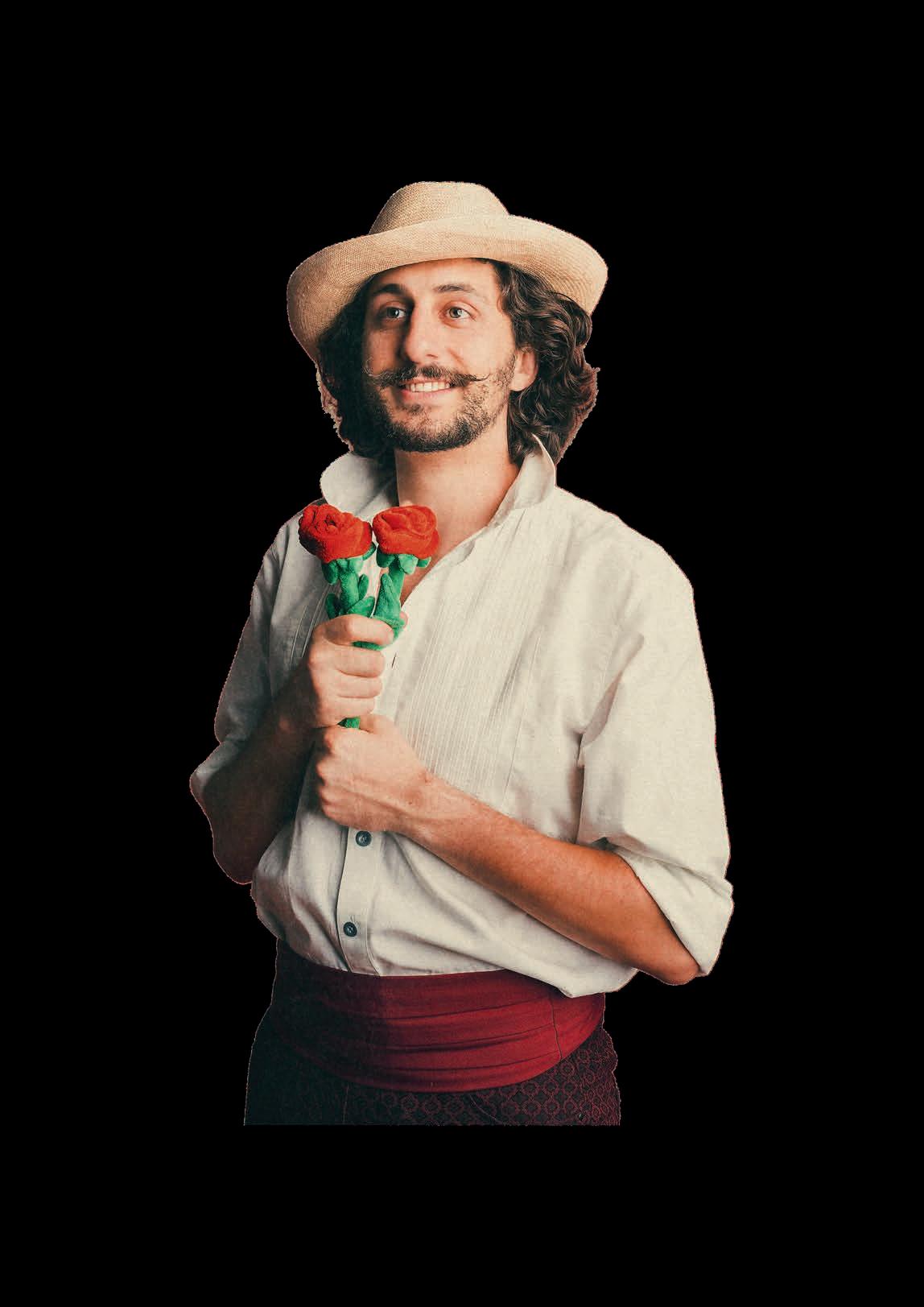
Please help me understand what is love? Grazie, Giuseppe xx




Feels on Wheels
Theatre director Clare Watson on her semi-autobiographical tale about stacking it and getting back up
Words: Sarah Herrmann
Photo: Matt Turner
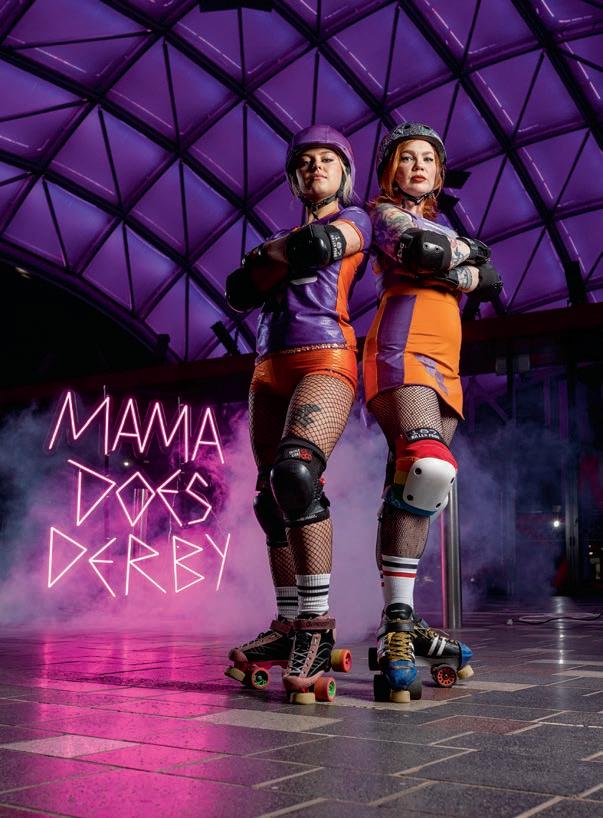
Roller Derby is more than just a sport, says Mama Does Derby director Clare Watson. It’s a lifestyle, a family, a movement. And that’s why everything in the play is on wheels.
Loosely based on Watson and her daughter Ivy, the show follows Mama, who is like “trying to put a leash on a tornado” and her 16-yearold daughter Billie “doing the worrying for both of them” when they move to a regional town. Similarly, it was in a far-flung Melbourne suburb that Watson met the rough and riotous pastime of roller derby – a skating contact sport – for real, way back in 2009.
“I rocked up to this place and there were thousands of people there and it was one of the most electric, thrilling nights I’ve ever had,” she says. “The sport itself was fast and fearless and the athletes were completely awe-inspiring and heroic. I was like ‘how could this kind of energy be harnessed in a theatre experience?’”
“It’s going to be loud”
When she was appointed artistic director at Windmill Production Company – renowned for its original work that “never talks down” to its young and family audiences – she knew it was time.
While many creative works use sport as a vehicle to tell a deeper story, roller derby is the crowning jewel that cannot be extracted from this show.
Mama Does Derby will have its very own track built at the Adelaide Entertainment Centre, with athletes from the Adelaide Roller Derby League forming a chorus on this unique stage.
“The show’s also set in [Mama and Billie’s] home, so [designer] Jonathan Oxlade has created this brilliant set where there’s not a thing that comes on or off stage that’s not on wheels,” Watson says. “It’s like everything flows and moves, and then we have these moments of absolute clarity when we have a scene, and then everything’s moving again.”
Full-contact and high-velocity, a game of risk and danger, roller derby brings its speed to the production, but what derby stands for also has an impact.
The sport’s embracing of the LGBTQI+ community and people who don’t fit traditional athletic body types is its strongest hallmark, with many participants taking on drag-inspired alter-ego player names.
“While we’re not explicitly raising an argument about inclusivity [in the script], I’m hoping that’s an idea we’re supporting through representation of amazing humans in the work,” Watson says. “We’ve got members of the team who are non-binary and trans, so it feels like it’s in the fabric of the work itself, because it’s in the fabric of our society.”
Part-theatre and part-sport, Mama Does Derby is also part-concert, with a live band performing covers of punk songs, and punk takes on pop and rock classics throughout; Watson promises “it’s going to be loud.”
“For some young audiences this will be their first engagement with theatre, and I hope this creates a hook that gets them to come back to the theatre again and again and again,” she says.
While aiming to recreate the elation she felt at her first derby bout in 2009, Watson says the show and the sport also have a deeper resonance in the quieter moments.
“Even though it tells a story about a single parent and child’s experience, I think that experience is really universal to every family at a time where the young person is needing to individuate and push away and find a bit of space from their family to gain a sense of who they are in themselves,” she says.
“That can be a painful and difficult and tumultuous moment for any family. I hope that what this show says is that with community and care and love, everyone’s going to be ok.”
SHOW Mama Does Derby
VENUE: Adelaide Entertainment Centre Theatre
TIME: 27 Feb-8 Mar, various times

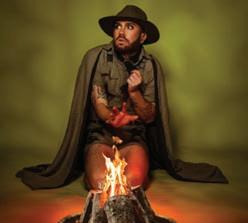
Blak Country
Gluttony at Tandanya
20 - 22 Feb

Aboriginal Comedy

A Tropical Love Story
Gluttony at Tandanya
06 - 09 Mar
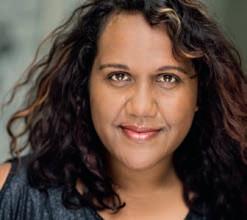
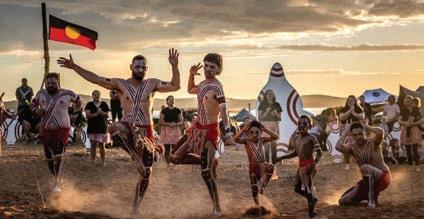
Grief, Love and Lead Balloons by Elaine Crombie
Gluttony at Tandanya
07 - 09 Mar
Camp Culture
The Garden of Unearthly Delights
The Factory 14 - 22 Mar

Dupang Festival 2026
Dupang - Long Point - Coorong 20 - 22 Mar


TINA
Bad Habits
Mixing religion, sexuality and pop culture, three shows at this year’s Adelaide Fringe take on the big question: can we mix church and pleasure? Their respective performers, Lauren Hance, Libby O’Donovan, and Jens Radda, put it to you to decide
Words: Sarah Sims
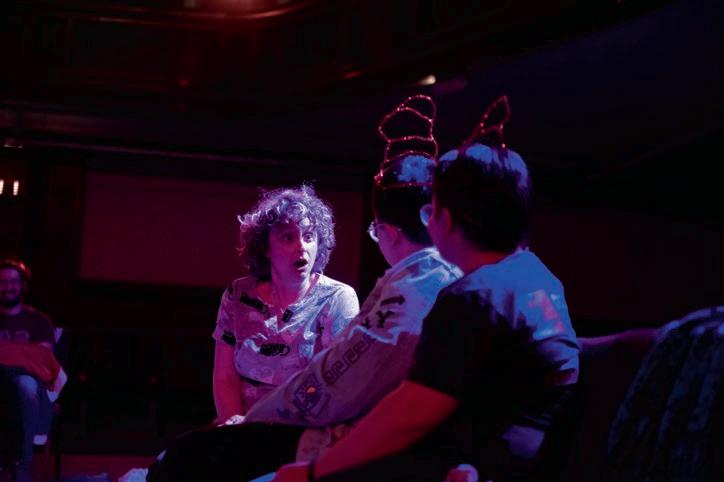
Growing up in Houston Texas in the 1990s, Lauren Hance, the director and performer behind a new solo play at the Adelaide Fringe, recalls a culture of outward purity that it has taken her years to unlearn. Her resulting play, Holy O, isn’t interested in answering how we should contend with our bodily urges in buttoned-up society, but rather in connecting with others who might be navigating the same tricky feelings.
It begins with its protagonist Vera, a soonto-be nun in the midst of figuring it out herself, with a little help from the audience; her ‘saints’ for the evening. “I was inspired by Saint Theresa of Avila, who had these bodily experiences while in prayer,” says Hance, “and I thought it was really interesting and similar to Vera’s situation called a ‘prayer-gasm,’ [a moment –as the name suggests – of orgasmic prayer that throws up equal amounts of pleasure and shame] which is the start of the show.”
At a turning point in her life, about to leave her civilian life behind for the convent, Vera finds herself questioning whether she is quite ready to give up corporeal pleasures. Has the rest of the room ever felt this way; like the expectations of religion and femininity conflict with natural desire? Here she opens it out to the crowd, and a dialogue begins. The immersive show consists of “lots of improv, storytelling and also audience interaction... Those who choose to talk about their story to Vera [will] receive a beautiful exchange of feeling seen
and known, and walk away with a few laughs and tears,” she says. There’s a suggestion that Vera’s struggle is shared beyond those who are the most devoted in our society; that the nun in crisis can function as a metaphor for us all, grappling with the intersection of tradition and contemporary life. “Holy O is designed to open up conversations around the difficult experiences people have had with faith communities and their sexuality, in hopes that people will feel less alone, and maybe even find a piece of healing,” Hance shares.
Such is definitely the case for Sister Elizabeth, the titular character at the centre of Libby O’Donovan’s eclectic pop cabaret. About a nun who loves to have fun, Sister Elizabeth mixes depictions of nuns in pop culture and history (it features an array of iconic films, such as The Sound of Music and Sister Act, as well as songs such as Adelaide’s very own Sister Janet Mead’s pop-rock version of the Lord’s

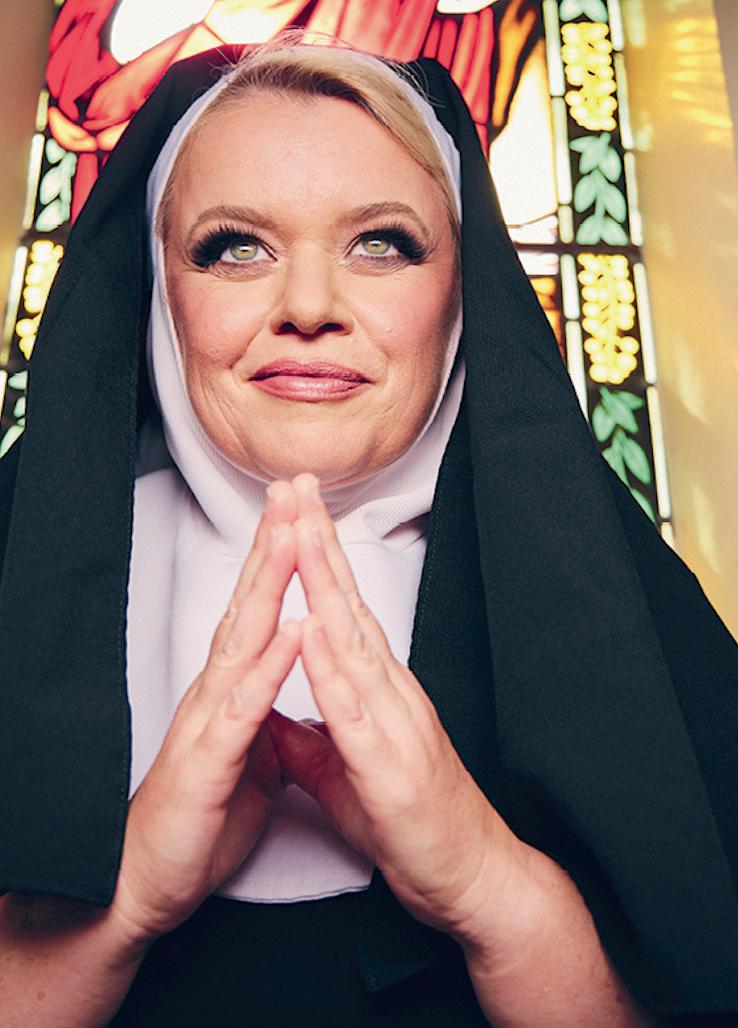
Sister Elizabeth

Prayer) with O’Donovan’s own stories about growing up in a church herself.
With cabaret and religion co-existing in her life for a long time, O’Donovan wanted to combine her experiences into a show that shares her past and present. She wanted to introduce us to a few nuns “that have done incredible things throughout history that are quite exciting and shocking,” she says.
“Growing up in Broken Hill, I had lived with different nuns through attending convents, and these crazy experiences have led to friendships with some of them throughout my life that I am forever grateful for... I’ve always been curious about their depiction in popular culture, like movies and shows, that also include excellent music which inspired me to make Sister Elizabeth.”
It seems O’Donovan is not the only one inspired by a confluence of cabaret and religion. Premiering at the 2026 Adelaide
“[It’s] a celebration of diversity, joy and community in all its different forms”
Jens Radda
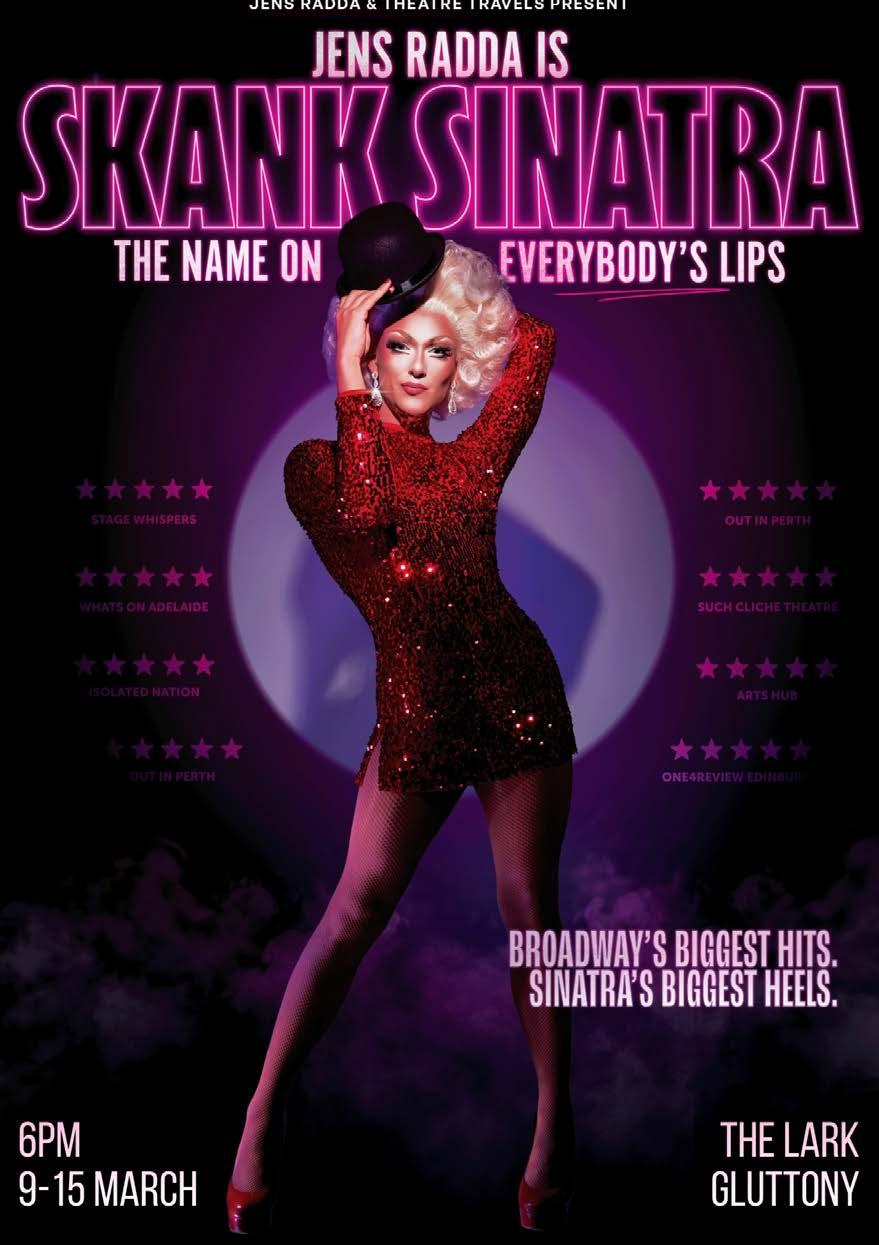
Fringe, Mass Hysteria is a drag cabaret show by Jens Radda and Lachlan Bartlett, the people behind drag personas Skank Sinatra and Iva Rosebud, with musical theatre performer Meg Hickey. Mass Hysteria isn’t your typical drag show, they say. It emphasises the current world’s political, social and economic issues that can divide us and sow hatred, in order to reclaim attention away from them and reclaim joy. “Mass Hysteria is about a celebration of diversity, joy and community in all its different forms with a soft-churchy undertone and some live singing from a couple of drag queens,” Radda explains.
Growing up in South Africa, Radda was immersed early into religion and music, performing hymns with a gospel choir at his local
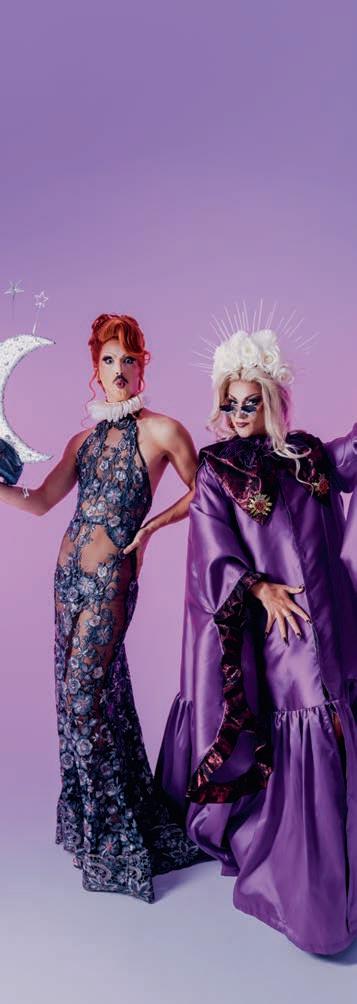
Mass Hysteria
Photo: Georgia Moloney
“Holy O is designed [...] in hopes that people will feel less alone”
Lauren Hance
church (Seventh day Adventist church). “I wore a cross around my neck until I was 19, so religion was very real to me, and tied up with family, ritual, and community,” he says. Radda was fortunate to not experience any disagreement and hatred when he came out to his family, but he did fear the worst: the thought of being disowned by his whole family and community, as South Africa is “culturally quite conservative and very Christian, and so there is definitely a wider atmosphere where being different can feel quietly policed.” He believes that “organised religion can be deeply welcoming,” but that, “where it gets complicated, especially for queer people, is when humans get in the way of that. It can also be alienating, depending on who is holding the power in the room and how belonging is defined.”
With social media stoking negativity in our daily lives, Radda believes it’s important to
find a place where these fundamental global issues are shared through a different medium, and a drag show could be the answer. “We like to kind of push the boundary of what is expected and continuously explore the next evolution of drag to mix with these issues, and to ask these big questions [that] appeal to a broad market of people who want to have fun,” he says. “With Mass Hysteria, I should say it is not a show about religion, and it is not trying to examine faith as its central theme. It is much more irreverent than that – cheeky, clever, self-aware, and ultimately a celebration of gathering and celebrating life.”
SHOW Holy O
VENUE: Studio Theatre at Goodwood Theatre and Studios
TIME: 19 Feb-1 Mar, 7.30pm
SHOW Sister Elizabeth
VENUE: Ground Floor at Plant 4 Bowden
TIME: 15 & 22 Mar, 4pm
SHOW Mass Hysteria
VENUE: BankSA Theatre at Gluttony - Rymill Park
TIME: 13-15 Mar, 10.20pm
Holy O
Photo: Kat Kuo
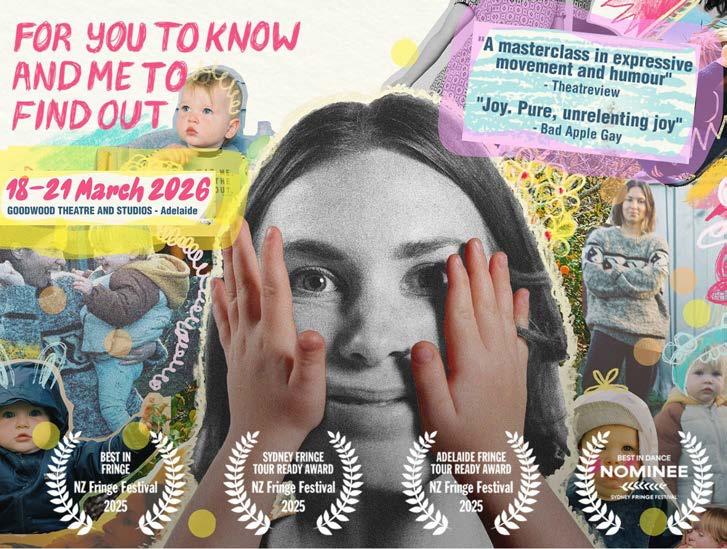

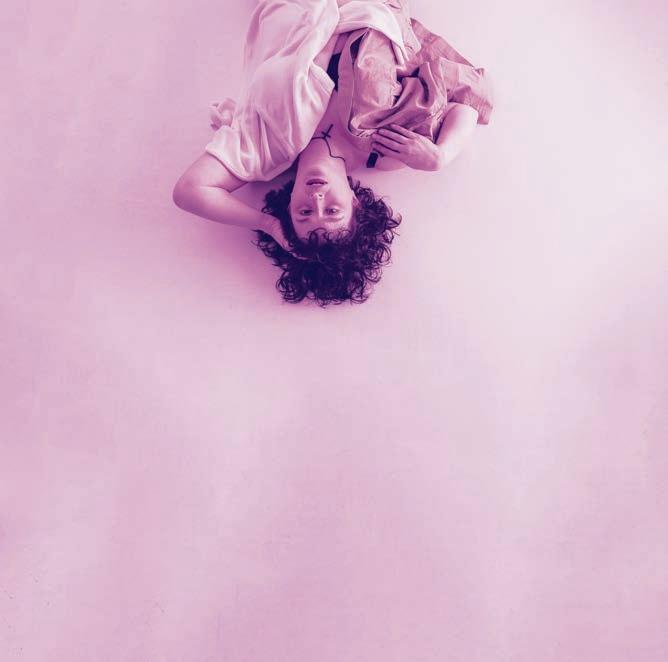

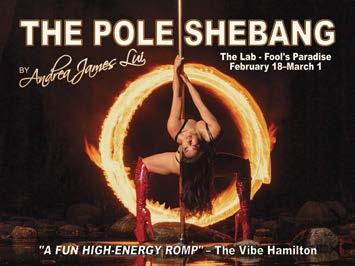
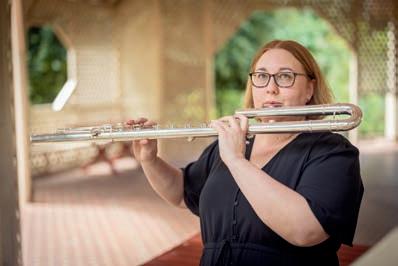
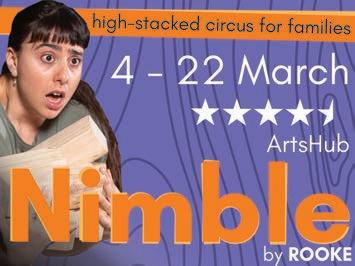
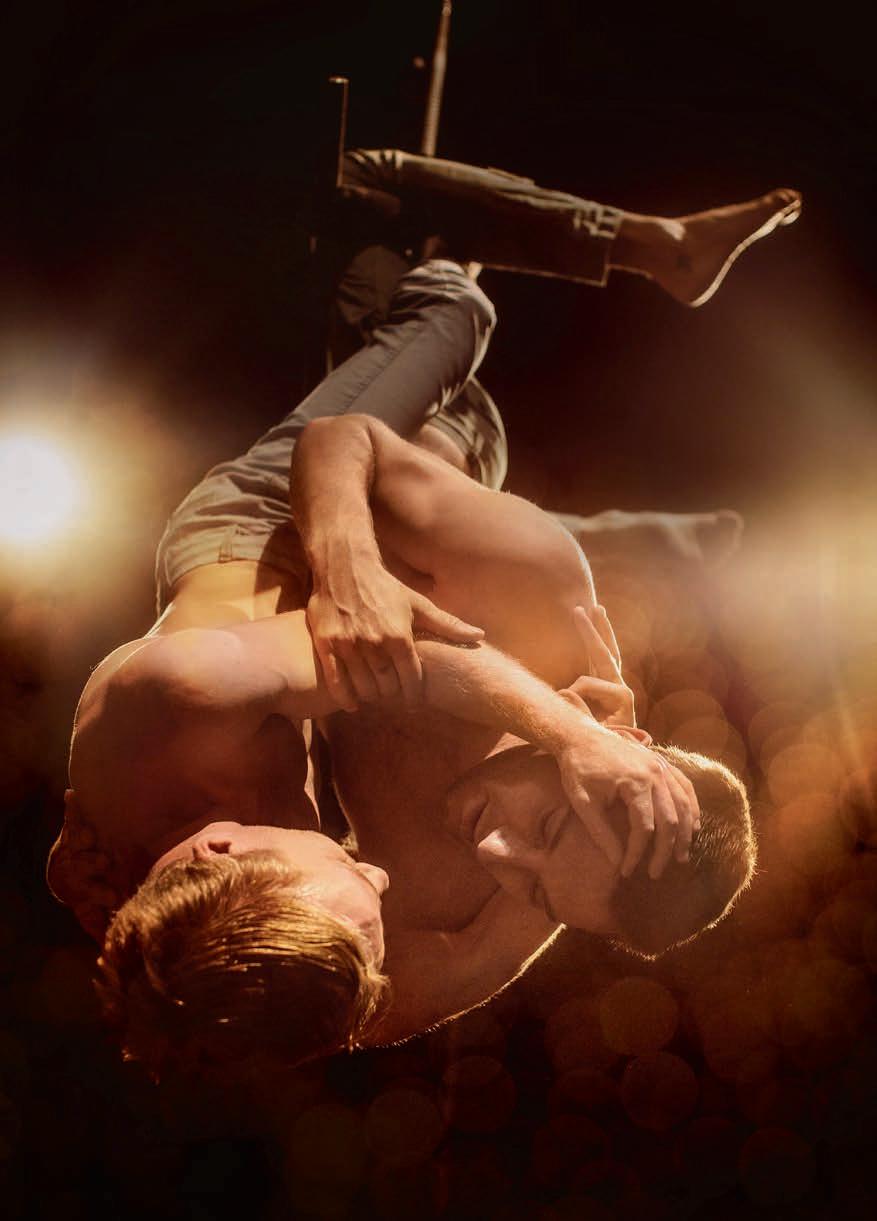
Photo: Katie Bennett
It Takes Two
Jesse Scott and Lachlan McAulay step on to the stage as themselves in You & I, Casus Creations’ most intimate performance yet
Words: Alana Pahor
Love is often thought of as loud. Everywhere we turn there are stories shouting about love that has been hard won, that is on-again off-again, that is laced with trauma and tragedy. There are boombox declarations, nailbiting coming out scenes and sprints through Heathrow Airport. But what about love that is quiet – love that does not need words?
It is a love that takes centre stage in You & I, an internationally celebrated circustheatre performance featuring Casus Creations co-founders Jesse Scott and Lachlan ‘Lachy’ McAulay. Coming to the Adelaide Fringe Festival this year, the show is an intimate depiction of the pair’s real-life partnership.
“It’s a love that is quiet,” Scott says. “It has been true and powerful for 17 years now.”
Sharing stories that are less told in society has been Scott and McAulay’s motivation since they founded Casus Creations with two other circus performers in 2011.
“We’ve created 15 different productions, [we’ve] toured in now over 35 countries around the world, we’ve had shows as big as 220 performers to intimate shows like You & I with just the two of us,” Scott says.
“There’s always a place for someone in circus… gender representation, queer representation, BIPOC representation is super important and in my opinion circus is a great way to show that.”
With You & I, Jesse says he and Lachlan wanted to share a queer story that centred trust and acceptance rather than tragedy.
“When we created the show in 2017 to 2018 — and times have changed really quickly — the representation of gays in cinema, in television, in storytelling, it always felt heavy
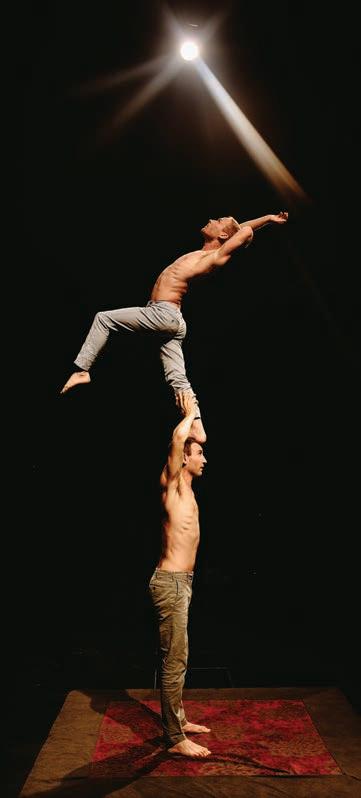
Photo: Katie Bennett
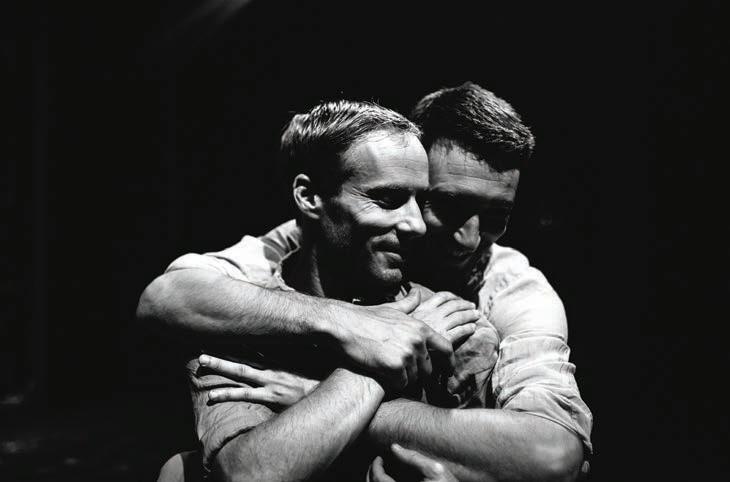
and dark. They were token characters and they were full of trauma… and we went, ‘Where’s us?’”
Not fitting the labels of drag queen, twink or bear, the pair put their “soft masculinity” and tender bond onstage through the simple yet telling story of being stuck inside together during the rain.
“I get a bit stir crazy and Lachy has to calm me down,” Jesse says. “We’re not hiding behind extravagant costumes, makeup, any of that stuff. We’re trying to be raw and honest.
“The gender disappears a little bit, and you just see two humans that are in love onstage.”
As there is no talking in the performance, Jesse and Lachlan’s dynamic is all in their music, their set and, most importantly, their movement. Like their relationship, it is a movement that flows unconfined by genre, influenced by their work across the globe.
“We definitely have some choreography that’s Tango-esque,” Scott shares. “We did a theatre piece in France recently and there’s more theatrical stuff in You & I… it’s so cool to work with people that are at the top of their game and to learn so much from them.
“Circus is [about] pushing boundaries physically, so we’re always trying to create new ways of expressing these emotions and stories through our physicality.”
“It’s a love that is quiet... It has been true and powerful for 17 years now”
Jesse Scott
Scott says that while the vulnerability of appearing as himself was “terrifying” at first, he is very comfortable performing with McAulay. “We trust each other like no one else, so there’s a comfort in doing it… it feels like our home onstage.”
Without speaking, the pair says it all — that love can be as simple as looking at another person and knowing they will catch you.
“We had some younger queers coming to the show and saying afterwards, ‘Thank you for letting me know that there is a possibility of love like that out there for me,’” Scott says. “It’s a nice thing to be able to do.
“We’re just trying to spread some joy.”
SHOW You & I
VENUE: The Vault at Fool’s Paradise TIME: 18 Feb-1 Mar, 6pm
Photo: Katie Bennett
F
Mother Lode
Ahead of Barkaa’s WOMADelaide appearance, we speak to one of Australia’s most uncompromising and vital voices in hip hop
Words: Arusa Qureshi
rom the streets of south-west Sydney to national and international stages, Barkaa has built a reputation as one of Australia’s most uncompromising and vital voices in hip hop. Fierce, funny and politically charged, her music is grounded in lived experience – shaped by place, community and an unshakeable commitment to telling the truth.
Growing up in the Merrylands suburb of Greater Western Sydney, Barkaa’s early surroundings were foundational to her sound and identity as an artist. As a young listener, she gravitated toward local rap crews who reflected her own reality. “The environment around me really influenced me to become the rapper I am today,” she says. “Early on, I was introduced to a crew called Sydney Serchaz… Kerser, Fortay, NTER, SkyHigh. I really looked up to [them] at the time. It was like, they’re like me – they’re singing from the same struggle I am.” That recognition, hearing her own life mirrored in music, gave Barkaa permission to speak in her own voice. “It really paved the way, in terms of the way I talk, the way I’ve got that Sydney slang.”
“It means everything for me to be able to represent my people”
That authenticity became the backbone of her 2021 debut EP Blak Matriarchy, a project Barkaa still holds close. “That’s my baby, and will always be my baby,” she says. Created during a period of defiance – she previously described the project as “a middle finger to all the people who discriminated against me” – the EP was a statement of arrival. “It came from a time where I was hungry and I had something to prove.” Looking back now, she sees it as some of her strongest work – raw, focused and unapologetic. Her follow-up EP, Big Tidda, marked a shift. Where Blak Matriarchy was guarded and subversive, Big Tidda allowed more softness, humour and contradiction to come through. “I really opened myself up… was a little bit more vulnerable, but more cheeky and more fun,” Barkaa explains. “I’m not just the angry Black radical woman; I am the caring, nurturing woman too.” The EP expanded how audiences could see and relate to her. As she jokes, “I am angry, but I’m also a silly cunt and a funny cunt.”
Politics are inseparable from Barkaa’s music, not by design but by necessity. “When people
say, keep politics out of music, it’s like music is politics,” she says bluntly. For Barkaa, hip hop’s roots lie in resistance and survival. “Hip hop is birthed on politics and birthed on injustice and from everyday people who are struggling, people who come from poverty, and people who come from intergenerational trauma.”
Central to that lived experience is her Barkindji identity. Representing her mob on big stages is both an honour and a responsibility. “It means everything for me to be able to represent my people,” she says, acknowledging the need for constant reflection and guidance from elders. Barkaa is also determined to challenge misconceptions about First Nations peoples. “People always get confused… thinking we’re just one big happy mob, when there’s multiple mobs.”
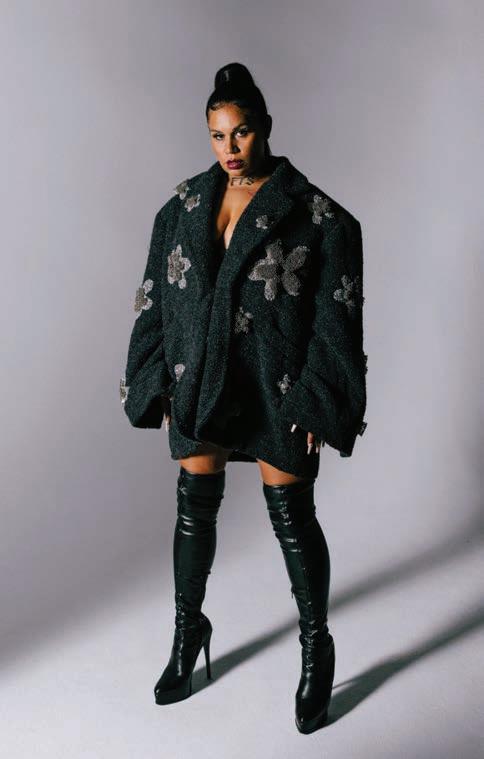
For her, putting Barkindji country “on the map” is about visibility, education and pride. Ultimately, Barkaa hopes her music forces uncomfortable but necessary conversations –about racism, addiction, teenage motherhood and systemic inequality. “I hope it breaks stigmas… and educates people and opens their eyes to a world that they’re not really privy to.”
As Australian music enters a new era of representation, Barkaa sees herself as both a product of progress and a driver of it. “My kids are seeing themselves in this industry. Young kids are seeing themselves in this.” Looking ahead, she’s gearing up for her debut album, major touring and creative domination – all while balancing motherhood. “Creatively,
I’m just looking forward to taking over,” she laughs. “I’m coming for all of you! Jokes – no, creatively, I’m really excited to be releasing my debut album, working on that, touring with powerhouses, Snotty Nose Rez Kids, and having that First Nations connection.
“I’m going to Sydney, Brisbane and Melbourne,” she continues, “and just doing a whole bunch of exciting stuff. And of course, being a mummy and an artist and all things in between.”
SHOW Barkaa plays WOMADelaide
VENUE: Botanic Park / Tainmuntilla
TIME: 7 Mar, 8:30pm
Photo: Tristan Stefan Edouard
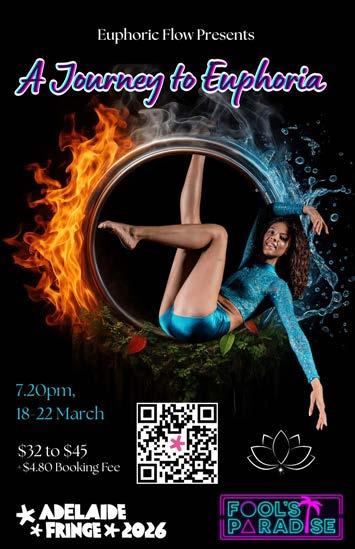


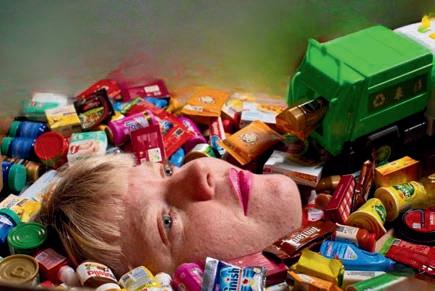



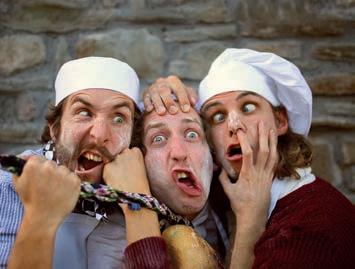

She Bangs the Drums
Colombian vocal trio La Perla talk to us about bringing the sounds of Bogotá and beyond to WOMADelaide
Words: Megan Merino
At this year’s WOMADelaide, festival goers will be transported across continents and genres as they navigate the wide-ranging musical offering. Worldliness, cultural exploration and indigenous heritage is central to the festival’s ethos and La Perla, a percussive vocal trio hailing from Bogotá, embodies these principles perfectly. Karen Forero, Giovanna Mogollón and Diana Sanmiguel play their distinct version of gaita, cumbia and bullerengue music (all styles deriving from the northern Caribbean coast of their native Colombia) and mix it with their distinctly urban-contemporary narrative lens.
The group met at an Afro-Colombian drumming group at university which led to a couple of members travelling north to learn from ‘mothers’ of gaita and bullerengue. “These rhythms are not from Bogotá, it’s mestiza [ethnically mixed] music present throughout many different indigenous groups along Colombia’s Caribbean coast,” explains Mogollón. “They call it
“Fortunately our young people understand the importance of not letting this music die”
Giovanna Mogollón
triethnic music,” continues Sanmiguel. “You have the indigenous part in the gaita [flute], the African part in the tambor [drum] and the Spanish part with the notation and singing.” The result of this mix created a unique sound that spread from Sierra Nevada de Santa Marta mountain region through small villages in the savana, changing ever-so-slightly as it moved. But like many traditional forms of music and folklore that are passed on and learnt orally in small communities, their essence can also be lost over time.
“It wasn’t so common that people in the city were interested in that kind of music,” admits Sanmiguel. “It’s more traditional in the little towns. But now there’s a big movement of musicians researching and learning in Bogotá and other big cities.” Forero nods, adding, “where we live, we are exposed to so many types of music from around the world: punk, rock, salsa, merengue and they’ve all influenced us in some way. Then there was this phenomenon around 20 years ago where young people felt a call to the traditional music that belongs to Colombia. Now you can find ruedas around the world.”
Ruedas are community meetings where people dance and improvise to the cumbia
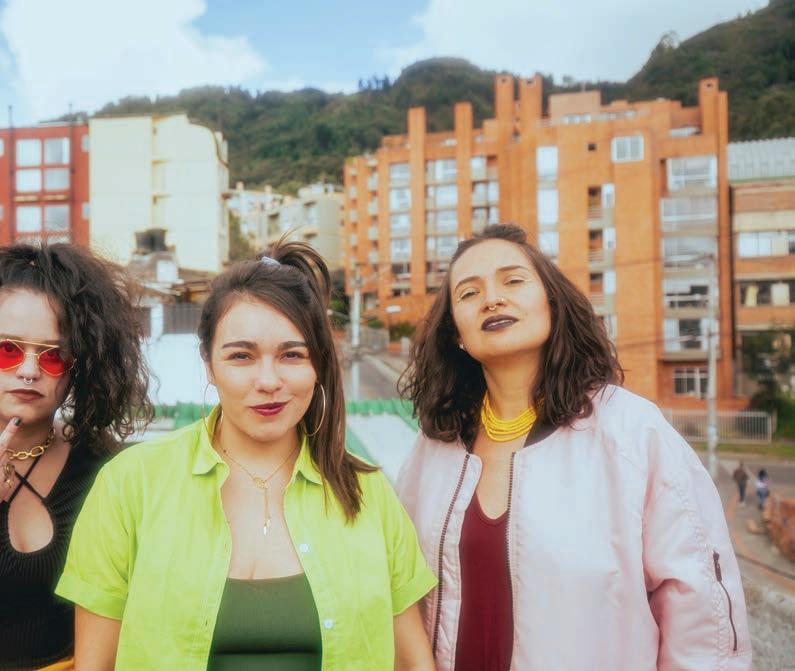
rhythms, an environment La Perla aims to replicate in a separate workshop at WOMADelaide. “We’ll try to teach the basic rhythms and some different songs so people can integrate singing, dancing, and even playing. It’s very organic and easy to play because the music is really connected with the spirit and the songs are really long and repeat the chorus many times,” says Sanmiguel.
Repetitive parts may come, but the rhythms and substance of their songs are anything but simple. Take the lyrics of ‘Bruja’ [witch] (‘They wanted to bring her down because she did what she wanted, because she went out at night, because of how she dressed… for being a whore, for being a nun, for being ugly…’) and its handling of the unfair treatment of women. “Violence here is really huge,” states Mogollón, “violence against women, violence against countryside people,
violence against the jungle. That is the reality every day here in Colombia, in Bogotá, so that is the topic that we talk about in our songs.”
This politically charged pivot to traditional sound is something we’ve seen in the mainstream too, with Bad Bunny’s bestselling album Debí Tirar Mas Fotos and his decision to not tour in the US as an example. “It’s an exotic thing right now, Latin America culture, because it’s so rich,” reflects Mogollón. “Maybe it’s a marketing strategy for some artists to return to their roots but here I think we have a different kind of tradition and it’s alive. Fortunately our young people understand the importance of not letting this music die.”
TIME: 6-9 Mar
SHOW WOMADelaide
VENUE: Botanic Park / Tainmuntilla
Image: courtesy of the artist

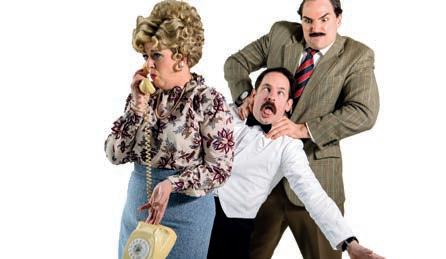

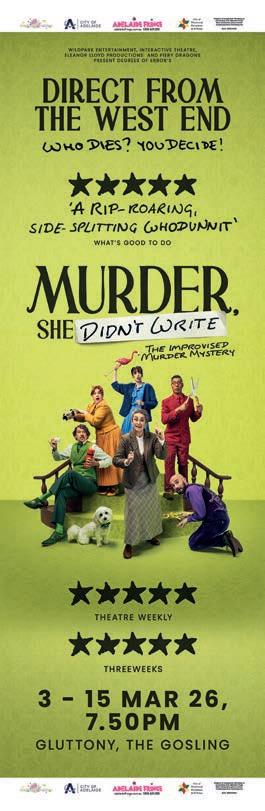


‘Nothing is vocally off limits for this young lady!’ Theatre Travels
‘Nothing is vocally off limits for this young lady!’ Theatre Travels


‘Her cabaret is faultless’ Glam Adelaide




‘Her cabaret is faultless’ Glam Adelaide


An Interactive Cabaret 8:50PM | 20 FEB 1 MAR


An Interactive Cabaret 8:50PM | 20 FEB 1 MAR


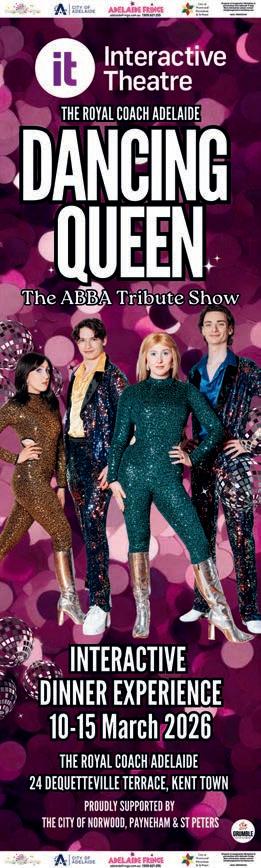
Memory Reunion
Nine Adelaide College of the Arts alumni explore objects as carriers of memory and meaning in visual exhibition RELICS, curated by Shani Engelbrecht
Words: Sarah Herrmann
While Swedish death cleaning and Marie Kondo encourage us to declutter, hoarders and maximalists have sustainability, trend resurgence and nostalgia on their side. It’s a conversation that’s been inextricable from popular discourse over the past decade – and now Adelaide artists are tapping in.
RELICS, a visual arts exhibition by nine Adelaide College of the Arts alumni, sets out to explore emotional attachments to objects as carriers of memory and meaning.
“We are kind of relics... coming back, carrying history with us as we move forward”
“One of the artists, Ashleigh Keller, came up with the title RELICS because we are kind of relics to the institution, to AC Arts, coming back, carrying history with us as we move forward,” emerging curator Shani Engelbrecht says.
What we inherit, what we choose to preserve and what we let go can often highlight intergenerational differences, and this is the influence behind the Fijian-Indian artist’s work.
“I’m a hoarder for sure: I love trinkets, I junk journal, that’s me,” Engelbrecht says. “Whereas my family, like my mum, she needs everything to be clean. However, my work is focusing on the one thing she won’t get rid of – a rusty old pan that we use for cooking.”
The pan was given to Engelbrecht’s mother by her uncle while she was living in her homeland of Fiji, made from the metal of a shipwrecked airplane and hammered into shape.
“She loves washing dishes, I think that’s her way to cope with everything,” Engelbrecht says. “She said to me ‘I have to keep cleaning, Shani, because dirty dishes cry.’
“We grew up together making roti and curries so the work is dyed with spices and oils. It’s a giant textile piece and has little buttons and sequins that people can touch.”
Assistant curator Lauren Bzowy’s work also delves into childhood, inspired by a nostalgic
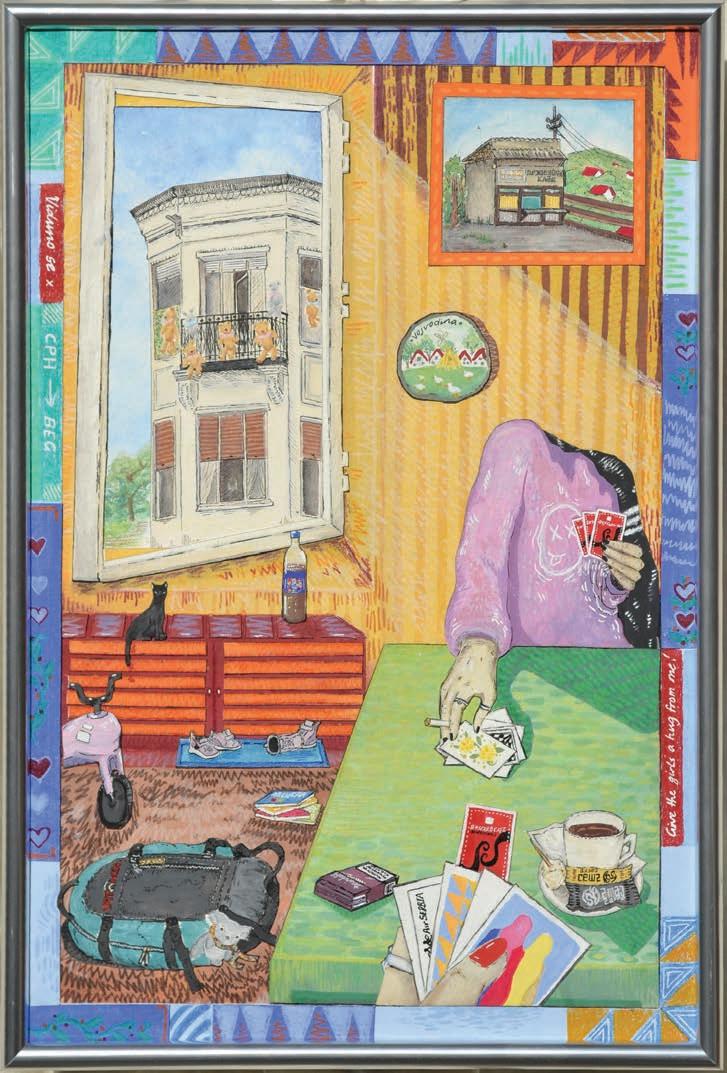
Billie Rasmussen, Endless Afternoons
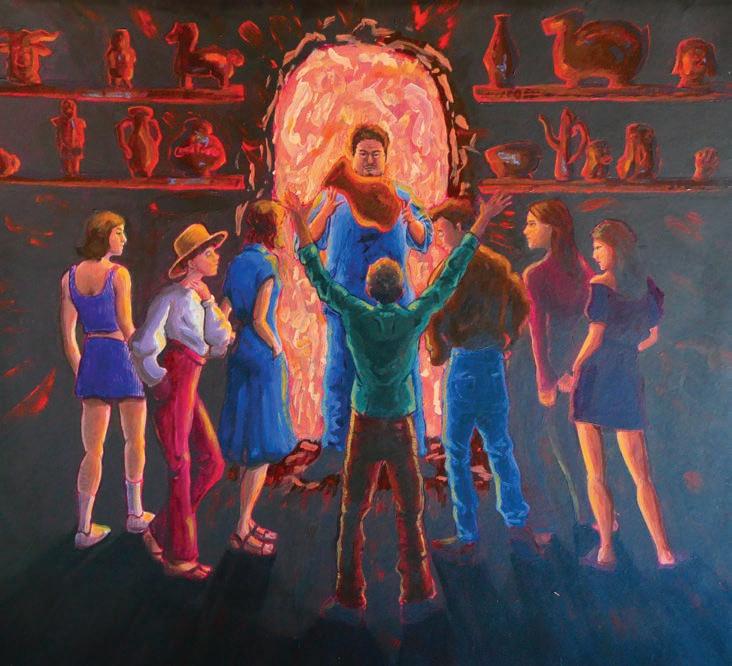
collection of farmyard toys, dinosaurs and Raggedy Ann dolls. “Her work has become all about being playful and she’s turned those things into big old paintings,” Engelbrecht says.
Billie Rasmussen will hold a junk texture printing workshop, exploring how discarded items can be repurposed, in addition to presenting two large-scale print works. “Like me, she will look at something on the ground and go ‘I need that’,” Engelbrecht says. “She’s using different images and objects to make an imagined scenario, and it’s all about her connections to place and her sense of identity.”
Memory through digital influence is photographer Cobie Sinclair’s theme, with Engelbrecht saying, “She recently lost someone so she’s looking at technology, the cloud as a symbol, and how photos are a relic.”
Meanwhile, the exhibition’s hero image is of a hand-built candelabra created by Holly Phil-
lipson, who is focused on portals, ring shapes and passages through time and history. “I am always so enamoured by Holly’s work,” Engelbrecht says. “It’s elegant yet soft and quiet but grandiose. I wanted something that was quiet but confident in how it spoke.”
It’s the perfect metaphor for a relic – a wise, ever-present foundation stone, at the centre of who we are and guiding who we become.
SHOW RELICS
VENUE: Light Square Gallery
TIME: 5 Feb-5 Mar, 5.30pm
SHOW Printing Sustainably Workshop
TIME: 12 Feb, 1pm
SHOW Guided Tactile Tour
TIME: 27 Feb, 1pm
Dale Miller, Cama Wei Wei
Yield Strength
In its legendary showcase of contemporary Australian art, the 2026 Adelaide Biennial asks how artists create under pressure
Words: Rachel Ashenden
Against the tide of rising geopolitical tensions, artists are increasingly forced to justify their purpose as they battle with political censorship and funding cuts. ‘Yield strength’ is an engineering term, meaning the stress level at which a material stops behaving as it was designed to and changes irreversibly. It is a pertinent metaphor for the pressure visual artists are experiencing; it asks: how long until we reach breaking point?
The theme of this year’s Adelaide Biennial of Australian Art, Yield Strength, platforms 24 diverse artists, encompassing a wide range of traditions and backgrounds from across
the continent. Selected by leading visual art curator Ellie Buttrose, the artists collectively explore how materials, selfhood, and society are transformed under pressure. Now in its 19th edition, the Adelaide Biennial of Australian art is a longstanding fixture of the Adelaide Festival, offering a preeminent showcase of contemporary Australian art.
Amongst the participating artists is Archie Moore, who was awarded the Golden Lion for his presentation at the Australian Pavilion at the 2024 Venice Biennale, also curated by Buttrose. There, Moore examined his mixed Aboriginal and Anglo-Celtic ancestry through an epic installation comprising a family tree spanning 65,000 years and a memorial to indigenous people who lost their lives under police custody. But in Yield Strength, Moore turns to a relationship with a member of his immediate family: his father Stanley. Remnants of my Father is haunted by Moore’s aspirations of financial prosperity, inviting the audience to piece together his story through an assemblage of objects, such as dentures and World War II medals.
South Australian artist Josina Pumani, similarly to Moore, uses her art to advocate for the Aṉgangu people and take a stand against violence toward Indigenous communities. Her intricately textured ceramics must be understood within the context of the United
Josina Pumani, Pitjantjatjara people, South Australia, Maralinga, 2024
Image: courtesy of the artist and APY Art Centre Collective; photo: Andy Francis, courtesy of the APYACC
Kingdom’s nuclear weapon tests in Maralinga during the 1950s and 60s, which severely impacted the lives and land of the Aṉgangu people. Aflame with crimson red and charcoal grey, these stoneware ceramics appear to mimic the Aṉangu Pitjantjatjara Yankunytjatjara desert lands of South Australia, confronting the devastation caused by British forces.
From the kiln to kitsch, Adelaide-based Emmaline Zanelli is prolific in using humour and absurdity to obscure everyday social conventions. Her new video work Pocket Money interviews people in their teens and twenties about how they spent their first pay cheques. In the slippery bridge between childhood and adulthood, interviewees collect nostalgic objects that symbolise tentative steps towards maturity, such as McDonalds toys, CDs and DVDs.
Maximalist sculptor Erika Scott shares aesthetic synergies with Zanelli. Reminiscent of a messy garage, her installation Necrorealist Sunscreen is a mishmash of abandoned objects, once shiny with the false promise of communism. The work furthers the artist’s
ongoing exploration of pop culture’s seductive yet short-lived cycle.
Meanwhile, Milminyina Dhamarrandji, a senior Yolŋu artist of Djambarrpuyŋu and Dhalpiyalpi clans, paints with natural earth pigments on eucalyptus bark. Inheriting this practice from her artist mother, Dhamarrandji’s bark paintings at Yield Strength are abundant with sacred storytelling and rich with cultural symbols.
In sum, Yield Strength prioritises art that is both personal and political. Perhaps most strikingly, the exhibition highlights vital moral concerns around land dispossession and violence against Indigenous communities. As curator Buttrose observes, “The 2026 Adelaide Biennial foregrounds how bodily experience and intellectual wonder are intimately entwined in the experience of art. Yield Strength reflects the diversity of artistic practice across the continent.”
VENUE: Art Gallery of South Australia TIME: 27 Feb-8 June
Archie Moore, Kamilaroi-Bigambul people, New South Wales, Queensland, Remnants Of My Father, 2025
Image: courtesy of the artist and The Commercial
SHOW 2026 Adelaide Biennial
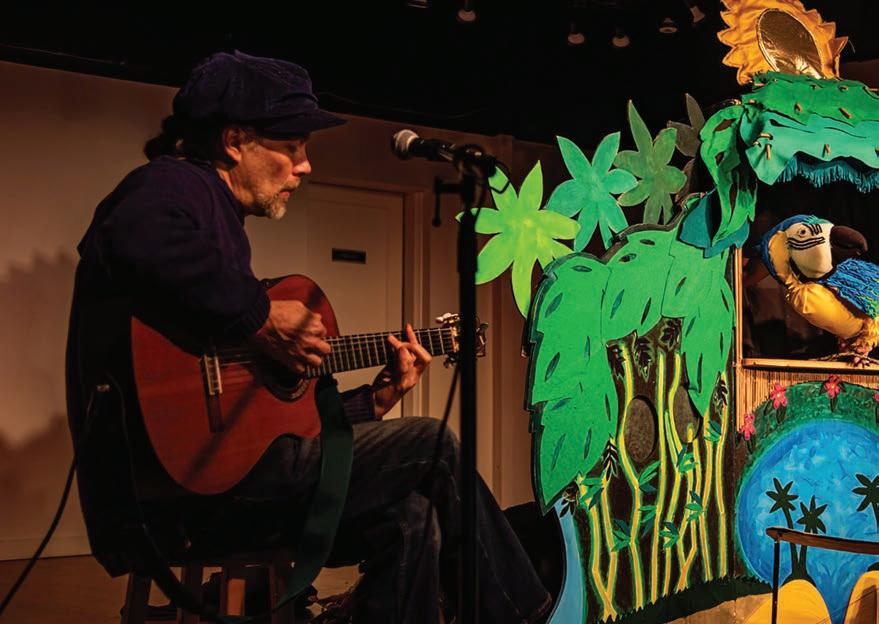
Pico-Friendly
Sally Miller, one-half of the duo behind puppet theatre piece Pico and the Golden Lagoon, on crafting an ecologically focused kids show
Words: Sarah Sims
“D on’t let money be a barrier for creation and expressions of Art,” says Sally Miller.
Established in 2016, Pico and the Golden Lagoon was created by the talented duo of Sally Miller and Jesse Hamilton. Over the years, they have perfected the show with feedback from children and gained extensive knowledge through their studies and experiences abroad, and this has led the show to be uniquely successful in the puppetry world.
“I had created the character Pico as an experiment, later on the show just started as a short folktale with Pico as the narrator in collaboration at other festivals and some libraries in Adelaide,” Miller says.
Pico and the Golden Lagoon is about Pico, who goes on a whimsical adventure to find a mythical place filled with magic. But it isn’t a smooth journey, as Pico is faced with unexpected challenges, meets new creatures, and
discovers the magic of nature. “I hope that the show enhances the audience’s appreciation of the natural world and the importance of wild spaces and ecological diversity,” Miller says.
The storytelling raises a variety of ecological and environmental issues, encouraging us to be more sustainable in a way that is lightly pedagogical for the younger generation. “We didn’t intend to make a show about being environmentally friendly and introduce ecology to children through puppetry, but have always been concerned about these issues, and education and awareness is the key to change,” Miller says.
Organically, these issues colour Pico’s world. “I also come from a background of acting study where I learned that theatre can be political, can influence people and have an effect of changing the world, so I guess Pico is playing a role in that pedagogy,” Miller says.
Miller and Hamilton have travelled around the world to share their love of puppetry to numerous communities and perform to an abundance of different audiences. “We
“Education and awareness is the key to change”
travelled to many different countries to gain more experience and education on puppetry and we recently travelled to Indonesia to undertake a residency with Papermoon Puppet Theatre in Yogyakarata,” she says. Travelling abroad has been a massive source of learning for Miller and Hamilton, as they experience communities “having no access to new things or big budgets or even a budget at all,” Miller shares.
Pico and the Golden Lagoon’s background props, puppets and sets are all made out of recycled or reclaimed materials. “We wanted to show what you can make without large budgets, you need to be creative and resourceful and not have it thrown after one use,” Miller explains.
Live music is also a vital part of Pico and the Golden Lagoon, as it enhances the puppetry to be more engaging as “children enjoy seeing it up close with different sounds relating to the storytelling of Pico’s adventure,” Miller explains.
Hamilton and Miller’s goal is to open space for enjoyment of Pico’s story across different generations and challenge audiences’ attention span to focus on live music and storytelling with a lo-fi approach. “Having an acoustic guitar[ist] playing folk music, and different puppets, [gives us] unique interactions with the audience and also a new perspective – of adults enjoying the show – as it can spark nostalgia across different audiences around the globe,” Miller explains.
“We surprisingly get told [by parents] at multiple shows that it is their child’s first ever puppet show, so we are always honoured and hopeful to carry this special torch in keeping puppetry alive in generations to come.”
SHOW Pico and the Golden Lagoon
VENUE: Domain Theatre at Marion Cultural Centre TIME: 28 Feb & 21 Mar, 2pm; 19 Mar, 11am
Photo: Metta Rose
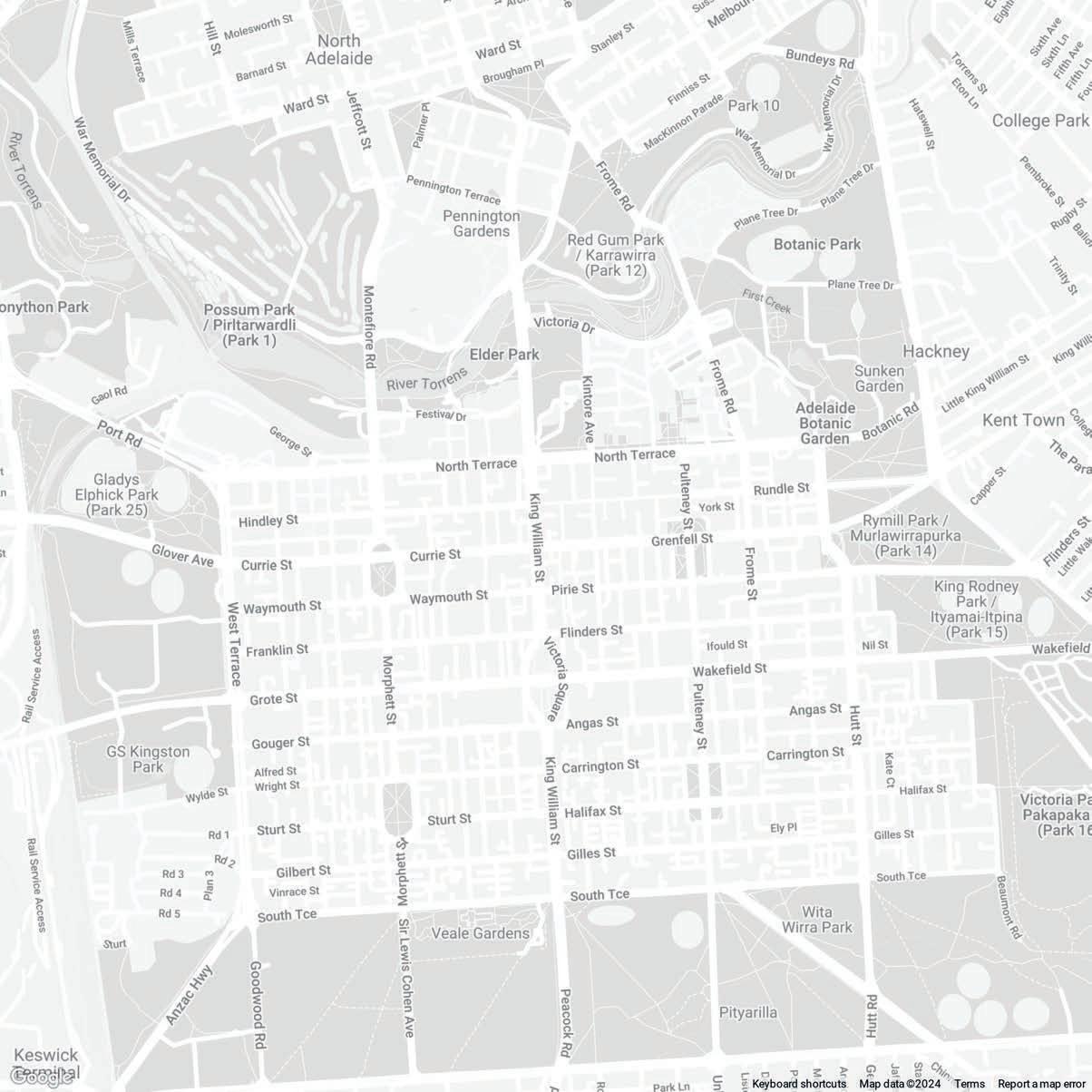
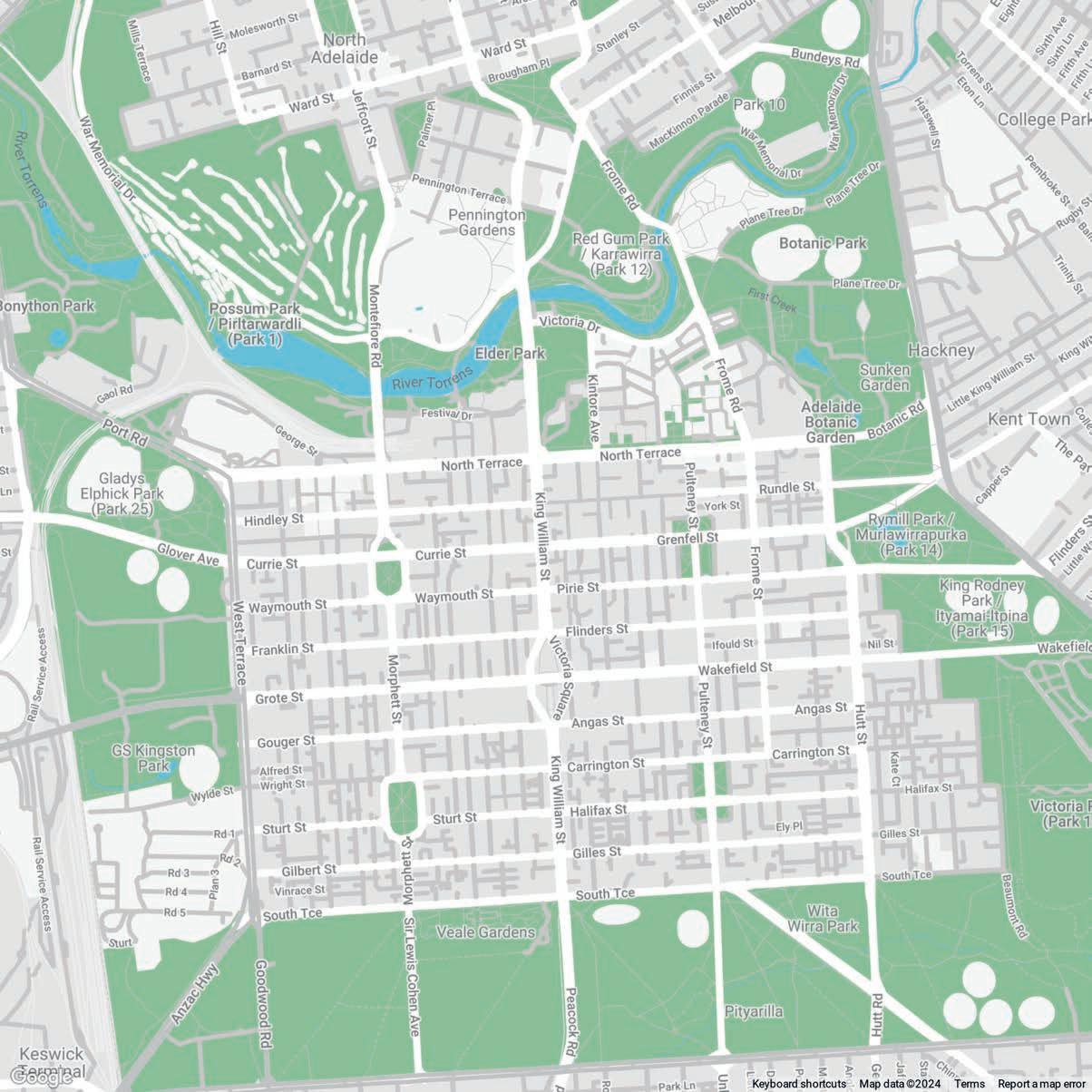
Woodshed
Holden Street Theatres
Festival Theatre
Elder Park / Tarntanya Wama
Migration Museum
Ayers House
Adelaide Entertainment Centre
Goodwood theatre and studios
Gluttony
Plant 4 Bowden
Fool's Paradise
Botanic Park
Light Square Gallery
Art Gallery of South Australia
Marion Cultural Centre
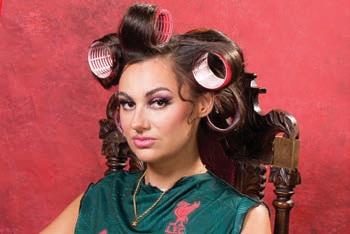
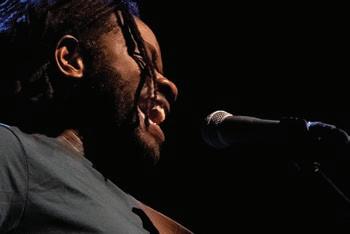
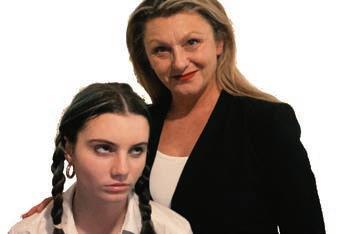
Eat The Rich (but maybe not me mates x)
17 FEB-22 MAR
Bob Marley: How Reggae Changed The World
17 FEB-22 MAR The Debate
13 FEB-22 MAR
And also...
• Why I Stuck A Flare Up My Ar** For England
• The Adelaide International Comedy Gala
• How Not To Make It In America by Emily Steel
• Love Is A Game: An Adele Song Cycle
• Hannah Maxwell: I, AmDram
• Shadows of Herself
• ‘The Soaking of Vera Shrimp’ from Patch of Blue
• Cyclops: A Satyr Play
• Virgins and Cowboys
• The Trouble With Harry
• The NIRVANA Unplugged Experience
• Kuramanunya
• PETER GOËRS is
SENIOR CITIZEN KANE
• The Pink List
• Bond Songs: The Music of 007
• Her Story of the Blues
• Waiting For Monarto
• Upside Down Fantasyland
• The Wizard of Oz
Beat GuideBoyz: to Dating in Adelaide
Michele Owen and Roxie Halley’s party boy alter egos share their Top five dating hacks for a single man on a budget
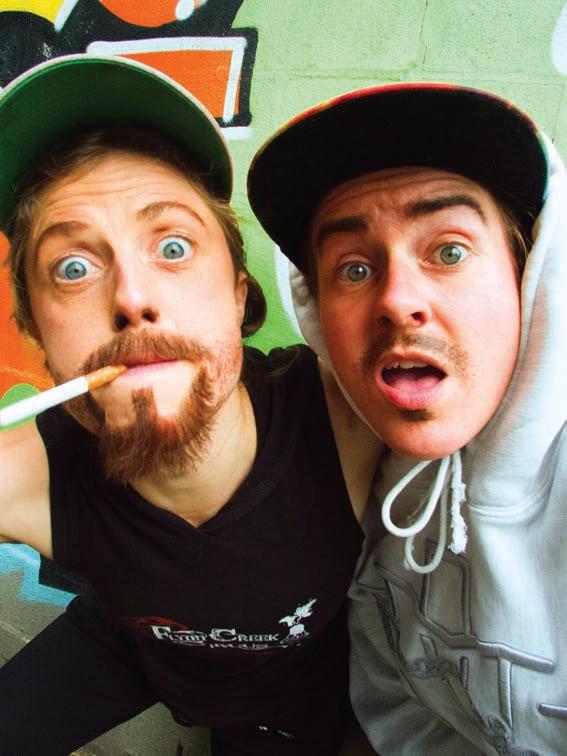
Hey mates! It’s your favourite party boy Big Mike here. Looking for love this summertime? I sure am! I was in a relationship for twenty years and now I’m back on the market – my best mate DJ JayJay just set me up on Tinder (thanks mate!!)
Call me old fashioned, but I like to provide – Trouble is, dating has got EXXY since 2009! So what’s a bloke to do? Big Mike and DJ JayJay have got your back!! Here are our top 5 dating hacks for a single man on a budget!
Swipe right on a comedian! If she swipes back, you’ve hit the jackpot! Not only is she FUNNY, she’s also BUSY. Instead of picking up the bill, offer to pick up the slack! Date suggestions: drive her to gigs, hand out her show flyers, carry her props, go on coffee runs to Everything Brewtiful ‘cos she’s beautiful, or be an intimidating presence between her and male comedians. Possibilities are endless! Beats, raps and matching tatts! Take her to Gluttony! It’s such a vibe and entry is FREE. Hang out by The Fantail portapotties for some sick
Beat Boyz
Photo: Jack Ralph
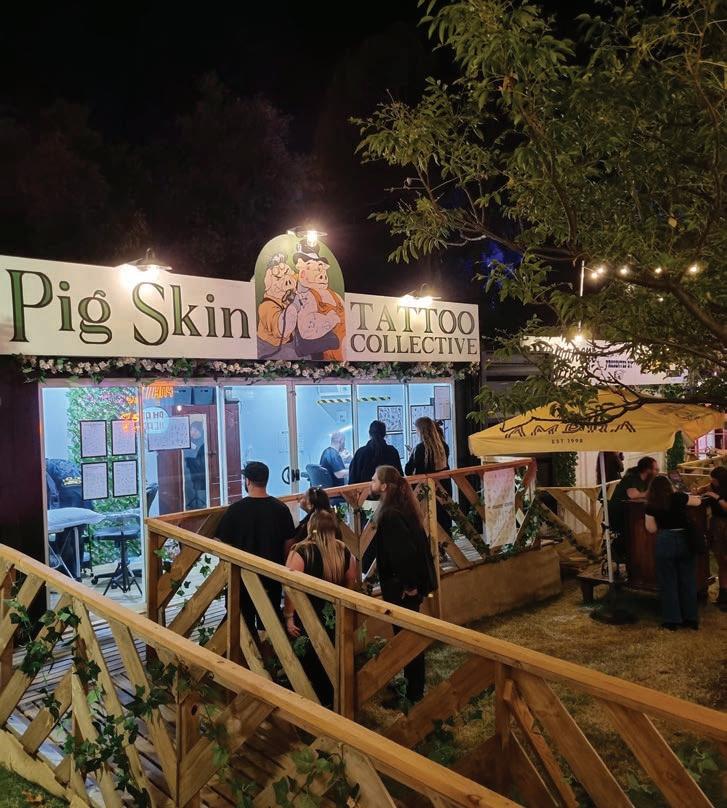
muffled beats. You might even spot DJ JayJay wandering the grounds. He’s an improv rap LEGEND and can write you and your sweetheart a FREE custom rap, so romantic!
(And if your paycheck comes through early, fuck iiiittttt! Splurge on matching tatts at Pig Skin Tattoo Collective!)
Pay-as-you-can street entertainment! Fill your pockets with all your cash and coins and take her for a
romantic promenade down Rundle Street! It’s absolutely brimming with CULTURE. One time I saw a guy juggle KNIVES on a unicycle… and my date got to throw one at him! It was so sick!
Wine and wine her! Fellow hospo boyz, take advantage of those employee BENEFITS. Invite her over to work for knock-off drinks! If your employer isn’t supplying, swing by the bottle-o for a nice box
of merlot and set up some milk crates out the back. Romantic as.
Get wet together! It’s practically FREE! The bus to Glenelg is only $2.25 if she’s a pensioner!
SHOW Beat Boyz: Best House Party Ever
VENUE: Gluttony TIME: 24 Feb-1 Mar, 10pm
Image: courtesy Pig Skin
Hugh Sheridan: A Crooner's Guide to Drinking in Adelaide
The actor, singer and one third of the California Crooners Club hand-picks the perfect places for a gentleman to sink a few cocktails
Adelaide’s cocktail bar scene is up there with the best I’ve experienced. The drinks are always consistent, the bar staff are welcoming, and there’s no ego. You can wander into a bar for “one quick drink” and suddenly realise three hours have flown by.
2KW Bar & Restaurant is always a go-to. The view alone makes it feel special and there’s nothing better than watching the sunset from the terrace with good friends. It’s one of those places where a quick drink becomes multiple. Their spritzes have been my summer staple.
I’m also a big fan of the newly opened Omada. The interior is gorgeous and it’s an easy, comfortable spot to share food and drinks with friends, the outdoor dining strip is a winner. The cocktail list is inventive, the Greek-inspired martini is to die for. Every drink I’ve had there has been impeccable, and the staff are warm, knowledgeable and genuinely accommodating.
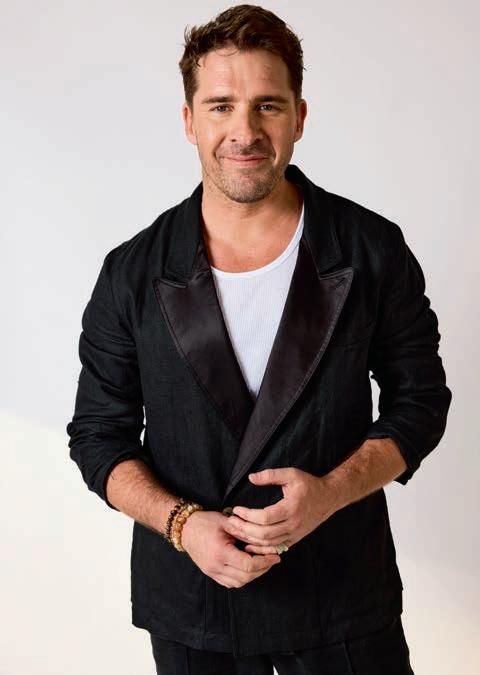
Hugh Sheridan
Photo: Pip
Cowley
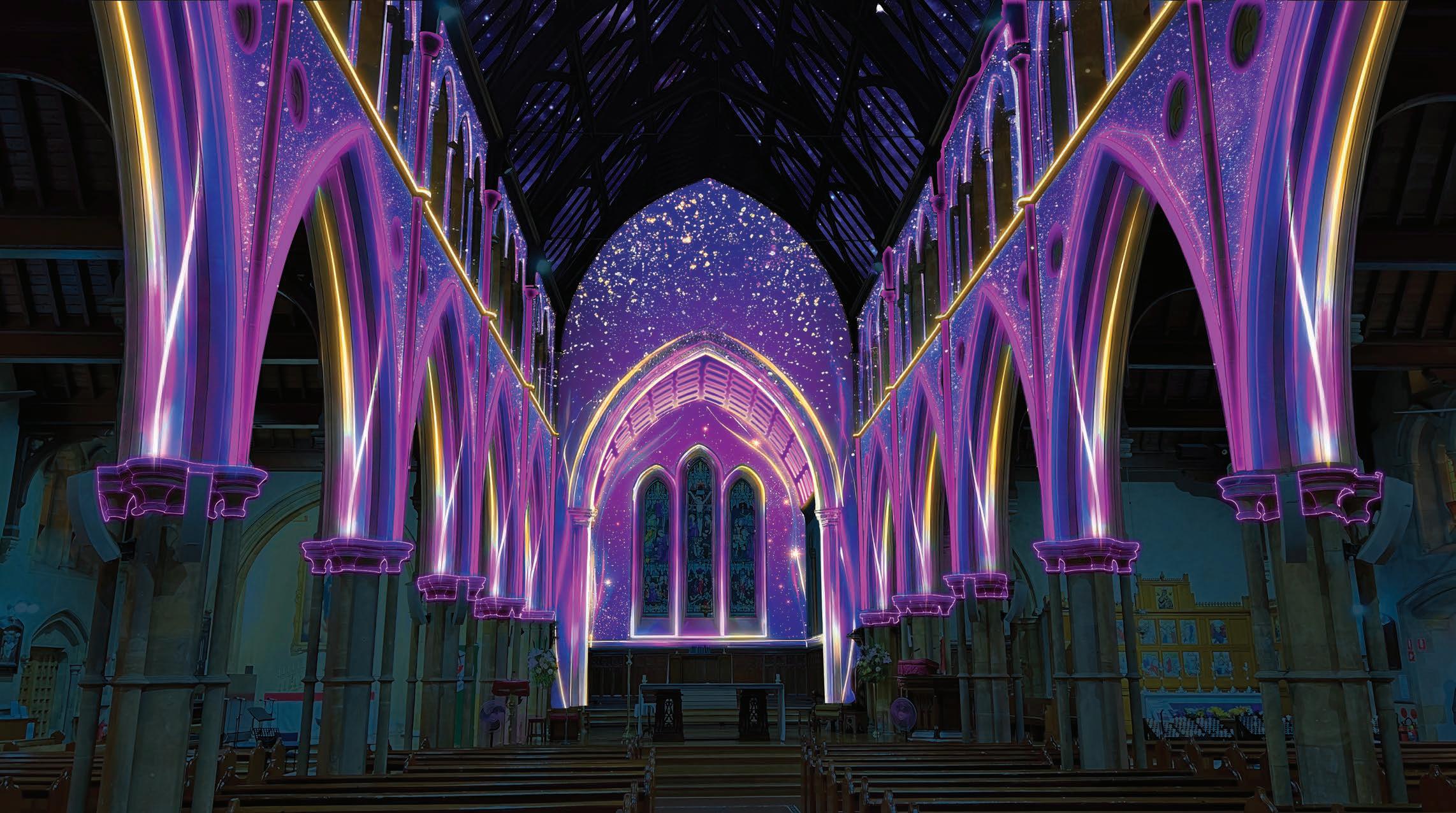

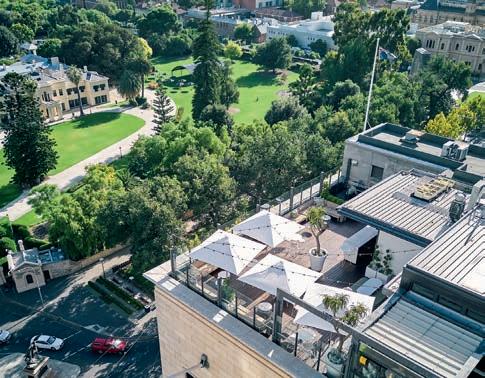
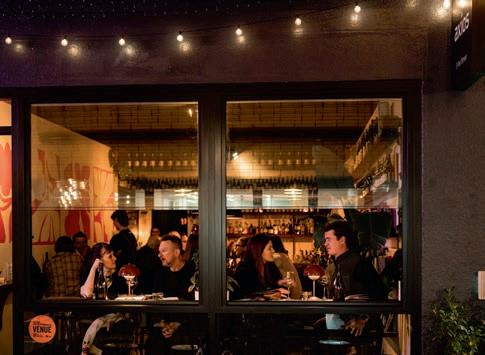
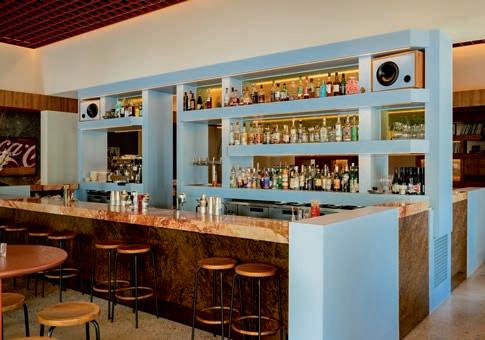
“The bars don’t try too hard. They’re about good drinks, good people, and letting the night unfold naturally”
Jennie Wine Bar on Peel Street is perfect for settling in with a glass (and grabbing a bottle to take home). The wine selection is excellent, and its central location makes it an easy place to drop into.
Then there’s Paloma Bar Always fun and always social. It’s lively without being overwhelming, and if you’re in the mood for tequila or mezcal, it’s hard to beat.
Latteria is a true local favourite. Super relaxed, great staff, great drinks, no fuss. It’s the kind of place you keep returning to because it just feels easy. Their snacks are always a 10/10…..the service is outstanding, like walking into your friend’s home.
What I love about Adelaide is that the bars don’t try too hard. They’re about good drinks, good people, and letting the night unfold naturally.
SHOW California Crooners Club
VENUE: The Flamingo at Gluttony - Rymill Park
TIME: 28 Feb-9 Mar, 4pm & 6.30pm
Jennie
2KW Latteria
Photo: Jack Fenby
Image: courtesy of venue
Photo: Jack Fenby
The Cycling Man's Guide to Cycling in Adelaide
Kathy Maniura’s deeply flawed, lycra-clad Cycling Man takes us around Adelaide on a bike
G’day me old c*nts (as the locals say)! I’m The Cycling Man – athlete, consultant (I think – it’s too late to ask) and divorcee (I DON’T want to talk about it!!!) from London, England.
What an honour, nay a privilege, to be in the fine city of Adelaide. I cycled all the way from England (don’t ask) and having been here for 24 hours I’m ready to share my advice for the ULTIMATE Adelaide cycle ride. Expressing my
“Expressing my opinion on something I know very little about? That’s my god given right!!”
opinion on something I know very little about? That’s my god given right!!
I kick off my day doing loops of the Adelaide Park Lands. I was devastated to find a selection of lovely bike paths – where’s the fun in that?? I want to be slowing down motorists and mowing down pedestrians when I’m on my noble steed. I left the area bitterly disappointed and headed to the CBD
That’s more like it. In the shadow of the BAE Systems office and various banking towers I felt immediately at ease. CBD: Cyclists, Bankers, Dickheads – I proudly identify as all of the above (I think?I really should work out what my job is – all I know is I make loads of presentations and they pay me a shit ton of money).
Time to venture away from the hoi polloi, feel the wind in my hair and the wasps in my teeth on the open road heading to Barossa Valley. I
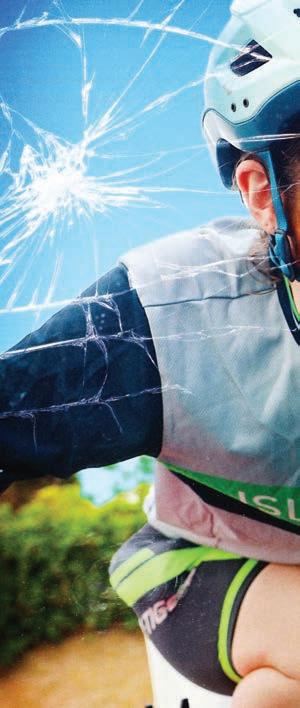
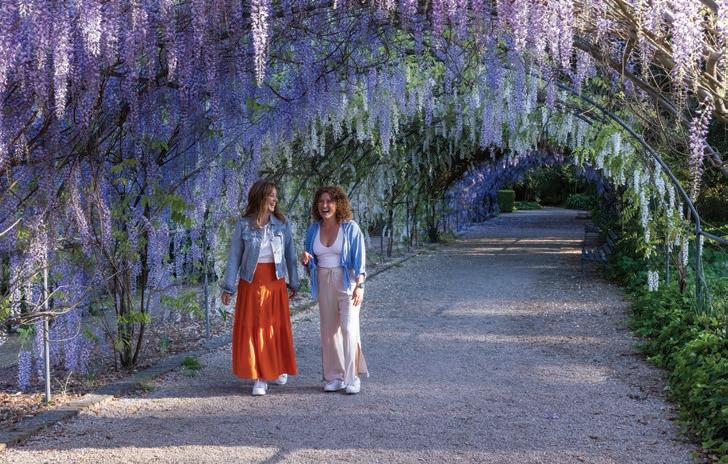
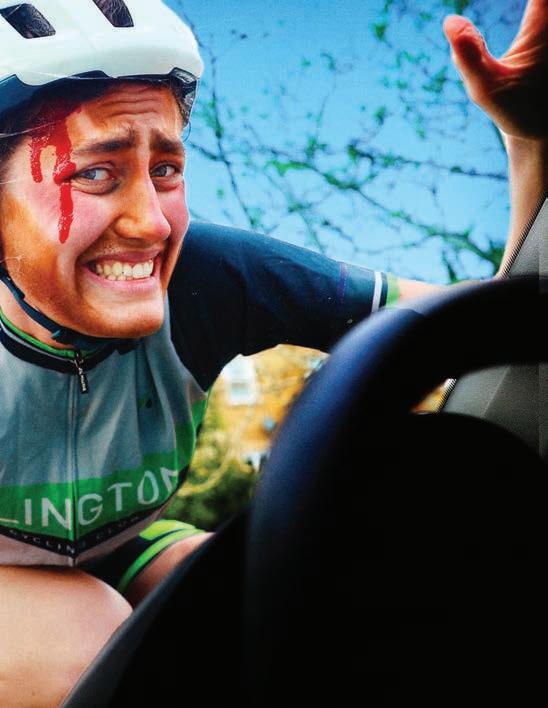
make sure to cycle right in the middle of the road and I take the opportunity to fill my sucky little water bladder with local wine. I cycle back to the city absolutely shitfaced.
I swing by the beach on the way to my soulless corporate hotel, which proves tricky as the sand gets all up in the nooks and crannies of my machinery and I’m not just talking about the bike. I loiter and watch some locals using what I believe they call a ‘barbie’. Top tip – do not throw an isotonic gel sachet on the barbie as it WILL explore and you MAY fully ignite your top to toe lycra outfit, releasing toxic fumes!!
I head to bed, singed, satisfied and still slightly sozzled, ready to do it all again tomorrow. God bless Australia and long live the Queen.
SHOW Kathy Maniura: The Cycling Man
VENUE: The Breakout at The Mill TIME: 18-22 Mar, various times
Adelaide Botanic Gardens
Kathy Maniura
Photo: SATC
Image: courtesy of venue
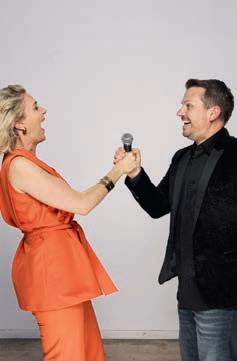
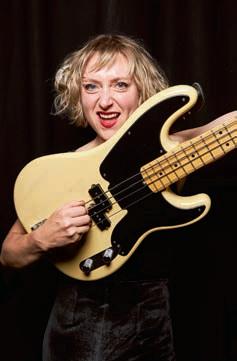
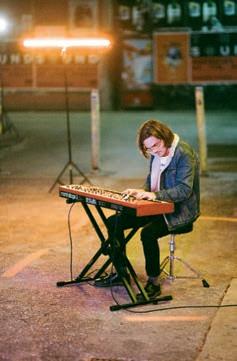
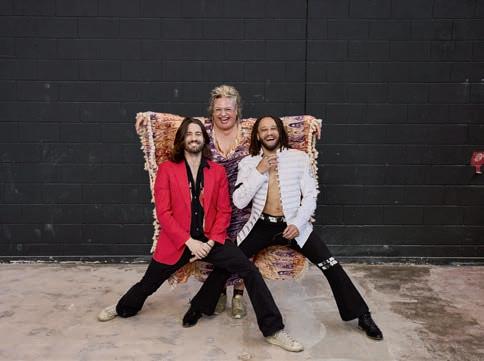
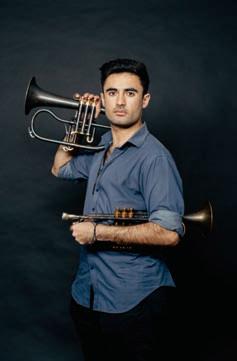

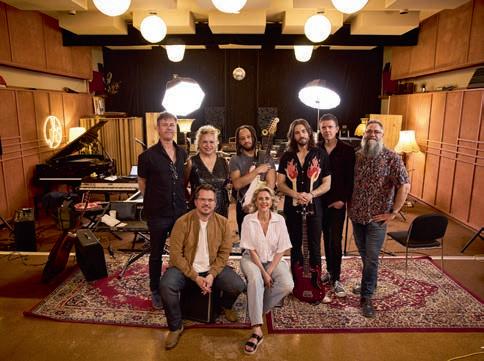
All photos: Claudio Raschella
Amelia and Zac Dusty, Kylie and Jaron
Jaron Jay
Harrison Smith
Felicity Freeman
Jack Strempel
Adelaide, Soundtracked
The creators of 27 Club take us on a city tour inspired by the music of their new show, Twenty Sixteen
Ten years on, 2016 still feels like a cultural fault line. We lost Bowie, Prince, Leonard Cohen, George Michael – artists who didn’t just soundtrack our lives, but shaped how we moved through the world. Creating Twenty Sixteen has made us think about how Adelaide itself has evolved over the same decade – quietly, confidently, and with far more
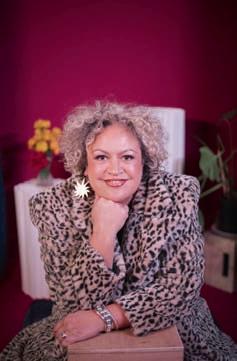
edge than it sometimes gets credit for.
So if 2016 were a city, this is how we’d explore Adelaide.
David Bowie energy lives in the unexpected – the places that reward curiosity. Start in the West End, where art spills out of studios, laneways and rehearsal rooms. The Lion Arts Factory, JamFactory, MOD. at UniSA – spaces that champion experimentation and reinvention. Bowie taught us that identity is fluid; Adelaide’s creative heart has embraced that lesson beautifully.
Prince demands intimacy. Low light, live music, bodies close to the stage. Places like Grace Emily Hotel or Arthur Art Bar still understand the power of a room where something might happen. They’re not chasing trends – they’re protecting atmosphere. Prince would approve.
George Michael belongs where joy and freedom intersect. Adelaide’s queer nightlife
and community spaces have expanded and strengthened over the past decade – from Mary’s Poppin to Feast Festival’s evolution into a city-wide celebration. It’s celebratory, political, and full of heart.
Leonard Cohen asks us to slow down. To sit, listen, and feel the weight of words. Walk through the Botanic Gardens at dusk. Take in a recital at Elder Hall. Or simply linger over a glass of red in the Adelaide Hills, where reflection comes easily and nobody rushes you.
Adelaide doesn’t shout – it hums along in its own way. Like the music of 2016, it rewards those who stop and listen.
SHOW Twenty Sixteen
VENUE: The Fantail (open-air) at Gluttony – Rymill Park
TIME: 19 Feb, 8.30pm; 20 Feb-9 Mar, 6.30pm
Kylie Auldist
Dave Gleeson: The Adelaide Music Venues that Made Me
Ahead of his Adelaide Fringe show Long Way to the Top, The Screaming Jets singer highlights some legacy venues that have shaped the city’s music scene
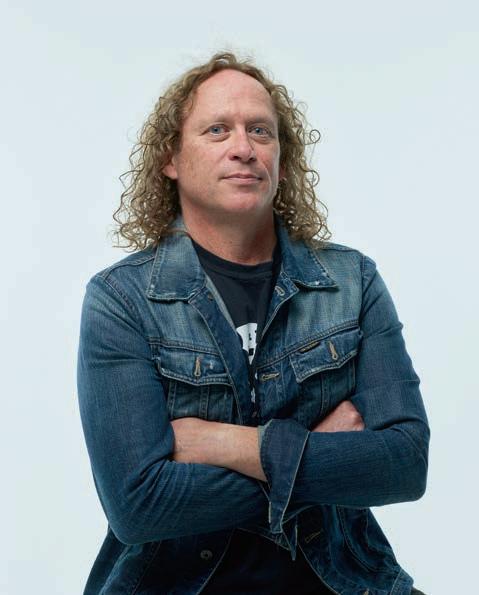
Kane Hibberd
Adelaide has always been a proper live music town. And it’s not only during festival season, it’s all year-round. It’s the city that rewards grit and hard work and fostered some incredible Oz Artists – Bon and ACDC, Chisel, The Angels, Paul Kelly, No Fixed Address, Hill Top Hoods, Mark Of Cain. I’ve been performing for a long time now, and some of my favourite memories and lessons have come out of Adelaide venues that treat live music as part of the city’s DNA, rather than just a night out.
The Gov is right up there. I’ve been playing The Gov for over 20 years and it’s genuinely one of my favourite venues in the country. There’s something about that roomthe sound, the stage, the way the crowd leans in - that just works. Whether it’s a full band or a stripped-back show, The Gov always feels like a place
Photo:
Dave Gleeson
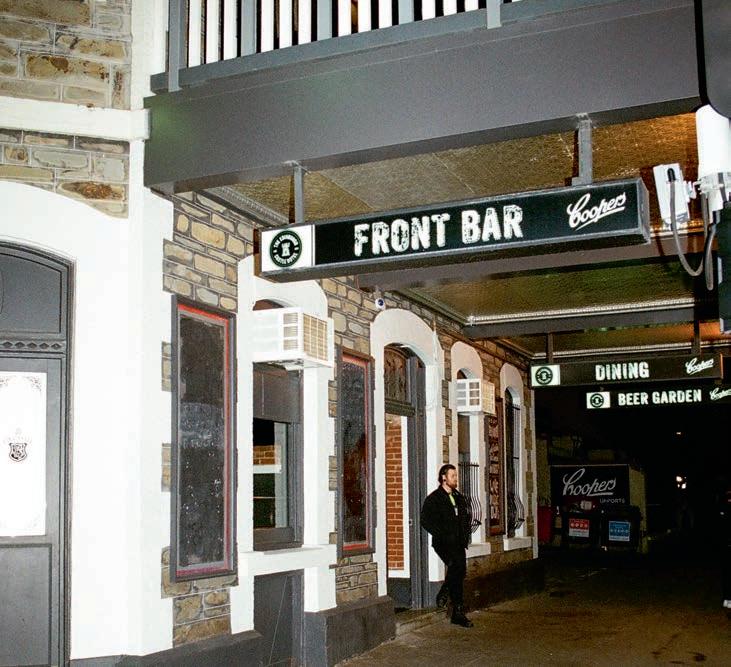
“Adelaide
venues treat live music as part
of the city’s DNA”
where musicians are respected and audiences come ready.
Then there’s The Thebarton Theatre. The Thebby has that old-school grandeur that reminds you of how long live music has mattered in this town. I’ve played there plenty of times over the years and it
never loses its sense of occasion. Walking out onto that stage, you feel the history in the walls. It’s a reminder that Australian music didn’t happen overnight, it was built, show by show, in rooms like this.
And finally, The Cranker –the Crown & Anchor (now at the Ed Castle) which I reckon is one of the most important venues in Adelaide. It’s incredible for fostering young talent. New bands cut their teeth there. This is where they learn how to work a room, and to find their people. My daughter Bella has been heading there since she turned 18 to check
out new bands, and my son James has played there with his band too. That’s the full circle right there.
When I’m doing Long Way To The Top, these will be the kinds of rooms and stories I’ll be thinking about. The miles, the stages, and the venues that make you earn it and shape you as a musician.
SHOW Long Way to the Top VENUE: The Fantail (open-air) at Gluttony – Rymill Park TIME: 7-22 Mar, various times
Photo: Grace Weber
The Ed Castle
Liam Withnail's Long-Haul Flight Survival Guide
In his new show, the English comedian covers how he travelled all the way up to Edinburgh to kickstart his career 18 years ago. Since then, he’s become accustomed to a much, much longer journey.
So you’re coming to Adelaide, and you’re making your merry way over from the UK. “It’s a bloody long way,” as they’ll tell you. So here are some tips for making the journey (slightly) more bearable.
Get drunk
As a sober man I can no longer take my own advice here, but having once drunk a plane clean of wine back in 2014, I can tell you that it does make the journey go a lot quicker, in that I remember very little of it. We’ve all woken up in a bed we didn’t recognise before, try waking up in a new hemisphere.
Pay for the WiFi
Sure, it’s nice to not be connected to the world for a bit. But do you know what’s nicer? Being connected to the world. And by that I mean, messaging everyone you know the words “I’m on a plane and it has WiFi! Isn’t that mad!”
Laugh at the immigration form
Do I have mud on my shoes? Do I have fruit on me? Have I ever done a war crime? Lmao, Australia.
Do some performative reading
You will be judged by fellow passengers on what book you’re reading on the plane, so make sure it says something about you. Personally I like to go for the Kama Sutra, which says, 'This guy knows how to fuck'. Or a Richard Osman book, which says, 'This guy has never fucked in his life'.
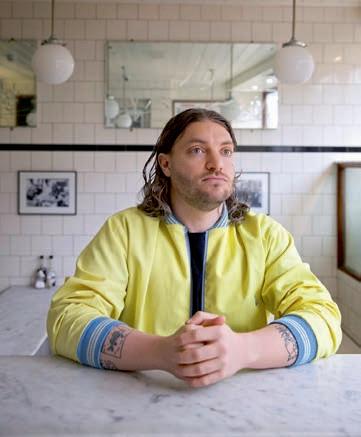
Have fun with films
Find out what the person next to you is watching, then stick on the same film but five minutes ahead of them. Then get their attention whenever you can and point to the screen. People like that.
Vape in the toilet
They can’t actually tell. Go for it.
VENUE: Drama Llama at Rhino Room TIME: 17-21 Mar, 5pm
SHOW Liam Withnail: Big Strong Boy
Photo: Corinne Cumming