August - September 2023

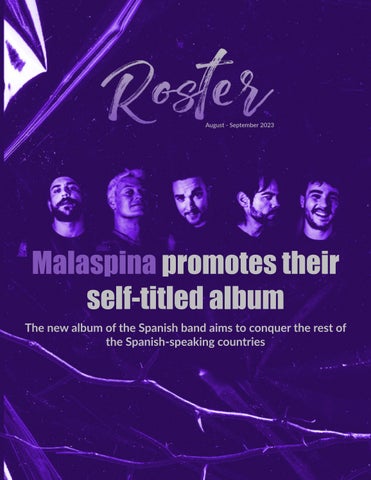
August - September 2023
The new album of the Spanish band aims to conquer the rest of the Spanish-speaking countries
 EDITORIAL
by Fernando Fazzari
EDITORIAL
by Fernando Fazzari
This month at ,, we're beginning a new process with a fresh magazine, more content, ar = cles, and release announcements. We're introducing new sec=ons and much more.
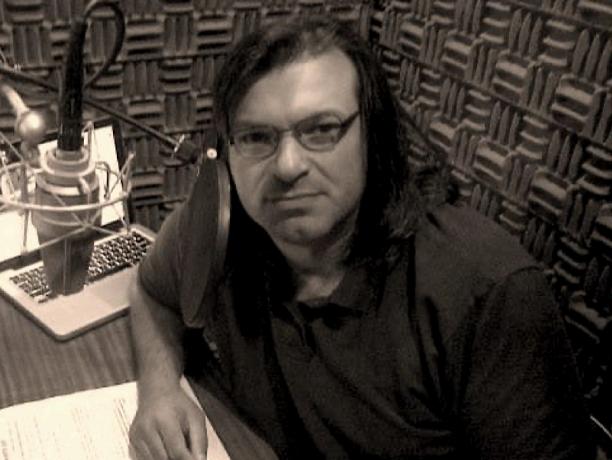
In this edi=on of the magazine, we welcome producer Abraham Madrigal, who joins us to write a monthly column about produc=on.
is embarking on a new journey to become a tool for independent ar = sts to use in promo = ng their careers; adver=sing prices are comfortable for all types of budgets. With all of this, we challenge ourselves to keep growing and to bring something new and viral every month. We invite our readers to write to us at info@rostermagazine.net to share their opinions and ideas. This publica=on was conceived to showcase new music, new ar=sts, a lot of entertainment, and to guide those who are in need.



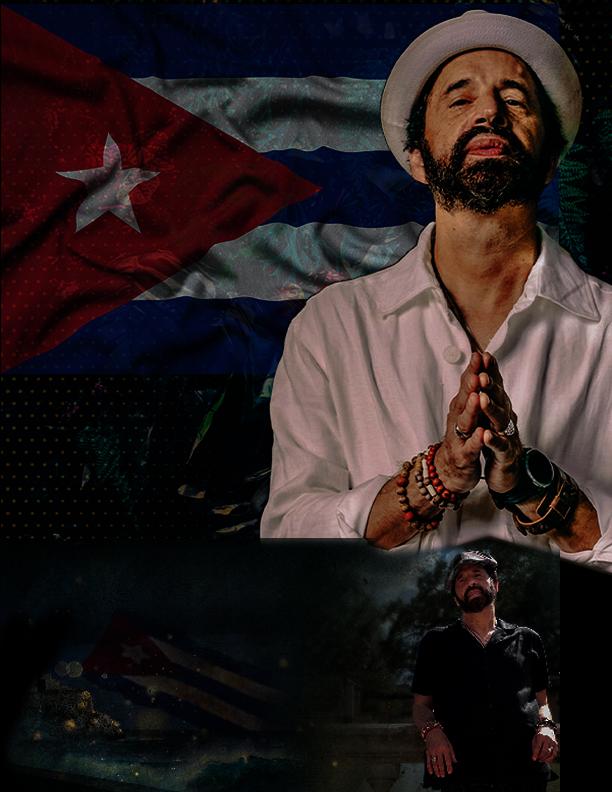
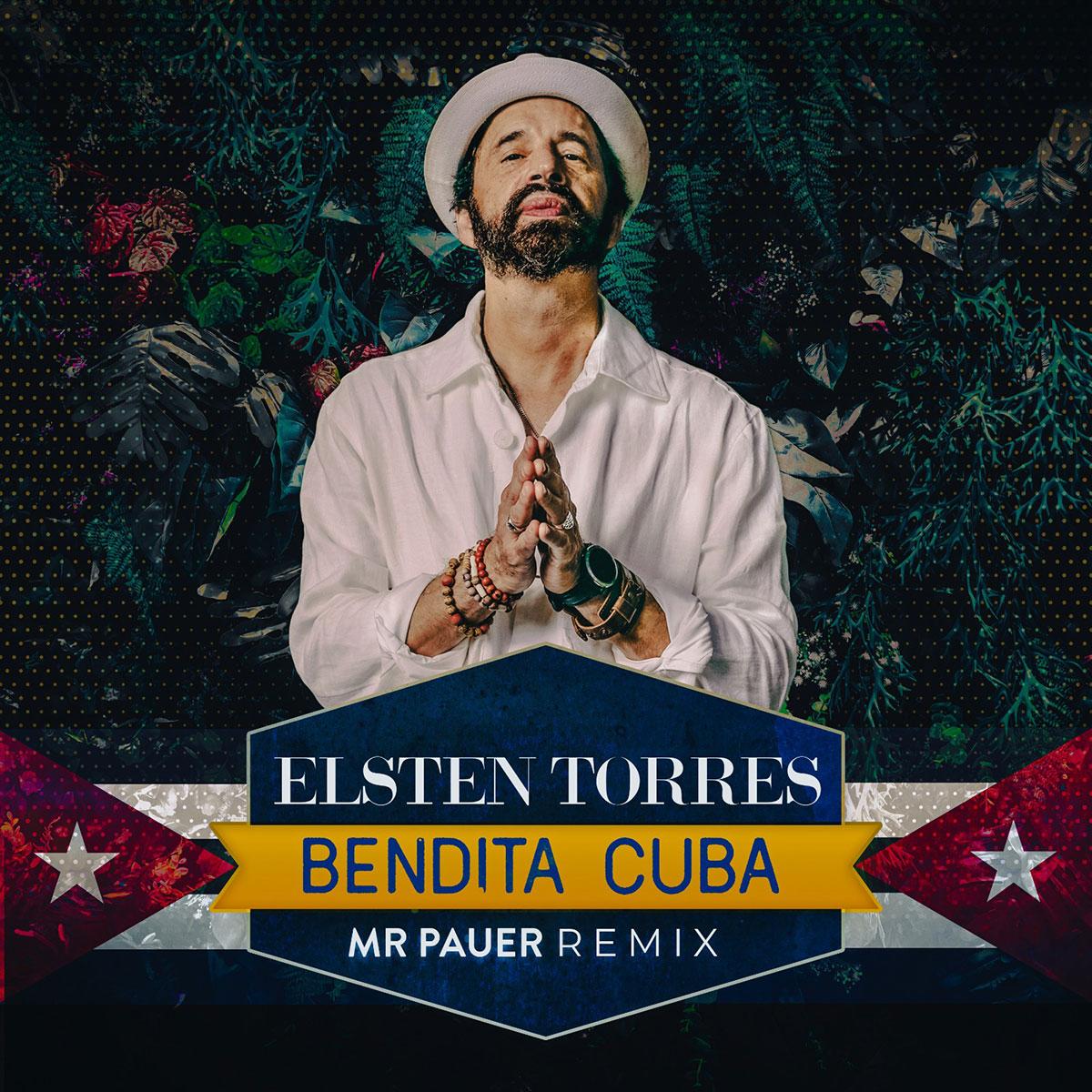
Award-winning singer-songwriter Elsten Torres teams up with extraordinary La>n electronic ar>st Mr. Pauer for an exci>ng remix of his hit song 'Bendita Cuba.'
'Bendita Cuba' is a hearGelt tribute to Elsten's Cuban roots, dedicated especially to his mother, who embodies the spirit of the island.
WriJen by Elsten Torres and Grammy Award-winning producer Rodolfo Cas>llo, the song beau>fully captures the tradi>onal sounds of Son Cubano, a beloved musical genre.
But that's not all! Get ready to be transported to the vibrant street of Havana as Mr. Pauer add his electrifying touch to the remix. With a fusion of Caribbean rhythms and a hint of African ‘Amapiano, this version will have you dancin all night long. Elsten Torres expresses his excitement, saying: I'm delighted to bring this song to life and honor my Cuban heritage through music.
Collabora>ng with Mr. Pauer has been a dream come true. Our remix will move you and celebrate the spirit of Cuba!



The new album from the Spanish band aims to conquer the rest of the Spanish-speaking countries.
If there's one thing that inspires the Spanish band Malaspina, it's music – something its members always knew they wanted to do. However, they don't consider themselves special, 'unless being normal or trying not to stop being so is considered something special,' they explain.
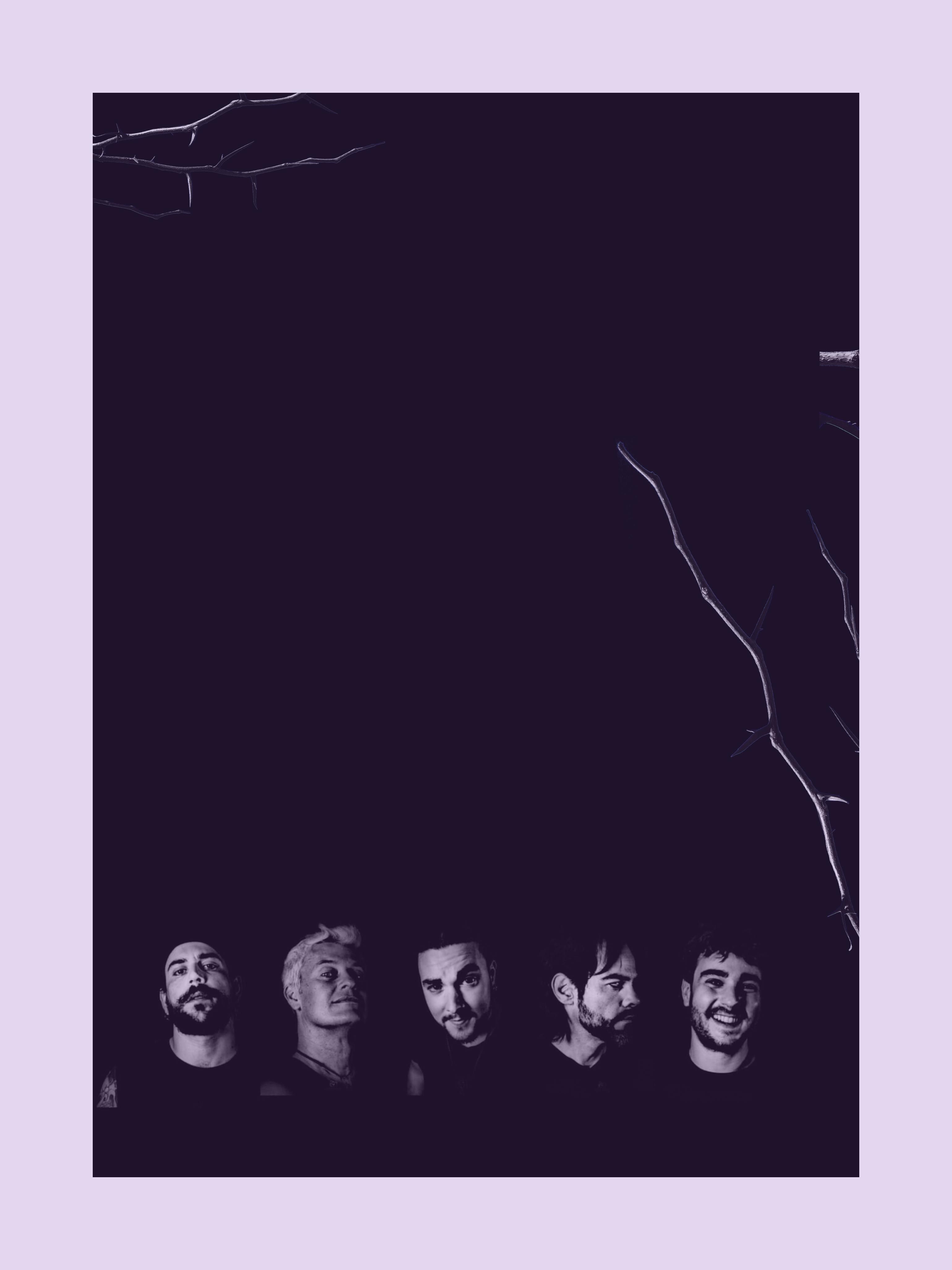
Their debut is a self-=tled album, which, according to the members of the group, carries a rock line, an unapologe=c expression of what needs to be said, from the most popular and flexible to the most unruly base.
For them, it's clear: any influence that is intense and popular emerges in their music. Thus, their work draws from Bob Dylan to Nino Bravo, passing through the Rolling Stones and Los Rodríguez, as well as José Alfredo Jiménez and the Kinks. But they always stay away from being mere copies.
'It's definitely a bastard style. Focused on crea=ng good songs rather than having a specific style or sound,' adds the band.
Malaspina's journey has been long: from the moment its founders, Javier Zambudio and Pedro Ruiz 'Pyta,' met while working on a project for another ar=st, to the search for the rest of their members, going through dozens of rehearsals and a successful debut at the Interna=onal Auditorium of Torrevieja as the opening act for the veteran group La Unión in 2018.

Listen Malaspina by clicking on the cover.
Ceshia Ubau is a Nicaraguan singer-songwriter born in Managua in 1997.

She began her musical journey from a very young age because, as she recounts, her parents noBced her keen aEenBon. «I spent the en=re day listening to music, and my mom has always been a music lover; I listened to the music she listened to.»
From the age of five unBl nineteen, she started studying Classical Piano and later took Jazz lessons. In 2015, when she began her studies in Psychology at the Central American University (UCA), she developed an interest in wriBng songs. «That's where it all began, star=ng to compose and record my first songs», she affirmed.
Ubau has been a refugee in Costa Rica for the past five years. Regarding the lyrics of her songs, Ubau maintains that 'I seek to contribute to people's emoBonal well-being; that's my main objecBve.' She is deeply interested in addressing various individual and collecBve social topics to «expand perspec=ves on things. I don't sing in the name of an absolute truth but as a way of advoca=ng for mental health, and music is a powerful tool for me»
She then shared that in her short- and medium-term plans, new music is coming. I'm preparing new material, concerts outside the region, and we're working to internaBonalize my latest album, ‘Luz’».
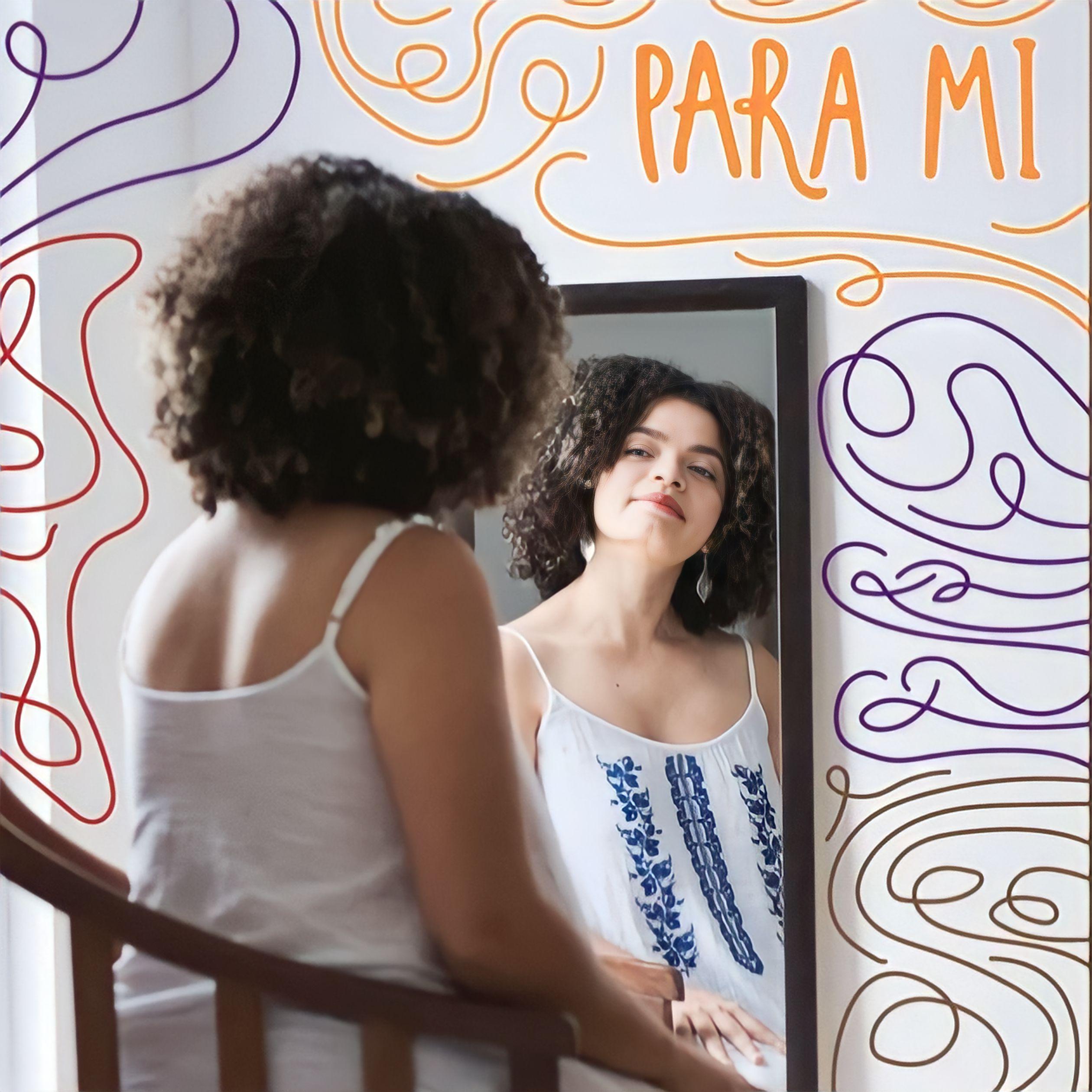
Listen to ‘Para mi’, the latest single by Ceshia Ubau, by clicking on the cover.
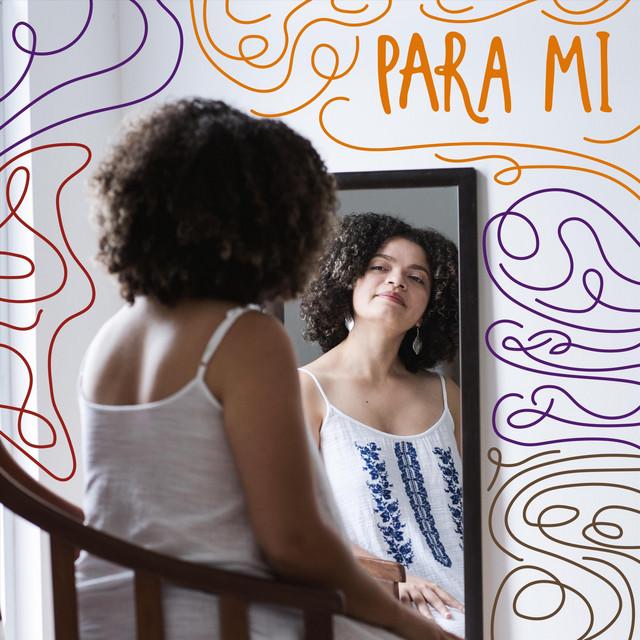
The story of Nicaraguan refugee Ceshia Ubau between psychology and music.
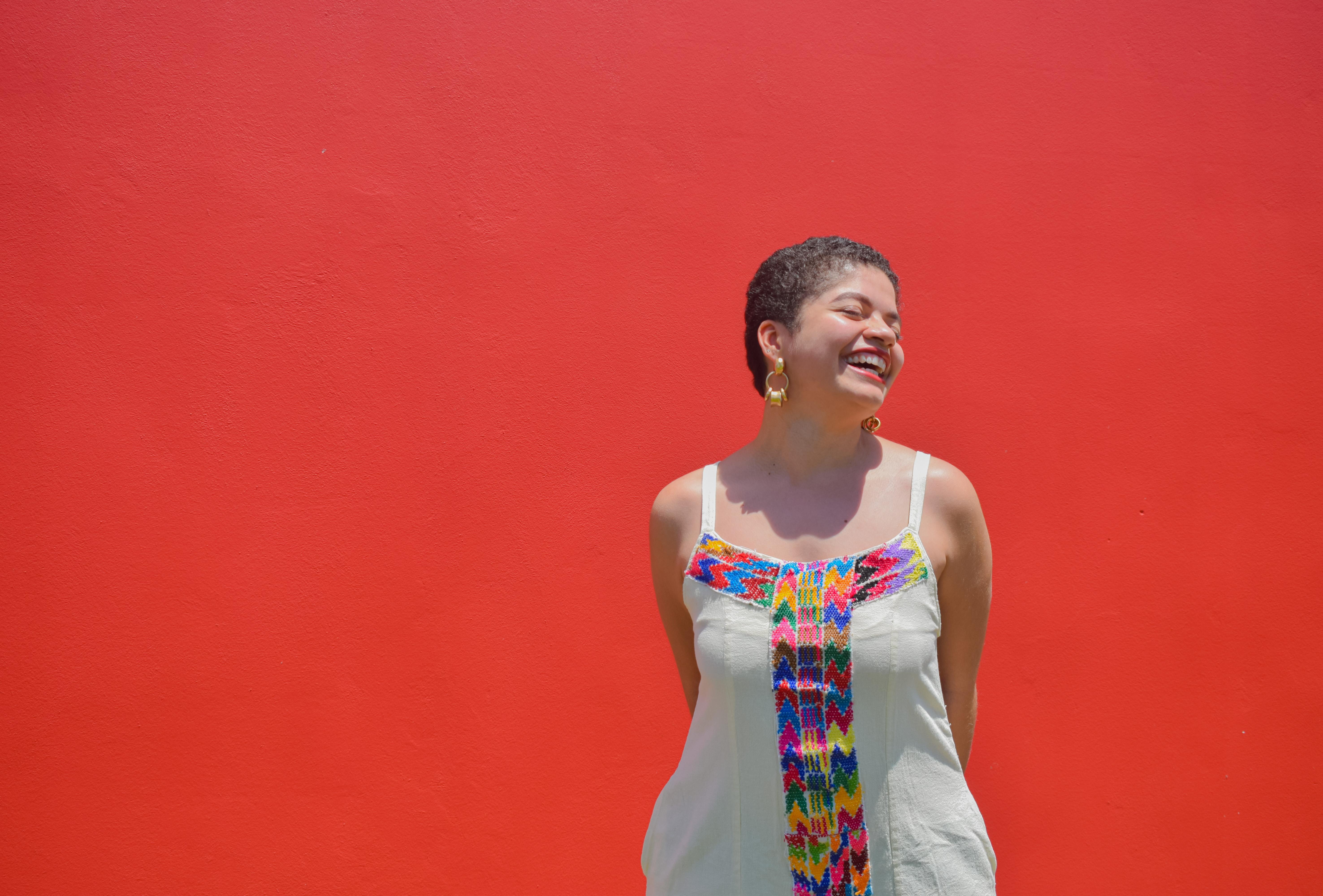
«I am a woman who sings to honor life.»
BOTPRONTO HAS THESE ARTiST RECOMMENDATiONS FOR US. WE HOPE YOU ENJOY THEM A LOT! (CLICK ON THE COVERS TO GO TO THE ARTICLES)



It's the crea=on process where a sound product is generated by blending crea=vity with technique, art with technology. A music produc=on can be a single song or a group of songs, a promo=onal jingle, or a sound or audio effect created for a brand.
With the advancement of technology, music produc=ons are based on what is known as a Digital Audio Worksta=on (DAW), which is the central produc=on sokware that allows recording, edi=ng, using MIDI sounds, mixing, and mastering. Examples of DAWs include Pro Tools, Ableton Live, Reaper, and Logic Pro.

Music produc=on encompasses a series of processes that bring the songs we love to life. Generally, five wellestablished phases are iden=fied: pre-produc=on, produc=on/recording, edi=ng, mixing, and mastering.
We'll briefly explain what each phase entails.
1. Pre-produc=on:
Before pressing the recording bunon, pre-produc=on lays the founda=on. This is the crea=ve groundwork. Arrangements, instruments, and the ar=s=c direc=on of the song are defined. Planning and previsualiza=on are essen=al to avoid surprises during recording.
2. Recording: Recording is the moment when notes and rhythms come to life. Each instrument and voice is recorded on individual tracks. The sound engineer ensures capturing the performance crisply and emo=onally.
3. Edi=ng: Here begins the process of filtering all the recorded tracks or takes. The best takes are selected, vocal compila=ons are made. Here, audio can be manipulated to create crea=ve effects or correct poten=al errors during the recording stage. Vocal tuning can also be done during edi=ng.
4. Mixing: Mixing is where individual tracks intertwine into a harmonious symphony. Levels are adjusted, effects are applied, and a three-dimensional sensa=on is created. The mixing engineer ensures each element has its place, and everything is cohesive and impacrul for the produc=on to shine.
5. Mastering:
The final step is mastering, where the song is prepared for distribu=on. Final levels are op=mized, minor issues are corrected, and it's ensured that the song sounds good on different systems.
Music produc=on is a fascina=ng process that spans from planning to the final touch. Each stage, from preproduc=on to mastering, contributes to the crea=on of the songs that make up the soundtrack of our lives.
Abraham Madrigal AB Tauro MusicMusic has accompanied humanity since the beginning of =me; in ceremonies, rituals, duels, conflicts, and resolu=ons, both individually and collec=vely. Beyond entertainment, it holds a scien=fic facet with mul=ple benefits for physical and emo=onal health. The inten=on of this ar=cle is to explain its therapeu=c proper=es and how they can be applied to daily life.
In an analysis published by the Neurology sec=on of the Department of Medical Sciences at the University of Manabí, Ecuador, it was confirmed that 'music is processed through neural networks involving areas of auditory and motor processing; in turn, its percep=on and execu=on involve various cogni=ve func=ons.' (Montalvo and Moreira, 2016)
That said, many variables come into play in our nervous system when in contact with music. It starts by increasing dopamine, a neurotransminer whose func=on is to generate pleasure and a good mood. It also regulates cor=sol levels, bener known as the 'stress hormone,' whose imbalance can alter blood pressure, induce heart diseases, and difficul=es in sleep.
Listen to Music! Listening to music consciously contributes to channeling emo=ons. The melodic structure, dynamics, or narra=ve of a song can facilitate the listener projec=ng their emo=ons and/or feelings, paving the way to recognize and organize personal experiences, valida=ng what one feels, and crea=ng a safe space to fully experience them.
Surely you've heard or even said the phrase 'music is my refuge' or 'music is my escape.' This is a powerful statement because music, for many people, allows them to traverse all emo=ons without judgments. There are no good or bad emo=ons; all emo=ons have a purpose, and it's important to give ourselves permission to experience them.
Play the Drum! Percussion instruments, in par=cular, also have a therapeu=c func=on. Barry Binman, a scien=st and director of the Yamaha Music and Wellness Ins=tute, conducted a study concluding that 'a specific type of group drumming, known as composite drumming, is associated with an increase in the ac=vity of defensive cells trained to fight cancer and viral diseases, as well as a beneficial altera=on, for the body, of stress-related hormones.' (De Silva, 2015)
Considering the above, the tradi=on of groups of people or individuals summoned by a drum has existed since ancient =mes in various cultures to promote self-expression and healing. Percussion induces deep relaxa=on, as the rhythm of a drum is similar to the heartbeat, reducing blood pressure, stress, anxiety, and promo=ng emo=onal self-regula=on in pa=ents with Alzheimer's or Au=sm. It's not about becoming an expert in percussion but rather rela=ng to it recrea=onally, as we are all made for music.
Dance! Music and physical movement enhance crea=vity and authen=city, especially in freeform dancing. Through this, you can iden=fy where tension resides in the body and by implemen=ng breathing exercises, it's possible to release it. Dancing strengthens social rela=onships and even self-image.
Write! Combine songwri=ng exercises, whether amateur or professional – everything is valid. Wri=ng and musicalizing what's been wrinen transforms the narra=ve from painful experiences into lessons of resilience and self-compassion, while also s=mula=ng memory and the use of poe=c resources to reframe what's been lived. You likely already engage in some of these ac=vi=es, but what's important now is to do them with a therapeu=c inten=on. If you haven't incorporated these ac=vi=es into your rou=ne, it's always a good =me to do so. They can even be seen as self-care ac=vi=es that you can dedicate 10 to 20 minutes to each day, if desired. Enjoy the music and the many benefits it offers to improve your quality of life
In a society where everything is immediate, disposable, and transient, crea=vity flows like never before. Musicians who work from home have an endless array of possibili=es thanks to technological advancements and the vast array of tutorials, resources, and =ps that abound on our beloved internet. However, this also presents an enormous challenge stemming from the rush and ephemerality, which are current characteris=cs of art today.
With what fits in a backpack, we can produce an album from scratch. I witnessed the birth of the QY20, a small but impressive sequencer slightly smaller than a shoebox, powered by baneries, and capable of crea=ng music. I had the opportunity to produce around 41 songs for a children's series using this linle "toy." Back then (about 25 years ago), we didn't know how everything would evolve, but it's truly a marvel. Today, we can unleash our crea=vity without leaving our room and share everything we bring to the world.
The flip side, as I men=oned earlier, is the profound lack of knowledge that oken exists, propor=onal to the crea=vity that flows. The challenge here is to realize that not everything new is the best, that classics are what they are for a reason, and that we never stop learning, no maner how many tutorials we consume.
This brings us to wan=ng to make music relentlessly, oken without caring if what we create is good or excellent, all driven by the rush and social pressure to be recognized, to achieve a certain number of streams, followers, and 'fans', instead of striving to create something more =meless.
A noteworthy point is the blessing and curse of AI, which seems to be coming in full force without brakes. It can be very effec=ve if we use it as a support and not as a subs=tute for our talent. We have a commitment, primarily to ourselves. Good is the enemy of great, as Voltaire aptly put it. I believe that as a musician and home producer, I shouldn't seek disposable successes, but something enduring. I need to step out of my comfort zone and con=nue developing the muscle of crea=vity, regardless of my musical genre.
"Genius is one percent inspira=on and ninety-nine percent perspira=on."
Alva Edison)P.S. If you're an independent musician and want to take your music to the next level, don't hesitate to contact us. At MFM+, we can collaborate with you to explore the possibili=es your project holds, produce, advise, and support you throughout the en=re crea=ve process.
 Mauricio Aziz Tonder Music
(Thomas








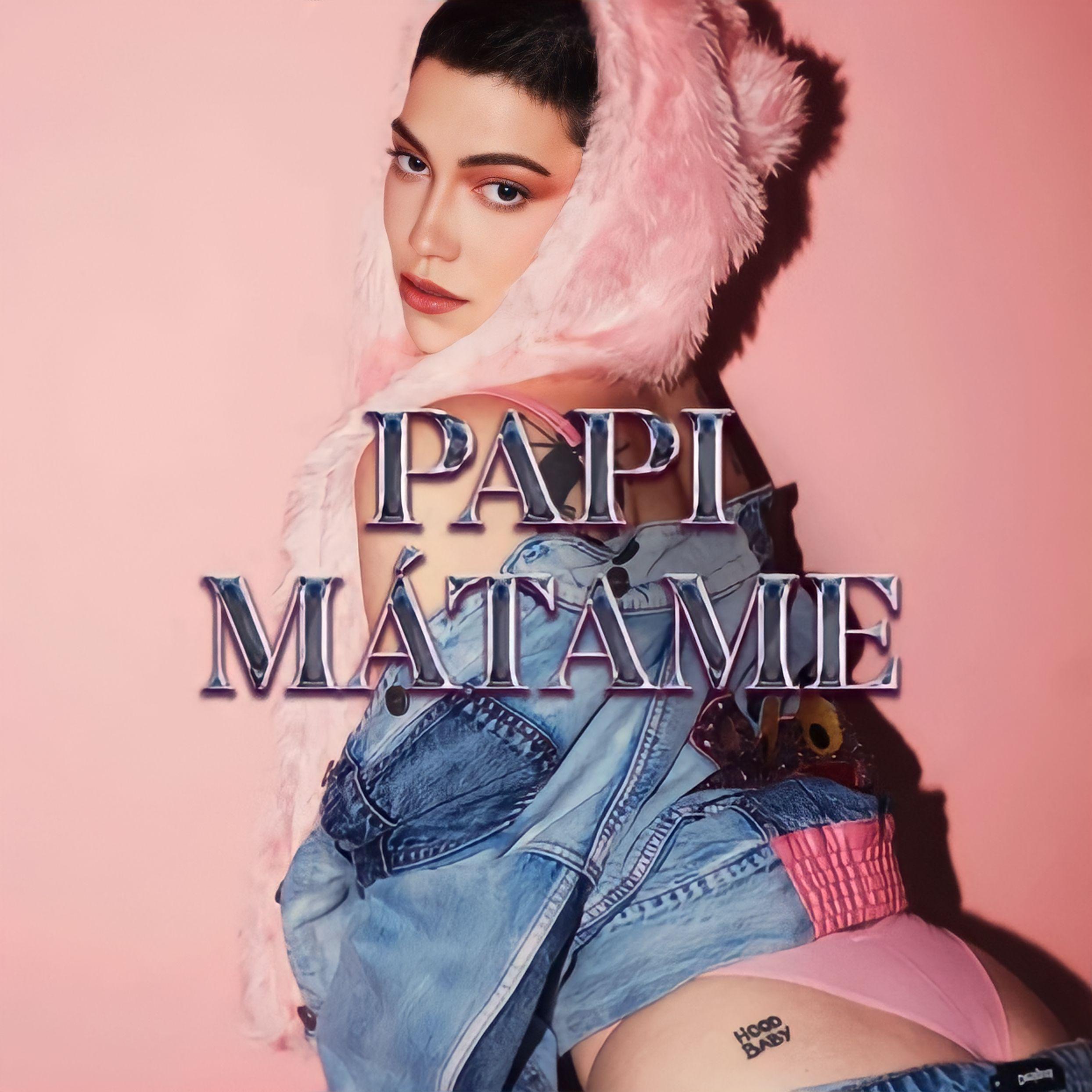
The musical producer of the song is Morris Hayes, who was the keyboardist and musical director for Prince's band. Morris and Meïa San=ago started their collabora=on a year ago and have since been working with interna=onal musicians, both from the US and Spain, for its produc=on.
Meïa co-wrote the lyrics with Cuban composer Elsten Torres, a two-=me Grammy nominee and BMI award winner. Morris Hayes, who also co-wrote the music, wanted to incorporate elements of smooth jazz and La=n references into the musical produc=on. This results in musical arrangements that find a balance between intensity and freshness.

Meïa San=ago is originally from Barcelona, Spain, and currently resides in New York aker winning a scholarship for a song called "Be gentle my love," which belongs to her previous EP, "Mülzien 25." It is in New York that she creates a pop jazz song called "I Can't Stay Away From You," which she is now presen=ng. The song tells the story of an addic=ve romance that seems to find its end. Passion, binersweet memories, and a final glimmer of hope illuminate the darkness of the rela=onship's conclusion.
The singer-songwriter found inspira=on in the akermath of a breakup following an intense bond during the pandemic. The fact that Meïa lived away from her own country during those challenging =mes made her more vulnerable, and she eventually found herself trapped in a toxic romance. However, the promise of a new love awaited her.
Listen to I CAN’T STAY AWAY FROM YOU
by clicking on the cover art











Director
Fernando Fazzari
f.fazzari@mfmplus.net
Web and Digital Content Editor in-Chief
Mauricio Aziz m.aziz@mfmplus.net
PR and Media
Vicente Carcaño
v.carcano@mfmplus.net
Cono Sur Director
Enrique Chovanian
e.chovanian@mfmplus.net
PR and Media Assistant
Laura Miranda
l.miranda@mfmplus.net

PR and Media Colombia
Luisa Jiménez
l.jimenez@mfmplus.net
PR and Media Uruguay
Rocío Barrios
r.barrios@mfmplus.net
Digital Analyst
Manuel Jáuregui
m.jauregui@mfmplus.net
Roster Digital Design

Pedro Maldonado
p.maldonado@mfmplus.net
COPYRIGHT 2023 ROSTER MAGAZINE PRODUCT OF MUSIC FILM MANAGEMENT PLUS LLC ALL RIGHTS RESERVED.