Landscape Design for Essential Food and Energy Production
Studio Tutor: Dr. Terrence Tan Chun Liang Sun Fengyu e1168807@nus.edu.sg
The Wandering Botanist
Over the past decades, the impact of global events, such as the Covid-19 pandemic, has grown stronger and poses significant influence on the everyday living of people in each country. Singapore, as a country that imports almost 90% of its resources to meet with its domestic consumption, if not for having a certain degree of storage and emergency acts, would have been severely disrupted by the lack of resources. This leads to the premise of this speculative design studio to develop urban landscape as place of productivity that can be integrated within the urban fabric in economic, ecological, and social aspects.
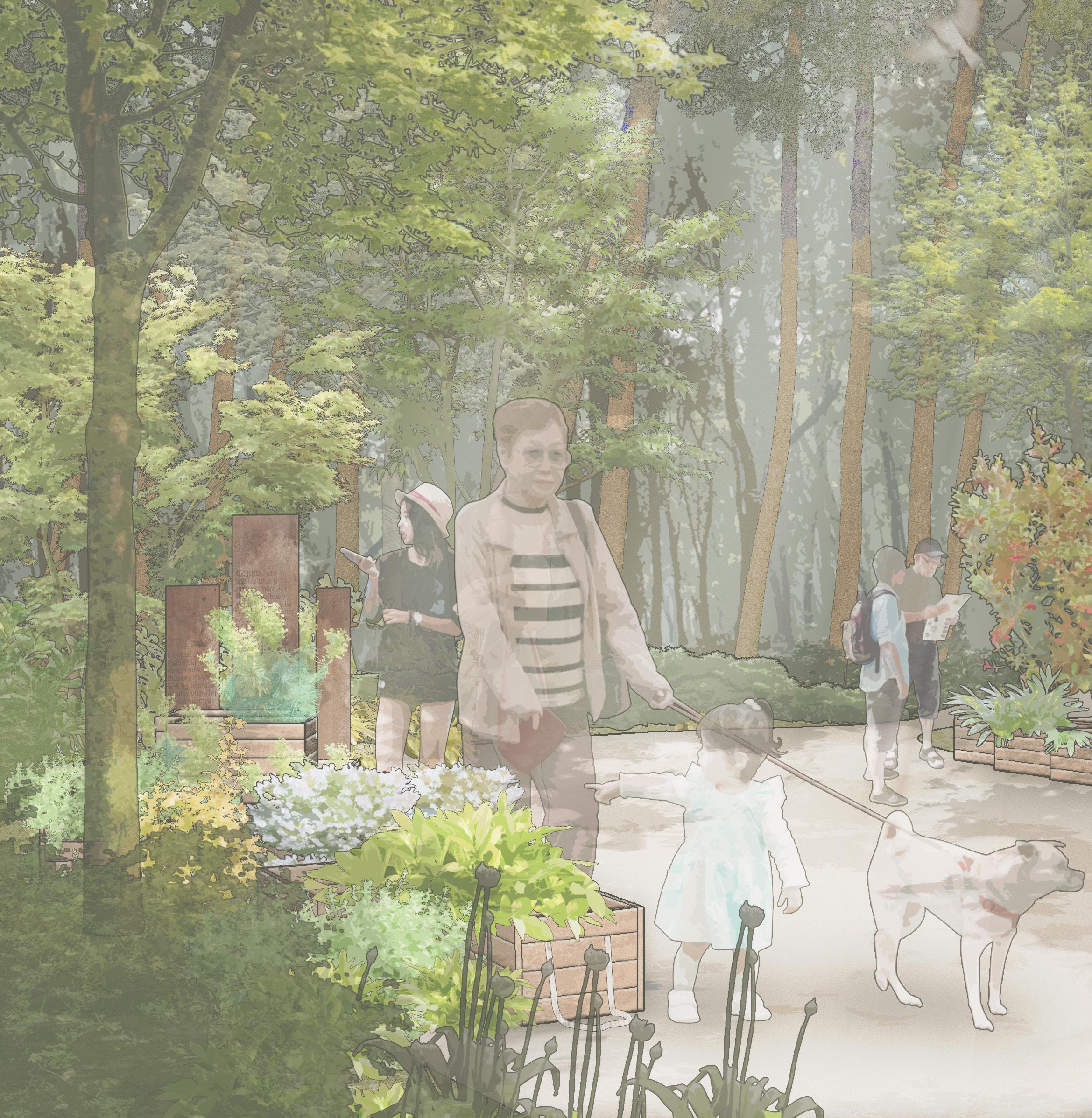
“The Wandering Botanist” is an experimental take on the topic of productive landscape. As research has shown that the production of staples in Singapore is highly limited for landscape approach, other produces, such as herbs and spices, with high economic, ecological, and social value that can be easily cultivated offers opportunity to catalyse design that bonds food production and everyday living closely. Considering the location of the design: the newly proposed “The Long Island” project, has already listed goals such as building future urban living and incubating new cultural context, the design also explores culture and tourism development based on human-morethan-human interaction, especially on how landscape and visitors can shape each other over the years in sustainable ways.
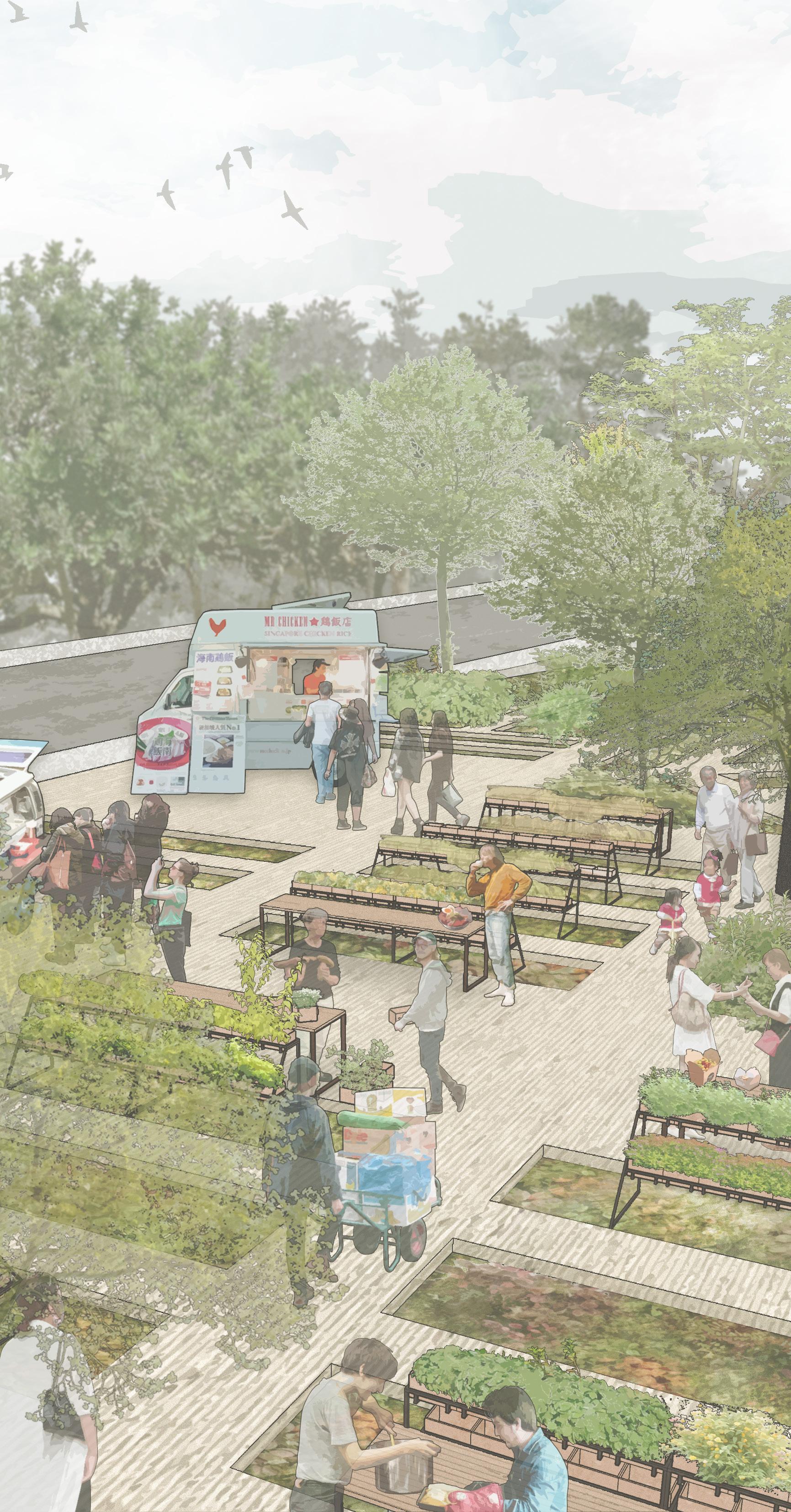
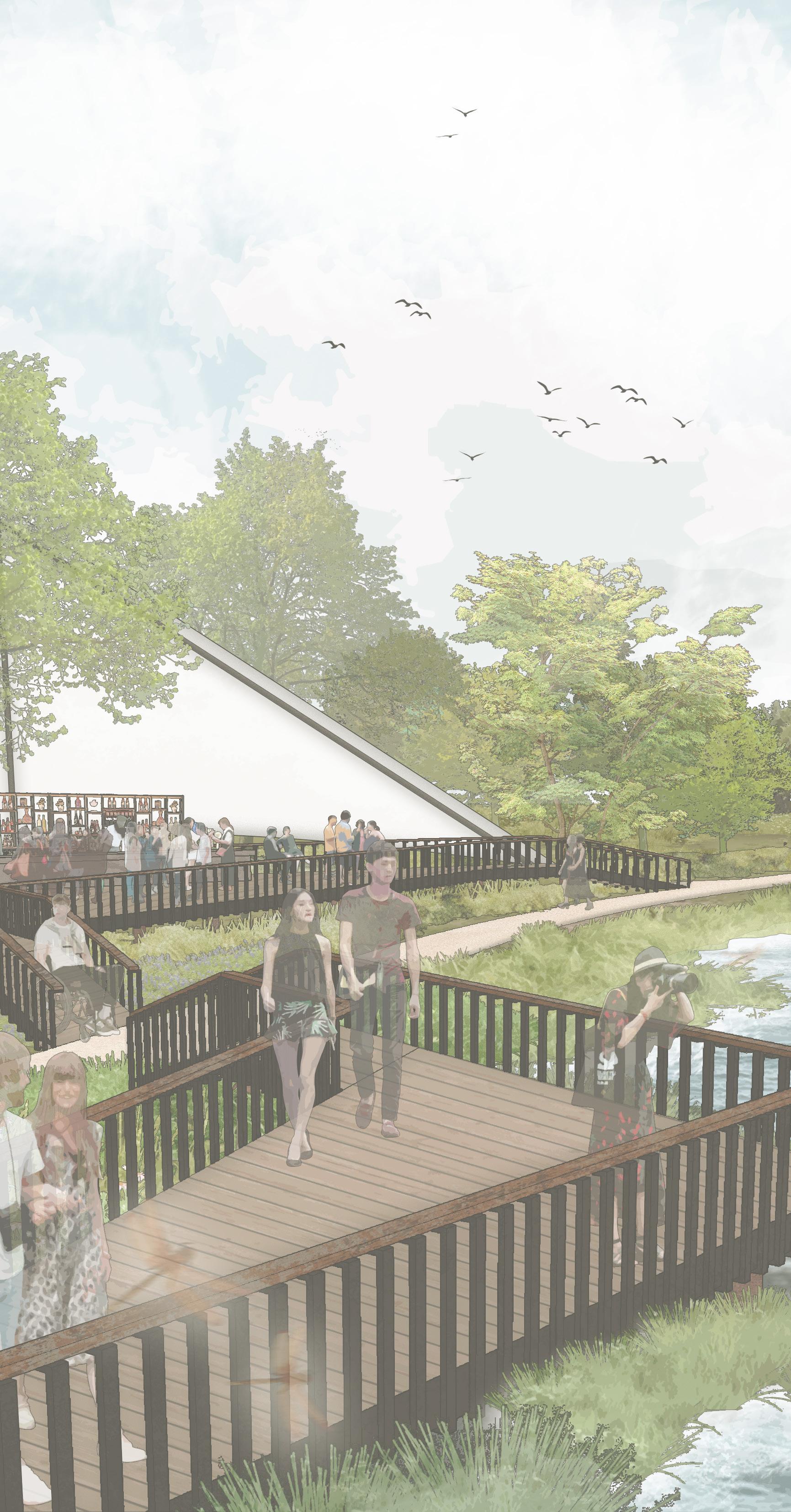
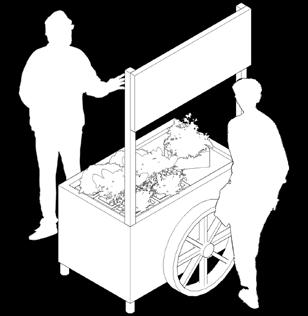
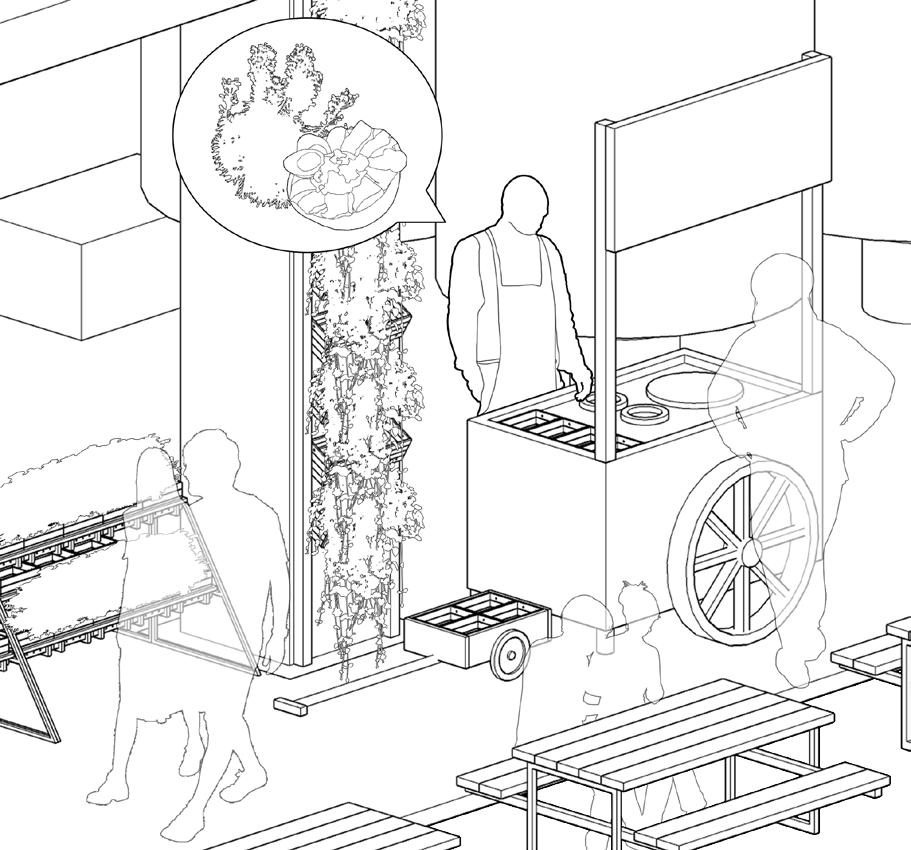
Based on the topic of “herb cultivation” and “interaction”, “The Wandering Botanist” project proposes a landscape design in which spatial planning is based around how human and more-than-human would use herb, as well as how herb can be used for placemaking and for navigating through the landscape. The design also aims to catalyse small-scale, sustainable businesses related to herb such as craft beer brewery and food carts, and the future connection-building with the surrounding WSUD and community via herb.
THE WANDERING BOTANIST
Infusing Food Production into Daily Lifestyle
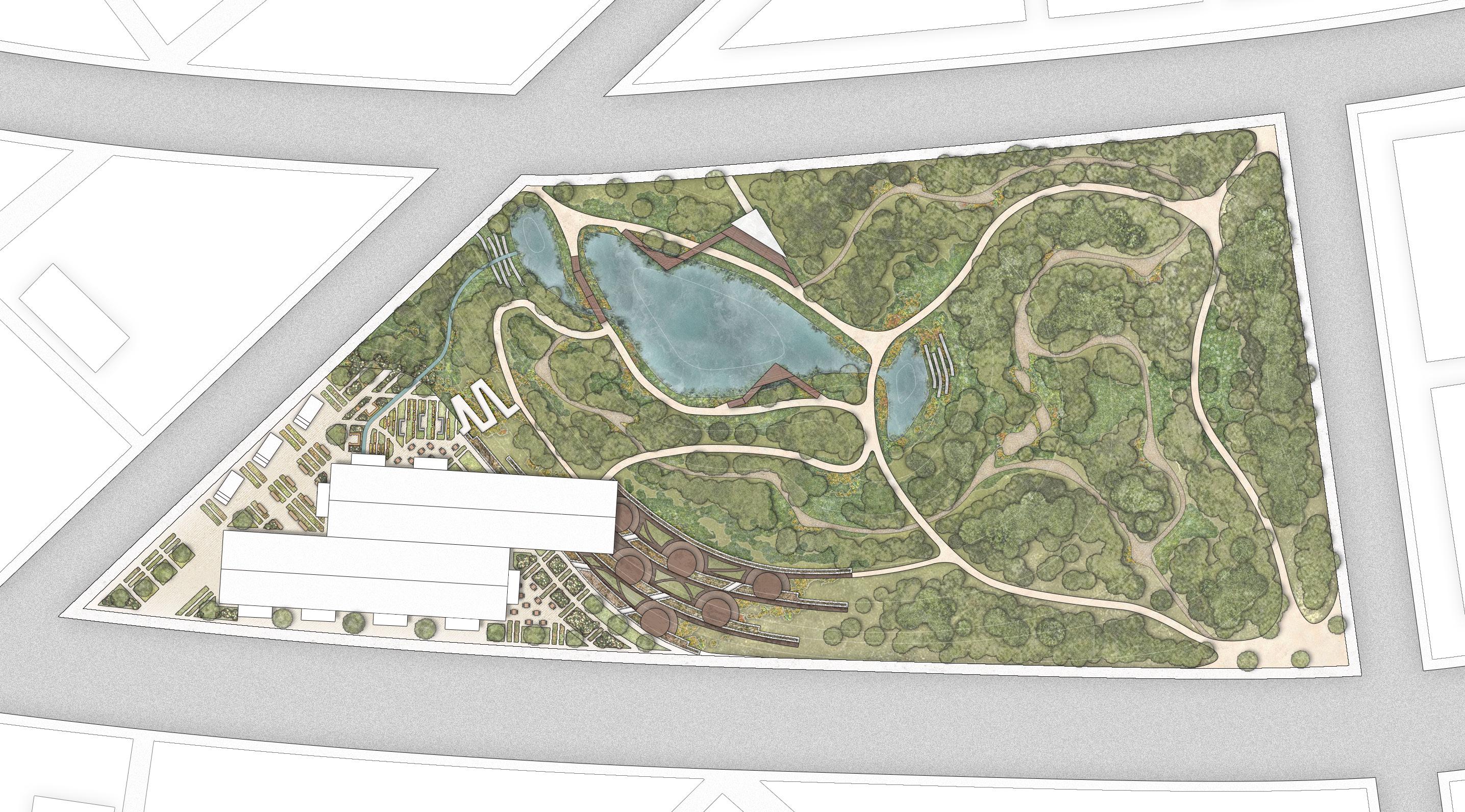
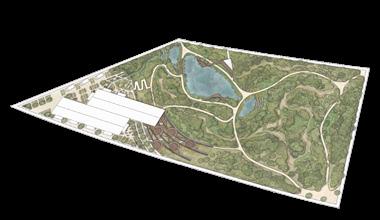
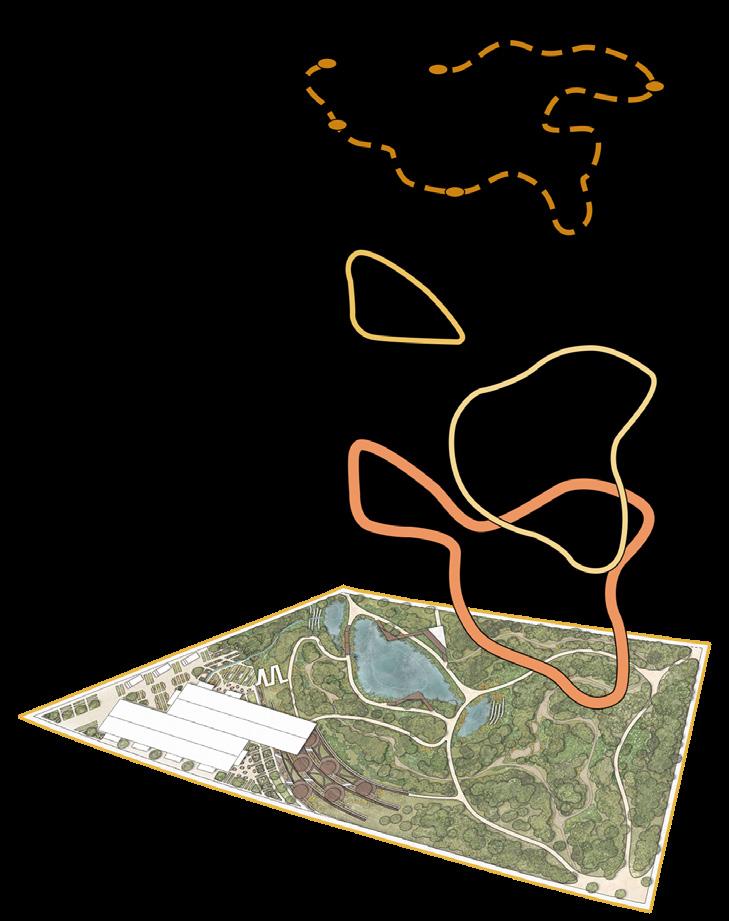
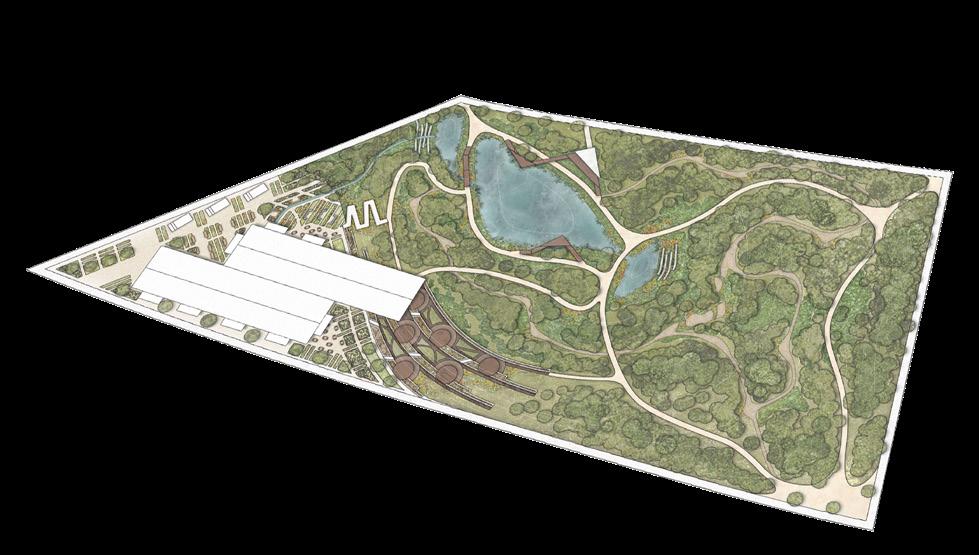
Site masterplan
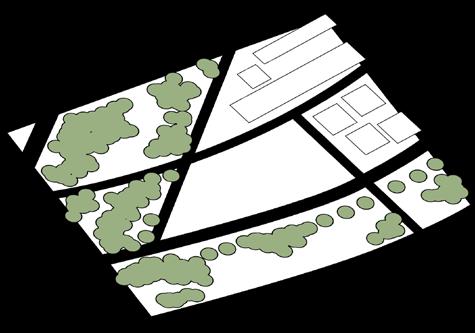
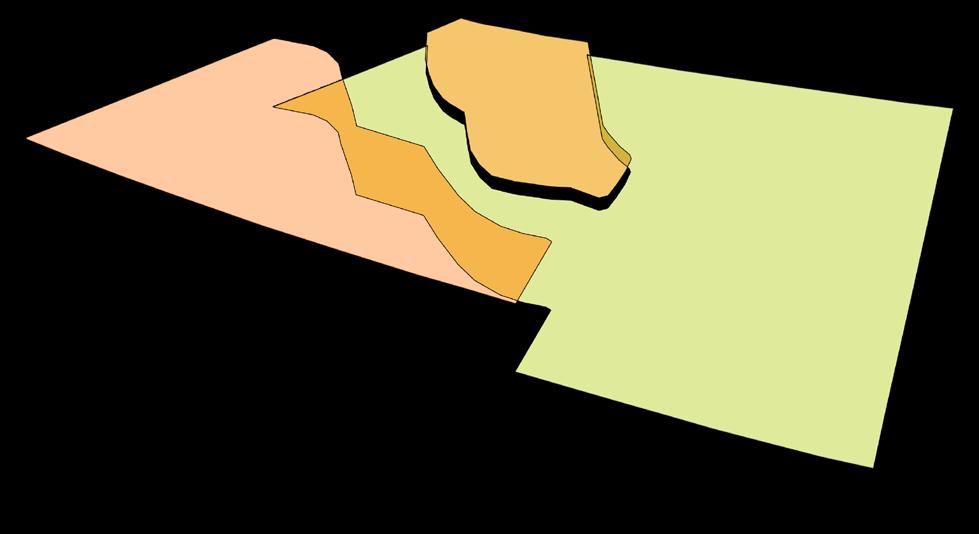
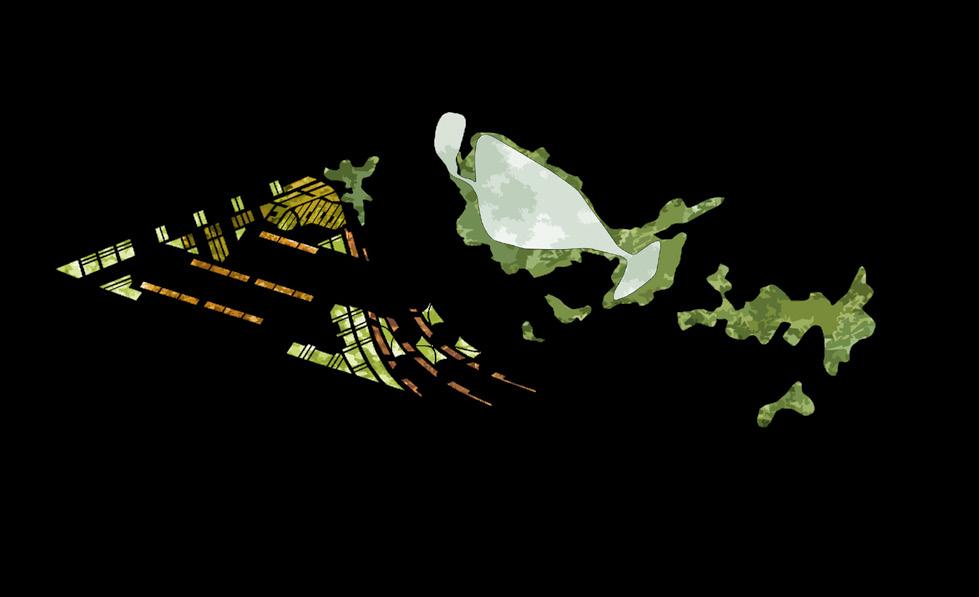
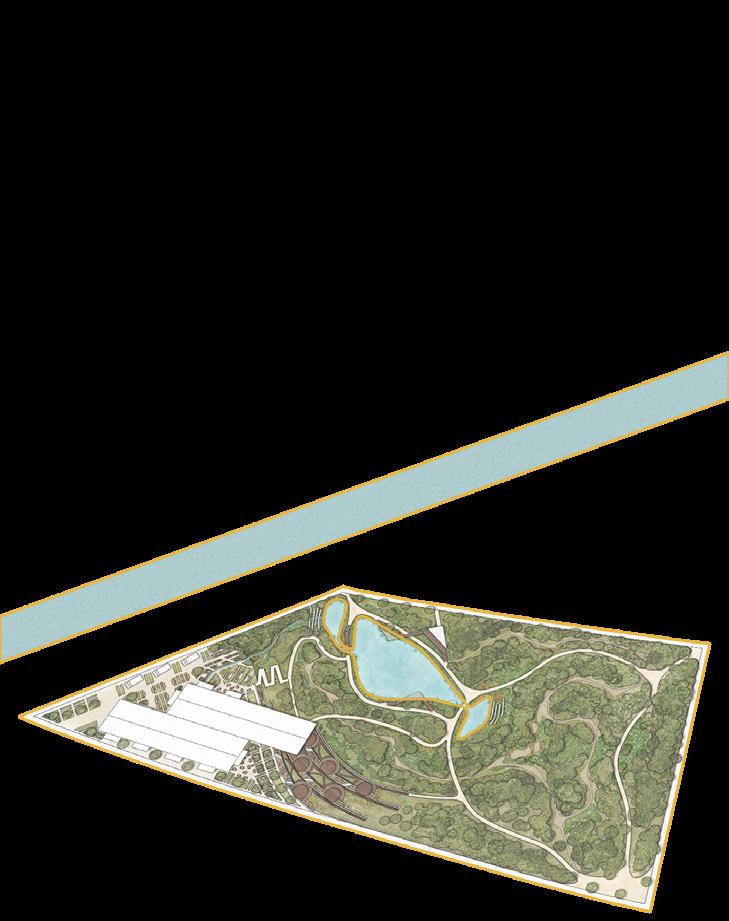
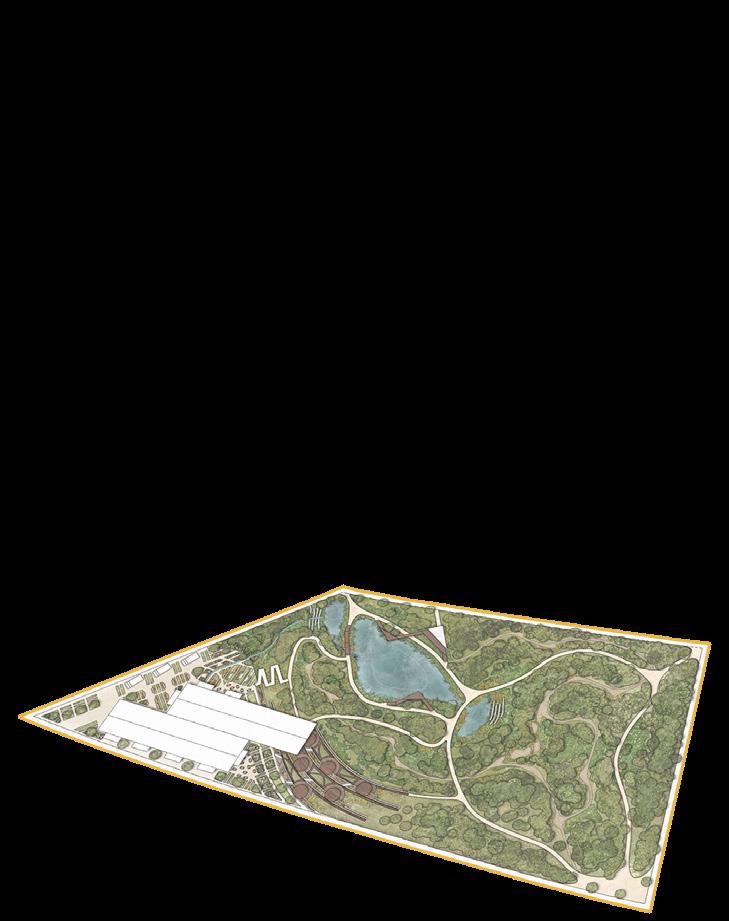
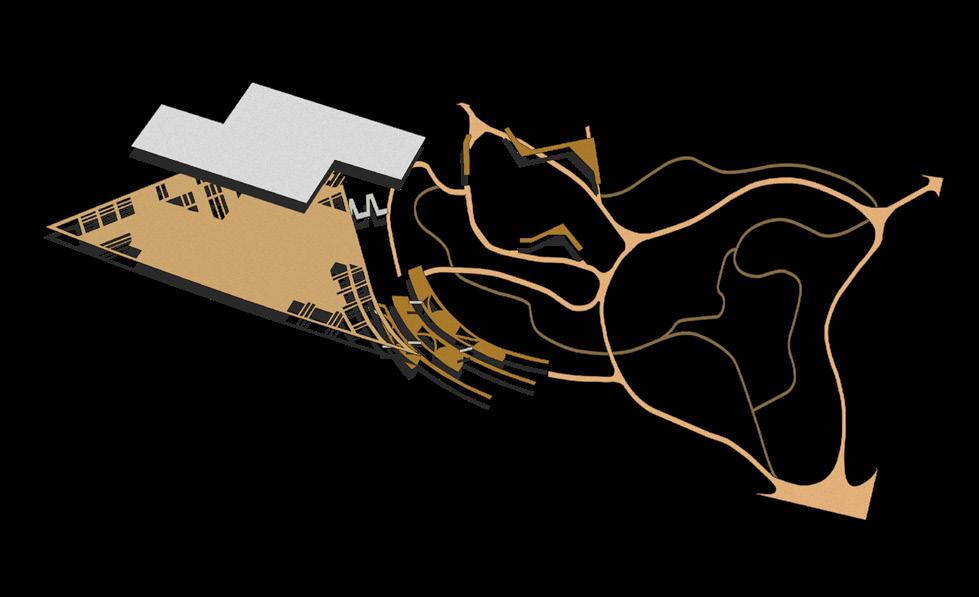
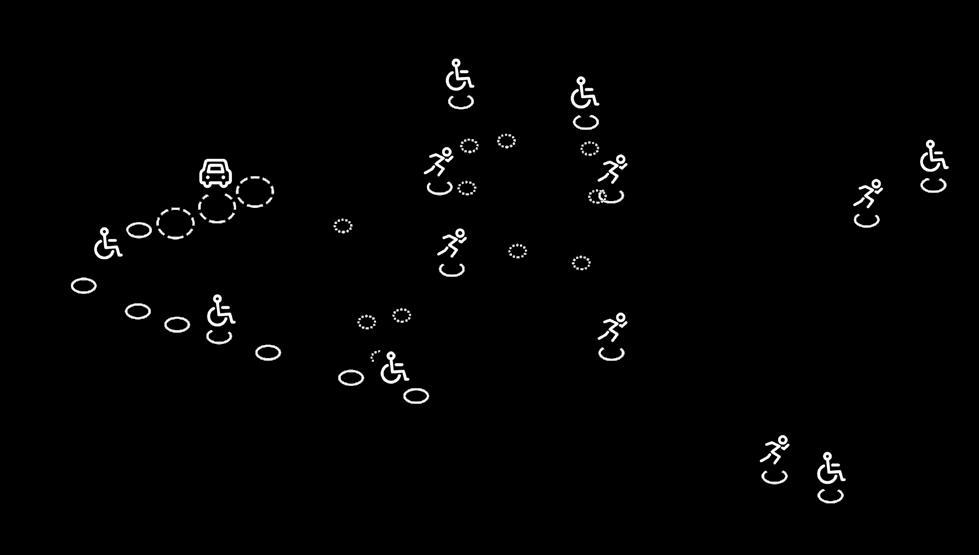
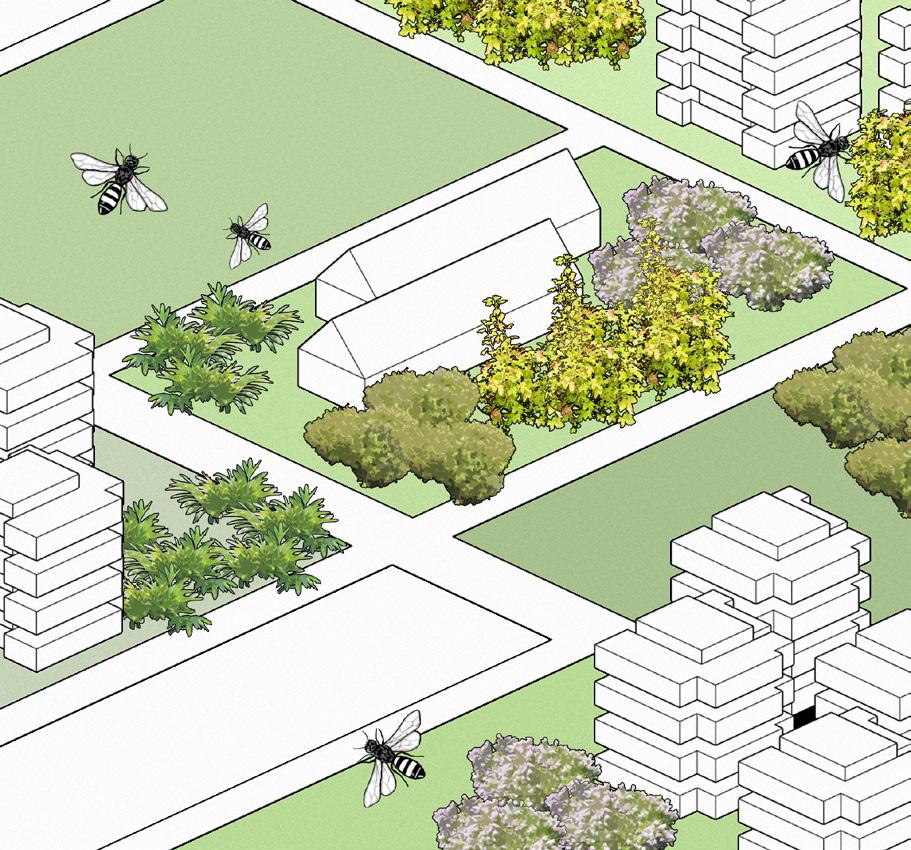
The spatial design of the site is generated from two analysis: the spatial analysis on the surrounding context to plan out optimum positioning of social, ecological, drainage, and access context; and the decisive interaction analysis to design the detail features that realize the design objectives. (details in the next slide)
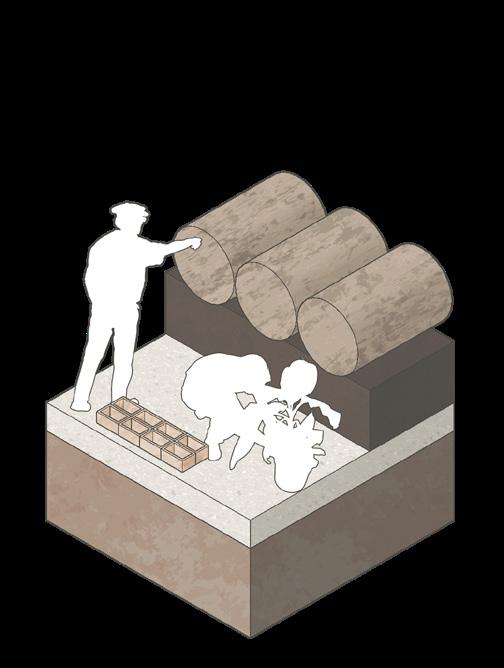
THE BREWERY
The Brewery & Herbal Picnic
Spatial Design
HERBAL PICNIC
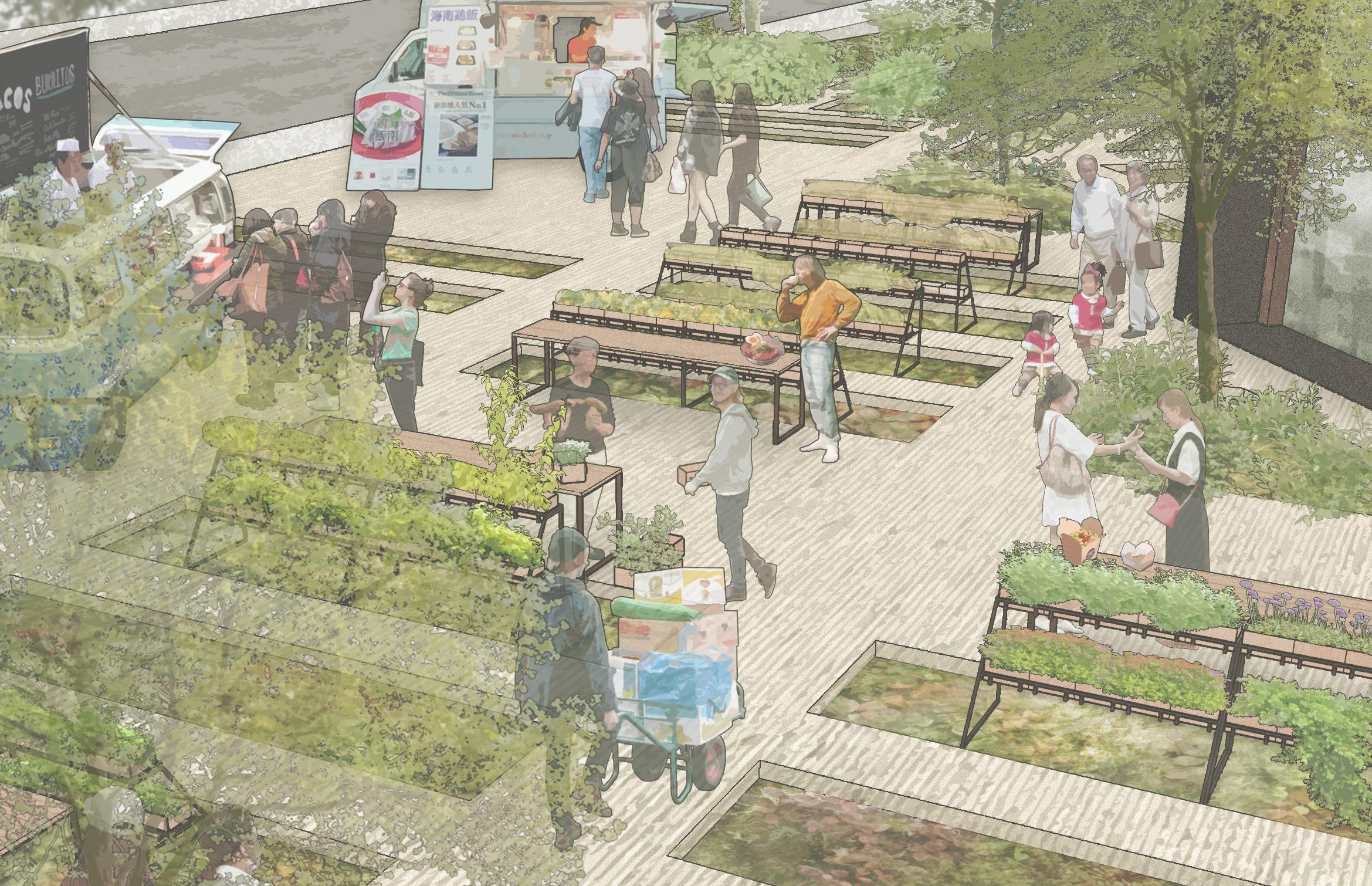
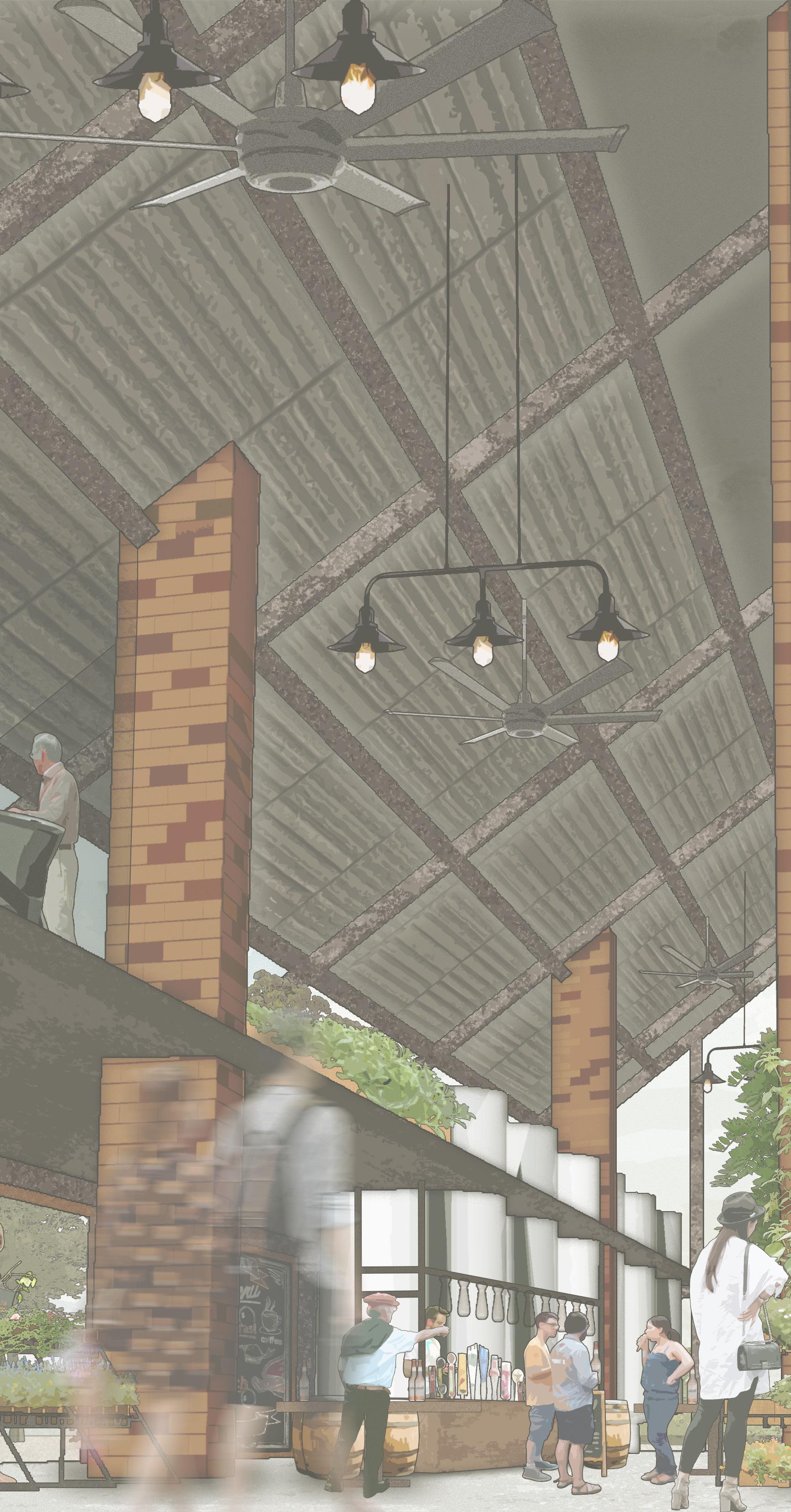
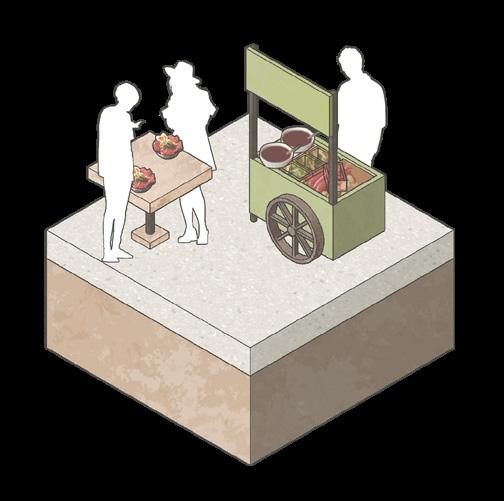
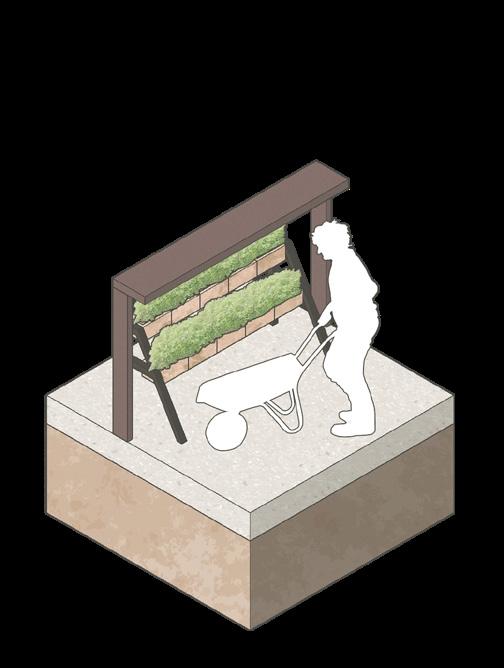
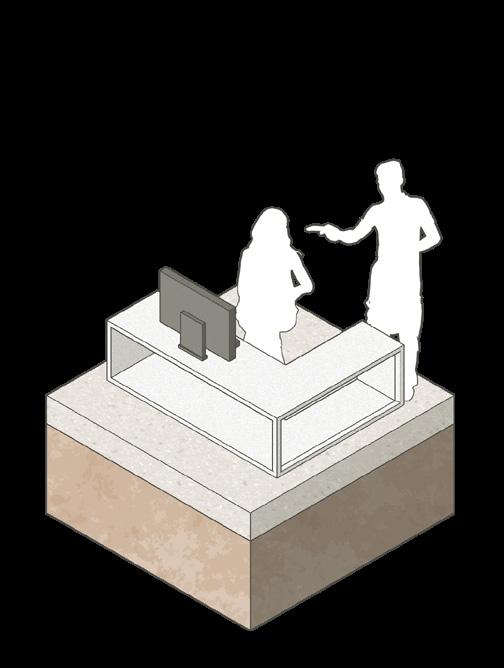
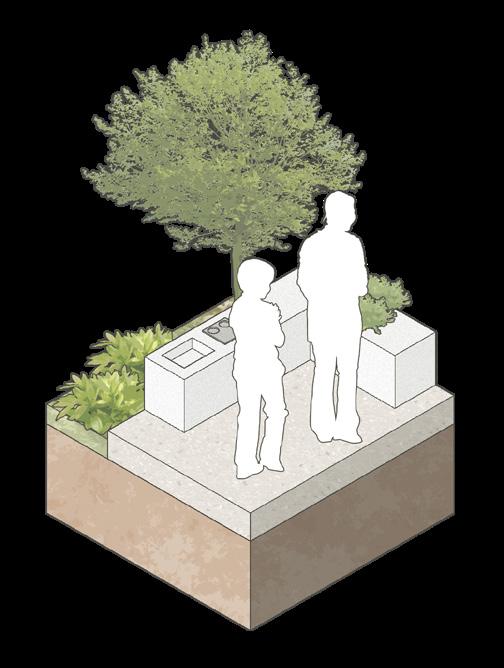
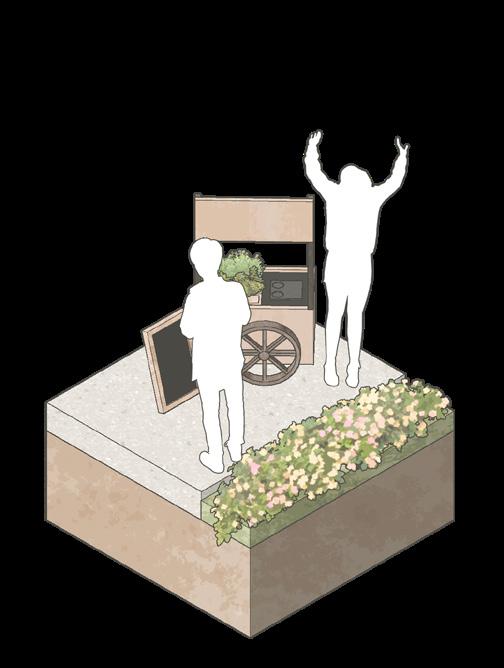
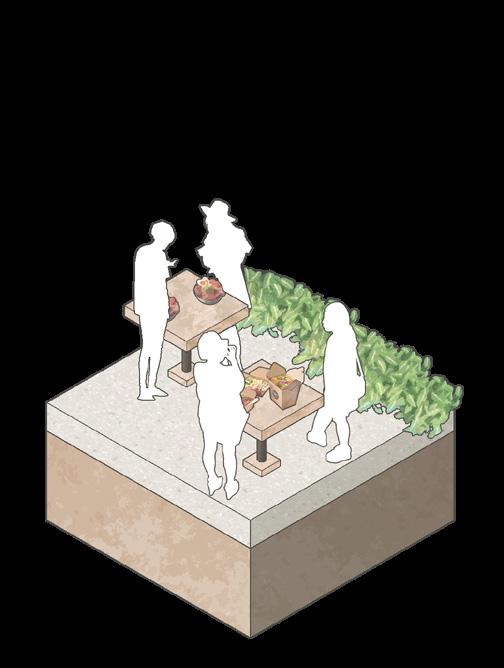
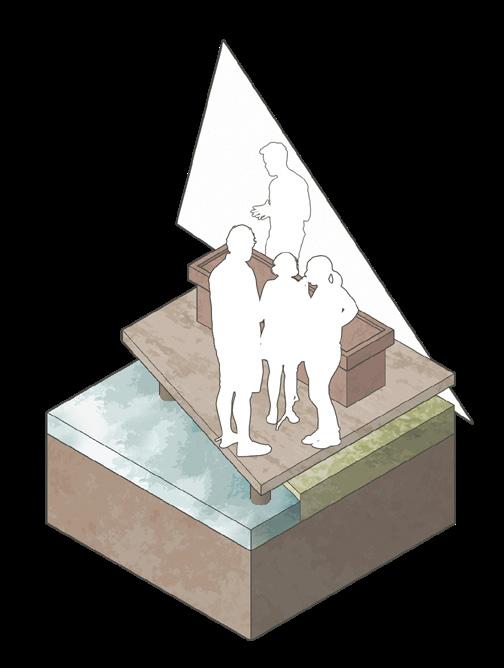
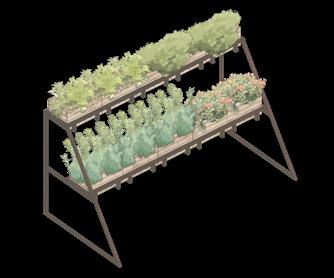
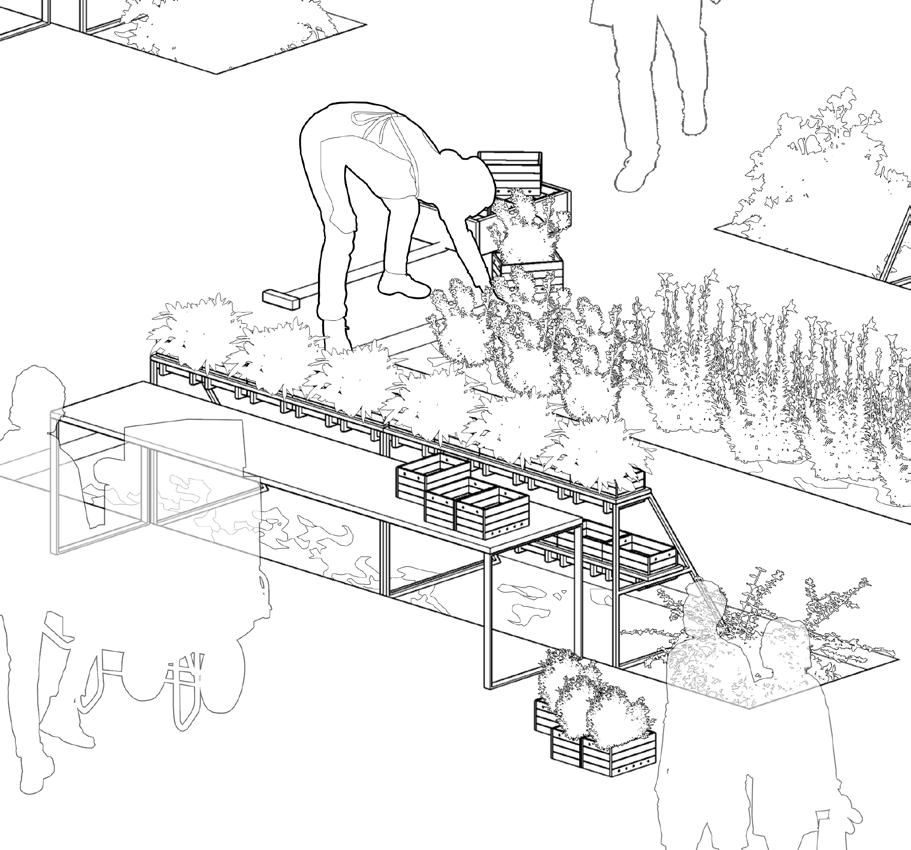
The two spaces are dedicated hospitality centre, small business incubator, and the nursery for all herbs cultivated on-site. By promoting small-scale, flexible activities and highly-customizable spaces, these two spaces are designed to encourage interaction of short-term for visitors, and long-term for any groups of interests.
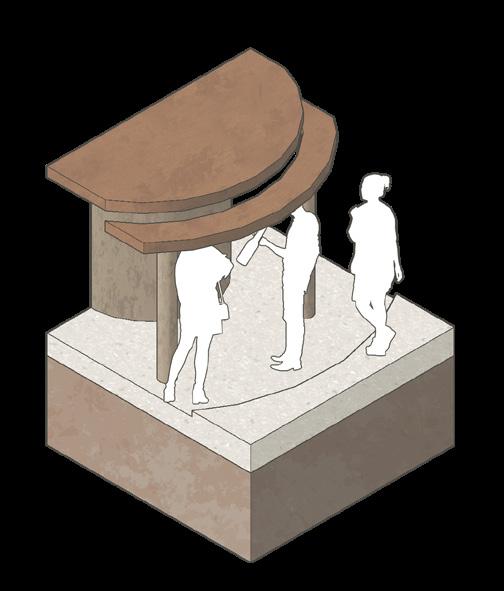
TAP SHELTERS
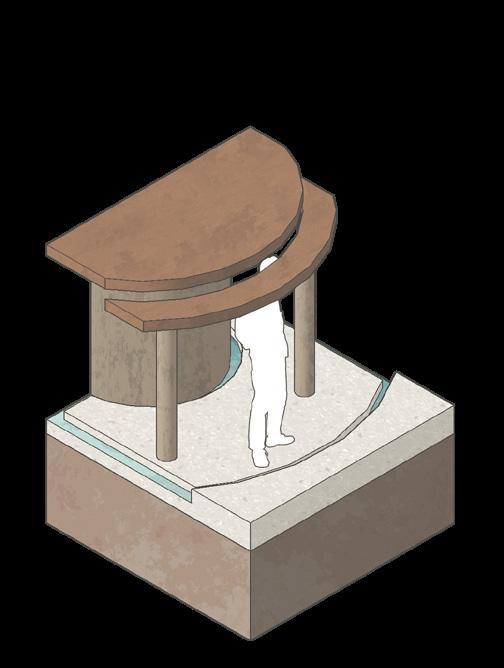
Tap Shelters & Refreshing Ponds
Spatial Design
REFRESHING PONDS
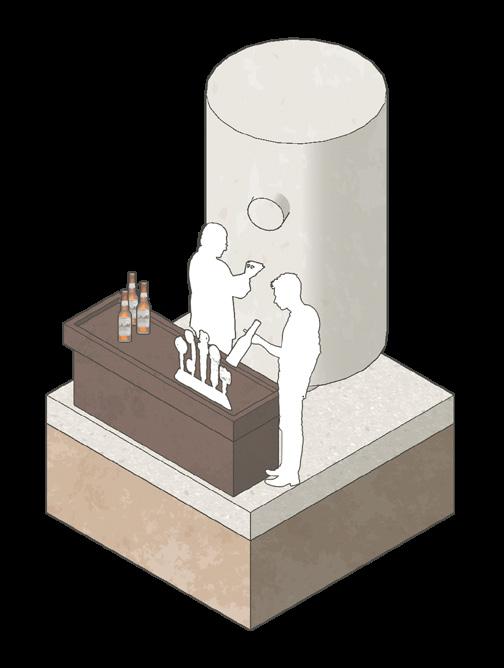
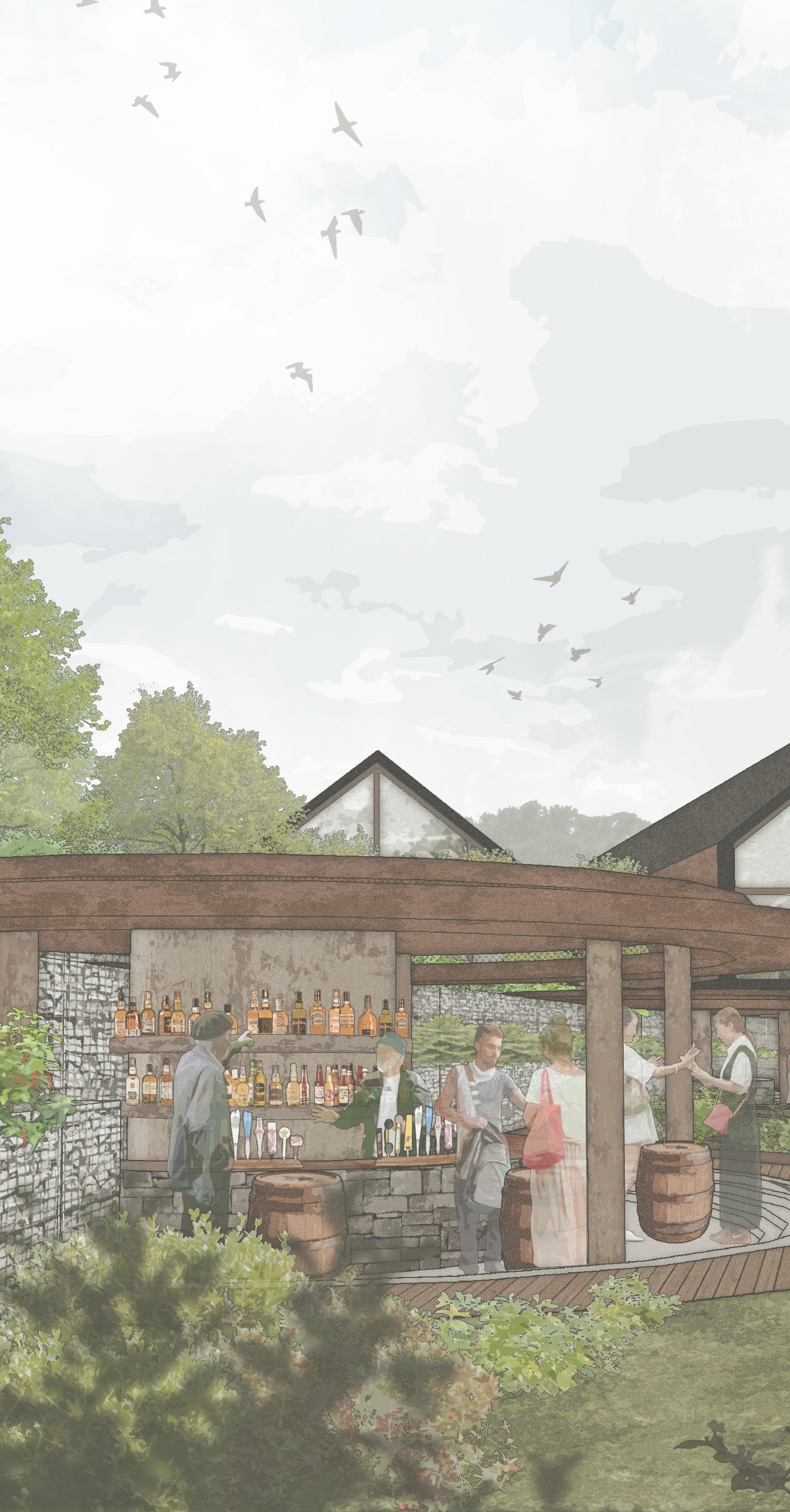
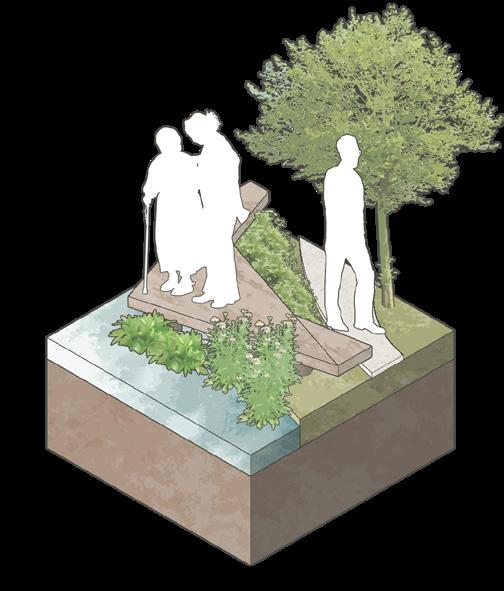
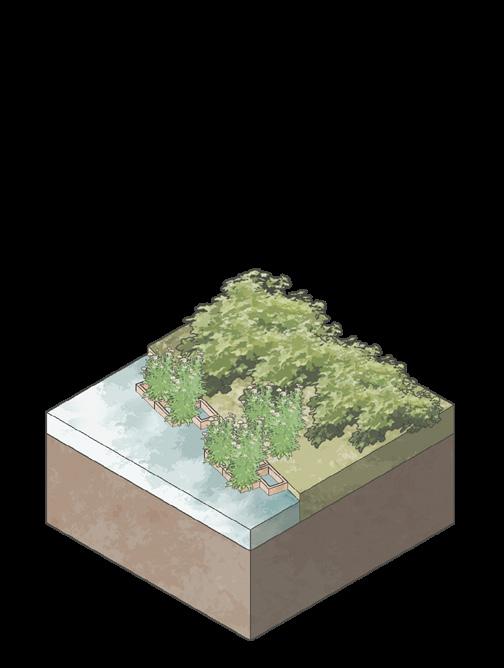
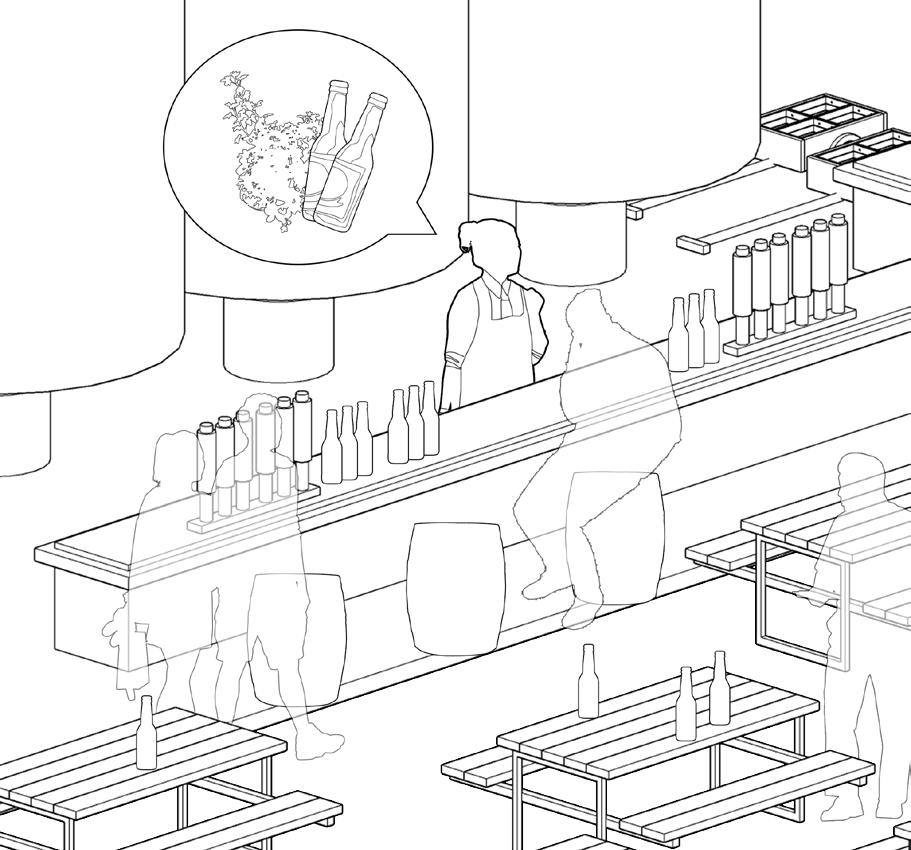
Two beer-related featured spaces aim to provide visitors rich and unique experiences when wandering through the site. The Tap Shelters design focuses on making a private and excusive social space, while the Refreshing Ponds doubled as a WSUD system to process water for on-site consumption and connection between the site and the nearby greenbelt treatment system.
Pub Special Brew
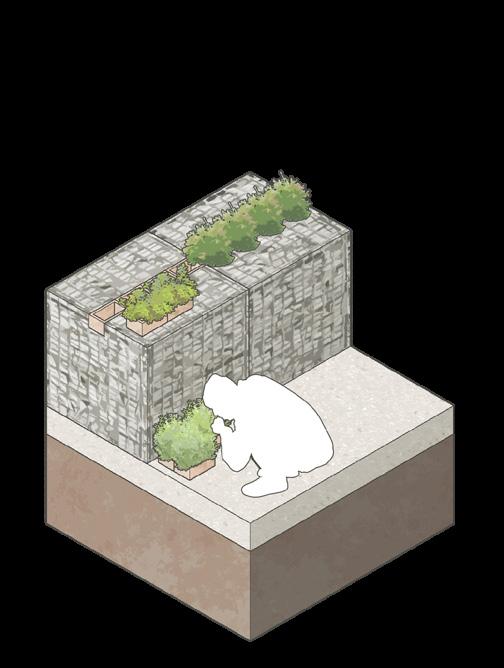
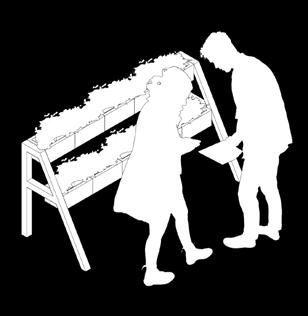
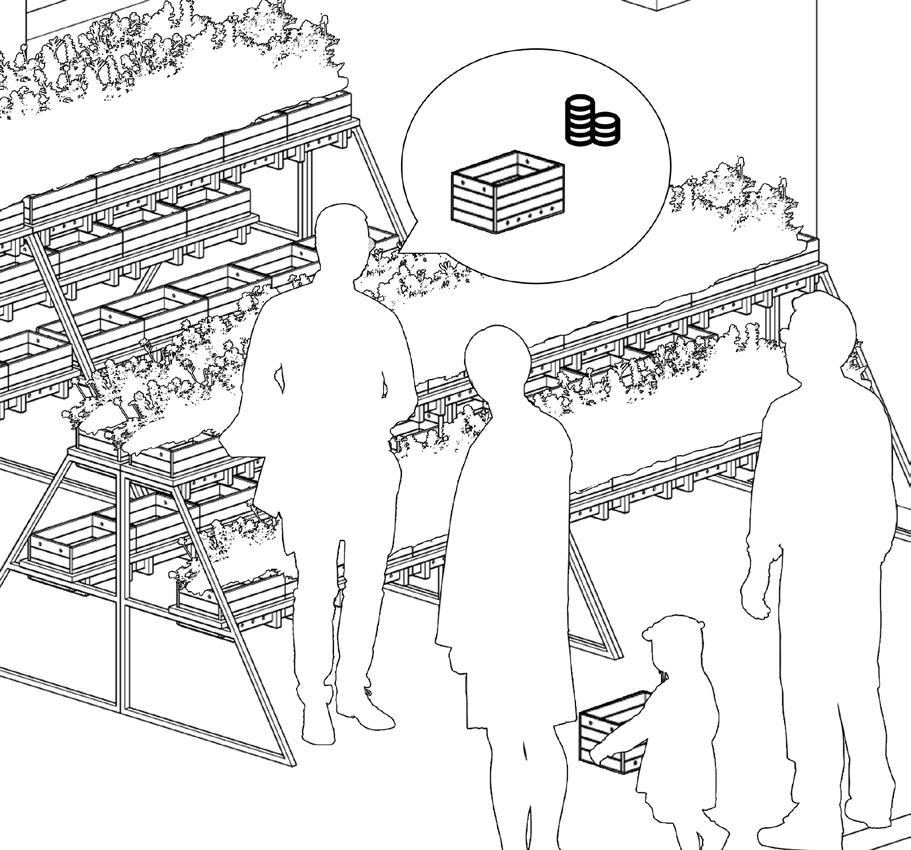
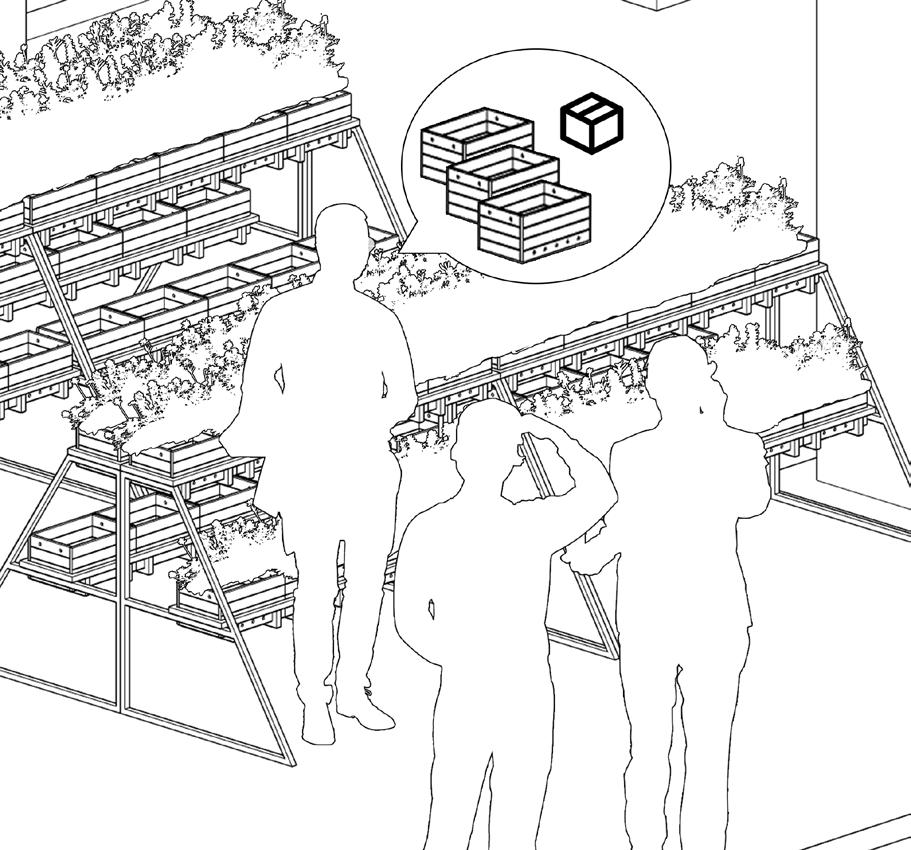
Gabion Nursery
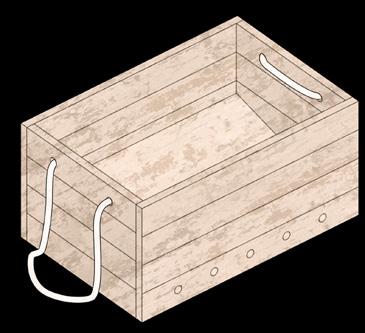
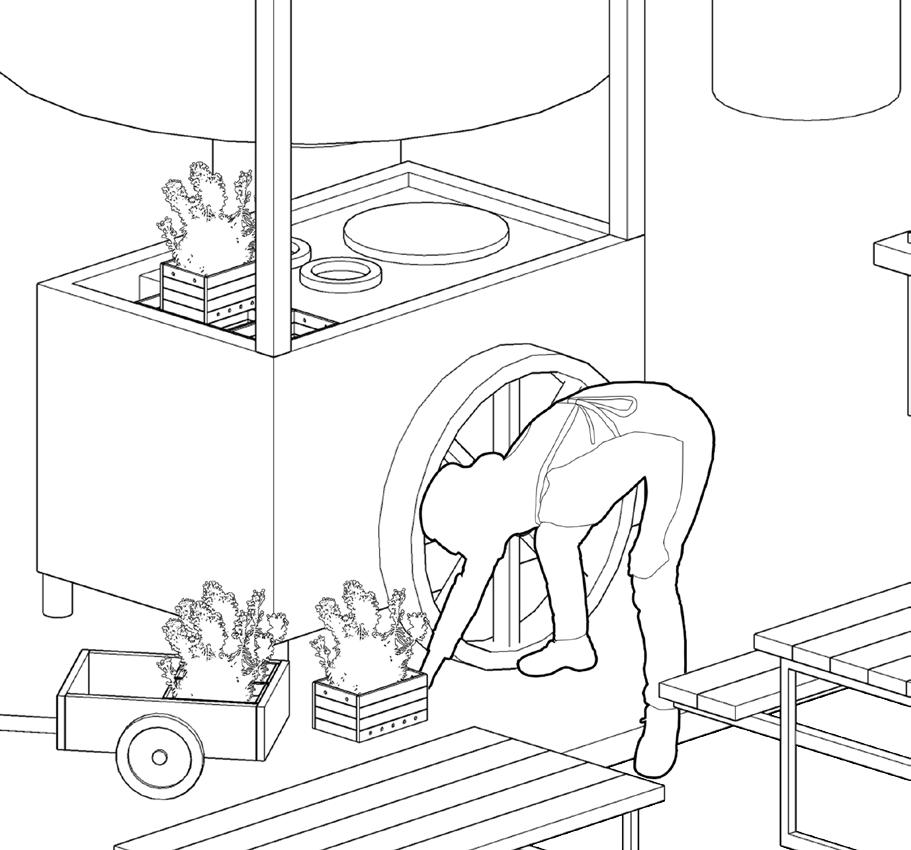
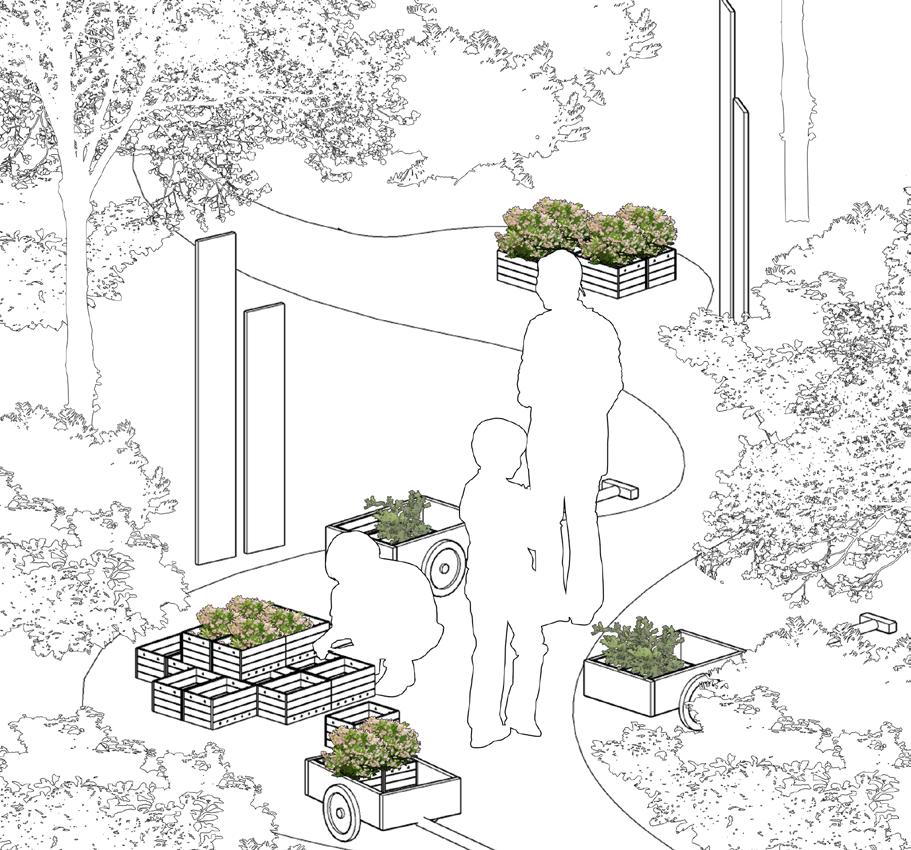
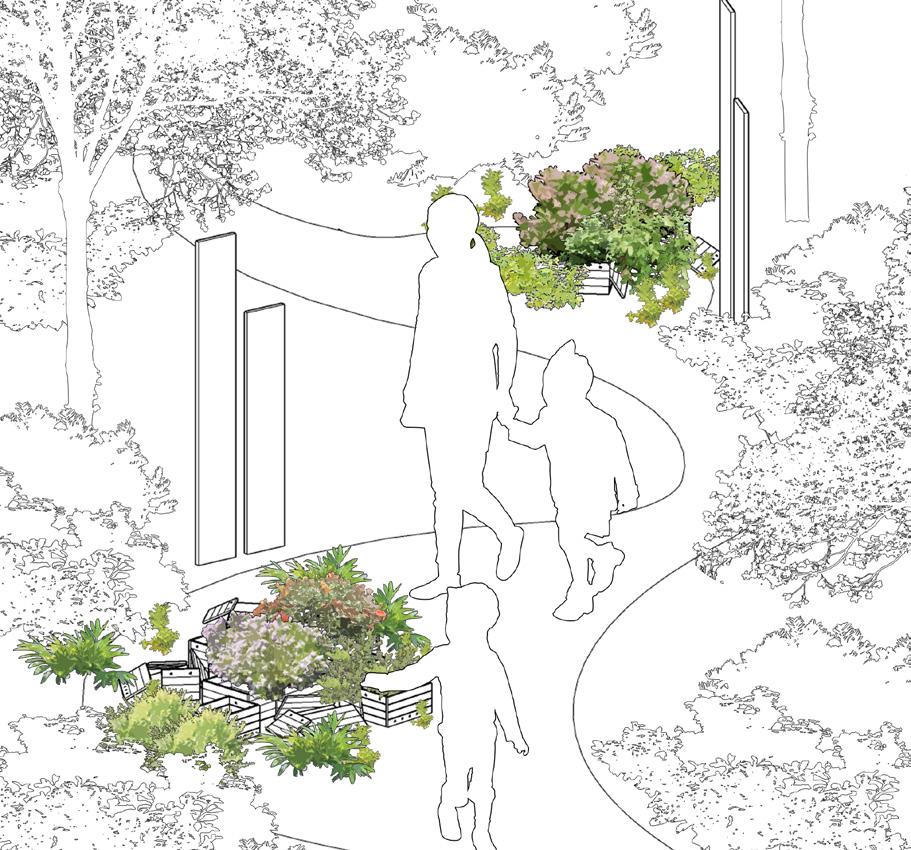
“Herbal Crate” Container Design & Application on Active Succession
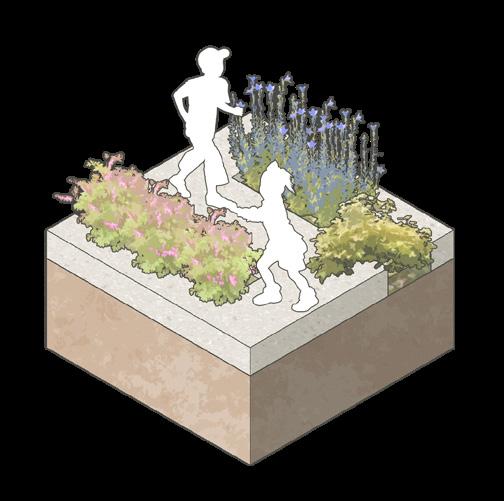
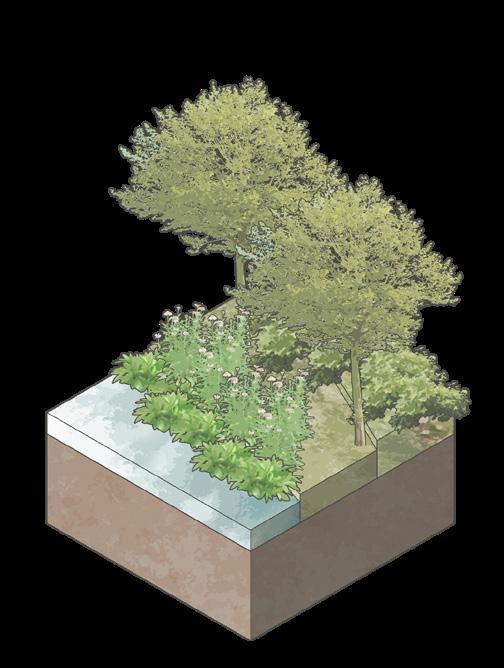
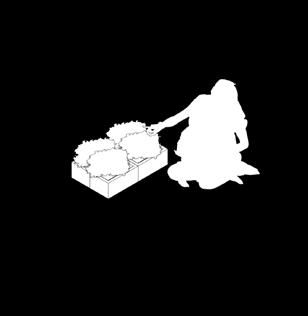
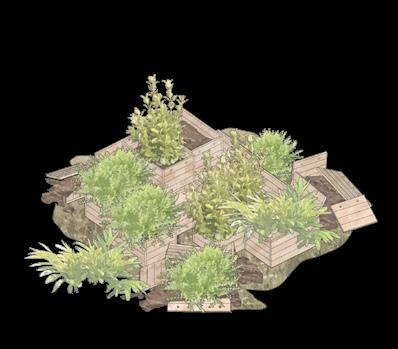
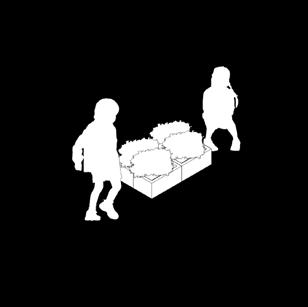
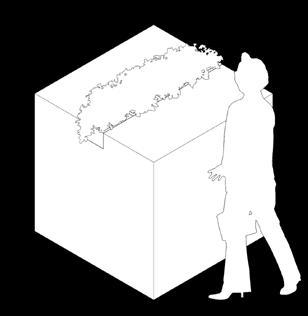
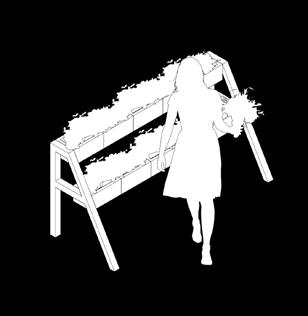
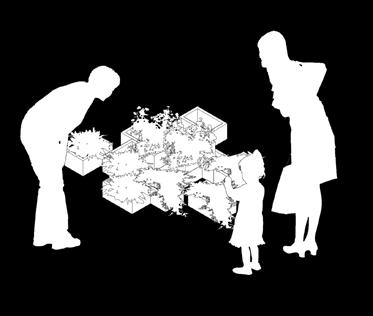
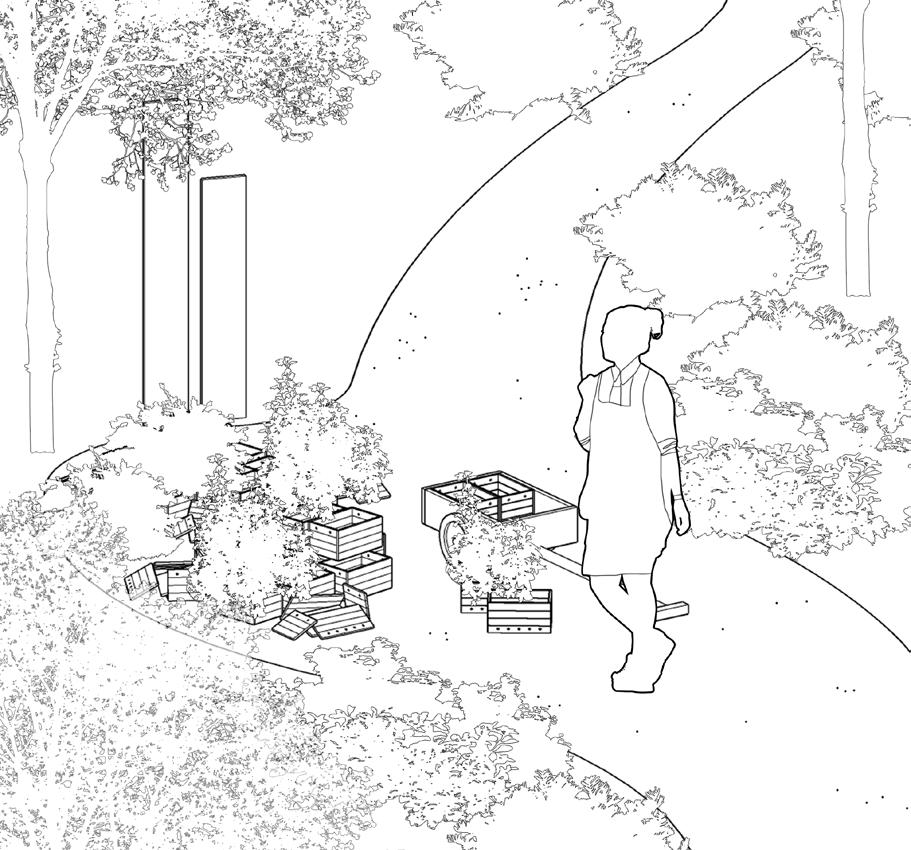
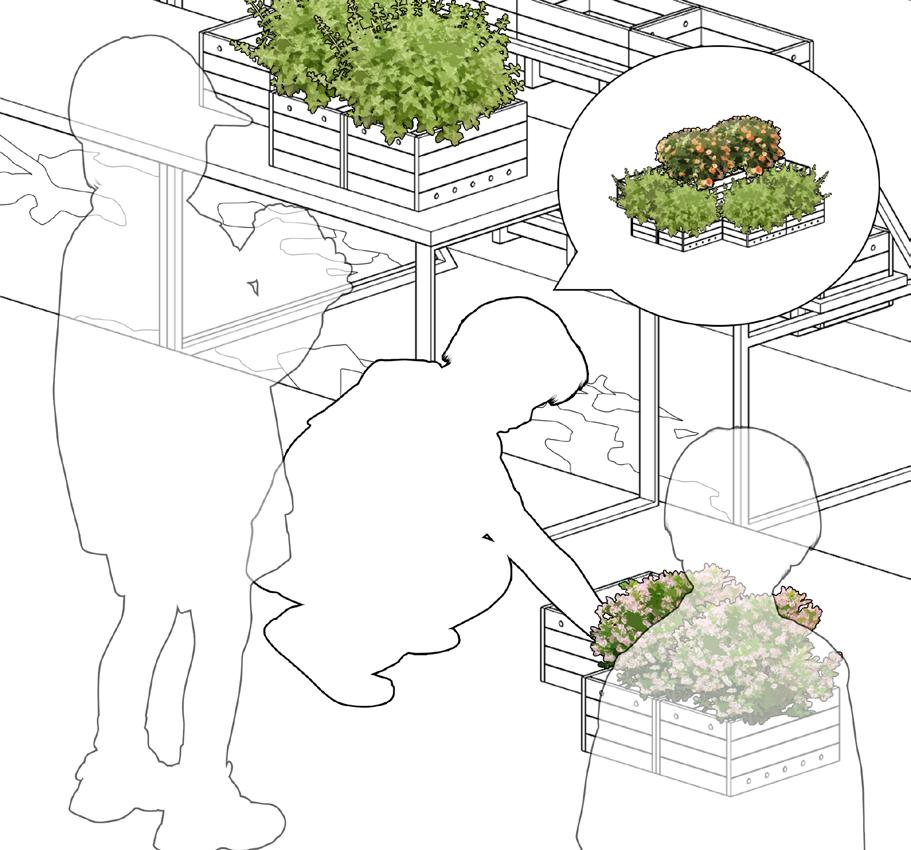
Herbal Crate is designed as a mass-produced, low-cost, mobile plant container for building landscape organically. Aside from using it for cultivation in artificial environments, placing the uncoated crates in area such as the Aroma Woods is a crucial landscaping approach that emphasizes how human and the environment can interact in placemaking process.
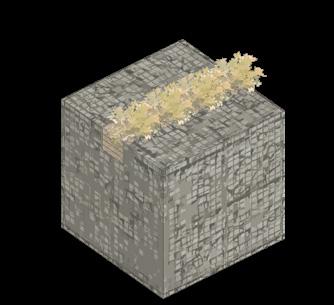
Gabion Wall Nursery
Succession
Comic Strips: Herb-Catalyzed
Interaction
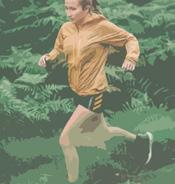
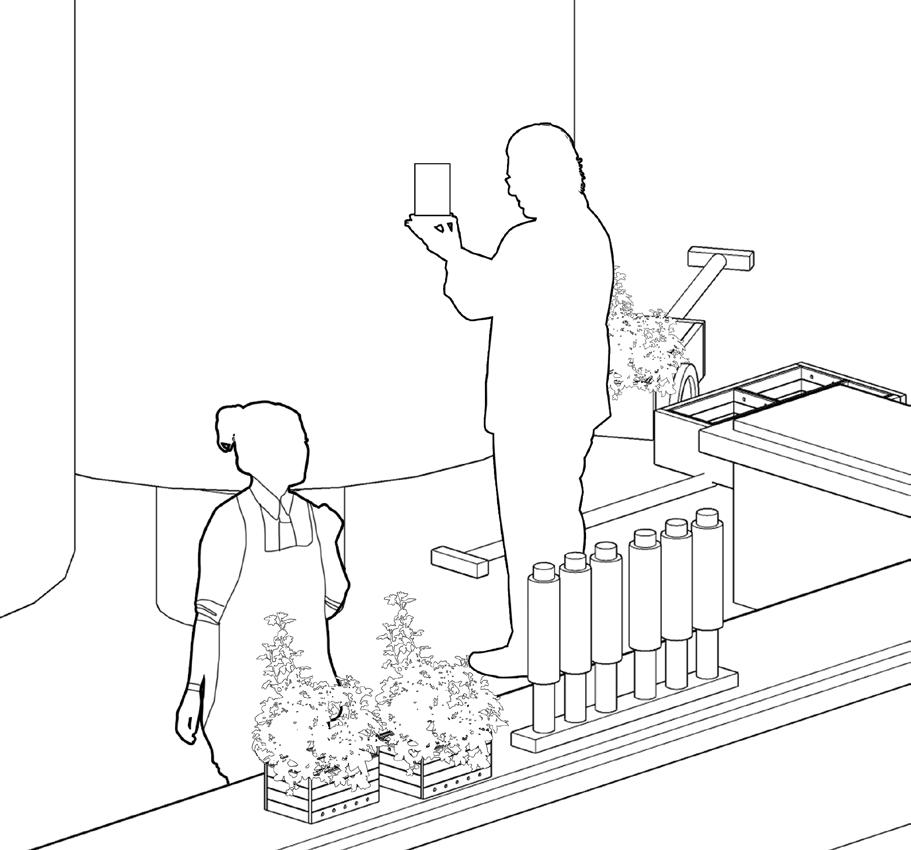
As designs in detailed scale and planning on site scale all follows the idea of looking at landscape as a framework, the flexibility of operation and indirect guidance given in design initiates interaction between human and more-than-human in different scales, contexts, and temporal sequences.
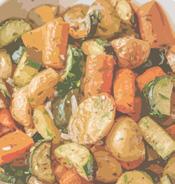
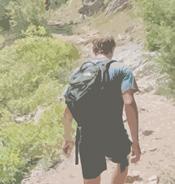
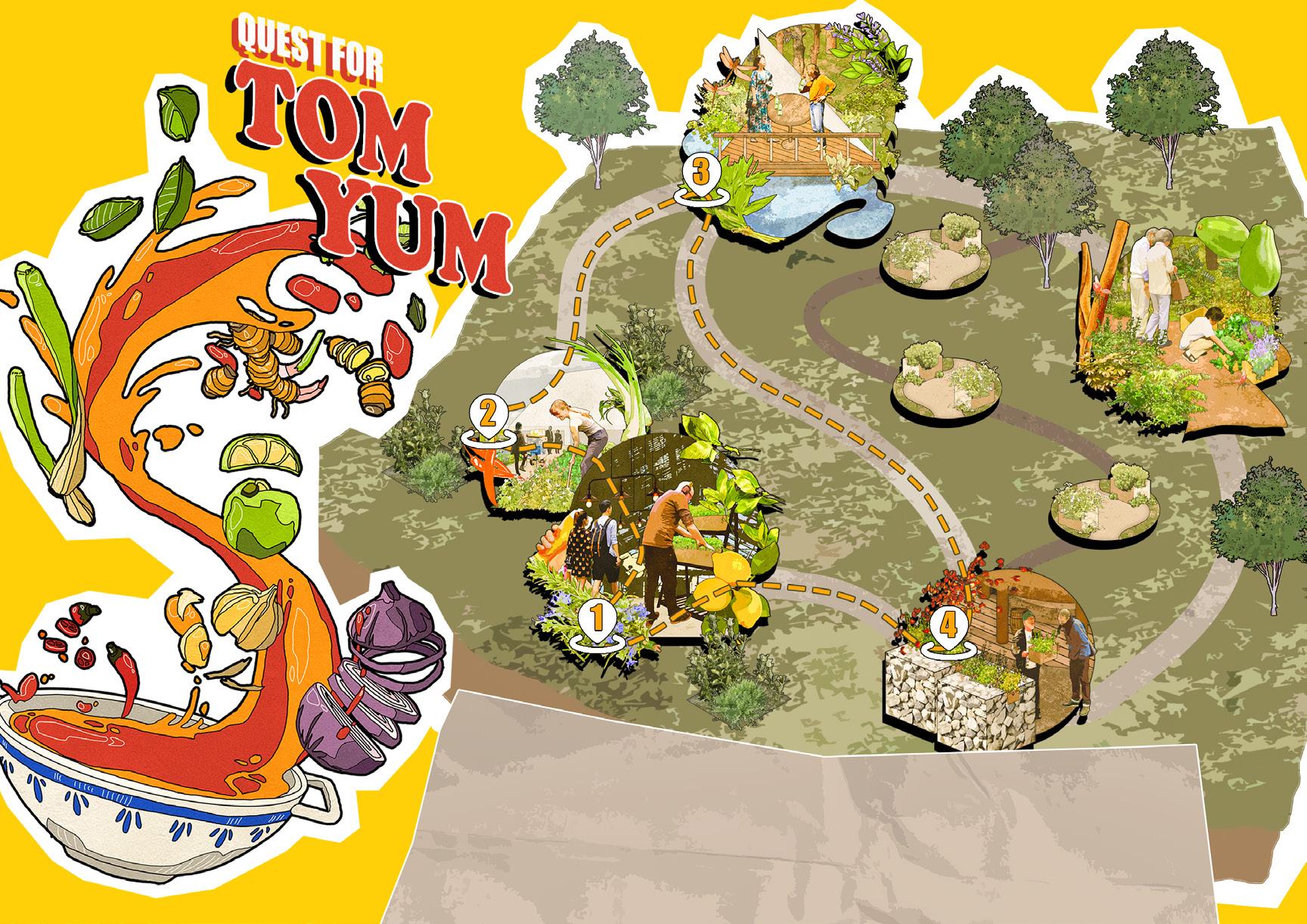
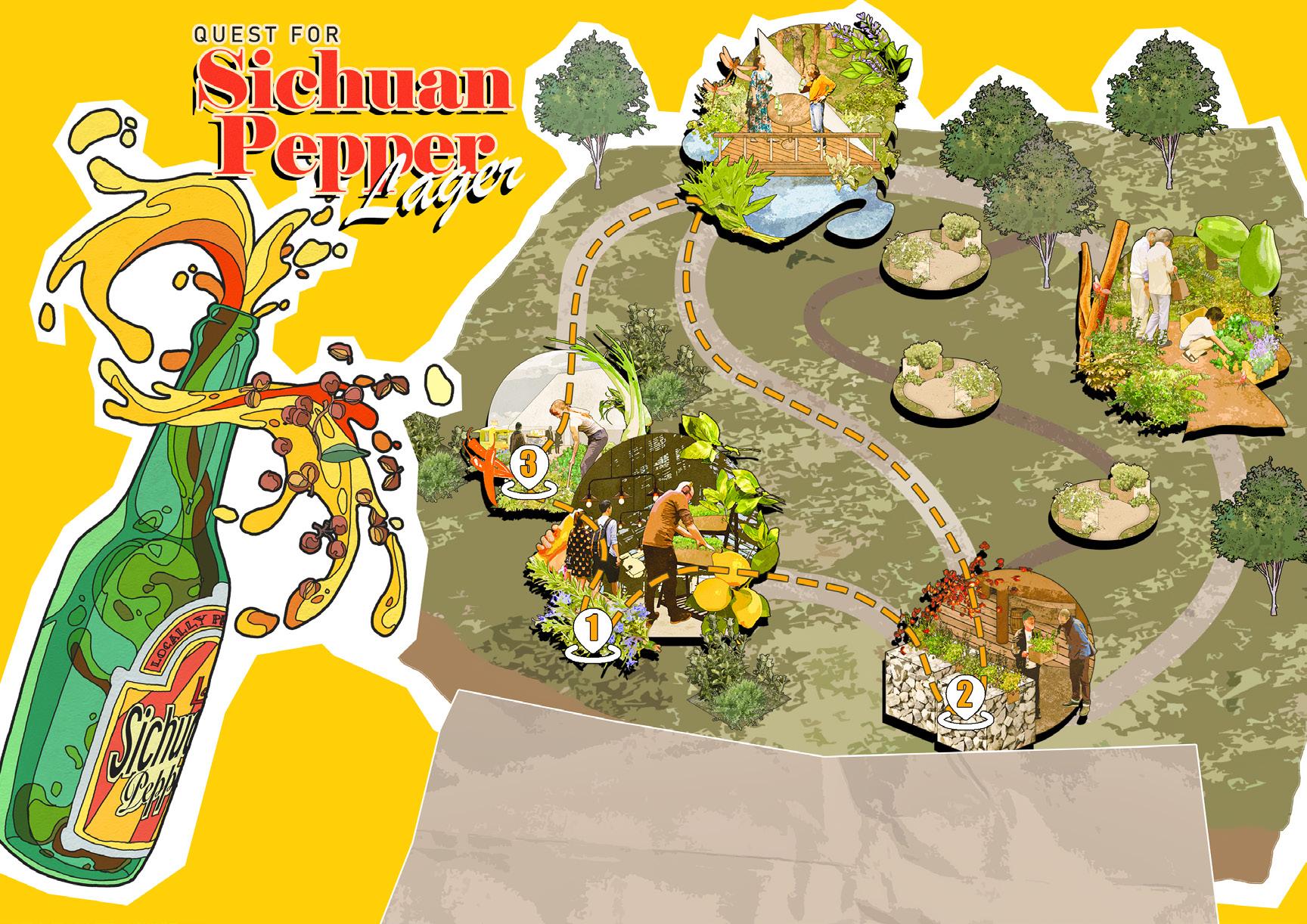
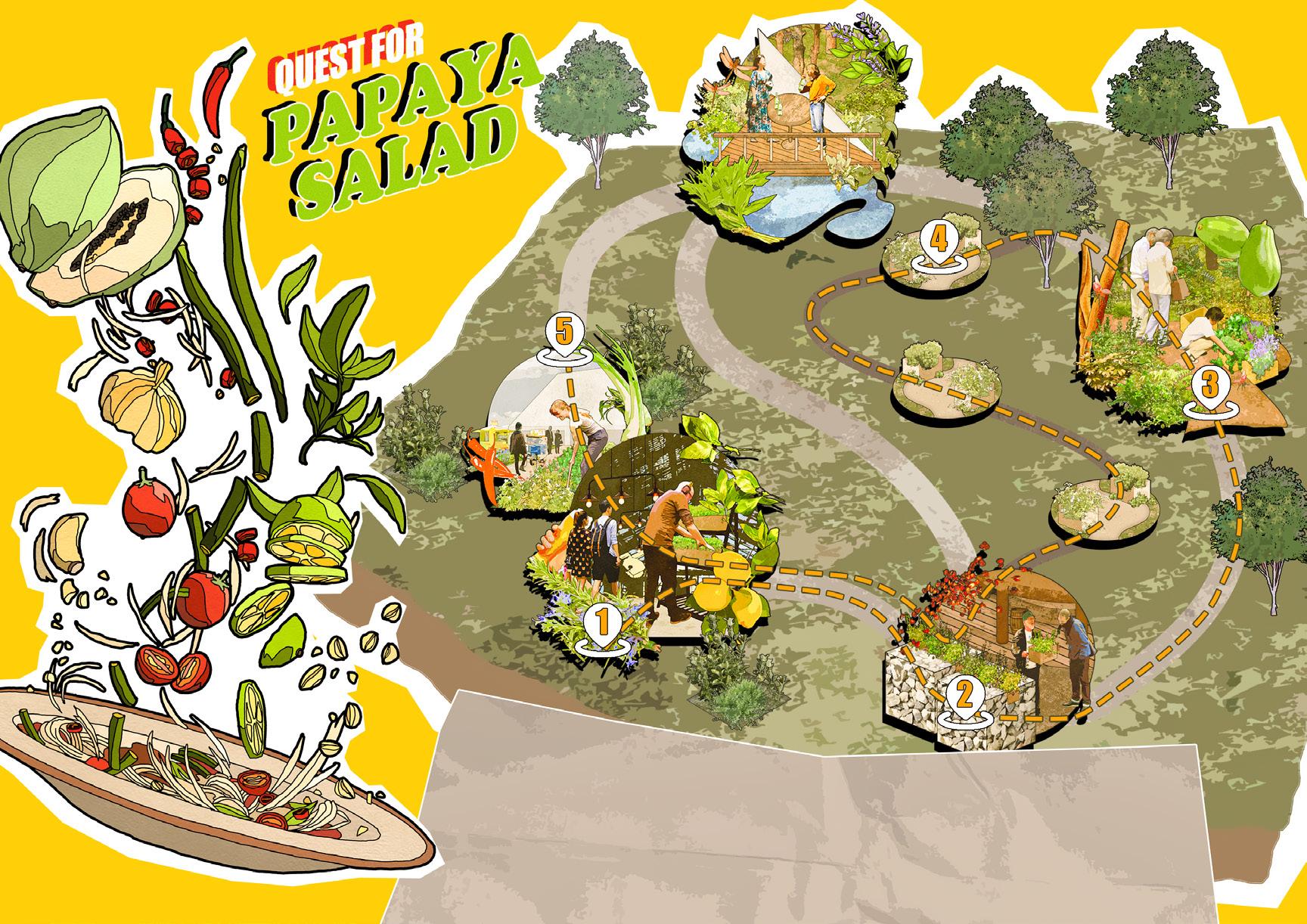
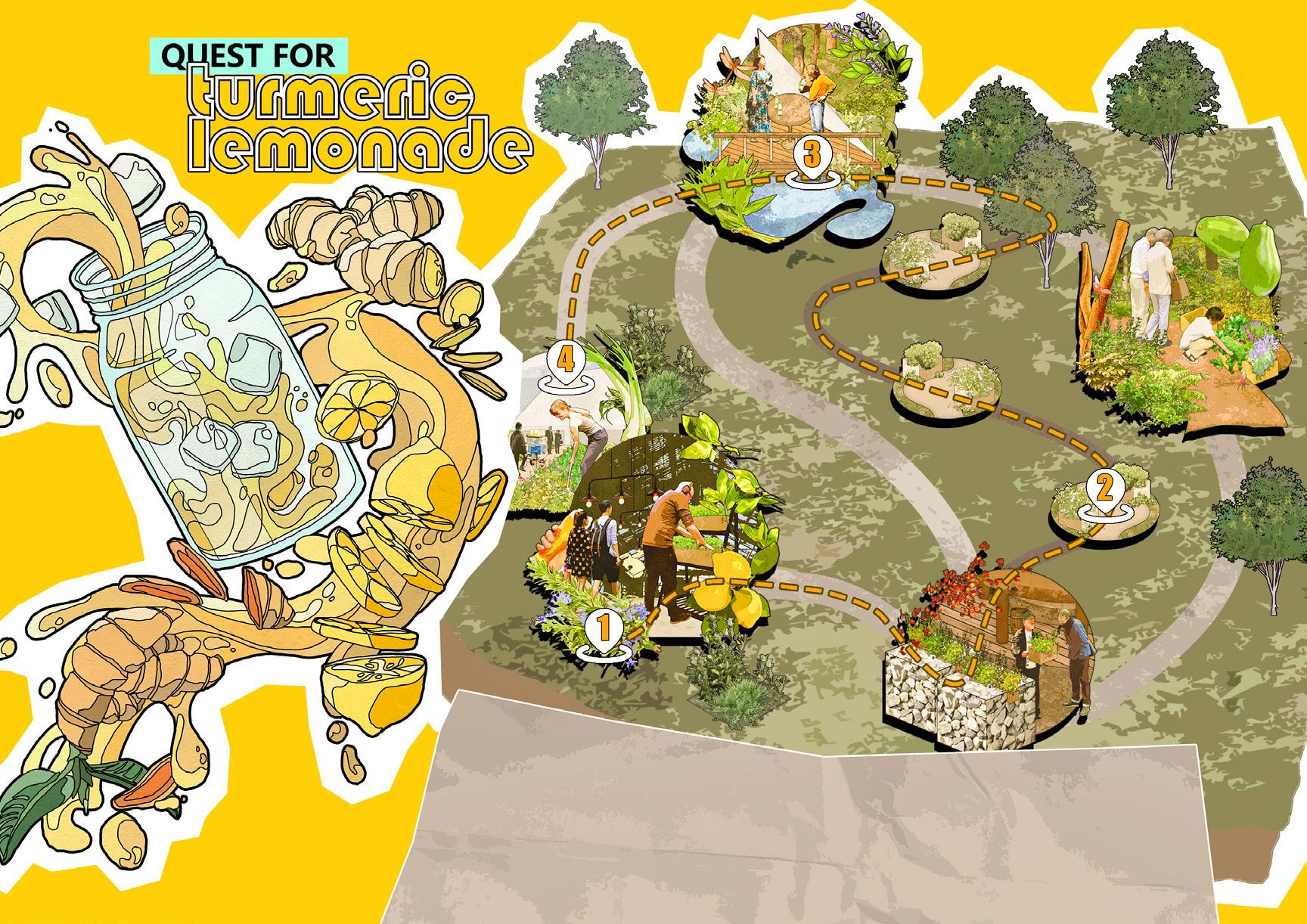
Recipe Quest: Wander Through a Process of Cooking
Another activity the design highlighted is the “Recipe Quest”, an RPG(Role-Play Game)-inspired approach to encourage visitors to explore the site via approachable topics on food and drinks. As the use of herb is both an essential cultural element around the world and the feature that makes Asian cuisine unique, the culinary-based site walk is not only attractive in cultural aspect, but also encouraging in exploring and experience the distinct scent, color, and vibe in each part of the site.