Carson & Laura Foushee
Cultivate Faithful Friendships in Japan
Cultivate Faithful Friendships in Japan
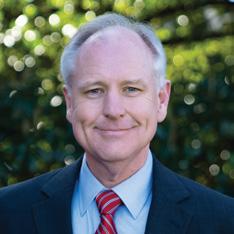
This edition of fellowship! magazine bears beautiful witness to the ways Christ is at work in the life of the Cooperative Baptist Felllowship. He continues to invite us into deeper and growing community with him and each other, so that we might be equipped for even bolder faithfulness and participate in his transformation of this world. You can read about the ways we are joining Christ in service in Japan, Austria and Poland. You can see how Cooperative Baptists have joined with other believers in response to the devastation wrought by Hurricane Helene.
These articles also demonstrate how our Fellowship seeks to strengthen congregations as we partner together with the Holy Spirit to call new generations of ministerial leaders and as our congregations work toward transformation in their communities. Thirty-five years into the life of our Fellowship, God’s dreams for our life together are becoming even more evident. Christ is always about the work of making the Church new so that we can offer the most beautiful witness to his love.
As I travel and visit congregations, listen to the testimonies of pastors and lay leaders alike, see the impact of the ministries of our field personnel and also of CBF-endorsed chaplains and pastoral counselors, I am awed by the impact of all these ministries that are possible because we are not only joined to Christ, but to one another in faith, hope and love.
As this fall dawns, I have also seen greater evidence of the tremendous strain being carried by so many of our congregations and the hardships of so many who live in our communities. For several years, we have clearly seen the growing financial strain on congregations. That strain is now being magnified by the difficulties of living in the increasing polarization that pulverizes not only our nation but many nations in the world.
Many of our congregations are much more politically and theologically diverse than peer congregations in their communities. This polarization impacts the lives of our congregations so much more, and I have seen considerable strain in the faces of lay leaders and pastors from across our Fellowship in recent weeks. Because of the commitment to community ministry that is evident in almost all CBF-partner congregations, we are uniquely positioned to offer a hopeful witness in this difficult time. Because the stress and challenge is increasing, it is more important than ever that our Fellowship continues to develop ministries that strengthen the leadership of our congregations.
Our shared calling has never been more beautiful or essential than right now. Because we are in the midst of our 35th year of mission and ministry together, I write today to ask you to consider how God is calling you to a higher level of financial support for this work we have been given. Because some of our congregations operate now under tremendous financial strain, it is essential that congregations and individuals give as generously as they are able. Have you supported CBF personally in previous years? If so, might you be able to give even more generously between now and the end of 2025? If you’ve never supported CBF financially, could you make a gift before this year ends as an investment in the way Christ is at work in us? My family and I make monthly gifts to CBF, and we have done so since long before I accepted this calling. We do this because our lives have been changed and our congregations strengthened by this Fellowship. We are grateful to call it home.
Christ is at work among us in increasingly beautiful ways. Read these pages and see. In this moment, our shared witness is incredibly important. Pray that we will be even more faithful. Give generously so that we can respond to even more of the urgent needs in our congregations and this world.
A Publication of Cooperative Baptist Fellowship Volume 35, Number 3 Fall 2025
Fellowship! (USPS #015-625) is published 4 times a year in September (Fall), December (Winter), March (Spring), June (Summer) by the Cooperative Baptist Fellowship Inc., 160 Clairemont Avenue, Suite 300, Decatur, GA 30030. Periodicals postage paid at Decatur, GA, and additional offices.
POSTMASTER: Send address changes to:
Fellowship! Cooperative Baptist Fellowship 160 Clairemont Avenue, Suite 300 Decatur, GA 30030
Executive
220-1600
Associate Editor
Graphic Designer
Jeff Langford
6
By Marv Knox
By Marv Knox
17 CROSSROADS OF COMPASSION
In Austria, Tina Bailey helps transform trauma into hope through creative ministry
By Grayson Hester
Mirea’s journey with Kanazawa International Baptist Church
By Grayson Hester
Emmanuel Baptist considered its context and called three home-grown ministers
By Marv Knox
By Grayson Hester
Por Grayson Hester
By Kristen Thomason
Welcome to the Fall 2025 issue of fellowship! magazine. We’re honored to bring you stories of how Christ continues to work through the people and partners of the Cooperative Baptist Fellowship.
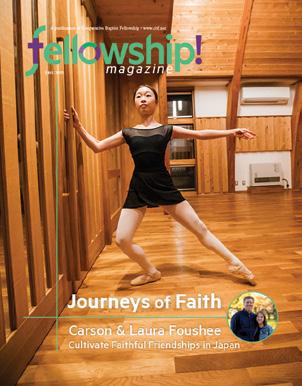
In our cover story, you’ll meet CBF field personnel Carson and Laura Foushee, whose long-term presence in Japan has cultivated a vibrant, cross-cultural community of friendship and faith in Kanazawa (pp. 12–16). In Louisiana, Emmanuel Baptist Church embodies CBF’s Called in Context initiative and called three longtime members into ministerial leadership roles (pp. 22–25).
Across the globe in Poland, CBF field personnel Gennady and Mina Podgaisky offer weary Ukrainian refugees a ministry of rest, presence and hospitality (pp. 28–30). In Graz, Austria, CBF field personnel Tina Bailey reminds us that healing can happen through art and accompaniment, as she walks alongside refugees and the local church in a complex cultural context (pp. 17–19).
You’ll also read how Cooperative Baptists responded to the devastation of Hurricane Helene, and how a new Disaster-Ready Church Program is equipping congregations to meet future crises with compassion and preparedness (pp. 6–9).
Finally, we highlight innovative ministries from our congregations—from Second Baptist Church’s “Be You and Belong” outreach with neighbors with special needs, to College Park Baptist’s “Parent Circles” supporting families post-pandemic (pp. 26–27).
May these stories encourage you to pray, give, serve and stay connected in this shared journey of faith.
AARON WEAVER is the Editor of fellowship! Connect with him at aweaver@cbf.net
LAUREN LAMB is the Associate Editor of fellowship! Connect with her at llamb@cbf.net
By Kristen Thomason

This Advent, join Cooperative Baptists across the Fellowship in Making Room —a daily devotional journey from November 30 through Christmas. Each reflection, written by members of our CBF family, invites you to pause, breathe and make space for Christ’s presence in your life and community.
Together we’ll rediscover hope, peace, joy and love through Scripture, story and prayer. However you read—alone, with family or alongside your congregation—may these reflections help you make room for the light of Christ to enter and transform the world around you.
ADVENT DEVOTIONALS DIGITAL & PRINT VERSIONS AVAILABLE Sign up for daily devotionals and explore other Advent resources for your church and family at www.cbf.net/advent

Sign-up is open
for the Emmanuel McCall Racial Justice Lenten devotionals, which begin on February 18, 2026.
This year’s devotionals invite us to see God’s presence in the work of justice through the stories of Esther, Moses, Paul, the Persistent Widow, Philemon & Onesimus and the final week of Jesus’ life. Alongside Scripture reflections, each week also features an Ally Spotlight and an Organization Profile highlighting justice alive today.
Available in English and Spanish, this resource is designed for individuals, congregations and small groups to use throughout Lent.
Join us this season as we journey together, deepening our faith and courage to act justly.
By Marv Knox
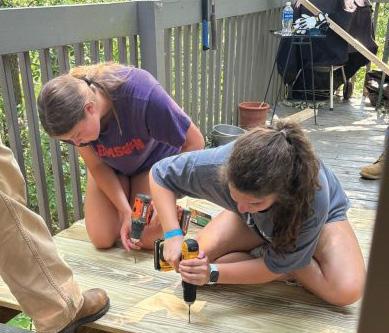
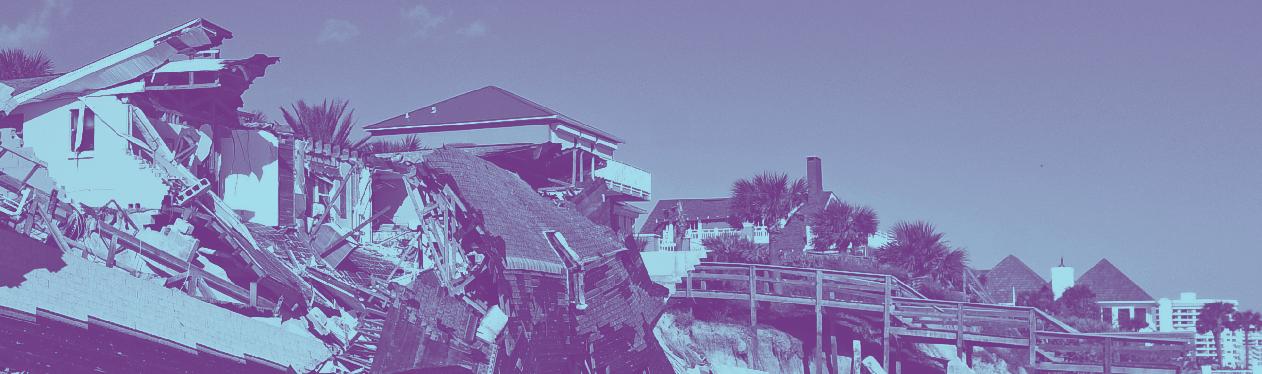
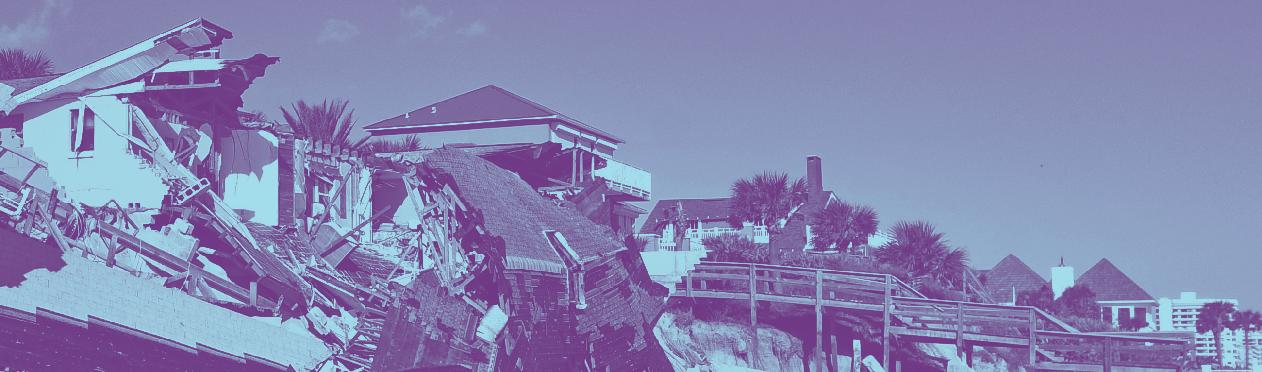
Asthe first anniversary of Hurricane Helene passes, her wake still reverberates with heartfelt gratitude and enormous need. The storm also has spawned plans for changing how the Cooperative Baptist Fellowship prepares for disasters.
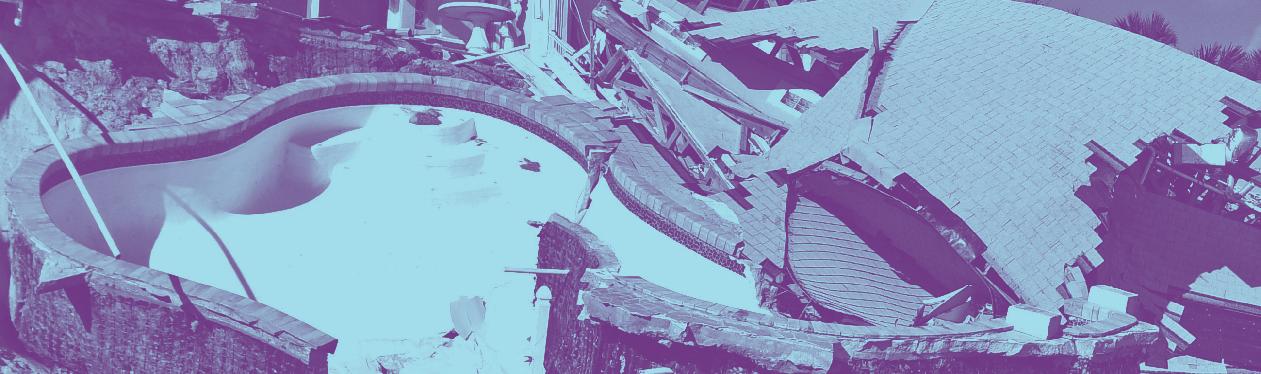
Helene made landfall in the Big Bend of northwest Florida, Sept. 26, 2024. As she drove inland, she delayed her most drastic destruction to the following day. Almost 500 miles away, in western North Carolina, Helene decimated Appalachian Mountain communities, a calamity that still defies imagination.
The storm claimed 250 or more lives, including at least 108 victims in North Carolina. Helene inflicted $78.7 billion in damage, including $53 billion in western North Carolina alone.
Residents in Helene’s path express deep appreciation for all the people who have helped them begin to recover—volunteers who showed up to work, as well as donors who contributed money and supplies for the effort. But they acknowledge restoration is far from complete; the region will need help for years to come.
Helene was “a very different storm” than previous hurricanes that wreaked havoc in North Carolina, reported Dave Hawes, disaster response volunteer coordinator for the Cooperative Baptist Fellowship of North Carolina and pastor of First Baptist Church in Bryson City, N.C.
A veteran of CBF response to hurricanes Matthew in 2016 and Florence in 2018, Hawes said those storms generated flooding when rivers rose. “But Helene produced flash floods,” he explained. “Water came downhill and washed everything away.”
Cooperative Baptists took a two-pronged approach to disaster response in the region.
CBF worked with First Baptist Church in Asheville and Baptists on Mission, a response organization. Meanwhile, CBF of North Carolina partnered with churches in smaller towns across the rural region. Both approaches relied on teams of volunteers who journeyed to the disaster zone.
CBF-FBC Asheville-Baptists on Mission comprise a “one-of-a-kind, first collaboration between these three organizations,” noted Kristen Kirby, local coordinator at the church. But it reflects history: Since Hurricane Maria wracked Puerto Rico in 2017, FBC Asheville has sent nine teams to do recovery work alongside Primera Iglesia Bautista in Rio Piedras, where CBF’s Global Missions coordinator, Laura Ayala, was pastor at the time.
Because of their previous relationship, Ayala reached out to Kirby to check on conditions in Asheville. Based on those conversations, Kirby asked if FBC Asheville could collaborate with CBF “to bring more help into our community.” Casey Callahan, the church’s missions pastor, greenlighted the plan.
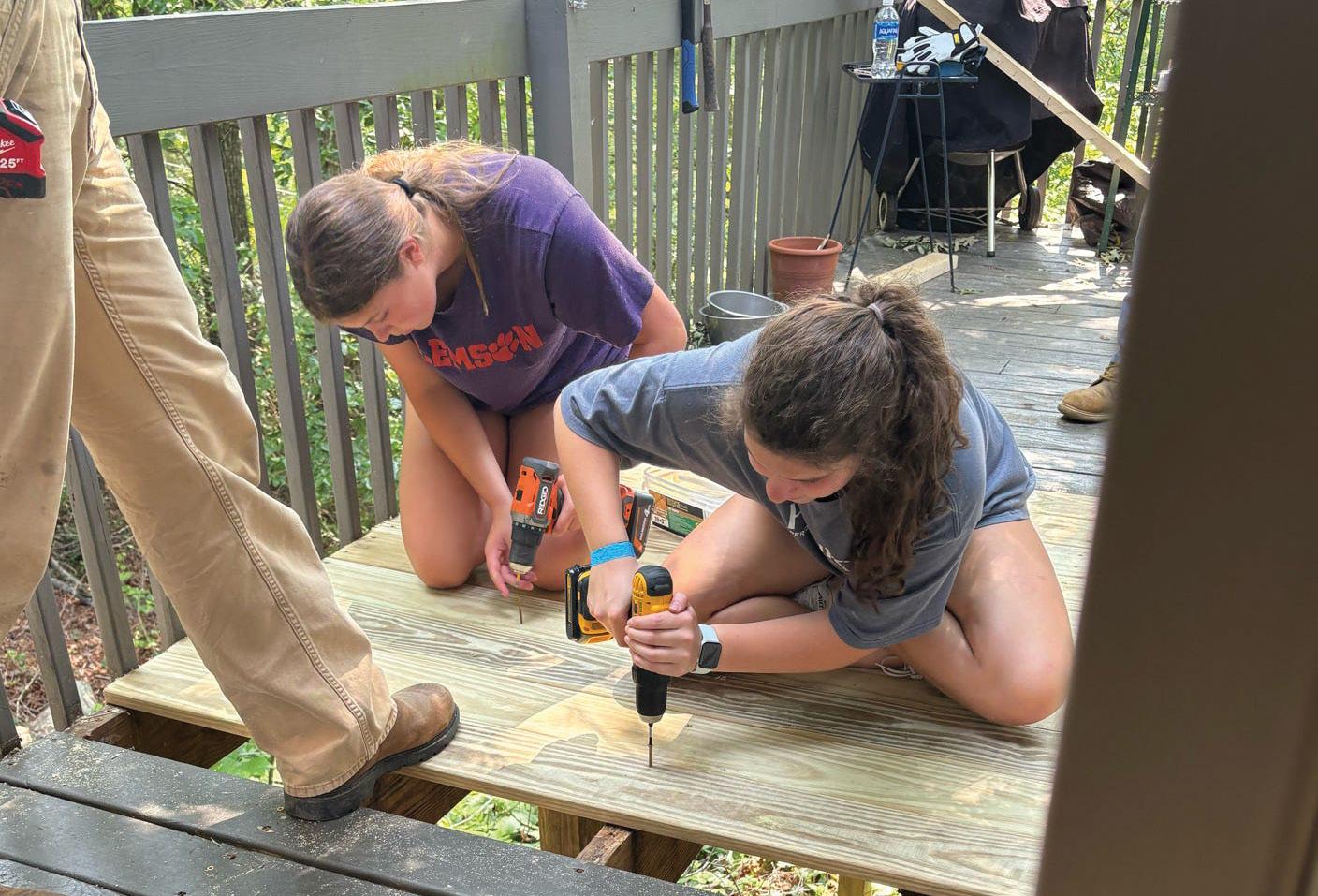
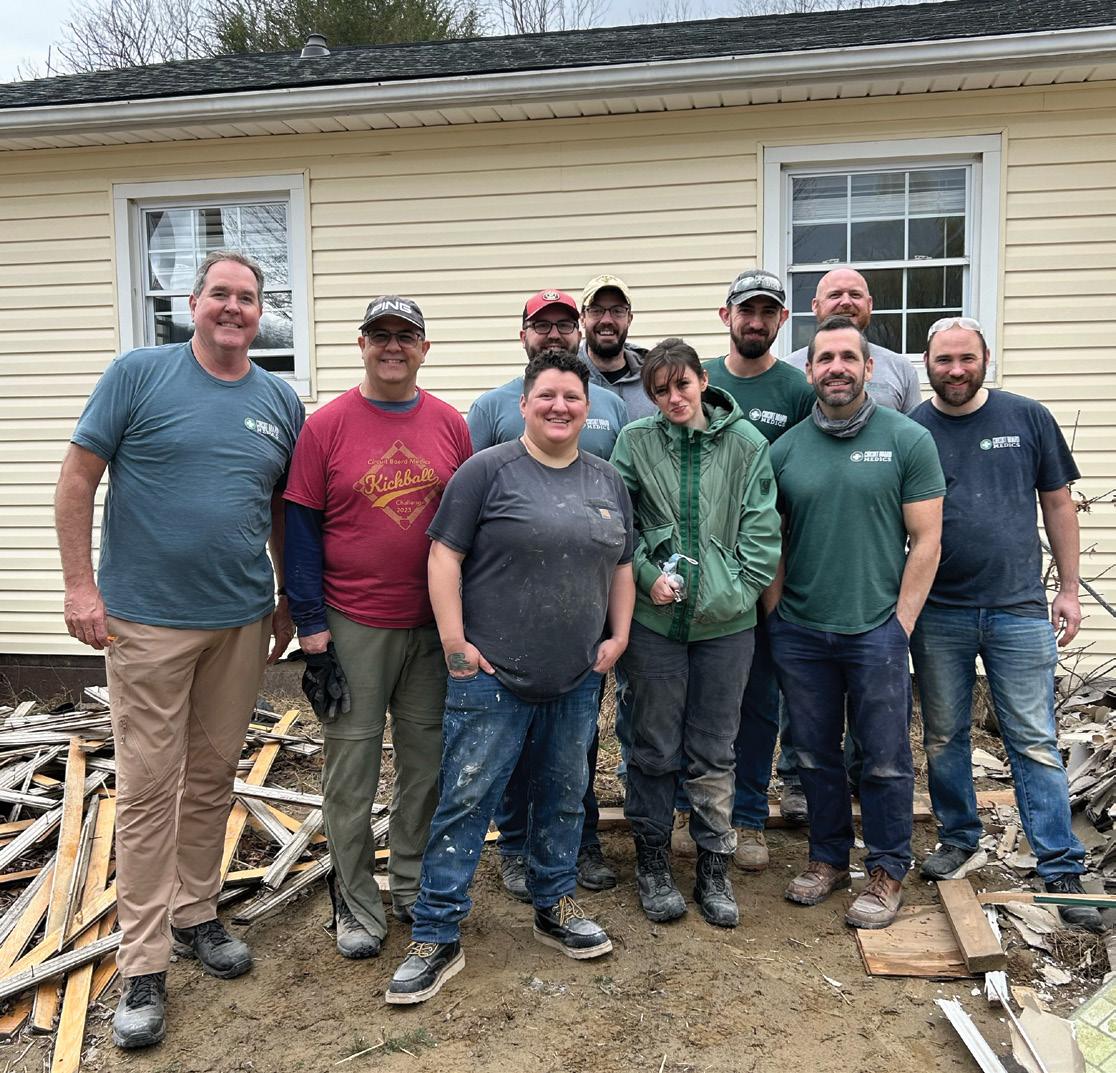
“Laura and I reached out to Baptists on Mission and put together this collaboration,” Kirby said. CBF provided financial resources to enable the church to host workers. And CBF vets the volunteer groups, the church provides lodging and meals and Baptists on Mission connects the volunteer teams to restoration projects— helping storm victims get back in their homes.
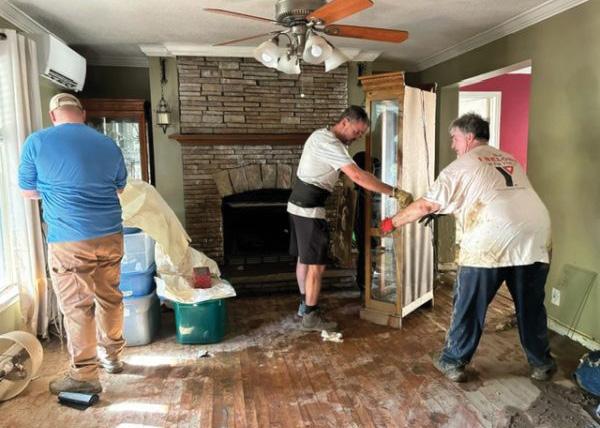
“When volunteers arrive, they’re greeted by a host here at our church,” Callahan said. “They have a place to stay, get hot meals and find daily projects waiting for them. Their assignments are based on the number of people in their group, as well as their expertise—or lack of expertise. Some projects are home repairs, and some are new builds. On any given week, these projects will be in a variety of stages of construction.”
Across the first year, FBC Asheville hosted 13 volunteer teams, which worked on 19 homes in Asheville and neighboring counties.
During that time span, CBF of North Carolina conducted multiple ministries to support victims of the hurricane’s destruction, said Wanda Kidd, CBFNC Helene response coordinator.
“Sixteen CBF churches are in the region impacted,” Kidd said. Four of those congregations—First Baptist in Weaverville, Hominy Baptist in Buncombe County, Mars Hill Baptist in Mars Hill and First Baptist
in Marion—made their facilities available for teams who arrived to help with reconstruction.
“We did not find the (rebuilding) locations ourselves; we partnered with organizations that already had people on the ground,” Kidd said. “But we tried to address the needs of the people left behind. We asked how we could impact the infrastructure and the lives of the people who were impacted.”
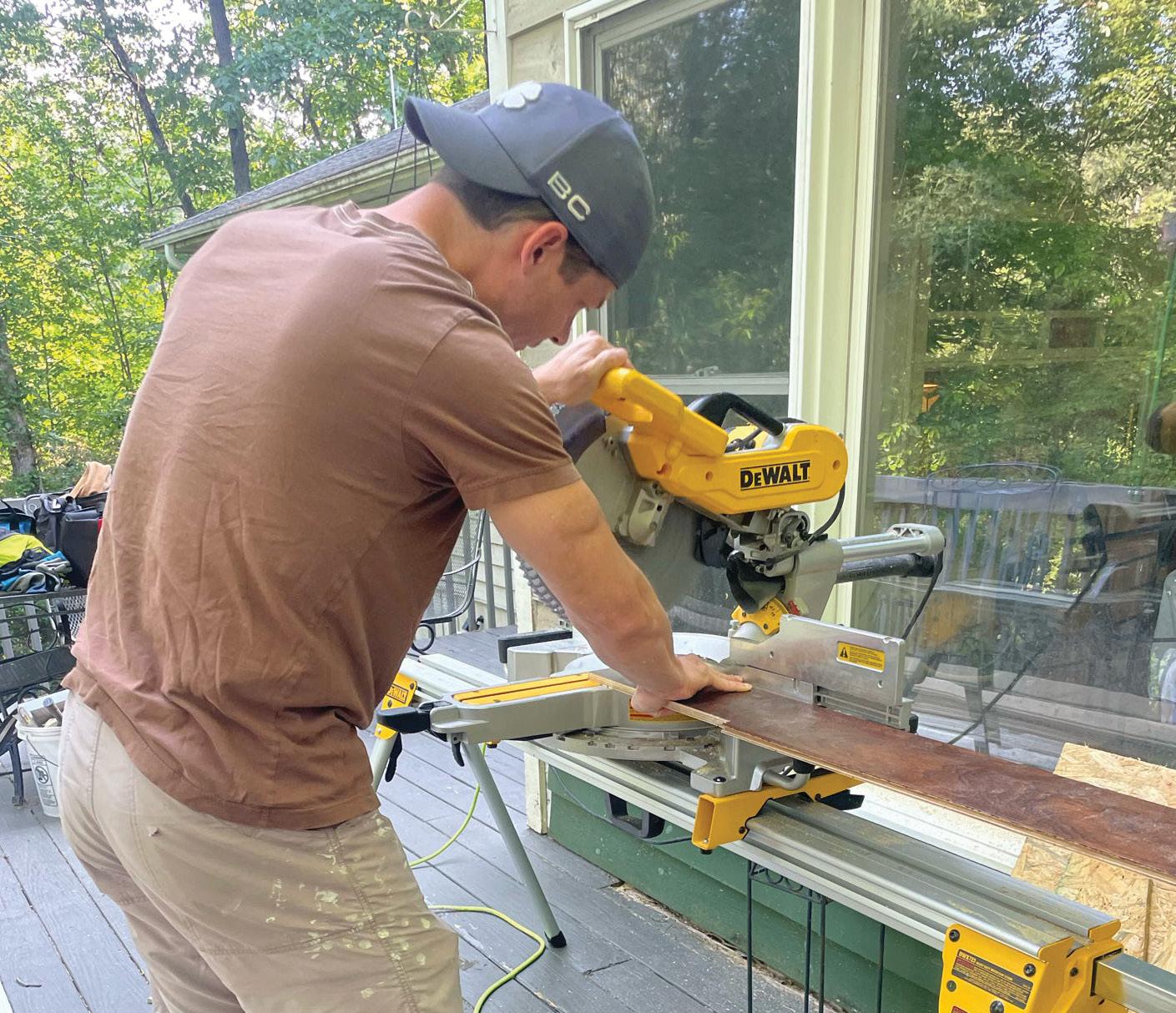
On a practical level, Hawes, the CBFNC disaster response coordinator, facilitated a CBFNC initiative, which involved collecting and distributing more than 1,000 disaster response buckets in the storm zone. Each five-gallon bucket is filled with cleaning supplies and “just about anything you need to muck out a home,” he said. Hawes also moved a shower trailer, which got heavy use after Hurricane Matthew in 2016, from Lumberton to First Baptist Weaverville.
As the recovery time progressed, CBFNC focused on a couple of other disaster responses.
“At Christmas, many people across CBF wanted to help the storm victims,” Kidd reported. “Churches in the area impacted by Helene wanted gift cards to distribute to families in their community. This would provide two positive impacts—flexibility for families to meet their own needs and generation of income into the local economies. So, we helped collect and distribute gift cards.”
This past summer, CBFNC pulled off a practical program to help hard-hit Helene victims. Through “Meals for the Mountains” supported by CBF, churches and other donors—they fed 100 families per week during July. In addition to groceries, they also provided a set of clothes for each child in each family and gave all the families gift cards to help them get ready for school and to bridge the time until children could get meals at school.
Close to the point of Helene’s landfall, CBF of Florida and the Caribbean Islands created a partnership with Friendship Chapel Church of God to serve storm victims in Steinhatchee, Fla.
“This is an example of the connections we make in communities,” Tammy Snyder, CBF Florida’s coordinator, said. “This church is Pentecostal—not close to being CBF. But we partnered because we saw common need.”
In response to Helene’s damage, CBF Global Missions distributed close to a half-million dollars, Ayala reported. “The money we have received has been invested back in the communities, and the work has been done in response to needs identified by locals,” she added. “We take our cues from people right there, not at the national level.”
Support offered by Cooperative Baptists far and near has provided “an injection of hope for us, reminding us this Fellowship is bigger than we can see,” Callahan said. “The impact of Helene is something we see every day. The need for ongoing ministries—to alleviate homelessness, poverty and food insecurity—has only increased since Helene.
“So, for us, it’s been an inspiration of embodied encouragement to have small teams from across the country show up to help out.”
While the anniversary of a calamity like Helene represents a painful milestone, it stands far closer to the beginning of the recovery journey than to the end, survivors said.
“The community has been forever changed, forever impacted. But recovery goes on for years—way past the public consciousness of the hurricane,” Kirby stressed. “This recovery will be a long-term journey, a marathon instead of a sprint. We need people to maintain us in their thoughts and prayers and contribute in whatever way they can.”
That includes traveling to Appalachia to help out.
“As our lives continue, there can be an overwhelming sense of fatigue, looking at the seemingly insurmountable recovery at hand,” Callahan said. “The damage done in a matter of hours will take years to build back. We still have thousands of homes to repair. But it’s not too late. People can come see the beauty of the mountains and help us clean up.”
And volunteers can choose from working in the Asheville area or in smaller towns across the region, Kidd added.
To learn more about volunteering in Asheville, contact Kirby at 2buildcommunity@gmail.com. To consider volunteering in nearby rural areas, contact Wanda Kidd at DR@cbfnc.org.
The success of CBF’s response to Hurricane Helene, combined with an increasing need for preparedness across the Fellowship, has prompted Ayala to launch a new approach to the ministry—the Disaster-Ready Church Program.
“The need for the Disaster-Ready Church Program has never been more urgent,” she said. “The increasing frequency and severity of natural disasters pose significant threats to communities across the nation. As these events become more common, governmental resources are often stretched thin, leaving local communities in need of immediate support.”
“The primary objective of this program is to enhance preparedness and capabilities within congregations,” she said. Ultimately, it will lead churches through a discernment process, to assess their capacity and willingness to engage in disaster response. It also will equip CBFers to become “active contributors to disaster relief efforts.”
The new program fits into CBF’s historic disaster response context—but stretches it a bit, Ayala reported.
“We are not first responders. We don’t do search-and-rescue, and we don’t send medical teams into a crisis,” she acknowledged. “But as soon as these events happen, churches and leaders start calling, asking, ‘What can we do?’
“The worst response you can give is, ‘You have to wait.’ That’s not the answer the churches want or the people in the community need. They are hurting now.”
So, with the Disaster-Ready Church Program, CBF proposes to understand its place in the disaster response spectrum but speed up its ability to help.
“It’s important to know your niche—what you bring to disaster response,” Ayala stressed.
A key is making CBF’s ample resources—facilities and people— available, she said. For example, CBF churches can provide rooms where the Red Cross can interview disaster victims, safe parking

for emergency vehicles and storage for supplies. Most churches have kitchens and people who know how to cook for crowds, as well as warm or cool spaces to protect people from the elements, and members to distribute food, hygiene kits and other necessities.
Hurricane Helene illustrates both the catastrophic need for rapid response and the positive impact—on both victims and congregations—of providing disaster relief, Ayala said. Hurricanes do not cover the breadth of the need, she added. Disasters also encompass fires, tornadoes, floods, blizzards, freezes and even human violence.
The program “empowers congregations to take initiative, fostering local leadership and collaboration that enhance community resilience,” she noted. “The grassroots approach ensures support is delivered swiftly and effectively, tailored to the unique needs of each community.”
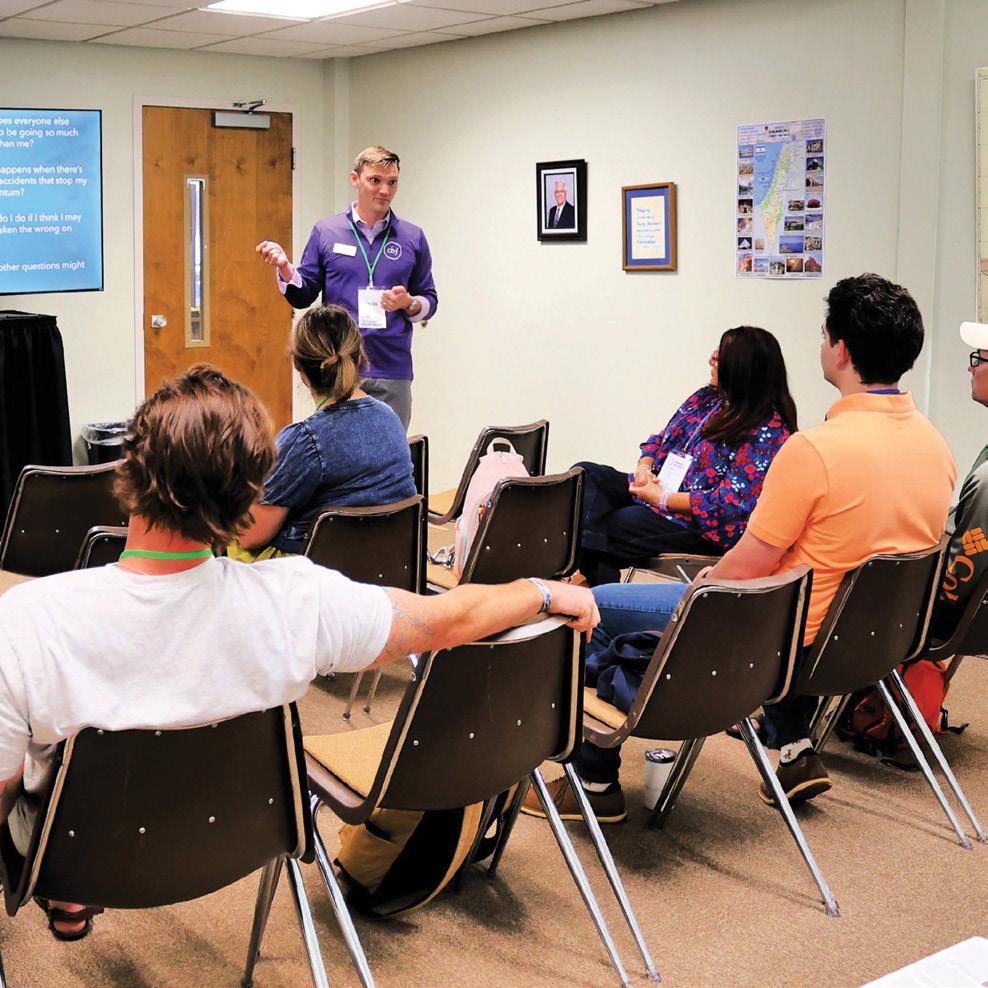
Hawes, CBFNC’s disaster response coordinator, participated in a Learning Lab at the 2025 CBF General Assembly that presaged the new program. The Disaster-Ready Church Program embodies the Fellowship’s “Four R’s” of disaster response, he said. They are:
• Readiness—being prepared for whatever disaster might arise
• Relief—going and doing immediately after a disaster
• Recovery—rebuilding “after the cameras are gone and life is still there”
• Resiliency—putting systems in place to withstand future disasters
“Disaster response is a hub among a bunch of CBF hubs,” Hawes observed. “In disaster response, we can pull resources from so many things CBF does well—dealing with chaplaincy opportunities, racial equity, justice, rural poverty and more. They all have a place at the table when we talk about what disaster response should be.”
An illustration of site-sensitive preparation is taking place in LaBelle, Fla., near Immokalee. CBF Florida, CBF Global and the Cultivate Abundance feeding ministry are teaming up to renovate a building owned by Primera Iglesia Bautista, an SBC church, for a lodging facility and access to an enclosed pavilion with kitchen facilities, Snyder said.
“Because most hurricanes come through Florida and Immokalee is centrally located, this is a good location for volunteer lodging and a shower trailer,” she noted. “All volunteers will need is to bring a sleeping bag and a bar of soap, and they can dive into the work they came to do.”
Two goals will guide the Disaster-Ready Church Program in the coming months, Ayala reported. “We want to assist a minimum of 24 congregations—three churches in at least eight states and regions—to increase their capacity to respond locally and beyond,” she said. “And we plan to identify and train participants to become local, state and regional trainers, fostering a sustainable network of disaster-ready churches.”
Disaster-Ready Church Program training—combining both online and in-person learning— will start this fall, she said.
For more information about the program or to register to participate in training, contact your state or regional CBF coordinator or contact CBF Global Missions by emailing dr@cbf.net.



By Marv Knox
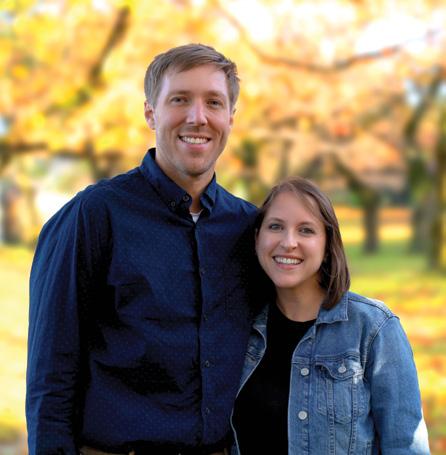
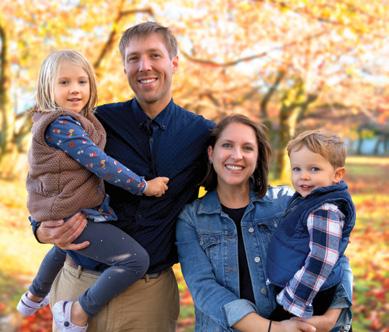
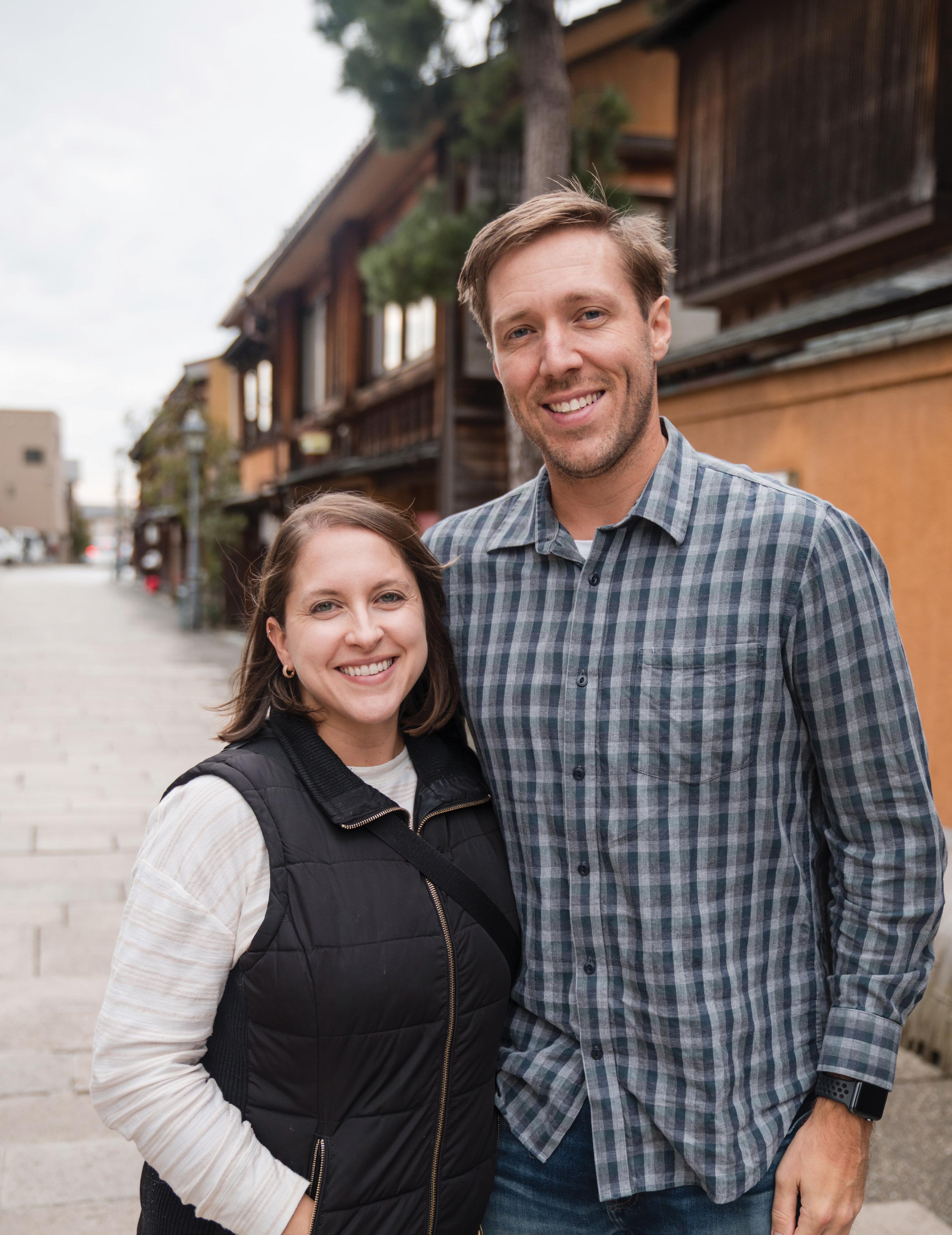
Laura and Carson Foushee’s Cooperative Baptist Fellowship mission assignment and its job description provided a perfect fit for the calling and personalities of a young couple who seemed to be following contradictory ministry paths.
In 2013, they moved to Kanazawa, Japan, where they began serving alongside Kanazawa Baptist Church. Carson got to minister on an international mission field, and Laura got to labor with a local congregation.
From the start, they followed their job description—make friends on Jesus’ behalf—a natural feat for the outgoing, affable couple.
But their journey to Japan began long before they stood on a General Assembly stage and accepted their commission as some of CBF’s youngest field personnel. In fact, they were so young—Laura was 29 and Carson was 28—CBF had comprised their Baptist universe.
“We grew up in CBF churches,” she explained. “Our generation is among the first to have seen CBF all the way through,” he added.
“I’ve been part of CBF a very long time in very different capacities,” Laura noted, calling CBF “a trusted organization.” Her relationship with CBF expanded during her college years working for Passport Camps and during seminary studies at Mercer University’s McAfee School of Theology, both CBF partners. The relationship deepened when she worked for the Cooperative Baptist Fellowship of Georgia.
Meanwhile, “as a child, I learned about CBF field personnel serving around the world,” Carson said. His passion for missions multiplied through internships with CBF’s Student.Go—now StudentServe—program in China, Southeast Asia and “five countries in seven weeks” to study Millennium Development Goals. “I was exposed to so many ways God is on mission in the world, and CBF field personnel are engaging them. I said, ‘I want to do this for the rest of my life,’” he recalled.
While studying at McAfee, Laura and Carson met, fell in love and got engaged. All along, they knew. “I felt called to the local church, and Carson felt called to international missions,” Laura explained.
Their perspectives presented a potential problem.
“We were trying to figure out, ‘How does this work?’” Carson acknowledged. “Laura wants to do local-church ministry in the United States, and I want to do cross-cultural ministry outside the United States. How do we make this work?”
Kanazawa Baptist Church hung around the periphery of their lives for a few years, offering an option.
When they were engaged and studying at McAfee, “we first saw a flyer about this new position that CBF had in Japan,” Laura said. Carson added: “We thought: ‘Oh, that might be nice someday. But it’s down the road. We’re not married yet.’ And so, we put that one on the back burner.”
The Kanazawa option moved to the front burner a bit later, after they married. While working at CBF of Georgia, Laura received a phone call asking if she knew anyone who might serve alongside a congregation in Japan. The call piqued their interest in Kanazawa—for the second time.
“We thought it would be a really unique way to combine our giftedness and our calling,” Laura recalled.
“It was a perfect marriage of our interests in global church in a local setting,” Carson explained. “So, we were able to work in an international location with people from Japan and people from around the world in harmony together, serving in the name of Jesus.”
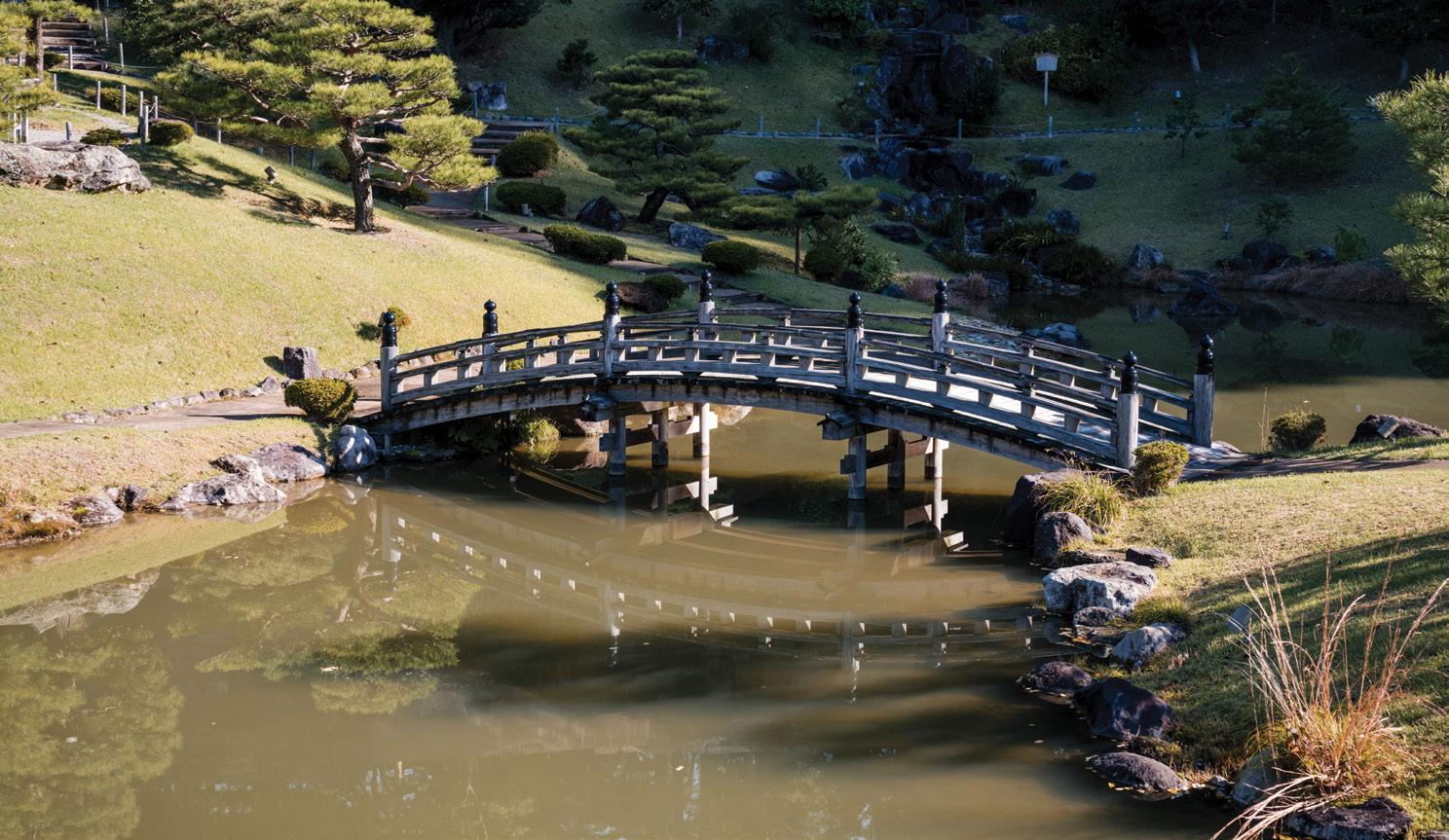
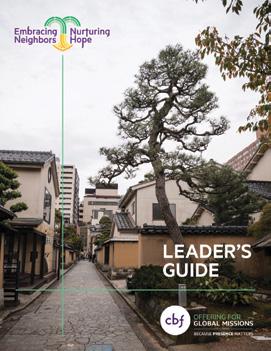
Kanazawa is home to about 450,000 people, located on the west coast of central
Japan, between the mountains and the sea. Historically, it has been a castle town, known for its proliferation of traditional arts and culture, as well as wealth associated with abundant rice harvests. Reflecting its continued vibrancy, Kanazawa is an educational center that boasts a 21st century art museum as well as ancient culture, with modern cafes serving food from around the globe alongside world-class sushi restaurants.
Like the country at large, about one to two percent of Kanazawa’s population are internationals. They study or teach in the city’s research universities, work in factories or the tech industry, teach English or came because they like following Japanese culture in a beautiful mid-sized city.
Kanazawa’s international residents, as well as local Japanese interested in American culture and learning English, figured into the Foushees’ invitation to Japan, as well as their rather unique job description.
They arrived as CBF field personnel in 2013, working with Baptist churches in Kanazawa and nearby Toyama, in cooperation with the Japan Baptist Convention.
“Originally, our call was to come and make friends,” Carson said. “That was on the job description—that screamed out to us about the type of work we want to do. Kanazawa Baptist Church understands this is a need, and their community is connecting. They’re looking for more people to join them in this work. And so, ‘Come and make friends’ was the call.”
That’s exactly right, noted Akinori Taguchi, who had been a Japan Baptist Convention home missionary and pastor in Kanazawa more than 20 years when the Foushees arrived.
“The CBF asked us to write a job description,” Taguchi recalled. “I told Carson and Laura: ‘Go out to Kanazawa and meet all kinds of people. Hang out and be friends, and invite them to church meetings and worship services.’ Since there are many foreigners in Kanazawa, we wanted to invite them to the church.
“And they did it brilliantly. They also made full use of the Internet to make sure people who come to Kanazawa from abroad (find) this church when they search on the Internet.”
For their first three years in Kanazawa and Toyama, the Foushees led English worship services for people who were interested in English—both Japanese and expatriates from around the world who wanted to worship with an international community.
So, they shared preaching and teaching responsibilities in the churches, led Bible studies and taught English to mothers and children from the Kanazawa church’s
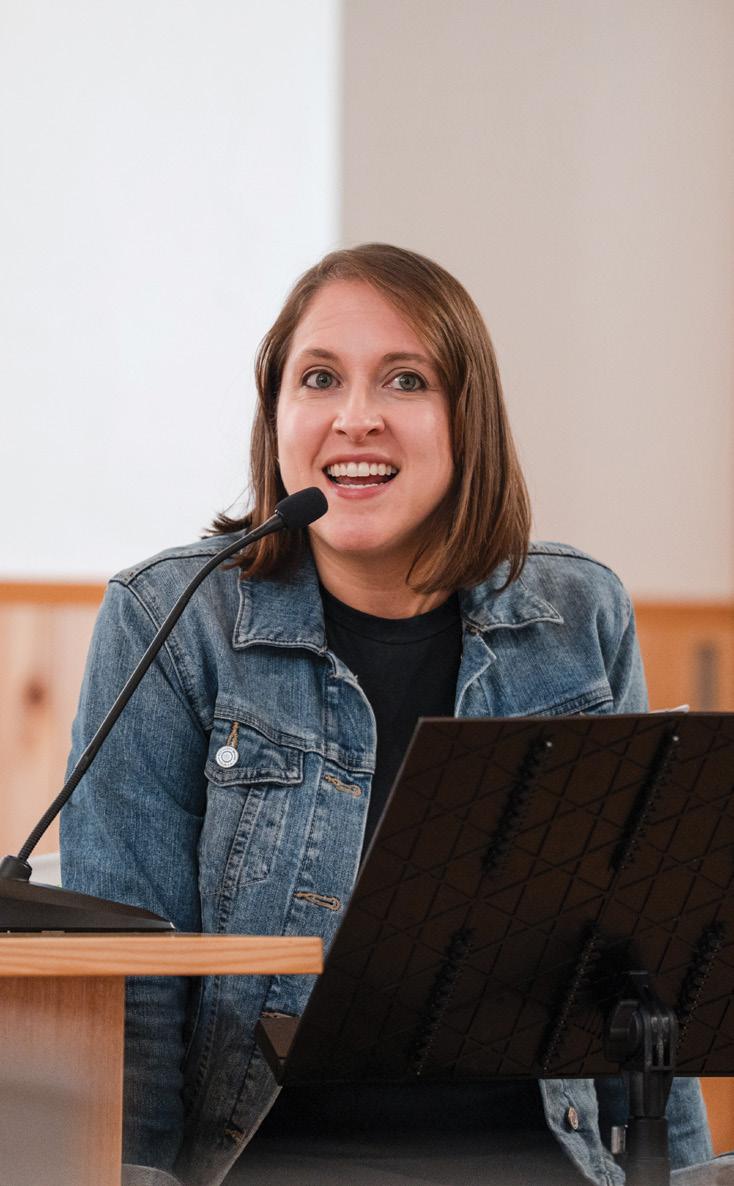
preschool program.
When their initial commitment ended, the responses they had received about their ministry—as well as the joy they felt in their hearts—led them to approach the Japan Baptist Convention’s leaders and say: “We feel like God is leading us to stay here longterm. How can we move forward together?”
Their Japanese partners suggested full-time language school. So, they moved to Tokyo and spent two years learning Japanese and participating in a local congregation, Tokiwadai Baptist Church. Next, the Japanese leaders suggested they participate in a ministry practicum, and the Foushees continued at the Tokiwadai church, under Pastor Yasushi Tomono.
Tomono and Taguchi “were the ones who were taking us in and showing us the ropes as we learned ministry in Japan—equipping us to do the work for the long term,” Carson said.
Staying for the long term meant returning to Kanazawa in 2022. The pastor resigned due to health issues soon after their return. Laura and Carson offered support to the Japanese worship service and community in traditional roles—such as taking their turns in the preaching rotation, serving communion
and officiating baptisms and weddings. The Foushees respect the congregation’s deacons and other key laity and work closely with them to support their leadership. Laura and Carson also lead the church’s 1 p.m. Sunday English worship service.
Several trends in Japan validate the wisdom of maintaining a ministry that understands and affirms Japanese culture and language while offering outreach that capitalizes on a multiethnic culture and the English language.
First, fewer than two percent of Japanese are Christian, and few of the other 98 percent are open to Christianity. Second, family loyalty and cultural hegemony compound the challenges of Japanese thinking about leaving their Shinto or Buddhist faiths and embracing Christianity. Third, Japan has one of the lowest birth rates in the world, and that covers Christian families; so raising new generations of leaders is difficult. Fourth, the international population will grow, because Japan will need more workers to fill in its declining population. And fifth, internationals and Japanese interested in English and American culture are the portion of the population most open to Christianity.
Consequently, “meeting the spiritual
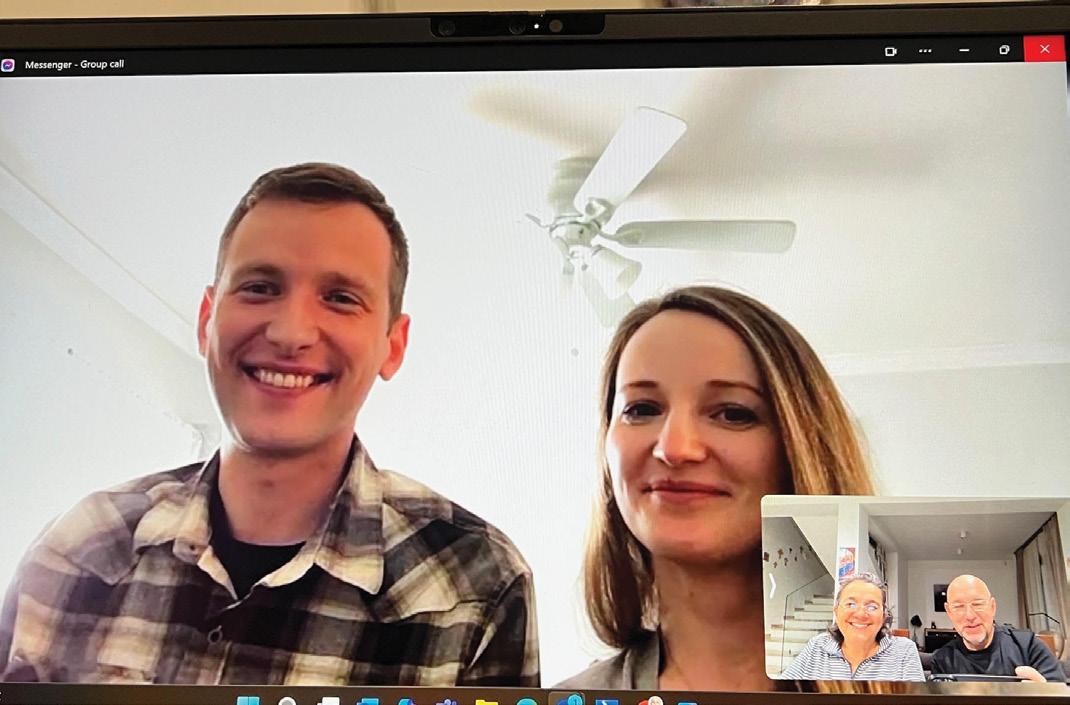
Laura leads the English service at 1 p.m. The Foushees have seen the Japanese service including internationals and Japanese people in the English service. “There’s very much a blending, a beautiful image of serving both the Japanese and international populations,” Laura said.
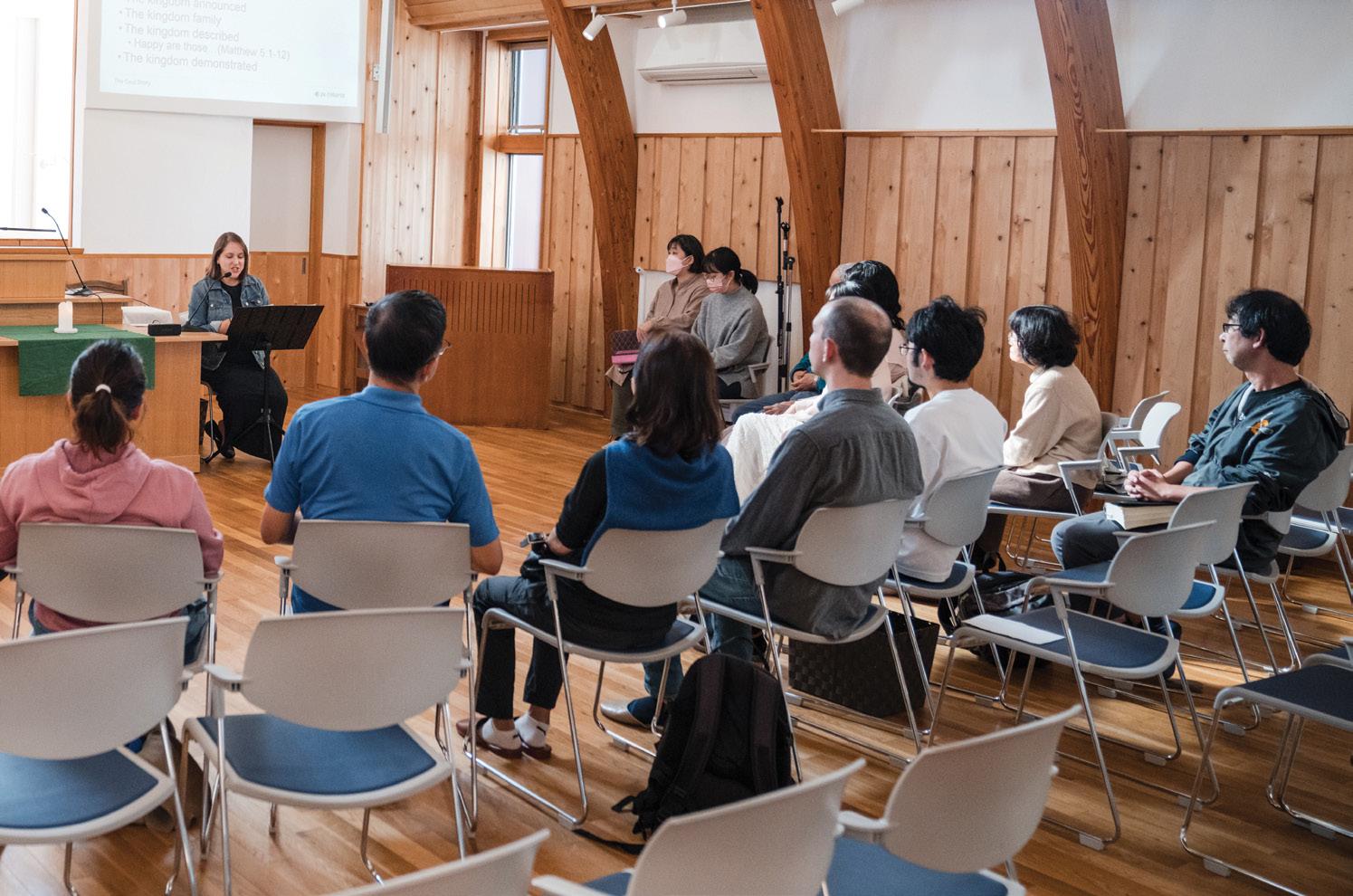
and material needs of the international population of our city and our region” is particularly important, Laura said. That work is vital for people’s current needs, and it’s significant for the ongoing vibrancy of the congregation, which they call Kanazawa International Baptist Church.
“We have people from all over the world,” Laura said. “On a given Sunday, we have people who represent Europe, other parts of Asia, North America, Africa and Oceania in our services. We have just a wonderful mix.
“And over the last couple of years, the Japanese service also includes internationals who attend every week, and the English service has Japanese people. There’s very much a blending, a beautiful image of serving both the Japanese and international populations.”
The Foushees expand that “beautiful image” by continuing to lean into their initial job description—make friends. It’s a joyful task that transcends language, culture and religion.
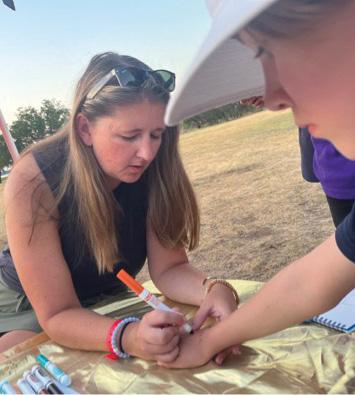
Opportunities to make friends open up wherever Laura and Carson turn: Parents of their children’s friends. Folks they meet in coffee shops and grocery stores. People who show up at church curious about faith. Other people who show up at church wanting to learn English or aching to hear someone speak English for an hour or so.
“People are looking for friendship, because they might not have any sort of community they’re connected to,” Carson observed. “The church has the opportunity to say, ‘Hey, here we are, and we welcome you with open arms.’ So, it provides friendship to people who are often very isolated.”
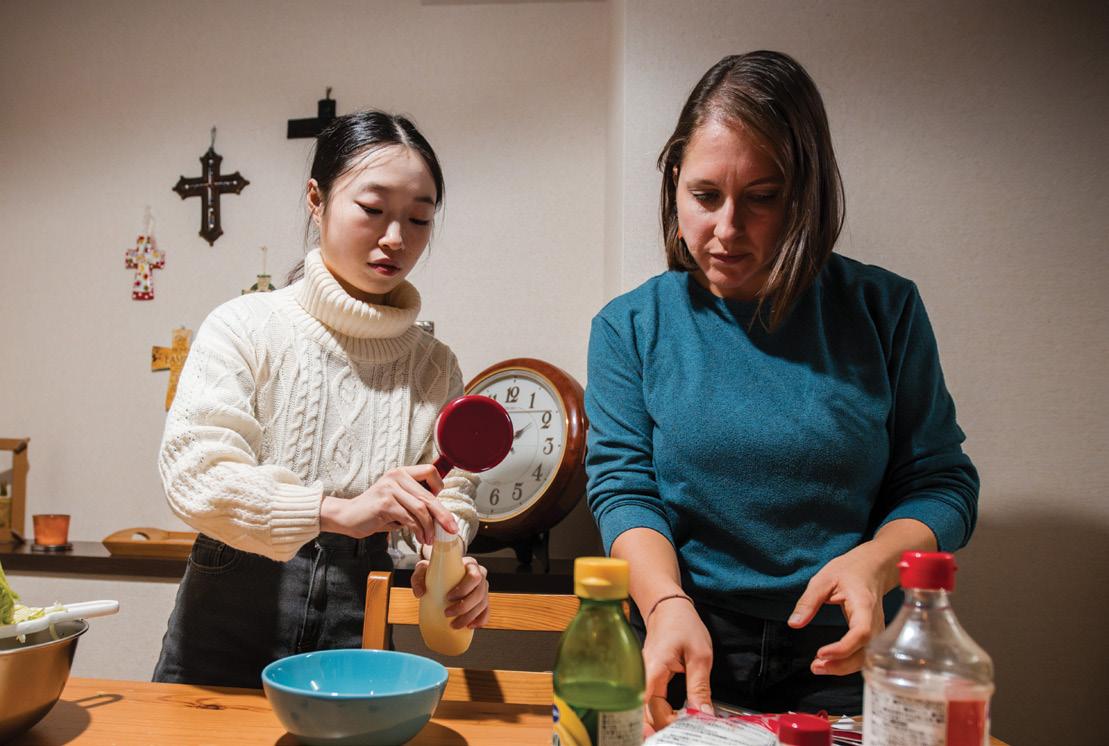
For example, they met Mirea Takahashi, a college student, who first visited the congregation because a Christian family from her past urged her to find a church in Kanazawa.
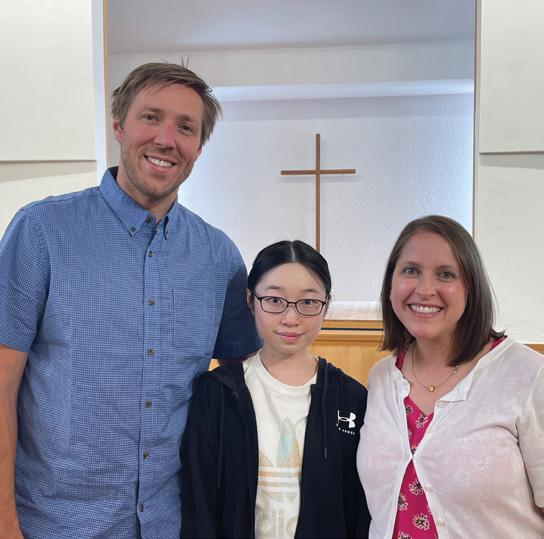
Carson and Laura “asked me to come to their home to know about me more,” she recalled. Now, “they’re like my family. They became my family in Kanazawa.” Laura baptized Mirea last December.
The Foushees met Adam Glymph, a Virginia native who moved to Japan because he was fascinated by the culture, when he repaired Carson’s bicycle. He accepted an invitation to visit the church, and now he
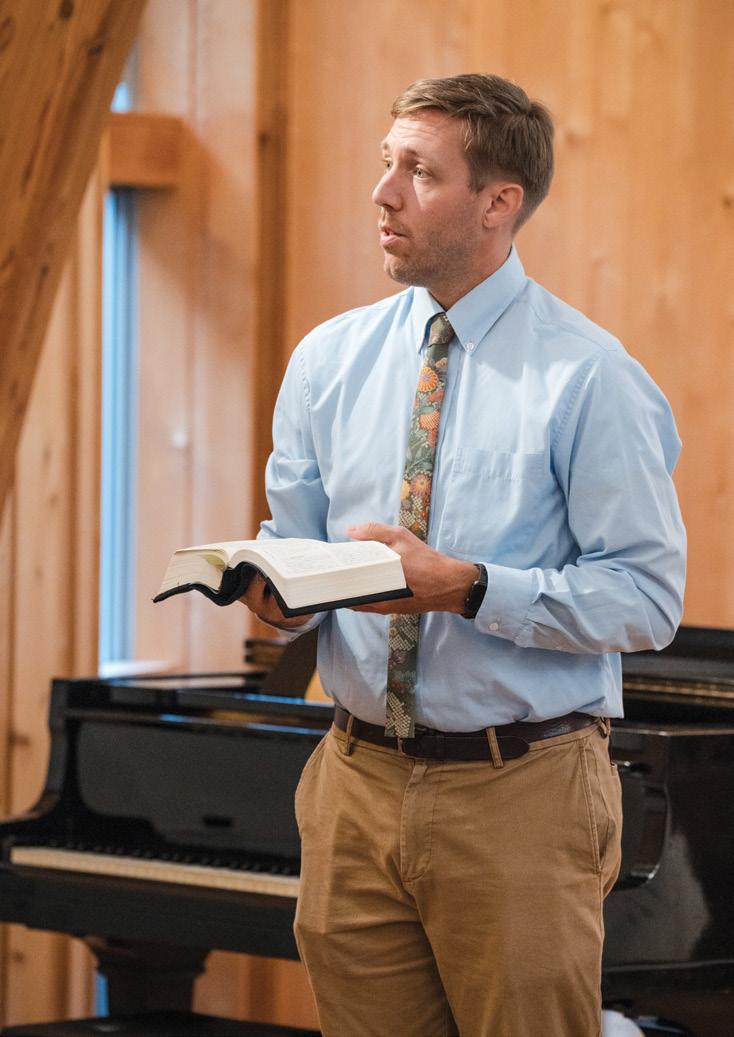
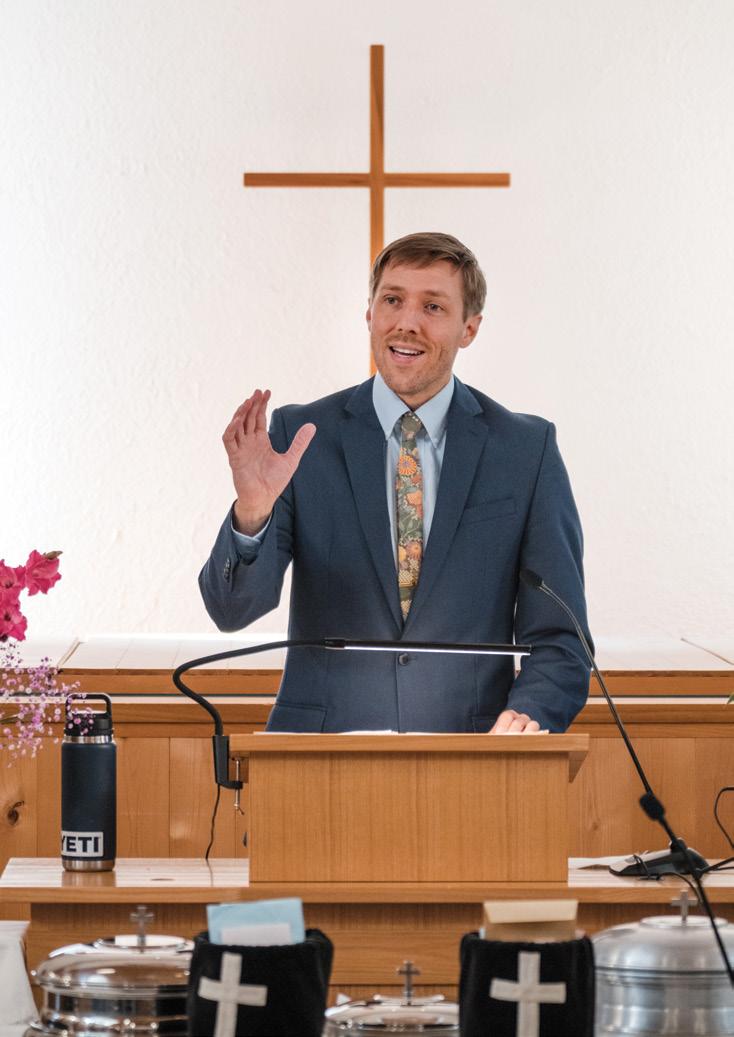
counts Carson as one of his best friends.
“Carson and Laura are some of the best listeners and nicest people I’ve ever met,” he said. “It’s hard not to feel better after having a conversation with them because they elevate anyone they talk to.”
Across a dozen years, the people they’ve met—like Mirea and Adam—and the experiences they’ve encountered—like seeing chance meetings turn into deep friendships—confirm the Foushees’ call to Japan.
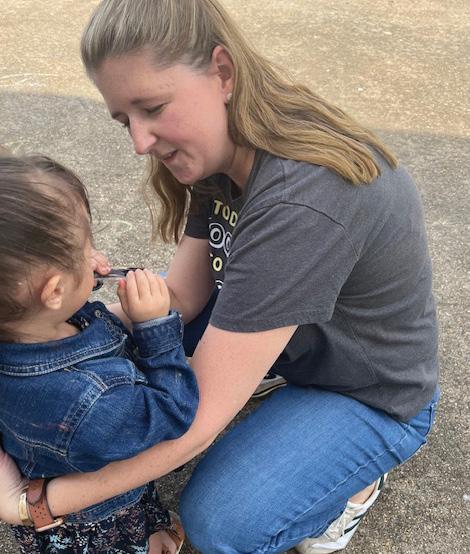
“Carson and I came to Japan only having been married for two years. Both of our children (Ada, 6, and Judah, 3) were born here. All their big moments have happened here in Japan,” Laura said. “That provides a sense of rootedness, when your entire family celebrates some of those big moments outside your home culture.
“Over the years, we feel even a stronger tie to Japan because we started here so early and have had some of those big transition moments as a family here.”
They’re grateful for CBF’s commitment to long-term presence. It’s given them time to confirm their calling, learn the language and culture and prove to Japanese and internationals alike they’re there to stay.
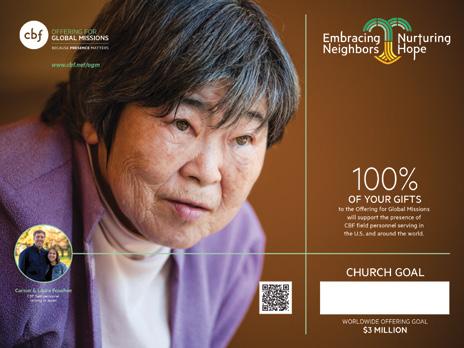
And they’re grateful for CBF’s Offering for Global Missions, which supports field personnel around the world by providing salaries, benefits, housing costs and other living expenses.
“This is a huge weight off our shoulders, that churches and individuals in America and around the world are giving so that we can focus on our ministries,” Carson said. “CBF commissioned us to go out and be servants alongside local believers here in Japan. And we don’t always have to turn and say, ‘What about our housing this month?’
“Through the Offering for Global Missions, we can be present to do the good work and continue to be present to the people we’ve been called to serve.”
Those are people Carson and Laura happily—and thankfully—call friends.





By Grayson Hester
Atthe center of Europe lies a crossroads of the world.
In the middle of this international intersection, a Cooperative Baptist Fellowship field personnel finds herself adjusting to a new context as she tries to help people making similar changes.
Tina Bailey is most known throughout CBF for her decade-long work in Bali, Indonesia, where she fused pastoral care with creativity and music and art to minister to prison populations (guards and inmates alike) in this Southeast Asian archipelago that is one of the largest Muslim nations in the world. It is a far cry from the Western, majority-white, mountainous and historically
Catholic country in which she finds herself now.
For the past few years, Bailey has been ministering in Graz, Austria, the nation’s second-largest city—which is about a two-hour drive from Vienna. If you were to try to inform her that her current placement in a highly developed, wealthy country does not fit the church’s typical mission narrative, she would beat you to the punch. “In the early years of CBF, people would say, ‘it’s a beautiful land, filled with spiritual darkness,’” she said. Which essentially “is taking the oppressed minority and demonizing everyone else. Were the Christians in Indonesia oppressed? Yes. But were some of them also oppressive? Yes.”
Such a globalized, oppressor/oppressed environment might cast Austria as a place not in need of missions, and Indonesia as a prime destination for it. Centuries of colonial hierarchy and racial prejudice are entwined in this view.
But having experienced both worlds— both Indonesia and Austria—Bailey can attest to the ways in which this view falters. Wherever there are people, there is trauma. Where there is trauma, spiritual care is needed.
“There’s so much unresolved trauma in this part of the world that’s hundreds of years old—even from our Baptist history here.” she said. “For Anabaptists, it’s 500 years ago this year that the Anabaptist
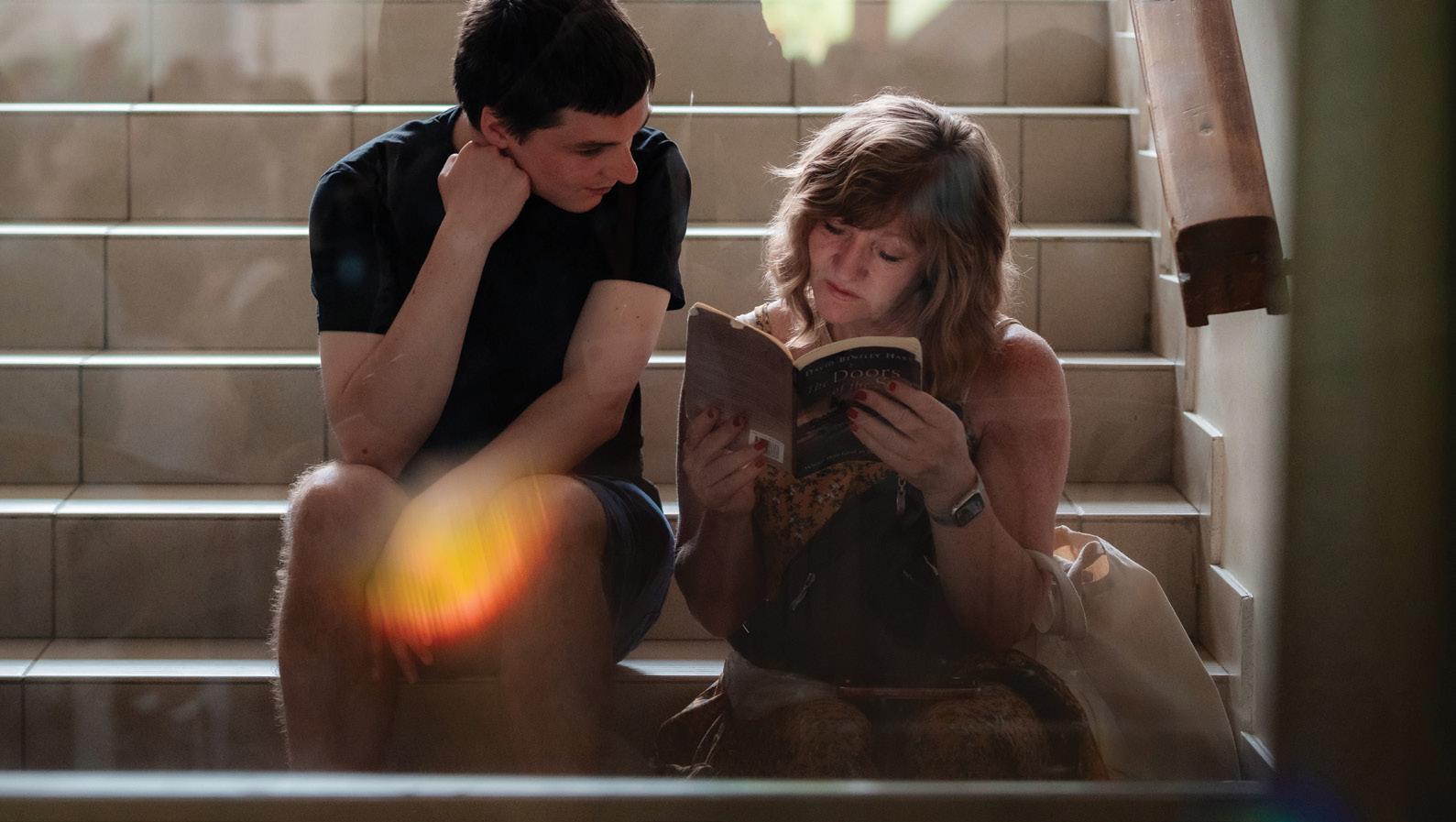
Bailey connects with the local church in Austria by engaging in pastoral ministry with the leadership team, mentoring and preaching to the refugee/immigrant community.
movement started with executions in Vienna and Steier. It was a bloody beginning.” Germany, well-known for its reckoning with this fascist past, has, in Bailey’s estimation, made some demonstrable progress toward healing. Austria—not as much.
Younger Austrians do not experience this grief in the same way. But the political and psychological influence it exerts on the country of 9 million cannot be avoided.
In Austria’s 2024 legislative elections, the far-right Freedom Party of Austria won 28.8 percent of the vote, coming in first place and securing the largest victory in its 70-plusyear history. A key plank of its platform rested on the demonization of refugees and immigrants. These populations may be able to cross a national border, but it is much harder to climb an emotional wall.
“They’re trying to navigate being with each other, because, while it is a high standard of living, it’s also at a crossroads of many regions,” Bailey said. In Austria, as in other Western and Central European democracies like Italy, France and Germany, the far-right finds itself ascending largely because of events that transpired over a decade ago.
“That’s the reality in most countries; it’s such a powder keg,” Bailey said. “The very core of it beginning in massacres and fleeing massacres and then doing the very same thing to someone else because it’s how you’ve learned.”
Pitted against each other are everyday Austrians and everyday Syrians or Iranians or Iraqis, trying to do what they feel is right for them and their families. Those most responsible for the conflicts—the wealthy, powerful and politically privileged—largely

avoid the on-the-ground ramifications. At the core is deep trauma, aching to be healed.
That healing is Bailey’s specialty.
“Keeping dignity where it belongs on both sides—it’s harder to tell that story,” Bailey said. “That’s why, sometimes, in the older days, we would frame it as ‘this one ethnic group, everyone else is oppressing them.’ It’s never that simple, and it doesn’t do justice for either.”
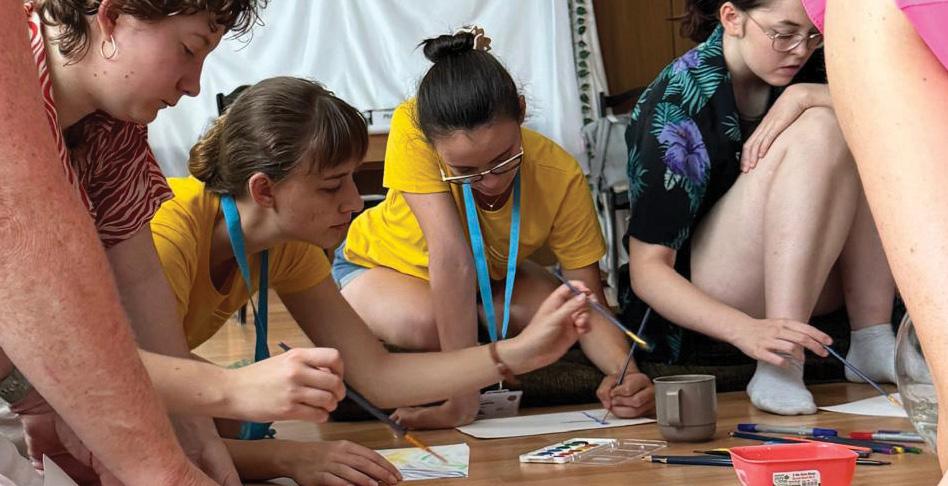
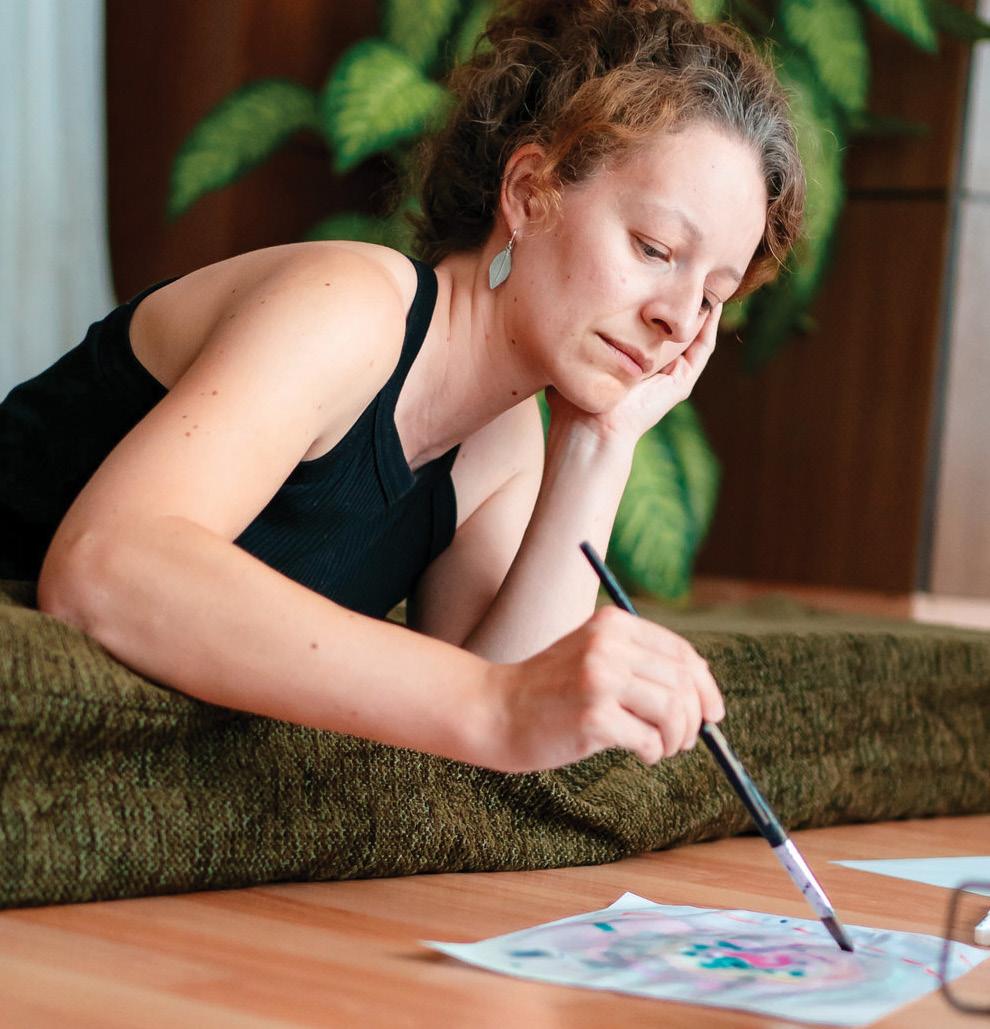
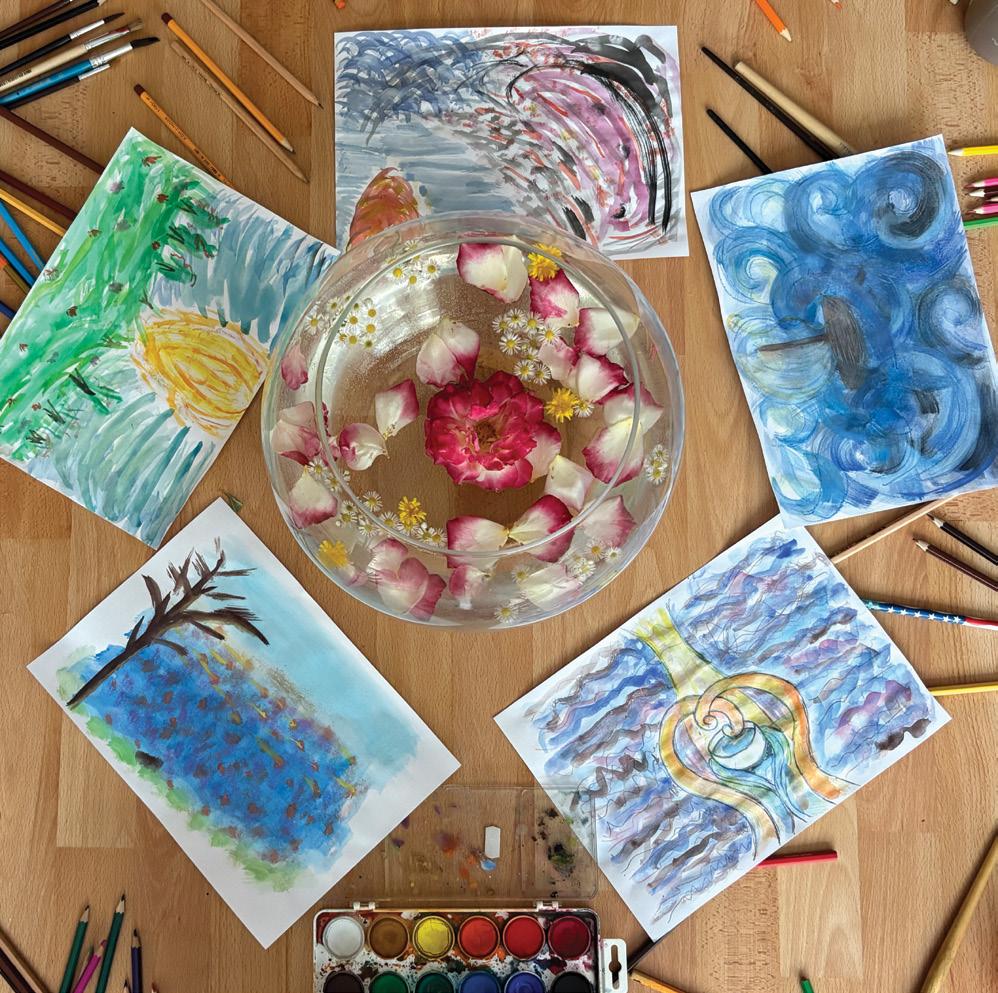
She calls this process mystifying, occurring in the most ordinary ways. She’s seen it firsthand, having led three art workshops in Vienna where the simple act of drawing—trauma-informed and emotionally regulative—can tease out wounds that have festered for years, if not millennia. Participants, regardless of artistic ability, are encouraged to draw without judgment and to allow themselves the joy of drawing for its own sake. They’re asked to view their
“KEEPING DIGNITY WHERE IT BELONGS ON BOTH SIDES—IT’S HARDER TO TELL THAT STORY.”
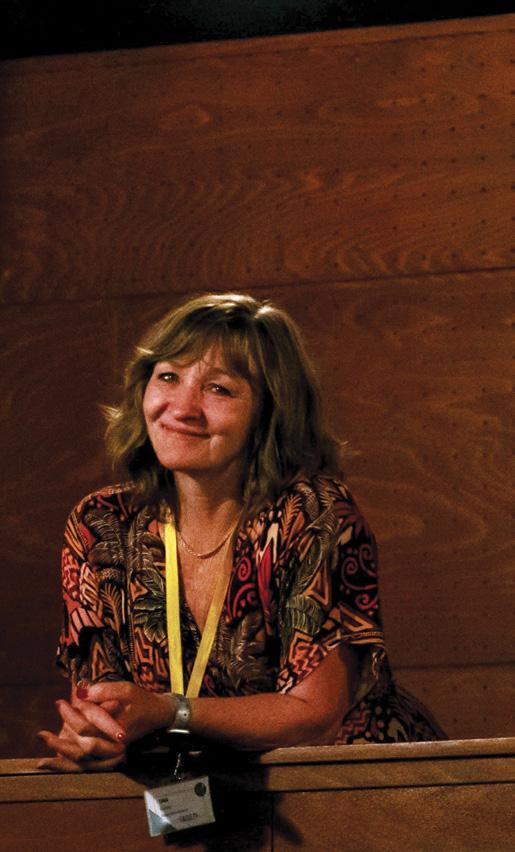
Working with the European Baptist Federation and the Austrian Baptist Union, Bailey equips diverse groups to offer compassionate, trauma-informed care across cultures.
progress, or even lack thereof, with kind eyes and are embodying the gaze of their Creator in creativity.
Even if participants don’t link it to theological language, their experience is spiritual and sometimes surprising. Many participants have informed her they’ve never done anything like it before, and that’s why it’s so needed.
“I’ve seen love both ways; I’ve seen the brokenness on both sides,” Bailey said. “We too often can only say, ‘You know, you should welcome everyone.’ There is truth in that, but there is also responsibility. You must understand why it is when someone new comes, they have to figure out how to live here, too. When the humanity and the stereotypes go away, and people can just meet, when that’s happening, it’s beautiful.”
At the same time, “It’s never okay to ignore the population of the host country
you’re in; it’s everybody, it’s for the greater good of all—the refugees and building bridges.” To that end, Bailey has met with refugees who have made wonderful friends in Austria, ones taking steps—little ones, to be sure, but steps all the same—to help them acclimate to and find belonging in their new home.
It may not grab headlines like the nationalistic insurgencies but it’s real all the same. It may not easily support dichotomous narratives of oppression, but neither did the Gospel of Jesus.
“The best way I know is to help the refugees know how to live in new places and grieve what they lost. It’s okay to grieve it,” she said. “When I talk with refugees, they talk about their wonderful Austrian friends and vice-versa. It dispels the myths.”
While Austria is not as universally Christian, let alone Catholic, as it once was,
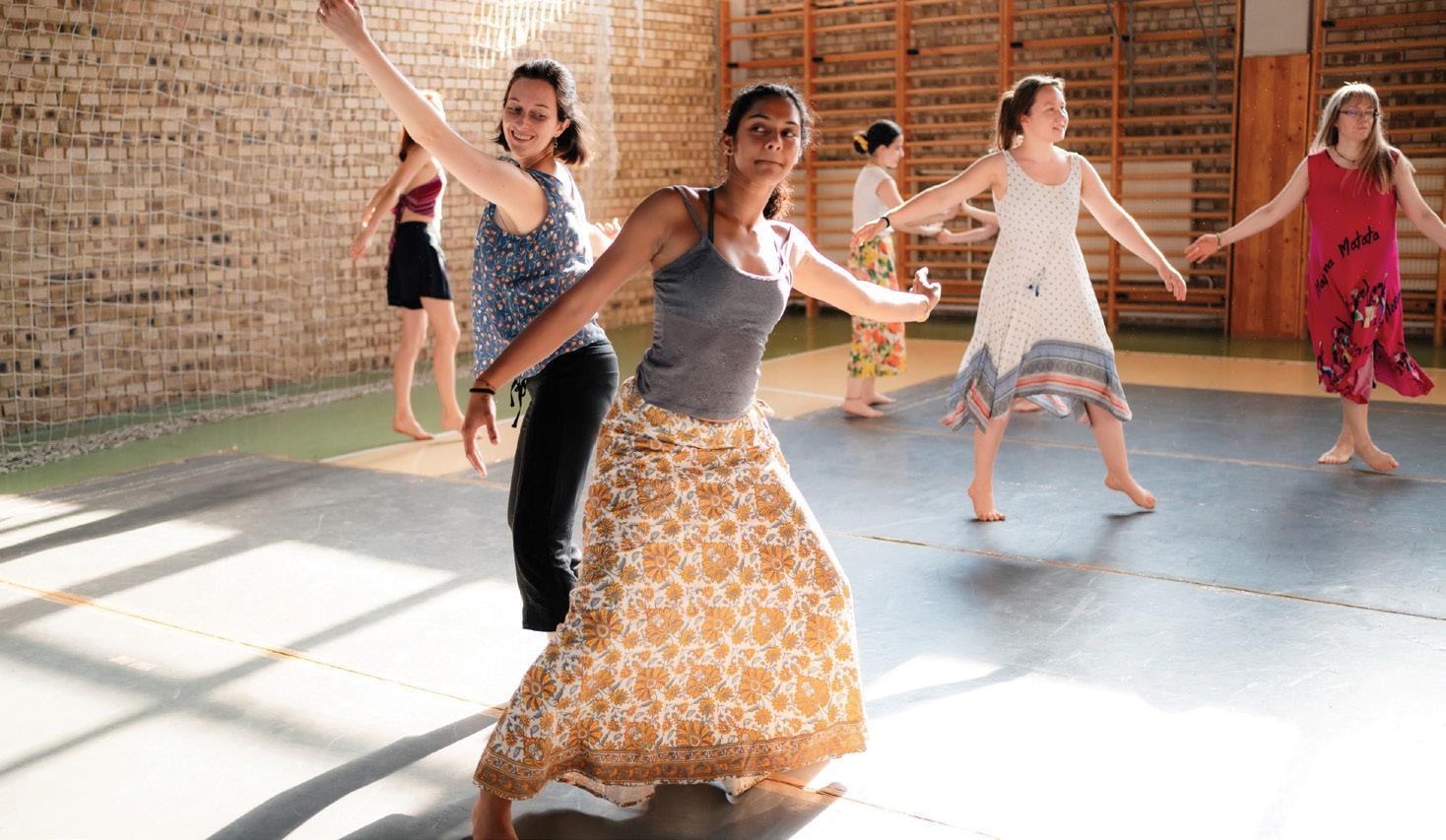
Bailey uses art, movement and music to help others heal—teaching dance in Hungary, mentoring young opera singers and leading creative spaces for spiritual connection.
and while the refugees settling there are not typically Christian at all, Bailey sees her work as Christlike. It’s the kind of work CBF field personnel do all over the world, from mountains to marshes, Europe to Oceania, middle-income to highly developed— because it’s the kind of work Jesus calls us to do. Wherever there is humanity, there is hurt. And wherever there is hurt, there is a need for healing.
“We’re all created in the image of God: We all have value, the right to life, freedom of religion, human dignity,” she said. “Everyone has a right to be heard and not be silenced. Our freedom, our livelihood, our mental health, is on par with that of other people as well. We can’t put ourselves above anyone.”
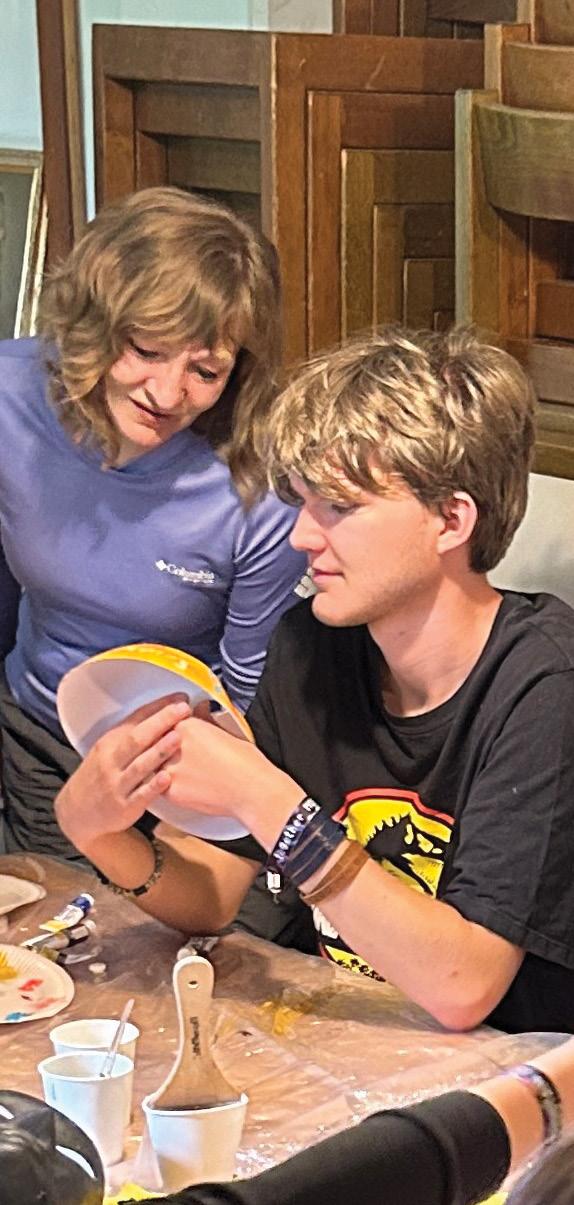
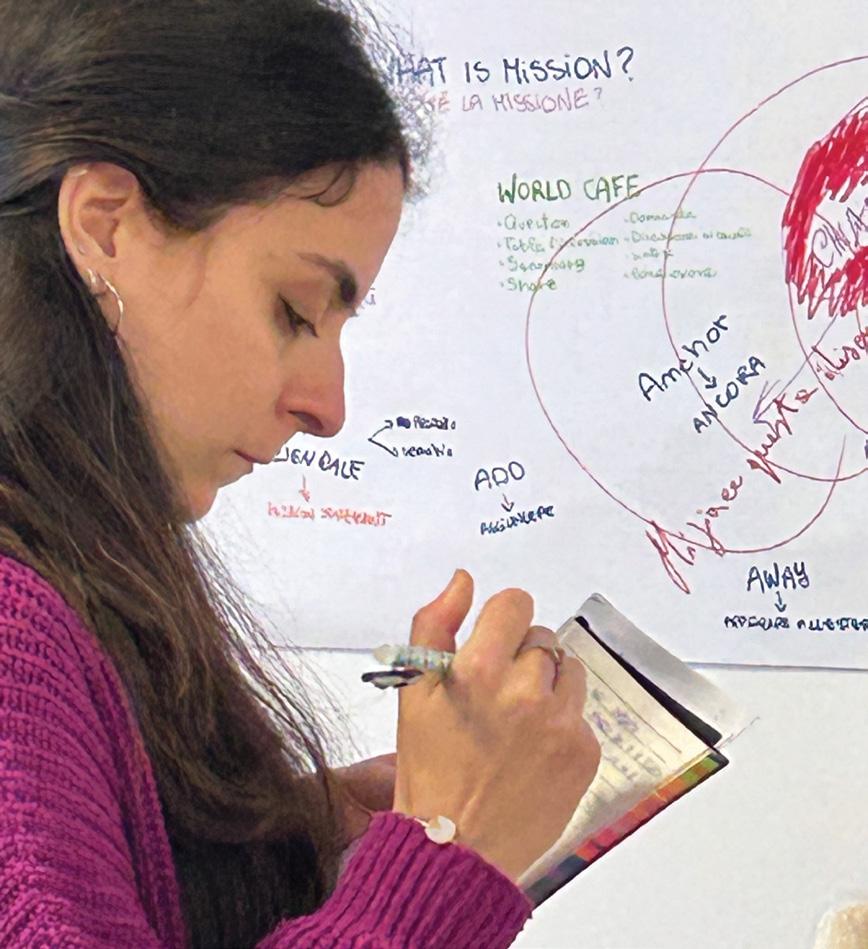
Bailey has led three art workshop where simply drawing helped tend to old wounds and they’re encouraged to view their art kindly.

By Grayson Hester
Father Richard Rohr could have used a seemingly infinite number of metaphors to describe the Trinity—a courtroom, a competition, marriage, you name it.
What he chose was a dance. In the book he wrote with Mike Morrell, appropriately titled The Divine Dance, he characterizes the Trinity as an unending flow of giving and receiving, as not a militaristic march or even a relationship, but as a Christlike choreography.
It is flow, it is elegance, it is heartbeat and rhythm.
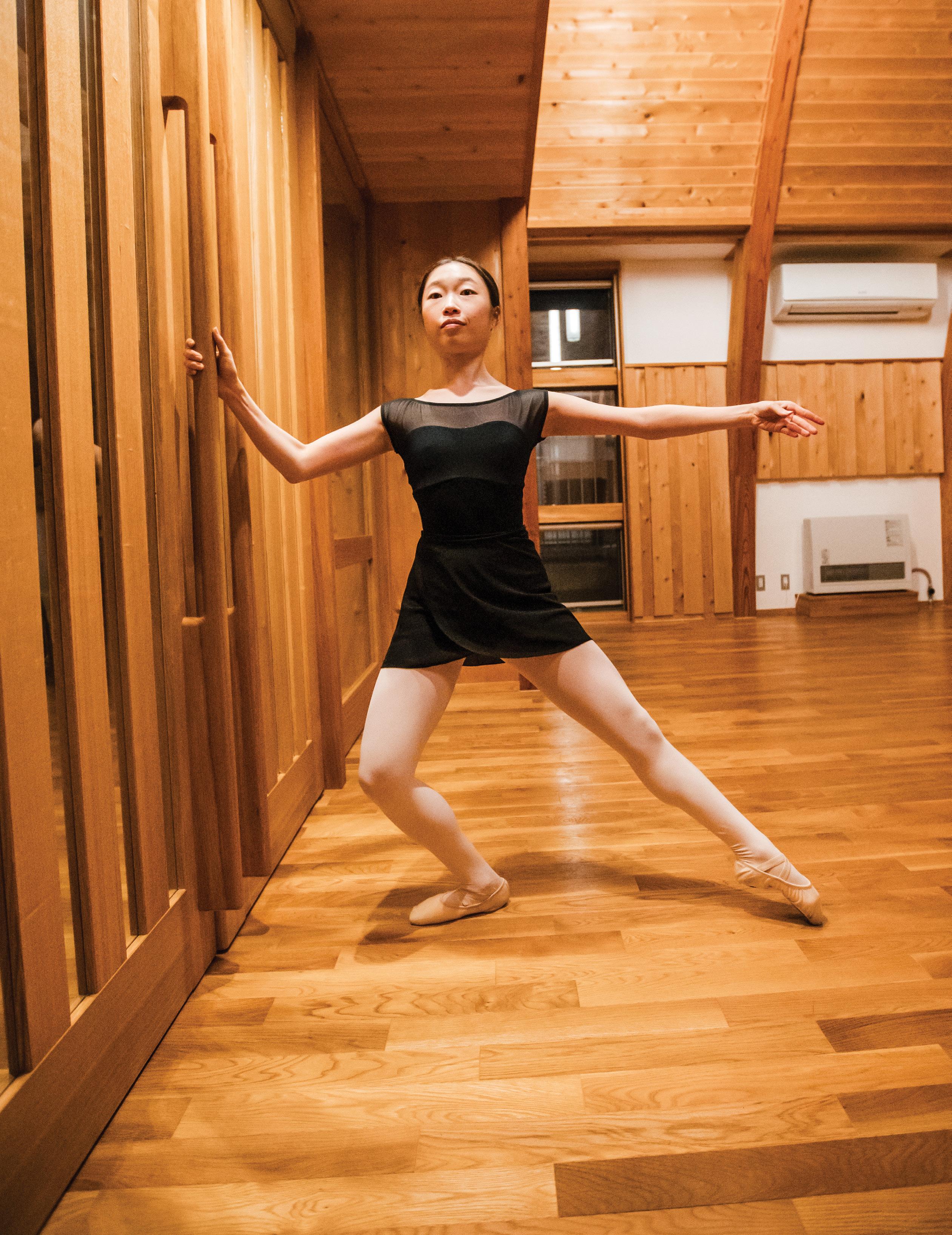
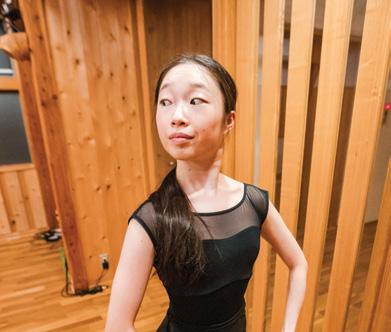
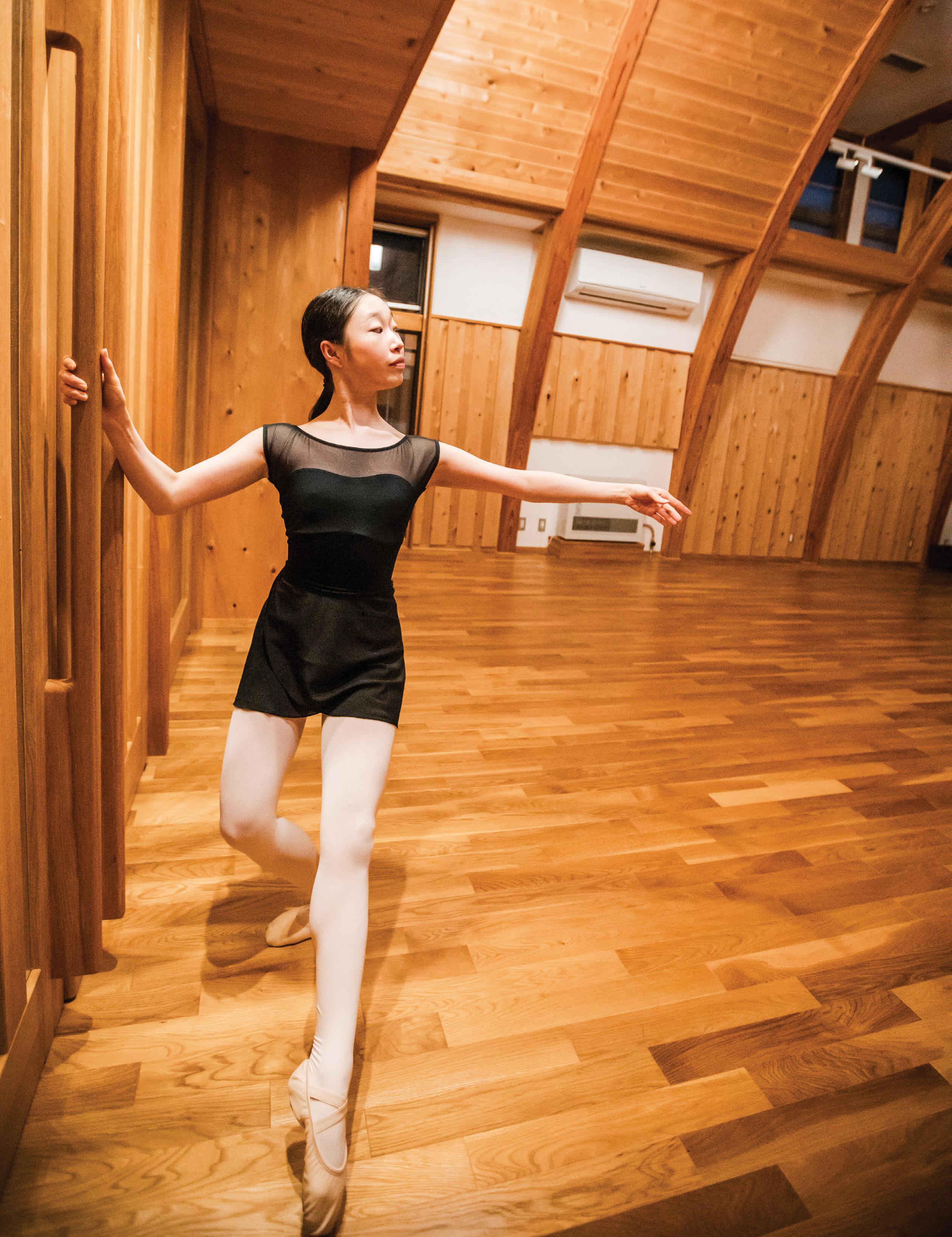
To Mirea, it is ballet.
This college student in Kanazawa, Japan, took inspiration from her mother as a child to begin dancing. Now she takes inspiration from the Christ, to whom she has dedicated her life, to use her abilities toward creating community.
“There was an earthquake on the Noto Peninsula, and there was a charity event, and then I decided to do ballet at that event,” she said. “Ballet is that kind of way of refreshing myself.”
She performs and practices at home or the dance studio in her hometown and even at Kanazawa International Baptist Church (KIBC), which CBF field personnel Laura and Carson Foushee serve.
Their presence in Ishikawa Prefecture—of which Kanazawa is the capital—proved instrumental in 2024, as they were able to leverage years’ worth of relationships to provide help where needed, harbor when asked and, as in the case of Mirea, a moment of choreographic respite.
They were able to help a community heal because they are that community. 2022 marked the second time they led KIBC, the first from 2013-2016. It has given the opportunity to create beloved
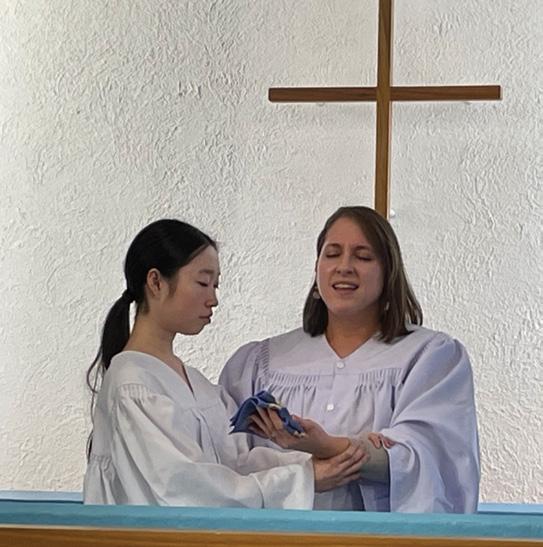
community among the relatively small number of Christians who live there. Some arrived having already dedicated their lives to Christ.
Others arrived simply because they needed community and, as is so often the case, found Christ along the way.
“They welcomed me from the day I first went to Kanazawa International Baptist Church,” Mirea said. “And when I decided to become a Christian, they celebrated me and gave lots of advice.”
Between following in her ophthalmologist father’s footsteps by studying medicine and honing her craft of ballet, Mirea is, like any college student, exhaustingly busy.
But that doesn’t stop her from investing in the church that first invested in her.
“She has been such a bright presence to our group,” Laura said. “The different times that we’ve been able to ask her, ‘Hey, Mirea, we would like to include you in this project or activity—would you be willing to help?,’ she almost always says, ‘Yes.’”
Her involvement runs the gamut, from routine Bible studies to assisting in lunch and dinner preparations for other KIBC members and translating for mission teams. But in any situation, what remains consistent are, to hear the Foushees tell it, her smile, her dedication and her sharp intellect.
“Mirea is just a sponge—she’s able to soak up some of these theological concepts that we’re learning about in church together,” Carson said, “that are really difficult for native English speakers to learn.”
No matter if you’re in Kentucky or Kanazawa, being a college student is often an isolating, trying experience. But it’s places like
“WHEN I DECIDED TO BECOME A CHRISTIAN, THEY CELEBRATED ME AND GAVE LOTS OF ADVICE.”
“I remember the first day Mirea attended our worship service. She’s always smiling,” Laura said. Mirea is active in Kanazawa Baptist, helping with many different projects and activities.
KIBC and people like the Foushees, who help lighten the load and guide the way.
By offering Mirea opportunities to serve, to learn and to grow, they are living out the command of Colossians 3:14 to “clothe yourselves with love, which binds us all together in perfect harmony.” It’s the foundation of many a church’s ministry, and the basis for the Offering for Global Missions’ current campaign, “Embracing Neighbors. Nurturing Hope.”
If the Foushees have anything to say about it, their experiences with KIBC and Mirea are a perfect example of the beauty that can come from it. “Those interactions were extremely meaningful for her. We were so happy to see the different ways in which she has been able to engage in ministry with us,” Carson said.
No matter where Mirea goes from here, to whatever dance studio or medical practice, she’ll carry with her the friends made, the encouragement received and the divine dance into which she was baptized.
“I sometimes talk about my future to Carson and Laura. We have dinner together. They became my family in Kanazawa,” she said. “I’ve already decided to live with God, but I think I truly can promise that. So, I’m so looking forward to it.”
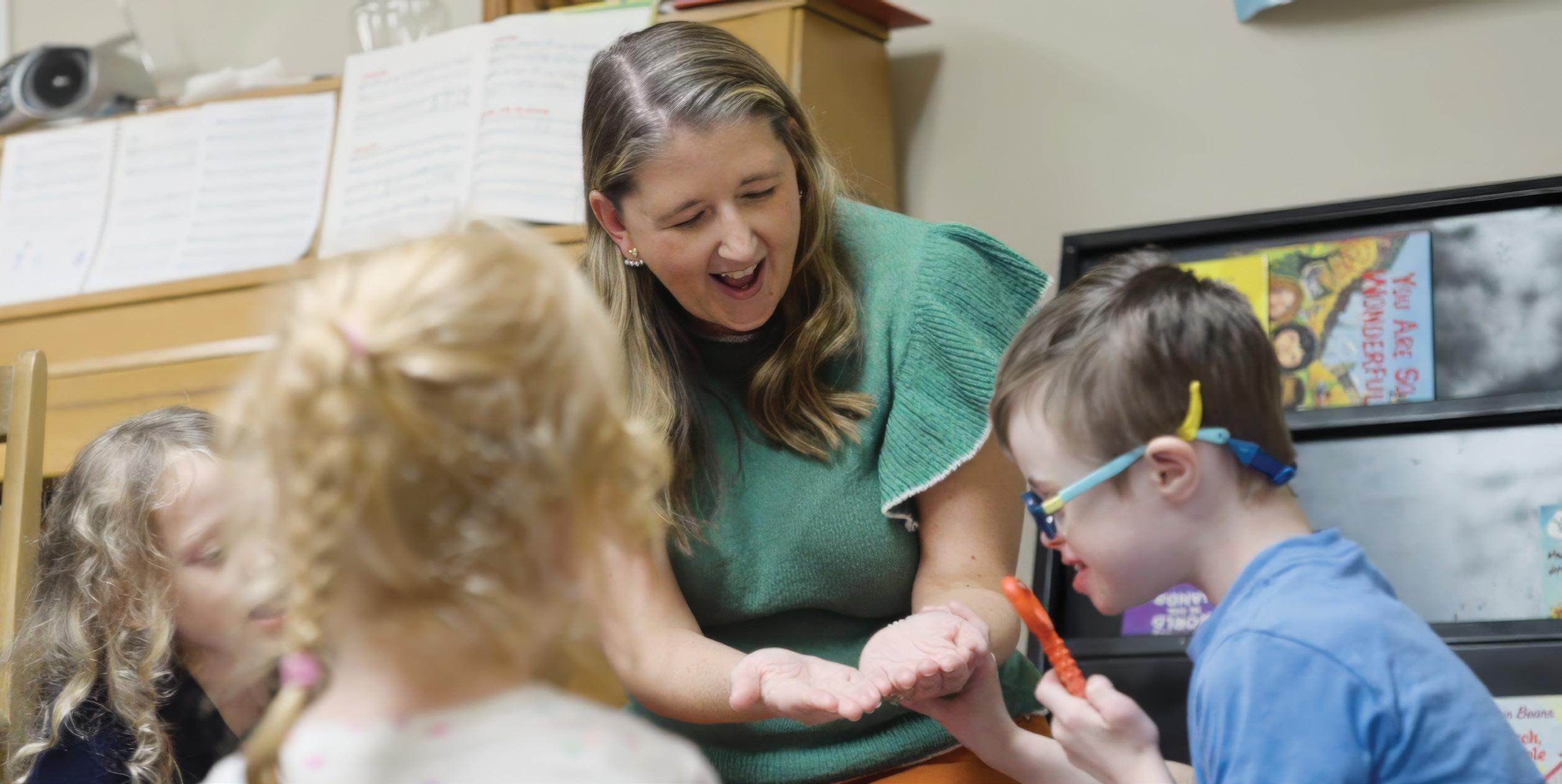
WhenEmmanuel Baptist Church in Alexandria, La., needed to hire staff to lead its children’s and youth ministries, it struck gold by mining its own resources.
By Marv Knox
The congregation called three long-term members—each with years of volunteer experience—to join its staff as bivocational ministers.
Regina and Kenneth Ervin joined Emmanuel 25 years ago and initially volunteered to work in the church’s youth ministry when their sons were growing up.
But for the past four years, they have been co-directors of the youth ministry, while still holding their “day jobs.” She is a mental health counselor with her own practice, working with teenagers and adults. He is a nurse and director of the cardiac cath lab at the local hospital.
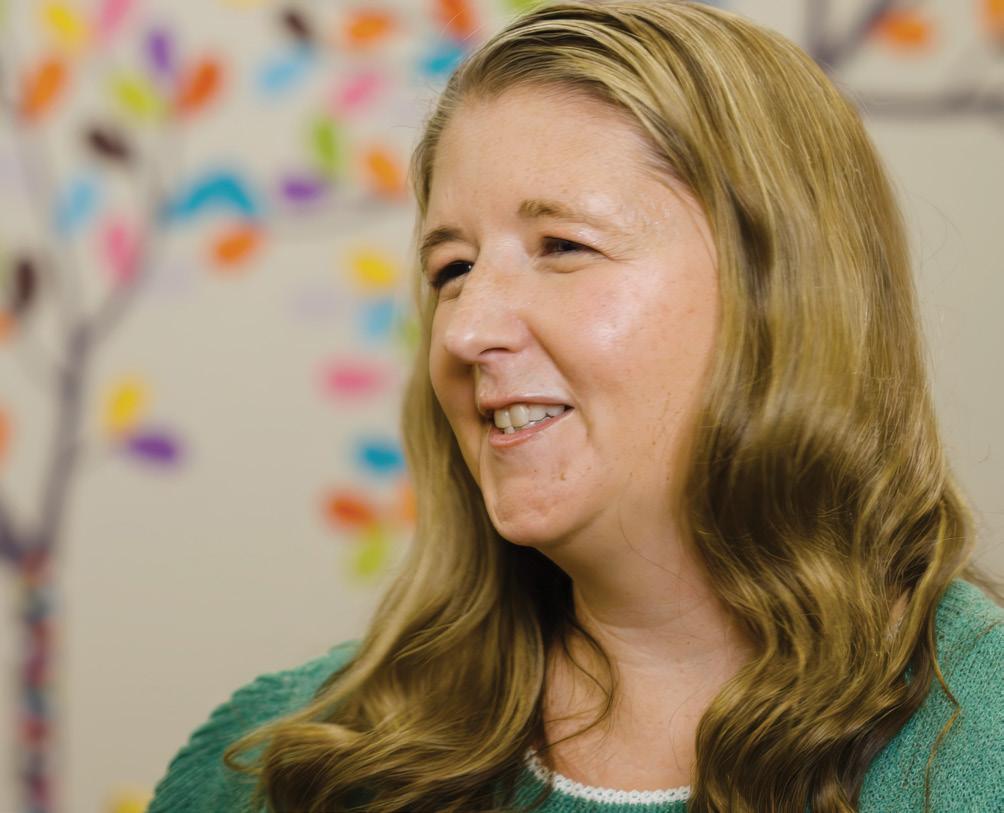
Sally Newcomer, a special-needs preschool teacher, became Emmanuel’s children’s ministry director. She and her husband, Scott, joined the church more than two decades ago and, across the years, she taught in the girls’ missions program and other classes. For the past six years, she has continued working for the local school system but also has led the congregation’s
children’s programming and provided ministry to the kids’ families.
The decision to call out members to serve on staff reflects the church’s willingness to think both realistically and creatively about solving its ministry needs, Pastor Chris Thacker said.
“It’s getting more and more difficult for churches to find seminary-trained ministry leaders,” Thacker acknowledged. The congregation previously conducted traditional ministry searches—advertising vacant positions and looking for candidates from among ministers serving other churches.
“When we went through this process the last time, we saw statistics that really
concerned us,” he said. “We realized we might not find anybody, because there are so many churches looking for seminary-trained ministers, and there are more churches looking than there are candidates.”
That challenge can be compounded for churches in Emmanuel’s situation: Alexandria’s population is about 43,000, and it’s located across the Red River from Pineville, with 14,000 residents. Otherwise, Central Louisiana is rural and a couple of hours from larger cities. It’s not ideal for a ministry candidate who wants to live in an urban area or whose spouse is looking for specialized employment.
“We stepped back and asked the question: ‘How necessary is it for a candidate to have a seminary degree?’” Thacker reported. “If that person is theologically sound, an effective teacher of the Bible and is effective in shaping spiritual formation, how
necessary is it that they went to seminary?”
When Emmanuel looked at its resources and alternatives, its hiring answer seemed simple, he said.
“The decision to hire Kenneth and Regina and Sally was based on their gifts and their connections to this church,” he explained. “All three of them had been plugged in and had served Emmanuel in remarkable ways. And for us, it was just a matter of asking, ‘Can we create job descriptions that fit with your still having full-time careers, but also allow you to give your best to enable youth ministry and children’s ministry to thrive?’”
Although Newcomer and the Ervins cited Thacker as the one who invited them to consider their ministries, they all said his invitations echoed earlier experiences.
“When I was a child, I thought I might be a missionary, or I might go off somewhere
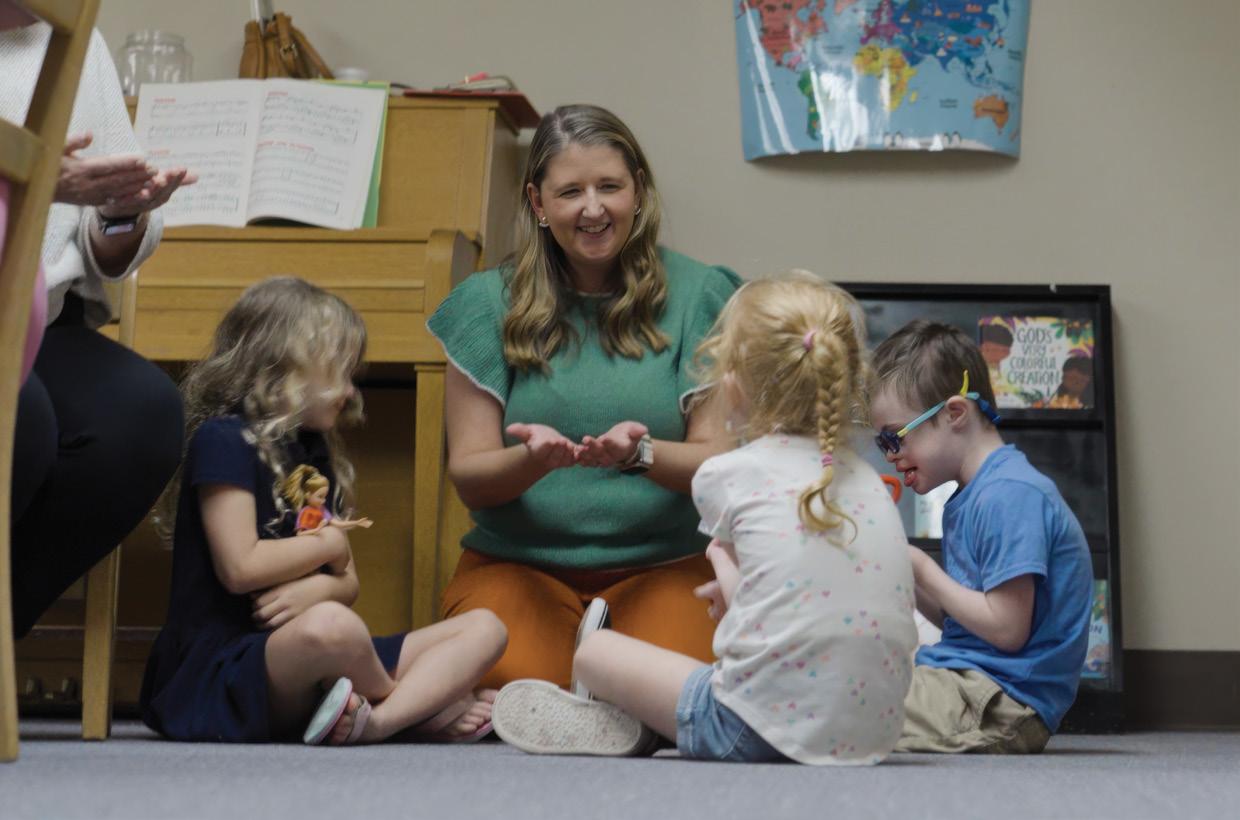
wonderful and have some great adventure because God called me to it,” Newcomer said. “I was a little sad that I never had that great calling. I got married and had children and followed what I love to do, which is teaching.
“But the whole time, I was listening to God. And just when I thought, ‘Okay, I’m getting past the age where anything new or exciting is happening,’ God called me to the church job…God calls us to things in unexpected ways when we least expect it.”
Similarly, the invitation to join Emmanuel’s staff was “not a new calling,” Regina Ervin reported. “Actually, in undergrad, I studied religion with the intention of doing youth ministry. It didn’t work out…and so I went into mental health and worked with teenagers; I’ve always enjoyed that age.
“And this opportunity presented itself at a time that was really good for me. So, it’s not a new calling. It really feels like a full circle.”
Kenneth Ervin noted his life experiences pointed him toward youth ministry, even before he and Regina served as volunteers when their sons were teens. “I grew up with a big youth department,” he recalled. “We grew spiritually as well as physically. We had a support system, and we had leaders who provided assistance and compassion and worked with us through our teenage years and into adulthood.”
Before he earned his nursing degree, he earned a bachelor’s degree in music, which has provided a solid foundation for ministering to youth and creating a strong music program for them.
Several accommodations have coalesced to make the vital yet part-time positions work.
Because these three staff members cannot be at the church during weekdays, one of the congregation’s office workers provides administrative assistance—such as managing communication with the church, students and parents, as well as managing
calendars—that helps smooth out the logistics of their ministries.
The full church staff also conducts a once-a-month meeting for everybody on staff to attend after-hours, Thacker said, noting, “We do it so we can all sit in the same room and be on the same page.”
Also, since the part-time ministers don’t have the networks that might have formed during seminary and expanded by attending professional conferences, the seminarytrained ministers try to help fill in the gaps. For example, they connect their Emmanuel colleagues with peers in other churches and also help vet teaching materials.
Newcomer also noted she has connected with groups on social media and with other children’s ministers at camp and other gatherings. “That has really been the most helpful way to learn how to do this job—just connecting with other people who are doing it, too,” she said.
The support of the church’s parents makes a huge difference, Kenneth Ervin
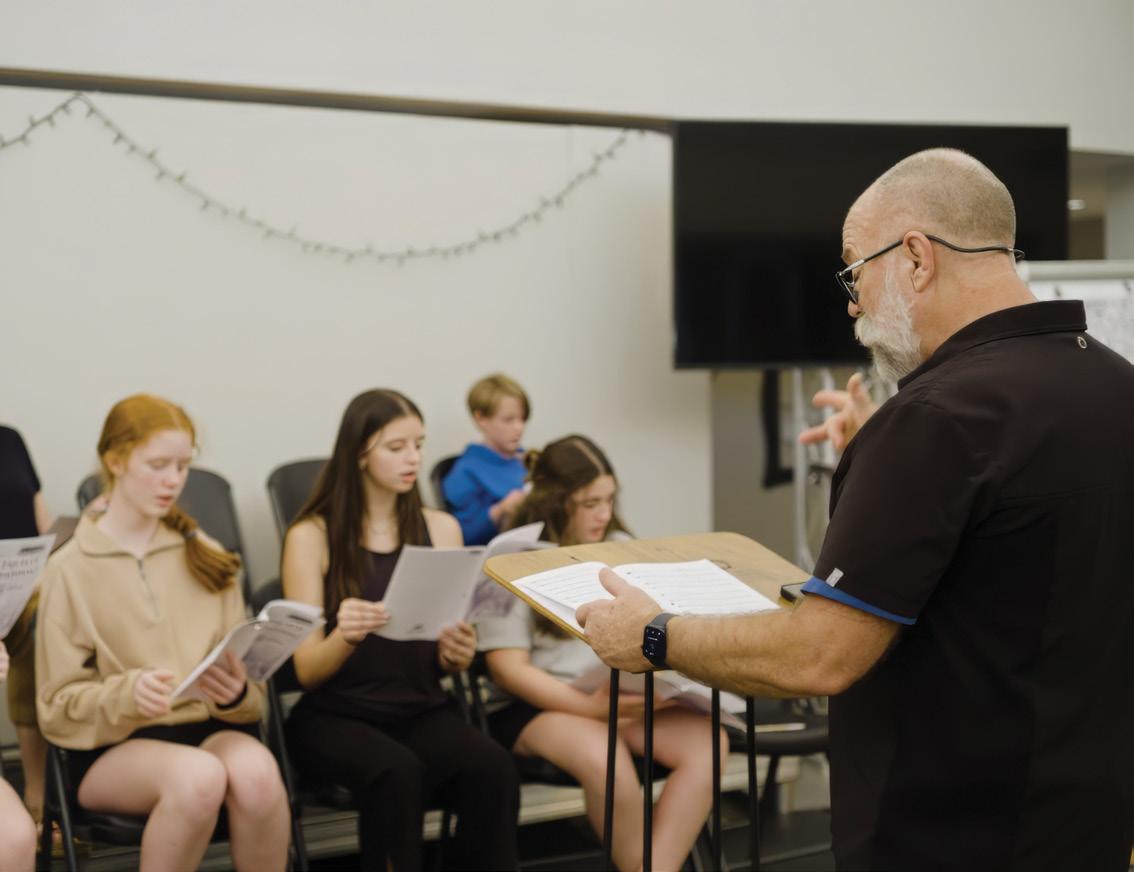
Kenneth Ervin serves as youth ministry co-director and is also a full-time nurse with a bachelor’s degree in music. “There’s always opportunities for music in church.”
added. “These parents have been a great inspiration for us. They appreciate us, and they tell us, ‘We’re so glad you’re in this role.’ So, the church encourages us and wants us to continue to do it as long as we can, and that is very encouraging for us.”
Even so, holding down two jobs is challenging, the Ervins and Newcomer acknowledged. Most weeks, they can’t find enough time to do everything they feel they need to do, particularly at home and at church. They struggle to balance the demands of day job, church job and family. And sometimes, they just get tired.
But challenges aside, the calling to minister in the context of their longtime congregations is strong.
“We live in a world that’s hard on kids,” Newcomer said. “We expect a lot of our children. So to have a place where they can come and be loved by people in the church—and to know God loves them—is so important.
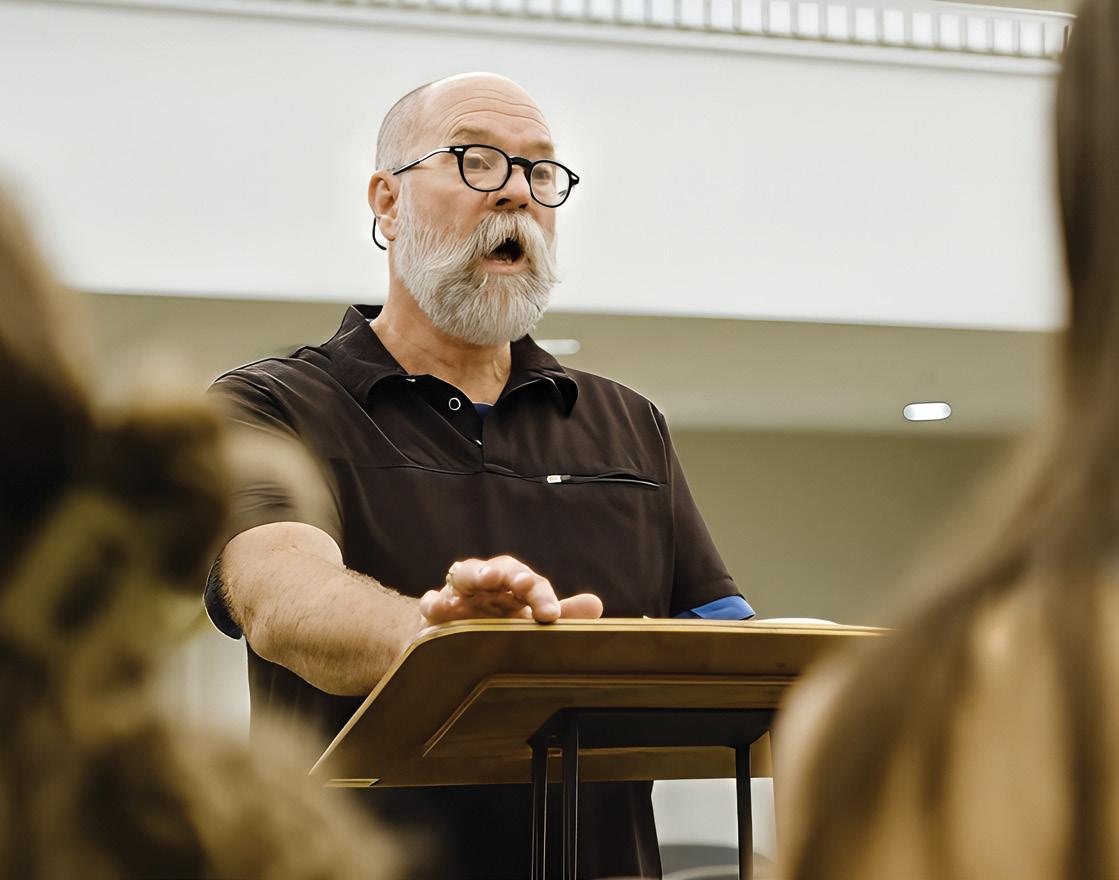

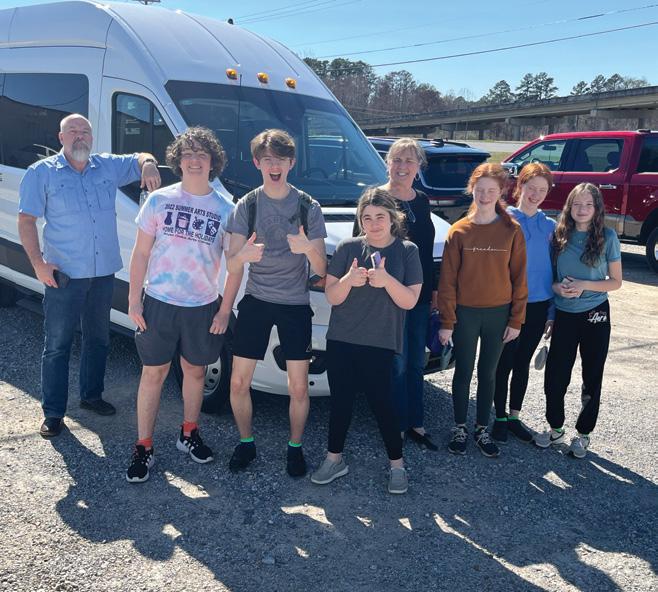
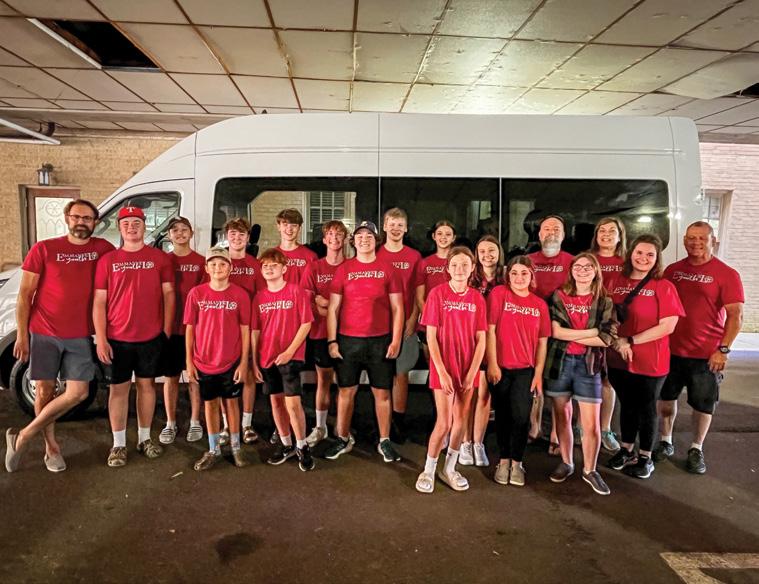
Regina Ervin works alongside her husband Kenneth in youth ministry. After hearing at a young age that women shouldn’t serve in the church, she leaned toward mental health; but her journey came “full circle” when she was called to Emmanuel Baptist.
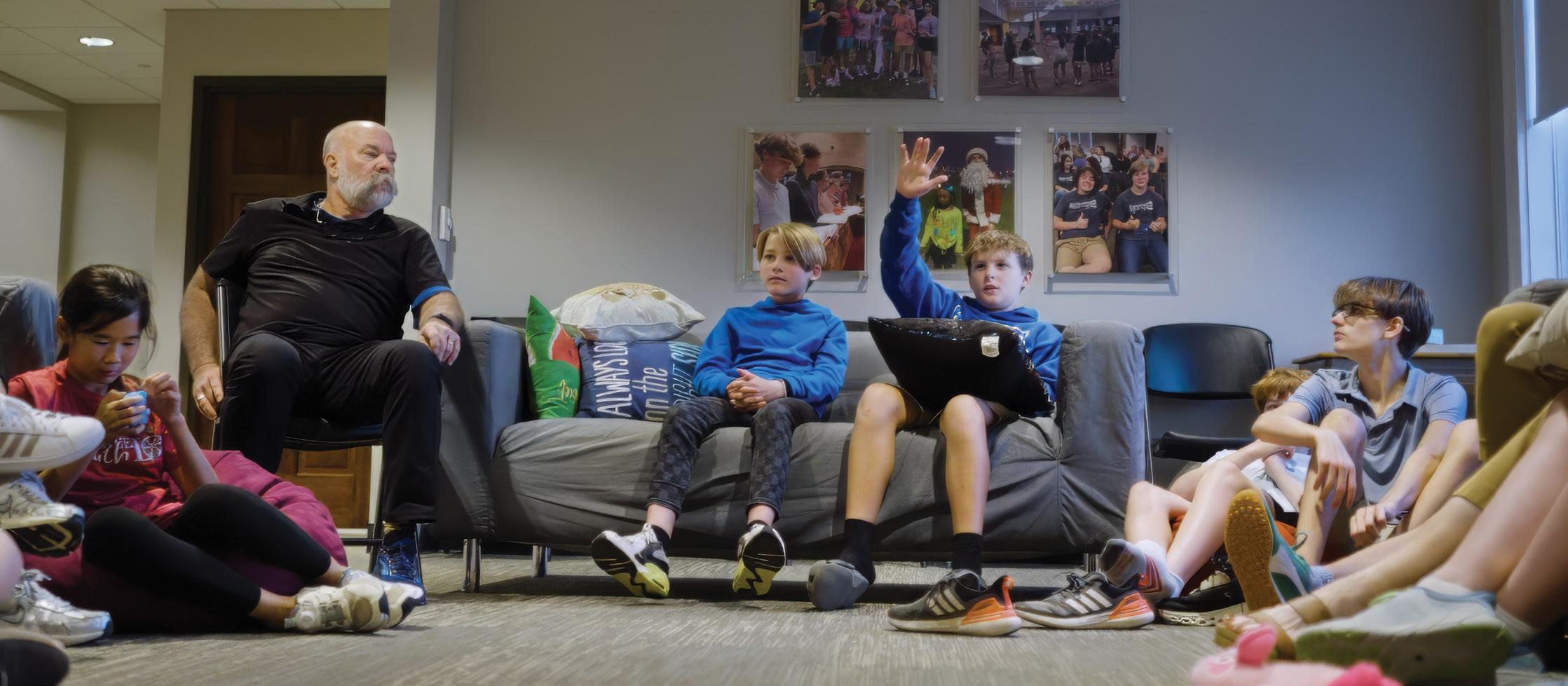
“And I feel a children’s ministry is something so special that I hope more people who are not seminary graduates will think about serving in a children’s ministry role. Our kids are so important. Kids need to know how much God loves them, and they deserve the best.”
Ministry to youth is equally vital, Regina Ervin added.
“This time in your life is so important,” she stressed. “You’re growing so much, and this is where so many of your beliefs—about yourself, about others, the world and God— are developing and being challenged.
“This is where you launch into the adult world, and so that’s why it’s important to me to minister to youth.”
Emmanuel Baptist Church’s experience with the Ervins and Newcomer demonstrates how congregations can find exemplary staff leaders by looking to their laity, stressed
Colin Kroll and Brian Foreman, CBF staff members who developed and promote the Called in Context initiative.
Calling ministers out of their own church context—just as Emmanuel has done— demonstrates staff leaders don’t have to be seminary-trained or full-time to be effective, explained Foreman, CBF’s coordinator of congregational ministries. “By being openminded, intentional and creative, many churches can find staffing solutions sitting in their own pews,” he said.
“Emmanuel shows how Called in Context can help congregations develop and promote staff leadership from among volunteers involved in their ministries,” added Kroll, CBF’s young adults ministry manager.
“Kenneth, Regina and Sally already were ministering in this church. Now, they have even more freedom and agency in their leadership, which makes the congregation even stronger.”
Regina Ervin urged laypeople thinking about filling vacancies in their churches to take a leap.
“If you have the desire or the interest, follow your curiosity,” she said. “There may be opportunities that are less traditional, and they might not even be on anyone’s mind until you bring it up, until you seek that out. If you have the desire, follow that. Just check it out.”
By Kristen Thomason
Manychurch signs display the words “All Are Welcome,” but Second Baptist Church in Liberty, Mo., wanted the special needs adults in their area to feel more than welcome. They wanted their neighbors to feel like they belonged. “We have several marginalized intellectually disabled adults in our congregation. We love that they are a part of our church,” said member Laurie Sutton.
One member has been inviting new friends to worship with her and their community is growing. “We’ve had the opportunity to love on them through service and through celebrating their personal life events with them. We also join them in their daily struggles to create a meaningful and fulfilling life.”
This experience inspired Second Baptist to create Be You and Belong, a program that provides socialization opportunities, life skills and spiritual formation for individuals with special needs. Be You

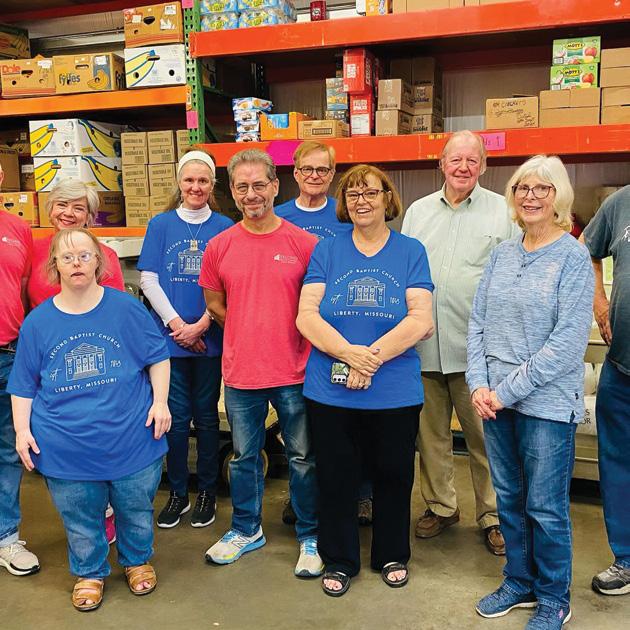
and Belong is based on a model of growth exemplified in the New Testament: mental, physical, social and spiritual. Having partnered with social workers and case workers to improve the lives of church members, the congregation was already aware of some of the needs of this community. Inspired by all they were learning, Second Baptist sought to expand its ministry beyond the walls of the church.
“We want Second Baptist to be a place where they feel they belong. We want to be their church,” said Sutton. “We have several members of our congregation who love to be a part of their lives and want to find more ways to help.”
Cuts in national and state funding for programs that support those with disabilities have reduced the weekly meals and opportunities for socialization once available in Missouri. This means that Second Baptist’s ministry to that community is needed now more than ever. To fund Be You and Belong, the church applied for and received a $5,000 CBF Ministries Council grant.
Sutton says this money will help the program “by creating organized events and activities, both the intellectually disabled adults and other members of our congregation can actively engage with one another through socials, Bible studies, community activities and special events.”
To ensure that events and activities are interesting and to underscore that sense of belonging, members with intellectual disabilities are an important part of the committee that oversees Be You and Belong. The committee is planning field trips, meals, physical fitness activities, dances, discussion groups and Bible studies. Second Baptist is the only organization currently providing such a ministry in its immediate vicinity. However, they hope other churches and community services will join with them in supporting this endeavor. It’s possible that in the future Be You and Belong may become its own nonprofit.
“As this group grows, we want to provide a very intentional place for each person to be who they are and to belong,” Sutton said.
“AS THIS GROUP GROWS, WE WANT TO PROVIDE A VERY INTENTIONAL PLACE FOR EACH PERSON TO BE WHO THEY ARE AND TO BELONG.”
By Kristen Thomason
is hard. It’s even harder in a world saturated with social media and still coping with the after-effects of the pandemic. In these stressful times, many Christian parents find themselves searching for encouragement and wisdom beyond what they can carry on their own. They often turn to pastoral staff not only for spiritual guidance, but also for help navigating the everyday realities of raising children.
“Our parents have all the normal questions about mental health, technology, homework and current events that everyone else does. We also find that our parents have concerns about talking to their kids about faith,” said Kari Bauman, pastor for children and families at College Park Baptist Church in Greensboro, N.C.
While Bauman was able to provide pastoral care to many families who came to her seeking support, she realized others needed help beyond her pastoral capacity. They also needed one another.
To provide College Park parents the resources they need, along with an opportunity to connect, Bauman organized Parent Circles. Six to eight times during the year, the church invites parents to gather on a Saturday morning in the chapel to hear from experts on various topics and ask questions. Featured speakers have included local healthcare providers, faculty from nearby University of North Carolina at Greensboro, therapists, lawyers, elected officials and activists. “We have been seeking out ways to bring parents together so that we do not feel isolated in our parenting and so that the church is a place they feel they can bring their concerns and joys.”
Originally, the Parent Circles were funded by a grant from Columbia University. When the Columbia grant ended, Bauman turned to the Cooperative Baptist Fellowship for financial support. With a $4,900 Ministries Council grant, College Park has been able to maintain and expand the Parent Circles.
“The CBF grant provides us the funding to meet more regularly. Last year, we were only able to meet a few times, but this fall we have
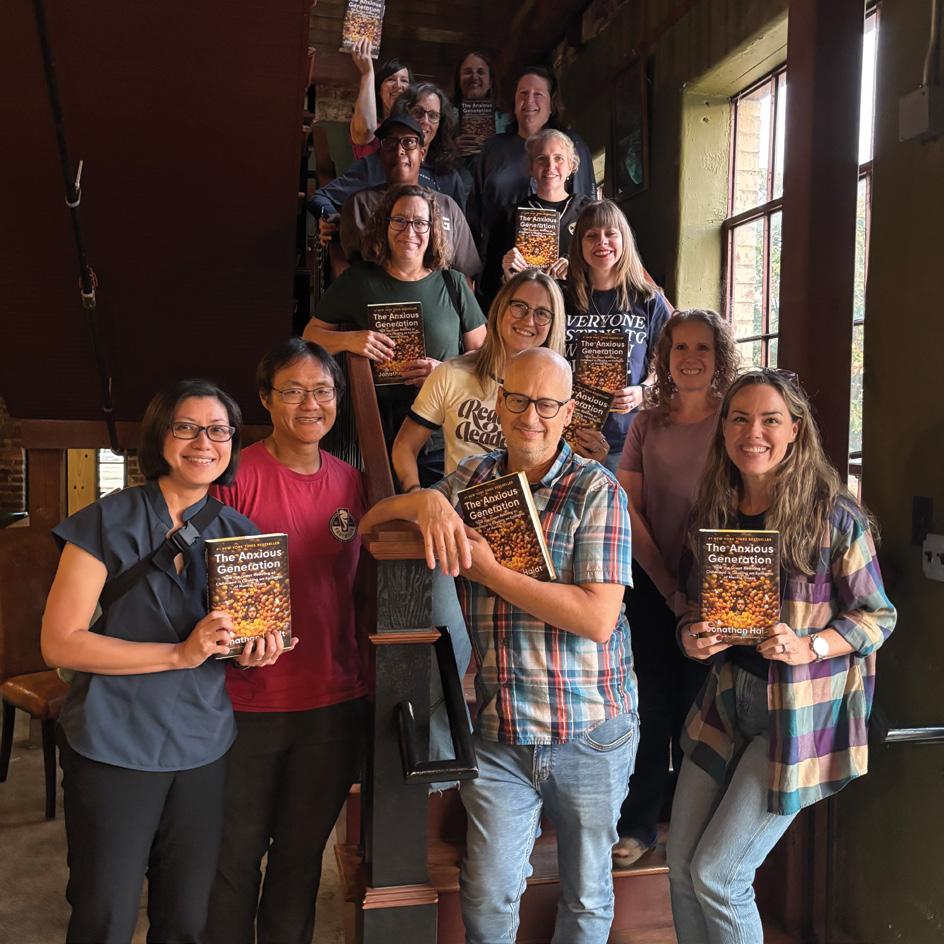
three book discussions, an Advent workshop and a social scheduled. In the spring, we are planning to have more conversations about mental health, neurodivergence and faith. The grant allows us to purchase supplies such as the books, to pay for childcare and food, and to bring in experts.”
Lately, more parents of youth have been attending the Parent Circles. “This is another parenting stage that can be isolating, and having additional funding allows us to expand our offerings to include more topics aimed specifically at teenagers.” Because many of the teenagers who attend youth events have parents who are not members of College Park, the Parent Circles have become a way to connect with families outside the church.
“We have also had parents of adult children share their wisdom with parents of our younger kiddos and have hosted Parent Circle socials just to bring people together,” said Bauman. Bringing experienced parents together with newer parents has strengthened the bonds the families have with the church and with each other.
Bauman believes churches who want to start their own Parent Circles should do so. “Carving out this space for connection has been a great gift to our faith community and has helped people make friends. Helping people connect and share wisdom and questions has helped us all feel less alone.”
By Grayson Hester

of Christ, broken for you, need not be a loaf of bread or even a glutenfree cracker. Sometimes, the most nourishing, the most eucharistic manifestation of communion comes in the form of a tortilla.
Sometimes, Sabbath is merely a good night’s sleep. Sometimes, the holiest grail is not a grail at all, but a grill, aromatic with spices.
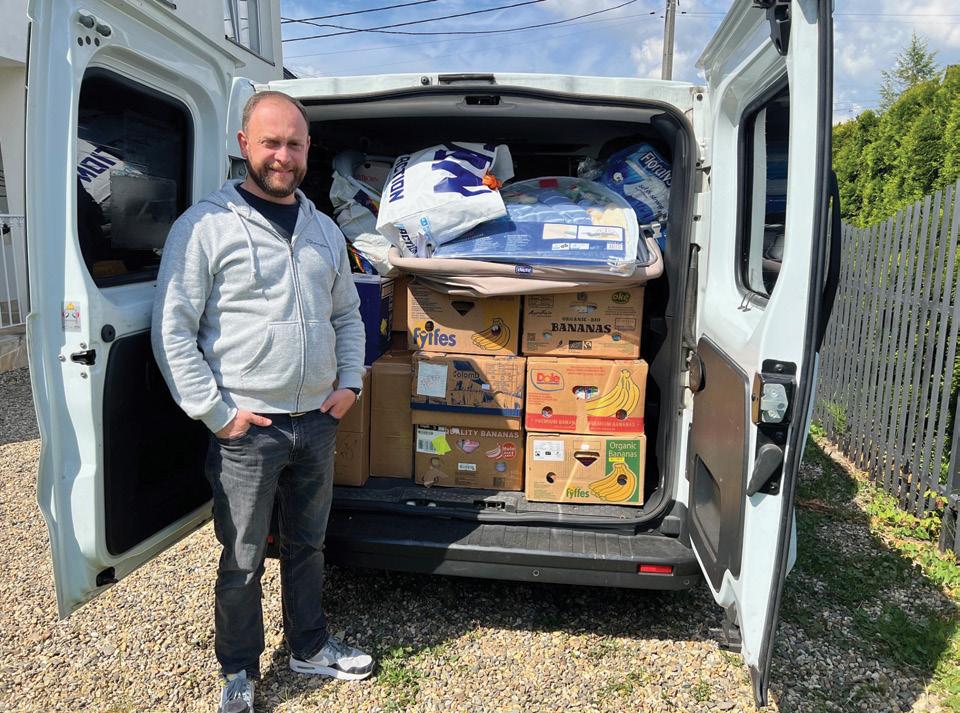
In the shadow of a grinding war, exiled from the country they have been called to serve that became their home, Gennady and Mina Podgaisky break bread, offer this Sabbath and ignite restoration.
This couple, once stationed in Ukraine, now living in Poland, practice the simplest, yet arguably most Christlike, ministry one can.
“It’s the Four Rs: Rest, Recovery, Restoration, Recharge—the ‘Four R Ministry,’” Gennady said.
Ever since Vladimir Putin’s Russia invaded Ukraine in early 2022, it is precisely this ministry—not theological treatise nor evangelical conversion—that has been called for. As the war already lasted three-and-a-half years, with no tangible signs of slowing, the ministry grows ever more indispensable.
It is sacred in its simplicity. The Podgaiskys, called now to neighboring Poland, provide shelter for those either traveling to or traveling from Ukraine. They offer these travelers, escaping or traveling to cold hostility and dangers, a warm bed; among bleak indifference, a listening ear; in the face of privation, abundance.
“Every week, we have Ukrainians staying in our home; when we’re home,” Mina said. “We knew we would have a ministry of hospitality, but we didn’t know it would be such a big and an important part of our ministry in Krakow.”
The theater of politicking and gladhanding, whether in Anchorage or Brussels or D.C., dominates the headlines and commands the most attention. But the real work of wartime compassion occurs not in
meticulously arranged meetings or staged photo ops, but every day in unglamorous confines and by plain people—to those and with the most affected, who have the most at stake in the outcomes.
It includes those awakened by constant air raid sirens, who lose the basic privilege of sleep night after night; who find their theological understanding and capacities for forgiveness blown to rubble; those whose spirits are choked on shrapnel and pain and grit and horror.
It is to these refugees—and to Americans, Europeans and anyone who is coming to help—for whom the Podgaiskys open their doors.
“I don’t let our guests do anything around the house. They’re going to be taken care of. In my home, we will serve you. We both cook for them, take care of them. Often, they sleep 10 hours and say it’s the most comfortable bed ever,” Mina said. “They often say, ‘I didn’t know I could take a siesta that long.’”
Gennady calls it “invisible ministry,” given that its outcomes and successes are largely unquantifiable. But its import—that’s unmistakable.
Once the travelers—be they everyday Ukrainians, pastors, aid workers, what have you—feel adequately rested, it is not uncommon for them to want to process their feelings and talk.
“If people stay several days, we spend many hours talking. One time I counted 16 hours of talking and mostly listening to them,” Gennady said. “Not 45-50 minutes of formal counseling—it’s talking or listening for 16 hours out of the 72 hours they have been in our house. They needed it and we were holding that space for them, and they felt much better.”
Here, the Podgaiskys provide another kind of respite. For their guests’ bodies, they make a bed; for their souls, they make room— room to be angry, to be imprecatory, to be unforgiving.
No judgment is passed in these 16-hour conversations. No sanctimony hovers in the air; absent are petty moralities or
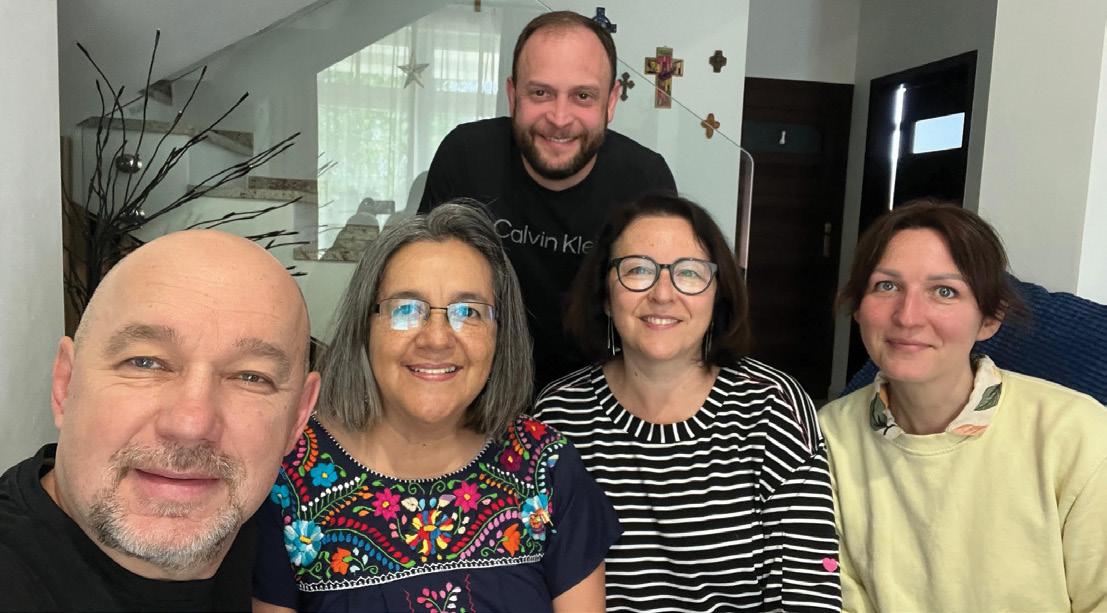
A group of Ukrainian ministers the Podgaiskys met with during their time in Kyiv. They are dear friends and colleagues in ministry. In the back stands pastor Alexandr of Bethany Baptist Church in Bucha, Ukraine with his wife Natalia is in front of him. They have been part of a leadership team for the Village of Hope for the last 10 years. We are supporting their humanitarian work in the area almost from the beginning of the war.
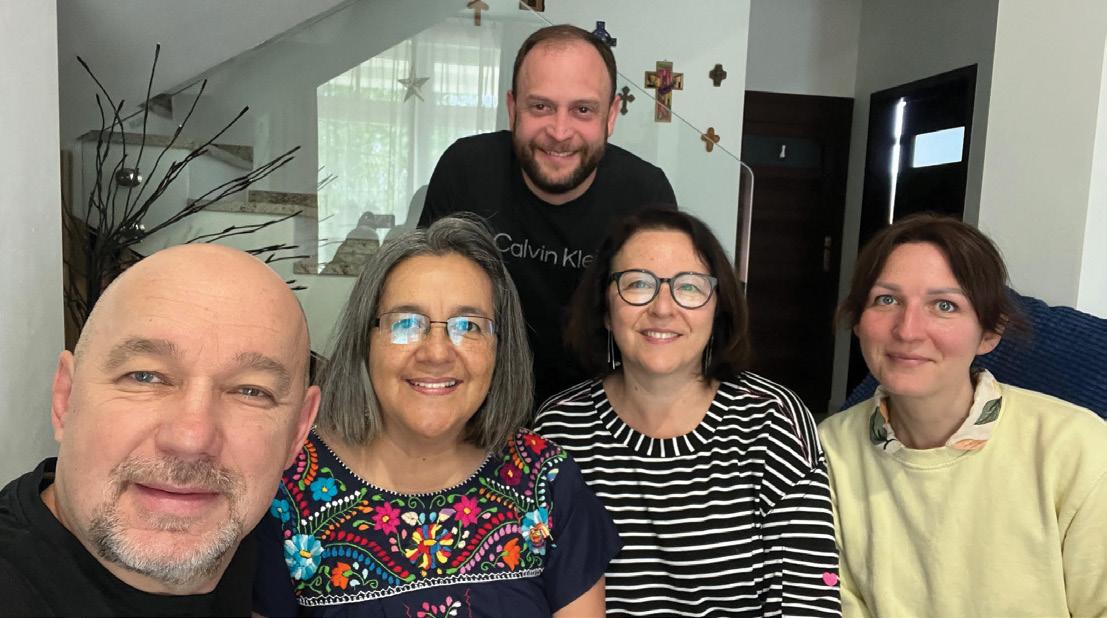
Co-pastor Irina of a church in Kyiv that the Podgaiskys attended when there in the fall of 2023. They have ministered in that church and continue supporting that church and ministry in several ways.

inadequate “shoulds.” Replacing them instead, is bitter honesty— holy, hard and healing.
“We give them theological respite and permission to not forgive right now. We let them speak,” Mina said. “We alleviate their guilt, no guilt at this point. Christ did not force us to forgive. We work to that point.”
Invoking the oft-misappropriated passage in Ecclesiastes 3—“for everything there is a season”—the Podgaiskys privilege presence over preaching, recognizing that a desire to forgive cannot withstand a bombing any more than a hospital or orphanage or apartment building can.
Beneath the shellshocked material reality lies an even more pressing question—that of a God who would allow this to happen in the first place. On the surface burns one’s home; under the scorched earth smolders one’s very faith.
The Podgaiskys dutifully attend to these wounds, as well. “They (and we) pray and pray, but the Lord is not answering as to when the war will stop,” Mina said. “We give them permission to bide time. This is a time for war, not a time for forgiveness—other than praying for it to stop. There is a time for everything. First, you need to be safe and alive—reality is that it’s hard to forgive someone who’s trying to kill and destroy you on a daily basis.”
In manners restful, psychological and theological, the Podgaiskys create that very safety. But of course, the most potent symbol of nourishment—so potent that Jesus Himself chose it—is food. They combine their shared heritages and backgrounds to set a truly overflowing table, florid with color and dizzying in its scents, a sensorial sabbath for those more accustomed to want, with gray, mere sustenance.
“I’m an Indigenous Mexican. We practice apapacho, which means ‘to hug your soul,’” Mina said. “When you come to our home, we apapachamos your soul. We’re going to love on you and care for you.”
Pursuant to her ancestry, Mina commonly prepares breakfast burritos, arròz and other staples, taking great pains to have on-hand corn tortillas in a country where such delicacies are nigh impossible to find. Meanwhile, Gennady, perhaps having been influenced by his time in America, commands the grill with the best of them. For those of us in the States, it’s commonplace as to be mundane. But for those in Eastern Europe, it’s nothing short of a miracle etched in charcoal.
“Many people in America have grills; it’s not the same in Ukraine,” he said. “You wait for the summer, and you picnic somewhere in nature. To haul the charcoal, you have to bring everything on the bus, so ‘grilling’ is very uncommon. Because we have a gas grill in our backyard, people would say ‘Wow! You can cook/grill outside in the winter?!’”
For their esteemed guests, no request is too outlandish, no cut of meat too fanciful.
“It’s like an expensive restaurant,” he said. “Grilled steak, or any kind of meat, grilled vegetables, baked potatoes, grilled fish, are big for them. I use spices they’ve not usually tried. And it’s not uncommon for them to request, ‘Can you do the same type of chicken you did months ago?!’”
Most of their guests stay just one or a few nights. But the care they receive lasts far longer, having been nourished by the everyday extravagances of bed, conversation, food and community. In the same way that the Spirit imbues the mundane elements of bread and wine, transforming them into markers of miracle, so too are these offerings consecrated.
For now, the war shows no signs of stopping. But neither do the Podgaiskys.
“This is how we create beloved community—around the table. There are always people here,” Mina said.

Por Grayson Hester
de Cristo, partido por ti, no tiene por qué ser una barra de pan ni siquiera una galleta sin gluten. A veces, la manifestación más nutritiva y celebrativa de la comunión se presenta en forma de tortilla.
A veces, el descanso del sabbat es simplemente una buena noche de sueño. A veces, la copa de la comunión no es un adornado cáliz, sino una parrilla con suculentos condimentos.
A la sombra de una guerra devastadora, exiliados del país al que fueron llamados a servir y que se convirtió en su hogar, Gennady y Mina Podgaisky parten el pan, ofrecen este descanso del sabbat y prenden la llama de la restauración.
Esta pareja, que antes estaba destinada en Ucrania y ahora vive en Polonia, practica el ministerio más sencillo, pero posiblemente el más cristiano, que se puede ejercer.
«Son las cuatro R: reposo, recuperación, restauración, recarga: el “ministerio de las cuatro R”», dijo Gennady.
Desde que la Rusia de Vladimir Putin invadió Ucrania a principios de 2022, es precisamente este ministerio, y no los tratados teológicos ni la conversión evangélica, el que se ha requerido. Dado que la guerra ya dura tres años y medio, sin signos tangibles de atenuarse, el ministerio se vuelve cada vez más indispensable.
Es sagrado en su simplicidad. Los Podgaisky, llamados ahora a la vecina Polonia, proporcionan refugio a quienes viajan hacia o desde Ucrania. Ofrecen a estos viajeros, que huyen o se dirigen hacia la fría hostilidad y los peligros, una cama cálida; entre la sombría indiferencia, un oído atento; ante la privación, abundancia.
«Cuando estamos en casa, tenemos ucranianos alojados con nosotros», dice Mina. «Sabíamos que tendríamos un ministerio de hospitalidad, pero no sabíamos que sería una parte tan grande e importante de nuestro ministerio en Cracovia».
Mientras el drama de la política y las negociaciones, ya sea en Anchorage, Bruselas o Washington D. C., domina los titulares y acapara la mayor parte de la atención, el verdadero trabajo de la compasión en tiempos de guerra no se lleva a cabo en reuniones
Para los refugiados que pasan por Polonia, Gennady y Mina Podgaisky no solo ofrecen alojamiento y comida, sino también un “servicio invisible”. Este servicio es una acogida discreta que ofrece descanso, recuperación y restauración a quienes han sido afectados por la guerra.
meticulosamente organizadas o en sesiones fotográficas. Sino que a diario, en entornos poco glamurosos y por parte de gente sencilla se vive el servicio a aquellos que están más afectados y que más tienen que perder.
Las escenas incluyen a aquellos que se despiertan con las constantes sirenas de los ataques aéreos, que pierden el privilegio básico de dormir noche tras noche; que ven cómo su comprensión teológica y su capacidad de perdón se hacen añicos; aquellos cuyo espíritu se ahoga entre metralla, dolor, escombros y horror.
Es a estos refugiados y a los estadounidenses, europeos y cualquiera que venga a ayudar a quienes los Podgaisky abren sus puertas.
«No dejo que nuestros huéspedes hagan nada en la casa. Nosotros nos ocupamos de ellos. En mi casa, nosotros les servimos. Ambos cocinamos para ellos y los cuidamos. A menudo, duermen 10 horas y dicen que es la cama más cómoda que han tenido nunca», dice Mina. «A menudo dicen: “No sabía que podía dormir una siesta tan larga”».
Gennady lo llama «ministerio invisible», dado que sus resultados y éxitos son en gran medida incuantificables. Pero su importancia es innegable.
Una vez que los viajeros, ya sean ucranianos comunes y corrientes, pastores, trabajadores humanitarios o lo que sea, se sienten lo suficientemente reposados, no es raro que quieran procesar sus sentimientos y hablar.
«Si la gente se queda varios días, pasamos muchas horas hablando. Una vez conté 16 horas hablando y, sobre todo, escuchándolos», dijo Gennady. «No son 45-50 minutos de consejería, sino 16 horas hablando o escuchando de las 72 horas que han estado en nuestra casa. Lo necesitaban y nosotros les ofrecimos ese espacio, y se sintieron mucho mejor».
Aquí, los Podgaisky ofrecen otro tipo de apoyo. Para el cuerpo de sus huéspedes, preparan una cama; para su alma, les dan espacio, espacio para enfadarse, para maldecir, para no perdonar.
Un grupo de ministros ucranianos con los que los Podgaisky se reunieron durante su estancia en Kiev. Son queridos amigos y colegas en el ministerio. Al fondo, el pastor Alexandr, de la Iglesia Bautista Betania en Bucha, Ucrania, y su esposa Natalia, están al frente. Han formado parte del equipo de liderazgo de la Aldea de la Esperanza durante los últimos 10 años. Apoyamos su labor humanitaria en la zona prácticamente desde el comienzo de la guerra.
Irina, co-pastora de una iglesia en Kiev a la que asistieron los Podgaisky cuando estuvieron allí en el otoño de 2023. Han ministrado en esa iglesia y continúan apoyando esa iglesia y ministerio de varias maneras.

Y en estas conversaciones de 16 horas no se emite ningún juicio. No hay respuestas fáciles santurronas en el aire; no hay moralismos mezquinos ni «deberías» inadecuados. En su lugar, hay una honestidad amarga, santa, dura y sanadora.
«Les damos un descanso teológico y permiso para no perdonar en este momento. Les dejamos hablar», dijo Mina. «Aliviamos su culpa, ninguna culpa en este momento. Cristo no nos obligó a perdonar. Trabajamos para llegar a ese punto».
Invocando el pasaje de Eclesiastés 3, a menudo malinterpretado, «para todo hay un tiempo en la vida», los Podgaisky privilegian la presencia sobre la predicación, reconociendo que el deseo de perdonar no puede resistir un bombardeo más de lo que puede resistirlo un hospital, un orfanato o un edificio de apartamentos.
Bajo la realidad material devastada se esconde una pregunta aún más apremiante: la de un Dios que permite que esto suceda en primer lugar. En la superficie arde el hogar de uno; bajo la tierra quemada arde la propia fe.
Los Podgaisky también atienden diligentemente estas heridas. «Ellos (y nosotros) oramos mucho, pero el Señor no responde cuándo terminará la guerra», dijo Mina. «Les damos permiso para esperar. Este es un momento de guerra, no un momento para el perdón, salvo para orar para que termine. Hay un momento para todo. Primero, hay que estar a salvo y vivo; la realidad es que es difícil perdonar a alguien que intenta matarte y destruirte a diario».
De manera tranquila, psicológica y teológica, los Podgaisky crean esa seguridad. Pero, por supuesto, el símbolo más potente de nutrición, tan potente que el mismo Jesús lo eligió, es la comida. Combinan sus herencias y orígenes compartidos para preparar una mesa verdaderamente completa, llena de color y aromas deliciosos, un sabbat sensorial para aquellos que se han llegado a acostumbrar a la escasez, a la comida más fría y básica.
«Soy indígena mexicana. Practicamos el apapacho, que significa “abrazar tu alma”», dijo Mina. «Cuando vienes a nuestra casa, apapachamos tu alma. Te vamos a amar y cuidar».
Siguiendo la tradición de sus antepasados, Mina suele preparar burritos para el desayuno, arroz y otros alimentos básicos, esforzándose por tener a mano tortillas de maíz en un país donde estas delicias son casi imposibles de encontrar. Por su parte, Gennady, quizá influenciado por su estancia en Estados Unidos, domina la parrilla como nadie. Para los que vivimos en Estados Unidos, es algo tan común que resulta mundano. Pero para los habitantes de Europa del Este, es nada menos que un milagro grabado en carbón.
«Mucha gente en Estados Unidos tiene parrillas; en Ucrania no es lo mismo», dijo. «Esperas al verano y haces un picnic en algún lugar en la naturaleza. Para transportar el carbón, necesitas transportarlo todo en el autobús, por lo que «asar a la parrilla» es muy poco común. Como tenemos una parrilla de gas en nuestro patio trasero, la gente dice: «¡Vaya! ¿Puedes cocinar/asar a la parrilla afuera en invierno»?
Para sus apreciados invitados, ninguna petición es demasiado extravagante, ningún corte de carne demasiado sofisticado.
«Es como un restaurante caro», dijo. «El filete a la parrilla, o cualquier tipo de carne, las verduras a la parrilla, las papas al horno y el pescado a la parrilla son muy importantes para ellos. Utilizo especias que no suelen probar. Y no es raro que me pidan: “¿Puedes hacer el mismo tipo de pollo que hiciste hace meses?”».
La mayoría de sus invitados se quedan solo una o varias noches. Pero el cuidado que reciben dura mucho más tiempo, ya que se nutren de las extravagancias cotidianas como la cama, la conversación, la comida y la comunidad. Del mismo modo que el Espíritu impregna los elementos mundanos del pan y el vino, transformándolos en signos de milagro, también estas ofrendas son consagradas.
Por ahora, la guerra no da señales de detenerse. Pero tampoco los Podgaisky.
«Así es como creamos la amada comunidad: alrededor de la mesa. Y siempre hay gente aquí», dijo Mina.
160 Clairemont Avenue, Suite 300
www.cbf.net
(800) 352-8741
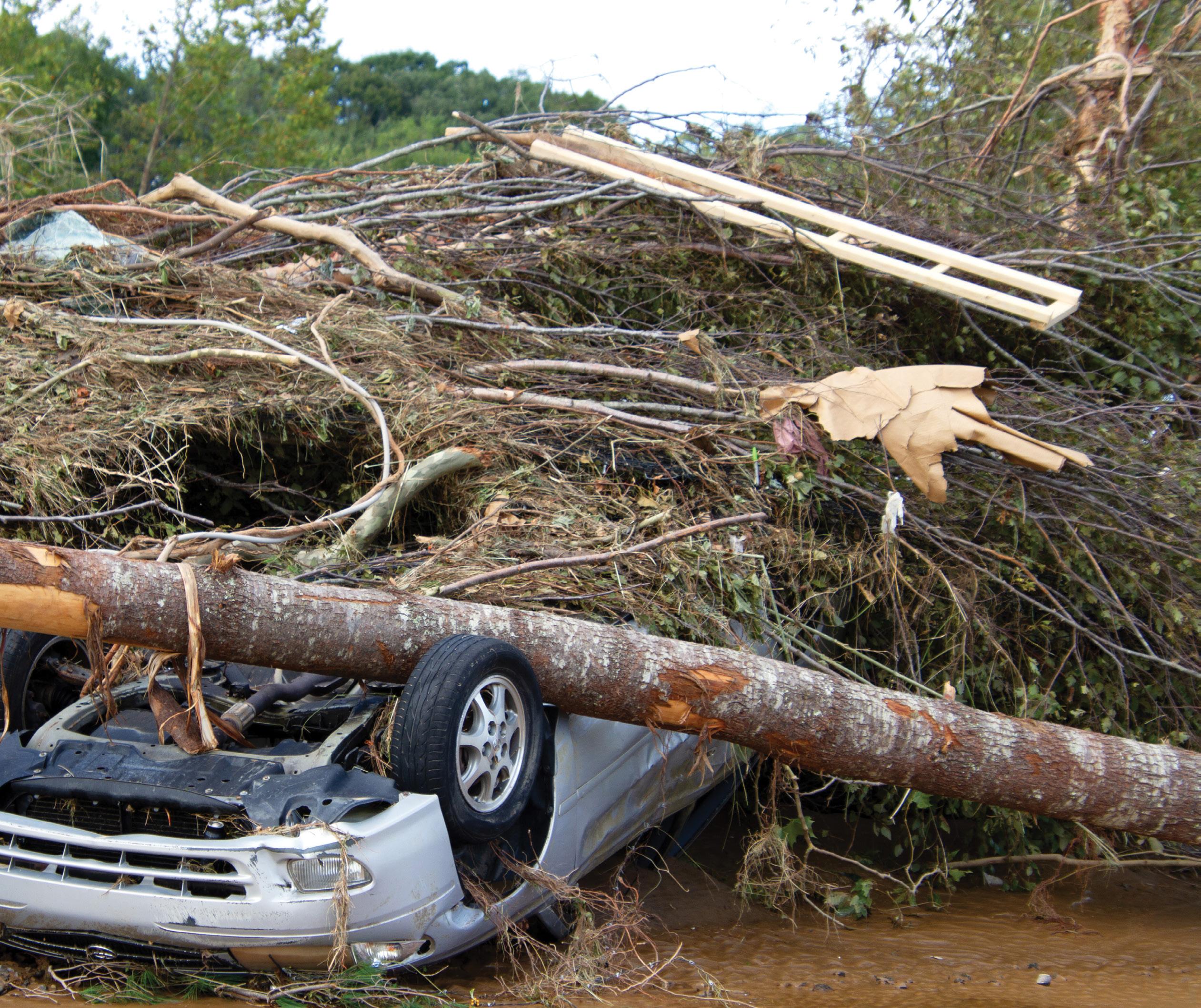
CBF congregations and volunteers are helping communities rebuild after Hurricane Helene (pp. 6-9)—offering safety, shelter and renewed hope to those in need.
You can support work like this, and so much more, without spending a dollar from your bank account.
By donating appreciated stock, contributing cryptocurrency, giving from your IRA (if you’re 70½ or older) or recommending a Donor-Advised Fund grant, you can make a tax-smart gift that powers recovery and supports God’s transformation through a host of CBF ministries.
Just $1,000 in non-cash assets can help provide a week of meals and clothing for families rebuilding after Helene.
Your gifts of non-cash assets can help spread good news, justice and hope through impactful ministries, missions and resources.