August 31 -
September 6, 2023
Mayor Upbeat in His Final ‘State of City’ Interview
Tarter Assesses His Work
Over 4 Teams as Mayor
by Brian Reach Falls Church News-Press
City of Falls Church
Mayor
David Tarter is serving his tenth and final year on The Falls Church City Council, and eighth as mayor. He announced as much early in the year. However the deadline to file having passed in May, his departure is now certain.
On the ballot for the Council this November are Vice Mayor Letty Hardi (the favorite to become the City’s next mayor, should she win reelection and win majority support of the council), and first time candidates Tim Stevens, Justine Underhill and Erin Flynn. Existing council members Marybeth Connelly, Debbie Hinscott, Carolyn Lian, and David Snyder are not up for election this year.
In what is now an annual tradition, Mayor Tarter met with the NewsPress last week for a “state of the city” interview to discuss the issues affecting our community today, and what makes Falls Church such an incredible place to live.
2023 has been a rollercoaster year, in a string of rollercoaster years. Housing costs remain sky-high. The Covid-19 pandemic is “over” — because it’s now endemic. The recession deemed inevitable earlier in the summer seems to have been avoided, with a “soft landing” now predicted. Indeed, inflation seems to have leveled off, but many prices remain at 20-year highs. The costs of housing, food, and gas — though relatively stable when viewed “yearover-year” — are still much higher than they were two years ago.
Continued on Page 3
INSTRUMENT PETTING ZOO
Area Housing Shortage Behind T-Zone Push
by Nicholas F. Benton Falls Church News-Press

“Planning for housing is a central tenet of City Planning, and an adequate supply of housing to meet projected population growth is a necessary component of a sustainable community that meets the social, economic, and environmental needs of current and future generations.” So states the City of Falls Church’s Planning Department in a report describing why it recommended to the City Council passage of a new, revised transitional zone policy that has been the subject of massive heartburn among certain quarters in the City.
After a year of emotionally-
charged hearings and forums, the Planning Departmentrecommended plan, with some revisions, won preliminary approval by a 5-2 vote of the Council (Hardi, Connelly, Schantz-Hiscott, Lian and Duncan voting yes, and Tarter and Snyder opposing) earlier this month, and will come for final adoption next month.
The Planning Department, spearheaded by Planning Director Paul Stoddard, in its report has made it clear that the intense challenges facing the entire region, and nation, to meet an acute housing shortage crisis is what is at issue. Opponents argue that trying to meet this challenge is putting
existing homeowners at a disadvantage.
However, the Planning Department report states that “The City’s latest demographic projections, done pre-Covid in 2019, forecast household numbers to grow from approximately 5,300 in 2020 to approximately 9,300 in 2045 and the first round of post-Covid regional household and population projections prepared by the D.C.area’s Metropolitan Council of Governments’ (COG) continue to forecast population and household growth from approximately 5.7 million people and 2.1 million households in 2020 to 7.0 million people and 2.7 million households in 2045. So,
the need for more housing, and affordable housing in particular, is an issue facing the entire D.C. Metro Area.”
In 2019 the Metropolitan COG unveiled its “75, 125 75, 75” plan to guide future housing growth within the Washington, D.C. region: The report focused on a three-pronged strategy to guide future housing growth in the region. Target 1, “Amount,” calls for the creation of 75,000 new housing units across the region in addition to those already planned. Target 2, “Accessibility,” describes the need for 75 percent of these 130 new, additional units to be
Continued on Page 4
The City of Falls Church’s Independent, Locally-Owned Newspaper of Record, Serving N. Virginia F alls C hur C h , V irginia • www FC np C om • F ree F ounded 1991 • V ol . XXX iii n o . 29
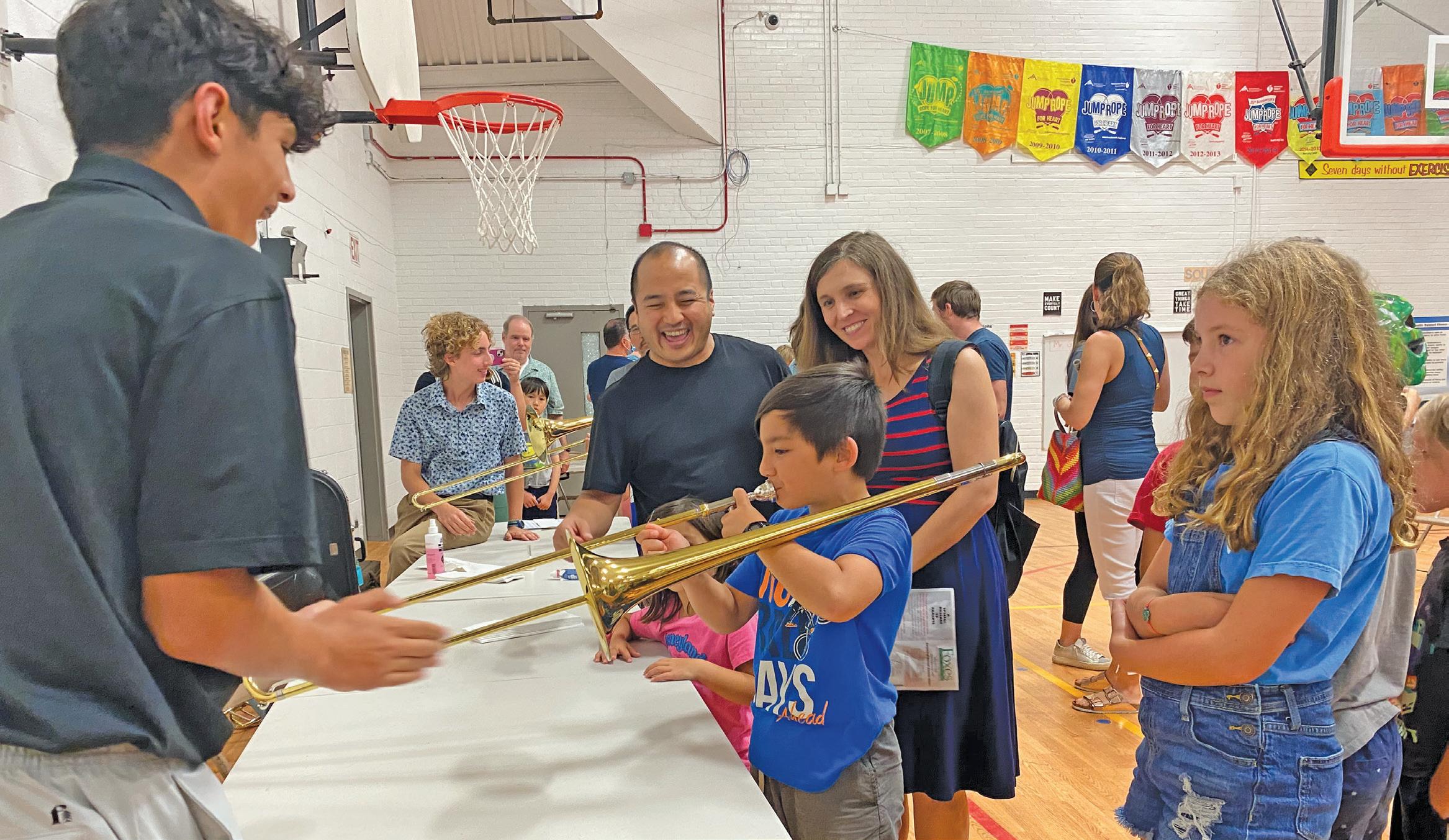
STUDENTS AT HENDERSON Middle School were welcomed to a musical instrument “petting zoo” in hopes of stimulating interest in learning to play this past week. The event was sponsored by the Falls Church schools’ Band Boosters. (Photo: Lisa Miller)
No Agenda Happy Hour
LGBTQ+ Falls Church, a new organization representing gender and sexual minorities (and allies) in The Little City, invites all believers in equality to its inaugural event, co-hosted by NOVA Pride!


Come make friends, and spread the word!
Sunday, Sept. 3 6:00-8:00 p.m.
Clare and Don’s Beach Shack
NEWS BRIEFS
20 Percent of N. Va. Families Can’t Meet Basic Needs: Report

In 2021, one in five families (20 percent) in Northern Virginia did not earn enough money to meet their basic needs for shelter, food, medical care, and other essentials, according to the Community Foundation for Northern Virginia report. An additional nine percent could not cover these basic needs, and pay for childcare. All told, 29 percent of the region’s families were struggling with income inadequacy.
According to the report, to cope with rising costs, families at all income levels are changing their habits. The majority of families are cutting back on discretionary spending. Nearly half of families at all income levels have compromised their financial health, including taking on more debt, and getting behind on bills. More than a quarter were sacrificing a basic need, such as delaying medical care, keeping their homes at an unsafe temperature, or going hungry.
The Community Foundation for Northern Virginia published the report, which includes perspectives from real Northern Virginians collated by InsideNOVA, and Northern Virginia Family Services.

Elizabeth Hughes, the Community Foundation’s Director of Insight Region said, “This report offers unique insights into how Northern Virginians ’get by’ when their income is not enough to cover the basic cost of housing, food, transportation, and medical care. Weaving together multiple data sources and firsthand accounts, we examine how families across income levels cope with income inadequacy and recent inflation by making sacrifices – from small things like reducing streaming services and meals out to the big things like debt, food insecurity, and delayed medical care. This is a report that I hope resonates with everyone in our region.”
Jazz4Justice Show on Labor Day at Mr. Brown’s Park
From 2 to 4 p.m. on Labor Day Monday, a Jazz4Justice event will be held at Mr. Brown’s Park in the 100 block of W. Broad St. in downtown Falls
Church.
The Capital Jazz Band, a 17-piece group,featured on the program at 2 p.m., followed by the Jazz4Justice performers and a jam that all are invited to join. The event will support the Legal Aid Justice Center.
Ceca Foundation Celebrates 10 Years, Lawlor Steps Down
After a decade of “pouring his heart and soul” into Ceca, co-founder Matthew Lawlor of Falls Church has decided to “fully retire” from day-to-day operations, it was announced during a 10th anniversary fete last week
According to Falls Church native Nathan Hamme, who is the organization’s president and executive director, Lawlor will continue on the board of directors of the group which supports nursing and home care personnel. Lawlor “will continue advocating for the foundation as board chair, alongside co-founder and wife Rosemary and the rest of Ceca’s dedicated Board of Directors,” Hamme said.
The Ceca Foundation honored Ryan Turner with the 2023 International Ceca Award in recognition of compassionate care and excellence in nursing. Turner received a commemorative plaque and a cash Ceca Award of $1,000 in a ceremony held at the United Nations Headquarters in New York City, marking the Seventh Annual Celebration of International Nurses Day on May 12.
This was the second year Ceca partnered with Nurses With Global Impact for the award and event. Turner was honored for his exemplary service in both Kenya and Ecuador and, in particular, for the way he engaged both on-the-job and off-the-job with local communities, understanding their diverse cultures, addressing local community needs, and ensuring positive healthcare outcomes. When not providing nursing care, he fully engaged in the local communities, actively volunteering for community projects.
Follow Us Online



FALLS CHURCH NEWS-PRESS | FCNP.COM PAGE 2 | AUGUST 31 - SEPTEMBER 6, 2023
LOCAL
A
hot bowl of pho at Eden Center. Voted best shopping center in the DMV!
Tarter Offers Final ‘State of City’ Interview to News-Press
The median household incomes of F.C. and Loudoun County are now the two highest in the nation (within $100 of one another, and over $17,000 higher than the third). January 6 rioters are going to prison, and a former President is facing 91 felony charges (and counting).
After two years in a pandemic (that felt like twenty), and four years with a President Trump (that felt like forty), most of us are still getting reacclimated to a world where handshakes, hugs, and perhaps the occasional “five second rule” exist.

No matter how much we may want to move on, we still haven’t found our “new normal” — at least not yet.
2023 has already seen Falls Church play an outsized role (as usual) in local politics. Despite representing under eight percent of district voters, F.C. delivered 43.75 percent of the margin of victory for Saddam Salim, in a Democratic Primary where he was outspent nearly six-to-one,

by “incumbent” Sen. Chap Petersen (D-Fairfax). Salim is the Democratic nominee to represent The Little City in the Virginia Senate, which he is all but certain to win when voters cast their ballots on November 7.
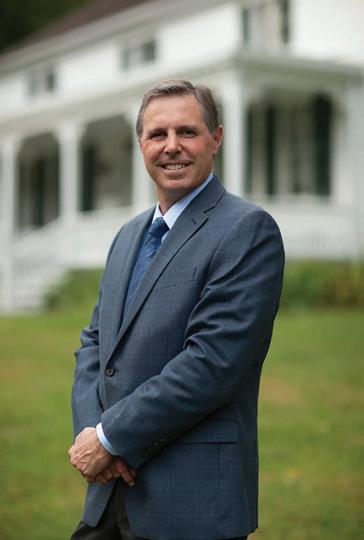
After ten years on the council, and eight as Mayor, David Tarter is a person uniquely qualified to provide insights on what the future has in store for our beloved little city. Below is the text of last week’s interview with Mayor Tarter.
Q: The City of Falls Church has a unique sense of community for our region. Why do you think that is? How do we preserve that?

A: Falls Church has a wonderful small town feel and a great sense of community that is hard to come by these days.
Our “secret sauce” has a number of ingredients. First and foremost is the way we work together as a community. Throughout my time in office, I have found our discourse to be courteous, civil and tolerant of opposing opinions. Our citizens are welcoming, informed,
engaged, and willing to share their knowledge and passion for the betterment of the broader community. Our small size lets folks really get to know and care about each other and our schools bring families together with shared purpose. We can preserve this special place by continuing to be decent, caring, and understanding of others.
Q: Home prices have surged to the extent that many existing residents likely wouldn’t have been able to move here. How do we balance the need for more affordable housing with the need for increasing equity to incentivize owning in the first place?
A: Rising home prices present a real challenge. They indicate that the City is a desirable place where people want to live and raise families but have priced many out of our housing market.
The City remains committed to providing meaningful affordable housing options to address this challenge. Through its Amazon Reach
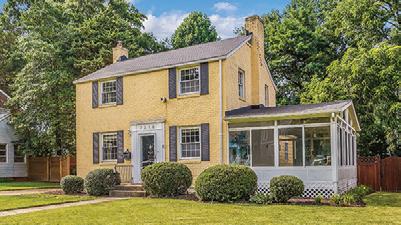
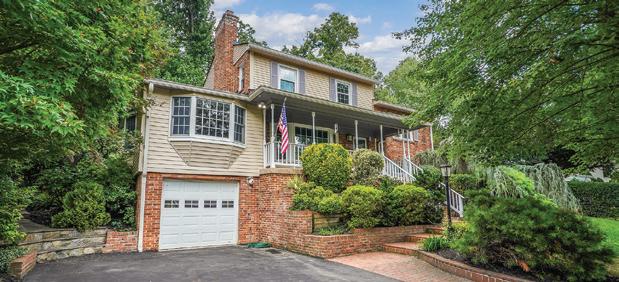
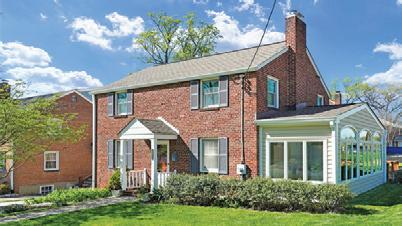
grants, Falls Church has started an innovative program that allows folks to build equity through affordable housing ownership. The City and its non-profit partner purchase and renovate homes, place ADU covenants on them, and then resell them to people who live or work in the City. The program just launched this spring, and already three homes have been purchased, and two are under contract to be resold to City residents. The goal is to have 18 new affordable homeowners in the coming year.
The City also continues its partnership with Wesley Housing to buy and relet quadplexes in Virginia Village. So far, five have been purchased with more units on the way as they become available, with the longterm goal of redeveloping the assemblage as new affordable housing.

Falls Church continues to obtain new affordable housing units with each new special exception project, with more than a hundred added in the past several years alone.
Q: The City has also provided funds for shorter term housing through a grant to Welcoming Falls Church for the support for refugees from Afghanistan and elsewhere.With T-Zone and development discussions often becoming heated, what do you think are the most important things residents should look for as they develop opinions on proposals?
Continued on Page 13
LOCAL FALLS CHURCH NEWS-PRESS | FCNP.COM AUGUST 31 - SEPTEMBER 6, 2023 | PAGE 3
Continued from Page 1
MAYOR DAVID TARTER.
SOLD! OPEN HOUSE SEPTEMBER 2ND AND 3RD, 2-4PM Realtor, NVAR Platinum Producer 703-298-9495 alisonmiller@kw.com AMatKW.com 105 W. Broad Street Falls Church, VA 22046 Each O ce is Independently Owned and Operated Thanks for your confidence and your business. 7734 Virginia Lane • $1,049,000 7218 Timber Lane, Falls Church $921,000 - over asking! SOLD Representing Sellers UNDER CONTRACT! 600 Knollwood Street, Falls Church 16,579 sq ft lot for buyers to build the home of their dreams! Representing Buyers Marshall High School FABULOUS AND WITH *ALL* THE FEATURES! This house has been lovingly cultivated, curated, improved and maximized and is now ready for its next owners. Representing Sellers Finalist
F.C.’s Housing Vision Calls for Creation of ‘Diverse Housing Stock’
Continued from Page 1
within Activity Centers, with proximity to employment opportunities or access to high-capacity transit.
Falls Church is identified as an Activity Center, which COG defines as “the locations that will accommodate the majority of the region’s future growth and play a central role in achieving the Region Forward Vision’s prosperity, sustainability, accessibility, and livability goals.
According to the Planning Department report, “The City of Falls Church’s housing vision statement calls for the creation and maintenance of a diverse housing stock to support an inclusive and welcoming community. Diversity in housing is needed not just in unit mix, but in household income, household size, generations and needs.
“It also notes that household composition reflects the available housing stock. To house a complete
community and respond to regional demographic trends, the City will need to take action to incentivize homebuilders to provide a range of housing, from small apartments and condos to small single family homes, quads, and townhouses.”
Listed strategies for implementing a housing policy that accommodate this are: 1. Incentivize the maintenance and provision of more workforce, moderate-, and low income housing. 2. Increase entrylevel homeownership opportunities.
3. Support aging in place. 4. Revise development regulations to allow a wider variety of housing types. 5. Create policies that encourage the preservation of existing housing stock and tree canopy. 6. Provide housing for people with disabilities.
7. Promote fair access to housing. 8. Monitor regional and local housing markets to identify pressures and opportunities. Partner with neighboring jurisdictions, non-profits,

faith groups, and regional agencies to bring more affordable housing to the City.
The F.C. Planning Department studied programs in other areas, including one in Santa Barbara, Calif. called “The Average Unit-Size Density (AUD) Incentive Program,” It was adopted in 2013 as a trial program to facilitate the construction of smaller housing units by allowing increased density that could not be achieved through existing development standards.
The AUD Program includes additional development incentives, such as reductions to parking, setbacks, and open yard, to increase the city’s workforce housing stock and address Santa Barbara’s housing shortage. Since its launch, the program has developed over 400 new residential units. The AUD Program allows for increased dwellings-per-acre density with corresponding maximum average unit sizes.
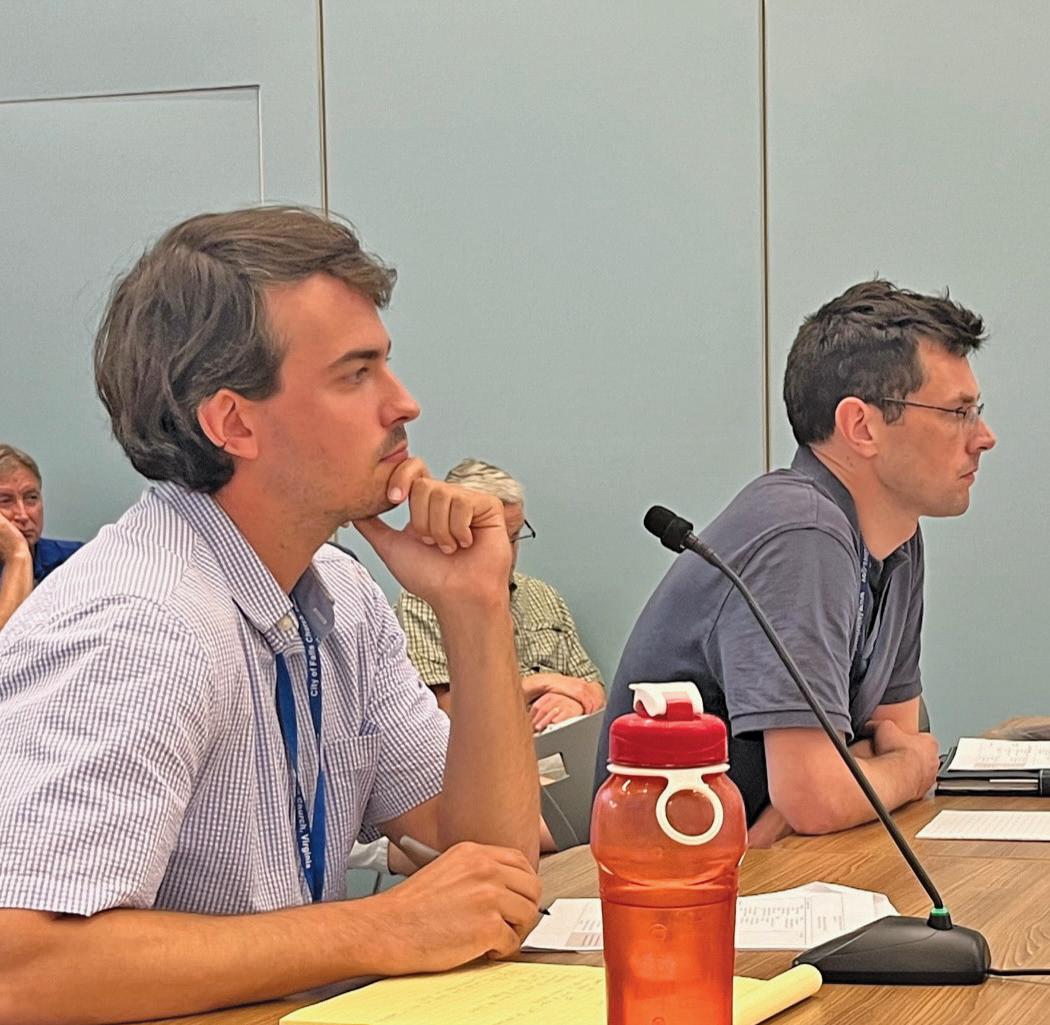
PAUL STODDARD (RIGHT), Director of Planning for the City of Falls Church, is the principal author of his department’s recommendation in favor of adoption of revisions to the City’s transitional zones ordinance, He’s shown here at a Council work session with planner Jack Trainor (left). (News-Press
LOCAL FALLS CHURCH NEWS-PRESS | FCNP.COM PAGE 4 | AUGUST 31 - SEPTEMBER 6, 2023
Visit Us at FCNP.Com
Photo)
The World Into Which Gay Prince Eddy Was Born
(Part 5)
It is virtually impossible to find words or images that capture anything like the true magnitude of the utter devastation caused by the Great War, not only in terms of over 20 million human lives lost between 1914 and 1918, but of the horrific dismantling and destruction of networks of creative human civilizing efforts that had taken painstaking centuries to assemble.
True it was that the dizzying progress that was accelerating during the last part of the 19th century and up to 1914 seemed to some like it was inevitably driving to some horrible date with destiny. But it is easy for us, over a century later, to suggest this as hindsight. Days began and days ended, one after another, for the people of that time as now.
Inevitable clashes of that century, such as the American Civil War, did not alter the overriding, explosive press of invention and capital on a progress that brought a transcontinental railroad, a Suez and a Panama canal, a cable laid across an ocean, a Beethoven, a Curie, a Titanic, a flying machine, a horseless carriage, a lightbulb, a radio wave, a liberation of entire peoples from slavery, art nouveau, indoor plumbing, penicillin and countless subordinate and collateral achievements all fomented at first by the Great Enlightenment, the opening salvo triumphs at last of the potentials of the human mind over superstition, in the century before.
Not the least among all these were the dialogues on democracy versus tyranny amid the millennium’s most important development, the American revolution the subsequent establishment of a constitutional democracy, and an ongoing vision derived from it for institutions to lift all humankind out of the squalor, lack and suppression caused by unequal applications of this fabulous new weal. It was inevitable that for the first time, a broad-based population, gaining from the merits of democracy, including property ownership, public education and wide dissemination of the printed word,
would see its potential beyond the limits on its forebears, either by the strictures that suffocated creative potential or by the exercise of brute male force, sanctioned by society without question, that kept subservient women, children, slaves and workers in their places.
The cultural straightjacket that such institutions and practices represented for a vast majority of the world’s peoples were countered by the earliest sympathies for the equality of the races and the sexes, alive and thriving at the time of the American revolution and inclusive of a strong urge to untie the sanctioned limits to human passions, as well, in ways routinely punishable by death for millennia before that point. Likewise, compassion and empathy began to be set free in the context of human ideals and passions, too. and the studies of ancient Greek cultures revealed art that stoked those passions and began to give rise to a new permission.
This was the world into which, in 1862, as Americans were fiercely engaged in their devastating Civil War and one of their most provocative and eloquent prophets, Walt Whitman, was emerging onto this landscape, that an heir to the throne of England, Prince Alfred Victor, Duke of Clarence, nicknamed Eddy, was born as a veritably perfect future king for this emerging reality.
One could say that his birth, in harmony with this emerging new age, was a natural evolutionary step in the progression of mankind, as one born to side with the compassionate against the cruel that had characterized the old order, including his boorish famously hedonistic father and as it rubbed off on his clueless younger brother.
Records show that the then Queen of England, Victoria, was willing to go along with the compassionate and gentle route for her eldest grandson and future king, in the context of the evident expressions of these things that he represented. He was kind, he was genial, he was not in the least a bully or dominant type. Victoria wanted the Oxford graduate Edward Carpenter to be Eddy’s personal mentor, but the latter was about to break out to become the modern world’s first openly-gay advocate, and so he turned the job down. It instead went to Carpenter’s closest friend.
(To be continued. All rights reserved).
Our Man in Arlington
By Charlie Clark
Opponents of the newly enacted rezoning to encourage “Missing Middle” housing may have removed their angry yard signs. But many remain active as critics, legal strategists and trackers of the county’s posted building permits.
As of Aug. 25, 22 projects have been submitted, with four approved and 18 under review (some in re-review) — roughly equal between south and north Arlington. They include proposals for two duplexes, three semidetached units, six townhouse projects (three units each), and the rest multifamily (up to six units).
Arlingtonians for Our Sustainable Future urges followers to ask the county board “for neighborhood involvement in the reporting; push for analysis on the demographic, fiscal and environmental impacts; and tell the board that sunsets must be made conditional on key benchmarks.”
Harsher rhetoric comes from unsuccessful county board candidate Natalie Roy, who regularly updates her “EHO Watch” newsletter, recycling arguments that Missing Middle is a “gift to developers” and a “rebranding” as Expanded Housing Options. Her takeaways: that owners are selling for less than their homes appear to be worth; developers are not building affordable “missing middle” but are making a lot of money; that parking will be a problem; and teardowns will be accelerated.
In the legal arena, the lawsuit
filed in April by ten homeowners claiming damages from the policy will be heard in Arlington Circuit Court Sept. 19. Neighbors in the Donaldson Run neighborhood surrounding the now-demolished Broyhill mansion have been mulling a lawsuit to prevent subdividing that lot for multi-family units by invoking a 1940s neighborhood covenant.
(County spokeswoman Bryna Hefner told me the county was aware of the existence of covenants. But since it “has no legal role in the regulation or enforcement of private covenants, we cannot comment further on how private individuals might” use them.)
Lawyers have gotten their feet wet in a dispute over redividing residential property in the Alcova Heights neighborhood at the 4000 block of S. 7th St.
Classic Cottages has applied, in two stages, to subdivide two lots for planned multi-family structures that neighbors worry, as Kelly Reed told me, might not be “compatible with surrounding properties, particularly given that the two lots are currently part of a forested corridor abutting Alcova Heights Park and Doctor’s Run.”
Classic Cottages did not respond to inquiries, but the builder did submit a revised proposal Aug. 17 after a group of 11 neighbors, using the Freedom of Information Act, obtained the planning plats. They sent a technical letter to county manager Mark Schwartz and board members seeking rejection of the permit. After some confusion on whether
the plan was for single-family or multi-family, the group criticized the builder for applying for “two abutting EHO permits and a lot line adjustment to reconfigure the two properties that do not comply with the minimum requirements of an EHO development.”
One disgruntled neighbor is retired architect Jamshid Kooros. He says the problem in the shift to multifamily “is not in the ideal” of creating attainable mid-range housing, to which he is sympathetic, “but in the implementation.” According to the early site plan, the structure could “look like an Army barracks,” he said. The county’s policy was passed “with no subtlety, with no consideration of the proximity to other homes and the fabric of the neighborhood. If it were attractive, that would go a long way toward assuaging the neighbors.” ***
Food lovers mourn the passing of restaurateur Vincenzo Farruggio, longtime proprietor of Joe’s Place Pizza and Pasta (now recast as A Modo Mio on the old Gifford’s Ice Cream site near the Lee-Harrison Shopping Center).
The 72-year-old, who succumbed to cancer on Aug. 19, came to the United States from his native Castrofilippo in Sicily, where he sold fruit as a 12-year old. The family settled in Brooklyn. In 1978 he and brothers Giuseppe and Calogero moved to Virginia to start a Joe’s pizza in Woodbridge. They expanded to five locations, Arlington’s being the second. A steady sponsor of youth sports teams, Farruggio retired in 2007.
COMMENT AUGUST 31 - SEPTEMBER 6, 2023 | PAGE 5 FALLS CHURCH NEWS-PRESS | FCNP.COM
FALLS
Nicholas F. Benton
CHURCH NEWS-PRESS
PAGE 6 | AUGUST 31 - SEPTEMBER 6, 2023
(Published by Benton Communications, Inc.)
Founded in 1991
Vol. XXXIII, No. 29 August 31 - September 6, 2023
• City of Falls Church ‘Business of the Year’ 1991 & 2001 •
• Certified by the Commonwealth of Virginia to Publish Official Legal Notices • • Member, Virginia Press Association •
Nicholas F. Benton Owner & Editor-In-Chief nfbenton@fcnp.com
Nick Gatz Managing Editor ngatz@fcnp.com
Sue Johnson Advertising Sales sjohnson@fcnp.com
Kylee Toland News Reporter ktoland@fcnp.com
Brian Reach News Reporter Breach@fcnp.com
Charlie Clark Columnist
Ted White Copy Editor
Julio Idrobo Circulation Manager delivery@fcnp.com
To Contact the News-Press
phone: 703-532-3267 fax: 703-342-0347 email: fcnp@fcnp.com display advertising sjohnson@fcnp.com 703-587-1282 classified & Legal ads classads@fcnp.com letters to the editor letters@fcnp.com
News & Notes newsandnotes@fcnp.com Obituaries obits@fcnp.com

subscriptions distribution & delivery delivery@fcnp.com
www.fcnp.com
CTE Prevalent in Youth Football, Study Finds
(Reprinted from CNN News)
A new study from Boston University’s CTE Center has discovered more than 60 cases of chronic traumatic encephalopathy, known as CTE, in athletes who were under the age of 30 at the time of their death. This is the largest study to look at the neurodegenerative disease in young people.
Researchers found about 40 percent of the brains studied had developed some of the earliest signs of the disease, which is associated with repeated head trauma. The study also includes what researchers believe to be the first case of an American female athlete diagnosed with the disease.
The report, published in JAMANeurology on Monday, describes the features of 152 brains donated between February 1, 2008, and September 31, 2022, to the UNITE brain bank — the largest tissue repository in the world focused on traumatic brain injury and CTE. Sixty-three out of the 152 donated brains (41 percent) had autopsy-confirmed CTE.
The disease can only be formally diagnosed with an autopsy and has been associated with memory loss, confusion, impulse control problems, aggression, depression, impaired judgment and suicidal behavior.
Unlike past studies, which looked at CTE primarily among professional American football players, the majority of the athletes diagnosed in this study were amateur athletes who played at the youth, high school, and college levels.
“This study clearly shows that the pathology of CTE starts early,” said Dr. Ann McKee, coauthor of the study and director of the Boston University CTE Center. “The fact that over 40 percent of young contact and collision sport athletes in the UNITE brain bank have CTE is remarkable,” adding that community brain bank studies show that fewer than 1 percent of the general population has CTE.
McKee also notes that all the brains included in the study were donated for a reason. “[The study] is not a general population study. It’s not a prevalence study,” she said. “We get brain donors who are very symptomatic, and that’s why the family pursues brain donation.”
CTE is an Alzheimer’s-like disease that has been most commonly associated with former professional football players, but has also been detected in military veterans, including many who have been exposed to roadside bombs and other types of military blasts. Previous studies have shown that repetitive hits to the head — even without concussion — can result in CTE.
Most of the donors analyzed in this recent study played football (60 percent), followed by soccer (15 percent) and ice hockey (10 percent). Other sports included in the study that resulted in CTE diagnosis are amateur wrestling, rugby and professional wrestling.
The donors’ ages at the time of death ranged from 13 to 29 years old. The youngest person diagnosed with CTE in the study was a 17-year-old high school football player, McKee told CNN.
Brain donors who died before they reached 30 were selected to minimize any contribution from age-related conditions, the study authors said.
Platform
1. Keep the news clean and fair.
2. Play no favorites, never mix business and editorial policy.
3. Do not let the news columns reflect editorial content.
4. Publish the news that is public property without fear or favor of friend or foe.
5. Accept no charity and ask no favors.
6. Give ‘value received’ for every dollar you take in.
7. Make the paper show a profit if you can, but above all keep it clean, fearless and fair.
L etters to E ditor
FCCEA Excited for 2023-24 School Year Development Impacting Schools
Editor,
The Falls Church City Education Association (FCCEA), the union representing educators in Falls Church City Public Schools, is excited for the 2023-2024 school year to begin! As the City and schools begin the 75th Anniversary celebrations, FCCEA members are also celebrating the 75th anniversary of our local charter.
Today’s educators in Falls Church — teachers, food service workers, administrators, paraprofessionals, librarians, custodians, counselors, technology staff, maintenance workers, bus drivers, administrative assistants, health aides, and day care staff — stand on the shoulders of generations before us.
FCCEA members helped to establish FCCPS as an independent school system in 1949. Members also helped to integrate the schools and to establish the first PK-12 International Baccalaureate system in Virginia. We have educated and loved generations of students over the years — sponsoring sports teams and clubs, opening new buildings, transporting students safely, and serving the community through the pandemic. Now, we look forward to FCCEA and the School Board creating the first bargaining contract in decades that will guarantee rights to both Certified (teachers and specialists) and all Non-Certified (support staff) school employees in Virginia. None of this would have been possible without the support of the Falls Church community, who have always shown how much they appreciate FCCPS staff.
FCCEA is committed to making certain that the collective bargaining process results in a stronger school system. Staff participation in decision-making is a hallmark of Falls Church City Schools, but it has never been guaranteed. Formalizing this partnership between staff and the Board will allow FCCEA and FCCPS to continue to be a model for the rest of the Commonwealth.
We are grateful for all of the enthusiasm from the Falls Church School Board and Falls Church Community.
Pam Mahony, Jeff Buck, Amanda Ronco FCCEA
Editor,
Last week the News-Press reported higher than expected enrollment in our schools, a significant jump considering the size of the system. In Tuesday’s School Board work session “Dr. Noonan emphasized the importance of understanding where these additional students are coming from.” School Board Chair Laura Downs specifically inquired whether the Founders Row development could be responsible for the increase. May I respectfully request that, given changes in the housing market, any investigations also revisit the projected impact of the 2000+ residential units coming online in the next few years? Also note that the City Council is likely to pass legislation this September allowing by-right development of up to 34-40 units per acre in transition zones. What fiscal modeling has the City completed in connection with this proposal, and how will this rezoning further impact our schools?
In the past, Vice Mayor Hardi and some Council members have assured the public that we can handle this rapid development, as the schools are built for growth. The current news makes me question the metrics that have made some City Council members so confident. While the recently completed high school seems roomy; our daughter’s classroom looks full. Council’s projections missed the mark in the past, at Pearson Square and Whittier Circle, for example, with school enrollment coming in much higher than expected. Apart from physical space, more students means higher costs for the City and necessitates advanced planning to ensure we have the staff and resources to meet student enrollment. As the Superintendent and School Board’s reaction last week made clear, seventyfive unexpected students is a big deal.
The News-Press celebrates the City’s “thoughtful and smart urban planning.” But it may be time to dig deeper and revisit whether the City’s assumption that ongoing mixeduse development will not strain our schools continues to hold true. Let’s make sure we have the infrastructure, finances, and workforce to support so many new residents. Welcoming new neighbors and growing the City’s tax base should not come at the expense of school children.
Lauren Thomas Falls Church
E ditorial EDITORIAL FALLS CHURCH NEWS-PRESS | FCNP.COM
Falls Church News-Press is published weekly on Thursdays and is distributed free of charge throughout the City of Falls Church and the Greater Falls Church area. Offices are at 105 N. Virginia Ave.., #310, Falls Church, VA 22046. Reproduction of this publication in whole or part is prohibited except with the written permission of the publisher. ©2022Benton Communications Inc. The News-Press is printed on recycled paper.
The
A Penny for Your Thoughts News of Greater Falls Church
 By Supervisor Penny Gross


No one expected Donald Trump’s mug shot to be a welllit and air-brushed eight-by-ten glossy, but his snarling visage imposed on the Fulton County Sheriff’s logo did a good job of highlighting, in one split-second photo, his oft-demonstrated disdain for governmental institutions. I wondered how long he had practiced that grimace in front of a mirror, and then I remembered his “American Carnage” inaugural address in 2017. Not much difference, except the West Front of the Capitol was replaced by the sheriff’s imprint as a backdrop.
The photo instantly attained iconic status around the world, and quickly became the basis for more campaign fundraising by the indicted former president. No shame, just more democracybashing, lies, and victimization –his own. There’s sure to be more as the courts in Washington, D.C., New York, Florida, and Georgia jockey for first dibs at putting Mr. Trump on trial for the 91 charges against him. It promises to be a long couple of years.
While all of that is swirling around, local life goes on. School is back in session, generating a lot of traffic in neighborhoods during morning drop-off and afternoon pick-up. Speed

cameras are installed at a few schools across the county, including Sleepy Hollow Elementary in Mason District, but the speed limit for every school zone is 25 mph when the Wink-O-Matic lights are flashing. In the City of Alexandria, I’ve seen signs for 15 mph in some school zones. In any case, driving near schools requires extra care and attention, and plenty of patience. Let’s make sure that everyone gets to their destination safely, every day.
The start of the school year also calls attention to the cost of educating a student, and the need for the Commonwealth of Virginia to step up and provide more funds for K-12 education to all school divisions in the state. A recent Joint Legislative Audit and Review Commission (JLARC) report confirmed what local governments already know – the State Standards of Quality (SOQ) formula underfunds local school division spending, underestimates compensation costs, and does not adequately address higher needs students. In Northern Virginia, local governments provide a greater percentage of funding than the state or federal governments, but about twothirds of school divisions rely on the Commonwealth for most of their education funding. According to the Virginia Association of Counties (VACo), which provided locali-
ties with an analysis of the JLARC study, the SOQ formula calculated that school divisions needed $10.7 billion in funding, but local school divisions actually spent $17.3 billion. Even an elementary school student could do the math and find a $6.6 Billion shortfall!
The Commonwealth still is relying on funding decisions made during the Great Recession, which was more than a decade ago, and the Cost of Competing Adjustment in the SOQ formula is based on data from 1991. Sufficient education funding increases student performance more than any other factor, according to the JLARC study, which can be accessed online at https://jlarc.virginia.gov/landing2023-virginias-k-12-fundingforumla.asp.

Despite all the recent hype, the presidential election isn’t until next year, but all 140 Virginia General Assembly seats are on the ballot this year. The Commonwealth’s failure to fully fund its share of K-12 education funding would be a good question to ask of all candidates, and if they are not aware of the JLARC study, shame on them!

Penny Gross is the Mason District Supervisor, in the Fairfax County Board of Supervisors. She may be emailed at mason@fairfaxcounty.gov.

Shoplifting, W Broad St, Aug 22, 5:39 PM, unknown suspect took items of value without paying. Suspect described as a male, 20-25 years of age, black hair, black T- shirt, orange jacket around his waist, blue faded jeans and black shoes.
Larceny from Building, E Broad St, Aug 23, 6:28 PM, unknown suspect(s) took an unattended item of value from two separate individuals.


Trespass, S Washington St, Aug 24,11:16 AM, a female, 81, of Arlington, VA, was issued a summons for trespass.


Trespass, S Washington St, Aug 24, 6:16 PM, a male, 44, of no fixed address, was issued a summons for trespass.
Trespass/Urinating in Public, Wilson Blvd, Aug 25, 12:17 AM, a male, 66, of Falls Church, VA, was arrested for trespass and urinating in public.
Trespass, Hillwood Ave, Aug 25, 4:16 PM, a male, 44, of no fixed address, was issued a summons for trespass.
Commercial Burglary, S Washington St, Aug 26, 8:35 PM, a male, 19, of Fairfax, VA, was arrested for breaking and entering.

Drunk in Public, S Washington St, Aug 26, 7:47 PM, a male, 29, of Front Royal, VA, was arrested for drunk in public.
Driving Under the Influence/Refusal, S Washington St, Aug 27, 4:07 PM, a male, 27, of the City of Falls Church, was arrested for driving under the influence and refusal.
COMMENT AUGUST 31 - SEPTEMBER 6, 2023 | PAGE 7
Week of August 21 - 27, 2023 City of
Church CRIME REPORT FALLS CHURCH NEWS-PRESS | FCNP.COM BEFORELeafFilter AFTERLeafFilter 1-877-614-6667 CALL US TODAY FOR A FREE ESTIMATE Mon-Thurs: 8am-11pm, Fri-Sat: 8am-5pm, Sun: 2pm-8pm EST THE NA TION S GUTTER GUARD1 EXCLUSIVE LIMITED TIME OFFER! Promo Code: 285 FREE GUTTER ALIGNMENT + FREE GUTTER CLEANING* CLOG-FREE GUTTERS FOREVER **Wells Fargo Home Projects credit card is issued by Wells Fargo Bank, N.A., an Equal Housing Lender. Special terms for 24 mo. apply to qualifying purchases of $1,000 or more with approved credit. Minimum monthly payments will not pay off balance before end of promotional period. APR for new purchases is 28.99%. Effective - 01/01/2023 - subject to change. Call 1-800-431-5921 for complete details.2The leading consumer reporting agency conducted a 16 month outdoor test of gutter guards in 2010 and recognized LeafFilter as the “#1 rated professionally installed gutter guard system in America.” *For those who qualify. One coupon per household. No obligation estimate valid for 1 year. Offer valid at time of estimate only. See Representative for full warranty details. Manufactured in Plainwell, Michigan and processed at LMTMercer Group in Ohio. AR #0366920922, CA #1035795, CT #HIC.0649905, FL #CBC056678, IA #C127230, ID #RCE-51604, LA #559544, MA #176447, MD #MHIC148329, MI # 2102212986, #262000022, #262000403, #2106212946, MN #IR731804, MT #226192, ND 47304, NE #5014522, NJ #13VH09953900, NM #408693, NV #0086990, NY #H-19114, H-52229, OR #218294, PA #PA069383, RI #GC-41354, TN #7656, UT #10783658-5501, VA #2705169445, WA #LEAFFNW822JZ, WV #WV056912. APR FOR 24 MONTHS** SENIORS & MILITARY! YOUR ENTIRE PURCHASE + + 0 10 15% % % OFF OFF ONE DAY CALL NOW 877.460.5348 Get a new shower or bath installed in as little as FREE INSTALLATION + NO INTEREST NO PAYMENTS FOR 12 MONTHS * * Visit EZShowers.com for complete terms and conditions. *Includes product and labor; bathtub, shower or walk-in tub and wall surround. This promotion cannot be combined with any other offer. Other restrictions may apply. This offer expires 9/30/23. Each dealership is independently owned and operated. **Third party financing is available for those customers who qualify. See your dealer for details. ©2023 BCI Acrylic, Inc. The Bath or Shower You’ve Always Wanted IN AS LITTLE AS A DAY (844) 945-1631 CALL NOW OFFER EXPIRES 9.30.2023 $1000 OFF* No Payments & No Interest For 18 Months AND
Falls
Community News & Notes
in the City of Falls Church in observance of Labor Day on Monday, September 4.
City Government: City of Falls Church Government Offices and Buildings will be closed on Monday, September 4. This includes offices at City Hall (300 Park Ave.), Gage House (401 Great Falls St.), and the Property Yard (7100 Gordon Rd.).
Community Center: The gym will remain closed for maintenance and cleaning through Labor Day. The front desk is staffed (before Labor Day closures) to answer phones and take registrations, and the restrooms are available. The Community Center will be closed on Sunday, September 3, and Monday, September 4. The Community Center will reopen on Tuesday, September 5.
First Annual 9/11 Memorial Ruck March/Walk Coming Soon
The first annual VFW Post 9274 9/11 Memorial Ruck March/Walk will be held on Sunday, September 10 at the Meridian High School Football Field Track at 9:00 a.m. It is a 5K Ruck March/Walk to honor the victims of 9/11, first responders and military (no ruck necessary). A cookout will be held afterwards at VFW 9274 (7118 Shreve Road).
Navy Search & Rescue Veteran Opens New StretchLab in F.C.
Falls Church will soon become home to the first premier assisted stretching boutique on August 28. Throughout the day, the studio will offer complimentary stretching sessions. The new StretchLab studio is located at 1110 W Broad St Unit 12E. StretchLab introduces the hottest new trend in health and wellness to Falls Church residents for the first time.
StretchLab Falls Church is owned and operated by an investment group, SLX Holdings, represented by Phil Howard and Luke Beltrand. The
duo plans to open two addi tional StretchLab locations in Georgetown and Vienna by the end of 2023.
1st Annual FUNDrive in Falls Church Coming Soon
In March 2023, then-17 month old Asher had a choking incident, which led to complete respiratory failure. Asher spent 31 days at Inova L.J. Murphy Children’s Hospital in Falls Church, VA, where he had a life-saving surgery and spent 21 days in the Pediatric Intensive Care Unit (PICU), including 14 days on Extra Corporeal Membrane Oxygenation (ECMO), requiring many blood transfusions.
In recognition and celebration of Inova L.J. Murphy Children’s Hospital and Asher, Asher’s family is hosting a fundraiser and blood drive — Asher’s First Annual FUNDrive — on Sunday, September 17, 2023 (10 a.m. — 3 p.m.) at the Falls Church Community Center, 223 Little Falls St., Falls Church VA, 22046. All proceeds and blood donations will benefit Inova L.J. Murphy Children’s Hospital.
District5 Coming to St. Patrick’s Episcopal
District5 is coming to St. Patrick’s Episcopal Church (3241 Brush Drive, Falls Church) on Sunday, September 17. Admission is free, but donations of $20 or more to partially defray costs are appreciated.
District5 is a Washington DC-based wind quintet that specializes in original and creative programs. Members are; Laura Kaufman Mowry, flute; Alison Lowell, oboe; Amy Eich, clarinet; Matthew Gregoire, bassoon; and Josh Thompson, French horn. The group is celebrating their tenth season this year presenting the program titled: “Hopelessly Romantic.” Experience the passions and pitfalls of love as District5 guides the audience through a humorous evening of tantalizing works by Hector Berlioz, Cecil Chaminade, Franz Liszt, Amy Beach, and more. www.district5quintet.org.
Labor Day Schedule and Closures
Please be aware of the following changes to regularly scheduled meetings and services
Mary Riley Styles Public Library: The Mary Riley Styles Public Library building and services will be closed on Sunday, September 3, and Monday, September 4. The library will reopen on Tuesday, September 5.
City Council: No City Council is meeting the week of Monday, September 4. The next City Council meeting will be on Monday, September 11, at 7:30 p.m.
NoVa Mental Health Foundation Celebrates 30 Years
The Northern Virginia Mental Health Foundation (NVMHF) is celebrating its 30th Anniversary with a fundraiser at PRS 9 (formerly known as Psychiatric Rehabilitation Services) on Saturday, September 9. Speakers will include Del. Marcus Simon and Daryl Washington, Executive Director of the FairfaxFalls Church Community Services Board (CSB). For more information on the event, please call NVMHF at 703-853-1970 or send an email to info@novamhf.org.
English and Citizen Classes Offered in Vienna
Fall in-person classes in English, Citizenship, Writing and Conversation will start on Tuesday, September 26 at St. Mark Catholic Church, Christian Formation Center (9972 Vale Road, Vienna).
Registration dates start on Tuesday, September 19 through
Thursday, September 21 from 7 p.m. — 8 p.m. at bit. ly/StMarkRegistration2023. Classes are Tuesdays and Thursdays from September 26 — December 5. English classes are $25 for nine weeks of lessons; Citizenship, Writing and Conversation classes are $10. For more information, visit stmarkesl.org or email stmarkesl@gmail.com.
New LGBTQ+ Group For F.C. Announces Its First Event
LGBTQ+ Falls Church, a new organization representing gender and sexual minorities (and allies) in The Little City, invites all believers in equality to its inaugural event at the indoor event room at Clare and Don’s Beach Shack, this Sunday from 6:00 p.m. – 8:00 p.m. There is no agenda for this free community event, co-hosted by NOVA Pride, so come make some new friends, and spread the word.
Tysons Library Quarterly Book & Media Sale Coming Soon
Thursday, September 7 through Sunday, September 10 from 10:00 a.m. — 5:00 p.m., Tysons Pimmit Regional Library will hold its quarterly book and media sale for all ages and interests. Donations of books and media are appreciated. Volunteers are welcome and needed. Contact 703-338-3307 or tysonslibraryfriends@gmail.com for more information.
DoorDash’s Restaurant Disaster Relief Fund
The DoorDash Restaurant Relief Fund is back for its Summer 2023 round of funding. Many businesses have been impacted by devastating natural disasters over the last few years. To help mitigate these losses, DoorDash has partnered with Hello Alice to offer qualifying restaurants $10,000 in relief grants following a natural disaster. Restaurants must meet certain conditions to apply, and Covid-19-related damages are not applicable. This newest round of applications will close on September 29.
News-Press
PAGE 8 | AUGUST 31 - SEPTEMBER 6, 2023 LOCAL FALLS
NEWS-PRESS | FCNP.COM
CHURCH
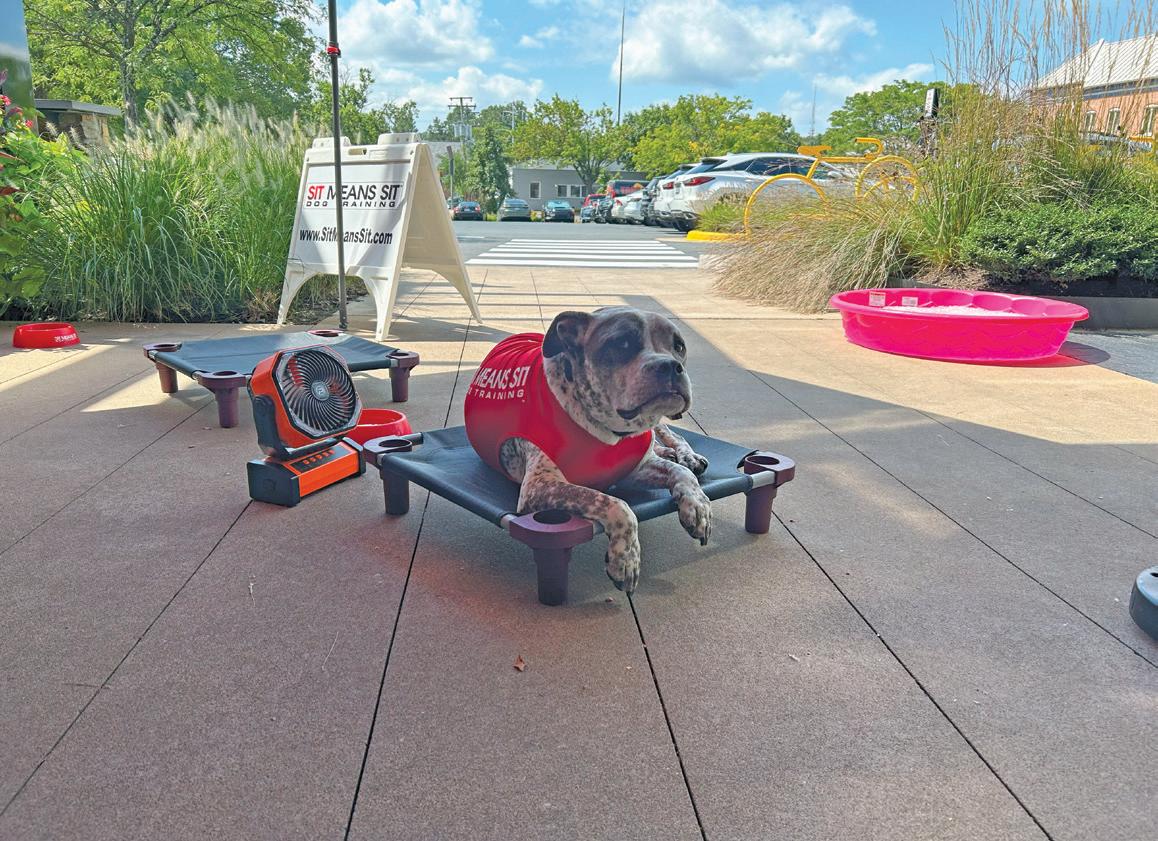
TACO ROCK celebrated National Dog Day with Mutts N Mimosas. Several dog vendors were on site, as well as several sweet pooches, including Maisie (shown above). A portion of sales made during the day were donated to Pilots n’ Paws, a national nonprofit. (Photo: Brian Reach)
THIS WEEK IN THE DMV
THURSDAY
AUGUST 31
The SmaShing PumPkinS
The Smashing Pumpkins: The World Is A Vampire Tour comes to the region. Tickets at livebristow. org. Jiffy Lube Live (7800 Cellar Dr., Bristow, VA), 6:30 p.m.
FRIDAY
SEPTEMBER 1
Labor Day CLoSureS
F.C. Schools are closed for Labor Day starting Friday, reopening on Tuesday. FCCPS (School Buildings, Falls Church), all day.
SATURDAY
SEPTEMBER 2
F.C. Farmer'S markeT
Shop the award-winning market every Saturday, year-round! City Hall Parking Lot (300 Park Ave., Falls Church), 8:00 a.m. — 12:00 p.m.
SaTurDay a.m. CarToonS
Back by popular demand! Bring your coffee, breakfast, and a blanket to sit on, and watch cartoons on the big outdoor screen. Strawberry Park (Mosaic District, Fairfax, VA), 9:00 a.m. — 11:00 a.m.
30Th annuaL miDDLe
eaSTern FooD FeSTivaL
Featuring authentic Middle Easterm food, pastries, music, and dancing, as well as a variety of local vendors kid-friendly activities including a moon bounce, petting zoo, and face painting. Free admission. Open 12:30 p.m. — 5:00 p.m. on Sunday. Holy Transfiguration Melkite Greek Catholic Church (8501 Lewinsville Rd., McLean, VA), 11:00 a.m. — 10:00 p.m.
SUNDAY SEPTEMBER 3
Labor Day CLoSureS
F.C. Community Center and Mary Riley Styles Public Library are closed, as is City Hall Gage House, and Property Yard.
SWEAT
Filled with warm humor and tremendous heart, SWEAT tells the story of a group of friends who
have spent their lives sharing drinks, secrets, and laughs while working together on the factory floor. But when layoffs and picket lines begin to chip away at their trust, the friends find themselves pitted against each other in a heartwrenching fight to stay afloat.
Keegan Theatre (1742 Church St. NW, Washington, DC), 3:00 p.m.

LgbTQ+ FaLLS ChurCh & nova PriDe haPPy hour
LGBTQ+ Falls Church, a newly formed organization representing The Little City's LGBTQ+ community, is partnering up with NOVA Pride to host its first ever happy hour event! There is no agenda (pun intended); just come and make friends! Clare and Don's Beach Shack (130 N. Washington St., Falls Church), 6:00 p.m. — 8:00 p.m.

MONDAY SEPTEMBER 4
Labor Day CLoSureS
F.C. Public Schools, City Hall, Gage House, Property Yard, F.C. Community Center, and Mary Riley Styles Public Library are closed for Labor Day and will reopen on Tuesday. Throughout Falls Church (City Buildings, Falls Church), all day.
Jazz4JuSTiCe
Hosted by Tinner Hill. Free and open to the public. Mr. Brown's Park (100 W. Broad St., Falls Church), 2:00 p.m.
TUESDAY
SEPTEMBER
eConomiC DeveLoPmenT
auThoriTy meeTing
5
Economic Development Authority meets. Viget Offices (105 W. Broad St., 5th Floor, Falls Church), 7:00 p.m. — 11:00 p.m.
CiTy CounCiL
Work SeSSion
City Council Work Sessions are open to the public and conducted to allow council members to discuss upcoming legislation and policy issues; the public is not generally invited to speak. Watch live or ondemand at fallschurchva.gov/CouncilMeetings or FCCTV (Cox 11, RCN 2, Verizon 35). City Hall (300 Park Ave., Dogwood A-B, Falls Church), 7:30 p.m. — 10:00 p.m.
WEDNESDAY SEPTEMBER
6
aSk The CounCiL SeSSion
The public is welcome to attend this session to meet with Council members and ask questions in an informal setting. City Hall (300 Park Ave., Oak Room, Falls Church), 9:00 a.m. — 10:00 a.m. one ChurCh'S FighT For inCLuSion & DiverSiTy
David Roach shares his extensive research into LRUCC’s unique history, starting with its founding in the 1950s as a racially integrated church during the segregation era. With an affirmation “to celebrate diversity, independent thought, and faithful action,” the church was founded by a group of members from various Congregational Christian Churches (CCC’s) around the country. Little River United Church of Christ (8410 Little River Tpk., Annandale, VA), 9:30 a.m. — 11:00 a.m. PLanning CommiSSion meeTing
Planning Commission meets. City Hall (300 Park Ave., Council Chambers/Court Room, Falls Church), 7:30 p.m. — 10:00 p.m.
CALENDAR FALLS CHURCH NEWS-PRESS | FCNP.COM AUGUST 31 - SEPTEMBER 6, 2023 | PAGE 9
LGBTQ+ FALLS CHURCH, a new organization representing The Little City's queer community and its allies, hosts its first Happy Hour with NOVA Pride this weekend at Clare and Don's.
Fall Sports Underway at Meridian, Field Hockey Off to Fast Start
by Ryan McCafferty
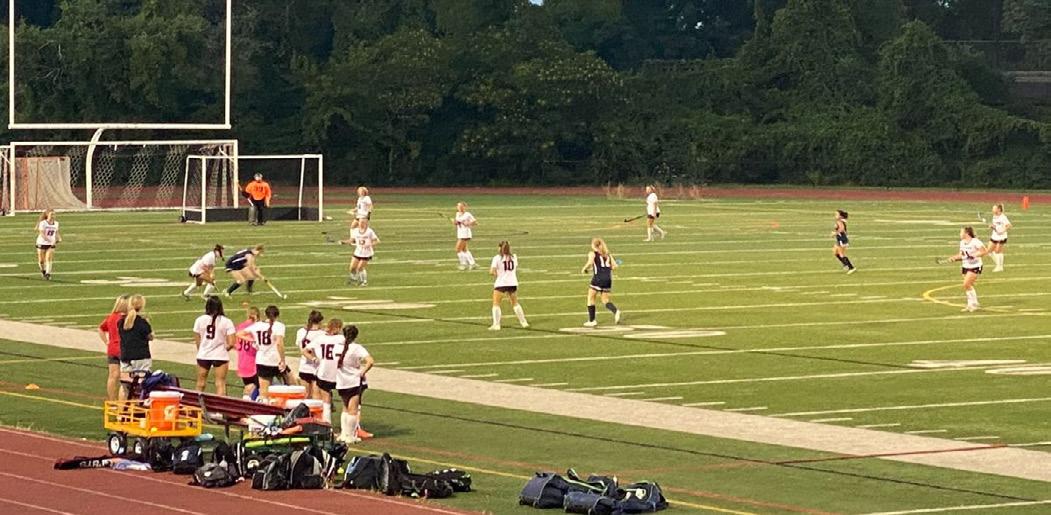
The fall sports season at Me ridian High School has official ly begun, with football, field hockey, volleyball, and golf all seeing action this past week. The opening week brought some mixed results for the vari ous Mustang squads, but thank fully, all teams have plenty of time to improve throughout the year.
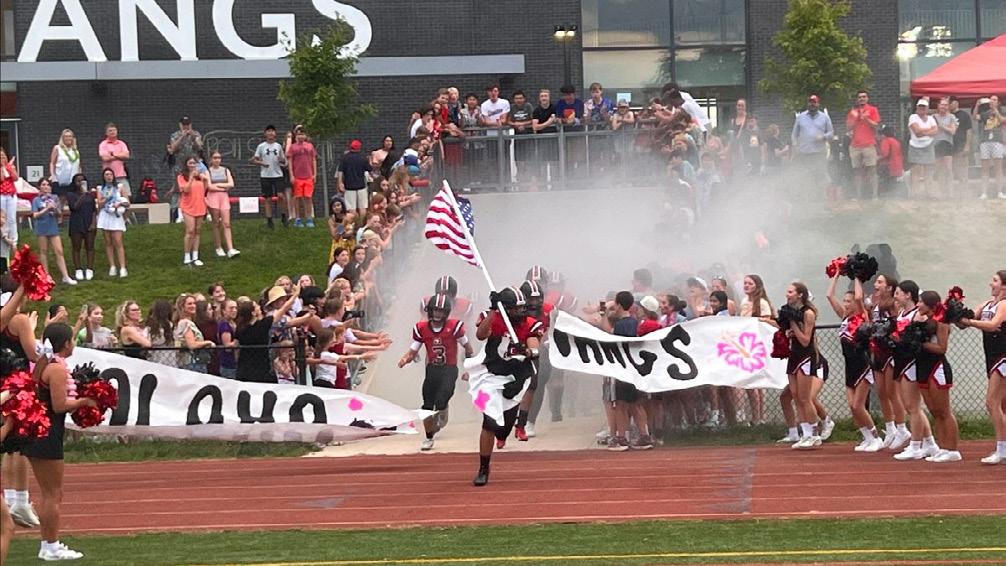
The most anticipated event of the week was Friday night’s football game against McLean, which ended up being a 44-0 blowout loss that was interrupt ed by weather multiple times. Needless to say the boys are looking forward to hosting Dominion this Thursday, as they’ll try to start fresh and put that one behind them.
On the bright side, field hockey has come out of the gates firing on all cylinders, with the girls picking up 4 home wins against Wakefield, Kettle Run and Thomas Jefferson.
Volleyball, unfortunately, has struggled to start off the year as they dropped all five of their matchups, losing at home to Kettle Run on Monday and
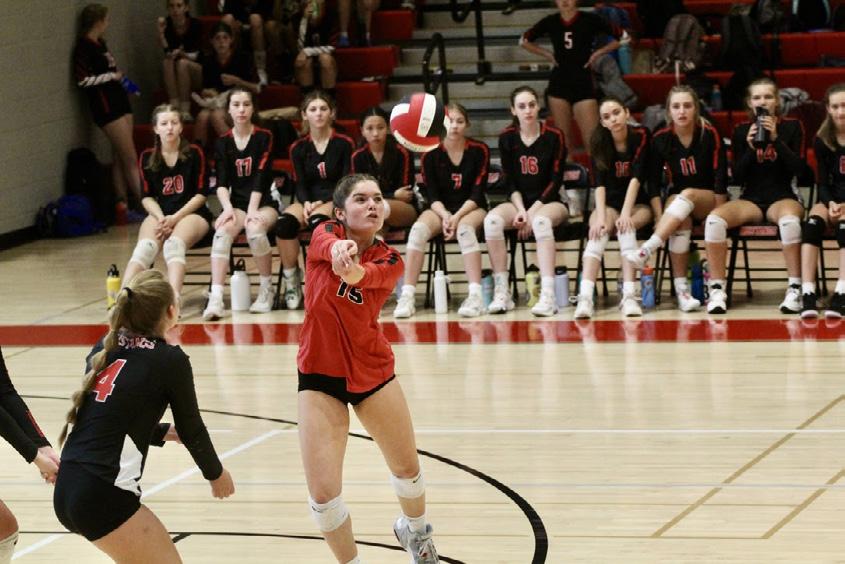
to Wakefield on Thursday while also falling on the road to John Handley on Wednesday. They’ll play at Dominion on Wednesday.
Golf’s season has already been in action for about a month, and has been going very well. Last week, the team played in a tournament against Skyline and Warren County at Manassas Park, defeating both of them as they won by nine strokes. They’ll face off against Fauquier and John Handley today at Fauquier Springs Country Club.
Both the boys’ and girls’ cross country teams will see their first action of the season this week as well, both playing in tournaments on Wednesday. The boys will play at Nokesville Park against Kettle Run and Millbrook, while the girls will face those same opponents at Kettle Run.
Finally, competitive cheer’s season doesn’t start until September 27th, but just as with all other Mustang teams, we wish them the best of luck in their competitions.
Virtual Reality Headsets Make Debut at Falls Church City Schools
by Kylee Toland Falls Church News-Press
Thanks to a Falls Church Education Foundation (FCEF) super grant, Falls Church City Public Schools (FCCPS) sports medicine coordinator Vicki Galliher purchased six Virtual Reality (VR) hardware headsets along with a library of 23 VR games for FCCPS students.
In recent years, research has been conducted to prove that VR technology is an innovative way to benefit students who may have special needs or student athletes that have been injured due to it being more engaging and effective. Among special education students, Galliher said she hopes the headsets will enrich the experiences of FCCPS students during the school day.
Galliher, who is also the concussion management specialist and CPR first-day training coordinator at FCCPS, said she became interested in virtual reality after accidentally stumbling upon an article about a high school teacher in Texas receiving funding for VR equipment to help injured student athletes.
“After talking to [the teacher], I thought ‘I wonder what else VR technology is being used for in the realm of Sports Medicine Education,’” Galliher said. As the school year has just begun, Galliher said she hopes the use of the VR headsets will help injured student athletes “quickly regain those areas of deficits” and have fun while doing physical therapy protocols.
Galliher said students in her sports medicine course at Meridian will learn how to incorporate them when working directly with injured athletes, as well as showing special education teachers and students how to use them.
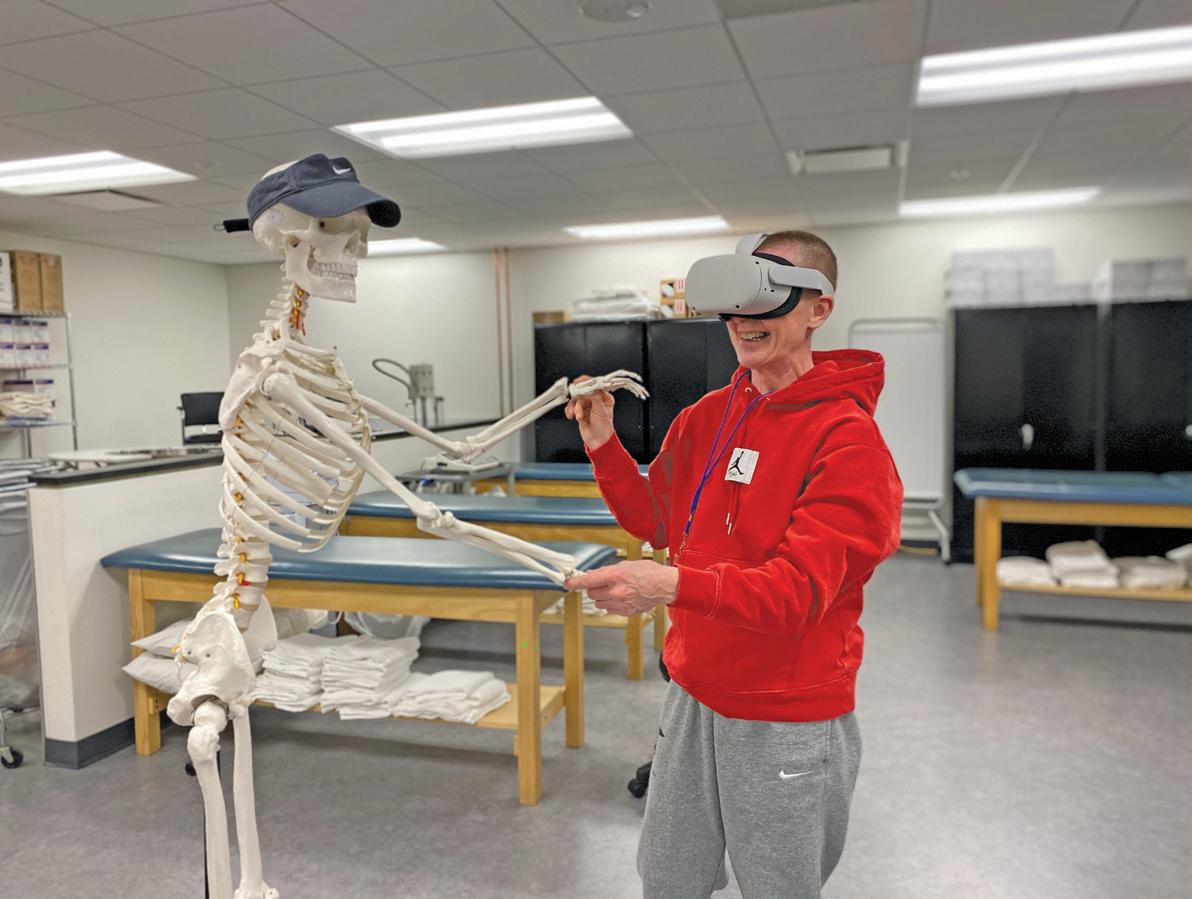
For example, the VR headsets used at FCCPS have games such as “Job Simulator,” which allows special education students to practice interviewing skills and the training process for a job of their choosing. “I got really intrigued because we have such a strong program here for our special education students and I thought ‘Wow, this is one more really innovative thing you can add to the teacher’s toolkit.’”
For special education students, Galliher said the headsets will allow teachers to control the level
of stimulation for their students, while student athletes recover ing from concussions will be able to improve their visual process ing and balance skills. “It really helps our students,” Galliher said. “We’re one of the few high schools in the nation that are doing this.”
Learning how to use the hard ware was different for younger and older students and staff, with Gal liher saying that younger individu als “took right to it” due to grow ing up around video games, while older staff members were “a little apprehensive and nervous.”
“Once they went through the orientation training that we do with them, they really got excited about [the VR headsets] and how easy it really is,” Galliher said. “They’ve already been coming back for additional training ses sions in advance of actually incor porating this into their classroom curriculum.”
“It’s just a great sense of pride in us being able to offer the elite care and educational opportuni ties to our students and athletes,” Galliher said. “It’s just a source of pride that we’re one of the very few in the country that are doing this.”
LOCAL FALLS CHURCH NEWS-PRESS | FCNP.COM PAGE 10 | AUGUST 31 - SEPTEMBER 6, 2023
MERIDIAN FALL 2023 sports are underway. (Photo: FCCPS )
THANKS TO A Falls Church Education Foundation super grant, FCCPS sports medicine coordinator Vicki Galliher purchased six Virtual Reality hardware headsets. (Photo: Chrissy Henderson)
Falls Church School News & Notes
Enrollment takes an Unexpected Jump: +93
During the recent Falls Church School Board Work Session Tuesday, Superintendent Peter Noonan highlighted the successful commencement of the academic year. He proudly mentioned that all students made it to school, received their lunches, found their classes, and safely returned home. And that the feedback from the parent community has been overwhelmingly positive.
A significant point of his comments was the increase in student enrollment. Dr. Noonan pointed out that the schools currently have 93 more students than they had at the end of the previous academic year. Moreover, the enrollment is 75 students over the projections based on which the schedules and budgets were formulated.
Dr. Noonan emphasized the importance of understanding where these additional students are coming from. As the budgeting period approaches, the board will delve deeper into data from various sources, including Weldon Cooper and their demographer, to gain insights into this enrollment trend.
Support MHS Football,
is selling restaurant discount cards that work in and around Falls Church City, including the Mosaic District. This year, there are also laser tag games included at UltraZone. The cards are $25 and work until August 1, 2024. They are fundraising for some new practice and safety equipment.
Run for the Schools Registration Now Open
Join 800+ community members on Sunday, September 24 to Run/Walk through the heart of Falls Church City. Age Group prizes and family events will be offered — fun for all ages and abilities.
Online registration is open through Wed., Sept 20 and one can register in person on Friday, Sept 22 at Meridian High School, on Saturday, Sept 23 at the Falls Church Festival or the morning of the race for all you super-procrastinators. Funds raised from this event will go towards SuperGrants, Teacher Training Grants, ESOL and Special Education programs.
MHS Athlete Shines in Softball Championship

in the European Softball U18 Women’s Championship. Elena pitched in eight games, and was delighted a former Mustang came to cheer her on. Great Britain finished in the top five countries in Europe.
OSE Boys Run Club Registration is Open
Let Me Run is a nonprofit wellness program that inspires boys to be themselves, be active, and belong. With a comprehensive curriculum that applies the power of running, the program encourages boys to develop their psychological, emotional and social health, in addition to their physical health.
Registration at Oak Street Elementary is now open for grades 3, 4, and 5. Fall season starts on September 20, meets Wednesdays and Fridays at 7:15am for an hour and fifteen minutes, and ends with a 5K race on November 5. Visit LetMeRun.org to learn more and register.
Football Tailgate Fun, Rain and Loyal Fans
The Athletic Boosters sponsored a fun tailgate for kids of all ages on Friday. The game kicked off at 7:00 and, after the first quarter, was paused by a
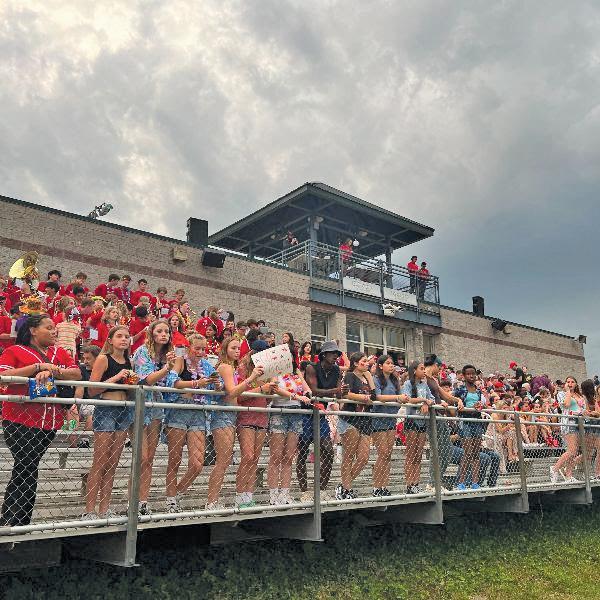
thunderstorm delay that lasted over an hour. Though the team lost, the players were grateful for the “Stangshype” spirit squad, who stuck it out through the delay and stayed to cheer on the team until 11:00 p.m. The team next plays at home this Thursday at 7:00 p.m.
New Associate Principal at Henderson MS
Mr. Pickering is originally from the suburbs of Philadelphia but has lived in Virginia since 2010. He has spent almost his entire career working in Middle Schools in Loudoun County, and was a Math and Social Studies teacher before becoming an Assistant Principal in 2017. Mr. Pickering loves education, and fostering a sense of wonder in students.
Two F.C. Students Win Championships
Two young men from Falls Church City have claimed National Championships in the sport of Rugby. Jameson Craig played in the High School boys National Championship game for Gonzaga College High
School, who won convincingly 38-18. Ryan Vagun, who is a senior at Meridian, played for Vienna Club Team, won the U18 Tier II Rugby Club Championship 41-34 in a hard fought back and forth game. Both teams played at the National Championships tournament in Elkhart, IN this past May. To learn more about rugby at all levels, visit goffrugbreport.com/
Test Prep for Local High Schoolers
Meridian’s Parent Teacher Student Association (PTSA) and Novastar Prep offer Preliminary Scholastic Assessment Test (PSAT), Scholastic Assessment Test (SAT), and American College Testing (ACT ) mock tests this fall. Whether a student is taking the SAT, ACT, or Digital PSAT this fall or the new Digital SAT this spring, there are opportunities to prepare and build confidence. In addition to online mock tests and classes, the PTSA is hosting an in-person Digital SAT Mock Test on October 21st at Meridian High School. The mock tests are valuable practice opportunities and great fundraisers for the PTSA. Seats are limited, so register today.
AUGUST 31 - SEPTEMBER 6, 2023 | PAGE 11 FALLS CHURCH NEWS-PRESS | FCNP.COM SCHOOL
THIS SUMMER, Meridian junior Elena Clark-Wilson played for Team Great Britain in the European Softball U18 Women’s Championship. Elena pitched in eight games, and Great Britain finished in the top five countries in Europe (Photo: Gwenda Wilson)
THE ATHLETIC BOOSTERS sponsored a fun tailgate for kids of all ages on Friday. The game kicked off at 7:00 and, after the first quarter, was paused by a thunderstorm delay that lasted over an hour. Though the team lost, the players were grateful for the “Stangshype” spirit squad, who stuck it out through the delay and stayed to cheer on the team until 11 p.m (Photo: Laura Downs, Chrissy Henderson, Regan Davis)
CLASSIFIEDS
PUBLIC HEARING NOTICE PLANNING COMMISSION
NOTICE: On Wednesday, September 6, 2023, at 7:30 p.m., the City of Falls Church Planning Commission will hold a public hearing and meeting on proposed changes to the T-1 Transition Zone zoning district. Public comments can also be submitted ahead of time to jtrainor@fallschurchva.gov. The Planning Commission will consider the following item and recommendation to City Council:
(TO23-11) ORDINANCE TO AMEND CHAP-
TER 48 “ZONING” TO INCLUDE AN AVERAGE UNIT SIZE AND DENSITY RESTRICTIONS IN THE T-1 TRANSITION ZONE; ELIMINATE SINGLE FAMILY AND TWO FAMILY RESIDENTIAL USE THEREIN; ALLOW FOR A TOWNHOUSE, APARTMENT AND CONDO OPTION AND ALLOW FOR EXPANDED LOT COVERAGE
The public hearing meeting agenda and materials will be available on the following page prior to the meeting date: http://www.fallschurchva. gov/PC. More information about the proposed changes to the Transition Zones (“T-Zones”) are available on the project webpage: http:// fallschurchva.gov/2167/Proposed-T-ZoneUpdates
This location is fully accessible to persons with physical disabilities and special services or assistance may be requested in advance. (TTY 711)
NOTICE OF PUBLIC HEARING CITY COUNCIL CITY OF FALLS CHURCH, VIRGINIA
The following was given first reading at the August 7, 2023 City Council meeting. A public hearing, second reading, and final City Council action is scheduled for Monday, September 11, 2023 at 7:30 p.m., or as soon thereafter as the matter may be heard.
(TO23-11) ORDINANCE TO AMEND CHAPTER 48 “ZONING” TO INCLUDE AN AVERAGE UNIT SIZE AND DENSITY RESTRICTIONS IN THE T-1 TRANSITION ZONE; ELIMINATE SINGLE FAMILY AND TWO FAMILY RESIDENTIAL USE THEREIN; ALLOW FOR A TOWNHOUSE, APARTMENT AND CONDO OPTION AND ALLOW FOR EXPANDED LOT COVERAGE
All public hearings will be held in the Council Chambers, 300 Park Avenue, Falls Church, Virginia. Remote participation information at www.fallschurchva.gov/publiccomment. Comments may also be sent to cityclerk@fallschurchva.gov. For copies of legislation, contact the City Clerk’s office at (703-248-5014) or cityclerk@fallschurchva.gov or visit www. fallschurchva.gov/councilmeetings. The City of Falls Church is committed to the letter and spirit of the Americans with Disabilities Act. To request a reasonable accommodation for any type of disability, call 703-248-5014 (TTY 711).
CELESTE HEATH, CITY CLERK
PUBLIC NOTICE
The Board of Zoning Appeals (BZA) of the City of Falls Church, Virginia will hold a public hearing on September 14, 2023, 2023 at 7:30 PM in the Council Chambers, located at 300 Park Avenue, for consideration of the following items:
Variance application 1643-23 by Oak Park, LLC, applicant and owner, for a variance to Section 48-1101 to allow maximum lot coverage of 55% instead of the 40% to construct a two-storyd aycare facility, at 711 Park Avenue, RPC #51-131-017 of the Falls Church Real Property Records, zoned T-1, Transitional District.
Public comments and questions may be submitted to zoning@fallschurchva.gov until 4:30 pm on September 13, 2023. Agenda and application materials will be available the week prior to the scheduled hearing at: http://www. fallschurchva.gov/BZA
Information on the above application is also available for review upon request to staff at zoning@fallschurchva.gov.

ABC NOTICE
Cafe K Inc Trading as Cafe K, 3040 Williams Drive Ste 102, Fairfax, 22031. The above establishment is applying to the Virginia Alcoholic Beverage Control (ABC) Authority for a Mixed Beverages Restaurant.
Yoon Jung Lee, Managing Member Cafe K Inc.
NOTE: Objections to the issuance of this license must be submitted to ABC no later than 30 days from the publishing date of the first of two required newspaper legal notices. Objections should be registered at www.abc.virginia.gov or 800-552-3200
Double Down Hospitality Inc Trading as Garden Social, 4363 John Marr Drive, Fairfax, 22003. The above establishment is applying to the Virginia Alcoholic Beverage Control (ABC) Authority for a Beer and Wine On and Off Premises, Mixed Beverages license. Millie Mikyong Lee, President of Double Down Hospitality. NOTE: Objections to the issuance of this license must be submitted to ABC no later than 30 days from the publishing date of the first of two required newspaper legal notices. Objections should be registered at www.abc. virginia.gov or 800-552-3200
Settle Down Easy Brewing 2822 Fallfax Drive in Falls Church. The Above establishment is applying to the Virginia ABC board for a Retail license to sell beer, wine and cider.
NOTE: Objections to the issuance of this license must be submitted to ABC no later than 30 days from the publishing date of the first of 2 required newspaper legal notice. Objections should be registered at www.abc.virginia.gov or 800-552-3200
FOR SALE
National Memorial Park Two NMP burial plots/spaces, Laural Garden, Unit 38, Level A & B, Marker 24 X 14 with round vase. 7482 Lee Highway, Falls Church, Va, 22042. $6500, Contact Sherry at 540-497-2767
AUCTIONS
ATTN. AUCTIONEERS: Advertise your upcoming auctions statewide and in other states. Affordable Print and Digital Solutions reaching your target audiences. Call this paper or Landon Clark at Virginia Press Services 804-521-7576, landonc@ vpa.net
HOME IMPROVEMENT
Now Offering Financing! Ronnie JenkinsII Windows, Siding, Roofing and Gutters! FREE Estimates! Call 804-739-8207 for More Details! American Made Products!
Jacuzzi Bath Remodel can install a new, custom bath or shower in as little as one day. For a limited time, we’re waiving all installation costs! (Additional terms apply. Subject to change and vary by dealer.
Offer ends 9/30/23) Call 1-877-460-5348
GENERAC Standby Generators provide backup power during utility power outages, so your home and family stay safe and comfortable. Prepare now. Free 7-year extended warranty ($695 value!). Request a free quote today! Call for additional terms and conditions. 1-877-636-0738 Replace your roof with the best looking and longest lasting material – steel from Erie Metal Roofs! Three styles and multiple colors available. Guaranteed to last a lifetime! Limited Time Offer - $500 Discount + Additional 10% off install (for military, health workers & 1st responders.) Call Erie Metal Roofs: 1-844-902-4611 Eliminate gutter cleaning forever! LeafFilter, the most advanced debris-blocking gutter protection. Schedule a FREE LeafFilter estimate today. 20% off Entire Purchase. Plus 10% Senior & Military Discounts. Call 1-877-614-6667
The bathroom of your dreams for as little as $149/month! BCI Bath & Shower. Many options available. Quality materials & professional installation. Senior & Military Discounts Available. Limited Time Offer - FREE virtual in-home consultation now and SAVE 15%! Call Today! 1-844945-1631
Safe Step. North America’s #1 Walk-In Tub. Comprehensive lifetime warranty. Top-of-the-line installation and service. Now featuring our FREE shower package and $1600 Off for a limited time! Call today! Financing available. Call Safe Step 1-877-591-9950
PETS
Use Happy Jack® Kennel Dip™ as an area spray to control fleas, ticks, stable flies & mosquitoes where they breed. Biodegradable. At Northwest Ace Hardware & Southern States stores. (www. happyjackinc.com)
REAL ESTATE
ATTN. REALTORS: Advertise your listings regionally or statewide. Affordable Print and Digital Solutions that get results! Call Landon Clark at Virginia Press Services 804-521-7576, landonc@vpa.net
RECRUITMENT
HIRING? Promote job listings regionally or statewide! Affordable Print and Digital Advertising Solutions reaching potential candidates. Call this paper or Landon Clark at Virginia Press Services 804-5217576, landonc@vpa.net
Doug's Handyman Service
Other Services
Elite Piano
SERVICES
DIVORCE-Uncontested, $475+$86 court cost. WILLS-$295.00. No court appearance. Estimated completion time twenty-one days. Hilton Oliver, Attorney (Facebook). 757-490-0126. Se Habla Espanol. BBB Member. https://hiltonoliverattorneyva.com.
Portable Oxygen Concentrator May Be Covered by Medicare! Reclaim independence and mobility with the compact design and long-lasting battery of Inogen One. Free information kit! Call 888-6084974
FREE high speed internet for those that qualify. Government program for recipients of select programs incl. Medicaid, SNAP, Housing Assistance, WIC, Veterans Pension, Survivor Benefits, Lifeline, Tribal. 15 GB internet service. Bonus offer: Android tablet FREE with one-time $20 copay. Free shipping & handling. Call Maxsip Telecom today! 1-855-970-1995
We are pledged to the letter and spirit of Virginia’s policy for achieving equal housing opportunity throughout the Commonwealth. We encourage and support advertising and marketing programs in which there are no barriers to obtaining housing because of race, color, religion, national origin, sex, elderliness, familial status or handicap. All real estate advertised herein is subject to Virginia’s fair housing law which makes it illegal to advertise “any preference, limitation, or discrimination because of race, color, religion, national origin, sex, elderliness, familial status or handicap or intention to make any such preference, limitation, or discrimination.” This newspaper will not knowingly accept advertising for real estate that violates the fair housing law. Our readers are hereby informed that all dwellings advertised in this newspaper are available on an equal opportunity basis. For more information or to file a housing complaint call the Virginia Fair Housing Office at (804) 367-8530. Toll free call (888) 551-3247.

FALLS CHURCH NEWS-PRESS | FCNP.COM PAGE 12 | AUGUST 31 - SEPTEMBER 6, 2023
Email us at classads@fcnp.com fcnp.com
fcnp.com
classads@fcnp.com
Repairs FREE Estimates Licensed, Bonded & Insured
Interior/Exterior
Call: 703-556-4276 www.fallschurchhandyman.com
Accepting any age & any level
Academy (202) 674-0499 www.elitepianoacademy.com
House Cleaning Service Avaliable 7 days a week Weekly - Bi Weekly - Monthly or One time Jobs Move out - Move in 28 years Experience • Good references • Free Estimates For Information Call Susy 703-901-0596 55+ women housemates wanted Rents $1200-$1300 per month. Join the Perch Houses community in Falls Church. Bring roommates or we can match you with great housemates. Now you can live in a great house and have community at the same time. See more at www.perchhouses.com LAWN & LANDSCAPE SERVICE Spring Clean Up • Planting owers • Bushes Install Mulch • Lawn Program • Debris Removal Call Gabriel - 703-546-6383 References • Free Estimates Cleaning Services Home Improvement 55+
Housemates Wanted Landscaping
Women
PUBLIC NOTICE
Tarter Hails Accomplishments During His Years As F.C. Mayor
A: Some of the things I consider when evaluating new proposals are: Does it improve overall quality of life for the community? How will it impact neighbors and established neighborhoods? Does it address major community priorities like affordability, environmental sustainability, and tree canopy? Will it promote walkability? How does it look, and will fit in with the urban form we are seeking? What are the tax and fiscal implications? Will it stand the test of time? Will there be unintended consequences?
Details matter. Falls Church has limited land and mistakes will last the long life of a building.
Q: The culture wars have come to VA, and Falls Church has taken a strong progressive stance. What inoculates us from the hateful rhetoric and responses to the “other” that we are seeing elsewhere?
A: We do – we are all responsible for the dialogue and discourse here in the City. We are not immune to the divisive language and bitter rancor found elsewhere in the country. We have seen that democracy and its institutions are fragile and must be fought for. I believe the way that we work together is key to our success -- we use our energy to build ourselves up, not tear each other down. Don’t tolerate those who spew hate and divisiveness for their own gain.
Get out and vote. Enough already!
Q: The City has seen, for example, Target come in and rather abruptly fail and pull out. Why do you think that is? Is street-level retail sustainable at current levels?
A: Ground floor retail is viable here in the City. When I first started on the Economic Development Authority almost two decades ago, I heard folks say that Falls Church could not support a retail market, yet each year we have successful new arrivals like Harris Teeter, Aldi, Thompson Italian, among others. And there is more on the way, with Whole Foods, new movie theaters and 120,000 square feet of new retail at the West Falls project coming online shortly. The City has low retail vacancy rates that com -
pare favorably with nearby localities.
I was disappointed to see Target leave. I don’t know the specific reasons for their departure but I presume that their sales were lackluster. I don’t think that this space was optimally designed for their store. It was originally planned for a boutique grocery that didn’t arrive, with its main entrance on Washington Street instead of facing Maple Avenue and its Falls Church customers.
Ultimately, the best way to attract and maintain retail is to create a walkable, vibrant downtown where people want to be. Well-designed space with plenty of glass and outdoor seating, complimented by wide sidewalks, trees and lighting will draw visitors to our commercial areas.
Q: In order for more businesses to thrive, the City seems to need more customers — how do we address that? More residential? Commercial development? Infrastructure? How high do we build? How do we balance sustainability goals with capacity needs?
A: Falls Church should develop at its own scale and pace. Creating an attractive, lively downtown will provide an enticing market and environment. I think the height of the new projects on our main streets of seven or eight stories is about right for most places.
Businesses cannot and should not be wholly dependent on City residents for their customer base. We are too small in and of ourselves to support this level of retail. The good news is we don’t have to. We are part of a broader region and just as City residents patronize neighboring shopping districts like Merrifield and Tysons Corner, these neighboring residents will patronize ours.
Q: Tysons added two movie theaters during the pandemic. Do you think Falls Church will have a movie theater in the near future?
A: I believe so. Founders Row has committed to provide a movie theater as part of their approval and they are proceeding with a stated spring 2024 opening. Covid threw a monkey wrench into the movie business but the industry is recovering and evolving. The Founders Row theaters will be part of that
new model with an IMAX style theater and dining and drinks being part of the experience. I look forward to walking to the movies as our citizens once did when the State Theater provided feature movies instead of live entertainment.
Q: With the pandemic emergency officially in the rear-view mirror, have you noticed behavioral or lifestyle changes in how residents interact with one another, eateries, or retail stores (both positive and negative)?
A: As best I can see, most of our local retail community is thriving. Many residents have continued to work from home and are patronizing our businesses and adding new life to our commercial areas. It’s great to see folks support local establishments.
Q: City activism has recently spawned an organization, Falls Church Forward, pushing for progressive change as well as retention of our community identity. How does community activism affect the City and its identity?
A: Citizen involvement and activism are important to our community and its success. Our citizens are educated, involved and have high expectations for our government. They promote helpful dialogue. This activism leads to a highly informed population and electorate. Ultimately, an informed electorate is critical for the community.
Q: You have said you will not run for another term as Mayor. Is that still the case? Do you plan to remain on the City Council?
A: No, my term will end in December. Come January, I will be a free agent.
Q: What is the City’s biggest specific achievement that happened “under your watch,” that you are proud of your participation in influencing?
A: The City has had a number of successes these past years — finally constructing our longsought new high school, renovating our library, city hall, and the rest of our schools, obtaining our first triple AAA bond rating from all of the rating agencies, enlivening our downtown with new development, shopping and dining options, and significant investments in affordable housing, traffic calming, sidewalks, storm water and other critical infrastructure — all the while
lowering our tax rate these past few years and preserving our small town charm.
Yet, as Mayor, I have viewed one of my primary roles as fostering collaboration among my colleagues, City staff, and our community overall. I believe that the things we have accomplished are the result of us sharing values and working together towards common goals.
Q: What was your biggest challenge as Mayor, and what did you learn from it?
A: My biggest challenge as Mayor was probably Covid. The pandemic came on so quick and there was so much unknown. People were dying. I learned that despite our best efforts, there is much in life we cannot control.
Q: How does development in neighboring communities like Tysons affect the City, for better or worse?
A: As a small jurisdiction surrounded by larger places, we are, like it or not, significantly impacted by what happens with our neighbors. Tysons Corner is one of those places. It provides national headquarters for major American companies and the jobs that go with it, in addition to first-rate shopping, services and restaurants. It also brings traffic and congestion. We may not compete with Tysons Corner, but we can complement each other, with Falls Church offering a smalltown charm and unique familyoriented character. We, by the way, have worked closely with our Fairfax County government neighbors for the betterment of both communities. Our 10acre West Falls project next to Meridian High School is part of the much larger and broader West Falls Church Metro site area and benefits from extensive collaboration on transportation, traffic, bike and planning matters.
Q: What is the “secret sauce” for FCCPS, in light of recently being announced as one of the country’s top school systems? How will the recent collective bargaining agreement affect our schools?
A: It’s all about the people. Our schools have extremely dedicated and talented teachers and staff. Having three children come through the ranks through graduation and a wife who spent years work -
ing there, I have seen first-hand the knowledge, skill and passion these professionals bring to class every day. The schools are also fortunate to have engaged parents and a supportive community with a shared vision.
The new high school and other facilities are great, but the people make the place.
It remains to be seen how collective bargaining will impact the schools.
Q: How has the addition of student ambassadors affected City committees and overall civic engagement?
A: It is great to see our students get involved in civic life at a young age. They bring enthusiasm, energy, creativity and a new perspective to government. It is refreshing and reassuring to know that the next generation is already leading the way.
Q: What’s next for you?
A: I don’t know yet. My children are now all off at university and it’s time for a new adventure. I am open to new ideas and experiences. I am not sure what’s next, but I am looking forward to it.
Q: Your departure comes after nearly ten full years as Mayor; is the City in good hands?
A: Yes, I am confident that the City is in good hands. As a small, special place, Falls Church has always punched above its weight with thoughtful leadership, dedicated and attentive staff, and a welcoming and involved citizenry. I know that my colleagues on City Council, Marybeth Connelly, Letty Hardi, Debbie Hiscott, Carolyn Lian, and Dave Snyder will continue their diligent and productive efforts.
My long-time Council mate, Phil Duncan will also be retiring from public office and I want to make special mention of his long service to Falls Church. Phil has spent decades bettering the City — you will find him at every grand opening, civic event and community gathering. His affection and passion for all things Falls Church are readily apparent.
Lastly, if I could, I would like to once again thank the citizens of Falls Church for the opportunity to serve as Mayor these years.
It has been the honor of a lifetime.
LOCAL AUGUST 31 - SEPTEMBER 6, 2023 | PAGE 13 FALLS CHURCH NEWS-PRESS | FCNP.COM
Continued from Page 3
Local Vet Hospital Launches Blood Bank Program for Dogs
The Veterinary Emergency Group (VEG), a local ER on Leesburg Pike, recently opened a blood bank program in April to meet the urgent needs of neighboring veterinarians. Pet owners can bring their dogs to the vet hospital to donate blood to treat pooches who may suffer from certain injuries and illnesses.



Jessie Brown, a licensed veterinary technician at the Veterinary Emergency Group, said the emergency group came up with the idea behind the blood bank program after recognizing a “very limited” commercial vendor that sells blood products.

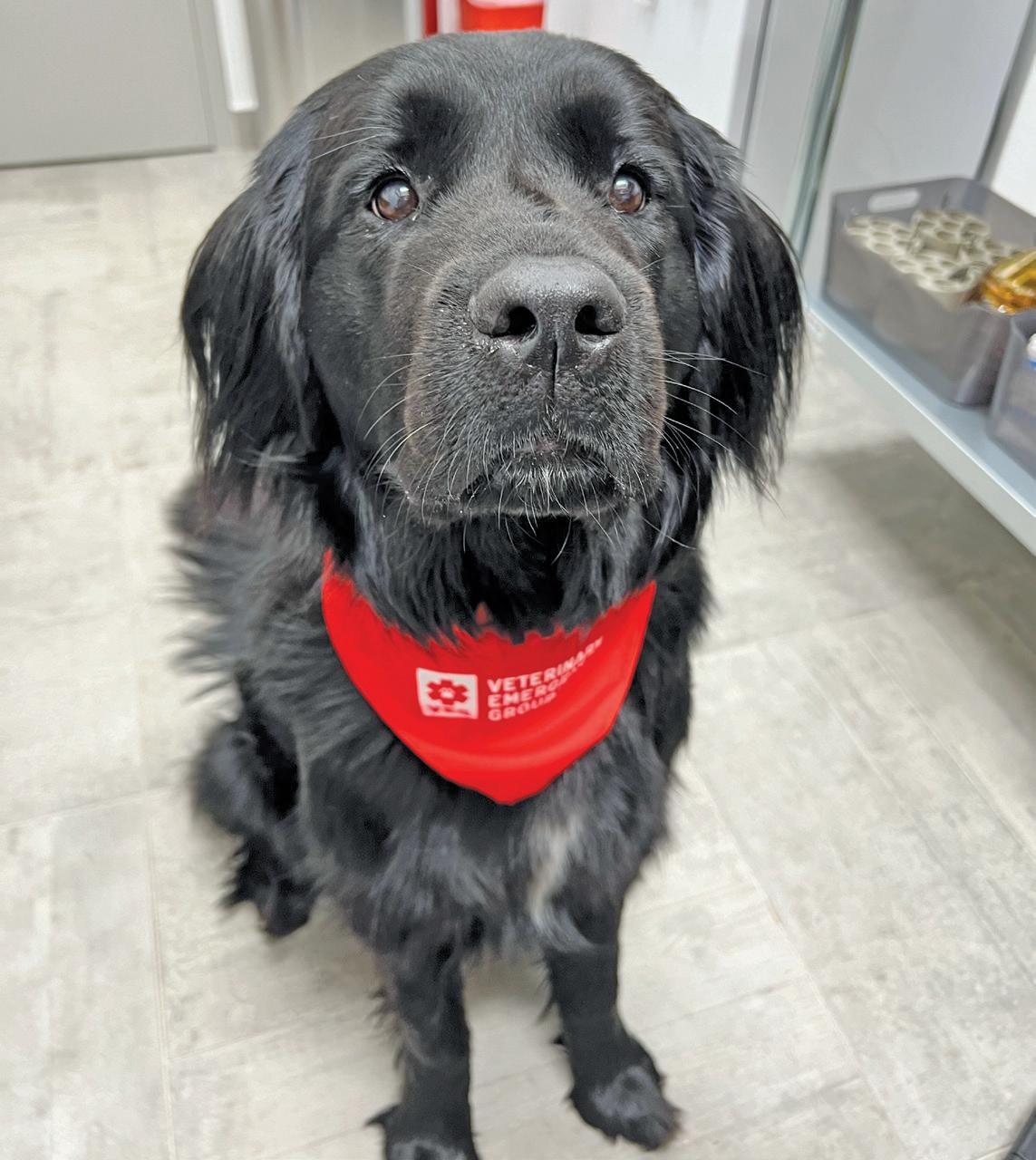
“We are growing every day and it’s needed for our company to end up helping out the other commercial vendors,” Brown said. “This is something that we can do locally and get local interest in to help.”



No funding went into the program, with Brown saying that the vet hospital is paying for all of the equipment and screening used. Although Brown said blood banking for animals has been around “for a long time,” the veterinary industry is growing due to people being more interested in owning pets. With a rise in pet ownership, more veterinary clinics are opening, causing a demand for services such as the blood bank program.





“For those of us that have the experience and the comfortability to start it within our own kind of practices,” Brown said, “then there are some of us that are trying to help meet that demand or that need that’s happening now.”


Differing from other animal blood bank programs, VEG’s














program is volunteer only, with Brown saying pet owners and their furry friends can receive a free yearly screening, toys and a picture taken of the donors, labeling them as a “hero.”
“When the unit [of blood] is given to the patient’s owner, they can actually see who their hero is,” Brown said. “A lot of times, fellow animal lovers love knowing that they can help out somebody in their community.”
Similar to humans, Brown said dogs do have different blood types, which can be difficult for blood transfusions due to various blood types still being explored. Currently, VEG’s program only accepts canine blood donations, but feline’s may be
C ritter C orner































































considered later on.


Before a dog can become a donor, Brown said they must come in to have a screening and blood-type test done to ensure that the donor is healthy. Pet owners are then asked to commit to letting their dog donate blood six times a year (about once every other month). Brown also added that the donation process is “very safe” and owners will be given information to share with their family veterinarian.
Although Brown said VEG has seen some “wonderful donors” come in, the vet hospital is looking to accept more due to a need for more blood products. When asked what she hoped was to be accomplished by the program, Brown said the overall goal of the blood bank is to let local pet owners know that there is a place people can go to when seeking medical help for their animals.
“We call all of our donors ‘heroes’ because they are,” Brown said. “I just want owners to really understand that we really want this to be a positive experience for their pet and that their safety is top of mind.”
THIS IS BUDDY, a 12-year-old German Shepherd/Collie mix who adores going on long walks and playing fetch in the park, but his absolute favorite pastime is splashing around in the water on hot summer days.
Just because you’re not famous doesn’t mean your pet can’t be! Send in your Critter Corner submissions to crittercorner@fcnp.com.

LOCAL FALLS CHURCH NEWS-PRESS | FCNP.COM PAGE 14 | AUGUST 31 - SEPTEMBER 6, 2023
by Kylee Toland Falls Church News-Press
REQUEST A FREE QUOTE CALL NOW BEFORE THE NEXT POWER OUTAGE (844) 947-1479 $0 MONEY DOWN + LOW MONTHLY PAYMENT OPTIONS Contact a Generac dealer for full terms and conditions *To qualify, consumers must request a quote, purchase, install and activate the generator with a participating dealer. Call for a full list of terms and conditions. FREE 7-Year Extended Warranty* – A $695 Value! Prepare for power outages today WITH A HOME STANDBY GENERATOR New orders only. Does not include material costs. Cannot be combined with any other offer. Minimum purchase required. Other restrictions may apply. This is an advertisement placed on behalf of Erie Construction Mid-West, Inc (“Erie”). Offer terms and conditions may apply and the offer may not available in your area. If you call the number provided, you consent to being contacted by telephone, SMS text message, email, pre-recorded messages by Erie or its affiliates and service providers using automated technologies notwithstanding if you are on a DO NOT CALL list or register. Please review our Privacy Policy and Terms of Use on homeservicescompliance.com. All rights reserved. License numbers available at eriemetalroofs.com/erie-licenses/. VA License Number:†2705029944. MADE IN THE U.S.A. 1.844.902.4611 FREE ESTIMATE Expires 9/30/2023 Make the smart and ONLY CHOICE when tackling your roof! Before After TAKE AN ADDITIONAL Additional savings for military, health workers and first responders 10% OFF ON YOUR INSTALLATION 50% OFF Limited Time Offer! SAVE!
DONORS AT the Veterinary Emergency Group have their photo taken so that the furry patient receiving the blood gets to see their “hero.” (Photo: Jessie Brown)
The LGBTQ+ Reach
by Brian Reach Falls Church News-Press


I’ve now been sharing news (and some opinions) with you for the better part of a year through this column. For those of you following along, you know 2023 has been a heavy year for LGBTQ+ people, with 495 homophobic bills being tracked by the ACLU, with only 216 defeated, the rest being advanced or signed into law.
The results aren’t consistent; in Virginia, all the hateful bills were defeated, thanks to a single vote advantage the Democrats managed to hold onto when they lost the House of Delegates and the Governor’s Mansion (this is your reminder: this November the entire Virginia Senate and House — every seat — is up for election. Vote!). In states like Florida, Texas, and Arkansas, the outcome has been a nightmare.
A lot is happening in the country and world. Unfortunately, these attacks are all too familiar to LGBTQ+ people who lived through the homophobia of the ‘80s and ‘90s — it’s the same crocodile tears about children’s safety — and the bills have been lazily updated to aim squarely at trans folks. We are disappointed that this is happening in 2023, but we aren’t terribly surprised; even those of us with quite a bit of privilege regularly battle explicit and coded discrimination whenever we are visible.
To be crystal clear: there is no daylight between homophobia and transphobia. Here in America, people are ostensibly free, and the things we do in our bedroom, if done between consenting adults, is really nobody’s business, let alone the government’s. Same goes for what’s underneath our clothes, or what we choose to do with our bodies (at least in theory).
One cannot be an ally of the LGBTQ+ community with exceptions. Trans people are an irrevocable part of our community. They are us. We are them. We may not all identify the exact same way, but we are unified by a single, simple truth: we exist, and we deserve to be treated with respect and kindness.
Everybody does — especially kids.
A lot has happened every week, and sometimes it almost feels monotonous to report, because it’s so familiar and repetitive and obviously wrong, at
least to me — but it’s happening, and it’s important to take note.
It is demoralizing and exhausting at times, but there is a hidden silver lining to these culture wars.
This sudden fixation on trans youth isn’t because one trans person swam faster than a cisgender person, or because Bud Light had pronouns on a can (as I shared last week, they started heavily marketing to the queer community in the ‘90s). It isn’t because anything bad has happened due to trans folks using the proper restroom that have people up in arms.
The reason trans folks are the current focus of right-wing hate, now in 2023, is because a new generation of parents are doing better. For the first time in history, parents of trans kids are accepting them as-is in large numbers. This is, unfortunately, not the case for all — but gen X and millennial parents are loving their trans kids, listening to them and, most significantly, advocating for them and their safety and well-being in school.
And the right is panicked.
This Sunday, I am kicking off a new organization to represent queer folks (and our straight allies) in The Little City. In a joint event with NOVA Pride (a nonprofit organization I founded in 2007), LGBTQ+ Falls Church will launch this Sunday at Clare and Don’s Beach Shack.
There is no agenda for this meeting, other than to meet your neighbors and be kind (and hopefully sign up for our mailing list!). You are encouraged to come, the only condition being that you bring with you a spirit of inclusion and kindness. That’s it.
My grandparents grew up in Annandale, as did my mother, and that’s where I was raised — just next to Falls Church. As a lifelong progressive activist, I’ve always appreciated F.C.’s reliable dark-blue voting bloc (though this past June truly took the cake).
It wasn’t until I began working for the News-Press last year, though, that I realized just how special The Little City’s sense of community is. I quickly moved within city limits, and am thrilled to be a part of this community.
Join me this weekend at Clare and Don’s. Let’s make our community even stronger by together ensuring all our LGBTQ+ neighbors feel as welcome as you continue to make me feel.
Please spread the word.
Falls Church Business News & Notes
Burke & Herbert Merges with Summit Financial Group, Inc.
Burke & Herbert announced a merger with Summit Financial Group, Inc., a West Virginia bank with branches in West Virginia, Maryland, Delaware, Kentucky and Virginia. The agreement to an allstock merger of equals will result in 75 combined branches. Burke & Herbert’s total assets increase from $3.6 billion to $8.1 billion and the bank will be positioned to increase the size and number of deals it can do.
VFW Hosts 9/11 Memorial Ruck March/Walk
Sunday, September 10, 9:00 -11:00 am – VFW Post 9274 is hosting the 1st Annual 9/11 Memorial 5K Ruck March/Walk at the Meridian High School Football Field Track. As it is a free event, donations through VFW Post 9274 are encouraged. T-shirts will be available for purchase. Avalon Physical Therapy will sponsor a water/medic tent. Following the march/ruck, VFW Post 9274 will host a cookout with sponsors Harvey’s and Lazy Mike’s. The event will go on, rain or shine, and registration information is here: fallschurchchamber.org/events/details/1st-annual-vfw-post-9274-9-11-memorial-ruck-march-walk-72176.
Biscuit Battle Finalists on the September Menu
September is National Biscuit Month and Preservation Biscuit Company (PBC) is celebrating with the third Annual Biscuit Battle. The culinary team has selected four finalists with new creations that will be featured on the September menu and compete for the top sales and a $100 gift card to PBC. Congratulations go to Kara Simmons, Liz Edelson, Antonette Isherwood, and Christine Becer. PBC will also reward the winning chef with proceeds of $1 from each biscuit sold going to their designated charity.
Northrop Wins B-2 Air Force Contract
The U.S. Air Force has contracted Northrop Grumman for advisory and assistance to the B-2 bomber program. Under the five-year, $16 million contract, Northrop will support aircraft engineering work for a supply chain management group in McLean, VA through September 27, 2028.
Arts & Entertainment
Coming: September 7th
Performances, concerts, art shows, fall festivals, and more


For Advertising
Contact:
Sue Johnson sjohnson@fcnp.com 703-587-1282
AUGUST 31 - SEPTEMBER 6, 2023 | PAGE 15 FALLS CHURCH NEWS-PRESS | FCNP.COM
Business News & Notes is compiled by Elise Neil Bengtson, Executive Director of the Greater Falls Church Chamber of Commerce. She may be emailed at elise@fallschurchchamber.org.







FALLS CHURCH NEWS-PRESS | FCNP.COM PAGE 16 | AUGUST 31 - SEPTEMBER 6, 2023
