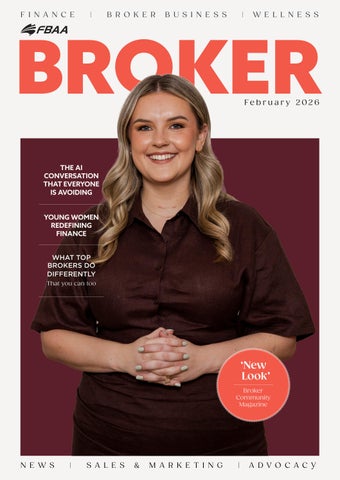
BROKER
THE AI CONVERSATION THAT EVERYONE IS AVOIDING
YOUNG WOMEN REDEFINING FINANCE
WHAT TOP BROKERS DO DIFFERENTLY That you can too

February 2026
THE AI CONVERSATION THAT EVERYONE IS AVOIDING
YOUNG WOMEN REDEFINING FINANCE
WHAT TOP BROKERS DO DIFFERENTLY That you can too
February 2026
An interview with Peter White AM, FBAA Interim-CEO and industry advocate WHAT TOP BROKERS DO DIFFERENTLY
06

14

18 GROWING THE NEXT GENERATION OF HIGH PERFORMING BROKERS
30 HOW TO BE THE VOICE OF AUTHORITY AND GENERATE POTENTIAL NEW CUSTOMERS


32 THE AI CONVERSATION EVERYONE’S AVOIDING


34 DO YOU REALLY KNOW YOUR CAPACITY? HOW SIMPLE PROCESS IMPROVEMENTS SAVE BROKERS HOURS EACH WEEK
36 COVER STORY: YOUNG WOMEN REDEFINING FINANCE

46 REGIONAL BROKER: BEYOND THE CAPITALS

50 WHY THE BROKER TALENT PIPELINE IS UNDER PRESSURE

56 COMMERCIAL PRIVATE LENDING IN AUSTRALIA Misconceptions, reality, and broker opportunities in 2026
62

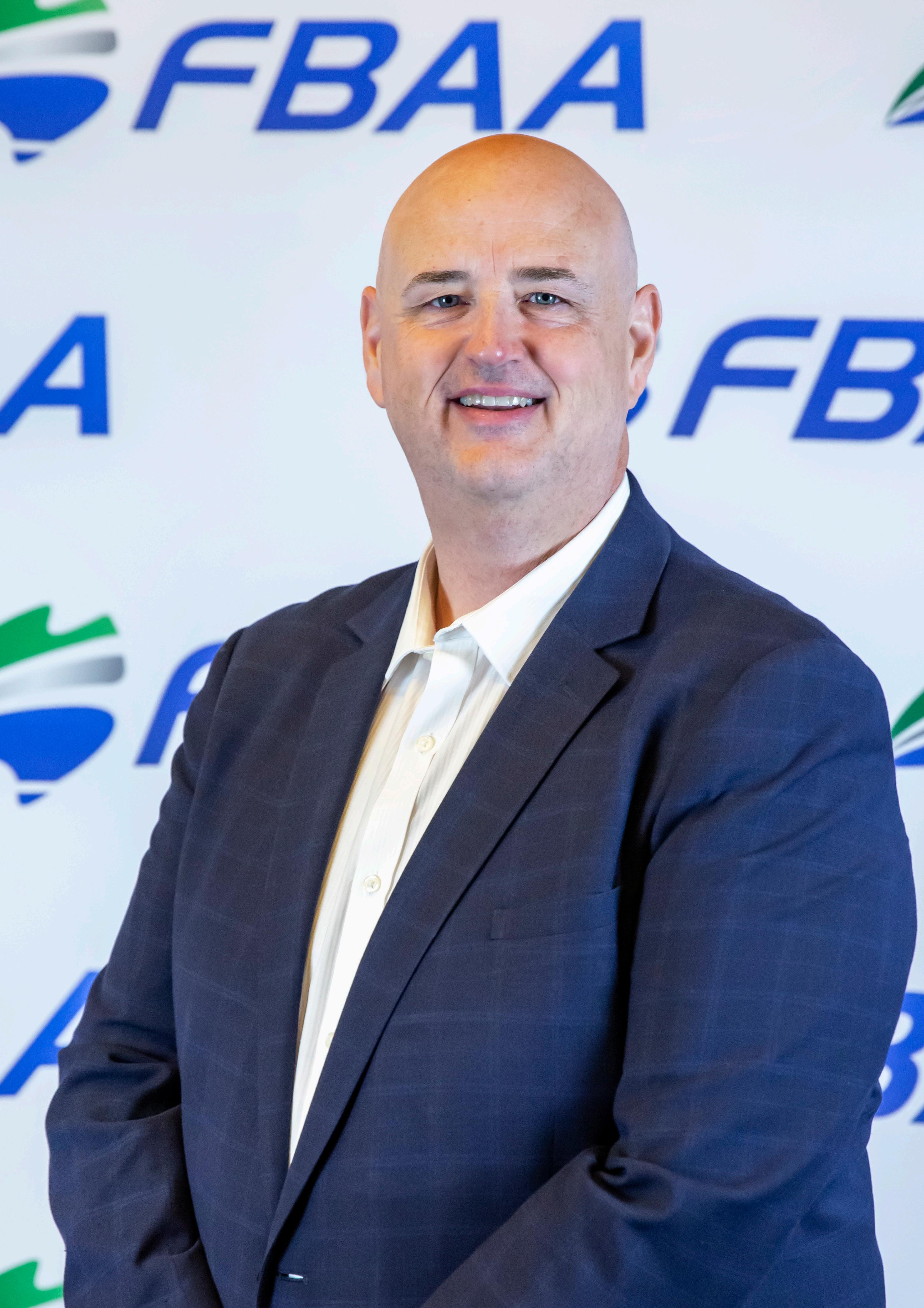
Brett Spencer
As we welcome 2026, it’s a great time to reflect on the last year, the holiday season we have all enjoyed, and the changes we face in our world, whether in the people we surround ourselves with or the technology accelerating around us. I feel that as often as we blink, something new comes along to make us think and adapt. Here at the FBAA, for the first time in 8 years, the Board elected a new Chairman, as Tony Carter enters his final year of tenure before retirement from the Board. I want to thank Tony for his contributions to the FBAA community, and I know I have some big shoes to fill.
Whilst change is a constant we all face, what will never change at the FBAA is our commitment to our members and partners. In 2026, I’m excited to say we are doubling down on delivering the greatest value to help you build a better business. We’re doing this through more education, training, and networking events; easier access to industry peers through our State Branch volunteers; direct access to our State Managers; and increased state & federal advocacy efforts.
At the Board level, we are committed to ensuring these commitments deliver tangible benefits to you, so in support of this, we have created a new Professional Standards Committee, chaired by Gillian Fleck, FBAA Board Director, that will focus on ensuring that we all provide the highest level of professional standards with whom we engage.
We have also created a Partner Engagement Committee, chaired by our newest Director, Justin Delanty, with a focus on bringing all partners in our industry together to have a voice, contribute, and be part of the industry’s overall success.
In this first issue of Broker Magazine for 2026, we’ve got a massive amount of valuable information in support of our ongoing commitment to you. Included is an update from our REGS advocacy team, and the Industry Insider Update brings you industry insights
and predictions for 2026. This issue covers the latest on compliance and Social Media marketing techniques, and a fantastic article on marketing your business by broker coach Sam Panetta. There’s also a significant update in our Commercial and Asset Finance section, along with some valuable insights into how you can get the best education available through the enhanced FBAA Learning Centre.
As Chairman of the Board, I am deeply humbled by the trust placed in me to serve in this role, and I do so with a clear understanding that this position is not about any one individual, but about stewarding the FBAA, which exists for a purpose far greater than any one member. My responsibility is to safeguard our values, support the entire FBAA community, and ensure the FBAA remains strong, principled, and sustainable for those that we serve, now and through changes that lie ahead. As custodian for this moment in time, I want to ensure that the FBAA mission, impact, and legacy will always matter far more than any other changes we may face.
Let’s embrace change, build on the positives of 2025, and together, make 2026 the best year possible.
Brett Spencer FBAA Chair of the Board
“My responsibility is to safeguard our values, support the entire FBAA community, and ensure the FBAA remains strong, principled, and sustainable for those that we serve, now and through changes long into the future.”

To kick off 2026 with a bang, on a sunny early February afternoon, Broker Magazine sat down with FBAA InterimCEO Peter White to do two things.
1: Pose some questions around the current state of play in the wider finance industry.
2: Make some bold, brave, controversial predictions for the future.
He agreed to the first part.
The second part, we had to kind of sneak in at the end.
BM: Peter White, thanks for sitting down with us.
PW: Thanks for having me.
BM: let’s kick off with something simple, interest rates. What are your thoughts on the RBA decision to raise the cash rate?
PW: It’s an interesting situation. Most countries in the world have been relatively stable, holding rates, while our Reserve Bank has been moving them up, then down, then up again. I’m not an economist, but there’s an argument that the Reserve Bank has been a bit too reactionary, moving too fast.
BM: Should they have cut the rate back in August, 2025?
PW: There’s an argument to say they shouldn’t have. Things in an economy take time to play out, and I think the RBA could have given more time to see what the economy does before reacting, let things play out a bit.
Look at the Christmas period: consumer spending is always ramped up around Christmas, and the spending spree is starting earlier now, driven by Black Friday and Cyber Monday sales promotions. But rather than look at Christmas 2025 in isolation, you need to look at year-onyear trends over a few years to see if there is a pattern and whether everything will return to normal; it just hasn’t happened yet.
The RBA Board has a tough gig, trying to balance inflation and unemployment, a task

many economists agree is difficult. I do think they move too fast in both directions.
BM: You know, we said we wouldn’t ask for predictions?
PW: Yes
BM: Prefacing with the disclaimer “Peter White is not an economist”, what do you think will happen at the next RBA meeting on St Patrick’s Day?
PW: I think they might increase again. I hope they don’t. I hope they move away from the interest rate ping-pong and just give more time for things to play out, but again, I’m not an economist, and I could be wrong.
In our industry, no matter what happens, we just need to keep being there for clients, helping them make the best decisions for themselves, their families, and their businesses.
BM: There’s been some rumblings recently about the Federal Government’s plan to cut the Capital Gains tax exemption from 50% to 25%. Thoughts?
PW: We’ve been here before. This idea has been raised before, and it usually gets an airing around the lead-up to the federal budget. There are many factors at play. Any change to the ruling won’t just impact the property market but the whole investment spectrum, including superannuation returns, depending on where the funds are exposed.
We also can’t ignore the political implications. Attempts to change the scheme in the past have met with some pretty intense reactions.
Any change would definitely affect the lending marketplace. When you move the dial on these sorts of things, when they’ve been in place for a long time, there’s an adjustment period, plenty of reaction, rejection and all manner of conjecture. We’ll wait and see.
BM: Speaking of Clawbacks, see what I did there?
PW: Actually, we met with the Federal Finance Minister recently, and we did speak about clawbacks. It was a little bit of an education piece as we’d been dealing with the previous
BM: Not predictions, ponderings, completely different.
PW: Oh well, in that case..
BM: I’m going to note for the readers that you made that statement with a smile and a sense of playful sarcasm.
PW: Very good. Righto then, off you go.
BM: Let’s start with AI.
PW: To me, AI is like the tide, you ain’t gonna stop it coming in, so we have to embrace it, and I know a lot in our industry already are. It will be an intrinsic part of our future, and it will have its share of trips and false starts along the way.
Many lenders have already integrated it into their credit procedures. It does a lot of the grunt work, and I think that’s what AI is about. I don’t think it’s about taking jobs away from brokers.
BM: There’s an old saying around leadership and management that you can delegate the task but not the responsibility. It feels like that really applies to AI. It can do the grunt work, but it’s your job to make sure it’s done right.
“AI is like the tide, you ain’t gonna stop it coming in, so we have to embrace it.”
minister, Steven Jones, before he departed. There’s not usually a transition of knowledge when administrations change, so there was a bit of time spent giving him the full picture. He was very receptive to what we had to say. Now we’re waiting for his senior staff to come back to us so we can discuss policy framing, the right steps to move forward through the government process, and industry consultation.
We know the current system is inequitable; we know what we come up with has to be fair and reasonable for borrowers, lenders, and, most importantly, brokers.
We discussed a range of topics, but clawbacks were a central issue. The battle continues.
BM: Ok, we’re going to finish off with a game.
PW: What game would that be?
BM: A fun game called Pete Ponders the Future.
PW: I’m pretty sure we said no to predictions
PW: Exactly. That’s where a client’s trust in a broker is paramount. I also think we have to be careful who we listen to in this space.
I was at a presentation before Christmas where they were talking about the development of a whole lot of new AI tech-driven products, and there were five experts from here and around the world. They’re all saying they’re still learning as they go.
If that’s the case, we’ve got to be careful who we listen to and take guidance from, to make sure whatever we do is right, knowing it’s still in its very early stages. We do need to get on board and be prepared to learn and re-learn as AI is on an exponential growth curve.
BM: How are the regulators going to handle that?
PW: They’re all working on their positioning pieces as we speak, so it is a bit of a “watch this space”. No doubt we’ll get clarification over time, but while that’s happening, it falls on brokers to remember their responsibilities and accountability and not risk leaving that to AI.

BM: Ok, last one. If you’re a broker doing some future planning for your business, say 2, 5, 10 years ahead, what should you be thinking about?
PW: Well, for a start, I think you have to accept that change is always going to happen and that it never happens in straight lines.
In the next one to three years, embracing technological change is likely to dominate our thinking, but the industry as a whole isn’t going to change much.
Beyond three years, I think we’ll see more diversification in how businesses choose to grow. It could be consolidation to grow quickly, which we’re seeing now; it could be strategic growth through rebranding and marketing; it could be franchising. Franchising can be quite challenging from a regulatory point of view, of course, but overall, I think there will be much more diversity in how to strategically position your business for growth.
I don’t think we’ll see major framework changes, for example, we’re not likely to get a whole new National Consumer Credit Protection tomorrow, but there are always changes within, some good, some not so good.
For example, back around 2009, point-of-sale exemptions in the motor sector were introduced, supposedly only for 12-24 months, but they’re still here, and it’s one of the things we spoke to the minister about in our meeting. It’s just not a fair
playing field, and it needs to change. One of the positive changes we’re working towards is cutting some red tape by standardising some documents and allowing digital signatures. For example, there’s no reason why we couldn’t have a standard form for discharging a mortgage. That would help eliminate channel conflict in the marketplace, since there’d be no lender trying to grab your deal at the last minute.
BM: I feel like we could dive deep down the rabbit hole here and that you might enjoy it, but we’d better wrap it up. One final thought?
PW: Our industry is vibrant and dynamic, and will always have a lot happening. There will always be change, and very rarely will it be in a straight line, so we have to be comfortable with being uncomfortable. The really big stuff, though, the core of what we do, that’s our constant. We’re professional people tasked with helping people get the best results for their family, business, and future, and as long as we stay committed to that core task, we’ll be fine.



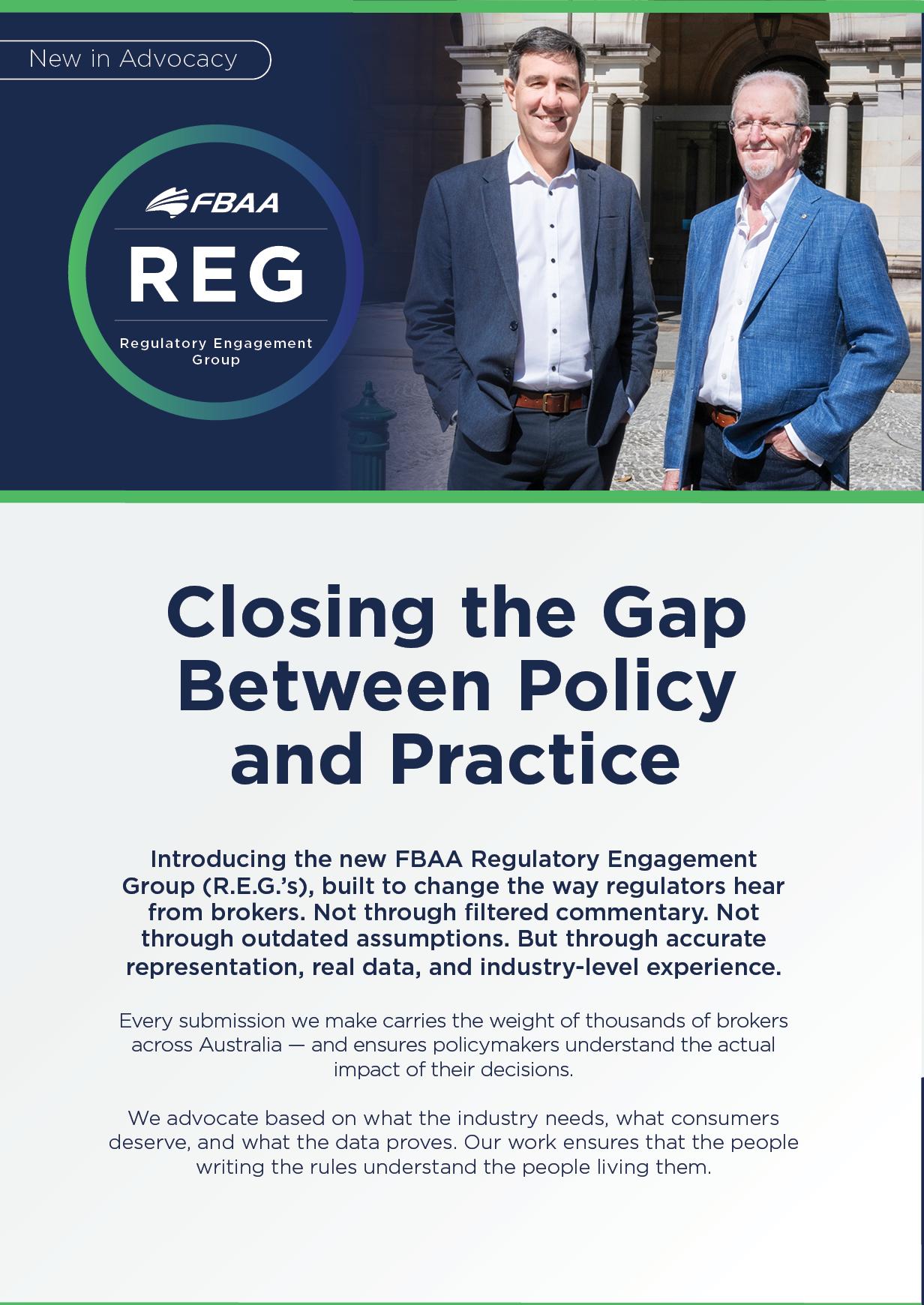
too)

By: Sam Panetta Broker Coach, Founder

I’ve been lucky enough to get up close and personal with the top players in the mortgage game, and this is what I reckon it actually takes to operate at the top end of this industry.
Here are the common themes that I’ve observed the elite consistently doing. Take what resonates, apply it to your business, and watch the magic happen.
1. They genuinely love the game
Not just the income. The work itself.
They enjoy solving complex scenarios, helping clients win, and building something meaningful. That passion shows up everywhere: in their conversations, their content, and their persistence. When you love the work, it’s easier to stay committed when things get hard.

They work hard
No shortcuts. No hacks. No illusions.
They show up early, stay late when required, and apply focused effort day after day. Systems create efficiency, but effort still matters. And the best outwork the field.
3. They treat their business like a business, not a job
Top performers run P&Ls, track KPIs, and make decisions based on solid data. They know their cost per lead, conversion rates, and profit margins. They’re running a real business that happens to specialise in loans.
4. They choose a niche and own it completely
Instead of trying to help everyone, they get super specific, and that’s where the breakthrough happens.
Their messaging lands. Their marketing works harder. Their clients refer consistently. When you deeply understand a specific audience, you become the obvious choice.
5. They’re hyper-focused
Top performers don’t chase every opportunity that comes their way. They’ve identified what works, and they double down on it relentlessly. They say no to distractions, even good opportunities, because they know diluting their focus dilutes their results. They’d rather be exceptional at a few things than mediocre at many.
6. They know their numbers and obsess over the funnel
Ask a top broker how many leads they need to hit their revenue target, and they’ll tell you straight away. They reverse engineer their ambitions. They know that if they need 20 settlements to hit their goal, they’ll need roughly 25 applications, 30 strategies presented, and 50 qualified leads. Then they build systems to deliver on those numbers month after month.
7.
Top performers are generous with their knowledge. They’re constantly sharing insights, solving problems, and helping people even before anyone becomes a client. They respond quickly, produce content, answer questions, and openly demonstrate their expertise. By the time someone reaches out, trust is already established, and the conversation flows naturally.
8.
I’m talking about valuable, relevant content for that target audience. But here’s the thing: whatever number you’ve got in your head for how much content to make, 10x it. That’s your real number. I see brokers putting out one post a week and wondering why they’re not getting traction. The reality is, you need to flood your niche with value consistently.
Top performers don’t just wait for referrals. They run paid ads, create daily content, and build a predictable lead flow. They’ve worked out how to attract new clients consistently, and they treat marketing as essential, not optional. Whether the market’s up or down, their marketing engine keeps running.
Every client. Every partner. Every time.
This is how they retain relationships and turn trust into referrals. It’s not complex, but it is consistent. They don’t switch standards based on mood or workload. Winners deliver excellence as the baseline, no exceptions.
Elite brokers don’t get stuck doing everything themselves. Repetitive tasks are systemised and delegated. Admin is handled. Chasing documents is off their plate. Their time stays focused on what actually moves the business forward.
12. They build their team earlier than feels comfortable
Before the pressure hits. Before things break.
They hire ahead of demand, so capacity is ready when growth comes. Scrambling is expensive. Preparation wins.
13. They hire ‘A’ players
Sharp. Reliable. Self-motivated.
They understand that one great hire outperforms three average ones. So they invest properly, raise the bar, and refuse to settle for anything less than excellence.
14. They stay in the arena when everyone else quits
Markets shift. Competition increases. Challenges arise. They keep showing up.
They don’t work in bursts or lower their standards under pressure. Consistency wins long games, and this is where real separation happens.
15. They keep learning and growing
Always sharpening the edge.
They read, listen, test, and refine what works. They invest in coaching, put themselves in the right rooms, and surround themselves with high performers. They understand that growth isn’t optional at the top; staying sharp is what keeps them ahead.
The bottom line...The gap between average and elite isn’t about natural talent. It’s about dedication, effort, and mindset.

In summary:
• Protect your time intentionally.
• Build systems that support growth.
• Market consistently and authentically
• Hire the best people you can find
• Stay laser-focused on what works.
• Put in genuine hard work with passion.
• And deliver exceptional experiences every time.
• Good luck and go get ‘em!




As the finance industry continues to evolve, so too does the role of the modern mortgage broker. For many brokers who are beyond their mentorship years but not yet operating at scale, the challenge is no longer learning the basics – it’s building consistency, refining systems, and developing the professional discipline required for long-term success.
To support this critical stage of broker development, the FBAA is expanding its education framework in collaboration with Success and Broker through the introduction of the FBAA Grow Broker Program. This six-month advanced development pathway has been designed to help capable brokers strengthen their confidence, sharpen their capability, and move toward consistant high performance.
The FBAA Grow Broker Program is positioned to bridge the gap between emerging brokers and established performers. It complements the support provided by mentors and aggregation partners, offering structured coaching and learning that focuses on practical business habits, communication, client value, and sustainable growth.
Delivered through a combination of fortnightly group coaching, structured weekly learning, and peer accountability, the program provides brokers with both guidance and momentum. Participants benefit from live coaching led by Ruan Burger, a respected industry leader known for building and selling high-performing brokerage businesses, as well as ongoing support from peers navigating similar business challenges.
The program is intentionally designed for brokers who are not yet writing high monthly volumes or leading teams, but who are ready to evolve beyond foundational competence and embed consistent, professional performance.
The FBAA Grow Broker Program is scheduled to launch in the first half of 2026, with limited places available for the inaugural intake. Brokers who are interested in being part of this new development pathway are encouraged to register their interest by scanning the QR code included with this article.
Through initiatives such as the FBAA Grow Broker Program, the FBAA continues to invest in the long-term strength of the broker community — supporting brokers with practical education, meaningful structure, and the tools needed to thrive in a competitive and evolving industry.
Register your interest in the FBAA Grow Broker Program.


Bridging the gap between emerging brokers and established performers.



They start by researching.
In fact, around 90% of borrowers research home loans before they ever speak to a lender or broker, and many say the information is confusing or difficult to interpret.
That early stage — months before an application — is where perceptions are formed, and trust begins.
Beforeuloan.com is built for that moment.
It’s an independent, ad-free education platform that helps Australians understand lending fundamentals, common misconceptions, and how mortgage brokers support better outcomes — well before they’re ready to take the next step.
Because what people learn during early online research shapes how they understand the process — and the role brokers play in it — long before a loan is ever discussed. Most Australians don’t start their loan journey with a broker or a bank.


Financial literacy is one of the most persistent gaps we see, not only in our professional work with consumers, but also in our own homes as parents of teenage children. Despite the best intentions, many people reach adulthood without the practical skills needed to confidently manage money, credit, and long-term financial decisions.

Victoria Coster and I, Beth Comino, founded Financial Literacy Education after seeing these challenges repeat across generations. In our work with consumers, we regularly encounter people making significant financial decisions without a clear understanding of credit, products, or compounding. As mothers, we also saw those same gaps emerging early in our children’s lives. We are confident our colleagues across the industry recognise these systemic challenges, and we are working to carry this torch on behalf of the broader industry — raising much-needed awareness for Australians.
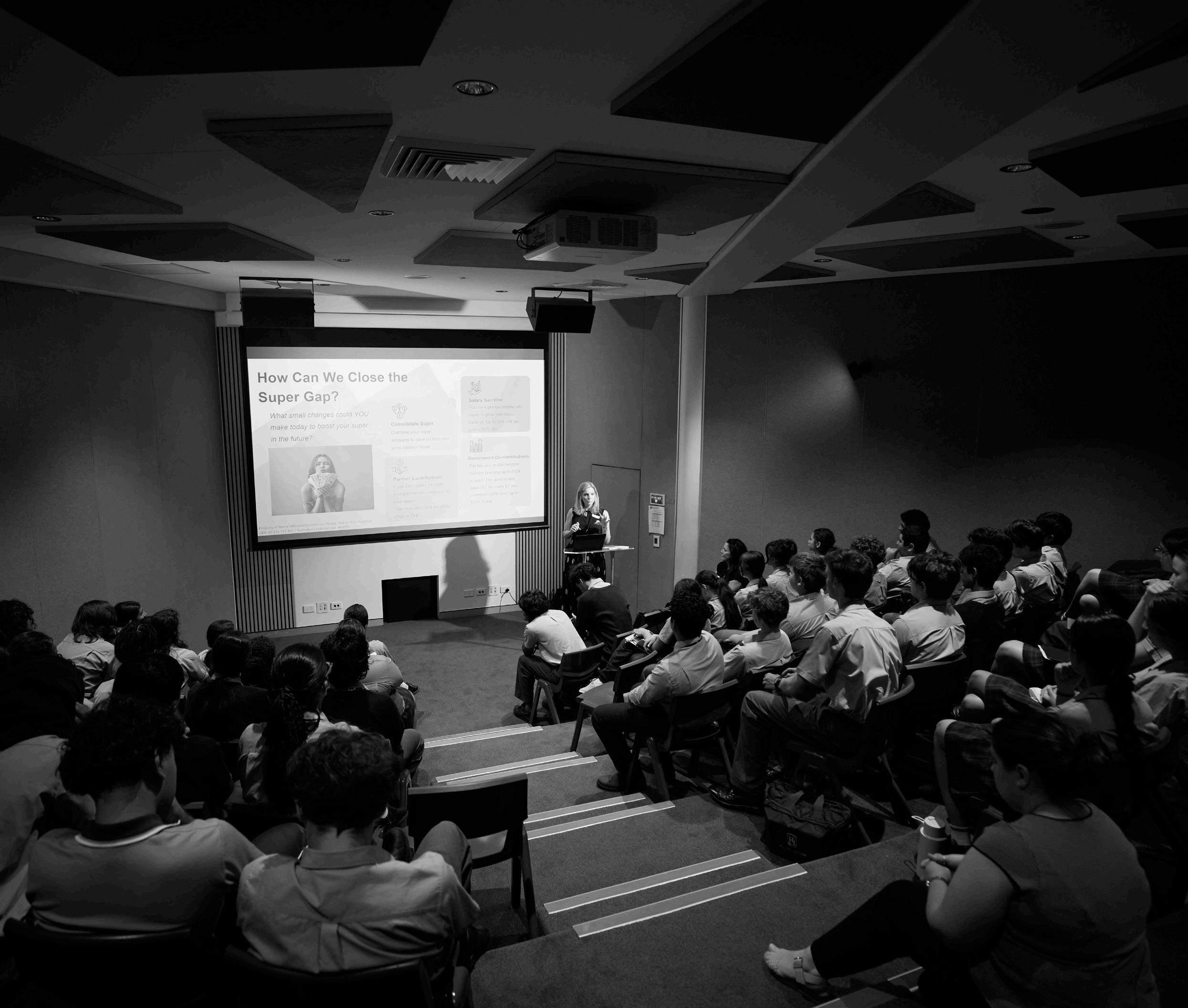
From that experience, we developed Financial Independence Training (FIT) Solutions, a school-based financial literacy program focused on education rather than financial advice. The aim is simple: to equip young people with practical, real-world skills they can apply regardless of the pathway they choose after school.
FIT Solutions delivers five core courses covering budgeting, savings, personal loans and interest, credit reporting, mortgages, and superannuation. Together, these courses build understanding around income, expenses, credit, responsibility, and how financial products work in practice — helping students develop confidence before decisions carry real consequences.

“FIT Solutions is deeply personal. It’s about giving young people the confidence to make better financial decisions before it’s too late.” ~ Beth Comino, Co-Founder, Financial Literacy Education
As the program gained traction, one limitation became clear — scale. Our vision has always been national, but delivery requires a community-led approach. Brokers are uniquely positioned to help meet this challenge. They are trusted professionals embedded in their local communities and see firsthand the consequences of poor financial literacy every day.
Through a broker accreditation pathway, FIT Solutions enables brokers to deliver a consistent, structured syllabus within schools and communities. This is not about providing financial advice; it is about education, awareness, and capabilitybuilding — while reinforcing the broker profession as a trusted community resource.
“We believe early financial education changes outcomes by helping students understand money, responsibility, and consequence.” ~ Victoria Coster, Co-Founder, Financial Literacy Education
That industry-wide commitment is reflected in the support of our foundation partners. Finance Brokers Association of Australasia Interim-CEO Peter White AM explains:
“The FBAA is always looking for ways to support Australians, and this grassroots program is helping to break the systemic problem of financial literacy. We are proud to be a part of this.”
Looking ahead, Joanna James, Chief Development
Officer of the Finance Brokers Association of Australasia
, adds:
“In 2026, FBAA members will be able to become a FIT Solutions educator offering financial independence training. This will provide the opportunity for brokers to make a difference in their community by educating students in high schools.”
That shared vision is echoed by Tony MacRae, Chief Commercial Officer, from Bluestone Home Loans, who notes:
“At the heart of everything Bluestone does is a commitment to support more Australians achieve their dream of home
ownership, because we believe everyone deserves the chance to build their future. Partnering with FIT Solutions and the FBAA to extend this to financial literacy for our youth just made perfect sense. We are proud to be a foundation sponsor and help bring this to the next generation of homeowners.”
Financial Literacy Education was founded on the belief that better outcomes start with better understanding. Through FIT Solutions and industry collaboration, we have an opportunity to shape the next generation — while strengthening the broker industry’s role as a trusted contributor to community financial wellbeing. role as a trusted contributor to community financial wellbeing.



Across the industry, one truth remains constant: brokers are busier than ever. Between chasing documents, structuring deals, managing compliance, and keeping a business afloat, CPD often becomes something squeezed into the margins of an already packed schedule. But the issue has never been a lack of willingness.“Brokers are willing and eager to learn — they just don’t have hours to stop what they’re doing,” says Joanna James, FBAA Director of Engagement. “Time is the biggest barrier.” That reality is reshaping how professional development is delivered — and what brokers expect from it.
For many, CPD has long been perceived as a compliance checkbox. Today, with heightened competition and constant industry change, brokers increasingly want learning that actually helps them run a better business. James says this is where shorter, targeted learning is proving most valuable. “Good CPD should give you something you can use the same day — something practical, something relevant. This shift reflects a broader change across small- to medium-sized businesses: owners and operators want education that fits into their day, not disrupts it.
One standout trend is the rise of audio-based CPD, designed to align with how brokers work — often on the road, between appointments, or multitasking. Anthony Bishop, CEO of CPDGO, says the platform was built specifically for professionals whose schedules don’t suit traditional classroom learning.“CPD-GO turns ‘in-between time’ into growth time — whether you’re commuting, grabbing lunch, or waiting for a client,” Bishop explains. The learning science backs it:
• Audio paired with immediate application significantly boosts retention
• Reduced screen fatigue improves engagement
• Brokers can replay key parts to reinforce understanding
One broker summed it up perfectly:
“I knocked out two CPD sessions before my first coffee meeting — and used one with a client that afternoon.”
Recognising the need for education that supports — not competes with — the broker workflow, the FBAA partnered with CPD-GO to expand accessible, on-demand learning options for its members.This collaboration reflects FBAA’s ongoing commitment to:
• Improving compliance accessibility.
• Supporting broker wellbeing through flexible learning.
• Providing education that contributes directly to business growth.
• Modernising CPD so it genuinely adds value.
For both organisations, the goal is simple: CPD that is easy to access, easy to complete, and genuinely useful in day-to-day broking.
As Bishop puts it:
“CPD should be something you want to do because it helps you grow — not just something you have to do to tick a box”.
The future of CPD is clear:
• Flexible, not fixed
• Practical, not theoretical
• Actionable, not overwhelming
• Integrated into your workflow, not competing with it
As mobile, on-demand learning becomes the norm, brokers can reclaim lost hours, reduce stress, and turn “in-between time” into business opportunities.
Check out the full range of FBAA-approved CPD courses available through the FBAA Learning Centre — including audio, on-demand, and specialist offerings tailored for busy brokers.


“When CPD fits seamlessly into your day, it stops being an obligation and starts becoming a business advantage.”


An exciting new initiative of the FBAA the Learning Centre is an online platform that offers you the freedom to learn at your own pace and in your preferred style.
Engage with audio, video, and written materials – pick the style that works best for you.
Whether you’re looking to improve your business performance or build resilience in your career, FBAA Learning Centre offers a wide array of learning topics for every stage of your professional journey.
Access courses anytime, anywhere, with flexible online learning that fits your busy schedule.
Choose from a range of content that suits your individual needs, from business finance, product knowledge, marketing strategies, and customer service, to mental health and wellness support.
Learn More



As an FBAA member you are among the best in the business, but are you using your knowledge to raise your profile and credibility with those most important to your business – existing and potential customers? Don’t hide your expertise – Find your public voice and become the expert others notice, without additional costs. Here’s how to do it.
Do you realise that you own a 24/7 news platform? Your “owned media” includes your website, blog sites and social media channels. But do you use it to provide value to your readers and viewers? Many make the mistake of using these valuable channels to simply advertise their services or post team pictures, but adding
value means to provide tips, advice, and information that your audience can’t easily get elsewhere. Don’t be afraid of “giving away” your knowledge. When you provide valuable information, people will want more, see you as the authority, and are more likely to come to you when they need help.
The expert commentator on that digital news article, or on the radio or TV news could be you! In this age of 24/7 news, content is produced endlessly by news organisations, while social media spreads it quickly and widely. This means journalists and media outlets need continual content to meet demand. There’s also a national obsession with property and this is reflected in the daily news cycle. As a finance or mortgage broker, you can help provide this content by being a source of information and expertise about lending or related
areas, whether it be real estate, commercial, auto or any other area of finance; and unlike advertising, this media exposure is free.
But how do you become a voice of authority that is valued by the media? You may not have the expertise of a PR company, but if you understand a few principles you can make a great start.
1. Understand the difference between PR and marketing
Don’t expect free marketing or advertising. What you have to say must be newsworthy, so think about what the public needs to hear and what you can say that is informative and of public interest. It may be a new lending product, a unique way for first home buyers to enter the market, or a warning about lending pitfalls. Have a realistic expectation of the story and the way you’ll be portrayed, and present your ‘pitch’ to the journalist as ‘public interest’. When you are included in a

story as the expert, it gives you massive credibility with clients and potential clients, and provides you with great content for your marketing, website and social media.
2. Ask “What value can I add to a current story or media commentary?”
Follow what is being reported in the media and ask yourself if you can add value to the topic. Media outlets like to keep covering certain issues or themes when there is high public interest, but they need to look for different ‘angles’. So if you see a story but think there is more to say, jump into action and contact the journalist who wrote the article. For those in regional areas, look out for national stories around real estate or finance topics, and talk to your local media, as they often like to ‘localise’ the story by speaking to those in their region. Don’t undervalue yourself or your potential input. Your knowledge or opinion could be just what is needed.
3. Contact the journalist or media outlet
When you have a comment or story that you believe would be of media interest, let your local media (or even state or national media outlets) know. You may not know how to write a media release but you can send them a brief email (a thesis won’t be read) or message them via social media. Introduce yourself and make a ‘pitch’ - which means to tell them what you have to say and how it will add to their story or be of news interest. Most stories include the name of the journalist and some have contact details. If not, look up the journalist on social media or simply call the media outlet and ask how to contact them. Don’t be shy and don’t worry if they aren’t interested. Not every pitch will work but if you keep trying, you’ll get a breakthrough.
A final note – There is a misconception that social media has made mainstream media redundant. But while many get their news from social media, it’s the mainstream media outlets that produce the credible news content shared across the social platforms. A story in a major newspaper or on the TV news now goes a lot further than it used to.
Good luck!
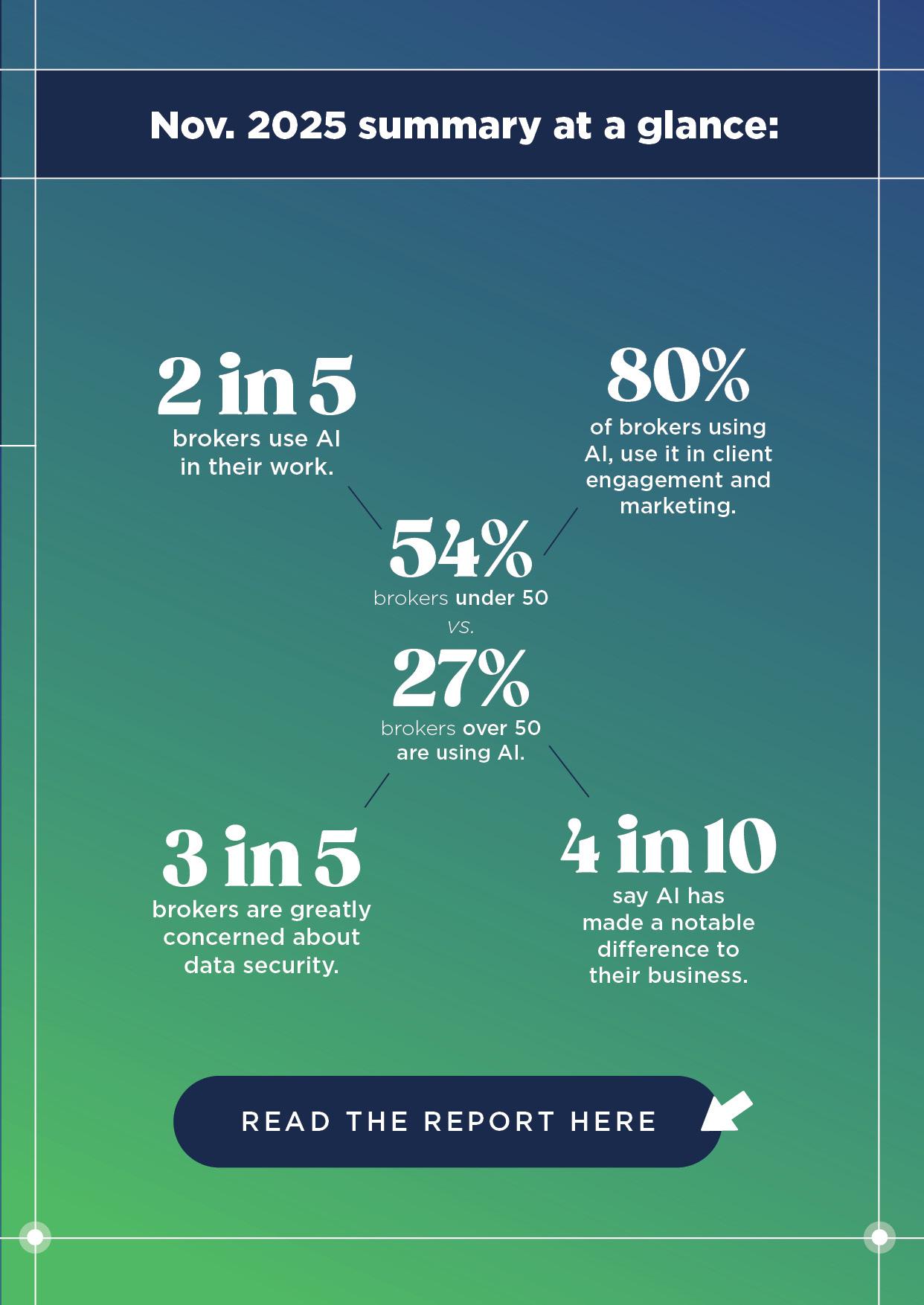
As brokers head into 2026, there’s a lot of noise about artificial intelligence - what it will replace, what it will disrupt, and whether it’s something to fear or embrace. My view is much simpler: the brokers who will thrive are the ones who double down on being human, while using AI quietly and confidently in the background.
Let’s start with what AI can’t do.
AI can’t build genuine relationships. It can’t sit across the table from a client, read the room, or pick up on the unspoken worries behind a “yes, that sounds fine.” It can’t replace the trust built when you pick up the phone, meet someone face-to-face, or reconnect with a referral partner you haven’t spoken to in a while. Those moments, the human ones, are what create credibility, loyalty, and long-term businesses. If anything, they matter more now than they ever have.
At the same time, there’s no point fighting what AI can do.
AI isn’t going away, and by 2026 it will stop feeling “new and shiny” and simply become part of everyday operations. The brokers who get the most value from it aren’t necessarily the youngest or the most technical, they’re the most curious. Put an hour a week in your calendar. Play with the tools. Ask questions. Talk to other brokers about what’s working for them. Age is irrelevant. Curiosity isn’t.
One of the biggest opportunities I see for brokers is in building their marketing muscle. Clients want to see you, your story, your values, your knowledge. That doesn’t mean being perfect or polished. It means showing up authentically. Share what you know. Teach your community. Run events. Be visible, even when it
feels uncomfortable. This approach was a huge part of how I built my own business, and it still matters deeply.
Clarity is just as important. Know your niche. Understand exactly who you serve and speak directly to them. You don’t need to be everything to everyone, you just need to be the right broker for your ideal client.
Where AI really shines is as support. Think of it as an extremely eager trainee who doesn’t need coffee breaks or sick leave. It can help with policy searches, drafting compliance notes, preparing application submissions, marketing content, email sequences, business planning, and analysis. It won’t replace your obligations or your judgment, but it can save you hours.
I even use AI in my personal life, for travel planning, meal prep, kids’ schedules, and general life admin. One of my AI tools now refers to me as “Lovely.” I didn’t ask for that, but I’ll take it! My biggest message for 2026 is simple: be curious. Use AI for clarity and structure, not as a replacement for expertise. Double-down on everything AI can’t, and let it quietly handle the rest for you.
“The brokers who will thrive are the ones who double down on being human, while using AI quietly and confidently in the background.”
“AI isn’t going away, and by 2026 it will stop feeling ‘new and shiny’ and simply become part of everyday operations.”

By Katherine Persoglia


The Brokers Bible
As brokers, you’re trained to look beyond the surface. When a client wants to borrow, you don’t rely on how confident they sound or how optimistic they feel… You check credit scores, assess liabilities and stress-test serviceability. You work with the real numbers to understand true capacity - not just their perceived capacity. Anything short of that is noncompliant and irresponsible.
Yet when it comes to our own mental health, or the health of our teams, many of us rely almost entirely on gut feel.
“If something was wrong, I’d know.”
“They seem fine.”
“We’ve always worked under pressure.”
In high-performing, fast-paced environments, stress often hides in plain sight. Long hours, emotional clients, compliance demands and constant change become normalised; until they quietly start impacting focus, judgement, energy and wellbeing. The numbers drop, the cadence slows and the pipeline becomes dangerously thin.
At that point, it’s easy to assume the issue is strategy or market conditions. More often, it’s mindset under sustained pressure - the cognitive load, decision fatigue and threat response that narrow thinking and reduce capacity long before people consciously realise it.
This is where psychological safety becomes practical, not fluffy. The true foundations of psychological safety require accurate informationwhether you’re a one-person operation or running a growing team. It’s the difference between guessing capacity and actually measuring it.
In clinical psychology, one of the most widely used tools for this is the DASS-21 - a short, evidencebased questionnaire that measures depression, anxiety and stress. It’s an industry standard, used across healthcare and organisational settings
to understand how someone is really tracking beneath the surface. Much like a credit score, it doesn’t label or judge. It just provides data.
For solo brokers, tools like this can act as an early warning system. They can act as a structured check-in that highlights when stress is edging into unsustainable territory, long before burnout forces a hard stop.
For business owners and leaders, structured insight matters even more. When psychological safety is low, people don’t necessarily speak up. They work around issues. They stay quiet to avoid conflict. From the outside, everything can look fine - right up until performance drops, mistakes increase or someone suddenly leaves.
The strongest businesses don’t rely on assumptions. They create ways to see patterns early - workload pressure, role clarity issues, stress hot-spots - so they can intervene before small problems become expensive ones.
Importantly, this isn’t about lowering standards or removing pressure. Just as responsible lending is about sustainable borrowing, sustainable performance comes from understanding real capacity - not pushing blindly and hoping it holds.
So… make this year the one you stop guessing. The year you stop relying on gut feel, silence or surface-level reassurance. The year you start working with the true numbers - for yourself, and for your business.
You can’t manage what you can’t see. And you can’t lead sustainably without knowing your real capacity.

By Bronwyn Penhaligon Strategic Psychotherapist & Founder Penhaligon Applied Psychology

“The strongest businesses don’t rely on assumptions. They create ways to see patterns early.”


The most interesting shifts in finance aren’t happening at the top. They’re happening where careers begin — as more young women step into mortgage and finance broking early, with clear ideas about how they want to work, what they value, and what success should actually look like.
One of those women is Kobe Clarke-Jacobs, named the FBAA 2025 New Broker of the Year at the FBAA Awards of Supremacy. Her recognition reflects more than strong results. It points to a broader change in the industry — one where education, trust and human connection are becoming defining strengths, not secondary traits.
According to the 2025 FBAA Broker Density Report, women now make up almost 30% of mortgage and finance brokers, and that number continues to grow. But the more compelling story isn’t the statistic — it’s how this generation is entering the profession. They’re not waiting years to be heard or for seniority to have influence. They’re building credibility from the outset through preparation, clarity and follow-through.
Many arrive through career pivots, support roles, or by teaching themselves from the ground up. Alongside the technical skills, they’re learning to navigate assumptions about age, experience, and credibility — often having to prove themselves faster and with less margin for error.
What’s emerging is a different kind of confidence. One built early. One grounded in consistency rather than bravado. And one shaped by the understanding that there isn’t a single mould they need to fit to succeed.
The shift isn’t coming from the top down. It’s happening at the entry point.
In the conversations that follow, Kobe is joined by Ashlee Hutchings and Treyena Prasad, who speak candidly about entering finance as women — finding their footing, backing themselves, and challenging the idea that success has to come at the expense of balance, authenticity or wellbeing.
And together, they tell a bigger story — one about what happens when young women don’t wait to be invited into finance, but step forward and help redefine it from the very beginning.
“You don’t need to do things the way they’ve always been done. Once I stopped trying to fit a traditional mould and leaned into my own strengths, everything clicked.”


Can you share a little about how you first found your way into the world of finance and broking?
Like most brokers, I didn’t take a straight line path into broking. I was looking for a career change after navigating chronic illness, which really made me reassess what I wanted my working life to look like. I’d previously worked in Buyer’s Advocacy, so mortgage broking felt like a natural next step. I already loved property, but I also really love people. Broking allowed me to bring those two things together and play a hands-on role in one of the biggest decisions people make.
Was there a particular person, event, or experience that shaped your early career or inspired you to become a broker?
One of the moments that really shaped me early on was being told I wouldn’t be a good broker if I worked part-time. At the time, it was frustrating, but it also became a huge motivator. It pushed me to prove that there isn’t just one way to succeed in this industry, and that flexibility and ambition don’t cancel each other out. That mindset has stayed with me as I’ve built my business. As I grow my team, it’s something I’m really intentional about encouraging - creating a culture where people can be successful without it coming at the expense of balance or wellbeing.
What do you think has been the biggest factor in your growth so far?
Social media and being genuinely passionate about what I do. Sharing educational content online allowed people to get to know me before they ever needed a broker. By the time they
reached out, and there was already trust there. I think being consistent, honest and having a human approach has made a big difference.
What’s one lesson or piece of advice that’s really shaped how you do business today?
You don’t need to do things the way they’ve always been done. Once I stopped trying to fit a traditional mould and leaned into my own strengths, everything clicked. Building a business that aligns with who I am has made the work more sustainable and far more rewarding.
How would you describe your approach to building trust with clients, especially in such a competitive market.
I just try to be myself. The person clients see on social media is the same person they speak to on the phone or in person. I focus on education, clear communication, and being upfront, even when the answer isn’t what someone hopes for. Trust comes from consistency and genuinely caring about the outcome, not just the transaction.
What’s been your proudest professional moment to date — and why?
Winning the FBAA 2025 New Broker of the Year is definitely my proudest moment. It felt really special because it recognised more than just numbers. It reflected the way I approach broking: education-led, client-focused, and communitydriven, which means the world to me.
As a young woman in finance, what challenges have you faced — and how have you overcome them?
Being young often means needing to prove yourself a little quicker. There can be assumptions around experience or capability, especially early on. I’ve focused on preparation, showing up consistently and letting my work speak for itself. Over time, confidence grows and so does trust.
Do you think the industry has changed in how it supports or welcomes women since you started?
Yes, I think there’s been a really positive shift. There’s more visibility, stronger support networks and more open conversations around flexibility and leadership. There’s still progress to be made, but it genuinely feels like the industry is moving in the right direction. One area that could make an even bigger difference is how we talk about work-life balance. I have friends who would make incredible brokers, but feel intimidated by the perception of a constant grind and the glamorisation of working nonstop. Broadening the definition of success would go a long way in attracting and retaining more women in the industry.
The finance industry is evolving rapidly — technology, regulation, and client expectations. How do you stay adaptable and ahead?
I stay really engaged with the industry through lender training, webinars, events, and regular conversations with other brokers. Just as importantly, I listen closely to my clients with their expectations around communication, transparency, and service that shape how I run my business.
If you could change one thing about the broking industry to make it more inclusive or supportive for women, what would it be?
I’d love to see flexibility fully normalised. There shouldn’t be a single definition of success or one “right” way to build a career. When people are supported to work in a way that suits their lives, everyone benefits - clients included!
What advice would you give to other young women thinking about entering the industry?
Back yourself sooner than you think you should. You don’t need to have all the answers, you just need to be willing to learn, ask questions and show up consistently. Find your people and don’t be afraid to do things your own way.
Head of Partnerships loanoptions.ai
Can you share a little about how you first found your way into the world of finance and broking?
My background is quite a blend of disciplines. I originally set out to pursue law, but my career took me through recruitment, automotive, legal and corporate leadership roles before I entered the finance industry. By the time I became a broker, I already understood sales psychology, operational discipline and client relationship management. Broking brought all of those skills together in a way that finally made sense and flowed naturally.
What drew you to this industry — and what made you stay?
Initially, what drew me in was the impact I could make. Broking sits at the intersection of strategy, problem-solving and real outcomes. It’s fastpaced and requires a lot of quick thinking. But what made me stay was realising that I could serve as a bridge for people and businesses. I also found a home at LoanOptions.ai, and it eventually moved me from “doing” broking to leading partnerships. I find real purpose in achieving the best outcomes for our thousands of partners across all kinds of businesses and industries.

“Don’t be afraid of starting at the bottom or in something you don’t know, trust your intuition, and find a mentor who champions your voice.”
What do you think has been the biggest factor in your growth so far?
It’s a combination of things. But I think depth is the most prevalent. I didn’t rush past the fundamentals. Starting as a junior broker and working through every stage of the process gave me credibility, commercial awareness and empathy, all of which inform how I now lead partnerships at scale.
It gave me the “why” behind every partnership I build today. Understanding a broker’s daily pain points lets me speak their language and offer solutions that are genuinely meaningful, not just theoretical.
What’s one lesson or piece of advice that’s really shaped how you do business today?
If you remove confusion, you remove friction. Clear expectations, transparent communication, and proactive updates build trust faster than any sales pitch ever could.
“Don’t wait until you feel ‘ready’. Ask questions, learn the fundamentals deeply, and back yourself before others do.”
How would you describe your approach to building trust with clients, especially in such a competitive market?
By being consistent. Both clients and partners don’t need perfection - they need reliability. I focus on being responsive, honest, and present from the very beginning. Trust is built in the follow through.
What’s been your proudest professional moment to date — and why?
I have two, the first being progressing from a junior broker to now the Head of Partnerships within the same organisation. To me that represents earned trust, not just ambition.
Second, being shortlisted for Young Leader of the Year and Fintech Leader of the Year for two consecutive years was incredibly humbling. It validated that you can lead with a soft, collaborative approach and still make a powerful impact in a traditionally tough industry.
As a young woman in finance, what challenges have you faced — and how have you overcome them?
The challenge is often being the youngest person, and, many times, the only woman at the table. In traditional finance, there is a lingering assumption that longevity is the only valid prerequisite for authority. I’ve overcome this by being exceptionally prepared. My competencies created confidence, and this confidence changed initial perception quickly, while understanding and a focus on outcomes drives the continued trust.
If you could change one thing about the broking industry to make it more inclusive or supportive for women, what would it be?
I would love to see more mentorship programs that focus on the transition from “broker” to “business leader.” Women are incredible at the relationship side of broking, and we need to provide the structural support for them to scale that talent into executive leadership. Guidance paired with advocacy can dramatically change confidence and retention.
What does it mean to you to be part of this new generation of women shaping finance?
It feels like a beautiful responsibility. One where we’re not just stepping into existing roles, but expanding what leadership in finance can look like. We are proving that you don’t have to change who you are to succeed in finance. Success no longer has one look, one background or one path. That diversity alone strengthens the industry.
What advice would you give to other young women thinking about entering the industry?
Don’t wait until you feel ‘ready’. Ask questions, learn the fundamentals deeply, and back yourself before others do. Don’t be afraid of starting at the bottom or in something you don’t know, trust your intuition, and find a mentor who champions your voice.

What drew you to this industry — and what made you stay?
At first, it was convenience and exposure. What made me stay was realising how much impact good support and education can have. I’m a creative at heart, makeup and fashion are my main passions - but I also like structure, systems, and seeing people grow. This industry surprised me in that way.
Was there a particular person, event, or experience that shaped your early career or inspired you to become a broker?
Definitely my mum. Watching her mentor brokers and support people through stressful moments showed me a very human side of finance. It’s not just numbers, it’s people, pressure, and trust.
When you think back to your first months in broking, what surprised you the most about the industry?
How intense it is. From the outside, it looks straightforward, but behind the scenes, it’s fast-paced, high-pressure, and detail-heavy. It gave me a whole new respect for brokers.
What do you think has been the biggest factor in your growth so far?
Being curious and not boxing myself into “just admin.” I like understanding how things connect, and once I started asking questions and learning beyond my role, everything clicked a lot faster.
What’s one lesson or piece of advice that’s really shaped how you do business today?
The small stuff matters. Following through, being organised, and communicating clearly make a bigger difference than people realise.
How would you describe your approach to building trust with clients, especially in such a competitive market?
Being real and reliable. I’m not trying to overcomplicate things; I just want people to feel supported and looked after.
What’s been your proudest professional moment to date — and why?
Seeing new brokers or mentees gain confidence over time. Knowing I’ve played a small part in that is really rewarding.
As a young woman in finance, what challenges have you faced — and how have you overcome them?
Being underestimated, especially coming in through admin and being “the mentor’s daughter.” I’ve learned to let consistency and work ethic speak louder than labels.
The finance industry is evolving rapidly — technology, regulation, and client expectations. How do you stay adaptable and ahead?
By staying close to education and listening to what brokers are dealing with day to day. Being in a mentoring environment helps a lot.
If you could change one thing about the broking industry to make it more inclusive or supportive for women, what would it be?
More recognition that there’s no single “right” way into the industry. Support roles matter, and they’re often where people learn the most.
The article talks about young women redefining what success looks like — what does success mean to you?
Success, for me, is doing work that feels aligned. Not just financially, but also creatively and mentally.
What values guide you most in how you work with your clients and your team?
Honesty, respect, and empathy. People are usually stressed when it comes to finance - being calm and supportive goes a long way.
Do you see empathy and connection as competitive advantages in broking today?
Absolutely. People remember how you made them feel more than anything else.
What does it mean to you to be part of this new generation of women shaping finance?
It feels exciting. It shows that women can show up in this industry in different ways - creatively, operationally, and strategically.
What advice would you give to other young women thinking about entering the industry?
You don’t have to have it all figured out. Start somewhere, stay curious, and let it evolve.
“You don’t have to have it all figured out. Start somewhere, stay curious, and let it evolve.”
These women are all early in their finance careers — but their stories reflect a broader movement already underway.
They’re challenging outdated assumptions about how success should look. They’re proving that empathy, flexibility and clarity aren’t weaknesses — they’re strengths. And they’re showing other young women that there is space for them in this industry, exactly as they are.
The future of finance won’t be shaped only by experience or tenure. It will be shaped by the people entering it now — asking better questions, building differently, and creating an industry that more women can see themselves in.

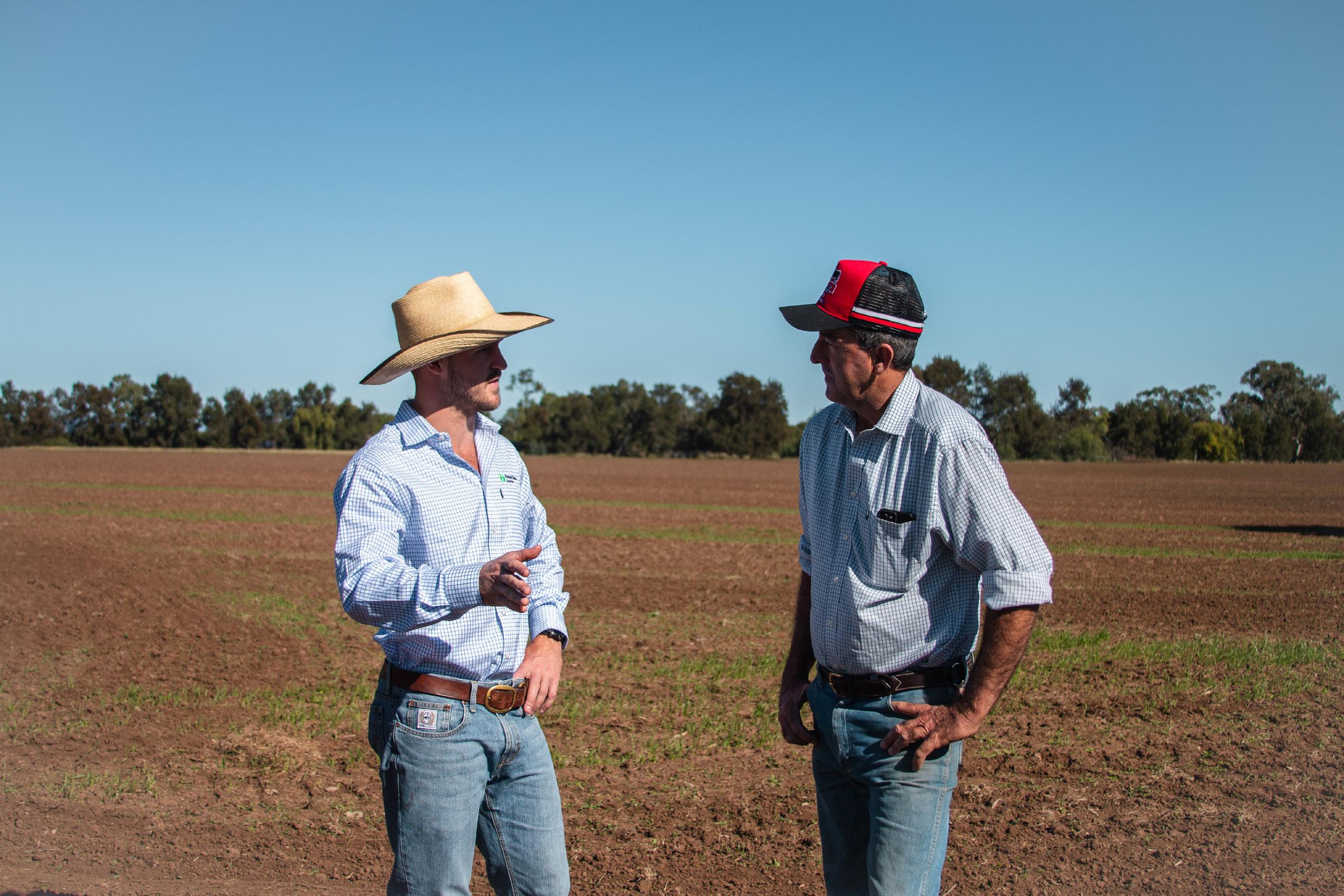
There’s a point in many brokers’ careers when a quiet question starts to surface:
cities?
For Ben Robinson, the answer has been clear — and career-defining.
Now Partner and Head of Flint
Newcastle, Ben’s experience directly challenges one of the industry’s most persistent myths: that regional broking is smaller, simpler, or somehow limiting. His story shows something very different. Regional markets can be more complex, more loyal, and — for brokers who approach them with intent — deeply rewarding.
Ben has spent the past seven years advising clients across residential, commercial and business finance. But his success in Newcastle didn’t come from chasing volume or simply writing more loans.
It came from strategy.
With a Commerce degree majoring in accounting and finance from the University of Newcastle, Ben began his career working in accounting while completing his studies. That early exposure gave him a deep understanding of cash flow, entity structures, and long-term financial decision-making — insights that continue to shape his broking approach today.
Before any deal is written, there’s a conversation about direction, structure and outcomes. What’s the plan?
What does success look like in three, five, and 10plus years?
In regional markets, that depth of thinking matters.
“One of the biggest misconceptions about regional broking is that it’s less sophisticated,” Ben says. “In reality, it’s often more complex. These clients are ambitious. They’re building businesses, investing nationally and thinking generationally.”
Newcastle is a powerful example of what’s possible outside the capitals. As Australia’s largest city beyond the major metropolitan centres, it combines economic scale with a strong sense of community.
It’s big enough to support sophisticated lending strategies — yet connected enough that reputation still matters.
Ben regularly works with clients investing across Australia in both residential and commercial property, reinforcing that deal size, ambition and complexity are not limited by postcode. But what truly sets regional broking apart isn’t just the complexity of the work.
It’s loyalty.
“In regional areas, reputation compounds quickly,” Ben explains. “You don’t get endless second chances, but if you deliver consistently, the community does the marketing for you.”
That reality shapes how Ben and his team operate. Partnerships with accountants, agents and advisers aren’t transactional. They’re built deliberately over time, with a genuine focus on understanding client needs rather than chasing short-term referrals.
The reward?
Trust — and earlier involvement in client decisions, where brokers can add the most value.
“Brokers who bring metro-level strategy to regional markets aren’t competing—they’re filling a gap.”

Ben Robinson Flint Newcastle

Growth at scale doesn’t happen by accident.
Behind Flint Newcastle’s momentum sits a strong structure: disciplined systems, clear processes and serious credit capability. With access to a highly experienced credit team, complex scenarios are assessed early and communicated clearly — something regional clients value deeply.
“Transparency matters here,” Ben says. “Set expectations early, communicate proactively and always close the loop.”
That clarity builds confidence — and confidence builds long-term relationships.
Equally important has been building the right team. Flint Newcastle operates with clearly defined roles, allowing brokers and specialists to work within their strengths. That focus has enabled rapid growth, including more than 200 per cent growth in Ben’s personal book in the past year, without compromising culture or quality.
Of course, rapid growth brings pressure.
Scaling while protecting well-being requires discipline. For Ben, sustainability comes from structure — not just in business, but in life — and knowing when to refine systems before accelerating further.
It’s a reminder that success isn’t just about moving faster.
It’s about moving well.
For brokers thinking about regional markets, Ben’s advice is practical and grounded.
Know your target client.
Understand your community. Be intentional about how you show up.
“In regional areas, your brand isn’t just your logo — it’s your behaviour,” he says. “People see you everywhere. Consistency and character matter.”
Perhaps most importantly, Ben believes regional markets remain underserved — not in demand, but in depth of advice. Brokers who bring metro-level professionalism, robust systems, and strategic thinking to regional communities aren’t competing for scraps. They’re filling a gap.
Looking ahead, Ben’s vision for Flint Newcastle is ambitious: a billion-dollar brokerage underpinned by strong culture and high standards. Yes - this is $1b in annual settlements from our Newcastle Team, which should be achievable over the next 2-years.
But at its core, his story isn’t just about scale.
It’s about purpose.
Much of what Ben is building is driven by his desire to create freedom and stability for his family — something he openly credits to his wife, Liz. That clarity keeps him grounded as the business grows and reinforces why the work matters.
Regional broking, in Ben’s view, isn’t a step down from metro.
It’s a different kind of step forward.
One where strategy meets community. Where ambition meets accountability. And where success is measured not just in volume, but in impact.
For brokers reading this and questioning what their next chapter might look like, Ben’s journey poses a simple reflection:
What would your business look like if you brought metro-level strategy to a regional market — and backed it with genuine connection?
When done well, regional broking becomes a profession where relationships run deeper, trust travels faster, and every win feels personal — not just for the client, but for the broker who helped make it possible.
“Regional broking isn’t less sophisticated—it’s often more complex.”


The mortgage broking industry continues to operate in an increasingly complex environment. Higher interest rates, tighter servicing assessments and more detailed credit scrutiny have reinforced the value of experienced brokers. At the same time, these conditions have made entry into the profession more challenging for brokers new to the industry.

In recent years, many aggregators have moved away from dedicated new entrant programs. The prevailing pathway now often requires aspiring brokers to join an existing brokerage, where direct mentoring is available to support learning around lending fundamentals, credit assessment and realworld deal structuring. While this approach can be effective, it is not always accessible or consistent, particularly for those without an established pathway into a broking business.
This shift has contributed to a narrowing of the industry talent pipeline at a time when succession planning and long-term sustainability are becoming increasingly important.
Recognising this challenge, the FBAA has taken a proactive approach through its New Broker Program, which supports brokers at the most critical stage of their careers.
The program focuses on strengthening foundations in credit fundamentals, deal packaging, compliance awareness, business planning and professional confidence, while complementing existing aggregator and brokerage mentoring arrangements.
For many participants, this structure has provided clarity and confidence during what can otherwise be an overwhelming transition into broking.
One broker currently enrolled in the program noted that it helped bring direction to their business early on, explaining that the program helped them pull everything together and turn it into something practical they could work from day to day, while also improving confidence in client conversations and long-term planning.
Another participant highlighted the value of practical, experience-based guidance, describing the support as delivering several light bulb moments and noting that having access to experienced guidance alongside a mentor program made a meaningful difference during the early stages of business development.
Feedback has consistently reinforced that new brokers are not only seeking technical knowledge, but also structured guidance on how to build sustainable businesses. Participants have cited improved clarity around niche selection, referral strategies and collaboration as key outcomes. One broker explained that learning how to focus on a defined target market and work collaboratively helped accelerate growth, rather than attempting to do everything independently.
Current market conditions have further amplified the need for this type of support. New brokers are entering an environment where lenders are
more conservative, scenarios are more complex, and consumer expectations are higher. Without structured onboarding, the risk of frustration, early attrition or the development of poor practices increases, impacting both individual brokers and the broader profession.
The FBAA New Broker Program is commencing its second semester in February, following strong engagement and positive feedback from brokers enrolled in the inaugural intake. Participants have reported increased confidence, a stronger understanding of credit fundamentals and improved preparedness to engage with lenders, clients and referral partners.
As one broker reflected, the program helped them feel better equipped in client interactions and more confident in discussions with aggregators and lenders, outcomes that benefit all parts of the industry.
Looking ahead, supporting new to industry brokers must remain a shared priority. Structured programs, meaningful mentoring and industryled education are essential if the profession is to remain resilient, sustainable and attractive to the next generation of brokers.
The FBAA remains committed to advocating for initiatives that strengthen broker capability at every stage of the career journey and ensure that new entrants are supported not only in entering the profession, but also in building long-term, successful careers within it.
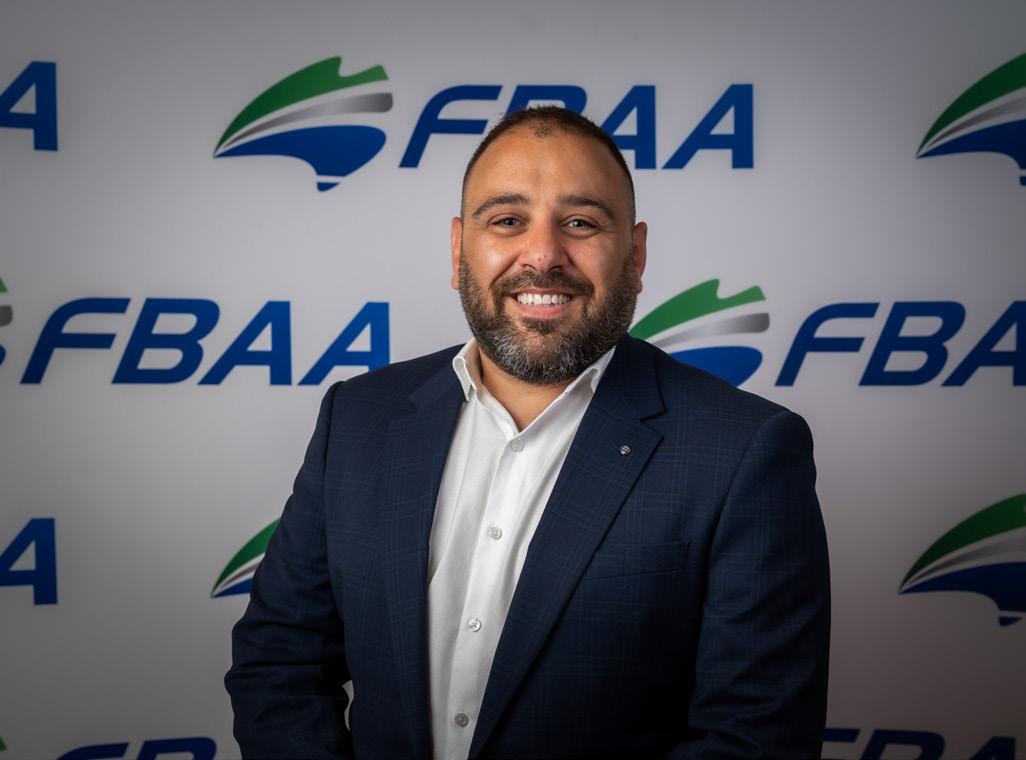
By Charlie Younan FBAA State Manager NSW and ACT
There is a common misconception that Professional Indemnity (PI) Insurance Policies automatically include cover for Cyber Attacks – essentially, they DON’T!
It’s true that some PI policies provide an extension of cover for remedial/subsequent Notification Expenses Costs following a cyber event, as our “Finance Brokers PI Plus Policy” does, with automatic cover of $100K per claim/ incident.
It is important to note that many PI policies do not provide this extension of cover, & ones that do (like ours), do not provide cover for the main key Cyber Risk exposures, such as (but not limited to) loss of data/records & associated retrieval costs, stolen funds, ransom demands, Incident response assistance, damage to hardware & of course business interruption/ downtime losses - a separate Cyber Policy is required to address these Risk Exposures!
Over the last few years, especially, it has become obvious that Finance / Mortgage Brokers (Brokers) fall into the “prime target” category for cyber criminals, & the main reasons for this are;
They store highly valuable personal, financial & identity information. They often operate on lean budgets without dedicated IT teams. Cyber criminals know that business interruption creates pressure to pay their ransom demands quickly.
Many reading this may think they are safe from these attacks, so perhaps a couple of examples of the types of cyber incidents/claims we’re seeing might illustrate how easily they can happen. Example one - Email Compromise Leading to Settlement Fraud;
A Broker receives an email seemingly from a long-standing lender or aggregate partner requesting updated bank details for settlement
disbursements. The branding looks perfect, the email address looks legitimate, and the tone is familiar, so the Broker updates the details as requested.
The next settlement (for say a client’s refinance loan) goes straight into a criminal’s controlled account, which is almost never recovered. Brokers are especially susceptible in this area as settlement funds can be quite large & time sensitive, so verification steps can often be rushed. Example two – Hidden Ransomware included in “Document” Uploads;
Many Brokers now use document upload portals or cloud drives for bank statements, payslips, BAS, tax returns, etc, so it is quite easy to unknowingly upload a malware-infected file.
The file then exploits an unpatched browser plug-in, & overnight, the Broker’s Customer Relationship Management (CRM) system, email & client documentation are all encrypted. All operations have stopped, and sensitive client data is now potentially exposed & subject to ransom demands.
So, now you’re aware of the very real & everyday risks you face in this space, what simple & relatively cost-effective measures can you implement now to protect yourselves? Well, there are a few;
1. Verification Protocols for any Financial or Bank Detail Changes;
Most major cyber losses in the Finance / Mortgage Broking Industry stem from Social Engineering Fraud & Business Email Compromise (BEC) as outlined in “Example One” above. The simplest fix is to call a known number (not the one in the email) & confirm verbally. Also, use a “two-person” authorisation for any settlement or payment changes.
Cost - $0 – Impact: Potentially massive.
2. Mandatory Multi-Factor Authentication (MFA);
MFA stops more than 90% of “credential theft” attacks.
Brokers should have MFA turned on for their email, CRM, document portals, aggregator platforms & cloud storage.
Cost – Free to minimal. Impact: Potentially massive.
3. Short, Regular Security Awareness Training for you & all Your Staff;
• This doesn’t need to be expensive or complicated.
• Quarterly 10-15 minute refresher courses on how to spot phishing, verify instructions, handle documents safely & how to identify “red flags” in email requests can make a huge difference in reducing the number of “humanfactor” breaches.
• Cost – Low. Impact: Huge potential reduction in human-factor breach losses.
But even if the above measures are implemented into your daily business practices, it does not mean you are fully safe from cyber attacks/losses, you have merely helped lower your risk somewhat – the next step is to take out some form of Cyber Insurance, even if only for a minimal amount –something is better than nothing!
Now, it is true that previously, arranging Cyber Insurance for a Finance / Mortgage Broker has been both costly & complicated, given the sensitivity & value of the information you collect in the course of your professional business - we are pleased though to advise that this is no longer the case, and we can now offer an easy & affordable solution as part of our exclusive “Finance Brokers PI Plus Policy Package”.
Offering base premiums starting from as little as $525 (plus Gov’t charges & fees) for standard minimum Sums Insured of $250K limit, with additional Funds Transfer cover of $50K and
Telephone Hacking cover of $100K (Higher limits are available upon request). Please refer to the adjoining ad for our contact details.The main message to take way here is that PI Insurance is not cyber Insurance, & they should sit alongside each other to give you the proper protection needed for the very real risks you face every day in your business – indeed, most professionals in the cyber industry will now tell you, it’s not a matter of IF, BUT WHEN, you will be subject to some form of cyber Attack – the question then is…Are You Really Covered?
Darren Loades (D R Loades Enterprises Pty Ltd – AR No 262182) is a Corporate Authorised Representative of Insurance Advisernet Australia Pty Ltd (AFSL No: 240549) & is the appointed Insurance Broker & preferred PI Insurance provider to the FBAA & its members since 2000.
General Advice Warning:The information provided is to be regarded as general advice. Whilst we may have collected risk information, your personal objectives, needs or financial situations were not taken into account when preparing this information. We recommend that you consider the suitability of this general advice, in respect of your objectives, financial situation and needs before acting on it. You should obtain and consider the relevant product disclosure statement before making any decision to purchase this financial product.




Step 1 - Visit the FBAA Members Area by clicking the ‘Secure your Business Listing’ button below.
Step 2 - Once in the Members Area portal, click Edit Business Details (Beforeuloan.com)
Step 3 - Enter business details, select ‘I agree to display my business details on the beforeuloan.com website’ and click Update Business Info

Commercial private lending in Australia has grown rapidly in recent years, beyond its traditional role as a niche solution for high-risk borrowers. Yet, despite this expansion, a number of misconceptions persist, especially within the finance and business communities, that obscure its value and the pivotal role finance
brokers can play. As we enter 2026, understanding and correcting these myths is critical for brokers seeking to capitalise on a booming segment of the lending market.
Myth 1: Private Lending Is Unregulated and Risky
One of the most pervasive misconceptions is that private lenders operate outside regulatory oversight. Many believe that dealing with a non-

bank private lender is akin to entering the “Wild West” of finance. In reality, while private lenders don’t fall under the same regulatory framework as traditional banks (i.e., banks regulated by APRA), they are still subject to Australian Securities & Investments Commission (ASIC) regulation and Australian Credit Licence requirements under the National Consumer Credit Protection (NCCP) Act. This regime ensures lenders conduct business honestly and fairly, and in accordance with responsible lending obligations, dispelling the notion that private commercial finance is completely unregulated.
Another common misunderstanding is that private credit is only suited to businesses with poor credit histories or those rejected by banks. Historically, private lending gained this reputation when the market was smaller or more focused on turnaround financing. However, modern private credit strategies encompass a broad spectrum of commercial funding solutions, from real estate bridge loans to customised growth capital
structures, and are chosen for their flexibility and speed, not just as a last resort.
Some business owners and even brokers mistakenly view private credit as prohibitively costly compared to mainstream lenders. This view oversimplifies pricing. While private finance can command higher rates for elevated risk or bespoke structures, it also offers flexibility in covenants, repayment timing, and financing terms tailored to cash flow dynamics. Features that can outweigh simple interest rate comparisons and support business strategy more effectively than a rigid bank product.
The private credit market, while still smaller than traditional bank business lending, is growing and increasingly relevant. Non-bank and private lenders are responding to market gaps left by banks, adjusting risk appetite or tightening credit criteria. Growth in commercial finance and private credit
options means brokers now have more lenders and product structures to offer clients seeking speed, flexibility, or non-standard solutions.
For finance brokers, 2026 presents a significant opportunity to deepen expertise in private commercial lending and differentiate their service offerings. As traditional residential lending markets face headwinds and some banks pivot focus toward business lending at the expense of broker channels, brokers who master the nuances of private credit will gain a competitive edge.
Firstly, there is a growing demand for specialised solutions such as short-term bridges, tailored cash flow financing, and property development finance, where private lenders often outperform traditional institutions in terms of speed and structure.
Brokers with a strong network of reputable private lending partners can deliver immense value to SMEs seeking alternatives to conventional terms. Secondly, education and due diligence will separate high-performing brokers from the rest. With increased regulatory scrutiny and the proliferation of new private lenders, brokers who conduct rigorous vetting and clearly explain product differences to clients will boost trust and improve client outcomes.
Finally, training and accreditation in commercial finance will empower brokers to confidently
expand beyond residential markets, unlocking new revenue streams and reinforcing their role as trusted financial strategists.
“Education and due diligence will separate high-performing brokers from the rest.”

By Steven Ragany FBAA National Commercial and Asset Manager


FOUNDATIONAL WORKSHOPS –BUSINESS FINANCE MASTERY SERIES
• Commercial Lending Skills
• Mastering Cash Flow
• Business Credit Writing
The new FBAA Certified Finance Broker (CFB) Education Program, an industry-leading initiative designed to support brokers of all backgrounds and levels in growing their businesses and enhancing their skills. SCAN NOW & GET STARTED
ADVANCED CERTIFICATION –KEY FINANCE TOPICS
• Business Finance
• Personal Finance
• International Finance
• SMSF & Reverse Mortgages
• Obligations & Credit Decisions
• Mentoring & Business Leadership
FINAL ASSESSMENT AND APPLICATION
• Complete a formal assessment to achieve your CFB designation.
EXCLUSIVE BENEFITS
• Join the 24-month Broker Advantage Program, receive applied monthly workshops, and connect with a growing online community of brokers.
• Step 1 - Foundational workshops
• Step 2 - Enrolling in course, coaching and certification
Choose from a range of payment options — including upfront, 12-month, or 24-month plans, starting from:
• Non member: $190 plus GST p/m*
• FBAA member: $140 plus GST p/m*
*Terms and conditions apply


With Brent Starrenburg Head of Commercial and Asset Finance, Connective

As the asset finance landscape continues to shift, Broker Magazine sat down with Brent Starrenburg, Head of Commercial and Asset Finance at Connective, to explore what’s changing, what brokers should truly expect from their aggregators, and how those who evolve now will lead the way into 2026 and beyond.
What should brokers really expect from an aggregator in today’s asset finance market?
Brokers should expect far more than just access to a lender panel. The role of an aggregator has evolved into being a strategic business partner. That means providing compliance frameworks that protect brokers, technology that saves time and improves accuracy, and insights that help brokers grow and diversify. We also increasingly act as a buffer between brokers and lenders, absorbing complexity so brokers can focus on clients.
What are the biggest mistakes you see brokers make when choosing an aggregator?
The biggest mistake is focusing purely on headline commission. While price matters, it’s only a small part of the equation. Brokers often overlook culture, leadership, technology investment, and the aggregator’s long-term strategy. They also fail to think about what happens if the aggregator is sold or changes direction. Those decisions can materially impact a broker’s business down the track.
How important is diversification beyond banks for brokers in 2026?
It’s absolutely critical. Banks will always play an important role, but they can’t meet all the needs of Australia’s SME market. Non-bank and specialist lenders are increasingly filling the gaps, whether it’s speed, flexibility, or risk appetite. Brokers who know how to use a broad panel will be far better positioned to serve clients and win business.
How do you see the Australian Asset and Commercial finance market evolving over the next 12–24 months?
We’re in a challenging credit environment, but demand from SMEs continues to grow. We’re seeing more emphasis on speed and certainty rather than price alone. Private credit and specialist lenders are playing a bigger role, particularly in commercial finance. Brokers who can structure deals creatively will thrive.
How do you decide which lenders make it onto your panel?
We look for consistency of credit appetite, reliability of execution, transparency, and how well the lender treats brokers. Innovation is also important; lenders who invest in systems and genuinely want to support broker growth stand out.
What separates high-growth asset finance brokers from the rest?
They treat their business like a business. They specialise, systemise, track their numbers, and invest in technology. They also focus heavily on relationships, repeat business, and referrals rather than one-off deals. Importantly, they diversify their offerings beyond just asset finance.
How is technology changing the way asset finance deals are originated and processed?
Technology is reducing friction across the entire loan lifecycle. Automation and better platforms mean faster approvals, fewer errors, and better compliance. Brokers who embrace tech are more efficient, more scalable, and better protected.
Are brokers embracing the tech aggregators provide?
Some are; we generally find that these are the ones growing fastest. Others are still working the old way, which makes scaling harder and increases risk. The industry is moving forward, and brokers who don’t adapt will struggle to compete.
What risks do aggregators worry about most?
Compliance, cybersecurity, and operational resilience are major concerns. As the industry becomes more digital and more regulated, protecting broker data and ensuring bestpractice governance is critical.
What advice would you give brokers who want to future-proof their business?
Diversify your lenders and your income streams, invest in systems, build strong relationships, and never stop learning. The market will keep changing, and successful brokers change with it.
What excites you most about asset finance right now?
The opportunity. This is an industry full of innovation, growth, and unmet SME demand. Brokers who embrace technology, diversification, and professional business practices have an incredibly bright future.
By Shelley Tetlaw
Brokers are exhausted. After spending more than 20 years working alongside some of Australia’s busiest brokers, one thing is clear: There is never enough time. Days blow out quickly. One unexpected client issue can derail an entire schedule. Data lives everywhereSpreadsheets, Inboxes, CRMs without proper segmentation or structure. Visibility is low. Admin is pushed aside. Marketing is always planned for “next week”. Industry events are skipped because being busy feels unavoidable.
Many brokers expect new staff to simply “know” how things are done, yet nothing is documented to support them. Solo brokers carry everything themselves. Established businesses are often still relying on templates built years ago (in some cases, ones I originally helped implement during my previous career) with little having evolved since.
Most brokers don’t need another system, a shiny new piece of tech or a complex strategy to improve their business. What they need is simplicity.
Working with brokers across all stages of business, from solo operators to established teams, I see the same pattern repeatedly. Brokers who feel overwhelmed aren’t lazy or disorganised. They’re trying to hold too much in their head, relying on memory instead of structure or not fully trusting their support team and operating without consistent processes to support them.
The good news is that small, intentional process improvements can make a meaningful difference quickly.
Here are five simple changes that I believe can save brokers hours each week without adding stress or complexity.
1. Build your process and follow it
Most brokers believe they have a process. In reality, it often lives in their head. When every deal is handled slightly differently, things get missed: documents, followups, compliance steps or client and referrer updates. Mapping your client journey from lead through to post-settlement, defining responsibilities and clarifying what “done” looks like removes decision fatigue and allows brokers to focus on broking not administration.
2. Use Templates Properly
Templates are one of the fastest and most effective efficiency gains in any broker business, yet they remain widely underutilised. Emails, SMS messages, review reminders and lender updates happen every day but many brokers still rewrite the same messages repeatedly. Properly implemented templates protect your voice, reduce mental load, ensure consistency and quietly return valuable time to a broker’s day.
3. Set Clear Expectations Early
Workflow issues begin from unclear expectations at the start. Clients and referrers don’t know what documents are required, how long things will take or when they’ll hear from you next. Clearly explaining your process early and reinforcing it in writing (or even by sending a short recorded video) reduces chasing and builds confidence.
4. Use Checklists
If something matters, it deserves a checklist. Compliance, document verification and submission readiness shouldn’t rely on memory. Checklists create peace of mind, consistency and visibility, particularly as volumes grow or files change hands.
5. Review and Refine - Don’t Rebuild
Process improvement doesn’t require burning everything down. Regular reviews of bottlenecks, common client questions and recurring mistakes show you exactly where to refine rather than reinvent.

The most successful brokers I work with aren’t doing more. They’re doing the basics well and consistently. When foundations are strong, files move faster, teams work with confidence, clients feel informed, referrers feel loved and brokers stop carrying the entire business in their head.
Strong processes don’t restrict growth, they enable it. When a workflow supports brokers instead of relying on them remembering everything, business becomes clearer, more scalable and far more enjoyable to run. That’s when real momentum can begin.
“The most successful brokers I work with aren’t doing more. They’re doing the basics well and consistently.”
Shelley Tetlaw is the Process, Efficiency & Implementation Consultant at Strategise Accelerate Transform

26 February
WORKSHOP 3
Business Credit Writing
Learn how to write strong, complete, and lender-ready credit submissions that lead to faster approvals, better client outcomes, and more confident SME lending conversations.
WORKSHOP 1
Commercial Lending Skills
REGISTER NOW 17 March

Learn how to read financial statements like an expert and use them as the foundation for deeper SME lending conversations.
REGISTER NOW
FBAA New Broker
First Home Buyer Guarantee schemes
Learn how the FHBG operates, including eligibility requirements and how to position the scheme to help more clients enter the property market sooner.
REGISTER NOW 19 March
Learn how to read, interpret, and apply cash flow forecasts to support stronger SME lending conversations. REGISTER NOW 12 March

WORKSHOP 2
Cashflow Lending

04 March 26 February
Broker Elevate
Broker TechBox is a practical event designed to cut through the tech noise — giving you clear, usable tools and confidence to navigate compliance, AI, cyber risk and growth in a fast-changing industry.
REGISTER NOW
BRISBANE
Broker Elevate
Broker TechBox is a practical event designed to cut through the tech noise — giving you clear, usable tools and confidence to navigate compliance, AI, cyber risk and growth in a fast-changing industry.
REGISTER NOW
MELBOURNE

05 March
Broker Elevate
Broker TechBox is a practical event designed to cut through the tech noise — giving you clear, usable tools and confidence to navigate compliance, AI, cyber risk and growth in a fast-changing industry.
REGISTER NOW
PERTH
10 March
Broker Elevate
Broker TechBox is a practical event designed to cut through the tech noise — giving you clear, usable tools and confidence to navigate compliance, AI, cyber risk and growth in a fast-changing industry.
REGISTER NOW
10 March FREE
MELBOURNE
Coffee Meet
A relaxed, high-value networking event designed to bring brokers together over good coffee, meaningful conversations, and practical lender insights.
REGISTER NOW
SYDNEY
12 March
Broker Elevate
Broker TechBox is a practical event designed to cut through the tech noise — giving you clear, usable tools and confidence to navigate compliance, AI, cyber risk and growth in a fast-changing industry.
REGISTER NOW
ADELAIDE
18 March
Broker Elevate
Broker TechBox is a practical event designed to cut through the tech noise — giving you clear, usable tools and confidence to navigate compliance, AI, cyber risk and growth in a fast-changing industry.
REGISTER NOW
SYDNEY
18 - 19 March
Accounting Business Expo
Bringing together accountants, bookkeepers, finance professionals, and business leaders to stay ahead in a fast-moving industry.
REGISTER NOW


By the
Did you know: A 5th of brokers work more than 50 hours a week*?
Brokers working for more than 40 hours a week tend to find their workload less manageable, report more stress effects, and feel less supported. With many lacking work-life balance, there is a need for assistance to help brokers manage their workload and stress.
The Wellness Hub is a vibrant, FREE, easy-to-navigate online resource designed to connect you with trusted mental health professionals when you need them most. Whether you’re facing a crisis or proactively seeking support, the Hub brings together a curated directory of experts, including psychologists, trauma specialists, psychotherapists, and family violence counsellors. The Wellness Hub helps take the overwhelm out of finding help so that you can focus on healing, growth, and wellbeing.