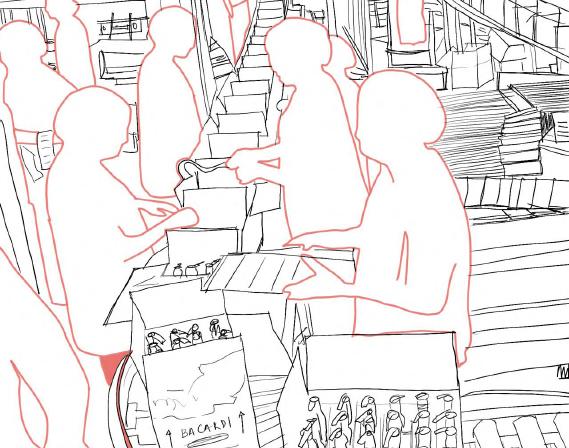
The aim of the studio was to design an Industrial building that embodies the principles of sustainability serving both functional industrial purposes and as a benchmark for future sustainable developments.The selected industry for us was an alcohol distillery.
We studied the bacardi industry at a micro and macro level to understand the functioning and to include sustainable design stratergies to an industry that is not sustainable in its nature.The design stratergies integrated rammed earth and recycled steel as the primary materials.
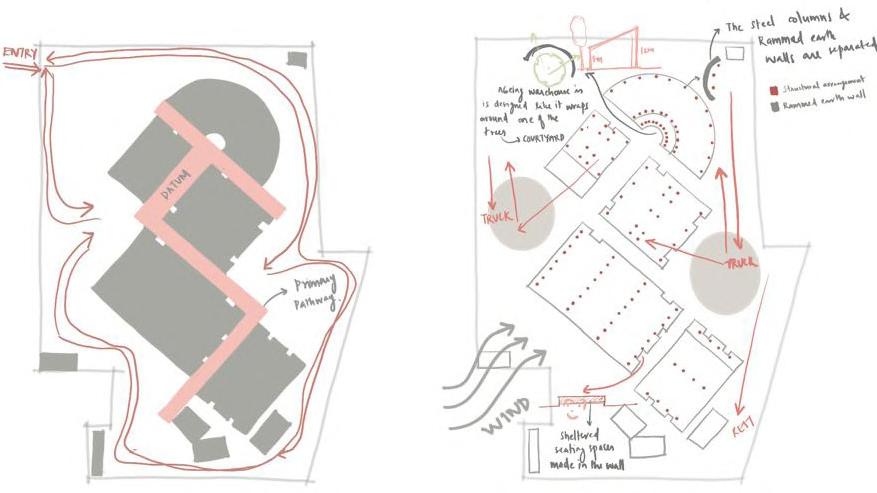
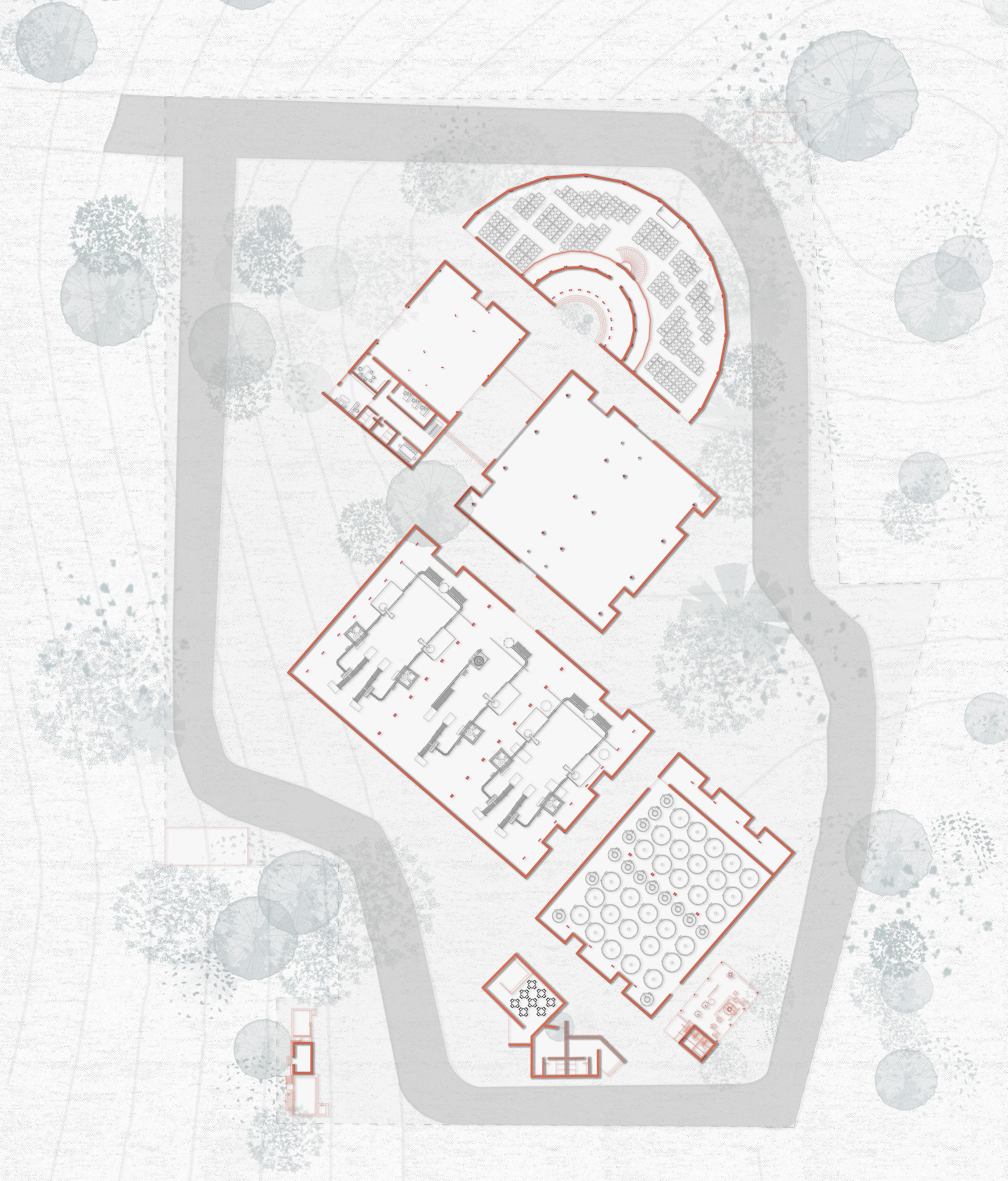
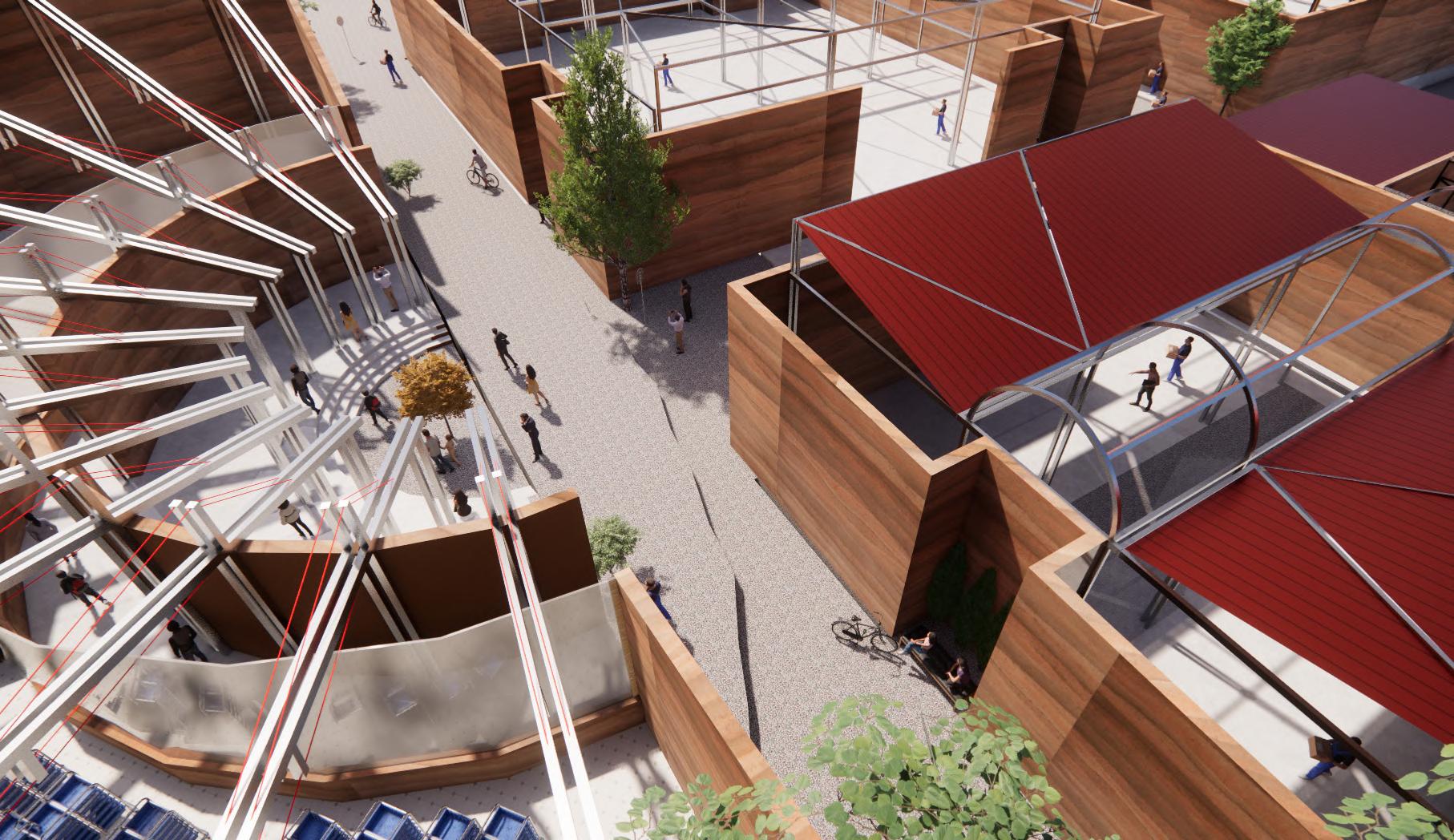
Rammed earth acts as a skin when the structural element stays independent and is designed in such a way that the manufacturing and packaging plants are better placed for more efficiency and ease of movement for the workers along with better circulation, rest areas while pockets of spaces for the drivers and workers are included.Other stratergies such as Waste management, water conservation,farming is also included.
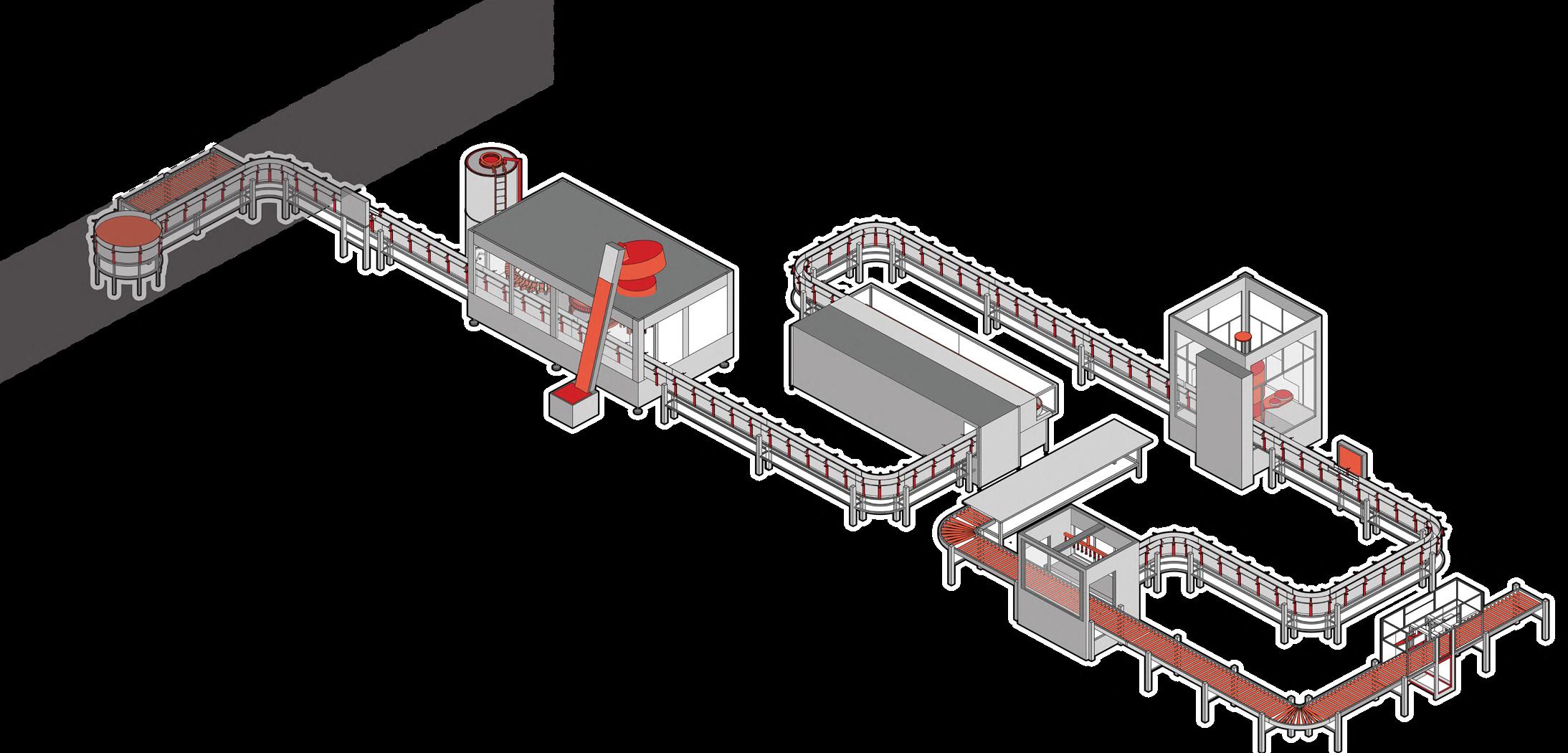
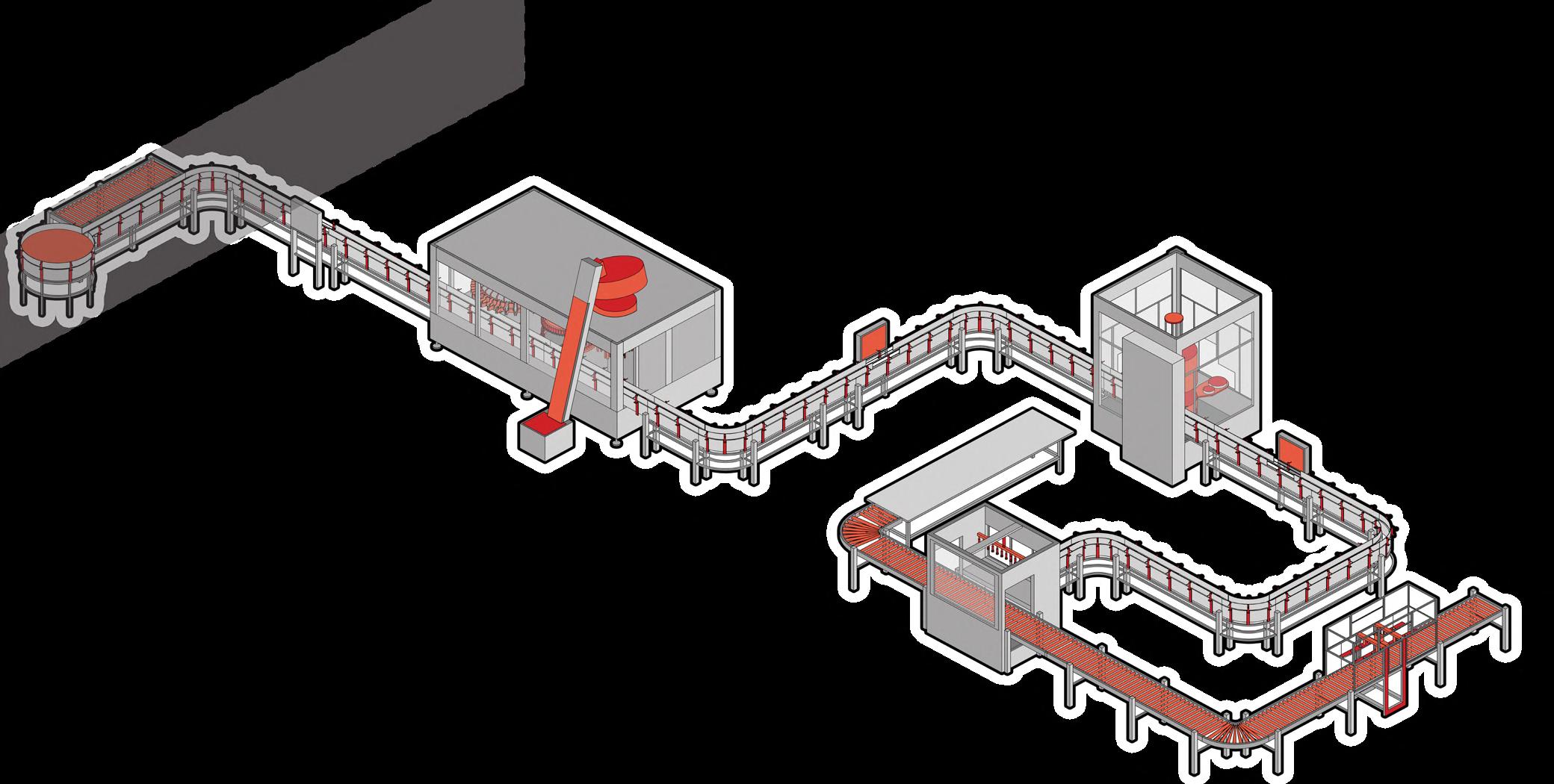
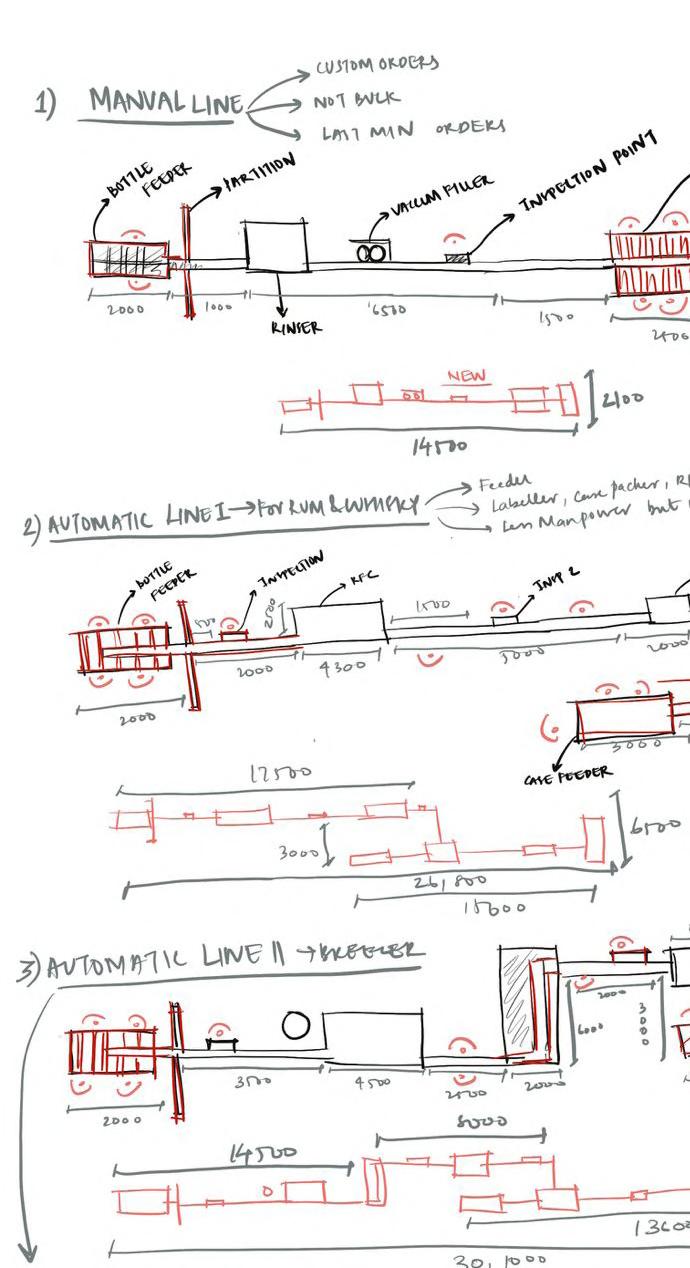
Study of Machinery Layout
Rearranging the layout for more efficiency
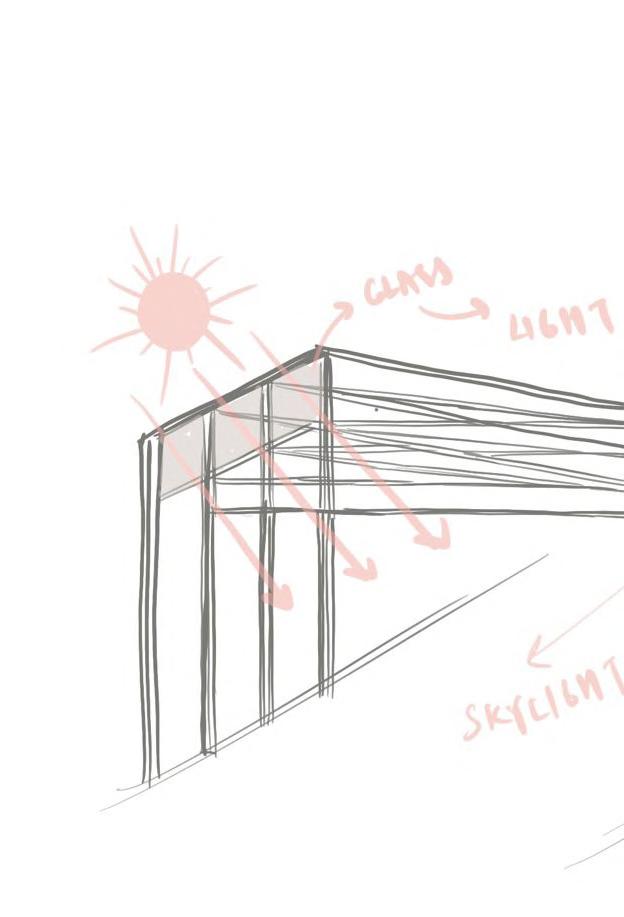
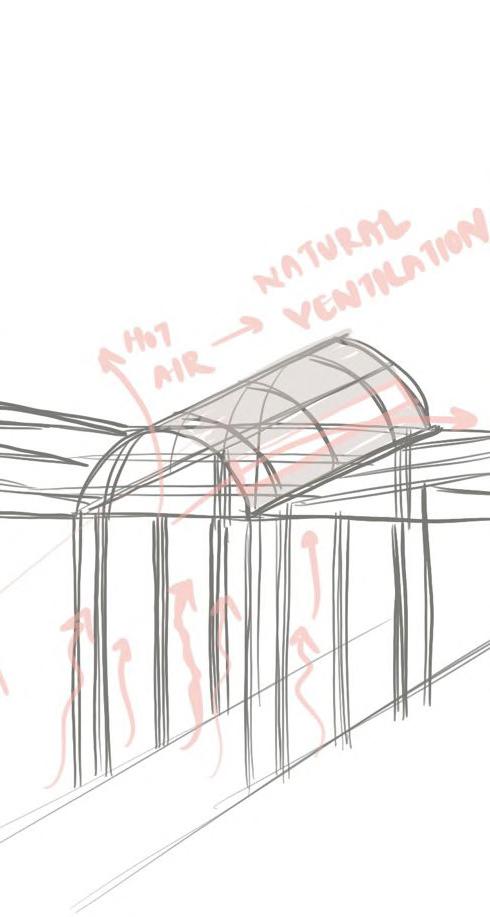
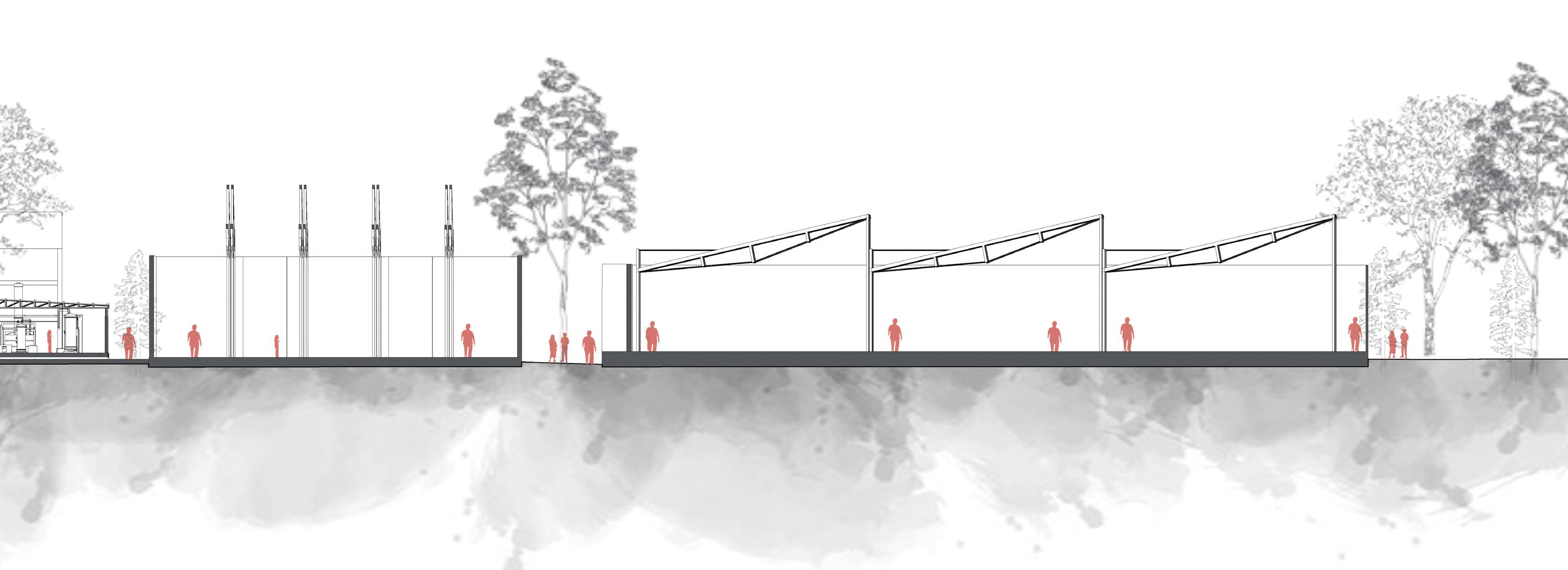
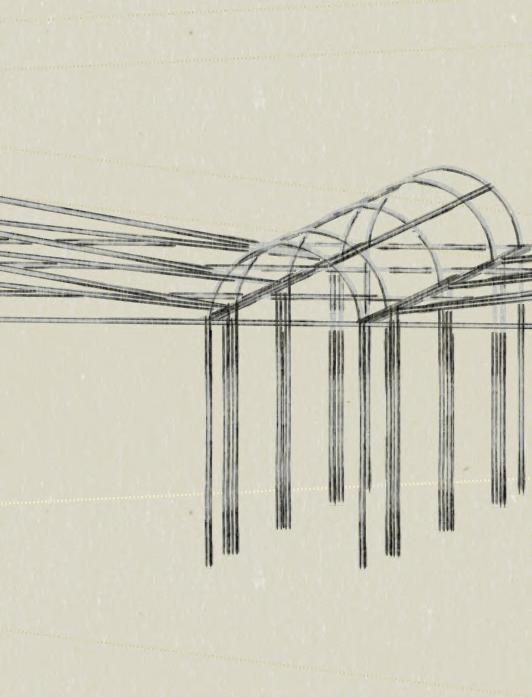
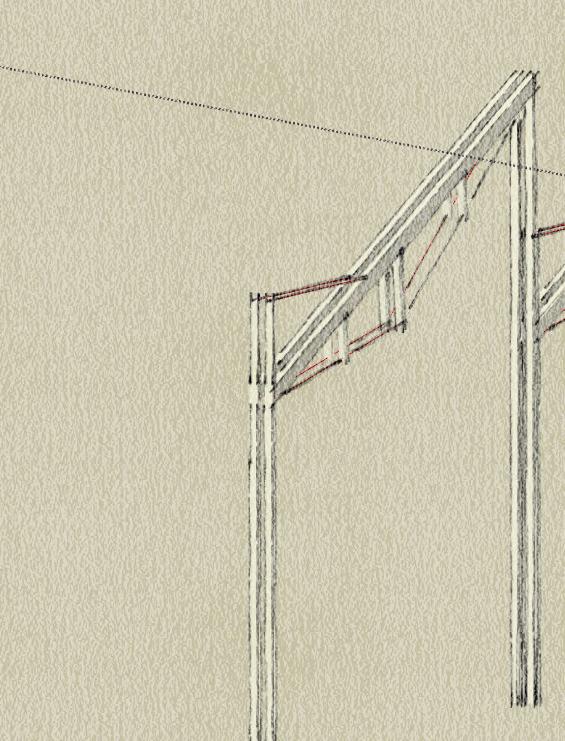
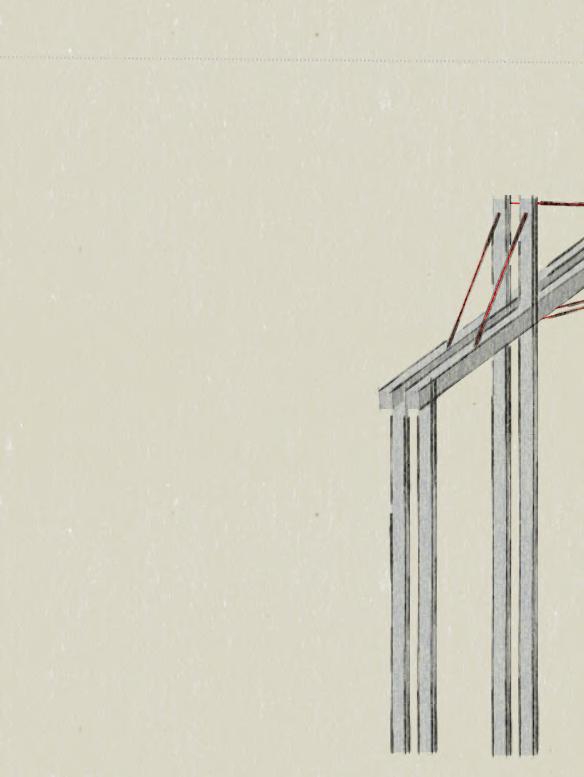
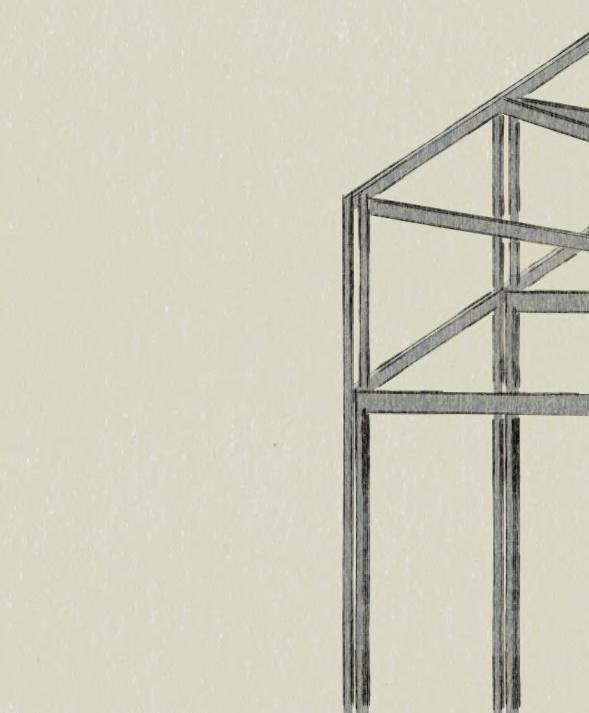
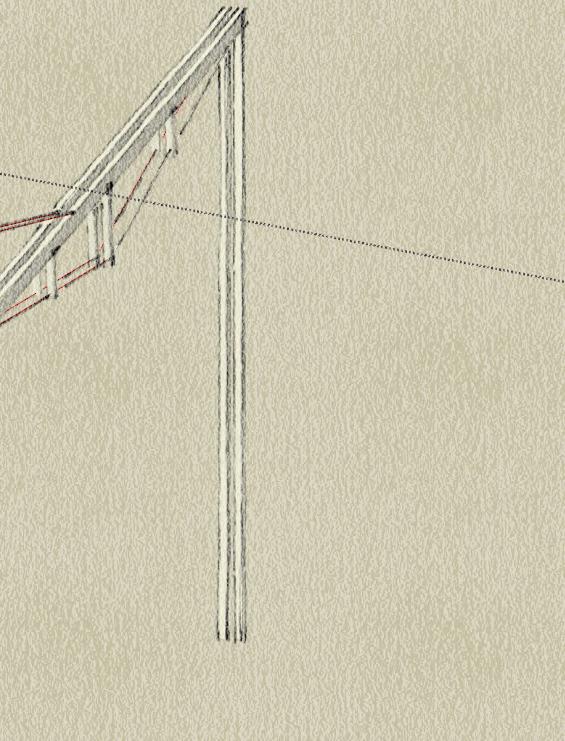
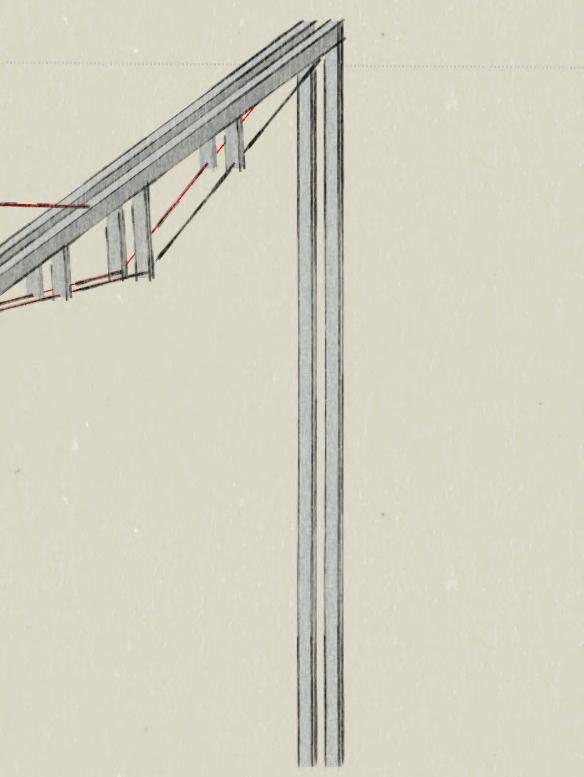
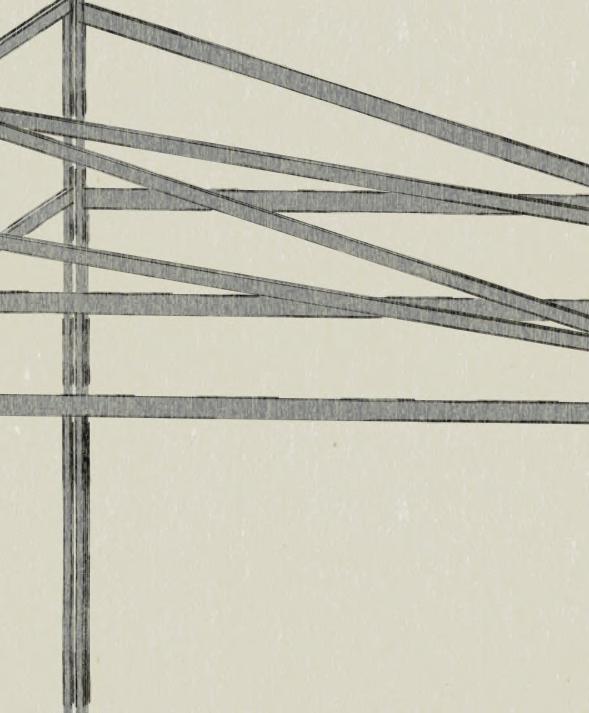
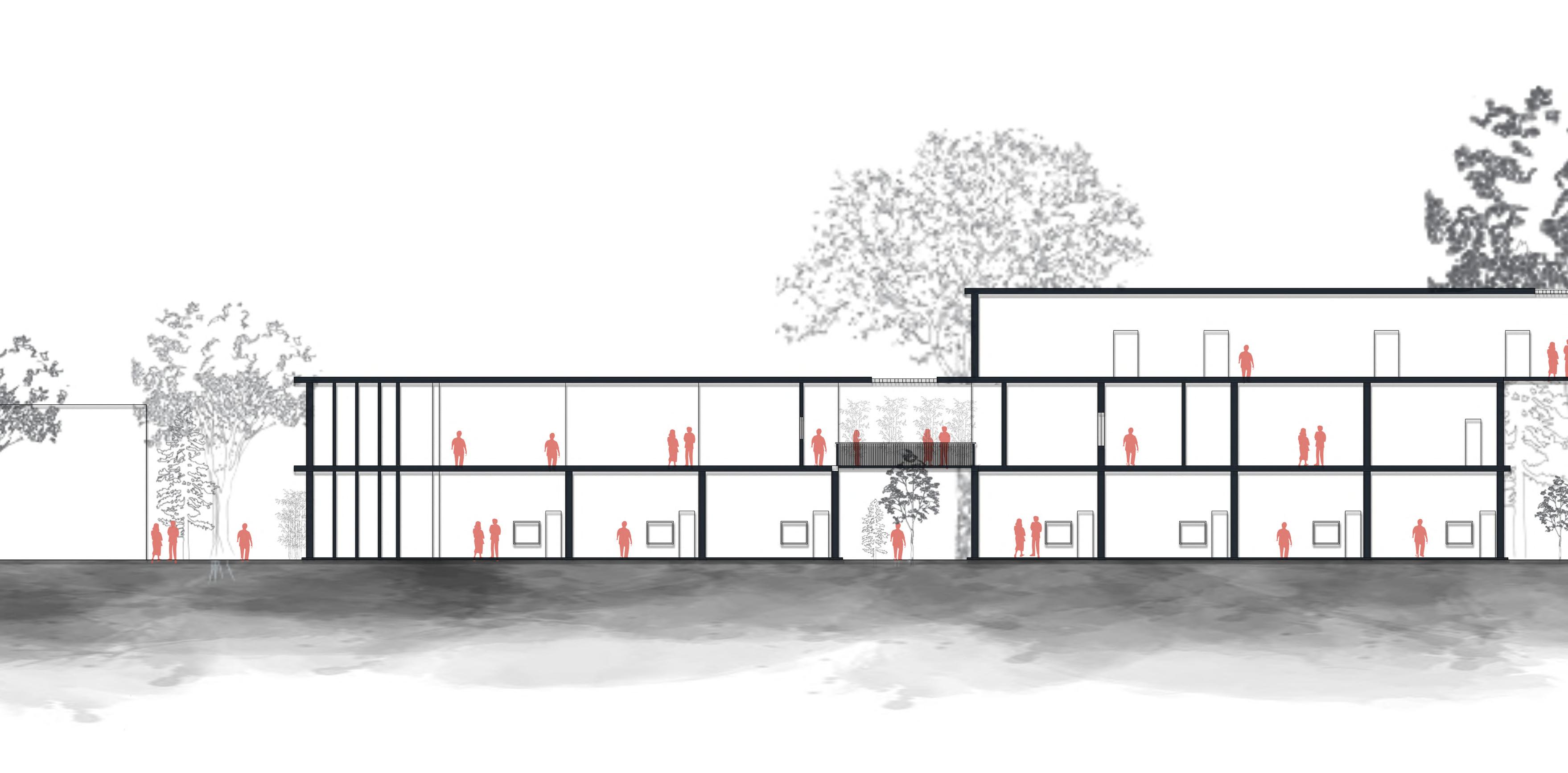
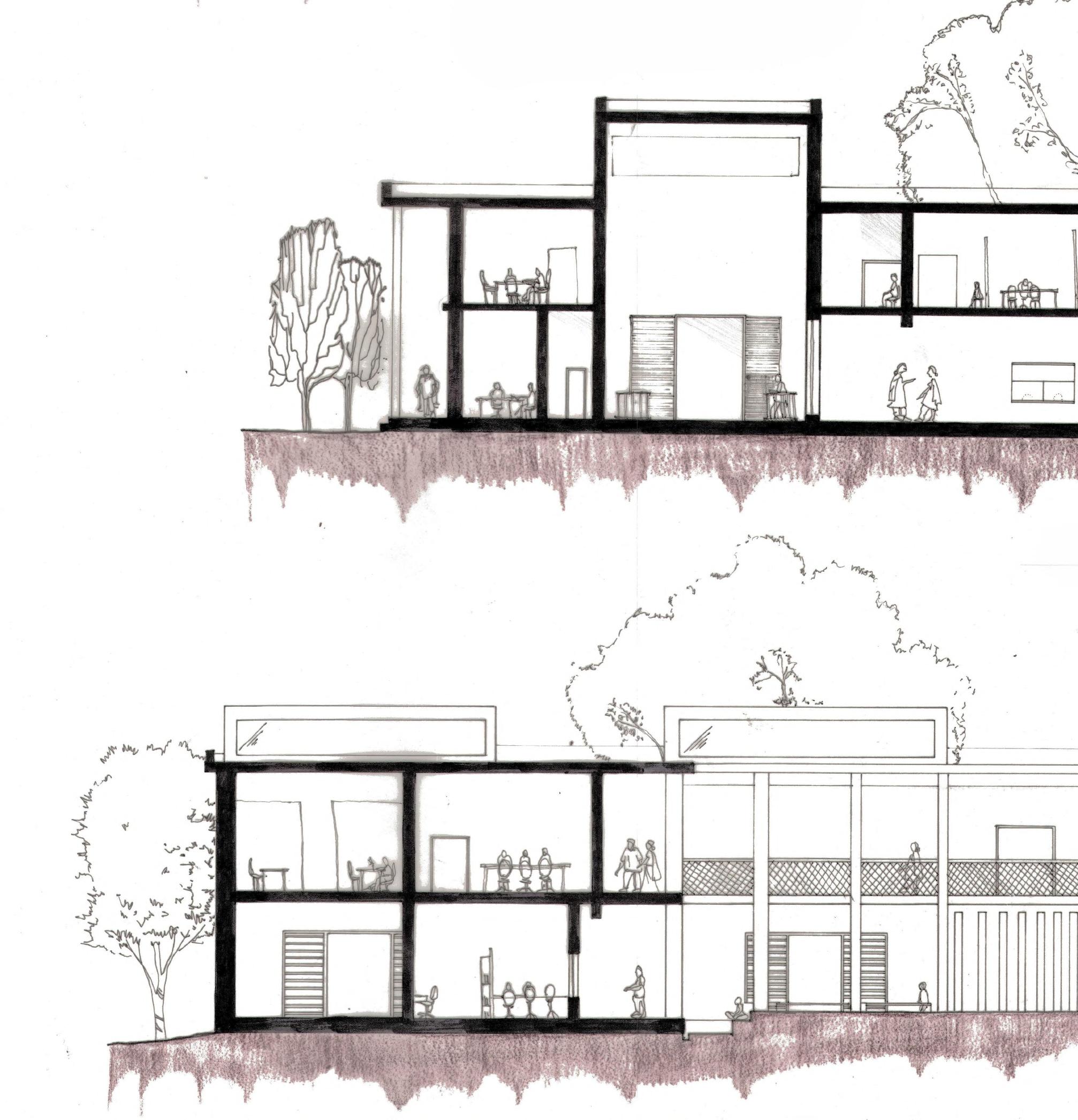
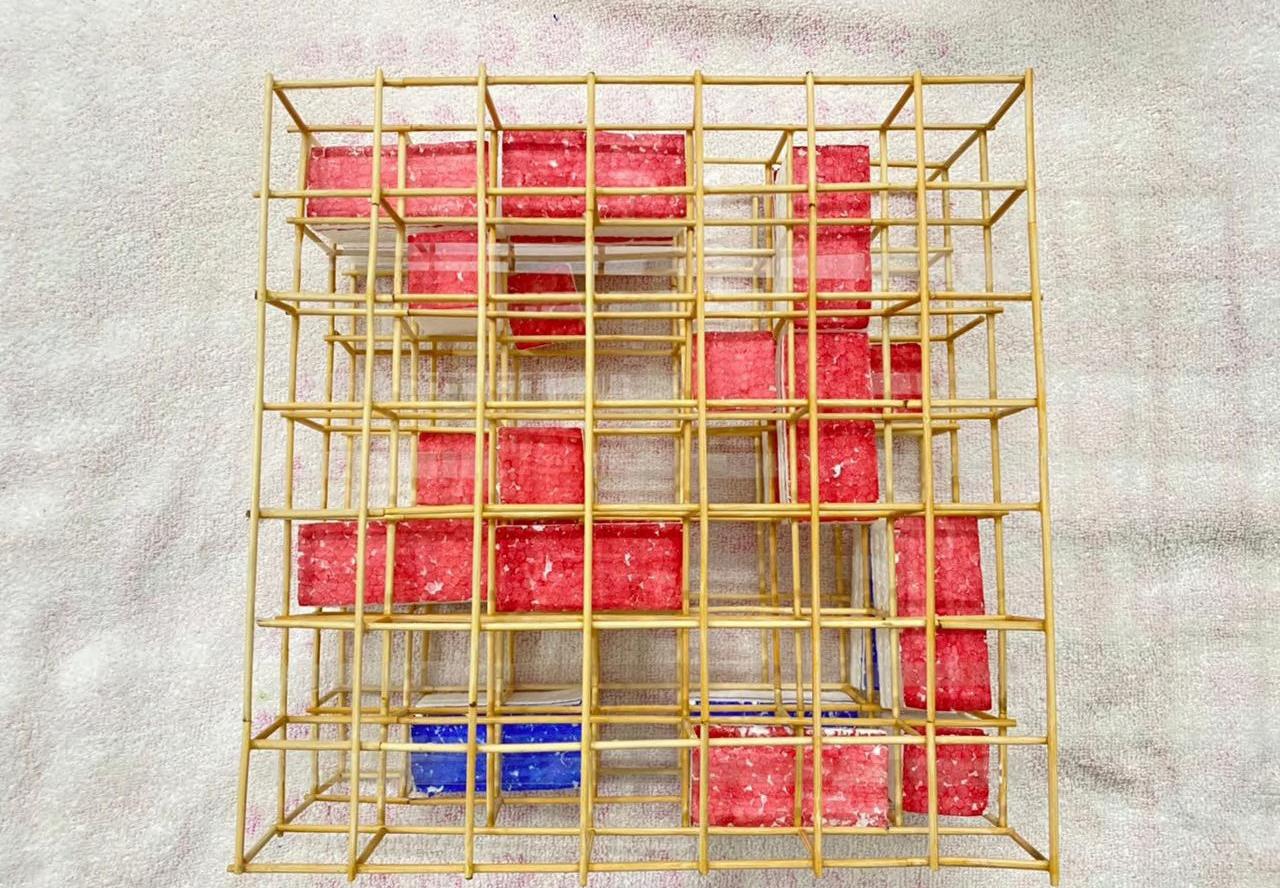
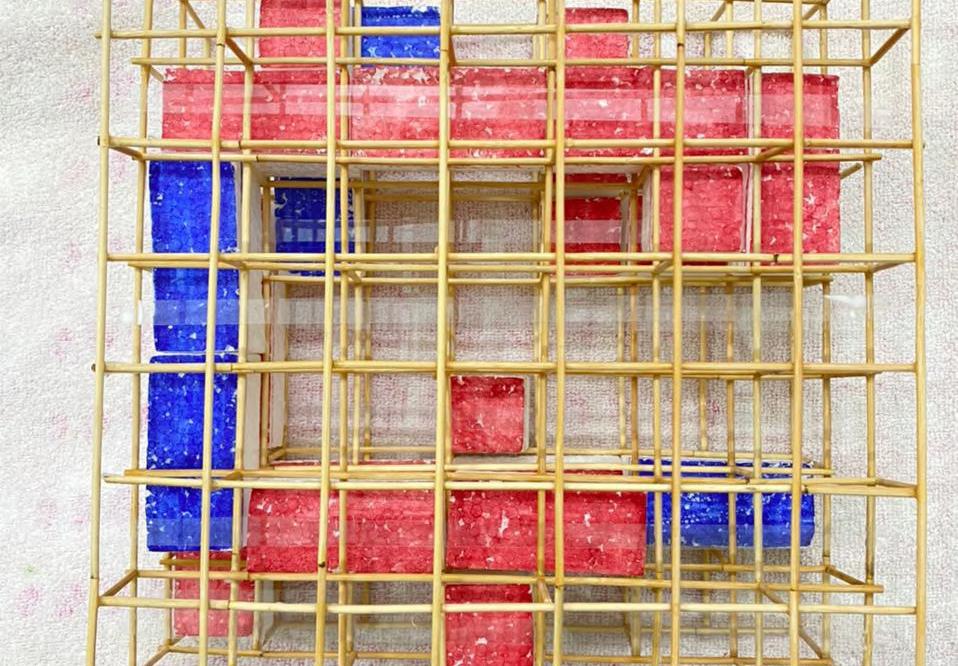
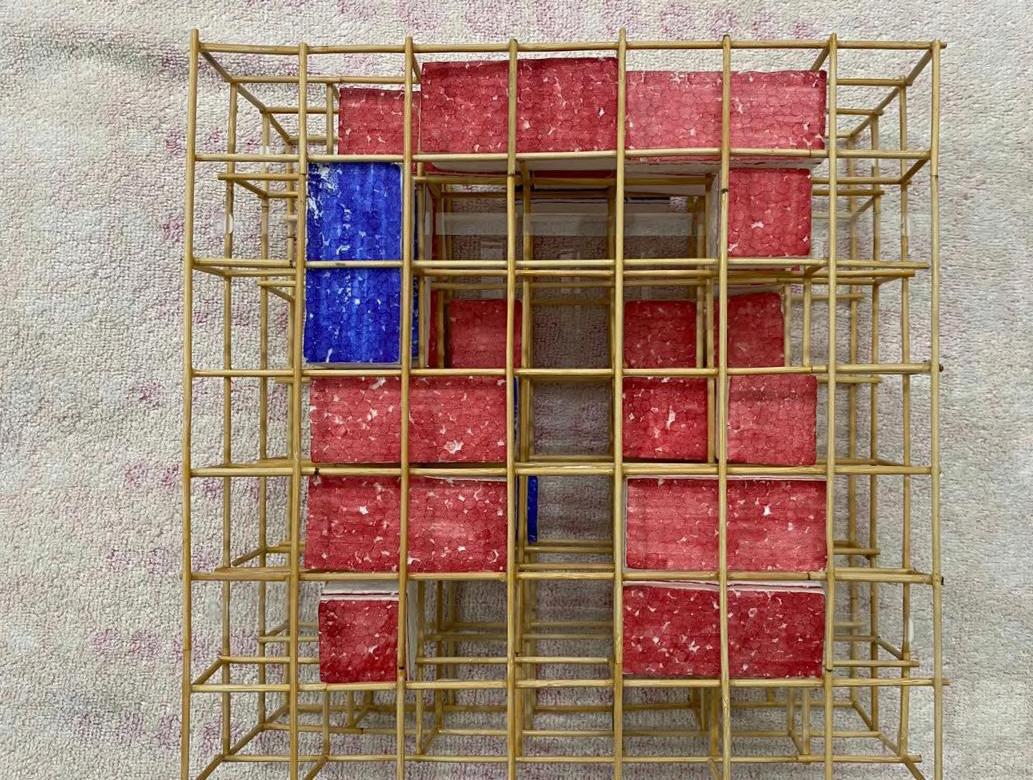
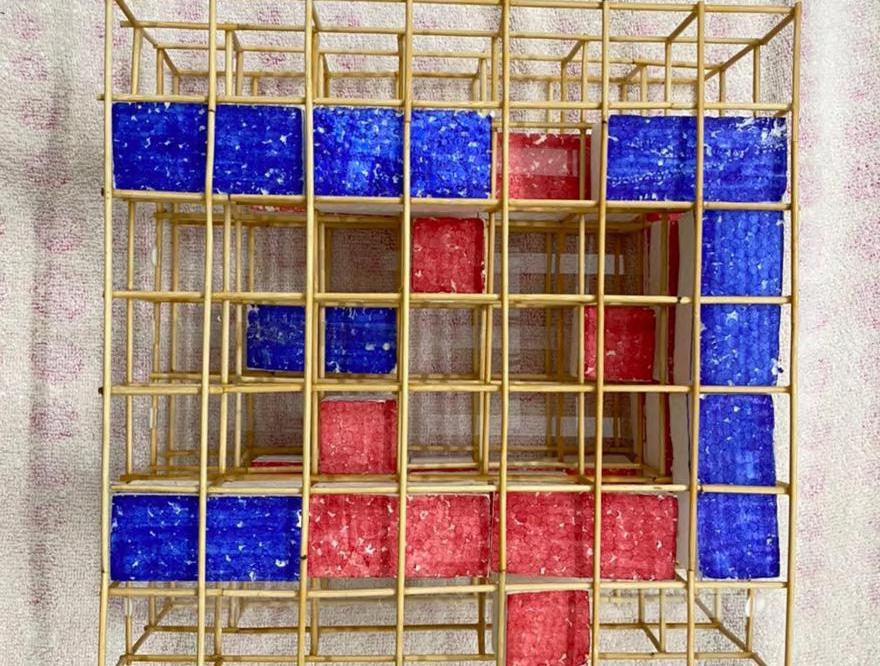
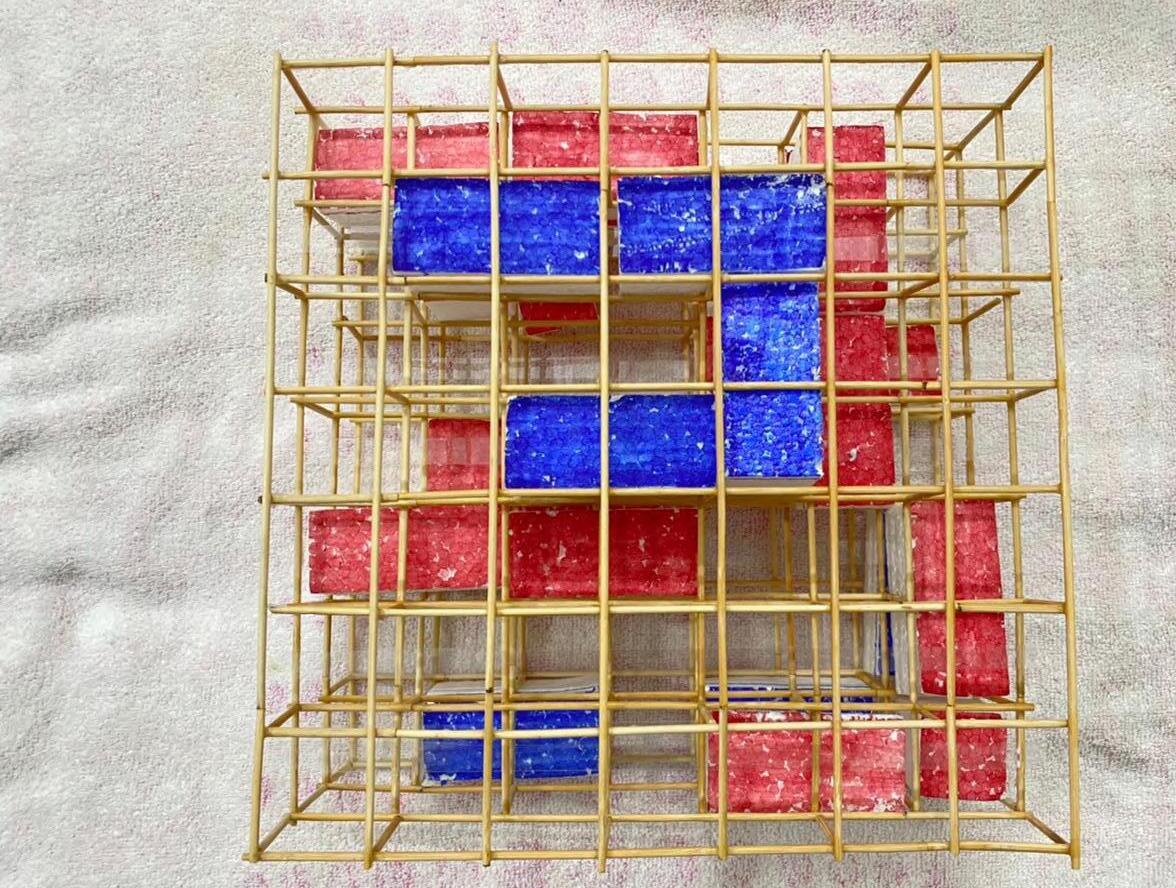
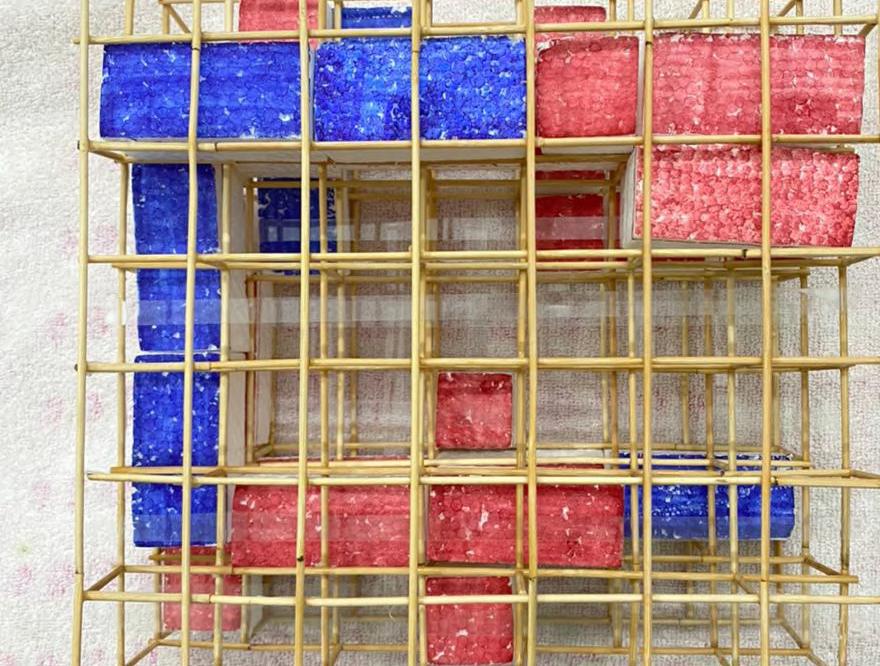
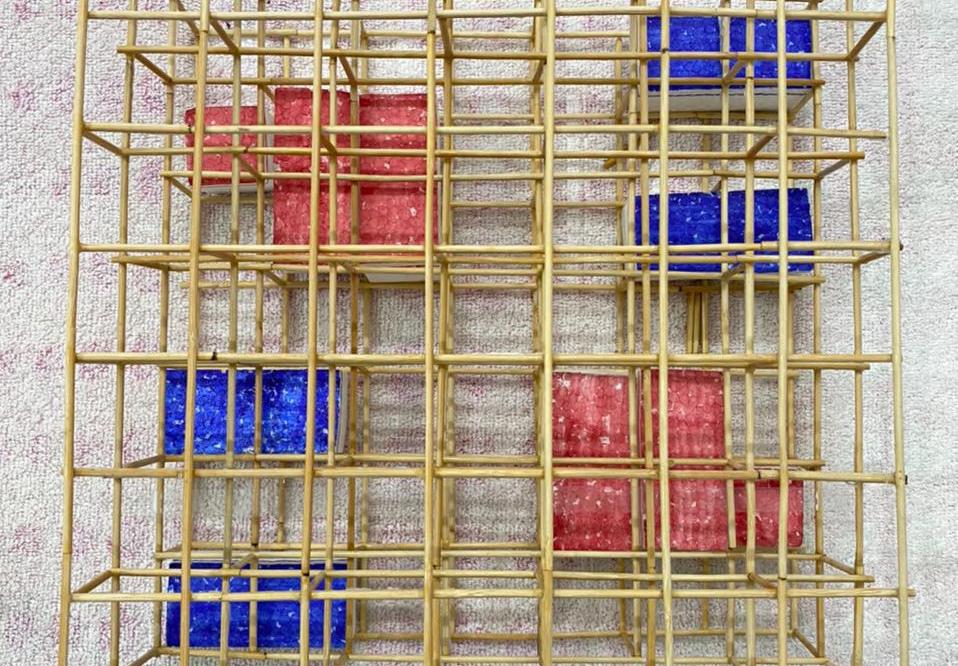
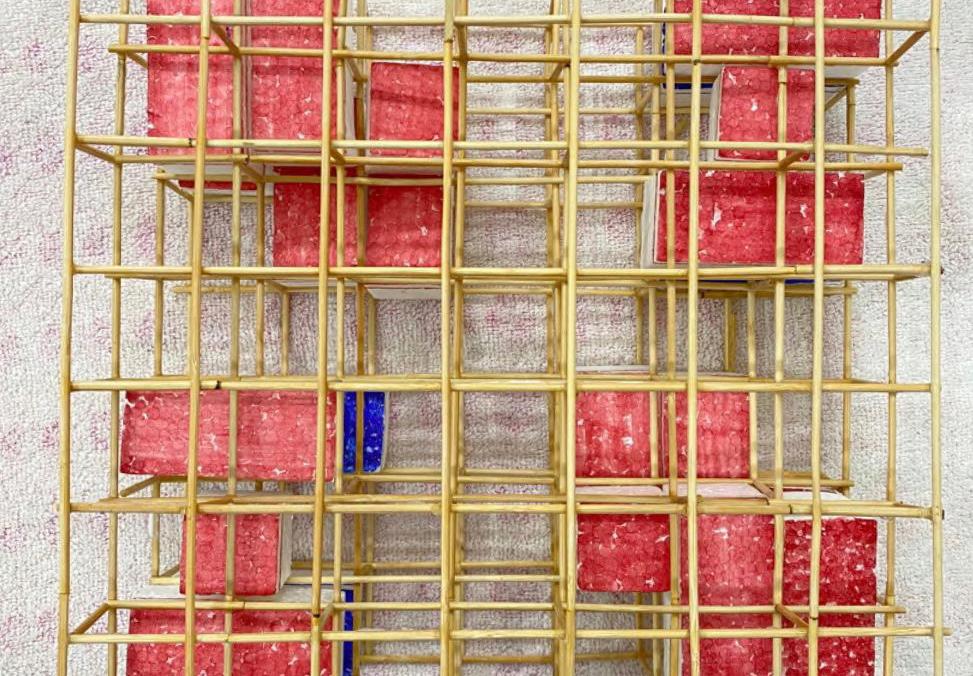
The structural columns are designed to provide ample light into the structure and to let out hot air through the openings.
Automatic Line II
Process
Zoning and main circulation.
Layout done with respect to the slope and topography.
Path connecting various built acts as Datum.
Material, column placement and other stratergies.
Exploring sustainability since the motive This design focuses minimize environmental building’s longevity that the industrial
sustainability in an Industrial Building Typology was a challenging and a much less explored area of architecture motive of an industry is usually to build sheds with the intention of larger profit margins. focuses on integrating energy-efficient systems, eco-friendly materials, and resource conservation strategies to environmental impact. This approach not only reduces operational costs and carbon footprints but also enhances the longevity and adaptability. Prioritizing natural light, renewable energy, water recycling, and waste reduction ensures industrial facility operates efficiently while contributing positively to the environment and community.
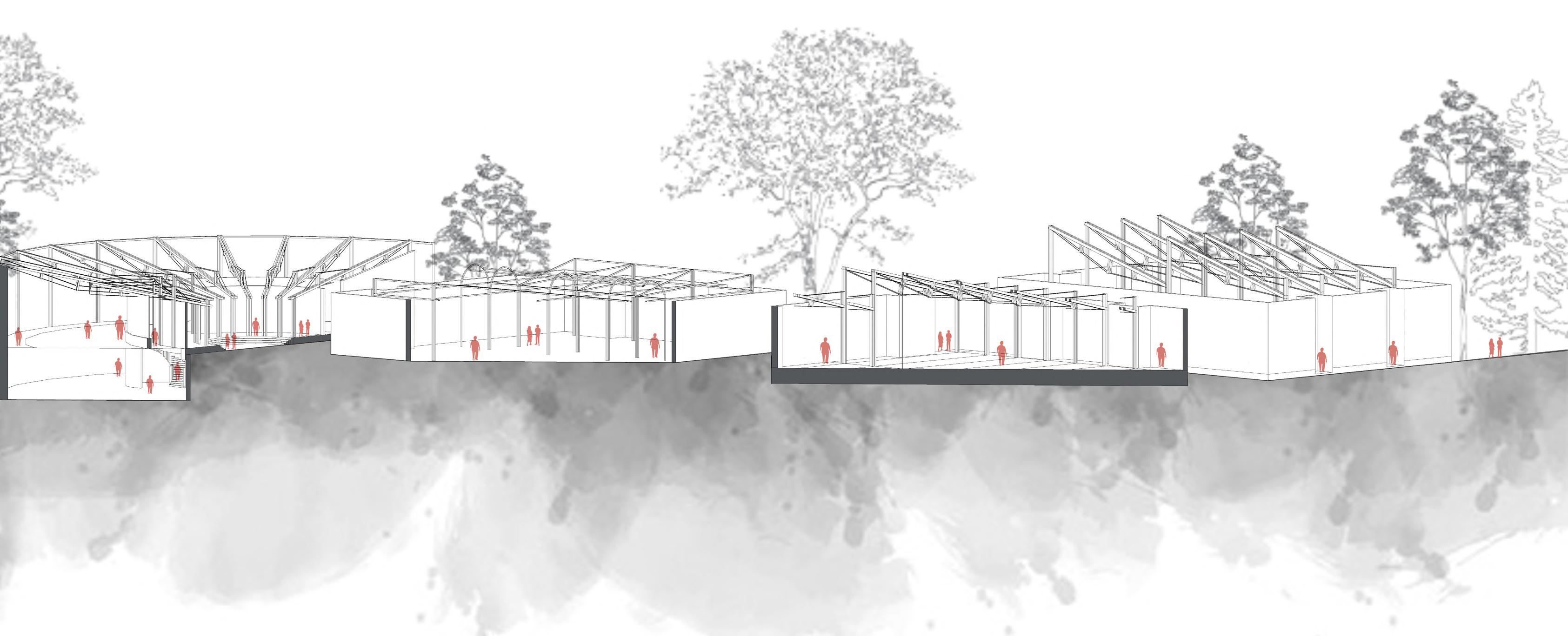
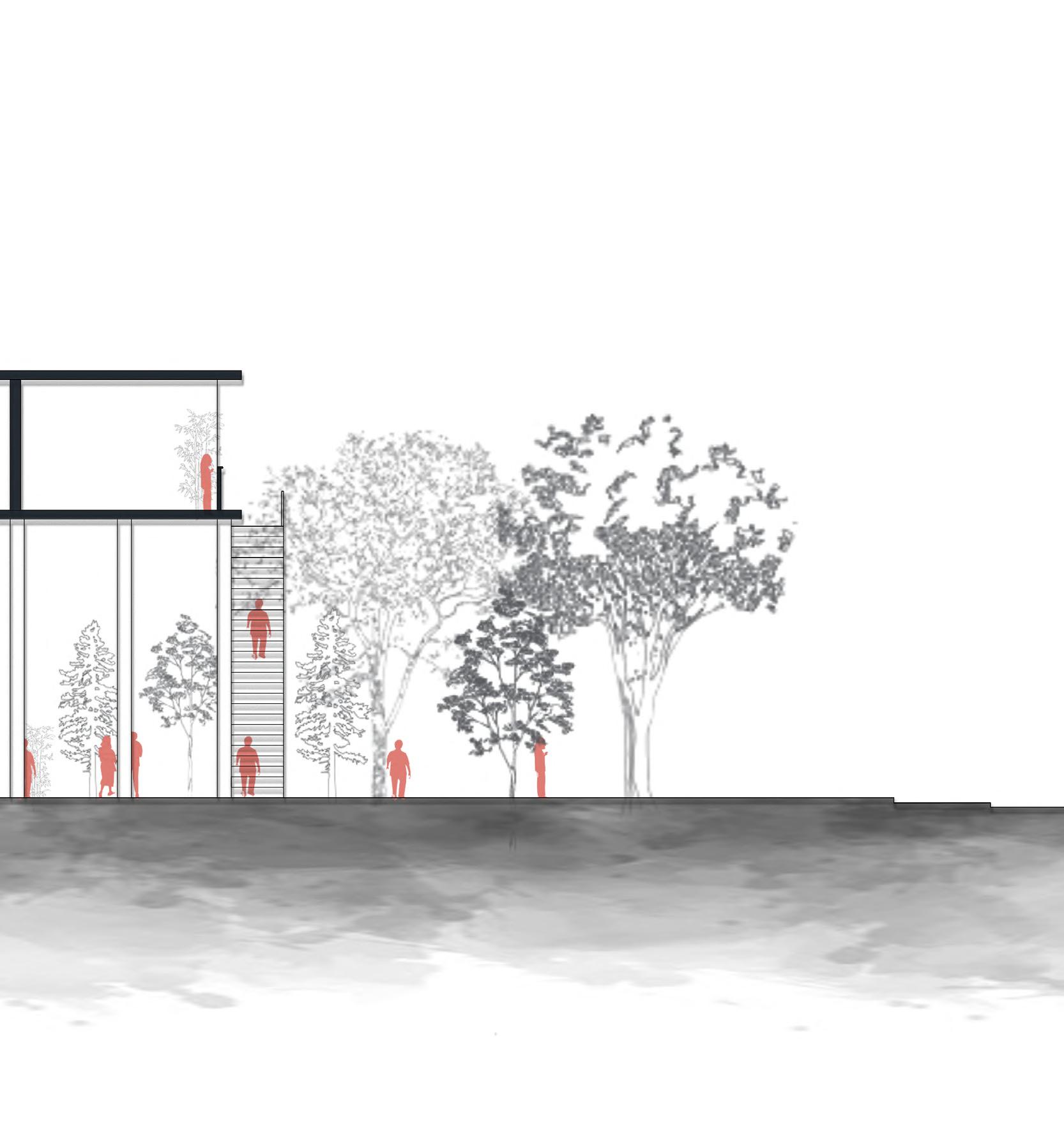
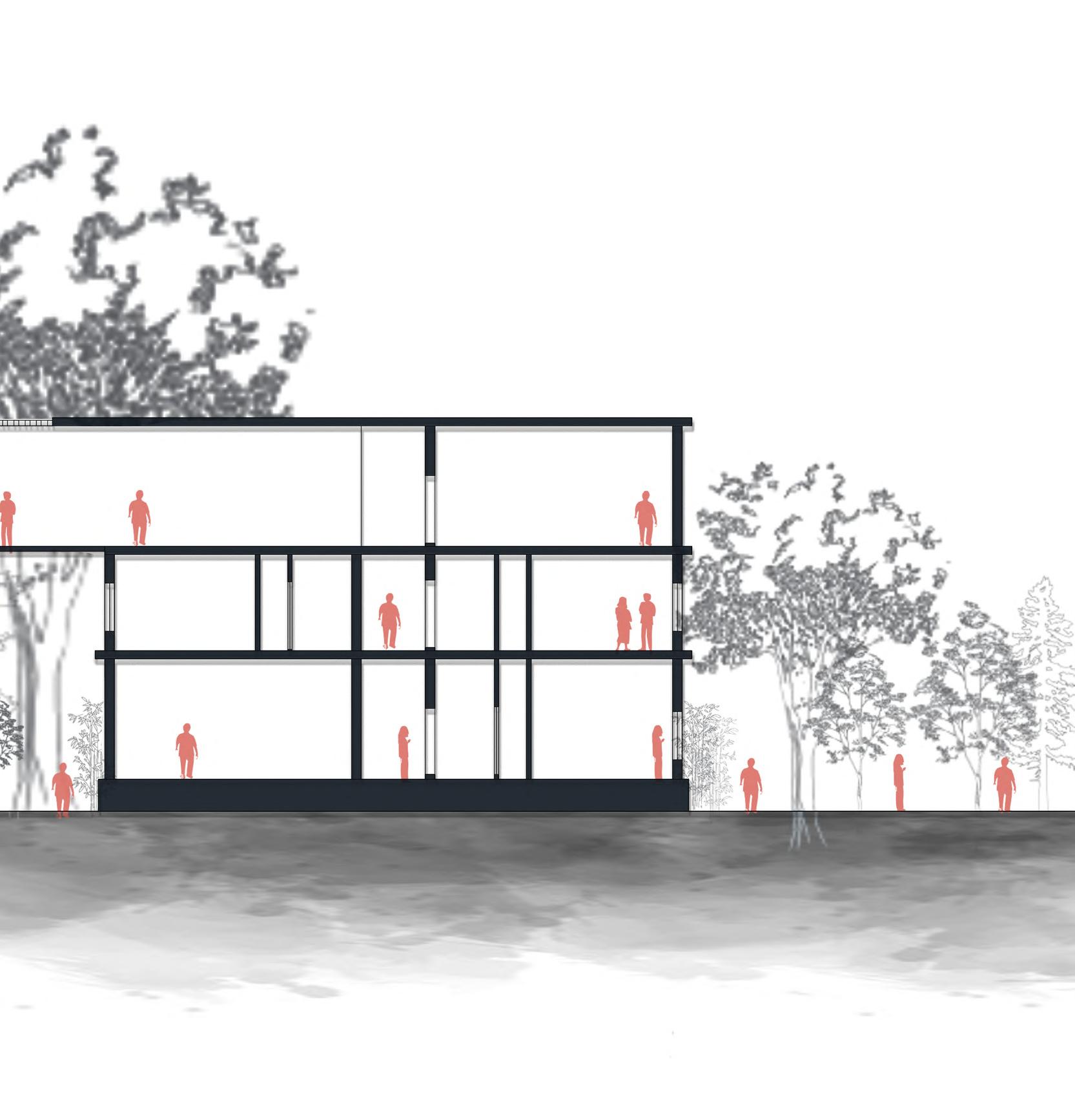
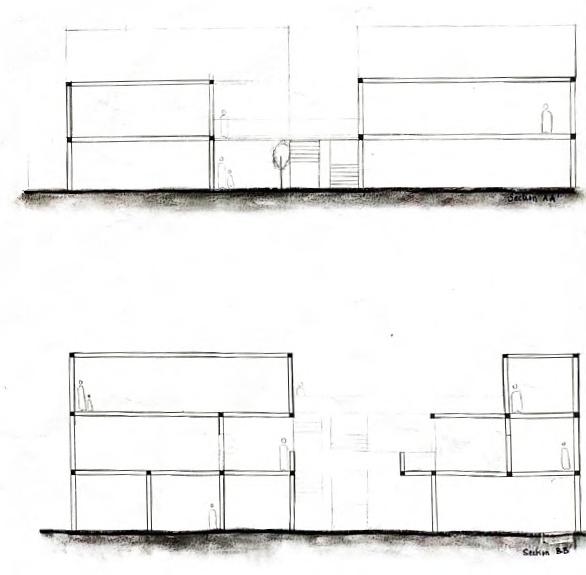
SECTION AA’
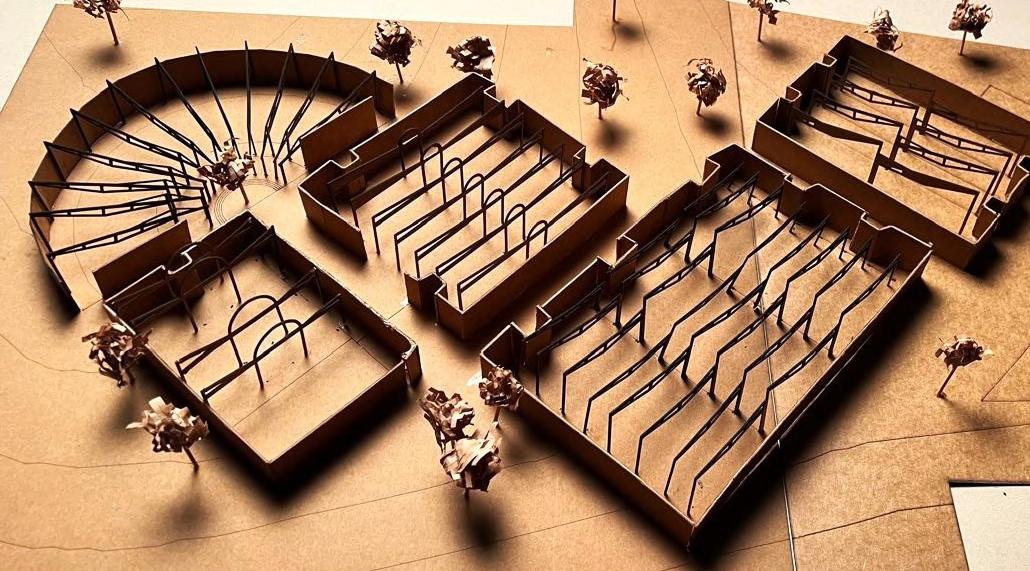
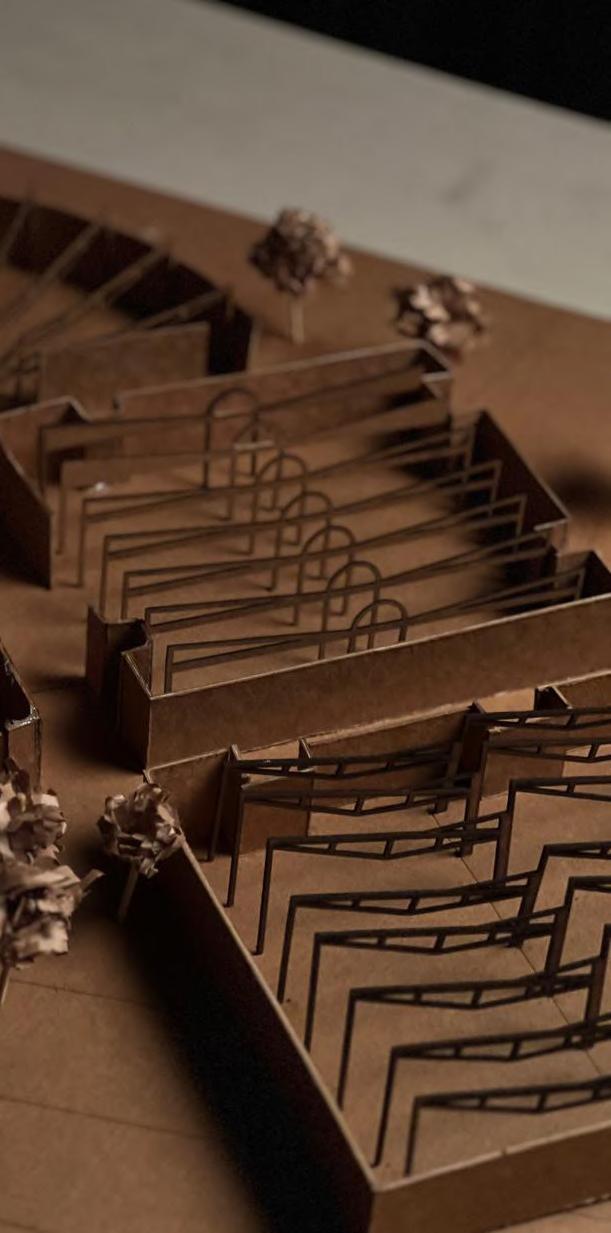
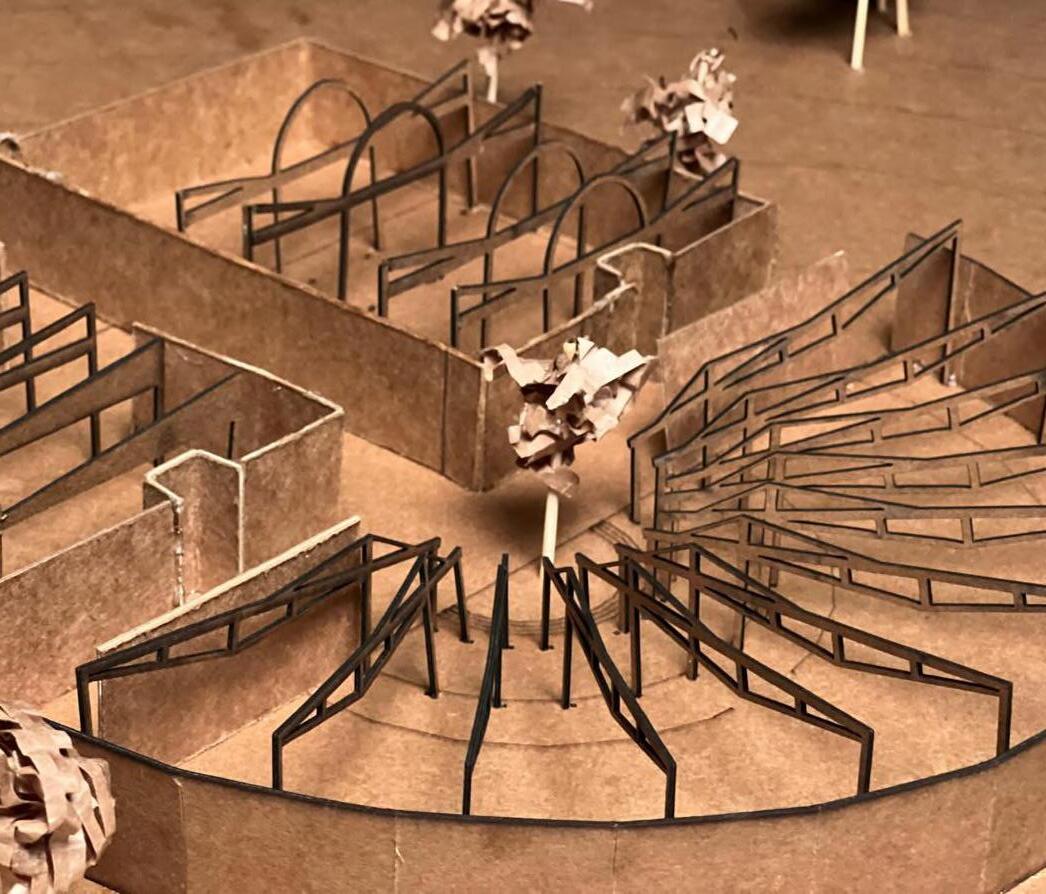
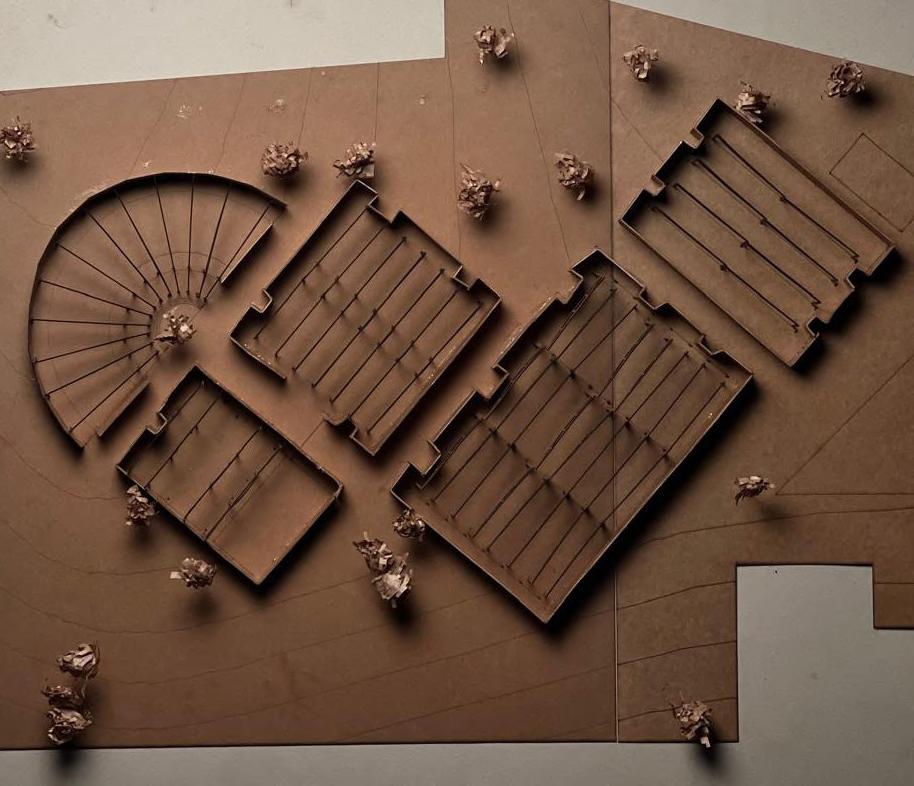
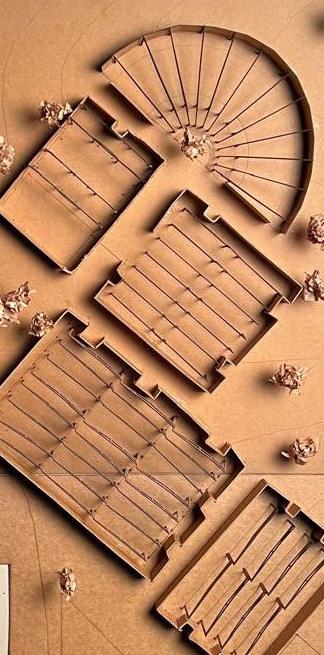
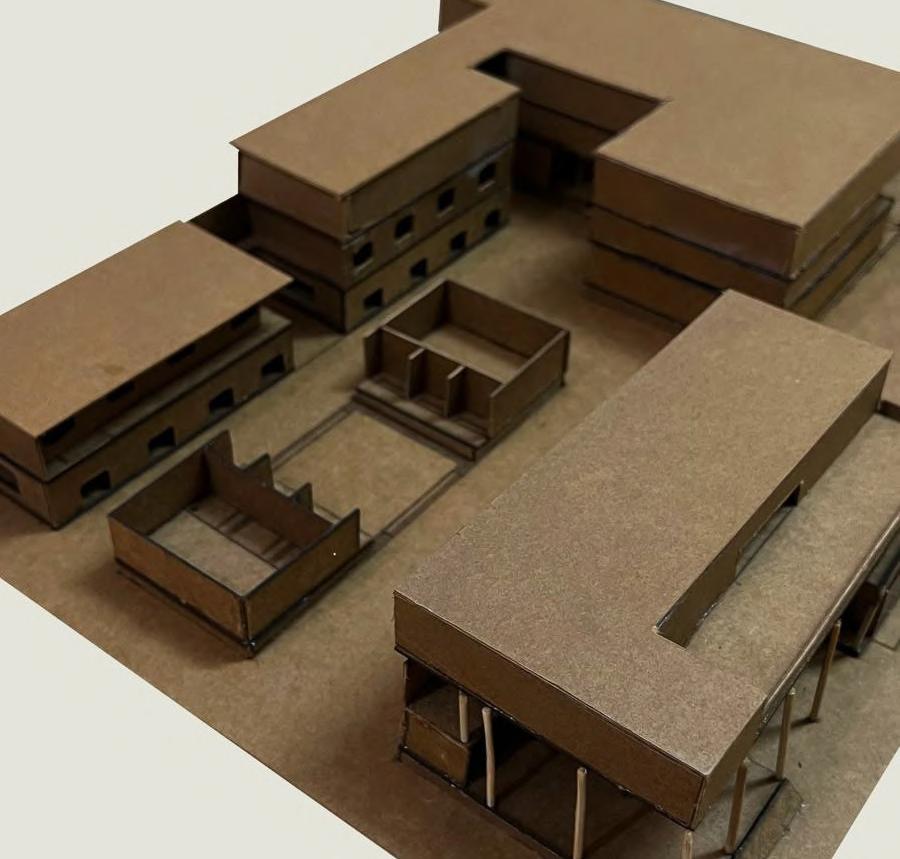
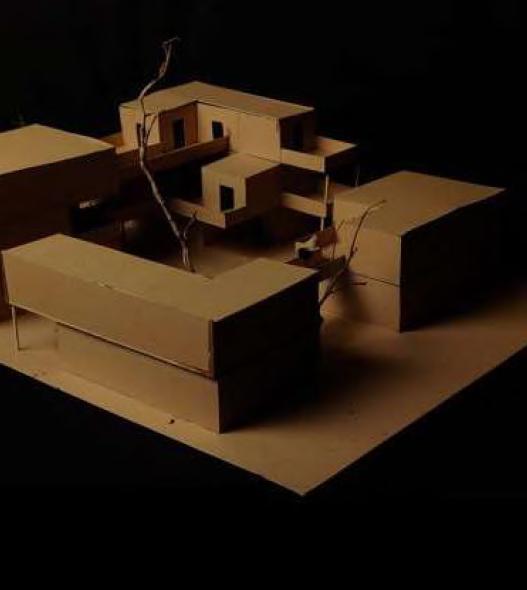
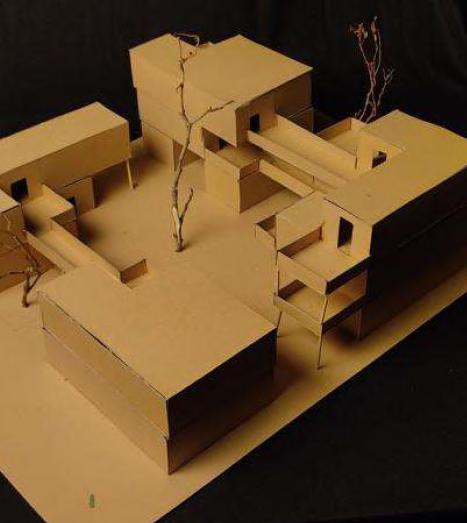
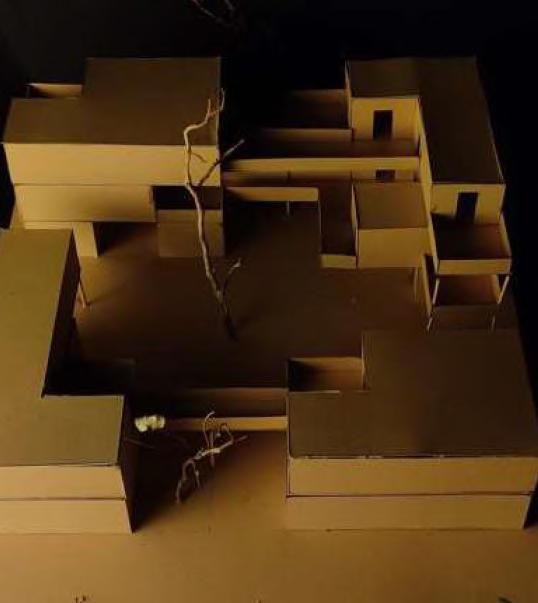
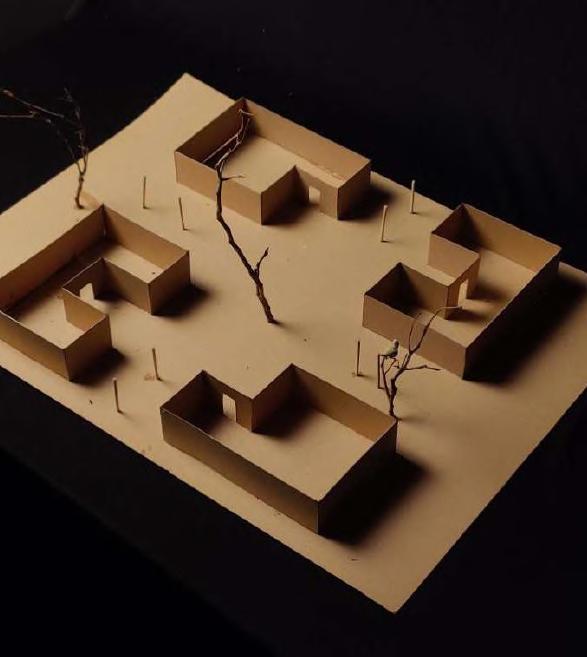
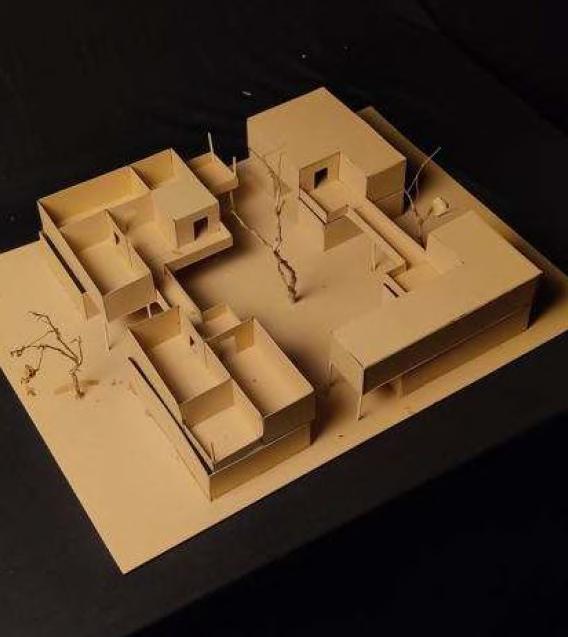
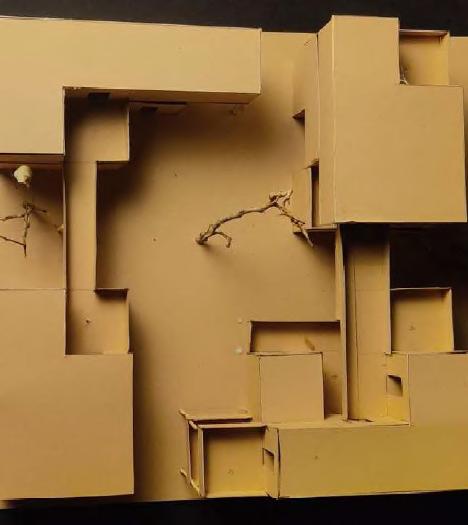
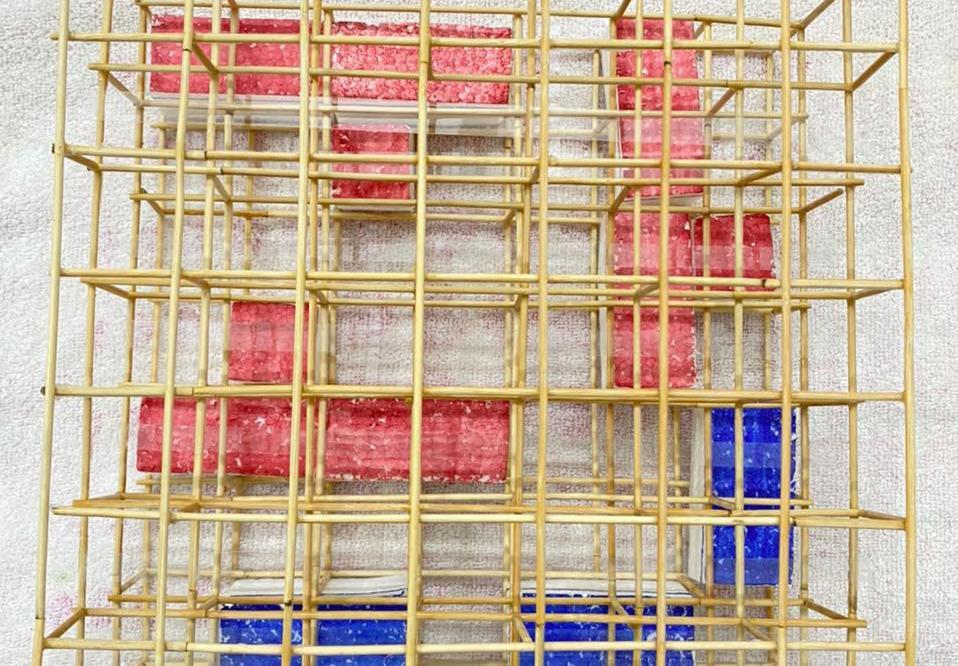
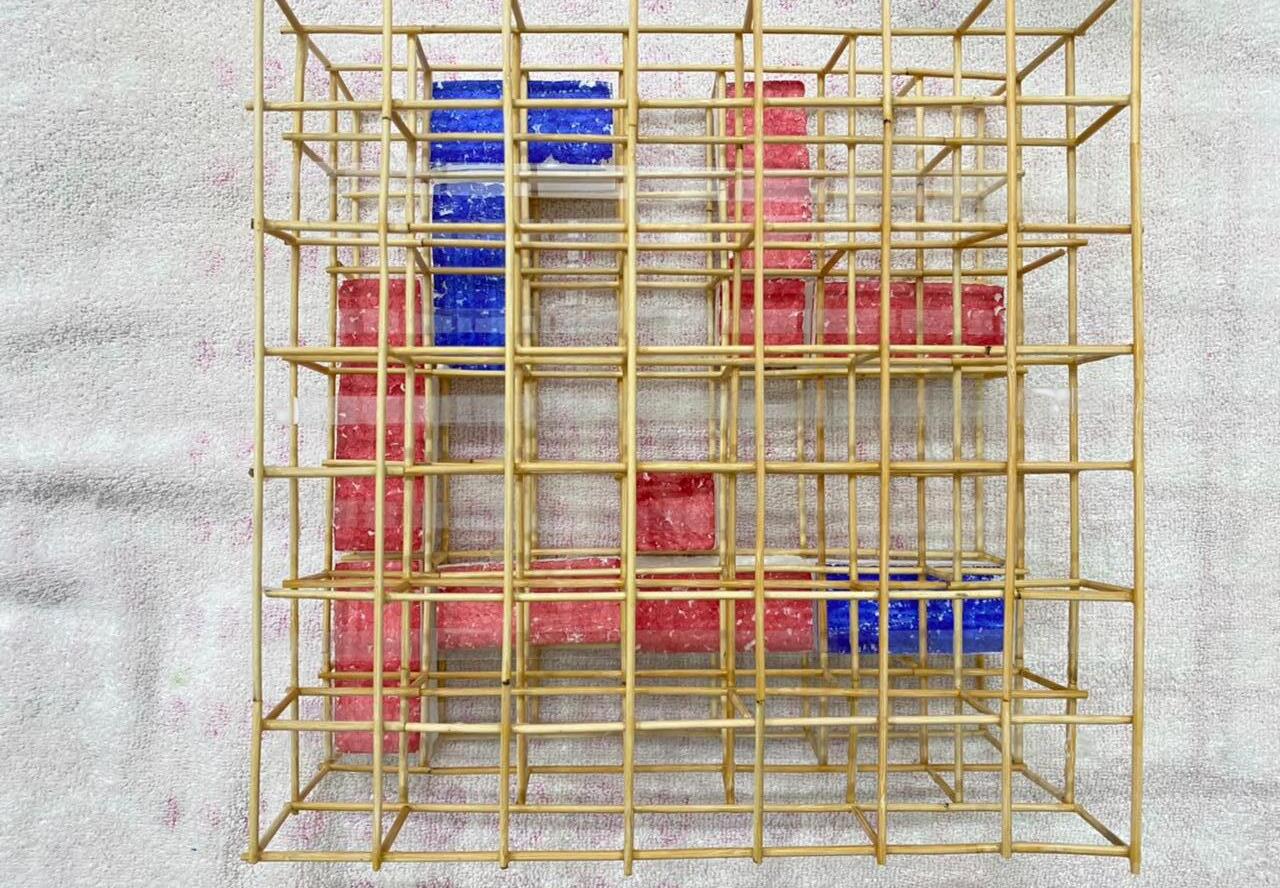
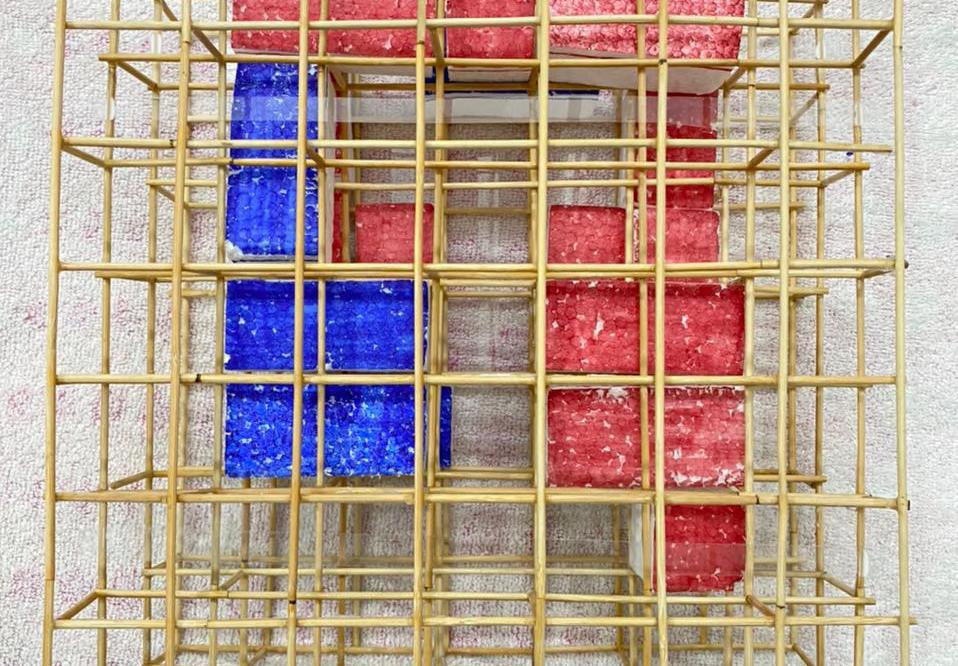
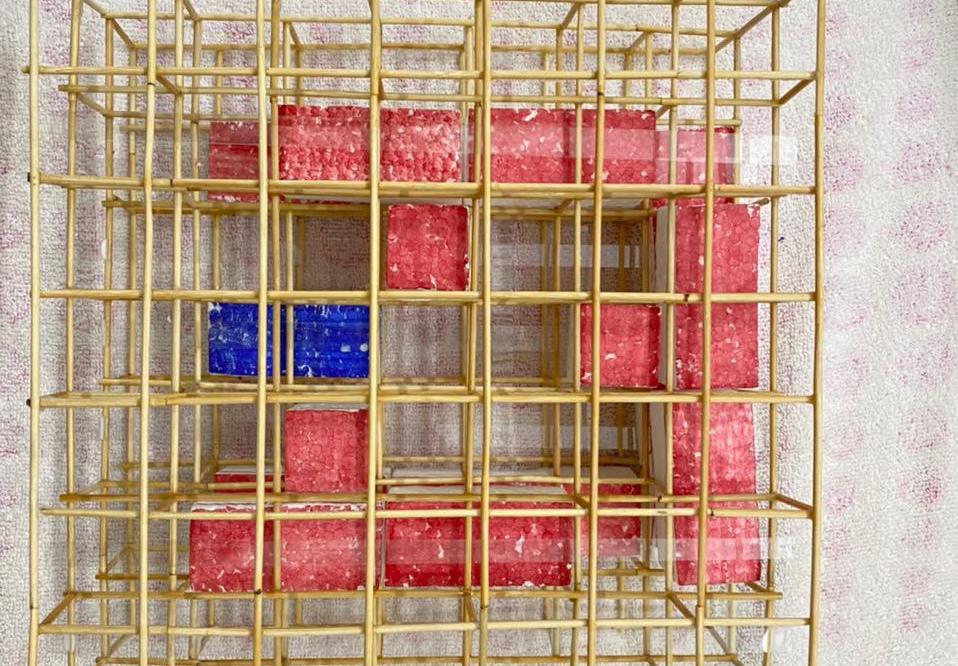
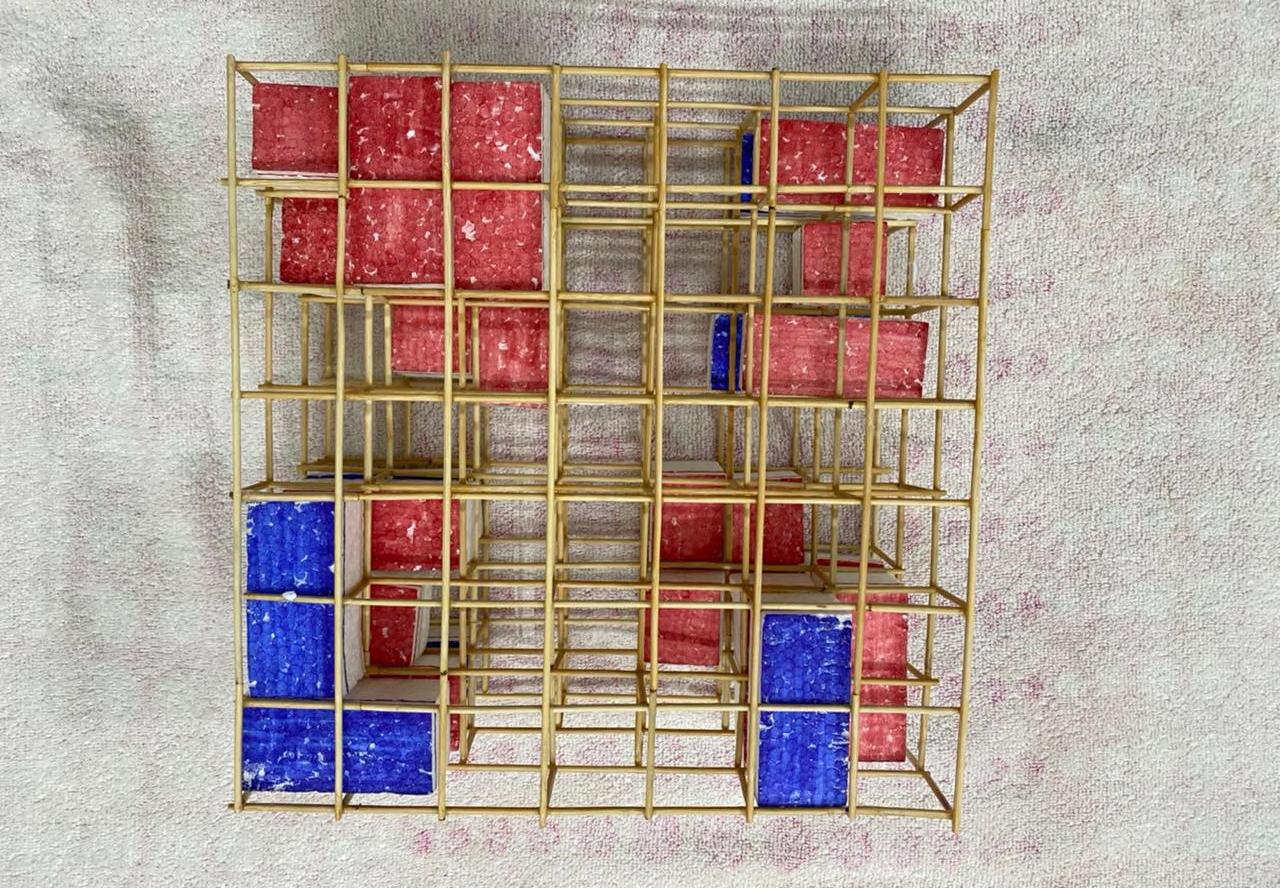
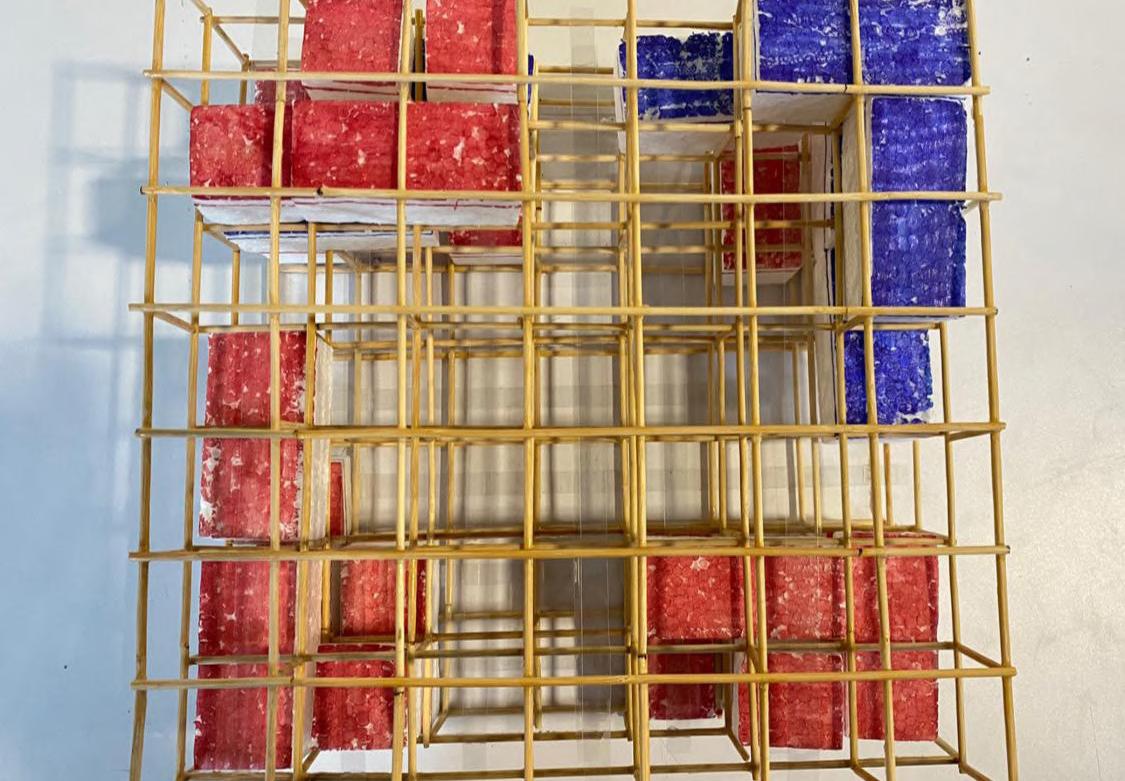
The Physical model mainly highlights the structural coloums and the orientation of the built.
Structure designed for
Structure designed for
Structure designed for
packaging warehouse
for Ageing warehouse bottling and blending
The walls are made using the Rammed Earth technique, the earth used is the leftover from the excavation process. the steel structures are designed for better placement of machinaries and to bring in ample light and ventilation.
02. URBAN PAUSE : A Space To Slow Down.
Semester 08
Duration : 14 weeks.
Typology : Urban Design.
Location : Mysore, Karnataka.
Guide : Prof. Prashanth Pole.
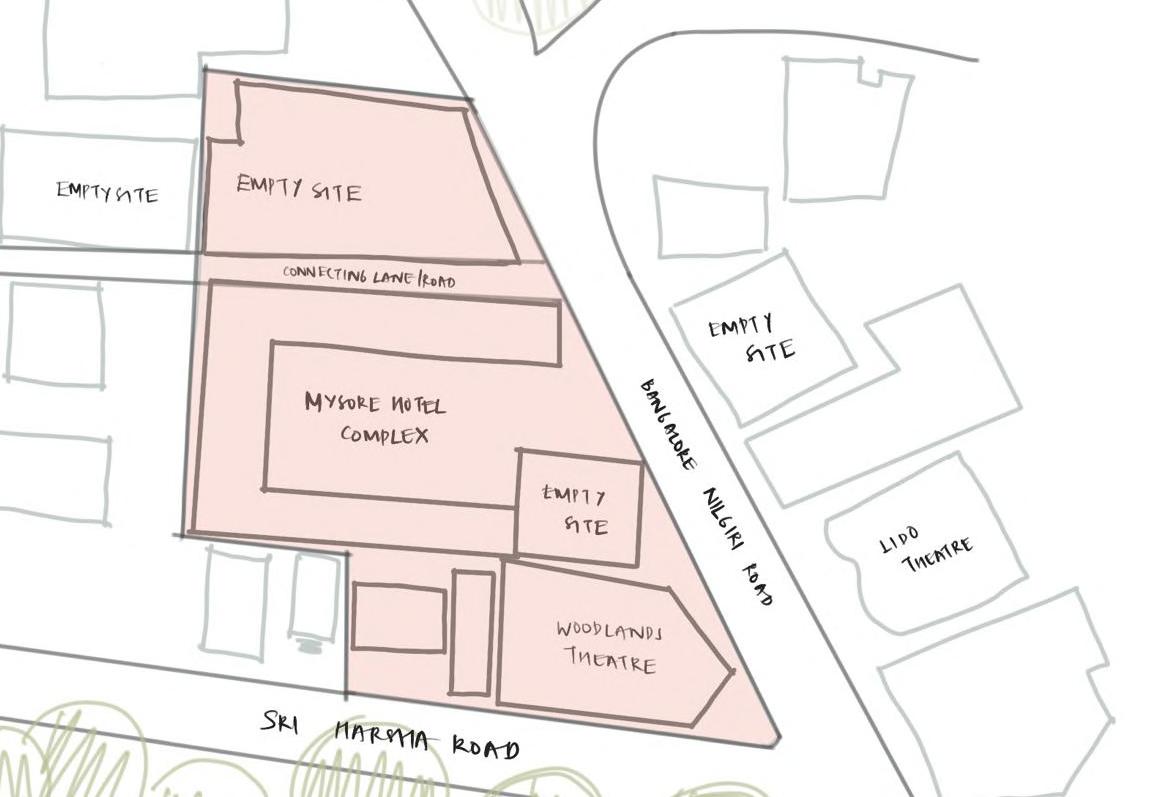
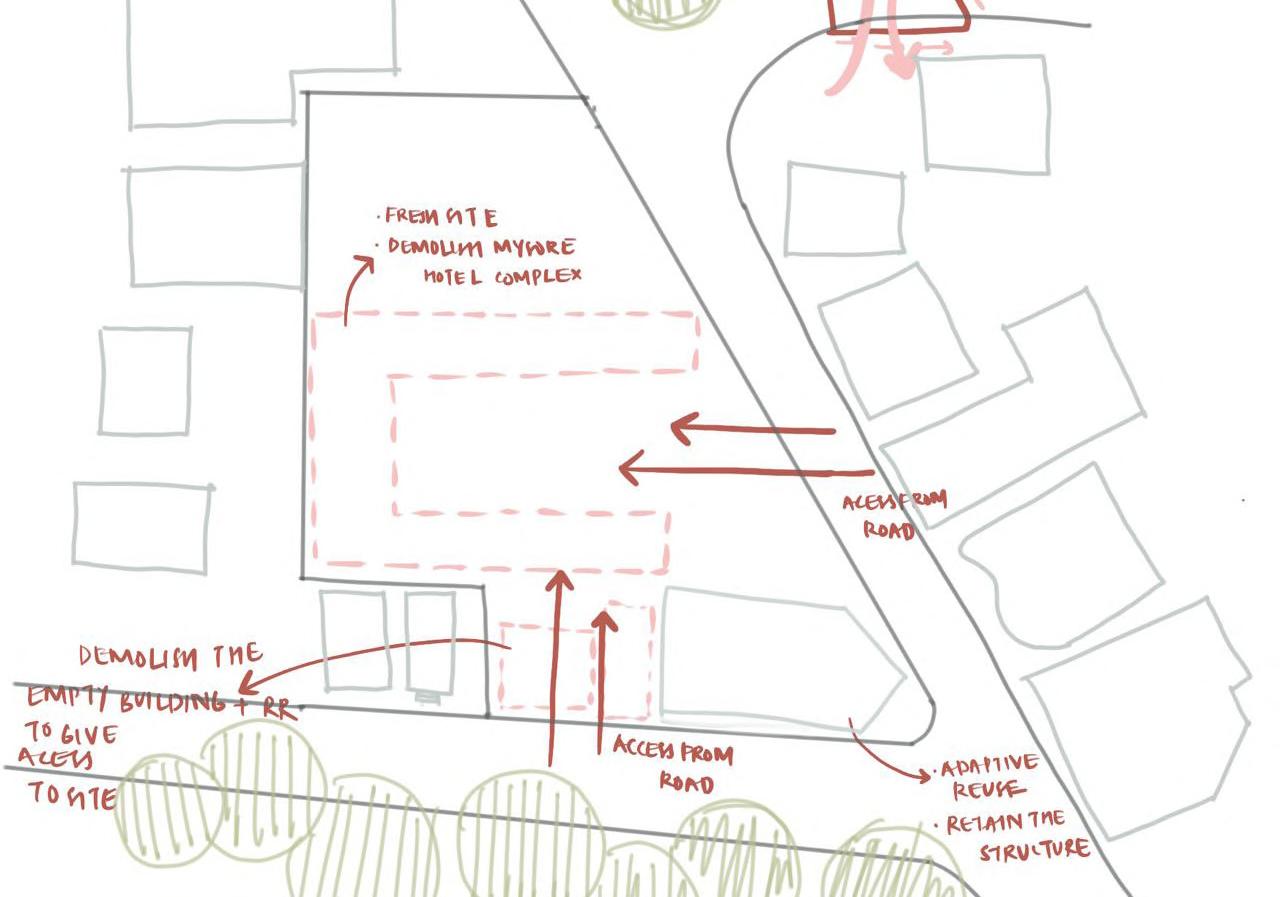
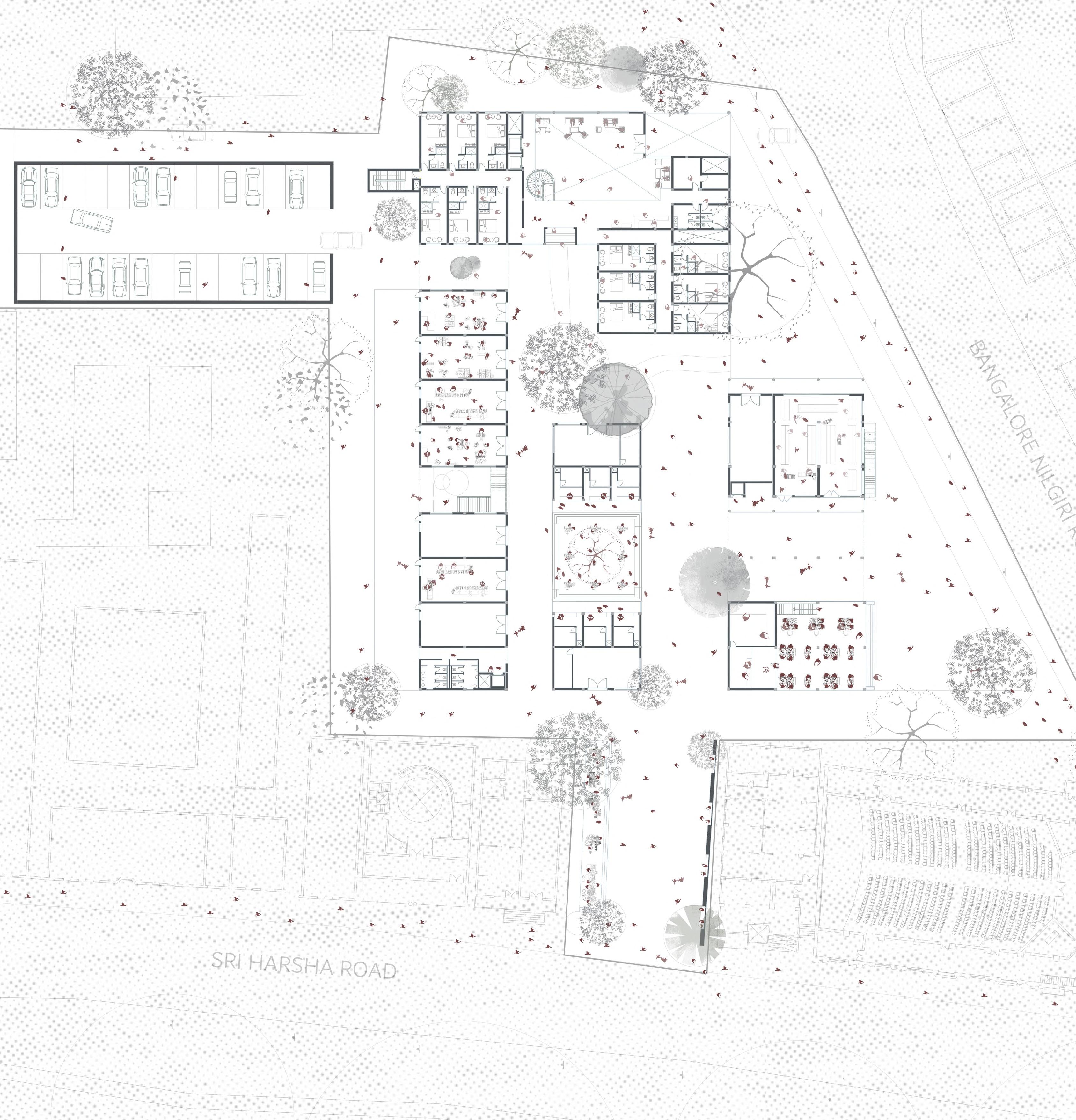
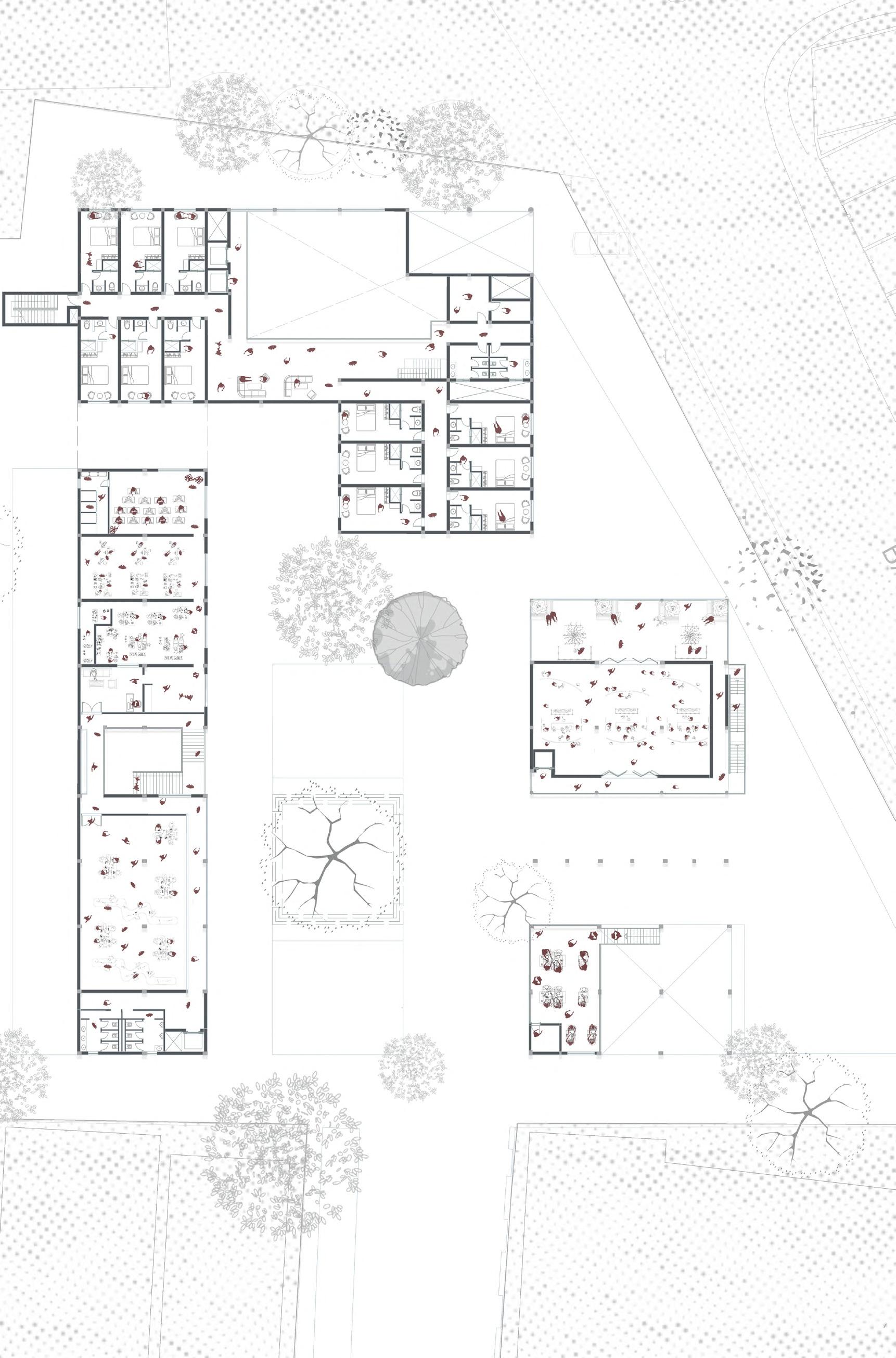
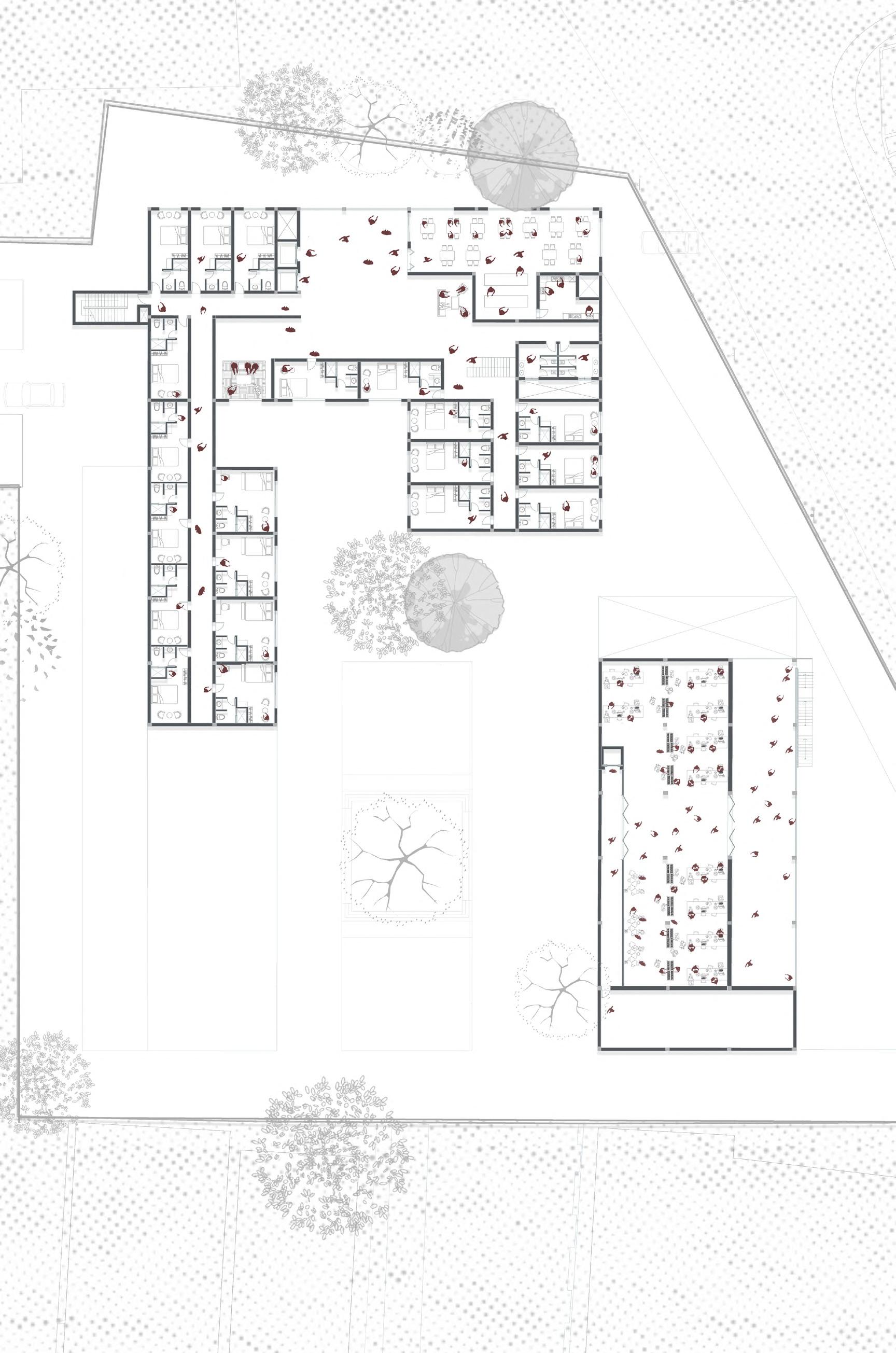
The aim of the studio was to work on achieveing architectural design in an urban context with prevelant urban conditions informing and guiding the entire design process and response. Four sites were chosen in the core of Mysuru city, which encompasses a composite mix of heriage and contemporary expression of socioeconomic activities, architectural styles and morphological formations. Woodland theatre, along with the mysore hotel complex and its surroundings was the site i worked with. The design stratergy was mainly to insert a space that lets people to take a break or slow down for a minute before they proceed with thier journey to or from the Main bus stand.
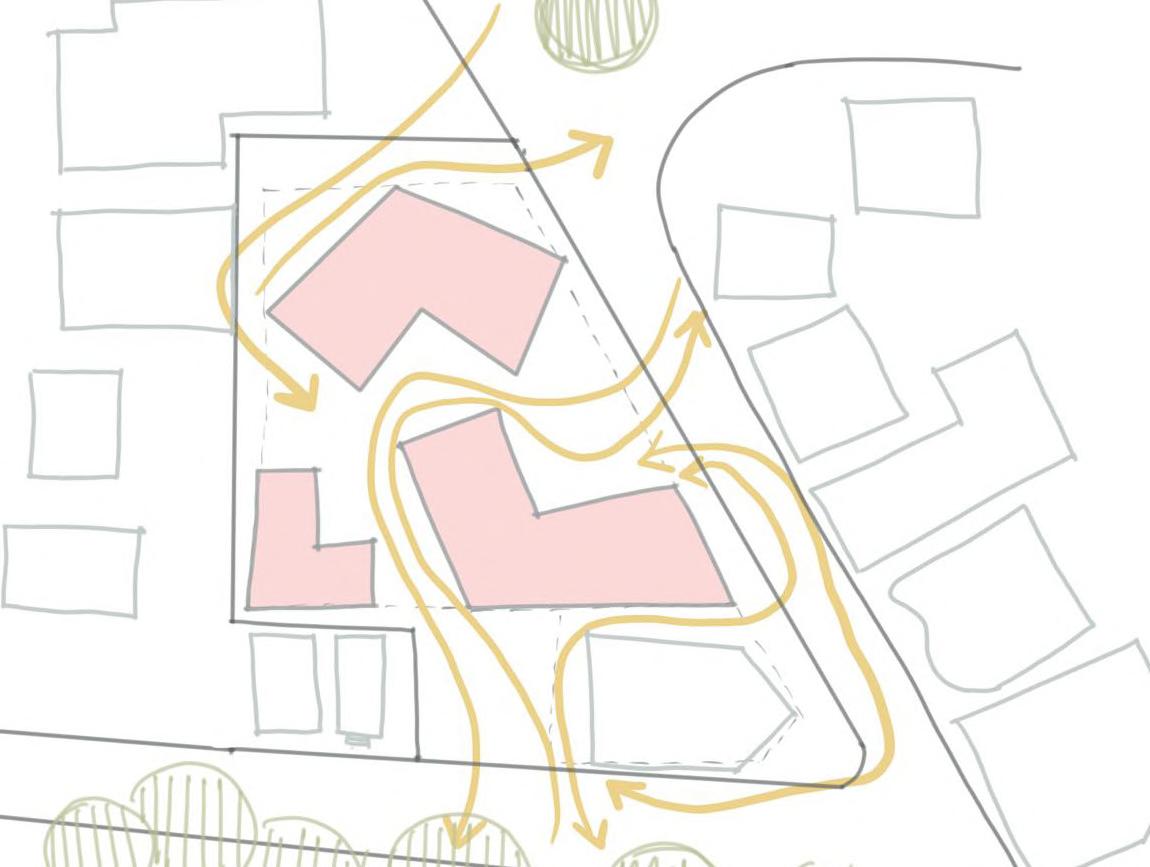
Access point into the site is given from both the roads that pull the people into the site, even if it is as a shortcut to thier destination. The design includes eateries, widened footpath, retail stores, workshops, exhibition spaces, hotel rooms etc
Site Selection/Area of Intervention.
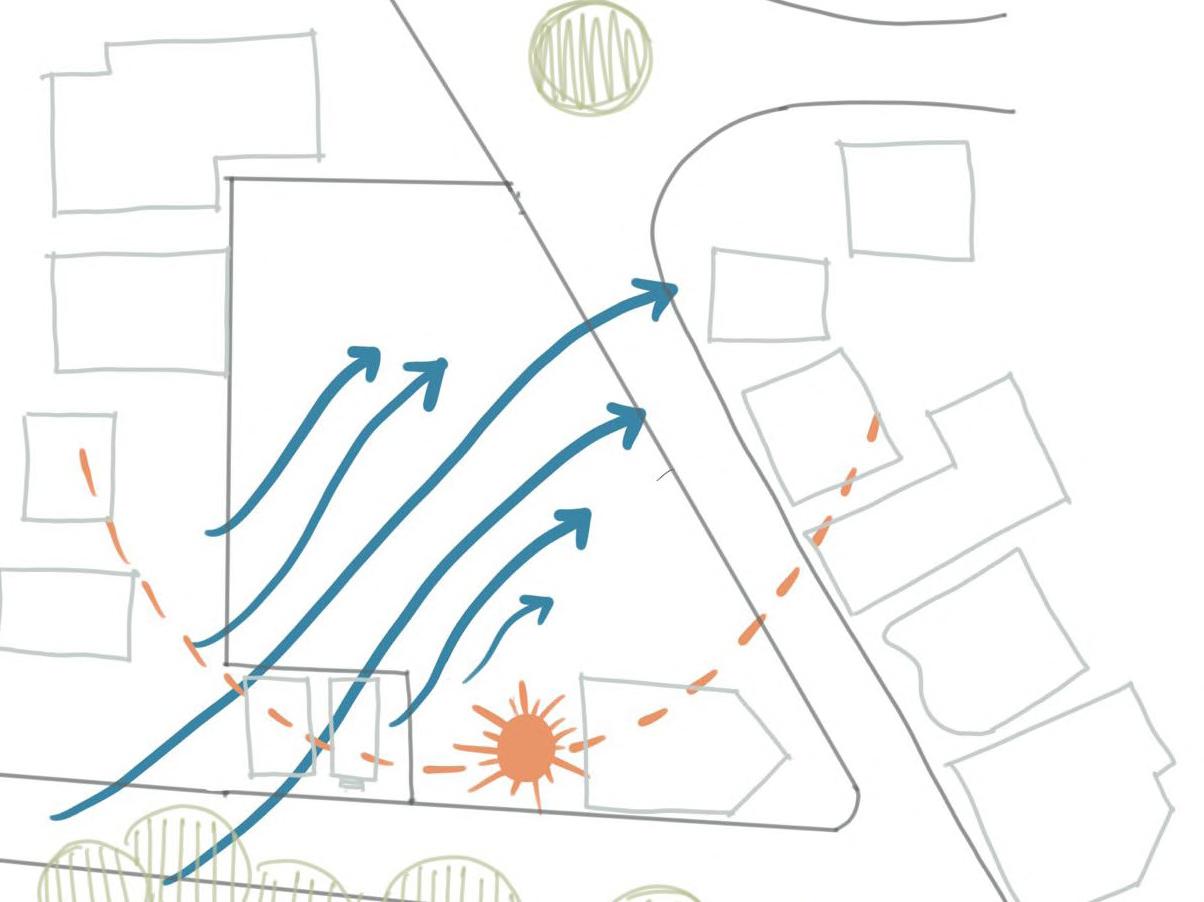
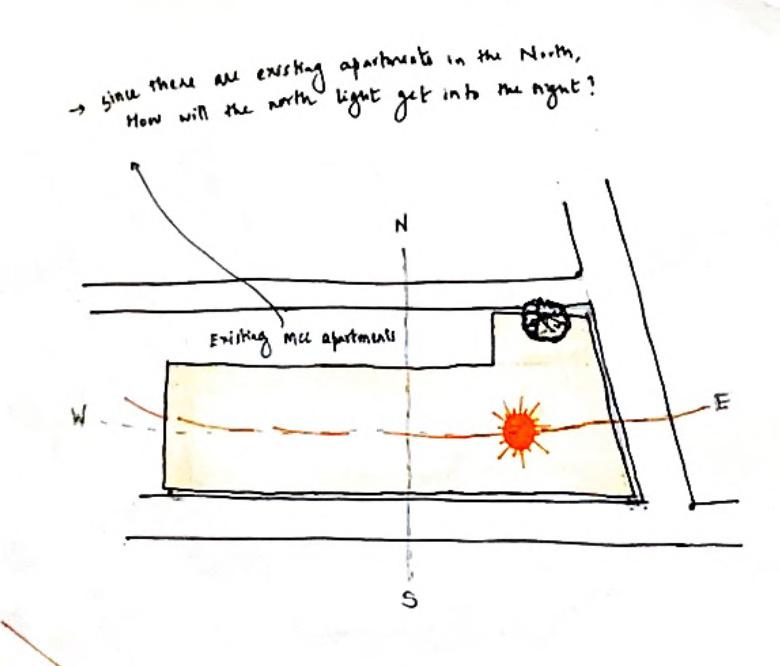
Wind Direction and Sun Path
Orientation and Circulation
Access and Approach to Site
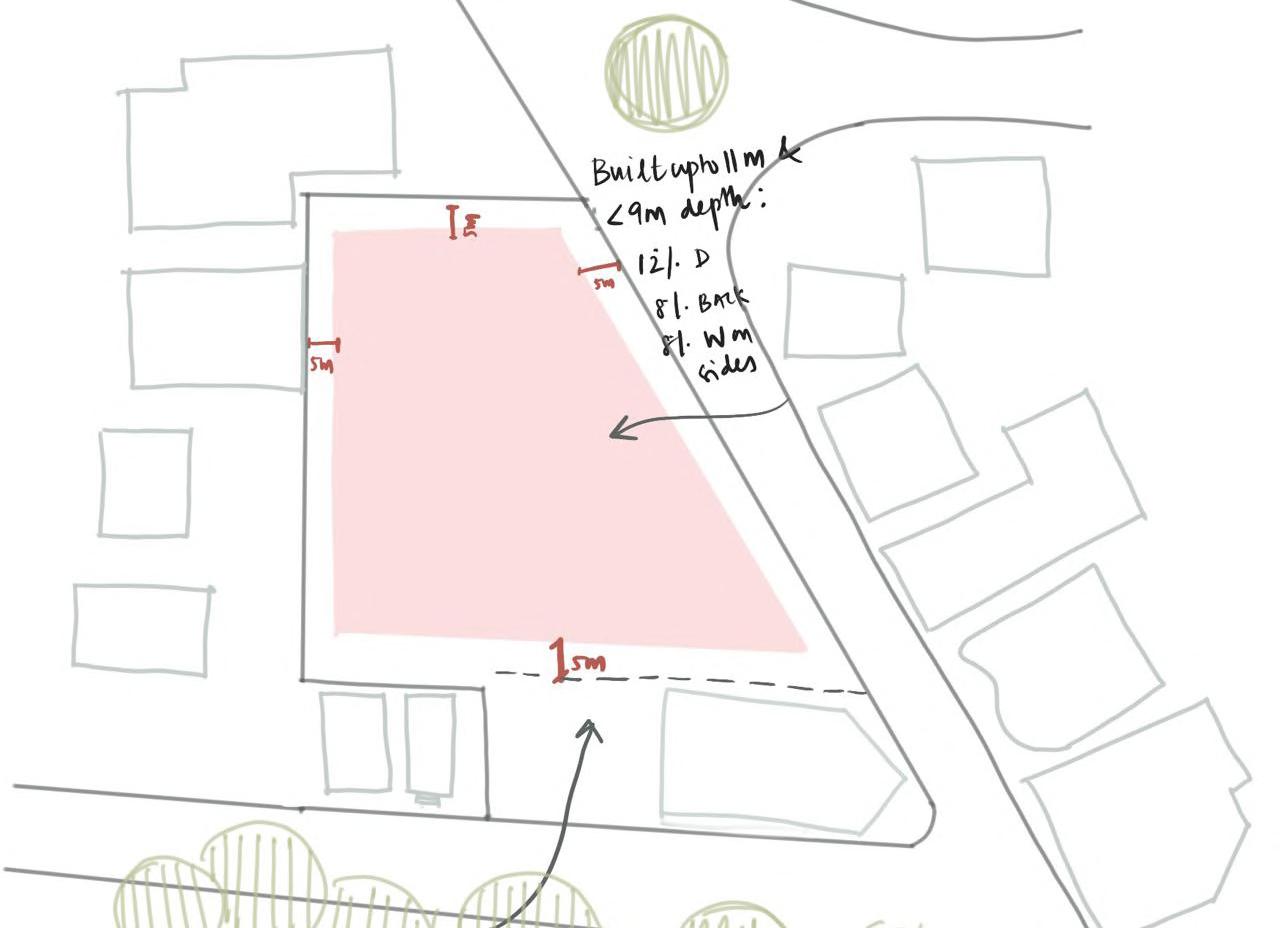
Setbacks of Site
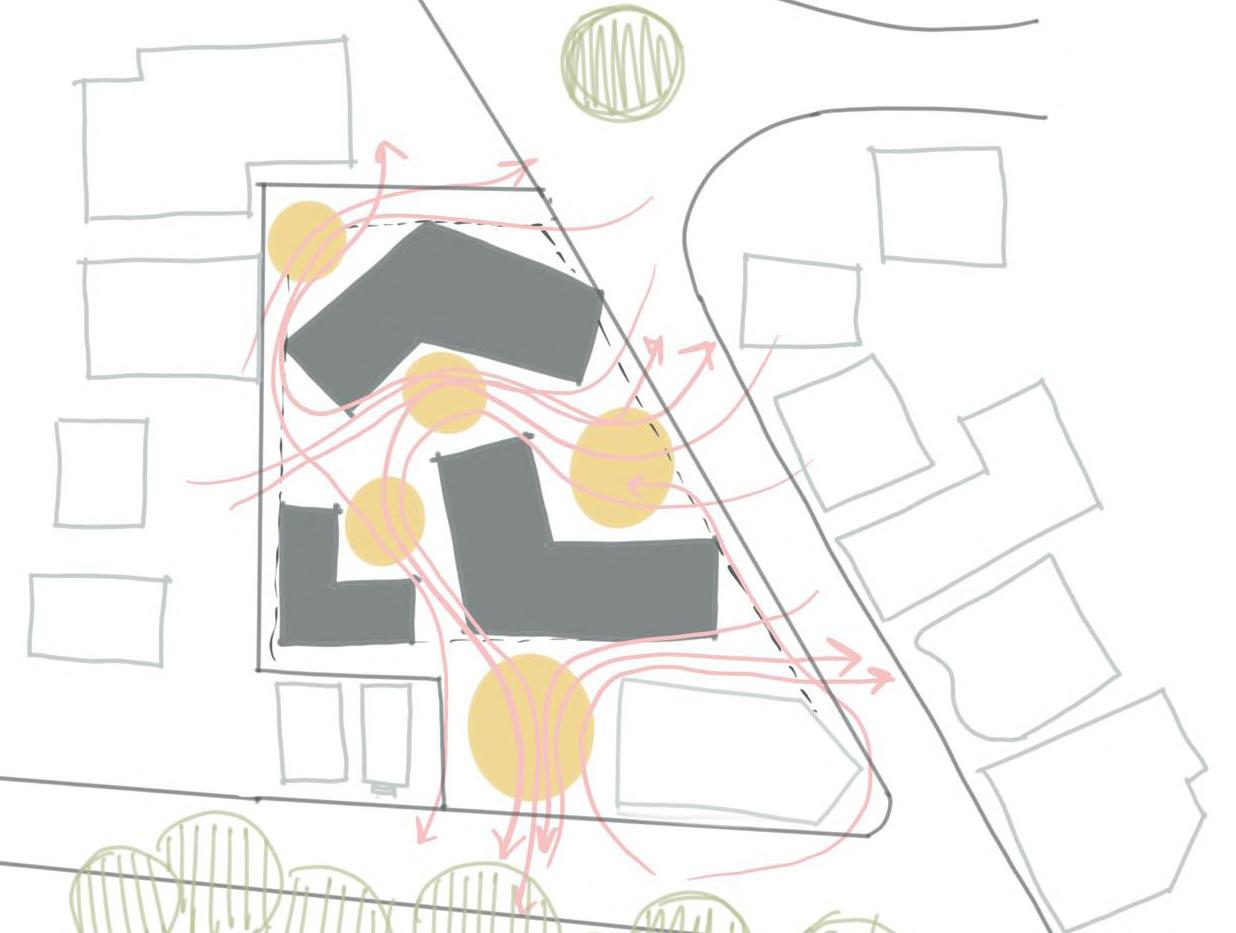
Built vs Unbuilt and Public Nodes
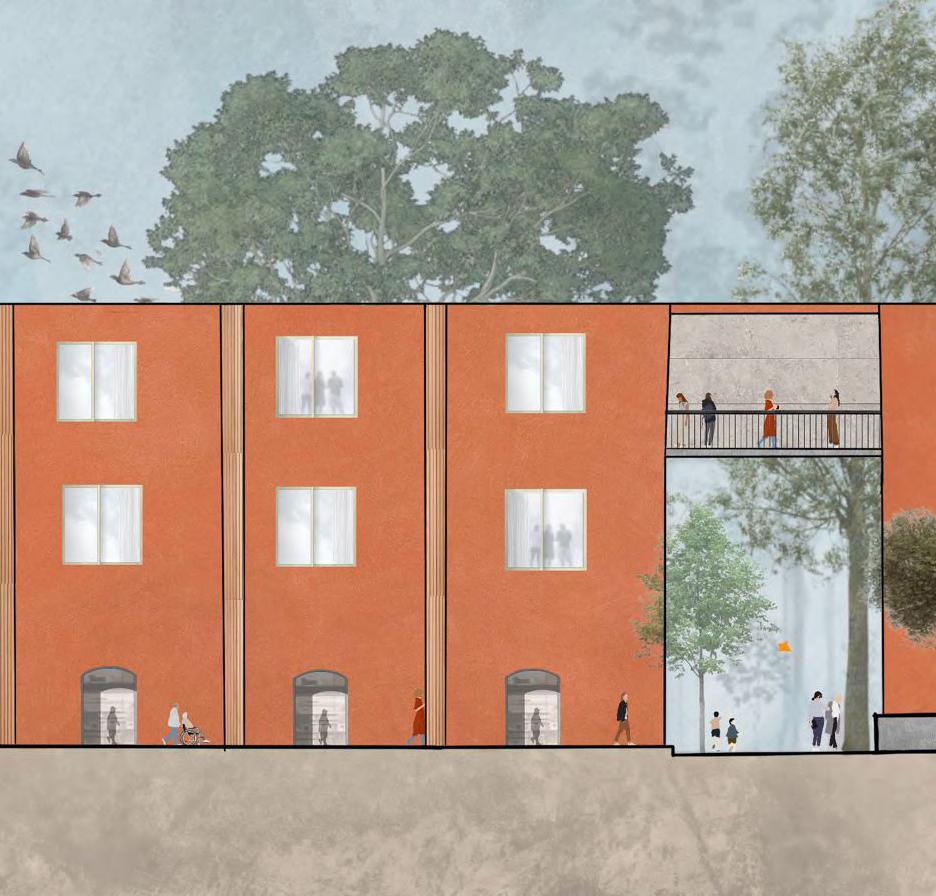
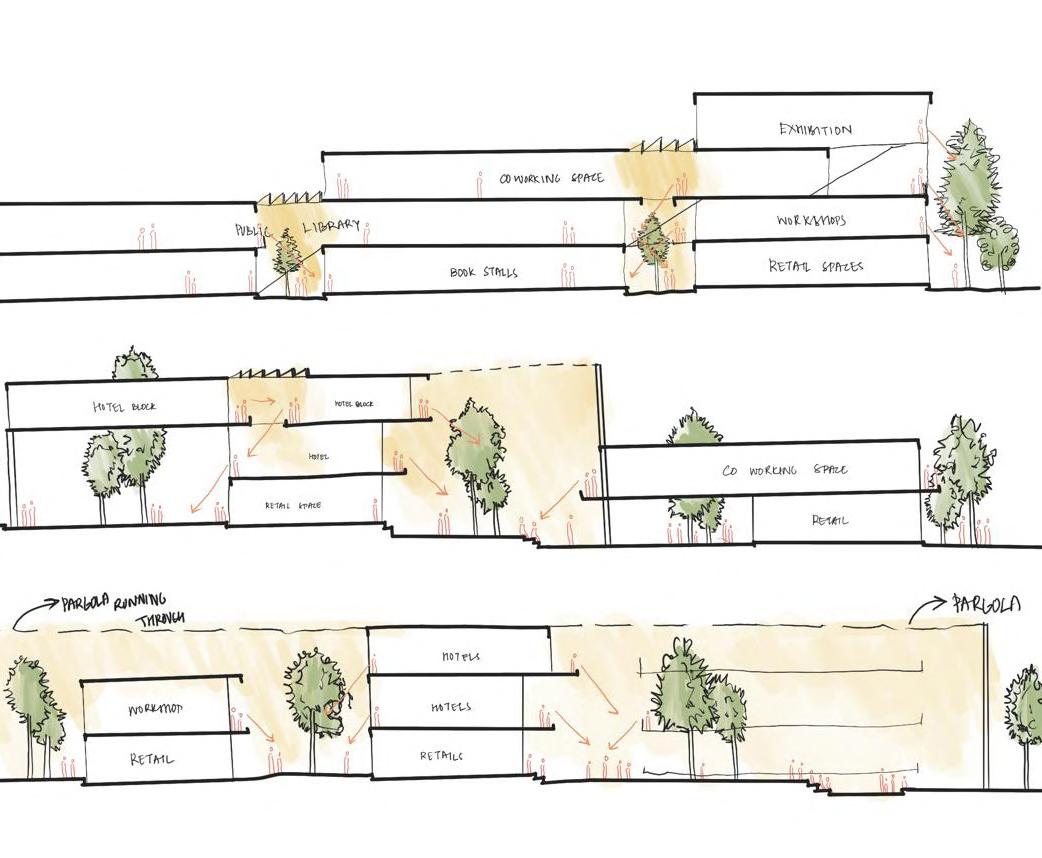
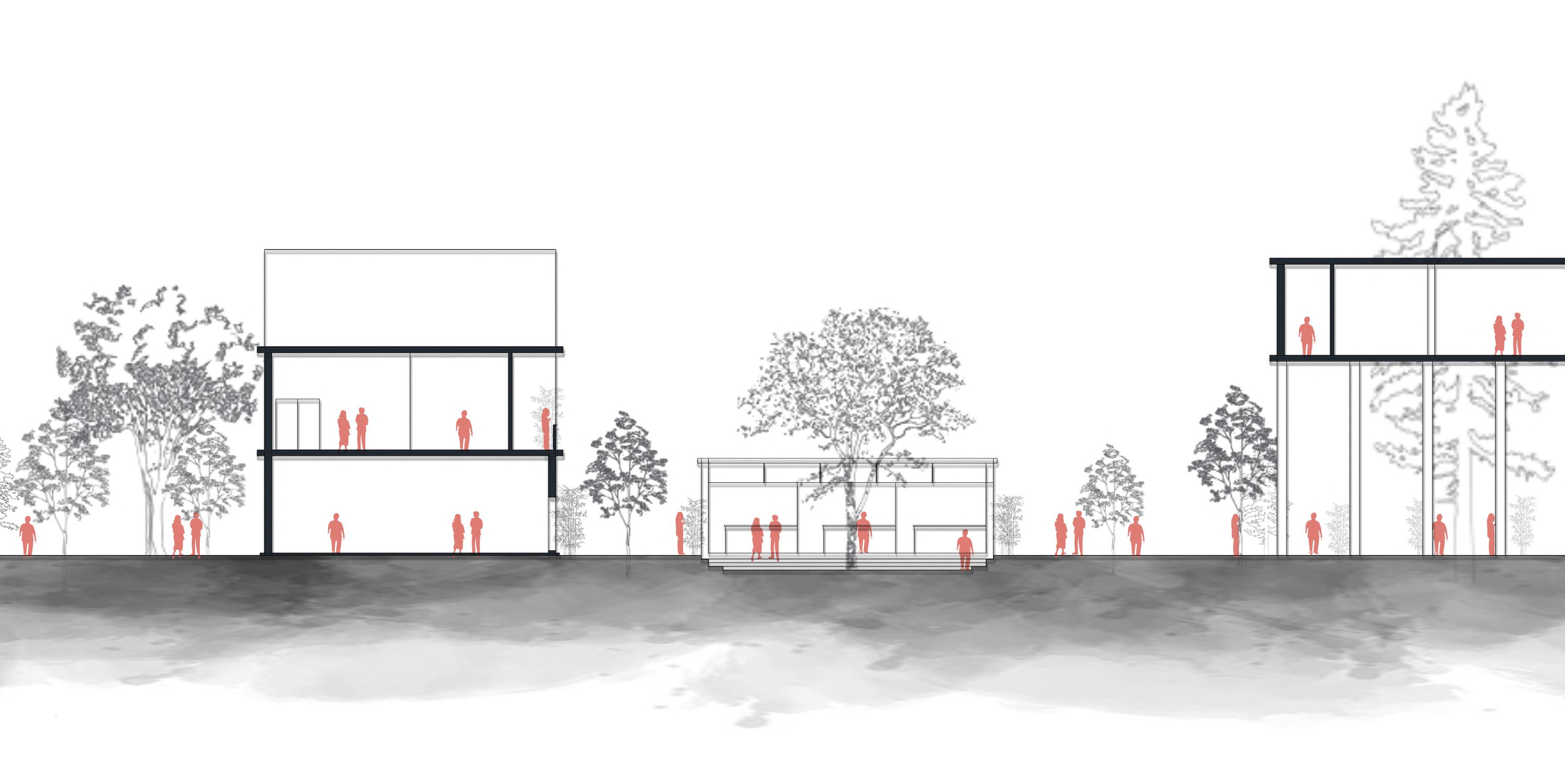
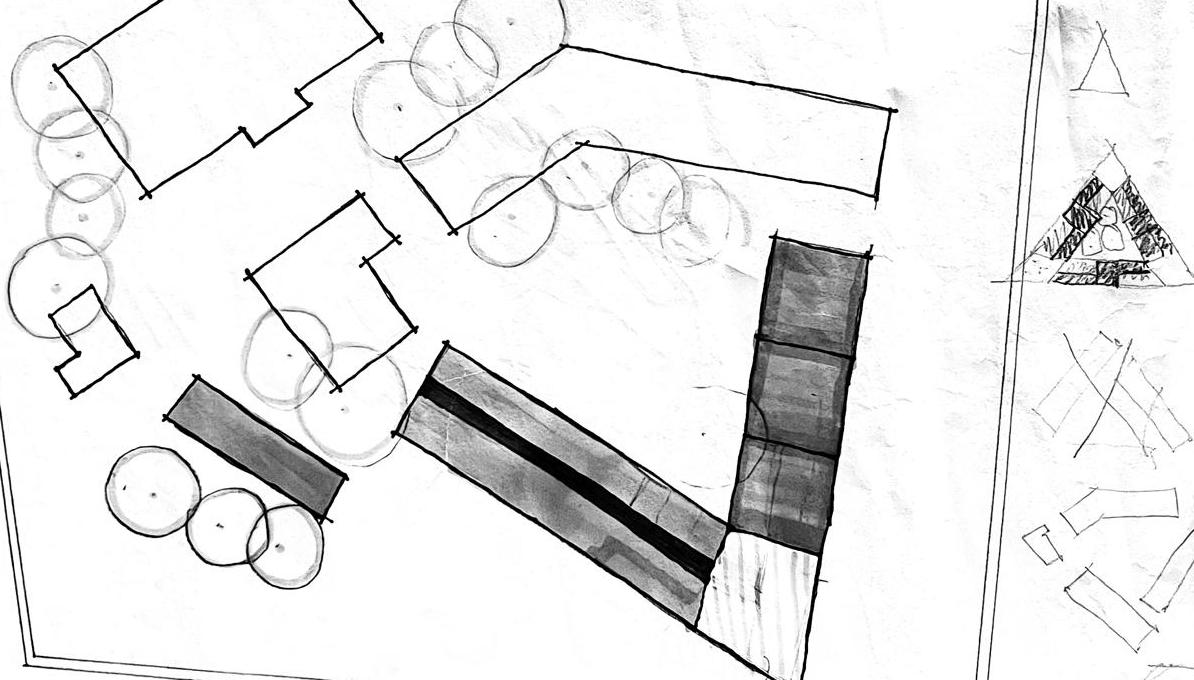
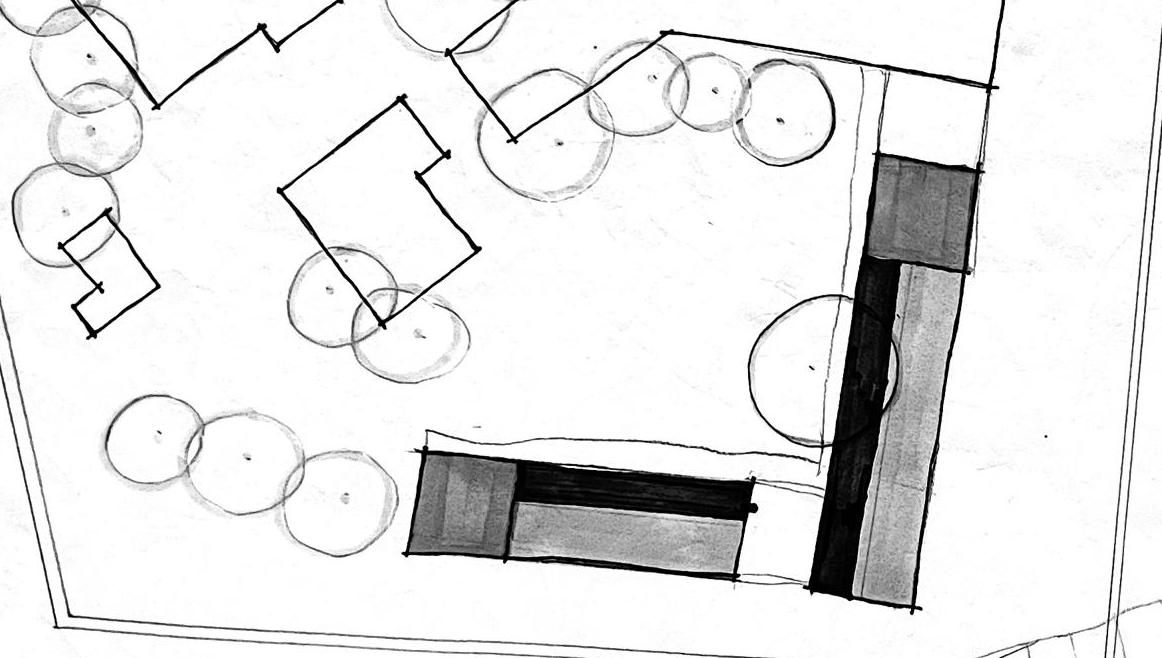
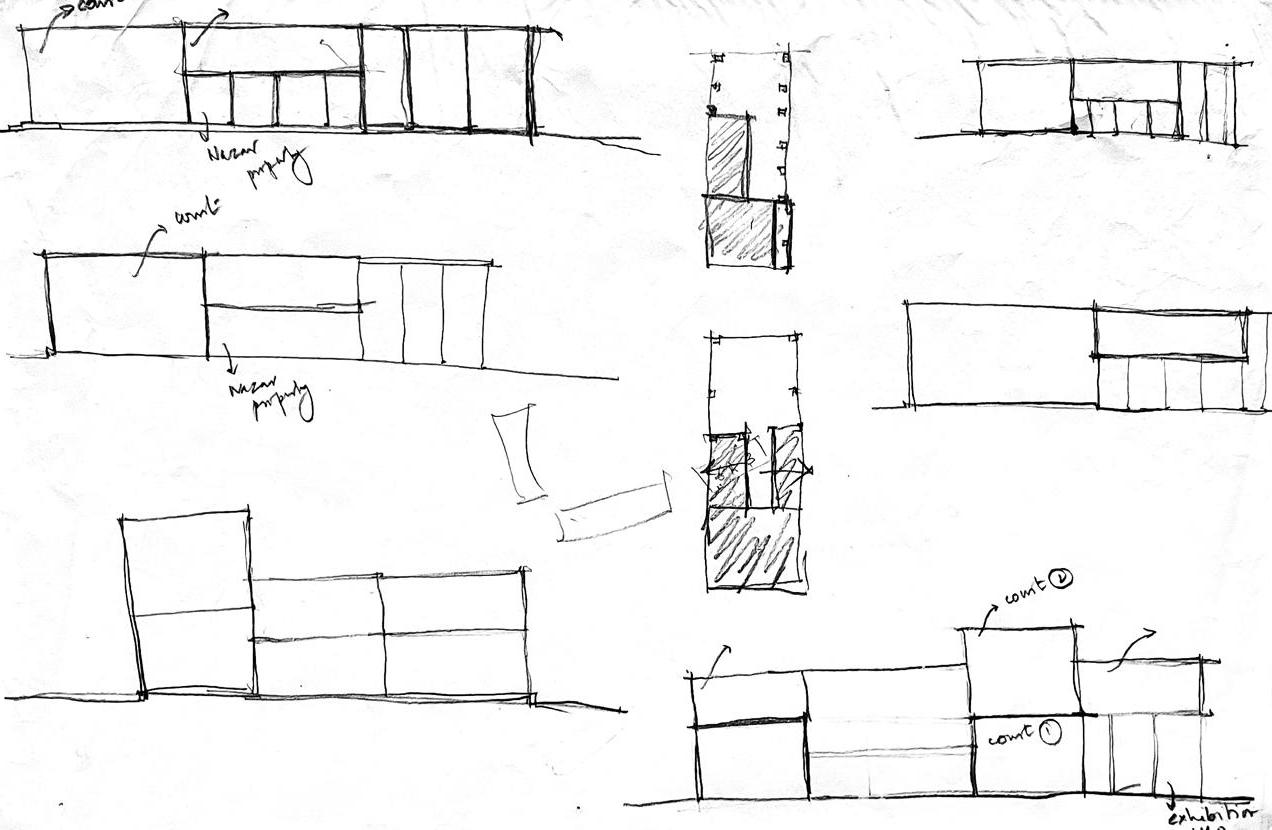
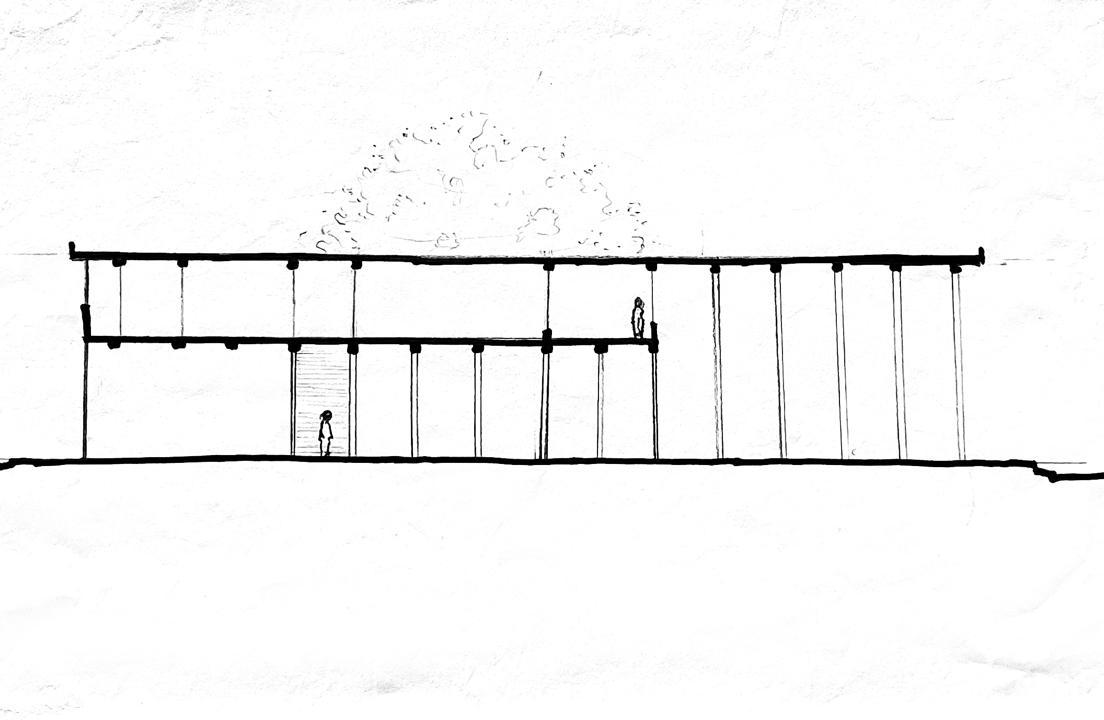
Initial Process and iteration. The idea was to build around the unbuilt nodes that will be used by the public. An attempt has been made to create connections between the buildings. The iteration in sections was done to better understand how the building works in terms of heights. By introducing balconies at multiple levels, an attempt was made to connect each and every part of one building to another. skylights and pargolas were introduced for better light and ventilation, more importantly these help each built to connect throughout the site even without any other physical connections.
1. Parking Area
2.Hotel block
3.Retail Stores
4.Eateries
5.Supermarket
6.Cafe and Kitchen
7. Hawker’s Plinth
8.Yoga Studio
9. Art Studio
10. Pottery Studio
11.Admin of studios
12.Co Working Space
Exhibition Space
Library
The minutes. introduced hotel First, the seatings The rooms,co-working
The idea was to insert a space into a bustling area of the city that will help the public to slow down even if it is for a few minutes. The city of Mysore has a slowness to it and you slowly fall in love with the pace of the city. so this idea of slowness was introduced to the design. The site included a deserted mysore hotel complex, woodlands theatre and an empty site. the mysore hotel complex was demolished and an empty building on the south was also demolished to give access from the main road. First, two accesses were made from the two main roads into the site, then nodes or open spaces were identified around which the built was going to come, the built vs unbuilt was almost equal on the ground floor with plinths and rest areas and open seatings for various activities.
The program includes a Hotel with around 45 rooms, Retail stores, various workshops, Exhibition spaces, library and reading rooms,co-working spaces,cafes, eateries for a quick bite on the go and plenty of places to just sit down and relax.
03. WOMEN’S COURT
Semester 05
Duration : 14 weeks.
Typology : Public Architecture.
Location : Mysore, Karnataka.
Guide : Prof. Ryan Thomas.
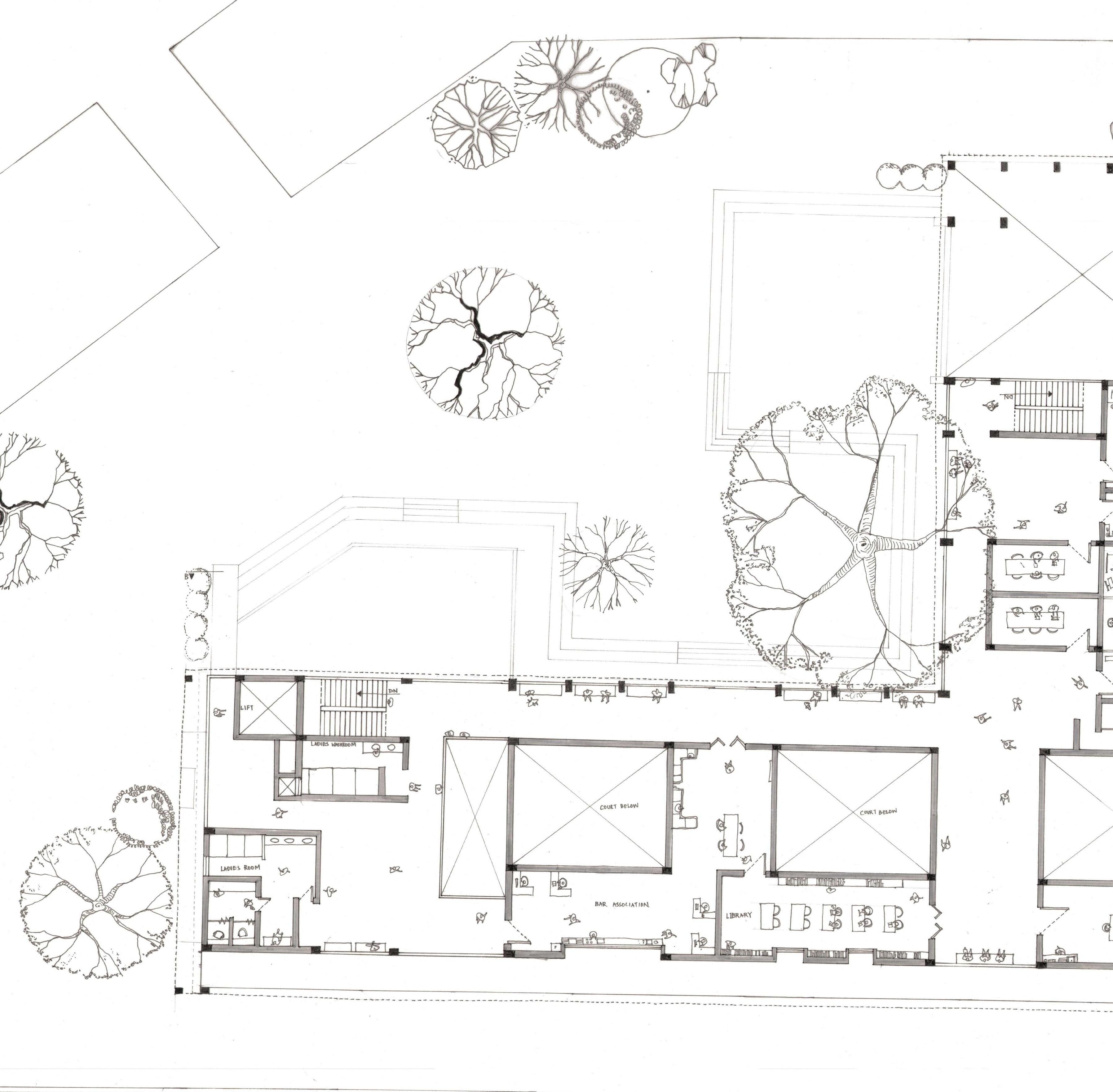
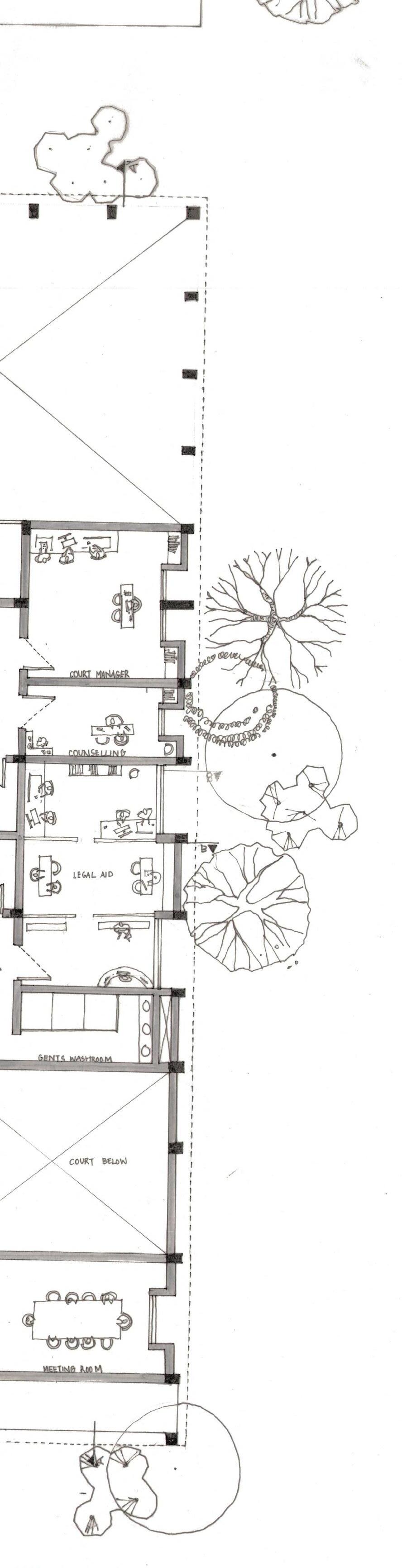
Our studio brief was a Women’s court to be build as an annexe to the existing District court of Mysuru. A formal court which takes up issues and cases related to women along with NGO’s, redressal cells and a space for the public within an administrative environiment.
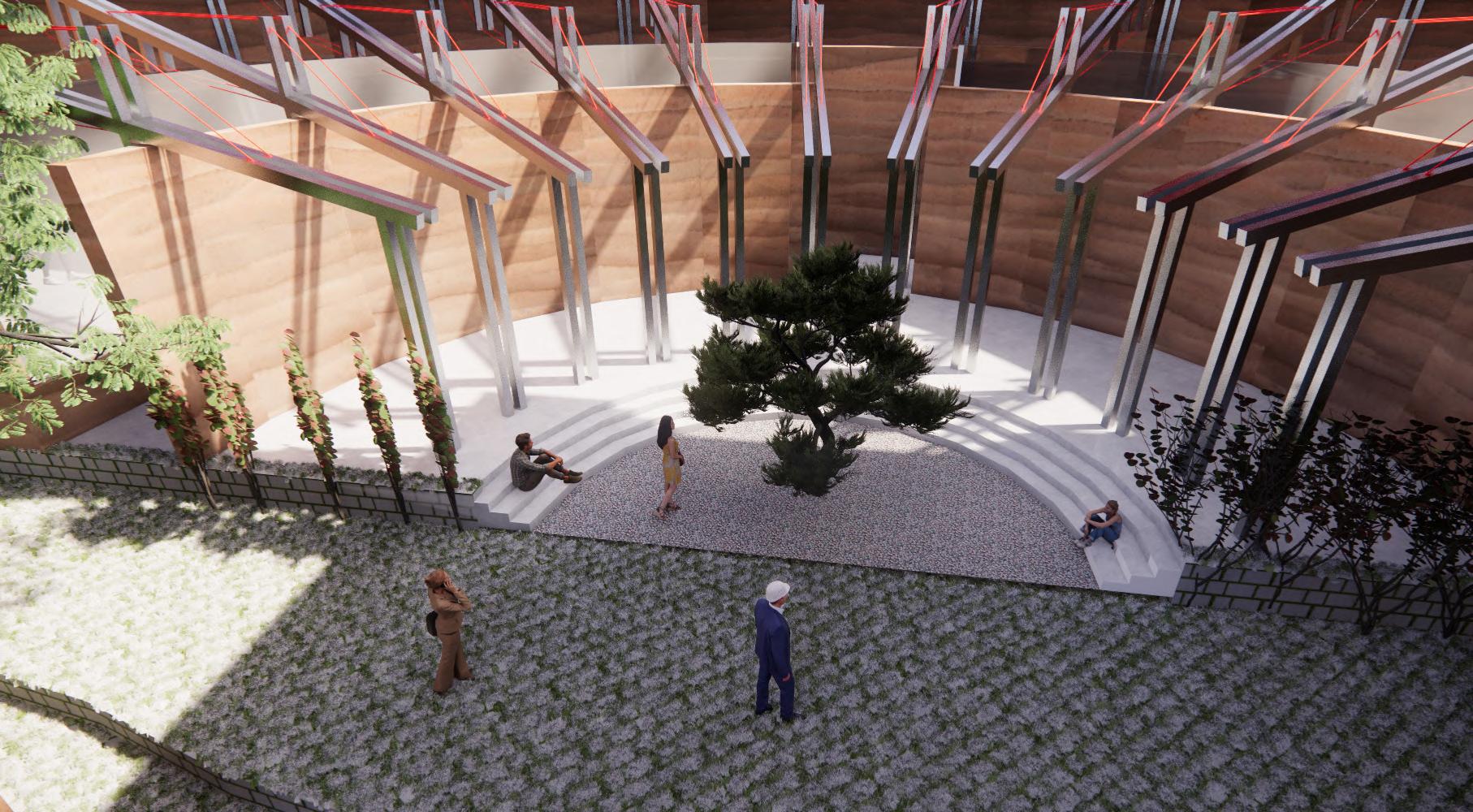
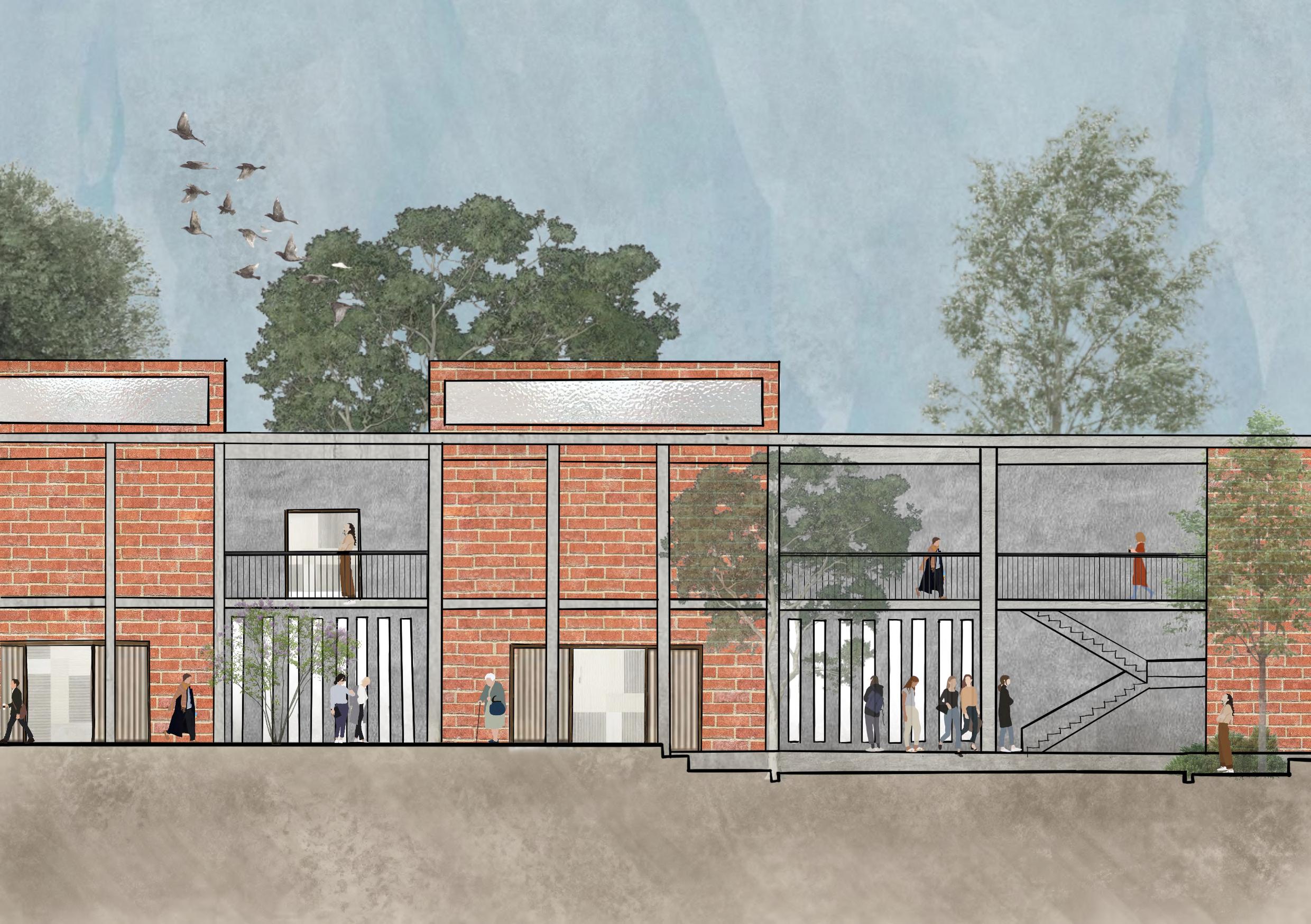
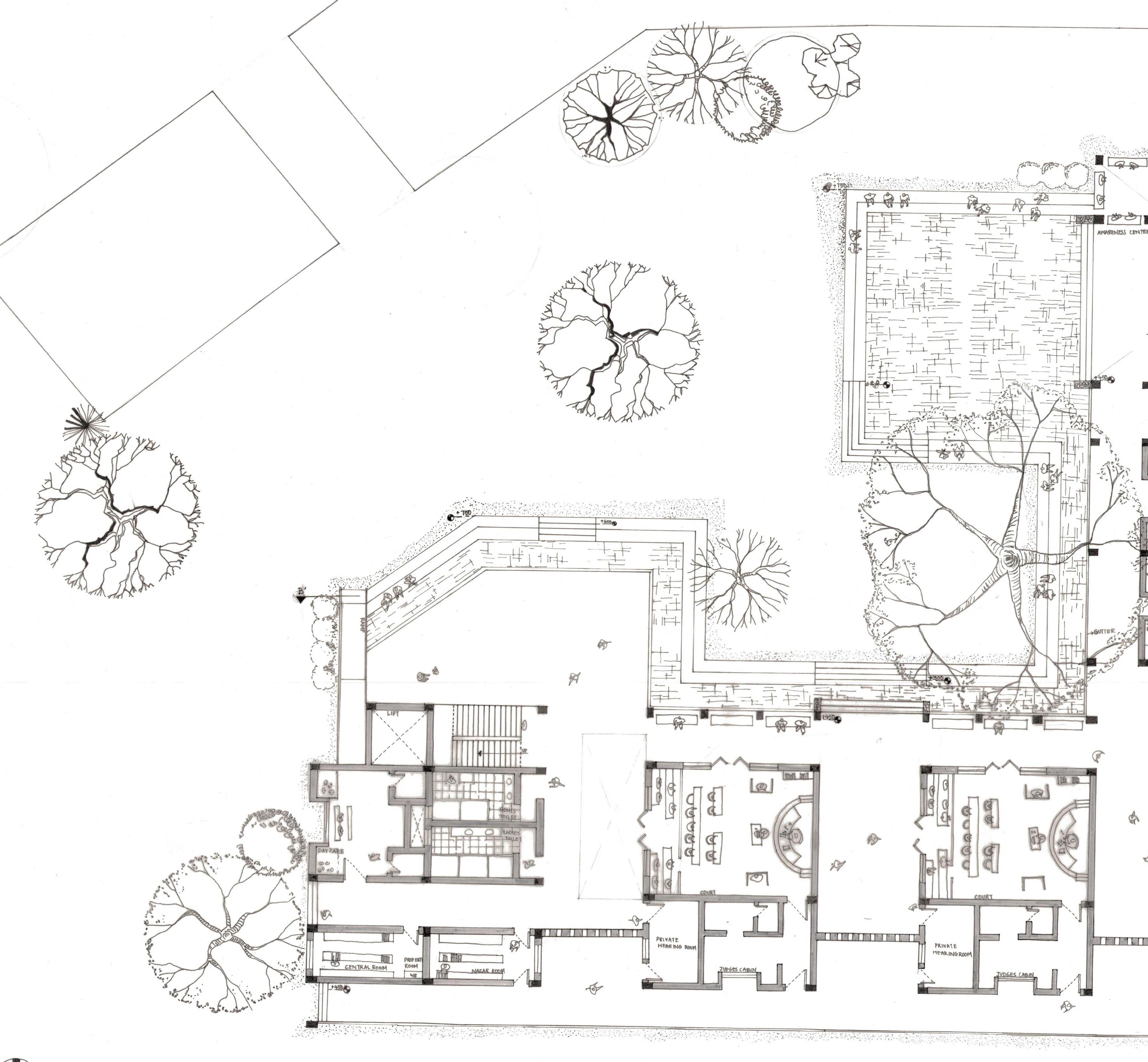
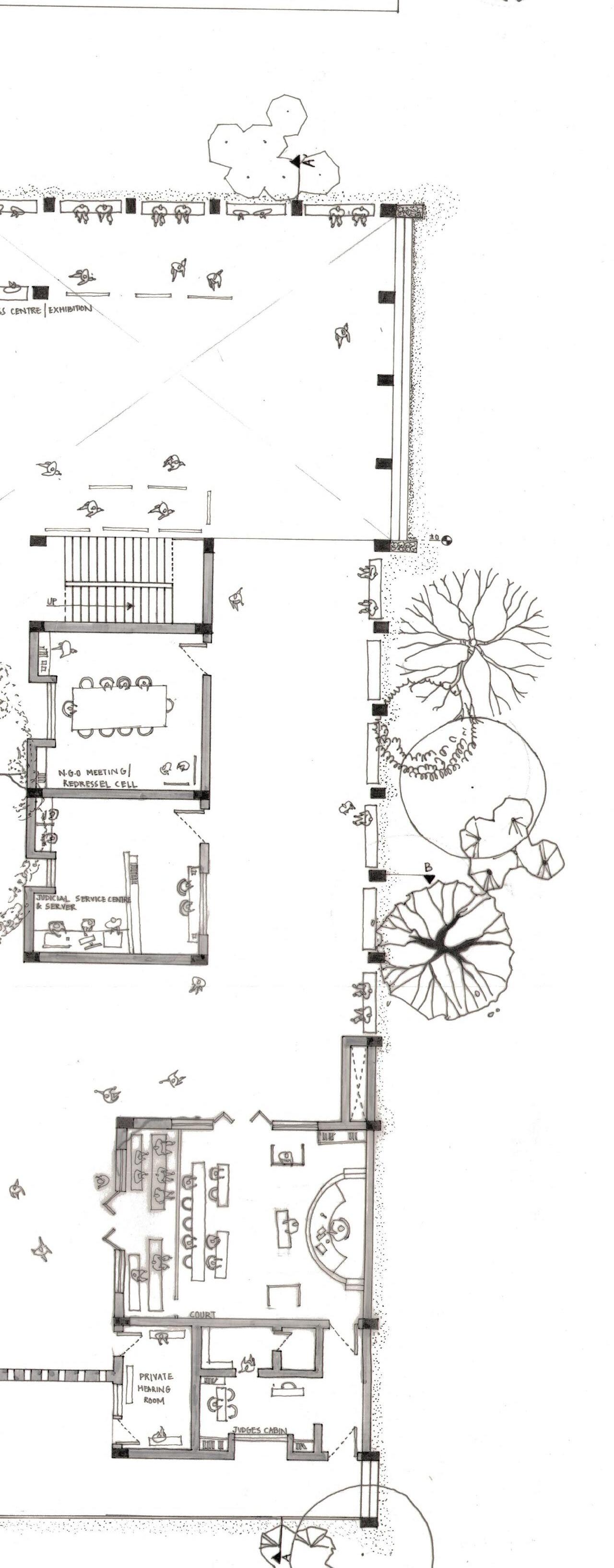
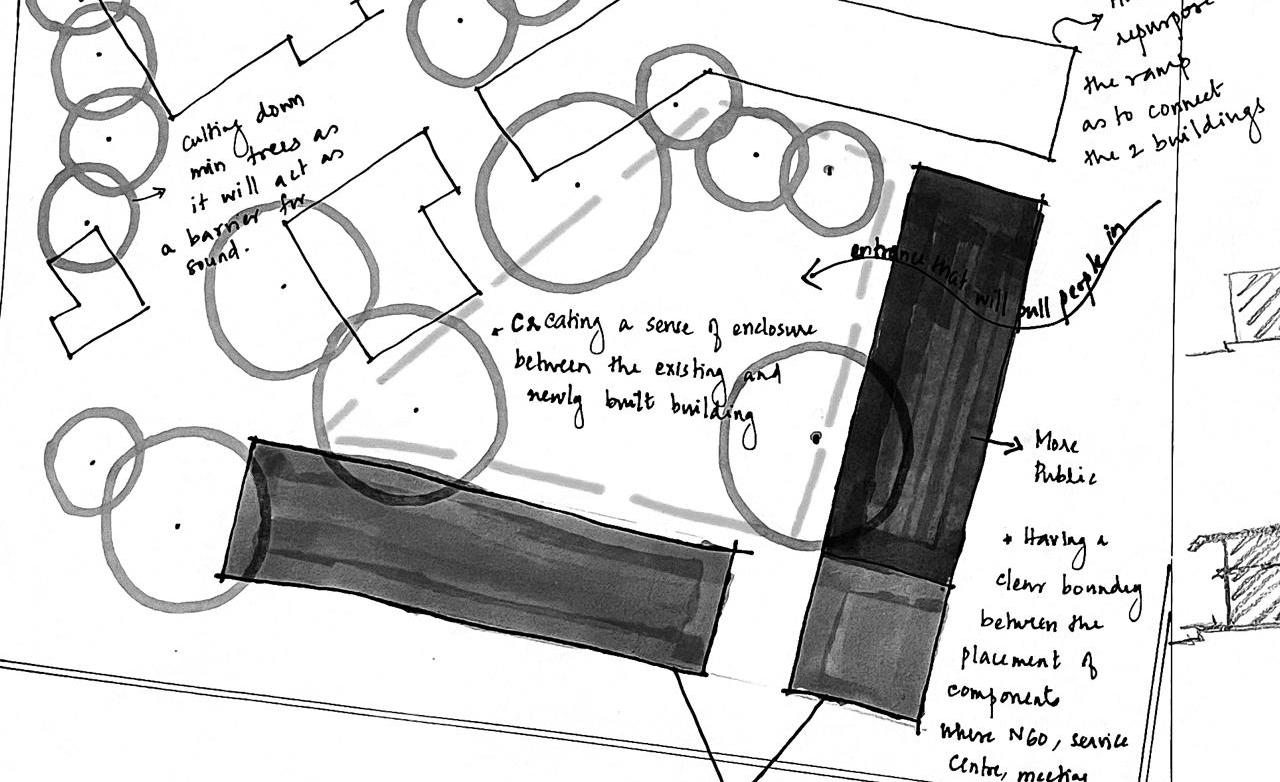
The design integrates both public and administrative functions into a cohesive solution. The building is situated in an L-shaped orientation opposite an existing structure, featuring an open courtyard with an amphitheater and extensive landscaping to enhance public interaction and accessibility. It is in two parts, one for the public and the other for the court and administrative needs.
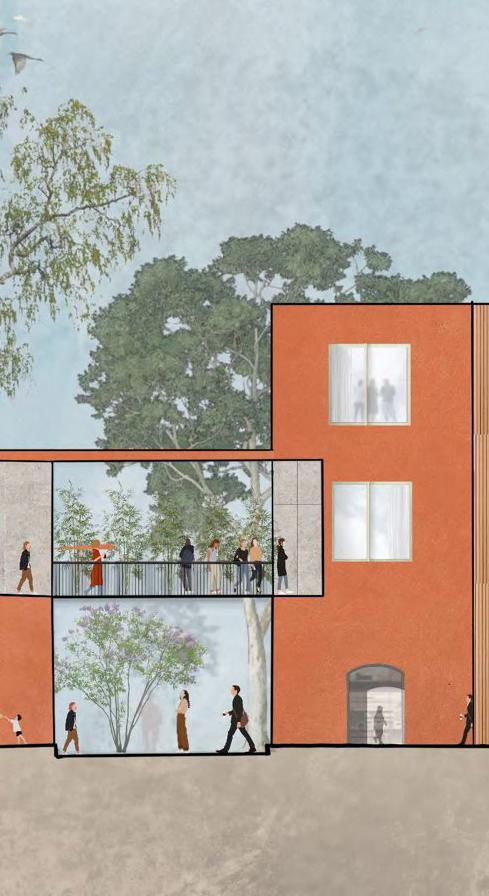
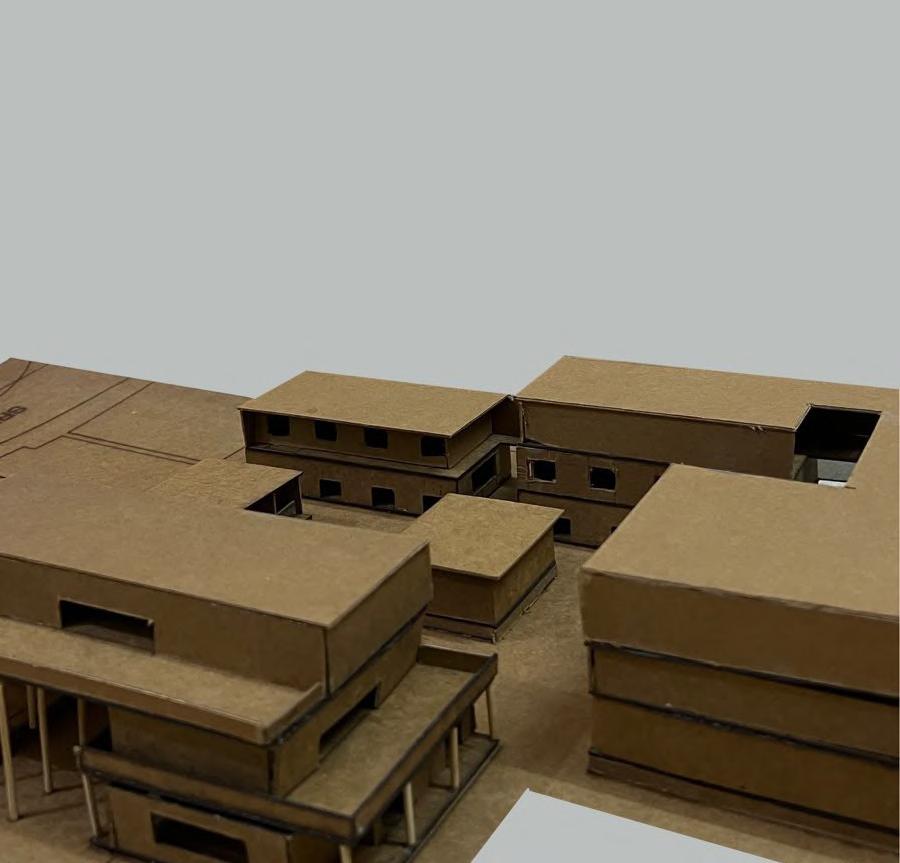
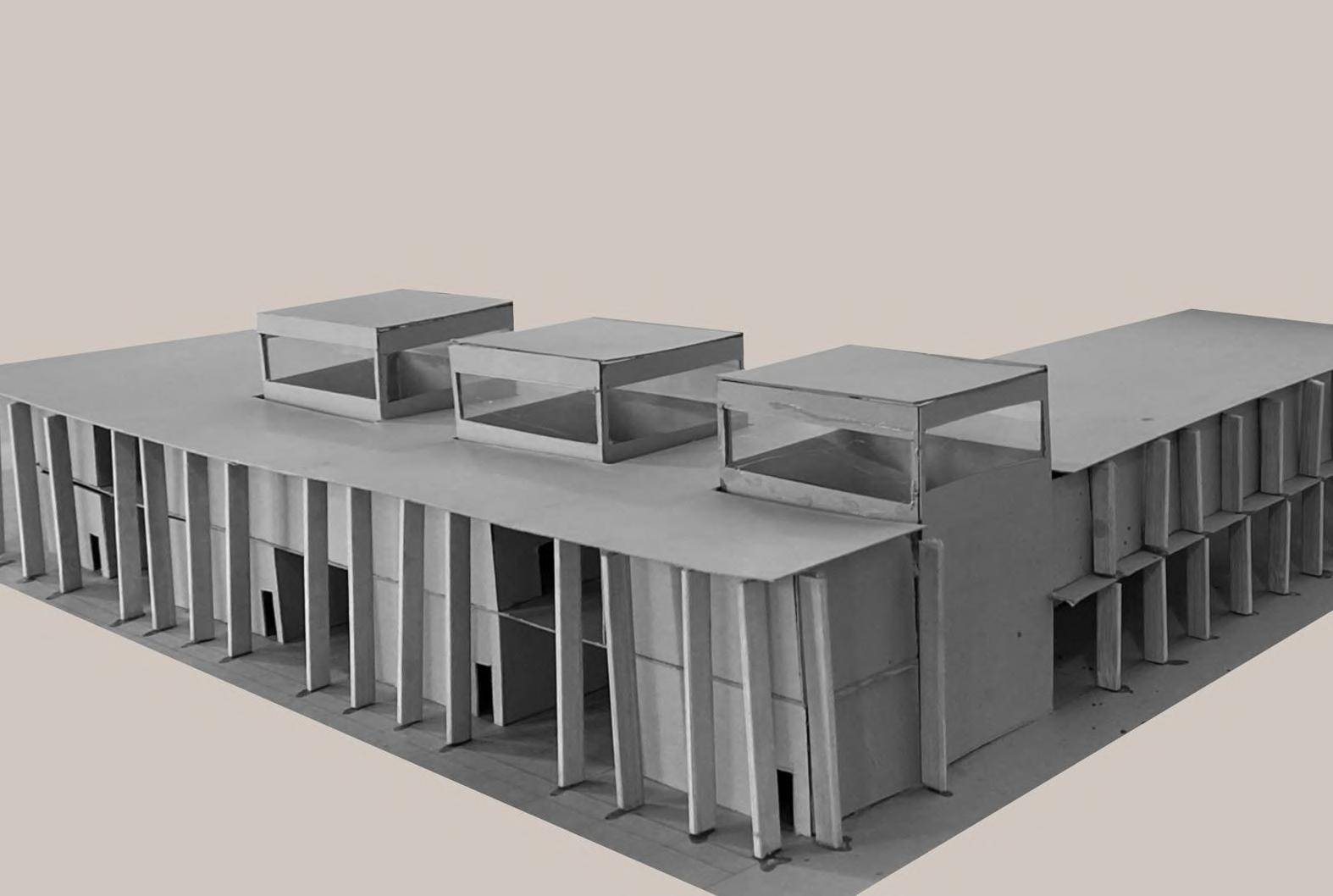
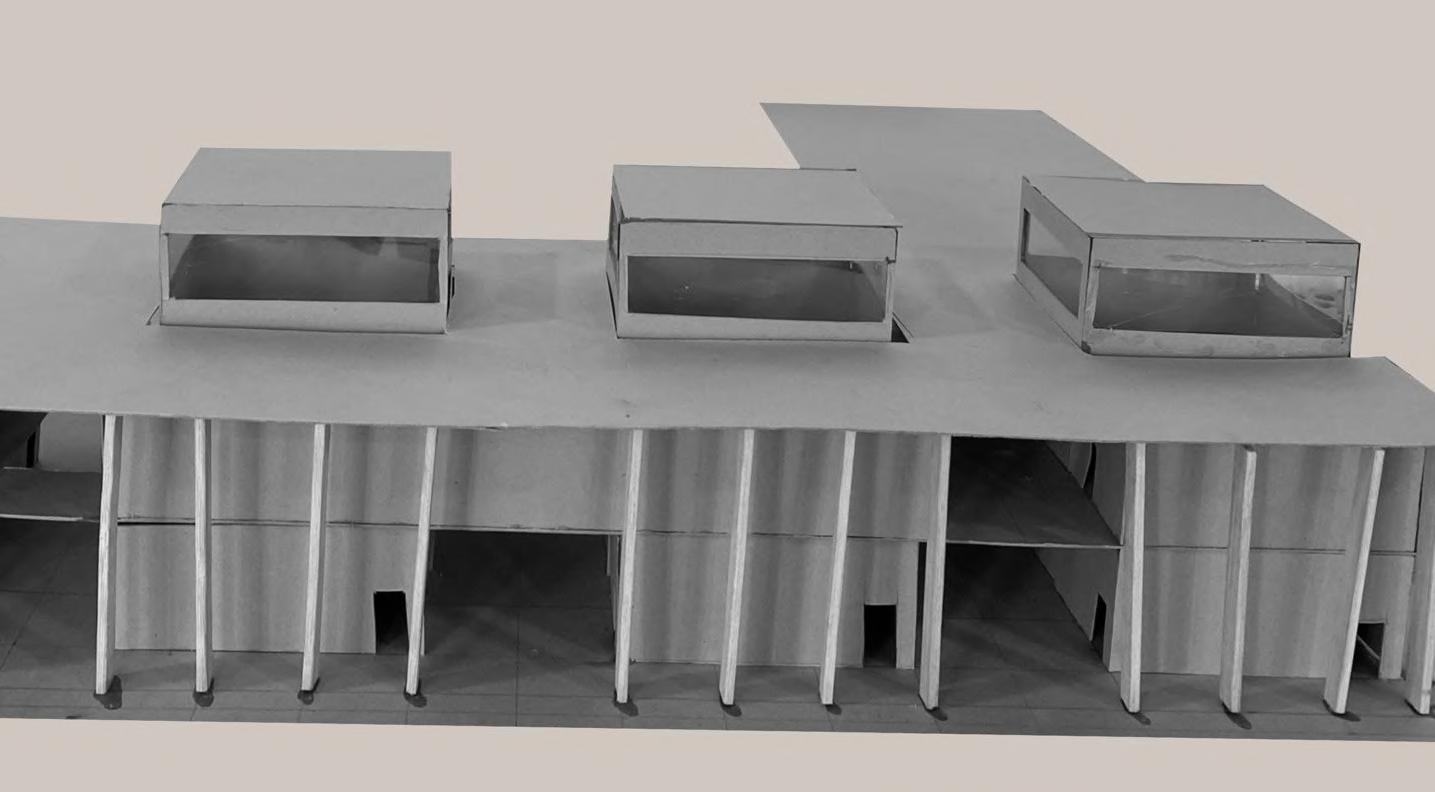
Another design objective is spatial hierarchy and scale, For court-related part: Design a prominent, elevated structure to symbolize the authority and gravity of the judicial system. This section will be of higher scale and more formal in appearance and for the Public Part: Integrate lower-height structures for public amenities and community functions, creating a contrast that emphasizes the judiciary’s central role while promoting accessibility and openness.
1. Awareness and exhibition space
2.Open Air Theatre
3.NGO meeting and Redressal Cell
4.Admin and Judicial Service center
5.Court Room
6.Judges Cabin
7. Private Hearing Room
8.Central Room
9. Nazar Room
10.Day care
11.Toilet
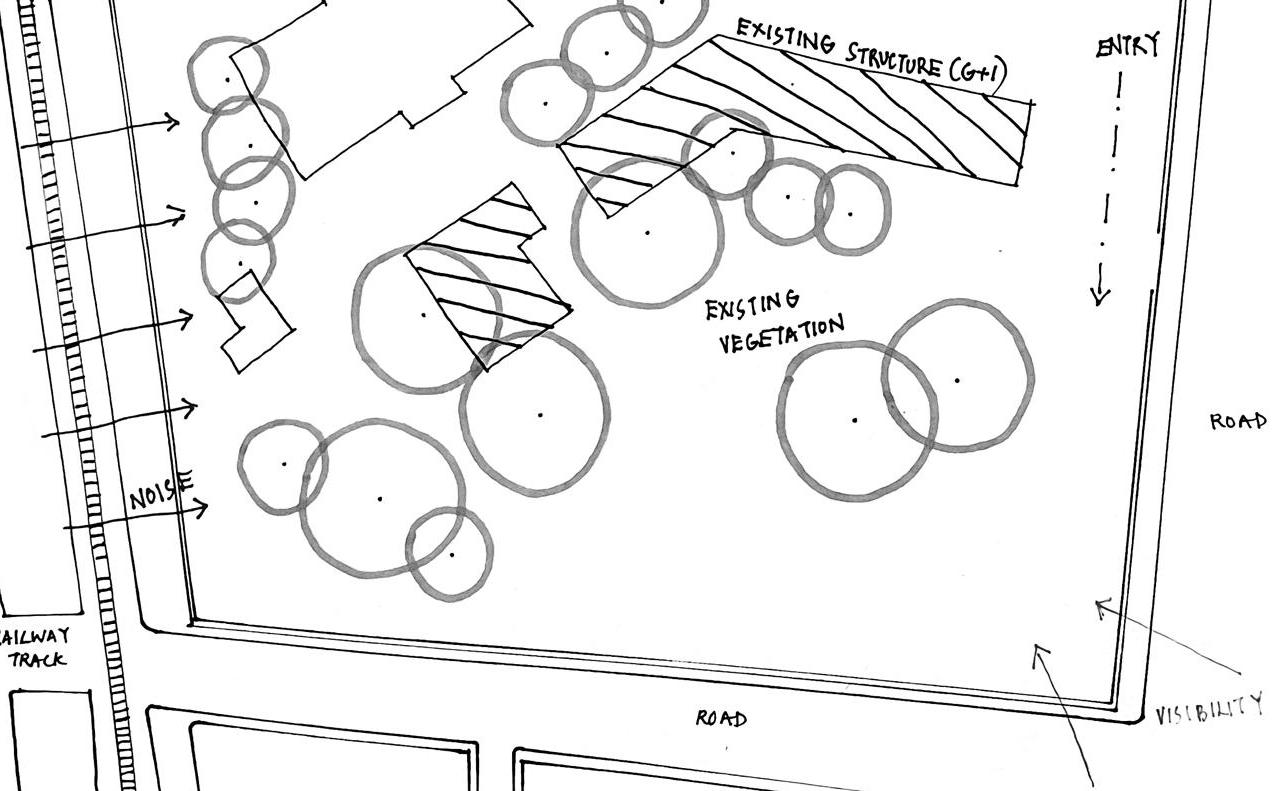
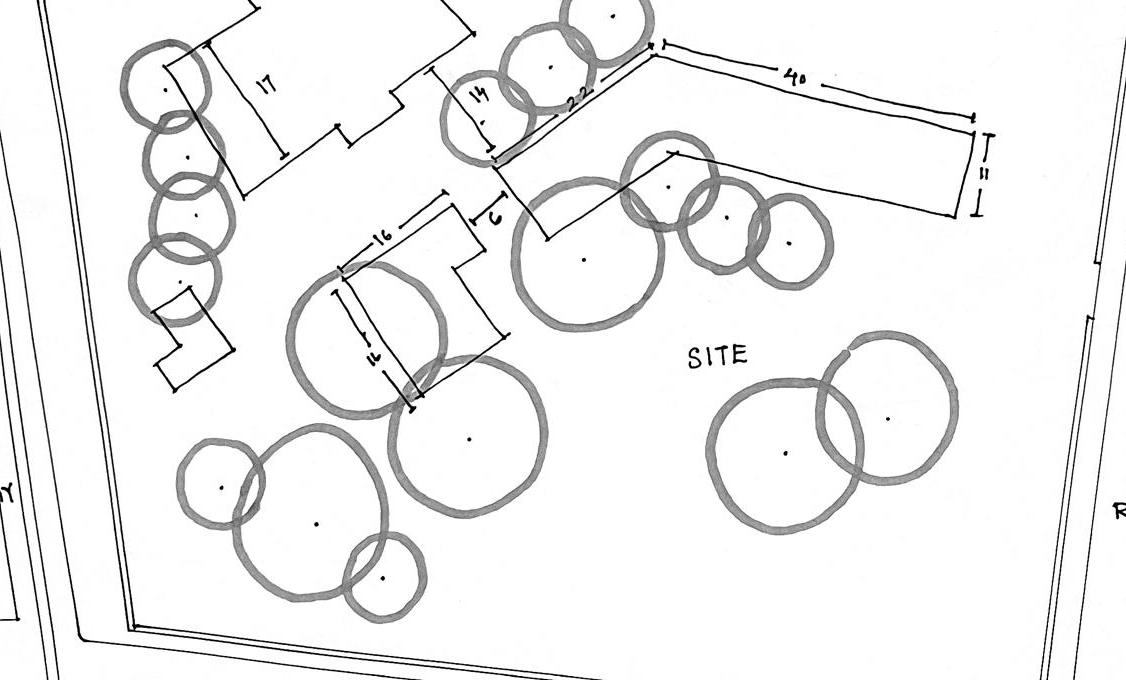
Initially a study was done to understand the working of law courts.The site was surrounded by roads on two sides, a railway track on the other side and an existing court structure in front of the site. the entry was from the east side of the road.
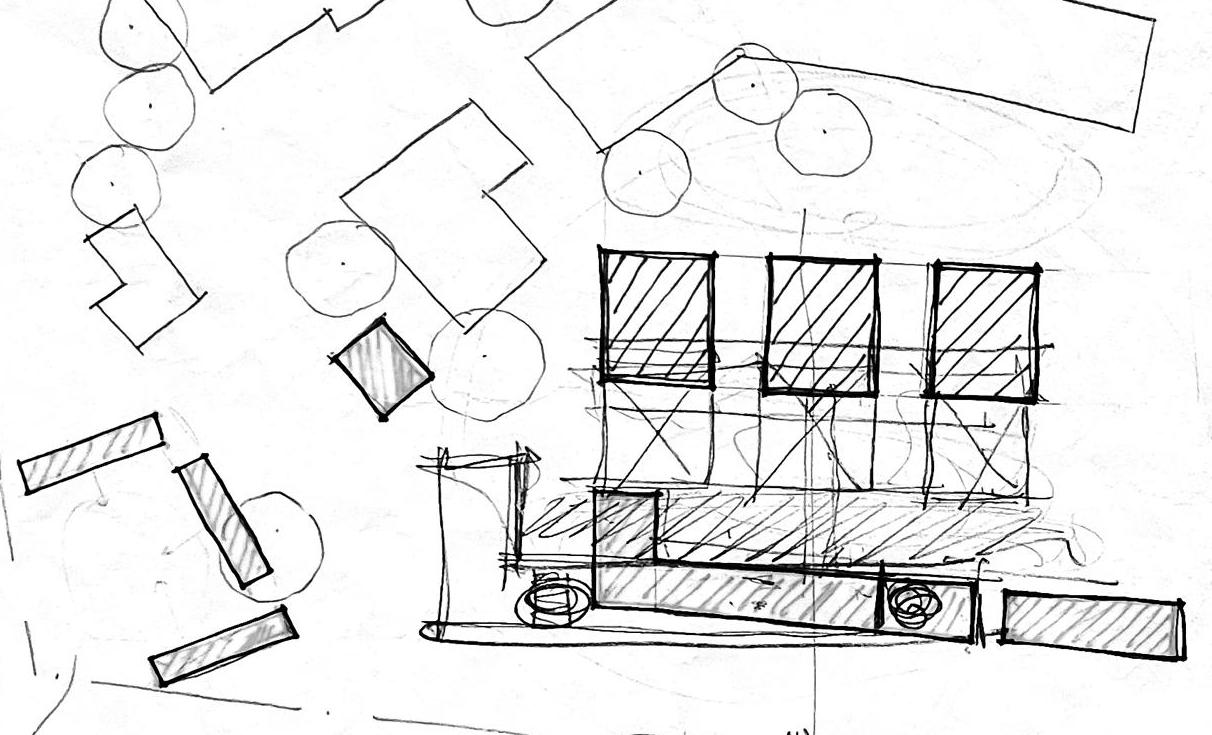
One objective was to Utilize the L-shape to create a dynamic interaction between the building and its surroundings, ensuring that the court and public areas are clearly defined yet interconnected.
Dual Functionality of spaces, that is, Public spaces: design areas for exhibitions, NGOs, and community events to foster civic engagement and public interaction and Judicial Spaces: built to ensuring functional efficiency and accessibility.
The elevated court areas should project authority, while the lower public areas emphasize accessibility and community involvement.
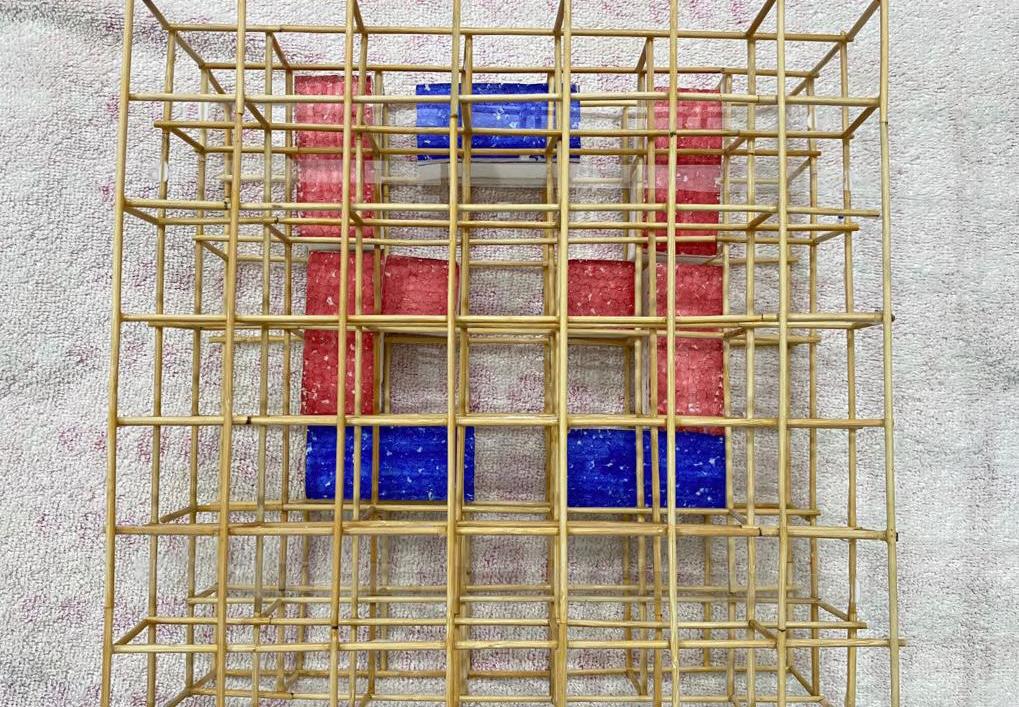
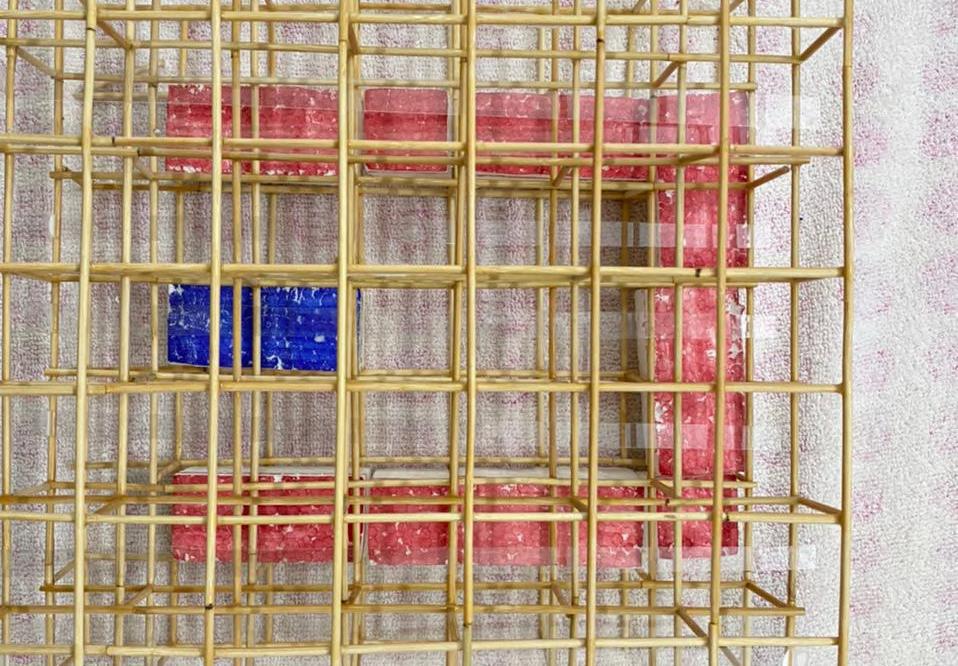
The model mainly shows the court as a prominent, elevated structure to symbolize the authority and gravity of the judicial system. This section will be of higher scale and more formal in appearance. and the public part is lower-height structures for public amenities and community functions, creating a contrast that emphasizes the judiciary’s central role while promoting accessibility and openness.
SECTION AA’
SECTION
04. HOUSING :CONNECTED
COMMUNITY LIVING
Semester 04
Duration : 16 weeks.
Typology :Housing.
Location : Mysore, Karnataka.
Area : 3500 sqm
Guide : Prof. Umesh Nuchin.
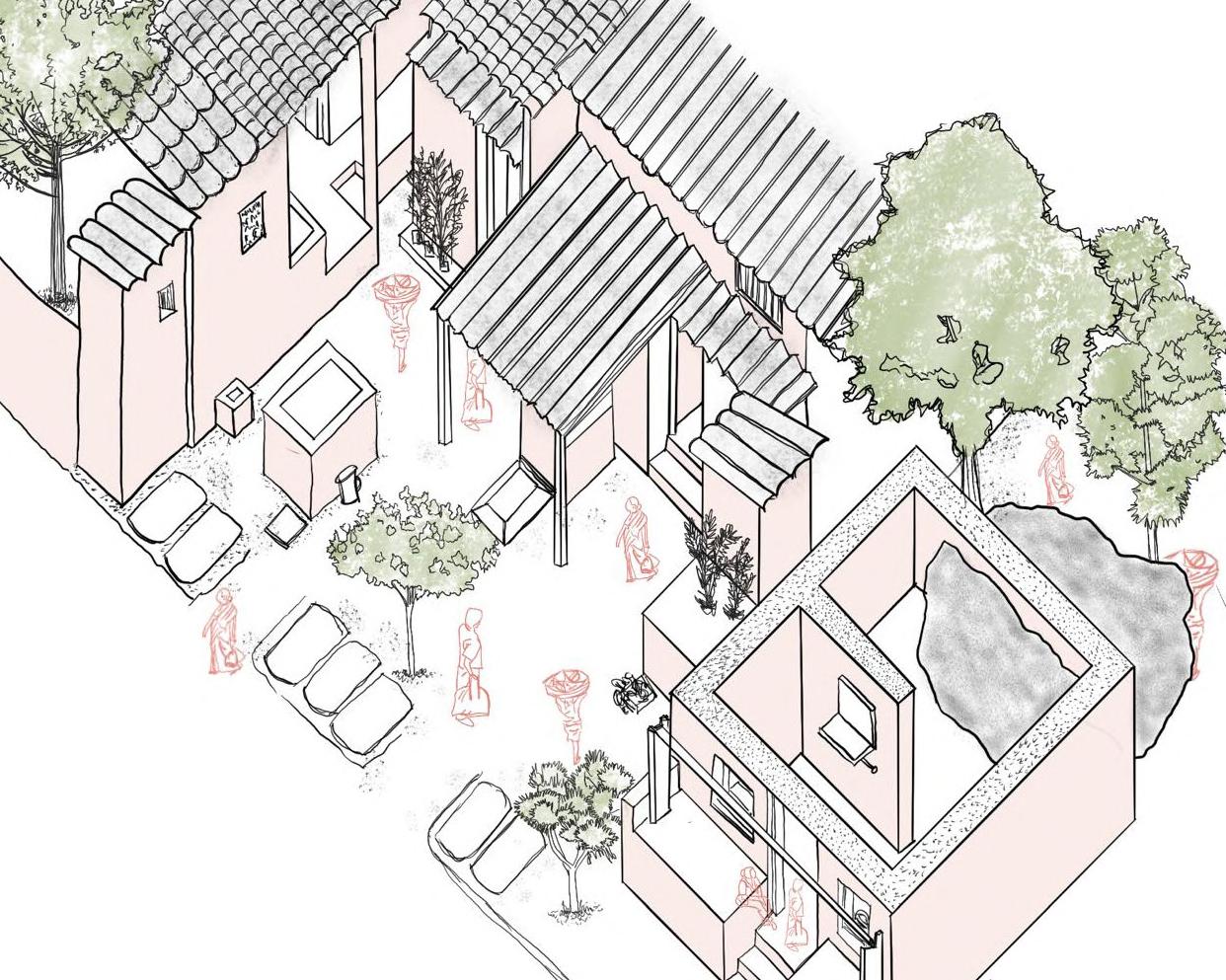
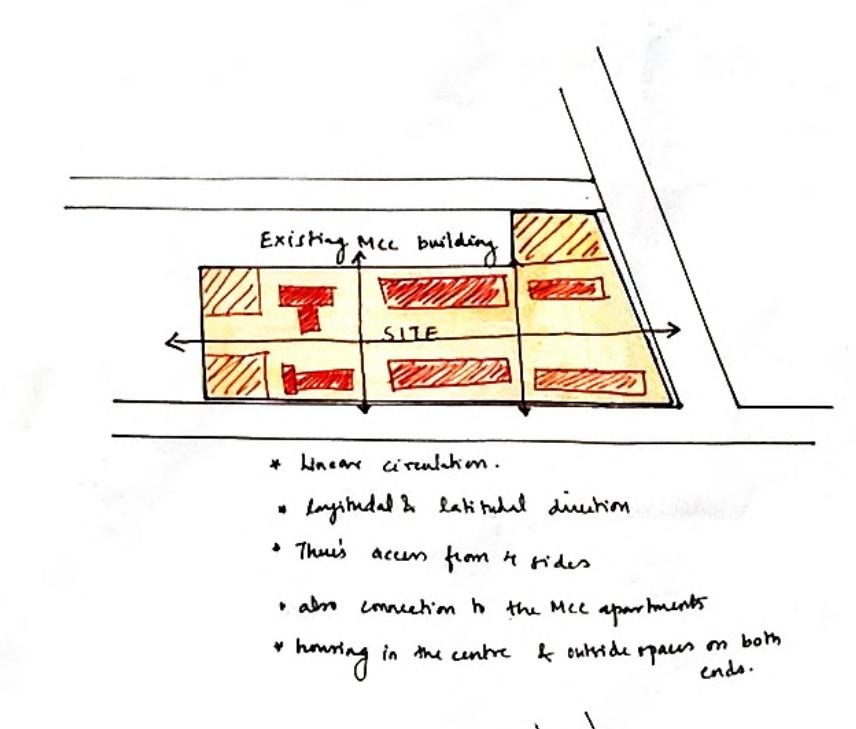
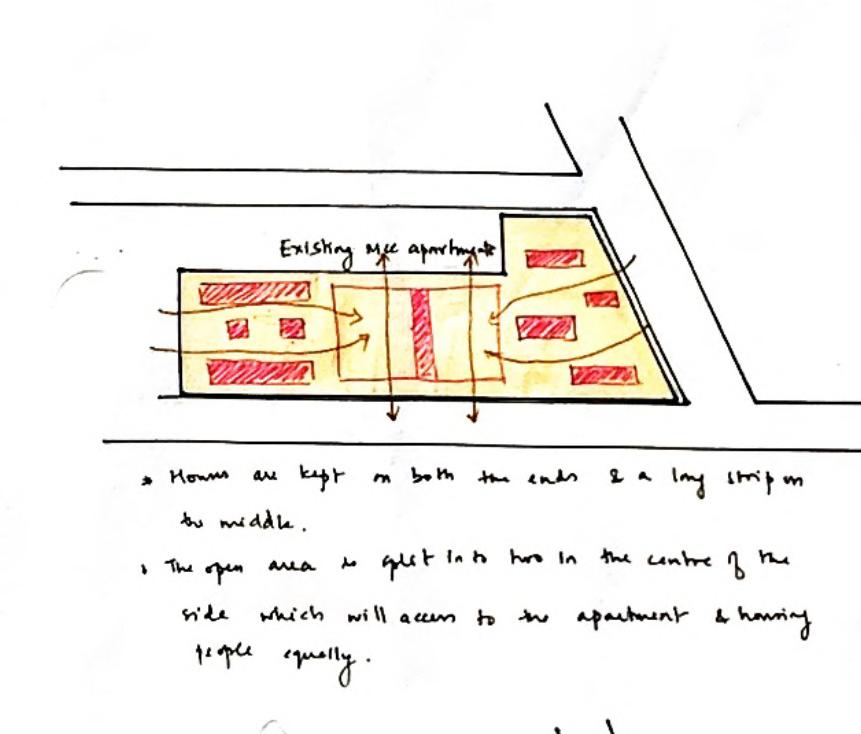
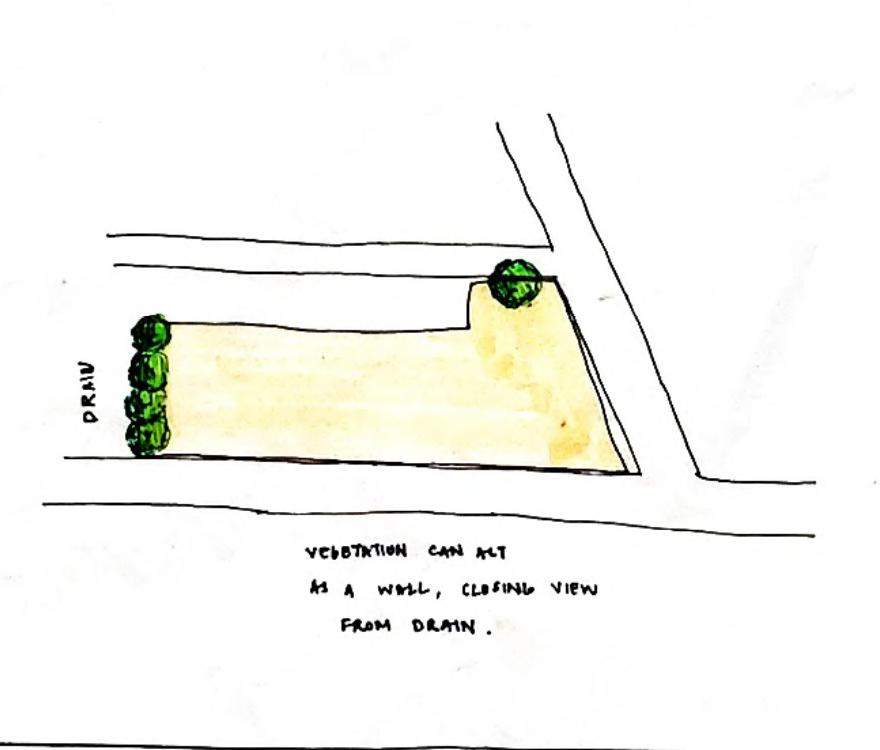
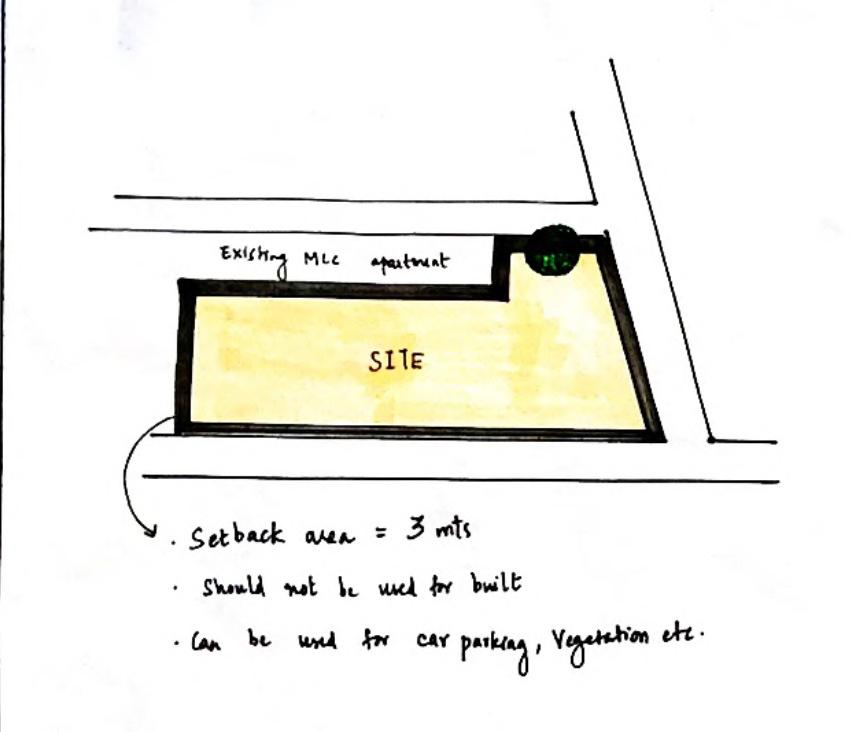
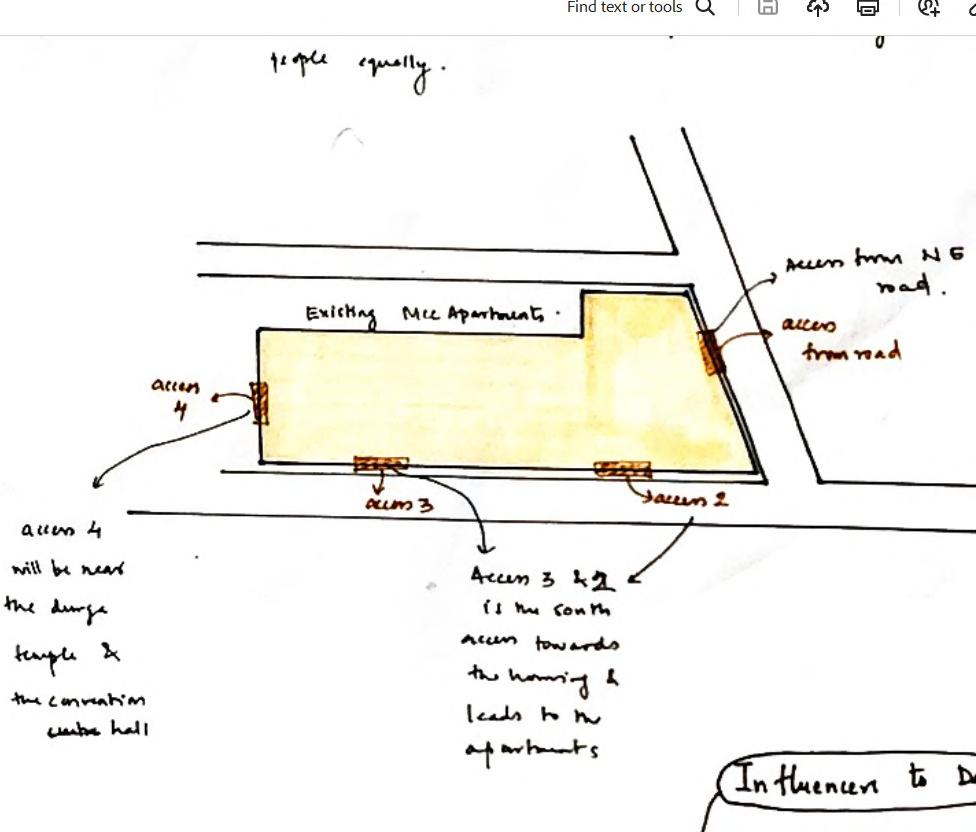
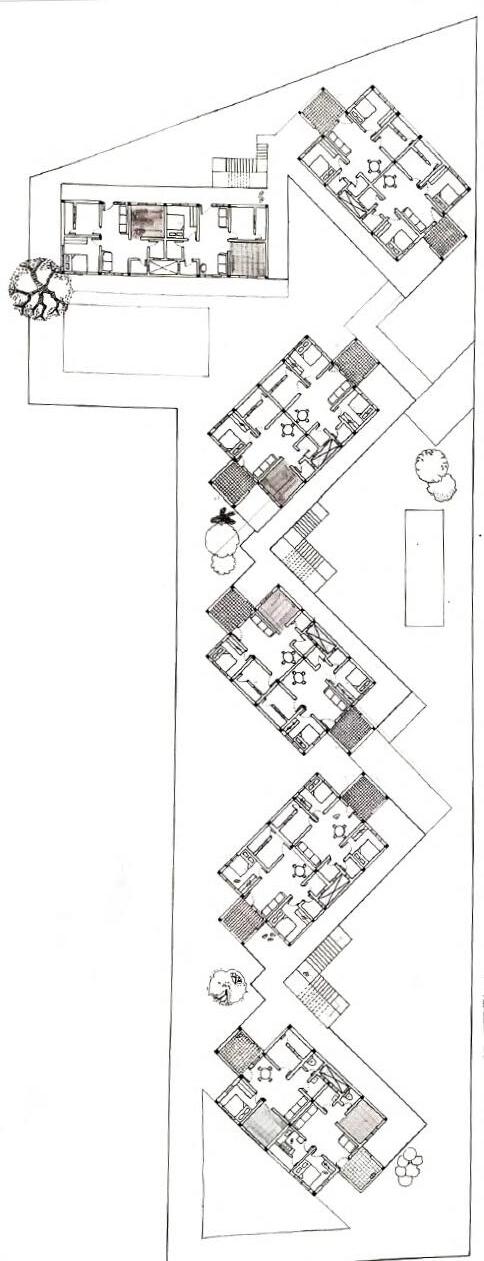
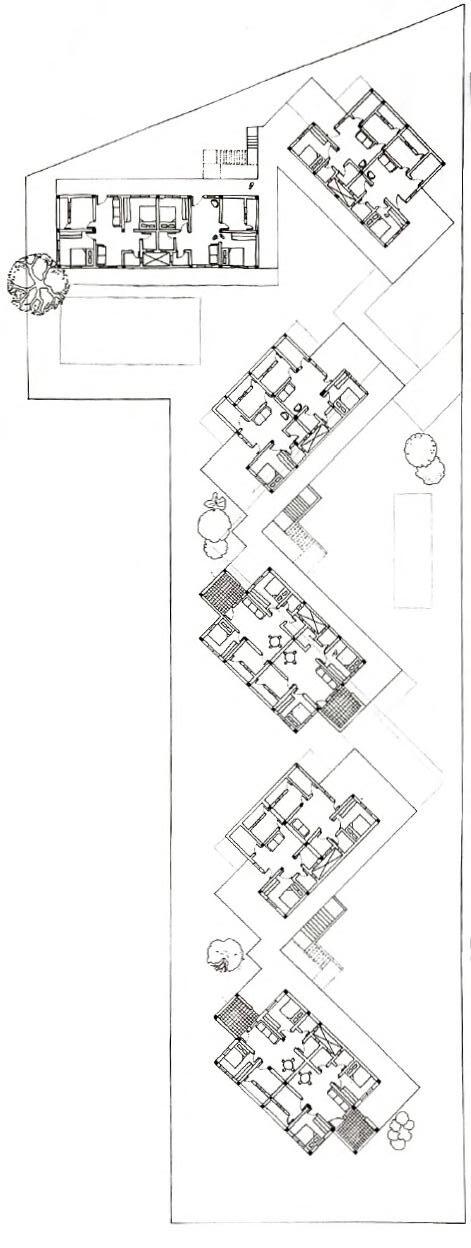
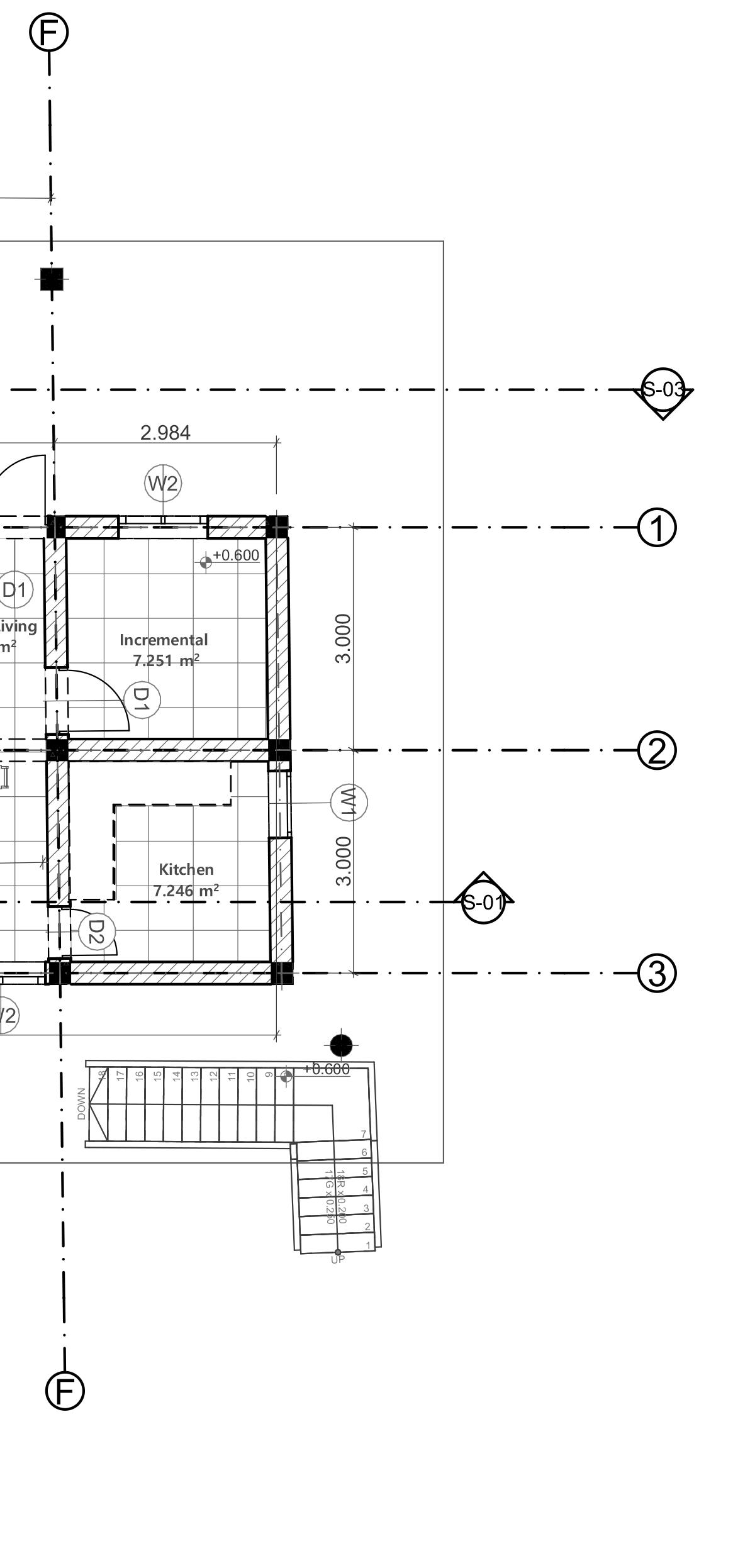
The aim of the studio was to design a housing project for the City corporation workers of Mysuru. This housing project also aimed to blend seamlessly with the existing JNNRUM apartment buildings situated right next to the site, creating a cohesive and interactive living environment. At the heart of the design is the concept of vibrant communal living. The layout prioritizes spaces that encourage interaction, sharing, and communication. The design features a mix of 1BHK and 2BHK units, with additional flexible or incremental spaces that can be adapted to various needs, enhancing the utility of each home.
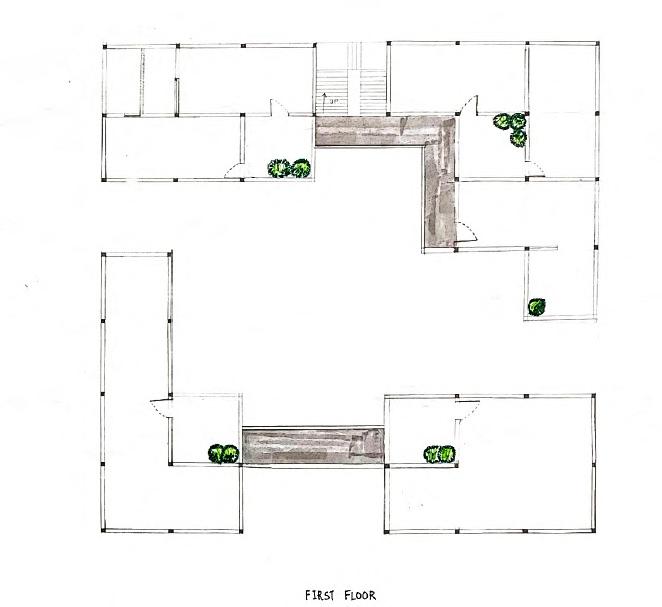
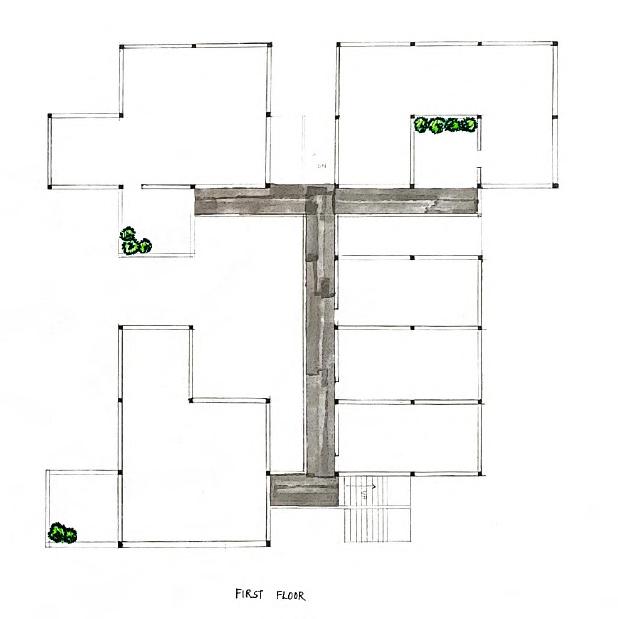
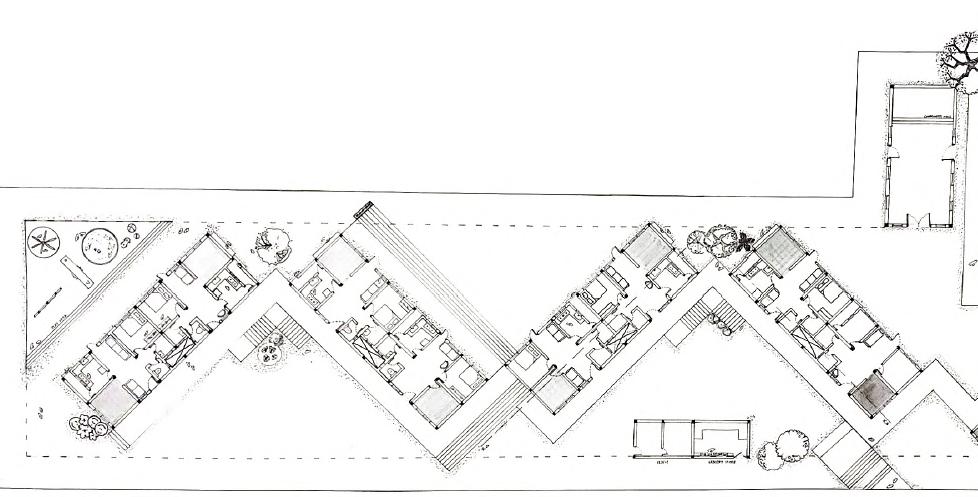
The buildings are connected by a continuous corridor system, ensuring smooth and convenient access throughout the development.Overall, this housing project embodies a vibrant and inclusive community ethos, seamlessly integrating with the surrounding fabric while promoting interaction and a strong sense of belonging among its residents.
At the heart of the design is the concept of vibrant communal living. The layout prioritizes spaces that encourage interaction, sharing, and communication.
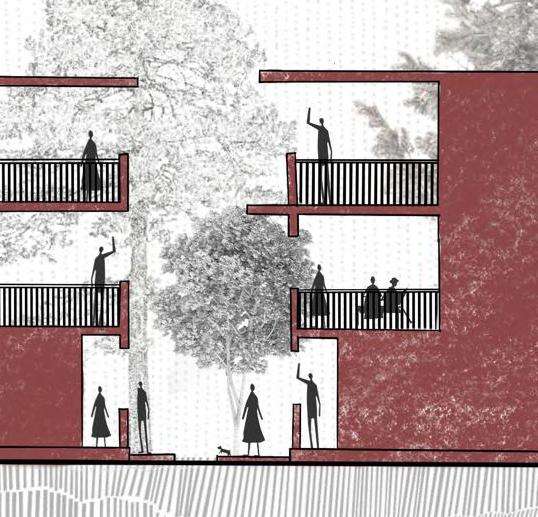
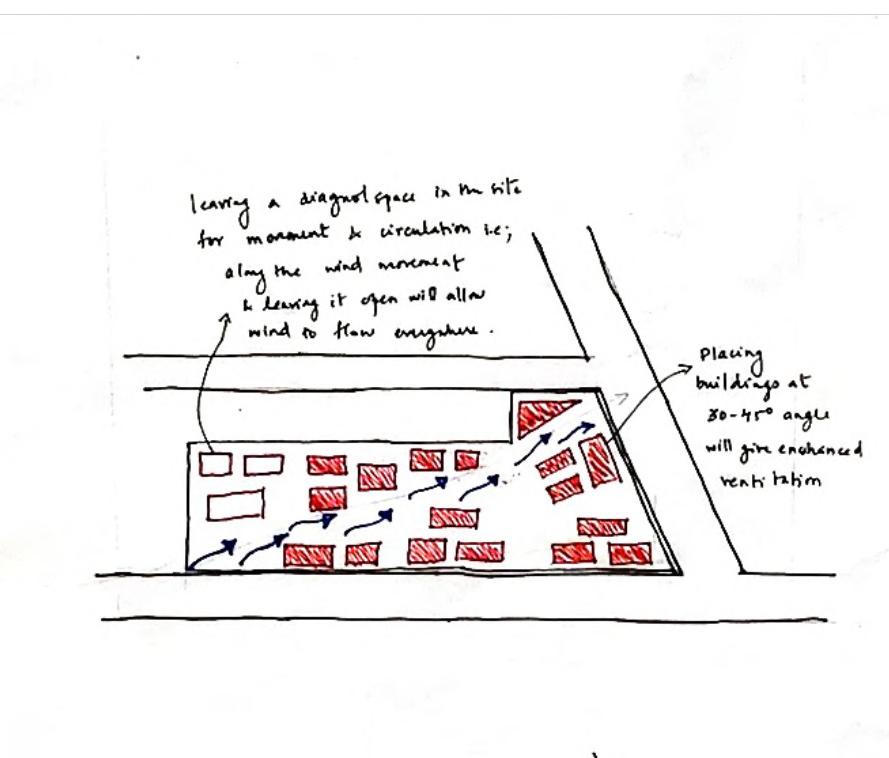
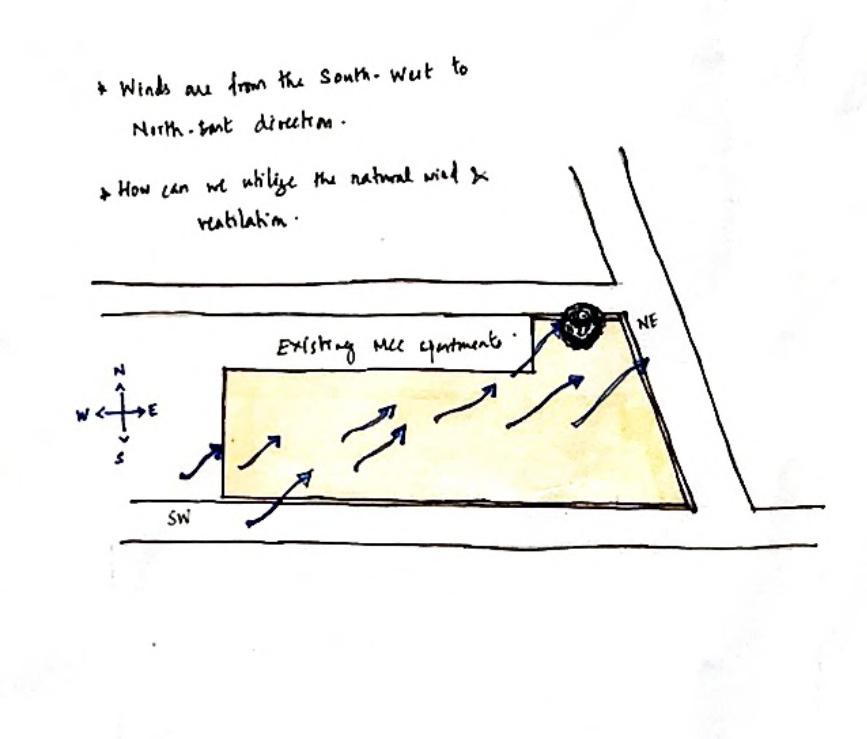
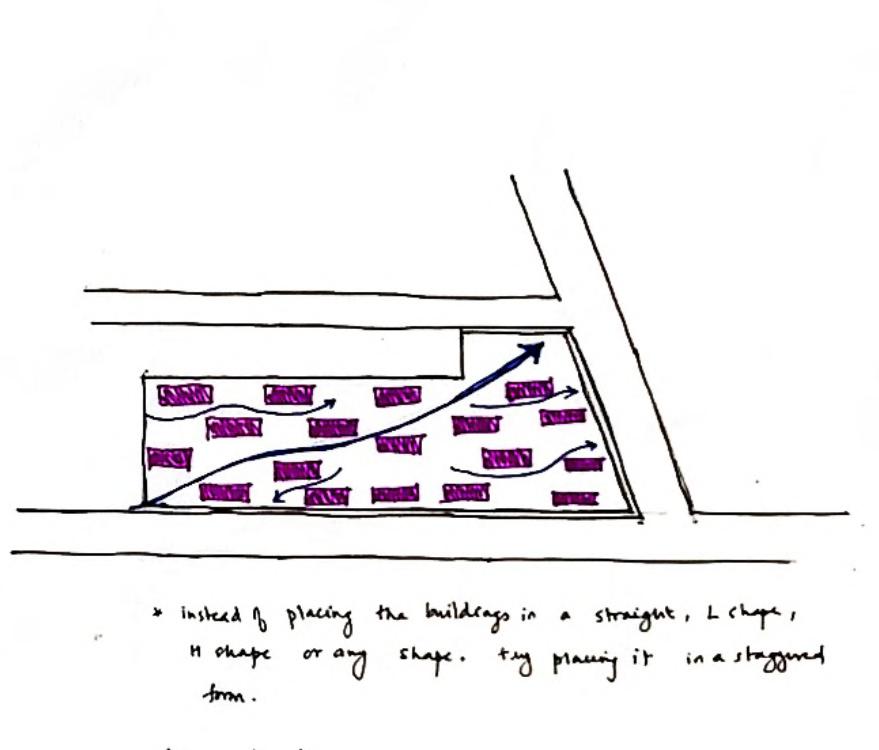
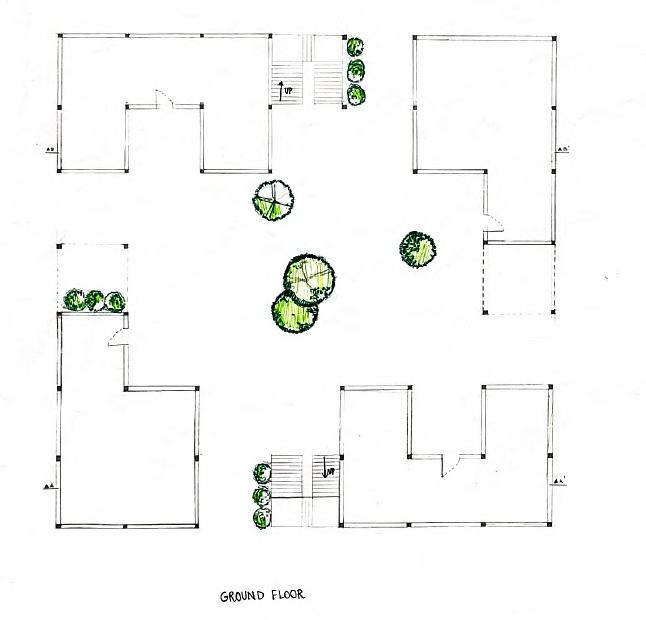
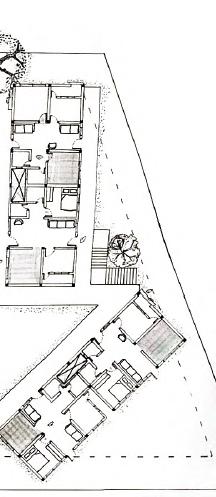
By incorporating staggered orientations of the buildings, we not only optimize natural ventilation but also create dynamic pockets of communal areas. These spaces between buildings are transformed into inviting common areas, ideal for social gatherings and evening relaxation.
The pockets of spaces created by the staggered orientation acts as common courtyards filled with trees, shrubs and kattes to sit around it and each of the individual building is connected by the common corridor that runs throughout maintaining connection.
Initial exercises included studying traditional housing typologies and by an exercise called grids and bays to understand basic orientation, geometry and dimensions of all the elements of a house from parking to kitchen to bathrooms, this exercise helped us to understand anthropometry and scale.
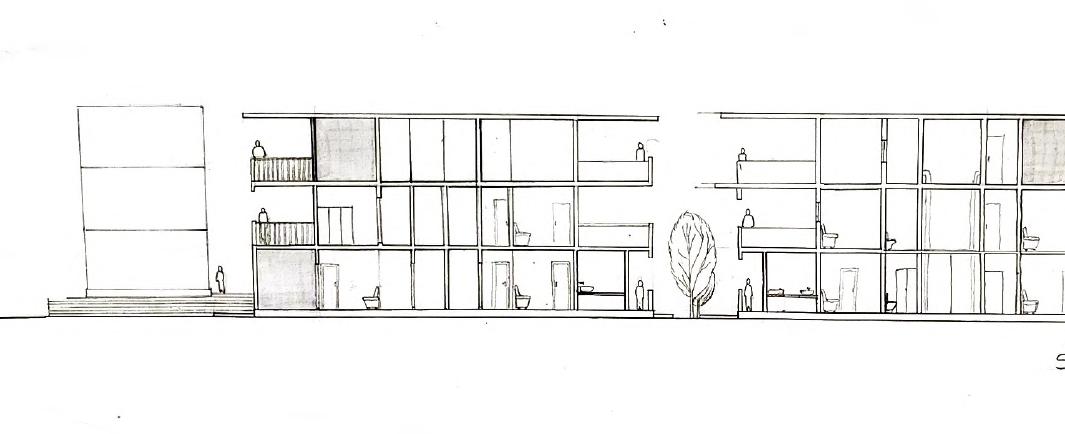
The architectural approach includes thoughtful visual elements such as balconies, stairways, and open hallways, which contribute to a sense of openness and connection. Landscaping is strategically integrated to enhance these communal spaces, making them attractive and functional for residents.
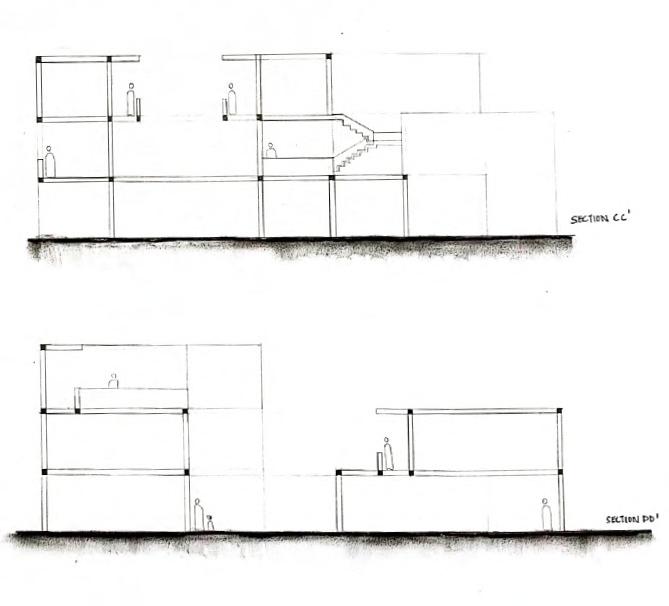
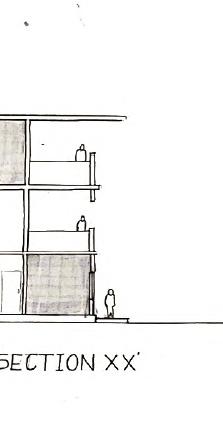
SECTION
GROUND FLOOR PLAN
FIRST FLOOR PLAN
SECOND FLOOR PLAN
05. WORKING DRAWINGS.
Semester 05 & 06
Duration : 16 weeks.
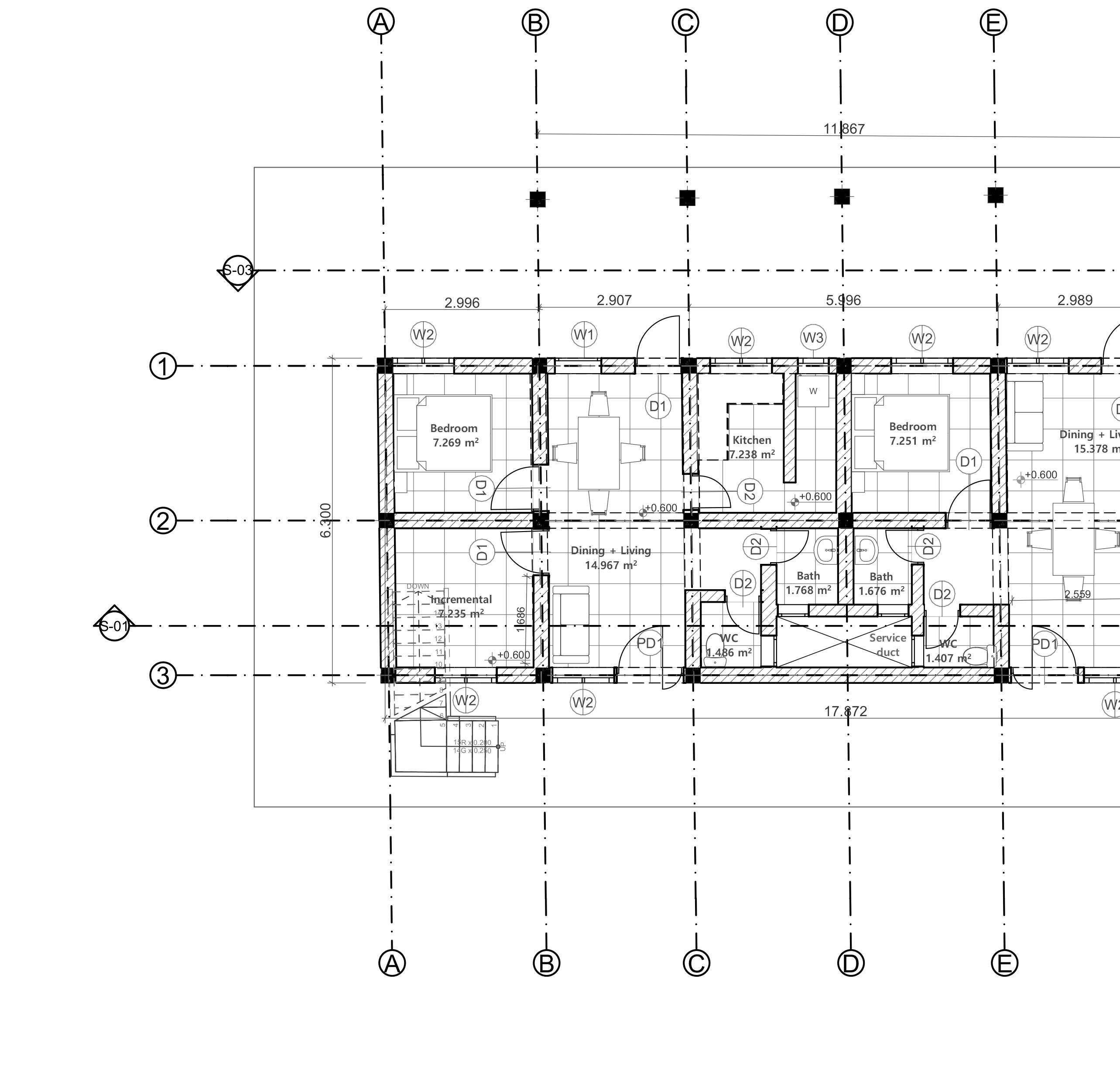
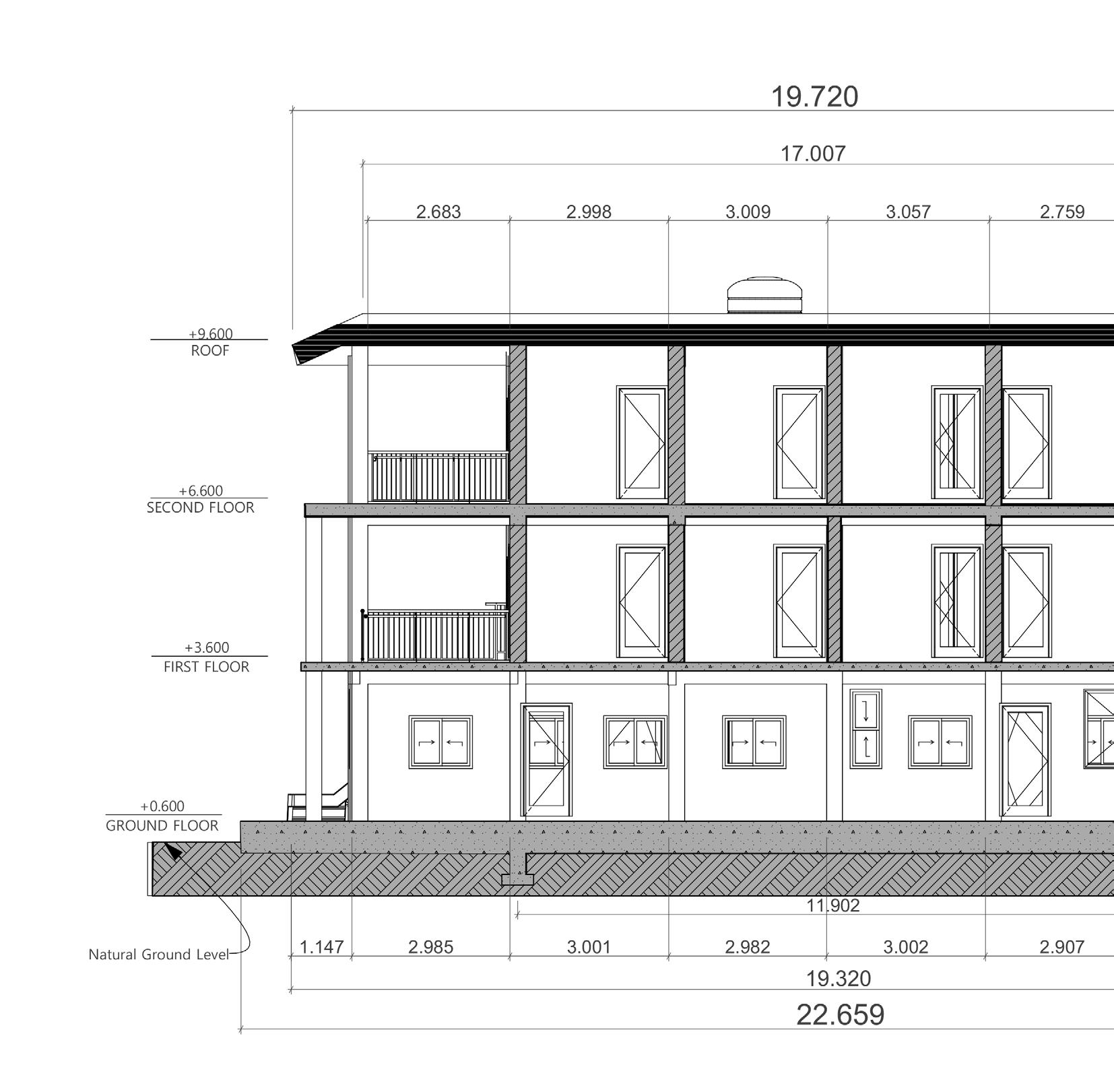
Project : JNNRUM Housing.
Location : Mysore, Karnataka.
Guide : Asst. Prof. Asijit Khan.
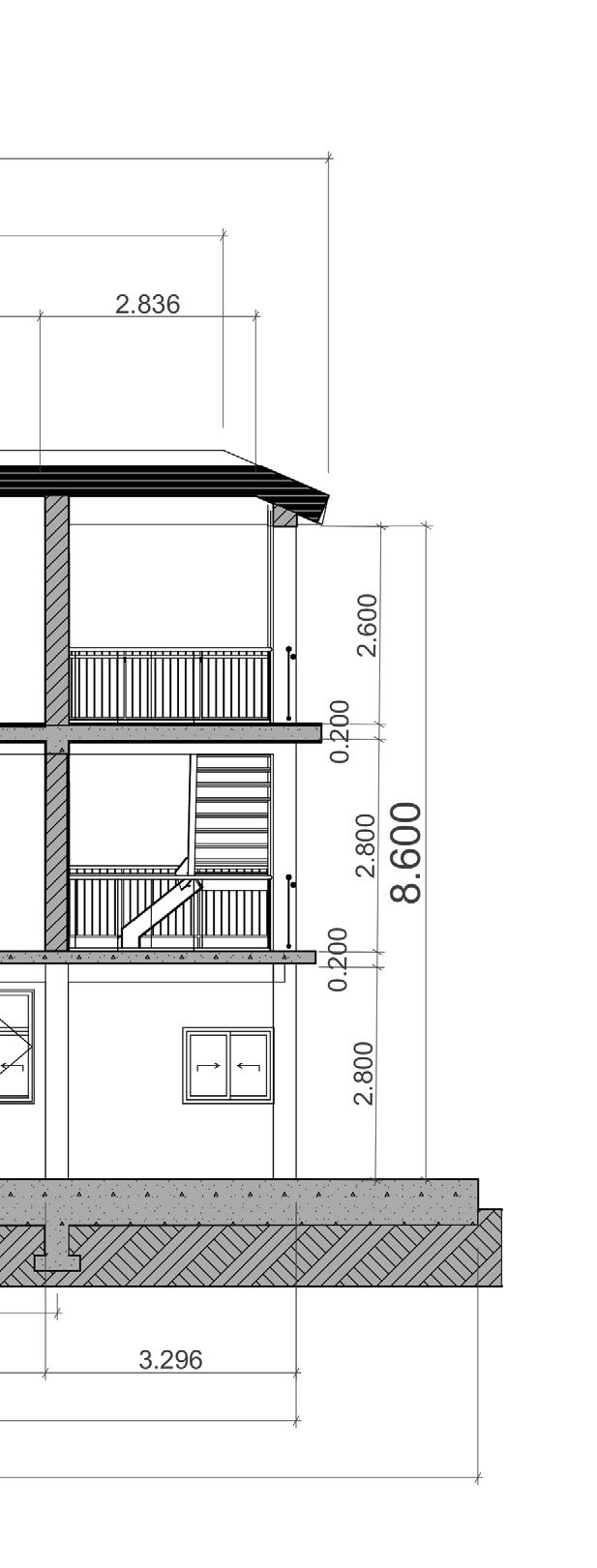
SECOND FLOOR +3.600 FIRST FLOOR +0.600 GROUND FLOOR
Karnataka,
ARCHITECTURAL PLAN
This drawing must be read and should not be measured.
2. All dimensions are in m(meters), unless otherwise specified.
3. any descrepancy in
4.
5.
drawing must be read and should not be
2. All dimensions are in m(meters), unless otherwise specified.
3. any descrepancy in the drawing shall be brought to architect
4. The drawing is meant to only be read and not to be measured from.
5. All walls are 230 mm ; Brick wall
Nahni trap
trap
06. INTERIOR DESIGN.
Semester 07
Duration : 08 weeks.
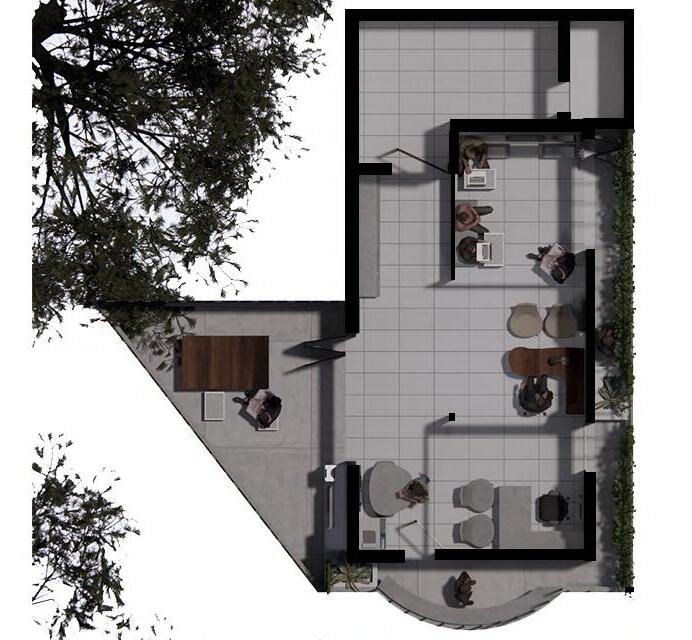
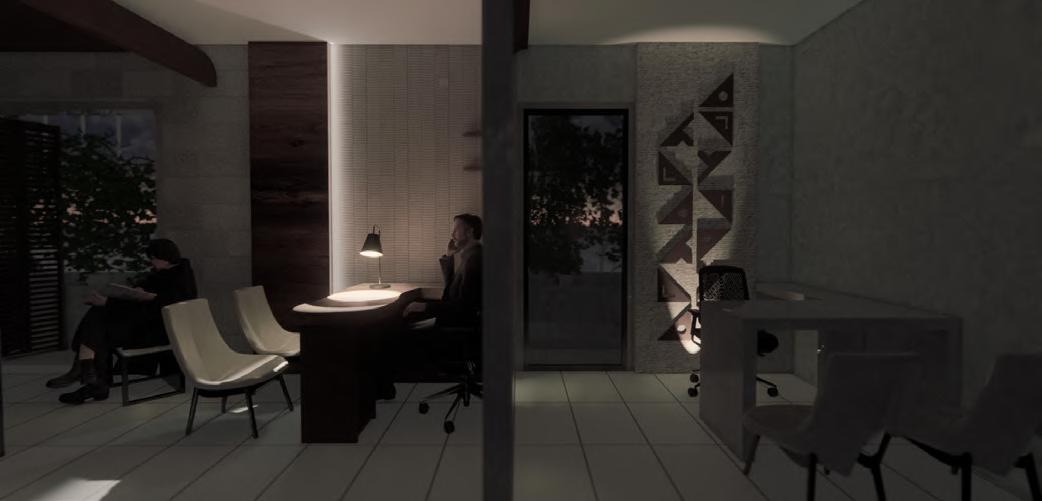
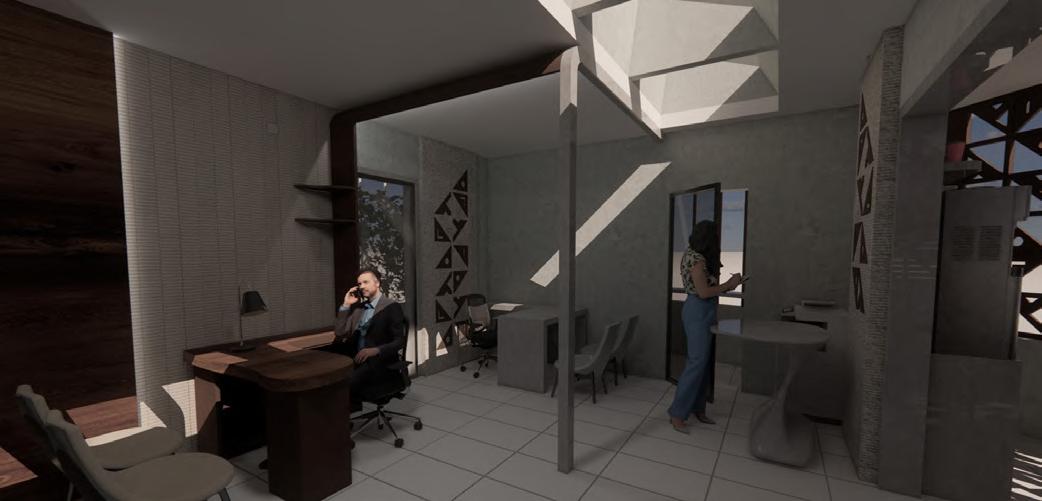
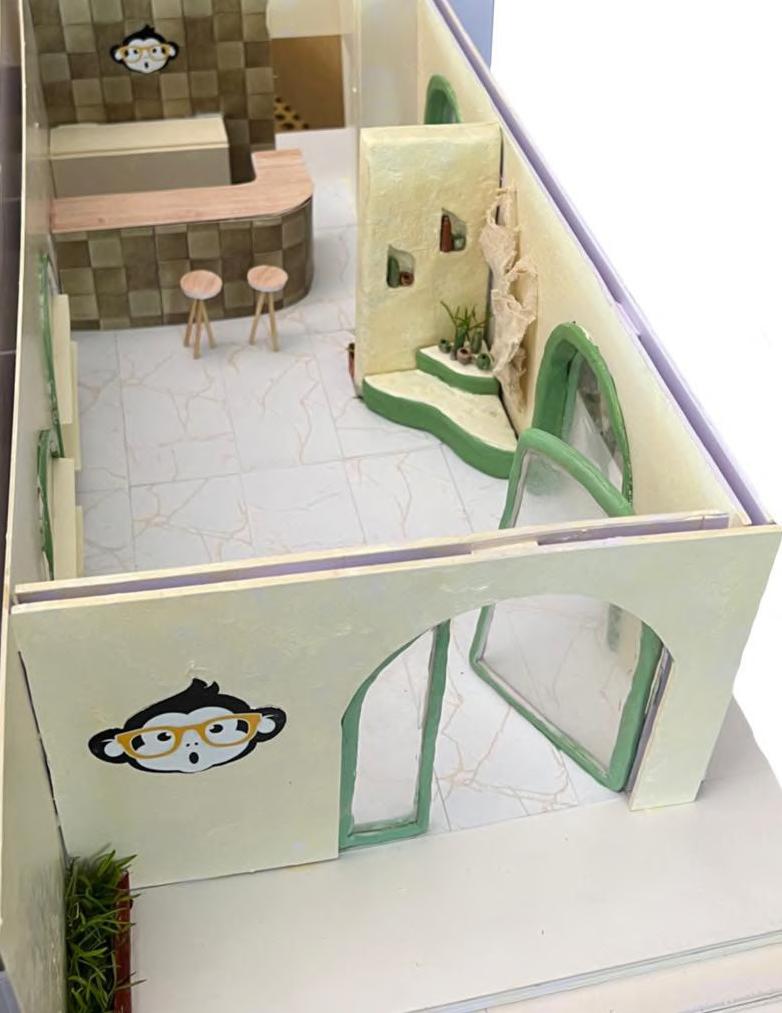
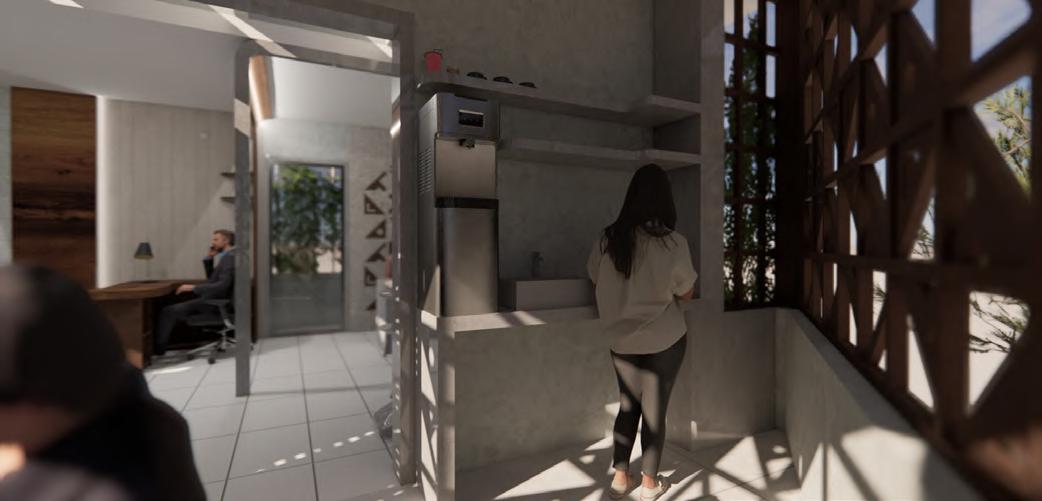
Project : Interiors for an Architect’s office and a commercial space.
Location : Mysore, Karnataka.
Guide : Asst. Prof. Kavana Kumar.
Group of 2 :Fathima Hana, Mohammed Shaja
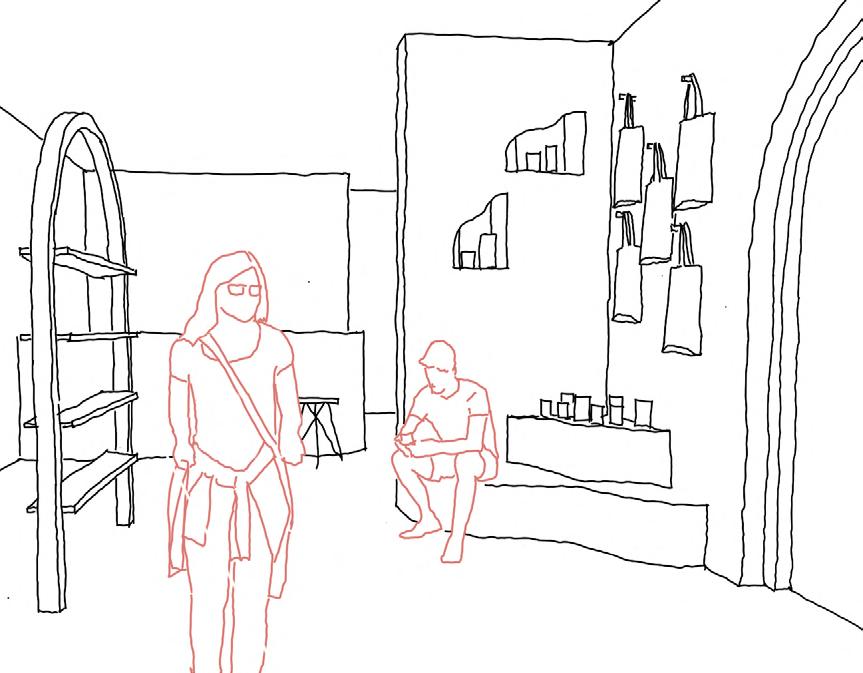
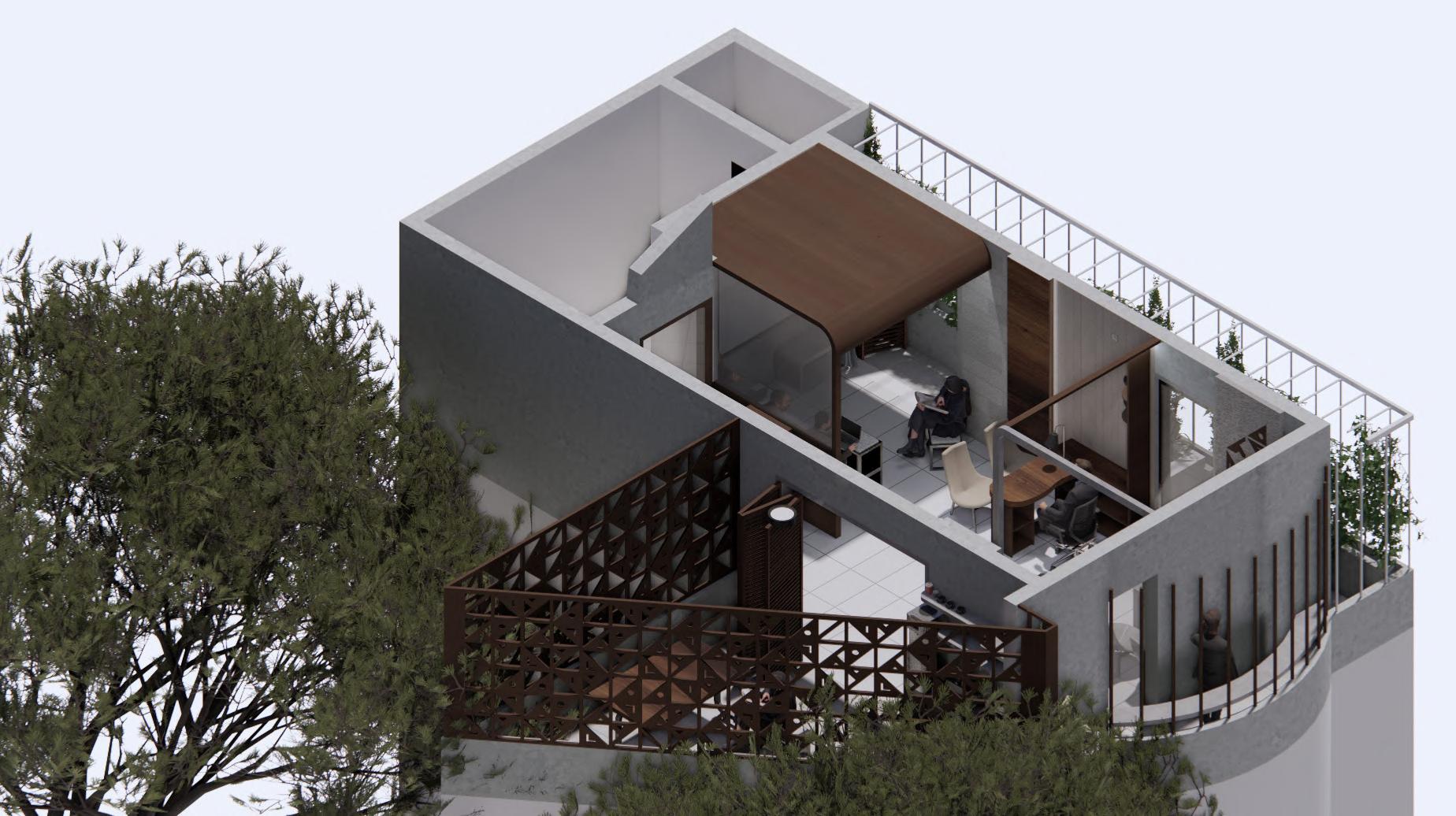
Estate Monkeys : Hand Model and Collage
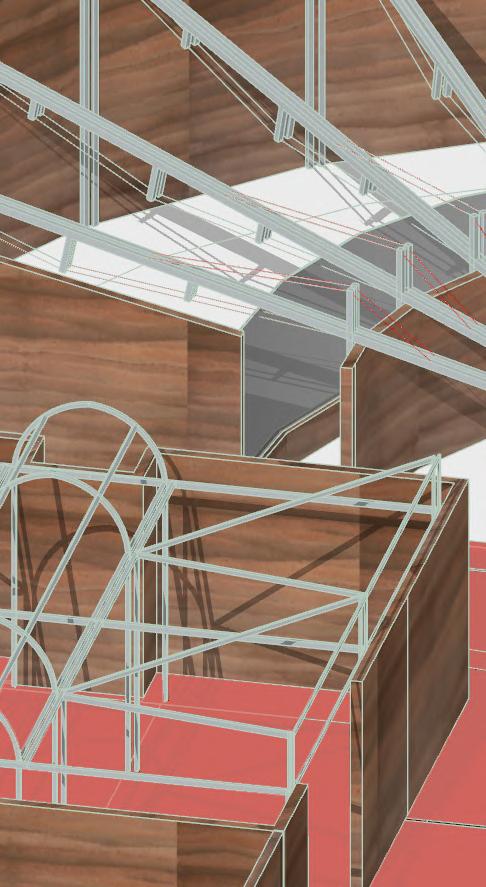
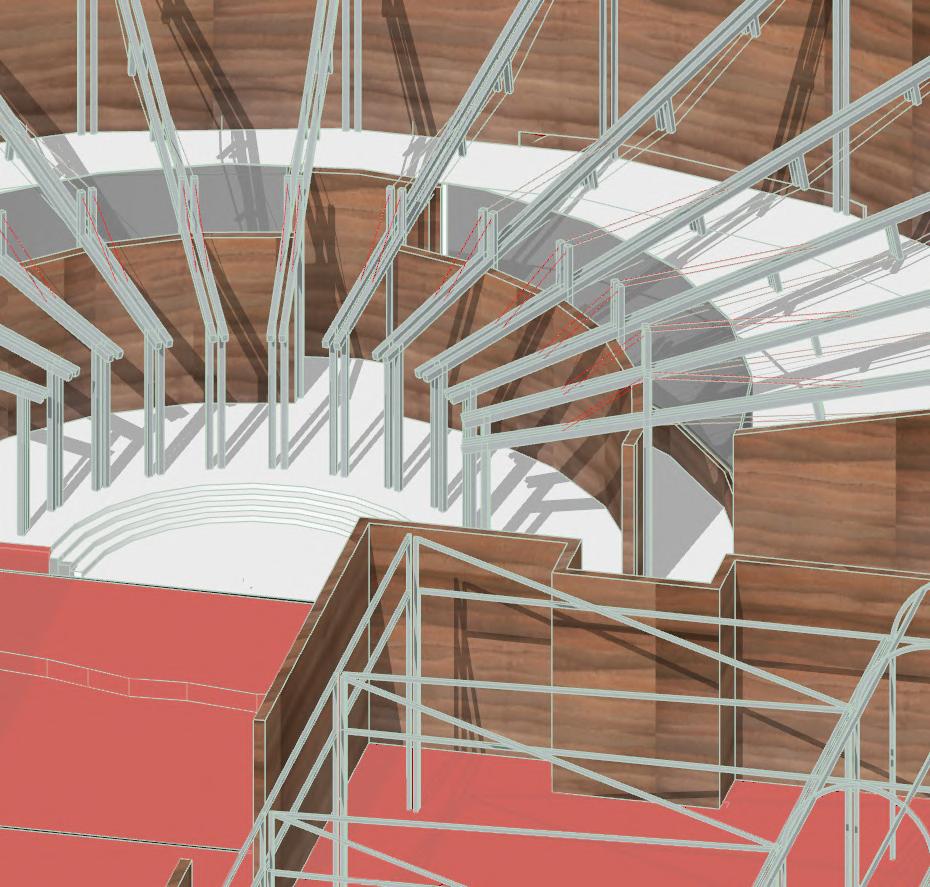
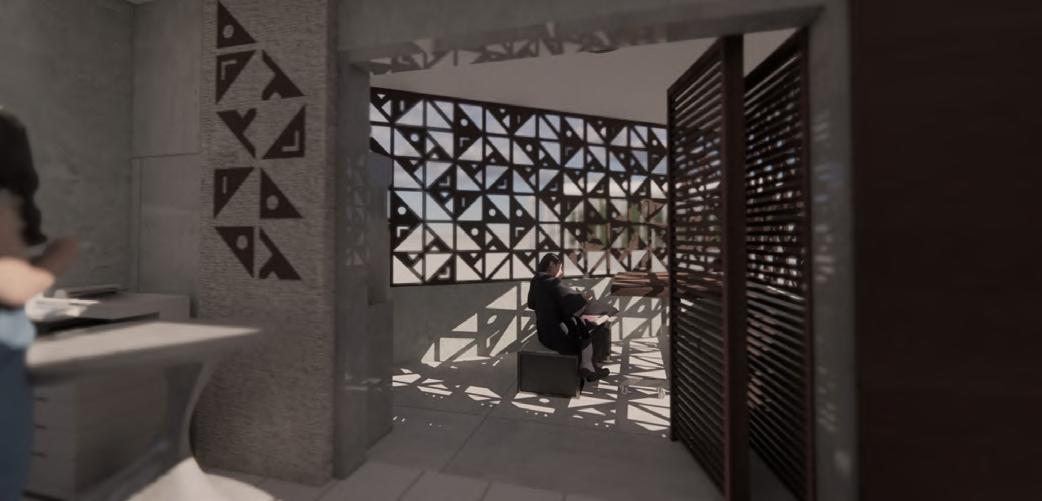
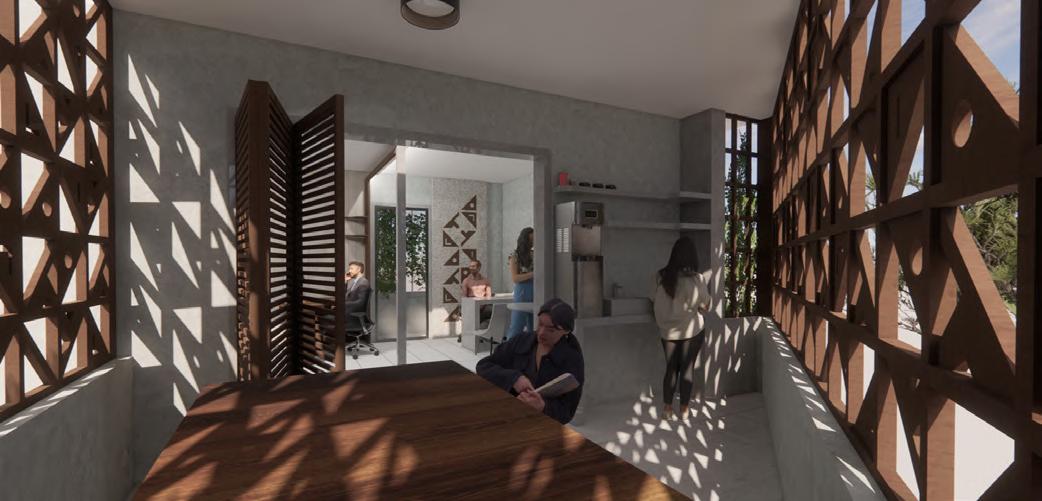
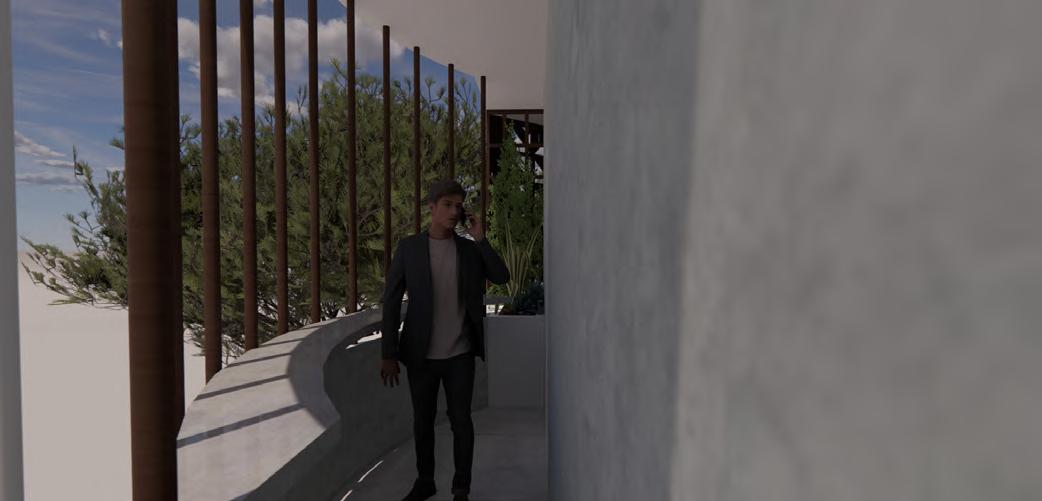
Architects Office : Isometric Plan and Views.
Architects Office : Plan.
07. RELATED STUDY PROGRAM.
Semester 03
Duration : 04 weeks.
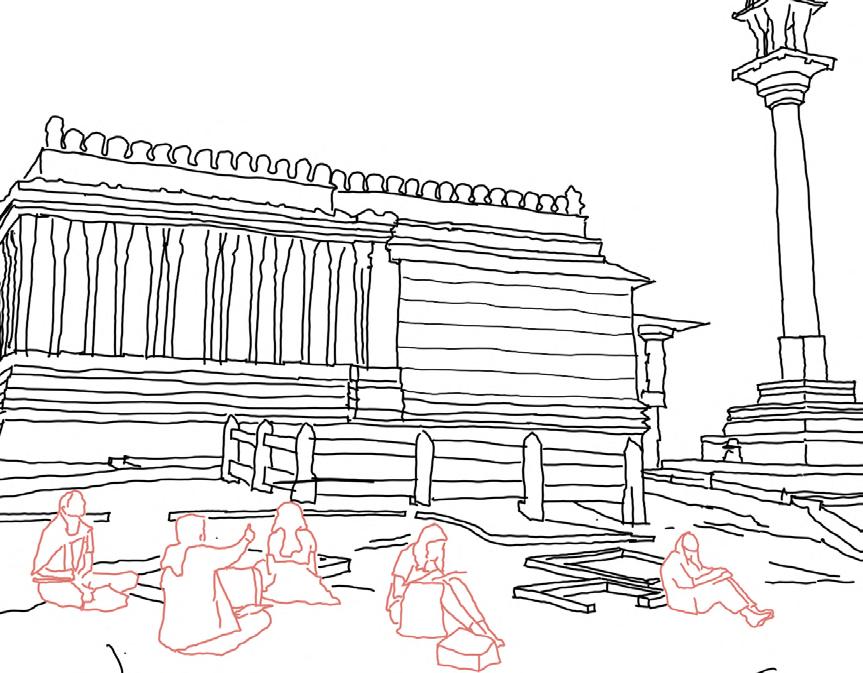
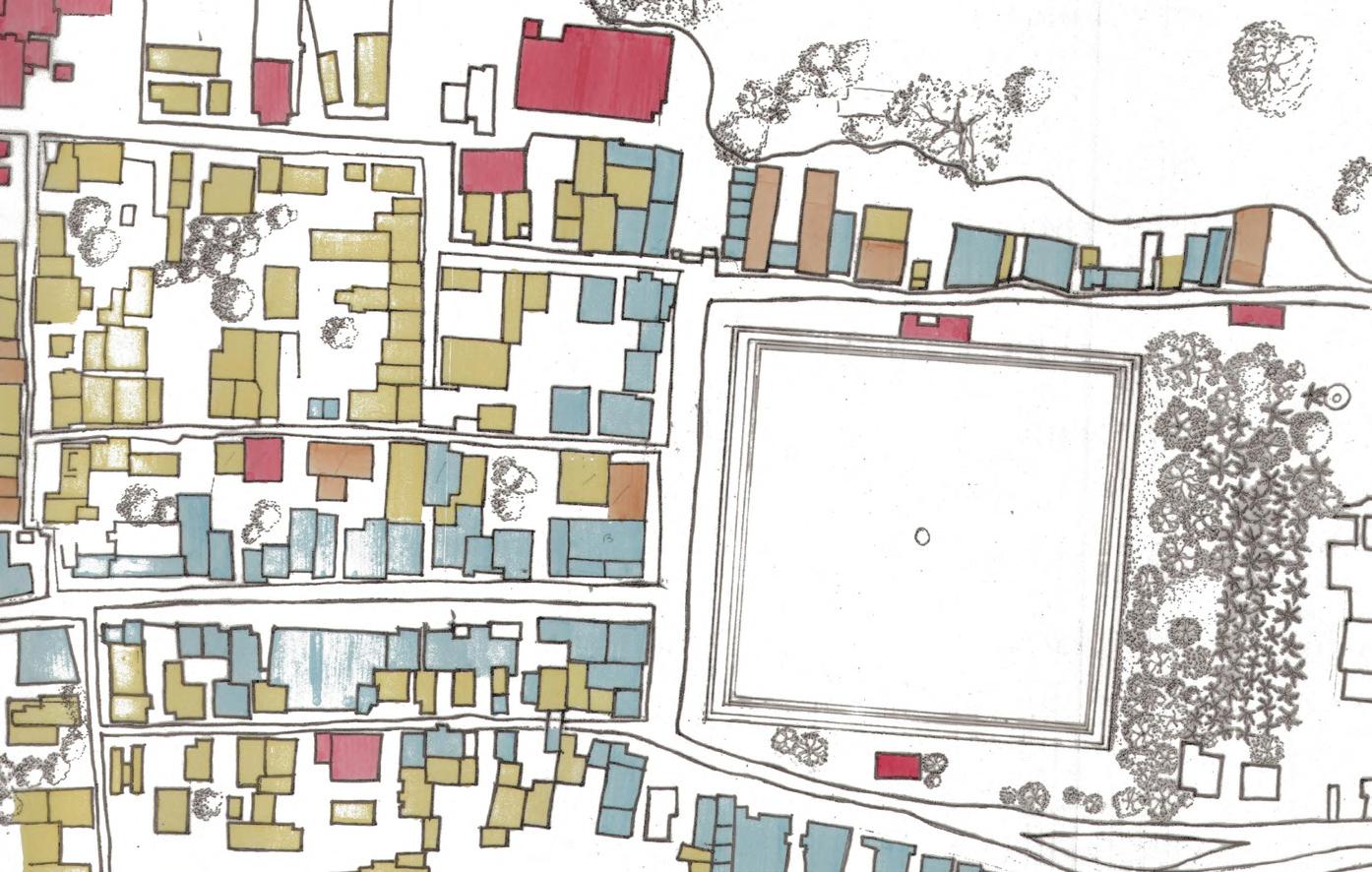
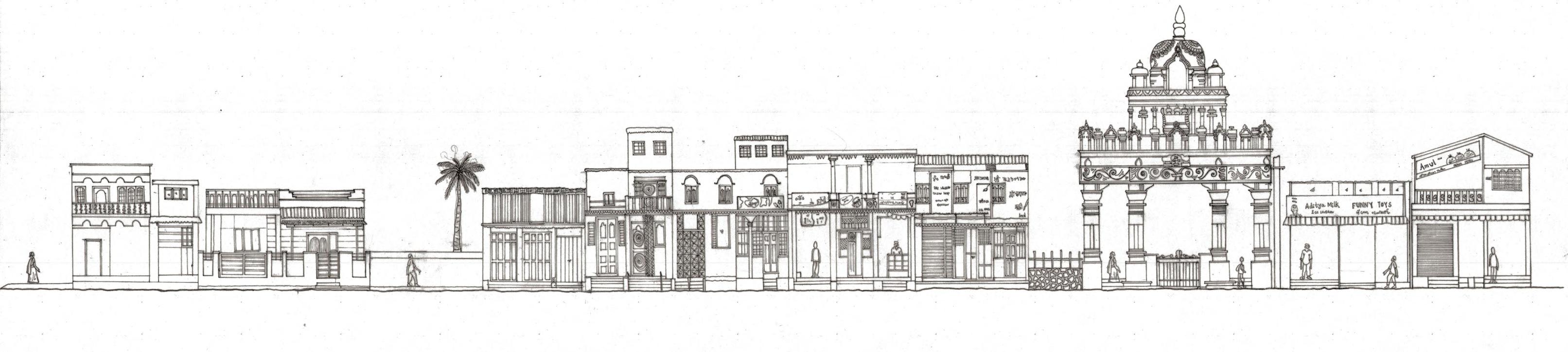
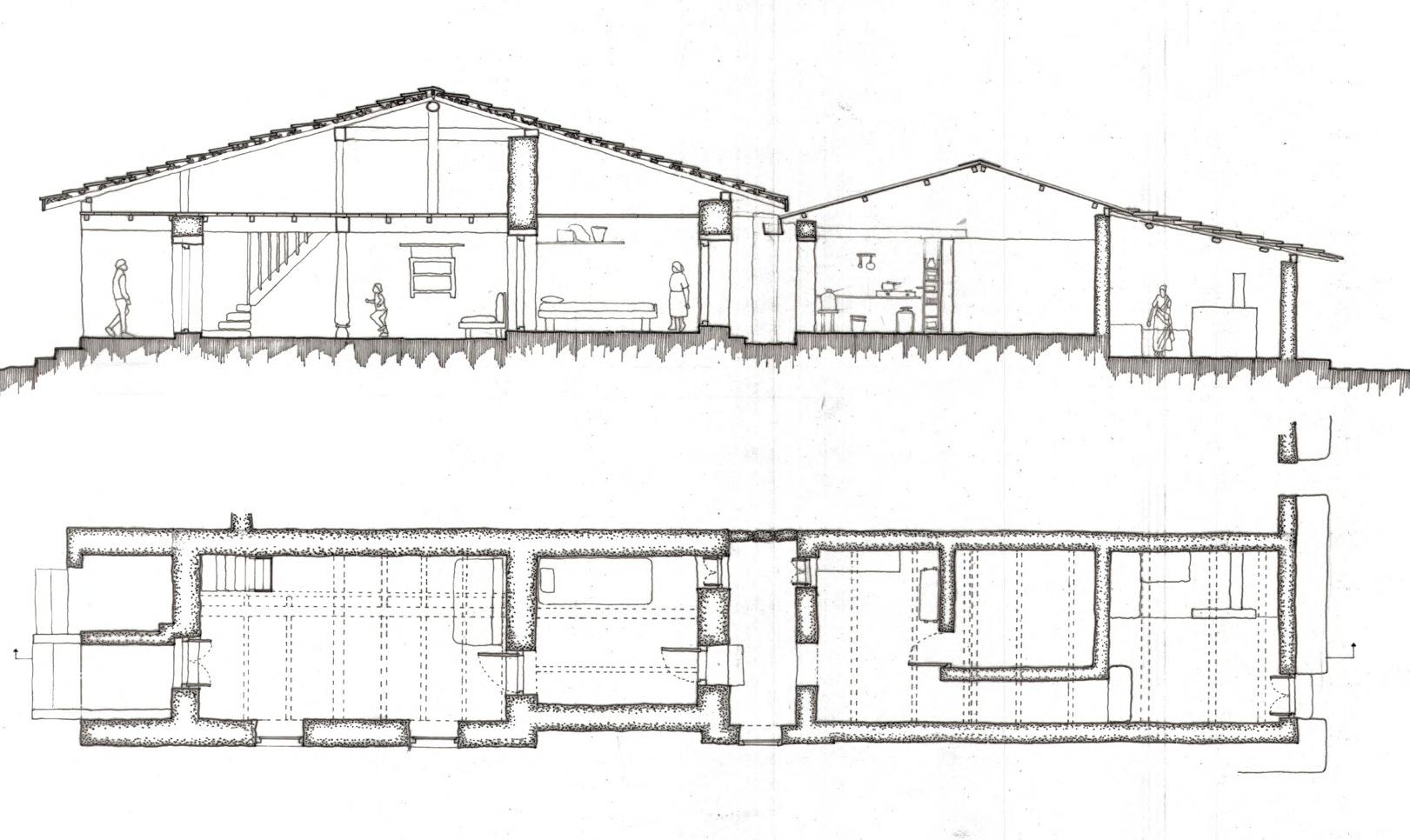
Project :Study and documentation of built system in rural context.
Location : Shravanabelagola, Karnataka.
Guide : Asst. Prof. Kavana Kumar.
Masterplan.
Elevation through Vindyagiri Temple.
Elevation through commercial area.
08. MISCELLANEOUS.
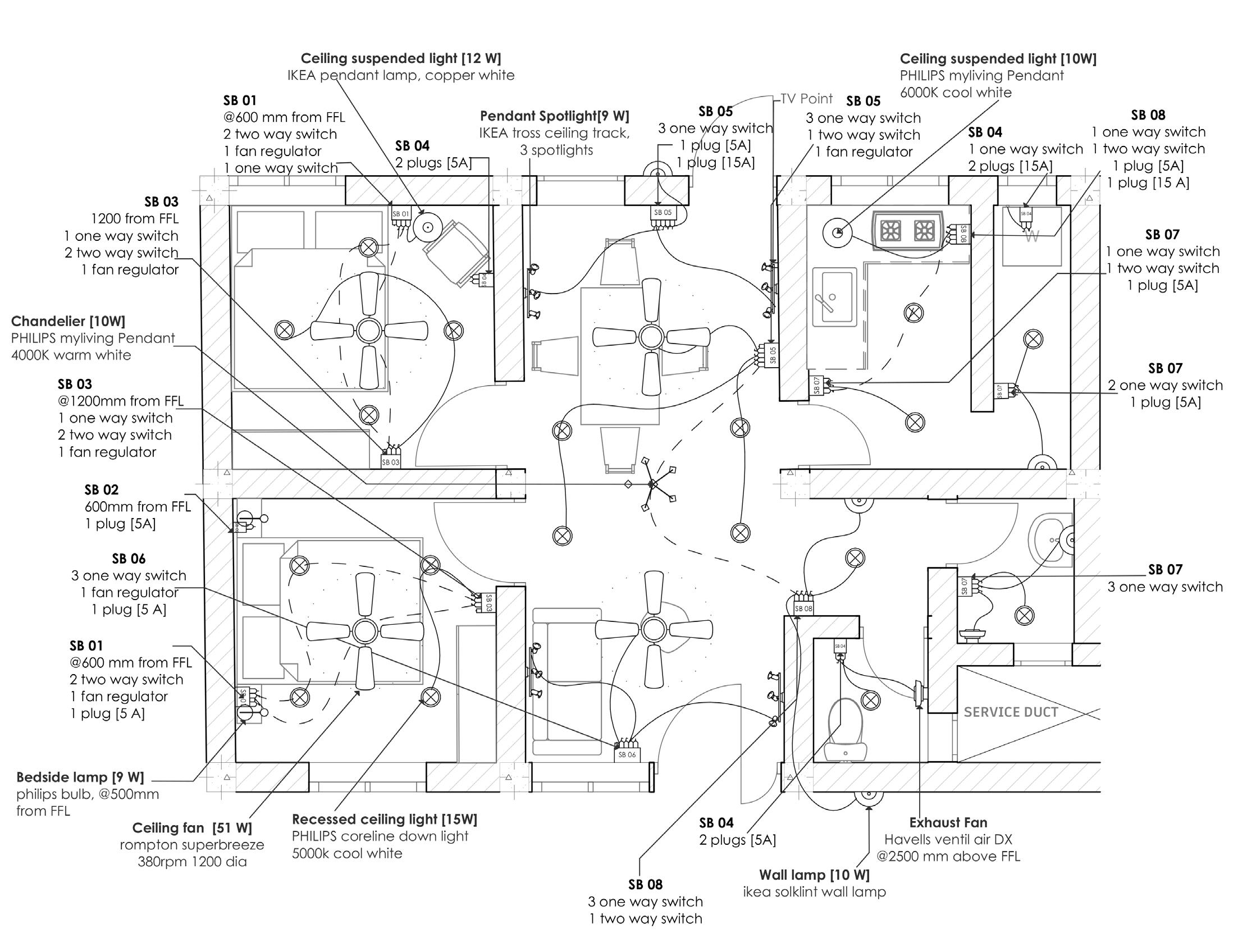
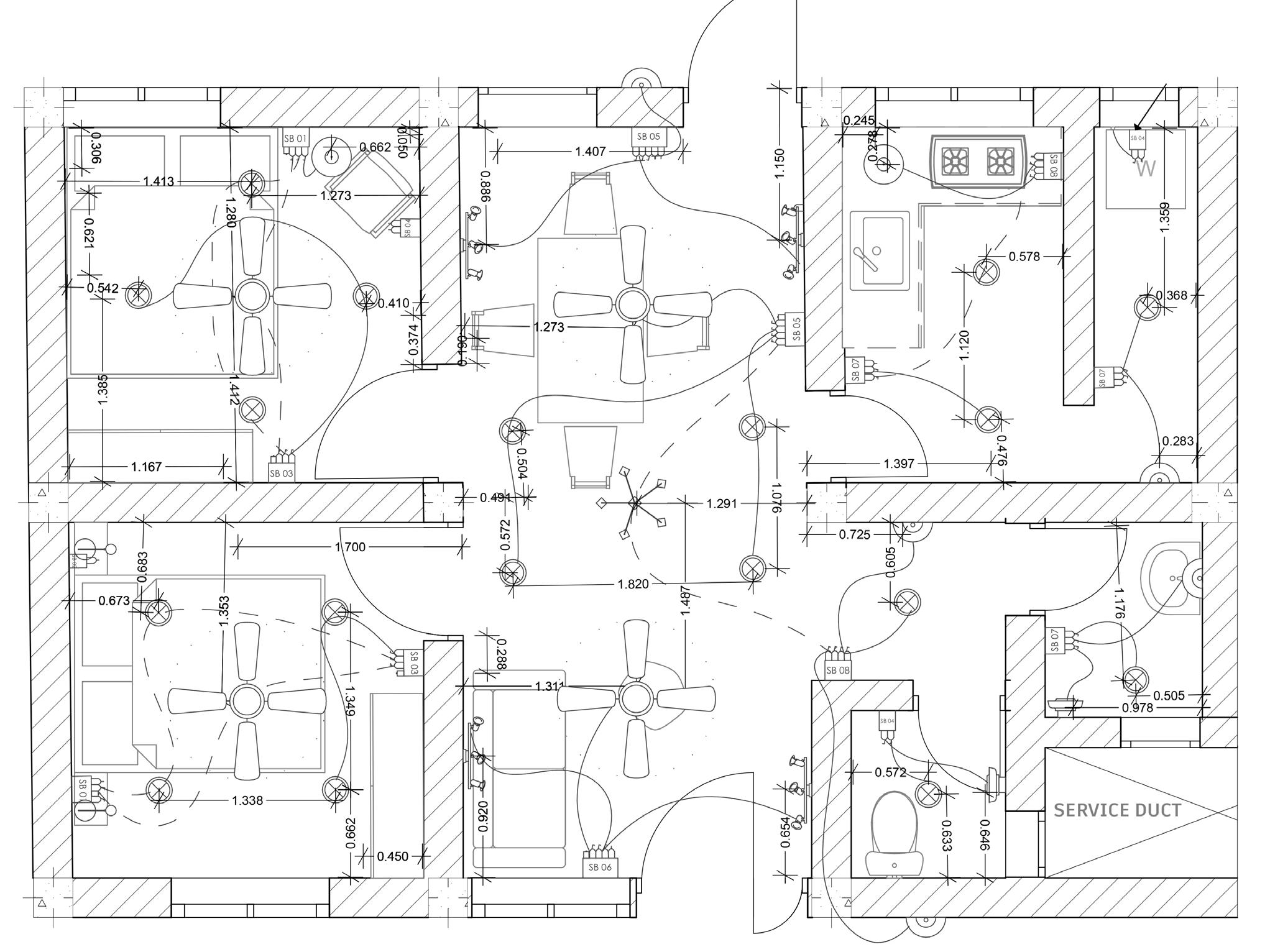
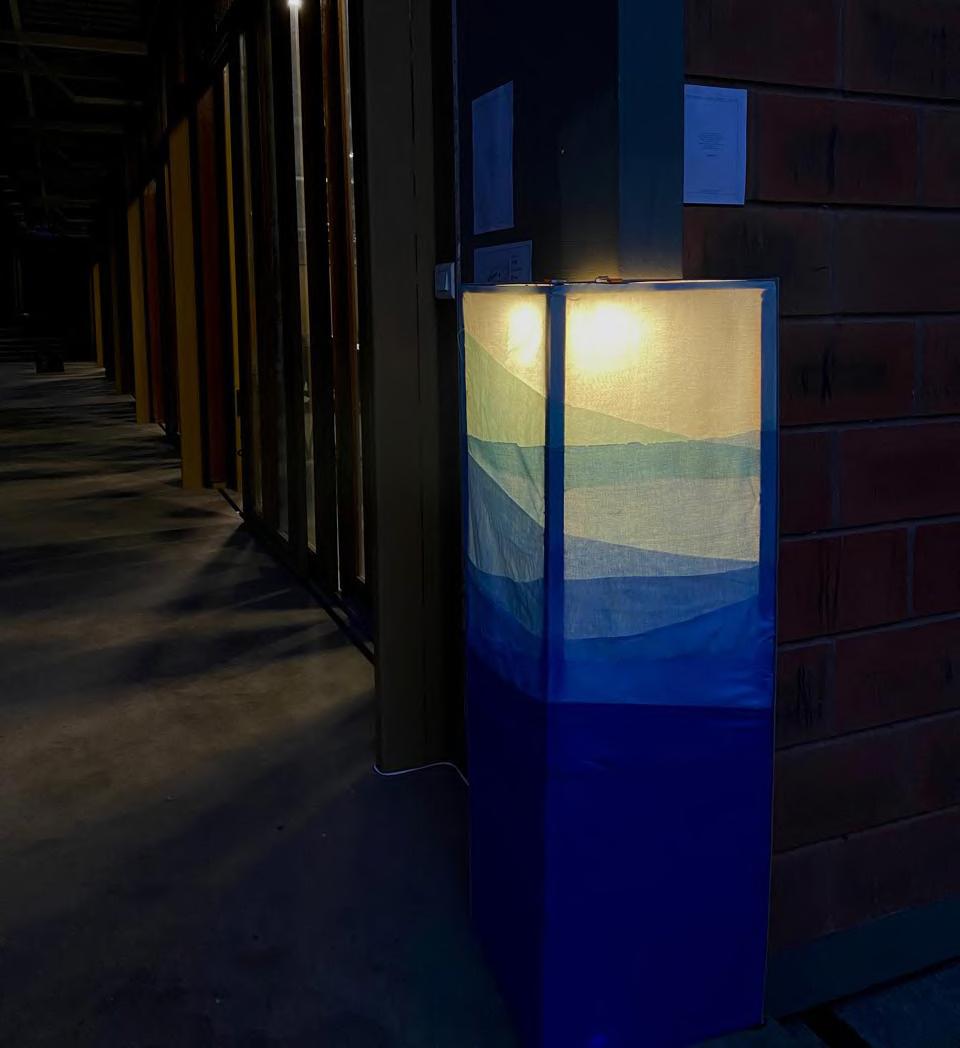
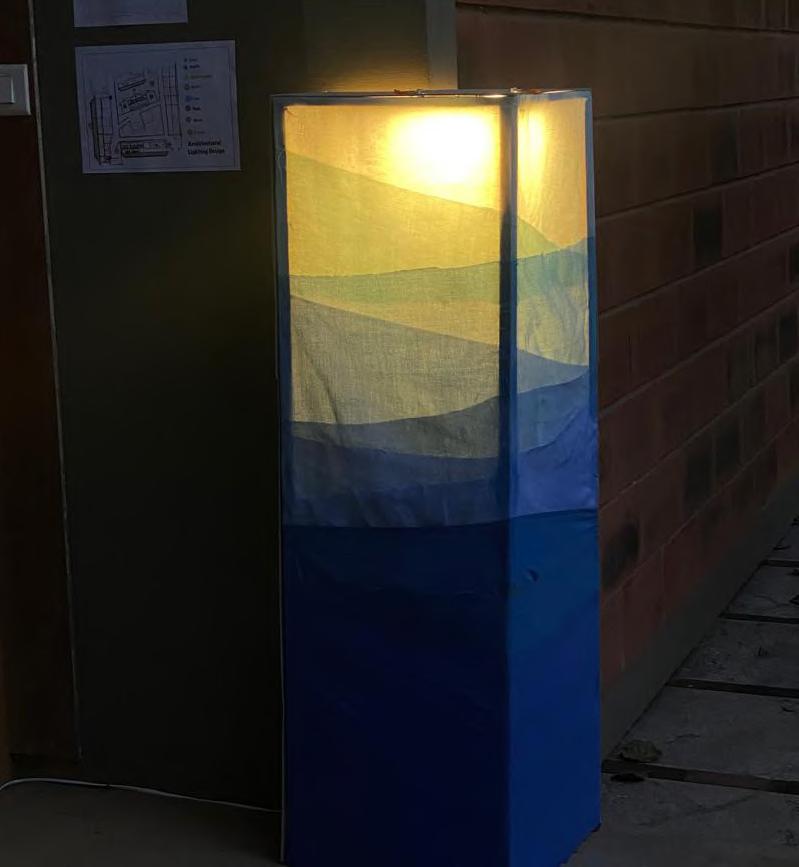
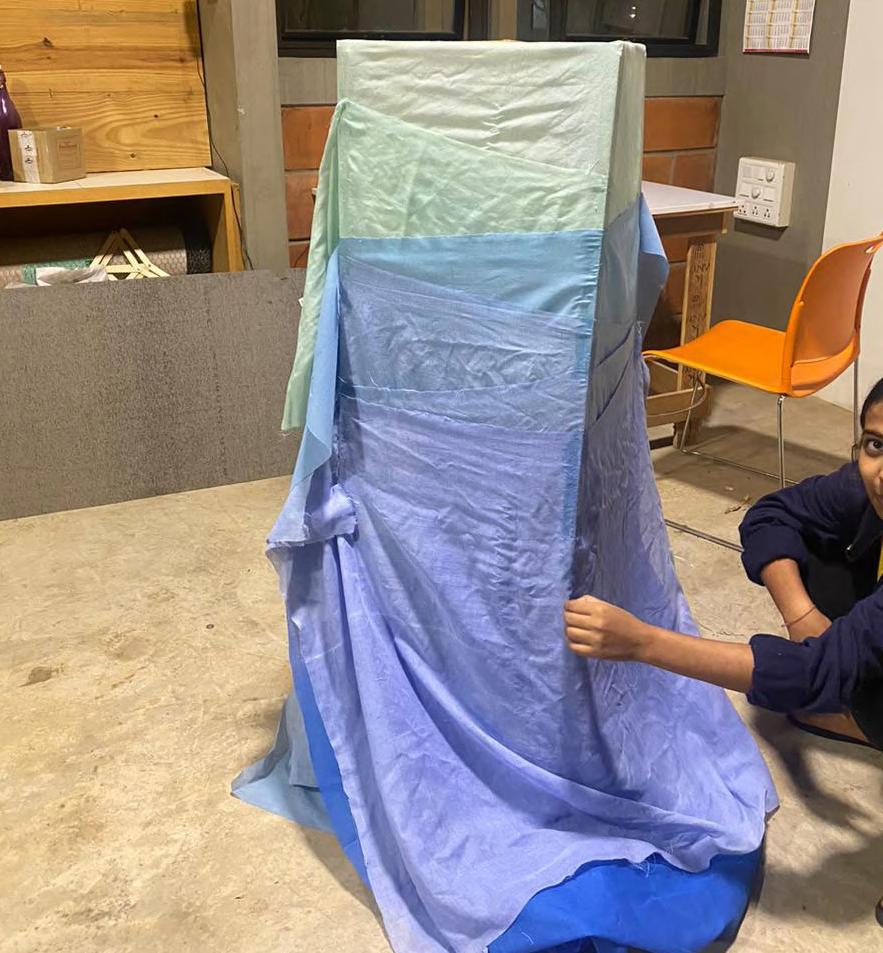
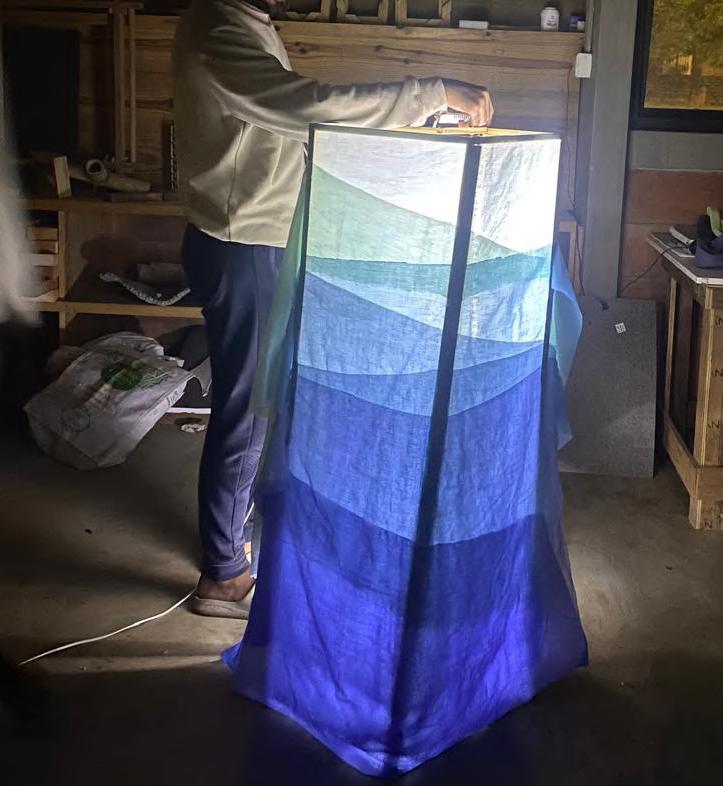
LIGHTING DESIGN.
Semester 05 | Elective | Group Work
Semester 07
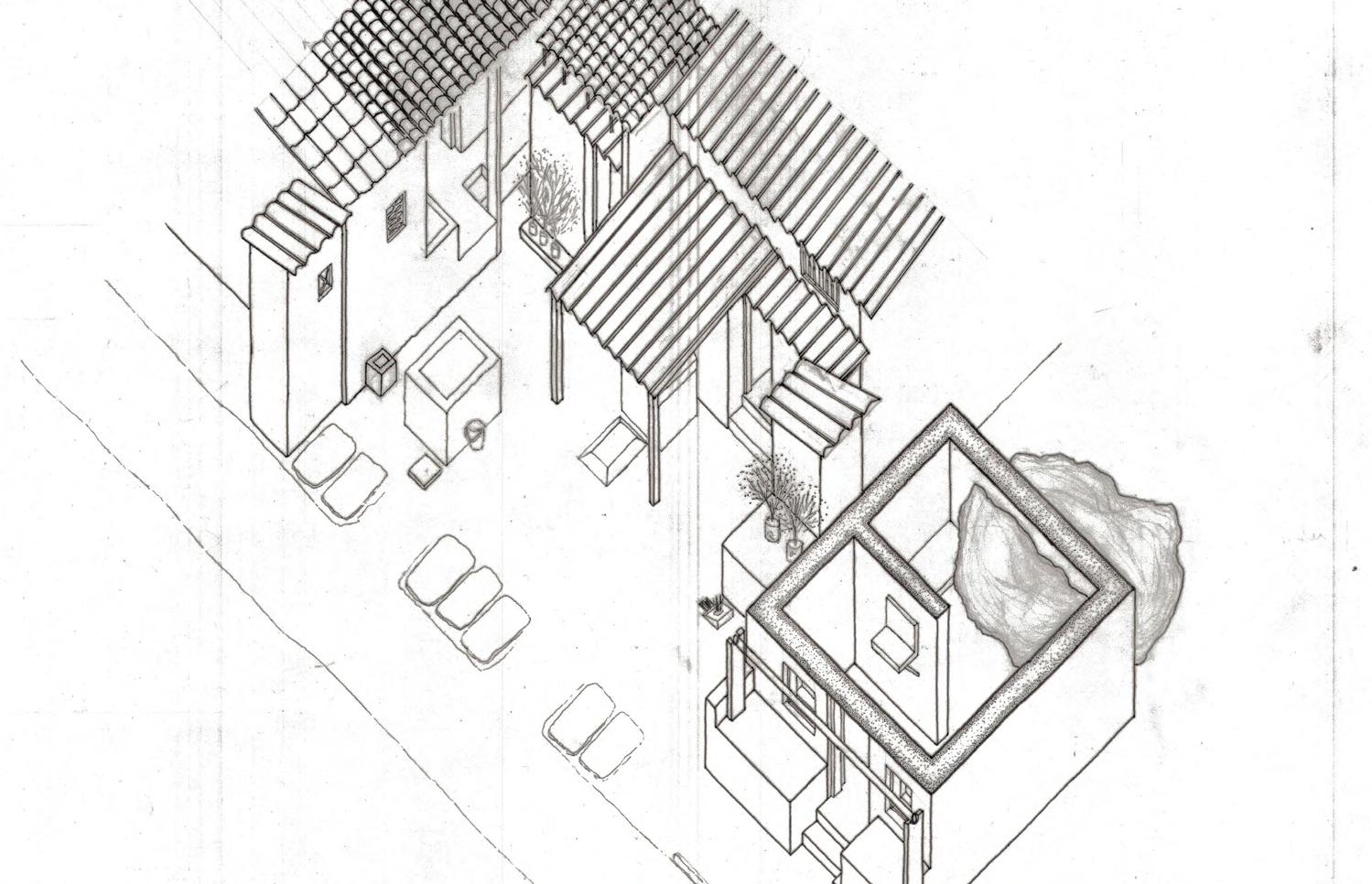
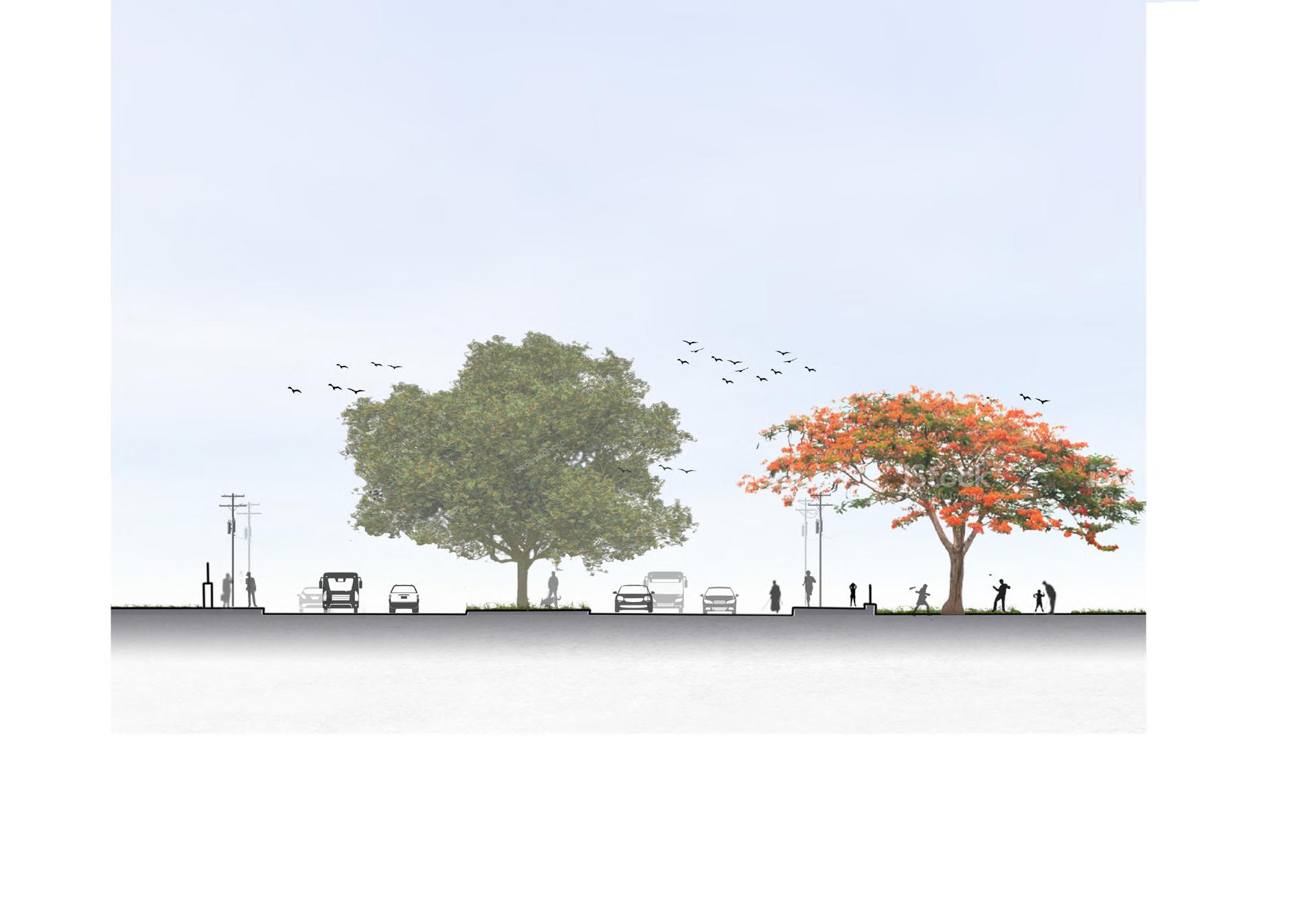
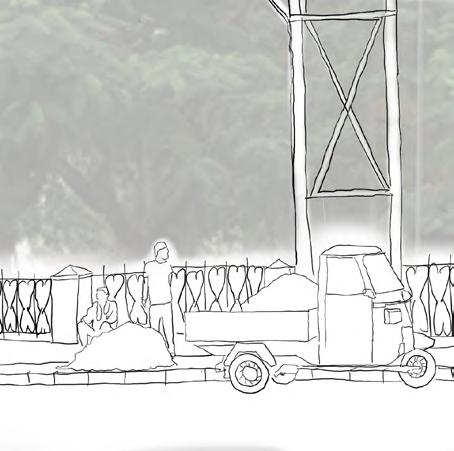
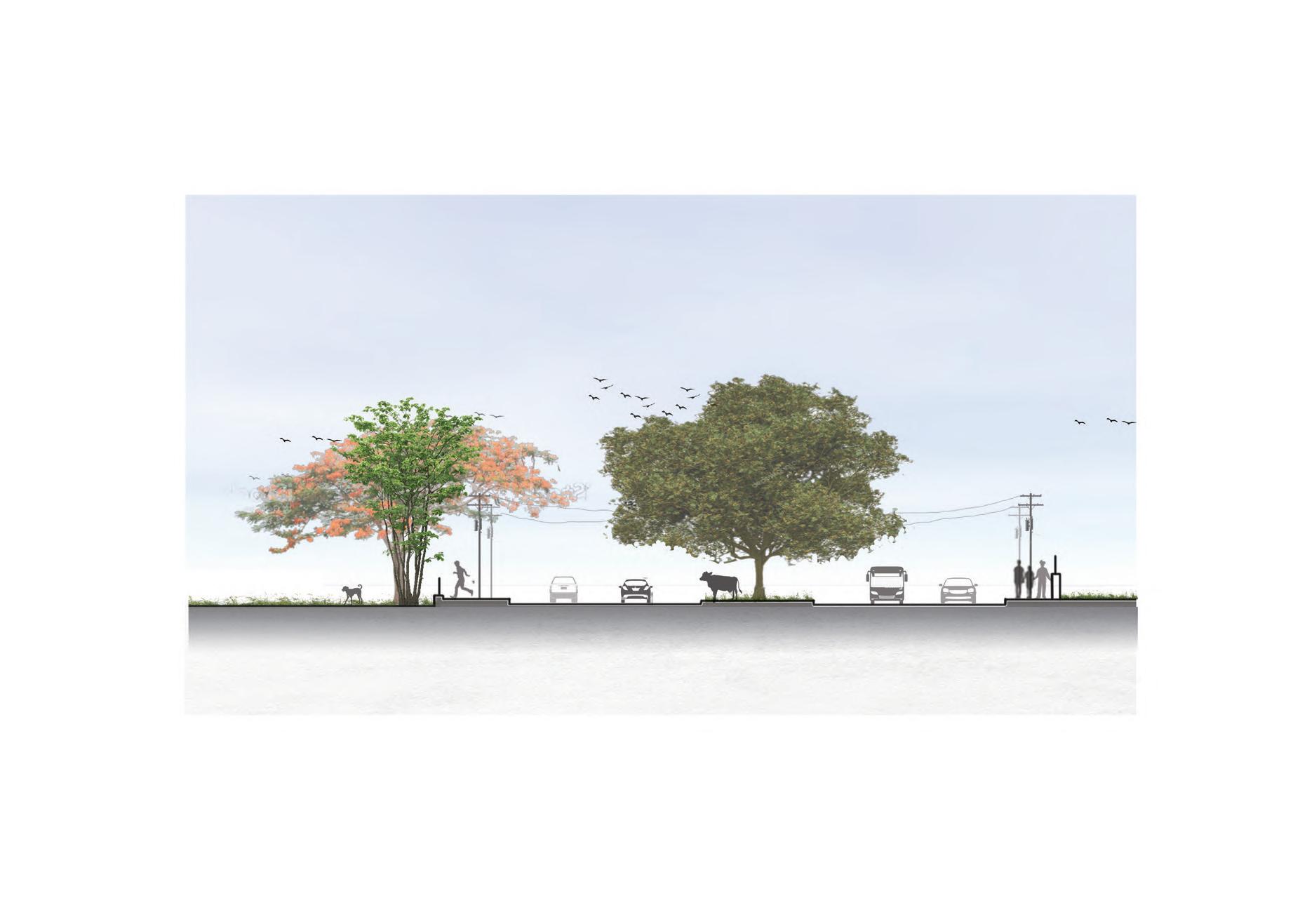
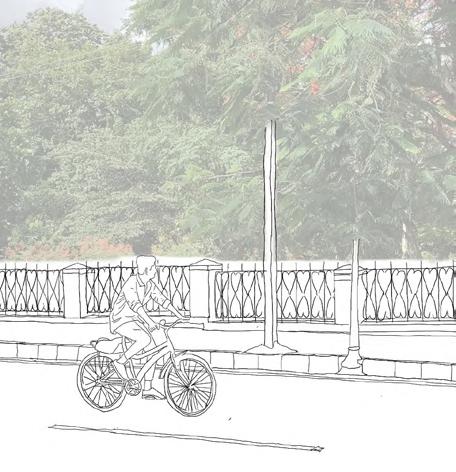
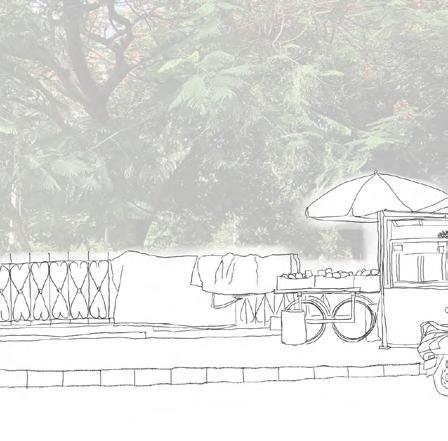
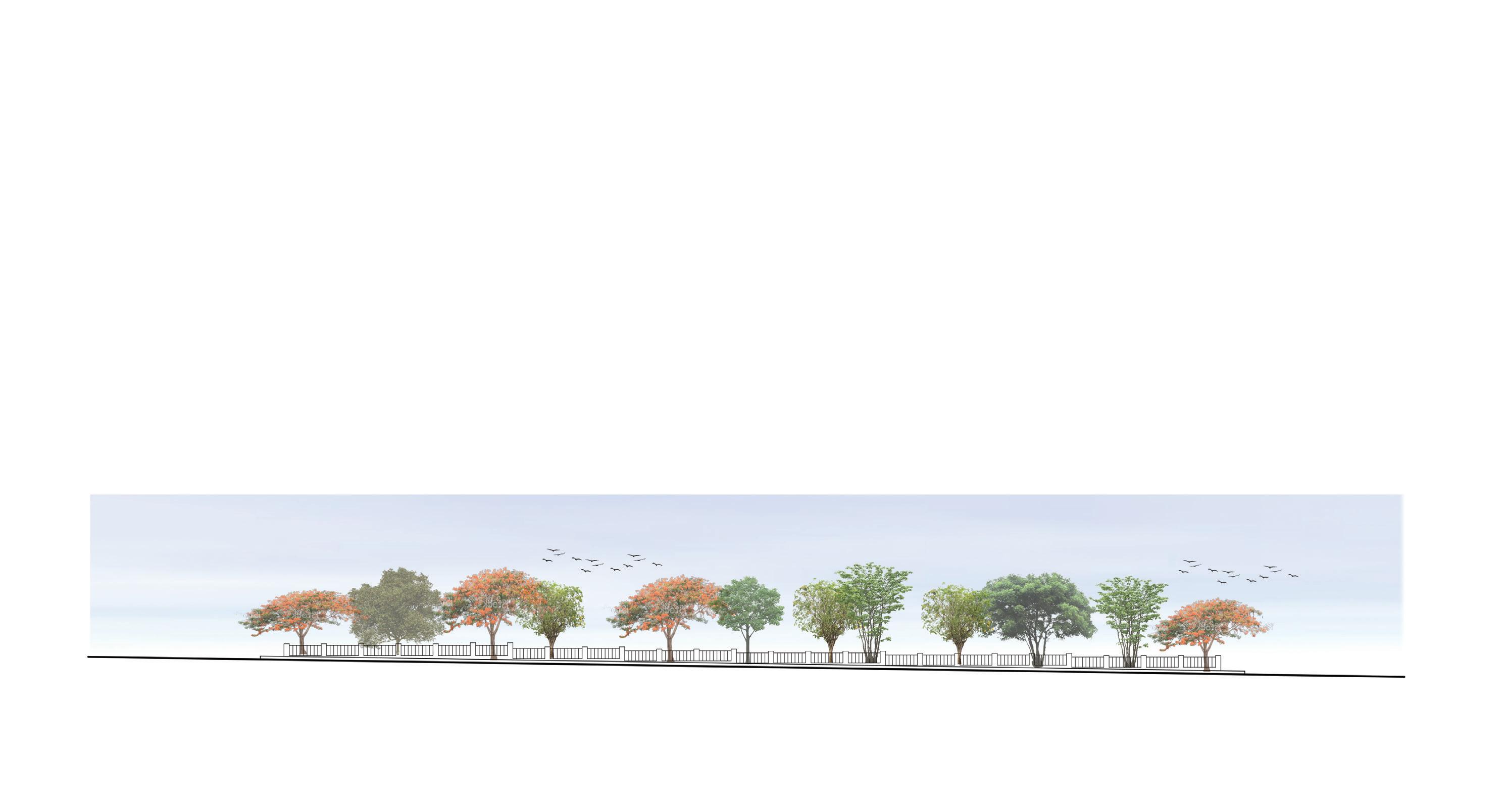
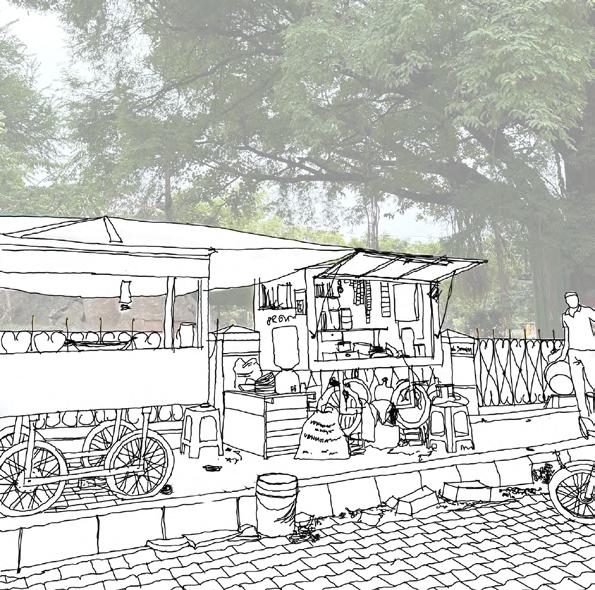
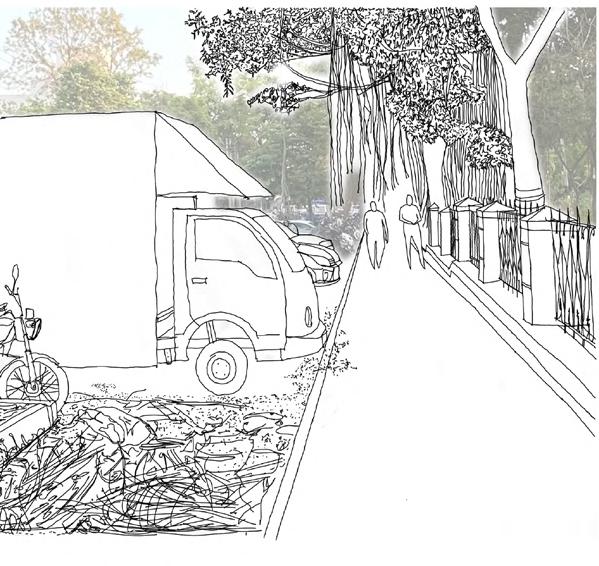
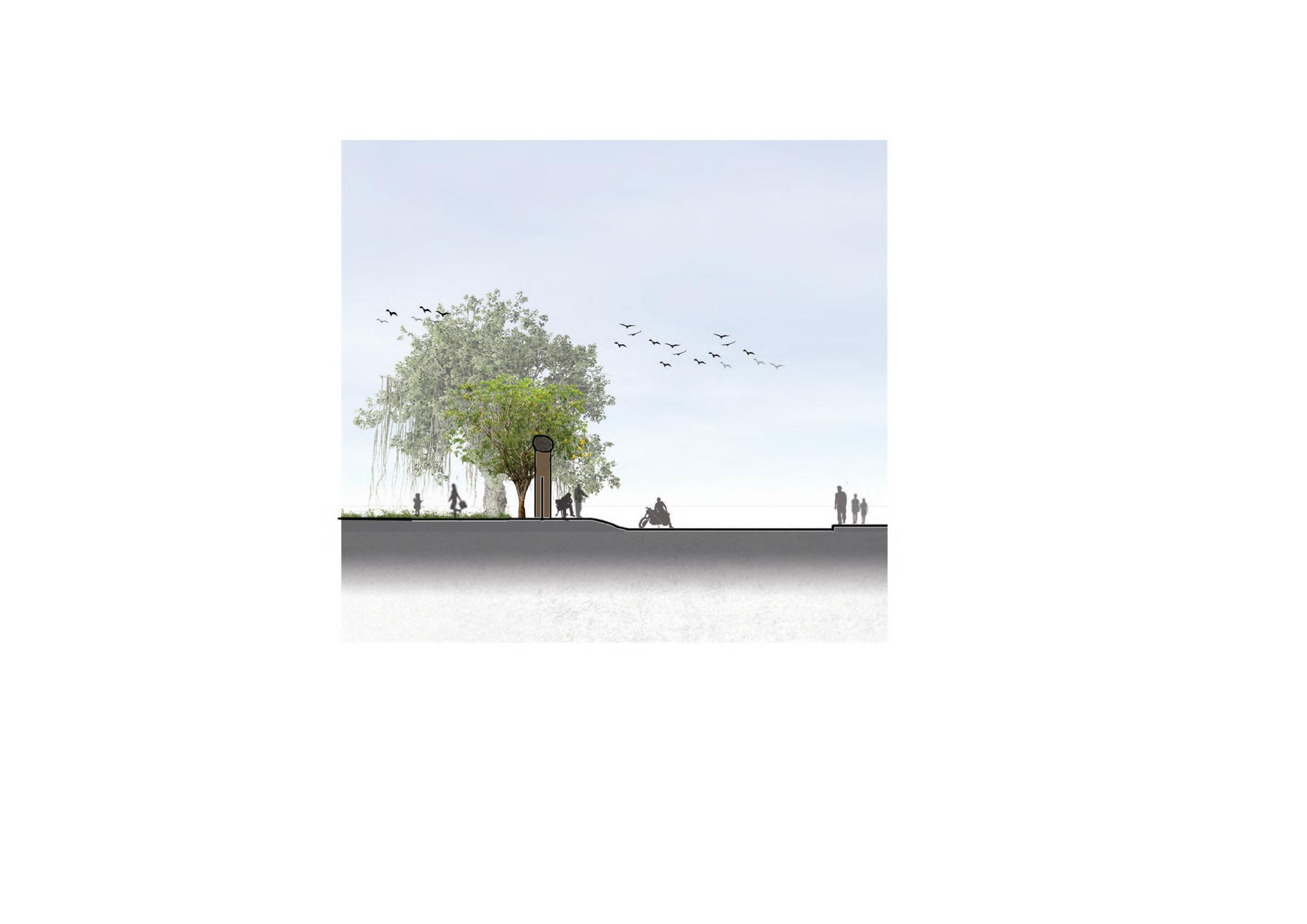
Study of edge conditions of a public parks. We identified the plant species, materials, activities happening on th edge and came up with stratergies that could accomodate the activities and also replaced certain vegetation with native plant species.