FASHION INDUSTRY OVERVIEW
Fashion Revolution Week 2025 marks a pivotal moment. With just five years remaining to meet the ambitions of the UN Sustainable Development Goals and the commitments of the Paris Agreement, urgent action is non-negotiable. In 2024, the planet saw its hottest four consecutive days on record, and the critical 1.5°C threshold was breached repeatedly for an entire year. This stark reality forces us to reflect on an essential question: is the fashion industry prepared to take meaningful action on the climate crisis or will it remain a bystander in the race against time?
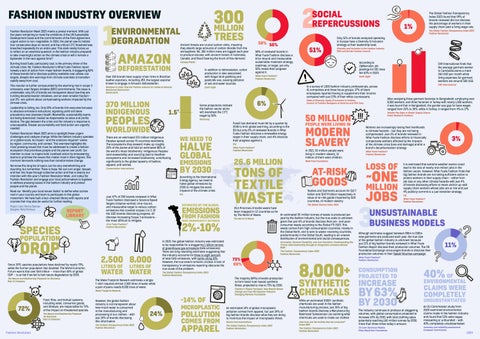
Burning fossil fuels, particularly coal, is the primary driver of the climate crisis. Yet, Fashion Revolution’s What Fuels Fashion report reveals a lack of action from major fashion brands. A staggering 86% of these brands fail to disclose publicly available coal-phase-out targets, despite dire warnings from climate scientists to transition rapidly away from coal.
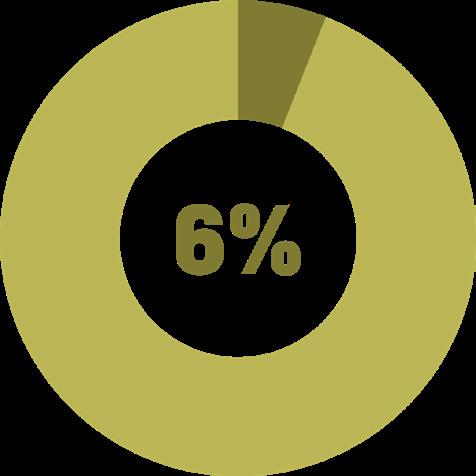
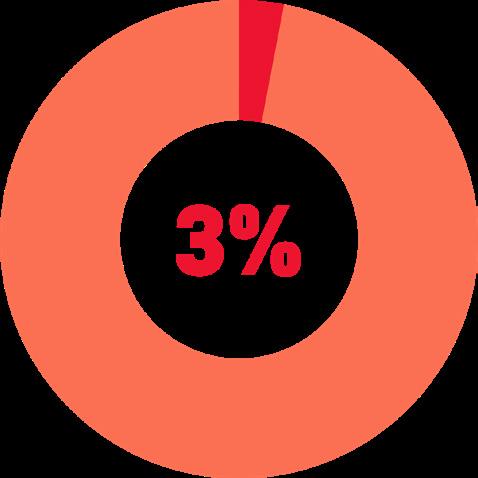
This inaction is further compounded by the alarming rise in scope 3 emissions, even Targets initiative (SBTi) commitments. The issue is undeniable: only 6% of brands are transparent about how they are funding decarbonisation initiatives, and an even smaller fraction— just 3%—are upfront about compensating workers impacted by the climate crisis.
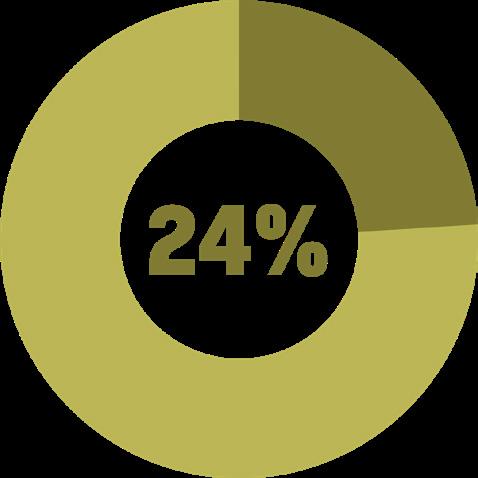
Leadership is failing, too. Only 18% of brands link executive bonuses to absolute emissions reductions, signaling profit still takes precedence over planetary health. Meanwhile, sustainability teams are being downsized, treated as dispensable as sales and profits decline. The gap between the crisis and the industry’s response is unacceptable. Greater accountability and bold action are urgently needed.
Fashion Revolution Week 2025 aims to spotlight these urgent challenges and catalyse change. While the fashion industry operates on a global scale, its impact—and the solutions required—varies by region, community, and context. This overview highlights the most pressing issues that must be addressed to create a fashion ecosystem that prioritises people and the planet over profit. Our intention is clear: to inspire bold, localised action by empowering teams to prioritise the issues that matter most in their regions. This moment demands nothing less than transformative change.
We know this long list of topics can be very overwhelming and daunting, but remember: There is hope. We can turn anger, despair, and fear into hope through collective action and that is exactly our intention with this year’s Fashion Revolution Week. Join today the Fashion Revolution and engage your local policymakers to legislate to address pressing issues in the fashion industry and protect people and the planet.
Read our ‘Identify your local issues Toolkit’ to define what comes next in your country and team to participate in this global movement. We have built a fact-checked library with reports and courses that may also be useful for further reading.
AMAZON DEFORESTATION
known to engage in Amazon deforestation. Nowhere to Hide: How the Fashion Industry Is Linked to Amazon Rainforest Destruction Stand.earth
In addition to deforestation, cotton production is also associated with illegal land grabbing and pesticide use, causing pollution of soil and water sources. Earth Sight
There are an estimated 370 million Indigenous Peoples spread across 70 countries worldwide. The ecosystems they steward make up roughly 20% of the planet and hold an estimated 80% of the world’s intact biodiversity. Indigenous Peoples’ land stewardship and sourcing lead to healthier ecosystems and increased biodiversity, contributing significantly to the global tapestry of fashion, apparel, and textiles. Conservation International
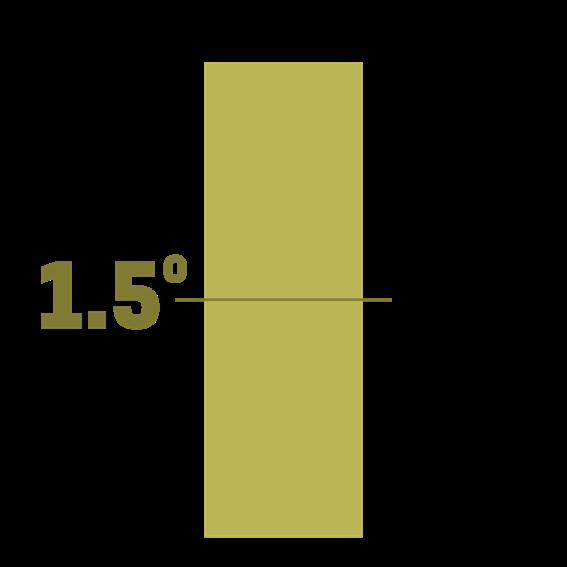
Some projections indicate the fashion sector alone will overshoot the 1.5°C target by 50%.
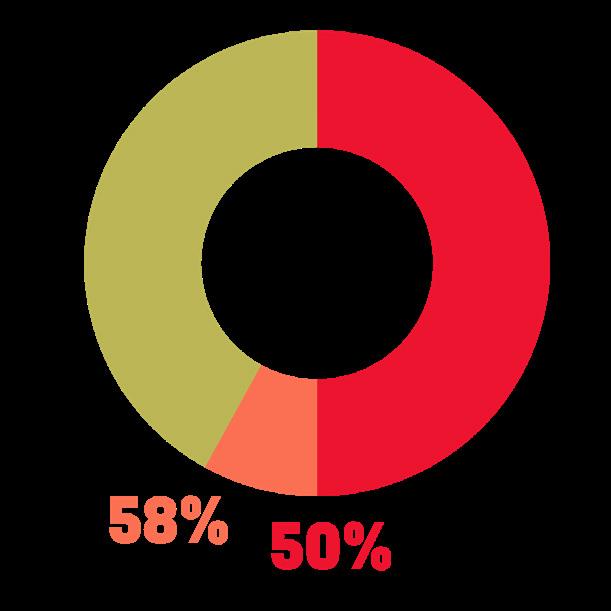
58% of reviewed brands in What Fuels Fashion disclose a time-bound and measurable sustainable materials strategy, roadmap, or target, yet only 50% reveal their progress against it.
Fuels Fashion?
WE NEED TO HALVE GLOBAL EMISSIONS BY 2030
According to the International Energy Agency, we need to halve global emissions by 2030 to mitigate the worst impacts of the climate crisis.
Fossil fuel demand must fall by a quarter by 2030 to limit global warming, according to the IEA but only 6% of reviewed brands in What Fuels Fashion disclose a renewable energy target in their supply chain, and 4% disclose their progress against it.
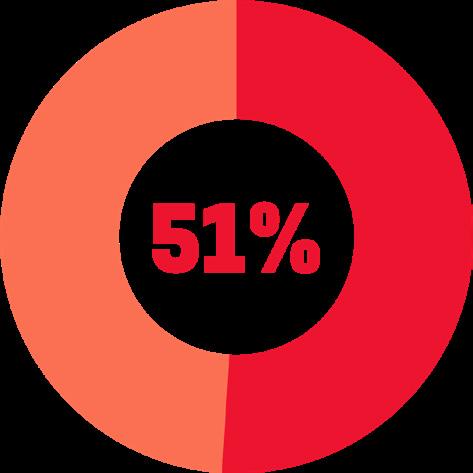
Only 51% of brands analyzed operating in Europe have a Diversity & Inclusion strategy at their leadership level. Diversity and Inclusion in the Fashion Industry MBS and British Fashion Council
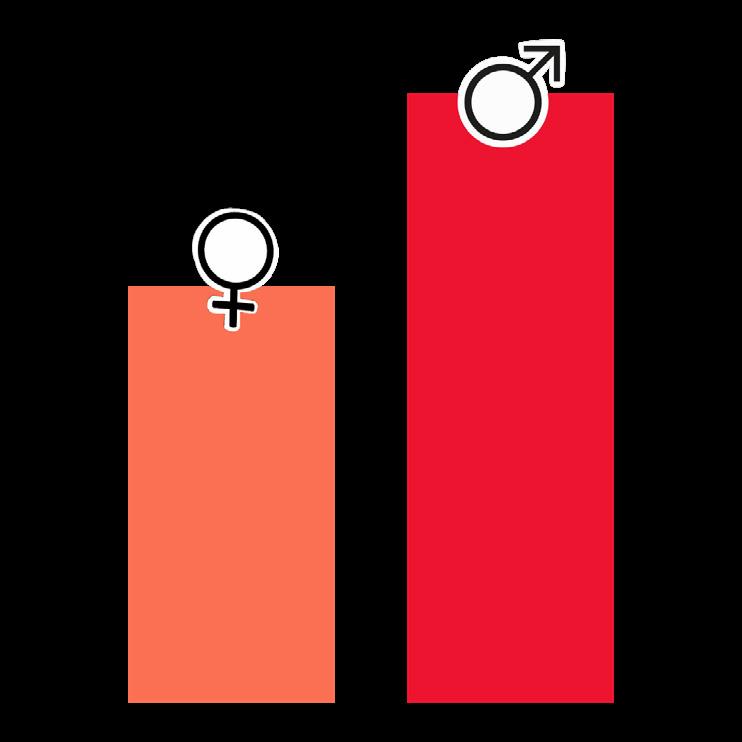
In a survey of 1,000 fashion industry professionals, across 41 companies and three focus groups, 37% of black employees reported having to supplement their income compared with just 23% of their white counterparts. State of Diversity, Equity & Inclusion in Fashion Council of Fashion Designers of America and PVH Corp
Workers are increasingly losing their livelihoods to climate hazards - but they are not being compensated. Just 3% of brands reviewed in What Fuels Fashion disclose efforts to financially compensate workers affected by the impacts of the climate crisis (loss and damage) and/or a brand’s decarbonisation strategy
26.6 MILLION TONS OF
TEXTILE WASTE
In 2019, the global fashion industry was estimated to be responsible for a staggering 1 billion tonnes of greenhouse gas emissions (GHG emissions). There are long-standing estimates suggesting that the industry accounts for three to eight percent of total GHG emissions, with some citing 10% However, the true extent remains unclear. A lack of transparency in emissions reporting obscures the true scale of the problem.
An estimated 92 million tonnes of waste is produced per year by the fashion industry, but the true scale is unknown given that just 4% of brands disclose their pre- and postconsumer waste according to the Global FTI 2023. This waste comes from high-consumption countries, mostly in the Global North, and is sent to waste-receiving countries, predominantly in the Global South, leading to an uneven distribution of environmental and social consequences. Circularity, Garment Durability, and Just Transition: Understanding the Trinary Interrelationship through an Integrative Literature Review MDPI The Fashion Transparency Index 2023 Fashion Revolution 26.6 M tonnes of textile waste have been mapped in 12 countries so far by The World of Waste. The World of
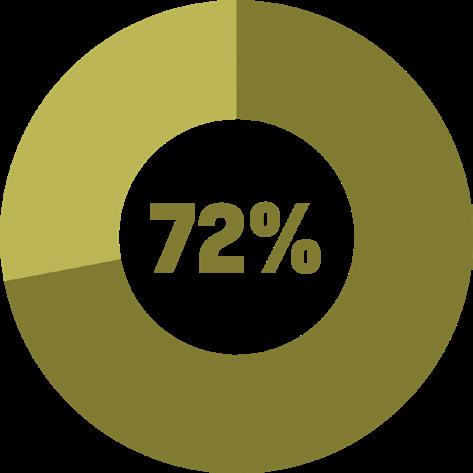
are responsible for 72% of the impact on threatened species.
The Nature and Biodiversity Playbook for Business Bain & Company
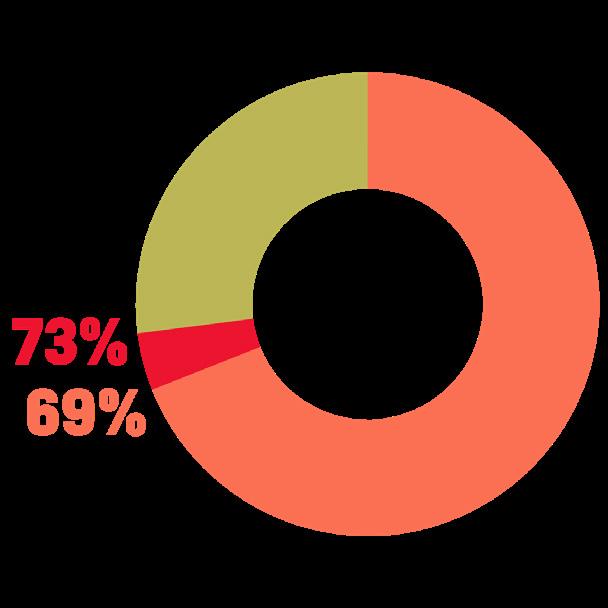
The majority (69%) of textile production is from fossil-fuel-based synthetic fibres, projected to rise to 73% by 2030. Fashion’s Plastic Paralysis: How Brands Resist Change and Fuel Microplastic Pollution Changing Markets Foundation
While an estimated 8,000+ synthetic chemicals are used in the fashion manufacturing process, just 35% of big fashion brands disclose a Manufacturing Restricted Substances
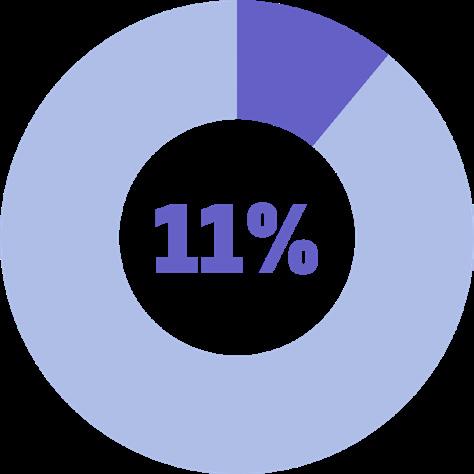
Although estimates suggest between 80bn to 150bn new garments are produced each year, the true size of the global fashion industry is unknown because just 11% of big fashion brands reviewed in What Fuels Fashion Report disclose their production volumes. The OR FoundationCampaign encourages brands to disclose their production volumes in their Speak Volumes campaign
Fuels Fashion? Fashion Revolution