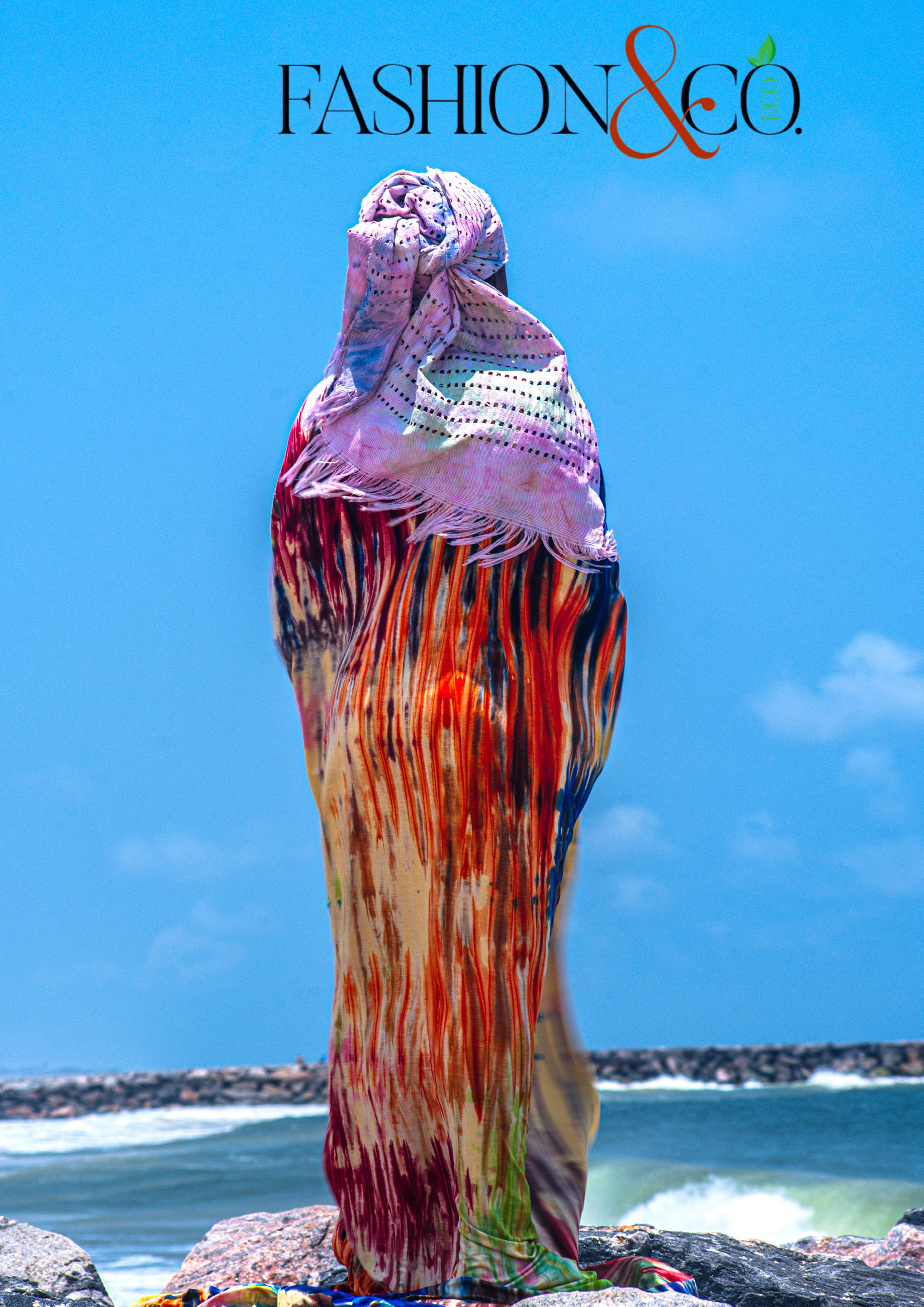
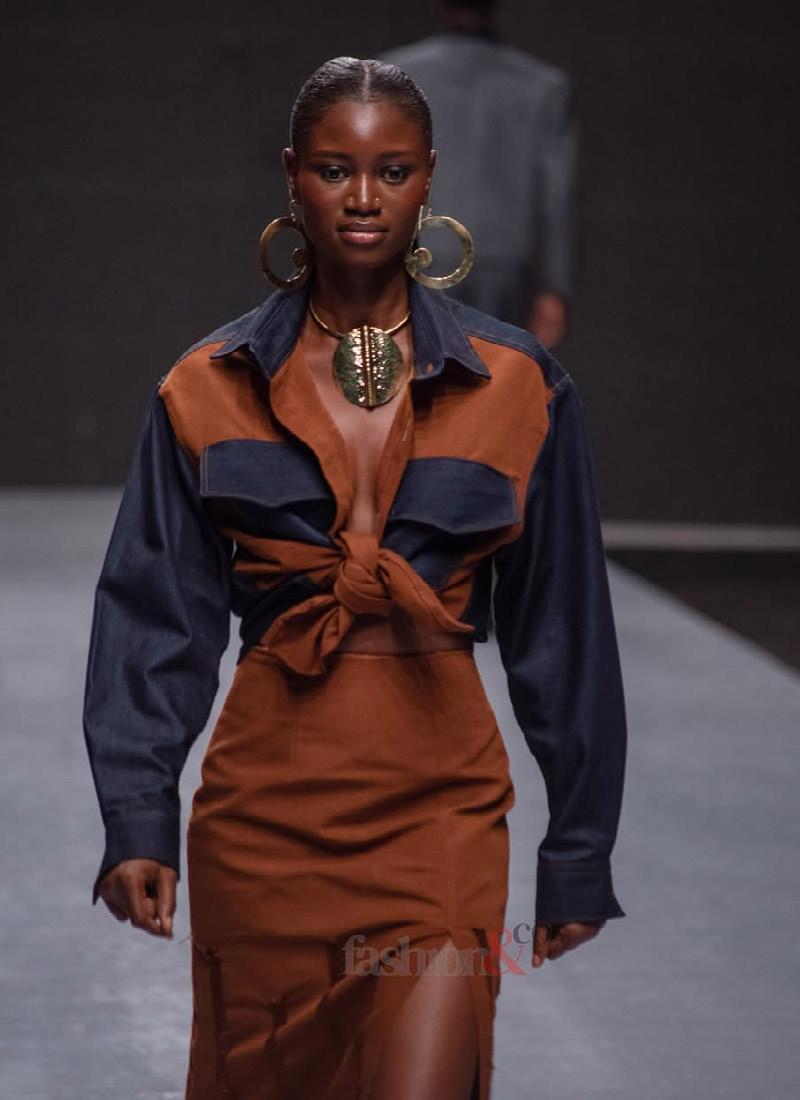
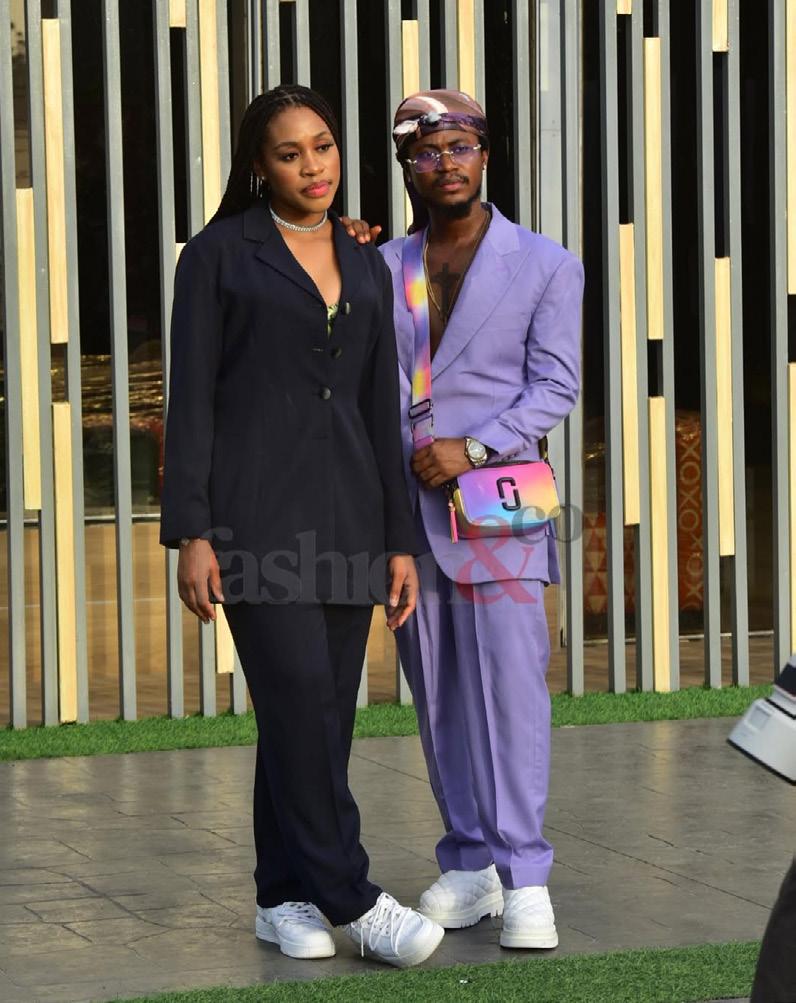
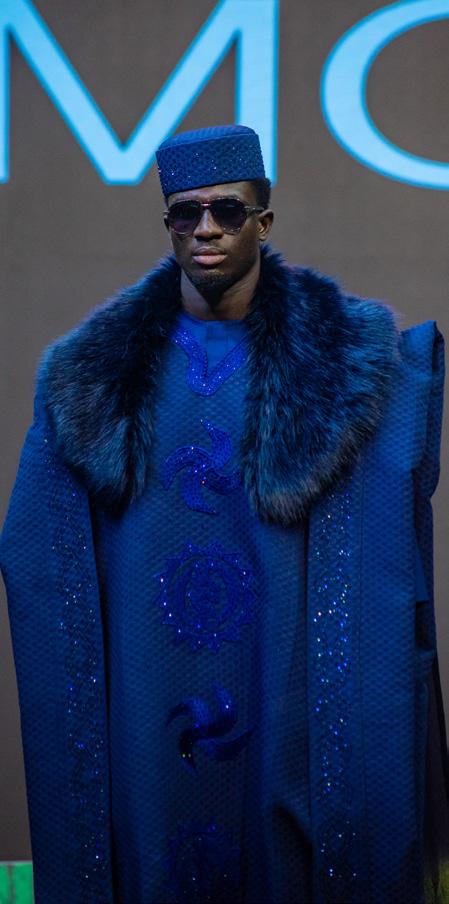
It’s been very busy here at FCO. But by far the most productive and exciting time—not sure this has sunk in yet—but we launched our sister brand, FashionandCoECO. It’s years of research and sourcing the finest fabrics, working with textile designers and artisans, finally coming to life. That’s our reveal for this edition.
We have a packed lineup for you in this edition. A spotlight on Smileys’ Africa Habib Wasulu, FashionEVO’s Yetty D, and an Out of Africa feature of ECO Fashion Week Kenya. You should flip the pages.
Fashion explores logomania, how the craze for branding clothing is catching on, and how it looks. Rhoda Ebun breaks down how something that used to be exclusive in fashion has turned around. Beauty explores tips for you to choose a cleanser, a step you shouldn’t miss if you want clear, healthy skin.
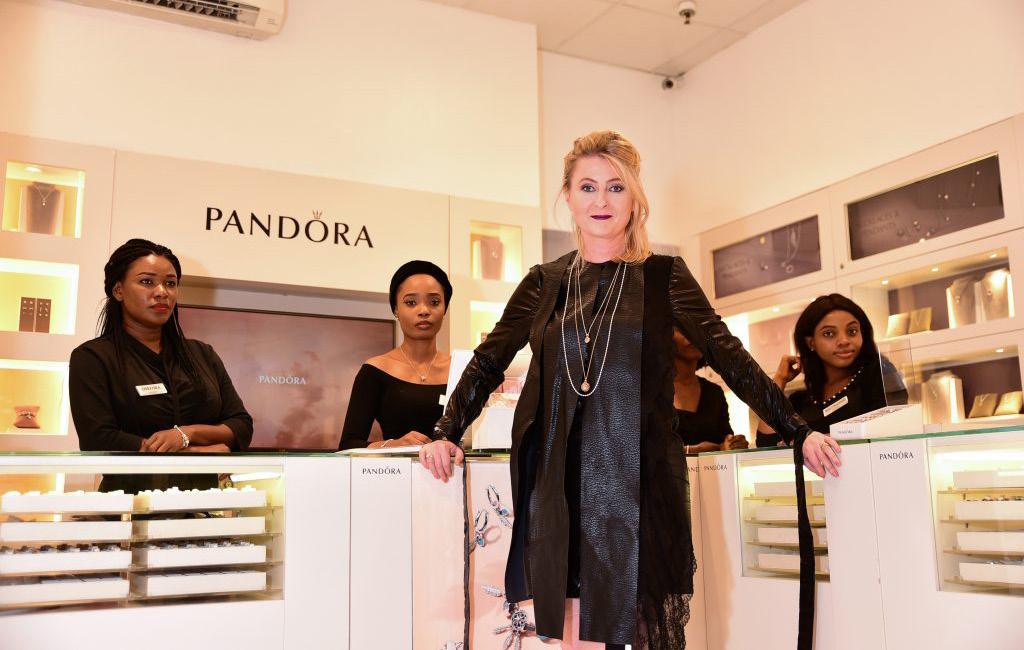
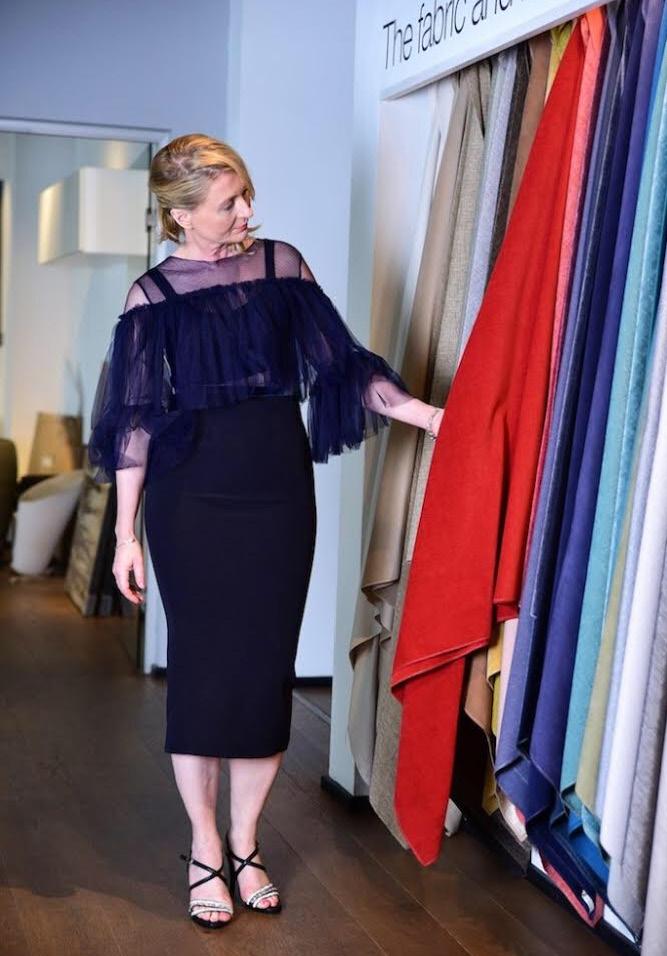
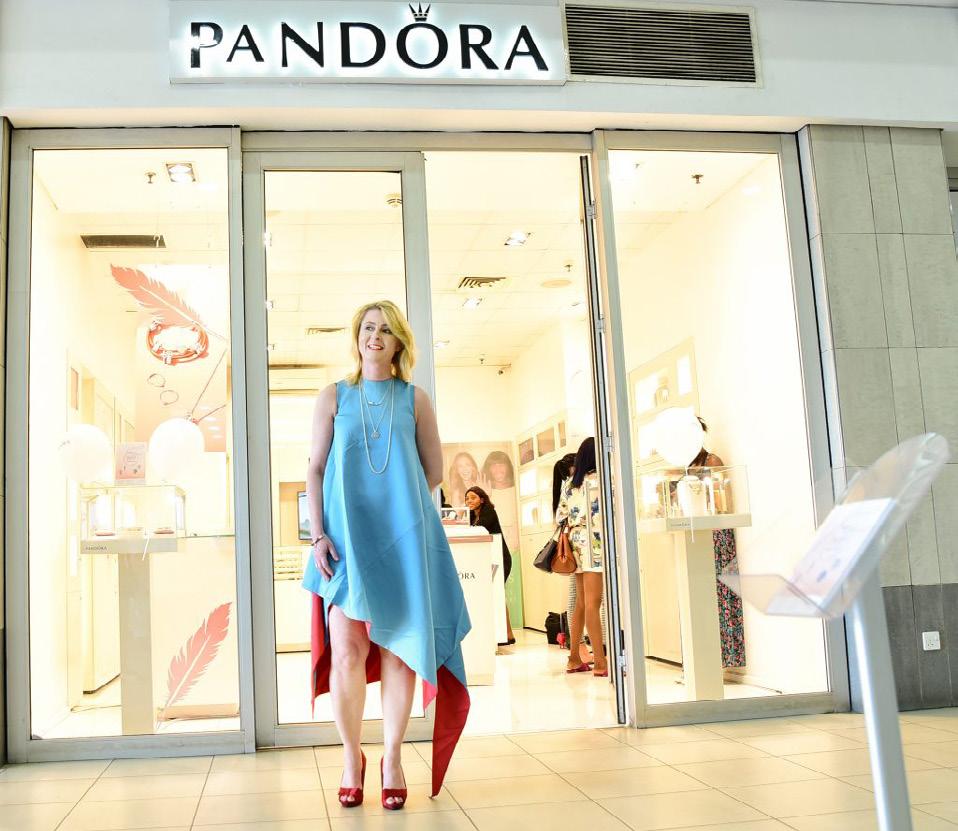
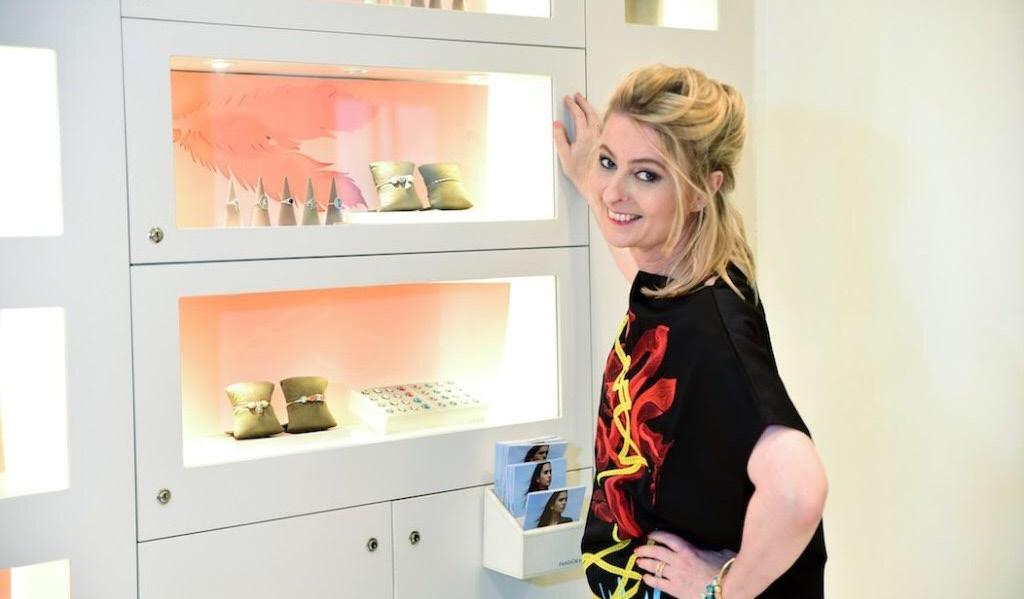
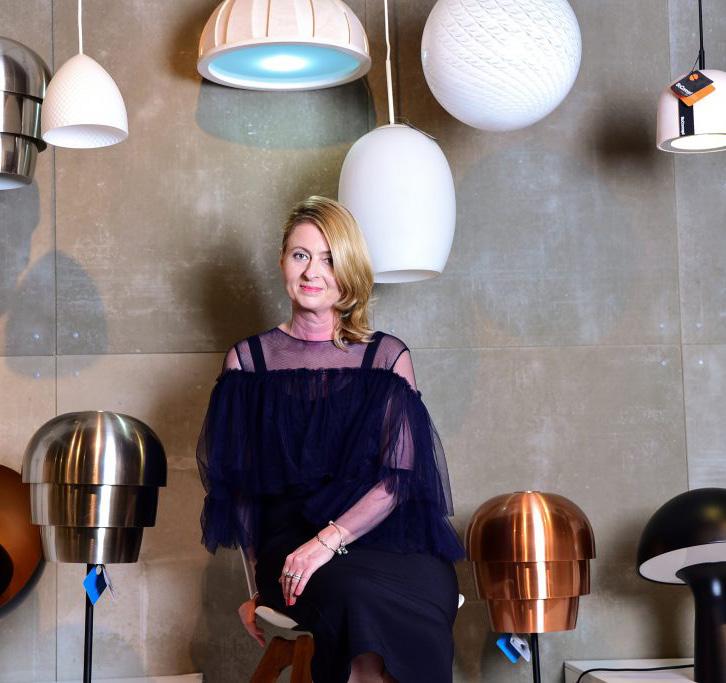
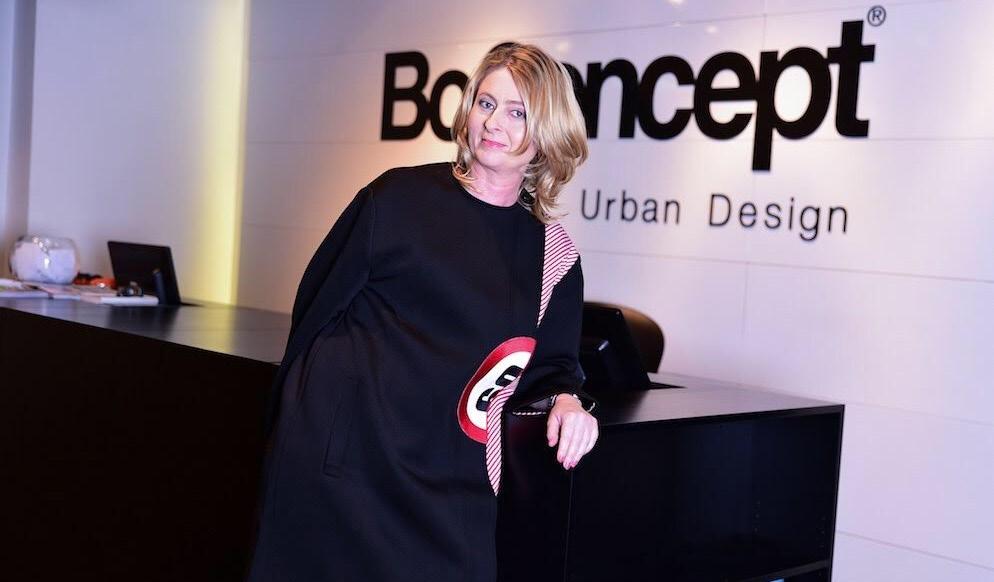
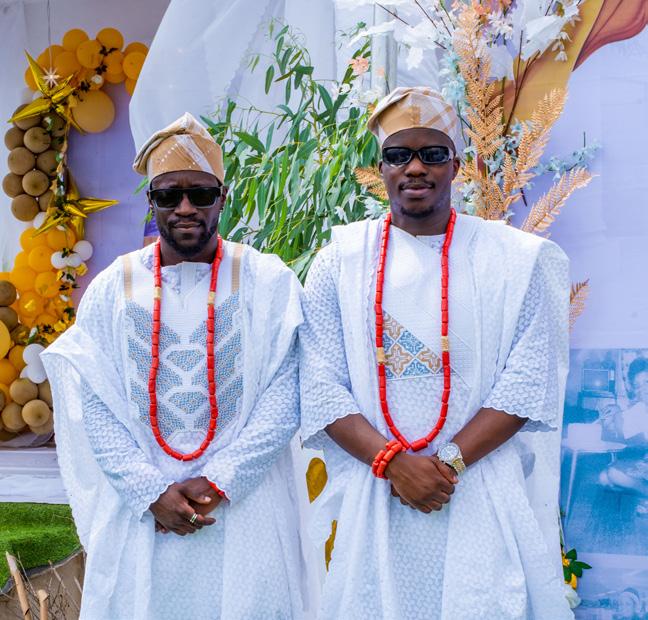
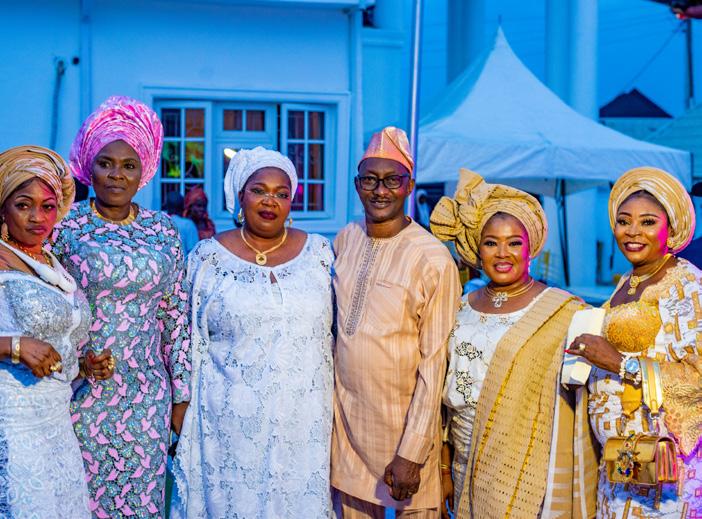
From the archive, this edition recalls our interview with Copenhagen Goodwill ambassador and franchisee for Pandora and BoConcept across Africa, Mrs. Charlotte Obidairo. We also have a stunning 60th spread of Adekemi’s birthday in Ibadan also in this edition.
PhD candidate Olajumoke educates us on our habits and how taking little steps can help with the bigger picture - it is a must-read. Hajarat Usman explores budget and styling in this edition, and she packs some points to check out. Vanessa D. Bello serves a delicious recipe you should try out.
We promise there’s something for everyone. Read, enjoy, and share. See you in the next one!
Elemdee Editor-in-Chief, FashionandCo
Creative Team
Editor in Chief- Olamide Elemdee Olarewaju
Photography - Chinedu Adiele
Visuals Editor- Oludemilade Aremu
IT - Solan Moor
SM - Omotolani Odumade
Contributors - Danielle Anene, Rhoda Ebun, Olajumoke Olarewaju, Hajarat Usman, Vanessa. D. Bello
Fashion Logo Mania: The Craze Taking Over the Nigerian Fashion Industry
Cover Story
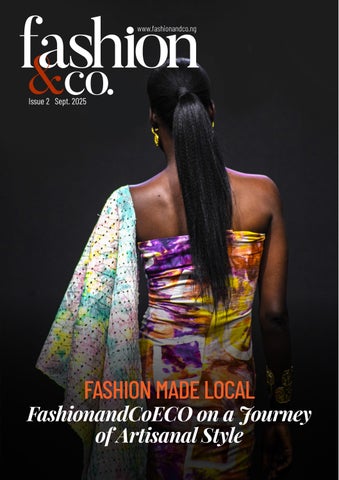
Fashion Made Local. FashionandCoECO on a Journey of Artisanal Style
Beauty GOOD & BAD Ingredients to Look Out For...
Spotlight Smileys Africa is leading Urban Style, Selling Comfort, Confidence & Cool
Logo Mania: The Craze Taking Over The Nigerian Fashion Industry
AN INTRODUCTION TO THE OBSESSION WITH LOGOS IN NIGERIAN FASHION
By Rhoda Ebun
Bankekuku
n recent years, the Nigerian fashion industry has witnessed a remarkable surge of “logo mania”—a trend characterized by the prominent display of brand logos (or brand names) on clothing.
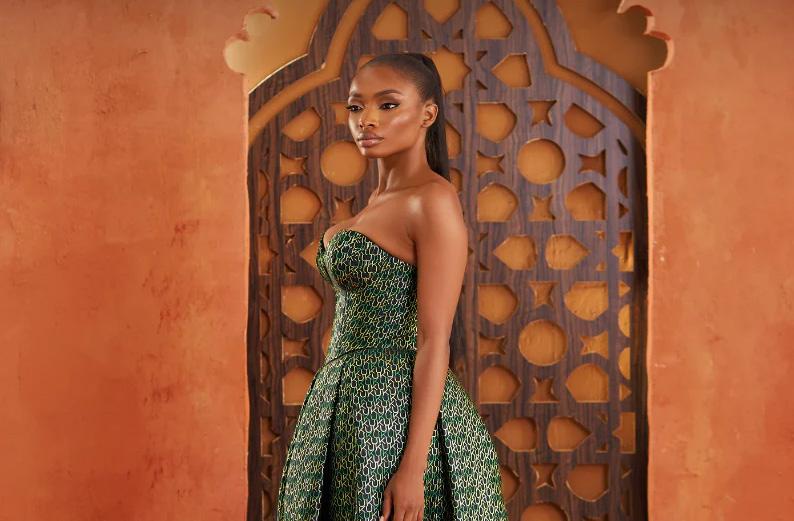
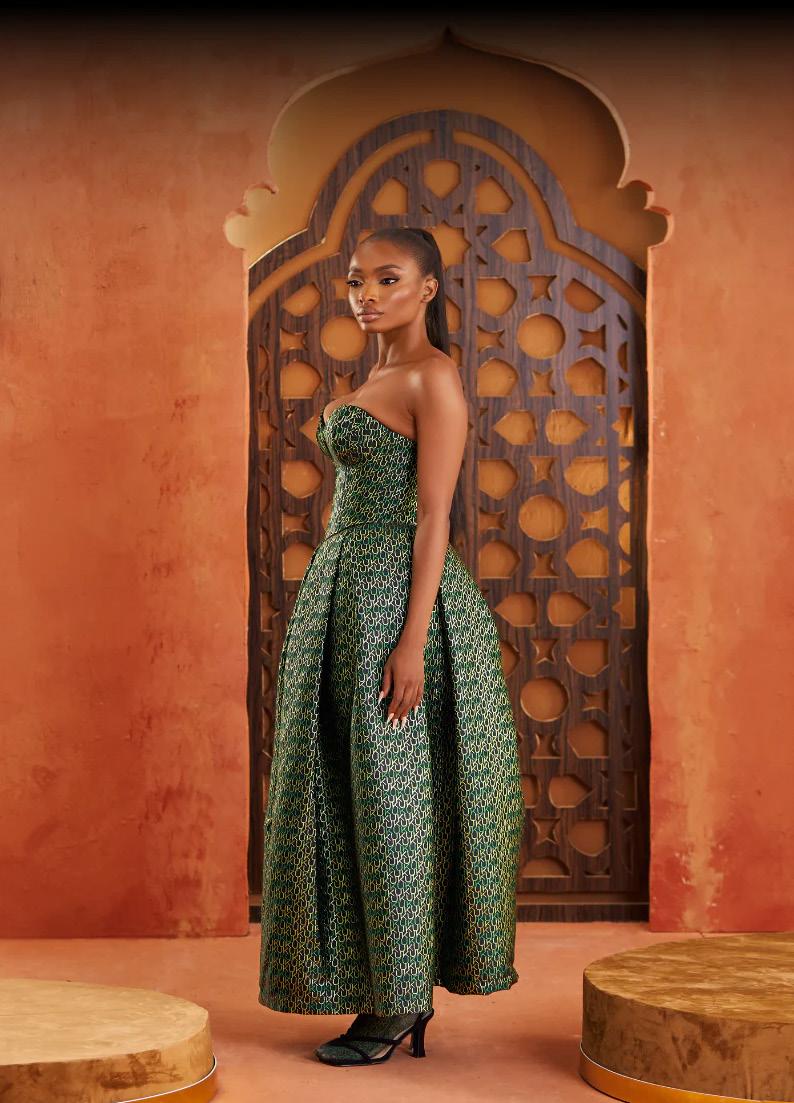
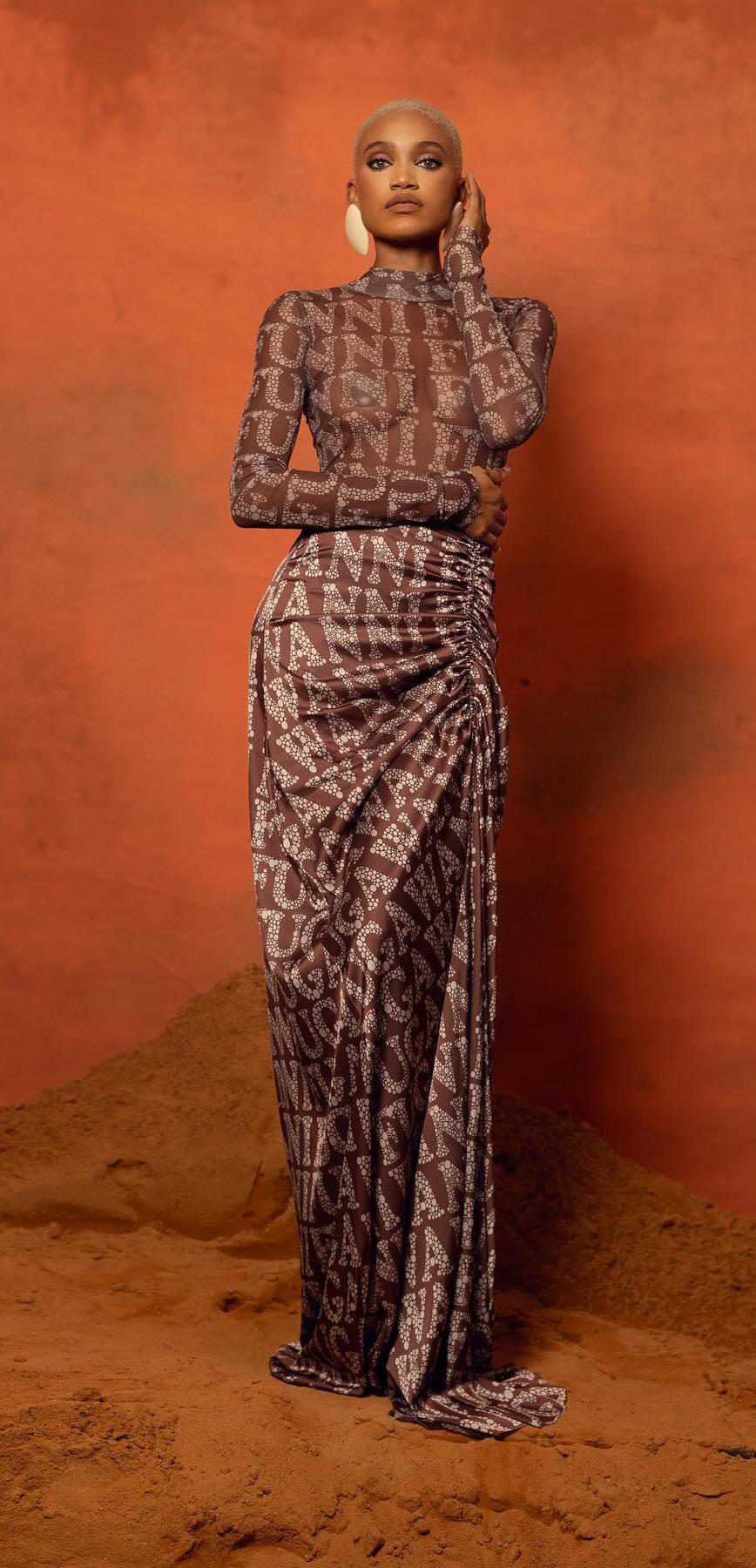
What began in the 1980s and 90s as a status symbol mainly by international fashion brands has evolved into a global phenomenon spilling over into Nigerian fashion, with both high-end designers and high street brands embracing bold branding on their fabrics and in their collections. From Banke Kuku to Tubo to Atafo to Wanni Fuga to Ziva Lagos to Leemas Empire.
In typical Nigerian fashion, a trend once embraced as a luxury move has been so watered down by the bandwagon movement that it doesn’t quite leave a luxurious taste in one’s mouth.
This obsession with logos is more than a fleeting fad; it reflects broader cultural shifts in consumer behaviour, social media influence, and the desire for instant brand recognition. Today’s consumers, particularly millennials and Gen Z, are eager to showcase their fashion affiliations, often viewing logos as a shorthand for luxury, exclusivity, and taste. But is the logo mania craze truly luxury?
In my opinion, the answer is yes and no! Would I curate my closet or any of my clients' into a billboard of brand logos as opposed to timeless and elegant pieces that not only have long-term value in quality but also in style? The answer is no!
The logo mania craze also raises questions about authenticity, creativity, and the balance between individual expression and mass-market appeal.
As designers continue to innovate with logo placement and reinterpretation, it remains to be seen whether this trend will endure or give way to new forms of sartorial self-expression. As a personal fashion stylist, I believe that a lot of fashion brands have ditched creativity for a mass market appeal. It’s one thing to have a few pieces here and there in your collection covered in logos. But the entire thing? Ugh!
What is certain, however, is that logos are currently at the very heart of fashion’s ongoing dialogue with its audience, and whether I like it or not, the consumption rate for logo mania is high.
About
Rhoda Ebun is the Lead Principal Consultant for RTFCompany, a fashion and style consulting company based in Lagos, Nigeria, which caters to individuals, fashion brands, and organizations collectively.
With over a decade of experience in the fashion industry in Nigeria, Rhoda’s experiences range from curator to stylist & fashion director to fashion PR & brand management & fashion TV production.
Wanni Fuga
Good & Bad
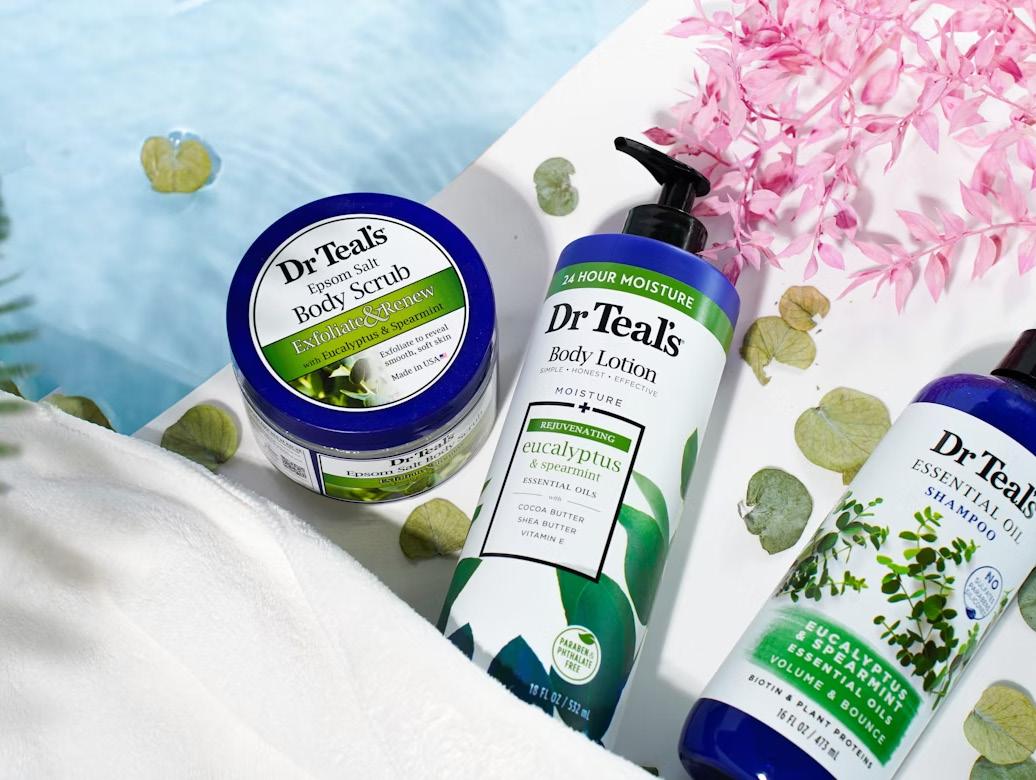
Ingredients to Look Out for When Shopping for Cleanser
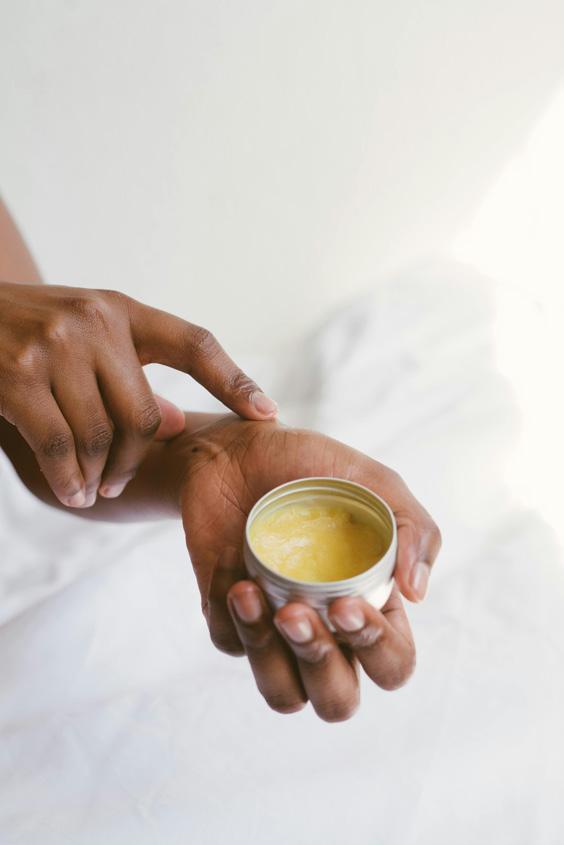
Good skincare starts from the moment you pick up a product when shopping for them. This means that there are things to look out for, chiefly, the ingredients or the composition.
When shopping for products, you should go ‘armed’ with details of what to look out for, i.e., what works for the skin and what’s bad for it. You don’t want anything that would dry out your skin or anything too harsh, so you have to read the fine print, aka the contents composition.
Taking a closer look at the ingredients or contents of a cleanser is always a good idea and will go a long way in ensuring your skin stays healthy, so pay attention to chemical components. These are GOOD and BAD ingredients to always look out for when shopping for your cleaners as a general rule.
Good Ingredients
BHAs, including Salicylic Acid
AHAs like Glycolic acid
They are both known for their brightening and exfoliating properties. They also help remove dead skin cells and leave skin visibly smoother, radiant, and youthful.
Hyaluronic acid
This works for reducing dull skin appearances and slowing down signs of aging. It helps to keep skin tissues lubricated as well, which is great for the skin’s overall appearance.
Glycerin
Glycerin is a great ‘smoothener’ that helps keep the skin nourished as well as radiant and soft.
Argan oil
It’s high in Vitamin E and fatty acids that keep the skin naturally moisturized and visibly smooth and youthful.
Honey
Honey is one of the top-rated moisturizers for the skin. It works to reduce blemishes as well as helps retain moisture, which helps the skin’s elasticity.
Bad Ingredients to Look Out For Alcohol
Alcohol is a common and major ingredient in skincare products, especially for oily skin, but it's best avoided topically. Instead, opt for ones with a barely-there percentage or an effective alternative.
Alcohol ends up drying out the skin, causing the skin to want to make up for this by overproducing oil, which ends up being counterproductive and straining the skin.
Mineral oil
Lanolin
Petroleum jelly
The trio of mineral oil, lanolin, and petroleum comes heavy and greasy, blocking pores/not allowing the skin to breathe, leaving it worse than it was!
*Remember to patch test and consult a skincare expert before starting new products.
What are some of your good skincare tips?
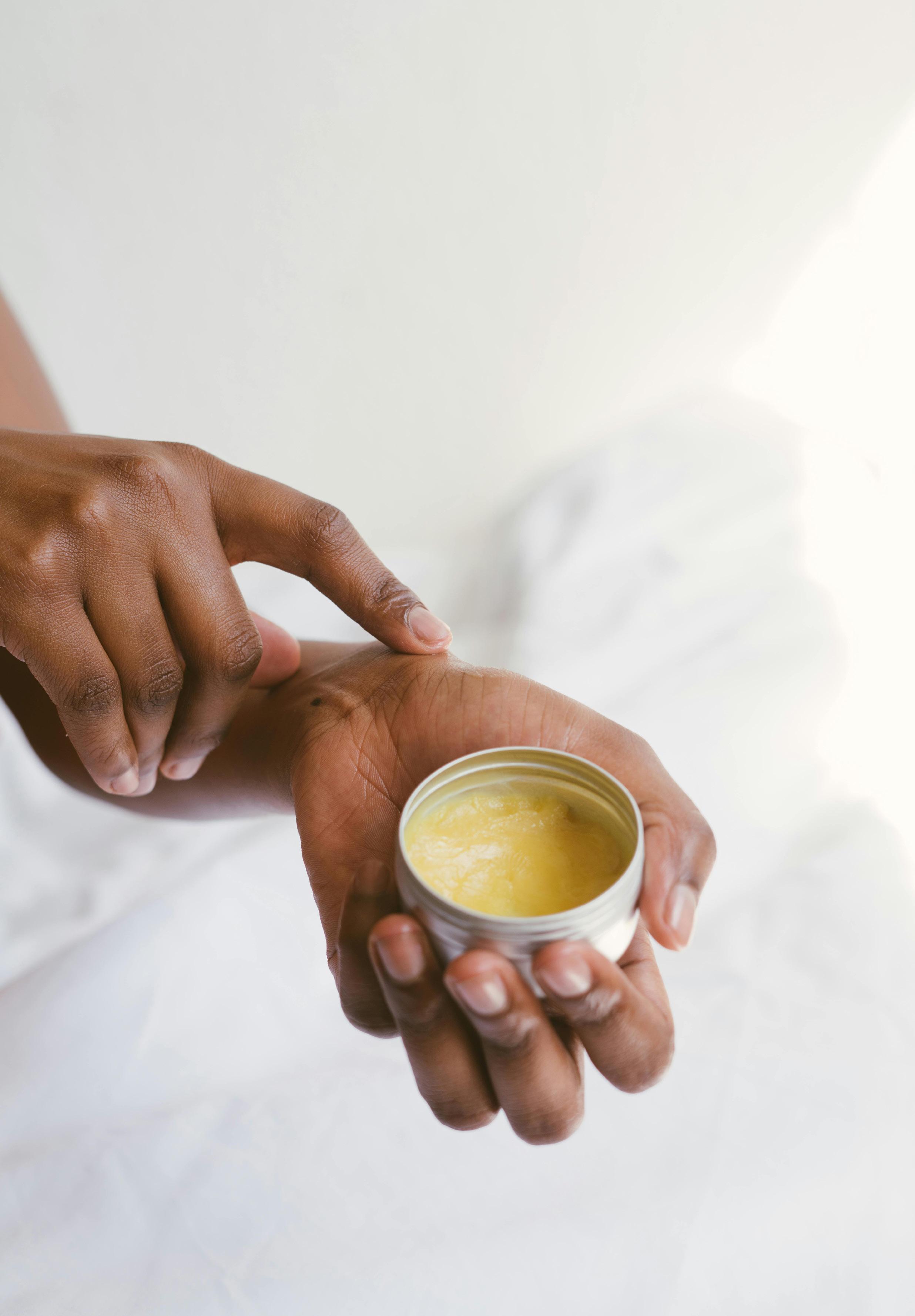
Pexels /Karolina Grabowska
FROM BOCONCEPT TO PANDORA: CHARLOTTE OBIDAIRO'S JOURNEY AS COPENHAGEN'S CREATIVE FORCE
By Olamide Olarewaju
Charlotte Obidairo is a Copenhagen Goodwill Ambassador. She has lived and worked in over thirty countries. The founder and chairman of Nigeria's Youth Empowerment and Development Initiative (YEDI). She is a franchisee for Pandora, an international best-selling jewelry brand, as well as the Danish furniture company BoConcept, among other hats she wears.
She is right on the list of one of the most hardworking and inspiring people I have met. I remember I was a bit nervous asking Mrs. Obidairo to do this cover interview—styling, makeup, and all when we did— because I know she’s a fiercely private person.
When I finally asked, she responded, “ …I am very honoured and humbled by the invitation, and of course, I cannot say no to you …ever ;-). ” We are bringing back Charlotte Obidairo for our From The Archive for this edition.
From The Archive appears from time to time to highlight previously interviewed personalities. The interview series marked the start of FashionandCo Magazine, and now it's here. You should not miss any of those moments!
Excerpts
On deciding to move to Nigeria
Charlotte: Coming back to Nigeria was very much driven by a passion for developing Nigeria. I come here and see so many opportunities; outsiders are genuinely scared about Nigeria, but I really wanted to bring businesses that are relevant to Nigeria.
BoConcept
Charlotte: The opportunity came with BoConcept first; they had been looking for a little while to dabble in Africa, and I thought, I grew up with this furniture; it’s a huge design furniture company from my country. I love good and functional designs; I like things that have multiple purposes and roll away easily. That’s one of the things we had issues with when we came to Nigeria; I started looking for furniture. As much as people produce here, and bless them for doing it, I really think that it’s hard to do comfortable furniture, and this is an issue. You can’t put up a production facility here. It’s very hard; there are no logistics for transporting furniture. Those are the realities of businesses here; it’s very hard.
We said we were going to give ourselves 5-10 years to see if we can. My dream has always been
Credits
Photography: Chinedu Adiele
Makeup: Moni Ogunlana
Outfits: IDMA-NOF and Joketaade
Accessories: Pandora
Creative Direction: Olamide Olarewaju
Location: BoConcept and Pandora
to produce here. That is my ultimate goal, but to think, to learn from the best, to do the best, and to implement the best practices is really what I want to do. So we started with this, and now we have two stores, and both of them have just moved into bigger locations. It’s going well; people appreciate it.
& Then Pandora
Charlotte: So, I had barely signed the dotted lines on BoConcept, and I thought, "This is what I’m going to be focusing on from now on," and then Pandora came to me. They had been looking for somebody in Nigeria for four years, and it was heartbreaking that they hadn’t had the greatest experiences. Even though I was worried about taking that on at the same time, I also felt like I could show them it was possible. It was like a task for me to push it because I could not be allowed to give up on Nigeria, such a big market, just because they had had some bad experiences.
So even though I was very nervous about it and about the money coming out of my own pocket, I also didn’t know much about jewelry anyway, but a part of me felt like I couldn’t let Nigeria down because this is what everybody in the consultancy business has been telling me. If you’re coming from a developed country in the Western World,
it’s hard to see what is beyond, and I think there is so much more to Nigeria than what is always portrayed in the media.
Grooming the Pandora Team
Charlotte: Nearly all of the senior management had risen from the bottom; I’m the only white person in BoConcept and Pandora. Not only that, all the senior managers are girls that have gone from being sales executives all the way up to top senior management positions, training them, sending them to South Africa and Dubai, getting them the exposure to Denmark to see how they do things there, and bringing the experience back to train their peers and the other ones.
Big Chops Food Truck
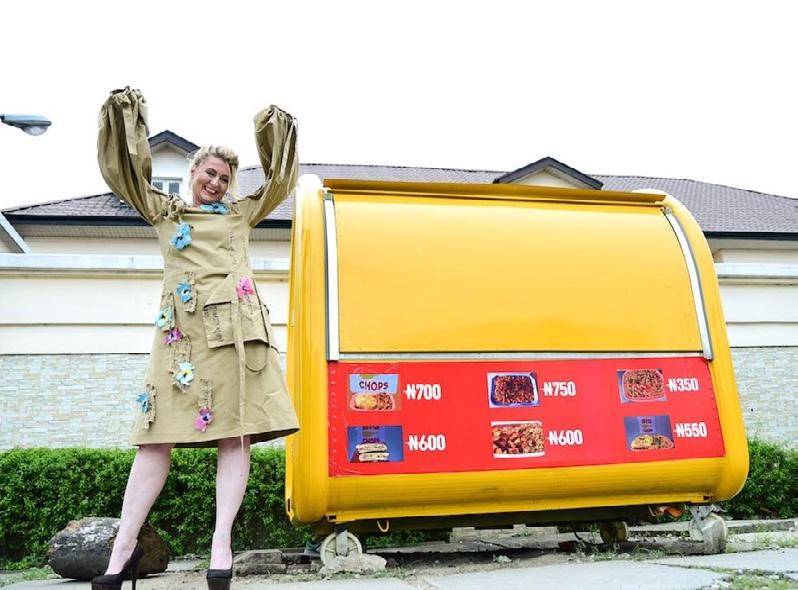
Charlotte: As I mentioned to you, for the food trucks, I’ve always wanted to do something in food because lots of food is wasted here; everybody needs to eat at least twice a day. I think we have so much land that we can grow things on, and in the food business you can employ a lot of people—that is another thing that is a center for what I do; it needs to be scalable… All our businesses, unless they are scalable, unless they can grow—I don’t want to be sitting in one store and be happy. I feel if you do business, you need to have the ambition to grow, and you should never be satisfied. You should always try to push yourself and, obviously, have an impact on the economy. For me, it’s important that it provides income generation for more people. So food was coming back; that was where I felt like—I wouldn’t say an advantage, but it was something that I wanted to do, and growing up in a big agricultural country, it’s something I felt was important.
Wait! There’s YEDI— Youth Empowerment and Development Initiative. Charlotte: YEDI is driven by wanting to do things,
and when I see opportunities, I have a tendency of trying to pursue them. A lot of things that I do are inspired by work experiences, jobs I’ve been in, seeing things that aren’t working well, and things I want to do differently or things that need to be done. I’m very much driven by passion and by things that need to be done.
My NGO arrived here in Nigeria before we came back to Nigeria. I was in South Africa with the consultancy, where we were doing health-related activities because of the HIV epidemic in South Africa. I did a lot of work with the World Health Organization. There, I came across this grassroots soccer, which uses football to mobilize young people to come in and learn about football, yes, but mainly about reproductive health and how they prevent HIV/AIDS. I was invited to one of their camps with the youth, and I was just so enthusiastic, and I asked myself why, in a country like Nigeria, every time I visit, I see every space filled with kids playing football, and we don’t use that football energy and enthusiasm for anything, so I thought, let us adopt that here.
What do you do for fun?
We started the NGO because that is something I’m very passionate about for Nigeria. I feel we need not let this generation slide, and for those reasons, I feel every business—because I am a businesswoman first and foremost—has some kind of CSR commitment to the next generation. It’s a very integral part of my philosophy as a business owner and an entrepreneur. I also need to give back to the community. So it can go through an NGO; many people give things away, but I decided that I want to make sure that it is done this way and has an impact.
What do you love most about being in Nigeria?
Charlotte: People! I love the people. I guess I wouldn’t have married a Nigerian if I didn’t love the people; I mean, I absolutely do.
What’s your typical day like?
Charlotte: I don’t have a typical day. But I start my day between 6am / 7am, and I usually try to close before 11 pm. I used to go way into the night, but I need my sleep. I need to rest, and my brain needs to rest. So I’d start my day around 6/7, I’d close ideally around 11, and I’d probably work throughout. So, I just get up in the morning, get my coffee, and start with my emails to see if anything needs some tending. I spend a lot of time on my computer and my phone because a lot of what I do is the backend of things. I actually don’t like the limelight. It’s not my person. I like putting the people in front, and they enjoy it. But also, I do think it helps them to gain confidence. But when you’re representing a company, you can’t always be everywhere or shouldn’t be.
Charlotte: I read, and I try to spend time with my girls. Family time. This is a little unusual. Most people are usually like, "Oh, we are going on vacation," or "They'd go out," or "We like to get together." We like to cook, bake, have fun, watch TV and movies, just be a family, and sit and read a book. We spend a lot of time where we discuss a lot. I really love my family. I find peace with my family. Watching my children do sports or going to do mummy things, I like that very much.
Read the entire interview here
THE GETAWAY TO CLEAR ESSENCE CALIFORNIA SPA & WELLNESS RESORT
By Olamide Olarewaju
went away to Clear Essence Spa & Wellness Resort, and you totally should too.
The gem is hidden in plain sight on Alexander Road Ikoyi, which you may assume means a busy location, car honks, and maybe not the best place to unwind, but you’d be wrong. It’s perfect.
Driving into Clear Essence California Spa & Wellness Resort, you almost immediately feel a sense of calm (and I’m not kidding, or maybe it’s because I was looking forward to this getaway?)
You are welcomed along a lush pathway that casually lets you know you’re in for a well-deserved getaway.
I arrived at the reception desk and confirmed my reservation (it is important to have a reservation) The ambience is so peaceful and welcoming. I was particularly impressed by their outstanding customer service from the moment I arrived till I checked out.
I got to experience the spa treatment; the indulgent massage was relaxing, and the lavish pedicure was too. The food was good; everything I had was very flavorful. I think these treats may need their own standalone review.
They need to work on maintaining certain areas in the lounge upstairs; some parts of the wall smell damp, and they need to find a way to work around this smell in some small areas. Apart from that,
I honestly cannot find fault with this resort. It was the ideal getaway; I didn’t want to leave! I honestly didn’t . I need to go back soon; I think I’m overdue for another vacation.
Have you ever been there? What was your experience? If you haven’t already, this is the push you need to plan a vacation; you’ll love it. I’m betting on it! If you are looking to get away from the hustle, noise, and bustle and totally unplug, then you absolutely must try Clear Essence California Spa & Wellness Resort.
Clear Essence Spa Wellness Resort
FCO Events
Her love for education and her willingness to seek knowledge carried her through a rich academic journey. Adekemi holds a BA in English from Obafemi Awolowo University, a Diploma in Public Relations, a Masters Degree in Communication and Language Arts, MPhil in Conflict Resolution, and a Masters in Social Work from the University of Greenwich. As a certified Social Worker in the United Kingdom, she continues to embody her principles of service and compassion.
However, Adekemi’s story is not only one of education but also of bold entrepreneurship. In Nigeria, she founded Hallmark Communications Limited, building it into a trusted name in advertising and public relations. Under her leadership, the company delivered projects for household brands such as Fan Milk Nigeria, Exide Batteries, Obafemi Awolowo University, and the Osun State Government.
She founded KDB & Associates, which expanded into furniture supplies, interior design, and corporate gifting. Along with these ventures, her foresight in real estate investment ensured stability and growth, reflecting a forward-thinking woman.
However, if you ask her what she holds dearest, it is not the companies she built or the properties she acquired, but her family. After relocating to the United Kingdom, she devoted herself to raising her three children with unwavering love and care. Today, they are thriving university graduates, each successful in their own field, a living testament to her sacrifices and devotion.
To her children, she has been a pillar of security and a role model of resilience. To her siblings and extended family, she is a woman of remarkable strength, brilliance, and dedication, as well as one who is kind and generous.
Beyond her work and responsibilities, Adekemi enjoys life’s simple pleasures like a good movie, a song that lifts her spirits, and spending time with her loved ones. She is described by those closest to her as “God-fearing, strong, and caring”.
AT 60 A CELEBRATION OF RESILIENCE. BRILLIANCE. LEGACY.
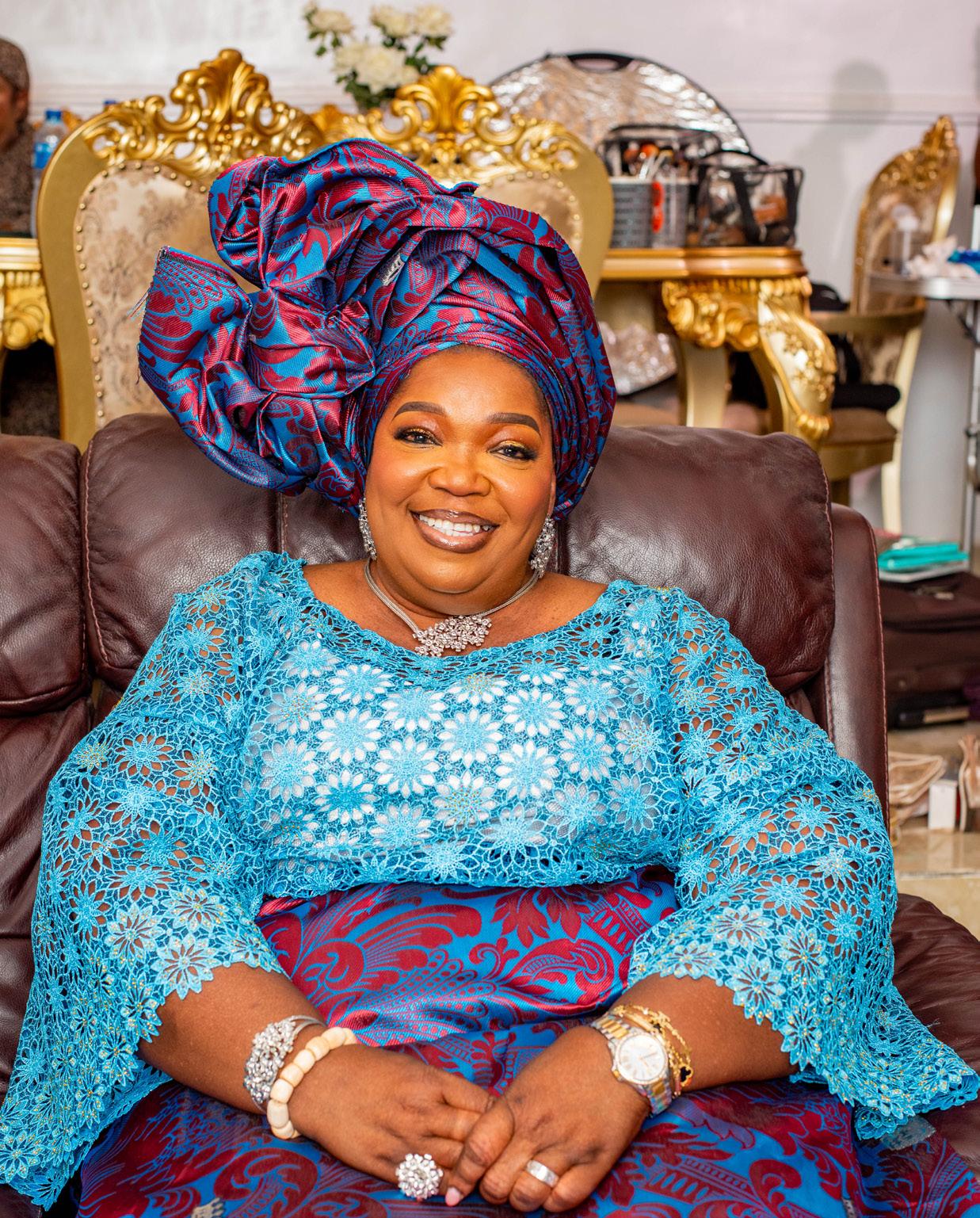
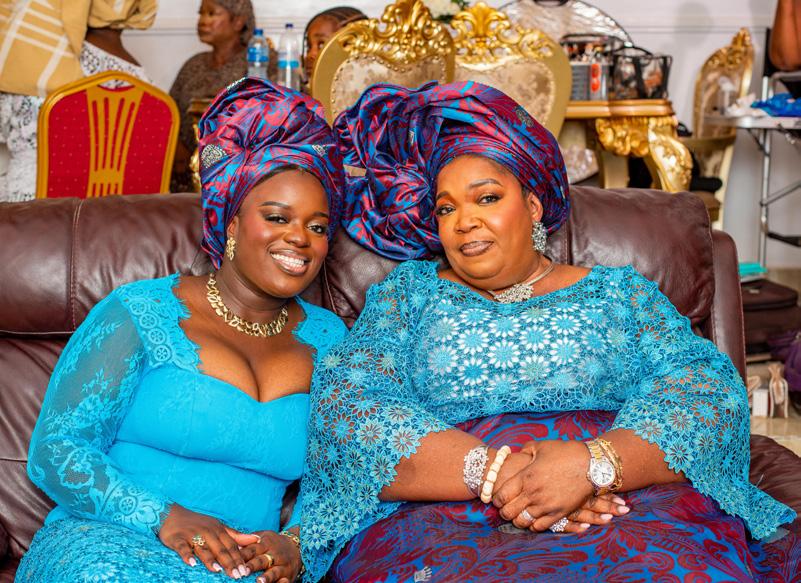
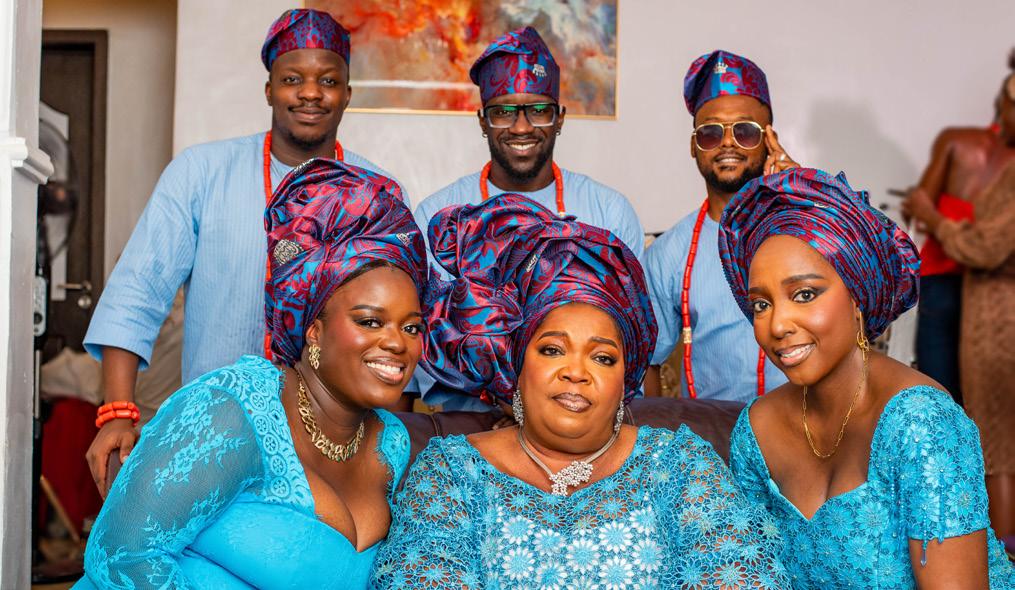
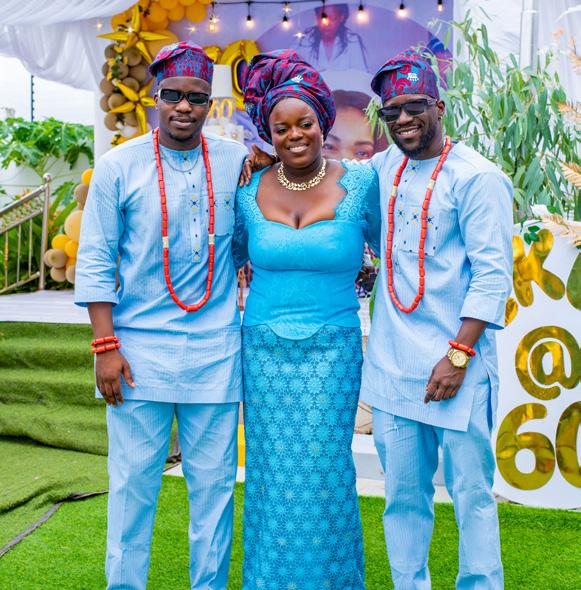
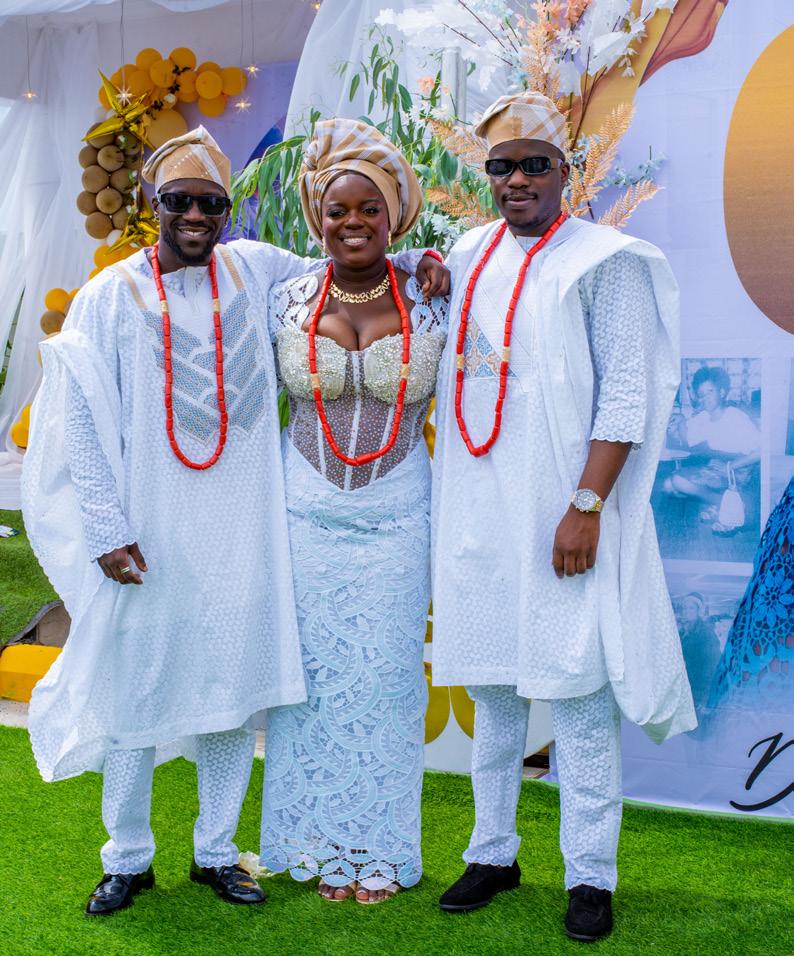
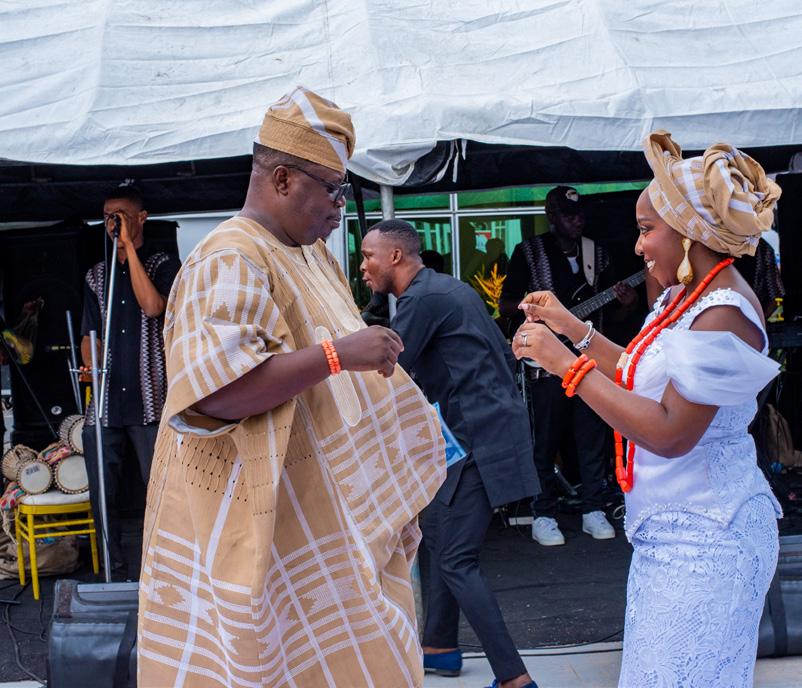
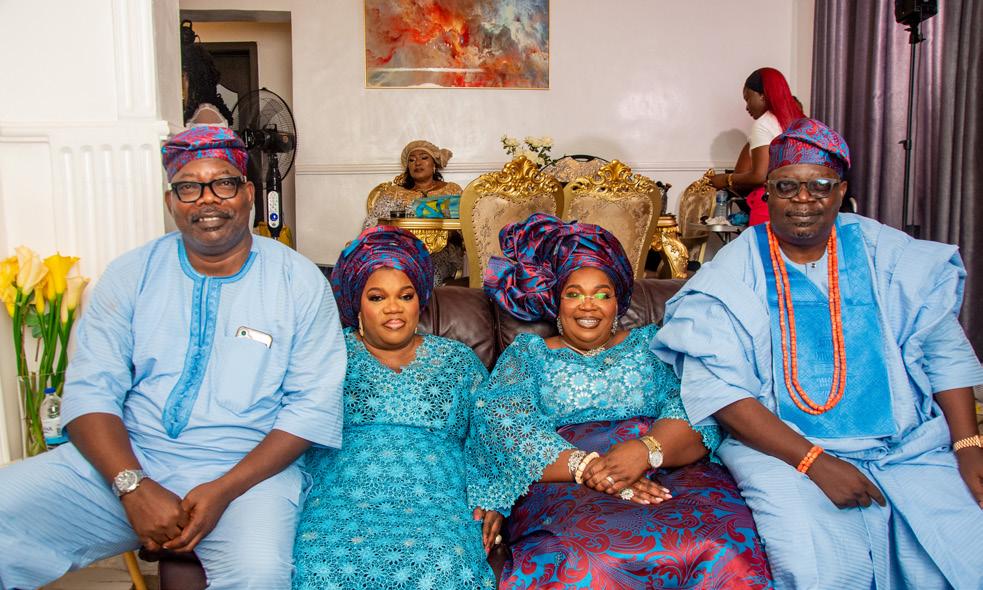
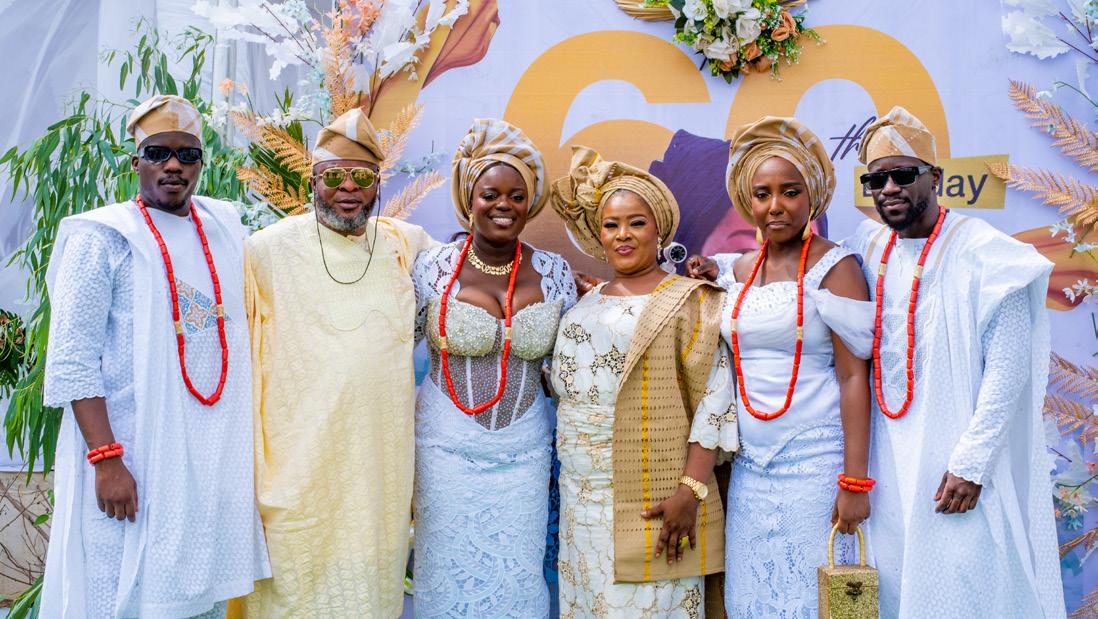
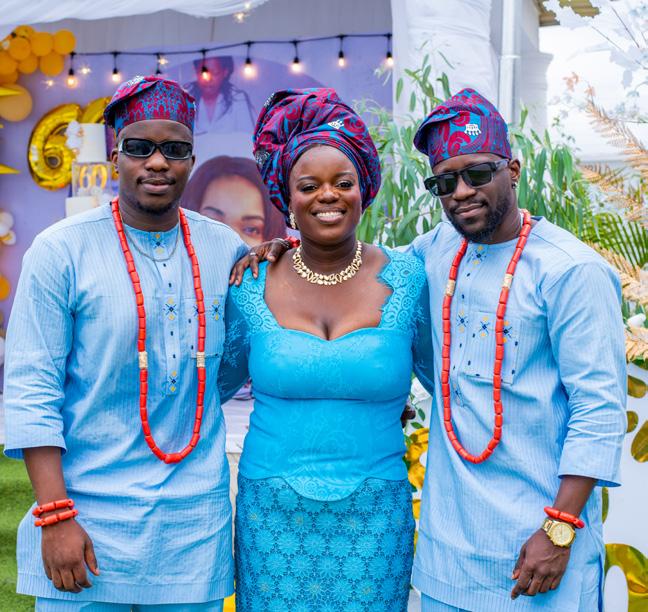
Adekemi Detokunbo-Bello celebrated her 60th birthday recently in the ancient city of Ibadan and it was a beautiful tribute to her story of resilience, brilliance and legacy.
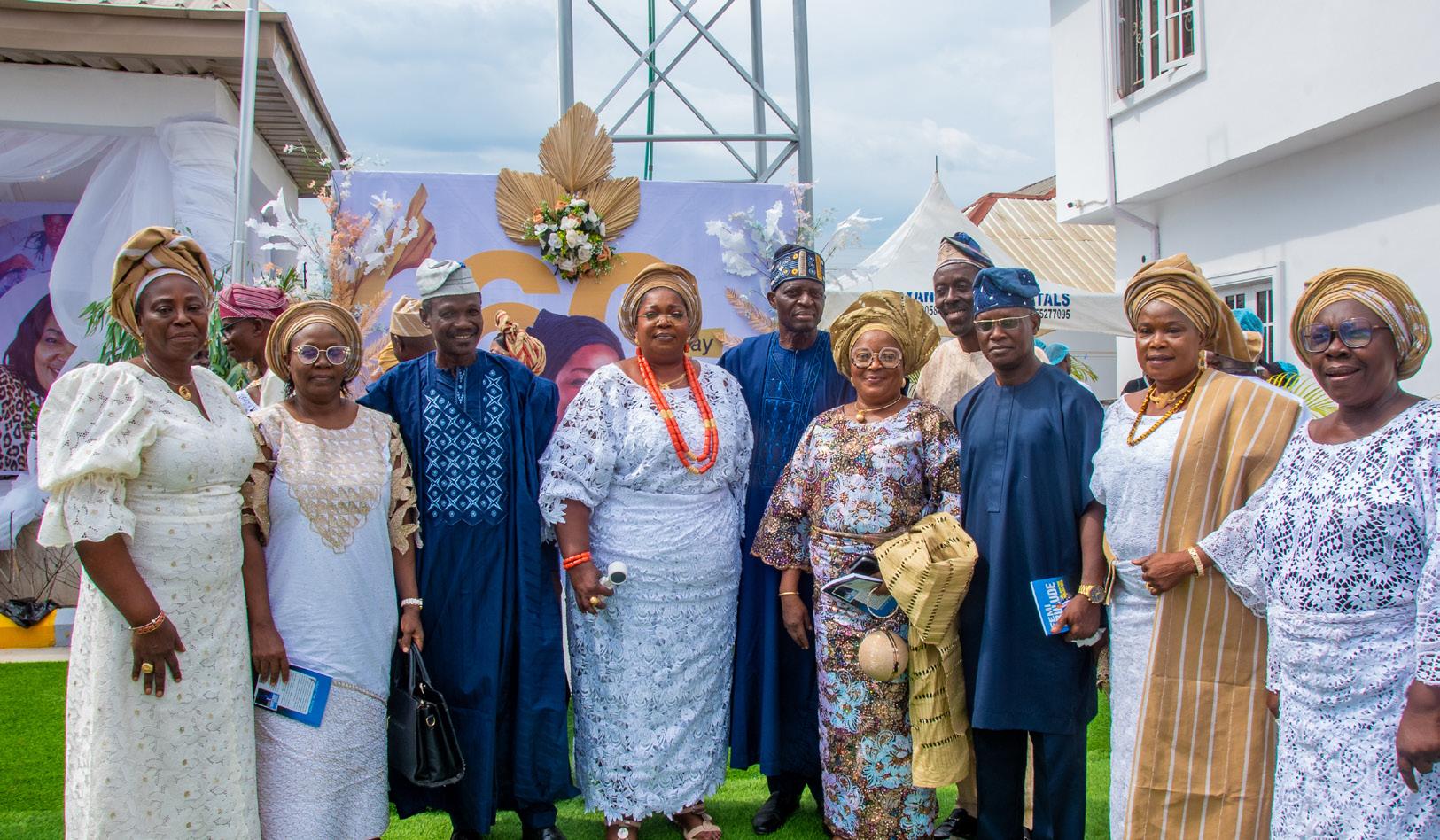
The intimate celebration had family, friends and loved ones from all over the world come into her opulent Ibadan home to celebrate with her 60th birthday while surrounded by her family.
Adekemi was born to Chief Festus Adetunji Alao and Chief (Mrs.) Grace Folorunso Alao in the historic town of Inisa, Osun State. As a little girl, no one could have known then that Adekemi would grow into a woman whose life would embody grace, resilience, and a deep devotion to family and community.
It was only fitting that when she turned 60, the celebration matched the richness of her life. In her Ibadan residence, she hosted a gathering of loved ones, politicians, traditional rulers, schoolmates from her secondary and university days, and other loved ones from around the world. It was a day filled with music, laughter, and reflections on a journey well lived, honoring not only the past but also the promise of the years ahead.
At sixty, Adekemi Adetokunbo-Bello stands as a woman of grace and legacy, whose life exemplifies how true success is measured not just by achievements, but also in the love we give and the lives we touch.
FASHION
MADE LOCAL
FashionandCoECO on a Journey of Artisanal Style
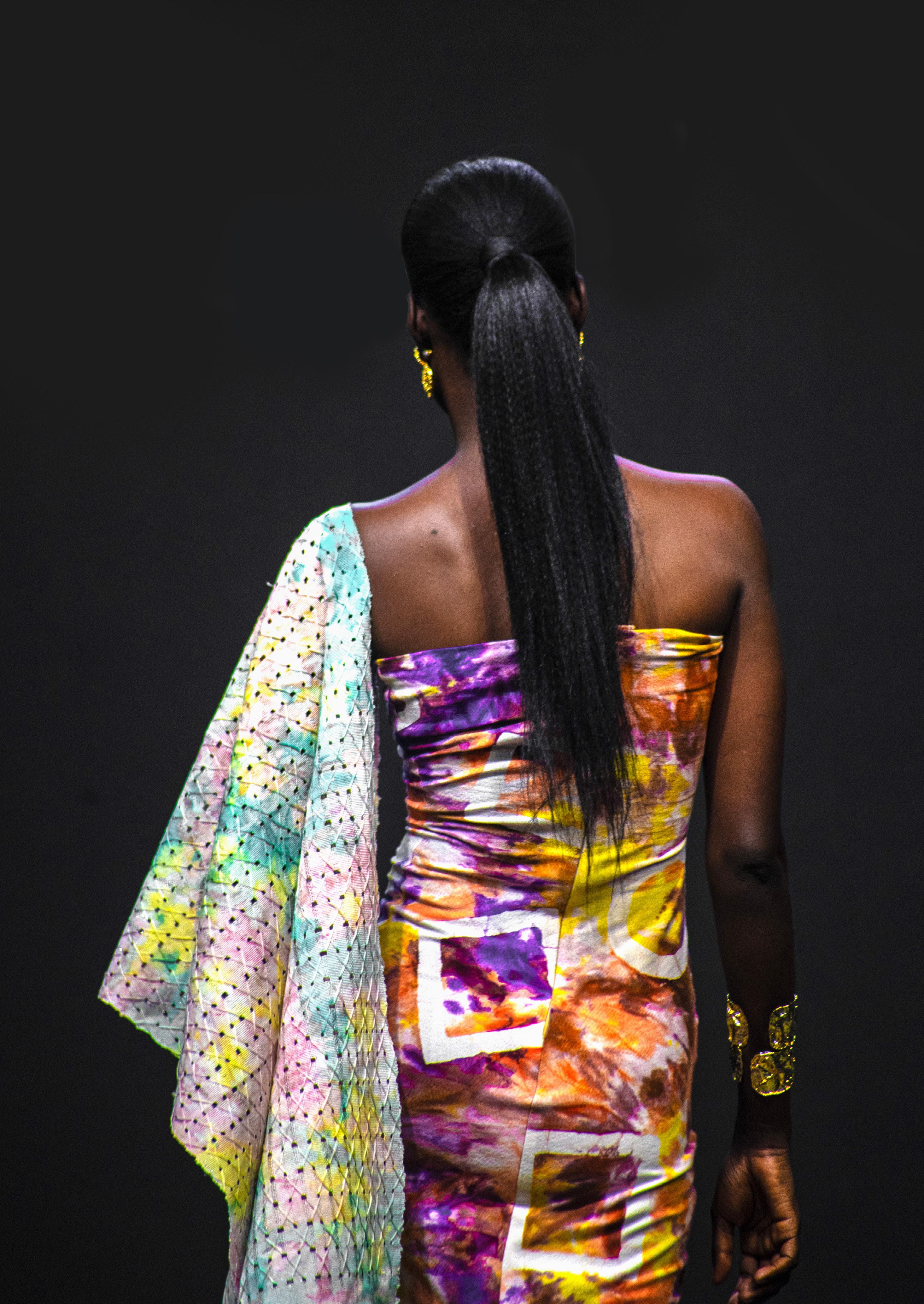
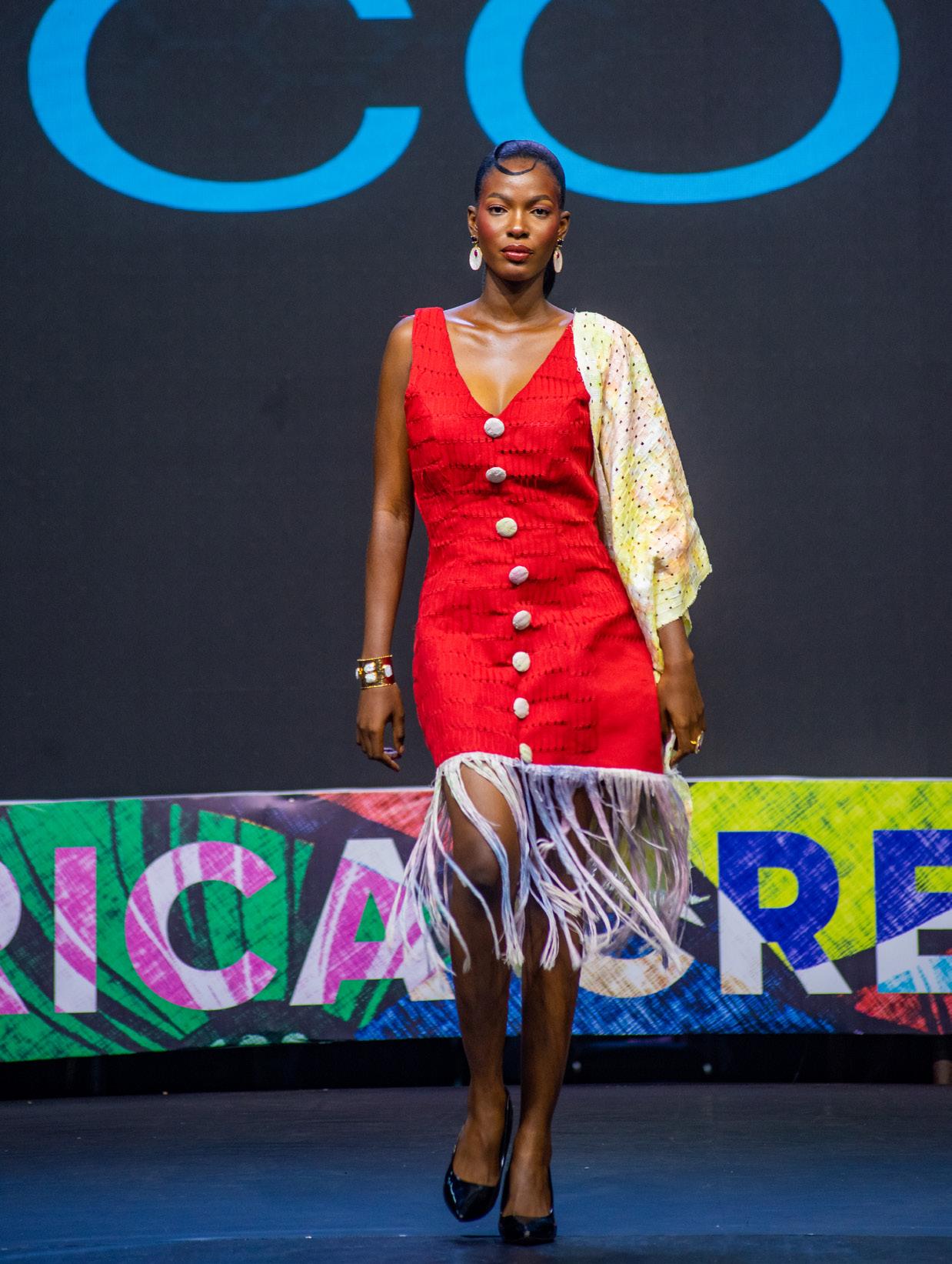
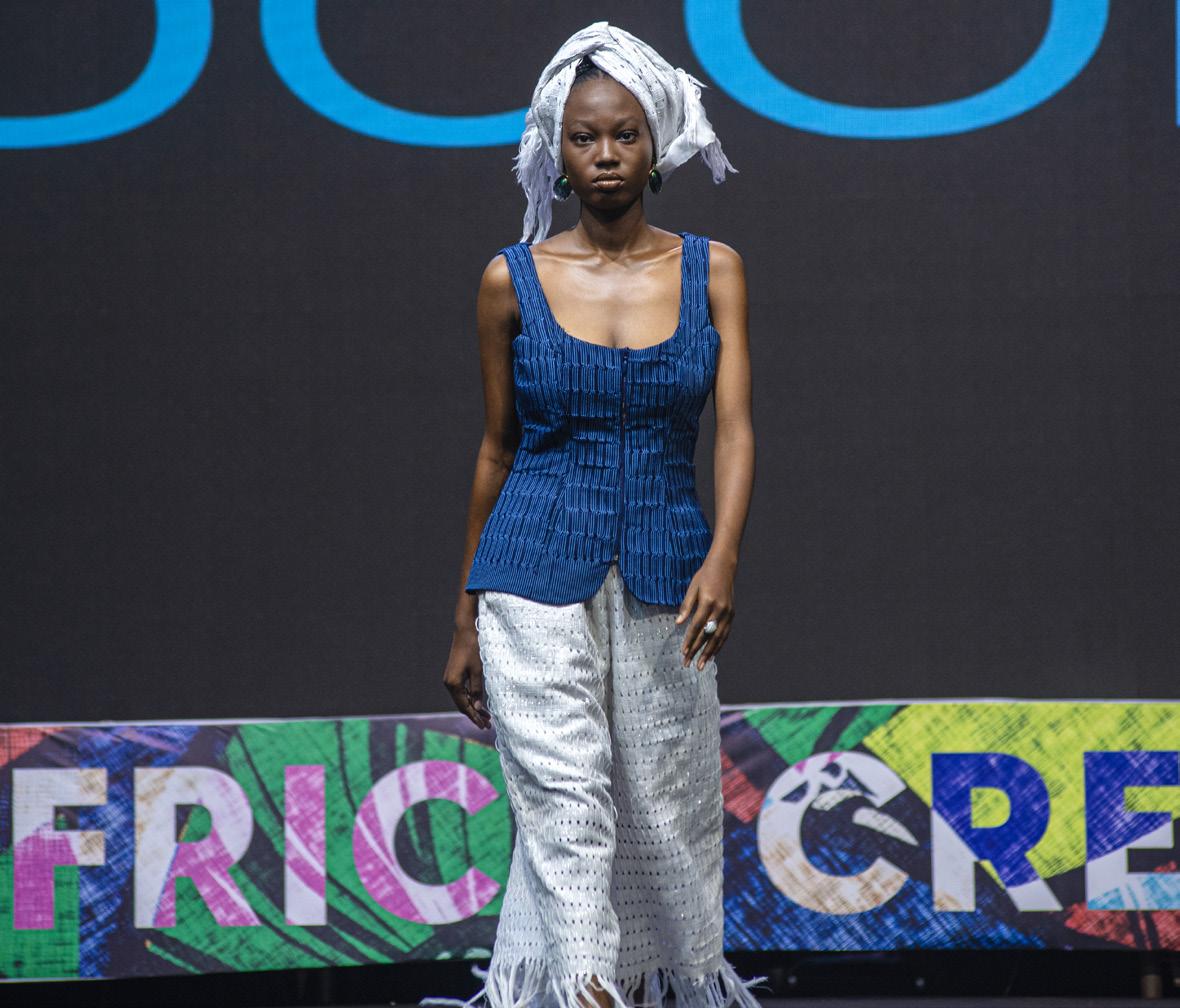
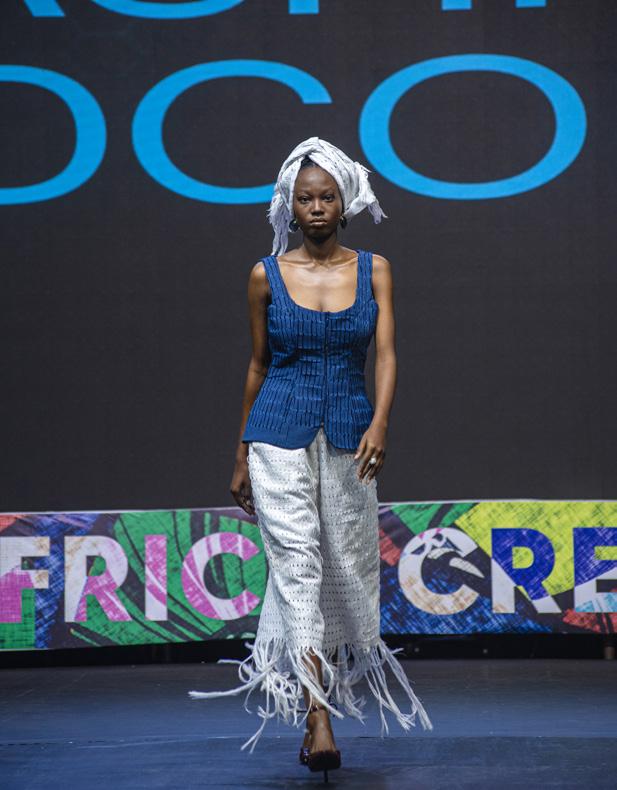
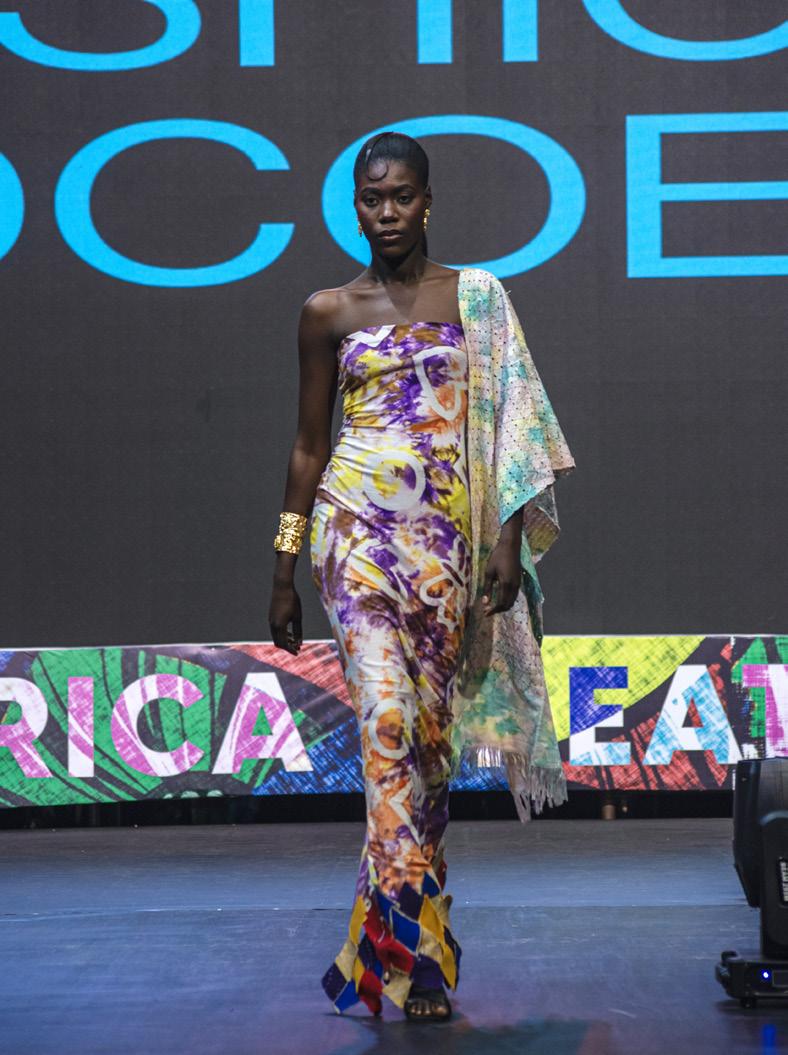
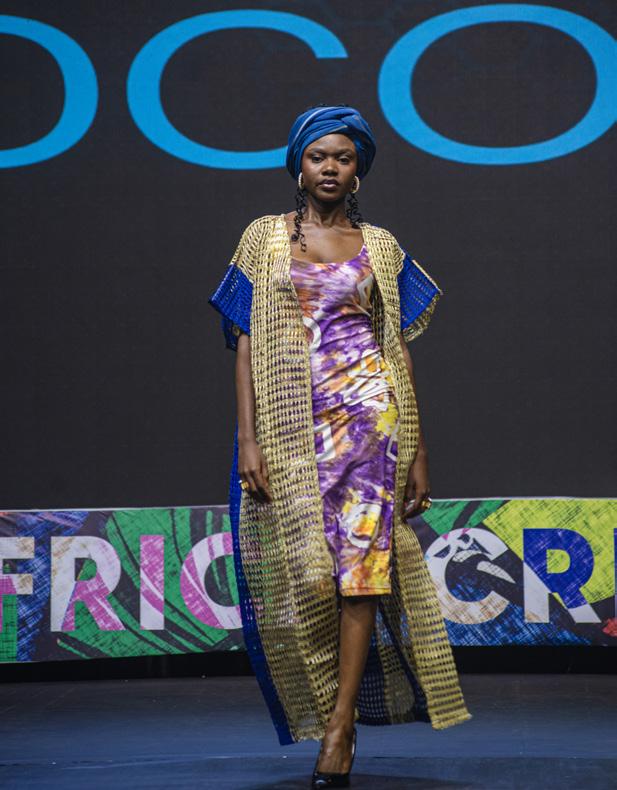
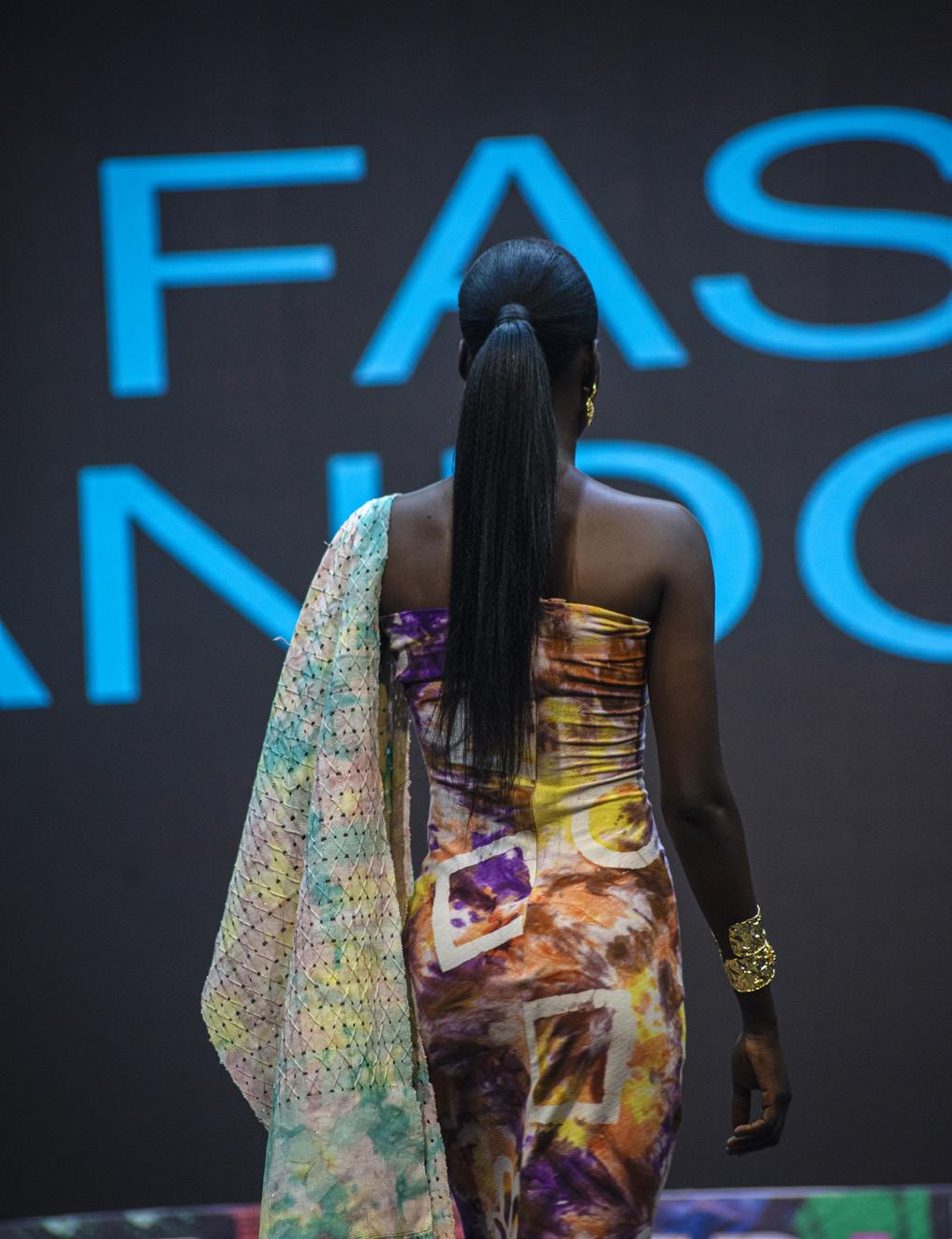
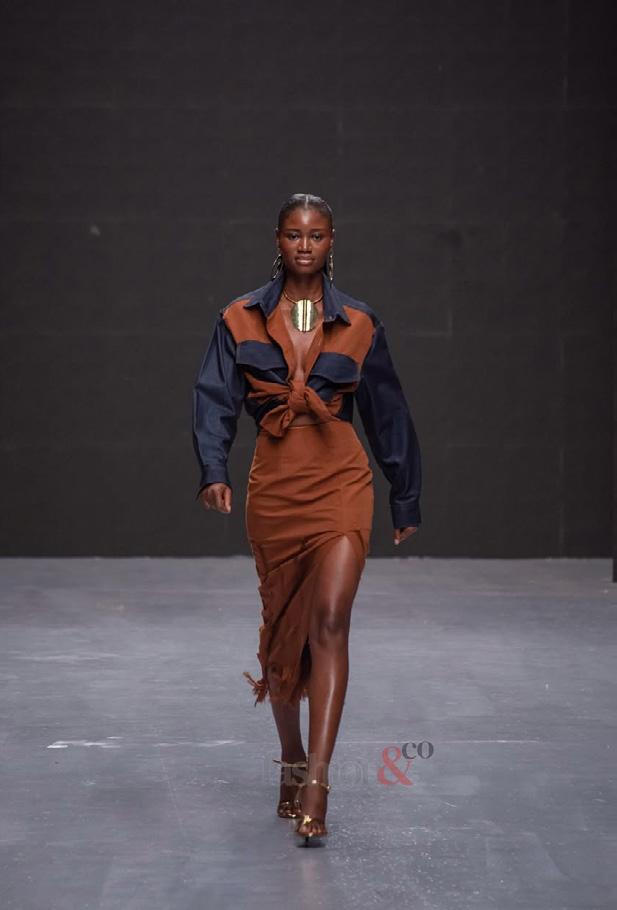
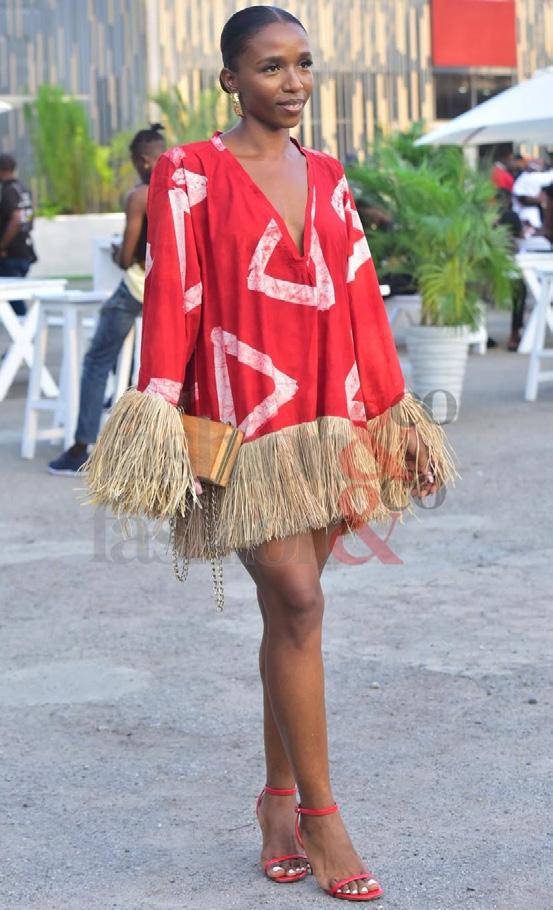
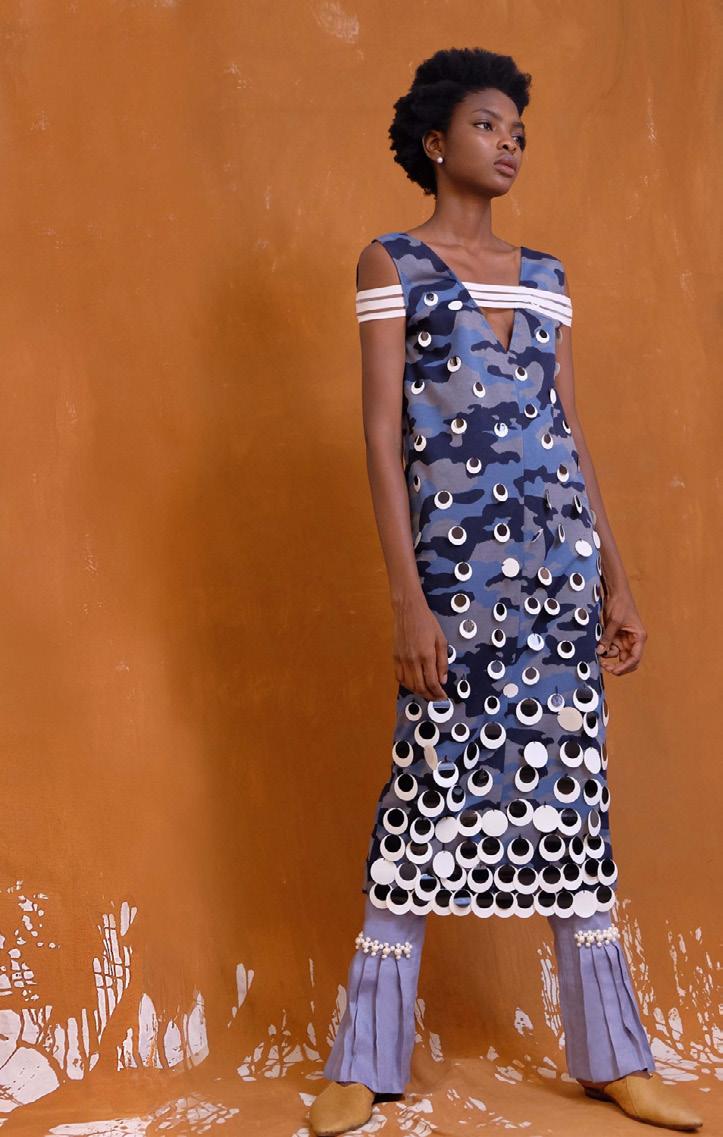
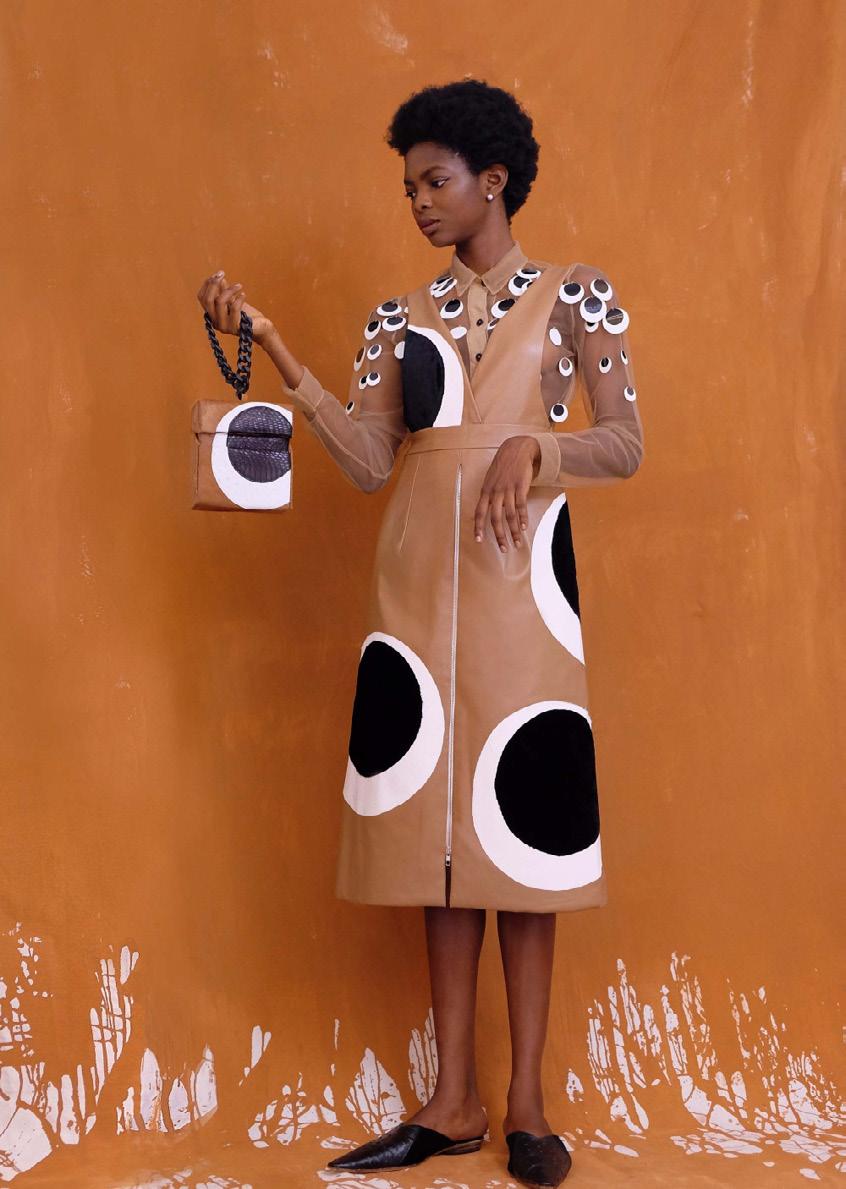
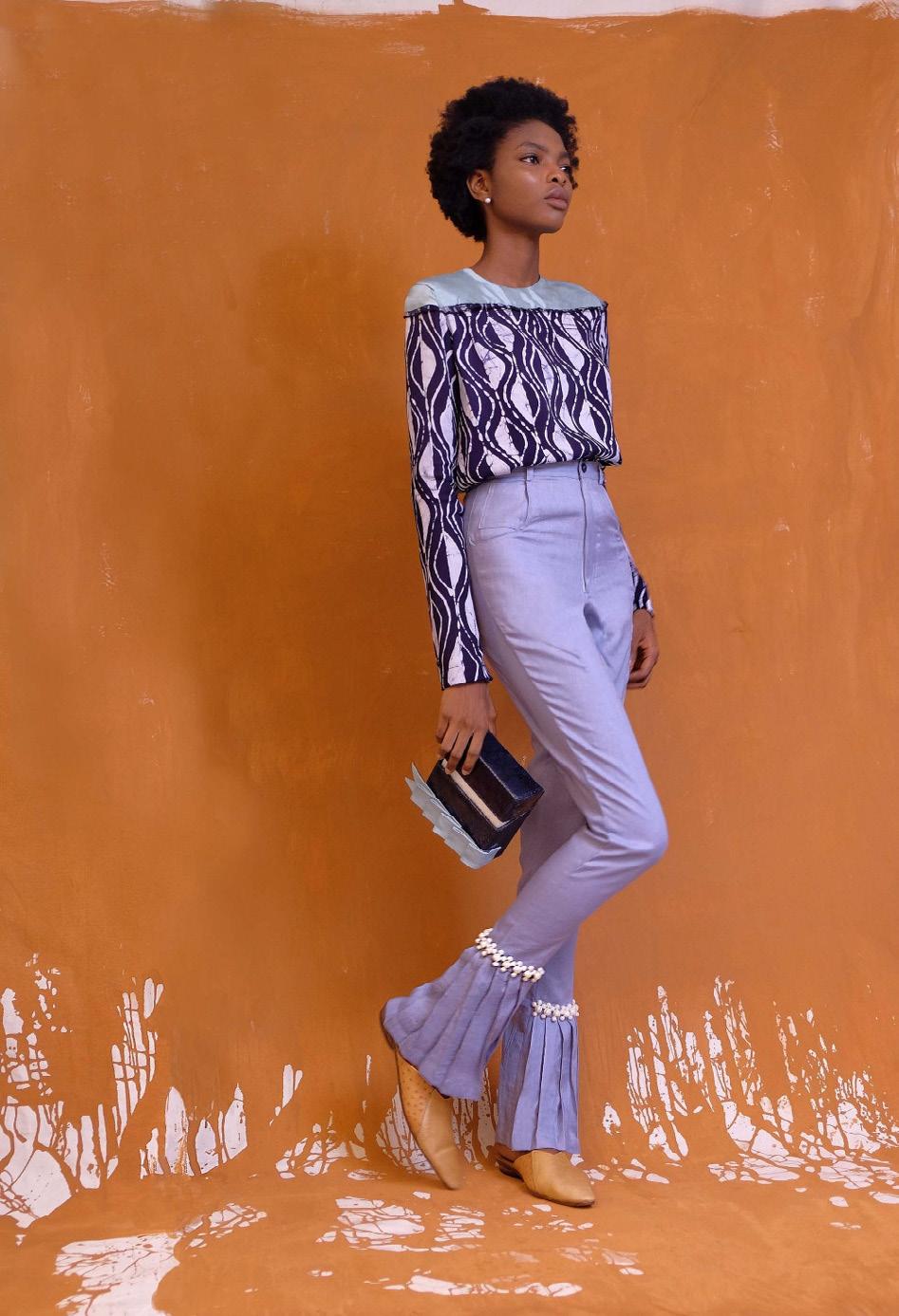
ntroducing FashionandCoECO (FCoECO), an artisanal fashion brand based in Lagos, Nigeria. FCoECO recently came out with an 8-piece collection tagged SO Beautiful.
SO Beautiful (Sade Olarewaju Beautiful) chronicles the life and legacy of the creative director’s mum who explores the beautiful and colourful life of her dear mother, as well as her love for bright colours all rolled into a story of simplicity, love, and resilience.
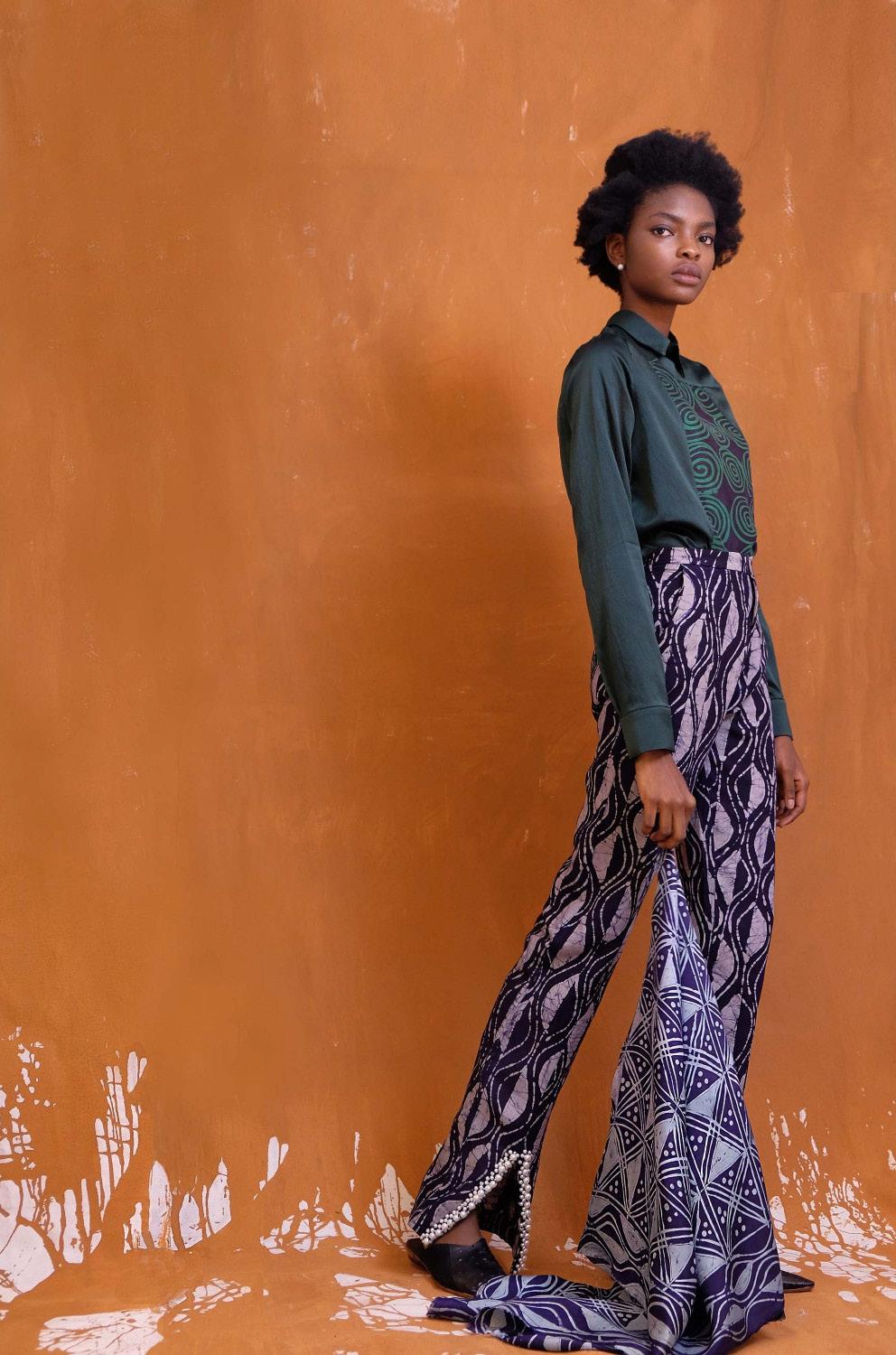
The nod to the Aso-Oke explored in the collection saw her mother’s ancient Aso-Oke as part of the display. Her one-ofa-kind ancient basket-style woven aso-oke made with raw silk took center stage. Akwa-Ocha was custom designed to chronicle the bits and pieces that made up her beautiful life.
The other pieces from the collection are crafted in custom hand-dyed prints and handwoven asooke, all handmade across Osogbo, Oyo, Abeokuta, and Lagos, using the finest linen, mulberry silk, and cotton.
Life Series
BREAKING UP WITH OLD HABITS AND FLIRTING WITH NEW ONES! SCIENCE, EVERYDAY LIFE, AND THE LITTLE TRICKS THAT HELP US CHANGE
By Olajumoke Olarewaju
Why Your Willpower Keeps Ghosting You (and What to Do About It)
Habits are funny things. Some are like uninvited guests who refuse to leave, while others are like that new friend you’ve been meaning to call but never get around to. Whether it’s scrolling through WhatsApp until your eyes ache, eating suya three nights a week, or swearing every Sunday night that “from Monday I’ll start jogging,” changing habits can feel like climbing a hill.
But here’s the good news: science has a way of making this hill less steep. In this column, we’ll explore how psychology and behavioral science explain why we do what we do and how we can gently steer ourselves toward healthier, happier habits.
Let’s start with one of my favorite tools: BJ Fogg’s Behavioral Model (interestingly, some people call me Jummy Fogg!). Don’t worry, I’m not about to bore you with complicated jargon. The model simply says that a behavior happens when three things come together: Motivation, Ability, and a Trigger. Think of it as the holy trinity of habit-making.
Motivation: The Spark (but it burns out quickly) Motivation is that burst of energy that makes you say, “This week, I’ll drink eight glasses of water every day.” It’s exciting, like the first day at a new job. But here’s the problem: motivation is unreliable. It’s like NEPA light during the rainy season; it comes, it goes, and you can’t plan your life around it.
Ability: Make It Easy
This is where most of us fail. If the habit feels like climbing Mount Kilimanjaro, we won’t do it. Want to floss every night? Start with one tooth. Want to exercise? Dance to one Burna Boy song in your living room. When you make it easy, you remove the excuses.
Trigger: The Reminder That Nudges You Even with motivation and ability, you still need a nudge. A trigger is a cue that tells your brain, “Do it now.” Want to drink more water? Keep a bottle on your desk. Want to stop snacking late at night? Don’t keep chin-chin in your bedside drawer (yes, people do this). Without a trigger, habits simply float away into the land of good intentions.
Let’s Try It Out
Old habit to break: Scrolling till 2 a.m.
• Motivation: You’d like to wake up feeling alive, not like you fought with a generator overnight.
• Ability: Charge your phone in another room.
• Trigger: Put a book, or even your Bible, on your pillow so that’s what you see before bed.
New habit to start: Exercising more.
• Motivation: You’d like to climb the stairs at work without gasping for air.
• Ability: Begin with five minutes of stretching or dancing.
• Trigger: Keep your sneakers by the door, where they’ll silently judge you until you wear them.
The Bottom Line Motivation is nice, but it’s a slippery friend. The real secret to behavior change is keeping things small, easy, and tied to reminders you can’t miss. In this column, we’ll keep using science, stripped of its lab coat and explained in plain English, to help you break free of bad habits and build the good ones that stick.
Because at the end of the day, changing your life isn’t about one big leap.
It’s about small steps, repeated until they become part of who you are.
About Column
Why do we press snooze, crave puff puff, or promise to “start on Monday”? In this column, behavior scientist Olajumoke-Kiito breaks down the science of everyday habits, explaining in simple, funny, and relatable ways how to drop the bad ones and build the good ones that last. Expect a mix of psychology and plenty of laughs, because healthy habits don’t have to feel like hard work.
About
Olajumoke Olarewaju is a PhD candidate at the Bloomberg School of Public Health, Johns Hopkins University. Her expertise is in health communication and social and behavioral sciences, researching the intersection of pregnancy experiences and substance use.
She is passionate about how storytelling can drive healthier choices and improve health outcomes; she's on a mission to make academic research more relatable and impactful.
When she's not immersed in research, you'll find her de-stressing in the kitchen, experimenting with Mum's recipes, or writing her way through life's chaos.
Unsplash/Katelyn Perry
YOUR STYLE, YOUR BUDGET: A GUIDE TO DRESSING SMARTLY
There is a popular saying that you should dress the way you want to be addressed. Fashion is a powerful tool for self-expression. It is a way to show the world who you are, how you feel, and what you love without saying a word. But the idea that a great wardrobe requires a limitless budget is a myth.
In a world of ever-changing trends and endless new arrivals, it’s easy to feel the pressure to spend, but a truly stylish individual knows that the best look is built on strategies.
Here is how you can cultivate a wardrobe you love without compromising your financial goals.
1. Build a foundation of mix-and-match items
The same way you need a foundation for a building is the same for a wardrobe. Before going after trending fashion, ensure you have high-quality, versatile
pieces that will stand the test of time and can be mix-matched. You can then start building on this.
2. Hunt for high-quality materials from thrift shops Most trendy fashion can be found in the secondhand thrift market, and you can get this at a fraction of the original price. Shopping for secondhand items is not only budget-friendly but also a more suitable way of enjoying trendy fashion.
3. Let your tailor be your best friend
A garment that fits you perfectly looks a hundred times more expensive than one that doesn’t, regardless of its price tag. So, investing in tailoring is one of the smartest things you can do for your wardrobe. This works perfectly for me. Ever since I got myself a good tailor, there is not a day I don’t get complimented in the office, even though I focus on budget-friendly items.
4. Master the art of accessorizing
One of the greatest secrets of transforming an outfit is the use of accessories. A simple dress can be turned into a magnificent dress by the use of accessories. A little budget spent on accessories can create the illusion of a much larger and more diverse wardrobe.
5. Buy strategically
Instead of daily impulse buying, be a patient and strategic shopper. Always make a list of items you want to buy and wait for them to be on sale before buying. Know your cost per wear.
Any individual who is conscious about budget must know the cost of each of his wears. Always consider the number of times you will put on a dress before buying it. Let's examine a scenario: you buy a shirt for ₦20,000 that you will use once every six months, and here is a pair of shoes for ₦100,000 that you use on a daily basis for five years. It is obvious that the investment on the shoes is more worthwhile than that of the shirt.
Ultimately, great style and a great look are about creativity and confidence, not about the millions you spend. By following these principles, you can build a wardrobe that both reflects your unique personality and is a testament to your financial savvy. Happy styling.
About
Hajarat Usman is a financial expert who has worked in the banking sector for years and is a chartered accountant with expertise in both conventional and Islamic finance.
As the author of Young Money Masters, a book on financial literacy for children, and the CEO of Databridge Accounting, Hajarat Usman blends financial knowledge with practical insights to help individuals make informed financial decisions. Connect with Hajarat Usman on facebook.
HOMEMADE BANANA BREAD
By Vanessa. D. Bello
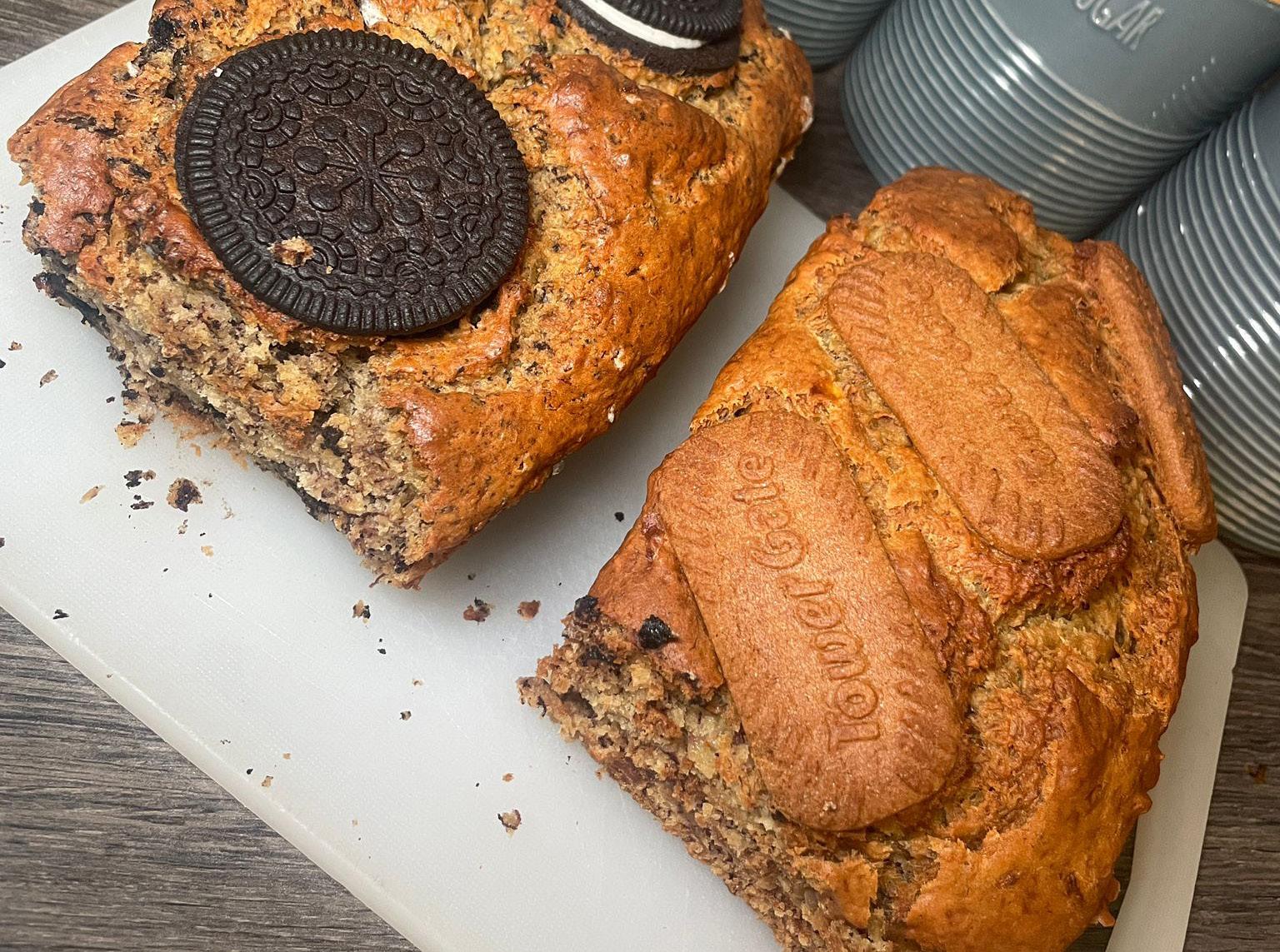
ou know those evenings when you’re super bored and the only solution is sugar? This was me on a random Saturday night. I decided to raid my pantry and make my favourite dessert, banana bread, but with a twist.
I had some leftover Oreo and Biscoff biscuits from a movie night and decided to give my banana bread recipe a makeover, and now I’m going to share my recipe with you.
• Mash the bananas, then stir in the baking powder, baking soda, salt, vanilla, and yoghurt. Set aside.
• In another bowl, whisk the eggs with both sugars until fluffy, then add the melted butter.
• Combine the banana mixture with the egg mixture, then gently fold in the flour. Don’t overmix.
• Fold in your crushed biscuits of choice.
• Grease or line a loaf tin, then pour in the batter. Sprinkle the remaining crushed biscuits on top.
• Bake for 60 minutes. Allow to cool for 30 minutes before slicing
So, whether you’re team Oreo or team Biscoff or maybe even both, now you can make your own banana bread on a random Saturday night like I did. Best served with a scoop of Vanilla Ice-cream.
About
Vanessa. D. Bello is the voice behind @letschowuk, where she shares her love for baking, cooking, and exploring the UK’s vibrant food scene. From comforting home bakes to hidden-gem restaurants, she brings her audience along on her flavour-filled adventures.
When she’s not exploring restaurants and creating recipes, she’s serving up flavour with Pop’N’Chop, a UK-based food company catering to university students and busy young professionals.
Dr. Yetty Ogunnubi is the CEO of YD Limited, an award-winning PR and brand management agency. She has over 19 years of experience in public relations and brand management. Fondly called Yetty. She has especially made a name for herself in image branding and event management.
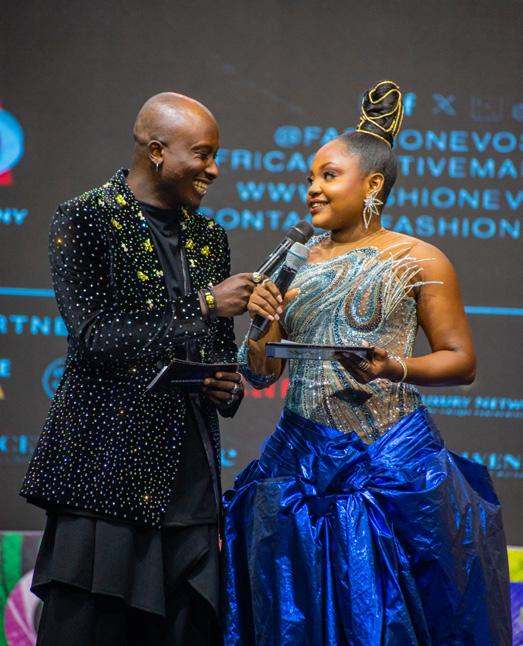
TShe has a long list of successful campaigns under her belt with a diverse portfolio of clients who trust her. She is currently the head in charge at FashionEVO, partnering with Africa Creative Market to unveil fashion creativity in Nigeria and beyond. We spoke to her…
1. Your company YD has a reputation for working with a wide range of clients, from corporate businesses to emerging lifestyle brands. What's your core philosophy when it comes to tailoring a PR and marketing strategy for a new client?
At YD Company, our core philosophy revolves around understanding the unique essence of each client. We believe that every brand has its own story, values, and audience. We take the time to listen and immerse ourselves in their vision, allowing us to develop tailored PR and marketing strategies that resonate authentically with their target market. Our approach is collaborative, ensuring that our clients are involved in every step of the process, leading to customized solutions that drive results.
Dr. Yetty Ogunnubi ON HOW FASHIONEVO IS ELEVATING AFRICAN CREATIVITY
2. You've been a mentor for various programs, including the U.S. Consulate's Academy for Women Entrepreneurs. How has your experience as a mentor influenced the way you approach your work and the projects you take on with YD Company and FashionEVO?
My experience as a mentor has profoundly shaped my perspective on collaboration and empowerment. Working with aspiring entrepreneurs has taught me the importance of nurturing talent and fostering creativity.
This influence is reflected in my approach at YD Company and FashionEVO, where we prioritise mentorship and support for emerging voices in the industry. I strive to create an environment where ideas can flourish and everyone feels valued, which in turn enriches the projects we undertake.
3. FashionEVO is shaping up to be a unique platform in the African creative and retail space. Tell us more about the vision behind this and other partnerships for FashionEVO.
FashionEVO was conceived as a platform to celebrate and elevate African creativity in the global marketplace. Our vision is to create a vibrant ecosystem that connects designers, brands, and consumers across the continent and beyond. By fostering partnerships with local and international entities, we aim to amplify the voice of African creatives and provide them with the resources and opportunities they need to thrive. This vision extends to collaborations that enhance innovation and support sustainable practices within the fashion industry.
4. Tell us about your partnership with Africa Creative Market for the FashionEVO Summit & Show…
The partnership with Africa Creative Market for the "FashionEVO Summit & Show" is incredibly exciting because it embodies our commitment to empowerment and cross-cultural exchange. I am particularly thrilled about the opportunity to engage with young creatives and provide them with a platform to showcase their talents. This collaboration is reshaping the African
creative narrative by highlighting diverse perspectives and fostering a sense of community among creatives from different backgrounds.
5. You've previously worked with a number of well-known brands and organisations. Can you share an example of a successful campaign you led for a client and the specific strategies you used to achieve their goals?
One memorable campaign I led was for one of the hotel chain brands that aimed to increase its market presence in a competitive landscape. We conducted thorough market research to understand target demographics and then crafted a multi-channel strategy that included influencer partnerships, social media engagement, and experiential marketing. By leveraging storytelling and visual content that resonated with the brand’s ethos, we achieved a 50% increase in brand awareness within six months and significantly boosted sales through targeted promotions.
6. The PR, marketing, and creative industry is dynamic. What trends or changes are you currently observing that you believe will have the biggest impact on these industries in the coming years, and how is FashionEVO positioning itself to be at the forefront of these shifts?
One major trend I foresee is the increasing importance of sustainability and authenticity in branding. Consumers are becoming more discerning and are seeking brands that align with their values. Additionally, the rise of digital innovation and immersive experiences, such as augmented reality in marketing, is changing how brands engage with their audiences. FashionEVO is positioning itself at the forefront of these shifts by integrating sustainable practices into our operations and exploring new technologies that enhance consumer engagement.
7. Tell us about Dr. Yetty, the entrepreneur, founder, and marketing expert.
I am passionate about bridging the gap between creativity and commerce. As an entrepreneur and founder, I have dedicated my career to empowering brands and individuals within the creative industry. My background in marketing and communications, coupled with my commitment to innovation, drives me to continually seek new ways to elevate the narrative around African creativity. I believe in the power of collaboration and am always looking for opportunities to connect with like-minded individuals and organisations to create impactful change.
5-Minute
MORNING ROUTINE FOR YOUR BEST SKIN EVER
A
morning skincare routine is essentially your daily (morning) beauty process. It’s important because it preps your skin to receive products to help it through the day. What’s your morning skincare routine like? If you don’t have one there, you might be the one to blame for your blemishes and those laugh lines.
A morning skincare routine is as important as all the products you use combined. Having a routine for daytime and nighttime keeps the skin in great shape. The skin gets protected for the day and nourished during the night.
This routine doesn’t have to be super elaborate; there are just a few simple steps you can take in a few minutes, and they go a long way in keeping your skin in top shape.
Here’s how to get your A.M skincare routine started.
Don’t forget to hydrate
Drink water first thing in the morning. If you like, add lemon to help flush toxins and keep skin brighter from the inside out.
Cleanse
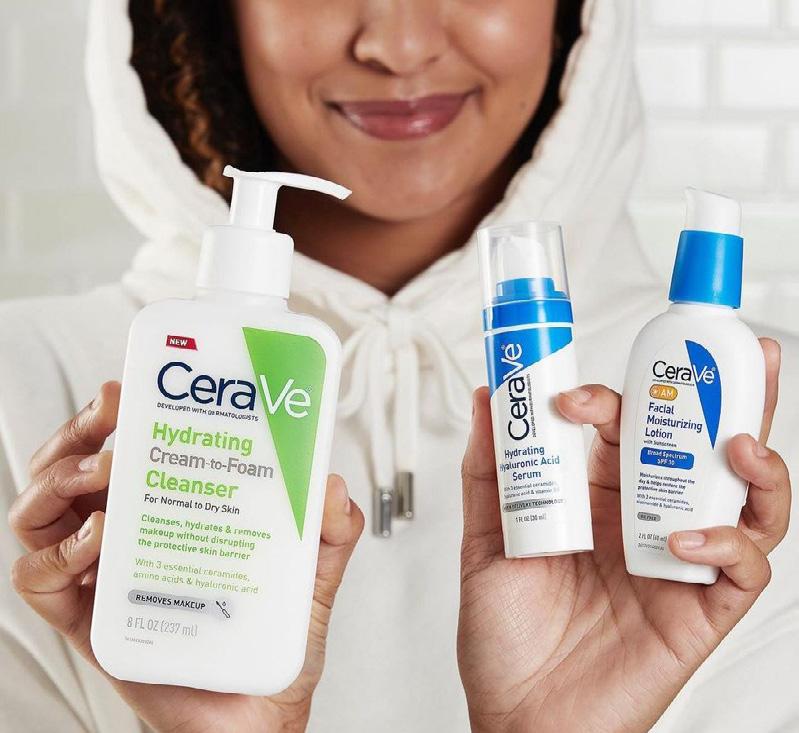
Start the day with a clean face. If you have an oily face, start off by removing excess oil (micellar water works), then follow up with a facial wash with warm water, finishing off with cold water to close the pores.
Exfoliate
If your skin needs daily exfoliation to get rid of dead skin, use daily scrubs that are gentle on the skin; otherwise, keep exfoliation to once a week.
Tone
Use a toner. It helps keep the skin’s pH balanced and makes sure it doesn’t overproduce oil that ends up causing blemishes.
Sun protection
By all means, make sure to wear sunscreen. A good thing is that some lotions come with SPF.
Moisturize
Be sure to moisturize the skin to keep moisture locked in. Sometimes, people with oily skin skip moisturizing, thinking it helps. This will only result in your skin getting oilier because it will overproduce oils to compensate for lack of moisture. Afterwards, prep and prime the skin for makeup, and you’re ready to take on the day with your skin protected.
Do you have an A.M. skincare routine? What steps do you include/skip in your morning skincare routine?
Unsplash/The Phuong Pham
cerave
No matter how a relationship ends, it affects you. Whether it ends peacefully or with chaos, it shapes your thoughts on how you want future relationships to be - if you want one at all. Most times, we tend to focus on the other person's faults and forget that we also played a role.
Hence, this time the focus will be on self-reflection and what we can do differently next time. This applies not only to romantic relationships but also friendships or work connections. They all have basic lessons to help us improve going forward. Think of it as reviewing an experience or a place you just encountered or visited and what you loved about it and what you would love to change. But this time you are reviewing yourself and the state of mind you would like to have prior to the experience to equip you better. So just before you get into that new relationship, here are 10 things you need to work on before getting in.
1. Know yourself first
cross yours. Often, people mirror how you treat them, but if they don’t, be clear and firm in your response.
4. Communication Skills
Setting boundaries depends on how you communicate. You need to develop clear and effective ways to share your thoughts, feelings, and needs, while also listening carefully to your partner. Avoid assuming what the other person wants or means, and make an effort to truly hear them. Repeating what they say in your own words can help improve understanding. Also, try to stay focused and fully present during conversations, rather than letting your mind wander.
Understand your values, goals, personality, and priorities. Many times, people lose themselves in relationships because they aren’t rooted in who they are. When you know yourself well, it’s easier to choose a partner whose values match yours. You can quickly tell if your beliefs will be respected or overshadowed.
2. Maintain your independence
Enjoy your own time and have a routine that can adjust when you’re in a relationship. Be a guide to yourself so you don’t become overly dependent on your partner. Appreciate your own company and keep doing activities you love. Nurturing your individuality and independence makes you a whole person on your own. This strengthens your relationship and helps keep the right balance over time.
3. Boundaries
Many people feel upset when their boundaries are ignored. It’s important to set and keep healthy boundaries so your needs are met and you don’t sacrifice your well-being. Start by respecting others’ boundaries and gently letting them know when they
5. Emotional Healing
Take time to address past traumas or emotional baggage by engaging in therapy or practicing thoughtful selfreflection, which this article intends to help you achieve. This process helps you understand and heal from previous experiences that may affect your current emotional well-being. By doing this, you build emotional strength and resilience, allowing you to enter relationships with a clearer mindset and healthier emotional responses. Approaching relationships in this way encourages deeper connection and reduces the likelihood of old wounds interfering with new experiences. It also supports personal growth and a more balanced approach to intimacy and trust.
6. Conflict Resolution
Knowing how to handle conflicts with different people is an important soft skill. When you approach disagreements in a constructive way, it shows maturity and helps solve problems more quickly without losing your composure. This skill relies on critical thinking, patience, and a willingness to keep an open dialogue during the conflict.
7. Self-Love
Self-love comes from having a strong sense of your own worth. It is something you can learn and practice. When you love yourself, you enter relationships from a place of fulfillment and don’t lose your identity. Being kind to yourself, investing in your personal growth, improving your skills, and forgiving yourself are all ways to practice self-love.
10 THINGS YOU NEED TO WORK ON BEFORE GETTING INTO A NEW RELATIONSHIP
By Danielle Ekezie
8. Goals
Roy T. Bennet says that goals are the road maps that guide you to your destination. Having clarity on your goals, either short or log, gives you insight to the kind of partner you want. This helps you determine if your goals that that of the potential partner are in alignment with your goals.
9. Vision
It’s important to have a clear idea of what you want to build within your relationship. This means thinking about the kind of connection you hope to share, whether it feels supportive, trusting, and genuine. Focusing on qualities like vulnerability and authenticity helps create a space where both people feel safe to express themselves honestly. Encouragement and mutual support play a big role too, allowing the relationship to grow stronger even when challenges arise.
10. Hobbies and Passions
Taking time to engage in activities you enjoy is essential, not just for your own fulfillment but also for your overall well-being. Pursuing your interests helps you stay connected to who you are as an individual. Sharing some of these activities with your partner can bring you closer and add new dimensions to your relationship. At the same time, trying new things together can open up opportunities for shared experiences and memories, deepening your bond.
Freepik/Benzoix
Freepik
Freepik/pressfoto
Fashion&Co Quiz
THE FASHION WEEK VIBE CHECK
It's almost fashion week season in Lagos, so why not? October is peak fashion week in Lagos, and one can’t get too ready.
This fashion personality quiz is designed to help you figure out your ideal fashion week style, whether you're attending the runway shows, doing street style, or just want to feel the vibe.
Instructions: Answer each question, choosing the option that best reflects your personality and preferences. Tally your answers to see your result at the end to reveal your fashion week vibe.
I. Your ideal Fashion Week invitation is for:
A. An exclusive, avant-garde show by an emerging designer.
B. A classic, luxury brand's show in a grand, historic venue.
C. A buzzy, high-energy runway show with a live performance.
D. An intimate, low-key presentation or private viewing.
II. How do you approach trends?
A. You're a trendsetter. You're always ahead of the curve, mixing new ideas in unexpected ways.
B. You appreciate timeless trends and invest in classic pieces that will last for seasons.
C. You love to experiment and aren't afraid to try out every new trend as it pops up.
D. You don't follow trends; you value unique, vintage, and one-of-a-kind finds.
III. Your go-to shoe for a long day of shows is
A. A sculptural, architectural heel that doubles as a piece of art.
B. A sleek, elegant stiletto or polished leather boot.
C. A chunky, platform sneaker or combat boot for both comfort and edge.
D. A comfortable but chic loafer or flat that allows you to move freely.
IV. How do you feel about color?
A. You prefer a moody, dramatic palette of blacks, grays, and deep jewel tones.
B. Your wardrobe is built on a foundation of neutrals—creams, beiges, and navy.
C. The brighter and bolder, the better! You love neon, vivid colors, and clashing prints.
D. You're drawn to earthy tones, muted colors, and natural textures.
V. Your must-have accessory is:
A. A statement handbag or a pair of oversized, futuristic sunglasses.
B. Fine jewelry—a classic watch or a pair of diamond studs.
C. A stack of bold, eclectic rings or a chainlink necklace.
D. A handcrafted piece, like a woven bag or a vintage silk scarf.
Style Results
Mostly A's: The Avant-Garde Architect Your style is bold and conceptual. You see fashion as an art form and love to make a statement with unique silhouettes, unexpected materials, and intellectual details. You don't just wear clothes; you wear a story. For Fashion Week, you'd be spotted in a deconstructed blazer, a pair of asymmetric trousers, or a voluminous coat that turns heads.
Mostly B's: The Timeless Classicist Your style is sophisticated and understated. You believe in quality over quantity and prefer well-tailored, luxurious pieces that will never go out of style. Elegance is your signature. For Fashion Week, your uniform might be a perfectly cut suit, a sleek coat, or a tailored dress in a neutral color palette.
Mostly C's: The Street Style Icon Your style is playful and trend-driven. You love to mix and match, taking inspiration from various subcultures and turning it into something entirely your own. Your look is a vibrant expression of confidence and fun. For Fashion Week, you'd be ready for the street-style photographers in a statement coat, graphic prints, and a mix of high-fashion and vintage finds.
Mostly D's: The Bohemian Creative is effortless and authentic relaxed, free-spirited aesthetic and gravitate towards natural fabrics, fluid shapes, and unique textures. You find beauty in the unconventional and love pieces with a story. For Fashion Week, you'd be comfortable and chic in a flowy maxi dress, wide-leg trousers, or a layered look with handcrafted accessories.
SMILEYS AFRICA IS LEADING URBAN STYLE, SELLING COMFORT, CONFIDENCE & COOL
By Olamide Olarewaju
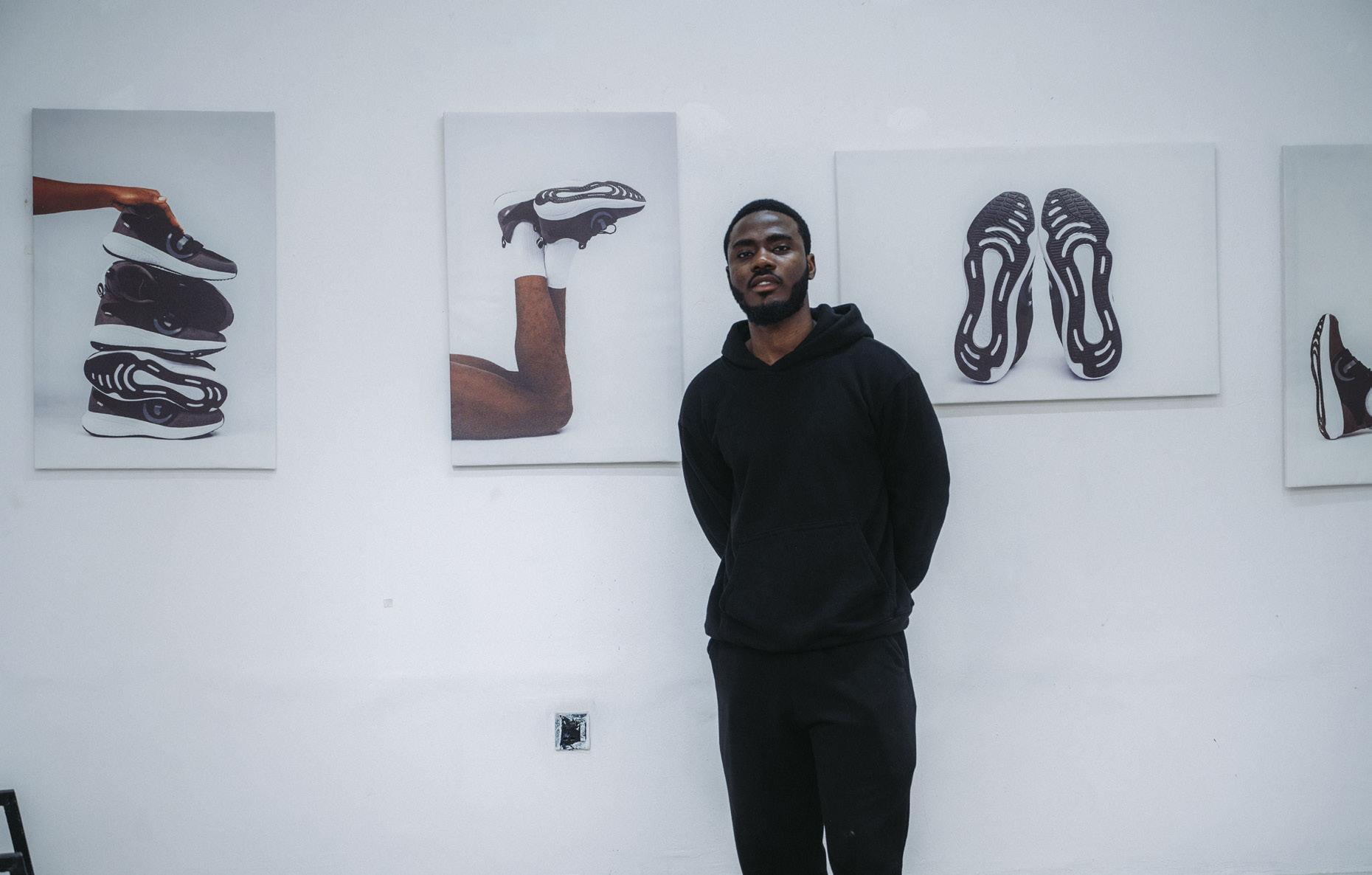
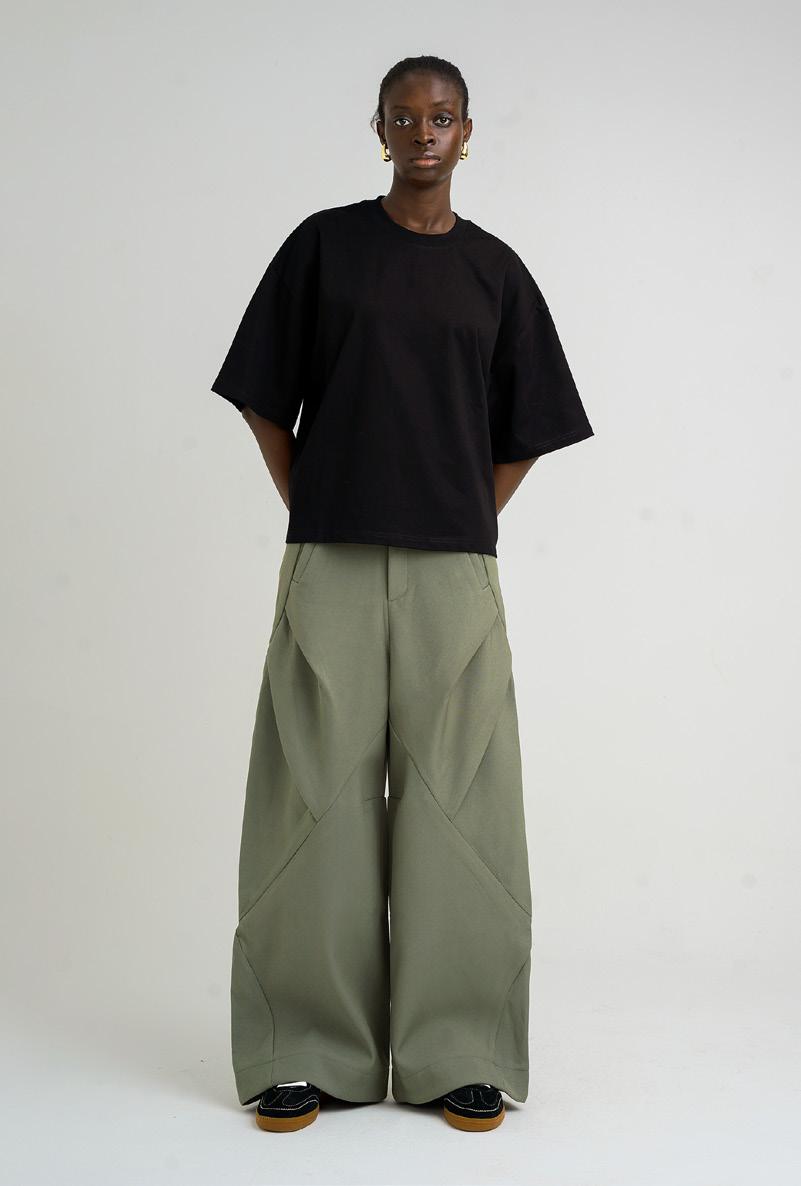
Smileys’ brown structured Baovicto Pant paired with a boxy white t-shirt I saw on Instagram (or is it a newsletter, not entirely sure anymore) sent me back to Smileys Africa website and it was just the reminder I needed to get this urban brand back on my radar.
Safe to say I ordered a few items off the website and they are definitely up to something with their new releases. I remember Smileys Africa from their colourful, graffitti-meets-nerd-but-cool socks. I have known (about) them for a hot minute.
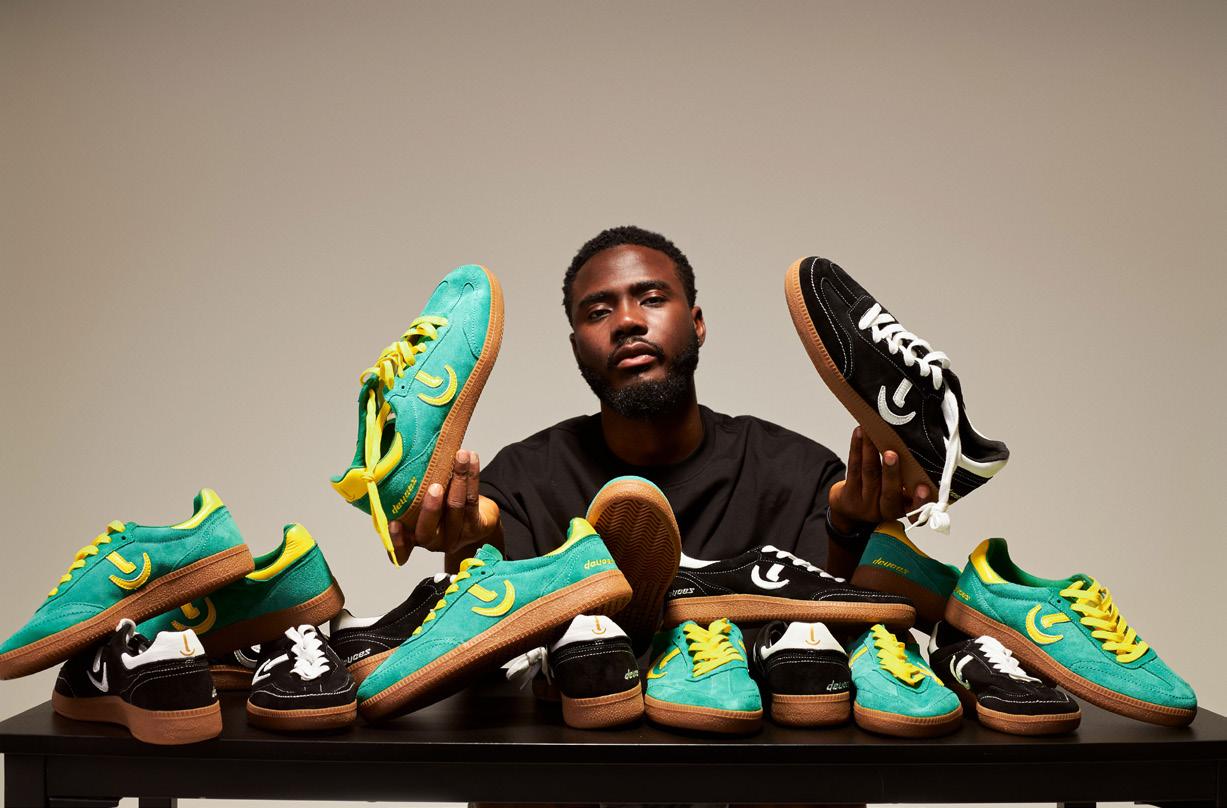
Smileys Africa is building something that transcends their versatile urban cool pieces. This athleisure brand is deeply connected to their customers. They are not just innovative and resilient; they are taking charge by mastering the art of creating timeless pieces with a deep understanding of their audience. The CEO Habib Wasulu takes you through the creative process in between drop …
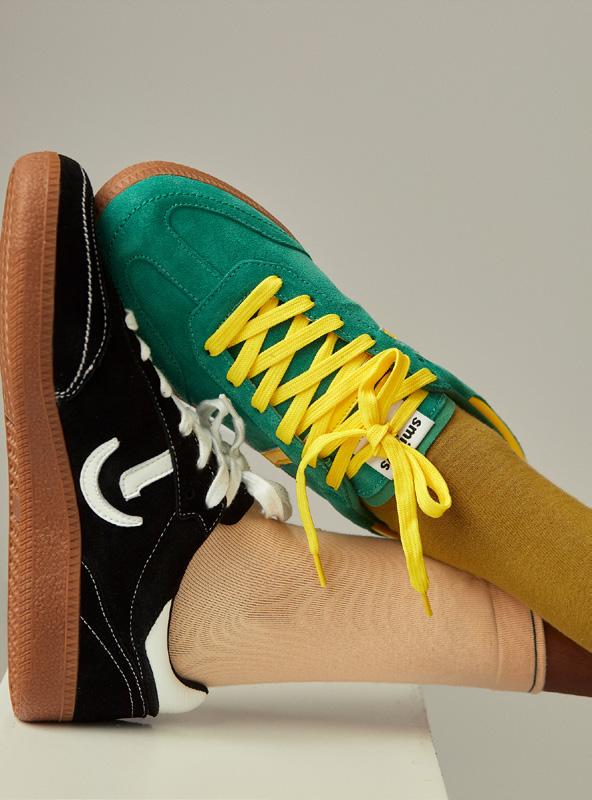
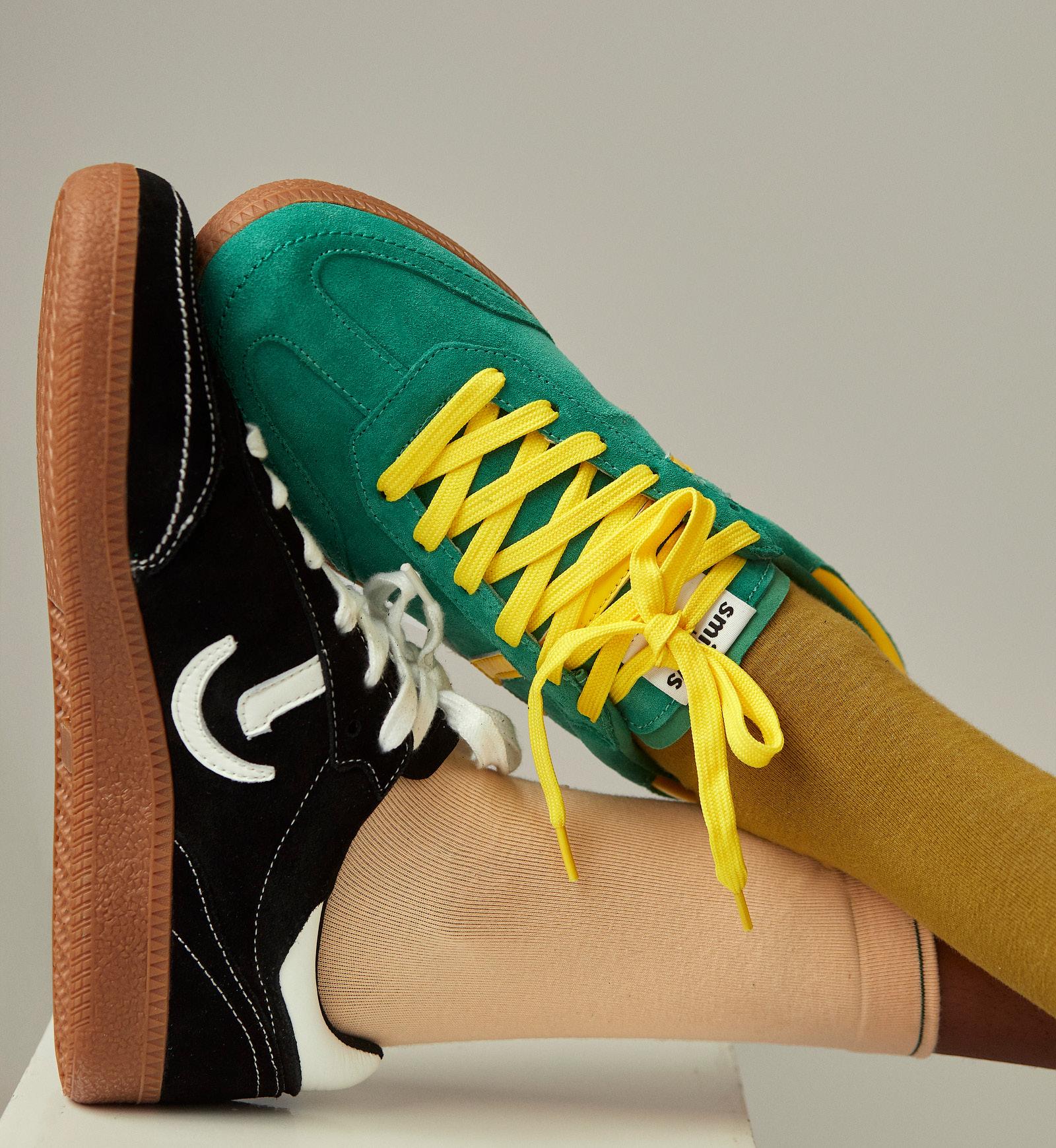
From the quality of the products (check out their sneakers, their array of durable socks and the wildly creative Baovicto Pant), their unapologetic vibrant display of youthful style you feel copping anything from them to prompt service and delivery, Smileys Africa is morphing into a lifestyle powerhouse and I’m not mad about it.
I spoke to Habib Wasulu who is head in charge at Smileys Africa…
1. Smileys Africa is deeply rooted in urban culture. What influenced your vision to start the brand?
HW - I wanted to provide something that shapes how people express themselves every day. Growing up around that, I saw how much style is more than the product itself (be it socks, clothing, sneakers, etc); it is identity, confidence, and community. I wanted to build a brand that feels authentic to my people but also forward-thinking, minimal in its design language, yet vibrant with personality. The vision came from blending what I see and live daily with a deeper desire to give people essentials that represent who they are and where they're from, with pride.
2 . You started Smileys with socks and have now expanded into a full-fledged lifestyle brand with sneakers and athleisure pieces. What was the strategic thought (process) behind this expansion? How are you able to maintain a cohesive brand identity while diversifying your product line to meet the everevolving demands of your customers?
HW - When I started Smileys with socks, the idea was simple: to take an everyday essential and make
it exciting, minimal but bold, something people could show off and gift. As the brand grew, I realized that the same philosophy could translate beyond socks, into sneakers, athleisure, and eventually a full lifestyle.
The strategic thought process was always about building from the ground up. Socks gave us an entry point because they're affordable, universal, and a subtle way to inject style. Once people trusted our quality and connected with the identity, it was natural to expand into clothing, athleisure, and sneakers that carry the same DNA.
What keeps Smileys cohesive, even as we diversify, is that core design language: minimal foundation and playful details. Whether it's socks, sneakers, or a shirt, it still feels like Smileys. That through line allows us to evolve with our customers while staying true to who we are.
3. What are the key processes you've put in place to ensure quality control?
What does the journey of a Smileys product from the initial design concept to a finished product look like for instance?
HW - The journey of a Smileys product always starts with concept and customers (TA). First, I think about the storywhat feeling or idea I want the product to carry. From there, I sketch and build mood boards, pulling inspiration from different places, minimal design, and pops of colour that
define our aesthetic. Once the concept feels solid, we move into sampling. This is where materials, textures, and finishes are tested. I'm very hands-on at this stage because quality is everything. From the stitching on socks to the structure of a sneaker, the product has to feel premium and last.
For quality control, I've put processes in place at multiple stages:
Material checks - making sure fabrics and leathers meet durability and comfort standards. Prototype testing - wearing and stress-testing the products to see how they hold up in real life. Consistency reviews - every batch is checked against the original sample to ensure nothing gets lost in production.
By the time a Smileys product reaches the customer, it's gone through layers of refinement. For me, it's not just about releasing something new, but making sure
Habib Wasulu/Smileys Africa
Habib Wasulu/Smileys Africa
it truly reflects our brand's DNA which is minimal, bold, and rooted in everyday wear.
4. What factor have you put or are you putting in place to make your brand more sustainable? Are there specific strategies you've adopted with sourcing, production, or even distribution to make your brand more sustainable?
HW - Sustainability has always been on my mind, because building a lifestyle brand today isn't just about style, it's about responsibility. With Smileys, I've been intentional about making changes in sourcing, production, and even how we distribute.
On the sourcing side, we've started working with suppliers who prioritize eco-friendlier materialsfabrics that are more durable, breathable, and in some cases recyclable. It could be a 100% polyester or 100% cotton product. For sneakers and athleisure, the goal is always to use materials that last, because longevity is one of the most sustainable practices.
In production, I focus on small-batch manufacturing. Instead of mass-producing, we create limited runs that reduce waste and keep the brand exclusive. This
way, every piece is meaningful, and we don't end up with piles of unsold stock.
Distribution-wise, we're exploring packaging that's minimal and recyclable, cutting down on unnecessary plastics. And on the marketing side, I'm also encouraging a mindset shift by promoting the idea of buying essentials that last.
It's a journey, not a checkbox. For me, sustainability is about evolving step by step, aligning with partners who share that vision, and making sure Smileys not only represents the now, but also respects the future.
5. How do you ensure that Smileys continues to create products that authentically reflect what your brand stands for while also considering the pulse of your target audience in your designs and marketing?
HW - For me, the heart of Smileys is clear: minimal design with bold energy. That doesn't change, no matter what product we create. Every design starts from that foundation because it's our filter for deciding what feels authentic.
At the same time, I'm always tuned into what's trending and the community. I pay close attention to what people are wearing, how they're styling pieces, and the conversations happening around fashion. That means engaging directly with our audience on social media, getting feedback from early drops, and even just watching how people move in the streets.
The balance comes from merging the two: our brand identity acts as the anchor, and the audience pulse acts as the compass. That way, we can evolve with what people want without losing the essence of who we are. It keeps Smileys fresh, but still unmistakably Smileys.
6. Your business model, particularly your initial pricing strategy for socks, was a key market disruptor. How do you balance creating high-quality, aspirational products with maintaining accessible price points for your (younger) demographic? How has this approach influenced your brand's growth and market positioning?
HW - When we launched with socks, pricing was very intentional. I wanted to create something that felt aspirational in
design and quality, but still accessible to a younger audience. That balance of premium feel without luxury exclusivity is was what made Smileys disruptive from the start.
The way I see it, quality doesn't have to mean unattainable. We invest in good materials, tight production standards, and strong design, but we also keep our distribution lean and our marketing organic, which helps us avoid inflated costs. That allows us to offer products that feel high-value without alienating the very community we want to represent.
This approach has shaped our growth and positioning. Smileys sits in a space where it feels aspirational enough to be taken seriously, but accessible enough for people to actually live in it. That's why we've been able to expand from socks into sneakers and athleisure because the community trusts that they're getting something authentic, stylish, and within reach.
7. Beyond the products, Smileys has built a vibrant community and a strong emotional connection with its customers. What is your long-term vision for the brand?
HW - From day one, Smileys has always been bigger than just products. The socks, sneakers, and athleisure are expressions of something deeper: community, identity, and purpose. The emotional connection we've built with our audience is proof that people don't just want to wear a brand, they want to belong to one.
My long-term vision is for Smileys to become a full lifestyle brand not just clothing, but experiences, collaborations, and spaces that bring people together. I see Smileys evolving into a platform that represents what it means to be a cool African brand on a global stage, while still staying true to its roots.
At the core, it's about impact: inspiring people to express themselves confidently, giving them products that last, and building a community that feels seen. For me, Smileys is not just about fashion; it's about expression, creativity, and maybe legacy lol.
Habib Wasulu/Smileys Africa
Habib Wasulu/Smileys Africa
Habib Wasulu/Smileys Africa
Fashion Quote
"I don't approach fashion; fashion approaches me."
- Ozwald Boateng.
Born to Ghanaian parents in London, Boateng is a revolutionary Savile Row tailor. He is credited with bringing a youthful, vibrant, and contemporary approach to traditional British tailoring, often using bold colors and unique silhouettes that changed the perception of menswear.
"My dream is to show that fashion from Africa can be as intellectual and as conceptual as anything coming out of Paris or New York."
- Amaka Osakwe (Maki Oh).
Nigerian designer Maki Oh is a pioneer of the "slow fashion" movement in Africa. She's known for using traditional, handdyed Nigerian textile techniques like adire and weaving them into modern, fluid silhouettes. Her designs have been worn by celebrities like Michelle Obama and Beyoncé, and she's been instrumental in bringing Nigerian craftsmanship to the global luxury stage.
"A dress is a piece of ephemeral architecture, designed to enhance the proportions of the female body."
- Christian Dior.
Dior's "New Look" in 1947 brought a dramatic change to fashion. His designs featured soft shoulders, cinched waists, and full, flowing skirts, celebrating femininity and a return to opulent glamour. He is credited with restoring Paris's position as the world's fashion capital.
"Fashion is about creating a sense of pride and identity."
- Deola Sagoe.
Nigerian designer Deola Sagoe is a celebrated icon known for her masterful use of traditional African fabrics and techniques. She pioneered the use of hand-loomed Nigerian fabrics in haute couture, giving them a contemporary appeal. Sagoe's brand, House of Deola, is renowned for its elaborate and luxurious creations, which have helped elevate Nigerian fashion to an international platform.
All photos by Sushi Oh for Maki Oh
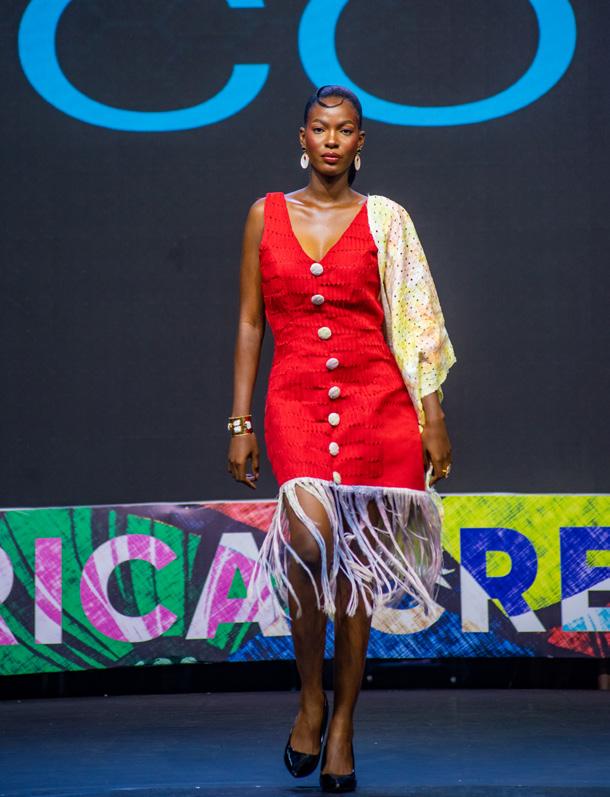
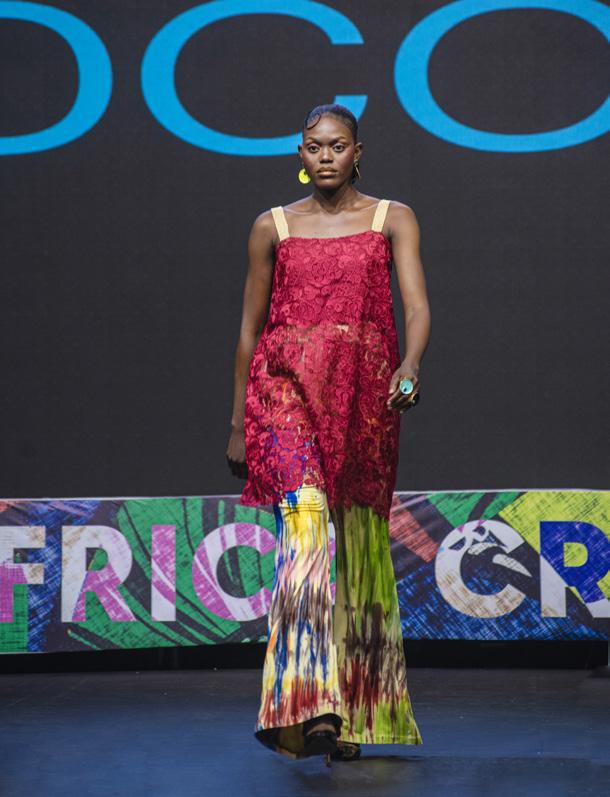
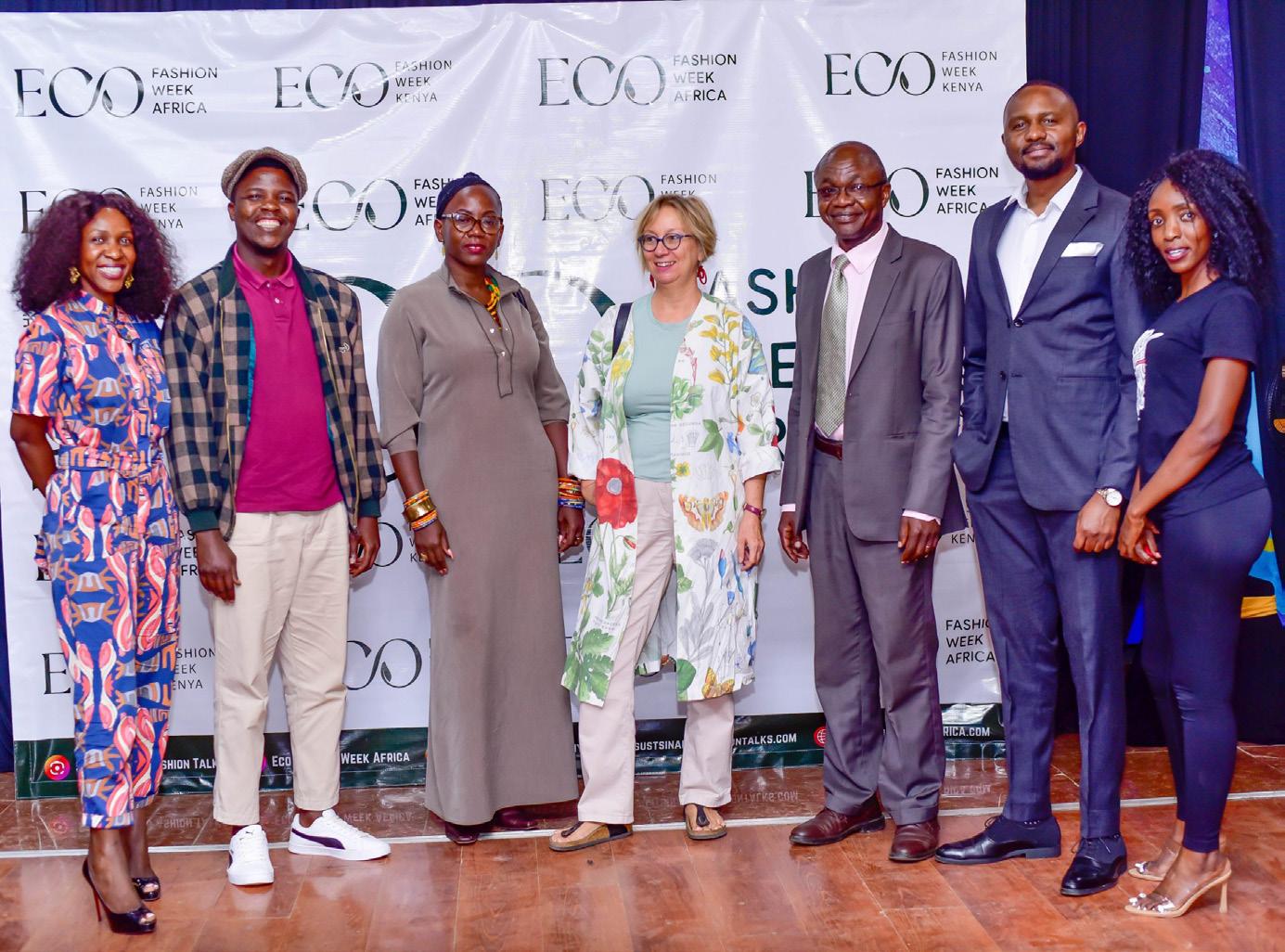
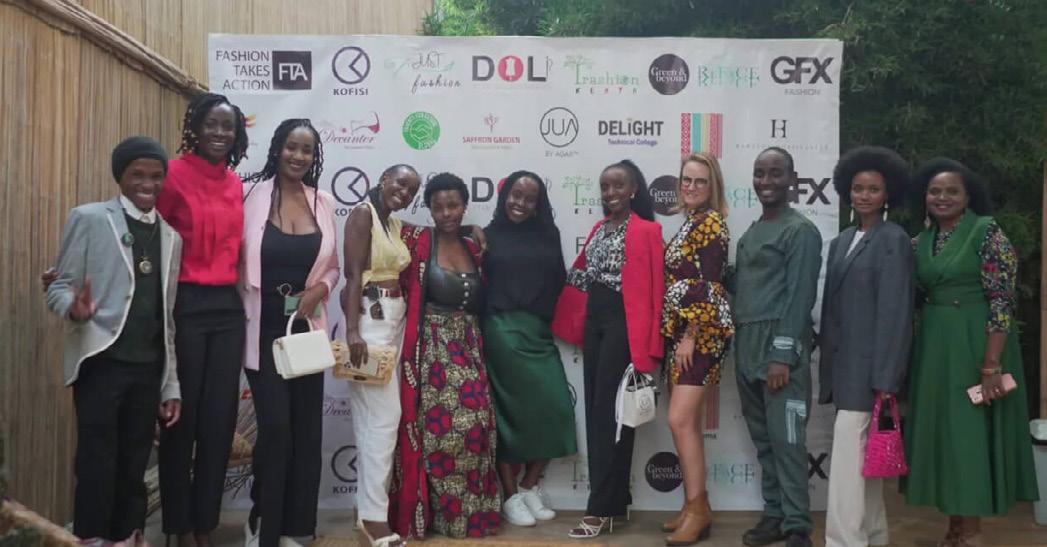
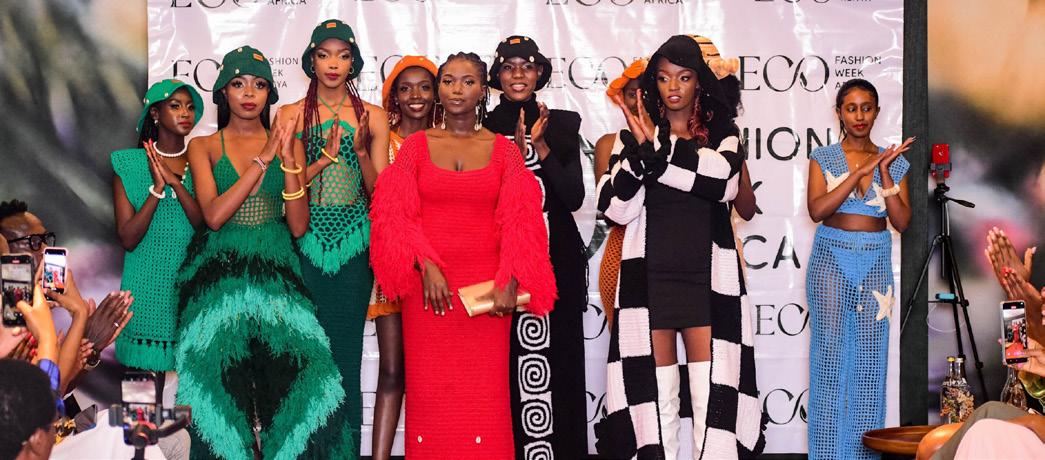
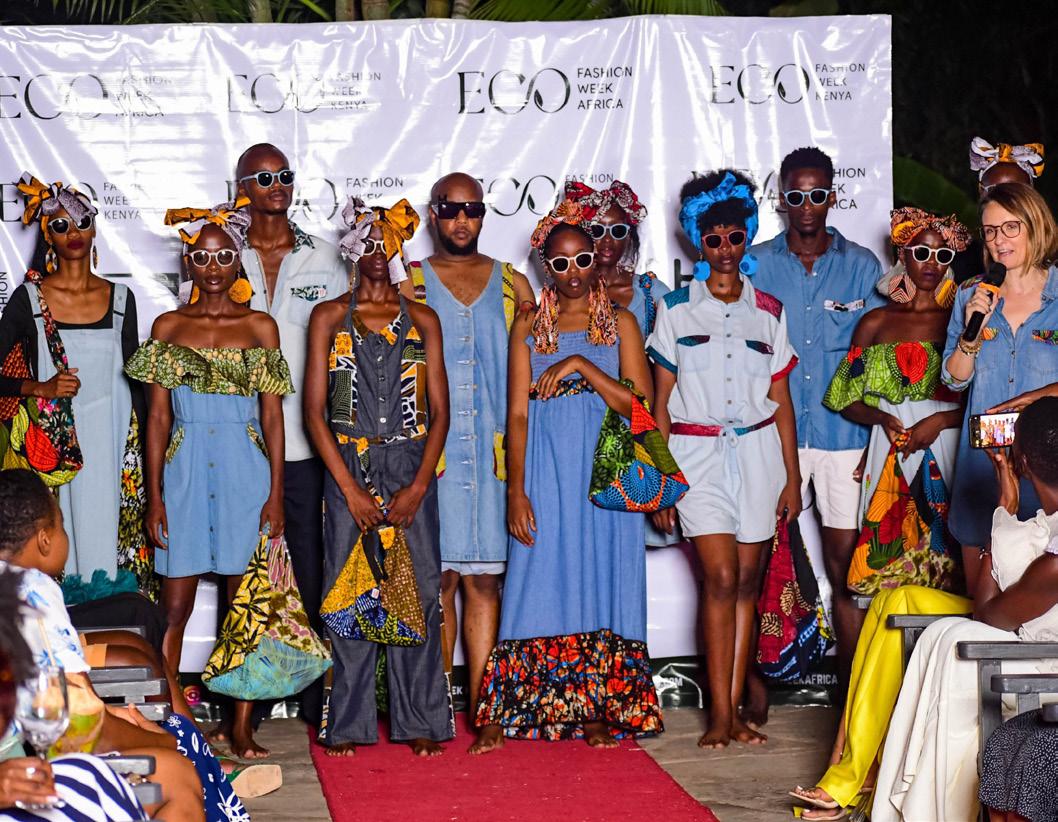
CO Fashion Week Africa (EFWA) is at the forefront of redefining the fashion landscape by championing sustainability and aligning its initiatives with the United Nations Sustainable Development Goals (SDGs). EFWA is transforming the industry into a force for positive environmental and social impact through innovative events and practices.
Eco Fashion Week Africa, launched in Kenya, aims to revolutionize fashion events by tackling global textile waste. The mission is to create a Fashion Week where the power of fashion is used to leave a positive imprint and create a runway that represents a platform for progress, setting a global standard for a fashion industry that genuinely enriches our planet and empowers its people.
With a vision of going beyond the runway to sow the seeds of change across fields of textile waste, uniting designers, artisans, and consumers in the art of ecological responsibility. Through intergenerational activities like education, collaboration, and cultural celebration in Africa, EFWA awakens a global audience to the power of conscious consumption in the fashion industry.
Eco Fashion Week Africa has successfully hosted two impactful events dedicated to the “No New Clothes” movement, emphasizing the importance of sustainable fashion through upcycling and ethical practices. Volume 1, held in November 2023, introduced the concept by showcasing designers who utilized existing materials to create innovative and eco-friendly collections. It had a series of events like conversations on Circular Fashion, the ‘No New Clothes’ Runway at Gem Forest, and the Clothes Swapping Event at Alliance Française in Mombasa.
EFWA emphasizes circular fashion, a model that extends the lifecycle of garments through recycling, repurposing, and reusing materials. This approach minimizes waste and reduces the need for new resources, contrasting with the traditional linear model of make, wear, and discard. By hosting events like the “No New Clothes Runway,” EFWA encourages designers to creatively utilize existing materials, thereby reducing textile waste and promoting sustainable consumption.
How They Are Aligning with Sustainable Development Goals
EFWA’s initiatives contribute to several SDGs, including:
• SDG 1: No PovertyBy promoting sustainable fashion, EFWA supports economic opportunities for local artisans and communities, helping to alleviate poverty.
ECO FASHION WEEK AFRICA IS REDEFINING THE FASHION LANDSCAPE BY CHAMPIONING SUSTAINABILITY
By Olamide Olarewaju
• SDG 12: Responsible Consumption and ProductionEFWA advocates for sustainable design strategies, the use of eco-friendly technologies, and responsible resource management throughout the textile supply chain.
• SDG 13: Climate ActionThrough its emphasis on reducing textile waste and promoting sustainable practices, EFWA contributes to efforts against climate change.
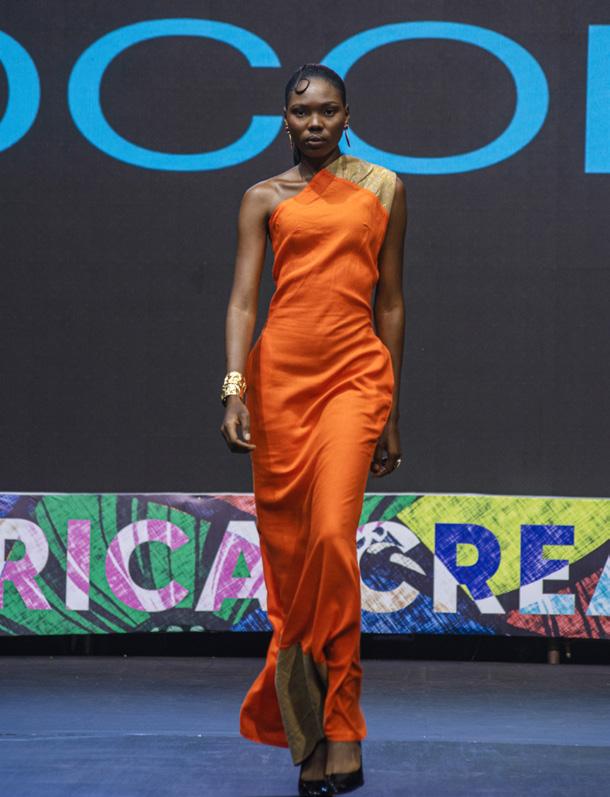
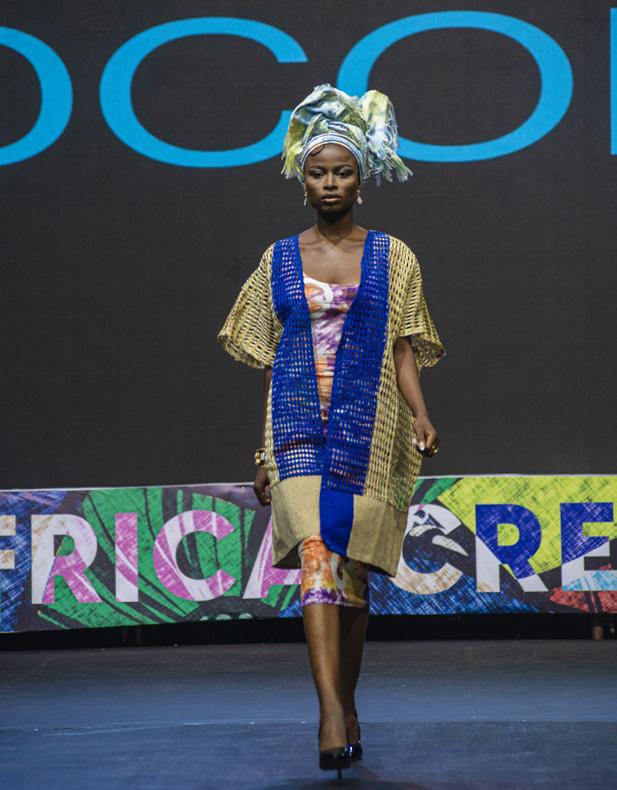
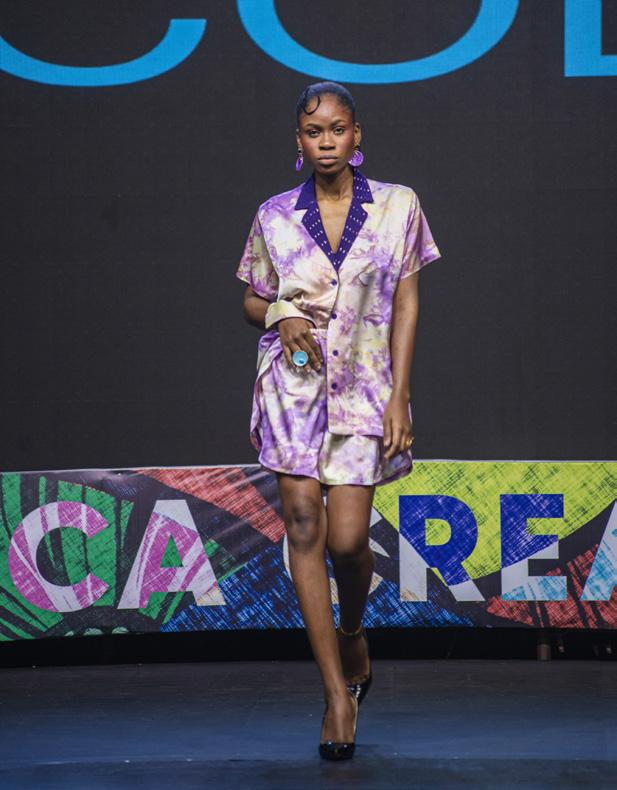
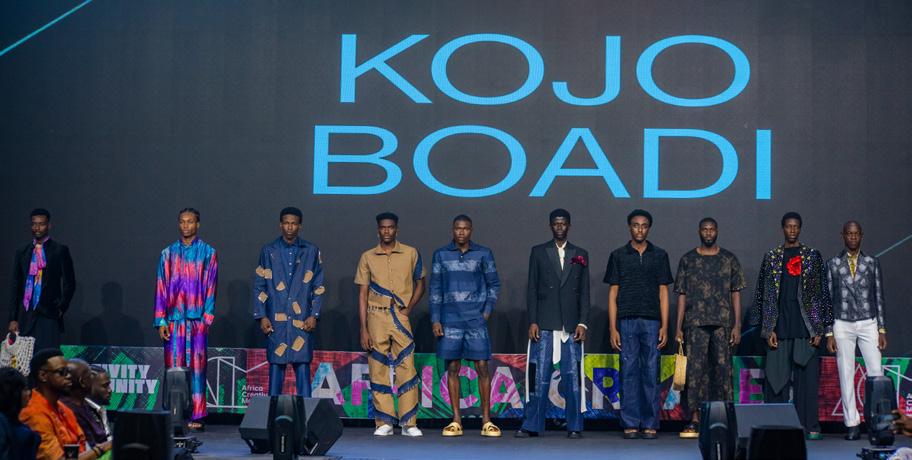
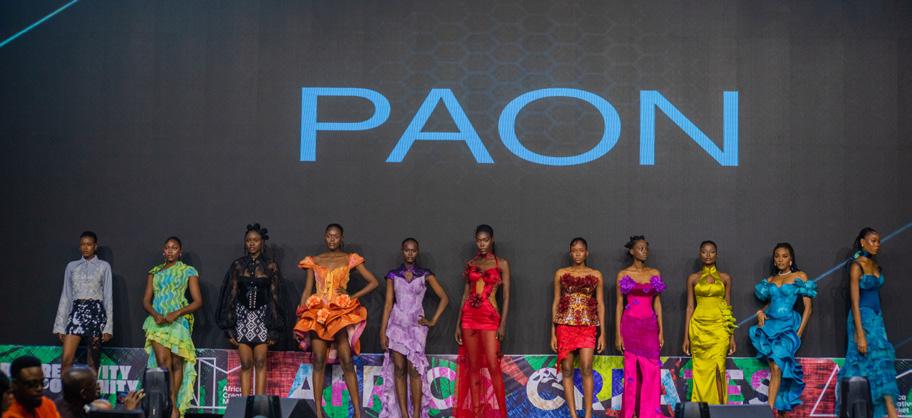
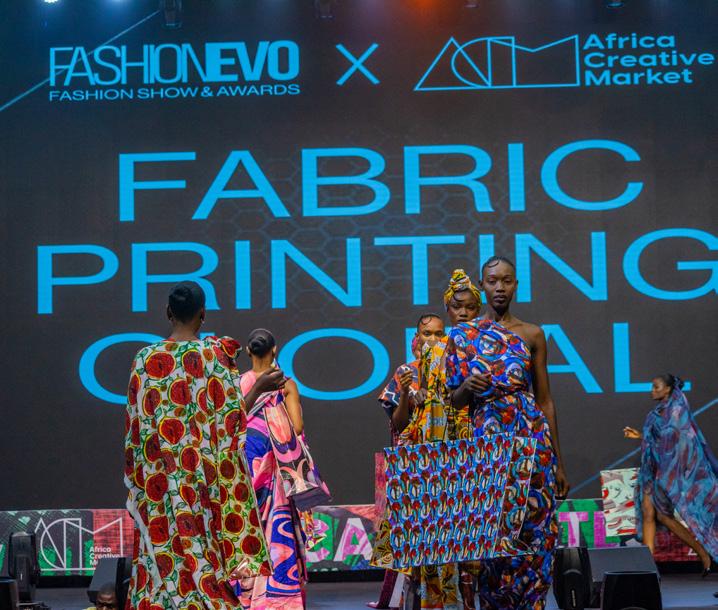
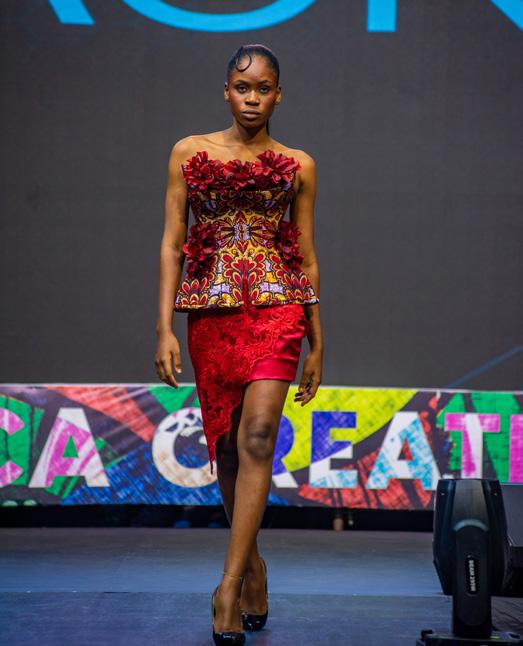
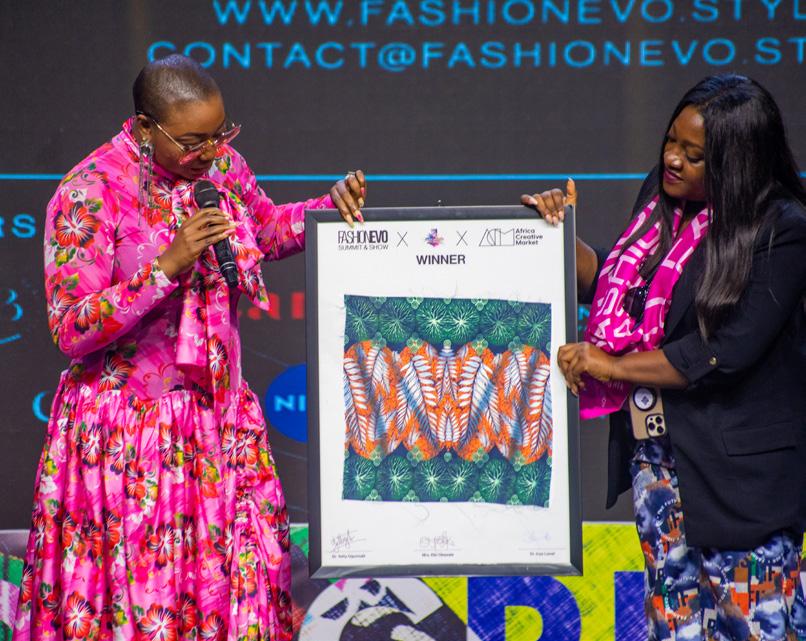
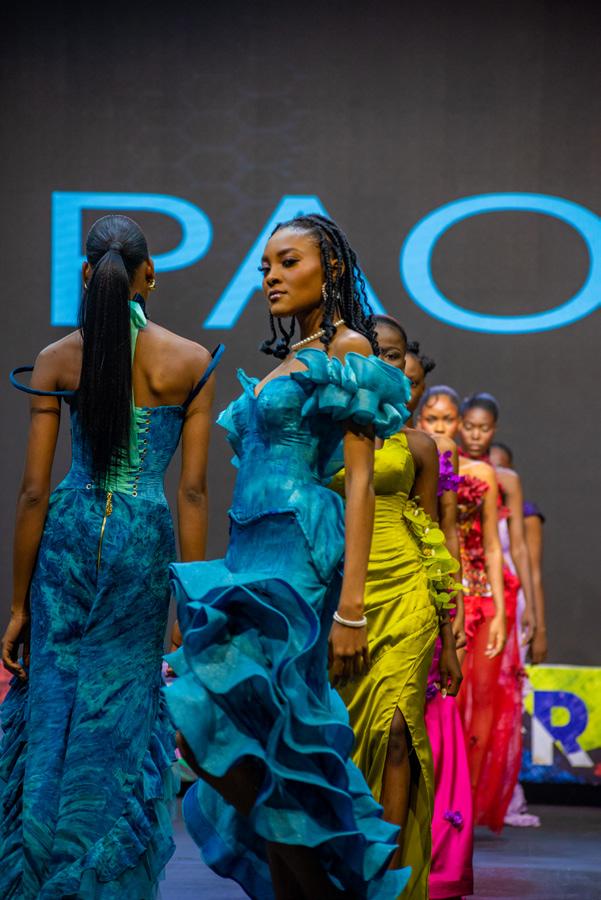
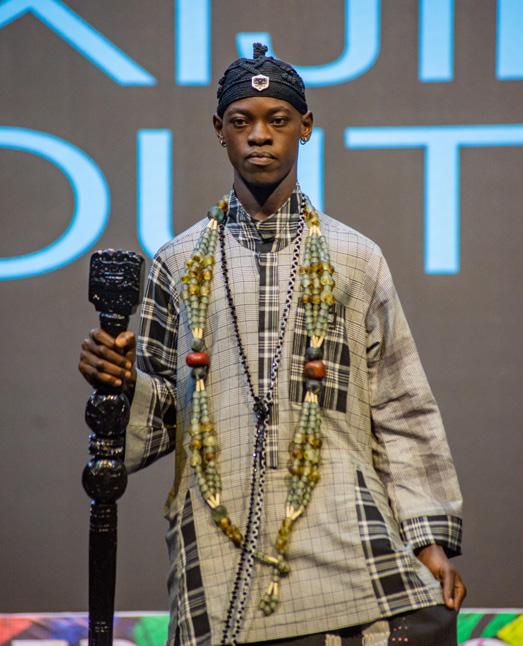
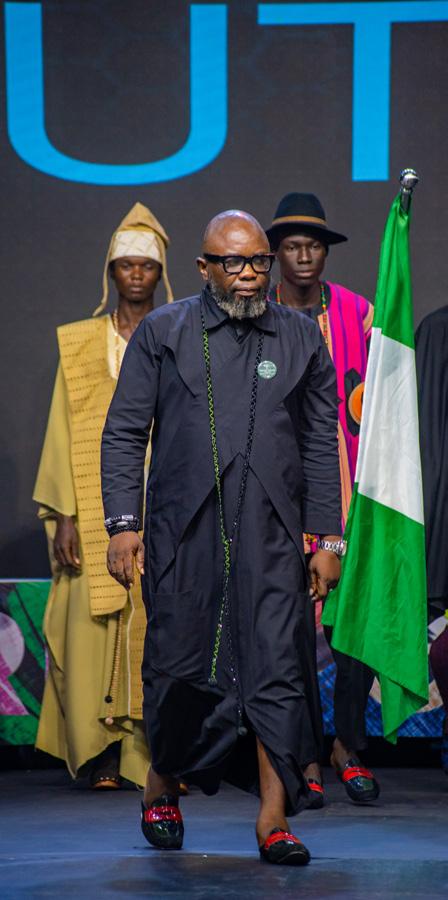
SHOWCASES AFRICAN CREATIVITY AT AFRICA CREATIVE MARKET FashionEVO
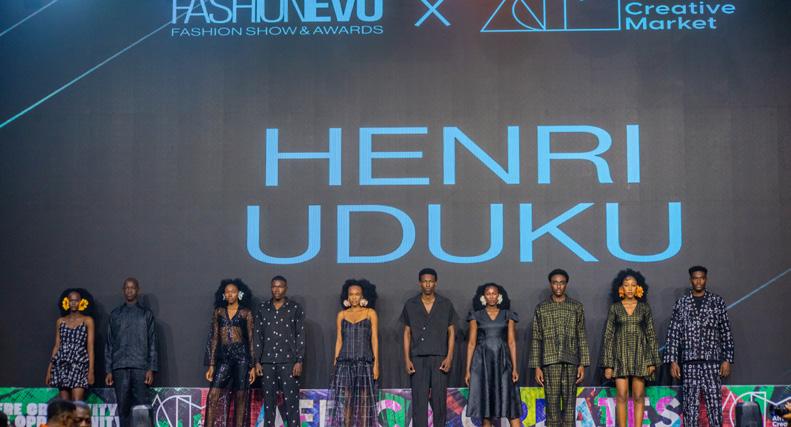
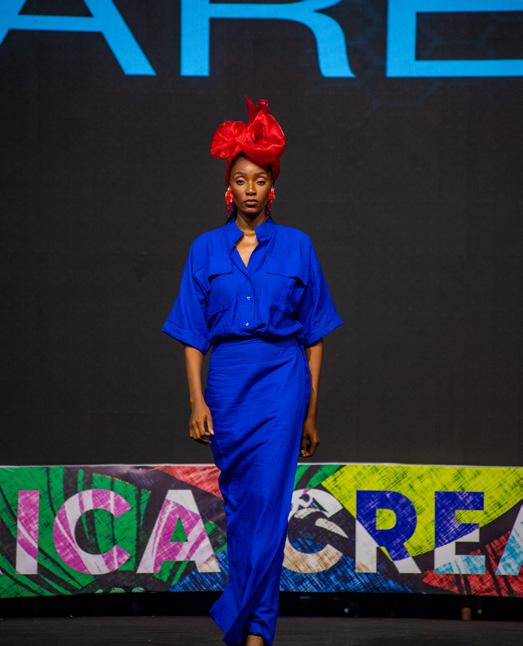
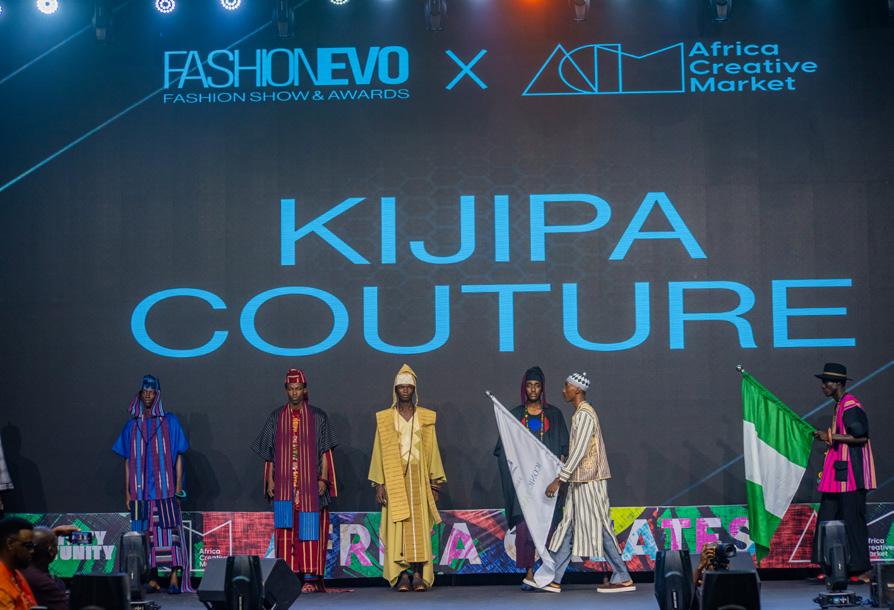
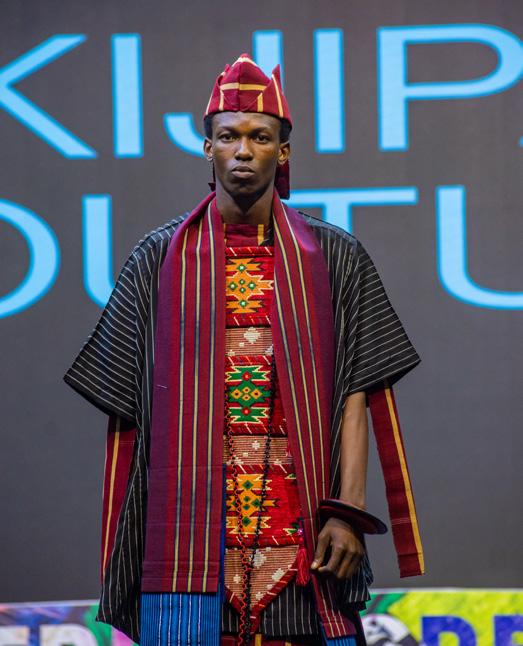
The recent FashionEVO 2025 event was a showcase of African creativity, innovation, and culture. Held as a flagship program of the Africa Creative Market (ACM).
The event, which ran from September 16th to 19th, featured a pop-up boutique, a knowledge-sharing summit, and a stunning runway show and awards ceremony. The Pop-Up Boutique provided a vibrant marketplace for local brands, allowing attendees to experience the rich craftsmanship from Nigerian and African brands.
The highlight was the grand finale: the runway show, where designers presented collections that masterfully blended traditional African heritage with modern, global aesthetics. The awards ceremony honored trailblazers who have significantly contributed to the African fashion industry, recognizing their dedication to building sustainable creative ecosystems.