
VETERINARY SCIENCE PATHWAY (Year
11 to Upper Sixth)
September – December (Autumn Term)
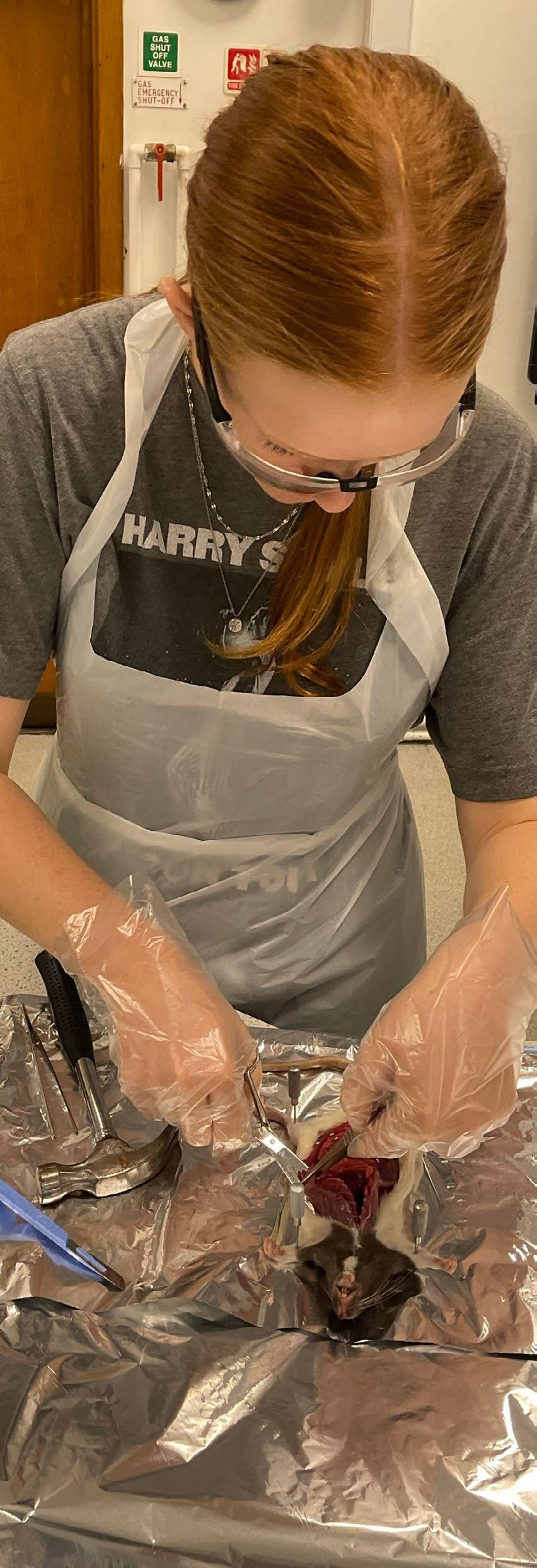
• Attend relevant sessions at clinical skills club – Mrs May will tell you which sessions to attend
• Write a reflection on the clinical skills learned during this term for future use in personal statements and interviews
January – March (Spring Term)
• Concentrate on GCSEs. You should aim for 8s and 9s in Sciences and Mathematics
Work Experience
Begin applying for veterinary-related work experience or volunteering, such as:
• Veterinary practices (small animal, mixed, equine, farm)
• Animal shelters and rehoming centres (eg RSPCA, Dogs Trust, Cats Protection)
• Farms, stables, kennels, and catteries
• Wildlife rehabilitation centres
• Zoos or exotic animal centres
• Veterinary outreach programmes (eg Vets in the Community)
• Online veterinary experience platforms (eg Vet Mentor, BSAVA resources, Young Vets Programme)
September – December (Autumn Term)
Work Experience and Reflection:
• Reflect in a journal on experiences you have had with themes such as communication, empathy, teamwork, and responsibility
Clinical Skills:
• Attend advanced clinical skills club and write reflections on skills and terminology learned
January – March (Spring Term)
Ongoing Work Experience:
• Continue volunteering or work experience as previously explained
University Research:
• Compare university entry requirements, GCSE/A level expectations
• Create a list of potential university choices
Clinical skills:
• Attend venipuncture and phlebotomy workshop
April – June (Summer Term)
University Choices – finalise your university shortlist (four veterinary science choices and one related course)
Personal Statement:
• Attend LVI sessions on UCAS and writing a personal statement
• Start drafting a personal statement including:
Academic interests
Motivation for medicine
Reflections from work experience
Co-curricular activities
Summer Open Days:
• Research and book university summer open days, which usually include tours of medical schools and talks from admission tutors
Summer Holidays (between Lower and Upper Sixth)
Personal Statement:
• Finalise your personal statement –adding any work experience/wider reading from the summer
• Get feedback from subject teachers, Mrs May and Mrs Sutton
Additional Preparation:
• Continue wider reading and reflection on veterinary science topics
• Continue practicing interview techniques and answers to common questions
• Continue volunteering where possible
Summer Open Days – attend university open days
Year 11
Lower Sixth
September – October UCAS Application
• Finalise your UCAS application
• Submit by the 15 October medicine deadline
Reading and Interview Preparation: Wider Reading Examples
Books
• If Only They Could Talk / All Creatures Great and Small – James Herriot
• Vet on Call – Marc Abraham
• The Vet: My Wild and Wonderful Friends –Luke Gamble
• Being a Veterinarian – Meghan Ferrall
Articles / Journals
• RCVS Knowledge Library articles
• British Veterinary Association (BVA) policy briefs
• Vet Times clinical or ethics features
• BSAVA Companion magazine
• APHA animal health reports
Podcasts and Media
• Veterinary Science Podcast
• Veterinary Clinical Podcasts
• RCVS podcast – Veterinary Voices
• BBC documentaries on farming, wildlife, or zoonoses
• Supervet and Farm Vet episodes (with critical reflection)
Online Learning and Lectures
• FutureLearn: Animal Behaviour and Welfare
• Coursera: The Truth About Cats and Dogs: Human – Animal Interactions
• Oxford/Cambridge STEM lectures (YouTube)
• BSAVA pet health webinars
Key Topics to Explore
• Animal welfare legislation
• Public health and zoonotic disease control
• Antimicrobial resistance
• One Health and sustainability
• Ethical dilemmas in veterinary practice
• Role of vets in farming, wildlife conservation, and public health
Interview Preparation
• Attend PSHEE interview/UCAS guidance session
• Practise UCAS interview questions using the STAR model
• Attend interview technique evening
November – March Interview Season:
• Attend veterinary science interviews (most occur between November –March)
• Stay updated on veterinary science ethics and current affairs