The
PAGES 6 – 13 REAL-WORLD RESEARCH THE SCIENCE OF FOOD
PAGES 4 – 6 WORKING WELL AND STAYING HEALTHY
PAGES 11, 13, 15

PAGES 6 – 13 REAL-WORLD RESEARCH THE SCIENCE OF FOOD
PAGES 4 – 6 WORKING WELL AND STAYING HEALTHY
PAGES 11, 13, 15
3. Farmlands staff profile
3. From the CEO
4. 5 minutes with David Hughes
6. Special feature — Hard yards pay off
13. Managing risk as an essential business
15. Safer Farms' reminder to stay vigilant on-farm
16. Open Farms a win-win for participants
20. Buying Power Promise
45. Century Farms — Mackenzie's Single Hill
46. Property Brokers Real Estate
Plan365 Nutrition
21. Small blocks need to prepare for a tight winter
23. Preparing to supplement cows with magnesium oxide
25. Prep your sheds now for spring success
Plan365 Animal Management
27. Pre-lambing drenches
29. Survey informs winter crop strategies
31. Trial comparing boluses for weight gain in cattle
33. First generation anticoagulants for pest control
Plan365 Forage and Arable
35. Mitigations made easier
Plan365 Rural Infrastructure
39. Getting your critical crop grazing right
41. Winter can impact your battery
43. 5 reasons why you should go underground
Shearing
Bellamys.
Cover image courtesy of Phillippa Bellamy.
Schimanski Technical Field Officer, Inglewood
Q: What do you like about your job?
A: Everyday’s a different day. I’ve been in the job for 6 years and the relationships I have built up with local folks is second to none.
Q: Have you got any favourite sayings?
A: My customers know when I say, “Have I got a deal for you?!” that I’m switching the chat to business.
Q: Where were you before Farmlands?
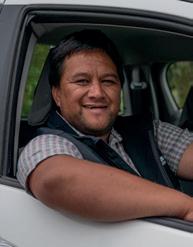
A: I’m a trained secondary school teacher (Te Reo and Performing Arts) but I’ve worked mainly in primary industries – dairy milking and then I managed a fish bait packing factory in Auckland – I had 63 staff under me there.
Q: Do you come from a farm?
A: Yeah I’m born and bred in Inglewood and our home dairy farm has been in the family for 94 years! Now we’ve got a lifestyle block with some beefies – and a cat.
Q: What do you do in your spare time?
A: Mrs Shim (Maree) and I have two kids, Ashaylia (13) and Tyla (10) and they’re involved in all sorts of sports.
I’m President of Inglewood Lions, on the Board of Norfolk Primary School, I coach age group and senior rugby, rugby league, my wife’s premier netball team and age group touch – in winter we’re only home one night a week but we love it! We’re all about community.
Q: What is your favourite karaoke song?
A: I’ve been known to drop a note or two – Chris Stapleton’s ‘Tennessee Whiskey’ or Josh Turner’s 'Your Man' – something country.
Q: What do you do today for your shareholder’s success tomorrow?
A: As Inglewood is a small community, I know most of my shareholders personally and I really want to see their business succeed. By working closely with the local store we can help them in so many ways.

• 170g butter
• 2 Tbsp cocoa
• 1 cup dessicated coconut
• 1 cup Weetbix (crushed)
• 1 tsp baking powder
• 1 tsp vanilla essence
• 1 cup flour
1. Melt butter and pour over dry ingredients.
2. Bake in moderate oven for 20 minutes.
• 1 ½ cups caster sugar
• 1 cup boiling water
• 2 Tbsp gelatine
• Food colouring
1. Let water stand for 5 minutes.
2. Dissolve gelatine in water.
3. Add sugar and beat for at least 10 minutes, until fluffy.
4. Add drops of food colouring while mixing.
5. Once base is cool – add marshmallow on top of base.
Welcome to the May edition of The Farmlander. I hope you and your families remain safe and well during a challenging time for the world.
Our frequent communication with shareholders over the past few months has been our way of being open and up-front about how COVID-19 affects your co-operative. Throughout the process, we have placed a premium on the safety of our people in-store and on the road, visiting crops and farms. I thank every shareholder that has adapted to our new processes when ordering online, via email or over the phone.

Our COVID Click and Collect online platform is an example of how we have responded swiftly to the challenges this pandemic has presented. Online shopping platforms can take months – even years – to develop. While our fully re-developed online store is still being worked on, we identified the need to provide our shareholders with more options. From creation to deployment, COVID Click and Collect (which you can access through logging into MyFarmlands) took our team 4 weeks to get up and running.
Our turnover has been significantly impacted by COVID-19. Less shareholders and customers visiting our stores means less money coming in. We have responded by reducing our cost base wherever possible. We have accepted the Government’s offer via the wage subsidy scheme and have reviewed all functions of our business, to identify ways to save money.
One of the functions that we knew operated at a loss – our Member Fee structure – has been rectified after months of planning. I appreciate and acknowledge that this can be seen as ‘bad timing’ given what continues to go on around us.
The increase does not help Farmlands gain any profit. Rather, it is a true reflection of the cost of administering an Account – a fee on a par (or lower) than other organisations. The timing of our annual fee is usually 1st February of each year and the decision to delay until 1st May was made to find alternative options to the fee increase.
As always, we are happy to discuss your business needs while we find our new temporary normal. Stay safe – whether at home or your place of work.
Kind regards,

Peter Reidie Chief Executive Officer Farmlands Co-operative Society Limited
As a leader during a time of great change, what's been your focus?
Business continuity is a big focus for an organisation our size – 1,000+ people across 14 sites around New Zealand. With the pandemic I’ve had to focus on keeping our people safe, including those overseas, and keeping communications going. It has been tricky, especially seeing some impactful projects come to a halt because of it.
The world is changing daily, so I ask people to change their own settings too.
Of your staff, how many are scientists?
Plant & Food Research is a hive of scientists – about 75 percent of our workforce. They discover new stuff and push frontiers which is really exciting.
The evidence shows that, done right, high-quality new cultivars can provide a significant advantage as a premium product –on average about 25 percent above benchmark figures.
Our staff also develop existing things in new, world-leading ways.
Many have worked here for 20 years or more and are passionate about how science can change the world.
Is that your background too?
No, I’m an industrial engineer by education! But I graduated in the ‘80s when subsidies were being removed so I went into the dairy industry and re-trained as a food technologist. I went into commercial roles during an expansive phase in our dairy history which was great. Travelling around the world in various leadership roles took up the next 20 years. My current role is a mix of all this experience.
Who funds and applies Plant & Food Research discoveries?
Our science isn’t making a difference unless it’s used in the real world. Which is why we work with most of the major players in horticulture and seafood. Collaboration is necessary to get the maximum value from scientific discovery. For example, Zespri is a key strategic partner that trials the tech and tests our work. In cases like these, we develop the innovation a partner needs and they provide the budget, marketing and distribution to commercialise that science.
We are a Crown Research Institute so the government needs us to think about what society might look like in say, 30 years, then research and innovate to prepare for that future.
We want our discoveries in the hands of orchardists, growers or associations so they can flourish, and our society benefits as a result.
What are you working on that is of interest to our farmers and growers?
We’re investing heavily in new cultivars and the growing systems that go alongside them. The evidence shows that, done right, high-quality new cultivars can provide a significant advantage as a premium product –on average about 25 percent above benchmark figures.
We work on breeding programmes across a number of sectors.
We also work in the bio-protection field – using biology to fight biology. Looking at pest management systems and working with industry bodies. After all, we are an export-oriented sector and maintaining access to markets is vital. With the changing climate, new pests and diseases will be able to thrive in our environment, so this is a really important area for our science.
We’re always looking at how we can get more out of less – more food with an improved nutrition profile grown using more sustainable production methods and technologies, such as bestpractice water and nutrient utilisation.
Where do you grow?
We have sites in the regions where our collaborators and primary industries are based. We have orchards in Kerikeri, Te Puke, Hawke’s Bay, Motueka and Clyde, wine grape research in Blenheim, and our arable work takes place in the Manawatu, Hawke’s Bay, Canterbury and Southland.
How do you navigate long-term planning?
Polishing our crystal ball, we identify different versions of how the world
might shape up in the next 30 years. We then ask which ones are most important to New Zealand’s future and which meet our criteria as a nation? As a result, we’ve come up with three areas to investigate:
• Urban horticulture
• Sustainable production systems and supply chains
• Aquaculture in the open ocean We spend about a quarter of our time working on these with the remainder spent on the short or medium-term needs of industry.
How does gene editing fit in with all this?
This is a conversation that our whole industry should be having. It tends to polarise people – who want things to be black and white – but I’d encourage readers to be curious and embrace the greyness!
Our job is to be an honest broker of science information. Many people don’t realise that the technology underpinning the latest gene editing is fundamentally the same as the mechanisms used in nature. Ultimately the decision to use the tech is down to the farmers, growers and marketers. Social licence plays a part too.
If you don’t know much about a new topic, you can read e-magazines like ours (Segment), ask your industry bodies, participate in forums/ conferences (e.g. online) to cut through the ‘fake news’.
Why do you operate overseas?
Plant & Food Research’s international work is quite significant – sometimes involving consortiums and on a scale that we cannot achieve domestically. Working overseas allows us to further our research to benefit New Zealand.

Our offshore projects can be part of a wider programme of bilateral aid or trade as well. Recently, our scientists provided agronomy and pest/disease management assistance to melon farmers in Cambodia, and we helped Vietnamese growers combat the major disease of the dragon fruit.
How long do you think it will be before Aotearoa gets affordable robotic prototypes?
Check out my video from 2019 Hort NZ Conference on plant and food trends to watch – I discuss the scaleversus-time curve on innovations such as robotic orchard pickers. It’s just a matter of time before industry can make them fast enough and cheap enough to bypass human labour. Take aerial drones in China – they have 50,000 in operation mainly because of the scale of pests and diseases they are combatting.
Do you focus on social licence?
I’m fascinated by how people interact with food. We run consumer research panels and help our partners to apply the findings. For example, we get insight from immigrants into how export markets differ from our own and each other.
Plant & Food Research has an ethical and moral duty to put science out there that informs the social licence debate, like on issues such as biosecurity – we have to speak up. When we’re working on 30-year goals we must consider where social licence might go in that time too.
How do you engage with future caretakers of the land?
We run a summer holiday programme involving 30 university students each year that helps to expand their career horizons. After graduation, we offer some participants PhD research projects with us or even a job!
In Northland we administer a programme that helps local high school students gain experience working in horticulture. It’s great to see these students getting workready and enthused about science.
Discover Plant & Food Research magazines, podcasts and news at www.plantandfood.co.nz
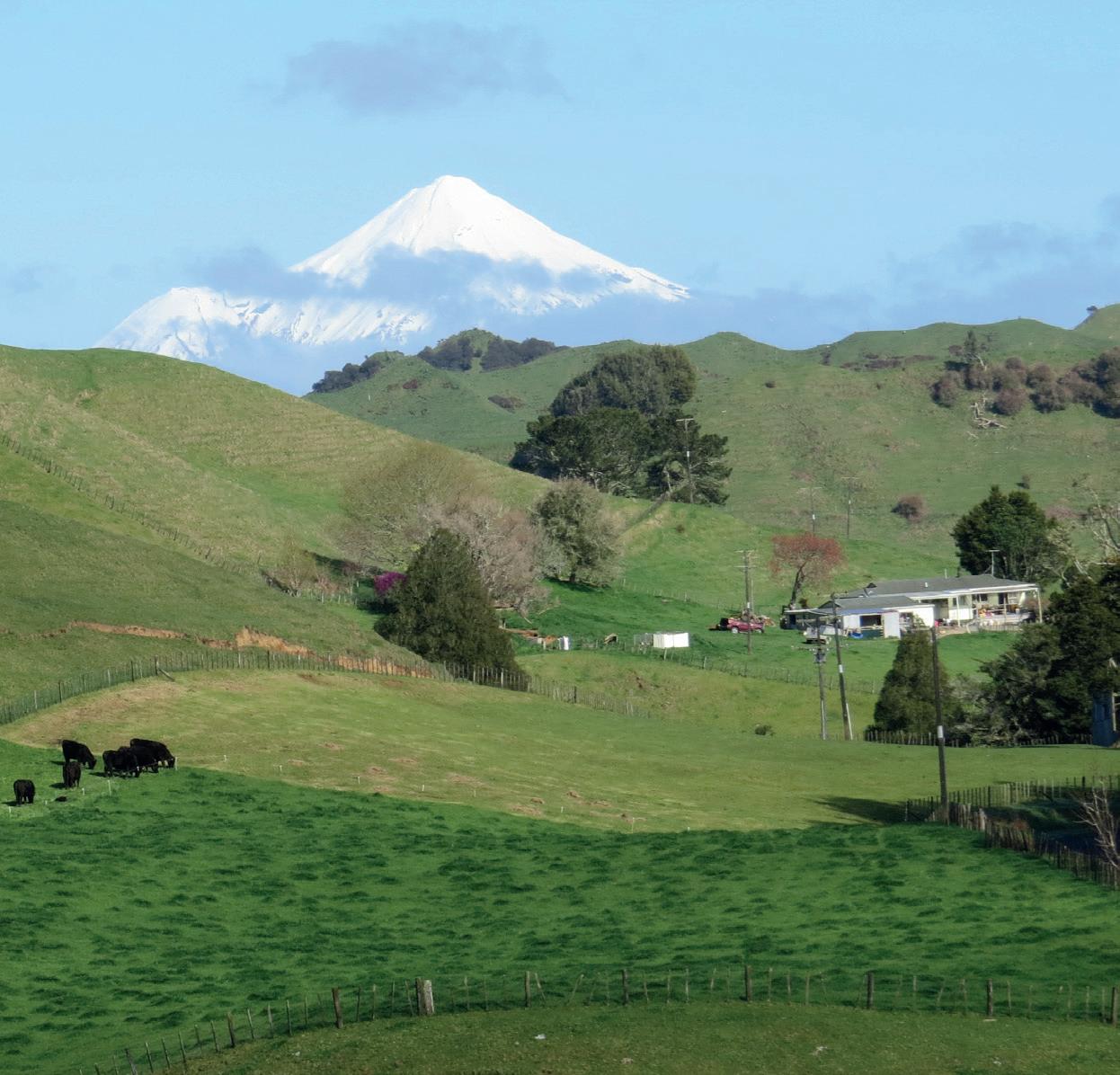
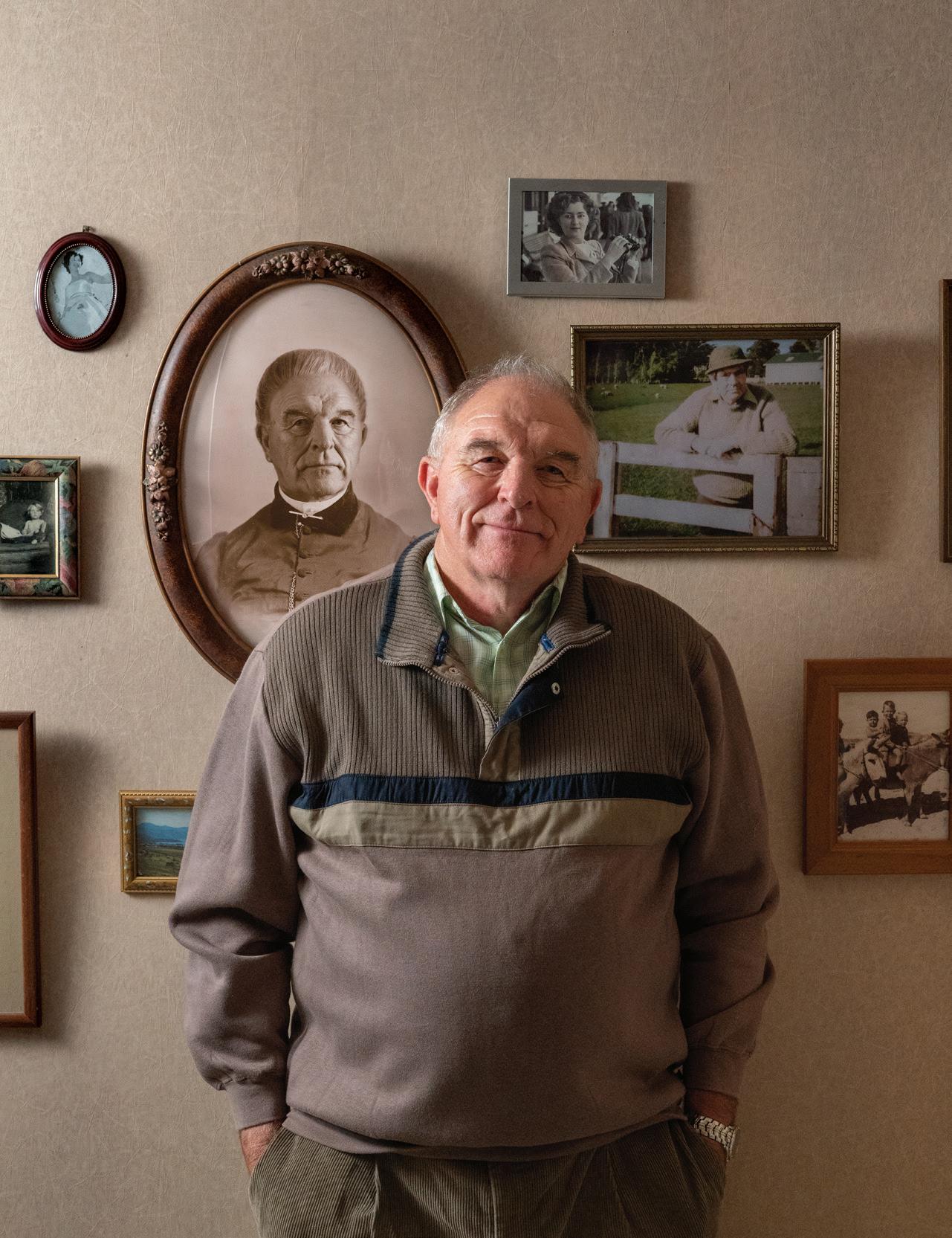
Hard work, opportunities taken and a little bit of luck have seen a Taranaki couple achieve their goal of farm ownership while putting a 100-year old family land jigsaw back together.
Clint Bellamy left school the day he turned 15 and began a journey that would see him shear in woolsheds all over the world before returning home to Taranaki to farm. The pattern was similar to his father and grandfather before him. This history has encouraged Clint and his family to act today, to secure their future.
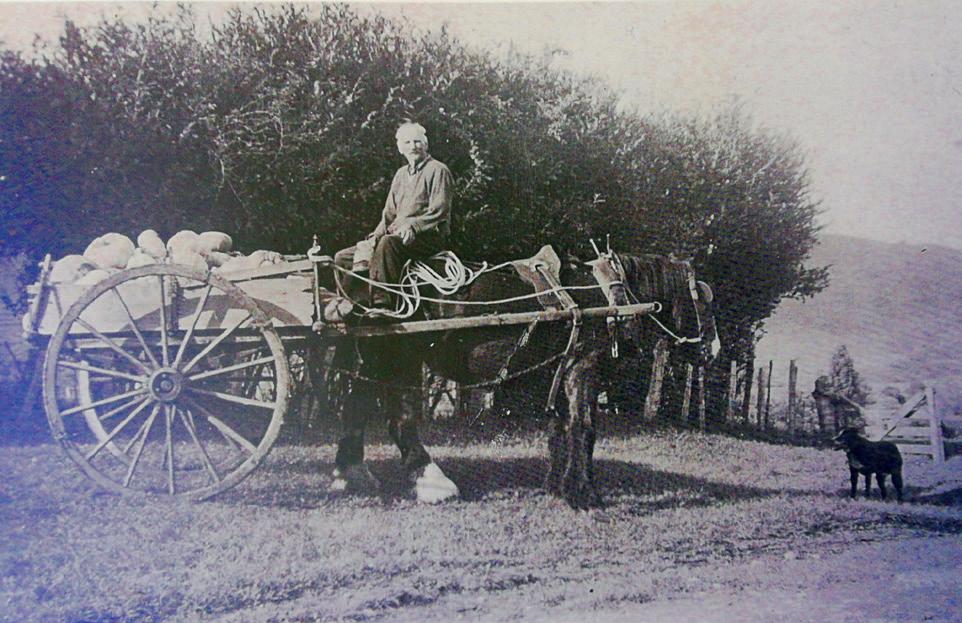
The Bellamy family can be linked to the Stratford area from 1914 when Clint’s great-great grandfather, William Bellamy first arrived in the district and bought the property that Clint’s Dad, Wally is now on.
William Bellamy sold and bought a number of farms, however there was no particular property that stayed within the family. He had 12 children, with first wife Hetty Maria (who died during the birth of their sixth child around 1925) then his second wife, Georgina.
One of William’s sons, Sam (Clint’s grandfather) started his journey to farm ownership by shearing.
In 1938 Sam and his wife Dolly bought 160ha in Strathmore, 30 minutes inland from Stratford on the Forgotten World Highway. They kept adding to it, resulting in a 323ha (800 acre) property known as Valley View.
Sam and Dolly’s son Wally (Clint’s father) also went shearing and contract fencing for about 15 years. In 1970, he and his wife Nancy bought back the property that had originally lured William Bellamy to the Makahu community, another 5 minutes inland from Strathmore.
Clint says the farm, also around 323ha, is next door to Valley View and while it had originally been William Bellamy’s holding there were two other owners, unrelated to the Bellamy family, in between William Bellamy owning it and Wally Bellamy’s purchase.
“Back in the day the Bellamy family milled forestry and had properties in Taranaki – even before 1914 – but it was William who started the ball rolling in our branch of the family by moving to the rural community of Makahu,” Clint says.
The father-and-son team of Sam and Wally farmed separately but next door to each other for around 10 years.
Clint laughs that his grandfather Sam was a “bit of a character” who enjoyed a good western and named Wally’s farm Ponderosa – after the 1970s hit television show, ‘Bonanza’.
In 1977, after Sam Bellamy retired, Clint’s Uncle Les bought the block.
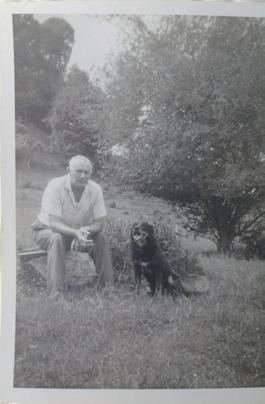
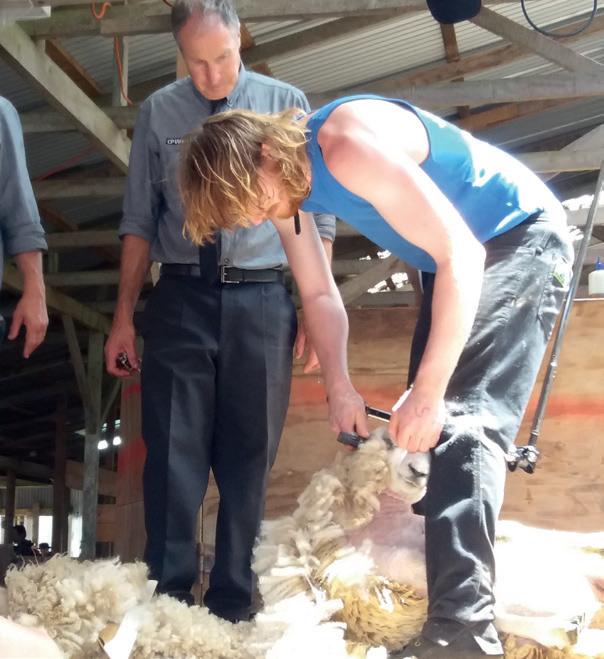
By the age of 19 Clint was contract shearing, including working overseas, and in his early twenties was running three shearing gangs. It was during the 1980s and the Labour Government’s radical social and economic reforms, dubbed ‘Rogernomics’ after Finance Minister Roger Douglas.
“Farmers couldn’t afford fencing or scrubcutting so through shearing I was able to head overseas and get work.”
In the early ‘90s Clint met his wife, Phillippa – affectionately known as ‘Red’ – while he was shearing in Central Otago and she was woolhandling.
The couple decided it was time to settle down and their link with the Bellamy family land began when they bought a 6.5ha block and house from Clint’s family, which was originally part of his grandfather’s block.
As well as shearing Clint set up a local scanning run, which he still operates, and a dipping run which he sold around 8 years ago. The revenue streams allowed Clint and Phillippa to purchase a nearby 80ha rough block in Makahu.
“The banks didn’t look at us that favourably but we had a good relationship with them, and had cash flow because of the shearing, scanning and dipping businesses, so we were able to buy the property.”
Opportunities to lease further blocks were taken and “between what we owned and what we leased we started building our capital,” he says.
“The timing was right; we had sold stock on high markets and bees and forestry pushed the price up so we made a good capital gain on the block we bought, farmed and later sold.”
Last year, grandfather Sam’s block came on the market. Clint and Phillipa’s tender was successful and the couple purchased 242ha of the farm from Les Bellamy, with 80ha having been sold off.
“We were thrilled to have the opportunity to keep the land in the family.”
Wally turns 79 this month and they now farm side by side on the land where he was born, working the farms together.
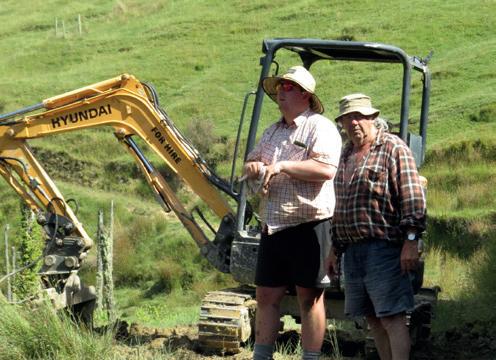
“Dad is still very active on the farm and is involved in all the regular events like mustering, shearing, docking, scanning and weaning. He has just bought a new bulldozer and can’t wait to get started on the Valley View tracks.
“Mum doesn’t miss anything either and is always there with a bag full of food.”
Clint admits it is hard to believe that they started with 6.5ha and now farm 566ha. The two farms have a 40ha bush block which joins them. The remainder of the blocks comprise around 40ha of rolling country and the rest, hill country.
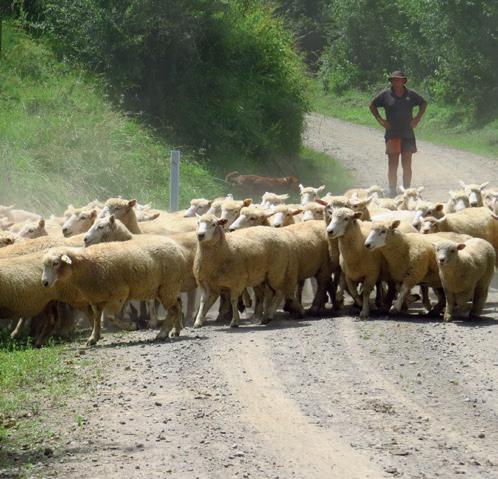
Clint says his side-by-side gets over most it with a team of dogs doing the leg work. He still gets on a handpiece now and then and while he loves it, says his body aches a bit now.
Phillippa is active on the farm as well as keeping the administration side of the business running.
Over the two properties they run 1,150 Romney ewes which Clint describes as “easy-care” sheep which suit the land; all the lambs are fattened.
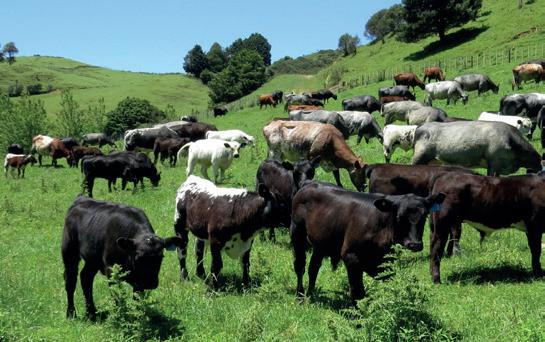
On the cattle front, Angus cows are run on one block and on the other, Angus Friesian cows over a short horn bull, and now a Canadian Speckle Park over that progeny. The latter is a trial run to see if they can get a better yield.
This year they have 100 cows to calve and between Clint and Wally, have another 250 trading cattle.
Clint usually takes the cattle through but this year due to COVID-19, they have sold off 25 weaners to provide cashflow.
Shearing is addictive. You are racing against your mate all day, and when you finish it doesn’t matter who shore more sheep, it’s just the competition that keeps you going and you are still mates at the end of the day.”
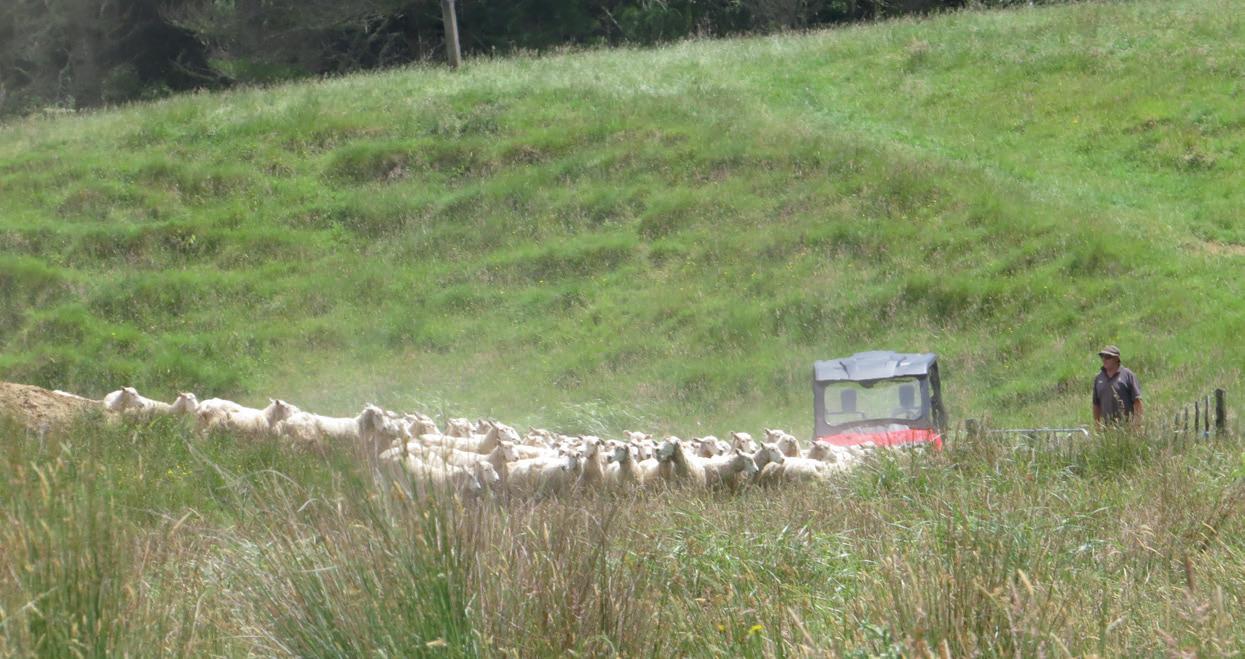
The couple describe their farming style as reasonably traditional, saying they “try to do things as best we can.”
“It’s ok to have a nibble at other opportunities but I believe the key is to stick to the core rules of farming and you will do alright.
“In New Zealand today, we have way less ewes than we used to, yet we are still producing more lambs. I shore through the skinny sheep scheme and we have come a long way – we now know it is essential to feed the ewes well so they will produce.”
Another 242ha hill country block the couple leases (having been owned by other Bellamys, Rowan and his uncle George before that) is registered for carbon credits so only has a couple of hundred acres of effective grazing.
“It is certainly a great feeling to see the Bellamy initials carved on the walls of the woolshed and know that I am carrying on the family farming legacy,” Clint reflects.
“We have always just battled away and done our own thing. We used to scan over 100,000 sheep a year and dip 280,000 sheep. Plus, we were running the three shearing gangs of nine shearers plus pressers and wool handlers – we had a big clientele.
“I loved it, every time the phone rang it was a job, it was great. I was constantly dealing with farmers – we would be shearing across three or four farms and dipping at another five or six, it was full on but there was never a dull moment.”
The Bellamys never gave up, working 7 days a week.
“I used to watch friends who were going farming and I knew I couldn’t, so I just had to keep going and work harder to achieve what I wanted.”
Clint has friends all over the world from shearing in England, America, Canada, Scotland, Australia and Italy.
“I liked shearing sheep, we were paid well, had good food, and I enjoyed the travelling and made friends for life. I know so many people in New Zealand it is quite unreal.
“Shearing is addictive. You are racing against your mate all day, and when you finish it doesn’t matter who shore more sheep, it’s just the competition that keeps you going and you are still mates at the end of the day.”
A recent highlight for the Bellamys was supporting Megan Whitehead during her successful four stand women’s shearing record attempt.
“When I first started shearing I teamed up with Megan’s Dad, Quintin and also shore with Megan’s Mum, Tina. I shore all over the world with them, so it was great to be involved with their daughter’s record attempt.
“It was an awesome experience working with Quintin again, washing sheep, crutching, filling up pens.
“Megan shore 608 lambs in 9 hours, about 53.3 seconds a lamb caught, shorn and dispatched! Hopefully she will have a crack at an individual record later in the year,” he says.
The Bellamys are very future focused and hope their sons will both return to the farm.
Oldest son Brent is 25 and has followed Clint’s shearing lifestyle, working in New Zealand and Australia.
It is certainly a great feeling to see the Bellamy initials carved on the walls of the woolshed and know that I am carrying on the family farming legacy.”
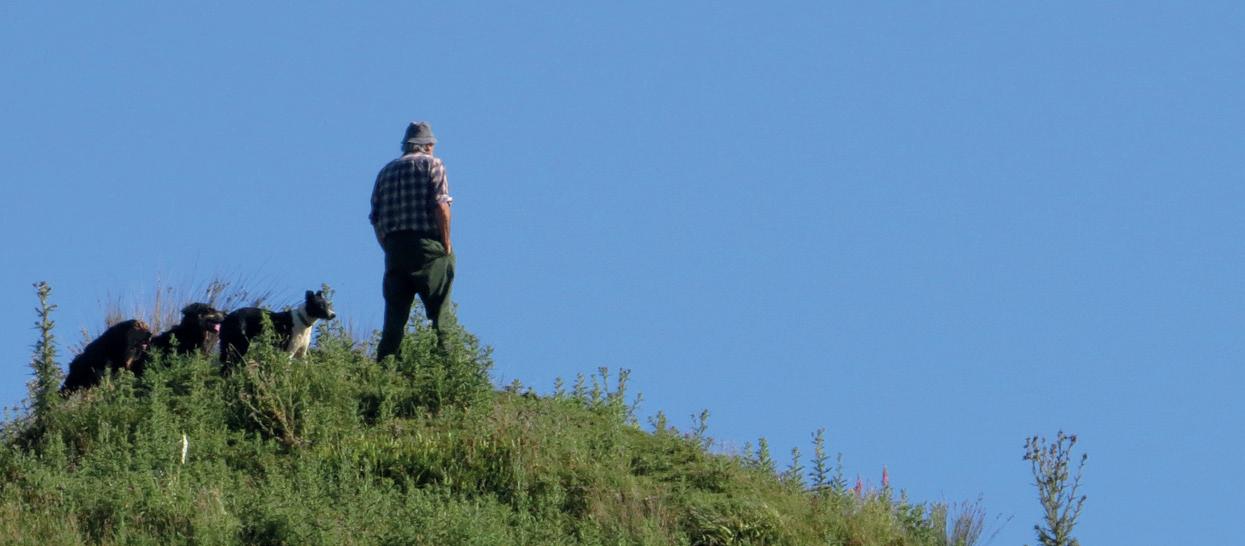
“Sean is 22 and is more into the machinery and contracting side but also enjoys cattle.
“The goal is to have both boys back on the farm so I can take it easier; I’m starting to wear out a bit!” Clint says.
“The plan is for Brent to buy the house we are in, the same one we bought all those years ago, and we will build on the new block.
The Bellamys are very much about their community with Clint a former President of the Taranaki Shears and always keen to help out at the local dog trials, motorbike rides and school fundraisers.
“I think a lot of success has to do with making the right decisions. In times like COVID-19 some people will make money, others won’t,” Clint says.
“Before the lock down I was following the world news and did a lot of preparation early in March because I was aware of what was going on and it was inevitable that we would have to close up the country. We had a busy March. We shore the ewes and did a lot of preparation but I’m glad we did.
“Despite the difficult times we have experienced as a result of COVID-19, people still have to eat, and we are food producers, so hopefully we come out of this alright.”
Clint says he always wanted to go farming and to make that happen he had to “get in” and work hard.
“It hasn’t always been easy but I have enjoyed it and if I had my time again, I would still go shearing. It’s in my blood.”
|
Here are some questions that can help you get through.
Am I getting enough sleep?
Am I talking to someone about what’s on my mind?
Am I eating well and keeping physically active?
Am I having down-time to recharge?
Do I have a list of what is realistic to achieve each day?
Using these questions to lock in small changes can make a big difference.
BE REWARDED FOR MORE OF WHAT WE DO TOGETHER WITH CHOICES REWARDS.
Earn Points across virtually anything you buy through Farmlands — from fertiliser and on-farm fuel to Card Partner spend and culvert pipe, plus heaps more.*
Earn 1 point for
COVID-19 has created conditions most of us have never faced before. The news that agriculture was permitted to continue operating as an essential service will have brought relief to many, but managing the risk of transmission on farm is a new challenge for rural communities.
WorkSafe says that now is the time to see farmers problem solving, innovating and continuing to do what is reasonably practicable to minimise risk on farm. This includes the risk of COVID-19 transmission, as well as managing the usual risks associated with farm work like vehicles and machinery.
WorkSafe has heard of great initiatives in the sector, of people implementing solutions for keeping their people safe. For example, some farms:
• Have put rules in place where it is only one person per vehicle and when possible, a particular vehicle is assigned to one person, allowing for hygiene and separation
• Are including their young staff who live on farm in their ‘bubbles’ so they can join evening meals to ensure they do not feel isolated
• Are installing water boilers in sheds so workers can have smoko in a larger space rather than crowding around a table.
Some suppliers and contractors are still running in order to keep farmers supplied – they may be able to help your business, while managing the risks.



COVID-19 risks for farmers include:
• Risk of transmission through shared equipment, working in close proximity
• The potential of not being able to get goods to market if a lack of people means produce cannot be processed
• Animal welfare issues due to delays in processing or testing
• Work not able to be completed due to lack of staff or contractor support
• Financial hardship and crisis for those worst affected (especially on top of drought conditions)
• Greater uncertainty about markets and world prices
• Greater uncertainty over labour supply, particularly for those who rely on offshore labour (e.g. dairy, horticulture)
• Reduced ability for rural services to deliver normal service levels due to COVID-19 Alert Level 4 restrictions and worker illness
• Increased isolation for farmers and family members.
Lockdown restrictions may also lead to retired or semi-retired farmers who live in rural communities becoming isolated. Talking and connecting with each other – and to support services – is critical.
Businesses should:
• Maintain or increase good hygiene practices
• Talk to their key sector groups for information about business continuity, animal welfare and labour needs
• Ensure someone with COVID-like symptoms does not work
• Keep any diagnosed workers away from others on the farm and, as a precaution, do not have them work with animals.
Specific information for larger businesses
Some businesses have large numbers of staff, have shared shearing or seasonal accommodation, and/or have their own packing and warehousing facilities. They should:
• Disinfect worker transport vehicles
• Clean shared equipment and provide wipes/gloves to minimise possible transmission
• Clean all surfaces at shift changeover
• Prevent infection spread in seasonal accommodation by cleaning shared bathrooms, provide hand washing facilities and other cleaning/washing materials
• Be vigilant with on-site traffic management and institute checking procedures
• Ensure highly competent drivers and stackers are working to mitigate potential risks from packhouses/warehouses being overfilled/poorly stacked
• If achievable, test people coming onto site (e.g. truck drivers, service personnel, workers) for their temperature.
Article supplied by WorkSafe.





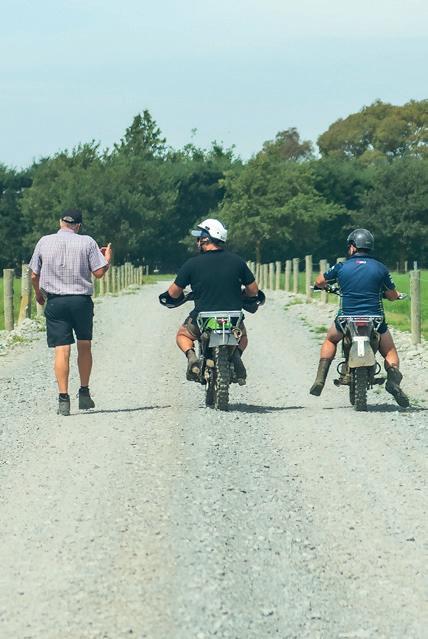
Safer Farms is reminding everyone using on-farm vehicles to stay vigilant in the wake of a tragic spate of accidents this year.
At least six people were killed in work-related accidents on farms over January and February according to WorkSafe statistics.
Safer Farms General Manager, Tony Watson says the number of fatalities needs to serve as a wakeup call for everyone operating on farm vehicles.
“If people dying on farm is the measure, 2020 has started badly, really badly,” he says.
“Every single death on farm so far in 2020 has been farm vehicle related. If we look over the last 10 years, we find over 80 percent of farm workplace deaths are vehicle related.”
There has also been a number of other farm fatalities this year involving vehicles which have not been ‘work related’ and not counted in WorkSafe statistics.
On average over the last decade, 12 people died in on-farm, workrelated accidents every year. However, that number has crept up over the last 5 years, getting closer to 15 fatalities per year.
Tony is questioning what factors are contributing to the rise and says farmers need to understand STKY – the “Stuff That Can Kill You”.
“Just because we’ve done a job hundreds of times, doesn’t mean we won’t get caught out. Often, it’s a bunch of small things that aren’t necessarily a problem by themselves, but together they can trip up even the more experienced operators. When we get tired, we can make poor decisions,” he says.
Driving quad bikes, ATV side-bysides, tractors and other on-farm vehicles fortunately goes right most of the time. However, Tony says this can lead to complacency and driving in “auto-pilot” mode.
“We need to remind ourselves that safety is not measured by the absence of accidents – safety is the presence of capacity and our ability to modify and adapt our behaviour with environmental changes going on around us.”
With farms being dynamic and potentially dangerous workplaces, operators need to be equipped with the skills to handle it when something goes wrong.
“We need to consciously think about how we can go about our work safely. This doesn’t mean signs, hi-vis and paperwork – too often we see these
bum-covering responses to compliance as what farmers think the regulator is looking for,” he says.
“To make a real difference, we need to accept that things don’t always go right. If we accept there is potential for things to go wrong, we need to make sure we’ve got things in place to keep us and our people from being killed or seriously hurt.”
Watson insists that along with making sure the operator is capable and the vehicle is in good nick, there are just three simple steps to follow that save lives:
• On quad bikes, drivers should always wear a properly fitted helmet and have ROPS/safety frames fitted.
• Always wear seatbelts in other farm vehicles, including tractors, side-bysides and utes – especially if you’re going more than 30kms per hour or if the vehicle is going somewhere tricky.
• On side-by-sides or other ATVs, the drivers and passenger should always wear helmets and seatbelts.
He also stresses the importance of putting decent padding on any roll frames, as hitting your head on the metal frame can also cause serious brain injury.
“There’s no shame in hopping off and walking if you’re at all concerned about the situation you’re in, that’s better than taking the machine somewhere you might regret,” he says.
“Everyone needs to get home at the end of the day to their families — mothers, fathers, children, husbands and wives. That’s the bottom line.”
Article supplied by the Agricultural Leaders’ Health and Safety Action Group.
On Sunday 1st of March, farmers and growers opened their gates to the public as part of the inaugural Open Farms event. A national initiative, farmers of all backgrounds signed up to share their knowledge, initiatives and produce with hundreds of visitors in an effort to close the gap between urban and rural communities.
Heading to North Canterbury, Farmlands’ Director of External Relations Mark McHardy visited Eyrewell where Nga i Tahu farm Otukakau was educating young and old alike; while Communications Advisor Nina Poletti and Marketing Product Manager Madison Wight ventured to Greystone Wines in Waipara to taste the organic fruits of their labour.
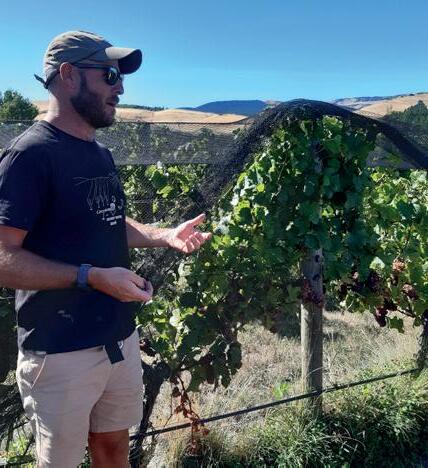
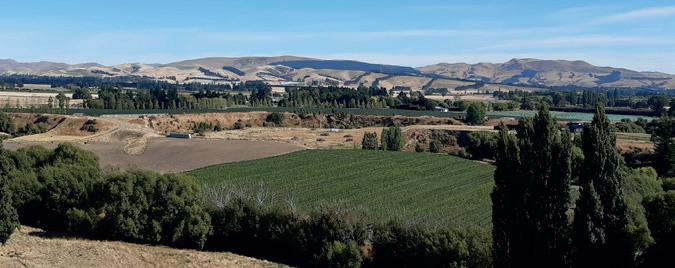
Greystone Wines – the organic way Greystone has not always been organic. The vineyard was established in 2004 and operated under conventional systems until 2011, when the transition period began. The move took approximately 3 years and for Viticulturist Mike Saunders, going organic simplified things.
“If you can do something without using hard chemicals, why wouldn’t you?”
On arrival at Greystone Wines, guests were invited to take their cars on a 5km driving tour of the whole vineyard, seeing it from all angles, before being escorted by Mike on a walking tour of the closest Sauvignon Blanc and Chardonnay vines.
For many attendees, the difference between organic and non-organic wine was unclear, but Mike’s expertise quickly put that to rest. With an organic certification, the vineyard is audited annually, and records of every product used on the plants is required. Financial records also have to match up with the products used. Use of less product is encouraged and as a result, Greystone Wines is beginning to diversify.
Cutting the lower leaves of the vine back exposes more of the fruit to the sun and air, decreasing the chance of fungal infections or disease taking hold. To assist with leaf management, Greystone has employed the help of “sheep leaf pluckers”. When the grapes are still young and green enough to deter sheep, they are let loose in the vineyard to graze the grass between the fruit lines and eat the leaves off the bottom side of the vines, meaning the use of chemical is unnecessary.
On the un-cultivatable land, native tree and riparian planting is underway to offset carbon emissions and support bird life.
Working with nature as much as possible means that less machinery is used and, as a result, work is safer.
A venture into organic meat supply also creates long-term market sustainability for the property.
For Greystone Wine’s General Manager of Sales and Marketing, Nik Mavromatis, the Open Farms event worked well, was easy to run and came at a good time in the viticulture calendar so guests were able to get out into the vines and taste the fruit.
“We had a large number of new immigrants attending which was a surprise. Rural New Zealand isn’t that accessible for people who have recently arrived in the country, so this day gave newcomers an opportunity to interact with farming,” Nik noted.
“For those who have grown up locally, there is a bit of a disconnect with farming but for people arriving from other parts of the world, they want to know how it really works in New Zealand.”
With 90 attendees booked for the day and approximately 75 coming through the gates, Nik was impressed by the interest in the industry.
“There is a big gap in storytelling within the agriculture industry and a lot of people are very far removed from the process. This day gave us a chance to work together to improve this.”
Otukakau and Paritea Farm – Ngai Tahu on display
Nga i Tahu Farming is a corporate business so making their Open Farms event happen was a real team effort says Technical Farm Manager, Ash-Leigh Campbell.
Both Otukakau and Paritea are dairy farms, based in Te Whenua Hou (Eyrewell), near Oxford in North Canterbury. A 2-hour event was held at both properties, with Otukakau entertaining crowds in the morning and Paritea in the afternoon.
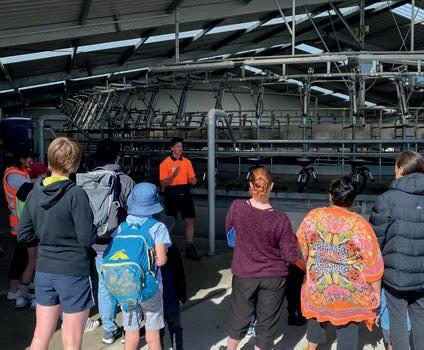
In the morning, families that wandered through the gates were taken out on the property to learn how the grass was transformed into milk. What seems like basic knowledge for farmers, was completely new for many of the children who attended, most of whom assumed milk just came from a bottle in the supermarket.
Ash-Leigh and her team stressed New Zealand’s advantage in creating a premium milk product. The opportunity for cows to graze on grass instead of manufactured feed means that the best
protein and nutrient levels are absorbed into the final product. Lysimeters in the ground on Paritea Farm measure how much nitrate is leaching through the soil and the results are sent to Lincoln University to collate data. With 40 lysimeters measuring the environmental impact of operations, Nga i Tahu is currently operating one of the largest commercial scale monitoring systems in the Southern Hemisphere. From the paddock, the group moved around to the milking shed, where a Synlait tanker was waiting to take the morning milk away. The children climbed in the cab and sipped on flavoured milk provided by Fonterra.
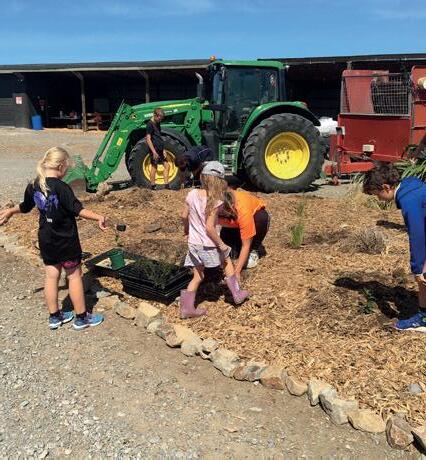
“Patting the calves was a big winner,” Ash-Leigh says, “but what surprised me most was how excited the kids got about being able to plant a tree.”
A collaboration between Nga i Tahu, Synlait and Fonterra meant trees were available for each attendee to plant for both events on Otukakau and Paritea. This initiative is part of Nga i Tahu’s environmental stewardship efforts and offsetting their carbon, as well as protecting their waterways and re-establishing mahinga kai (traditional food sources).
“Our events were focused on quality over quantity, we wanted each individual attending to have a positive experience,” Ash-Leigh says.
“Now that we have a structure and the capability, we can expand visitor numbers for next time. I believe everyone left with more understanding about what really goes on.
“Our guests were mostly retirees and families, so the challenge was making sure we were providing the right education to keep the adults interested and as much ‘doing’ as we could for the kids.”
Overall, Ash-Leigh and the Nga i Tahu team were very happy with how the Open Farms initiative was run.
“Open Farms did a really good job at the front end – signing up was seamless and they were more than happy to help. We had an initial phone call and the organisers were proactive in sending out information such as the visitor lists and ticket sales. We could also see how the other farms were doing.
“The guys even called after the event to close the loop and to thank us for our participation, which we really appreciated. Everyone who attended thanked us for the opportunity and we would absolutely do it again!”
www.openfarms.co.nz
Articles in the Plan365 section allow Farmlands suppliers to share best practice and the latest advances in rural technology, to help shareholders with their farming needs all year round.
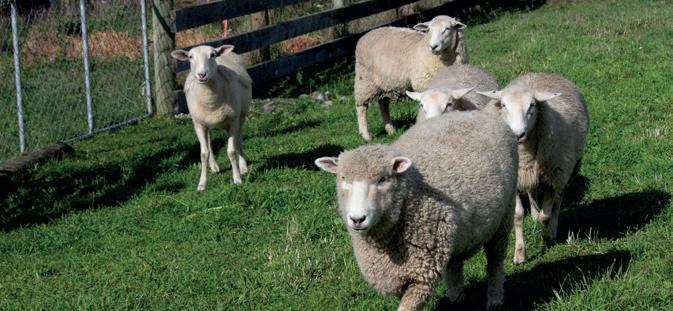
No matter the size of your property, the short days of winter are a critical time to safeguard both your pastures and livestock for the productive time of spring.
With poor growing conditions around the country rationing and feeding according to need is likely to be more important to lifestylers with grazing livestock this winter and spring than in recent years. Pastures that may have been over-grazed during the summer will take time to recover and spring growth will be further compromised if over-grazed or damaged through the winter. On small blocks where winter forage crops are less practical, a quality compound feed is a simple and highly effective solution if the quality or quantity of feed on offer is insufficient for the class of stock being fed. Whilst the concerns of the lifestyle farmer are typically less than those of the commercial farmer, simply because they have less mouths to feed, there is still a need to watch costs and safeguard animal welfare. The confirmation of drought status in many parts of New Zealand will inevitably see conserved forage trucked into drier regions and reduce the available stock – putting pressure on wrapped smallbale products. Often a lack of handling equipment does limit the feed options for the smaller block and a slow usage rate increases the risk of spoilage of commercial sized fermented forages (silage and baleage).
The best-quality forage should be reserved for the highest producing stock – especially pregnant animals
close to parturition, lactating animals and R1 cattle. Condition scoring is a valuable skill as some dry stock and pets might benefit from carrying a few less kilograms, or it can be beneficial to identify stock that need to put on weight. Maintenance requirements increase when stock are cold but wet and windy conditions have an even bigger effect on animals, as more feed is needed to keep their body condition. Whether it is strategically planted hedges or buildings that can be fixed or mobile, shelter is good for budgets and animal welfare.
Shelter may come from strategically planted hedges or buildings which can be fixed or mobile.
Ruminants and camelids need long fibre in their diet to support rumination which helps fibre digestion. Conserved forages can make up a high percentage of the diet if pasture is limited but even the best quality tends to be lacking in energy and protein for young stock and females 3–4 weeks off parturition or lactating. Grain-based compound feeds are a good way to balance
diets containing conserved forages because they are energy-dense and digestible (compared to conserved forages). Compound feed stores well and is concentrated so can be a good emergency store against an adverse weather event but be careful not to increase feeding rates too quickly. Generally, the higher the level of production required the higher the quality of the supplement required to balance the diet. Avoid the temptation to overgraze new growth in the spring so that recovery post-grazing will be stronger. NRM has one of the most comprehensive range of compound feeds available for ruminants – to ensure the optimum feed can be fed whatever the class of stock or forage available – more detailed information is available at www.nrm.co.nz
For more information contact your NRM Nutrition Specialist or the friendly team at your local Farmlands store.
Article supplied by Dr. Rob Derrick, NRM Lead Nutritionist.
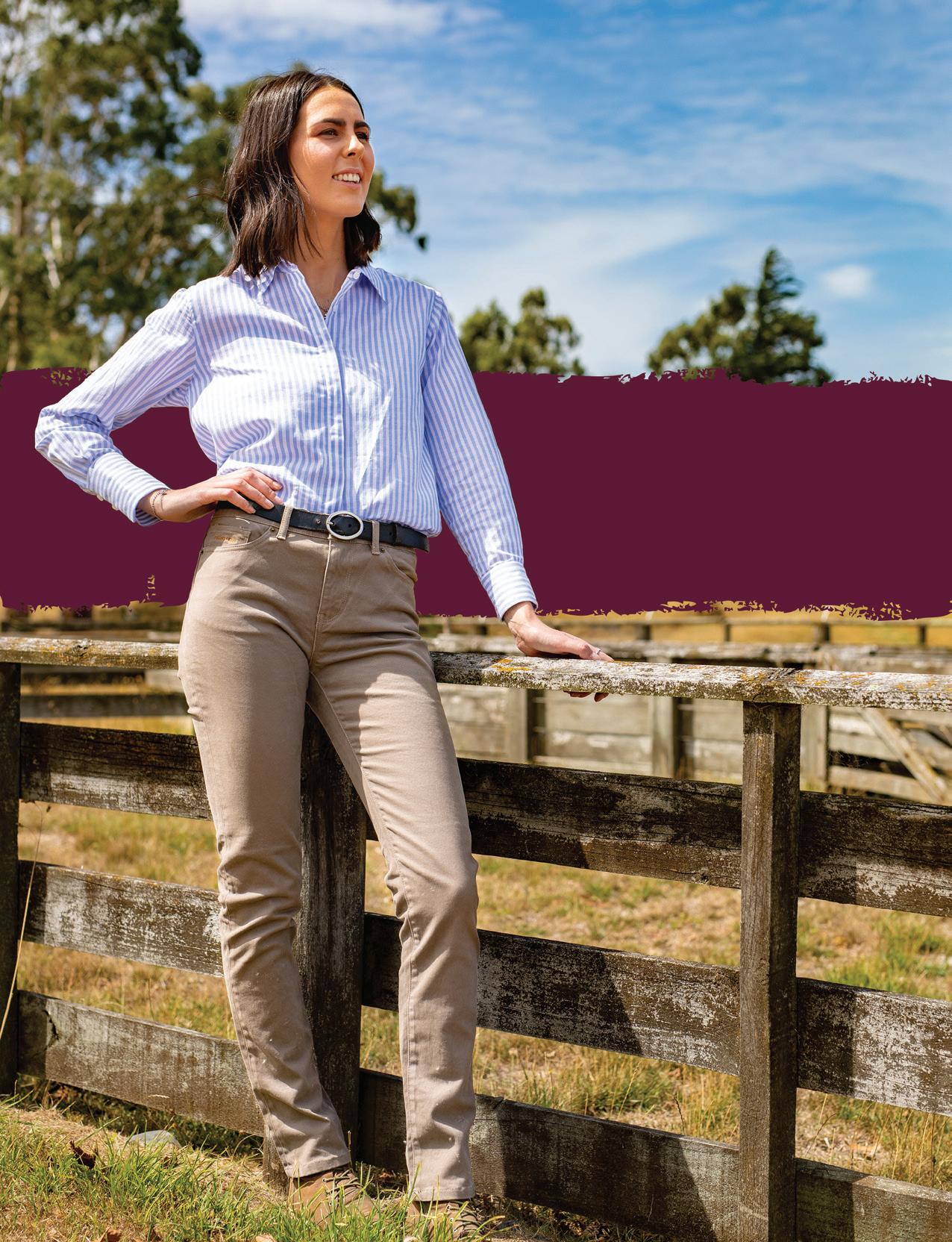
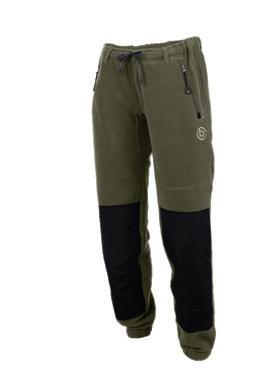
New slim-fitting jean style in 350gsm mid-weight stretch
Moleskin fabric, 98% cotton + 2% elastane for added comfort.
Women’s sizes 8 to 22
Available in Taupe, Navy & Black
Available at your local Farmlands store
Magnesium (Mg) is an important mineral that has many functions within the body, including nerve and muscle function, immune system function and bone health.
As magnesium relaxes nerve impulses after transmission, a minor deficiency can manifest itself as excitability and nervousness in cows, whereas excessive intakes can cause sedation, with cows becoming more lethargic and non-responsive. If cows do succumb to hypomagnesaemia (grass staggers) it can jeopardise their milk production for the rest of the season, or in the worst cases cause cow deaths.
Calculating how much supplementary magnesium that should be fed is difficult because how much is in the pasture depends on soil type, types of forage, weather and speed of growth. Availability is also reduced by high potassium and nitrogen levels. The magnesium level in pasture
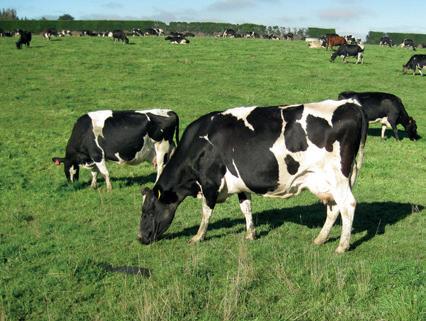
(typically 0.1–0.2 percent) generally does not meet the requirements of lactating cows (approximately 0.28 percent, depending on the level of production) so supplementation is normally required in the spring.
Magnesium oxide (MgO) is the most common magnesium supplementation. Its key benefit over other products such as magnesium chloride, magnesium sulphate and magnesium phosphate is its alkalising effect in the rumen i.e. magnesium oxide helps to lift rumen pH when the ration lacks fibre. Magnesium oxide also increases milk fat concentration which is more valuable than it used it to be.
Now that farmers are being presented with different MgO options due to the disruption in global trade, it pays to know how to assess the quality of various products. Especially given that this supplement is part of our food chain – consumers are increasingly scrutinising suppliers’/manufacturers’ accreditations – both for direct sales to farmers and use in manufactured feeds and blends.
Magnesium oxide is not dug out of the ground as-is but is produced by the high-temperature furnace calcination (oxidation) of magnesium carbonate. The elemental magnesium content is important for cost effectiveness but also the availability of the magnesium which is influenced by:
• Particle size – grinding magnesium oxide to a finer particle size has been shown to increase solubility and availability for ruminal absorption. Finer grades are more
suitable for dusting. If dusting magnesium oxide on pasture, the amount required to be consumed has to be doubled or possibly tripled to allow for field losses.
• Temperature at which magnesium oxide is calcined – affects the reactivity and availability to the animal. Higher temperatures result in greater surface area by breaking down the magnesium carbonate particles, thus increasing the potential for solubilisation and release of magnesium into the ruminal fluid.
• Origins of the rock used – affects the level of elemental magnesium and the level of impurities. Three non-essential minerals in particular are classed as highly toxic –cadmium, lead and mercury and can be damaging to animal health and the environment.
While not a source of the disease, feeding granular magnesium oxide to dairy cows may increase their risk of contracting salmonellosis so the level fed is normally limited at 22–36g per cow per day.
Adding magnesium oxide to blends and compound feed is a good option. Magnesium absorption is improved with more readily degradable carbohydrates, the palatability of which can also help offset the bitterness of magnesium oxide. For more information contact your NRM Nutrition Specialist or the friendly team at your local Farmlands store.
Article supplied by Dr Rob Derrick, NRM Lead Nutritionist.
SuperShine
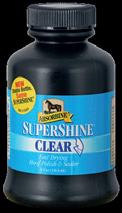
- Fast drying hoof polish Colours: Black, Clear
Available in 236ml
$49.50 1010435, 1010436

ShowSheen 2-in-1 Shampoo & Conditioner
- pH-balanced formula for horses with sensitive skin.
Available in 591ml
$40.50 1010721

ShowSheen - Keeps manes and tails tangle free. - Repels dirt, dust, and stains Available in 950ml with sprayer
$43.90 1010437

Extreme Magic Cushion
- Provides a protective barrier that cushions for a healthy hoof Available in: 900gm, 1.8kg
$104.50, $206.95 1022827, 1011963

Magic Cushion
- Cools and cushions sore feet and sole bruising. Available in 900gm, 1.8kg
$85.50, $171.50 1022826, 1011962
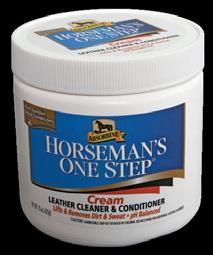
Horseman’s One Step - Easy-to-use cream. Cleans and conditions leather and synthetic leather products. Available in 425gm $36.95 1010714
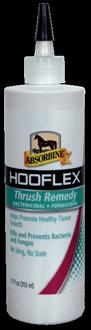
Hooflex Thrush Remedy
- Kills embedded bacteria and fungi - Helps promote normal healing. Available in 355ml
$53.50 1011958
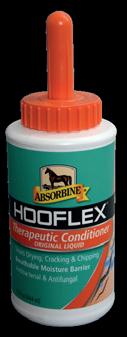
Hooflex Therapeutic Conditioner
- Treats dry, cracked and chipped hooves. Available in 444ml $64.50 1010434

Poorly designed and inadequately maintained calf sheds will compromise animal health and put added pressure on calf rearers. A bit of thought and planning now can make life a lot easier come the spring.
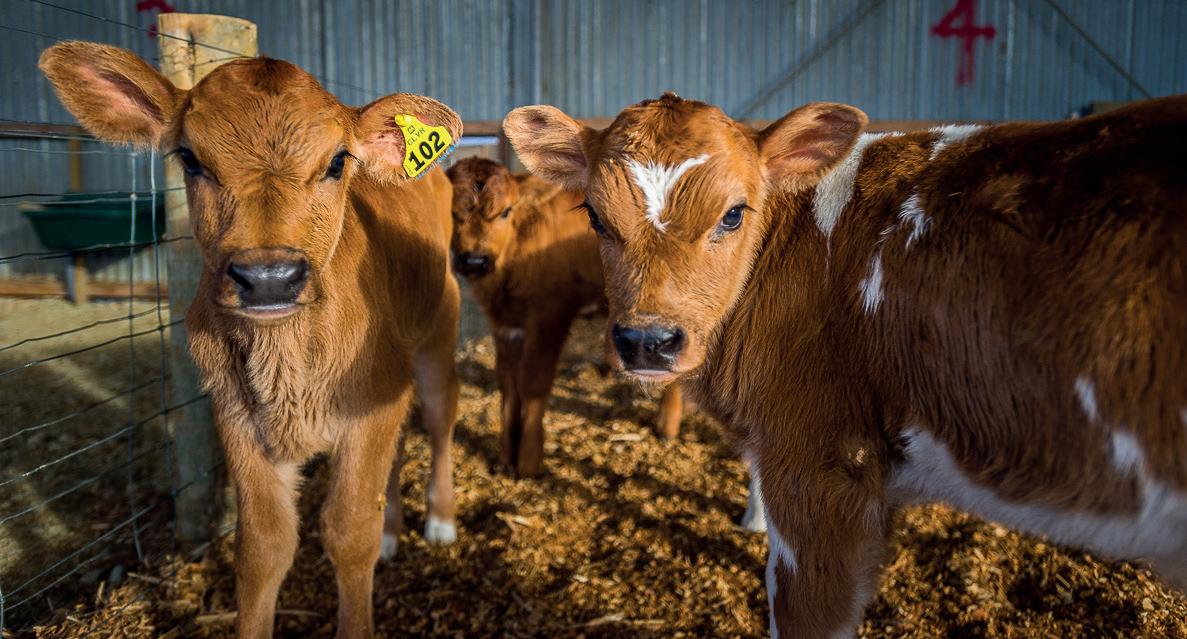
From bedding to guttering, cleaning to lighting – here’s a checklist to get you started.
; Make sure your sheds are cleaned out from last season and are thoroughly disinfected to kill any lingering pathogens. Virkon is a good option as it is effective against over 400 different pathogens, including many of the diseases that are a risk to calves in New Zealand such as rotovirus, salmonella, E. coli, campylobacter and M. bovis. Spray at a 1:100 rate when spraying out sheds before the start of the season, and a 1:200 rate during the calf season while calves are present in the sheds.
Consider steam cleaning sheds now if more difficult-tokill pathogens such as crypto popped up last season –equipment for doing this can be hired so check out your options locally.
Set up a boot disinfecting point by your sheds.
Calves prefer a light and airy environment. Dark, dingy and damp sheds should be avoided. If the sheds you have on farm are not ideally designed, try and work with what you have got e.g. consider adding clearlight panels to let more sunlight in.
Pens should not be draughty at calf height but should have good airflow above calf height to avoid the buildup of ammonia, which predisposes calves to respiratory diseases such as pneumonia. Use your imagination to make your sheds work for you by adding in ventilation where it needs to be and stopping draught where you know it sneaks in. Slatted floors are a big no-no.
Adequate guttering on sheds can also make a big difference for you and the calves, so make sure any maintenance is sorted.
Give your back a break by re-setting gates that do not swing freely, for easy calf movement.
Start to think about your bedding options. Whether using wood chip, sawdust or stones – the main goal is bedding that is dry and well-drained. Wet bedding is a massive risk to animal health.
Check your milk feeders and meal troughs are in good order and that you have enough of them.
Check plumbing and water reticulation. Fresh, clean water should always be available, and at a height calves can reach from day one.
Ensure your pens are numbered and think about installing a whiteboard – this can be handy for noting down animal health information while on the go.
Offering long fibre for calves that is not too easily consumed is important. Build hay racks that limit hay availability, as too much fibre can decrease pellet intake. There are many ways to effectively do this – us kiwis are great at inventing new ways of doing things.
Article supplied by Stacey Cosnett, NRM Nutritionist.
Since 1905, we’ve been a mutually owned insurer looking after farmers and growers all over New Zealand. Like so many rural families, our history is something we’re incredibly proud of. That’s because right from day one, we’ve remained true to what it means to be a mutual. For example, putting profits back into the business instead of overseas shareholders’ pockets. If that sounds like the kind of insurer you’d like to have looking after you, ask around about us. Or better still, call us now on 0800 366 466.
We’re here for the good of the country.
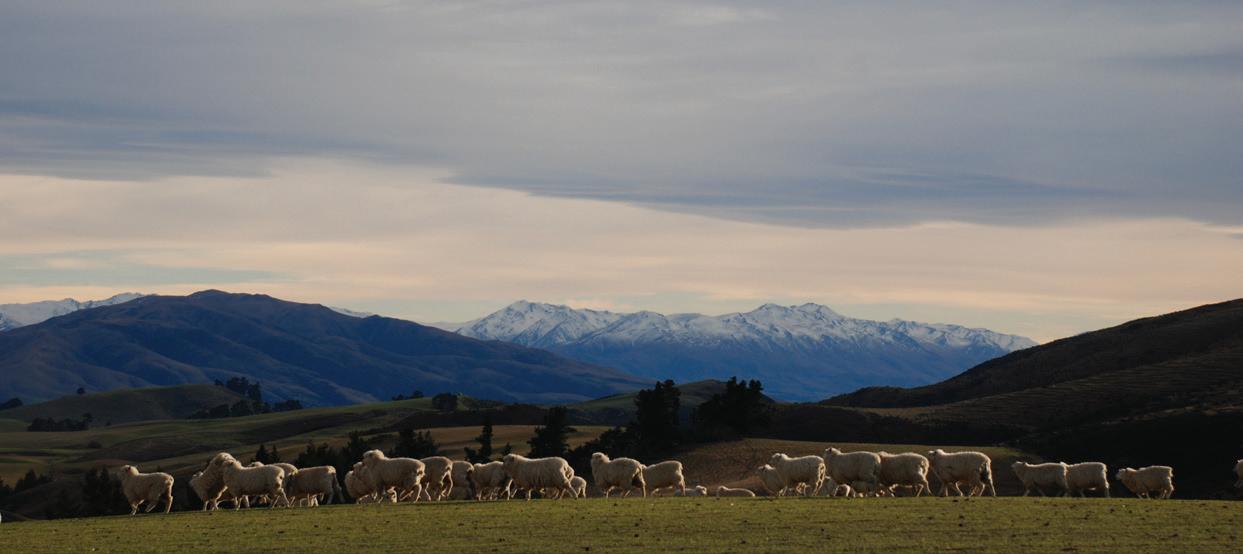
The use of long-acting drenches in ewes prior to lambing is a common practice nationwide. Around half of farmers use these products on a regular basis.
Many farmers choose to use long-acting injectable moxidectin (LAI) or controlled release capsules (CRC) as they believe that the use of these products in a pre-lambing situation will benefit the production of their ewes and lambs. While this may be the case, research in the Whangaehu region tried to clarify the benefits and ultimately proved that production benefits are widely varied. The other side of this coin is that routinely drenching adult ewes, as well as using long-acting products, may potentially increase the development of anthelmintic resistance on farm. Donaghys is bringing their own long-acting injectable drench to market this season. Moxi LA will be
on Farmlands shelves from June and provides protection against reinfection of sheep for:
• 91 days against Barbers Pole
• 112 days against brown stomach worm and
• 42 days for black scour worm. Moxi LA contains moxidectin which is considered to be the most potent active ingredient in the macrocyclic lactone family.
Long-acting drenches are an invaluable part of a farmer’s toolbox; we just need to use the products in such a way that they will maintain high levels of efficacy for as long as possible. Wormwise advocates that any animal that gets treated with a long-acting anthelmintic product should get treated with a short-acting drench at the end of the protection period. This is an important step that should not be missed as it helps to ensure that resistant parasites
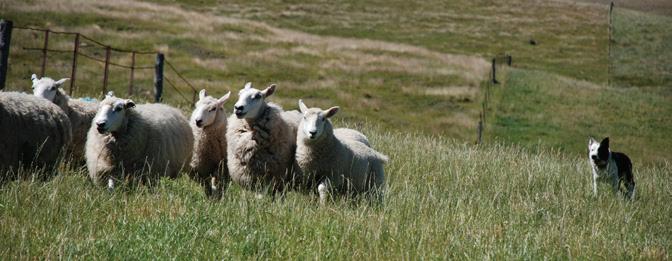
do not continue shedding eggs across the rest of the farm. Remember that we also need to include a source of refugia on farm, this may mean leaving about 10 percent of animals in a flock un-drenched, or running a different class of animals, such as non-pregnant hoggets, with the treated mob as the source of refugia.
An exit drench should be used after the protection period ends and must be fully effective on your farm. It should also contain active ingredients that were not present in the long-acting product. Long-acting products could be followed with a novel drench, or a triple or double active product such as Donaghys TrivOx or Concur, remembering the proviso that the drench chosen must be fully effective on your farm.
Now is also a timely reminder to check on the trace element status and supplementation of your ewes as selenium, copper, iodine and cobalt could all be negatively impacting your farm’s productivity. In the same trial mentioned above, a number of farms had a very significant change in performance by incorporating a trace element supplement at the pre-lambing stage. For further information, talk to your Technical Field Officer or the friendly team at your local Farmlands store.
Article supplied by Donaghys.




*To qualify, customers must spend a minimum of $500 incl GST or more in a single transaction on Pink ® Batts® (which includes installation by PinkFit ®) at any PlaceMakers store between 1ST May 2020 & 31ST May 2020. ^PlaceMakers Gift Card is via redemption at www.placemakers.co.nz/ farmlands-placemakers-gift-card-promotion/. PlaceMakers Gift Card must be redeemed by 30TH June 2020. $50 PlaceMakers Gift Card value will be accrued per $500 of qualifying spend and will be issued once the invoice has been paid. Total redemption accrued will be based on invoice value not quote value and will be credited on to a single PlaceMakers Gift Card. Not valid in conjunction with any promotional offer. Offer is for Farmlands shareholders only.


The popularity of fodder beet has grown considerably over the last decade, since it was first planted in Southland as an alternative to brassicas. Part of its popularity is due to the low cost of production and its ability to be grown all year round.
However, despite its popularity there are still many unanswered questions on the impact of fodder beet on dairy cow health, performance and productivity –and whether these effects are immediate or accumulate over several seasons.
A recent farmer survey conducted by DairyNZ, in association with The Southern Dairy Hub, showed that farmers reported a higher incidence of metabolic problems in herds feeding on fodder beet (41 percent vs 23 percent), with the greatest incidence over 3-5 years. Conversely, they found a higher incidence of mastitis in herds not on fodder beet (54 percent vs 42 percent that were).
The survey reported that 8 percent of farmers have stopped feeding fodder beet, citing animal health issues, cost and difficulty managing the crop as the main reasons.
Whilst there is consensus on the impact of poor management when transitioning cows on and off fodder beet, there seems to be conflicting advice on how much of the ration should be fodder beet and what mineral supplements are needed.
The trial’s nutritional modelling of fodder beet diets showed that for nonlactating cows and growing cattle the recommended maximum is 60 percent of the diet, with the rest of the diet made up of grass silage with adequate protein (15 percent crude protein). There should also be supplementary phosphorous
and calcium if more than 40 percent of the diet is made up of fodder beet.
The study also showed that a fodder beet diet was deficient in phosphorus and calcium and, if left untreated, this could result in other issues such as milk fever and/or poor growth rates.
A study of the cumulative effects of feeding fodder beet found that these calves had poorer growth rates and stature compared to those from mothers fed kale, resulting in them struggling to reach their target BV at 13 and 15 months of age — a key indicator of lifetime performance.
The conclusion was that fodder beet can have a positive role in our farming systems, but its use must be strategic and supplemented with minerals.
Nutritech has developed a highly palatable and convenient range of
supplements specifically for young stock and dry cows wintered on fodder beet, including:
• The free access mineral, DanMix® Fodder Beet, ideal for young stock grown on or off farm and/or
• NutriMin® Fodder Beet Balancer, which can be ’top dressed’ onto silage or mixed into supplementary feeds.
Nutritech Area Managers can take feed samples from your farm which they will use, along with blood and liver results, to develop customised mineral and trace element mixes specifically suited to your cows’ needs.
For further information, contact your Farmlands Technical Field Officer or the friendly team at your local Farmlands store.
Article supplied by Nutritech.






The importance of weight gain in cattle means they can be finished earlier, providing the farmer with options to maximise schedule variations and reduce the need for extra winter feed to finish cattle.
An evaluation that took place in spring/ summer 2018/19 involved:
• Dosing R2 steers with a High Trace bolus
• Comparing this with a Tracesure mineral bolus and Copasure copper capsule on live-weight gain
• Animals grazed on spring and early summer pasture.
The trial concluded that the High Trace bolus group improved the daily liveweight gain on average by 1.045kg/ day and the Tracesure/Copasure combination improved the daily liveweight gain on average by 0.99kg/day over the 177 days of the study. The total weight gain averages were:
• Control group 163.13kg
• High Trace group
185.05kg (+ 13.4 percent on control)
• Tracesure/Copasure group 175.22kg (+ 7.4 percent on control)
The soils in this trial (predominately peat) contained high levels of molybdenum and iron plus the water
reticulation system contained high levels of manganese. All of these elements are regarded as antagonists against copper and selenium so any supplementation is required to be at levels that can overcome antagonism but also ensure the animal has adequate supplies for growth.
Deficiencies of these trace minerals may not lead to clinical disease but may manifest in the inability of animals to meet growth rate targets. Equally, supplementation of these trace minerals may not improve growth or maintain health unless the basic nutritional grassland feed demands are met, and the animals’ dry-matter-intake is not restricted.
The High Trace bolus relies on leaching technology to slowly deliver highly bio-available minerals to the rumen, at consistent daily amounts including: cobalt, copper, zinc, selenium and iodine – these play an important role in the animal reaching optimum condition leading into winter and mating (iodine is important for fertility).
Copasure is a copper oxide wire capsule supplying copper needle. The Tracesure bolus delivers selenium, cobalt and iodine. All claim a 5–6 month delivery period. The benefit of these technologies is that the trace minerals are released in combination
and in a soluble form the animal can immediately utilise.
See below for the starting and final live-weight, with average daily gain, of cattle dosed with either High Trace or Tracesure/Copasure compared to nontreated Controls.
The label dose recommendation for High Trace is one bolus to cattle weighing 250kg and over. Tracesure dose is one bolus to cattle weighing between 200–450kgs. The upper weight limit was reached at 177 days of trial completion so a single bolus should keep up with trace mineral demand.
The High Trace bolus and Copasure capsule had a positive effect on serum copper concentrations despite the animals grazing on highly antagonistic peat soils. Serum levels lifted from a low-level average of 9.7umol/L to maintain a steady level of 9.62umol/L at the end of the weighing trial. This represented a period of high demand and high growth rates due to the highquality pasture in the diet. This result suggests that an increase in copper supplementation rate was warranted when grazed on peat soils.
As a result the bolus-treated cattle can be finished earlier, providing the farmer with management options to maximise schedule variations and reduce the need for extra winter feed.
For further information, talk to your Farmlands Technical Field Officer or the friendly team at your local Farmlands store.
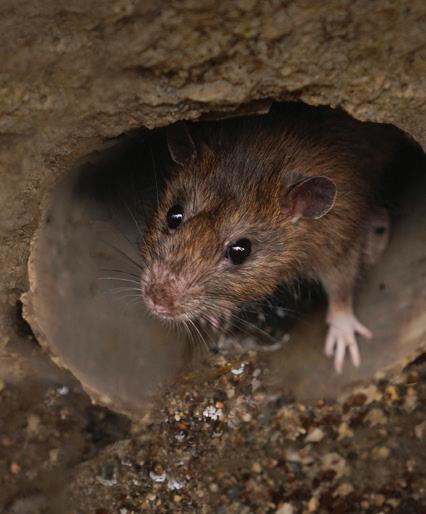
The difference between first generation and second generation anticoagulants is poorly understood because they both have the same desired result – dead rats.
These products are often termed rodenticides as the predominant target pest species are rats and mice. Collectively, they are classed under the Vertebrate Toxic Agent Group (VTAs) because they will kill all warmblooded animals if enough is ingested. In New Zealand there are chemical registrations for targeting rats, mice, rabbits, possums and ferrets.
In the simplest terms, first generation anticoagulant toxicants are multi-feed baits and second generation are single-feed products.
The first generation active ingredients registered in New Zealand are: Pindone, Diphacinone and Coumatetralyl. These are registered under many different brands.
There are a number of different second generation active ingredients registered such as: Brodifacoum, Bromadiolone, Difethialone and Flocoumafen.
Second generation products are more commonly available as they are simple to use. Once a target animal has ingested a lethal dose it will die, even though it may continue to feed for 4 or 5 days after the lethal dose has
been ingested. Even if all the bait is consumed from the bait station, the result will be a significant number of pest animal deaths with second generation bait consumption. Usually more second generation bait is consumed than is required to kill the target pest species. Hence they may become mini toxic time bombs. A pet dog or cat, or a bird of prey that consumes a poisoned dead animal may ingest a considerable amount of toxicant – perhaps sufficient to kill it. This is called non-target secondary poisoning.
First generation anticoagulants on the other hand require to be ingested over 5 days in succession to achieve a lethal dose. An example is Pindone Possum and Rat Pellets: only 10 percent of the amount of bait is required if eaten by a rat over 5 days, compared to the volume required in one single dose.
A rat would need to ingest between 150g and 240g of bait in a single feed to acquire a lethal dose – an impossible task – however only 15–24g is required over 5 successive days to achieve mortality.
This means that first generation products are much safer to use than second generation ones, as cats, dogs and birds of prey also need to eat poisoned dead animals over several days in order to acquire a lethal dose. This is not impossible but unlikely.
Conversely, only one feed of a dead animal killed by a second generation anticoagulant may induce secondary poisoning.
Of the two products, first generation anticoagulants are more frequently used in the Department of Conservation Estate and are safer to use in residential areas. In addition to the reasons outlined in this article, they also tend to break down more rapidly in the environment.
The disadvantage of first generation products is that bait stations need to be constantly filled for several weeks until consumption slows down, not even leaving it empty for a day.
For further information, contact your Farmlands Technical Field Officer or the friendly team at your local Farmlands store.
Reducing on-farm losses is no easy task and it is made even more daunting when driven by regulatory requirements. A cutting-edge software tool is helping farmers to reduce their losses.
Around the country farmers are working on reducing losses of the four main contaminants to water. Whether to comply or to increase profits and become more sustainable, farmers are focusing on: nitrogen (N), phosphorus (P), sediment and E. coli.
“Even just identifying the main areas of loss (critical source areas) for a single issue can be challenging. P loss, for example, varies spatially across the farm landscape with changes in key factors, such as soils, impacting it,” Ballance Agri-Nutrients Nutrient Dynamics Specialist Jim Risk says. Once critical source areas are identified, Jim says it is only prudent to assess the cost and effectiveness of various mitigation options before deciding on a course of action, especially if achieving a target is involved.
Enter MitAgator
MitAgator is a cutting-edge software tool that makes identifying critical source area losses and finding the most efficient,cost-effective management options much easier.
Developed by Ballance AgriNutrients together with AgResearch, it incorporates around 30 years of independent research into nutrient and sediment loss and E. coli risk. It is the first tool that singlehandedly deals with all four main contaminants.
MitAgator can produce risk maps for each contaminant on a farm, showing areas of greatest risk for losses
and relative risk of losses within the property, as well as prioritising areas for mitigations. Jim says farmers have commented that the visual nature of the risk maps makes it a lot easier to relate the losses to the property.
MitAgator currently has 24 mitigations built into it, including lesser known, recently researched mitigations, as well as more widely known ones such as fencing waterways and riparian planting. As future research into new mitigations is completed, more mitigations will be added.
“Many existing on-farm mitigations that are yet to be quantified in terms of effectiveness can be selected and MitAgator will show the effectiveness of completed work and reductions achieved,” Jim says.
MitAgator can also test scenarios – by providing information on mitigation options to help reach a set target or by seeing what can be achieved by combining different mitigation options.
MitAgator is operated exclusively by Ballance’s Farm Sustainability Services team and three service packages are available:
• Risk maps
• Risk maps and mitigation scenario analysis
• Risk maps, scenario analysis and farm environment plan.
MitAgator is just one outcome of the Ballance Agri-Nutrients-led Clearview Innovations Primary Growth Partnership programme. This was set up to develop products that increase nutrient-use efficiency and reduce nutrient losses to the environment. The programme was supported by the
Ministry for Primary Industries and the Ministry of Business, Employment and Innovation’s Clean Water, Productive Land programme, which funded development of the algorithms behind MitAgator.
More information on MitAgator is available at ballance.co.nz/MitAgator
To find out more about the MitAgator service, phone 0800 222 080 or email farm.sustainability@ballance.co.nz.
For further information, talk to your Farmlands Technical Field Officer or the friendly team at your local Farmlands store.
Article supplied by Ballance Agri-Nutrients.
We’ll have you powered up before the cows come home.
We power more than 11,000 farms and businesses just like yours, so we know you can’t afford to wait this Moving Day. Because we’ve got your back, you’ll get a $400 moving credit for your dairy shed, or a sweet deal if you don’t have one*. You’ll even get Choices Rewards Points when you pay your bill with Farmlands. There’s plenty our Agribusiness Team can do for you - call them on 0800 496 444 or visit meridian.co.nz/movefarm
*Terms and conditions apply. Visit meridian.co.nz/movefarm




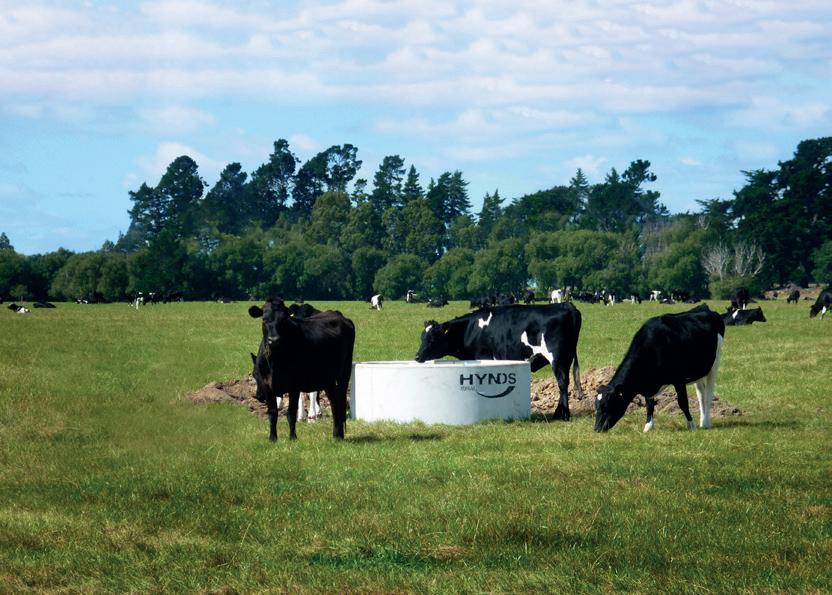
Farmers invest significant time and money into establishing critical winter crops, so confidence in their grazing tools and proportioning management is essential.
Having the right fence system in place makes it easier to assess the quantity each animal is eating and lessens the risk of health issues. Reducing remnant feed waste underfoot should also be a key consideration.
Traditionally, farmers’ crop fencing has been via strip grazing with a combination of a single reel, single polywire, pigtail standards, and back or forward fencing – all powered up using either mains, battery or solar-powered energizers. While forward fencing can help discourage cows from pushing forward and breaking through the crop, in most cases stock can still reach well beyond and under the fence line to graze. A single wire also means they can still press forward and break through, especially if there is low power flowing through the system.
Gallagher has developed a complete critical crop grazing fencing solution to address all these issues.
Their portable battery energizer gives you peace of mind about the consistency and intensity of power running through the fence. It is important to separate your crop fence operation from the rest of your farm system, to eliminate the risk of power failure elsewhere on the property affecting this critical fence. You can also choose between full or half power and day/night save modes, designed to get the best performance
out of your energizer and extend battery life. A quick glance at the indicator lights allows you to check the battery and fence performance. The energizer’s fast or slow pulse modes can be varied, to suit different animal classes and make sure your fence is keeping your animals where they should be.
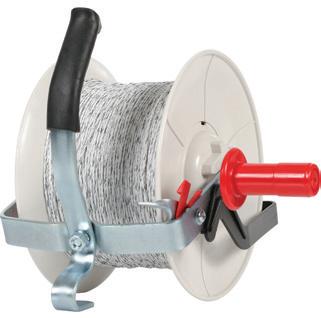
Gallagher’s critical crop grazing system offers two reels to prevent stock from grazing under the fence line or pushing through onto un-grazed crop. The geared reels hold 400m of their Turbo Striped Braid, a high-conductive product and with a 3:1 gearing ratio, it is quickly wound in when shifting. The striped effect on Gallagher’s braided wire is designed to discourage stock from challenging the fence. The heavy duty 2.5mm braid is 46 times more conductive than standard polywire so the high voltage is maintained over longer distances. Designed especially for use in cropping situations, Gallagher’s new ‘Tread-In’ ring top posts are easy to carry, with less frustrating tangling. These posts come with three pre-installed insulators of adjustable heights and a new, more robust foot. A maximum spacing of one standard per 5m is recommended. “Gallagher thrives on developing innovative solutions that make farmers’ lives easier and their businesses more profitable. Our critical crop fencing system is about combining some of these innovative products to provide a best practice solution that takes the risk out of grazing such a valuable, but risky winter feed source,” Dan Loughnane,
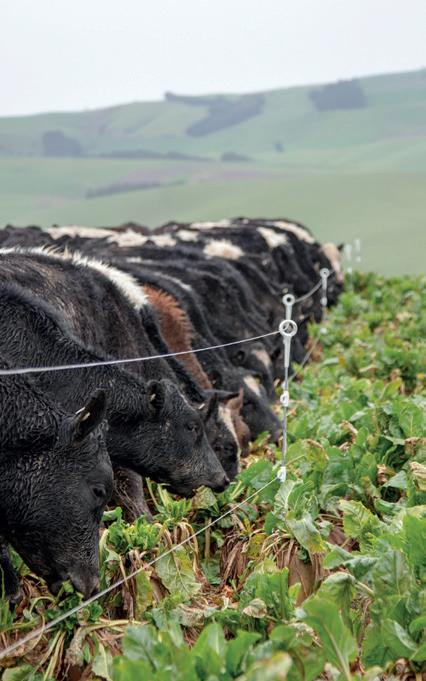
The crop grazing system is made up of individual products and is highly portable, so it can be used for other purposes after your winter-feeding programme is complete – making it a cost-effective investment for your business.
For further information, contact your Farmlands Technical Field Officer or the friendly team at your local Farmlands store.
Article supplied by Gallagher.
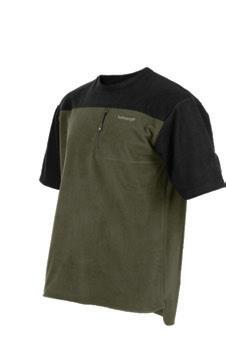
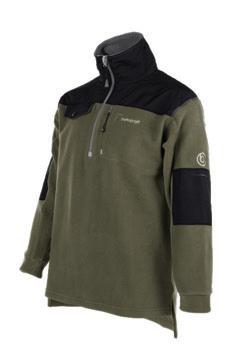
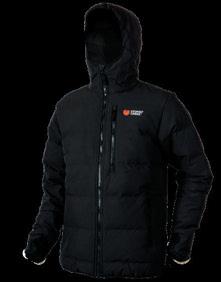
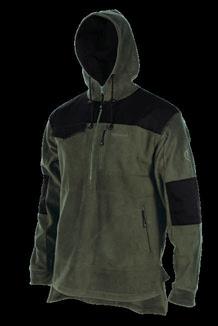
Spend $300 on any Stoney Creek Gear at your local Farmlands store during May and June 2020, not only will you receive a FREE* paracord knife, but you’ll also be in the draw to WIN the ULTIMATE STONEY CREEK EXPERIENCE for you and a mate.


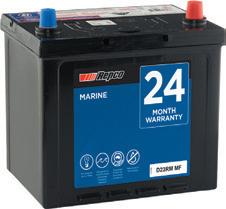
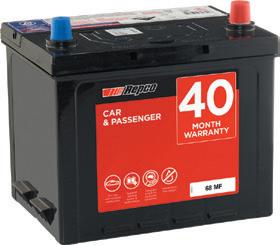
As the days get shorter and temperatures start to decline, like us, a battery goes through changes that can affect the starting performance of a vehicle.
These cold conditions increase friction around the engine components and an increase in oil viscosity creates higher demands on the engine that requires additional cranking power to start the vehicle.
To add more stress to the situation, a fully charged battery at 25°C has approximately 100 percent of its power to crank the engine. At 0°C the battery’s ability to deliver the same amount of power is reduced by around 35 percent.
To avoid getting caught out, regular maintenance of the battery and its components during servicing will go a long way in preventing being stuck on the side of the road.
Here are some basic maintenance and safety checks that will help keep you from being caught out:
1. Check and clean the terminals and connecting cables, making sure they are tight.
2. Clean the top of the battery case as well, to reduce the possibility of discharge.
3. Test the battery to make sure it is fully charged. Allow enough time for recharging.
4. Re-test the battery after 24 hours, to ensure the battery is maintaining a good charge level.
batteries for winter
Idle batteries, especially those sitting in tractors during long winter months of storage, slowly lose their charge to parasitic drain. When this occurs, sulphur molecules in the sulphuric
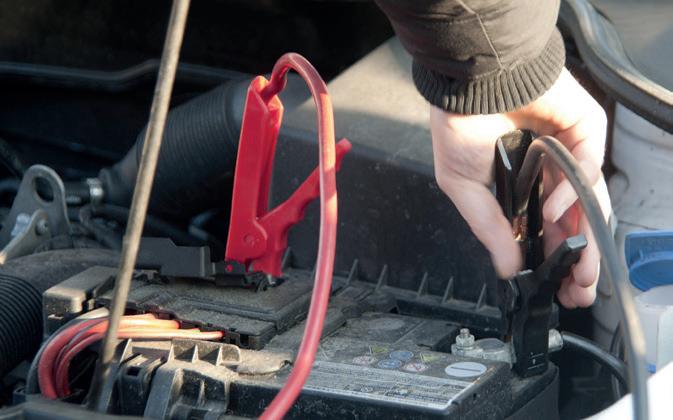
acid that constitutes a battery’s electrolyte solution attach themselves to a battery’s lead plates. That sulphur can coat the plates so thoroughly that in a surprisingly short time (often less than a couple of months) it prevents the battery from being recharged. This process is called sulfation and is the number one cause of battery failure.
To avoid sulfation, disconnecting cables from the battery of a tractor going into storage is a good start. Even then, a fully charged battery in storage will deplete itself at a rate of 1 percent discharge per day.
The best thing to do is remove the battery from the tractor and keep it charged in storage.
Wherever batteries are stored, be sure the area is not subject to freezing or high temperatures. In fact, high temperatures are worse for batteries. A battery stored at 35°C, will selfdischarge twice as fast as one stored at 23°C.
Purchase a charger regulated to maintain a battery at normal levels for long storage periods. Such smart chargers use a microprocessor that senses when a battery has reached its peak charge and then switches to a float mode. This feature maintains voltage at a level sufficient to keep a battery from discharging but it also prevents it from being overcharged. For further information, contact your Farmlands Technical Field Officer or the friendly team at your local Farmlands store.
Article supplied by Repco.


One of the most aggravating things seen is a burst polyethylene (PE) pipe and 99 percent of these issues are in pipelines that have been run above ground. So why do farmers not bury their pipe and what causes the pipe to burst?
Some reasons given for not burying pipe are; difficult terrain, ease of locating pipe and to quickly identify leaks and fix them. There are ways and means to minimise the negative impacts on pipe where the terrain makes trenching difficult, but the other reasons are spurious and cause more issues than they solve.
Why bury the PE pipe?
1. Polyethylene is a thermoplastic so at temperatures above 20°C it will become softer, reducing the maximum operating pressure of the pipe. The wall of a black PE pipe exposed to direct sunlight on a 20°C day, will reach a temperature of between 45°C and 50°C, only somewhat moderated by the water running through it. At this temperature the pressure rating of the pipe will be reduced by 50 percent, i.e. a 6-bar pipe will become a 3-bar pipe. So, if the pipeline is being operated at 6-bar, the pipe will fail due to over pressurisation. At its most compromised point, the pipe will swell, then yield laterally, distend and then burst in what is known as a “parrot-beak failure”.
2. Elevated temperatures also seriously affect the pipe’s effective working life; longevity getting exponentially shortened as the temperature increases.
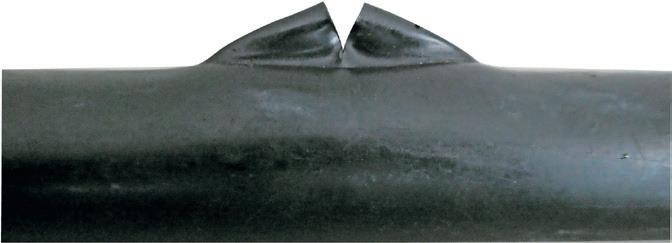
3. Rural PE pipe is typically black in colour, a result of adding carbonblack stabiliser which gives the pipe some resistance to UV-degradation. Ultraviolet light breaks down and embrittles PE e.g. think about a milk bottle left in the sunlight. Such deterioration will drastically affect the pipe’s ability to cope with external and internal forces, leading to pipeline failure.
4. At the opposite end of the temperature spectrum, water in above-ground PE pipes freezes in certain parts of New Zealand during winter. While PE pipes perform reasonably well in these conditions, other components within the pipe network do not and this can cause negative network issues.
5. Pipes laid above ground are exposed to physical damage, be that by stock or farm machinery.
So, how to deal with these issues?
Firstly, always bury as much of your pipe as is practically achievable. Where it can’t be buried, moderate the negative effects by laying the pipeline along fence lines to keep it away from potential stock and farm machinery
damage. Let the grass grow over the pipe to protect it from direct sunlight thus reducing the temperature and effects of UV light. In the case of limited foliage cover i.e. exposed areas or pipe bridges, consider sleeving the pipe to protect it from UV light and elevated temperatures. An alternative is to specify a higher rated pressure pipe, this allows for the “pressure-derating” effect of elevated temperature. In PE pipelines in freezing conditions, empty them during the winter months, if these are not a working asset at that time of the year.
Regional Councils expect a minimum of 50 years’ effective working life from their water reticulation pipes and, given the correct design and installation, there is no reason why Kiwi farmers should expect any less.
For further information, talk to your Farmlands Technical Field Officer or the friendly team at your local Farmlands store.
Article supplied by Iplex Pipelines.

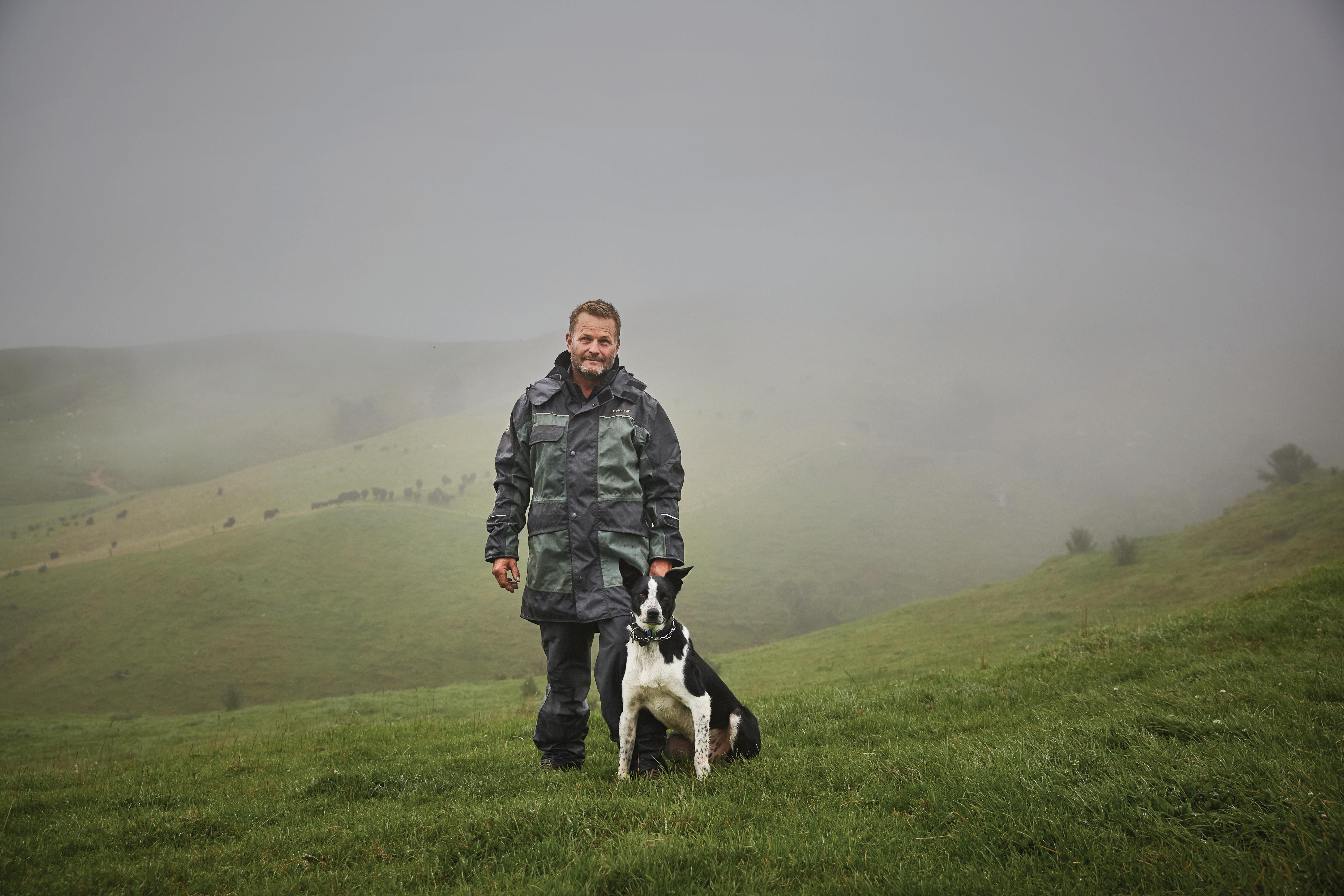


















Farming is about looking ahead, that resonates with us

As a farmer, you have an intrinsic understanding of land and buildings; as you already own significant assets. A simple first step outside of the farm is commercial property. Safeguard your investment with our Commercial Property Management division’s expertise and services.
Whether you own a small block of shops, an office building, warehouse or large shopping mall, we’ll manage every aspect of your commercial investment for you, so you can relax and enjoy the benefits.
• Rent and outgoings collection
• Annual building budgets
• Lease renewals and rent reviews
• Planned and preventative maintenance
• Health and safety management
• Tenant liaison and retention
For comprehensive, tailored Commercial Property Management that will suit you down to the ground, get in touch with us today on 0800 367 5263 | pb.co.nz/commercialpm
Commercial Property Management
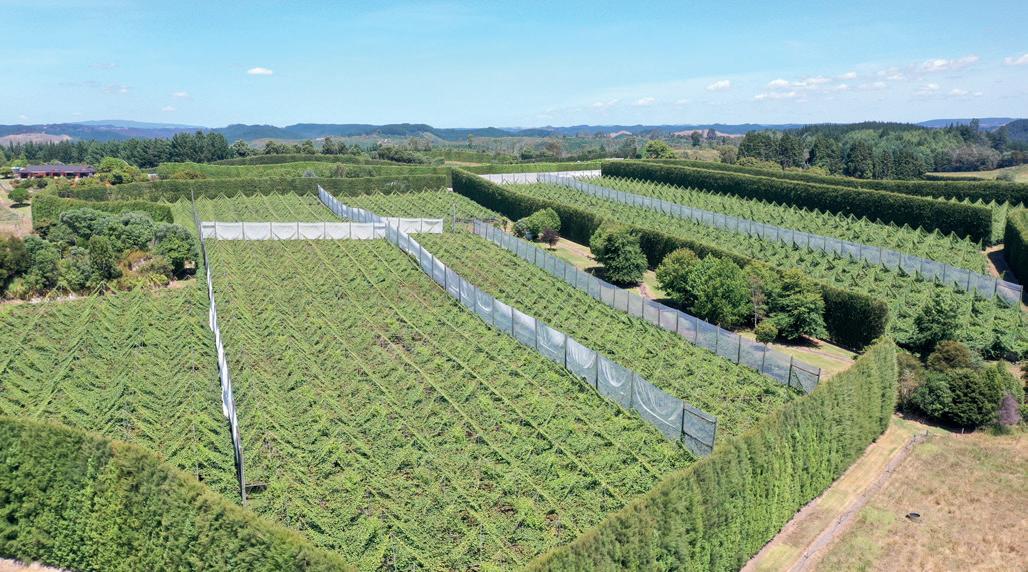
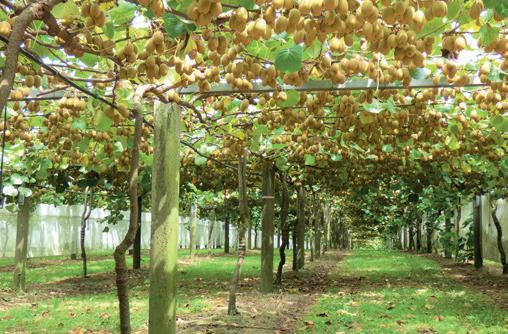
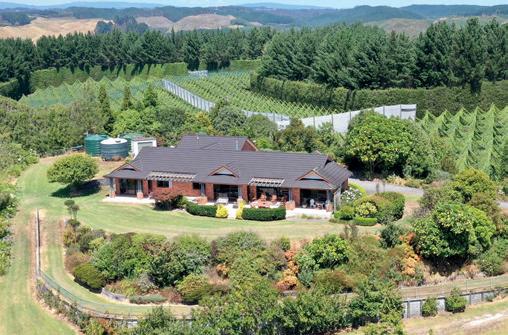
9.66 canopy ha, G3 Sungold Kiwifruit showing excellent returns - a high quality gold kiwifruit orchard located in the desirable Paengaroa district, only minutes to Te Puke.
Early start premiums achieved on approximately 6ha. Excellent crop forecast for the upcoming 2020 harvest of 16,000 trays per ha with plenty of potential in this young orchard. The heavy crops are well supported by solid Agbeam structures with natural external and artificial internal shelter. Excellent water supply from two bores, with storage of 90,000 litres providing for orchard irrigation.
Beautifully manicured grounds with a quality homestead and a modern cottage. Large 4-bay implement shed and two frost fans compliment the orchard operations. Astute investors seeking impressive orchard gate returns should not overlook this opportunity.
Expressions of interest invited
View By appointment
Web pb.co.nz/TXR02672
Brett Ashworth
M 021 0261 7488
P 0800 367 5263 bretta@pb.co.nz