

FARMLANDER The
SUPPLY SERVICE
KEEPS CROPS MOVING
PAGES 8-12
THE POWER OF THE SUN
PAGES 16-17
YOUNG LEADER
GOES ALL IN
PAGES 20-21

30 DAYS OF FARM & FIELD DEALS
Available at Farmlands stores nationwide, online and at participating Card Partners this June.
PLUS many more Card Partners nationwide!

INTEREST
5. Farmlands staff profile
5. From the CEO
4. 5 minutes with Andrew Morrison
8. Special Feature – Wheels keep on turning
15. The changing landscape of growing practices
16. Let the sunshine in
20. Young leader's vision
22. Buying Power Promise
23. Extending innovative thinking to health and safety
47. Century Farms – From Barron to Bountiful

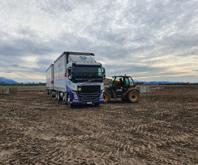
ON THE COVER
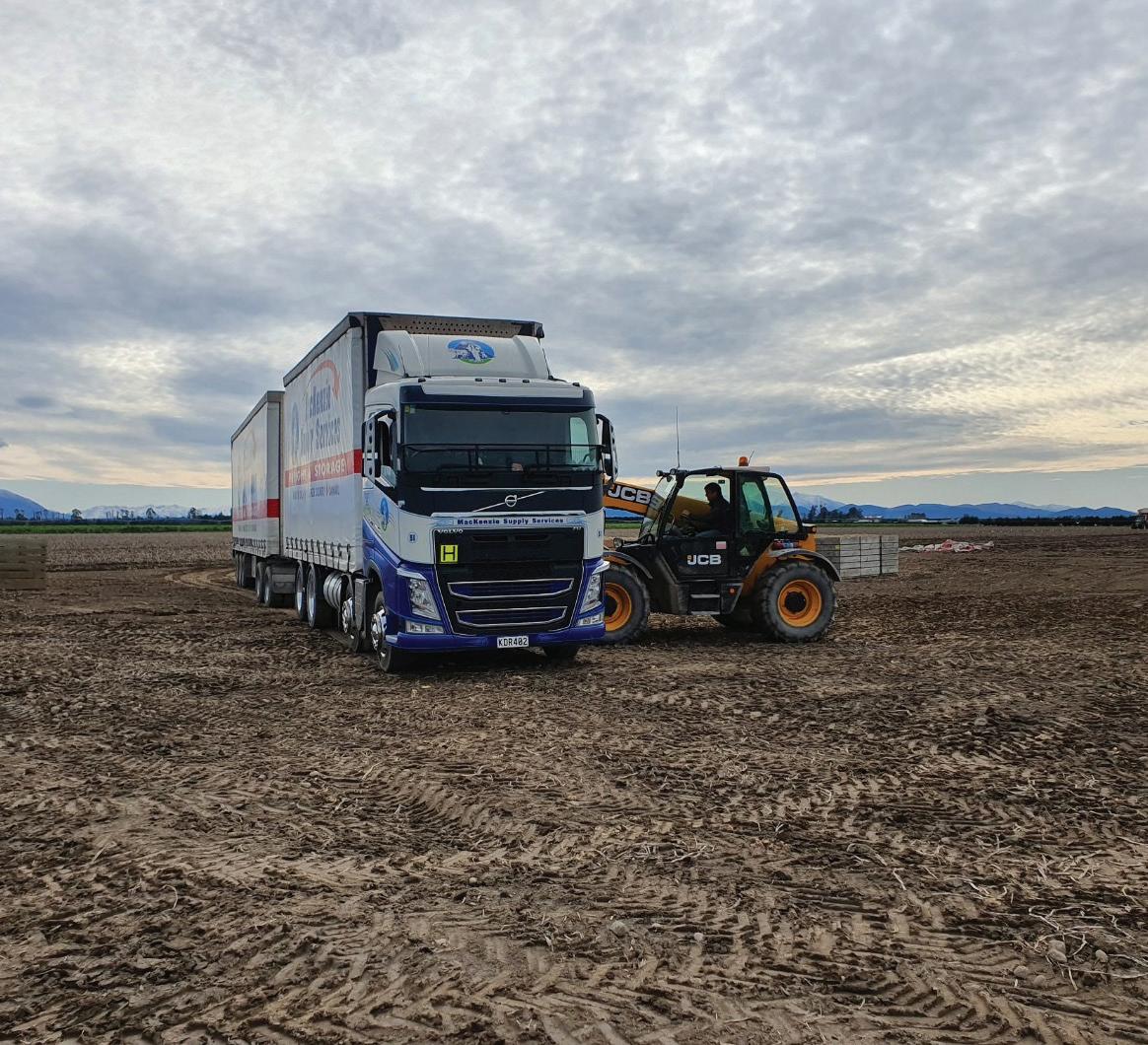
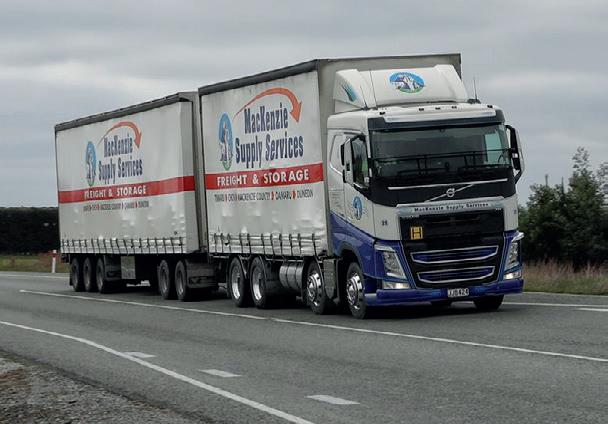
Temuka-based company and Farmlands partner, MacKenzie Supply Services, prides itself on being a vital part of the horticultural supply chain. Like many in the primary sector, it kept the wheels turning during the COVID-19 lockdown by moving produce and animal feed off farm and into store.
Cover image courtesy of Niven McHaffie, MacKenzie Supply Services.
PLAN 365
Plan365 Nutrition
25. Feeding for a healthy biome
26. Calf gurus share their best tips for success
29. Quality hard feed for the best lambs
Plan365 Dairy Management
33. Get you heifers off to a great start
35. Springer cow nutrition
Plan365 Animal Management
37. Cockroaches – not the best of pets
39. Don't let lice eat away at your profit
41. The importance of pre-lamb vaccinating your ewes
43. Efficiency is the way to go
Plan365 Forage and Arable
49. Best bang-for-buck mitigations
FARMLANDS STAFF PROFILE
Aimee Palmer
Digital Delivery Manager, Technology, Christchurch Wairakei Road
Q: What do you like about your job?
A: I have the most epic team with can-do attitudes. No day is the same and I have real influence over solutions for our shareholders which is very rewarding.
Q: What is your work background?

A: I’ve been in software delivery most of my career, delivering technology and digital initiatives.
Q: What TV show, book or movie can you not get enough of?
A: Nailed it on Netflix, a show about terrible bakers.
Q: Do you have any family traditions?
A: I had a farming/forestry upbringing in Beaumont, Central Otago and at Easter we always participate in the Paradise Fishing Competition (although unfortunately not this year).
Q: What was your favourite game when you were growing up?
A: I’m a netball girl through and through.
Q: You were key in creating the new COVID ‘Click and Collect’ online store, how is this changing ‘shopping’ for shareholders?
A: This site was developed rapidly over 4 weeks in response to the COVID-19 lockdown (it would usually take about 4 months!) It provides a way for our customers to place orders from the comfort of their own home. Our shareholders have been patiently awaiting an online service and this enhances our connection with them. It’s a positive step forward in Farmlands’ digital support for our shareholders.
Q: Where do you think tech will take agriculture in the future?
A: The co-operative’s investment in Braveheart is already realising benefits, as seen by the speed in which our team was able to support the business to operate during COVID-19. Digital technology is about bringing the digital and the physical closer together, and our strategy focuses on shareholder connection and quicker decision making. ‘Click and Collect’ was just the start – so watch this space.
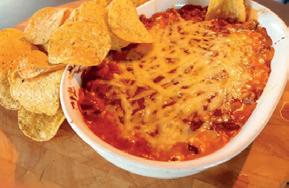
Ingredients
• 1 pottle cream cheese (full fat all the way)
• 1 can chilli beans (whatever heat you desire)
• 1 cup of grated tasty cheese
• Corn chips
Chilli Bean Marjorie’sDip*
Method
1. Spread the cream cheese on the bottom of an appropriately sized, oven-friendly crockery dish.
2. Layer chilli beans on top, sprinkling with the cheese.
3. Bake until golden on top.
4. Serve with corn chips, it’s that simple.
* I have to credit a fellow shareholder from my hometown Beaumont for this one, you know who you are!
FROM THE CEO
Welcome to the June edition of The Farmlander. I hope this finds you, your workers and your families safe and well.
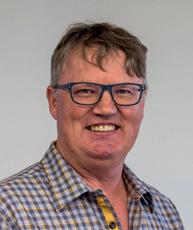
This is a winter like no other, as the events of the year so far have shaped a different landscape for the primary sector and our whole country. We are focussed on new and innovative ways to operate during and post lockdown like most other businesses and Shareholders, in trying to play ‘catch up’ on months of tough trading.
Out of the economic hardships many face is the glimmer of opportunity. As businesses, we need to identify how behaviours have changed in the face of COVID-19. Utilising our own example, our temporary Click and Collect webstore made four times as many sales in one week, than our previous webstore did in an entire year. The significance of one quarter of our shareholders and customers sticking with online shopping from now on means we need to adapt our own service to changing consumer behaviour.
It is the same ideals many of you will face for your own business. Prospective consumers of your meat, fruit and wool may prefer digital interaction from now on. Accommodating the growing number of tech-savvy buyers in the social distancing age is something we all need to consider.
Farmlands has been on the digital journey for some time now and will be an increasingly critical part of our business moving forward. Embracing direct debit, discouraging or removing cheque facilities, online statements and email communication is the easier – and cheaper – way of doing business. It complements the more short-term goal we have to reduce our cost base in the wake of COVID-19.
All the best for the month ahead.
Kind regards,

Peter Reidie Chief Executive Officer Farmlands Co-operative Society Limited
5 minutes with Andrew Morrison
Chairman of Beef + Lamb New Zealand
2020 has been a tough year so far, how has this panned out for Beef + Lamb (B+LNZ)?
If we look back on the season, we can almost take a BC-AD approach to the year. COVID-19 wasn’t the only challenge. Southland had flooding and large parts of New Zealand had drought. Globally, African Swine Fever and the culling of the pig herd in China saw prices start strong and there was huge global demand for protein. We had the challenge of farming before the challenge of a global pandemic. Then we quickly had to figure out what COVID-19 meant for day-to-day work, using new language like “lockdown”, “social distancing” or “processing restriction capacity”.
We have had to make sense of each situation, understand why it happened, work out what it means for each farmer and what our options are.
The year is not over yet, so we are concentrating on where we are positioning our food in the global market and preparing our farmers for another challenging winter.
What were B+LNZ’s priorities when COVID-19 made it here?
I think you’ve got to personalise events like this. Our first priority was to protect people, both within B+LNZ, on farm and within processing plants and then find ways of processing in lockdown and the new world. We had to ensure our people were feeling secure and safe.
Our next priorities were: getting information to farmers about how to operate as an essential service; understanding the impacts on processing capacity and feed availability around the country; following our global markets, particularly as it relates to our ‘Taste Pure Nature’ initiative (see overleaf); and understanding the impacts of COVID-19 on environmental policy.
We worked closely with the Ministry for Primary Industries, the Meat Industry Association, DairyNZ, Federated Farmers and other partners, such as Farmlands, to come together to understand the challenges. When we get called into an issue like this, any competition is put to the side. I’ve travelled to multiple countries under trade missions in the past and wherever you go, a farmer is a farmer, it doesn’t matter if you’re in Wales or Wisconsin. We all want to produce quality products for a reward and the same fear that we have felt, has been felt all around the world. Food production and the supply chain is very important, as are the local contractors, truck drivers, farmers and processors and we should value them.
What processes did B+LNZ have in place that helped handle the pandemic response?
An example is our digital system. Through the Red Meat Profit Partnership (RMPP), an electronic animal status declaration (eASD) was developed and introduced before COVID-19. Each time an animal is sent to a processing plant, the status declaration validates whether or when you’ve drenched the animal, whether it’s been fed
ruminant protein etc. Some people such as truckers weren’t comfortable handling the paper versions of the declaration. Thanks to eASD, this can now be done electronically, preventing the transmission of COVID-19 through paper. It’s a great example of how forward thinking and a digital system can create options during challenging times.
What is next on the technology agenda?
We are currently focused on how we can deliver our extension services digitally over the coming months. We had a joint winter grazing workshop delivered as an online webinar with DairyNZ in Southland/Otago recently that around 300 farmers participated in. However, rural connectivity is still limited so we are in discussions with the New Zealand Government about tech spend. We are pushing for an increase in tech infrastructure as digital connectivity is a must have, especially in remote areas of the country.
How well is the industry tracking to meet B+LNZ’s livestock performance goals?
If we put the season into context, 80 percent of the North Island was in a drought situation and Southland was hit by flooding. Even before COVID-19, farmers had a hell of a season, but they’ve done a very good job of feeding their animals. If we look at an example, lamb weights at processing for the year to date are still hitting 99.5 percent of normal weight, right across the country.
Prices were very good pre-pandemic, so we are now just working through what the ‘new world’ pricing is looking
like. Farmers were proactive once the COVID-19 impacts started to emerge and recognised that they would be keeping stock for longer and would need to adjust fertiliser and other options. Taking all this into consideration, even with numbers slightly down, our farmers are to be commended as they have done extremely well.
You have talked about creating value from our land. In light of competition for land use and industry targets, what is B+LNZ doing to create this value?
Firstly, you won’t see another country in the world who addresses land use change and management like New Zealand. Our farmers are skilled at adapting their systems to meet changing market and societal dynamics. We aren’t afraid of land use change, but we want it to link to market, and not necessarily just to policy. This is because just linking land use to government policy risks loss of value creation for New Zealanders, and we want to enable our farmers to make the choice to do what they want with their land.
At B+LNZ, our philosophy is about always considering the four bottom lines when we consider land use: economic; social (our rural communities); environmental; and cultural. When these become unbalanced, then New Zealand suffers. I think industry key performance indicators, livestock performance,
Even before COVID-19, farmers had a hell of a season, but they’ve done a very good job of feeding their animals.
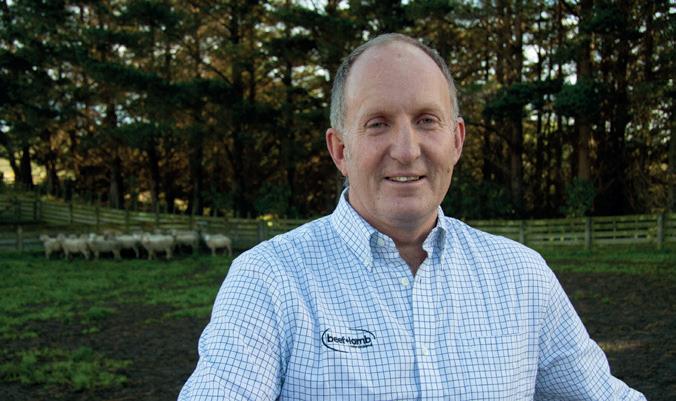
setting targets and then seeing how actual performance measures up is relevant to this discussion. Changes in land use and potential government environmental policies do have the influence to reduce on-farm productivity, affect the cost of production and the prices farmers receive.
B+LNZ is doing a lot of work on the environmental side of things, working on low-footprint production and the development of ‘Taste Pure Nature’ and the national farm assurance programme. If the consumer values the environment and it influences their decision as to which product they choose, we need to listen to that and we need to be able to validate the farm system.
What is the global attitude to Kiwi exports at the moment?
With health being the priority, people have placed more emphasis on food security. Consumers are wanting to find out where their food is coming from, what the supply chain looks like, what the impact of production is on the environment, and how it adheres to animal welfare standards. We sell food to parents and families who want to feed their children safe food. People want to be confident that their food hasn’t been compromised
in any way and can go to sleep knowing that their food is nutritious. To that end, our research is showing that international consumers are increasingly positive about New Zealand free-range, grass-fed beef, lamb and mutton and we are continuing to monitor this response.
How is Beef + Lamb positioned to capitalise on this outlook?
We have rolled out ‘Taste Pure Nature’, most recently to China. This is a brand initiative that we have worked on with all New Zealand meat companies that validates all our production values. It is underpinned by a national farm assurance programme that we are taking to market to ensure our product and its supply chain is transparent and adhering to high environmental, personal and animal welfare standards. As part of telling the story of New Zealand’s natural production system, the assurance programme also helps prevent those providing less than a premium product from making premium claims. If food providers want to use the Taste Pure Nature initiative, they have to be validated, ensuring transparency for consumers.
For more information on Taste Pure Nature, see www.tastepurenaturenz.co.nz
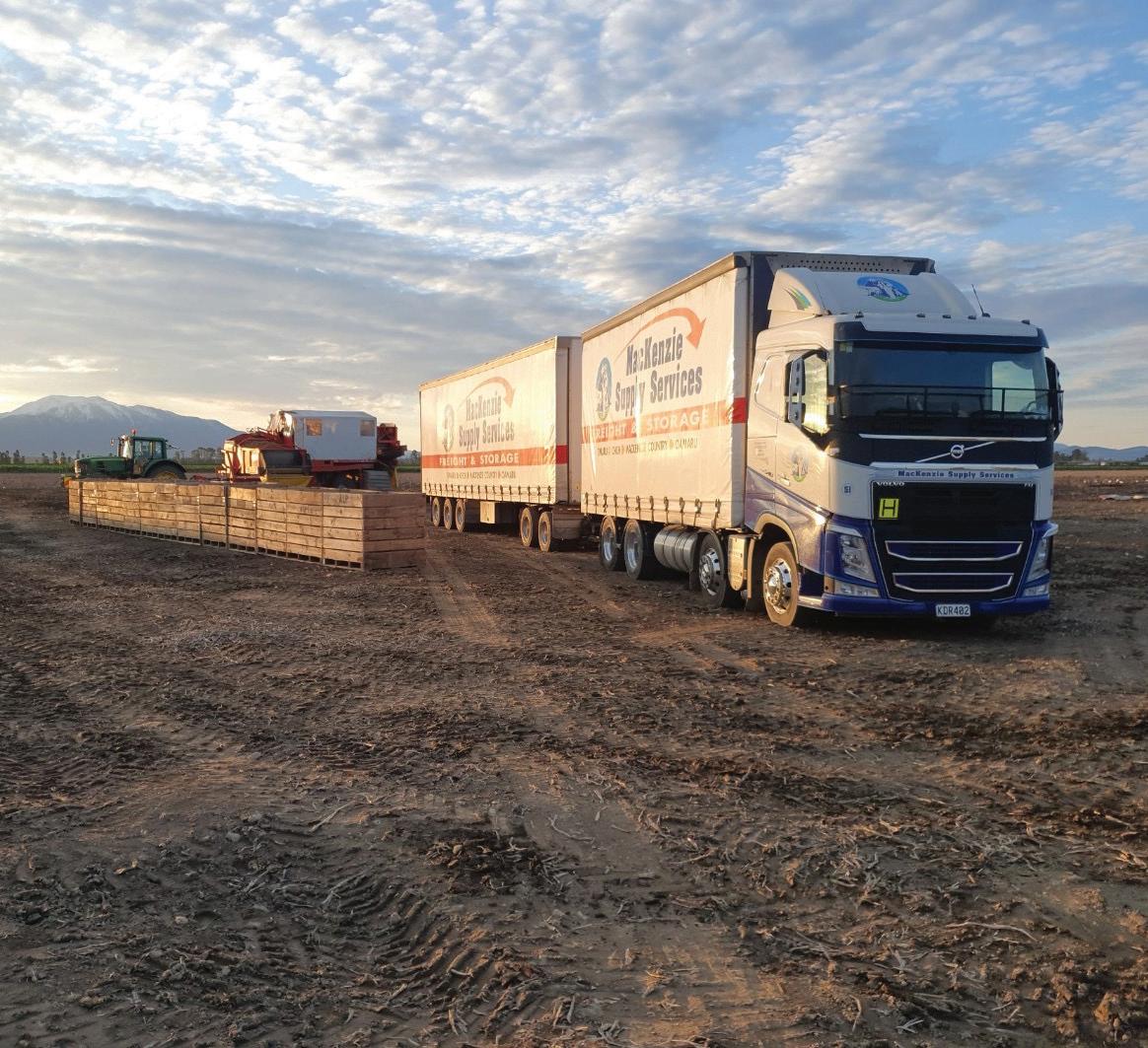
Wheels keep on turning
General freight company and Farmlands partner, MacKenzie Supply Services, prides itself on being a vital cog in the South Island’s horticultural industry.
This was especially evident during the COVID-19 Level 4 lockdown, when supply chain services came to the fore – getting produce off orchards and farms, into stores and distribution hubs – and into the hands of consumers.
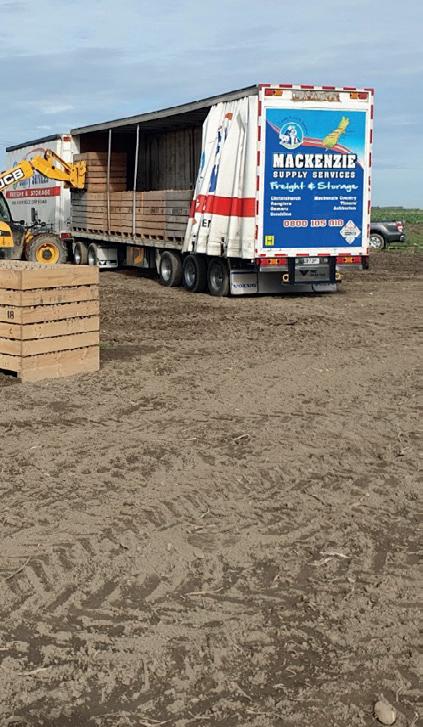
A lot of food commodities are grown in the South Island and exported, and our job is to ensure that product is being transported to the right places.”
Growing with their key partners and mixing up their industry client base are two strong drivers for MacKenzie Supply Services. The Temuka-based general freight company prides itself on being based in one of the most productive areas in the country and serving a large area that spans from Marlborough to the West Coast and Otago.
MacKenzie Supply Services kept the wheels turning during the COVID-19 Alert Level 4 lockdown, fulfilling their part in the seasonal product supply chain by ensuring the seamless flow of essential goods and services for their customers, including Farmlands shareholders.
Essential harvesting and exporting
MacKenzie Supply Services General Manager, Nigel Walsh says the apple season was a successful one, despite a late summer hailstorm.
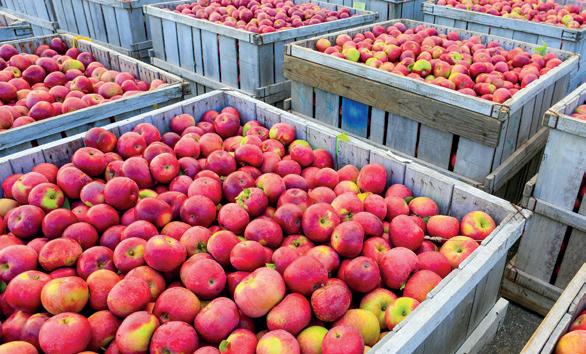
Each year, the company collects thousands of bins of apples from South Canterbury growers and transports them to Turners and Growers in Nelson for distribution. This harvest involved up to nine trips a day from producers. The 3-month
season meant MacKenzies, like much of the primary sector, could keep trucking on throughout the Level 4 period.
South Canterbury onion crops were another lockdown product that needed distributing. MacKenzie Supply Services freighted containers to the Timaru Port, which is about 14km from their Temuka depot, ready for export.
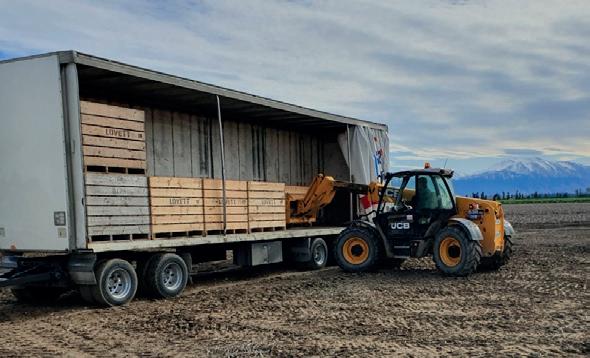
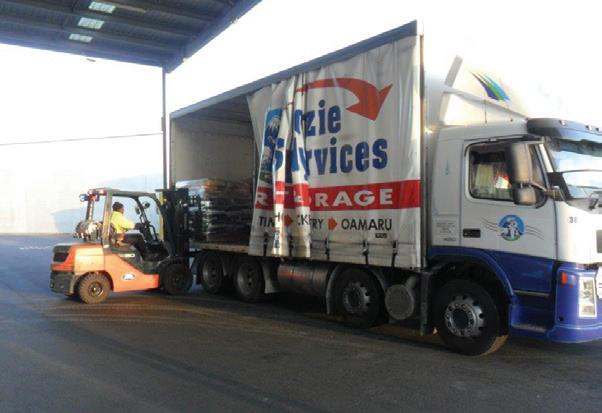
Transporting seed potatoes from paddocks to storage sheds was also an essential service, as pictured taking place in Methven for Geraldine-based shareholder, Alps Seed.
MacKenzie staff recently worked 7 days a week on about 20 farms in the Mid and South Canterbury areas, moving approximately 5,000 bins of spuds.
The general freight/carrier side of the business dropped off significantly during the lockdown period with the agricultural service propping the business up.
“For us it is very much about supply chain. In the South Canterbury area, there are a lot of businesses like us which feed off the season. A lot of food commodities are grown in the South Island and exported, and our job is to ensure that product is being transported to the right places,” Nigel says.
| The freight team worked 7 days a week during the recent spud season and took thousands of bins of apples from South Canterbury growers to Nelson for distribution.
|
Points of difference
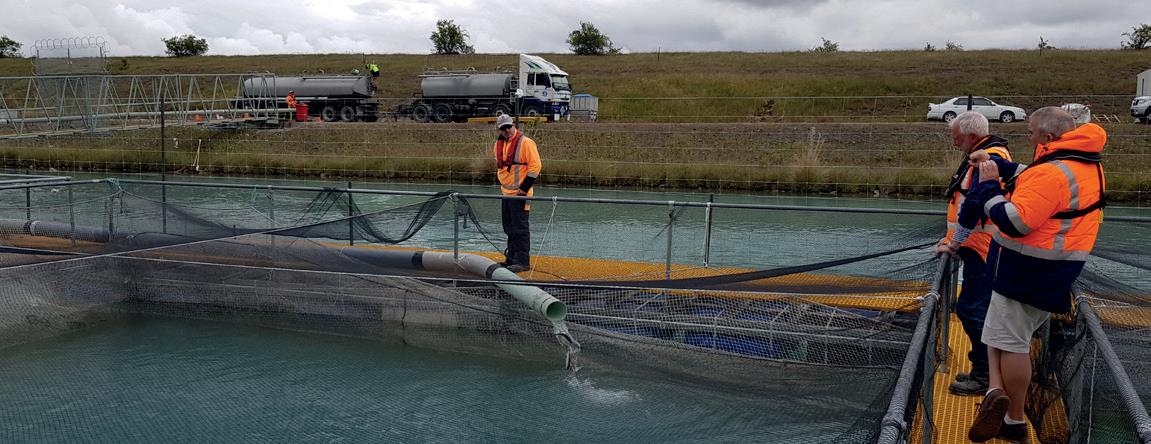
Spreading their risk has also seen MacKenzies specialise in servicing the aquaculture industry. Clients include Hook Salmon in Wanaka, Akaroa Salmon in Akaroa and two Twizel operations: High-Country Salmon and Mt Cook Alpine Salmon (a Farmlands shareholder – pictured).
The ‘cradle to grave’ service involves carrying live smolt to the salmon farms, transporting salmon food and taking the harvested salmon to the processing plant.
MacKenzie Supply has contracts with Australian-based Ridley and Skretting salmon food companies which involve shipping salmon food in containers from Brisbane to Lyttleton Harbour and then railing them to Timaru.
Because we are dealing with a lot of imported containers, like the Ridley salmon food, it makes sense that we are accredited as an MPI transitional facility. Being approved by MPI means we can carry out inspections, open and devan imported containers on site.
The containers are collected then devanned and the product stored at the Temuka or Christchurch stores before being dispatched to the salmon farms.
“It’s been good to be able to diversify and while salmon is a key part of our business, the newer add-on is the live baby salmon that are transported in massive speciality truck and trailers,” he says.
A point of difference for the freight company is their accreditation as a Ministry for Primary Industries (MPI) facility for transportation. They are also a vehicle docking facility for opening and devanning containers.
“Because we are dealing with a lot of imported containers, like the Ridley salmon food, it makes sense that we are accredited as an MPI transitional facility. Being approved by MPI means we can carry out inspections, open and devan imported containers on site.
“We are regularly audited and have to meet strict criteria to retain the accreditation status.”
MacKenzie Supply Services is the only trucking business to offer a same-day transport service through Canterbury and the Mackenzie Country. The ‘ocean to alps’ transportation company works from Christchurch to Dunedin, and when required covers the South Island from Nelson to Invercargill.
Nigel describes the business as “unique and motivated”.
“We pride ourselves on the ability to respond quickly to our clients’ needs. Each one of our team is innovative and committed to delivering the best possible outcome. They go that extra mile to ensure all our customers receive only the best,” he says.
To achieve this, MacKenzie Supply Services has depots in Christchurch, Temuka, Twizel and Oamaru.
The large fleet of more than 30 vehicles includes curtainsiders, swinglifts, bulk tippers and flat decks. The range of specialised vehicles and equipment enables them to cater for a variety of customer requirements. For instance, the bulk tippers are ideal for large cartage needs e.g. grain, fertiliser, seed, coal, wood chips, soil and other agricultural requirements; the swinglift swings 20ft and 40ft containers into and out of customer yards, as well as bringing MPIapproved containers into their depots; curtainsiders move dairy products, apples, onions, stock feed, general freight and salmon food; and flat decks cart steel, hay, wool, machinery and containers. Refrigerated transport and storage for frozen goods are also part of the service.
A MacKenzie truck unloads 80g of smolt salmon at Mt Cook Alpine Salmon, a Farmlands shareholder – on the Ohau Canal, near Lake Benmore.
“We use a combination of warehouse and container storage to ensure products are secure and protected, and when you’re ready to shift or sell your goods, transport is immediately on hand and simple to arrange – there’s no need to try and coordinate different storage and transport operators.”
Tech supports on-road business
The MacKenzie paperless system proved its worth during the COVID-19 pandemic.
The company has been using Icos Live, an online transport and logistics management system, for the past 6 years. This involves a paperless trail where customers can log in and book their own freight directly into the system, they also have the capability to track and trace their freight. The non-contact system has proven invaluable over the unprecedented period of social distancing and increased hygiene measures.
“The system also gives us the capability to be able to send an email direct to the customer once the product has been delivered and a proof of delivery signed,” Nigel says.
All trucks have GPS systems, maximising efficiency and ensuring that their drivers are on time and the company is able to pick up and deliver to the most remote places.
Radio, telephones and cell phones mean depots can contact drivers at any time.
“We are constantly looking for improvements and innovation; IT is a huge part of our processes.
“Our business foundations of providing transportation, storage and door-to-door freight transport has remained the same over the years but there have been significant changes around innovation. We are working in real time now and tracking and tracing is 100 percent.”
Customer-centric in cropping heartland
Previously General Manager of Carter's Tyres, Nigel began managing MacKenzie Supply Services when Temuka Transport first bought the business in 2012 and has watched it grow with the times.
“I grew up in the transport industry and, like my Dad, I drove trucks and have diesel in my veins.”
Nigel was an avid rugby player and is Assistant Coach of the New Zealand Heartland Rugby Team as well as South Canterbury Heartland Rugby Head Coach. His driving career was bought to a halt in 1998 when he broke his neck playing the sport. That was when he traded the steering wheel for a desk job.
“The GM role is a massive job – the co-ordination alone is huge and across the Temuka Transport Group there are eight or nine dispatch workers co-ordinating the different parts of the business.
“When we took over, MacKenzies had been operating as a small courier business. We changed that focus to take on bigger freight and more bulk.
“We are still a family-owned business and because of this our staff are recognised as part of the family. The culture we have and the history we have with our drivers proves this,”
Nigel says.
Nigel believes the company’s versatility pulled them through the pandemic period.
“While one side of the business was down, we managed to keep working wherever we could and, through the wage subsidy, we were able to keep our team together. There was a drop off and it was a tough time, but our priority was to look after our staff in the best way possible.”
Their formula of not having all their eggs in one basket means they were not reliant on just one industry.
“That planning certainly worked well for us over the lockdown period.”
Pictures supplied courtesy of MacKenzie Supply Services, Alps Seed and Mt Cook Alpine Salmon.
| MacKenzies collect animal nutrition products from the Farmlands Rolleston Mill and distribute those to branches around the South Island.
Partnership fuelled by growth
Farmlands is a key partner of MacKenzie Supply Services, which suits Nigel Walsh’s relational approach to business down to the ground.
“Our development is around growth on growth. We invest our time into our partnerships and relationships so that we grow with the times and grow together.”
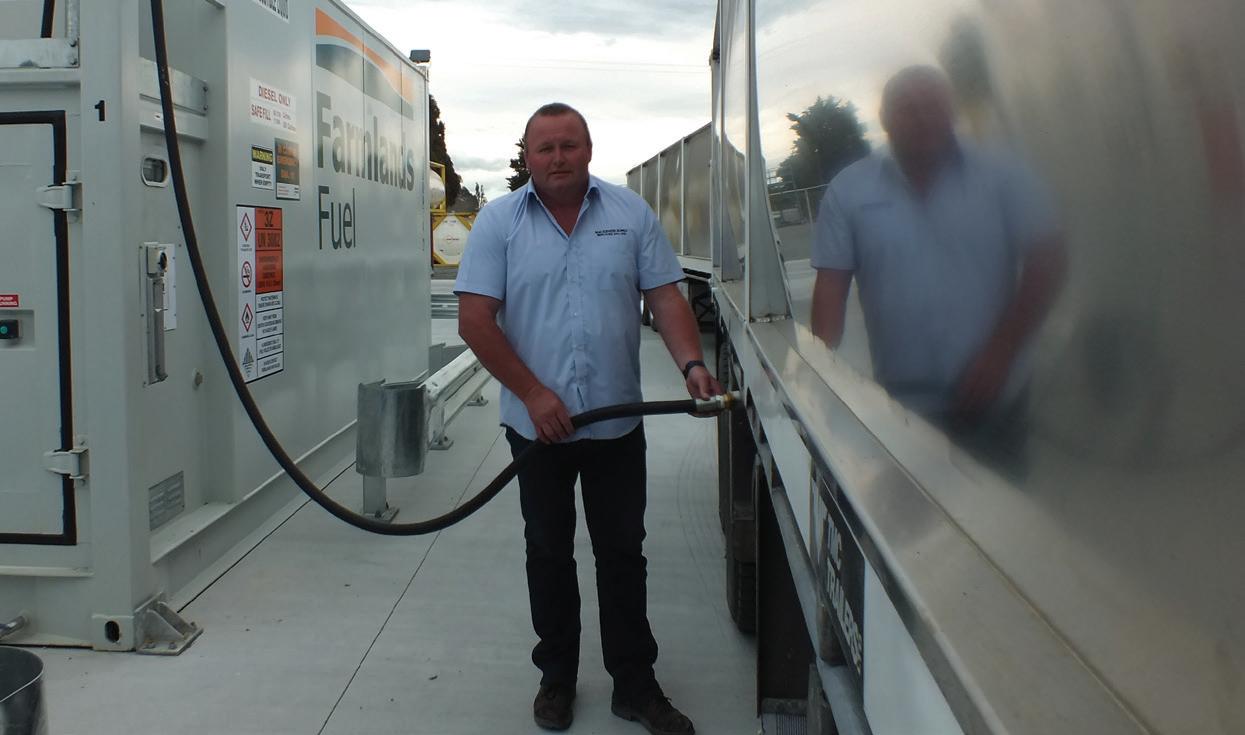
As major fuel users, MacKenzie Supply Services leapt at the chance to have a Farmlands truck stop installed at their Temuka depot about 5 years ago.
Our innovation development integrates our systems with key partners, such as Farmlands, so we can ensure a seamless relationship.
“We use a significant amount of fuel, which we buy through Farmlands, so it was great to be able to give back by putting the facility at the depot where members of the public can also use it,” Nigel says.
MacKenzies collect animal nutrition products from the Farmlands Rolleston Mill and distribute those to Farmlands branches and farms at the bottom of the South Island.
“Our storage facilities in Temuka and Christchurch mean we can store the Rolleston product and deliver it as required,” he explains.
The partnership includes other storage elements too, such as fuel tanks, seed and stock food.
“Our innovation development integrates our systems with key partners, such as Farmlands, so we can ensure a seamless relationship.
“Partnerships and relationships are paramount and what we have in place puts us in a good position for the best results for both parties.”
| MacKenzie Supply Services leapt at the chance to have a Farmlands truck stop installed at their Temuka depot. General Manager, Nigel Walsh fills up one of their trucks.
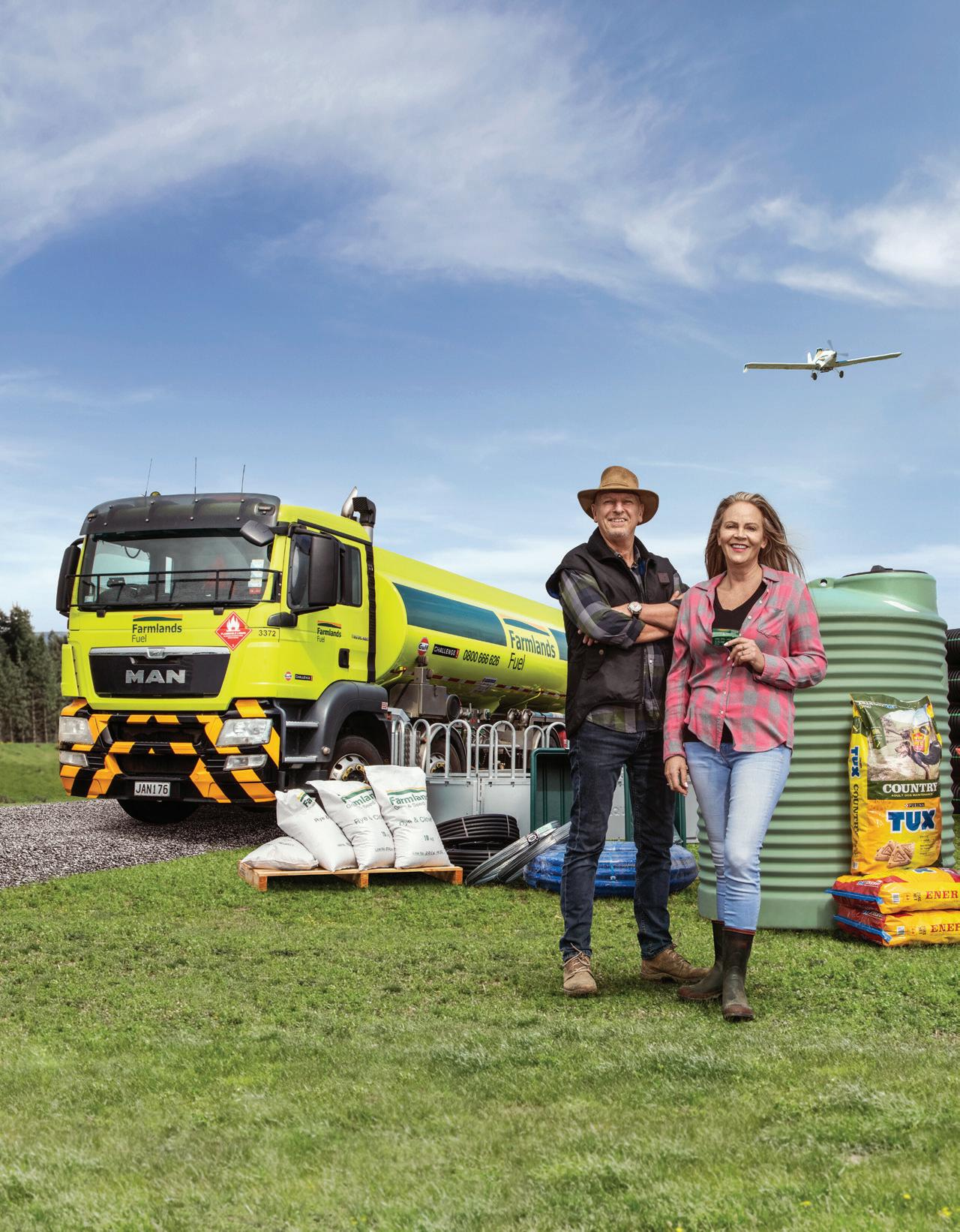
BE REWARDED FOR MORE OF WHAT WE DO TOGETHER WITH CHOICES REWARDS.
Earn Points across virtually anything you buy through Farmlands — from fertiliser and on-farm fuel to Card Partner spend and culvert pipe, plus heaps more.*
Earn 1 point for
We’re here for the good of the country. LIKE IT WHEN THERE’S
When everyone gets together and contributes, you find there’s always enough to go around. It’s the same principle with FMG being a mutually owned insurer. The premiums that you pay don’t look after shareholders – they look after you. If that sounds like the kind of insurer you’d like to have looking after you, ask around about us. Or better still, call us now on 0800 366 466.
The changing landscape of growing practices
Land usage and maximising its potential has often been a hotly contested topic; with much debate over whose system is ‘better’ for the global ecosystem in terms of the inputs used to produce an output.
Whether that output is a horticultural, agricultural, textile or fibre crop, every farmer and grower will have their own opinion of what best practice looks like. Farmlands Organic and Biological Manager, Gaz Ingram believes that everyone has the right to choose their farming system and growing methodology.
“So long as we are not damaging the planet, our environment or impacting on our neighbouring farms or ecosystem, we need to choose what’s relevant to each farm.
“All three production methods – a conventional agrichemical and fertiliser approach, an organically certified operation or regenerative biological growing system – have positives and negatives to them,” Gaz says.
Based in the Central Hawke’s Bay, Gaz grew up on a sheep and beef farm before entering horticulture. He managed organic orchards in the 2000s and started his current Farmlands role in 2012.
"When I started with Farmlands, some growers weren’t ready for a softer approach and there were some critics when we discussed integrated
pest management (IPM), seaweed and soil biology!
“Farmlands recognised that we had shareholders who did think the same things about organic farming as I did and it was up to us to support them,” he recalls.
Though Gaz’s expertise lies in the organic and biological spheres, he is quick to point out that the co-operative’s expertise covers all three operation types.
“Modern chemistry and fertiliser inputs are more target-specific than some of the archaic broadspectrum inputs many of us began growing and farming with.
“Agrichemical companies can demonstrate the IPM suitability of their newer developed inputs and there are more efficient release/targeted fertiliser inputs, such as bio-polymercoated products designed to minimise volatilisation and maximise/optimise efficient delivery to the crop,” he notes. Keeping up with regional and global reports can help identify trends too.
The recently released World of Organic Agriculture 2020 report1 shows that organically certified land usage is growing. By the end of 2018 there was 71.5 million ha of organic agricultural land. While this represents only 1.5 percent of total agricultural land it is an increase of over 2 million ha from the previous year (2.9 percent).
While organics is still a small percentage of the total agricultural market, domestically it is a big player on the export stage and consumer demand continues to grow. Regenerative and biological farming also features on the world stage, particularly in Europe, Gaz says. “There are many different regenerative variations being applied. It depends on the individual farmer’s interpretation of the philosophy versus the practical implementation in their own environment.
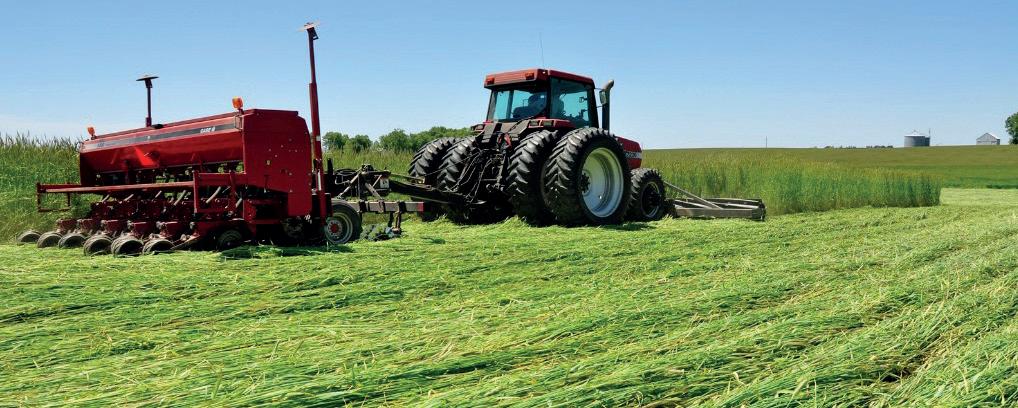
“For example, to terminate the current cover crop you could choose to use a chemical intervention by way of herbicide, an animal intervention such as high density mob grazing to reduce the crop length before direct drilling, or a mechanical intervention – by using a crimp roller to terminate the cover crop and then direct drilling straight into it,” Gaz advises.
“As growers, agronomists, farmers and advisors, Farmlands' technical staff know the challenges and differences that each crop and location can bring to achieving results. We’re up for the challenge and are keen help each shareholder on their unique journey.”
Contact your nearest Technical Field Officer to start that conversation.
1.
Helga Willer, Bernhard Schlatter, Jan Trávnícek, Laura Kemper and Julia Lernoud (Eds.): The World of Organic Agriculture Statistics and Emerging Trends 2020, Research Institute of Organic Agriculture.
Let the sunshine in
Solar is the power solution of choice for two Farmlands shareholders – free-range chicken farmers in the Waikato and an agricultural contracting family on the West Coast.
Renewable at Hart
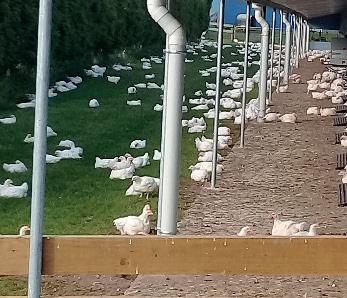
“Here chick, chick, chick” is heard frequently at Murray and Margaret Hart’s property where they grow free-range chickens for Ingham’s, to be sold under the Waitoa Free Range brand. Since 2013, solar power has kept their chickens comfortable and well-looked after.
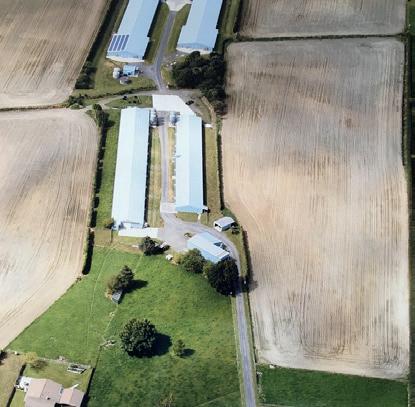
Now operating under the Tatua Free Range Limited Partnership, Murray and Margaret work with partners Lucas and Clarissa Arnold on 18ha in Tatuanui, near Morrinsville in the Waikato. The Harts’ have been growing chickens for over 34 years.
Four state-of-the-art chicken sheds run through the middle of the property with maize fields making up the difference. Recent free-range development has allowed the chickens more access outside of the sheds, giving the young chickens more space to range as they mature.
“We were wondering about wind generation but then we came across Meridian’s stand at Fieldays. They were promoting solar power for dairy farmers but the more we investigated, the more solar power just seemed like common sense for us as well,” Margaret says. It was important for the Harts’ that solar power would be able to work seamlessly alongside their generator, which is an animal welfare regulation on chicken farms – ventilation in the sheds must be maintained at all times for the chicken’s comfort. This can be an issue if you have a power outage so the ability to switch between solar and generator was a priority. Luckily, with assessment from Meridian, one of the existing chicken sheds was deemed to be in a premium position to absorb the sunlight and was close enough to the generator room to have two 10 KVA inverters also placed within the room. The inverters convert the solar energy
to electricity and are set up to utilise as much energy as possible on site. If any energy is not used, it is exported to the power grid.
“The one problem is that dirt can decrease the productivity of the panels but every year, around the same time as Fieldays, you just give them a brush and wash off the dirt and that’s it!”
As with any new development, the initial set-up cost was a factor but as the years have gone on, the benefits have paid for themselves.
“For chickens to be comfortable, they need to be the right temperature, so the power used for feeding, lighting and ventilating the sheds can be very expensive. Solar has reduced the energy cost significantly.
“The panels take a minimal amount of sunlight and work well for chickens in particular. The draw on the power is relative to the amount of ventilation the chickens require. In the summer you need more fanning but have more daylight hours. The chickens sleep at night, so there are no feeders or lights running, drawing less power. In the winter, the chickens don’t need as much fanning which corresponds well with less daylight hours,” Margaret says.
It has been a logical move for the Tatua Free Range Partnership.
“I believe that if we don’t have sun, we don’t have life, so it makes sense. If you can get the curve right and do your work during daylight hours, it can work very well.”
| It only takes a few solar panels to reduce the energy cost of a whole operation.
Living off-grid
When the cost of connecting standard grid power to their new home looked like it was going to substantially dent their bank balance, Bevan and Caroline Langford decided renewable energy was the solution.
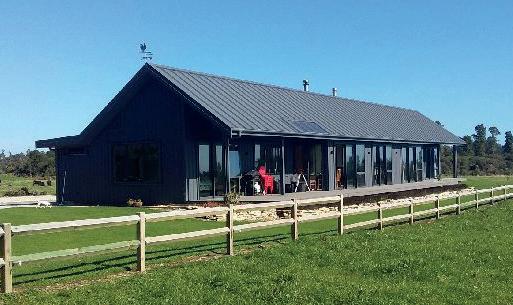
The pair sold their 60ha dairy farm 5 years ago, moving their agricultural contracting business and setting up a beef and dairy grazing farm on a 27ha block in Karamea on the West Coast. There, Bevan and Caroline were faced with the nasty realisation that connecting their new build to power lines over half a kilometre away was going to cost upwards of $100,000. So, they began looking at other power options. Solar energy ticked the boxes and ultimately became the foundation on which their new home was designed on. The house is positioned to capture the best sun angles during both winter and summer and, with a large glass frontage and tiles on the floor, to capture the heat.
“The system was designed by Independent Power Auckland and is based on power usage. The house is 200m2 including the garage and we bought appliances that have low energy usage. We use LED lights but chose to
heat our water with gas and wetback rather than tax the solar. We also have an underfloor heating system that runs off the wetback from the coal range. The water runs through a manifold and we can control the heat in each room,” Bevan notes.
The house, which took approximately 6 months to build, is unique in that the solar panels are not situated on the roof.
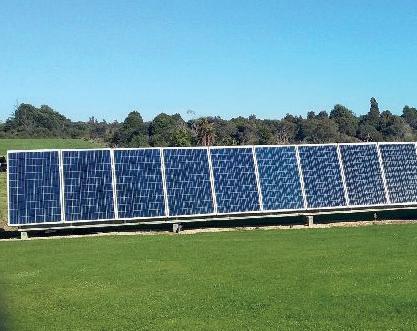
“We chose a fixed panel frame on the ground. It’s set on our back lawn at 22 degrees east which puts it at the premium angle to get best use of the sun during winter. The house was actually designed to have the panels on the roof, but realistically I couldn’t see myself getting up there for the maintenance, so they are more convenient and safer on the ground,” Bevan says.
As part of Bevan’s contracting business, a large workshop is used to maintain and service his machinery – only 150m from the house, it can also support the solar energy.
“The workshop has a 20KVA diesel generator to run the welders and grinders but can also provide backup power to the house as needed,” Bevan says.
The power usage determines the solar system size, so while Bevan and
Caroline could have made do with 11 of the 250w panels, the added power of 15 panels was too good to pass up. With 48v running through two inverters, on a good summer day the panels will produce 17kW of power per day, which produces enough power to charge 24 2v/1,000 amp batteries.
A controller monitors how much power is coming in, power usage, the state of batteries and automatically starts the workshop generator to support the system when power usage gets high or the battery state drops below 70 percent.
All up, the system cost $50,000, half the amount a standard power connection would have cost. Each battery has a 25-year lifespan so Bevan is confident that the whole system will have paid for itself in energy savings before this time.
“The main thing we learnt was to look at what appliances we were running in our house. The solar energy system we have was built around how much energy we use, so it can be built to suit budgets – it just depends on your usage,” he says.
Discover renewable energy suppliers such as Meridian Energy, at www.meridianenergy.co.nz
| The house is positioned to capture the best sun angles during both winter and summer.
Mate, we’re not farmers.
You know farming. We know power. Let’s talk.
Only a farmer gets what it’s like to battle the weather and markets, day in and day out. That’s why our Agribusiness Team are experts in only one thingpowering New Zealand farms. Whoever you’re talking to, they’ll know their stuff, and have your back.
Our Agribusiness Team have also banded together with your mates at Farmlands. Pay your power bill through them and you’ll get Choices Rewards Points. Call 0800 496 444 or visit meridian.co.nz/agri to get in touch.
Young leader’s vision
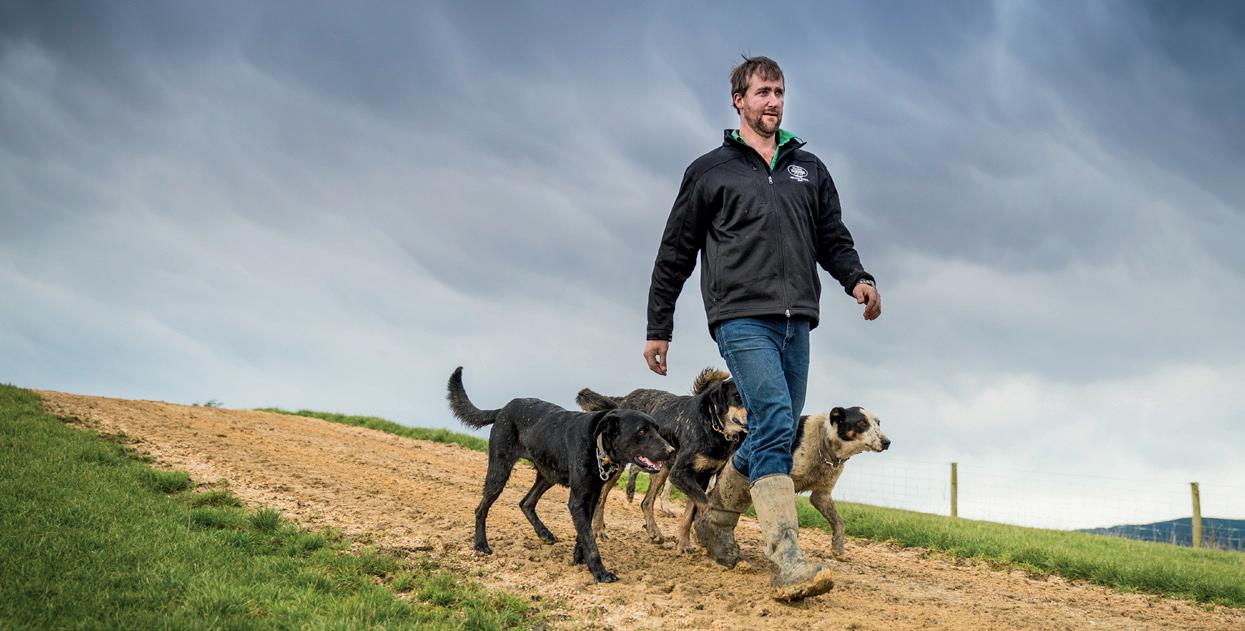
Nigel Woodhead completed the Kellogg Rural Leadership programme in 2019 and that same year, sat at the most sought-after strategy table in NZAg – the Primary Sector Council. The young Otago farmer reflects on his leadership journey so far.
The rise from sheep and beef farmer to in-demand leader has required hard work and sacrifice but if Nigel is going to do something, he goes all in. In his roles, the Farmlands shareholder has felt compelled to make sure young farmers’ voices are heard at the top table.
Back in 2018, Minister Damien O’Connor set the Primary Sector Council’s 15 agribusiness leaders the task of creating a unified vison and strategy to help the agriculture, food and fibre industries gain more sustainable value from their work.
“We wanted to produce an output with meaning, not just another report that sits on the Minister’s desk,” Nigel says. Initially, Nigel was asked to be an Observer for the panel, on the back of his 2017 FMG Young Farmer of the Year win. The idea being that he would watch and learn but the
natural leader was soon sharing his thoughts and was recruited onto the decision-making team.
“I make a daily living on-farm and have a young family so I had to sacrifice time by being away but it was too good an opportunity to turn down.
“I was very lucky to be involved with so many amazing, successful, smart people who had real-world experience in change management and vision setting.
“I think it is my generation and my children’s generation who are set to gain hugely from the vision we came up with, so I felt an obligation to stay in the room and make a difference.”
Nigel commuted to Wellington to contribute on the ‘Taiao’ working group – the guiding methodology behind the Council’s vision. This statement was launched in December and entitled ‘Fit for a Better World’.
“For me, the vision had to be challenging and future focused but relevant for farmers like me. We wanted to position our sector for the future, saying this is where we see ourselves making the biggest gains – then each business owner can make changes in

The Kellogg Rural Leadership Programme has been developing rural agribusiness leaders for nearly 40 years. There are two intakes of 24 participants each year, selected to represent diversity among the sector. Farmlands is proud to be a programme partner.
their own world that will contribute to NZ Inc,” he says.
Nigel says the response from farmers has been positive, with many identifying that the vision aligns with their own.
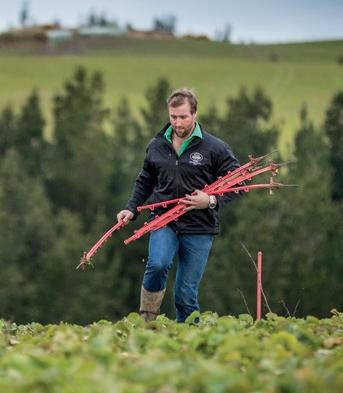
Back then, Nigel was busy juggling a 400ha farm in Milton, toddler and government strategy – but that did not put him off taking his leadership training further. With an evident passion for fresh produce, Nigel decided on this as a theme for his Kellogg Rural Leadership research project.
“My wife, Leanne ordered a box of avocados from a Bay of Plenty orchard via Facebook – they turned up on our doorstep 2 days after being picked and were absolutely beautiful,” he enthuses.
Shorter, accessible supply chains formed the premise of his December 2019 Kellogg report, titled ‘First, catch your crayfish – Linking NZ food producers and consumers for everyone’s benefit’. He believes that there is the need and want for an independent digital platform to marry up consumer and producer – enabling Kiwis to access the best fresh food New Zealand is known for, and ensure producers get the cut they deserve.
“I wanted to work on something related to the work I was doing for the Council.
I think it is my generation and my children’s generation who are set to gain hugely from the vision we came up with, so I felt an obligation to stay in the room and make a difference.
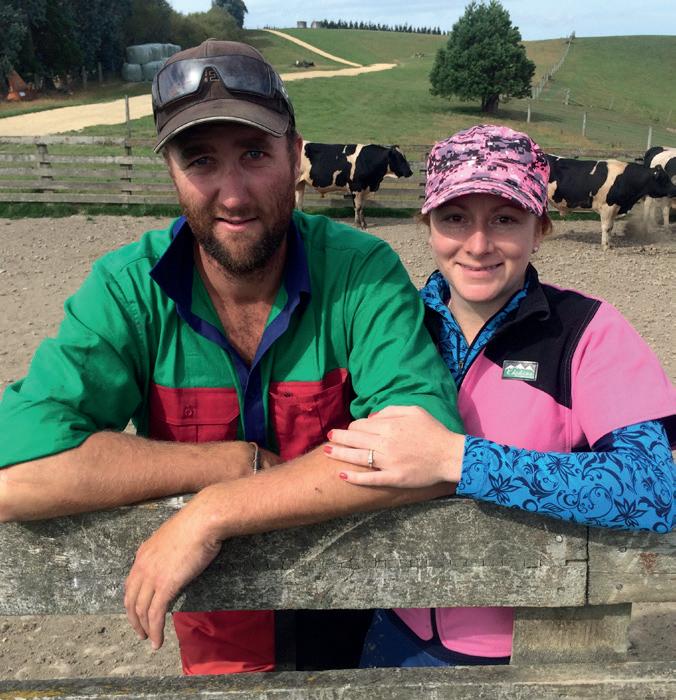
Although the e-commerce platform is definitely a tactical layer underneath all that strategy stuff. It helps to answer some of the many ‘so what?’ questions which naturally arise from the vision statement.”
Nigel was inspired by the work of Eat New Zealand and hopes that an organisation like that will pick up on his ‘digital farmers’ market’ concept and run with it.
“COVID-19 has seen some private companies start up in this space as middlemen but based on my research, I believe profits should go straight back to the person who has worn the risk and who is responsible for the quality of that produce.”
After 2 years in a national leadership role, Nigel aims to work on his own farm business plan for now, give back to the FMG Young Farmer of the Year
via its Contest Board, and lead a more mindful, connected life. He believes the pandemic’s lockdown has helped to nurture that local-first mindset and the Woodheads hope it will remain.
This next phase may allow Nigel a little time to sit back, reflect on his leadership journey and enjoy the taste of ripe avocados.
“I like to think I’m a natural leader, but I reckon it only comes with time. You need to prove yourself and build other’s trust in you (and in yourself). No one can tell you how to be a great leader.”
Applications for the next Kellogg Rural Leadership programme close on 14th October. www.ruralleaders.co.nz
Images courtesy of FMG and Nigel Woodhead.

Extending innovative thinking to health and safety
“Farmers know that innovation in farming isn’t just about new equipment or machinery or cultivars,” Al McCone, Agriculture Lead for WorkSafe New Zealand, says.
“A big part of it is about doing things in different ways and thinking in different ways. Just because something has “always been done that way” on the farm, doesn’t mean it’s the most productive way.
“Innovative farmers are constantly looking for ways to improve their businesses. That might be big changes, like introducing technograzing, or small tweaks, like condition scoring more –and constantly monitoring the situation to respond to events and conditions.
“A good approach to farm health and safety is based on the same premise. Identifying the risks on your farm, planning how you will manage those, making changes as needed and making communication about that part and parcel of what you do every day,” Al says.
Universally, good health and safety is recognised as being good for profit and productivity. The World Health Organization has found that businesses with a well-managed health and safety programme benefit from: improved staff morale and health, reduced absenteeism, reduced stress, enhanced self-esteem, increased job satisfaction and a positive overall perception of the business.
“Being short staffed due to injury, sickness or because of someone leaving can have a significant impact on productivity,” Al says.
“The worst outcome of a farm accident is that people may get harmed but it can also result in costly damage to farm assets. Good health and safety systems are simply part of good business practice and being recognised as a responsible business and good employer.”
As farms head into winter, clear seasonal injury trends emerge. Collisions, either hitting an object or being hit by a moving object, increase.
The number of injuries caused by slips, trips and falls spikes sharply. From July, injuries caused by vehicle accidents start to climb steadily – and when there is a fatal accident on a farm, a vehicle is almost always involved.
“Farmers are naturally innovative because they constantly have to be forward thinkers. They have to assess situations and make critical decisions based on weather, to manage stock and crops,” he says.
“Equally, the forward-thinking farmer won’t simply draw up a risk register and leave it at that. I’ve often heard farmers refer to their risk management plan as a ‘living document’ because things change on farm every day and new risks can emerge. It might be due to new stock, weather conditions, spraying, contractors or moving animals. Communicating that change to
everyone who needs to know is critical to running your farm safely and efficiently.
“That is why it is so important, before every job, to take a few minutes to think or talk about the safest way to approach that job. What the risks are likely to be, the safest vehicle, the best tools, the best route and approaches to take. It’s just a few moments that can make all the difference to your farm business.”
For further information, see the Keep Safe Keep Farming toolkit available at worksafe.govt.nz
Article supplied by WorkSafe.
Articles in the Plan365 section allow Farmlands suppliers to share best practice and the latest advances in rural technology, to help shareholders with their farming needs all year round.
Feeding for a healthy biome
The health of a horse’s digestive tract is paramount to the way they feel and ultimately the way they perform, grow and breed.
Information around the equine digestive tract and how to keep it healthy is readily available in the horse community and ‘biome’, ‘hindgut balance’ and ‘microbiota’ have become popular buzz words and phrases. Often these words are used by feed and supplement companies to promote products and describe gastrointestinal health. Understanding these phrases and how the digestive tract functions is essential to managing it correctly and ensuring optimum overall health.
The horse’s biome, or microbiota, refers to the bacteria, fungi and protozoa that reside in the equine caecum and large intestine, also called the hindgut. The primary role of these microbes is fermentation of fibre, and they convert carbohydrate-based contents, especially plant-based fibre, into volatile fatty acids (VFA) which provide energy to the horse.
Although the importance of the biome is widely appreciated, experts suggest that our knowledge of how this complex ecosystem develops in foals remains unclear. Optimum biome development in foals is crucial and the microbial balance in a new-born foal is thought to help develop its immune system, establish the structure of the intestine lining, and assist in the foal’s ability to harvest energy from food.
The microbial population that resides in the hindgut plays a vital role in health and disease; it is highly susceptible to imbalances caused by feed and management. For example, disruptions in the microbiota can
lead to mild symptoms such as loose manure and behavioural changes, and if left untreated, can cause more serious implications such as colic and laminitis. The main cause of imbalances is through consumption of easily digestible carbohydrates such as starch found in grains, and sugars found in rich pastures.
If soluble carbohydrates, such as those found in large supply in grain meals, find their way into the hindgut some lactate might be produced. An overproduction of lactate can shift the pH of the hindgut to a more acidic state. When a drop in pH occurs, called hindgut acidosis, some of the beneficial fibre-digesting microbes die off which decreases digestive efficiency as a result. This can be avoided through limiting grain meals to less than 2.5kg for an average 500kg
horse, and feeding grains processed through using heat and pressure to enhance foregut digestion.
Overconsumption of fructans, the storage sugars that accumulate in cool-season grasses, can also wreak havoc on the hindgut biome. Because fructans are resistant to digestion in the small intestine, they pass on to the hindgut, where they are fermented. Fermentation of fructans also changes the pH of the hindgut which, in turn, destroys beneficial bacteria and disrupts hindgut balance.
Adopting a predominantly forage diet, avoiding rich pastures in susceptible horses and keeping grain meals small all helps to ensure correct microbial balance and a healthy biome. For more information contact a qualified Equine Nutritionist.
Article supplied by Luisa Wood, Equine Nutritionist.
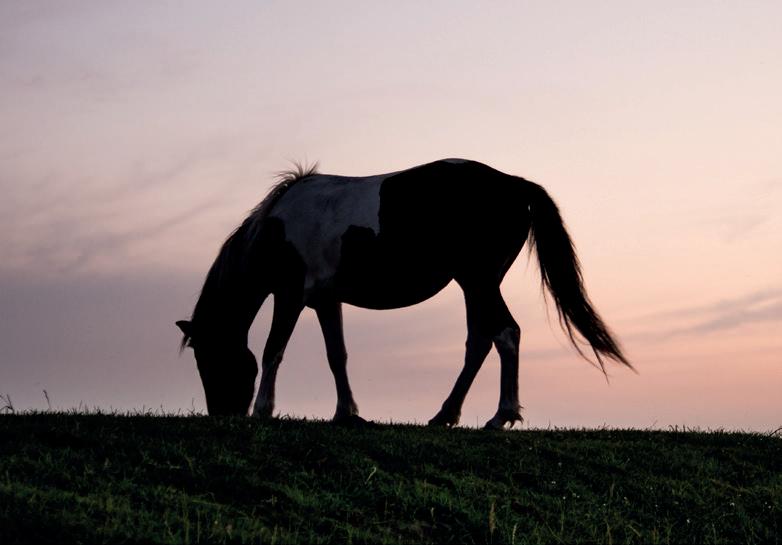
| The microbial population that resides in a horse’s hindgut plays a vital role in maintaining overall health.
Calf gurus share their best tips for success
It is easy to overcomplicate things but in our experience getting your basics right is the key to calf rearing success.
Colostrum
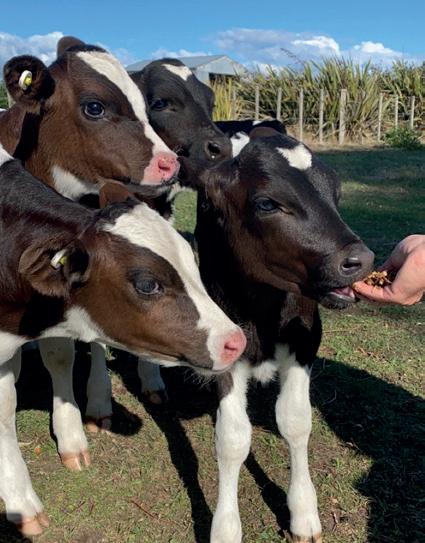
Getting enough quality colostrum into calves on their first day of life could be the most important basic thing to get right for calf rearing. If this golden opportunity to build calf immunity is missed it can cause problems over the first few months of life, as calves rely entirely on the immunoglobulins absorbed from colostrum for protection from disease while still building up their own immunity. Aiming for 10-15 percent body weight of good-quality colostrum over a 12-hour period is the golden rule of thumb (i.e. if you have a 30kg calf it will need about 3 litres).
Not all colostrum is created equal however, so make sure you test colostrum quality using a colostrometer or refractometer in order to direct the best available colostrum into your youngest calves. If you only have poorer quality colostrum, be aware that more of it will be required to get the right level of immunoglobulins into calves.
Hard feed
Calves are born with the ability to digest milk but their rumen (the stomach compartment that digests fibre) is virtually non-functional. One day in the not too distant future, calves will need to rely heavily on that rumen to make good use of pasture and continue growing post-weaning. So, we need to start developing the rumen early to get a good head start. Making sure your
calves have access to a good quality hard feed from early in life is key. While intakes will be small at first, it is all about creating a habit and intakes will increase as they get older. A good tip is to pop some hard feed in each calf’s mouth after their milk feed and by about day seven they will start seeking it out themselves – training complete! NRM Moozlee is a good choice if you prefer a textured feed in early life, or calves can be started straight onto NRM GrowUp 20% Pellets.
Milk
Make sure you feed a good-quality calf milk replacer or if you are feeding fresh milk, make sure it has not gone bad. Consistency with the milk feed is important – calves love routine. If you are using milk powder, work out how
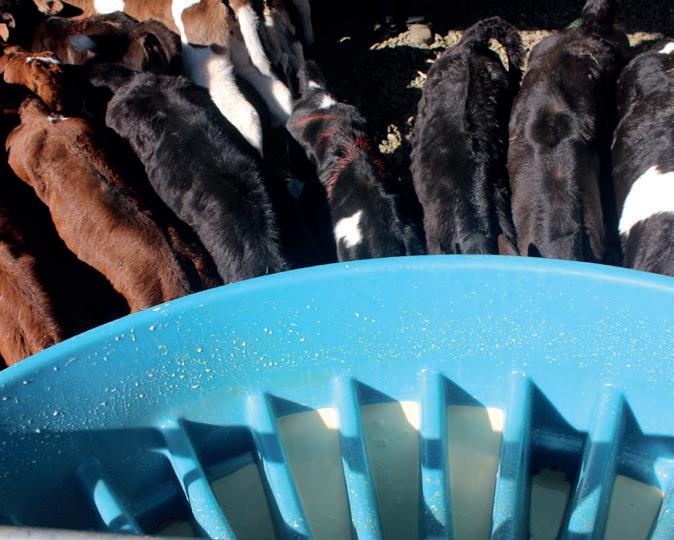
much you will need for the season and contract it to ensure supply. When feeding milk, it is important to make sure each calf gets their allotted amount. You do not want the smaller, slow-sucking calves to miss out. Use compartment feeders for as long as you practically can but when calves do go onto open troughs, try your best to group animals of a similar size and similar ‘suck’ together. Always keep a close eye on calves as they feed to make sure no animal is missing out. NRM offers a range of quality milk replacers to suit any system. The maths around milk powders can be daunting – give your Nutrition Specialist a call if you need to double check your mix rates.
Shed health
Shed health should never be overlooked. Deteriorating shed health is the beginning of animal health issues. Spray sheds regularly using a good disinfectant, like Virkon, to keep shed hygiene at its best. If you smell ammonia, then you’re exposing your precious calves to respiratory illness and pneumonia could be around the corner. Check the dryness of bedding daily; simply get amongst the calves and kneel to monitor dampness. Top up the shed with fresh bedding in-between each mob or as soon as you pick-up an issue. Damp bedding increases heat loss and bacterial build up, putting calves at risk.
Equipment
Working with broken or worn equipment can be very frustrating and takes up your valuable time. Equipment that is not fit for purpose can also risk the performance of your calves. Clean and check all feeders and decide if you need to fix or replace. Perished, old teats can deliver milk too fast causing overfeeding and bloat, or teats might be blocked and filled with bacteria. Check weld points on paddock feeders – there is nothing worse than driving into a paddock with hungry calves and
the feeder collapses! Do not forget the tyres, they may require some air. If using motorised equipment, now is a good time to service it. Weigh and weigh again – if you do not have a good animal weighing system consider the investment now.
Animal health
Healthy calves eat more and grow faster. The biggest threat to profit margin and people fatigue is sick calves. Be proactive with picking up health issues and do not give infections an opportunity to set in. The faster you react to problems such as colostrum quality, shed hygiene and scours the higher chance of a good outcome. Electrolyte therapy saves lives; keeping in a milk feed while a sick calf is on an electrolyte programme will help to provide enough energy to fight diseases without a big growth check. Being confident with stomach tubing electrolytes is a must – ask for help from others if you need it. Keep a working thermometer handy to help diagnose infections. The normal temperature range for a calf is 38–39.5oC. Talk with your local vet and arrange a suitable health programme that is tailored for your calf rearing needs. Pre-order vaccines and get your de-horning dates in the calendar along with a worming programme for later.
Communication
Developing some simple, easy-tofollow standard operating procedures (SOPs) can eliminate frustrations during the season. Putting in some simple processes around calf pickup, collecting colostrum, mixing milk or feeding calves is important so everyone is on the same page. If people know the expectations of tasks and why they should be done in a certain way, it will mean less stress and it will keep the team motivated and happier. Work on areas where reoccurring animal health issues have been identified first. Use research and experts to help guide your SOPs. Make sure to pull on your resources. Talk to experts such as your NRM Nutrition Specialists who are just a phone call away and always happy to help you troubleshoot problems. Always try to upskill yourself and be open to new ideas.
The NRM Calf Rearing guide is a great place to start. Find it online at www.nrm.co.nz or grab a copy from your local Farmlands store.
Article supplied by NRM Technical Specialist, Karen Fraser and Nutritionist Stacey Cosnett.
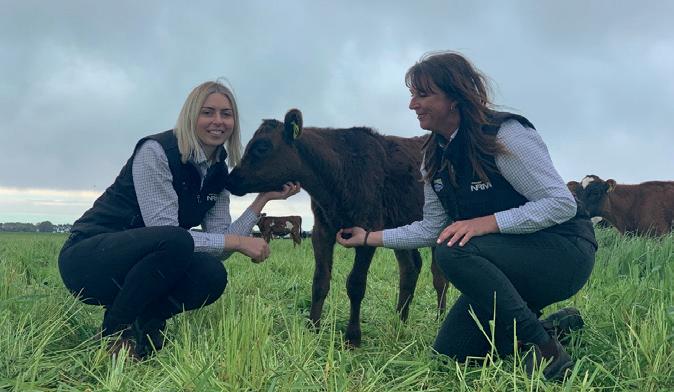
| Farmlands’ ‘calf gurus’, Stacey Cosnett and Karen Fraser, help shareholders to troubleshoot nutrition issues.







Quality hard feed for the best lambs
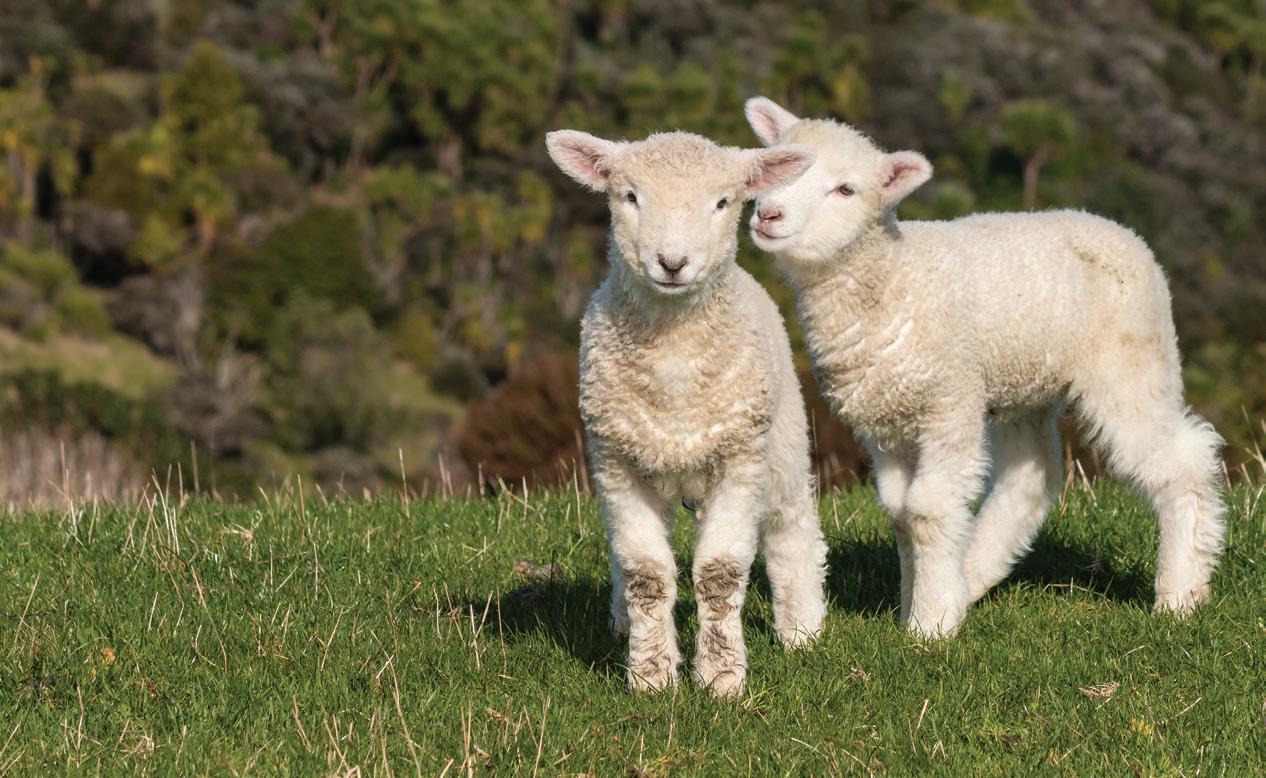
Do you want to have the bestlooking lambs on the block this year? It is a good idea to introduce a hard feed into the diet of handreared lambs as early as possible to encourage rumen development and set them up for weaning time.
The rumen is the stomach compartment where grass and hard feed is digested when consumed by a lamb. At birth however, the rumen is very small and naïve as it has little use for a lamb on just milk. If we can get lambs using their rumen by providing them with a high-quality starter feed though, it will stimulate development. This means lambs are better able to get nutrients out of grass come weaning time and is the difference between thriving versus struggling. It is a bit like training for a marathon before the big day.
Tips for encouraging early uptake of hard feed
• Always offer clean drinking water –milk contains water, but it does not get directed to the rumen.
• Offer a hard feed during the first week of life. Intakes will be very small at first but will increase as lambs get older.
• Always go for a lamb-specific hard feed as it is better suited. Calf feed is often too high in copper for lambs and can cause toxicity.
• Avoid hard feed that has any byproduct ingredients such as palm kernel, copra or tapioca in it. Lambs do not like the taste and will eat less of these feeds.
• Keep feed troughs clean and do not put out too much feed and leave it to go mouldy or get contaminated by vermin/birds. Putting out a small amount of fresh feed every day is best.
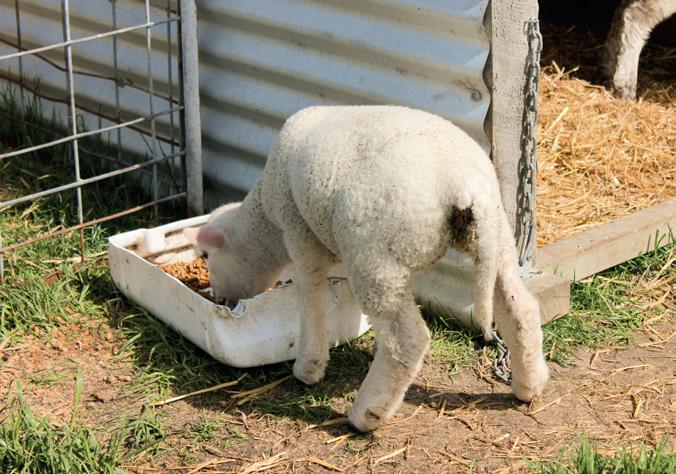
• Ensure there is enough room at hard feed troughs so that all lambs have an equal chance.
• After their milk feed, lambs often still have a strong desire to consume, so putting some hard feed in their mouths can help to get them used to the taste and texture.
• Offer some long fibre such as hay or straw but ensure that lambs do not over consume it as this can decrease hard feed intake. This can be a particular problem if very palatable long fibre is sourced. A good idea is to make the fibre a little harder to eat by compacting it into a hay rack.
• Choose a hard feed with a coccidiostat in it (such as Deccox®). Coccidiosis is a common parasitic issue in lambs which can really hit appetites and recovery can be slow. It is a no brainer to opt for a feed that helps to prevent it.
NRM has a great range of tried and tested lamb hard feeds. NRM’s Lamb Start Mix is a muesli-style feed, molassed and highly palatable, designed to start young lambs onto hard feed early in life. A pelleted lamb feed such as NRM Lamb Performance is a good hard feed for lambs as they get older.
Head to www.nrm.co.nz or your local Farmlands store for a copy of the NRM Lamb Rearing Guide to make this season’s lambs your best yet.
Article provided by Stacey Cosnett, Nutritionist.
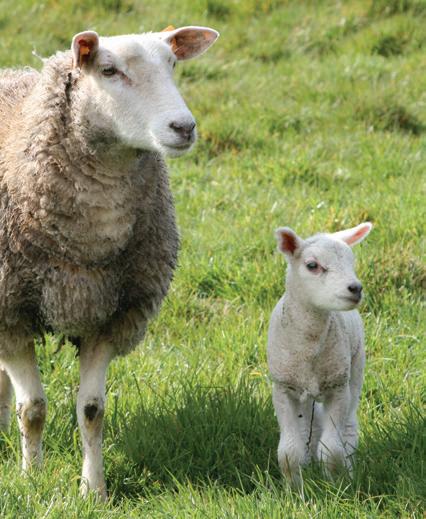
| Stimulate development of a lamb’s rumen by using a high-quality starter feed.
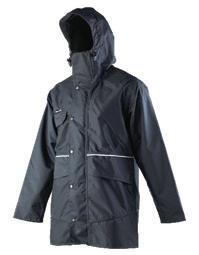
Withstands the wettest conditions

Check out our range of rugged and reliable gear at Farmlands or betacraft.co.nz







Get your heifers off to a great start
Attempts to manipulate the rumen bacterial population to maximise production efficiency have been trialled for nearly 100 years. Solutions are still a work in progress, but recent probiotic research results are encouraging.
Probiotics have long been studied in both human and veterinary medicine, although it is hard to define exactly how these products exert an influence on the animal being treated. It has been suggested that probiotics work through modification of the number and type of rumen bacteria, as well as a theory that there is an anti-inflammatory action in the small and large intestine.
Donaghys creates a number of animal health products which contain probiotic extracts and these products are designed to help increase the efficiency of the digestive tract in ruminants and horses.
Donaghys ProCalf is a combination of a patented probiotic extract product and rennet, and is dosed to calves daily whilst they are consuming milk. Essentially this product is working in two different ways to help calves grow faster than untreated calves:
• The rennet helps to form the milk curd more effectively, allowing slower gut transit times and therefore an increase in the absorption of a number of different nutritional compounds.
• The probiotic extracts contained in ProCalf include AgResearchregistered microbes which work to populate the gut with good bacteria and ensure the bacteria thrives once established there.
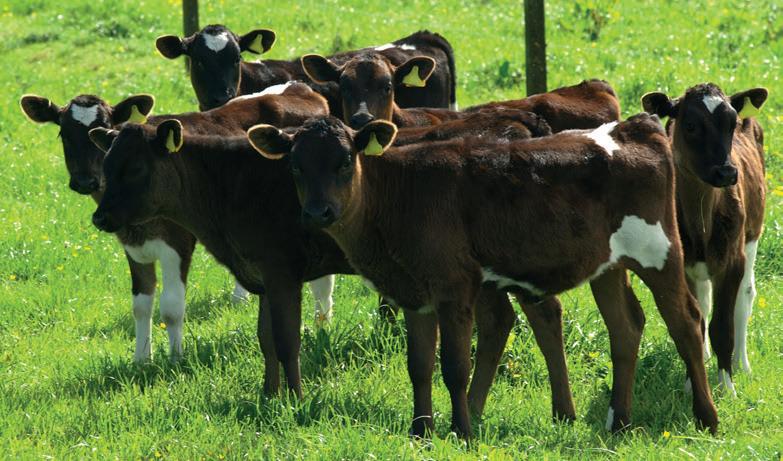
It can be very hard work getting a heifer to catch up once they are behind.”
Donaghys’ research has shown that calves on the ProCalf system from birth to weaning tend to be heavier by weaning, or reach weaning weights approximately 1 week earlier, than untreated control animals. There is also a trend in the trial work that indicates treated calves are less likely to be sick during the course of a ProCalf diet than untreated calves.*
Recent research carried out in both New Zealand and Australia suggests that there is a significant long-term benefit to getting heifers as close to mature liveweight as possible by mating and calving. Heifers closer to their mature liveweight at these points in time appear to produce more milk over the first three lactations, as well as being more likely to remain in the herd. Managing to get heifers up to these important weights starts right from birth. The quicker you can start them
on the right track from day one, the better their chances are of meeting/ exceeding their body weight targets all the way through. It can be very hard work getting a heifer to catch up once they are behind.
Using Donaghys ProCalf is a good method of getting your calves started. After weaning, they can be switched to a regular dose of Donaghys RumenZyme Cobalt Plus – which is intended to be dosed orally at 3–4 week intervals, lining up perfectly with your young stock drenching programme. For further information, contact your Farmlands Technical Field Officer or the friendly team at your local Farmlands store.
Article Supplied by Donaghys Limited.
* Handcock RC., Lopez-Villalobos, McNaughton, Back PJ., Edwards G., Hickson R. Proceedings of the Society of Dairy Cattle Veterinarians Annual Conference, pp 155–160, Jan 2018.
| Probiotic extracts work to populate the gut with good bacteria and ensure it thrives.























Springer cow nutrition
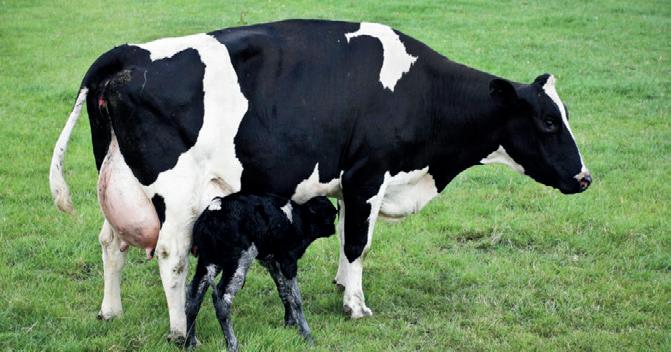
As we approach the end of the season, it is important to start reviewing your springer cow nutrition programme for next season.
This involves getting specific advice for your farm and ensuring you have the correct feeds and springer products available to meet your objectives.
Adapt the rumen microbes and stimulate feed intake
It takes 5–10 days for the microbes in the rumen to adapt to different feeds. Introduce some of the feeds that you will be using post-calving into the springer diets now, to prepare their rumen microbes. Feed additive technologies are available that help boost the ‘good’ rumen microbes. These include feeding ionophores (e.g. Rumensin®) and/or live yeasts (e.g. Levucell® SC). Recent studies have shown that Levucell® SC live yeast can improve rumen wall integrity and limit inflammation of the rumen epithelium during the transition period of lactating cows.1
Minimise metabolic issues like milk fever and ketosis
We often refer to milk fever as the “gateway disease” because cows that
suffer from milk fever are more likely to suffer from other metabolic diseases. 2
The primary mechanism to prevent milk fever is to regulate calcium metabolism, to ensure that enough calcium enters the bloodstream in a quick and timely manner, thereby preventing hypocalcaemia. There are several nutritional factors involved in achieving this:
• Magnesium is required for production of hormones important in calcium absorption. It also helps initiate calcium mobilisation pre-calving.
• Vitamin D is critical in stimulating the parathyroid hormone to initiate calcium metabolism. Since vitamin D is often lacking at this time of the year (either in ingredients or due to lack of sunshine), it is important to ensure cows are supplemented with this mineral to activate these pathways.
• The ‘Dietary Cation Anion Difference’ (DCAD) needs to be addressed in many situations where the ‘cations’ in the diet (potassium and sodium from pasture and green feeds) outweigh the ‘anions’ (such as chlorides and sulphates).
Running your specific feeds through a nutrition programme such as DietCheck™ can help identify the DCAD risk for your situation.
Boost the immune system
The immune system of springer cows is compromised pre-calving due to the very high metabolic demand on the cow at this time. Maintain a healthy immune system by adding:
• Trace minerals including zinc, copper, iodine, selenium and chromium. These are all involved in metabolic pathways that help boost the immune system.
• Vitamin A and vitamin E are important in enhancing the immune system.
• Antioxidants are required by the cow to protect the cells from harmful free radicals produced pre-calving, which lead to “oxidative stress”. Use of primary antioxidants (e.g. Melofeed®) and secondary antioxidants (e.g. vitamin E and selenium) play an important role in protecting cells.
The Nutrimin® Springer Cow Balancer range provides comprehensive precalving nutrition support that contains a very effective negative DCAD, vitamins A, D and E, trace minerals including Alkosel® organic selenium, Melofeed® primary antioxidant, magnesium, calcium and chromium. Rumensin®, Levucell® SC and other additive options are available.
For further information, contact your Farmlands Technical Field Officer or the friendly team at your local Farmlands store.
1. Bach, A. et al, (2018). Journal of Dairy Science, 101 (3).
2. Curtis, C.R., Erb E.H., Sniffen, C.J., Smith, R.D. and Kronfeld, D.S. (1985). J. Dairy Sci. 68: 2,347-2,360. Article supplied by Nutritech.
| Think about the microbes in the springer’s rumen as well as stimulating feed intake, minimising metabolic issues and boosting immunity.




Cockroaches – not the best of pets
The sight of a disgusting black cockroach skittering across your kitchen benchtop, sink or floor can evoke all sorts of emotional responses: running for a broom, a shoe, a can of insect spray or just running away in disgust. Everyone hates roaches – and for good reason.
Cockroaches carry diseases, give off unpleasant odours, aggravate allergies (especially in children) and ruin food. In extreme cases, they can even bite. New Zealand has three main species – the German, American and Gisborne cockroaches – as well as a number of native bush cockroach species which are not generally regarded as pests.
Baiting is very successful for both American and German cockroaches but unfortunately, the Gisborne cockroach is not readily attracted to bait.
Cockroaches thrive in warm, damp conditions and dehydrate if the environment is too dry. However, they can live in extreme conditions for short periods of time and will survive for months without food and weeks without water. This makes them very difficult to get rid of.
Cockroaches undergo three stages of development: egg, nymph and adult. The adult female cockroach lays what appears to be a huge egg but it is actually an ootheca, which contains 20–40 eggs in one outer egg case. The actual number varies for different species. The eggs hatch into nymphs which look similar to the adult cockroach. The nymphs undergo a series of moults before developing into fully reproductive adult cockroaches. The length of this process varies and may take anywhere between a few weeks to a year to complete the cycle. A female cockroach can lay up to 20 oothecae during its lifespan.
Historically, cockroaches were a North Island problem and often associated with dirty, unhygienic premises. While this is still true, the movement of cockroaches to the South Island and their proliferation in southern parts of New Zealand has meant that they are now regarded as a national issue. They are a hygiene problem in food premises/ restaurants and they frequent hostels/ hotels, as well as homes, which are heated and have a plentiful supply of food and kitchen waste.
Monitoring with Lo-Line sticky traps will ensure early detection and enable early prevention and management of a cockroach population.
Both baiting and spraying can be used to treat cockroach habitats. Baiting is very successful for both American and German cockroaches but unfortunately, the Gisborne cockroach is not readily attracted to bait. Using a bait such as NoPests Roach Bait® or Vendetta™ will
be very effective to control populations of German or American roaches indoors but for high populations and for Gisborne roaches, spraying with NoPests Crawling Insect Spray® will control a serious infestation.
Baiting and spraying techniques can both be used for large populations and can be complementary to each other. As with all the crawling insects, it is important that spraying is done with a non-repellent insecticide. Dealing with Gisborne roaches on the exterior areas of a building can be achieved using NoPests X-IT Ant®.
For further information, contact your Farmlands Technical Field Officer or the friendly team at your local Farmlands store.
Article supplied by Key Industries.
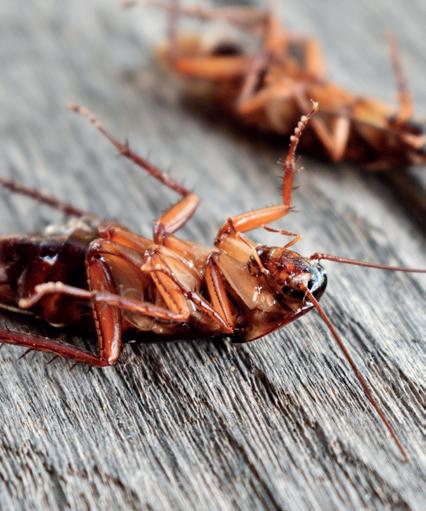
| A cockroach produces 20–40 nymphs which undergo a series of moults before developing into reproductive adults.















Don’t let lice bite away at your profit
The sheep body louse, Bovicola ovis, causes significant financial losses as well as animal welfare concerns for the New Zealand sheep industry every year.
It is well documented that lousy sheep will clip 10 percent less wool and of that clip, 10 percent will be matted. Lice infestations in lambs can also have a negative impact on overall live weight gain from birth to sale.1
The degree of financial loss due to lice on any one farm is dependent on the number of sheep affected, the severity of infestation based on lice numbers and the duration of lice infestation.
Lice management programmes are primarily designed around an integrated approach to prevent infestations. Treatment options should be planned and implemented when required, including the use of effective chemical lousicides. To be able to build a robust management programme and therefore limit financial risk associated with lice, it is essential to understand the biosecurity risks associated with the spread of lice on your farm and detect any infestation as early as possible. In the early stages of an infestation, when lice numbers are low, they can be
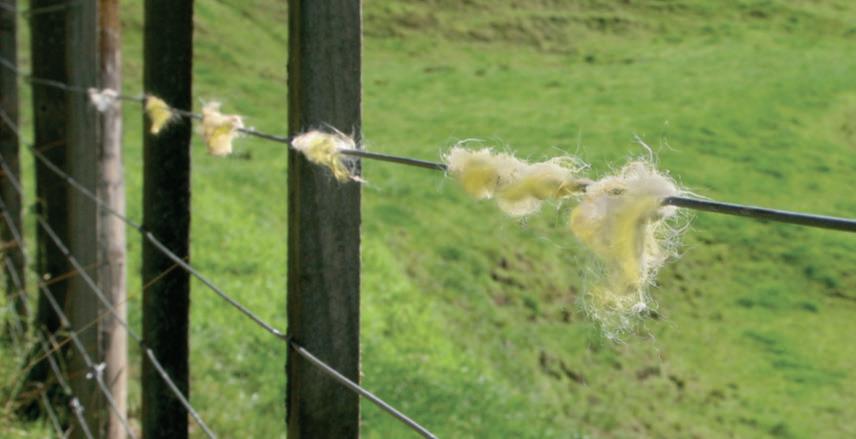
extremely hard to detect in the fleece. This difficulty is exaggerated if the wool is short. It is in every farmer’s interest to regularly check their sheep for signs of lice. All mobs should be checked at least twice yearly; checking can be done at the same time as yarding for other management procedures. If sheep show signs of lice e.g. fleece damage, rubbing, biting at themselves or fleece is found on fence lines, they should be checked as a matter of urgency. Fleece damage is most commonly seen on the sides of the sheep as lice numbers are frequently higher in this area due to it being the contact point with other sheep. If lice are suspected, the mob should be isolated and checked regularly.
To maximise the chances of seeing lice it is important to select sheep exhibiting signs of lice infestation and check 20-plus partings per sheep. If just one louse is found that is sufficient to isolate the mob and declare them lousy; there will be plenty more lice that have not been seen. Visualisation of a louse may only occur in approximately one in every 20 partings of 10cm in length. Lice numbers are frequently higher on the flanks and back of long wool sheep
whereas shorn sheep are more likely to have higher numbers of lice on the lower neck and belly regions.
Scratching and rubbing does not only occur due to lice infestations; it can also be seen in skin conditions such as fleece rot, dermatophilosis (lumpy wool), grass seed penetration, flystrike and itch mite. It can be easier and quicker to diagnose fleece rot or lumpy wool if no lice are initially detected but an early-stage lice infestation should not be overlooked. There may also be more than one cause for the scratching. It is imperative to correctly diagnose the underlying cause before implementing a treatment plan, to ensure appropriate application.
A lice information booklet is available in promotional packs of Zapp Encore ® For further information, contact your Farmlands Technical Field Officer or the friendly team at your local Farmlands store.
1. Seasonal dynamics and variation among sheep in densities of the sheep biting louse, Bovicola ovis (1997). P. James, R. Moon, D. Brown. International Journal for Parasitology, 28, 283-292.
Article supplied by Bayer.
AVAILABLEFROMALLFARMLANDS STORESNATIONWIDE
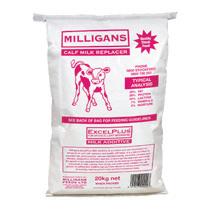
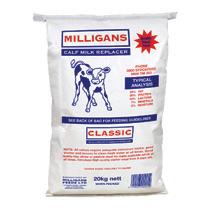
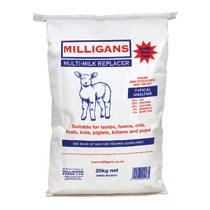
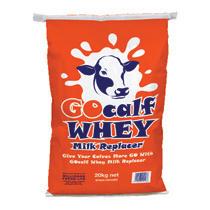
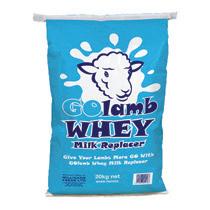
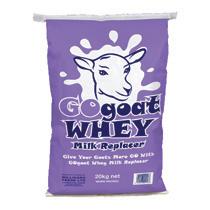
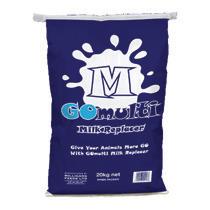
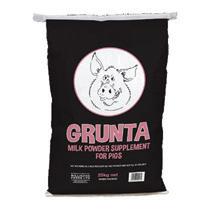
A proudly 100% New Zealand owned and operated family business based in Oamaru, South Island, Milligans Feeds is one of New Zealand’s leading suppliers of animal nutrition products.
Having over 30 years’ experience in producing high quality, top performing milk replacers, Milligans Feeds has been the choice for generations. With the growing range of milk replacers and animal health supplement products, Milligans has you covered!
Check out www.milligansfeeds.co.nz for more information on the range.
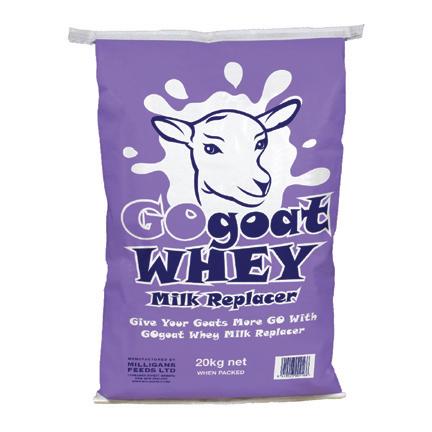
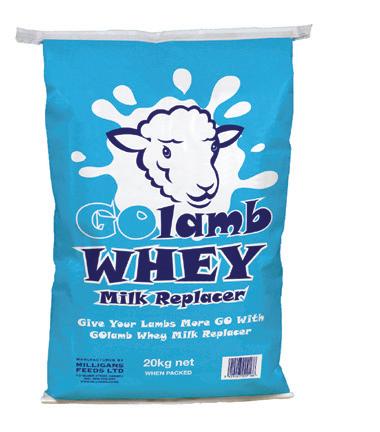
3 months deferred payment available!**
GOlamb WHEY and GOgoat WHEY Milk Replacers are whey-based milk replacers developed by Milligans Feeds in conjunction with our European partner in Holland, specifically for rearing Lambs and Goats in New Zealand conditions.
The importance of pre-lamb vaccinating your ewes
Lambs are born with very few antibodies and rely on antibodies in the ewe’s colostrum for protection against clostridial diseases including pulpy kidney and tetanus.
Clostridial vaccination of the ewe just prior to lambing is utilised on most New Zealand farms to maximise the level of antibodies lambs receive in their colostrum. The more antibodies they receive, the higher their chances of survival if they face disease challenge (for example from diseases like tetanus or pulpy kidney). It is therefore vital to get pre-lamb vaccination right – both with timing and the level of antibodies produced. For timing it is about stimulating the ewe at the right time, so her
antibody levels peak when forming her colostrum. Ideally this is about 2 weeks ahead of lambing but different farms have different management systems and lambing spread varies, so the flexibility to vaccinate earlier can be important. For antibody levels, it is about ensuring sufficient antibodies are available for transfer into the lamb(s). How much is sufficient can vary depending on whether a ewe has one, two or three lambs suckling and how much disease challenge a lamb may face. The gut of the newborn lamb is best at absorbing these antibodies within the first 12 hours of life, so it is crucial this colostrum is the best quality and volume possible.
So, if it is convenient to vaccinate the flock 2 weeks ahead of lambing, and you have a large number of single bearing ewes, then you may choose a pre-lamb 5 in 1 vaccine like MULTINE® It gives a really good antibody response and, when used closer to lambing (2–4 weeks), provides protection for the lambs for up to 12 weeks. Multine B12 also contains a dose of vitamin B12, meaning you can supplement the ewe (and her lambs via colostrum) with B12 in a single injection.
However, if your flock has a higher number of multiple-bearing ewes or you vaccinate earlier (for example, to reduce the likelihood of sleepy sickness) or you want longer protection of lambs to reduce losses through until weaning (e.g. from pulpy kidney deaths), then NILVAX® would be a much better choice for your farm.
NILVAX is the specialist pre-lamb vaccine, formulated with a powerful 5 in 1 plus an immune booster — levamisole. Used at pre-lamb, NILVAX boosts the protective antibody levels of ewes, preparing them to produce antibody-rich colostrum available to their lambs. With NILVAX:
• More ewes respond with higher antibody levels than with other 5 in 1 products1
• Higher antibody levels provide protection for up to 16 weeks, 4 weeks longer than other 5 in 1 products2
• Vaccination can also happen earlier — from 6 weeks pre-lamb to 2 weeks earlier than other 5 in 1 prodcts2
Plus, NILVAX can also be suitable as a short-acting, priming drench ahead of pre-lamb capsules or in combination with other long-acting drench products. Whether NILVAX or MULTINE is the right choice for your farm is up to you. What you can be assured of is they are both developed and manufactured in New Zealand to the highest standard, for local farming challenges.
For further information, contact your Farmlands Technical Field Officer or the friendly team at your local Farmlands store.
1. Pre-lamb Vaccination – Comparing Apples with Apples, J R Moffat. Soc. Sheep & Beef Cattle Veterinarians, NZVA 2004.
2. ACVM Approved Label, Nilvax A3977, Multine A0934, Multine B12 A11311.
®Registered Trademark. Schering-Plough Animal Health Ltd. ACVM Registration numbers: A3977, A0934, A11311. Phone: 0800 800 543 www.msd-animal-health.co.nz NZ/NIL/0418/001.
Article supplied by MSD Coopers.
| There are three key aspects to maximise your lamb output this season – one is parasite management.






Efficiency is the way to go
What times we are in. At least the world still has to eat! We are lucky to be in this industry, producing quality food that customers want and need. What we need, is to produce more of it and as efficiently as possible. What you do not need, is anything that undermines this efficiency.
Approaching pre-lamb, ewe condition and feed availability are set. What are the levers you can pull now to maximise your lamb output this season?
Maximising survival is number one. All ewes should receive a clostridial vaccination 2–4 weeks pre-lamb to ensure they have boosted antibody levels to protect the ewe and her lambs. After nutrition, the biggest cause of lambs failing to thrive is parasites.1
Low-grade parasite infections can also affect ewes, resulting in lowered milk production and increased weight loss. It is the daily intake of parasite larvae that causes these production effects. 2,3 Every mouthful of grass contains larvae which the immune system must deal with, wasting protein in the process. This has a knock-on effect for the lambs – with slowergrowing lambs being on farm longer, further contaminating the farm with more larvae. So… what to do?
Low body condition score (<BCS 3) ewes, those carrying multiples, or younger ewes are examples of those that would respond well to a longeracting drench treatment. This still allows for plenty of refugia by not treating the ewes that can deal with parasites better i.e. those in BCS 3 or better, and single-bearing ewes. If you prefer not to use long-acting products, then using a medium-acting
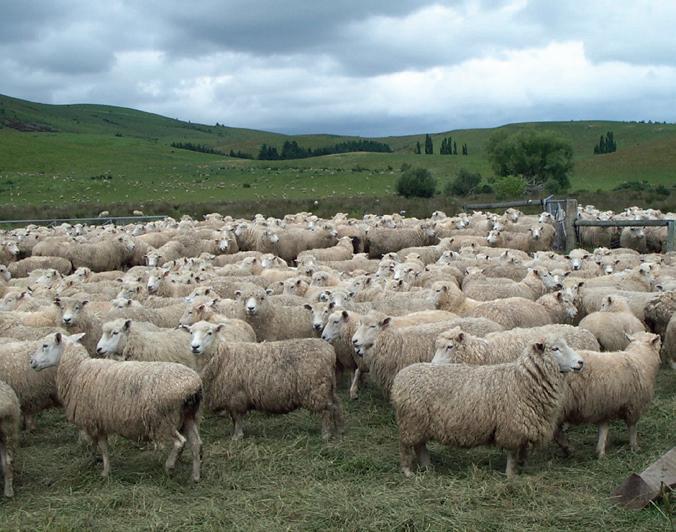
product is a good option. Mediumacting products such as Cydectin® Injection and Eweguard® can deliver 5 weeks’ worm protection against Teladorsagia circumcincta, the most important parasite in spring. These products have a high effective dose and shorter worm selection and meat withholding periods, than the longeracting injections or capsules. Mediumacting products can deliver production benefits while having less impact on drench resistance than the longer acting products. New Zealand trials have shown Eweguard-treated ewes produced heavier lambs (4.6kg more lamb weaned per ewe) than those left untreated.4 This is due to its 35-day protection against Teladorsagia, allowing that precious protein to be used for milk production instead of immunity to fight worms.
Cydectin Injection has the same worm protection as Eweguard, but without the vaccine component, and is extremely good value at around $1.00/ewe for 35 days’ cover.
For further information, contact your Farmlands Technical Field Officer or the friendly team at your local Farmlands store.
Article supplied by Zoetis New Zealand Limited. Tel: 0800 963 847; www.zoetis.co.nz. Cydectin and Eweguard are registered trademarks of Zoetis. ACVM Nos. A5979, A7302, A9122
1 Beef + Lamb NZ, R&D, December 2006.
2 Leyva, V., Henderson, E., Sykes, A. The effect of daily infection with O. circumcincta larvae on the performance of pregnant and lactating sheep. Proceedings of the NZ Society of Animal Production, 1981.
3 McAnulty, R., Familton, A., Sykes, A. Effects of daily larval challenge on the performance of breeding ewes from late pregnancy to post weaning. Proceedings of the NZ Society of Animal Production, 1991.
4 Zoetis data on file.
| After nutrition, the biggest cause of lambs failing to thrive is parasites.


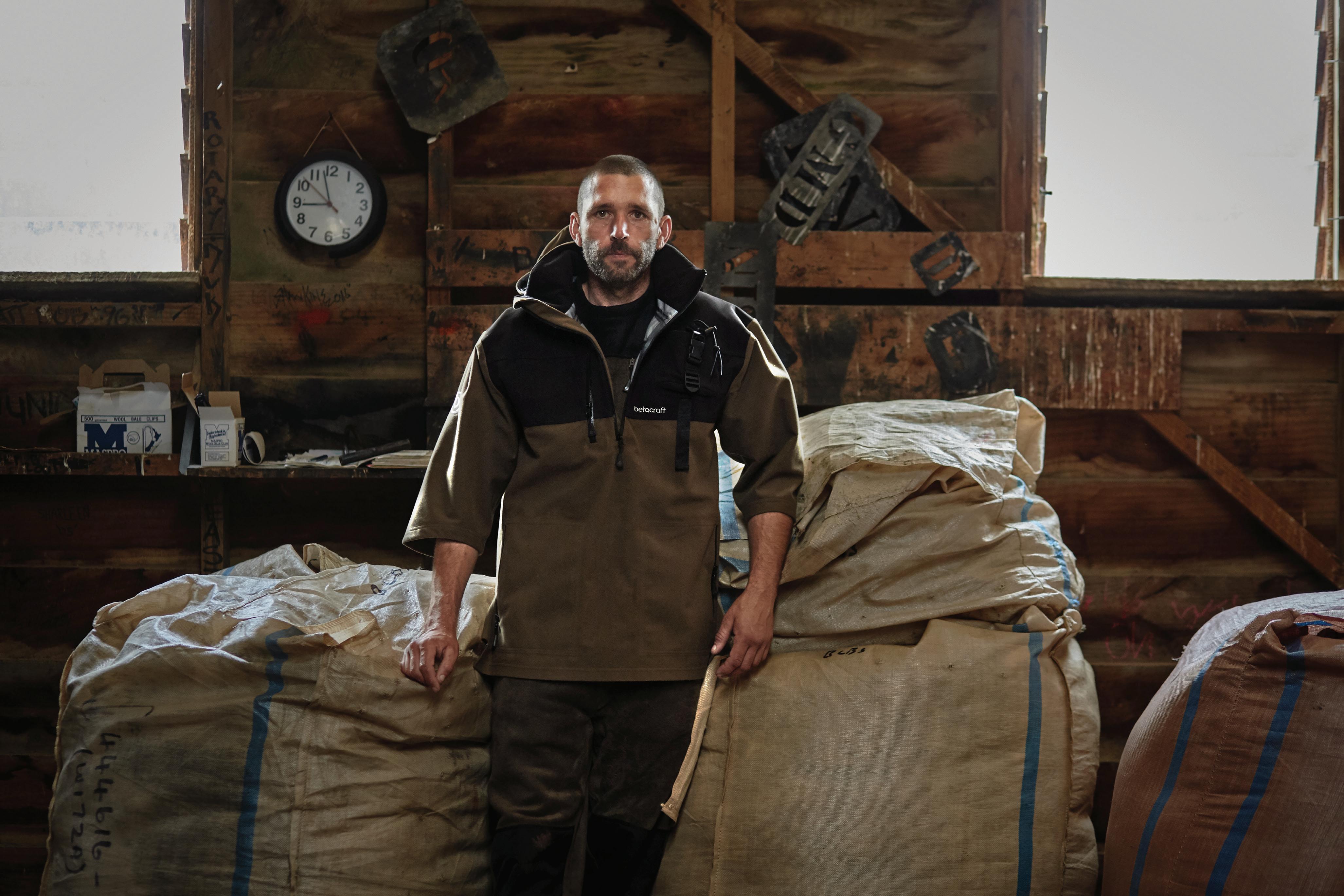
The New Zealand Century Farm and Station Awards aim to capture and preserve the history of our country’s farming families. Each month we will share stories from Farmlands shareholders who have worked their land for 100 years or more.
From Barren To Bountiful
It’s been 120 years since Sam
Fowle
established the family farm in Clifden. Four generations later it’s organic and it’s booming.
In 1895, Sam Fowle, originally from Victoria, Australia was working in the goldmines of Western Australia. He had recently married Rachel Williams (who was also from Victoria) and they had their first child, Jessie, in Cue, Western Australia. Then Sam decided he would make his way to Western Southland. Leaving Rachel and Jessie behind, he made his way to Bluff, then Blackmount and entered the land ballot for a section of Merrivale Estate in Wallace County. He successfully acquired 318 acres, which he put in the name of his wife, Rachel Barbara Fowle, who joined him 3 months later. The land was limestone country with rocky hills above the flat land, which was covered in scab weed and stones.
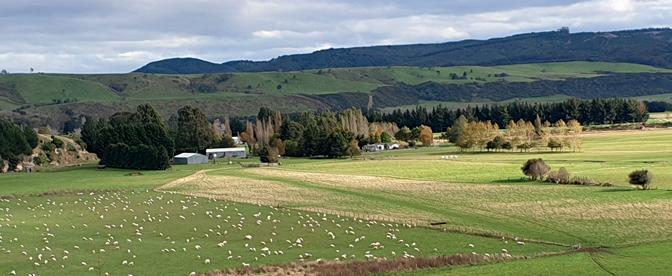
Sam once said, “it was hardly worth ploughing”. The limestone meant the farm has significant caving systems.
One cave has housed everything from early Maˉori, a blacksmith’s family, many implements and hay. The Clifden Caves are open to the public.
Initially, Sam grazed cows on the limestone hill and lived on the adjoining section, which he had also acquired.
George Fowle, Sam’s eldest son, farmed the land after Sam died in 1931.
George and his brother, Bill dug out and straightened the creeks, originally by hand, then using a dragline.
The land was cleared, posts cut, sheep grazed and cows milked. In those days, the farm was over-run with rabbits.
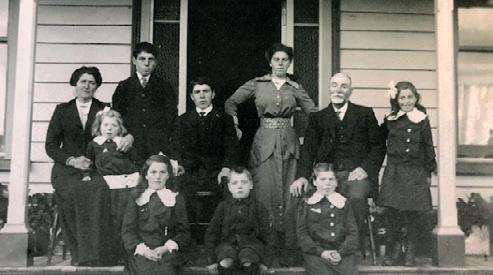
George and his wife, Carrie had two sons – Henry and Douglas. They farmed in partnership until 1969, when they split the farm into two, with Douglas and Helen farming a block and Henry and Dorothy managing the other (helped by their five children).
In 1992, eldest son Peter joined his father, Henry in partnership on the farm. Peter with his partner, Rosanne Allen and their two children, Tia and Felix now run the farm. They added 285 acres from across the road in 1995 and bought Douglas and Helen’s farm in 2012.
In 2007, the farm was certified organic and the land that was once “hardly worth ploughing” is now a highly productive sheep, beef and deer farm.
| Farm with the house and yards built by Henry and Dorothy in distance.
| Henry and Dorothy with their children Christine, Linda, Barbara, Peter and Roger.
| Sam and Rachel with their children.