FARMLANDER The

PAGES 6–10
WHERE THE OPPORTUNITIES LIE
PAGES 4–5, 14–15
TO MAKE A DIFFERENCE
PAGES 18-19, 21, 53
3. Farmlands staff profile
3. From the CEO
4. 5 minutes with Ian Proudfoot
6. Special Feature – Flex-able farms
11. Buying Power Promise
14. New Zealand agriculture in a post-COVID-19 world
17. Fund created to boost teamwork and innovation
18. Super Rugby is back!
21. Unbridled compassion
23. Safety alert: fuel tank checks required
25. Be alert regarding sales of non-compliant RPE
53. Bumper crop of Century Farms reflects society
55. Century Farms – 100 Years in Waipango
This month we reconnected with past profiled shareholders, such as Lone Star Farms, to discover how they are responding to change. General Manager, Boyd MacDonald discusses staff safety and wellbeing, building resilience into plans, data-based decision making and the role diversification plays in managing risk.
Plan365 Nutrition
29. Rearing layer chicks for optimum egg production
31. A 20-20 look at bypass fats
33. Preparing your calf for lifetime production
35. Keeping chicken feed up to scratch
37. Fortifying milk for higher gains
Plan365 Dairy Management
41. Teat care avoids cost
43. Milk additives for calves – what are the benefits?
Plan365 Animal Management
45. Kill the queen, stop the nest
47. Lots of grunt to smart energizer
49. Are you ready for calving?
51. Managing the ewe flock after a drought
Plan365 Forage and Arable
55. Prevent pugging to protect production
Russell Wallace Business Manager, Ashburton
Q: How long have you been with Farmlands?
A: Eight years now, starting off as Assistant Business Manager in Leeston.
Q: Have you always worked in retail?
A: I grew up on a sheep and beef farm in Waimate and farmed for years. We even managed a farm in the USA – a small Merino operation north of New York City. It had a retail store on-farm and we went to farmers’ markets in NYC; that’s where I became interested in added-value sales. It was an amazing experience and my kids had a ball.
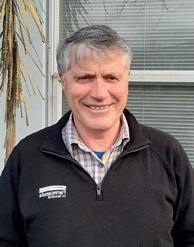
Q: Tell us about your family and how you spend your spare time.
A: My wife, Rachael and I have two children and five grandchildren. We love getting away in our caravan, boating and fishing with the family – Lake Benmore is a special place for us.
Q: Have you become more digitally savvy since Farmlands’ Braveheart transformation?
A: I believe that without change a business is destined to fail so we must adapt and move forward. Personally, it’s been great to develop and keep up. I’m learning all the time and I work hard at it. I love that our new system is so flexible for example if you make a mistake it’s easy enough to fix!
Q: What support did you lean on?
A: I don’t mind asking for help. Initially, the change was very challenging but I was lucky to have some great people around. Being selected for the testing process gave our branch a lot of exposure to the new system.
Q: What’s the best example of how tech has helped you serve shareholders?
A: During lockdown the Click and Collect site was a lifesaver.
Q: What would you say to folks about moving more online?
A: Just give it a go, don’t be frightened. Most technology and online systems are quite hard to muck up these days. I reckon our customers have adapted quite well these past few months.

• Bacon
• Grated cheese
• Potatoes
• Knob of butter
• A rich, tasty gravy
• Parsley
• Salt and pepper
• Flour
• Egg
• Breadcrumbs
1. Make the gravy. Pour into ice cube trays and sprinkle with parsley before freezing.
2. Cook and mash potatoes.
3. Add bacon (chopped and cooked), butter, grated cheese, salt and pepper.
4. Cool to handle.
5. Wrap potato mix around frozen gravy cube. Then flour, egg and breadcrumb each to resemble a scotch egg.
6. Deep or shallow fry until golden.
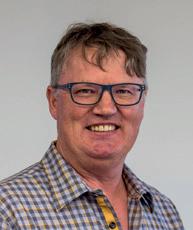
Welcome to the July edition of The Farmlander. I hope this note finds you safe, healthy and, hopefully, still at Alert Level 1!
The fall-out from this year’s events will have an impact on the primary sector for months and years to come.
Like every other industry, we need to evaluate how we operate in a post-COVID world. While New Zealand seems to be ‘doing better’ than other countries, 2020 will leave a scar on our economy. It is not as simple as ‘bouncing back’ and tourism is the most glaring example of an industry that needs to change its entire operating model in the short-term to survive. The longer our borders remain closed to the outreaches of the world, the more revolutionary those changes will need to be.
Farmlands has taken the lessons to heart. While we are open for business, we are also open to re-evaluating how we operate as a business, to further protect the longevity of our business. We are asking ourselves questions with an eye on both the short and long term.
Could we better execute our strategies at a regional level? Given the unique requirements of our shareholder base geographically, we want to investigate how we could structure ourselves better in the provinces.
How do we adapt our supply chain to make full use of our scale and size? We want to look at using our size to do things in a way that gives us an advantage and a benefit to our shareholders.
What are the steps we need to make to further embed our investment from Braveheart? The system is now in place and Farmlanders have had an opportunity to get used to it with day-to-day work. We want to identify how we can use what we now have to derive even more value.
How do we create a more performance-based culture? As we strive to put shareholder success at the centre of everything we do, how can we build an organisation that continues to improve year on year?
We are currently seeking the answers by engaging with our people and understanding how COVID-19 has impacted our business. Given our shareholders are the critical part of our co-operative, we also want to better understand how COVID-19 has impacted your business. In the lead up to spring, helping you to evolve, grow and succeed is at the centre of everything we plan to do.
All the best for the month ahead.

Peter Reidie Chief Executive Officer Farmlands Co-operative Society Limited
What do you think the biggest change in consumer behaviour has been over the last 4 months or will be in the future?
There are two changes that stand out for me. The first is around health. We have been in an environment where for many weeks we were receiving constant messaging about keeping yourself healthy. During that time, the only influence you had on your health was keeping yourself sheltered and considering what food you put into your body, so there is a real connection back to the role that food plays in protecting health. I think that will become more of an important attribute for consumer purchases around the world. If a food producer can tell a story about how their products support immunity, they can create some real value moving forward.
If a food producer can tell a story about how their products support immunity, they can create some real value moving forward.”
The second big trend I’m seeing is around the safety of food. People are going to be looking for greater trust and confidence in food that hasn’t been handled too much through the supply chain. I think we will see a shift away from the current trend of unpackaged food to packaged, unhandled food.
How do you think a shift in packaging trends will impact on the environment?
It’s an interesting point as obviously more plastic in circulation has the potential for more waste so I think we will see an uplift in significant innovation around sustainable packing or packaging that’s designed to be circular in nature. One of the interesting outcomes of this whole event is that we saw people back away from ‘keepcups’ or bring-your-own purchasing systems because of the disease potentially being on the material’s surface. Once we get through this initial period of extreme uncertainty around everything, we can see renewable and reusable packaging becoming the norm as opposed to the exception.
Has your own behaviour changed since COVID-19?
I would say yes, I’m still slightly nervous about doing things that I would have done quite happily pre-COVID-19. I’m more comfortable using digital means to source things that I normally would have picked up, for example we have been ordering fresh fish online as opposed to getting it from the supermarket as it’s better quality.
What is "food insecurity" and how does this fit in the New Zealand context?
Food insecurity is a significant issue that comes up when I talk to governments all around the world, but in the West, it has been taken for granted. We were suddenly faced with queues to get into supermarkets and empty shelves; even though that’s not the case anymore, we do have food insecurity issues in New Zealand. We have close to 1 million people in this country that don’t have access to sufficient food, which is scary in a country of only 5 million. We grow a lot of food and export a lot of food but haven’t thought about how we feed our 5 million first.
I am arguing strongly for a national food strategy from the New Zealand Government as there needs to be a broad focus on how food fits into our society. New Zealand is quite unique in that we rely on growing and selling food to the world to create our wealth, but we also have some of the worst health outcomes in any developed country, like heart disease and diabetes. This means we need to get food right in our country.
What opportunities are now presenting themselves for farmers and growers?
The rise in digital allows farmers and growers to start connecting directly to consumers. The “digital high street” has a barrier of entry that is a lot lower in comparison to traditional high street
trade so there is an opportunity to tell your story and position yourself as a “farmers' market supplier” to the world. I think the most important points right now are that people have become more connected with food and farmers around the world have been recognised as essential workers. People are valuing the contribution farmers make as opposed to challenging them. Farmers can build on this social goodwill and we can position ourselves to take the industry forward in a sustainable way that benefits all New Zealanders.
The rise in digital allows farmers and growers to start connecting directly to consumers.”
With such global disruption, how can New Zealand agriculture continue to make its mark internationally?
Global influence will be challenging as we are stuck here for a period of time — we aren’t going to be travelling out of the country for quite a while. We need to make sure we aren’t becoming isolationists. I’m a little bit concerned about the ‘buy local’ campaigns we are seeing, as although I understand why they are happening, New Zealand ultimately relies on selling products to the world to gain our wealth. We need to be viewed as an open, fair trader that accepts products from the rest of the
world and sells our products out. We are a country who believe passionately in free trade and the benefits it brings to wider society, so we need to be careful that’s not lost.
To do this we need to immerse people in a New Zealand experience without having them physically in the country. There is an opportunity to do this digitally and it’s important that the Government supports this, as they have an embassy network across the world that can connect with consumers in other markets.
What are your key messages for success going forward?
There are a couple of things that stand out to me:
• We’ve been through this massive societal change so whatever you do in your operation you do need to be applying a COVID-19 lens to it, in order to ensure people feel safe in the experience that you’re delivering.
• You need to figure out how digital capabilities feature in your business strategy.
• It is important not to hold back on sustainability goals. As a generation, we are going to be assessed on how we respond to climate change, not how we recovered from the COVID-19 situation.
History will look back and ask — did we do the right thing in relation to the climate? We have some bold aspirations in New Zealand about

where we wish to get to as a nation, in terms of heading towards zero carbon. So, anything you do now, you need to ask how it’s helping you become a more sustainable operation.
For more insights into the international and domestic agriculture industry, visit https://home.kpmg/nz/en/home/ industries/agribusiness.html
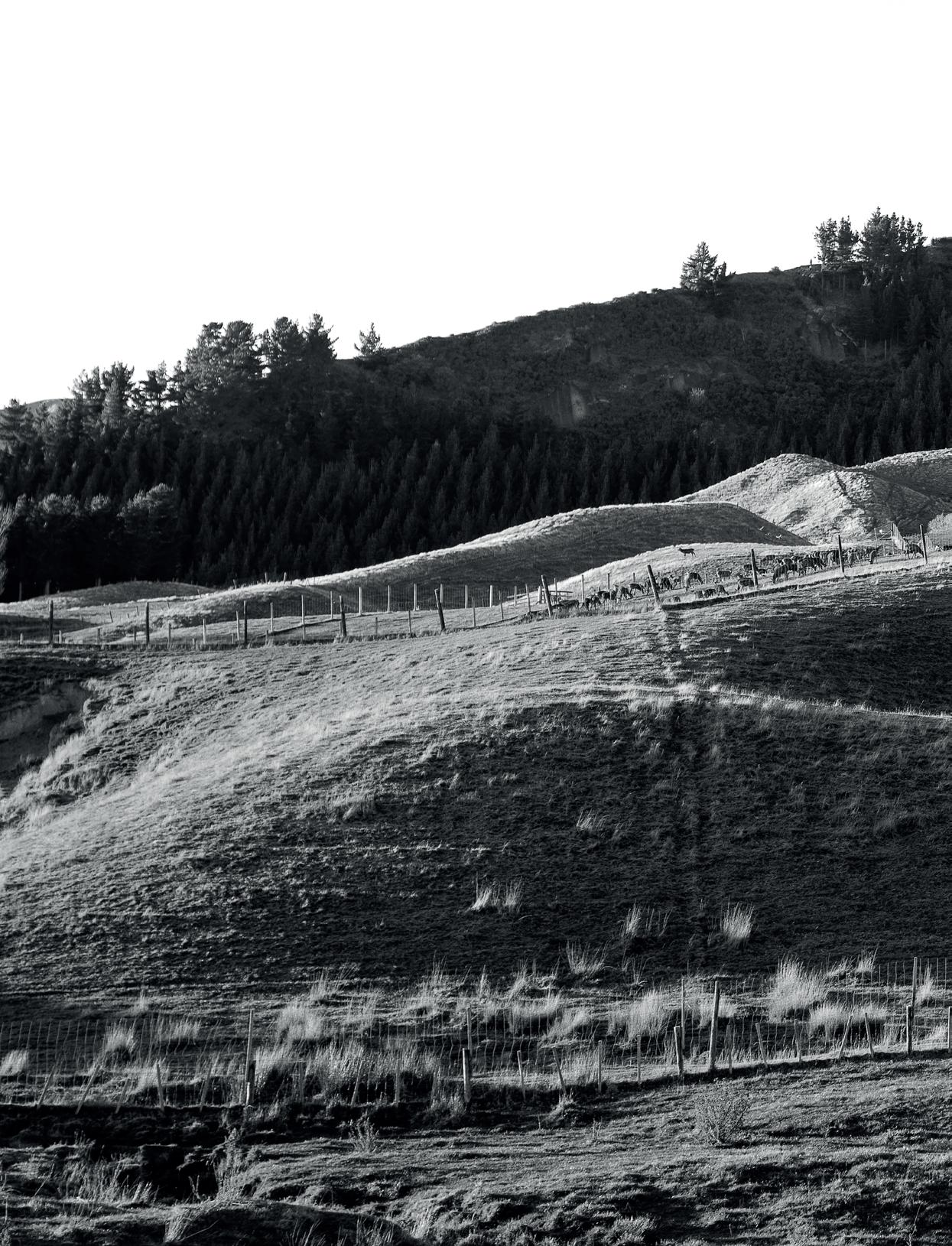
These days, business adaptability is key. Whether it requires a change mindset, diversification, risk management or adopting new tools and techniques.
This month, The Farmlander reconnected with past featured shareholders to discover how their operations are flexing to respond to change.
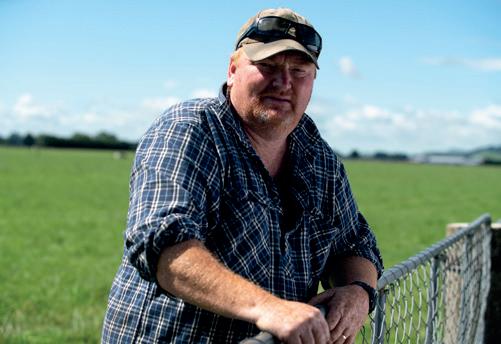
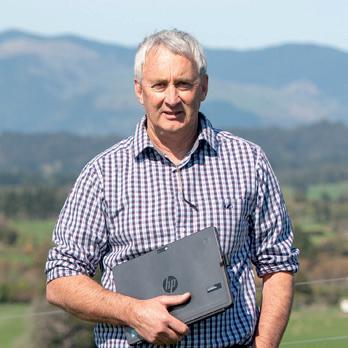
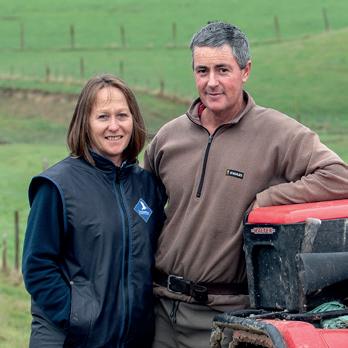
Harley Churstain likes to “fly under the radar” but it appears he is not very good at it. The Winton dairy farmer featured in Farmlands’ television advertisements last year and the accompanying Farmlander write-up.
“Hollywood hasn’t come knocking but I did get heaps of grief from my friends,” he quips.
In some respects, such as personnel and wellbeing, Harley and wife Nicky’s 850-cow operation has not changed. The staff that featured in the 2018-produced ads, Josh, Brody and Dave are still going strong. The staff of five pick their own roster at this time of year to fit in hobbies like rugby and hunting.
“It’s a team effort. We are happy to work in with them if it keeps our staff happy. At this time of year, we only need two milking so we can provide a bit of flex,” Harley says.
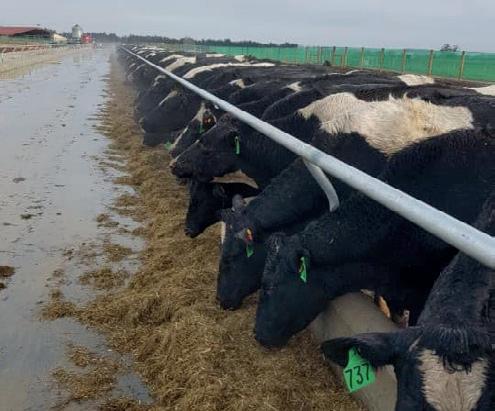
Like all farmers, Harley has one eye on efficiency gains and yield improvements. A significant recent development that sets them up nicely for spring is the sizeable calving pad that can fit up to 600 cows. The whole team is excited about making best use of this investment to calve the cows.
“We now have all our cows in one place – just behind the cowshed and by the staff houses – so they can keep an eye on the cows and their calves. There’s no mud to contend with, no moving them around and we can avoid putting our cows on crop which reduces the environmental footprint on our heavy soils.
“It’s a great facility and bloody easy,” Harley enthuses, having done most of the preparation work themselves.
With a 170m concrete feed lane, the cows just step up to eat and loaf around on the wood chip, keeping dry and warm. The chip provides a sterile place to give birth and came from the property's old macrocarpa trees which will be replanted for future chipping.
The crew are also trialling lifting fodder beet this spring. As well as increasing crop yield, with stock off paddock they hope to better preserve soil structure.
The couple are in the process of acquiring more land for cropping beet and cutting more silage.
“We want to become more self-contained, within our operation," Harley says.
Then there is the need to respond to external situations. During the recent COVID-19 lockdown, the Churstains made sure staff interaction was limited.
“Luckily our rotary shed is moderately automated, so we only had to have one guy on milking at a time.”
Harley says seeing pollution drop internationally during lockdown was an “eye opener”, highlighting how non-agricultural outputs impact the environment.
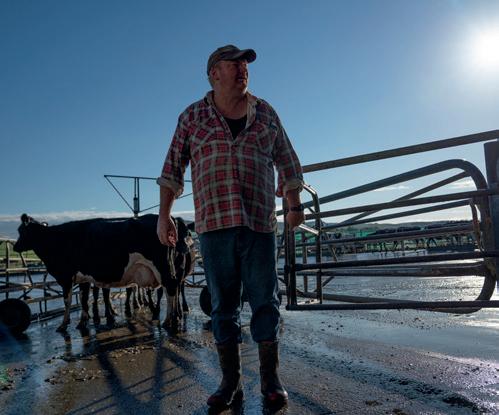
“I hope this means farmers won’t always be seen as the ‘bad guys’. We’re passionate about making the farm environment better for future generations."
The recent summer floods did not affect the property but the inclement weather posed a big problem.
"We had days and days of rain last spring so we were chasing our tail at the start of the season — it was hard on the top 2 inches but we battled through," he reflects.
“Like many around here we’ve had to put extra feed in and reduce our stocking rate. It’s a credit to the boys that we should end up producing the same milksolids as last year.
“I try to take it as it comes and make a point of letting things go that I can’t control. I have a great wife and family – we, like all farmers, have our tough times but I believe it’s how you respond to it that makes the difference.”
Given the impact of COVID-19, General Manager Boyd MacDonald is thankful that Lone Star Farms invested in management software a few years back, as discussed with The Farmlander in late 2018. Their focus on staff, plans and data has helped them respond to risk.
“The pandemic has certainly changed things, even permanently in some respects,” he reflects.
Six sheep and beef properties are dotted around the South Island and in total the business farms 100,000 stock units on 14,700ha. Since COVID-19 hit New Zealand, the Farm Managers interact with central office staff in Nelson twice a week via Zoom video meetings to share ideas and plug any gaps.
The lockdown response meant each operation needed their own staff policy and farm teams were divided up. In line with their focus on work culture and people safety, Lone Star Farms’ management liaised with staff as well as their partners, answering concerns directly and ensuring ‘bubbles’ were considered.
“I felt sorry for staff that were away from their partners. They still had social contact within their farm bubble but we made sure to reach out to them and ask if they were okay," he says.
“Some of our staff are now taking a holiday so they can reconnect with loved ones. It’s important to us that we are flexible, to reward their efforts."
Risk management is an ongoing mantra for Boyd, and diversification plays a key part. While retail programmes tracked well during and post-lockdown, demand for their premium lamb product has declined given their reliance on the restaurant trade.
“The impact on food services has hit hard but export-wise, our marketing and procurement partners all have robust sales strategies and keep us informed of market movement. We have a weekly dialogue with them which is reassuring.”
Indeed, the company’s strong relationships have come to the fore lately, helping to mitigate the financial impact of low stock-kill numbers and feed pressures.
“Our farms went dry at the same time and then came the battle to get stock killed, so it’s been a perfect storm really.”
Boyd says data collection has been pivotal. Be it in FarmIQ software or their own modelling spreadsheets, the team put feed data into budgets to work out stocking rates for winter. While crops are good, they know winter feed is going to be tight so managers are constantly assessing supplementary feed and how far they can get through. To cope, Lone Star Farms has moved stock around; within their own farms and on other properties too.
“We have had to exit stock in order to weather the storm, so we’ve put them out on share farming and profit-share arrangements. We care about our animals and them reaching their potential so we remain focused on weight gain and condition score. While we still own the stock, our aim is to accept the market risk but reduce the feed risk,” he explains.
While their focus since Christmas has been on the “here and now”, the company’s emphasis on planning is significant. They have had Environmental Plans in place for 4 years and are always looking to protect and enhance their environment further.
“You’re never finished on an Environmental Plan, it’s a live document.
“The great thing is it's part of our standard business model now – whenever we are subdividing for example, we look at where we can improve things like water quality," he says.
In other developments, the company is currently upgrading its website, which will be particularly helpful given one of its properties, Puponga Farm in Golden Bay, is open to the public 365 days a year.
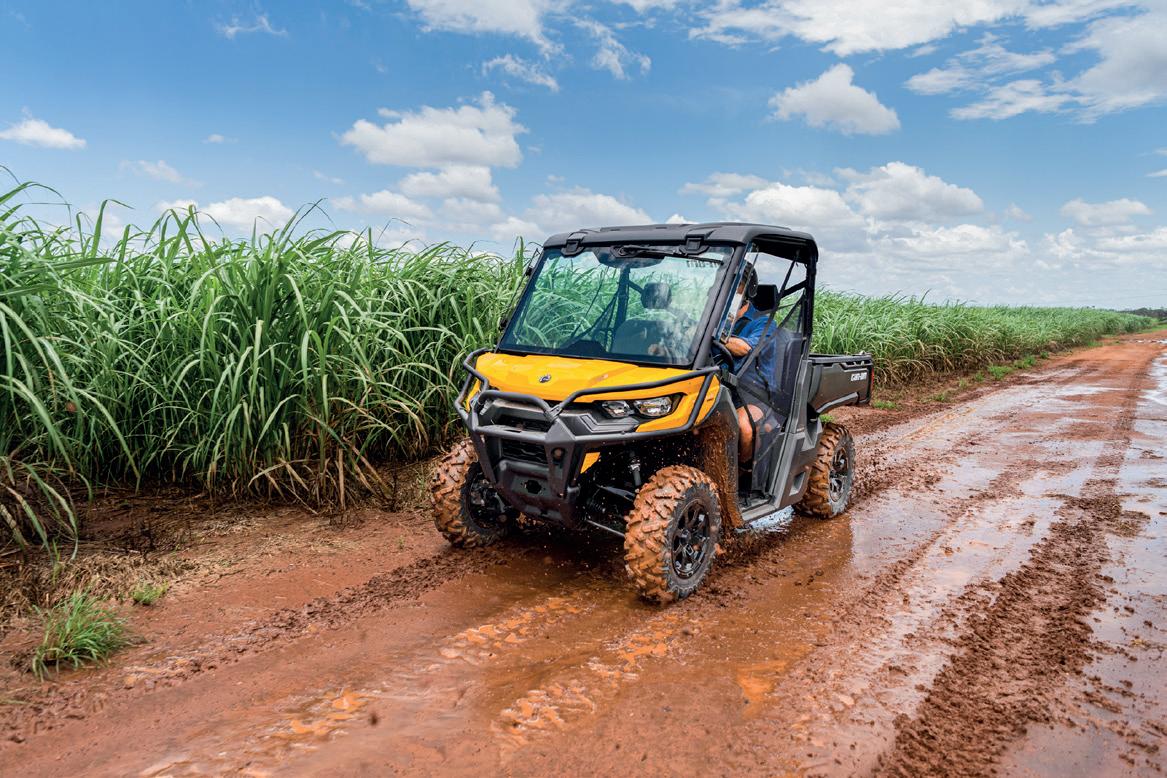
Lone Star Farms has also invested in more side-by-sides over the last 18 months.
"It's all about the best vehicle for the job. Whenever a vehicle needs replacing, we analyse different products on the market and look to make the best safety decision."
Boyd’s biggest learning from the pandemic was the importance of building resilience into existing plans, by way of business diversification and preparing exit strategies as risk mitigation.
“None of us know what is around the corner but COVID-19 has been a wake-up call and is an opportunity to reset the button in business and in life.
“Our staff look to each other for support during times of change and that means making sure they are really, truly okay.”
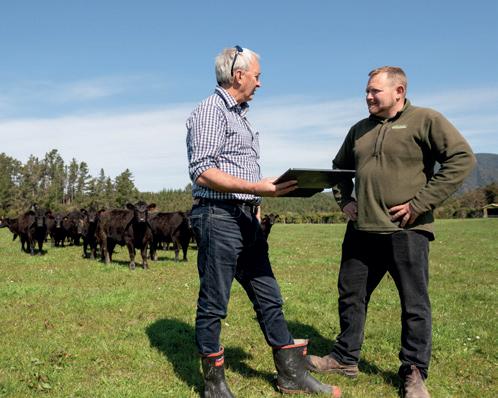
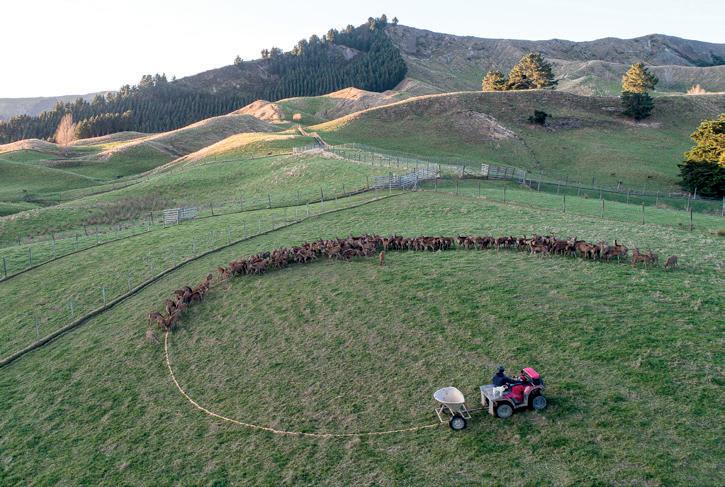
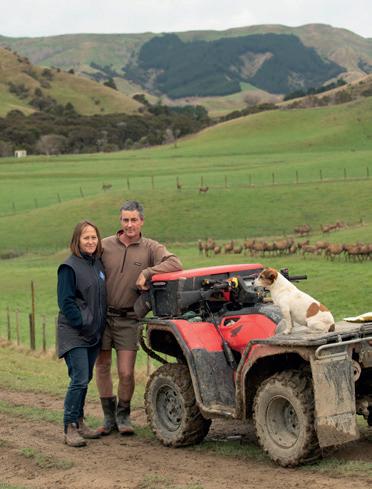
Tree planting, technology and a couple of awards have kept Evan and Linda Potter busy since we last caught up with them a year ago in The Farmlander. While their focus on best land use for land type is as strong as ever, a tough drought means things are looking tight for winter.
“It’s been a very challenging season; we haven’t seen a dry spell like this since 1998. Back then we were coming off a good spring but this time it was an average spring, so we’ve had to de-stock heavily,” Evan says.
The 740ha property usually runs approximately 5,000 stock units comprising of cattle, sheep and deer. The dry period has meant the Potters have had to downsize by 800–900 stock units compared to last winter, through lowering cattle numbers and not running hoggets or trading lambs. The deer, however, are sticking around.
“Deer are back a bit, but most are capital stock and we don’t trade in deer. I’m happy to get sheep and cattle off the property but I’ll keep the deer!” Evan says with a laugh.
Back in July 2019, the velvet trade was booming with exports flying off the property. Venison was not far behind but with lockdown restrictions shutting restaurants, this has taken a hit.
“Luckily the velvet went out before COVID-19 hit and we had a pretty solid season. Things are still a bit grey on how the market will look post-COVID but the signs are promising.
Venison is a different story – restaurants are not buying so there is a lot of pressure on the market,” Evan notes.
“It’s not all doom and gloom, there is good opportunity for product diversification, education and finding other outlets in the venison market now. I think the market will have to reposition itself to do this however, as many consumers are voting with their wallets and don’t want to pay that premium price. We’ve always got a full freezer on the farm though!”
Evan and Linda’s best-land-use-for-land-type philosophy is a highlight of their operation and since we spoke last, they have
retired another 9–10ha to the existing QEII Covenant block of 130ha. They have also planted another 14ha of pines into the steeper hill country.
Offsetting their carbon through planting, combined with a concentrated effort to preserve and protect waterways and manage nutrients, earned them a premier award in the Deer Industry Environmental Awards last year. This year, Waipapa Station has pulled in the Ballance East Coast Supreme Farm Environmental Award, among other regional awards.
The awards were a bright light in a tough season, although Evan and Linda have kept their chins up very well over the last 6 months.
“We are a pretty well isolated bubble at the end of the road but the drought and COVID has really brought home the value of long-term relationships,” Evan emphasises.
“We’ve got a maize supplier that we have had a contract with for 22 years, which meant we have been able to get feed for our stock when others might not have. You really notice that in times like these, long-term relationships come home to roost.”
A strong community and a good network of friends has helped keep the Potter family connected and Evan has got the hang of Zoom calls.
“We’ve been involved in various meetings and have introduced a bit more technology. It’s pretty handy, you work your day on the farm, have tea and then jump on your computer while in your armchair. Typically, we would usually do 600–700km of driving over this length of time so there have been some positives to staying home.
“We try to focus on what we can control. Every day is another day towards rain and another day towards spring. There is always hope!”
Revisit past shareholder features online at https://issuu.com/farmlands. If you have a story worth sharing, please email content@farmlands.co.nz

· 12 cents off per litre guaranteed · 550 stations nationwide
· Every fill could win you a Ford Ranger*


It seems that everywhere you look, obtaining sufficient safe food in a COVID-19 world is the new pastime. The food preferences of consumers eating the produce we grow and export are now increasingly and rapidly driven by wanting to buy verifiably safe, traceable, sustainably produced food.
What is New Zealand agriculture’s place in the COVID-19 sun? What do farmers have to do to earn the right to continue to occupy it?
Producers need to engage with consumers on a meaningful level. Locally, when you are a dairy farm bottling your boutique milk for sale in the local town’s convenience store, this is relatively easy and the proposition well understood. But how do you scale this in a country of five million consumers? We cannot all sell our milk locally as supply would outpace demand. Instead we sell our product to the world. However, when your consumer is 15,000km away, speaking Mandarin/German/Arabic, occupying a 60m2 flat eight stories up in Shanghai/ Berlin/Dubai, it is hard as an individual farmer to engage meaningfully with that consumer. Instead, farmers look to processors to do this job for us.
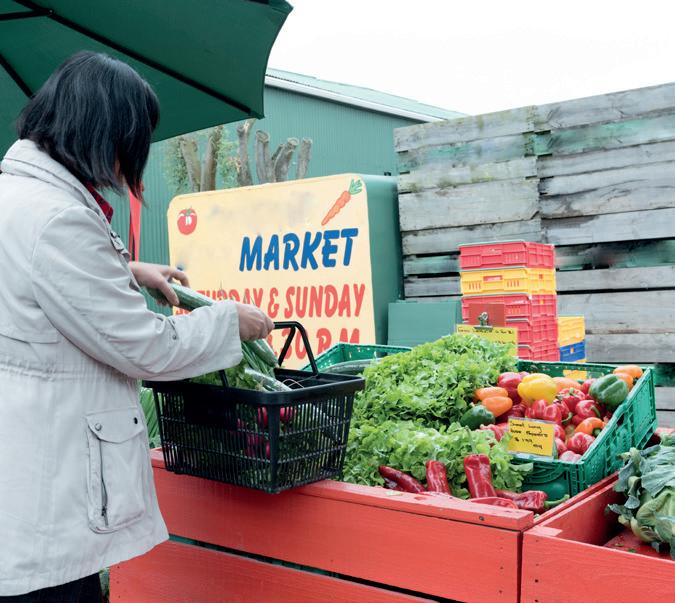
Having your processor close to the consumer equates to better returns. A shorter supply chain means fewer intermediaries, fewer ticket clippers and a better ability to understand and respond to needs faster. It is replicating the local dairy farmer, scaled up ten thousand-fold.
A shorter supply chain means fewer intermediaries, fewer ticket clippers and a better ability to understand and respond to needs faster. It is replicating the local dairy farmer, scaled up ten thousand-fold.”
Our international consumers want to buy food perceived as safe, produced in a safe environment – especially now. We take this for granted but increasingly, the story of “Made in New Zealand” is being sought out by global consumers who appreciate the benefits of trusted, safe food for themselves and their family. Right now, they are driving discerning consumers towards us. Our challenge is to turn these opportunistic consumers into permanent converts. On-farm, we all have annual audits. We comply to NAIT requirements, tag our cattle and deer and observe withholding periods.
Our processors are getting closer to the consumer through distribution partnerships, branded product consumer programmes, e-commerce platforms and business-to-business initiatives. Being relevant to that discerning consumer is everything. Hopefully, you will be paid more for your produce. At least, you will still be in the game and not left behind when consumers turn to producers who can show their audit process. Irrelevance is a slow lingering death where costs exceed income. Just ask the coarse wool industry.
Doing the on-farm mahi to produce safe, high-quality food is only part of the story. Verification is the difference between winning and losing in the world of selling our produce. ”
In a COVID-19 world, farmers who make safe, verifiable food are cool. What does that mean on-farm? A lot of things, but some of them are best-practice management, validation, measurement and tracking. Being able to verify that your farm is compliant and using best-practice management to produce the food our consumers demand is table stakes. A head-in-thesand mentality towards verification is stopping farmers and growers from demonstrating that the produce your hard work created for the overseas

consumer to consume is verifiably, certifiably safe to eat. It gives your consumers a reason not to buy your premium product and to go elsewhere to seek out food with attributes deemed valuable.
Once gone, hard to get back. Doing the on-farm mahi to produce safe, highquality food is only part of the story. Verification is the difference between winning and losing in the world of selling our produce. Consumers are demanding it and COVID-19 has just added a whole lot of fuel to this fire.
The world has put New Zealand in the spotlight as we deal with COVID-19. Other countries we expect to show
leadership have been woefully deficient. Agriculture will lead New Zealand out of the COVID-19 economic wilderness as global consumers seek out those products that they trust – and can verify. We would all do well to ask ourselves what it means for activity inside our own farm gate as we strive to deliver New Zealand’s promise of healthy, safe food to our customers around the world. The world’s eyes are on us and stomachs are grumbling!
Article by Rob Hewett, Farmlands Chairman.


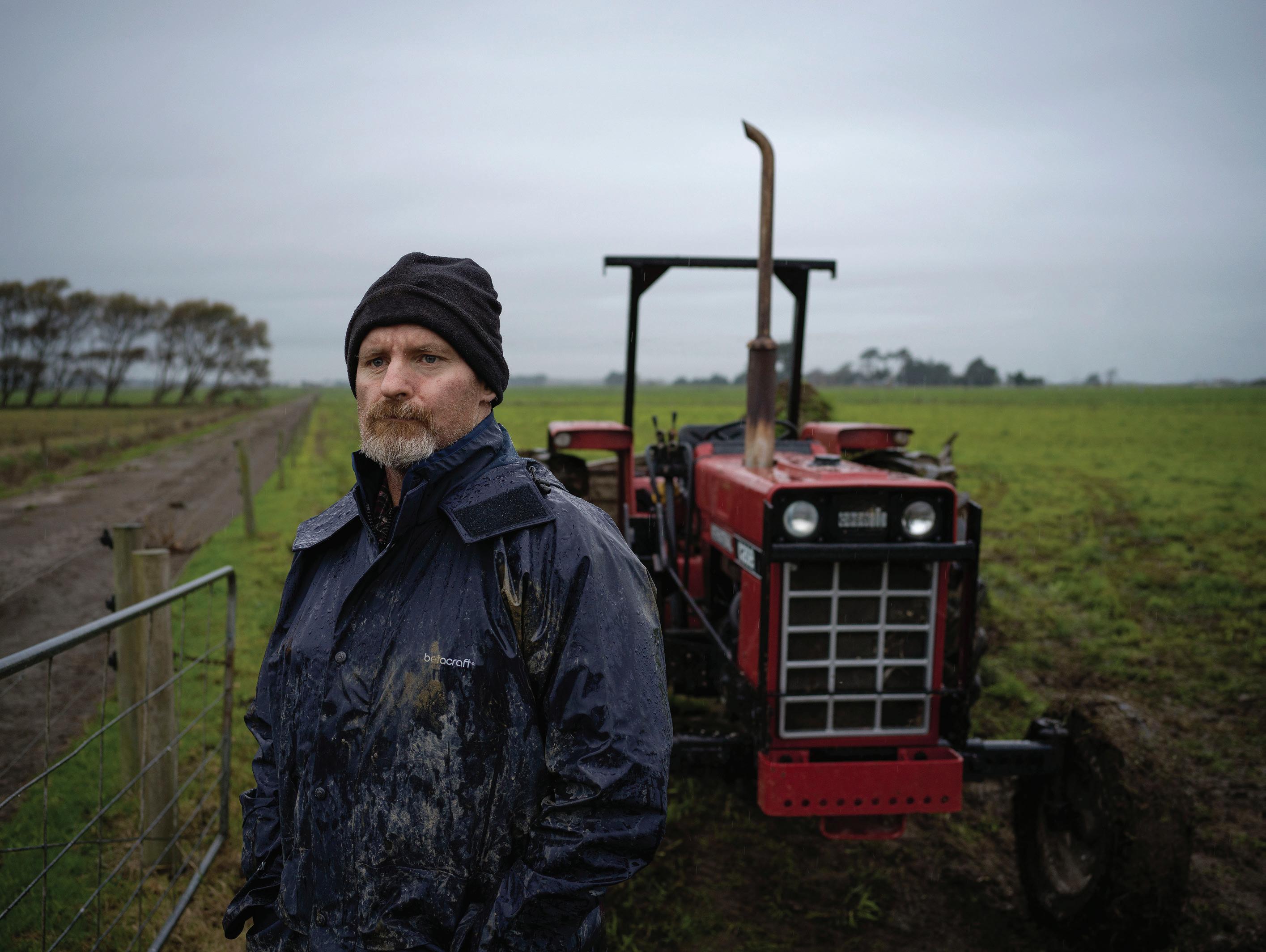


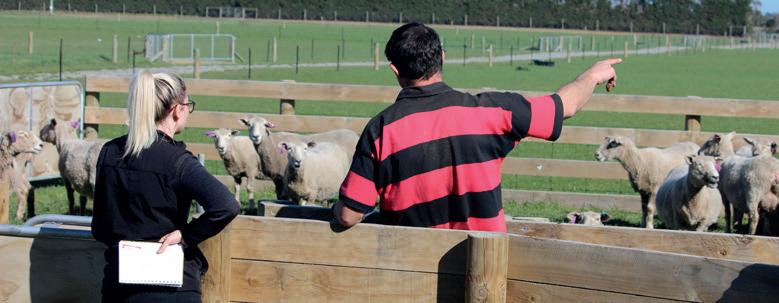
An innovation fund aims to marry rural professionals and farmers up with scientists to test ideas that could majorly improve farm systems in the near future.
As part of the new Rural Professionals Fund, Our Land and Water will stump up $50,000-a-project for individuals or businesses to design and test an innovative new practice so long as:
• The proof of concept can be tested quickly – within 6 months
• It aligns with the National Science Challenge’s goal of improving land and water quality while enhancing the value of the primary sector
• The project report is disseminated to the wider rural community.
Each project team will consist of: a rural entrepreneur (i.e. a farmer or grower); a rural professional who is a member of the New Zealand Institute of Primary Industry Managers (NZIPIM); and a researcher from one of Our Land and Water’s partners (which include all crown research institutes and most universities).
“The purpose of this fund is to create benefit for Kiwi farming communities. We want to see concepts emerge from within that ecosystem that can generate evidence and move into action quickly,” Our Land and Water Chief Scientist Richard McDowell explains.
“We are particularly interested in projects that will help to diversify land use and practices, effect behavioural change and create new ways of doing things across the agri-food and fibre system.”
Richard says that successful projects may even become eligible for continued
investment, such as via the Ministry for Primary Industries’ Sustainable Food and Fibre Futures Fund.
The Fund was inspired by Stephen Macaulay, the Chief Executive of NZIPIM, drawing on a report he produced in 2018. It looked at how New Zealand’s primary industries could take advantage of new and emerging technologies and concluded that “a bold and radically different approach is required in building and developing capability”.1
According to Stephen, this involves a design-thinking approach where people are connected to resources and partnerships that enable them to explore innovative new ideas and embrace risk in an environment that encourages collaboration and concept-testing.
“This is exactly what the Rural Professionals Fund sets out to do. We need to encourage more ‘mavericks’ to test smart ideas that challenge our patterns of behaviour,” Stephen says.
“New Zealand’s agri sectors have generally been quick adopters of new tech that improves productivity or profitability in farming however,
changes have largely been incremental by adopting existing technology rather than groundbreaking ideas that create a new business model or a new way of doing things.”
A 2017 survey found that uptake of precision agriculture was low (almost 90 percent of respondents did not use it) and 97 percent had no uptake of automation or robotics. This varied by sector though, with 44 percent of arable farms using some novel technologies, while only 19 percent of dairy farms did. 2
“I believe our ability to adopt new ideas more quickly than our competitors, and to implement them at scale, is where the opportunities lie for our agriculture sector in the future,” Stephen says.
To apply for the Rural Professionals Fund before 17th July, visit www.ourlandandwater.nz/ ruralprofund
1. Macaulay, Stephen, Positioning New Zealand’s Primary Industry to take Advantage of Opportunities Presented with New and Emerging Technologies Occurring in the Production and Marketing of Food Products, as a Winston Churchill Memorial Fellow, 2018.
2. Landcare Research, Survey of Rural Decision Makers, 2017.
Players and fans have been twiddling their thumbs since all forms of rugby were put on hold back in March. The sport was given the green light by the New Zealand Government in May and now the top tier is back in all its rough, tough glory.
The new Super Rugby Aotearoa competition kicked off on fields and screens on the 13th June. Farmlands’ partners, the Crusaders and the Highlanders, are among those putting up a strong challenge and Crusaders CEO Colin Mansbridge has been looking forward to the competition re-start as much as anyone.
“For our players and fans there is nothing quite like derby matches between New Zealand teams, so to be able to deliver 10 weeks of high-quality, high-intensity games, and hopefully put some smiles back on faces in our community during these challenging times, is really special,” Colin says.

For Highlanders CEO Roger Clark, careful preparation was key to ensuring their campaign started well.
“Success in any field is a by-product of how hard you are prepared to work as a group to achieve it. Our guys are under no illusions how hard this competition is going to be with NZ derby games every week, but they are also very excited that they get the opportunity to play. They view it as a privilege to be back on the field,” Roger says.
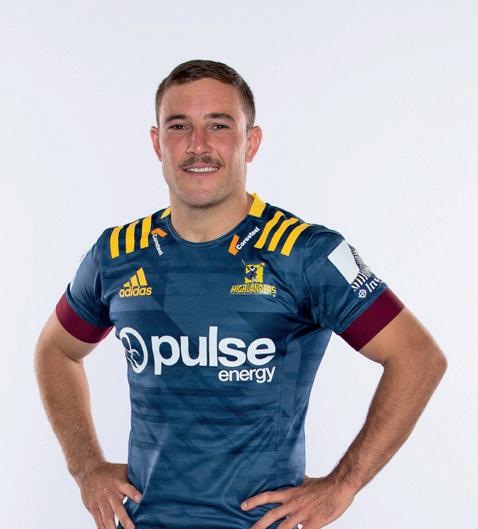
While logistics were being put in place in the background, the stars of the show were getting themselves back into the footy mindset. In a classic ‘forwards versus backs’ stand-off, Farmlands had a yarn with Crusaders forward Joe Moody and Highlanders back, Mitch Hunt.
Position: Loosehead prop
Investec Super Rugby games played: 86
Hometown: Tuahiwi/Woodend
First rugby team: The Woodend U11 team
Position: 1st five eighth
Investec Super Rugby games played: 48
Hometown: Nelson
First rugby team: U11s for the Stoke Rugby Football Club
Who was your role model when you first joined the team?
Mitch: I’d have to say Tony Brown and Aaron Mauger. The knowledge that both those guys have is huge. Tony was a 1st five eighth himself and Aaron is awesome for his mental approach to the game.
Joe: Wyatt Crockett for sure. Crocky is such a good sort, he took me under his wing, answered questions and was there to help for any specific training.
What is the best thing about playing your position?
Mitch: A 1st five eighth has a lot of influence on the game, which I enjoy. We are always making calls, touching the ball or kicking.
Joe: Generally, with the exception of scrums, lineouts and cleaning out rucks, expectations on props are pretty low. So, whenever you do something more than that, you get big pats on the back.
What is the toughest thing about playing your position?
Mitch: A downside of the influence that I have over the game means I feel that I receive a lot of scrutiny when the team doesn’t go so well. I’m better at managing that pressure these days and I’ve come to realise that it’s not all on me. I get a lot of support, and I work with the coaches to stay on top of this, which I think is important.
Joe: Playing prop takes a big toll on your body. Often on a Sunday morning I’ll wake up feeling like I’ve been hit by a truck. There is a lot of physical pressure from those collisions within a close range. Sunday rehab is key!
Who has been the hardest player to defend against in your position?
Mitch: That would be Ngani Laumape (Centre, Hurricanes) — I’m still trying to work out how to tackle him! He’s powerful and hits you pretty hard.
Joe: Nepo Laulala (Tighthead Prop, Chiefs) is a hard man to scrum against. He fights you every inch of the way and has a very good forward push, he doesn’t just hit and hold.
What have you been working on over the COVID-19 period?
Mitch: I mainly kept on top of my kicking. Without practising it you can lose the skill quite quickly. I also managed to fit a bit of study in, hitting the books to complete some business papers.
Joe: I was just ticking over bits and pieces as I was limited with what I could do in the rugby sense. I did make a couple of picture frames however and I’m thinking of starting a YouTube channel called “Arts and Crafts with Joe”.
What are you looking forward to the most this season?
Mitch: Just the high level of rugby that we are going to be up against. We’ve got to be mentally ready for the physicality of it and it’s going to be bloody exciting.
Joe: Because it’s a domestic competition we don’t have to do much travel, which I like. I enjoy the comfort of my own bed too much!
The Crusaders and Highlanders battle it out for the Farmlands Cup each pre-season – the 2021 location will be announced soon!
Who is more likely to get lost in a new city – a forward or a back?
Mitch: Definitely a forward.
Joe: Nah, nah this would be a back. You’d be out looking for new coffee shops or hairdressers or something.
Who is more likely to get a tractor stuck in mud – a forward or a back?
Joe: I mean, if a back ever got on a tractor, probably a back.
Mitch: The only person who would ever get a tractor stuck would be Joe Moody.
Who takes longer on their hair – a forward or a back?
Joe: Do I even need to answer this?
Mitch: Okay yeah fair, a back.





Ros Rowe rescues the horses and then the horses rescue the children. Founded on natural horsemanship principles, the Leg-Up Trust in Havelock North helps children of all ages to build confidence and gain life skills.
Horses have been part of Leg-Up founder Ros Rowe’s life since she was a child. A typical horse-mad kid, when she was 11 years old her parents finally relented to buying her a pony for fear she might “go off the rails if they didn’t!”
However, at age 17 Ros was struck down with a debilitating illness, leaving her bedridden for almost 20 years. She managed to claw her way back into the saddle and started up a trekking business in the late 1990s to help out a young woman who was having suicidal thoughts. “Leg-Up grew out of that business because people kept coming out for treks and didn’t just want
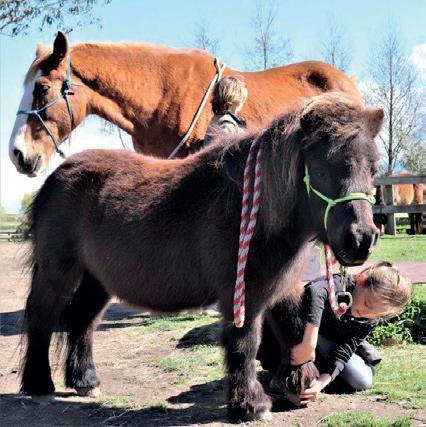
to ride, they needed more than that. I started holding sessions to show ‘who’ a horse was, not just ‘what’ a horse was,” Ros says.
The trekking business closed in 2000 and the Leg-Up Trust, a Farmlands shareholder, developed from there. Ros’ “horse therapy” method worked, as the young woman got back on her feet.
Now, kids are the reason why Ros gets up each day and corrals her crew of horses, donkeys and various other wildlife. Once a week, schools in the area send out students in groups of six to work with the animals, while individual children referred from organisations such as Oranga Tamariki, the Ministry of Education and the New Zealand Police visit Leg-Up most days. Ros and her team of volunteers teach the children to work with the horses in a non-aggressive way, as well as general farm skills, gardening and cooking.
“We work with all children, from those with mental health or behavioural problems to those who are suffering from grief or need to build their confidence and get a little more support.”
Ros believes working with horses helps people learn about relationships and anger management.
“Horses are very good at calming and altering negative behaviour as they mirror your emotions. Often when the kids are complaining about the horse’s behaviour, I’ll ask – who does that remind you of? And it clicks.”
The testimonials speak for themselves.
“Leg-Up has taught our daughter that she can commit to an activity and be successful. This is so important for her wellbeing as she has an intellectual
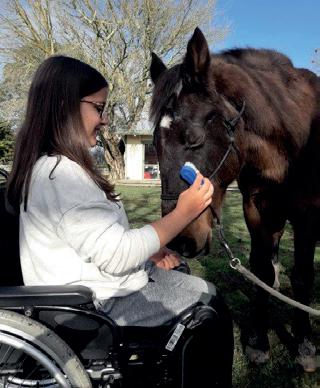
disability and judges herself against others at school,” one parent reports.
“Stripes has a mixed personality, just like myself, and she has off days which I understand,” a student says.
COVID-19 was tough on the Leg-Up Trust, adding to the uncertainty created by the Hawke’s Bay drought. Leg-Up does not receive Government funding and any fees charged only account for 25 percent of the running costs.
The Trust has a mixture of paid and volunteer staff, while Ros herself is a full-time volunteer.
“We rely on support from the community and people have been so good to us, donating horse feed and other goods. Coming out of lockdown we weren’t sure how well we would do as we can’t sanitise the horses, but we put protocols in place and had a lot of kids booked in,” Ros says.
“We wanted to make it feel as normal as possible, kind of like a homecoming.”
To donate, volunteer or learn more visit www.facebook.com/leguptrust







This is an important reminder for those who have an overhead fuel tank on their property.
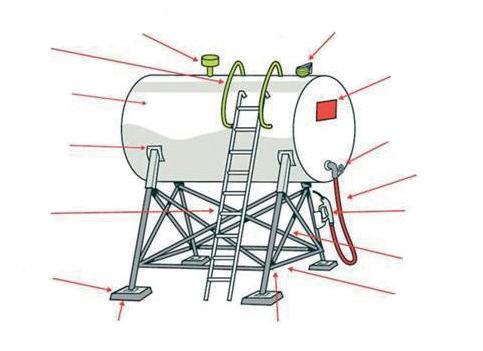
A recent incident on a customer’s farm reinforced the danger of using unsafe fuel tanks. An overhead tank collapsed while being filled by a Farmlands Fuel driver, who was seriously injured as a result. The root cause was significant corrosion (rust) on one of the tank legs.
Farm implements lying nearby also contributed to the driver’s injuries.
Thankfully, the driver has made a full recovery but Farmlands’ General Manager – Energy and Sales, John Campbell says the accident illustrates even when undertaking routine daily tasks that have been done many times before, constant scanning for new risks and changes is required to ensure on-farm safety.
Please check your fuel tank In response to the incident, Farmlands sent a safety alert to all fuel customers, asking them to urgently:
• Check each of their fuel tanks and support structures for signs of corrosion (rust) or metal fatigue.
• Make sure all tanks are properly secured to a flat foundation.
• Ensure the work area around each tank is safe, with a clear path free of obstacles.
“We want to work with all customers to keep them, their employees and our drivers safe and to make sure an accident like this does not happen on their farm,” John says.
The law is clear that:
• Any tank over 250L that contains diesel, petrol or other liquid must meet Health and Safety at Work (Hazardous Substances) 2017 Regulations.
• As per the Health and Safety at Work Act 2015, businesses and workers must do what they reasonably can to eliminate health and safety risks.
Fuel tanks are often deemed to have a long lifespan, however they, like any onfarm equipment can weaken with age. “Everyone from farmers and growers to lifestylers and hobbyists should be getting out there and checking their tank and its supports – checking for rust or metal fatigue, the stability of the structure and making sure it’s secured. There should be no debris or obstructions nearby.
“These checks should, like any health and safety task, be happening regularly and recorded if possible. It’s all about best-practice risk management and keeping people injury-free.
Our Energy team is here to help, and we can work with you to ensure a safer operational environment for all,” John says.
For more information please visit the WorkSafe guidelines at www.worksafe.govt.nz


WorkSafe is urging farmers to be alert when purchasing dust masks, to ensure they are compliant with New Zealand requirements.
The COVID-19 pandemic has increased demand for disposable respirators (dust masks) and as a result, many businesses have had difficulty obtaining them for their people. The extra demand has also resulted in noncertified and inadequate respiratory protective equipment (RPE) entering the New Zealand market.
Farmers are in the high-risk category due to the potential for exposure to particles including grain dust and animal allergens as well as biological enzymes and endotoxins. Mould spores can also grow in baled hay, stored grain or silage with high moisture content. Exposure to mould spores is greater in late winter and early spring.
“Farming often means working in dusty conditions, whether it’s with grain, hay or carrying out maintenance,” says Al McCone, Agriculture Lead for WorkSafe New Zealand.
“Employers should ensure they and their workers wear suitable personal protective equipment (PPE) when working in these conditions. However, RPE that doesn’t meet approved standards may leave workers unprotected from harmful respiratory risks and give them a false belief that they are protected.”
In New Zealand, most disposable respirators and filters that give protection against different types of dust and other particles are classified under the combined Australian and New Zealand Standards AS/NZS
1716:2012. Disposable dust masks that cover the nose and mouth should be: compliant with this Standard; clearly labelled with the maker’s name, trade name or mark; and the filter classification ‘P1’ or ‘P2’.
Many companies that manufacture compliant RPE are certified by an independent body and can be found on the JAS-ANZ Register. They will normally have their licence number marked on the packaging. There are also international standards for respirators considered equivalent to the AS/NZS Standards and some of these are imported into New Zealand. These are:
• N95 masks rated compliant by the US National Institute for Occupational Safety and Health (NIOSH).
• European ‘FFP2’ masks that are compliant under EN1492001.
• Chinese masks that are compliant under GB2626;2006 (2019).
“Please take these requirements into account when purchasing or ordering masks,” Al says.
“Non-compliant and unapproved respiratory ‘protective equipment’ may be marketed as compliant. If the compliance standards aren’t set out clearly in online sales information, then ask the questions before making the decision to purchase.
“It’s also important to make sure you buy the right size and fit for the person who will be wearing the mask – this is a requirement under General Risk and Workplace Management regulations –and one size does not fit all.”
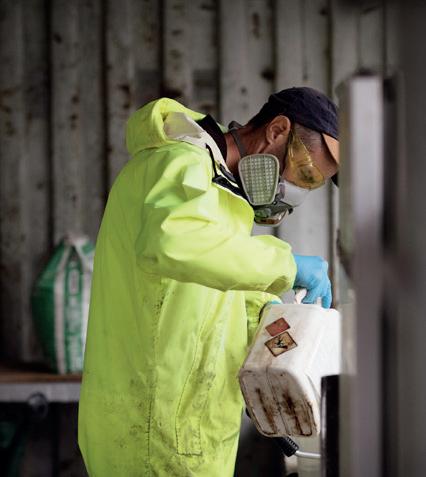
Checklist:
• Before buying RPE, make sure it meets the AS/NZS Standard or an accepted international equivalent.
• Make sure the standard it cites matches the country of origin.
• Check that any product certificates have been issued by a legitimate certifying body – look out for a licence number and the manufacturer’s name on the certifying body’s website.
For further information on RPE and PPE, go to www.worksafe. govt.nz and search for ‘advice for businesses’ and ‘PPE supply issues’.
You can seek advice about the correct use of RPE from an occupational hygienist linked with either the New Zealand Occupational Hygiene Society (nzohs.org.nz) or the Health and Safety Association of New Zealand (register.hasanz.org.nz).
Article supplied by WorkSafe.

Articles in the Plan365 section allow Farmlands suppliers to share best practice and the latest advances in rural technology, to help shareholders with their farming needs all year round.
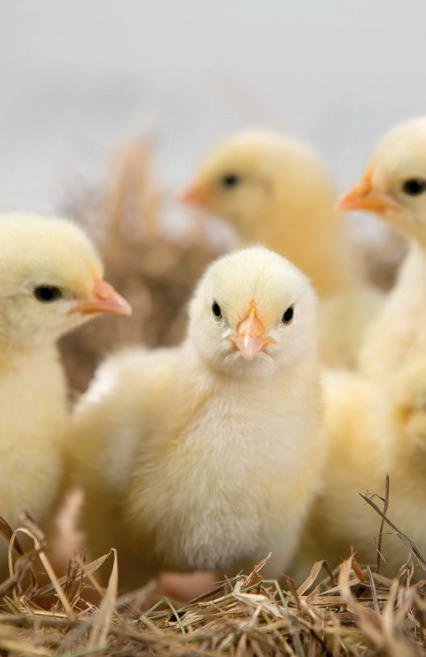
If you do the basics well, raising your own laying chickens can be relatively simple and if you get it right, your flock will reward you generously. There are three golden rules to chick rearing. Firstly, ensure that the correct feed and clean water is supplied with sufficient feeder and drinker space for the birds. Chicks should never be restricted with feed or water during rearing. Secondly, appropriate housing is essential in helping to maintain a suitable environment for the birds. Lastly, animal health management is crucial. Selecting the correct feed is the easy part and NRM Chick Starter Crumbles are specially formulated for birds from a day old to 6–8 weeks of age. The crumbles should be offered in small amounts and replaced regularly to maintain freshness. Chicks are messy eaters so you will need to clean away feed daily that has been contaminated. Once at 6–8 weeks old, if birds have met the target weight for their age they should be switched to the NRM Pullet Grower Pellets until point of lay. Never offer a feed designed for laying birds during the rearing phase – it is too high in calcium and could result in health issues. Once pullets, supplementing birds with some kitchen scraps is acceptable, providing the pullets have free access to the NRM Pullet Grower Pellets. It is a good idea to weigh your chicks regularly and compare their weight to the target weight for their breed, to make sure they are growing sufficiently.
If you are rearing other poultry, such as turkeys or ducks, NRM Meatbird Crumble is the best starter feed option (rather than the chick starter feed). Housing for chicks should be dry and free from draughts. Clean thoroughly before chick arrival with a disinfectant approved for poultry use, such as Virkon. This will help to minimise harmful environmental pathogens. Once the chicks arrive, the housing will need to be cleaned regularly and litter changed often to ensure it does not get damp. Temperature is important for chicks and the day-old chick needs to be kept at 35°C at first then you can reduce the heat to 33–35°C over 7 days. After 4 weeks, they will be able to cope with temperatures around 25–27°C. Allow a minimum of 5cm of feeder space per bird. One nipple (or cup) drinker is required per 15 birds. Provide enough room so chicks can move further away or close to the heat source – to allow them to regulate their body temperature as needed. Panting and drowsiness indicates they are overheating, while huddling and loud chirping indicates a chill.
Close attention to detail when rearing chicks is vital; check them daily to make sure the birds are looking healthy and energetic. If you notice any behavioural changes or spot chicks that are looking sick, not eating or are lethargic – contact your vet. Getting on top of health issues quickly is the key to minimising disease spread and mortality. Coccidiosis is a common
parasitic issue in young chicks but it is easy to prevent, simply by choosing a chick feed with a coccidiostat in it such as NRM Chick Starter Crumbles. Chickens build up immunity to coccidiosis as they get older but they are vulnerable in the early stages.
Download the Chook Book from www.nrm.co.nz or pick up a copy from your local Farmlands store.
Article supplied by Stacey Cosnett, NRM Nutritionist.


























Just as animal fats are being revalued and appreciated in human nutrition, vegetable fats for dairy cows deserve a closer look for the season ahead.
Forage-based dairy cow diets are bulky and have a low-energy density so dry matter intake is fundamental to supporting good production. At the time of writing, pasture cover and conserved forage stocks are reportedly low in many regions so feed could be tight at the start of the next lactation.
If there is a simple feed deficit, especially in early lactation, it makes sense to fill it by utilising the collective digestive capacity of a herd to turn feed into milk. A 3-year farmlet experiment at the Northland Agricultural Research Farm found an average response to PKE of 122g MS/kg DM of supplementary feed.1 A larger response of 140g MS/kg DM was reported in the 2017/18 season when the nonsupplemented, pasture-only herd were milked once-a-day (OAD) for 6 weeks during early spring. When feed is short
you can take less milk from the cows by milking OAD but future production could be compromised; feeding to fill a deficit in early lactation makes sense unless you think pasture growth rates will not recover in the season ahead. If the feed quality of the forage is inadequate to meet the potential of the herd, higher quality supplementary feed can help lift the overall nutrient density of the total ration. New Zealand grains contain more fermentable energy than many by-products and have escaped some of the supply and transport issues caused by COVID-19, making them a good component in blends and compound feeds.
Next up, the addition of fats and oils into the diet is worth considering if cows are facing a bigger energy deficit. This could happen because either the quality of the base ration is lower than normal e.g. when feeding more conserved forage, or if higher levels of production are sought. Fats and oils are even more energy-dense than grains but contain absolutely no

protein or moisture. Too much free oil in the rumen can be detrimental to fibre digestion and reduced dry matter intake so if higher levels of energy are required, rumen bypass fats are favoured over oils as they should not interfere with rumen fermentation.
There are four main types of rumen-inert fats which vary depending on how they are made and the composition of the fatty acids they contain. Increasingly, researchers have been looking at how the composition of rumen bypass fat can affect the milk production, body condition and fertility of cows. In New Zealand especially, when we feed bypass fats could be critical too – as we can have a feed pinch in early spring and pasture quality often drops over mating. Next spring, there could be a stronger case to include rumen-protected fats from calving to minimise weight loss. In a good spring, introducing bypass fat only 1 month from the planned start of mating can minimise the chance of slipping into negative energy balance through mating if pasture quality declines. Early adopters may be interested to learn that this year we will have limited availability to a new rumen-protected fat – Megamax – which offers the potential fatty acid profile advantages of Megalac without the reduction in dry matter intake which has been reported in Megalac trials.
For further information, contact your Nutrition Specialist or the friendly team at your local Farmlands store.
1. DairyNZ Technical Series, December 2019, ‘Removing Imported Feeds: What are the Effects?’. Article supplied by Dr Rob Derrick, NRM Lead Nutritionist.
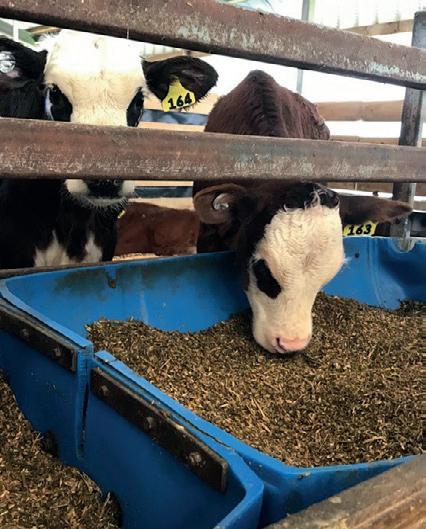
Getting calves onto the right kind of nutrient-dense natural fibre in the first week of their lives helps to take them from total milk reliance to developing their full potential on pasture.
FiberGain® is a high-energy calf feed which includes a combination of fresh-cut lucerne and fresh-kibbled barley, designed to give calves the best possible start. Key vitamins and minerals are added to the fibre for healthier and more productive calves, along with molasses, which is irresistible to calves.
Every day counts when it comes to getting calves off to a good start, which is why the inclusion of FiberGain® in their diet helps. Introducing quality digestible fibre early will encourage faster rumen and papillae development. This allows calves to transition and develop on grass much faster; it also leads to life-long benefits in health and production.
Development of the rumen is crucial to a calf’s productivity. It is the engine that sets them up for life in the paddock. Maximum rumen development occurs between 4–10 weeks and this is where fibre, such as that found in FiberGain®, brings the maximum benefit. By feeding fibre during this time, the calf is following a natural path of development with an easily digested fibre that lays down gut health for the remainder of the animal’s life.
No other fibre-based calf feed in the market offers the same benefits to the growing calf as FiberGain®. The likes of straw or hay simply do not
provide the same type of nutritional value and only serve to fill up the rumen, taking away valuable space for energy and protein-rich feeds essential for maximum calf growth. Calves should be introduced to FiberGain® as early as possible, while they are still on milk.
Calves will initially only consume small quantities but early adaption to the taste and texture allows them to gear up for higher intakes. As a guide, they will be eating about 2kg/day per calf of FiberGain® (as fed), as weaning approaches.
Better calf development will lead to more productive replacements. That means cost savings for the farmer but just as importantly, it leads to better long-term results – especially in pasture-based systems – while calves will also better utilise solid feeds more rapidly.
Fiber Fresh forage fibre feed products are all completely natural so you know your calves are not being fed any antibiotics or preservatives that may have negative side effects.
Fiber Fresh calf feeds do not contain the coccidiostat ionophore Monensin, thus other measures to manage coccidiosis might be required and these options will depend on the individual situation on your farm.
Fiber Fresh has created an exclusive Controlled Fermentation Process which retains more than 90 percent of the original value of nutrients from the field. This means every bag is consistent in nutrient value
and ME (metabolisable energy) for optimal health and performance.
Over the course of 12 weeks, a Fiber Fresh-reared calf consumes approximately 1.5–2 bags of FiberGain®. Feeding your calves a superfood like FiberGain® everyday means you get just that – healthier, more productive super cows.
For further information, contact your Farmlands Technical Field Officer or the friendly team at your local Farmlands store.
Article supplied by Fiber Fresh. Trials showed greater papillae development in Fiber Fresh-reared calves, compared to calves reared on a meal/milk ration. This means a significantly increased nutrient absorption surface area for Fiber Fresh-reared calves. McCoard et al, ‘Effect of weaning age on growth, mammary gland development, and immune function in Holstein Friesian calves fed conserved alfalfa’, Journal of Dairy Science, Vol. 102, No. 7, 2019.

Spotify Premium included on our $79.99 Endless Mobile plan.





Plus, you can bill your Spark Mobile, Broadband, or Landline through your Farmlands account, when you do, you earn Choices Rewards Points. To bill your Spark through Farmlands simply call Farmlands on 0800 200 600 or visit farmlands.co.nz/Spark to fill out the form.

As more and more New Zealanders welcome chickens into their backyards, one family-owned local company is ensuring its chook food is of the highest quality.
Chicken ownership has taken flight during lockdown as New Zealanders look to take control of their food source where they can and keep it homegrown.
For Topflite, such poultry popularity has proven their approach to highly nutritious New Zealand-made chicken feed was the right one to take. The Oamaru-based pet food company has seen continued sales growth in their base of customers with chickens – reward for the years spent growing specialty bird seed crops, developing their product range and word-of-mouth recommendations.
Topflite General Manager Greg Webster, owner of several new chickens himself, knows what a difference quality feed makes.
“We wanted to create a product that could be fed every day,” Greg says.
“Owners have to be confident their chooks are getting the nutrition they need to stay healthy and, of course, lay lots of eggs.
“As chickens require a diet of around 16 percent protein, the balance in the feed needs to be right and our Scratch & Lay ticks that box.”
This popular feed was not thrown together overnight. Topflite worked with leading vets and animal nutrition experts, carefully researching, developing and testing Scratch & Lay to ensure it consistently delivers the nutrition chickens need.
The premium mixture is carefully made to a specific formulation of protein, carbohydrate and fat, with added vitamins and minerals for laying hens. The free-flowing grain and high-protein pellet mix keeps hens in top laying condition.
That is not the only homegrown food that has got the henhouse in a flap.
“Poultry Peckers and mealworms are also popular treat items. Chicken owners who feed mealworms for the first time are often surprised by how excited their chooks get – they simply love them,” Greg says.
Greg grew up on the family farm and has a good idea of what it takes to
deliver quality feed. Back in 1974, the Oamaru farming partnership started growing aviary feed and their New Zealand-grown feed soared in popularity with breeders as they realised it was superior to imported seed. Seed from other countries has to be heat-treated upon arrival here, a process that strips valuable nutrients from the feed. The company planted their first sunflowers over 40 years ago and have grown a selection of premium crops to meet ever-growing demand since.
Topflite has spread its wings; with a menu that now feeds aviary birds, chickens, rabbits, guinea pigs, dogs and wild birds. Their wild bird feed, treats and feeders have become a major company success story. Winter brings the peak of the wild bird feeding season, as our bird population hunts for feed to sustain them through the food-scarce and colder months.
Topflite’s energy-rich food options attract all types of birds, providing great entertainment and education when we are all spending more time at home.
“We’ve been helped by the growing awareness of the importance of preserving our special bird life and we want to continue to support that,” he says.
For further information, contact your Farmlands Technical Field Officer or the friendly team at your local Farmlands store.
Article supplied by Topflite.
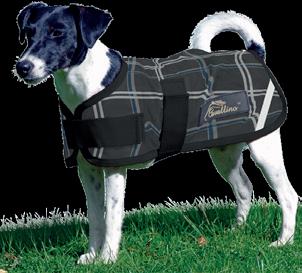
1200 Denier
100gm polyester fill with cotton lining, reflective stripe.
Colour: Grey Plaid Sizes: 35cm - 80cm (in 5cm increments)
$45.13
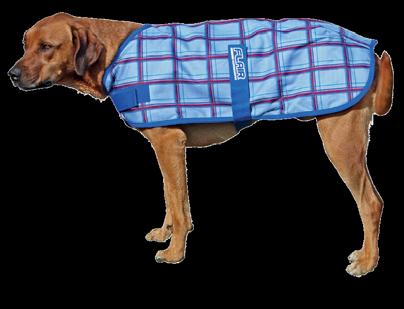
1200 Denier
Bib style front. Sherpa fleece lined, reflective stripe. Colour: Navy with Gold trim Sizes: 35cm - 80cm (in 5cm increments)
$45.00


1200 Denier
Polar fleece lining
Colour: Navy Plaid Sizes: 25cm - 70cm (in 5cm increments)
$39.68
1200 Denier
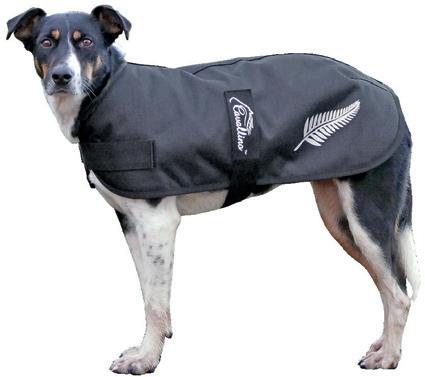
100gm polyester fill with cotton lining, reflective fern. Colour: Black with Silver Fern Sizes: 35cm - 80cm (in 5cm increments)
$52.00
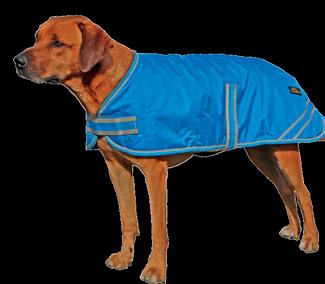
1680 Denier
200gm polyester fill with cotton lining, reflective stripe. Colour: Denim Sizes: 35cm - 80cm (in 5cm increments)
$51.75
Each year, I get asked for my top tips for supporting calves during the nursery period.
Over the years, I have found that if we can provide plenty of energy we can support a higher plane of nutrition – which then benefits the entire calf programme – keeping calves healthier and growing like Ferraris.
Fortified milk is the addition of Calf Milk Replacer (CMR) to whole milk in order to increase the energy and protein concentration. This enables higher growth rates to be supported without increasing the volume fed.
Fortifying milk with CMR means that calves are not having to consume large volumes of liquid to reach target energy requirements for growth. In New Zealand we find that our whole milk is generally higher in fat than protein, whereas CMR is higher in protein than fat so when we fortify with CMR it helps support skeletal development without producing excess fat.
When calves are fed on a higher plane of nutrition during this nursery period, they can combat disease challenges better than calves fed on a lower plane of nutrition, especially during weather stress. Calves are not born with a complete immune defence, over time this builds up, so you can also factor in the extra minerals, vitamins and trace minerals included in the milk replacer. When feeding higher volumes of whole milk we can see a drop in pellet intake, which then affects early rumen development. Once in the transition phase, this can cause issues when a
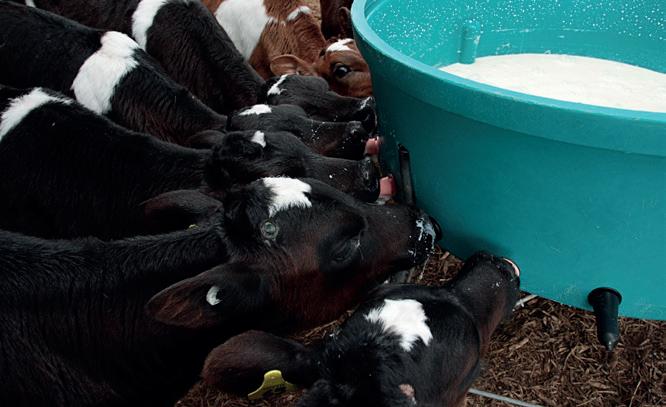
calf is fully relying on grass for energy. By fortifying to support accelerated lean growth we find that, with the extra earlier frame development and increased daily gains, calves will tend to eat a lot more pellets earlier than those on a high-volume whole milk feeding programme. They also tend to not have the transition weaning ‘check’ that we see from high-milk volume feeding calves.
Increasingly, there are more reports coming out around the positive effects of greater energy and protein during the pre-weaning period on: days to puberty, days to conception, first calving live weight and first lactation milk production.
Deciding on when to start your fortifying-for-accelerated growth should be brought in once the transition milk (2nd –8th milking) has ceased as this milk is richer in fat and protein. Taking directly from the vat can be
when it hurts the milk cheque balance the most but I also find that the later calves do not tend to get very long on transition milk – these late calves generally are the ones most likely to have health issues or be left behind in growth targets – so they would benefit the most from being on a fortified milk programme.
Always supply fresh, clean drinking water regardless of the system. Long-term benefits are greater for replacements but getting the beefies up to weight earlier is beneficial for those farmers with early finishing targets.
Before taking any fortified programme, contact your local NRM Nutrition Specialist to discuss a programme designed to best suit your system.
Article supplied by Karen Fraser, NRM Technical Specialist.
You know farming. We know power. Let’s talk.
Only a farmer gets what it’s like to battle the weather and markets, day in and day out. That’s why our Agribusiness Team are experts in only one thingpowering New Zealand farms. Whoever you’re talking to, they’ll know their stuff, and have your back.
Our Agribusiness Team have also banded together with your mates at Farmlands. Pay your power bill through them and you’ll get Choices Rewards Points. Call 0800 496 444 or visit meridian.co.nz/agri to get in touch.










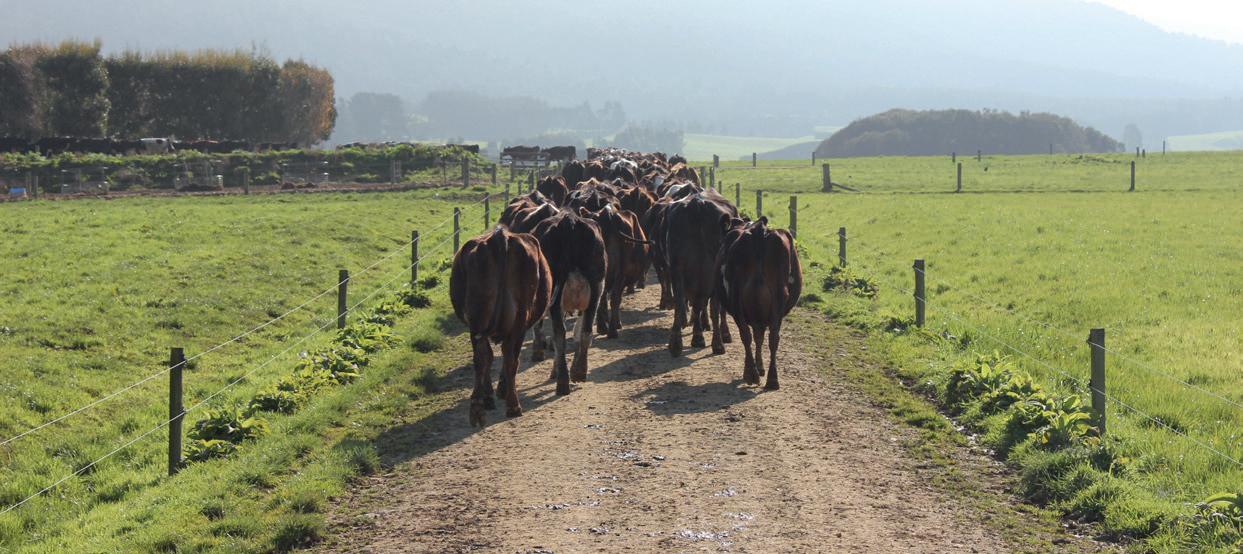
Mastitis is one of the costliest diseases to the New Zealand economy. The cost of each case includes treatment, labour and milk withholding periods, as well as the indirect costs of reduced yield, reduced reproductive performance and increased replacement rates. Managing teat hygiene and teat skin health is one of the most effective ways that farmers can easily minimise the risk of clinical and subclinical mastitis. When attaching the cups to a cow, the udder should be clean and dry. When an udder is washed with a hose, the water (plus mud, faecal matter and bacteria carried by the water) naturally flows to the lowest point and can contaminate the teat end with bacteria which can then start migrating up the open teat canal during or after milking.
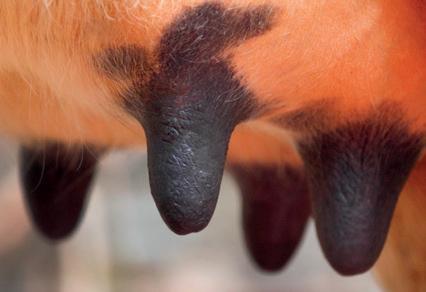
Farmers should discuss with their advisors other ways to effectively clean an udder. If you must use a hose then the udder should be dried with a singleuse towel before attaching the cups. Teats which have cracks, flaky or dry skin, keratin fronds or any other evidence of damage are likely to have an increased number of bacteria living on the skin surface; it is frequently these bacteria that invade the udder and overcome the first line of defence, leading to either clinical or subclinical infection.
Many people believe that dry environmental conditions lead to dry teats. However, it is ultimately wet, muddy conditions that tend to lead to the driest skin. We also know that iodine and chlorhexidine used on their own can lead to drying out (which is why we use iodine on calf navels for its antibacterial properties as well as its drying properties). Most teat spray products have some emollient incorporated into the recipe, to counteract this drying effect.
When environmental conditions are causing teats to dry out further, farms may need to incorporate additional emollient into their teat spray mix during spring (and winter if milking then.) Adding extra emollient can drastically change the suppleness of teat skin, even within a week of use.
Supple skin is more elastic and therefore better able to respond to the pressures of the milking machine, as well as returning to a non-milking state more rapidly than dry skin.
Around the world teat skin condition and hygiene is managed in a similar way: generally by the post-milking application of teat sprays containing one of several disinfectants, in combination with an emollient.
A recent study has shown that chlorhexidine was slightly more effective at reducing the amount of Staphylococcus aureus on teats than iodine, whilst iodine was better at reducing E. coli.
Donaghys is able to supply your dairy farm with a range of teat spray products including both iodine and chlorhexidine-based products, to help you select a product which is going to work well on your individual property.
For emollients, there is a premium product, Emolan which contains cosmetic-grade ingredients, as well as a glycerine-based product. Both of which can be used with a wide range of teat sprays.
For further information, contact your Farmlands Technical Field Officer or the friendly team at your local Farmlands store.
Article supplied by Donaghys.
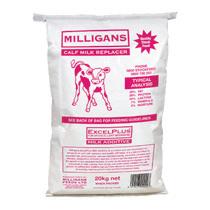
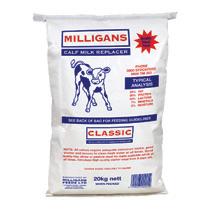
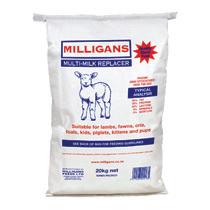
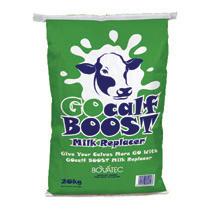
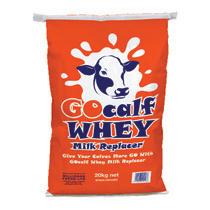
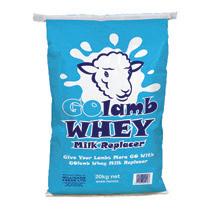
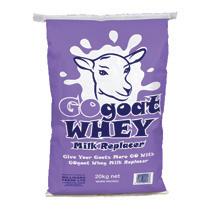
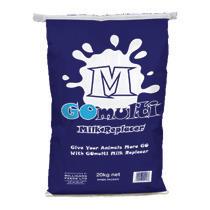
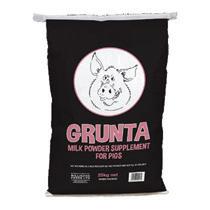
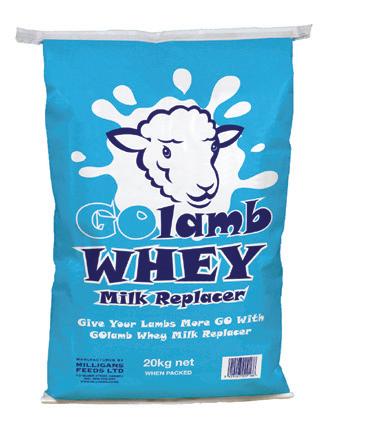
A proudly 100% New Zealand owned and operated family business based in Oamaru, South Island, Milligans Feeds is one of New Zealand’s leading suppliers of animal nutrition products.
Having over 30 years’ experience in producing high quality, top performing milk replacers, Milligans Feeds has been the choice for generations. With the growing range of milk replacers and animal health supplement products, Milligans has you covered!
Check out www.milligansfeeds.co.nz for more information on the range.
3 months deferred payment available!**
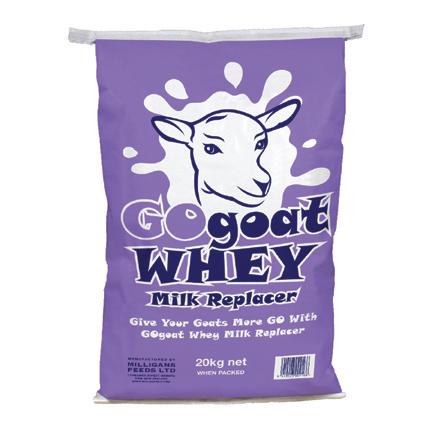
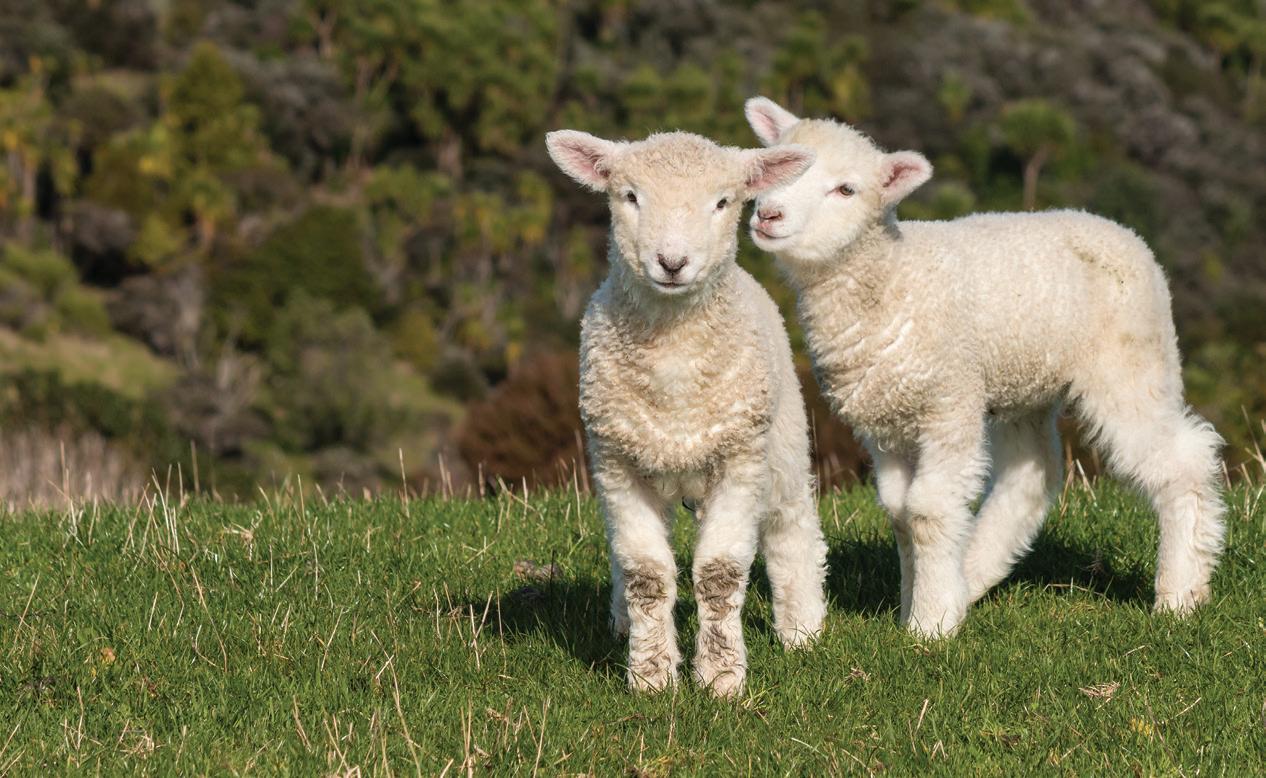
GOlamb WHEY and GOgoat WHEY Milk Replacers are whey-based milk replacers developed by Milligans Feeds in conjunction with our European partner in Holland, specifically for rearing Lambs and Goats in New Zealand conditions.
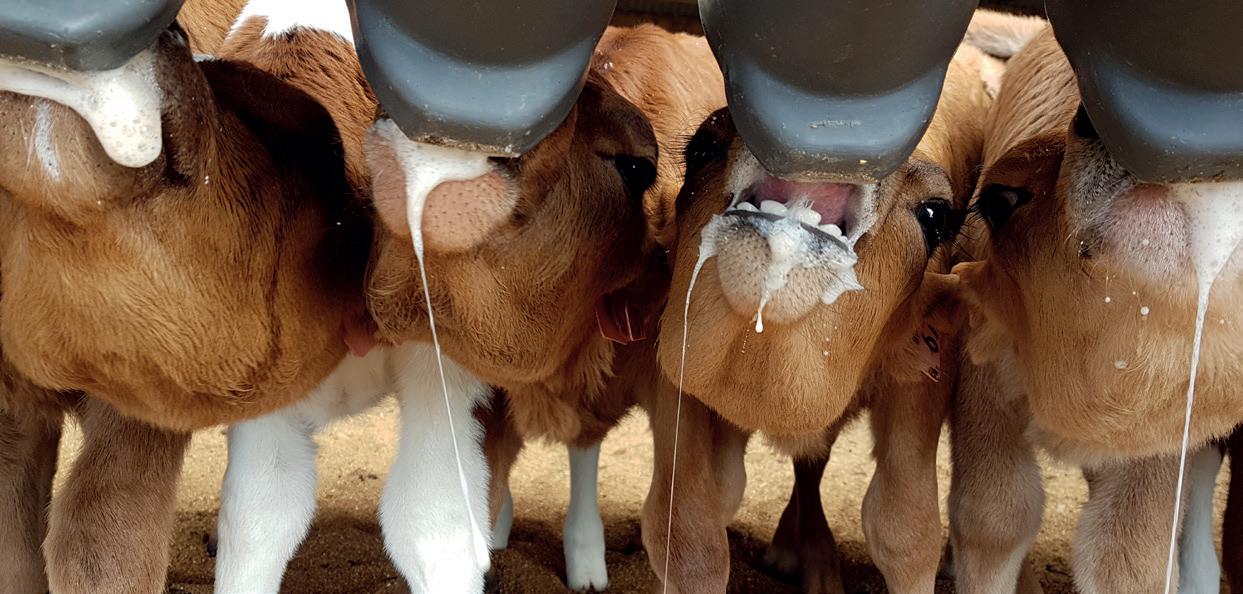
Calves have a high nutrient requirement as they have significant growth and immune challenges. Milk is highly nutritious and meets most of the energy, protein, calcium and phosphorous requirements to support calf growth.
What are the benefits then of adding extra vitamins, minerals, probiotics, prebiotics and coccidiostats to milk?
Prevention of coccidiosis
Most commercial calf meals contain a coccidiostat to prevent coccidiosis. Often however, it takes time before the calf is eating enough meal to meet the required dose to prevent coccidia infection. Therefore including a coccidiostat in milk can help cover this period. Note that milk additives with Bovatec® should not be added to calf milk replacer that already contains an ionophore coccidiostat such as Bovatec® or Rumensin®.
Extra vitamins and minerals cover any cow deficiencies
Phosphorous, selenium, copper, vitamin E and vitamin A can be passed from the cow to the calf. Therefore, if any of these nutrients are deficient in the diet of the cow, there is a risk that the calf may also be born deficient. Adding these minerals and vitamins to milk can help ‘top up’
any limiting nutrients passed from the dam. This is why comprehensive nutrition supplements such as DanCalf ®Gold are recommended for the first 30 days of life. It also shows why it is so important to continue trace mineral supplementation for cows during the dry period.
Calves need supplementation while they can’t make their own vitamins The calf cannot make its own vitamins (especially the B vitamins) until it has a functioning rumen. The longer it takes to develop the rumen, the longer the risk of B vitamin deficiency. A calf also takes at least 3 weeks to be able to synthesise its own vitamin C. This is why supplementation with both B and C vitamins is especially important in the first 3 weeks.
Vitamins and minerals support calf growth and development
For example, vitamin A helps to prevent issues with sight, vitamin D improves skeletal development, while selenium and vitamin E are vital for normal muscular development and antioxidant status. Also, milk is a poor source of iron, meaning calves can be at risk of anaemia. It is important to supplement iron, especially for calves that are fed milk-only for an extended period.
Beneficial gut bacteria helps improve calf health
It takes time for the calf to develop their own microbial profile in the intestine. While there is some initial inoculation from amniotic fluid, the birth canal and the cow’s teat, providing large quantities of extra probiotic bacteria is highly beneficial. These bacteria outnumber any pathogenic bacteria, reducing the likelihood of disease while also helping the calf to digest milk. Prebiotics assist by improving the function of ‘good’ bacteria, while preventing the ‘bad’ bacteria from getting established. DanCalf ®Gold contains both a prebiotic (AgriMOS®) and probiotic (ImmuBoost®) as well as Levucell®SB live yeast for optimum hind gut health. DanCalf ®Gold also supplies a source of minerals and vitamins to help support the calf in its early stage of life. DanCalf ®Gold comes with a coccidiostat, or noBovatec option (DanCalf ®CMR). Overall, DanCalf ®Gold is a comprehensive milk additive that aids in better growth, health and digestive tract function. For further information, contact your local Farmlands Nutrition Specialist. Article supplied by Nutritech.
Exclusive Farmlands discount of 5% applies 1st -31st July 2020. All prices exclude transport and delivery costs unless otherwise stated. Ask in store for details. For full address details please see our website or phone us for your nearest store.
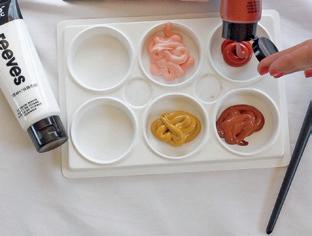




1 Mix up the colours for your background. Paint a coat over your canvas and dry overnight. 3 Display in your home on their own or in groups.
2 Mix up the colours for your rainbow. To create a textured effect, mix in some Coarse Texture Gel to each colour. Paint your design.
The soft, melodic tunes of birds calling is one of the most beautiful features of our native forests. How disappointing then, when you venture out and all you hear is the harsh drumming of thousands of wasps.
In a recent survey the Kiwi public voted wasps (along with rats) as “most disliked wildlife”, mainly because they spoil our enjoyment of outdoor recreational activities.
New Zealand beech forests contain some of the highest populations of wasps in the world, with an average of 12 nests per hectare equating to around 10,000 wasps. Our farmland and homes can also be nesting sites or hunting grounds for both the Common and German wasp species.
The health hazard to individuals is obvious, as being stung multiple times by a wasp is serious and can cause severe allergic responses. They also compete for honeydew (a sugary excretion from sap-sucking insects) and insects as food, leaving our native fauna with a critical food shortage for breeding and survival.
Wasp workers only live for around 2–4 weeks but the queen can live for 12 months and will overwinter alone in a hibernated state (if not in a nest).
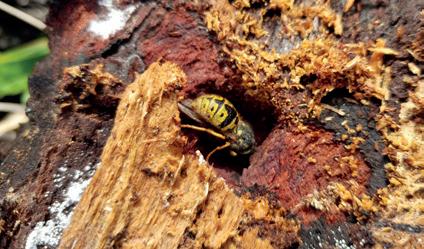
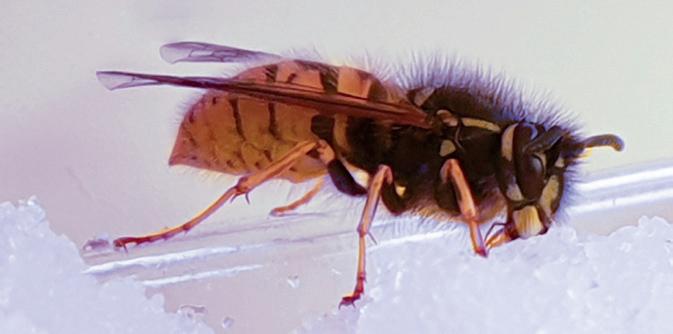
Nests are well established and breeding is at its peak between the months of February to June. Wasps start to appear more during this time when they may intrude into our living space, signalling that numbers have started to dominate.
Wasp numbers generally drop off by the end of June. However, an increasing number of wasps are overwintering and surviving the winter months. While this was considered to be at around 10 percent of nest sites, anecdotal evidence suggests the number could be a lot higher in parts of the country, particularly in the north of New Zealand due to a warmer climate.
The queen looks similar to the workers and also has a sting, yet she is much bigger. In spring the queen moves out of hibernation to begin building a nest – initially by foraging for food and scraping wood to construct a few nest cells to lay a single egg in each. Once the first eggs hatch and emerge as adults, some 30–50 days later, the queen will remain in the nest and rely on her workers for food.
New queens are produced in specially enlarged cells, in a comb near the
bottom of the nest. An average wasp nest produces 1,000– 2,000 queens per season and they may remain in the nest while building up fat for winter. Once emerged and with enough reserves, a suitable dry overwintering site will be found, often in firewood or under tree bark. The overwintering queens that emerge from their sheltered sites are in a vulnerable state. Each foraging and nest-building queen wasp can create many thousands of wasps, but in the early stages she does not have the support of a colony so needs to build a nest and forage on her own. This is an opportune time to intervene and trap the queens. Every queen killed at this time is a potential nest eliminated. Using traps and No Pests Wasp Lure is a good way to help contain the number of queens. Even a few queens caught is significant and if done over a large area, can benefit the environment and public safety. For further information, contact your Farmlands Technical Field Officer or the friendly team at your local Farmlands store.
Article supplied by Key Industries.
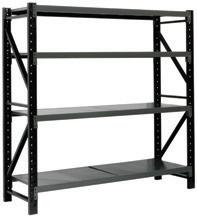
SKU: STRA4600
• Starter kit. (Extensions available)
• Size (LWH): 2000x600x2000mm
• Four adjustable shelves
• Completely boltless with welded frames
• Load capacity: 600kg (150kg per shelf)
• Powder coated matte steel frames, beams and shelves
• Supplied knocked down, some assembly required
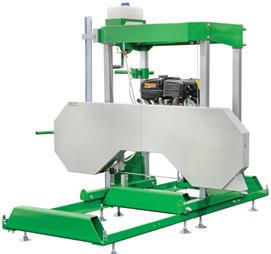
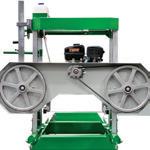
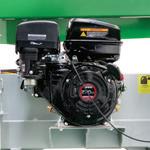

• Petrol engine power: 9HP
• Displacement: 301cc
• Capacity cutting size: 559x5100mm
• Blade size: 3660mm x
• Blade wheel diameter: 475mm
• Blade speed: 17m/min
• Track sections: 2030mm
• Total track length: 6M
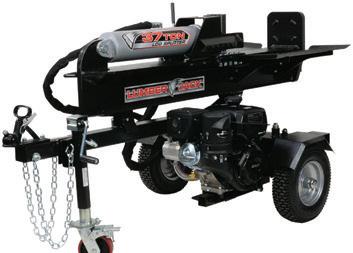
• Engine: 277cc 9.5hp Kohler
• Max log length: 660mm
• Cycle time: 14 secs
• Wheel: 16in DOT, Tyre (4.80-8)
• Pump: 17gpm, 2-stage
• Hydraulic capacity: 16.3L
• Wedge: 200mm hardened steel
• Auto-return valve
• Splits in both vertical and horizontal positions
• Square log cradle for quicker, easier and safer splitting

SKU: ELCA2000
• Cable length: 15M
• Rated power: 2400w
• Rated current: 10amp
• Cores: 3x1.5mm2
• Casing material: Polypropylene
Pricing is exclusive to Farmlands shareholders when transacting on your Farmlands Card. All prices are GST inclusive and subject to stock availability. Pricing is inclusive of all rebates and discounts. Prices are valid until 31st July 2020
Shareholder pricing is off RRP and does not include Lowprice Lockdown, drop-shipped, Clearance or non-stock items. Prices do not include delivery. Assembly may be required.
• Steel mounting bracket
• Ingress protection: IP44
• Dimensions (LWH): 290x160x325mm
• Complies fully with AS/NZS electrical safety standards
Kerry and Tracy Tristram have been farming in South Head, north of Helensville, for 17 years. The 250-hectare dairy farm has been in Kerry’s family for three generations. The farm runs beside a forest, leading to the dark sands of Auckland’s West Coast beaches. This presents a unique farming environment of wind and invasive grass species such as Kikuyu, while the sandy, free-draining soil provides an advantageous winter grazing area.
Kerry and Tracy milk a herd of 220 dairy cows across a milking platform of 120 hectares. The farm had a lot of old fencing, so they simplified and moved to two-wire electric. Kerry says installing the 46 Joule Energizer was a no-brainer – it charges fences across the majority of the milking platform and could go even further.
“There’s ample voltage; it has a lot of grunt.”
The 46000W Energizer and Datamars Livestock Farm App have given them the “luxury” to control voltage from anywhere on the farm.
“You can be on the tractor with your phone and you just hit the app to turn the fence off. It’s the way of the future,” Kerry says.
Datamars Livestock Product Manager, Fadi Allos, says that the Tristram’s experience with the energizer highlights how handy it is to be able to control the energizer from your phone. This instant ability is especially helpful for doing quick little jobs and frees up time.
“Our energizers have been a hallmark of the farming community for decades,
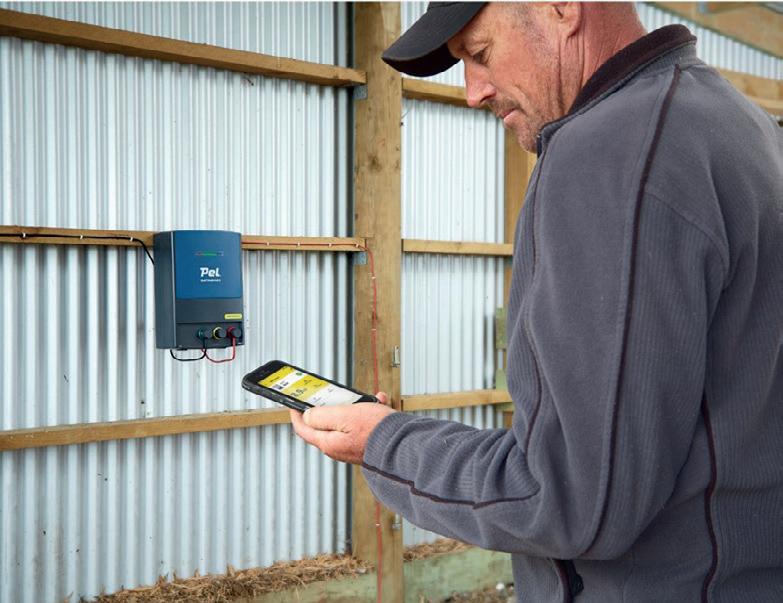
with the 36 Joule Energizer an iconic favourite across the country. We are delighted that our smarter, more powerful 46000W Energizer is living up to its predecessor and doing the hard yards in Kiwi paddocks,” Fadi says.
The Tristrams put the app to good use a couple of times a week and it is easy to operate. Kerry has enjoyed having the Datamars Livestock team on hand for support and to answer any burning technical questions.
The 46000W Energizer gets the tick of approval from Kerry and Tracy. A more connected farm has given them the freedom to get on with more important jobs and manage their dairy herd.
“Our first ‘smart’ energizer is designed to provide peace of mind and save time for farmers, while powering 460km of fence. This is the first cab off the rank in our plan to provide a connected farm to customers and it’s great to see farmers like Kerry embracing the technology,” Fadi adds.
For further information, contact your Farmlands Technical Field Officer or the friendly team at your local Farmlands store.
Article supplied by Datamars.
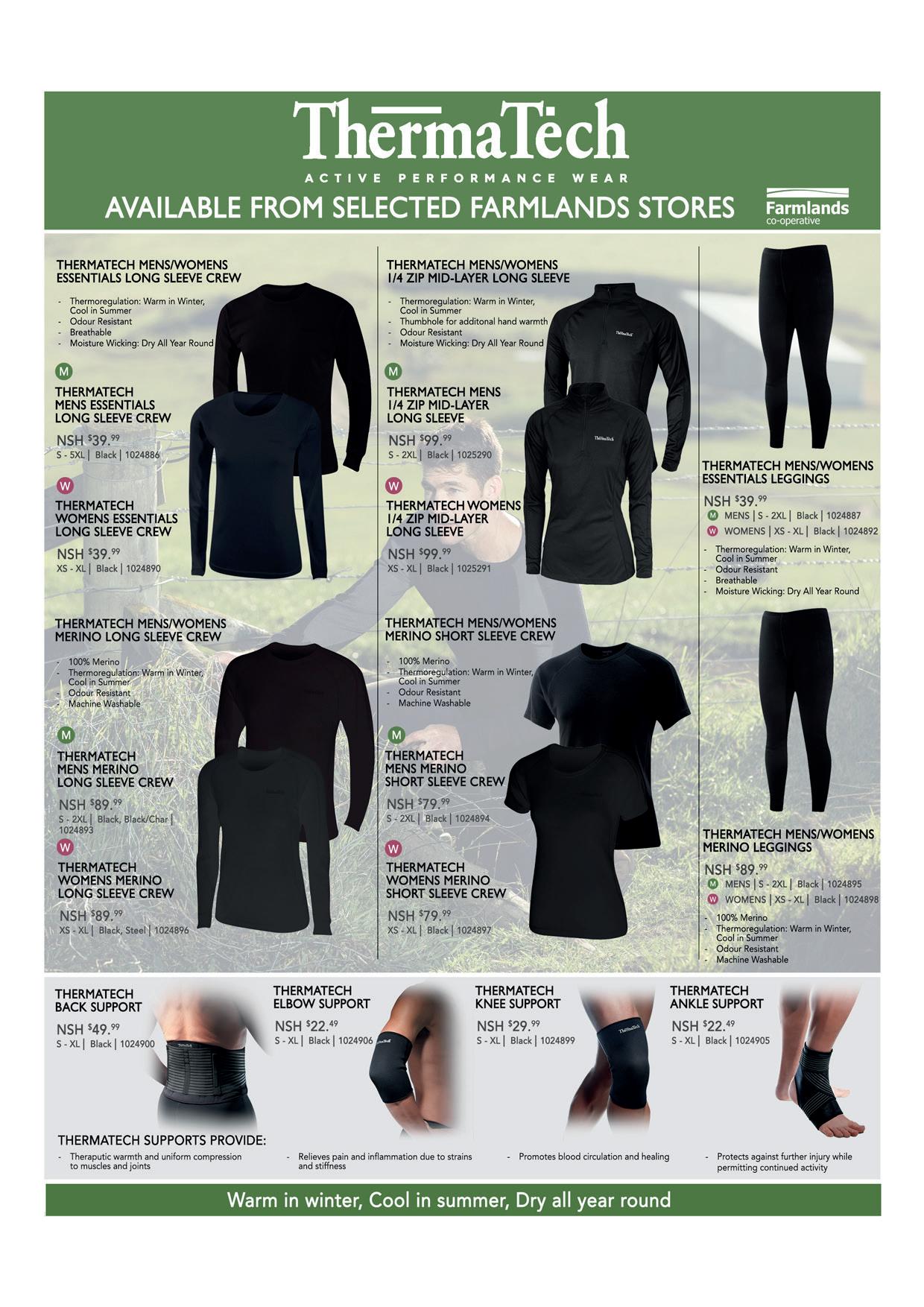
The past 2 months have been challenging and busier than usual for the factory team at Allflex in Palmerston North. They have implemented new measures to ensure staff are kept safe and not only meet but exceed all essential business requirements.
“We are proud of our factory team and, like the team at Farmlands, we appreciate our essential farming customers and the tireless work done by all during lockdown restrictions to keep the New Zealand agriculture industry moving forward,” Jared Briggs – General Manager, Allflex New Zealand says.
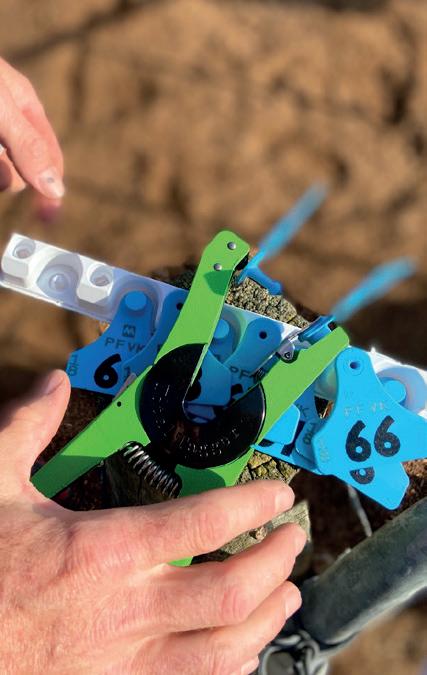
The Allflex story started with a dynamic Taranaki dairy farmer and a progressive Manawatu businessman. The farmer was looking for a reliable and easy-to-read product to identify his animals. The idea of a flexible plastic ear tag emerged and it soon become the most efficient means of identifying their livestock.
In 1992 the pair successfully launched electronic tags, which are now recognised as the most efficient tool for advanced herd management technology. With the ability to identify each animal, you can generate the data needed to substantially manage the life of an individual, a whole herd and finally provide traceability for a country.
“We are very proud of our humble and grassroot beginnings and it’s why we continue to invest in identification and deliver on service,” Jared says. Remember to register your stock Remember to meet your NAIT requirements when selling or receiving calves. Once you have tagged your animals, you will need to register them in the NAIT system within one week of tagging or before they move off farm, whichever comes first. Registering individual animals links their unique RFID to your NAIT number as their current location and you as the PICA. This is essential for traceability of the animal. More information can be found online at www.ospri.co.nz
Many farmers have found an electronic tag reader to be a tool to help meet their NAIT requirements. This can scan your tag in the field and transfer the information to an app on your phone, tablet or computer. Once the tag information is transferred you can complete all of your NAIT requirements easily. A demonstration can be arranged by contacting your local store.
It is time to start planning for tagging calves on farm – here are some important checks that can be made now:
; Check your taggers early to ensure that the pin is not bent and damaged. Damaged or bent pins can damage the male tag which can lead to premature failure and retention issues. The damage cannot be seen on the inside of the stem and experts stress the importance of good applicator health.
; Replacement pins or applicators can be purchased off the shelf from your local Farmlands branch.
; If you rear calves, Allflex also recommend adding a visual management set to easily identify calves that need attention. They offer the only jet black Laserplus permanent marking system which was designed using Kiwi ingenuity for our tough conditions and need for durability.
; Blank tags and tag pens can also be purchased in-store.
; Tissue Sampling Units and applicators can be arranged for those farmers wanting to take samples for genomic or parentage testing.
For further information, contact your Farmlands Technical Field Officer or the friendly team at your local Farmlands store.
Article supplied by Allflex.
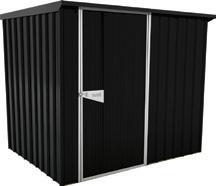
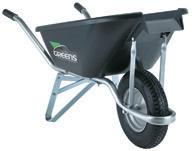

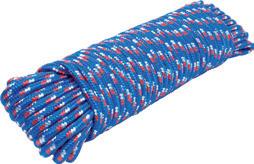
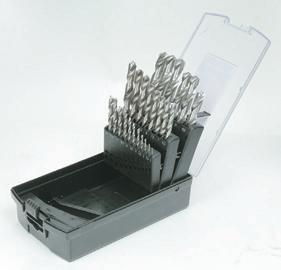
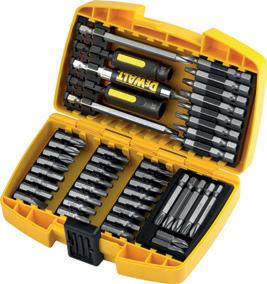
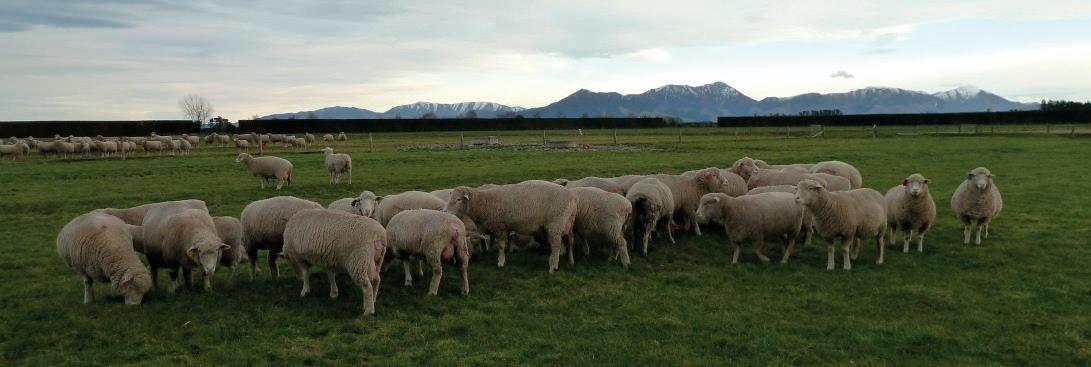
Severe drought leads to two things. One is that stock are in poorer condition going into winter, and the other is that there is less feed to carry into winter to feed the stock on hand. For the ewe flock, both effectively lead to the same thing – more poor-conditioned ewes developing as we progress through the coldest months.
There are several tools that can be used to try and prevent this from happening and to help manage light ewes once they have developed. Which tools are used will be very much dependent on when you decide to act. The later you act, the less options will be available. A nitrogen fertiliser used either in the autumn or spring is one tool to boost feed levels. Autumn nitrogen can help prevent ewes losing condition while spring nitrogen will help the light ewes put weight back on. It should be noted that having ewes that lamb in light condition will still have a cost in terms of lamb growth as well as ewe and lamb wastage. Drafting off the bottom-end ewes for preferential feeding can be useful. Giving more feed to body condition score (BCS) 2 ewes, to pick them up to BCS 3 prior to lambing, has been shown to provide the best return for the feed consumed on a sheep and beef farm.1 In situations where there is insufficient feed to allow for preferential feeding, culling the light ewes might be a better option.
No matter what you choose to do, you will eventually get to pre-lambing and
have some poor-conditioned ewes to manage. At this point your choices are limited, but trial work has shown that if you treat poor-conditioned ewes with a long-acting anthelmintic, such as Cydectin® Long Acting Injection for Sheep, you will be able to increase their body condition faster. 2
A New Zealand study showed that at weaning, 40 percent more of the poor-condition ewes treated pre-lamb were at a better BCS than the untreated ewes (Figure 1). The lambs from these ewes were also 2.6kg heavier than those lambs from untreated ewes. This improved performance will have several flow-on effects:
• Less feed is required to get ewes up to weight for mating.
• More feed is available for lamb finishing or to preferentially feed the lighter ewes.
and
or
when
either
• Lambs will be finished quicker, freeing up more feed, reducing workload and decreasing pasture contamination.
• More replacement hoggets will be up to weight for mating.
Irrespective of the methods you choose, working on the bottom end of your ewe flock, particularly after a drought, will give the best return possible and help get them back to their full potential.
For further information, contact your Farmlands Technical Field Officer or the friendly team at your local Farmlands store.
Cydectin is a registered trademark of Zoetis. ACVM no. A9926. Zoetis New Zealand Limited. Article supplied by Zoetis. Tel: 0800 963 847; www.zoetis.co.nz.
1. Beef + lamb New Zealand, Ewe Body Condition Scoring Handbook, May 2013.
2. C. Bingham, A. Hodge, B. Mariadass (2017), Comparison of two long-acting pre-lambing anthelmintic treatments on the productivity of ewes in low body condition, New Zealand Veterinary Journal, 65:3.





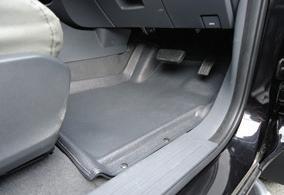


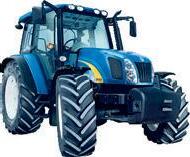










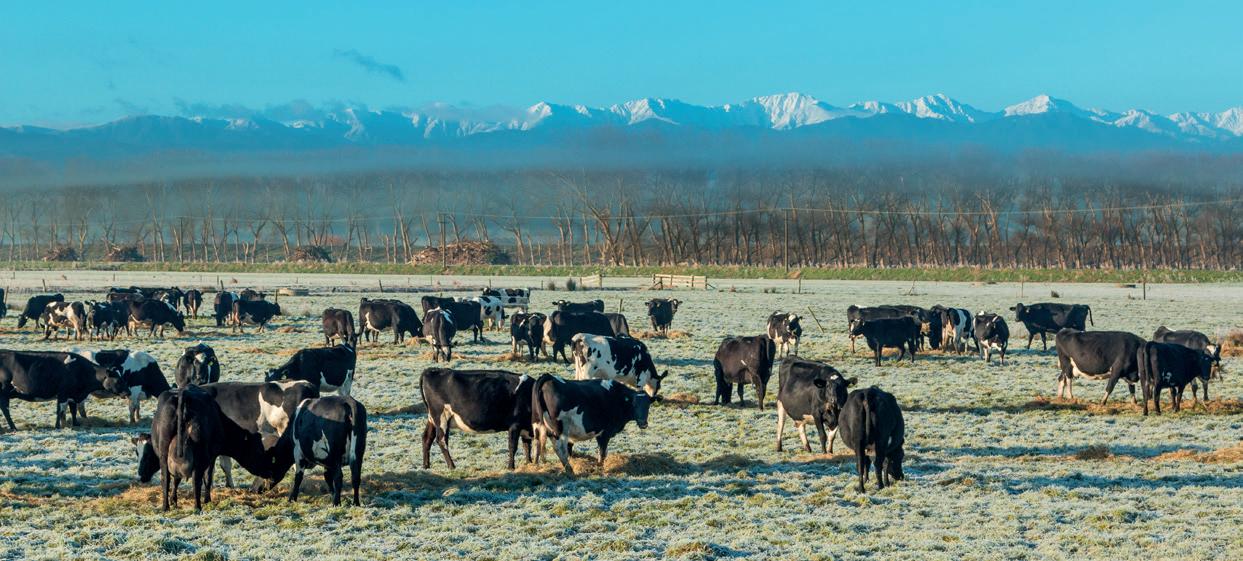
The best way to manage pugging is to prevent it happening in the first place.
Pugging impacts pasture production, and depending on severity, can reduce dairy pasture production by 20–80 percent over several months to a year. Even 2 years on, total dry matter production on heavily pugged areas can be down 15–20 percent.
Affected areas are vulnerable to weeds and less desirable grasses, and prone to future pugging if soil structure remains damaged. Pugging also increases the risk of nutrient and sediment loss in run off, with less water being absorbed into the soil.
Prevent pugging
Pugging occurs when soil is so soft and waterlogged that its surface cannot hold the weight of grazing animals.
The following tips can help prevent pugging and its potentially costly effects:
• Build pasture covers going into winter, especially after summer drought. Applying autumn nitrogen (N) can help.
• Graze poorly drained paddocks before the wetter part of the season.
• Graze land at risk of pugging with lighter stock.
• Winter stock off-farm, on less pugging-prone land.
• Avoid cultivating soil, as it damages soil structure.
• Put feed out before letting the stock into a paddock, so they do not follow the vehicle.
• Keep heavy machinery off wet soil.
• Limit grazing time to around 4 hours in wet conditions, and allow more time between grazings.
• Use standoff pads (or a sacrifice paddock, a less desirable alternative, to contain the damage).
Manage the damage
If pugging has occurred, ongoing production losses can be avoided by managing the damage and repairing the soil structure.
If all or a large part of a paddock is damaged, it is best to renew pasture, ideally after a crop.
If a small to medium part of a paddock is damaged, the approach depends on the severity of damage to soil structure:
• Areas with only light to moderate damage can be rolled with a large flat roller. Applying a nitrogen fertiliser such as SustaiN will aid pasture recovery.
• If pasture density is low and soil structure is reasonable, the soil can be rolled before drilling seed, for accurate depth placement. Drill seed with a suitable fertiliser such as DAP.
For highly compacted soil, rip or subsoil first then cultivate when the soil is dry enough to do so. Drilling instead of broadcasting seed gives the fastest, most even result but hand sowing or broadcasting will work for smaller areas. Drilling seed with DAP at 100–150 kg/ha improves seedling establishment and competitiveness with existing pasture.
Stock should be kept off resown areas until the grass has recovered sufficiently to be grazed without pulling. Then grazing should be carefully managed, as damaged areas are prone to pugging until full pasture cover is achieved.
SustaiN is the N fertiliser of choice for damaged areas, and encourages pasture growth and increases tiller density.
Your Ballance Nutrient Specialist can provide additional advice on how to prevent pugging and how to restore pasture after pugging.
For further information, contact your Farmlands Technical Field Officer or the friendly team at your local Farmlands store.
Article supplied by Ballance Agri-Nutrients.

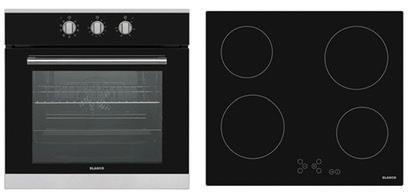
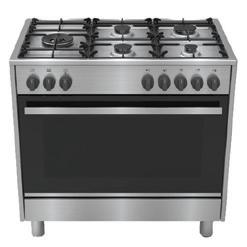
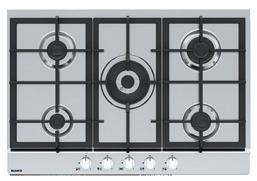


Now in its 14th year, the New Zealand Century Farm and Station Awards were set to honour 70 families – a record number – who have worked the land for generations.
The 2019 Awards were to be held over two May evenings in the historic southern township of Lawrence, but due to COVID-19 the celebrations will now roll over to next year.
“These families have stayed the course for 100–150 years so we trust they can wait one more before receiving the Award,” Karen Roughan, Century Farms Chairperson, says.
“The Committee knows how much this achievement means to the families. The coming together, meeting of likeminded people and visiting our historic town makes for a great weekend – we want to honour that.”
The Awards programme aims to preserve important rural history through families submitting stories and documents, which are then archived at the Alexander Turnbull Library.
Karen draws attention to the return of WWI soldiers circa 1919, and the fact
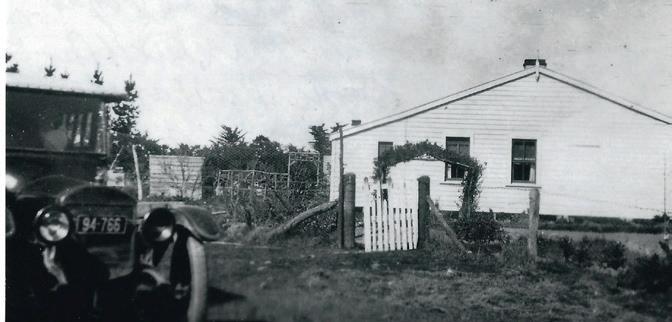
that some had to contend with poorquality land and “backbreaking work”.
Take William Henry (Harry) Dennison who, upon his return from war with a severe arm injury, purchased 160 acres of land at Hilderthorpe, Otago in 1919. The farm had grown a succession of crops and was in bad shape, with poor fertility and a couch grass invasion. It ran mostly sheep and grew wheat and oats. In the 1930s, hens were introduced before pastoral farming became the mainstay in the 1960s. Irrigation enabled growth of sheep, cattle, crops and in 2004, the farm
broke a Guinness World Record for growing wheat – a far cry from the depleted land Harry bought in 1919.
Karen says neighbours and the younger family members have been helping the older generation in submitting their applications.
“There are heaps of stories but recording them relies on those with research and writing skills.”
Farmlands is proud to be a Foundation Sponsor of the Century Farm Awards. 2020 applications are due by 30 th November: www.centuryfarms.co.nz
In 1919, rural New Zealand was recovering from The Great War, electrified technology had arrived and two “grassland revolutions” meant there was more English pasture here than the the United Kingdom. Immigration and industrialisation saw the urban population edge ahead of rural for the first time in 1916 and the countryside produced 91 percent of exports by 1920. Thousands of servicemen returned to the provinces post-war, many helped by the Discharged Soldiers Settlement Act of 1915 (and its Amendment in 1917). This scheme saw the Crown finance men onto farms, subdivide land and enable the purchase of existing properties. Advances were made to help buy stock and implements or make improvements. In total, 9,500 returned soldiers were assisted onto farms, with a combined area of 2.6 million acres. This period of Government land settlement reached a peak in 1921.
Many of those settlers were hindered by the inflated price of land and some struggled with the poor land quality which needed considerable development before bringing a return. Some even ended up abandoning their farms.
Source: Te Ara – the Encyclopaedia of New Zealand.

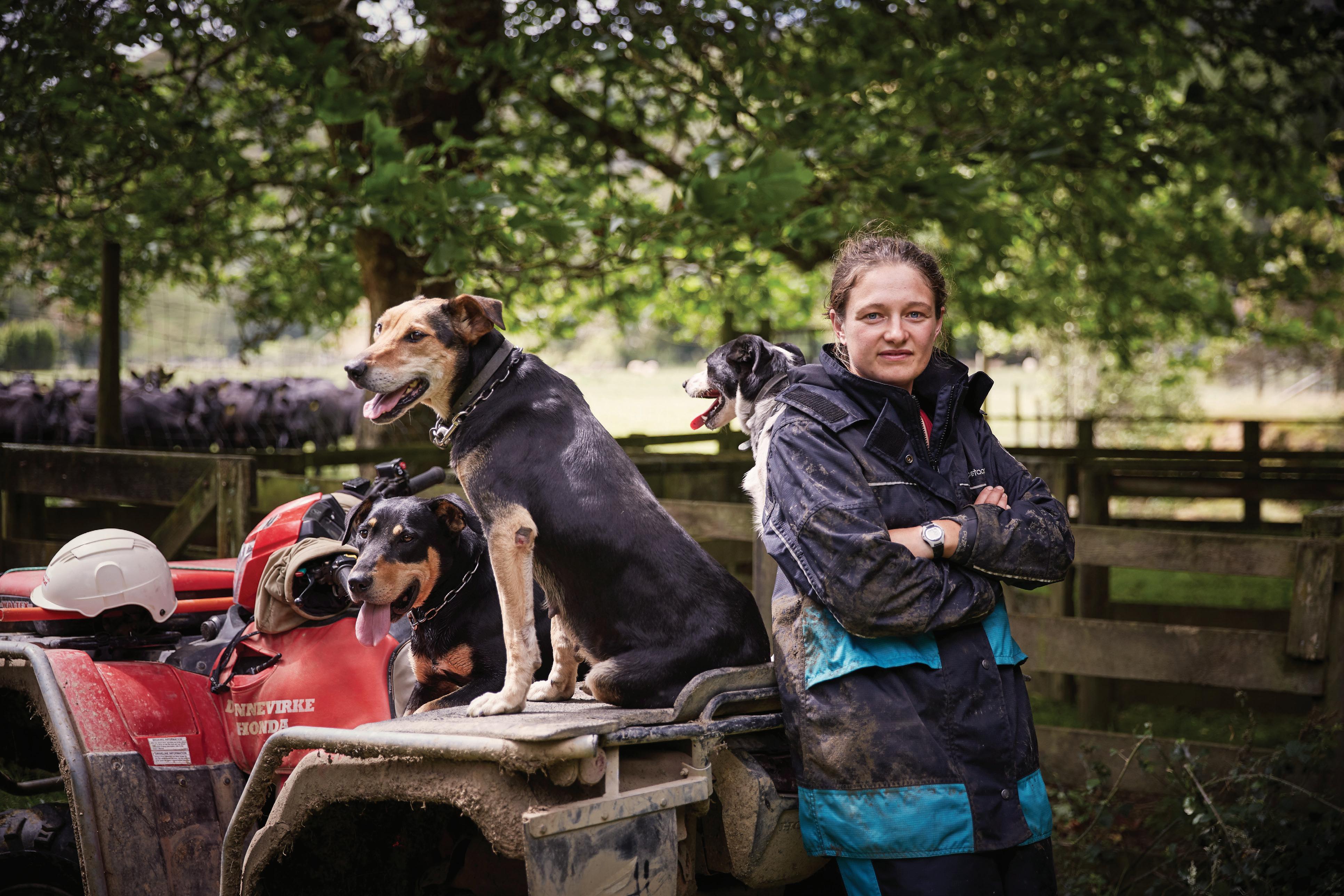
The New Zealand Century Farm and Station Awards aim to capture and preserve the history of our country’s farming families. Each month we will share stories from Farmlands shareholders who have worked their land for 100 years or more.
With a family name like Shearing there was no doubt sheep farming would play a major part in the future of Westwood.
Robert (Bob) George Shearing bought “Westwood” in August 1918.
His wife, Bessie and their six children arrived later from their business in Dunedin, as travel was restricted due to the 1918 Spanish Flu epidemic.
Bob bought Westwood for £700, purchasing 500 hoggets for 18 shillings and 480 ewes for 36 shillings that same year. The property lies to the western fringe of the Southland Plains, between the Aparima and Pourakino Rivers and on the edge of the Jacobs River Estuary. It is believed the farm’s name was bestowed on the property by the original owner, Mr. J.R. Mills in 1859. The family milked Friesian
cows, which supplied the Aparima dairy factory until 1954, continuing with sheep to the present day.
The original homestead lay beside the Pourakino River, for easy access from the river. The family lived there until 1939 when the new house was built for £800, closer to the road. In 1973, 1,000sqm was added, the timber milled from an overgrown macrocarpa hedge around the original house site.
In 1957 Bob and his grandson, Raymond started farming together in partnership. Raymond and his family moved to Westwood permanently in 1963 after Bob, now widowed, retired to Riverton. The woolshed, which remains today, was built in 1957 with two bays, raised board and covered yards all later additions. Since then other sheds have been added. Some of these house Raymond’s extensive machinery collection, the most notable being a Euclid TC12 that he recovered from a flooded coal mine.
The wool bale brand, “over3B”, is still used today and was employed by the Shearing family as far back as 1916.
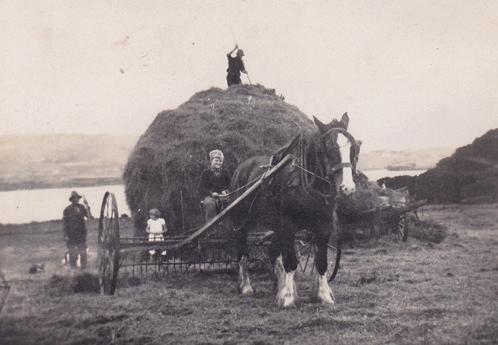
The farm has been extensively developed over the last 100 years, with lots of trees and flaxes planted, gullies drained and pushed in. The native birch bush near the original homestead site supplied timber for most farm buildings – what was milled was replanted and remains untouched. Raymond and his wife, Anne, along with their youngest child, Kurt and his wife, Jo continue farming at Westwood – currently running 2,000 Romney X ewes and 500 hoggets.
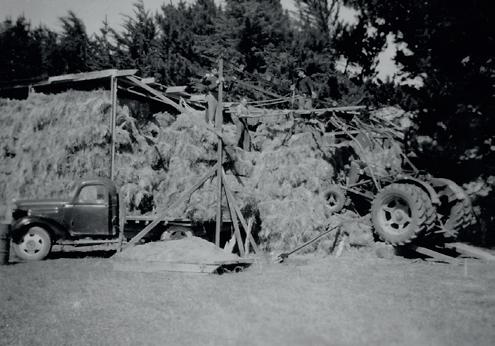
Just like the team at Farmlands, FMG likes to do business face to face. Of course Covid-19 paused this for a while, which is why under Alert Level 2 we are pleased to say that our ‘rubber is back on the road’. Thanks to all shareholders for supporting the social distancing rules so that we can provide the support you need. FMG has been here for farmers all over New Zealand for over 100 years. And it’s something we’ll continue to do for many years to come. If that sounds like the kind of insurer you’d like to deal with, ask around about us. Or better still, call us now on 0800 366 466.
We’re here for the good of the country.