











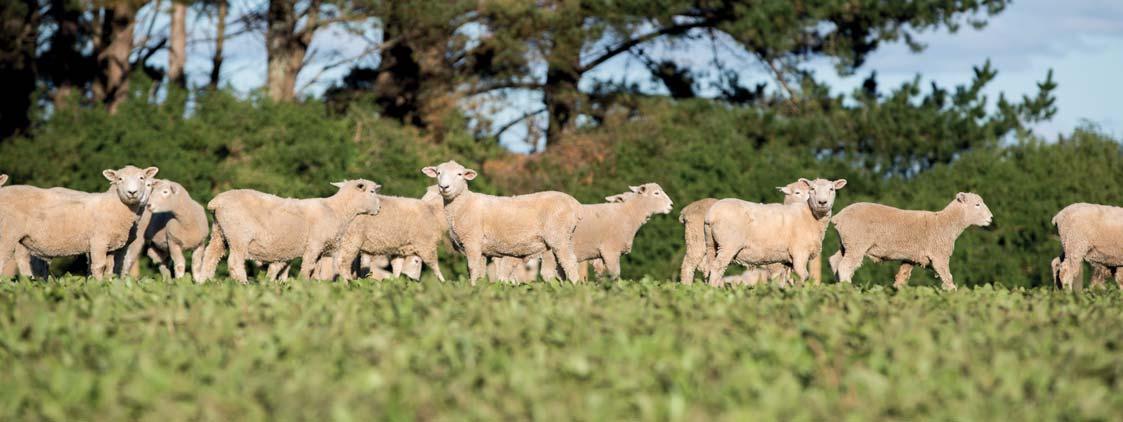
Balancing feed quality gives lambs best
Rearing more productive heifers
Forage and Arable
Weed control keeps lucerne standing tall
Improving arable returns
Animal Management
39 Ewes benefit from long-term drench 41 Jab takes the fight to dairy herd parasites 43 To drench or not to drench – that is the question
Recover, ensure, boost – a three step plan for down cows Plan365 Dairy Management 47 Teat care crucial throughout season
Trace elements key focus for pre-mating



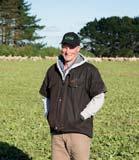


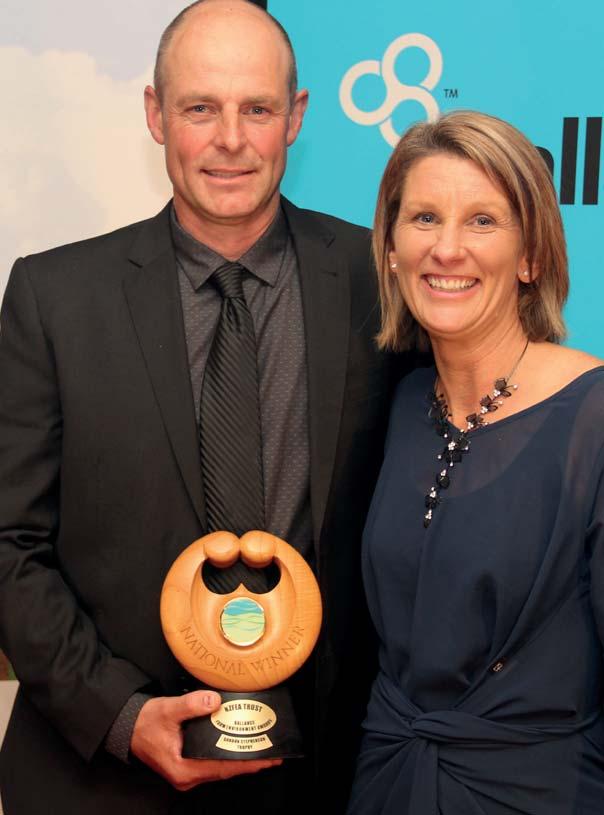
Farmlands shareholder Peter Carver, along with his wife Nicola, are the Gordon Stephenson Trophy winners at this year's Ballance Agri-Nutrients Farm Environment Awards.
Q: What is your current role at Farmlands?
A: Technical Field Officer based at Culverden and Leeston.
Q: What do you enjoy about your job?
A: I enjoy working with my dairy farmers to provide them with the best advice and service for Farmlands.
Q: Tell us a bit about your family.

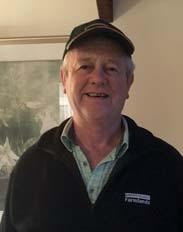
A: My wife Emily recently retired after working for Nurse Maude and Plunket. Our daughter Lynne and her husband Glenn have two beautiful girls, Lauren and Emma. Our son Craig and his wife Livvy have one beautiful daughter, Alexandria.
Q: Where are you from originally?
A: I was born in Londonderry and grew up on the family farm in County Donegal. Then I farmed in Scotland for 18 years.
Q: What is the strangest thing you have ever eaten?
A: Frogs legs, which were delicious – tasted like chicken.
Q: What is the most interesting trip you have ever taken?
A: Our 40th anniversary cruise from Hawaii to Alaska.

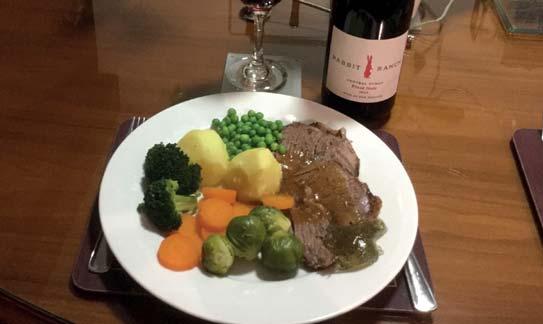
Leg of lamb
300-400ml water or red wine
Roast lamb seasoning
1. Preheat oven to 160 degrees Celsius.
2. Place leg of lamb in casserole dish.
3. Add 300-400ml water or red wine.
4. Sprinkle on roast lamb seasoning.
5. Cover casserole dish with lid or tin foil.
6. Cook for 3-4 hours.
7. Boil potatoes and steam seasonal vegetables (e.g. carrots, broccoli, Brussels sprouts and baby garden peas).
8. Add gravy and mint sauce.
9. Enjoy with a glass of Central Otago Pinot Noir.


Welcome to the July issue of The Farmlander magazine. This issue celebrates the successes of our shareholders on-farm and in the field. Their stories are indicative of how hard our shareholders work to achieve success.
Like many of you, I had the opportunity to attend National Fieldays this year. It was fantastic to meet a number of you at Mystery Creek and I hope you enjoyed the event as much as I did. While I saw plenty of exciting new opportunities at Fieldays, the thing that inspired me most was seeing the dedication of our Farmlands team. The commitment shown by our team at Fieldays extends throughout our entire team – everyone from our Contact Centre and Accounts Payable teams, to staff in our stores and the people who travel up your driveways. Our people are critical and are the only way we can achieve our three strategic imperatives: Enduring Customer Relationships, Impregnable Business Model and Market Leading Agricultural Knowledge and Expertise.
By looking after our people, we can better take care of our shareholders. We invest in their ongoing development to make sure they remain at the front of expertise in our industry. Our people have a voice in our organisation and I am committed to travelling around the country regularly, to make sure every Farmlands team member has an opportunity to discuss directly with me their thoughts on how to make our co-operative greater.
All of this pales in comparison to making sure our people are safe. May was a special month for Farmlands, because every single team member went to work safe and got home safe, every day. This means no medical treatment injuries and no lost time injuries. Our staff work hard, so I am appreciative of their efforts to make sure they stay safe.
We are committed to making sure we have the safest, best performing team in the primary sector. I know we have got the right team and those who attended Fieldays got to see all parts of our business working together to benefit you.
I hope you all have a productive and safe month.

Peter Reidie Chief Executive Officer Farmlands Co-operative Society Limited




































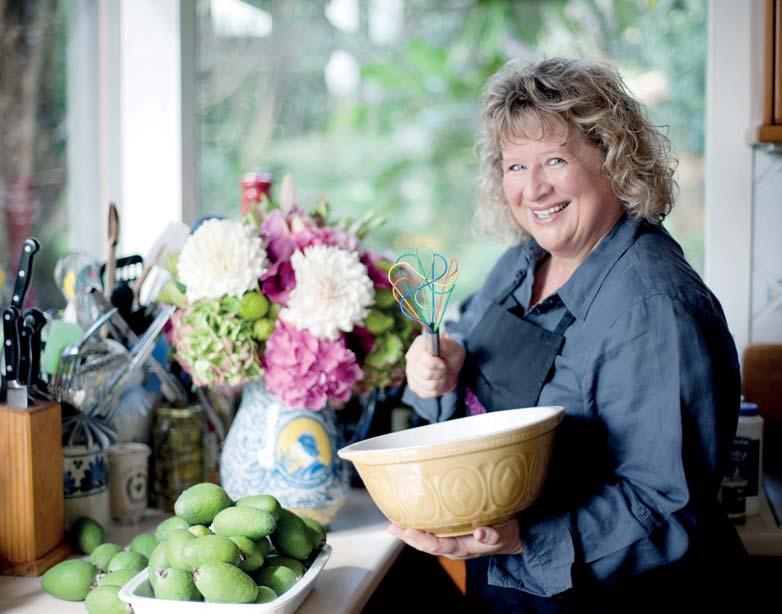
The “cuddly cook” Annabelle White joined us for the 2014 Ladies Nights series with Astar and Nici Wickes, billed as “arts and crafts and lots of laughs” – and this year she’s back by popular demand.
A renowned television and radio personality, Annabelle was food editor of both New Zealand Women’s Weekly and New Zealand House and Garden, as well as a food columnist for the Sunday Star Times for more than 23 years. She has also penned 11 much-loved cook books, among many other amazing achievements.
Annabelle joins Radio Live hosts on Wednesdays and Saturdays to offer up her best recipes and cooking tips, as well as her pointers on etiquette. She also teaches etiquette to individuals and business.
This year Annabelle will travel to 14 locations around the country for Ladies Nights, to present an entertaining evening on being the host with the most and the very best guest.
“I know you have mastered cooking instruction but have you worked out what is the best behaviour (or not) in so many day to day events and special occasions? Do you find talking to strangers hard work? Do you find having people over or planning a special event like a 21st or anniversary dinner scary? Do you know the right way to serve wine and introduce strangers? Sometimes people just simply do not know the basics to make getting on with each other so much easier,” Annabelle says.
“I have some great, fun tips for
people who even may think they have this sorted and those who are shy. I can't wait to share them as they come after years of practice!
“We will get you all upskilled in the basics, so your dinner at home is nothing short of a candle lit supper for royalty,” Annabelle says.
“Laughter and fun is guaranteed and even if you decide you may not need these skills, you at least will enjoy the spirit and know what is considered the right approach.
“In a nutshell, it’s what your grandmother might have told you but you have forgotten – so this interactive
session will bring back memories.”
Annabelle is excited to share personal stories of her own experiences and will amaze audiences with her honesty. She encourages shareholders to bring loads of questions with them to the evening and says there is no such thing as a silly question.
Farmlands Ladies Nights are coming to a town near you – save the date for what promises to be a fun and memorable evening!
Book your tickets today at your local Farmlands store or by calling 0800 200 600 or register online at www.farmlands.co.nz/ladiesnight







































HOW TO BE THE HOST WITH THE MOST AND THE VERY BEST GUEST!






















Join Farmlands and the effervescent and fun Annabelle White as she takes you on a journey to social mastery.
From dinner party success to impressing your friends with delicious desserts, this year’s Ladies Night promises to be a laugh a minute!


BROUGHT TO YOU IN CONJUNCTION WITH
Giving farmers the skills and resources to live well, farm well and get the most out of life.
$2.50 DONATED FOR EVERY TICKET PURCHASED


















Tuesday 26th September ............ Awapuni Racecourse, Palmerston North
Wednesday 27th September ...... Napier Conference Centre, Napier
Thursday 28th September ......... Quality Hotel Emerald, Gisborne
Tuesday 3rd October ................... Toll Stadium, Whangarei
Wednesday 4th October ............ Mystery Creek Events Centre, Hamilton

Thursday 5th October ................. Queen Elizabeth Youth Centre, Tauranga




Tickets include a welcome drink on arrival and light supper



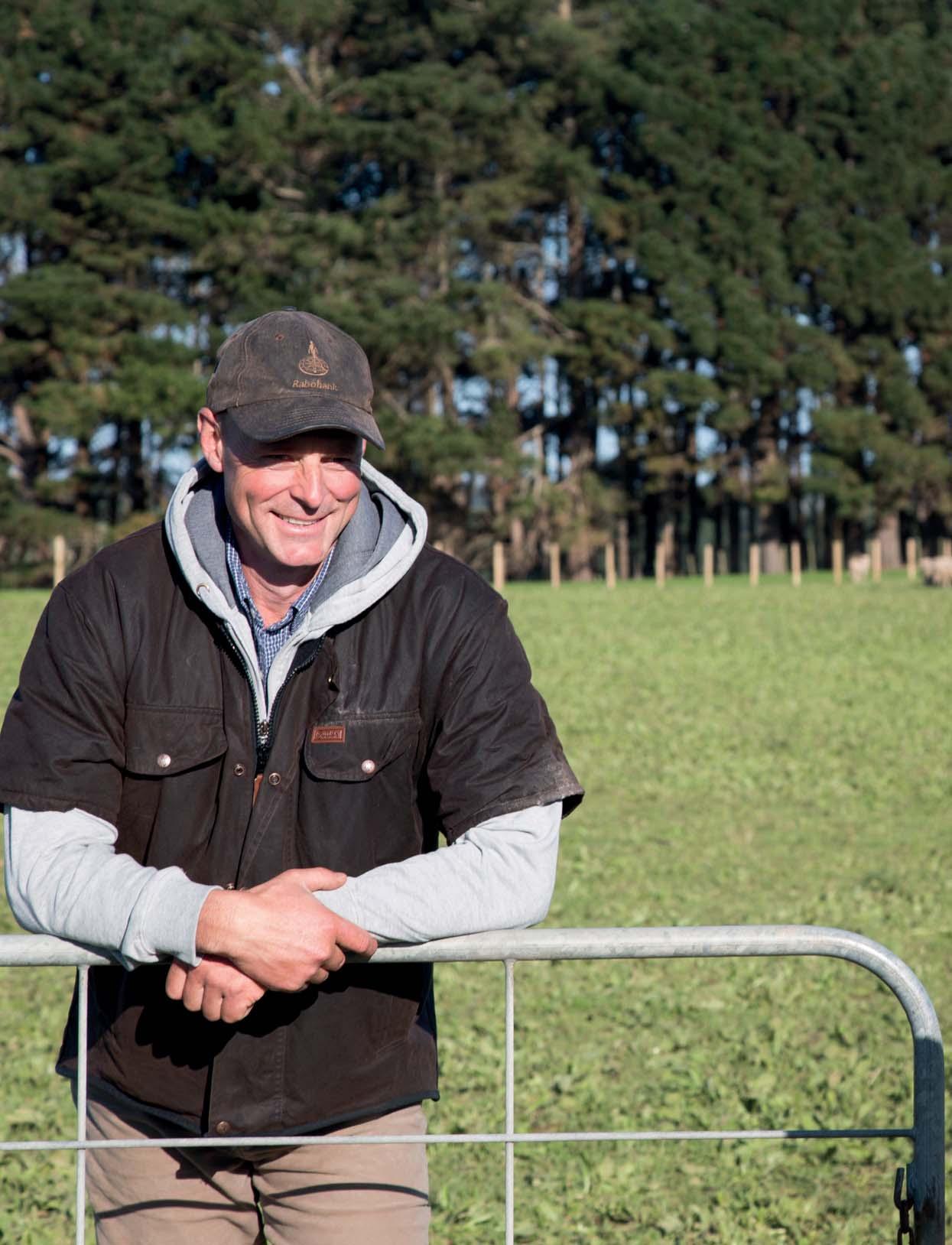
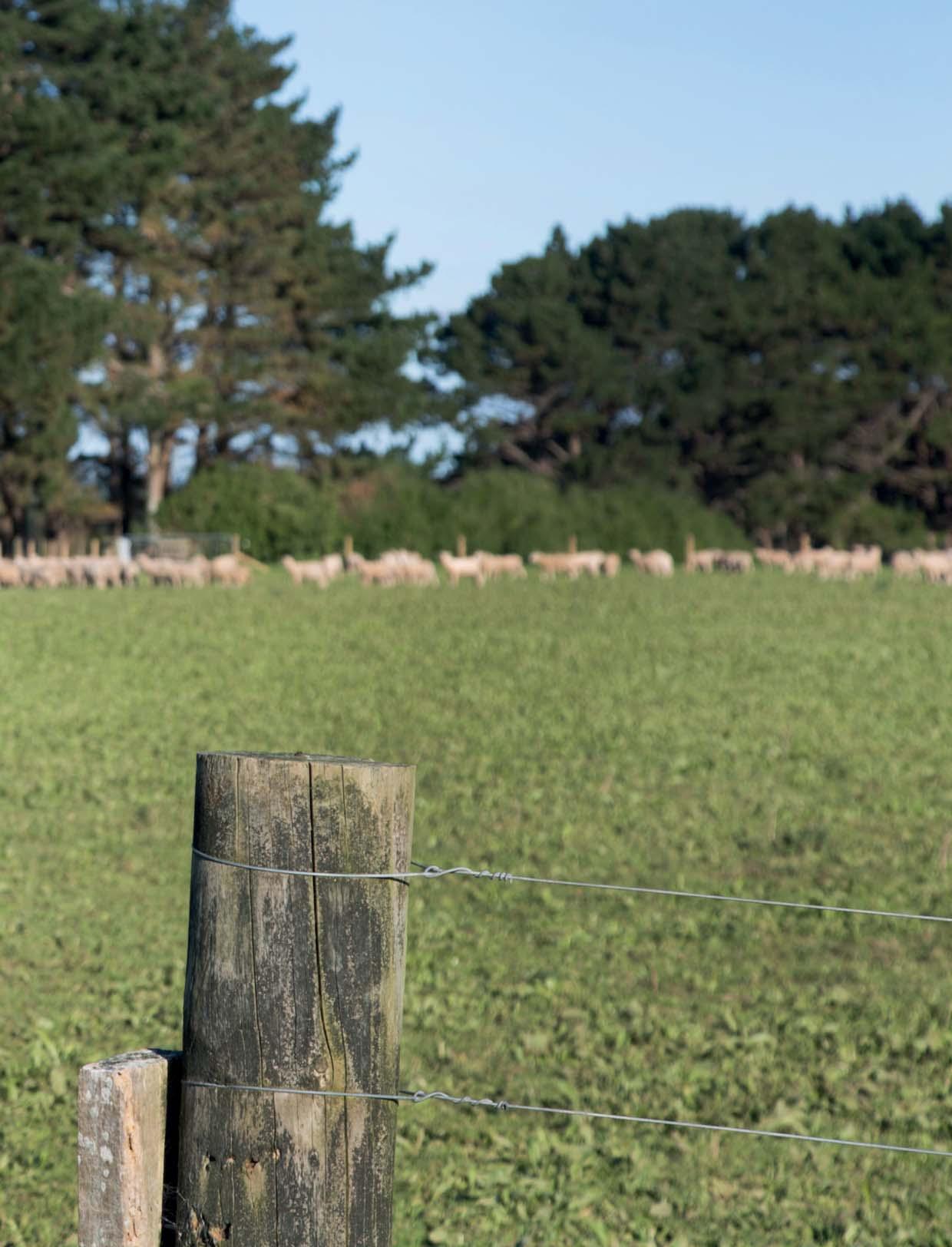

For Taranaki farmers Peter and Nicola Carver, their win at this year’s Ballance Farm Environment Awards came from long-term thinking.
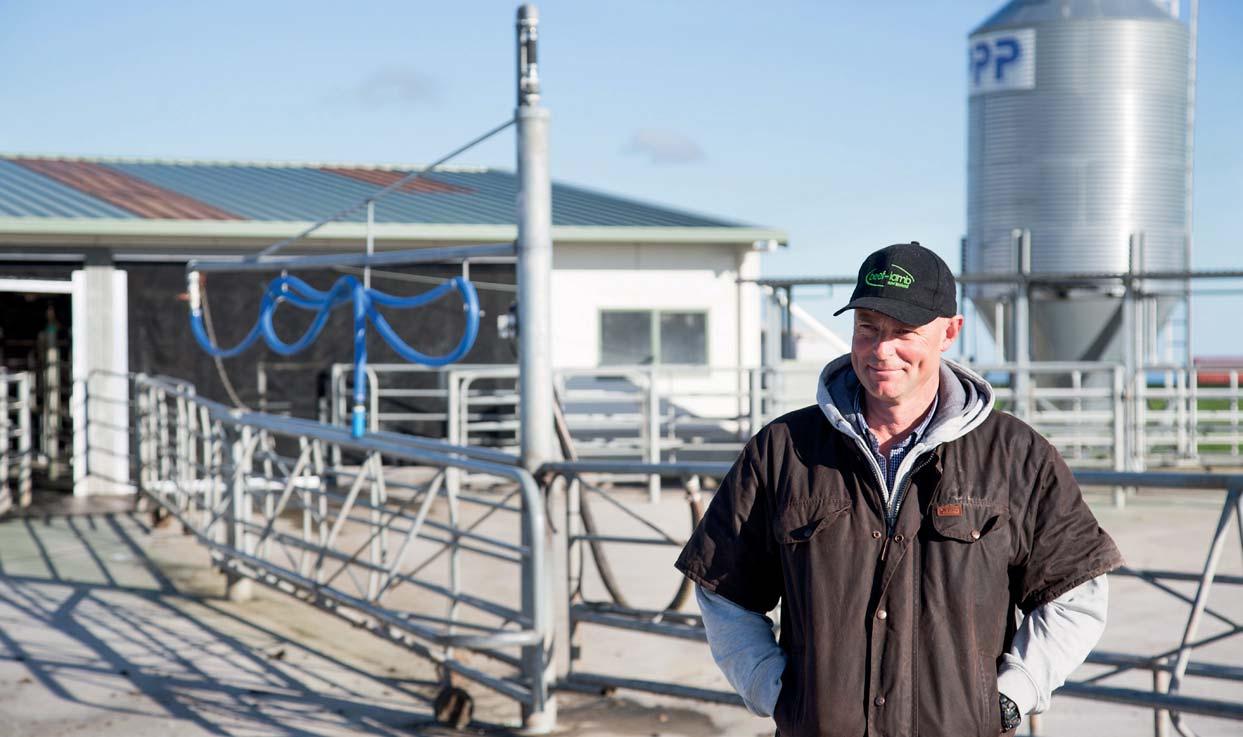
The last day of May was memorable for the Carver family and one month on, the phone keeps ringing. Having entered the Ballance Farm Environment Awards to learn, they now find themselves as the teachers rather than the students.
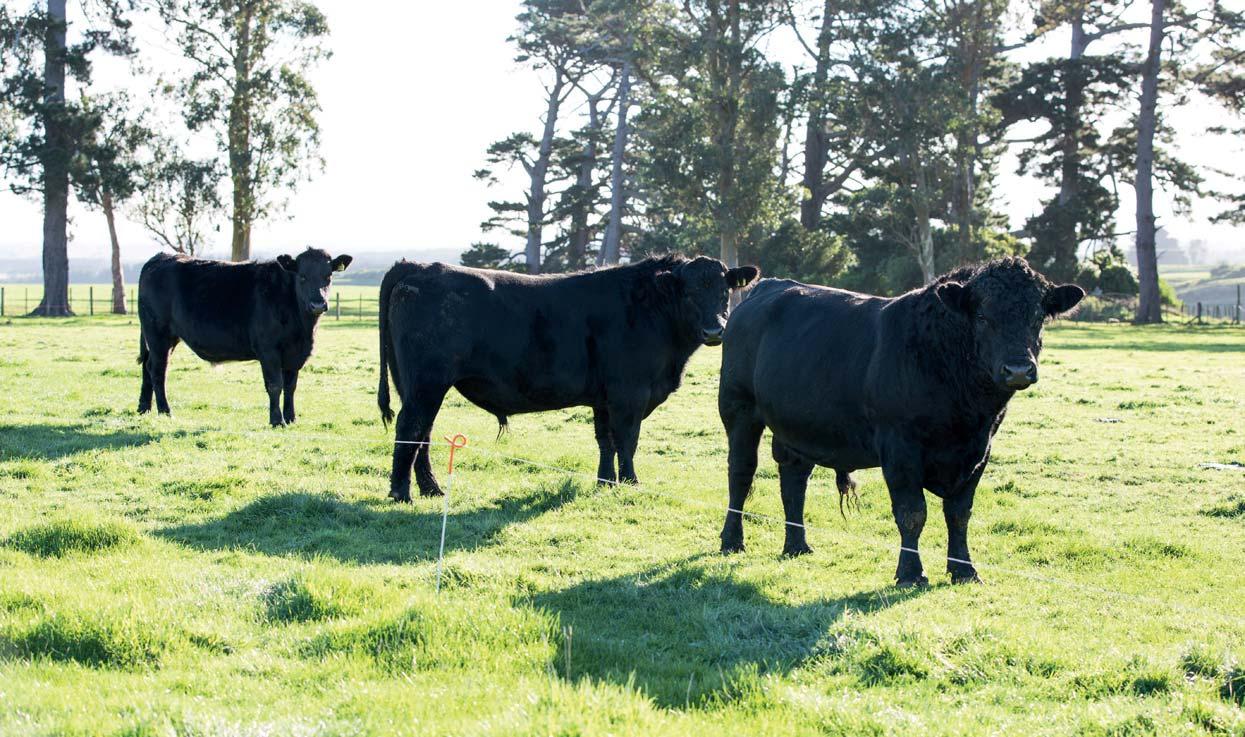
Their 515 hectare, 460 hectare effective property at Ohangai, just east of Hawera is a multi-faceted operation. The newest addition is the 3-year-old, 95 hectare dairy platform, aiming for 125,000kgMS while milking 260 cows in peak season. Dairy complements Peter and Nicola’s sheep and beef operation, with 1,400 ewes and roughly 4,500 stock units total – the majority beef cattle. All calves are reared on-farm and 50 Angus breeding cows are serviced by Angus bulls

that also service the beef, young and late cycle dairy cows.
With a forestry block as well, there are plenty of moving parts to maintain in a now award winning business.
As we enter July, Peter is still coming to grips with winning the Awards' National Ambassador title. He says he and Nicola were caught off guard at the National Sustainability Showcase in Invercargill on 31st May.
“We sort of entered thinking we’ll see how we go and see what we need to improve on for next year,” Peter says. “The regional win was a surprise but the national win was right off the scale.”
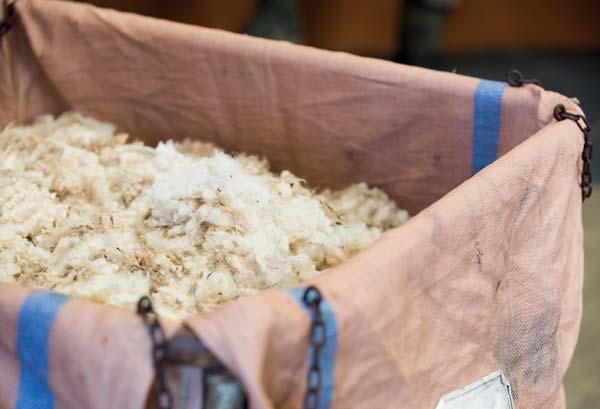
While the Carvers entered the Awards with low expectations, the win was 27 years in the making. Peter’s parents Gerald and Faye purchased the original property – known as Holmleigh – in 1990. Peter and Nicola returned from the Waikato in 2002 and added an additional 125 hectares to Holmleigh. Peter says the award is a family effort.
“Dad is still helping out on the farm, along with my brother Mike but most of the day to day decisions are made by myself. We’ve also got a manager for the dairy farm who is moving into contract milking with us for the coming season,” Peter says.
Having his predecessor still on-farm has helped Peter continue the long-term vision for the family property. “Having a plan” has always been a critical part of the business.
“It’s pretty much always been a part of the thinking of the farm and sustainability – one takes care of the other, otherwise it’s not viable and it will come back to bite you eventually,” he says.
“It’s really just best practice – we just try and do it properly. With infrastructure we do the best that we can afford. We have different classes of land and we try and apply the right classes of stock – for steeper country we’ve got the sheep and there are no cattle on the steeper country in winter.
“With the dairy farm, we’ve got 180 hectares of cultivatable land, so the dairy farm has taken 95 hectares of that. We’ve still got land for cropping and grazing for replacement stock, as well as maize for the dairy farm.”
Cropping has become an increasingly prominent part of the Carver family plan. Close to the entire farm has been regrassed, leading to an increase in carrying capacity.
Planting extends far past crops and grass.
Via the Taranaki Regional Council’s Waitotara Stress Scheme, Peter says he and Nicola have been active with riparian planting and reforestation.
“We don’t have any grand plans after the Award – I think we’re probably just trying to finish off most of the plans we’ve started,” Peter says. “There is more development work we need to do, like continuing our riparian plan and fencing. The dairy platform has no waterway on the platforms but other areas do, which we’ve been working on through the reforestation scheme through the Regional Council.”
Key to this is retiring land that is prone to erosion. Thirty hectares of the property are now in trees and other areas have had poplars introduced.
It’s a busy time and as New Zealand’s newest ambassadors, it is only going to get busier. Peter says they are taking time to process the win, while trying to understand what separated them from the other finalists.
Joanne van Polanen, one of the national judges of the awards, says the Carvers were upbeat and enthusiastic, insightful and had immense pride and passion in their business, the environment and the primary sector.
The Ballance Farm Environment Awards are open to any business making its living from the soil, whether agriculture, horticulture or viticulture.
The other 2017 Regional Supreme Winners are: Auckland: Scott and Sue Narbey, Helensville dairy farmers. Bay of Plenty: Jared and Sue Watson, Opotiki dairy farmers. Canterbury: John, Peter and Charles Douglas-Clifford, North Canterbury sheep, beef and deer farmers.
East Coast: Philip and Robyn Holt, Bay View sheep, beef and goat farmers.
Greater Wellington: Nathan and Kate Williams, Masterton arable and sheep and beef farmers.
Horizons: Shaun and Tracie Baxter, Pongaroa sheep and beef farmers.
Northland: Alan and Helen Thompson, Kerikeri horticulturalists and viticulturalists.
Otago: Simon and Kirstin Engelbrecht, Palmerston sheep and beef farmers.
Southland: David, Alanna and Julie Clarke, Glenham sheep and dairy grazing farmers.
Waikato: Charlie and Helen Lea, Cambridge sheep and beef farmers and nursery owners.
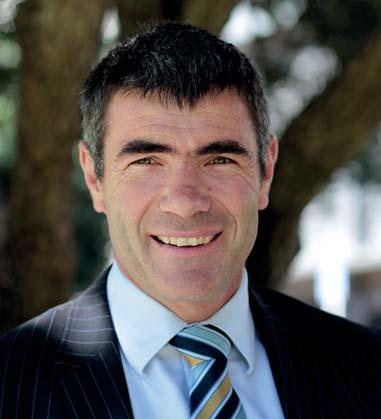
The Gordon Stephenson Trophy was presented to Peter and Nicola Carver by Minister for Primary Industries Nathan Guy. During his speech at the Showcase, the Minister said the event is one of the best demonstrations possible of farmers caring for their land and wanting to leave it in a better state for future generations.
While it was “indefensible” to argue against agriculture’s role in changing New Zealand’s environment, the Minister said it was also “equally true that agriculture has become one of the enduring characters of New Zealand’s national psyche”.
“Alongside our well-known Number 8 wire mentality for finding practical solutions, it has also formed the backbone of our economy.
“Farming has allowed us to build countless schools, hospitals and roads, and enjoy a standard of living envied across the globe.”
The Trophy honours the late Gordon Stephenson, a Waikato farmer and conservationist who was the catalyst for the Farm Environment Awards competition.
“From a business point of view, they planned and managed their dairy conversion with consideration given to future management,” she says.
“Their farm has 5km of road frontage and they embrace the opportunity to have their farm in public view.”
Peter says the judges also mentioned it was “one of the tightest decisions in years”.
“It’s probably the fact that we have got knowledge of all different parts of farming – dairy, sheep and beef, cropping and forestry. The national award is different to the regional awards as it does have more of that ambassador role. We need to be able to describe and relay our own experiences with sustainability.”
Even after taking out the top spot, Peter says he and Nicola still believe that any of the finalists were worthy of the award.
“They definitely were, they were all pretty good,” he says. “Any one of them would have been fine in the ambassador role. I guess just with our different experience with stock, it might have given us the edge.”
Following the win, Peter and Nicola were quoted as saying they could describe their farm as the largest lifestyle block in Taranaki. When asked what exactly that means, Peter responds with a laugh.
“That’s my wife’s comment but it’s stolen from times of realising you’re not out there to make a dollar from every part of your farm,” he explains.
“You’re there to look after it. The bottom line is driven by doing the best you can. Trying to squeeze every last dollar out of it is not sustainable long-term.”
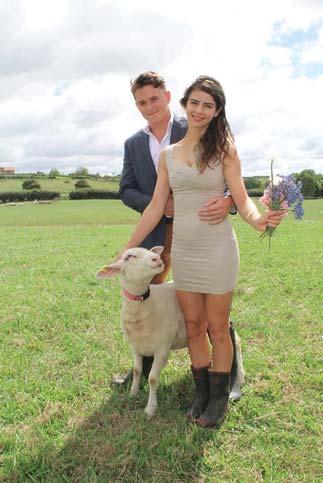
How did you qualify for the Young Farmer of the Year Grand Final?
What challenges were involved?
First there was the district final back in November, I wasn’t even going to enter that until my friends at Franklin Young Farmers twisted my arm and convinced me to tag along with them! To my surprise, I qualified for the regional final. This was held in March – there is an agribusiness exam, a quiz night, an interview, seven practical modules and an agri-sports challenge, so it was full on to say the least! We were tested on everything from fencing to fertiliser and everything in between.
What sort of preparation is required for the regional contests?
It was my first time entering the contest, so I went in a little blind but I basically spent all my spare time studying and ringing people for tips! I had a calendar of everything I wanted to study between the district and the regional, which was all a bit of guesswork but it seemed to pay off. Some rural professionals and farmers were also very kind to me and had me around to show me things and let me pester them with questions, which was so fantastic. Have you done anything differently for the national final? I have been working a lot more on my fitness leading up to this one as I’ve been warned that the Grand Final is a pretty gruelling few days. I’m also trying to work on my public speaking, as that will be part of one of our challenges. Each of us seven finalists has had to do a market innovation project, which has taken up a lot of my time, so it’s been a battle balancing work and study and fitness training! What inspired you to enter?
Well I have always desperately wanted to be the Young Farmer of the Year but I’ve always been too nervous of not winning to enter, as I am a pretty competitive person. But thankfully my club dragged me along and I haven’t looked back since. It has been an amazing learning opportunity. Even if I don’t win, I’m glad I’ve put myself out there and had a crack and met a whole lot of fantastic and inspiring people in the process!

In addition to the Young Farmer of the Year title, there is also a People’s Choice Award. How can Farmlands shareholders get involved? Everyone should get online and vote for their favourite finalist! It is very quick and easy to vote, just go to www.fmg.co.nz/peopleschoice and enter your email address and who you want to vote for. You then go in the draw to win a Fitbit, and the Young Farmers Club that the finalist who wins comes from will receive $1,000. I would really like to win that $1,000 for the Northern region as they are such an amazing and supportive crowd that nurtures some fantastic talent across many agricultural sectors. You can also follow my journey to the Grand Final on www.facebook.com/NZYFLisaKendall
PROUD T O SUPPORT tomorrow’ s r ural leaders
– 2017 –
Are you a Farmlands shareholder, or the child of a Farmlands shareholder or staff member? Are you currently studying in disciplines related to the primary sector? You have the opportunity to apply for a Tom Cranswick Memorial Award – a $2,000 grant to help you during your primary sector study.
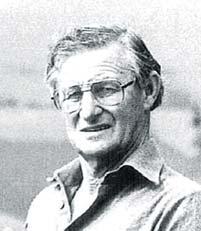
The Memorial Award is in honour of Tom Cranswick, a founding Farmlands Director who served on the Board until 1985, including 20 years as Chairman. His passion and dedication was a major influence in the establishment of Farmlands. The Cranswick family has been hugely supportive of Farmlands and it is an honour to offer this Award in his memory.
There are FIVE Awards, valued at $2,000 each, to enable students to further their knowledge and experience through study to achieve in their chosen careers, thus allowing them to contribute to the New Zealand primary sector.

Selection is contingent that as at 30 th June 2017:
• The applicant is under the age of 25.
• The shareholding has been continuous for 2 years or more – or for the children of Farmlands employees, their parent has completed 2 years of permanent, continuous service.
Award applications open 1 st July and close 31 st August 2017. For more information and to register, visit www.farmlands.co.nz/tomcranswick
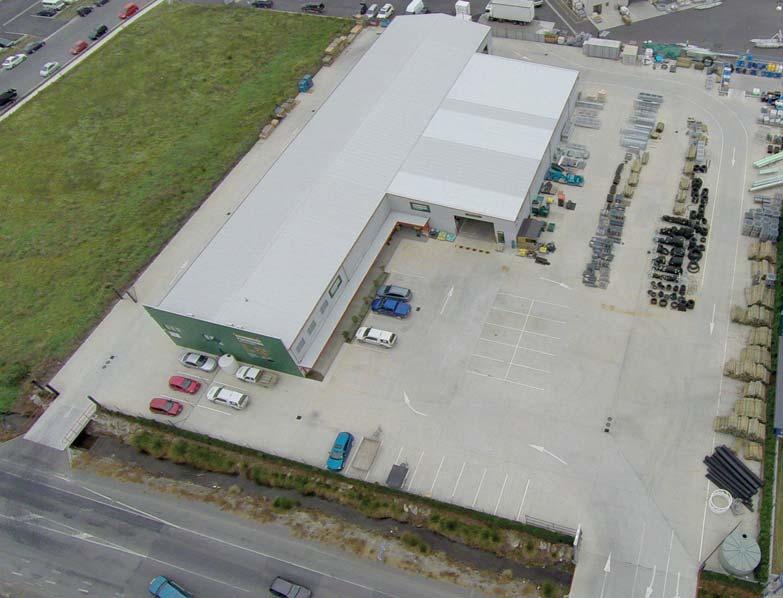
Farmlands Rangiora has been named New Zealand Country Champion of the Environmental Respect Awards for the second year running.
The New Zealand Country Champion honour was part of the Global Awards, which are sponsored by DuPont Crop Protection and presented by CropLife® and Agribusiness Global® magazine. In their 27th year, the Awards are given to agricultural retailers and service providers that showcase stewardship, safety and community outreach efforts.
Farmlands Rangiora was chosen as representative of the Farmlands Co-operative stores throughout New Zealand.
Farmlands Chief Executive Peter Reidie says the co-operative is committed to helping shareholders make responsible choices whenever crop protection is involved.
“We want to make sure that New Zealand agriculture is in prime condition for the next generations of Farmlands shareholders.
We need to be responsible for our inputs and the advice that comes with them,” Peter says.
“Winning this award for the second year in a row shows we are on the right track. We don’t just sell crop protection products, we sell solutions from the point of sale to the field itself.
We back this up by providing solutions for all shareholder businesses.
“Farmlands wants to thank DuPont for again seeing our co-operative as the leader in environmental stewardship.”
DuPont New Zealand Limited
Country Manager, Mark Christie says this year’s competition received a number of high quality entries.
“Good stewardship provides the right to operate. But excellent stewardship ensures a sustainable and strong business for the future.
“This award, and the Global Environmental Respect Award programme, is designed to encourage excellent stewardship where businesses can demonstrate that they have not only strong handling, safety and agronomic capability, but also strong community outreach.
“Excellent stewardship should not only benefit the environment
but also the community.
“Winning this keenly contested award for the second year running demonstrates consistently excellent stewardship and the Farmlands Rangiora store should be justifiably proud for achieving this result,” Mark says.
Farmlands Rangiora was selected as New Zealand Country Champion in the voluntary programme by a panel of industry experts from the Asia Pacific region. Criteria for the award include excellence in site design, storage and handling procedures and leadership in safety and stewardship amongst customers and employees.








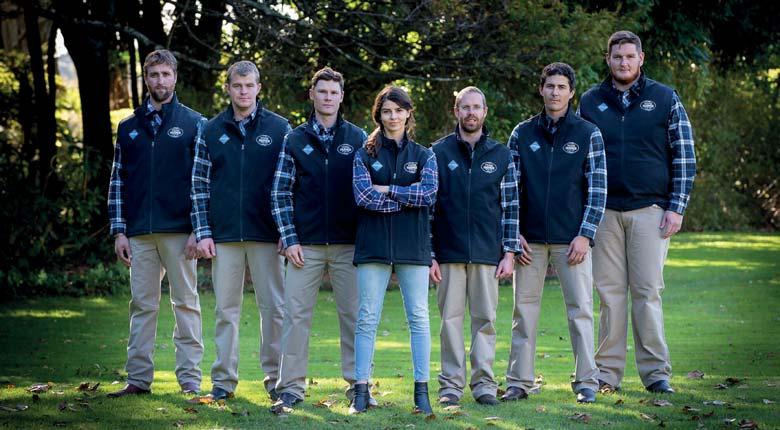
New Zealand will soon have a new FMG Young Farmer of the Year and for the first time in the 49 year history of the Contest, it could well be a female from the city taking the title home.
Held in the Manawatu from 6th to 8th July, this year's contest is set to be one of the most fiercely contested in modern times, with seven equally talented individuals putting their all on the line to win the country's most prestigious agricultural competition. Among them will be 24 year old Karaka townie Lisa Kendall, who is one of the hot favourites to take the title. The urban lass who grew up on a lifestyle block has had a sensational year after convincingly beating out experienced opposition at the Northern Regional Final in all facets of the contest. In only her first year of competing, she is now not only facing the real possibility of taking the title but also taking it home in only her first year competing. However, there are six equally determined Kiwis from around the country studying hard in the lead-up to the event to put their region on the map. Included in that is another hot favourite – Hamish Best, from the East Coast of the North Island. The 27 year old has all skills on paper to create a massive headache for his peers should everything fall into place and also has leadership acumen that will show in the heat of battle. However, he faces an added expectation with East Coast winning every decade that ends with a seven since 1987.
Best friend and former flattie, Richard French, from the Waikato/Bay of Plenty will also be tough opposition, having worked as a banker before coming back to farming. The 27 year old will prove a handful, having experienced top-level sport as a hockey representative for the under 21 Central Districts hockey team.
In an unusual twist this year, Taranaki/ Manawatu representative James Lawn will compete alongside friends and former flatties Richard French and Hamish Best. The dairy farmer has broad experience to back him up after travelling extensively throughout the world. He will also have an undoubted advantage with the grand final being hosted by the Manawatu – but will have to push all friendships aside to do it!
The most experienced contestant this year is Andrew Wiffen, who will represent the Tasman region. The West
Coast dairy farmer has competed in many Regional Finals and will be the most comfortable new entrant to Grand Final level. At 29 years old, he is also the veteran contestant and will bring all that richness of knowledge to the fore. Aorangi's Arjan Van't Klooster is expected to be in the top three come the end of the Grand Final, which is not surprising given the region's extraordinarily strong record in recent years, having had Athol New and Matt Bell record back to back wins. A highly driven entrepreneur and innovative dairy farmer, Arjan is focused on doing it once and doing it right.
Rounding out the magnificent seven is Otago/Southland's Nigel Woodhead. Hailing from Milton in South Otago, the sheep and beef farmer also has extensive arable experience and could be the first from his province to bring the trophy home since 1982.
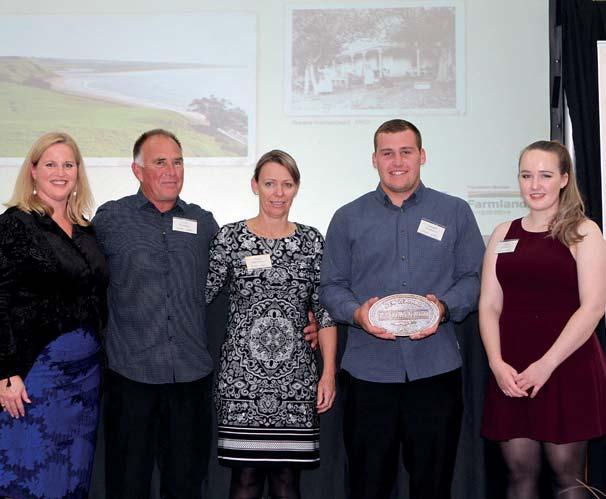
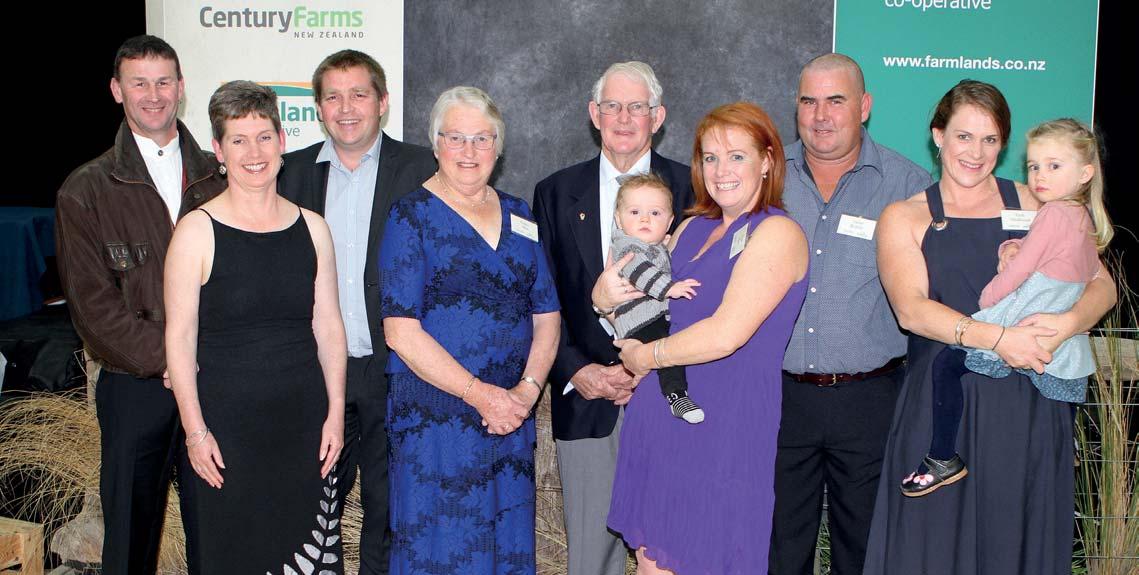
More than 240 people gathered in Lawrence on Saturday 27th May for the 11th New Zealand Century Farm and Station Awards, honouring 36 families who have farmed their land for 100 years or more.
Farming families arrived from all over New Zealand to commemorate those who had gone before them, share stories and celebrate each other’s dedication, perseverance and success over 100-plus years of farming. Six families received sesquicentennial awards.
The Associate Minister for Primary Industries, Louise Upston, honoured their significant achievements by formally presenting the families with a bronze plaque and certificate to display on their properties. From a farming
family herself, the Minister understood and recognised the hardship and perseverance experienced by the families and their forebears to reach such an important milestone.
It was an especially poignant occasion with New Zealand Century Farms honouring its patron, Russell Brown, who died in March this year. In an emotional address, Chairman Symon Howard noted that Russell was the New Zealand founder of the awards, having heard about the initiative from American visitors. Over the years Russell had been a strong supporter of the event and the region as a whole, treating the community and the organisations he was involved in like his extended family. There was also much joy and laughter throughout the night. The Allan family of Oamaru were celebrating their 50 th

wedding anniversary on the same night, with Bob Allan acknowledging he was wearing the same tie as he had worn on his wedding day.
Symon was pleased with how the weekend went. “Families always enjoy the awards dinner, it’s often a very emotional evening as the significance of getting to such an incredible milestone really hits home.”
This year the organisation introduced a welcome function on the Friday night, giving an extended opportunity for the families to meet and get to know each other. “The Friday night event was an added bonus – and of course they got to spend more time in Lawrence meeting the locals and exploring the region. Everything combined made for a very special weekend.”
Farmlands is proud to be the Foundation Sponsor of the New Zealand Century Farm and Station Awards, which aim to capture and preserve the family history that might otherwise be lost through the generations. Families submit narratives of their farm history, together with copies of related photographs and supporting documents, which are then archived at the Alexander Turnbull Library in Wellington, ensuring all records are kept in perpetuity. More than 400 families from throughout New Zealand have now received awards.
Applications are now open for the 2017 year and any families that have owned their farms since 1917 or earlier are encouraged to apply. The closing deadline for applications is 30th November 2017. Further information, including an application form, can be found at www.centuryfarms.co.nz
Congratulations to all of the families honoured at this year's New Zealand Century Farm and Station Awards.
1839 – MATTHEWS – Northland
1855 – JACKSON – Marlborough
1863 – JARMAN – Canterbury
1864 – ALLAN – Otago
1866 – JUPP – New Plymouth
1866 – WOODMAN – Wellington
1869 – HOWE – Southland
1875 – WARDS – Southland
1877 – SHIPLEY – Canterbury
1886 – GERKE – ManawatuWhanganui
1891 – CAMERON – Canterbury
1892 – MURPHY – ManawatuWhanganui
1893 – DONALDSON – Northland
1895 – BROWN – Waikato
1896 – MACKENZIE – Canterbury
1897 – DUNCAN – Canterbury
1899 – MAHER – Marlborough
1901 – ROSEVEARE – Otago
1903 – CAMPBELL – Taranaki
1907 – SYME – Waikato
1908 – GUEST – Northland
1910 – MATTHEWS – Gisborne
1912 – LANSDOWN – ManawatuWhanganui
1912 – McCALL – Otago
1913 – OUD – Northland
1914 – CARRUTHERS – Otago
1914 – WEBB – Otago
1916 – CRAWFORD – Canterbury
1916 – DRUMMOND – Southland
1916 – EMMERSON – Otago
1916 – GRIFFIN – Bay of Plenty
1916 – HUNT – Hawke’s Bay
1916 – HUNT – Waikato
1916 – STILL – Manawatu-Whanganui
1916 – THORNTON – Otago
1916 – WEIR – Taranaki











Invercargill welcomes Farmlands’ HeART of the Community project and Mr G.
Paeroa was first. Now Invercargill’s Farmlands store has the second of 15 locally inspired murals by Kiwi artist Mr G, created as part of his biggest project to date.
At the launch event on Saturday 10th June, excited locals and members of the Munro family got their first glimpse of the massive 7m x 10m mural featuring Burt Munro of “the world’s fastest Indian” fame. The mural theme was chosen by the Farmlands Invercargill team, who wanted to pay tribute to the local legend.
According to Invercargill City Mayor Tim Shadbolt, Burt’s portrait is the perfect embodiment of Invercargill’s “pioneering and determined spirit”. The portrait is also situated in prime position along the current circuit of the Burt Munro Challenge.
Working from his home in Invercargill, Burt spent 20 years highly modifying his 1920 Indian motorcycle to satisfy his love of speed. He set his first New Zealand speed record in 1938 and went on to set three world speed records at the Bonneville Salt Flats in the USA, one of which still stands. This August will mark the 50 year anniversary of this unbeaten record.



“YOU LIVE MORE IN FIVE MINUTES ON A BIKE LIKE THIS GOING FLAT OUT THAN SOME PEOPLE LIVE IN A LIFETIME.”
- Burt Munro
Mr G says he was very excited about undertaking the project’s first South Island mural. “I consider it an honour to be able to create an iconic mural in such a beautiful and unique part of Aotearoa. Painting Burt has been an honour and a privilege.”
You can follow Mr G and the HeART of the Community project on the Farmlands Facebook page, Instagram or at www.heartofthecommunity.co.nz









































Too often the return on investment in supplements such as maize silage or cereals is not achieved because essential minerals such as calcium are not adequately supplemented. Calcium is an essential component of the diet of healthy, highperforming, profitable dairy cows and is the most important macromineral for lactating cows.
As calving approaches, hormonal and other factors depress appetite. The cow eats less just when it needs more. Less energy is absorbed, predisposing the cow to subclinical ketosis before the lactation has even begun. Concurrently, less calcium is absorbed because less feed is eaten, yet demand is increasing. If the cow cannot correct or cope with this problem, subclinical hypocalcaemia occurs, becoming clinical milk fever if the severity increases. It is likely that all cows including heifers suffer at least a mild degree of hypoglycaemia even if only for a short time during calving. Heat, stress and high humidity exacerbate these problems.
Calcium metabolism at calving is one of the most important animal health factors influencing production, reproduction and feed conversion efficiency. Calcium is essential for proper muscle activity. Around calving there are some large demands on the cow’s calcium reserves. The initiation of milk production means increased calcium use. The first milk produced, colostrum, contains about twice as much calcium as normal milk, so this demand is particularly significant.
Graymont’s Calcimate® is distributed
throughout New Zealand and is manufactured from high-quality limestone. This, coupled with the industry’s most stringent manufacturing and testing processes, ensures that you get a fine, high-calcium supplement that you can trust. Calcimate is BioGro certified and tested daily.
Supplementing your herd with Calcimate will help younger stock reach their growth potential, get your cows back into condition quickly after calving, maximise milk production potential, strengthen immune systems, improve reproduction, counter the effects of wintry weather and extreme activity and balance low-calcium supplements
such as PKE and maize silage.
Remember: Production and animal health can be compromised. Too little calcium in your cow’s diet can result in milk fever and, more commonly, subclinical hypocalcaemia. This can become a silent production thief by limiting both milk production and reproductive performance.
Warning: Do not feed Calcimate in the 4 weeks prior to calving without veterinary or nutritionist advice. For more information, contact your Farmlands Technical Field Officer or the friendly team at your local Farmlands store.
Article supplied by Graymont.
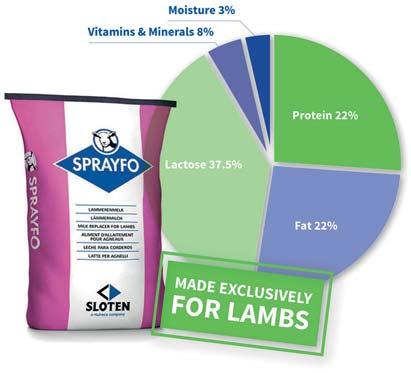
Margaret Saunders rears about 200 lambs annually in Winton. She used to feed them casein-based milk powder. “With the casein formula, we lost up to a quarter of our orphans to bloat,” Margaret says. “It was heart-breaking.”
Three years ago, she started using Sprayfo Primo Lamb from AgriVantage.
“Rearing with Sprayfo has been a totally different experience. It mixes easily, the lambs love it and bloat is no longer an issue.”
Whey-based Sprayfo Primo Lamb is
easily digested, moving through the gut in only 2-3 hours, compared to 5-8 hours for casein formulas. It contains all essential proteins, fats, probiotics and prebiotics, vitamins, minerals and trace elements necessary for young lambs.
“With Sprayfo, the lambs grow well, easily reaching their target weights,” Margaret says.
For more information, contact your Farmlands Technical Field Officer or the friendly team at your local Farmlands store.
Article supplied by AgriVantage.











Pre-lambing feeding has a major impact on lamb survival and growth rates, so knowing the nutritional quality of the available pasture, silage and baleage means the best possible use can be made of any supplements such as grain or pelleted feed.
Points to consider
• The conceptus (embryo) takes up a lot of abdominal space, which compresses the rumen and therefore reduces potential feed intake. This is especially true for bulky, slower-digesting feeds like baleage, silage and hay. Grain and pelleted feed provides energy and protein without being bulky and limiting intake.
• Although the lamb size at birth weight is mostly set at 90 days in pregnancy, the fat reserves are put on the lamb in the last 60 days of pregnancy. Lambs with
more energy stored as fat at birth are better equipped to survive spells of bad weather in spring and maintain their suckling drive.
• When ewes are having multiple lambs they can easily lose condition and may be more susceptible to sleepy sickness (ketosis/ acetonaemia), which will also reduce colostrum and milk production after lambing. In the first 4 weeks, 80 percent of the lamb’s growth is derived from milk production.
• Ewes having single lambs can become overweight on high-quality feed, which can lead to lambing difficulties. This is best addressed by feeding them less or bulkier feed between scanning and 120 days of pregnancy but not in the last month before lambing.
Best use of supplements
The normal practice is to set stock the ewes 1-2 weeks before expected
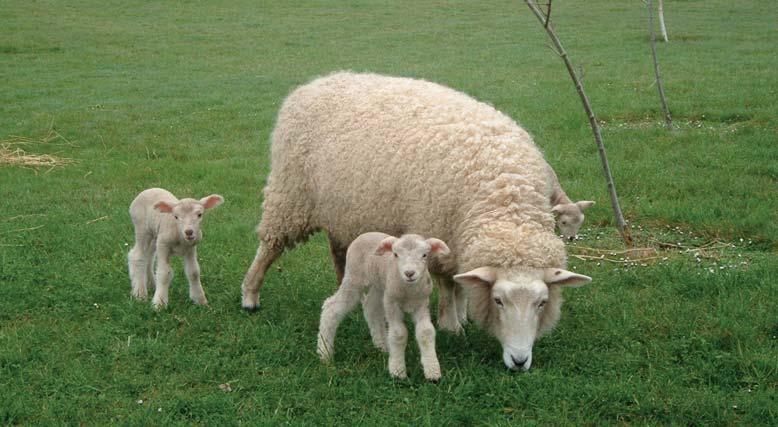
lambing on good quality pasture. In a situation of low pasture covers, it is better to wait as long as possible or the ewes with lambs on foot can ruin feed in the first month. Set aside your best silage or baleage for feeding to the multiple-bearing ewes in the last 6-8 weeks pre-lambing. Grain and grain-based pellets require an adaption period to allow the rumen to change to digesting grain. Ewes should be started on barley (or any other grain) slowly, with the amount gradually increased, to reduce the risk of acidosis (grain poisoning). There should also be adequate effective (long) fibre provided from either pasture, silage or baleage but not too much that it decreases intake. Keep in mind that grain is not a balanced feed. It does not contain the vitamins and minerals to support health and production. Alternatively, you can use a balanced feed like the Reliance Sheep Nut. These contain quality ingredients like barley, wheat, molasses and also macro-minerals, trace elements and vitamins. The pelleting process in the feed mill enhances the digestibility and the utilisation in the paddock as there is less wastage. For high-performing ewes with triplets, the Reliance Triplet Nut delivers a high level of quality protein that supports the unborn lambs and their mother. It also results in more colostrum early on, which is crucial for the survival of triplet and twin lambs. For more information, contact your local Nutrition Specialist.
Article supplied by Dr. Rob Derrick, Nutritionist, Farmlands Nutrition.



























Scientific advances have given the dairy industry premium probiotic extracts that do more than simply populate the digestive system with bacteria or yeast. These premium products more potently stimulate the beneficial bacteria already present in the rumen, thus further enhancing feed conversion and digestion while increasing milk production.
In New Zealand, trials have shown that cows treated with premium probiotic Donaghys ProDairy® produced on average 65.3g more milksolids per cow per day than untreated cows, with no loss of body condition. For a 386 cow herd doing 276 days milking, extrapolating these trial results over a season gives an extra milk solid income
of more than $49,506, at a $6.00 payout. The cost of ProDairy for a season at the average volume used in these trials is about $8,000, or 7.6c per cow per day, a return on investment of 6:1.
Independent scientific trials on dairy cows on Total Mixed Ration (TMR) feed in the United States’ big milkproducing states of Georgia and California showed similar increases in milk production. Cows treated with ProDairy produced about 6 percent more milk than untreated cows, with no loss of body weight or body condition. The advances in premium probiotics have also brought benefits for calving. A premium calf probiotic extract with rennet ensures your calves get the start they need. One
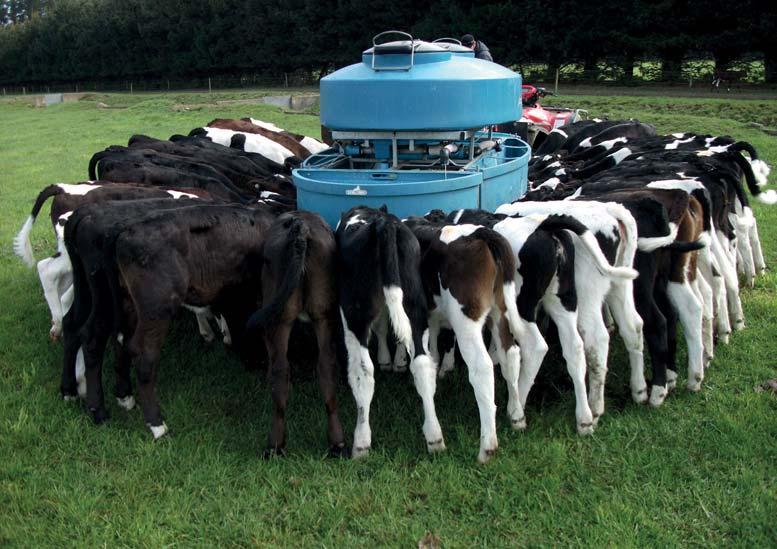
calf probiotic, Donaghys ProCalf ® , includes microbes licensed from AgResearch to promote growth, development and health in calves raised on milk or calf milk replacer. Donaghys ProCalf is designed to support the early development of a calf’s rumen and establish beneficial microbe populations for digestion of hard feed, pasture and calf milk. An initial 5ml dose followed by a daily 2ml dose promotes faster growth, weight gain and increased uptake of feed. AgResearch trialed ProCalf under controlled conditions at AgResearch Grasslands in Palmerston North, with 30 calves treated with ProCalf and 30 treated as controls. The ProCalf calves grew faster during the 42 days leading up to weaning, with an average 1.13kg weight gain per calf, a 5 percent increase. The trial also showed that ProCalf increased the calves’ appetite by 6.3 percent.
A field trial in South Canterbury showed an average daily gain of 696g per day (29kg after 42 days) for calves treated with ProCalf as against an average daily gain of 571g per day (24kg after 42 days) for untreated calves. This was a 22 percent weight increase. The treated calves were also weaned one week earlier.
Probiotics can be easily applied through inline dispensers, trough dispensers or by direct oral drenching. For further information, contact your Farmlands Technical Field Officer or the friendly team at your local Farmlands store.
Article supplied by Donaghys.


WHEN YOUR ADVICE IS REALLY GOOD, EVERYONE LISTENS.



At FMG, we look after more rural New Zealanders than any other insurer. In fact, it’s something we’ve been doing for over 110 years now. So when it comes to offering specialist advice for lifestyle blocks, we like to think we know what we’re talking about. Ask around about us. Or better still call us directly on 0800 366 466.
We’re here for the good of the country.





Farmlands’ shareholders have a greater choice of compounded dairy feeds after the merging of the NRM and Reliance ranges to create a national NRM dairy range designed to satisfy more needs.
Energy is typically the first limiting factor for milking cows – now farmers can choose compound feed across NRM’s new Value, Standard and Premium ranges. These offer a higher level of by-products to fill a feed deficit, through to higher energy options with more grain. To avoid over-feeding PKE, the maximum PKE level is declared for each product, as are starch and sugar levels, to indicate the proportion of these important non-structural carbohydrates. Does it matter where the energy comes from?
Milk yield, milk protein production and reproduction tend to run more smoothly in a mild spring when the sun shines, which lifts sugar levels in the pasture – non-structural carbohydrates are a good complement to the structural carbohydrates in high-quality pasture. Sugar has a high energy content and is quickly fermented relative to structural carbohydrates so can help support higher levels of production. However, it is so quickly fermented it is best delivered in small amounts through the day. Starch can be thought of as a slower release form of sugar, which makes it far safer when fed at milking times.
The benefits of feeding starch include increased metabolisable energy (ME) and metabolisable protein supply,
Protein
Key elements of the diet that may limit profitability
Energy
Typically the first limiting factor
May be in excess or deficient
Fibre
Too much can be filling
Vitamins
Major Minerals Essential for life Additives Dry Matter
reflected in greater milk and milk protein yield, in addition to an increase in body tissue energy deposition compared to feeding less digestible fibre. These benefits arise from increased digestible energy and decreased methane emission as well as the higher DMI potential of starch feeds1 Globally peer-reviewed published research2 indicates that starch feeding benefits fertility. This has been found in New Zealand research3, with a significant reduction in the postpartum anovulatory interval (PPAI) when cows
Trace Minerals Essential for health
Palatability
were fed a barley-maize concentrate at 3kg/head/day – even when cows were fed the same 179 MJ ME/day. Fat has been linked to improved conception rates4. Rumen by-pass fat is available as an additive for the new NRM dairy range for use where higher energy intake is desired and could be worth considering during mating if climatic conditions or grass quality deteriorate. Protein is typically the second limiting factor so there is a choice of low, medium and high protein feeds across the energy ranges.
Operating profit per hectare by system (owner occupiers)*
Do pasture-based cows need additional protein?
The crude protein percentage of high-quality pasture is typically high relative to the needs of lactating dairy cows. Feeding a low-protein supplement may help to lower the average protein content of the diet and reduce surplus protein, which has to be voided and has been estimated to reduce milk production by 1.8kg/ day compared to a total mixed diet with a better protein balance5
Despite high-quality pasture normally supplying more than enough crude protein for milking cows, Friesian Jersey X cows at Lincoln University Research Dairy Farm have responded to highenergy compound feed that contained more protein than would typically be supplied by grain alone 6. Hard winters and dry summers can lower the protein level of pasture so that at times some supplementary protein may be beneficial. Where low-protein forages such as maize silage or wholecrop are included in the diet, the case for
supplementary protein is stronger, especially with winter milking herds.
Fibre
Excess fibre in the total diet of pasture-based cows is typically more of a problem than a deficiency. The maximum neutral detergent fibre (NDF) level in each product in the new NRM Dairy Range is indicated, to help further differentiate between the options.
Compound feed is a convenient way to deliver major minerals so all the products contain added calcium, magnesium and sodium, with levels reflecting the budget and potential need of the animal’s level of production. Grains are very low in calcium relative to the milk production they can support so limestone flour is included across the range. If additional lowcalcium by-products such as PKE or soya hulls, or maize silage/cereal wholecrop are fed it may be necessary to request additional limestone, which can be included as an additive to the compound feeds. Magnesium and starch are best delivered together because the uptake of magnesium may be increased by the presence of soluble carbohydrates7 and magnesium oxide helps buffer the acidity associated with grains. Trace mineral and vitamin levels have been adjusted relative to the potential need of the animals, with organic chromium included in the Premium range. Chromium may increase dry matter intake8 by improving glucose transport into a wide range of important body tissues. Extensions to the choice of additives, e.g. ZinMet 50 zinc methionine, reflect Farmlands’ commitment to empowering shareholders to help them deliver what is best for their cows at any particular time.
Profitability has been a key driver encouraging dairy farmers to adopt higher input systems over the past decade. There are many ways to judge profitability but as farm size is a major limiting factor for most farms, operating profit per hectare is a key indicator to compare different systems. Over the past 11 seasons, operating profit per hectare has only twice (2008-2009 and 2015-2016) been most profitable for those farmers falling into Systems 1 or 2 in the Dairy NZ Economic Survey, which suggests that supplementary feeding is a logical strategy that offers the potential to respond to the inevitable variability of pasture growth. The latest Dairy NZ Economic Survey for the 20152016 season suggests that even at a $3.92/kgMS average pay-out for the farms surveyed, while the System 3 farmers surveyed returned an operating profit per kgMS of $-0.10, they were no that far below the $0.26/kgMS reported for System 1 and 2 farmers surveyed and about 20c of that was due to increased livestock sales. A key performance indicator for cows fed only pasture is to achieve 75-85 percent of their body weight in milksolids1. While these levels may be exceeded with excellent pasture management and favourable weather conditions in a particular season, supplementary feeding enables cows to be fed to support higher levels of production. Short-term grazing studies may underestimate the milk yield response when supplements are offered over a full lactation. To take a crossbred cow weighing 450kg from 350kgMS/lactation (78 percent of her body weight) to 450kgMS/ lactation (100 percent of body weight), its dry matter intake would need
to increase from 4.9 tonnes to 5.6 tonnes9, a response of about 130gMS per additional kg DM over 4.9 tonnes.
The milk response to supplementary feeding will be reduced if wastage is higher than the 6 percent assumed, if the pasture is not appropriately managed to take account of the substitution effect from supplementary feeding or if energy is partitioned to body condition.
If the long-term (i.e. after BCS has been improved if necessary) on-farm response to supplementary feeding was really only 55gMS/kg DM as some suggest10, herds achieving 100 percent of their body weight as MS would have to be eating far more than indicated above and it would be unlikely that farmers adopting Systems 3, 4 and 5 who appear in the Dairy NZ Economic Survey would be as profitable as they regularly appear to be relative to farmers who feed no supplement. For more information, contact your local Nutrition Specialist.
1Considerations for feeding starch to highyielding dairy cows. C. K. Reynolds, D. J. Humphries, A. M. van Vuuren, J. Dijktra and A. Bannink (2014) In Recent Advances in Animal Nutrition P. C. Garnsworthy and J. Wiseman.
2Gong, J G, Lee, W J, Garnsworthy P C, Webb R (2002) Effects of dietary-induced increases in circulating insulin concentrations during the early postpartum period of reproductive function in dairy cows. Reproduction 123:419-427.
3A nutrient-signalling effect of grain feeding on postpartum anovulatory intervals in mature dairy cows. C. R. Burke, J. R. Roche, P. W. Aspin and J. M. Lee. Proceedings of the New Zealand Society of Animal Production (2006) Vol 66 pages 334-338.
4Effect of dietary-induced changes in plasma insulin concentrations during the early post partum period on pregnancy rate in dairy cows. P C Garnsworthy, A. A. Fouladi-Nashta, G. E. Sinclair and R Webb. Reproduction 2009 137 759-68.
5Nutritional limits to increased production on pasture based systems. E. Kolver Proceedings of the Nutrition Society (2003) Vol 62 p 291-300.
6Effects of post grazing residual and concentrate feeding on milk production in early lactation R. H. Bryant, C. Harkin, T. Vazathara and G. R. Edwards. Proceedings of the New Zealand Society of Animal Production (2013) Vol 73 205-210.
7NRC Nutrient Requirements of Cattle 7th Ed 2001. 8Adipose tissue metabolism and production responses to calcium propionate and chromium propionate. J P. McNamara and F. Valdez 2005. Journal of Dairy Science 88: 2498-2507.
9Dairy NZ Facts and Figures Version 1 August 2010.
10Mythbusters – Supplement Response Dairy NZ 14 Aug 2015.
Article supplied by Dr. Rob Derrick, Nutritionist, Farmlands Nutrition.
You can find a huge range of heating options to keep warm this winter. Panel heaters, fan heaters and dehumidifiers, there’s lots to choose from at your local Bunnings






2 Su d levels a automa a two s drainag

This stunning black glass fireplace heater is wall mountable or free-standing. It comes with an adjustable and realistic flame effect, fan boosted heat settings (1000w/2000w) and remote control. $189.05
Arle This or fr flam remo
The Suki Dehumidifier comes with a digital display that can read humidity levels and temperature. It also has an automatic shut off and defrost function, a two speed fan and a continuous drainage option. $349


The wall mountable Eco Panel heaters have low power consumption and can be painted with water-based paint, allowing the panels to blend seamlessly with your surroundings. Without an exposed heating element or fan, it’s safe and silent. $98

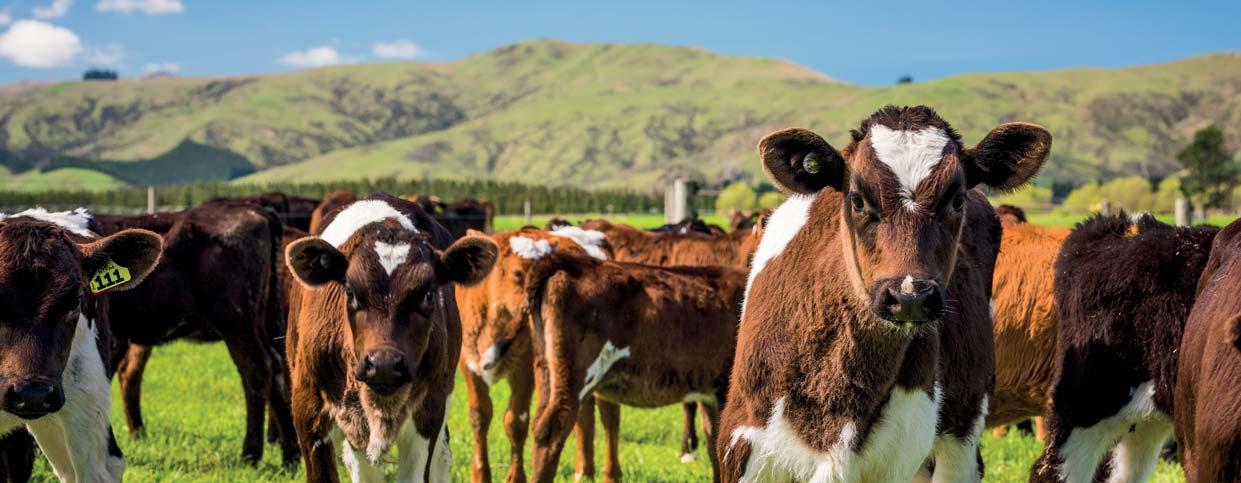

Rearing calves well is recognised as important in the development of productive heifer replacements. This concept has been extended recently to studying the benefits of early rumen development on subsequent growth and milk production.
Trials have helped demonstrate the importance of early rumen development in setting cows up for improved milk production starting with their first lactation and continuing throughout their productive lives, which is important when trying to improve profitability.
A recent trial compared conventional calf rearing systems to the use of an early rumen development feeding programme using an extruded pre-starter feed.
This trial was conducted with traditionally reared calves and those fed RumenX®, on a Friesian and Friesian Cross herd averaging 580kg milksolids per cow. The calves were combined in one group after weaning around 9 weeks old and remained on the farm until 5 months old then
grazed on a run-off until about 6 weeks prior to calving aged 2 years. Five herd tests recording milk production were performed over their first lactation. Milksolids yields averaged 0.21-0.35kg per cow higher with the RumenX group compared with the conventionally reared group at each herd test – being statistically higher in four out of the five herd tests, which is remarkable for an on-farm trial, as both groups had been fed and managed together since weaning.
Calculations of the additional milk income per cow in its first lactation using the average milksolids difference at the herd tests, multiplied by 280 days and a milksolids price of $6.00, showed an increased income of $440.00 relative to a cost of the RumenX of about $65.00 per cow, giving a return on investment of about 6.5:1. This does not include any savings from decreased milk required during rearing. These results confirm the benefits of similar trials on other farms, comparing early rumen development using RumenX with
conventionally reared calves. Similar improvements in milksolids yields were recorded on these farms.
Comparisons between RumenX and conventionally reared cows during later lactations showed the former group appearing to outperform the latter group during their second and third lactations. Calculations based on performance data also indicate the RumenX cows had improved lifetime performance.
The high degradability of RumenX encourages early rumen development and its low density results in it being retained in the developing rumen longer, ensuring more is degraded. The restricted milk intake also encourages early intake of RumenX and subsequently calf meal, as the rumen develops rapidly. For further information, contact your Farmlands Technical Field Officer or the friendly team at your local Farmlands store.
Article supplied by Nutritech.









For bonus entries: Just add Ballance Actyva S fertiliser or Bayer, Zelam or ADAMA agchem to your fodder beet seed order!
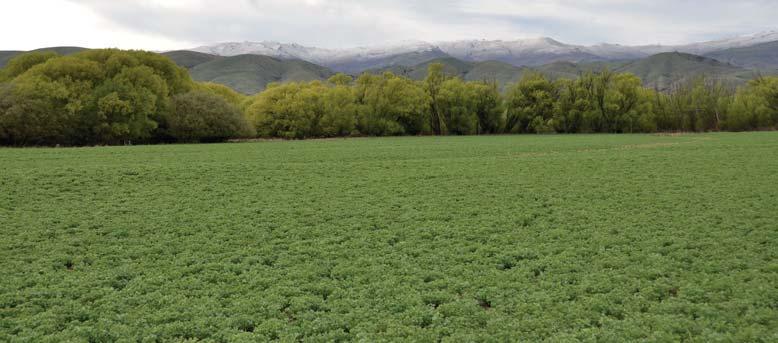
Grass and broadleaf weeds are a serious threat to the quality, productivity and viability of a lucerne stand. Weeds compete aggressively for water, nutrients, sunlight and space, thus reducing the nutritional value of the crop and causing significant reductions in yield.
Grazing or cutting a lucerne crop encourages weed growth. Failing to control these weeds will result in poor crop performance and can shorten the productive life of a lucerne stand.
Gramoxone 250 provides excellent knockdown and residual control of a wide range of grass and broadleaf weeds. Applied to lucerne annually during winter when the crop is dormant, Gramoxone 250 can increase lucerne yields by up to 30 percent and extend the productive life of a stand by many years.
Gramoxone 250 is a non-residual, fastacting, contact herbicide containing 250g/L paraquat in the form of a soluble concentrate. It is inactivated on contact with the soil. Most grasses
and broadleaf weeds are controlled by Gramoxone 250, although clovers recover quickly. Gramoxone 250 contains a blue dye for identification and a stenching agent to reduce the risk of accidental ingestion.
Gramoxone 250 controls a wide spectrum of grass and broadleaf weeds, with one treatment covering most situations. It is activated by light and works well in cold winter conditions. It is tolerated by established (dormant) lucerne, removing weeds with minimal damage to the stand. The lucerne’s yield and nutritional value is increased, bringing a premium payment for better quality feed. The productive life of the lucerne stand is also prolonged, bringing a good return on investment. Gramoxone 250 is rainfast within 20 minutes, making it less dependent on weather conditions. It is also 25 percent more concentrated than some paraquat formulations, meaning more hectares treated per pack and less packaging. Adding atrazine to Gramoxone 250
How best to use Gramoxone 250 in lucerne:
• Before use, remove all lucerne growth by hard grazing or close cutting.
• Allow weeds to freshen up before application.
• Apply 2.4L/ha of Gramoxone 250 during lucerne dormancy.
• Add 1kg/ha atrazine (90 percent WG) on stands older than 12 months.
• Apply only to clean, healthy weed foliage.
• Avoid spraying when frost is on foliage.
• Ensure total coverage of weeds.
• Use only clean water.
is highly recommended. Atrazine is a “photosynthetic inhibitor” herbicide, acting the opposite way to Gramoxone 250. Atrazine promotes greater uptake of Gramoxone 250 by slowing its destruction of plant cells, resulting in improved control of larger and harder to control weed species. For more information, contact your Farmlands Technical Field Officer or the friendly team at your local Farmlands store.
Article supplied by Syngenta.
















Could you apply less fertiliser yet still grow a better crop? Chances are the answer is yes, since the most common approaches to fertiliser for arable crops leave plenty of room for improvement.
“When it comes to fertiliser for crops like wheat and barley, there are two key aspects to consider,” Ballance Science Extension Officer, Aimee Dawson says. “The first thing is to make sure that your soil is not deficient in any of the nutrients needed by your crop. The second is to think about the best way to deliver fertiliser nutrients – what form they’re in, where they’re placed and when they are applied. In most instances, nutrient deficiencies are dealt with adequately but we can still make gains in the way we use fertiliser in arable settings.”
Take winter wheat, for example. Typically, a base fertiliser would be broadcast over the soil to correct any nutrient deficits prior to sowing. As a rule, this base fertiliser would include some phosphorus and potassium, along with some sulphur and magnesium, as required. To achieve this, several products would be blended together, so that the right rates of each nutrient can be applied.
“Broadcasting is a nice, easy way to get fertiliser on the ground but
it lacks precision,” Aimee says. “If your aim is to generally improve soil fertility – as you would for growing pasture – then broadcasting is fine. But if you really want to target crop growth then precision placement is likely to offer greater benefits. “There are two factors that reduce the effectiveness of broadcasting in an arable setting. First, while it improves the overall soil fertility rating, it’s very much an average effect. The nutrients get applied over the whole soil surface, yet the seed is only sown in one discrete location. That means there’s the potential for some of those nutrients to be wasted – or at least, not be available to the arable crop.
“Second is the spread pattern of the blend. The ideal bout width (distance between spreader passes) varies depending on the granule size and weight. When a blend is made, we try to use products with similar ballistic properties in an attempt to maximise bout width.”
When a blend contains products with different spreading characteristics, as a consequence, you have the potential to end up with uneven nutrient distribution.
“One of the ways to overcome the challenges of spreading blends is to use a compound fertiliser,” Aimee advises. “This type of fertiliser contains
all of the nutrients in a single granule, so there is no worry about uneven spreading due to ballistic differences.”
Compound fertilisers offer additional benefits to arable farmers. For a start, they are ideal for precision planting.
“High-quality compound fertilisers – for example, those from the Yara range of products – are ideal for use in drills. They are hard, even granules, all of the same size, all with the same nutrient content. When they are drilled, each plant gets access to the exact same suite of nutrients, which means the crop has the best chance of reaching its potential yield.”
Banding compound fertilisers, such as YaraMila 12-10-10 and YaraMila Actyva S, can help improve efficiencies, since there tends to be higher recovery of the nutrients, especially phosphorus.
“Precision farming isn’t that widespread in New Zealand,” Aimee says. “But we feel it will play an increasingly important role in the future, especially in the arable setting, where it will help farmers get more out of the nutrients they use.”
For further information, contact your Farmlands Technical Field Officer or the friendly team at your local Farmlands store.
Article supplied by Ballance Agri-Nutrients.



















Selenium and cobalt deficiencies are well recognised in many regions of New Zealand and the effect of these on livestock production and health is well documented. Supplementation with a long-acting source benefits both the ewe and lambs and such supplementation has been shown to be more beneficial than shortacting “spike” treatments.
Deciding whether ewes, two-tooths and hoggets require a pre-lamb drench is not black and white, with adult ewes being more capable of managing a parasite challenge than ewe hoggets or two-tooths. There are strong opinions for all options and in the end you need to make the decision that is best for your farm. Factors like worm resilience or resistant genetics of your flock, grass covers, Body Condition Score (BCS) twin or single pregnancy and pasture larval challenge all play a part. Talk to your Farmlands Technical Field Officer for strategies to help determine the most productive use of these products in the farm system, using the Wormwise® principles. There are situations where using longacting drenches is high-risk (e.g. in situations with low refugia) and there are also management factors that can help with these risks (e.g. FECRT, primer and exit drenching). The options that suit you will be unique to your farm – an effective parasite management plan incorporates all the tools available, including effective drenches. If a significant parasite challenge is present mid-winter, as indicated by faecal egg counts and BCS then treating earlier than pre-lamb may be more beneficial.
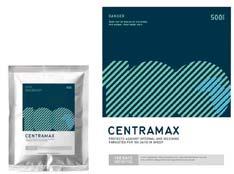
Centramax is a production-enhancing tool that may be suitable for your farm system, maximising the use of feed offered and countering the effects of subclinical parasitism. It can help boost production when used as part of your parasite management plan and in conjunction with adequate nutrition. Centramax is a long-acting drench that contains the anthelmintics abamectin and albendazole, along with trace elements selenium and cobalt, in a continuous delivery mechanism. A major feature is killing susceptible adult and larval parasites for 100 days. This can improve the appetite in the treated sheep, which is the major mechanism by which parasites limit production. Centramax helps to increase BCS in light ewes and lift milk production, resulting in greater weaning weights of
the lambs. A further possible benefit is that pasture is less contaminated with parasite eggs, which reduces the parasite challenge for sheep subsequently grazing these pastures. For more information, contact your Farmlands Technical Field Officer or the friendly team at your local Farmlands store.
Article supplied by Agritrade.

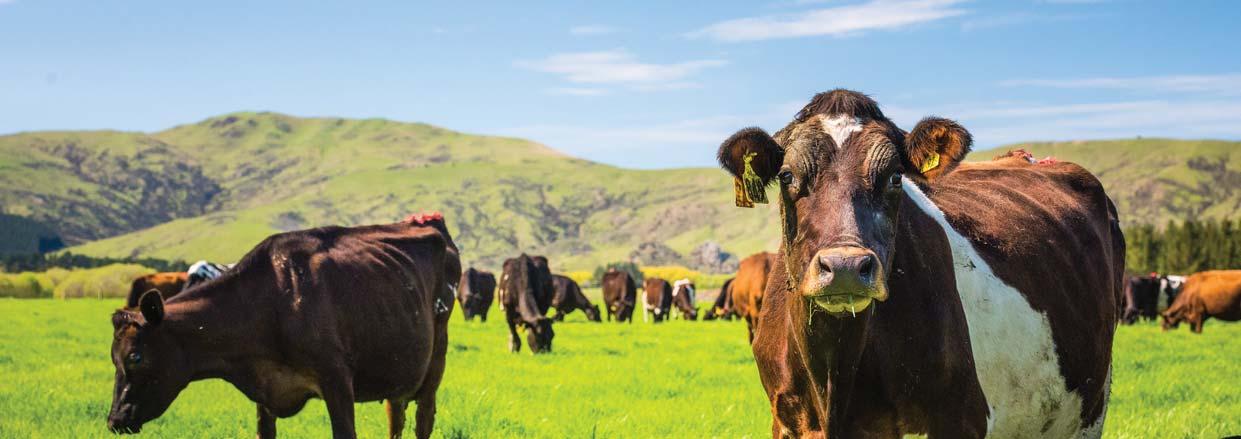

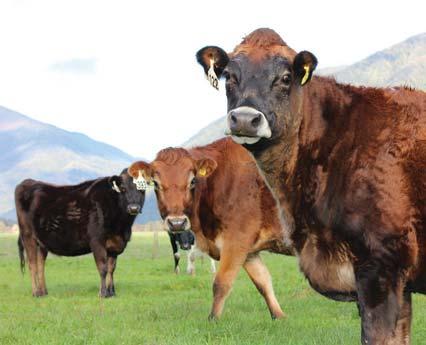
All New Zealand pastures carry a parasite burden, regardless of climate, grazing pattern or the class of stock being grazed. All cattle also carry some internal parasites most of their life. As cattle mature, the impact from Cooperia reduces but all other common parasite species remain and can affect condition, feed conversion and milk production.
While management practices might affect the timing and frequency of treatments, autumn and spring are the key times traditionally chosen.
Parasite levels are highest then and using some products to reduce their impact has been proven to improve weight gain and milk production.
Autumn’s drop in temperatures, increase in rainfall and the first “feedcheck” of the calendar year can see stock body condition drop and the effect of parasites become more evident. Treatments at this stage in the season can suit beef operations as they coincide with the weaning of calves for the weaner fair market, or serve as a dry-off for dairy.
Other options often used in dairy herds are to selectively treat those animals in lighter condition at dryoff with a short-acting and obviously cheaper product, or just to opt for a treatment for the external parasite most commonly evident, such as lice and in some regions ticks.
Increasing in popularity is the option of treatments during lactation, where cow condition is supported by better nutrition and there can be the additional benefit of increased production.
Once herds are all back in-milk and options are being considered, until now the choice for rural retail customers
has mostly been limited to pour-on treatments. Recent investment in animal health in New Zealand has resulted in a new range of products, including one unique to this range, Eprinomectin, injectable at 1ml/50kg liveweight with nil milk withholding. Eprinomectin is an active ingredient well known across pastoral farming in pour-on formulations but not often as an injectable. Eprinomectin is effective against all main internal parasite species in New Zealand and against lice for cattle.
Farmlands shareholders now have the opportunity to benefit from investment in products “new to the market” with the injectable Epriject. For further information, contact your Farmlands Technical Officer or the friendly team at your local Farmlands store.
Article supplied by Horizon Agresources NZ.





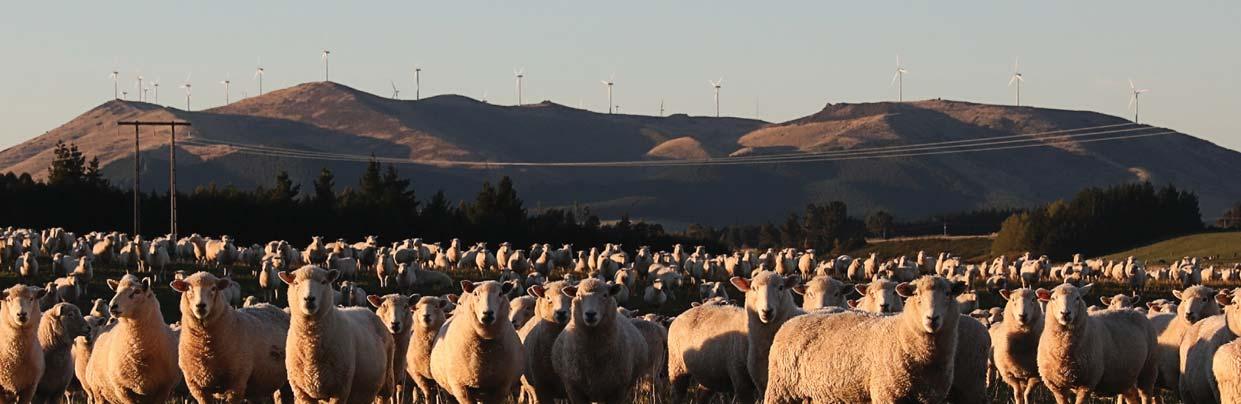

When it comes to deciding whether you should drench your ewes before lambing you need to consider some important questions. These include:
• What performance am I already achieving from my ewe flock?
• What am I trying to achieve from drenching the ewes?
• Will I get a production and financial benefit from that treatment?
• Do I need to treat all of my ewes to achieve my goal?
Drenching ewes pre-lamb should never be a routine practice, done every year to all ewes. Ewes go through a natural weight loss and gain cycle over lambing to weaning. Ideally ewes should be around Body Condition Score (BCS) 3 at pre-lamb1, drop no lower than BCS 2.5 by docking and be back to BCS 3 at weaning. If the majority of your ewes are achieving this then it is unlikely that you will get a financial return from drenching them. If your ewes are consistently failing to achieve these targets then addressing stocking and feeding levels could be more beneficial than relying on drenches. Where drenches can be useful is on farms with high parasite contamination on pasture
and in years where the ewes are unable to meet their condition score targets (e.g. drought years). Drenches can also be helpful in lifting the performance of the bottom end of the flock.
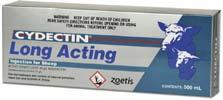
Trial work indicates that long acting drenches deliver better production responses than short acting ones2. A recent trial has shown the benefits of pre-lamb treatment of poor conditioned ewes with long acting drenches3
The trial compared the performance of poor condition ewes (BCS ≤ 2) carrying twin lambs that were treated with Cydectin® Long Acting Injection for Sheep or combination capsules against untreated ewes. On average the treated ewes were 3.5kg heavier at weaning and had lambs that were 2.6kg heavier than the untreated ewes. At weaning, approximately 70 percent of the treated ewes were at their target BCS of 3 compared to only 30 percent in the untreated ewes. There was no significant difference in response between ewes given Cydectin Long Acting Injection or capsules. This is a good demonstration of how you can lift the overall performance of your ewe flock by working on the bottom end, bringing them back into line with your overall flock targets.
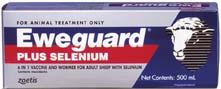
Where ewes are in better condition but feed is limiting, a medium acting drench may be a more cost effective option compared to a long acting product. Eweguard® is an excellent choice. Not only is it very user friendly with it being a clostridial vaccine and long acting drench in one, trials with Eweguard have also demonstrated an economic return when it is used pre-lamb4
For further information, contact your Farmlands Technical Field Officer or the friendly team at your local Farmlands store.
1. Beef and Lamb New Zealand. Ewe body condition scoring handbook, 2013.
2. Millar, C. et al. Production benefits from pre and post-lambing anthelmintic treatment of ewes on commercial farms in the southern North Island of New Zealand. New Zealand Veterinary Journal, 2015.
3. Bingham, C. Comparison of the production effects of two different long acting pre-lamb treatments in poor condition twin bearing ewes.
Proceedings of the Society of Sheep and Beef Cattle Veterinarians of the NZVA, 2016.
4. Zoetis data on file.
Cydectin and Eweguard are registered trademarks of Zoetis Inc. or its subsidiaries. ACVM numbers A9926 A7302, A9659 and A9122.
Article supplied by Zoetis.








gal opulencetothe b edroomwiththeele gant ‘Adele’ H eadb oardoptions, othersizesandpiecesalsoavailable. Mattress,b ed linenandaccessoriesshownarenotincluded.



















A quick return to milking is the aim when treating cows that go down with milk fever, or milk fever complicated by grass staggers or ketosis. This three step treatment plan can help give cows the best chance of a successful outcome and reducing the risk of relapse.
Recover – administer injectable calcium or calcium combination metabolic solutions for rapid replacement.
Intravenous (into the vein) acts quickly and gets the cow up and walking again, often within several minutes. However, this route of administration is quickly utilised around the body, which is why treatment is often supplemented with a bag under the skin.
Subcutaneous (under the skin) takes comparatively longer to absorb, giving the cow a more sustained release over the next few hours. Using a bag into the vein, plus one under the skin, as your first line of treatment will provide rapid and slower release replacement. Products such as C.B.G 37.5, Glucalmag, Glucalmax and Glucalphos are suitable for this step. Be sure to read the product label to ensure the bag you are using is suitable for the intended route of delivery.
Ensure – oral calcium for sustained support.
Once the cow is up and walking following initial treatment and has regained enough muscle control to swallow normally, orally administered calcium such as Oral-Cal and OralMax provides a continued level of support. In fact, studies have shown using oral calcium in this way can prevent relapse by up to 60 percent1,2,3 Boost – liquid energy boost for a sustained recovery.
Finally, administer propylene glycol (Ketol) for that essential energy boost for a quicker metabolic recovery and a positive influence on the post-calving energy gap.
Bayer metabolic solutions provide the right balance of minerals and energy to bring cows back to health and back to production.
For further information, contact your Farmlands Technical Field Officer or the friendly team at your local Farmlands store.
1. Jonsgard, K., Odegaard, S.A. and Overby, I. Supplement of calcium gel by mouth in addition to treatment with calcium by vein in paresis puerperalis in cows. The Obstetrics Institute of the Veterinary University, Norway. Nord. Vet – Med: (23) 606-619, 1971.
2. Rajala, P.J., Grohn, Y.T. Disease occurrence and risk factors analysis in Finnish Ayshire cows. J. Dairy Sci. 81, 3172-3151. 1998.
Thilsing-Hansen, T., Jorgensen, R.J., Ostergaard, S. Milk fever control principals: A review. Actc vet. Scand, 43, 1-19. 2002.
C.B.G. 37.5, Glucalmag, Glucalmax and Glucalphos are registered under the ACVM Act 1997. Article supplied by Bayer.

Choices Rewards brings you more than 1,500 of the best rewards from Farmlands Card Partners – check out the latest rewards we have added to our range!
























Cows with healthy udders produce better quality milk. When a cow is cupped, the teat stretches up to 50 percent, which is why maintaining healthy, supple teats throughout lactation is vital. Of course, weather conditions change and you may need to make changes to your routine programme to keep on top of teat care.
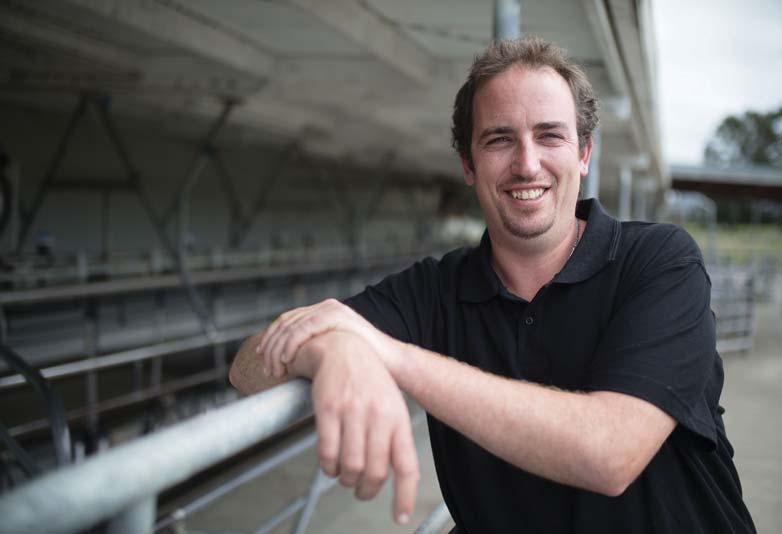
Contract milker Mark Rosacker manages a herd of 250 cows, his father Rex has 950. They use GEA’s FIL Teatshield on both farms at Norsewood, manually on the smaller farm and through an automatic sprayer on the home farm. It’s been that way for years.
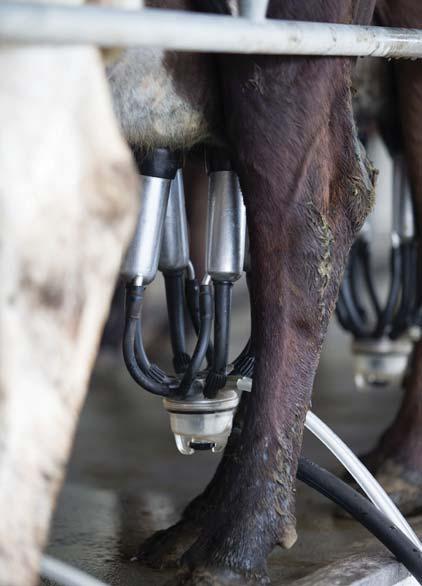
However, with the cows wintered on crops, cold, wet and muddy conditions hardened and thickened the teat skin. Resulting cracks and teat sores made the cows uncomfortable and milk let-down poor. In cases like this it’s important to add emollient, such as glycerine, in teat sanitisers to help improve teat condition and reduce the risk of mastitis.
“Our GEA Area Manager, Ryan Medlin, assessed the situation and put us onto Teat Conditioner,” Mark explains. “We took that advice on board and had training on the right mixing rates. Within 2 weeks of adding Teat Conditioner, we saw a major improvement. The cows’ teats were as soft as a baby’s bum.”
It’s important to note that glycerine is a major ingredient of FIL Teat Conditioner – it works well in drawing moisture onto the teat surface from the humidity and moisture in the air. However, in dry conditions, glycerine can have the adverse effect of taking moisture out of the cows’ teats.
GEA’s FIL teat care products cater for every sort of condition. It’s important you’re using the best active for the challenge presented. For further information, contact your Farmlands Technical Field Officer or the friendly team at your local Farmlands store.
Article supplied by GEA.


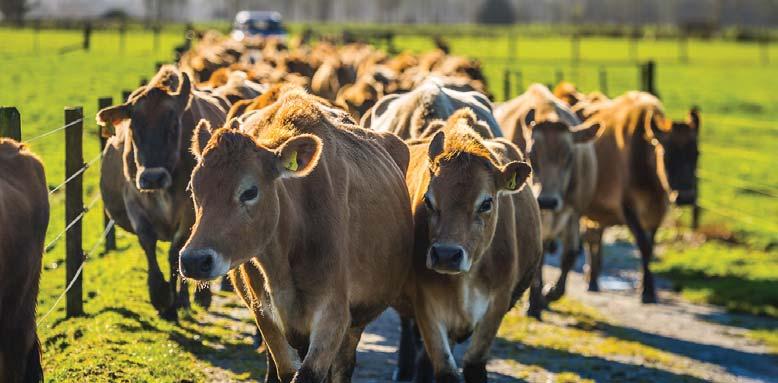
With the climatic challenges cows have encountered over summer and autumn, now is the ideal time for you to review their trace element requirements in order to maintain optimum health. Plan now to ensure favourable results this season.
The calving, lactation and mating periods are particularly demanding on dairy cows. For best results over these stressful times, implementing a robust trace element supplementation programme will support lactation and cow wellbeing. There is money to be made with cows achieving and holding peak lactation, controlling metabolic conditions and getting the cow back in-calf, early. Monitor the trace element status in your cows by regular blood testing, or, test the liver status when culling. These “snapshots” provide you with a mechanism to make informed decisions and plan ahead.
The critical trace elements to consider at this time of the dairy calendar are:
Selenium
Retained afterbirth, infertility, illthrift, poor immune responses and reduced milk production are all symptoms of a selenium deficiency. It is one of the critical elements cows need daily to offset these issues.
Copper is required daily and is essential for the formation of 10 vital enzymes. Dairy cows are particularly susceptible to copper deficiency. It shows in a poor reproductive system, failure to be oestrous and poor growth rate. Cobalt
Cobalt is required daily and is essential for the formation of vitamin B12, a vital enzyme for growth and utilising the energy contained in the food cows eat. Note that if your cows are lethargic and lack the drive to graze chances are they are deficient in adequate levels of cobalt.
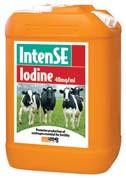
Iodine is essential for the proper function of the thyroid gland. A functioning thyroid helps the cow avoid low hormone production, an essential role as poor function impacts reproduction outcomes, foetal survival and foetal development. Every dairy farmer should have addressed their magnesium and calcium needs by now. However, don’t leave good nutrition up to the responsibility of magnesium and calcium. You must get your trace element status right in order to enjoy a fully-functioning and productive herd. Getting it right from the onset of calving will help prevent losses. This is the year for recovery so plan to bank the benefits of good milk production. If you farm an organic system, Bell-Booth has a comprehensive range of BioGroregistered trace elements, under the “IntenSE Organic” brand. Look for the bright orange containers in your Farmlands store. You can use these products at label rates, with confidence as every one of them are “Dosatronapproved”. There are other Bell-Booth formulations designed for use in feedout wagons or in-shed feeding systems. For more information, contact your Farmlands Technical Field Officer or the friendly team at your local Farmlands store.
Article supplied by Bell-Booth Ltd.



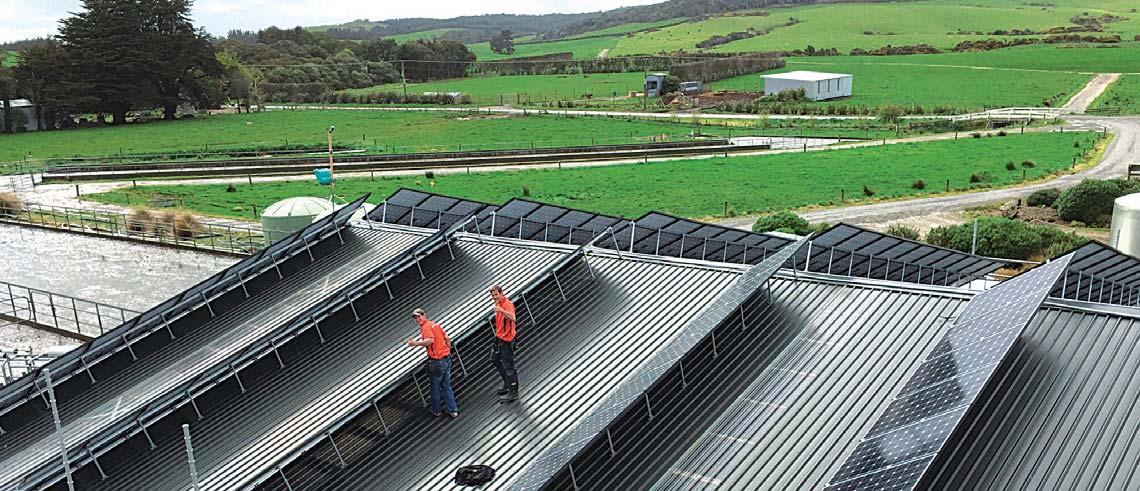

Shorter days and harsh weather make winter a challenging time for farmers but planning and keeping a focus on safety can ensure everyone working on the farm gets home safely.
A WorkSafe analysis has highlighted two peak times when fatal accidents occur in farming, 8.00-9.00am and 5.00-7.00pm. In the dairy sector these times align roughly to the end of milking. They are also peak times for work tasks and may also be associated with increased levels of fatigue or distraction. It is important to minimise unexpected risks at these times – this means making sure equipment is not left lying around, safety gear is easily
accessible and there are plans in place for things that could go wrong.
“The statistics suggest these are times people may be more likely to let their guard down around safety,” Al McCone, Programme Manager Agriculture for WorkSafe New Zealand says.
“This highlights the importance of always taking that few minutes, whatever time of day or evening and no matter how busy you are, to think or talk through the task you are about to do and how to do it safely.
“A few minutes planning will help ensure you and everyone on-farm gets home safely, even if you are busy or if you’re tired after a long day, trying
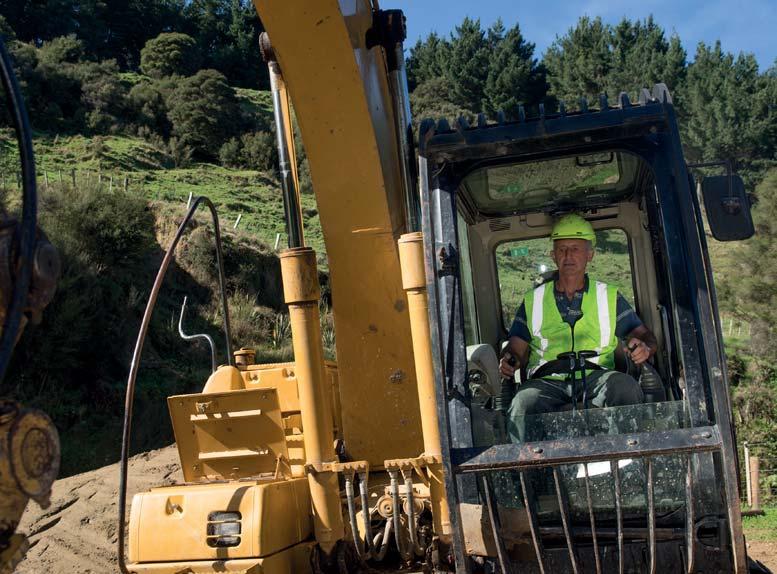
to finish up before going home.
“It’s about taking the time to consider whether you’re using the safest vehicle for the job and conditions, or whether leaving that one last job to the morning is a better option.
“Equally, in those peak times before and after school when children might be out and about it’s important they are well-supervised and you know where they are, particularly before moving farm vehicles.”
Al says it’s important farmers manage fatigue for themselves and their staff, including making sure they and their workers take breaks.
“It can be tempting, particularly for solo operators, to press on and get the job done but fatigue and dehydration can cause headaches, loss of sleep, loss of concentration and a lack of co-ordination.
“Age, general health, lifestyle and work experience can all affect how individuals cope with fatigue.
“There is a personal, social and financial cost to accidents. Some farms have, for instance, reorganised their rosters to ensure people don’t work as many days in a row.
“When people are properly rested and have good nutrition and hydration, they work better, think more clearly and there’s less likely to be damage to equipment. Planning now for how you will ensure you and your team will get sufficient rest, keep hydrated and eat properly during challenging winter tasks like calving will pay off for your farm.”
Article supplied by WorkSafe New Zealand.

FrostBoss C49
• Protect your harvest from cold damage.
• Featuring an efficient four blade FrostBoss blade, designed to increase the airflow at a lower speed, which reduces noise level.
• Coverage is typically 6-8 hectares depending on the conditions.
• Simple to use controller, with an automatic mode that starts/stops at the operator’s selected temperatures.
• Powered by a John Deere 6068T diesel engine.
Farmlands Shareholder Special – get a FREE oilskin vest when purchasing the FrostBoss C49
To find out more, contact NZ Frost Fans on (06) 879 8312 www.nzfrostfans.com
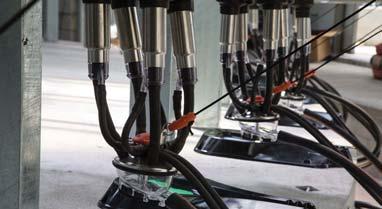
GEA iC330 Cluster
• Designed especially to meet the needs of highyielding, fast milking animals.
• Large 330ml bowl capacity.
• Automatic shut off.
• 2 x 2 pulsation or 4 x 0 pulsation.
Upgrade your clusters to iC330 clusters and receive your second liner change included in the price.
Farmlands Shareholder Price $247.25, Save $211.85
Terms and Conditions apply. This price does not include installation. To find out more contact GEA on 0800 GEA FARM www.gea.com
Farmchief 10 Foot 150 Series Grader Blade
• Full hydraulic adjustment with reversible and replaceable cutting edge.
• Comes with the standard parking stand a three point linkage.
• Optional rear wheel kit available.
• Get a head start and fix your farm tracks before the season starts. Farmlands Shareholder
$9,975, Save $3,125
find out more, contact Farmchief on 0800 327 624 www.farmchief.co.nz
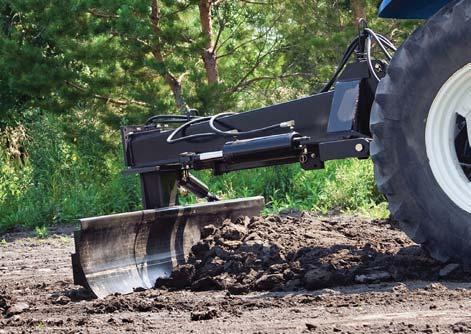

• Ideal for light industry and agriculture.
• New EASYForce trigger gun.
• New EASYLock quick release couplings.
• Intuitive single-button selector switch.
• 3.6KW 9.31/min flow rate, 2030 Op. PSI.
Farmlands Shareholder Price
$5,748.85, Plus receive a FREE K4 Compact Domestic Water Blaster (value $599) when purchasing the Karcher Hot Water Blaster
To find out more, contact Thinkwater on 0800 184 465 www.thinkwater.co.nz
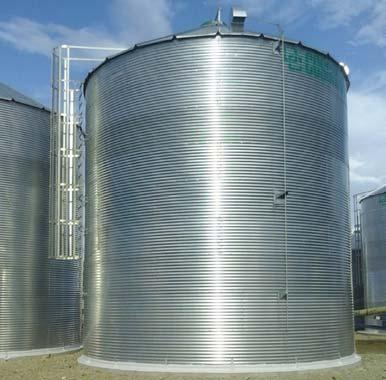
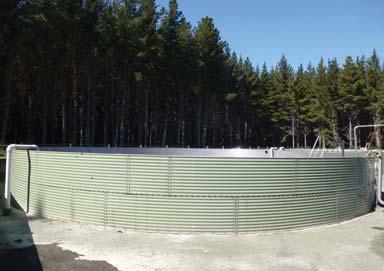




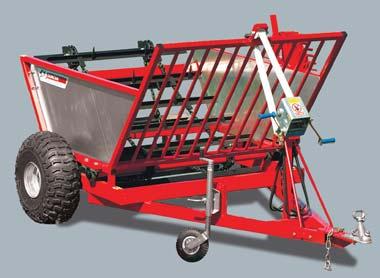

Want to know the optimal time for a budbreak treatment? The BreakNSure test will tell you.
BreakNSure Hayward and NEW G3 test
Budbreak enhancers are used to stimulate early and uniform budbreak. Timing is crucial to achieving optimal results. In close collaboration with Zespri, the BreakNSure test for kiwifruit has been developed to monitor the physiological status of your vines accurately. This easy-to-use test enables you to determine the optimal moment for your budbreak treatment, thus optimising king flowers, fruit set, fruit quality and maturity. BreakNSure Hayward and G3 contributes to an optimal yield with test results provided within 48 hours.

Pre-register with NSure now to ensure there are no delays in receiving your BreakNSure test results. www.farmlands.co.nz/nsure or scan the QR code.



For more information or to order, talk to your Technical Advisor or the team at your local Farmlands store.


Farmers’ duty to provide safe access to their workplaces includes access to fuel tanks for deliveries. Advice from WorkSafe on safe fuel truck access says the delivery tanker should be able to enter the farm safely from a public road. Ideally, the tanker should be able to enter and exit the site with a clear view of traffic at all times.
Once on the farm, the tanker driver should have access to a farm road that is safe for the vehicle being used. The access track should be accessible in all weathers and be in good repair. WorkSafe advises farmers to trim overhanging trees to avoid damaging the delivery tanker. Care is also advised when trimming trees to look out for overhead powerlines.
Culverts or farm bridges should be able to take the weight of a fully laden delivery tanker.
This includes making sure bridges and culverts are safe for tankers. If there is doubt, the farmer should supply evidence that bridges and culverts can hold the necessary traffic. Farmers should also plan for turnarounds, so the delivery tanker does not have to reverse to the fuel site. This minimises difficult reversing and manoeuvring.
The area between the delivery tanker and the fuel tank’s filling point should have a good clearway. Obstacles such as rubbish, machinery and junk should not be within 3 metres of the tank legs. This means the driver can safely move between the truck and the tank ladder.
The tank delivery fill point should be clear of anything that could prevent the delivery hose nozzle from inserting completely into the tank. Make sure the driver can open and access the dip and fill points from the ladder without stretching to reach. They should not have to climb off the ladder, or on to the tank, unless a suitable access platform is available. The driver should be able to see clearly into the fill point from the ladder while refuelling the tank. If you need any more advice regarding fuel delivery access or tank compliance, please call Farmlands Fuel's friendly customer service team on 0800 666 626.
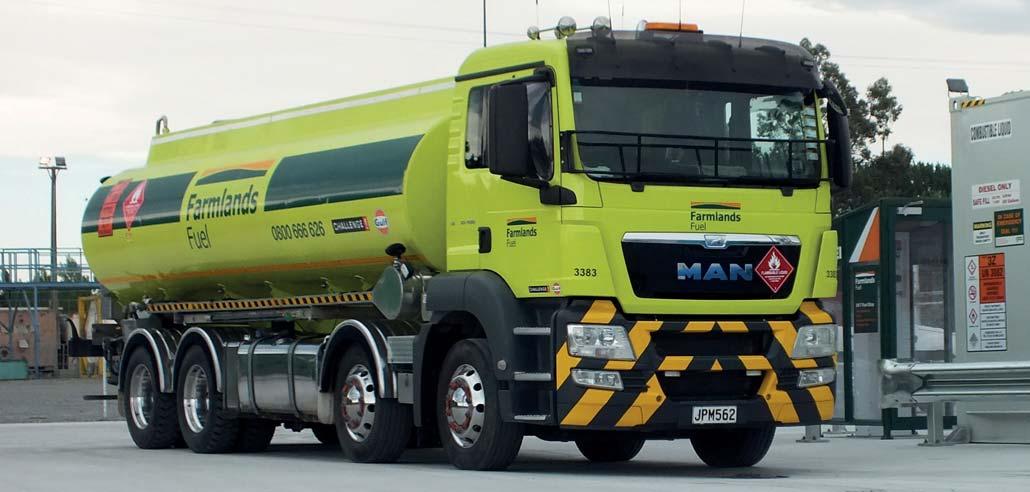
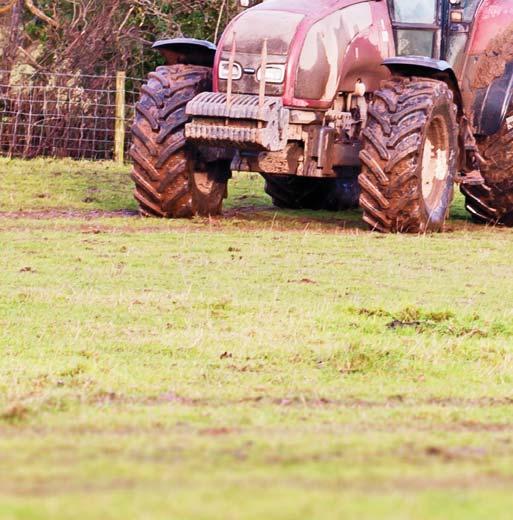



Sometimes a helping hand is all it takes to keep you moving.
Farm Flexi is here to help –when you need it.
We understand managing seasonal income can be tricky at times. That’s why we’ve teamed up with Finance Now to introduce Farm Flexi –a new revolving facility exclusive to Farmlands shareholders.
It’s a great way to manage payments for all your farming requirements, PLUS you have the flexibility to make bulk payments, minimum monthly payments or pay in full, whilst also retaining rebates and Choices Rewards Points. Sign up now to make sure you’re two steps ahead when it comes to financial planning for your key farming inputs this spring.


Hughie and Diane Mathieson’s dairy shed near Riverton was the first in the South Island to have a solar PV system installed by World Solar.
Using less power from the grid will lessen their farm’s environmental footprint to a certain extent but Hughie says for them, installing solar was mainly a financial decision. “We see it as a solid investment, we are spending money to save more money. We also like the idea of doing our little bit for the environment as well,” Hughie says. “This system will produce an approximate daily average of 120kW, or 43,800kW a year. This will take care of between 30-50 percent of our power costs. I’ve calculated the investment to produce a 15-20 percent rate of return, which would be very hard to find elsewhere. The panels come with a 25 year performance warranty, so that gives us a guaranteed long-term saving and who knows how much conventional power will cost in the future. World Solar have also given us a huge head start with their ability to offer 12 months interest free on the purchase price. And if and when the price of electricity goes up, our dairy shed will be significantly protected from those increases.”
World Solar Director Doone Morrell says the Mathiesons used 131,400kW in 2013 at an average of 10,950kW a month or 360kWh a day. “Their roof now has 120 x 250w panels, which is an 30kW system, which should be able to cut their bill by over 50 percent during peak milking times.”
The Mathieson’s solar system will be feeding power back into the grid during the winter months while the dairy shed is not in use but the vast majority of their savings will come from not having to pay for the importing power. “The price of power in New Zealand has more than doubled over the last 10 years,” Doone says.
The Mathiesons had looked at other options to help reduce energy consumption and costs but they ultimately saw more benefits to installing the solar PV system.
“In the 2010/2011 season we were one of 150 farms to undertake an energy audit commissioned by MAF, EECA and Fonterra. We implemented all of their recommendations that we saw as having a significant rate of return but we still had substantial energy costs to deal with.”
Hughie says that when dealing with World Solar they took care of all of the paper work, including council, grid approval, solar meter changeover etc. “The communication between them and ourselves was great, they knew what they were doing,” Hughie says. “We provided them with our power bills and they drew up a cost comparisons report, showed us how much power the system will produce, how much it will cost and how much it is going to save us. The install team also conveniently worked during the hours when the shed was not being used for milking, so they didn’t hinder our operation in the slightest.”
Get in touch with the World Solar team today to find out more about how installing solar can benefit your farming operation.
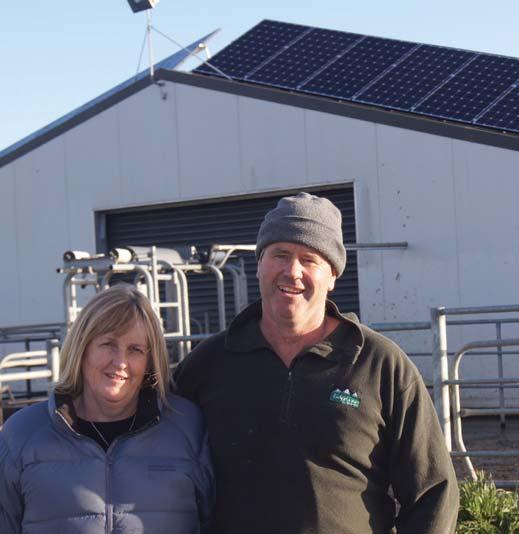


















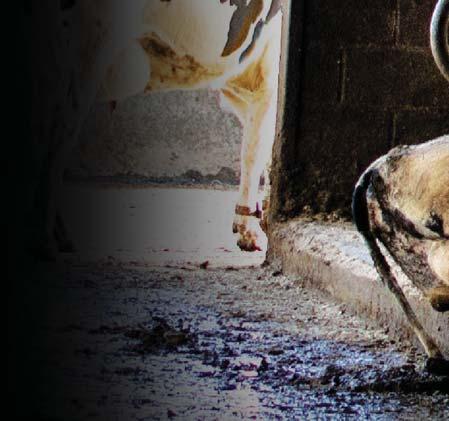






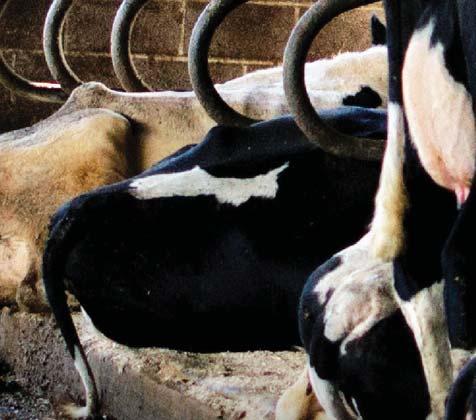



With the Government’s 2016 measures to strengthen the enforcement of employment standards, it’s never been more important to have a good payroll system.
Take this quick quiz – all the answers can be found at www.business.govt.nz.
1. Do your employment agreements meet government requirements?
2. Are you using the 90 day trial correctly?
3. Are you sure all your staff leave entitlements are being met?
4. Are you keeping essential employee records?
5. Are you hiring employees as contractors or casuals when they’re not?
Check your answers – how did you do? If you got even one wrong answer, your farm might be at risk.
You can no longer afford to be complacent. The new measures include:
• Tougher sanctions on employers.
• Clearer record keeping requirements, especially hours worked, leave taken and how payment for leave is calculated.
• Increased tools for Labour Inspectors who can visit you anytime to do an audit.
If you are ever audited and want to avoid penalties, make sure you have the information and reports an inspector wants to see.
SmartPayroll will give you peace of mind. Owned by Datacom, SmartPayroll is the leading fully comprehensive, online payroll system in New Zealand – it’s the easiest and quickest way to pay wages online. It will automatically keep track of hours worked by your employees and any leave taken. With SmartPayroll you can relax knowing you are fully compliant with payroll legislation. No other payroll system can offer the same benefits.
All you have to do is log in and put the hours worked next to each staff member. Watch it do its magic with very little effort from you. SmartPayroll automatically calculates and deducts PAYE, KiwiSaver and all other IRD payments then files the schedules and returns with IRD on your behalf. In fact you can run your pays in a few minutes with just three clicks.
After signing up with SmartPayroll, a customised payroll site will be set up online and you’ll be given a secure log in and password. A personal trainer will help you run your first pay and show you how to email pay slips to your employees
– and you can even do all this from our free app.
SmartPayroll now has a customised feature especially for farmers that tracks additional hours worked by salaried staff without changing their salary and alert you if you are paying them below minimum wage.
To see how easy SmartPayroll is to use, view a short demonstration video at www.smartpayroll.co.nz
Plus, Farmlands shareholders receive a 15% rebate – call the SmartPayroll team today on 0800 101 038 to find out more.
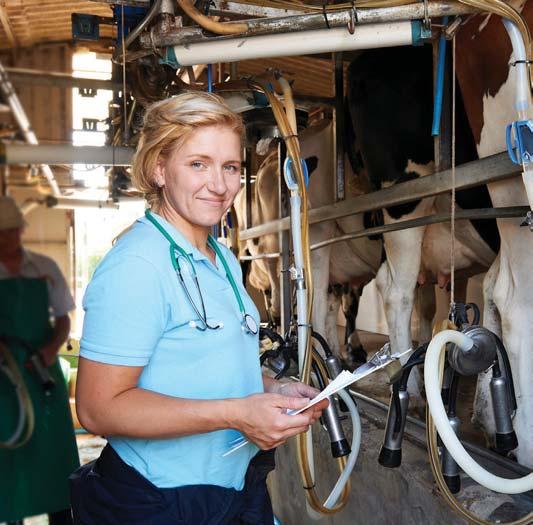
The Real Estate Institute of New Zealand is providing market evidence of an 8 percent average price reduction in the residential market over the past 3 months in Auckland. The volume of residential and lifestyle sales is reducing with the number of days to sell increasing to 28 days. Our teams are seeing this trend flow out to provincial centres.
The lifestyle market is slowing with REINZ statistics supporting what our teams have experienced over the past few months with 220 fewer lifestyle property sales nationwide (-9.3 percent for the 3 months ended April 2017 than April 2016). Our residential and lifestyle teams have had a hectic time with numerous multiple offers being made with prices rising over the past 12 months and I feel we will be reverting to a more “normal” market.
Positive early and mid-season enquiry has led to an increase in rural sales over the past 3 months, with Waikato recording the largest increase in sales nationally and Taranaki not far behind. Otago has recorded the second largest increase in sales in the past quarter, well done to our Otago team who have had a tremendous year. Horticultural sale prices in Northland,

Located in exclusive Waimana Place, Wanaka, this home is sited to capture all-day sun, privacy and views. A home of grand dimensions, including four bedrooms, two en suites and bathroom, open-plan kitchen/dining/living area, separate lounge and multiple indoor/outdoor living areas. In addition the property contains a semi self-contained one bedroom sleep-out. Two garages, two carports plus ample off-street parking. Surrounded by quality homes in a popular, sought-after location. Deadline sale closing 4pm, Friday 14 July 2017 (unless sold prior).
Bay of Plenty and Hawke’s Bay have been at record levels. Demand for sheep and beef breeding units may increase in spring, as we are fielding enquiry from finishing farmers seeking to grow their business and secure supply of finishing stock.
The dairy market is showing signs of an increasing number of sales vs last year with sales being concluded at firm pricing levels. Where our team have been marketing more “marginal” dairy units, we have achieved sales at levels acceptable to our vendors with the purchaser seeking to de-commission the farm and focus on beef production.
The early bird catches the worm and if you are considering a spring campaign, preparation of the property and marketing material is critical. Contact your local Farmlands salesperson now for advice and assistance.

Calvin Leen
General Manager Real Estate 027 453 0950
calvin.leen@farmlands.co.nz
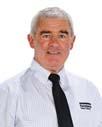

Trevor Norman
Lifestyle/Rural – Central Otago 027 435 5433 trevor.norman@farmlands.co.nz
Dave Varney
Residential/Lifestyle – Central Otago 027 476 7032 dave.varney@farmlands.co.nz
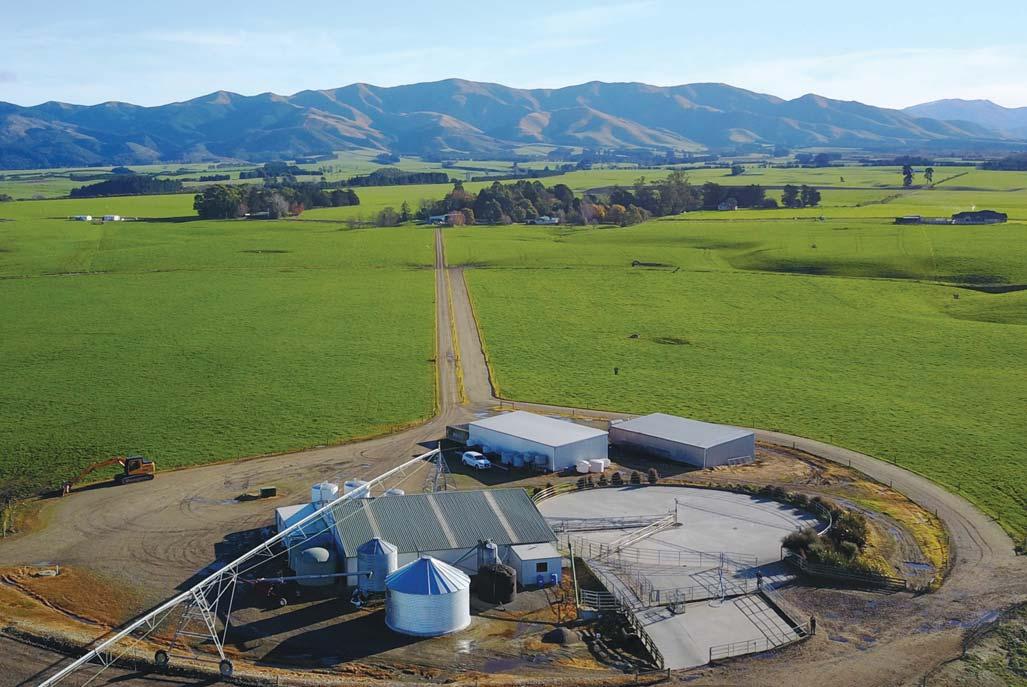

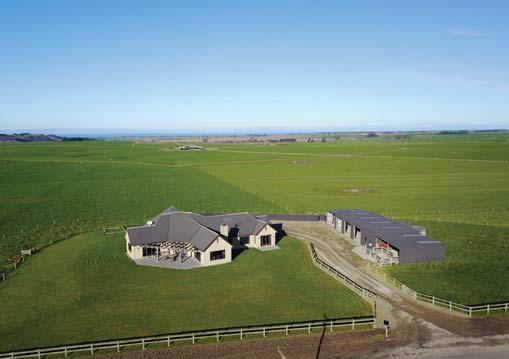
Outstanding 975 hectare self-contained unit presently milking off approximately 475 hectares. 1,800 quality cows, achieving 760,000kgMS. Excellent housing, including an executive homestead. Two rotary dairy sheds, supported by a full complement of ancillary buildings. Great location, 25km south of Timaru, close to two dairy companies. Quality soils, great contour and cost-effective irrigation water on the dairy units. Hunter Downs Water Ltd shares purchased to complete the irrigation expansion. Deadline sale closing 4pm, Friday 25 August 2017.

Ian Moore Lifestyle/Rural – South Canterbury 027 539 8152 ian.moore@farmlands.co.nz
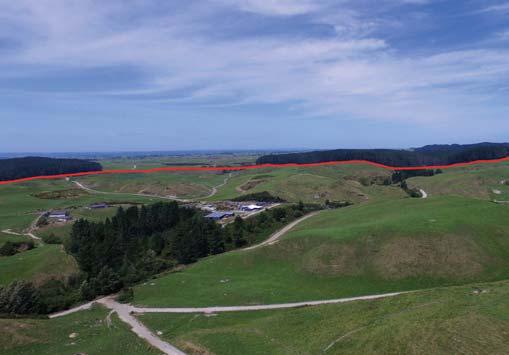
Reliable dairy country located in the well respected dairy district of Lichfield. The 280 hectare farm milks around 750 cows with production approximately 290,000kgMS produced with inputs. Plenty of paddocks available for grass harvesting or cropping. Farm buildings include a 54 bail rotary dairy with a Waikato milking plant and automatic cup removers, 750 cow feed pad with attached dairy yard with flood wash and a 10-bay implement shed. Two three bedroom homes plus a two bedroom single man’s accommodation. Price by negotiation.
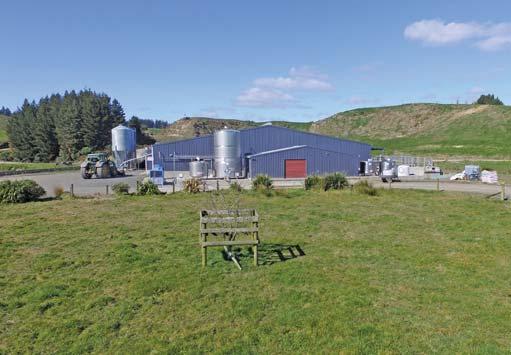
A dairy unit with scale, producing around 330,000kgMS, located midway between Putaruru and Tokoroa. 411 hectares with approximately 300 hectares being the effective milking platform area. A range of superior improvements include three modern brick homes, 80 bail rotary dairy shed, 16 aside hospital unit, 800 cow feed pad and a range of calf/implement sheds. 750 cows are wintered on the property and production remains around 330,000kgMS with inputs of maize, silage and palm kernel extract at approximately 1,400kg per cow. Price by negotiation.
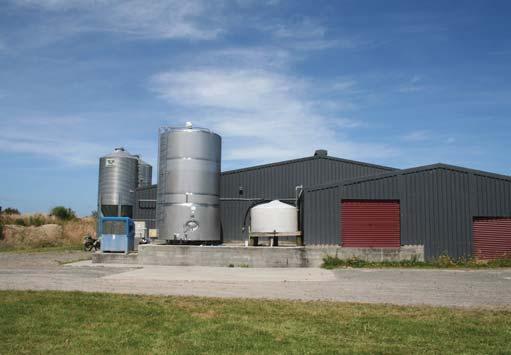


Ian Morgan Rural – Waikato 027 492 5878 ian.morgan@farmlands.co.nz
Glen Murray Lifestyle/Rural – Waikato 027 488 6138 glen.murray@farmlands.co.nz
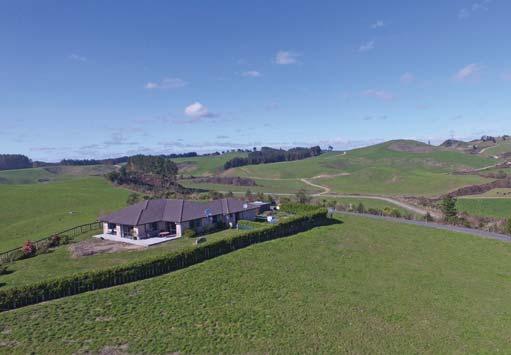
Ian Morgan Rural – Waikato 027 492 5878 ian.morgan@farmlands.co.nz
Glen Murray Lifestyle/Rural – Waikato 027 488 6138 glen.murray@farmlands.co.nz
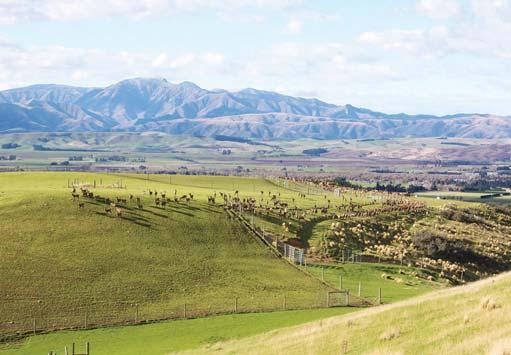
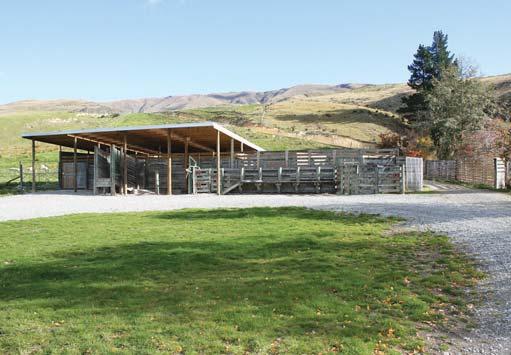
Total 1,161 hectares (64 hectares freehold and 1,097 hectares pastoral lease) – located only 5km from the Fairlie township. A large part of the property is deer fenced with well subdivided and improved paddock country with the lower hill having been over sown and top dressed. Large covered deer yards, good cattle handling facilities, sufficient farm implement sheds and a four bedroom homestead. A significant opportunity to have a multifaceted business with deer, cattle, sheep and trophy hunting. Deadline sale closing 1pm, Thursday 6 July 2017.
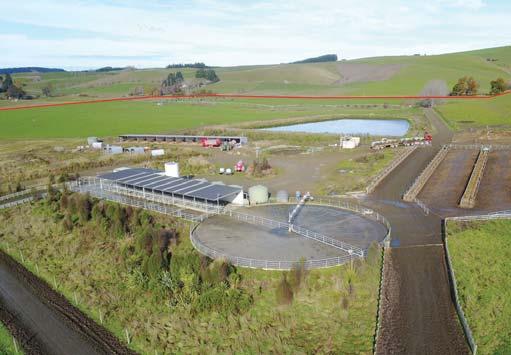
286 hectares in Beautiful Valley, on the main tourist route from Christchurch to the Mackenzie Country and the Southern Lakes. Environmental sustainability is a key focus of the owners. Two new houses and a 40 aside herringbone shed with concrete feed pad. Cost-effective gravity irrigation scheme to K-line and pivot. On target to milk 800 cows 2017-2018 season. Options for settlement date, stock and plant available. Price by negotiation.

Simon Richards
Lifestyle/Rural – South Canterbury 027 457 0990 simon.richards@farmlands.co.nz
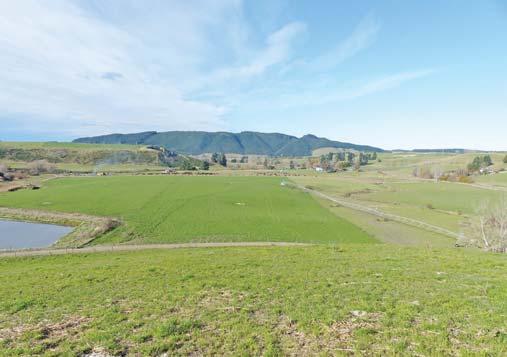


Ian Moore
Lifestyle/Rural – South Canterbury 027 539 8152 ian.moore@farmlands.co.nz
Neill Dick
Lifestyle/Rural – South Canterbury 021 359 793 neill.dick@farmlands.co.nz

Nobody is closer to your animals than you – and nobody understands their unique nutrition needs more than our qualified NRM nutritionists. It’s their expertise that make our range of feeds some of the most scientifically advanced in the market. Plus having nationwide access to their in-depth knowledge will support your understanding of animal nutrition to improve the productivity and profitability of your farming operation.
To arrange an on-farm visit, contact your local Technical Field Officer or call 0800 800 380.