












Health and Safety
5 SOS device raises alarm for farm staff
6 Tragedy has turned Julie Dee into a campaigner for health and safety
10 Landcorp focuses on safety
13 Spotlight on hazardous calving sheds
15 Safe storage of fuel vital
17 Farm data at risk from cyber criminals
18 Farmers see drone potential Co-operative News
19 Farmlands’ HeART of the Community project brings Mr G to Putaruru
20 Ladies Night with Annabelle White
22 Farmlands at Fieldays
24 Salute to outgoing Directors Tony O’Boyle and Don McFarlane
26 Nominations sought for Board of Director elections
29 Choices Rewards
60 Farmlands Real Estate
Plan365 Nutrition
31 Lucerne brings many benefits to equine diet
33 Horses benefit from winter supplements
33 Lambs get head start on premium whey formula
34 Quality feed crucial in rearing own chickens
35 Time to boost nutrient levels for laying hens
37 Hygiene, additives take fight to intestinal ills
39 Growing youngstock requires balancing act
Plan365 Horticulture
40 Vineyard nets keep birds from eating your income
41 Trials prove fungicide’s worth for kiwifruit crop
42 Giant of the sea raw ingredient for fertiliser
42 Avocado grower pleased with orchard’s output
43 Four ways to prepare for spring beekeeping
Plan365 Forage and Arable
45 Versatility added virtue of some fodder beet varieties
47 Fodder beet gives big gains in small spaces
49 Soil testing benefits lifestyle blocks too
Plan365 Rural Infrastructure
50 Field Day advice gets Osbornes’ water running
51 Mobile feeders reduce strain of rearing calves
AUGUST
Young Grower of the Year Christchurch hosts the final between this year’s NZ Young Vegetable Grower and winners of the four regional Young Fruit Grower competitions.
AUGUST Palmerston
of information on agronomy.



ON THE COVER Farmlands shareholder
Plan365 Animal Management
53 Device takes guesswork out of mating season
54 Vaccination only sure way to protect lambs from diseases
55 Time to check shed safety before start of shearing


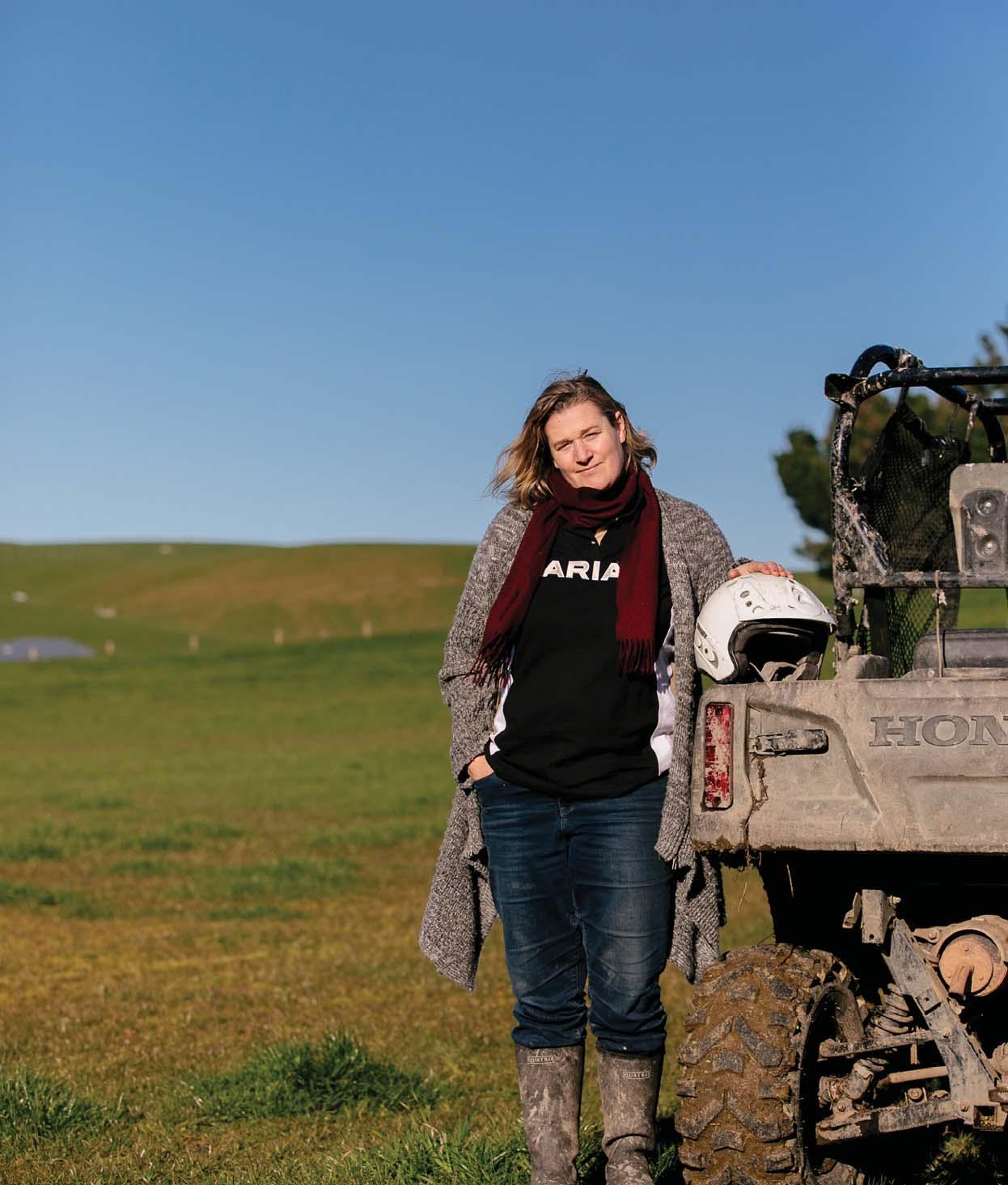
Julie Dee became a widow when her husband died in a farm vehicle accident. Now her campaign for a better attitude to health and safety is bringing a shift in her community.
56 Dairy farmers get help to battle rising empty rates
57 Long-acting drenches keep parasites at bay
Don’t miss your chance to apply for a $5,000 study grant. 16-17
Q: What is your current role at Farmlands?
A: Business Manager, Pukekohe (Farmlands Store of the Year).
Q: What do you enjoy about your job?
A: I enjoy talking to and helping our shareholders with their day-to-day farming requirements or projects. Also the fact that every day is different.
Q: Tell us a bit about your family.

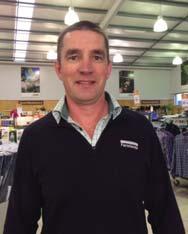
A: Married to Sondra and we have two children, Mackenzie (14) and Max (11).
Q: What do you like to do most in your spare time?
A: Watch the kids play sport, fishing, and I also have a classic car that I enjoy driving.
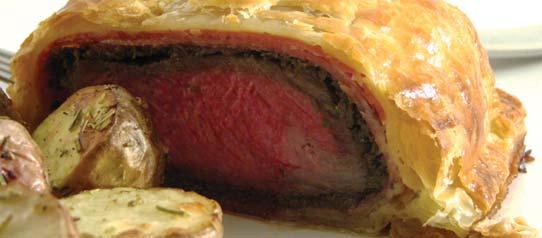

500g eye fillet
Salt and pepper
Canola or olive oil
500g mushrooms
Method
4 thin slices ham or prosciutto
2 Tbsp yellow mustard
200g puff pastry, thawed
2 egg yolks, beaten
1. Season the eye fillet with salt and pepper. Heat 1 or 2 tablespoons of oil in a large pan on high heat. Sear the fillet on all sides until well browned.
2. Remove the fillet from the pan, allow to cool, and brush on all sides with mustard.
3. Chop the mushrooms, then puree. Transfer to a pan on medium-high heat. When moisture has boiled away, remove the mushrooms from the pan and set aside to cool.
4. Lay out the slices of ham on a large piece of plastic wrap so they overlap. Spread the mushroom mixture over the ham, and place the eye fillet in the middle. Using the plastic wrap, roll the mushroom and ham over the fillet and wrap into a tight barrel shape, twisting the ends to secure. Refrigerate for 20 minutes.
5. Pre-heat oven to 200 degrees C.
6. Roll out the puff pastry sheet on a lightly floured surface. Unwrap the fillet and place in the middle of the pastry. Brush pastry edges with the beaten eggs. Fold the pastry around the fillet, cutting off any excess at the ends. Place on a small plate, seam side down, and brush beaten egg yolks all over the top. Chill for 5-10 minutes.
7. Place the pastry-wrapped eye fillet on a baking pan. Brush the exposed surface again with beaten eggs. Score the top of the pastry with a sharp knife. Sprinkle with coarse salt.
8. Bake at 200 degrees for 25-35 minutes, until pastry golden. Remove from oven and let rest for 10 minutes before cutting into 2cm-thick slices.

Welcome to the August issue of The Farmlander. July was a milestone month as it signalled the start of a new financial year for our co-operative. We can reflect on how far we’ve come in the past 12 months due to your continued support and the dedication of our staff to put your success at the centre of everything they do. Thank you all for your commitment to Farmlands.
We will announce our final year-end results once the accounts have been completed, audited and approved by our Board of Directors.
The Annual Report with the results will be circulated before this year’s Annual General Meeting, being held in Napier on 7th November. Given that, I am limited in what I can say. However, I can confidently predict:
• We will be profitable. Last year we made a loss but we have made the necessary changes to get back to profitability. This year we will make a profit due to the hard work across our co-operative, which is a credit to our people.
• We have considerably less debt. Our debt levels peaked in February last year at around $110m. We finished the financial year at less than $70m debt. This is important as it signals we now have a stronger balance sheet and are better placed to deal with any downturn.
• Our staff are better positioned to help you, our shareholders. We will continue to find the best ways to showcase our whole of business offer that gives you the full and true value of your co-operative. An example of this is our Buying Power Promise deals, which have increased sales by 124 percent across the promoted products.
• The Farmlands Leadership Team has been in place for a year and is working effectively. We have a shared vision of the future and we will continue to work together to provide accountability, responsibility and clarity around the decisions that provide the best services and products to our shareholders.
Finally, Director Elections will be held this year. You can read more on pages 24-26 of this issue. Three current Directors – Tony O'Boyle and Nikki Davies-Colley (North Island) and Don McFarlane (South Island) – will retire by rotation. Nikki has advised she is available for re-election while Don and Tony have taken this opportunity to retire from the Board, after over 20 years and 7 years service respectively. I would like to take this opportunity to thank Tony and Don for their service to our co-operative and their personal support of me. Please join me in wishing them the best for the future.

Peter Reidie Chief Executive Officer Farmlands Co-operative
Society Limited










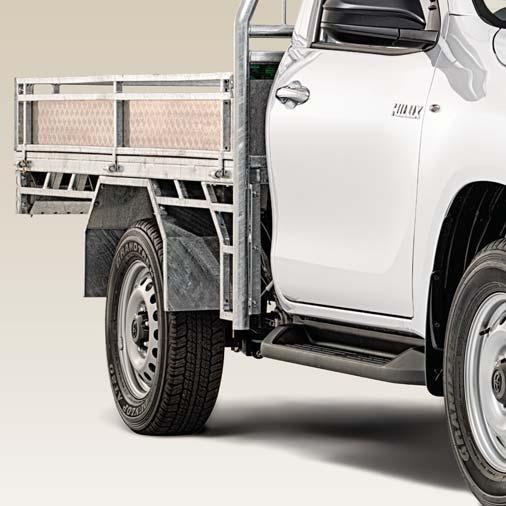
Farmlands has secured a deal on a very limited number of Toyota Hilux 4WD Single Cab Chassis Manual Utes (tray not included) for a very special price of only $31,295 RSP +GST +ORC. The bare essentials ute for you to make into your new farm workhorse.



DON’T MISS OUT! WHILE STOCKS LAST!
$31,295*RSP +GST +ORC

Advances in communications and miniaturisation are helping Farmlands staff and shareholders keep a closer eye on one another on the farm, particularly when working remotely and alone.
The Connecting Farms team has engaged SenSys, a New Zealand electronics design and manufacturing company that specialises in making tiny devices full of microscopic sensors that do big things. One of these is a safety monitoring device called SOS, or SafeOnSite. Installed in a fluoro vest, the device provides care for lone workers on the farm, without needing a human set of eyes and ears on the job. The SOS device does not depend on the worker activating an alert, although they can do so if needed. The device knows if they have fallen or are lying inert. It immediately alerts a manager or colleague and keeps looking for a responder to the alert until it gets one.
SenSys Technology Director Warwick Jones says: “We considered how we could uniquely combine our decades of electronics experience with the most modern technology to usefully meet the very real day-to-day needs of Kiwi farmers, and farmers globally. Our range of sensing devices is intended to make life easier and safer when it comes to managing the varied daily activities on the farm.”
Connecting Farms is a collaboration between Spark, Farmlands, Ballance Agri-Nutrients and NIWA. It aims to bring better connectivity to rural areas and give shareholders data that helps them make better farming
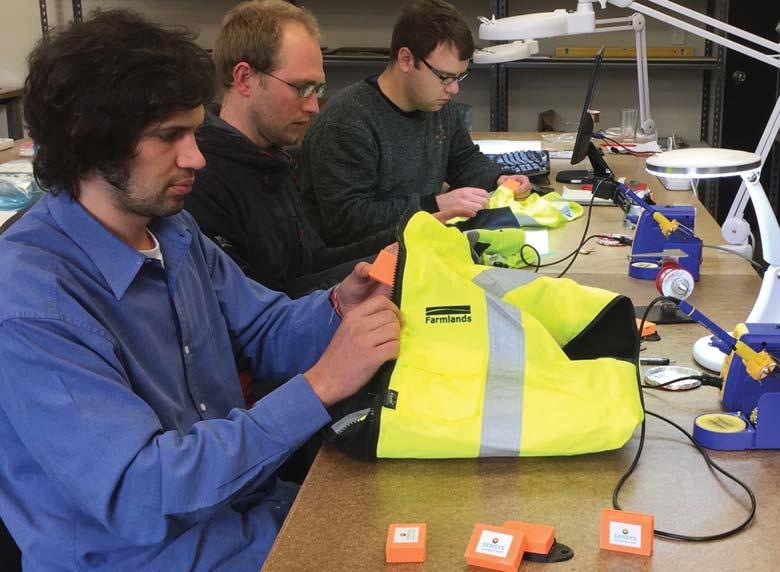
decisions. As well as a rural Wi-Fi network, a new technology called LoRaWAN is being rolled out to bring wider coverage for smaller devices, such as sensors, to farms. LoRaWAN is a way to connect devices over very long ranges that are intended for battery operation over long periods, many years in some situations. Once coverage is in place, farmers can deploy sensors without the need for complex local set-ups – just buy and provision in store like a mobile phone. The amount of data that can be sent over the network isn’t something you would stream YouTube over, but it’s certainly enough to send “pulses” of information, whether it
be from a soil sensor down the back of the property, a sensor around the neck of an animal, or an SOS. The SOS device uses LoRaWAN to stay connected. “Where farms have struggled to get any cell coverage, these devices will work reliably on the new LoRaWAN communication network,” Warwick says.
SenSys staff were motivated to develop the SOS because of personal connections to farming, in some cases because they had lost loved ones due to farm accidents. “If our device can save lives, because someone will know immediately if a farm worker is in trouble and where they are, then our efforts are worthwhile,” Warwick says.
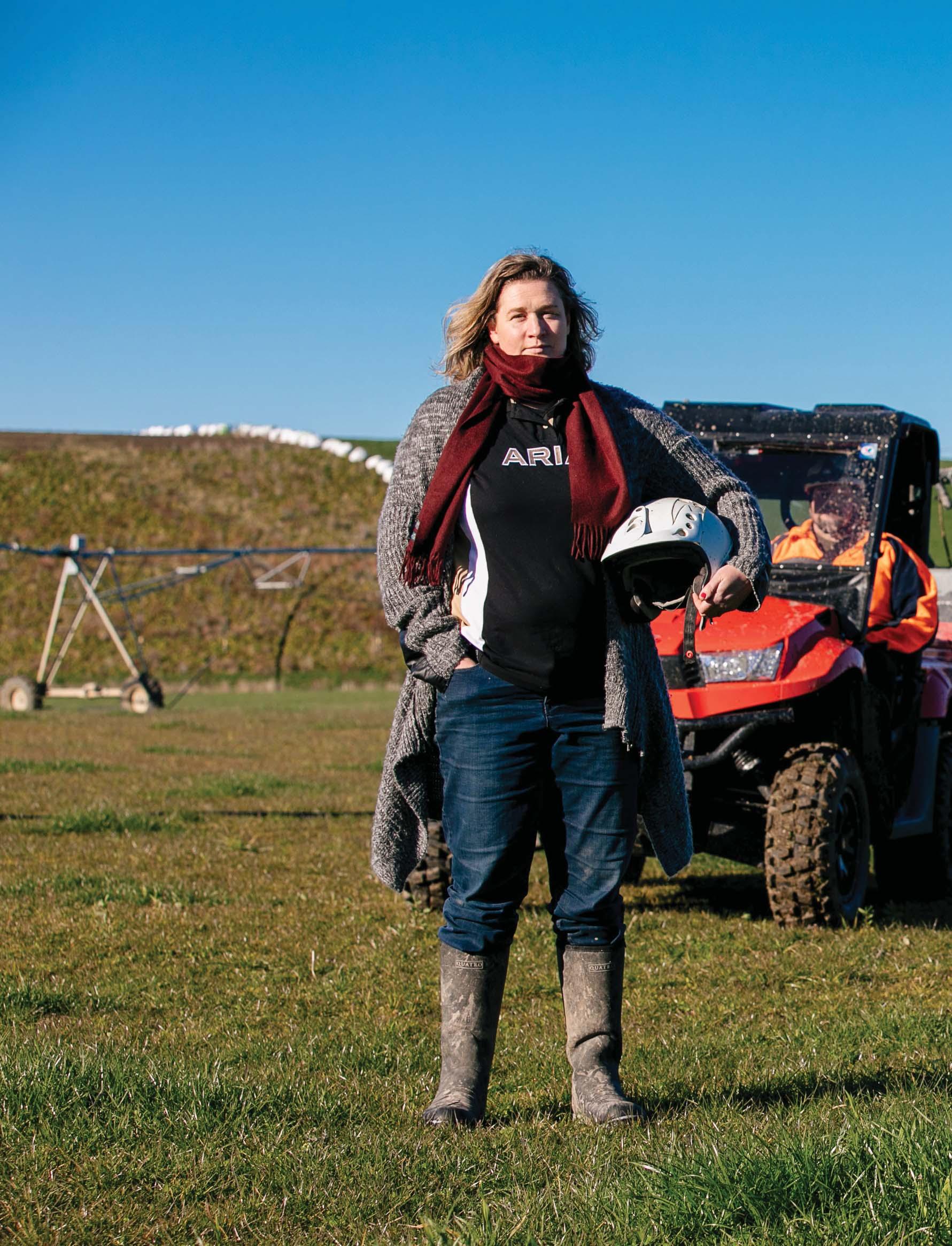
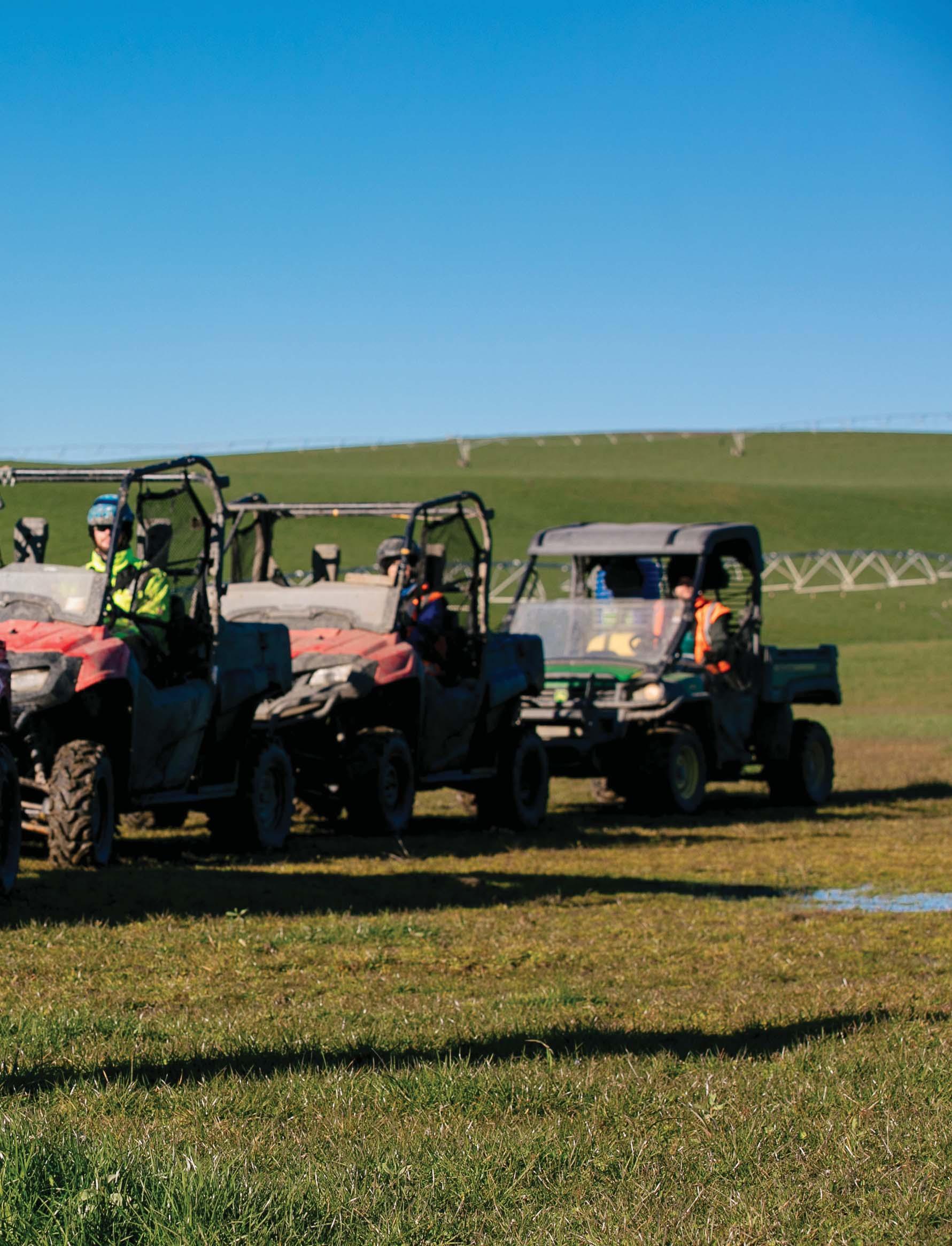

Her husband’s death in a farm vehicle accident has turned Julie Dee into a campaigner for a better attitude to health and safety, and her pleas are bringing about a shift in her community.
Two fatal accidents within a week of each other have galvanised the farming communities of the Waitaki Valley, in North Otago and South Canterbury, and led to a shift in attitudes to health and safety.
If news of the two deaths, both involving side-by-side buggy roll-overs, didn’t move people, the heartfelt plea of Julie Dee, widow of one of the crash victims, Paul Dee, certainly did. In the weeks after Paul’s death in April, Julie shared publicly what the police had told her – that Paul would
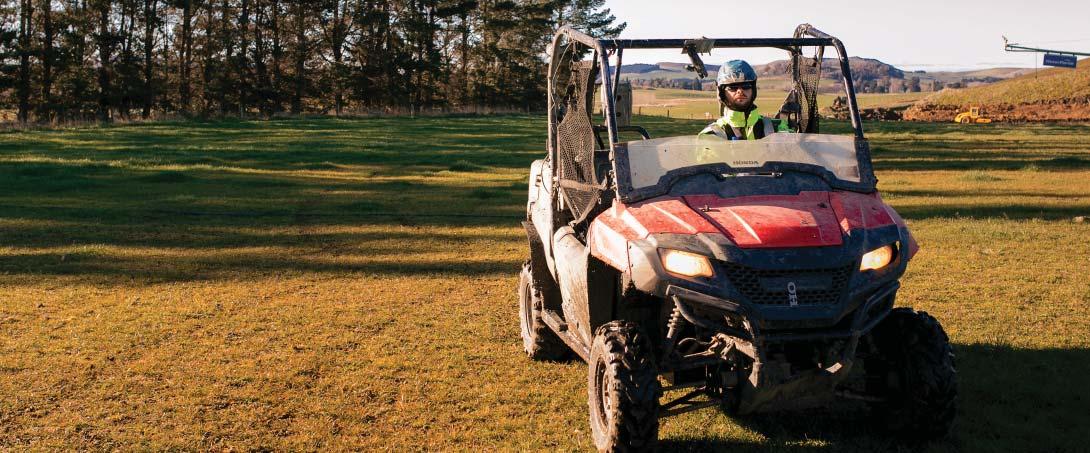
not have died if he had been wearing his seatbelt when the buggy rolled. If he had, the buggy’s roll cage would have protected him. Instead it crushed him.
Four months later, Julie is seeing a shift in attitude in her rural community, as people share with her the changes they are making on their farms since realising the serious risk buggies pose if safety guidelines are not followed.
“I went to a farm just before I lost Paul and I noticed the cocky was in a side-by-side buggy and he was wearing his helmet. The status quo for the farming community was that they hadn’t been wearing helmets in buggies – but I noticed this person was. I bumped into him the other day and asked if he had also been wearing his seatbelt that day.” He replied that he hadn’t, “but we are now”.
“He said to me that he can’t believe it took my message about Paul for him to realise how critical the seatbelt is,” Julie says.
Many others have shared with Julie their horror at realising they had witnessed or been involved in accidents on the farm that should have made them think about seatbelts. But because they had walked away unscathed, they didn’t make the change. Now they have.
“That is why I am so proud of the larger farming community of this region. So many people are stepping up and making changes and are not too proud to admit that it took Paul’s accident to get them to look again at their own attitudes.
“It was like across the region the kiwi mantra of ‘she'll be right’ was faltering. I admire each and every one of them so much for also having the courage to speak up and lead change in their own environment,” she says.
As well as speaking to the media to push her safety message, Julie tapped her rural networks for help. One of the first to lend his support was Leighton Selfe, a Director at local side-by-side dealer Oamaru Honda. While the vehicle involved in the accident was neither a Honda nor sold by his firm, Leighton has been selling vehicles
and equipment to the Dee family for many years.
Julie also used her position as voluntary North Otago convener for the Dairy Women’s Network to spread the word. She addressed the North Otago Federated Farmers AGM, sharing her loss and stressing that the accident had occurred on a short trip home on the farm. And that she understood that not wearing his seatbelt had cost her husband his life.
She highlighted a need for education and research into side-by-side safety and to see robust training for all those who use them. She also called for a change in on-farm safety culture – “from one of not just compliance to one of being more aware of getting our men and women home safely every night”. She asked all of those present to wear their seatbelt in any vehicle, every trip, no matter how short, and for them to pass this message on to all of those in their world.
Julie also worked with Rural Support Trust and Rural Women New Zealand in the hope of “creating a tribe” that would spread the word about the need to wear seatbelts and helmets in side-by-side buggies.
For his part, Leighton Selfe emailed all his customers, urging them strongly to be safer when driving side-by-side buggies. He has designed his own posters and stickers to spread the word that wearing a helmet is not enough; he wants to make sure every farm vehicle with a seatbelt is being used correctly. Leighton stresses that buggies should be used for heavy towing and high country use, although in some cases a quad bike might be better for narrow tracks. ‘Buggies can be wider and longer but not all buggies handle the same, and handle different terrain the same. They might all have four wheels and two seats but they’re not the same. They have different personalities, horsepower, suspension, torque. “Buggies also handle different again from quad bikes. Because someone is a skilled quad bike rider does not automatically make them a skilled buggy driver. The tyres are also designed for soft tracks and lanes– not
Julie’s speech to Federated Farmers
I have been the Dairy Women’s Network convener for North Otago for 2 years. I live in Waimate.
I recently lost my husband in a side-by-side ATV buggy roll-over accident. He was an experienced operator, he was known to drive slowly and it was a clear evening. It was on a flat road on a short trip home on the farm. He wasn’t wearing his seatbelt and this I am told cost him his life.
Then the day after his funeral there was a second roll-over ATV buggy accident on my road, not far from where I live. This also had fatal consequences.
I call for safety training and more research into the handling and response of ATV side-by-side buggies.
I aim to help and drive education and research into ATV side-by-side safety and to see robust training for all adopters of side-by-sides.
I take this opportunity to address a room of influential agricultural people.
I aim to change our on-farm safety culture – from one of not just compliance to one of being more aware of getting our men and women home safely every night.
I ask Federated Farmers for support and I ask all of you to wear your seatbelt in any vehicle, every trip, no matter how short.
I ask you all to pass this message on to all of those in your world.
for tarseal roads,” he says. “The most important points would be to select the most appropriate vehicle for the job and to stick to the manufacturer’s safety guidelines.”
Leighton admits to having been frustrated in the past by his customers putting themselves at risk. “Some clients remove the doors from the buggy, although I advise them that the doors are on to perform an important safety function.”
Following publicity for her safety message, many women have been in touch with Julie seeking advice on how to have the courageous conversations they feel compelled to have with their family, friends and colleagues. “I don’t feel that it is exclusively women looking to push the safety message though – it can be across generations, staff asking for improvements on farms, or employers looking for ways to get their message through to staff – be they young or older and set in older ways and attitudes. I think maybe it is because they see it took courage for me to speak, especially so soon after losing him, and they wish to also have the courage to speak up and be heard in their worlds,” she says.
To those looking for the tools and confidence to back her safety message, Julie says they have a right to expect better.
“Don’t you have a right to set expectations for your men or for your loved ones? Is that not fair? If you have decided to wear your own seatbelt every time, and for the kids to wear theirs, then isn’t that a fair expectation? And yet we can have a tendency to apologise for that expectation. We have a tendency to dismiss our own feelings and expectations as not worthy to be heard equally.
“If we don’t set our own opinions and needs and expectations as top priority ourselves, then we can’t expect anyone else, including our partner, to put value on them. We make our own choices. We set the value of our own opinions. Men and women do fall into stereotypical patterns all the time, but they allow themselves to do so – males rolling eyes and shaking heads, and women being portrayed as
naggers and over-worriers is one of these patterns.
“Nobody likes being told what to do, so ask them – how important is it to them to come home safely to you? Ask them have they thought about what life would be like if they had that bad accident, even if they survived but were badly injured – it can still be life-changing for the whole family. Ask them how important is the annoying task of using the seatbelt and helmet weighed up against the alternative. What’s more important in their world? You can ask them to wear it for you and your family.”
Want to get some training?
Farmlands Card Partner Primary ITO has a range of safety training courses available. In particular, its Certificate in Agriculture (Vehicles, Machinery and Infrastructure) Level 3 course focuses on farm and vehicle safety, with training available for tractor, motorbike, quad bike, 4WD and/or LUV (Light Utility Vehicle). For further information go to primaryito.ac.nz
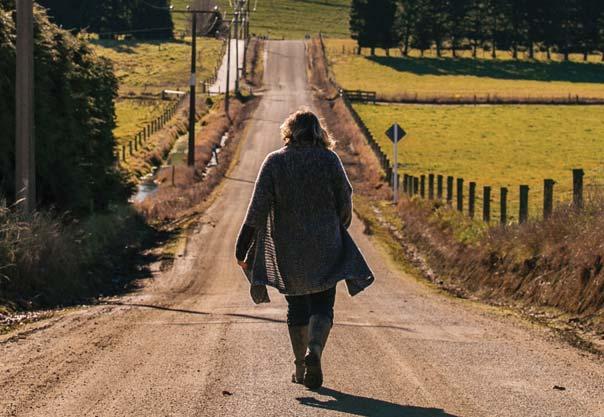
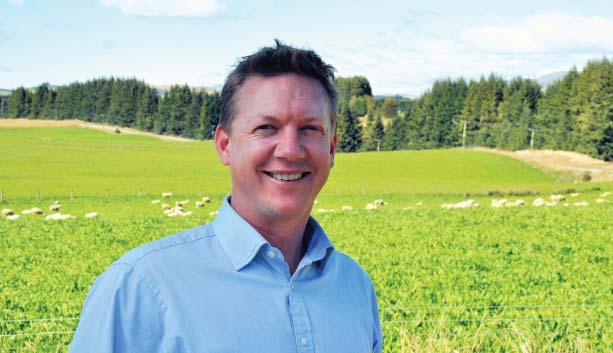
For CEO Steve Carden, an important measure of success for Landcorp’s Play It Safe programme is its contribution to a better health and safety culture throughout the agriculture sector.
Our top priority at Landcorp is keeping our people safe. This motivated us to reboot our Play It Safe programme in July 2016 after a full review. With expert help we devised a six-point strategy to make sure health and safety is fundamental to the way we work.
Changing an entrenched culture in an industry such as agriculture is no small challenge. The first thing was changing the way we talk, and making health and safety mean something. We decided to personalise health and safety – to impress on everyone the impact that poor safety can have on our people and their families. Staff also have to own health and safety. Farmers work in dynamic environments, meaning a compliancebased approach doesn’t work for them. We could never write enough rules to cover all the situations they face in an ordinary day. So we have to give our farmers the skills to manage dynamic risks on the go.
|
We developed a training programme for our farmers that focused on how to do good risk assessments, incident investigations, safety observations and safety conversations. The goal was to change the mindset that health and safety was about compliance and documentation, to it being about having good conversations to make sure risks are being managed.
Feedback from farmers has been hugely positive. Encouragingly, lots of the comments have been about how the skills they’re learning can be applied to any decision-making process, not just risk management. It’s encouraging to see in staffrooms at morning meetings our farm teams working through risks as they plan their work for the day. Focus is another issue. We realised that our previous efforts to fix everything in health and safety had reduced our impact and overwhelmed our people. So we made a strategic decision to focus on the eight critical risks that
our data tells us cause nearly 80 percent of the harm on our farms. We have looked at how we can control these risks – what’s working, what’s not, and where controls aren’t yet in place. That has helped us put together a long-term strategy and we now know where we need to invest to improve controls and reduce injuries. Part of that has been new equipment, vehicles and safety tools to limit the impact of any mistakes.
We knew our health and safety initiatives would succeed only if they were supported by farmers. With that in mind we set up our Safety Forum – 26 farmers from across the country who guide the development of our health and safety strategy, policies and initiatives. We get them involved from our very first thoughts down to how do we implement and roll out. The group members also act as champions for these initiatives. For example, the forum helped draft our health and safety expectations,
helped pick our personal protection equipment, and took the lead in writing our Kids on Farms policy, which we are starting to trial. Forum members make sure any decisions or initiatives are workable for farmers, and they have helped reduce resistance to change. From my perspective as chief executive there have been two key aspects. One is to maintain our sense of vulnerability – I certainly still worry. It’s great to see some gains, but we can’t afford to get complacent or go “back to our real work” – as if that doesn’t involve safety. As chief executive my role is to maintain that sense of vulnerability around health and safety – all it takes is one mistake or one moment’s inattention – and to keep a long-term focus. I have been very clear with our managers that health and safety is not a two or three-year project for us, it’s part of how we operate forever.
It was also clear to me that we were going to struggle to change the culture in our organisation if the culture within our industry stayed the same. High rates of injury occur right across New Zealand’s agriculture sector. There was an opportunity for Landcorp/Paˉmu, as a major player in the industry, to take on a convening role and bring together other leaders who want to bring about change.
This led to the creation in November 2016 of the Agricultural Leaders' Health and Safety Action Group, which involves organisations such as LIC, Ngaˉi Tahu Farming, AsureQuality, Ravensdown, Ballance Agri-Nutrients, and Fonterra. ACC and WorkSafe are also supporting the group, which aims to get industry leaders working together to improve health and safety in agriculture.
When they go down to the local
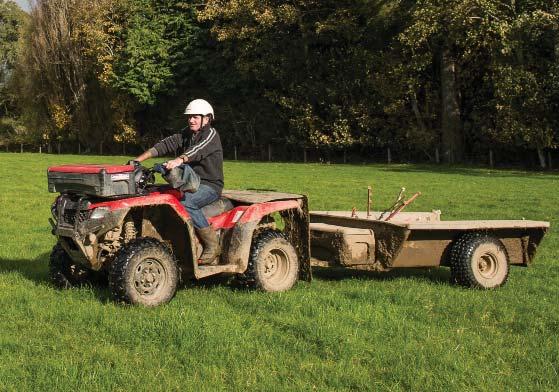
pub, I really want our farm staff not to feel like they’re the odd one out because they wear a high-vis vest, or a helmet on their quad bike. It is really important to me that we normalise safety. It should be just the way in which the industry operates.
Three years into our new health and safety programme, injuries are trending down and attitudes towards health and safety are shifting. We still have a long way to go, but there are encouraging signs of progress. Since the Play It Safe programme was launched, there has been a huge increase in reporting of near misses. This includes reporting of property damage, unsafe behaviour, minor environmental incidents and discomfort. Reports are shared across the organisation. In 2014 there were 439 reports; in 2015, after two years of Play it Safe, this had increased to 1452. In 2016, there were 3067 – a 600 percent increase over the 3 years.
One marker of success for us was to get people talking about health and safety in the same way they talk about other aspects of farming – for it to be an ordinary part of the job. We have definitely achieved that. When I go onto farms now it’s really easy to strike up a conversation about health and safety. In fact, farmers and their teams will initiate them. It’s intangible things like that which tell me the culture is starting to change. I know it takes a long time to alter entrenched attitudes and get an organisation thinking differently. But if we maintain the focus we have, we will get the change that we need to see.



Make sure you’re with Meridian before summer gets here so you can lock in our seasonal rates*.
Saving is easy when you’re with the electricity provider who’s partnered with your co-operative since 2003.
Simply call our dedicated agribusiness team on 0800 496 444 or visit meridian.co.nz/agri to find out more




The chances of being bitten or hit by an animal soar during calving season so it’s time now to consider what you can do to reduce the likelihood of an accident.
Over the past three years, incidents involving animals and resulting in medical treatment have averaged 1500 a year, with calving a peak period for claims to ACC. August also brings high numbers of other on-farm injuries such as body stressing through lifting and carrying; or slips, trips and falls, often due to slippery surfaces.
“August is one of dairy farming’s busiest times of the year. There’s an intense workload and long hours working up close with large animals. As well as the increased likelihood of biting or kicking injuries, there’s the threat of infection and tiredness to
contend with,” Al McCone, WorkSafe’s Sector Lead, Agriculture, says.
McCone says good planning and communication is the best way to minimise the risk of accidents during calving, or at any time.
“A good time to engage with your staff on health and safety around calving is when you are setting up your calving shed. If that’s already done, walk around the calving shed with them and discuss any existing hazards and what additional hazards there will be during calving.
“You could also ask your workers about any hazards they’ve come across previously during calving, and think laterally,” he says.
Things to look for include:
• Does your set-up provide adequate escape routes?
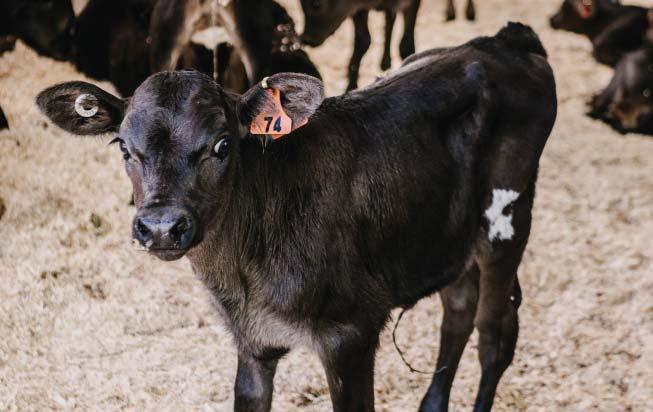
• Do all workers have suitable protective equipment, including slip and crush-resistant footwear?
• Do you have non-slip flooring? If you have a concrete surface, has it worn smooth, posing a slip risk for workers and cows?
• Are steps in good order? Steps should be kept clean of algae and mould.
Make sure staff are aware of safe lifting techniques, and cover off hygiene and wellbeing. Fatigue, hunger and dehydration can cause loss of concentration and poor co-ordination, which heightens risk. Your planning should include:
• Ensuring people take adequate breaks, eat properly and keep hydrated.
• Having snacks and drinking water to hand – some farms provide slow-cooker meals.
• Making sure hot and cold running water, liquid soap and paper towels are available.
The old practice of a bucket of water, bar of soap and towel in the calving shed corner isn’t adequate to protect people from infection.
WorkSafe’s Safe Cattle Handling guide is a useful resource for staff training around calving. This is available from www.saferfarms.org.nz.
Article supplied by WorkSafe NZ.





Farmers have legal obligations in relation to storage of fuel on farms. They are required to store and handle fuel so as to ensure it is not a source of pollution to the environment, or a source of harm to them, their family or employees.
Safe storage of fuel also makes financial sense, as it is no good paying for fuel wasted through leaks, drips or spills.
In the case of a spill or leak of fuel, the prime concern is the safety of anybody near the emergency. The immediate action is to stop the spillage or leak if safe to do so. Once this is done, stop the product escaping to drains or waterways, clean up (if safe to do so) and contact your regional/ district council regarding disposal of contaminated material.
Emergency response plan
Where there is 2,000 litres of petrol/diesel stored on a farm, the person in charge must provide an emergency response plan. This plan includes all information required to respond to an emergency involving petrol and/or diesel. We at Farmlands Fuel are happy to work with you to provide any necessary information. Contact your local Territory Manager or phone 0800 666 626.
Farmlands Fuel is focused on safety and the environment. This checklist will help confirm if your fuel storage site is meeting good access, safety and environmental standards. If you answer no to any of these, you may need some advice, which the team at Farmlands Fuel will be happy to provide. Call us on 0800 666 626.
Access track in good condition
Access has good clearance (trees, electric fences)
Overhead clearance (power and telephone lines)
Sufficient turning area
Tank area clear of equipment and debris
Bridges and culverts sound and suitable
Tank painted, free of rust and clearly and correctly labelled
Does your tank have a calibrated dipstick and ventilation pipe?
Tank and surrounding area clear of any tank contamination
Fuel usage recorded and balanced wet stock
Are you able to contain any spills from drains or waterways?
Does the tank have any secondary containment?
Does the tank have a ladder and is it sound and secure?
Is the tank fill point easy to access without over-reaching?
Is the area around the tank level and free of debris, so access is clear and safe?
Are site hazards identified and the driver informed?
Have you replaced your non-compliant tripod?
Are you confident that your site and tank are safe?







Multinational companies grinding to halt from a malicious software attack have made headlines several times already this year, but the risks of such an attack for the typical family-owned New Zealand farm are higher than you might think.
The drones, robotic equipment and precision farming technologies that are helping farmers to increase production, reduce worker injuries and become more profitable have also exposed operations to a higher risk of cyber crime.
Whether you use smart sensors, mobile apps, cloud computing or just regular email, all data exchanged and stored electronically within the supply chain is at risk from cyber criminals, Eugene Sabitov, of risk management adviser Willis Towers Watson, says.
“Every second that passes during a cyber attack has a potential cost – to your reputation, business operations, liability costs, customer loyalty and more. Ensuring you are appropriately prepared if it does happen to you is definitely the best plan of attack,” he says.


Any strategy has to include all family members and/or employees who use the farm computer system – “69 percent of all cyber insurance claims relate to employeedriven incidents,” he says.
Eugene’s views are echoed by Mitchell Cashman, a Noel Leeming tech solutions specialist in Palmerston North. His mantra? Back up, back up, back up.
“The most efficient and painless way to recover your files is to recover them from a back-up, either physical like portable hard drives or online cloud back-ups,” he says. “Set a schedule and get in a routine of doing back-ups regularly. It doesn’t hurt to have multiple back-ups either, in case of theft or fire.”
Mitchell advises a similar schedule for checking and completing software updates for your farm computer system, as these will often feature security enhancements and fixes.
“The recent ransomware attacks were made possible through a
software issue in Windows that has since been patched with one of these updates,” he says.
The same goes for anti-virus software, which must be kept up to date as it is integral to protecting your system and those you interact with.
Finally, if it looks or sounds suspicious, it probably is. “If you receive phone calls, texts, instant messages or email that looks suspicious or is from an unknown source, do not reply or give out any details whatsoever,” Mitchell says. “The smallest amount of your personal information could be used to breach your security.”
So much for prevention, what if despite these steps the virus or malware still gets through? Don’t pay any ransom, Mitchell says, as it will just encourage more attacks and there is no guarantee your files will be restored to you anyway.
Insurance is an option – Willis Towers Watson offers stand-alone policies that cover data breaches.
Drones have opened up a whole new frontier for New Zealand farming, giving all those involved in the sector a relatively cheap and easy-to-use technology. Experts agree that with live camera feeds, obstacle avoidance, automatic stabilisation and their own GPS-based navigation systems, drones will revolutionise the agricultural market in New Zealand over the next few years.
Ashburton Farmer, Rhys Roberts, uses his DJI Phantom 4 Advanced to take on any task that is dirty, dangerous or just plain dull. He says, “It was the first piece of technology introduced on our farm that was easy to set up, easy to use and added value straight away. Most of all, it’s enjoyable to fly.”
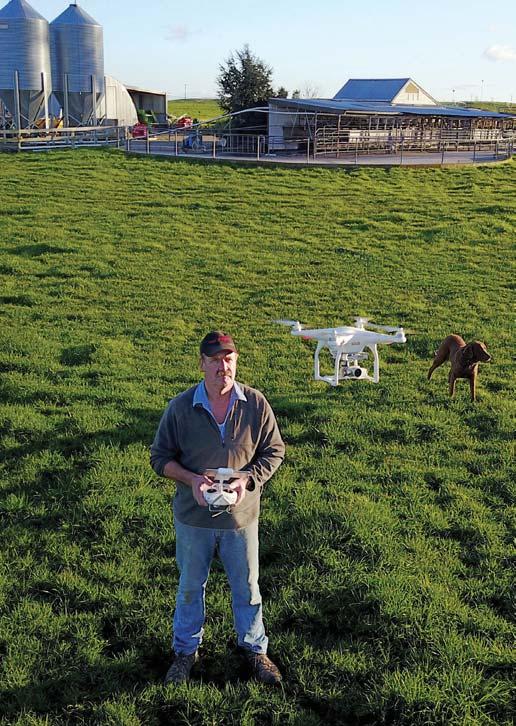
DJI is the world’s leading company in the drone industry, accounting for over 70% of the global consumer market. Its authorised New Zealand distributor, Ferntech, had a display at Fieldays and reported many sales to farmers buying drones to help with everything from stock management, surveying and mapping, to complying with health and safety standards. The drones are performing tasks that farmers previously did on the ground, saving them time and money.
The team at Ferntech say that the most common purpose for agricultural drones in New Zealand is stock management. Stock farmers typically use them to check water levels and fences. Some DJI drones can be used with a siren attachment to swiftly herd stock — sheep, deer and cattle respond the same as they would to bikes and dogs. Finding stock, from spying stuck sheep to hunting deer, becomes easy and effective.
Health and safety is increasingly an issue that New Zealand farmers need to address. The introduction of drones means that farmers can be more cautious in adhering to stricter regulations — from assessing the top of the shed roof to checking fences in dangerous gullies.
Uptake of the technology has benefited from government support for innovation in agriculture and horticulture. As the technology becomes more advanced, it is expected that every farmer in New Zealand will soon be using drones.
Ferntech has been selling DJI drones to individuals and businesses through its online store for some time but in June it opened New Zealand’s first DJI Authorised Retail Store, in Eden Terrace, Auckland. Customers can learn to fly from expert pilots, talk to technical support staff, and learn the CAA regulations, while businesses benefit from the support of a physical hub of drone experts.
The store offers an in-house certified repair centre with expert technicians. When you buy from Ferntech, you benefit from a warranty backed by the repair centre. This relationship offers customers superior service from an expert team that is a trusted supplier to farmers around New Zealand.
The DJI store is a must-see for farmers on their next visit to Auckland. It is open Monday to Saturday, at 96 New North Road, Eden Terrace. In the meantime, visit Ferntech’s online store at www.ferntech.co.nz to view its full range.
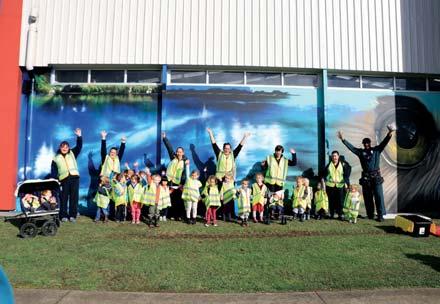
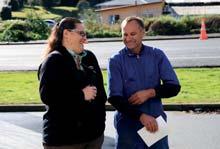
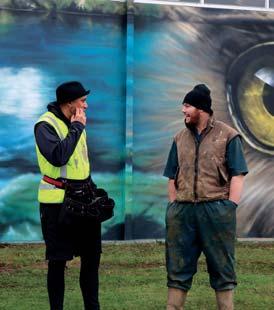
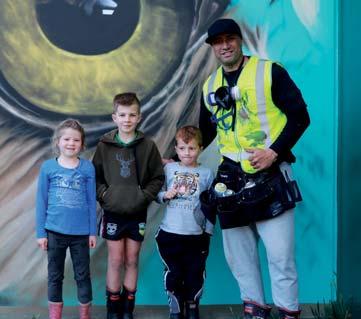

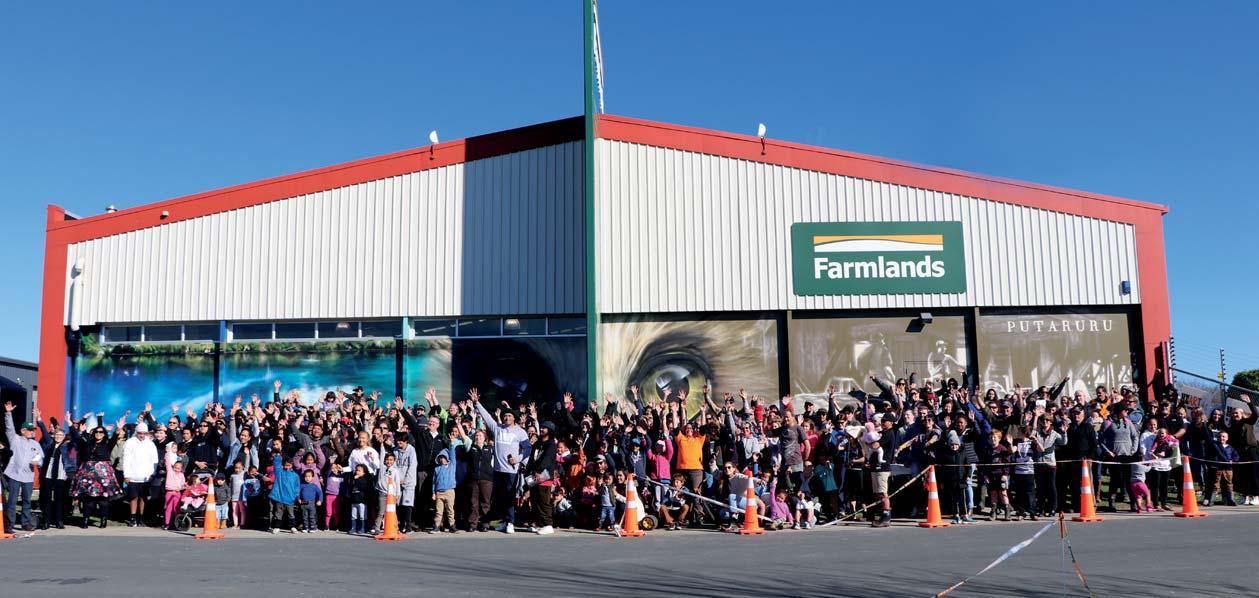

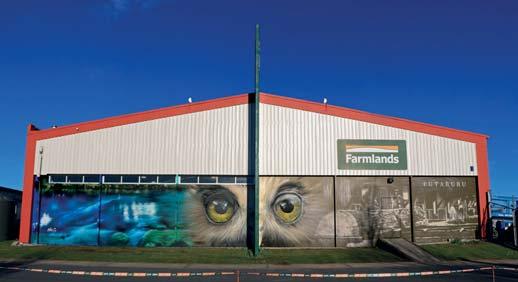
Farmlands Putaruru is now the third Farmlands store to receive a locally-inspired mural painted by Kiwi artist Mr G, as he makes his way around the country to showcase the unique identities of New Zealand’s rural communities – part of Farmlands’ HeART of the Community project.
The team at Farmlands Putaruru wanted the mural to pay tribute to the town’s sawmilling history, the beautiful Waihou River (also known as Blue Spring) and of course the ruru (morepork), New Zealand’s only surviving native owl, from which the town’s name is derived.
With Paeroa and Invercargill already complete, Mr G says he was excited to capture the spirit of Putaruru in his artwork.
“It has been so enlightening to visit smaller cities and towns where people really wear their hearts on their sleeve,” he says.
“It gives me an immense sense of pride to bring attention to the people in our hard-working towns that contribute so much to New Zealand economically and socially.”
South Waikato District Council Mayor, Jenny Shattock says it has been both refreshing and inspiring to see a prominent artist promoting the great town of Putaruru.



“The Putaruru community are some of the most passionate and loyal people,” she says.
“Many people drive through the town without realising what a great place it truly is. Putaruru is a well serviced, centrally located town with outstanding community pride making it a great place to live and work.”
Twelve more Farmlands stores will receive a Mr G makeover this year – you can follow Mr G and the HeART of the Community project on the Farmlands Facebook page, Instagram or at www.heartofthecommunity.co.nz






























HOW TO BE THE HOST WITH THE MOST AND THE VERY BEST GUEST!










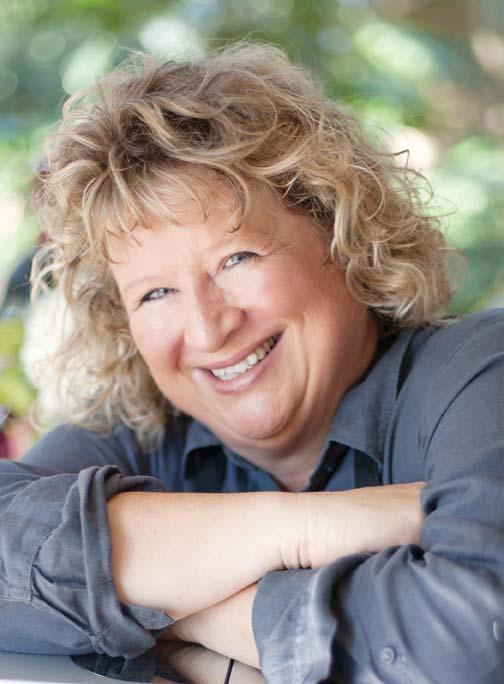
Join Farmlands and the effervescent and fun Annabelle White as she takes you on a journey to social mastery.
From dinner party success to impressing your friends with delicious desserts, this year’s Ladies Night promises to be a laugh a minute!

Giving farmers the skills and resources to live well, farm well and get the most out of life.
$2.50 DONATED FOR EVERY TICKET PURCHASED






























Tuesday 26th September ............ Awapuni Racecourse, Palmerston North
Wednesday 27th September ...... Napier Conference Centre, Napier
Thursday 28th September ......... Quality Hotel Emerald, Gisborne
Tuesday 3rd October ................... Toll Stadium, Whangarei
Wednesday 4th October ............ Mystery Creek Events Centre, Hamilton

Thursday 5th October ................. Queen Elizabeth Youth Centre, Tauranga





include a welcome drink on arrival and light supper




A record 133,588 people came through the gates at this year’s Mystery Creek Fieldays, maintaining the event’s status as the largest annual farming and agricultural trade show in the southern hemisphere.
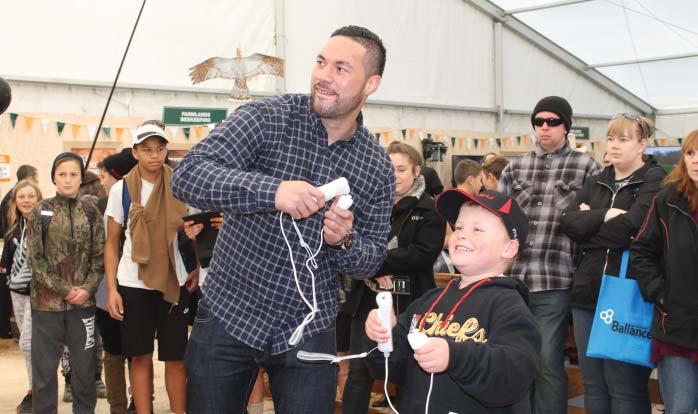
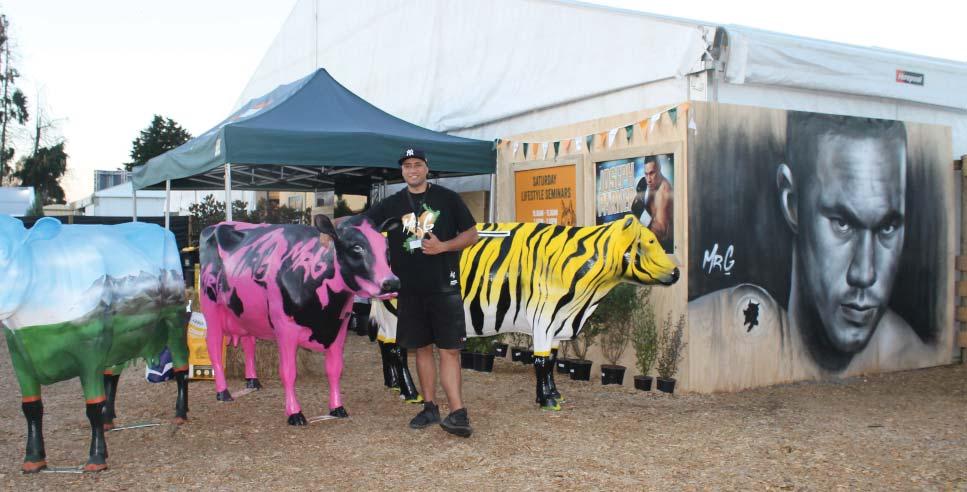
Everything from painted cows to boxing royalty made an appearance at the Farmlands site, and many of the visitors sought advice from the friendly Farmlands staff on hand. WBO world heavyweight boxing champion Joseph Parker went toe to toe with some Farmlands shareholders via a Nintendo Wii boxing game. Joseph also got to see himself depicted in paint, thanks to street mural artist Mr G.
Mr G was in attendance as part of the co-operative’s HeART of the Community project. In addition to his painting of Joseph, he also used his spray cans on three fibreglass cows.
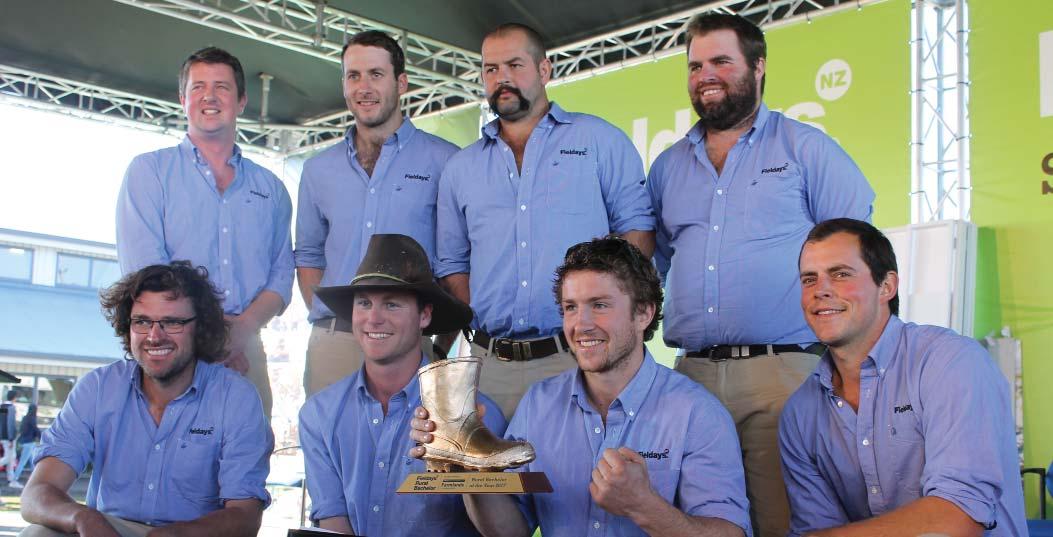
Farmlands sponsored three Fieldays events at Mystery Creek – the Rural Bachelor of the Year competition, the Tractor Pull and the No. 8 Wire Art Awards.
The Rural Bachelor event was a particular success, with over 300,000 views of the contestants’ videos on Facebook, and 6,672 votes cast.
The lads made six planned visits to Farmlands stores during their Fieldays road trip, and one unexpected stop
after three of them confused Farmlands Taupo on Cambridge Street with the Farmlands store in Cambridge.
The Tractor Pull drew 75 competitors, who travelled 6.9km during the competition heats and finals.
The events complemented the busiest Fieldays to date for Farmlands. The site was busy throughout the event, with supplier advice, great Fieldays specials and the opportunity for shareholders to enter the draw to win a new Toyota Hilux.
Commenting after the four-day event, National Fieldays Society CEO Peter Nation said there was “a buzz of positivity” in the air.
“This was the first of a threeyear sponsorship agreement with Farmlands, supporting Rural Bachelor of the Year, Tractor Pull and the No. 8 Wire Art Award. I’m absolutely thrilled to have such an iconic brand like Farmlands on board. This invested support provides real value to the Society, helping us take our delivery of an international event like Fieldays to the next level.
“To be able to walk around the site and see the increased physical presence of Farmlands at the event just shows the depth of the relationship, and we look forward to seeing this grow year on year,” he said.
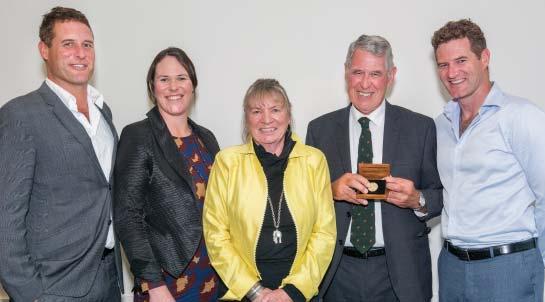
Even Don McFarlane cannot remember when he first joined our co-operative’s Board of Directors – but he knows the time is right to let someone else have a turn.
Don’s journey with Farmlands started with the then Rural Cooperative Society, a small regional co-operative that was the pattern in the South Island in the early 1990s.
“I’m not even sure myself when I started. I became Chairman in the mid ‘90s when it was part of the CRT federal group. The first thing we did was leave the South Island-wide group, before we went through a series of full mergers – first with Canterbury, Southland as Greenfields, and then all of the South Island as CRT”
Don has been as busy away from the Board table as around it. A Nuffield and Kellogg Scholar, he has numerous directorships. He lives in Geraldine with his wife Di, and together with son Hamish they farm 700ha fully
Farmlands Directors Don McFarlane and Tony O’Boyle are not seeking re-election this year. We look back on their years of service.
irrigated near Temuka, producing carrots, cereals, potatoes, grass seeds and blackcurrants. He was made a Member of the NZ Order of Merit in 2015 and awarded the Bledisloe Medal from Lincoln University in 2016.
Don believes the highlight of his time is the gradual evolution of Farmlands to a New Zealand-wide co-operative.
“We’ve now got nationwide brand and scale” he says. “I guess the second thing is having such a diversified business. Having a diversified business strengthens your business and enhances the contact point of your co-operative’s shareholders.”
Don says maintaining the co-operative ethos has been important. “I think we always just need to remember the strength of the co-operative is its
purpose – it was established to provide competition and lower cost. We always need to be commercial but we always need to remember our purpose.”
Don’s decision not to stand again is based on the importance of “opportunities for young people to step in and step up”.
“There’s a lot of very able people – we need renewal and I’ve been around long enough. You need fresh ideas – there’s a lot of challenges in distribution and retail businesses and I think you must maintain innovation and fresh thinking.”
As for what’s next, Don says he still has a number of jobs he is “slowly moving on from”, while he continues to enjoy his diverse range of charity work.
“I’m certainly not going to go away and hang up my boots, I’m just going to change what I do. I’m going to spend more time with my grandkids and enjoying some fishing and farming”
Don nears the end of his term with an acknowledgement for the people at Farmlands, whom he says are the co-operative’s frontline and go beyond the call of duty with their community involvement.
“It’s a people business and we must always remember that Farmlands’ strength is we connect to people. There’s been hiccups over the years during times of change but people remain the biggest asset,” he says.
After 7 years on the Farmlands Board of Directors, Tony O’Boyle has decided not to seek re-election.
Tony joined the Farmlands Board in late 2010. Together with his wife Pattie, Tony now lives and works in the Wairarapa, where they farm a 1,080ha hill country sheep and beef farm.
Tony says he was encouraged and asked to stand for the Board, rather than choosing to do so out of self-interest. His decision was based on wanting to see the co-operative get stronger.
"Farmlands as a business is in the right space, providing goods and services for our food producers,” he says. “Our shareholders care deeply about the land and communities they live in, and at Farmlands everything
we do is and should be linked to this.
“Key to all of this is enduring customer relationships. We need to be leading and challenging change on behalf of shareholders.”
Tony says the achievements during his time on the Board include completing the nationwide store network, strong shareholder growth, vertically integrated businesses within Farmlands, and the growth of Farmlands Card.
“(The biggest achievement) would probably be when the dairy downturn hit us. No one was really predicting the extent and we knew we now had the business in better shape to withstand that following the merger,” Tony says.
“The realisation that we had put the business into a better

future state to withstand these shocks was a highlight.”
Tony says the Board of Directors represents all shareholders, who are themselves representatives of all industries. The co-operative has a good representation of shareholders from the food growing sector and isn’t exposed to just one area.
“For us to be match fit for the future, providing the lowest cost and relevant goods and services continues to be our aim,” he says. “To be successful in this, we need our shareholders to support us, and you will see a stronger emphasis be placed on loyal shareholder support.”
Tony has chosen to stand down as he believes that Board churn and the rotation of Directors is important for the health and longevity of the co-operative.
“I’m a big believer in bringing fresh ideas to the co-operative. I’d really encourage shareholders with an interest in supply chain, IT, consumer marketing and sales and retail to join the governance of Farmlands. They may not necessarily be a farmer – it may be someone that has worked at a senior level at similar companies that are shareholders, or have chosen farming as their next vocation.”
As for what’s next, Tony says he will continue to be involved in governance closer to home and will put more time back into his community.
“I’ve spent quite a number of years on the road supporting shareholder events and attending Board meetings. It’s time to give someone else a go.”
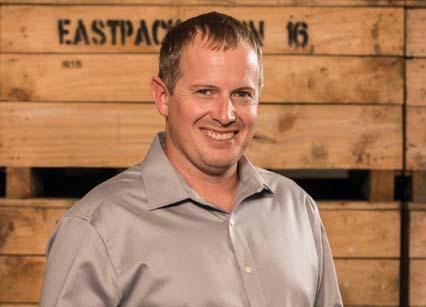
Bay of Plenty kiwifruit grower Braden Hungerford has been appointed as the new Farmlands Board Observer.
The Board Observer role was created to support the development of cooperative governance experience and skills. The 12-month position will allow Braden to attend all Board meetings and activities, with full speaking rights. Braden will be unable to vote on co-operative matters but will receive full mentoring and support from experienced members of the Board. Born and raised on a dairy farm, Te Puke-based Braden has for the past 10 years been developing and

running kiwifruit orchards. Having completed the Zespri Governance Development Programme, Braden says he has had previous exposure to Board-level activities through his General Manager role with Eastpack.
“I see it as an opportunity to observe different industries and get some experience in high-level governance,” he says. “I’m looking forward to the interaction across the many categories that Farmlands is involved in, having been focused on kiwifruit for the last 10 years.
“I want to understand the different rural businesses and business units involved, along with the geographic

spread – including understanding the challenges across the whole country.” Braden will begin his role at the August Board meeting.
Do you know someone who could make a valuable contribution to the Farmlands Board of Directors?
Following the Society’s rules, the Board has confirmed a Director election will take place in each of the North and South Islands.
If you know of a shareholder that would make a great Farmlands Director, criteria and nomination forms can be downloaded from www.farmlands.co.nz or by contacting Esther Gilbert at Polson Higgs, esther.gilbert@ph.co.nz or (03) 474 9713
Nominations must be received at 139 Moray Place, Dunedin 9016 (the Polson Higgs offices) no later than 12:00pm on Tuesday 15th August 2017.




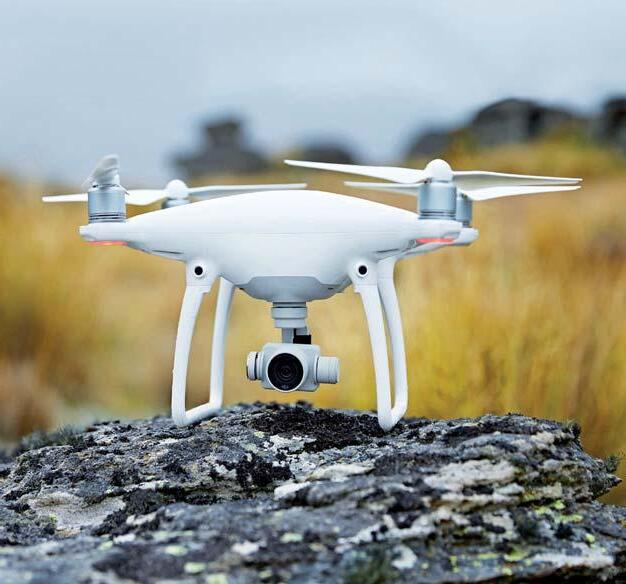


Farmlands shareholders offer: Buy a DJI Phantom 4 Advanced for only $2199.00 plus receive a 2.5% rebate on all purchases. Making efficient irrigation & water supplies more economic for every New Zealand Farmer
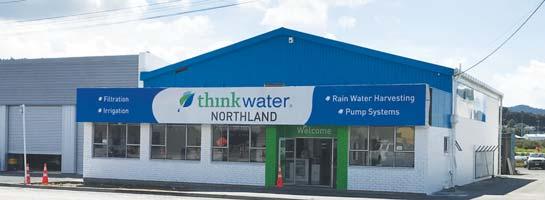
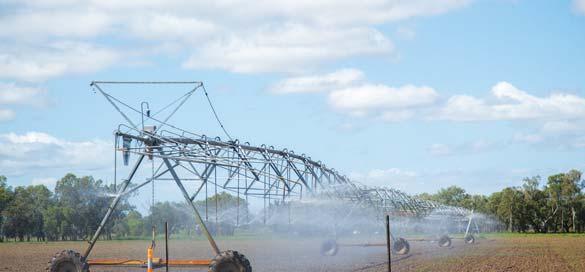
Think Water New Zealand operates 14 locally owned and operated irrigation and water management stores providing a range of irrigation and water management solutions.
Now present your Farmlands Cards at any Think Water store and receive up to 5% rebates on your purchases or professional irrigation and water management services provided


















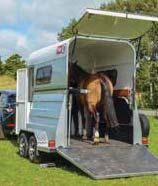
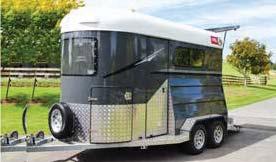
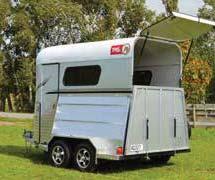
Transporting your horse can lead to it being injured. There is also potential to damage your float. JR Trailers has developed a unique slope-sided float that is leading the way in horse comfort.
Scrambling occurs when horses feel unbalanced. In an effort to stabilise themselves, they attempt to widen their stance, sometimes hitting the float interior, which results in wall damage and a lack of travelling confidence. Some horses panic and arrive stressed or exhausted, reducing their performance on arrival. Discomfort while travelling can also cause a horse long-term loading issues.
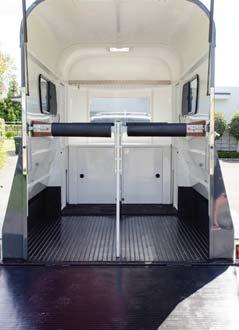
The JR Anti-Scramble trailer features patented sloped walls, so horses can spread their legs and stabilise themselves around corners during transit. The horizontally adjustable chest bars fit all horses regardless of size and the vertical bars sit just under their rump for a comfortable and secure journey.
Straight sides prevent horses from spreading their legs, potentially causing them to “scramble” against the side of the float.
JR Anti-Scramble trailers feature patented sloped walls, so horses can more easily stabilise themselves during transit.


















Articles in the Plan 365 section allow Farmlands suppliers to share best practice and the latest advances in rural technology, to help shareholders with their farming needs all year round.
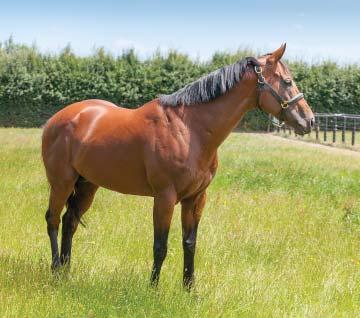
Horses are classified as hindgut fermenters, meaning the design of the equine digestive tract requires structural carbohydrates in the form of forages to always be the most significant part of their diet. While pasture is a great start for supplying adequate forage, often additional hay, chaff or other fibre products will be required to meet the all-important forage requirements, especially at certain times of the year when pasture might be in short supply. With hay or chaff, the main types available are classified as grass species such as meadow, cereal species such as oaten, or legume types such as lucerne or clover. Each species has unique benefits and the type chosen needs to be considered carefully according to the characteristics of the horse. The use of lucerne in the equine diet is often
advised against due to claims it can contribute to mineral imbalances that can lead to various problems including behavioural changes and metabolic issues. However there is little research available to support these claims and in fact, if fed correctly, lucerne can be a highly beneficial forage source for various reasons.
The largest difference between lucerne and temperate grass species is the levels of energy, protein and calcium it contains. Higher energy levels make it a great forage source for when additional calories are required for weight gain or work, and the increased protein means it is an ideal forage source for growing horses or pregnant and lactating broodmares.
Including lucerne in the horse’s diet is also a good way of increasing calcium for growth and improved bone
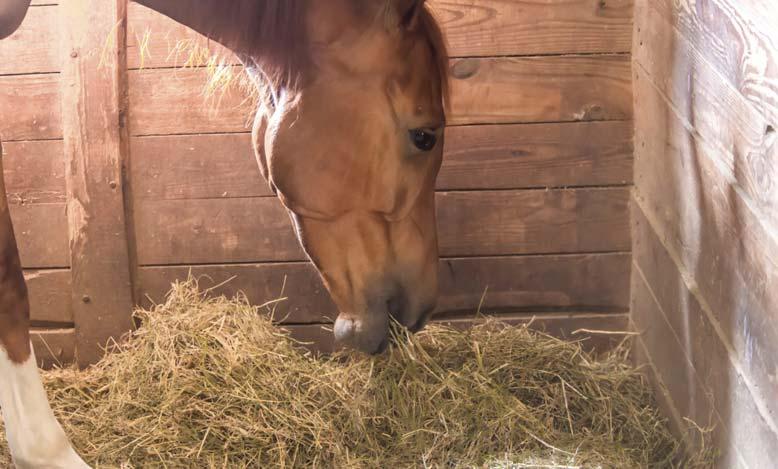
development, another reason it is a great forage source for growing horses. Lucerne is ideal for balancing the important calcium-to-phosphorus ratio in diets where phosphorus levels might be in excess, such as when horses are receiving straight grains such as oats or barley. It is also a great way of including calcium in the diet when horses are grazing tropical pastures that contain oxalates, which can bind to the calcium and cause an imbalance unless additional calcium is provided daily.
The higher protein and calcium levels are also thought to contribute to the significant benefits seen in buffering gastric acid in the stomach and preventing gastric ulcers. Numerous studies have shown that feeding lucerne improves the buffering capacity of the stomach and helps to neutralise gastric acid more effectively than grass species of hay and chaff.
The many benefits of lucerne mean it can be a highly suitable forage source for a variety of horses. There are many horses around the world that do very well on lucerne as the only source of forage because of the unavailability of any other type. With any equine diet, balance is key, and the choice of hay or chaff will vary according to individual circumstances. For further assistance with selecting forage sources and providing a balanced diet for your horse, consult an experienced Equine Nutrition Advisor.
Article supplied by Luisa Wood, Equine Nutrition Technical Advisor, Farmlands.

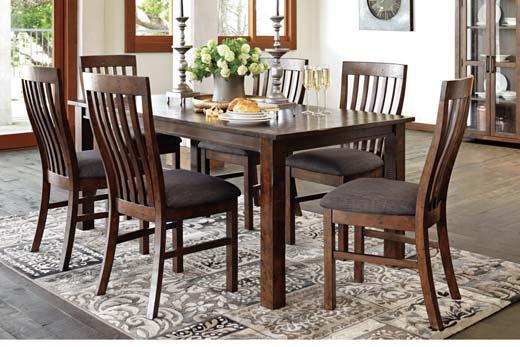






‘Farmhouse’7-PieceDiningSuite. Incorporateacountry-stylethemeintoyourhomewiththe‘Farmhouse’. Suiteconsistsofa1800x1000mmrectangulardiningtableandsixdining chairs. Accessoriesshownarenotincluded.






SleepMaker‘PostureAlignMedium’QueenMattress withTempur‘Lifestyle’AdjustableBase. Adjusttoyourlifestylewiththisluxuriousadjustablebedpackage designedfortheultimateincomfort. Accessoriesshownarenotincluded.







With spring around the corner, we all want our horses looking their best when we take them out to either compete or just enjoy the better weather.
Horses that have struggled to maintain condition over winter will not be at their best. Adding a caloriedense feed supplement now to the existing ration can elevate the overall energy contribution of the diet and achieve desired weight gains. The addition of a low-intake concentrate supplement like Dunstan Muscle ‘n Shine to the ration will provide further calories for weight gain.
The quality protein and fat sources in Dunstan Muscle ‘n Shine will assist in muscle development and coat quality. Dunstan Muscle ‘n Shine is fully extruded, highly palatable, and contains a comprehensive vitamin and mineral profile.
Some diet supplementation now can have your horse looking its best in spring.
For more information, contact your local equine nutrition specialist or the friendly team at your Farmlands store.
Article supplied by Dunstan.
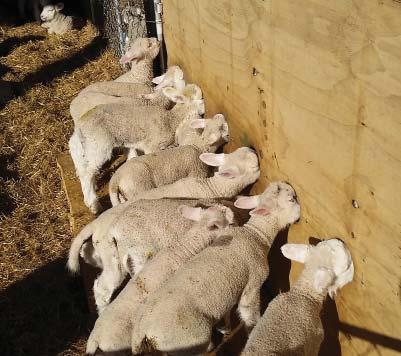
Different brands of milk replacer have essential differences in digestibility (making use of nutrients), solubility, ease of mixing, and overall quality – all of which affect the health and growth of young lambs.
Farmers using Sprayfo Primo Lamb from AgriVantage note a reduction in lamb mortality rates, particularly from bloat. They have also seen excellent growth rates. This is because Sprayfo is consistently the best quality, a reflection of its raw materials and production method. A highly digestible fat blend combined
with dairy ingredients, the mix is pasteurised then high-pressure homogenised, reducing the fat particles to 1/1000 of their original size.
A unique high-tech spray-drying process results in particles that have valuable protein on the outside, with fat contained inside. The most important ingredient for the lambs’ growth is available first and absorbed faster. Solubility is optimal at 40deg C.
For more information, contact your Farmlands Technical Field Officer or the friendly team at your local Farmlands store.
Article supplied by AgriVantage.


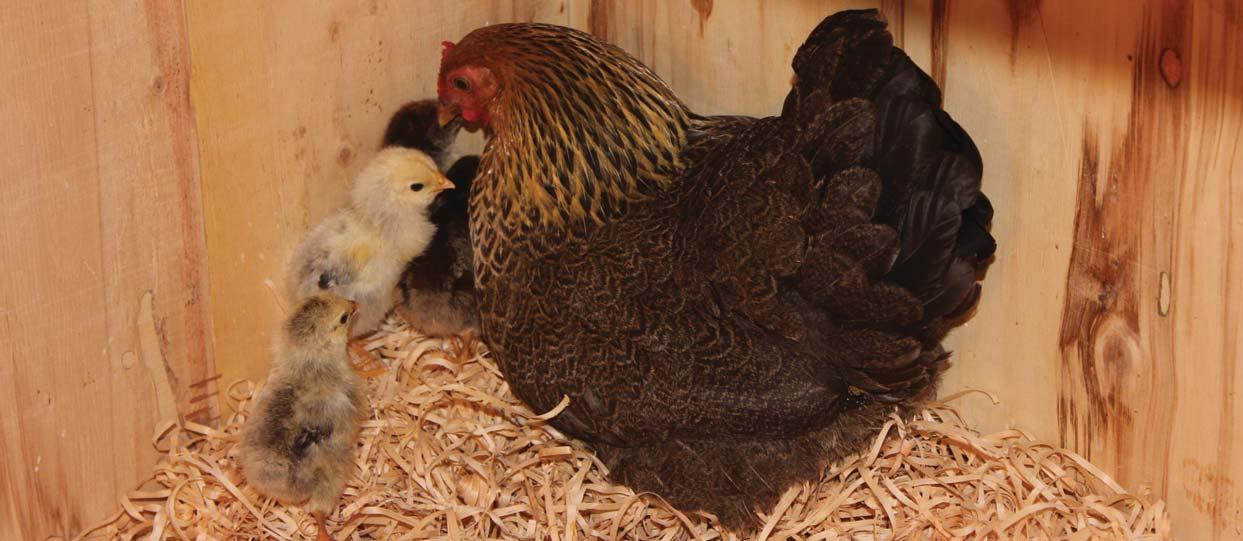
With spring and warmer weather bringing a proliferation of young animals around the country, this is an ideal time to rear chickens either for egg laying or for the freezer.
Spring-hatched chicks are ideal for pullet rearing in non-commercial situations where natural day length plays an important role in determining whether a hen will lay or not. Typically, hens start to lay when they are about 4 to 5 months old, so laying hen chicks hatched in late spring will generally start to lay towards the end of the year and will continue laying until the following autumn, when they will stop and moult. This means these hens should lay for about 14 months before they first moult. Chicks hatched earlier in the year (e.g. autumn) will generally start to lay in late spring but will also moult at a younger age and after only about 10 months of laying.
Modern strains of meat chickens, if well fed and managed, are generally ready for the freezer when they are about 7 weeks old, so birds hatched in the next month or so should be ready in plenty of time for Christmas. Growing a turkey from day old to 10kg (or 7.5kg when dressed) takes about 4 months, so if you are planning a home-grown turkey as a feature for your Christmas dinner you should already have poults on the ground.
Providing a source of high quality, readily digestible nutrients is essential if you want to optimise growth rates in young birds, and the NRM range of poultry feeds contains two diets formulated specifically for this. NRM Chick Starter and NRM Meat Bird Crumble combine grains, quality proteins and a balanced supply of macro and trace minerals and vitamins, providing the essential nutrients required to support growth and development in young chicks. Added organic acids and essential oils help to support gut health in the young growing birds, improving the digestion of nutrients available in the feed. NRM Chick Starter is ideal for young laying hens and contains a coccidiostat to aid in the control of coccidiosis. The NRM Meat Bird crumble is ideal for rapidly growing meat chickens and is also suitable for turkeys and game bird species. Bright lighting in the first weeks helps to ensure chicks find feed and water, and helps them adjust to their new environment. Lighting can be reduced after the first week, with the number of hours reducing as birds get older. Chicks should have access to a good quality feed and clean fresh water from day old. Sprinkling a little of the feed on tissue paper or newsprint placed in front of or around the feeders for the
first 7 days can help to encourage feed intake. This paper can be removed between day 7 and 14. Feeders should be filled to their highest level, to make it easy for chicks to get at the feed. Once chicks are eating well, be careful not to overfill feeders as this results in waste.
Just as providing a high-quality feed is important to ensure good growth rates, ensuring that birds are kept in a clean, well ventilated but not draughty environment is vital for their health. Hygiene is particularly important for all young animals, and the area housing the chicks and any equipment used with them should be thoroughly cleaned using a high-pressure hose and suitable cleaning agent, particularly if it has been used previously. Disinfecting the equipment and housing after cleaning using a sanitiser such as Virkon S is recommended. Allow the area to dry before placing shavings or other litter material in the shed.
To ensure good early growth rates and frame development, choose a chick feed high in good quality protein and energy and which is balanced for macro (e.g. calcium and phosphorus) and trace minerals.
For more information, contact your local Nutrition Specialist.
Article supplied by NRM.
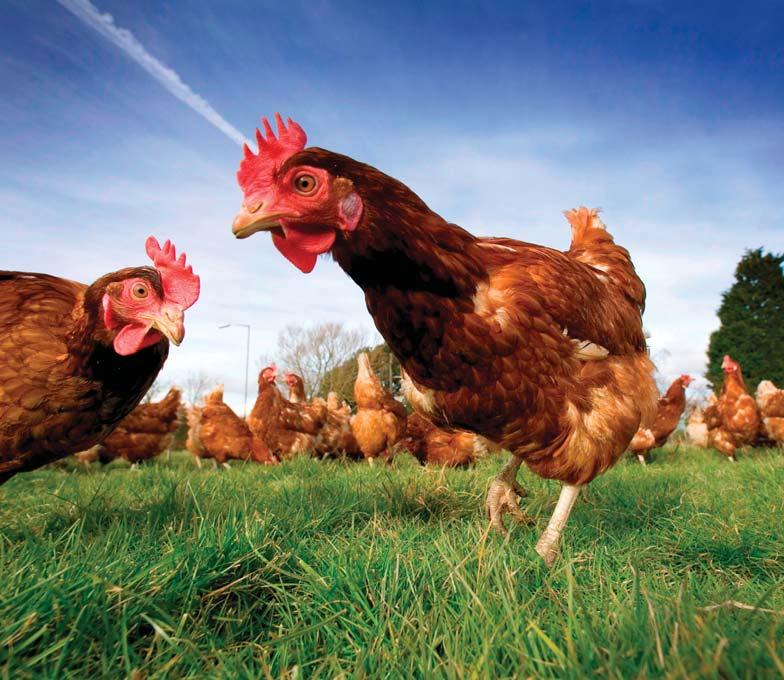
With the shortest day of the year now behind us and day-length increasing, poultry keepers will typically see increased egg production from the laying hens in their flocks. Providing the correct balance of nutrients to support this increase in production is important if bird health and welfare and egg quality are to be maintained.
Eggs are recognised as a high-quality protein source rich in the nine essential amino acids required by humans for formation and maintenance of muscles and organs, hair, skin and nails. Like humans, hens are unable to make these essential amino acids themselves and the only source for the hen is from its feed. Feeding a quality, well balanced feed like NRM Chook Tucker helps to ensure that your hens get the amino acids and protein they require for egg production as well as growth and maintenance of their own muscles, organs, skin and feathers.
In a research review published in the June issue of Complete Nutrition, Scottish dietitian, health writer and TV nutritionist Dr. Carrie Ruxton described eggs as “nature’s multivitamin”, and suggested eggs offer a range of health benefits that include a supply of essential vitamin D, certain B vitamins, selenium and iodine not present in many other foods.
However, the levels of these essential nutrients in eggs can vary and often depend on the levels in the feed consumed by the hen. NRM Chook Tucker contains added vitamins and minerals to help
support the health and welfare of the hen, and some of these essential nutrients will transfer to the egg.
Egg shell quality is obviously important in containing the contents of an egg. Less obvious but equally important, the egg shell helps keep the contents of the egg free of bacteria and other organic matter. Providing sufficient calcium as well as a balanced supply of phosphorus and other trace minerals such as zinc and copper help to ensure hens produce high quality eggs with strong shells, which
inevitably have a better shelf life than those with more porous shells.
A wholesome, complete feed suitable for all laying hens, NRM Chook Tucker is formulated with the goodness of quality grain, kibbled maize and nutritionally rich pellets to provide your hens with a balanced diet containing the protein, energy and calcium they need for good health and great eggs.
For more information, contact your local Nutrition Specialist.
Article supplied by NRM.

Superior Chunky and Supreme Possyum are market leaders in shelf stable dog rolls. Based on over 25 years experience we manufacture fresh rolls daily and dispatch them throughout the whole of New Zealand.
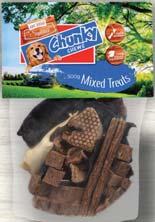
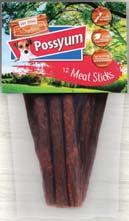
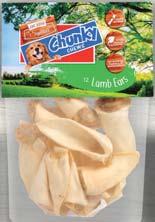
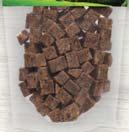

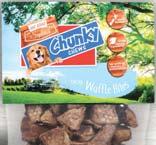





We are delighted to be now introducing our NEW four Superior Chunky Chews and our two unique Supreme Possyum chews range.




Our factory in Carterton, Wairarapa has been manufacturing dog treats for over 20 years and prides itself on making natural and wholesome products that dogs love.

Our range is made in New Zealand, using the finest quality raw materials and they are specially designed to reward your dog with the very best that nature can provide.

Coccidiosis is a parasitic infection of the intestinal tract of animals, caused by a coccidian protozoa. Coccidiosis can affect many species of animals including cattle, poultry and rabbits.
Younger animals are much more at risk when exposed to the parasite due to their immature immune system, which is still developing resistance. Stressed animals and animals offered inadequate nutrition are also more at risk.
Coccidiosis can live in the environment from season to season if the conditions are right, and the parasite can spread very easily between animals living in close quarters through oocytes in faeces. This makes New Zealand calves prone to issues because the same sheds and paddocks are commonly used year on year for calf rearing.
Coccidiosis is a debilitating infection that can cause many issues in animals ranging from general ill-thrift and poor growth rates due to sub-optimal nutrient absorption through to severe diarrhoea causing dehydration and death, so it is an infection worth taking simple steps to prevent.
The most obvious sign of severe coccidiosis infection is a bloody scour. The reason you see blood coming through in the faeces of severely affected animals is because the parasite destroys the lining of the intestines. Eggs of the parasite are laid in the intestinal wall, and when these eggs hatch they rupture the lining of the digestive system. Calves with a more severe infection are very hard to bring back to full health as the absorption of
nutrients from the intestines becomes extremely compromised for a long time due to the loss of absorptive tissues.
A bloody scour signals a severe coccidiosis infection, but animals can also show the following symptoms:
• Diarrhoea, with or without blood present.
• Loss of condition or poor growth rates.
• Tail, hindquarters and hocks stained with faecal material.
• Rough coat, droopy ears, general ill-thrift and/or depression. Faecal sample analysis is needed to confirm the diagnosis.
Prevention the key to control
A few simple steps can reduce the risk of coccidiosis on your farm this season:
• Ensure hygiene is a top priority and ensure sheds are as clean and dry as possible. Clean calf sheds regularly with a disinfectant such as Virkon S.
• Keep food and water troughs off the ground, and clean regularly to avoid heavy faecal contamination.
• If using waste/transition milk, consider using an additive (such as Nutritech’s DanCalf) in the milk to add a coccidiostat. A coccidiostat is a compound that breaks the lifecycle of the parasite in the digestive system. If using calf milk replacer, some may already have a coccidiostat present, but some may not. Check your calf milk replacer choice and consider adding a coccidiostat if one is not already present, particularly if you have had coccidiosis issues on farm.
Maturation in intestine
Sporulated oocyst contaminates food or drink
• Ensure that calf hard feed/pellets contain a coccidiostat such as Bovatec or Rumensin – most good quality calf feeds will. This is probably the easiest action you can take for coccidiosis prevention as it’s as simple as one decision. Just remember that calves will not be covered until they are eating a substantial amount of the meal so you may need to add a coccidiostat to the milk as well if not included already, especially if calves are being fed higher rates of whole milk.
• Continue using a calf feed containing a coccidiostat post-weaning to ensure calves are still covered during this high stress transition.
For more information, contact your Farmlands Technical Field Officer or the friendly team at your local Farmlands store.
Article by Stacey Cosnett, Assistant Nutritionist, Farmlands.





















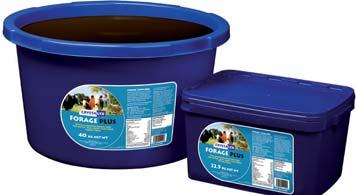

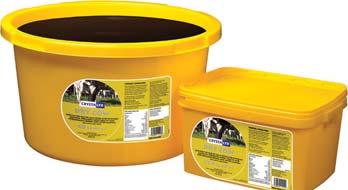

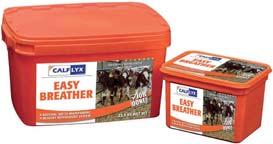




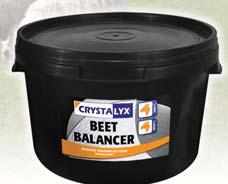


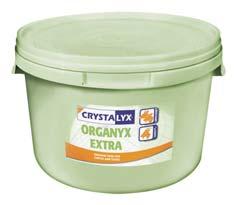








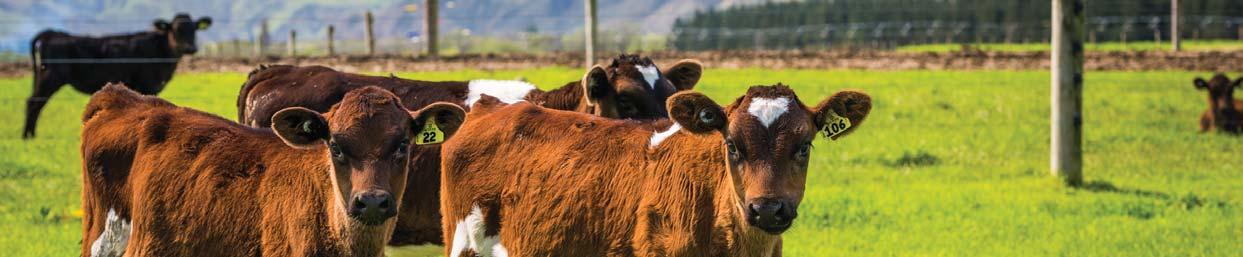

Liveweight targets for replacement heifers are well known and researched: 30, 60 and 90 percent of mature liveweight at 6 months, 15 months and 22 months. It is also widely accepted that calving replacement heifers at 2 years of age is both economic and efficient, and to do so, heifers need be at optimum fertility in time for first breeding at 15 months.
What may be less well known is that fertility increases up to the third oestrus cycle after the onset of puberty; therefore heifers should ideally have reached puberty and be cycling at least 6 weeks before first mating for optimum early breeding success.
There is also general agreement from the research studies that smaller heifers at calving produce less milk in their first lactation – but this depends when the reduction in growth takes place. It is the heifers that are bigger at calving because they grew faster post-mating that produce most milk during their first lactation (about 0.25kgMS per kilogram liveweight).
Sexual maturity (the onset of puberty) in heifers is related to liveweight, not age: bigger heifers reach sexual maturity sooner, so why not push heifers as fast as possible from day 1? If only life were that simple.
The mammary gland goes through three distinct stages of development during heifer growth. In early life (up
to 4 months or so) and from puberty throughout the first pregnancy, the mammary tissue develops faster than other body tissues (allometric growth). But in between these two periods (about 5-11 months) the mammary tissue develops at the same rate as all other body tissue (isometric growth). This second period is the key. Heifers that grow too fast during this phase are thought to lay down more fatty tissue in the udder at the expense of milk synthetic tissue. Frame, not fat
About 75 to 80 percent of frame size is put on before 12 months of age (DairyCo, UK data). The most critical time for frame growth is between weaning and puberty. Heifer growth in grams per day during this period should be the same as the average mature liveweight of the herd in kilograms. If the average mature weight of the herd is 450kg, grow your heifers at 450g/ day; if the mature average liveweight is 600kg, grow your heifers at 600g/day.
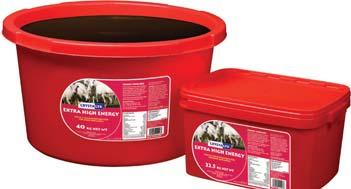
How can Crystalyx Forage Plus help?
Numerous independent university studies have confirmed that heifers gain weight faster when supplemented with Crystalyx at grass, but they are also leaner (lower BCS) than control heifers on grass alone.
A mob of R2 Holstein bulling heifers fed Crystalyx gained 37kg more in 175 days than control heifers on grass alone (German study data).
The heifers fed Crystalyx also had significantly higher conception and pregnancy rates than the control heifers (92 percent as against 80 percent). Crystalyx intakes averaged 130g/heifer/day throughout the trial.
A larger study by Agresearch in New Zealand, with 319 R2 dairy heifers split into four mobs (two control and two fed Crystalyx Forage Plus), also confirmed significantly higher pregnancy rates in the Crystalyx-fed heifers over the controls (95 percent average pregnancy rate in the control mobs; 100 percent pregnancy rate in both Crystalyx-fed mobs). The Crystalyxfed mobs on average were also 4 days further in-calf than the control mobs at the time of pregnancy diagnosis, suggesting an earlier and stronger oestrus cycle when the bulls were turned in. Crystalyx intakes averaged 133g/heifer/day throughout the trial.
Feeding Crystalyx not only makes better use of home-grown forages by making the rumen bugs work a little harder and more efficiently, it also provides generous levels of all the essential trace elements and vitamins needed to maintain optimum animal health and performance all year round – to help you unlock the full potential of your herd. For more information, contact your Farmlands Technical Field Officer or the friendly team at your local Farmlands store.
Article supplied by Crystalyx.
If you have been using nets on your vineyard, you will know the damage birds can do to your crop if it is left unprotected. Vineyard nets reduce bird damage, and the initial investment is soon recouped through higher yields of better quality fruit.
Empak has been manufacturing and supplying nets for grapes and horticultural crops for over 10 years, and the nets have been made by the same factory since the company began in 2005. The nets are guaranteed for
10 years against UV degradation, and the company and staff take pride in their after-sales service and advice.
Empak can supply (in black or white) all types of net, from side net through to multi-row net up to 22m wide by 400m. It also offers a free measuring and quote service for made-to-order nets for your vineyard, so you get the best value from your investment.
Empak recycles nets and plastics through its Plasback recycling scheme. Empak and Plasback are the only companies to actively
recycle nets and other horticultural plastics within New Zealand.
If you have old nets, irrigation drip line or spray guards from young vines, all this plastic can be recycled into other products, avoiding waste product going to landfill or being burnt. Contact Empak if you have plastics for recycling. For more information, contact your local Farmlands Technical Advisor, or the friendly team at your local Farmlands store.
Article

Budbreak enhancers are used to stimulate early and uniform budbreak. Timing is crucial to achieving optimal results. In close collaboration with Zespri, the BreakNSure test for kiwifruit has been developed to monitor the physiological status of your vines accurately.
This easy-to-use test enables you to determine the optimal moment for your budbreak treatment, thus optimising king flowers, fruit set, fruit quality and maturity. BreakNSure Hayward and G3 contributes to an optimal yield with test results provided within 48 hours.

Pre-register with NSure now to ensure there are no delays in receiving your BreakNSure test results. www.farmlands.co.nz/nsure or scan the QR code.



For more information or to order, talk to your Technical Advisor or the team at your local Farmlands store.
A high-performance protectant copper fungicide has been approved for use against Psa in kiwifruit.
ChampION++™®, which is available only from Farmlands Horticulture, can now be applied from harvest through to pre bud burst and also post flowering, to control Psa-V. Nufarm Territory Manager Chris Brenan says unlike some other widely used coppers on the market, ChampION++ is BioGro-certified as an approved input for organic growers.
The addition of the Psa-V label claim follows independent trials in the Bay of Plenty on both Hayward and Gold 3 kiwifruit to confirm efficacy against the disease and also crop safety for kiwifruit vines. This extension of an already comprehensive label is positive news for conventional and organic growers wanting to reduce the amount of active ingredient applied per hectare without compromising performance, Chris Brenan says.
“This product is all about doing more with less. Because of the way it has been formulated, it provides excellent coverage and disease control with low use rates.”
Containing 300g/kg copper as copper hydroxide, ChampION++ is registered for control of a wide range of fungal and bacterial diseases on fruit, vegetable and brassica crops, as well as Psa-V in kiwifruit.
Advanced formulation technology means the copper hydroxide crystalline particles in ChampION++ are smaller and more consistent than some other
coppers currently available, so it delivers a greater number of smaller, more precisely shaped particles (average size 1.8 micron) to give better coverage of the leaf surface. Because smaller particles have proportionately greater surface area, the result is a higher release of copper ions, which in turn means lower use rate and subsequent environmental loading.
“At this time of the season, it’s likely to be of immediate relevance to pipfruit, avocado, citrus and grape growers planning their spring disease management strategies,” Chris Brenan says. It is also registered for feijoas, kiwifruit, stonefruit, asparagus,
onions, tomatoes and pine trees, among many other crops.
Apart from particle size and consistency, other important benefits of the product are that it is low-dust, stable, free-flowing, easily pourable and quick to disperse in water. It contains a highly efficient and environmentally friendly biodispersant that suits both conventional and organic use, and its paper packaging means no plastic container to dispose of.
For more information, contact your Farmlands Technical Field Officer or the friendly team at your local Farmlands store.
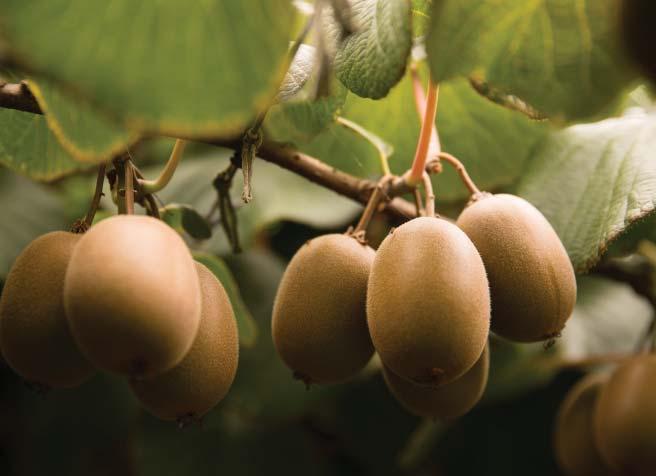
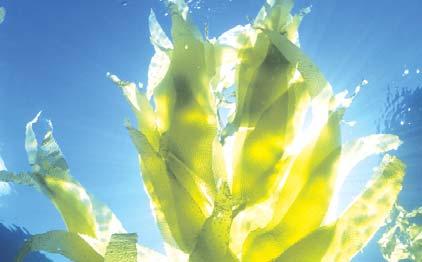
A fertiliser made from kelp is proving popular with organic kiwifruit growers.
Macrocystis is a kelp found widely throughout the southern hemisphere, and in the north-east Pacific from California to Alaska. It can grow up to 30m long, and is the fastest growing plant in the ocean, at up to 60cm a day.
The seaweed for Kelpgrow, a macrocystis-based extract supplied by Biolchim NZ, is harvested in the northern Pacific, where it finds ideal conditions – cold, pristine waters and long sunny days.
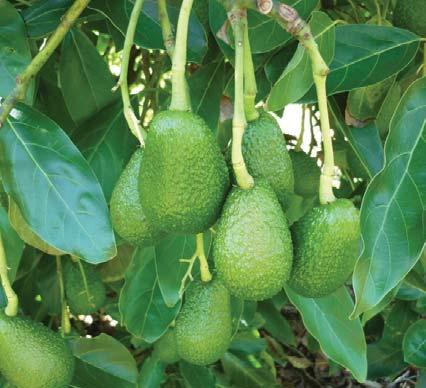
Gary Cliff, of Cliff Orchards, owns and operates a 35ha avocado orchard in Whangarei. The orchard has 3000 mature trees, mainly Hass on Bounty rootstock, as well as younger plantings. Most of the trees are 40 years old.
Gary has used Biolchim products on his orchard this season, and has this to say about them:
• Nov@ GR – “I used Nov@ GR in my new planting of avocados and it demonstrated increased vigour over plants not treated. I would definitely use it again.”
Kelpgrow is BioGro certified and has no export restrictions. Due to its processing it retains 100 percent of the raw material’s active ingredients. Only mechanical processes at ambient temperature are used, unlike other methods that use chemical and heat extraction. Kelpgrow is particularly rich in auxins, which regulate cell elongation, stimulate adventitious rooting and induce apical dominance, as well as improved floral development, increased fruit setting and cell expansion. Trials have shown Biolchim’s extraction process retains the highest auxin-like activity.
For more information, contact your Farmlands Technical Field Officer or the friendly team at your local Farmlands store.
Article supplied by Biolchim.
• Fylloton – “I was really impressed with how Fylloton produced vegetative growth and coloured up my trees during flowering stress.”
• “To date I am pleased with how the products from Biolchim NZ have been performing on my avocado orchard.”
For more information, contact your Farmlands Technical Field Officer or the friendly team at your local Farmlands store.
Article supplied by Biolchim.

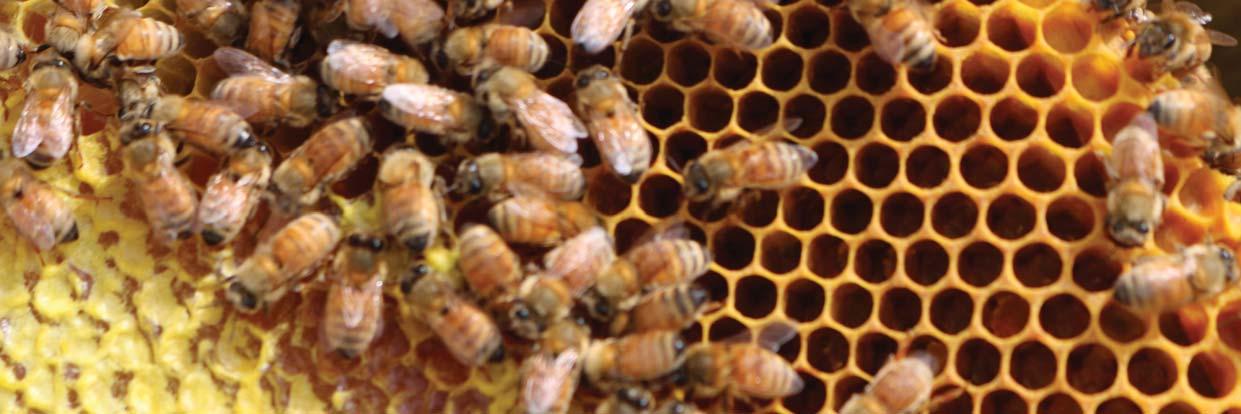
Spring is nearly here, the days are getting longer, and beekeepers are getting ready for increased population and swarming. Now is a good time to evaluate your beekeeping and set goals for the year ahead. This is the first step to being prepared.
Here are four actions you can take to get ready for spring: Research
During winter, you are generally unable to check your bees. Use this time to read up on bees and beekeeping. Buy or borrow a few good beekeeping books – Practical Beekeeping in New Zealand, by Andrew Matheson and Murray Reid, and Control of Varroa and Elimination of American Foulbrood Disease Without the Use of Drugs, both by Dr Mark Goodwin, are all great reads. The internet is also a resource, but be careful as there is some bad beekeeping advice out there.
Plant bee food
Plant some bee-friendly herbs, flowers, vegetables or shrubs, and try to talk your neighbours into doing the same. The more flowers your bees have access to, the better they will do and the better your chance of a honey
yield. If you grow native plants, you will also be creating valuable habitat for our native pollinators. Pohutukawa, sunflower, cucumber, pumpkin, sweetcorn, lavender, plum, and rosemary are all great plants for bees. Buy and build your equipment
It’s important to make sure you have enough beekeeping equipment for the upcoming year. It is worth having enough extra components on hand for one full hive. Sometimes bees increase population more quickly than anticipated. If you don’t have boxes ready to go, you could miss your chance to fill them with honey, or even worse, the bees may become too crowded and swarm.
Check your bees
You should assess your hives to find out how strongly your bees have come through winter. From the outside on warmer days, you should see bees flying, or if you tap the side of the hive and put your ear against it, you should be able to hear a hum or buzzing.
As soon as weather allows, get in and inspect your brood box. Look for the following:
• Signs of a queen (brood and eggs).

• Healthy brood pattern (solid, not patchy) and honey stores.
• Good population. A colony with a low population will be vulnerable to disease, parasites and starvation.
• Check varroa mite levels using an alcohol wash or sugar shake. If levels are unacceptable, you will need to apply a varroa treatment. It is best to do this as soon as possible, so the bees go into spring with health intact. It is important to alternate your varroa treatments to prevent resistance.
• Check your hive for American Foulbrood disease. If in doubt, use the Vita American Foulbrood Diagnostic Test Kit.
• If the nectar flow has not yet started for your area and your bees are looking weak, it is a good idea to feed them.
For more information, contact your Farmlands Technical Field Officer or the friendly team at your local Farmlands store.
Article supplied by Ecrotek.







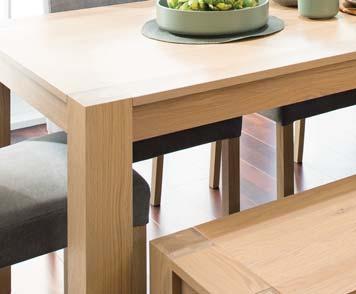



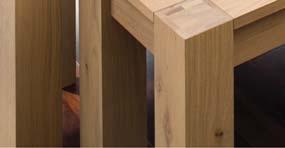



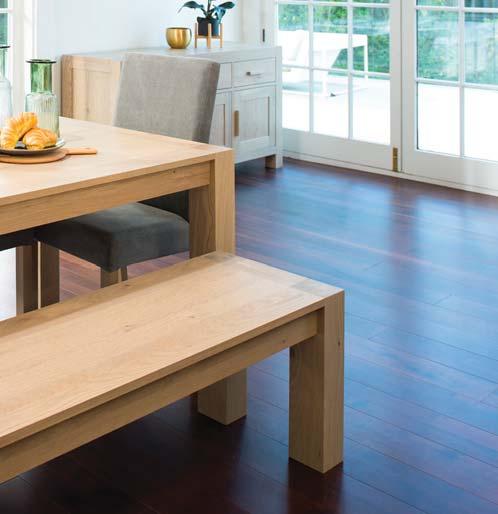

The big rise in the popularity of fodder beet over the past five years has produced a similar rise in the number of varieties on the market, which has made it harder deciding which best suits a particular farm’s requirements.
Farmer Aaron Taylor has been growing fodder beet for 6 years across the Palmerston North properties for which he is Operations Manager.
With support from Farmlands Senior Technical Field Officer Mike McLean, Aaron this year sowed 15ha of the variety Jamon on his run-off block.
Aaron runs both a dairy farm and a beef feedlot, so animal and forage performance is vital to him. With 900 milking cows and 3600 wintering beef cattle on the feedlot, forward planning is essential.
Not all fodder beet varieties are the same, so it is important to consider the end use/s of the crop. Some varieties are more suitable for grazing in situ, for mechanical or bucket lifting, for different classes of stock and for different climates.
There are also varieties that are more versatile, providing farmers with more options for using the crop if initial plans change. This is an ideal attribute for many farming systems, and Jamon fodder beet is known to possess this degree of flexibility.
Aaron has been feeding out his fodder beet through a mixing wagon to lactating dairy cows. Jamon grows half out of the ground, meaning most classes of stock, including young, have no issues pushing or pulling it out of the soil. Its medium DM percentage is soft enough for young stock, sheep and deer – it is softer than a swede bulb at 10 percent DM. Typically recommended to be sown at 80,000 seeds per hectare for grazing, when sown at higher rates Jamon is highly uniform, and can be successfully lifted with a mechanical harvester and fed out through the likes of a silage wagon. “Since feeding fodder beet we have seen a significant reduction in empty rates, going from 14 percent to 8 percent,” Aaron says.
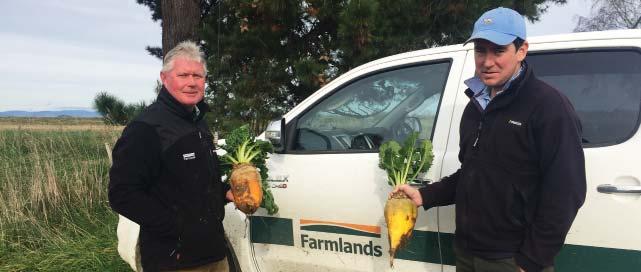
“Our cows are getting to peak production faster as well.”
Jamon is one of Agricom’s most consistent-yielding mono-germ cultivars, with a medium type bulb DM percentage between 16 and 18 percent. Jamon has an orange, elongated, tankard-shaped bulb that generally sits about 50 percent above ground in normal growing conditions, providing excellent access and utilisation for grazing animals. Despite a very late sowing date of 24th December due to a wet spring, Aaron’s crop still yielded in the mid to late 20 tonnes of dry matter per hectare. For best results, recommended sowing dates are between mid September in the north and late October further south, with soil temps of 12deg C and rising. If sown too early, there is the risk of it being too cold, a patchy establishment, risk of frosts, multiple weed strikes and subsequently more sprays. A later sowing date could mean missing out on crucial growing degree days.
As with all fodder beet varieties, it is important to be aware of bolters, which need to be removed completely from the paddock. Weed bolters produce seed that can remain viable in the soil for many years, so it is important to monitor and act as soon as seed heads start to emerge, which can be as early as February. For more information, contact your Farmlands Technical Field Officer or the friendly team at your local Farmlands store.
Article supplied by Agricom.










Using fodder beet on their sheep and cattle farm at Tormore, North Canterbury, has worked well for Andrew and Nikki Newton.
They have been growing fodder beet for the past two years. “Fodder beet is great because we can grow a large amount of winter feed on a small area of the farm,” Andrew says. “Even after dry summers we get consistent yields (24t DM/ha) with just one watering to ensure good establishment.”
The Newtons graze 200kg bull calves on fodder beet from midApril to September, and sell them as store cattle at 310kg. “Fodder beet is better than other crops like kale because we need less area out of pasture and can carry these cattle through winter and sell when there is good demand,” Andrew says.
The cattle’s growth is consistent throughout winter at 800g per head per day, with no drop in performance for the 125 days on beet. Once animals are transitioned over 14 days, they get a new break of fodder beet in the morning, a new break of pasture in a neighbouring paddock at noon, and access to straw in a feeder. Intakes are aimed at 4.5kg DM/head/ day of beet and 2kg of pasture.
“I think the daily break of pasture is important to maintain good growth in these young animals. We noticed that animals take to the cultivar Feldherr quickly and evenly during transition, and we will drill both this and Troya in spring,” Andrew says.
“Roger Chambers (Technical Field Officer, Farmlands) manages the
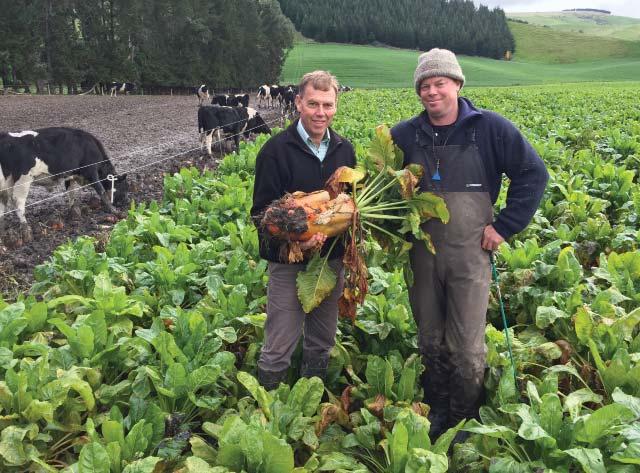
crops and he is hugely important for ensuring we get good results every year as he is very diligent with crop monitoring and inputs.”
Feldherr has a low dry matter bulb (14.5 percent) and Troya a medium bulb (17.4 percent). Both have been included in 21 trials throughout New Zealand, with leading performance for their types.
DLF Seeds has been researching fodder beet for five years, investigating different crop management options and the performance of cultivars. Results from this research include profitable yield responses from fertiliser applied in February; no difference between 30, 40 and 50cm row spacing; the finding that
1st September is the best date to plant beet in Canterbury; and no difference in growth rates of cattle grazed on low or medium dry matter cultivars. Comparisons between cultivars have shown significant differences in yield. This is crucial information for farmers because yield is the main determinant of how much profit the crop makes. Cultivars also differ in disease tolerance and leaf yield. For more information, contact your Farmlands Technical Field Officer or the friendly team at your local Farmlands store.
Article
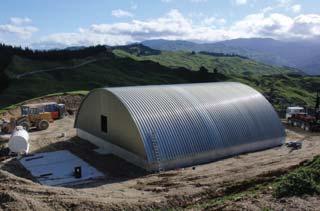
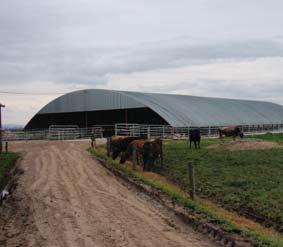
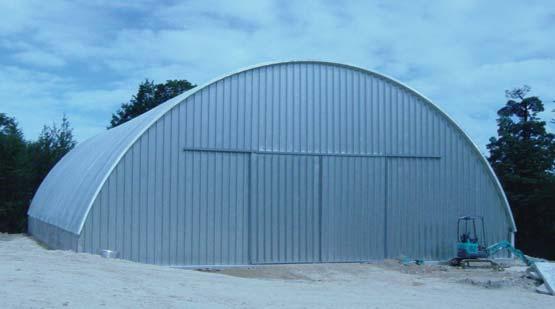
Lifestyle block owners face similar challenges to other farmers but often have less time and resources to deal with them. Soil fertility is a good example. Grass, like any other plant, draws the nutrients it needs from the soil. Grazing animals return some of these nutrients via dung and urine. However, some nutrients will “leave” the property as milk or meat, or if you cut and sell pasture then as hay or baleage. If these nutrients are not replaced, your pasture growth will decline over time. Some soils are also naturally low in some nutrients. Pasture growth will be limited by any such short supply, regardless of the level of other nutrients. The first step is to test your soil. A professional can take samples for you or it is relatively easy to do yourself. Get advice and equipment from your Farmlands store and/or check guidelines on a soil testing laboratory website such as Hill Laboratories (hill-labs.co.nz). Get tests done
Quick
K6-87-107-10 Magnesium Quick test Mg 8-10*8-10*8-10* Sulphur Sulphate S10-1210-1210-12 Organic S15-2015-2015-20 pH 5.8-6.05.8-6.05.8-6.0
annually and keep good records, as trends over time are important. The table shows the tests that are of most interest in relation to pasture growth and the target ranges for each nutrient.
If soil pH is too low, you will need to apply lime. Bringing pH into the ideal range will increase the availability of nutrients in your soil. As a rule of thumb, you need one tonne of lime
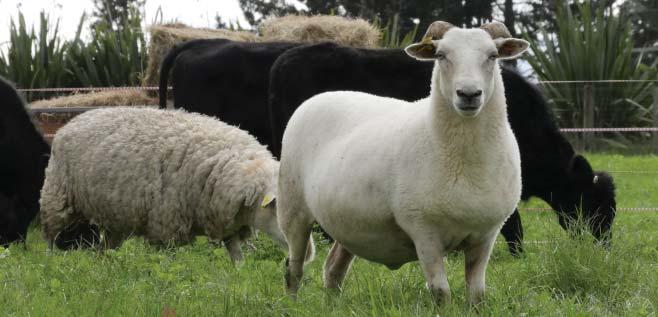
per hectare to raise soil pH by 0.1 unit, and the full effect takes 6-12 months. If any nutrients aren’t in the optimum range, then it is time to apply fertiliser. The Nutrigro range from Ballance Agri-Nutrients has been specifically formulated with lifestyle farmers in mind and is suited to spring application. Along with phosphorus, sulphur and potassium (in Nutrigro 13K), it supplies nitrogen (to boost spring grass growth) plus cobalt and selenium, which are essential trace elements for animal health. Nutrigro comes in 20kg bags for easy transport and handling.
Bring your soil test results to Farmlands to see whether Nutrigro is the right option for you, or whether another product or product combination would better meet your property’s needs. For more information, contact your Farmlands Technical Field Officer or the friendly team at your local Farmlands store.
Article supplied by Ballance Agri-Nutrients.
Fortunately Peter and Raewynn Osborne don’t have to use their local place name of Taumatawhakatangihangakoauauotamateaturipukakapikimaungahoronukupokaiwhenuakitanatahu for a mailing address. The name roughly translates as “The summit where Tamatea, the man with the big knees, the slider, climber of mountains, the land-swallower who travelled about, played his nose flute to his loved one” and has been listed by Guinness World Records as the world’s longest place name.
Peter and Raewynn recently bought a 195ha steep coastal property just south of Porangahau in the Central Hawke’s Bay, next to the peak with the long name. After many years in the high-stress fuel industry, it was time to slow down and enjoy the lifestyle of running a mid-size farm. After looking at many different properties, location,
the Hawke’s Bay climate and the opportunity to place their own mark on the property won them over. The farm has a large covering of regenerated bush and scrub and some tracts of native trees.
Peter and Raewynn are both selfconfessed environmentalists, so their plan is to develop some of the regenerated scrubland back into pasture, while retaining the native flora. Peter has already started to fence off several natural waterways, limiting stock access. A reticulated stockwater scheme is a priority. This was reinforced by the drought of 2016, leading to the river, creek and springs on the property drying up.
Peter and Raewynn’s search for advice on a new water system started at the Central Districts Field Days, held in Feilding in March. Noting in the programme that Iplex Pipelines had a site next to Farmlands, their main on-farm supply company, made the search easy. Peter Carswell, Iplex’s Rural Projects Manager, arranged to visit the farm for a detailed GPS survey of topography, geographic positions, pipeline route and water source.
Before Peter’s visit, the Osbornes found an excellent spring-fed dam quite high on the farm. They did some remedial work to enlarge the storage and fence off the area from stock.
Following the survey it became evident that due to the property’s steep nature, the static pressure would need to be managed, as the dam was situated at 300m above sea level, while the lowest tank was at 41m. This was
achieved without compromising the required flow by positioning four break-pressure tanks to control the pressure to troughs the tanks supplied. Pipeline lengths and pressure ratings were then determined, along with dam-holding capacity, to supply the 12,000 litres required per day for the 250 mixed-age cattle, and the pipe diameter needed to cope with the 2,000 litres per hour peak water demand. “Field days still have their place in the New Zealand rural scene”, Peter says. “Where else could I have got the professional advice needed, next to the company that I purchased the materials from and arrange delivery through – it was a very seamless and efficient process.”
For more information, contact your Farmlands Technical Field Officer or the friendly team at your local Farmlands store.
Article supplied by Iplex.
Calf-rearing season is no one’s favourite, and having the right gear to do the job is key.
Grant Allen, chief executive of Stallion Plastics, is committed to providing the best calf feeder for the job. Years of research and design have gone into providing a premium range of calf feeders. “We’re confident this range takes mobile feeders to the next level of innovation,” he says. As well as ease of use and size, the
MG and OT ranges offer a 3-way locking system on the lids to enable them to withstand high winds. The tanks are made from 100 percent polyethylene, making them tough and durable in extreme weather. New 500L and 1000L tank sizes also mean farmers can spend less time filling up and more time out in the paddock For more information, contact your Farmlands Technical Field Officer or the friendly team at your local Farmlands store.




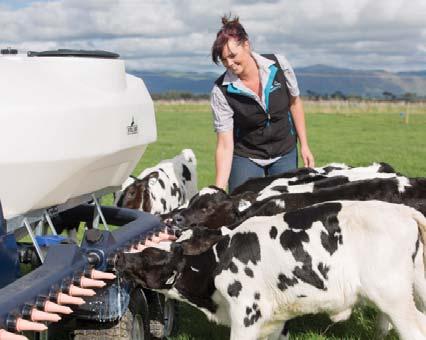










































At FMG, we look after more rural New Zealanders than any other insurer. In fact, it’s something we’ve been doing for over 110 years now. So when it comes to offering specialist advice, like protecting the integrity of your milk supply, we like to think we know what we’re talking about. Ask around about us. Or better still call us directly on 0800 366 466.
We’re here for the good of the country.
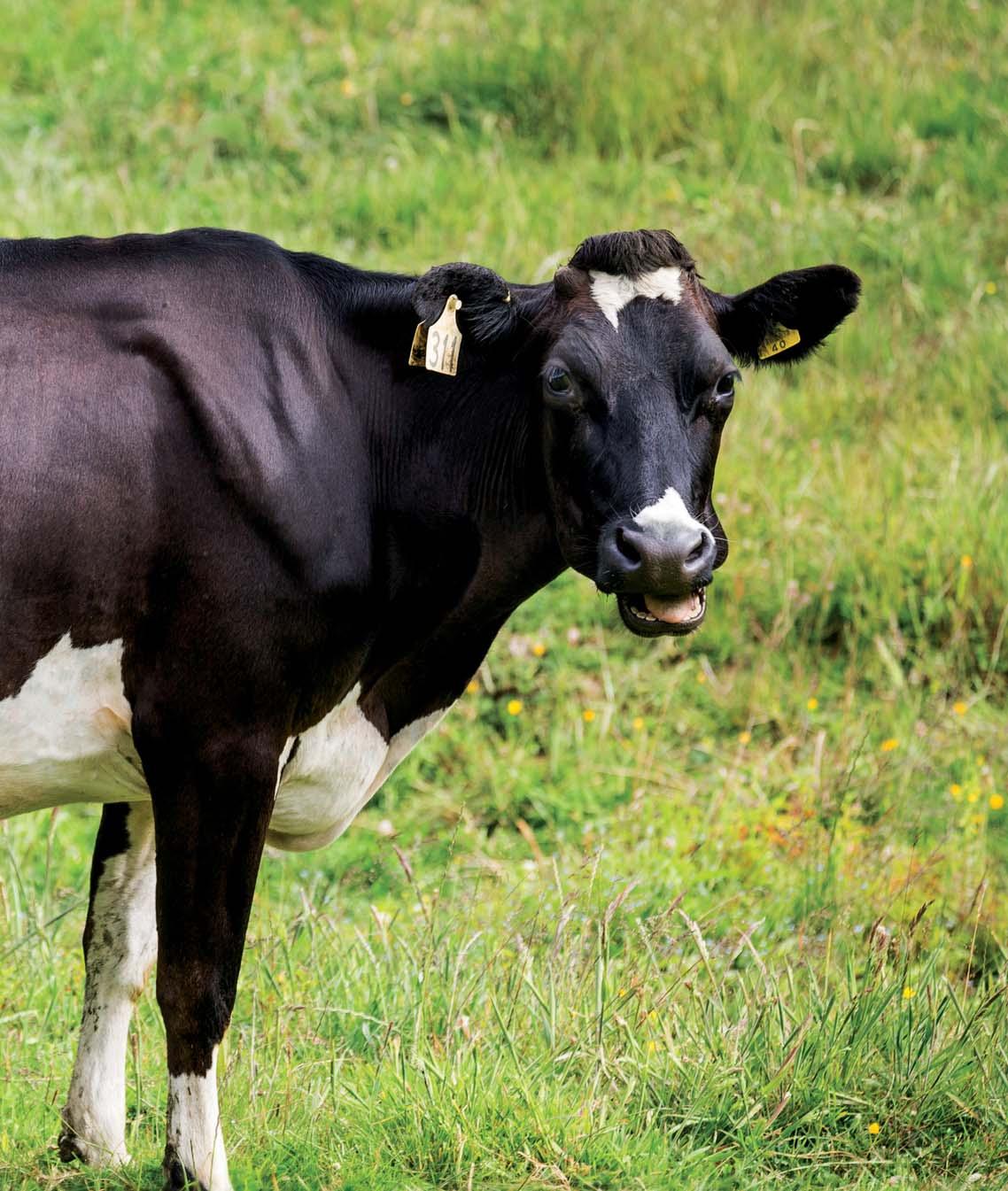
The most critical aspect of a breeding programme is daily identification of cows exhibiting heat behaviour. Achieving this represents a major success for the entire seasonal production system.
A tight calving pattern leads to more cows in-milk earlier, fewer empties and more calves produced through AI, which in turn means more money in the bank.
Accurate heat detection can be a challenge even for experienced farmers and the pressure is high, with it often being the most stressful time of the year. The difficulty and need for experience to identify cows in heat was the reason for the development of the Gallagher FlashMate™ Electronic Heat Detector.
Into its third season, the FlashMate is proving its worth as the definitive
answer to better heat detection in dairy herds, with many first-time users now making it part of their reproductive management programme.
FlashMate attaches to the cow’s rump for a full mating season. It can identify multiple heats within that season by looking for specific patterns of riding activity such as frequency, number and length. On detecting mating activity, it will flash a red light for 26 hours to inform the farmer the cow is in oestrus and ready for mating. If the cow attracts no further riding activity for 25 days, FlashMate will flash green, confirming that the cow is likely to be in-calf. It will return to flashing red if the cow shows heat activity again.
Gallagher Business Development Manager Colin Ranby says farmer comments on the FlashMate highlight how it has addressed several problems
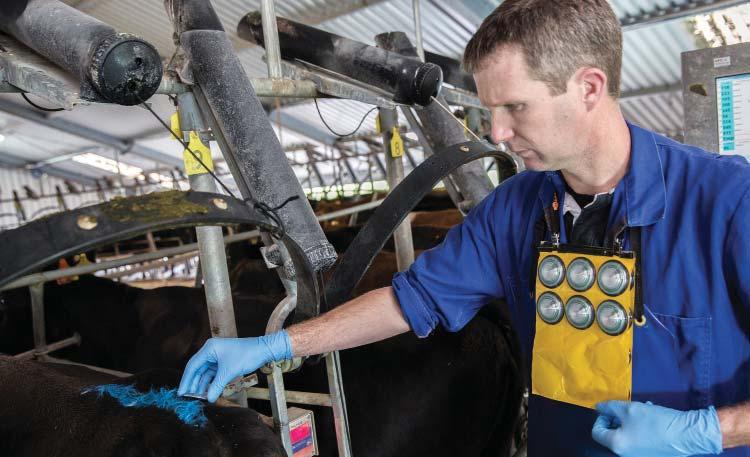
that heat detection often raise for them.
They have found that regardless of previous weak six-week in-calf performance, FlashMate detectors are picking up silent heats better than some experienced farmers do.
“Farmers doing AI themselves have found cows are being detected by FlashMate that they would otherwise not have put up, and they have proven to be on heat when they do,” he says.
A major benefit is the reduced stress levels during what is an extremely taxing time of the year. Some farmers use FlashMate simply to reduce the pressure of having to constantly monitor cows themselves, with farm workers taking on some of the workload.
“Farmers are saying there is a lot of satisfaction in seeing a row of red flashes as the cows approach the dairy in the morning, and even greater satisfaction when they start to spot the first green ones.”
Ranby says farmers will benefit financially from using FlashMate, which has no capital set-up costs.
“You can’t control the milk price and you can’t control the weather,” he says. “But if the average dairy farmer can lift their six-week in-calf rate from 65 percent to 75 percent, that’s worth an extra $60 per cow/ year, which equates to around $24,000 for a typical farm,” he says. For more information, contact your Farmlands Technical Field Officer or the friendly team at your local Farmlands store.
Article supplied by Gallagher.
Pulpy kidney and tetanus are the two most important clostridial diseases of lambs. From birth until weaning is the biggest risk period for both.
Clostridial diseases are notoriously deadly. Young stock are most at risk as their immune systems are still developing, so vaccination is the only viable method of control.
Pulpy kidney is most commonly seen in well-grown lambs 3-10 weeks old, but can affect any age. The bacterium (Clostridium perfringens Type D) is considered a normal gut inhabitant, but in local farming systems the higher risk period occurs when lambs are on good feed. This is because disease occurs after explosive multiplication of bacteria in response to dietary triggers – for example, a sudden diet change or high intake of nutrientrich feed. Death occurs rapidly and symptoms are rarely seen; it is much more common to find dead animals, and it’s often the best lambs affected. Tetanus is most often associated with docking or tailing, as the causal bacteria (Clostridium tetani ) is found in soil and contaminates wounds. Docking/tailing wounds put lambs at high risk, particularly if rubber rings are used.
Most New Zealand farms use pre-lamb ewe vaccination to give protection to lambs via antibodies in colostrum. The duration of protection can vary, and depends on many factors including timing, health of the ewe, amount of colostrum suckled and the vaccine used.
Not all pre-lamb 5-in-1s provide the same length of protection – for example, Multine® 5-in-1 provides suckling lambs with protection for up to 12 weeks, but Nilvax® provides protection for up to 16 weeks. Some other pre-lamb vaccines provide shorter protection. Because clostridial deaths occur before weaning, the most suitable time to start a vaccination programme in lambs will depend on your choice of pre-lamb vaccine, your risk factors and your farm management goals. The shorter the protection time gained from pre-lamb vaccination, the earlier you will need to start vaccinating lambs. The longer the protection time, the more flexibility you have. Multine allows you to start any time from docking/tailing. In a recent New Zealand trial, lambs born to ewes vaccinated with Multine demonstrated a high level of
protective antibody transferral to their suckling lambs. When these lambs were then vaccinated with a full 2-shot programme, commencing at docking/tailing, the lambs vaccinated with Multine not only had a very high proportion responding above the reference level, but also high levels of antibody production. It is important to complete the 2-shot programme. Together the shots stimulate the lamb’s immune system for protection that is robust and long-lasting, and the 2-shots ensure replacements are primed for future pre-lamb vaccinations.
A good vaccination programme could include a pre-lamb booster to the ewe, and the first Multine shot to lambs at tailing/docking, followed by the second booster shot 4-6 weeks later or at weaning. Any vaccinations from 12 weeks (or weaning) can also be done with Multine Selenised, convenient where selenium supplementation is required. When to start a programme is best determined by your farm management priorities, and your risks. Either way, vaccination is an investment in your stock, so a complete and robust programme will give you the best returns. Generally, saving just one lamb out of nearly 300 will see vaccination as a good return on the cost. Multine is developed, trialed and manufactured in New Zealand. For further information, contact your Farmlands Technical Field Officer or the friendly team at your local Farmlands store.
Article supplied by MSD Animal Health.
Safety is no longer just an aim, it is an obligation for all woolgrowers, so it is important to ensure your shearing shed is safe before the season starts. Preventable injuries also cost farmers, contractors and the wool industry significant sums annually.
The Heiniger Evo shearing plant is the first of its type with an electronic safety switch to instantly stop the machine in the case of a handpiece lock-up. Previously in the event of lock-up the handpiece would spin at up to 3,500rpm, which made
this a dangerous occurrence.
At only 7.8kg (machine only), the Evo is light to transport. Its downtube is isolated from all electrified components, reducing the risk of electric shock.
The TPW Xpress woolpress is fitted with an approved mechanical safety screen, to ensure operator safety is never compromised. Other features include a fully automatic bale ejection system, a cycle time of 12-16 seconds in high-yielding wools, pressing bales up to 200kg, and a low filling
The important questions to ask are:
• Does my shearing plant offer a safety cut-out in case of lock-up?
• Is my shearing plant isolated from electric shock?
• Does my woolpress have a safety guard?
• Is my woolpress operator safe?
For more information, contact your Farmlands Technical Field Officer or the friendly team at









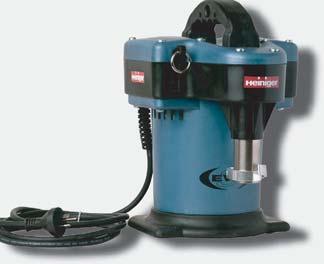












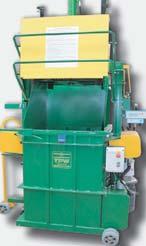




The dairy industry has been focused on improving fertility results for some years but with an average 6-week in-calf rate of about 65 percent and the empty rate sitting around 15 percent, this situation is costing farmers thousands of dollars in lost milk production and genetics.
The coinciding of these results with the nasty weather that hit many regions during the 2016 mating season has compounded the problem, with fewer cows in-calf in the first 6 weeks and a higher empty rate.
While it’s too late to do anything about last year’s mating results, we can plan for a better outcome this year.
The focus now is on addressing the reproductive issues that reduce in-calf rates, such as poor heat strength, poor heat length, and short and long returns.
To help farmers achieve more sustainable fertility outcomes, BellBooth has formulated a product, Nutrimol 4n1™, to address key issues. The unique 130-day 4n1 mating programme has reversed the trend of rising empty rates for hundreds of dairy farmers.
The Nutrimol 4n1 formulation targets the four big issues that many farmers experience through the reproduction process. These are:
Heat strength
The iodine in 4n1 is essential for thyroid gland function, foetal survival and overall development. 4n1 should be added to the diet on a daily basis to assist cows to cycle, which in turn supports heat detection and
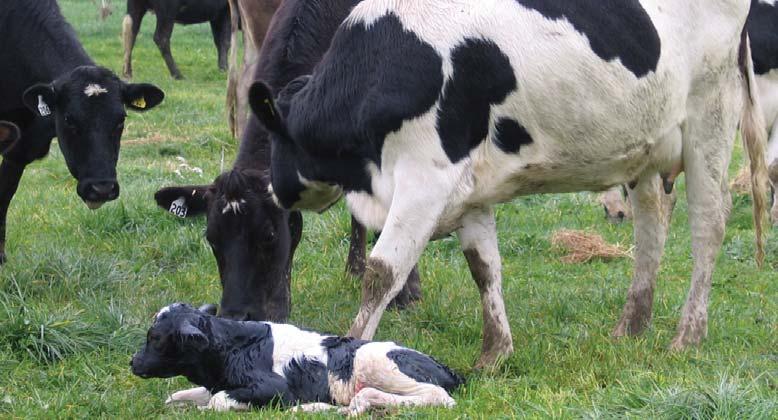
the readiness of the cow to “come up” and maintain a strong heat.
Embryo development
4n1 contains folic acid, which has been shown in human studies to reduce the risk of neural tube defects in the formation of the central nervous system. Sufficient vitamin B9 is important for supporting rapidly growing foetal tissue during the first three months of pregnancy.
Vitamins for health and wellbeing
4n1 contains vitamin A to promote mucous membrane health, skin health and the growth of body tissue. Good levels of vitamin A reduce the reproductive tract’s susceptibility to infection. 4n1 also contains vitamin D to stimulate the absorption of phosphorus and calcium, essential for bone formation, especially in rapidly growing animals. The vitamin E in 4n1 functions primarily as an antioxidant.
The addition of a prebiotic to Nutrimol 4n1 completes the overall component line-up and provides a food source for the “rumen bugs” helping to assist the cow with its feed conversion. For best results, begin dosing Nutrimol 4n1 30 days prior to the planned start of mating, to encourage strong heats. Farmers say it’s easy to see when the 4n1 kicks in – the cows get cycling within a few days. The 4n1 programme continues until 60 days after the end of mating, to assist with cows holding and their wellbeing. For more information or to receive a fertility assessment, contact your Farmlands Technical Field Officer or the friendly team at your local Farmlands store.
Article supplied by Bell-Booth.

Using effective and proven drenches to limit the effects of parasite infection in cows makes it possible to maximise production through better feed conversion efficiency.
Despite generally having good immunity, adult dairy cows are affected by parasites. At times of stress, such as calving, their immunity is lower than normal and they can be more prone to infection despite good feed covers. Trials in New Zealand and overseas have demonstrated increased production, improved reproductive performance and weight gains from the use of endectocides, particularly long-acting formulations. A New Zealand trial with Cydectin Pour-On™ found cows produced on average 4.5kg milksolids more than untreated
cows when treated at calving. In addition, the treated cows were on average 14kg heavier in later lactation. Long-acting drenches don’t just kill the worms present on the day of treatment, as many other drenches do; they continue to work, much like a long-acting fly or mosquito repellent, killing incoming larvae and preventing them from establishing in the cow. This allows the cow to use for milk production, conception or weight gain the protein and energy that would have been siphoned off to combat parasites. Ostertagia osteragi is the most important production-limiting parasite of cattle and the main parasite that needs to be controlled in adult cattle. Despite having sustained efficacy against parasites, Cydectin Pour-On
has zero withholdings for milk, meat and bobby calves, making it a valuable option in the shed at any time of the year but especially at calving. In the current trade climate it is imperative that residues are not found in bobby calves. Cydectin Pour-On is a proven performer on New Zealand farms, with three on-farm productivity studies demonstrating a positive response to treatment in cows. More recently, in 2012, an independent study reconfirmed its high level of efficacy at over 99 percent against Ostertagia For more information, contact your Farmlands Technical Field Officer or the friendly team at your local Farmlands store.
Article supplied by Zoetis New Zealand Ltd.

Bunnings Transportable Homes range offers affordable solutions for your housing needs
These homes can be designed and built off-site to be moved to the location of your choice anywhere across the nation, or be produced as a kitset and built on-site by a registered builder.
A fast and cost-effective alternative for difficult site conditions, there is a plan and style to suit your situation with spacious open-plan living and easy indoor/outdoor flow.
The Bunnings Transportable Home range offers the complete package from design through to the finishing touches. You can choose 2-bedrooms or go as large as a 4-bedroom home. All designs have been rigorously reviewed to ensure they meet or exceed local building codes.
The plans are fully quantity surveyed so you know, up front, what the costs will be. Our list of inclusions is one of the most comprehensive in the industry and, as a result, we can confidently give you a fixed price to build and finish a fully decorated home that you can simply move straight into.





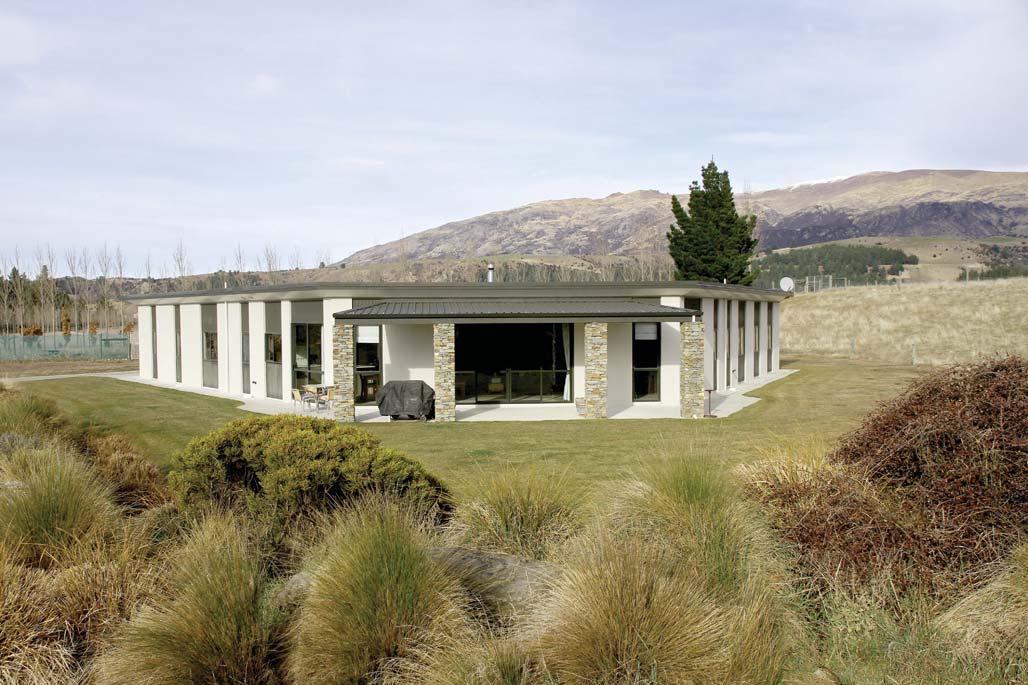
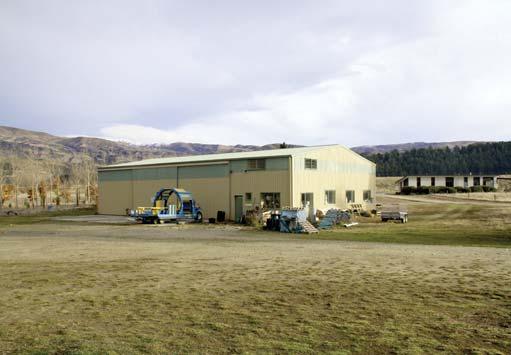
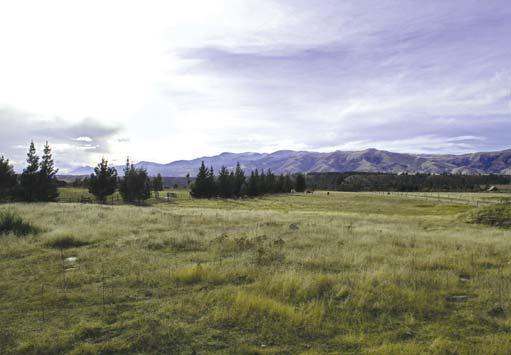
The ideal set-up for contractors, engineers or anyone needing a “workshop” in Wanaka. 300m2 with 4.5m door height complete with exterior concrete parking/access area. Current lease in place with provision to vacate should the new owner require. The homestead, built of tilt slab concrete and plaster, boasts excellent indoor-outdoor flow. Four double bedrooms, separate office, open-plan living, all-day sun and mountain views. This 4.7 hectare property is only 12km to town. Deadline sale closing 4pm, Wednesday 30 August 2017 (prior offers considered).

Dave Varney Residential/Lifestyle – Central Otago 027 476 7032 dave.varney@farmlands.co.nz

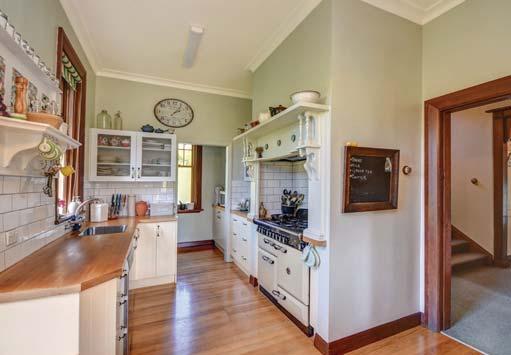
History abounds in this well-built two-storey home located on 1.4 hectares of park-like grounds in Palmerston, Otago. Consisting of five bedrooms, three bathrooms, two lounges and two offices, and a multitude of rooms for family use or work spaces to work from home. The farmhouse kitchen has a deluxe gas cooktop and a scullery ideal for food prep and preserve storage. You can be fully self-sufficient with a great orchard, vegetable garden and a free-range chicken facility. Price by negotiation.
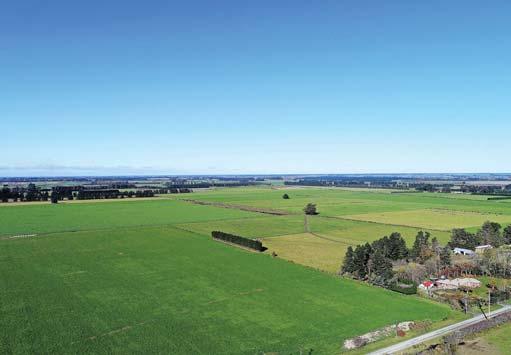
A collective total sale area of 306.48 hectares (subject to survey) situated in Darfield. Comprising 241.78 hectares (Beattys Road) and a proposed subdivided parcel of contiguous land of 64.7 hectares (Yeomans Road). An opportunity with significant scale and excellent shape in terms of future irrigation and general farm layout. Shares held in the CPW scheme allow for a range of land use options. Well located 40 minutes from Christchurch, these properties are poised for the next level of production. Deadline Sale closing 1pm, Wednesday 9 August 2017.

Albert Voschezang
Residential/Lifestyle – Dunedin 027 215 7573
albert.voschezang@farmlands.co.nz
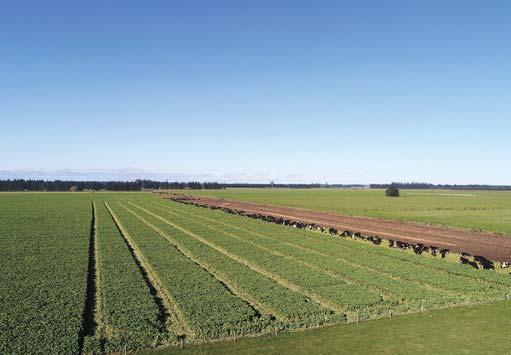
Matt Collier
Lifestyle/Rural – Darfield 027 205 6626
matt.collier@farmlands.co.nz
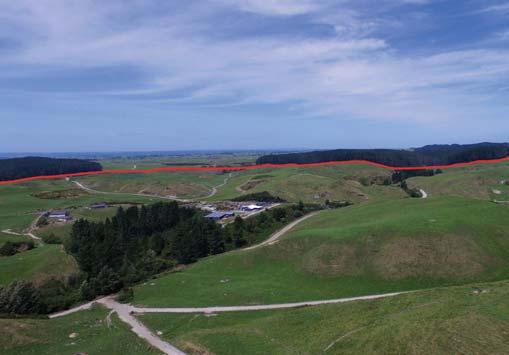
Reliable dairy country located in the well respected dairy district of Lichfield. The 280 hectare farm milks around 750 cows with production approximately 290,000kgMS produced with inputs. Plenty of paddocks available for grass harvesting or cropping. Farm buildings include a 54-bail rotary dairy with a Waikato milking plant and automatic cup removers, 750-cow feed pad with attached dairy yard with flood wash, and a 10-bay implement shed. Two three-bedroom homes plus a two-bedroom single man’s accommodation. Price by negotiation.
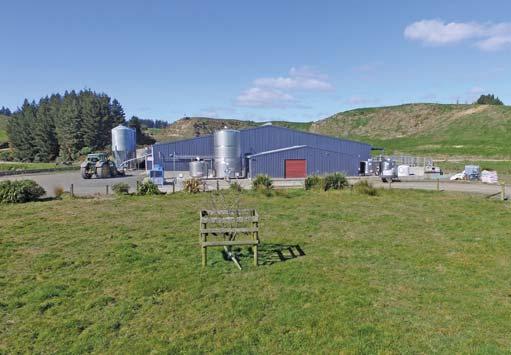
Dairy unit with scale, producing around 330,000kgMS, located midway between Putaruru and Tokoroa. 411 hectares with approximately 300 hectares of effective milking platform area. A range of superior improvements include three modern brick homes, 80-bail rotary dairy shed, 16-aside hospital unit, 800cow feed pad and a range of calf/implement sheds. 750 cows are wintered on the property and production remains around 330,000kgMS with inputs of maize, silage and palm kernel extract at approximately 1,400kg per cow. Price by negotiation.
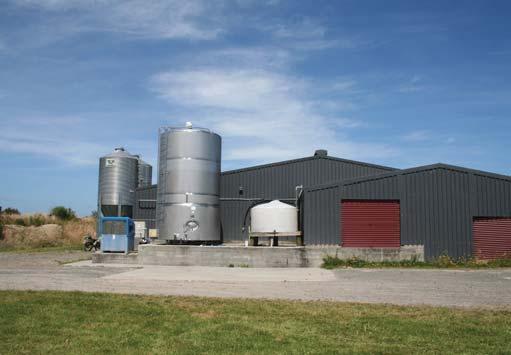


Ian Morgan
Rural – Waikato 027 492 5878 ian.morgan@farmlands.co.nz
Glen Murray
Lifestyle/Rural – Waikato 027 488 6138 glen.murray@farmlands.co.nz
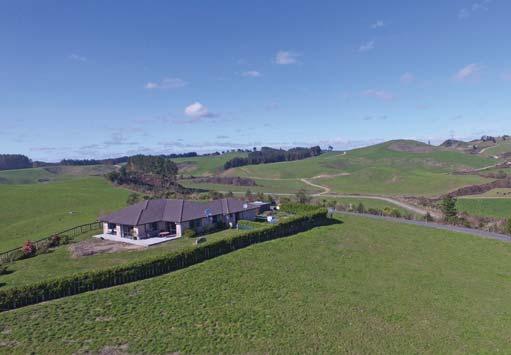
Ian Morgan Rural – Waikato 027 492 5878 ian.morgan@farmlands.co.nz
Glen Murray
Lifestyle/Rural – Waikato 027 488 6138 glen.murray@farmlands.co.nz
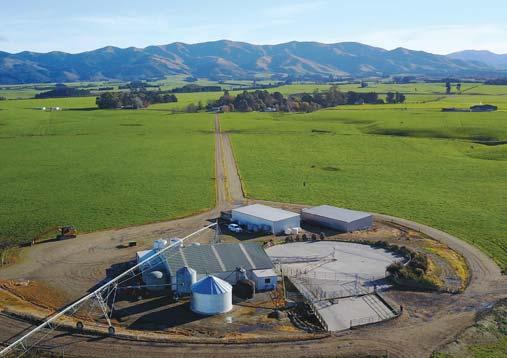
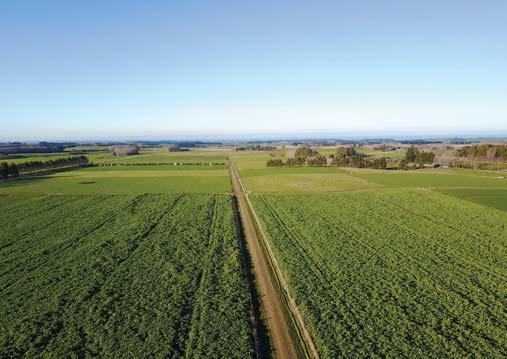
Outstanding 975 hectare self-contained unit presently milking off approximately 475 hectares. 1,800 quality cows, achieving 760,000kgMS. Excellent housing, including an executive homestead. Two rotary dairy sheds, supported by a full complement of ancillary buildings. 25km south of Timaru in Otaio, near two dairy companies. Quality soils, great contour and cost-effective irrigation water on the dairy units. Hunter Downs Water Ltd shares purchased to complete the irrigation expansion. Deadline sale closing 4pm, Friday 25 August 2017.
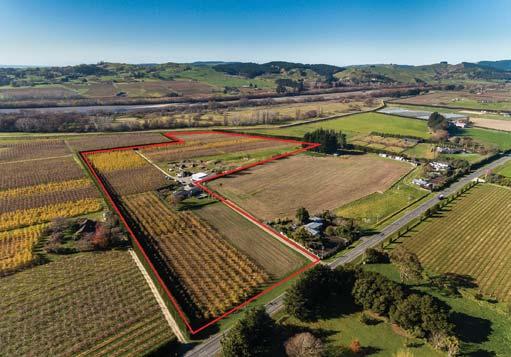
Located 5-10 minutes from Havelock North is this superior dwelling with large living areas, great indoor/outdoor flow and an in-ground swimming pool. Access to the Tukituki River and its extensive cycleways. Ample shedding and 5 hectares of planted orchard that can be leased out. It will suit lifestyle buyers wanting to be in a sought after location close to all that Hawke’s Bay has to offer. Suitable for a horticultural business looking to expand whilst providing superior lifestyle living. Auction 2pm, Wednesday 2 August 2017 at Farmlands Real Estate Hastings.

Ian Moore
Lifestyle/Rural – South Canterbury 027 539 8152 ian.moore@farmlands.co.nz
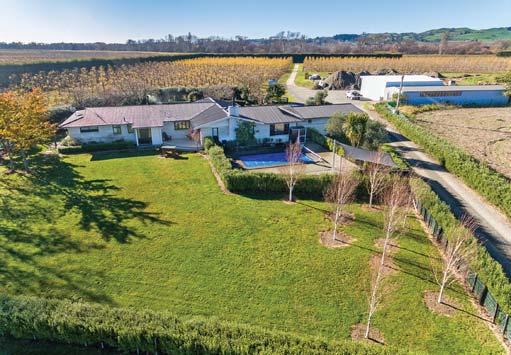

Paul Evans
Lifestyle/Rural – Hastings 027 533 3314 paul.evans@farmlands.co.nz
Mark Johnson
Lifestyle/Rural – Hastings 027 487 5105 mark.johnson@farmlands.co.nz