RURAL INFRASTRUCTURE NUTRITION FORAGE AND ARABLE HORTICULTURE ANIMAL MANAGEMENT DAIRY MANAGEMENT


Plan 365 is a technical guide aimed at helping shareholders learn about best practice and the latest advancements in rural technology.

RURAL INFRASTRUCTURE NUTRITION FORAGE AND ARABLE HORTICULTURE ANIMAL MANAGEMENT DAIRY MANAGEMENT
Plan 365 is a technical guide aimed at helping shareholders learn about best practice and the latest advancements in rural technology.
Nutritional requirements of broodmares change throughout the stages of reproduction and it is important to adopt a flexible feeding programme to ensure nutrient requirements are being met at each phase.
Reproduction can be separated into early pregnancy, which is first and second trimester or 0 to 7 months gestation, late pregnancy, which is third trimester or 7 months gestation through to foaling, and lactation, which generally lasts for 5 to 6 months post-foaling. In early pregnancy, the mare’s energy and nutritional requirements are similar to maintenance. While it is tempting for owners to increase feed when they discover the mare is pregnant, the “eating for two” rule does not apply unless the mare has a foal at foot and is lactating as well. Increasing feed at
this time can often lead to weight gain and associated problems, especially if the mare is generally a “good doer”. At this stage of pregnancy, 1.5 percent body weight in forage and a balancer pellet such as NRM Mare Balancer is normally sufficient.
Energy requirements in third trimester are about 15 percent greater than in early pregnancy and protein, amino acid and mineral requirements also increase significantly. Foetal nutrient requirements exceed the mare’s maintenance requirements at this time and the mare’s diet must be adjusted accordingly. The most important nutrients for the third trimester are the trace minerals zinc, manganese, iron, selenium and copper, as these are found at low levels in the mare’s milk. Therefore, the foal needs to store these in the liver in the last 3 months of
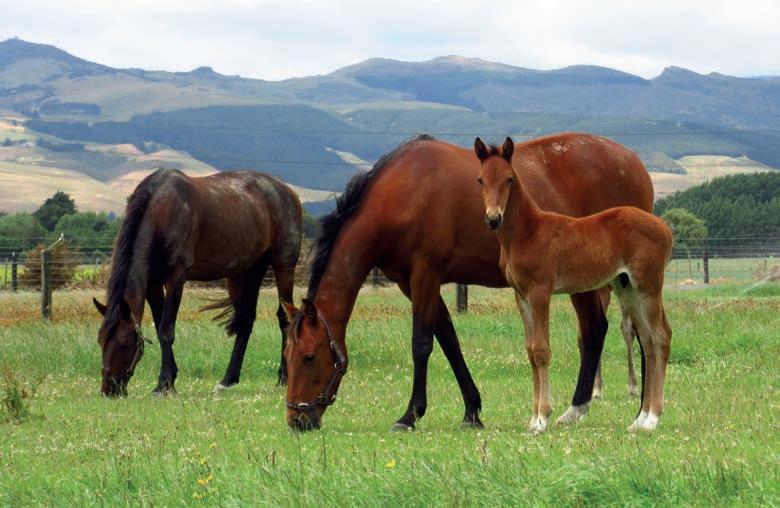
pregnancy to compensate for the low levels they will be receiving once they are born. Regarding diet, 1.5 percent body weight in forage and a balancer pellet such as NRM Mare Balancer, or a well-fortified feed such as NRM Evolve or McMillan Broodmare is ideal. Additional energy can be supplied in the form of grain or the high fat stabilised rice bran KER Equi-Jewel, if needed for weight maintenance. When the foal is born, the demands of lactation lead to large increases in requirements for energy, protein, calcium and phosphorus. Mares produce milk at a rate of 3 percent of their body weight daily and weight loss will occur if energy needs are not met. It is important not to underfeed in lactation and always provide adequate calories to prevent weight loss. As well as increasing energy sources in the form of concentrates, lucerne hay provides additional energy than grass hay types, as well as a source of protein and calcium. NRM Evolve or McMillan Broodmare are ideal for lactating mares and additional grain or KER Equi-Jewel can also be included in the diet to increase calories if required. The overall goal of broodmare feeding should be to provide adequate energy to maintain optimum body condition while ensuring protein, vitamin and mineral requirements are appropriate for her stage in the reproductive cycle. For assistance with feeding plans for mares for conception through to pregnancy and lactation, consult with an experienced equine nutrition advisor.
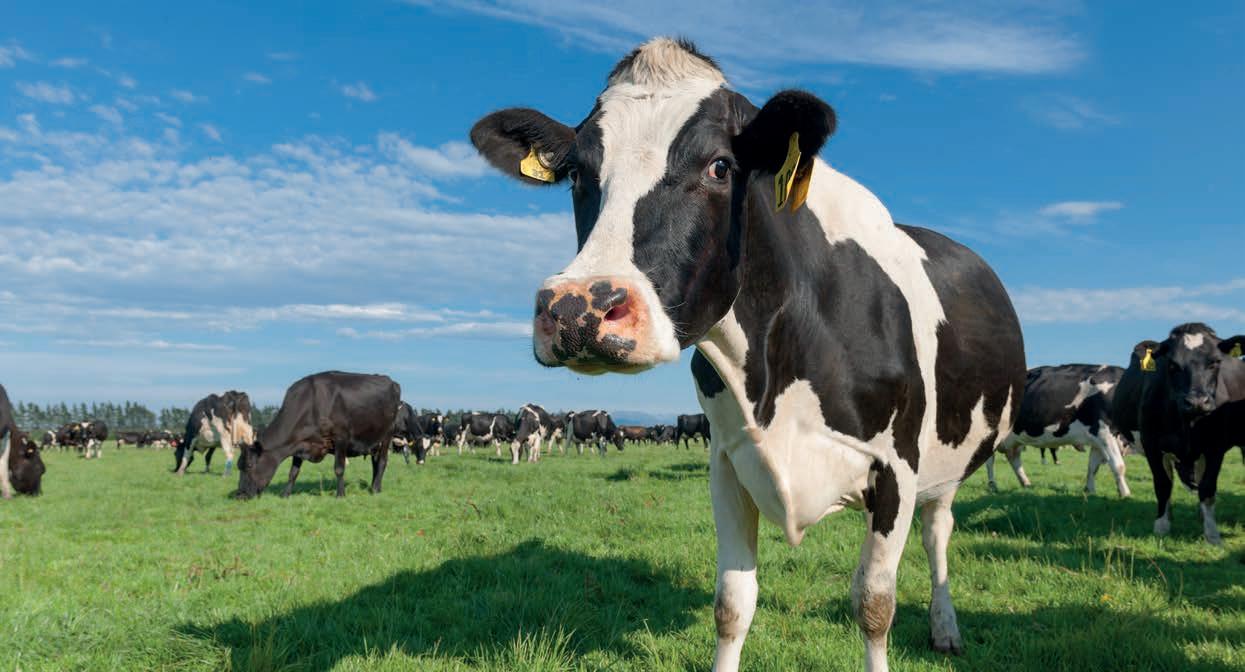
Fonterra suppliers will be examining tanker dockets more closely this spring as the proposed demerit system, to be introduced in September based on the Fat Evaluation Index (FEI), looms ever closer.
Whilst there is still some uncertainty about what affects the FEI – including breed, stage of lactation and other feeds – some farmers may be encouraged by the potential penalties and confirmatory testing fees to reduce the level of palm kernel expeller being fed. The options for straights and blend users fortunately is growing, as more straights are being drawn to New Zealand – aided by some relative price firmness of PKE on the local and global markets. The added choice of straights on offer is now being reflected in the composition of the compound feeds available. The NRM Premium Dairy Range was introduced last season as a PKE-free range and was well-received given the relative confidence about the ensuing milk pay-out. Appreciating that some farmers are looking for high quality feeds but do not need the very highest specification, NRM has
extended its compound dairy feed range to include a PKE-free option of the popular Dairy Extra – NRM Dairy Zero PKE Extra. A PKE-free version of the standard range’s most popular feed should also be a good option for those dairy farmers that just prefer to avoid PKE if they can, irrespective of their FEI. A low fibre formulation, with typically over 45 percent starch and sugar, added trace minerals and vitamins, at only 11 percent crude protein it is a good complement to high quality pasture-based diets. Added calcium, salt and magnesium help to provide a balanced diet, with the option of adding extra macro-minerals if required, as every batch is made to order. Higher protein non-PKE options could be developed in response to demand if required, especially where maize silage or wholecrop is being fed to autumn calving cows. Compound feed made in New Zealand offers a lot more flexibility and responsiveness compared to imported compound feeds. Intact grains store very well if kept dry but once processed, the ability of the seed coat to protect the nutritious inner is
compromised. Especially when a little oil and shipping in hot containers is added to the mix, the stack it high and sell it cheap philosophy of imported straights starts to look less appealing for compound feeds. A key benefit of compound feeds is the ability to add essential minerals, the demand for which consistently varies between seasons, farms and regions.
The relative economy of PKE is likely to remain appealing, especially where the price per tonne is important. However, as more by-products find their way to New Zealand, it is likely that options will develop which are gradually more appealing to a growing number of dairy farmers. Farmers who are troubled by their FEI levels this spring are encouraged to discuss them with their NRM Nutrition Specialist. Conclusions were difficult to draw last season but it is hoped that by sharing information, appropriate remedies to this potentially expensive problem can be found as quickly as possible.
For more information, contact your local Nutrition Specialist.
Article supplied by Dr Rob Derrick, Nutritionist.
Sheep fertility has increased significantly in recent years, with the New Zealand average lambing percentage jumping from 100 percent in the 1980s to over 130 percent today, with top performing sheep farmers attaining more than 150 percent. This is due to a combination of genetics, along with improved animal health and better feeding.
The trade-off to increasing reproductive performance however, is the concurrent issue of increasing incidences of triplets, which puts added pressure on both ewe and lambs. In a Poukawa trial, lamb mortality to 12 weeks of age increased from an average of 9.6 percent for single and twins up to 22.8 percent for triplets*.
Ewe nutrition can have a major impact on lamb survivability and growth rates and New Zealand trials have shown that improved nutrition in late pregnancy can improve lamb survivability rates**.
A lamb that is born to a ewe with an enhanced nutritional status will be healthier and more likely to survive the stress of cold and wet weather. Lamb mortality can increase significantly in extreme weather conditions, with many of these deaths attributed to a lamb’s inability to generate enough body heat to keep warm. Brown adipose tissue is a type of fat that is laid down by lambs when they are in the womb. For the first few days of life, this brown fat is important for generating body heat. Heat is generated through the activation of uncoupling proteins in the brown adipose tissue, which results in the rapid dissipation of chemical energy
as heat. Unbelievably, brown adipose tissue can generate up to 300 watts per kilogram of tissue compared to all other body tissues, which can only produce 1 watt. Fat reserves accumulate in the lamb in the last 60 days of pregnancy, so feeding ewes well in late pregnancy is important for maximising this lay down of fat. Feeding ewes pre-lamb with vitamin E and selenium is also thought to activate the mechanism that allows lambs to use brown fat. Energy demands of the growing foetus increases dramatically towards the end of pregnancy, with 75 percent of the foetal growth occurring in the last trimester of gestation. This can be particularly problematic for triplet bearing ewes who can be very susceptible to pregnancy toxaemia (a severe lack of energy), which can cause death in extreme cases. During late pregnancy rumen space can be reduced significantly due to the growing foetuses, so the amount a ewe can eat is reduced. This occurs in conjunction with the stress of lambing and the need to start producing high quality colostrum and then milk to support lambs once they hit the ground. To minimise condition loss in late pregnancy and early lactation, bulky, high fibre feeds such as poor quality silage should be limited and it is beneficial to add high energy, high protein feeds to the diet. Feeding a high quality supplement to triplet bearing ewes pre and post-lambing can help to support the delivery and growth of healthy lambs.
NRM Triplet Nuts are a great
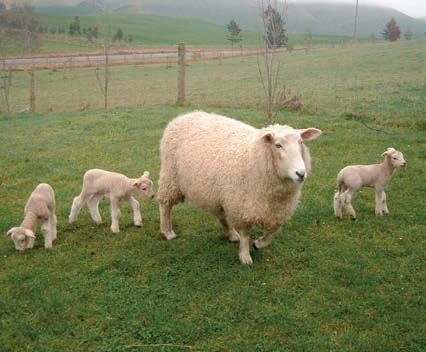
supplementation option when the goal is low ewe and lamb mortality. They contain a good amount of high quality protein, along with energy in the form of molasses, grain and rumen bypass fat, all in a concentrated, highly digestible form. They also contain effective levels of trace elements and vitamins (A, D and E). 200-500 grams per triplet bearing ewe per day can be just what the ewe needs to perform optimally and overcome the risks involved with a triplet pregnancy. NRM Triplet Nuts are designed for triplet bearing ewes, so for those flocks not scanned, NRM Sheep Nuts at 150g/head/day provide a safer option for single and twin bearing ewes to lessen the risk of oversized lambs. For more information, contact your local Nutrition Specialist.
*Litter size, lamb survival, birth and 12 week weight in lambs born to cross-bred ewes (2004).
B. C. Thomson, P. D. Muir and N. B. Smith.
**Increasing lamb survival and lamb weaning weight through feeding high fecundity crossbred sheep (2016). C. Johns, J. Johns and D. R. Stevens. Article supplied by Stacey Cosnett, Nutritionist.
With the pressure of calving and the start of a new season, in-calf rates and improving herd fertility are not topics that make it to the top of the list of priorities at this time of the year – but they should be, as many of the decisions made and actions taken at this time of year can have an effect on the long-term reproductive performance of your cows.
It has long been acknowledged that nutrition can and does influence reproductive performance and while difficult to quantify, the impact of nutrition on fertility during late gestation and early lactation is both complex and multifactorial.
In a recently published meta-analysis, a team of international researchers reviewed the results of 39 experiments with 118 different treatments, in an effort to explore the effects of different diets fed to cows in early lactation, on pregnancy to AI and calving to pregnancy interval.
Like other researchers, these authors found that energy balance was positively associated with an improved
proportion of cows pregnant and a shorter calving to pregnancy interval. They noted that energy balance is determined by the difference between dietary nutrient intake (from feed) and nutrient expenditure (in the form of milk, as well as for maintenance, and growth in younger animals). If the amount of nutrient required for maintenance, growth and production exceeds the amount of nutrient consumed then body reserves are depleted. The greater the proportion of consumed nutrients which are used for milk production, the smaller the proportion of nutrients available for reproduction. Consequently, dry matter intake before and after calving is an important determinant of energy balance and subsequently reproductive performance, with improved reproductive performance correlated with higher feed intakes. The reproductive response to dietary carbohydrates, including sugar, starch and fibre, can be variable depending on the type of carbohydrate. Clearly feeding high levels of fermentable
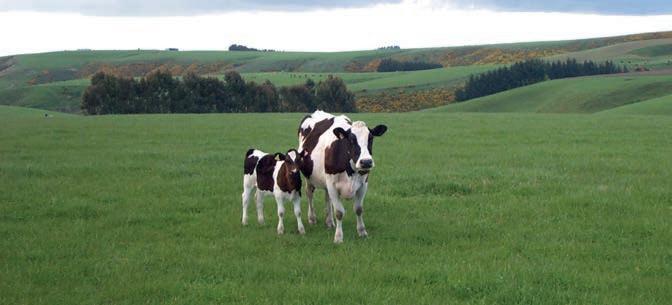
carbohydrates such as sugar and starch can lead to acidosis, while high levels of fibre lead to a reduction in energy intake, which is undesirable. This review covered a wide range of different trial diets, allowing the authors to tease out the relationship between different dietary carbohydrate sources and reproductive performance. The starch levels of diets in this review ranged from 8.9 to 47.9 percent starch with an average starch content of 26.2 percent, while dietary sugar levels ranged from 2.1 to 13 percent with an average of 5.1 percent. Analysis of the diets and reproductive performance showed a positive association between starch intake (kg/d) with the proportion of cows pregnant, while there was a negative association between the intake of the more fermentable sugar (kg/d) and proportion of cows pregnant. This comprehensive review confirms that management of early lactation cows and decisions made about feed quality and supply in the first few weeks after calving can influence reproductive success. Implementing feeding strategies that help to improve dry matter intake in early lactation, as well as careful selection of feedstuffs to ensure a better balance of energy and protein supply for the cow, provide an opportunity to positively influence reproductive outcomes. Talk to your local Nutrition Specialist today to find out how they can help you increase dry matter intake in your early lactation cows. Article supplied by Natalie Chrystal, Nutritionist.
West Otago lamb rearer, Lyn Chittock has experienced a significant decrease in lamb mortality from bloat over the last two seasons, having lost 40 out of 230 orphan lambs in 2015. She’s also regularly exceeding her weaning targets.
A few changes on Lyn’s farm have led to these positive results. Firstly, she switched to a whey milk replacer in 2016.
In 2017, a new shed was built, designed to maximise sunlight for the lambs. She also introduced an automatic
milk feeder, enabling the lambs to feed ad-lib from the time they enter the shed (at about 2-3 days old). Lyn’s lambs have access to hard feed and hay ad-lib from about 4 days old.
“They are nibbling on feed as soon as they come into the shed,” Lyn says.
“They have fresh water every day too. We’ve seen a big increase in growth rates with the change to ad-lib feeding. Where we were weaning at about 10kg, aged 8 weeks, in 2016 we advanced to weaning at 13kg within 6 to 7 weeks.”
Lyn’s diary notes from 2017 indicate that lambing started on 5th September.
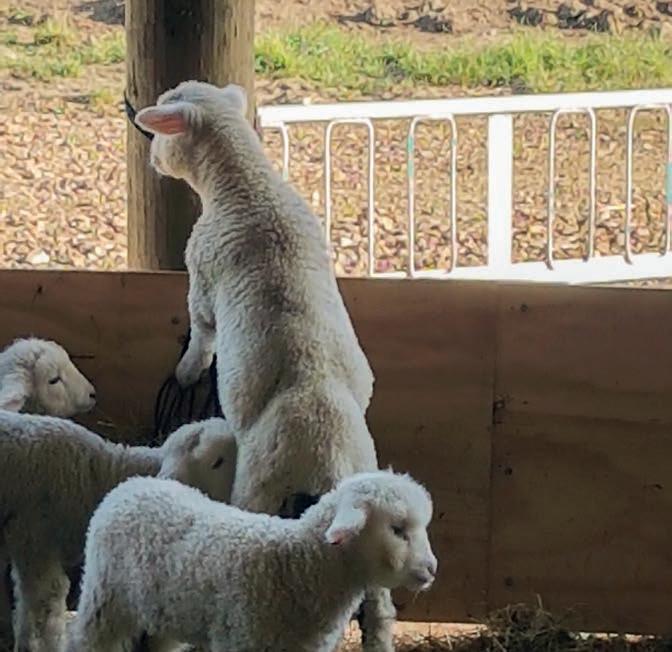
36 lambs were weaned on 31st October, weighing in at between 16-20kg.
The whey milk replacer that Lyn introduced in 2016 was AgriVantage’s Sprayfo Primo Lamb.
“We came across Sprayfo on the recommendation of our Farmlands team,” Lyn explains. “Warren from AgriVantage talked us through the benefits of whey milk replacer for lambs and why it was a safer option for rearing. It sounded really good, so we decided to give it a go.”
Sprayfo Primo Lamb milk replacer is specially formulated for lambs. Being whey-based, it’s non-curding and easily digested in the gut, moving through a lamb in 2-3 hours compared to the 5-8 hours it takes for lambs to digest traditional curding (casein) milk powders. It contains hydrolysed wheat protein, which is proven to have better digestive properties than other commonly used protein sources, such as soy – so it doesn’t cause bloat and is much safer for lambs to feed on.
The rapid digestion of whey milk replacers encourages earlier intake of concentrates into the rumen, effectively boosting growth rates.
“I am so glad we changed to Sprayfo,” Lyn says. “The product not only exceeded our expectations in terms of solving the bloat issue, it also made rearing so much easier – we don’t see bloat in the lambs and it’s excellent for growth.”
For further information, contact your local Nutrition Specialist.
Article supplied by AgriVantage.

Without good weed control, up to 20 percent of your lucerne stand can become weeds – not the nutritious feed crop you went to the expense of establishing in the first place.
Lucerne is a valuable feed crop with excellent nutritional and productive qualities, of particular use during periods of traditional feed shortage (e.g. under dry/drought conditions) and as a supplement to low protein summer pasture.
Weeds are a serious threat to the quality and viability of lucerne stands, because they reduce the nutritional value of the crop and compete aggressively for water and nutrients.
Weeds can also shorten the productive life of a stand by many years, as well as affect stock health with eye, ear and pelt damage (especially from barley grass, storksbill and ripgut brome).
The grazing or cutting of lucerne encourages weed growth – and the annual inspection and treatment
of weeds is necessary, as once weeds become established they are more difficult to remove without undue risk and added cost.
The standard treatment for weed control in established lucerne is a mixture of Gramoxone plus atrazine. This proven mixture provides costeffective knockdown and residual control of a wide range of seedling grass and broadleaf weeds. It is also safe to apply to lucerne during the winter dormancy period.
For best results, remove all lucerne growth by hard grazing or close cutting and allow weeds to freshen up for 10 to 14 days before application. Experience has shown a 2.4L/ha rate of Gramoxone provides the most consistent performance in all situations, with the addition of 1kg/ha of atrazine (90 percent wettable granule) on stands older than 12 months. Apply to healthy growing weeds, using at least 200 litres of water/ha and avoid spraying when frost is on the foliage.
If possible, apply in humid, cloudy conditions or in the evening for best results – and always spray clean weeds with clean water as Gramoxone is inactivated by soil particles.
Wettable granule formulations of atrazine are recommended over liquids, as the granules tend to mix better with Gramoxone in the spray tank. Atrazine granules should always be added to the spray tank before adding the Gramoxone and the mixture needs to be agitated before and during spraying.
Accounting for less than 10 percent of the annual variable costs of growing a lucerne crop, a Gramoxone/ atrazine programme can increase lucerne yields by up to 30 percent and extend the productive life of a stand by many years.
For further information, contact your Farmlands Technical Field Officer or the friendly team at your local Farmlands store.
Article supplied by Syngenta.
Boosting pasture growth with nitrogen is a cost-effective option to meet the demands of the lambing period.
“The key is allowing enough time for pasture response,” Ballance Nutrient Dynamics Specialist, Jim Risk says. In late winter, you will get a moderate response to nitrogen at best. This makes the cost of the grass grown higher. However, its value will also be higher if it fills a feed gap. Table 1 provides a guide to pasture responses, time needed to achieve them and related nitrogen fertiliser costs.
Aim for pasture covers around 4-5cm (>1,400kg DM/ha) to support lambing ewes. Common application rates range between 20 and 50kg/N per hectare, depending on whether pasture needs a little growth boost or a big one.
To put costs in perspective, hay or baleage can easily hit around $0.30 to $0.40 per kg of DM, which is already at the upper end of the cost for nitrogen-boosted pasture. In addition, the quality of hay or baleage is more variable. At best, hay and baleage will deliver around 8-10 units of ME/
kg DM, whereas fresh pasture sits at 10-12 units of ME/kg DM or more.
“Where’s my grass?”
When using nitrogen in set stocked paddocks, grass is grazed as fast as it grows, so you often don’t see a big flush. It shows in growth rates and the weights of ewes and lambs when sold. Animals are heavier and gain weight earlier. “This means you get more kilos of meat to market, with flow-on effects for the following season,” Jim says.
Cooler temperatures do not reduce the risk of nitrogen loss from volatilisation. 5 to 10 millimetres of rain within 8 hours of application is the critical factor. Using SustaiN reduces your volatilisation losses by 50 percent, providing you with more flexibility around the timing of application. “Very useful if you’re booking contract spreaders or aerial topdressers,” Jim adds. If sulphur is a limiting factor –particularly on spring clover growth – a product combining SustaiN with sulphur can be beneficial. PhaSedN Quick Start or SustaiN Ammo are possible options depending on sulphur needs and application conditions. For further information, contact your Farmlands Technical Field Officer or the friendly team at your local Farmlands store.
Article supplied by Ballance Agri-Nutrients.
Today’s farms are bigger and more multifaceted than ever before –and, the larger the farm, the more challenging it is to manage. As farms merge into large-scale multidisciplinary operations, farm managers must transform into business managers. Employees, professional service providers, consultants, suppliers and of course the herd, all need to be managed efficiently and effectively, while maintaining focus on animal productivity and wellbeing. Advanced monitoring and management technologies and tools are now essential for success.
For commercial and pedigree beef breeders, reproductive performance is a major determinant of profitability. Farms that use artificial insemination benefit from precise guidance on insemination timing. In natural breeding herds, knowing when a cow’s last heat was helps to predict the calving date, instead of relying on pregnancy checks only.
The Allflex SenseTime Beef solution –suited for farms using AI and natural breeding – brings a new management approach to the beef cattle sector in New Zealand. This new monitoring solution designed exclusively for beef cattle farms delivers actionable information on the reproduction, health and wellbeing status of individual cows and groups. SenseTime Beef enables unmatched cow reproduction and health management, empowering beef cattle farmers to significantly increase the number of calves produced on their farms. Precise cycling information, including highly accurate heat detection, detection of anestrus cows and cows suspected for abortion, makes breeding more cost-effective and less laborious. Accurate health reports provide actionable insight on each cow for proactive, individualised health management. This is particularly effective for optimising the health and wellbeing of the cows during the crucial breeding, calving and weaning phases.
To improve farmers’ overall quality of life, SenseTime Beef is accessible from any mobile device from anywhere at any time. This, together with realtime alerts for incidents like heat or cow distress, alleviates farmers’ fear of missing an important event. Likewise, it provides them with the freedom and peace of mind to step away from the farm and perform other activities, so is appealing to both large commercial and part-time operators.
Powered by Allflex’s sophisticated algorithms to analyse behaviour based on activity, rumination, eating and other key cow states, SenseTime Beef brings a contemporary datadriven management approach to the beef cattle sector.
For further information, contact your Farmlands Technical Field Officer or the friendly team at your local Farmlands store.
Article supplied by Allflex.
Too often the return on investment in supplements such as maize silage or cereals is not achieved because essential minerals such as calcium are not adequately supplemented.
Calcium is an essential component of the diet of healthy, highperforming, profitable dairy cows and is the most important macromineral for lactating cows.
As calving approaches, hormonal and other factors depress appetite. The cow eats less just when it needs more. Less energy is absorbed, predisposing the cow to subclinical ketosis before the lactation has even begun. Concurrently, less calcium is absorbed because less
feed is eaten, yet demand is increasing. If the cow cannot correct or cope with this problem, subclinical hypocalcaemia occurs, becoming clinical milk fever if the severity increases. It is likely that all cows, including heifers, suffer at least a mild degree of hypoglycaemia, even if only for a short time during calving. Heat, stress and high humidity exacerbate these problems.
Calcium metabolism at calving is one of the most important animal health factors influencing production, reproduction and feed conversion efficiency. Calcium is essential for proper muscle activity. Around calving, there are some large demands on the cow’s calcium reserves. The initiation
of milk production means increased calcium use. The first milk produced, colostrum, contains about twice as much calcium as normal milk, so this demand is particularly significant.
Supplementing your herd with Graymont’s Calcimate® will help younger stock reach their growth potential, get your cows back into condition quickly after calving and maximise milk production potential. It will also strengthen immune systems, improve reproduction, counter the effects of wintry weather or extreme activity and balance low-calcium supplements such as PKE and maize silage. Calcimate is distributed throughout New Zealand and is manufactured from high quality limestone. This, coupled with the industry’s most stringent manufacturing and testing processes, ensures that you get a fine, highcalcium supplement that you can trust. Calcimate is BioGro certified and tested daily. Calcimate should not be fed in the 4 weeks prior to calving without veterinary or nutritionist advice. Remember – production and animal health can be compromised. Too little calcium in your cow’s diet can result in milk fever and, more commonly, subclinical hypocalcaemia. This can become a silent production thief by limiting both milk production and reproductive performance.
For further information, contact your Farmlands Technical Field Officer or the friendly team at your local Farmlands store.
Article supplied by Graymont.
Lice can be an annoying and frustrating challenge for sheep farmers. Lice can reduce fleece weights and severely damage the quality of the fleece, reducing the value of a farmer’s wool clip1. It is challenging enough for farmers to get a return from their wool clip at the moment and they can do without further losses due to lice.
Signs of a lice infestation include sheep rubbing against fences and other objects in the paddock, wool being left on fences, fleece matting, organic matter in the fleece and discolouration of the fleece. Lice can be identified by taking a series of
10 Point Lice Management Plan
1. Read the label carefully and treat in accordance with the label recommendations.
2. Treat all sheep annually off-shears (within 24 hours following shearing).
3. Shear with flat combs. Ensure sheep are cleanly shorn, with no tufts of wool remaining.
4. Shear and treat all sheep at one time. Avoid split-shearing and treating sheep unless the different mobs are completely separated.
5. Check that the applicator has been calibrated and is accurately dispensing the recommended dose.
6. Apply Magnum with a T-bar from the poll (between the ears) to the tail down the middle of the
wool partings down to skin level in 10 sheep from the flock. It is important that these are carried out right across the body as lice can be found in high concentrations in localised areas on the fleece, so can be easy to miss.
Control of lice year-round relies on a whole farm solution and plan, not just concentrating on the specific mob affected. For maximal control of lice, sheep should be treated off-shears using an insect growth regulator (IGR). IGRs prevent lice from completing their life cycle rather than killing the adult lice. Over 14 weeks the adult lice die of “old age” but female lice are not able to produce viable offspring and the
backline. Do not deviate from the spine. If you are unable to apply product evenly all the way down the backline using the label dose, increase the dose to ensure the entire backline area is covered.
7. Treatment must be done at least 3 weeks prior to lambing. If it is later than this, there is a risk lice may be transferred on to lambs.
8. Do not mix treated sheep with untreated sheep.
9. Maintain a stock-proof boundary. Stock-proof fences are essential to prevent reinfestation from outside sources.
10. Prevent re-infestation of lice by treating introduced sheep and quarantining them from all other sheep until they have been shorn and treated at least once off-shears.
population dies away. Care should be paid to application using the correct dose rate and a T-bar applicator, with application being in a straight line from the poll to the tail of the sheep. This ensures that the highest effective concentration of active ingredient spreads right across the entire sheep. Other classes of stock on the farm should be treated at the same time, as they can act as reservoirs for re-infestation. If this cannot be done immediately, untreated stock must be kept separate from treated sheep. Breeding ewes should not be treated within 3 weeks of lambing, so that young lambs do not act as this reservoir for re-infestation.
Magnum®, which contains diflubenzuron, an IGR in a water base, has been trusted by New Zealand farmers for lice control in their sheep for nearly 20 years – and continues to deliver consistent results up and down the country with all classes of sheep. As well as giving lice control off-shears for up to 3 months in strong wool sheep, Magnum also has a rain-fast claim to give farmers greater confidence when using it. The Coopers 10 Point Lice Management Plan is a good place to start when planning for lice control on your farm. For further information, contact your Farmlands Technical Field Officer or the friendly team at your local Farmlands store.
1. Wilkinson et. al. Growth of populations of lice, Damalinia ovis on sheep and their effects on production and processing performance of wool. Veterinary Parasitology, 9 (1982) 243-252. ACVM No: A7704 and A5997 ®Registered trademark. Schering-Plough Animal Health Ltd. Vanquish is a Registered trademark of Zoetis New Zealand Ltd. Article supplied by Coopers / MSD Animal Health.
The pre-lamb and lambing (periparturient) period is a crucial time for ewes and the profitability of the farm.
subject to production losses. Protecting these ewes against worms means they are more productive and it will prevent these ewes shedding high numbers of worm eggs onto the pastures, which the lambs graze.
sold, providing greater flexibility for the sale of cull ewes.
What’s really happening to my ewes around lambing?
In the last month of pregnancy, ewes are getting heavier due to having lambs on-board, however they are actually losing their own body weight, as seen in figure 1. With multiple lambs in their abdomen, they physically can’t eat enough to maintain their weight.
When this happens, something has to give – and this is often a relaxation of their immune system. This can be seen by the rise in faecal egg count that can occur during this period, also known as the periparturient rise or PPR (figure 2). This rise can begin before, during or after lambing and may be a reflection of poor immunity with or without a heavy parasite challenge.
What’s really happening to my ewes around lambing?
The prelamb and lambing (periparturient) period is a crucial time for ewes and the profitability of the farm.
In the last month of pregnancy, ewes are getting heavier due to having lambs on board, however they are actually losing their own body weight, as seen in the graph below. With multiple lambs in their abdomen they physically can’t eat enough to maintain their weight.
What’s really happening to my ewes around lambing?
When ewes are in Body Condition Score <2.5, are carrying multiples, have less than 1,200kg DM/ha of pasture available to them or are hoggets, they are much more prone to the effects of parasites and

Trials at Lincoln University showed that the parasite challenge ingested by ewes prior to lambing contributed to reduced milk production after lambing1,2. This is where selective treatment using long acting products at pre-lamb can help support your ewes during this period. Cydectin® Long Acting Injection for Sheep has the longest activity against Teladorsagia circumcincta for 112 days. It also protects against Trichostrongylus colubriformis for 42 days. Production benefits were the same (less dags, heavier lambs and ewes at weaning) whether they received capsules or Cydectin LA3,4. As it is an injection, Cydectin LA is easy to administer and its 91day meat withholding period is 5 weeks shorter than most capsules
The prelamb and lambing (periparturient) period is a crucial time for ewes and the farm.
In the last month of pregnancy, ewes are getting heavier due to having lambs on are actually losing their own body weight, as seen in the graph below. With abdomen they physically can’t eat enough to maintain their weight.
The prelamb and lambing (periparturient) period is a crucial time for ewes and the profitability of the farm.
In the last month of pregnancy, ewes are getting heavier due to having lambs on board, however they are actually losing their own body weight, as seen in the graph below. With multiple lambs in their abdomen they physically can’t eat enough to maintain their weight.
When this happens, something has to give, and this is often a relaxation of their immune system. This can be seen by the rise in faecal egg count that can occur during this period; also known as the periparturient rise or PPR (figure 1). This rise can begin before, during or after lambing and may be a reflection of poor immunity with or without a heavy parasite challenge.
Figure 1. Schematic representation of the change in ewe weight during the year.
There are pros and cons for all drench treatments and while better production is what most farmers are after, this may come at a cost of increased drench resistance. Targeting the ewes that really need the longer therapies rather than blanket treating entire mobs or the flock will help offset this risk. In addition, consider other pasture and stock management tools to rely less on drench, while achieving the outcomes you want. Success doesn’t just happen, it’s planned. For more advice on parasite management and the best options for your stock, contact your Farmlands Technical Field Officer or the friendly team at your local Farmlands store.
1. Leyva, V. Proc. of the New Zealand Society of Animal Production, 1981.
2. McAnulty. Proc. of the New Zealand Society of Animal Production, 1991.
3. Miller, C. NZVJ, 2015.
4. Bingham, C. NZVJ, 2017.
Cydectin is a registered trademark of Zoetis. ACVM No. A9926. Article supplied by Zoetis.
When this happens, something has to give, and this is often a relaxation of their immune This can be seen by the rise in faecal egg count that can occur during this period; periparturient rise or PPR (figure 1). This rise can begin before, during or after lambing reflection of poor immunity with or without a heavy parasite challenge.
2. Periparturient rise in faecal egg count.
The dairy industry knows that some premium probiotic extracts are designed to enhance feed conversion and digestion while increasing milk production. While classic probiotics attempt to populate the digestive system with bacteria or yeast, some premium probiotics more potently stimulate the beneficial bacteria already present in the rumen. When administering probiotics, they can be easily applied through in-line dispensers, trough dispensers or by direct oral drenching. In New Zealand, trials showed that probiotic-treated cows produced an average of 65.3g more milksolids per cow per day than untreated cows –with no loss of body condition. The value of increased production from these trials (at a $6.00 pay-out and average milksolid gain of 65.3g/cow/ day) extrapolated over the season, could yield extra milksolid income of more than $49,506 for a 386cow herd doing 276 days milking – with the cost of the product for the season at the average volume used in these trials being around $8,000 or 7.6c per cow per day, a return on investment of over 6:1.
Independent scientific trials have also been conducted on total mixed ration (TMR) fed dairy cows in the USA’s big milk producing states of Georgia and California. Both types of independent trials showed similar increases in milk production, with the probiotic treated cows around 6 percent higher than the untreated cows, with no loss of body weight or Body Condition Score. A new season of calving is just around the corner for dairy farmers – and
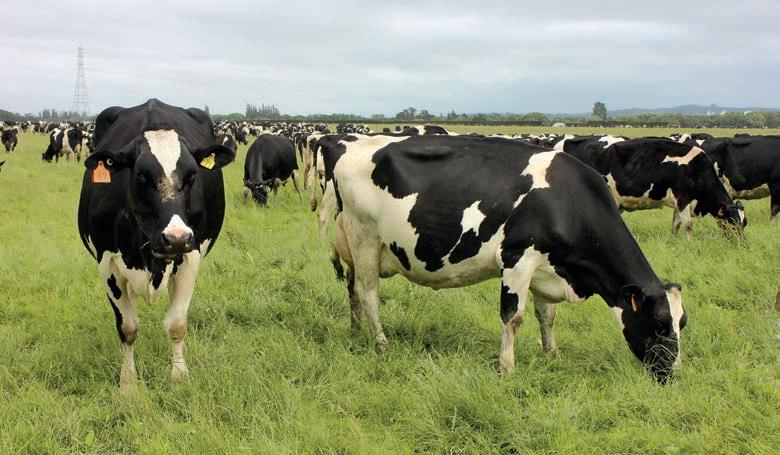
farmers can ensure that calves get the start they need by using a calf probiotic extract. AgResearch trialled a calf probiotic under controlled calf rearing conditions at AgResearch Grasslands in Palmerston North. 30 calves were treated with probiotic and 30 calves left untreated as controls. The probiotictreated calves grew faster during the 42 days leading up to weaning, with an average 1.13kg weight gain per calf (a 5 percent increase in growth rate). The trial also showed that calves’ appetite increased by 6.3 percent. Treated calves showed faster growth, more weight gain and increased uptake.
A South Canterbury field trial showed an average daily gain of 696g per day (29kg after 42 days) for calves treated with probiotic versus an average daily gain of 571g per day (24kg after 42 days) for untreated calves. This equalled a 22 percent weight increase for calves on the probiotic treatment
over the untreated calves. The treated calves were also weaned 1 week earlier than the untreated calves. Make sure your cows and calves get the best start this season with premium probiotic extracts such as Donaghys ProDairy® and ProCalf ® ProCalf includes microbes licensed from AgResearch to promote growth, development and health in calves raised on milk or calf milk replacer. ProCalf is designed to support the early development of a calf’s rumen and establish beneficial microbe populations for digestion of hard feed, pasture and calf milk. An initial 5ml dose followed by a daily 2ml dose will promote faster growth, weight gain and increased uptake of feed in your calves. For further information, contact your Farmlands Technical Field Officer or the friendly team at your local Farmlands store.
Article supplied by Donaghys.
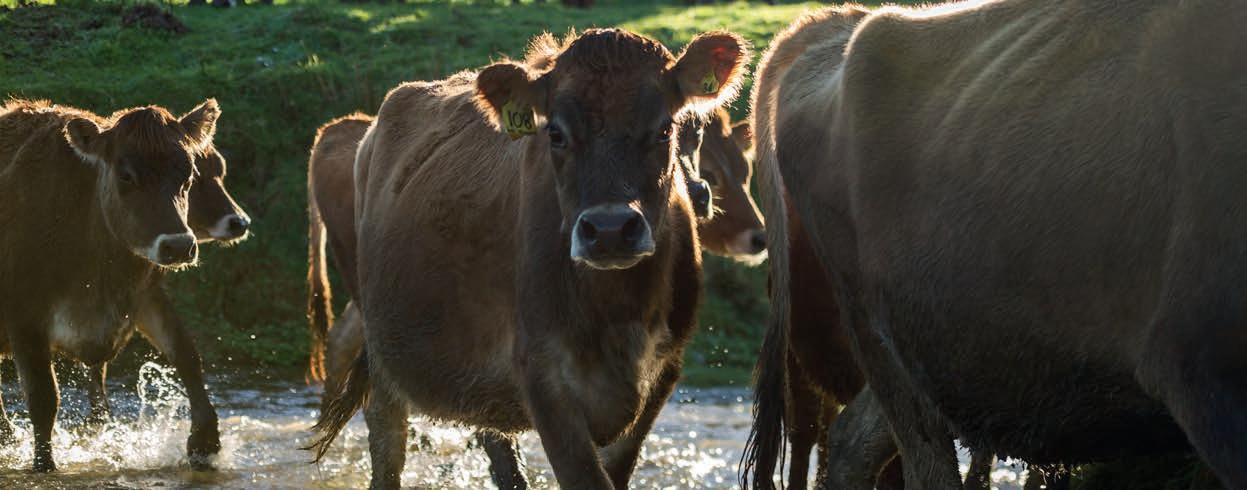
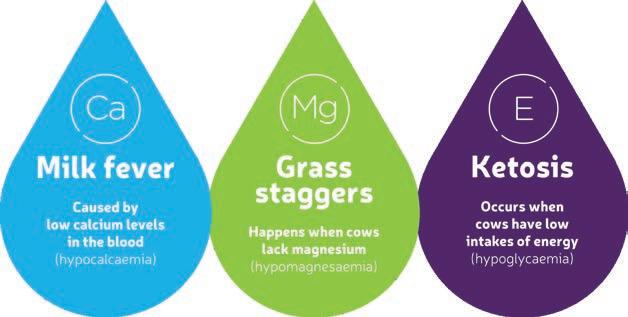
Milk fever is a sudden fall in the amount of calcium available in the blood. It commonly occurs within a few hours of calving due to the demands of milk production. It can occur on its own, or in conjunction with grass staggers and ketosis.
Cows become more susceptible as they age and have a reduced capacity for mobilising calcium from their bones. Because of calcium’s role in muscle function, tell-tale signs of milk fever include trembling, weak, staggery movements and inability to stand (down cow). Digestive, respiratory, circulatory and milk-producing processes are also affected by low calcium. Milk fever can severely reduce milk production and may be life-threatening if not treated quickly.
A quick return to milking is the aim when treating cows that go down with milk fever, or milk fever complicated by grass staggers or ketosis. Initial treatment is typically fast and immediately effective –however the chance of relapse remains a risk, extending recovery time, increasing labour and reducing milk in the vat. Relapse affects at least 30-35 percent of cows offered only first-line treatment1. We can’t always prevent a cow going down but with the right treatment plan, the risk of relapse can be minimised.
Administer injectable calcium or calcium combination metabolic solutions for rapid replacement.
• Intravenous (into the vein) acts quickly and gets the cow up and walking again, often within several minutes.
• Subcutaneous (under the skin) takes comparatively longer to absorb, giving the cow a more sustained release over the next few hours.
Using a bag into the vein, plus one under the skin as your first line of treatment will provide rapid and slower release replacement. Bayer’s C.B.G 37.5, Glucalmag, Glucalmax and Glucalphos are suitable for this type of treatment. Keep them up
Once the cow is up and walking following initial treatment and has
regained enough muscle control to swallow normally, orally administered calcium provides a continued level of support (a product such as Bayer’s Oral-Cal or Oral-Max are suitable for this). Studies have shown using oral calcium in this way can prevent relapse by up to 60 percent1
Bayer metabolic solutions provide the right balance of minerals and energy to bring cows back to health and back to production.
For further information on treating metabolic conditions, contact your Farmlands Technical Field Officer or the friendly team at your local Farmlands store.
1. Thilsing-Hansen, T., Jorgensen, R. J., Ostergaard, S. Milk fever control principles: A review. Acta vet. scand. 2002, 43, 1-19.
C.B.G. 37.5, Glucalmag, Glucalmax, Glucalphos, Oral-Cal and Oral-Max are registered under the ACVM Act 1997. Article supplied by Bayer.
A major production limiting effect of parasites is reduced appetite, even when high quality feed is available.
The greater the parasite larval intake is, the more pronounced the loss of appetite is. Using a long acting drench in conjunction with good nutrition can improve the appetite in treated sheep, aiding Body Condition Score (BCS) maintenance and higher milk production, resulting in greater weaning weights of the lambs.
A further possible benefit of using a long acting drench is less pasture contamination of parasite eggs from the ewe, which can reduce the parasite challenge. The eggs laid in the faeces take some weeks to develop to infective larvae, faster during the warmer months. Reducing this parasite challenge can improve lamb growth rates over the coming season.
A production enhancing tool that may be suitable for your farm system, Centramax, maximises the utilisation of feed offered and counters the effects of sub-clinical parasitism. When used as part of your parasite management plan and in conjunction with adequate nutrition, it can help boost production. Centramax contains the anthelmintics abamectin and albendazole, along with trace elements selenium and cobalt, killing susceptible adult and larval parasites for up to 100 days.
The trace element deficiencies of selenium and cobalt are well recognised in many regions of New Zealand. Deficiencies in these trace elements and the effect on livestock production and health is well
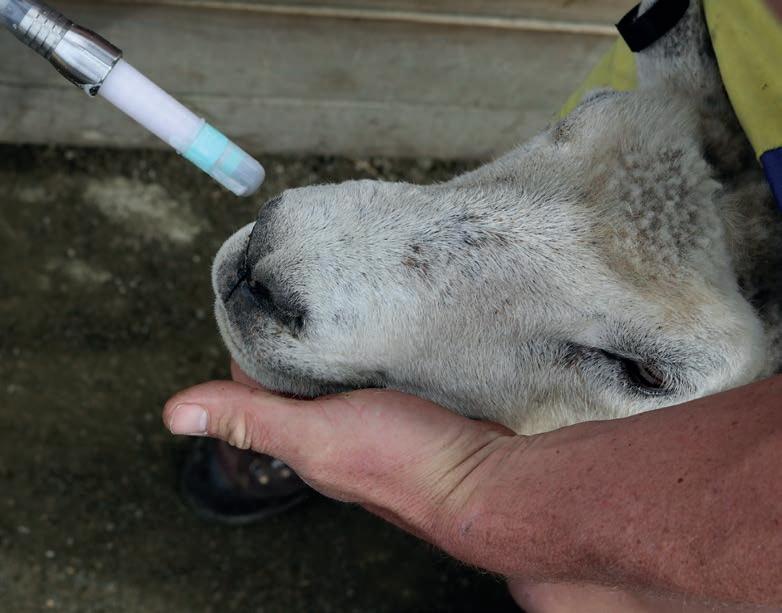
documented, with supplementation using a long acting source benefitting both the ewe and lambs.
Primer drenching is using an effective drench when administering Centramax to immediately remove the current worm burden. Exit drenching, which is recognised as being important to help slow the development of drench resistance to long acting drenches, is done about 100 days after administration, likely to be at weaning or ewe shearing. This removes worms that are resistant to the capsule and helps to prolong the effective life of Centramax on your farm. In each mob
of treated sheep there is a need to have some untreated to provide refugia.
Talk to your Farmlands Technical Field Officer for strategies to help determine the most productive use of products in the farm system using the Wormwise® principles. The options that suit you will be unique to your farm, an effective parasite management plan incorporates the use of all the tools available including effective drenches.
For further information, contact your Farmlands Technical Field Officer or the friendly team at your local Farmlands store.
Article supplied by Agritrade.
No matter what type of calves you rear this spring – dairy or beef – there’s one thing the experts agree on – the better they do in the first weeks of their life, the more productive they will be as adults.
For dairy replacements, that means well-grown heifers that realise their genetic potential and become long-lasting assets when they join the milking herd. For beef animals, a good start leads to faster daily growth rates so they reach target kill weights sooner, or alternatively achieve higher carcase weights when slaughtered at the normal time. It all begins with that first feed of high quality colostrum and a vital piece of rubberware that can make a big difference to the onset of your successful rearing programme – the calf teat. A good teat is designed to mimic the real thing as closely as possible. This has two benefits. First, it makes it easier for newborn calves to learn how to drink in the first place. After that, it ensures they keep getting a full feed every time they need one as they grow older. Using a rubber teat that acts just like the cow’s teat is also really important for weak or sick calves, who don’t have a lot of energy or strength to drink. When a calf drinks from its mum, the cow’s teat moves all the time and doesn’t “close”. The calf gets a full mouthful of milk without having to work too hard.
The effect of this has been duplicated in New Zealand-designed Peach
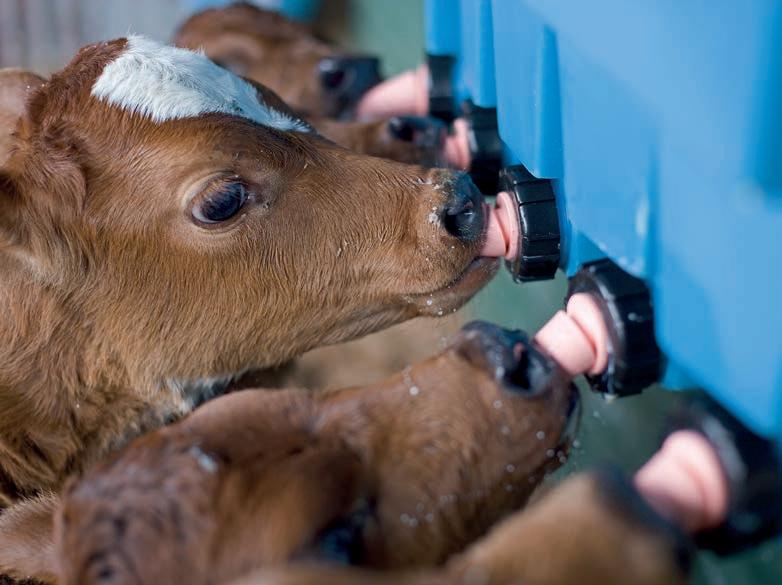
Teats. You can’t see it but there is a non-return valve inside each one that keeps the chamber of the teat full of milk while the calf is drinking. All the calf has to do is bite down and milk squirts straight out onto its tongue and the roof of its mouth, encouraging it to keep drinking. This also stimulates the flow of saliva and improves the pH level in the calf’s stomach, leading to better digestion. When you use teats that don’t have a non-return valve inside, milk often ends up back in the feeder rather than inside the calf, which in turn means a daily struggle for it to gain weight and stay healthy.
Like the cow’s teat, the non-return valve never closes in its relaxed state, so it cannot be blocked.
In fact, Peach Teats are practically the only teat on the market that can be milked with a milking machine like a real cow. They are made of natural rubber, specially developed to feel comfortable in the calf’s mouth. They are also easy to clean and come with threaded or pull through mounts. For further information, contact your Farmlands Technical Field Officer or the friendly team at your local Farmlands store.
Article supplied by Skellerup.
The daily stresses of milking combined with challenging weather conditions during early lactation mean dairy farmers are in a constant battle to keep their cows’ teats in good condition.
“Healthy udders are key to cows producing high quality milk but there is a lot more to it than just using an effective sanitiser,” GEA Chemist, Drew Chadwick says. “A good quality emollient is essential.”
A good option is using a teat conditioner that contains ingredients
such as allantoin, aloe vera and manuka honey, which are commonly used in human skincare products.
Allantoin is an active moisturising ingredient that is reported to have skin rejuvenation properties. This naturally occurring ingredient is commonly used in skincare products and is even claimed to reverse the effects of ageing.
Aloe vera is most commonly known for its use as a treatment for sunburn – but while that isn’t a key concern for teat health, the need to repair the skin is equally important. This moisturising
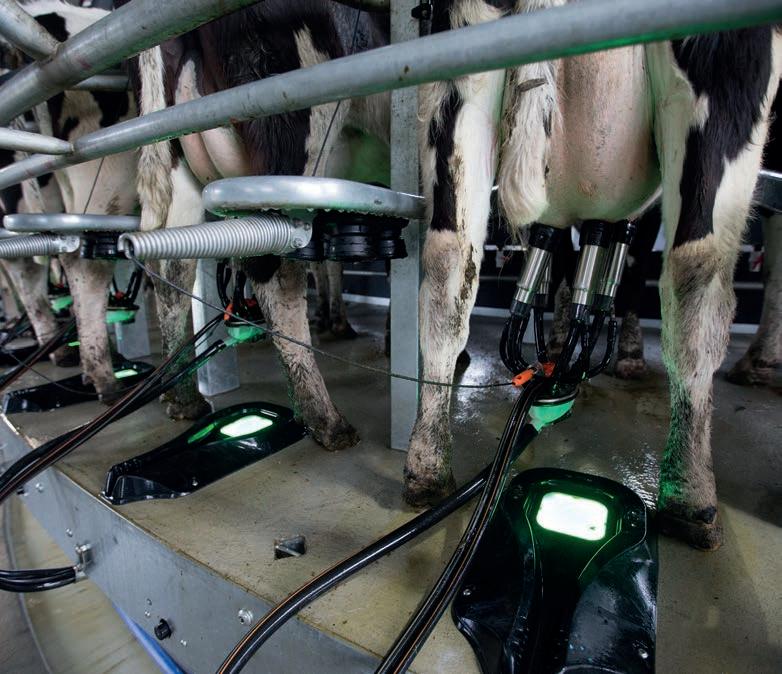
agent is rich in antioxidants and minerals, essential for restoring the condition of stressed teats.
Manuka honey is widely used to treat damaged skin, as it is believed that the anti-inflammatory and nutrient properties aid in skin regeneration and repairing cellular damage. Manuka honey is an effective moisturiser, taking water from the air and holding it against the skin to help keep it hydrated.
Never before applied to cows’ teats in this combination, GEA’s new FIL Active Teat Conditioner contains allantoin, aloe vera and manuka honey.
“It’s formulated with skincare ingredients that are commonly used in high quality cosmetics to hydrate, soften and soothe delicate human skin,” Drew says. “We’ve looked at the research and applied it to teat care. It makes perfect sense.”
Compatible with other FIL teat care products, Drew says Active Teat Conditioner adds value and functionality to any teat spray. “We advise farmers to contact GEA’s FIL Area Managers to help work out the best products and strategies to improve overall udder health.”
To celebrate the launch of FIL Active Teat Conditioner, GEA has packaged the product in pink drums, pledging to support the New Zealand Breast Cancer Foundation.
For further information, contact your Farmlands Technical Field Officer or the friendly team at your local Farmlands store.
Article supplied by GEA | FIL.
Rumination is a proven direct indicator of cow wellbeing and health. As such, dairy producers, veterinarians and nutritionists alike have long relied on cud chewing as a key indicator of dairy cow health. One of the primary purposes of rumination is to physically break down coarse material in food, in order to assist in its transfer from the rumen. An additional function is to increase the production of saliva, which acts as a buffer to the acids produced during the microbial degradation of carbohydrates. Dairy cows typically ruminate between 8-9 hours a day. A drop in rumination time can be a result of low feed intake or a direct disruption of rumen function. The trigger for the cow to start ruminating is rumen fill. The part of the feed that contributes to the rumination process is the long fibre part of the
ration. During the rumination process, the long fibre of the ration is broken down, enabling the rumen bacteria to digest the fibre. Rumination time is proportional to the amount of long fibre that the cow has eaten. As such, changes in ration content and/or the ration’s physical characteristics will be reflected in rumination time changes. Daily rumination time of less than 400 minutes per day is considered low rumination and is a major indicator/ risk factor for rumen acidosis, due to decreased saliva production and insufficient rumen buffer. Rumen acidosis seriously impairs cows’ health, welfare and farmer income. In pasture based systems, low rumination activity may identify cows or groups that are not eating their fair share of the pasture. Information from each cow monitored can be combined in SCR’s Group
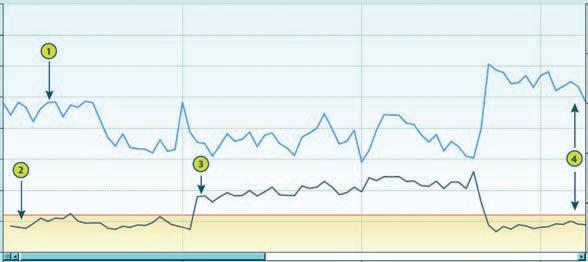
1. Group rumination average.
2.
3.
4.
Consistency graph, which gives the farmer an easy way to monitor feed consistency and identify factors that may be affecting the herds’ rumination. Using SCR’s system, farmers can monitor not only milking cows but also dry cows and replacement heifers, which can be especially useful during transitions such as going onto crop or calving. In addition to monitoring rumination trends in both the short and long-term through the graph, the calculated Last Week Group standard deviation is a useful performance indicator for optimising feed efficiency. Lower variability values reflect more stable rumen flora, which is essential for optimal nutrient digestibility. In the following graph, the group rumination standard deviation (the lower line) reflects how variable the cows are in their daily rumination. Biological rumination standard deviation is typically between 50-80 minutes/day. When issues affect a proportion of the herd we see the variability increase greatly, as seen in this example when there was a herd level issue of acidosis when transition feeding on a New Zealand dairy farm.
Accurately recording rumination in real time gives farmers the opportunity to respond quickly and change management or diets to the benefit of the herd.
For further information, contact your Farmlands Technical Field Officer or the friendly team at your local Farmlands store. Article supplied by Allflex.