RURAL INFRASTRUCTURE NUTRITION FORAGE AND ARABLE HORTICULTURE ANIMAL MANAGEMENT DAIRY MANAGEMENT


Plan 365 is a technical guide aimed at helping shareholders learn about best practice and the latest advancements in rural technology.

RURAL INFRASTRUCTURE NUTRITION FORAGE AND ARABLE HORTICULTURE ANIMAL MANAGEMENT DAIRY MANAGEMENT
Plan 365 is a technical guide aimed at helping shareholders learn about best practice and the latest advancements in rural technology.
“Short-changed” by definition is to give less than the correct change. This is normally not a problem – if you do not know about it!
Ensuring lambs get the most appropriate first drench may be one of the most significant decisions to affect their future growth, production and the level of pasture contamination on your farm. It is well documented that lamb productivity for new season lambs is where a farmer can be short-changed without even realising. Once lambs hit the ground, the same debates start – as when to drench and should tapeworm products be included. The mainstream advice is that tailing drenches are of little benefit in most situations. The question then is should lambs be drenched prewean or wait until weaning? Lambs are undergoing one of their most significant internal parasite challenges. Pasture will have a high level of worm egg contamination, initially supplied from ewes as their immunity is weakened.
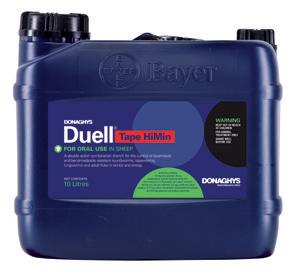
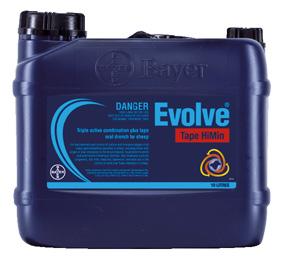
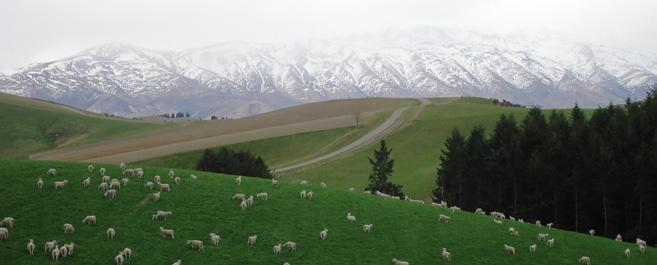
From that point forward, lambs will be the most significant source of worm eggs infecting pasture and this is why it is so important to ensure lambs get the best possible anthelmintic treatment right from the start. Weaning places a lot of stress on lambs – the combination of separation from the ewe, removal of milk and changing to a pasture based diet weakens their immune systems, all happening at a time when they are already the most susceptible to parasites. This question has been answered in three trials conducted by Beef and Lamb in the spring of 2010 in the Manawatu. Lambs were grouped into untreated (control) triple drench and triple drench plus praziquantel (specific tape drench) treatment groups and monitored over 28 days. Across all farms the triple drench group grew faster than the controls by a total of 392g, the triple and praziquantel grew by 672g and the triple and praziquantel treated lambs grew 1.02kg heavier in 28 days than untreated controls. A similar result was obtained by Southwell et al. in 1996, of 2kg liveweight gain over 2 months.
Southwell also demonstrated that praziquantel was the only tapeworm product to remove 100 percent of heads and segments. Not only did the triple and
praziquantel give liveweight gain but also reduced dag score, by increasing faecal consistency over both the other groups. There are several effective drenches that can control roundworms – the level of worm resistance on your farm will dictate either a double or triple combination. To control tapeworm, praziquantel is the only active ingredient that will kill both the head and segments of the tapeworm. As a good standard of practice, it is recommended that lamb drenching starts the first couple of drenches with an effective combination with an additional specific tape active. To follow on, it is recommended to continue with an effective combination – whether this is a double or triple will depend on your management practice or the resistance levels on your farm. Do not get short-changed this spring. There is pretty good evidence that a pre-wean drench has production advantages in many situations and that tapeworms can also reduce liveweight gain and have potential to increase fly strike, through creating more dags on lambs.
For further information, contact your Farmlands Technical Field Officer or the friendly team at your local Farmlands store.
Article supplied by Donaghys Animal Health.
It’s taken a lot of hard work to get your calves through to weaning but don’t take your foot off the accelerator now – internal parasites can significantly affect calf growth. You should put a drench programme in place that uses the right drenches at the right times to ensure your calves continue to achieve good growth rates.
When should I start drenching my calves?
Calves don’t need to be drenched until they have a worm burden. This isn’t likely to occur until pasture has been their main feed source for at least three weeks – so not until they are weaned in most cases. Don’t administer drench in milk or administer drench to calves around the same time as milk feeding, as there is a greater risk of drench toxicity. Weigh your calves (or a sample of them) prior to drenching so that you get the dose right. Which worms do I need to worry about in calves?
In calves, there are three gut worm species most likely to interrupt calf growth rates. Cooperia worms are a threat to calves up to 15 months of age – they often cause ‘subclinical’ effects – a decrease in appetite and growth rates without any overt signs that calves are unwell. Ostertagia worms affect the abomasum, or true stomach and are considered the most harmful worms in cattle. Trichostrongylus species can cause problems also, especially in late autumn and winter.



What type of drench should I be using in these young calves?
Using an oral combination drench is the way to go. Oral drenches are recommended over pour-ons, especially in young cattle, as pour-on absorption and efficacy has been shown to be variable in recent trials.
Each drench family kills worms by a different method, so combinations of two or more actives from different drench families are more effective than single active drenches. Use a drench that contains the actives that are effective against the important worm species in that age of animal. In New Zealand, Cooperia have developed widespread resistance to both the ML/mectins and white drenches, so you should include levamisole in your combination drench for calves and young cattle. Macrocylic lactones/avermectins (MLs/mectins) are considered to be the best drench family for Ostertagia worms. Use of combination drenches reduces the probability of
resistant worms surviving drenching and the risk of drench resistance developing. Remember, you shouldn’t use drenches that contain MLs/mectins, such as abamectin, in calves less than 100kg liveweight due to the risk of toxicity. An ideal drench to start with is Scanda. Scanda is a low-dose dual combination drench that contains oxfendazole and levamisole. Once calves are more than 100kg you can advance to Alliance, a low-dose triple combination, which has the addition of abamectin for better efficacy against Ostertagia worms. How often should I be drenching these calves?
Cattle in their first year of life are more susceptible to worms and are the biggest contaminators of pasture with worm eggs. A planned drenching programme at 28 day intervals from weaning, with an effective short-acting combination drench, is usually recommended to avoid production losses due to worms and to help control pasture contamination. For more information, please talk to the friendly team at your local Farmlands store.
Article supplied by Coopers.
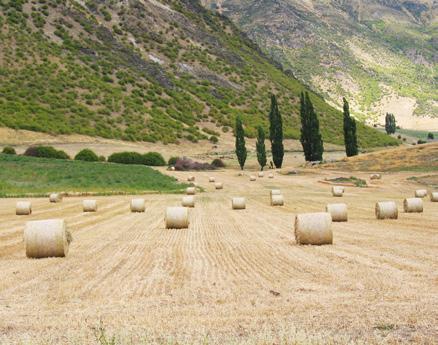
The Film&Film Wrapping System is a new dual film technology that delivers superior quality silage through greater bale density and an enhanced oxygen barrier. This innovative step-change in baling and wrapping practices is the latest advancement in baled silage preservation. In addition to improved silage quality, the Film&Film System provides further benefits in terms of minimised forage waste and reduced environmental impact.
This innovative new practice involves the combined use of Baletite net replacement film alongside Silotite balewrap. Baletite replaces the traditional netwrap used to bind crops into a bale format. Together these two films form the Film&Film System that offers several valuable benefits.
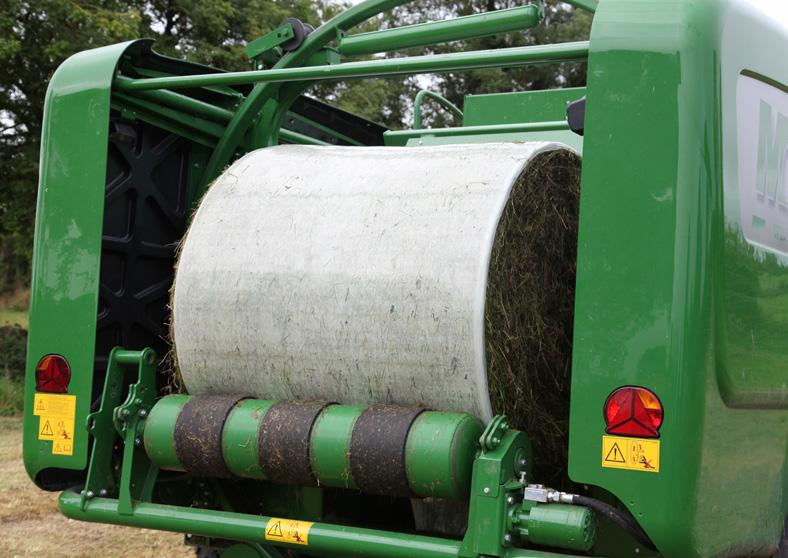
Automation of the feeding process:
Bales wrapped using the Film&Film System can be unwrapped quickly and easily – and if using a bale handler and mixing wagon, it is possible to feed out the contents with minimum human intervention.
Easier recycling:
The Film&Film System eliminates the need to separate and segregate as both Baletite and the balewrap are manufactured from the same base material. As such, they can be easily and quickly set aside together for recycling.
Enhanced quality:
Film&Film System bales also benefit from an enhanced ensiling process resulting in better crop conservation, thanks to the increased oxygen barrier afforded by the additional film layers applied during the baling stage.
For further information, contact your Farmlands Technical Field Officer or the friendly team at your local Farmlands store.
Article supplied by AGPAC Feed.
We all enjoy spring pasture growth, as the pressure comes off average pasture cover and our cows can consume optimal pasture intake. The vat is up and we anticipate that everything will take care of itself. But we all know that nature can throw a few unexpected surprises at us. If we understand what drives those challenges, we can successfully head them off via strategic management before they cause grief. So what should we look out for?
Rumen dysfunction
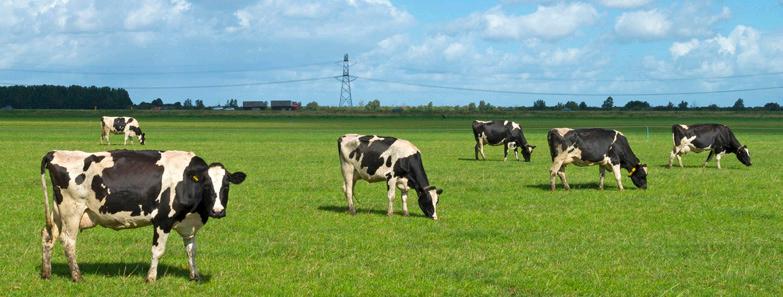
It is uncommon to observe lactic acidosis in grazing herds, however there are times when ration balance does challenge rumen health. Spring pastures can be high in sugars and fat (unsaturated fatty acids) – they also tend to be low in physically effective fibre. As the ‘rumen bugs’ break down this readily digestible feed, organic acids are at times produced more rapidly than they can be transported out of the rumen.
Transporting organic acids (which are a good thing) out of the rumen is an osmotic process that is dependent upon acids coming into contact with the papillae on the rumen wall and rumen fluid tonicity.
Three things interfere with this process: » Low intake of physically effective fibre
that stimulates greater agitation within the digesta.
» High intake of sugars that promote butyric acid, which is known to slow rumen contractions.
» Increased intake of potassium, chlorides and soluble protein that take rumen fluid tonicity closer to the tonicity of blood, slowing the rate of organic acid transport across the rumen wall.
So what do we observe when this occurs? Nothing that screams your cows are unwell. Fecal output often contains a lot more fluid than you would normally observe – it may also contain a higher degree of undigested feed particles. Post grazing residuals may be higher than you would expect and milk solid yield may be a little down on what you would anticipate from the amount of feed on offer.
How can we address this challenge? Offering a source of digestible, physically effective fibre is a good start. Feeds such as oaten hay tend to be more effective than straw. You don’t need huge volumes, 1kgDM per cow daily is often adequate. Swap high sugar content feeds for products that contain slowly degradable starch –essentially, cereal grain based products that contain substantial quantities of maize. Include a mineral buffer in your ration that has a longer rumen retention time than sodium bicarbonate.
This may be the least understood measure of recent years. Increased levels of soluble crude protein in spring
pasture will be converted to ammonia by the ‘rumen bugs’. Some of this ammonia will be incorporated into microbial protein while any surplus will diffuse into blood. Ammonia is converted to urea at the liver and is transported by blood for recycling purposes or to be deposited into urine or milk, hence rations high in soluble crude protein contribute to increased MUN results.
Leaf stage at grazing will influence soluble crude protein content of pastures. Grazing before 2.5 leaf stage will spike MUN, as will short rotations when nitrogen fertilisers have been applied (remember the 18 days postnitrogen application grazing rule of thumb). Other ration strategies will only reduce MUN if we can increase milk protein yield. Feeds that increase blood glucose and insulin concentrations are required to achieve this and feeds containing slowly degraded starch offer the greatest promise.
Keep analysing pasture samples for nutrient balance during spring and observe what cow health and production is telling you. Make adjustments to your rations as required and you will avoid the potential challenges of spring production.
For further information, contact your Farmlands Technical Field Officer or the friendly team at your local Farmlands store.
Article supplied by Inghams.
Protecting farm assets and machinery is a real priority right now. As finances tighten, ensuring all farm vehicles and machinery are in top working order is especially important. Birds nesting in equipment and engine bays not only bring in dirt and debris that damage these assets but the nests themselves are also a very real fire risk.
Farmers everywhere have spent years battling this problem. Birds would constantly leave droppings and debris all over machinery which, if left, would eventually turn to rust. There is also the worry about the hay and dry grass used for building nests in tractors, potentially causing a fire.
Farmers are often forced to spend lots of money on pest control systems that don’t work at all, are toxic or only work for as long as it takes the animals to figure out another way – making many
methods used to repel birds either time consuming or ineffective.
Wingo contains only a special blend of vegetable-based gel, pepper and cinnamon to deter birds for up to two years in covered areas. Birds don’t like the feel of the gel on their claws, while the sharp taste of pepper further alerts the birds to danger. The cinnamon smell then acts as the reminder that the gel is still active, effectively deterring the birds long term.
The tops of the mirrors, the hydraulic hoses, along the crest of the bonnet and anywhere birds sit on a tractor are good places to apply Wingo.
Birds are also identified as high risk pests to food processing operations such as milking sheds. Any faeces in the milking shed and on the milk and air lines is a hygiene and health issue, which is why the presence of birds in these areas is treated so seriously. Calf sheds are another high risk area, as the

issue of salmonella is a very real concern when rearing calves. Aside from Wingo being useful on the farm, there are many uses for this product in residential areas. It can be used in trees and on branches to protect nearby cars and buildings and on guttering, roofs and TV aerials around the house. Anywhere birds are a nuisance are ideal locations for placing Wingo. It’s ideal for applying in small quantities as needed. It doesn’t matter how long it’s been left unused, the gel always squirts out as good as new.
For further information, contact your Farmlands Technical Field Officer or the friendly team at your local Farmlands store.
Article supplied by Shoof.

A three-way tank mix featuring well known herbicides from Nufarm has proven to be a winner for postemergence weed control in maize grain and silage crops.
The mix combines the grass killing power of Latro® 750WG with the broadleaf killing power of Primiera® and the enhanced wetting, spreading and uptake properties of Bonza® spraying oil. The result is outstanding control of a wide range of weeds, including black nightshade and yellow bristle grass.
The Latro 750WG, Primiera and Bonza mix also has the advantage of providing a wider application window than the traditional post-emergence herbicide
mix of Latro and Kamba 500. This gives growers more flexibility and convenience with spray timing without compromising their result.
A further benefit of the three-way mix is that both Latro 750WG and Primiera perform best when applied with Bonza spraying oil, while Bonza should not be used with Kamba 500.
Growers were quick to incorporate the mix into their post-emergence spray programmes for maize grain and silage crop programmes last season and demand is expected to increase again this spring, as word continues to spread about its performance and advantages. Broadleaf weeds controlled by Primiera include chickweed, father, spurrey,
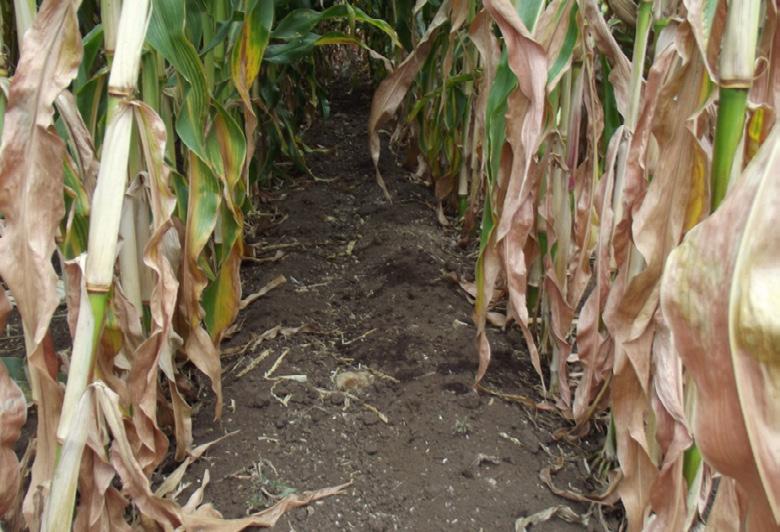
mallow, clover, willow weed, wire weed and seedling docks. Primiera also has action against atrazine resistant fathen. Grass weeds controlled by Latro 750WG include annual grass weeds, couch, ryegrass and other volunteer pasture grasses, kikuyu and barnyard grass.
Recommended spray rates are 80-110g/ha Latro 750WG with 150-200ml/ha Primiera, adding Bonza at 500ml to 1L/100L water and applying in 100-300L/ha water. The 1L/100L water rate of Bonza will improve control of annual grasses such as summer grasses.
Nufarm Technical Specialist, Paul Addison, says for best results, this mix should be applied before broadleaf weeds have developed past the eight true leaf stage. Summer grass is best controlled at a maximum of three tillers or 75 mm in length. For perennial grass weeds, it’s important to ensure sufficient foliage is present for good coverage.
Applying Latro 750WG, Primiera and Bonza to maize more than 500mm high risks crop injury, and the mix should not be used in sweetcorn crops or popping corn.
If you want to take your post emergence herbicide programme to the next level this spring, come in and talk to the friendly team at Farmlands today. For further information, contact your Farmlands Technical Field Officer or the friendly team at your local Farmlands store.
Article supplied by Nufarm.
One of the best things you can do to enhance the yield of your newly sown forage crops at this time of the year is to monitor for weeds as closely and as often as you can. It doesn’t take long once you get into a routine and it can make a big difference to the ultimate dry matter (DM) yield of the crop.
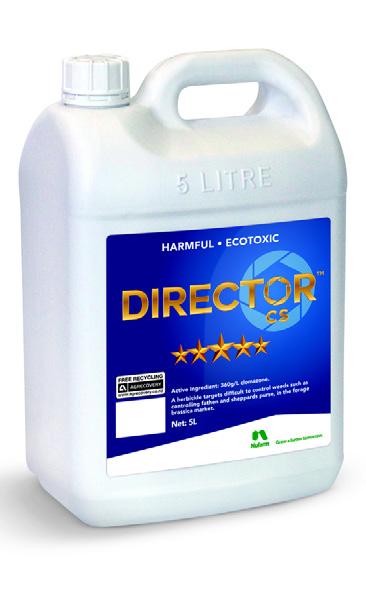
Fast growing and super-competitive, weeds suppress yields from day 1. But with Director™ CS, the newest herbicide from Nufarm, you can get on top of broadleaf and grass weeds in both forage brassicas and fodder beet at the critical pre-emergence stage. Director CS is highly effective against difficult to kill species like shepherd’s purse, wireweed, chickweed and cleavers, so your crop can get a great start.
This new herbicide contains the active ingredient clomazone in a special capsule suspension (CS) formulation. Clomazone is by nature a highly volatile active ingredient but Director’s CS formulation significantly reduces this volatility without affecting clomazone’s power to kill weeds. The formulation also improves crop safety, because particles of clomazone are surrounded by a carrier coating that remains dormant until it is activated by moisture. As a result, Director CS can remain effective in the root zone and activate 4 to 6 weeks after application depending on moisture availability.
Director CS works by being absorbed into the roots and emerging shoots of germinating weeds and stopping photosynthesis. Susceptible weeds may still emerge from the soil but are bleached white and die shortly afterwards.
Director CS can be tank mixed with other pre-emergence herbicides to widen the spectrum of weeds controlled. It suits a range of sowing techniques, including direct drilling, drilling into cultivated ground, preplant incorporation into the soil, ridged seed beds and surface seeding of forage and oilseed rape. Fodder beet rates are 150-200ml/ha. Rates for forage brassicas vary depending on the sowing method used.
That’s pre-emergence weed control sorted – but what about controlling weeds after your crop seedlings have emerged?
In the case of forage brassicas, key post-emergence broadleaf herbicides are Prestige ®, Archer ® and Kamba® 500 (registered for kale only), while SeQuence ® will take care of grass weeds. Prestige or Archer can be tank mixed with SeQuence for control of both broadleaf and grass weeds in forage brassica crops, with insecticide added if required.
In fodder beet crops, Archer can be used for post emergence broadleaf weed control.
Correct timing and rates are essential for successful control of both pre and post-emergence weeds in spring sown crops. Plant back periods also need to be observed.
For further information, contact your Farmlands Technical Field Officer or the friendly team at your local Farmlands store.
Article supplied by Nufarm.
“New updates to the label allow even more flexibility in Betanal quattro use for this season,” Bayer CropScience Territory manager Daniel Suddaby says.
“The label now has a maximum 5L/ha use rate, which allows farmers to more effectively target larger weeds and some harder to control weeds like spurrey and nettle. The 5L/ha rate should only be used once the beet crop has reached the two true leaf stage,” he adds. Further changes to the label include a reduction in the previous withholding period from 100 to 56 days and increased flexibility regarding compatibility. “Betanal quattro can be tank mixed with the

insecticide Lorsban 50EC, or with the herbicides Pyramin DF and Versatill PowerFlo and with other tank mix partners if that use has shown crop safety. Contact your closest Bayer CropScience representative for more information on compatibility,” Daniel says. “The critical factors for success when using Betanal quattro in fodder beet crops are timing, growth stage of the beet crop and the size, growth rate and species of weeds present. Starting early and targeting weeds that are small and actively growing is most effective.”
“Feedback from farmers who used Betanal quattro last season was very positive” Chris Miln, Bayer CropScience Marketing Manager says. “Feedback on its ease of use and effectiveness at controlling weeds were common themes. The convenience of the four in one formulation reducing complexity, resulting in less drums to handle and saving time was positively received," Chris adds.
For further information, contact your Farmlands Technical Field Officer or the friendly team at your local Farmlands store.
Article supplied by Bayer.
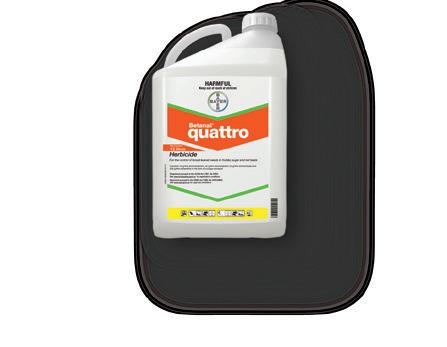
Betanal quattro is the first herbicide available that combines the four most important actives used in beet crops into one convenient product.
It’s safe, practical and what’s more provides unsurpassed weed control to allow your big beets to grow even bigger. And the 4 in 1 Betanal quattro formulation saves time, reduces complexity and there’s less containers to transport and dispose of.
To get everyone talking about your beets, insist on Betanal quattro from Bayer.

Apply Ballance fertiliser this spring and it won’t just be your productivity that grows. You’ll also grow your Choices Rewards Points or Airpoints Dollars™, your annual Farmlands Bonus Rebate* and your Ballance Rebate*.
Plus with our expert in-store and on-farm technical advice, competitive pricing and payment options, you can be sure you’re getting the best value this season.
To place your order call 0800 200 600 now, visit your local Farmlands store or head to www.farmlands.co.nz/growmore to find out about increasing your productivity this spring.
DuPont™ Acanto® fungicide controls the common and economically important diseases on barley and wheat to help preserve the yield potential of the crop, whether it’s grain or whole crop silage.
DuPont™ Acanto® fungicide contains picoxystrobin which is a second generation strobiluron. It is rapidly absorbed into the leaf cells and moves systemically to protect new growth and help protect against yield robbing disease.
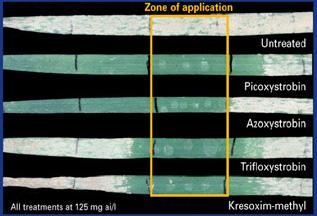
| The picture clearly shows how Acanto® (picoxystrobin) moves in the leaf to protect new growth compared the trifloxystrobin. Acanto® can also move from the vapour phase into
the plant and then be transported systemically. Currently no other strobilurons do this, and it means Acanto® stops disease developing over a long period.
Acanto is also an important resistance management tool and should be used in a programme that supports other fungicide groups such as SDHIs (either seed treatment or foliar applied), which are considered medium to high risk in terms of developing resistance. To reduce the risk of resistance to Acanto,
always tank mix with a triazole and make no more than two applications per season.
Acanto is a stand-alone product, meaning growers can choose which mixing partner they use and the treatment rate that best suits their specific needs. This flexibility, along with unique attributes and proven performance makes Acanto a good choice for any cereal spray programme. For further information, contact your Farmlands Technical Field Officer or the friendly team at your local Farmlands store.
Article supplied by DuPont.
With spring here, now’s the ideal time for DuPont™ Harmony® 50SG to knock docks and buttercups out of pastures.
DuPont™ Harmony® 50SG offers selective control of docks, annual buttercup, creeping (perennial) buttercup and giant buttercup in existing pastures, improving long-term feed quality and production.
The product is absorbed through the foliage, so pasture should be allowed to
freshen up prior to application. This will provide sufficient leaf area for effective uptake.
Growth of the dock or buttercup plants will cease almost immediately but, visually, symptoms will be most obvious after 30 to 40 days. Grazing the treated area 10 to 14 days after application will help minimise suppression of the pasture.
Harmony 50SG can be tank mixed with other herbicides such as MCPA, MCPB,
2-4D and 2,4-DB. Follow up treatments may be necessary depending on the extent of the initial weed problem. Do not apply if the pasture is under stress.
For further information, contact your Farmlands Technical Field Officer or the friendly team at your local Farmlands store.
Article supplied by DuPont.
Whole crop cereal silage can provide a valuable source of feed and creates the opportunity to substantially increase the amount of feed produced from an area of land.
With barley having a shorter maturity than triticale or wheat, barley silage offers more flexibility in a variety of farming systems. With a wide sowing window and short cropping period of approximately 100 days from planting to cut, barley offers greater opportunity to get another crop in the ground, increasing returns per hectare.
Cereal silage is frequently grown without fungicides, which can significantly reduce the yield potential. With approximately 60 percent of barley silage yield coming from the grain, barley crops grown for silage will benefit from staying clean and green through
Fungicide Trial Results
the grain fill period. Bigger and cleaner grains can significantly improve both yield and ME.
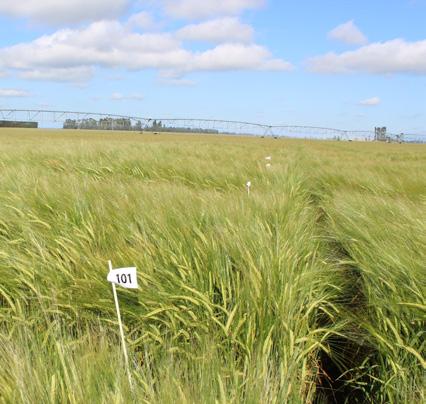
Surprisingly, there is limited trial data supporting the use of fungicides on cereal silage crops. This prompted Syngenta to conduct two replicated small plot trials in Mid and South Canterbury last season, to quantify the yield benefits of using fungicides on barley grown for silage.
The trials compared three treatments – 1) nil fungicide, 2) a single application of 400ml Proline® at GS25 (mid tillering) and, 3) a two spray programme of 400ml Proline® at GS25 followed by 400ml Proline® plus 600ml Seguris Flexi® at GS35 (mid stem extension).
The additional 2.14 t/ha of dry matter from the two spray programme equates to $317.00/ha margin over chemical
cost, compared to $90.00/ha for the single spray programme. This highlights the benefit of applying fungicides to silage crops to maximise dry matter production and increase margins. The withholding period for Seguris Flexi® on cereal silage is 28 days, however, because Proline® has a 42 day withholding period for silage, the Proline plus Seguris Flexi treatment must be applied no later than 42 days prior to harvest. If withholding period is a concern, the Proline in the second spray with Seguris Flexi could be substituted with 440ml/ha Folicur® which has a withholding period of only 28 days. Correct harvest timing is important to ensure optimal yield, quality and ensiling conditions. Silage crops should be harvested at 35-40 percent dry matter (cheesy dough stage). Interestingly, a secondary benefit provided by the Seguris Flexi treatment was a wider window for cutting, which can often be difficult to get right if the weather is against you, or when relying on a contractor.
For further information, contact your Farmlands Technical Field Officer or the friendly team at your local Farmlands store.
Farmers and growers, are you looking for a better plant burndown spray out of your pasture this season? Are you faced with poor broadleaf weed control, unreasonable plant back and grazing restrictions? Sharpen® is BASF’s breakthrough herbicide, delivering broader spectrum weed control and faster burndown. It’s a cost effective additive to enhance your WeedMaster® glyphosate spray. Sharpen ensures a great kill of a wider range of broadleaf weeds that WeedMaster glyphosate alone cannot control.
With many pasture based farmers facing tough economic times this coming season, it is vital that every dollar spent maximises returns. Hard to kill weeds such as broadleaf docks, catsear, buttercups, dandelions, fumitory, mallows, nightshades, plantains, shepherd's purse and spurrey (yar) are just some of the weeds hit hard when Sharpen is used with WeedMaster glyphosate. As Sharpen is compatible with all formulations of WeedMaster glyphosate, there is no need to change from your favourite brand. Just make sure you add the recommended rate of Hasten™, the preferred esterified canola oil adjuvant and you're well on the way to a superior burndown spray result. Sharpen now has a new label registration of nil milk withholding, 2 day grazing and 14 day meat slaughter withholding periods. Couple this with faster burndown and you are on to a winner.
The benefits don't stop there either, short plant back times for most crops, along
with a simple flush out of the spray tank rather than a full decontamination will keep you well onside with your spray contractor or operator.
Sharpen enhances WeedMaster glyphosate when used at a lower rate, yet becomes a residual herbicide when used at higher rates. This is where it really comes into its own in maize and sweetcorn crops and is especially smart on problem weeds such as fathen. Sharpen offers strong residual control of weeds that in many instances the older chemistry can no long offer. Cleaner crops mean healthier crops and most importantly higher yields.
Problem grass and broadleaf weeds meet their match
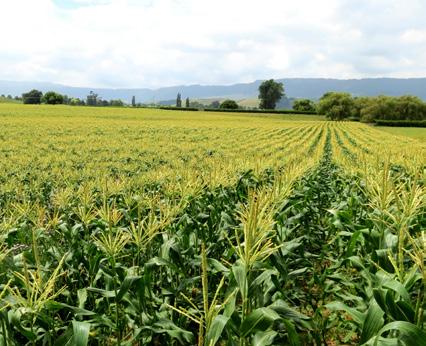
The ability of Arietta® herbicide to deliver cleaner, more profitable maize and sweet corn crops has set the stage for strong demand in the post-emergence market this season.
Growers who have used the new herbicide have been impressed with subsequent broadleaf weed and grass weed control – particularly for the likes of yellow bristle grass and difficult grassweeds in sweetcorn crops, BASF Waikato Territory Manager John Haliday says.
“They’re getting great results and no longer need to worry about having to make applications early to small grass and broadleaf weeds, with Arietta these applications have a much wider window.” Alternative actives need to be applied when weeds are at earlier stages of growth to achieve control. John says
growers often end up making two post emergence passes over the crop to get a good kill of late grass weeds in particular. Growers planting maize and sweetcorn crops this season can now look forward to a total programme when it comes to weed control, with Sharpen as the initial burndown combination with WeedMaster glyphosate and also in combination with acetochlor for their residual pre-emergence tank mix. If post-emergence follow up weed control is required to specifically target late germinating broadleafs and grasses, they can now turn to Arietta to provide that solution.
For further information, contact your Farmlands Technical Field Officer or the friendly team at your local Farmlands store.
Article supplied by BASF.
The inclusion of a red clover system on Alan and Paul Murray’s farm in Otago has increased lamb weights at sale, gained them an extra $7.00–$10.00 per head over grass based systems and has delivered multiple animal health benefits.
In Lawrence, Otago, father and son duo Alan and Paul, run 3,300 breeding ewes, 140 breeding cows and 130 finishing cattle on their 720ha farm. They used to sell 600–700 store lambs per year but now they have the feed available to fatten all their lambs on red clover. Their limited flat land had meant prior to their red clover crops, they did not have a system that was able to produce enough feed, as the rest of the property is quite steep.
Having tried forage rape in the past, Alan and Paul found two problems, “one is that we have to spray for aphids and the second is the cost, as brassicas are only in the ground for one season”. Red clover has offered a 2–3 year crop option, nitrogen fixing qualities and a high production crop.
A mix of Relish (14kg/ha Superstrike) red clover and Tribute white clover (4kg/ha Superstrike) was direct drilled with fertiliser under the seed. Being a multi-year crop, it is important to manage and look after it to ensure it persists. Grasses in these crops are a weed and can out compete the clover. Alan and Paul manage this by using GallantTM for the grasses and Select for thistle control. It’s also recommended that paddocks are monitored with soil testing and P, K,

and S applied as needed to maximise clover growth potential.
Relish and Sensation production is maximised when grazed rotationally and during the growing season, grazing from around 20–25cm to 4cm. With such rapid spring growth, it’s important to never let red clover build up too much stem, as this will reduce quality for the grazing animal and if too advanced, will reduce silage quality. In autumn, hard graze to clean up residual stems and reduce clover cover that may increase disease presence in winter.
Alan and Paul have been extremely pleased with the results of the red clover system. Over the last two summers the lambs have consistently been putting on an average of 300 grams per day, with some achieving 400 grams per day. These gains have culminated in an additional $7.00–$10.00 per head and killing them on average 1.5kg heavier than when on grass. Alan and Paul have also increased the weight of the
freezer ewes for lambing on red clover.
Traditionally, these have been killed at 26kg and now they are killed at 32kg (carcass weight) over the same time period. “We don’t see any scouring at all, no daggy lambs and haven’t had any fly problems – and there doesn’t appear to be any adjustment period going onto the clover.” Alan and Paul’s aim is to graze and fatten all lambs on red clover, so the duo are looking to increase the area sown in red clover from 14ha to 20ha.
Red clover allows them to fatten all their lambs on a smaller area, have them gone by mid April and lets the grass on the rest of the farm to build cover.
“We wonder why more people aren’t using a red clover system,” Paul says. For further information, contact your Farmlands Technical Field Officer or the friendly team at your local Farmlands store.
Article supplied by Agricom.
Southland farmer Philip McCallum turned to Triumph swede for its high yield, palatability and excellent utilisation rates.
On Rockley Farm, a 320ha block near Balfour in Southland, Philip McCallum finishes his own lambs, grazes store lambs and also runs 660 dairy cows for grazing (including 2 year olds). On top of this, Philip runs 150–180 yearlings, 1,100 M/A ewes (including two-tooths), 320 hoggets and 50 Angus Stud beef cows plus replacements.
Philip was seeking a swede variety that was yellow-fleshed and a ‘good eater,’ along with ease of grazing for his yearling dairy calves. Looking to move away from the generally hardertype swedes, Philip worked with his Farmlands Technical Field Officer, Paula Taylor, to come up with the best solution. Agricom’s Triumph swede fitted well, being a high yielding yellow-fleshed swede with good leaf production.
Philip direct drilled Gaucho treated Triumph swedes in early December and transitioned the yearlings onto the crop in mid May, with no issues around palatability. He was impressed with the high utilisation, noting that there were no bulbs left behind.
Triumph is one of the highest yielding swedes to come through Agricom’s breeding programme, with outstanding results in Plant and Food trials in Gore, Chertsey and Methven from 2009–2012.
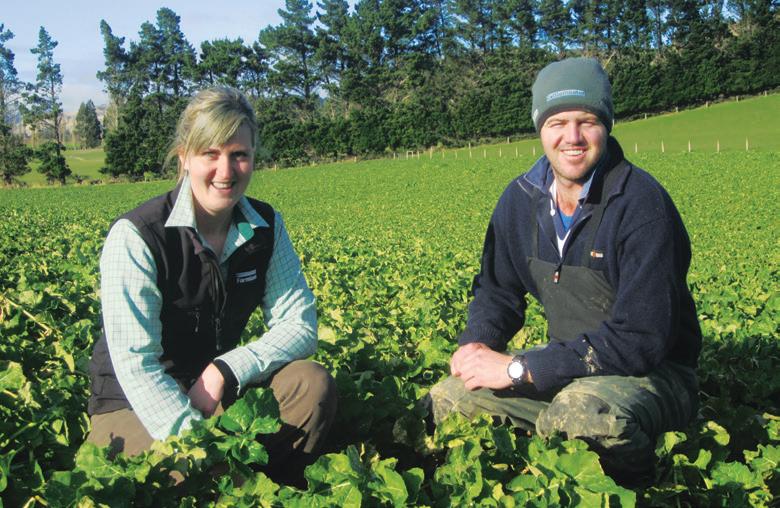
Philip had great results with his Triumph crop, which yielded 15.5T DM/ha, a yield that was considerably more than other swedes he had sown the same year. Based on yield and the performance of his yearling calves, Philip will be looking to use Triumph again next year.
Like all swedes, Triumph requires good establishment management, climatic conditions and high phosphate levels to fully express its yield potential. Due to its leafy nature, Agricom does not recommend significant nitrogen use with Triumph, with 50–80 units of nitrogen at the start of crop establishment sufficient in most circumstances (depending on adequate soil available nitrogen).
Where yield is the primary objective, Triumph swede is a great option, however some farmers struggle year on year with dry rot issues. Where dry rot tolerance is sought, Domain swedes are the best option. Trials by Plant and Food in Gore from 2009–2011 showed that Domain had one of the highest levels of tolerance against dry rot, compared to other commercially available swedes.
Being a traditional type swede, Domain does not produce as much leaf as other higher yielding varieties. It is an early maturing, yellow-fleshed swede with a slightly lower dry matter percentage than Triumph – making it highly palatable and an ideal swede for younger stock, as well as being completely suitable for all classes of stock.
Domain and Triumph swedes are available to suit all farm types, providing high yielding, excellent palatability, good utilisation and dry rot tolerant options. For further information, contact your Farmlands Technical Field Officer or the friendly team at your local Farmlands store.
Article supplied by Agricom.
Powdery mildew has evolved to become the main disease that wine growers need to manage. It impacts yield, wine quality and is a precursor for other diseases such as botrytis and sour rots. Early eradication within a robust preventative programme is the key to effective control.
In 2014, Chris Henry of Henry Manufacturing Limited undertook a powdery mildew eradication study in a Hawke’s Bay vineyard that had a severe powdery mildew infection. When he first saw the block, his initial thoughts were total crop loss.
The treatments, sprayed once only or twice (7 days apart), involved HML32 with
HML 32 Powdery Eradication Study
January 2014
different rates of potassium bicarbonate and a small amount of copper.
Plant and Food Research assessed the amount of powdery mildew reinfection
21 days after the one application treatments and 14 days after the two application treatments.
A combination of HML32, potassium bicarbonate at 300g/100L and copper was found to be the most effective, as shown in Figure 1. Instead of total crop loss, the crop came through clean and did not split as predicted.
Reinfection at least 14 days after spraying.
In 2014-15, this recipe was used successfully by a large number of growers with powdery mildew infection. Several growers who had significant powdery mildew infection in 2013-14 also used a combination of HML32, sulphur and copper to provide eradication within their preventative programme with success.
Chris’ key recommendation is to bracket flowering with applications of HML32, sulphur and copper, regardless of whether you had significant powdery mildew infection in the previous season.
By bracketing flowering in this way, you will be eradicating spores of powdery mildew,
Good practice:
Protectorhml and HML32 are both contact fungicides, therefore good canopy management and sprayer calibration (audit) is strongly recommended.
Rates:
Protectorhml – 0.5 percent HML32 – 1.25L per 100L.
Sulphur – 4-5 kg/ha.
Copper – 45g metallic copper (cuprous oxide) per 100L.
botrytis and others. It also provides an opportunity to introduce botrytis chemistry in between, if you think the variety requires it.
It is for growers to determine how frequently to apply this treatment combination, to ensure eradication within the prevention programme as they would when considering spray intervals, sulphur rates and sprayer tuning.
For further information, contact your Farmlands Technical Advisor or the friendly team at your local Farmlands store.
Article supplied by HML32.
Weather! It can be your best friend as well as your worst enemy.
With this in mind, it’s important to consider what you can do to prevent damage to your crops, as well as the steps you can take to insure them should the unexpected happen. Taking this two pronged approach can provide peace of mind that you’ve given yourself the best chance of coming out on top should Mother Nature deliver her worst.
The best way to protect your crop from the weather is to invest in measures that mitigate the potential for any damage or loss of production in the first place.
Farmlands National Horticulture Manager, Luke Hansen, says the industry is particularly good at implementing prevention measures for weather events such as frost and encourages the use of frost alarms, frost control fans and overhead irrigation.
“There’s plenty of good technology and machinery out there to help us prevent damage to our crops. However, if these systems fail during a frost, the damage can not only reduce the yields for this season but also the next. Fortunately, FMG has introduced a new benefit that

covers your frost damaged fruit if your permanently installed prevention gear breaks down – because there’s nothing worse than losing both your gear and your crop!”
In addition to putting prevention measures in place, you can also help ensure your crops are adequately protected by thoroughly reviewing your insurance options at the beginning of the season. With ever changing commodity prices, it’s important to consider how much your fruit’s value has changed and insure it for the right amount each season. This may involve topping up any industry insurance scheme you belong to.
For example, as kiwifruit growers, the industry’s hail insurance schemes from Zespri and pack-houses are generally only intended as a base cover. They
don’t necessarily factor in the additional costs you need to meet to get back on your feet. Buying cover such as FMG’s kiwifruit top-up cover for hail can help to ensure you’re not shorthanded for the rest of the season and beyond.
The right insurance option will depend on your individual circumstances.
Rural insurer FMG has specialist Rural Managers throughout the country who understand the horticulture and viticulture industry and can provide sound advice about what options will work best for your needs.
For further information, contact your Farmlands Technical Advisor or the friendly team at your local Farmlands store.
Article supplied by FMG.
Henkel is a leader in packaging adhesives and is the world’s largest supplier of industrial adhesives. Henkel provides high quality, innovative brands and adhesive technologies to many industries including the packaged food and beverage sector.
Food contact legislation demands that food, including its packaging, must be safe for human consumption. Through its in-house technical, analytical and product development infrastructure, Henkel provides an extensive portfolio of high performance adhesive solutions in conjunction with extensive food safety expertise.
For these reasons, Farmlands has partnered with Henkel to assist in providing shareholders with high quality, functional packaging for their horticultural products.
Henkel and the horticulture industry Packaging materials used in the New Zealand horticulture industry are generally regarded as good quality. It therefore follows that high quality hot

melt adhesives should be used to achieve a high standard of finished packaging.
Until recently, when Henkel introduced their range of metallocene based polyolefin hot melt adhesives, horticultural packing rooms were using EVA based hot melts. Erecting machines and application equipment were consequently required to assist in overcoming the deficiencies of these cheaper hot melt adhesives.
The industry standard had, by default, been to use at least 20 thousandth-inch nozzles on the hot melt application equipment. This allowed compensation for charring, nozzle build-up and minimised nozzle blockages and/ or poor adhesive delivery. Downtime was therefore reduced by minimising stoppages. Over time, the hot melt equipment deteriorated and required regular servicing and replacement of parts. High repair and maintenance costs were accepted practice with the use of these old technology adhesives.
However, it is now well proven that the Technomelt Supra range (a new technology hot melt) with its superior flow characteristics offers substantial benefits and savings to the industry. Supra 100 dramatically reduces pack house odours and allows smaller and more efficient hot melt nozzle sizes to be used. sixteen thousandth-inch nozzles running at lower pressures give immediate adhesive volume savings of at least 40 percent, with at least equal and often improved pack integrity.
The Henkel technical back up and service allow machine set-ups to be optimised through a combination of different nozzle sizes and pressure settings. One major beverage company that changed to the Henkel Supra 100 product achieved total savings of more than $250,000 in just 15 months. Many horticultural pack houses have made significant savings and improved efficiencies from using Henkel Supra 100.
A further advantage of the Technomelt Supra product is that it actually cleans tanks and hoses. After an initial settling in period when inline filters require regular checking, the hot melt unit then becomes virtually maintenance free. Some blocked nozzles may be experienced initially, as the system drags through some of the previous charring. However, this can be minimised by checking the inline filters regularly.
Henkel representatives are available nationwide to audit and optimise adhesive applications and therefore guarantee the best value adhesive solutions. In addition, they can provide actual New Zealand case histories and customer testimonials.
For further information, contact your Farmlands Technical Advisor or the friendly team at your local Farmlands store.
Article supplied by David Hill, Farmlands Horticulture.
Even moderate wind causes loss in productivity and quality through:
1. High evapotranspiration rates (plant stress).
2. Physical damage to plants.
3. Disruption of sprinkler distribution patterns.
4. Time and cost to replace damaged plants.
5. Reduced yield.
The ideal windbreak should filter the wind, reducing the velocity in the protected area by pushing the bulk of fast moving air above that zone.
In intensive horticulture situations, artificial windbreaks have distinct advantages over natural trees.
The speed of the wind is reduced as it filters through a windbreak, giving
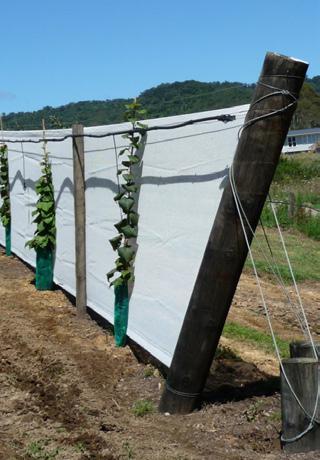
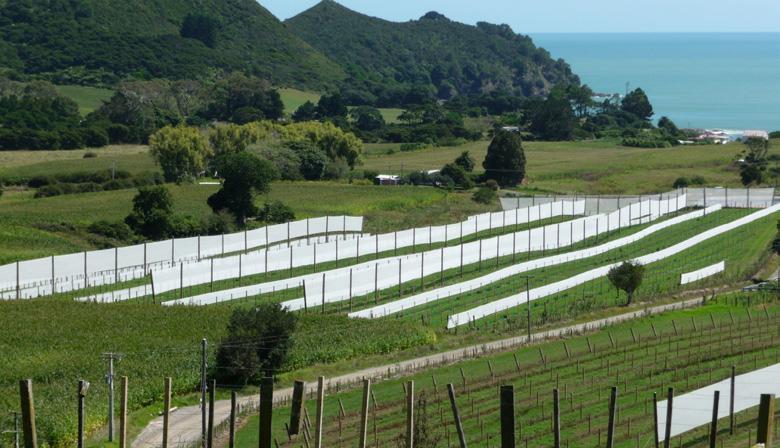
numerous beneficial effects. Although plant species react differently to wind protection because of their different forms, windbreaks generally give increased and earlier crop yields. Without a windbreak, leaf surface can be damaged sufficiently to reduce yields.
Artificial windbreak/shelter cloth is instant:
• Windbreak shelter cloth can be designed to give predictable performance.
• They don’t harbour pests and diseases.
• Minimal maintenance with a minimum 10 year pro rata U.V. life.
• Minimal shading of the productive area.
The bottom line:
Windbreaks reduce wind speed and modify the microclimate of sheltered areas. Overall, these changes improve plant quality and growth.
Empak stock a comprehensive range of knitted artificial shelter cloths in white, black or green colours, from 0.91 metre widths right through to 5 metre, in three porosity (percent of wind block) options depending on load requirements.
Typically white shelter cloth is the preferred option for use in kiwifruit blocks as the colour enhances light reflectivity reducing the effects of shading.
For further information, contact your Farmlands Technical Advisor or the friendly team at your local Farmlands store.
Article supplied by Empak Distribution.




Growing maize just got easier with the launch of Cutter – the new combination herbicide and insecticide from Orion AgriScience.


Cutter is applied with atrazine as the normal pre-emergent herbicide mixture. Cutter controls weeds as well as providing the extra benefit of cutworm control over the critical period of crop emergence. The beauty of Cutter is that its contact insecticide action complements the insect control from insecticide treated seed. Because Cutter is sprayed over the soil surface, it knocks down the cutworm that are present just before the maize emerges.
This is important because insecticide seed treatments work predominantly through systemic activity where the insecticide is taken up inside the maize seedling. This means the insect has to start feeding on the maize plant to ingest the insecticide. Therefore in addition to its herbicide properties, Cutter provides the first line of defence against cutworm. The seed treatment insecticide becomes the second line of defence. So by applying Cutter and using insecticide treated seed, a double defensive system is created that reduces the chances of cutworm damage over the critical crop emergence period.
By using the pre-emergence mixture of 3L/ha Cutter plus 3L/ha Atraflow it is now possible to control weeds and proactively manage cutworm problems at the same time.
Furthermore you save time and money because Cutter costs about the same as the leading acetochlor herbicide brands and it reduces the need for additional insecticide applications. For further information, contact your Farmlands Technical Advisor or the friendly team at your local Farmlands store.
Article supplied by Orion AgriScience.

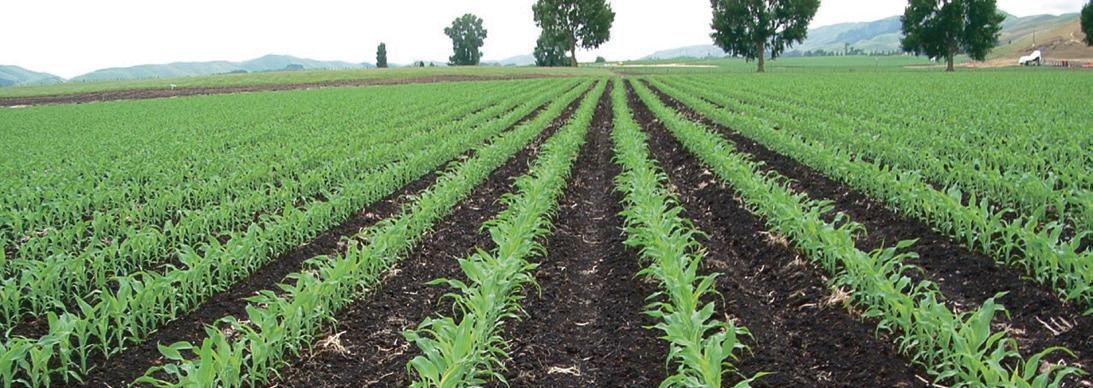
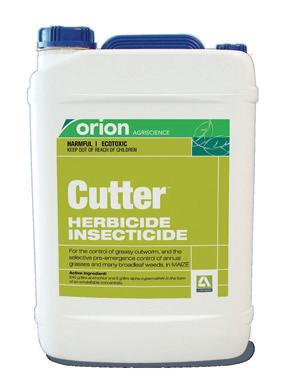
Cutter™ controls weeds and cutworm in one hit. Apply Cutter with Atraflow™ (atrazine) as your normal pre-emergent herbicide mixture. Cutter will control weeds and protect your emerging crop against cutworm attack. It works perfectly in combination with insecticide seed treatments because it’s contact activity cuts down cutworm before crop damage occurs.
Main advantages of using Cutter.
• Controls cutworm across the entire field – even between the rows
• Less cost compared to separate herbicide and insecticide applications
• Perfect complement to insecticide seed treatment
For more information, visit your local Farmlands store.
Little things can make a big difference when it comes to reproductive performance. Major minerals and trace elements are not typically the first limiting factor affecting the fertility of cattle and sheep – but they are worth considering when other factors have been addressed and there is still a desire to improve fertility.
Conserved forages and pasture sampling and analysis can be useful when investigating problems. It can, however, be difficult to interpret, because of the many interactions between minerals and other components in feeds that affect availability and utilisation. Routine analysis of blood and liver samples are generally considered a more reliable indicator and should be considered before the mating season commences. Whilst calcium is most commonly associated with health problems around calving, oestrus activity can suppress dry matter intakes and can cause downer cows when cows are milking well. In practice these cases can be difficult to prevent, as it is the relative fall in calcium intake associated with decreased feed intake, rather than the actual level in the diet. But prompt treatment can mitigate the losses.
A deficiency of phosphorus can lead to a failure to show oestrus and low conception rates. The analysis of bone samples from fallen or culled stock can
help to confirm the phosphorus status of a herd. Phosphorus levels decline as forages mature, so wholecrop and maize silage are poorer sources of phosphorus than young clover pastures.
Long term cobalt deficiency is associated with no oestrus and reduced conception rates but low copper status is more typically associated with delayed or depressed oestrus, abortion and poor semen quality. Excess supplementation should be avoided because copper toxicity can also impair reproduction. Manganese has an effect on the functioning of the corpus luteum and a deficiency can cause low fertility in adults.
Iodine is an essential component of thyroid hormones, which are involved in the control of metabolic activity and reproduction. Iodine is very efficiently absorbed but the production of thyroid hormones can be affected by the presence in the diet of goitrogens (e.g. in kale) or glucosides (e.g. in maize and white clover), so liver levels do not correlate with dietary levels. A deficiency of iodine is associated with abnormal
oestrus – either irregular or suppressed. Iodine can become toxic to ruminants at intakes above 50mg/cow/day. High levels of iodine intake may create undesirable levels in milk, so supplementation within the National Research Council recommendations of 0.34–0.88mg/kg DM (about 17mg/day for cows eating 20kg DM) may be more appropriate than the 50–60mg/cow/day recommended elsewhere.
Selenium deficiency can affect oestrus, ovulation, embryo fertilisation and development, in addition to low sperm motility. Zinc is a key component in testosterone and is essential for the development and functioning of reproductive organs and male fertility. The available zinc pool is small and deficiency can appear quickly. Given the difficulty of identifying the exact cause of sub-optimal fertility, a balanced and conservative approach to trace mineral supplementation is recommended.
Article supplied by Dr. Rob Derrick, Nutritionist, Farmlands Nutrition.
Rabbits can be delightful animals to keep as companions and breeding and showing rabbits is a hobby enjoyed by many. Rabbits do however, have some specific nutritional requirements that must be met in order to keep them as healthy as possible.
The rabbit’s digestive tract is designed to digest a high fibre diet consisting mainly of grass. They are classified as hind-gut fermenters, which means that the majority of digestion takes place in their large intestine and cecum. Despite being high fibre digesters, rabbits have a rapid gut transit time – in simple terms, they get as much as they can out of consumed feed then excrete it. They do not hold onto large amounts of feed in their gut for extended periods of time, like ruminant species such as cows. This adaptation allows rabbits to maintain a relatively low body weight, which as small prey species, is necessary to survive in the wild. Rabbits that are not fed a high fibre diet are prone to a potentially fatal health problem called ‘gut stasis’. This is when their gut slows down completely to the point where they stop eating and defecating.
Rabbits consume their own faeces – a phenomenon that is a little more complex than it may sound. The unique muscles of a rabbit’s cecum allows the intestinal tract to separate out fibrous material from more digestible material.
The fibrous material is then passed as faeces, while the more nutritious material is encased in a mucous lining, which is later passed as faeces that are re-consumed by the rabbit. These faeces are often referred to as ‘night faeces’ and are high in minerals, vitamins and protein. Night faeces are softer and appear darker in colour than normal faeces. This ‘double digestion’ allows rabbits to extract the necessary nutrients from their feed, with no need for a weighty digestive system.
Rabbits must always have constant access to either grass or hay in order to keep their teeth worn down. Rabbits with no access to hay or grass end up with teeth that overgrow, which can cause health issues such as mouth abscesses and incorrect jaw alignment. Rabbits that are kept in captivity often get less exercise than wild rabbits and if their diet is not carefully regulated, they can become overweight. Overweight rabbits are unable to get their mouth around to their posterior and are therefore unable to consume their nutrient packed night faeces. The faecal matter can also stick to the rabbit’s bottom and attract flies. It is therefore important that rabbits are offered a well-balanced diet and are not offered too many treat foods.
Formulated to be high in fibre and including one of the most comprehensive pre-mixes in our range,

NRM Rabbit Pellets are the perfect choice for your rabbits. A wide range of B vitamins including niacin and choline (which are essential for supporting energy metabolism and growth), along with a long list of other essential vitamins and minerals, will help to keep rabbits in optimum health. When offered along with hay and grass, NRM Rabbit Pellets can improve fertility, maintain a healthy coat and support the long term health of your rabbits.
Article supplied by Stacey Cosnett, Technical Product Manager, Farmlands Nutrition.
The onset of spring and warmer weather is often the time for horses to be brought back into work after a spell to enable them to be at optimum fitness for the upcoming performance season. Spelling a performance horse for a few weeks over winter is a great opportunity for both horse and rider to have a well-deserved break and brings with it multiple benefits to the horse’s physical and mental well-being. Time off contributes to the horse’s long term health and soundness as well as their work attitude and it is not unusual for horses to return to work with renewed enthusiasm for their job.
At any stage of the horse’s fitness programme, it is important that nutrient requirements are met and feeding management is aligned with workload and altered accordingly. Various factors will determine the horse’s body condition on returning from a spell, including
pasture availability while turned out, supplementary feeding and the horse’s individual metabolism. The lack of work means that in many cases, horses will return from time off having maintained or gained body condition, however any holiday weight will often reduce with the commencement of their fitness programme.
The timing of beginning work combined with the spring flush of high sugar pasture can create a perfect environment for exuberant behaviour and some horses may require pasture restriction and supplementary low sugar forage to assist with behaviour management. Lower energy feeds that supply adequate nutrition with less calories will also be required during this time. McMillan Cool Feed is a great choice for a formulated, higher fibre, lower starch feed that releases energy slower to avoid contributing to any hyperactive behavior that can be common during this time.
Any excessive behaviour associated with the beginning of work will often minimise as the horse becomes settled into a routine and especially as the workload begins to increase. While the increase in calories required as workload increases is often recognised, the need for increased nutrients is often overlooked. Horses have increased requirements for protein, trace minerals and vitamins as workload steps up and for this reason, a change in feeds may be
required. McMillan Protein Plus and Sport Horse are both high quality, textured feeds that are formulated with highly bioavailable organic minerals to meet all nutrient requirements for hard working horses. McMillan Rapid Gain is also ideal for horses in higher levels of work and contains enhanced levels of fat and protein for horses that require a little extra nutrition. Adequate forage and the correct amount of a high quality, fortified feed, combined with salt and a well formulated electrolyte will provide the performance horse with a balanced diet and successfully meet nutritional requirements. However, additional supplementation may be required to improve certain areas such as joint health, coat and hoof quality and muscle health through antioxidant support. The Equin range of supplements is a high quality supplement range that complements well balanced diets and aims to improve various aspects of equine health.
The aim of any equine diet and fitness programme should be to provide the correct levels of energy to achieve optimum body condition, meet all nutrient requirements for the stage of work and design the horse’s exercise programme to avoid injuries and promote a long and successful season ahead.
Article supplied by Luisa Wood, Farmlands Equine Nutrition Technical Advisor.
The global commodity market is in the doldrums, as the impact of financial slowdown in China flows through to key exporters around the globe.
In recent years, Chinese demand has driven up commodity prices from crude oil to grains. The slowdown is having a direct impact for New Zealand’s key commodity exports. In the grain markets, adequate supply around the world is the theme for yet another year. It is estimated China will hold approximately 40 percent of the world’s total wheat supply and 45 percent of its corn supply at the end of 2015/16.
As we head into our spring, the northern hemisphere is on the tail end of their grain harvest. Total global grain production is better known at the completion of the harvests in Canada, the United States, United Kingdom, Europe, Russia and the Black Sea. The only significant harvests still to go are Australia and South America.
Overall, this year, there have been no major production issues anywhere in the world. Since the first 2015/16 crop forecast was released by the USDA in May, they have increased their total global grain and oilseed production forecast.
Very hot conditions in the EU caused some crop stress in late June and on the eve of harvest, however the crop in general has weathered these issues well. There is talk of strong El Nino weather patterns developing, which could impact New Zealand’s grain harvest. It is looking too late to significantly impact Australia’s wheat and barley production.
With the lower dairy pay-out, palm kernel demand is the lowest it has been in years. This is also impacting local grain prices as demand slows and stocks begin to build.
Article supplied by Glencore.
The United Nations’ Food and Agriculture Organisation (FAO) has declared 2015 to be the International Year of Soils. New Zealand’s competitive advantage in the world agricultural produce market is very much centred on low cost pasture and crop production, the basis of which is fertile soil and adequate rainfall. Inputs that boost production, such as new grass cultivars, fertilisers, herbicides and irrigation all have their part to play – but soil structure and drainage needs to be managed to gain the maximum benefit from these inputs.
Soil consists of minerals, organic matter and water and air in the spaces between the soil particles. The complex relationship between these elements determines the performance of the soil and its production capability. Too much water, too little air, high carbon dioxide levels, low oxygen and a breakdown of
soil structure, all have adverse effects on crop growth. Pugging of waterlogged soils is one of the most insidious factors, being detrimental to immediate quality pasture availability as well as long term pasture growth, condition and composition.
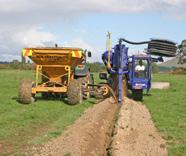
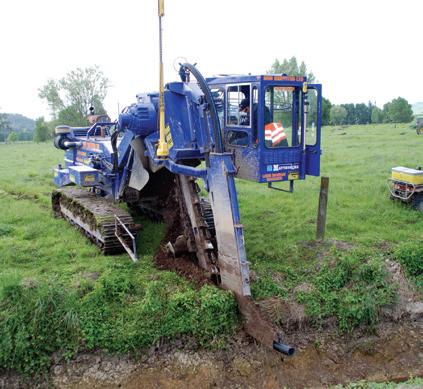
On farms where excess soil moisture is an issue, the benefits of a well designed and installed land drainage system are numerous and well researched. Production benefits accrue from elevated soil temperatures, longer growing season, improved soil structure through encouraging worm activity, unlocking of soil nutrients, developing root systems for growth and drought resistance and land drying uniformly for consistent germination and emergence. Land value and productive area is increased through stock rotation onto previously “no-go” winter paddocks, opportunity to remove some open culverts and better access and operating conditions for farm machinery. Stock also benefit, with a decrease in health issues and improved conditions for lambing and calving. A decrease in soil compaction and surface run-off of nutrients into our natural waterways has an environmental benefit, as stewardship of the land for sustainable farming is front of everyone’s mind. These benefits can only be multiplied by more effective and faster land drainage. Drainage design elements that achieve these results include increased pipe diameter or gradient, the use of granular
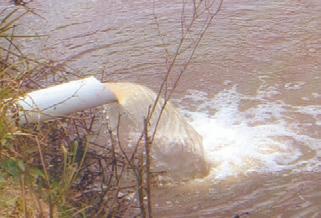
aggregate backfill around the pipe, running mole-drains into the drainage laterals and the use of NexusTM, with its inherent smooth-bore flow performance advantage. Your land drainage contractor, with local knowledge of soil types and structures, is invaluable in offering advice on what best meets your needs.
In summary, New Zealand farmers are soil farmers. Assess this most important farm asset and determine its needs. Address structure and drainage issues if required and then look to develop on this with other production inputs, which will inevitably benefit from previous investment in the land and become less reliant on supplements. As a one off capital cost, land drainage will continue to produce very good returns, with minimal long term maintenance costs. For further information, contact your Farmlands Technical Field Officer or the friendly team at your local Farmlands store.
Article supplied by Iplex.
Winter is over, things are starting to dry out and spring has sprung! Many of you will be looking to get new water tanks, to ensure an uninterrupted water supply for the summer ahead.
Here’s some handy hints and tips to ensure the installation of your new water tank goes smoothly.
Firstly – preparation is key:
• Ensure the tank site is flat and level, free from rocks or stones and any foreign matter that may damage the tank’s base.
• Ensure the tank site is well compacted if fill is used to prepare or level the site.
• Ensure that the tank site is at least 300mm larger in diameter than the tank.
• If a sand base is used, a retaining cover should be used to prevent sand from washing away after installation.
Remember, a full tank will weigh up to 30 tonnes – so it is important that the surface it sits on is stable and firm. You may also need to ensure you secure the tank once it has been delivered – if it’s windy or stormy your tank can easily be blown away if not secured down. Adding 200mm of water to the bottom of the tank is usually enough to weigh it down.
An important part of the preparation is to think about the number and types of inlets, outlets and valves you require.
Planning how you will install and plumb the tank is important – and we highly recommend you run your project past a drainlayer or plumber to ensure your plans will work!
To take advantage of the maximum catchment of water, it is ideal to place tanks at the end of a building. This way, downpipes can be fed from both gutters into one tank. Please note the overflow capacity must match the downpipe capacity. For example, two 90mm inlet downpipes would require equal capacity overflows. Also note that tank overflows can go below the ground and come up again, to meet stormwater run-off. Important considerations when plumbing the tank are:
• Ensure a flexible hose is installed after the gate or ball valve with a minimum 300mm length.
• The tank outlet must NOT be subjected to extra force, e.g. over tightening of fittings.
• Overflow must be piped clear of base to avoid erosion.
• The number of inlet pipes, their sizes and capacities must equal the number of overflow pipes, their sizes and capacities.
• Do not allow the tank site to deteriorate after installation due to any form of erosion or site destruction caused by vermin such as rabbits.
When pipe work is exposed or over a longer distance, insert a length of flexible pipe 300mm to absorb shocks and movements.
Alternatively, lay pipe work into the ground just after the 300mm flexible pipe to avoid running over and damaging the fitting and/or tank.
Avoid free hanging unsupported pipe work, it puts excessive strain on fittings and tank wall.
Promax corrugated tanks can be buried and fully back-filled up to 1 metre in the ground – and still retain their 20 year warranty. Burying your Promax tank is a great way to avoid height restriction issues – also a buried tank with shrubs planted around it is more attractive in your backyard!
When you are planning to bury a Promax corrugated tank, you should prepare the base with 100mm minimum of compacted sand, just as you would if installing the tank above ground.
Article supplied by Promax.